Cometh September 2023 and noticed a 3 day extended weekend  visible on my desk calendar. The usual questions and debates and prefixes of “how, where, when, why and which” around budgets, stay, mode of travel, temples, shopping and we finally zeroed down on visiting God in his country. Kerala it was to be and with a plan to explore something which we had not seen before. Booked ourselves for Thiruvananthapuram (erstwhile known as Trivandrum) by an early morning Indigo Flight from Chennai.

The flight timings entailed that we would have to leave home by around 3.30 AM. 

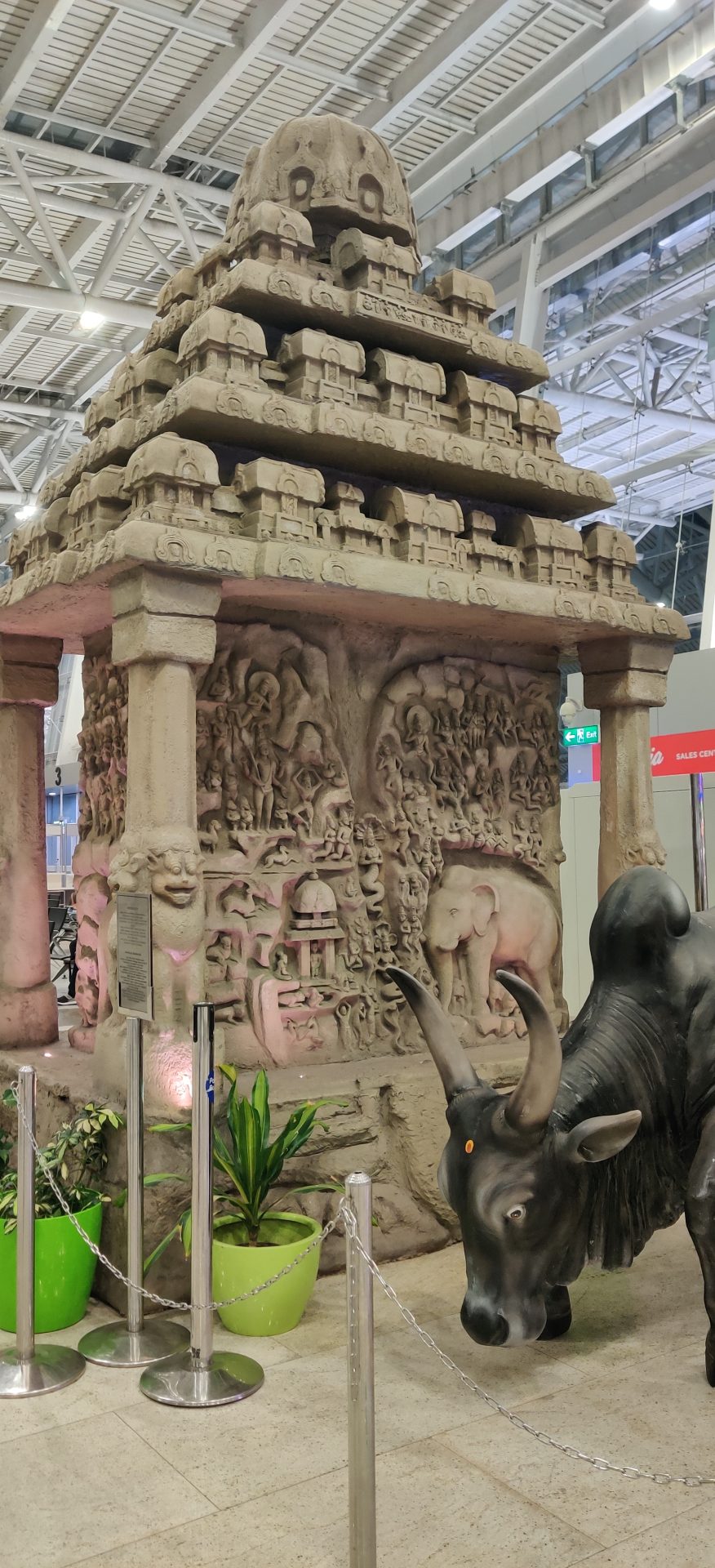
Not sure if we would get a cab at that unearthly hour and not wanting to leave anything to chance, we landed at the Chennai Airport at around midnight. 

We were almost in time to catch an International flight.

Table of Contents

Getting to reach God's Own Country

One could choose to fly into Trivandrum the way we did from Chennai. Alternately, if one is around Bangalore or Chennai, a train journey could be planned but it would entail a long haul of 12+ hours. The other alternate could be fly into Kochi and drive down or take a intercity train or any of the long distance trains connecting these 2 cities. There are more than 25 trains running daily and through the day between these cities and beyond. Should one want to combine a stay at one of these exotic resorts at Poovar or Varkala or Kovalam, would recommend to plan a 3 day trip.

Trivia on Trivandrum

An undulating terrain of low coastal hills, the city of Trivandrum is built on seven hills along the shoreline. 

The city derives its name from Thiru Anantha Puram meaning Abode of Lord AnantaThe ancient Ananthapadmanabhaswamy Temple, the world’s richest temple with a treasure trove running in excess of Rs.1 Lakh Crores is a famous place for worship here. 

Tourists also flock here to chill out at the lovely beaches of  Kovalam and Varkala and backwaters of Poovar. Lot of verdant greenery around the town which made Mahatma Gandhi refer to this city as the Evergreen City of India. The city was into trading for ivory, sandalwood and spices from around 1000 BCE. King Solomon, a monarch of ancient Israel is believed to have sailed in here in present day Poovar which existed as a port then. Kings from the Ay, Chera and Chola dynasties ruled the city until it moved to the Royals of Travancore.

The best time to visit

October to February are generally considered the best months to visit Trivandrum though there are these occasional passing showers which renders some bit of coolness to an otherwise sticky and humid weather. We did encounter this during our stay but it was fun and manageable walking through light intermittent drizzles through the day.

While it would be recommended to wear light cotton wear, the dress codes at some of the temples would have to be strictly adhered to. 

As we set forth for this short vacay

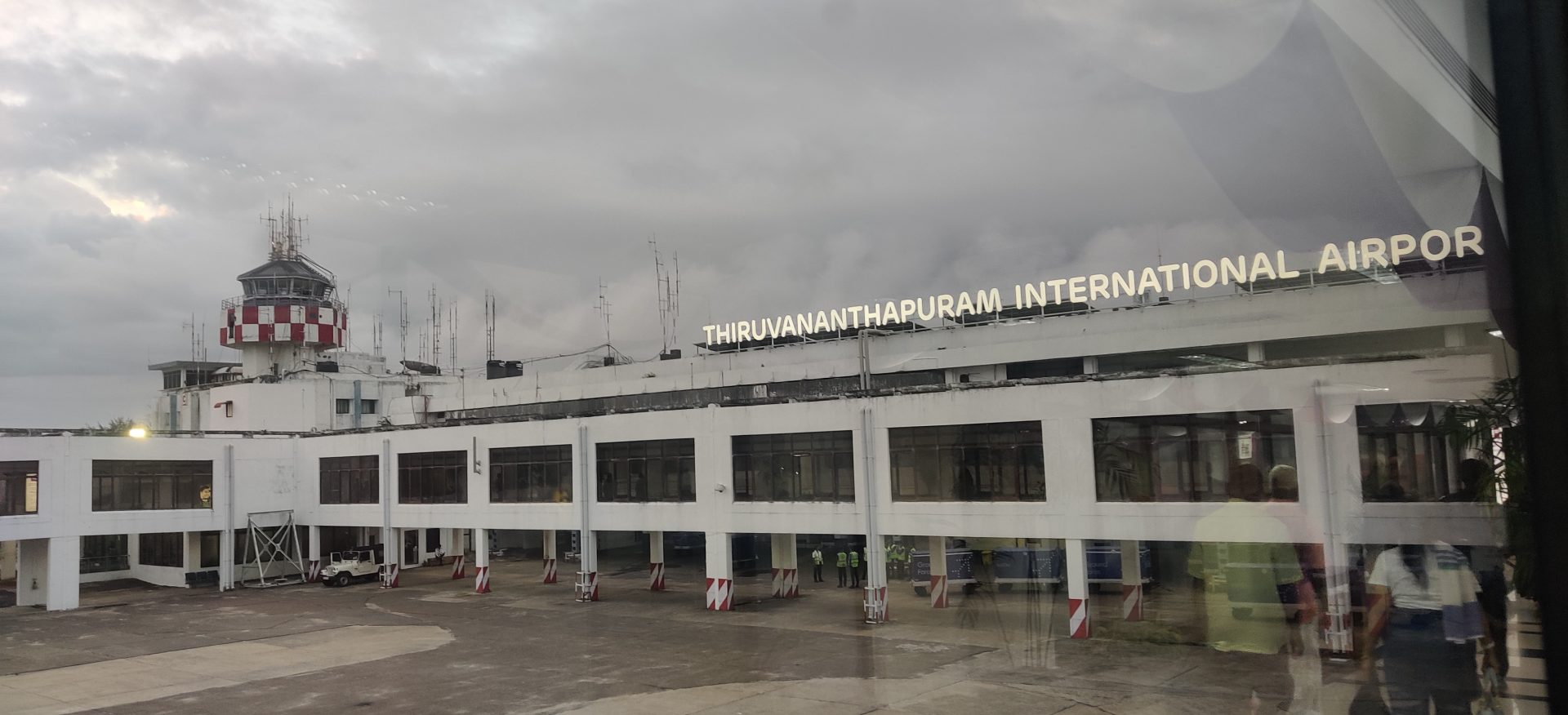
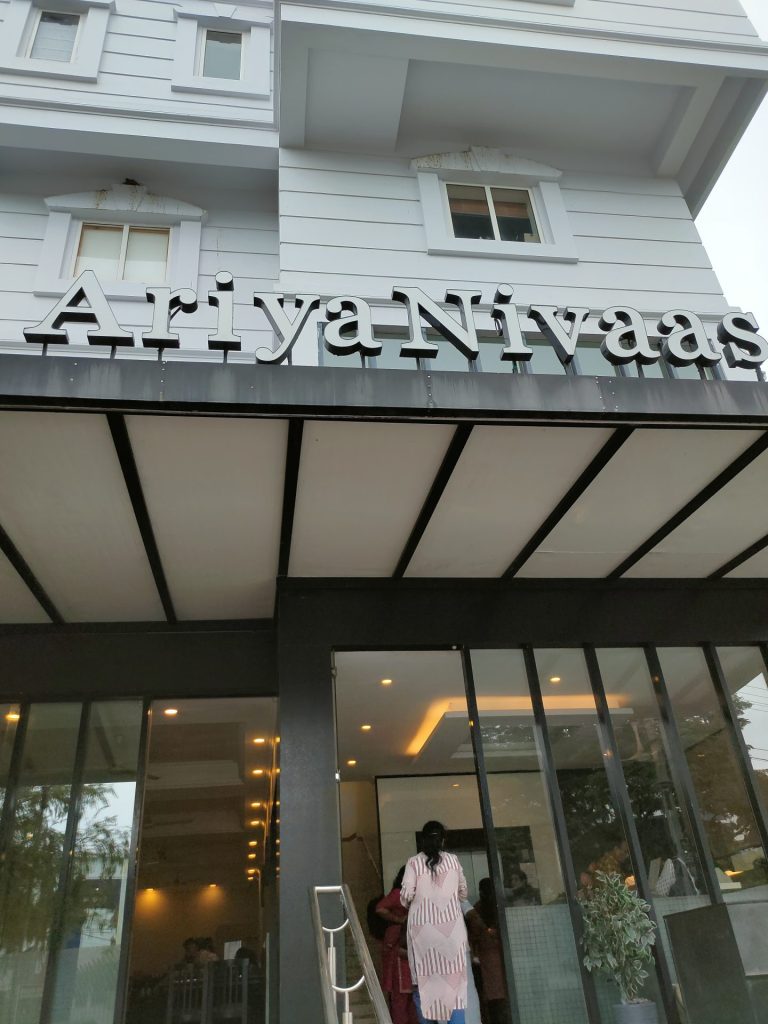
The customary photo shoots done at Chennai airport, caught on with a couple of hours of sleep expecting a long day ahead. We were up by 4.15 AM and helped ourselves to some piping hot filter coffee, knowing pretty well that the next 4 days would be tough on we poor ardent coffee lovers, given that Kerala is a Chaya (tea) country. The flight took off sharp at 5.30 AM  and around 90 minutes of flying brought us to Trivandrum. Our stay was booked at Ariya Niwas which was pretty close to the Railway station and was a 30 minute drive from the Airport.

Time is an abstract at Fort Kochi as what we felt even during our earlier visit in 2006. Have only a couple of days at your disposal and see no more beyond Fort Kochi for a quick getaway.  

This lovely charming little town would transport you back to experiencing a perfect myriad confluence of heritage, history and culture. 

Choose from any of these and more for your stay

One is spoilt for choices in terms of the hotels and beach side resorts at Trivandrum. Chose one of these booking sites Booking.com, Agoda.com or Makemytrip.com to narrow down on your choices but apply the cardinal rule of looking at not only the ratings but also reading a few random reviews. 

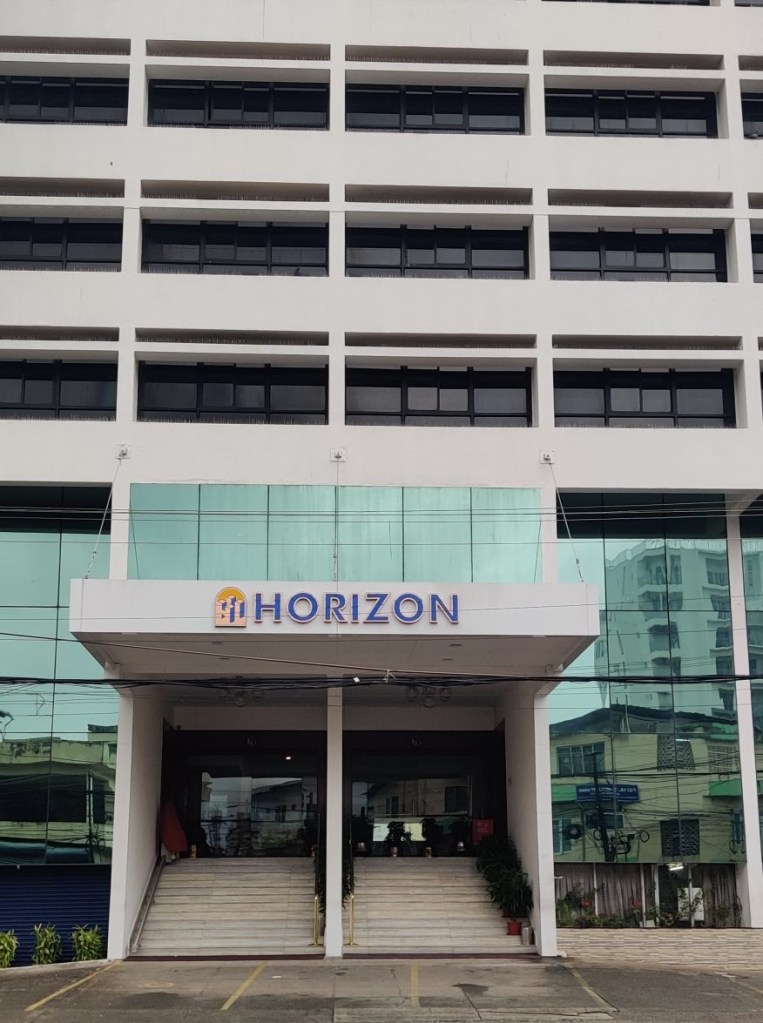
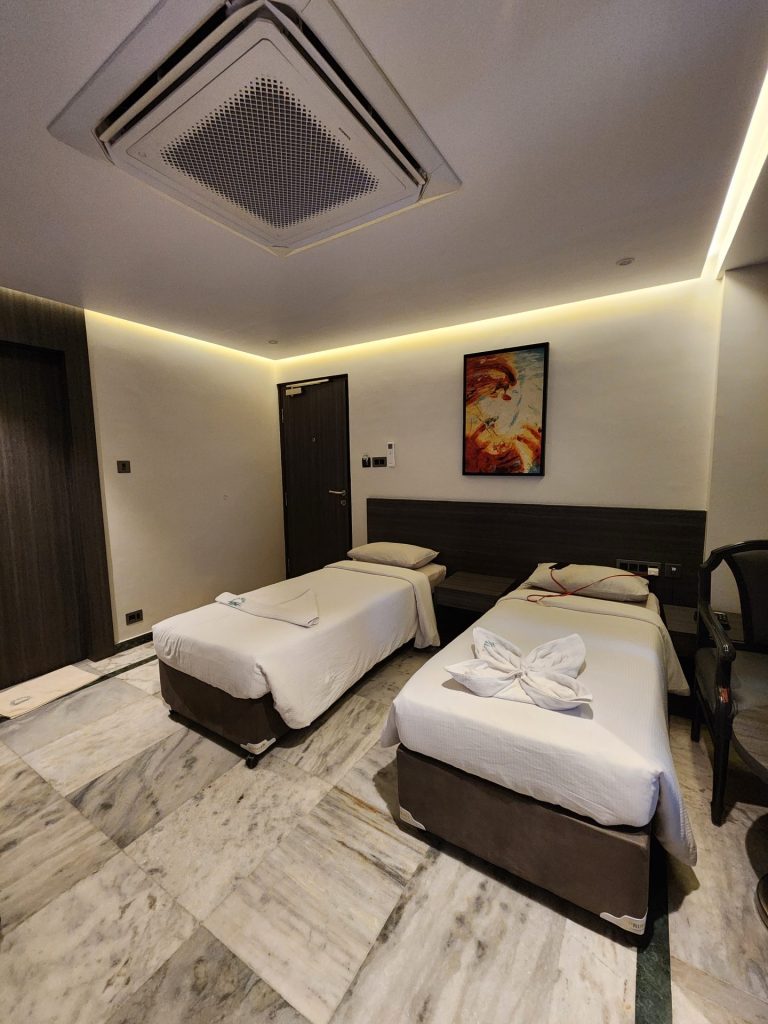
While our prime objective to look for in any hotel would be to hunt for those with neat and clean washrooms and linen since we would be on travel most of the day, we have not been proven wrong. One could look at Uday Samudra, Travancore Heritage Beach resort, The Abad Harmonica (we had stayed here in 2006) or the Leela and Taj Green Cove properties for beach side resorts or opt for the Classic Sarovar Portico or Horizon or Hycinth or Central Residency or Keys Select or KTDC’s Mascot Hotel. Ideally one could spend a day or two within the city and chill out for a couple of days at Kovalam or Varkala or Poovar.

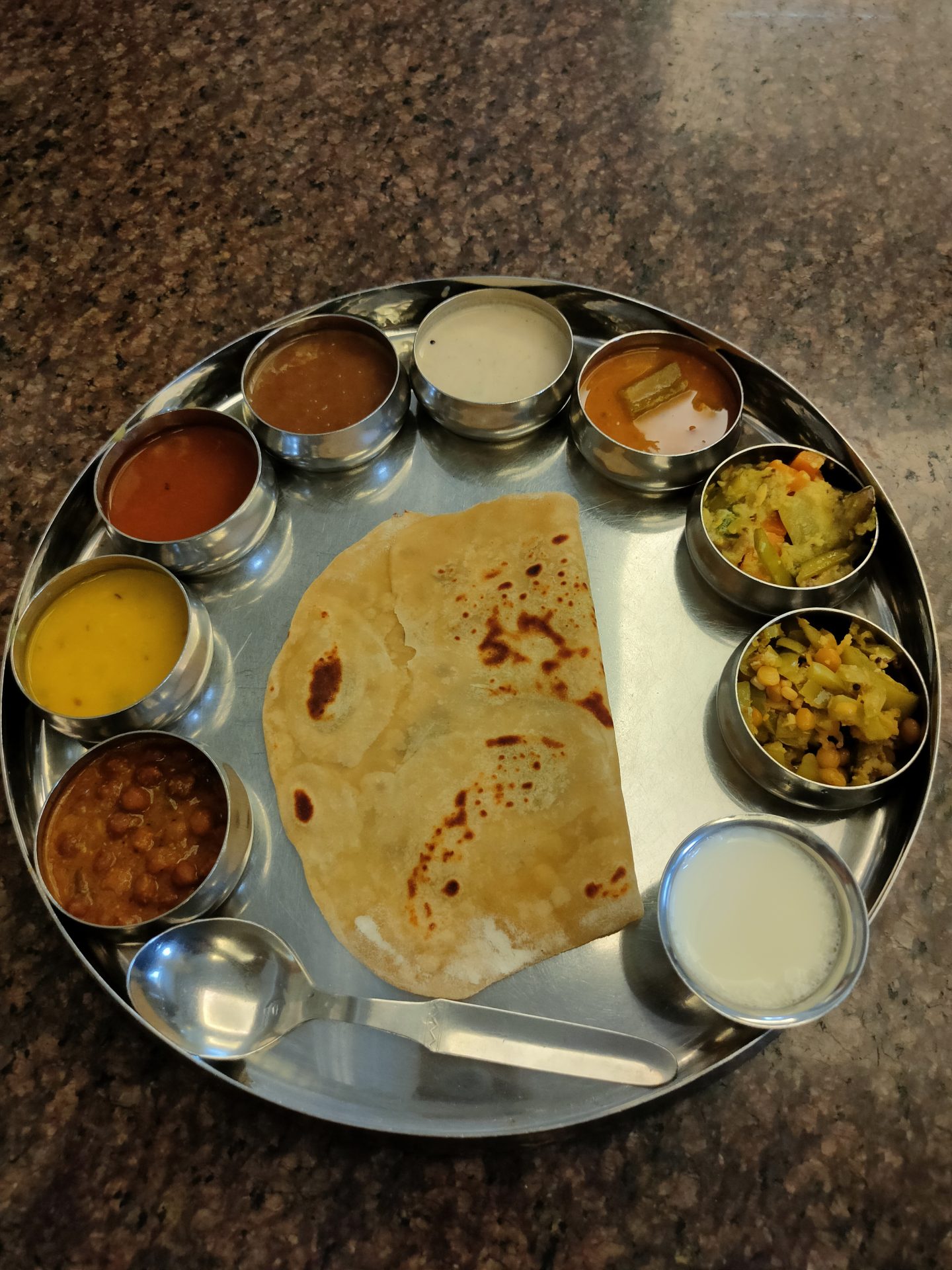
Hotel Ariya Nivaas is very popular amongst folks for its vegetarian restaurant and remains jam packed through the dining hours. 

Dropped in our luggage with the concierge and got a cab booked through the reception for local sightseeing. 

Next on cards was some quick freshening up and then breakfast.

The cab arrived on dot at around 8.45 AM and after taking the help of the receptionist to converse with the cab driver in Malayalam in outlining the places which we wanted to see, set forth by 9.15 AM.   

Soaking in the sights literally

The Aazhimala Shiva Temple

We first headed  for Mulloor on the Poovar Vizhinjam road and reached the Aazhimala Shiva temple, located 20 kms by 9.30 AM. 

Dedicated to Lord Shiva, this temple is built atop a cliff and overlooks the Arabian Sea. 

A light drizzle greeted us as we entered the temple complex.

Gangadhareshwara (meaning Lord who adorns the Ganga) is the name of the statue here and this took over 6 years to complete.  A fascinating piece of work. 

The outer walls of the temple and the tower (Gopuram) are adorned with carvings, murals and colourful sculptures of different deities like Vishnu, Karthikeya, Hanuman, Ganesha and Ayyappan. 

The construction of this temple was completed in 2020.

THE 58 FEET HIGH STATUE

Vizhinjam Lighthouse

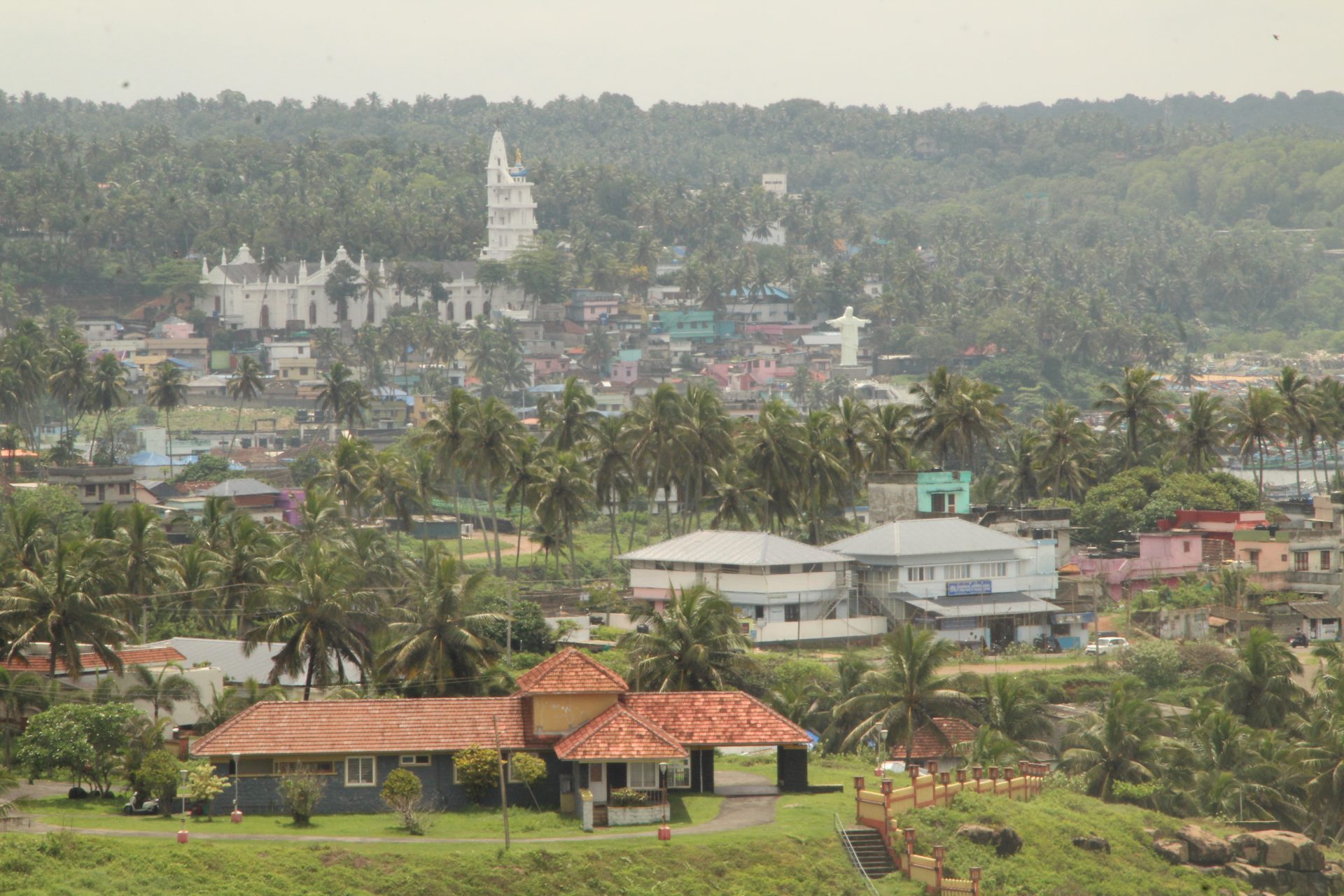
We spent around an hour at Aazhimala and headed towards Vizhinjam. Located around 3 kms from the famed Kovalam beach, the Light House was a 15 minute drive away. During the 18th and 19th centuries, Vizhinjam happened to be a busy seaport.

Vizhinjam Lighthouse is located very close to the Kovalam beach and is operational since 30th June 1972. 

Vizhinjam was a busy seaport in the 18th and 19th centuries when the first lighted beacon came up in 1925 at nearby Kolachal. 

Post that it was in a neglected state. 

In 1972, a 36 metre high cylindrical tower came up to function as a proper lighthouse. 

Tickets are priced at Rs.10/- per head while usage of a camera would entail an additional fee of Rs.20/-. 

A 150 step spiral staircase leads one to the top from where magnificent views of the Vizhinjam beach and its surroundings can be seen.

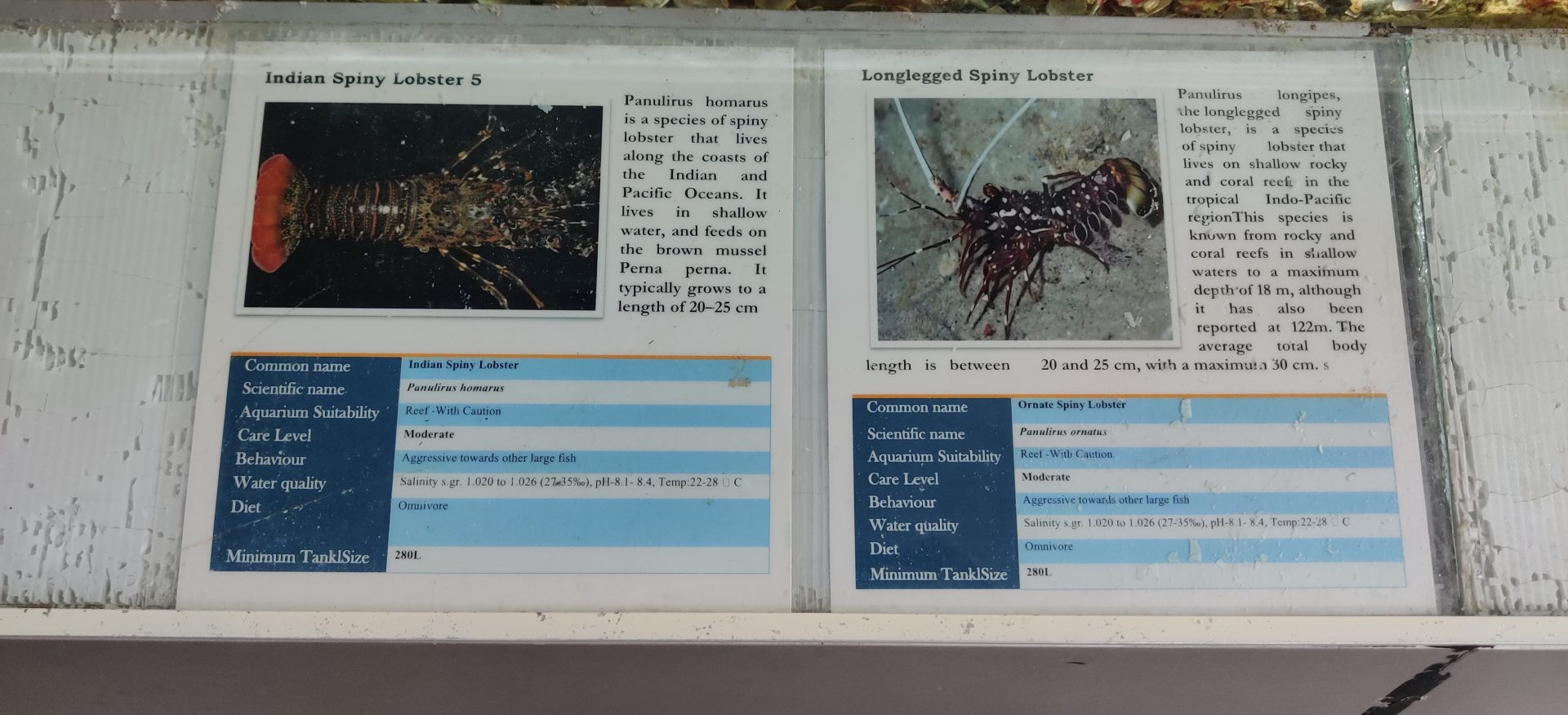
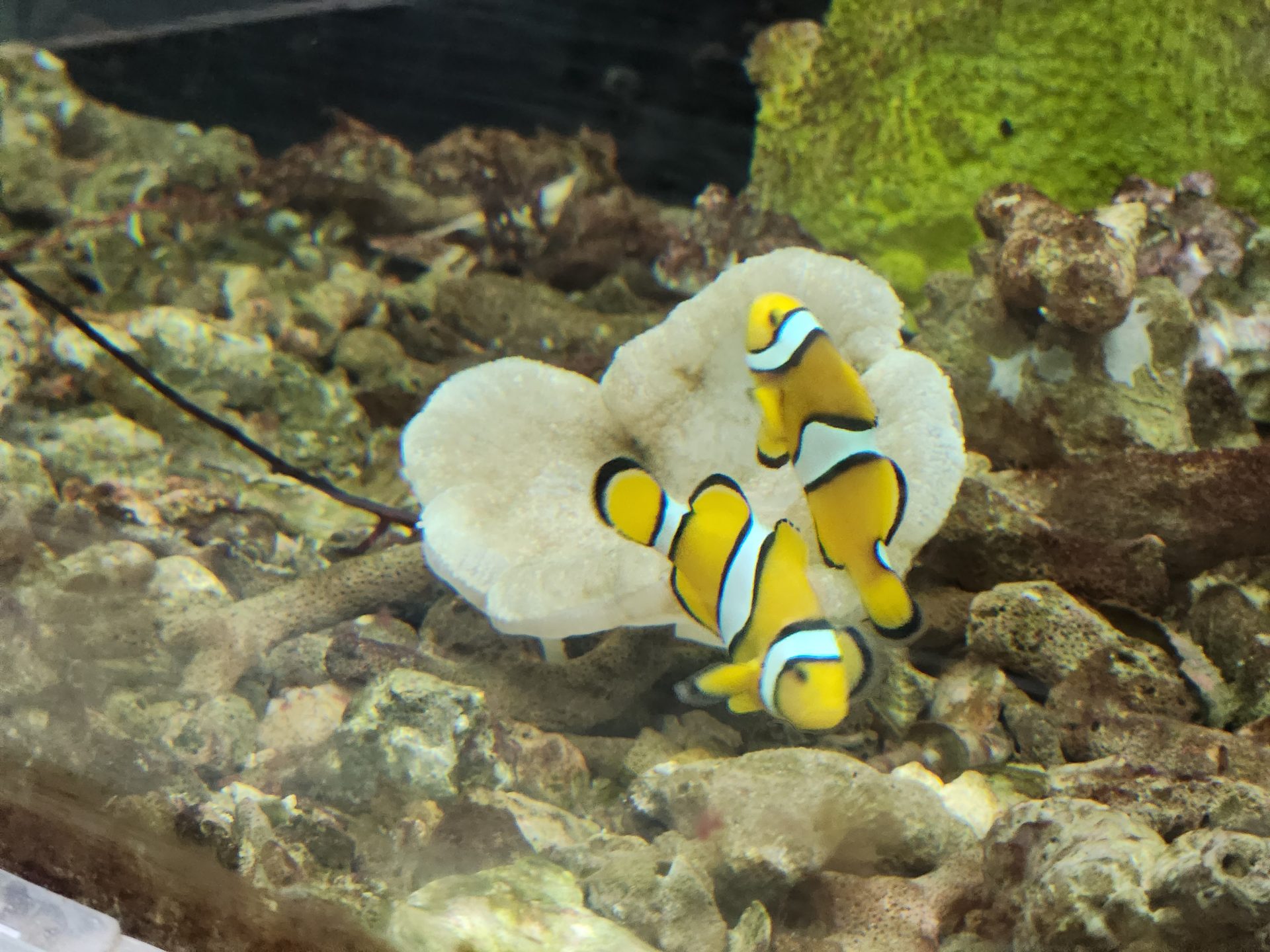
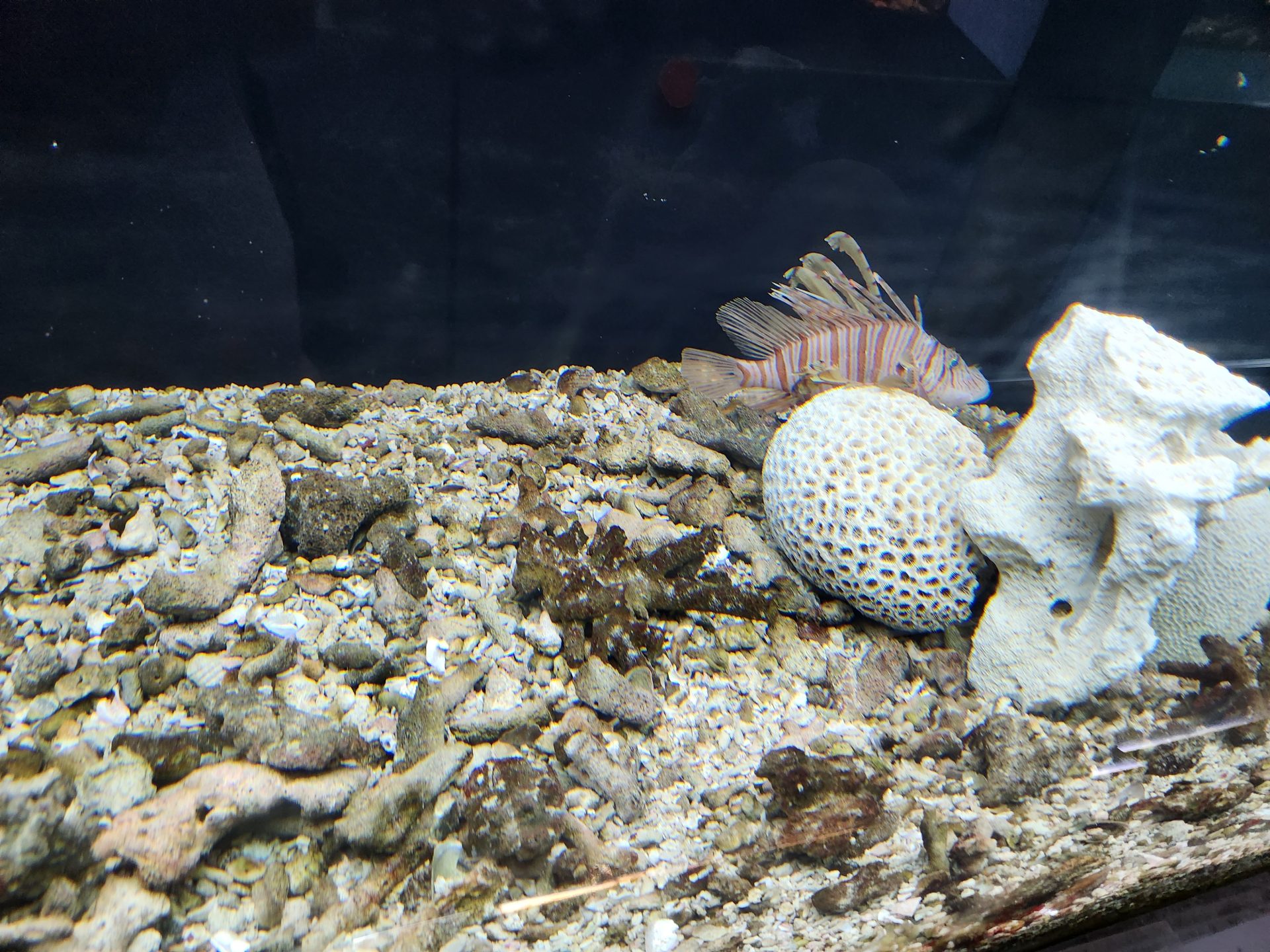
The Sagarika Marine Museum

We moved on next to the Sagarika Marine Research Aquarium

The drizzle had intensified into a downpour and we literally had to make a dash from the gate to the entrance door. Tickets were priced at Rs.20/- apiece. 

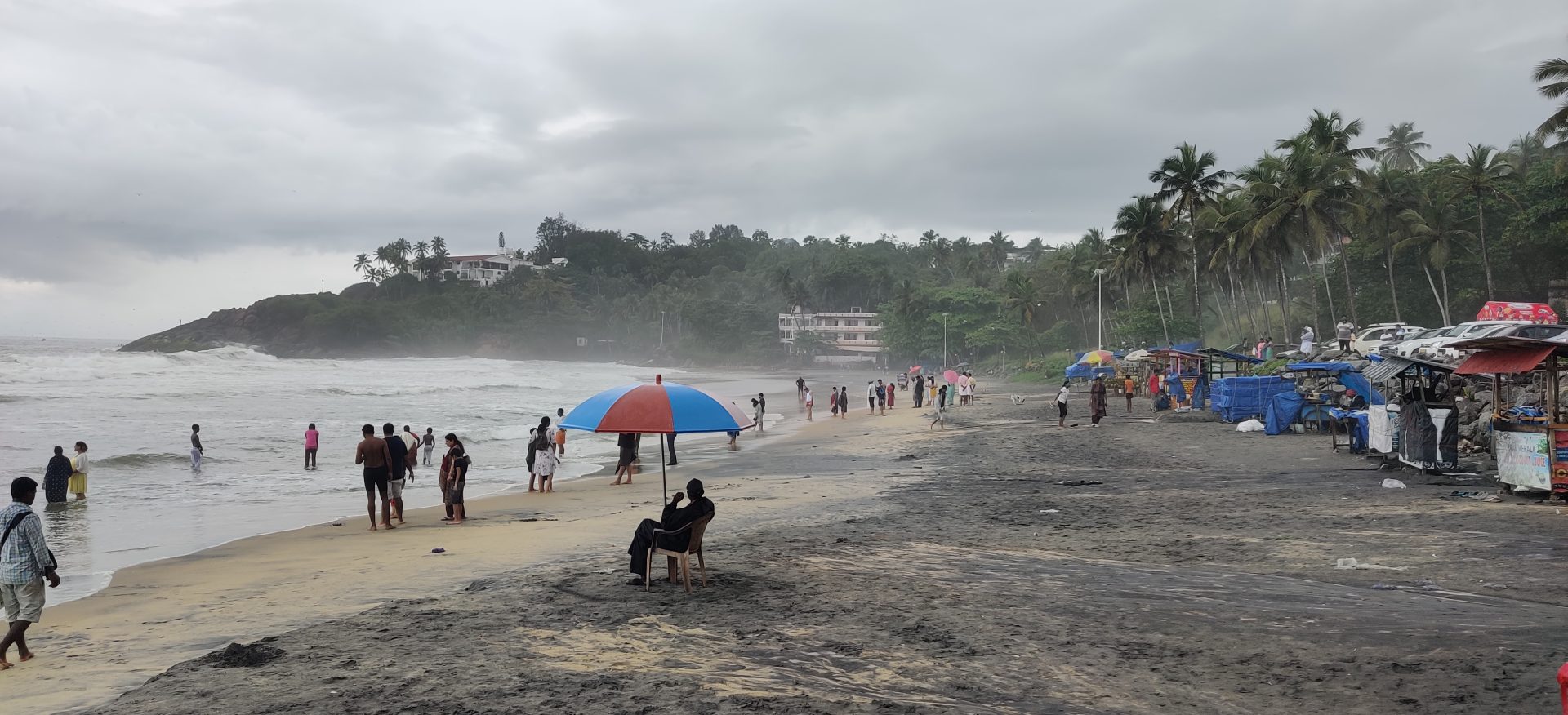
We had to kill time inside the museum, waiting for the rains to abate and around 12.30 finally we headed for the twin beaches of Kovalam and the Hawa Beach lying adjacent to each other. 

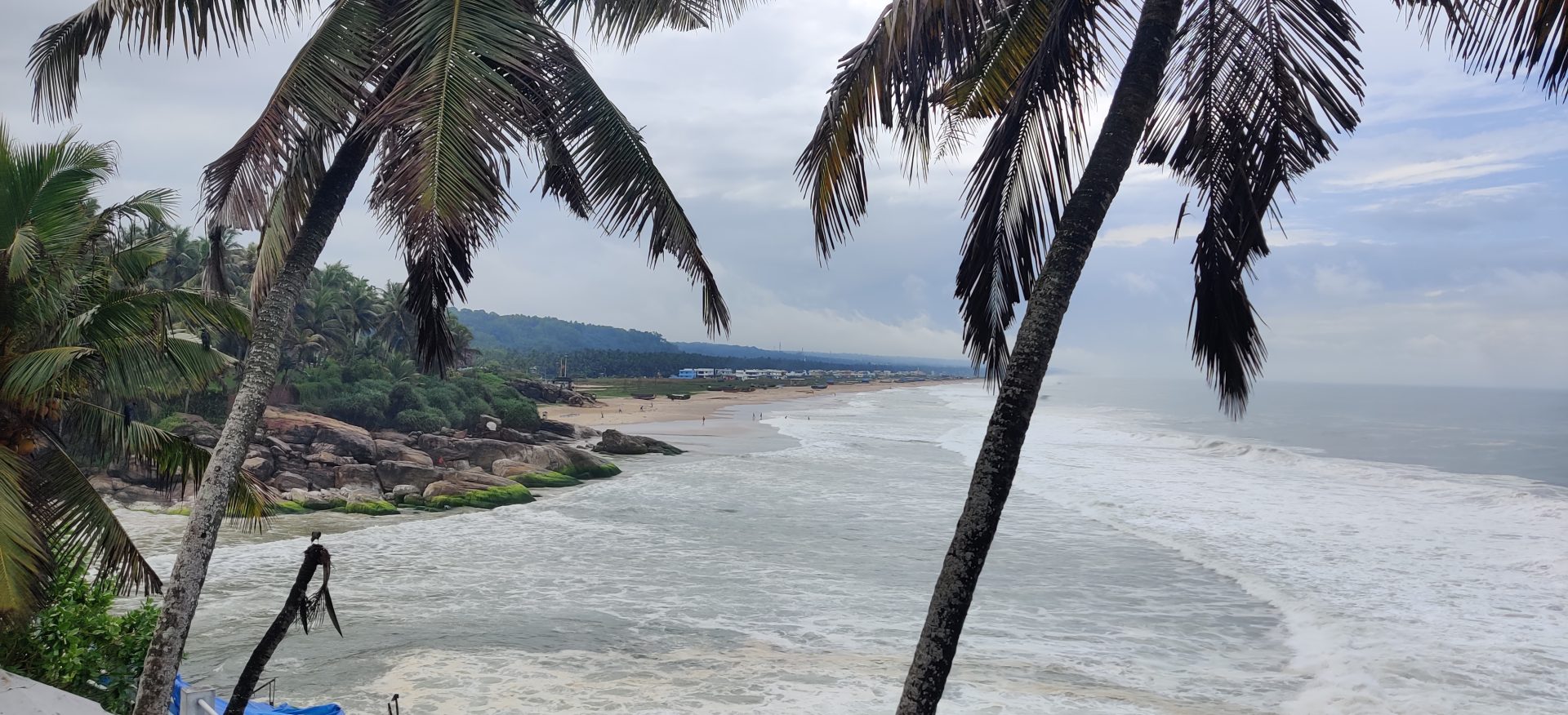
Even during my earlier visits to Kovalam, had never found the beaches around to be clean. A reason could be that the sand out here is blackish in colour but what always remained entrenched in my mind was that Kovalam beach was always dirty. 

The Hawa beach was better laid out and a lot cleaner but having flown in from the land of the beaches, we felt that Chennai had far better and relatively cleaner beaches which were much more easier to walk around. The beaches aligned with the resorts around and a few others as I understand which are reserved for foreigners are better maintained and cleaner as what our cab driver told us.

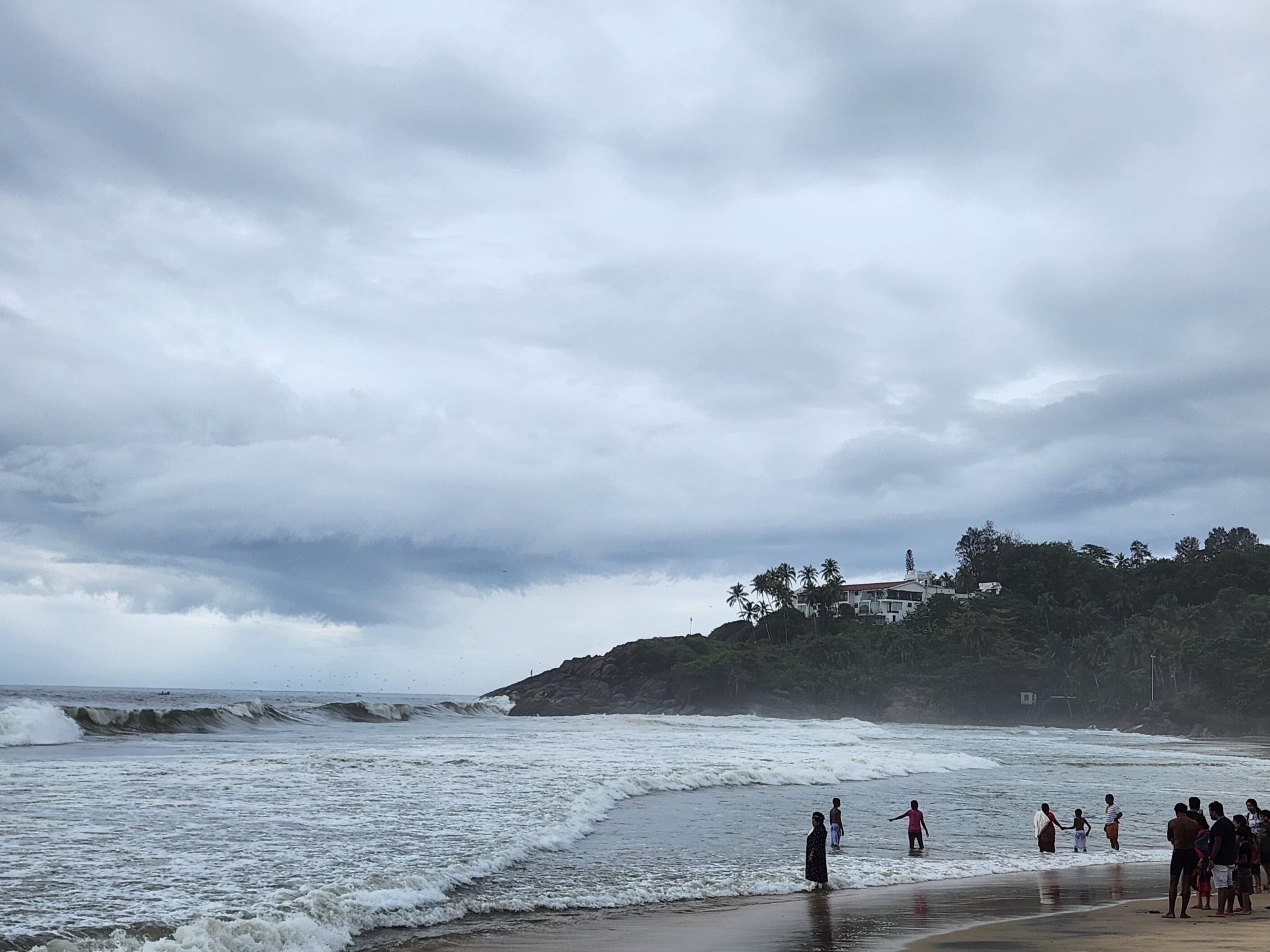
The Shankamukha Beach

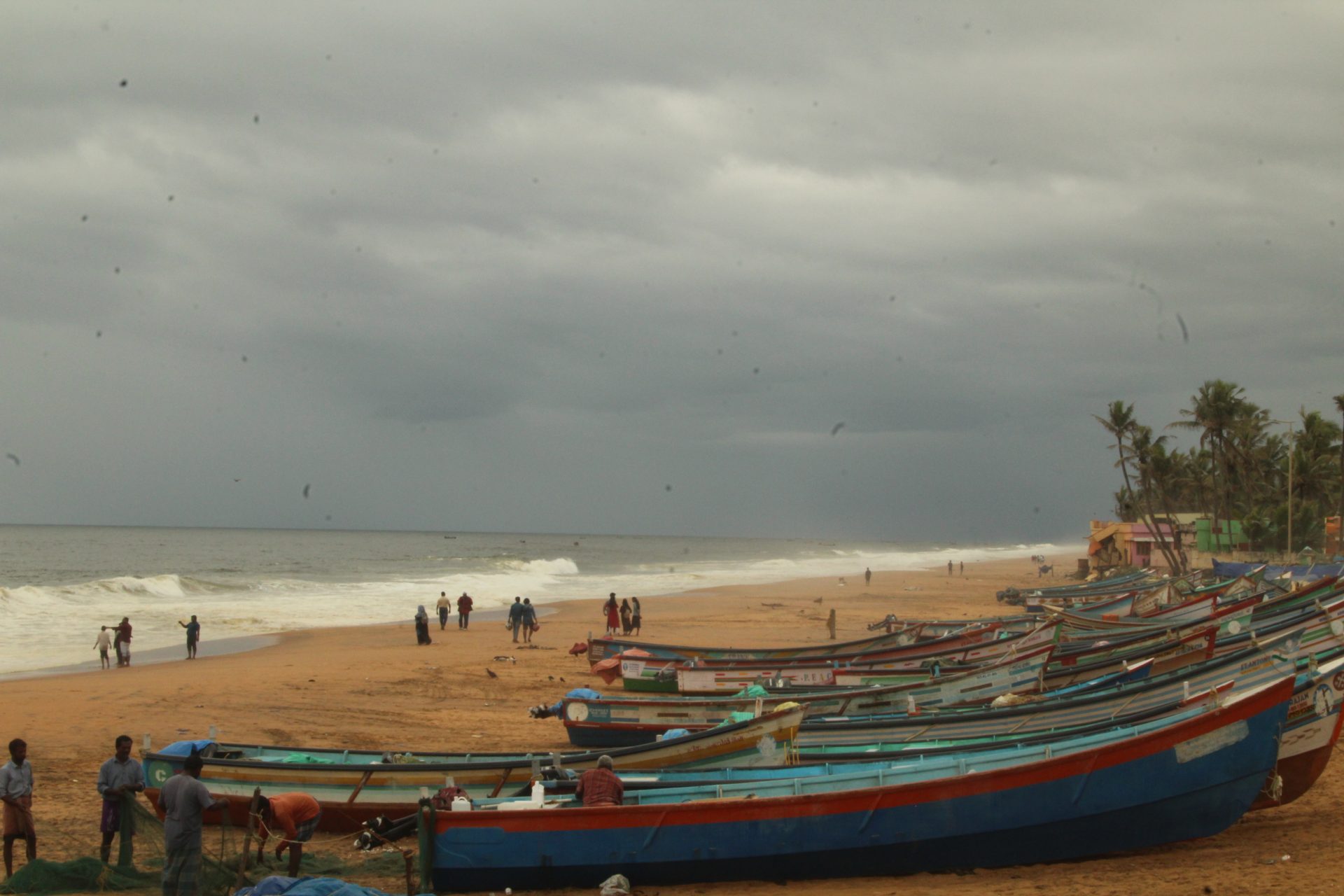
After spending around 15 minutes between both the beaches, we headed for the Shankamukha (meaning the face of a conch) beach and reached there by 13.30 hours. This beach is located very close to the Trivandrum Airport and is a relatively newer developed beach. The brownish sand at this beach looked relatively cleaner and it was less crowded compared to Kovalam.

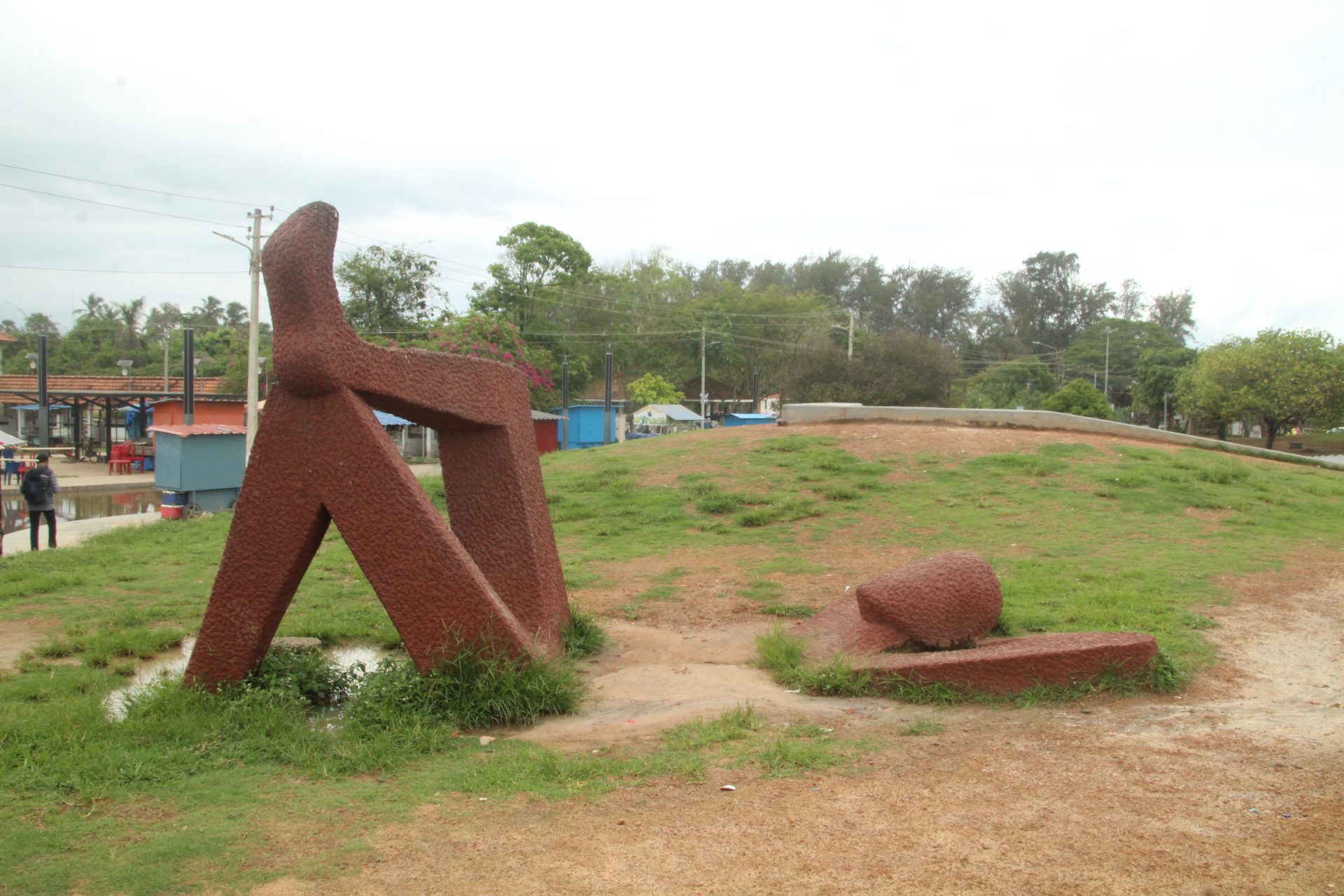
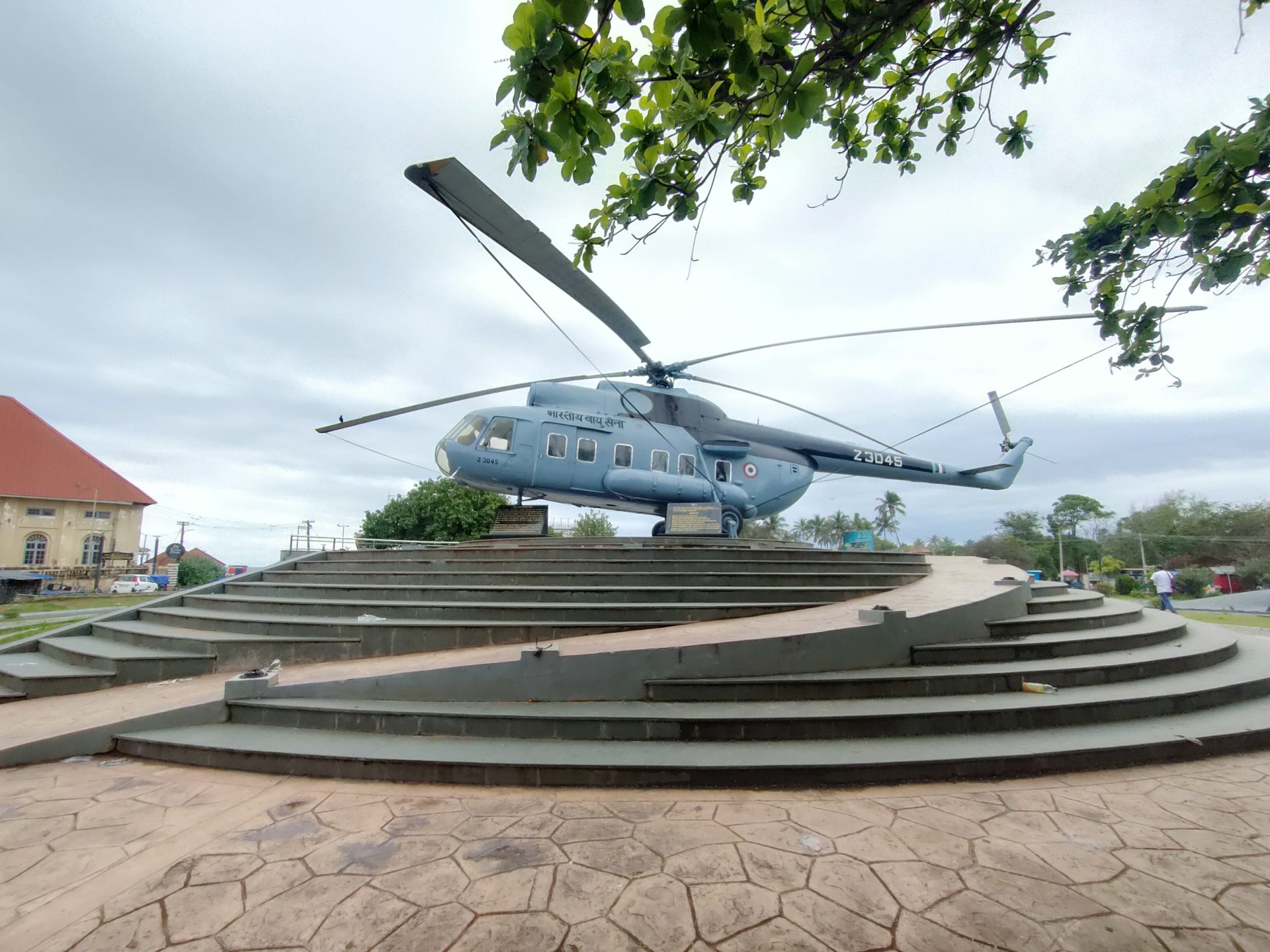
A 35 metre long statue of Sagarakanyaka (a Mermaid) is an added attraction apart from a helicopter from the Air Force which is mounted on a small platform with steps leading up to it. 

The Mermaid was conceived and built by a sculptor Kanayi Kunhiraman who was also the former Chairman of the Lalit Kala Academy, a national academy of fine arts.

Located around 5 kms from the beach was the Veli Tourist village which we had visited during one our earlier visit in 2006. There are boating facilities offered at this picnic spot and there is a nice garden to hang around.

We headed back to our hotel for completing the check-in formalities and our lunch and asked the cab driver to come back at 3 PM to visit the Trivandrum Zoo and the Napier Museum if time permitted. Wanted to come back early and get those extra hours of sleep given that we were almost on the road from midnight.  
The  visit to the Padmanabhaswamy temple and the Palace were anyways planned for the next day morning before we were to head for the lovely magical island of Poovar on Sunday afternoon. 

The Trivandrum Zoo and Napier Museum

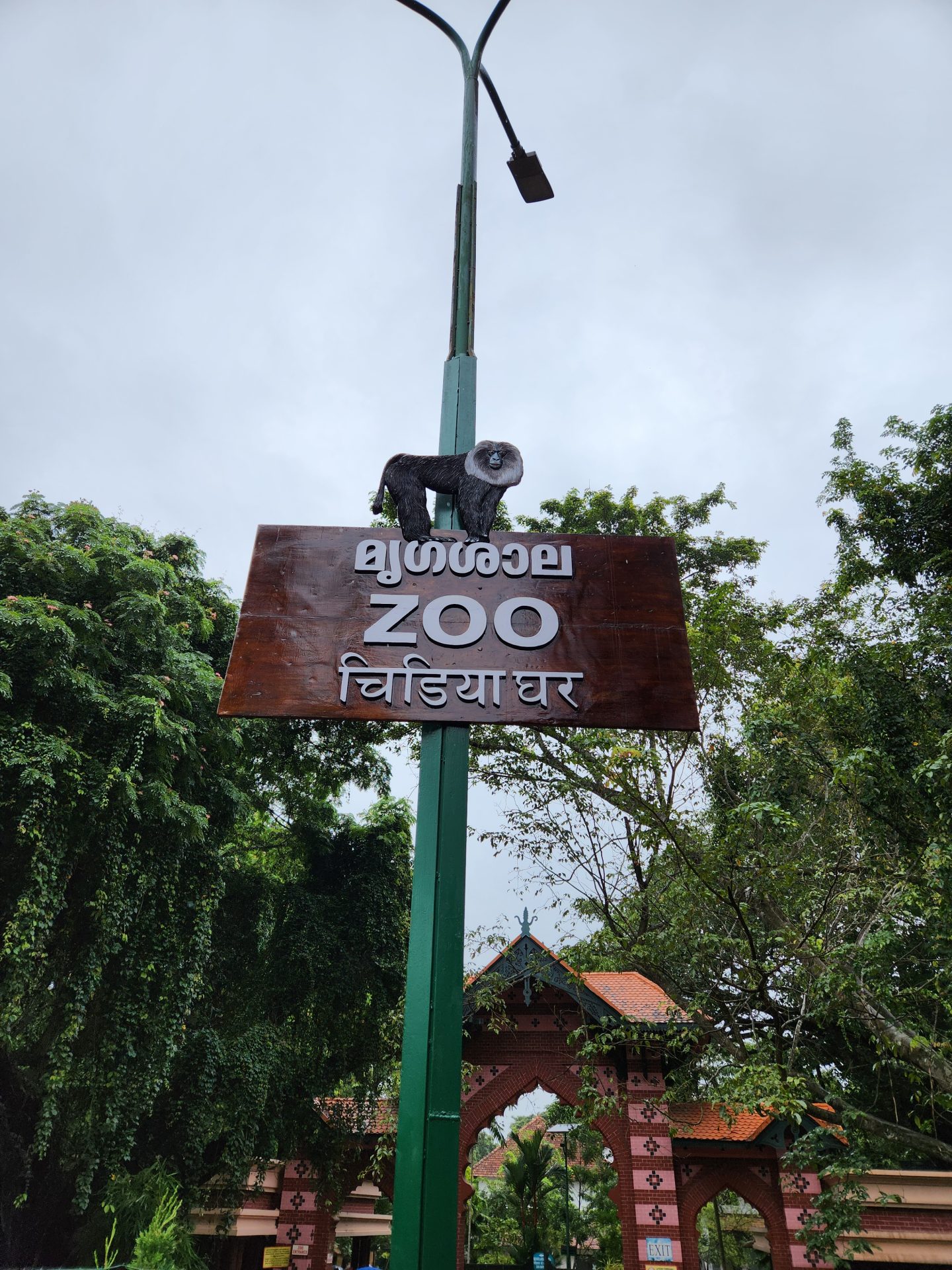
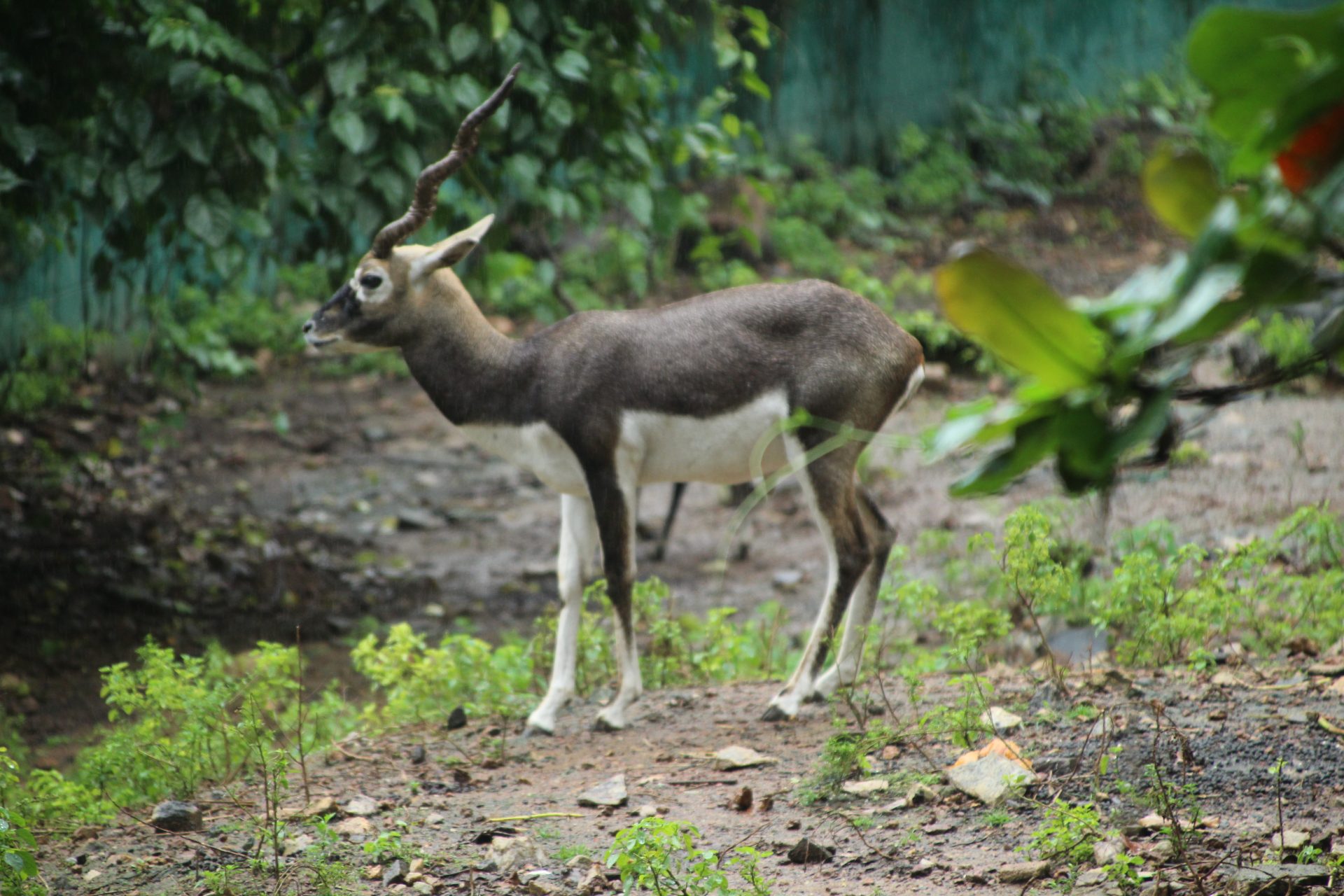
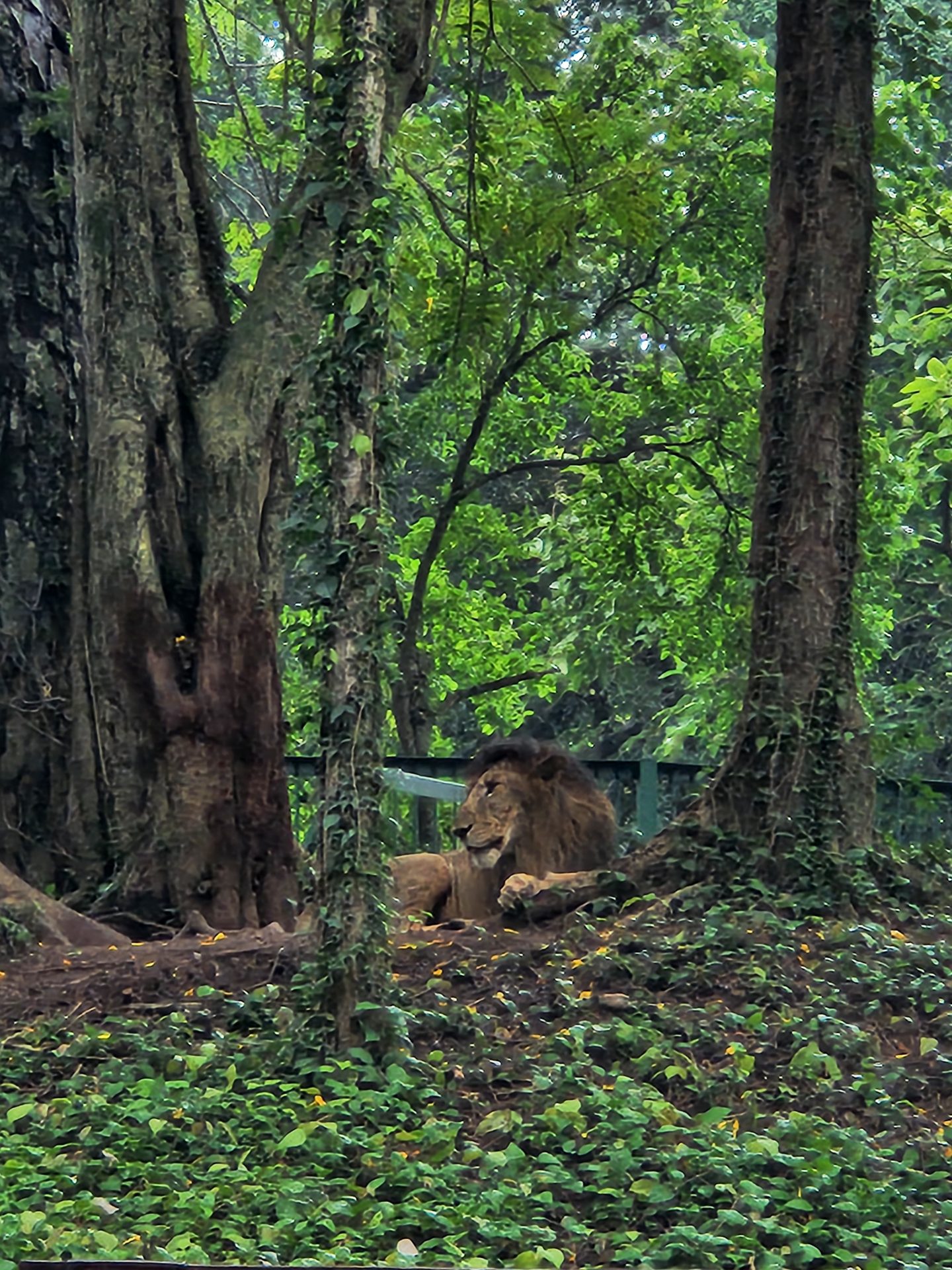
The rains had intensified as we reached the entrance of the Zoo and proved to be a real dampener but fortunately  the wide canopy of trees and the availability of an umbrella with our cab driver  reserved for tourists came in handy as we walked around almost 55 hectares housing one of  the oldest zoos (established in 1857) of the country. 

Had been to this zoo earlier and loved the approach towards maintaining a naturalistic approach to the habitats of animals instead of keeping them in cages. 

One needs to buy a ticket at Rs.20/- per head and a separate ticket for a camera at Rs.50/-,

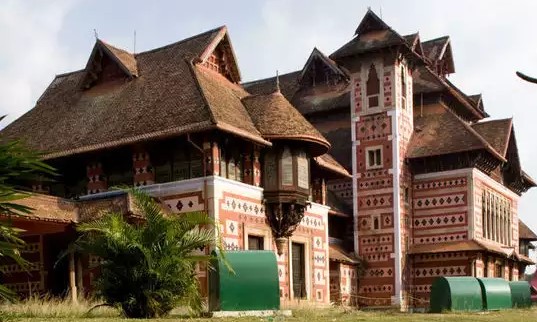
The Napier Museum which was adjoining the zoo had closed the sale of tickets at 4.30 PM and we had to give this a miss. We had seen this museum and the Sree Chitra Thirunal Art Gallery (which houses paintings of the famed Raja Ravi Varma)  during our earlier visit. The museum is known for its architectural style and unique ornamentation and is said to be influenced by Chinese, Indian, Kerala and the Mughal schools of architecture and has a Gothic roof and minarets. 
We headed back to the hotel and after an early dinner at the restaurant crashed. Was up early by around 5.15 AM the next day and decided to go for a small run around the city. Knowing well that the roads of Trivandrum have many of those ups and downs in stretches and is not an easy place to run coupled with the humidity, decided to take it easy.

A Few Random Sightings on Day 2

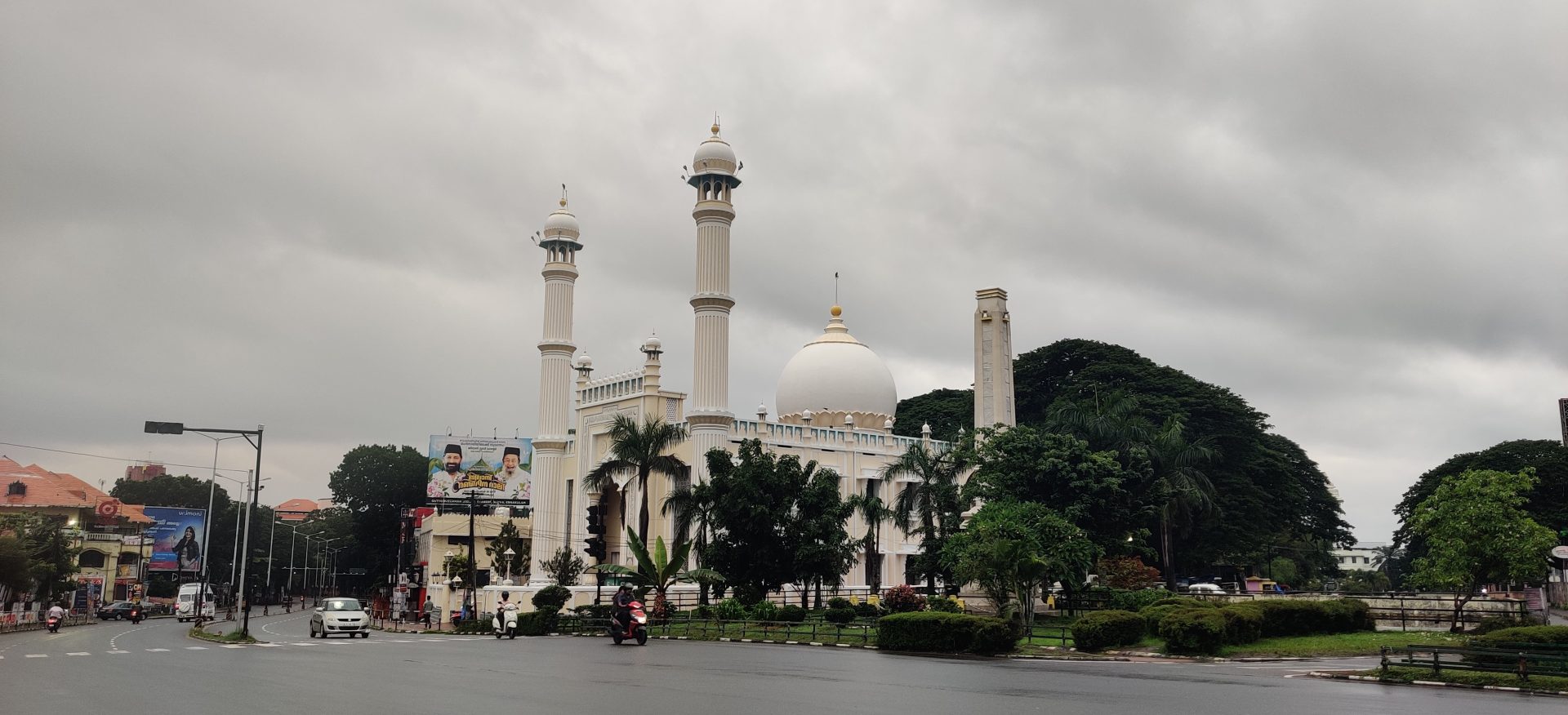
PALAYAM JUMA MOSQUE
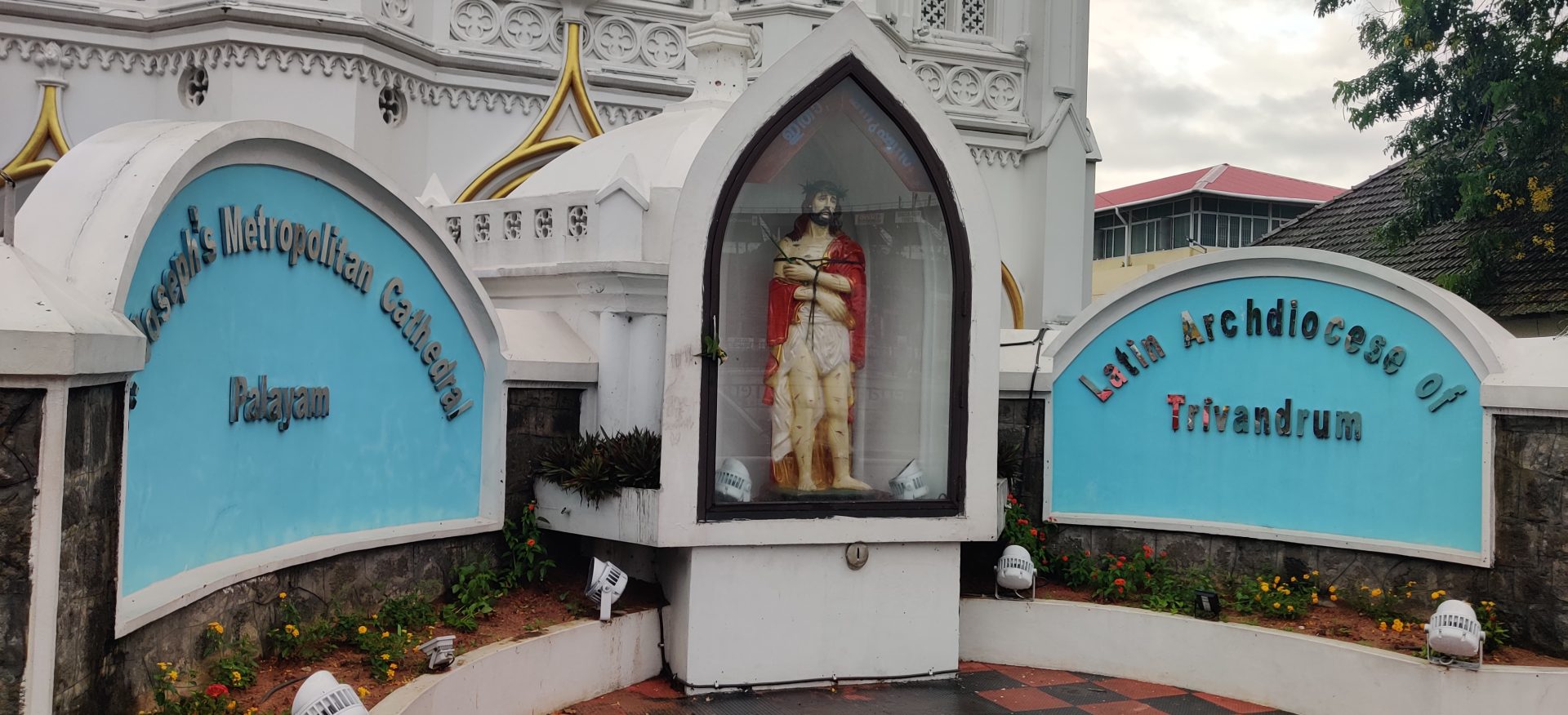
THE ST.JOSEPH CATHEDRAL
THE MONEY KEEPERS OF THE NATION

Managed a short 6 Km run around the city and kept stopping by to click pictures while on the run.

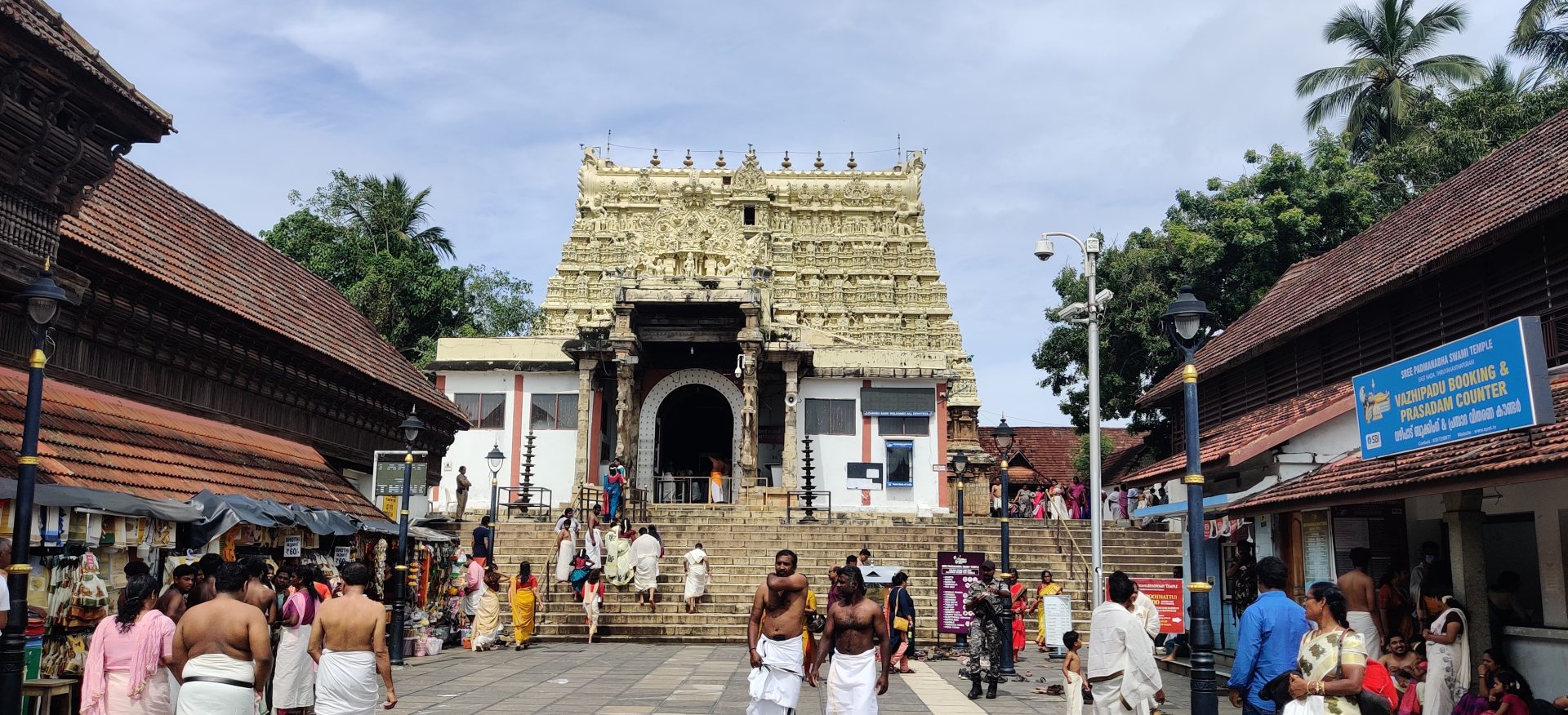
The Padmanabhaswamy Temple

We were all ready by around 7.15 AM and post breakfast at the hotel, hired an auto to the famed Padmanabhaswamy temple. We reached the temple by around 8 AM. 

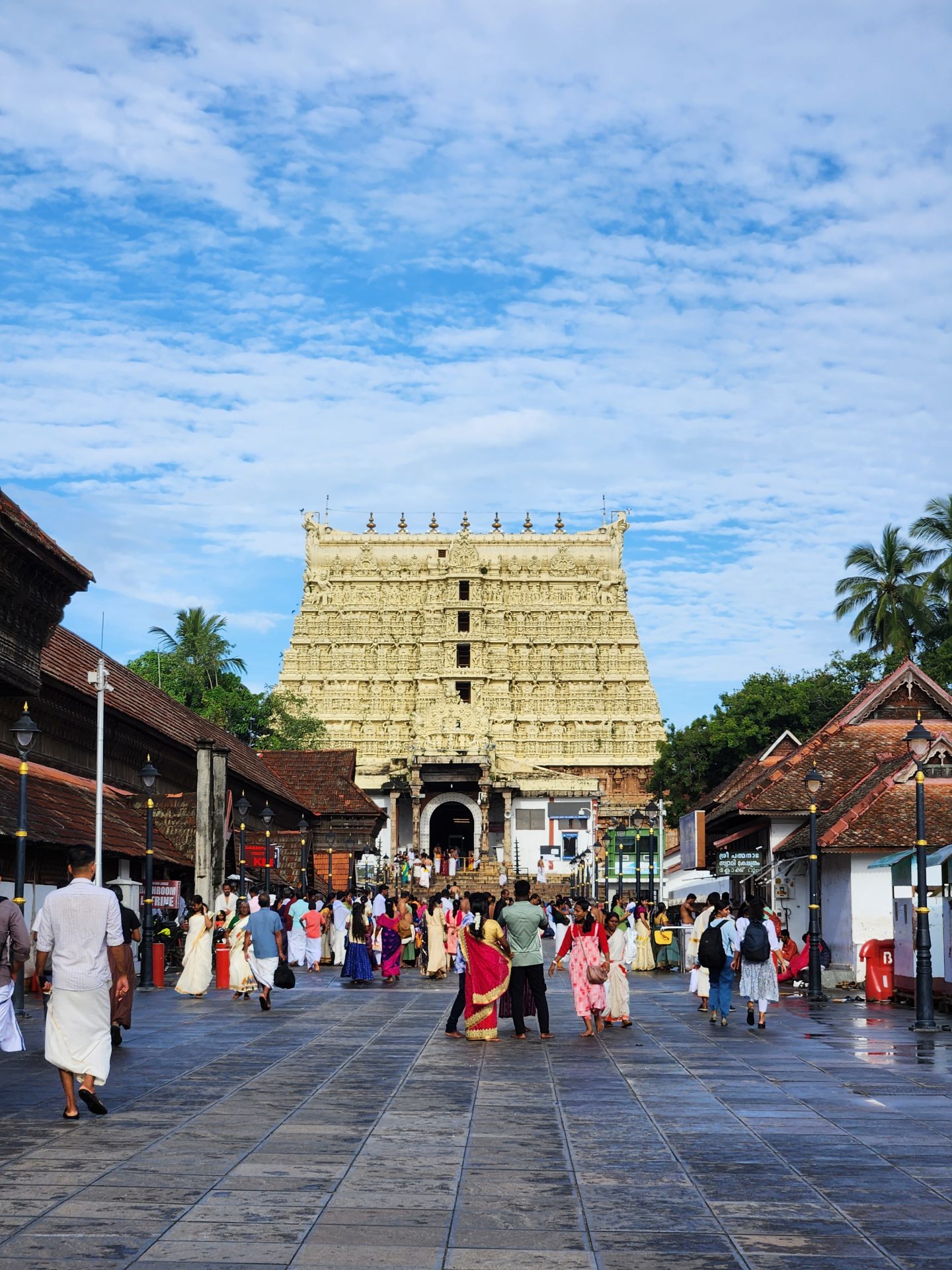
The name of Thiruvananthapuram in Malayalam translates to The City of Ananta (this being a form of Lord Vishnu) and thus, this World’s Richest Hindu Temple also gets known as the Ananthapadmanabhaswamy Temple.

It is one of the 108 Divya Desams dedicated to Lord Vishnu and we were fortunate to have done two in a month. (read about the other in https://jewelsofasia.in/
tranquebar
when we were in Mayavaram). 

The temple is an interesting fusion of the Dravidian and the Kerala style of architectures featuring high walls, a 16th century Gopura or Tower and a large water tank at the entrance of the temple.

One can refer to this link below in case you want to delve more into the history of the temple :

https://en.wikipedia.org/
wiki/
Padmanabhaswamy_Temple

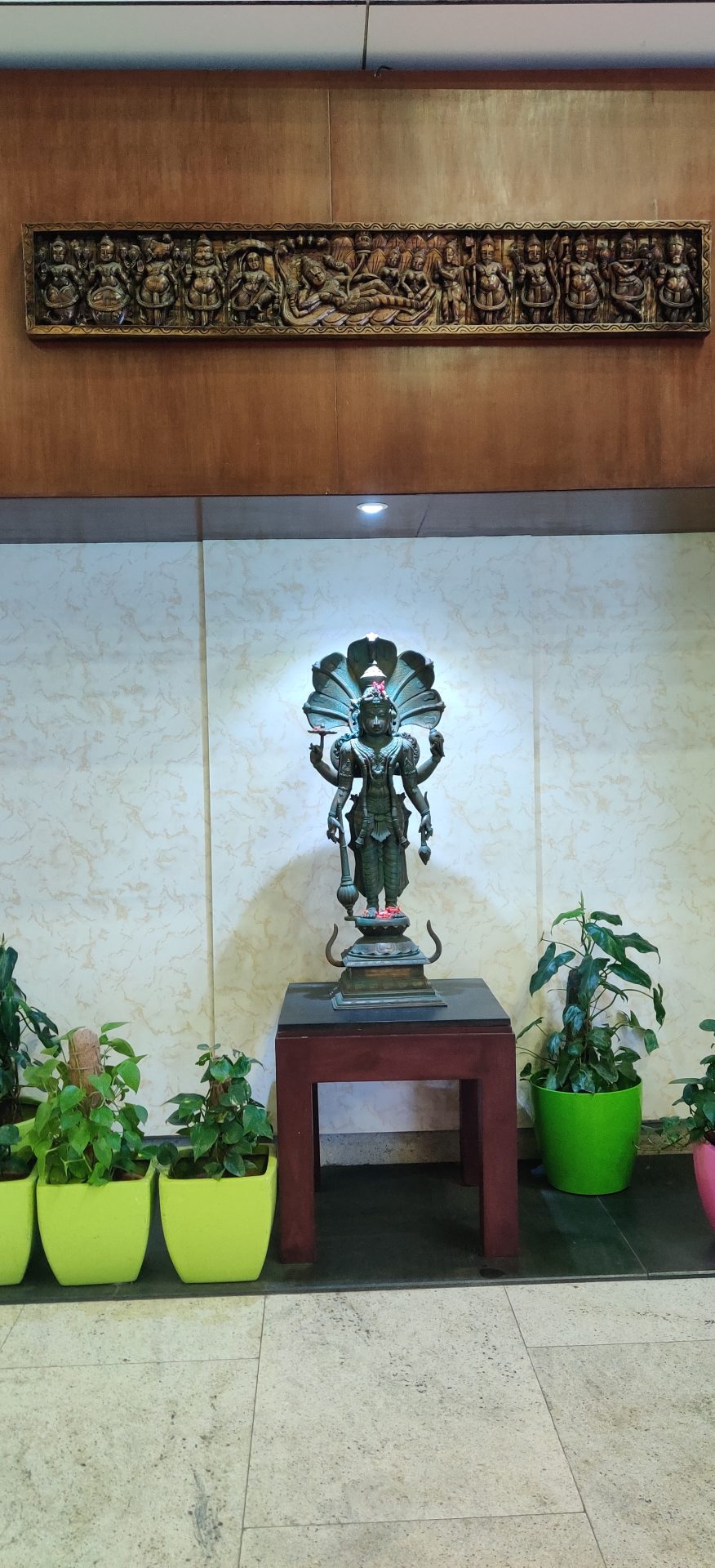
The main deity is enshrined in the Anantha Shayana posture which depicts the eternal yogi asleep on the 5 hooded Infinite Serpent Adi Sesha. This is also the tutelary deity of the Travancore Royal family who are the current trustees of the temple. 

The hoods face inwards signifying contemplation while the deity’s right hand is placed over a Shiva Linga. Lord Vishnu’s 2 consorts, Lakshmi, the goddess of prosperity and Bhoodevi, the goddess of Earth are by his side.

The deity is said to be made out of 12,008 Saligrammams which are black fossilized stones or ammonite sourced from the banks of the Gandaki river in Nepal. There are quite a few other shrines which can be visited inside the temple and it would typically take an hour and a half to two to do a complete tour. 

Photography is banned. In fact one cannot carry his or her mobile. They need to be deposited in safe lockers which are available near  the temple. 

SHOPPING NEAR THE TEMPLE

The dress code is very strictly followed and as a matter of caution to visitors, one can only enter the temple wearing a Dhoti/Veshti (a loose piece of white cloth wrapped around the loins) and an Angavastram (a kind of stole or shoulder cloth) on top or be bare chested. Women are required to be draped in sarees or  half sarees and in case of using a Salwar-kameez or Churidhar, a dhoti has to be wrapped around the legs while for girls under 12 years of age, a skirt and blouse would do. 

A petition  however filed in 2011 seeking transparency in operations of the temple unearthed some startling facts. 6 subterranean vaults were discovered during the investigation of the temple complex. Only 5 of these vaults could be opened after lot of struggle with the mega locks. Prize discoveries of precious stones, gold coins, statues, jewelleries and thrones made out of gold and valued at over 1 lakh crores of rupees has made this temple the richest in the world now. 

One vault has however remained unopened and its said that a bad omen would befall people who try to open it. Its rumoured that past attempts to open it have made temple authorities and even Britishers who attempted to break it give up when they heard the sound of waves crashing and saw venomous snakes around. So very Indiana Jones and the Temple of Doom like.
We were out of the temple by around 10.30 AM and the next half an hour was spent going around the shops in the right side of the temple’s vicinity as we exited. 

Specially handcrafted Sarees, artefacts, magnets, dress materials, dolls and god knows what got picked up as I was soon heavier by almost 2 Kgs.

The Puthen Maliga Museum

We entered the Puthen or Kuthira (Horse) Maliga (Mansion) Palace  and Museum by around 11 AM. The entry tickets per head was Rs.50/-.

The Palace was on our right after we exited the temple entrance and a few yards away. 

A separate charge of Rs.20/- is levied for using your mobile camera and that too only outside the Museum only. The Palace is closed on Mondays and the timings of the Palace is between 9.00 AM to 12.30 PM and 2.00 PM to 4.45 PM.

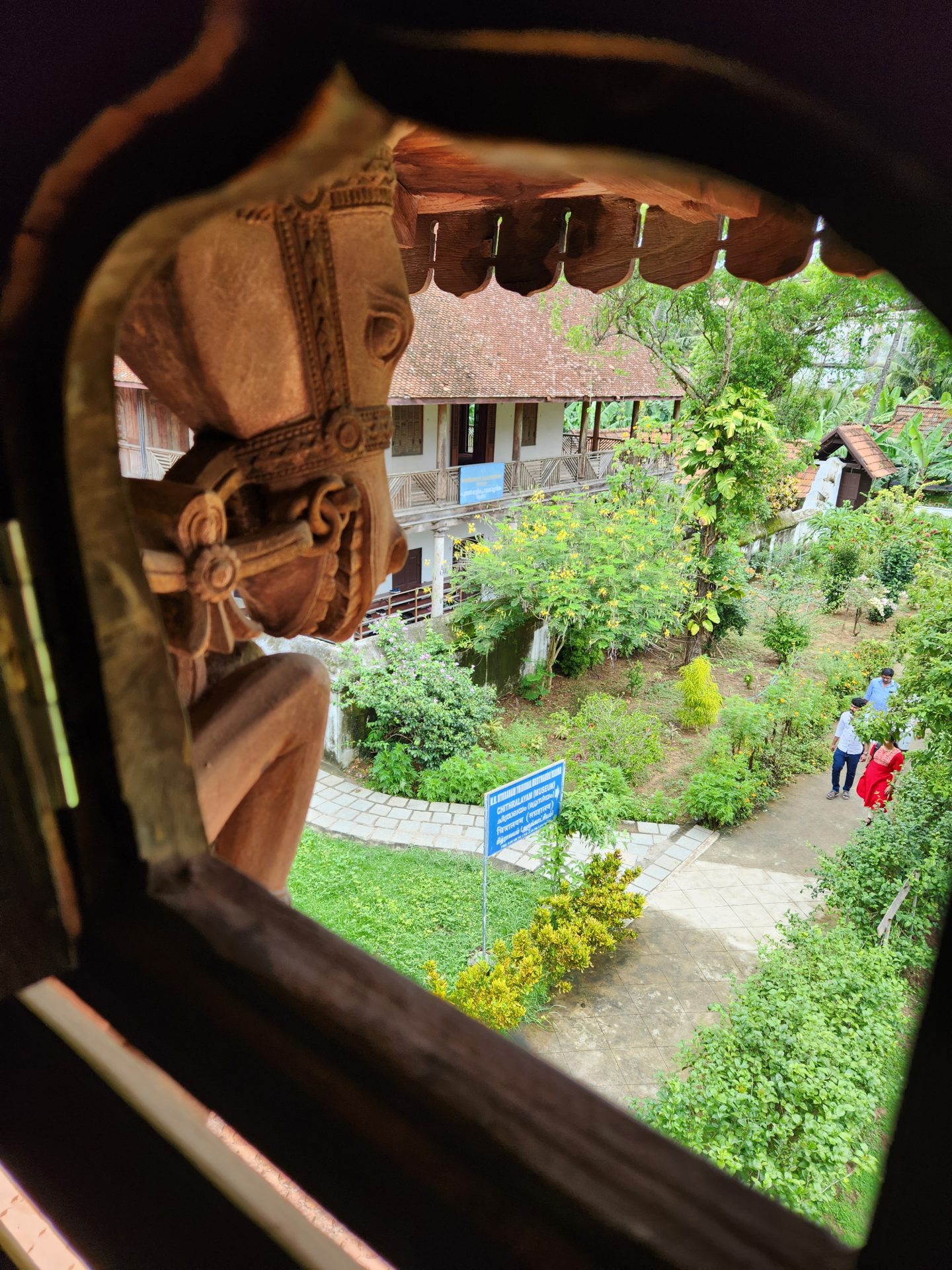
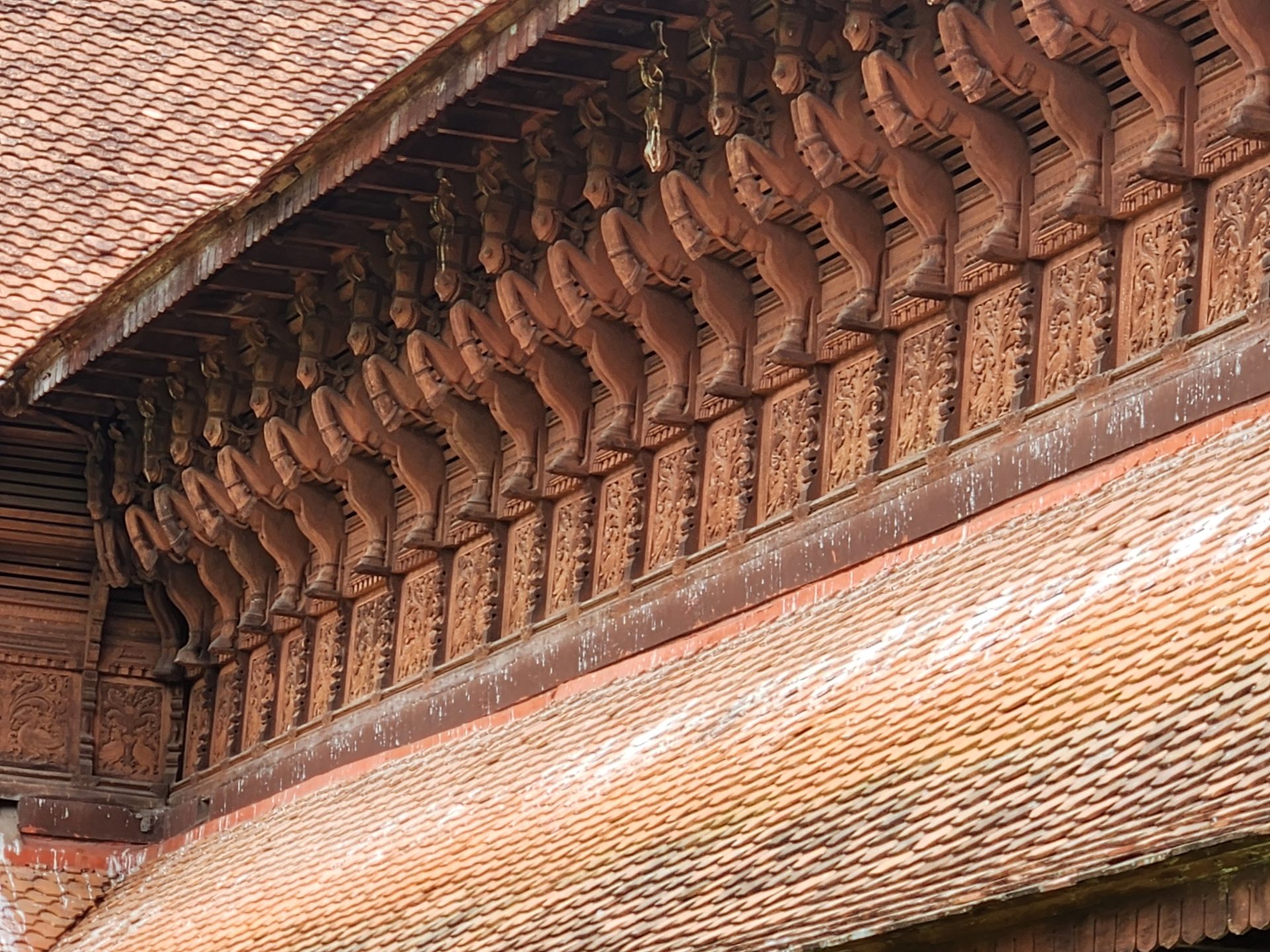
The Palace has been so named because of the figures of 122 horses carved in teak wood in a unique pattern, supporting the Southern roof. This museum forms part of the large complex of royal buildings in the vicinity of the temple and were left unoccupied for more than a century following the demise of Maharaja Swathi Thirunal in 1847. 

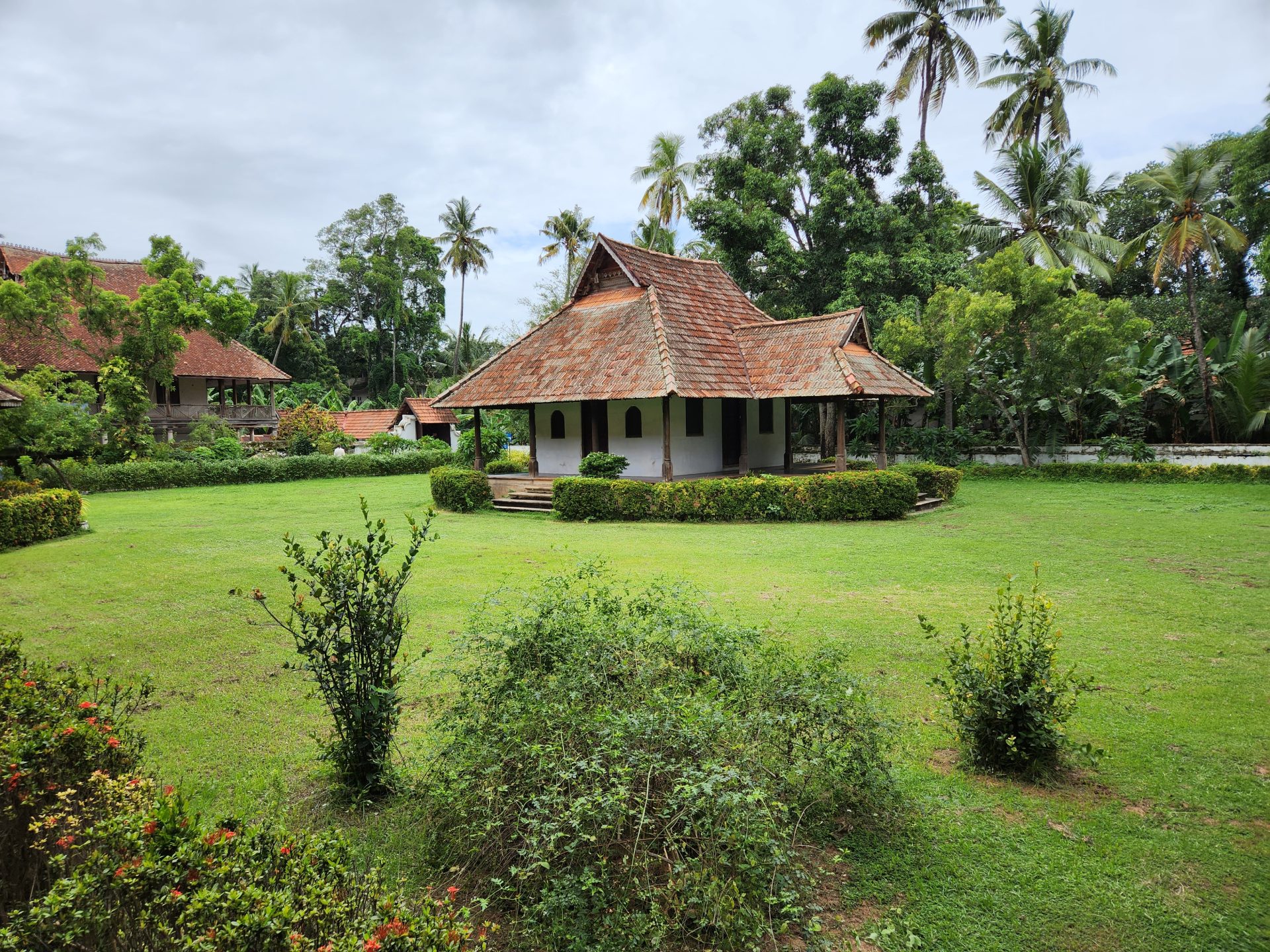
The Palace showcases the Kerala school of architecture predominantly and extensive use of Rosewood, Teakwood, Marble and granite have been done here.

Each of the room is different with respect to the ceilings, the carvings in wood and the lovely floral decorations made along the upper edges of the walls. Granite Pillars support the roof of the Palace and these bear some very intricate designs. 

Egg whites, black charcoal, coconut shells and slaked lime have been used to build the floor of the Palace. 

These have rendered the place to remain cool even in the peak of summer. 

Lot of exhibits are on display ranging from wooden Kathakali figures to various arsenal comprising of swords, daggers, spears, weapons made of horns of antelopes with metal tips, shields made of rhino skin, ivory thrones of Swati Thirunal, Paintings by Raja Ravi Varma and many more, bronze sculptures and various gifts received by the kings during their tenures. 


As we stepped out of the Palace, shops on the left side of the temple’s exit caught the attention of the ladies for the next 30 minutes or so. We finally left for our hotel by an auto at around 12 Noon. 

We had booked a cab from the hotel to go to Poovar at 1.30 PM which was to be our next halt.

The Magic of Poovar

We finished the check out formalities, had our lunch once again at their restaurant and off we were to Poovar at sharp 1.30 PM.

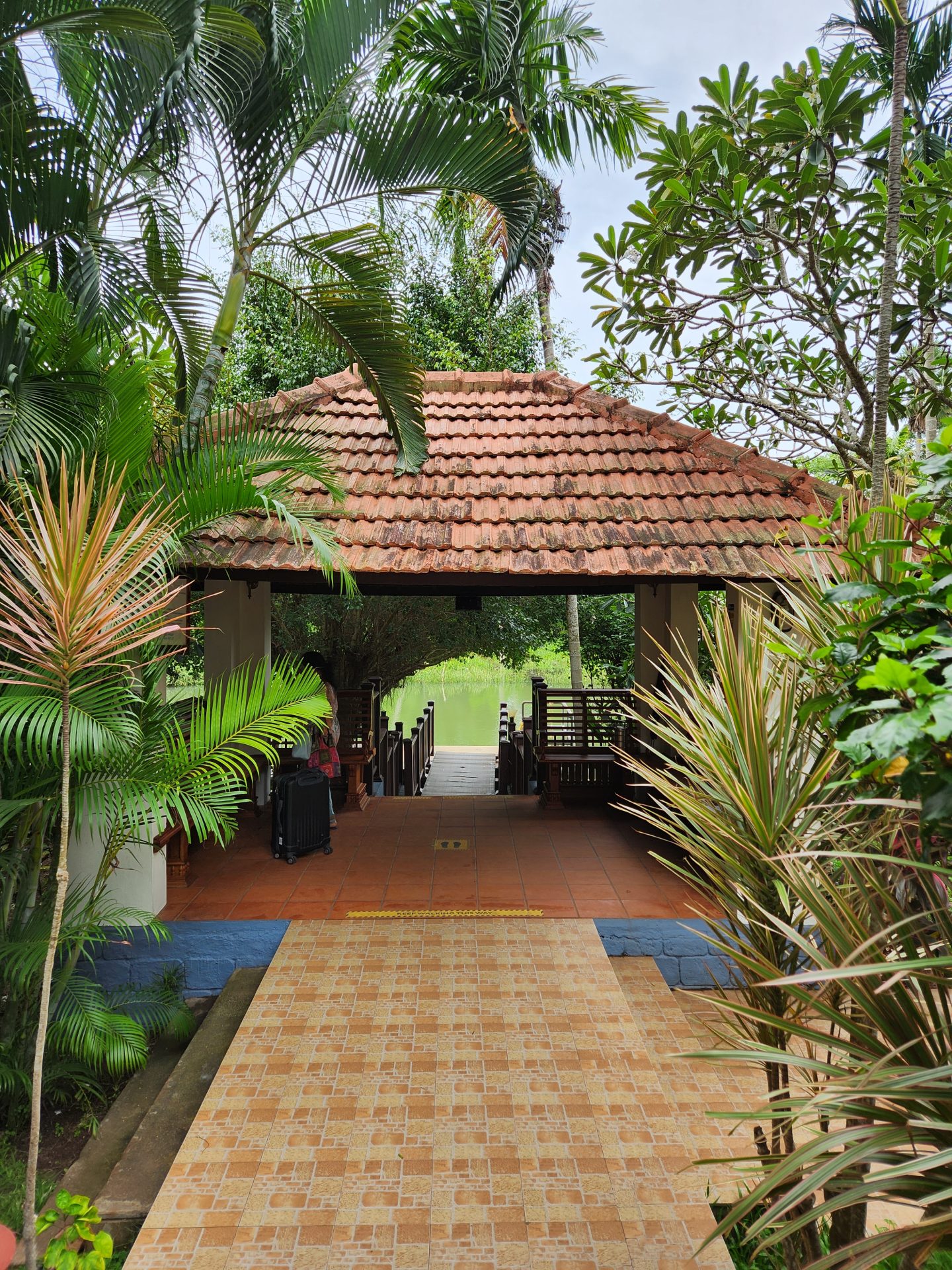
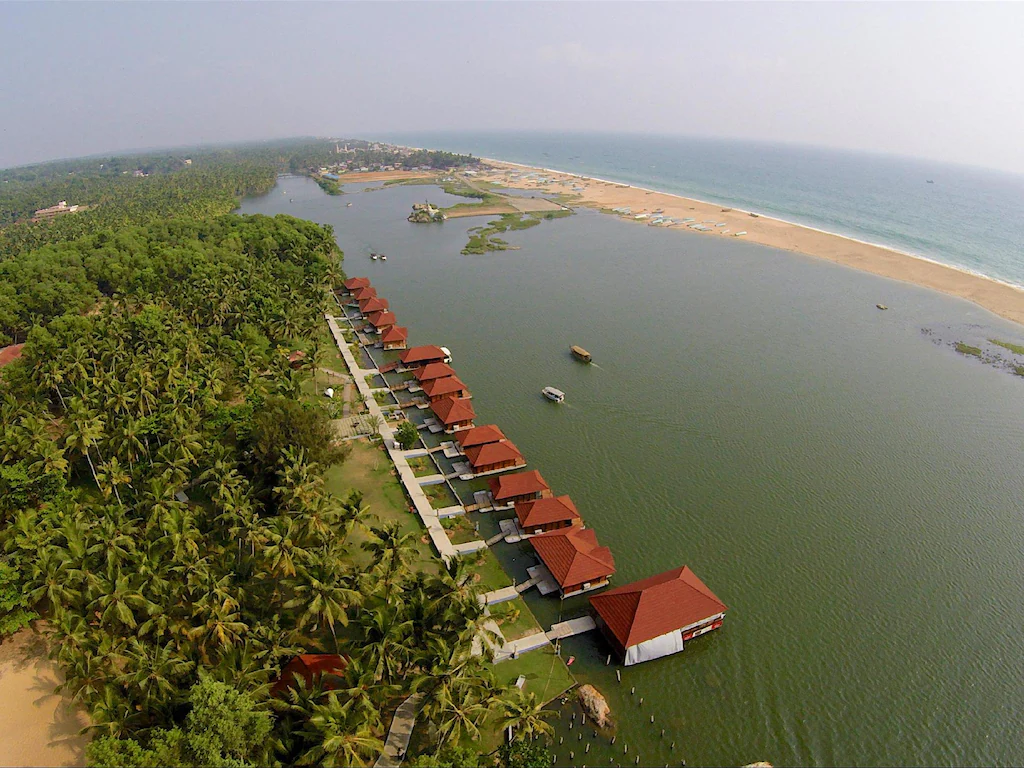
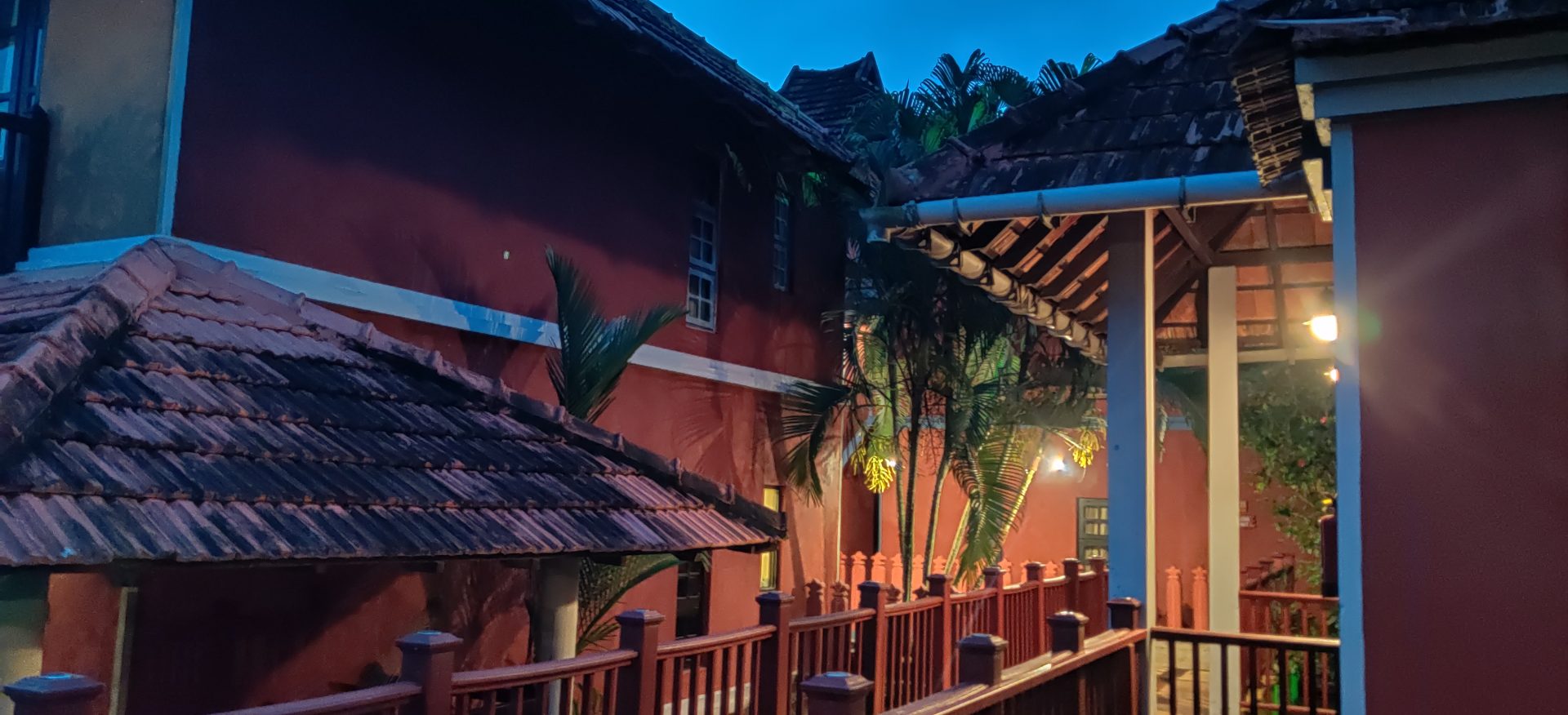
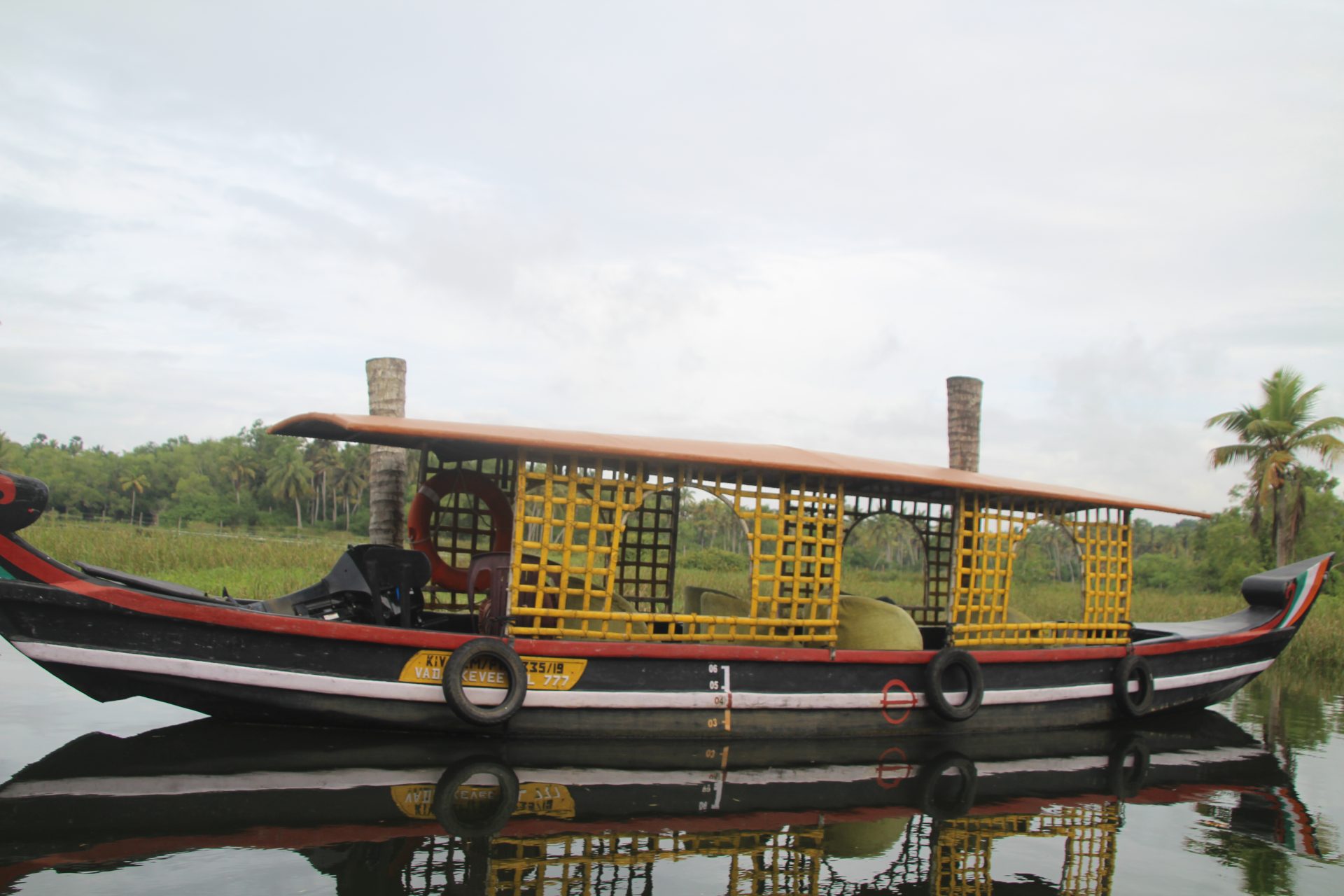
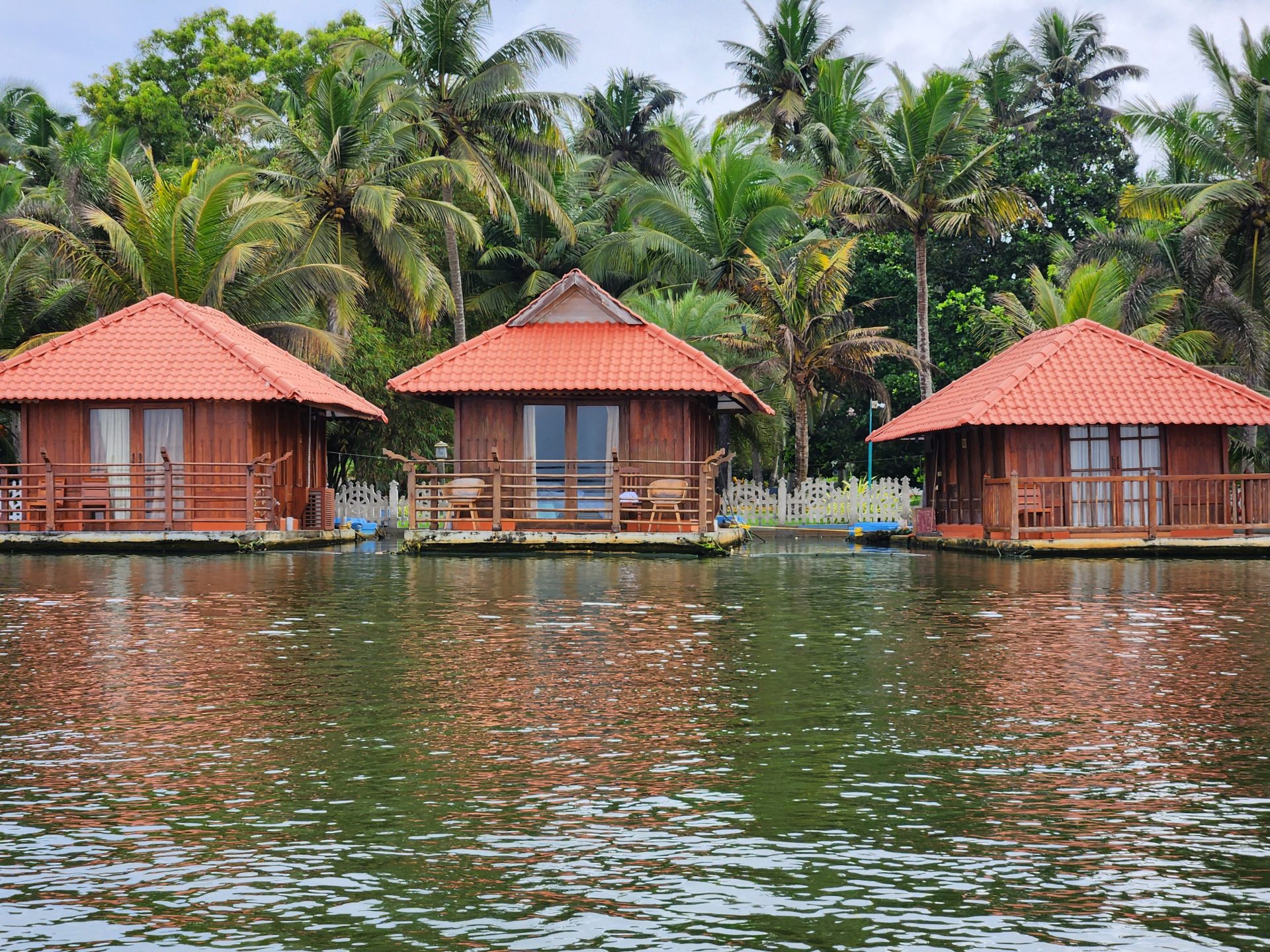
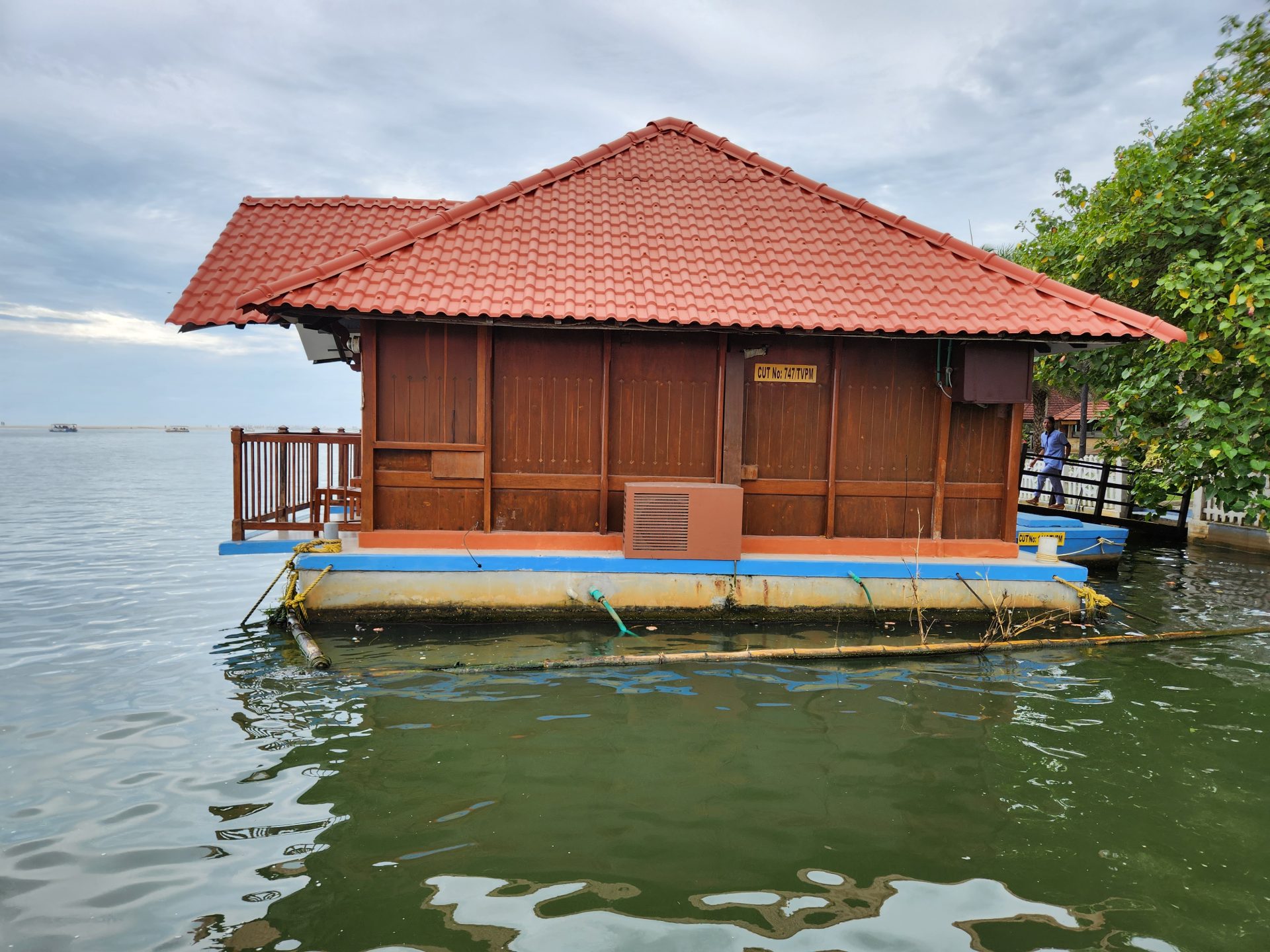
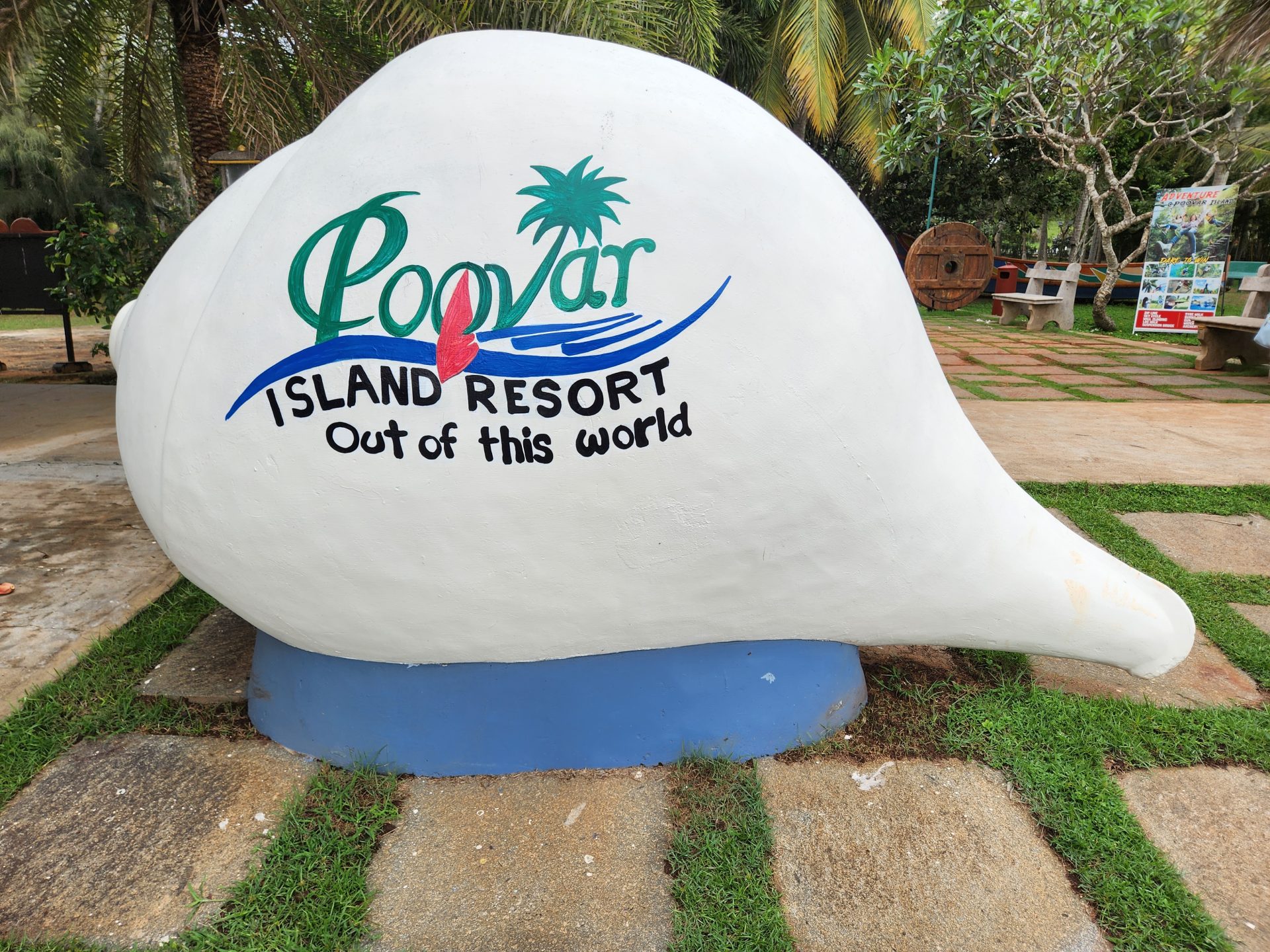
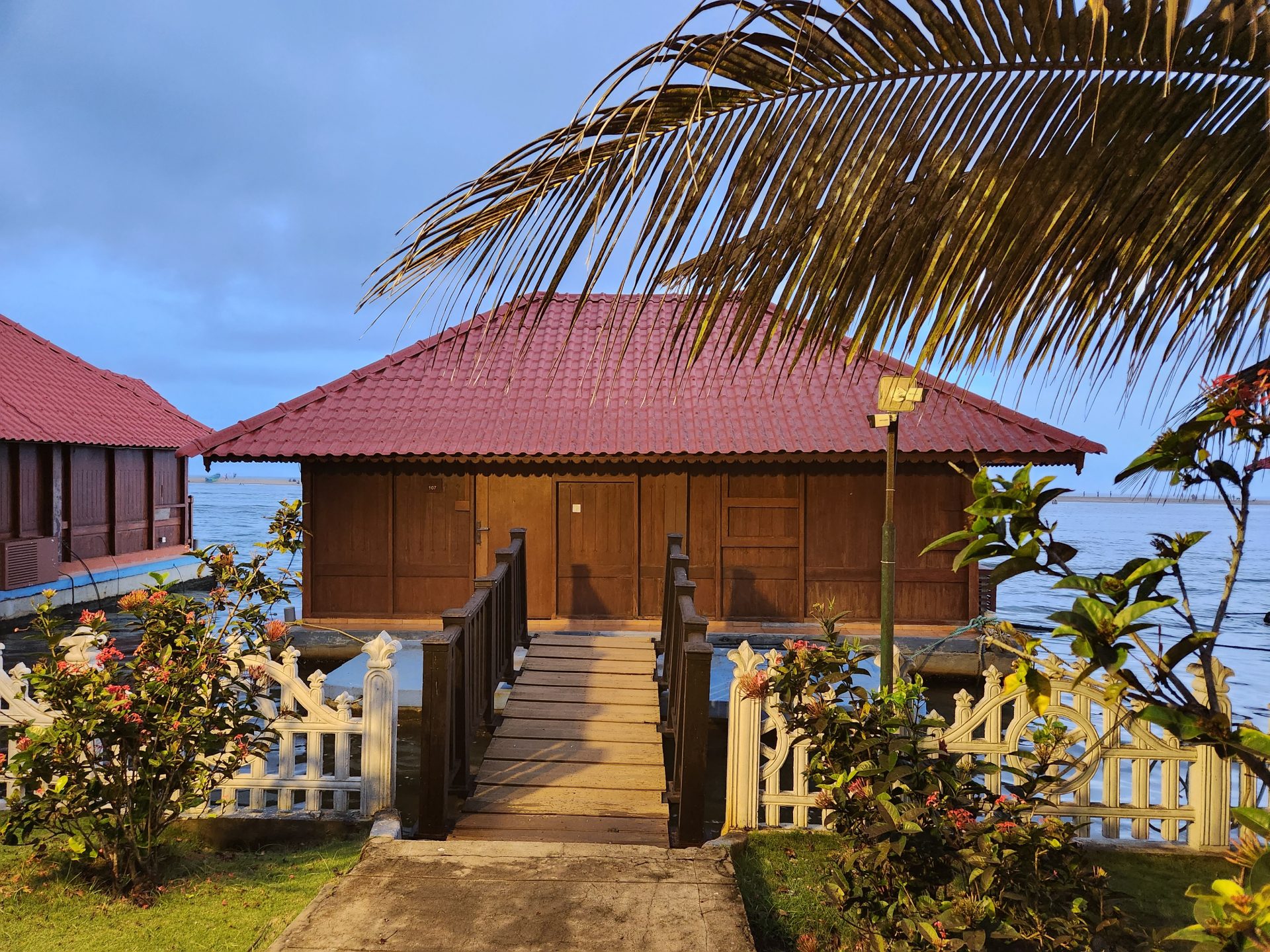
A 50 minute drive from our Hotel and another 10 minutes to locate the boat jetty where a boat would have to ferry us to the Island Resort where we  had booked ourselves in. Interestingly the Poovar Island Resort where we were to stay does not have any connectivity by road and can only be accessed by boat. A further wait time of 25 minutes before the boat which was to pick us up came and as we kept riding, out of the blue, a series of floating cottages appeared out of nowhere. A beautiful sight to behold against the backdrop of the serene backwaters on one side and a long tract of a beach and the Arabian Sea on the other side. Finally reached the resort and completed our check-in formalities by 3.30 PM.

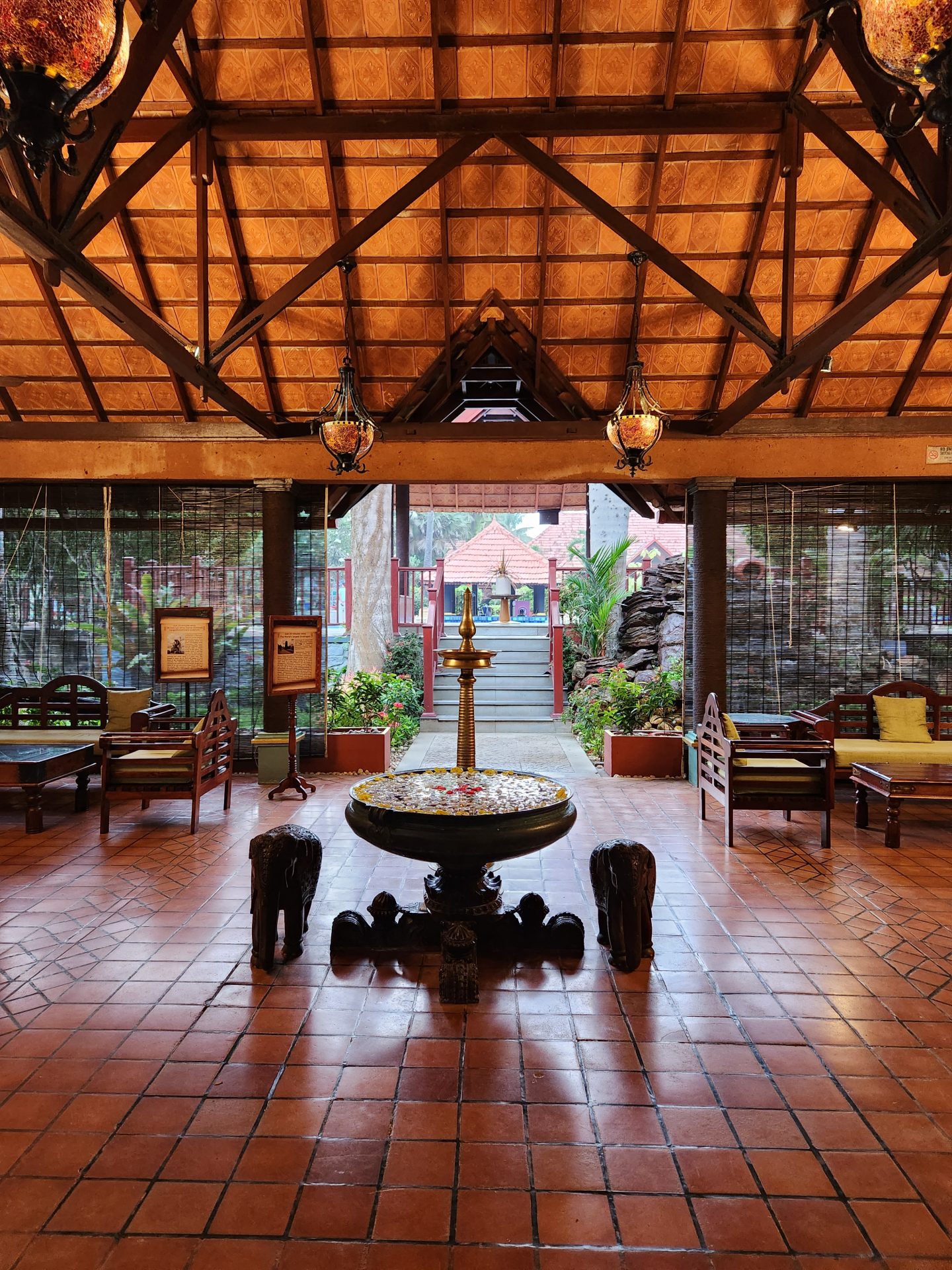
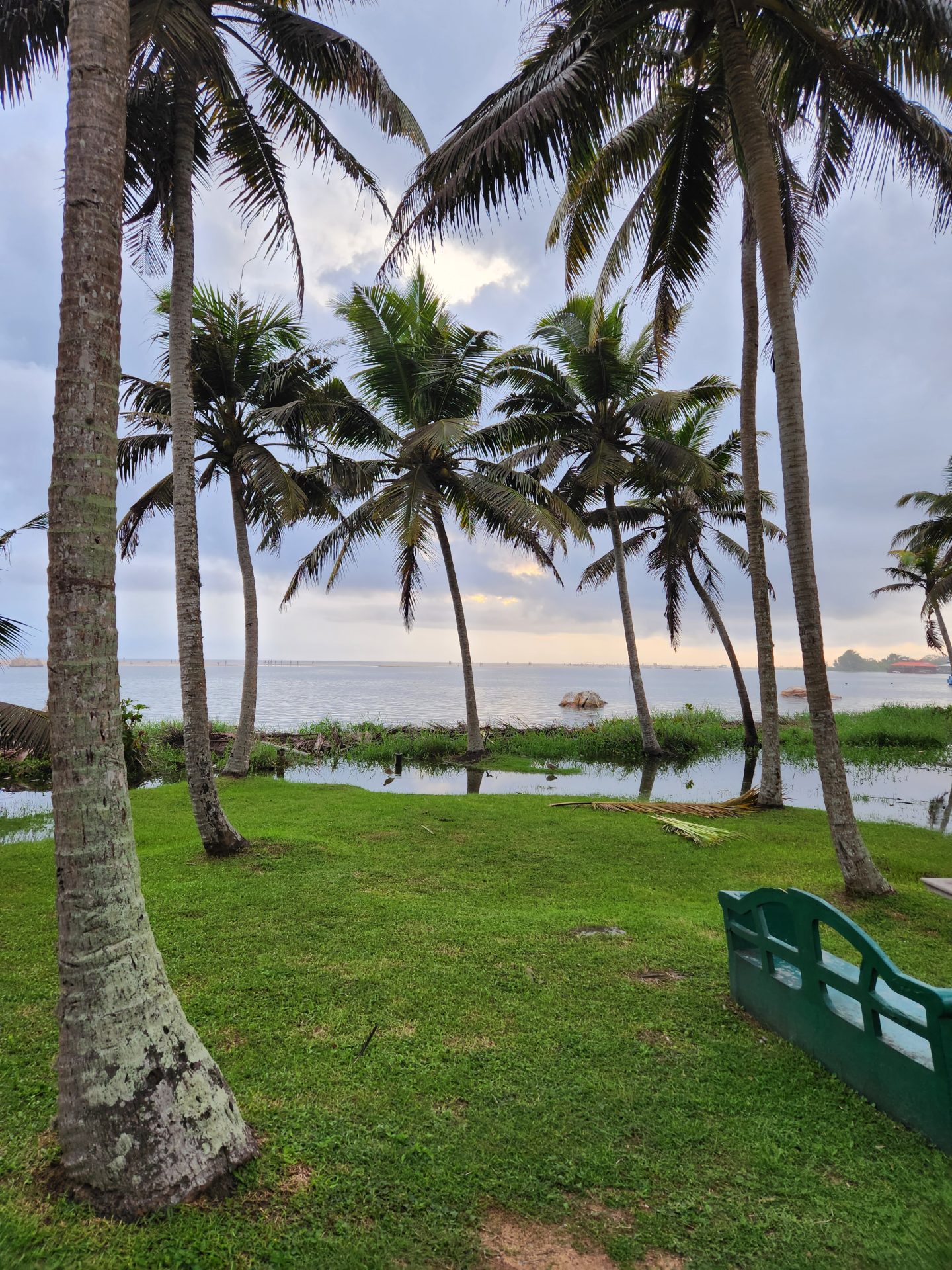
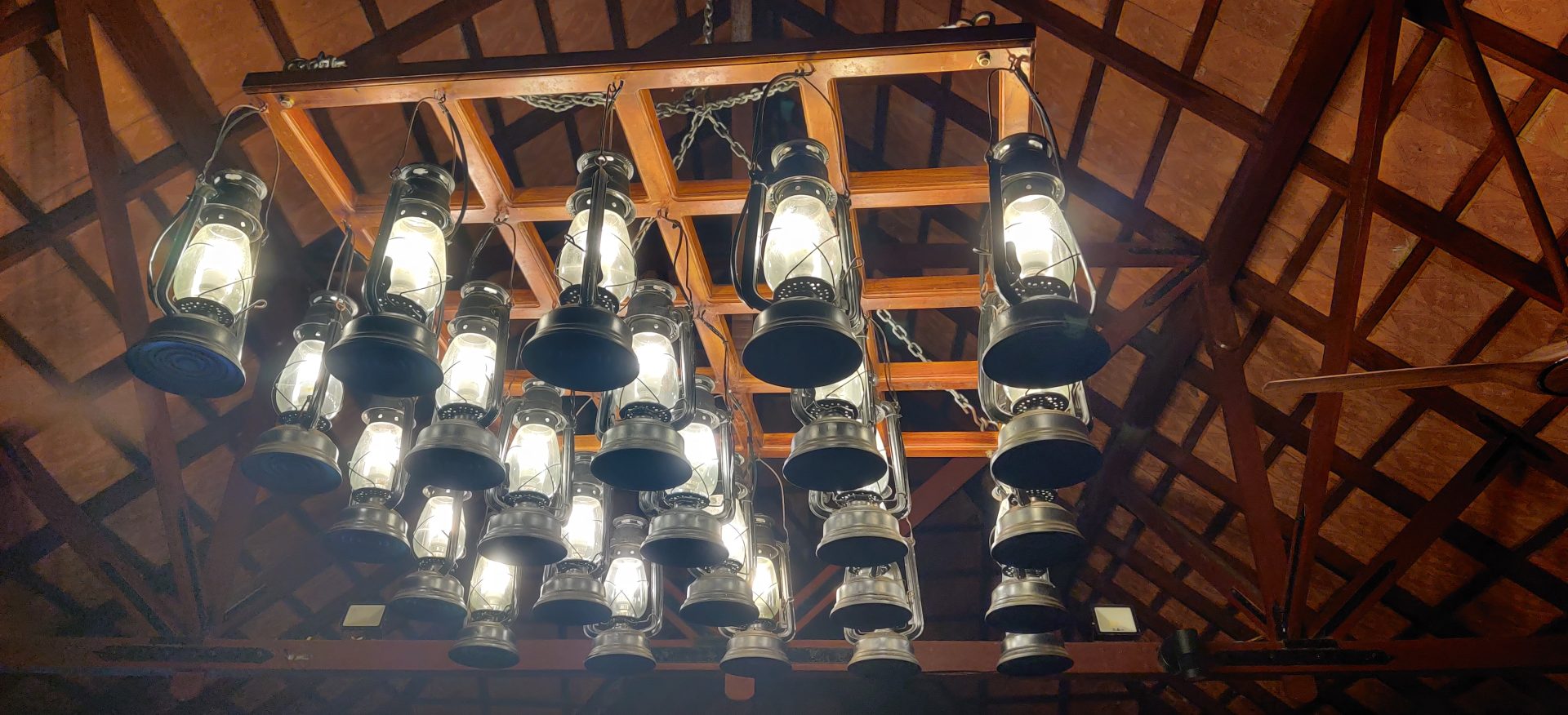
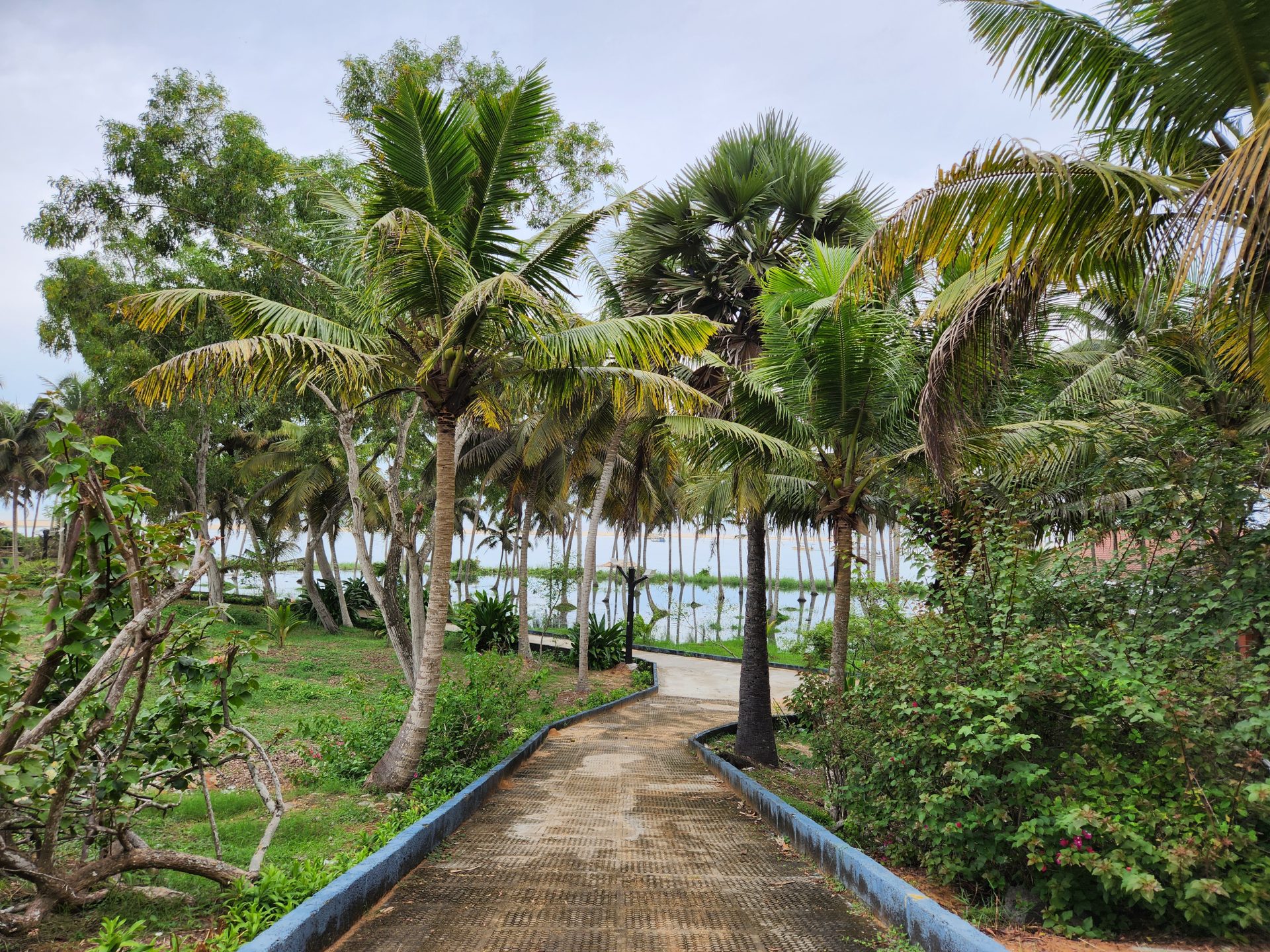
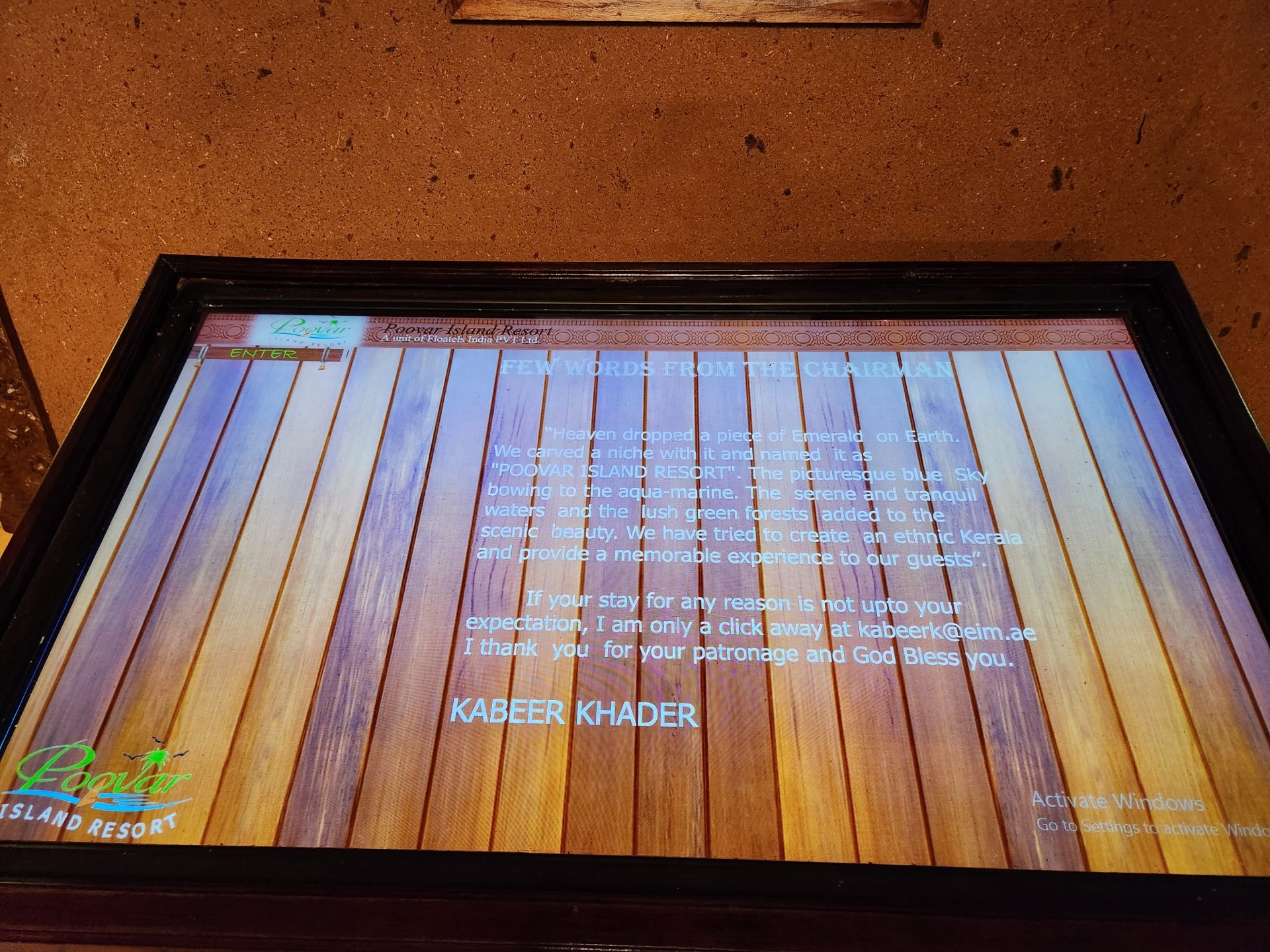
A tropical paradise in its truest sense, this lovely resort with 86 cottages, set amidst a picturesque landscape of swaying palm trees, verdant greenery all around, a nice swimming pool and some excellent cuisine on offer was worth every  penny spent. 

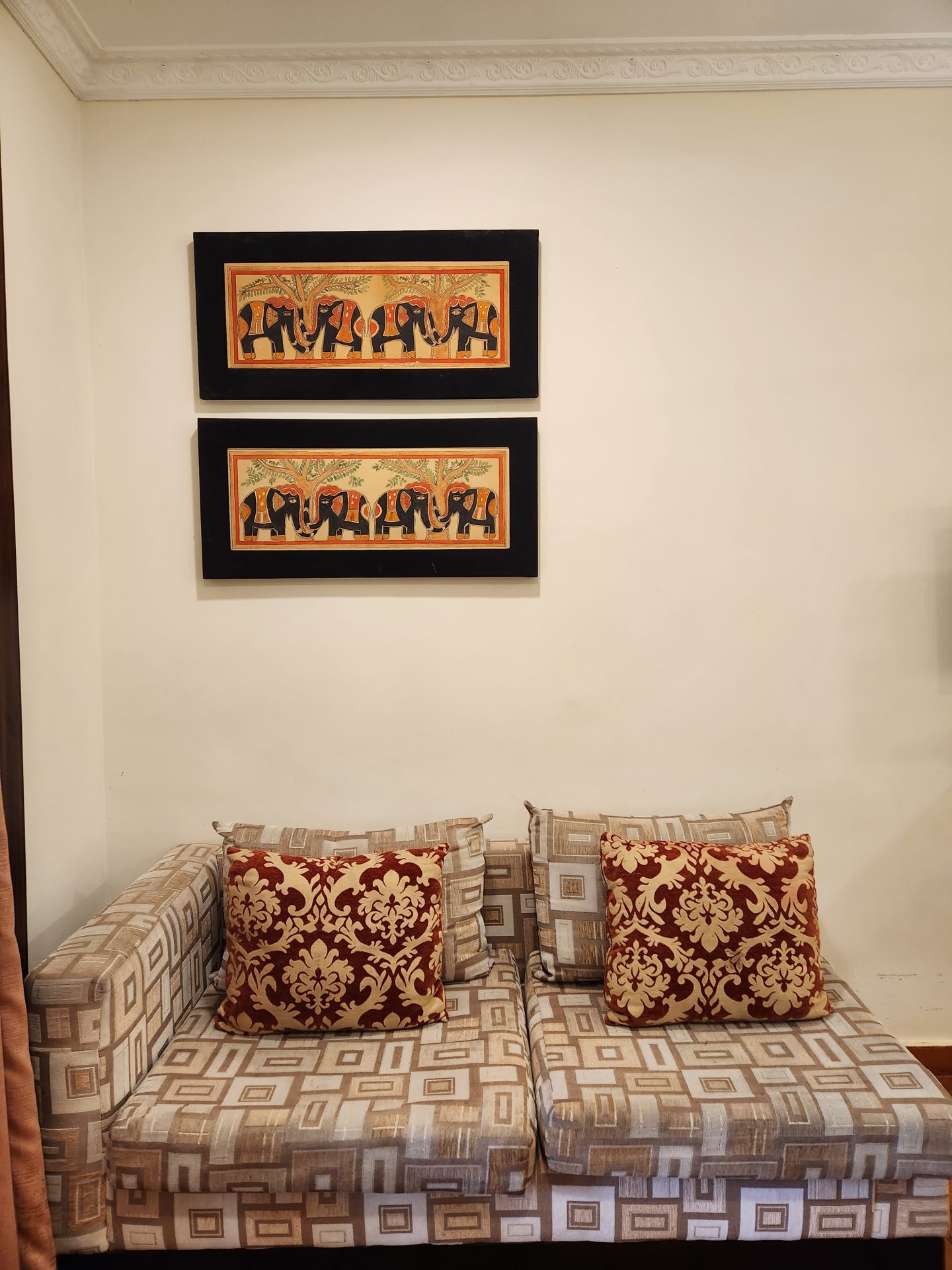
The rooms were very well laid out and spacious and very comfortable. 

Our idea was to basically chill over the weekend for a day with no sightseeing to do and and relax and the resort perfectly fitted the bill.

There was a complimentary drop to the nearby beach available which we could avail anytime and we requested the hotel folks to combine that with the boat cruise through  the Backwaters and Mangrove forests which we had planned the next day. We were asked to report in at the pick up point by around 8 AM. 

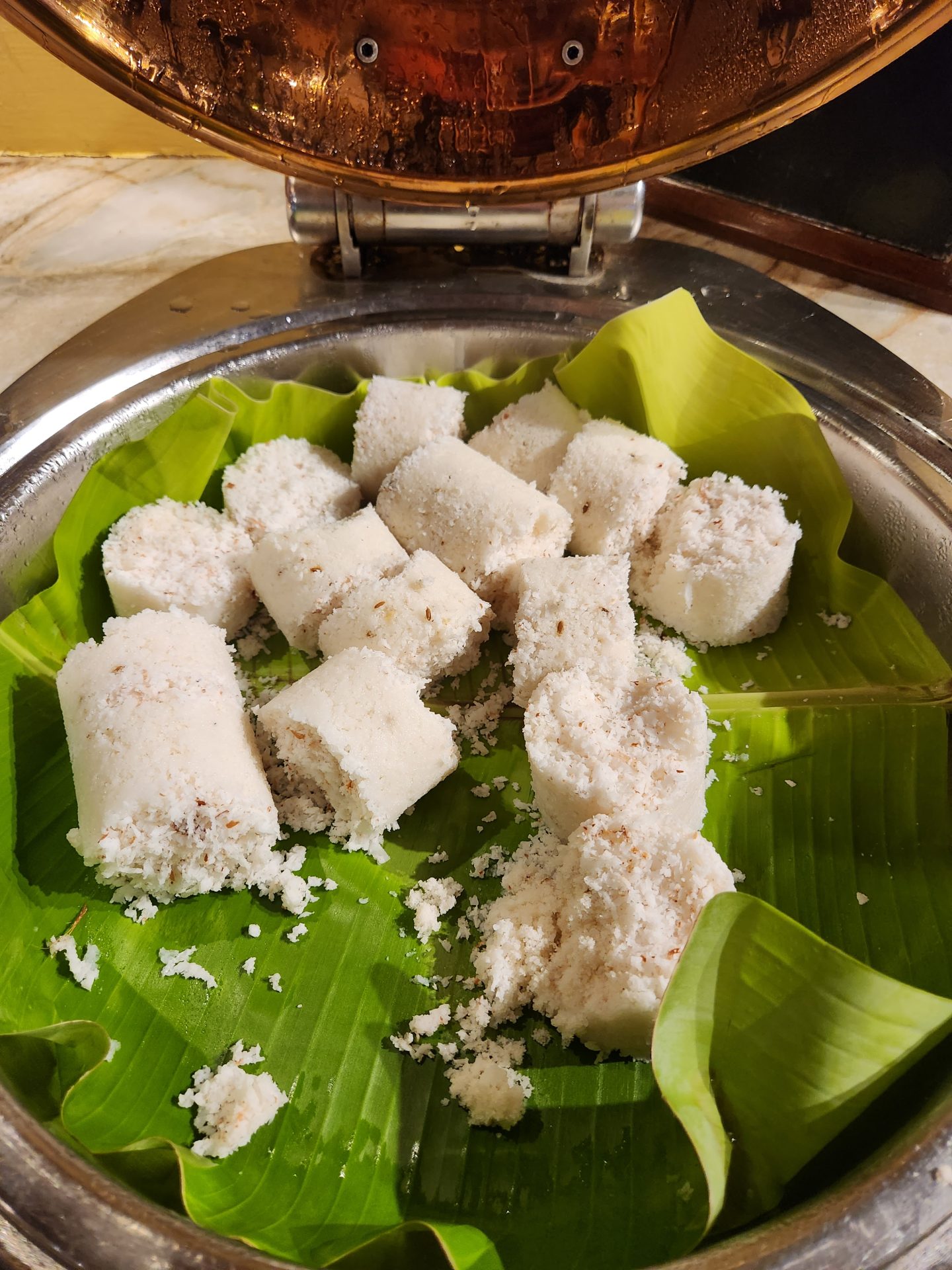
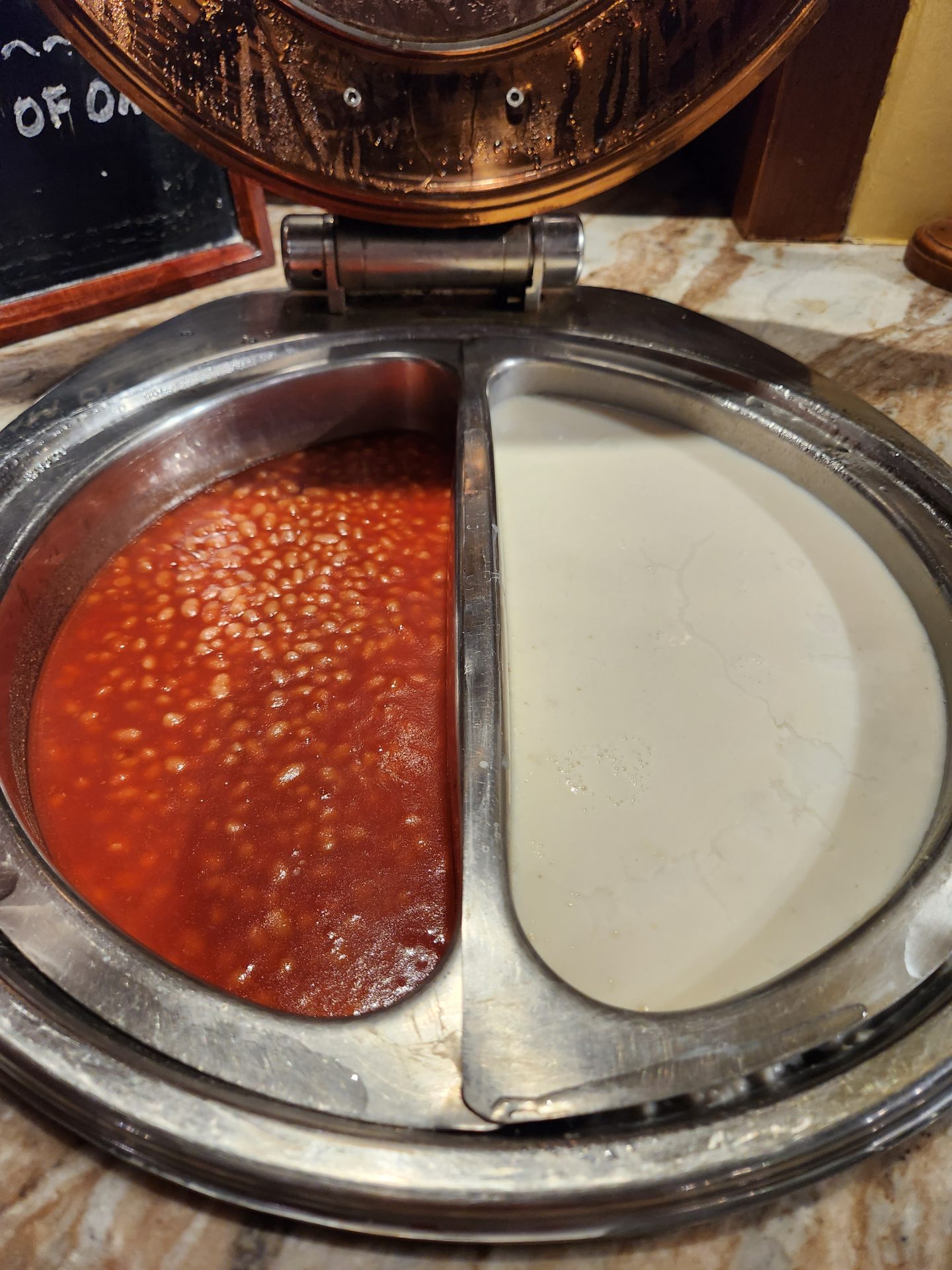
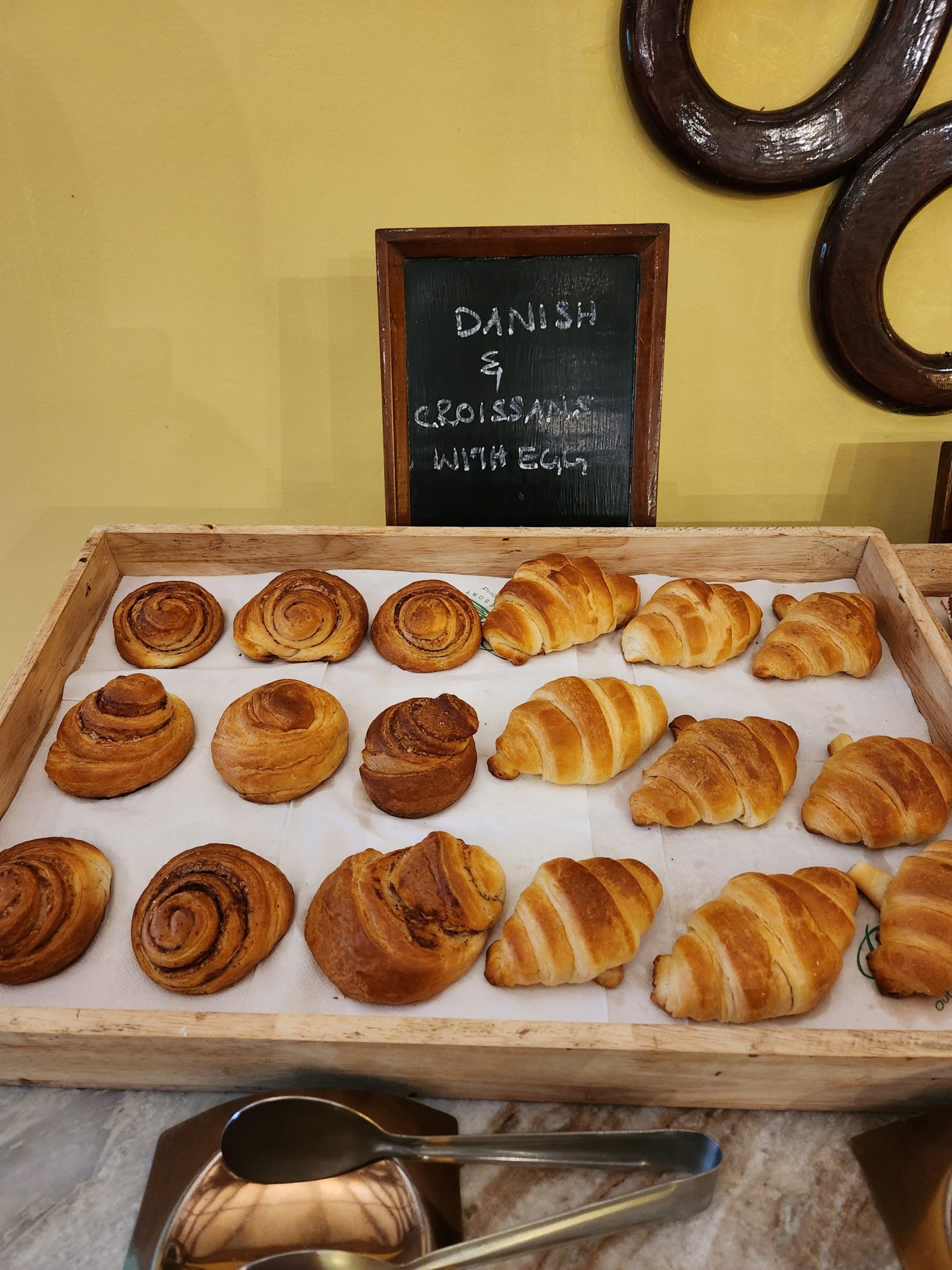
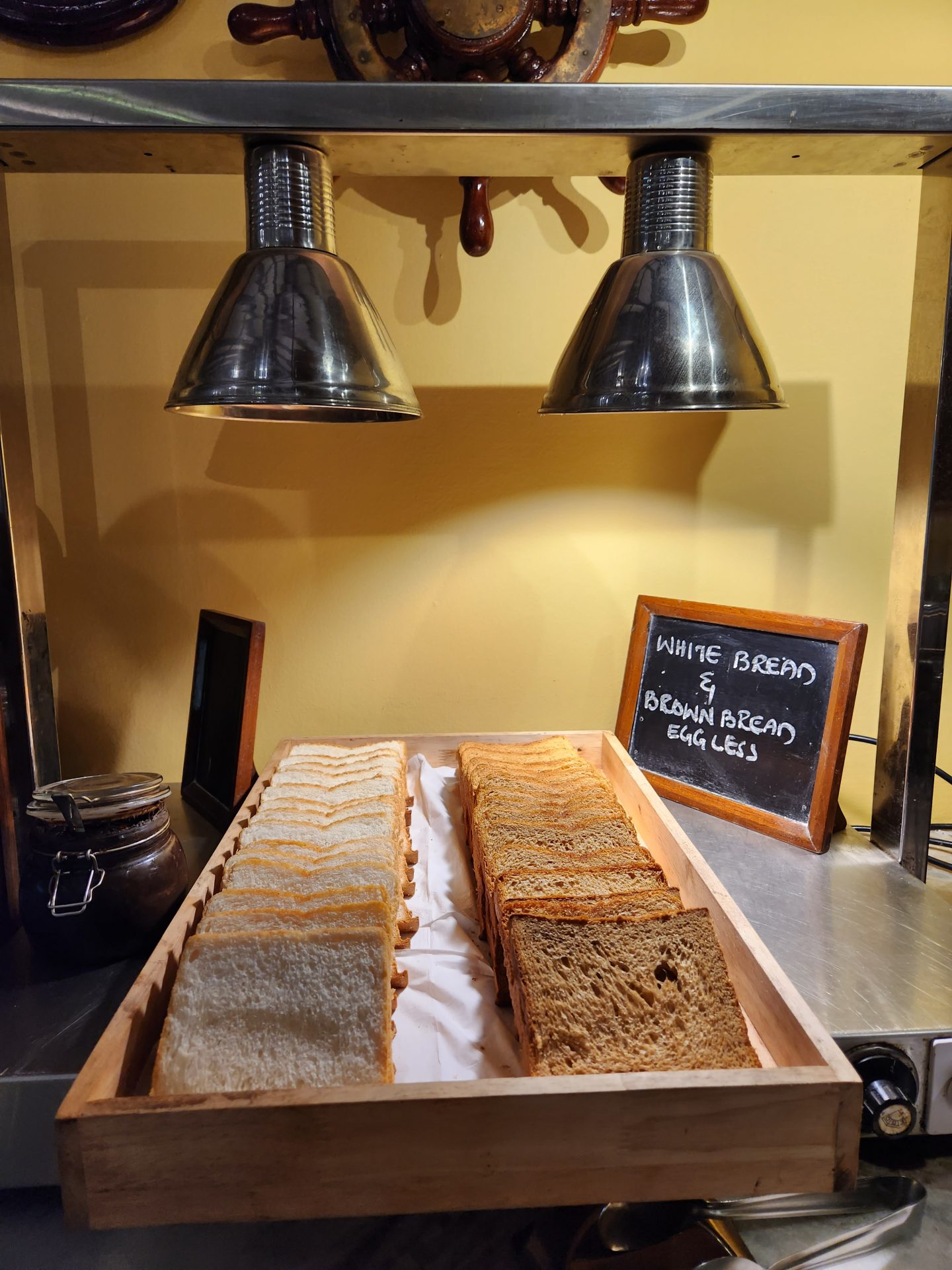
We headed for breakfast by around 7.15 AM. With a lovely spread and so much of variety on offer, couldn’t help making a gallery to tickle your taste buds.

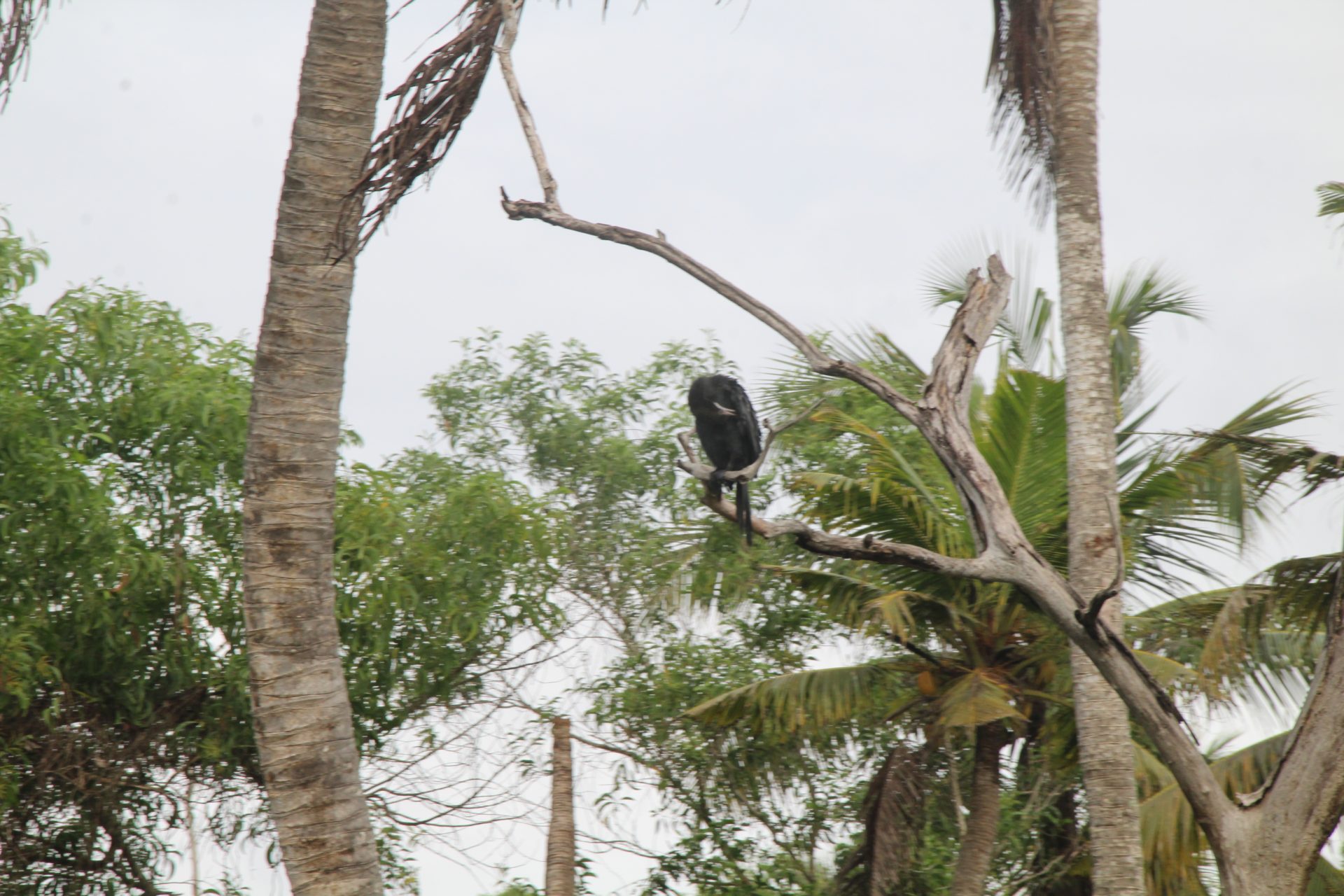
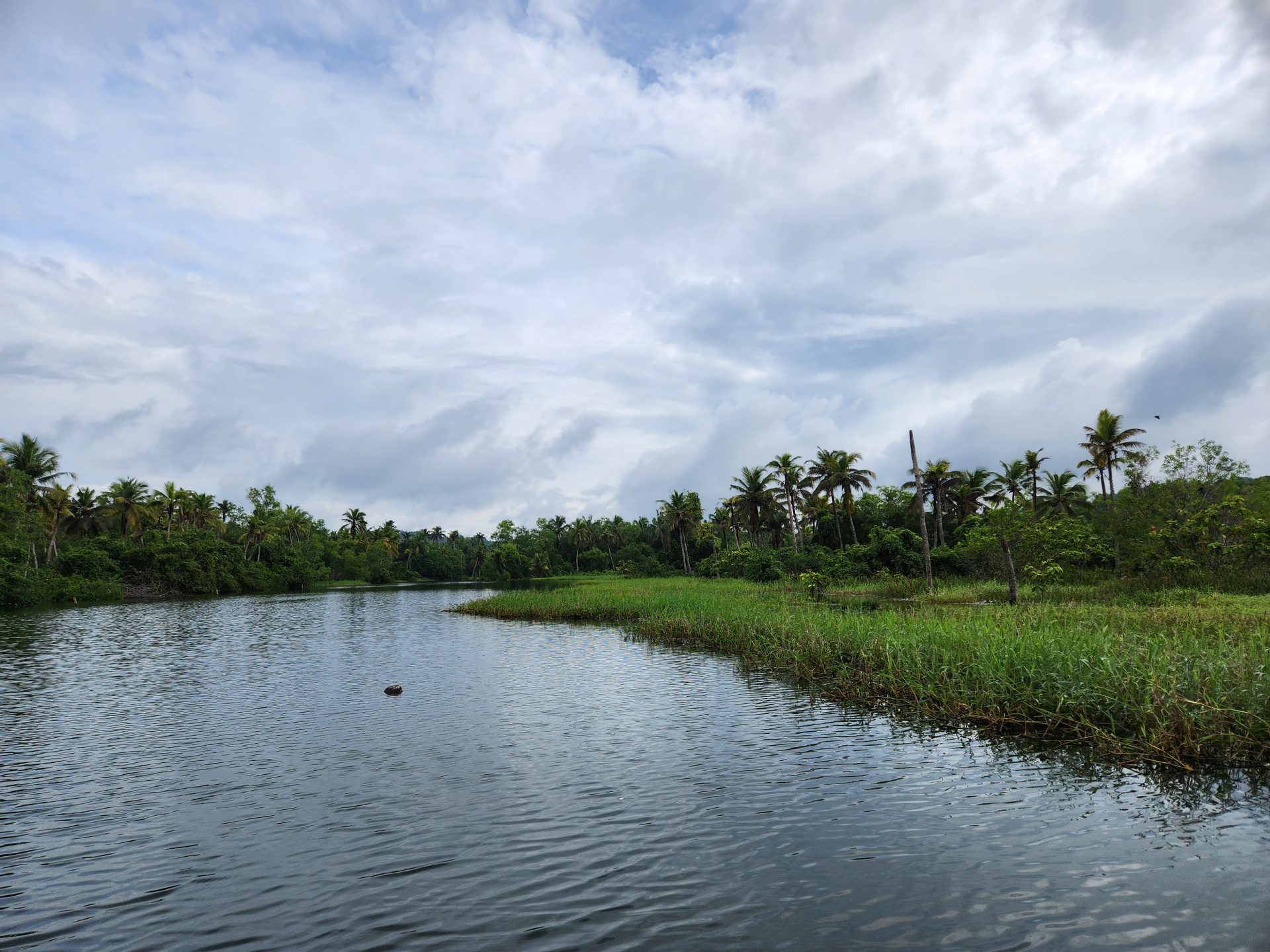
The chirping of birds, the rustle of the gentle breeze and the smooth gliding of the boat across the Mangrove Forests, the spotting of migratory birds  was a surreal experience and we wished it could go on.  

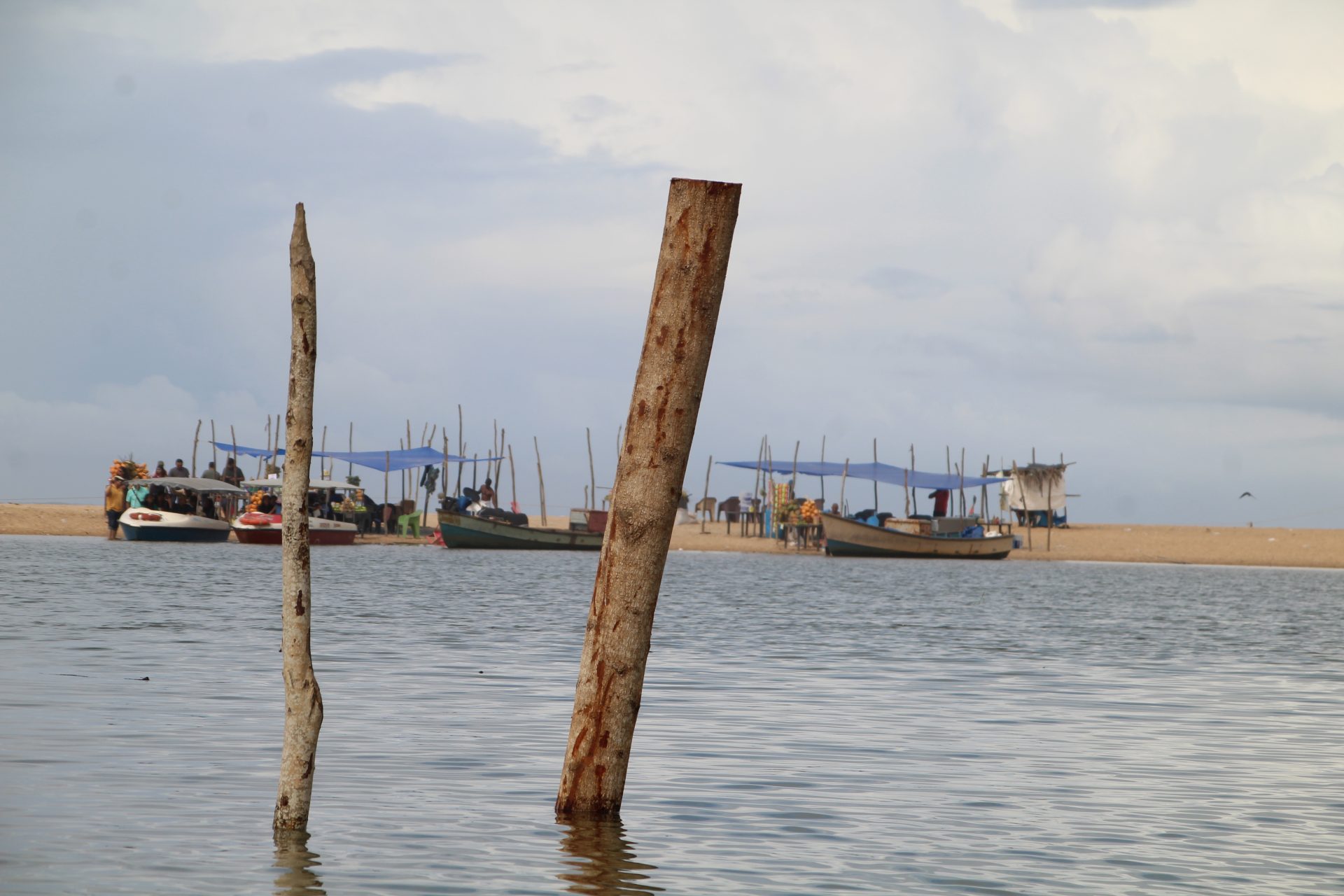
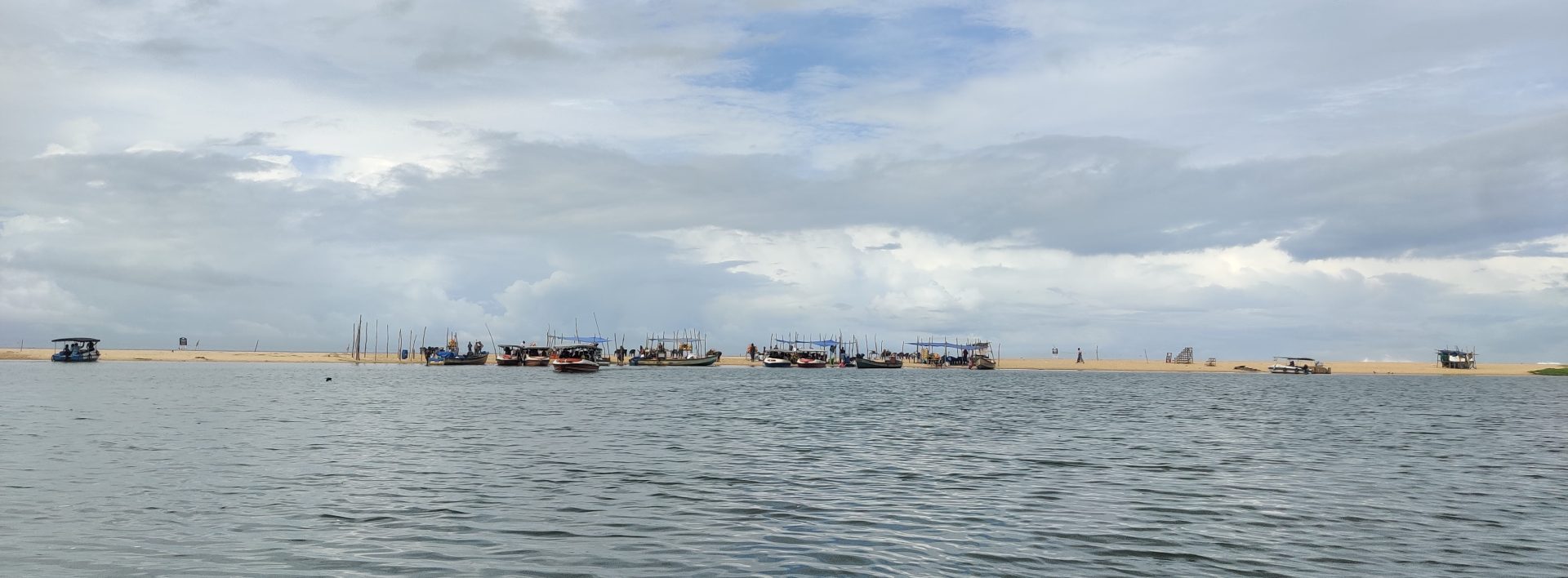
We then headed for the beach on the way back to the resort which has the backwaters on one side and the Arabian Sea on the other. An early morning or late evening cruise would always be recommended since it otherwise becomes quite hot and stifling, given all the humidity around.

We reached our resort and after having completed the check out formalities by around 10.45 AM got into a boat which was to drop us back to the Welcome Area where we had boarded yesterday. 

We had asked the same cab guy to come and pick us up presuming that he would be familiar with the place.


We had booked ourselves to go by train to Kochi since Fort Kochi was our next port of call. A place visited in the early 2000s and having read so much about how much this place had been transformed in terms of its tourism potential over the years. The 12.30 noon train brought us into Ernakulam (the station code for Kochi and the earlier name of the city) Town station by evening 4.30 PM.

Catch all these and more, do a deep dive into the history and immerse yourself in some more lovely photographs by simply clicking on 👉🏼 TRIVANDRUM-POOVAR which is part of my original website https://jewelsofasia.in.

Share the Post:

Related Posts

You cannot copy content of this page

Discover more from

Subscribe now to keep reading and get access to the full archive.

Continue reading

wpDiscuz
0
0
Would love your thoughts, please comment.x
()
x
Exit mobile version
%%footer%%