It was an early morning start to the city of Agra by Shatabdi Express. Having checked out of our hotel, we walked up the short distance from our Hotel to the New Delhi Railway station for our sub 2 hour train journey to Agra.
We were outside the Agra station by 8 AM and booked a cab from a taxi stand outside the station premises for visiting the Taj Mahal and the Agra Fort.
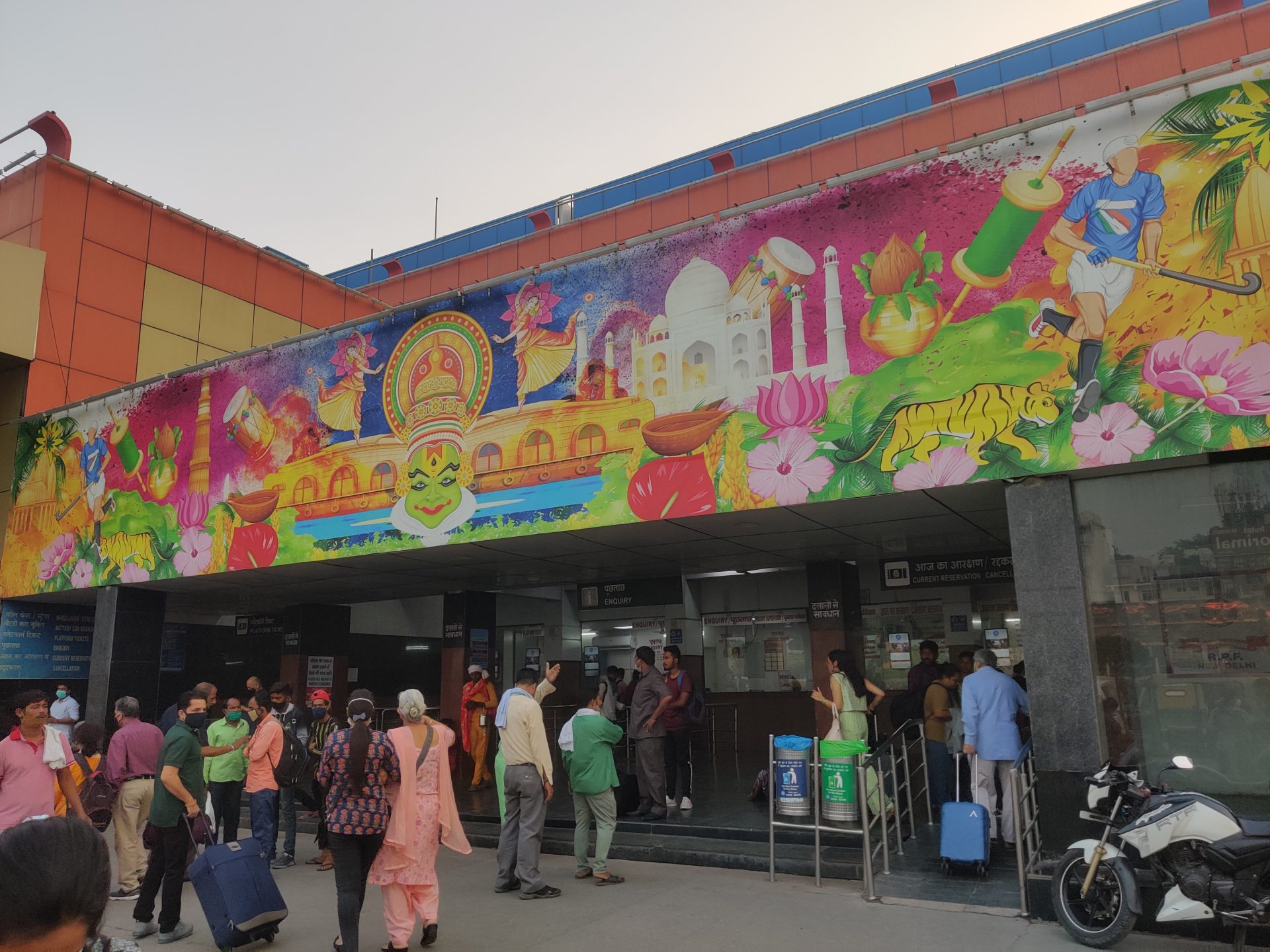
THE BUSY NEW DELHI STATION
The Taj Mahal
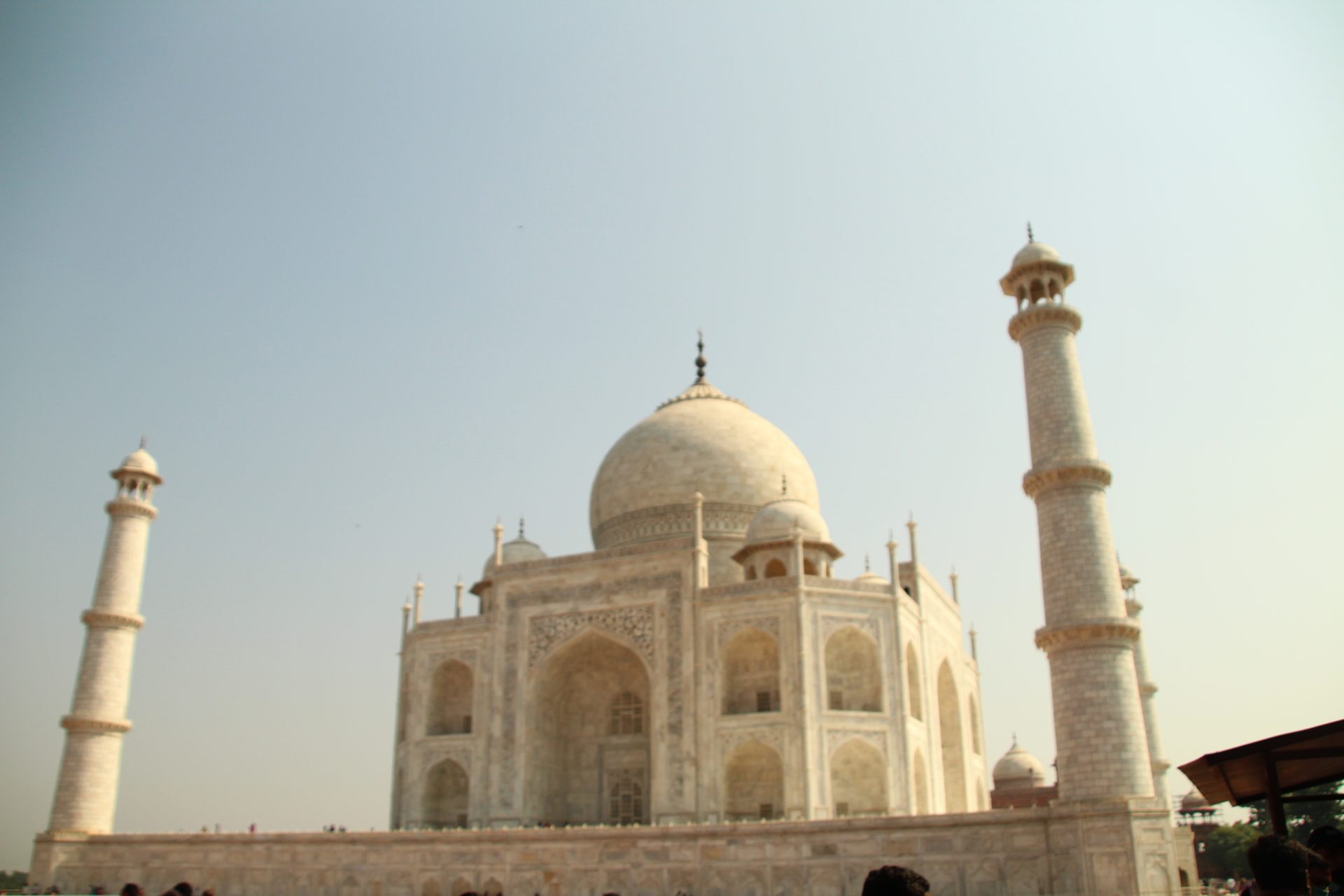
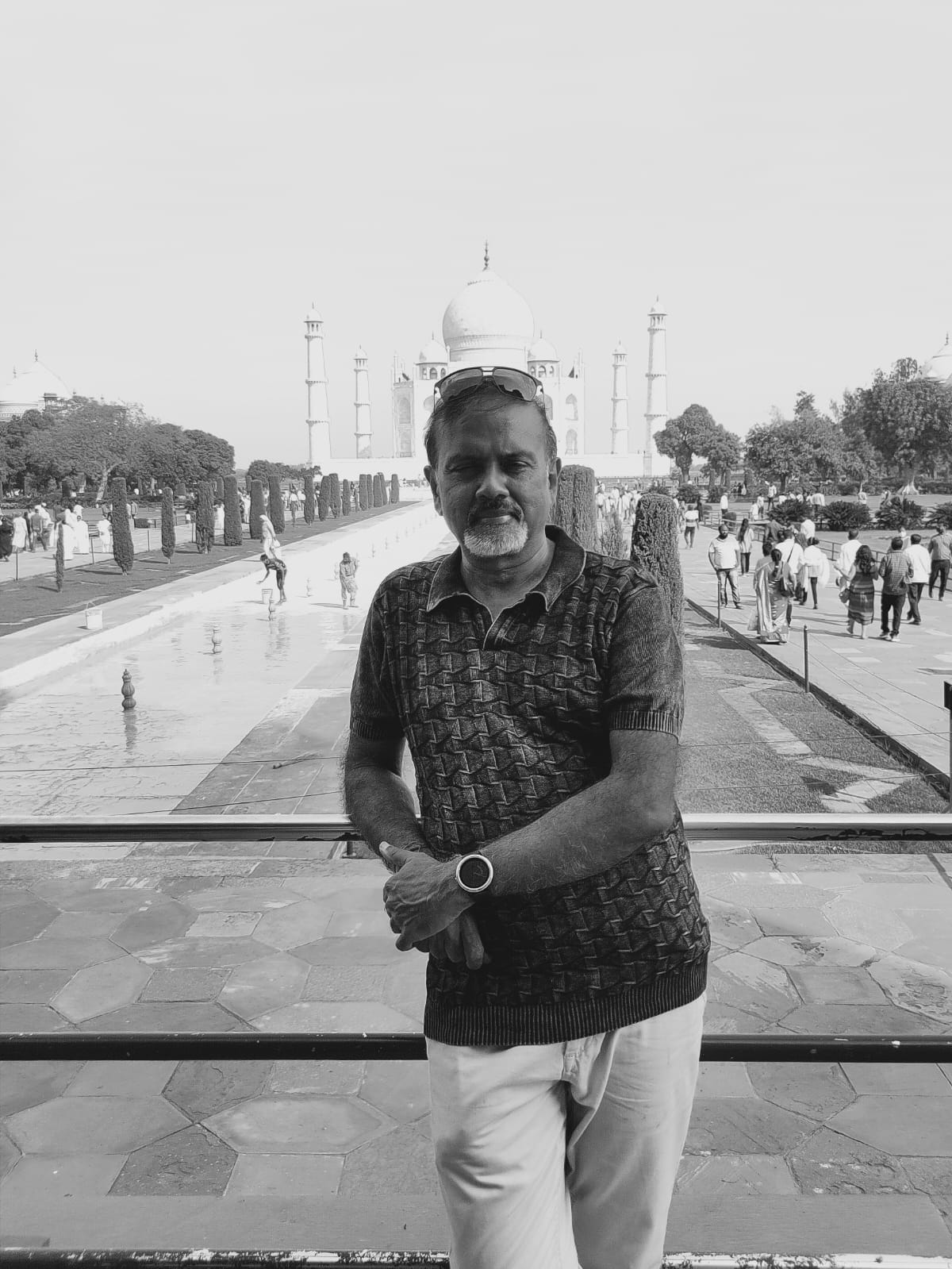
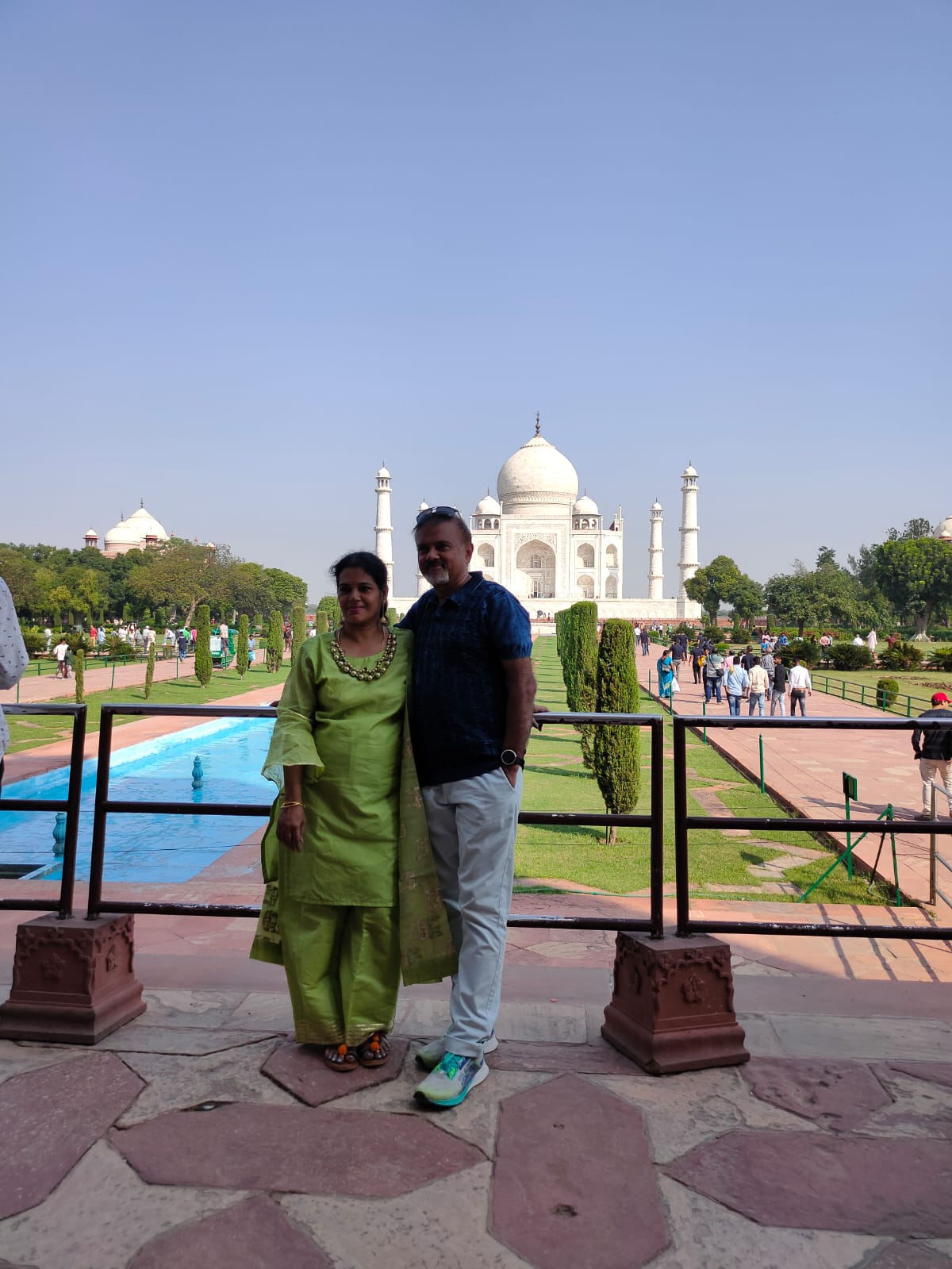
A short ride of 6 Kms from the station brought us to the entrance of one of the Seven Wonders of the World – the Taj Mahal, a symbol of love, wealth and power of Emperor Shah Jahan.
Enroute the journey, based on the advice of our cab driver, we booked the entrance tickets for the Taj Mahal including a visit to the Mausoleum.
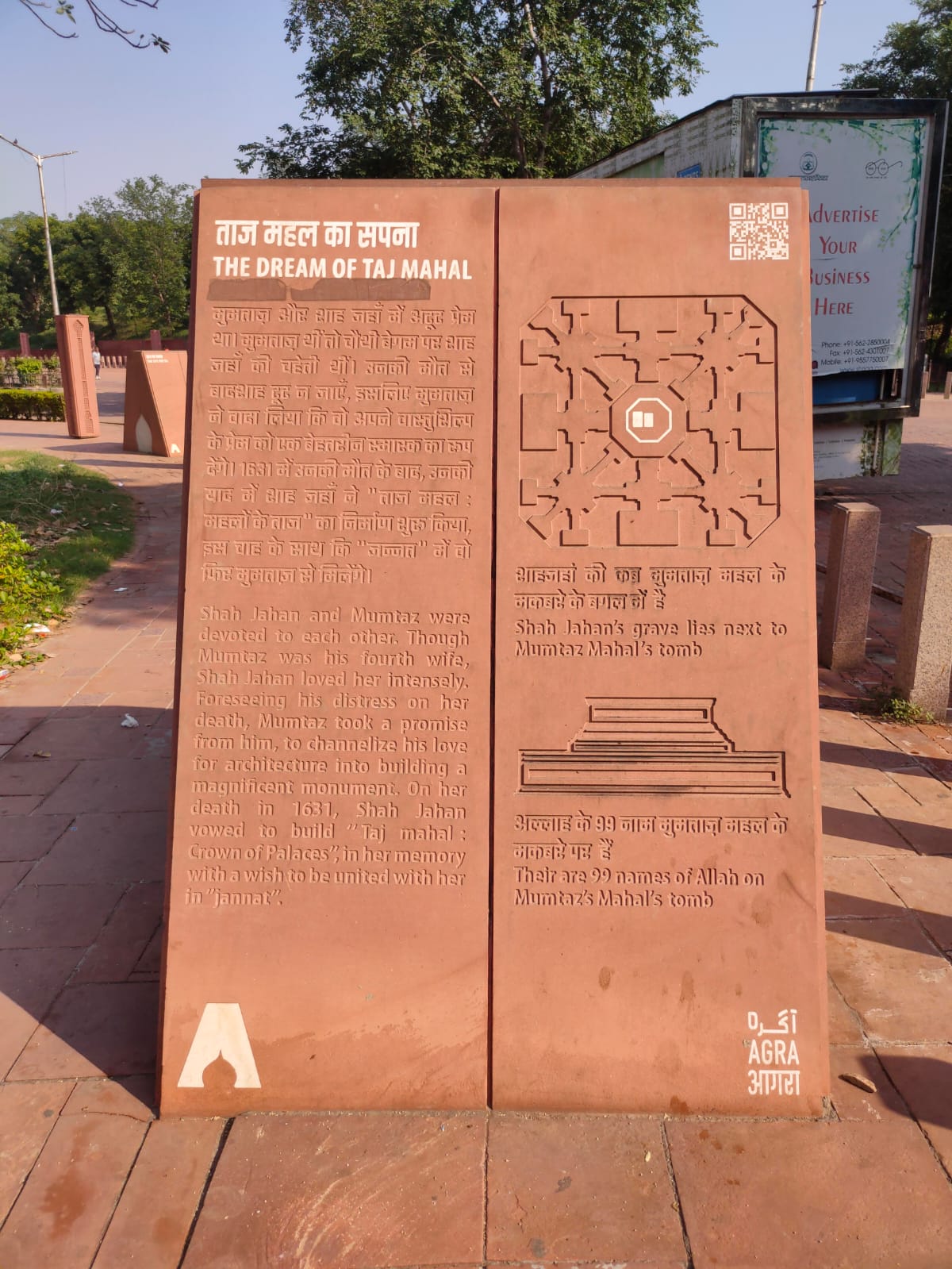
Built by King Shah Jahan in memory of his beloved wife Mumtaz Mahal, this marble white mausoleum stands near the banks of the Yamuna river.
The construction for this stunning piece of architecture started in the year 1632. it was finally completed in the year 1653 at an estimated cost of 32 million Indian rupees.
Almost 20,000 artisans were involved in the construction and around 1000 elephants deployed in the transportation of the material.
Recognized by UNESCO as a World Heritage Site in 1983, the Taj Mahal is a unique combination of Indo-Islamic and early Mughal architecture.
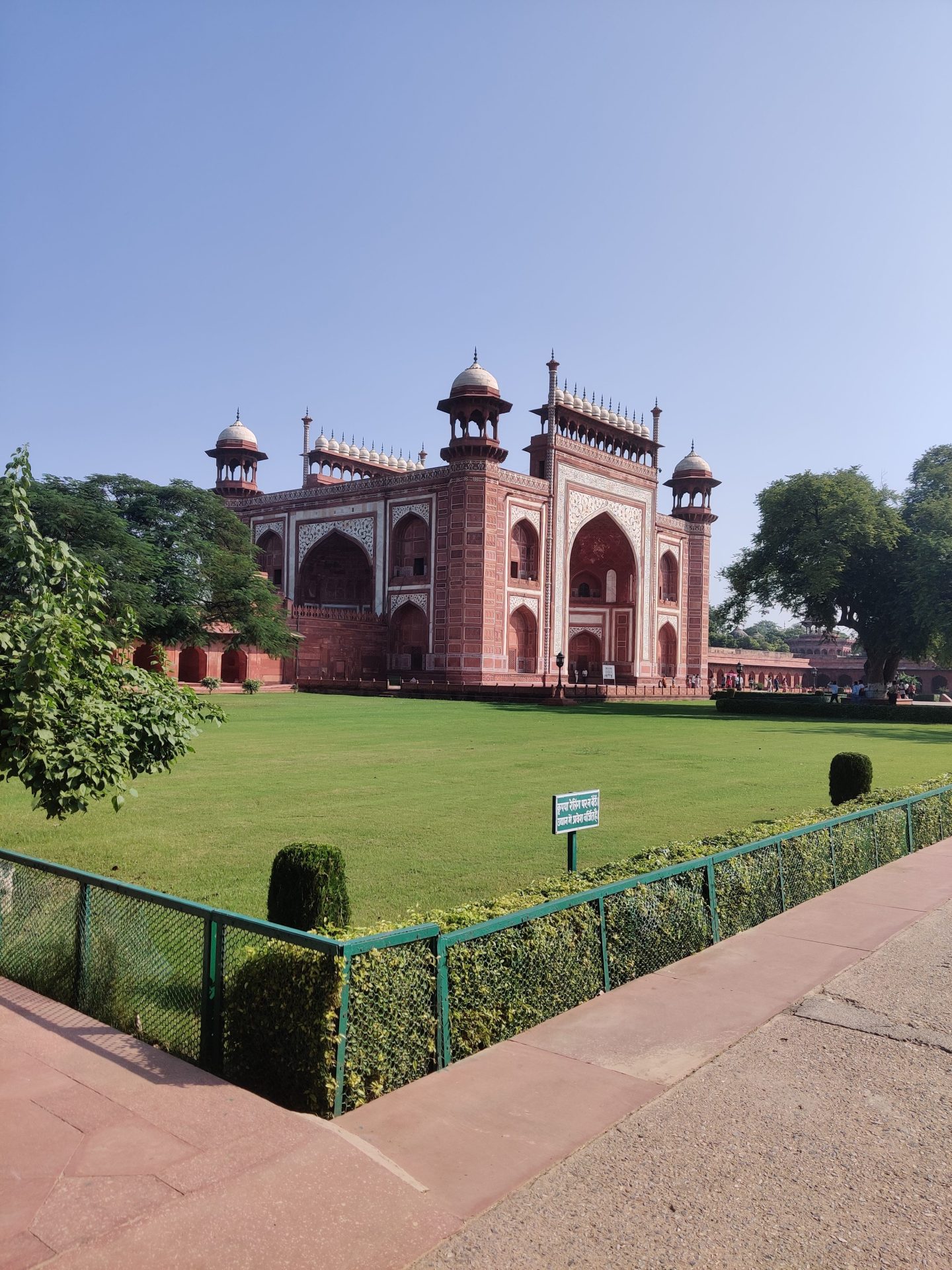
The Main gateway to the Taj is in itself a stand out piece of architecture, designed in red sandstone and marble and the sheer magnificence and grandeur of the monument opens up as we pass through this gateway.
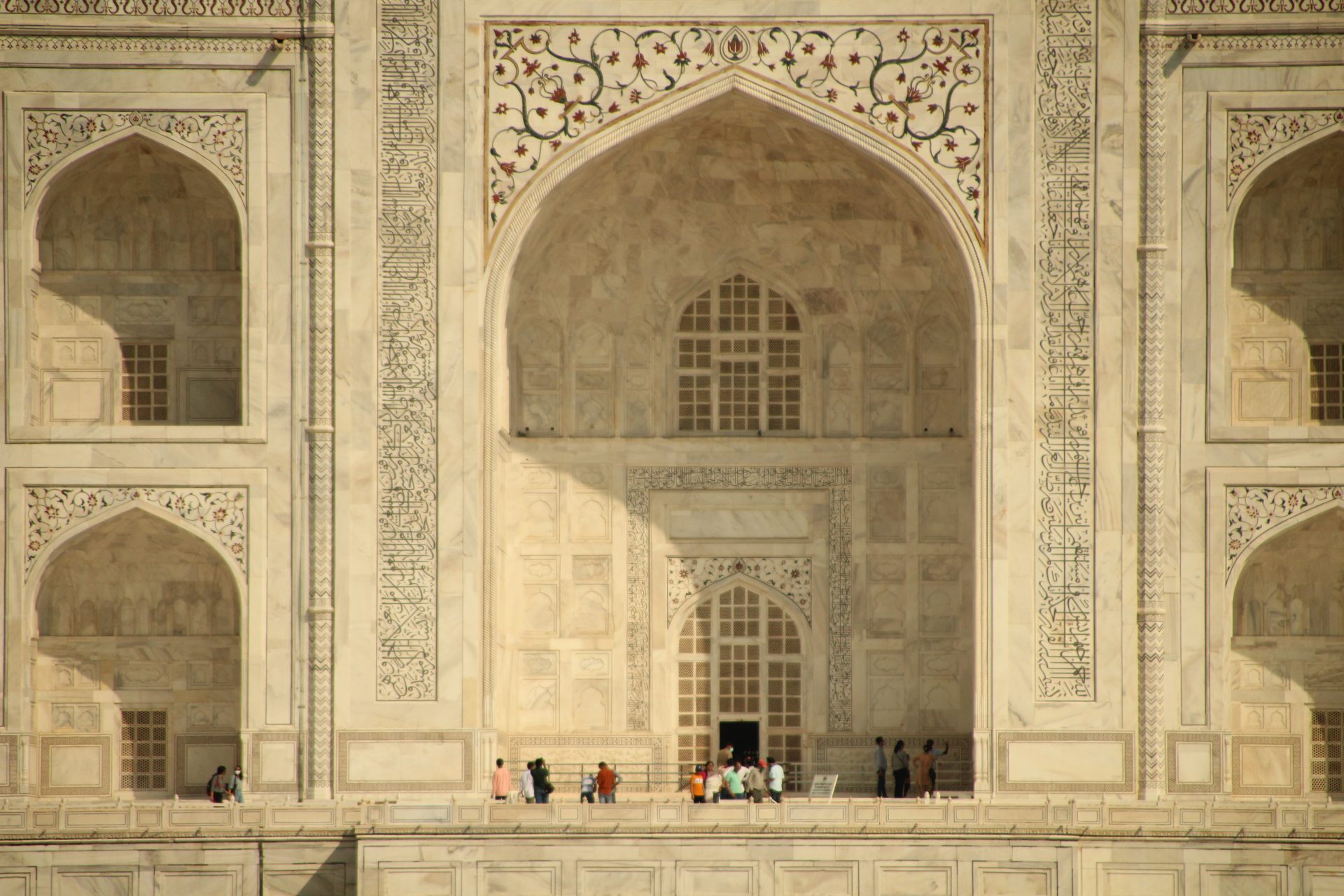
The Tomb which remains the central focus of the entire complex is a large white structure mounted on a square platform and comprising of a symmetrical building with an Arch shaped doorway.
Right on top lies a large dome with a decorative piece in gilded bronze on the top, depicting the apex of the dome and done using a moon at the top.
4 minarets, each of which are more than 40 metres high frame the tomb at each corner of the square.
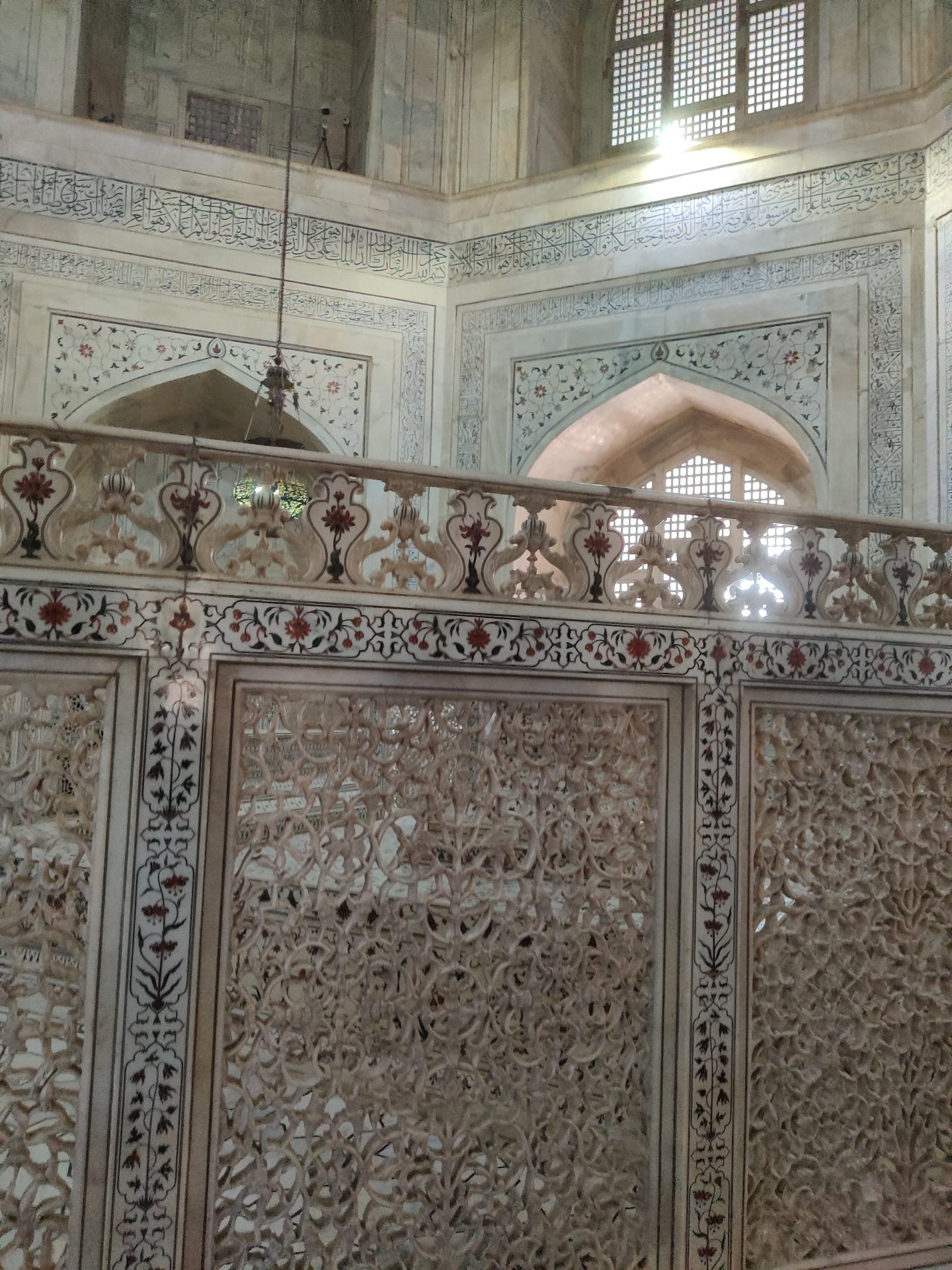
The main chamber houses the false sarcophagi or stone coffin of Mumtaz Mahal and Shah Jahan while their actual graves lie at a lower level.
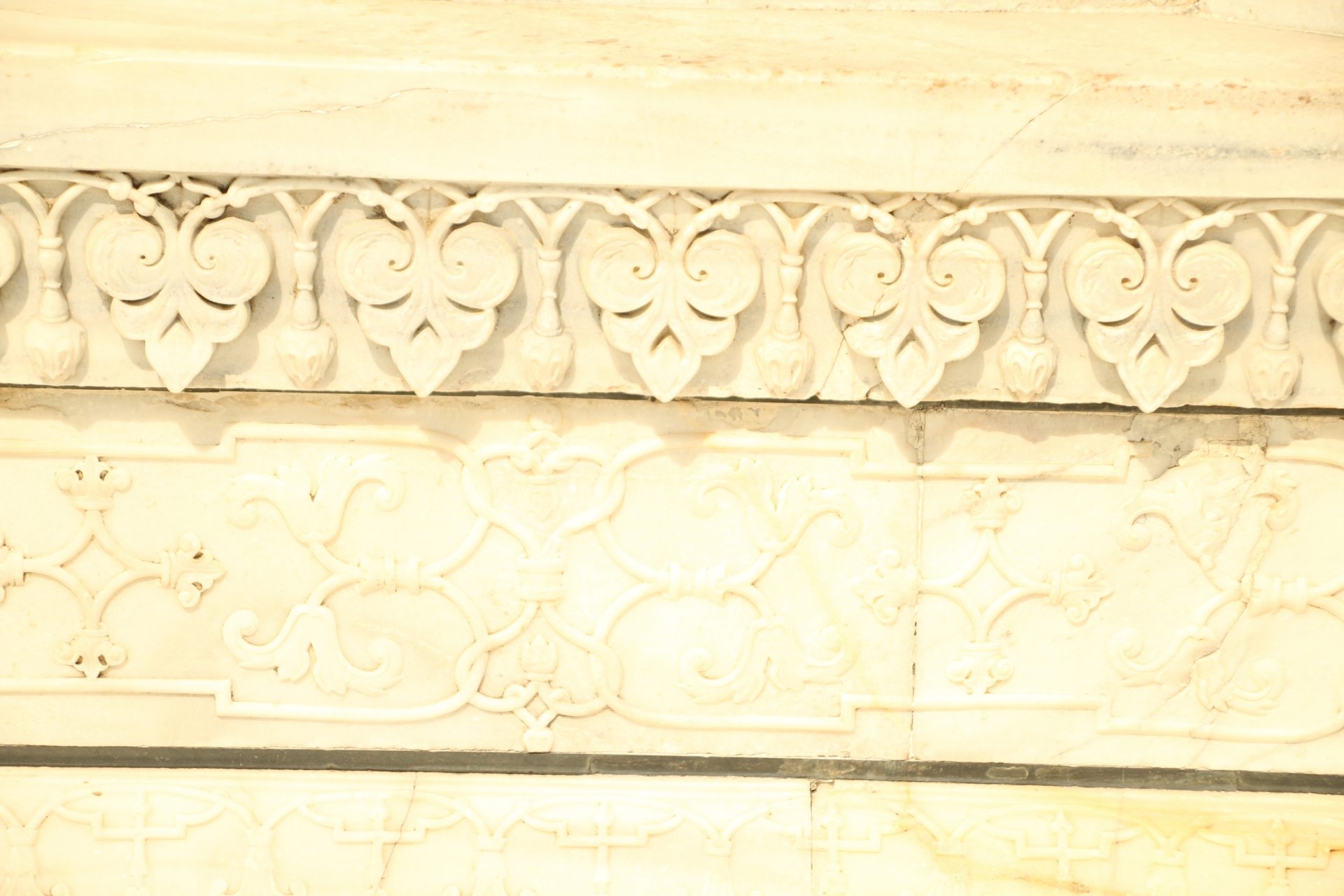
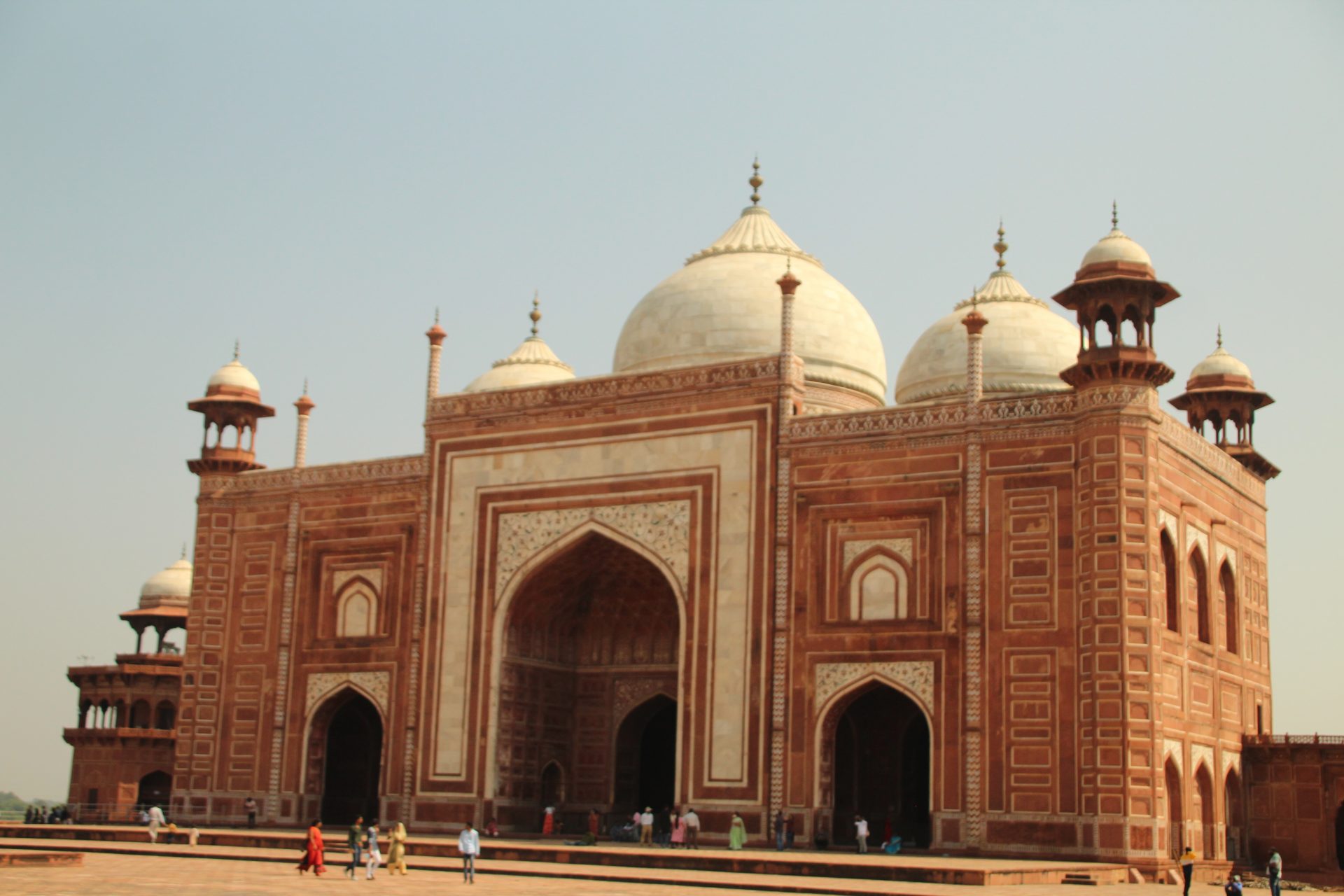
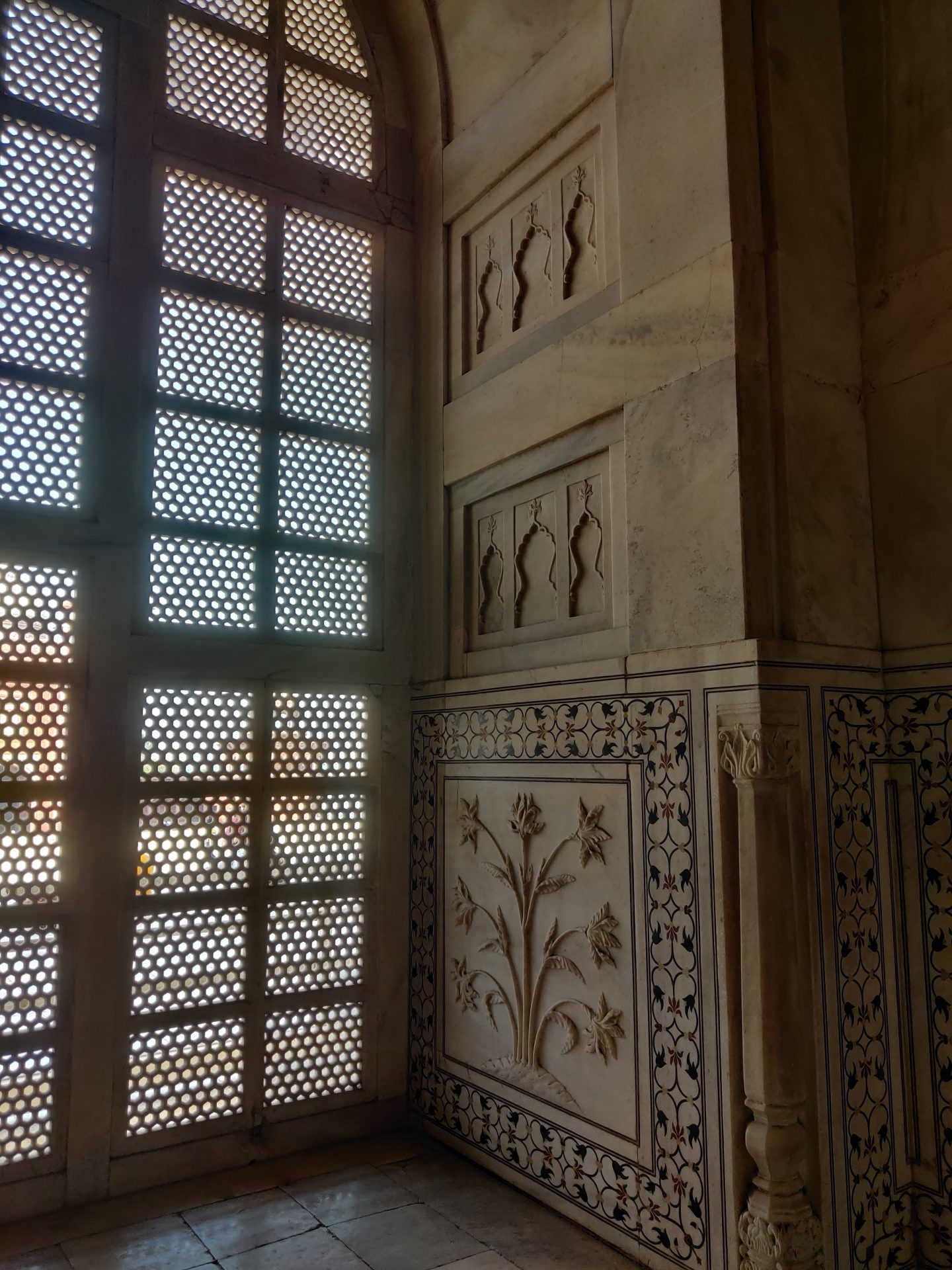
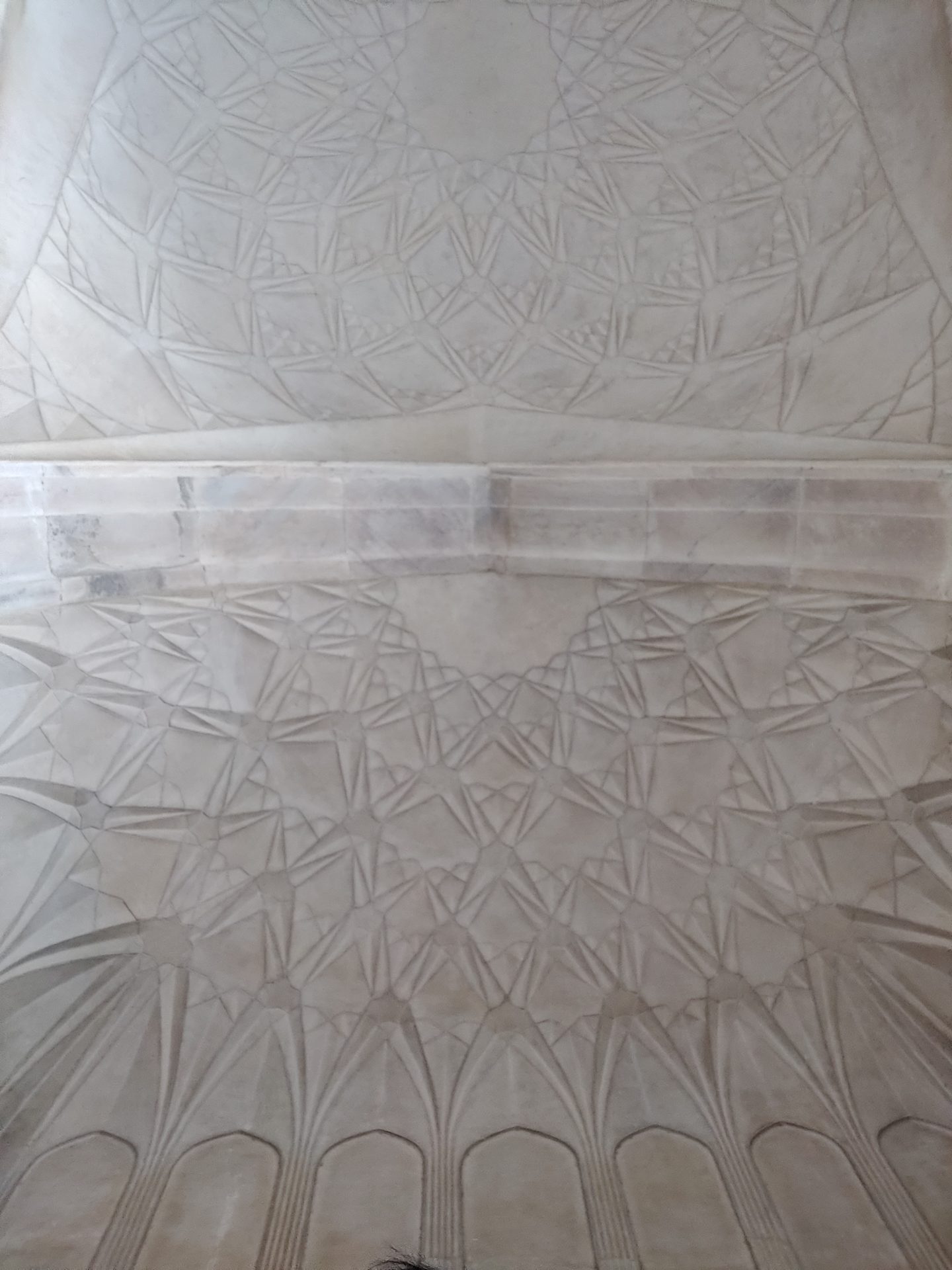
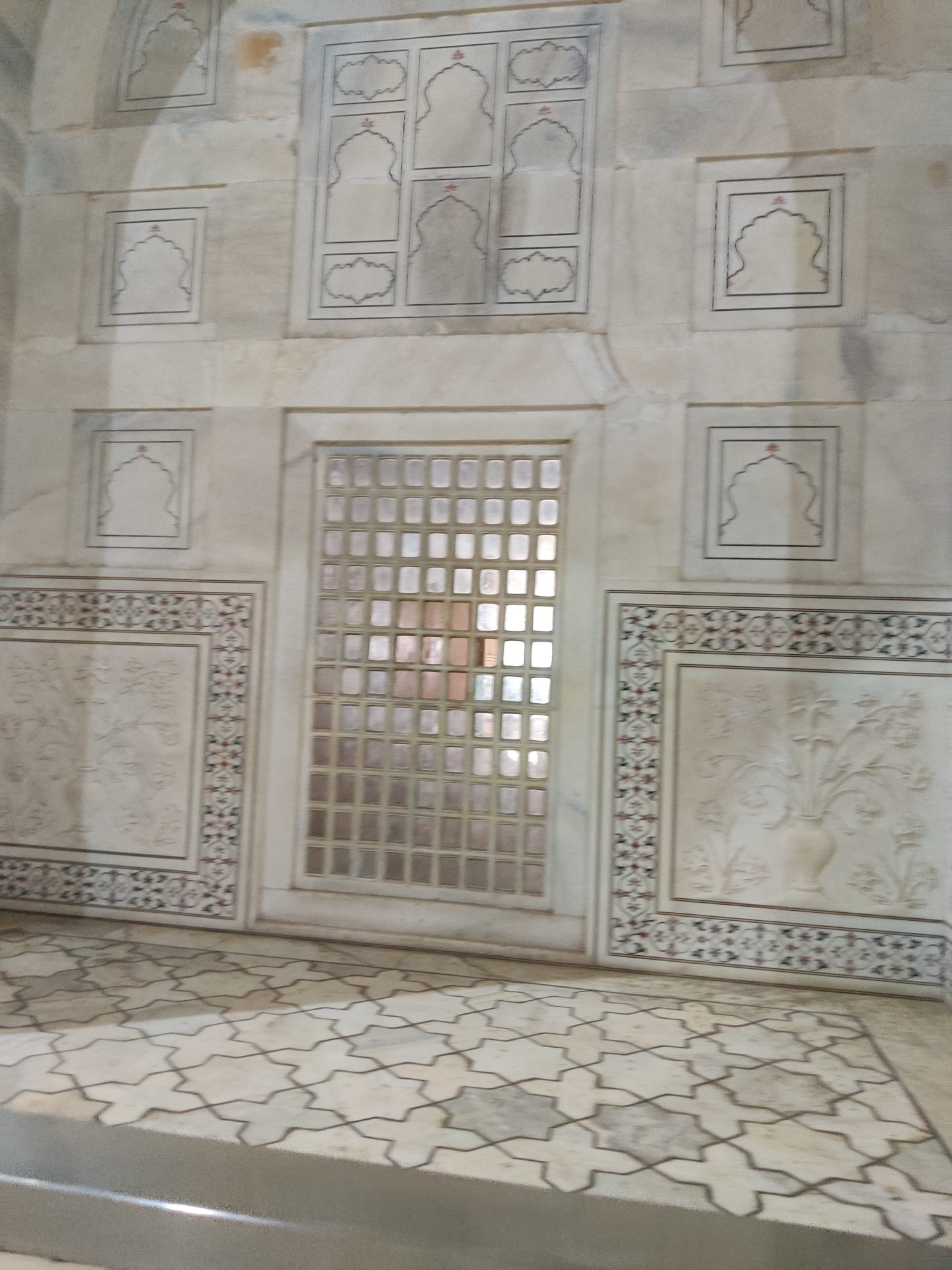
A few random snaps as we walked around the precincts of the Taj Mahal
.
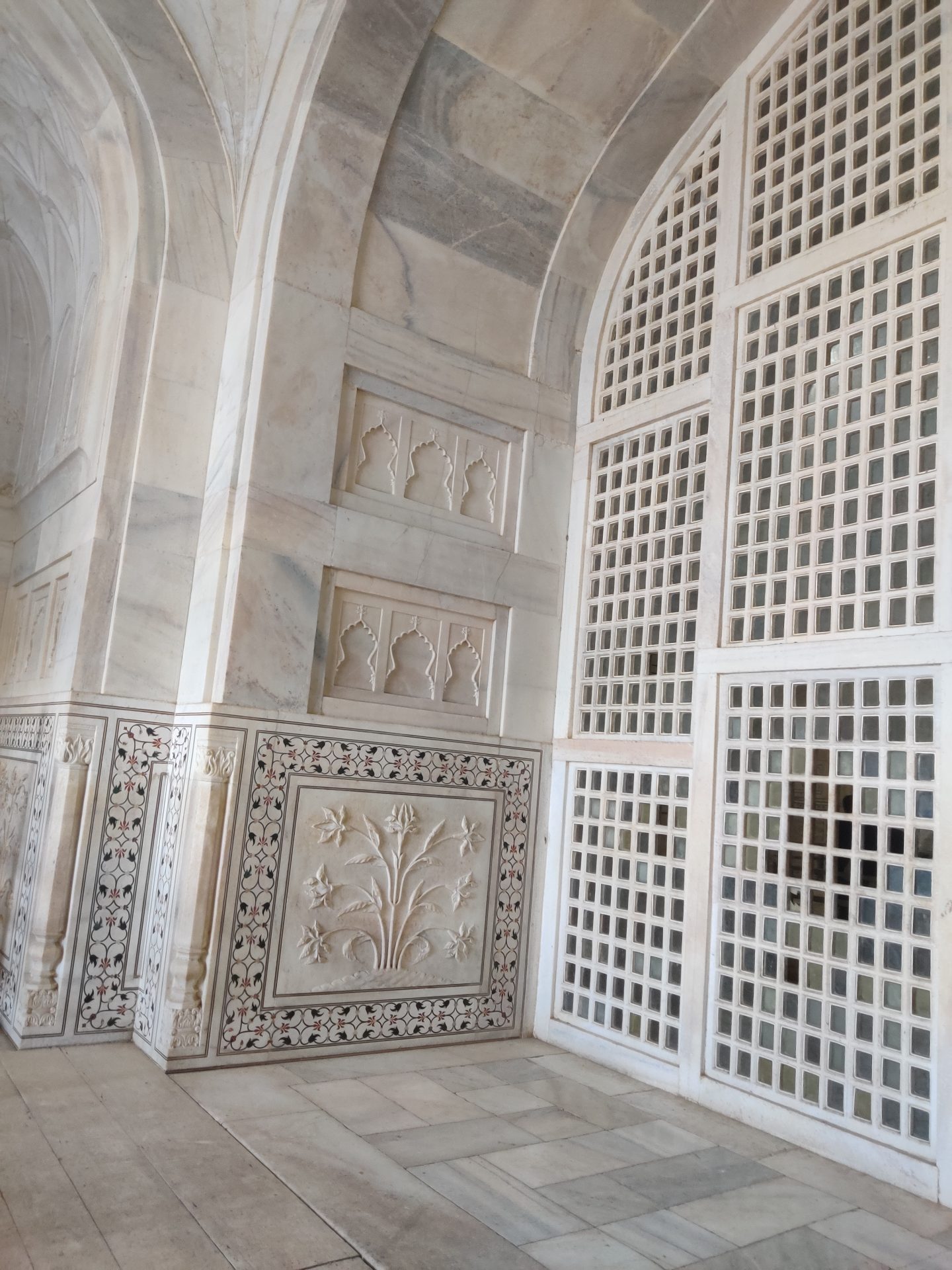
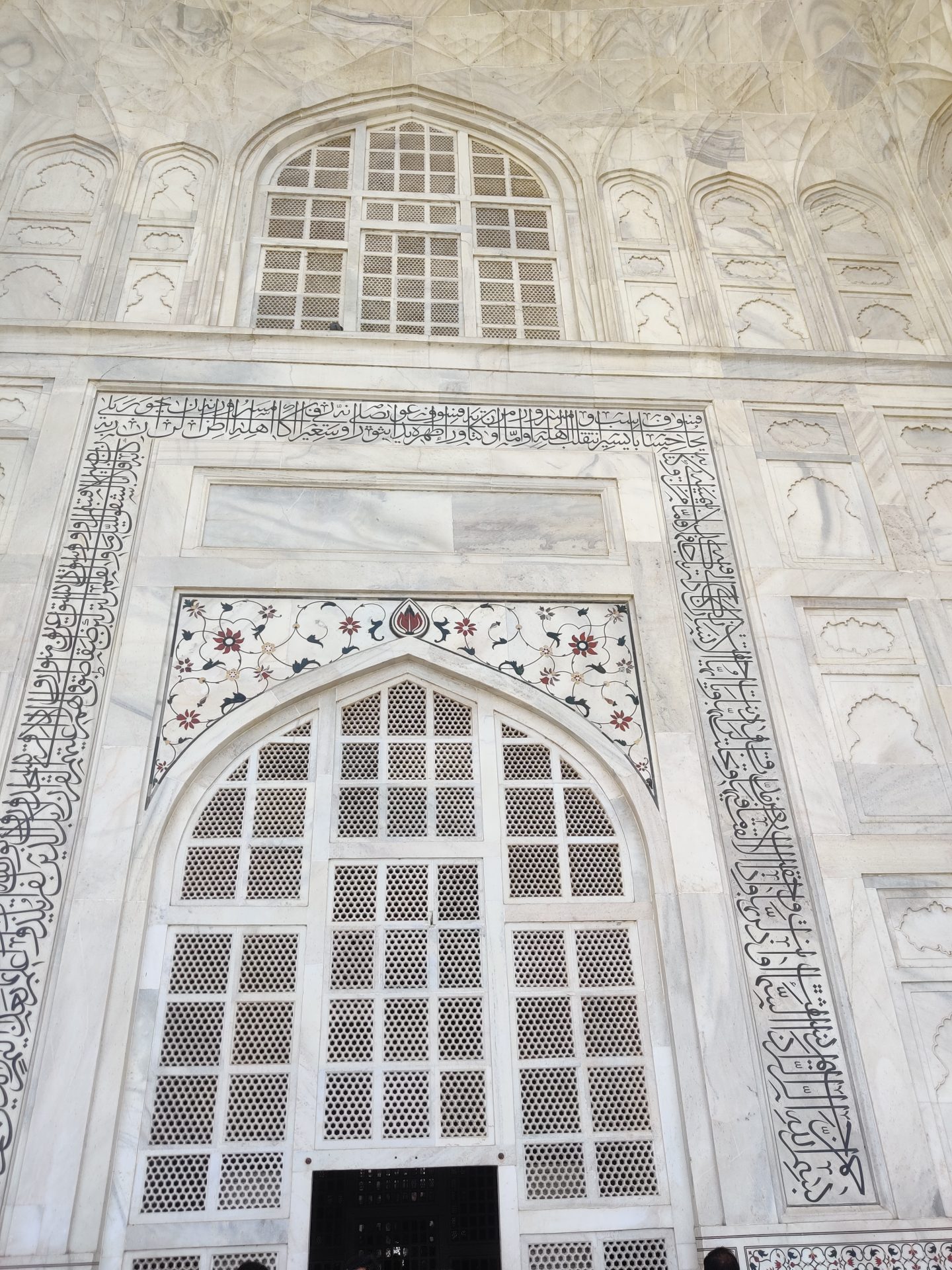
The exteriors of the Taj and the marble cenotaphs have lot of extensive calligraphy used besides abstract forms or vegetative motifs while the lower walls of the tomb have sculpted bas reliefs in marble of flowers and vines.
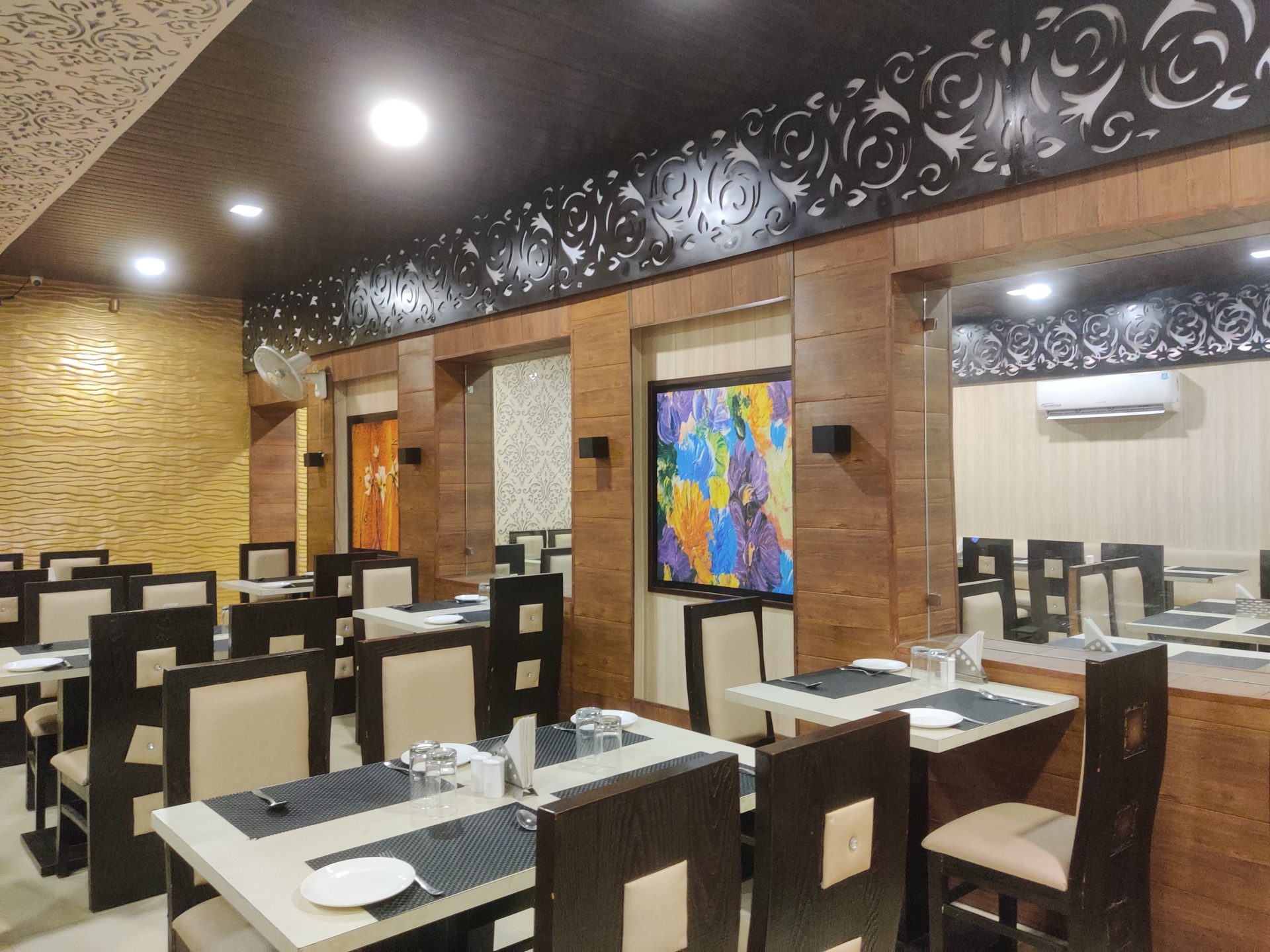
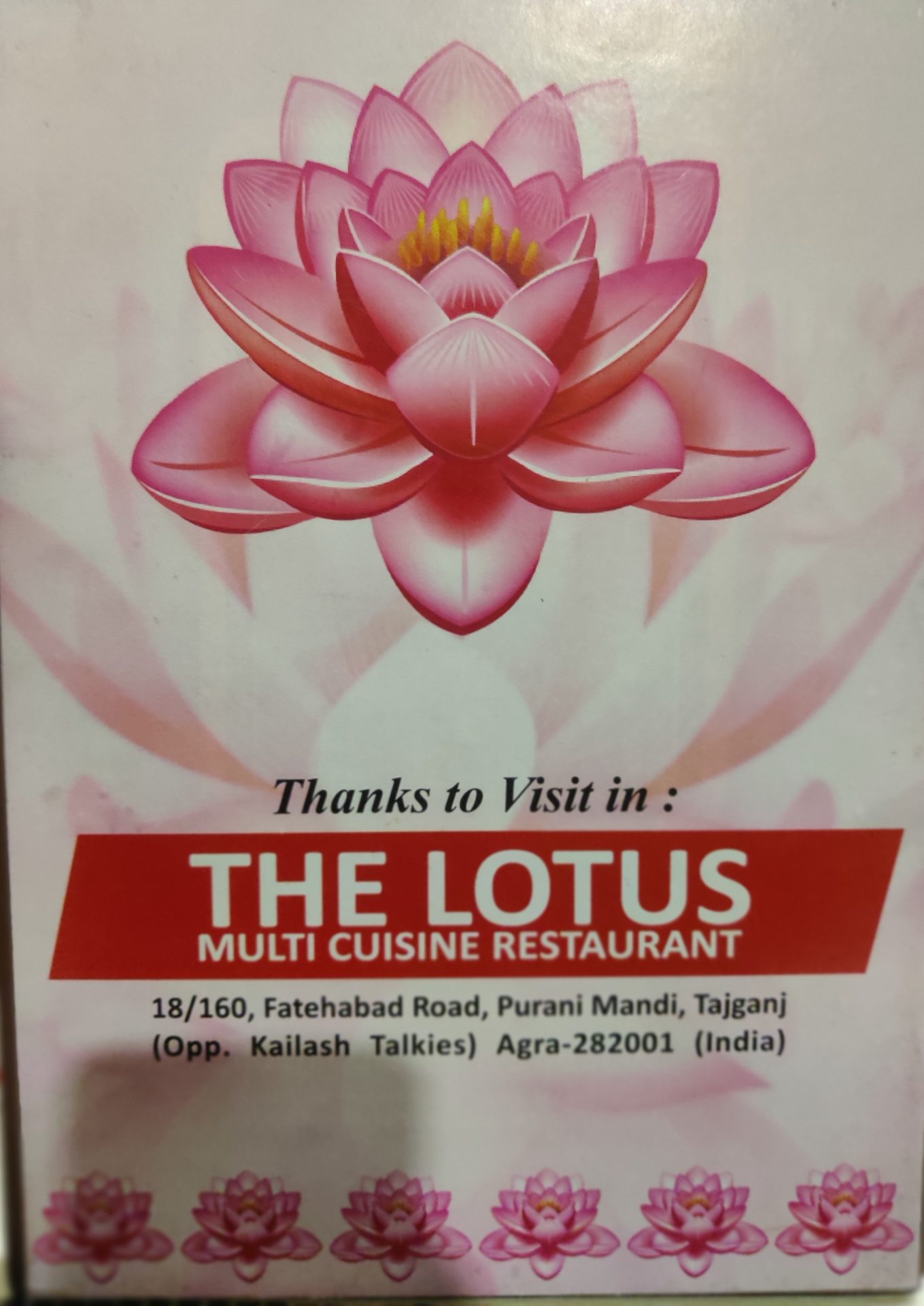
Having spent a good 2 hours within the Taj Mahal complex, we decided to do an early lunch and based on the suggestions of our cab guy, headed for The Lotus, a multi cuisine restaurant in the Taj Ganj area.
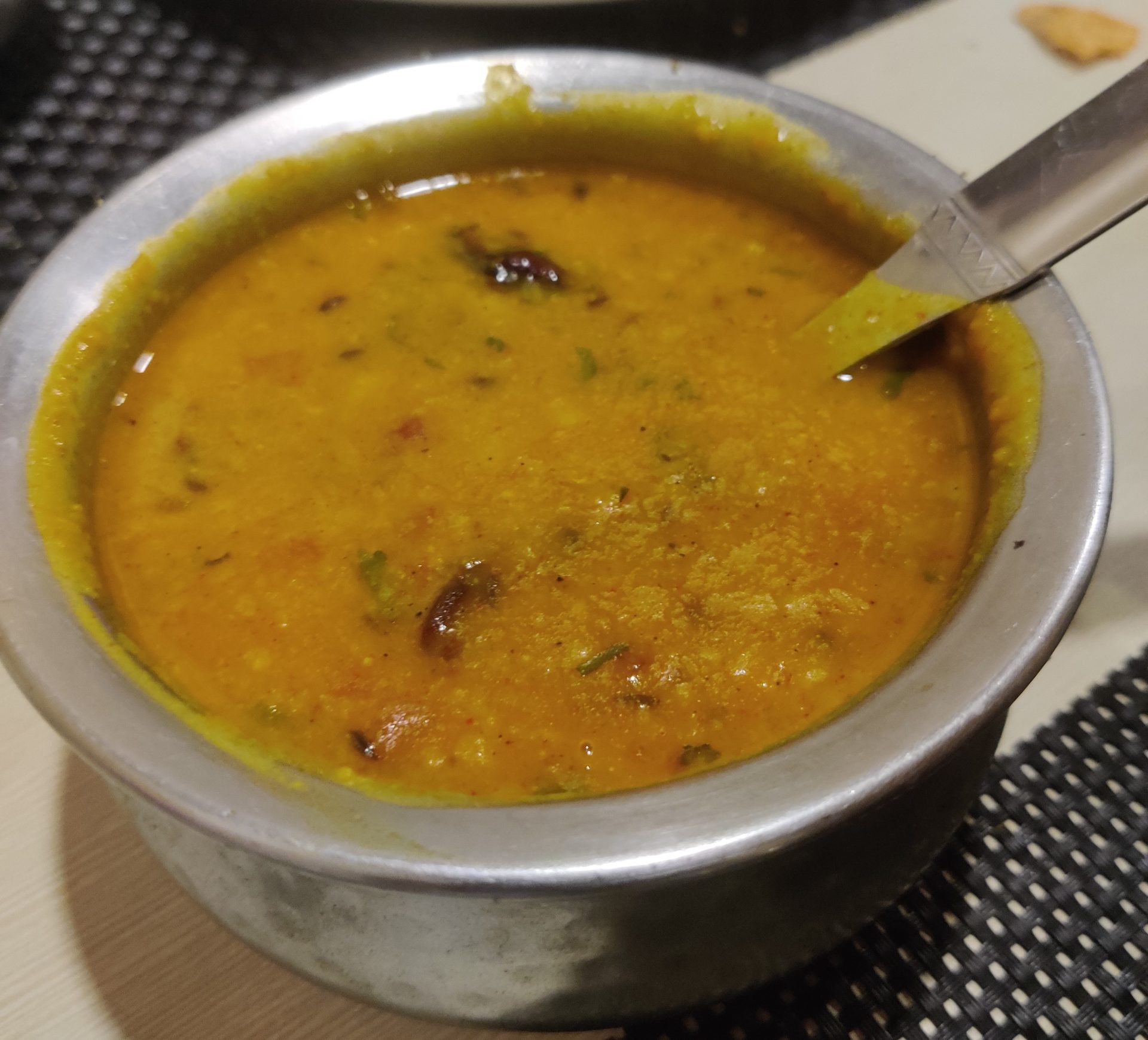
Delectable fare and the food did not leave us one bit disappointed. We next drove down to the Agra Fort, the official residence of the Mughal Emperors till 1638 post which they shifted their capital to Delhi.
This lies at a distance of less than 3 kms from the Taj and was to be our last halt at Agra before we were to take a train to Jaipur located around 4 hours away.
The Agra Fort
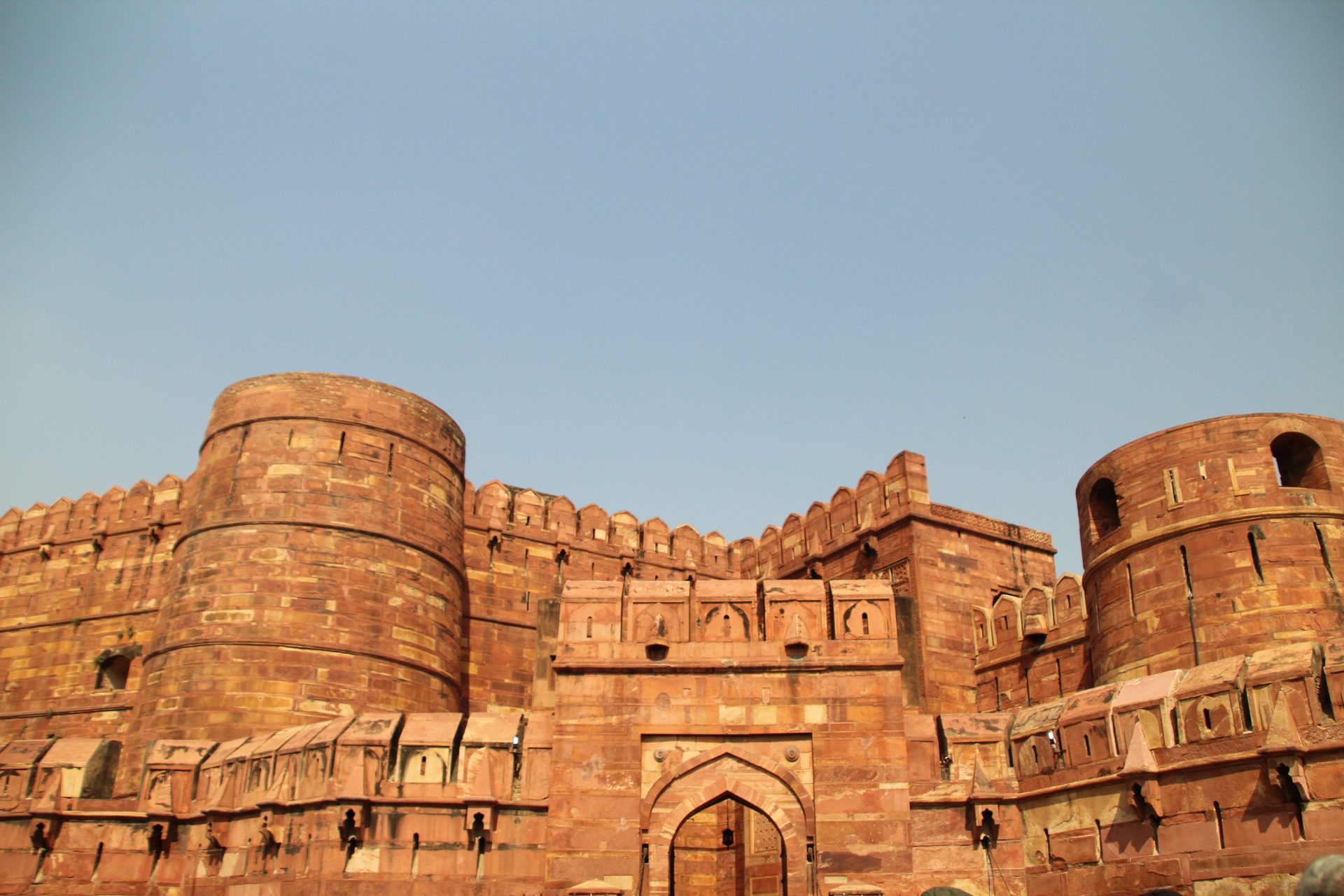
Spread across an area of 94 acres, this semi-circular shaped fort lies parallel to the Yamuna river and has 70 feet high walls.
The fort was Originally believed to have been built by the Rajput kings and who had named it Badalgarh Fort.
This massive complex underwent lot of change in hands between Indian Kings, the Lodi Dynasty, the Persian rulers and finally it was the Mughal emperor Babur who sent his son Humayun to capture the fort, post which he became the king.
It was his son Akbar who finally reclaimed the fort after the 2nd battle of Panipat and he then made Agra his capital, post which he renovated the fort and added lot of structures inside the monument.
This legacy continued with his son Jahangir and grandson Shah Jahan.
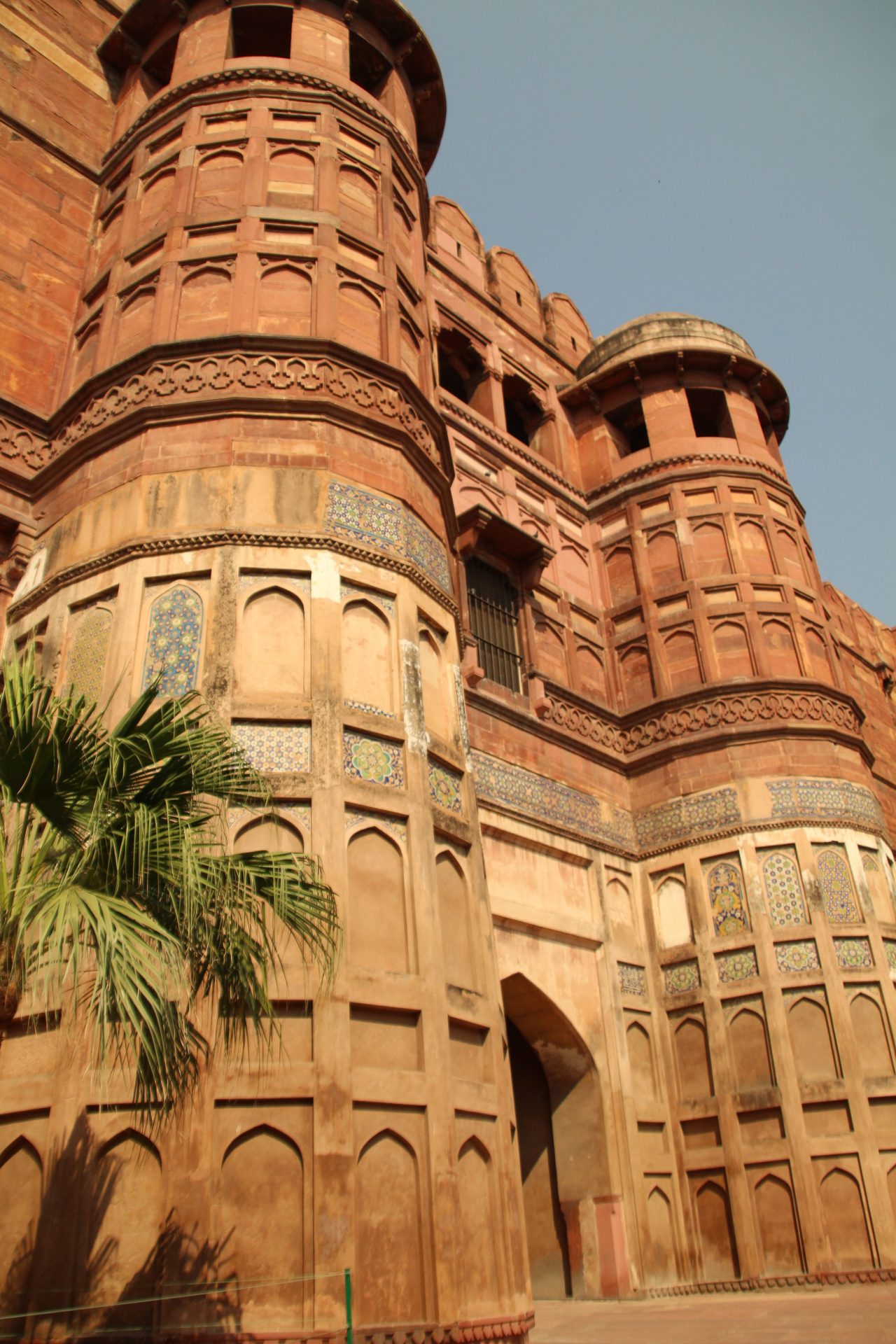
The entrance to the fort for tourists is through the Akbar Darwaza, renamed as the Amar Singh Gate as a testimony to his bravery by King Akbar.
While its said that Akbar added around 500 monuments inside the fort, what remains inside for public view are just a handful.
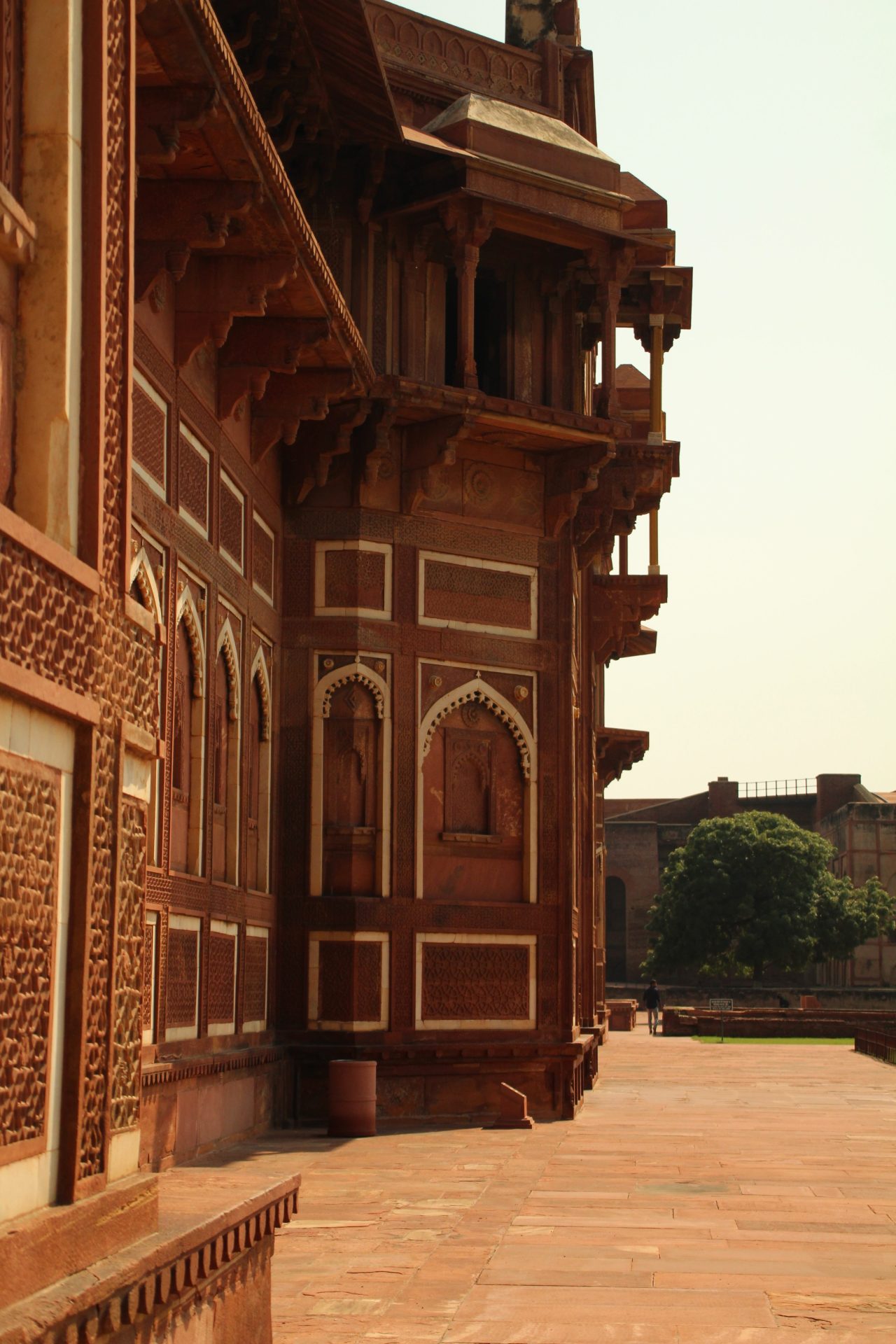
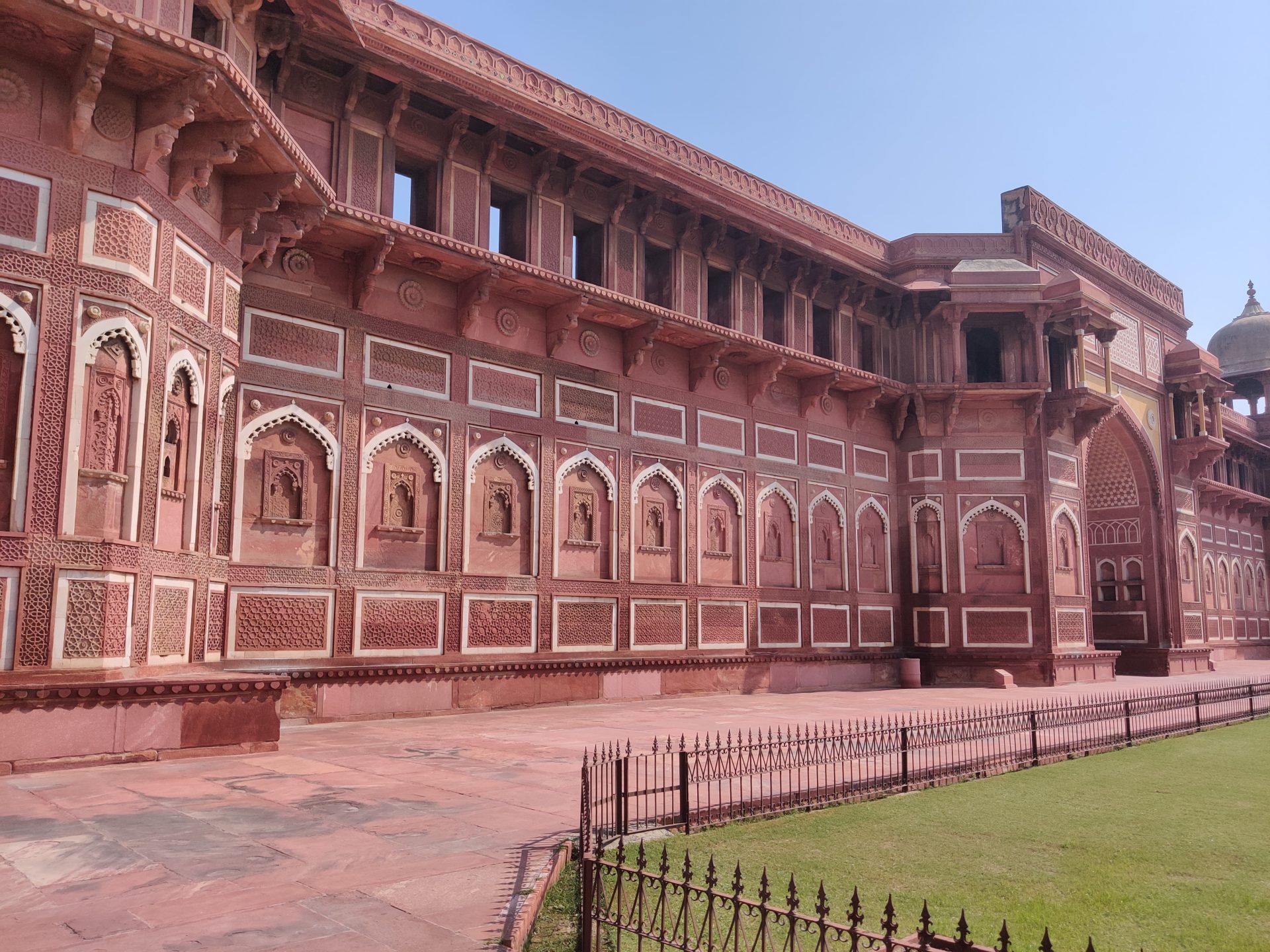
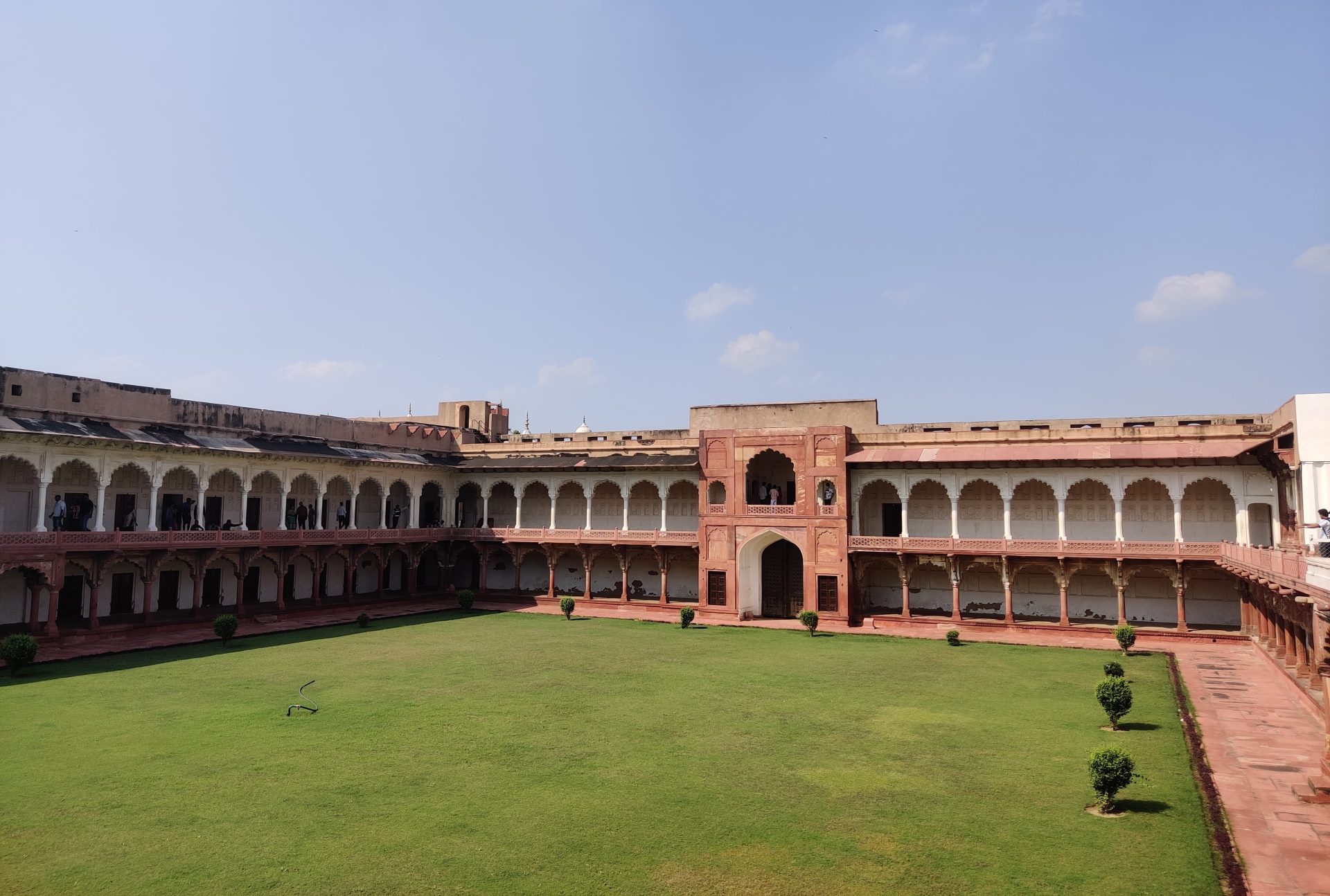
The Jahangir Palace built between 1565 to 1569 has corridors, rooms and verandahs surrounding an expansive courtyard. Said to have been used by Nur Jahan, the wife of Jahangir, this palace was also believed to have a peacock hall built in red sandstone with brackets at each end having a peacock with a snake in its mouth. The balconies and screens were designed to add to the beauty of the building.
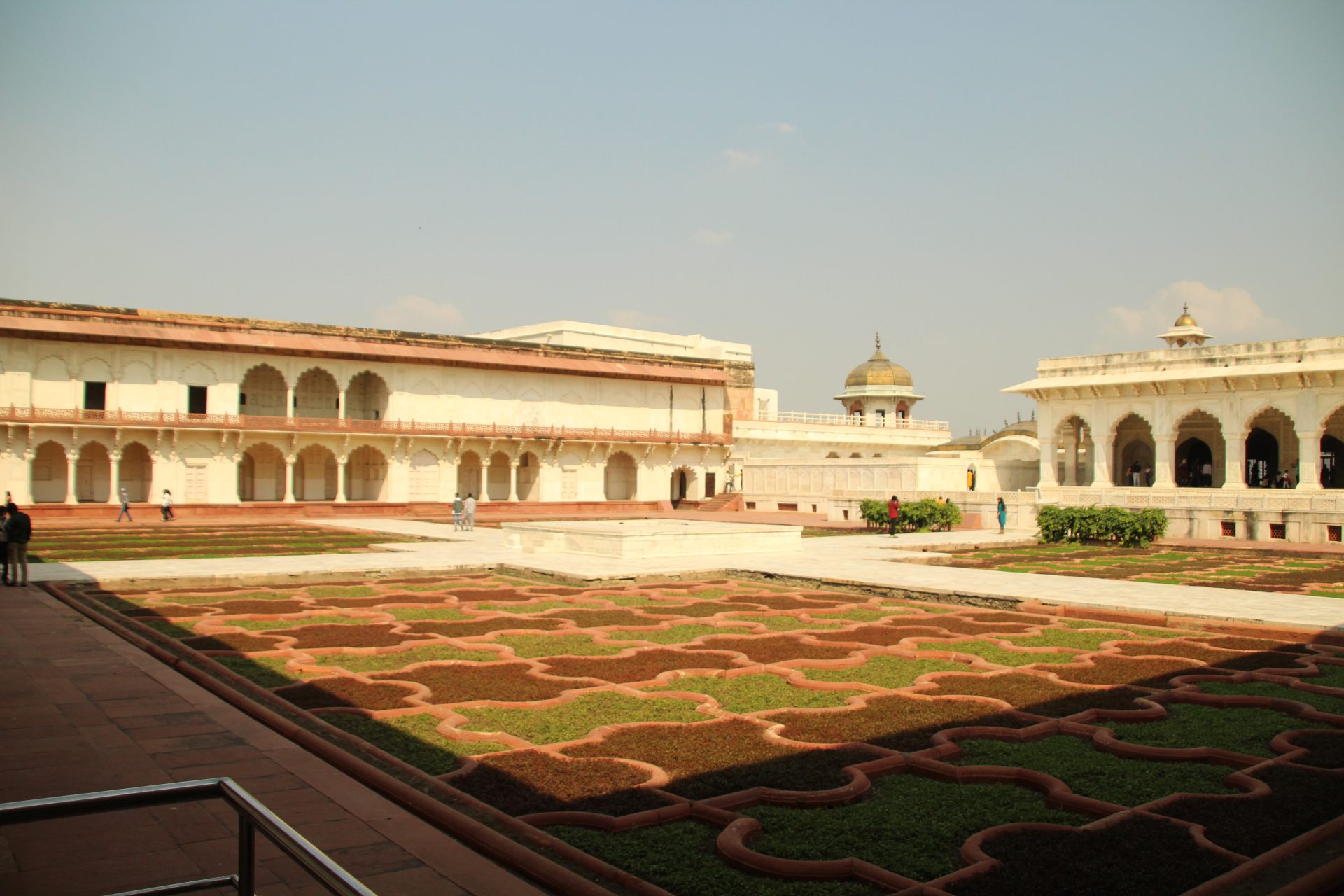
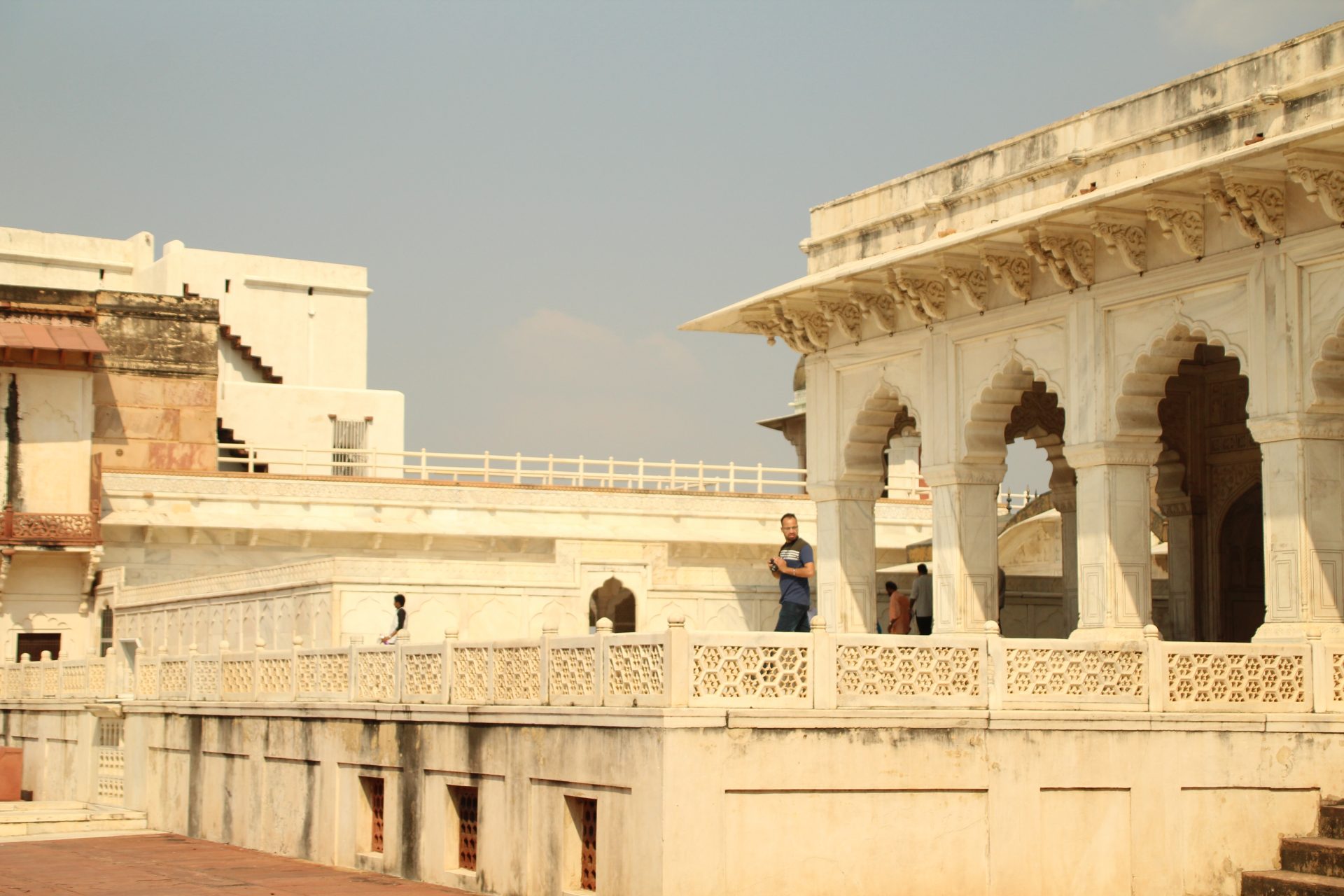
We moved on to the Khas Mahal, which was constructed by Shah Jahan between 1631 to 1640 and had white marbles adorning the pavilions. A garden of grapes known as the Anguri Bagh was built in front of the Mahal with a fountain in between. Intricately carved ceiling add to the beauty of the place.
JAHANGIR PALACE
ANGOORI BAGH (GARDEN OF GRAPES)
KHAS MAHAL
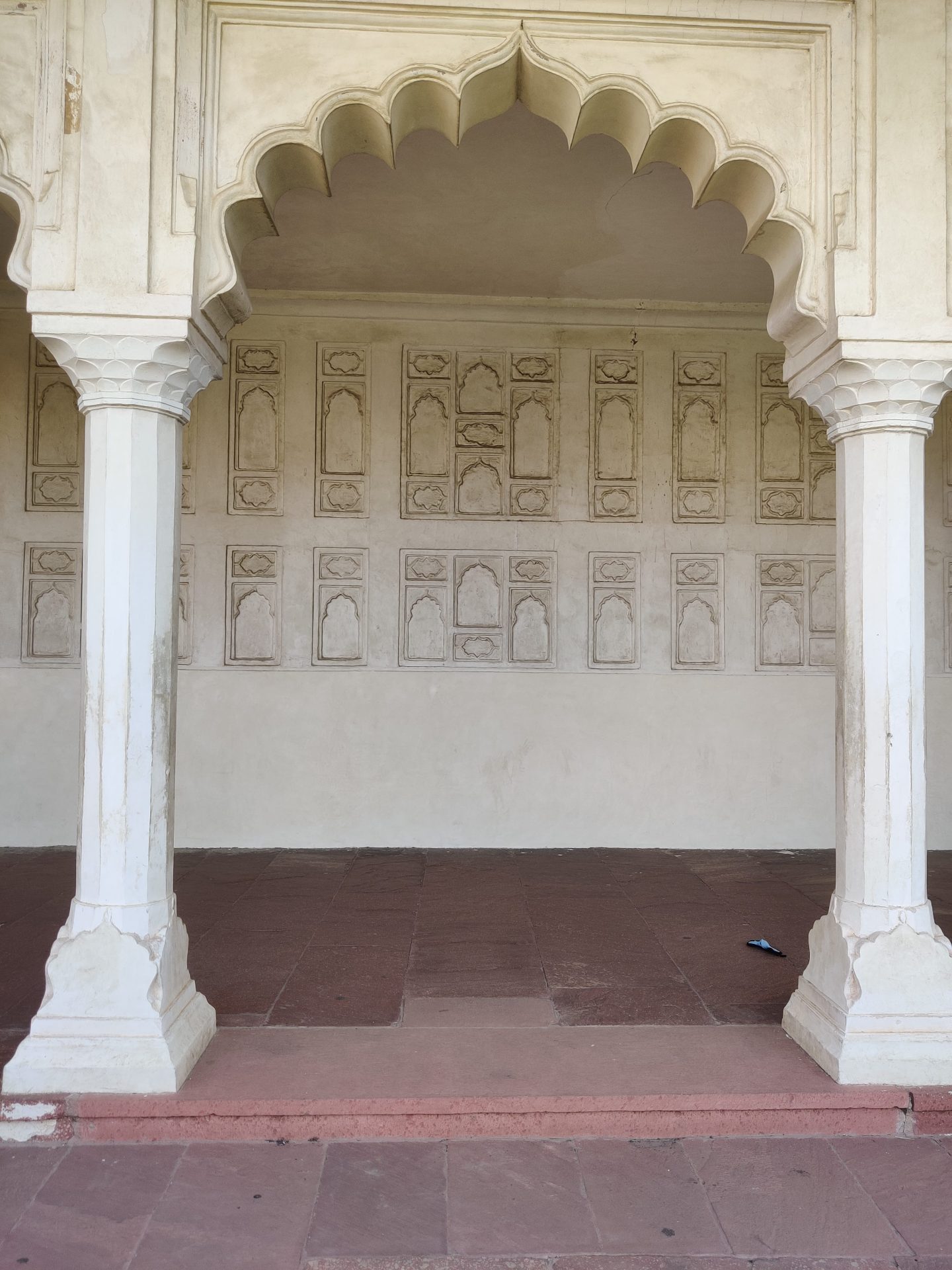
We then passed the Diwan-i-Aam, built around the same time as the Khas Mahal. This is a pretty big hall built with 3 aisles and 9 arches and with gateways made out of red sandstone. This hall primarily served the purpose of addressing the public by the emperor.
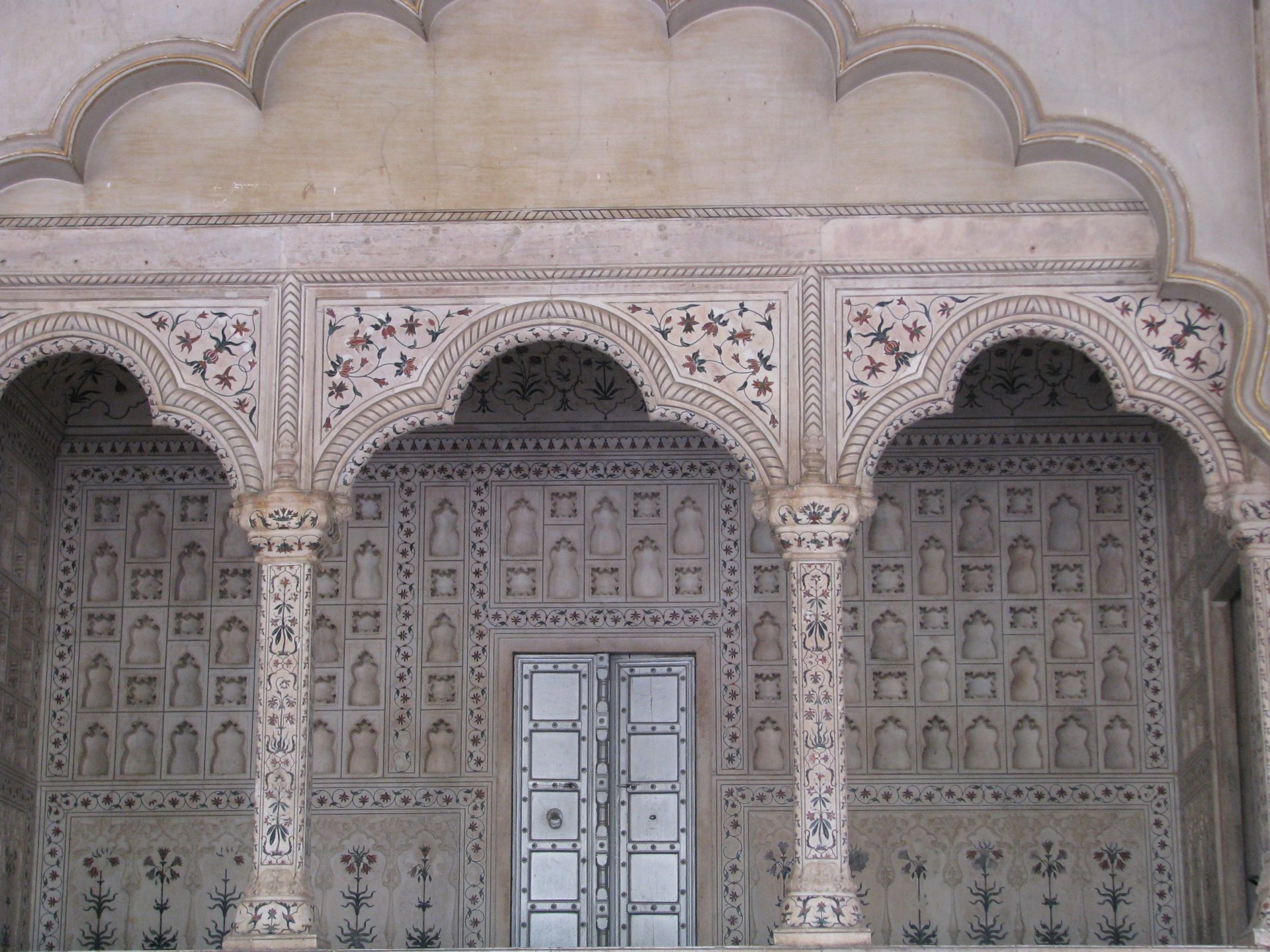
The Diwan-e-Khas built in the year 1635 served as a hall where the emperor would meet other kings, ambassadors and royal people from other kingdoms.
THE DIWAN-I-AAM
The ceilings of hall were believed to have been covered with leaves made of gold and silver to resemble the rays of the sun while floral patterns adorn the borders of the chambers.
THE MUSSAMMAN BURJ
The Meena Masjid is one among the few mosques inside the fort. This was built by Shah Jahan for himself and the royal wives to offer prayers.
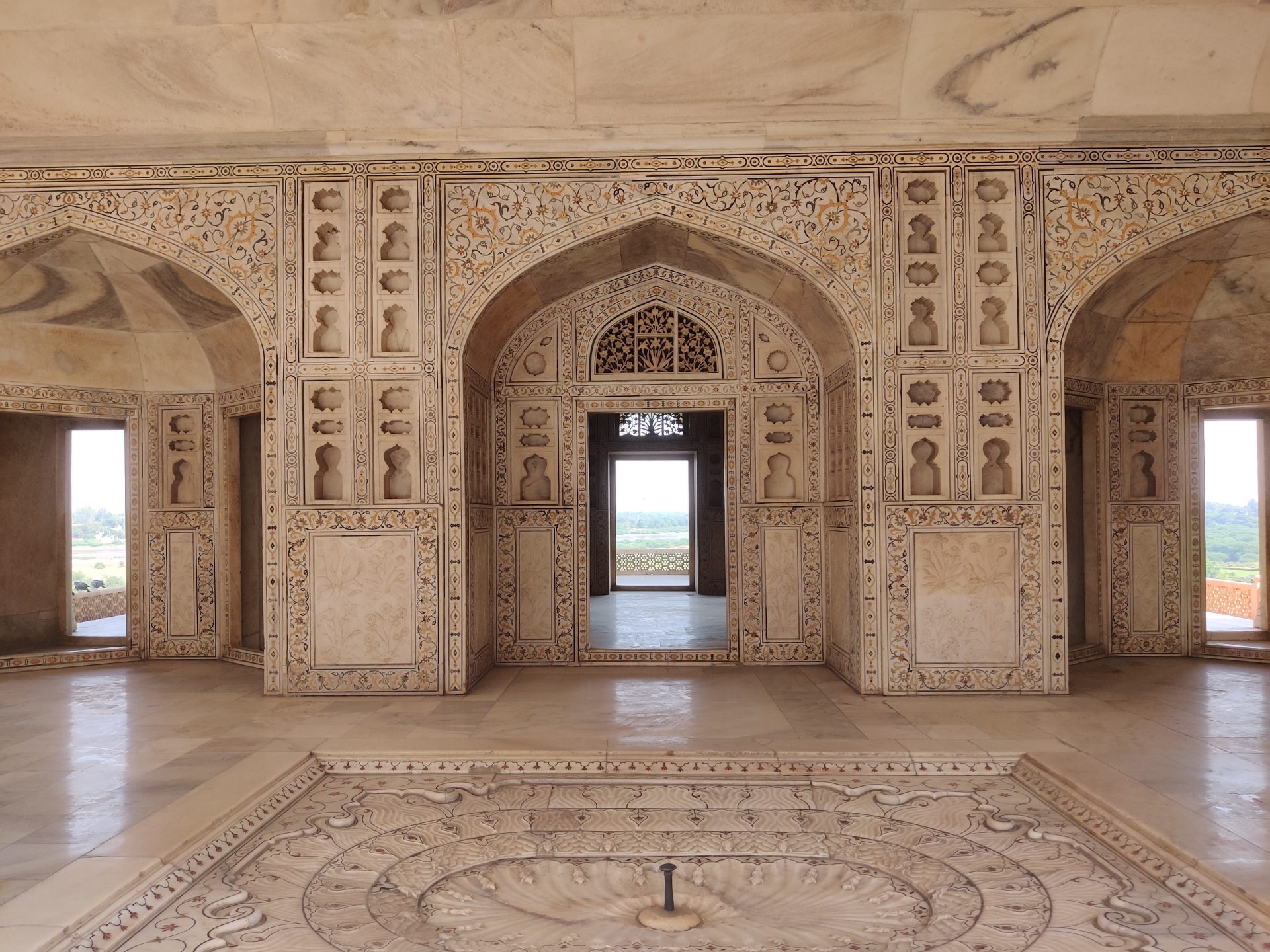
The Musamman Burj is an Octagonal shaped tower built by Shah Jahan near the Diwan-e-khas. This ornately carved palace, originally built of red stone by Akbar was used to worship the sun everyday at sunrise.
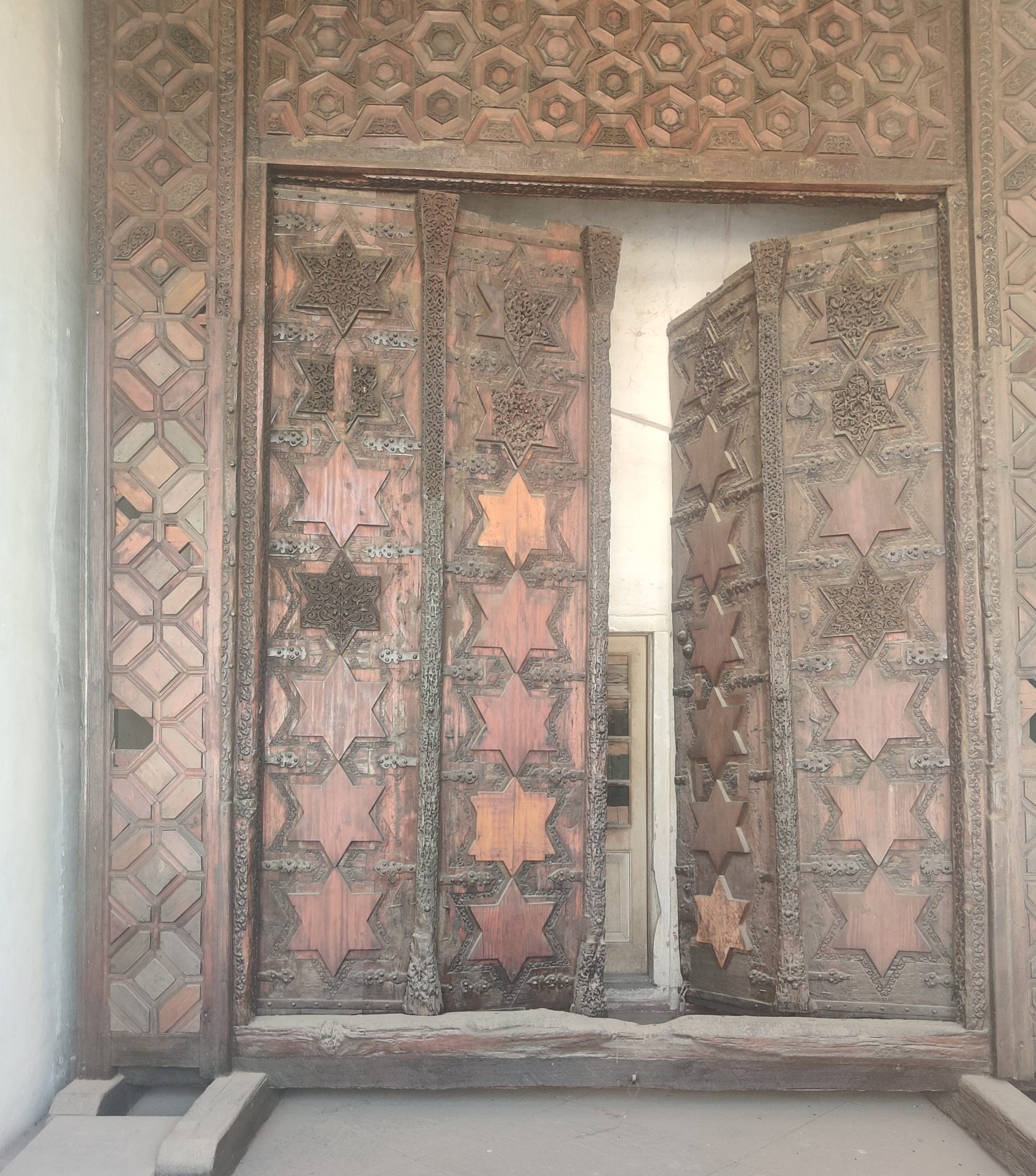
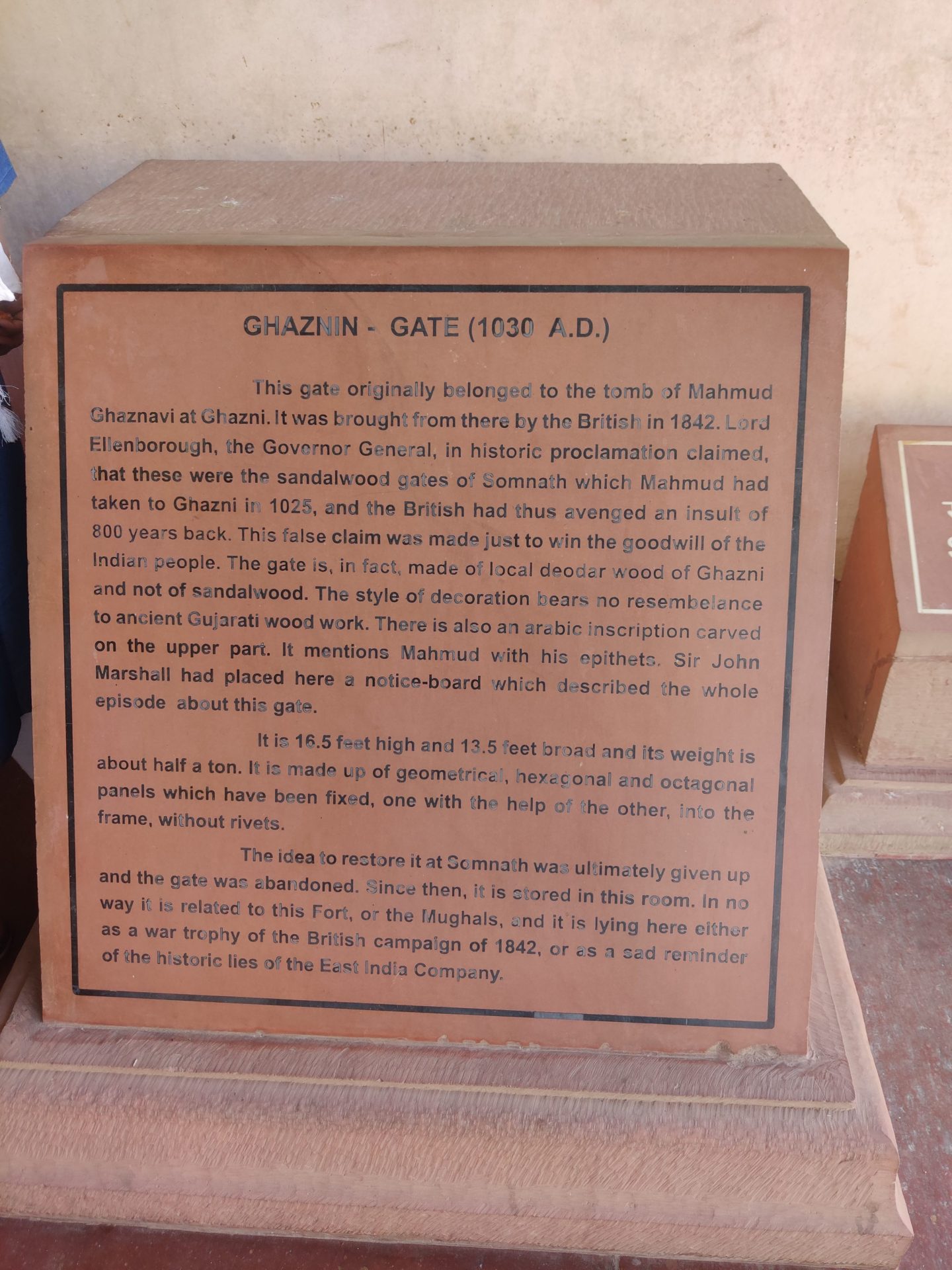
A 1030 AD Gate which belonged to the tomb of Mahmud Ghaznavi can be seen close to the Masjid. Its believed that this gate was carried by the Britishers in 1842 and placed inside the fort. Weighing near abouts half a ton, this gate measures 16.5 x 13.5 feet in dimensions and has no semblance to Mughal architecture.
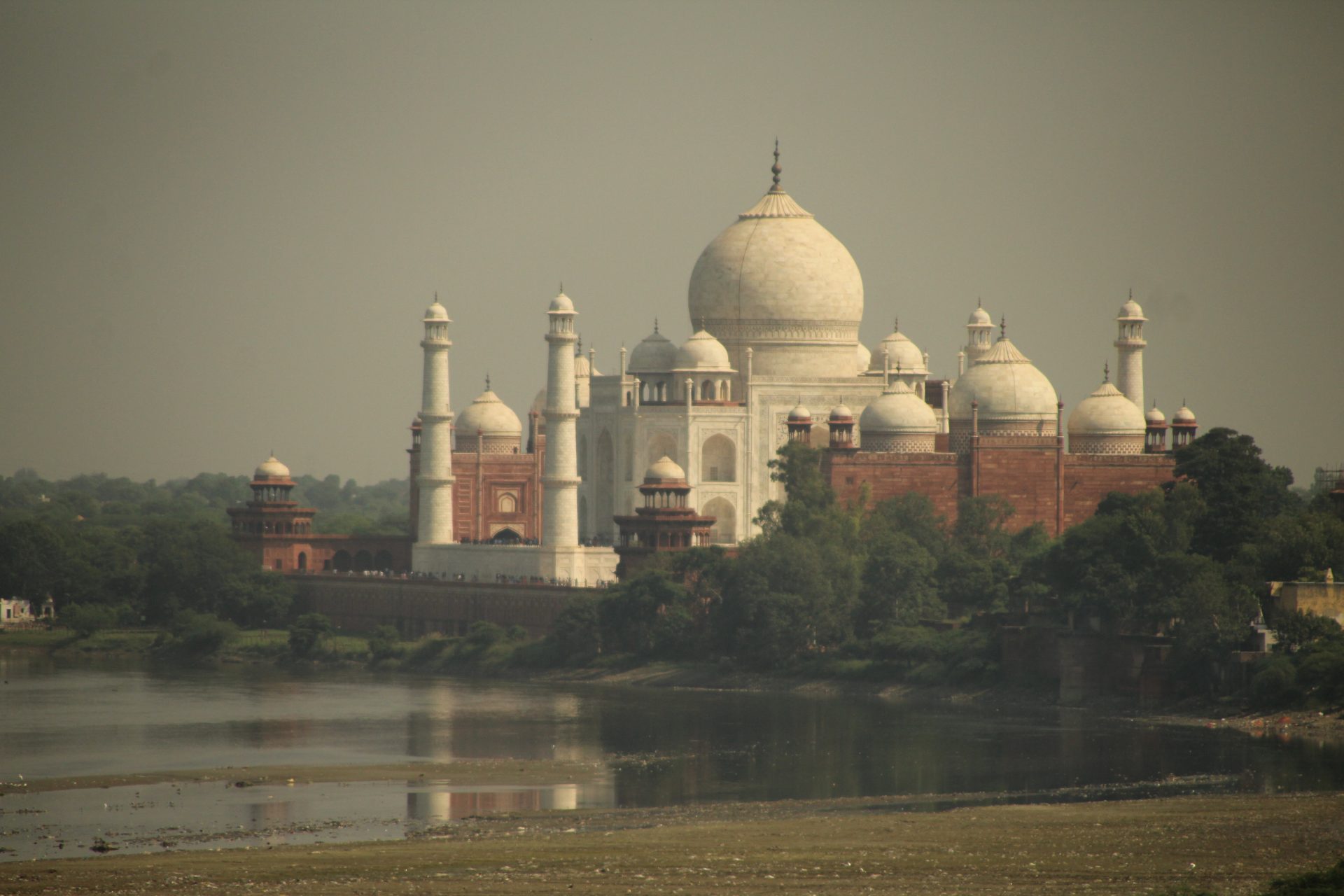
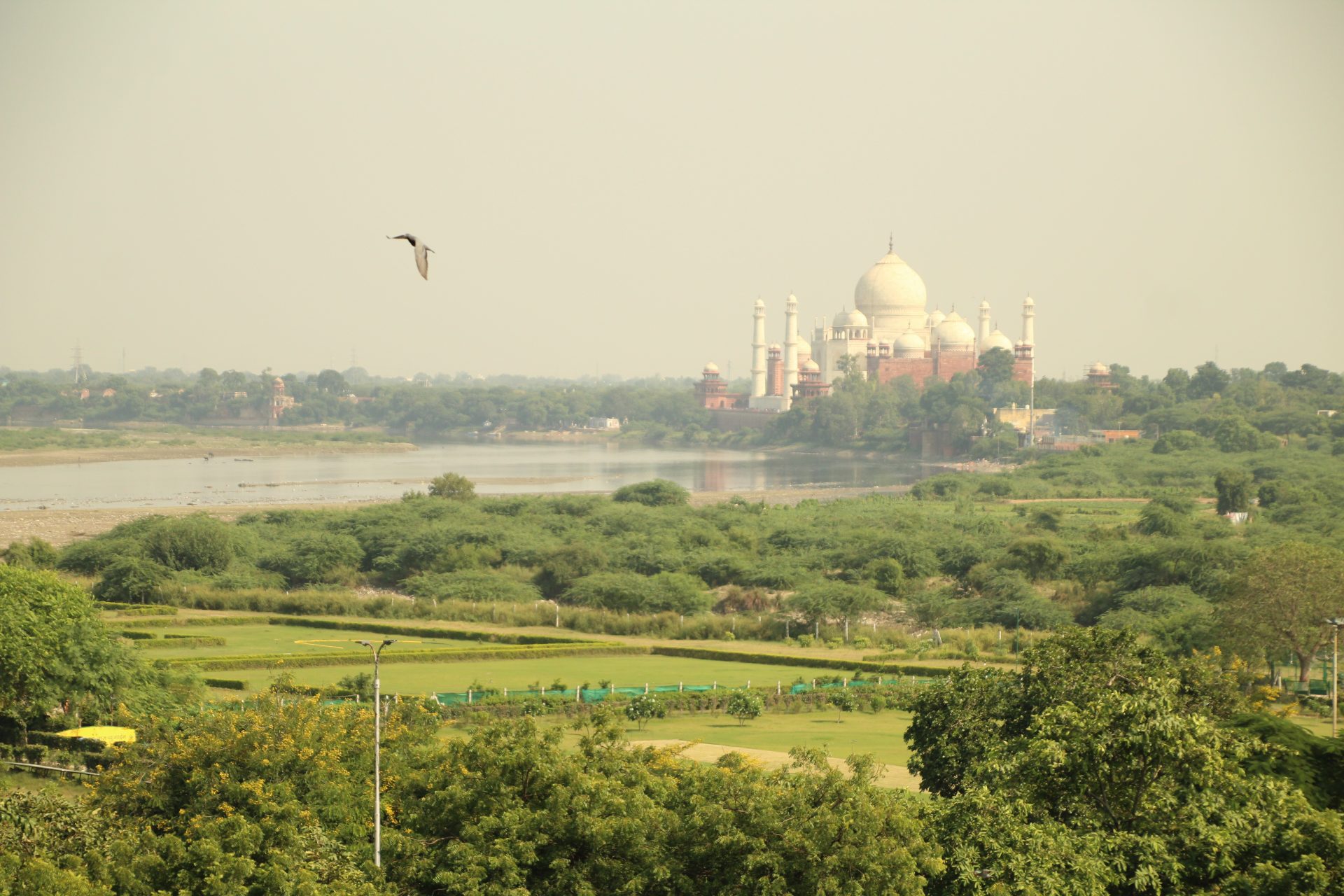
A majestic view of the Taj Mahal can be seen from here and its believed that Shah Jahan spent 8 years of his imprisonment here and is said to have died here, after which his body was taken in a boat to the Taj Mahal and buried there. The price of a ticket to enter this monument is Rs.35/- and can be booked online with the help of this link https://asi.payumoney.com/
A few random clicks as we walked around the Agra Fort
We got dropped by around 2.15 PM in the afternoon at the Agra Fort Railway Station for our onward journey to Jaipur. There are multiple trains running between these 2 cities and the travel time varies between a little less than 4 hours to around six hours.