The Paris of the East as what this city was once popularly known as is located at the confluence of the Tonle Sap and the Mekong rivers. This populous and bustling city once served as a hub for the French Colonists and the Khmer Empire. Built by the French in the 1920s, this city became the capital of THE KINGDOM OFCAMBODIA.
The infrastructure around the country has seen lot of overhauling over the years and the broad roads within cities and the highways have led to people frequenting them as the more viable means of transport since there are no railway lines in the country and flight fares normally remain beyond the reach of the common man cause of the constant tourist inflow.
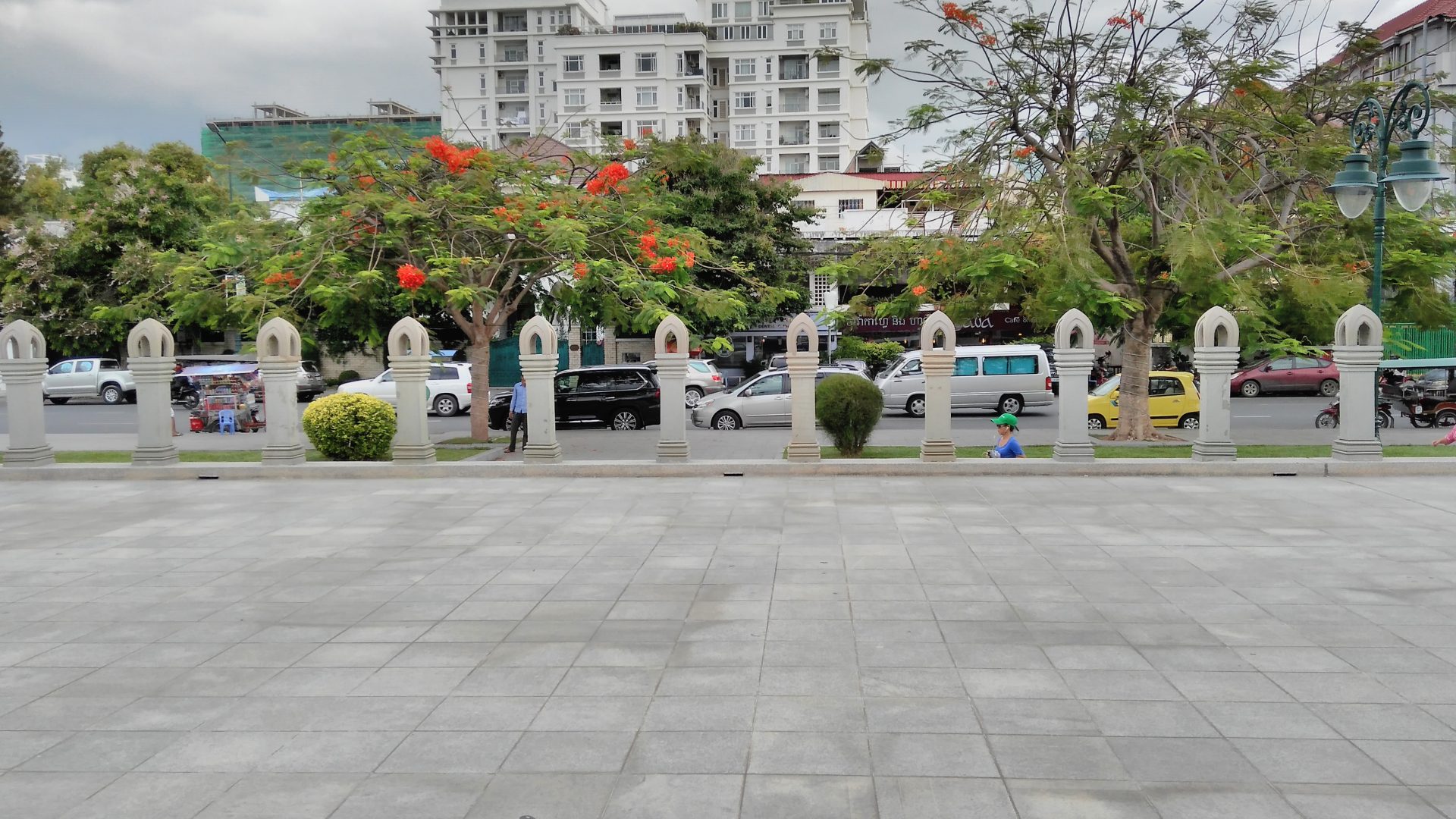
Wide roads and broad pavements form the hallmark of this city’s infrastructure.
A Tourist Visa could be taken on arrival for a fee of $ 30. A country where most businesses flourish on a Dual Currency system, it takes around 4000 Khmer Riels to reach a US Dollar and most ATMs around the city disperse both currencies.
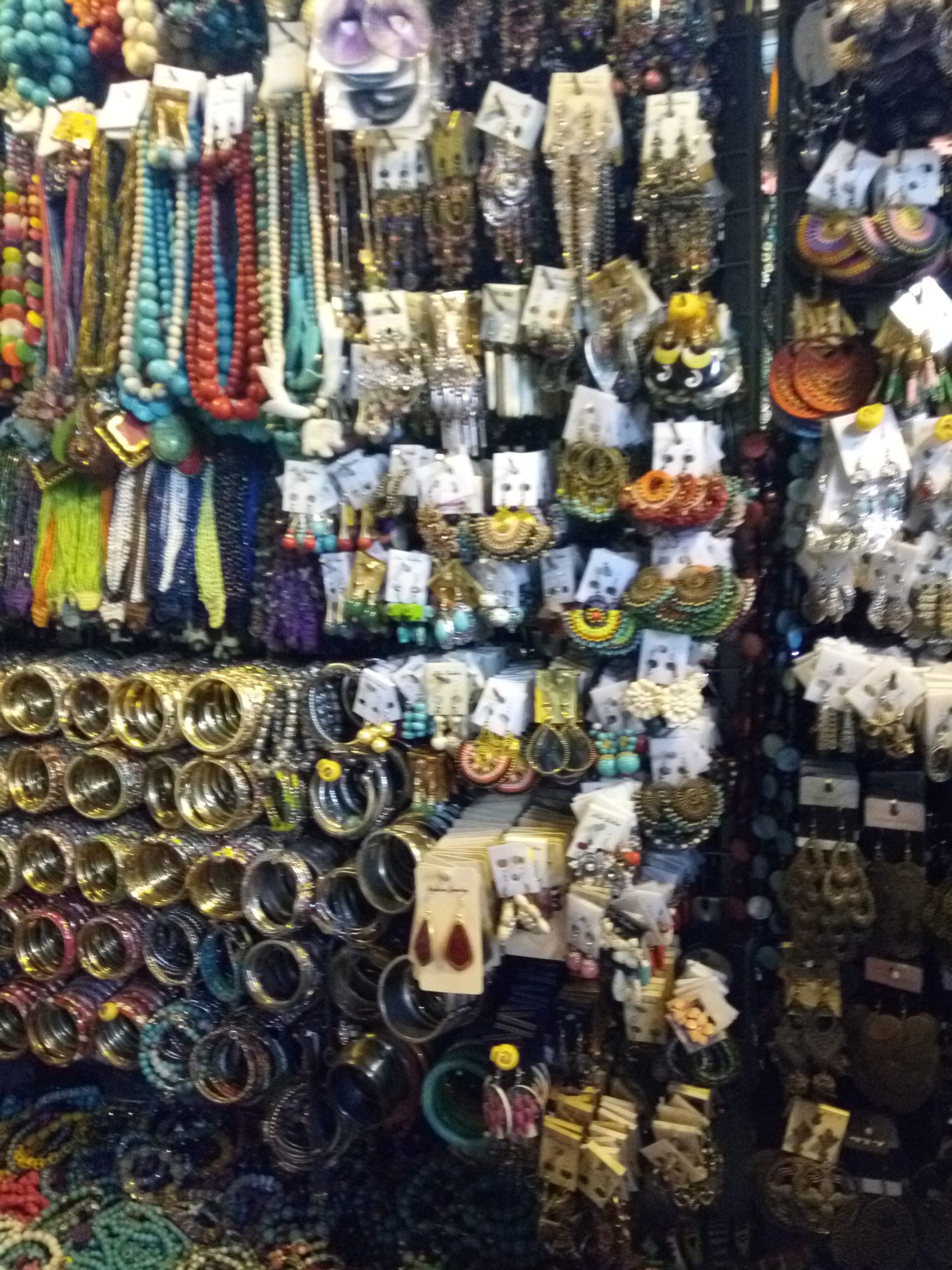
The capital city of Phnom Penh, apart from a number of places to explore also spoils tourists with a plethora of choices when it comes to shopping for souvenirs like Kramas (Silken Scarves), Bayon Statues, Ceramics, Wood Carvings, fancy trinkets, Soaps, candles, spices and so much more.
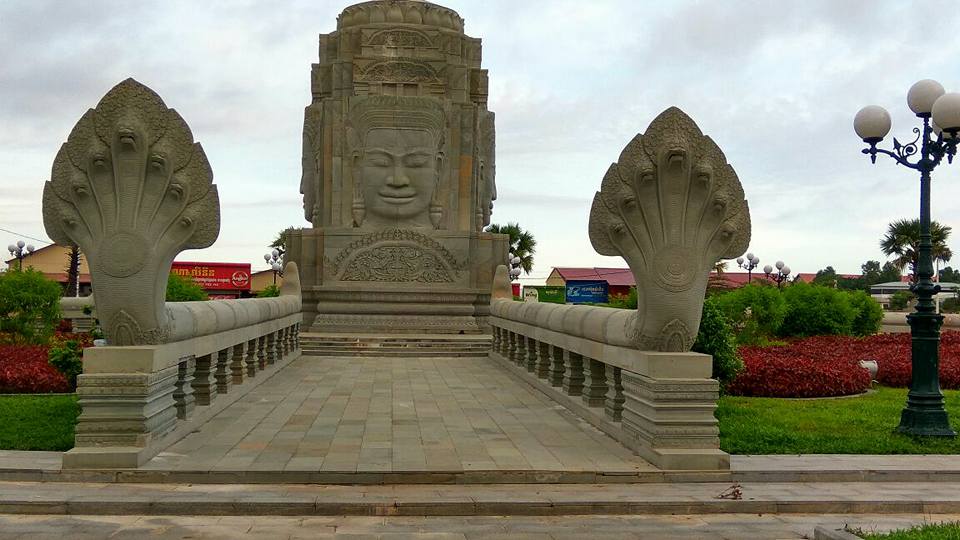
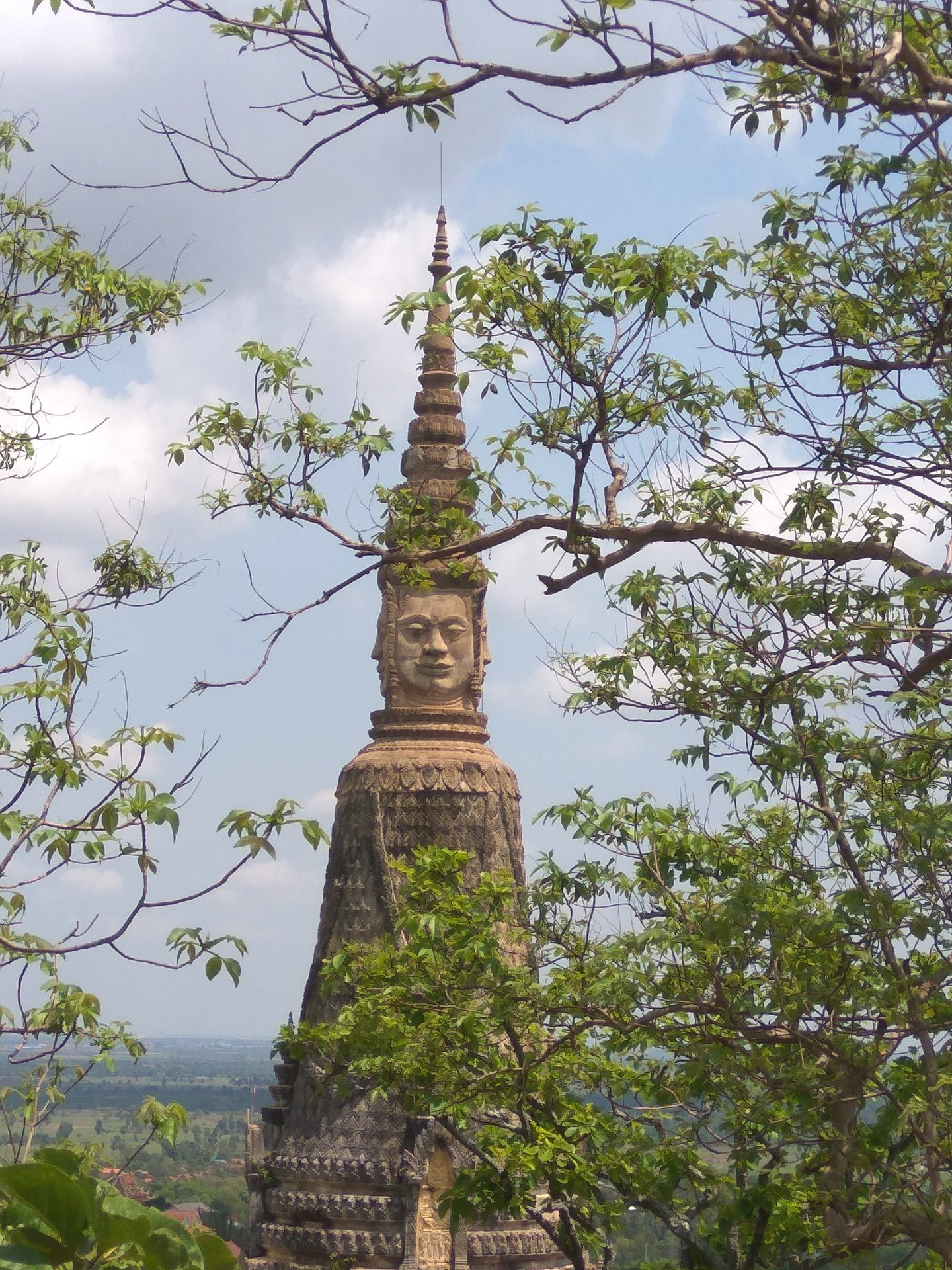
THE BAYON FACE
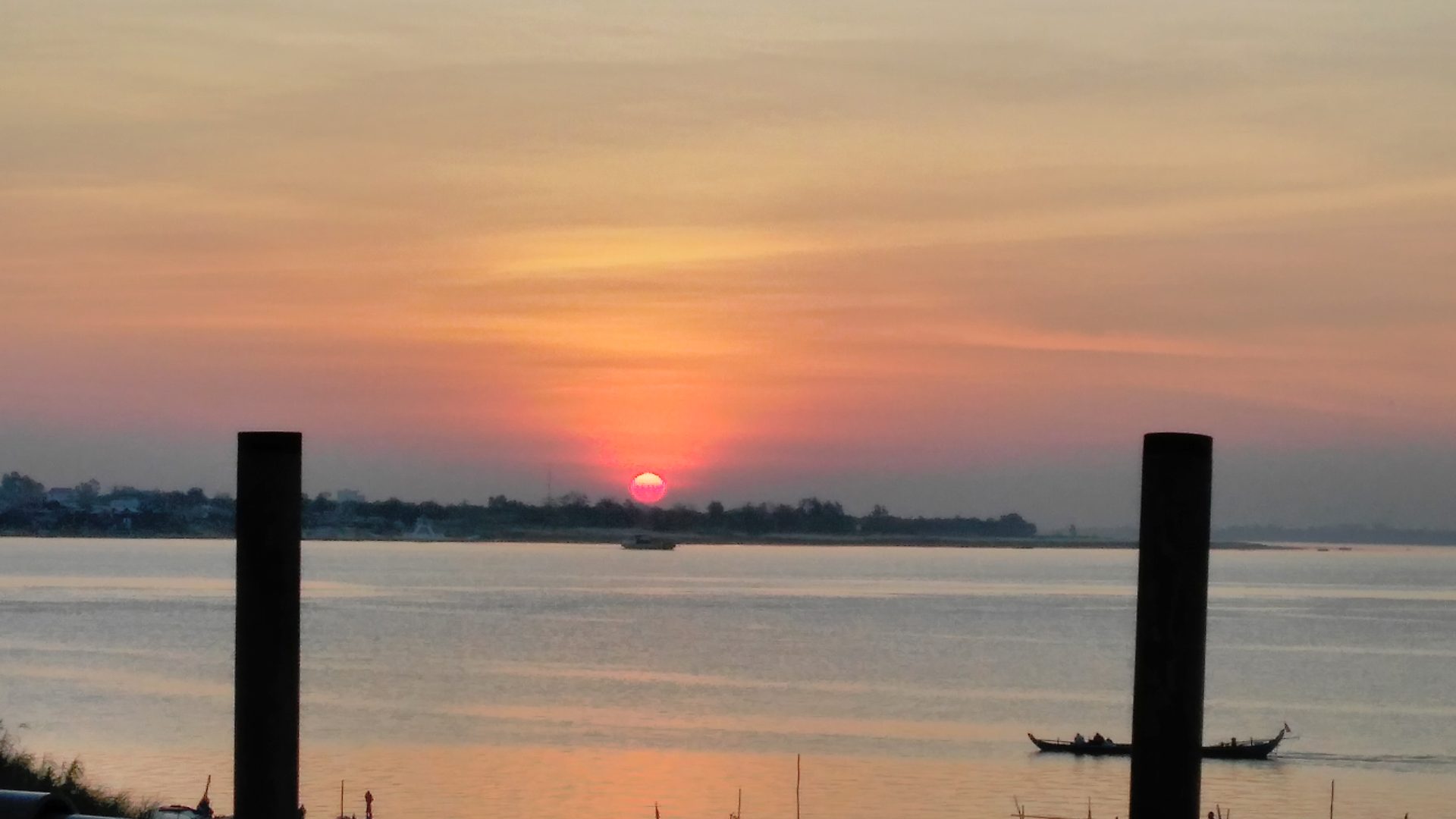
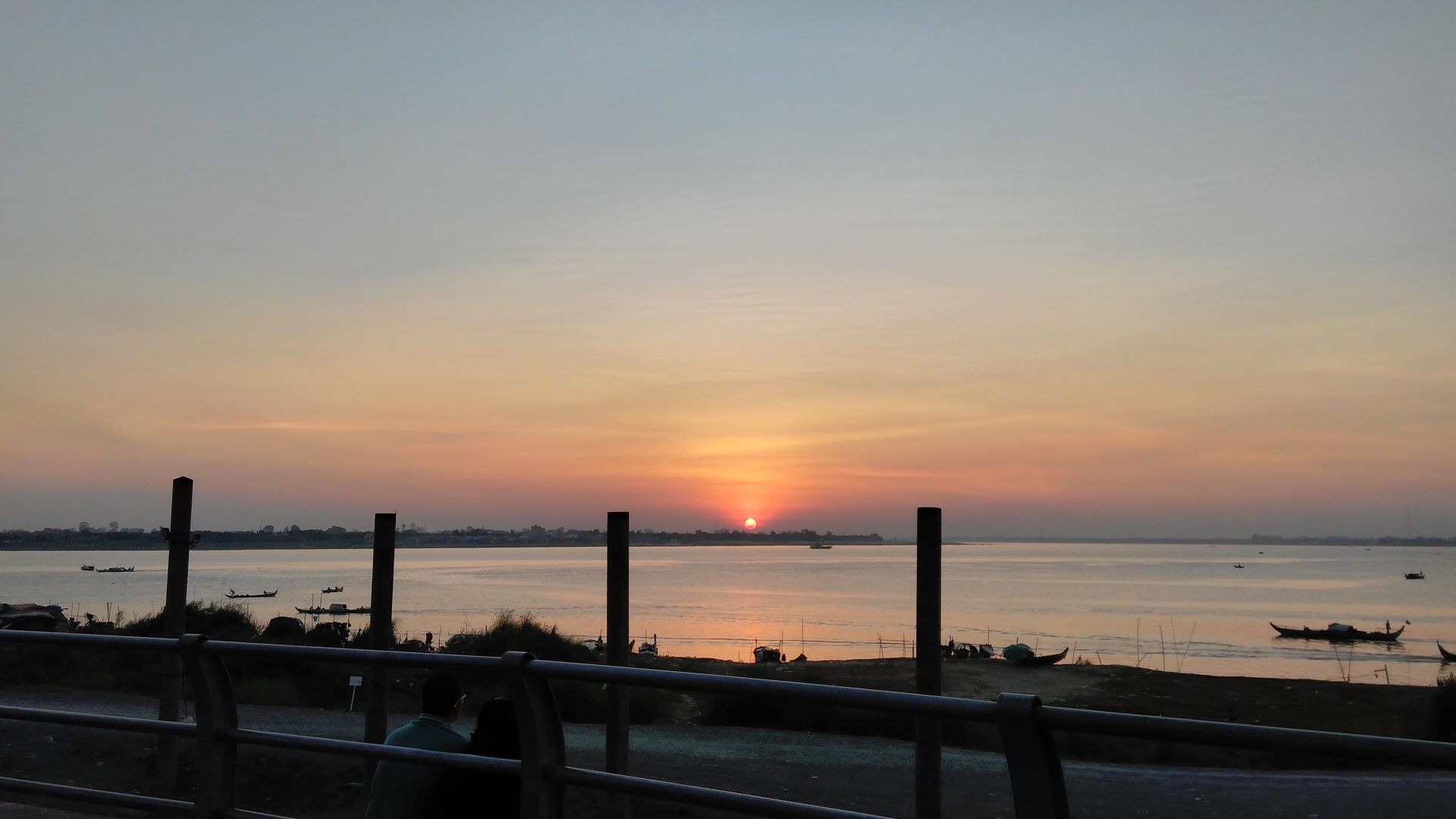
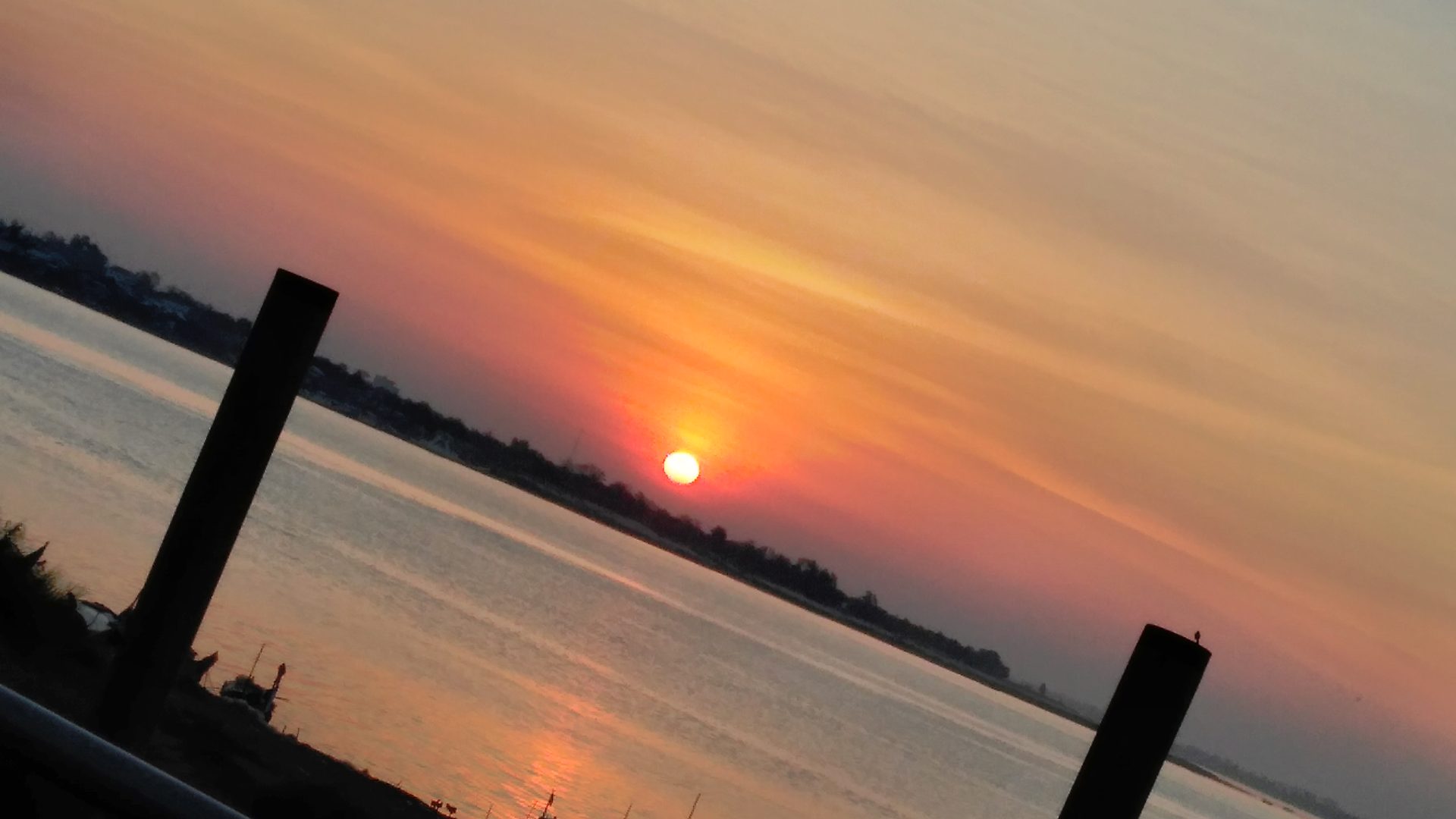
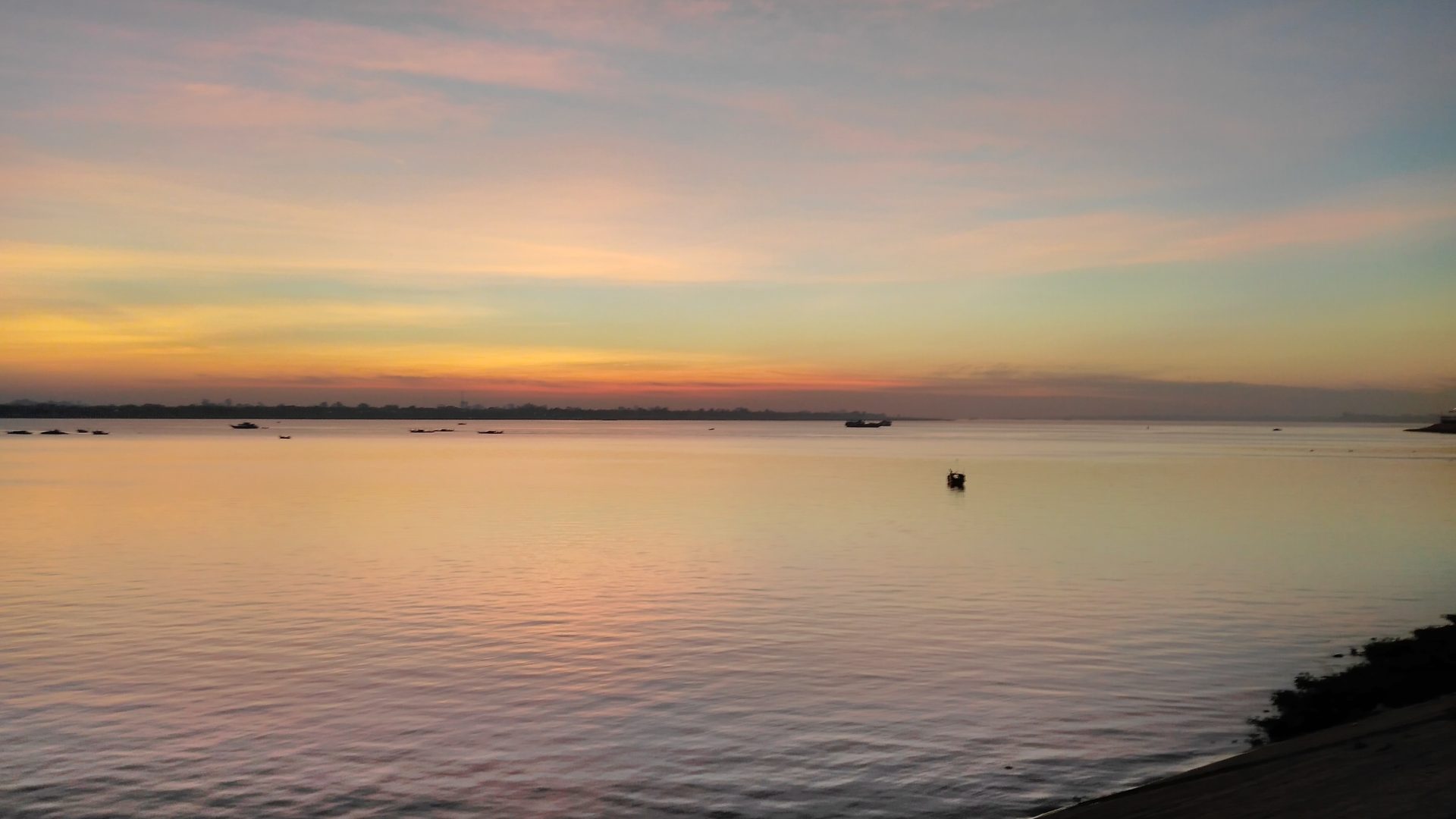
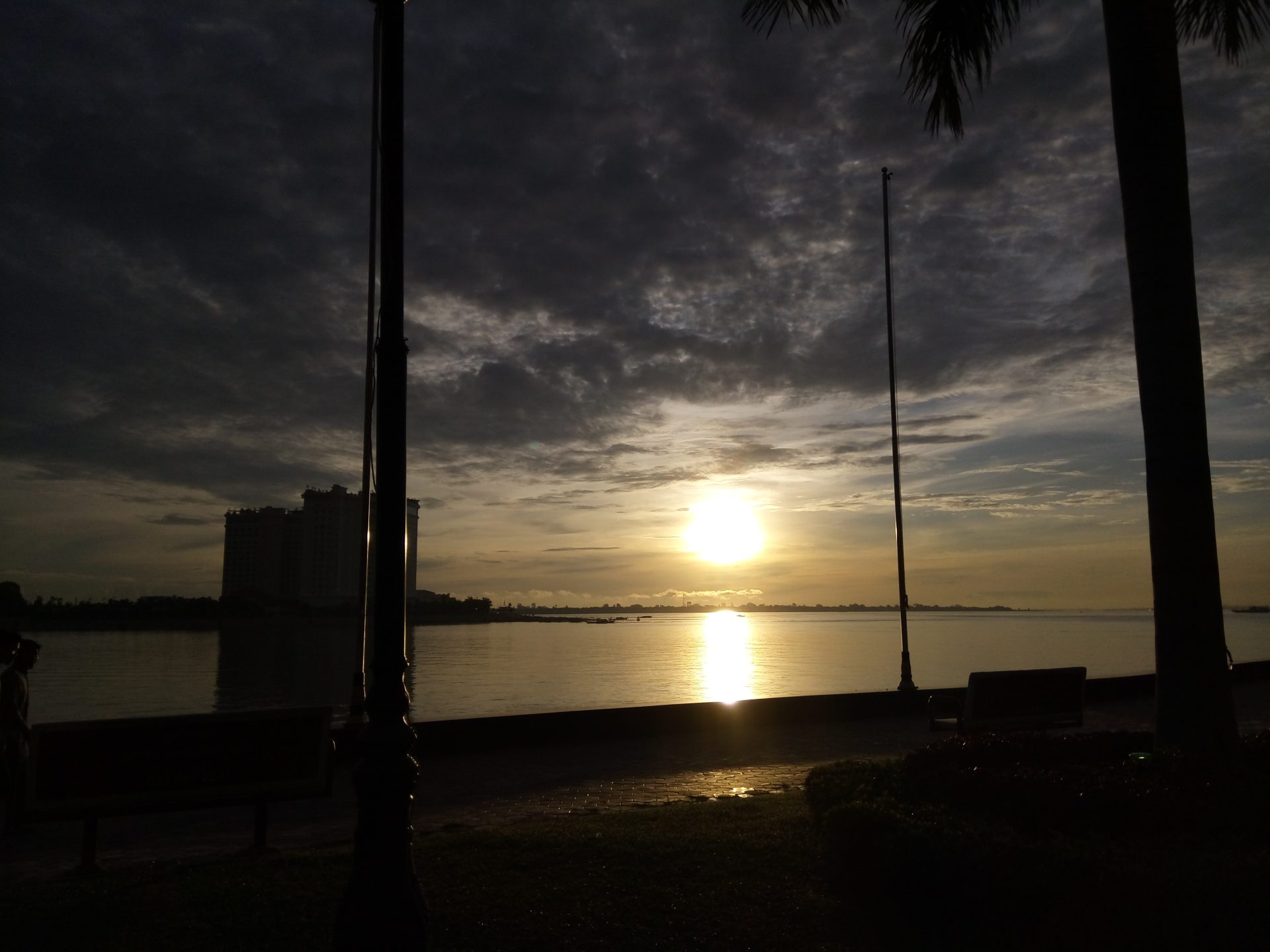
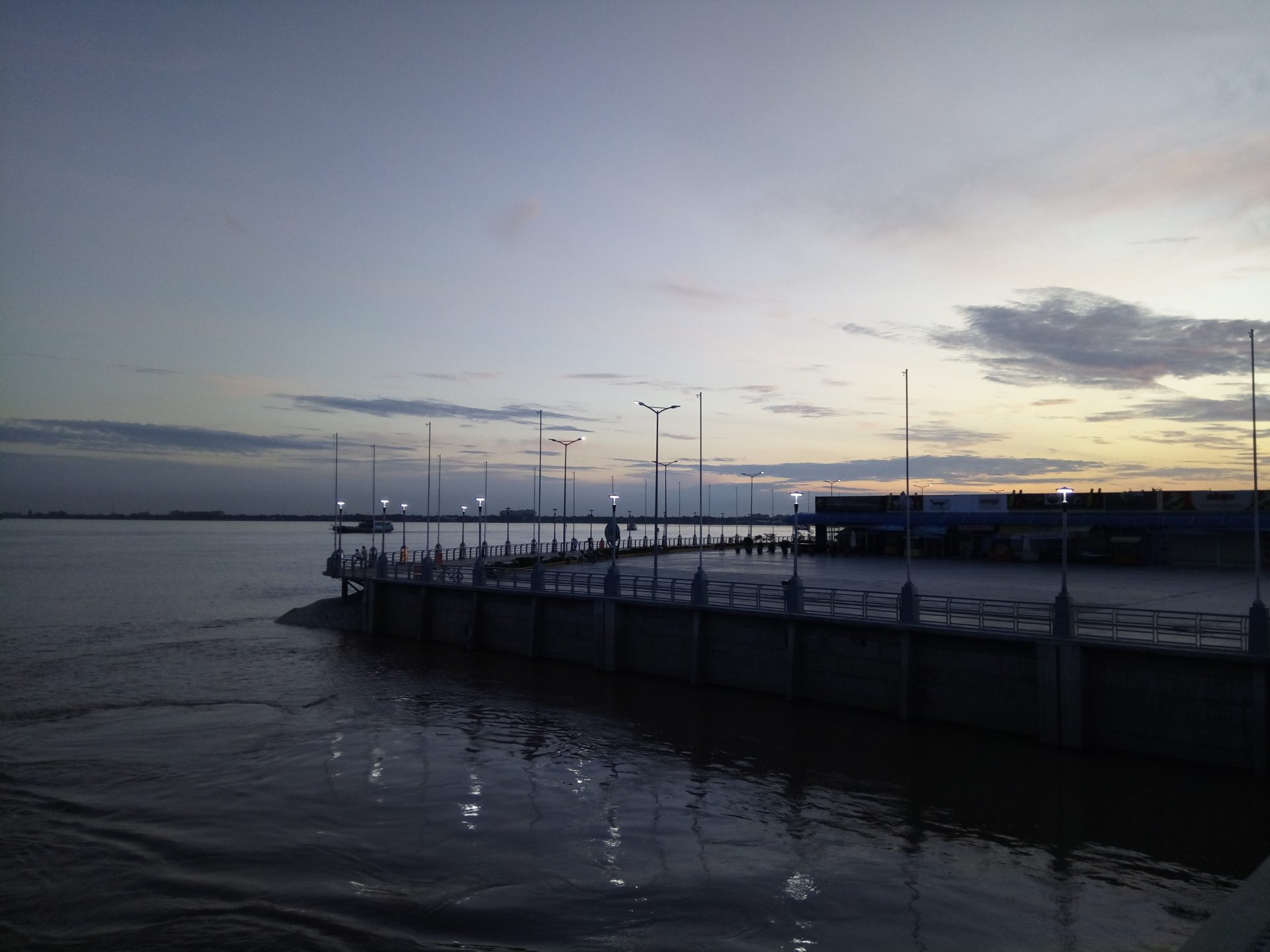
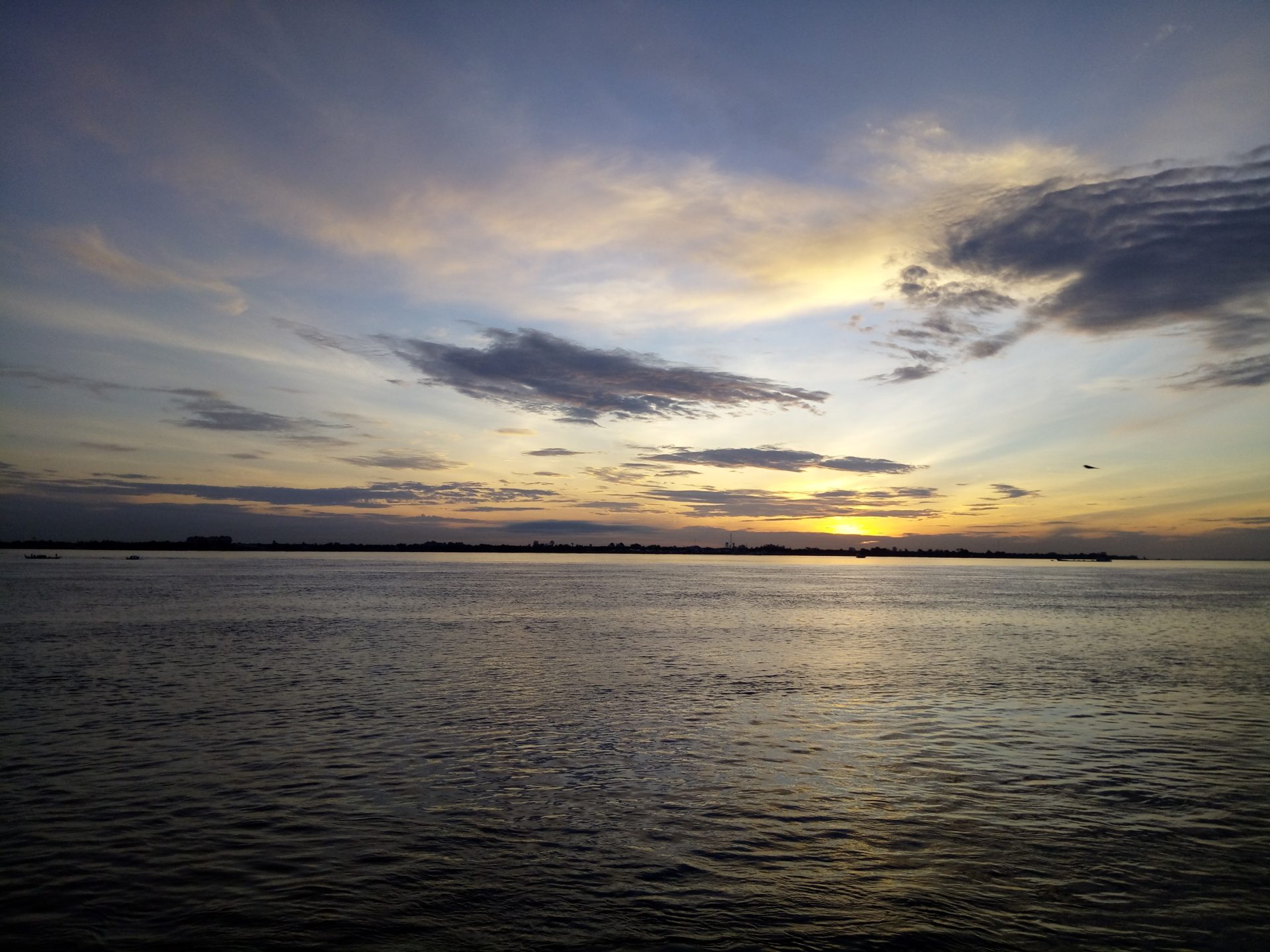
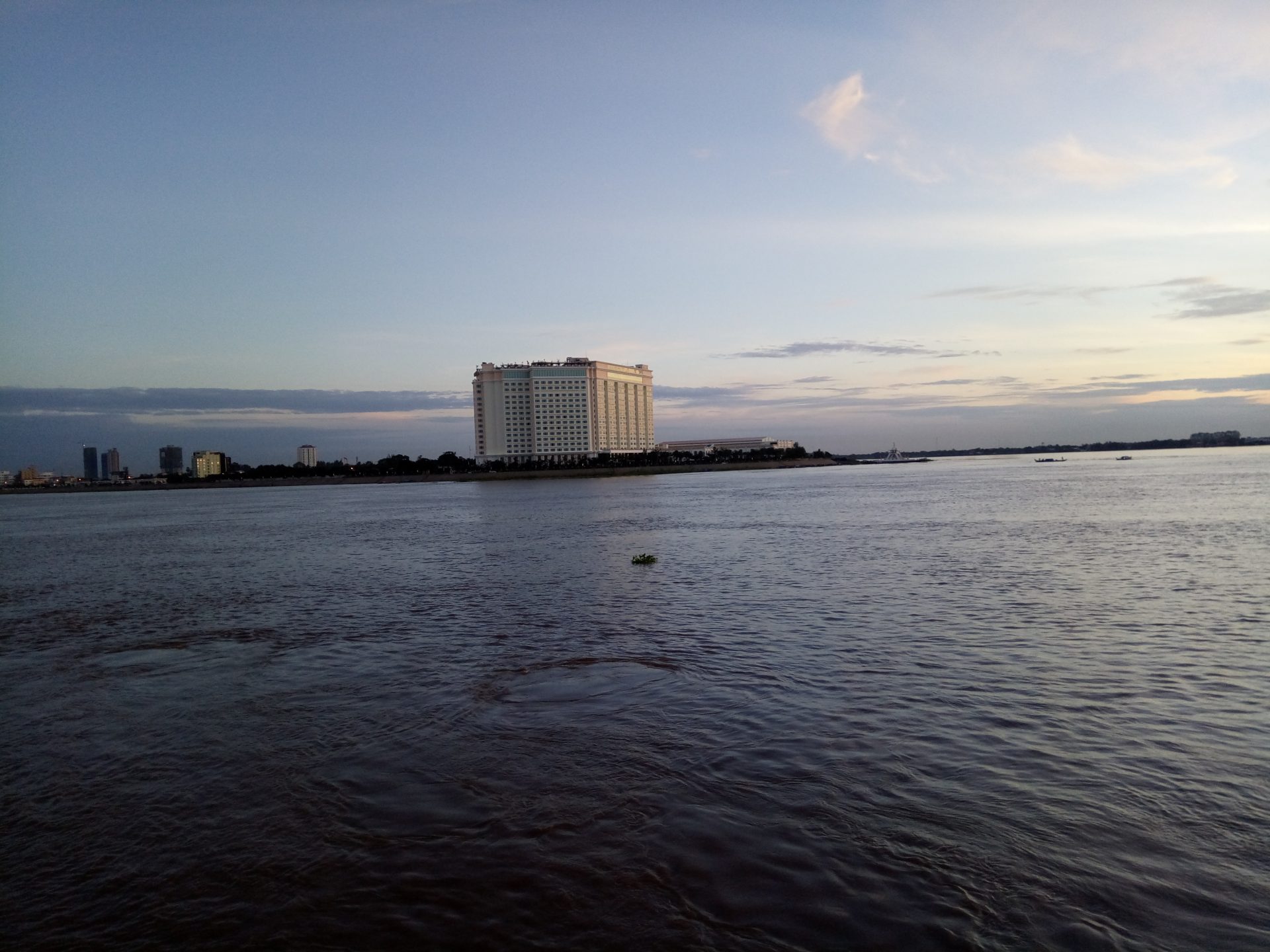
The Sisowath Quay - an amazing pit stop for sunrises and sunsets
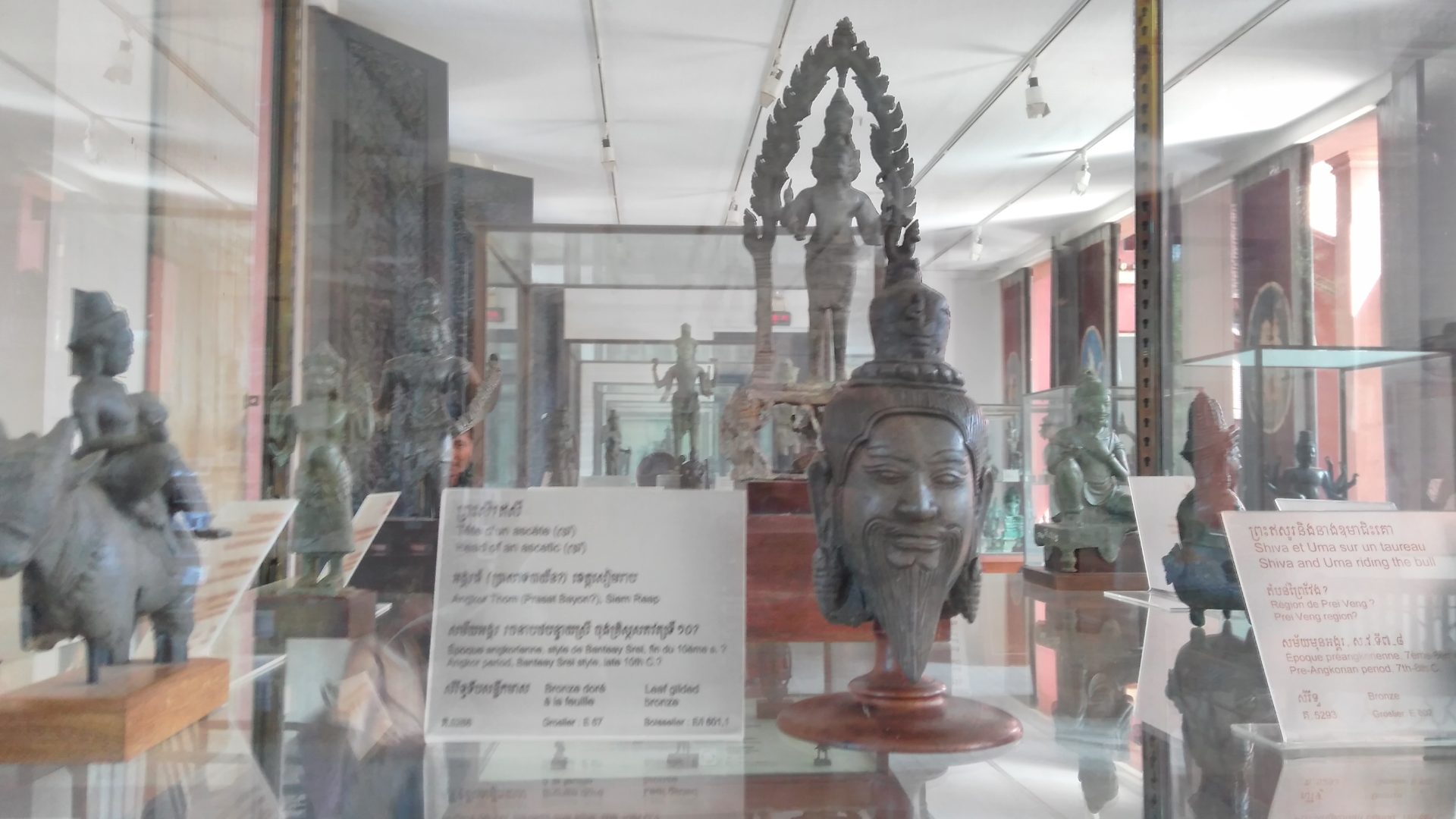
A 3 km long boulevard also known as the Sisowath Quay where the famed water festival is held every year has a nice walkable waterfront, dotted with parks on one side and French Styled Buildings, Bars and Restaurants on the other. A great place to chill, this place becomes vibrant in the evenings with the neighborhood bars playing some lovely music. There is also a Night Market located very close to the Quay besides the Ornate Royal Palace, Silver Pagoda and the National Museum, displaying artifacts from around the country.
The Independence Monument & around
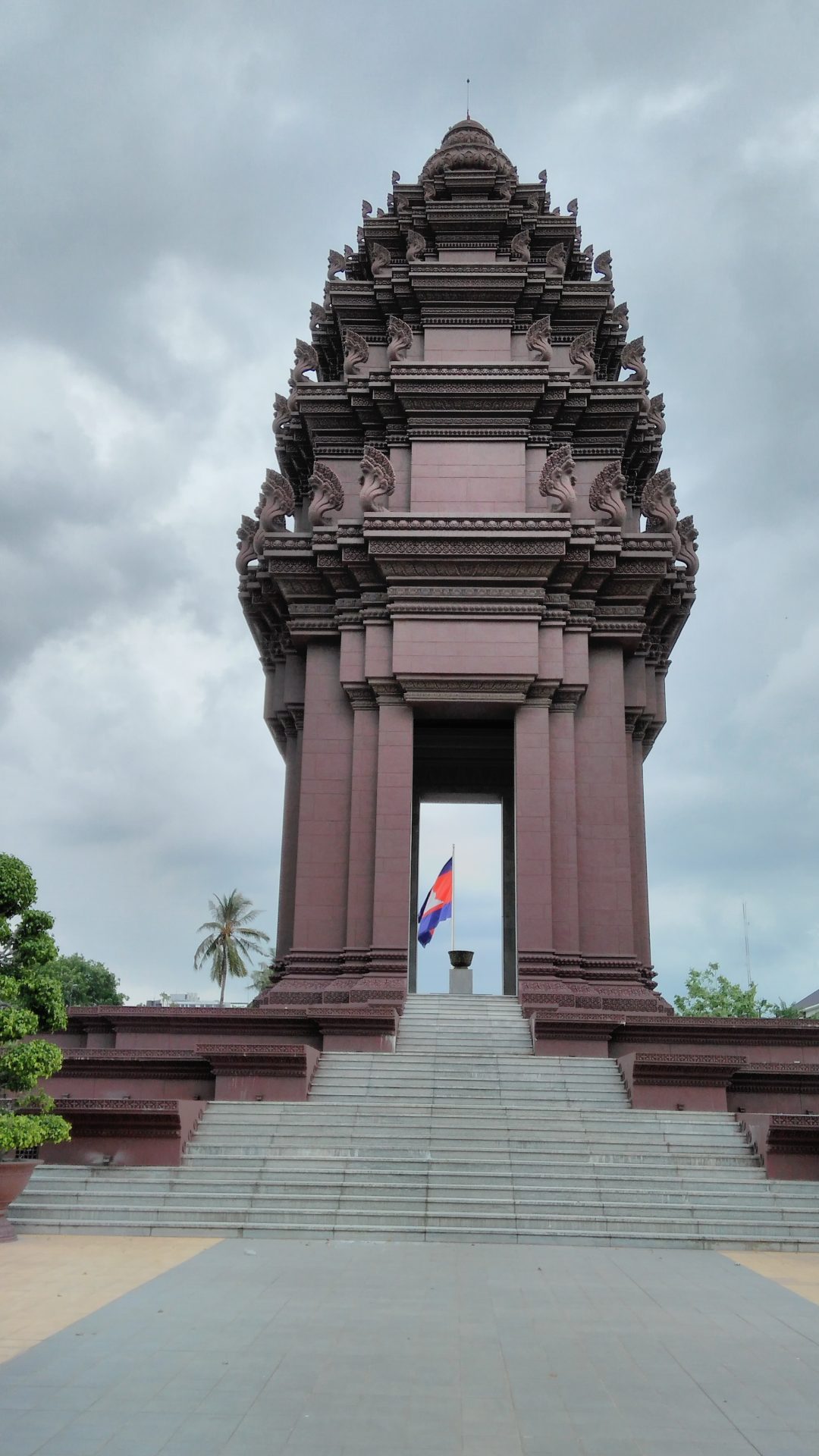
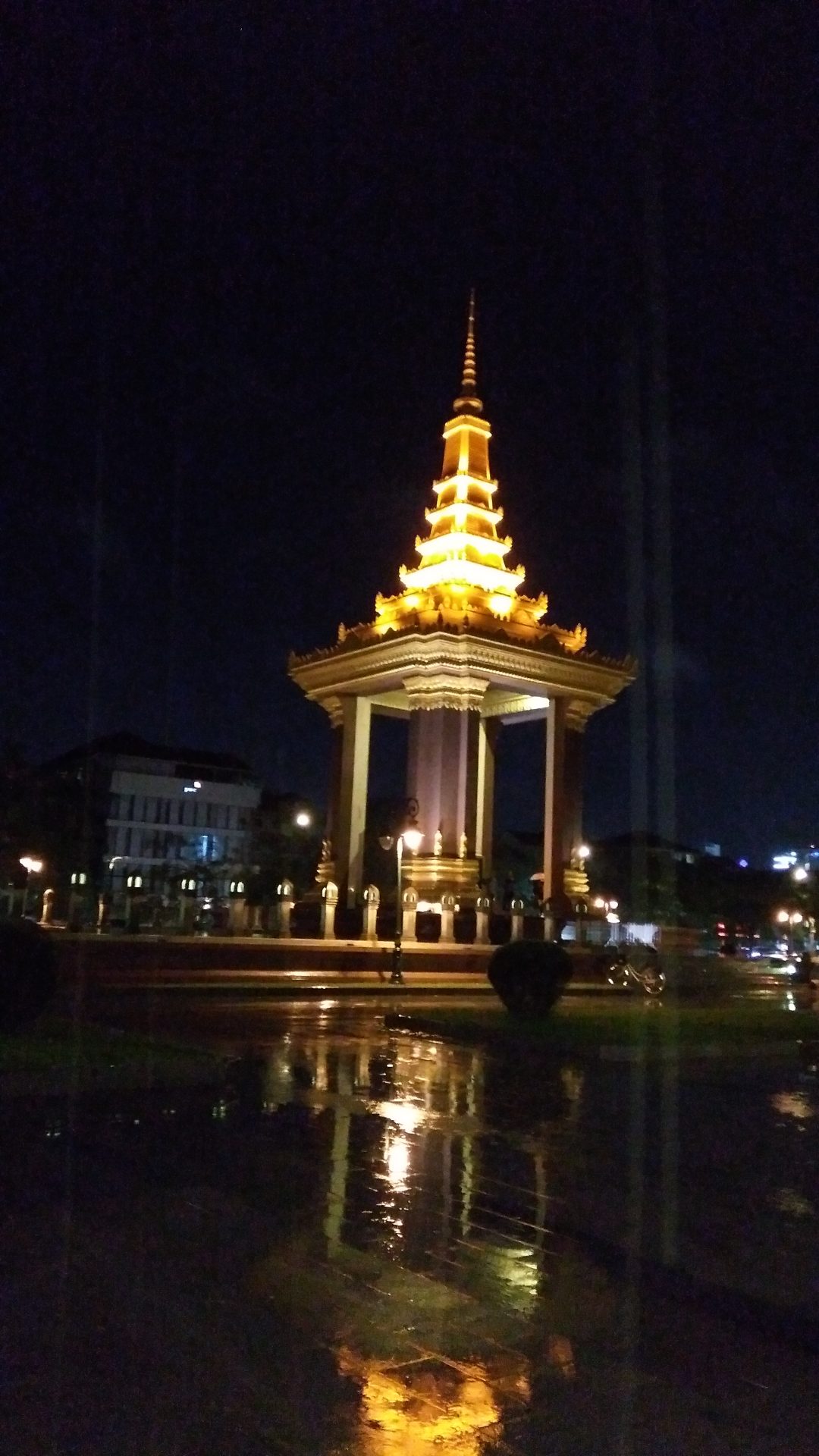
Closer to the Quay is the Independence Monument which was built in 1958 to commemorate the liberation of Cambodia from the French rule.
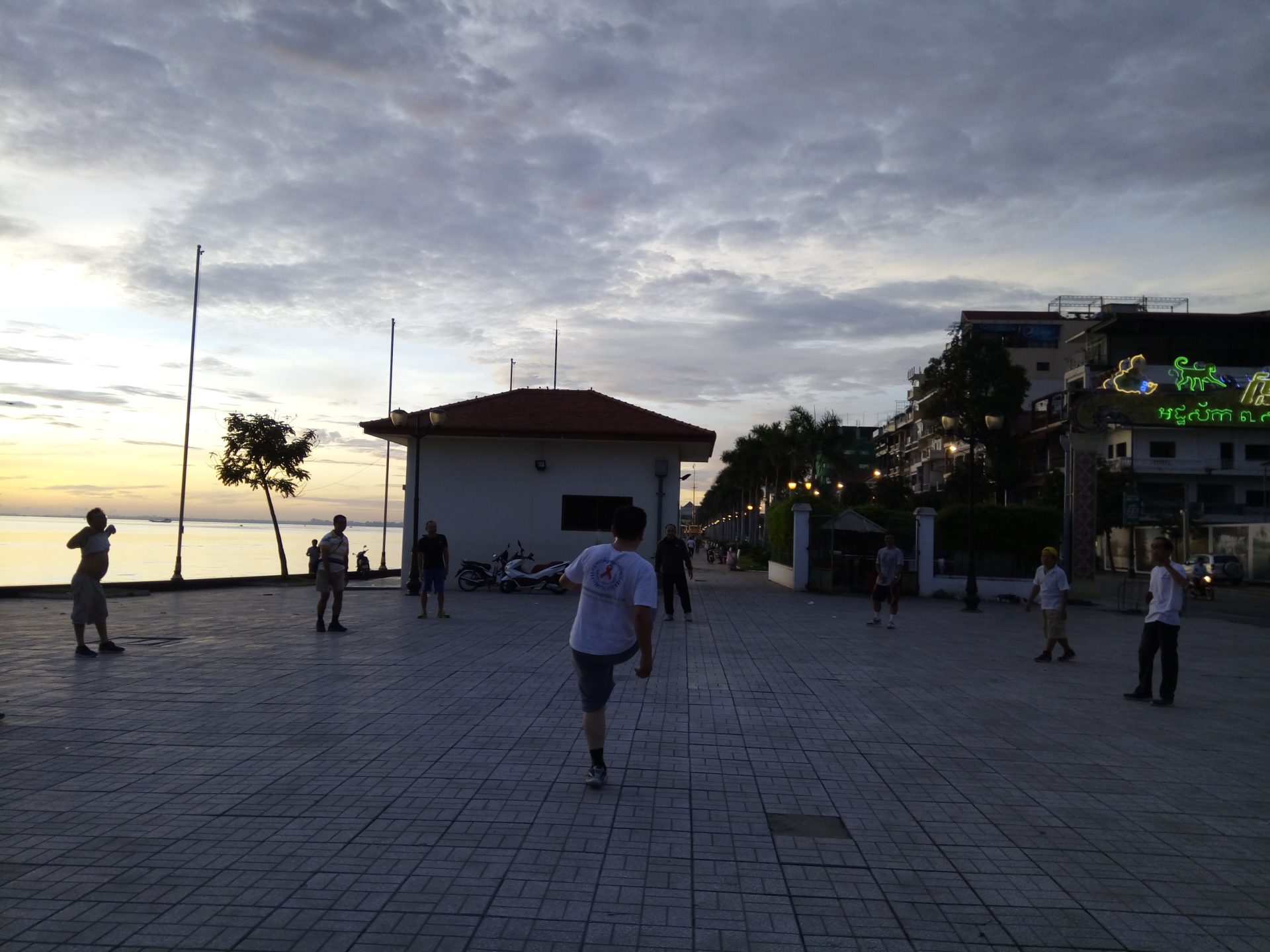
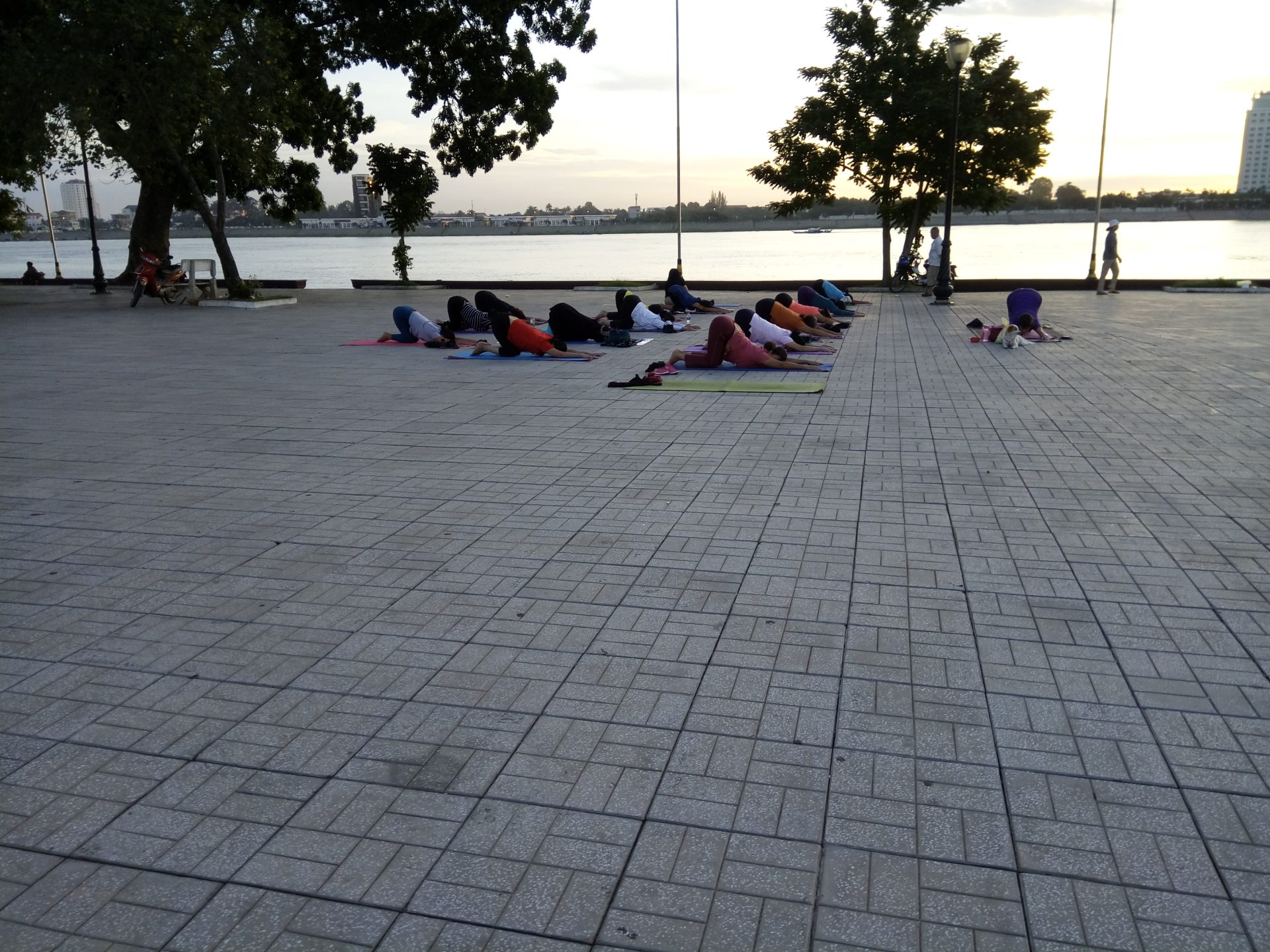
There are a couple of parks adjoining the Independence Monument which serve as a hub for the fitness conscious as you would get to see people from all walks of life and age congregate around the park as early as 5 AM and either indulge in walks, runs, cycling, practicing yoga, playing Jianzi (using their legs to kick a weighted badminton kind of shuttle cock) or even indulging in aerobic dancing to some feet stomping music.
THE TECHO YAT STATUE
A GAME OF JIANZI
YOGA AT THE SISOWATH QUAY
The climate remains tropical throughout the year though the months between November to February are a better time to visit Cambodia. The monsoons typically last for a couple of months between September and October and can become pretty heavy with over 250 mm of water being reached at times in a single month.
Some bit of Indianness in Phnom Penh
While going around the city, was happy to see that little bit of representation of India out here. There is a pretty sizeable community of around 4,000 families of Indian people living pre-dominantly in Phnom Penh.
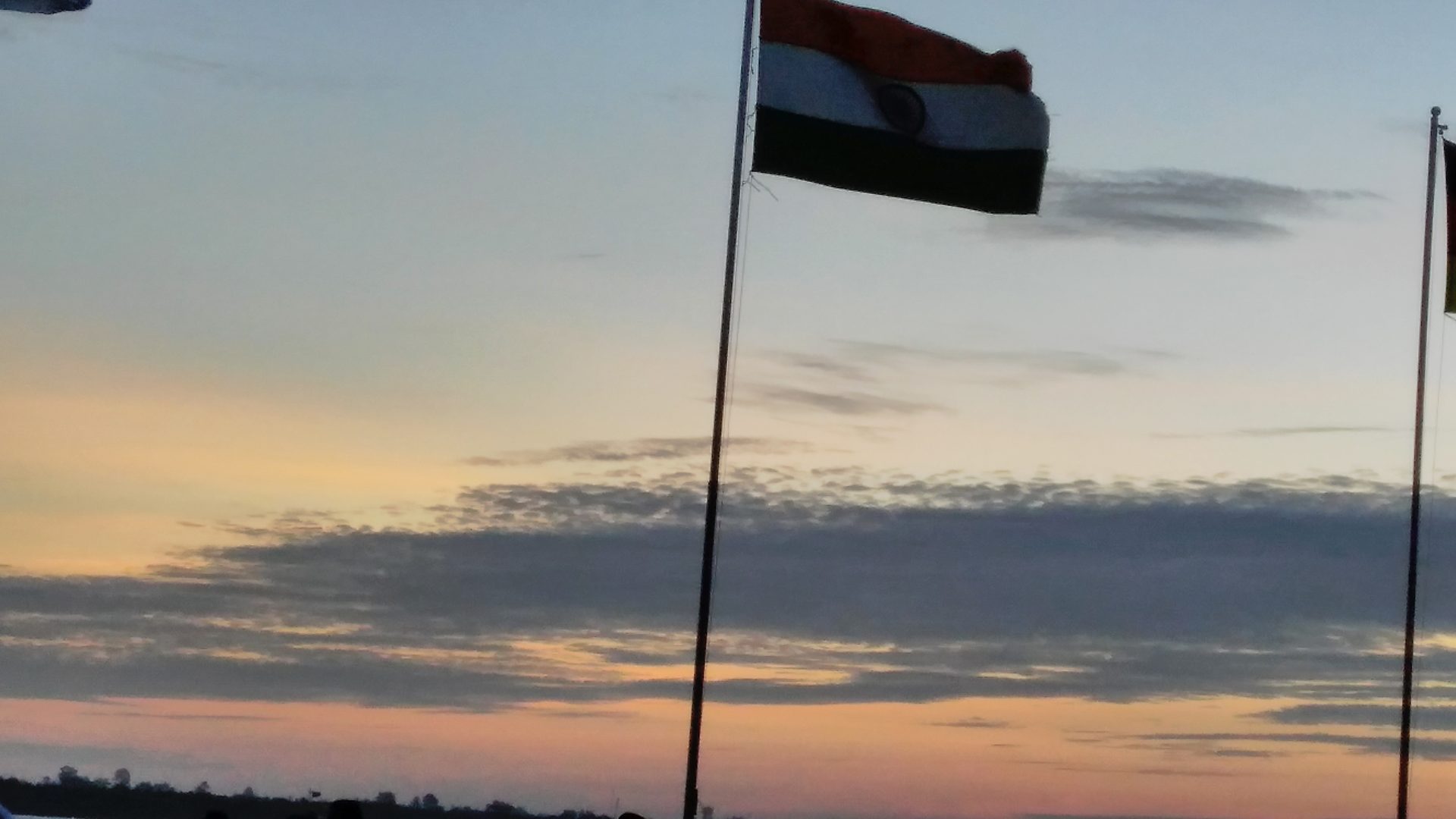
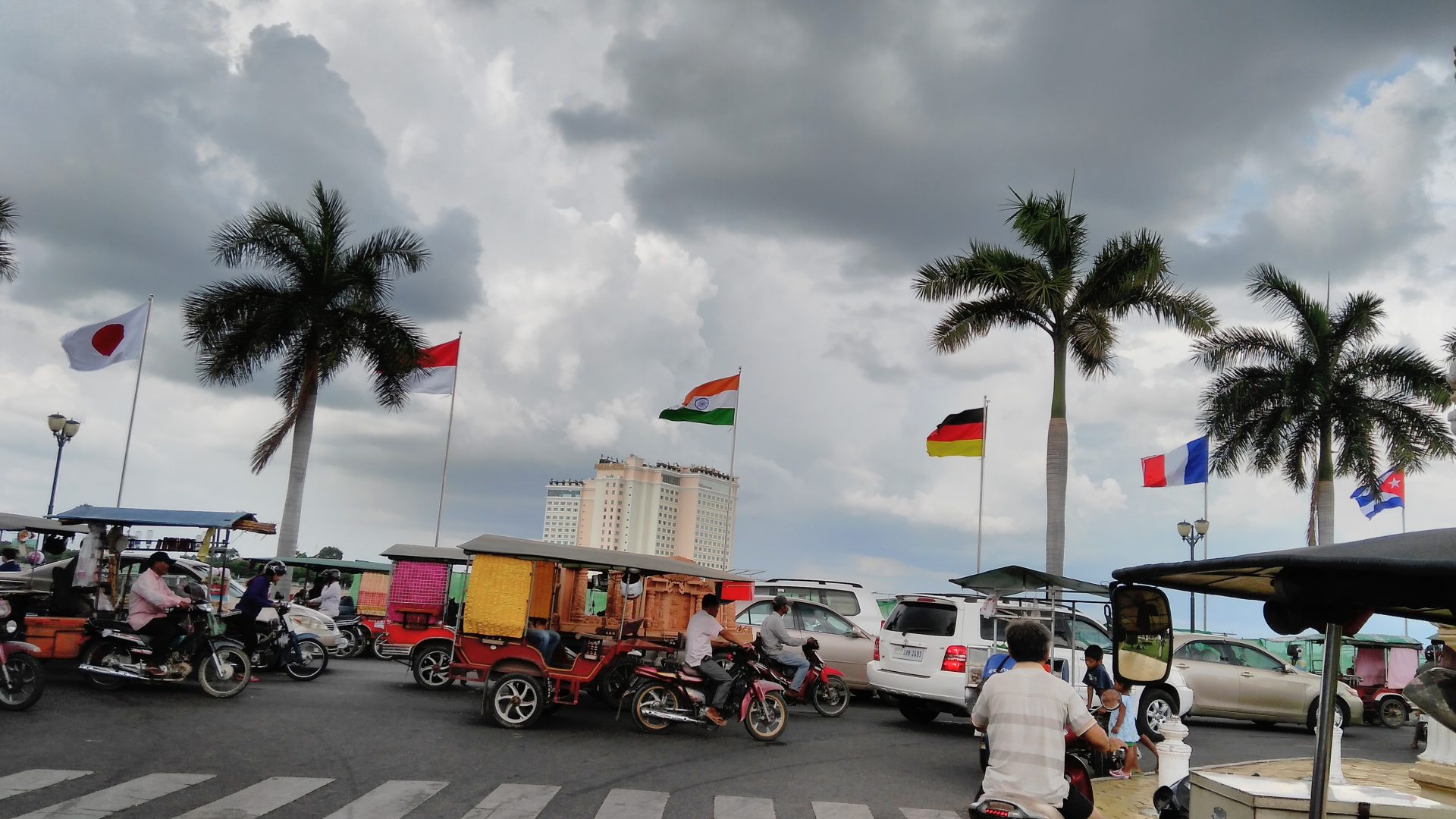
Most people who have settled here for years together run their own business (pharma being the most common) or are into teaching or run restaurants. The Sisowath Quay had the India flag fluttering while one of the boulevards had a large statue of Lord Ganesha erected.
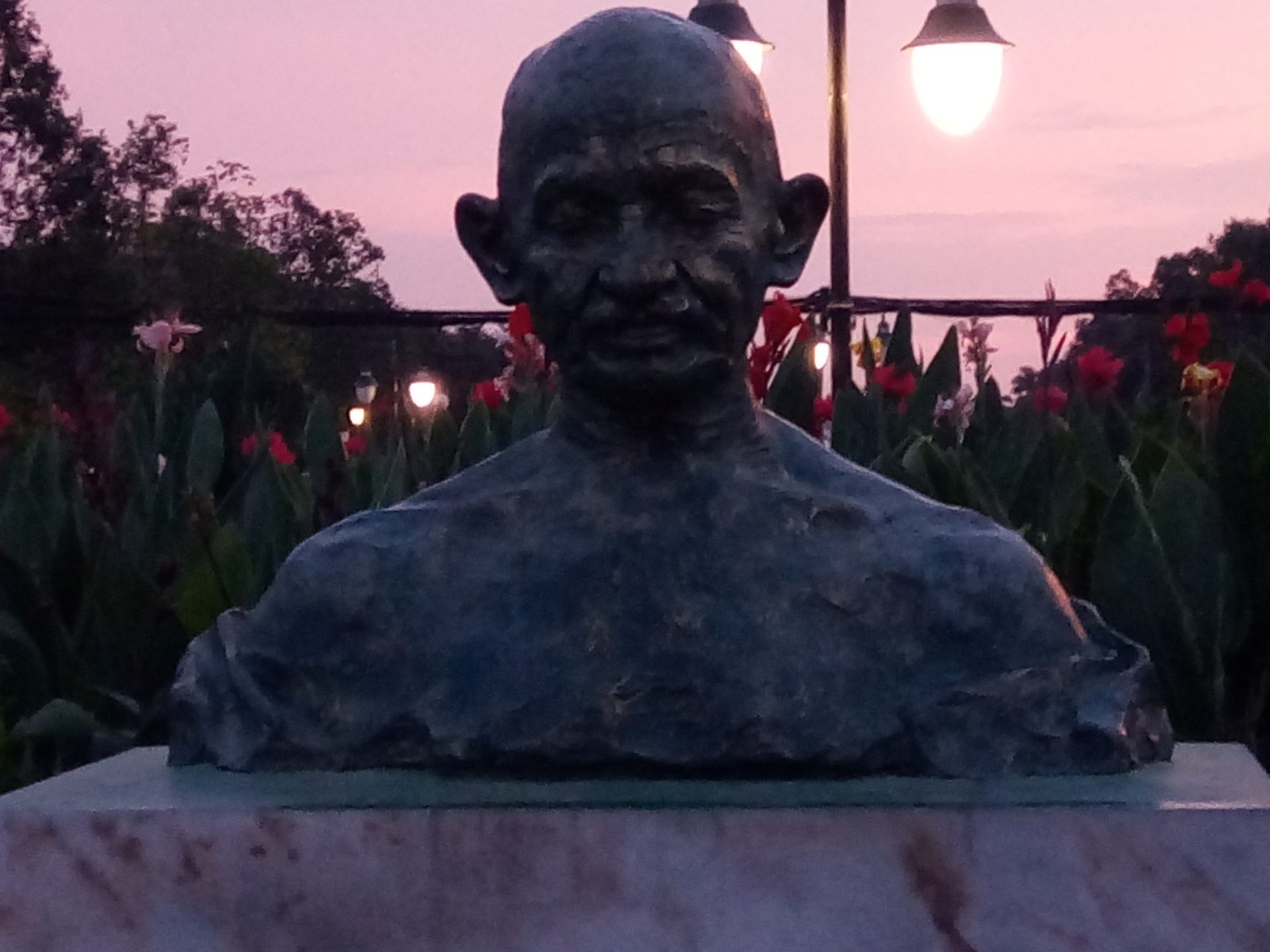
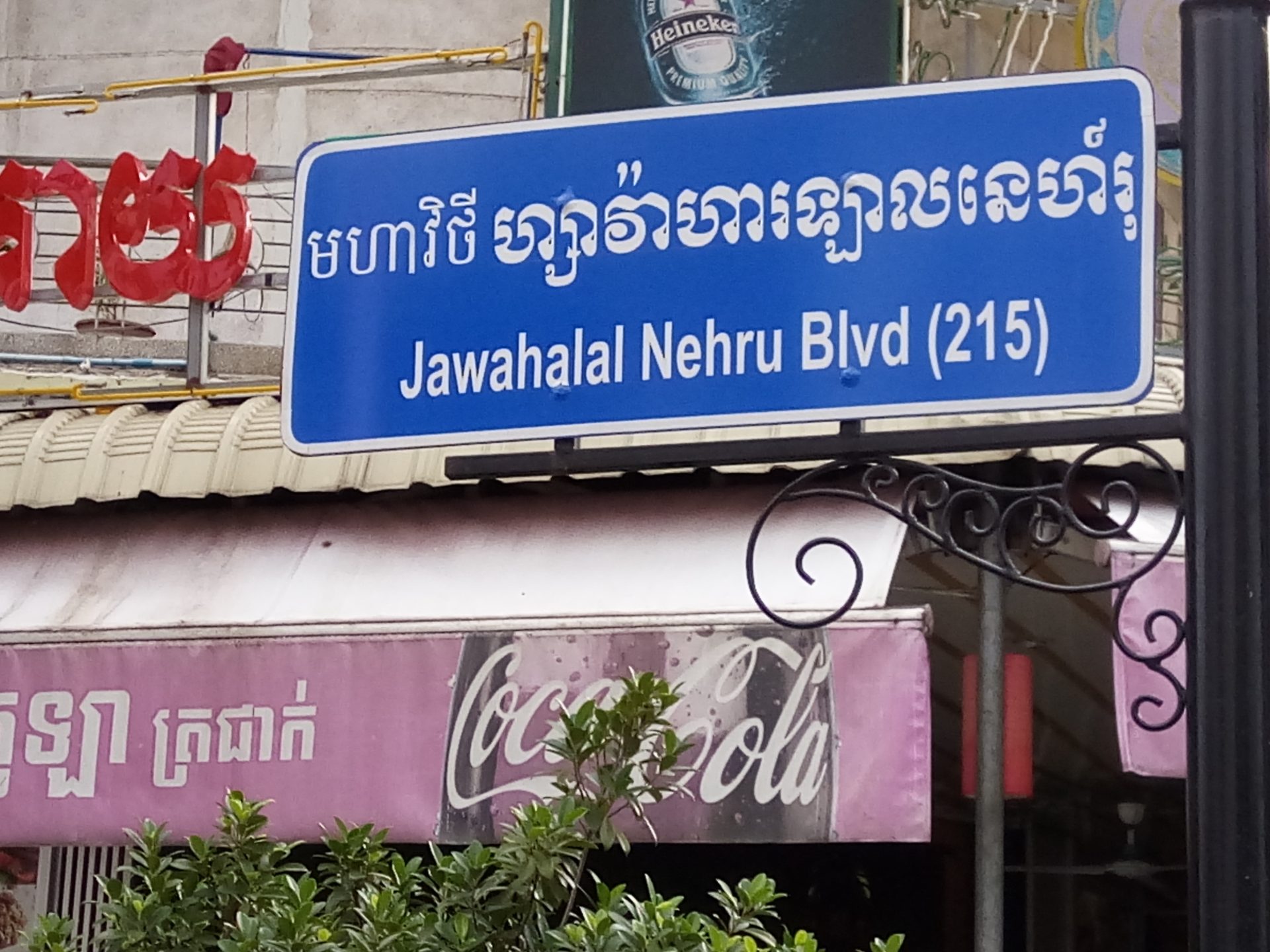
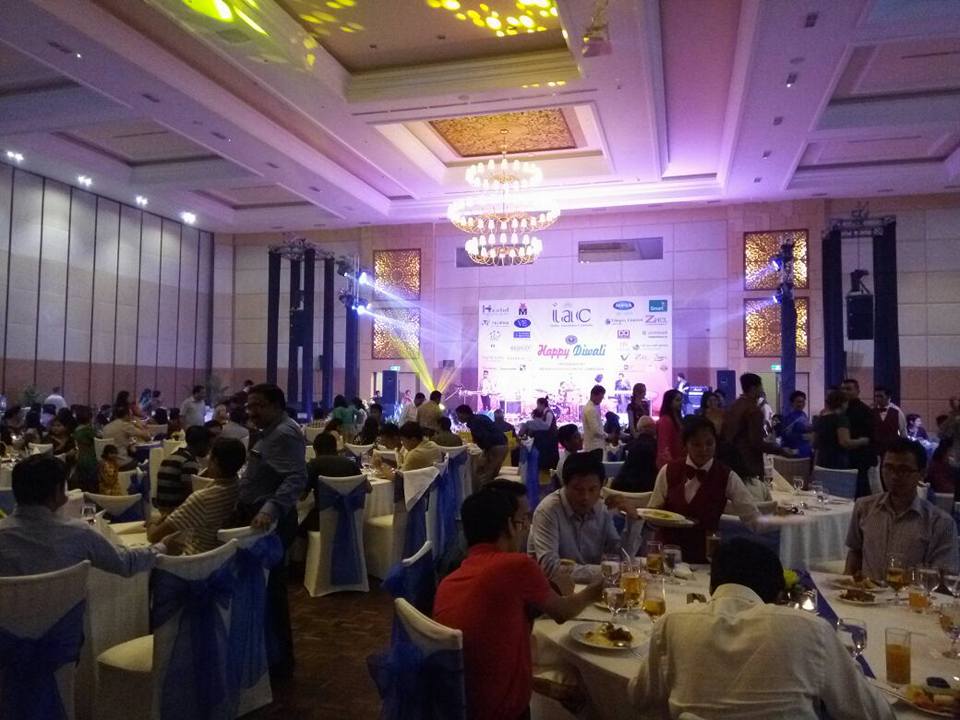
Also happened to come across a statue of Mahatma Gandhi and pass through a street named after our former Indian Prime Minister (just that they got the spelling wrong). The Indian Association of Cambodia plays a dominant role in keeping the Indian Community engaged in some way or the other by organizing cultural programs or even getting into celebrating Indian festivals like Holi or Diwali with lot of fervor.
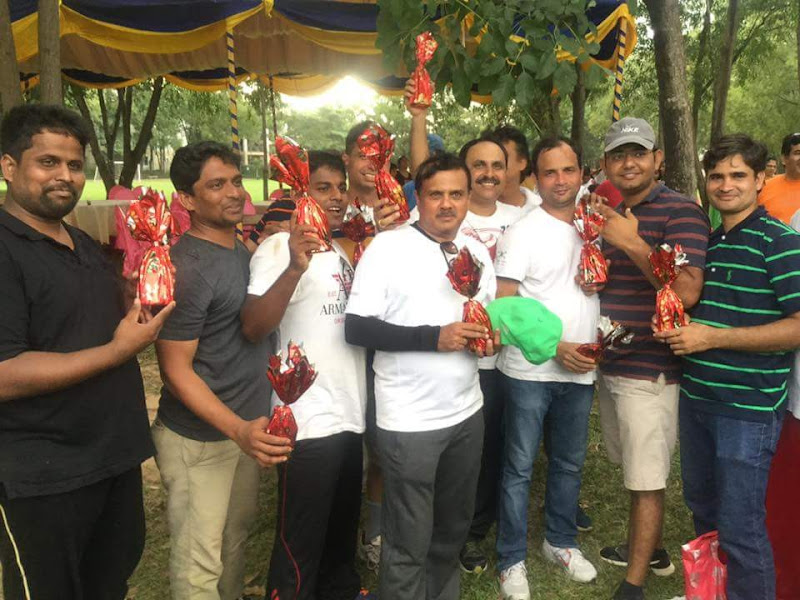
Programs to commemorate the World Yoga Day, Cultural Dance Programs, Cricket and Badminton tournaments are regularly organized here
MY FRIEND GANESHA
The economy of the country primarily revolves around Tourism but it is also a huge manufacturing hub for textiles and garments and especially for all International Brands like Mango, G2000, Daniel Fletcher, Adidas, Under Amour, Nike etc.
Stiff competition from neighboring countries like Vietnam and Bangladesh have made the garment industry go through lot of turmoil in terms of price wars, job layoffs and its not been business as usual for the locals. The city follows a nice way of numbering convention for the streets with the Odd numbers running North South (and with the street numbers increasing as you head West) and the Even ones running East West (increasing as you head South).
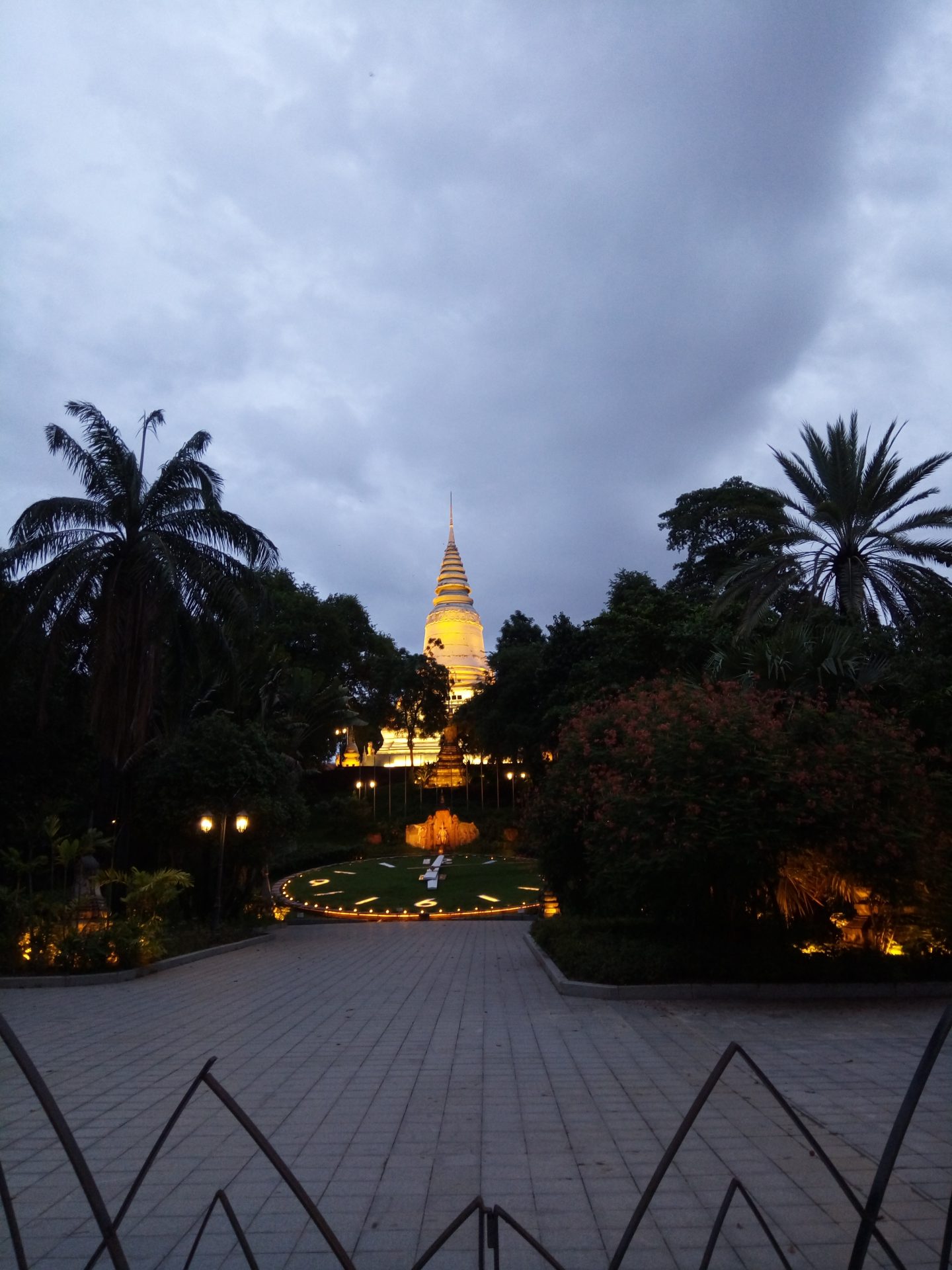
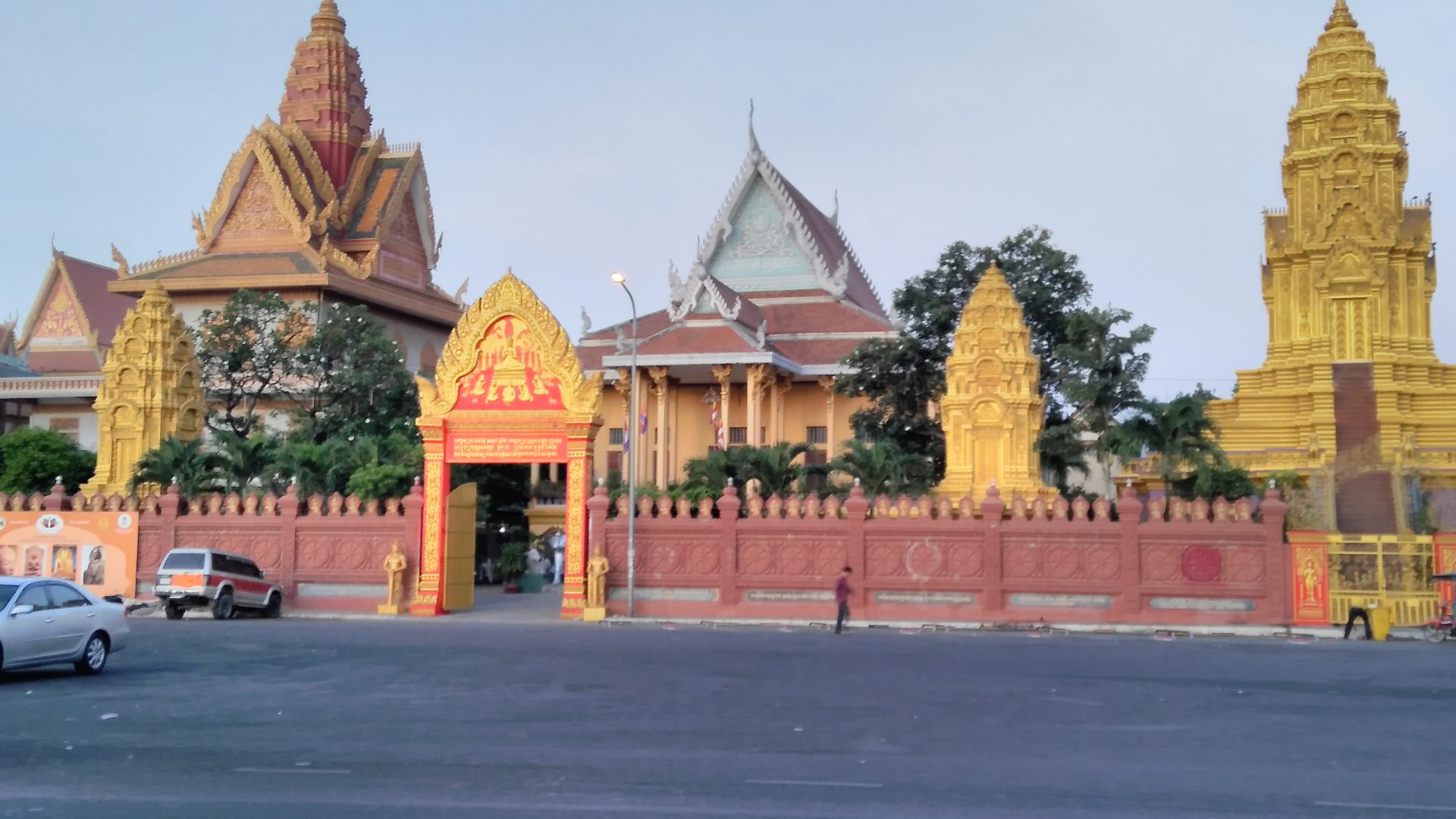
The Wat Phnom Pagoda
Moving onto the places of interest in and around the city, not very far from the Independence Monument lies the Wat Phnom Pagoda.
Built in the year 1372, this Buddhist temple stands 27 metres above the ground atop a small hillock.
It is the tallest religious structure in the city and history traces the Origin of this temple back to a rich widow called Penh (commonly referred to as Daun Penh or grandmother Penh in Khmer) who found a large Koki tree in the river.Inside the tree she found four bronze statues of Lord Buddha.
She constructed a small shrine on an artificial hill made by the people living in the village to protect the sacred statues.
Eventually this became a sacred site and sanctuary where people would come to seek blessings and pray. A $1 fee is levied for foreigners.
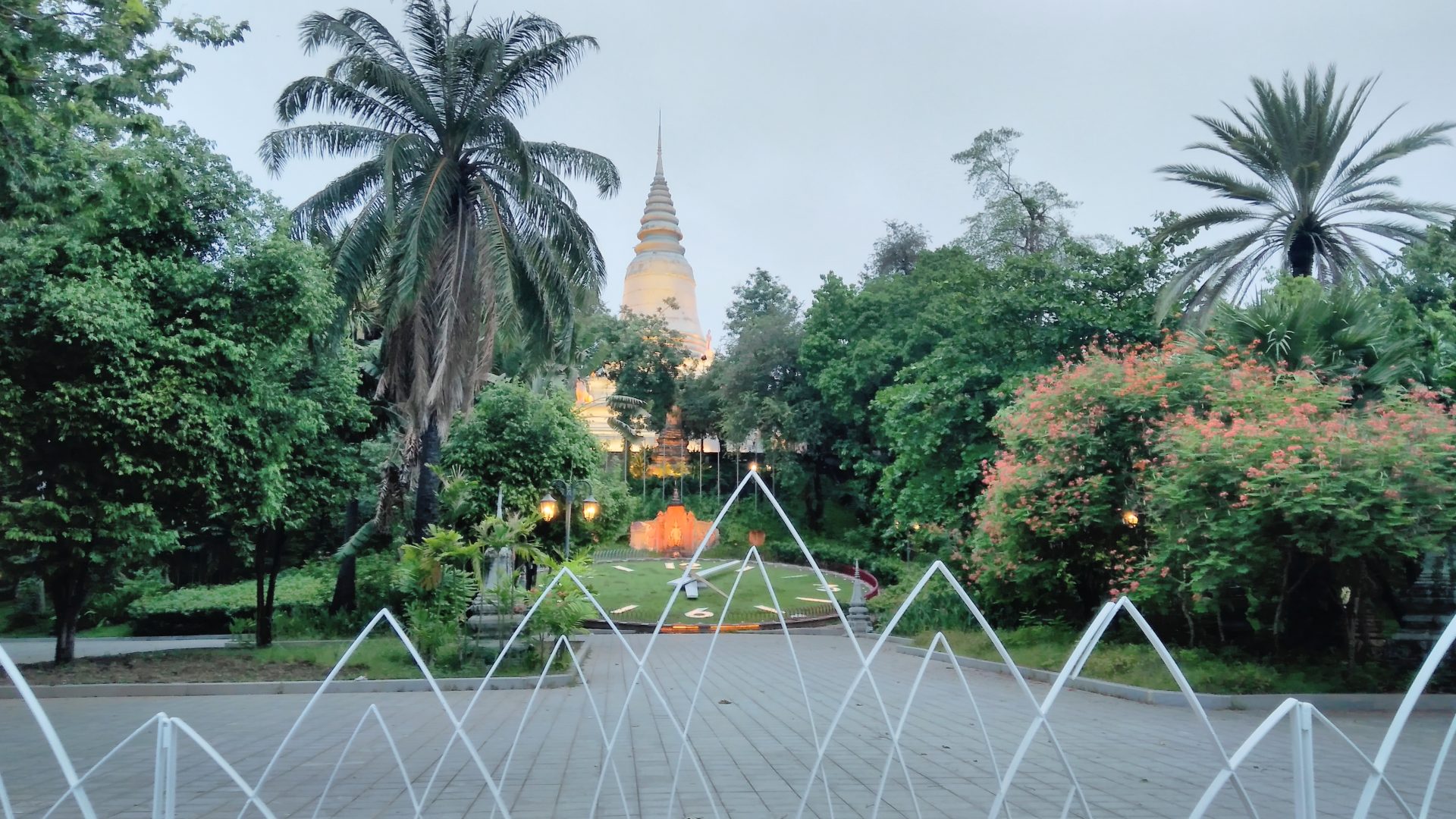
THE GARDEN CLOCK
WAT PHNOM PAGODA
Of Casinos and Gambling
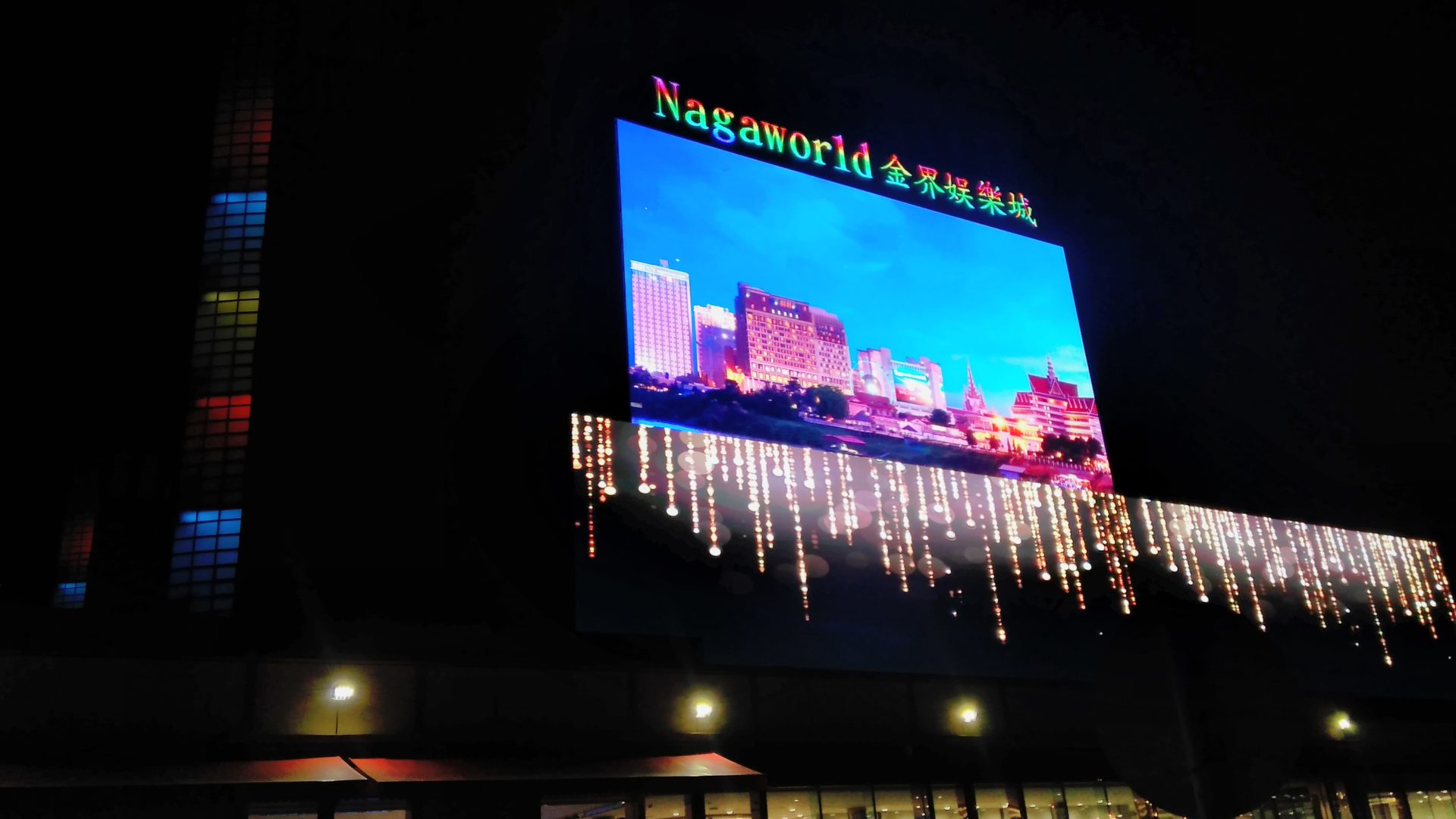
The city’s only 24 hour 75,000 square feet Casino runs out of Hotel Nagaworld and a sizeable crowd of people turn in from China and the adjoining countries to try their luck. The Vietnamese people who are not allowed to gamble in their country and people from Thailand which does not have casinos also frequent the sizeable number of Casinos which are in the border towns of Poipet and Baavet and which do roaring business. A second casino has been built adjacent to Nagaworld and named as Naga2 with about a lac of square feet of gambling space. What is unique about their Government approved license is that within a radius of 200 Kms, no other casinos are allowed to operate.
THE CASINO AT HOTEL NAGAWORLD
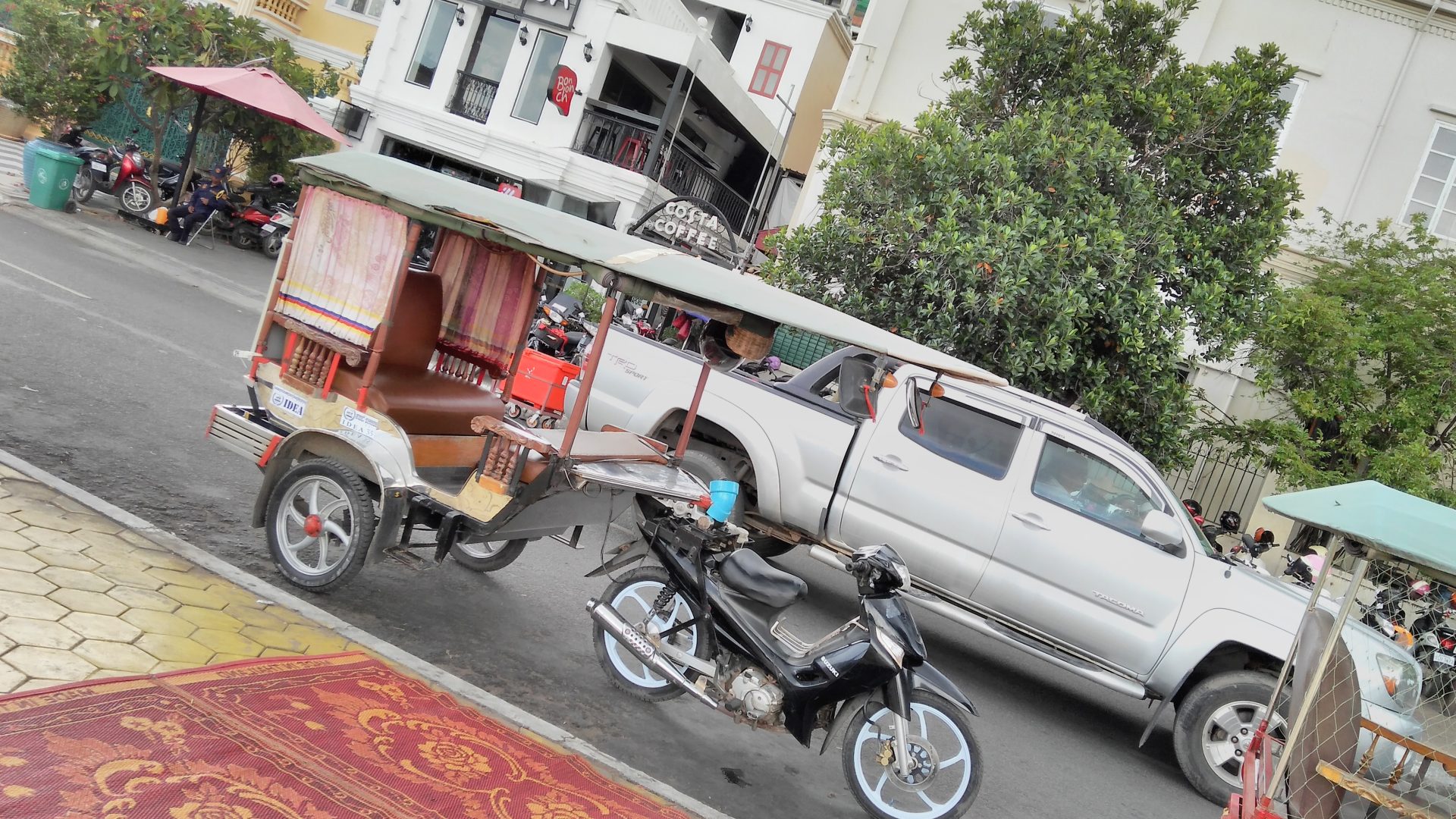
The easiest way to commute in Cambodia
THE FAMED TUK TUK
HAMARA BAJAJ
Some lovely sightings and parks around the city
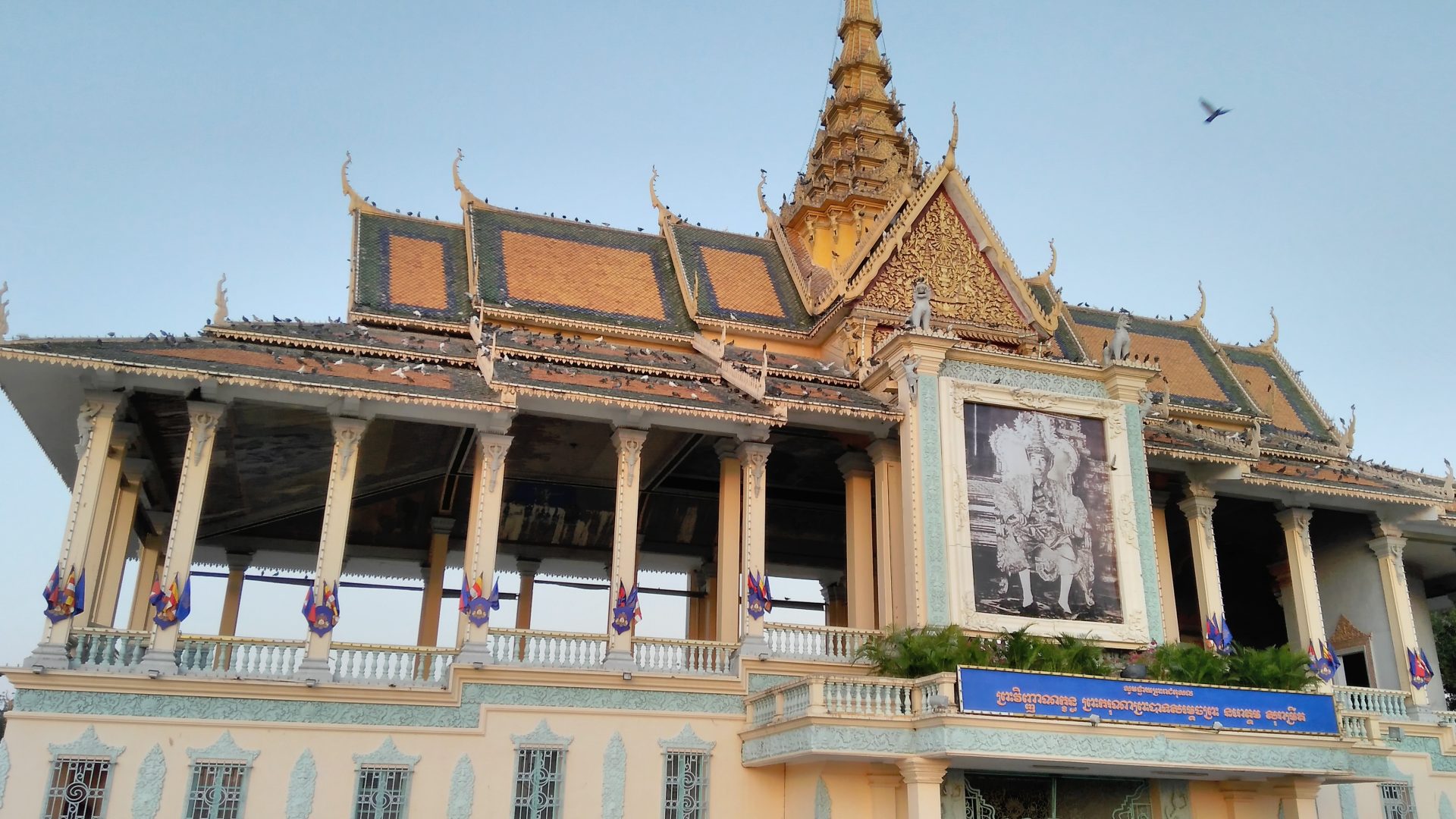
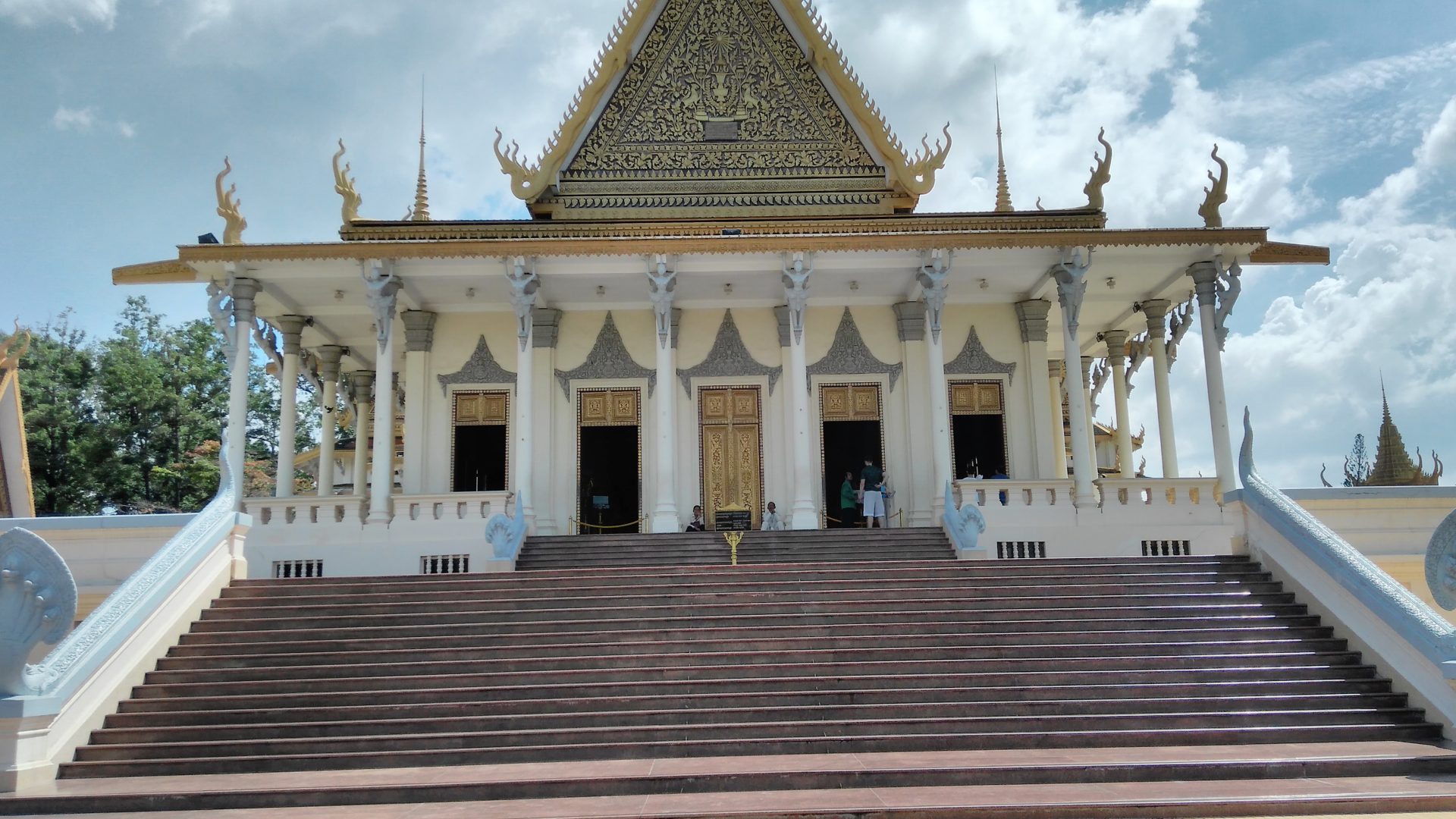
The Royal Palace
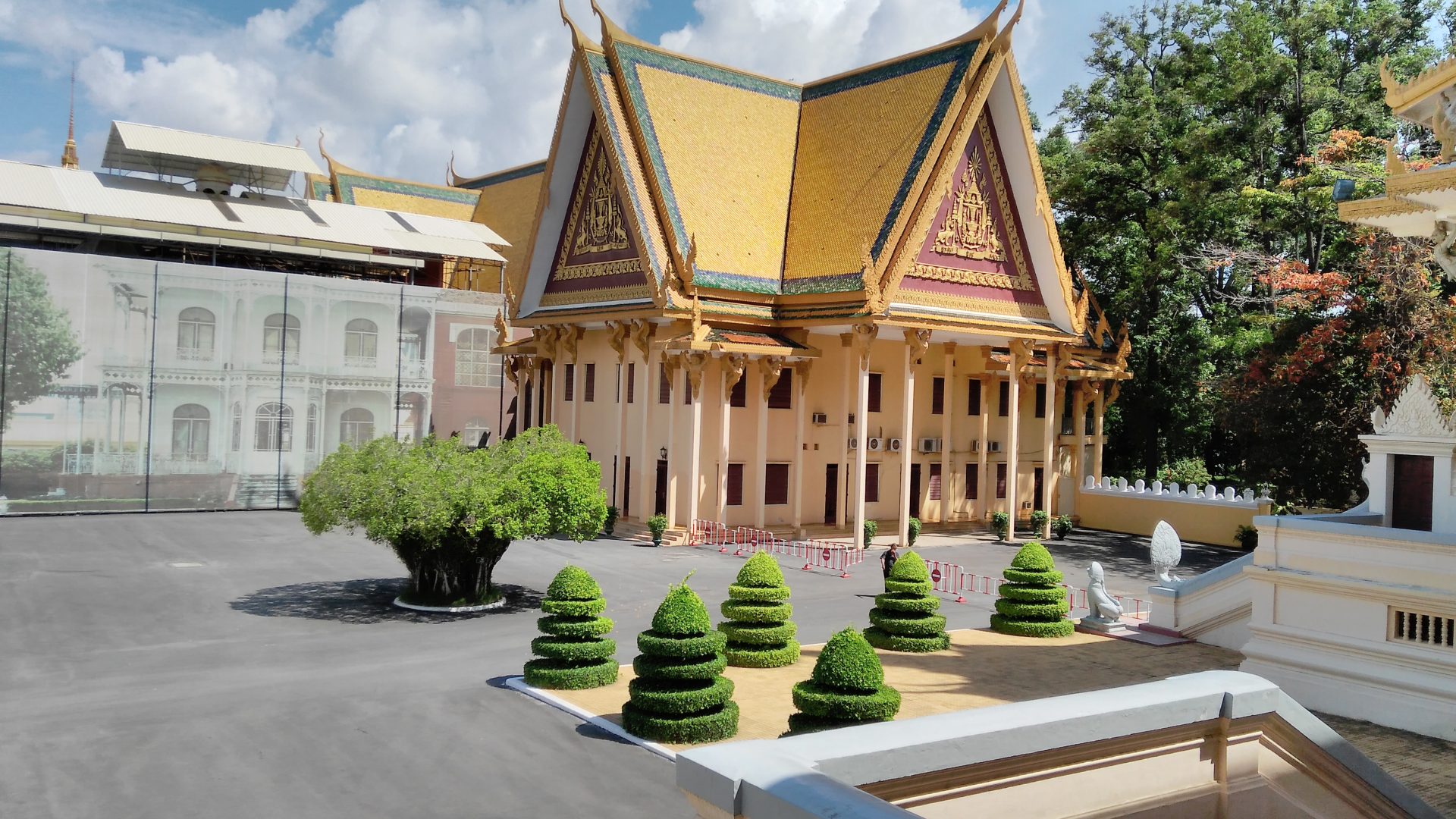
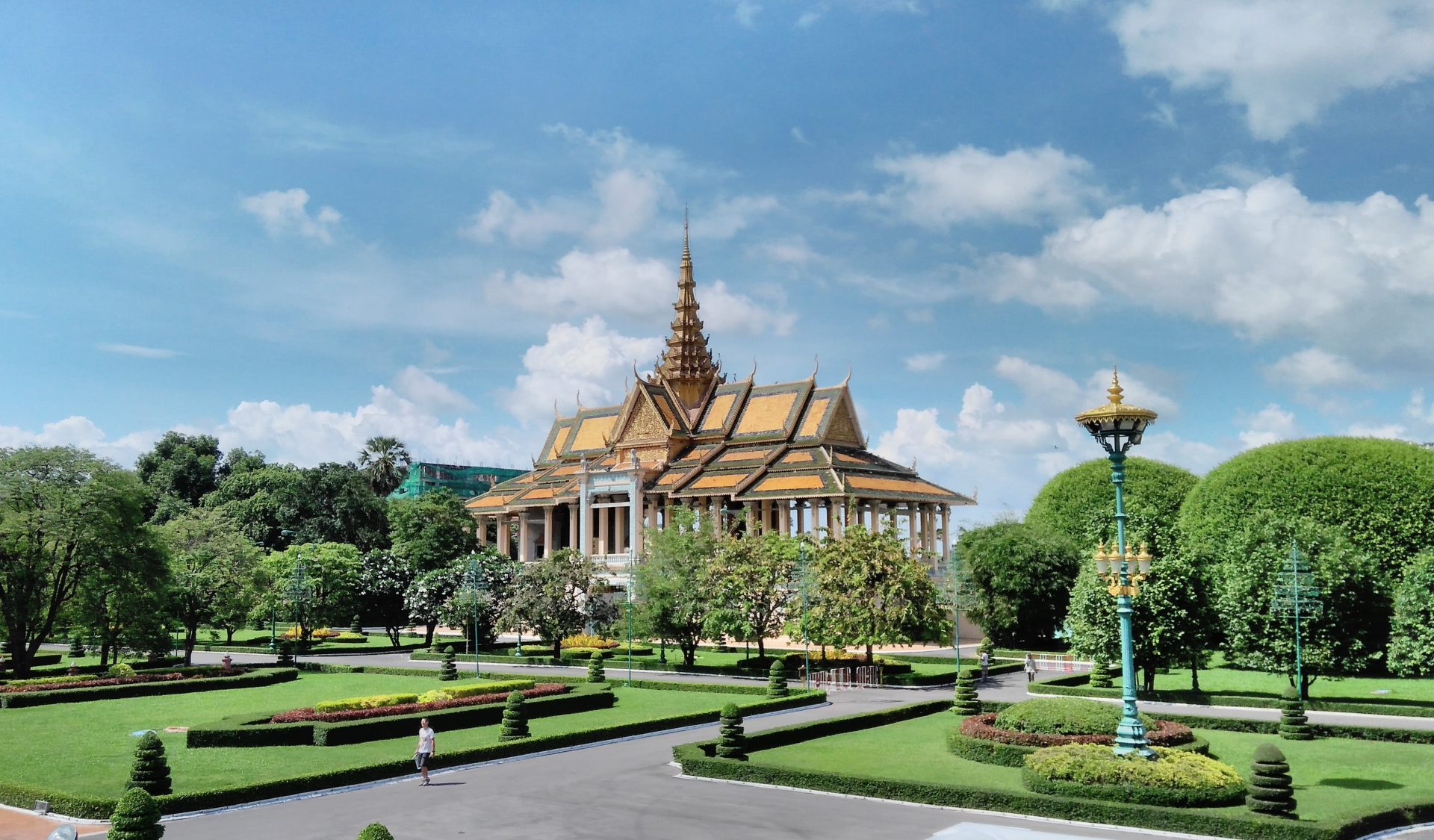
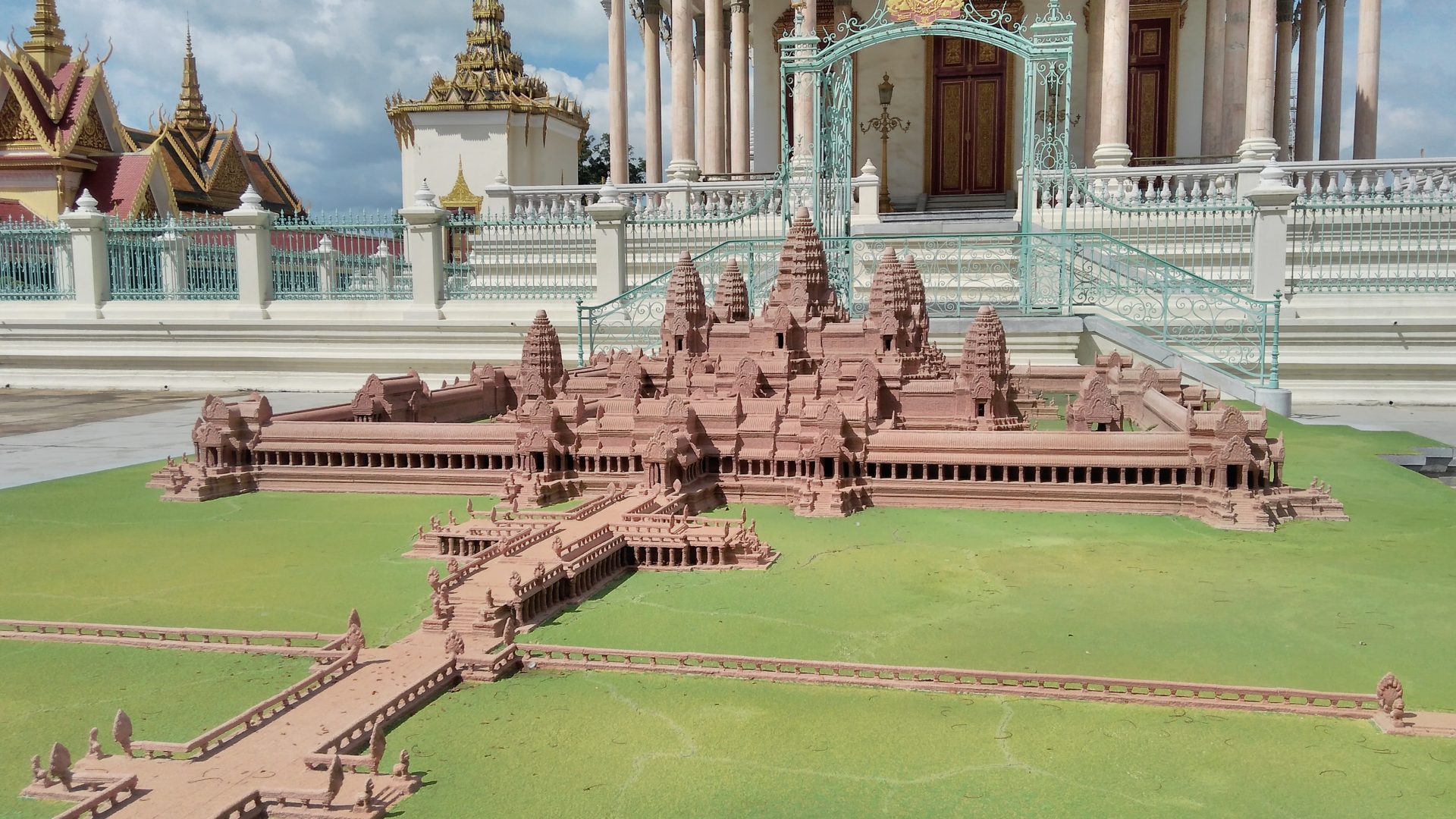
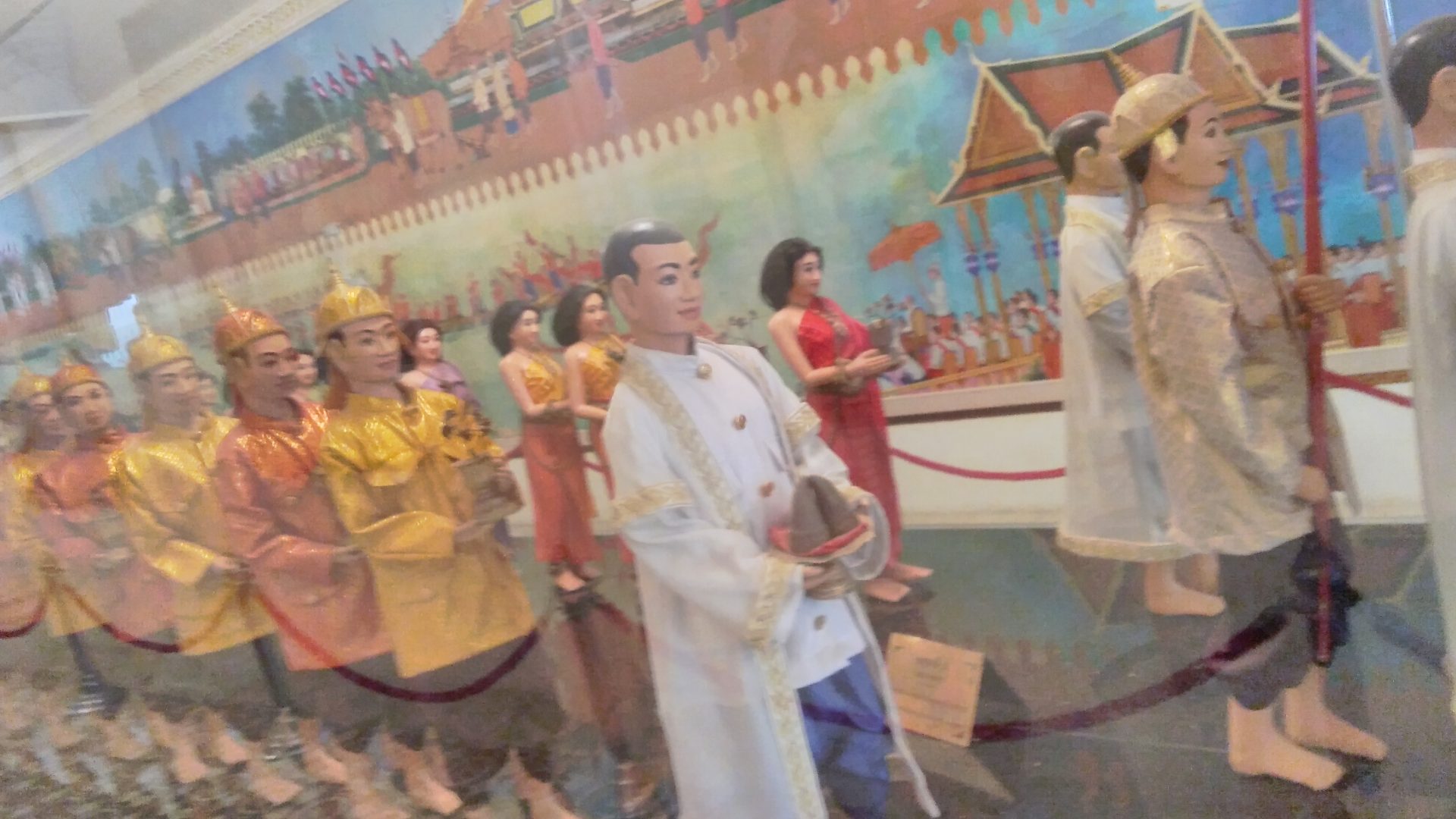
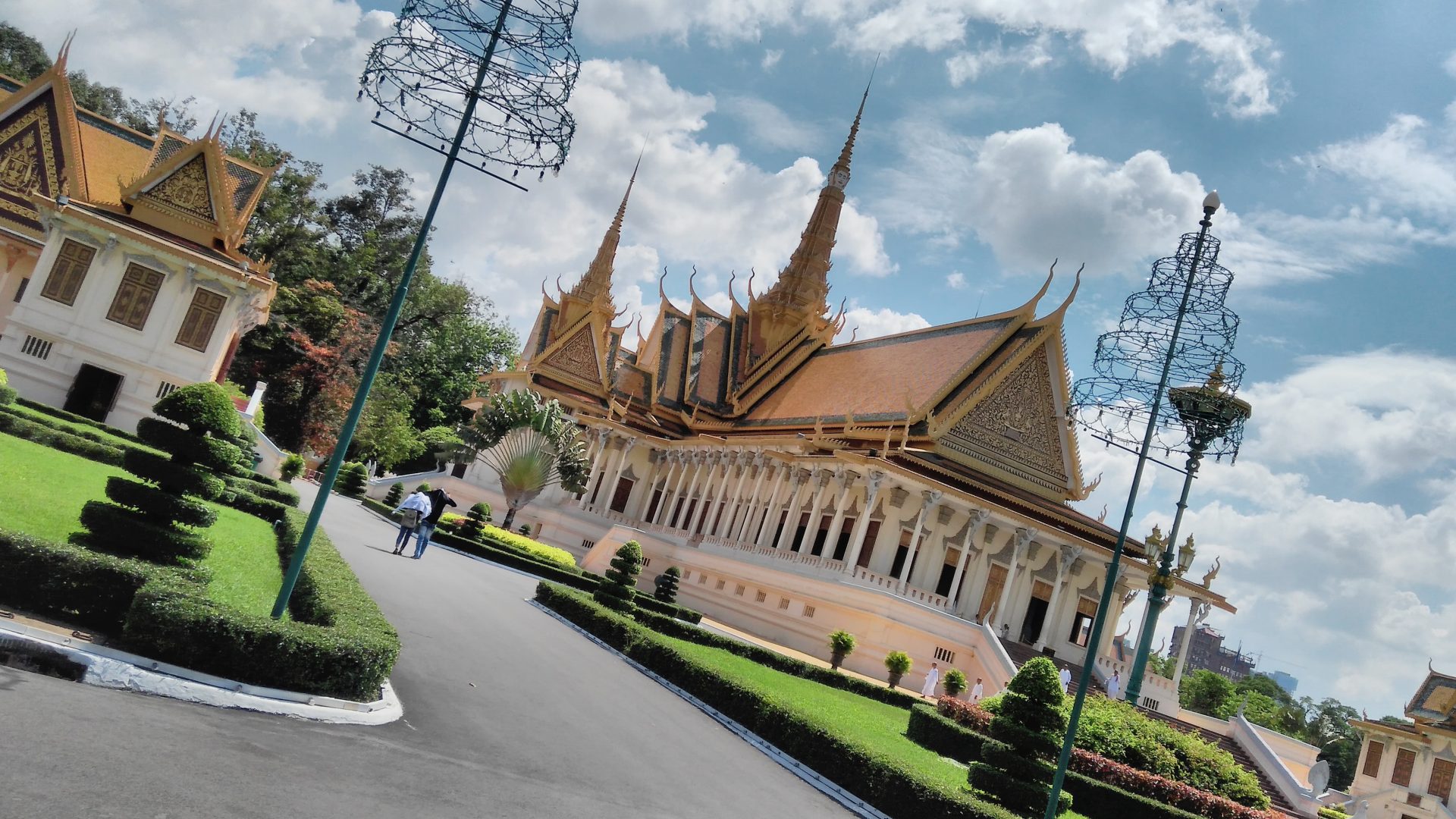
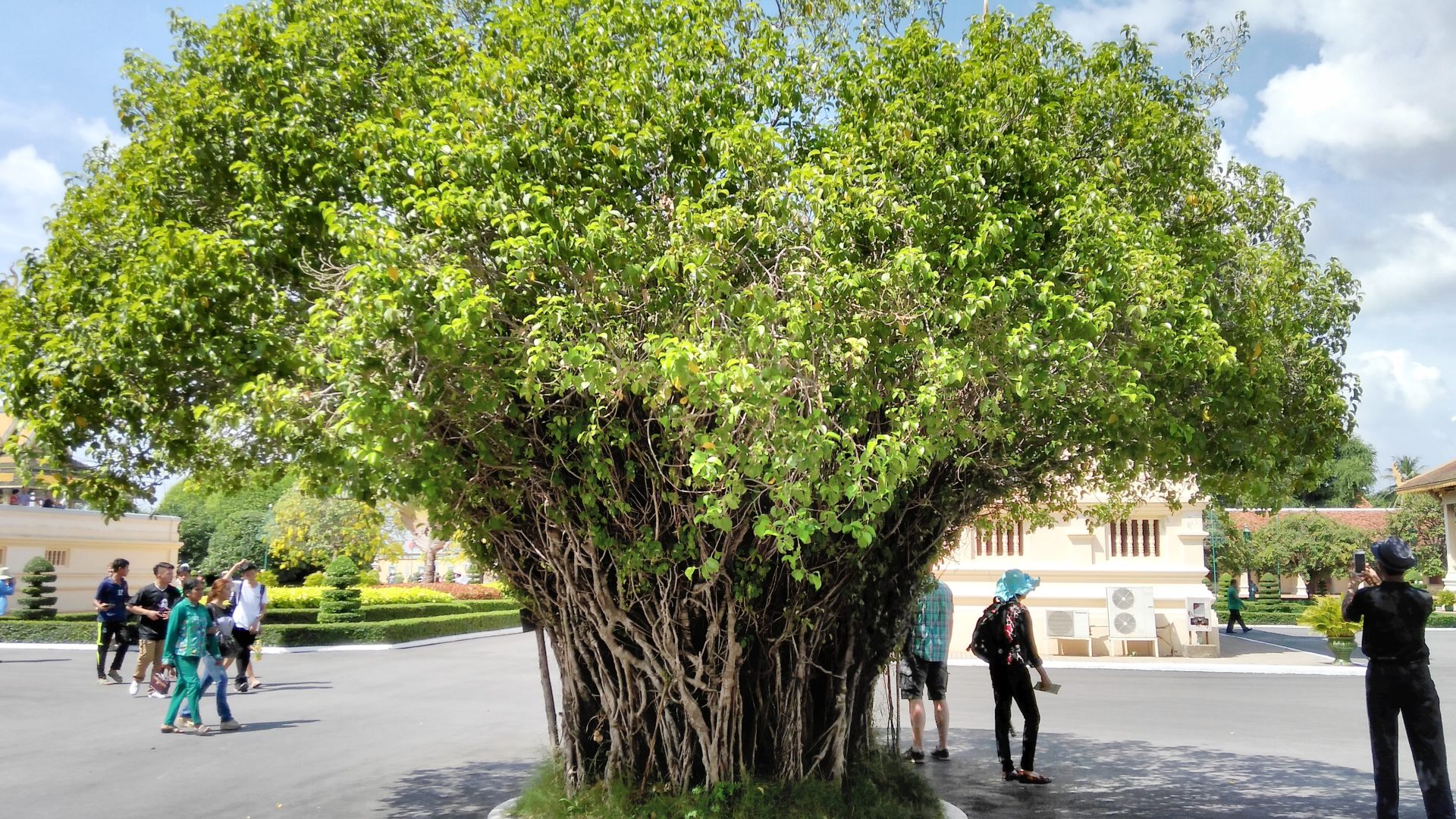
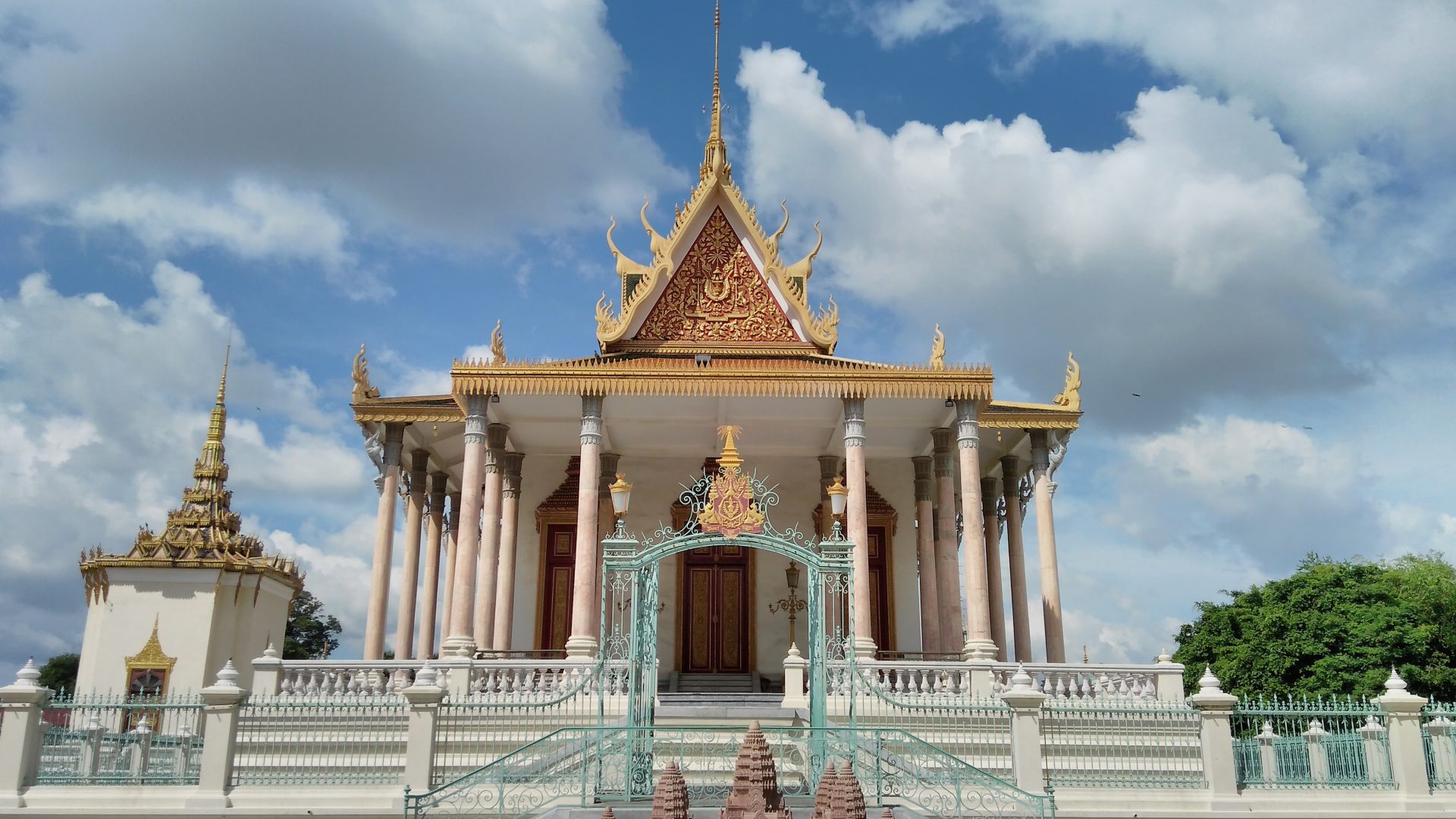
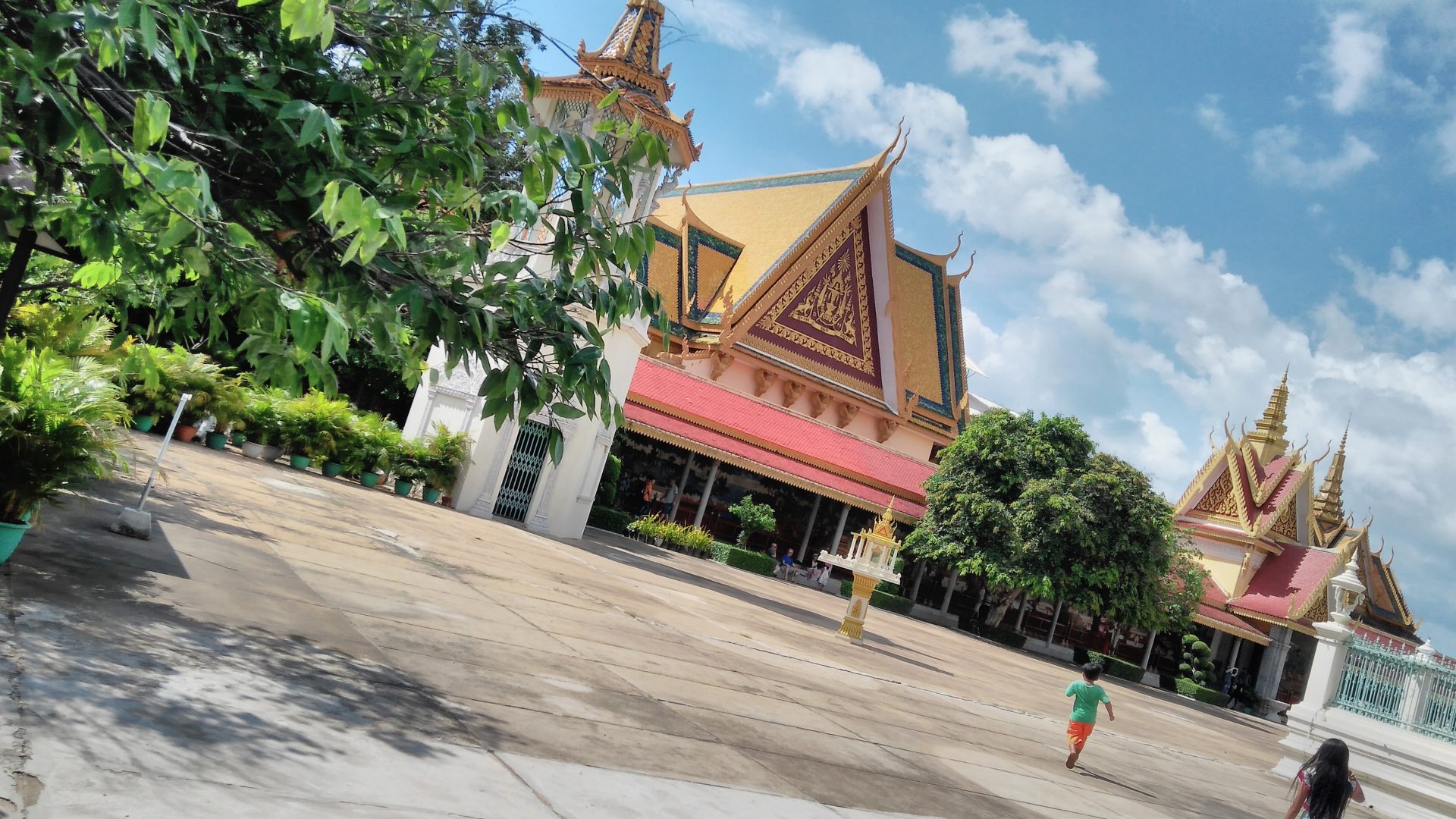
Home to the King of Cambodia, the Royal Palace was constructed between 1866 to 1870 after the capital moved from Oudong to Phnom Penh. This is adjacent to the Quay. While everything within the Palace is not accessible to the visiting public, one can walk around the beautifully manicured gardens besides seeing the galleries, the ornate temples and other buildings inside the palace grounds. The palace compound also houses the Silver Pagoda, a temple which houses many jeweled and Gold statues of Buddha. The palace is a photographer’s delight indeed!! The tickets per head to enter the Palace was around 7-8$.
Don't miss clicking on these thumbnails
Dining out in Phnon Penh
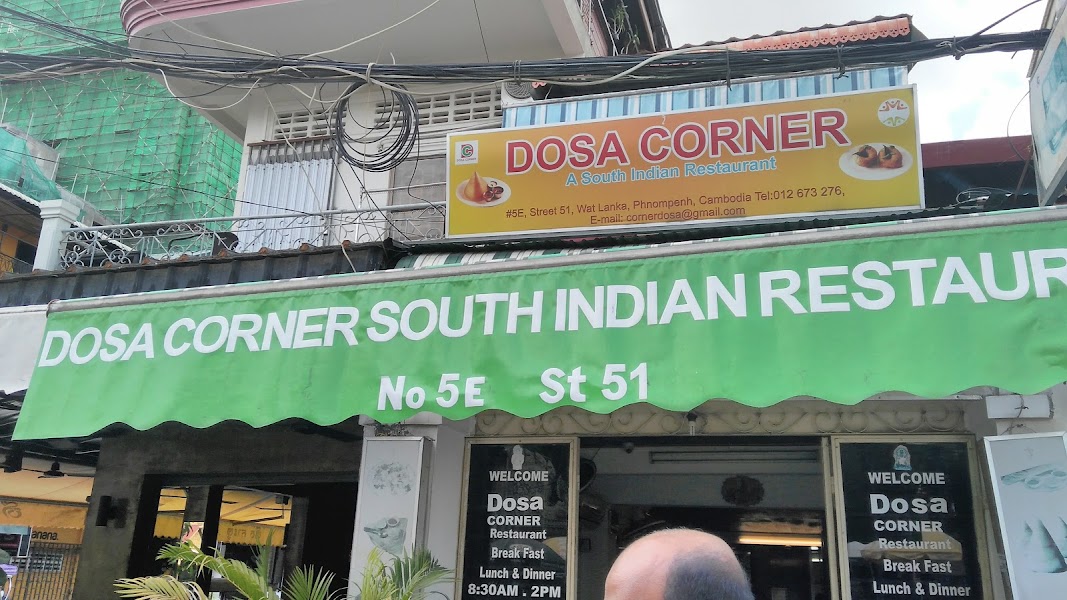
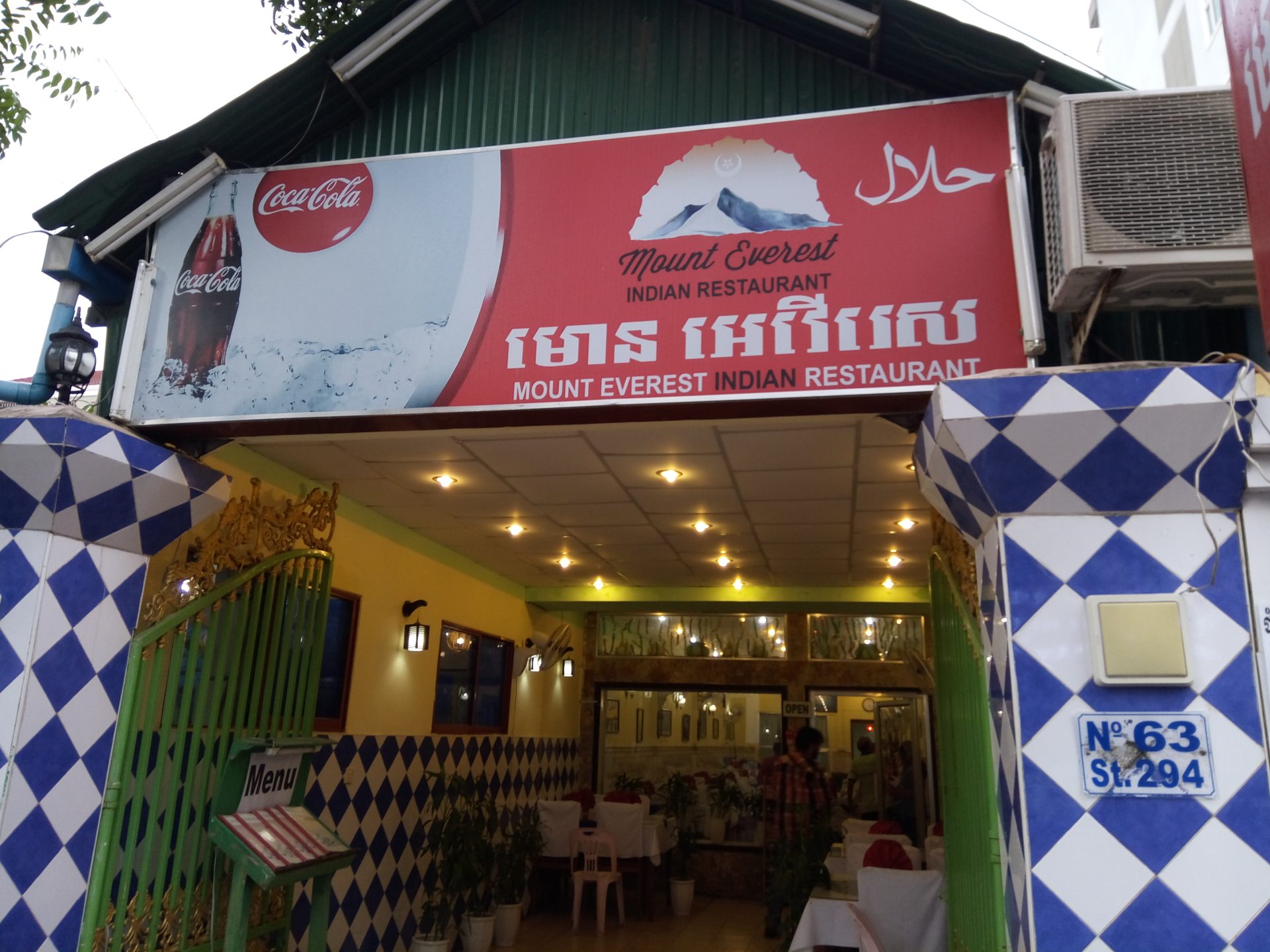
I was spoilt for choices in dining out as there were a lot of lovely restaurants and cafes besides pizza joints to choose from which made the overall gastronomical journey over the period of my stay a great experience. For the local Cambodian veg cuisine, Cafe Soleil was my favorite while for Indian food there were many hangouts to choose from like Taste Budzz, Flavors of India, Swagat, Dosa Corner, Vanakkam India, Sher-e-Punjab and many more. A typical meal at any of these restaurants would not cost one more than $ 4-5.
Another unique thing about this country was the availability of lovely fruits throughout the year. Ripe and raw mangoes, Guavas, Dragon Fruits in white and purple varieties, Oranges, Papayas, Grapes, Water Melons, Lychees, Longan, Rambutan, Bananas, Mangosteen, Grapefruits, Wax Apples, Pineapples and the favorite of the locals, the Durian were normally available almost throughout the year.
A drive to Oudong
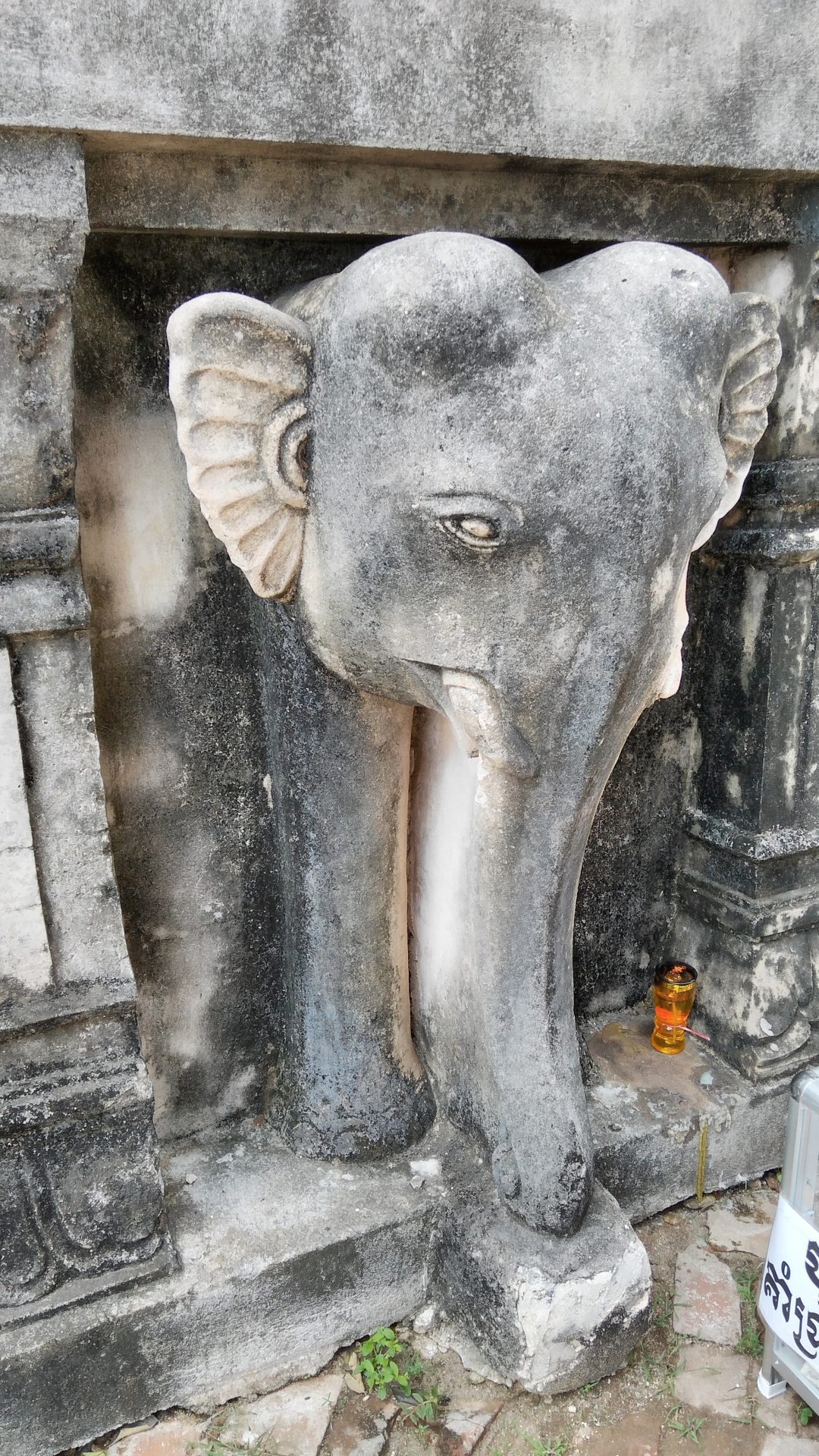
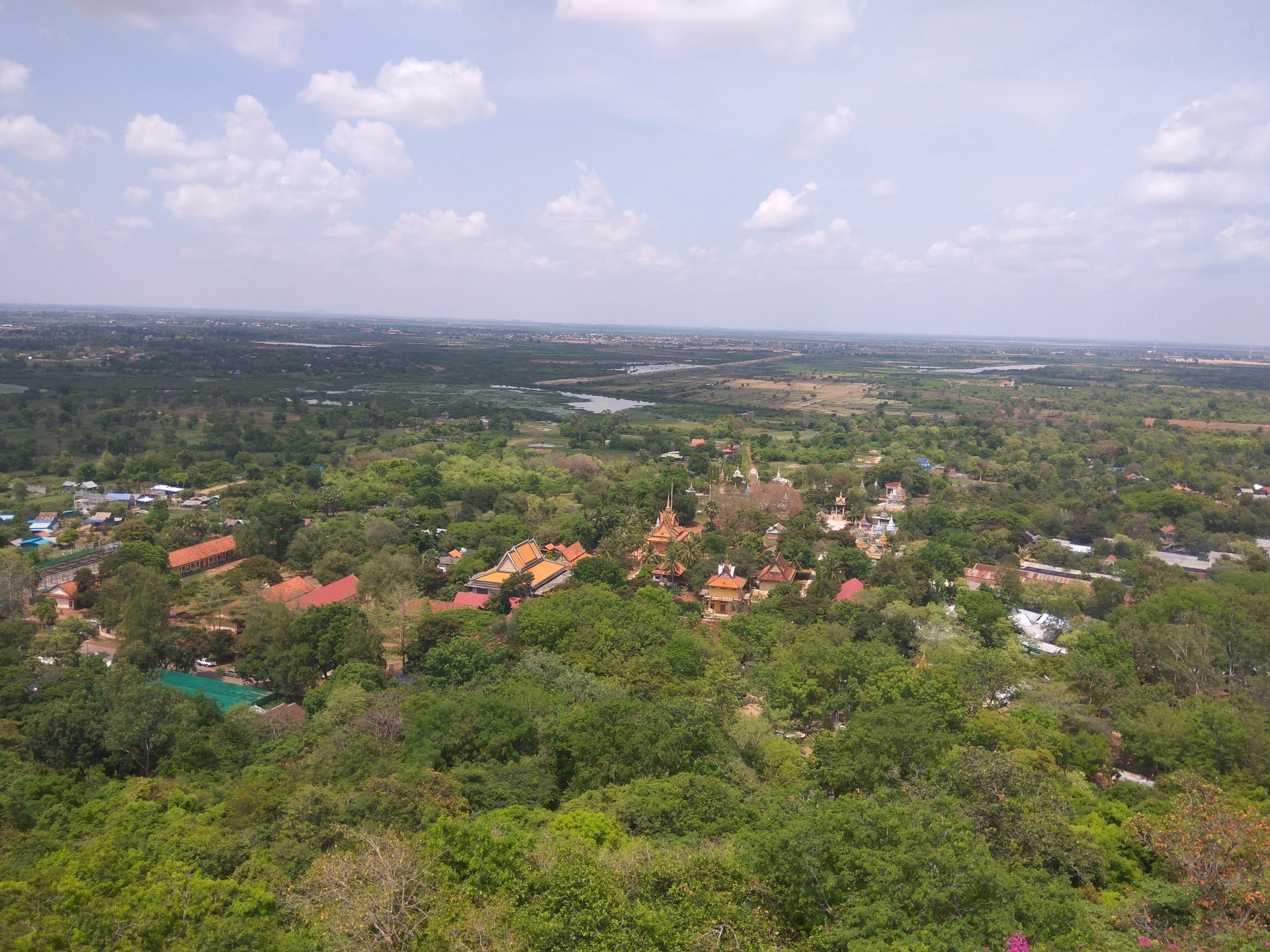
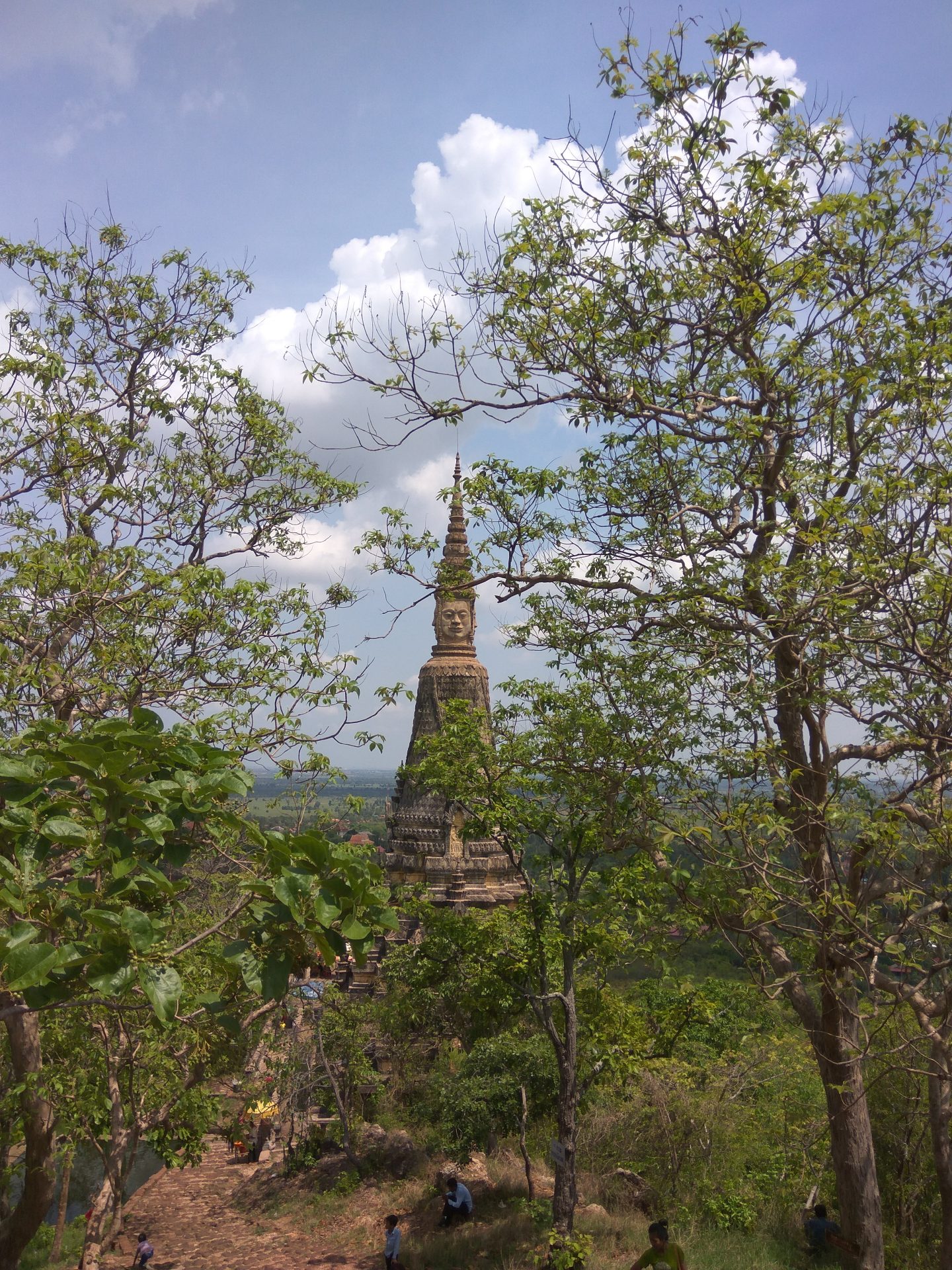
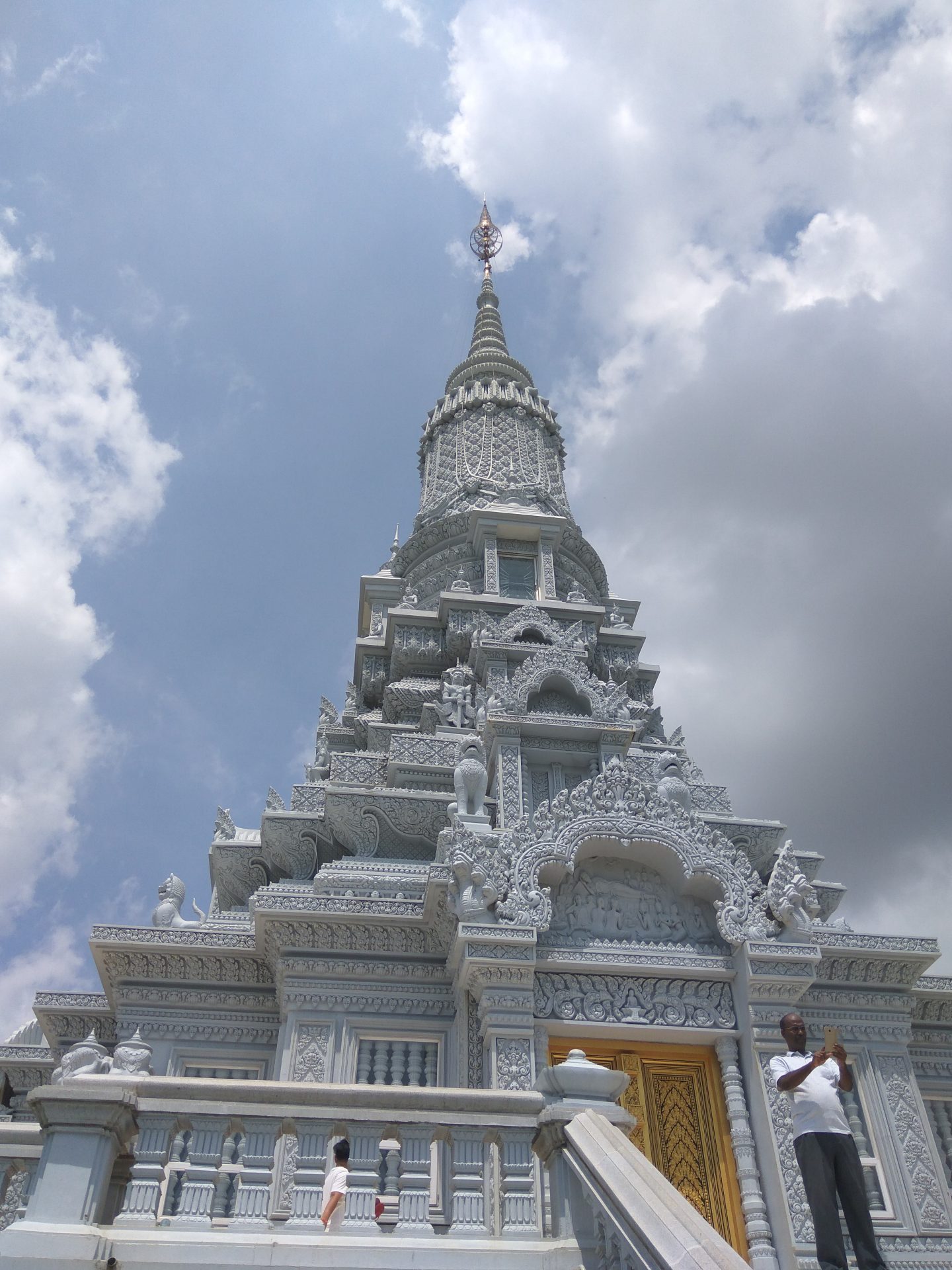
A 40 km drive from Phnom Penh brings one to the Arthaross Temple located in Oudong, the former Royal Residence and Capital of Cambodia for over 250 years and until 1866. Founded in the year 1601, this place was home to a succession of kings until King Norodom shifted the capital to Phnom Penh. The Khmer Rouge in 1974 witnessed a capture of this town and subsequently, multiple people were taken in as prisoners and executed. Large scale damage happened to the temples and monuments during this period.
Its understood from folklore that the statue of Buddha faces north instead of the traditional direction of east, symbolizing a testimony to the strength and power of the ancient Khmer kingdom. Entry tickets were priced at $2 per head.
VIEWS OF OUDONG TOWN FROM THE HILL TOP
Spoilt for choices when shopping
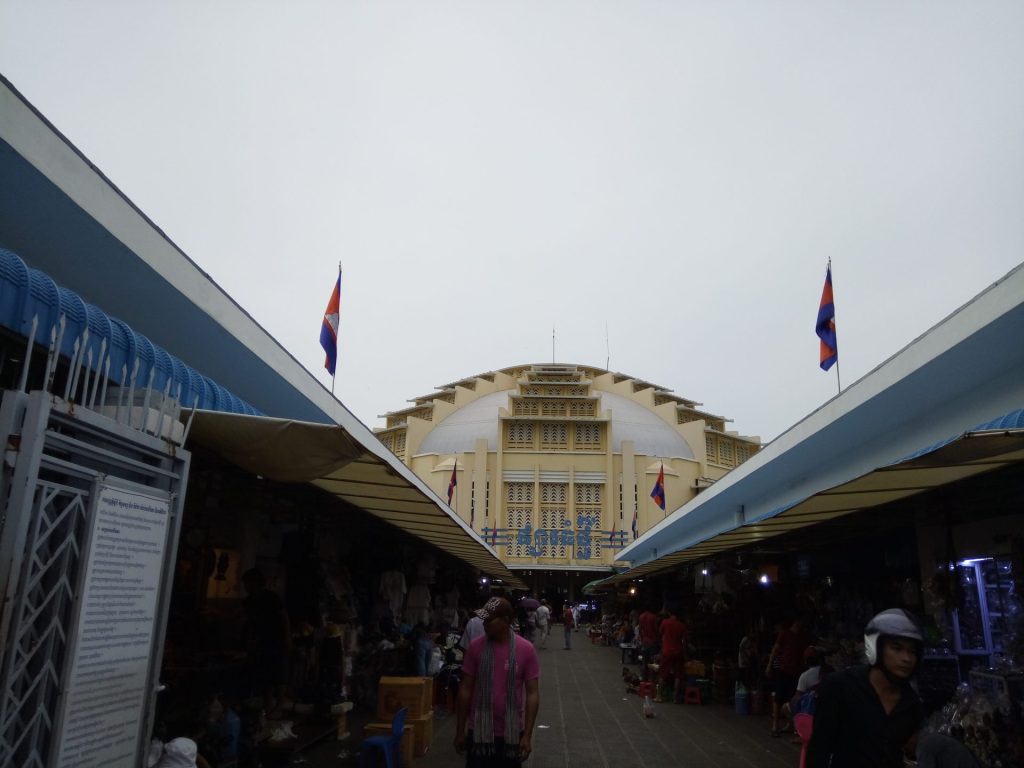
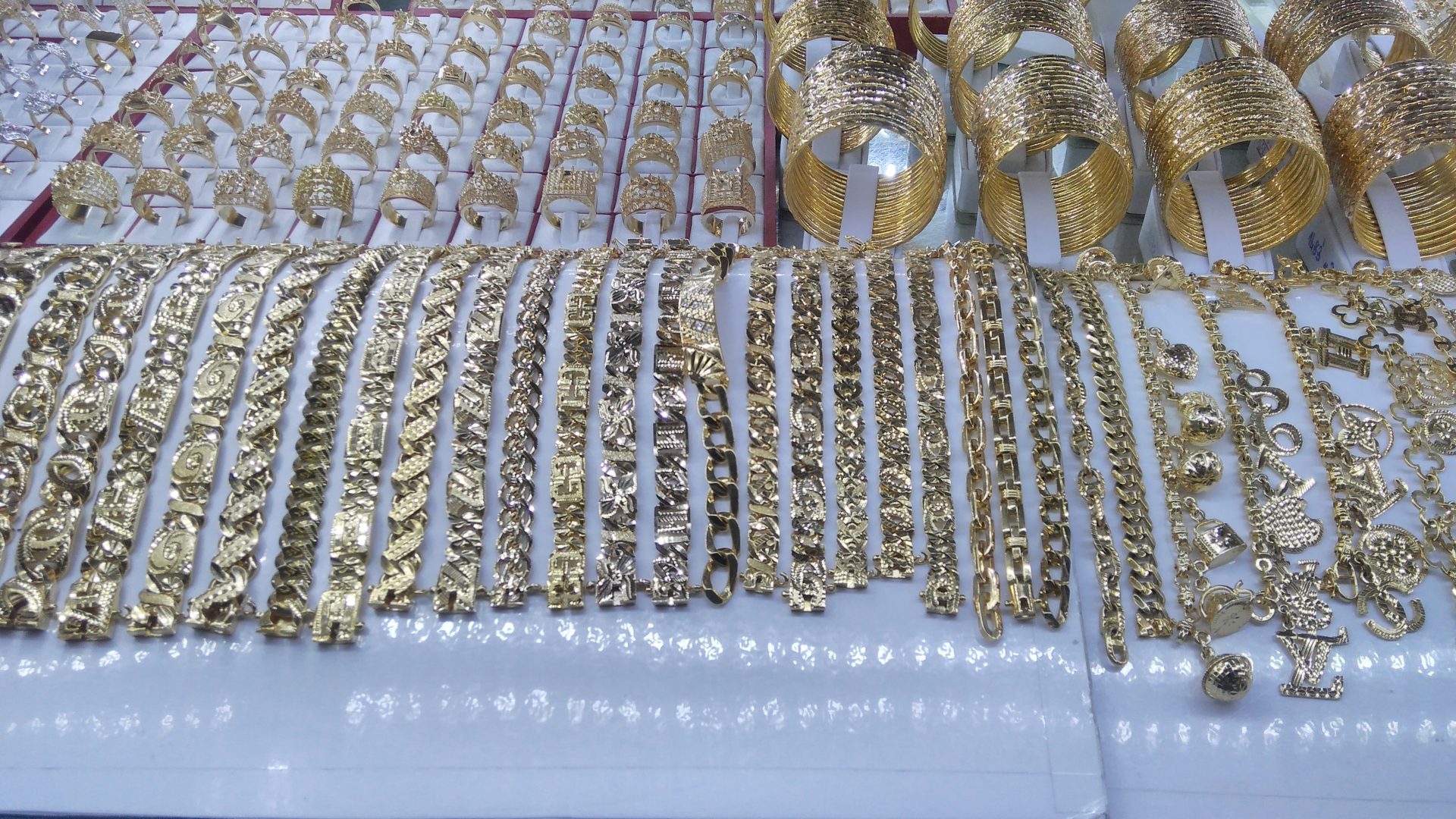
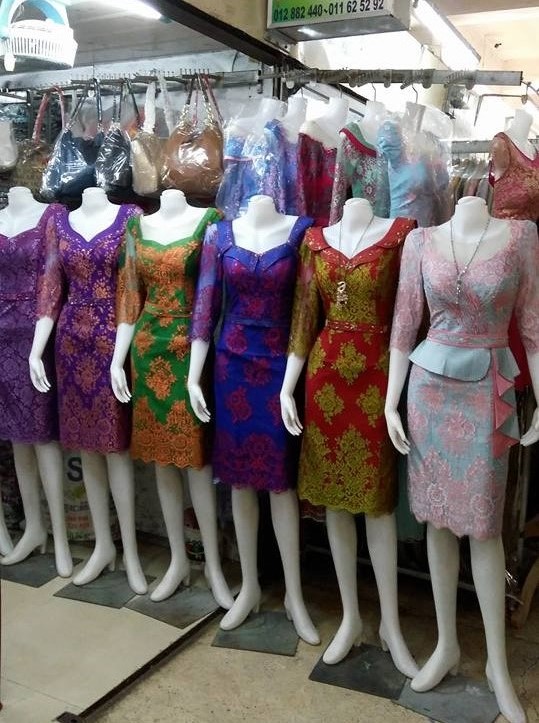
The economy of the country primarily revolves around Tourism but it is also a huge manufacturing hub for textiles and garments and especially for all International Brands like Mango, G2000, Daniel Fletcher, Adidas, Under Amour, Nike etc. At the city’s heart is the massive, Art Deco Central Market selling Gold and Silver jewelry, Antique Coins, Clocks, Flowers, Silk Scarves and Fabrics, Artifacts, multiple levels of duplicates of high end watches, Tee Shirts, Sports Shorts, Tees and shoes. The other markets where one could also indulge in some bargain shopping are the Russian Market (famous for Its handicrafts, jewelry, silk and other fabrics, woodcarvings, musical instruments, silk and embroidered purses and clutches, rice paper paintings, coconut shell paintings, electronic stuff and much more), the Olympic Market and the Orussey Market. Should you want to shop around for International brands of dresses or watches, there are a host of exclusive outlets across in the city.
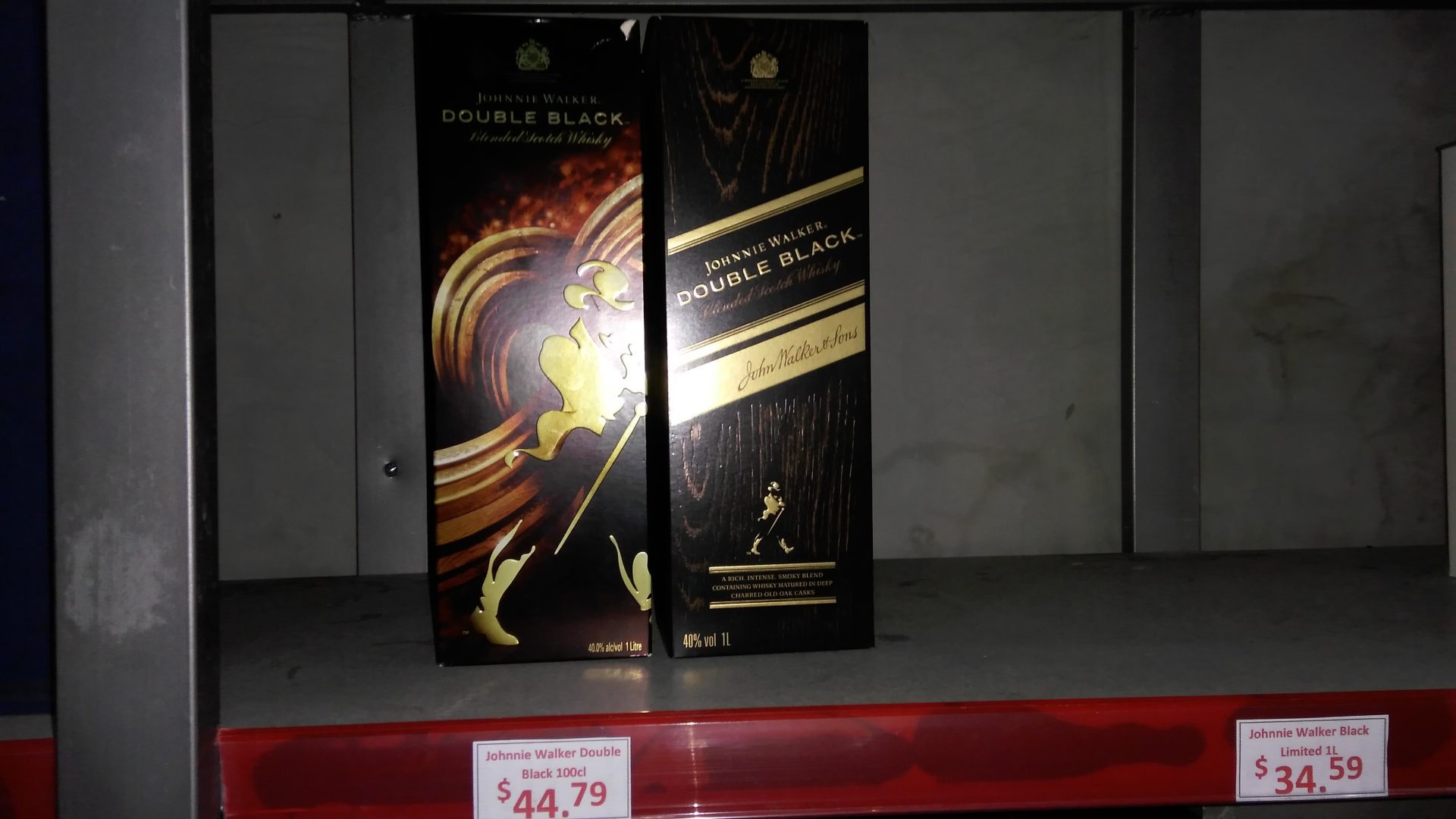
Phnom Penh is also a great place to party in, especially for the non teetotaler folks coz a look at the rate cards of almost all the best of the brands would itself leave you high spirited.
And I found some of this stuff good for my personal use and also for gifting
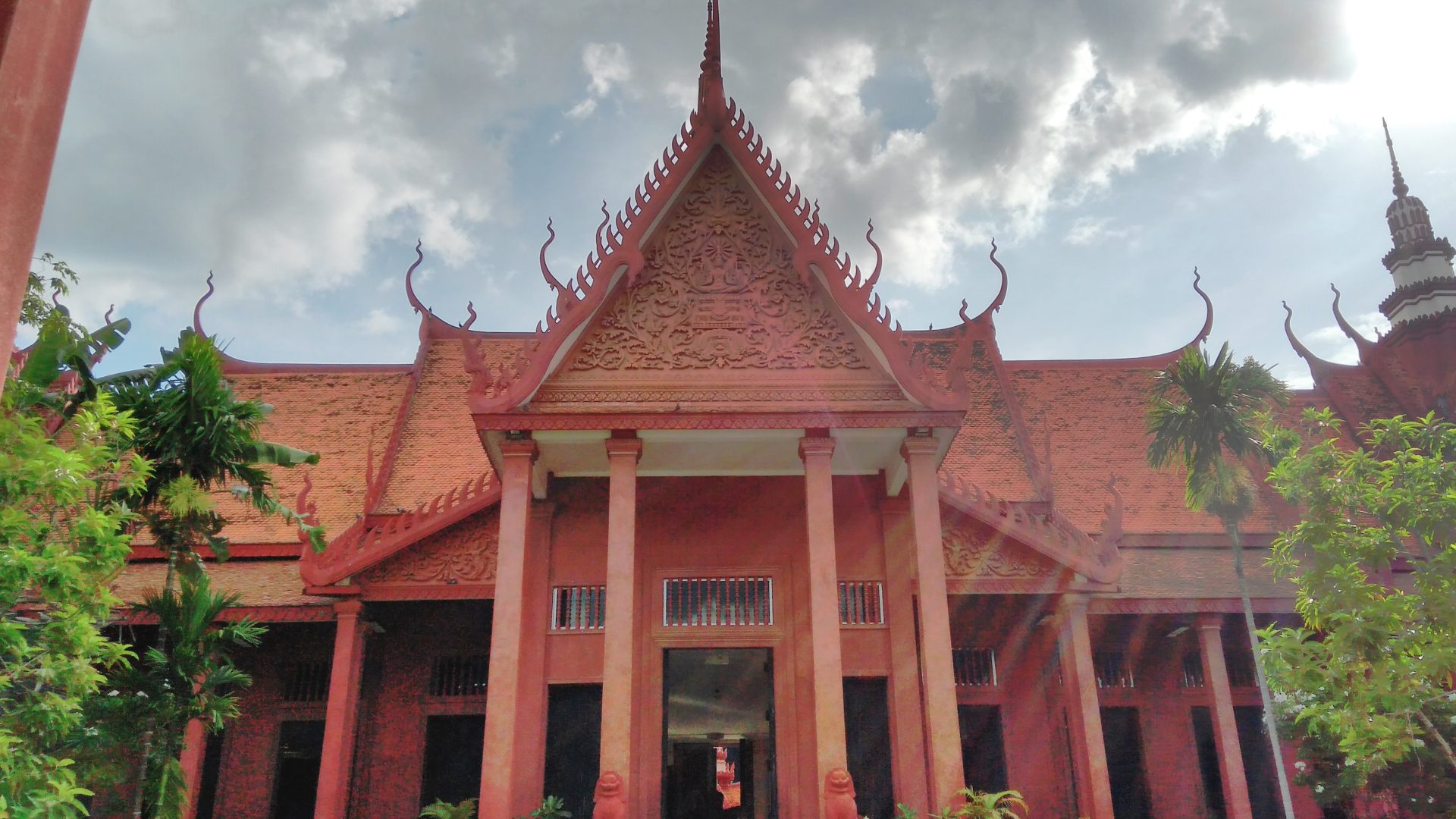
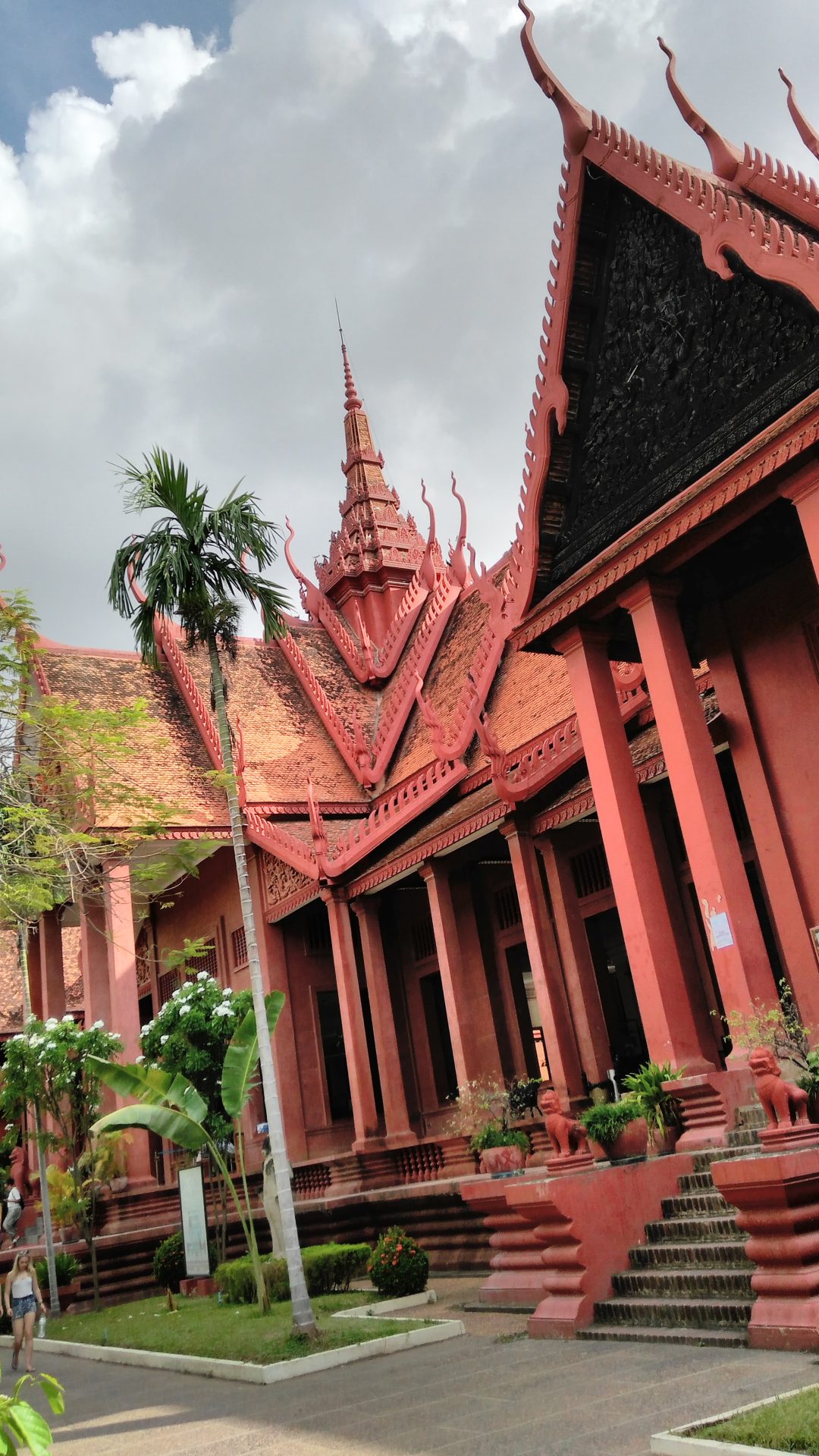
The National Museum
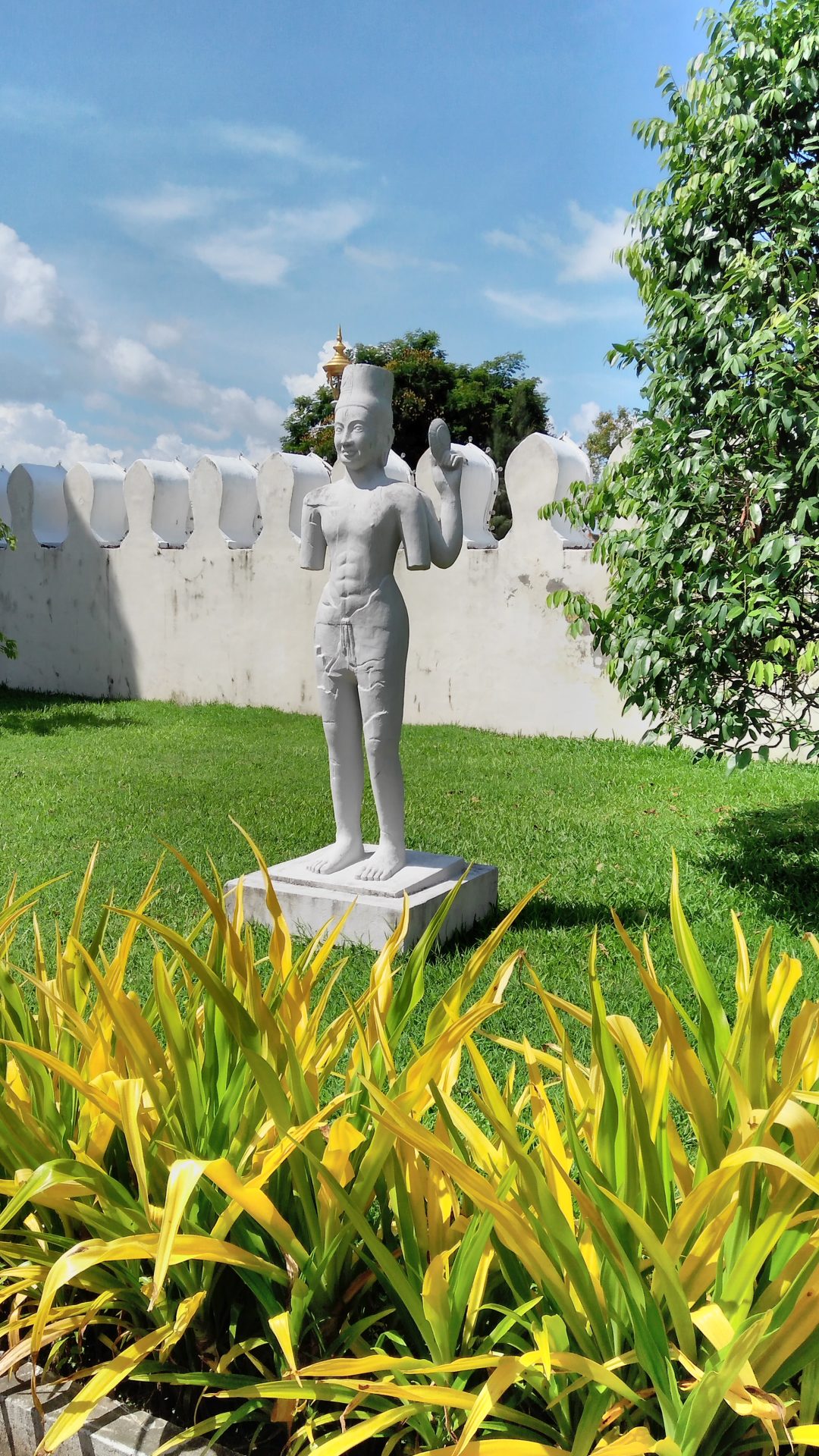
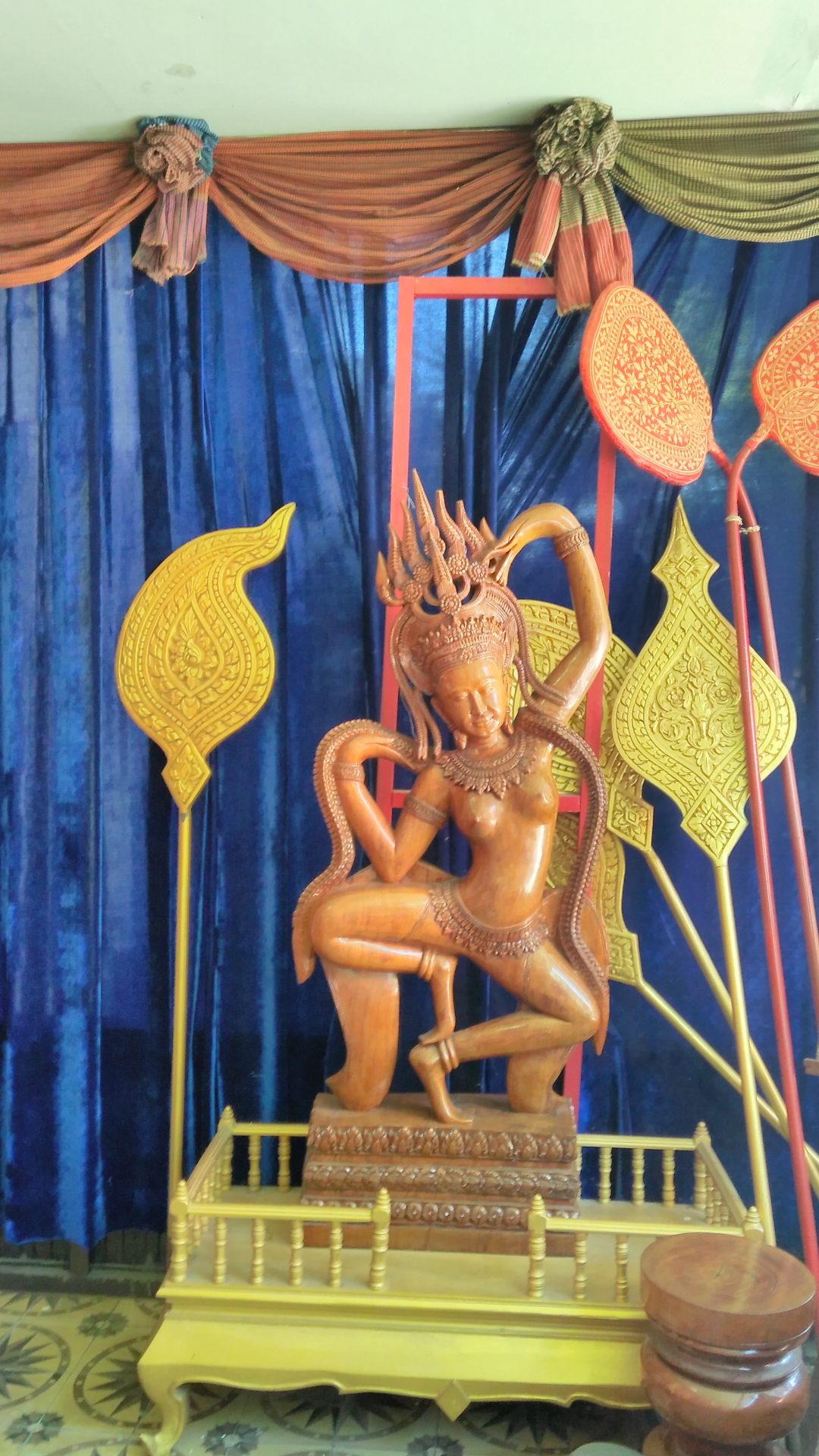
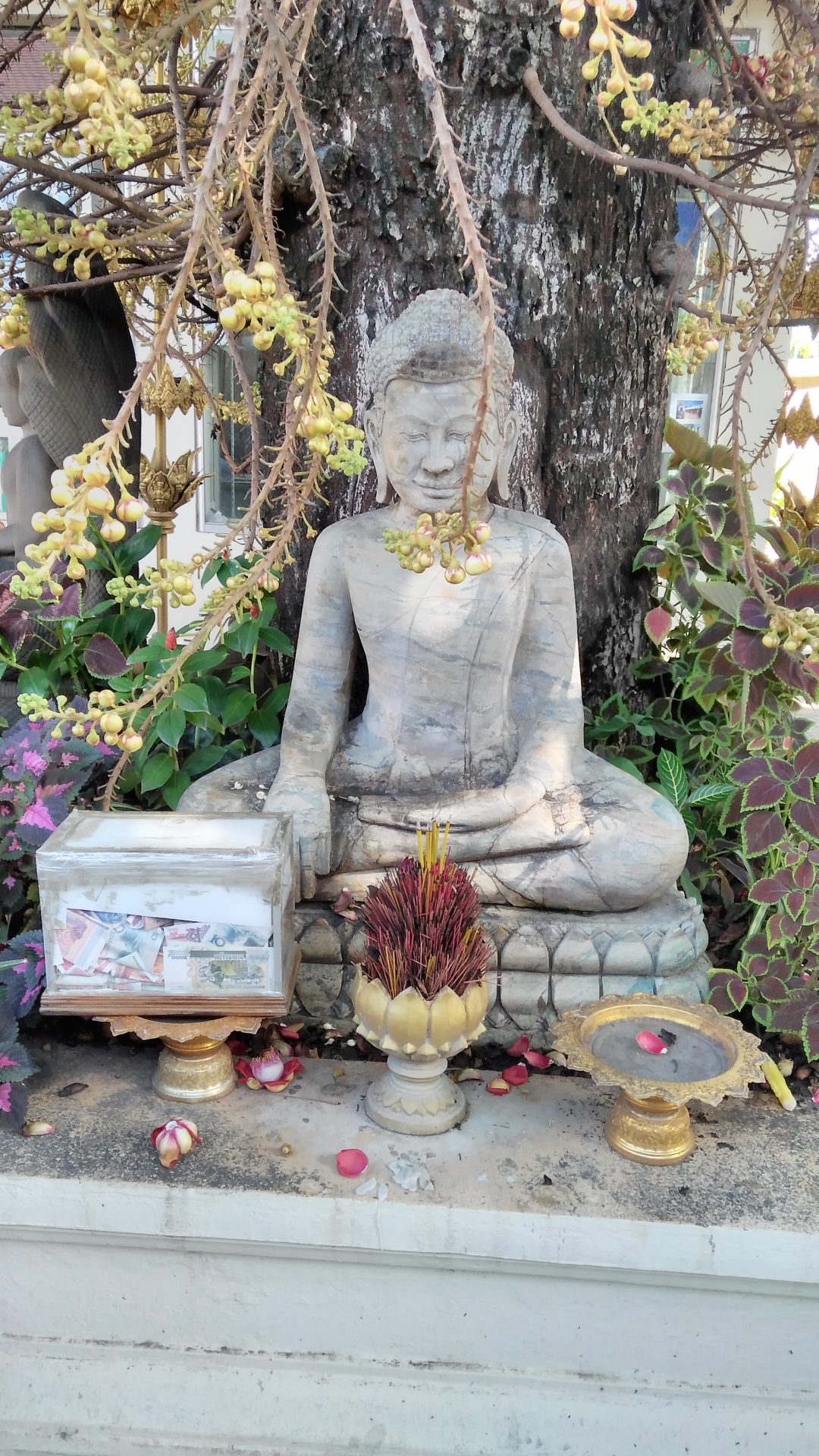
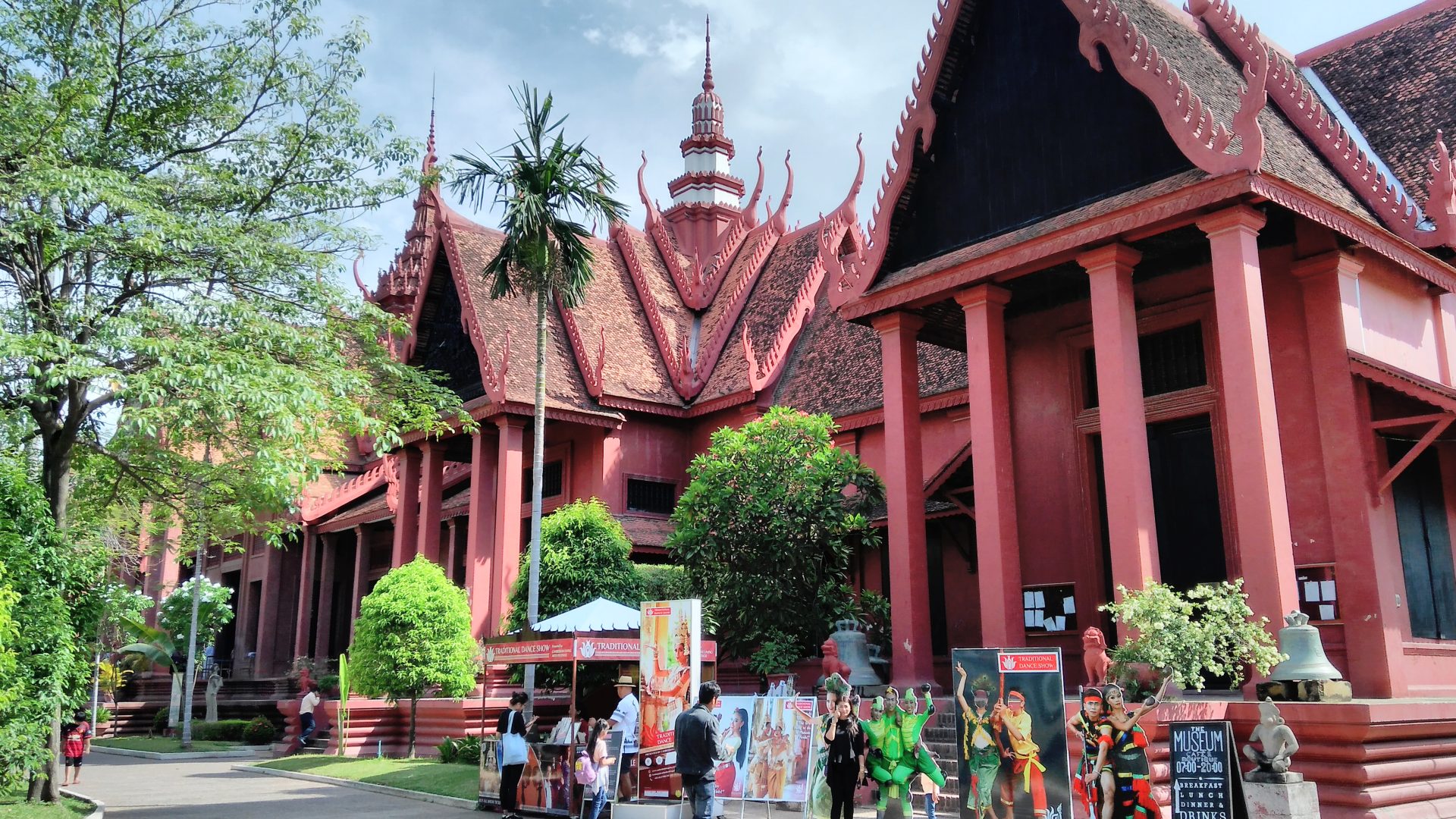
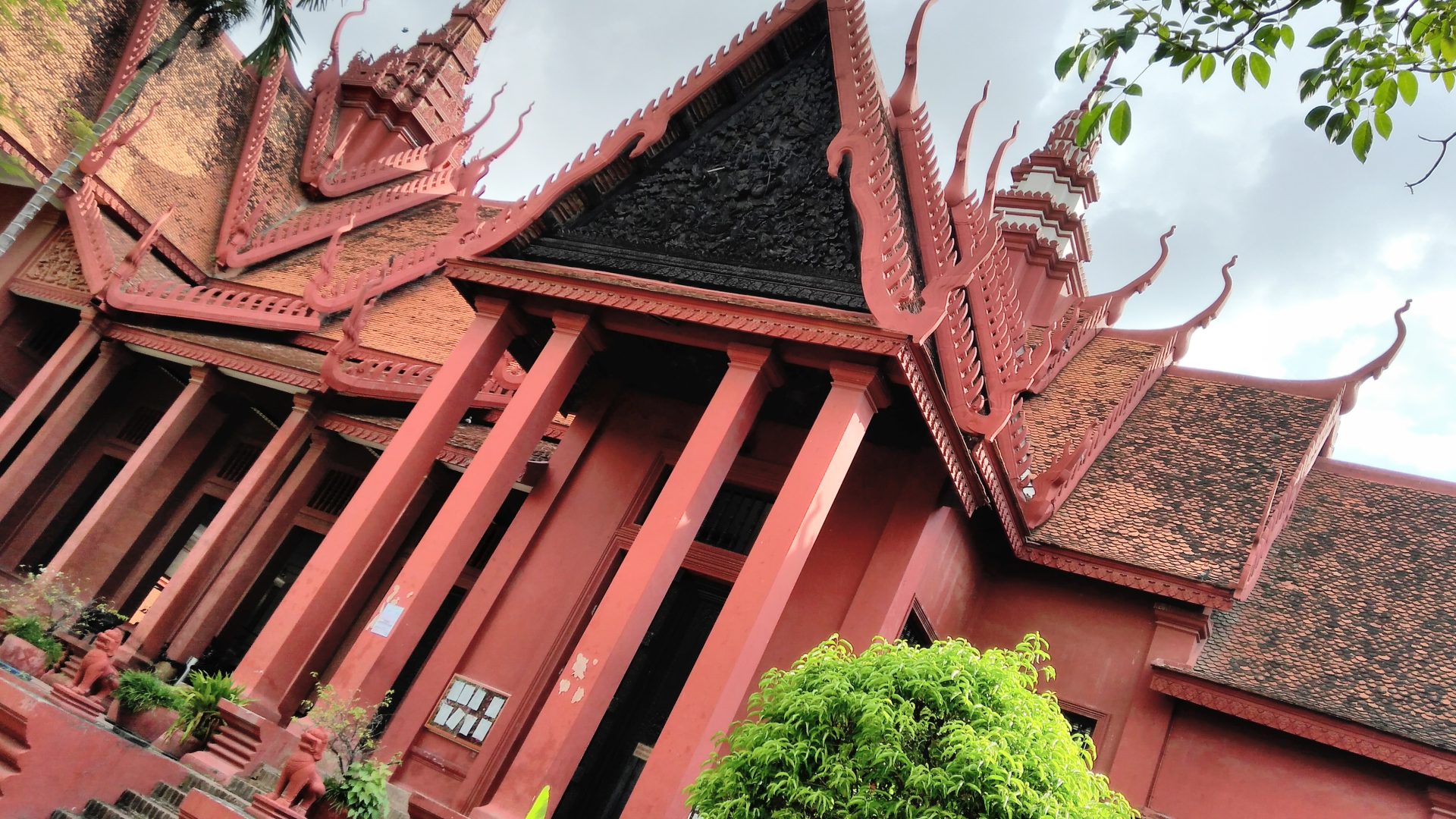
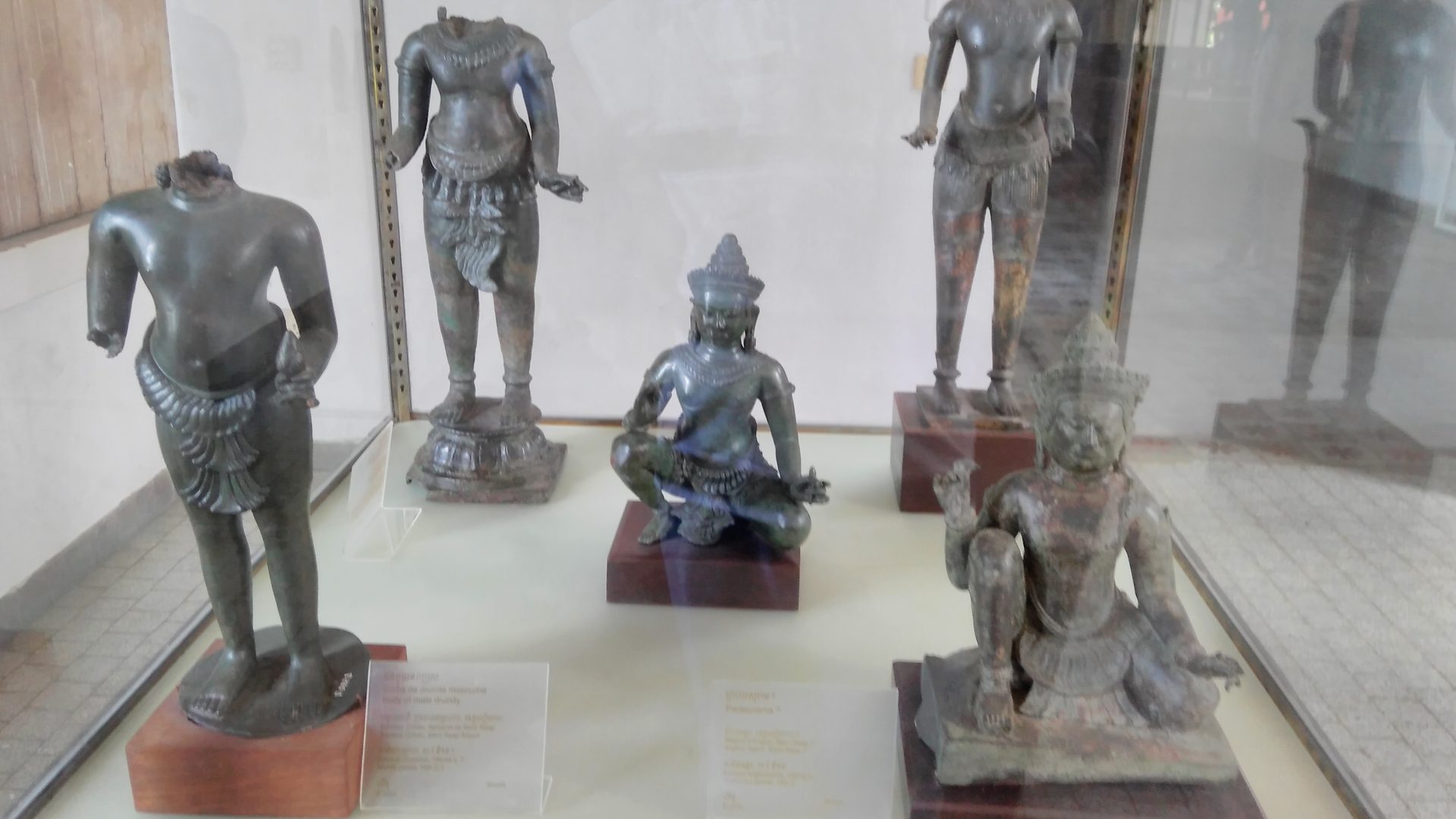
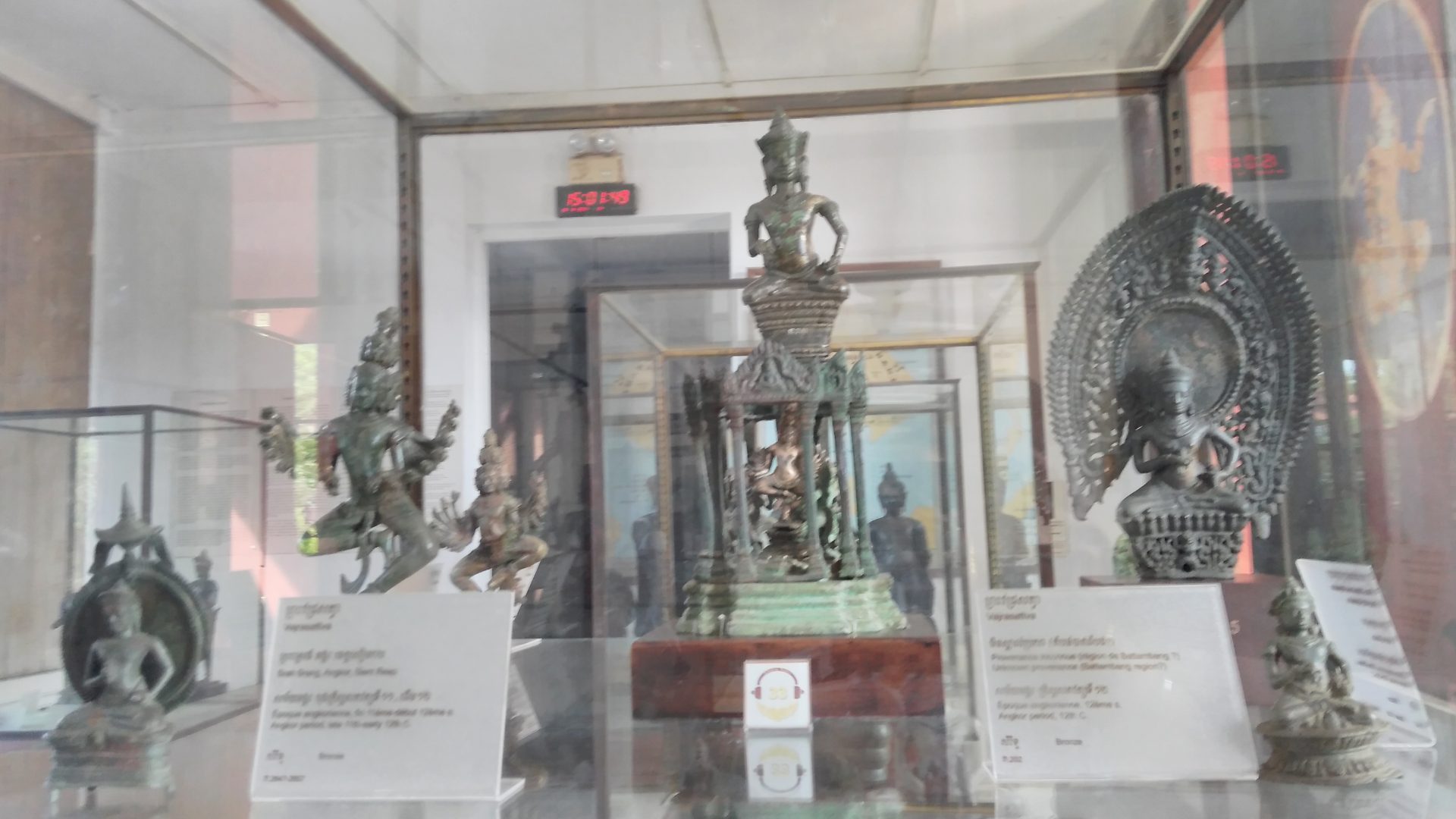
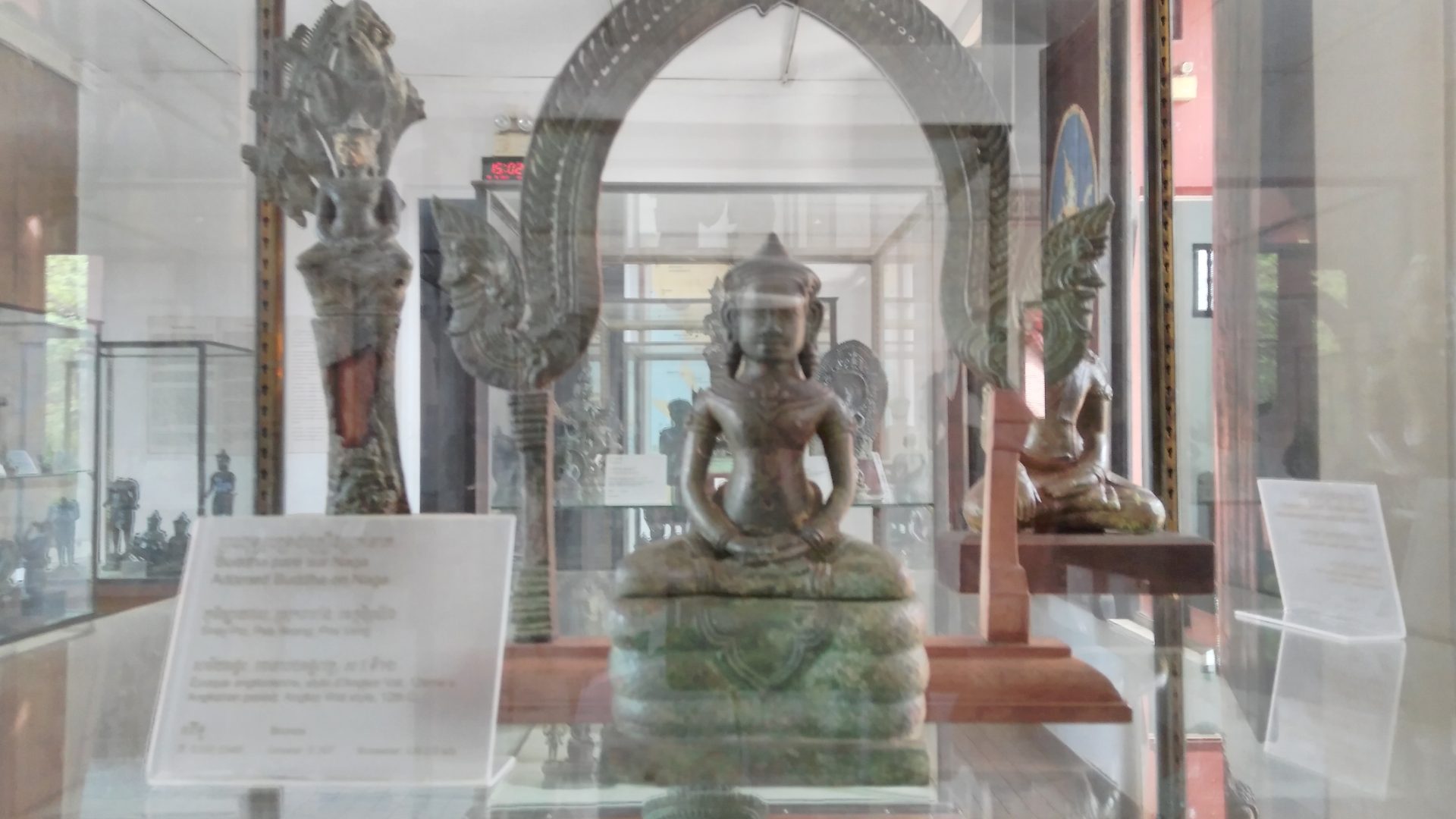
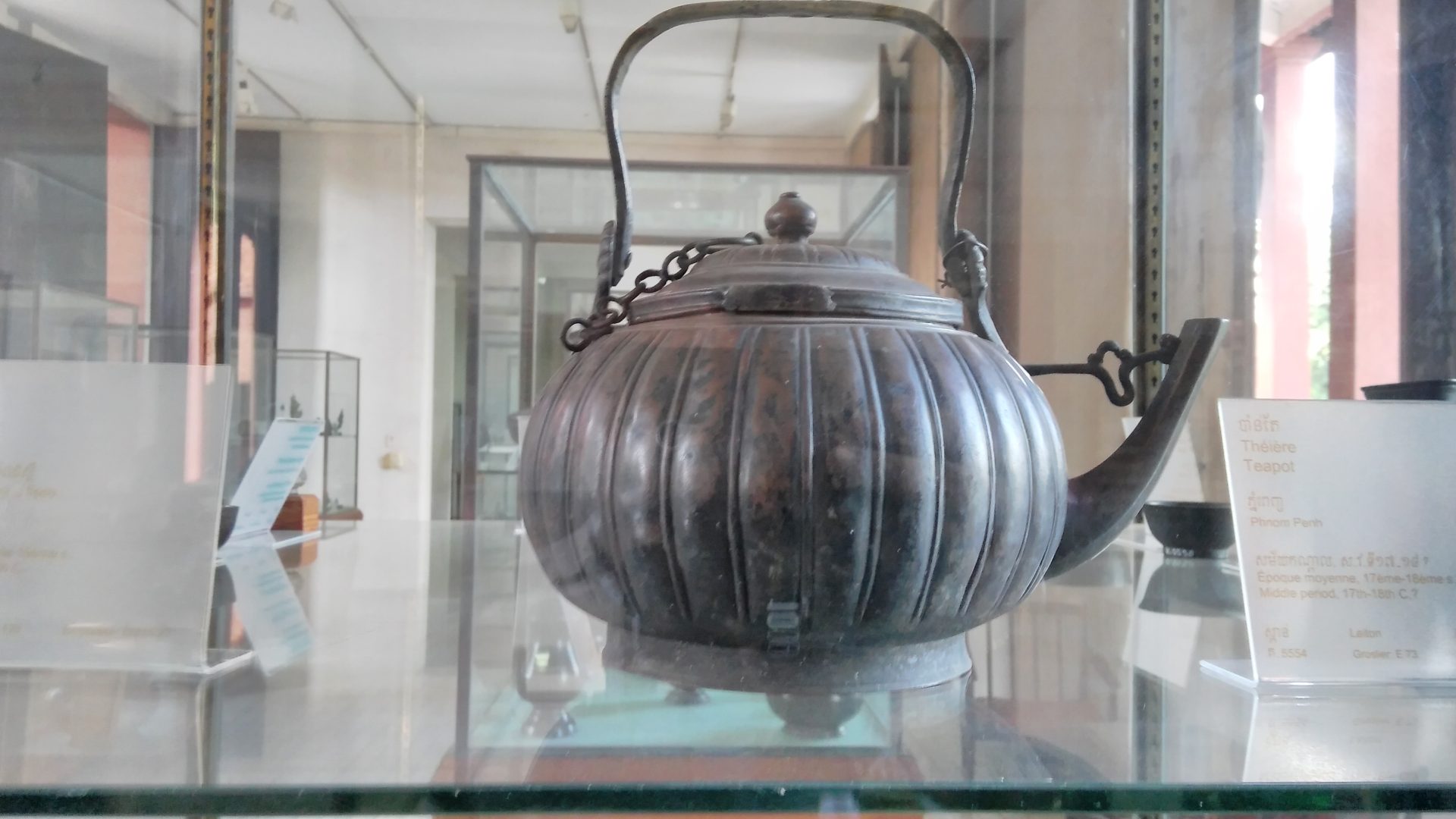
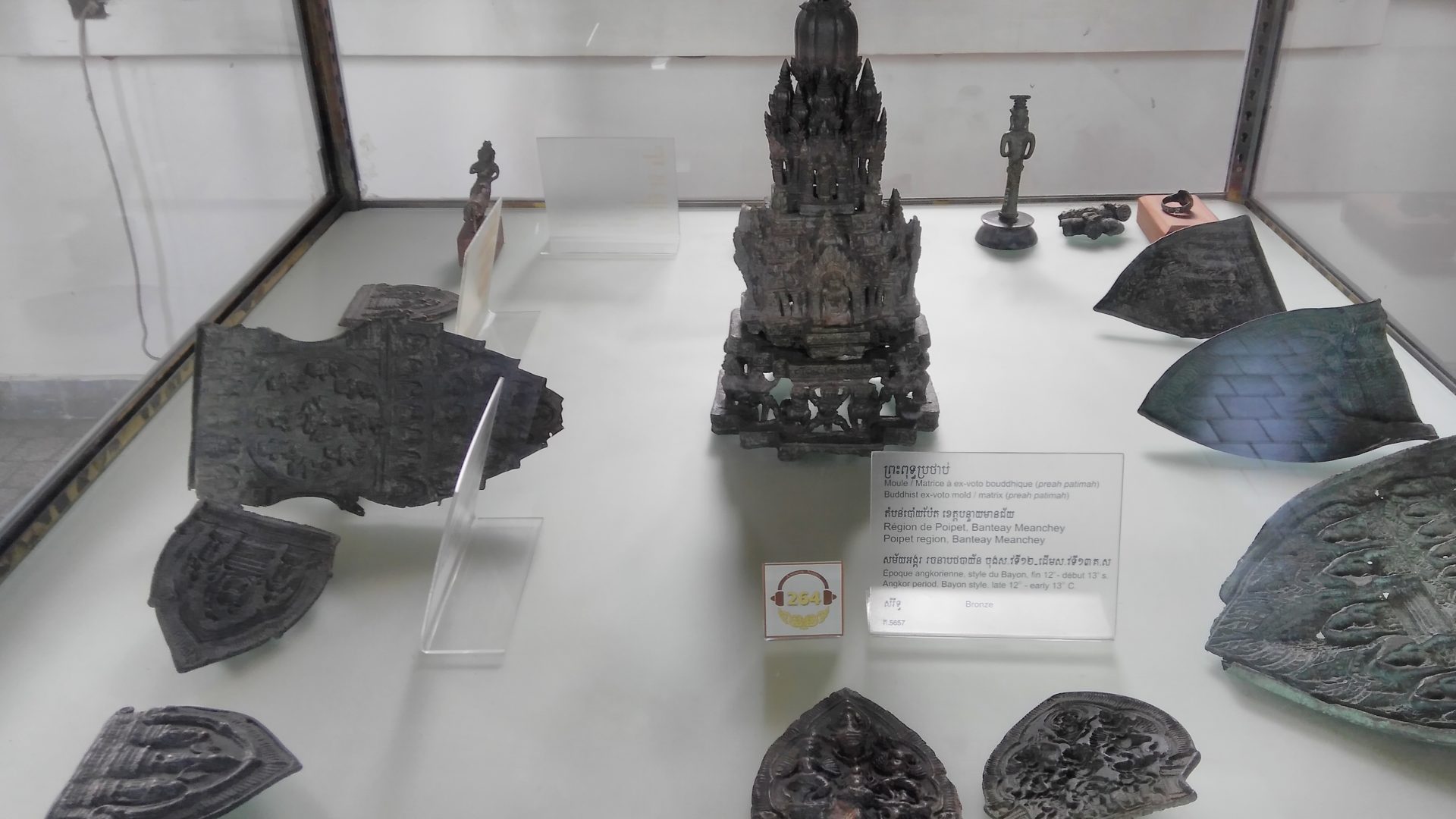
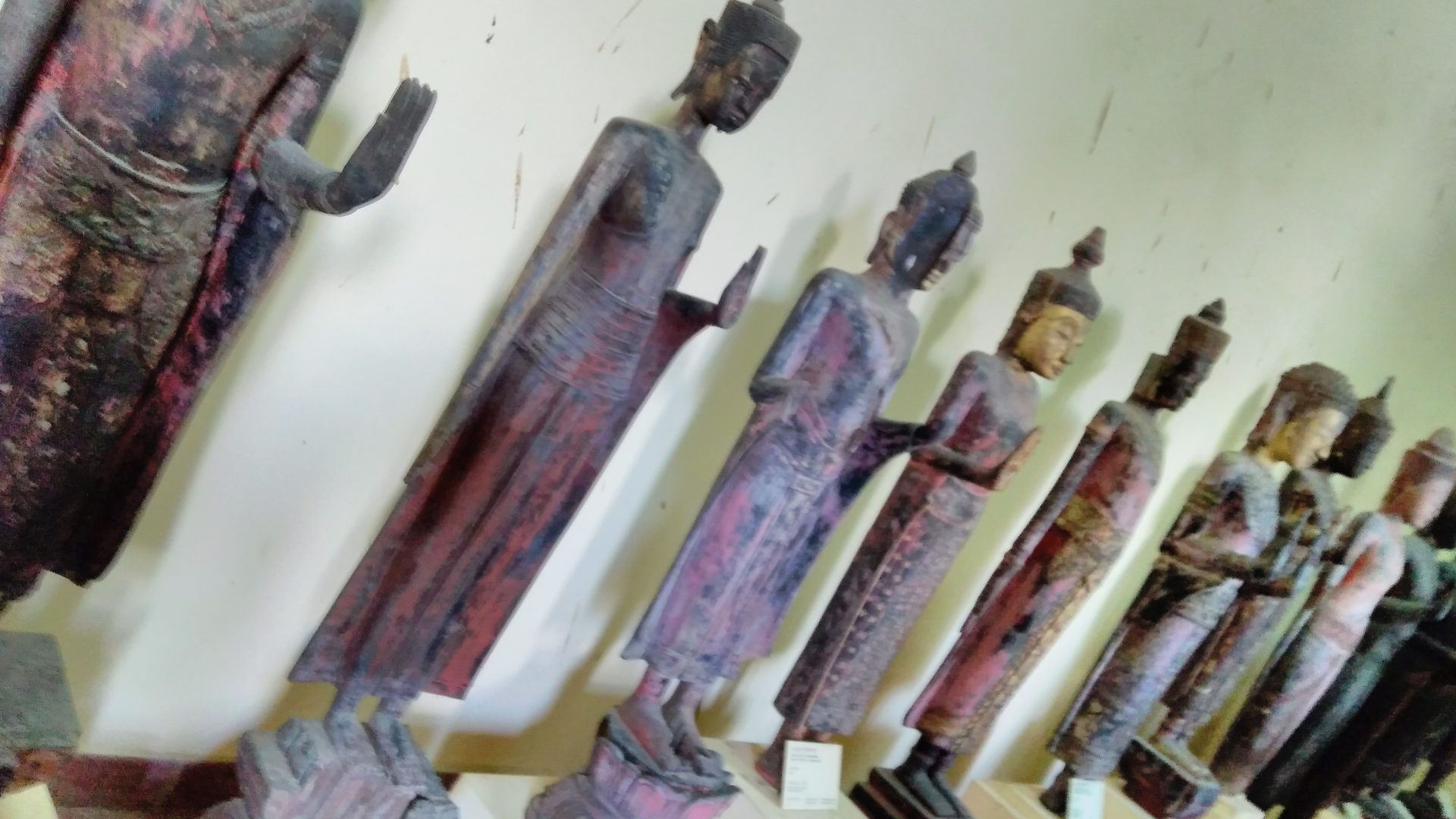
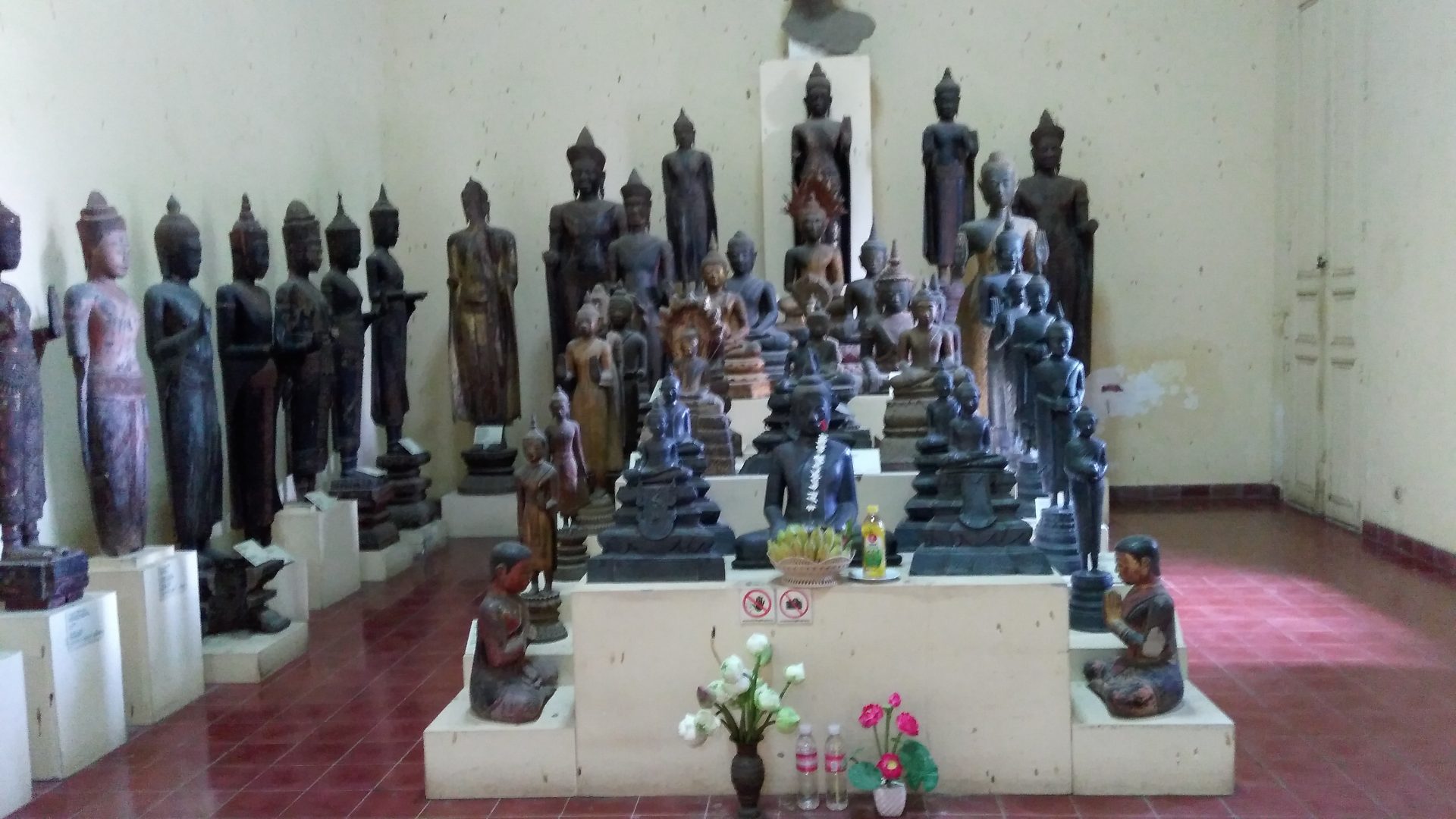
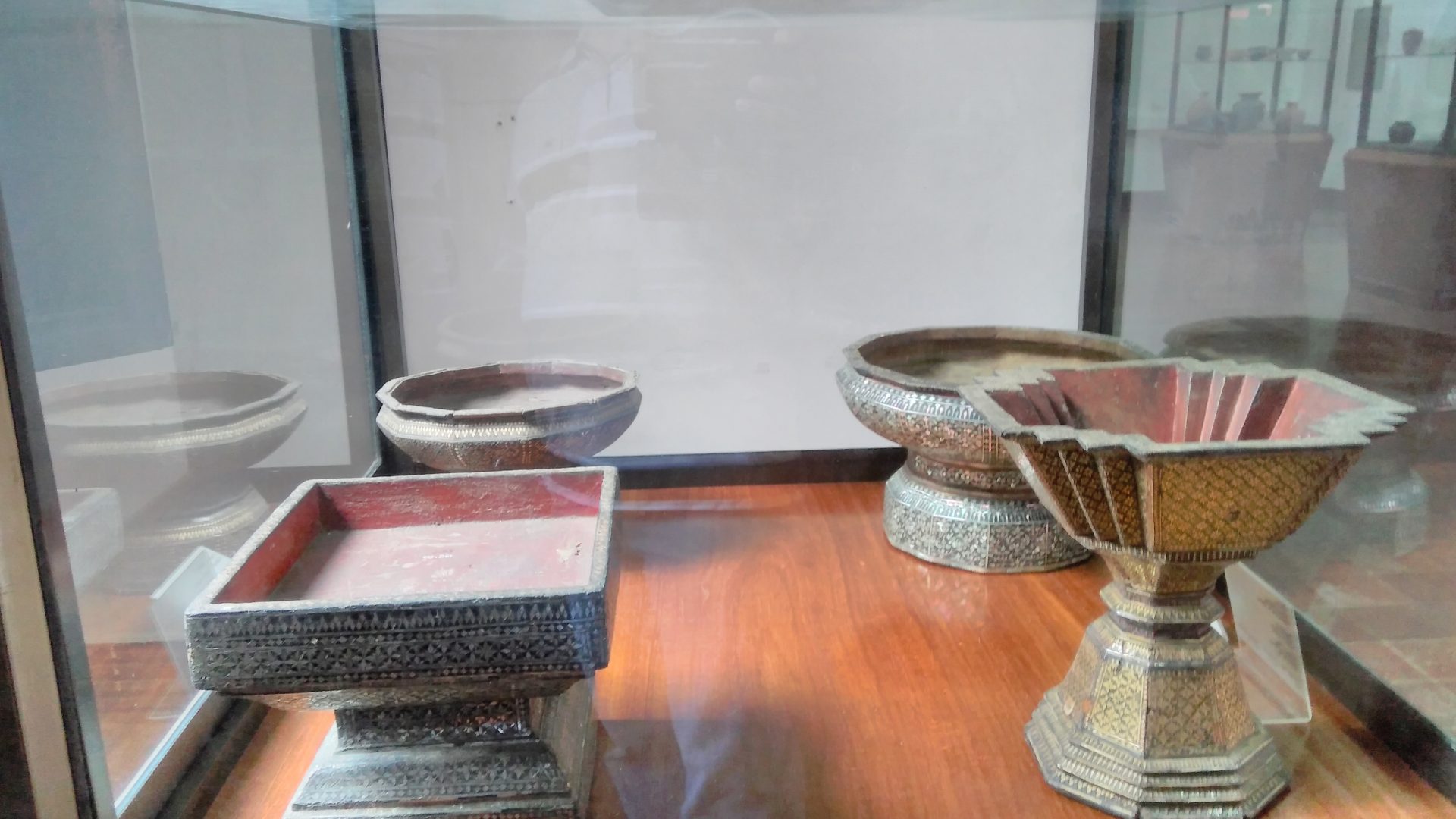
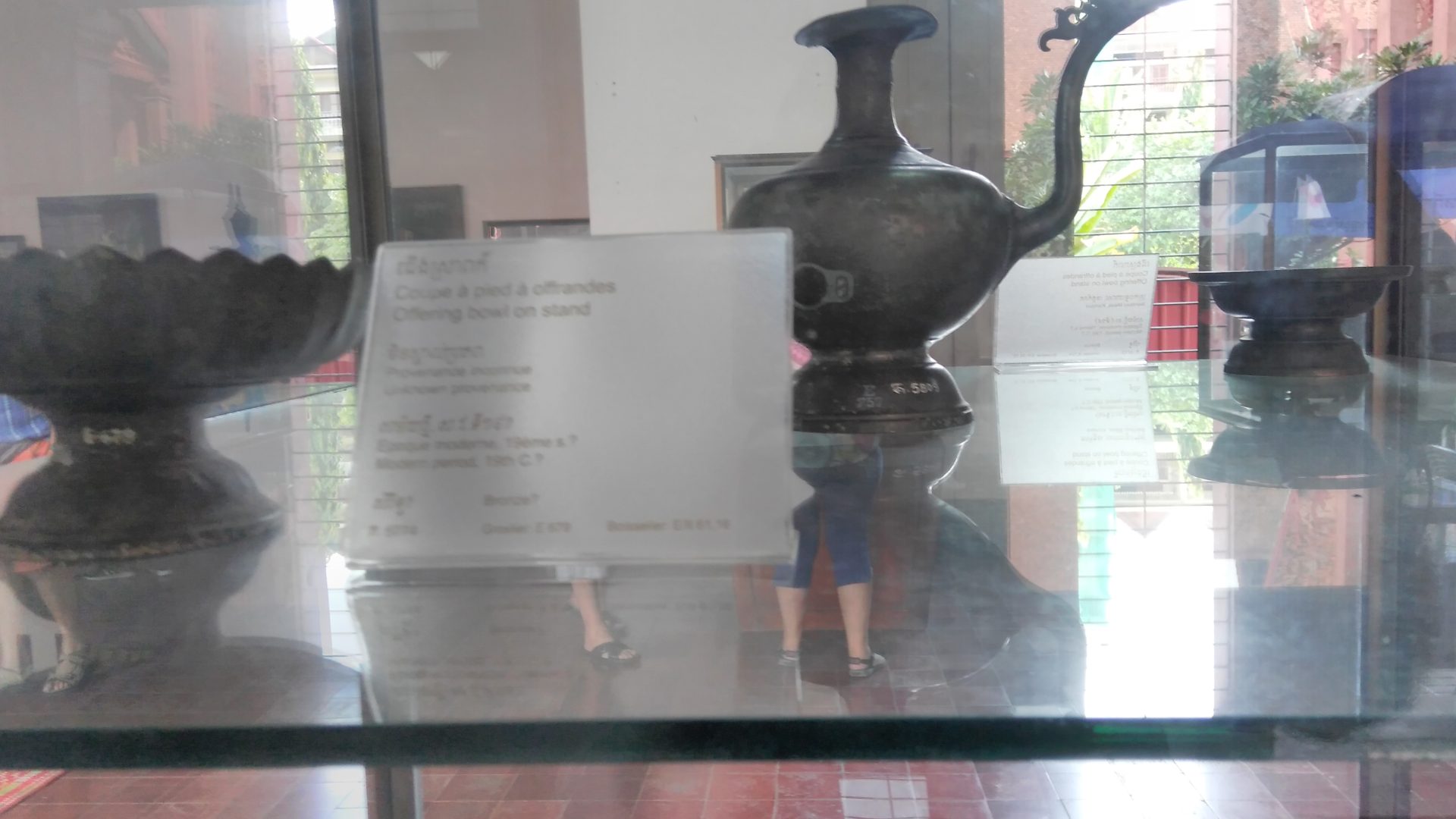
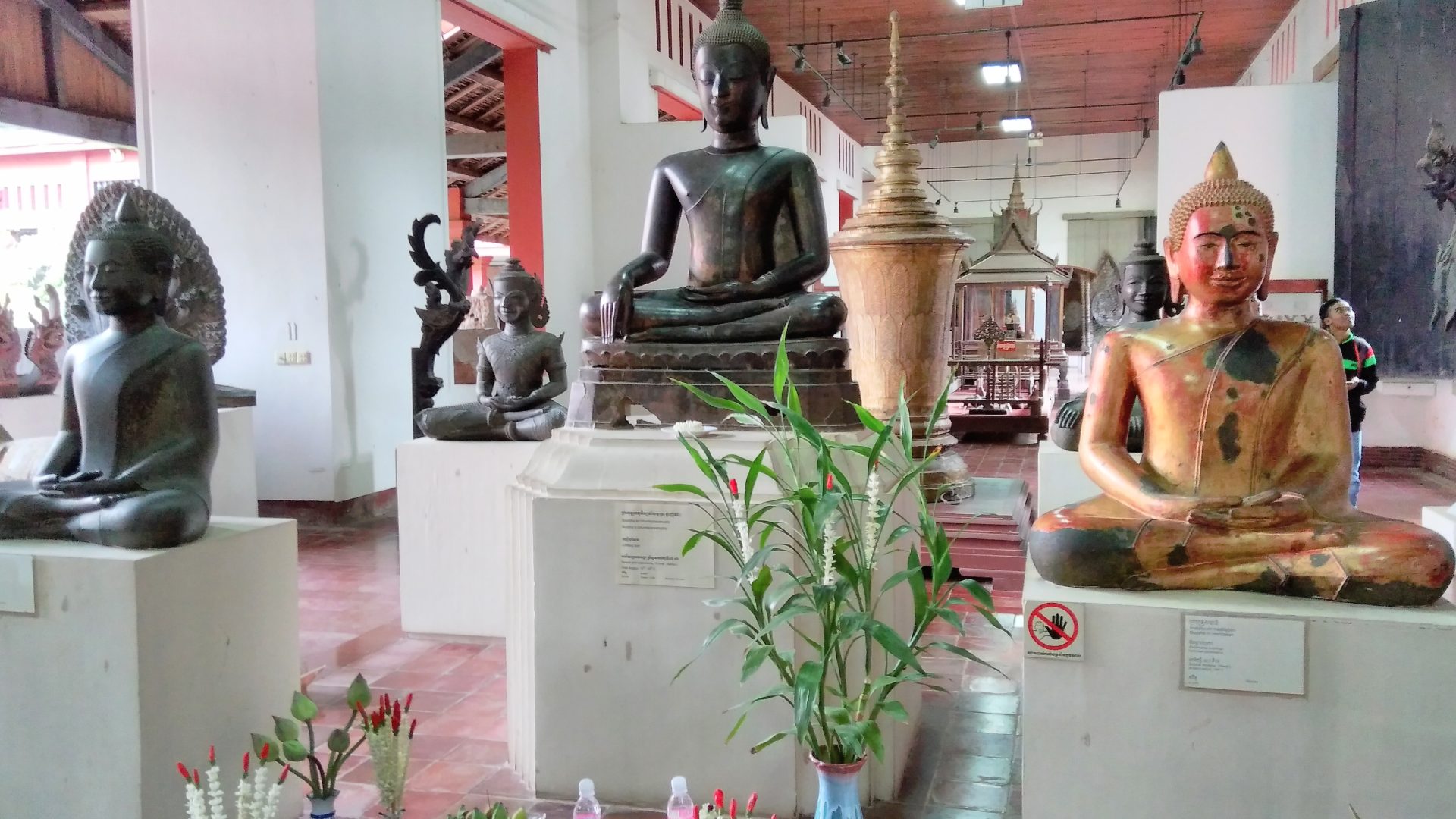
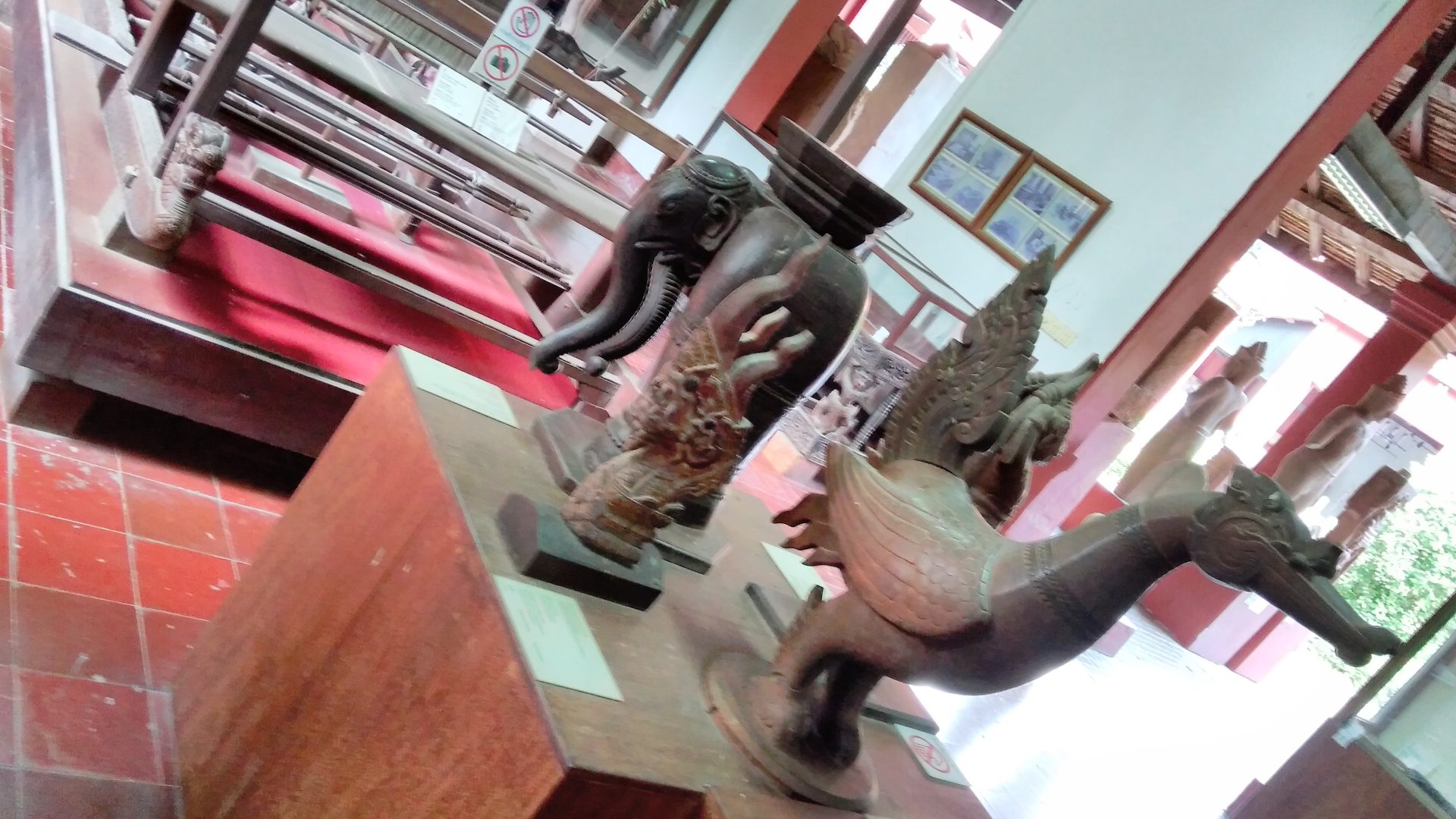
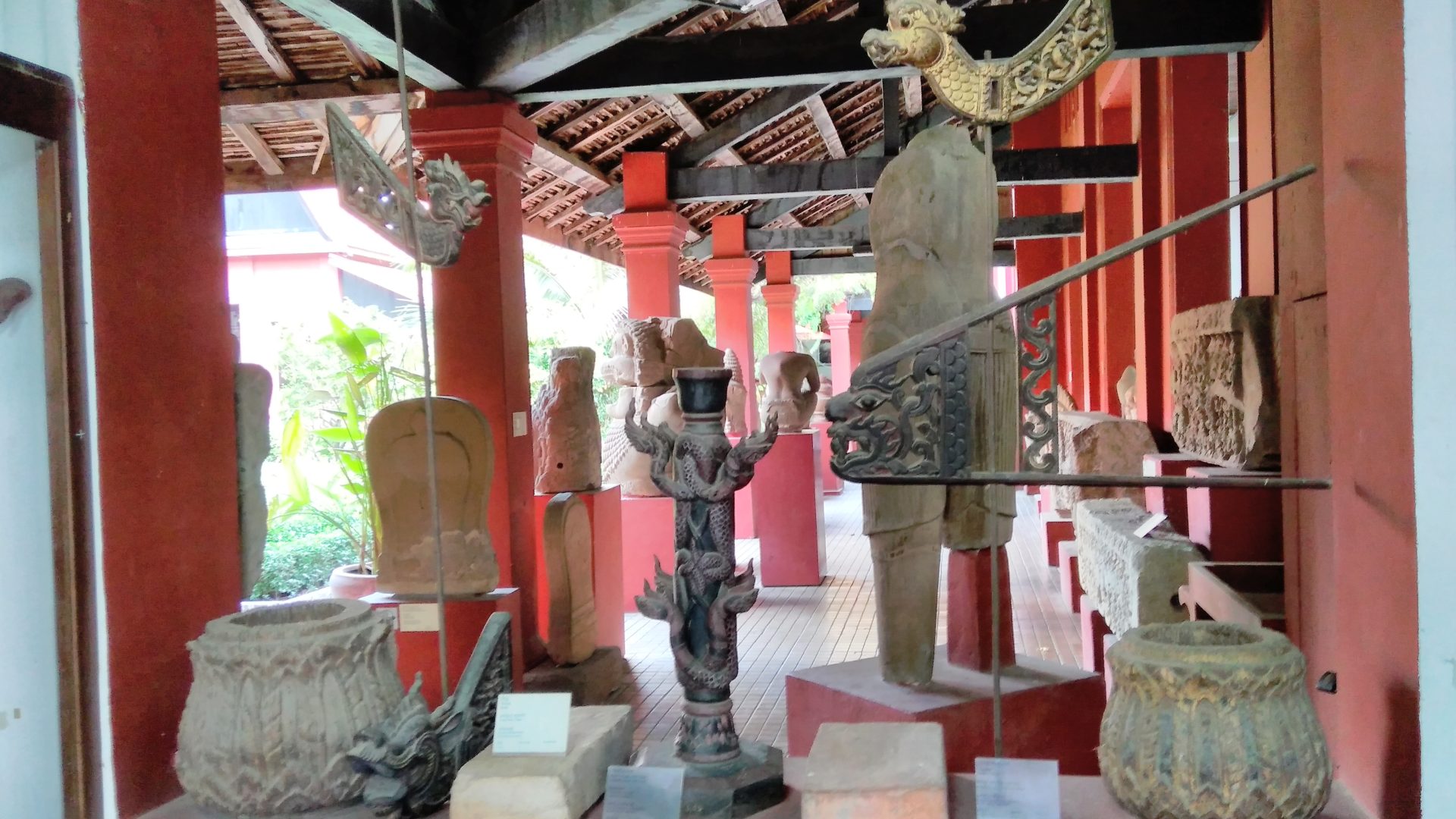
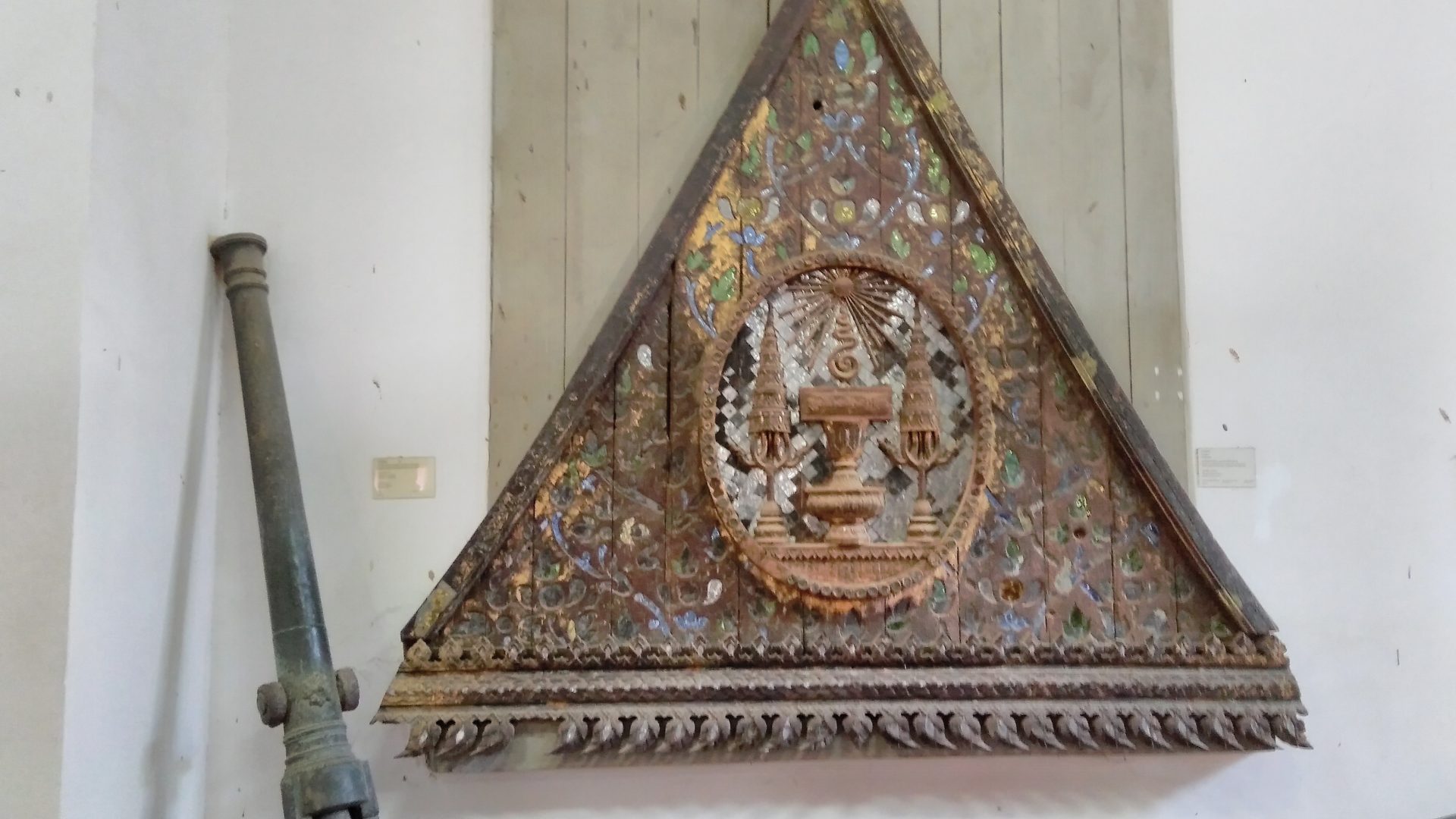
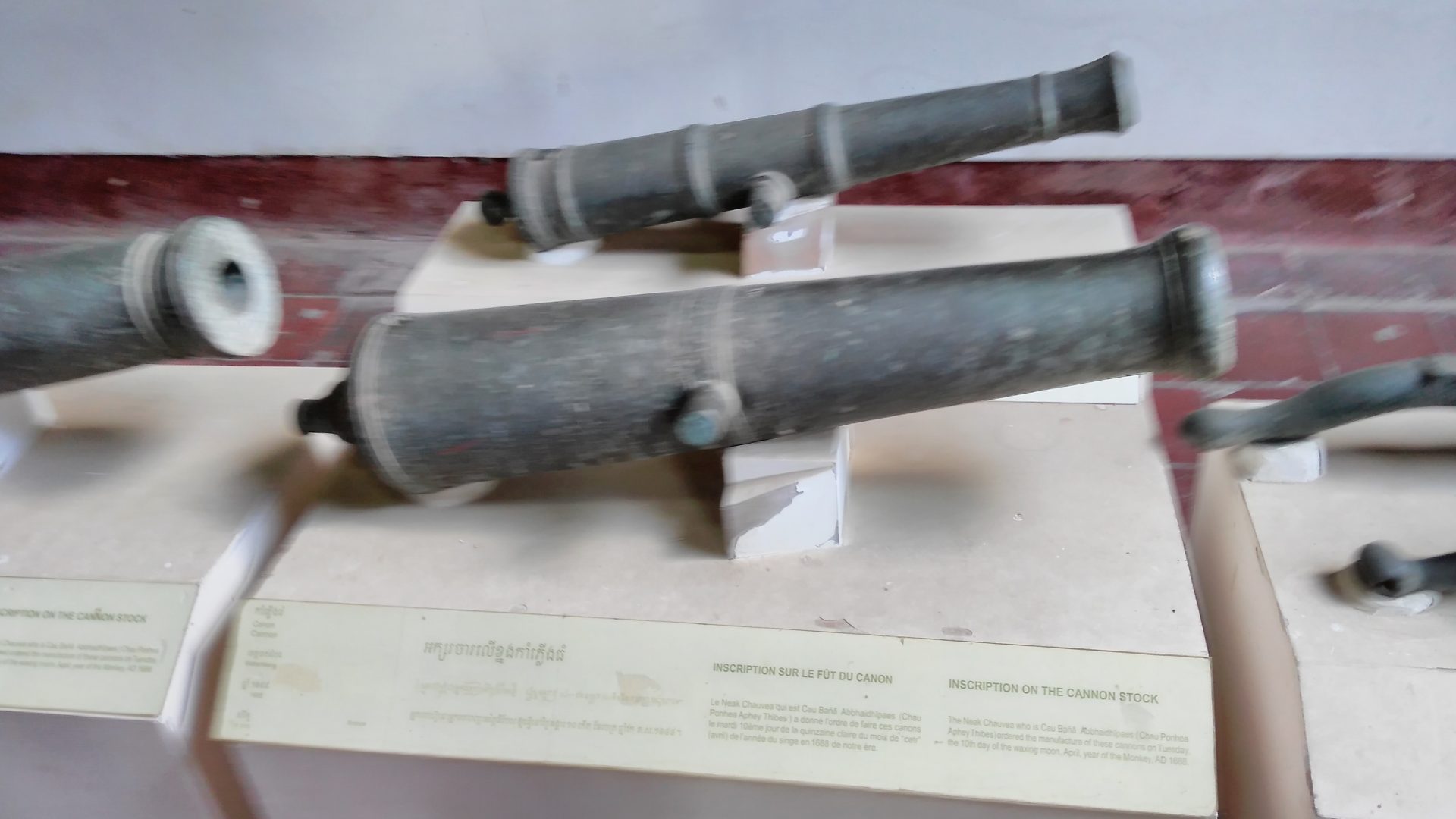
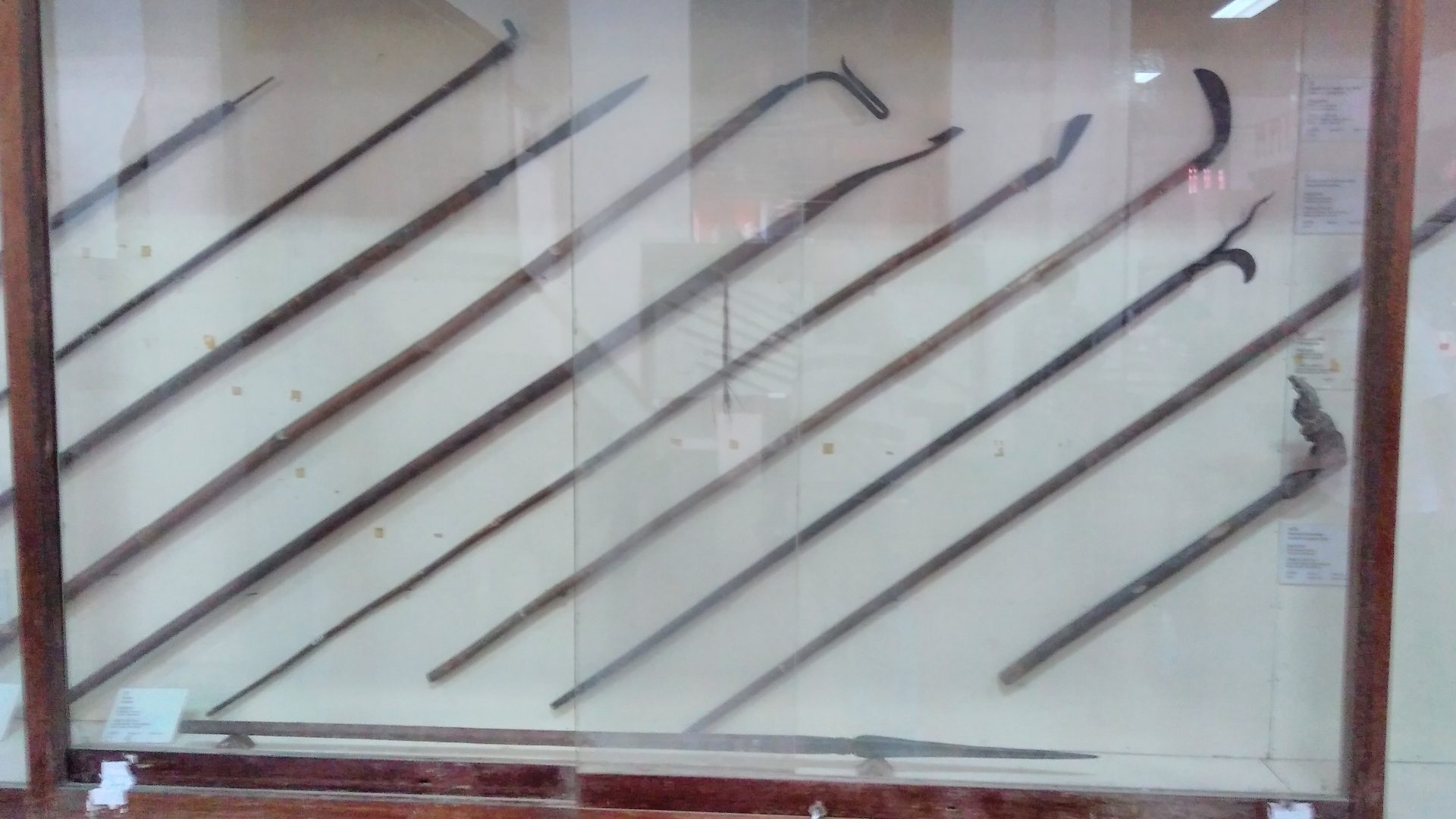
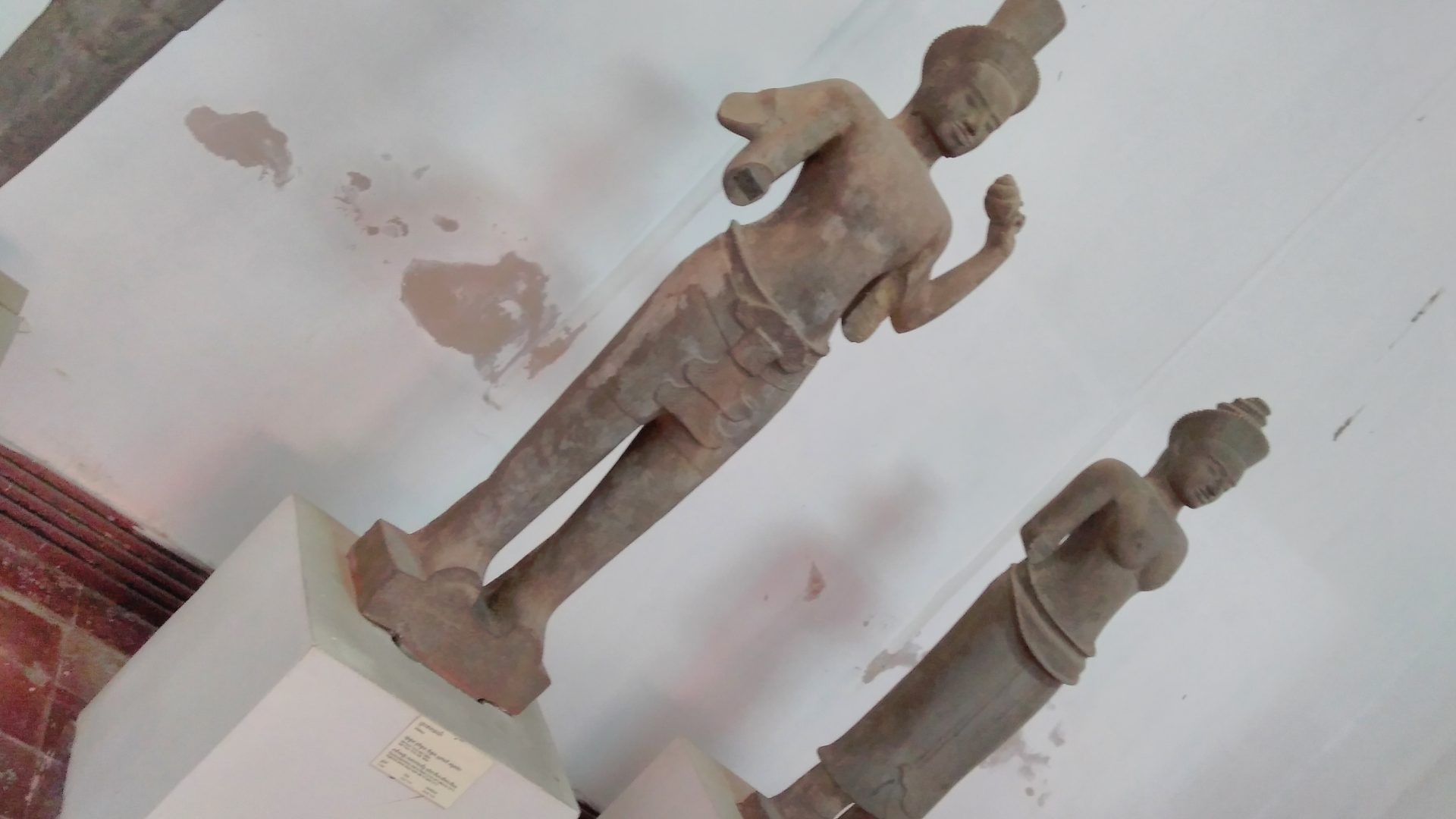
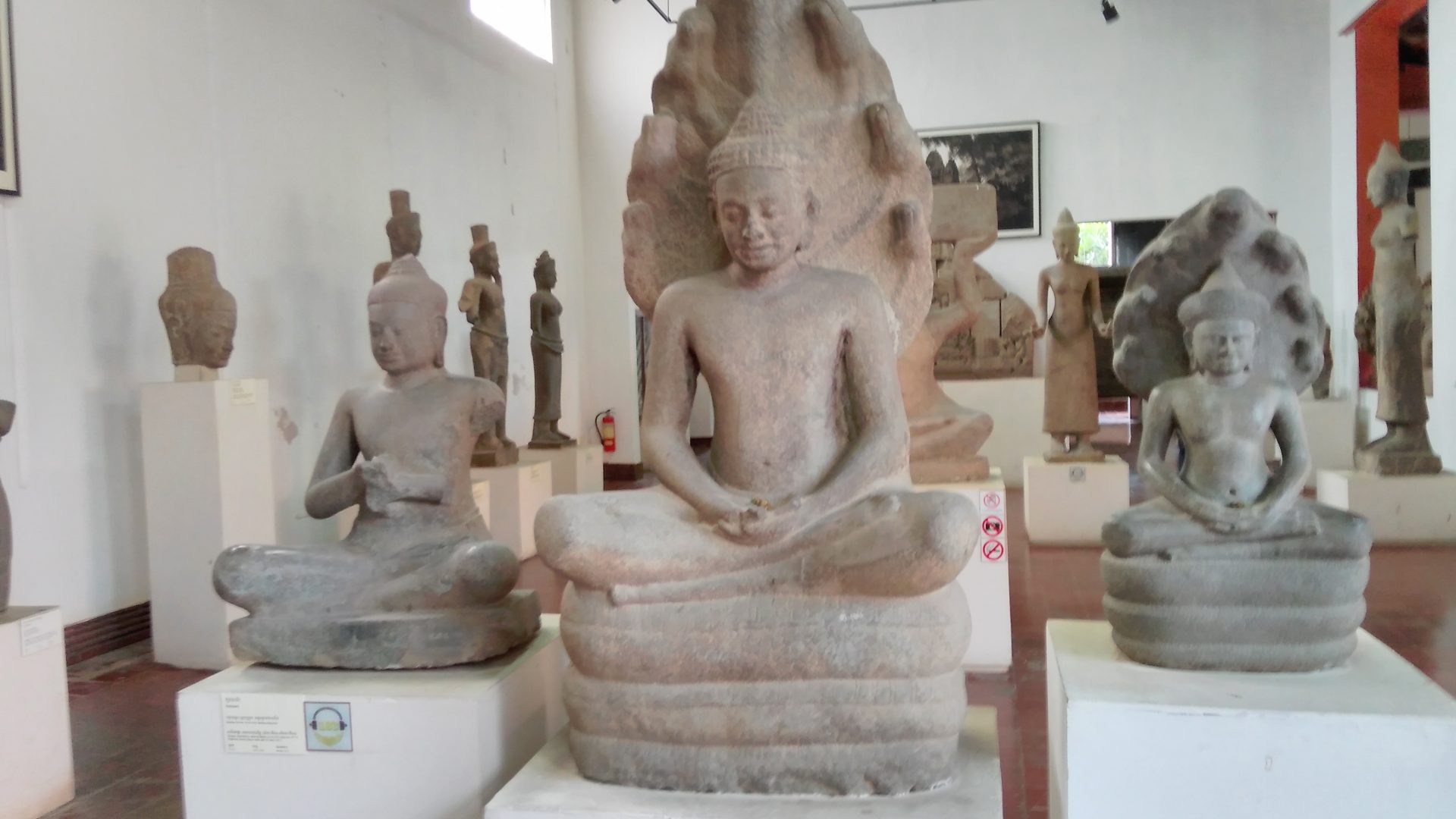
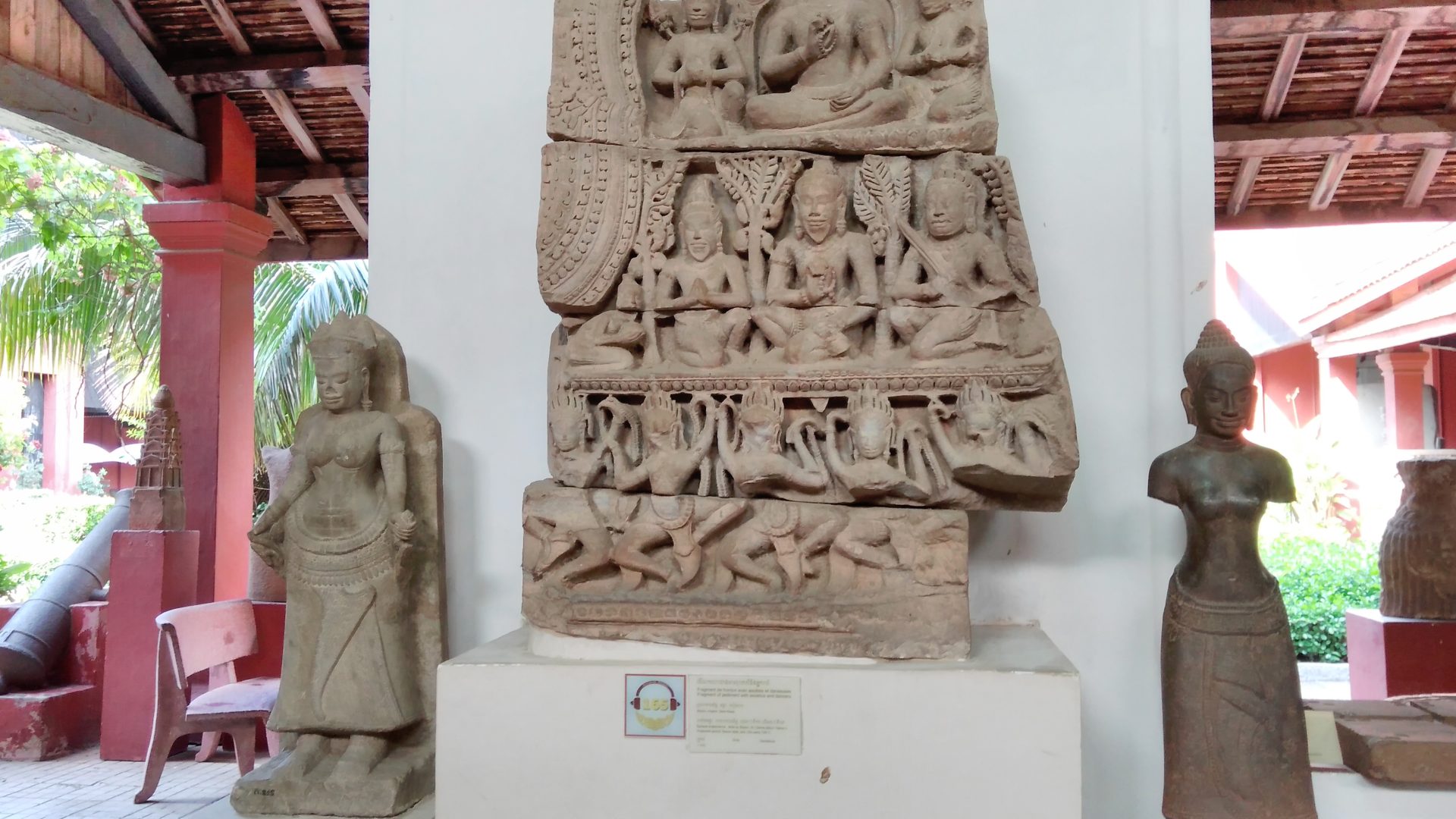
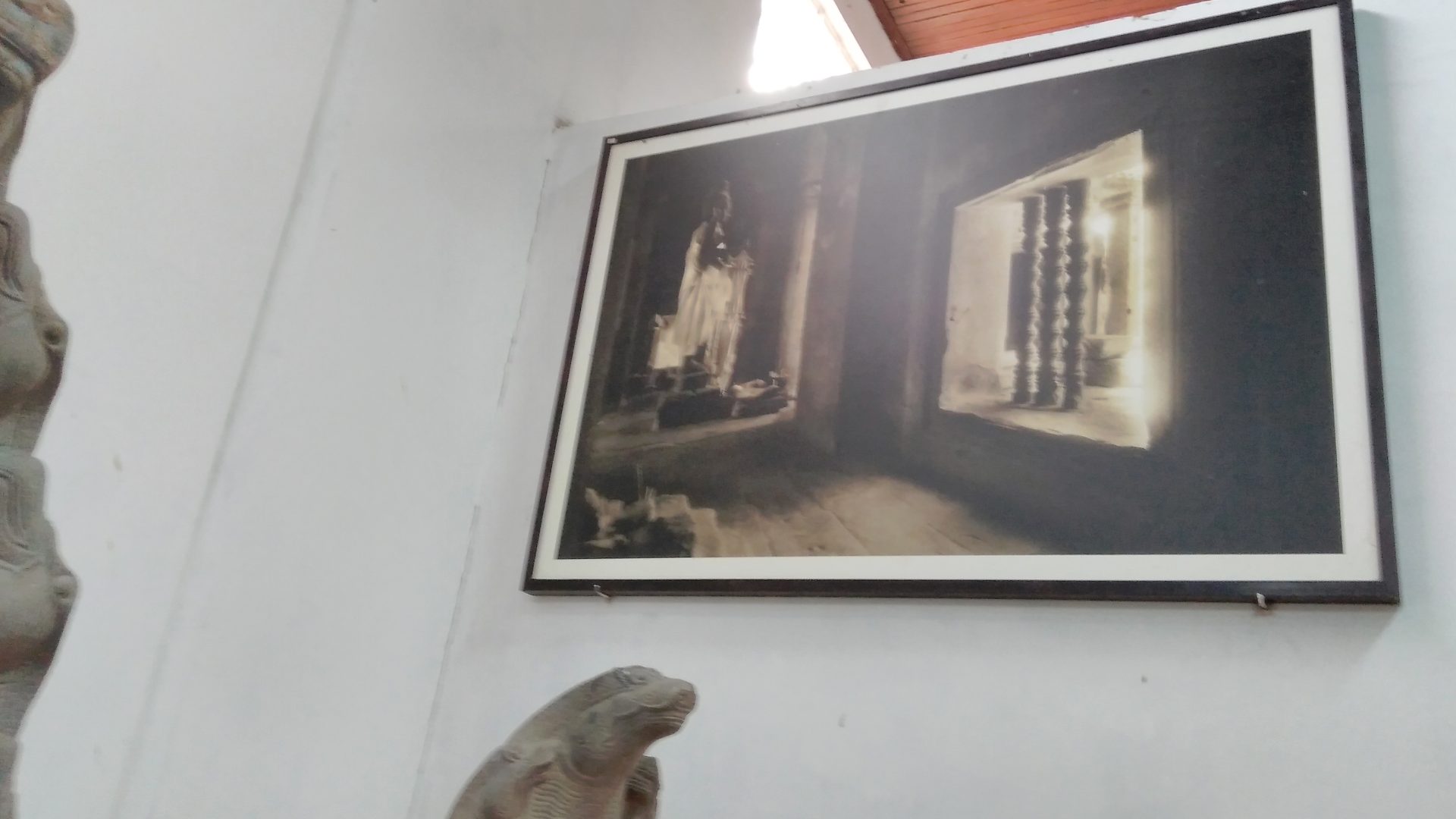
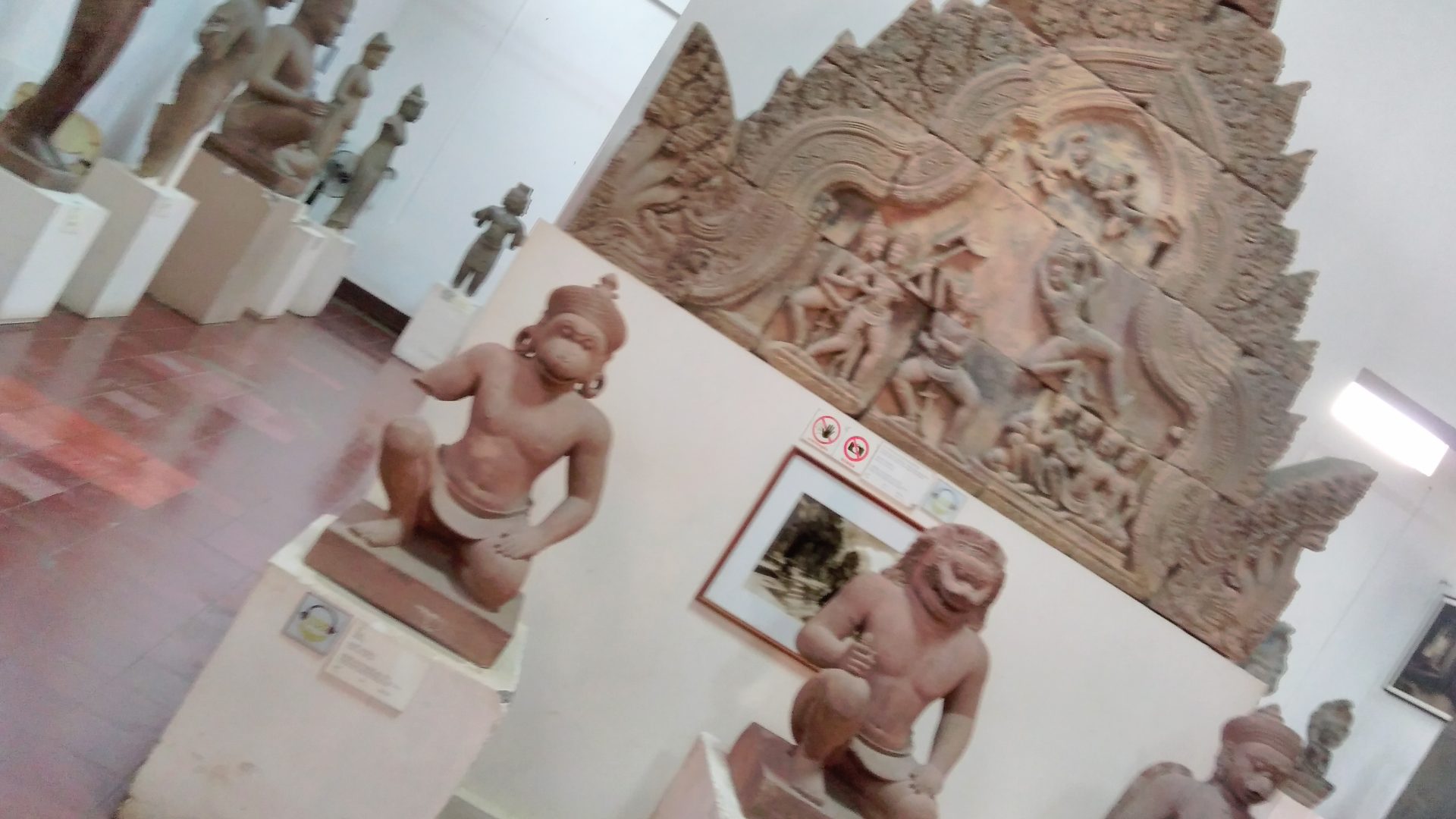
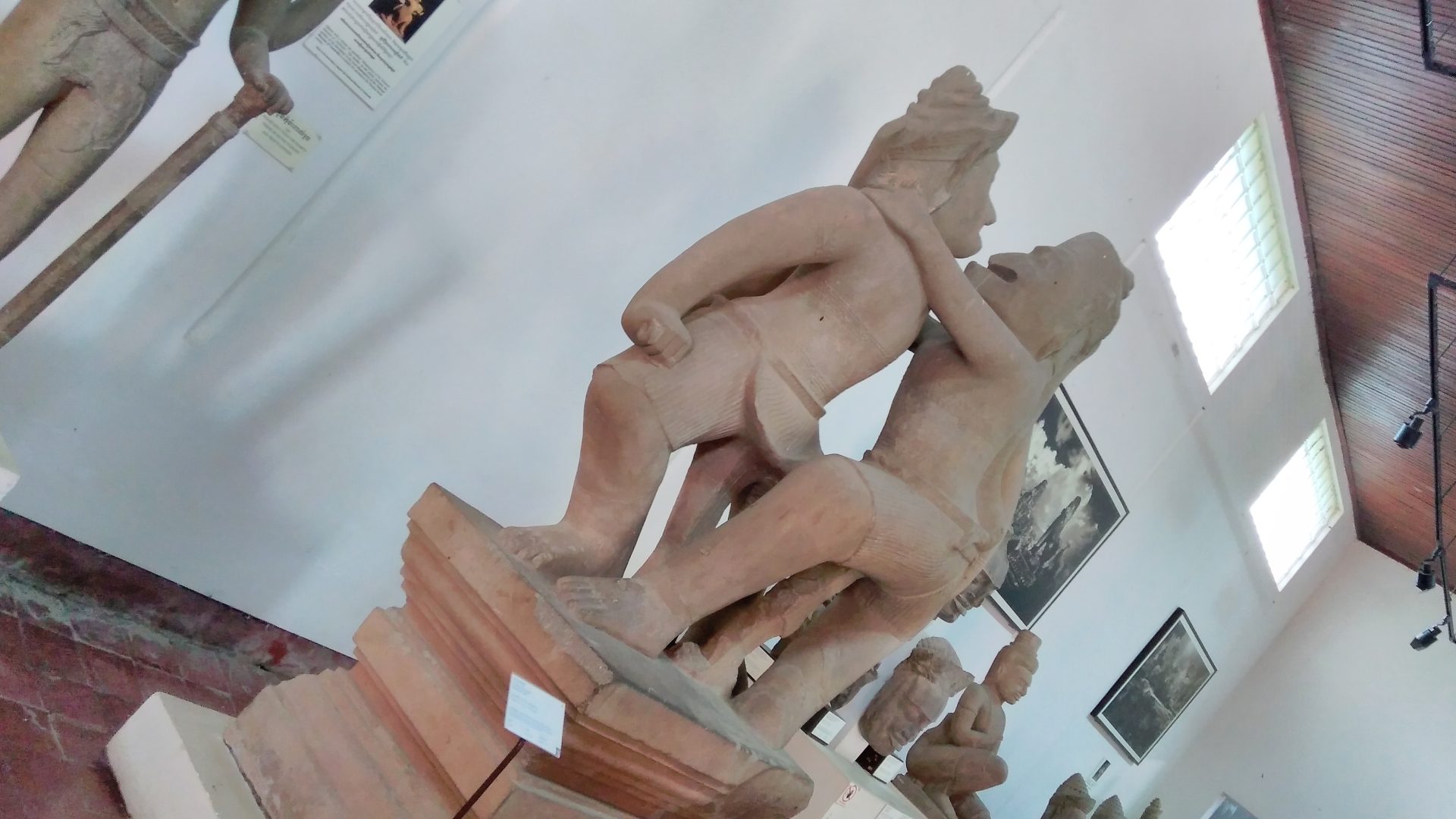
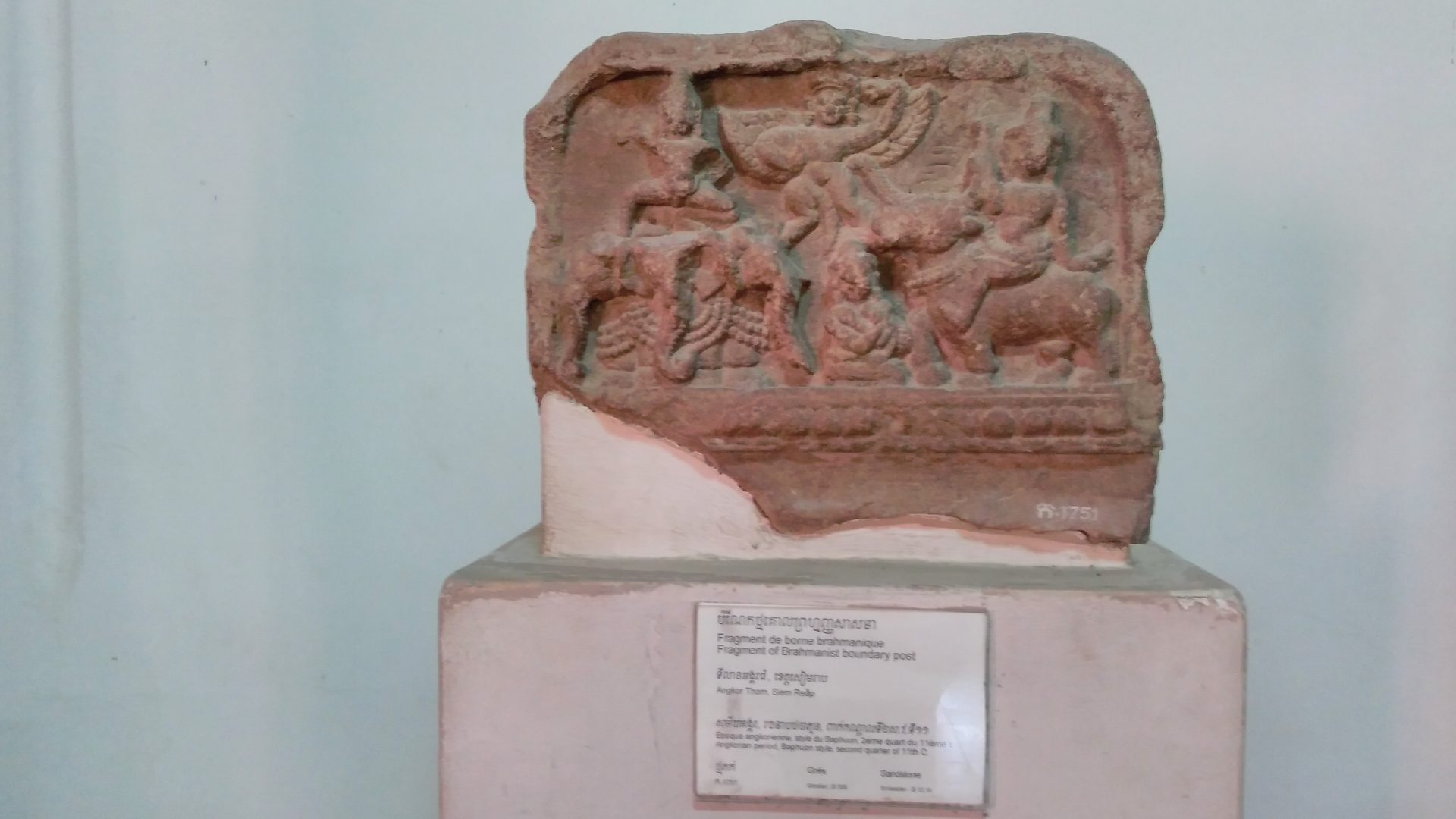
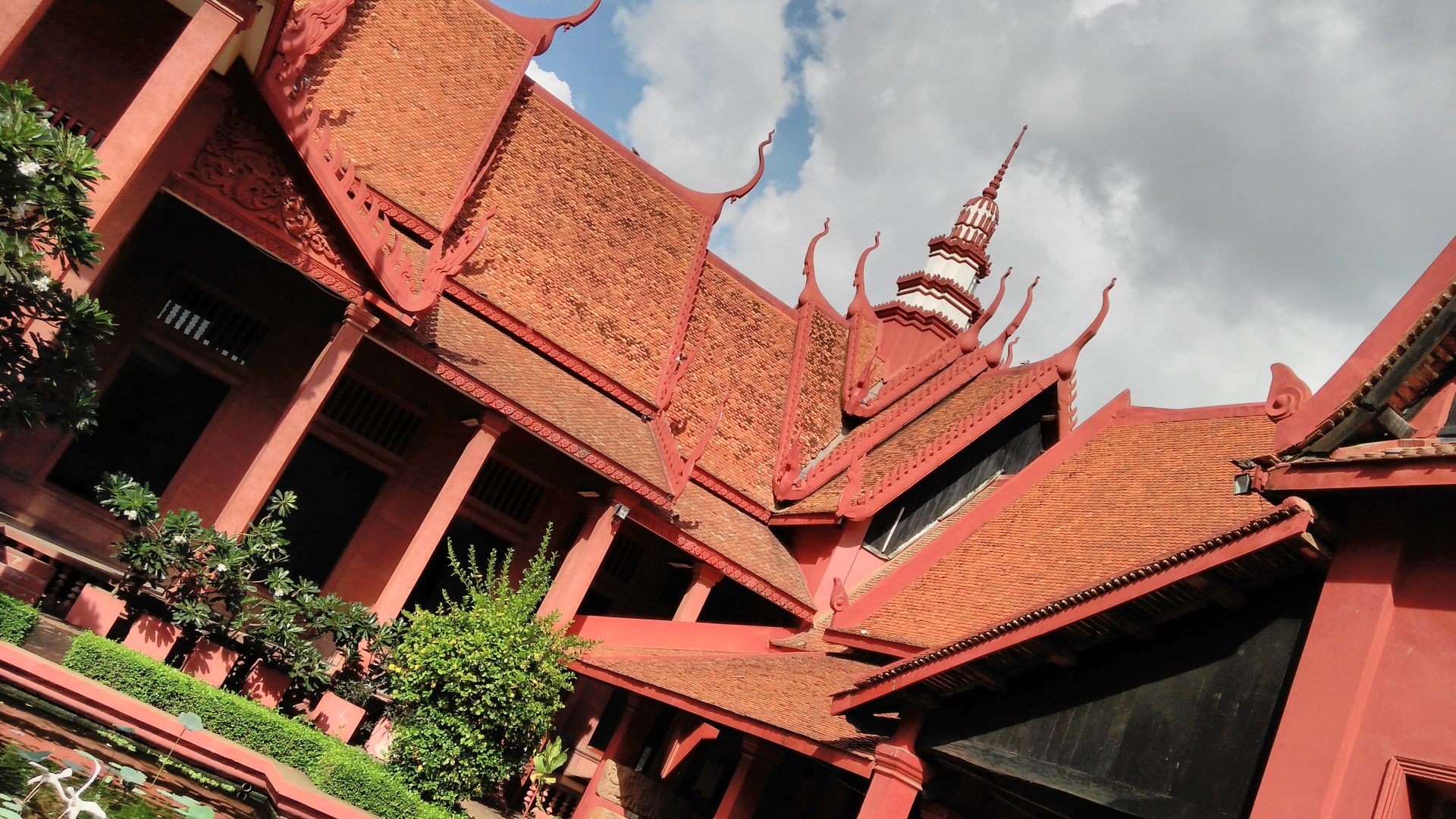
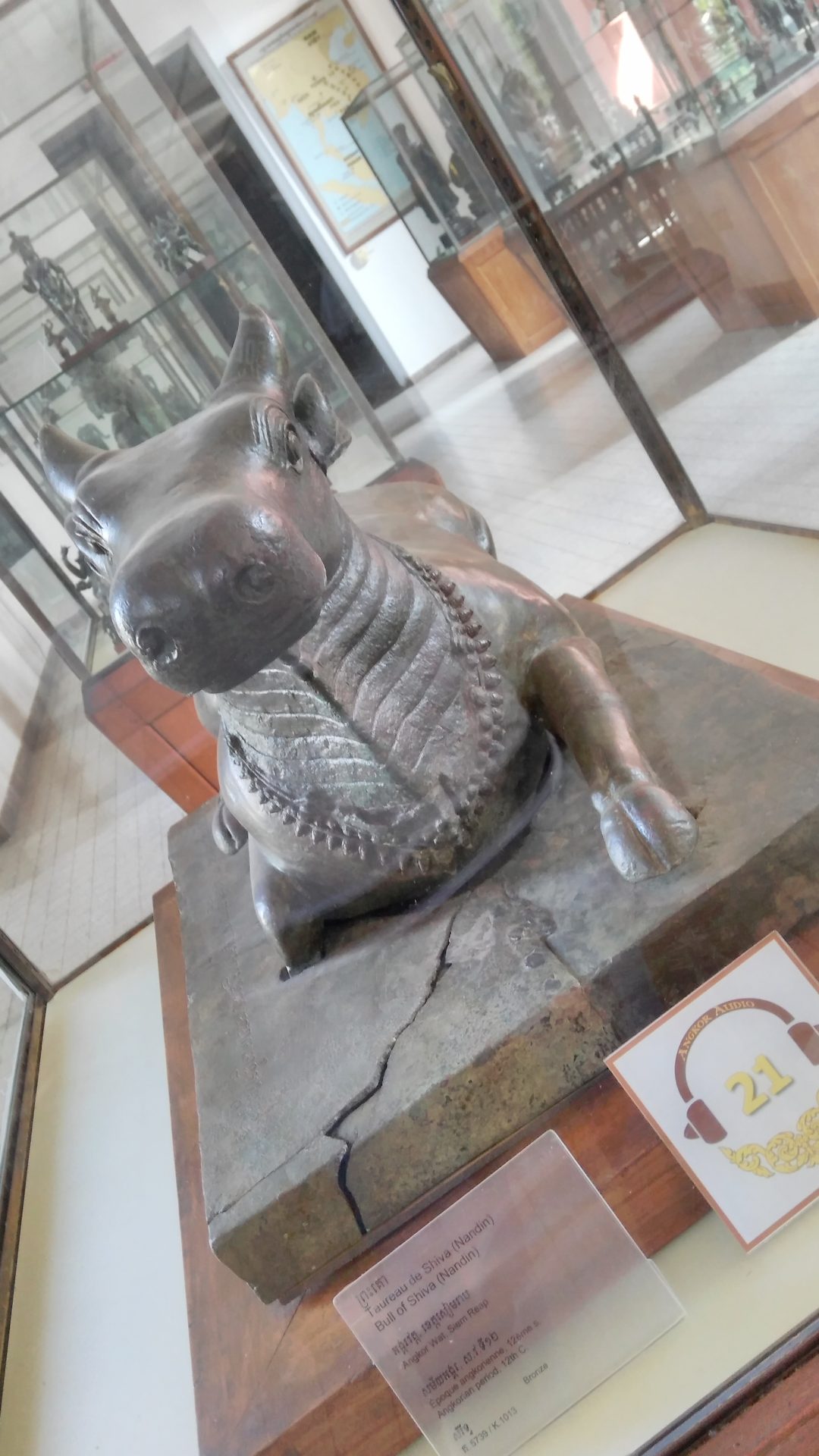
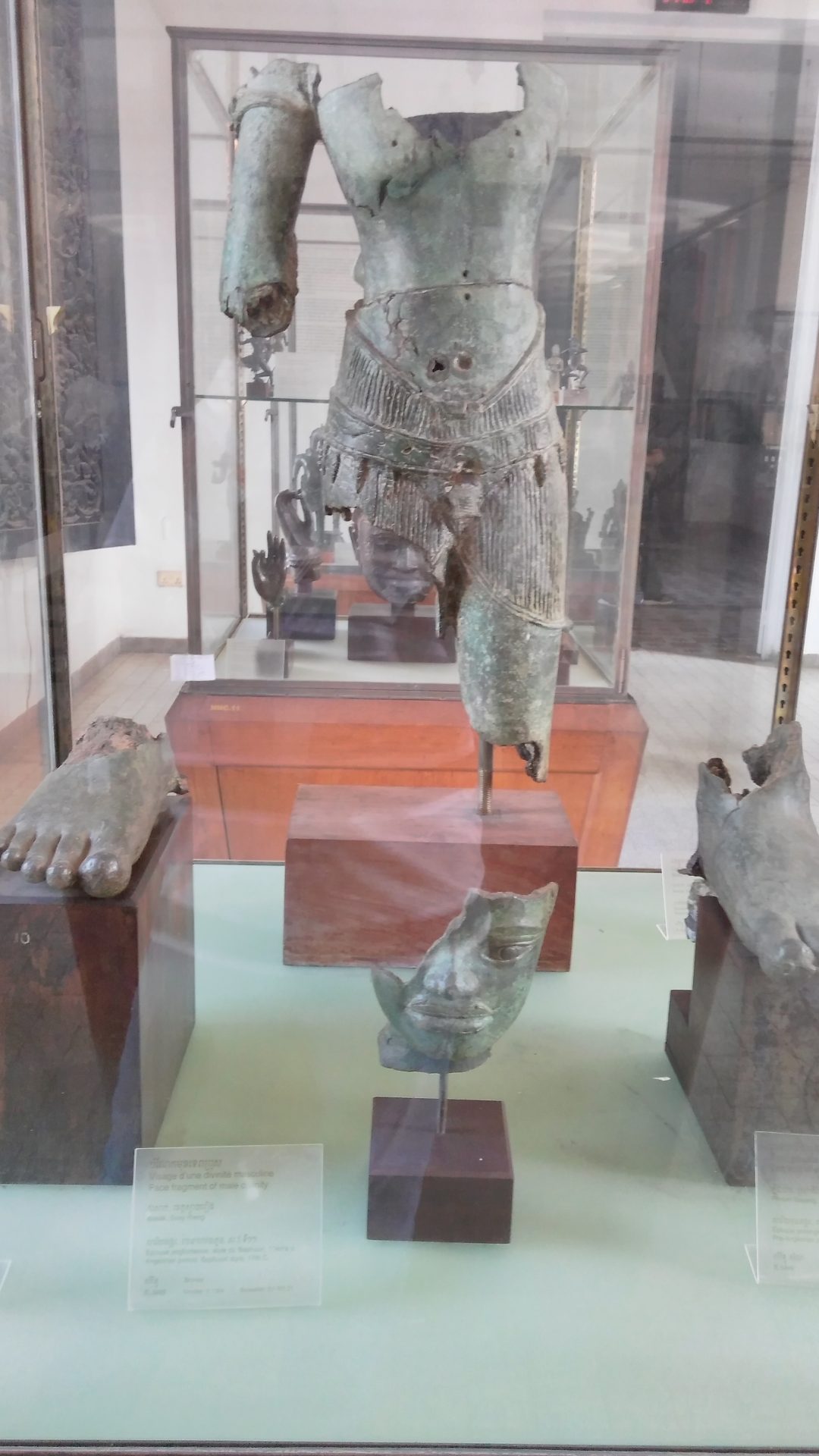
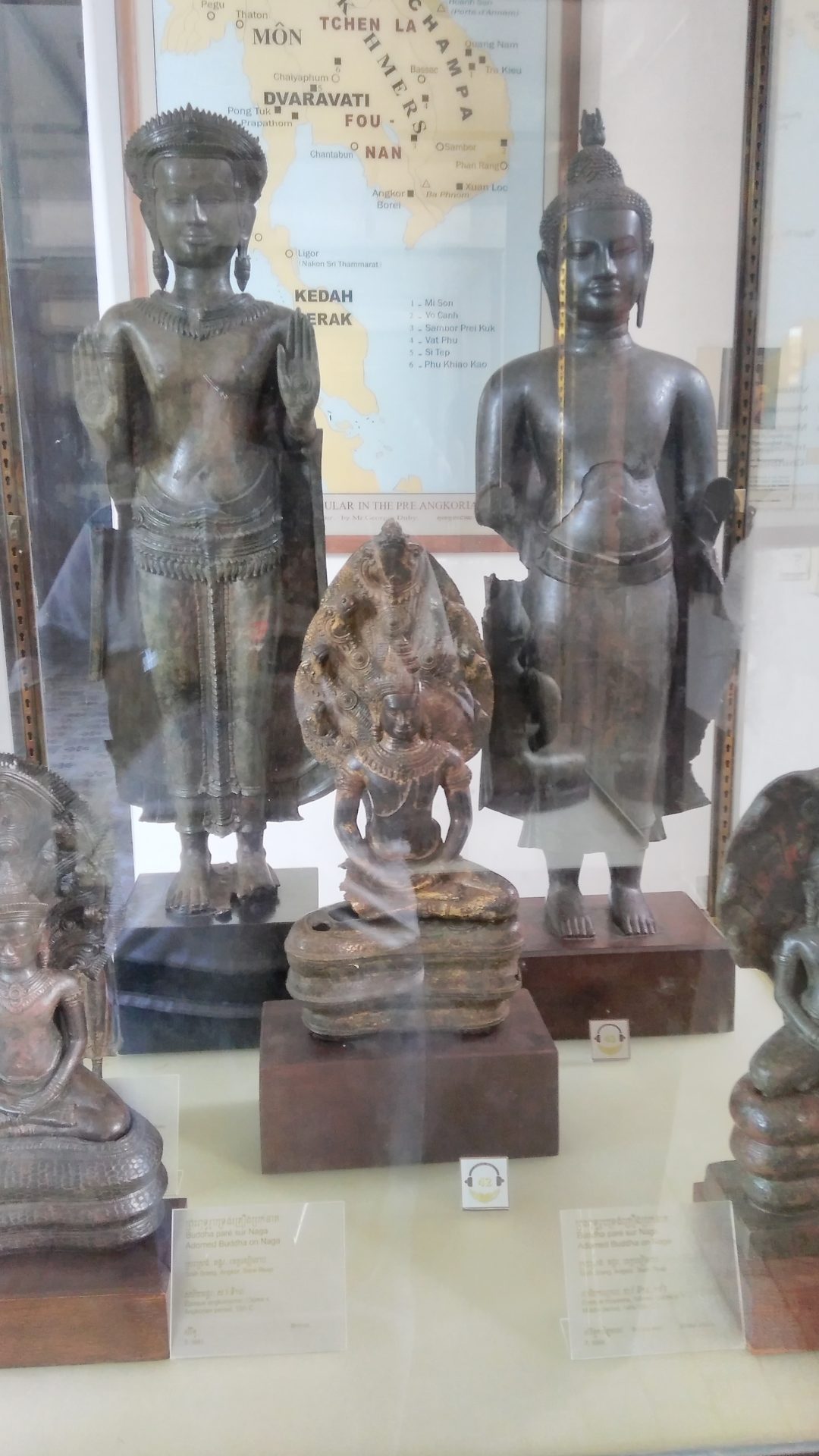
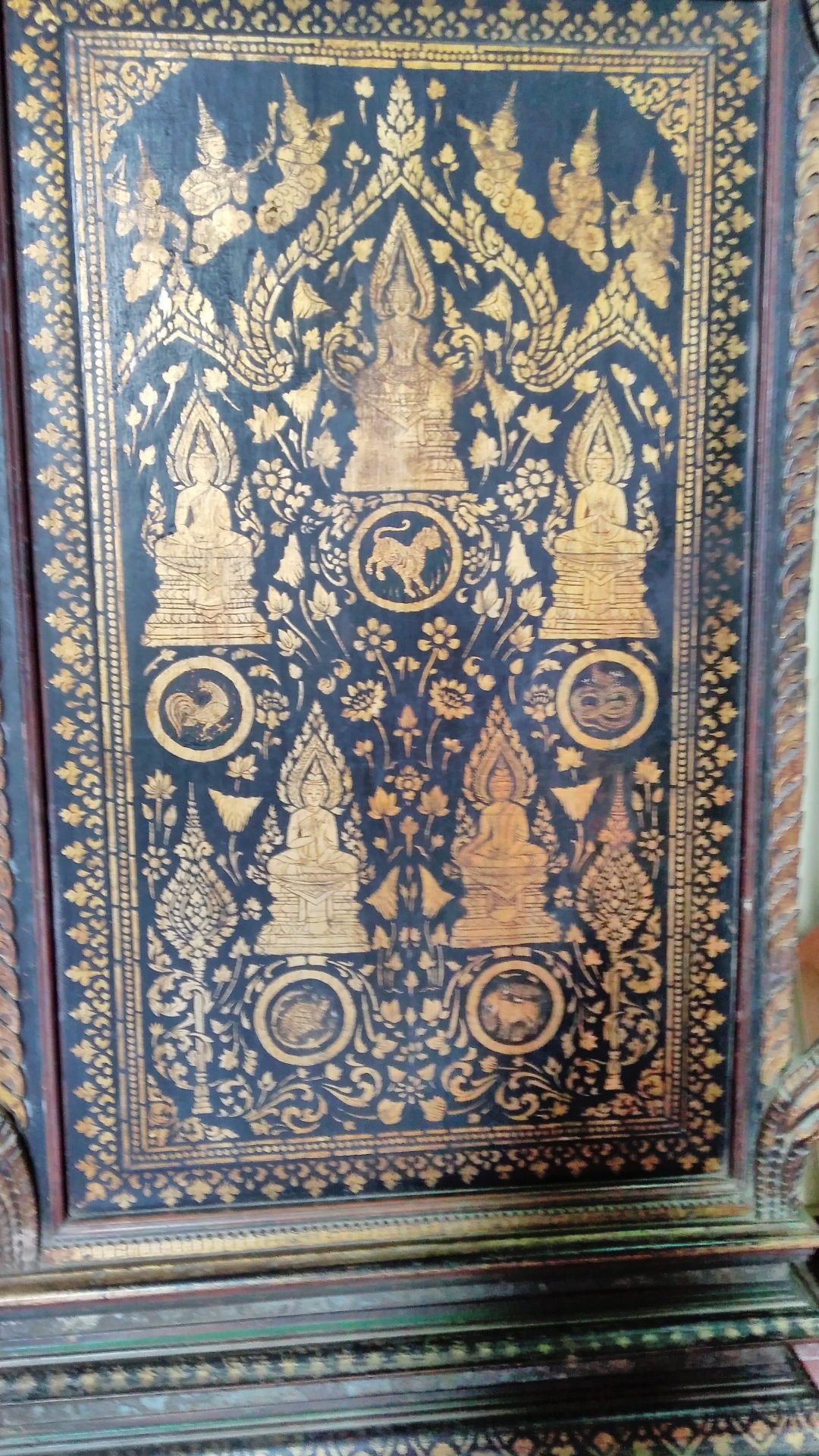
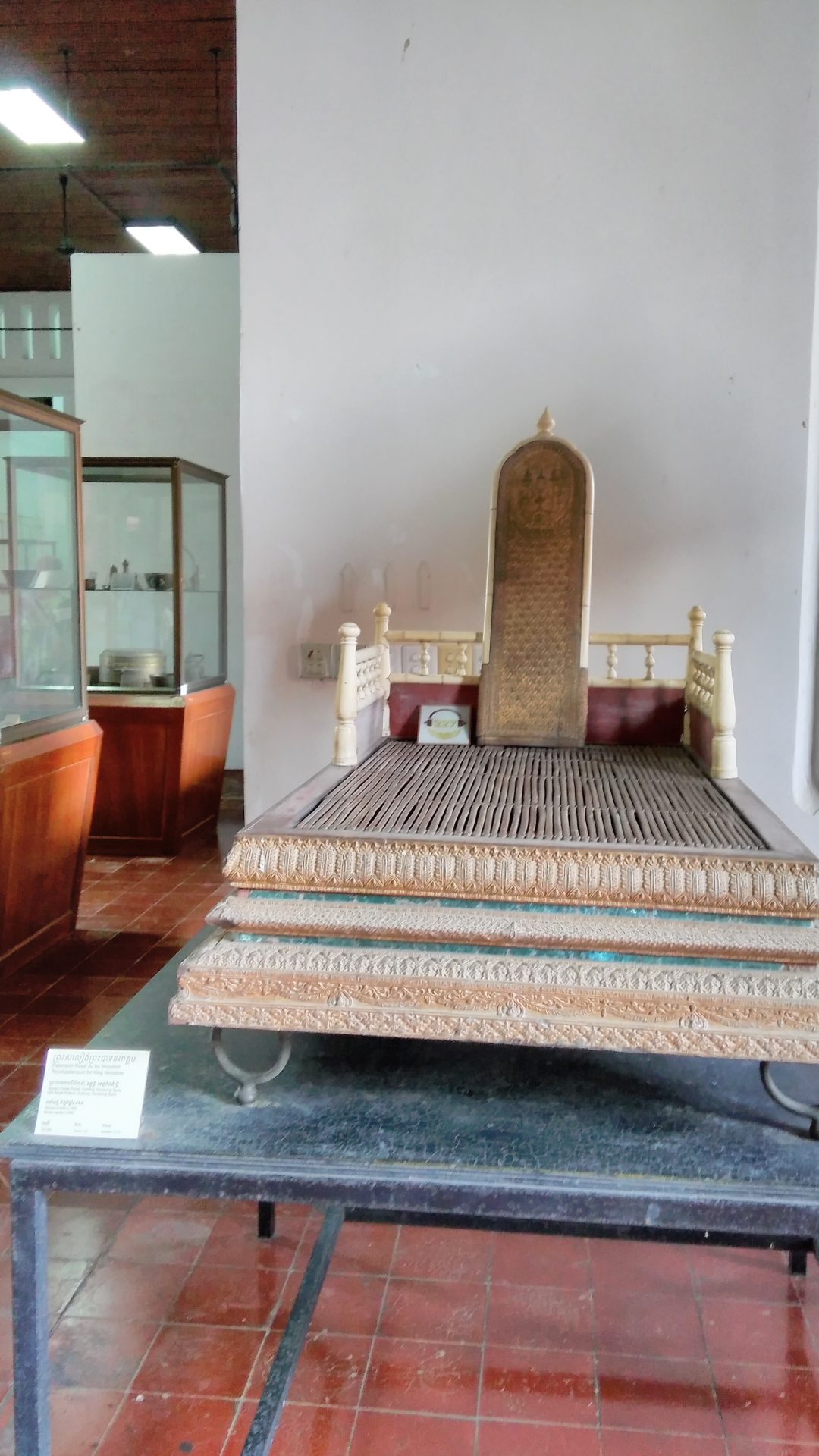
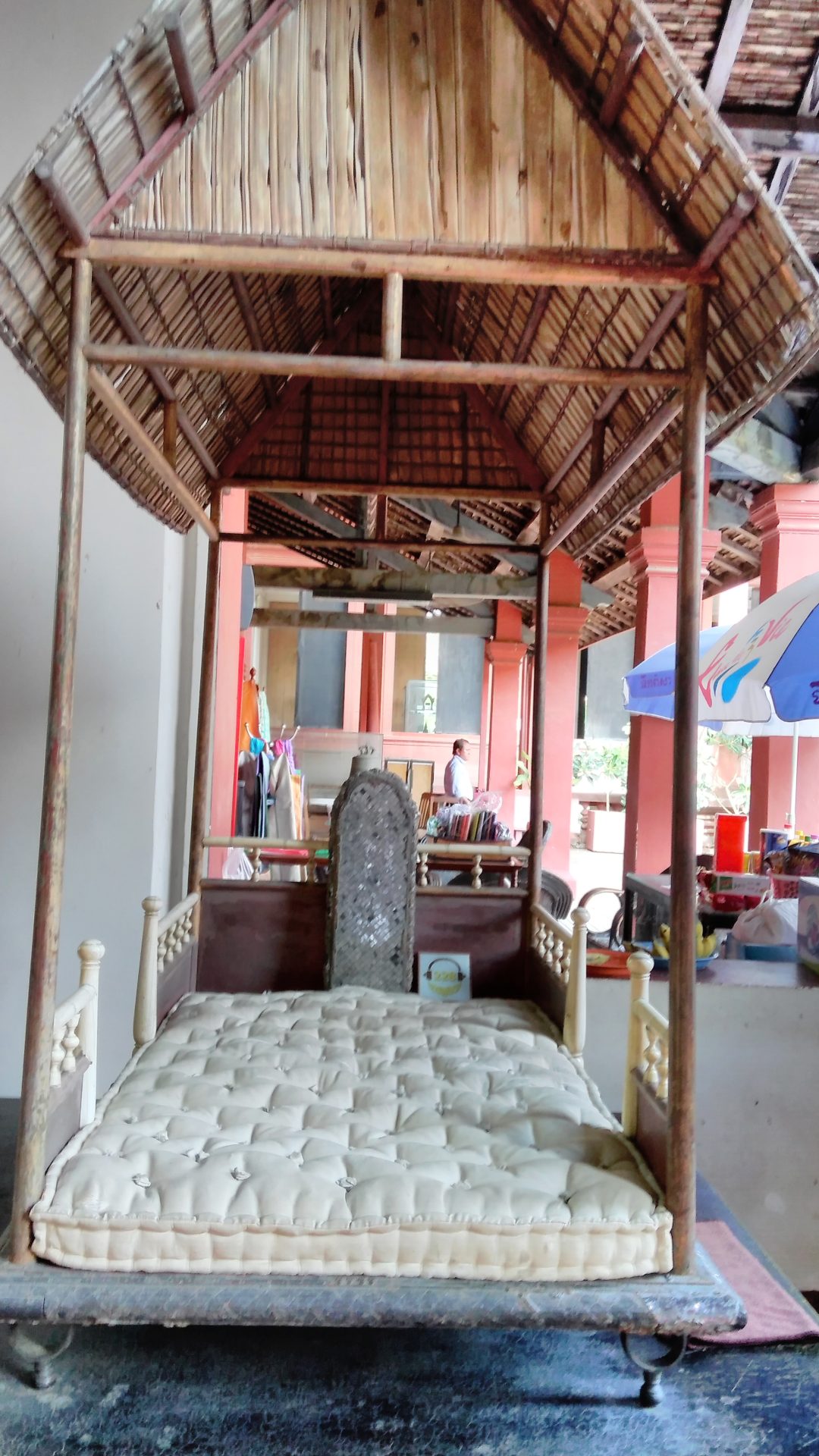
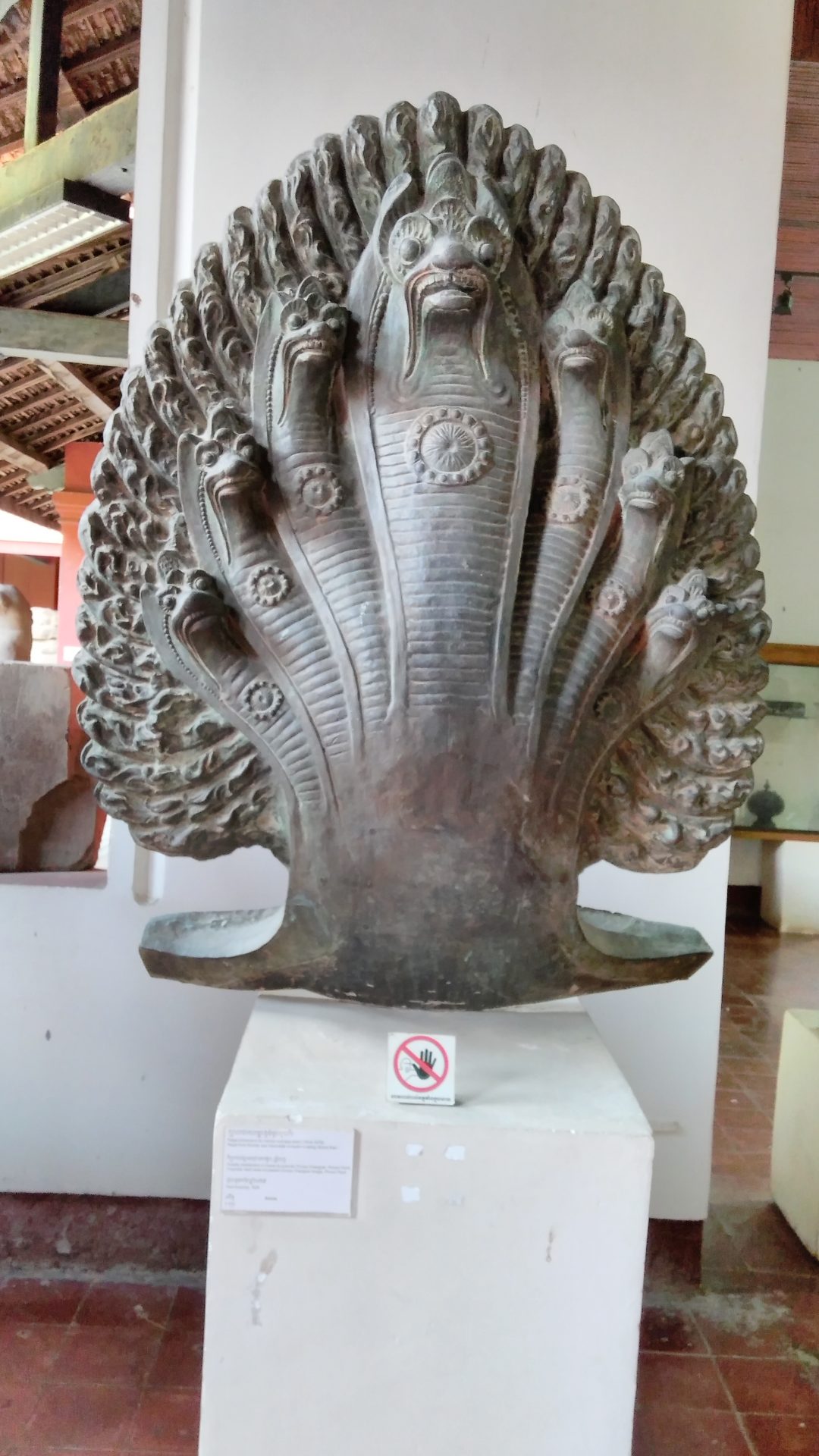
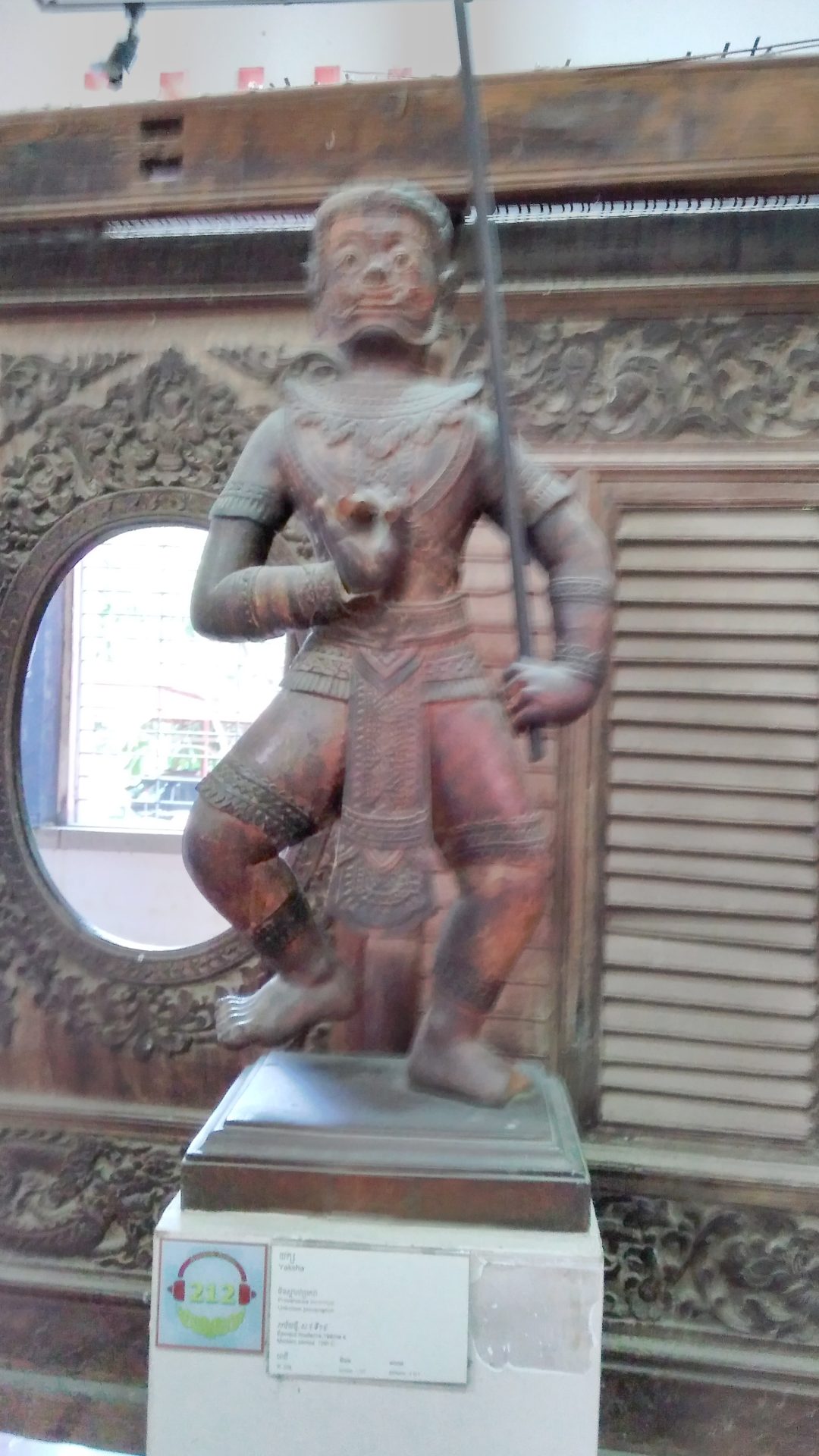
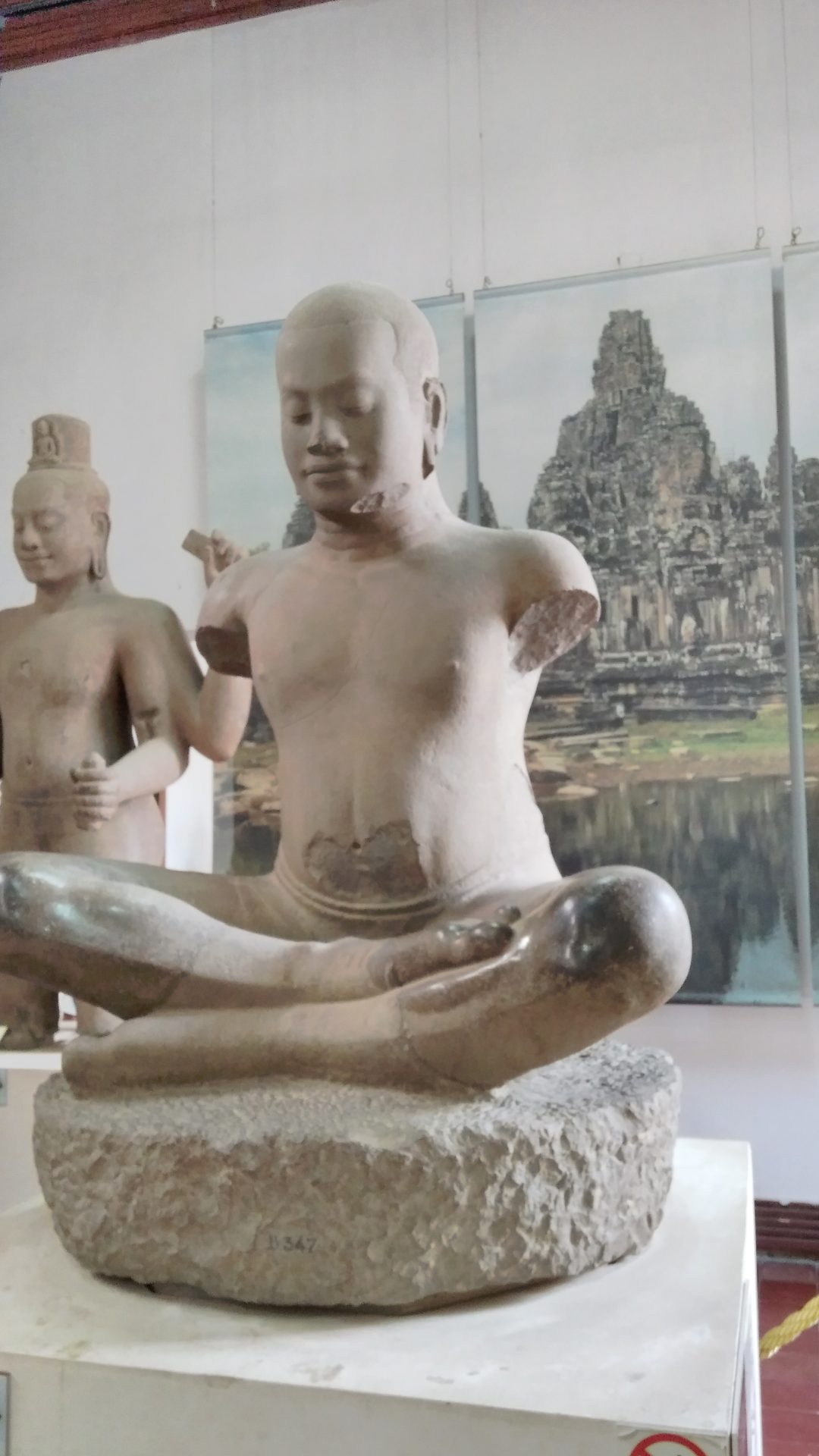
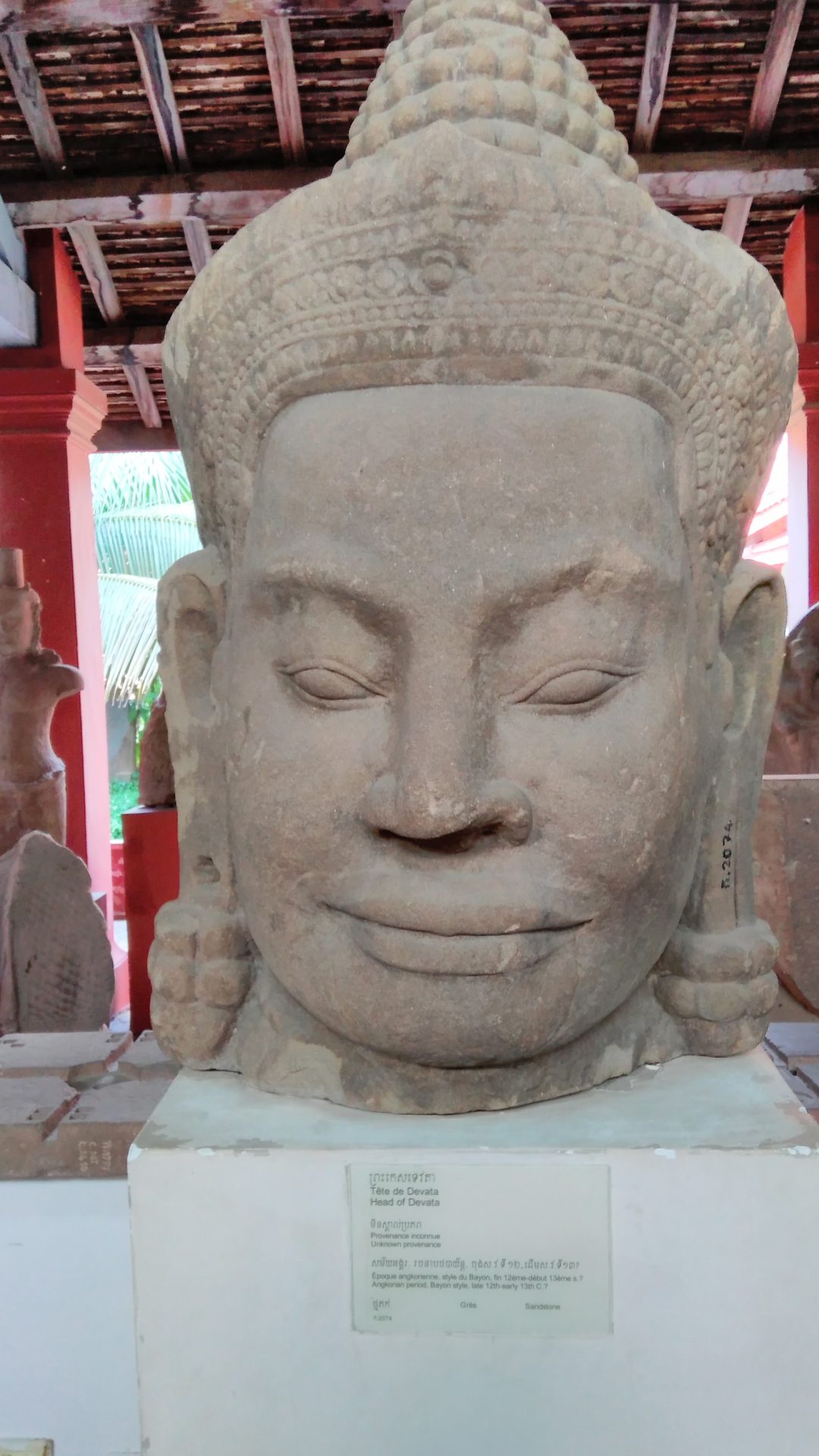
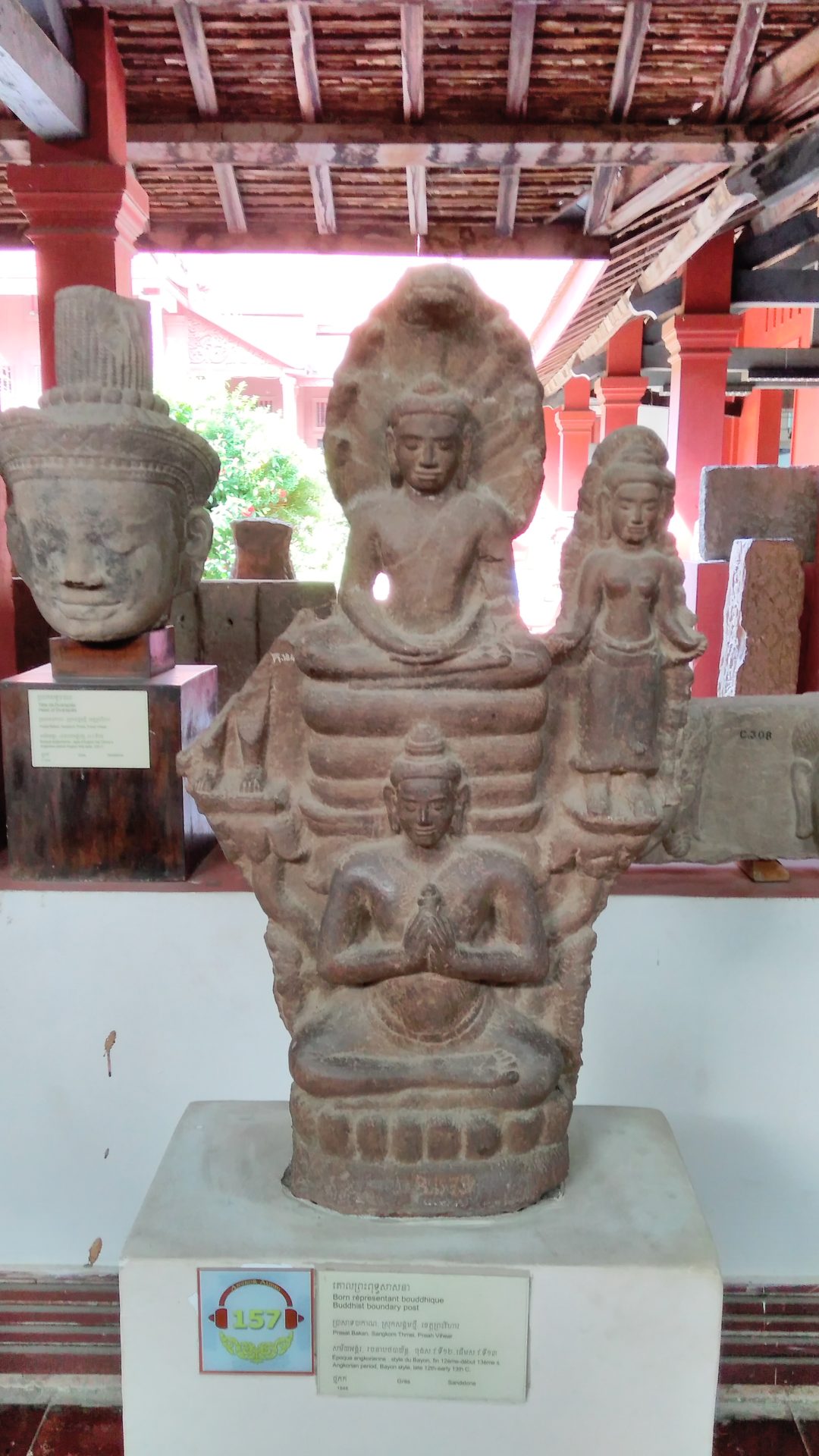
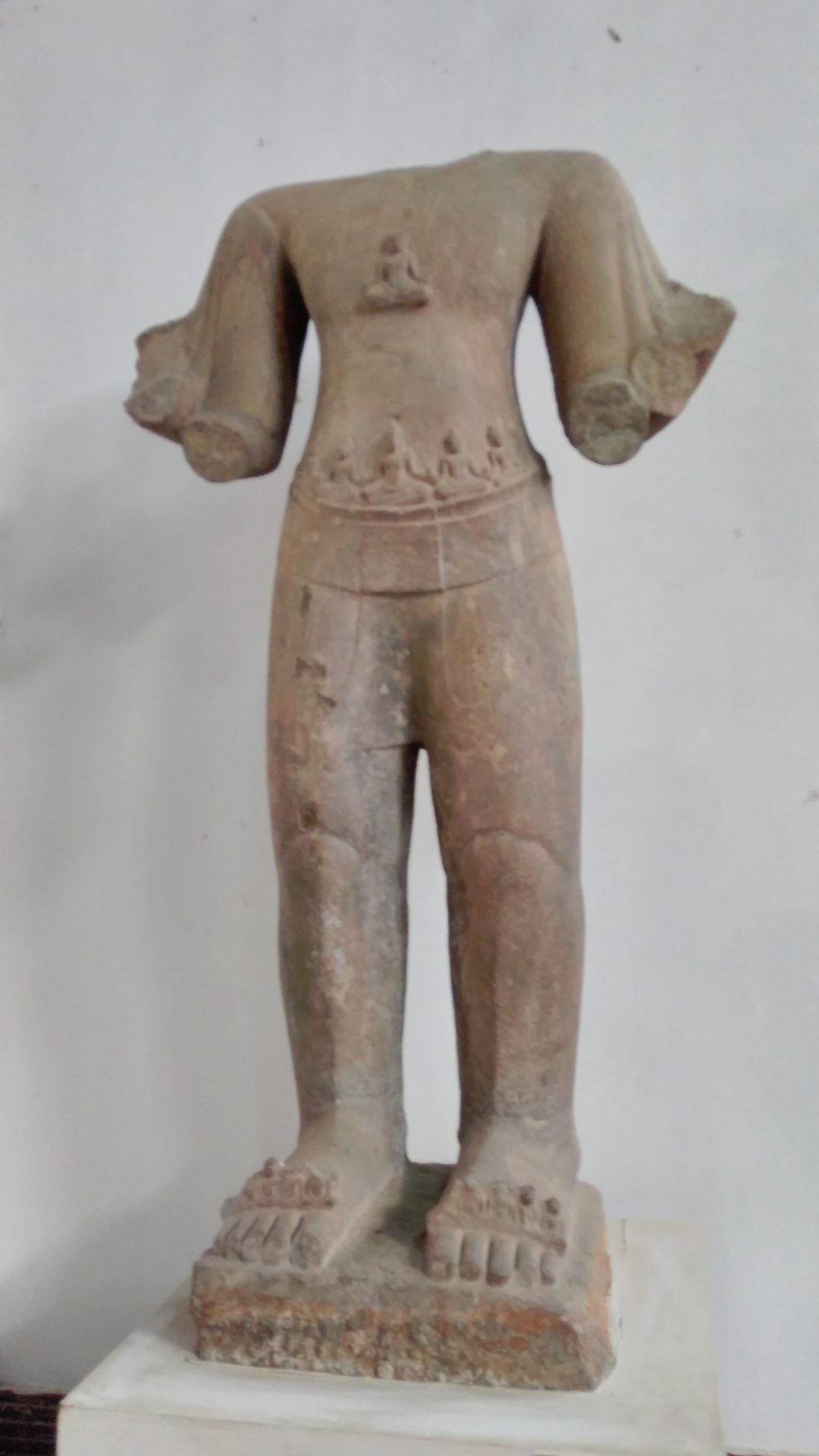
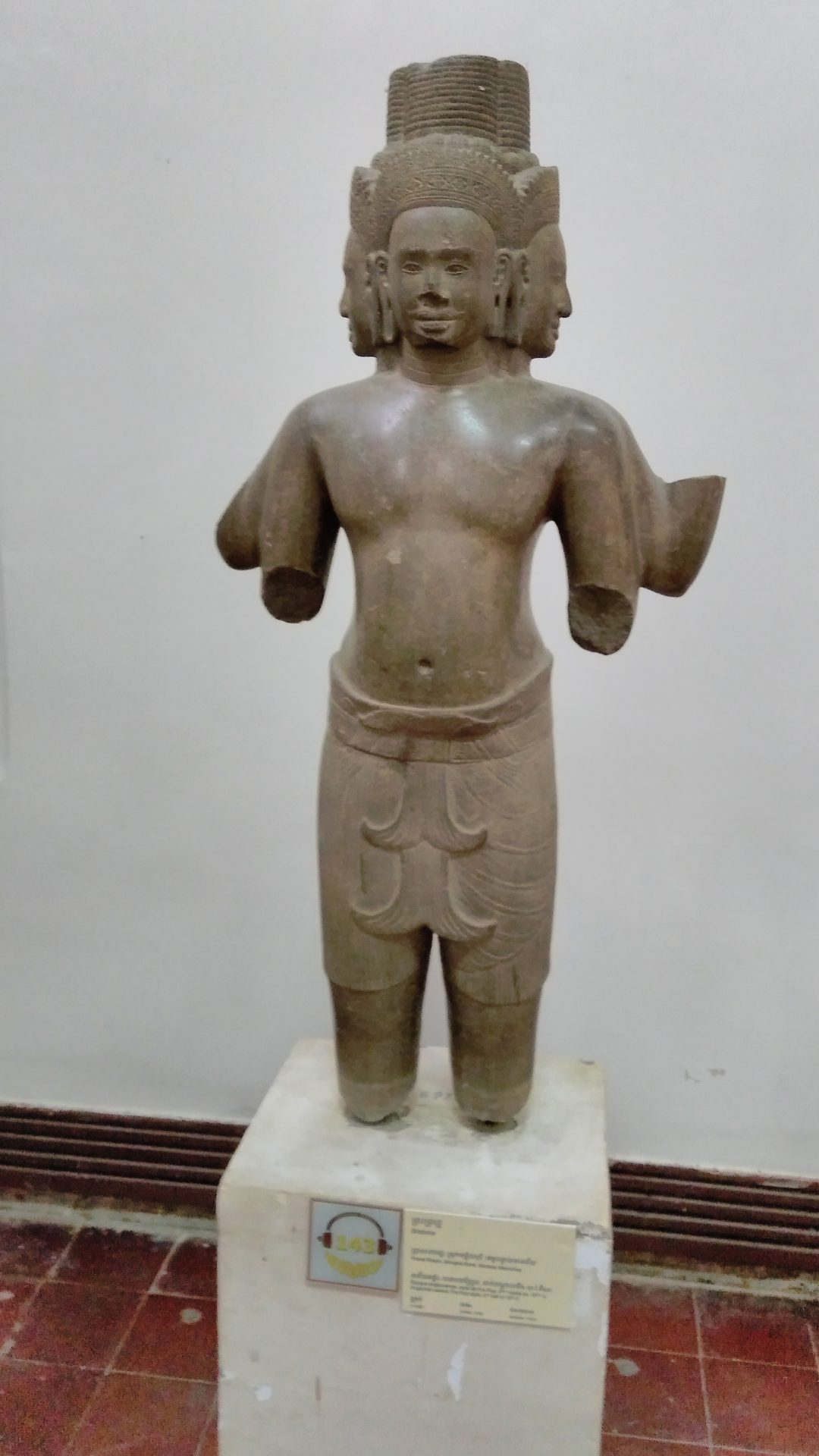
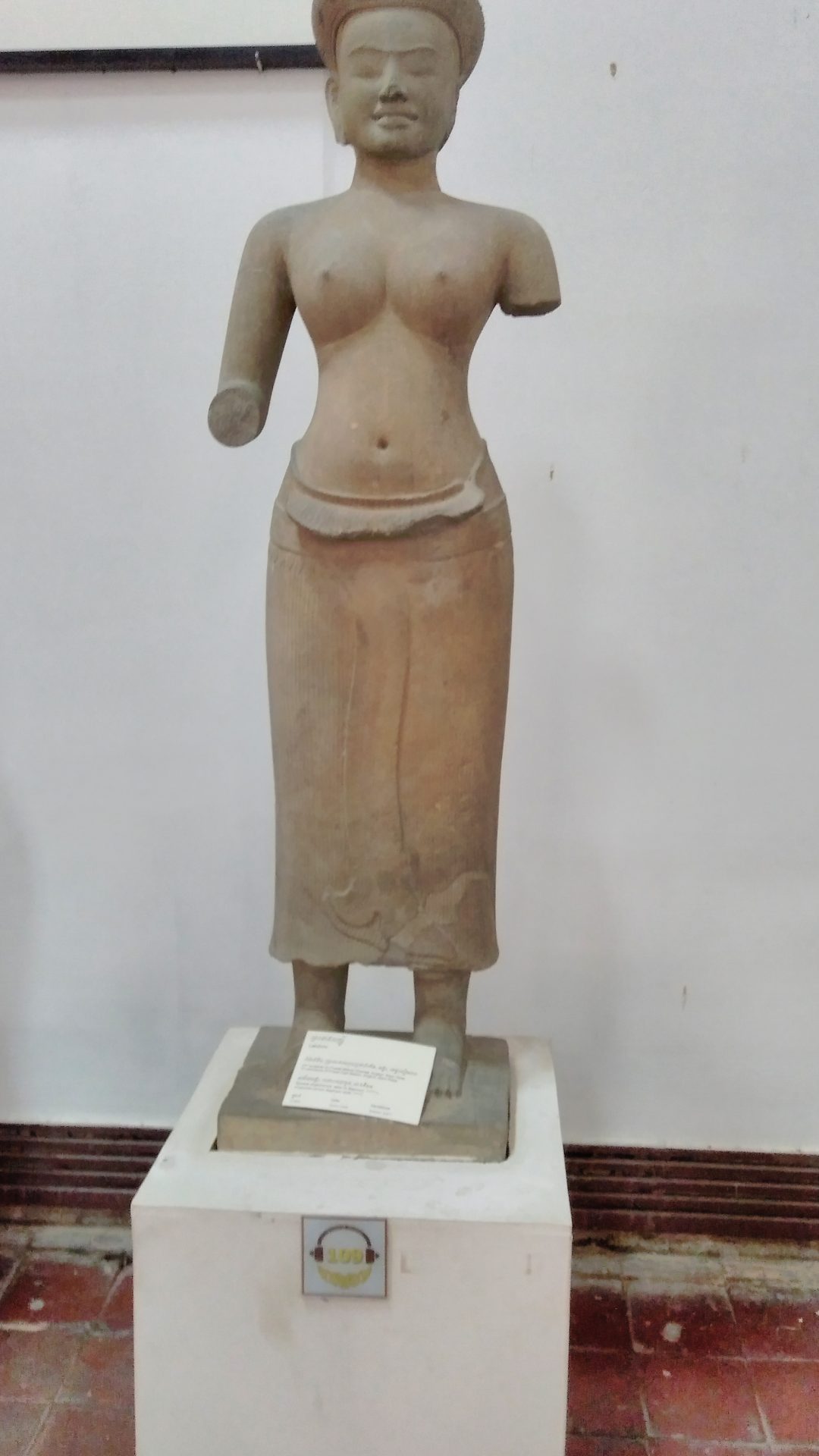
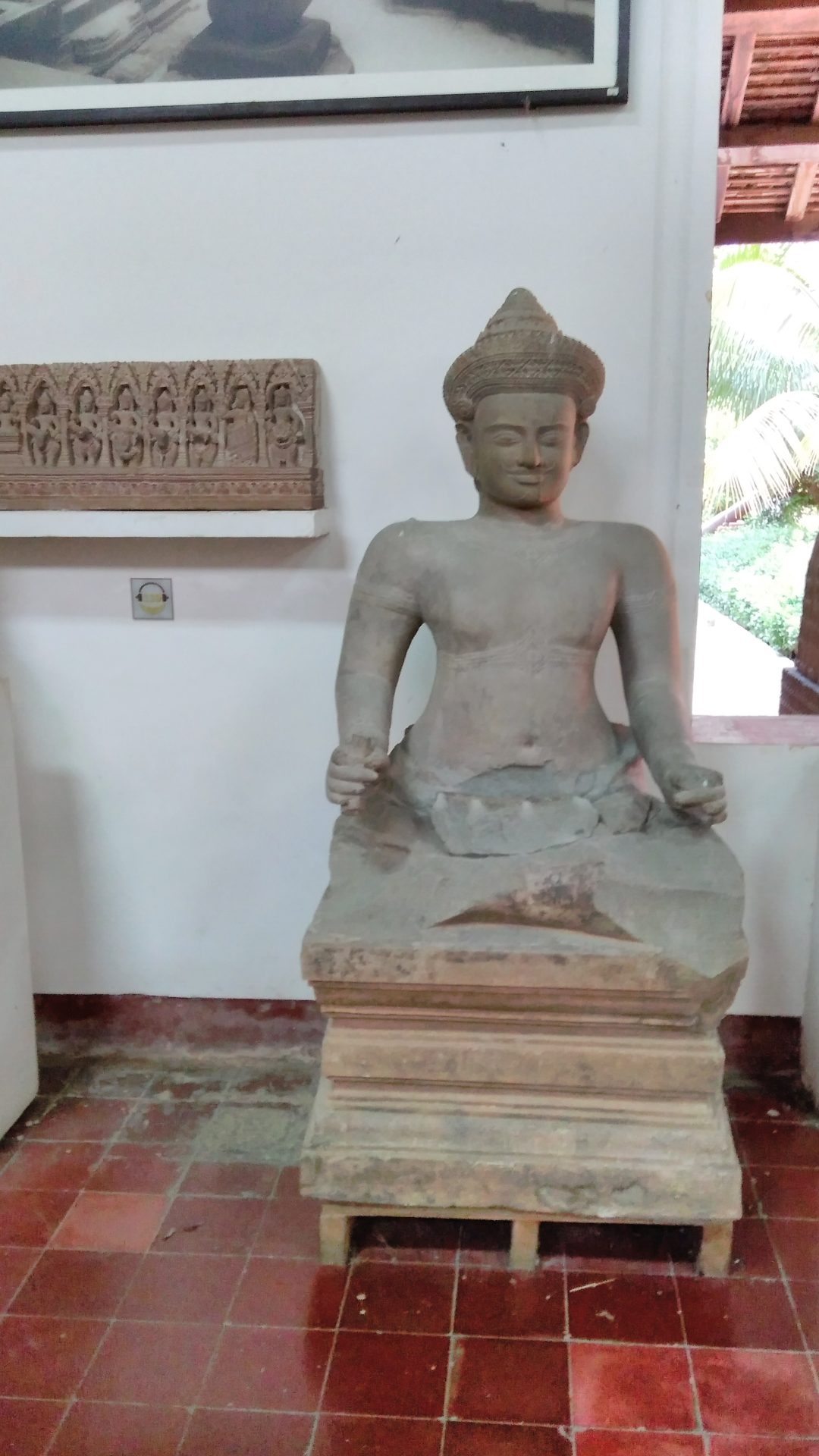
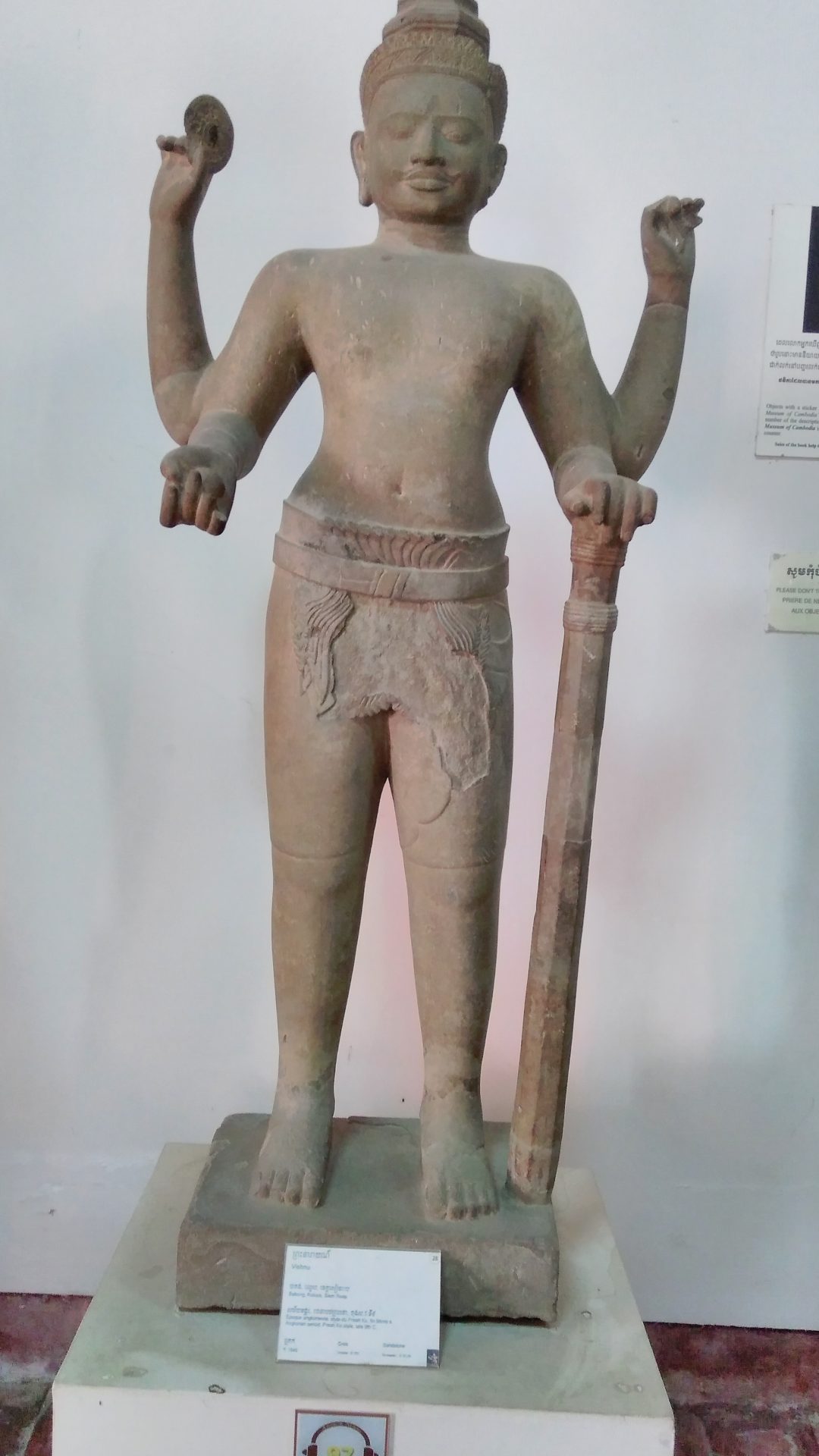
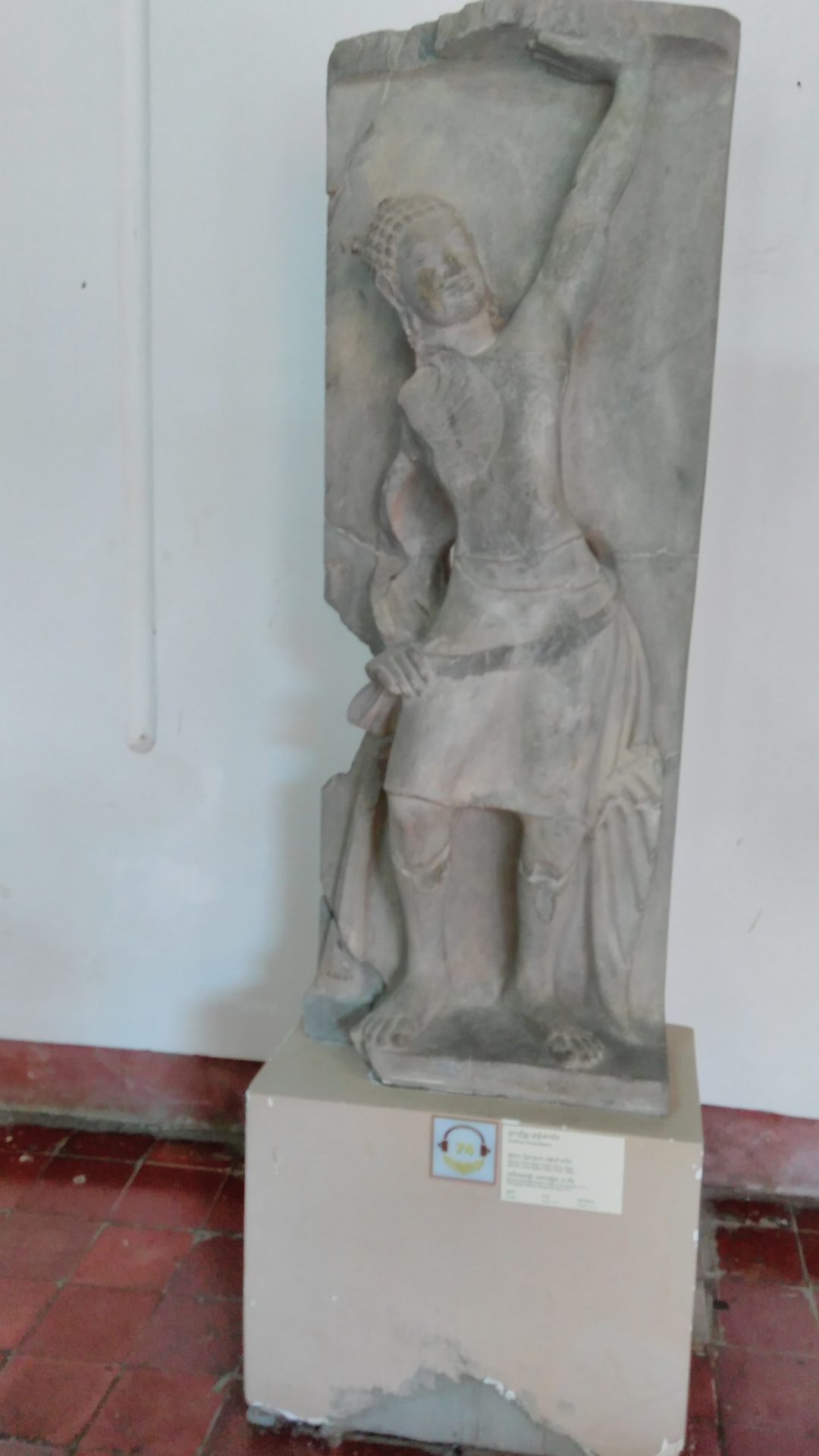
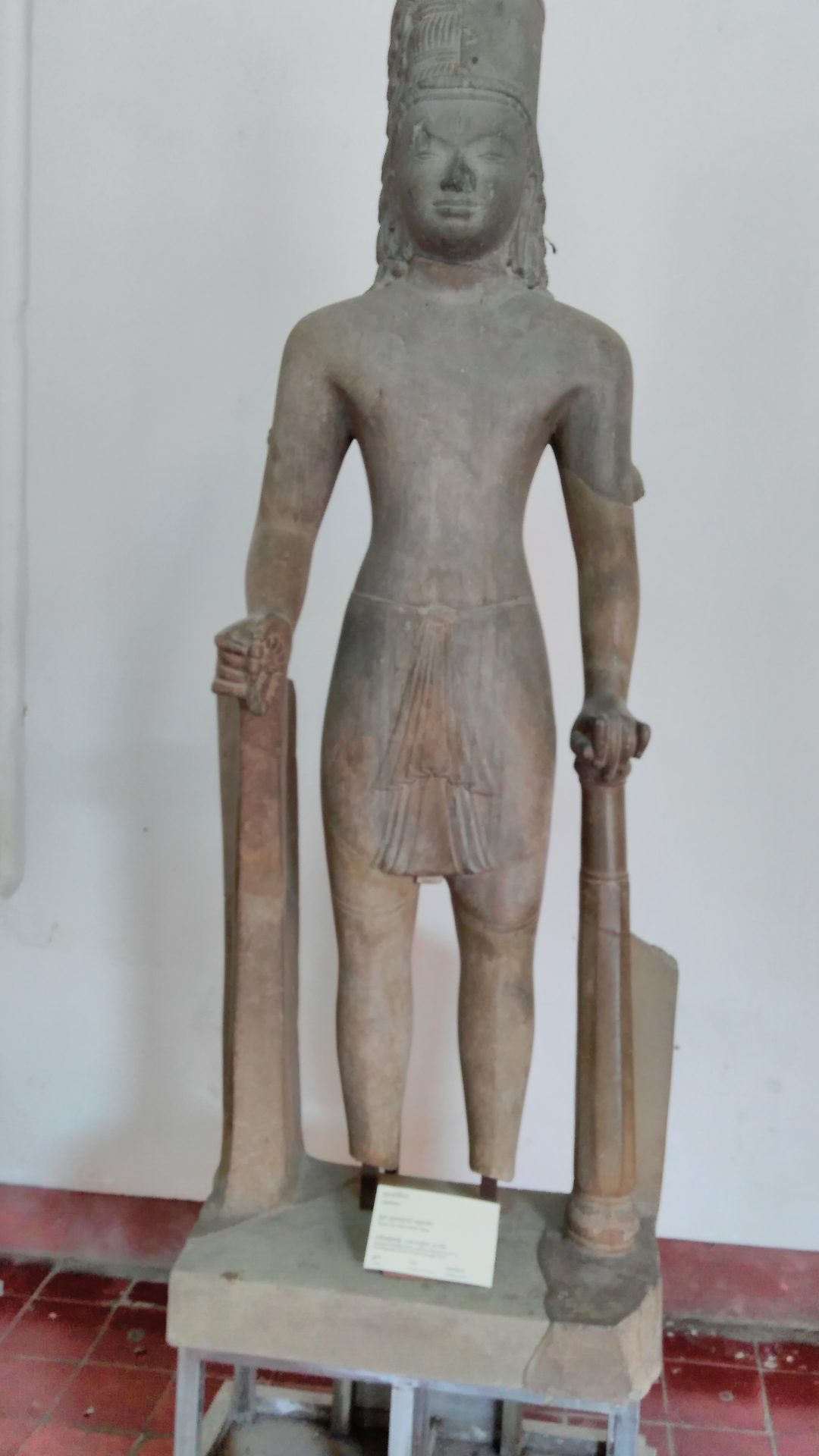
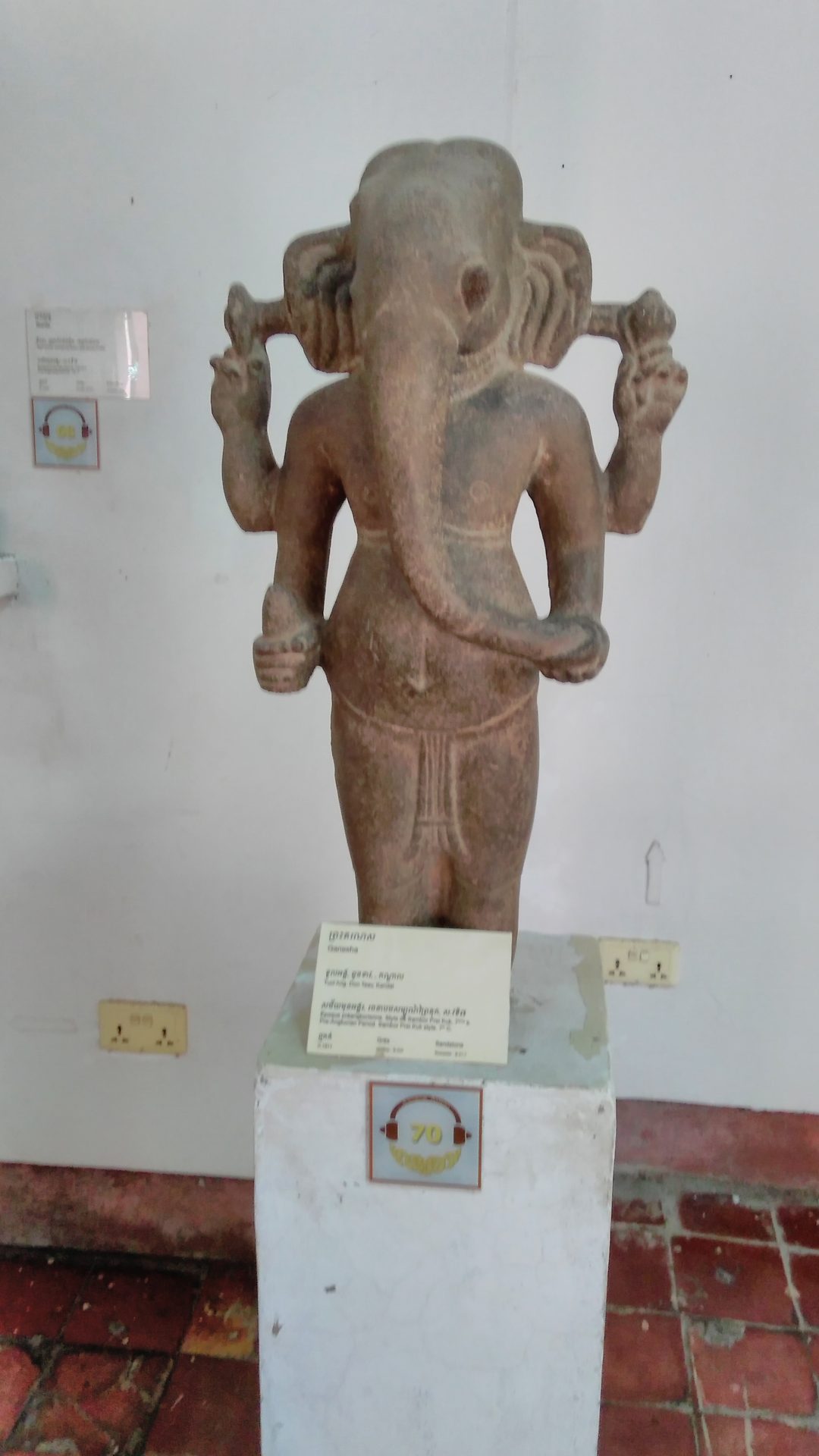
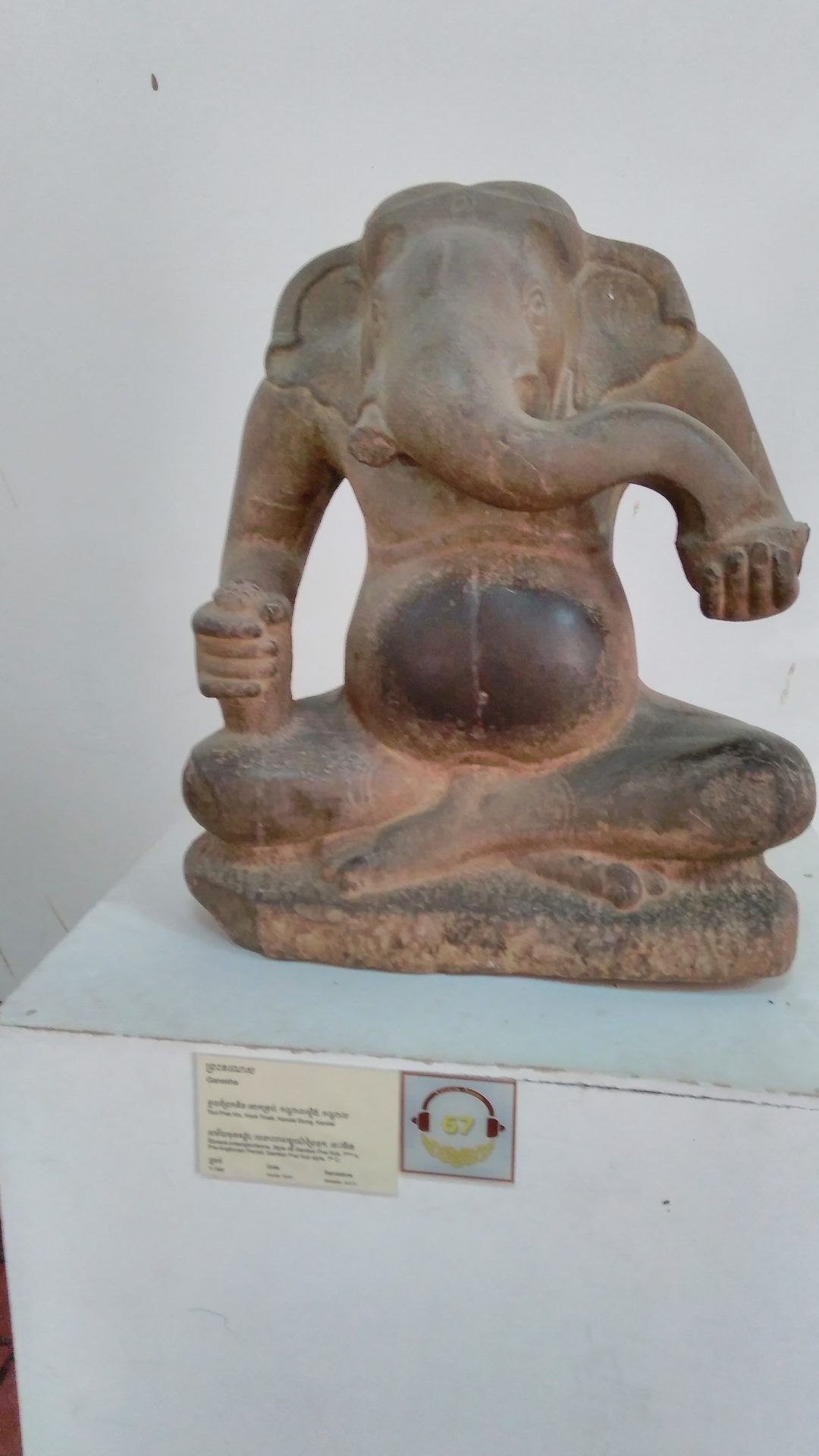
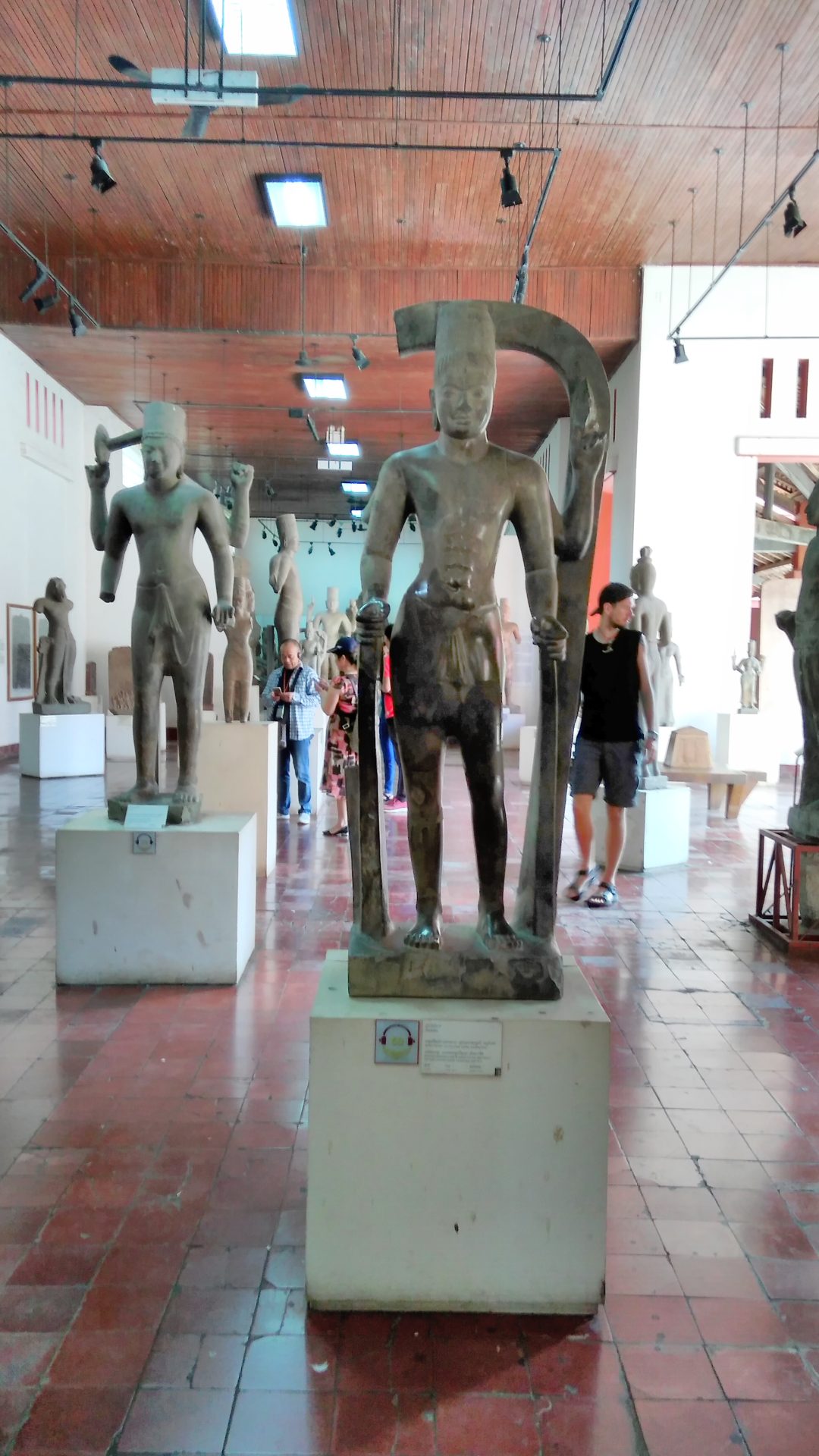
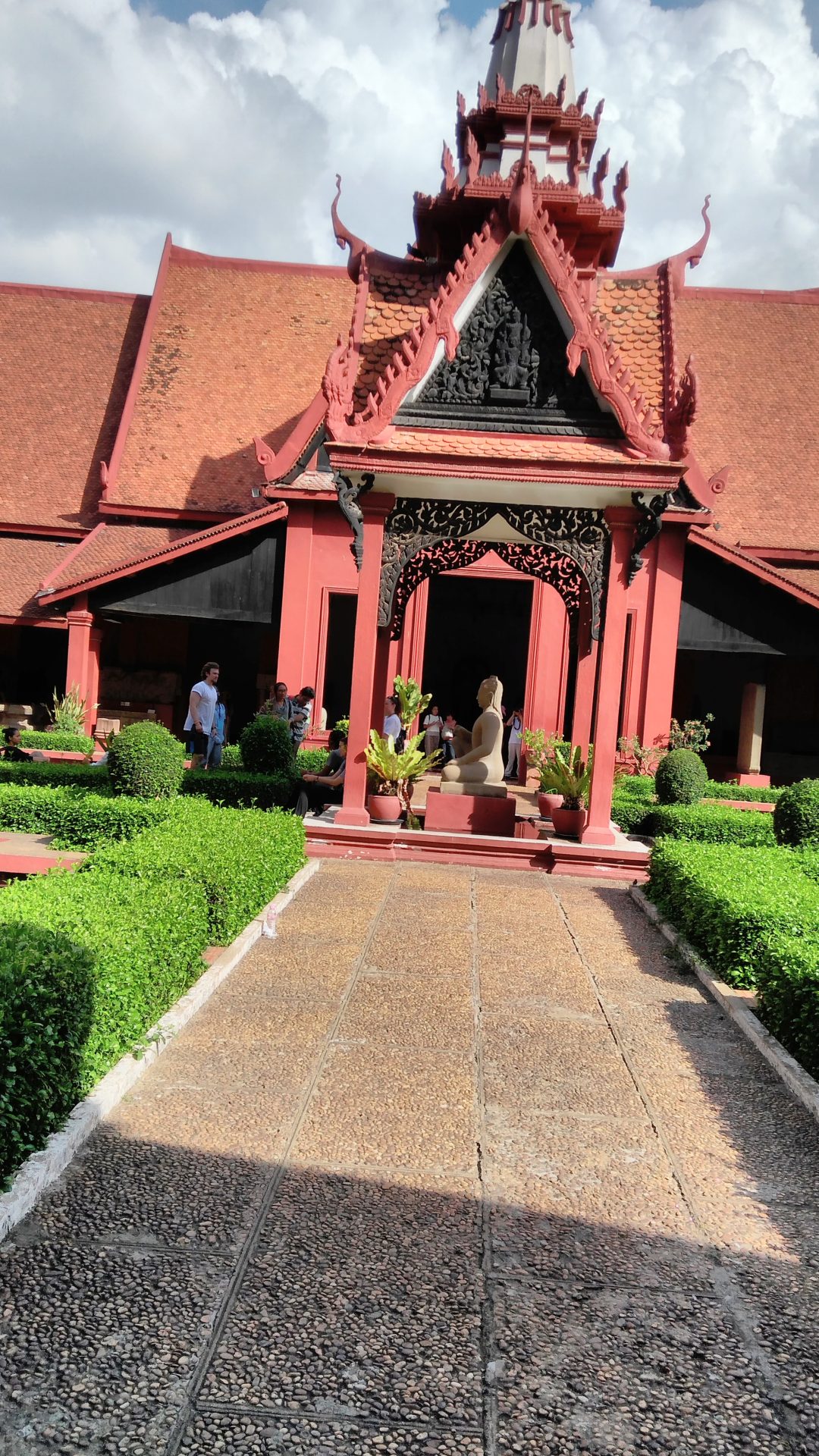
Adjacent to the Royal palace at a walking distance of around 300 metres lies the National Museum of Cambodia. Home to more than 5000 artifacts which date back to the ancient Angkorian era. There are various rooms which display a wide range of rare statues,Lingas and other items, including the Leper King from Siem Reap and a giant 11th Century bronze Vishnu. Built with dark red clay bricks and intricately carved roofs that spiral upwards in a lush green setting, the museum aesthetically appears beautiful and appealing to the eyes. The cost of tickets are 10$ apiece.
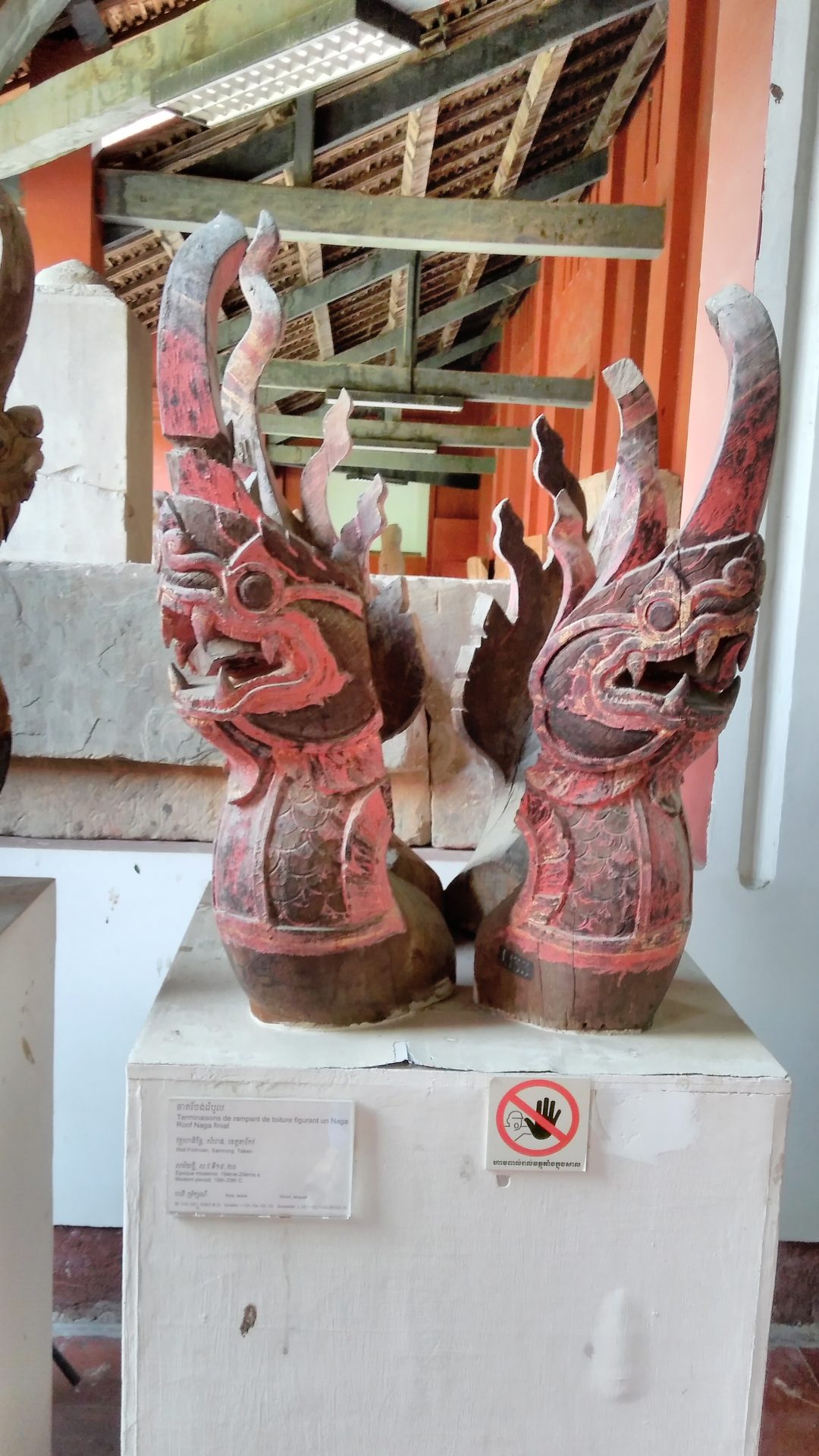
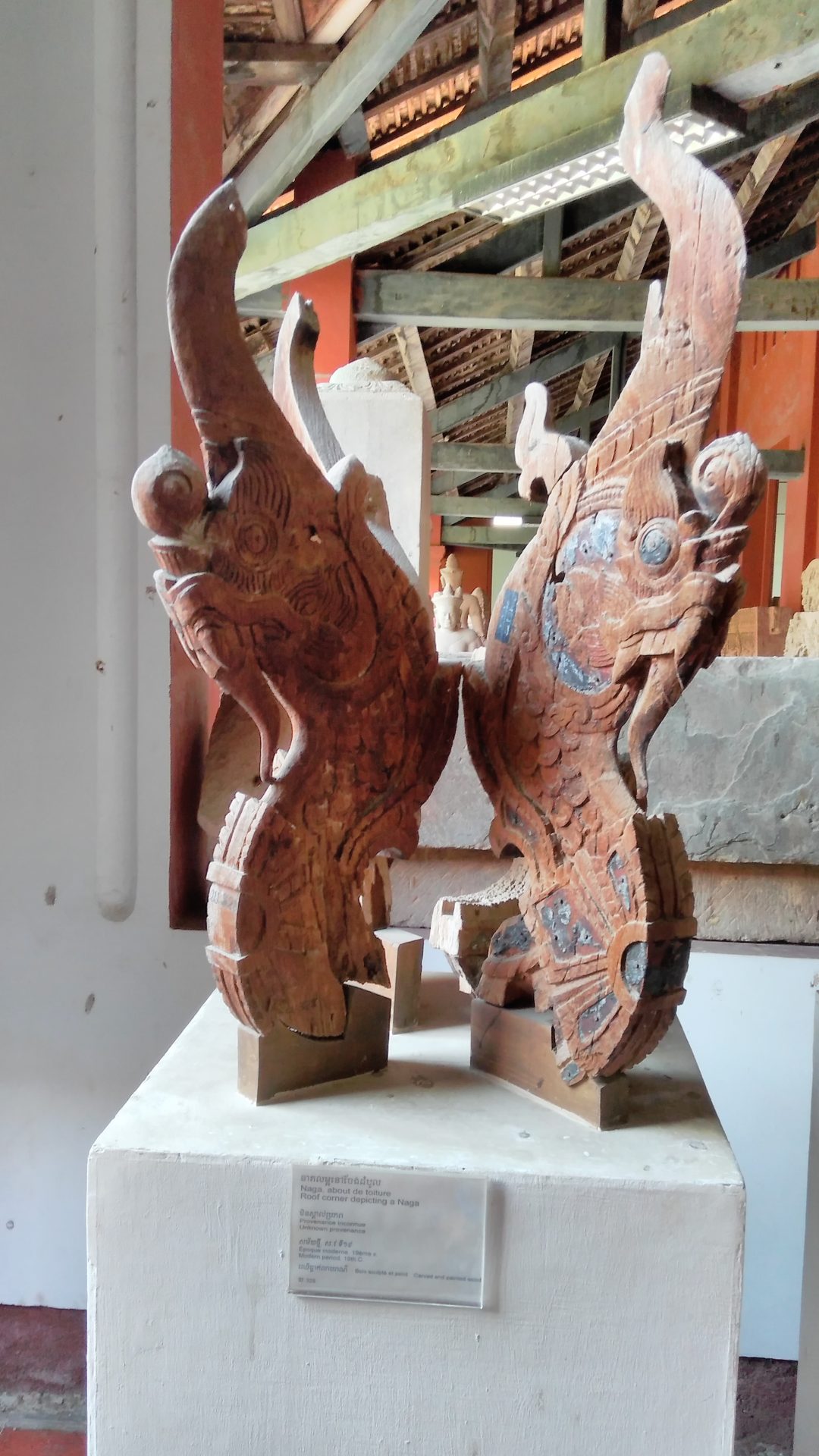
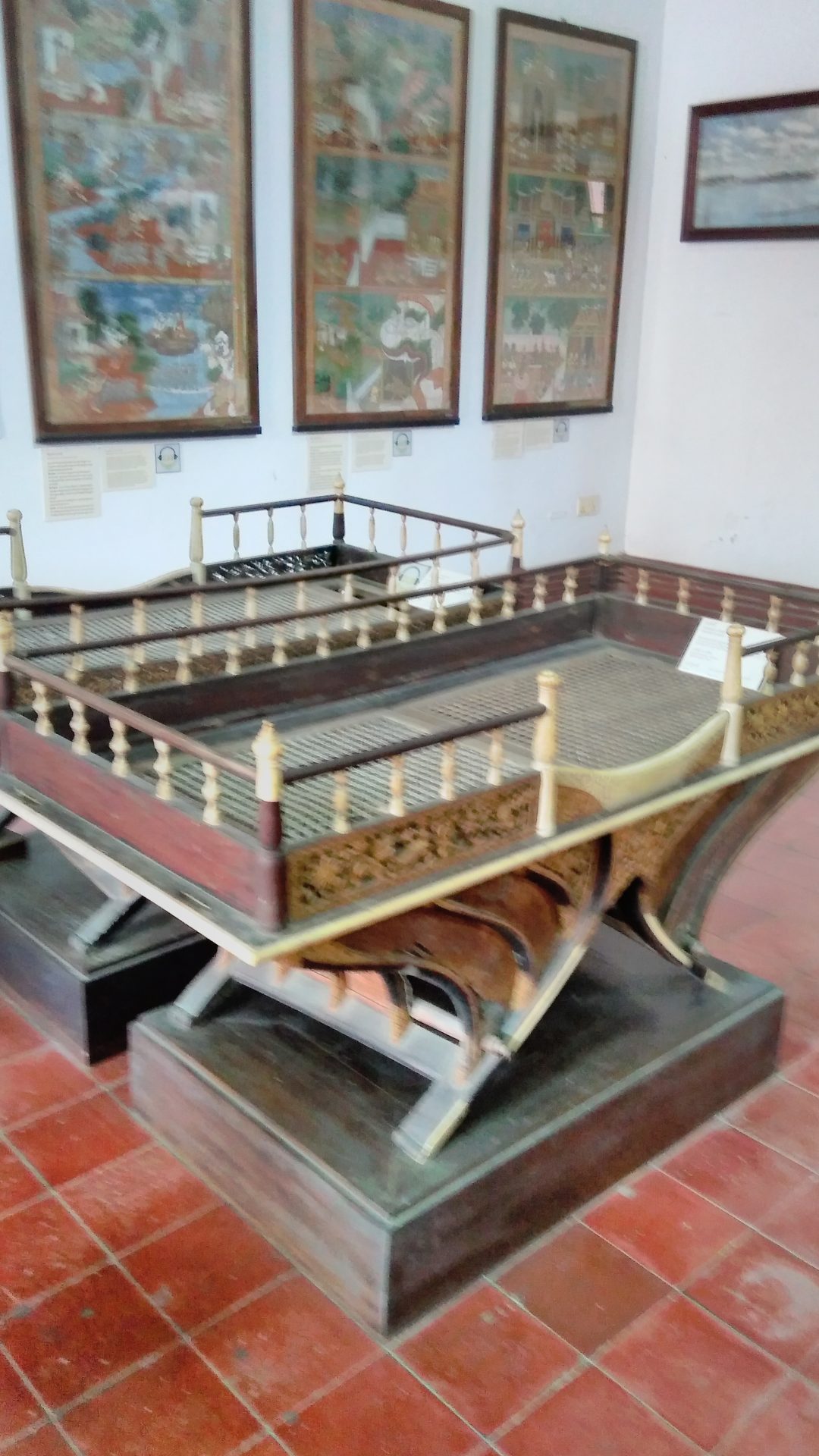
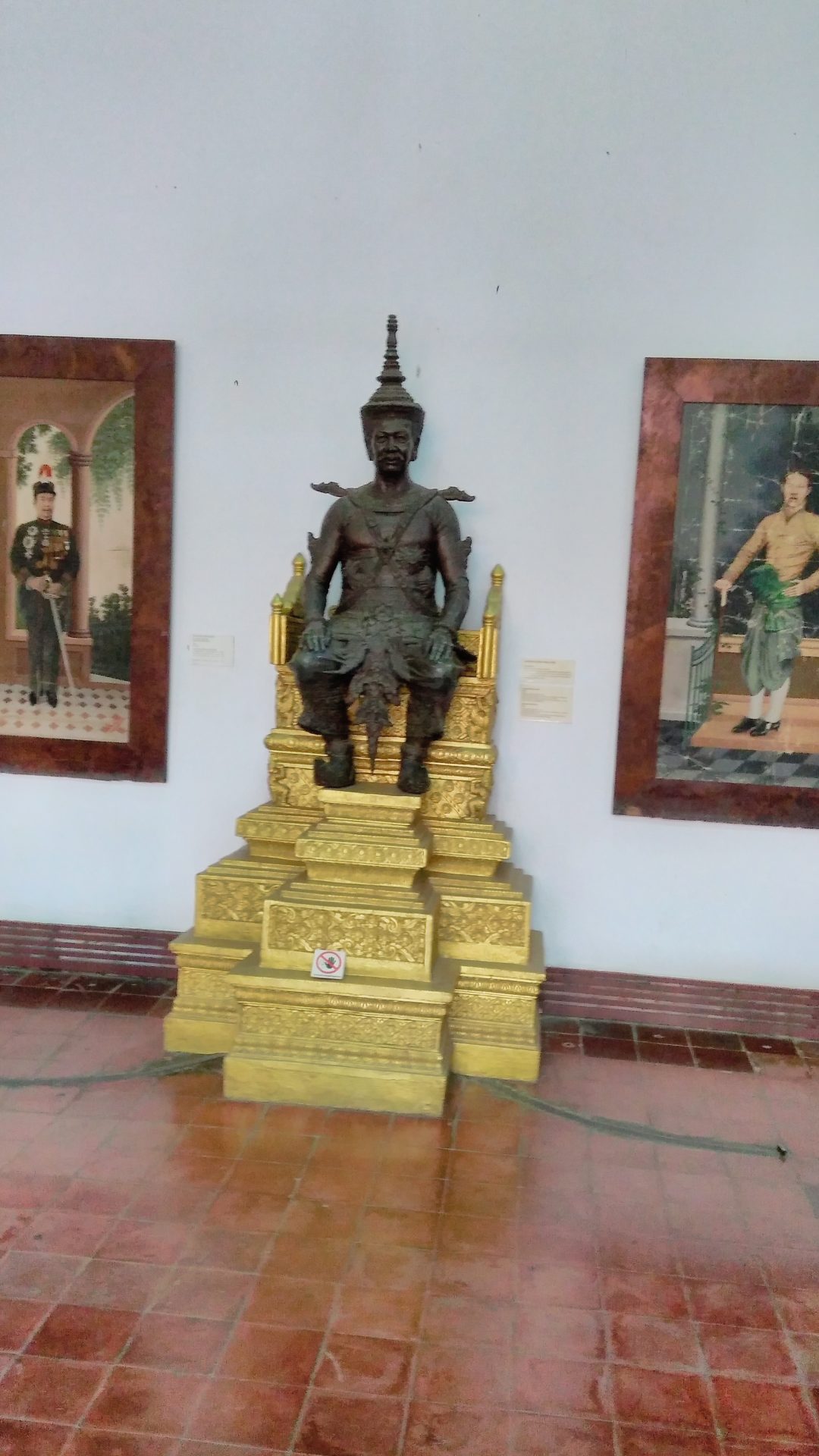
A look at some of the buildings inside and the artefacts
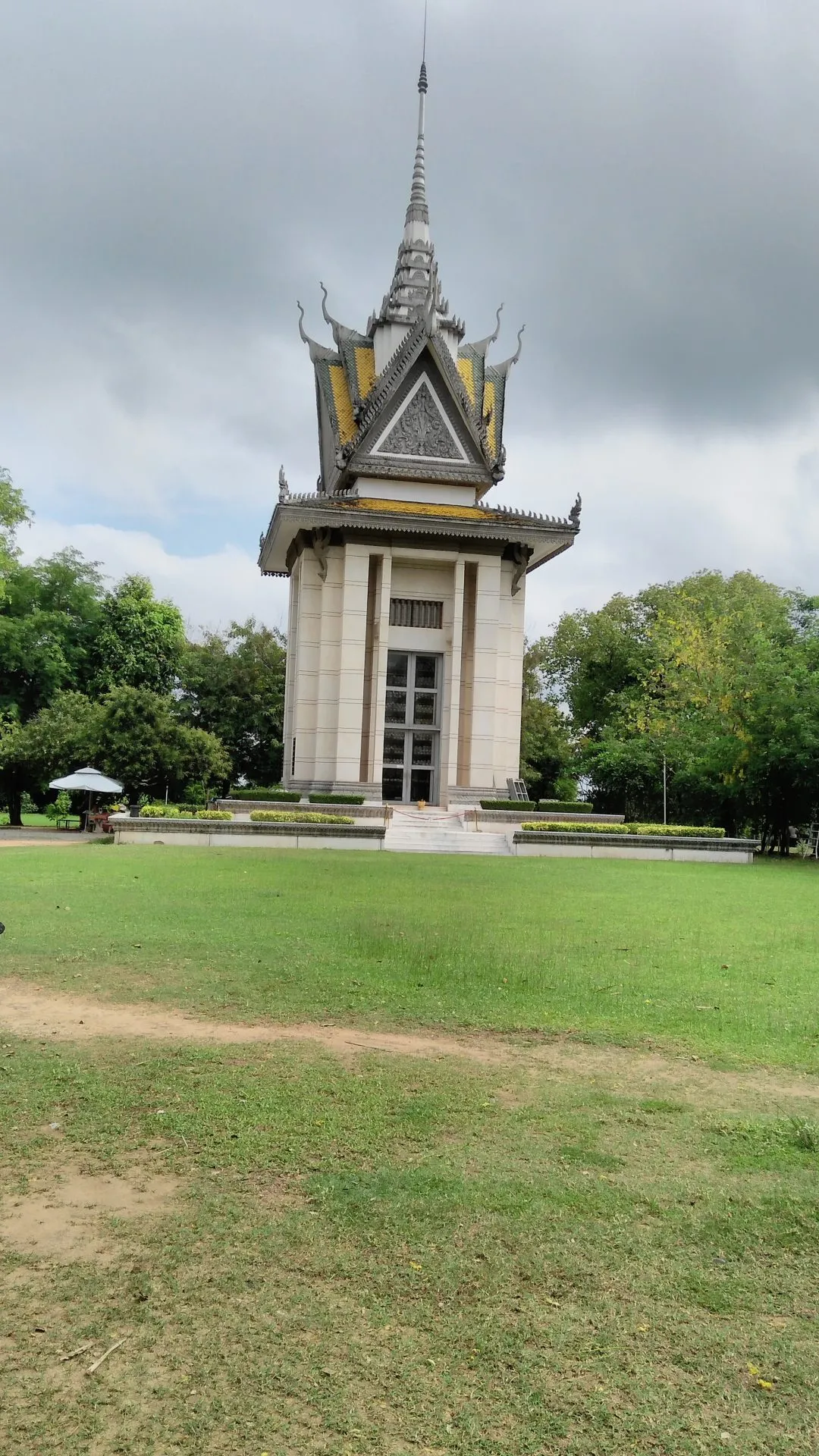
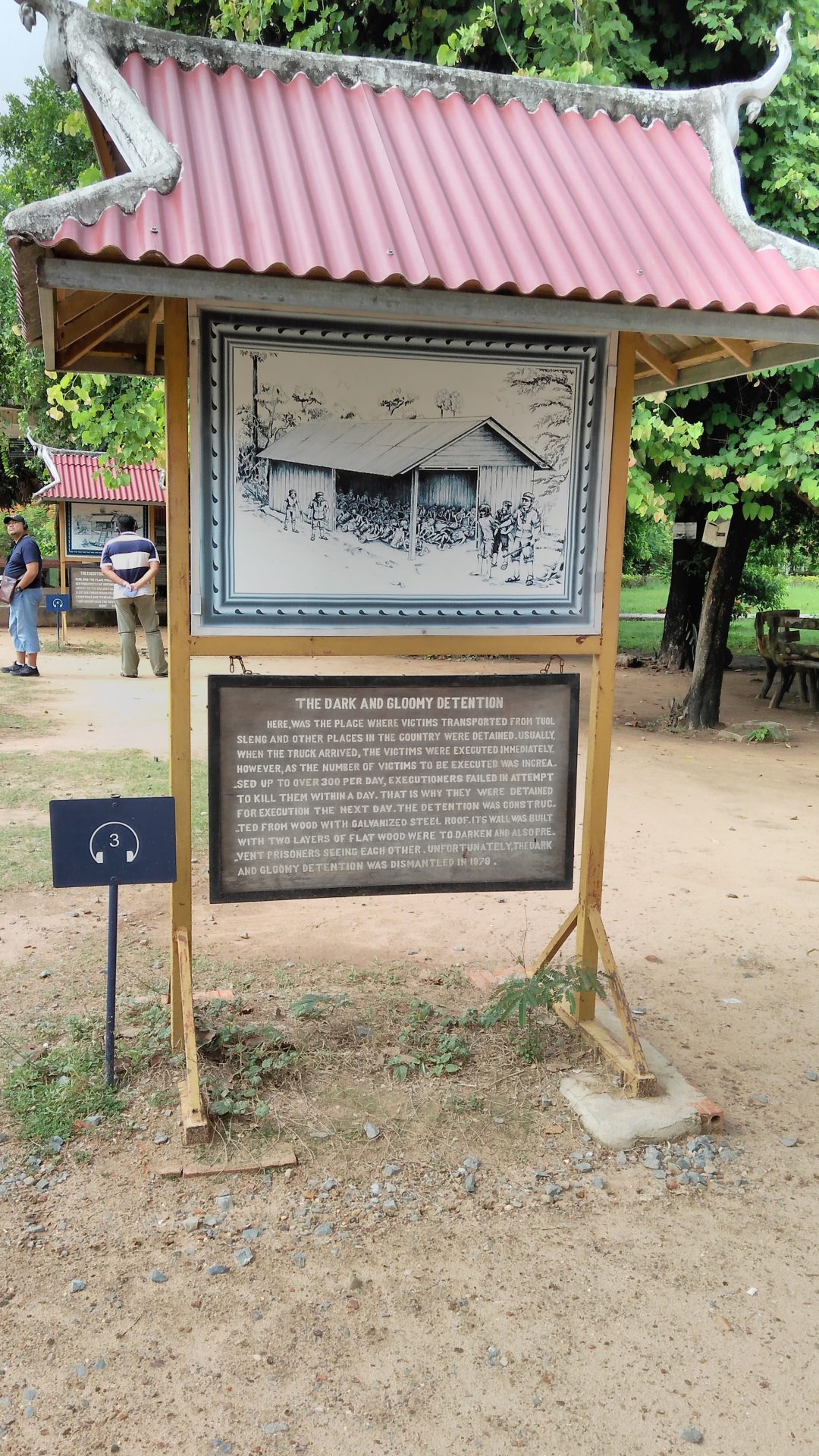
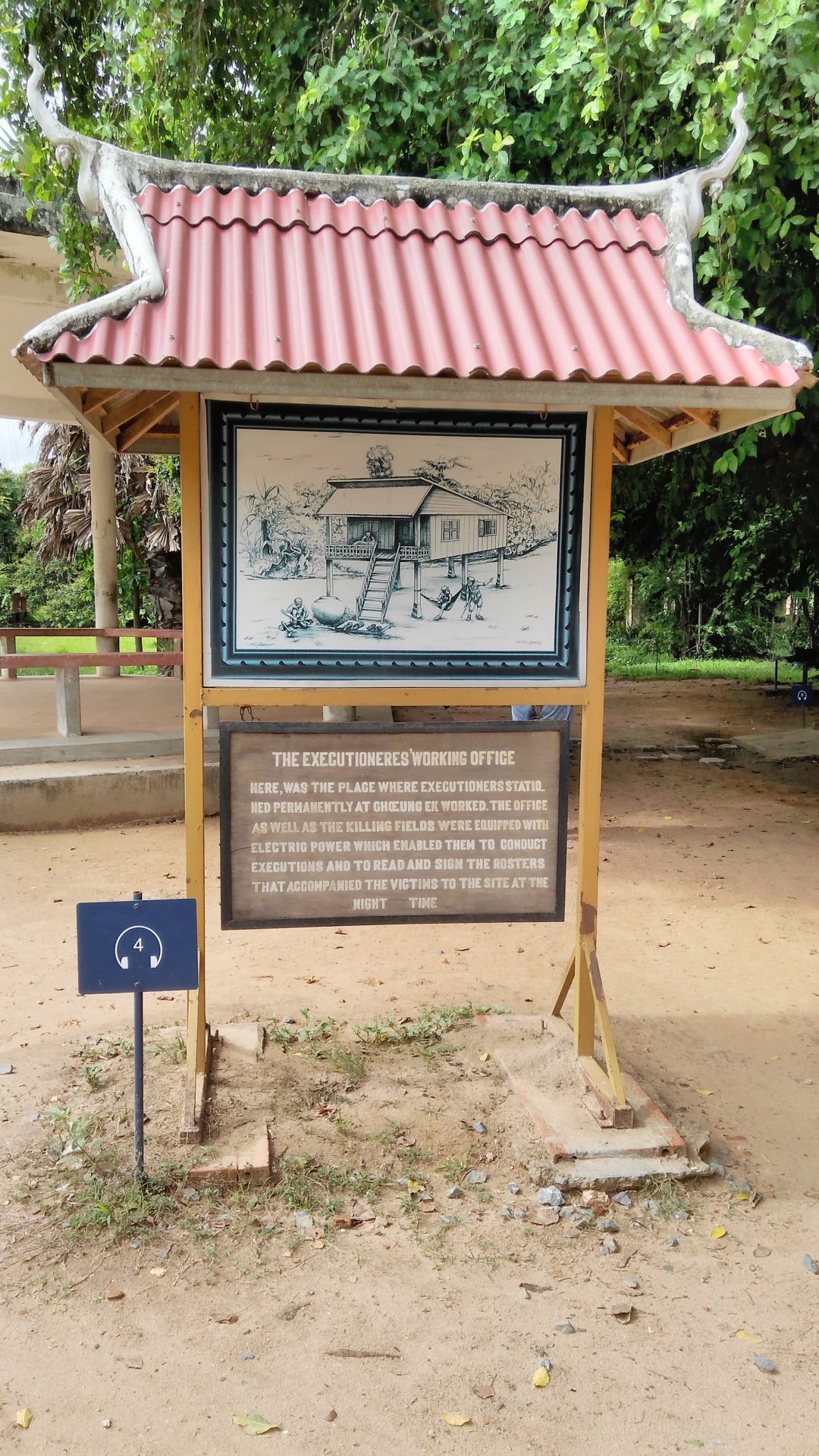
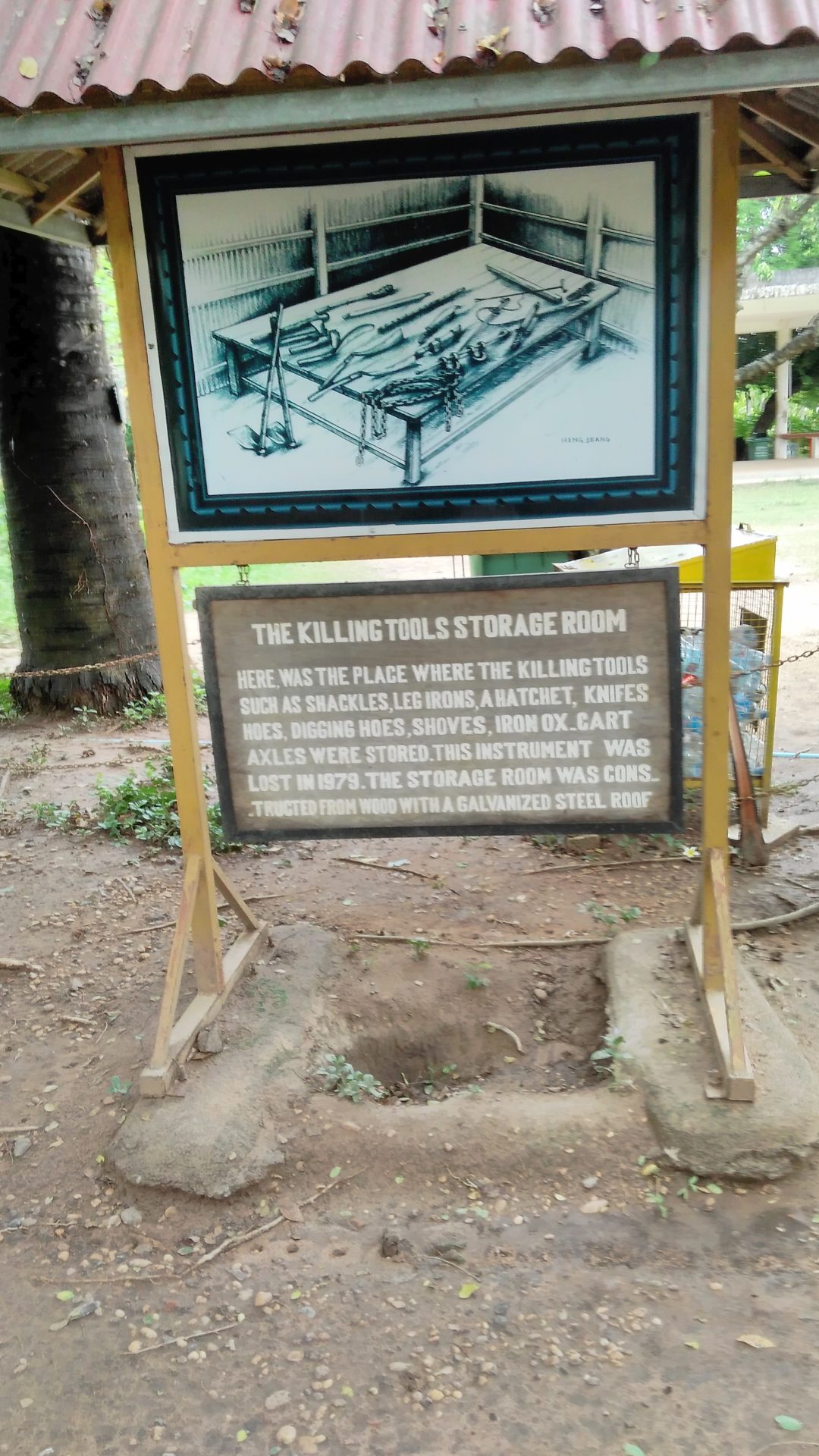
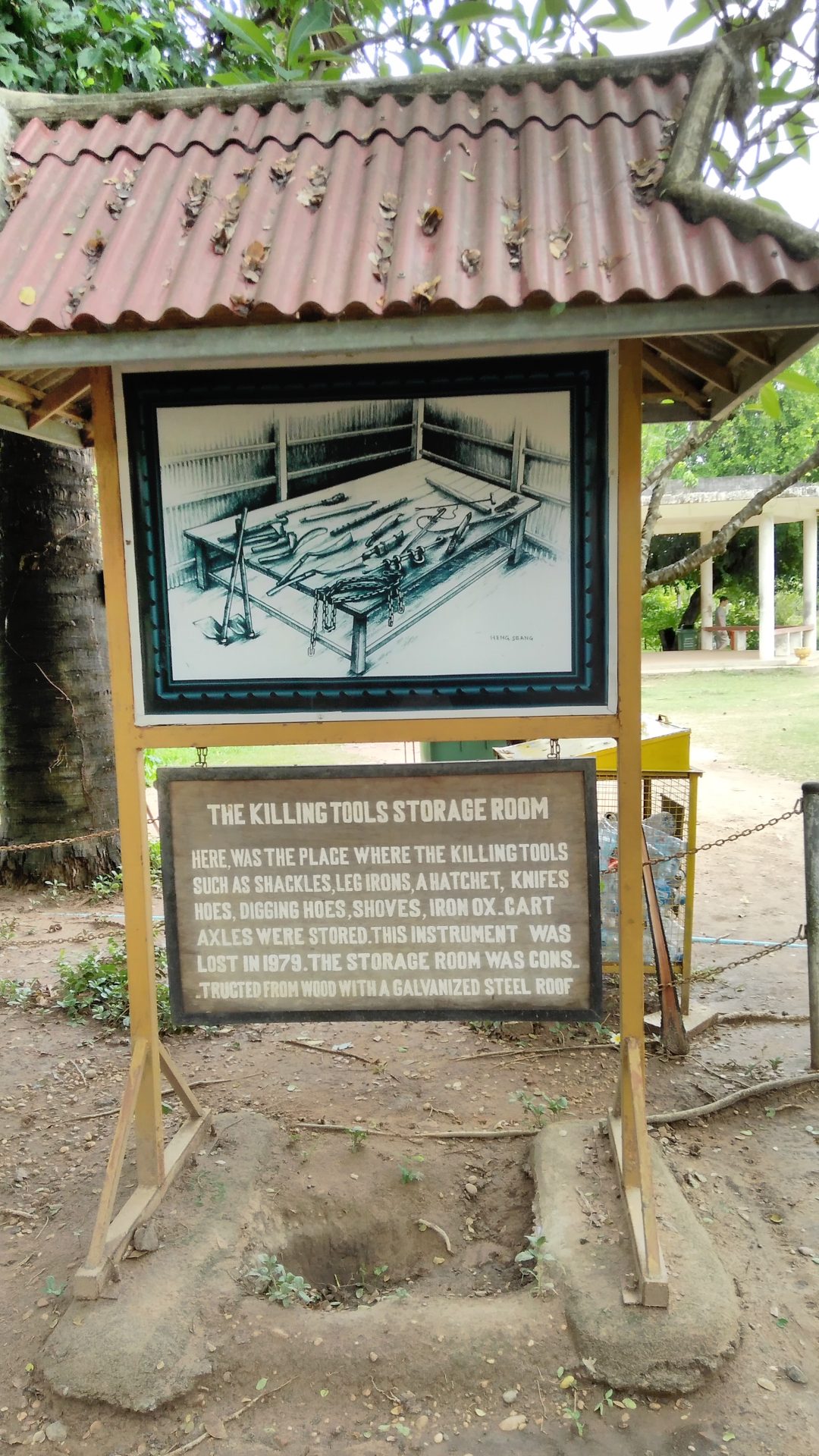
The Killing Fields
The city also houses a school which was made into a prison in the year 1975 during the Khmer Rouge and it stands converted as the Tuol Sleng Genocide Museum.
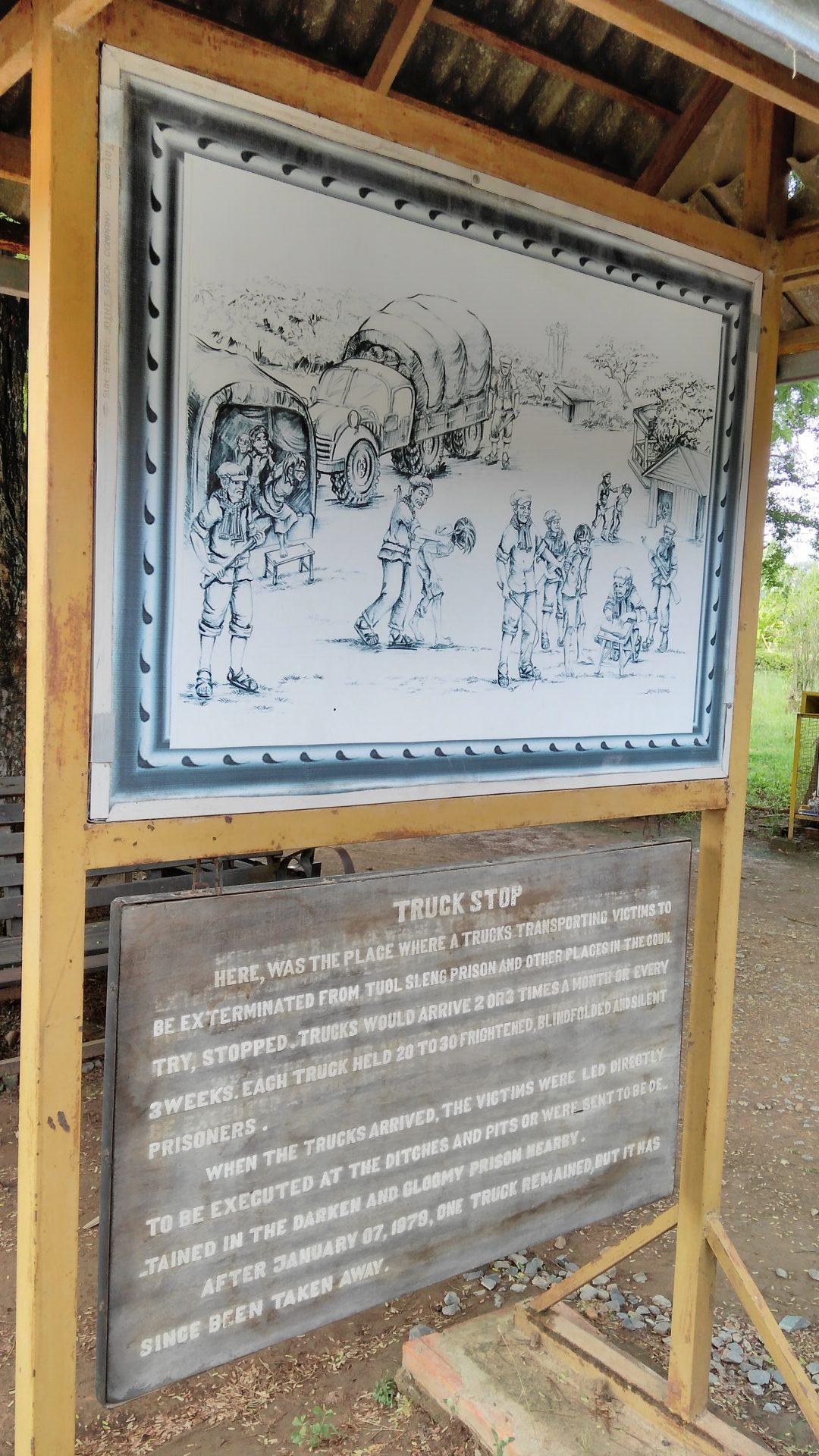
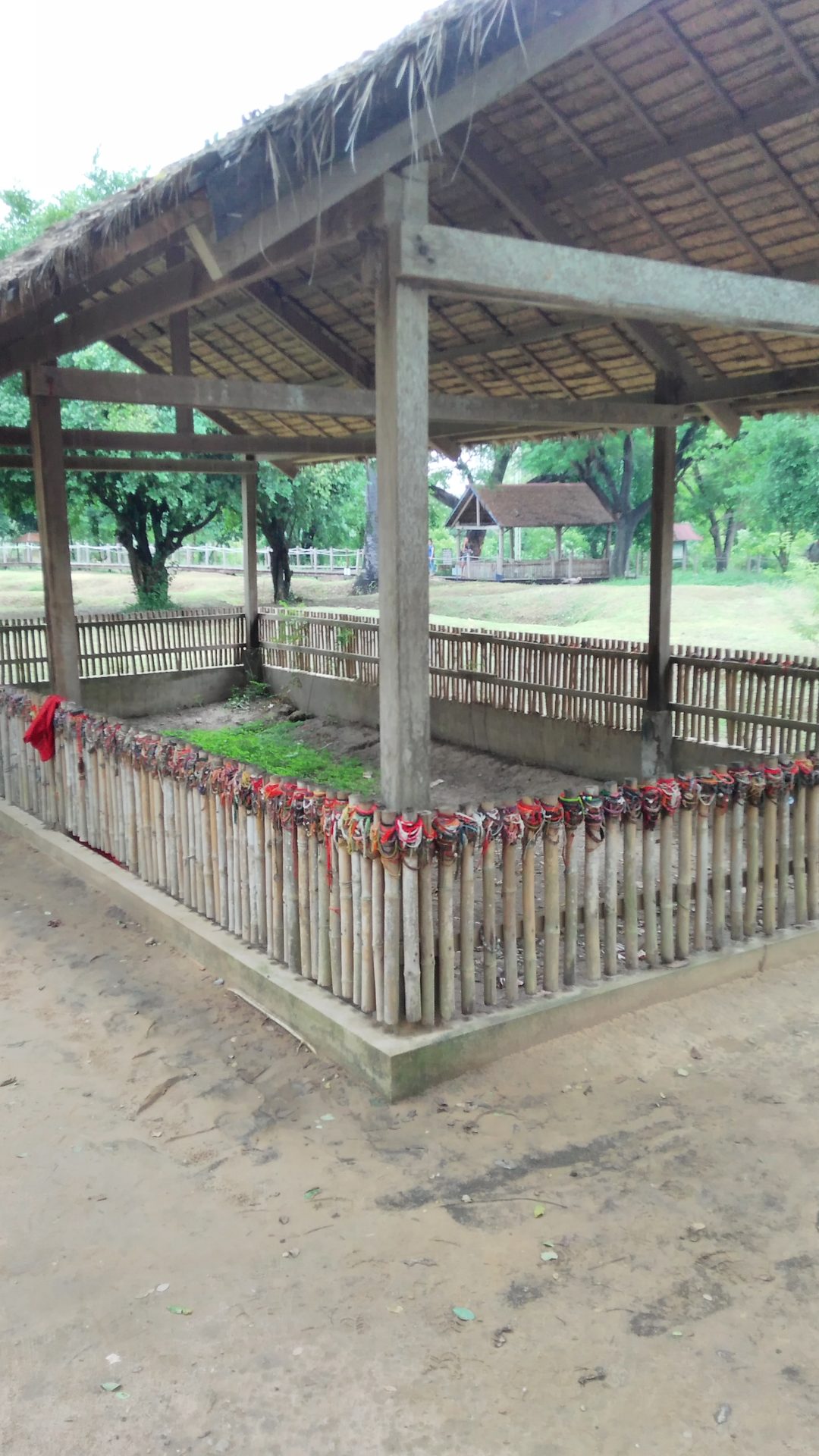
Prisoners were held captive before being taken to the Killing Fields and getting executed. Though I was staying very close to this school, I could somehow never muster the courage to visit this place until I decided to visit The Killing Fields to understand what happened. Emotions would have really run high and dry during this period when people saw their own kith and kin and anyone branded as a Professional and with a tag of being educated, getting mercilessly tortured and killed. A 15 Km drive on a Sunny Sunday morning by a Tuk Tuk took me to the Choeung Ek Genocidal Center popularly known as The Killing Fields.
The 70s saw the world’s largest genocide committed under the Polpot regime where it is estimated that more 1.7million people were killed and their bodies discovered across more than 20,000 grave sites.
Polpot was a Cambodian armed revolutionary and politician who wanted to convert the kingdom to an agrarian socialist society and then evolve to communism. Elements of Marxism with a strong Xenophobic form of Khmer nationalism was what he exhibited during his 4 year tenure.
Polpot and his band of followers never believed in wasting bullets and the so called intellectuals and professionals, ethnic communities of Thailand, Vietnam, China, Cambodian Christians, the Buddhist monks and ones with soft hands were wiped out in the most brutal fashion using sharp bamboo sticks, spades and chemicals.
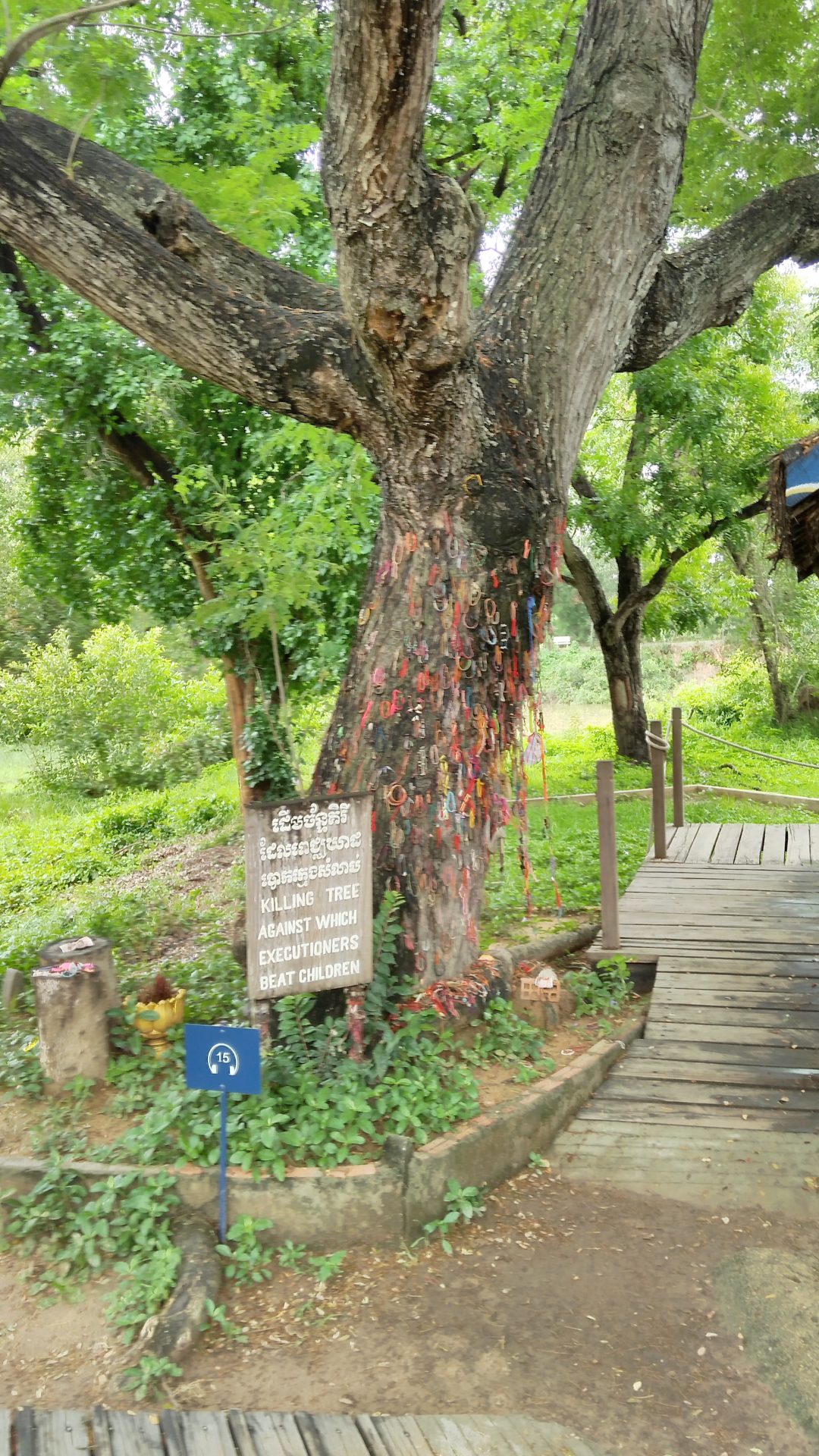
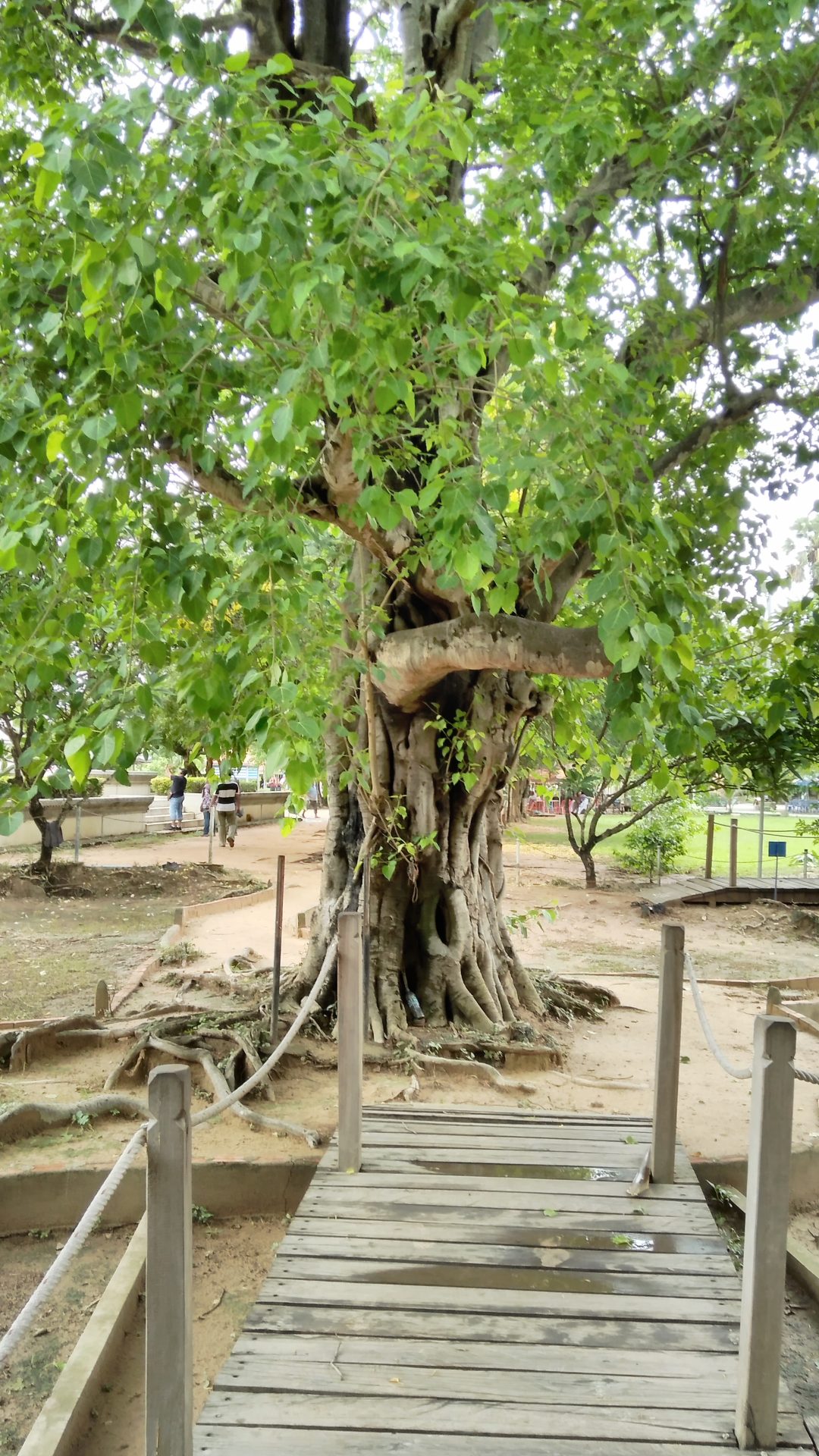
To eliminate the idea of their siblings taking revenge after growing up, these poor infants were held by the legs and their heads smashed against a tree which still stands erect in The Killing Field which is a mass grave to more than 9,000 people), bearing testimony to so many deaths.
One gets to see the places sequentially in the order of torture in this memorial complex built in memory of the so many killed and through a beautiful and moving audio commentary, live through the horrific times these people went through.
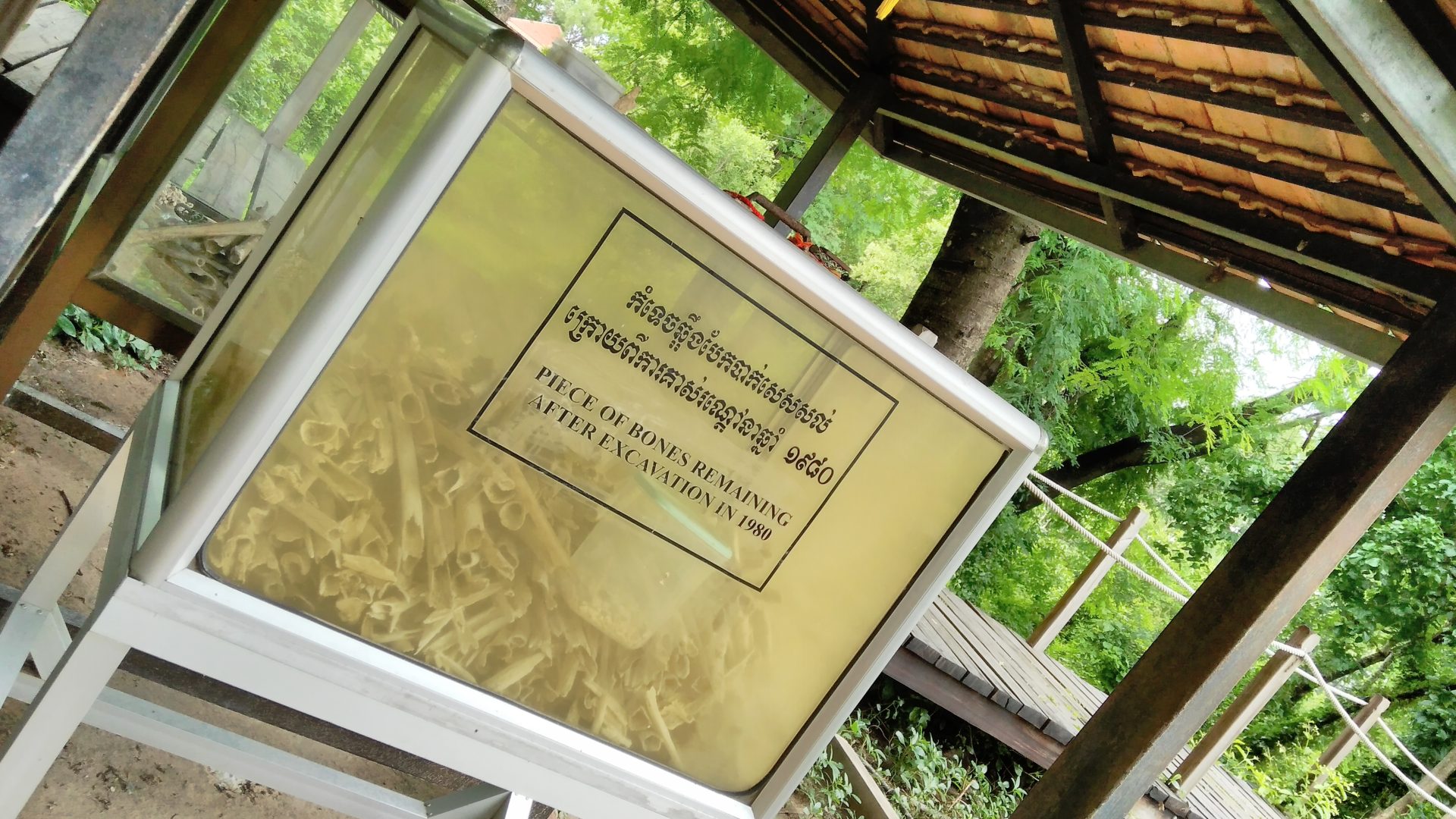
You see skulls, bones, broken teeth and ragged dresses of so many of these people taken into confinement and subjected to torture.
An emotionally draining experience and definitely not for the weak hearted. Tickets are priced at $6 apiece.
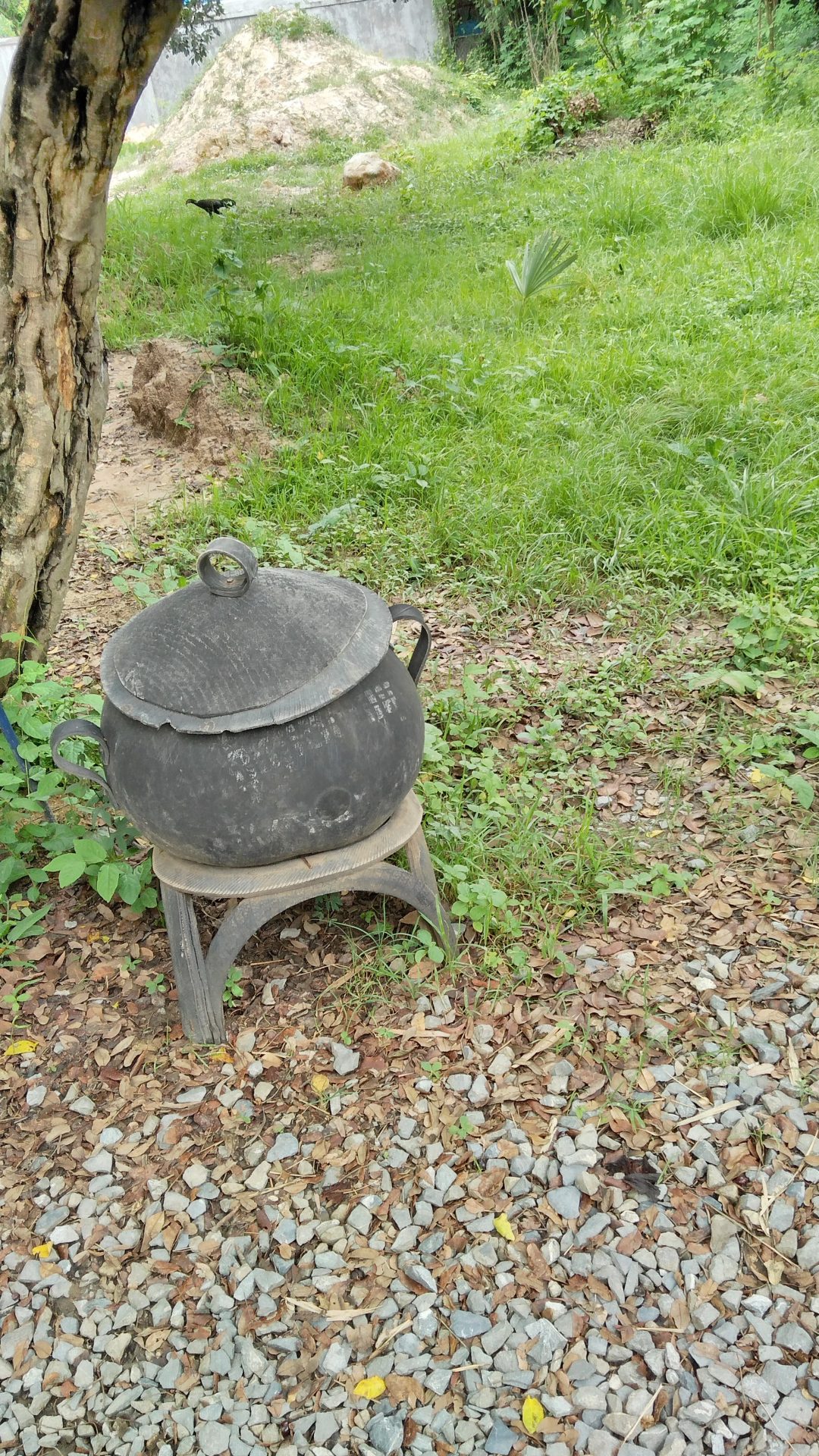
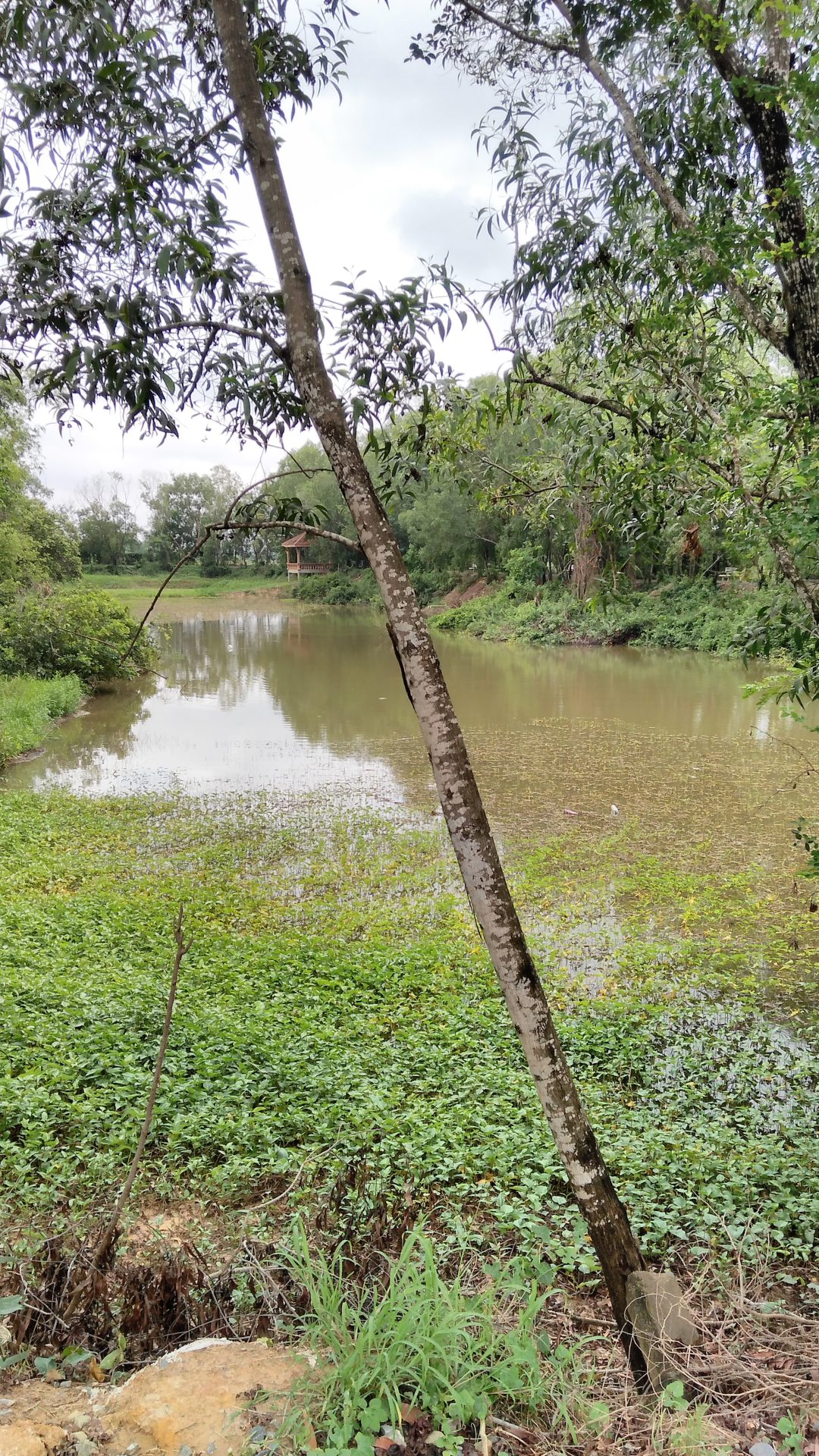
A place holder for some touchy moments at The Killing Fields