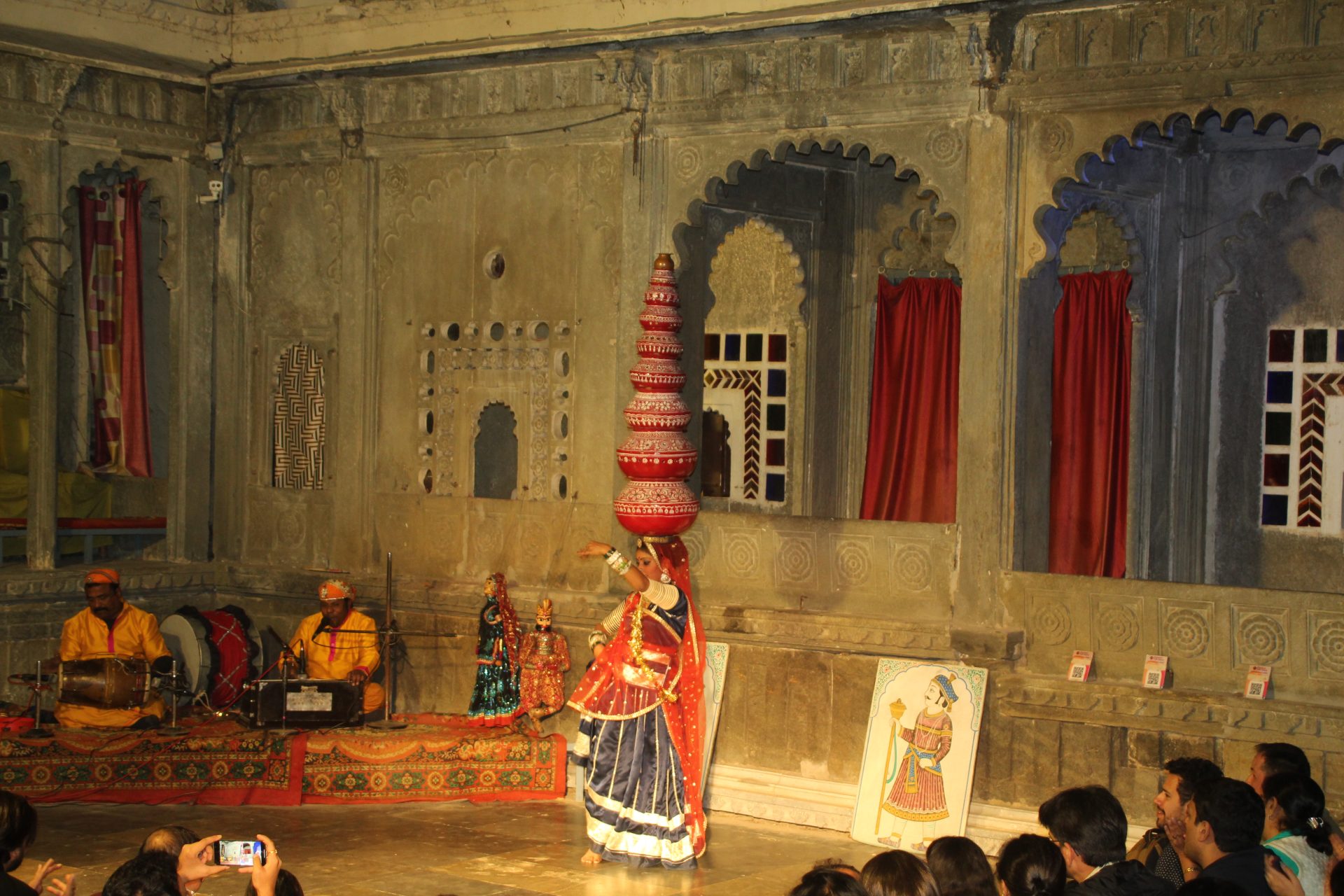
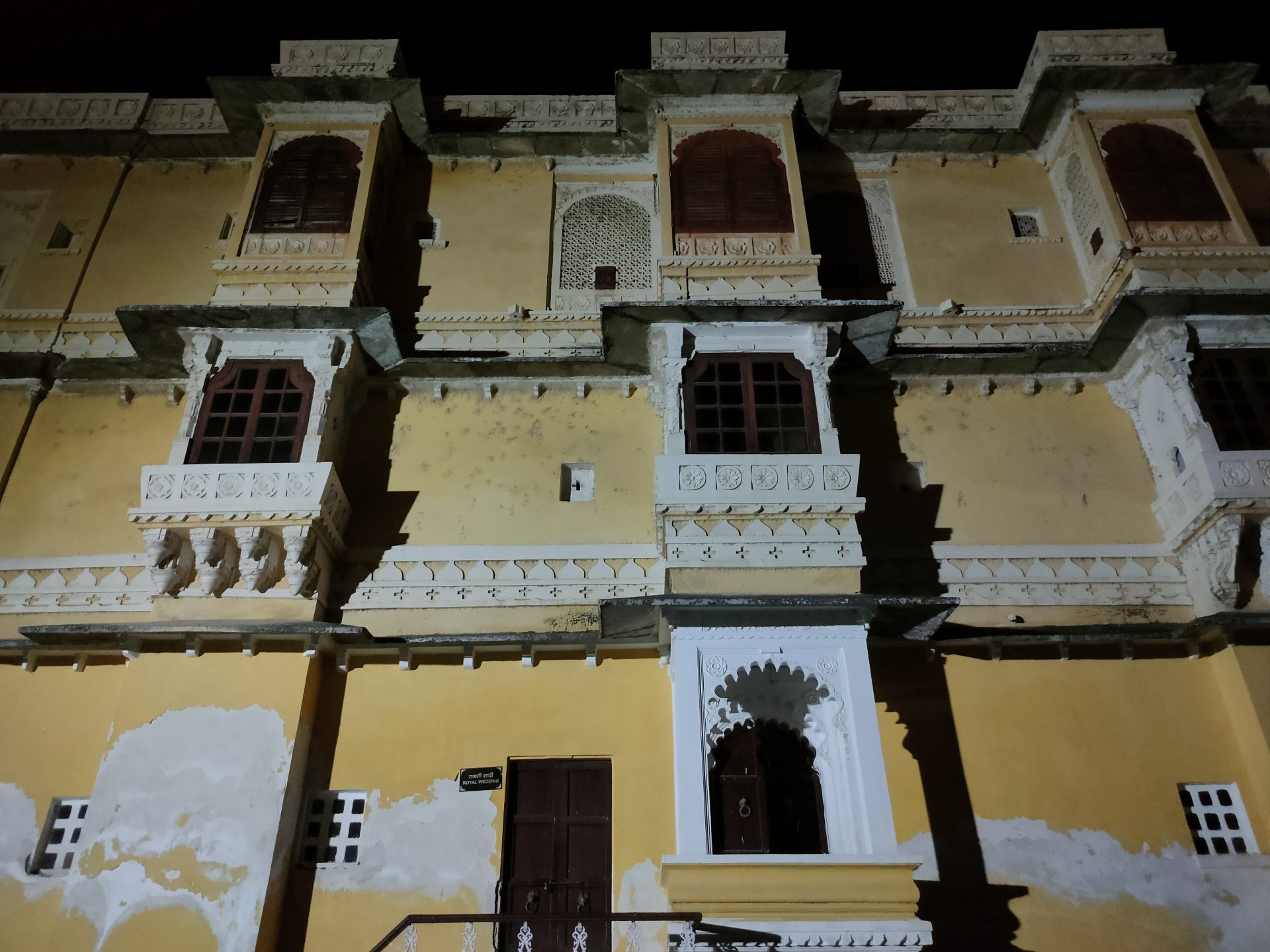
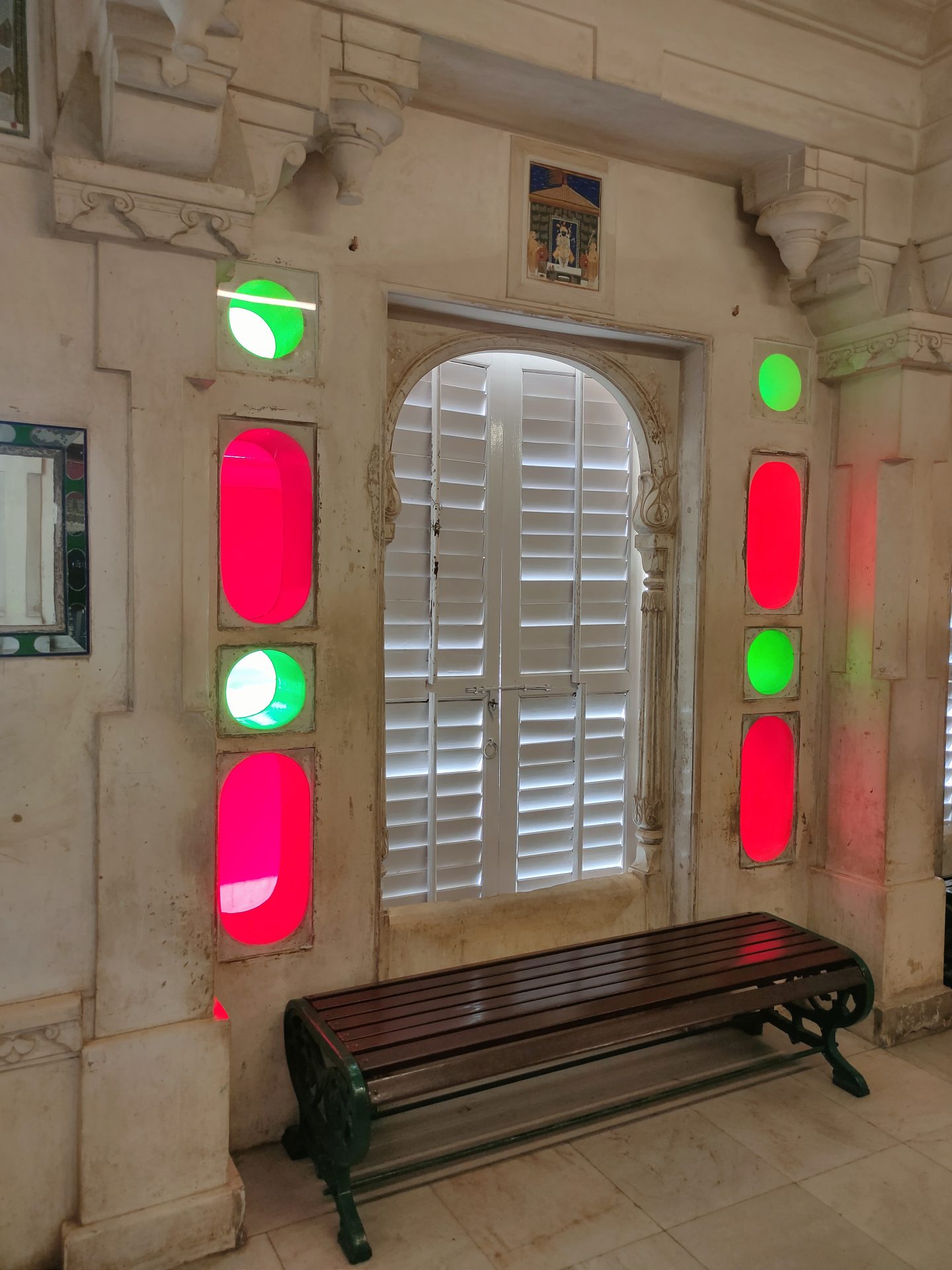
16th December : 6.30 PM. We had our tickets booked for the Dharohar Dance show held at the 18th century Bagore Ki Haveli. Considering that parking would be a serious challenge in the vicinity of the place, we headed for the show a little early and got into a parking slot, not very far off from the Haveli.
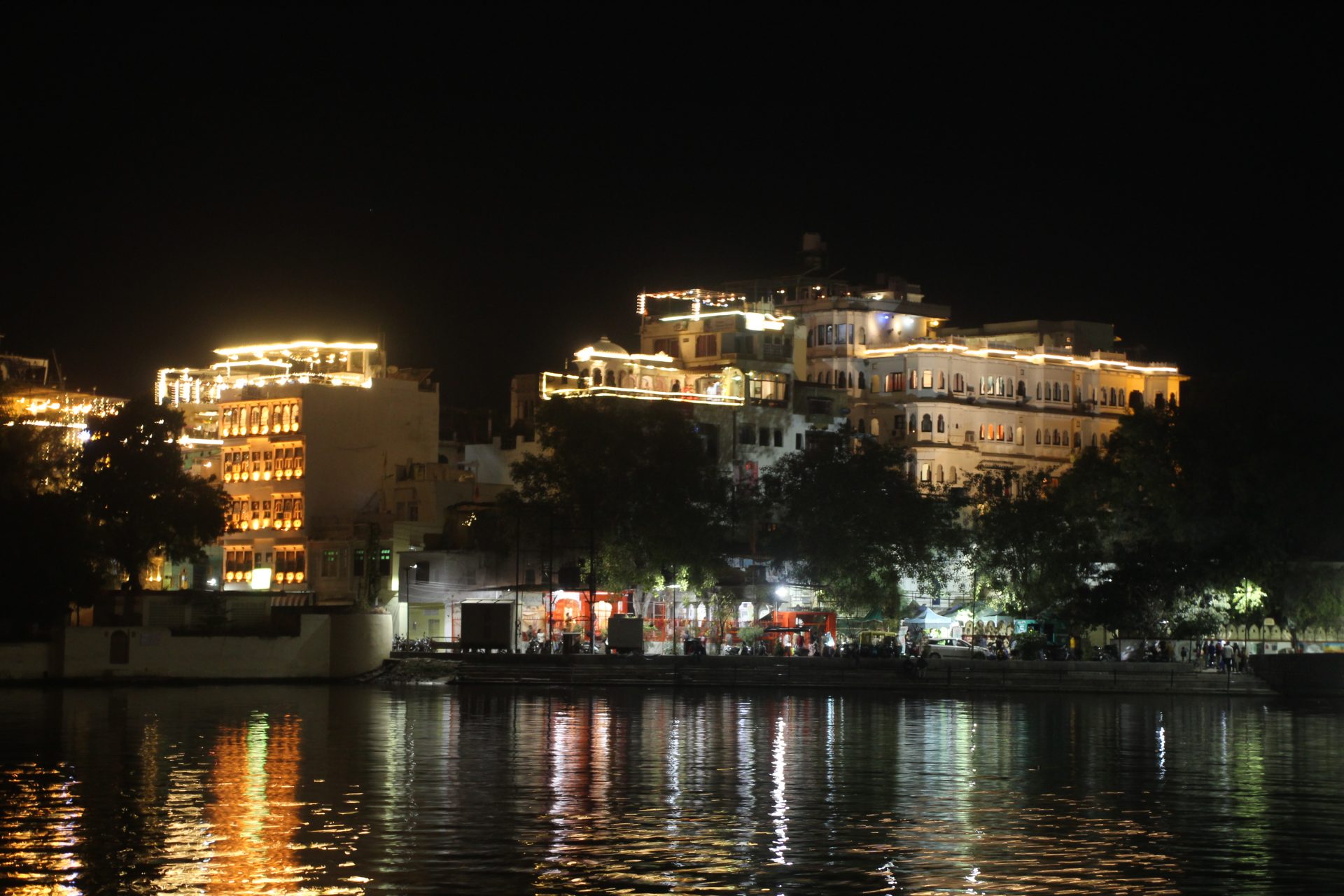
This place is located on the banks of the Pichola Lake in Gangori Ghat in the old city area and was built by the Prime Minister of Mewar, Amar Chand Badwa.
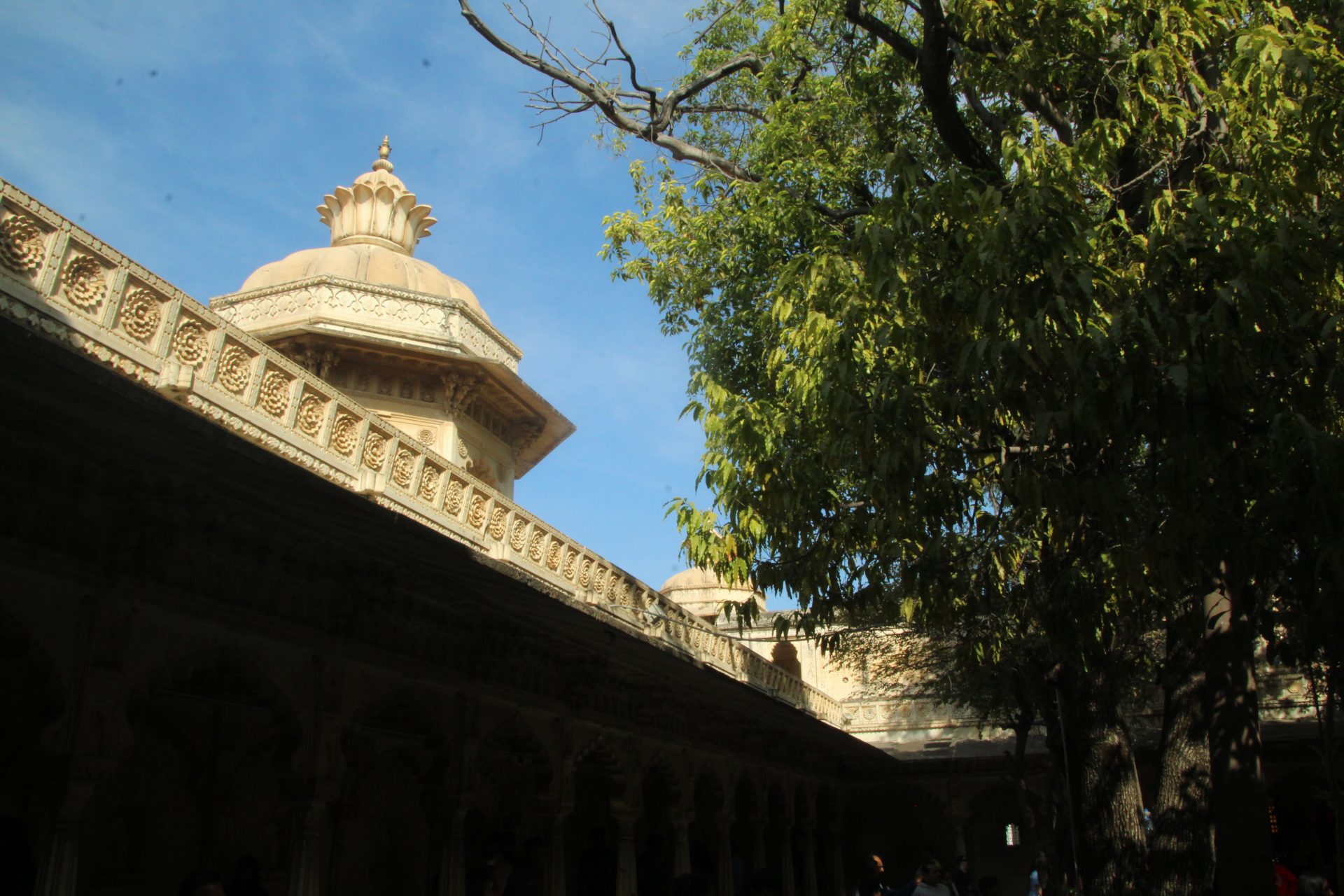
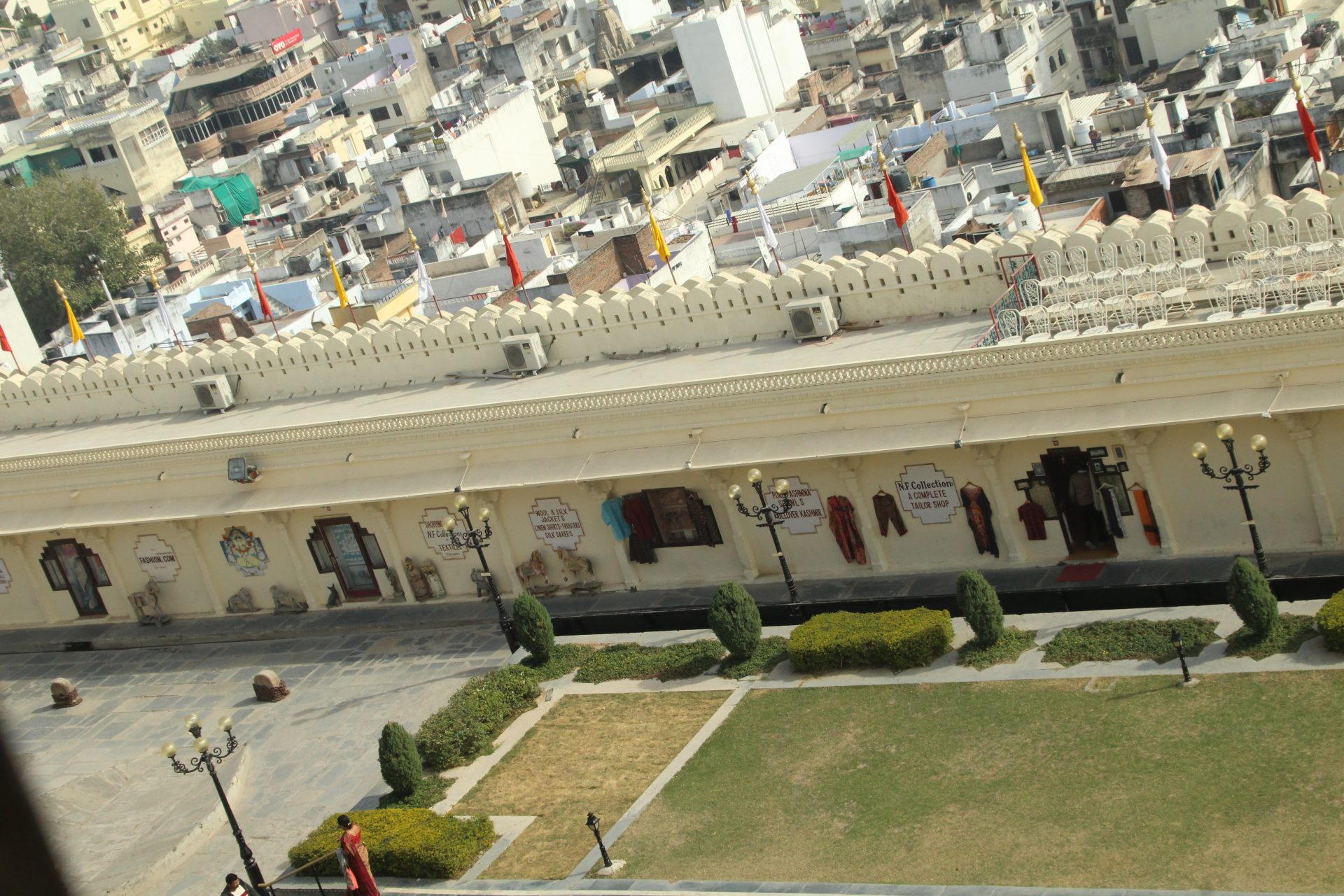
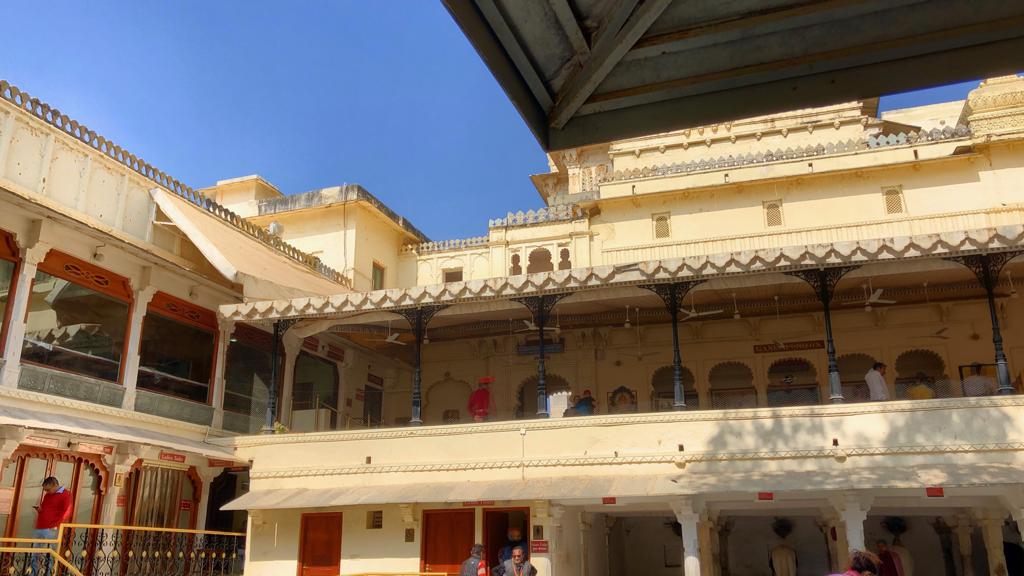
The Bagore ki Haveli has around 138 rooms, an expansive courtyard, numerous corridors, balconies and terraces.
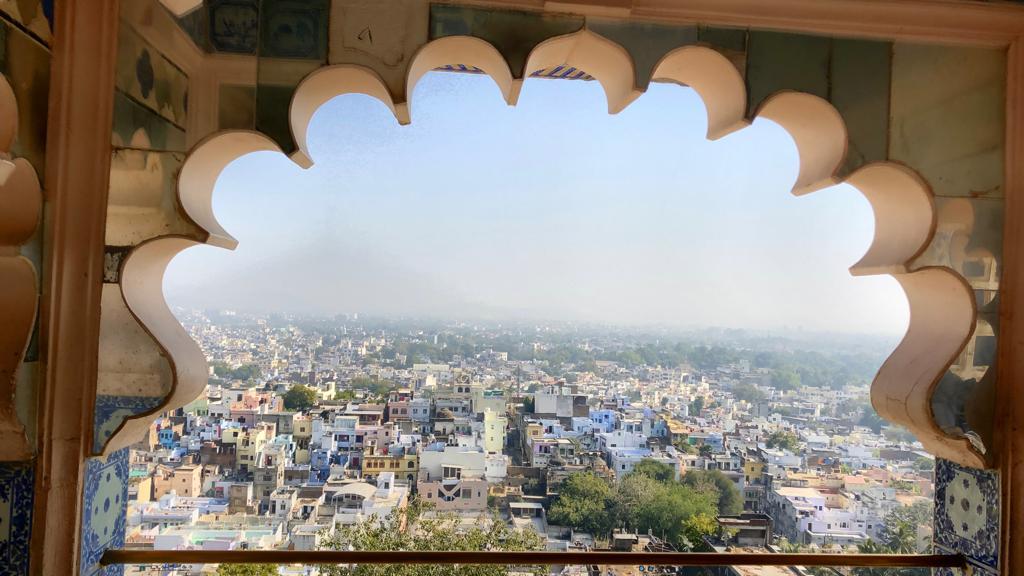
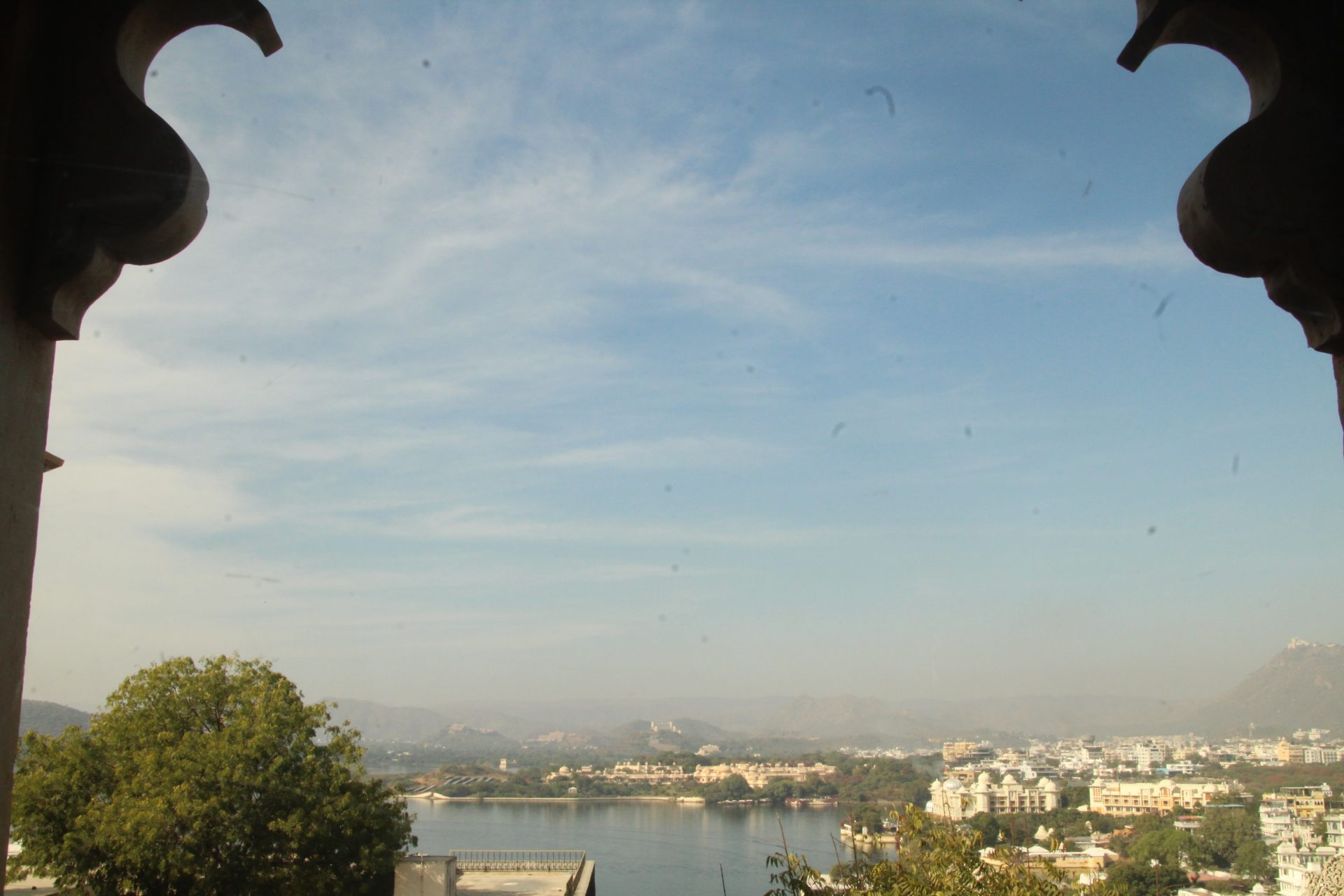
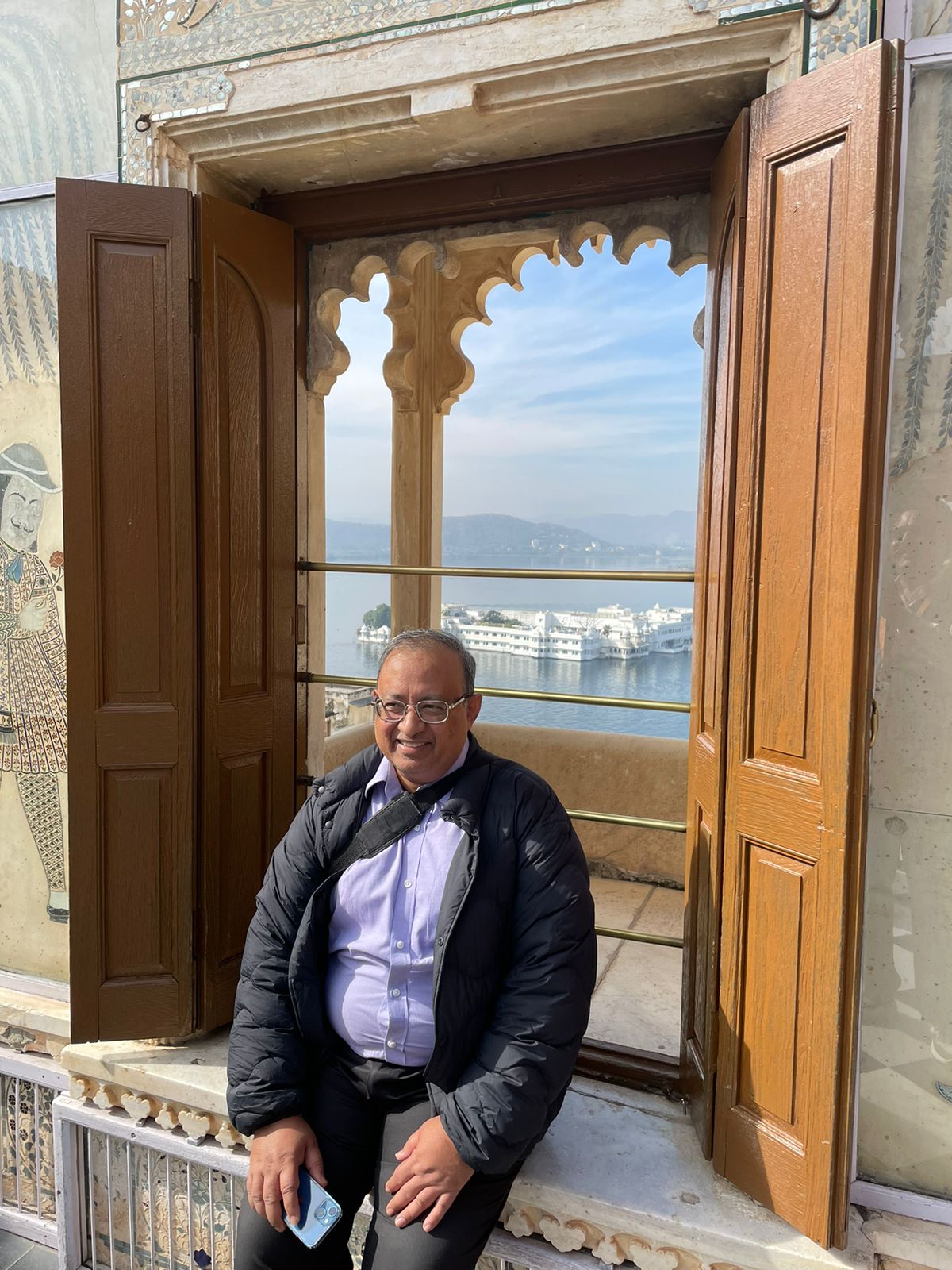
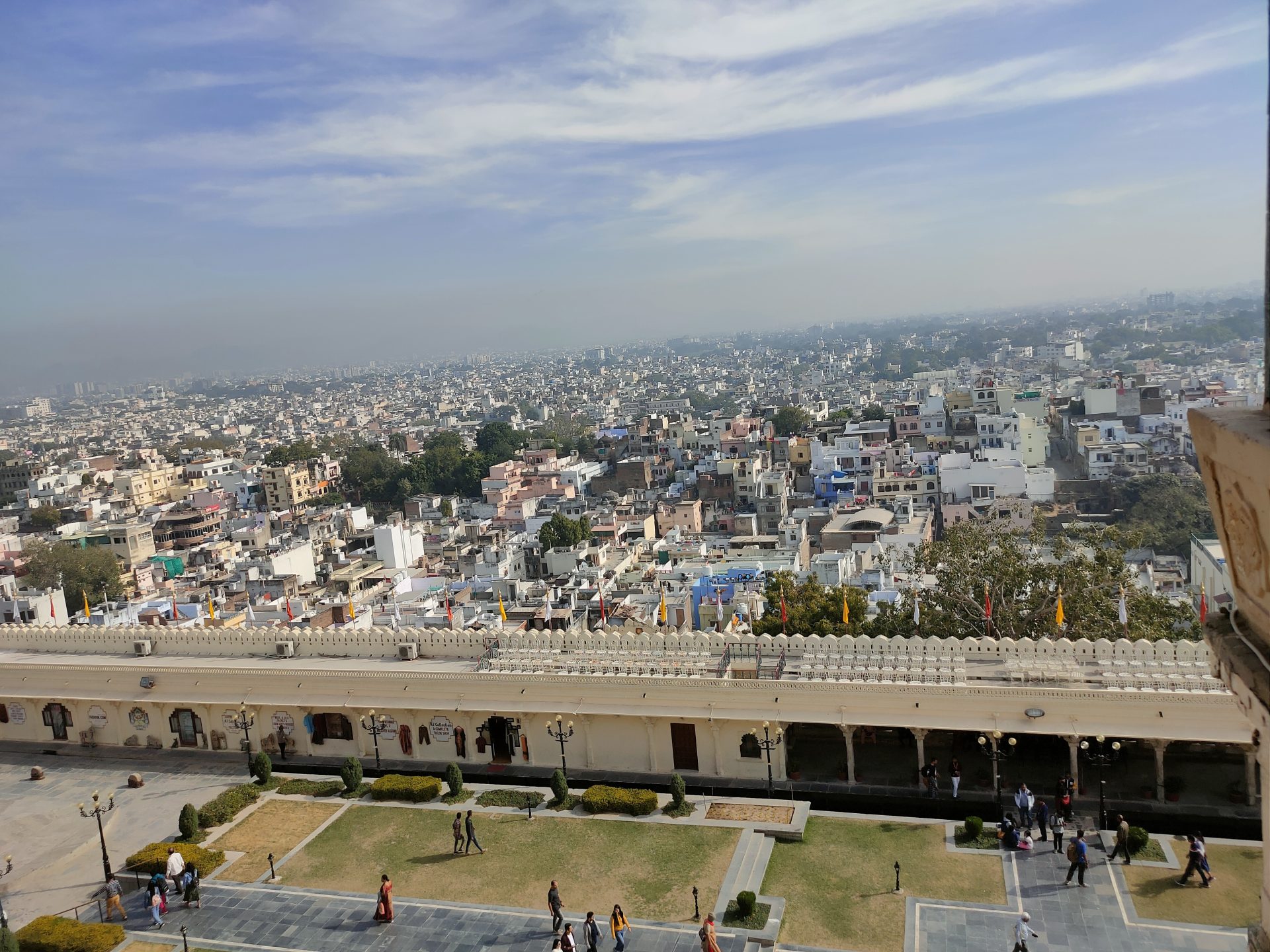
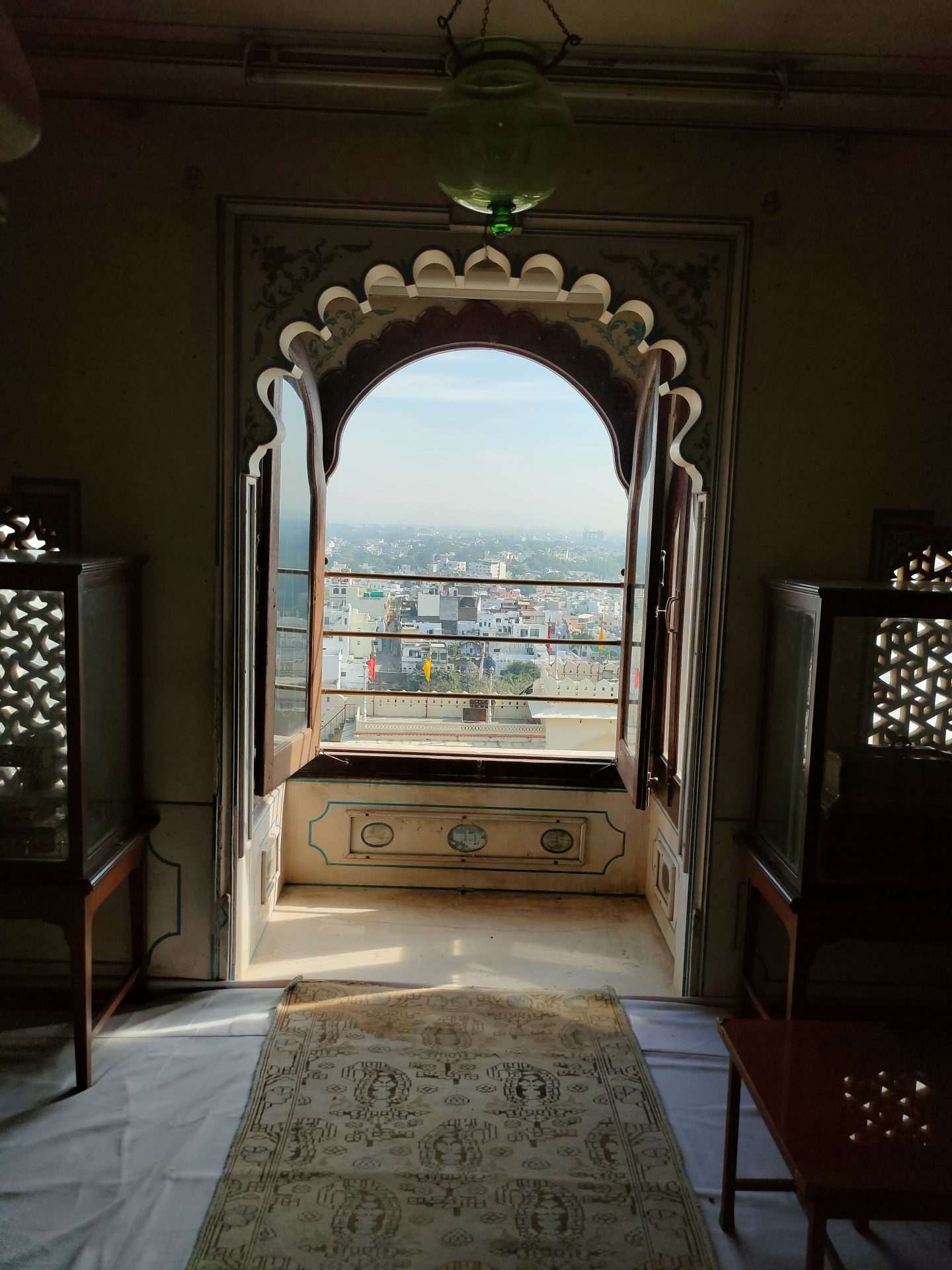
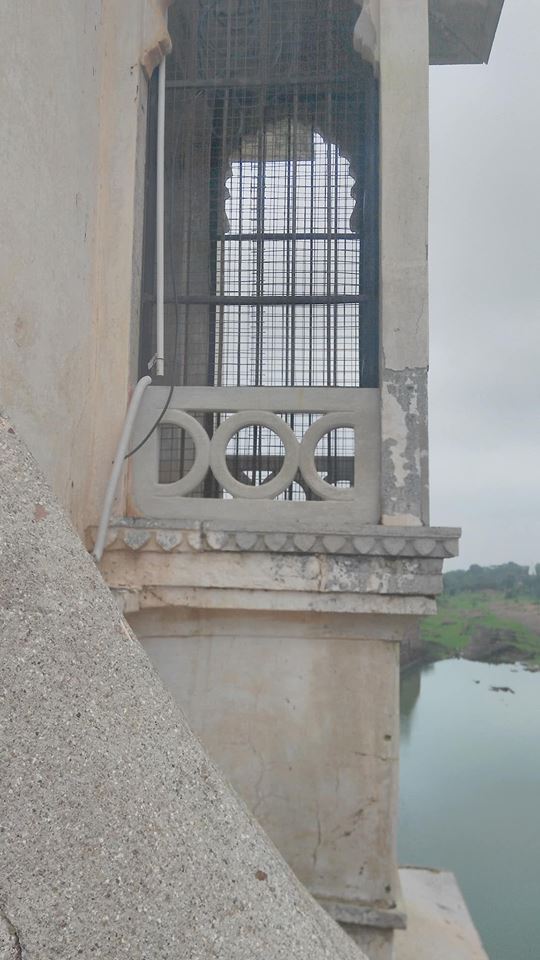
The terrace which offers some spectacular views of the lake and the surrounding city.
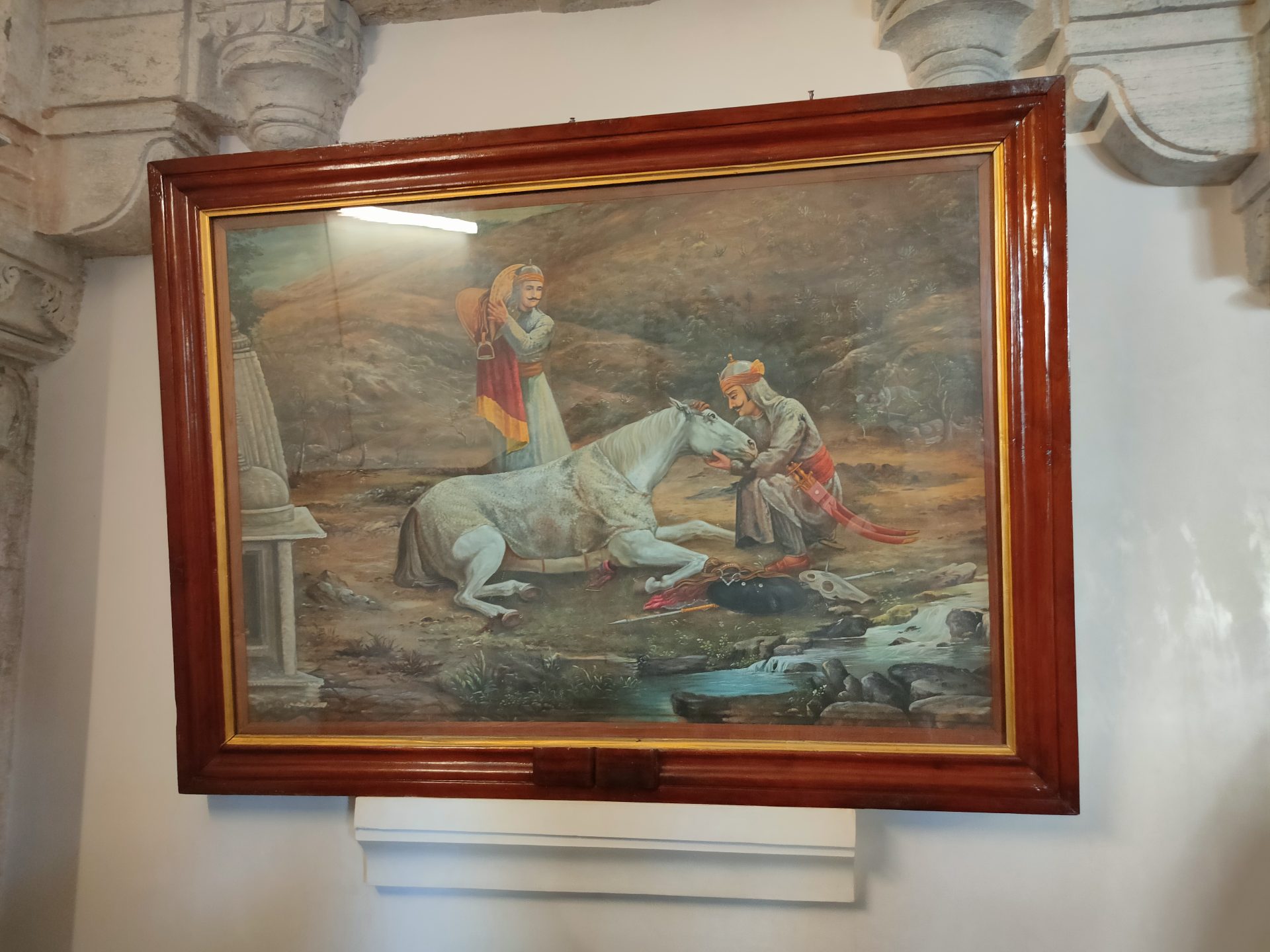
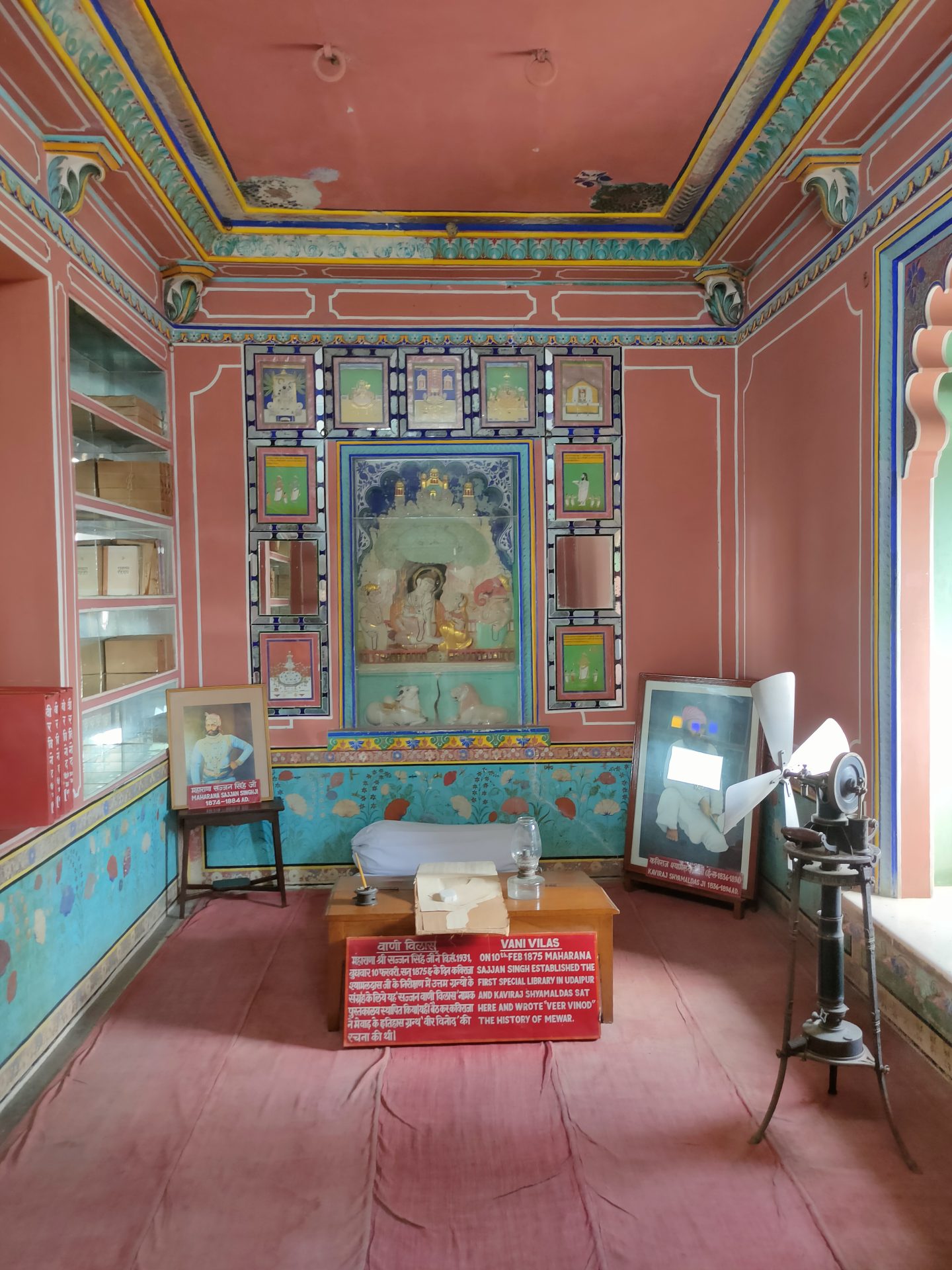
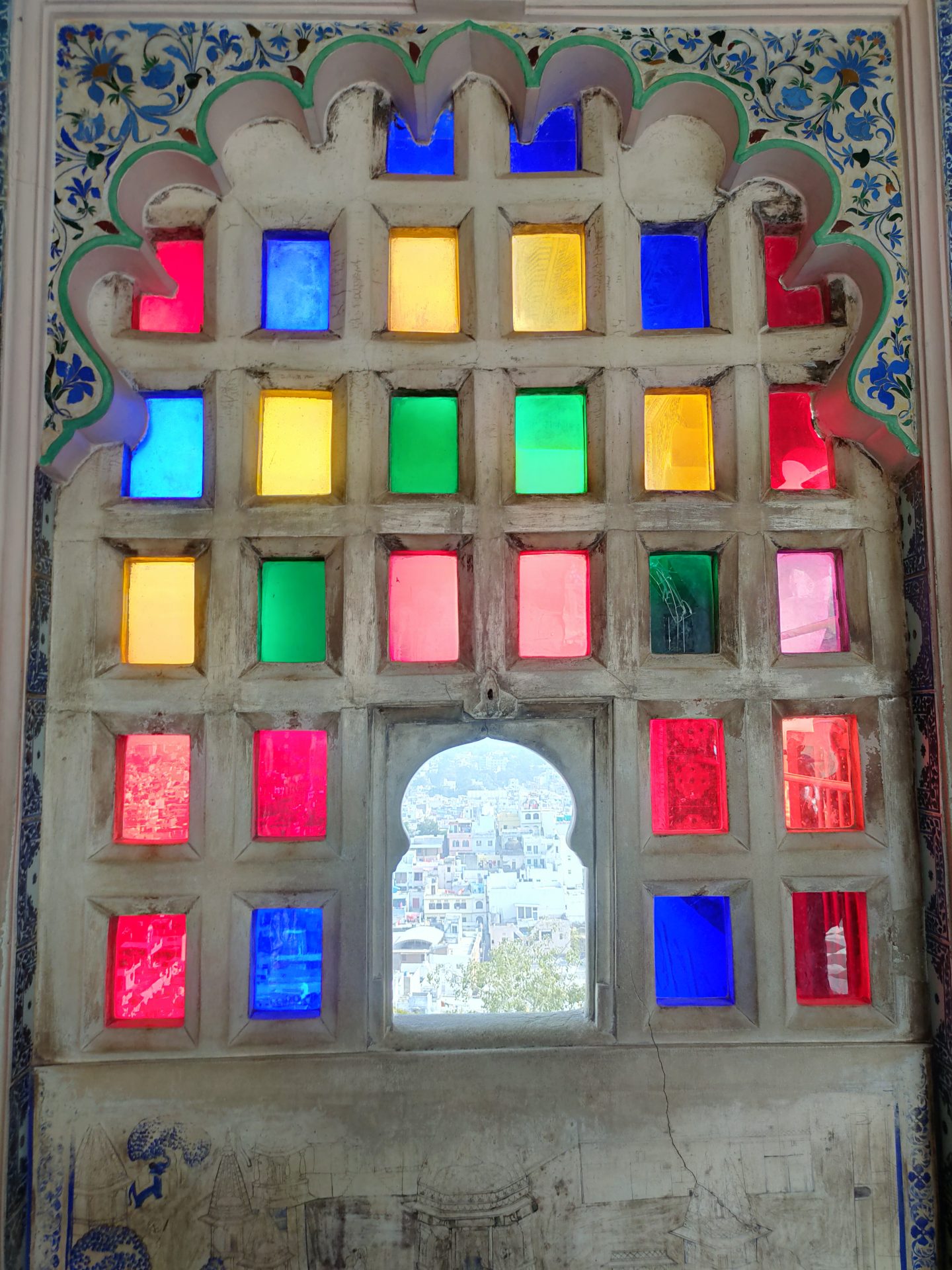
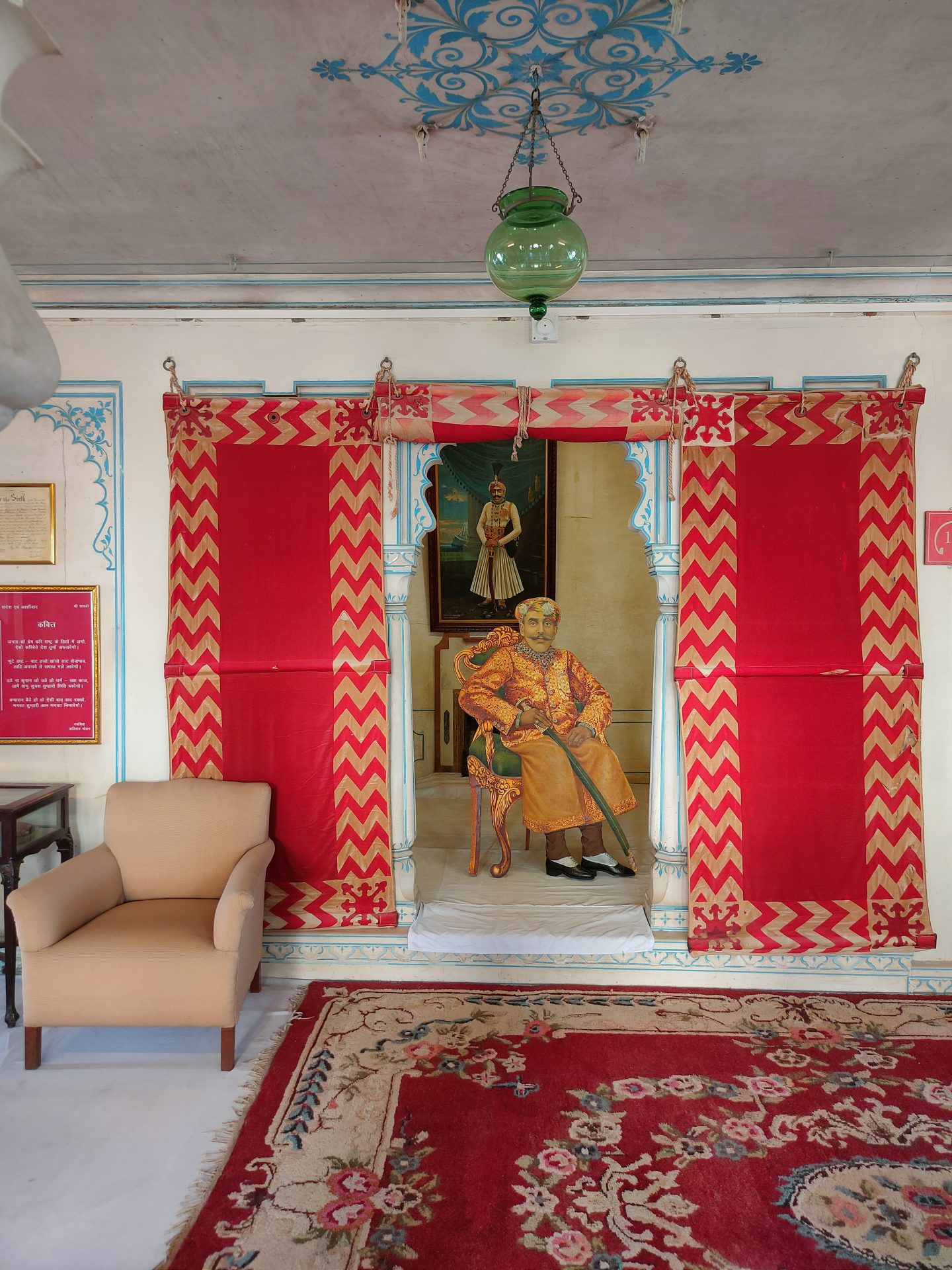
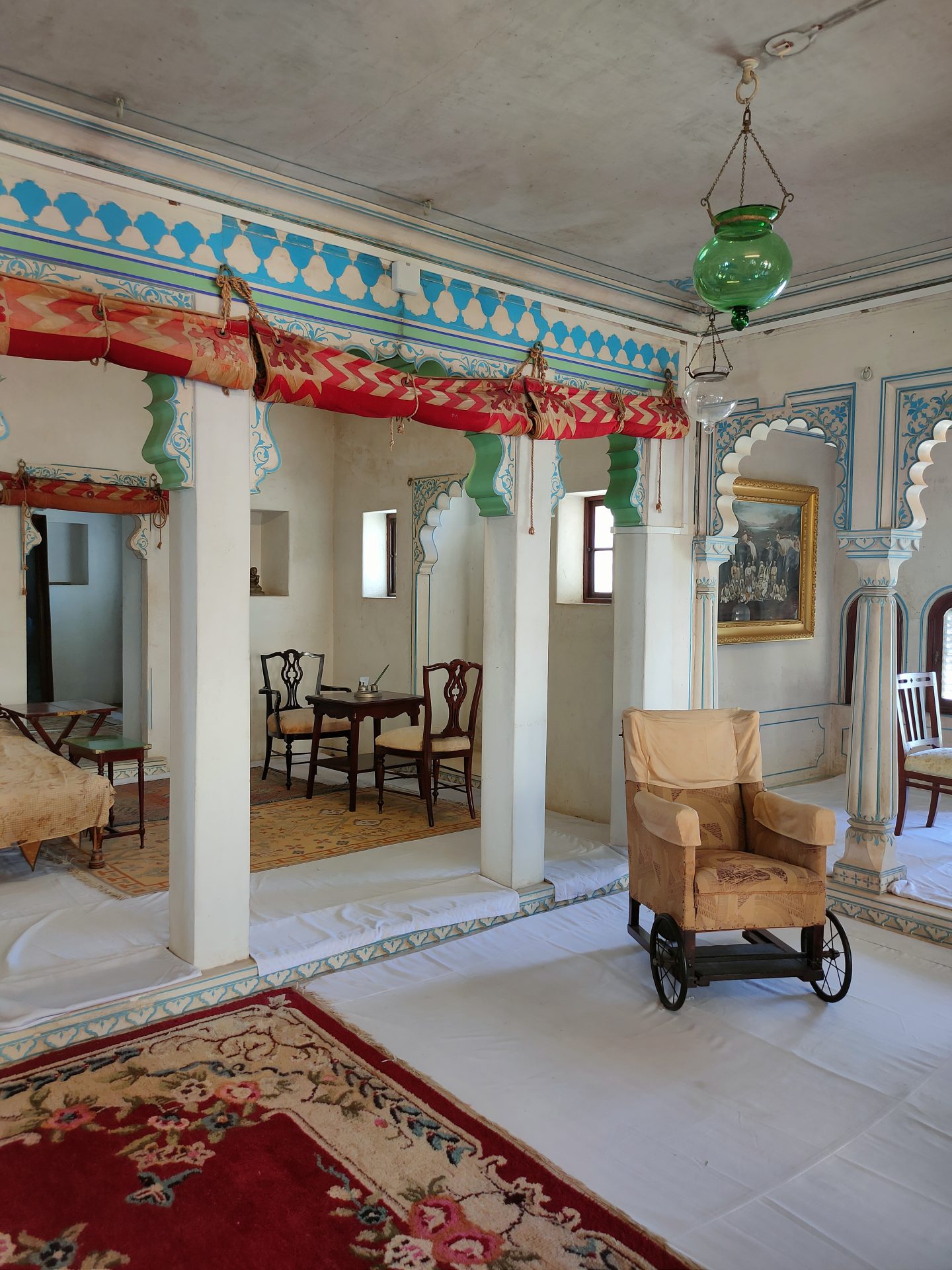
A nice museum also exists within the complex where one gets to walk through the entire Haveli, see the recreation and bed rooms, private chambers of the ladies, the guest rooms, the lobbies and the terrace which offers some spectacular views of the lake and the surrounding city.
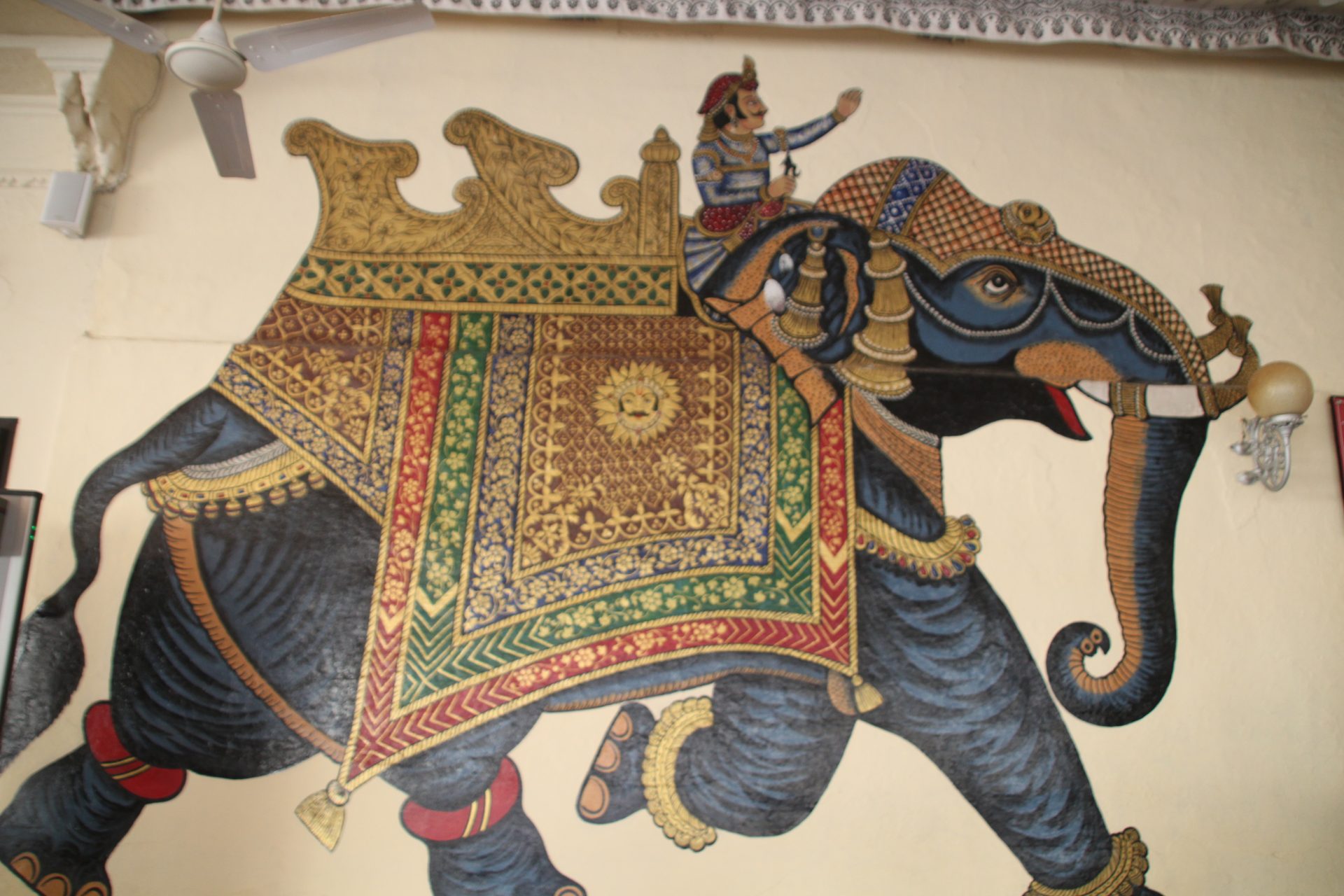
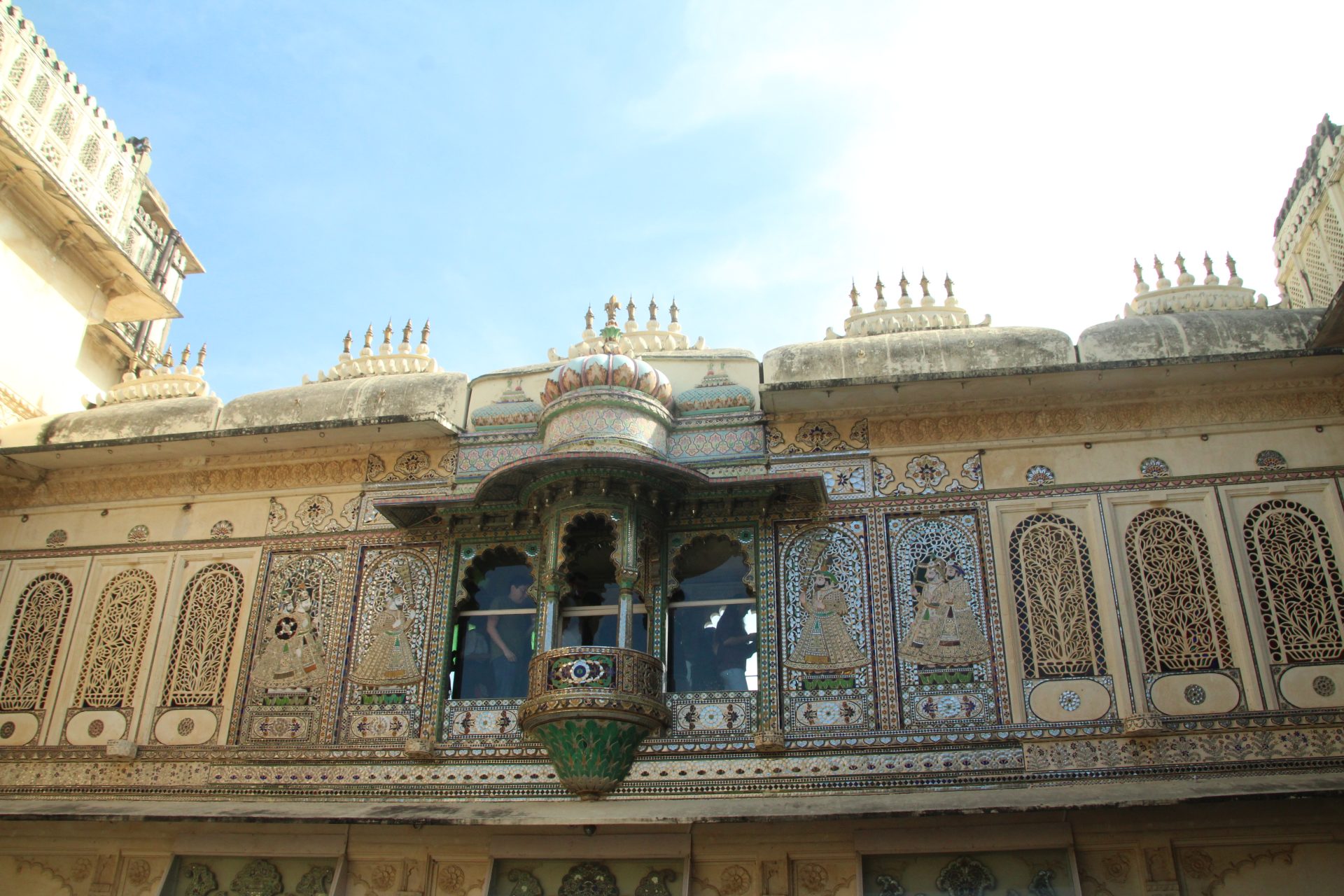
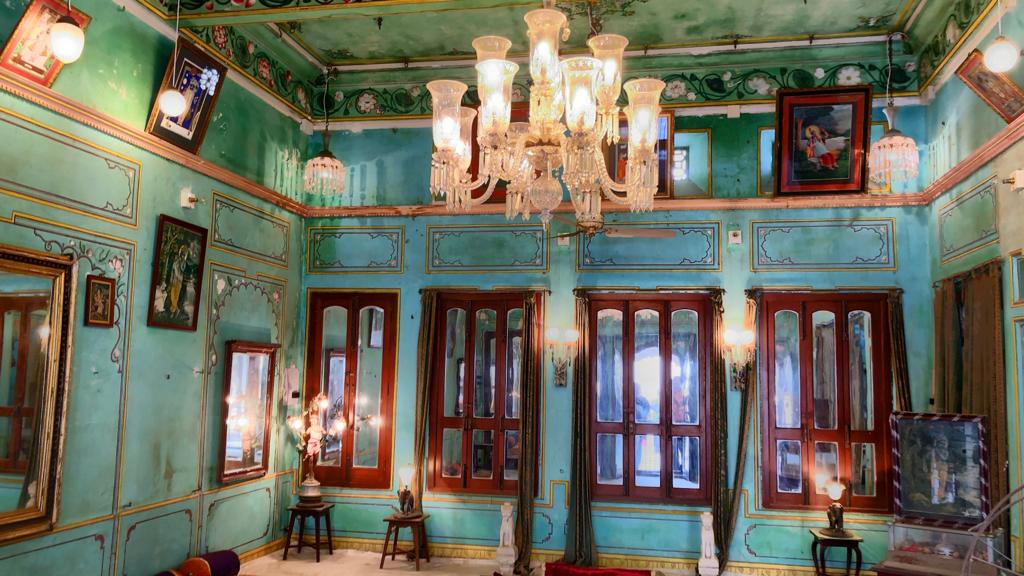
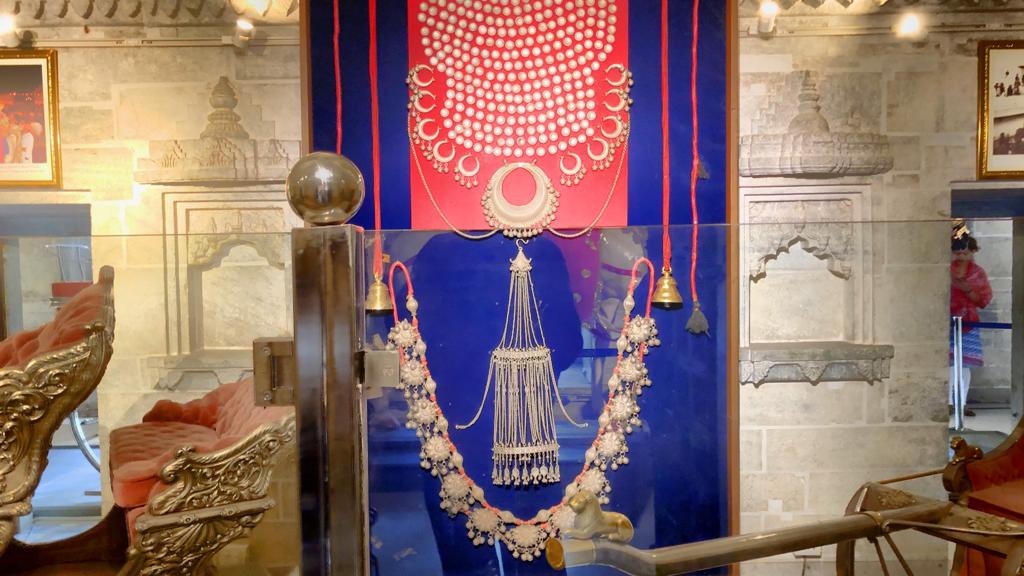
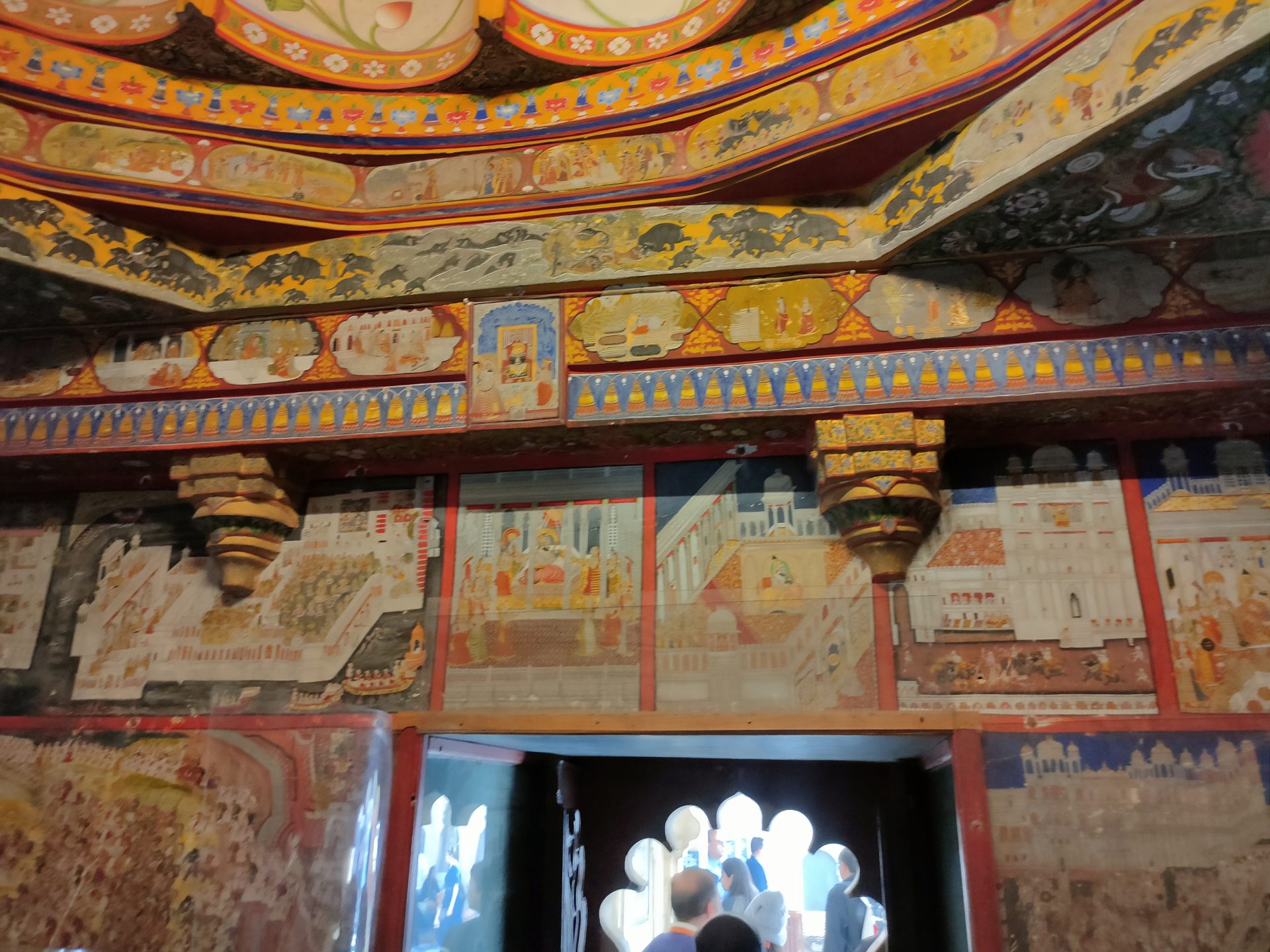
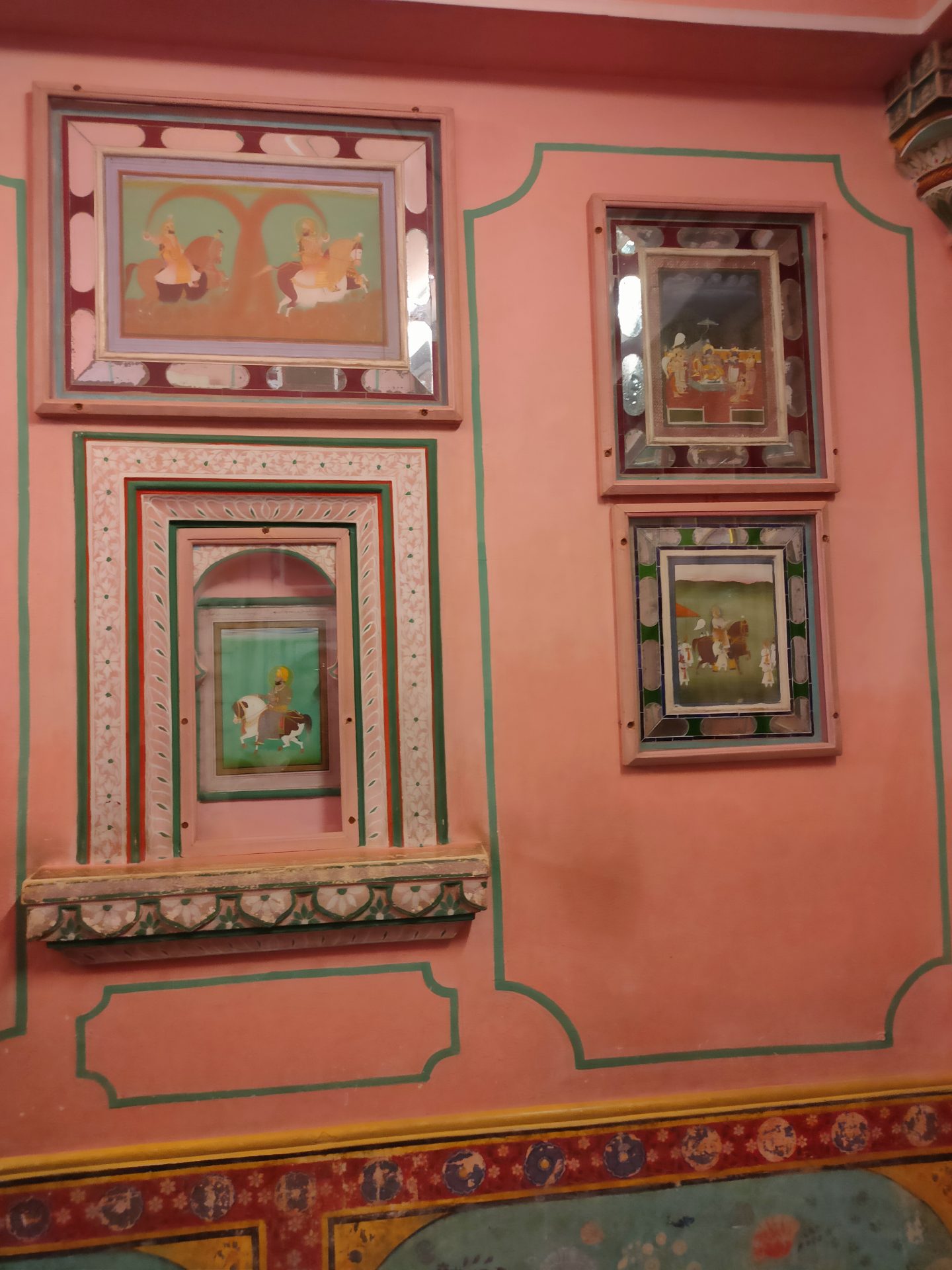
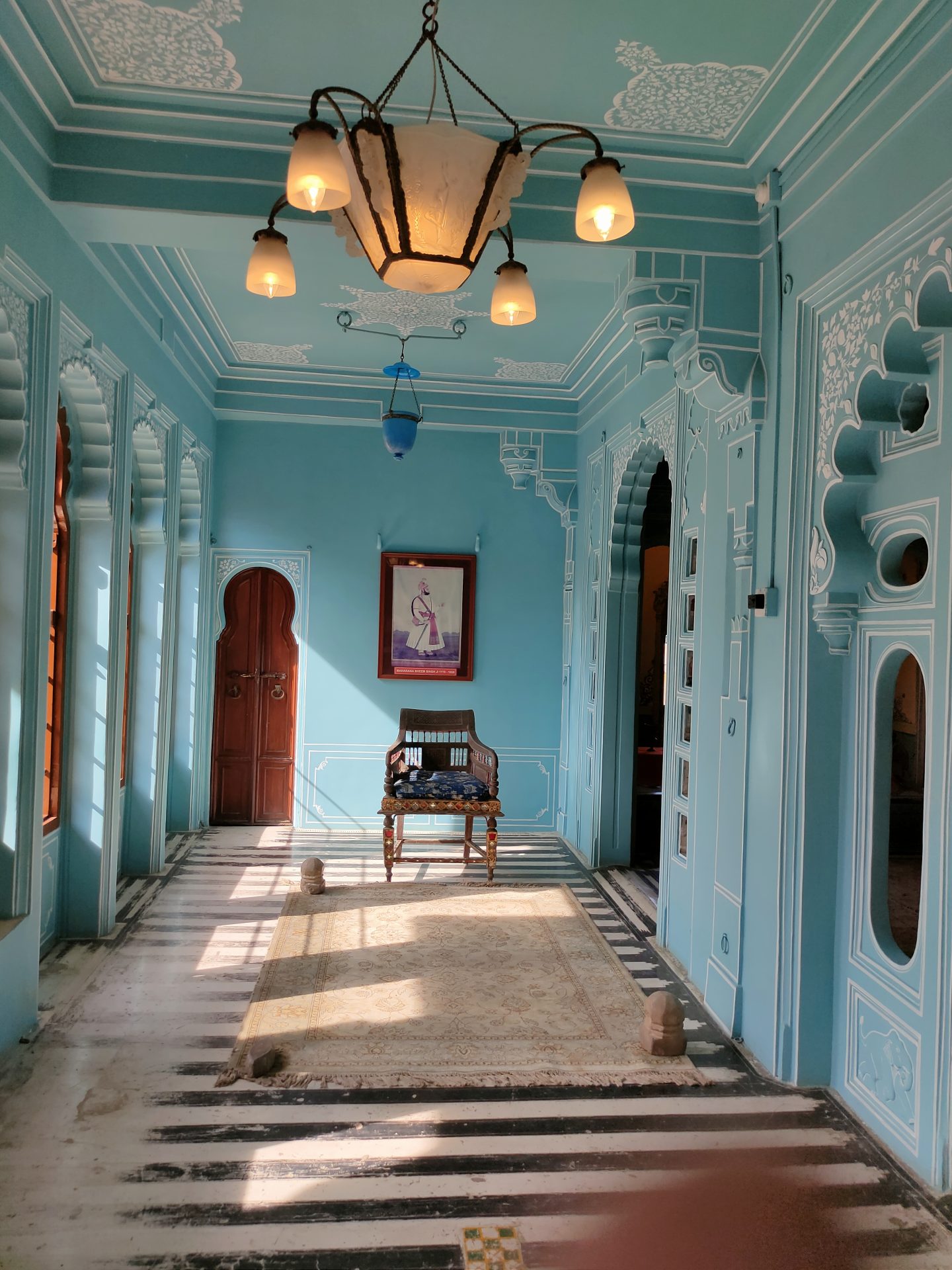
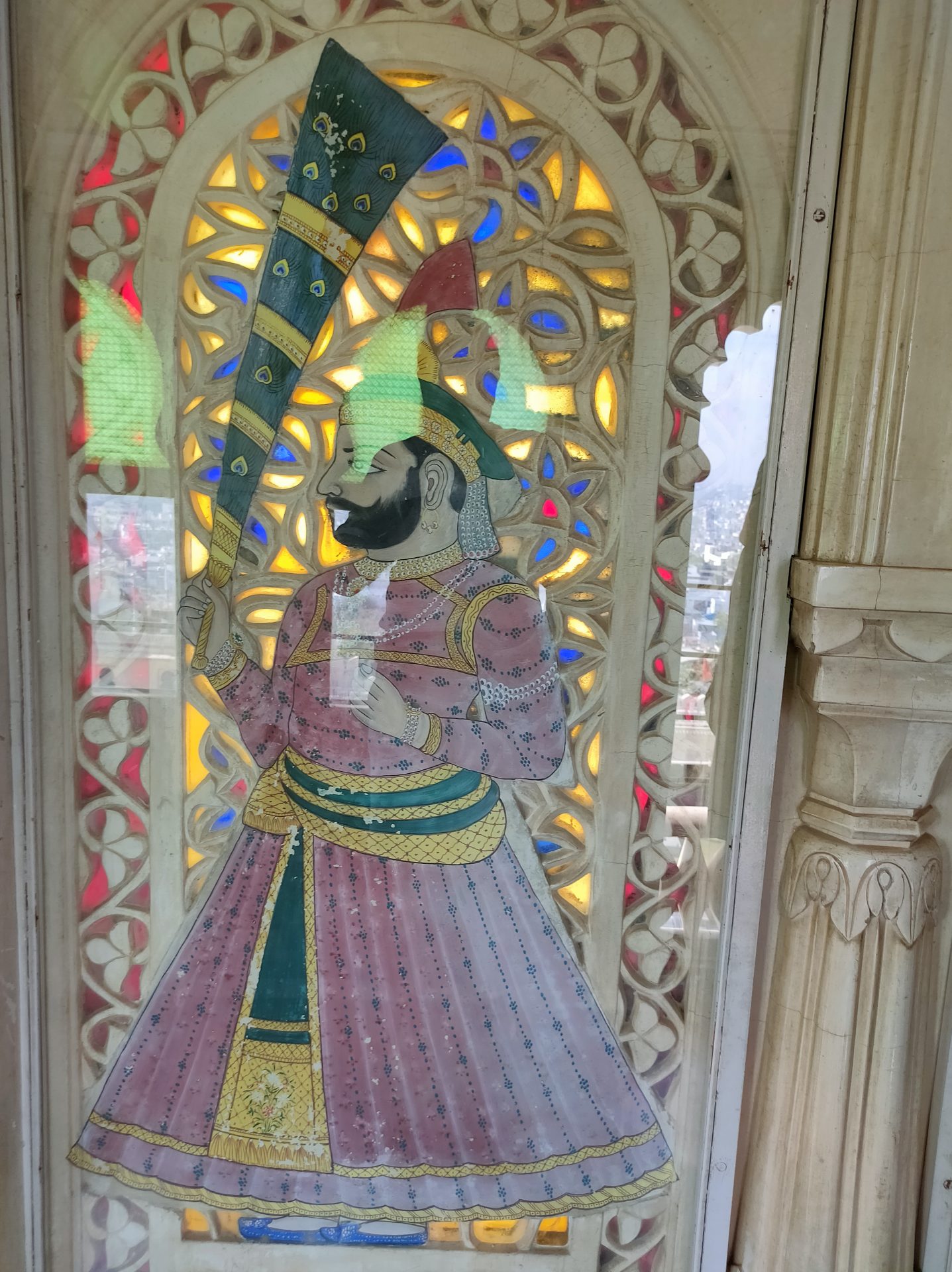
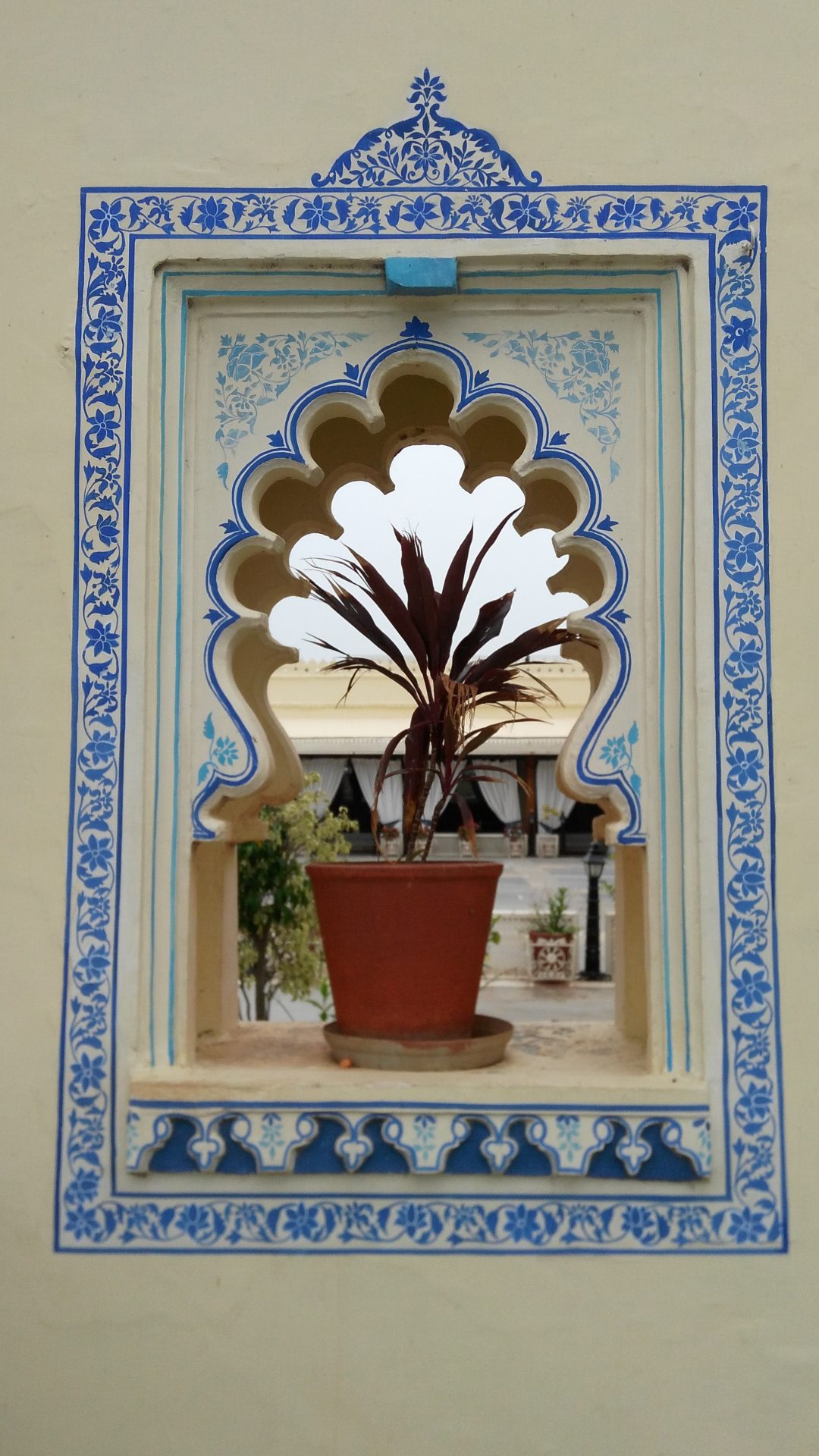
The walls of these rooms carry murals and ancient paintings while the rooms are done up to represent olden day beds with royal looking curtains.
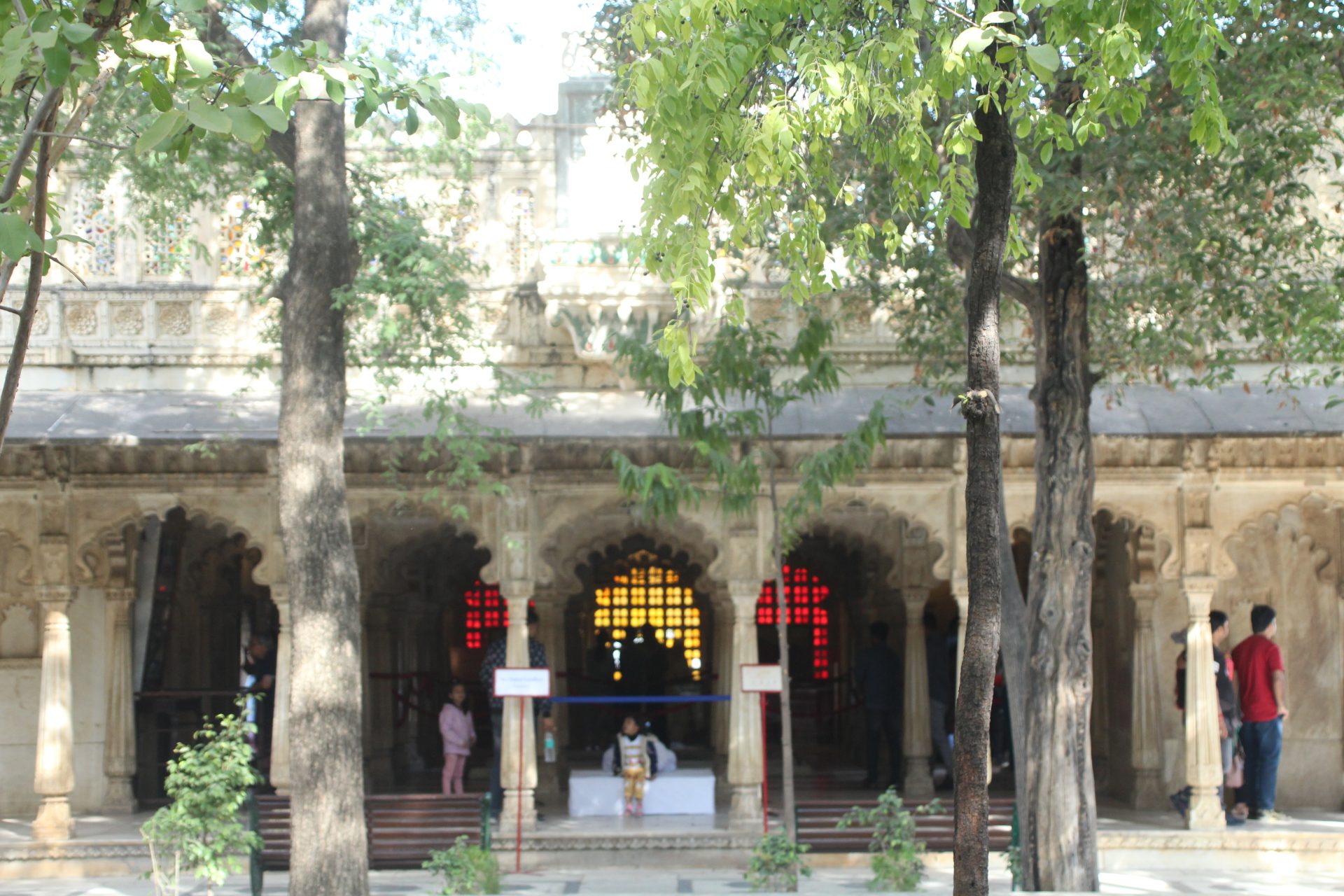
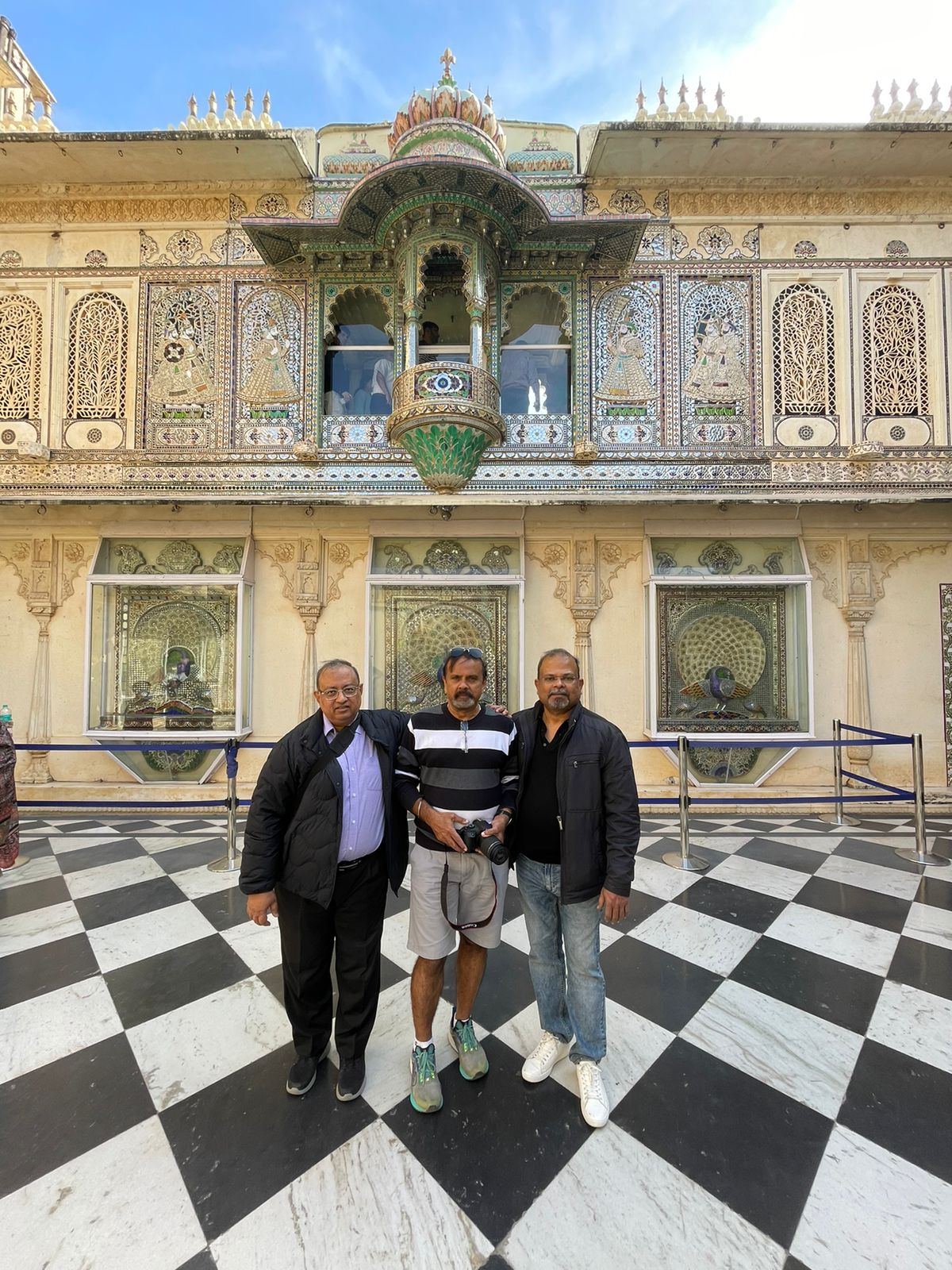
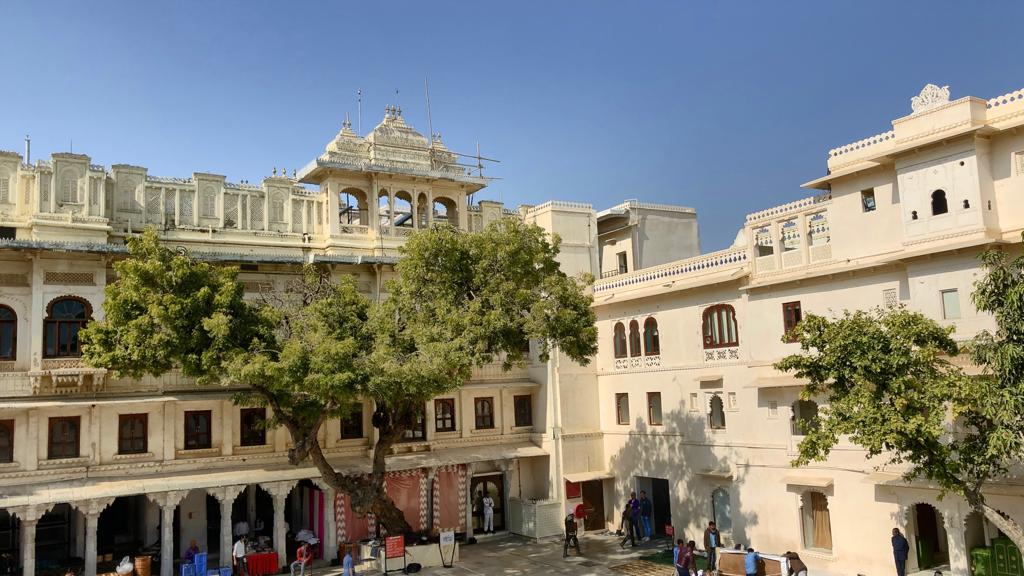
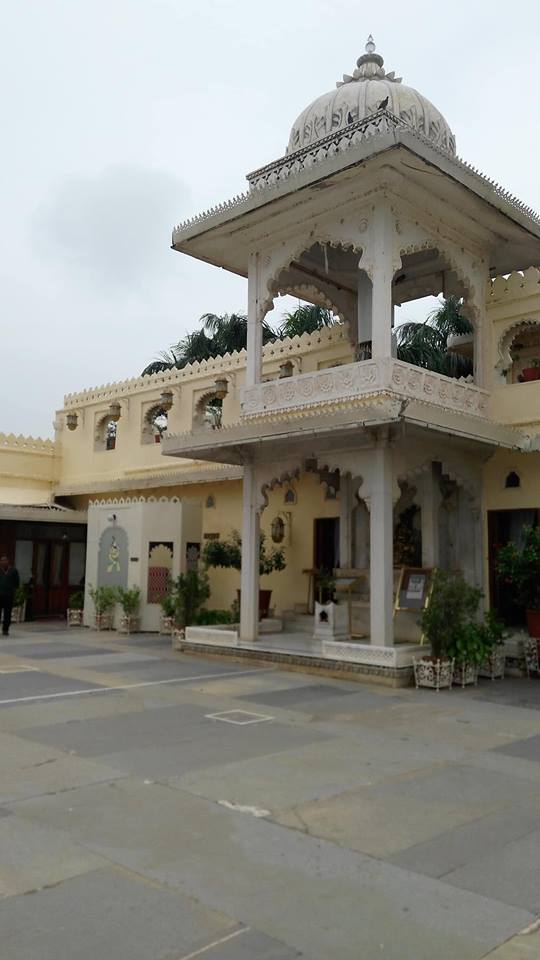
THE ILLUMINATED COURTYARD
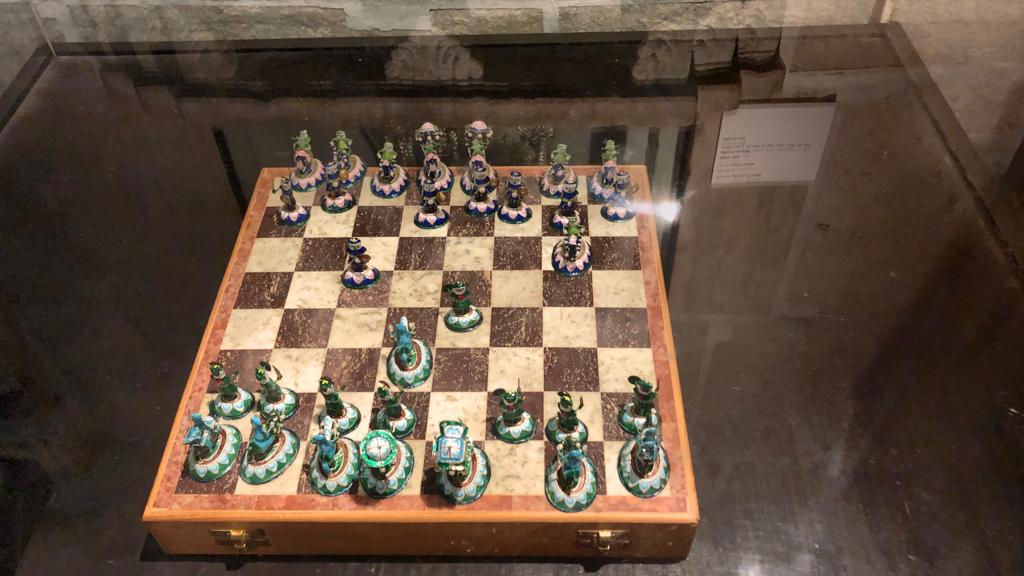
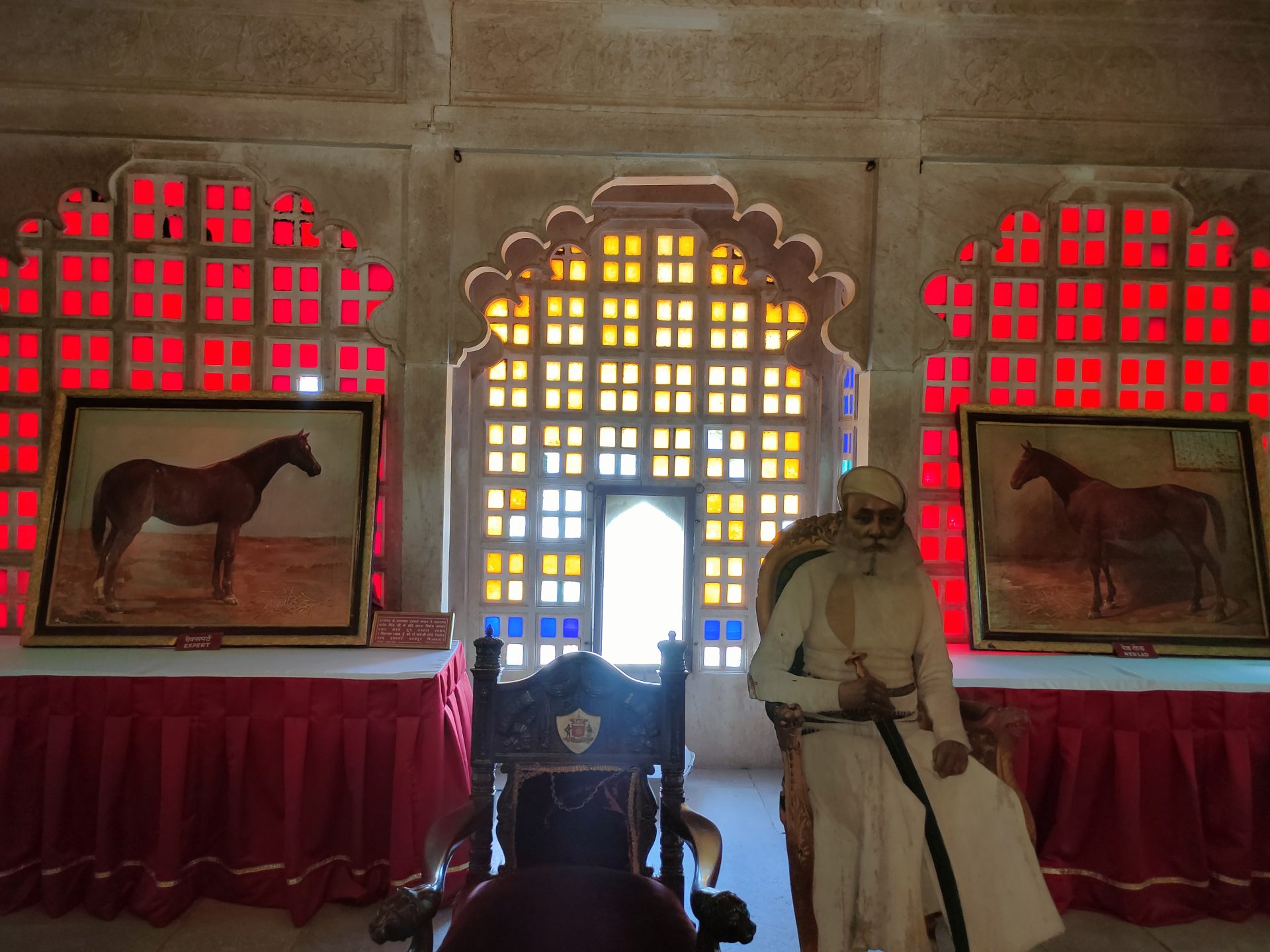
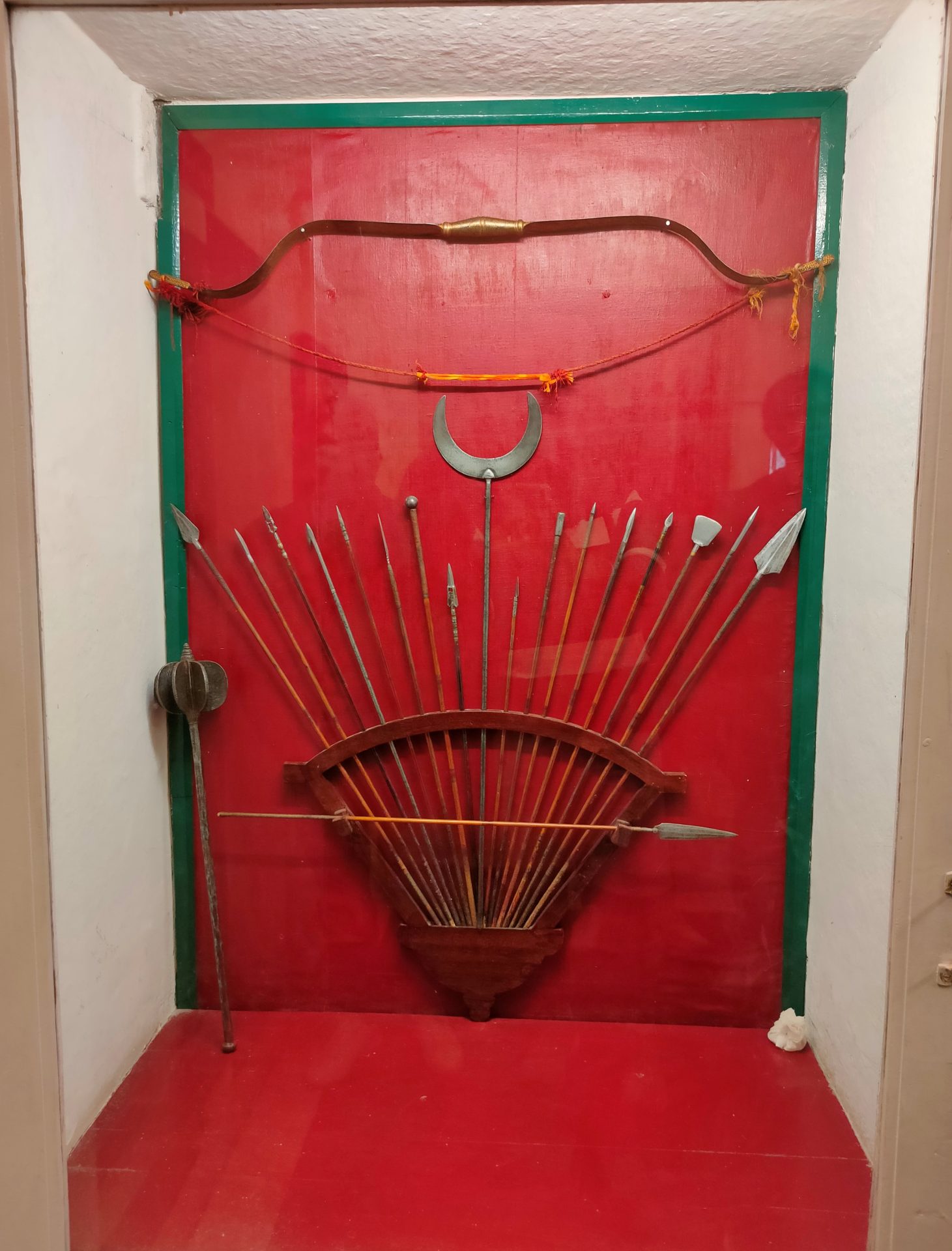
There are also sections within the Haveli for puppets, a huge collection of turbans, weapons and armoury and a wedding section, replete with all stages of the wedding depicted through dolls and puppets.
The Dharohar Dance show starts sharp at 7 pm and depending on the crowd influx, the organizers do a second show at 8 PM also.
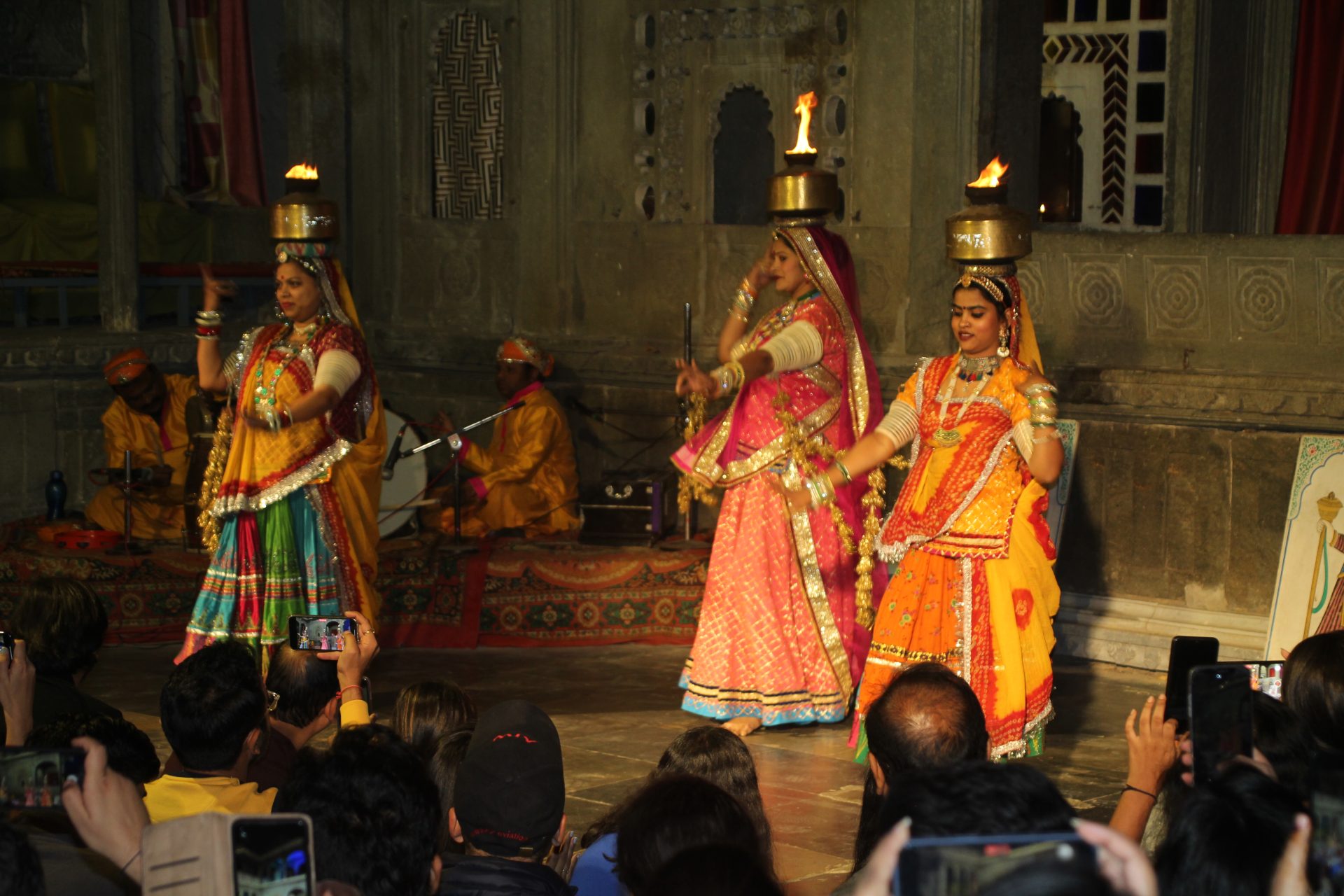
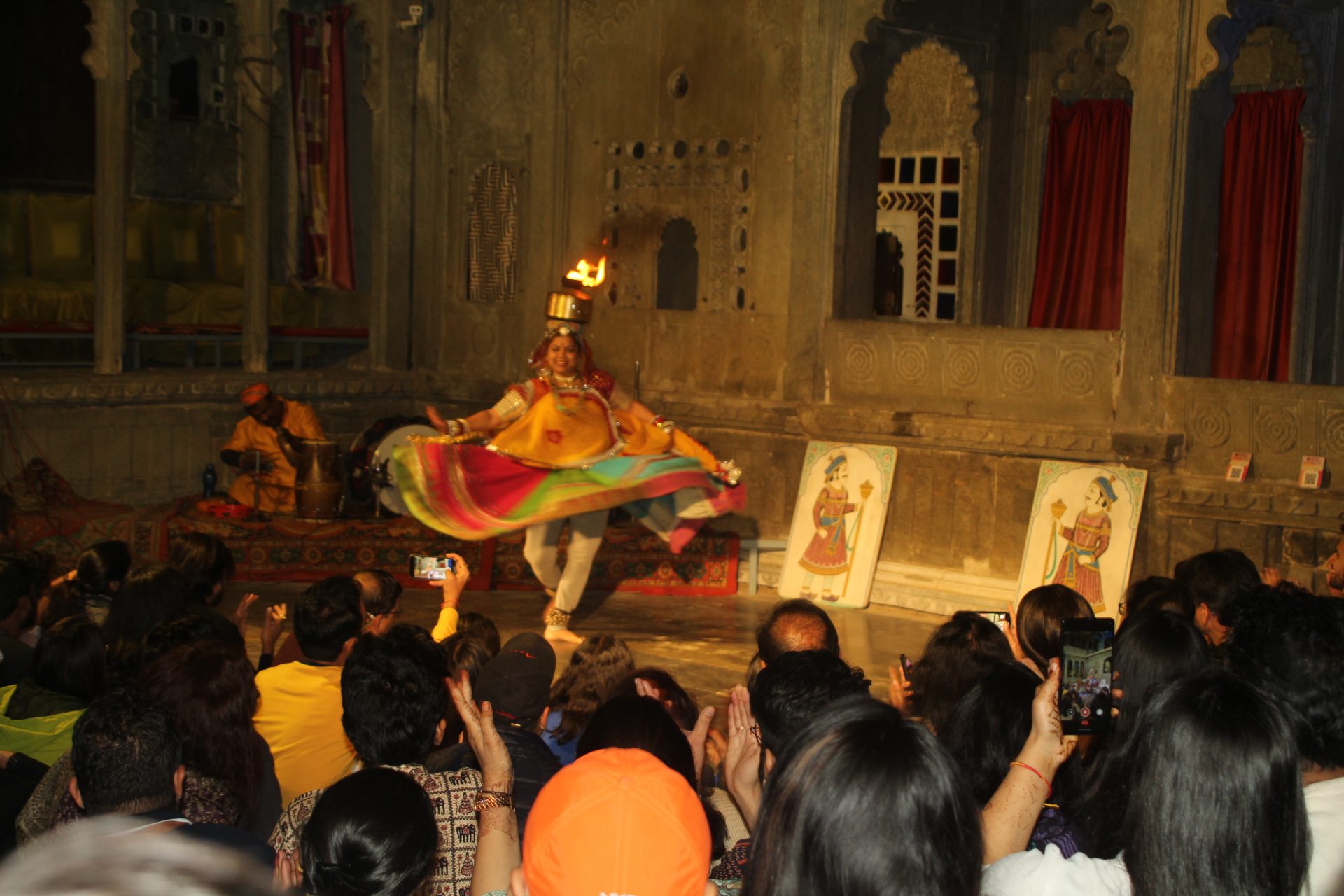
A native woman attired in the traditional Rajasthani costumes does the compering, explaining each of the dances while traditional folk artistes and dancers regale the crowd with a wide variety of folk dances. The program starts off with live tunes being played by musicians and the performers dance to these tunes while balancing pots on their bare heads. This is known as the Chari Dance.
This is then followed by the Tehra Taal Dance which brings out the concentration and co-ordination of the dancers as they are required to play the 13 bells tied to their hands, legs and waist in accordance to the music while also holding a sharp knife in their mouth and balancing the brass pots on their head as one of the steps in the dance.
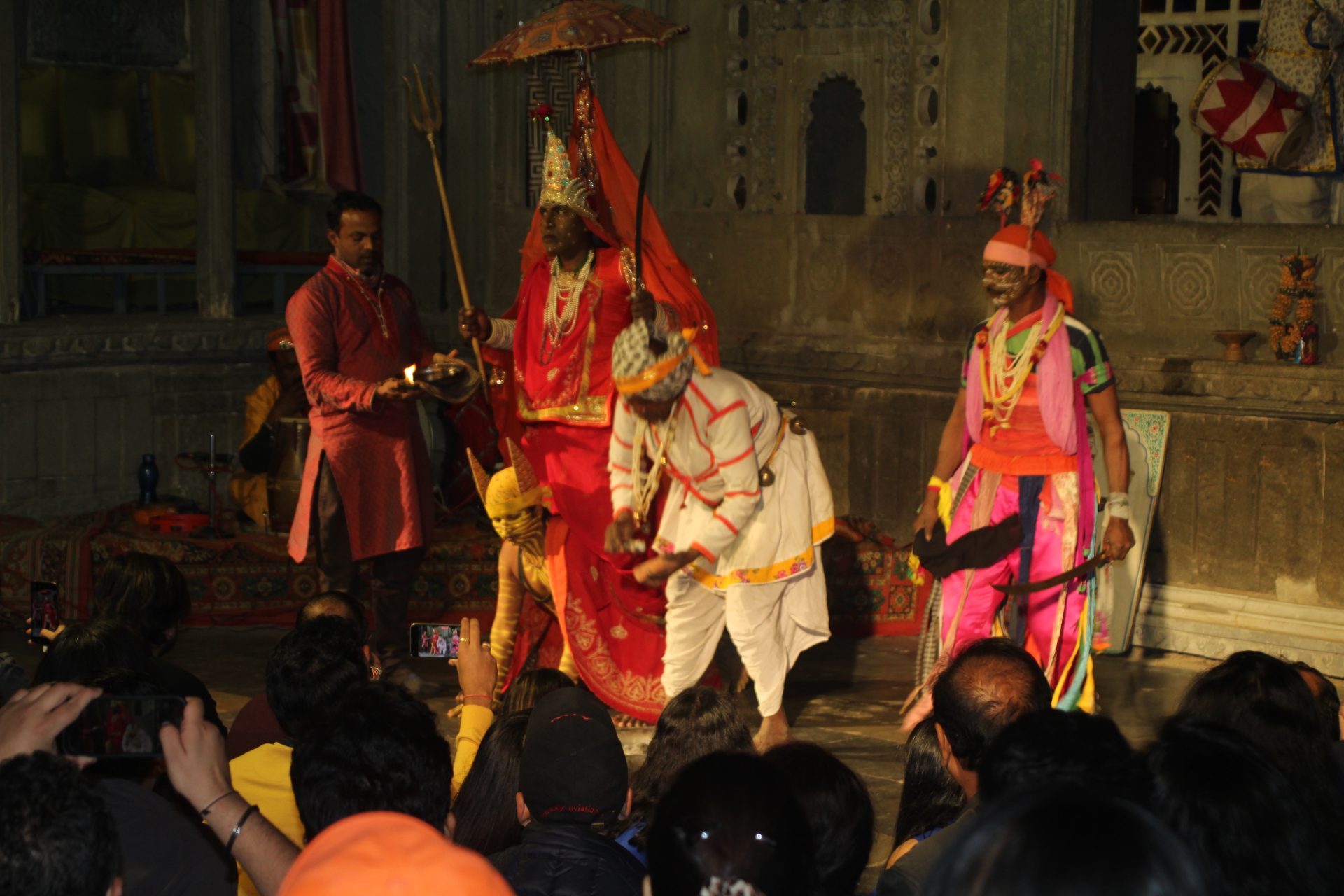
A routine break from the dance programs takes one through an interesting Rajasthani Puppet Show, done more to enthral the kids who are also invited on stage.
The person pulling the strings is so very adept in channelising the movements of these puppets including their dancing, sitting down, standing up and running around that it easily accounts for being one of the crowd pullers.
The Gorbandh Dance which follows has these performers dancing in gay abandon, reminiscent of their carefree childhood while adorned with heavy ornaments and jewellery which are used to bedeck camels.
The Bhavani dance requires a real level of skilling from the dancer since it is absolutely not easy to dance on shards of glass pieces.
The Tehri Taal dance requires the dancers to be in perfect unison with the movement of their hands, legs and wait to the accompaniment of the 13 bells tied on to them, besides balancing pots on their head. Check the dance in this Youtube link created :
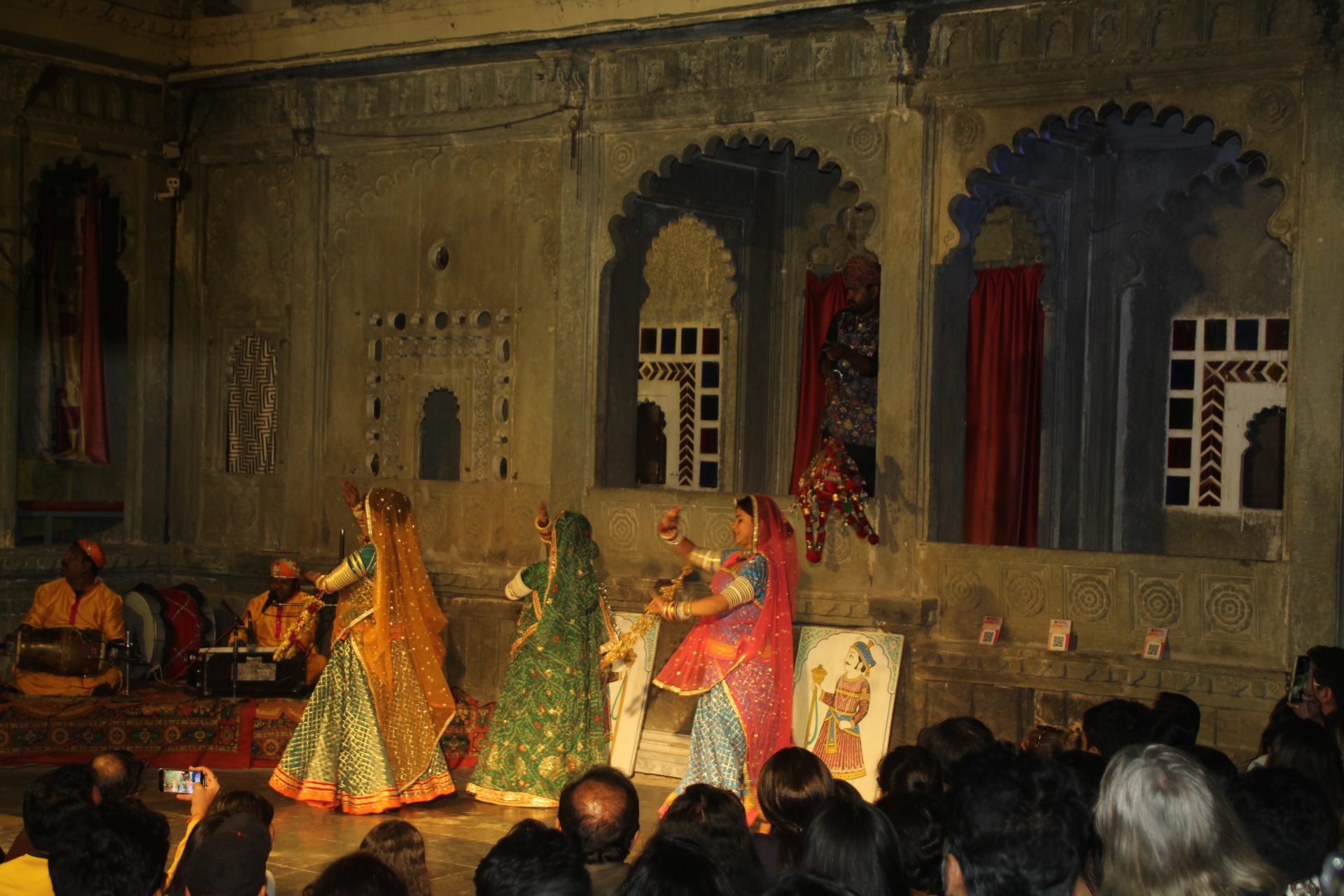
https://youtu.be/wt4LfDCpBco. Next on show is the famous Ghoomar Dance, more popularised in the movie Padmavat where we have some very skilled women, dancing in circles with each other and done very gracefully. The program concludes with the Bhavani Dance where the dancers perform on broken glass pieces while also balancing earthen pots on their heads and which they do with increasing difficulty by starting off with 3 pots and slowly increasing the count up to 13. A trip to Udaipur would remain incomplete if not witnessing this spectacular show, so very vibrant and true to the culture of Rajasthan. While the tickets are priced at Rs.100/- per head, it definitely gives its money’s worth.
A RAJASTHANI FOLKORE
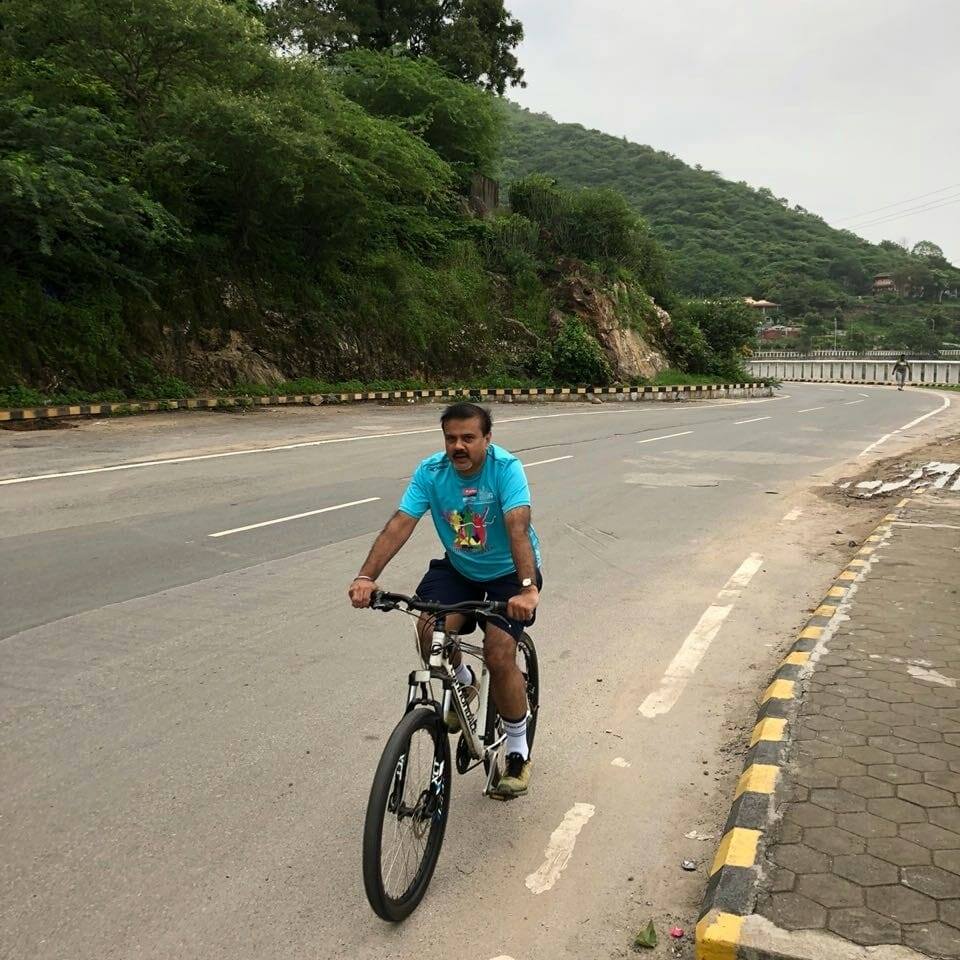
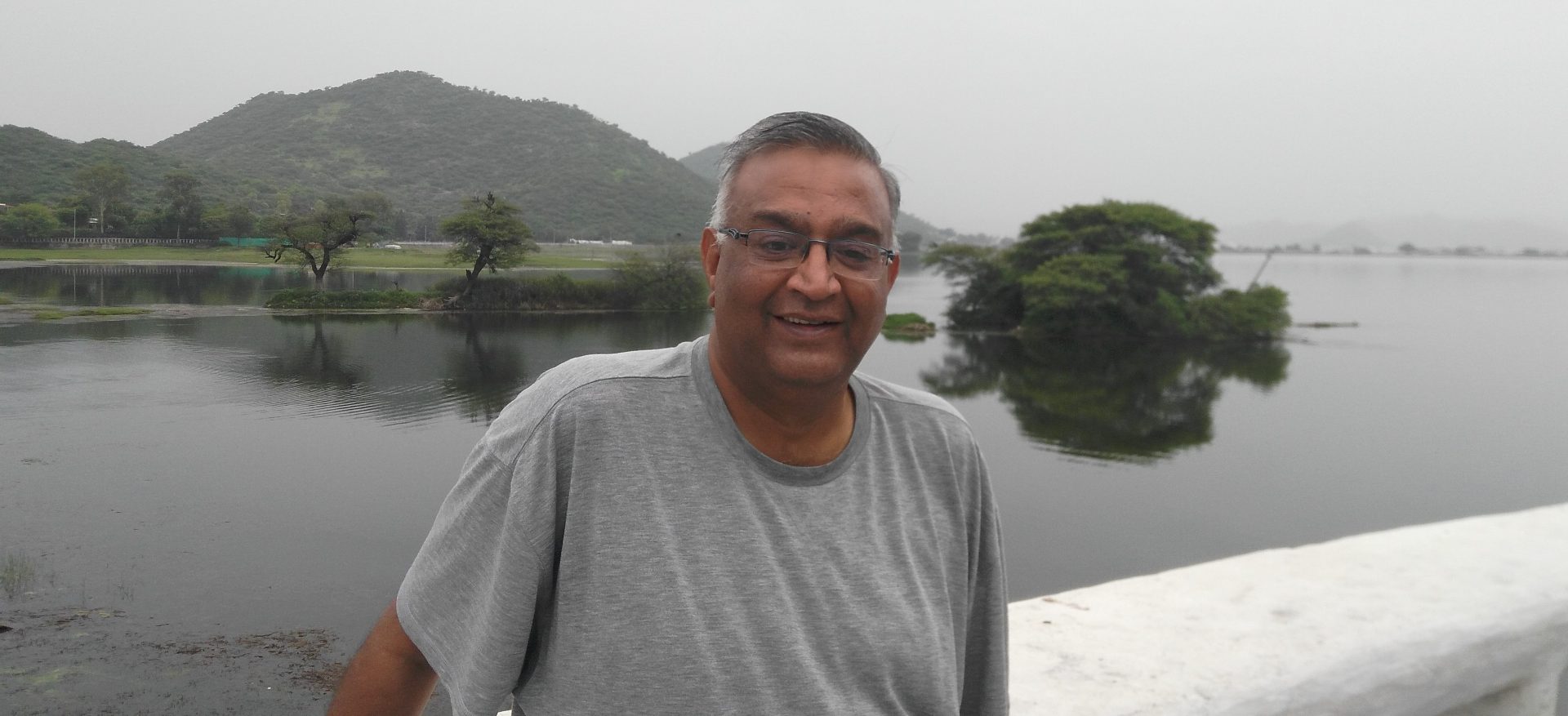
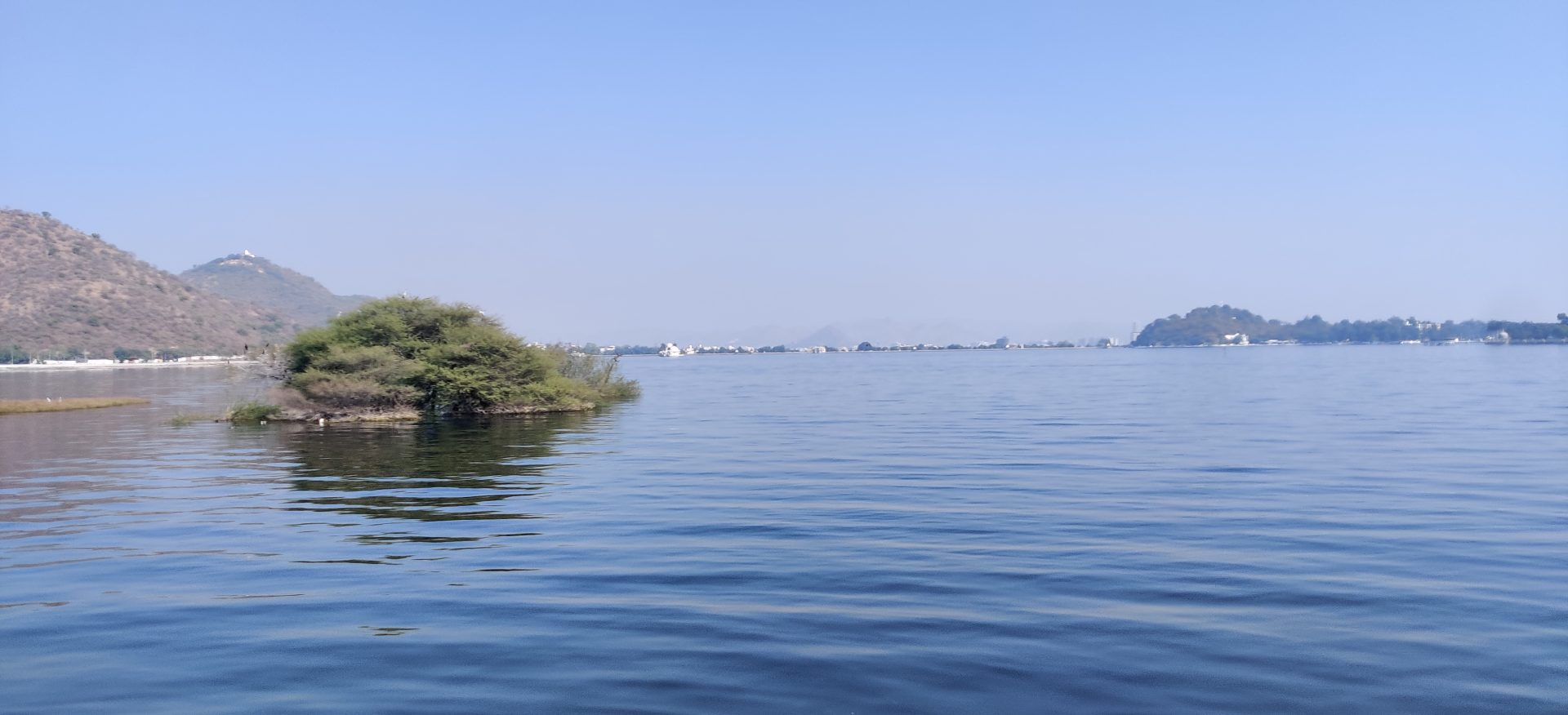
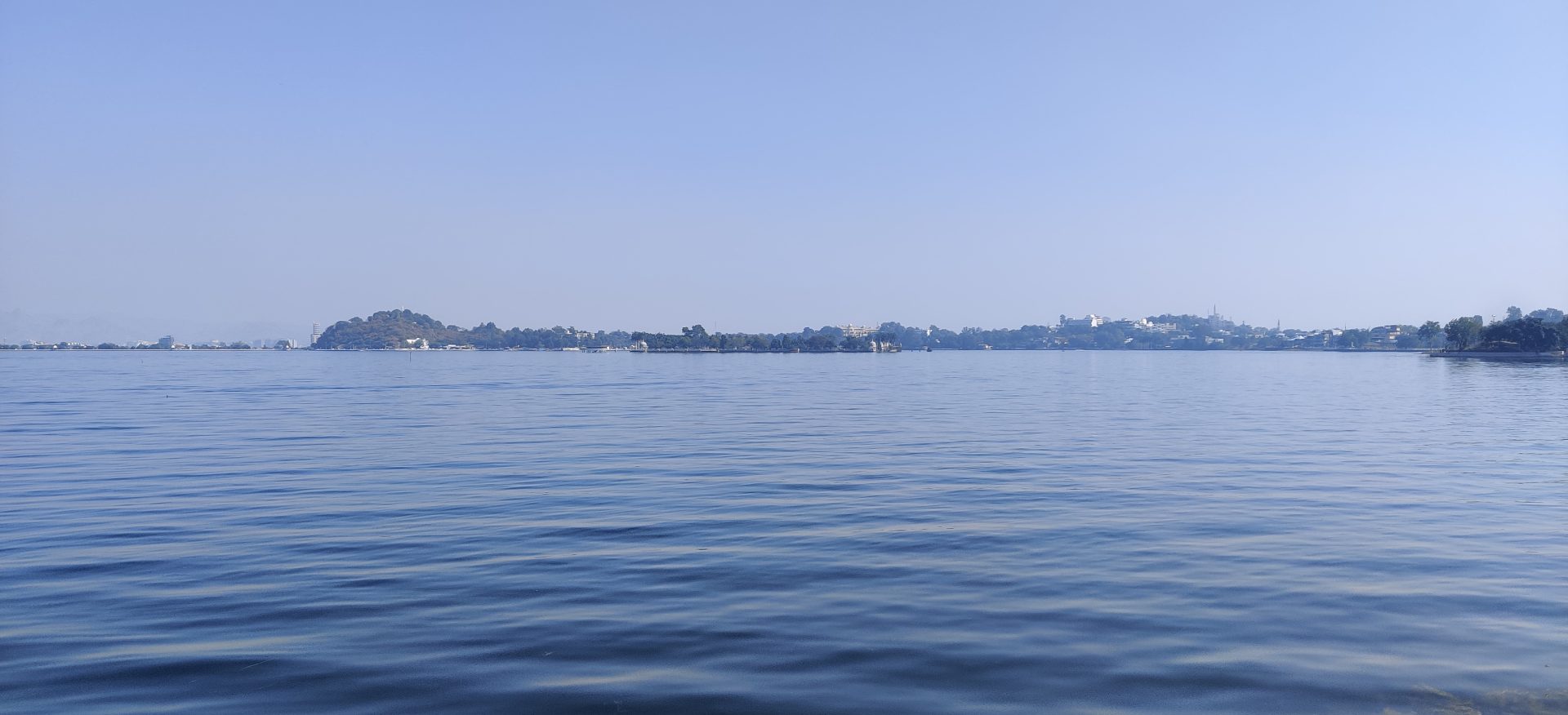
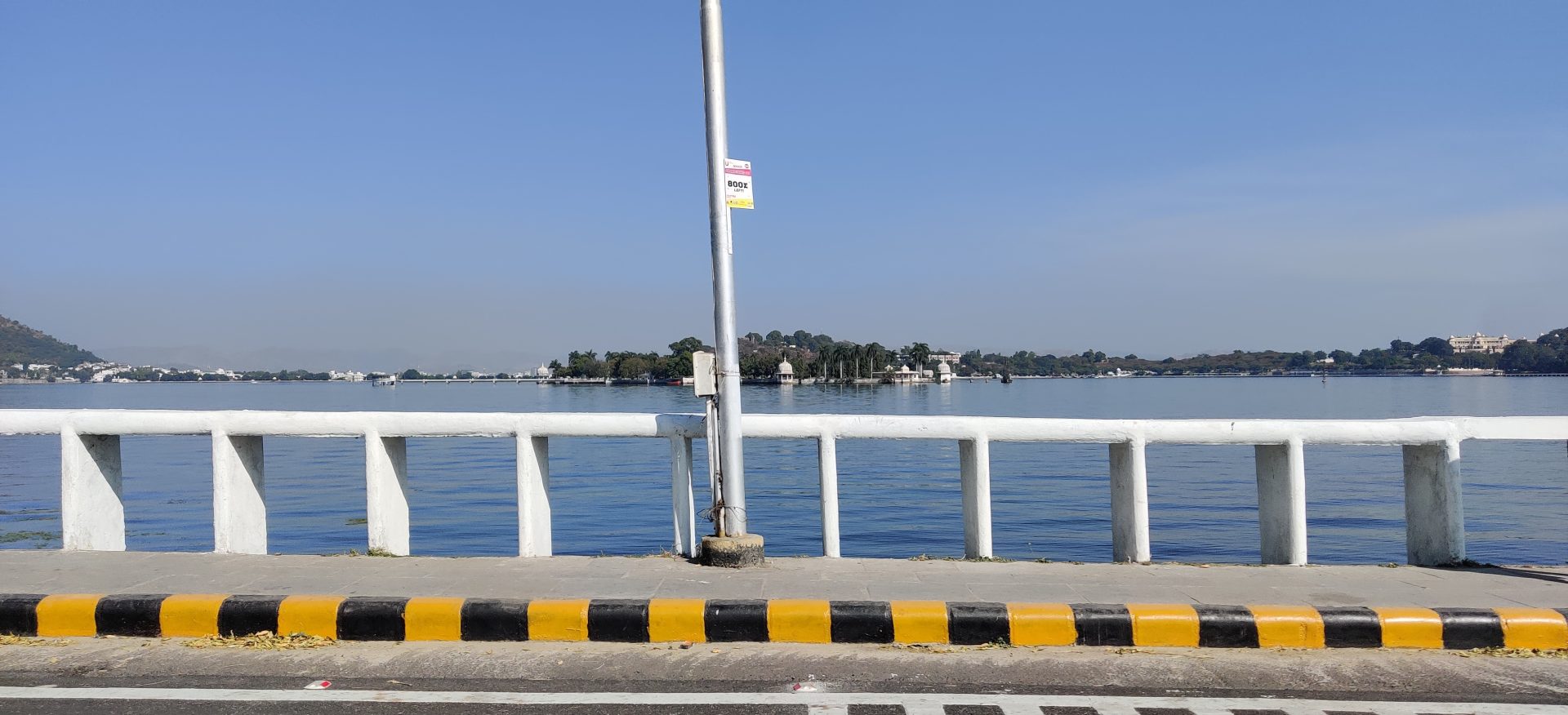
The next day was to mark our College Mini Re-union post noon onwards and another hectic day of squeezing in some more sights of Udaipur awaited me. Post the Dharohar program, we had a couple more of our college mates who had just flown into Udaipur that evening, join us for dinner. Was up early the next day and and cycled along with my friend to the Fateh Sagar Lake. An artificial lake named after Maharana Fateh Singh of Mewar and Udaipur, this is one among the 4 major lakes of the city, the others being Pichola, Udai Sagar and Jaisamand Lakes. The backdrop of the green Moti Magri hill and the Aravalli Hills on the other side coupled with the blue waters of the Fateh Sagar lake has given Udaipur the sobriquet of The Second Kashmir. The confines of the lake host 3 small islands. The largest of this houses the Nehru Park while the second island has a public park with an impressive water jet fountain. The Udaipur Solar Observatory is housed within the 3rd island and is supposedly inspired by the Big Lake Observatory in California. There are options of enjoying a boat ride here at Fateh Sagar Lake. A couple of rounds around the lake and we were back to his house by around 7.
CYCLING AROUND FATEHSAGAR LAKE (AN EARLIER FILE PHOTO)
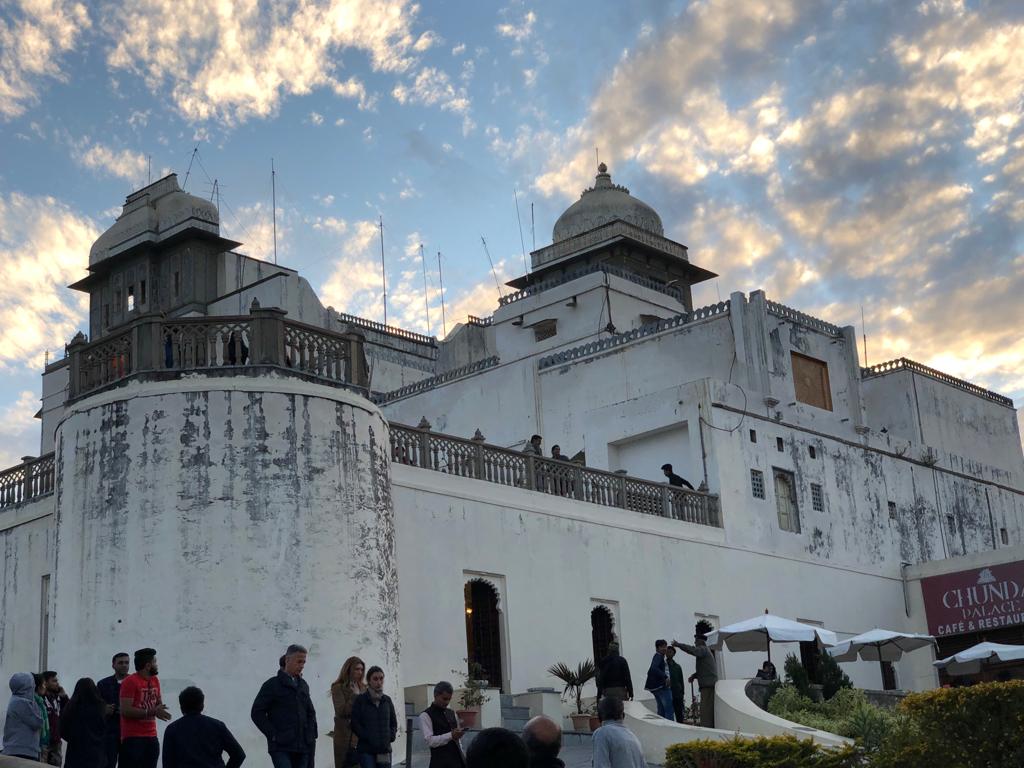
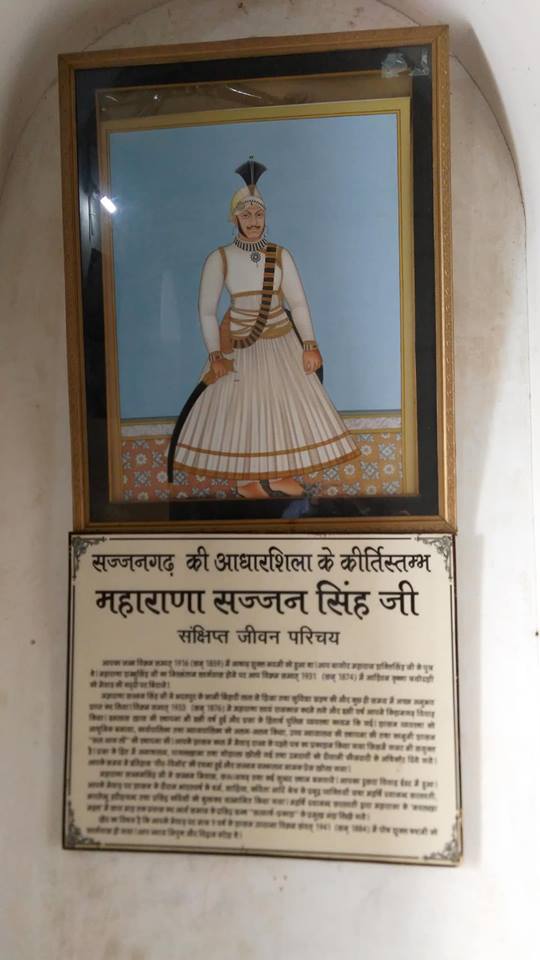
After a quick freshening up and some home made breakfast, we started off for the Sajjangarh Hilltop Monsoon Palace. Built in the year 1884 by Maharana Sajjan Singh to serve as his palatial residence, the views from the top of the city, the lakes and the surroundings are amazing. Since it was built to also see and track the Monsoon clouds, it derives its title from this as being known as the Monsoon Palace. Originally, envisaged to be a 5 storey Astronomical centre, the Maharana’s premature death at a very young age of 26, brought about a change in plans and this was converted into a hunting lodge and palace.
Quite a few portions of the James Bond movie Octopussy made in 1983 was shot in Udaipur and the Sajjangarh Palace was used in the film as the residence of an Afghan exiled prince Kamal Khan (played by louis Jourdan). The scenes of a tiger hunt, mounted on elephants and Roger Moore escaping from the palace and being pursued into the jungle were all shot here.
THE SAJJANGARH MONSOON PALACE
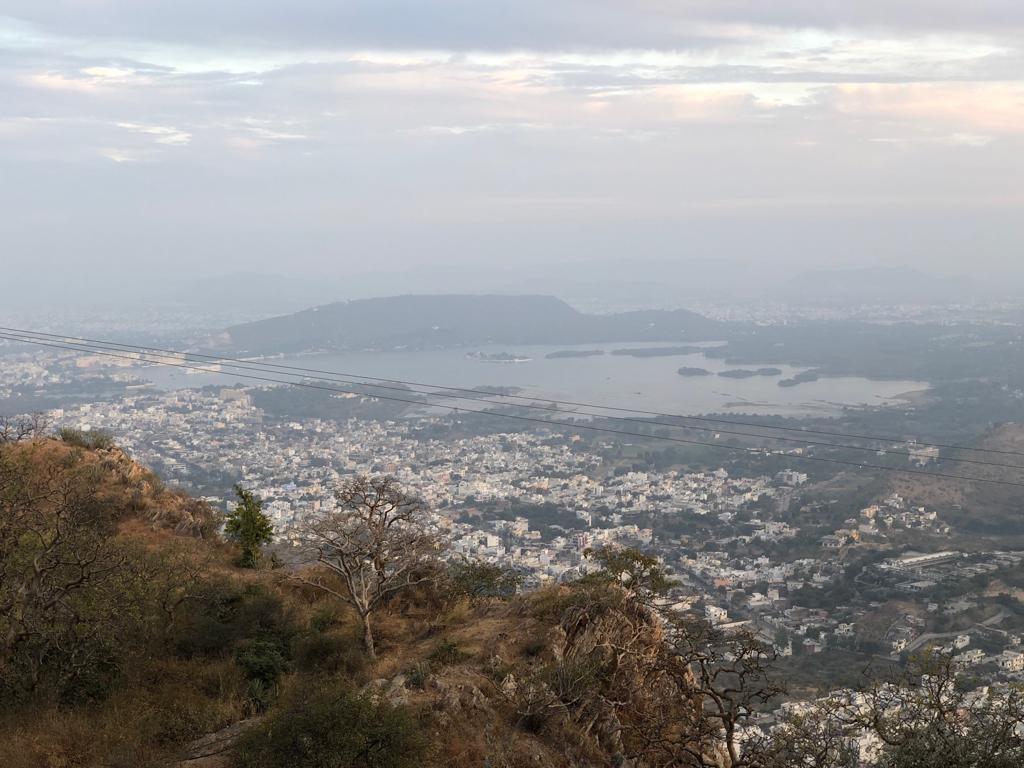
A VIEW OF THE PICHOLA LAKE AND THE CITY
Built with white marble, the palace is located on the Bansdara peak of the Aravalli mountains which is around 3000 feet above mean sea level. The Palace overlooks Lake Pichola on the Western side while one gets to see some breath taking views of the city from atop the hill. While there is a grand central court with a staircase inside the palace, the entire structure is built on marble pillars, carved with lovely motifs of flowers and leaves. Each of the towers have high turrets and the palace comes aglow in the night with the palace being illuminated. There is an entry fee of Rs.10/- per head levied.
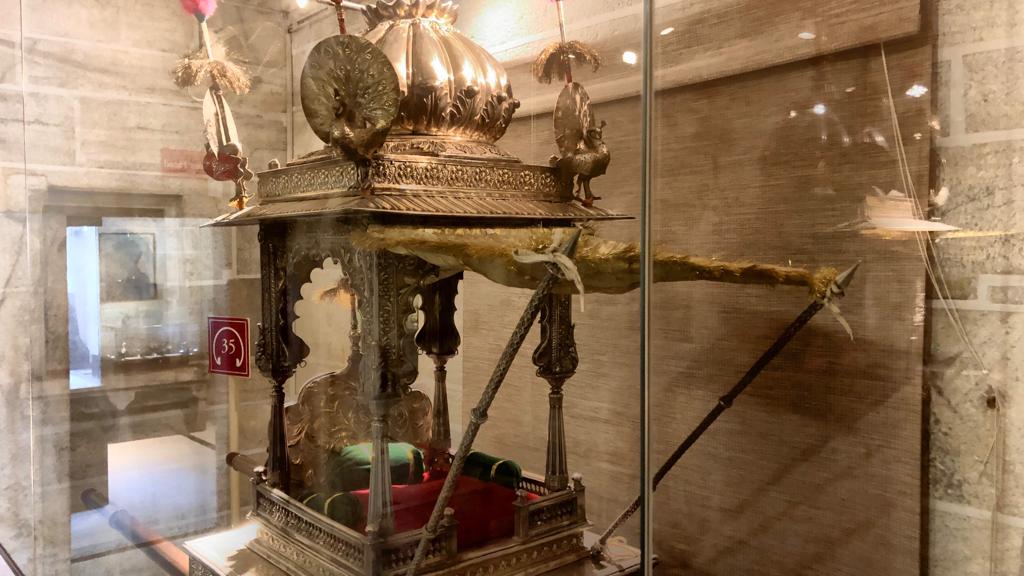
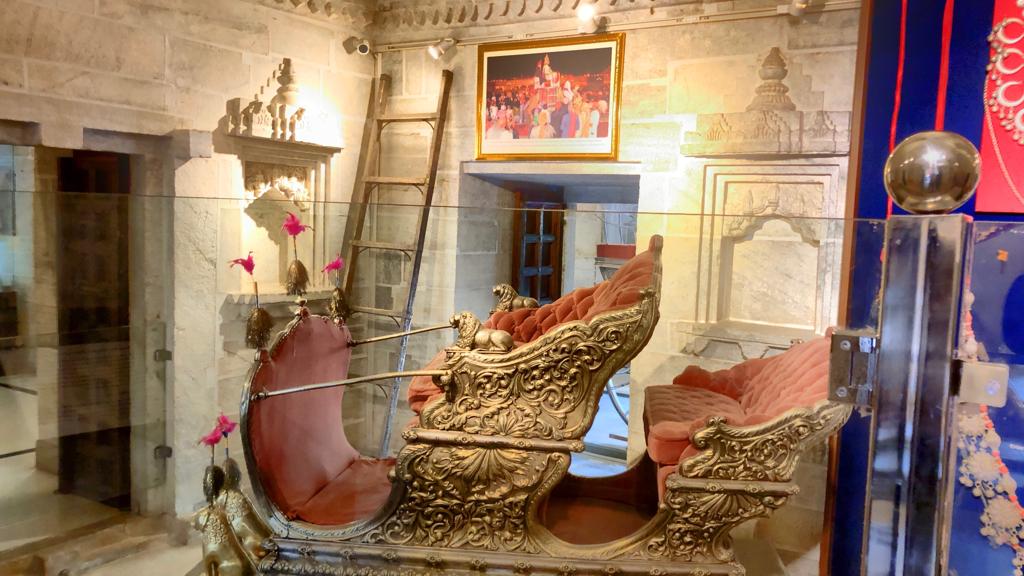
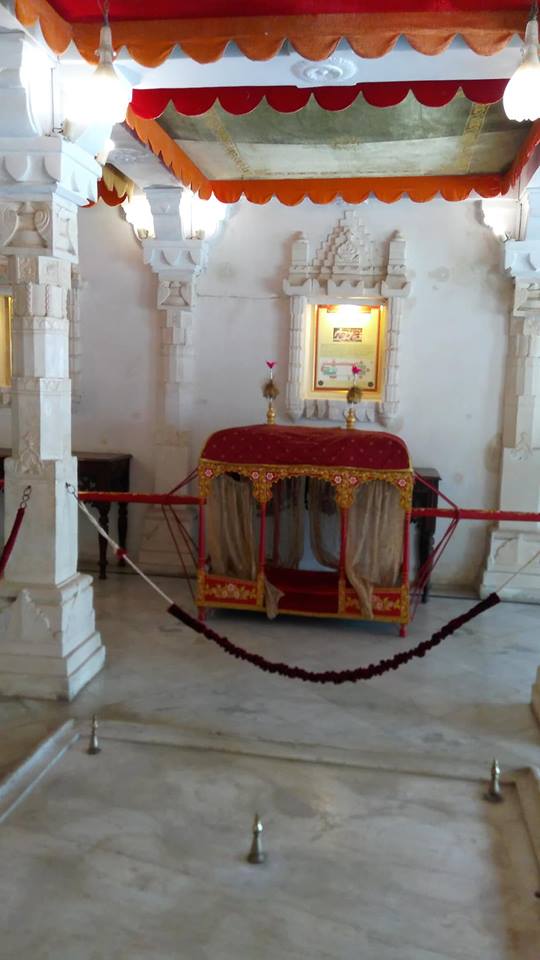
A ROYAL PALANQUIN
We came out of the palace in around 30 minutes time and I got dropped at the City Palace by around 9.45 AM while my friend left to get his things packed for the stay at the resort where we had planned our reunion and also pick up a few friends who were landing a little later. I was soon joined by a couple of my college mates who were also keen on seeing the City Palace and since we had done the booking of the entrance tickets online at Rs.300/- each, we headed straightaway for the entrance, thereby avoiding the serpentine queues which were beginning to form. We hired a guide at the entrance for Rs.500/- for the 3 of us as that would have been the only appropriate way to understand the history of the palace.
THE TRIPOLIA OR THE 3 ARCHED GATE
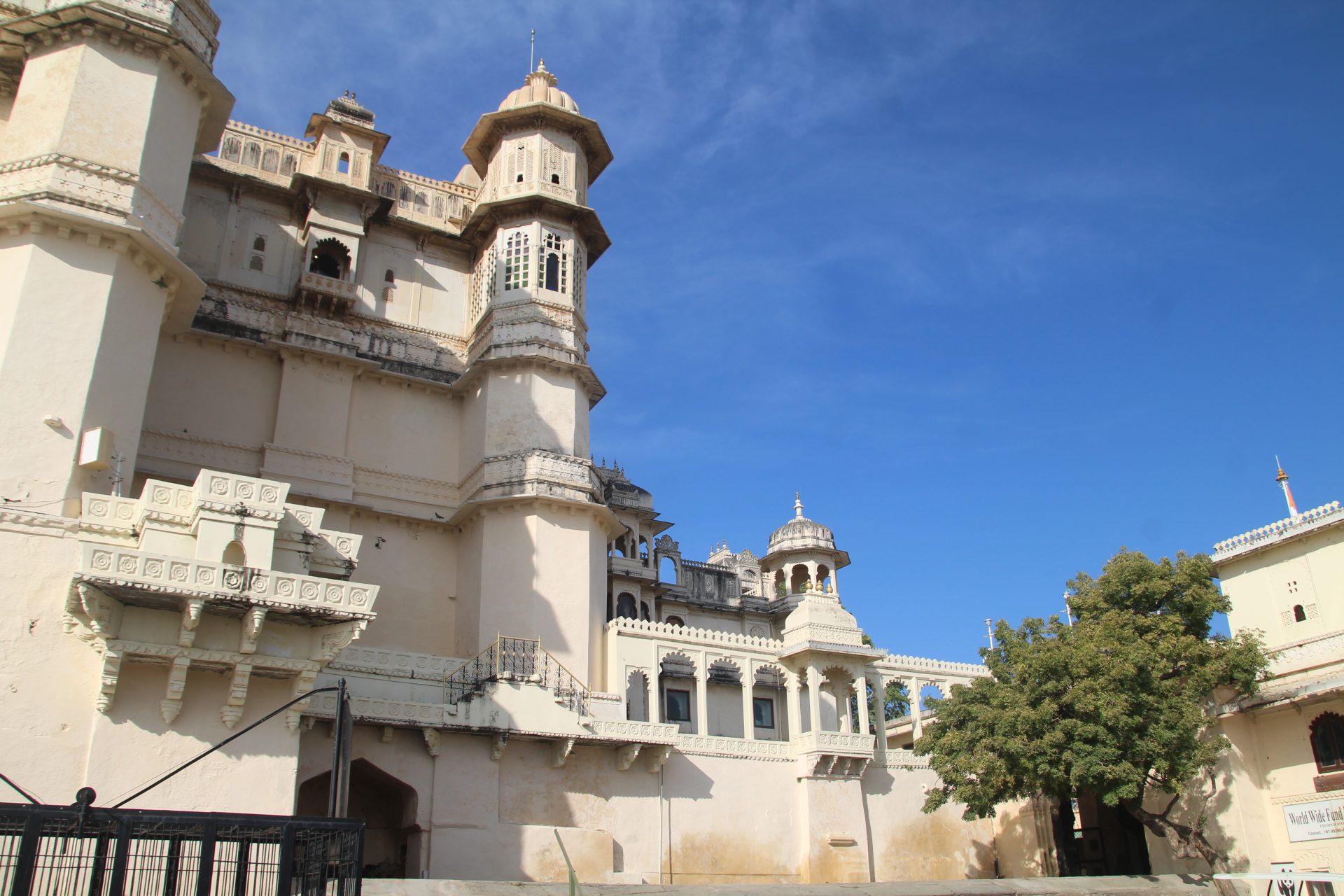
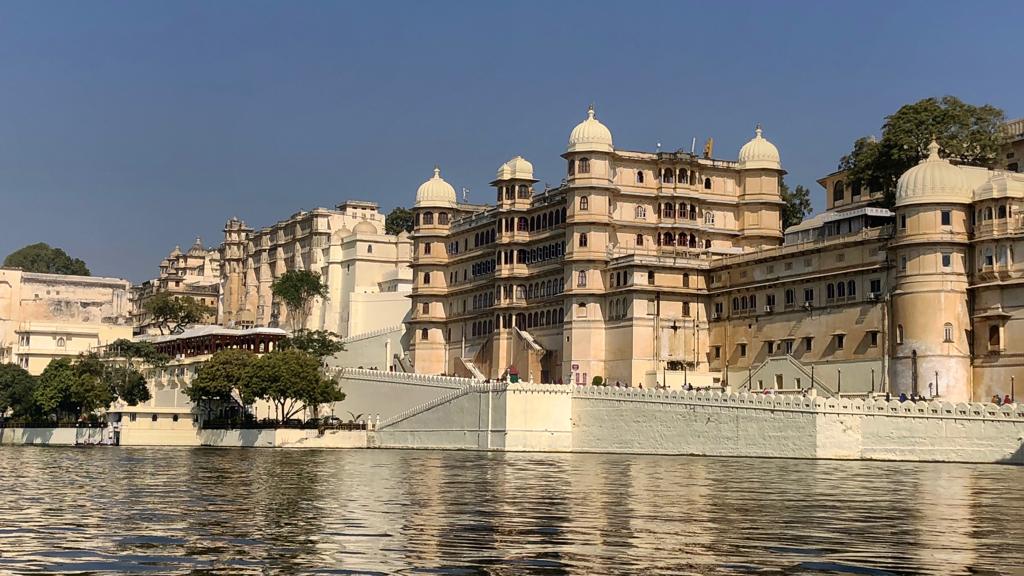
Located on the banks of Lake Pichola, the construction of this palace started in 1553 under the reign of Maharana Udai Singh II when they decided to shift the capital from Chittor to Udaipur.
The Palace underwent lot of enhancements over a period of 400 years and by over 22 rulers. Since it served as the Administrative complex of the Maharanas of Mewar, it assumed great historical importance.
Since the Palace underwent lot of changes over a 400 year period, it perfectly blended Medieval, European and Chinese architecture.
There are over 11 smaller palaces and other structures homogeneously built in this complex which stand behind a 100 feet high wall and 800 feet façade built all along the ridge of Lake Pichola.
DARIKHANA KA POL
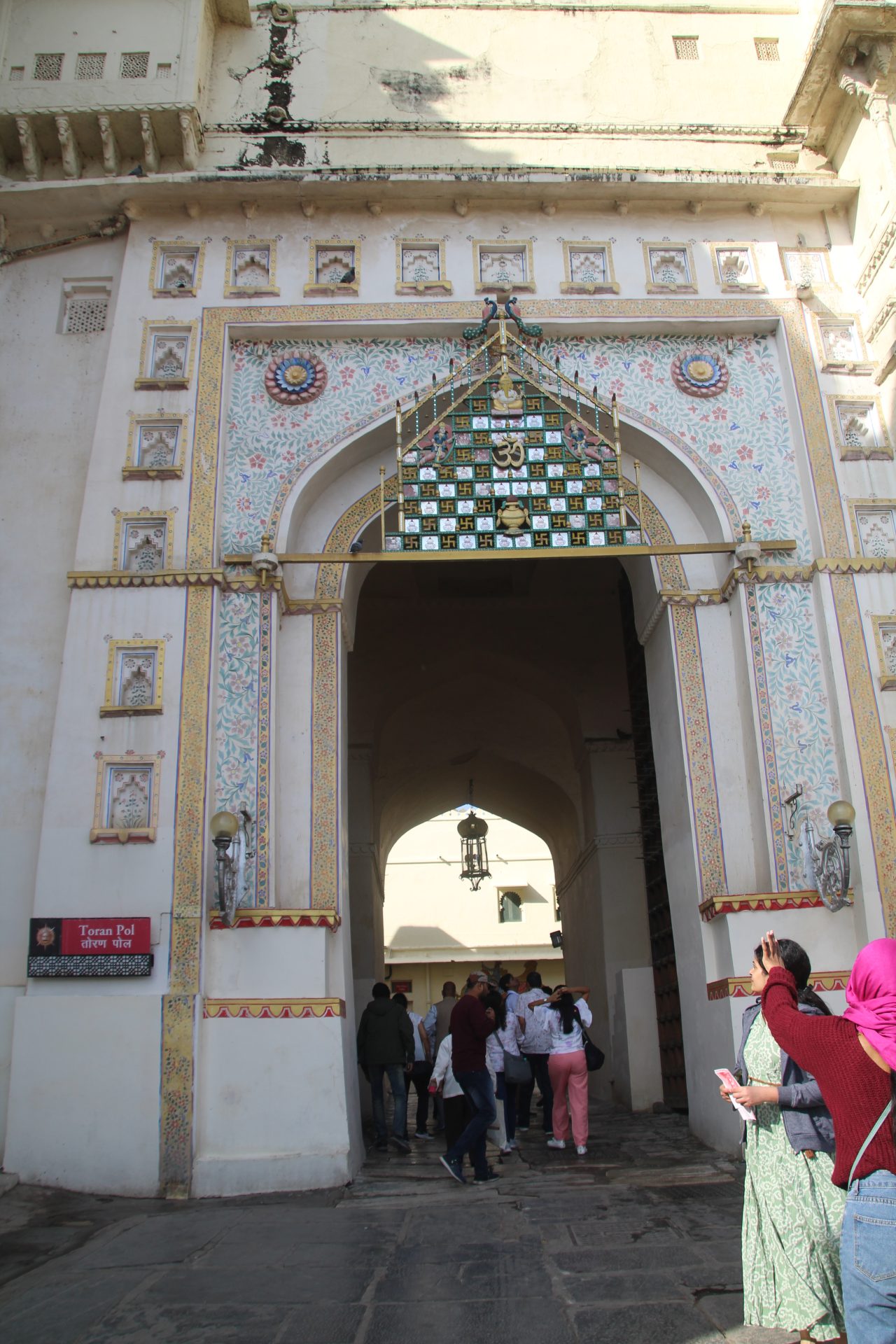
TORAN POL
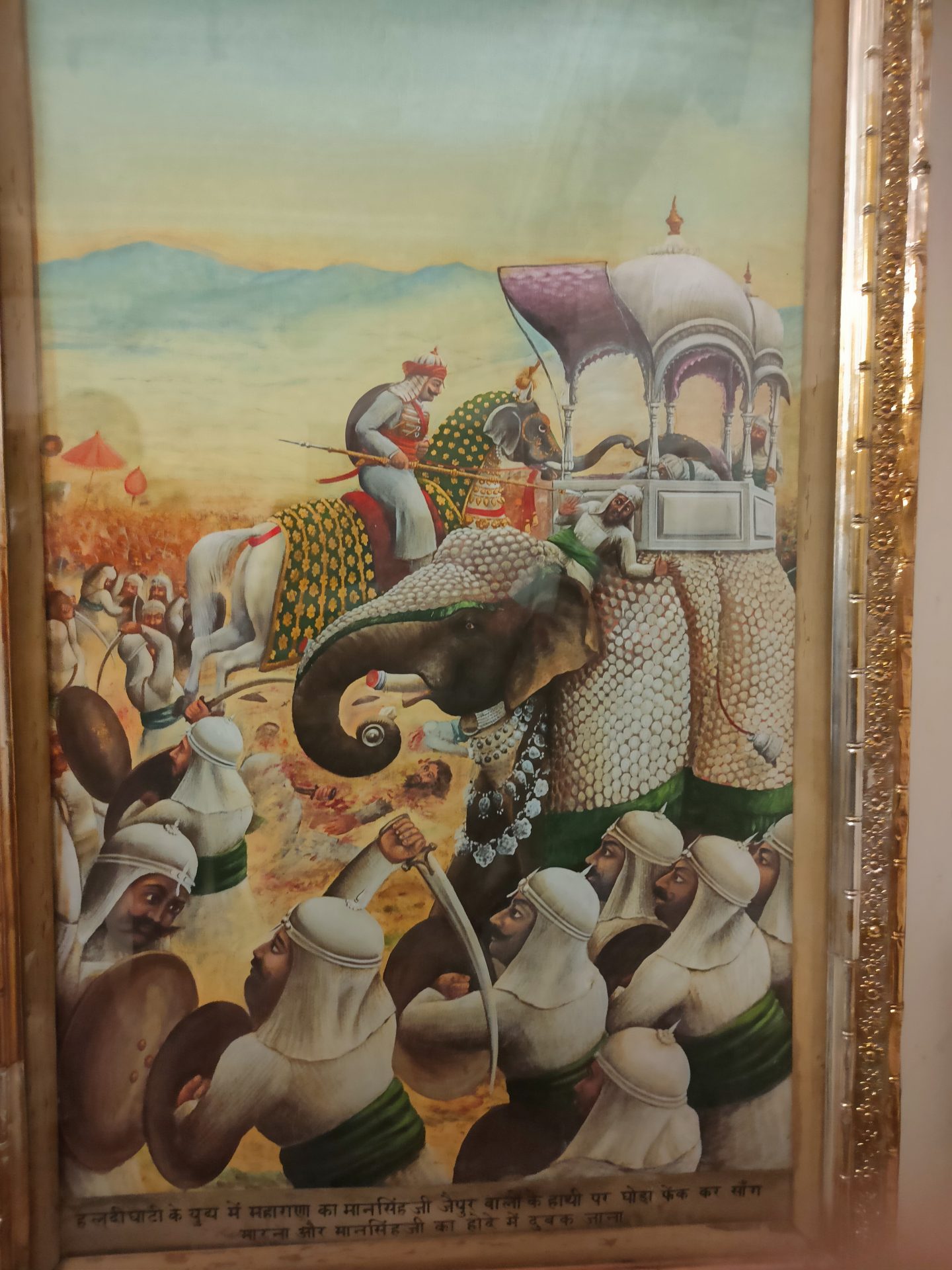
The Royal Courtyard or the Rai Angan was the first royal structure built at the beginning of the City Palace Complex building. After Udai Singh’s death in 1572, his son Maharana Pratap Singh took over Udaipur. He however lost the battle of Haldighati to the Mughal Emperor Akbar in 1576 and the Mughals wrested the control of Udaipur.
After Akbar’s death, his son Jahangir handed over Mewar to Maharana Pratap Singh’s son Amar Singh I but Udaipur fell once again to the Maratha kings in the year 1761. The then king Bhim Singh finally sought help from the British and signed a treaty with him for protection as a result of which the Mewar Kingdom and other princely states of Rajasthan got merged with democratic India while the Mewar kings lost their Royal privileges in the bargain. The successive Maharanas however retained ownership of these palaces and quite a few parts of the palace complex got converted to Heritage Hotels.
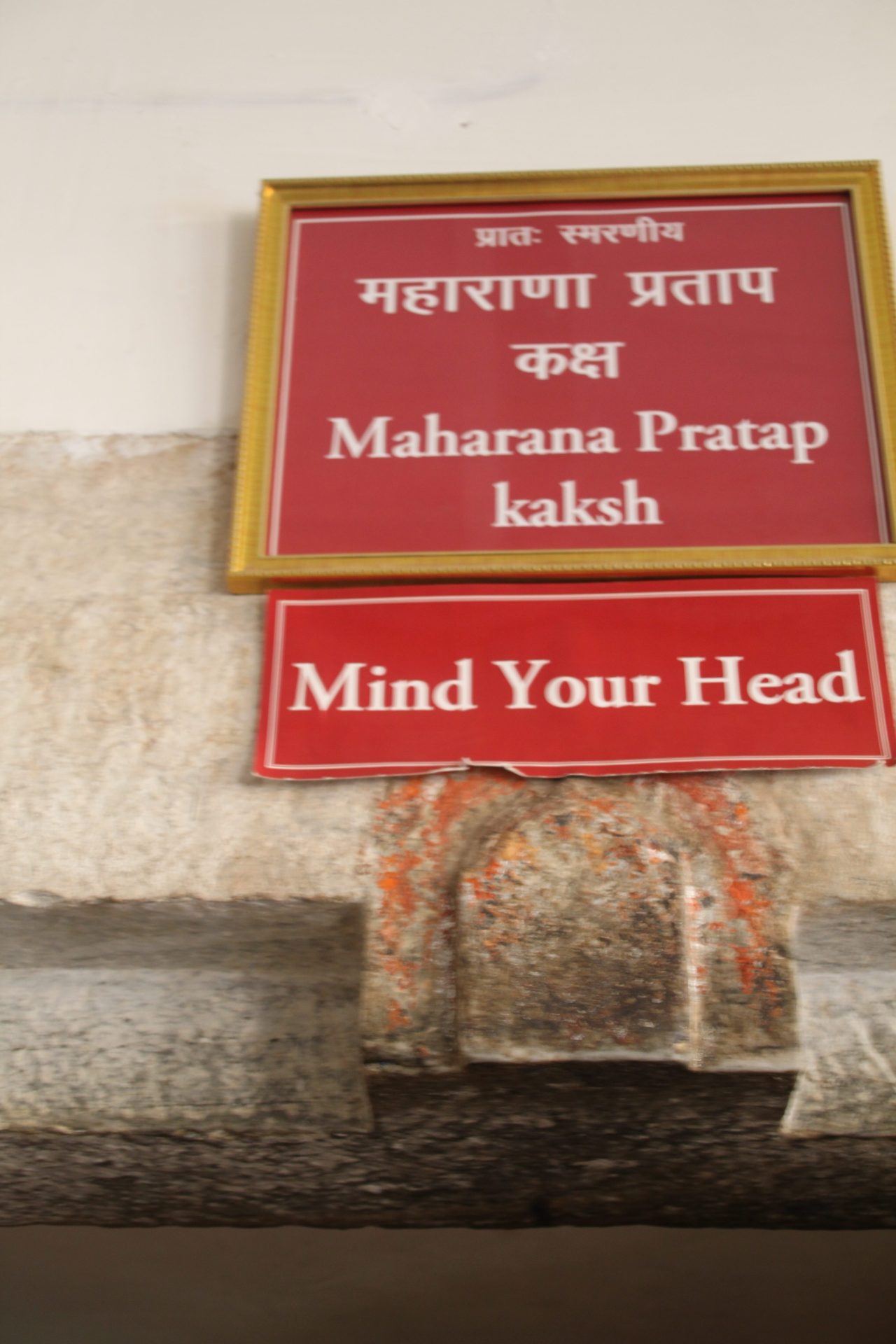
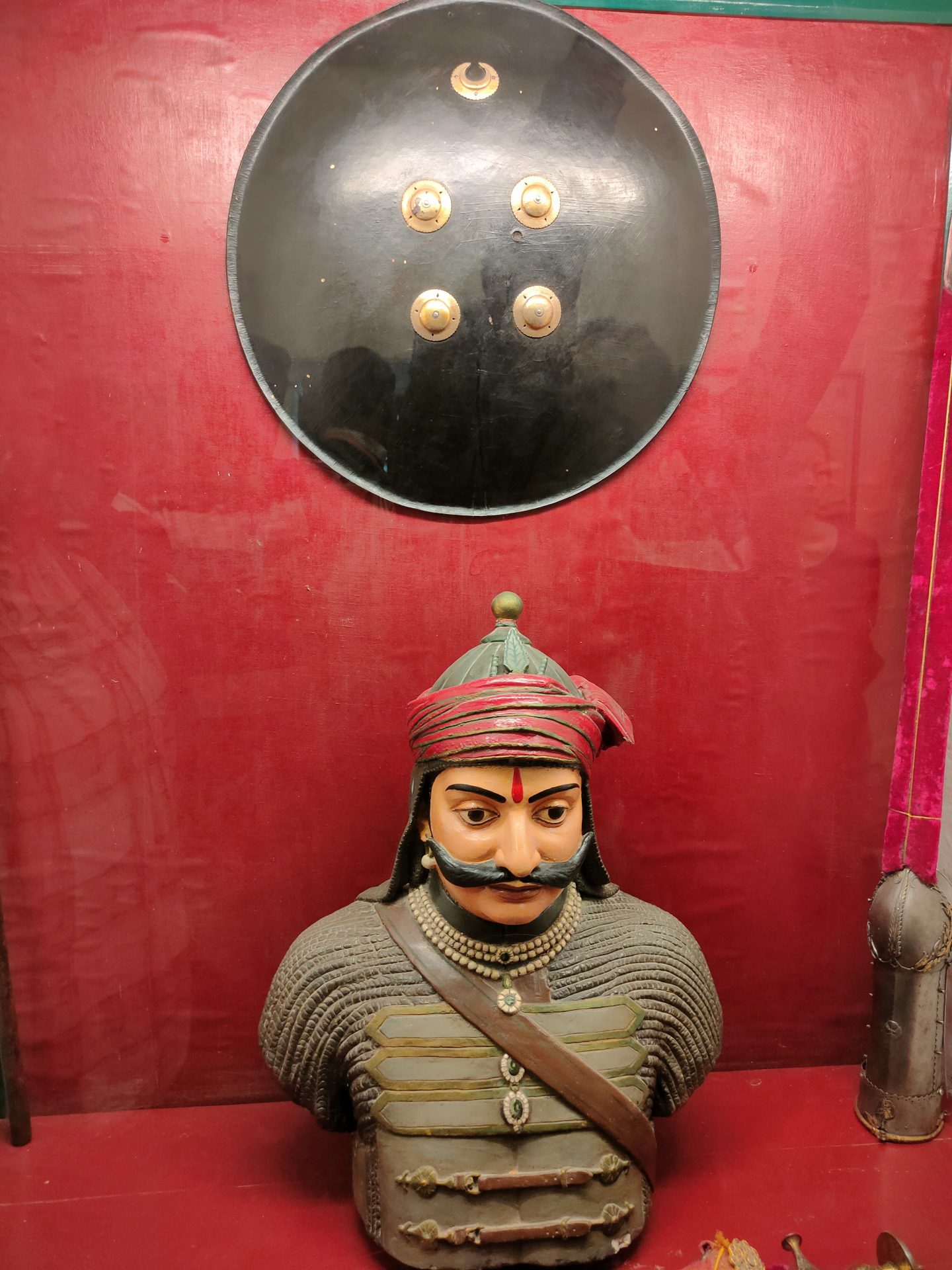
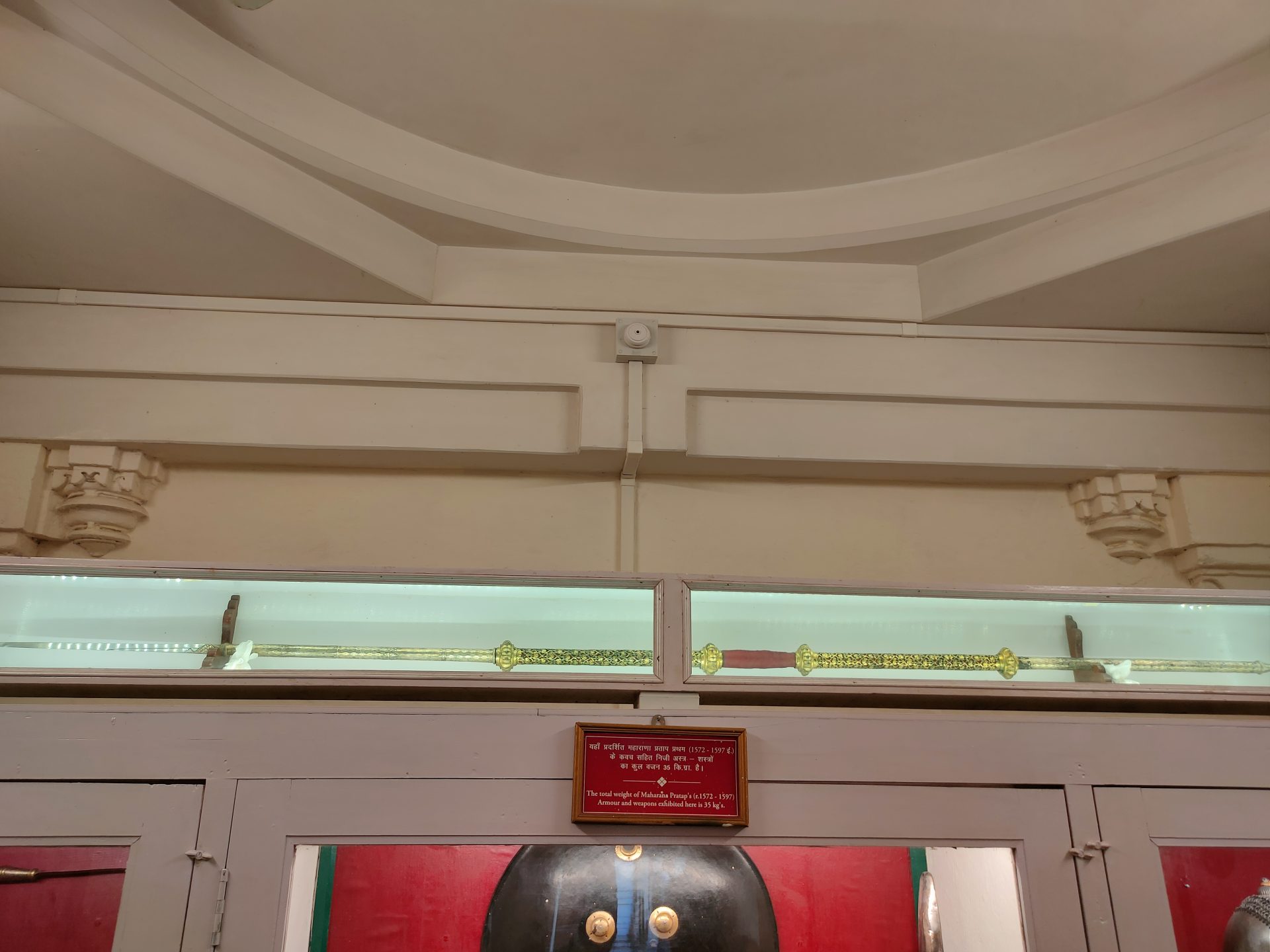
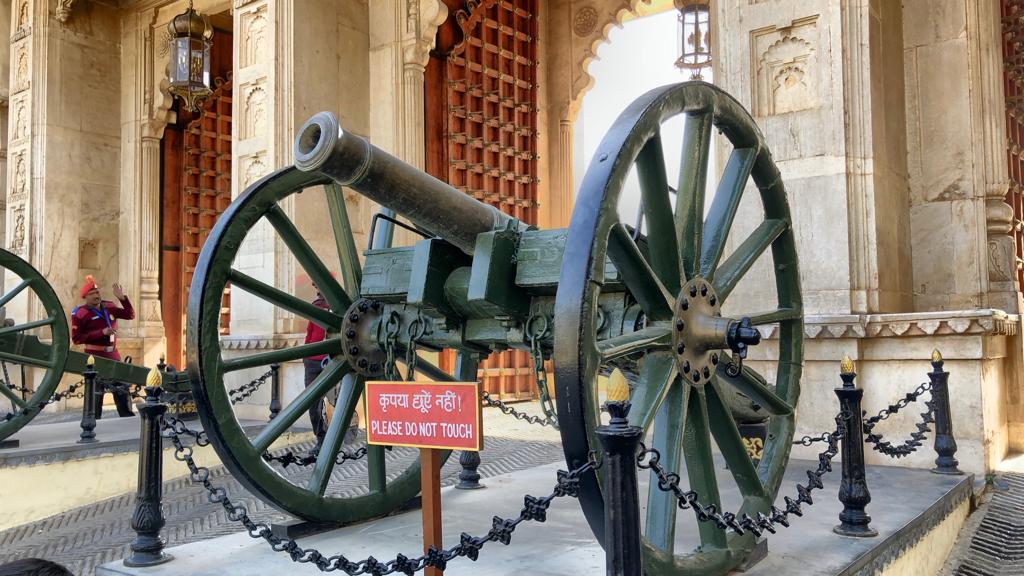
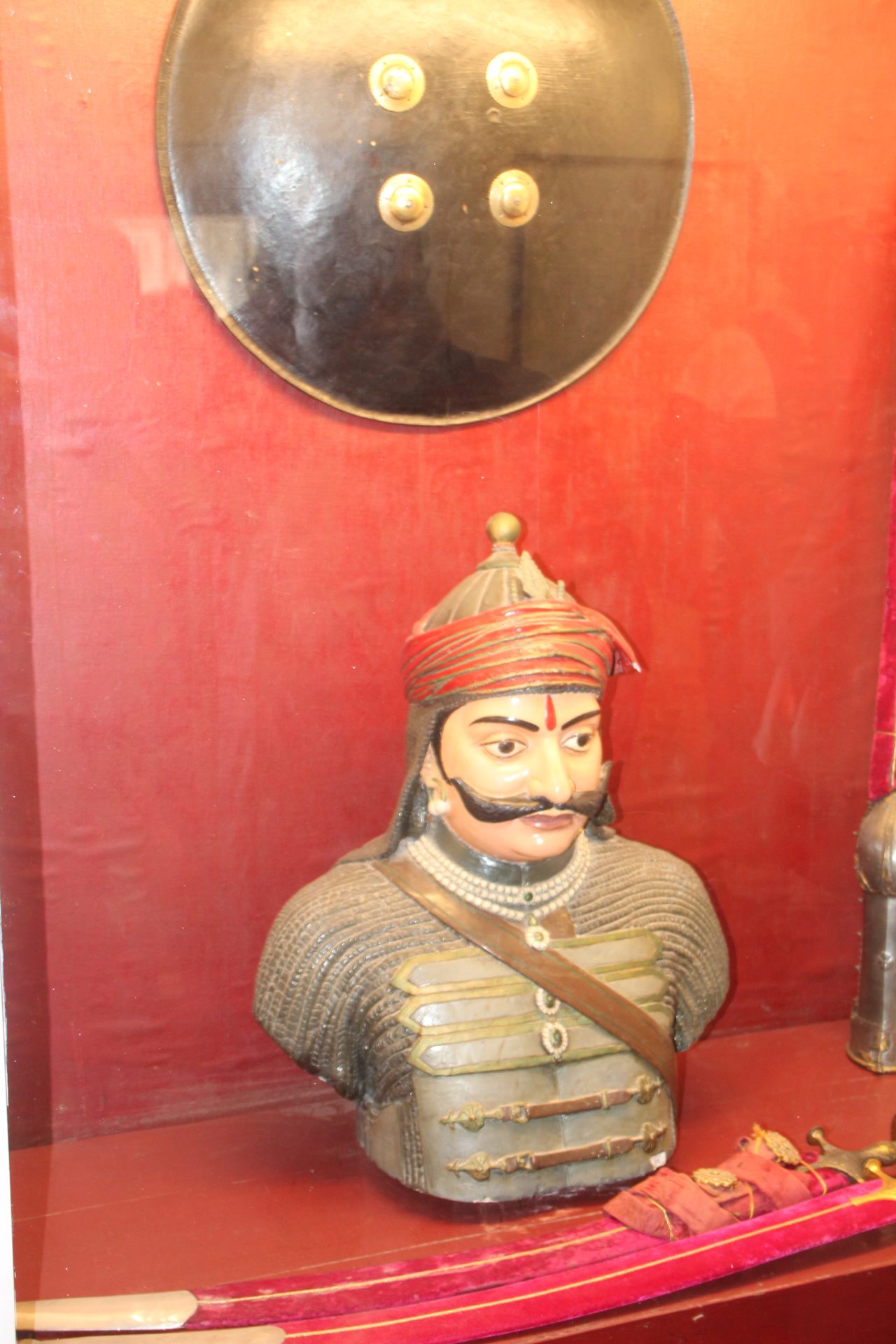
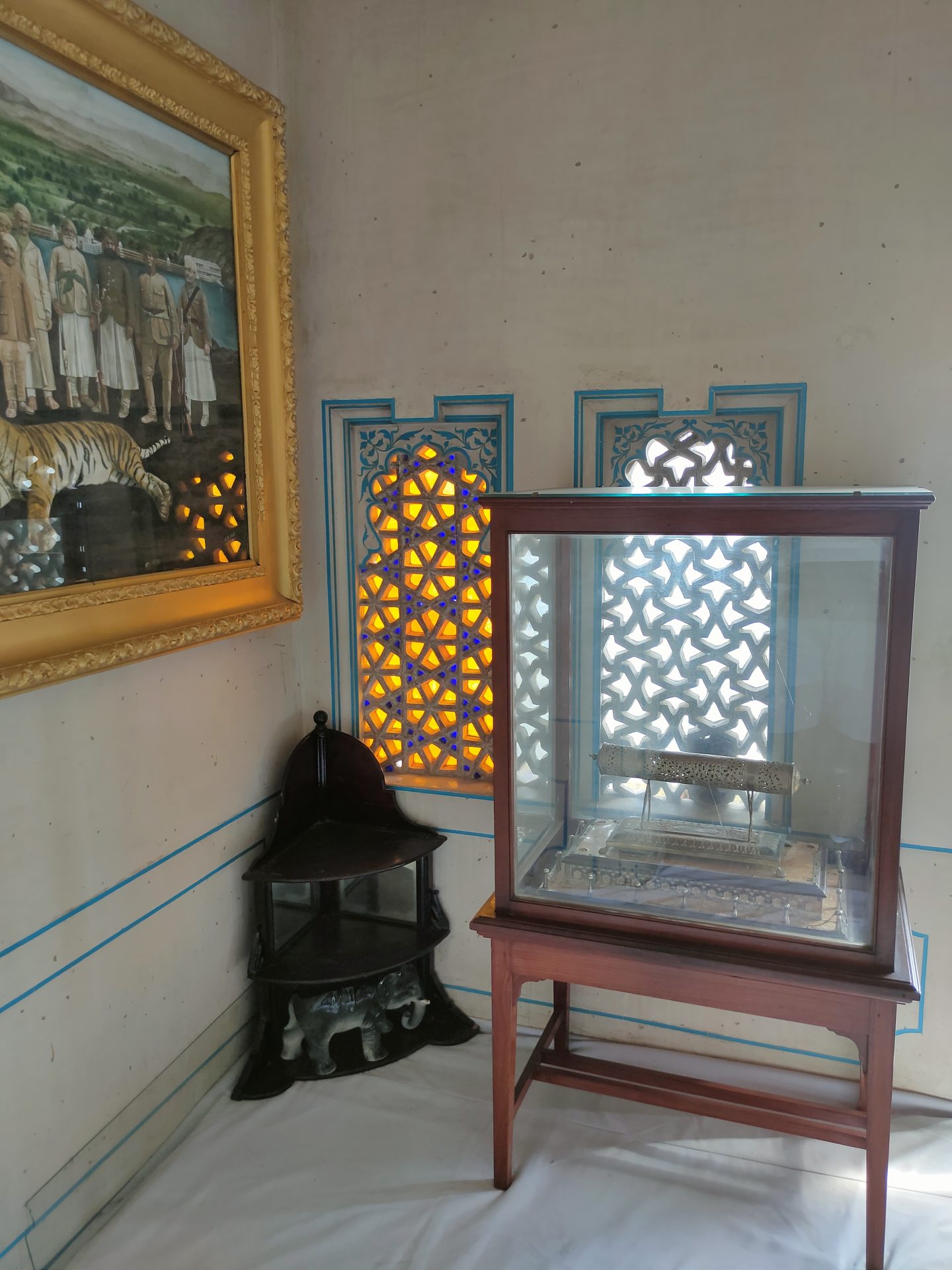
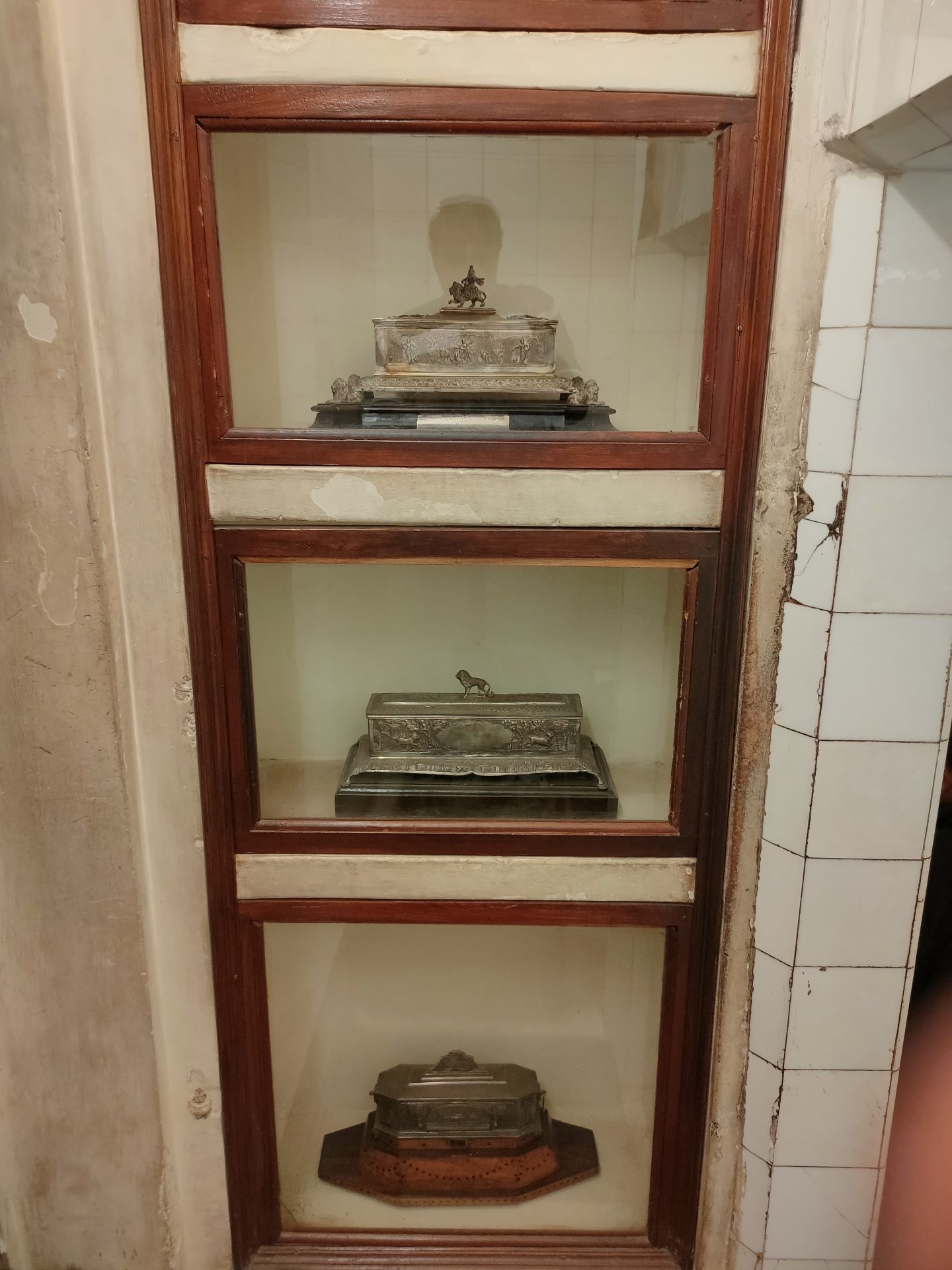
OVER 35 KGS OF ARMOURY AND WEAPONS ON DISPLAY
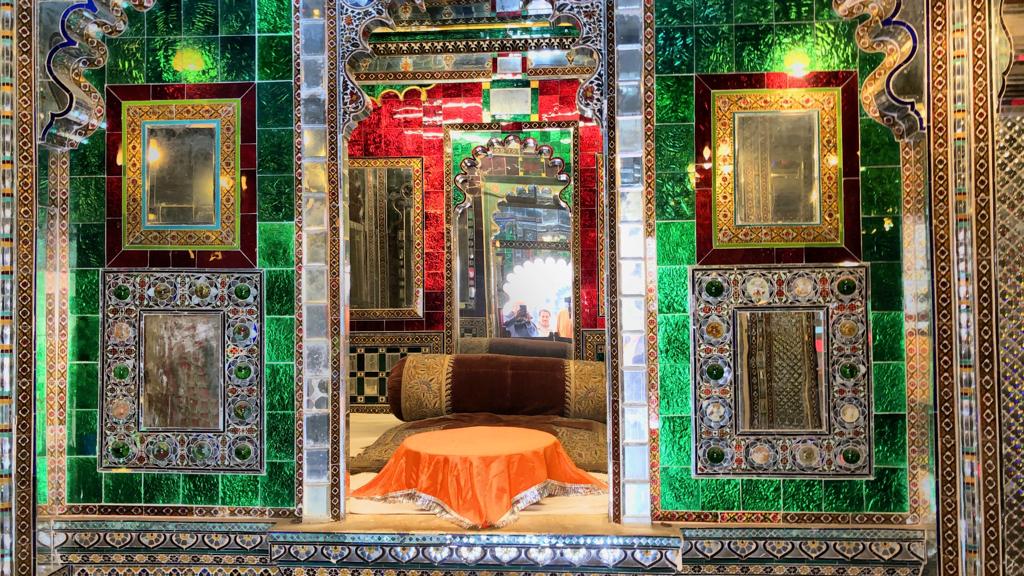
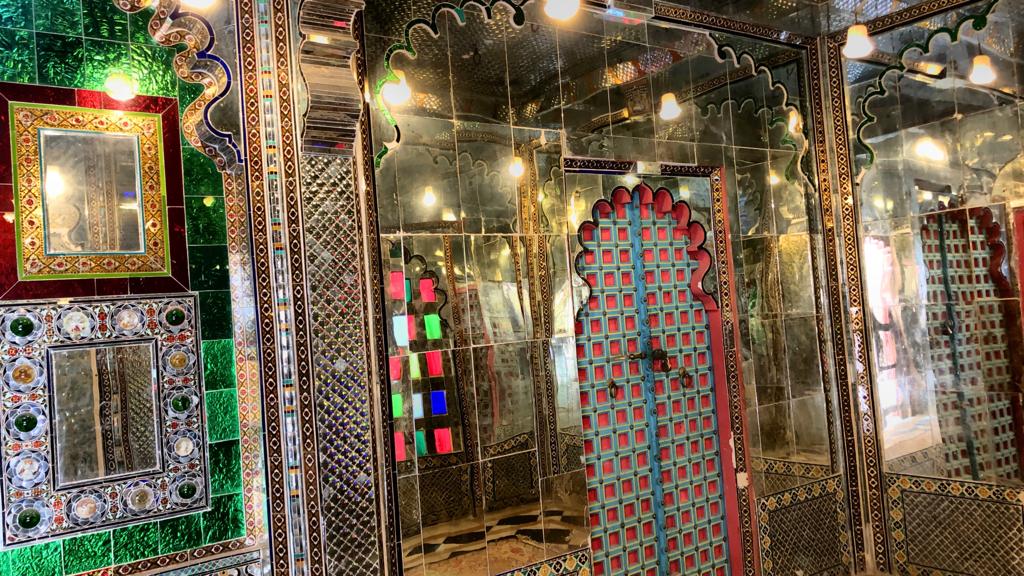
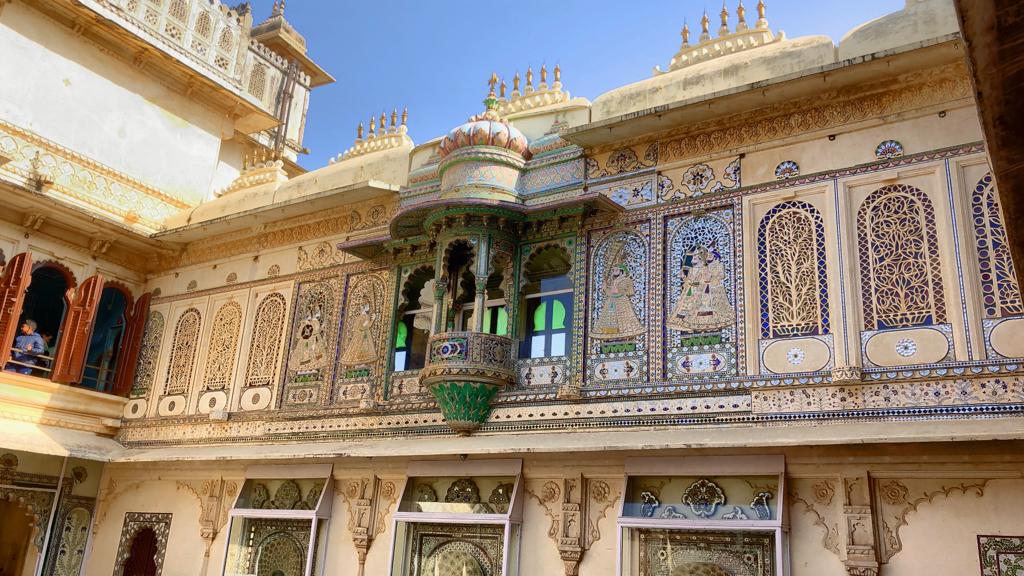
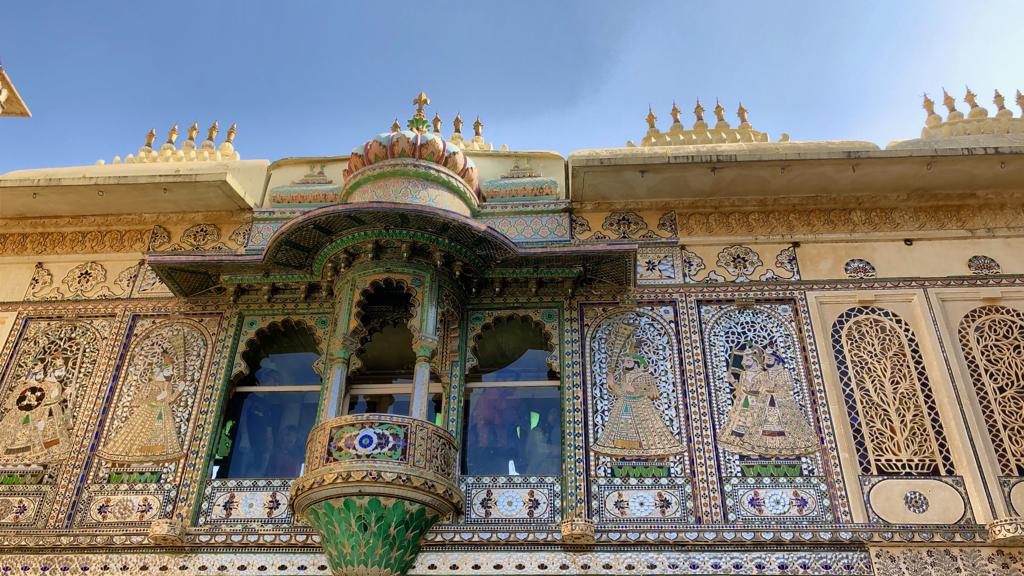
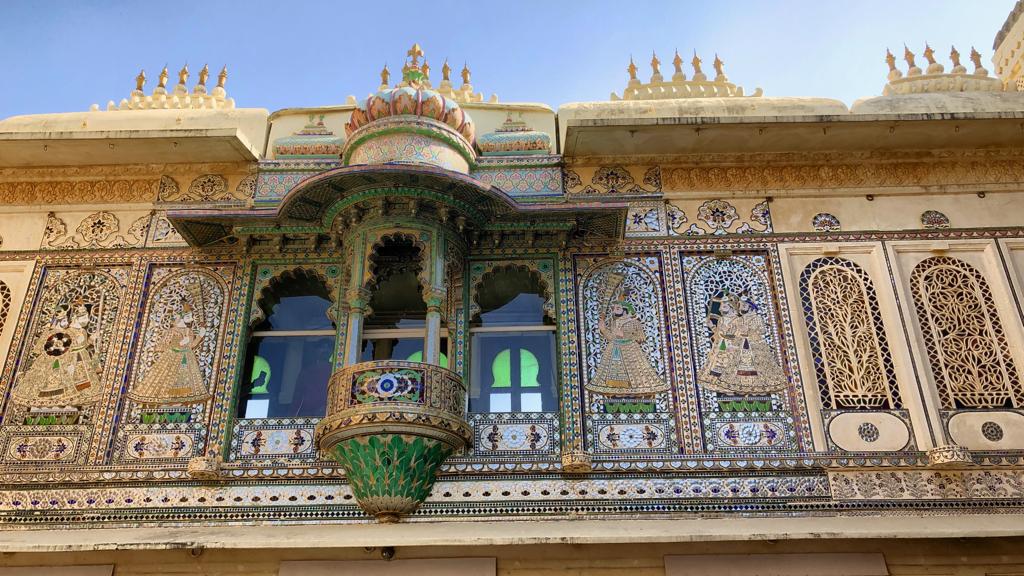
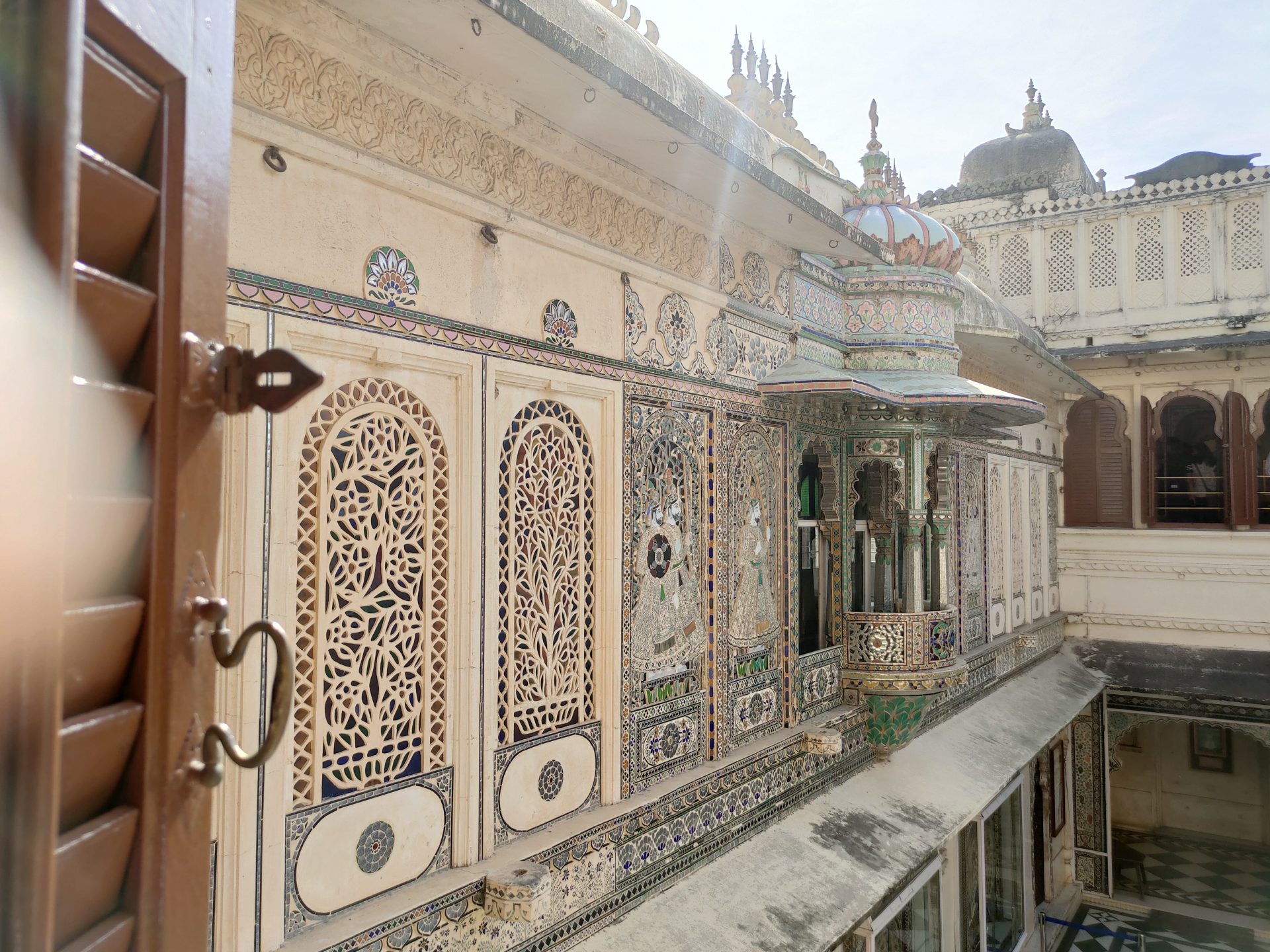
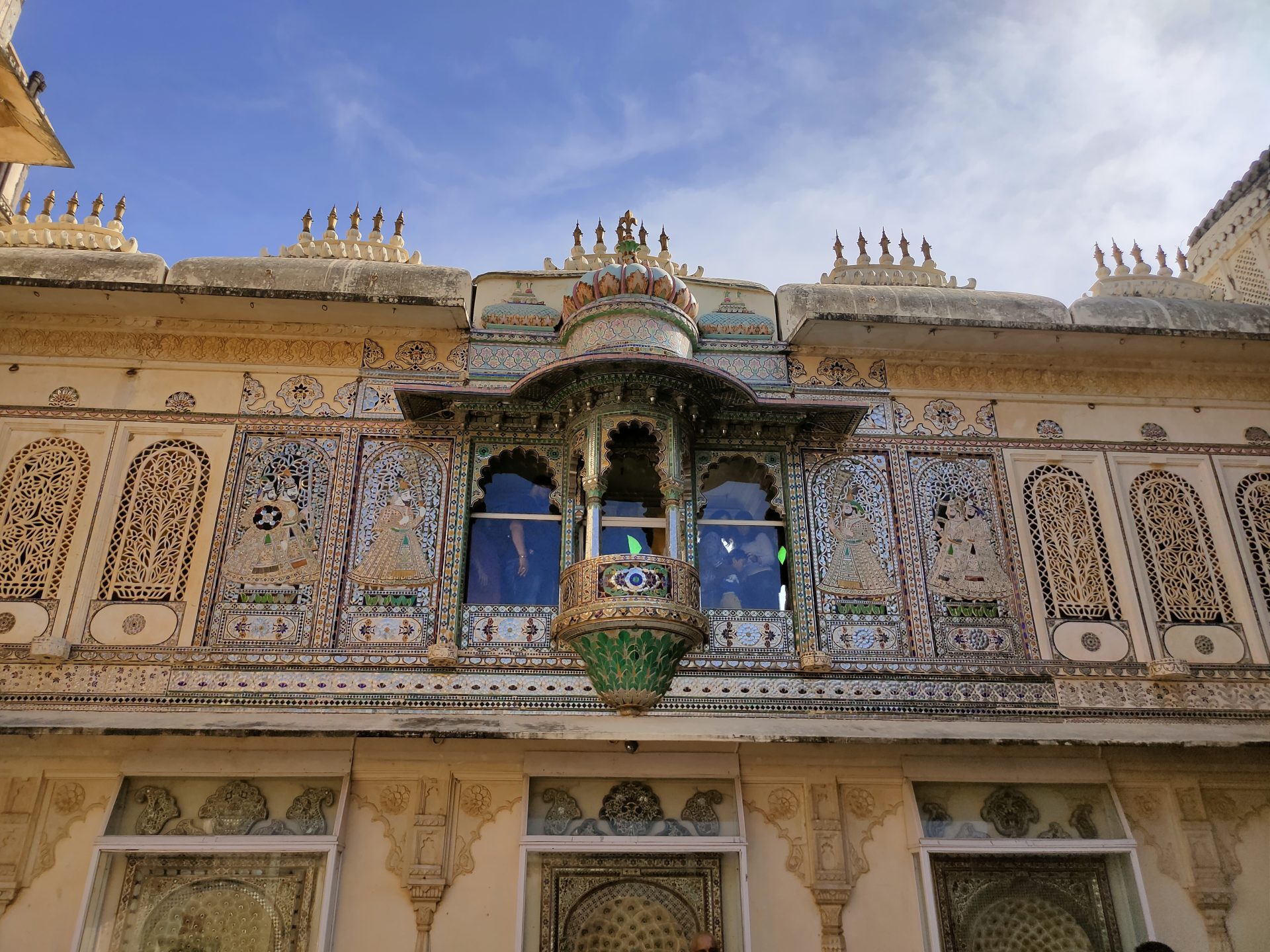
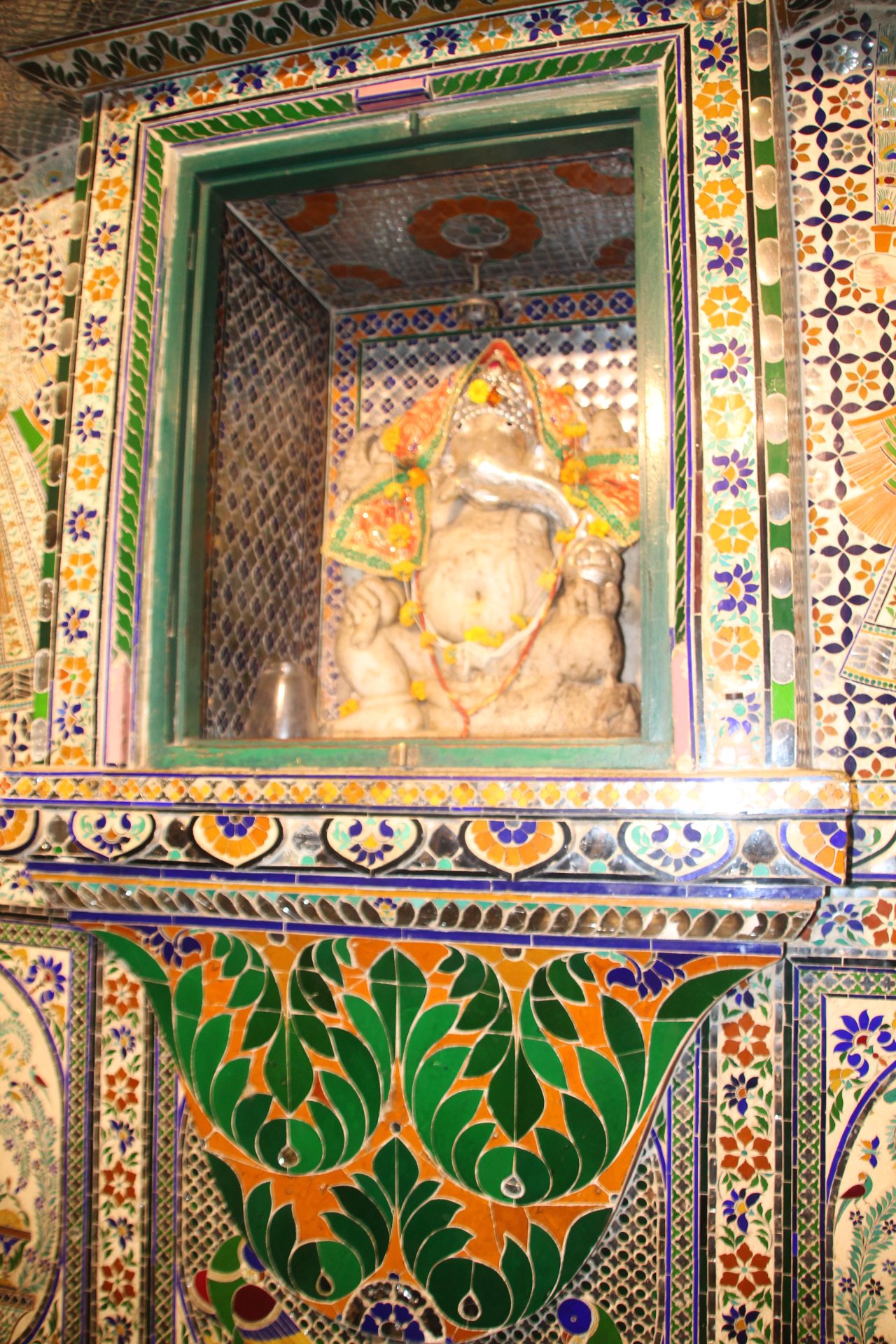
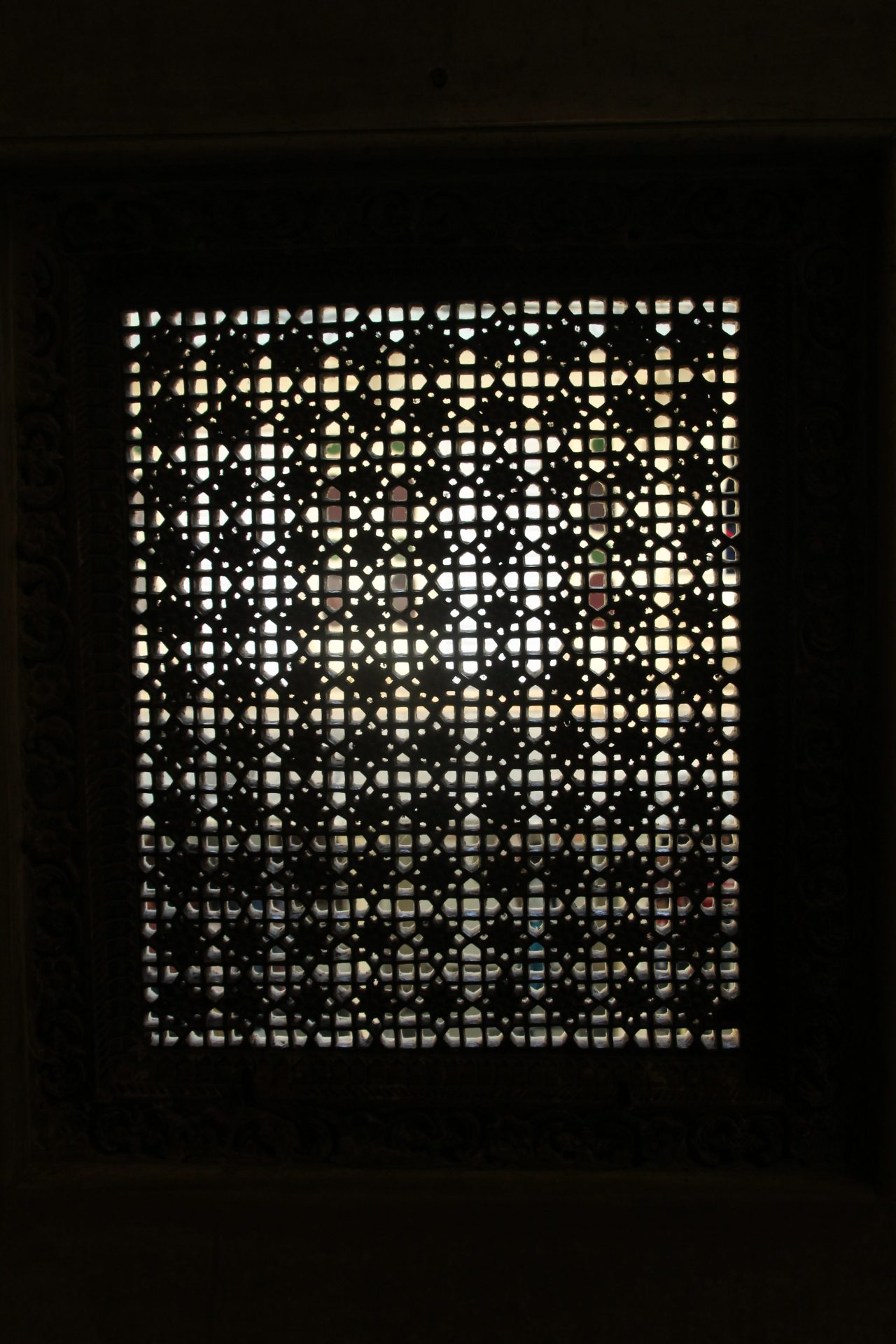
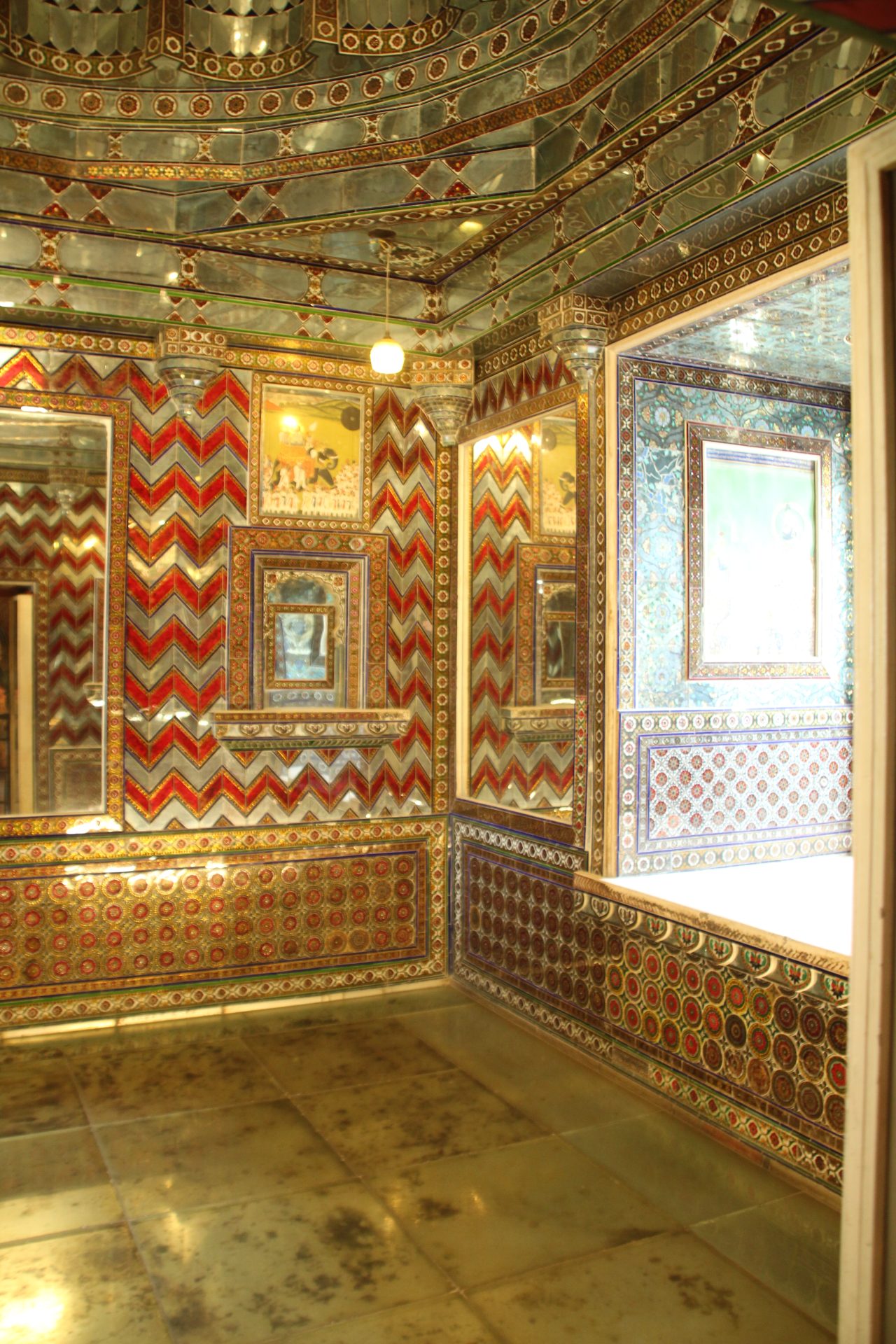
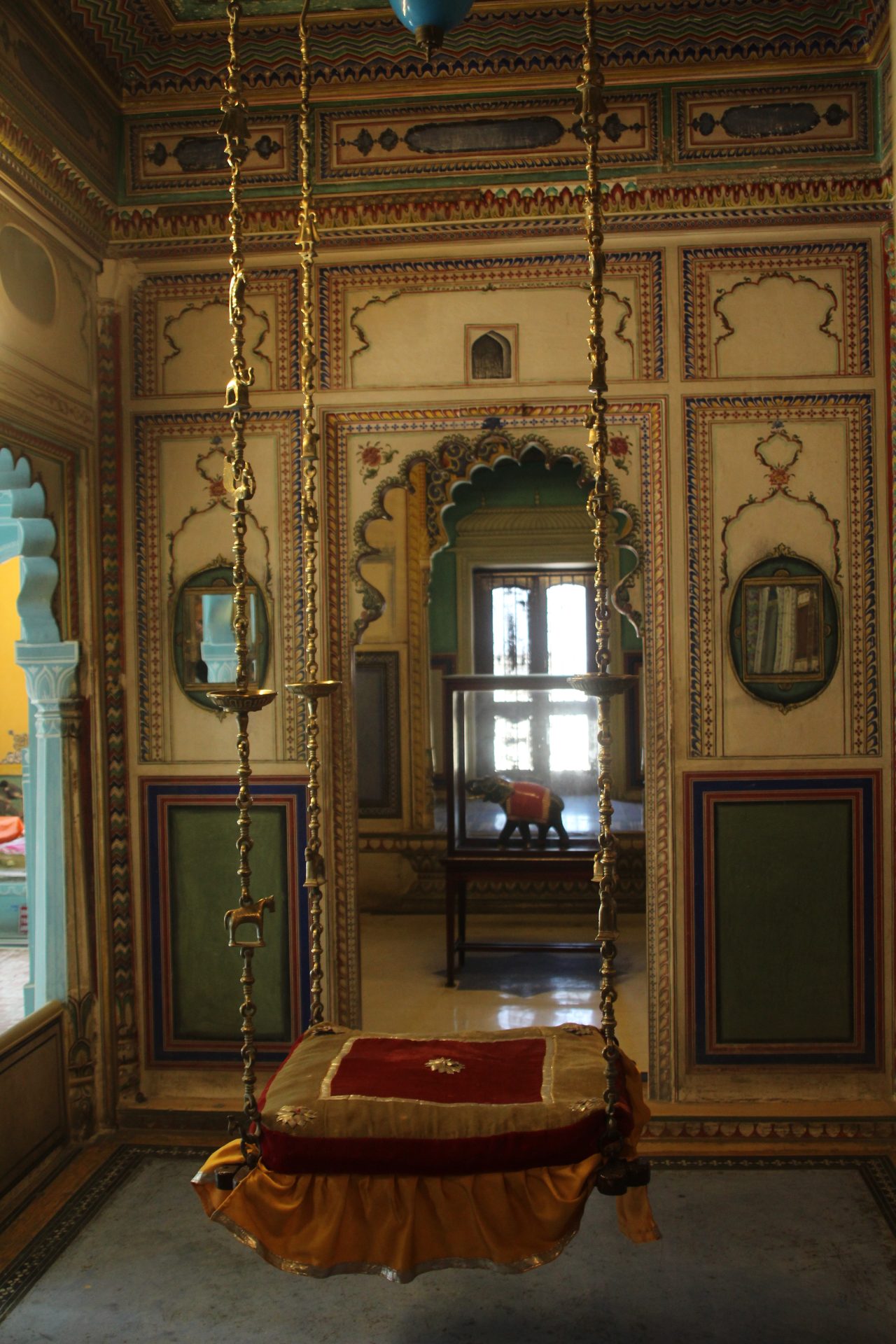
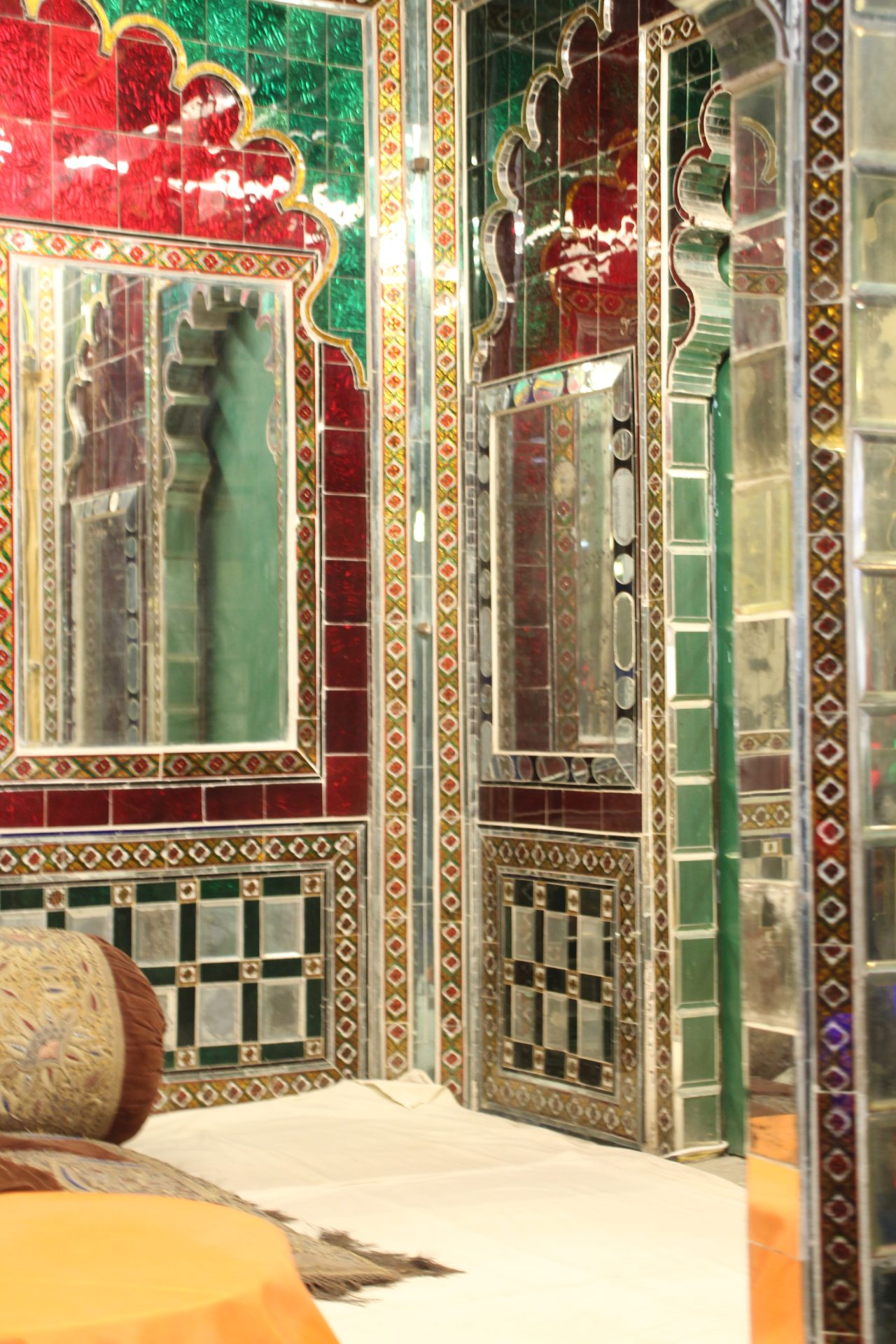
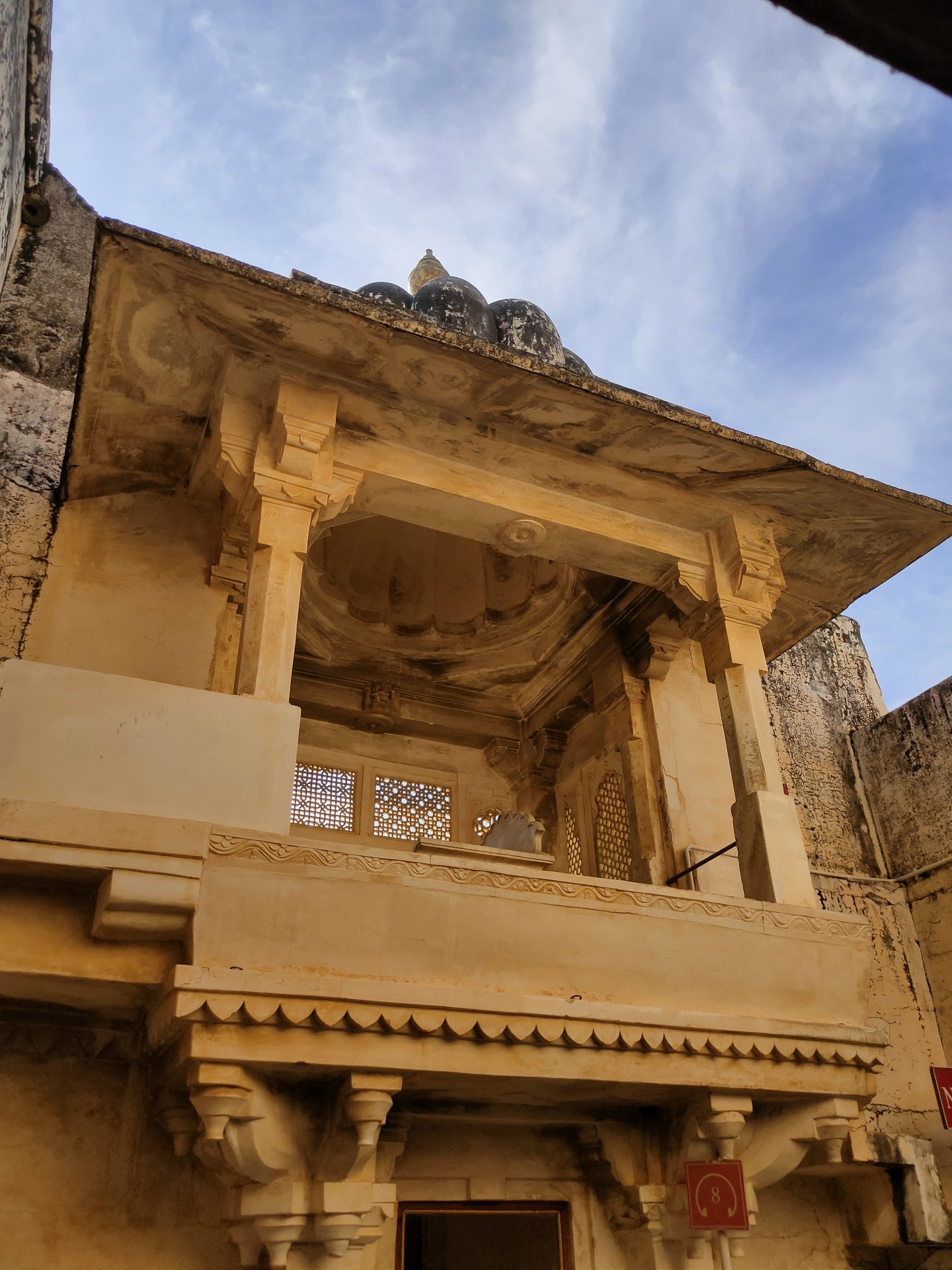
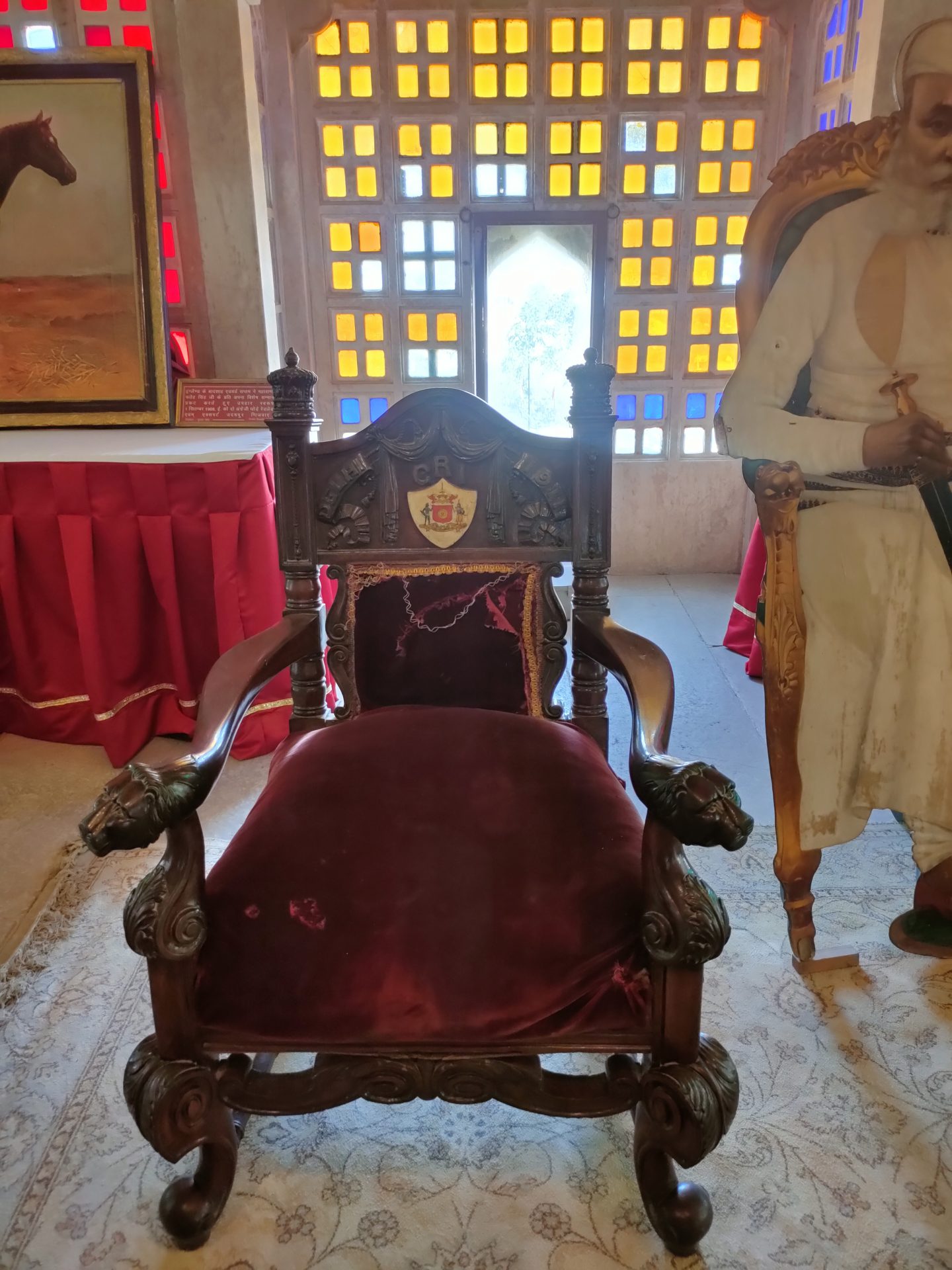
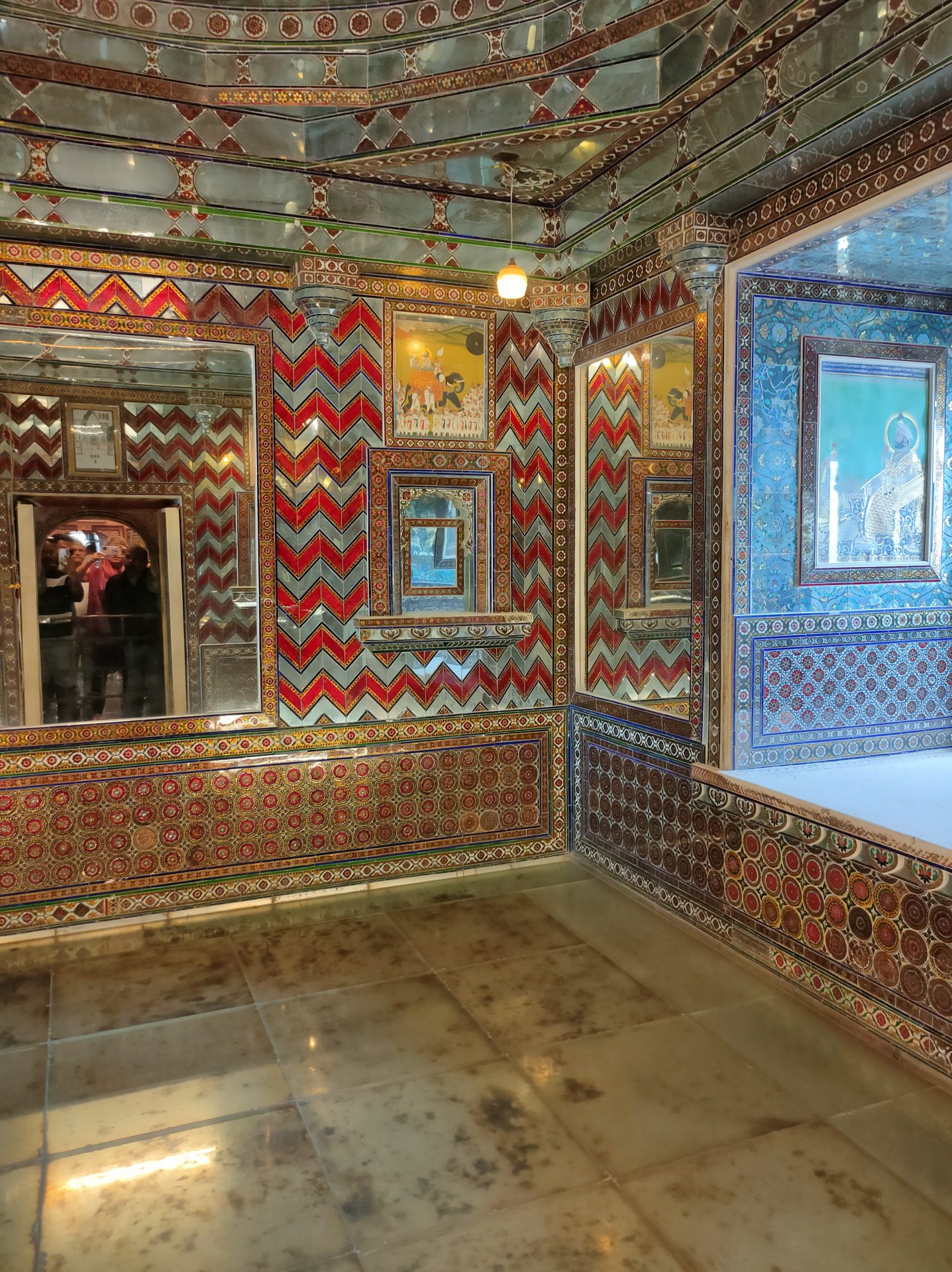
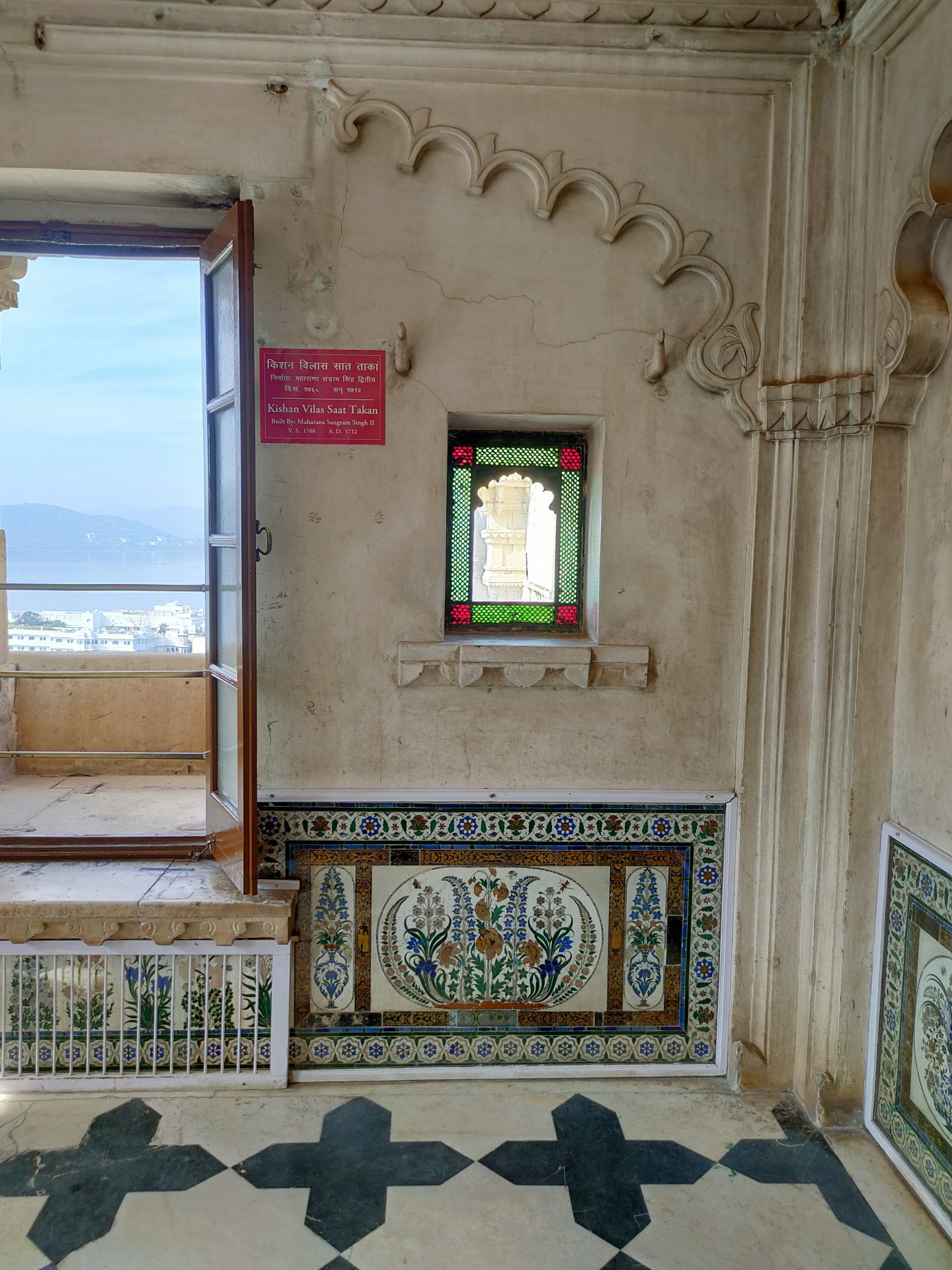
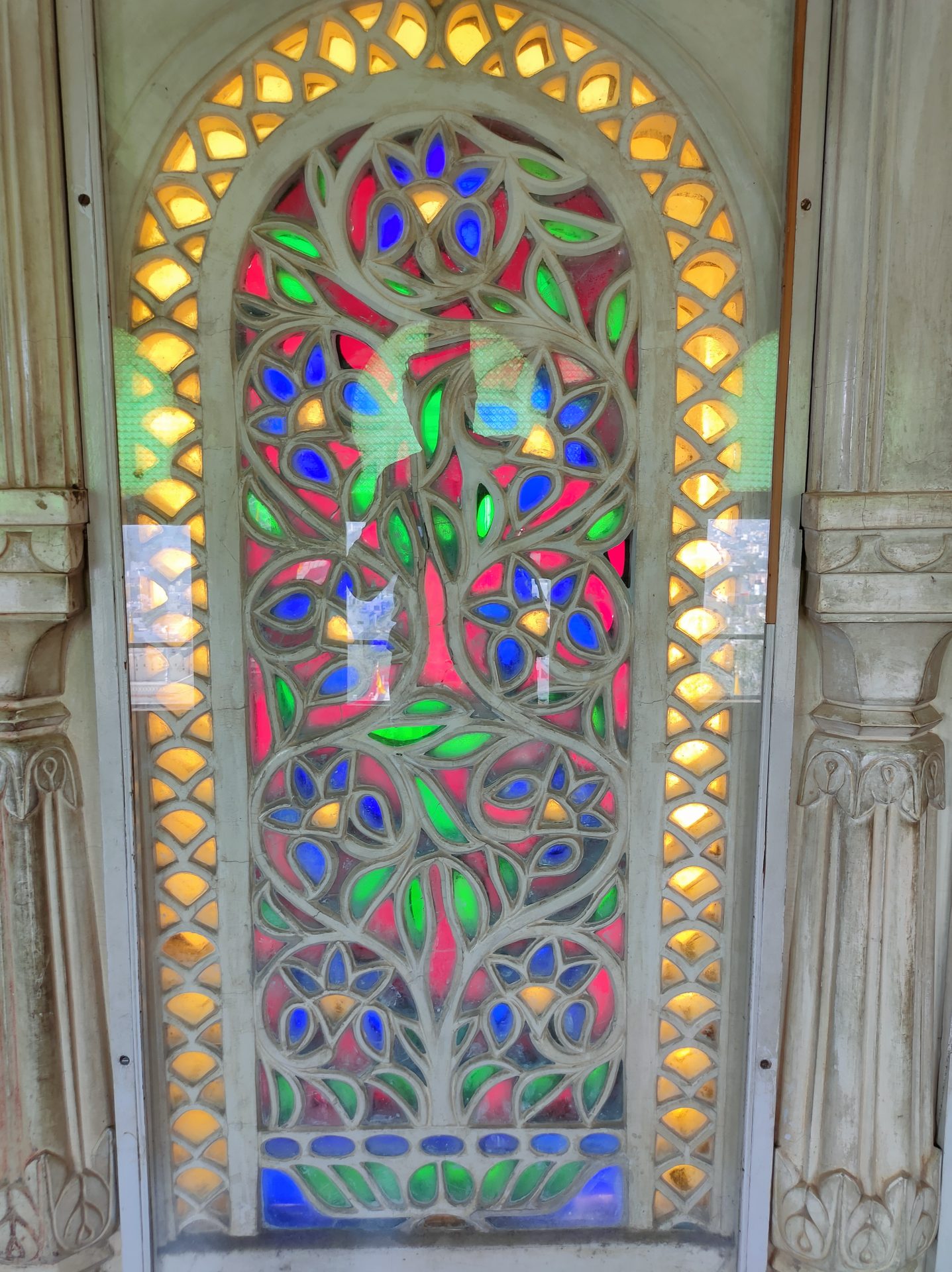
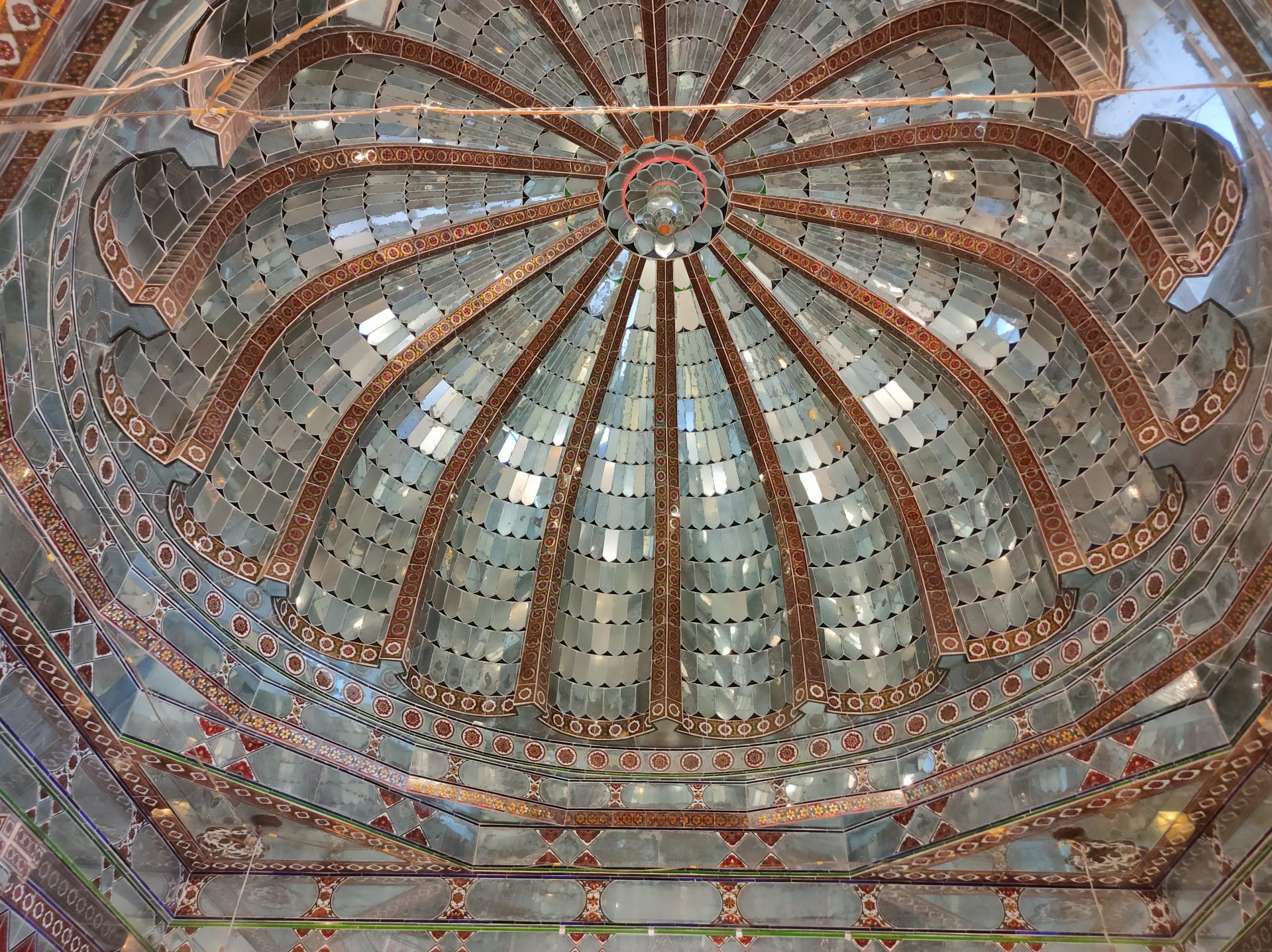
While the entire palace is built out of Marble and Granite, what is noteworthy is that the interiors of the complex are as beautiful as the exterior. The intricate mirror work, murals, wall paintings, stained coloured glasses adorning the balconies, the Silver and inlay work, the cupolas and towers are definitely worth a mention. The terraces which open out in the upper part of the Palace complex offer a lovely view of the Pichola lake and the city. An interesting aspect of the construction of the chowks and corridors within the palace is that they are built in zig zag fashion to evade any surprise attacks from enemies including some parts of the complex where false doors have been erected.
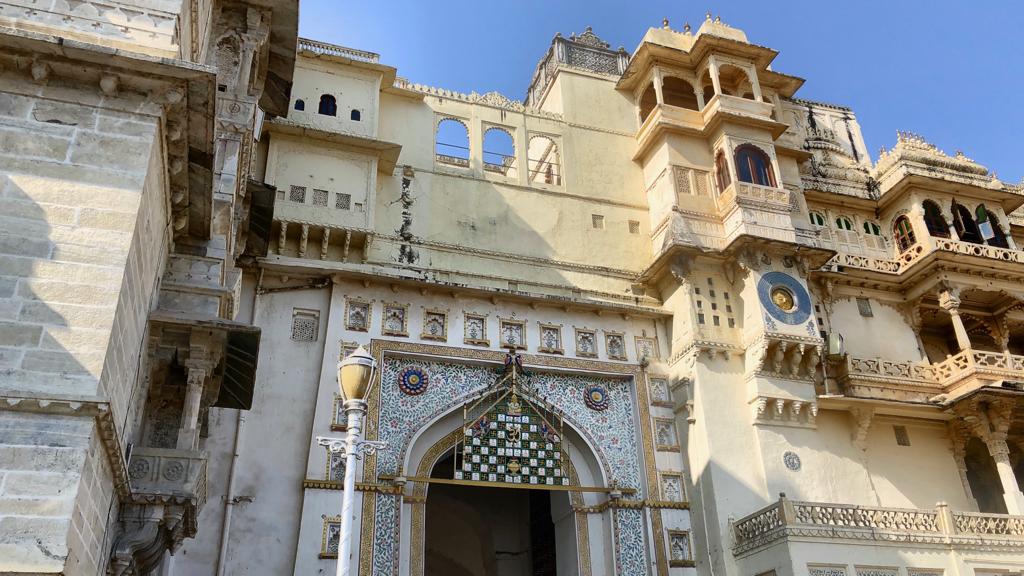
The entry to the City Palace Complex is through the main Tripolia or the Triple Gate via the Badi Pol or the Great Gate,
There are however quite a few noteworthy structures inside the complex such as the Suraj Gokhda or the public address façade, the Mor Chowk or the peacock courtyard, the Dilkhush Mahal, the Surya Chopar, the Sheesh Mahal, the Moti Mahal, the Krishna Vilas, the Shambu Niwas, the Bhim Vilas, Amar Vilas, the Badi Mahal, the Fateh Prakash Palace and the Shiv Niwas Palace.
The 2 gates, the Badi Pol and the Tripola are beautifully aligned with 8 marble arches or Toranas and legend has it that the Maharanas used to weigh themselves against gold and silver here and later distribute it amongst the local people.
The entry through the Toran Pol leads one to an arena where elephant fights used to be held in the past. Across the Triploa, there is another gate known as the Hathi Pol or the Elephant Gate.
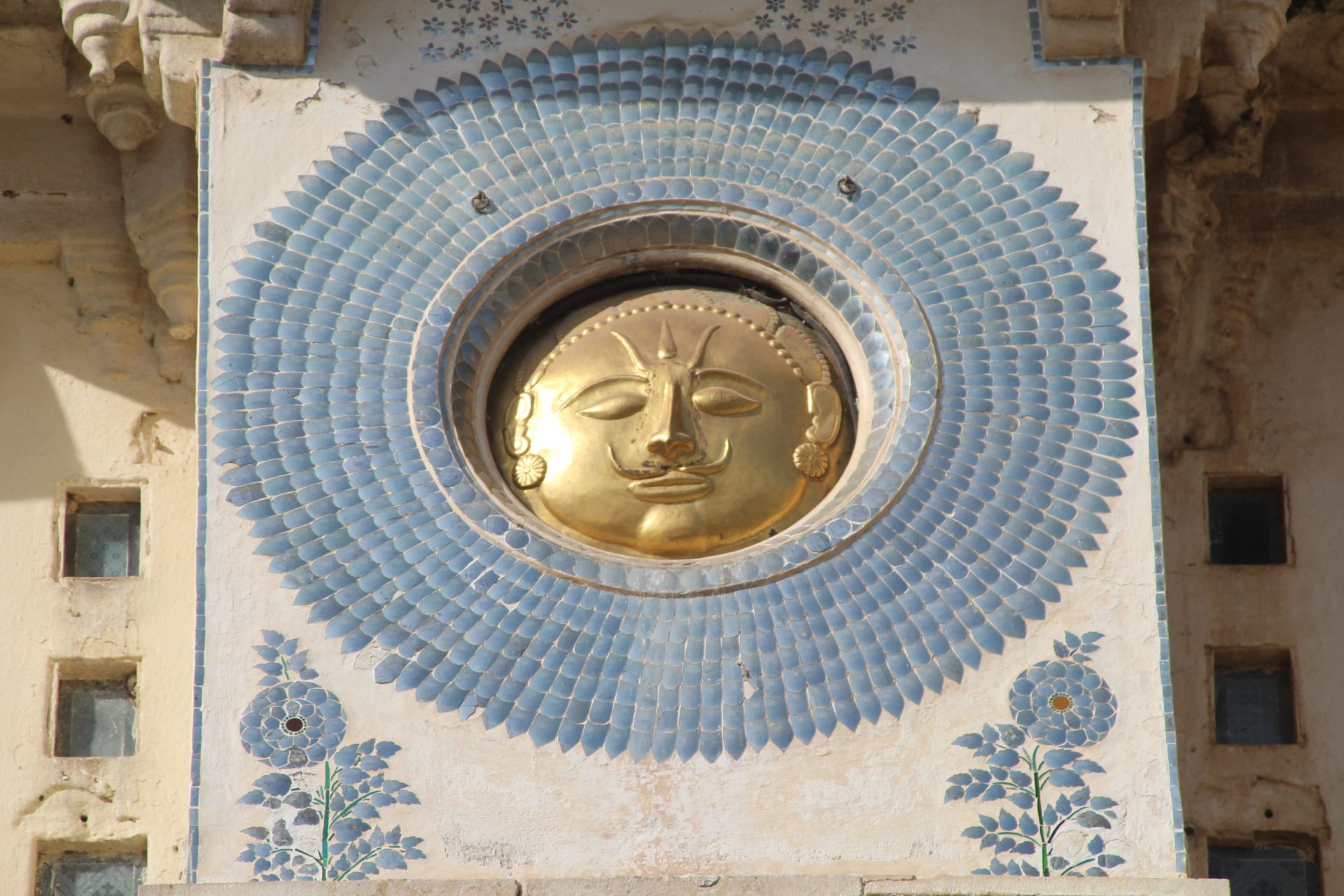
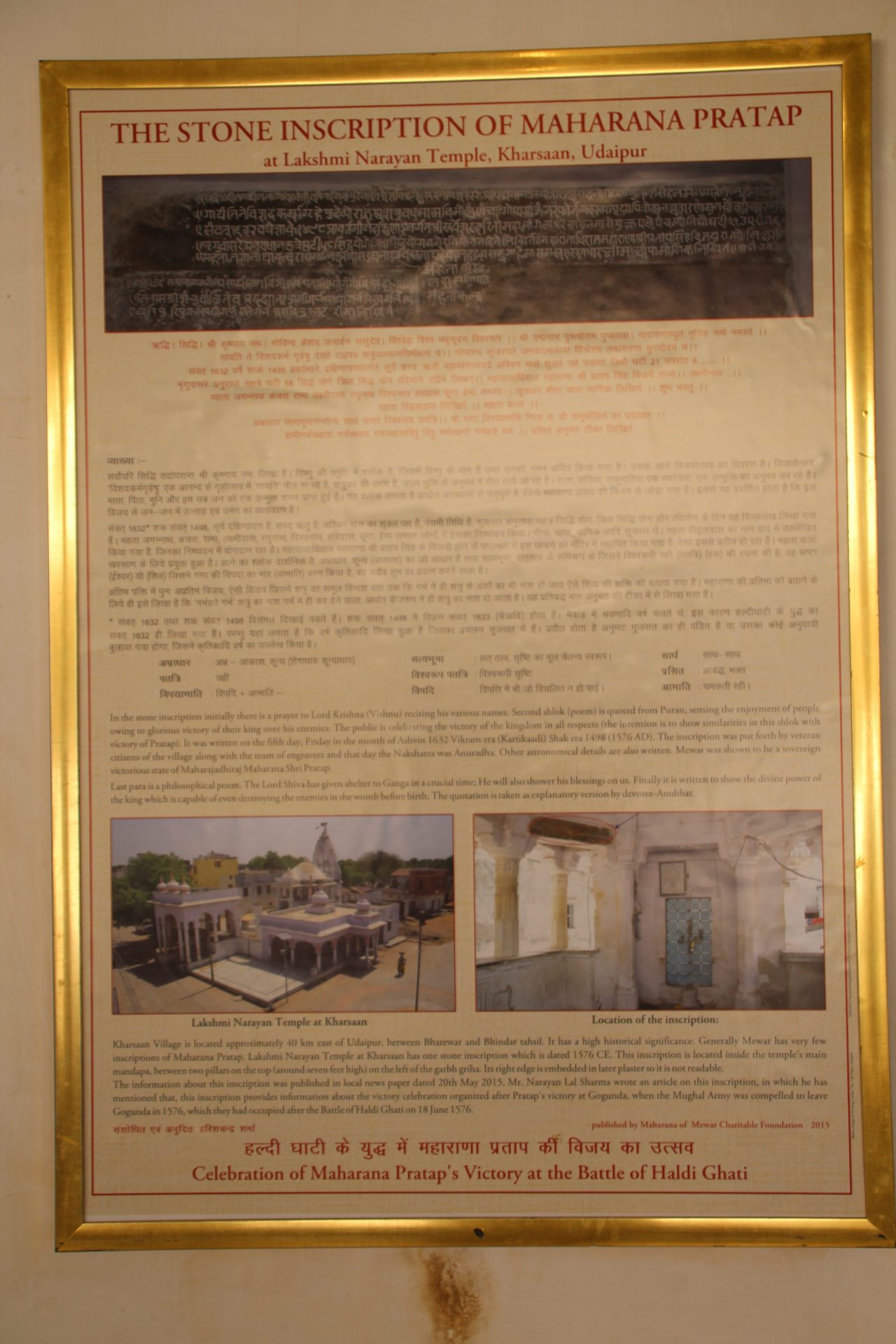
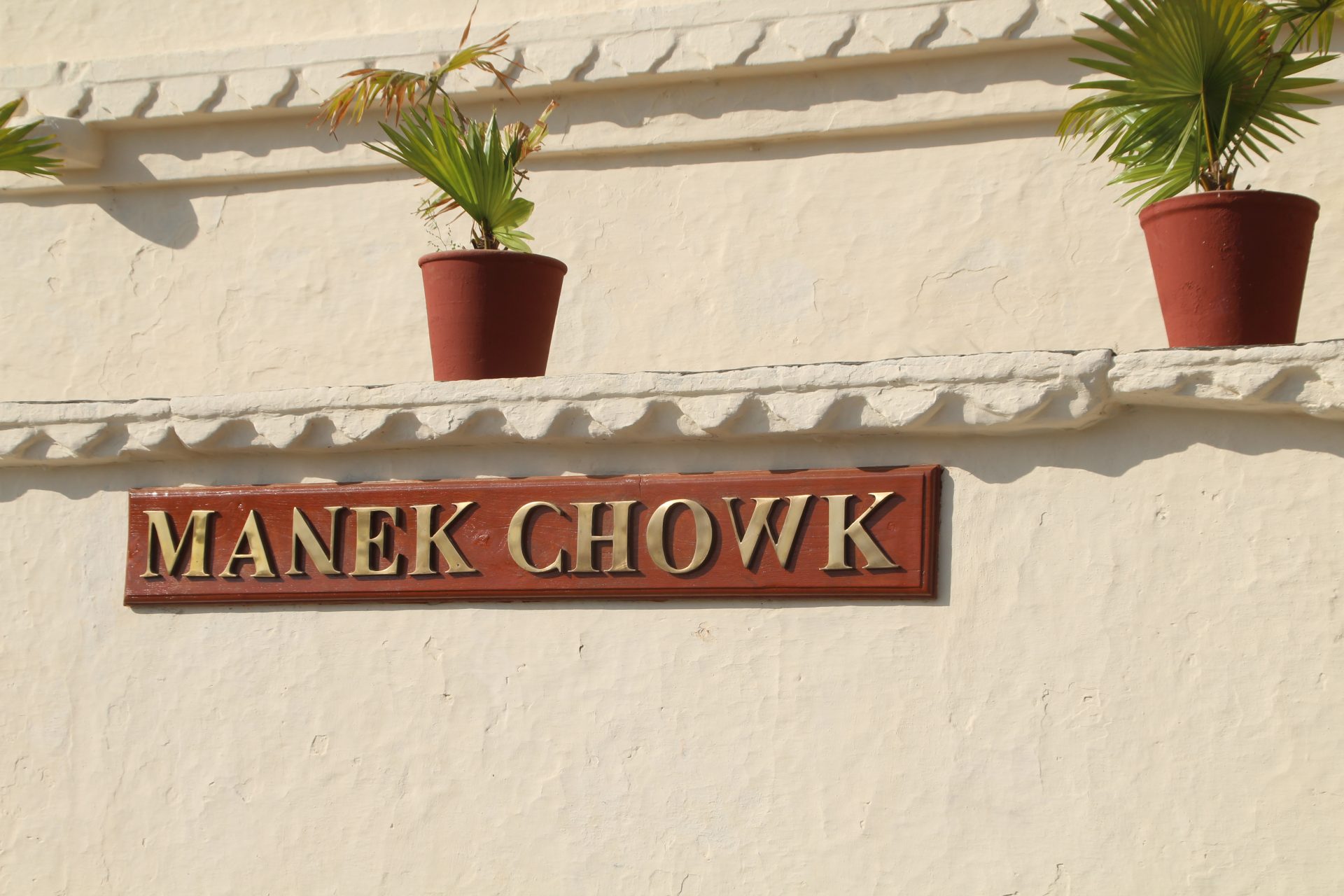
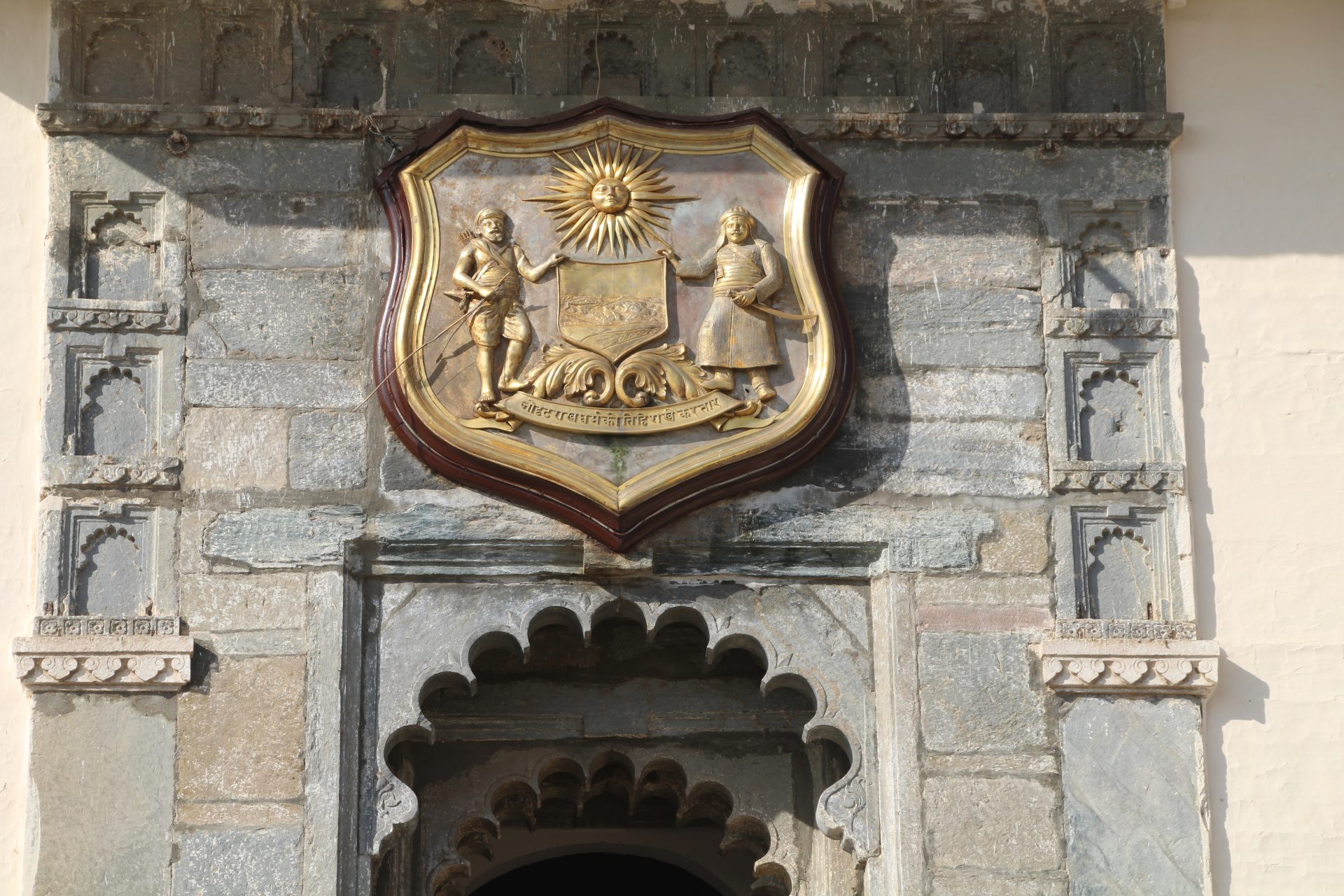
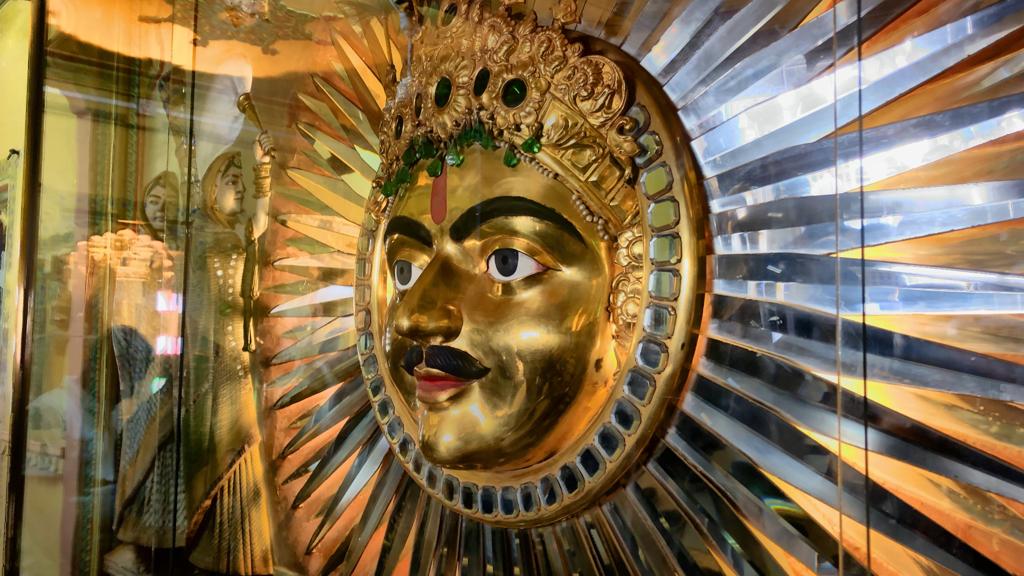
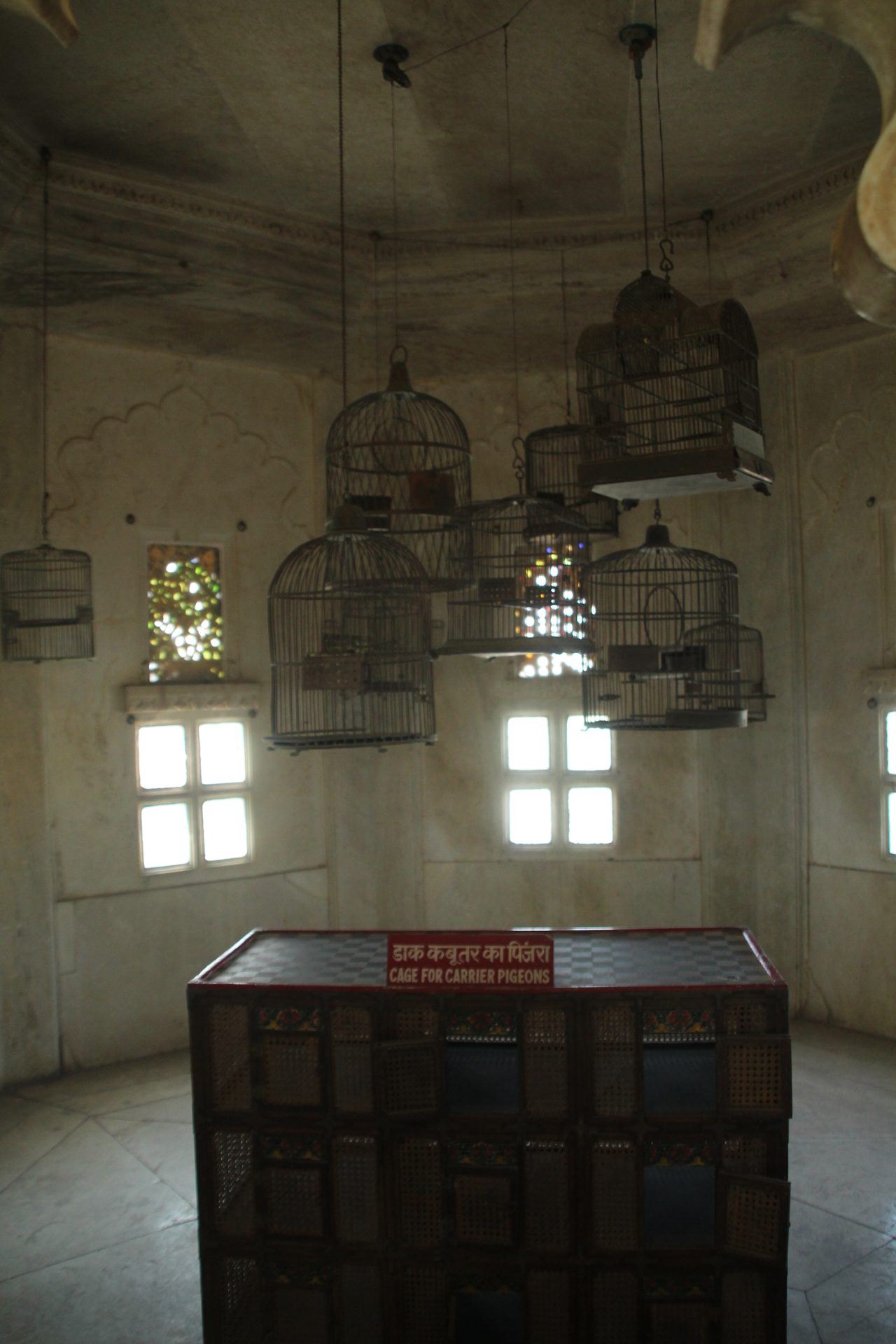
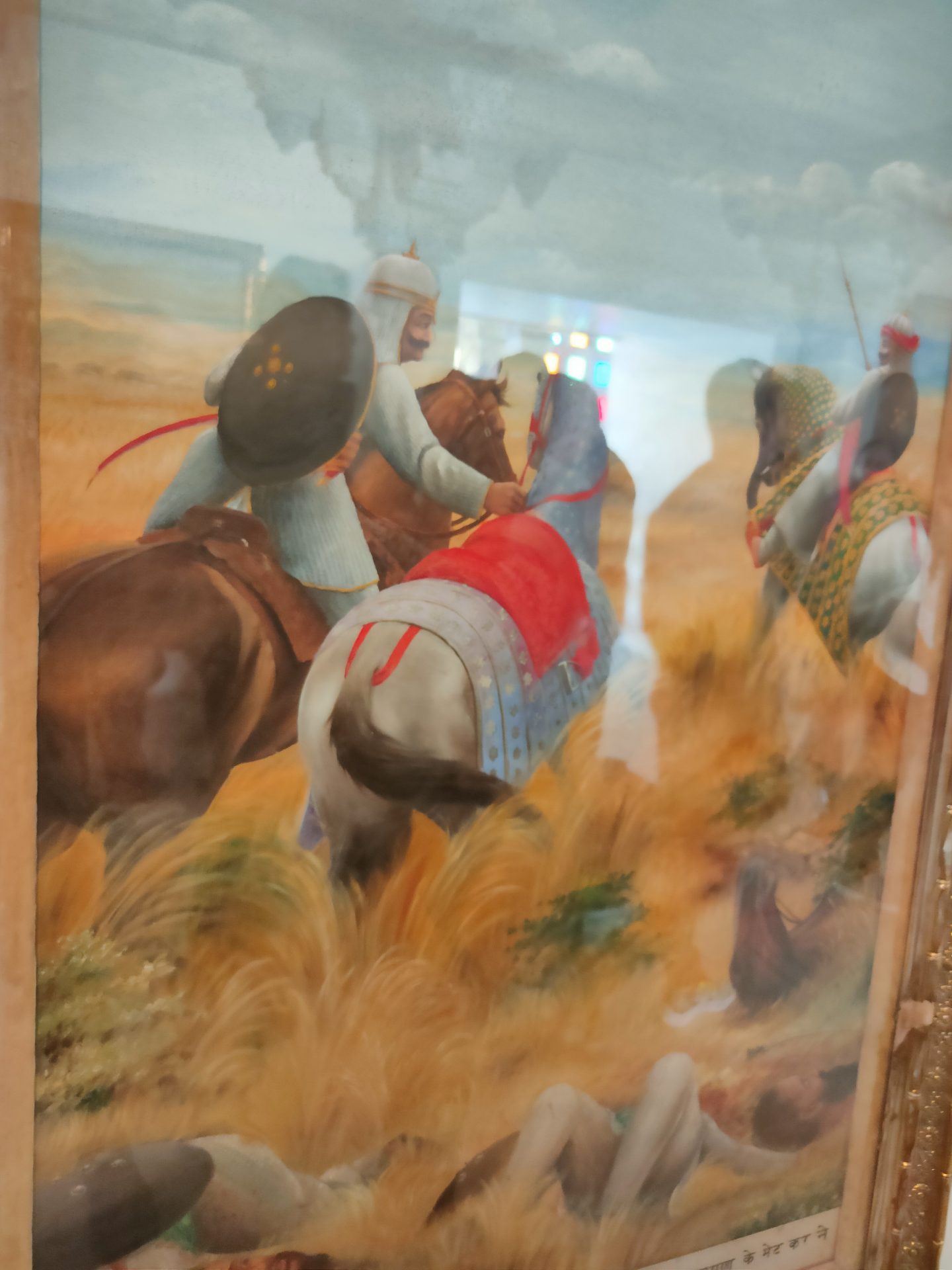
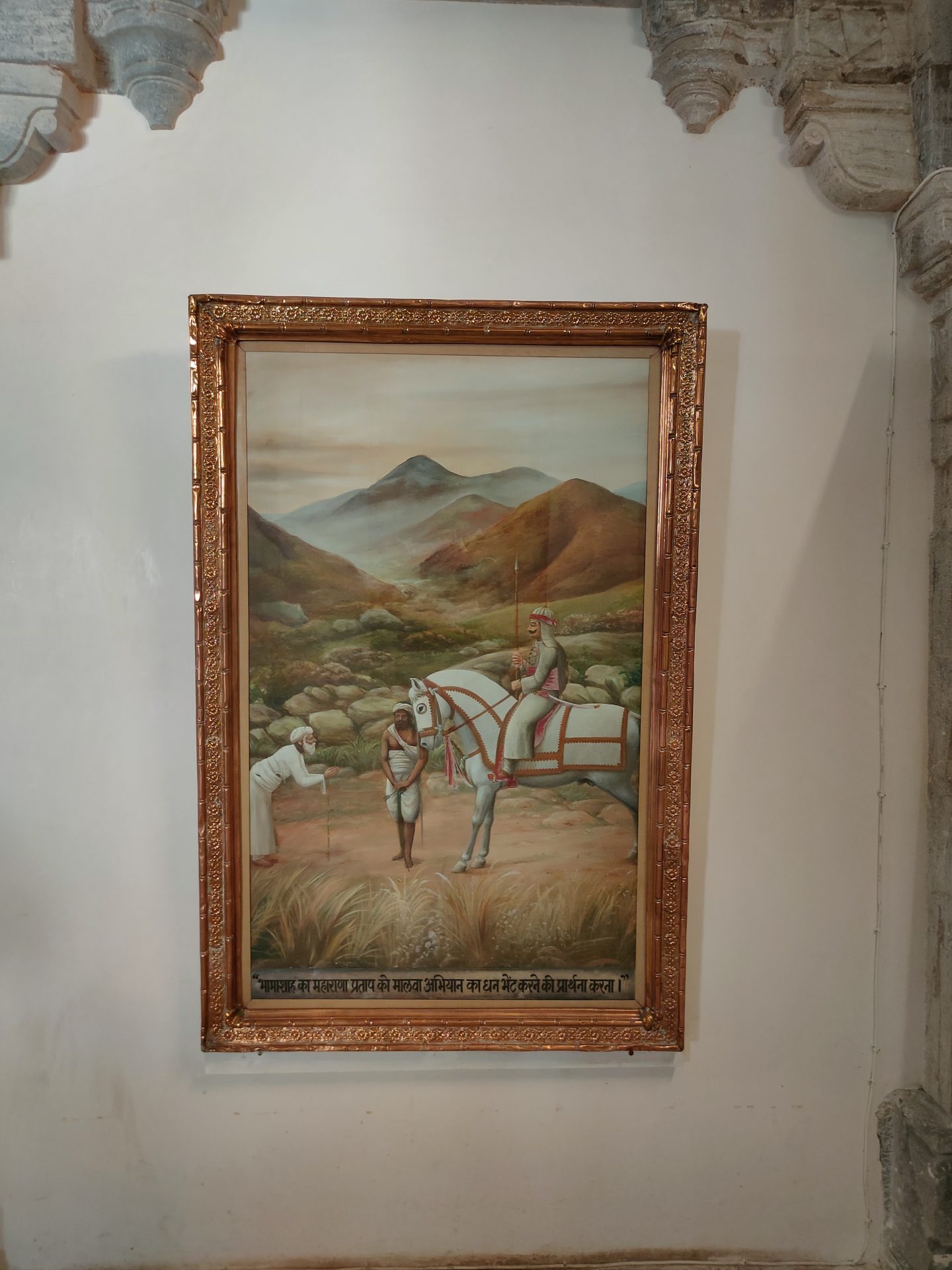
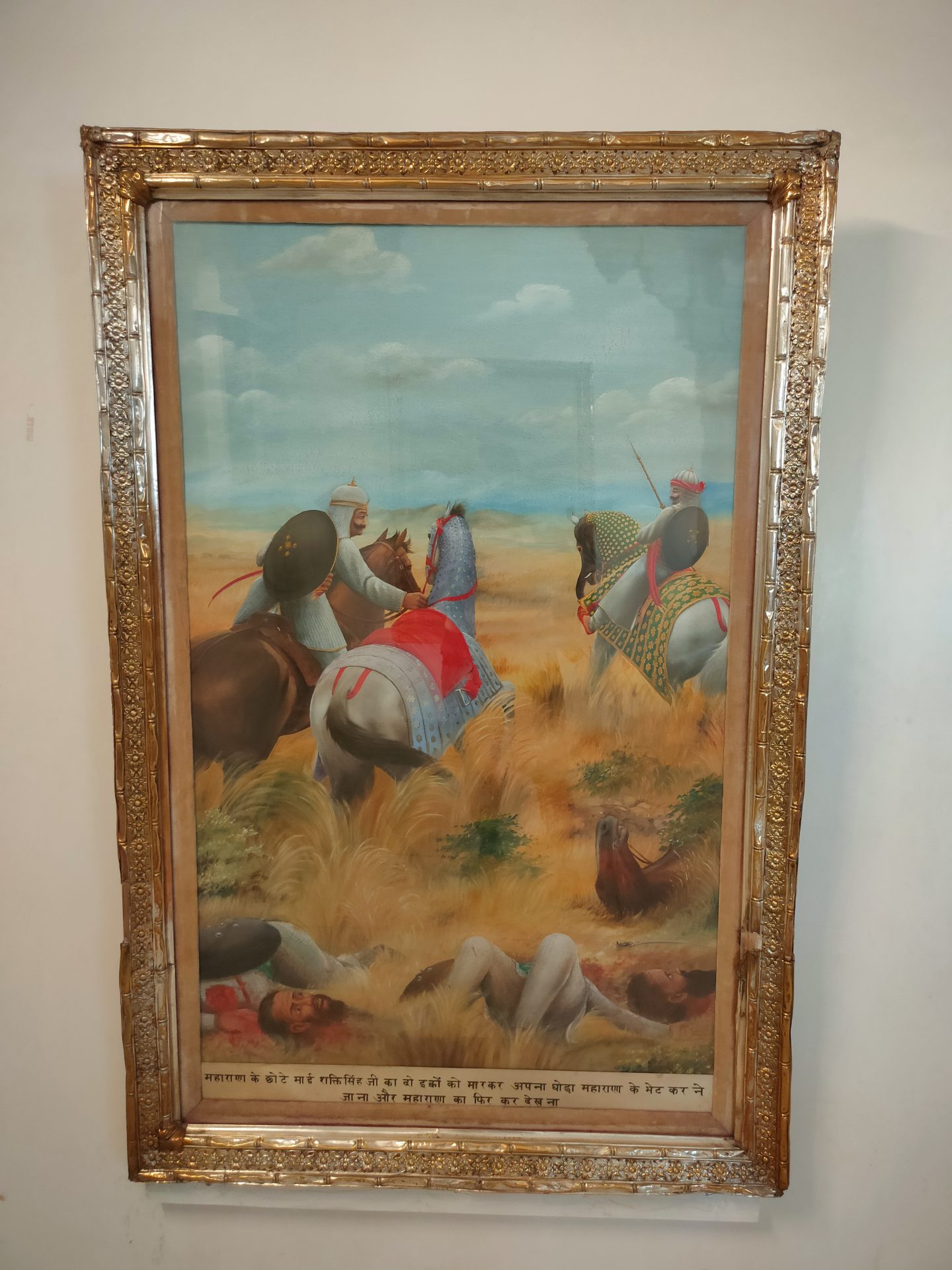
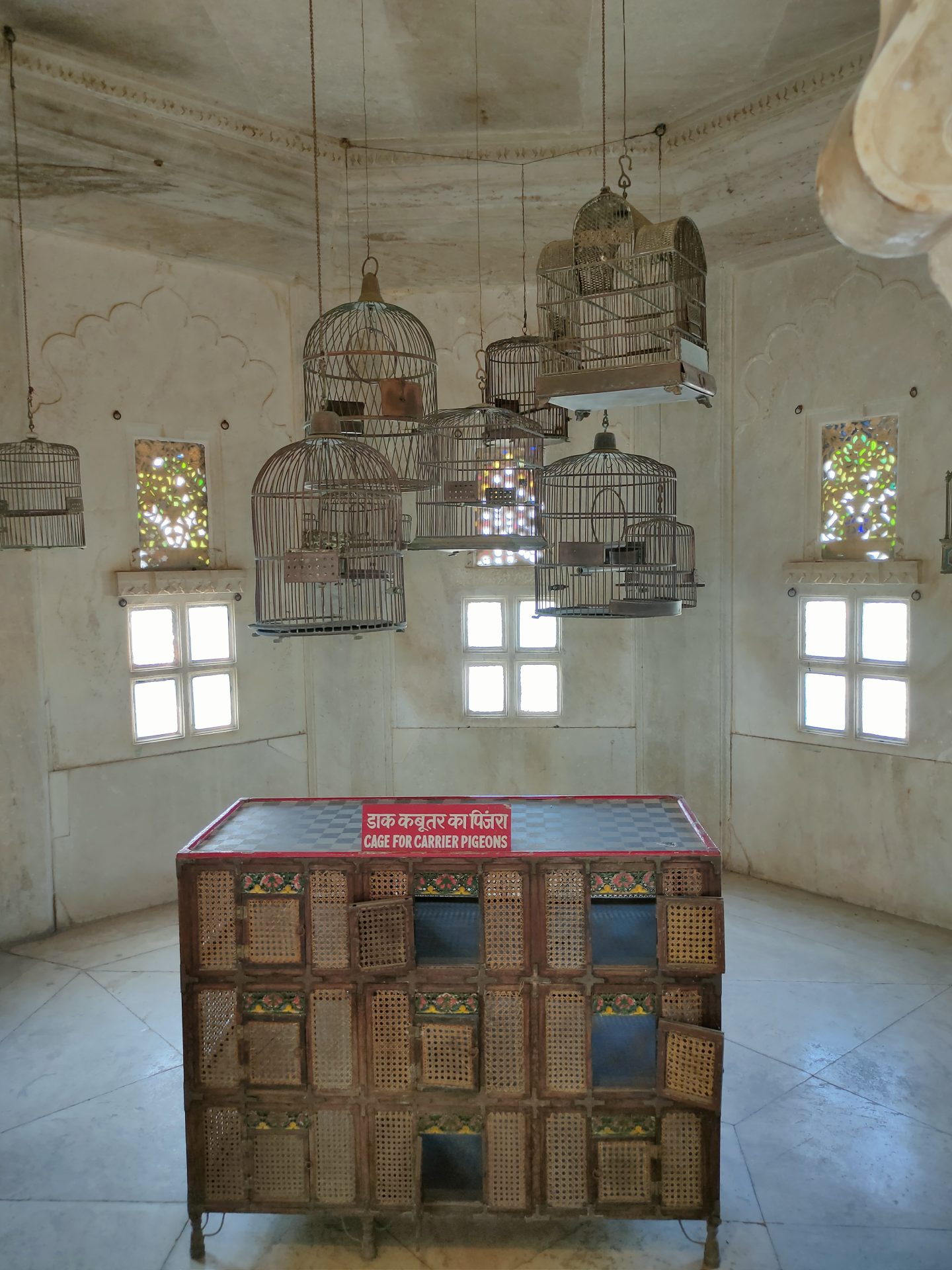
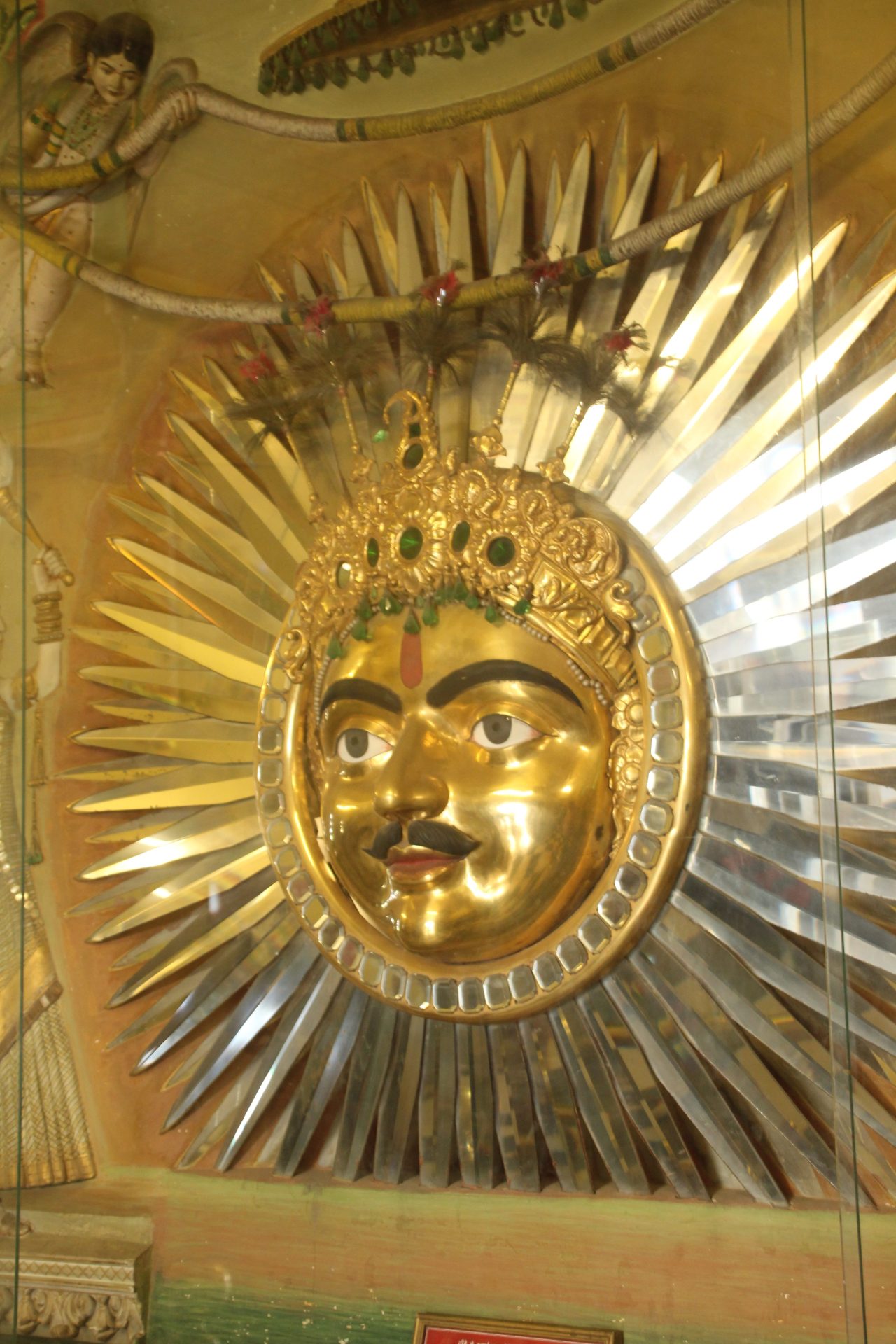
The wall murals, paintings and especially those of the Haldighati battle, the armoury worn by the Mewar kings and their weapons, the palace built with mirrors and glasses in different hues better known as the Sheesh Mahal stand and a raised alcove with mirror glass work with a Sun Face emblem on the façade of Manak Chowk, representing the Sun God worshipped by the Maharanas stand out. There is also a cage on display which was used to house carrier pigeons.
THE BATTLE OF HALDIGHATI
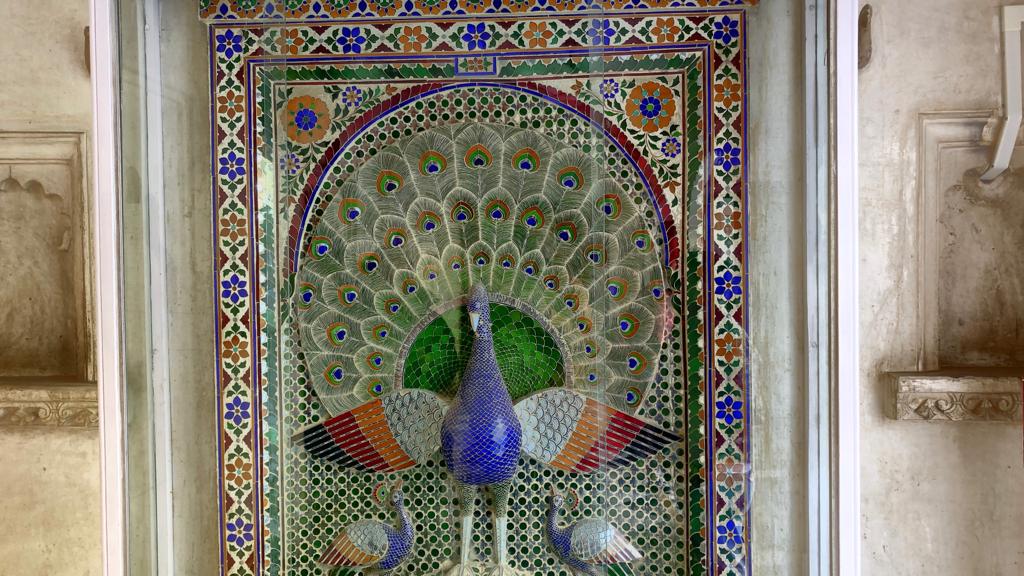
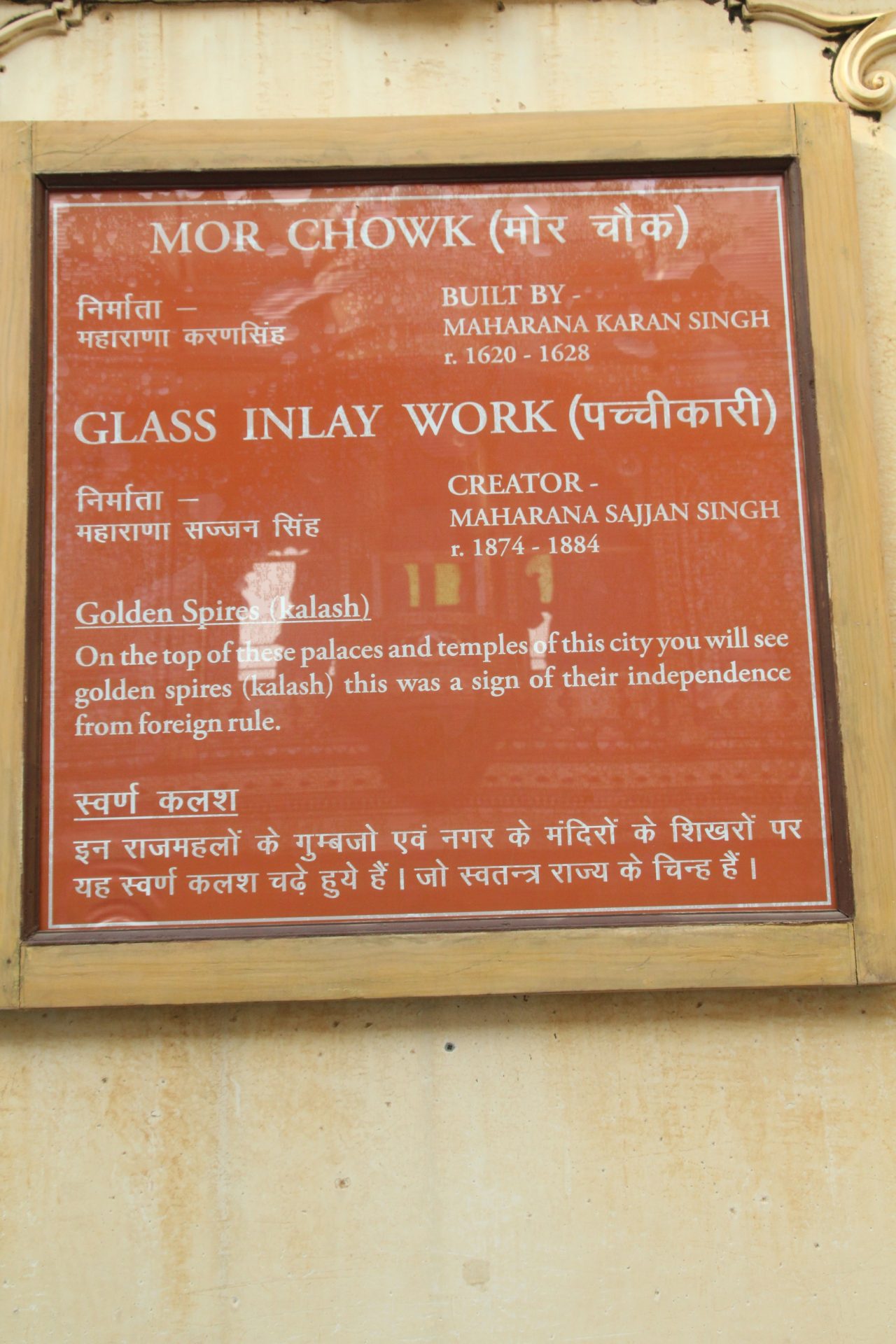
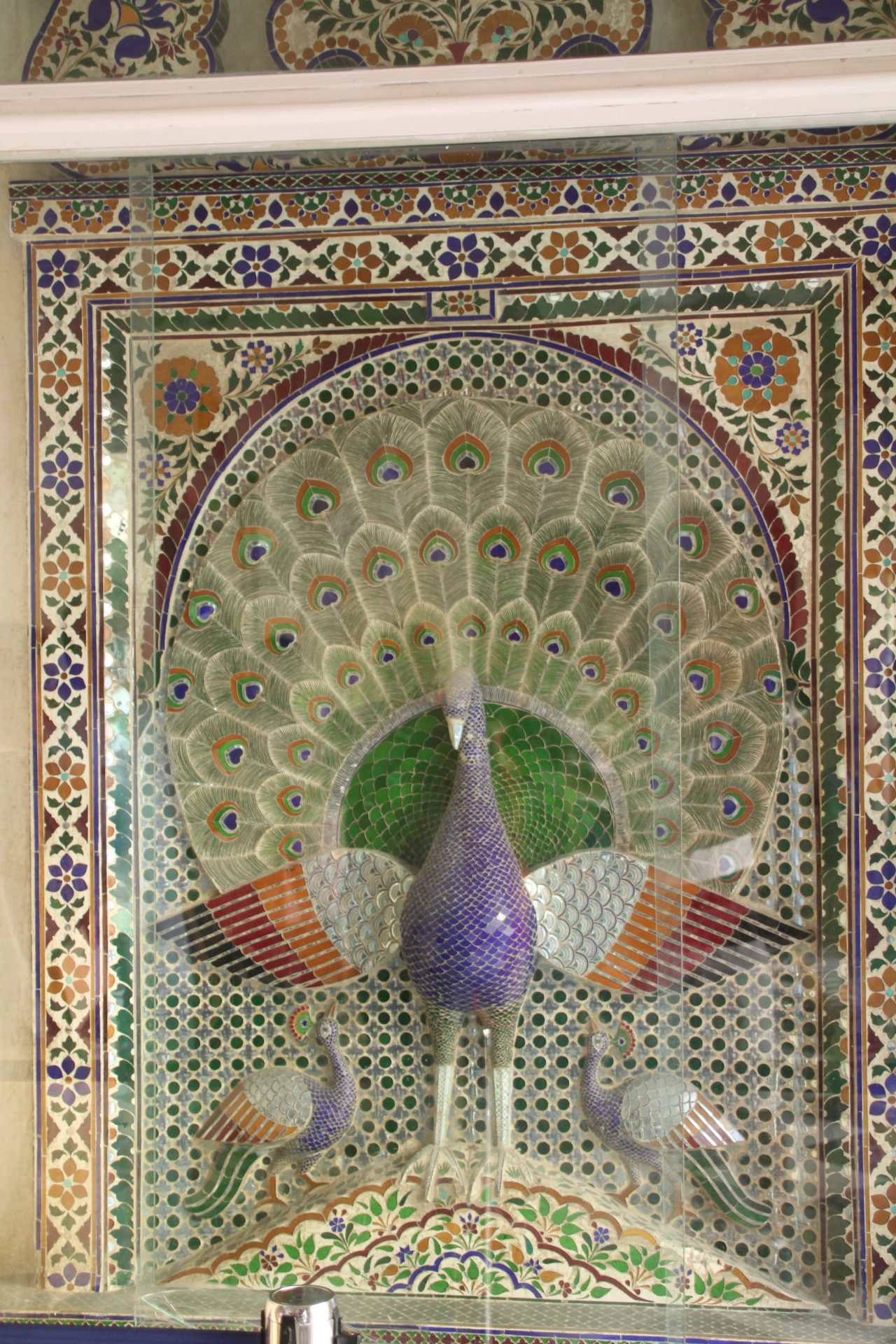
The Peacock square or the Mor Chowk built during Maharaja Sajjan Singh’s rule and has three peacocks depicting the three seasons – summer, winter and monsoon.
These are crafted with around 5000 glass pieces glowing brightly in green, blue and gold colours and magnificently adorn the courtyard walls.
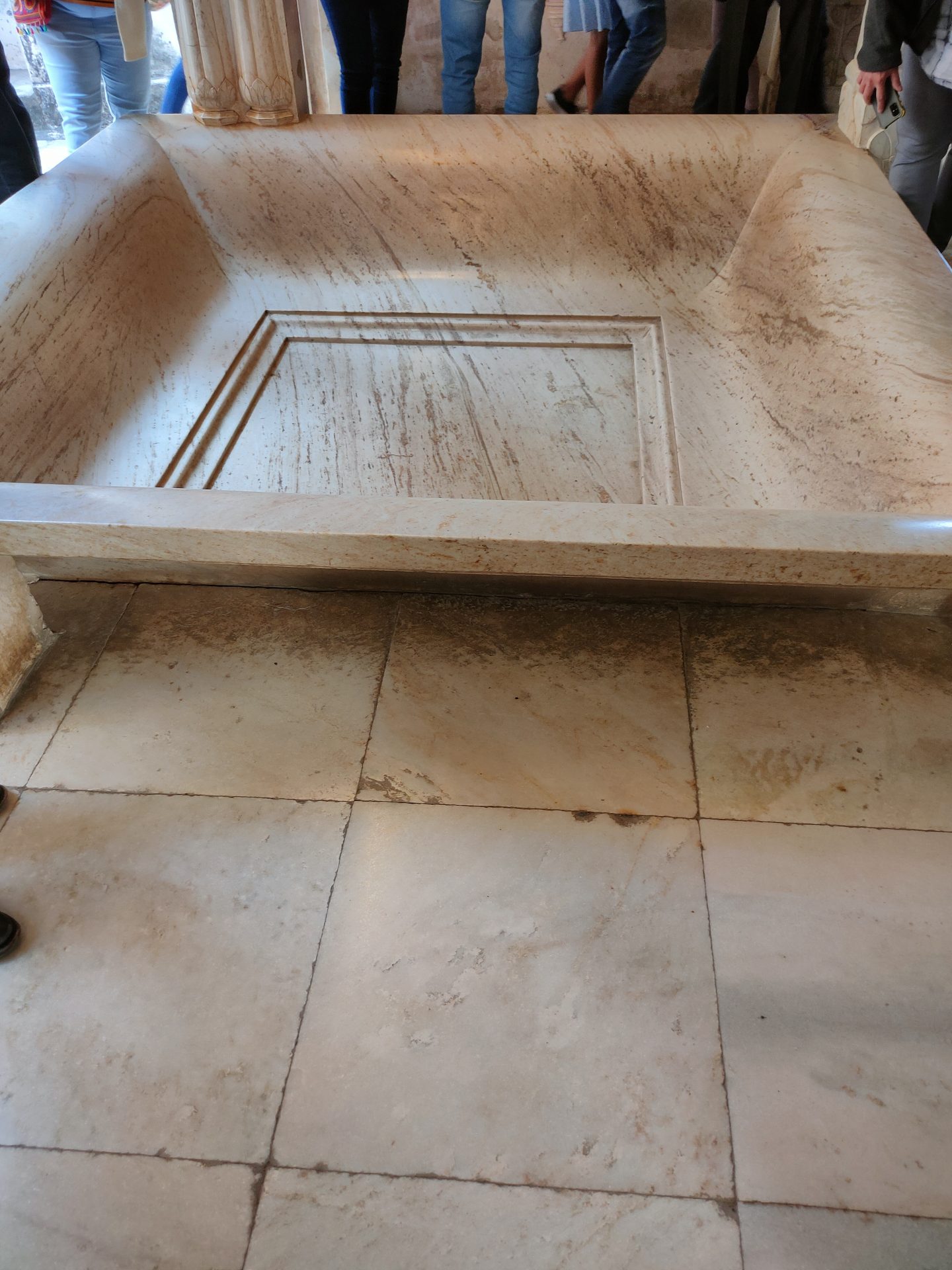
The Main palace in the complex, also known as the Great Palace (Badi Mahal) or the Garden Palace its on a 89 feet high rock formation and houses a swimming pool which was used for Holi celebrations in the past.
It also has a hall which exhibits miniature paintings of the 18th and 19th centuries.
Parts of the James Bond movie Octopussy and the Ranveer Singh Starrer Bollywood movie Goliyon Ki Raasleela Ram-Leela were shot in the City Palace.
If the palace were to be seen leisurely, it would definitely take one 3 to 4 hours at least as there is so much to read and learn about but thankfully with our guide in hand, we were able to fast track the same and complete the tour of the palace in a little over an hour.
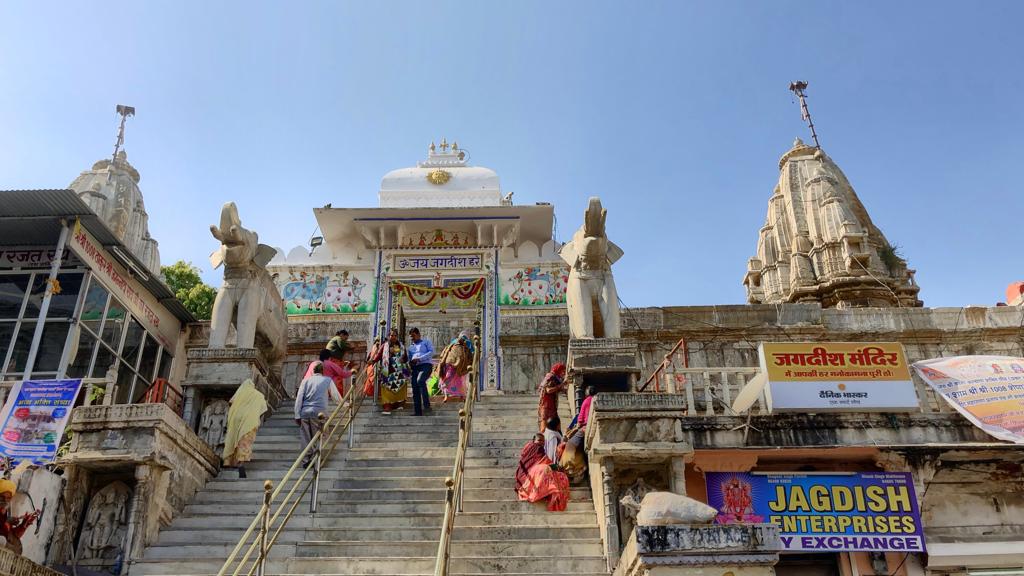
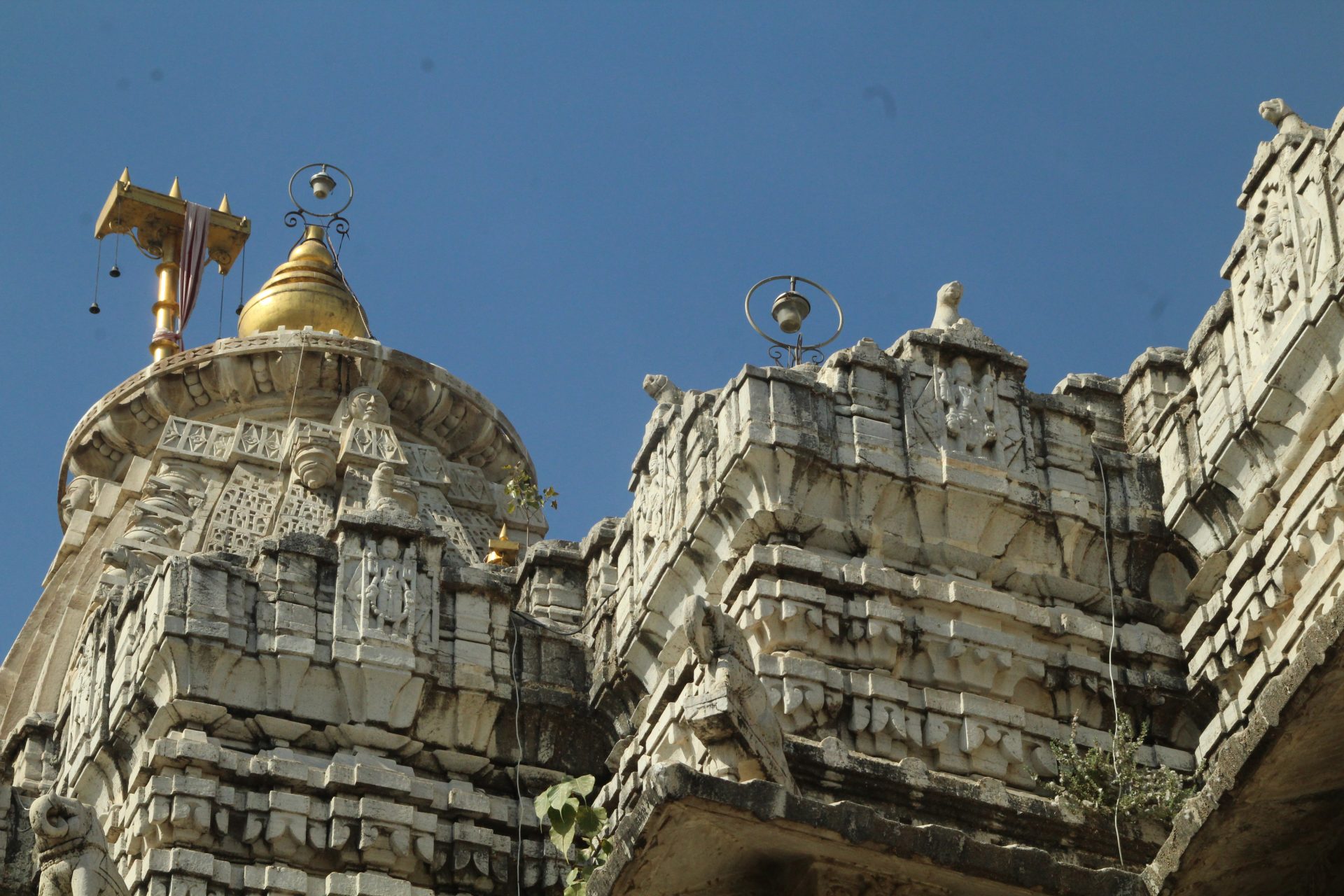
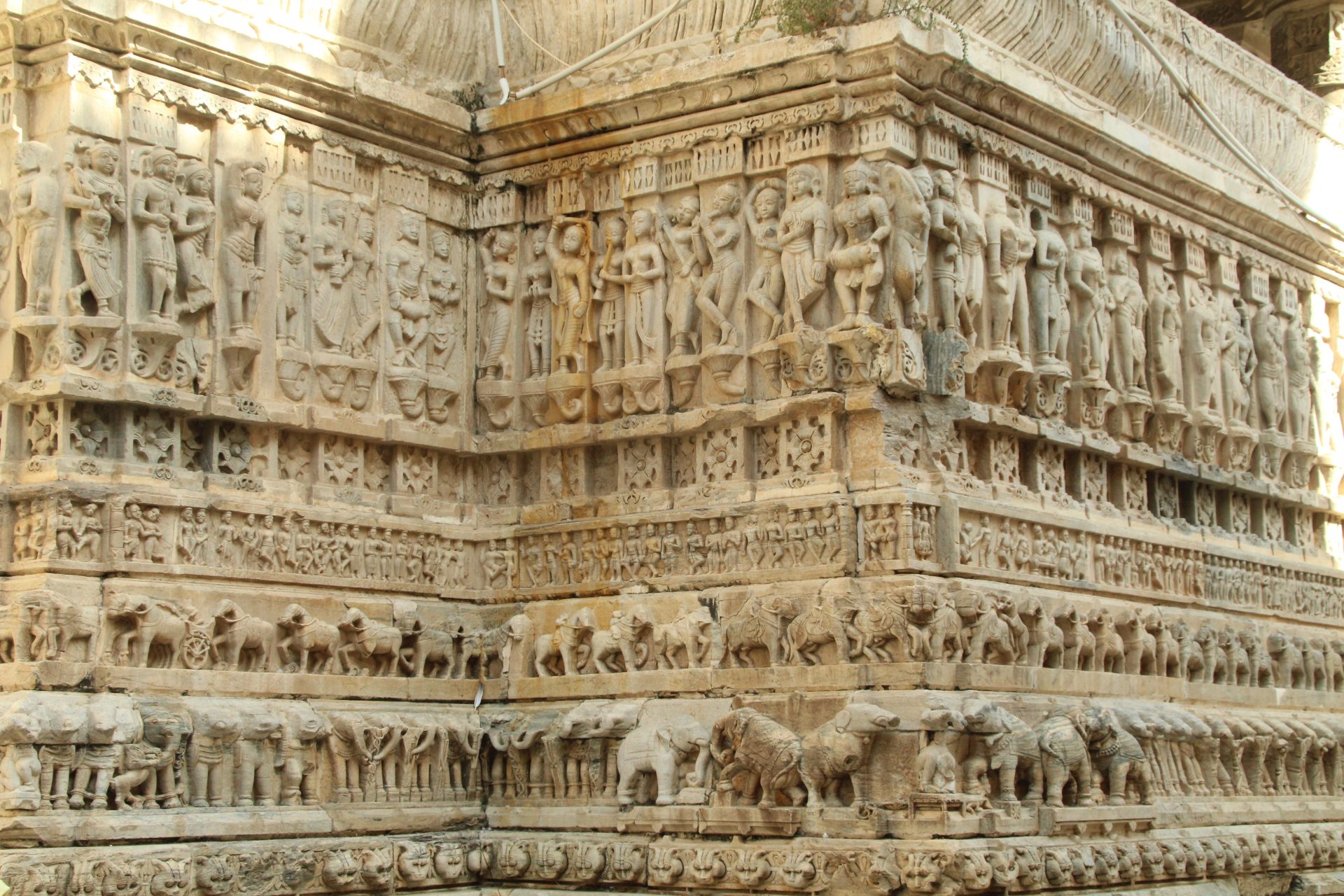
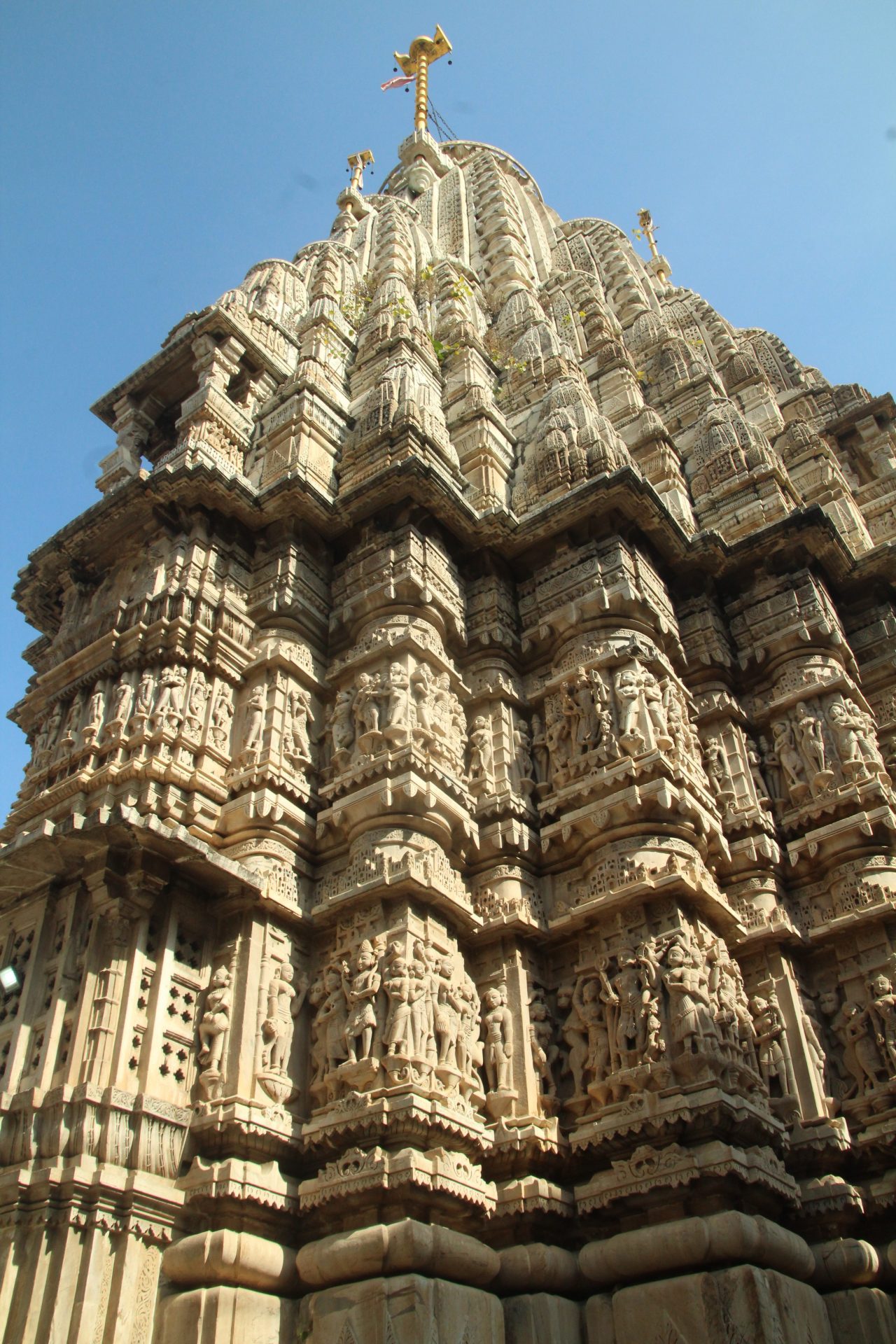
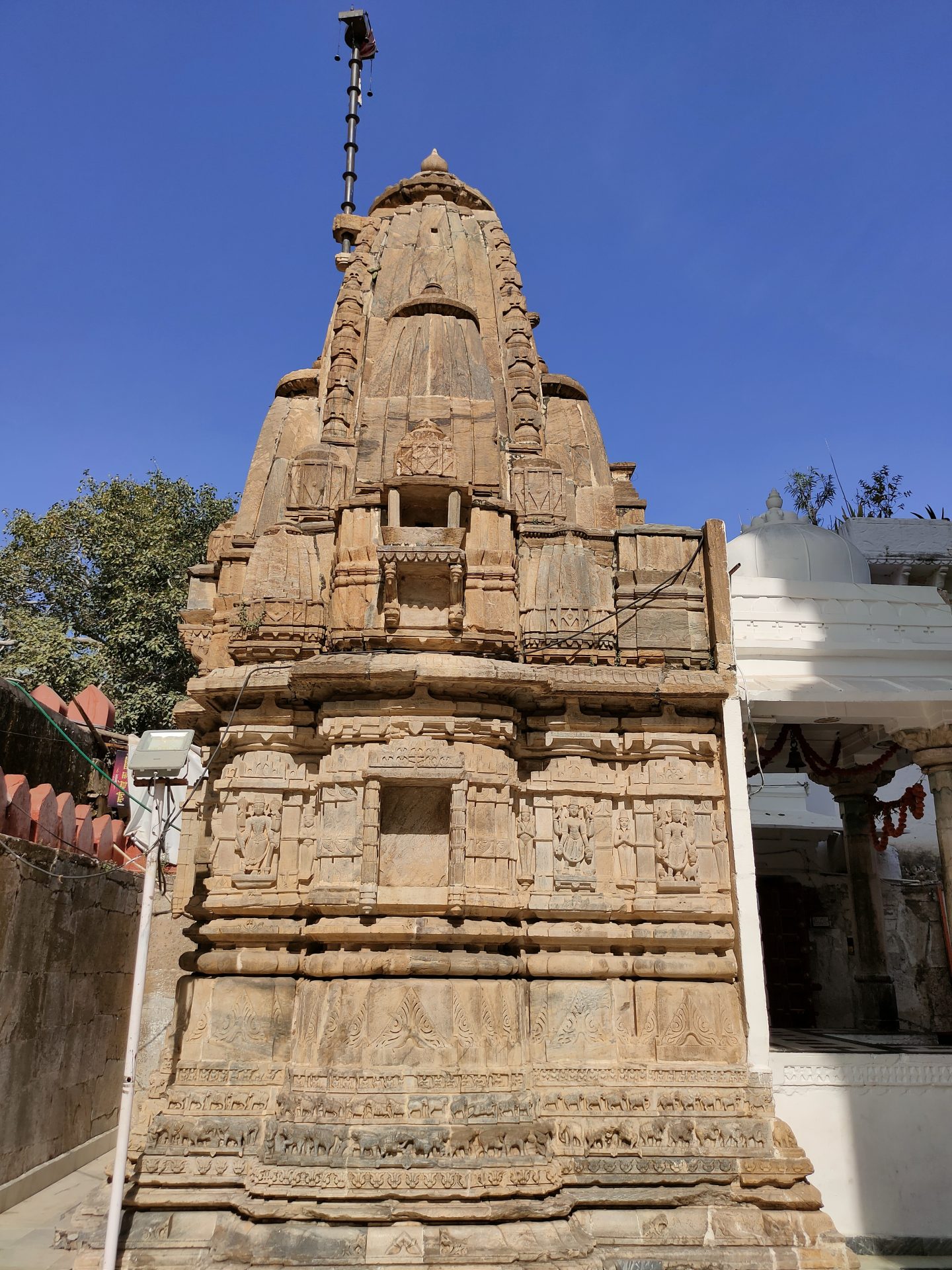
Adjacent to the Palace was the Jagdish temple which was our next pit stop. A 3 storey iconic Hindu temple hand crafted in Indo Aryan style with stone and with a steeple 79 feet high, this is supposedly Udaipur’s largest temple.
Originally called the temple of Jagannath Rai and currently known as Jagdish ji, this temple was completed in 1651 at a cost of 15 lakh rupees by Maharana Jagat Singh who ruled Udaipur between 1628 to 1653.
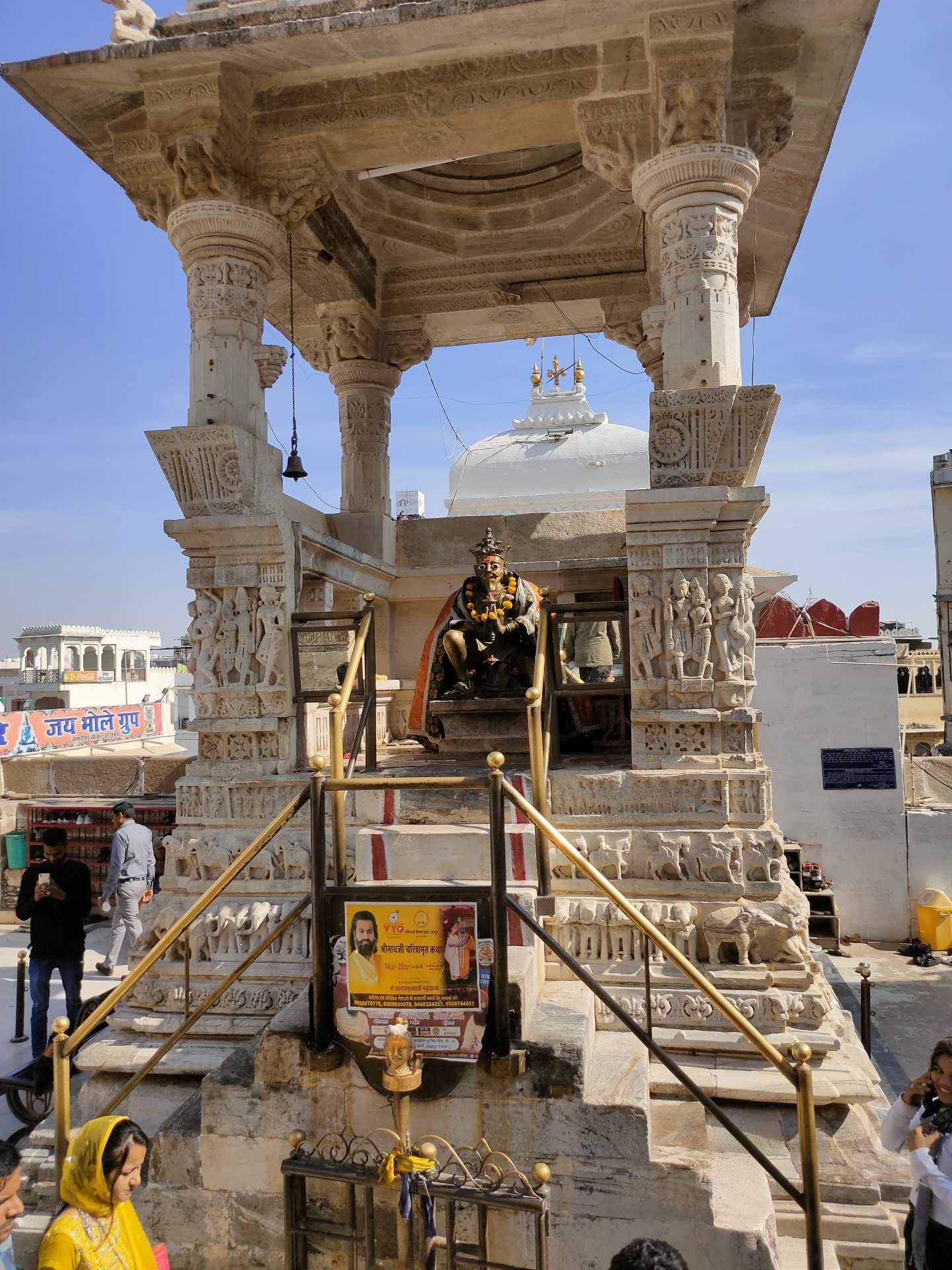
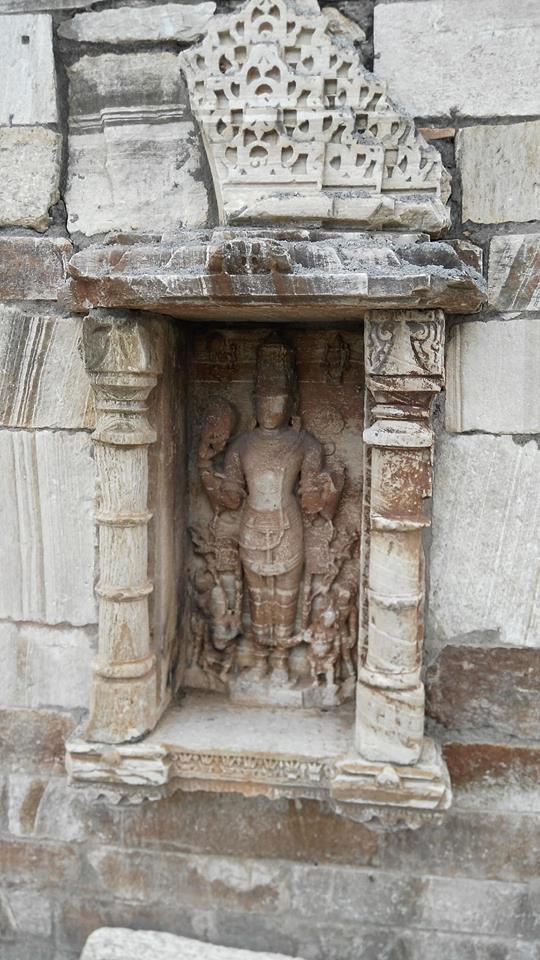
This is a temple dedicated to Lord Vishnu and has his mount Garuda (half man and half eagle) crafted in brass at the front of the temple to signify that the gates are being guarded by him. A climb of 32 marble steps leads one to the main shrine where one gets to see a 4 armed image of Lord Vishnu.
There is also a statue of Lord Jagannath, carved out of a single black stone. The summit of the main temple is adorned with statues of musicians, dancers, horsemen and elephants and are so elegantly carved in marble. The entry to the temple is free.
THE STATUE OF GARUDA
We came out of the temple by around noon and since we still had some time on our hands, we decided to do the boat ride to Jagmandir Palace.
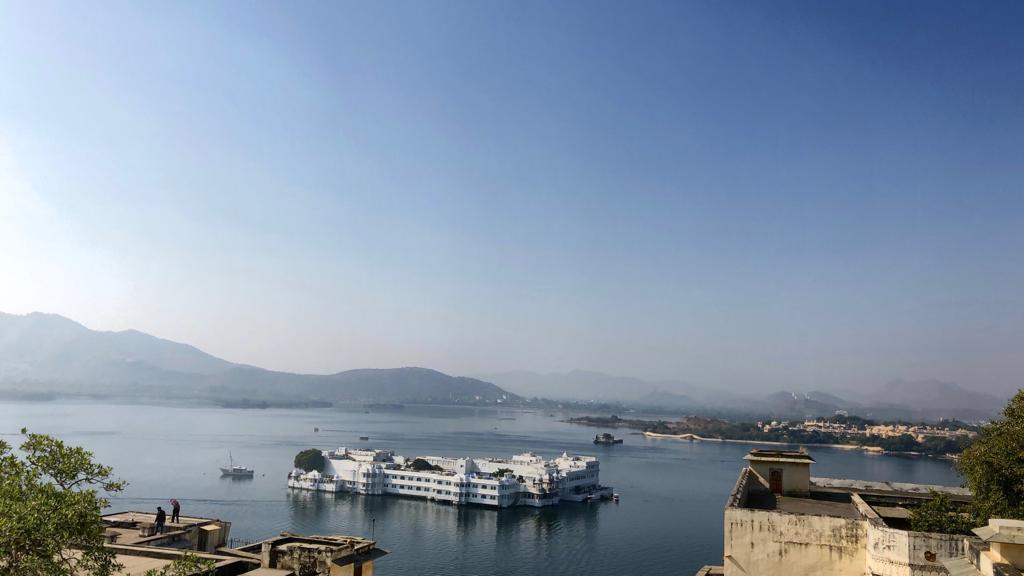
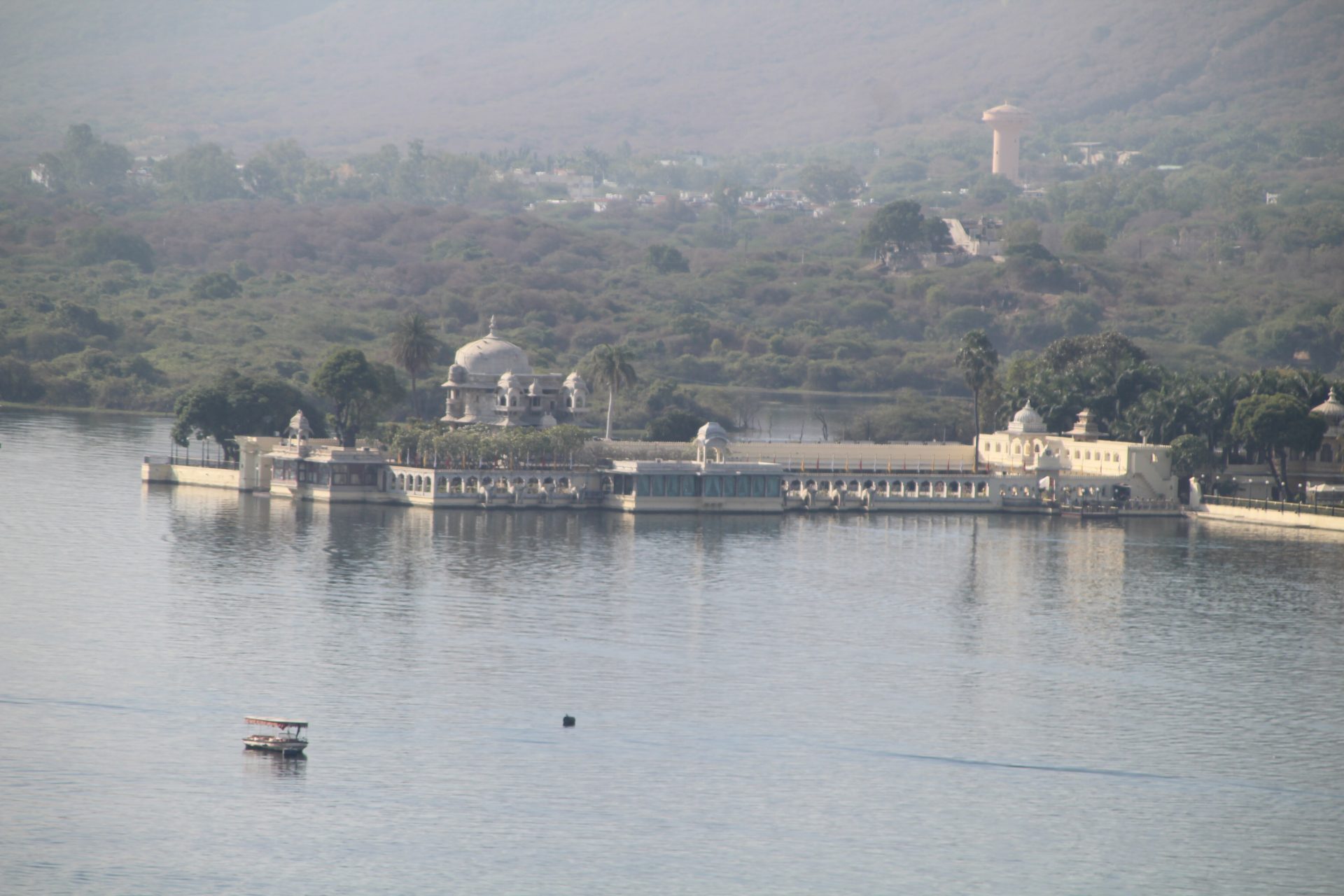
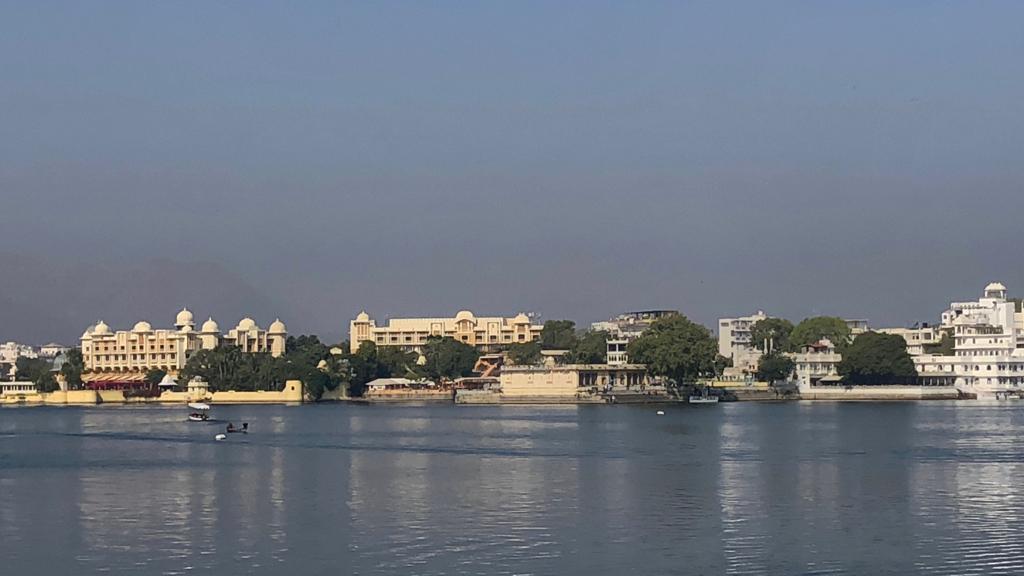
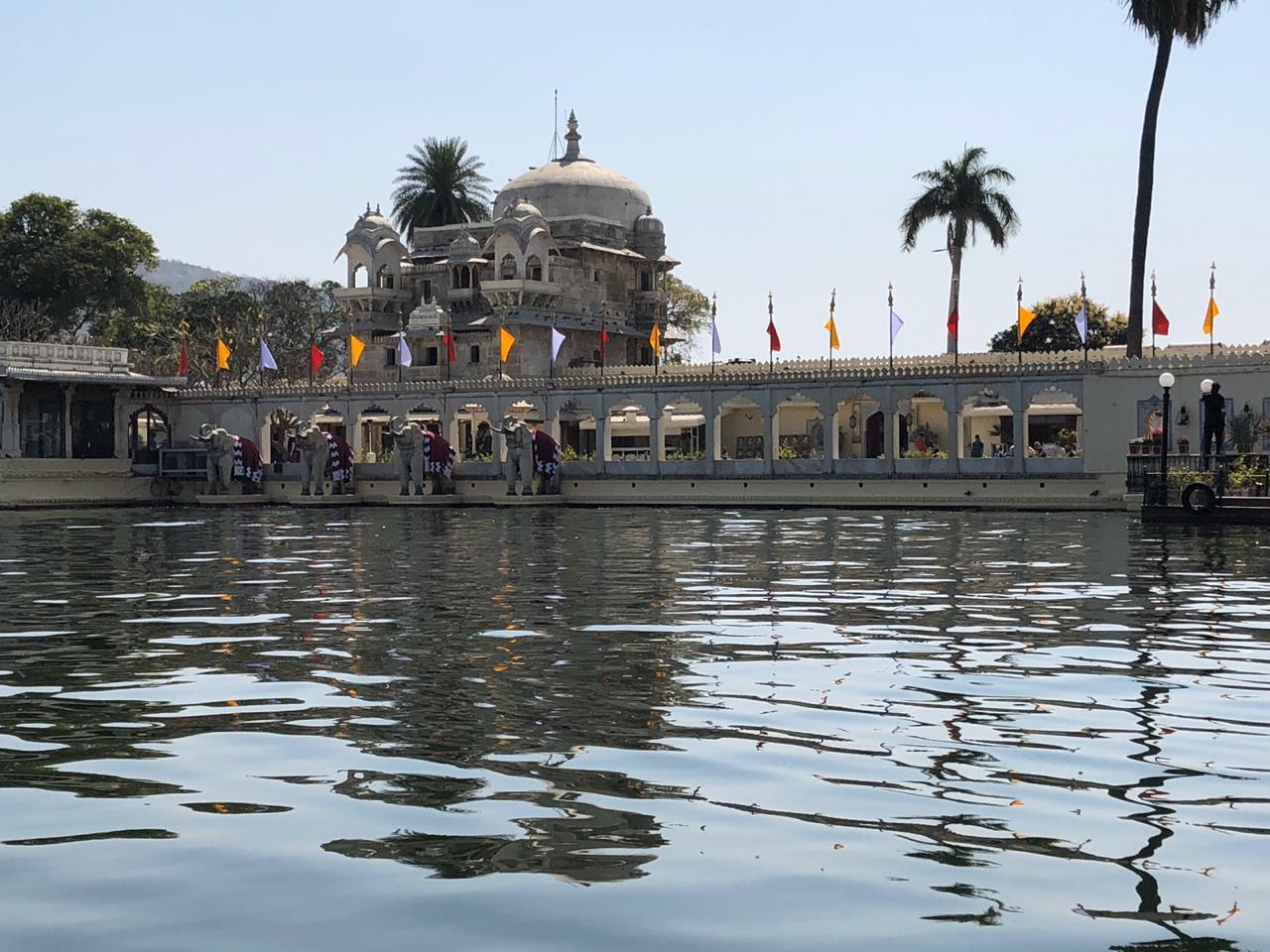
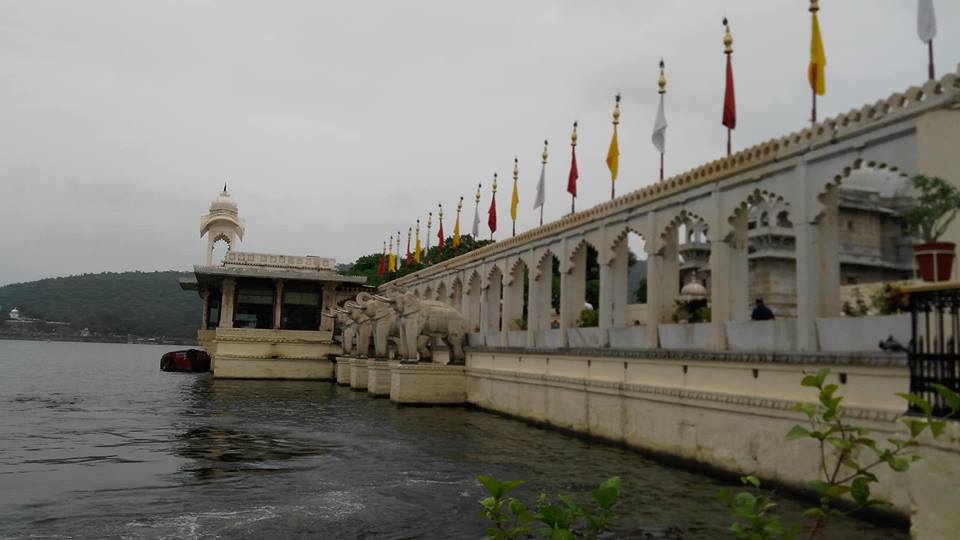
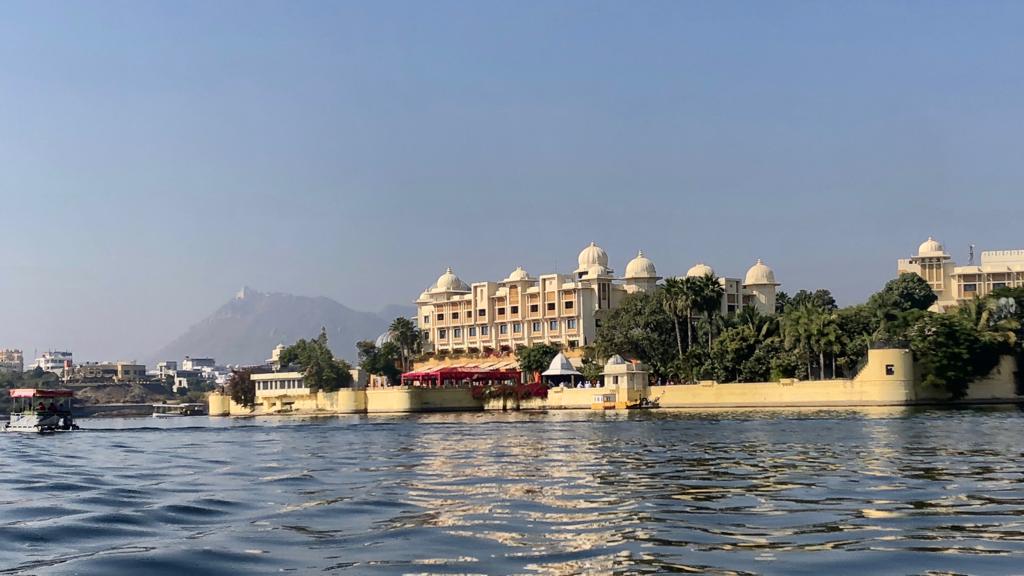
Also known as the Lake Garden Palace, the Jagmandir palace is located on an island on Lake Pichola and from far looks like a beautiful white floating structure, right in the Southern side of the lake. Adjacent to the City Palace is the Bansi Ghat Jetty from where one can take boats to reach this palace. Tickets are priced at Rs.400/- per head. Three Maharanas of the Mewar Kingdom are credited with the construction of the Palace which started in 1551 by Maharana Amar Singh. His work was continued by Mahanarana Karan Singh who served between 1620 to 1628 and finally completed by Maharana Jagat Singh who rued between 1628 to 1652.
The Palace derives its name of Jagat Mandir from the name of the last Maharana. While the Palace was used as a summer resort and pleasure place for hosting parties, it did also serve as a refugee to asylum seekers during the Sepoy Mutiny revolt in 1857 when lot of European families from Neemuch area were sheltered here by Maharana Swaroop Singh.
The short boat ride to the palace offers on view some fantastic visuals of buildings across the periphery of the lake. As one reaches the alighting point, one cannot miss the carved statues of elephants.
The 3 storied palace has the HRH group of hotels operating from here while part of the Palace is open for public viewing. The Gul Mahal built in 1551 as the first structure in the palace was further developed by Maharana Jagat Singh and later served as a refuge for the Mughal Price Khurram, also known as Shah Jahan.
The palace was built out of yellow sandstone with an imposing dome and has a crescent of Islam fixed atop this dome. There are 3 circular domed chambers, one above the other and the entry to these is through a columned hall.
This palace is a perfect amalgam of Rajput and Mughal architecture.
The Main palace Jag Mandir has octagonal towers which are topped with Cupolas. One gets to see a labyrinth of internal courts, residential suites and reception halls built inside the Palace.
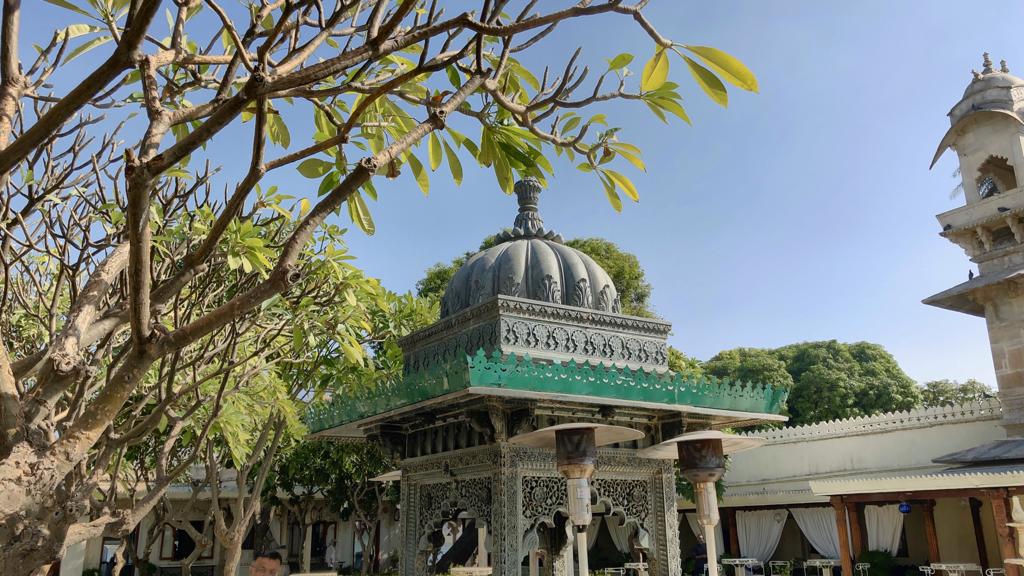
Adjoining the Palace is the Zenana which served as the residence of the royal ladies. There is a nice garden courtyard built with black and white tiles, all replete with fountains and water pools.
One gets to see a wide variety of bushes and colourful flowering plants and trees ranging from the bougainvillea, jasmine, the frangipani and many more.
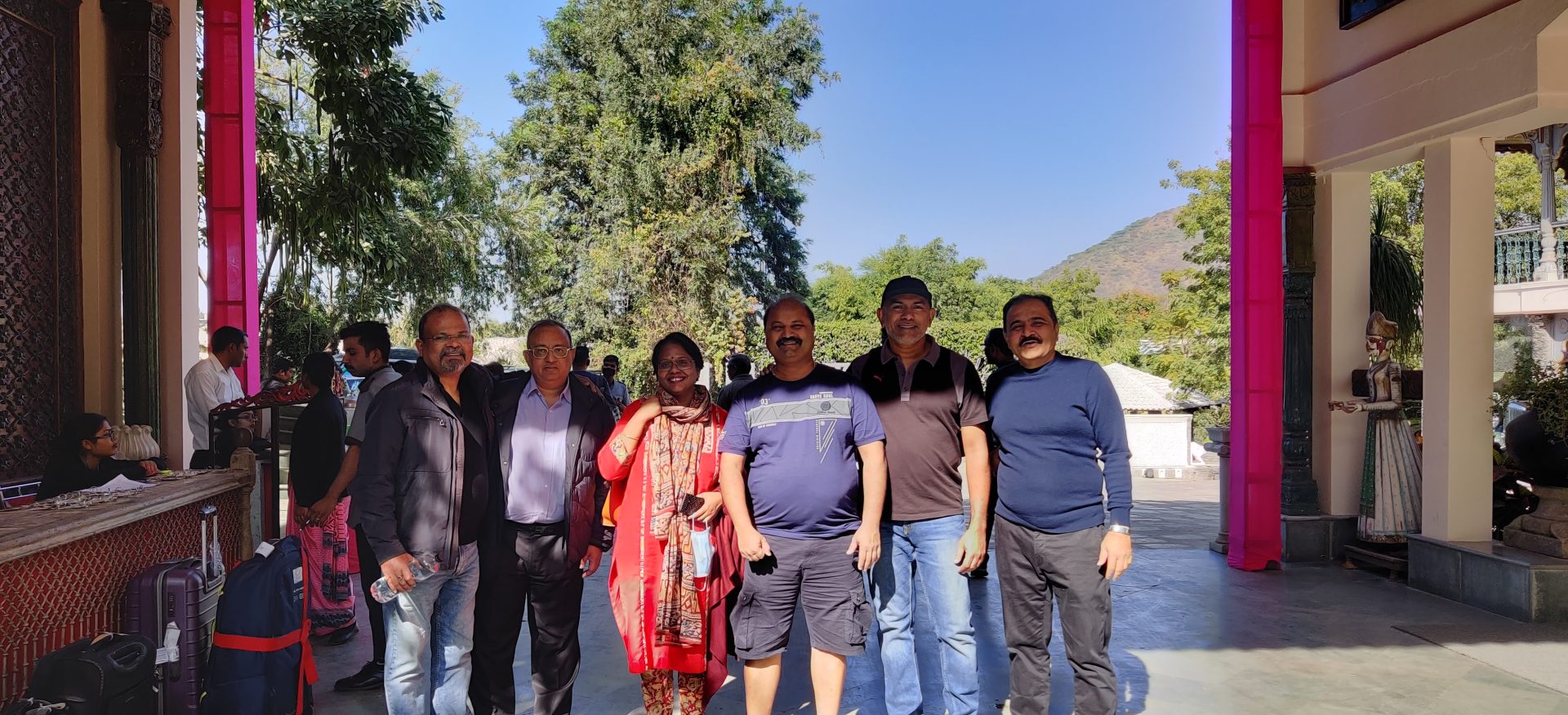
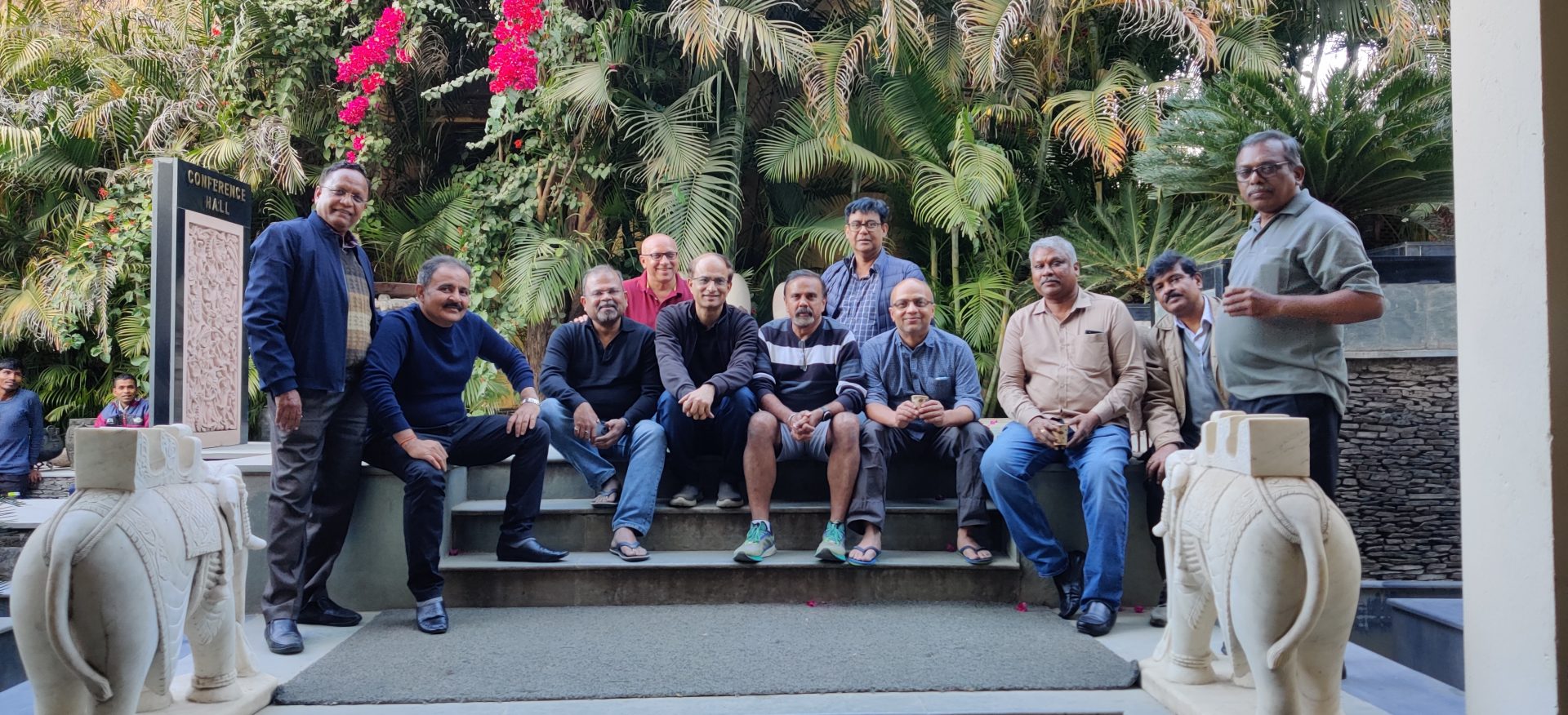
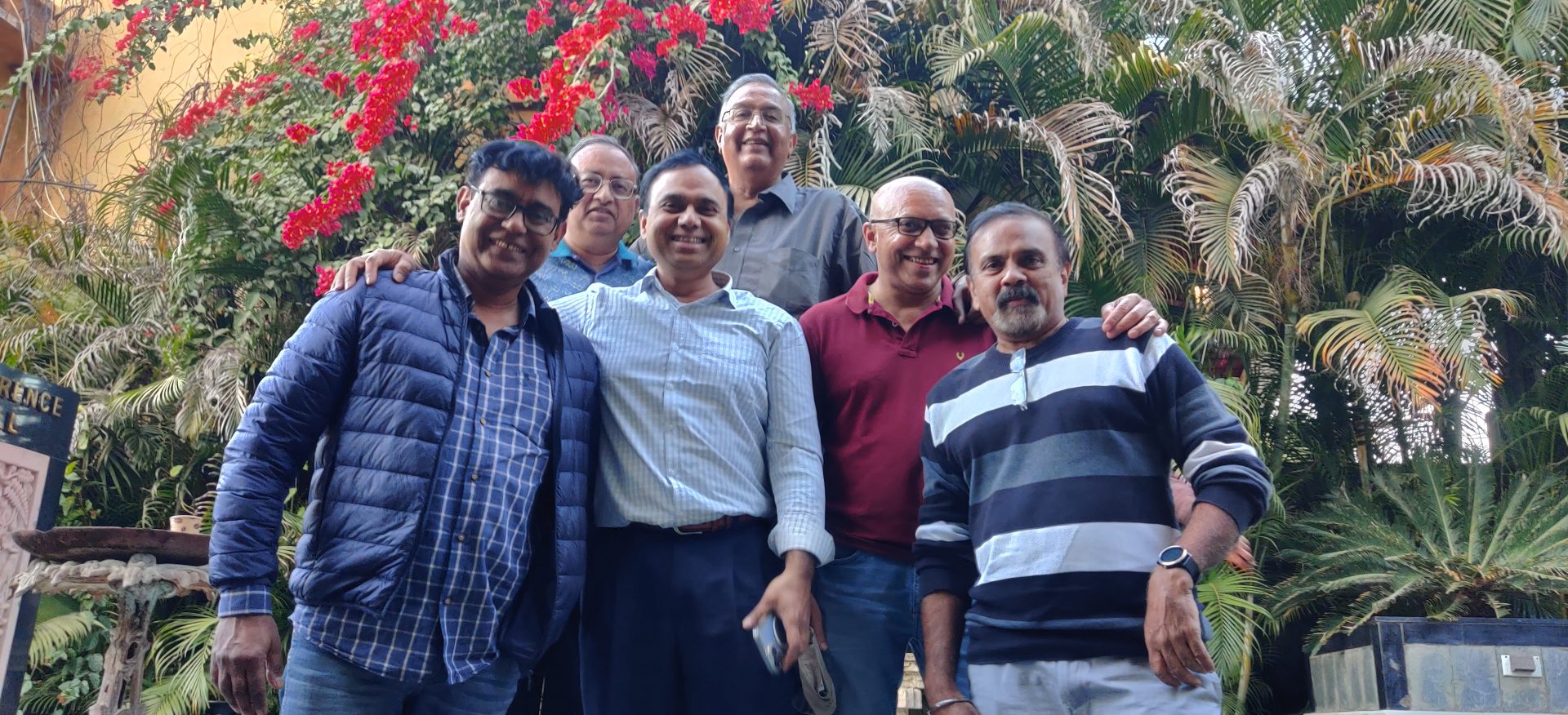
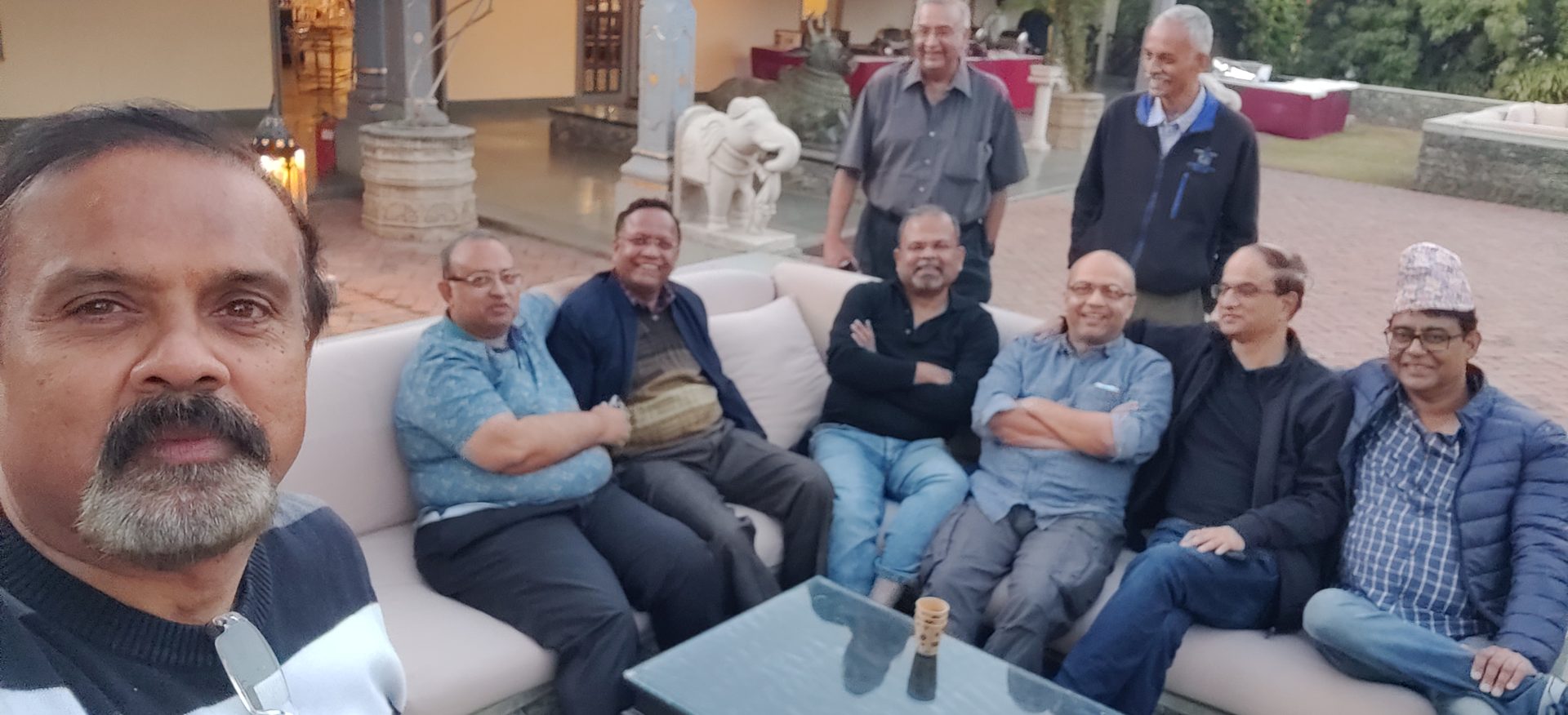
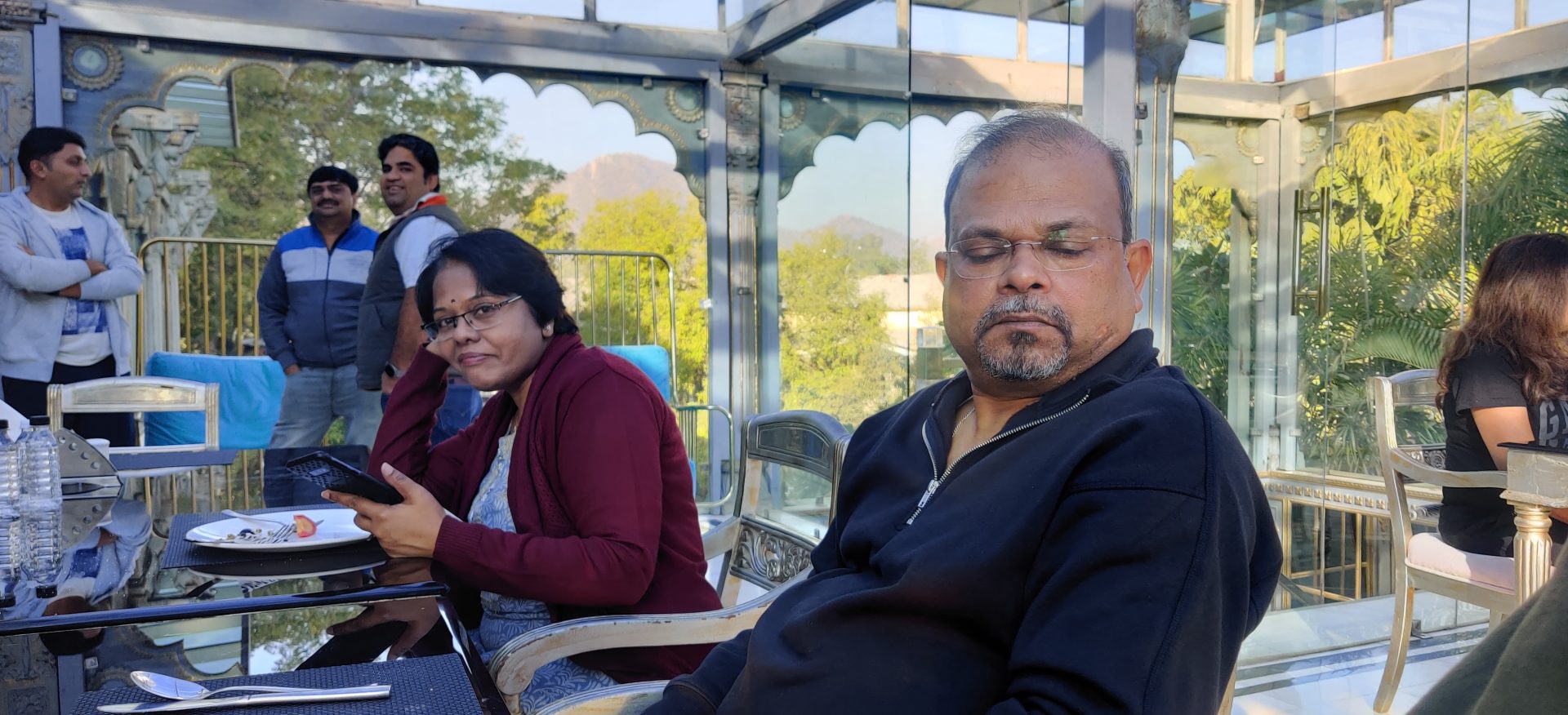
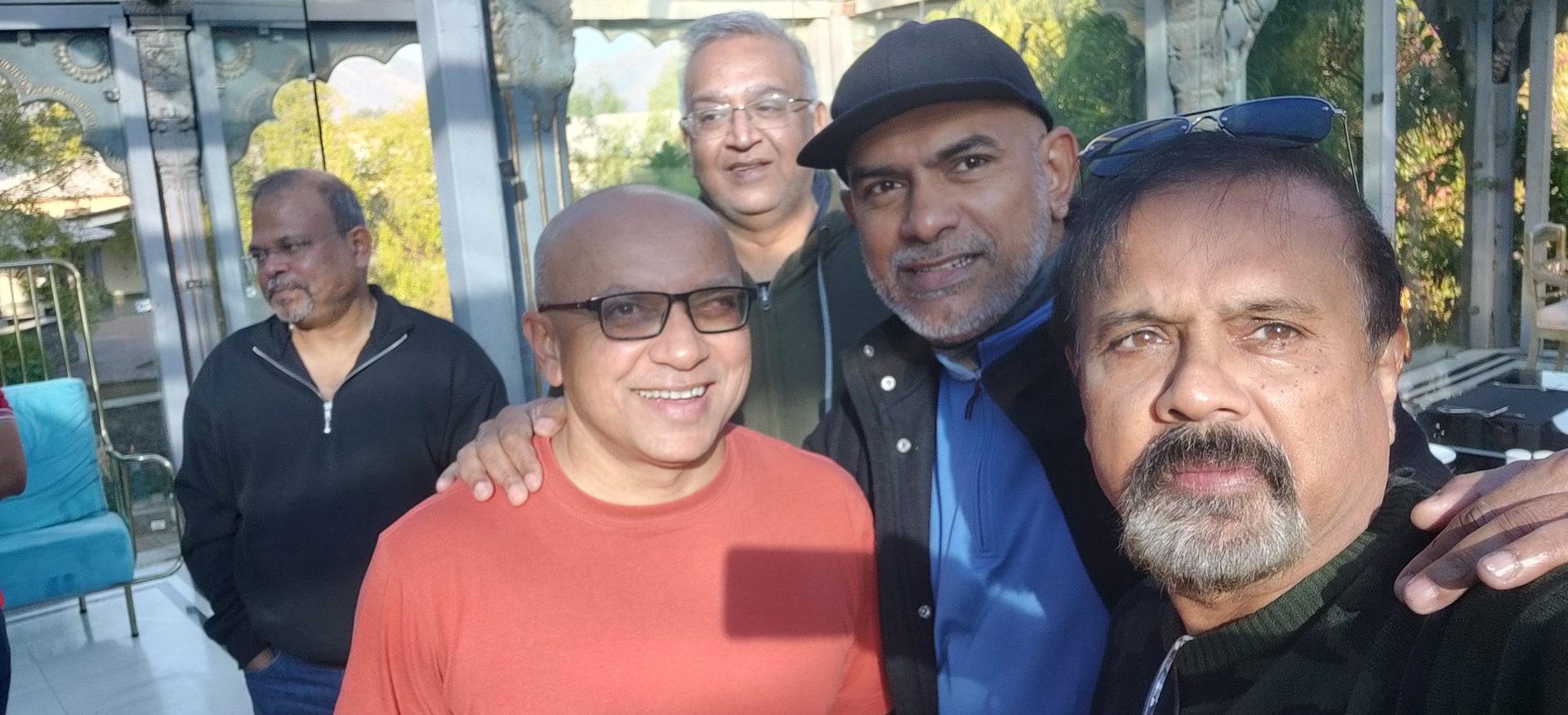
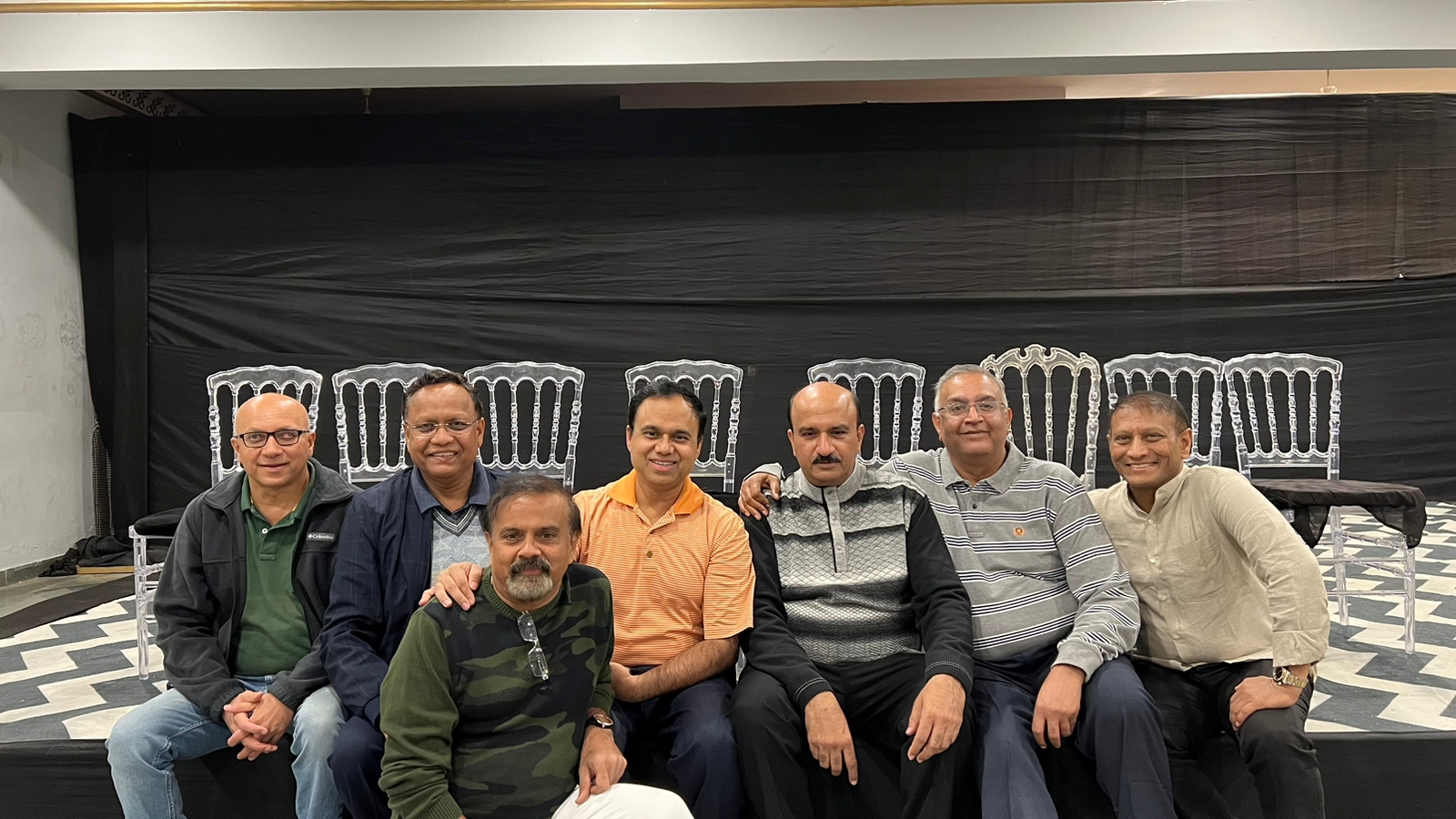
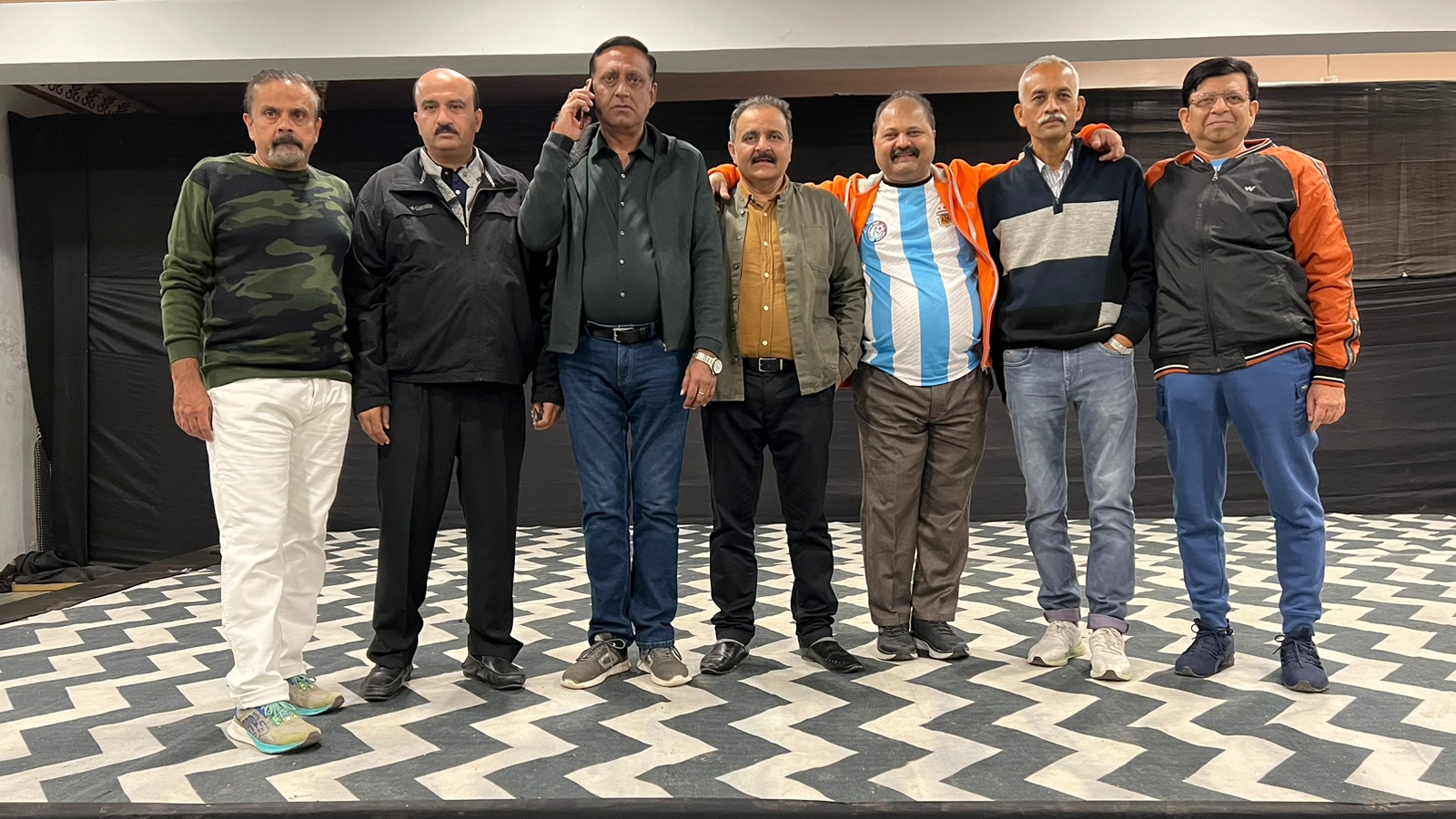
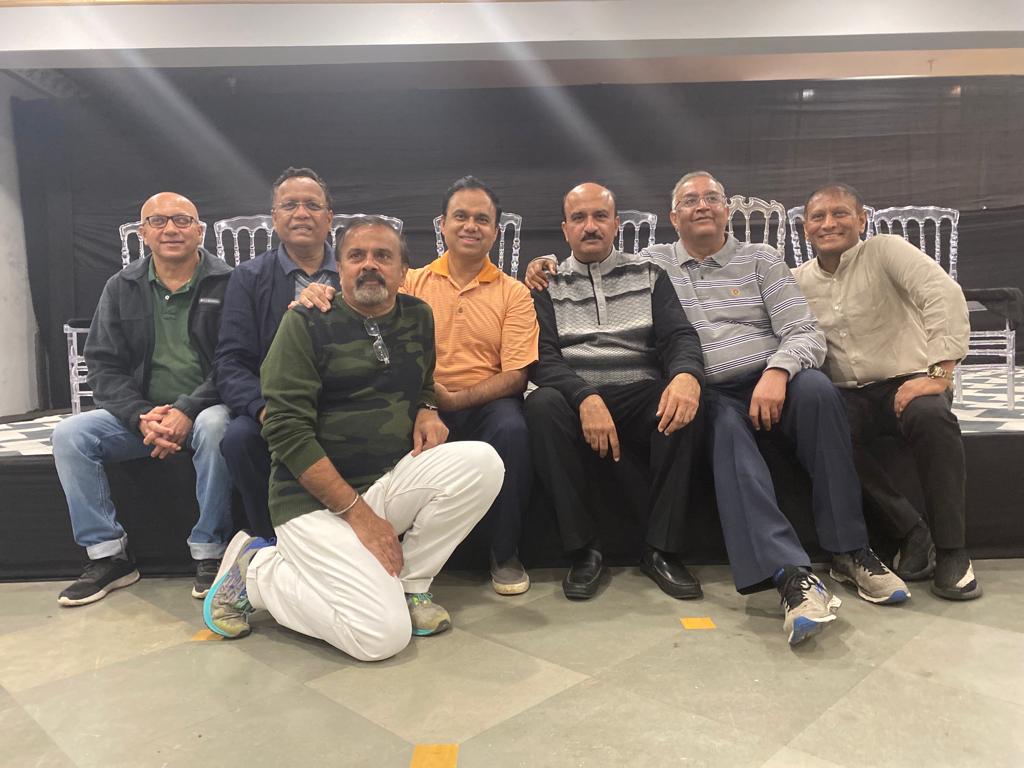
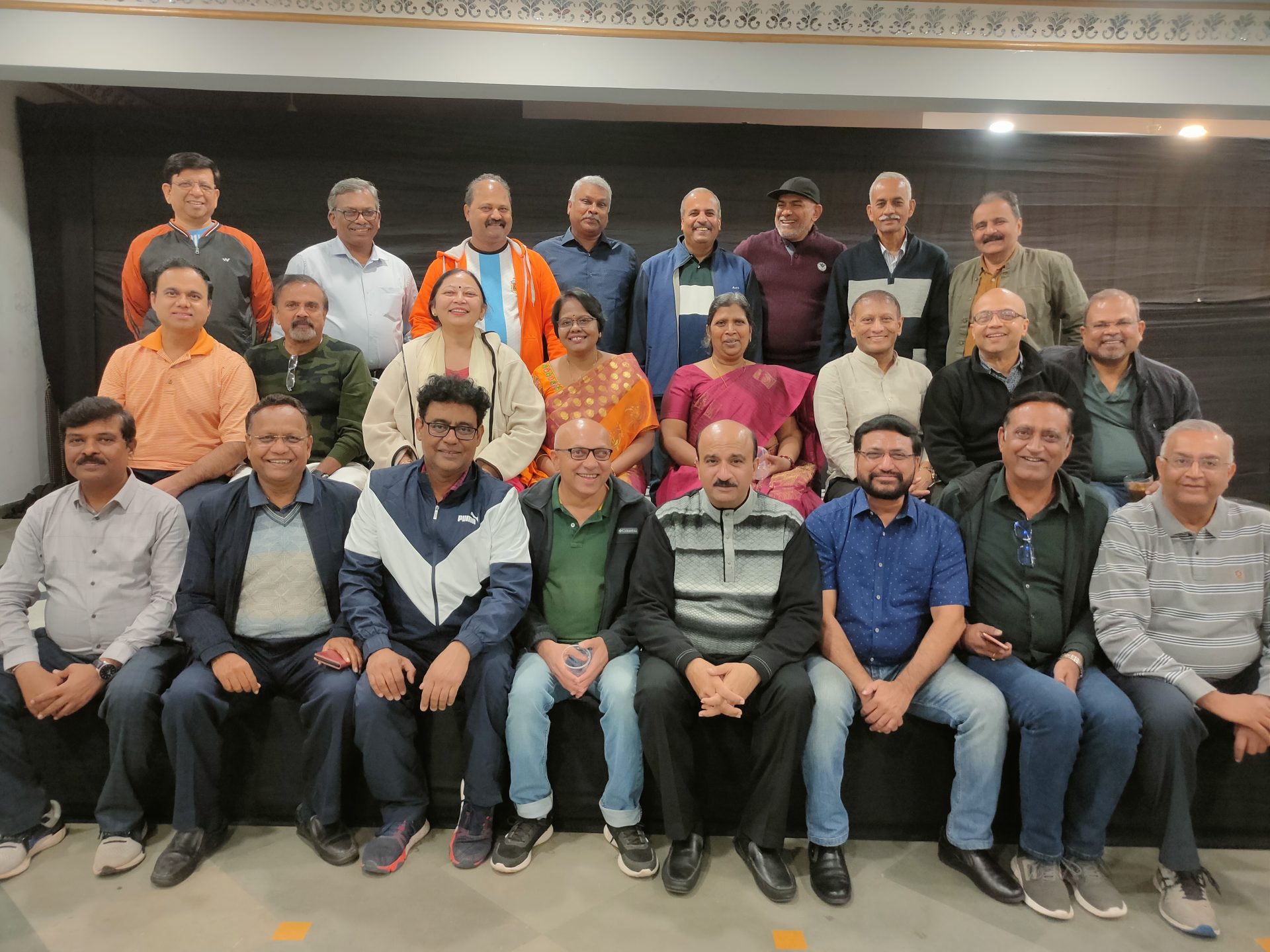
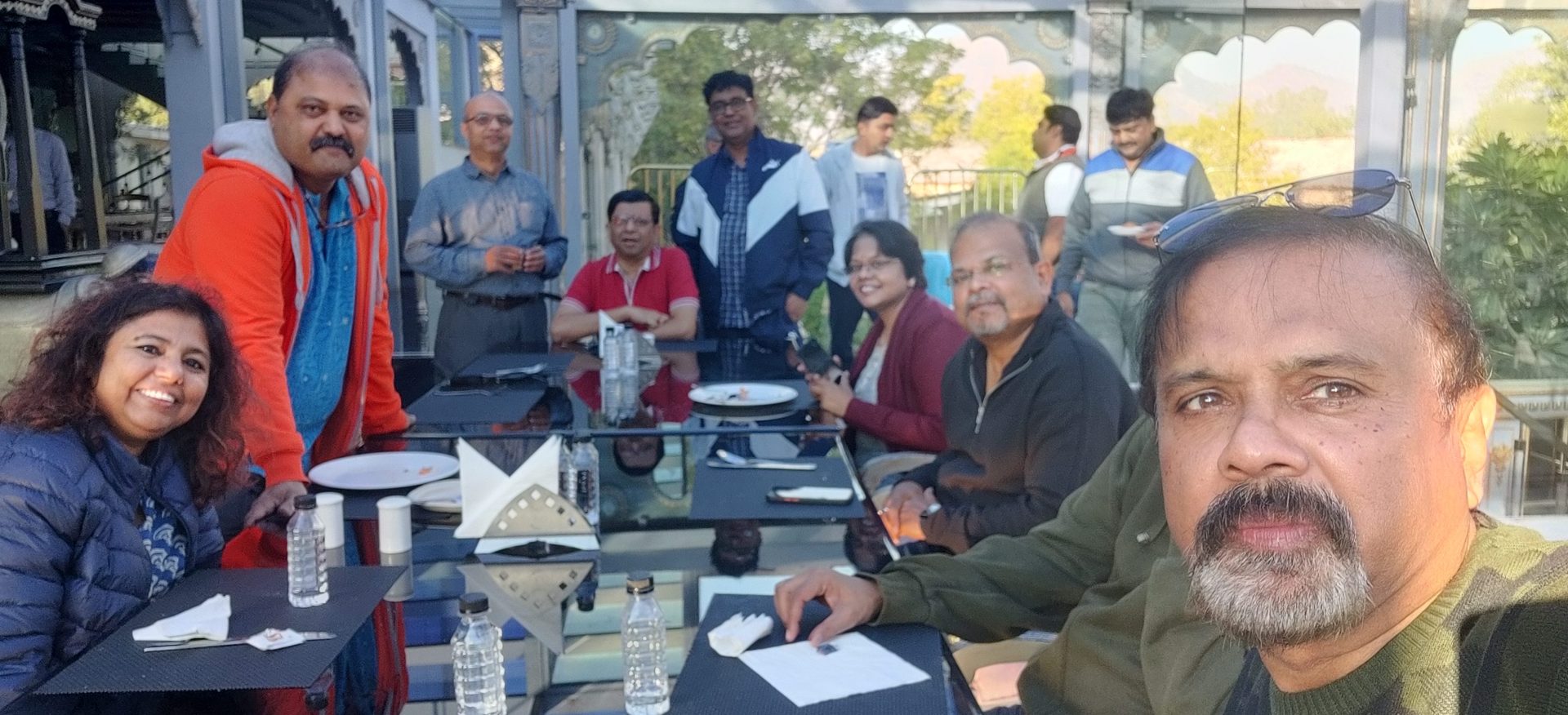
The photoshoots done, we headed back to Royal Retreat resort which was to be our hangout for the next 2 days along with a whole bunch of over 25 batch mates joining us.
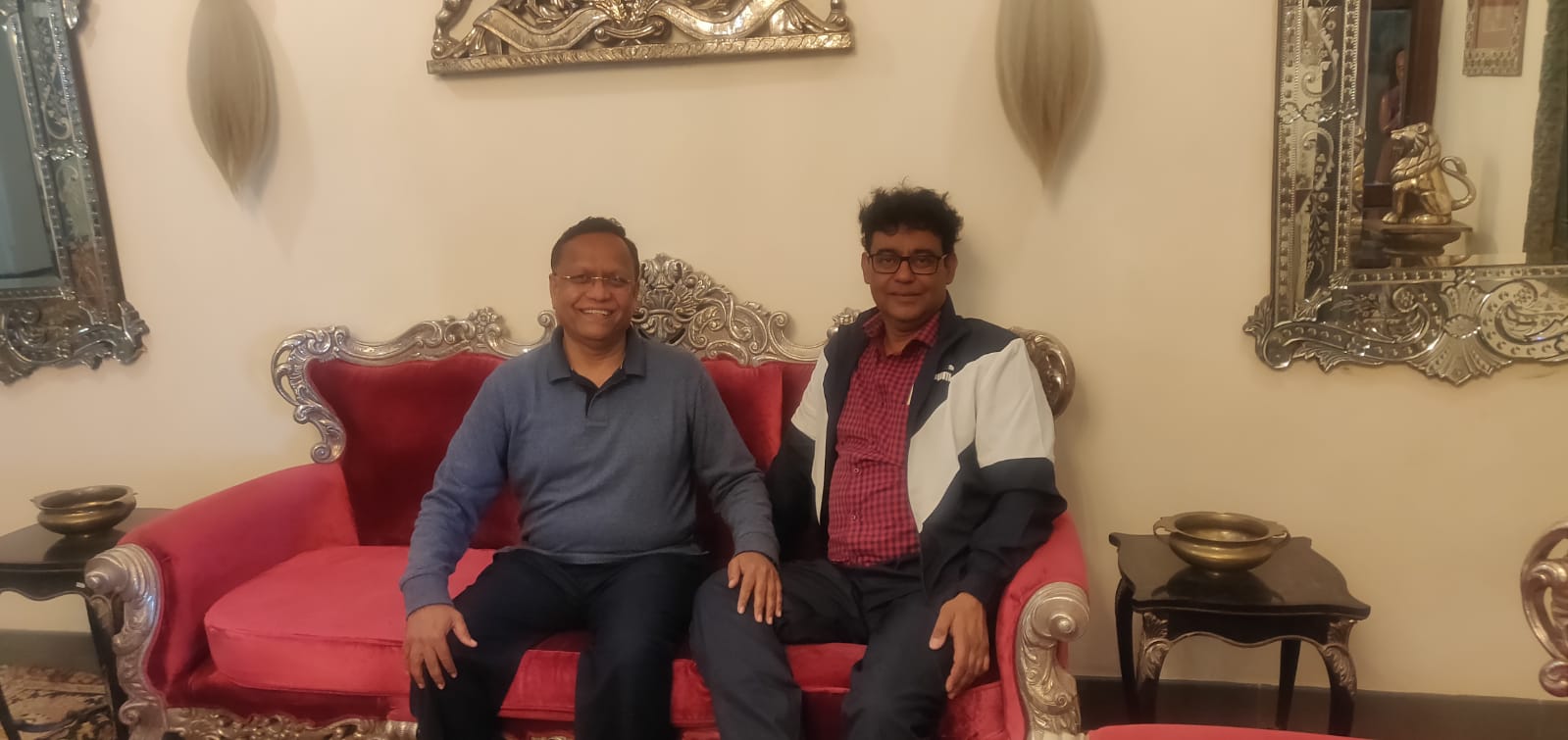
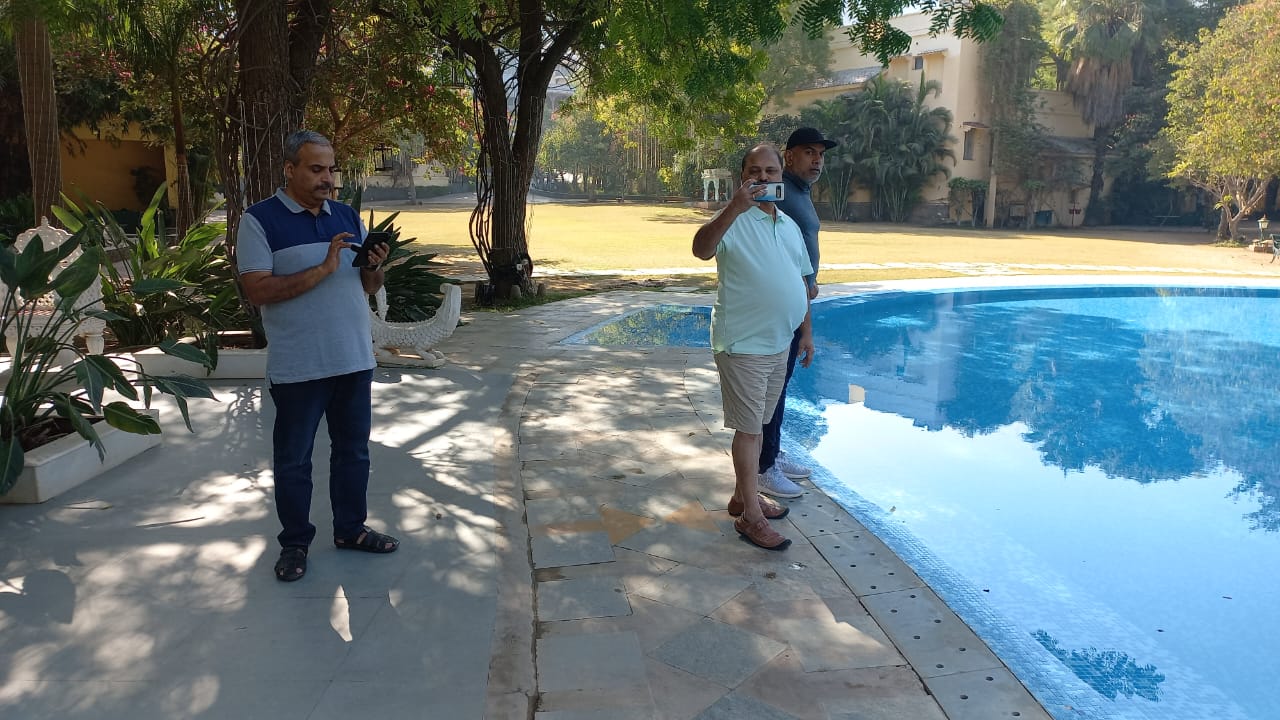
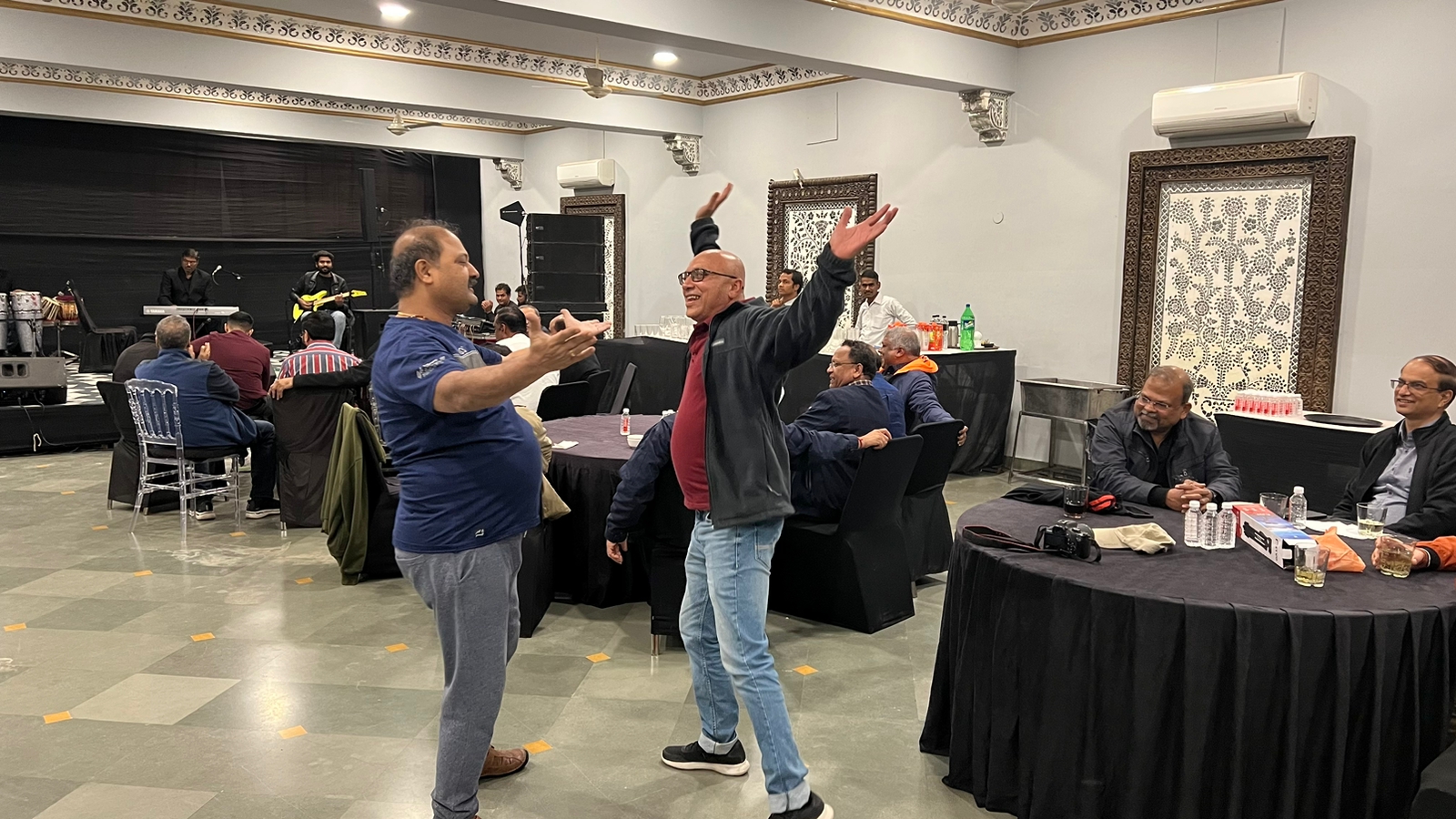
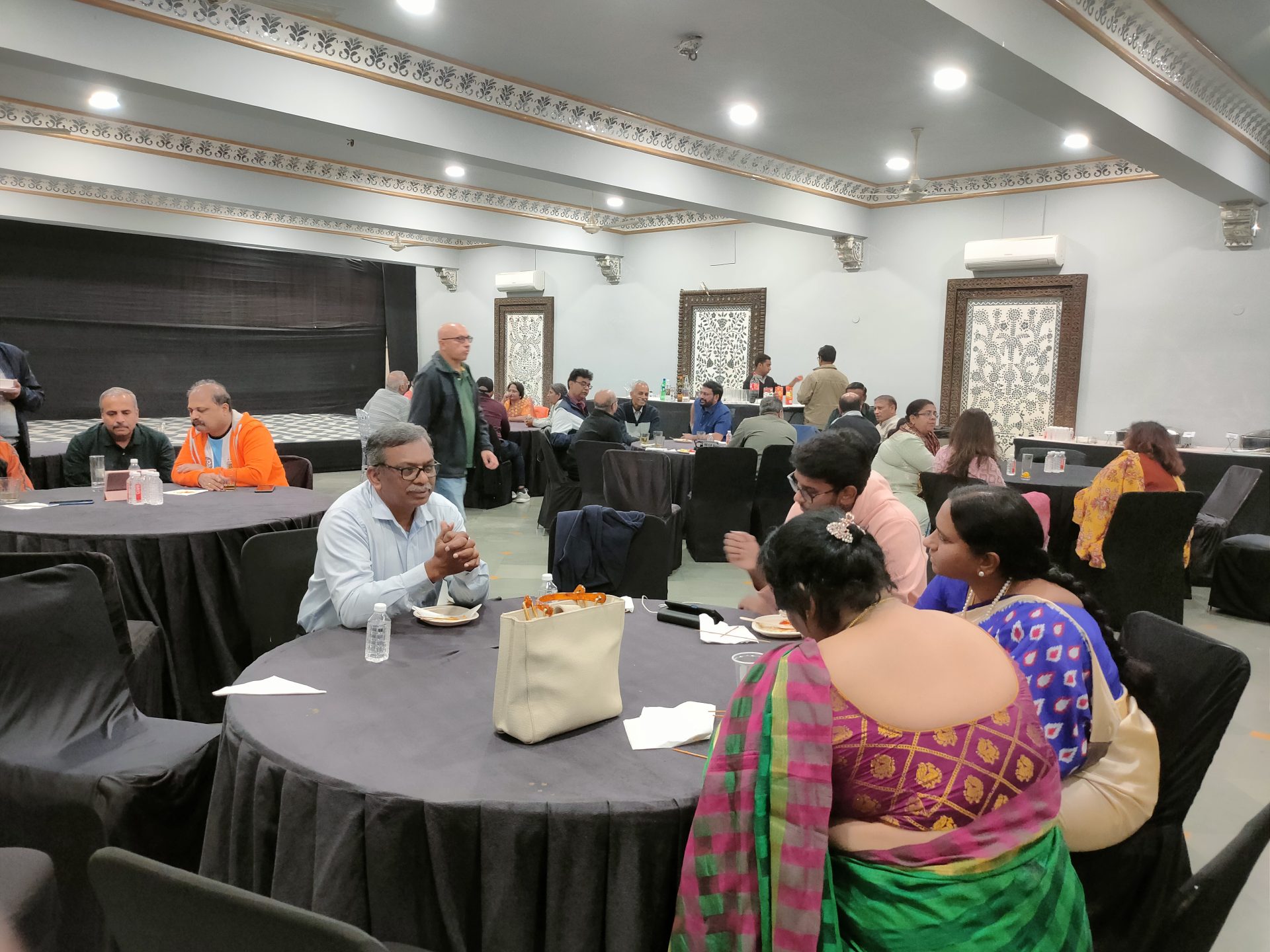
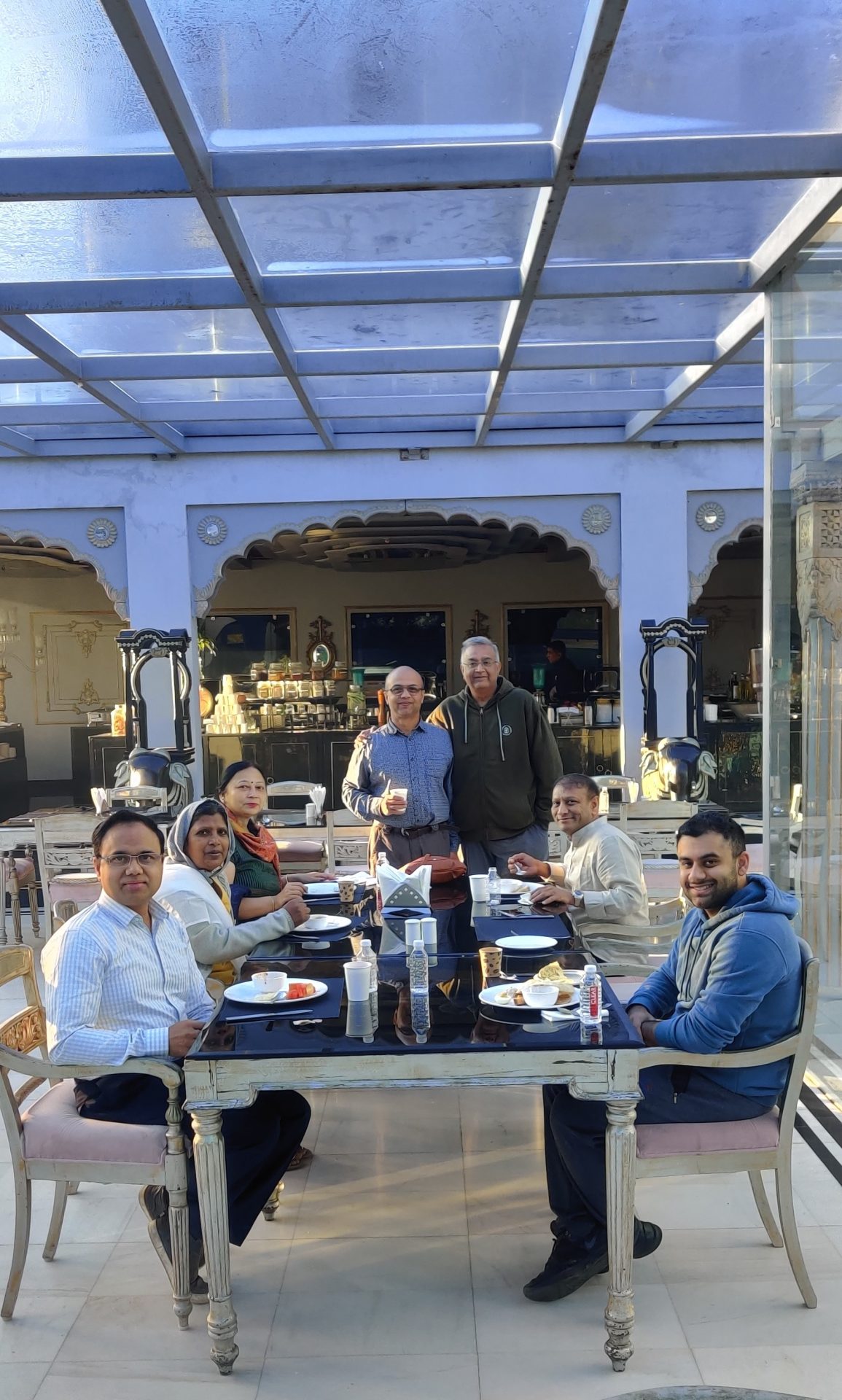
The Royal Retreat Resort & Spa, located on the Badi Hawala road turned out to be a great find for us. With over 100 well appointed rooms spread across acres of lush green vegetation, this lovely property, set against the backdrop of the Aravalli hill ranges has their rooms royally personified with Rajasthan’s art and craft. The rooms are decorated with rare artefacts from the owner’s collections and the property has 3 swimming pools, well connected through walkaways. The spread of food across the couple of days was just amazing.
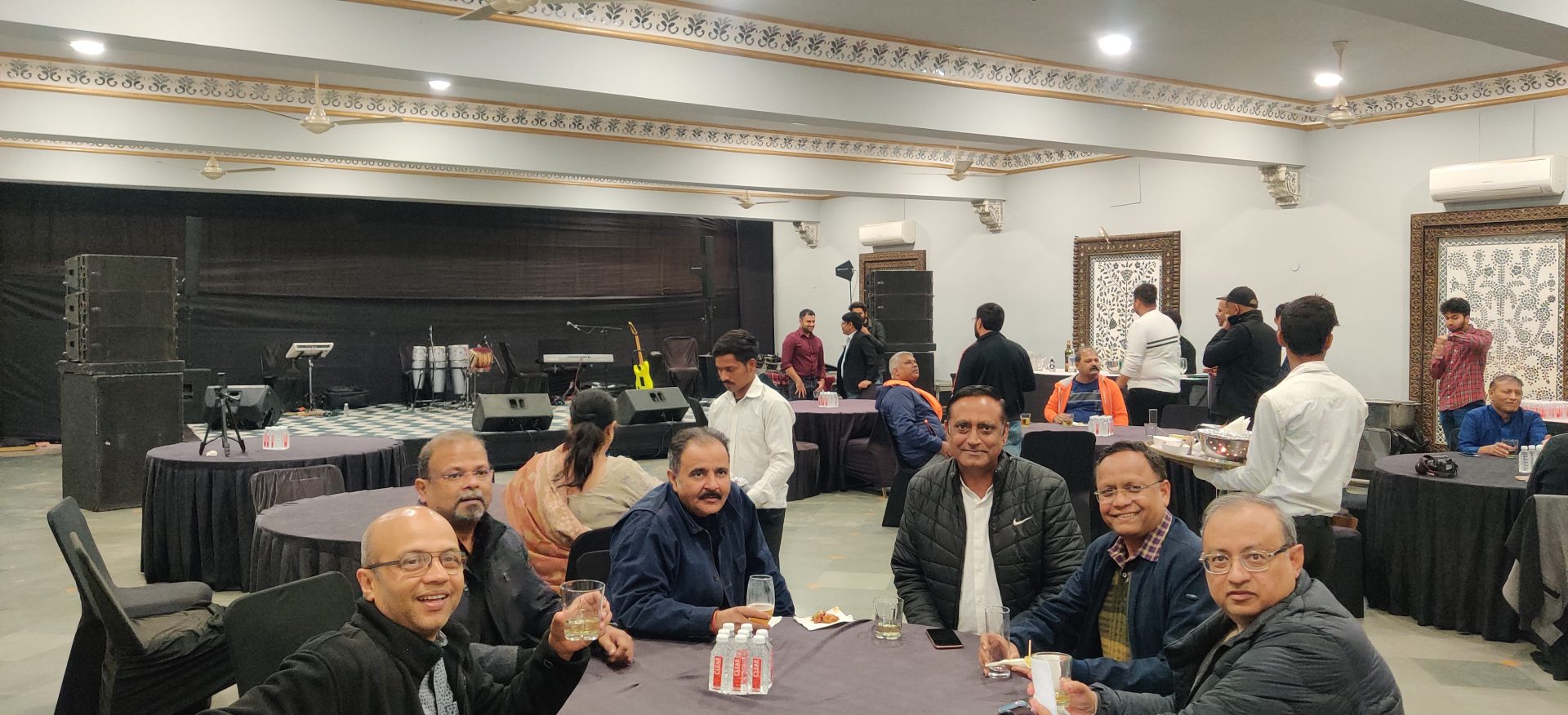
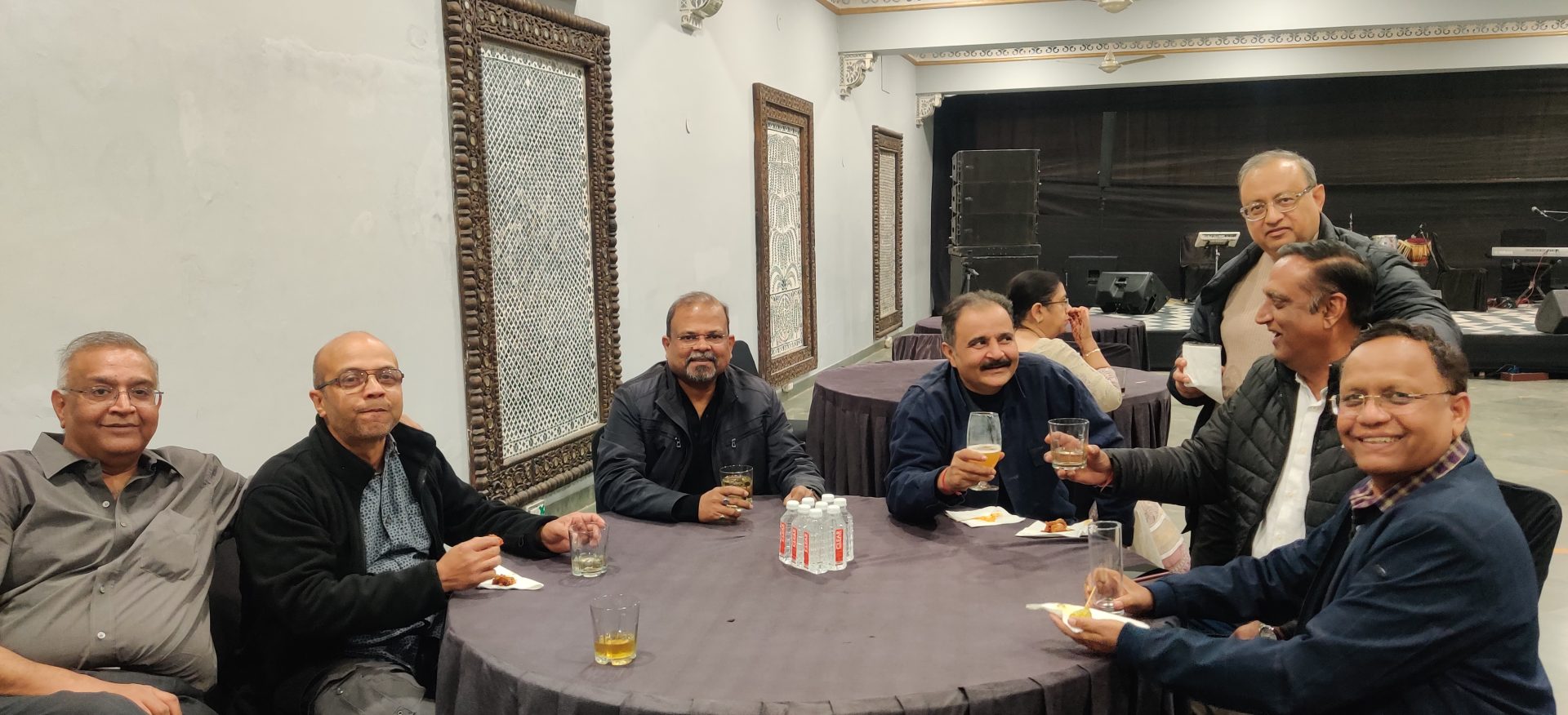
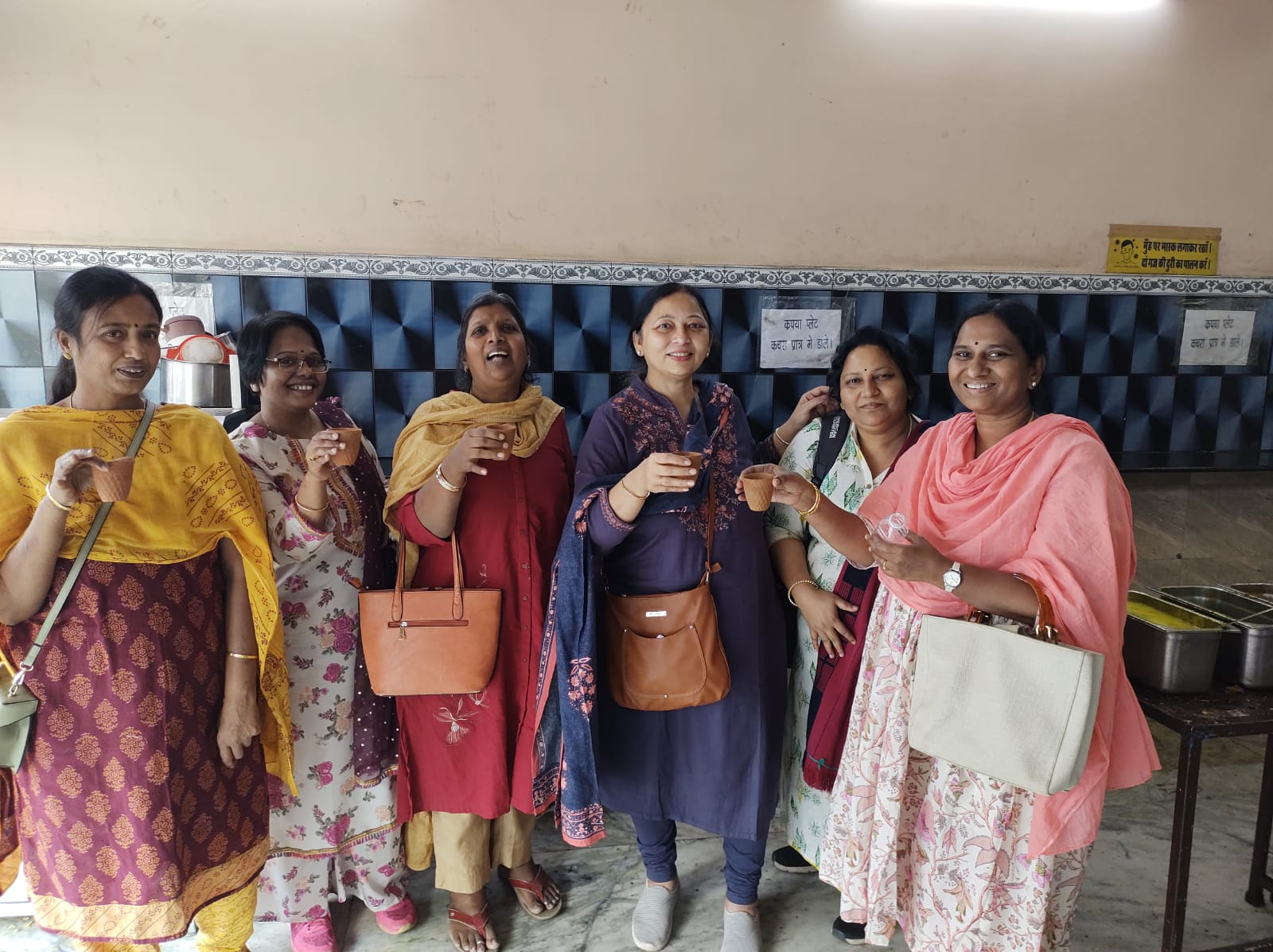
Though we did curate the menu with whatever knowledge we had of the items to choose from, none of the dishes let us down. 2 days of real fun, camaraderie, singing, chatting almost through the nights, the FIFA World cup finals and a gastronomical adventure brought us finally to Monday when we had to bid goodbye to each other with a promise to keep doing this mini reunions at least once in a year lest we begin to miss the sequenced ones of the 5 or 10 years stuff coz of the planning involved.
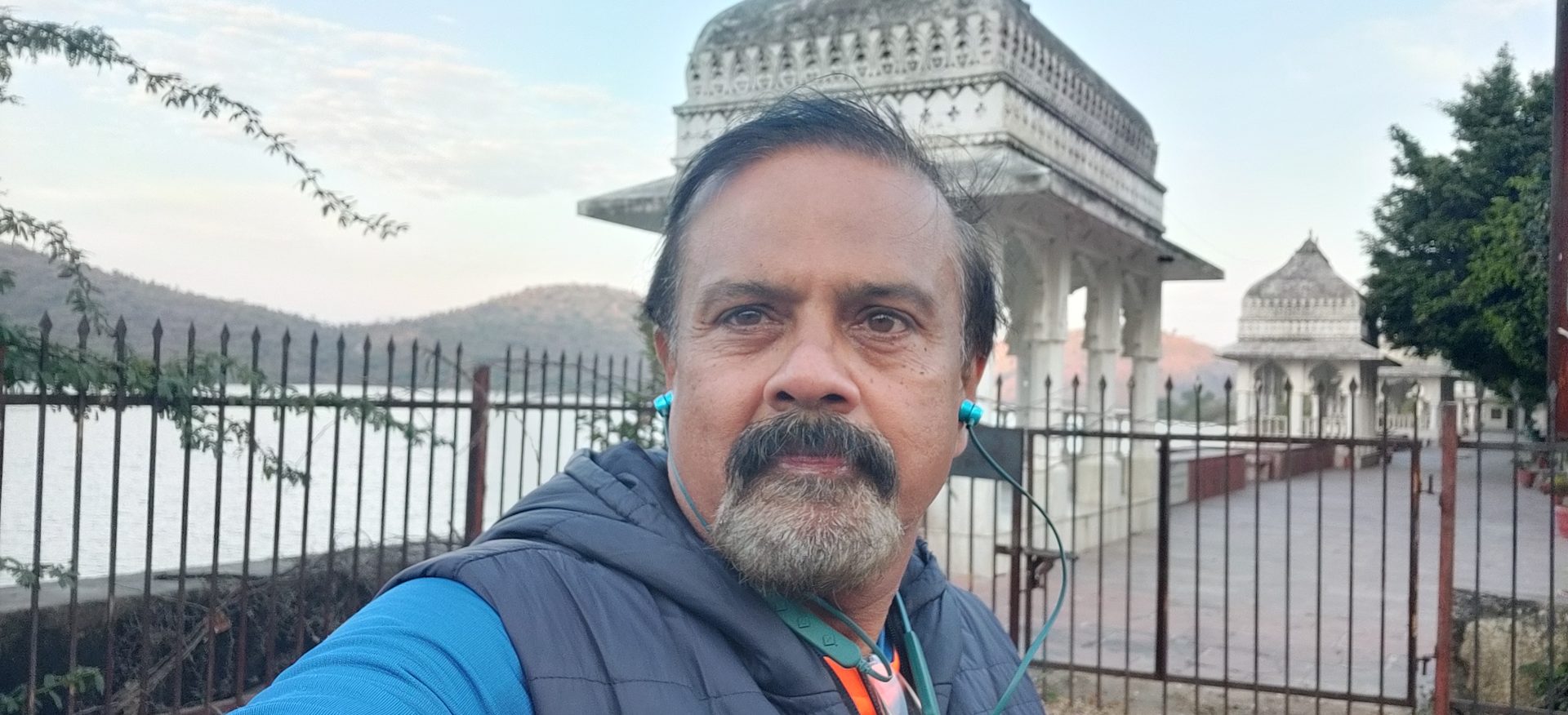
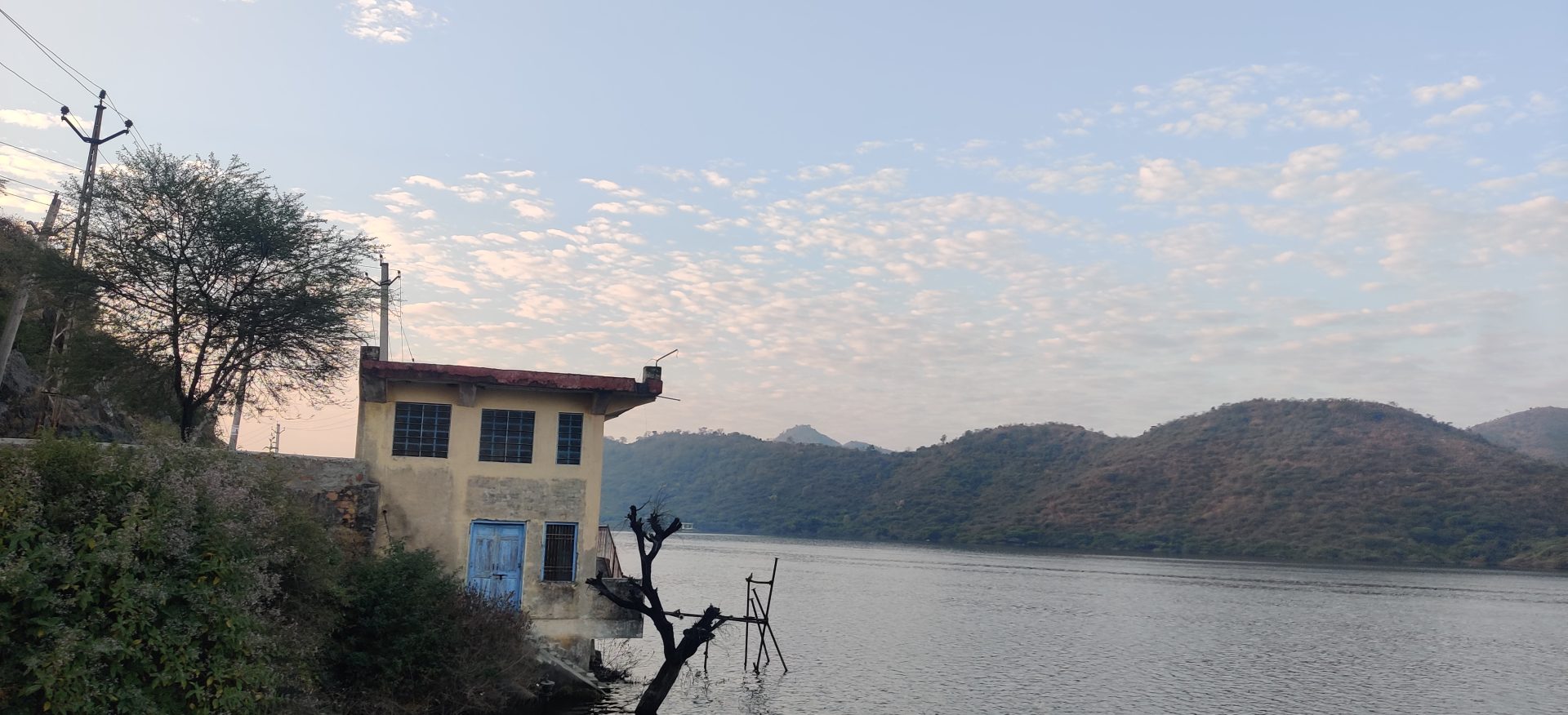
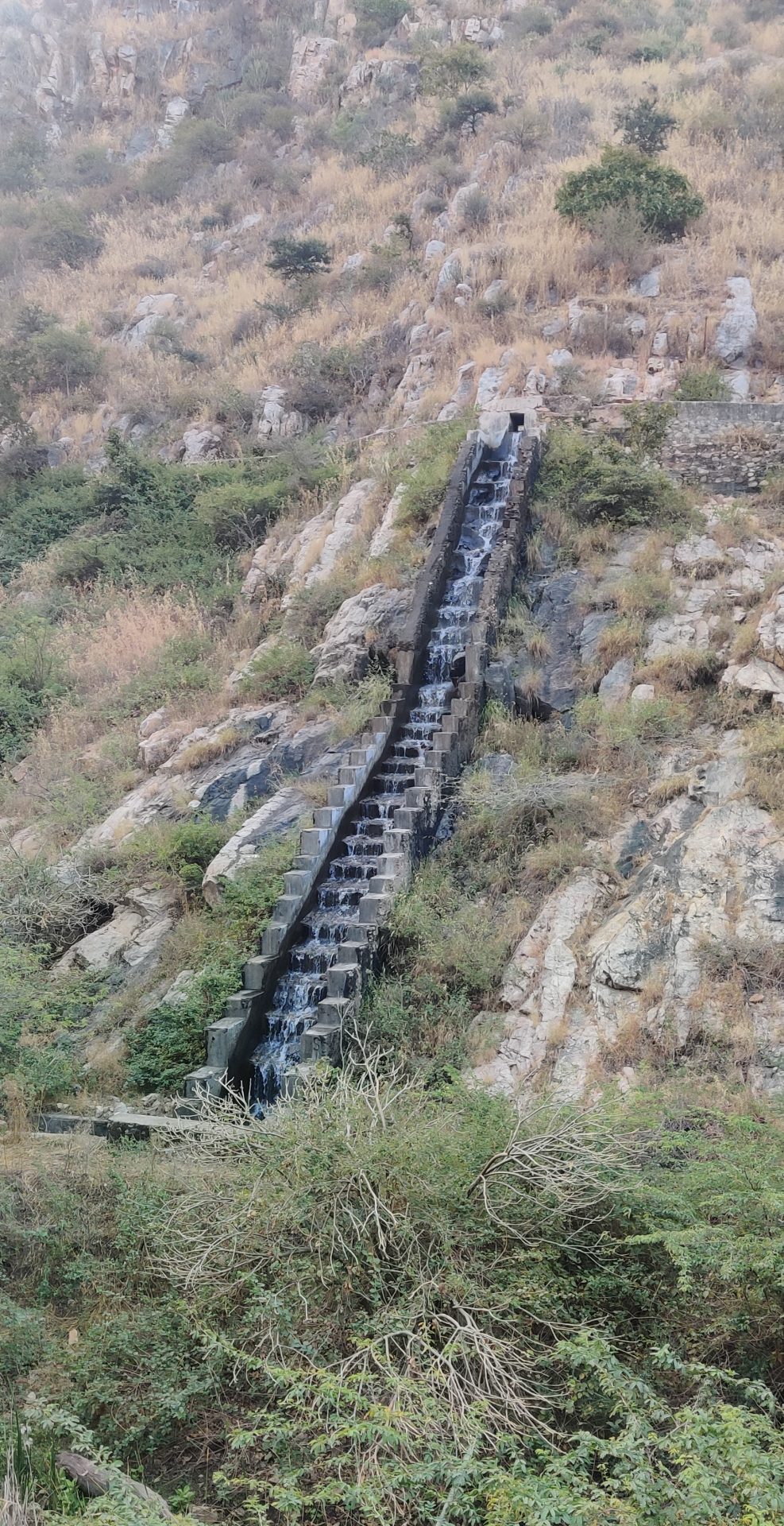
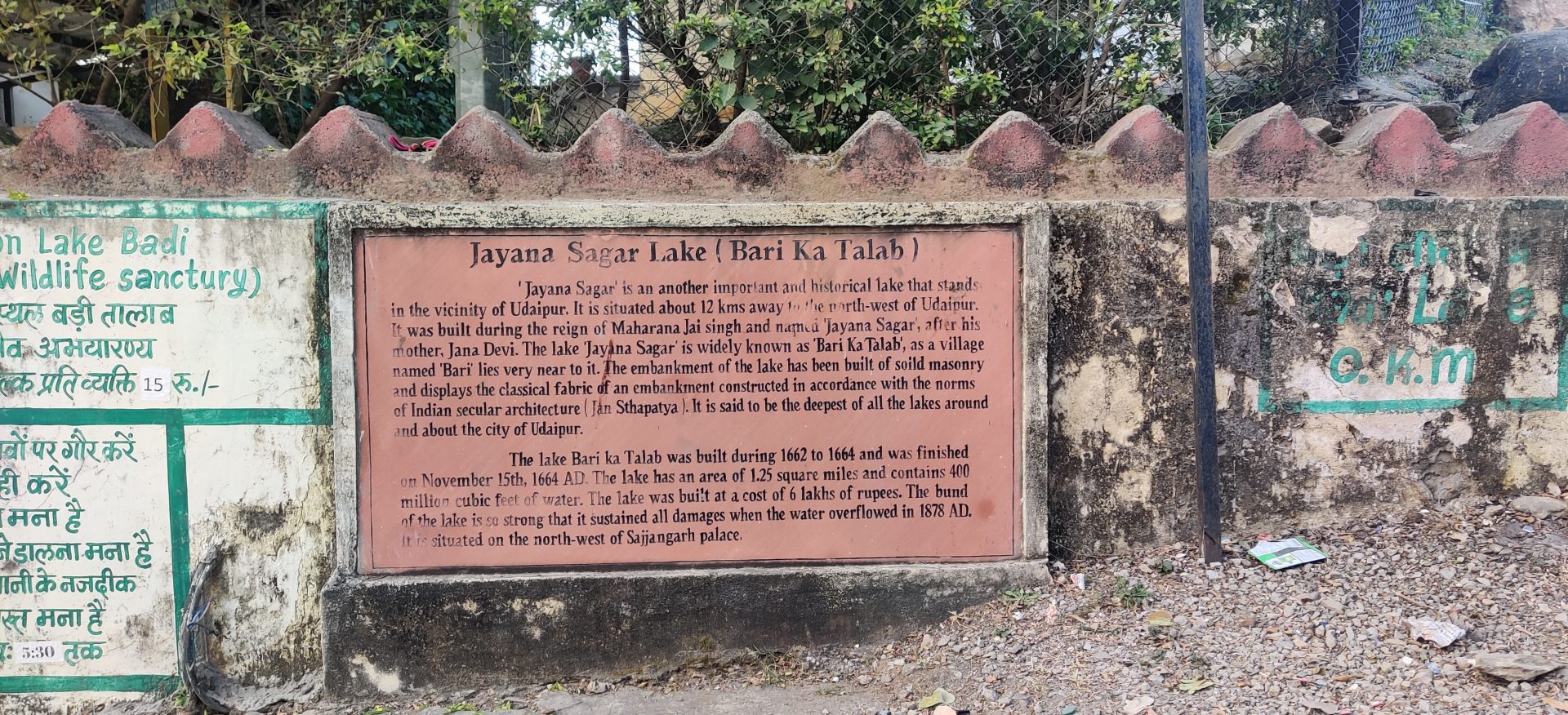
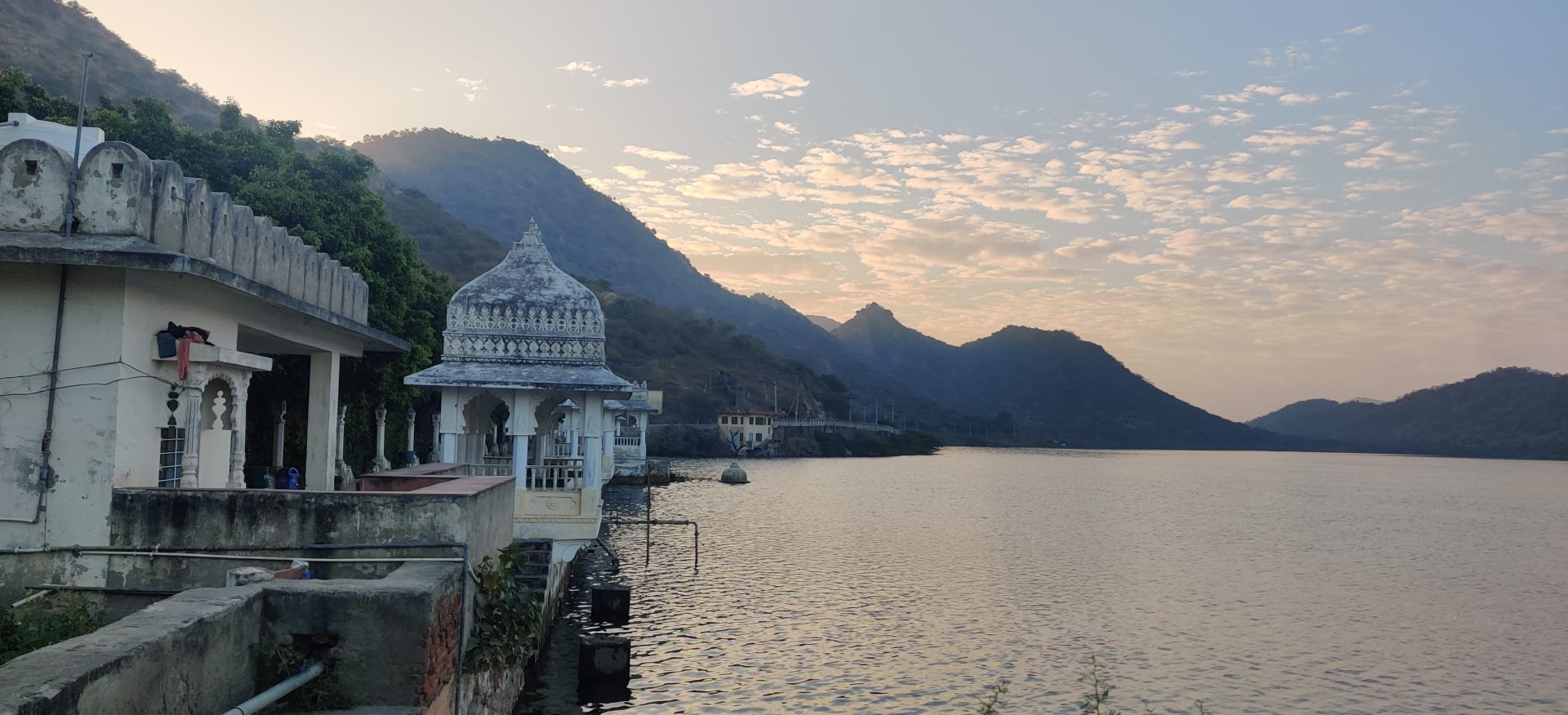
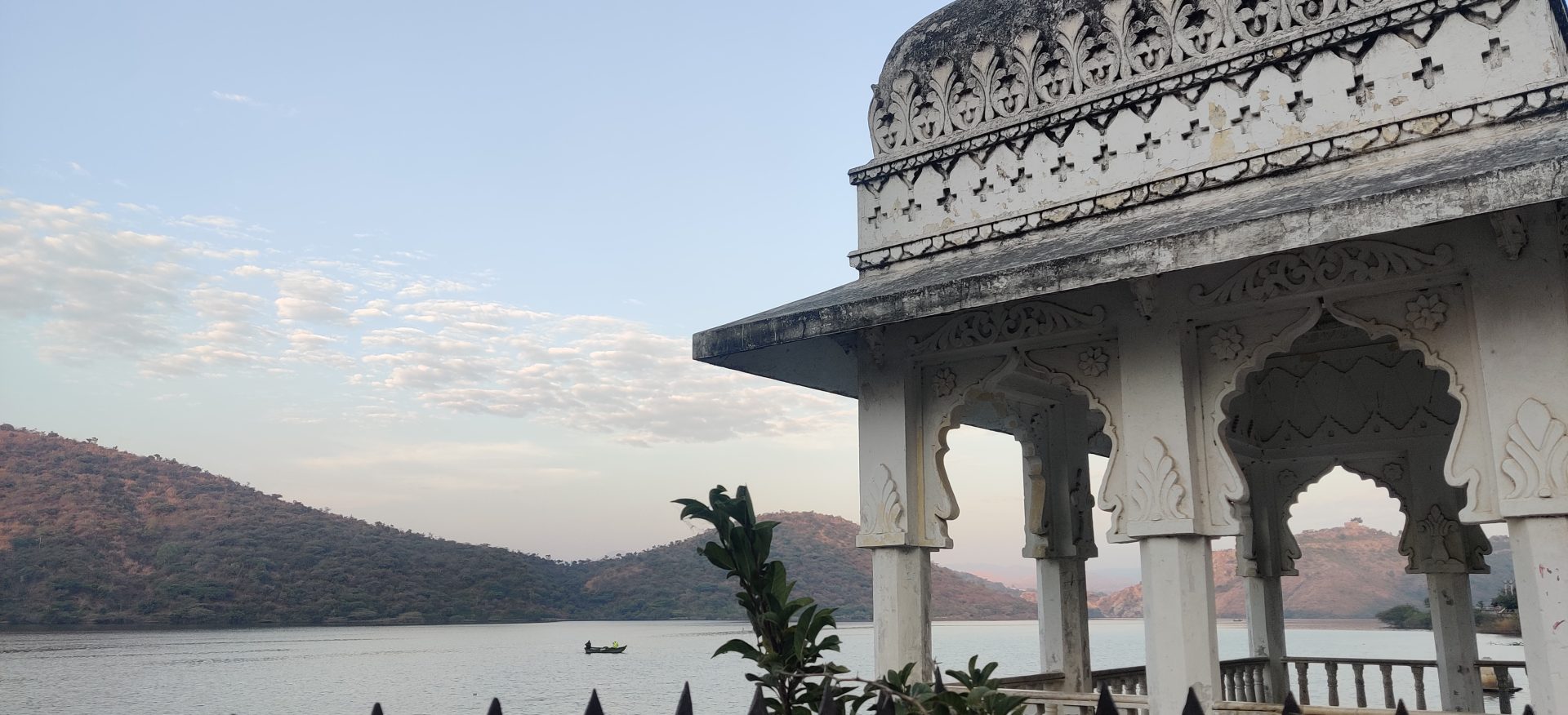
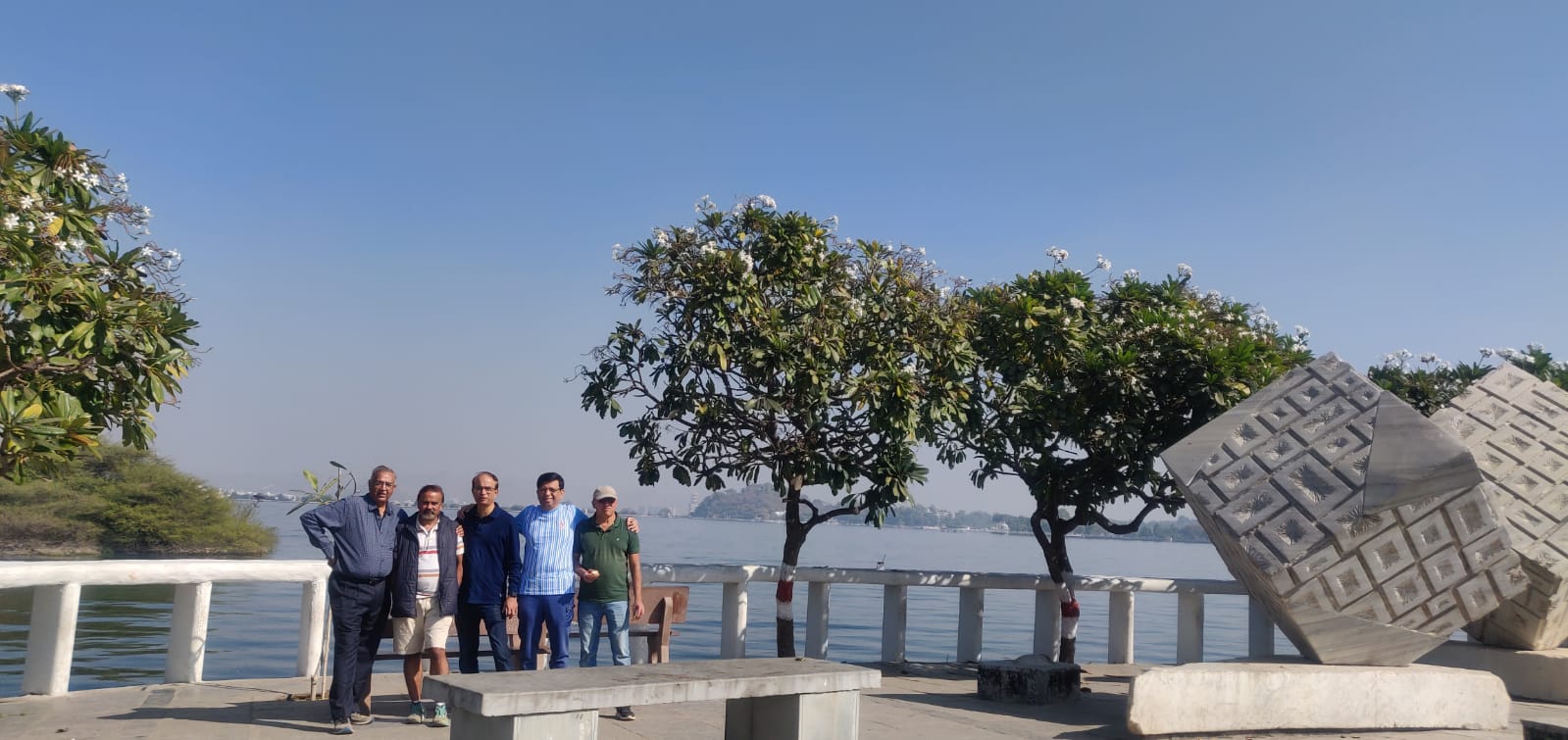
Sunday 18th December 6.30 A.M – Got up early on the Sunday morning, feeling a bit heavy with all the food eaten last night. Though Sundays are dedicated for my long 2 hour slow runs, could not get myself into the right frame of mind for a long run and instead decided to go for a short run of around 6 to 8 Kms. It was nippy in the air and took me almost a km and a half to get warmed up post which the run became more comfortable. Headed for the Bari Talab or Bari Lake which was around 3.5 kms from the resort. The Sajjangarh wildlife sanctuary is located close by.
The Sunday afternoon unplanned visit to the Fateh Sagar Lake and the Hathipole Market
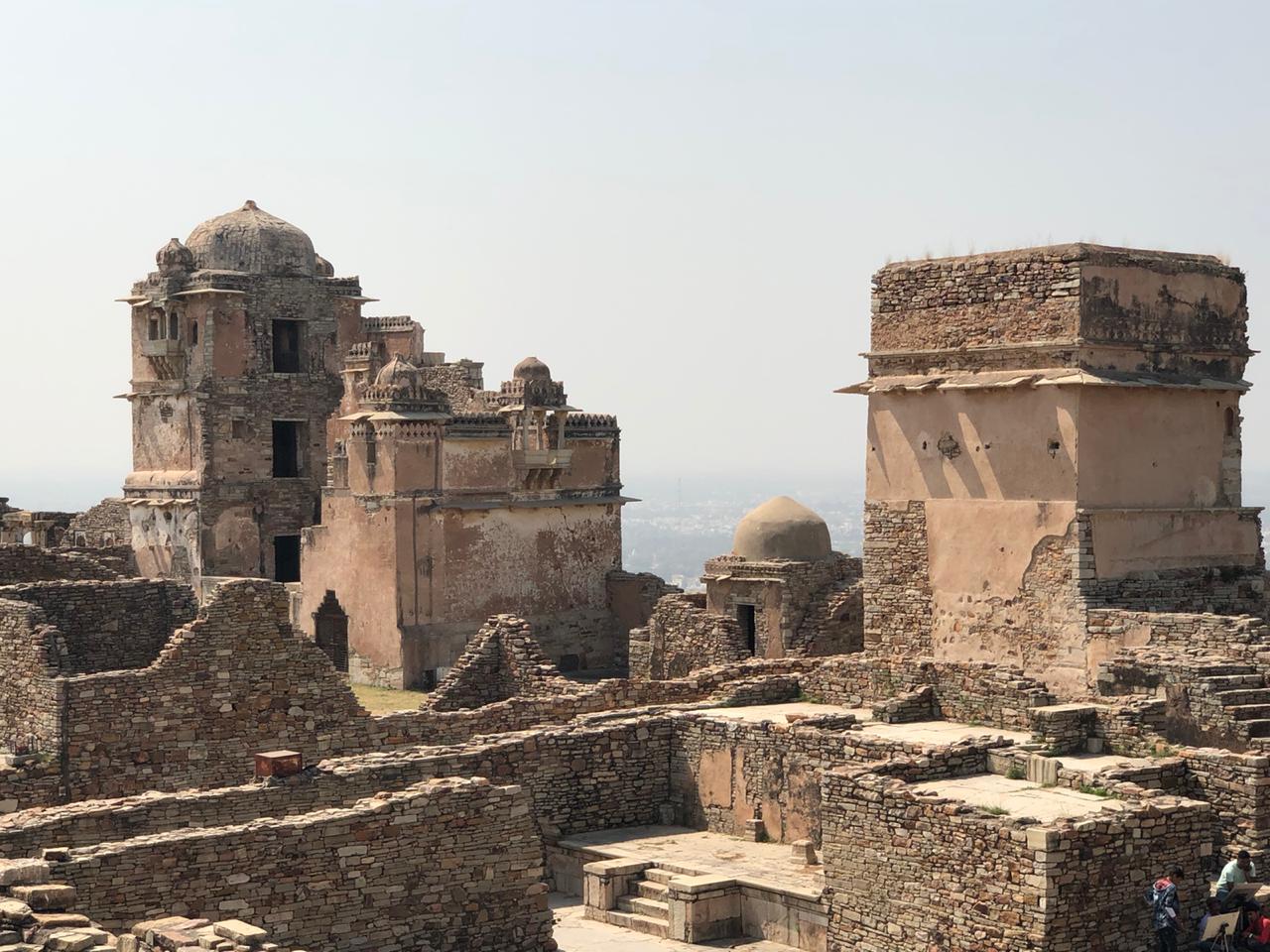
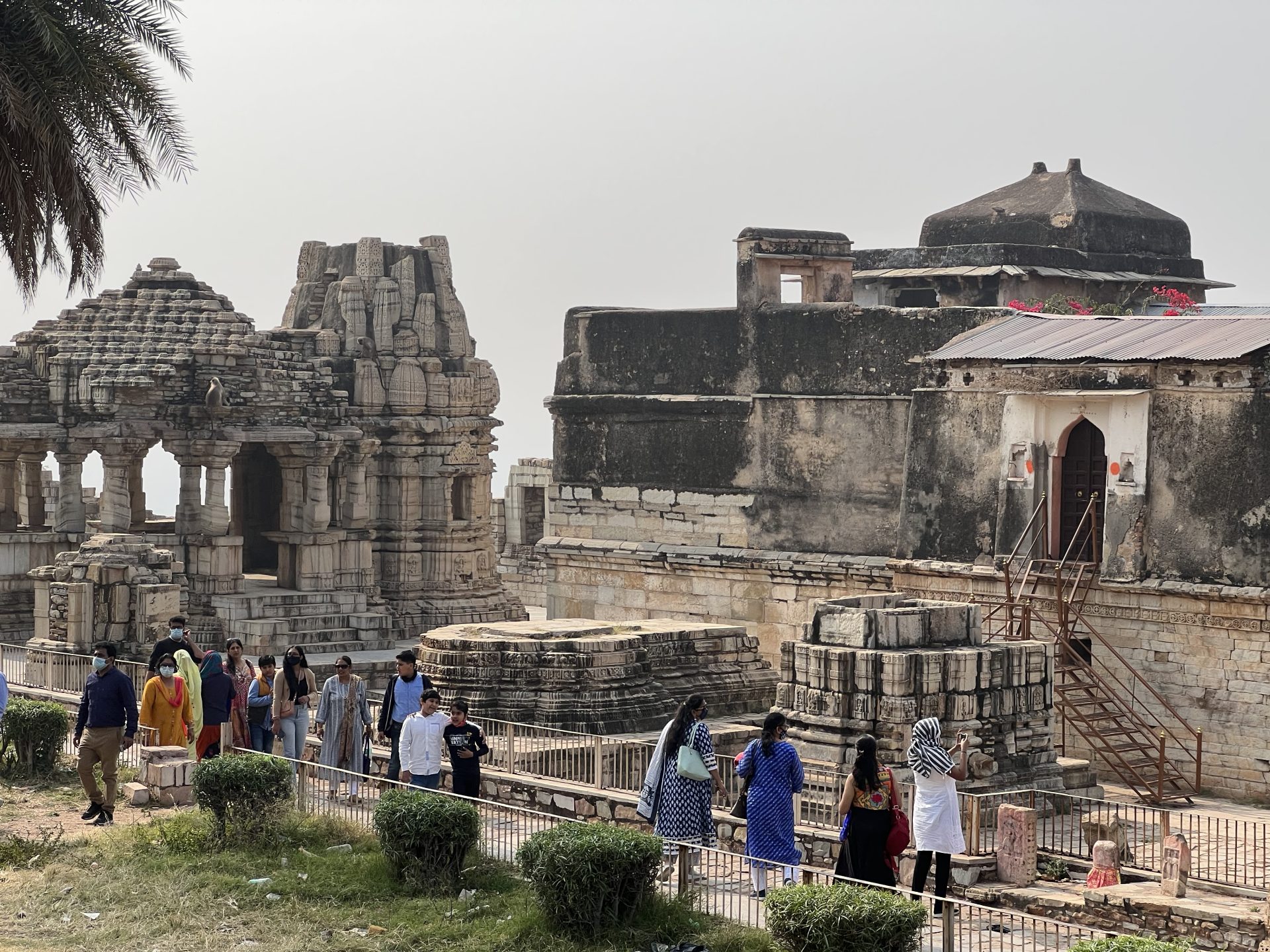
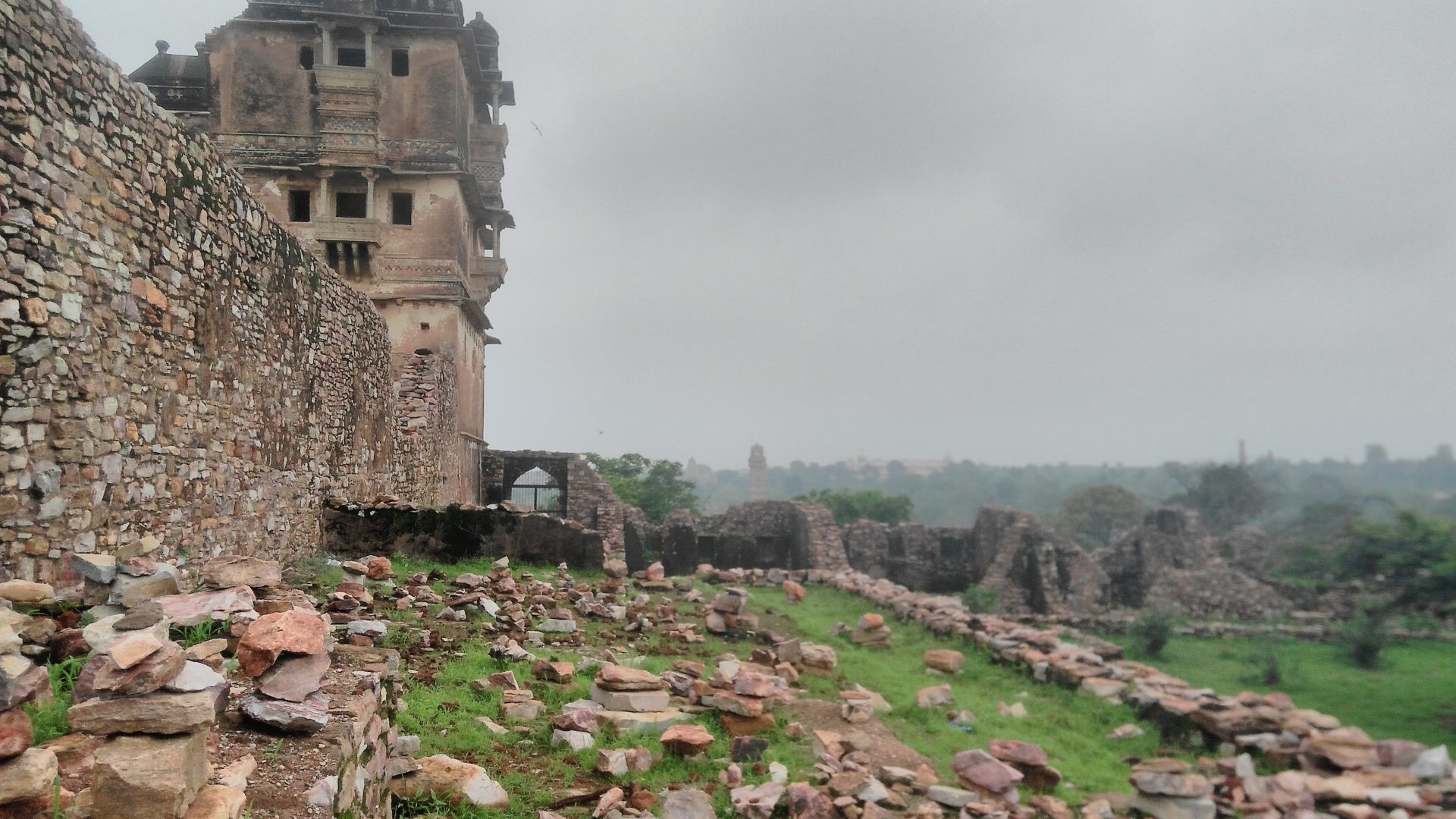
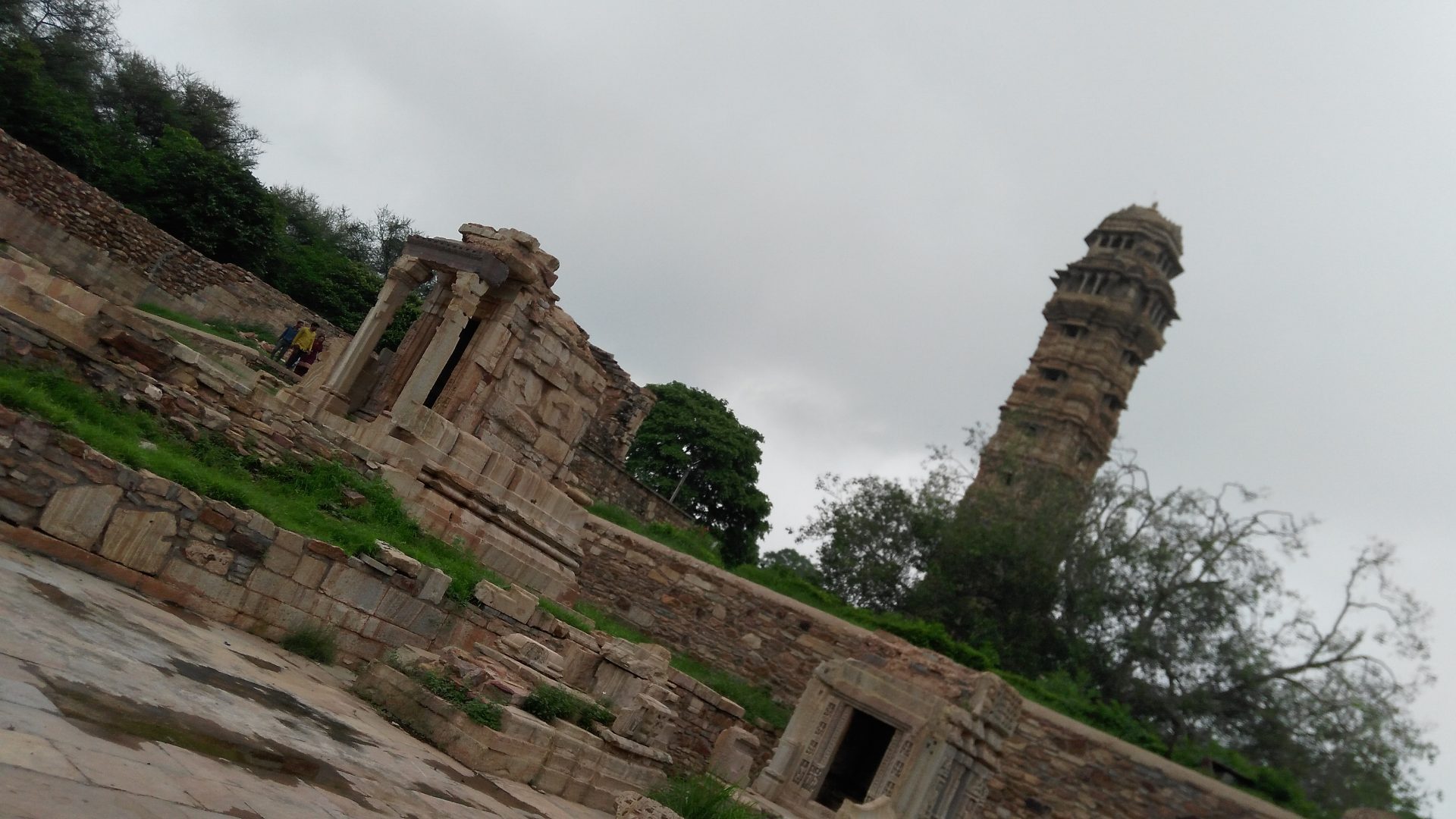
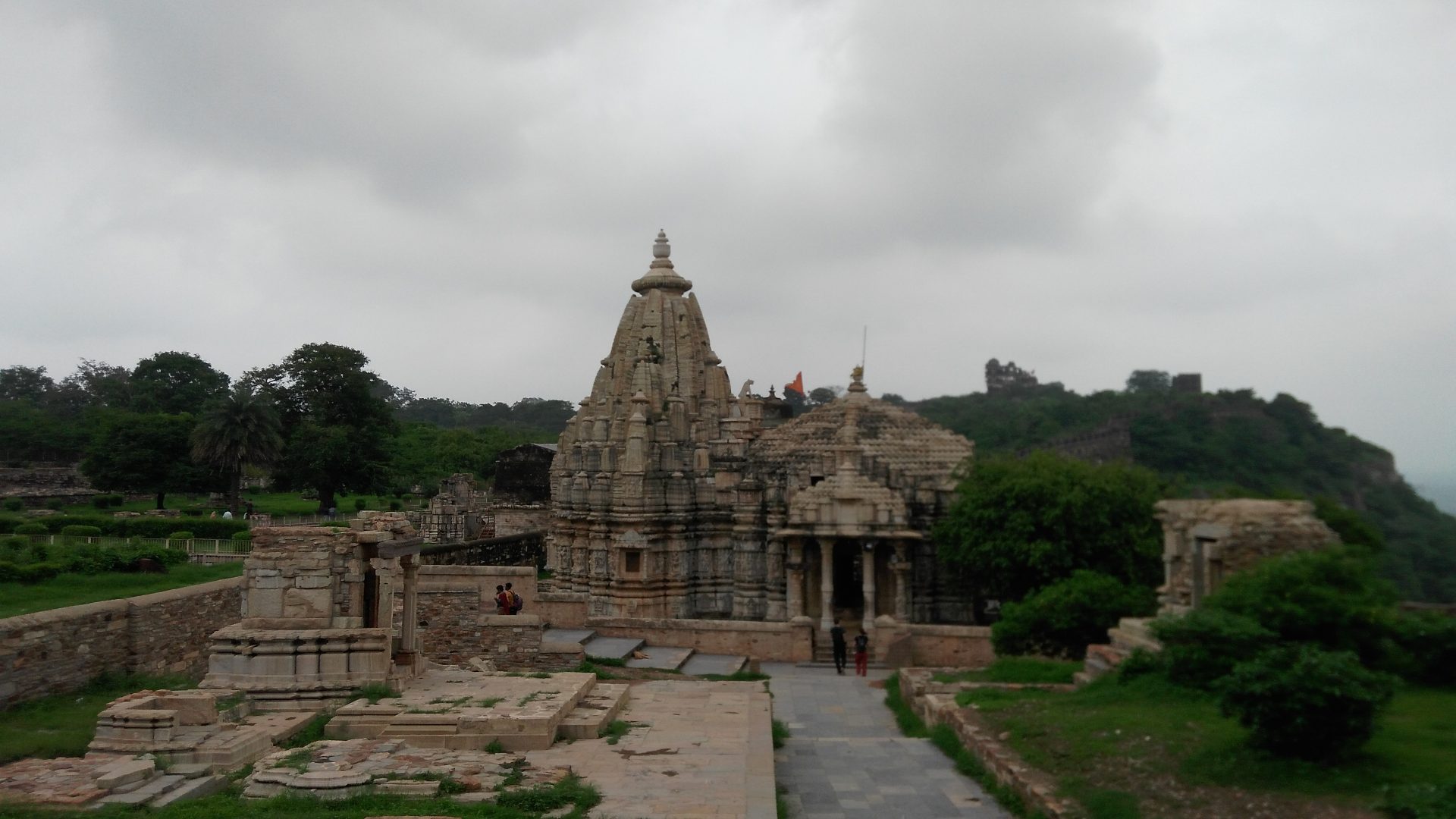
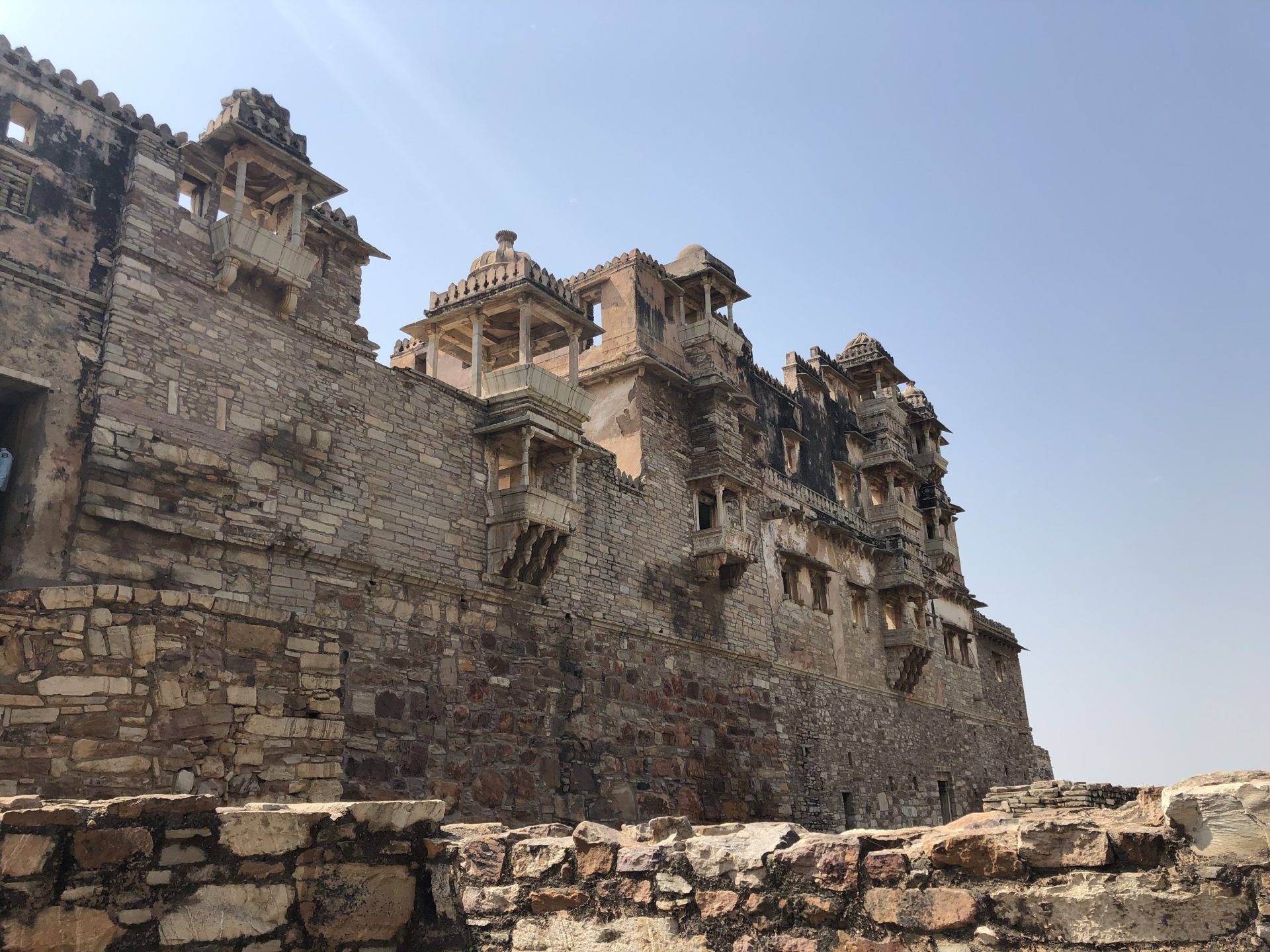
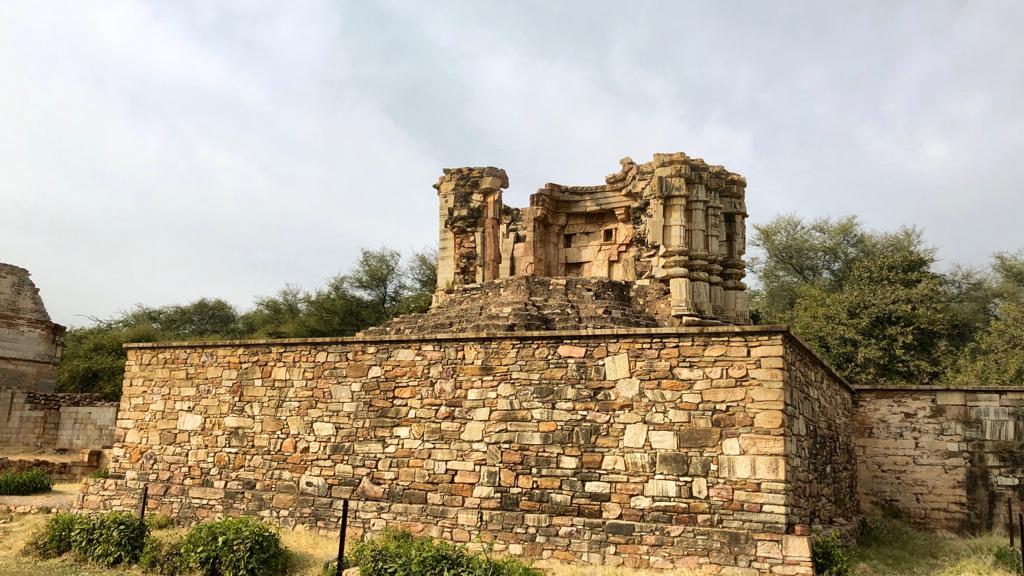
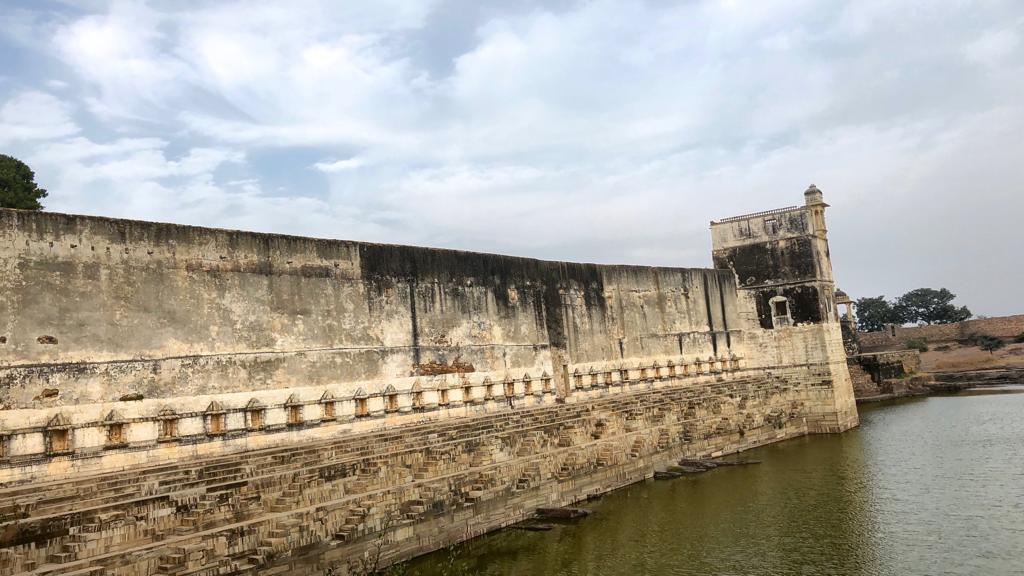
A 2 hours drive brought us to this magnificent fort, built atop a 180 metre high hill and spread over 700 acres of land.
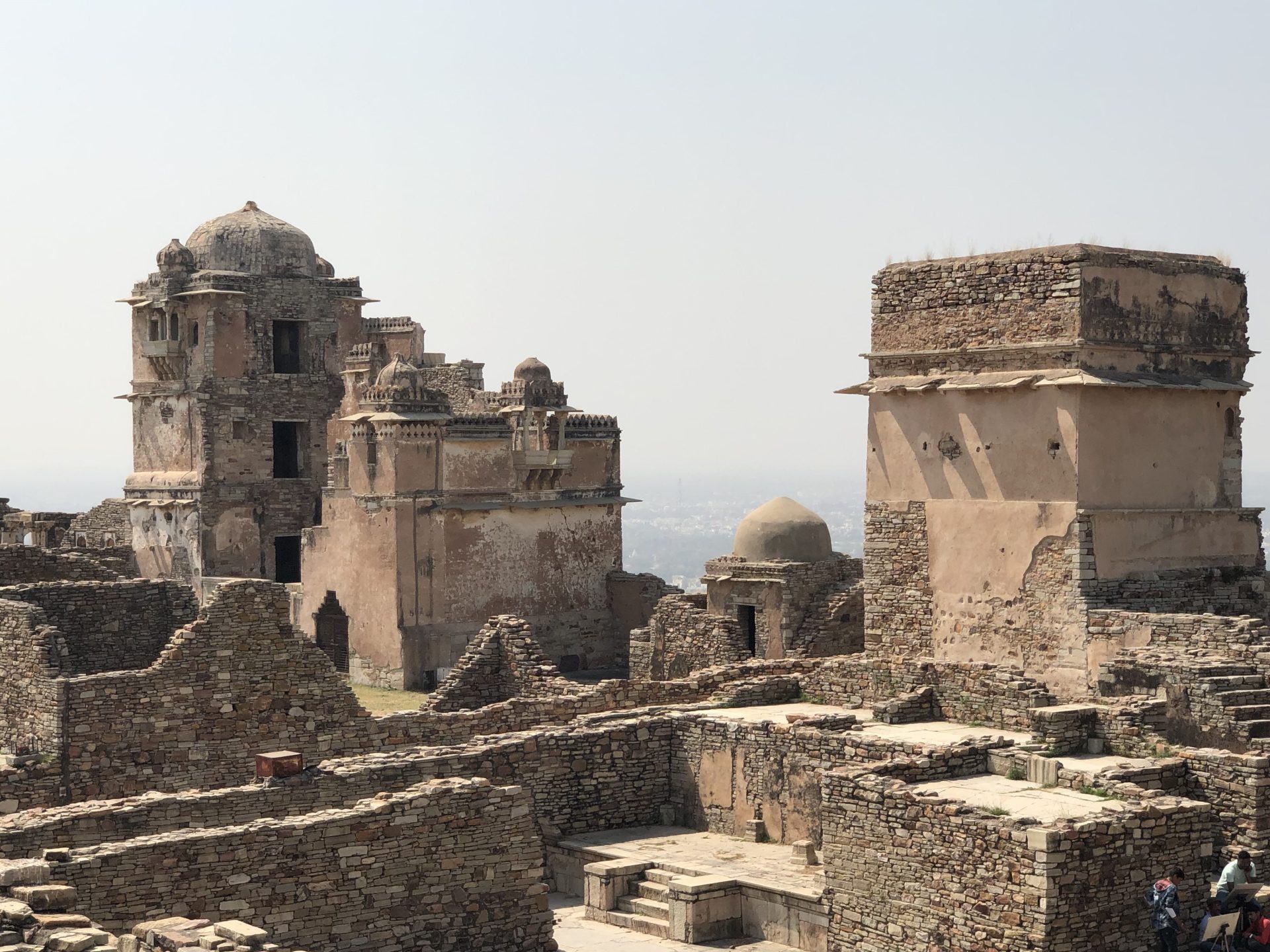
Located in the city of Chittorgarh, this is one of India’s largest forts, witness to a tumultuous past being witness to many battles between 1303 to 1568.
The Fort is reminiscent of the Rajputana valour, pride, loyalty and sacrifice and is known for its architectural beauty.
This was believed to have been originally built by the Maurya Dynasty in the 7th Century CE.
In the year 1303, the ruler of the Delhi Sultanate in the Khilji dynasty, Alauddin Khilji was smitten by the beauty of Rani Padmavati, the Queen of Mewar and Rana Ratan Singh’s wife and wanted to abduct and marry her.
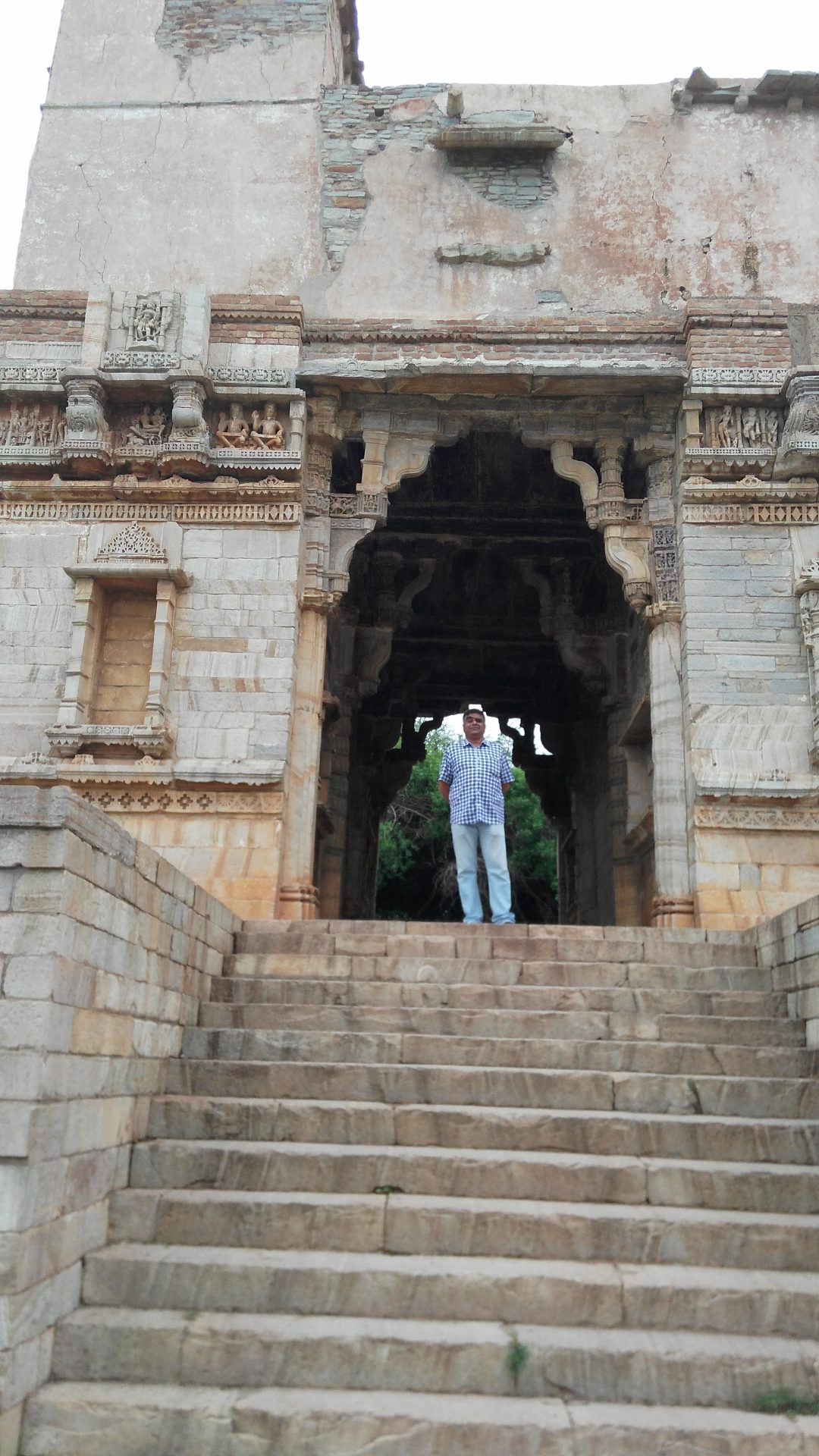
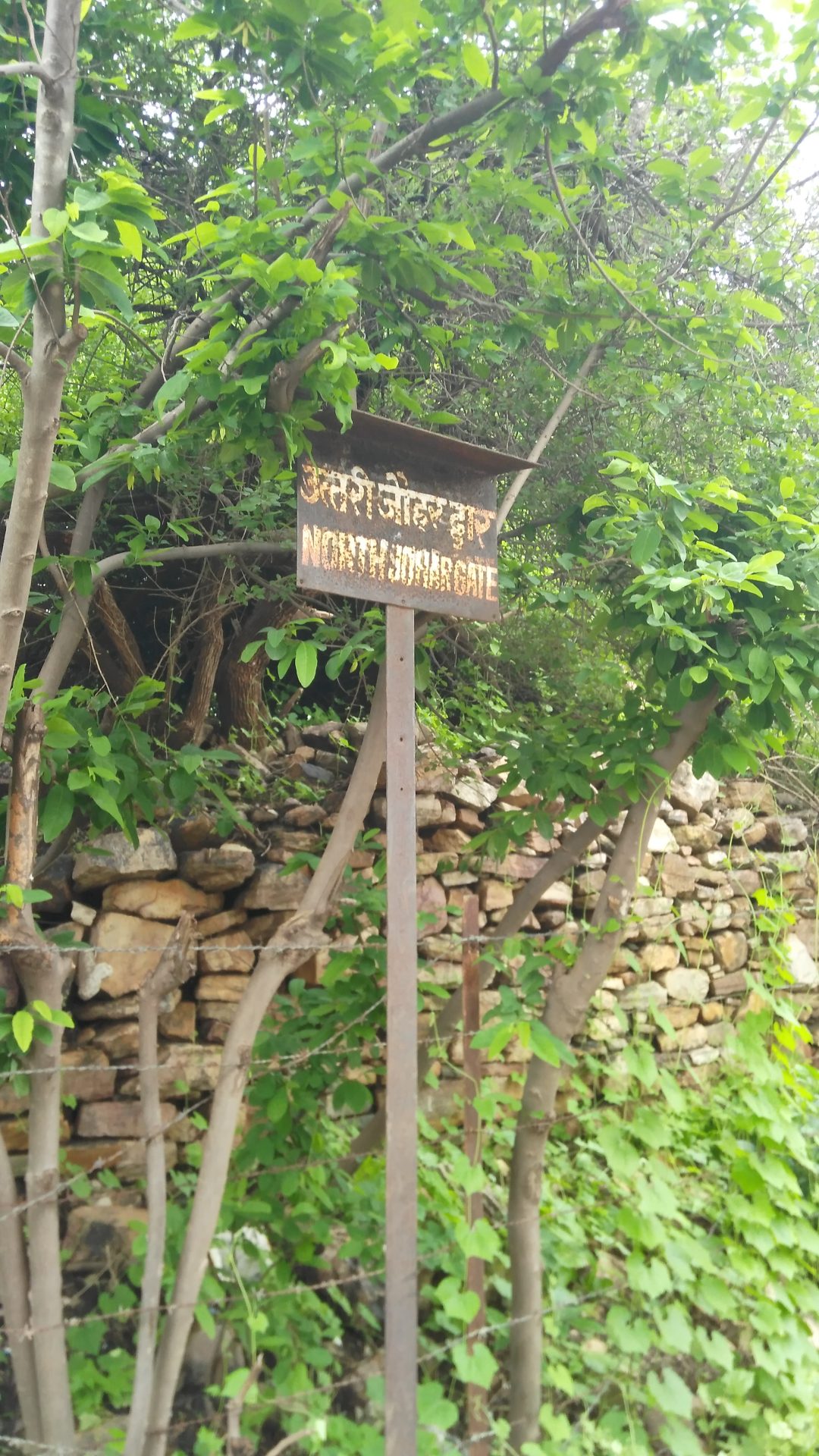
To safeguard her honour, the queen along with other women committed mass Jauhar (self immolation). The anniversary of this Jauhar is celebrated every year through a Jauhar Mela or fair. The fort was won back by the Rajputs after a few years by Rana Hammir Singh and continued its legacy but became more prominent again during the rule of Rana Kumbha and Rana Sanga.
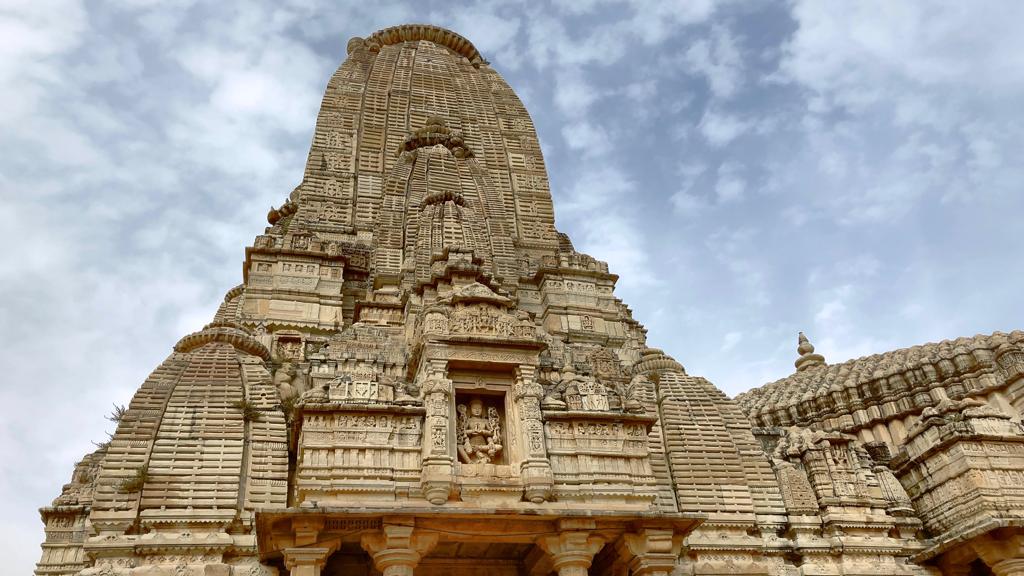
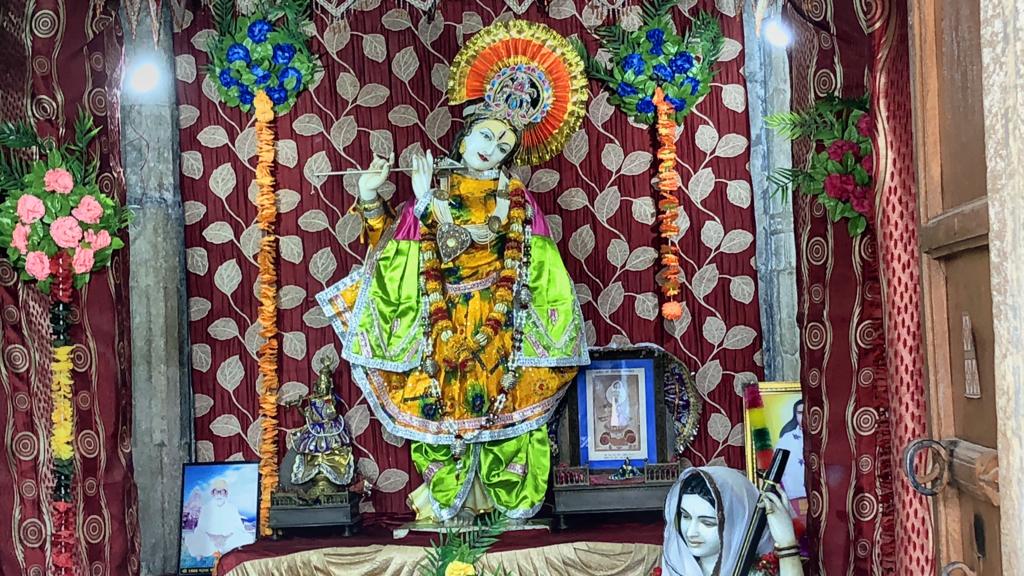
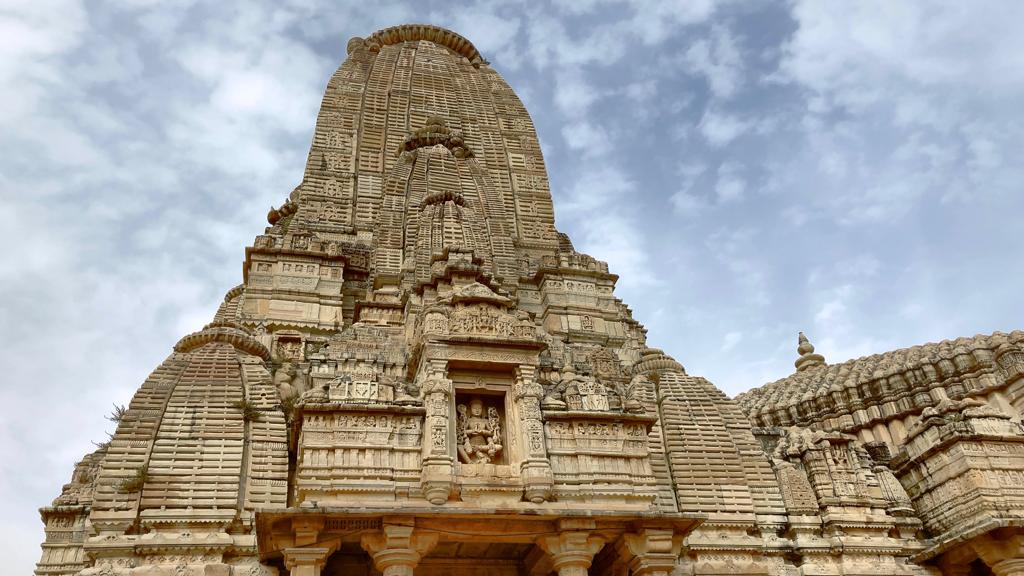
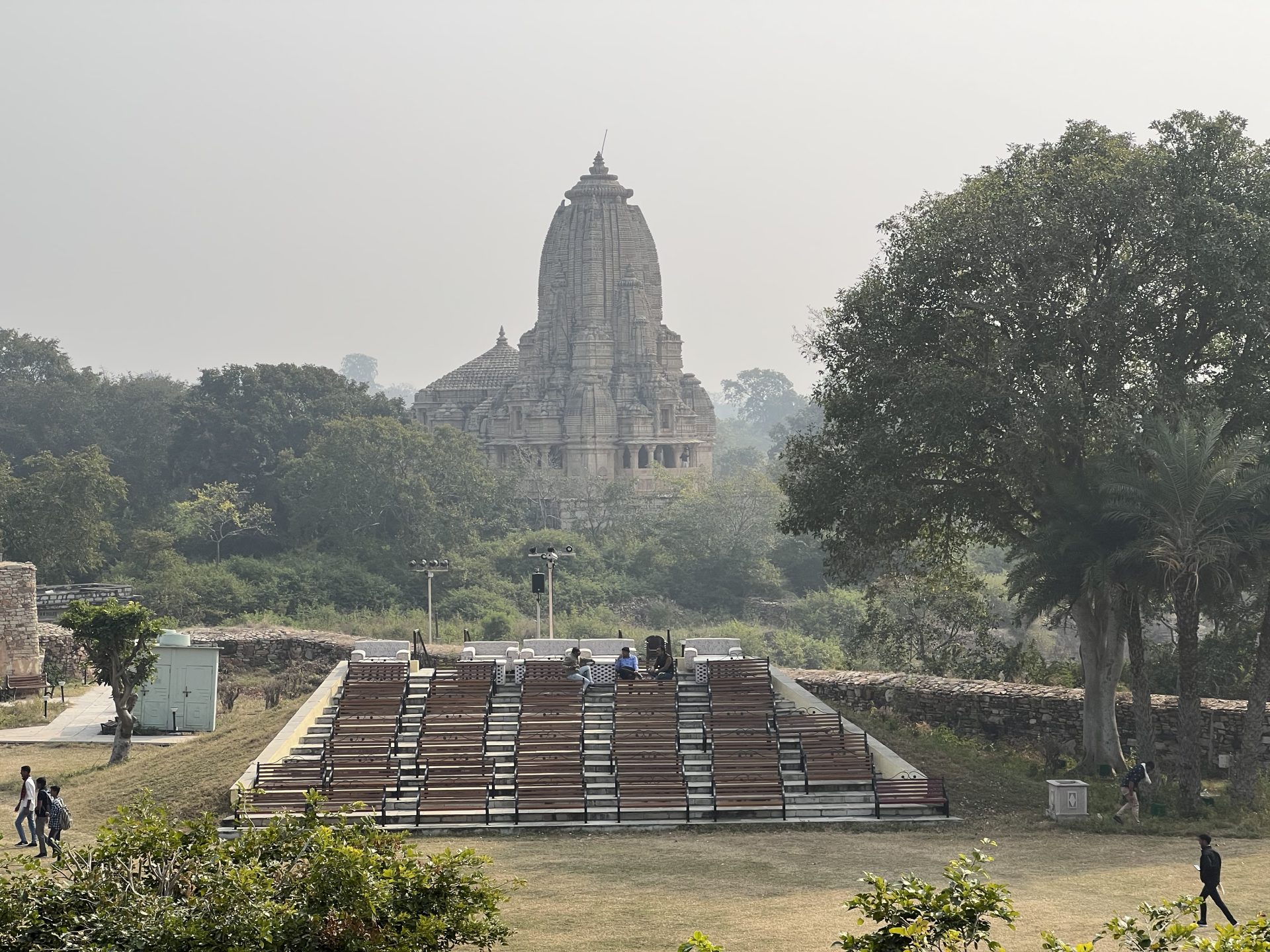
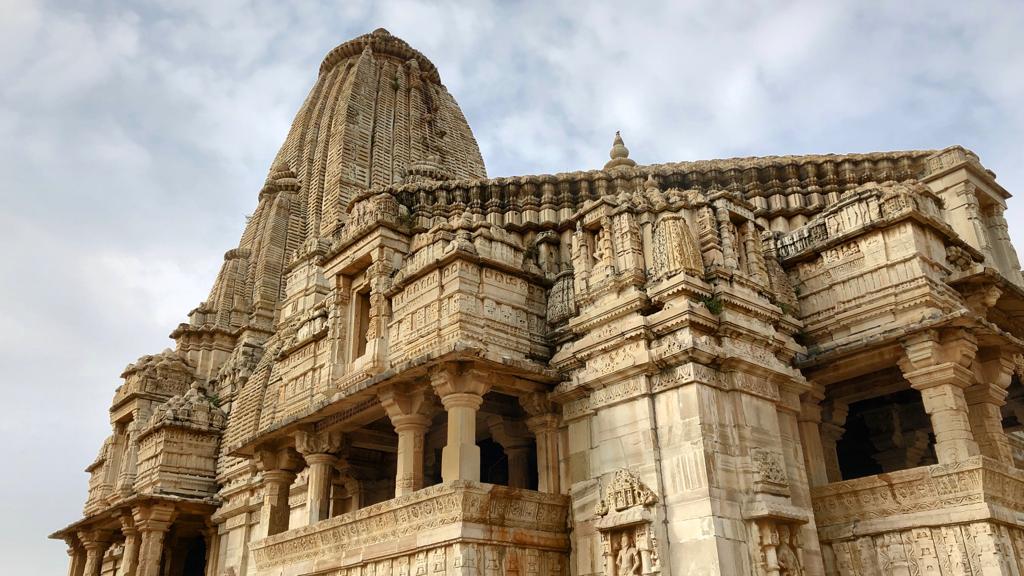
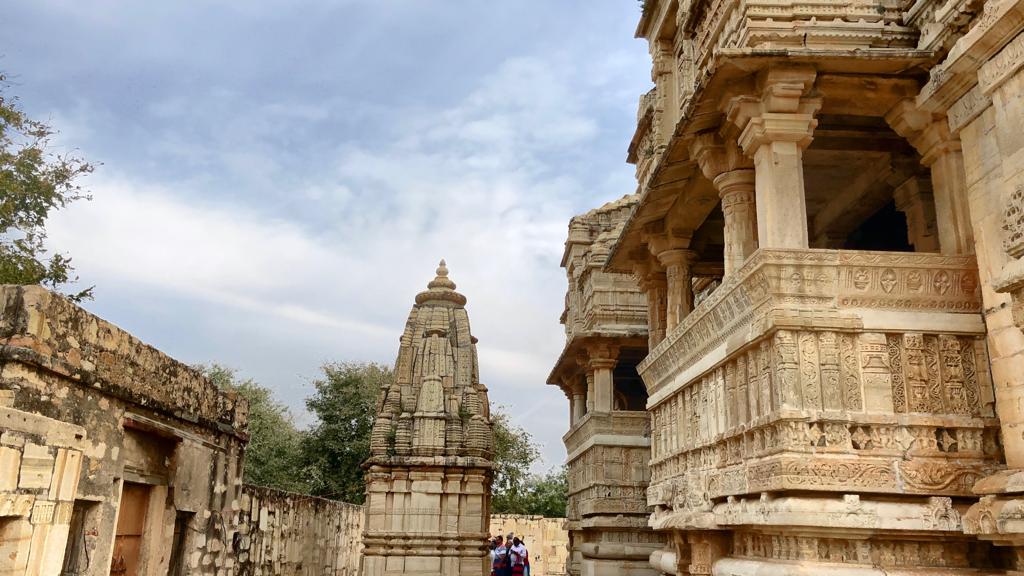
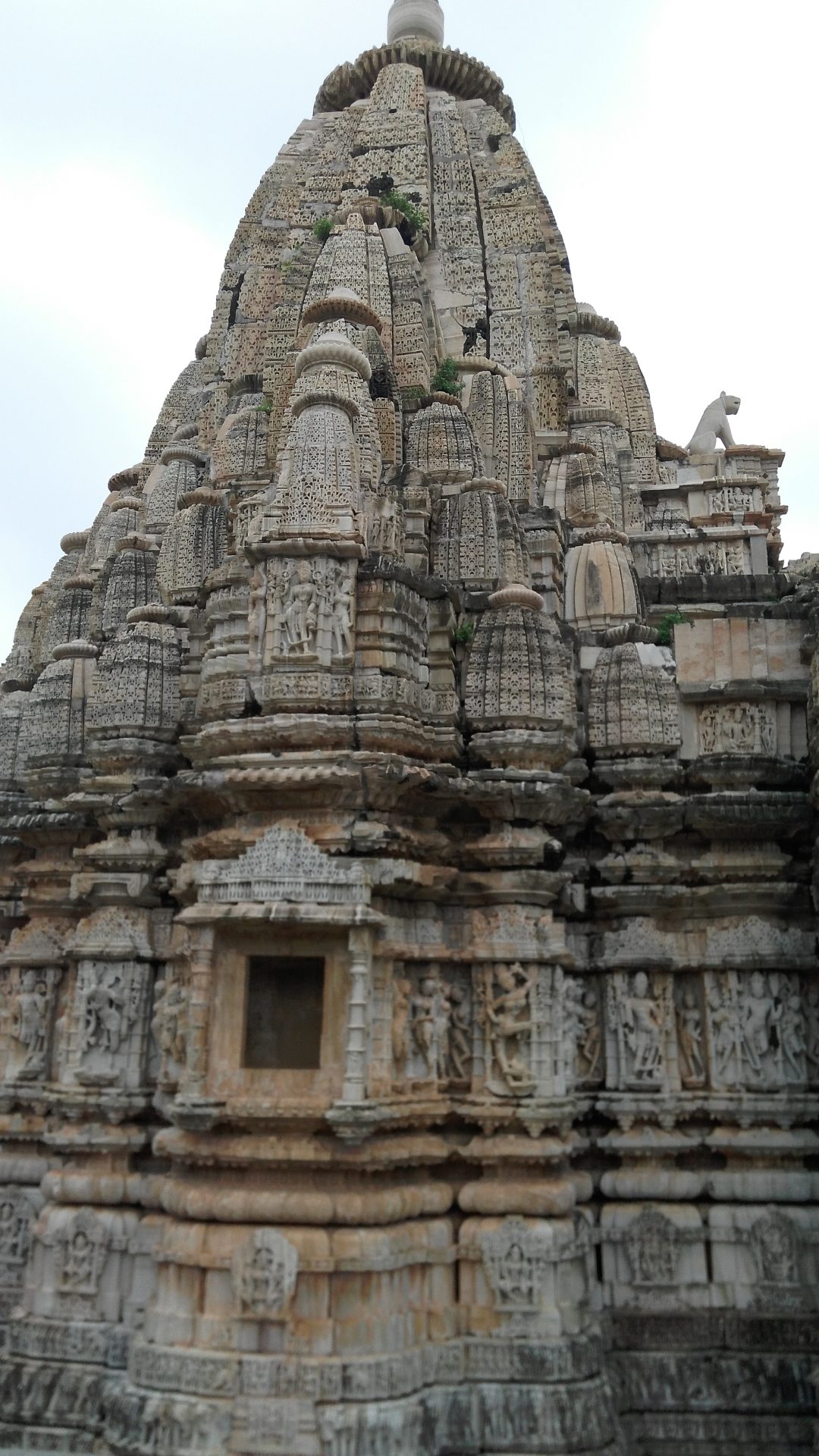
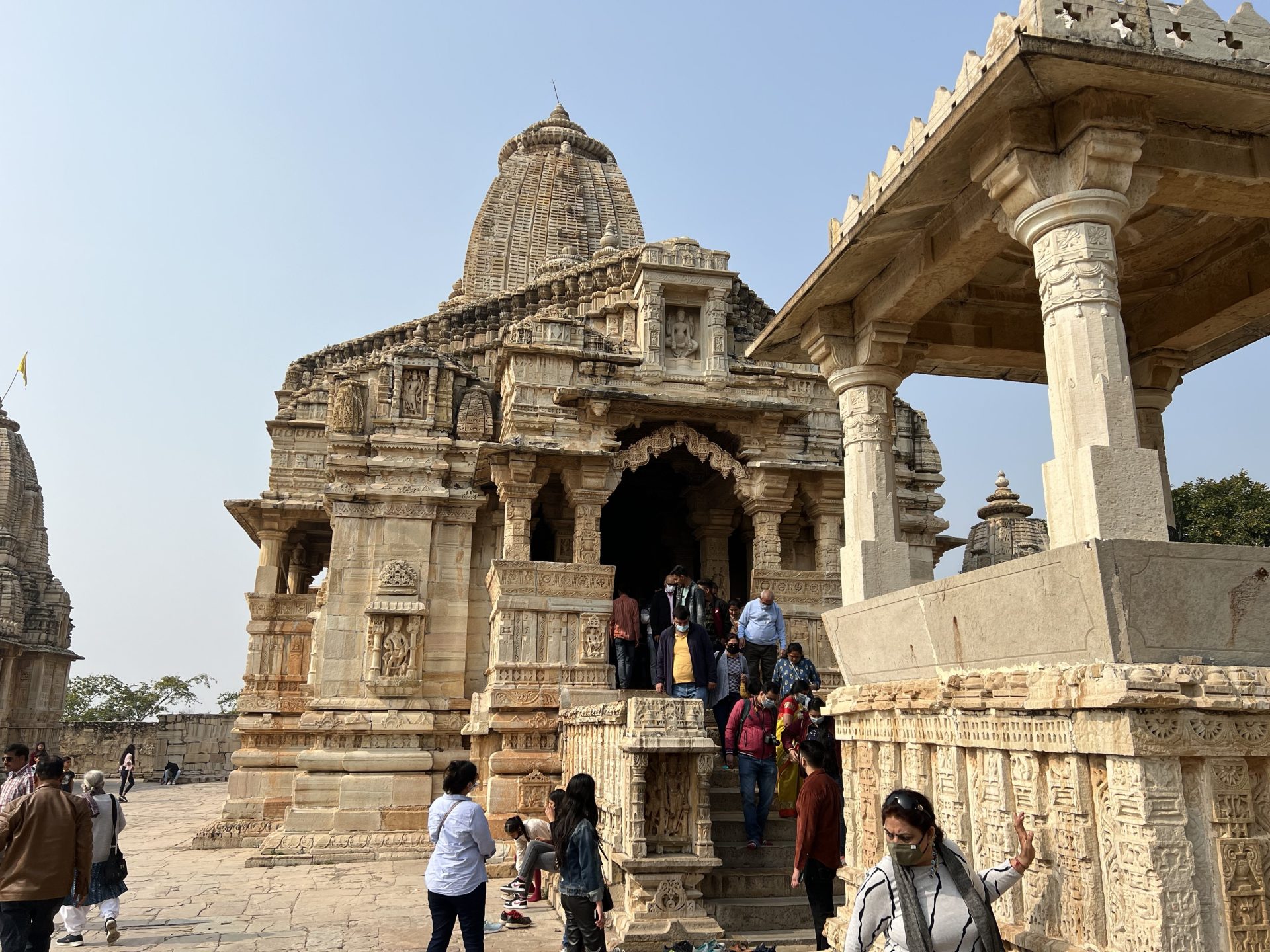
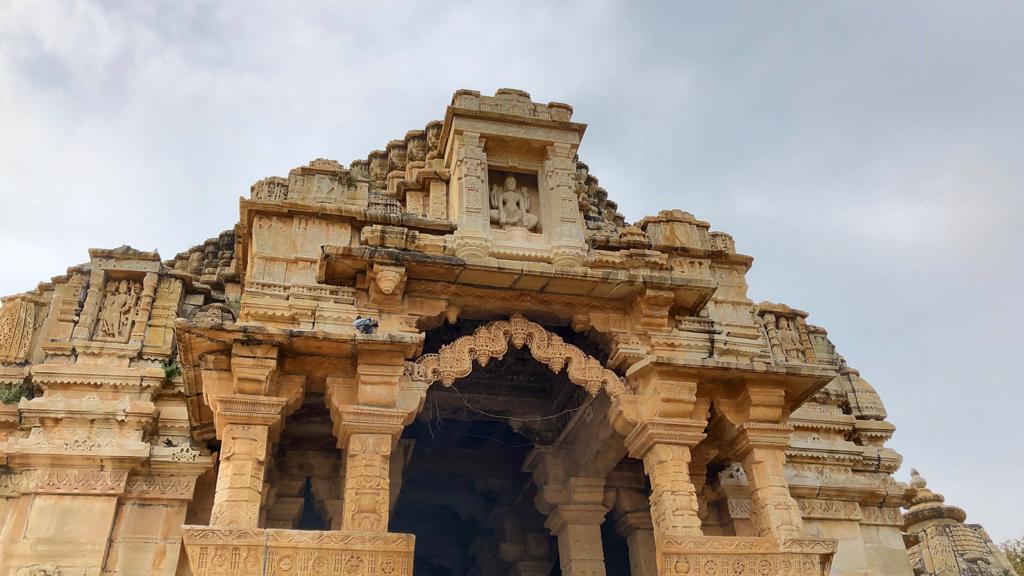
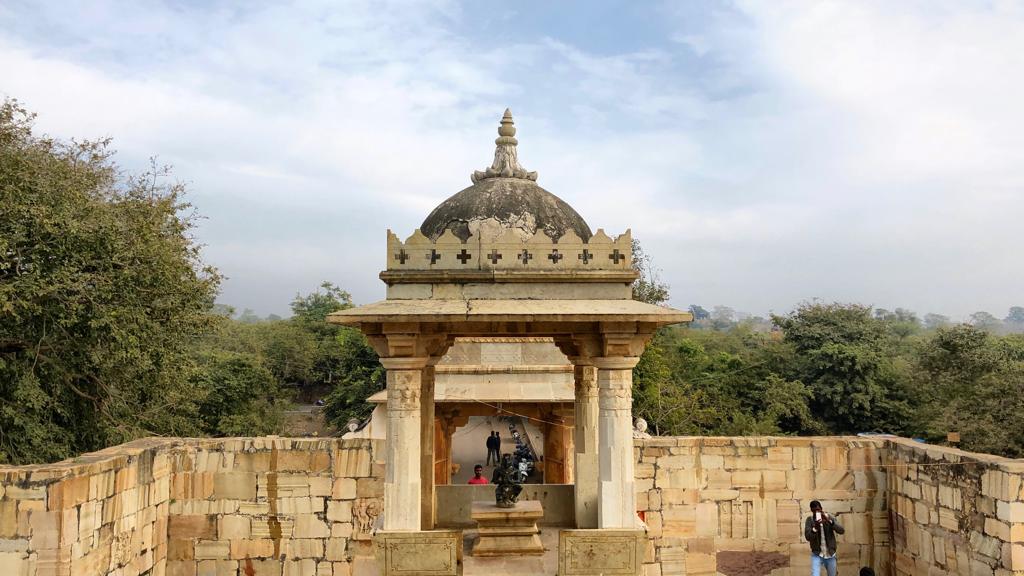
The fort suffered another attack in 1535 by King Bahadur Shah, the Sultan of Gujarat who was finally driven away by Emperor Jahangir who restored the fort back to the Rajput rulers. The Mughal Emperor Akbar captured the fort in 1567-68 and later on, as part of a peace treaty between his son Jahangir and the Maharana of Mewar Amar Singh I, while Mewar came under Mughal supremacy, the fort and surrounding areas of Chittor were given to Mewar in 1616.The British Empire later annexed the fort and refurbished it in 1905. The Fort is also associated with Meera Bai, a poetess and Rajput princess who devoted her life to Lord Krishna and had stayed in this fort. There is a temple within the precincts of the fort, devoted to her with a small shrine. The pinnacle of the temple is pyramidal in shape and built in Indo Aryan architectural style.
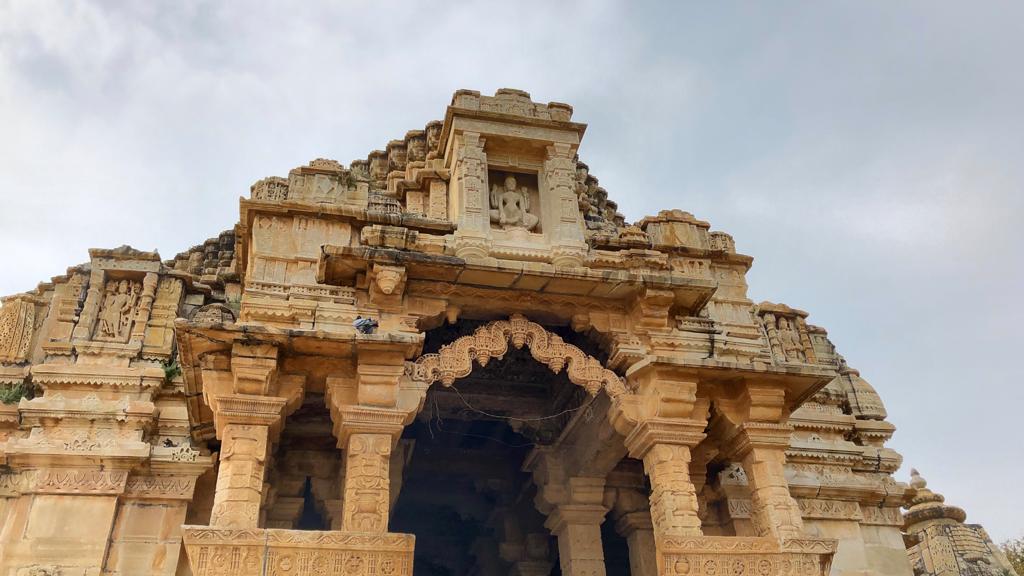
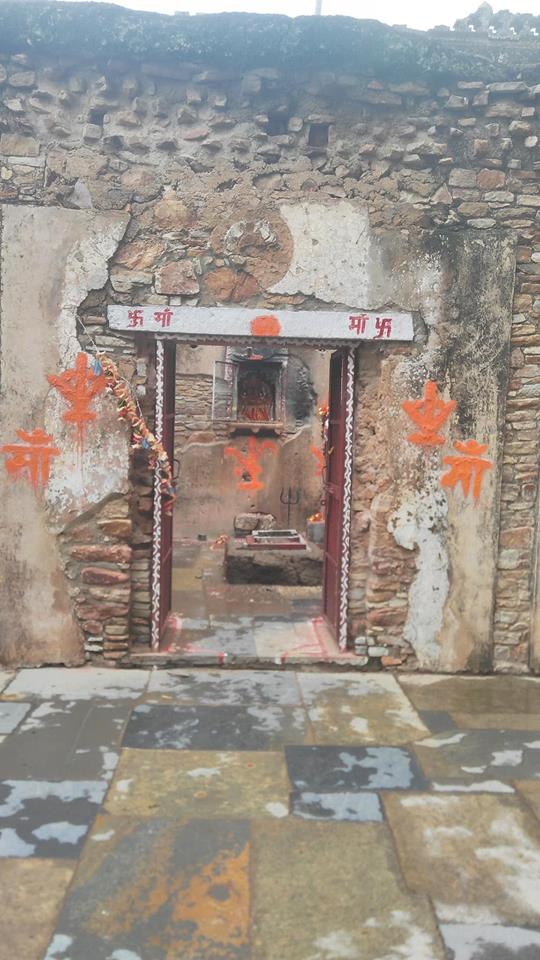
Another temple built in the 8th century for the Sun God and later converted as a temple for Goddess Kali is very popular within the fort premises and people come here in large number during the Navratri time to worship.
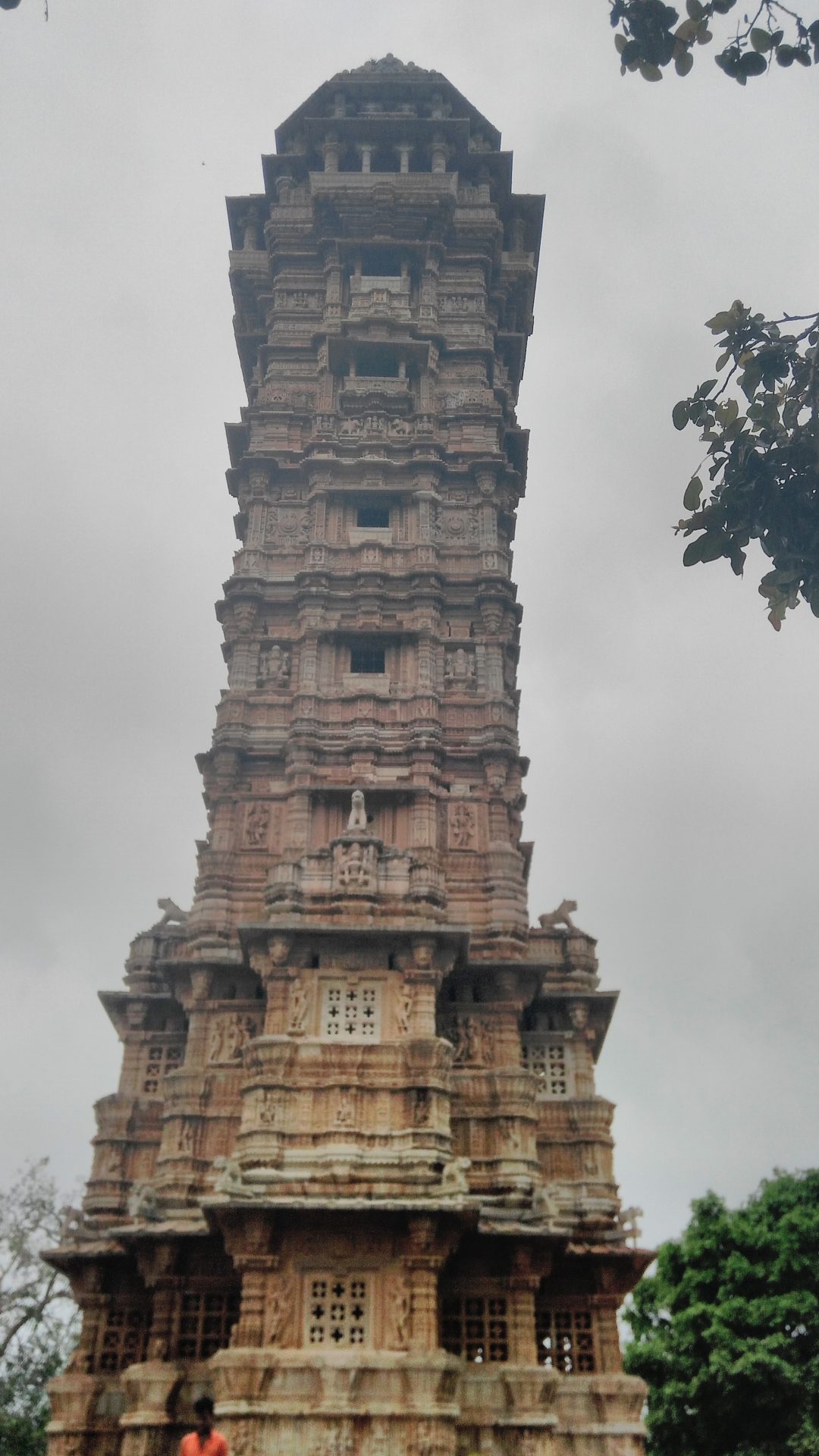
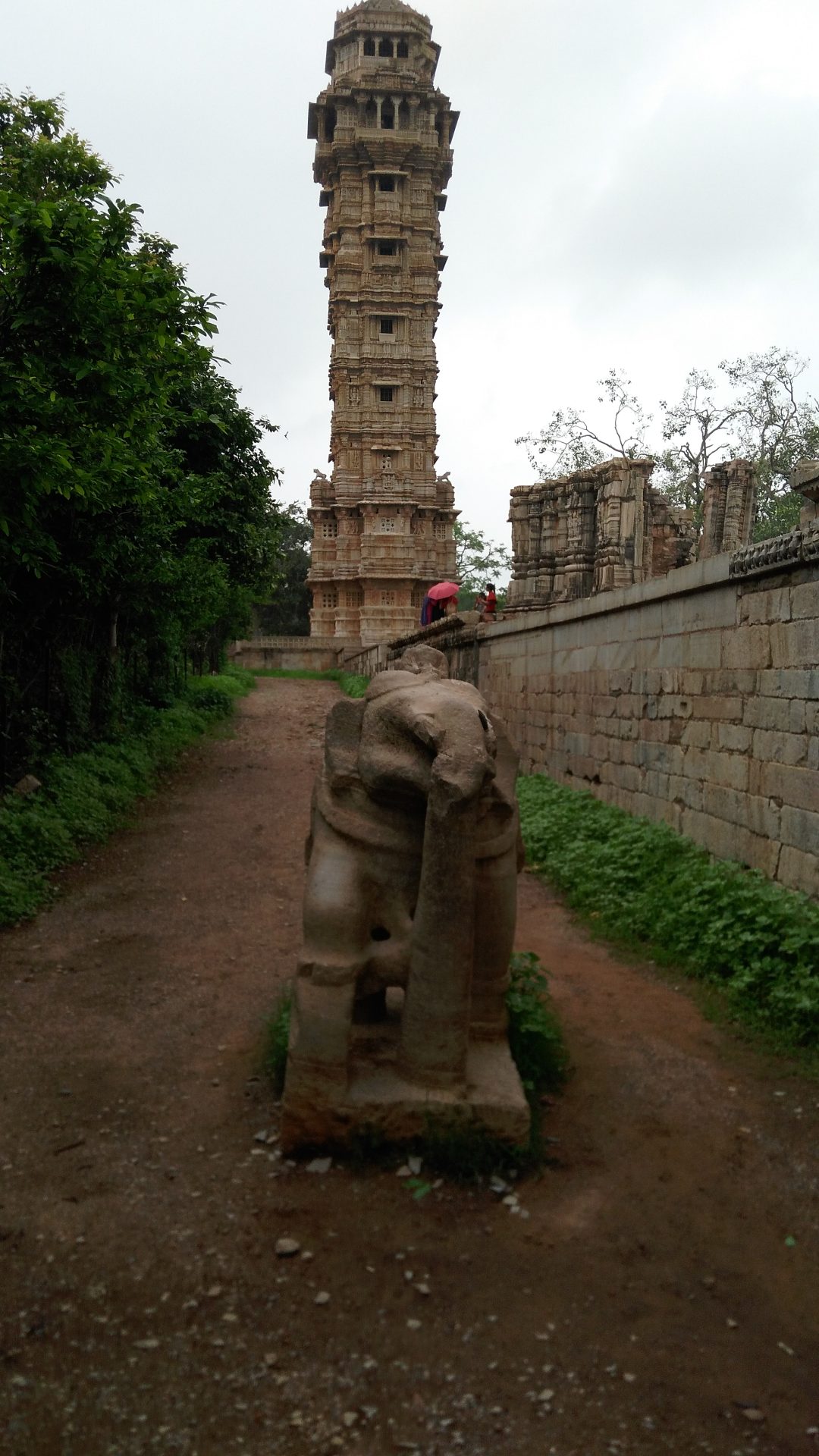
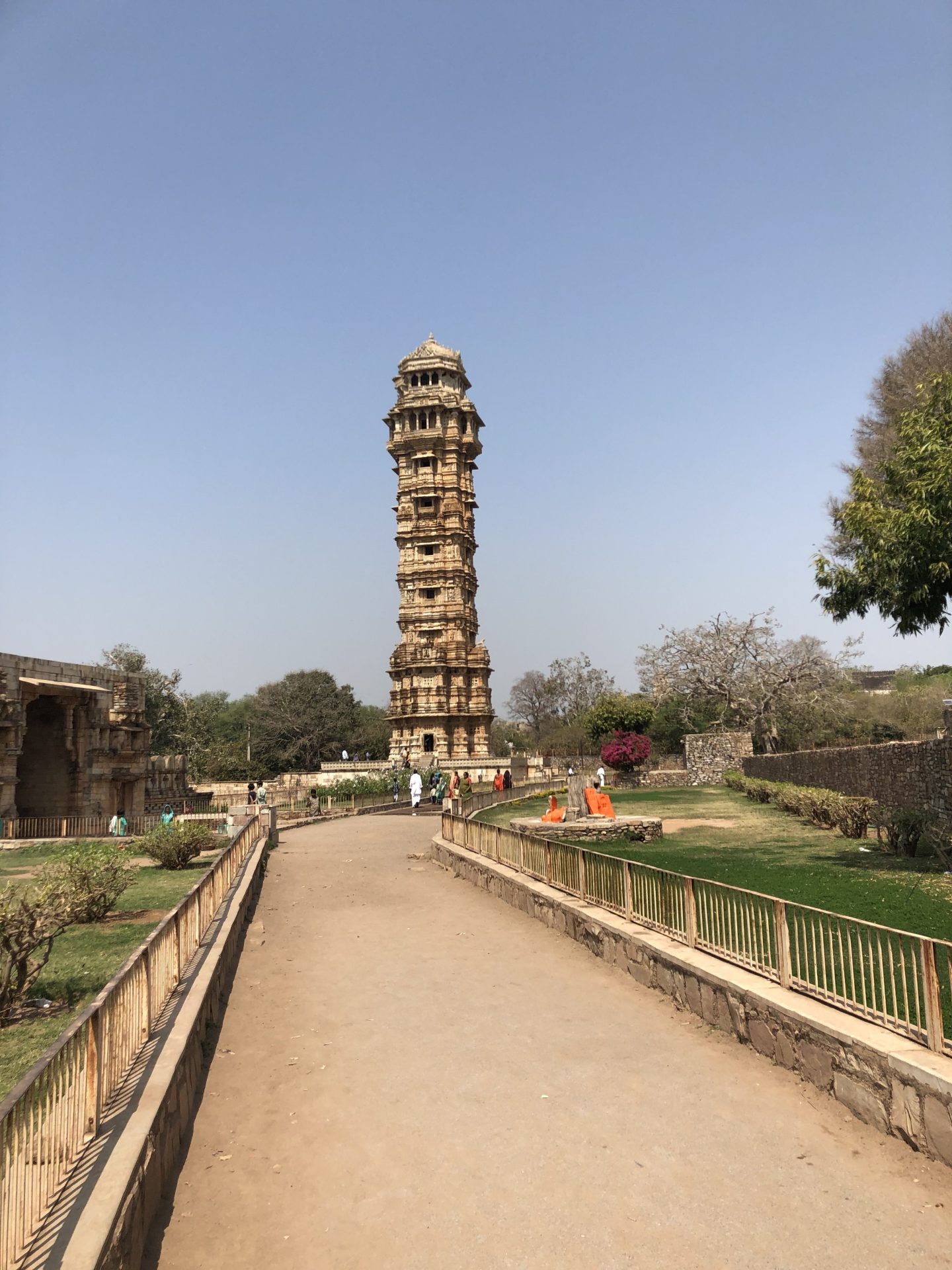
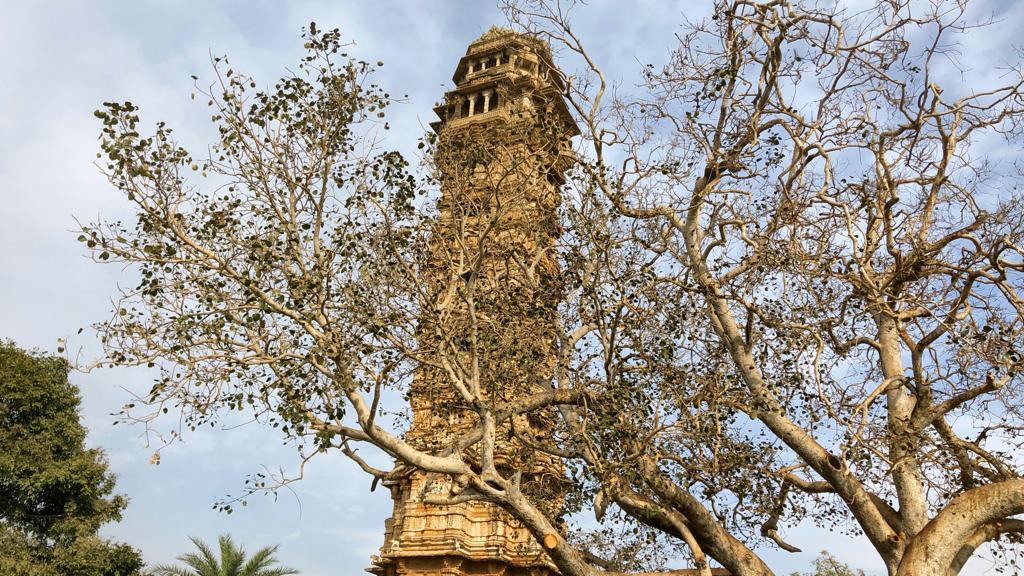
A huge 9 storey tower, the Vijay Stambh or the Victory Tower stands out in terms of its design and was built by Maharana Kumbha to celebrate his victory over the Gujarat and Malwa rulers in 1440. Standing on a 10 feet high base, the tower is around 122 feet high and is filled with sculptures and carvings on the exterior walls.
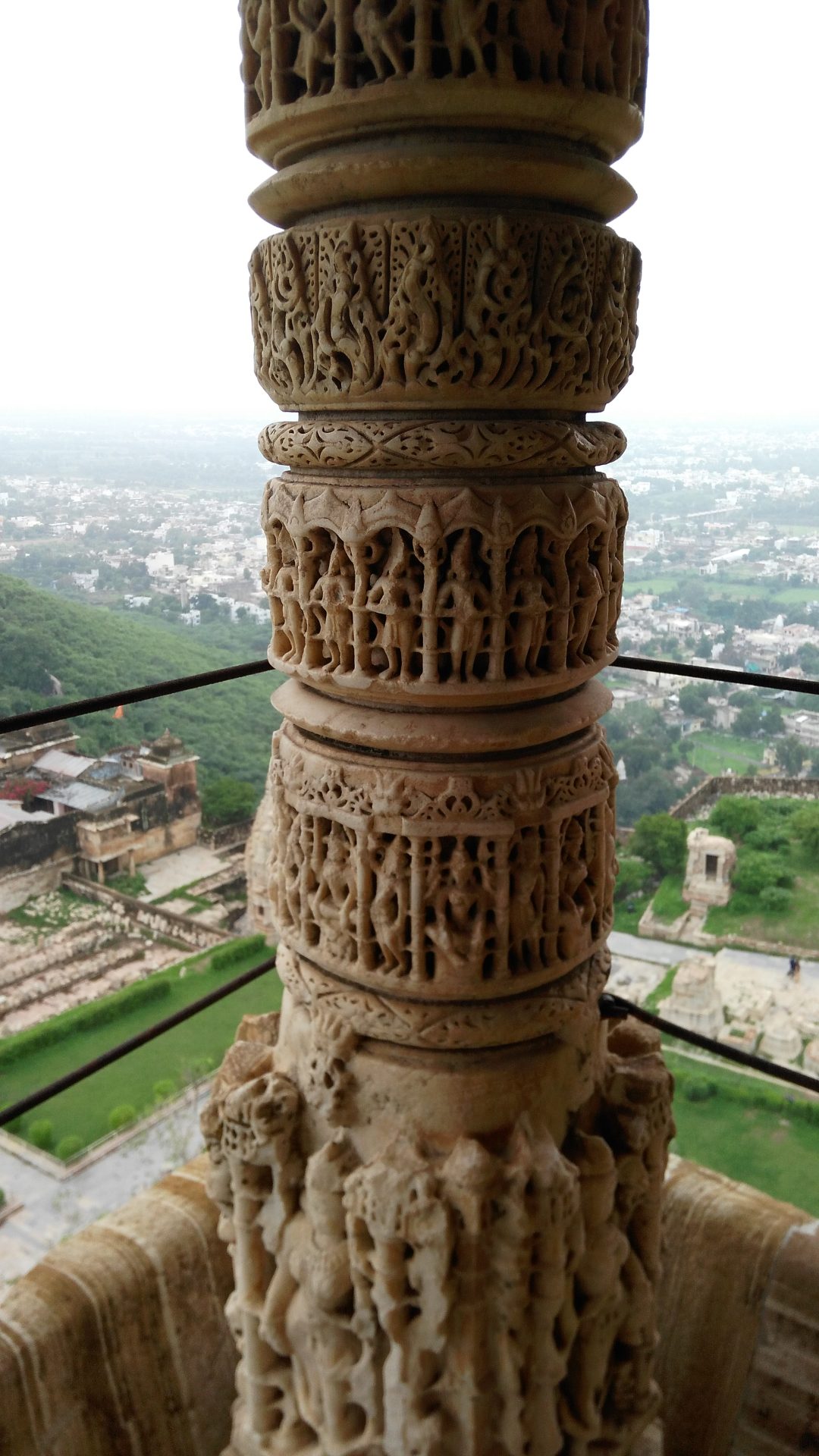
A steep flight of 157 steps takes one to the top of the tower from where there are some excellent views on offer. The inside walls have carvings of weapons and Gods.
There is another 7 storey 72 feet tall structure known as the Kiri Stambh or the Tower of Fame within the fort complex, built in the 12th Century CE and dedicated to the first Thirthankara of Jainism Rishabha.
This tower was built by a merchant and decorated within figures from the Jain pantheon.
The 4 corners of the tower have idols of Shri Adinath ji engraved which are about 5 feet high.
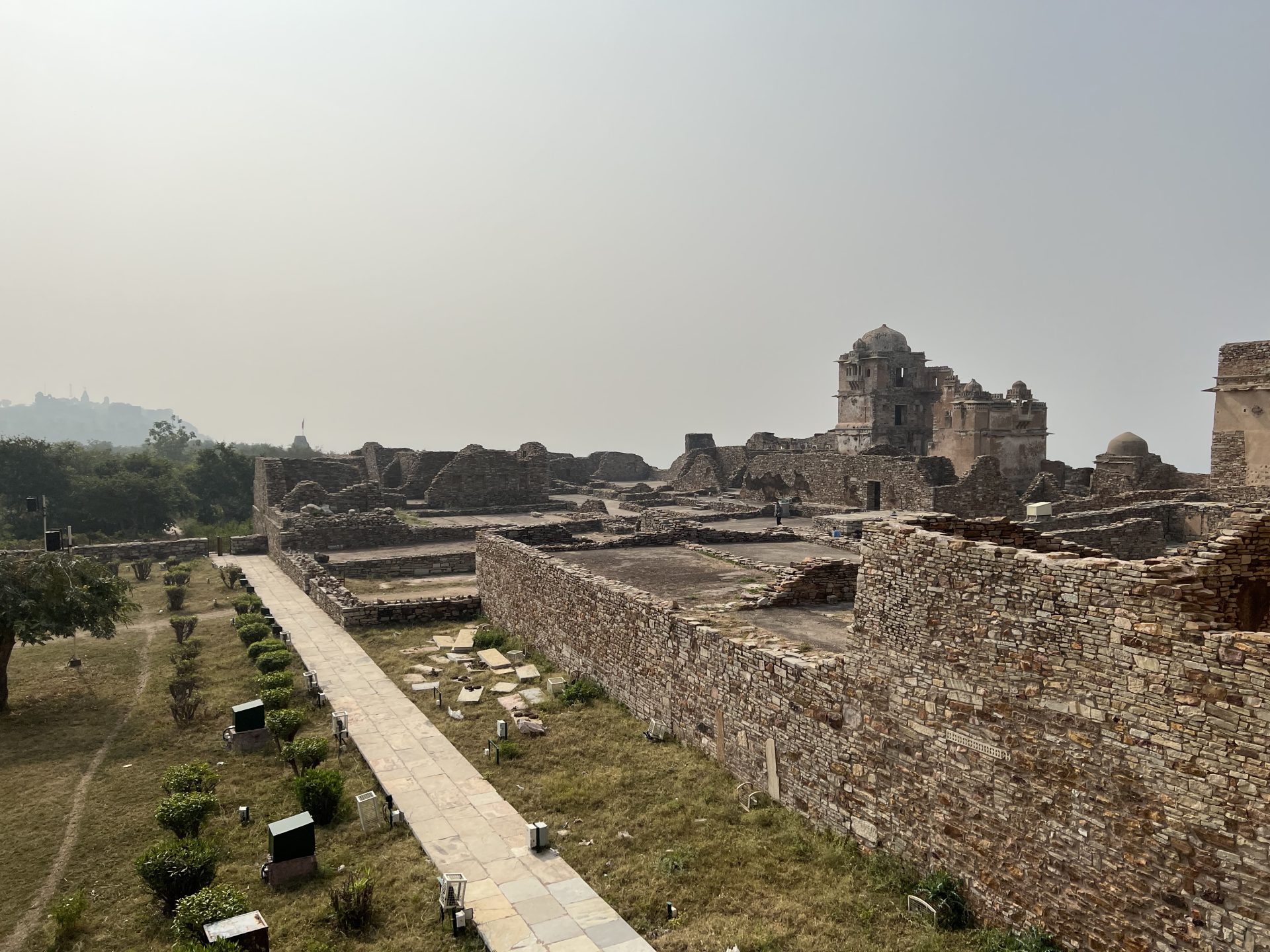
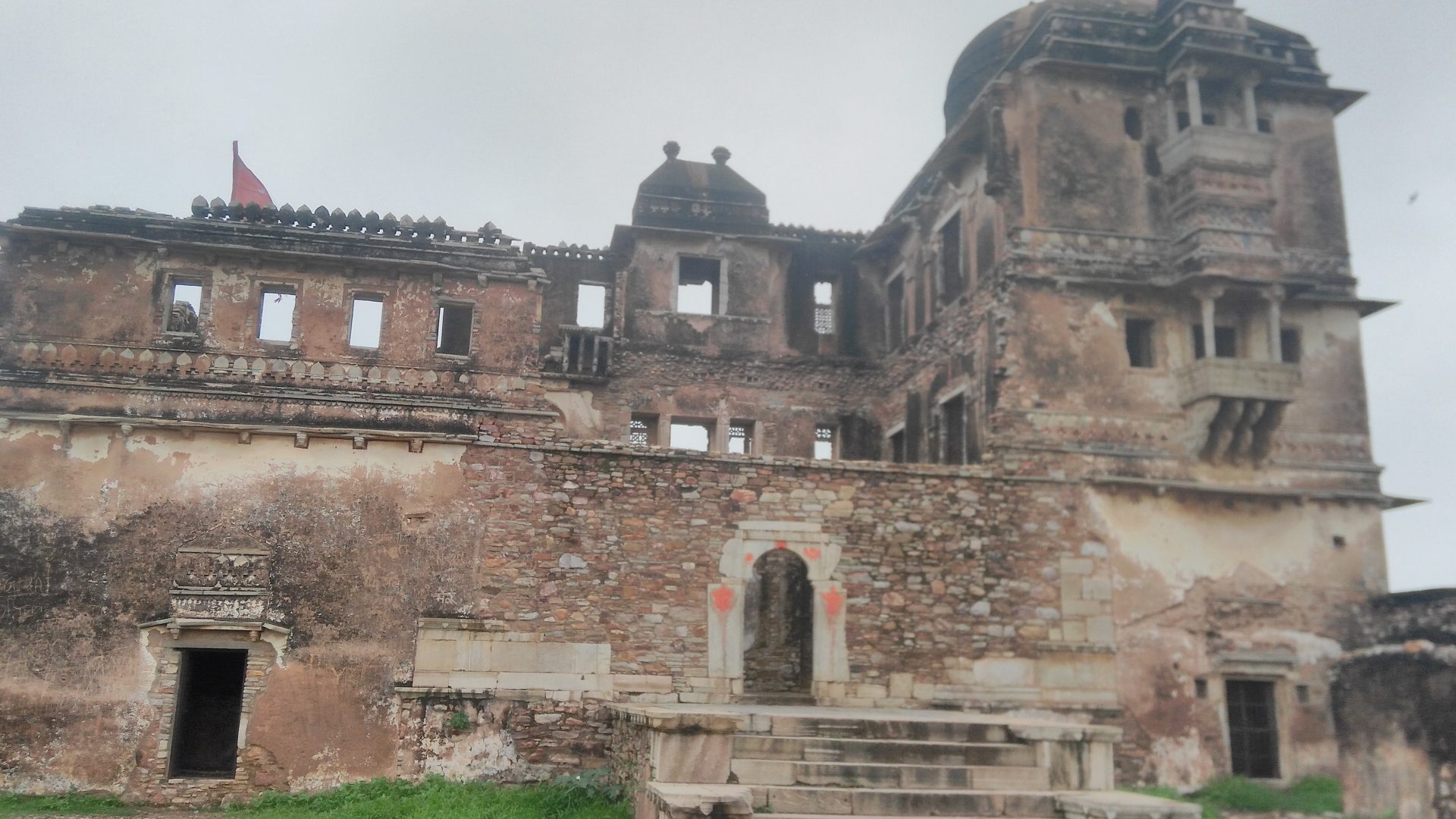
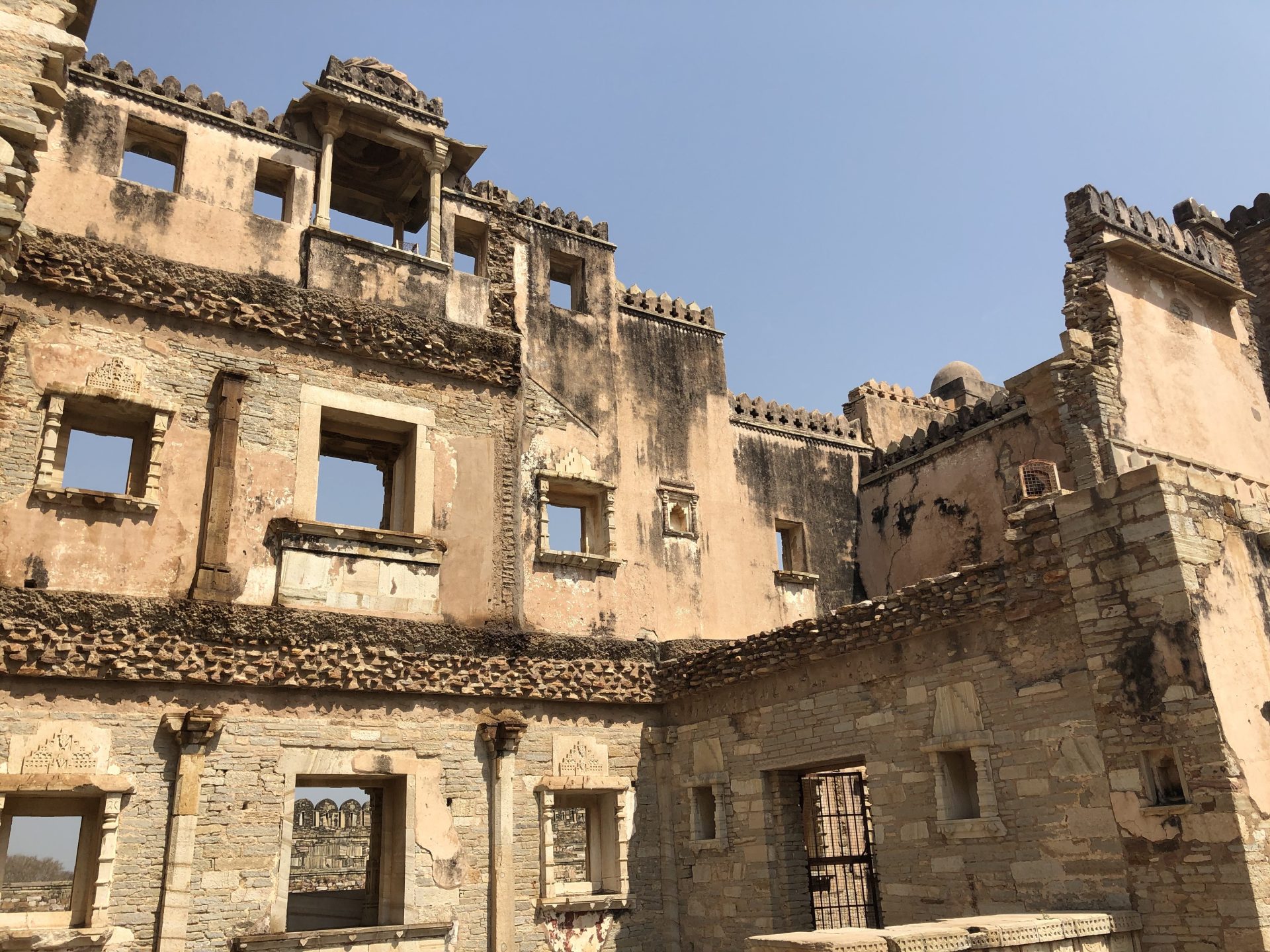
Close to the Vijay Stambh, lies the Palace of Rana Kumbha which is more or less in ruins. This is also the birthplace of Maharana Udai Singh, the founder of Udaipur. The Maharana escaped an assassination to his life by Banbir at a very tender age when his maid Panna Dai replaced her son in place of the prince only to lose him while she escaped with the Maharana in a fruit basket. This was the very same palace where Rani Meera Bai lived and also the site where Rani Padmini committed Jauhar along with the other ladies in one of the underground cellars.
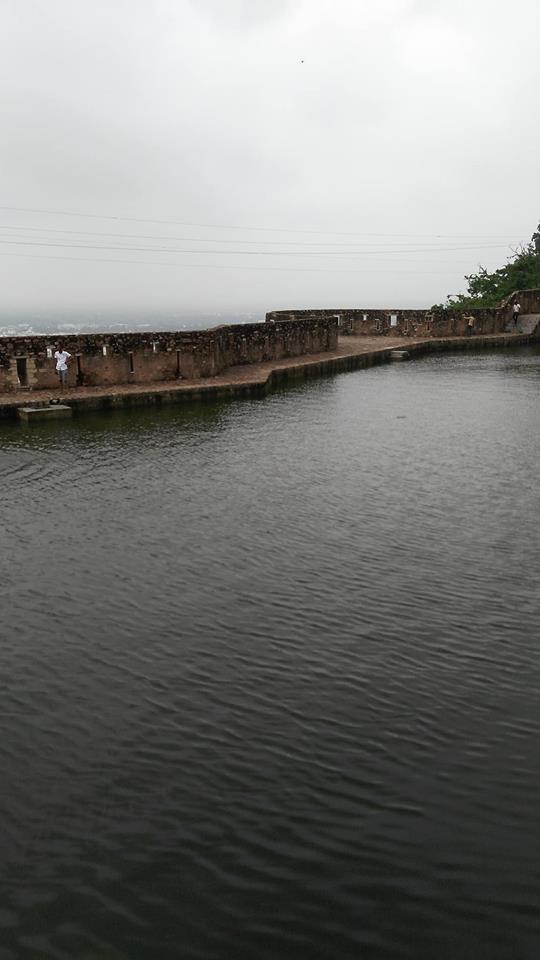
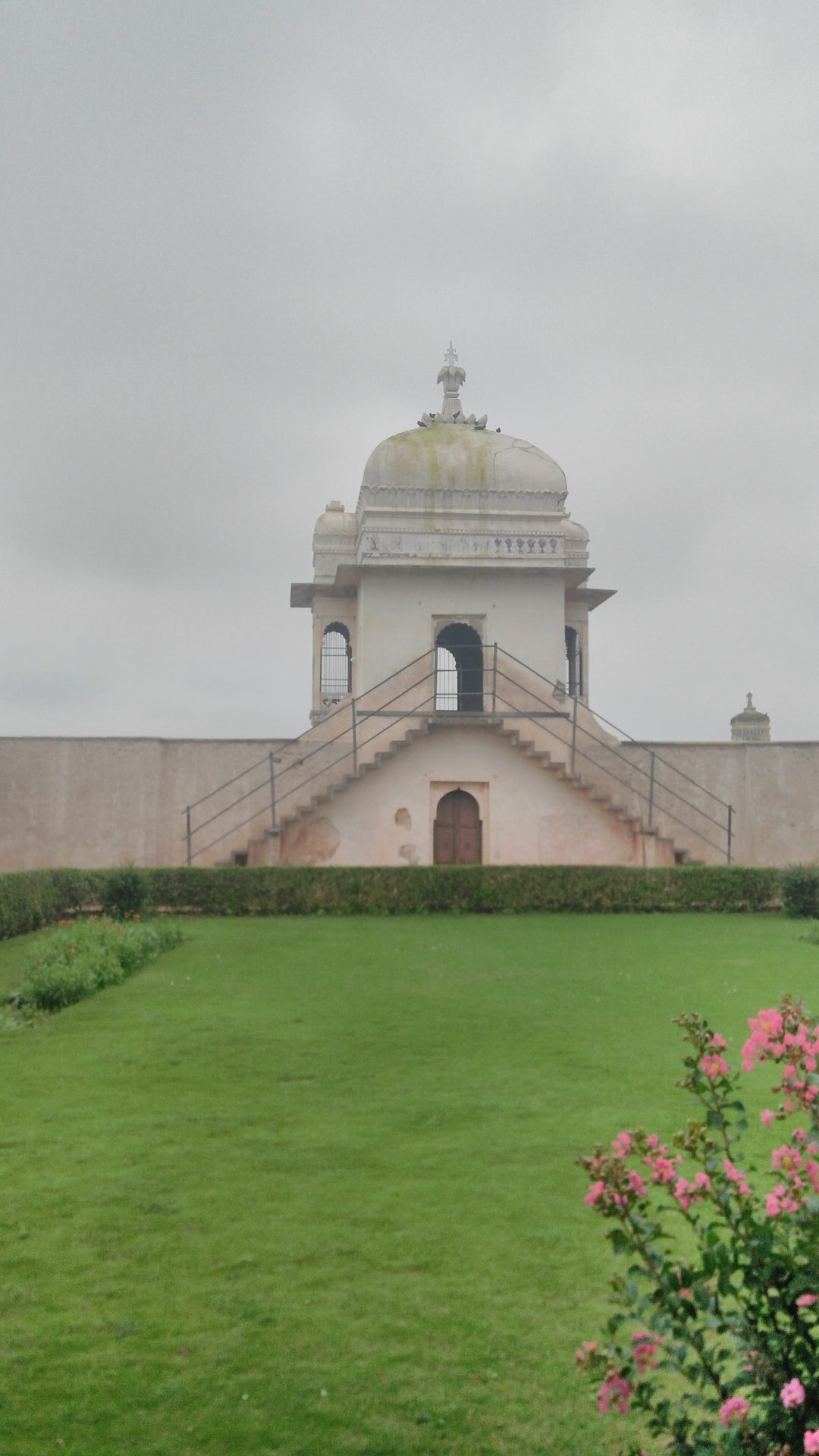
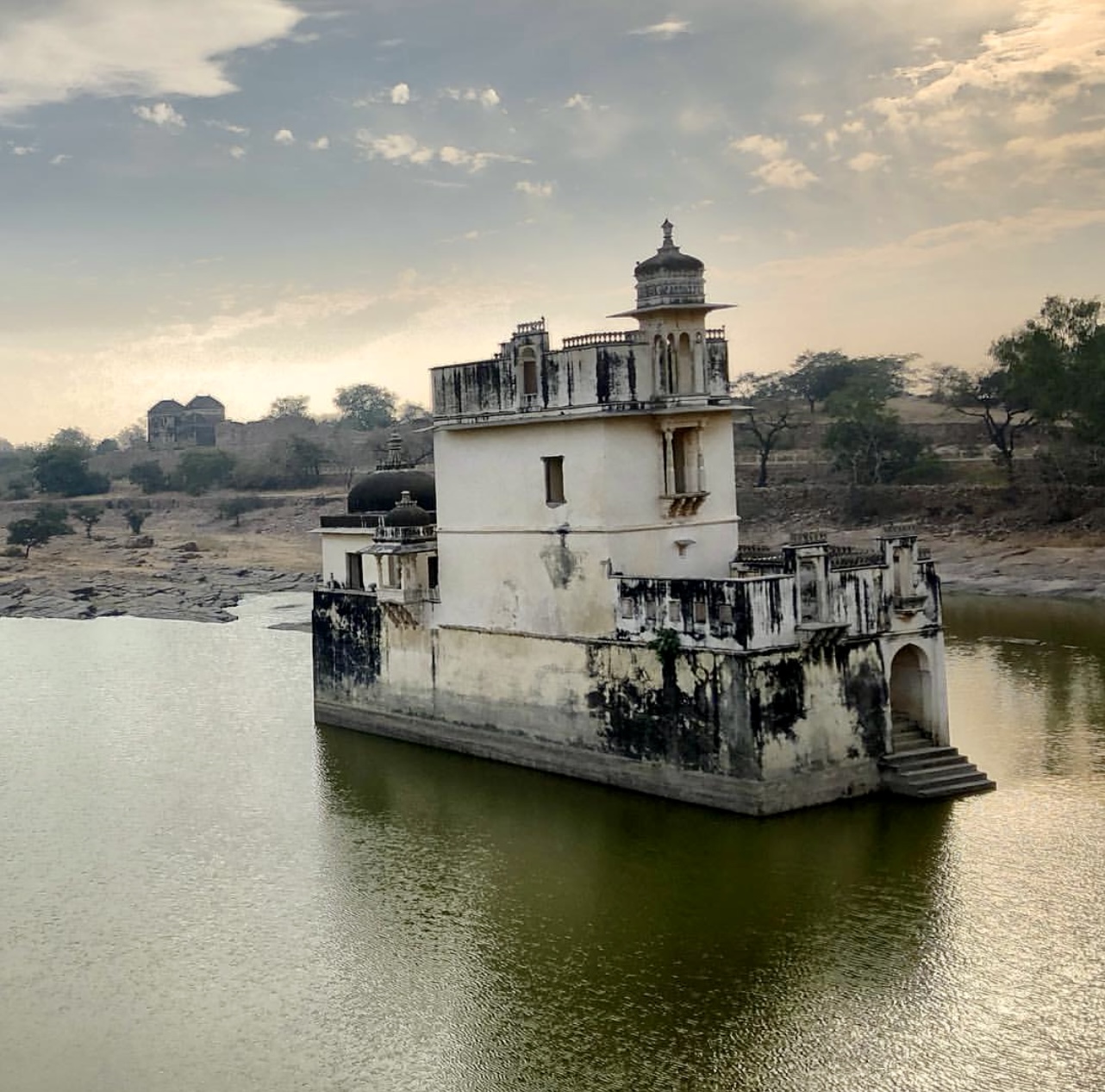
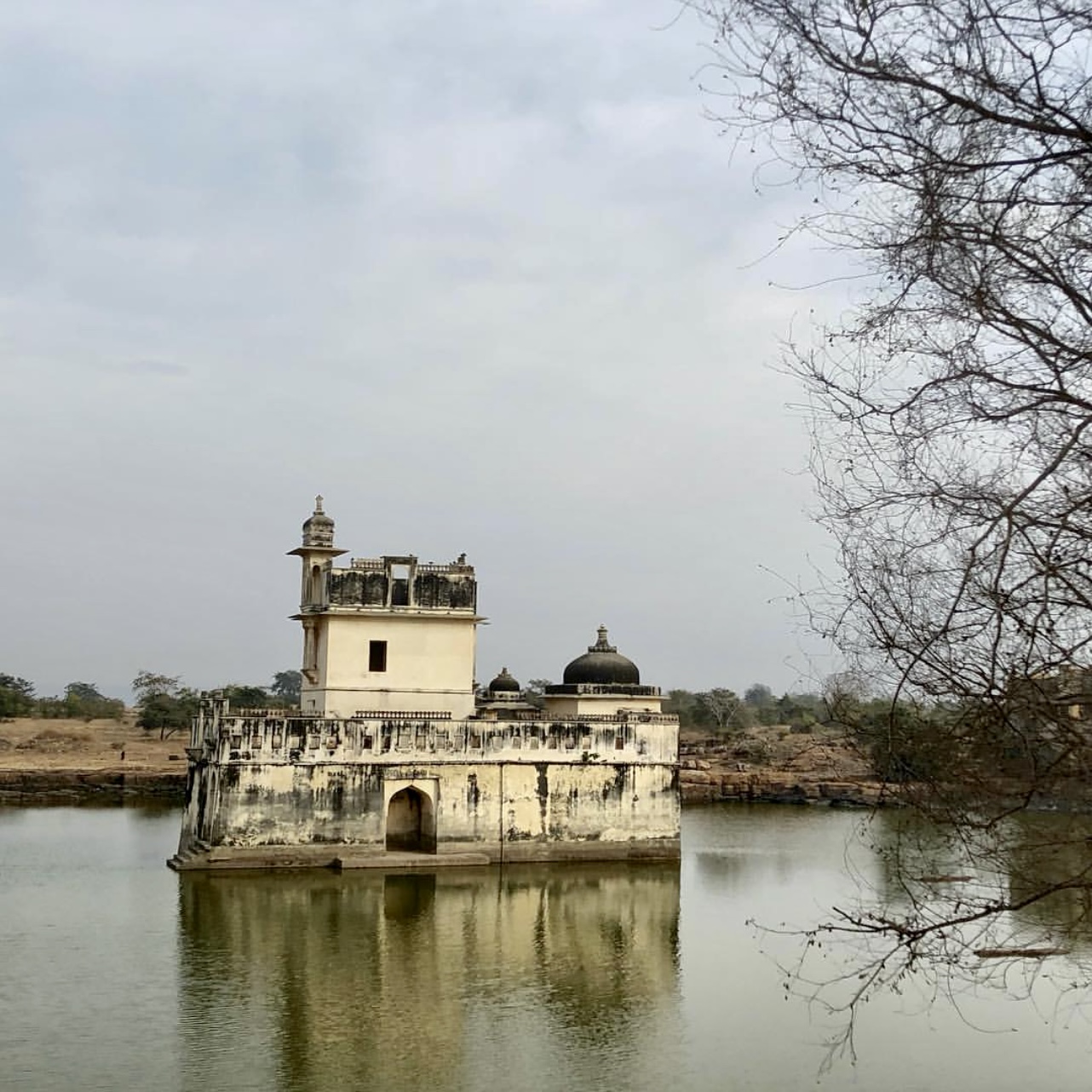
The Palace of Rani Padmini is surrounded by a water moat and is located in the Southern part of the fort and is a reconstructed 3 storied white building.
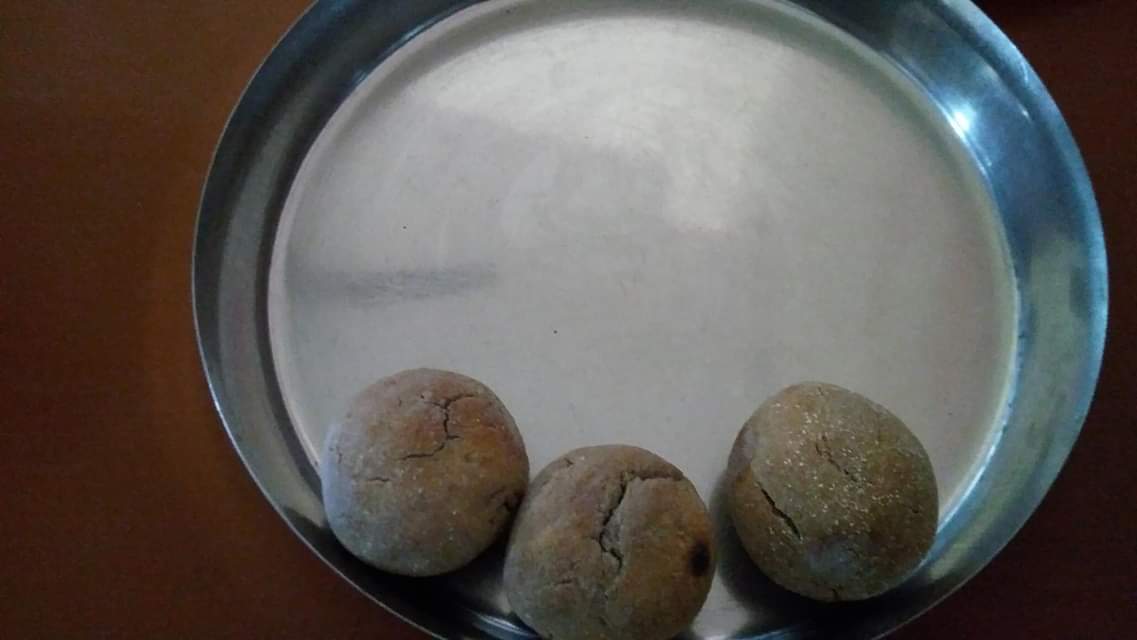
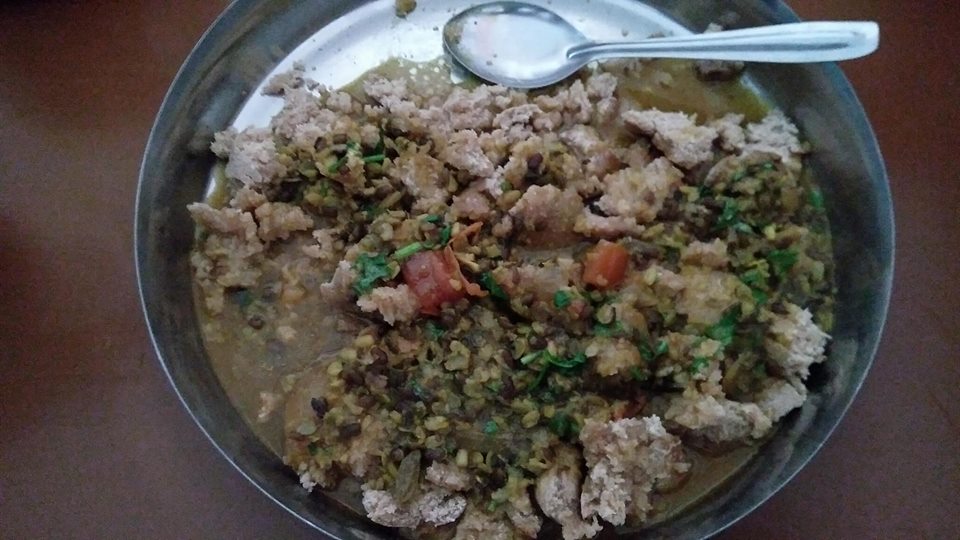
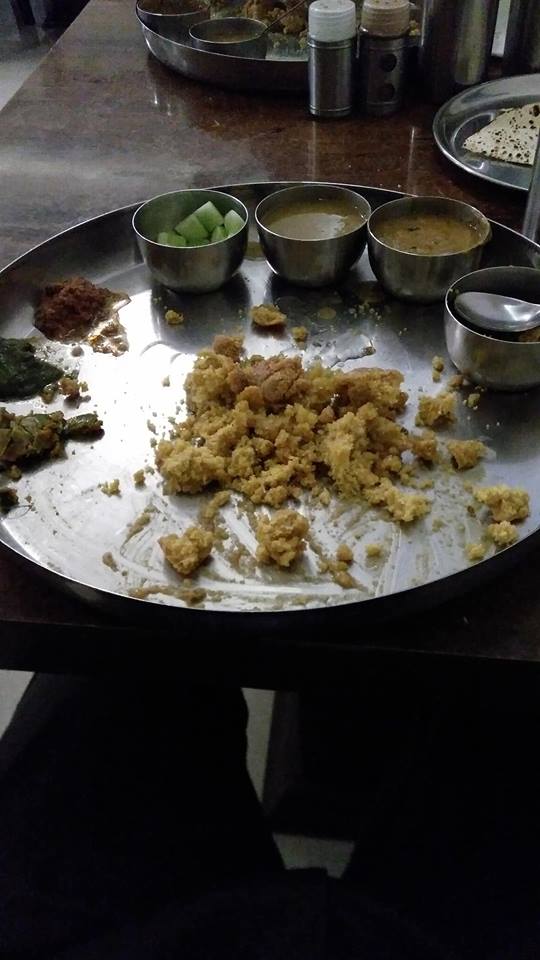
We were out of the fort by around 1.30 pm and headed back to Udaipur. Enroute we stopped by for lunch at one of the wayside Dhabas and helped ourselves to some well made Dal Bati Churma. A couple of us got dropped at Udaipur Airport as we had the evening flights to catch back to our respective destinations while the rest went back to the city as they had plans of exploring a little bit more of Udaipur.
THE TRADITIONAL DAL BHATI CHURMA
A good fun filled 5 day trip came to an end. Lots of travel, sightseeing, catching up with college mates and good fun marked the end of our trip and an uneventful hop flight via Mumbai brought me to Chennai in the early hours of Tuesday, the 20th of December.