Alluring Ahmedabad
- 25th to 29th January 2023
Vacations are never planned alone but if the head of the family choses to opt for a 5 day break on his own terms with a bunch of his college mates and that too, at an exotic locale (s),murmurs and protests are bound to exist and whizz across like a buzzing bee around both your ears until you formally announce plans for the next holiday.
The Republic Day weekend was fast approaching and the idea of a short dash to Ahmedabad coupled with a visit to the Statue of Unity was mooted.
Table of Contents
How does one reach
Ahmedabad is very well connected to almost all cities of India by Air. There are more than 30+ trains connecting the city from Mumbai and entailing a travel time of anywhere between 5 to 8 hours.
Should one want to however undertake this travel by train from Bangalore or Chennai, be prepared for a long haul as this would not take anything less than 30 hours. The other option could be to fly into Mumbai and then take one of those day or night trains depending on your arrival times at Mumbai.
When we looked up to do our planning, the tickets were so very exorbitantly priced and I was not sure for what reasons that we had almost decided to call off the trip. The kids suggested an alternate Air / Train mix of travel using Mumbai as a Hub to bring down the costs besides giving them the opportunity to see a bit more of the Gujarat countryside since it was their first visit. The only sense of discomfort as I could feel would be to spend a few hours overnight at the Mumbai Central Railway station but then the reviews of the AC lounges at the station gave me a sense that we could pull it off.
A little about Ahmedabad
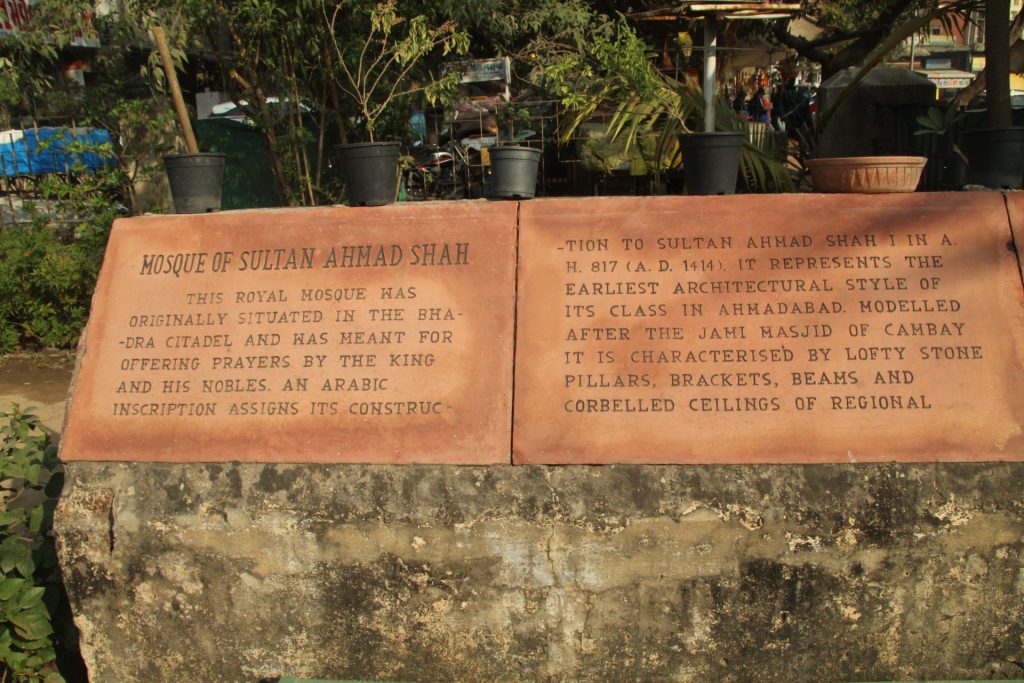
Ahmedabad or Amdavad as how the Gujjus like calling it owes its name to a former King Sultan Ahmed Shah who renamed the city of Karnavati after him.
During the Mughal era, Ahmedabad remained an important hub of trade and commerce and continued till the British rule when the textile industry flourished thus earning it the sobriquet of being the Manchester of the East. Ahmedabad is famous for its several historical landmarks, museums and is a popular tourist destination.
It also serves as a gateway to the famed Somnath temple, the Statue of Unity, vast expanses of salt marshes in the Rann of Kutch and the Gir forest, where you can spot Asiatic Lions walking in the wild.
This city is a perfect blend of a vibrant and diverse culture, delectable vegetarian cuisine, folk music and dance and so much more. The city comes alive with the Garba and Dandiya dance beats during the Navratri festival and has something or the other for discerning tourists during various seasons.
The best months to be there
The best time to visit Ahmedabad would be between the months of November to February. One would have to contend with extra crowds as this would be the peak season for the tourist footfall. During the months of July to October, the weather remains moderate while summers starting from March till about June can be pretty hot with temperatures shooting upto 45 degree ©️.
Hum Amdavada Avum Chum 😍
We opted for the last flight from Chennai to Mumbai and which saw us touch down at Mumbai by around 11.00 pm.
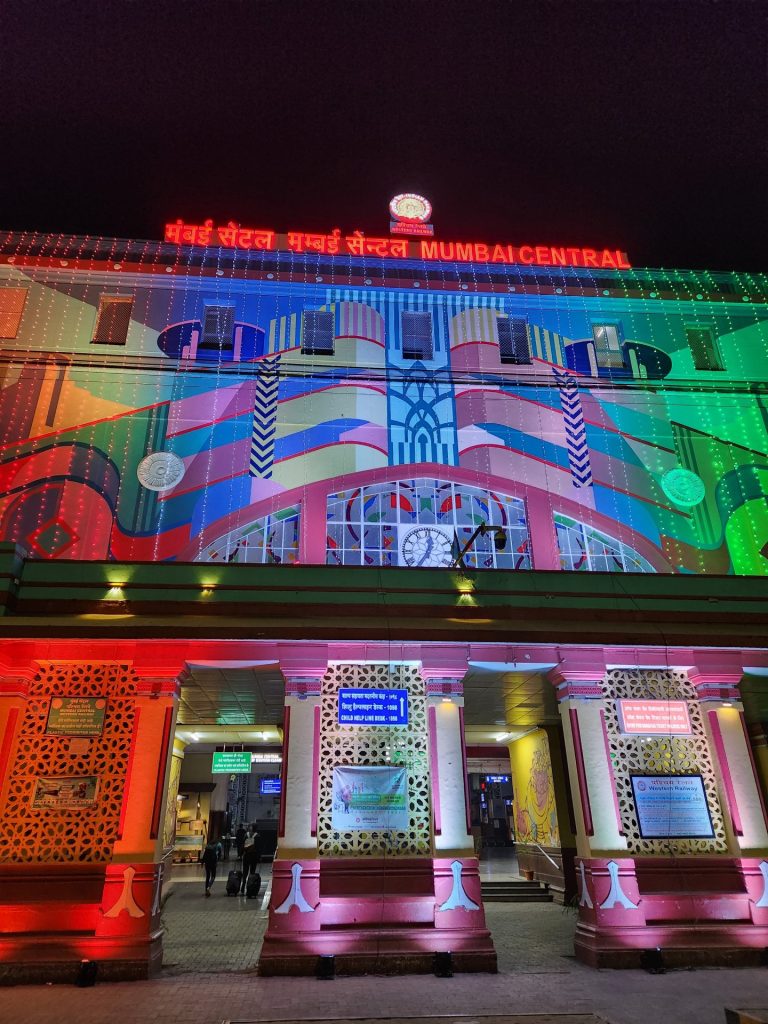
After waiting for around 30 minutes for our baggage to come out, we hired an Uber and set off for the Mumbai Central station which was roughly an hour’s drive away. It was almost 1 AM by the time we settled into the AC lounge at the station.
With the Republic Day celebrations being around the corner, the entire stretch of Mumbai including the station wore a very festive look with tri-coloured decorative lights, flags and festoons dotting every nook and corner of the city.
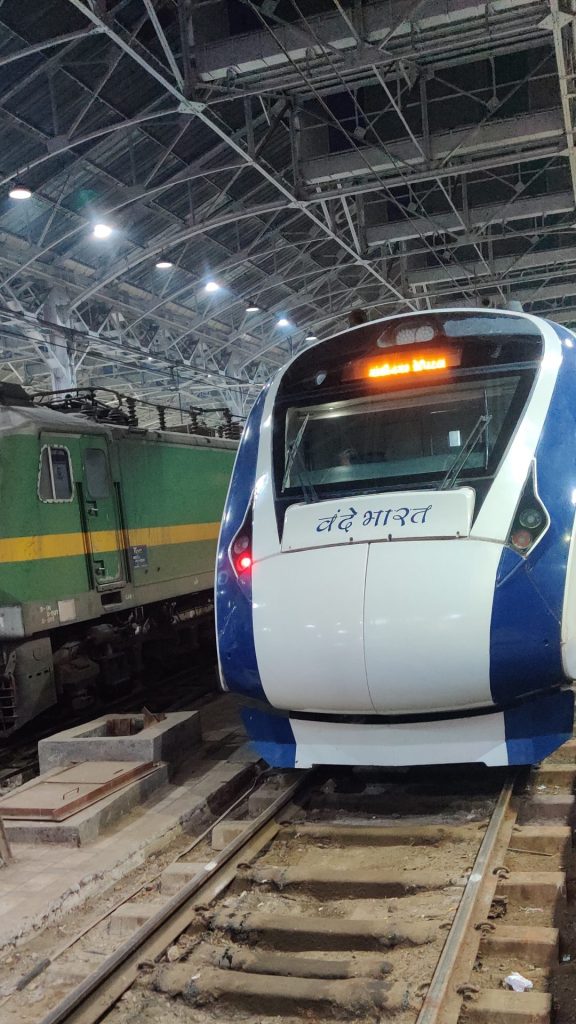
Contrary to the images we carry of the trains in our country, the Shatabdis included, the sparkling white with a strip of blue painted Vande Bharat Express came across as a refreshing change.
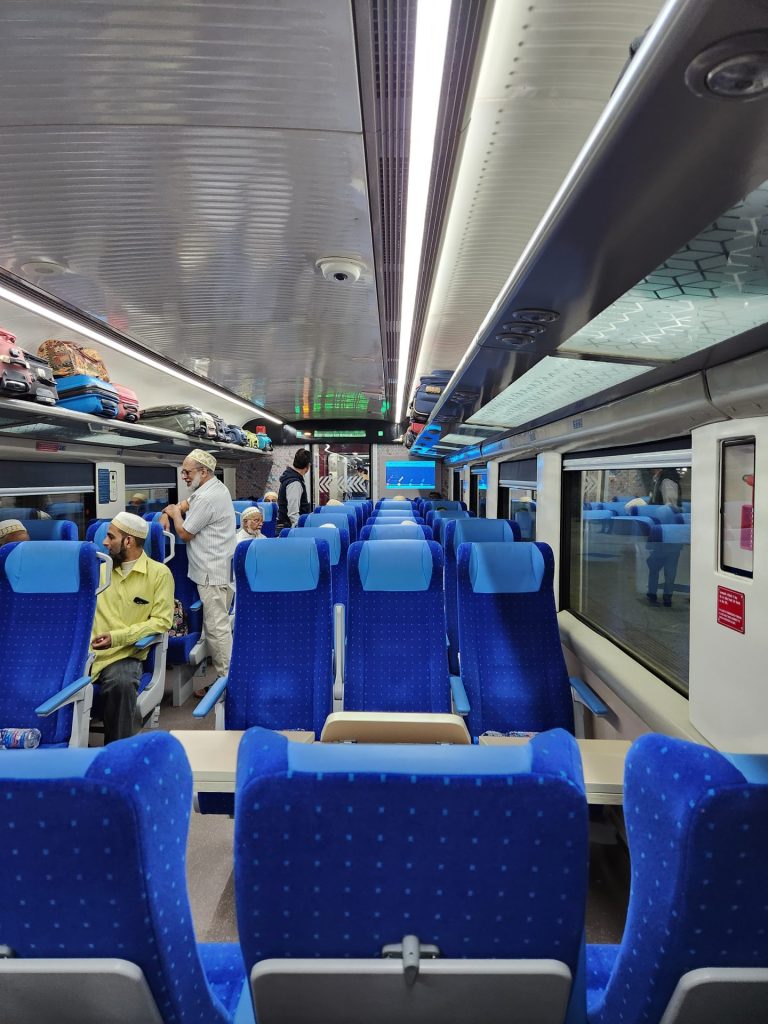
These trains have well laid out comfortable seats and a slightly better array of food served.
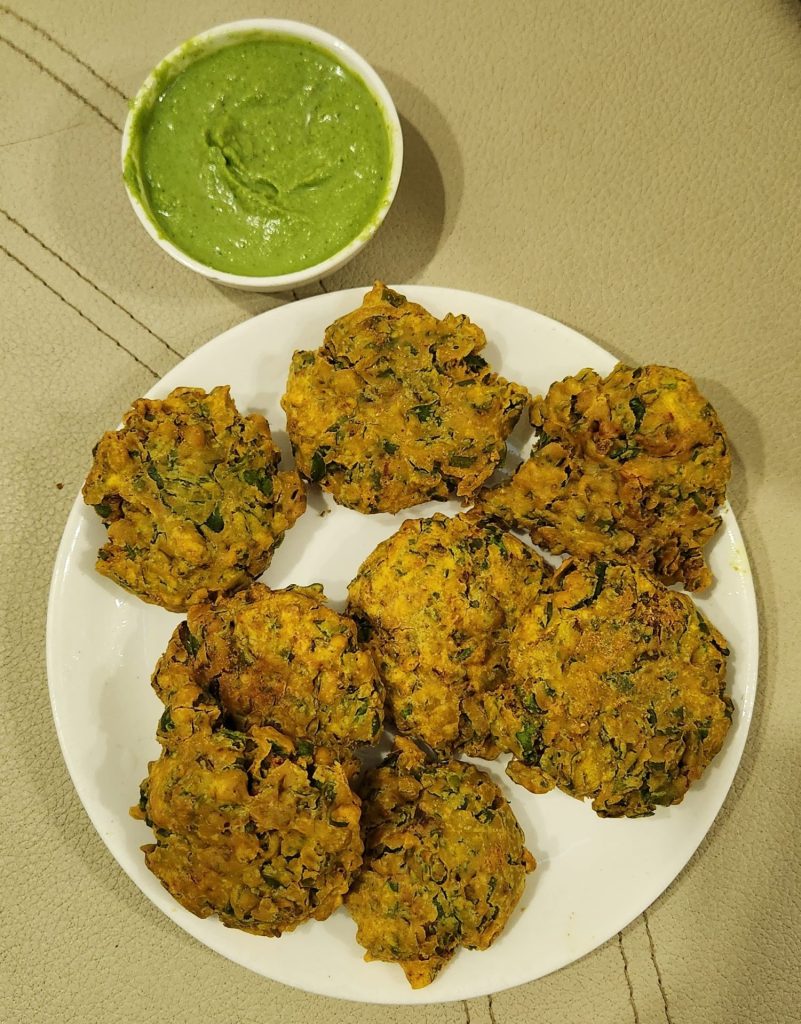
Given that we were headed for Gujarat, the Dhoklas and the Theplas soon found their way to our seats.`
Choices for your stay
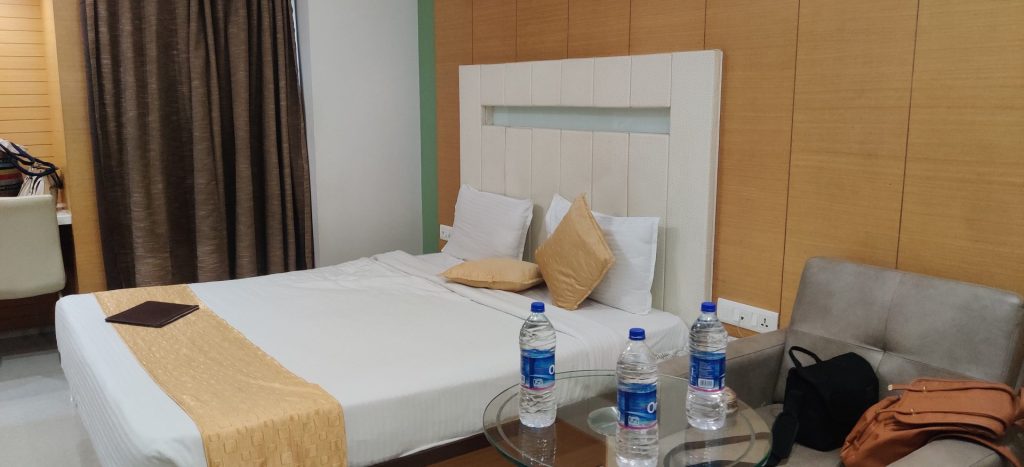
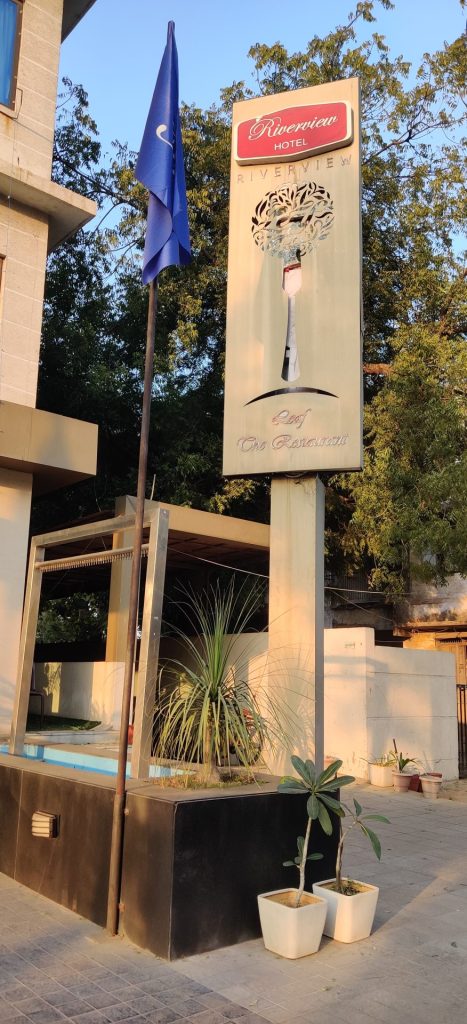
We alighted at Ahmedabad station by around 11.30 AM after catching up with a few hours of much needed sleep and headed for The Riverview Hotel where we had booked ourselves in. Located around 5 kms from the station, this boutique hotel has around 40 well appointed and comfortable rooms. We had done our bookings through Booking.com and chose this hotel near Ellisbridge area for its proximity to places of shopping, sightseeing and dining options. One could also look at Riviera Sarovar, Holiday Inn Express, Elysian Residency, Keys Select Lemon Tree etc.
Aah!! The mouthwatering fare 
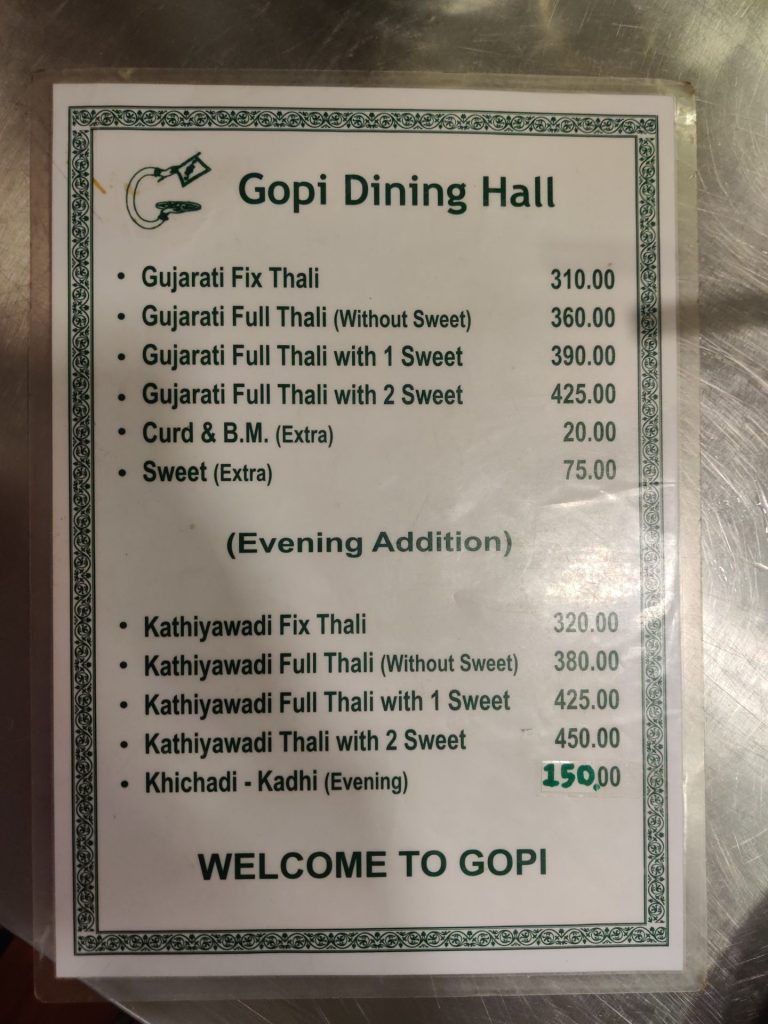
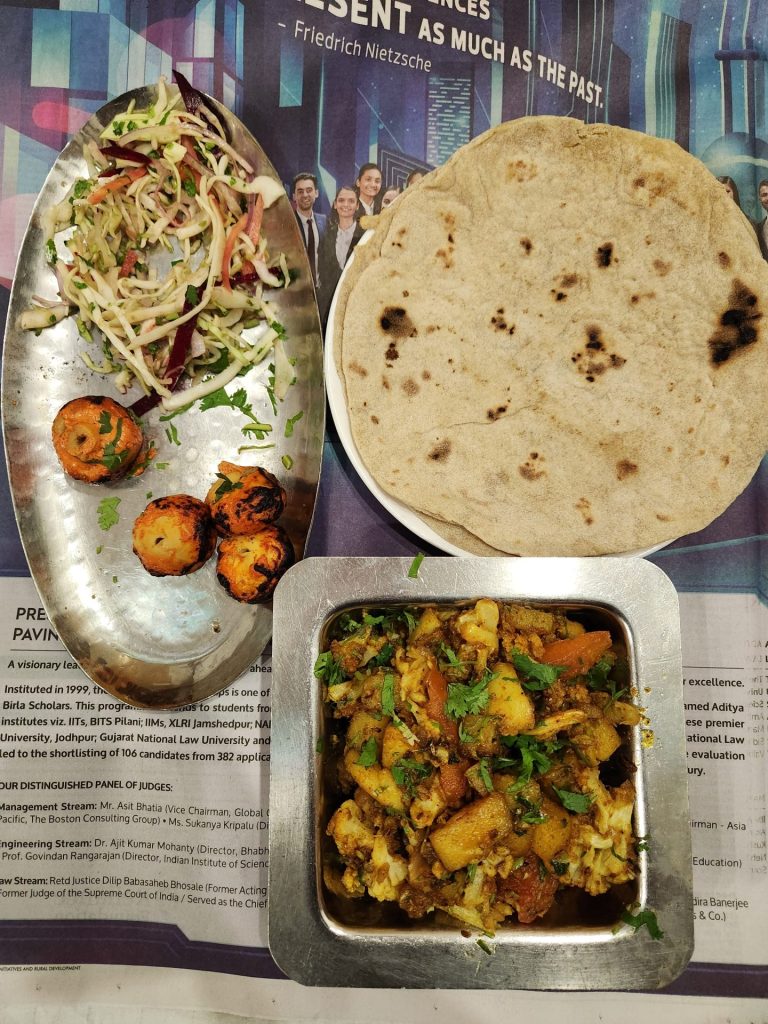
After a little bit of rest and freshening up, we stepped out of the hotel in search of that elusive Gujarati Thali. While our hotel had a good restaurant by the name of Leaf, the cuisine was more continental while our search was for desi Gujju food. The hotel folks directed us to Gopi Dining Hall on Ashram Road and not very far away. A traditional no nonsense dining hall with a decent ambience and some good wholesome homely food served by over eager waiters who just didn’t want to stop serving.
Shop to your heart's content
A sumptuous lunch over, we headed back to our hotel. The weather was a bit on the warmer side in spite of it being winter and we decided to head for a bit of shopping towards the later part of the evening.
By around 4.30 PM, we took a Uber to the wholesale markets in the old city area.
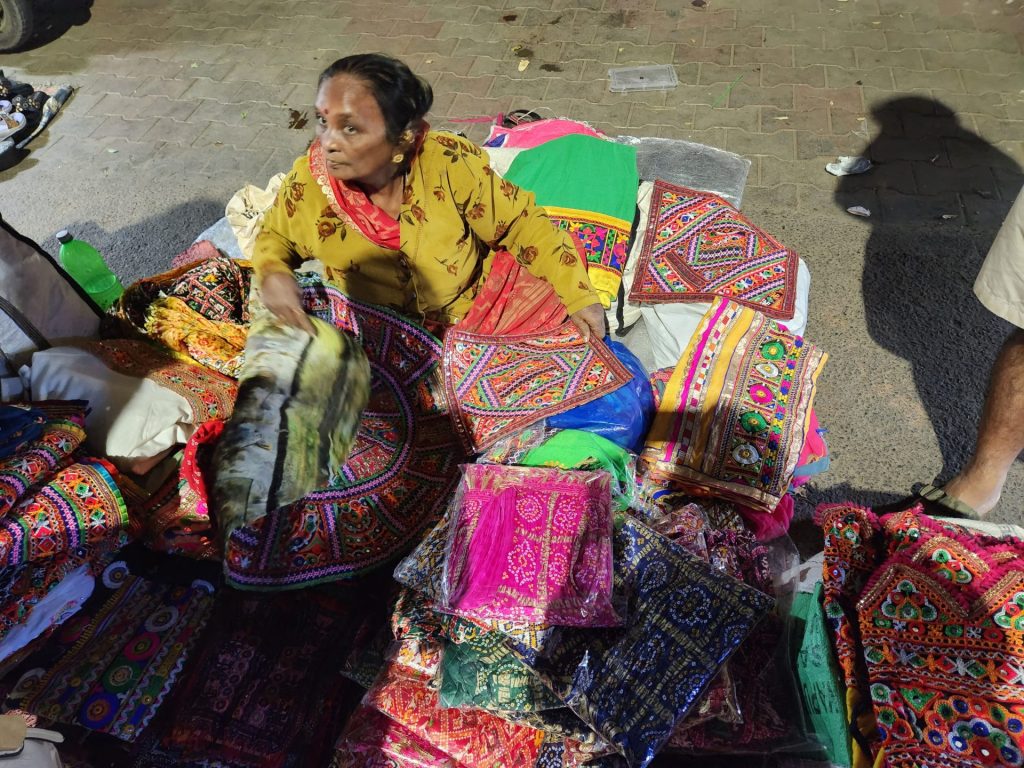
The markets are popularly known here as the Teen Darwaza Markets. Being a holiday, the place was teeming with people.
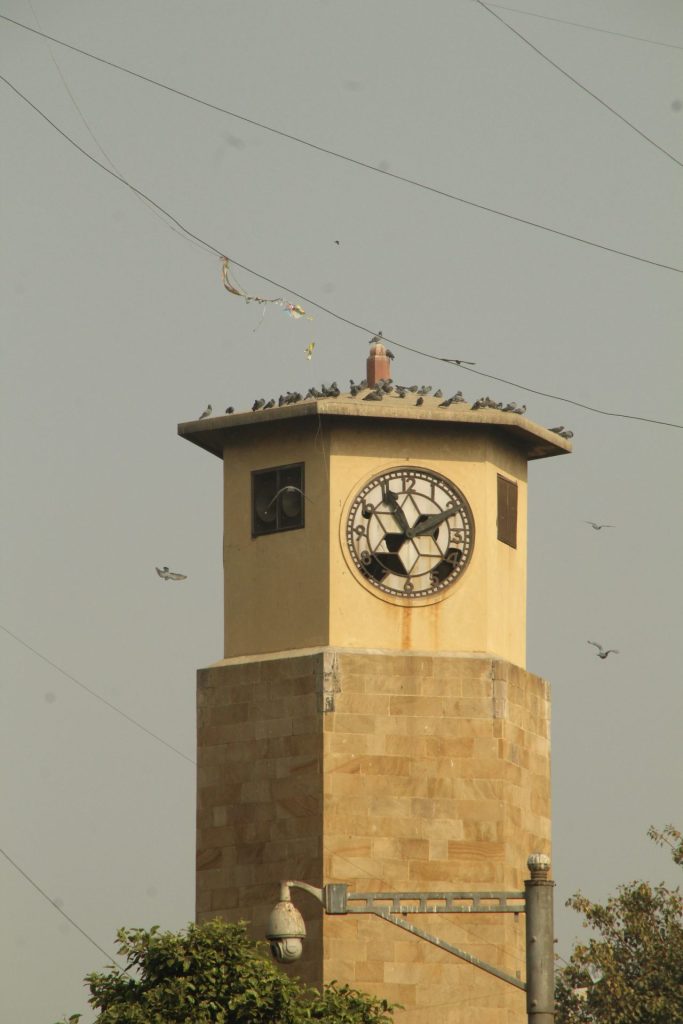
This wholesale market is a paradise for shopping lovers where the rich and the poor alike can be seen jostling for space.
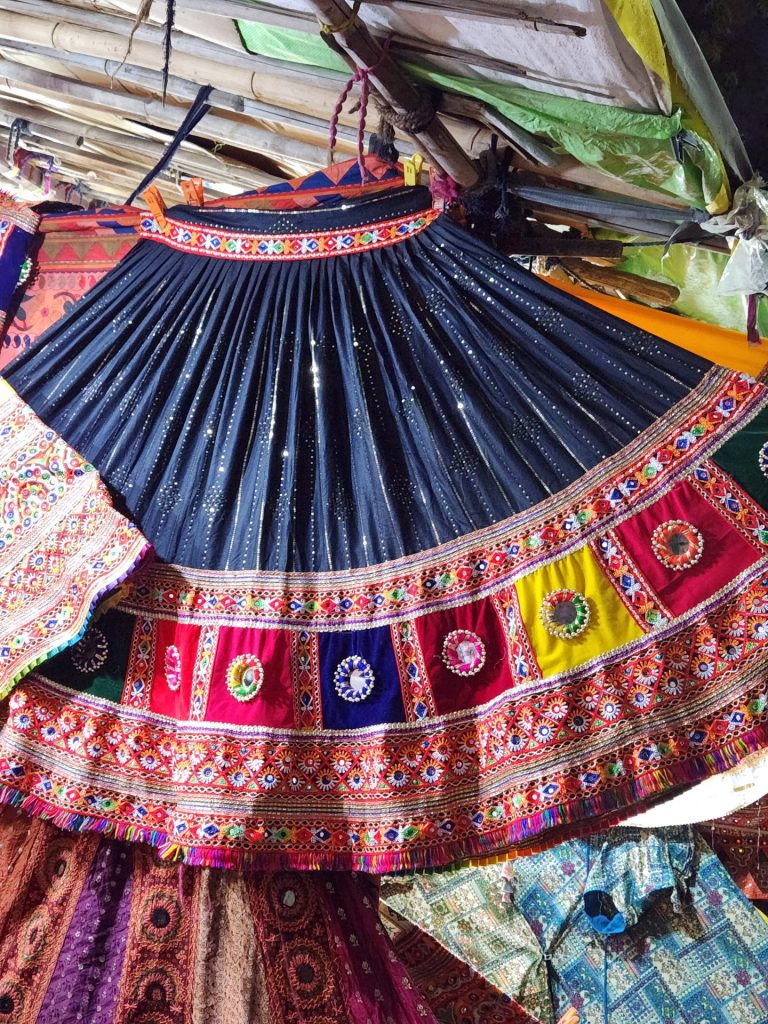
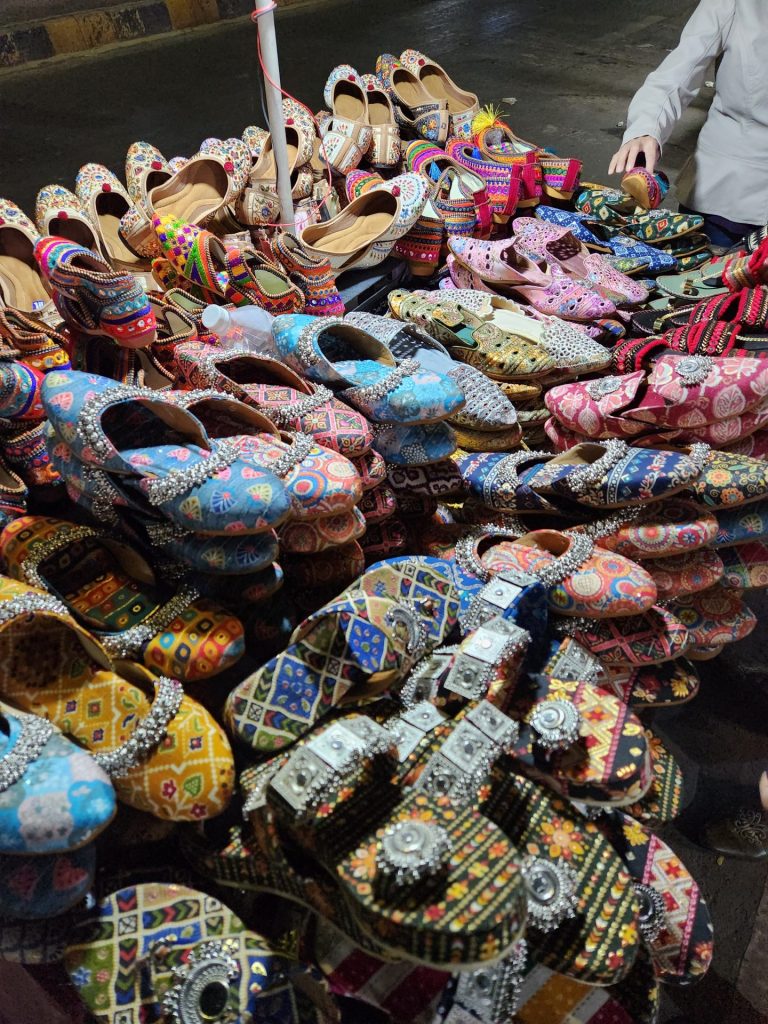
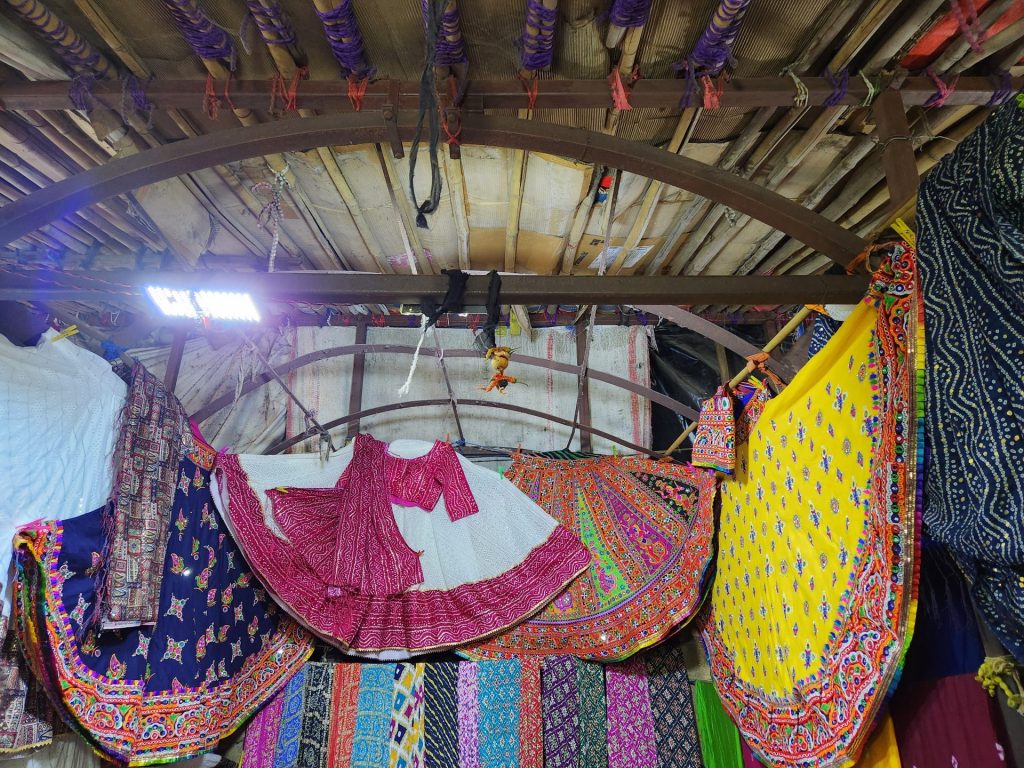
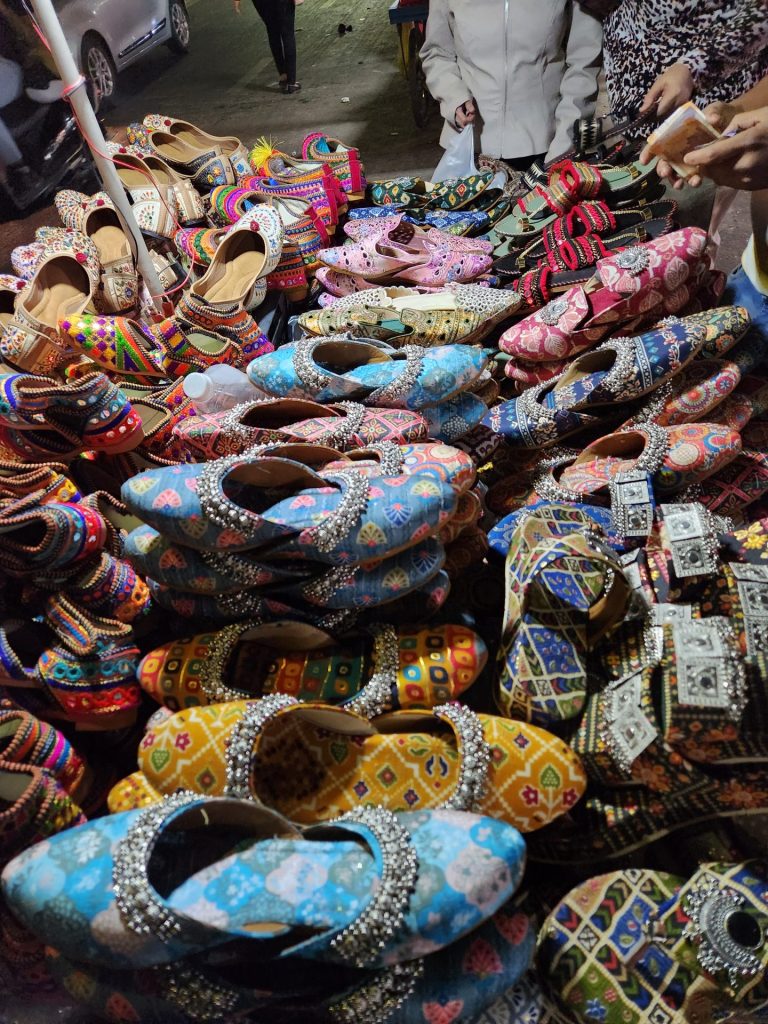
Rustic artefacts, trinkets, bangles and accessories, footwear, bridal wear and jewellery can be seen in abundance in these markets.
After spending around an hour we headed for the Law Garden markets, located not very far off from this market.
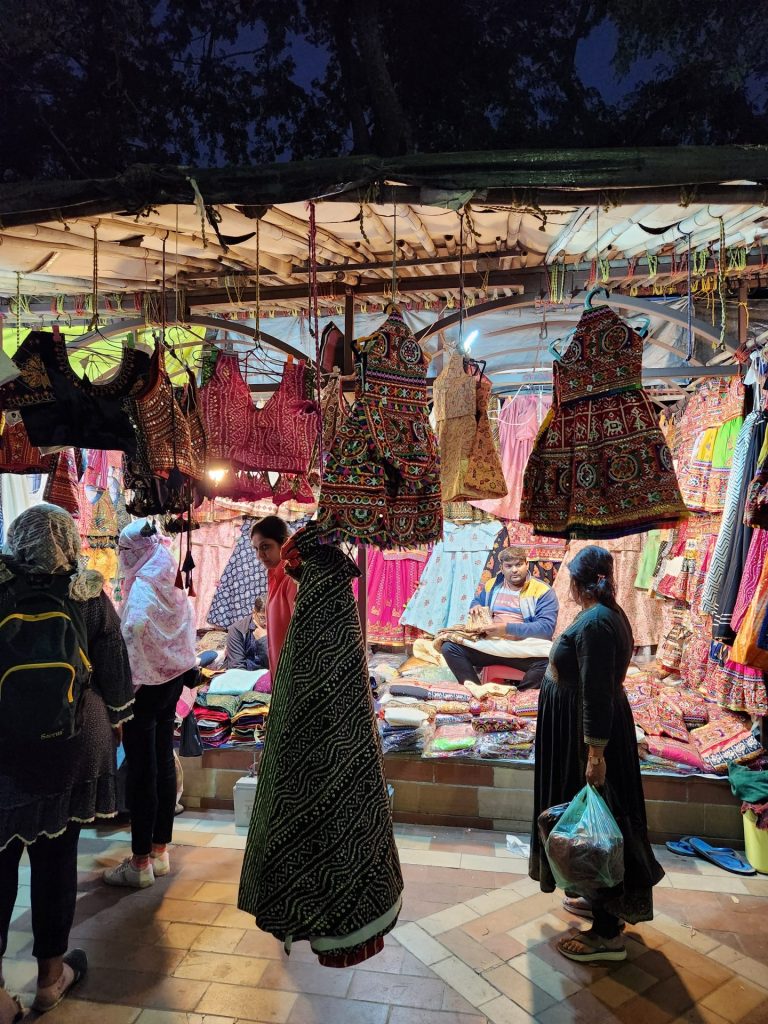
This appeared to be a much more organized market and literally comes alive as dusk sets in.
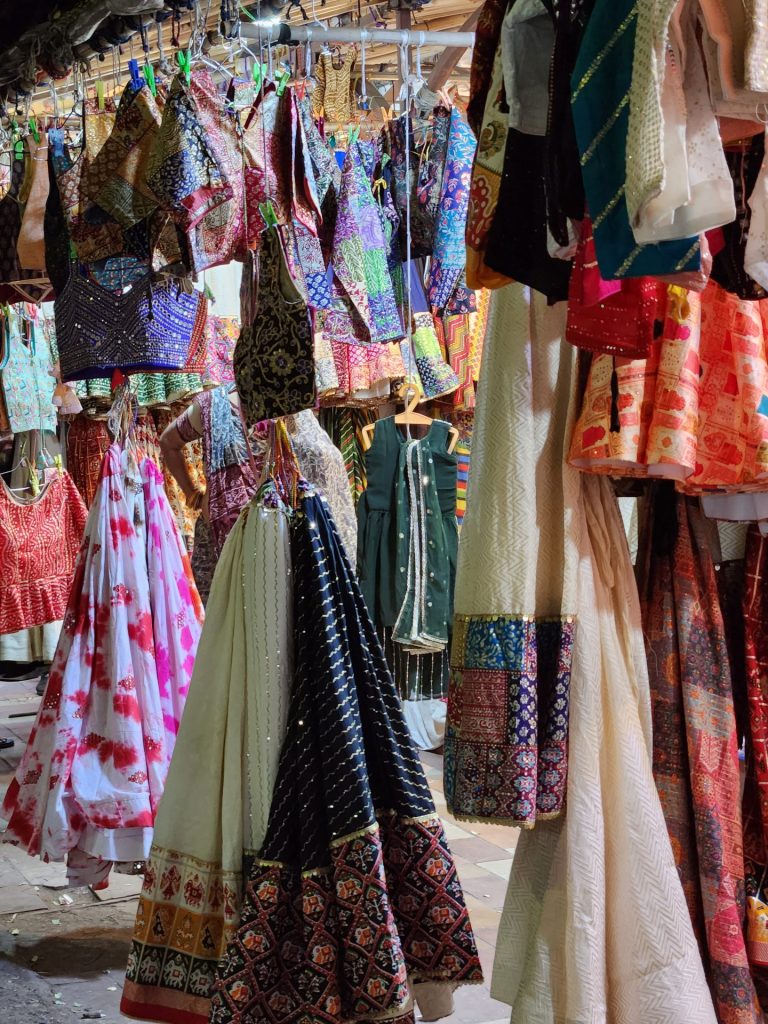
Shops at the Law Garden area are lined up on both sides of the road besides of course, the numerous push carts selling food items, footwear, bangles etc.
The left hand side of the market has a wide variety of shops selling intricately designed mats to table covers, bags, wall hangings, handicrafts, silver oxidized jewellery, mix of ethnic and traditional wear ranging from the mirrored work Chaniya Cholis to the Lehariyas to the Bandhnis. The opposite side is where one can indulge more in Western wear, tops, jeans, skirts, footwear etc. Not to mention the number of eateries dishing out traditional Gujarati street food. One could easily spend a couple of hours going around these markets and checking out the wide variety of stuff on offer. Do however remember to negotiate hard on the prices.
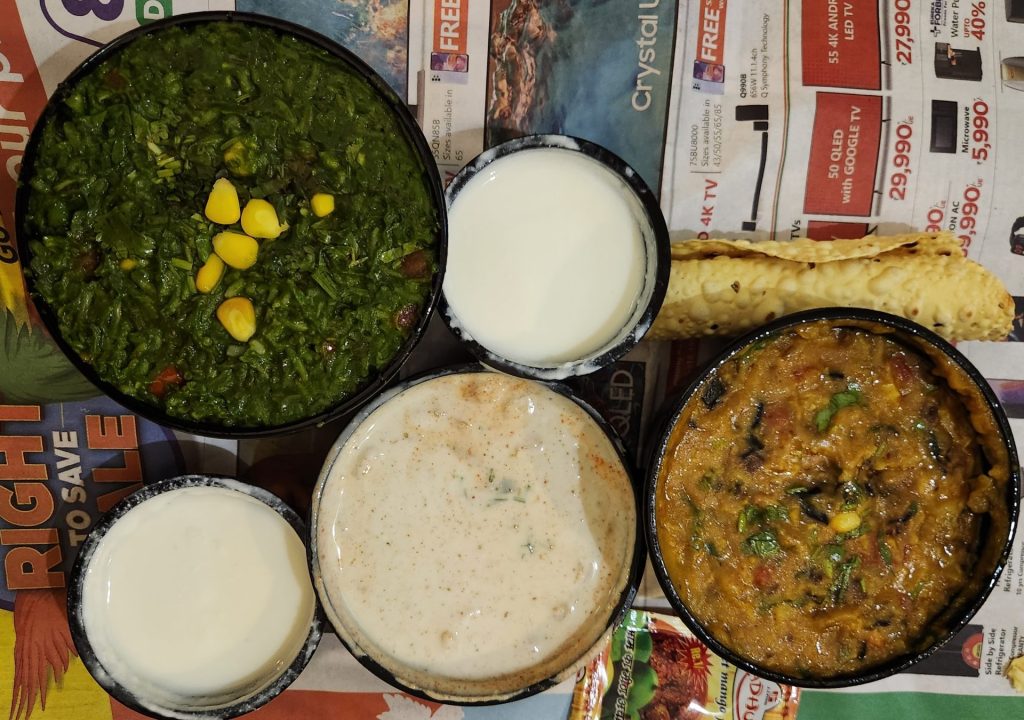
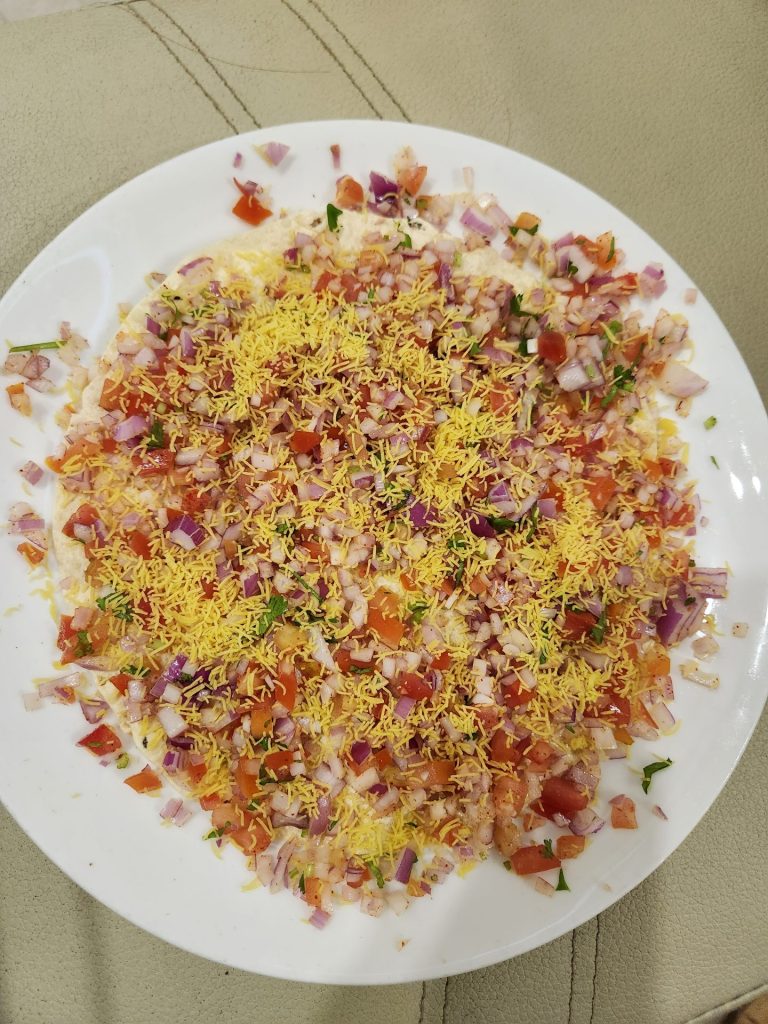
Dinner was from a nearby eatery through Swiggy and while we were waiting for the hotel folks to send us the cutlery, a photo shoot of the different varieties of Khichdi (Lentil rice) in different flavors of Spinach and the Assorted veggie one along with some Mixed Vegetable Yoghurt (Raita) as an accompaniment.
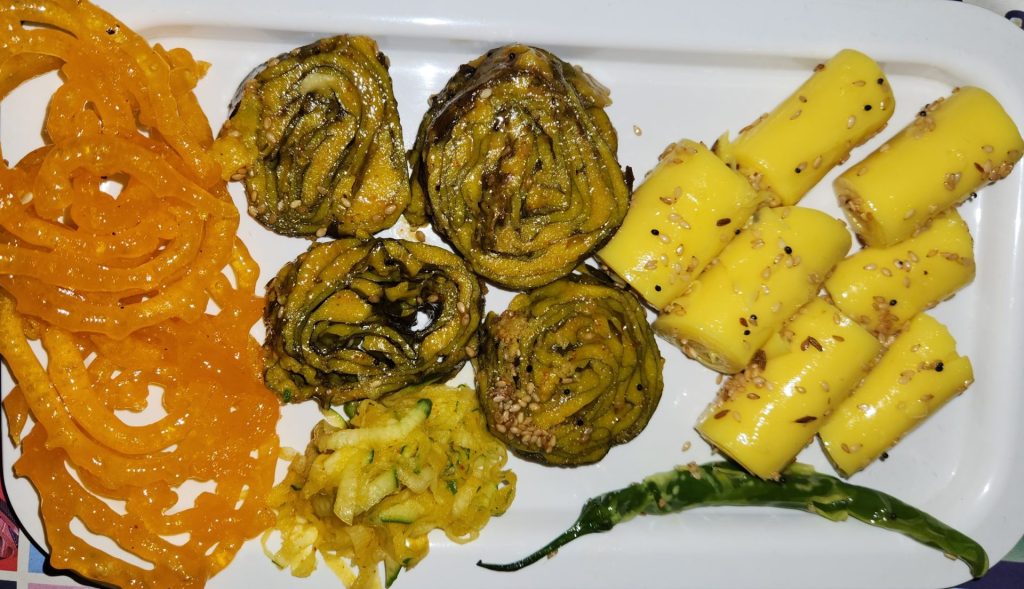
26th January : The next day was what was earmarked for a little bit of sightseeing around. We wanted to try out a traditional Gujarati style breakfast replete with Nylon Khandvis, Jalebis and Patris and did a quick order from our Hotel through Swiggy from Jalaram Khamam House.
We were done with our breakfast in quick time, got ready by 8.45 AM at reached the hotel lobby. The cab guy arrived at the duly appointed time of 9 AM.
Sightseeing in and around the city
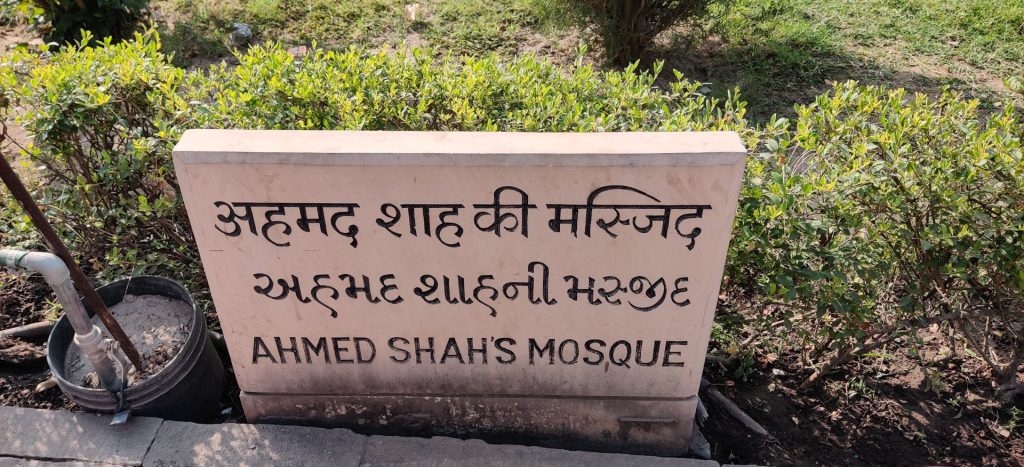
The Jama Masjid
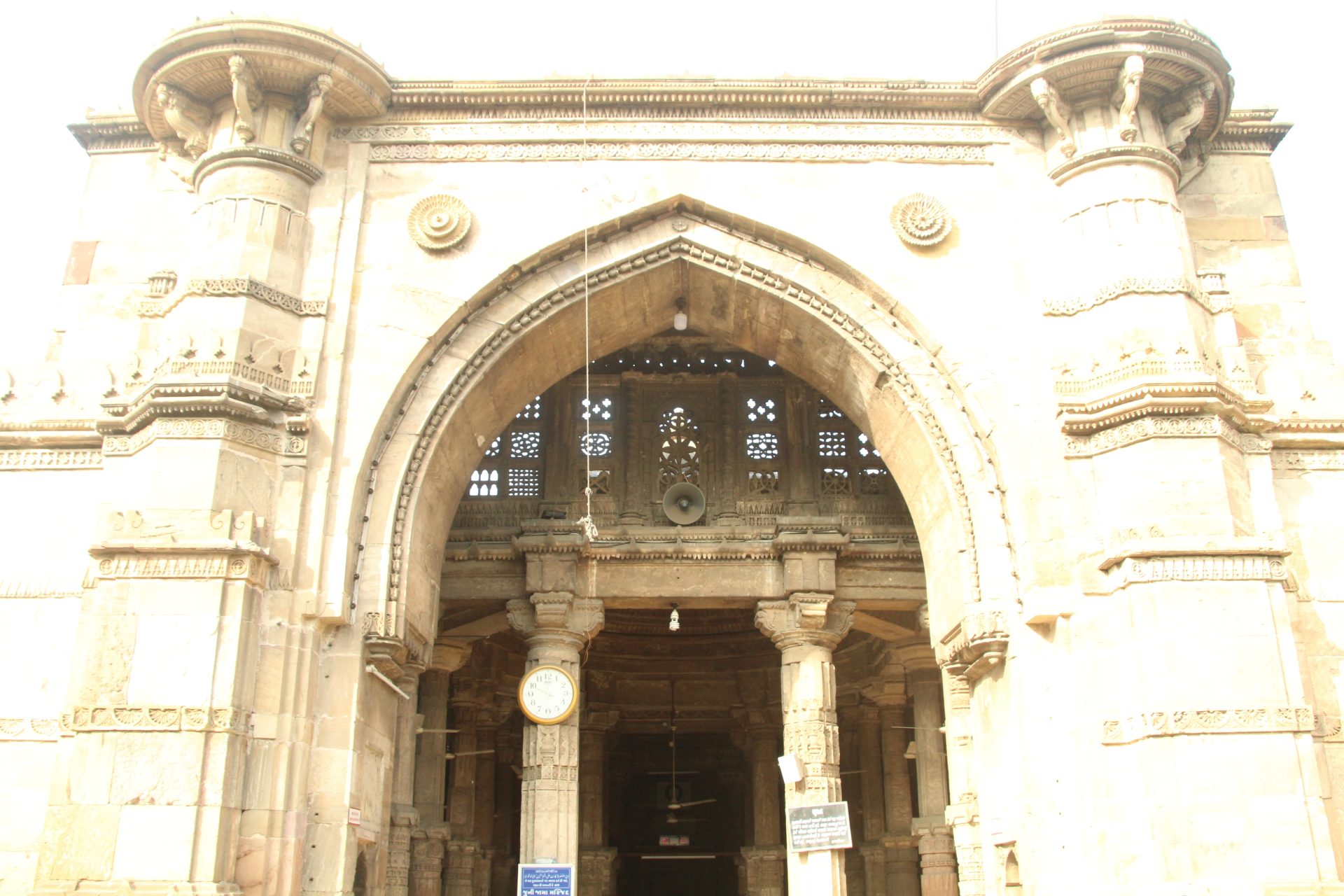
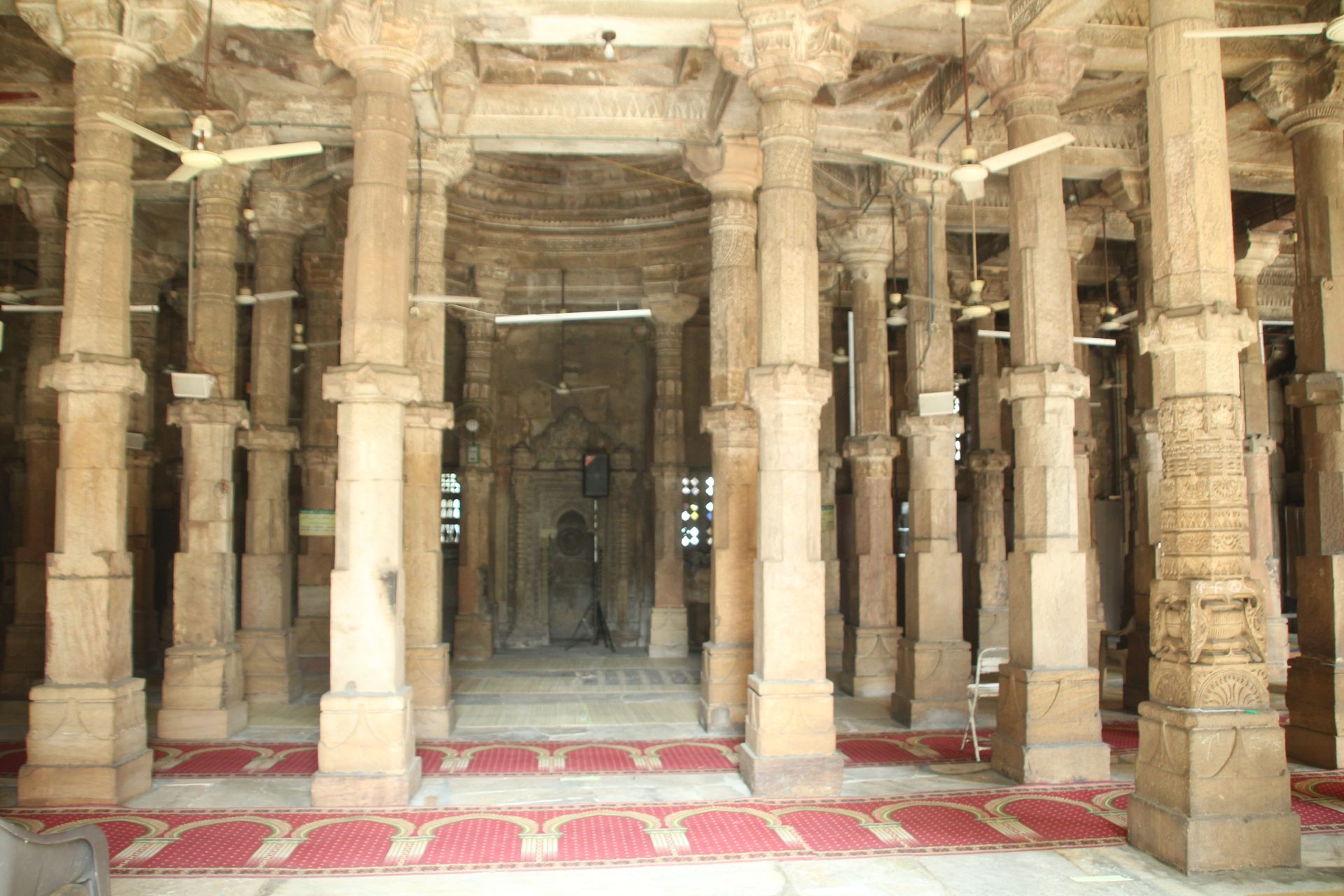
The first stop was at the Jama Masjid which probably was one of the largest mosques built in the Indian sub-continent in the 15th century.
Built during the reign of King Ahmed Shah, this structure was one of 5 such mosques built by him and lies in the centre of the walled city.
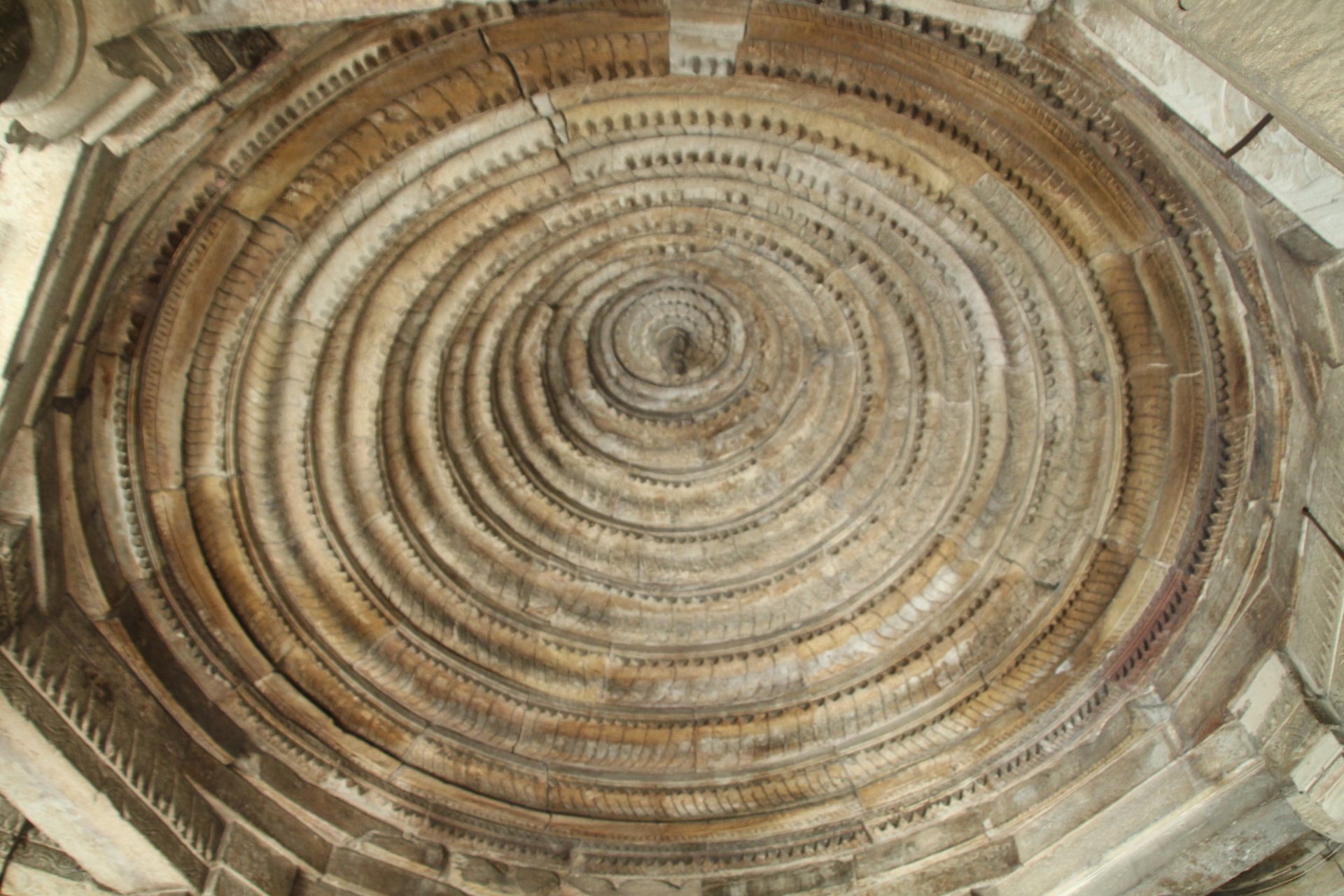
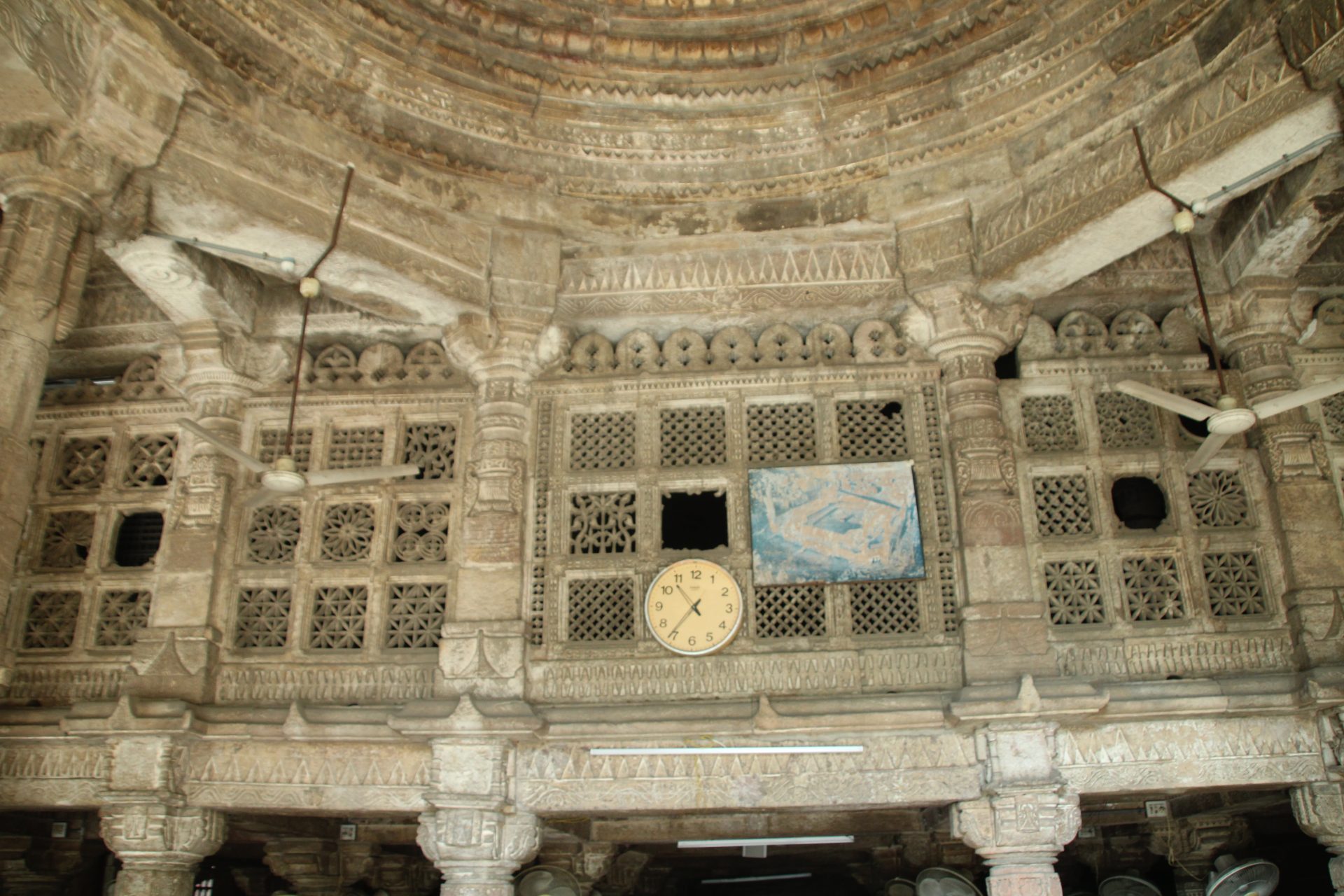
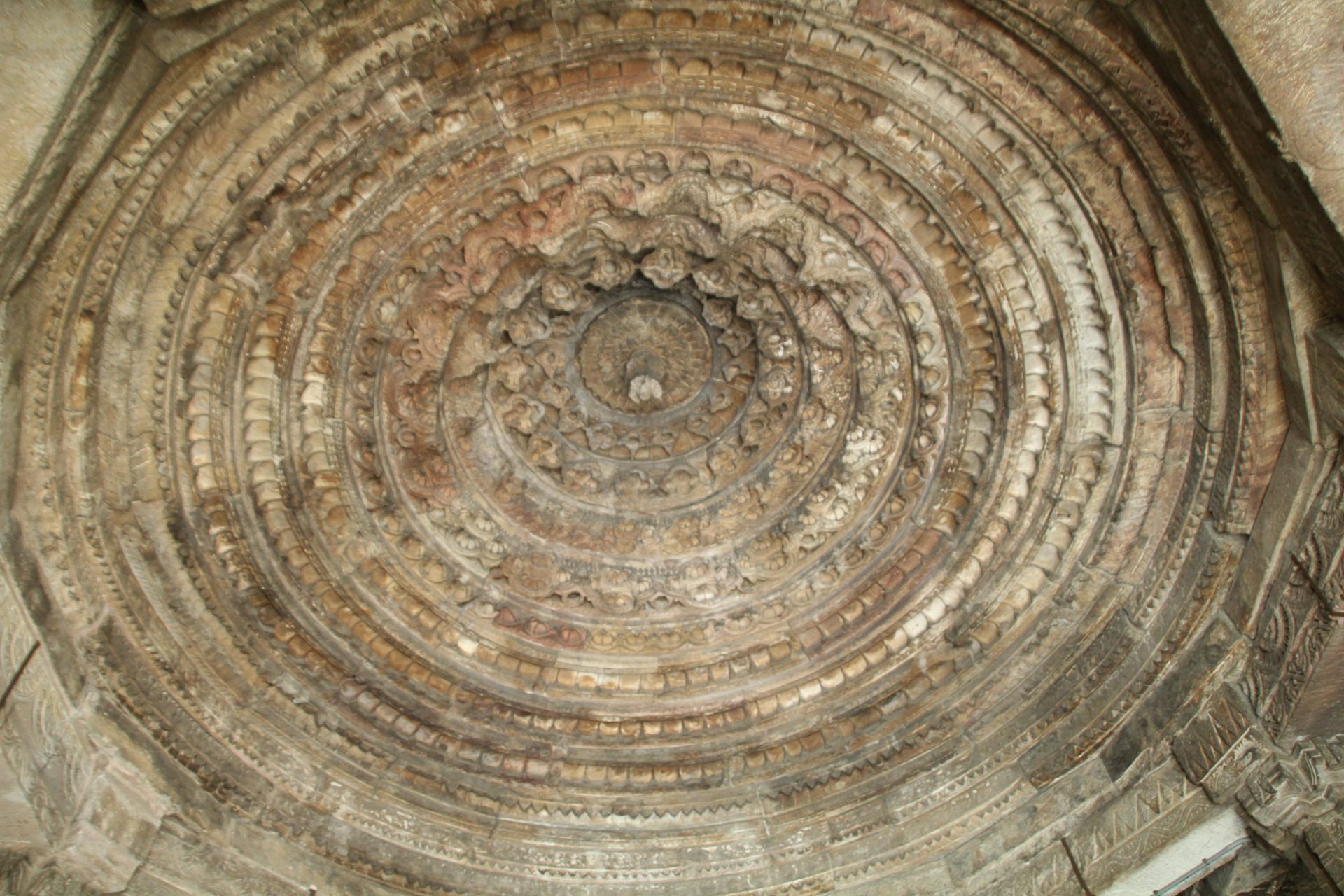
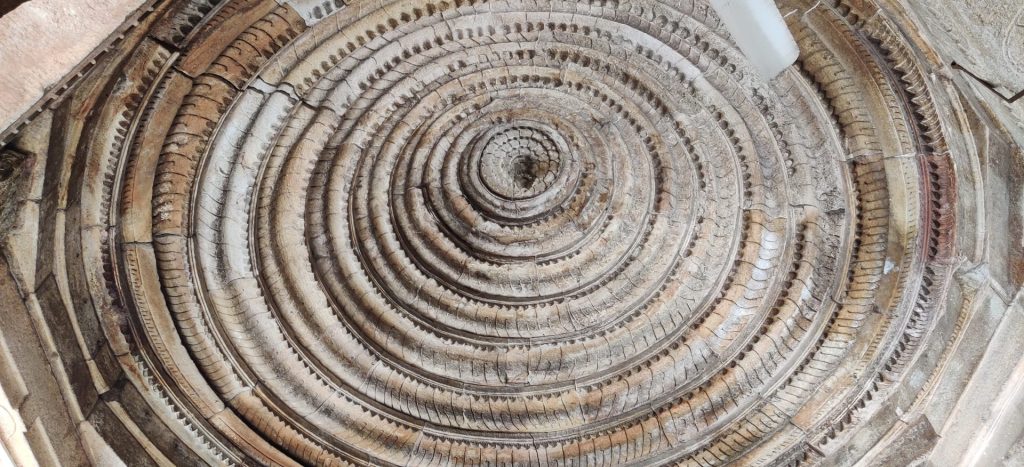
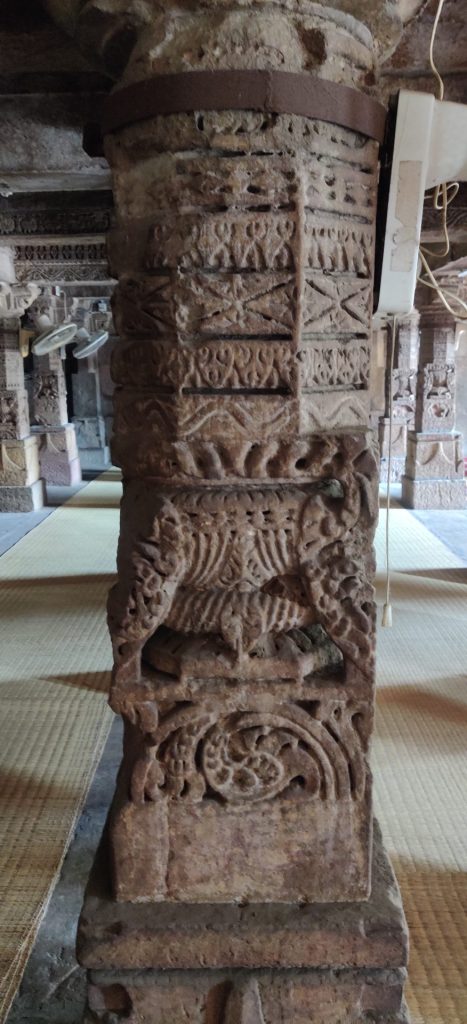
Constructed in what is termed as the Gujarat architecture, this building is a perfect blend of Hindu, Muslim and Jain styles.
A massive archway greets one at the entrance, replete with intricate carvings on stone.
The mosque has around 260 pillars made out of yellow stone and has a vibrant flow of light through the minutely carved latticework screens that floods the interiors.
At the entrance of the mosque were 2 beautiful minarets which apparently had collapsed in an earlier earthquake.
The tomb of Sultan Ahmed Shah and a couple of other rulers can be found inside the complex.
Siddi Syed mosque
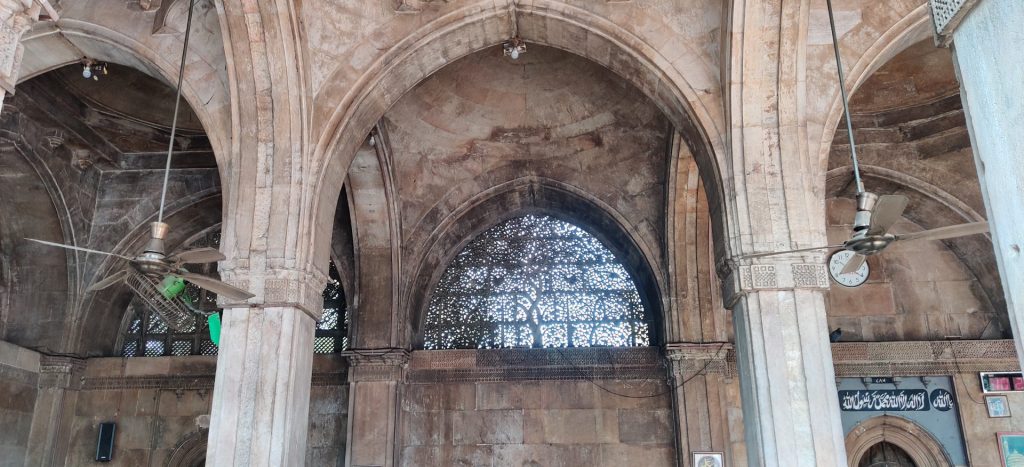
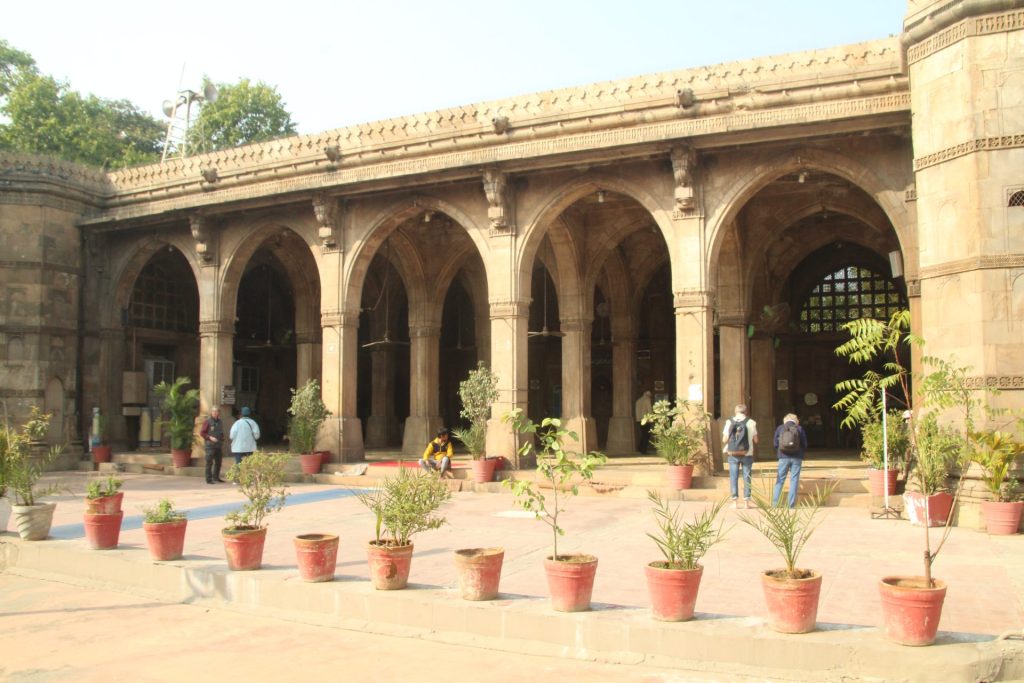
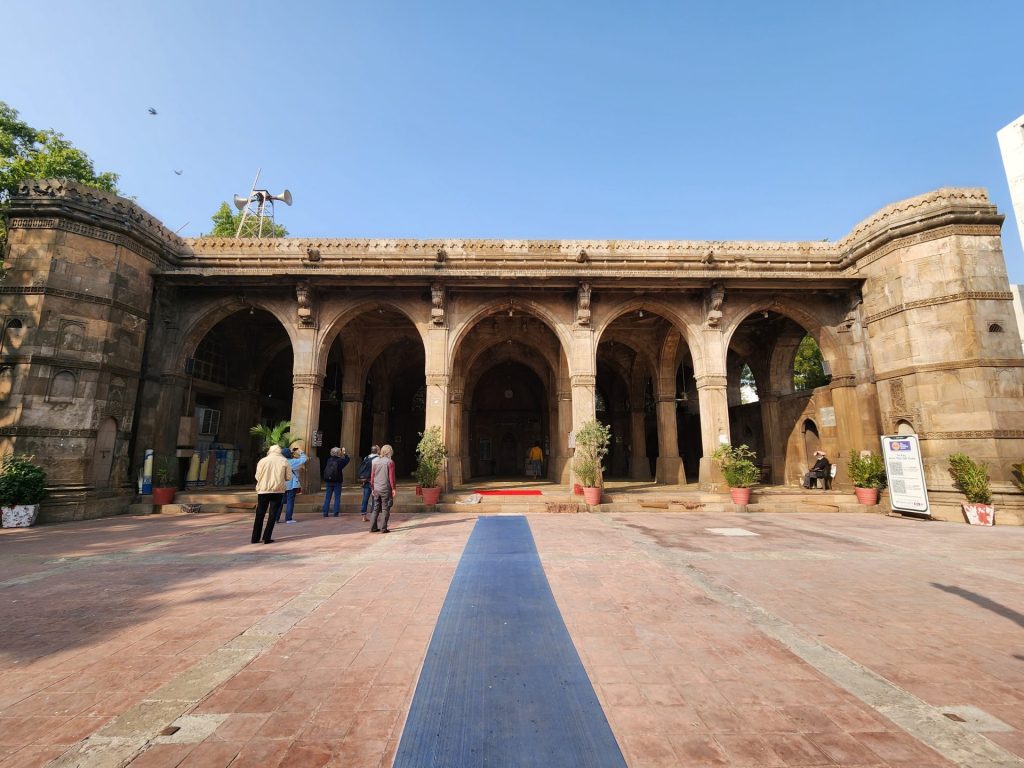
A km away from the Jama Masjid and in the old city area was our next halt at the Siddi Syed mosque, truly a photographer’s delight.
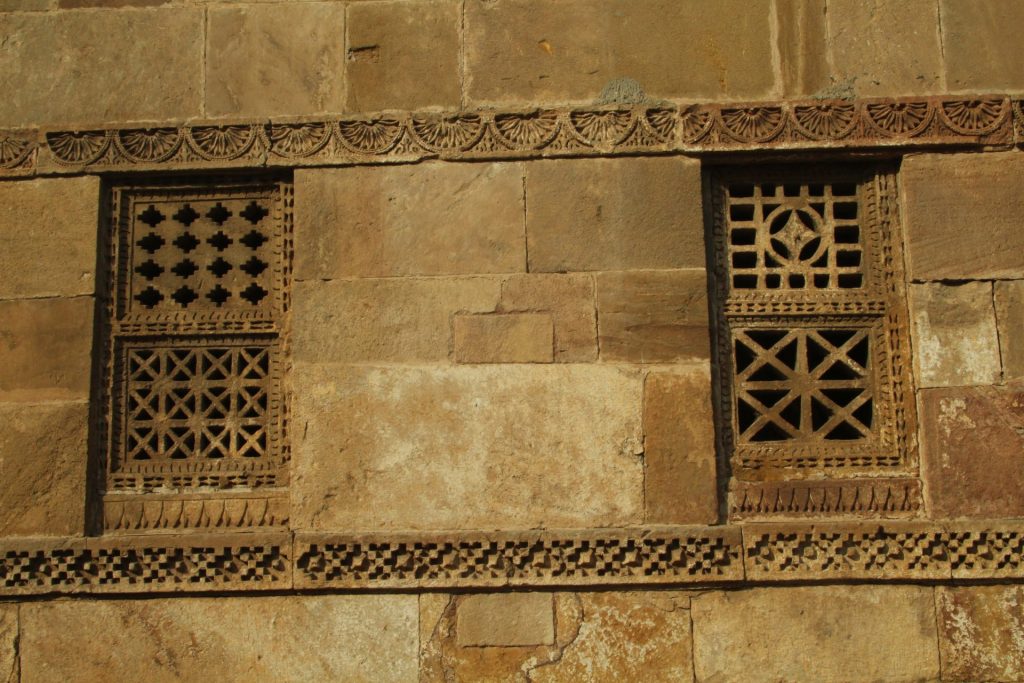
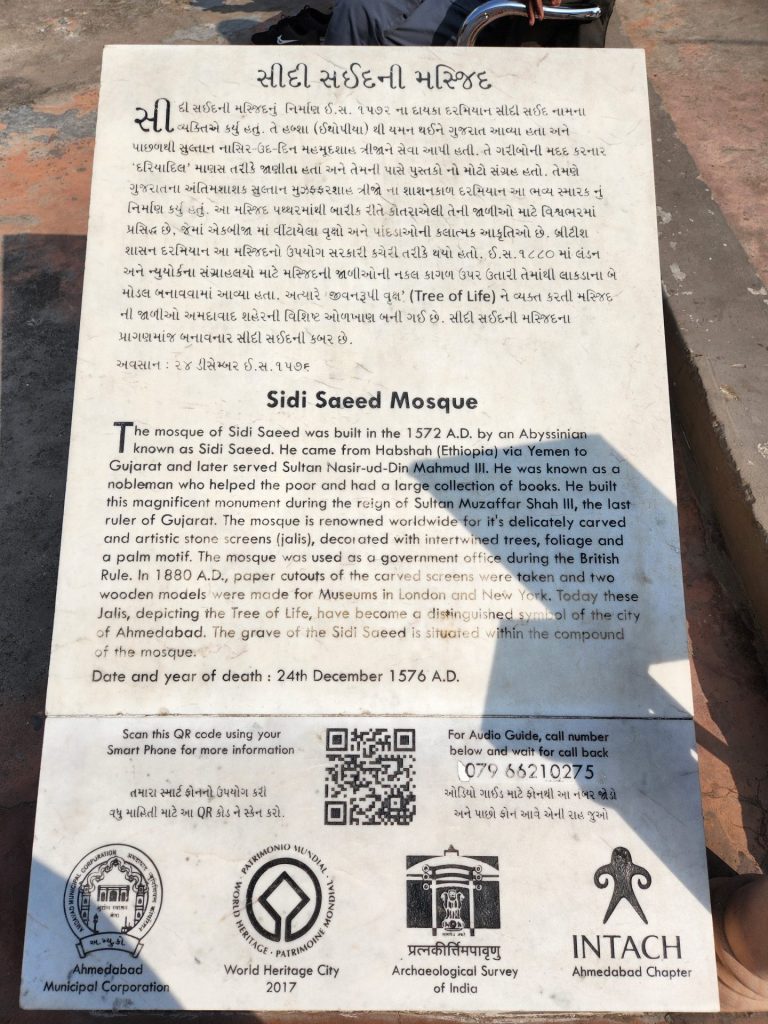
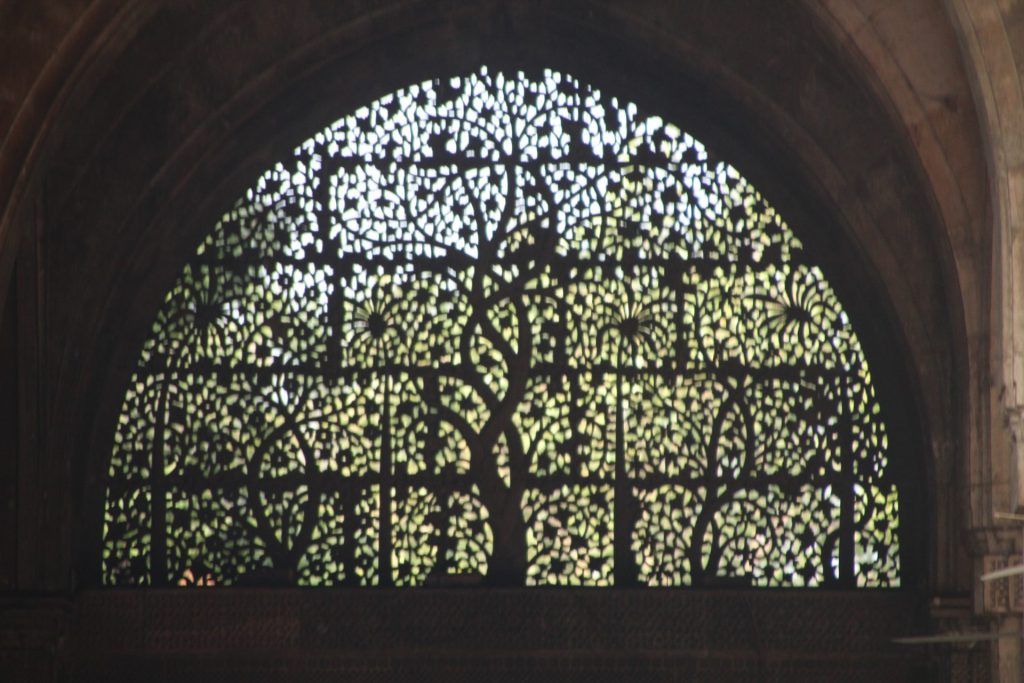
It took the efforts of 45 skilled artisans to build this classical religious site in 1572. Siddi Sayed was a Habshi nobleman who arrived in India from Yemen and worked under the rule of Sultan Nasir-ud-Din Mahmud III. The ethereal craftsmanship around the lattice work (jaalis) resembling a delicate, intertwined network of tree branches is indeed very eye catching.
This design inspired the Indian Institute of Ahmedabad to design their Logo around this pattern. A marble plaque found within the premises states that this mosque owes it origins to Siddi Sayed who built it during the last year of the Gujarat Sultanate before they were defeated by the Mughals who then took over the city.
Hutheesing Jain temple
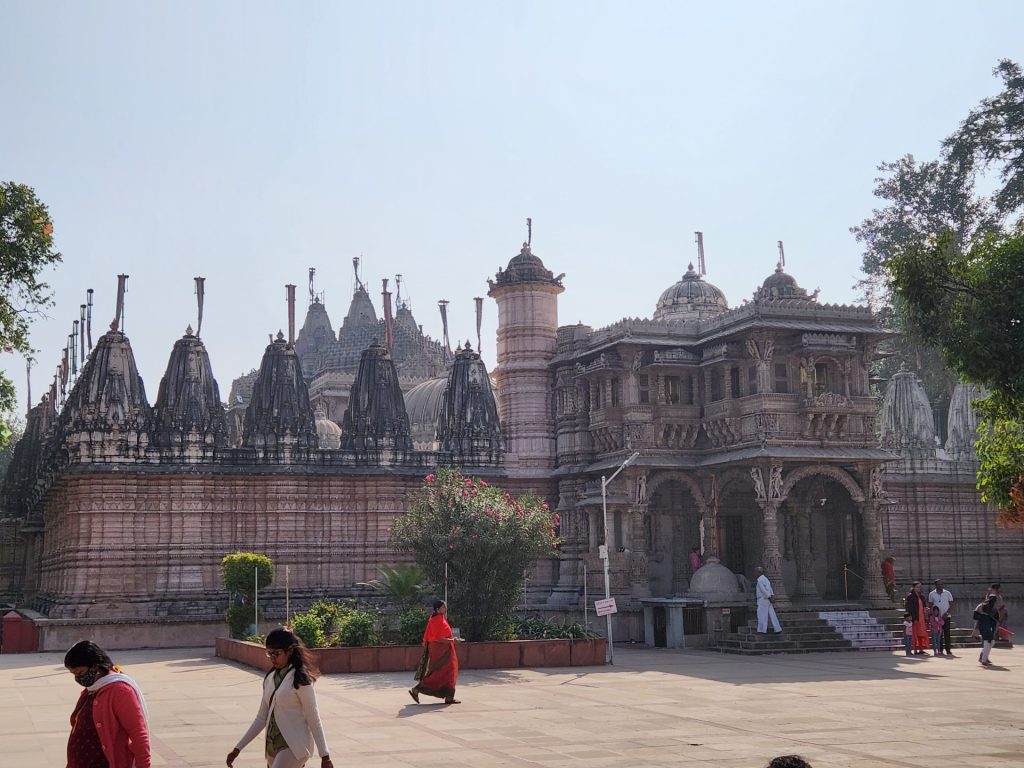
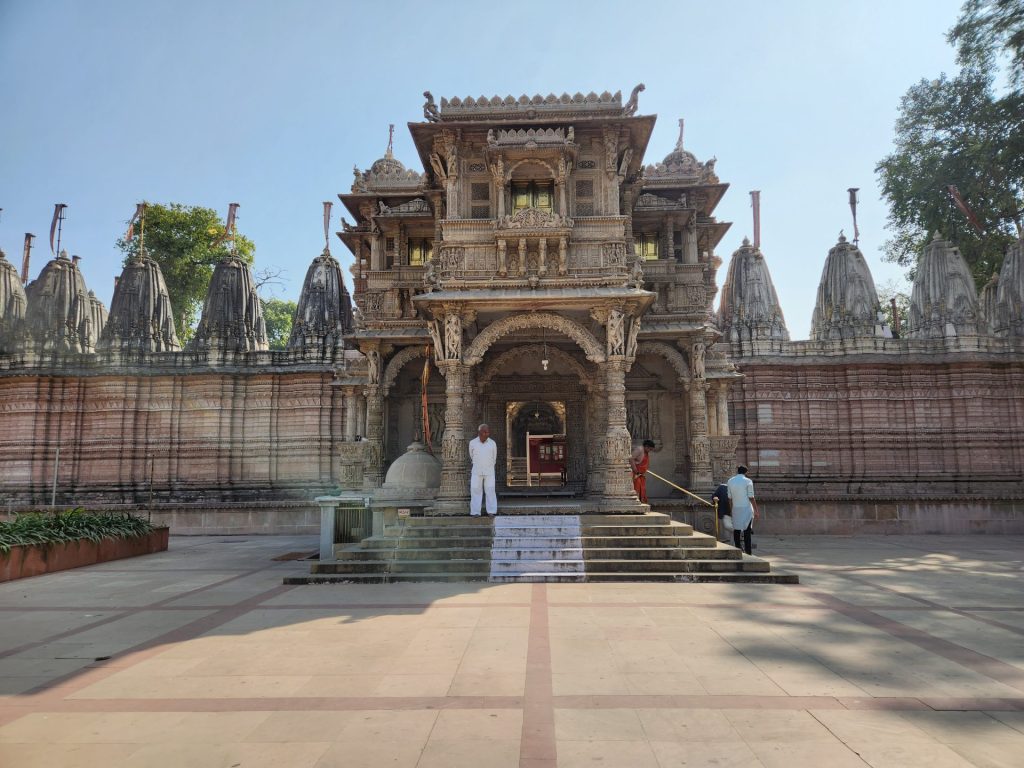
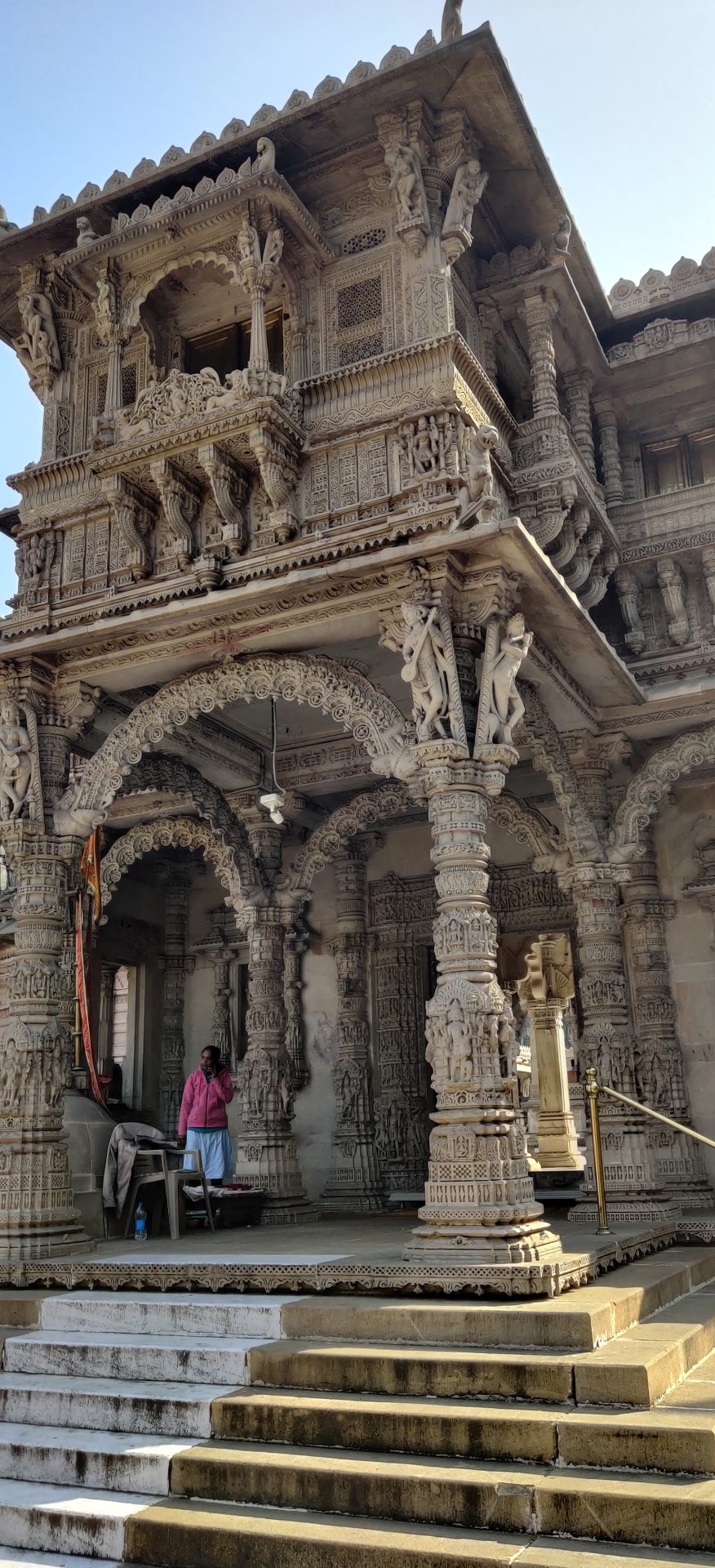
We then drove onto the Hutheesing Jain temple, a 2 storey structure dedicated to Lord Dharmnath, the 15th Jain Thirthanakra, a spiritual leader and located close to the Delhi Darwaza. A prosperous merchant by the name of Hutheesing started building this temple in the 1840s and post his early demise his family completed the construction by 1848.
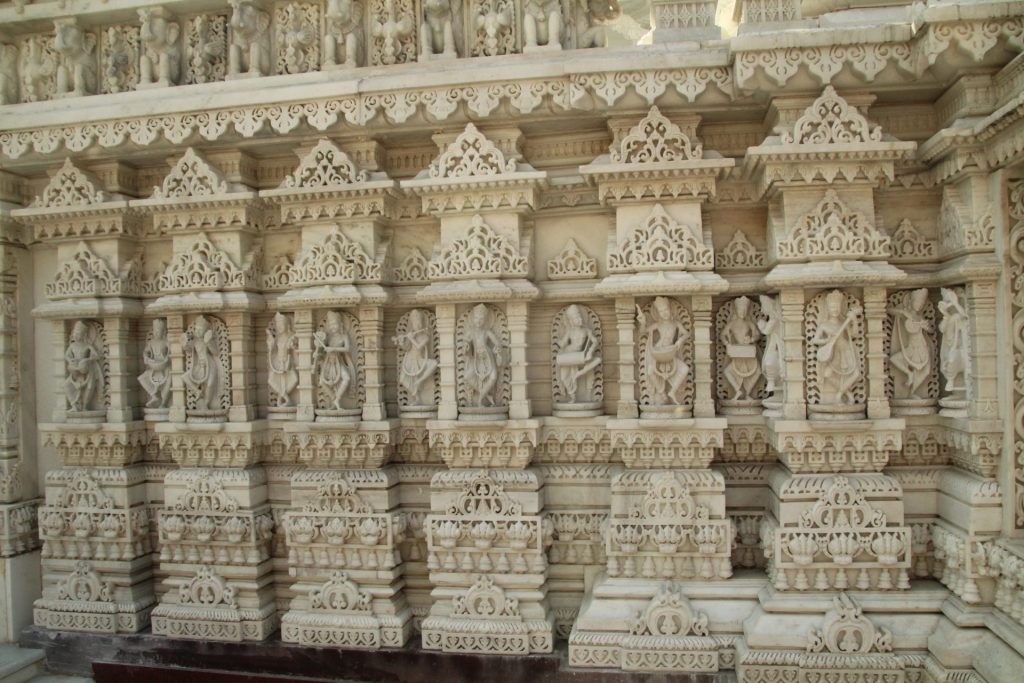
Made out of white marble, this temple houses 11 deities and has some exquisite carvings and costed around INR 10 lakhs during that period.
The temple complex is surrounded by 12 eloquently adorned stone pillars.
A tiled courtyard with 52 shrines and dedicated to different Tirthankars can be seen across the tiled courtyard.
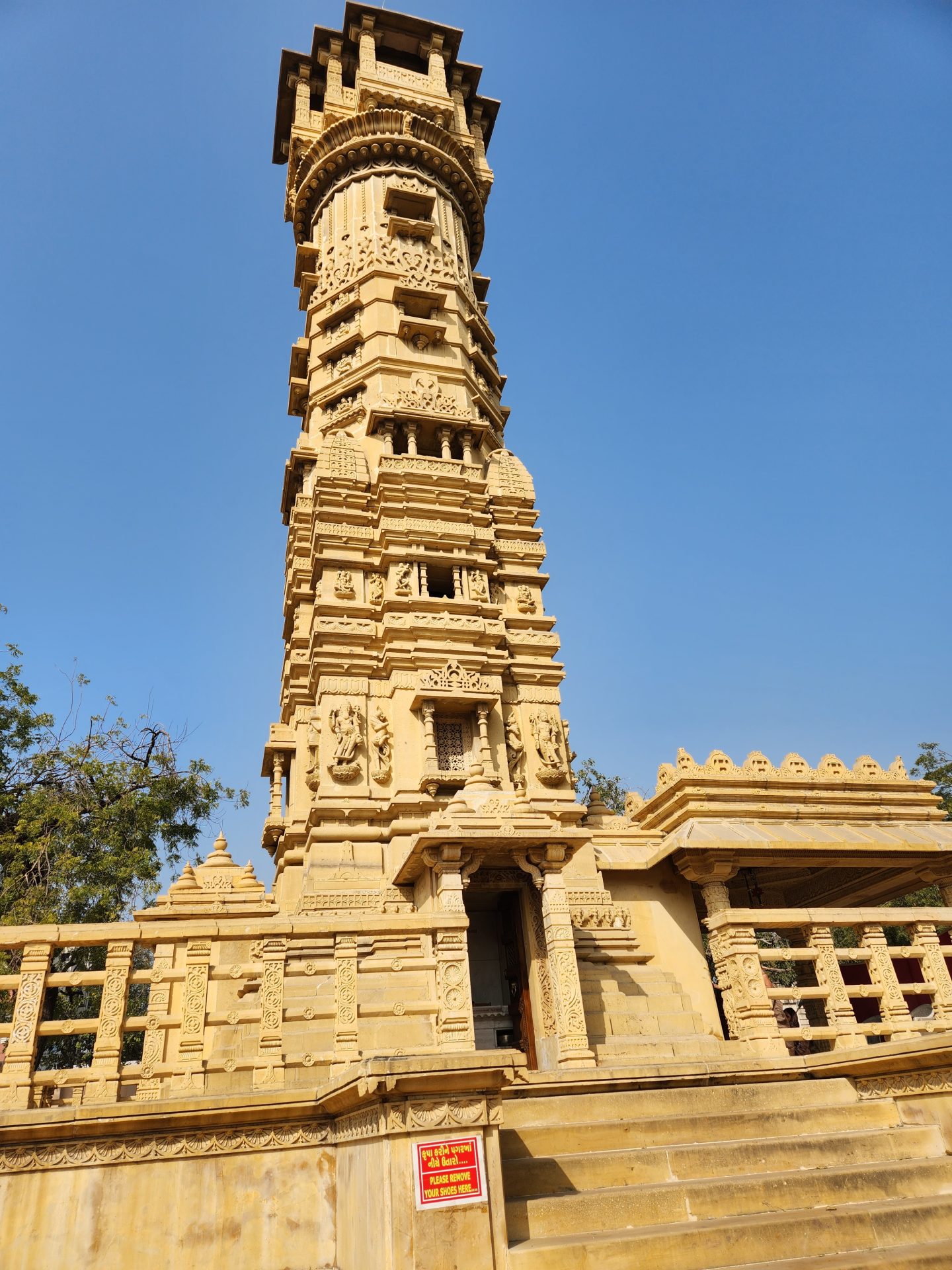
A 78 feet Manasthambha or tower, inspired by the one at Chittorgarh was built here in 2003 to commemorate the birth anniversary of Lord Mahavira.
The temple is a nice architectural blend of the Maru-Gurjara temple style and the elements of the current haveli style of buildings.
The BAPS Swaminarayan Mandir
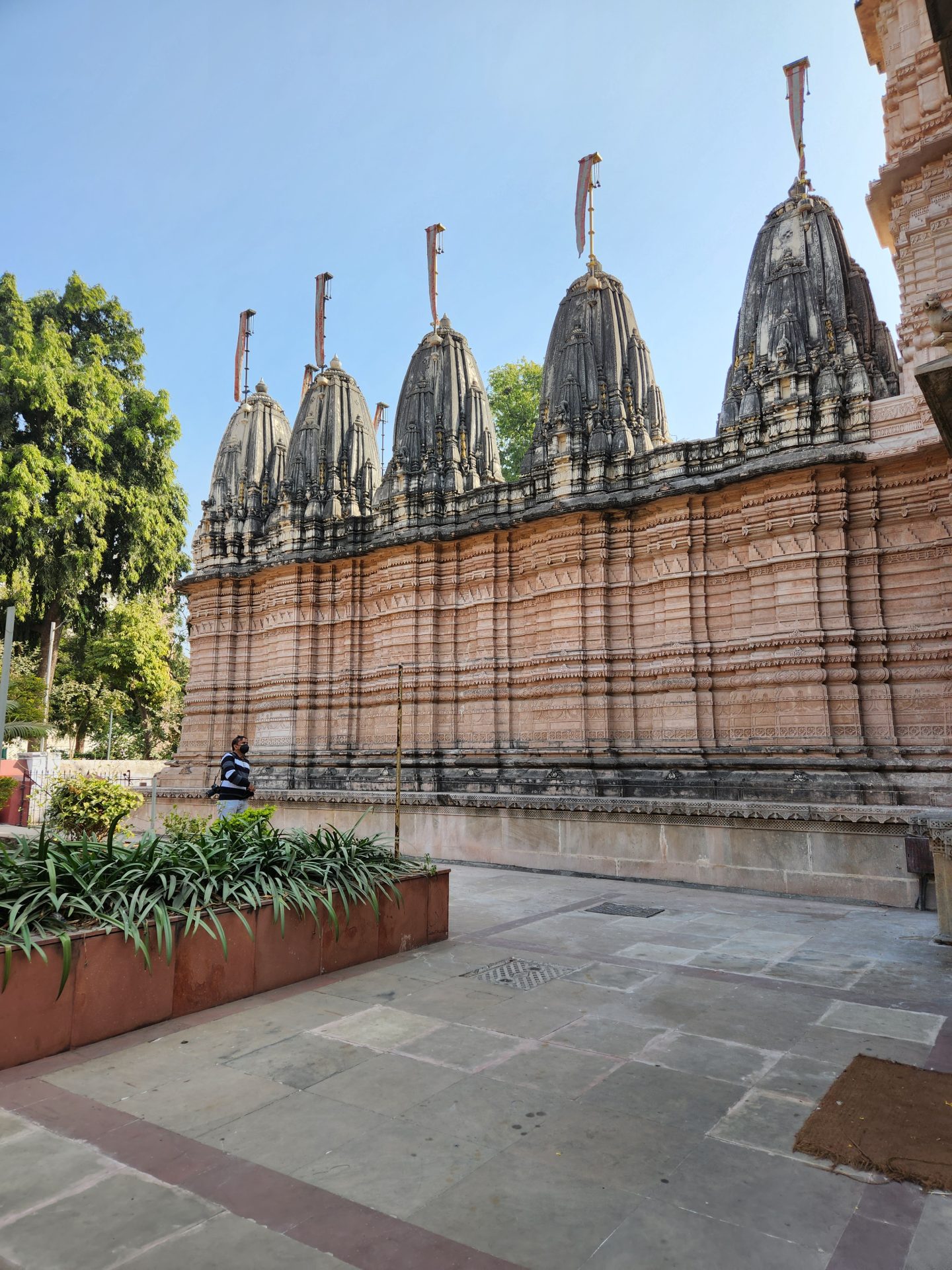
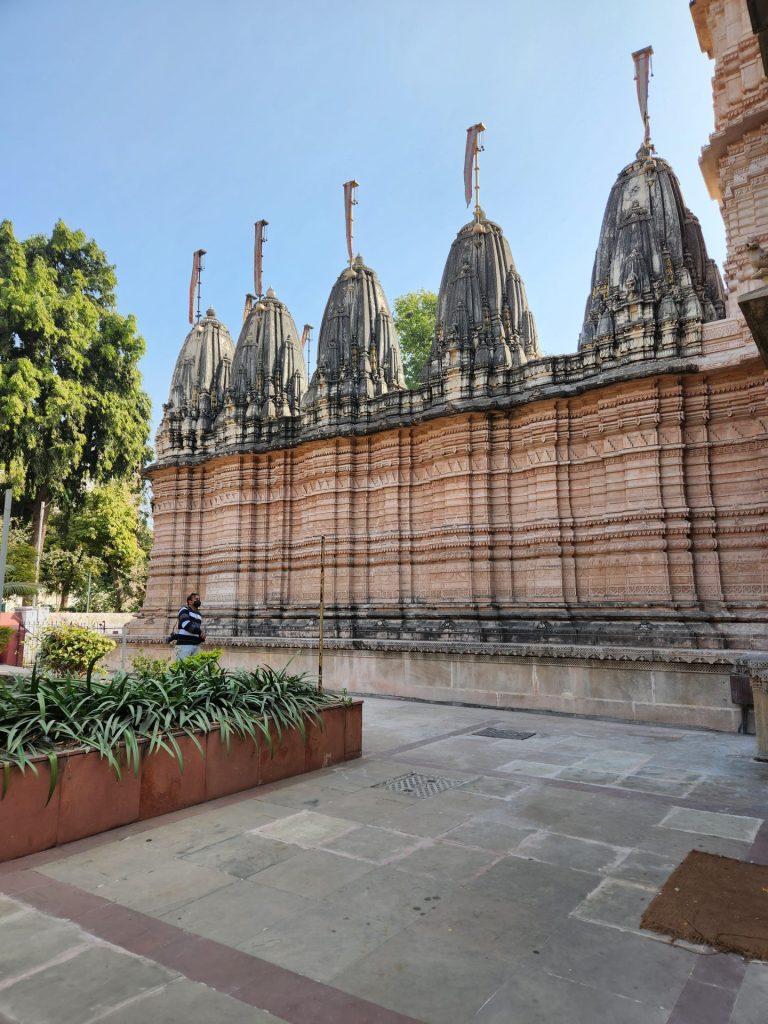
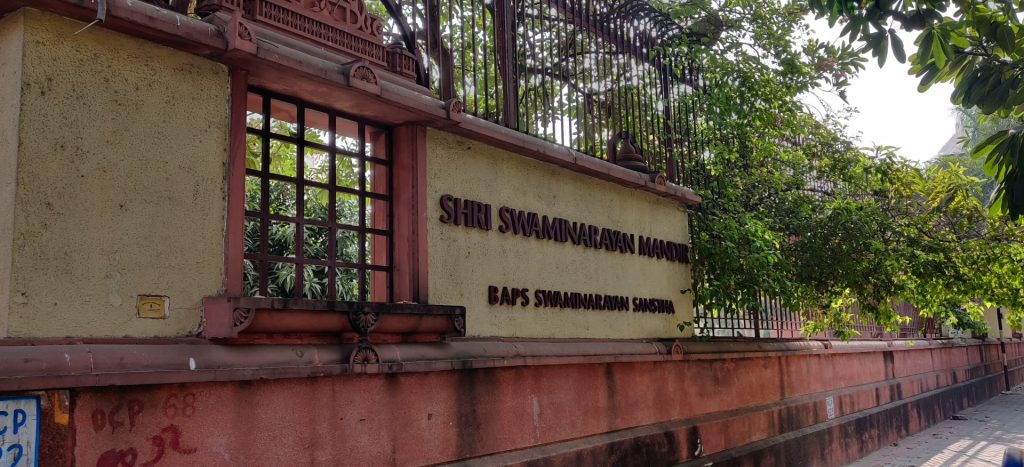
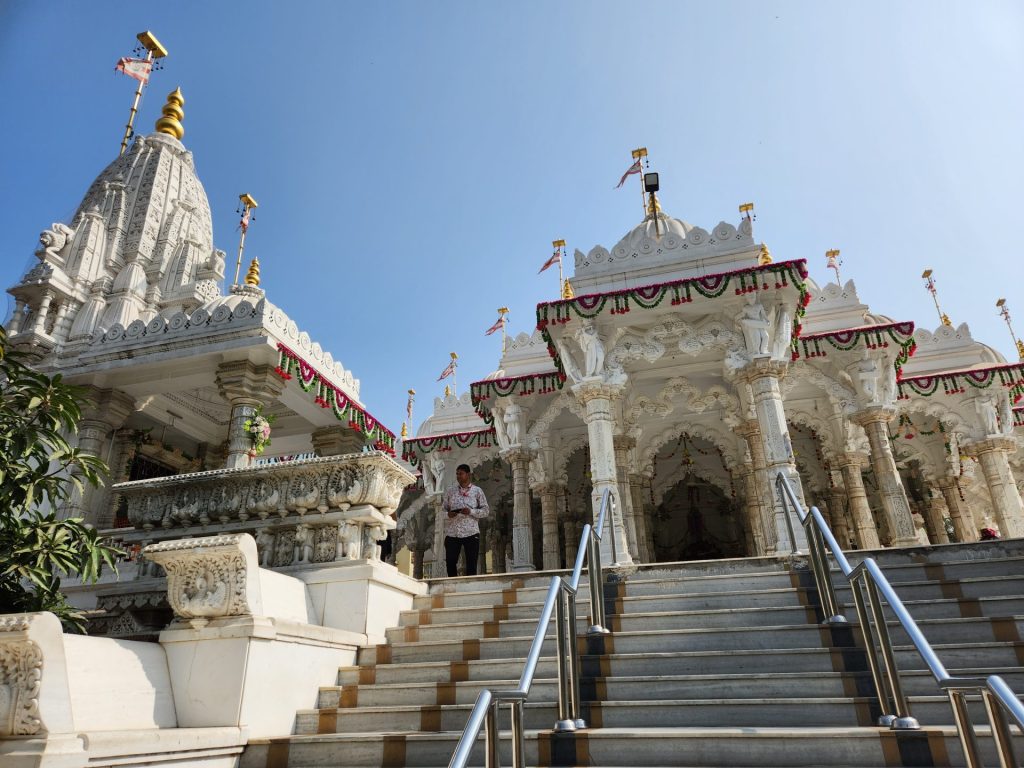
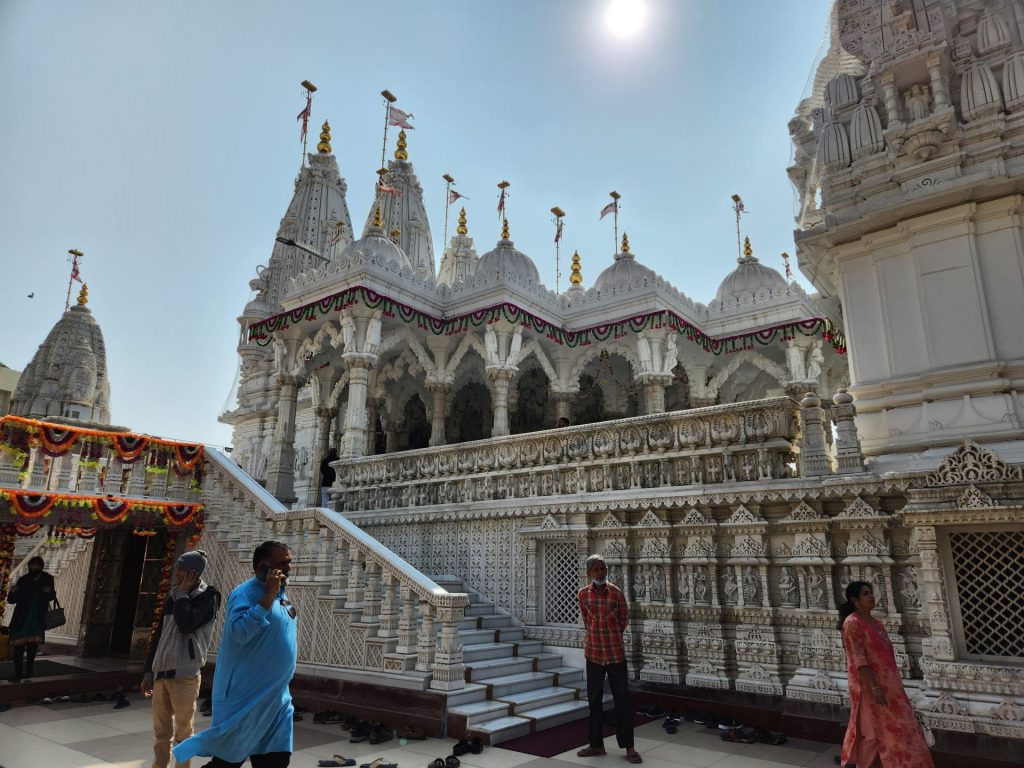
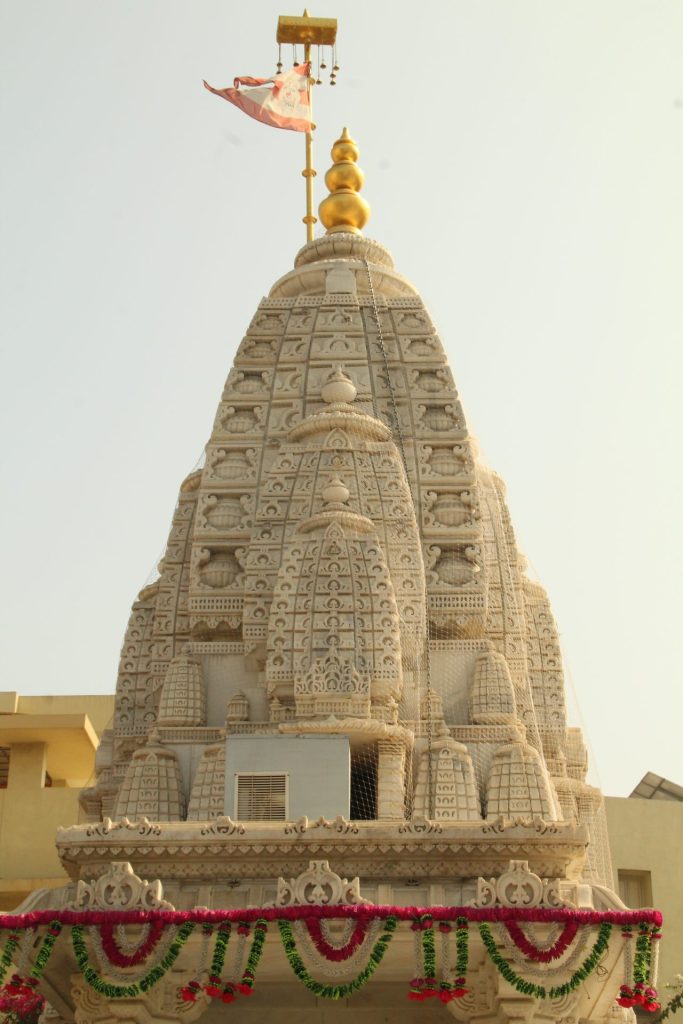
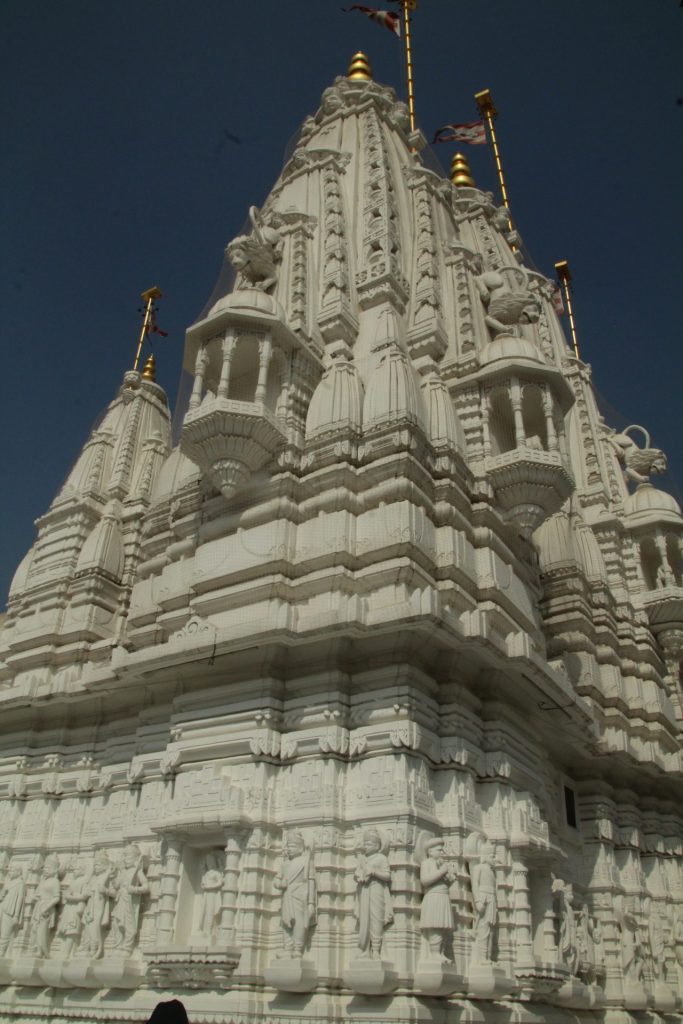
Our next halt was at Kalupur at the BAPS Swaminarayan Temple and the first among the temples built by Swaminarayan Sampraday, a Hindu Sect.
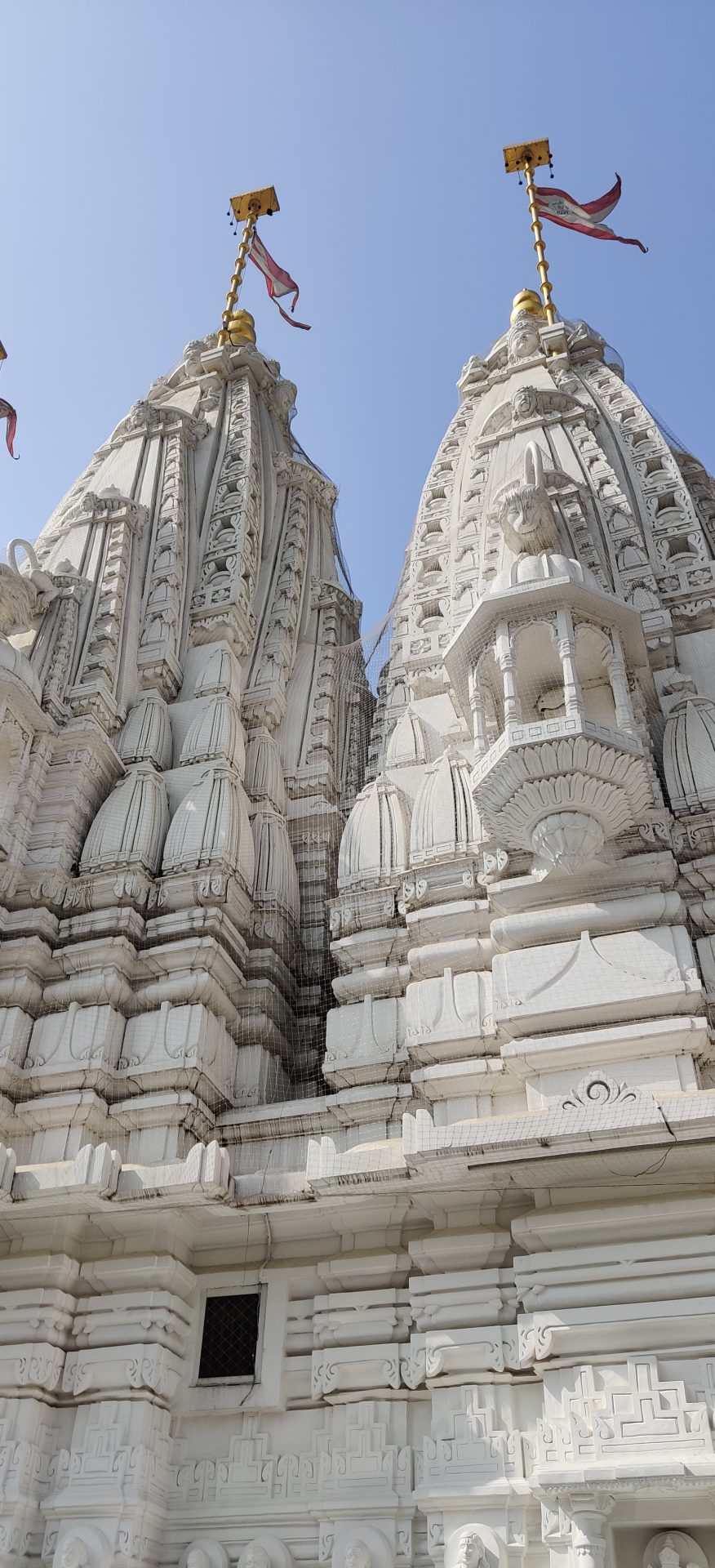
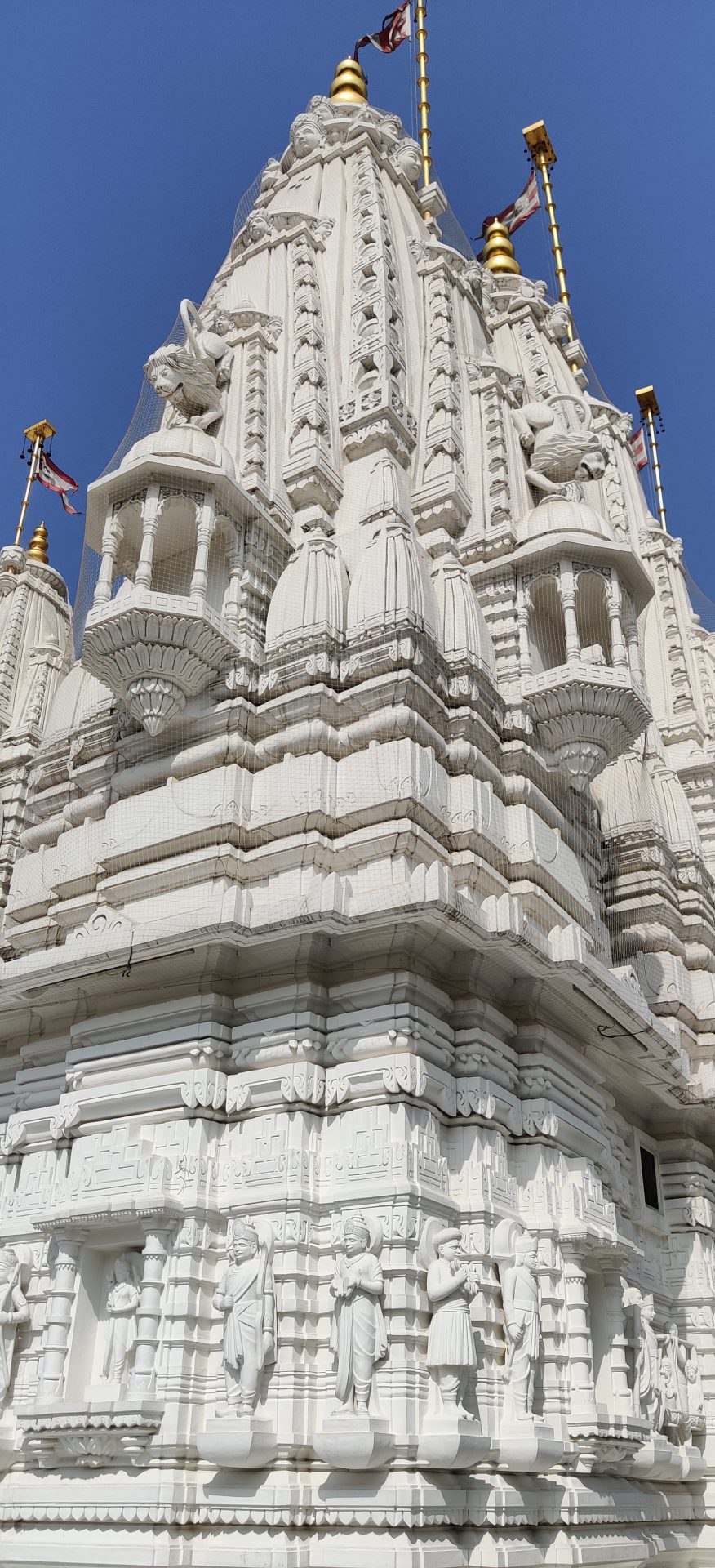
Located not very far off from the Hutheesinh temple, this elegantly designed structure is known for its architectural grandeur.
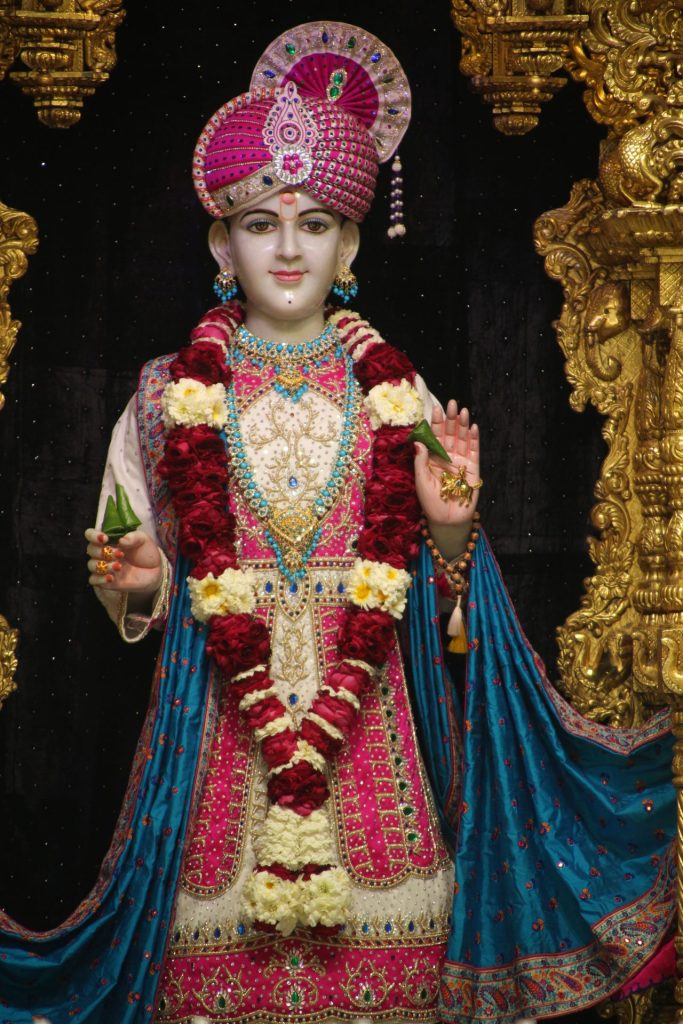
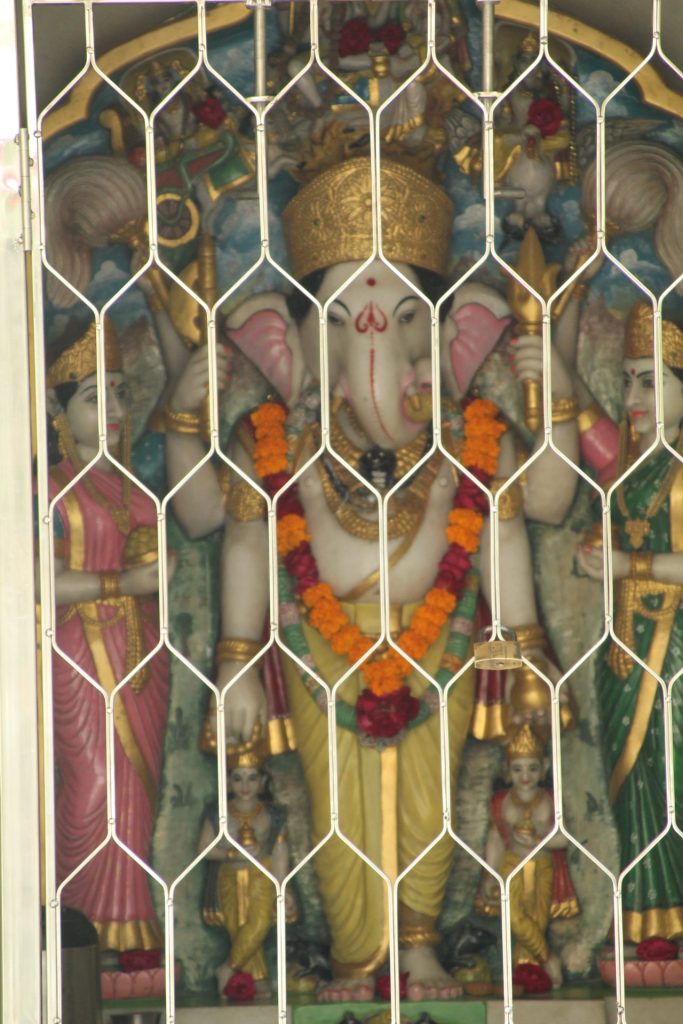
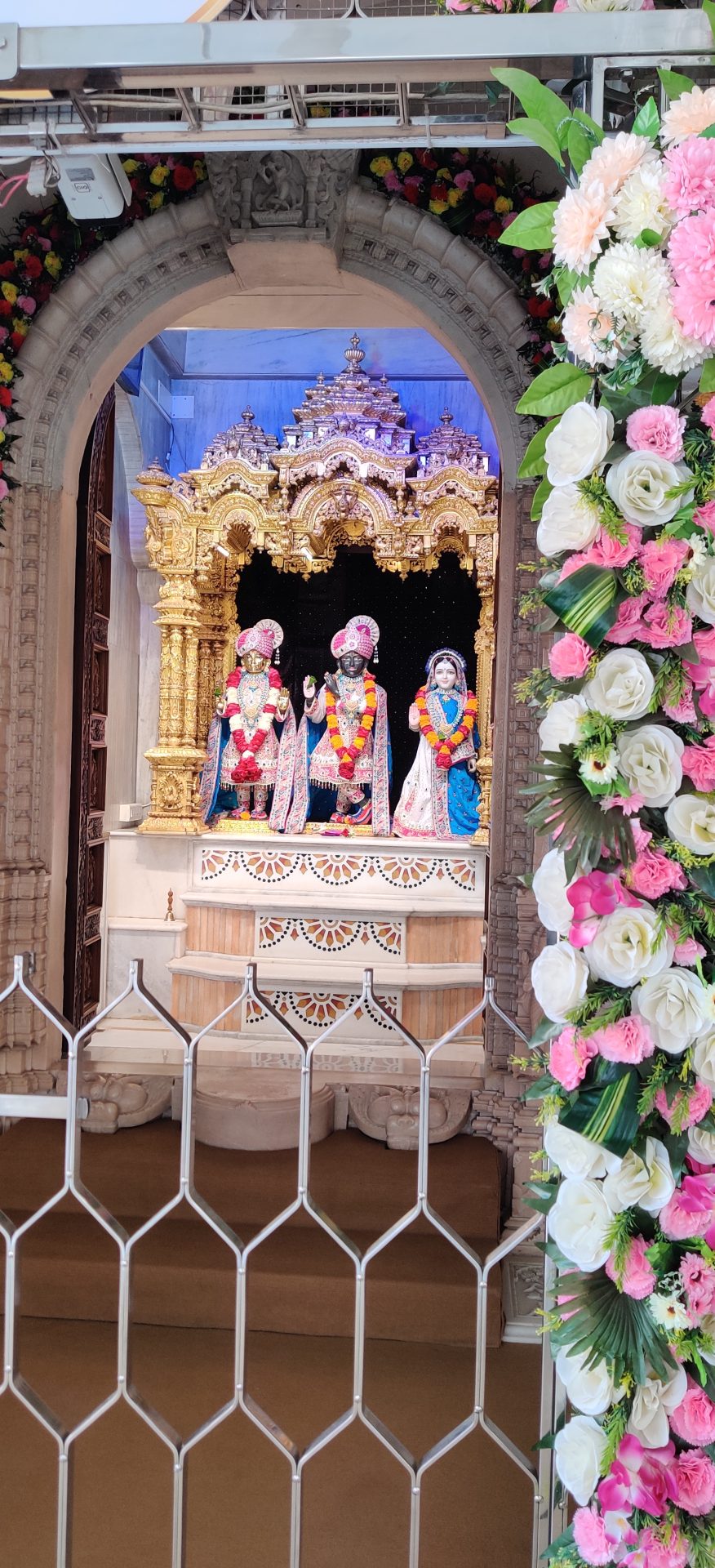
Dedicated to Lord Nar Narayan, the sanctum sanctorum of the temple has an image of Narayan Dev and an idol of Radhakrishna Dev.
The other images which can be seen here are that of Dharma Dev, Bhakti Mata and Harikrishna. The pristine white exteriors of the temple, built in white marble are indeed eye catching.
The complex is supposed to be having 9 tombs which are called Nau Gaz Pir or the Nine Yard Saints. The land for construction of this temple was gifted by the British Imperial Government and upon completion of the same, they were so impressed with the architecture that they accorded a 101 gun salute.
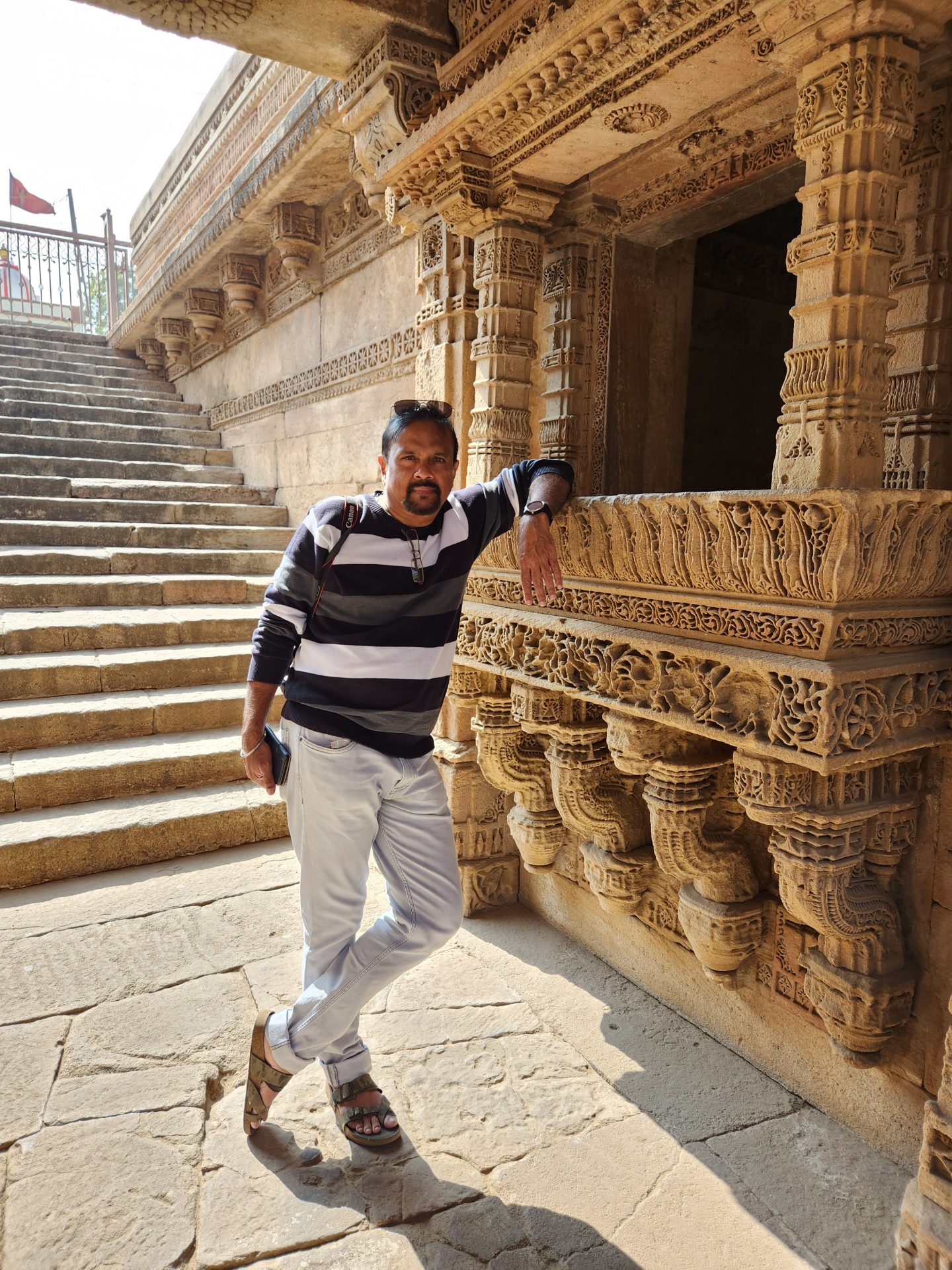
The Adalaj Step Well
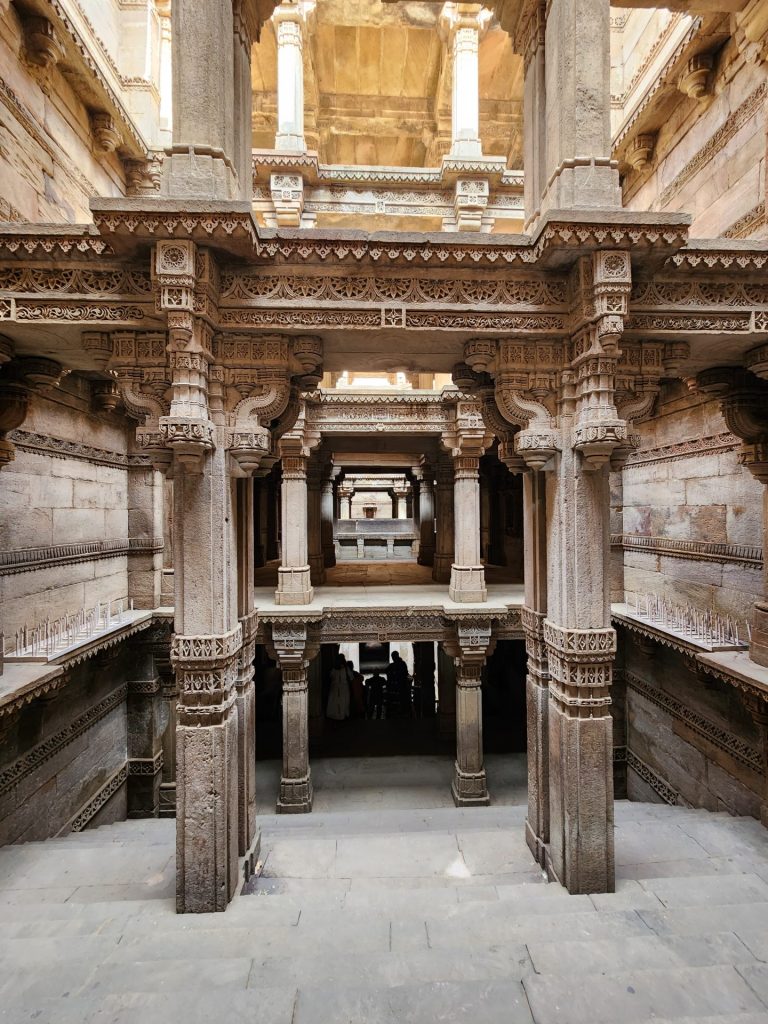
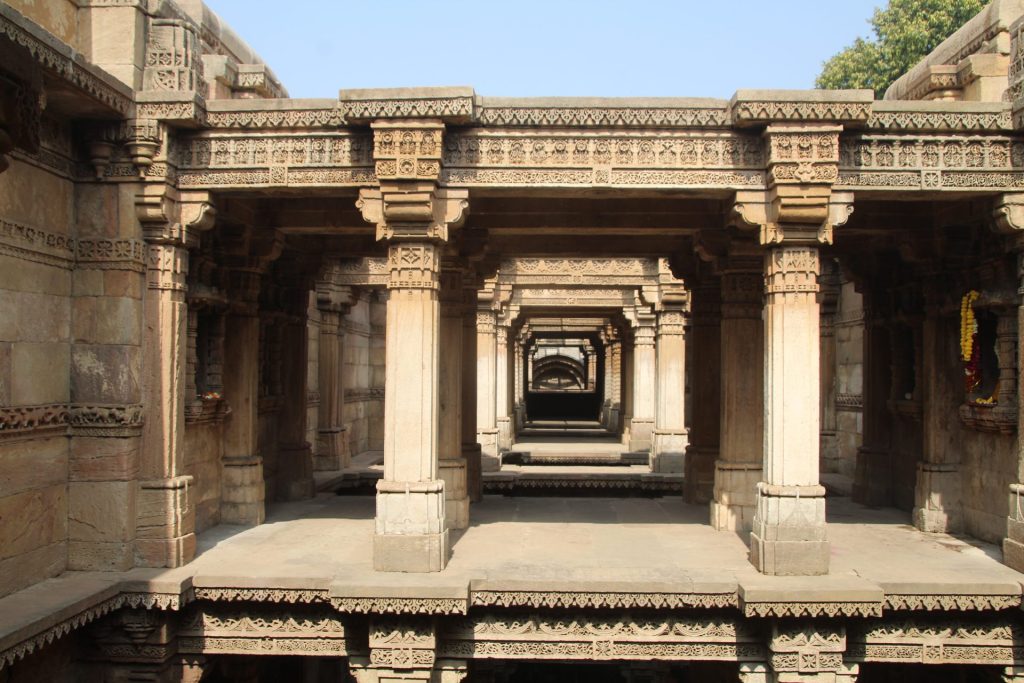
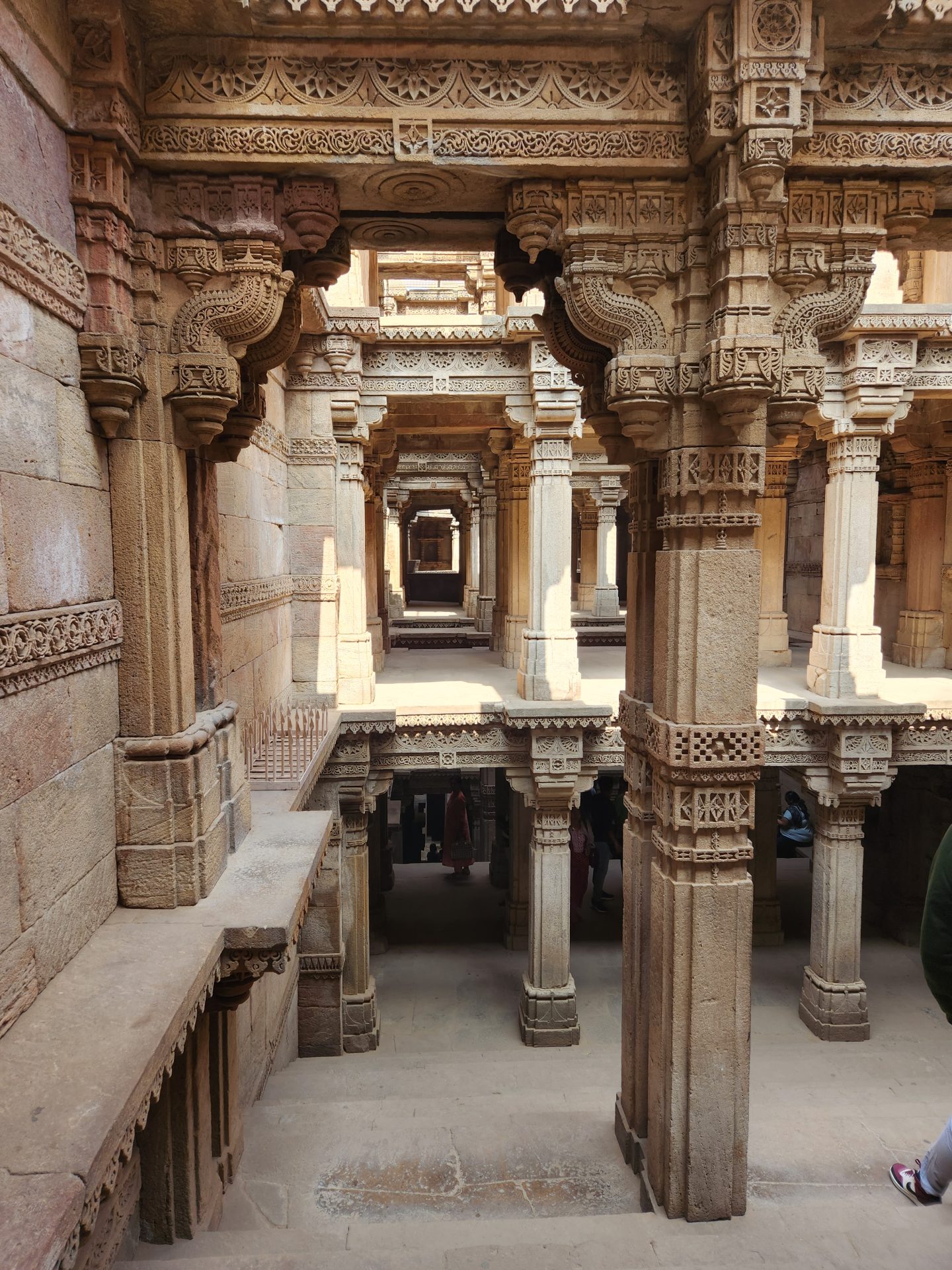
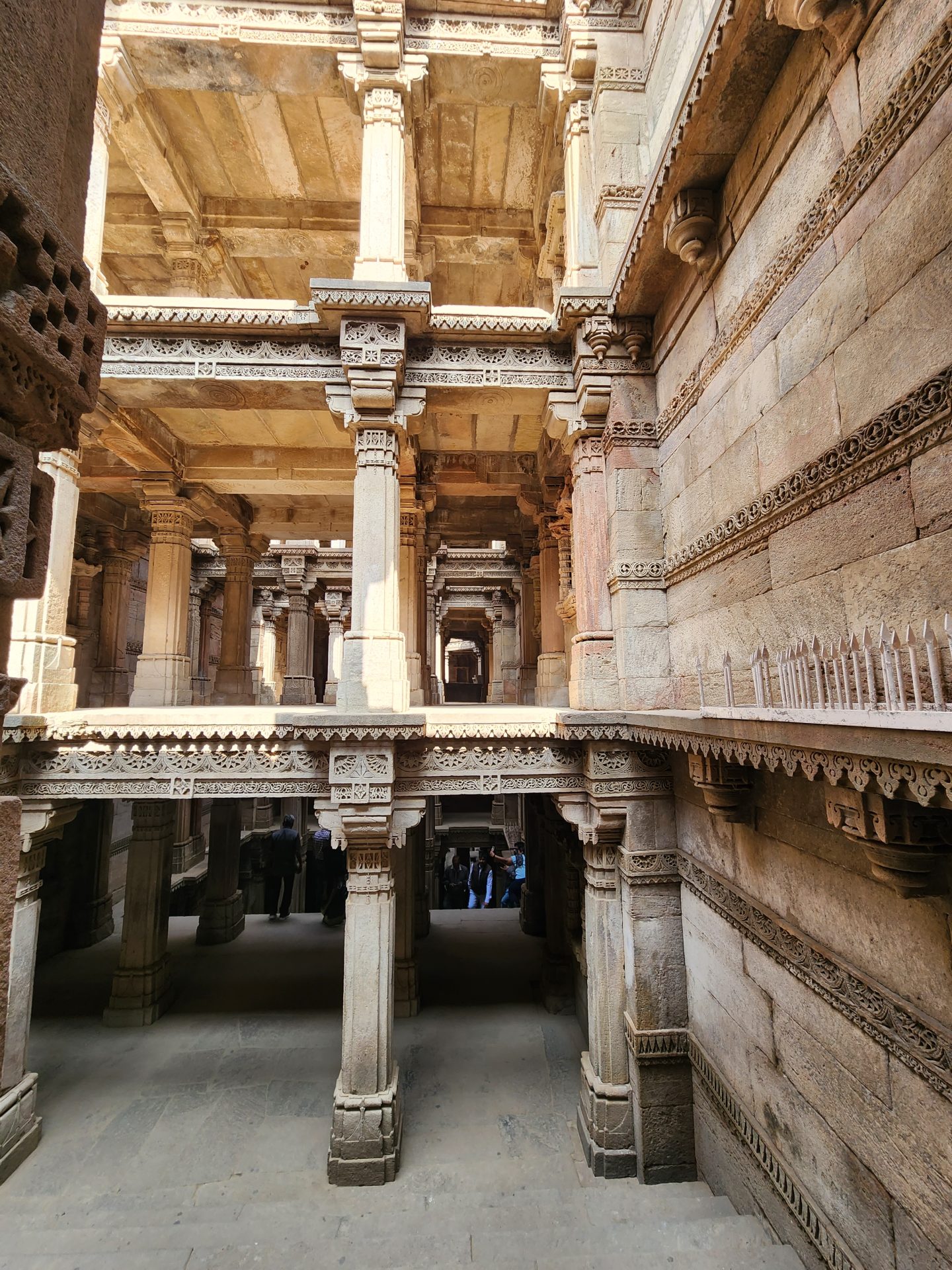
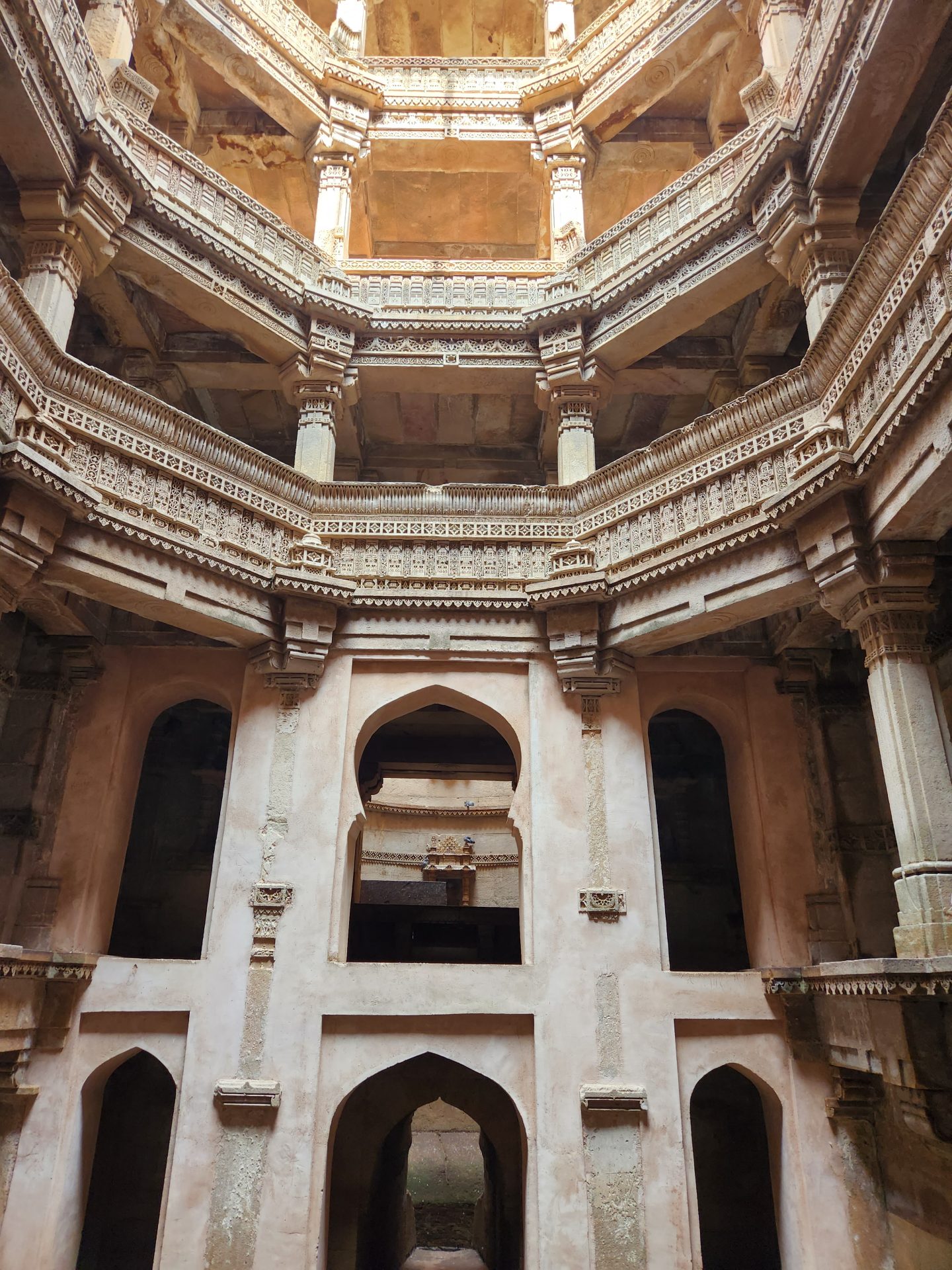
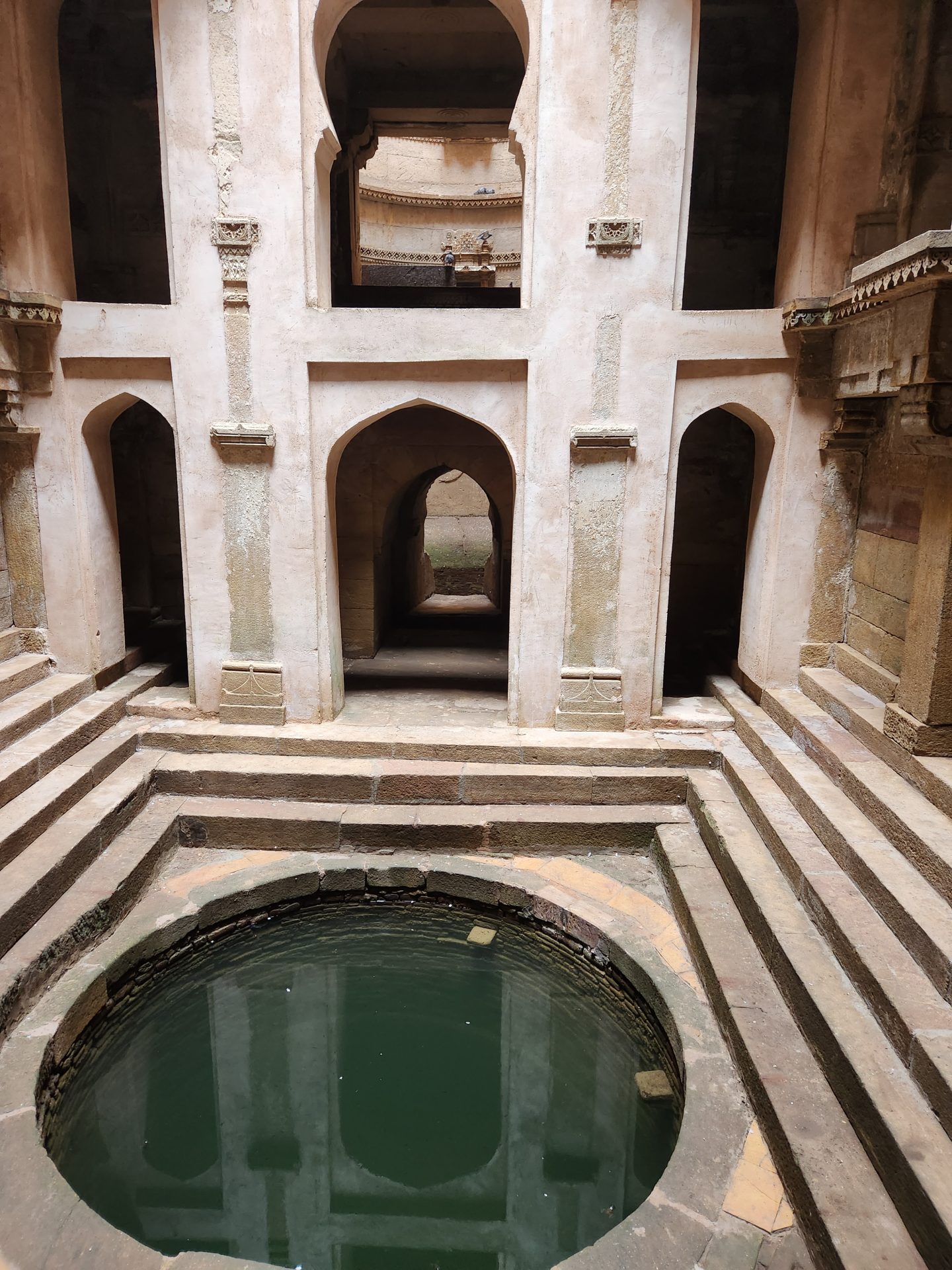
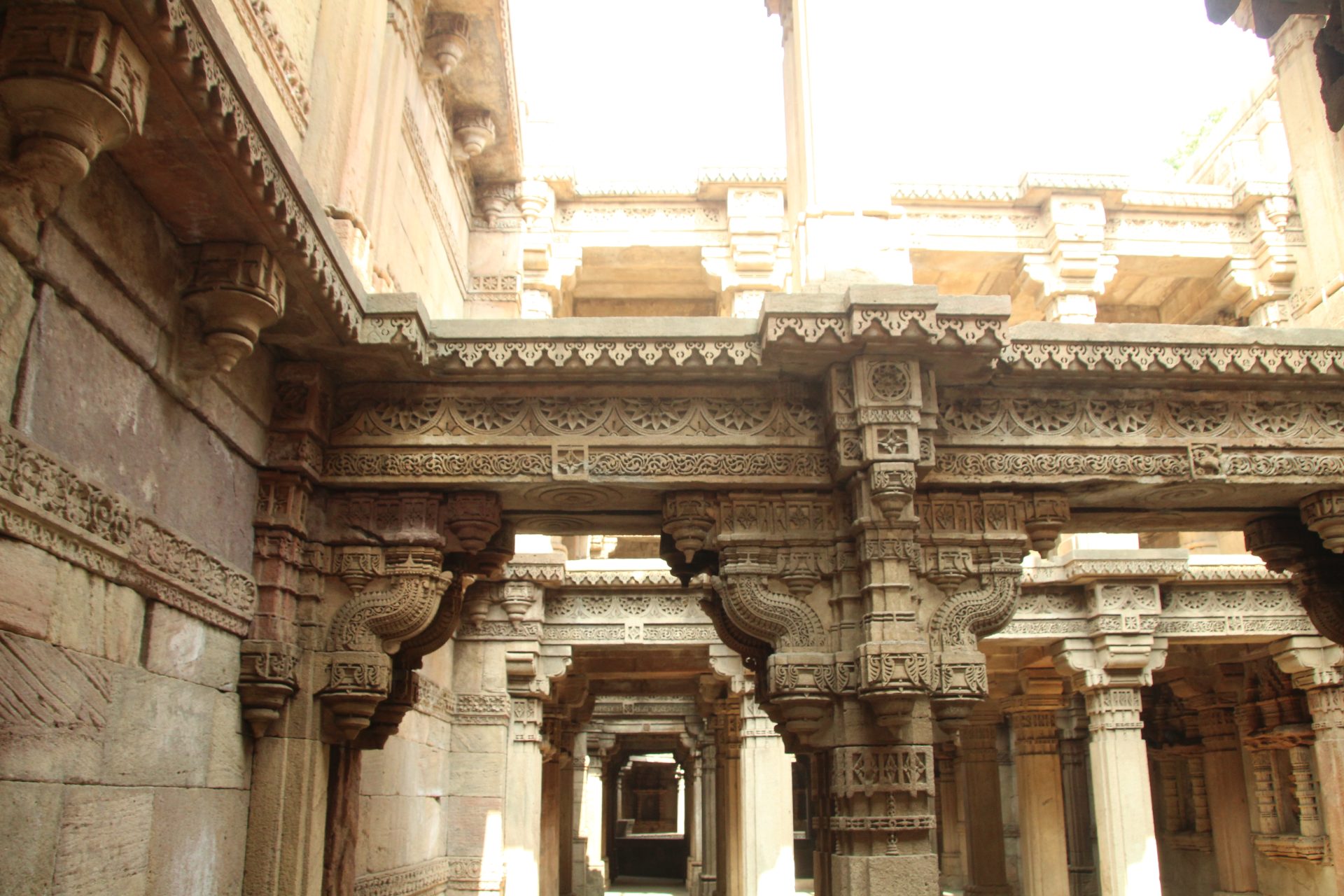
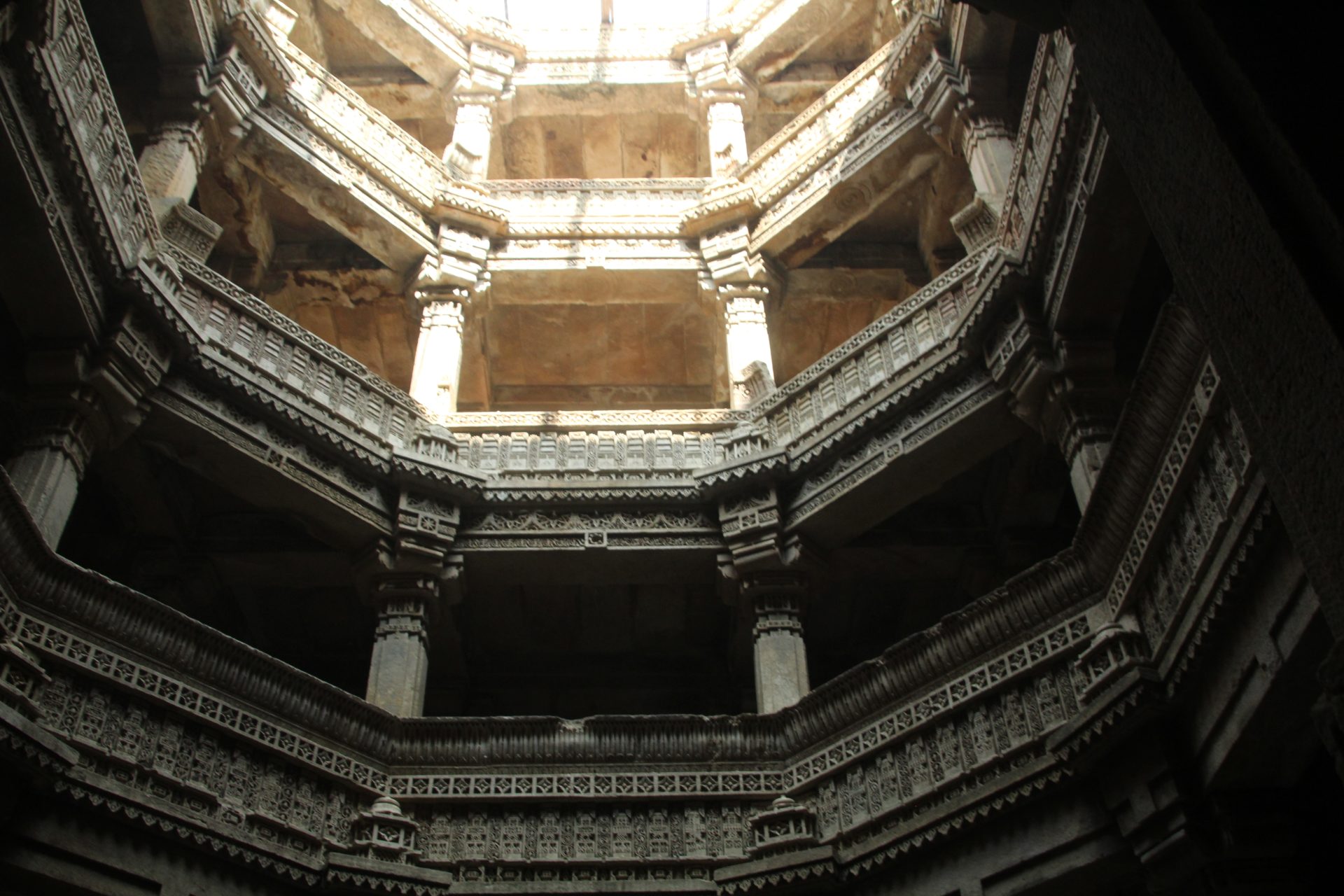
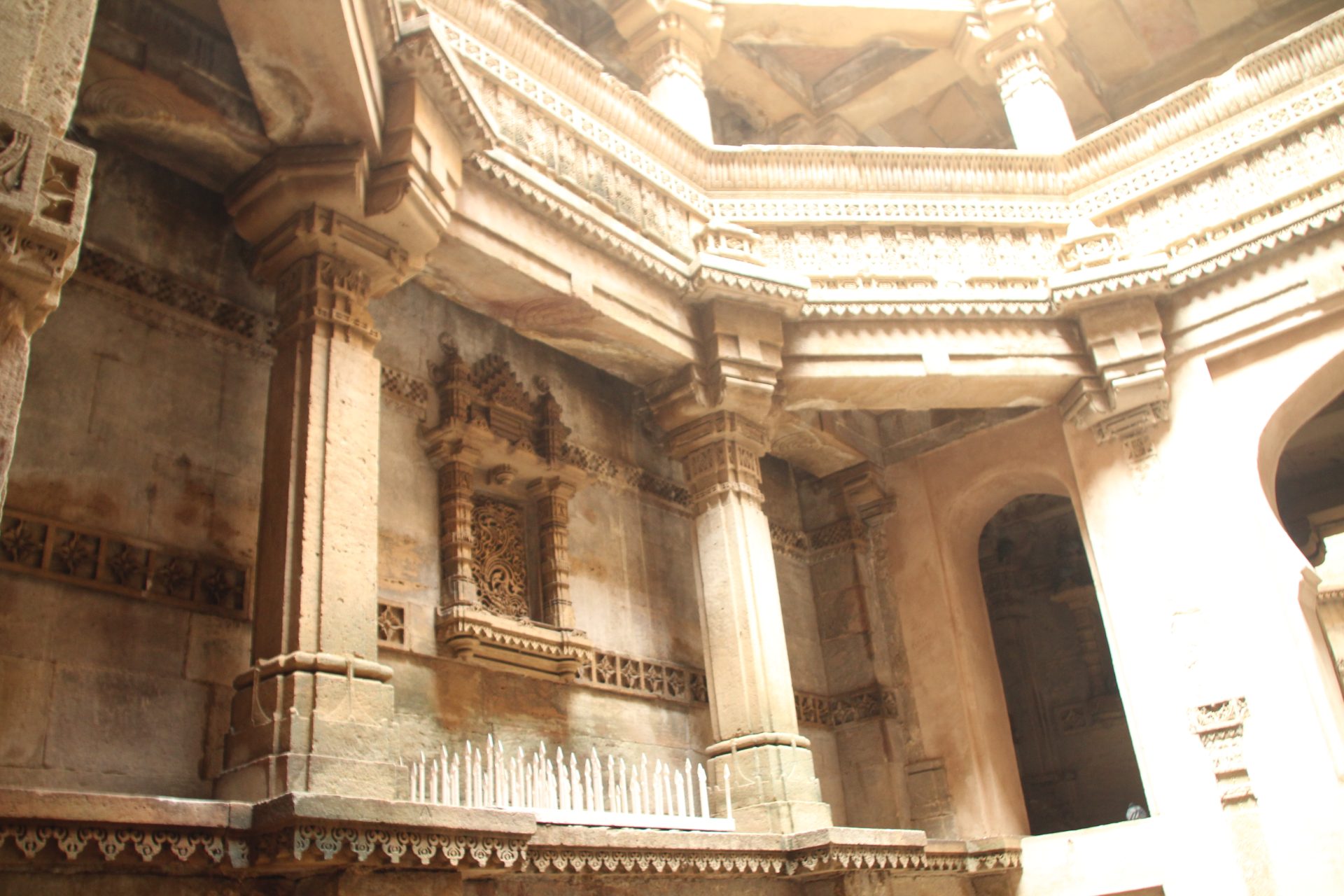
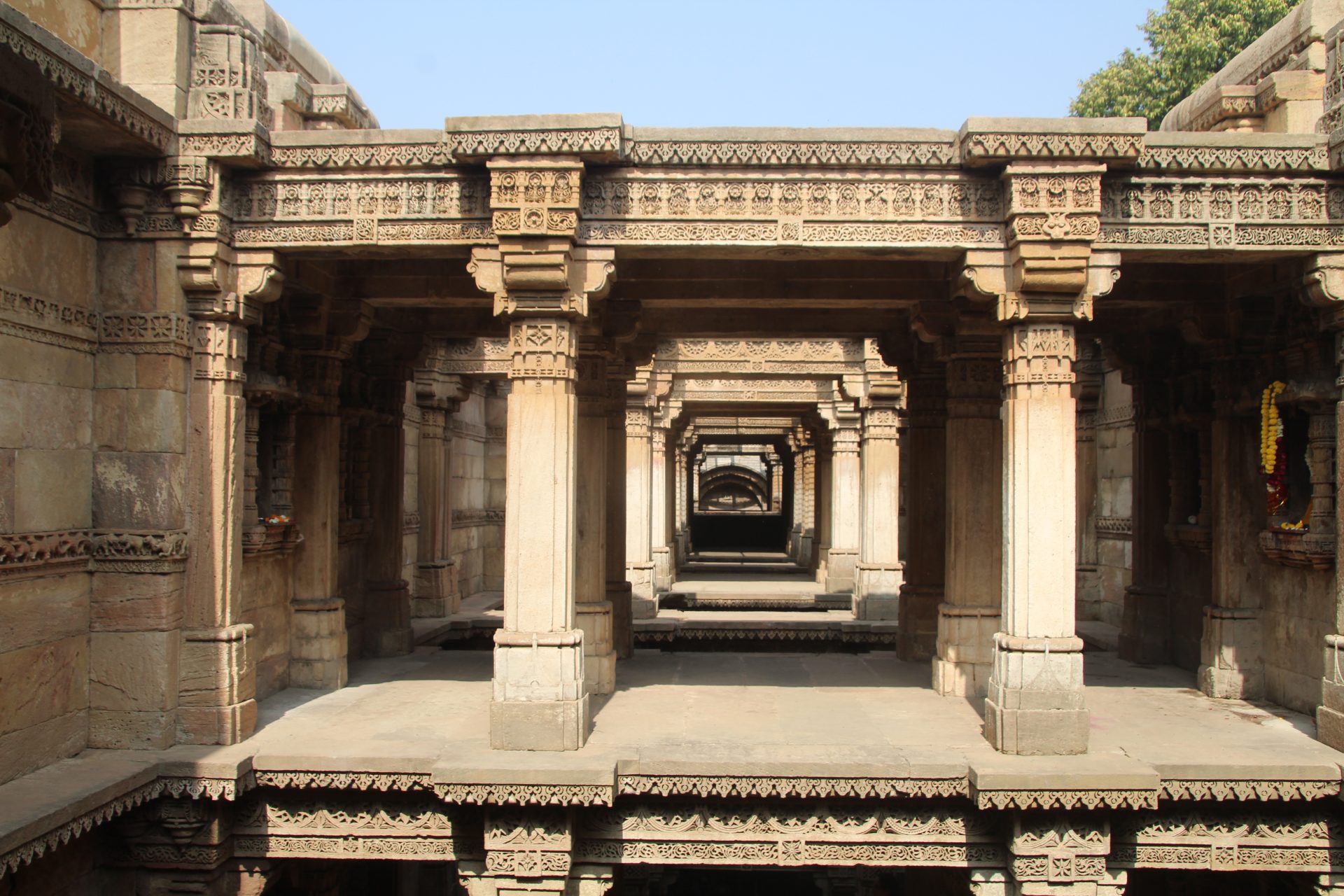
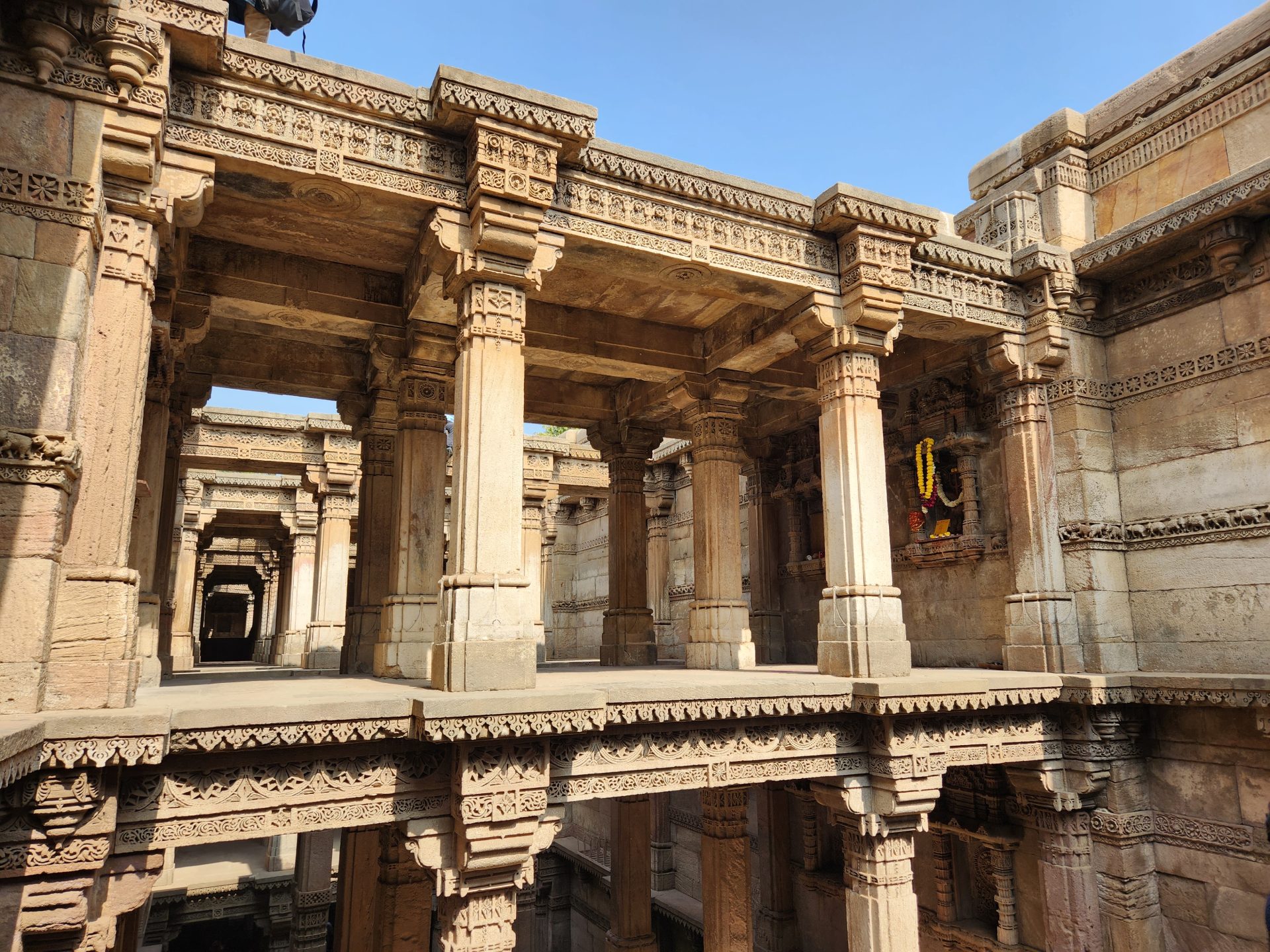
A 18 km long drive from Kalupur brought us to the small town of Adalaj, very close to the outskirts of the capital city Gandhinagar. A 5 storey Ornamental Stepwell (also known as Vav in Gujarati) built out of sandstone and in the Solanki architectural style can be found here.
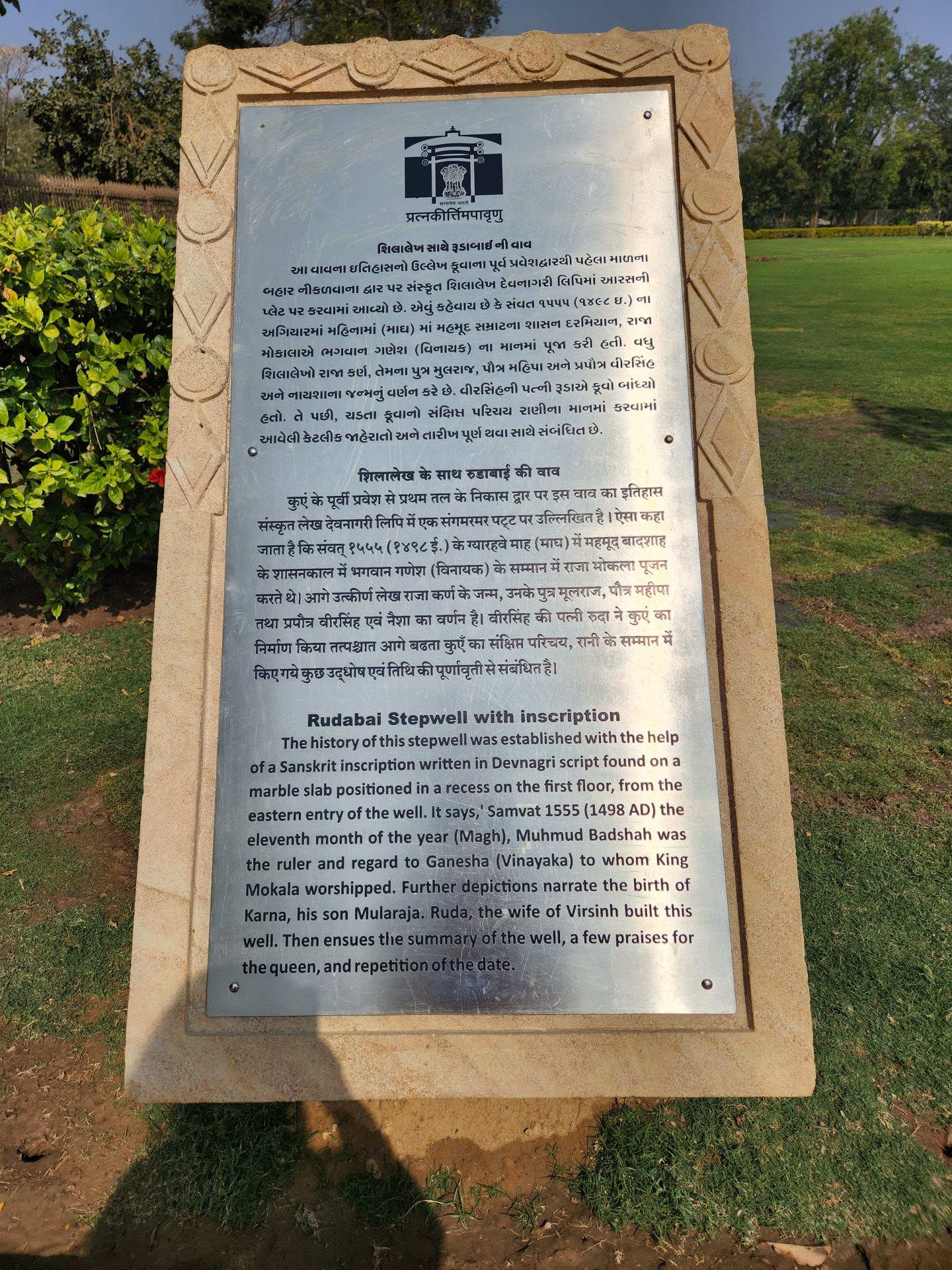
Constructed in the year 1498 in memory of Rana Veer Singh of the Vaghela Dynasty by his wife Queen Rudadevi, this monument is also known as the Rudabai Stepwell.
The Rana had started the construction but was killed in a war by a neighbouring king Mohammed Begda and the Queen then took it upon herself to complete it. At one time, step wells were integral to the semi arid regions of Gujarat as they were the main source of water for drinking, bathing and washing.
Legend has it that the Queen ended her life by jumping into the well as a final resort instead of getting married to the Muslim king who was smitten by her beauty. He is supposed to have prevented her from self immolating herself and promised to complete the construction of the well, thinking that she would marry him.
It is also believed that 6 masons who were involved in the construction of the stepwell were killed by this king so that a replica of this stepwell could not be made.
Built on intricately carved pillars over 5 floors, each floor has enough space for a number of people to congregate and to reach the water level of the well, one has to climb down 3 floors.
At the landing levels of each floor, one can see small rooms with bay windows, decorated with minutely carved brackets at the 4 corners.
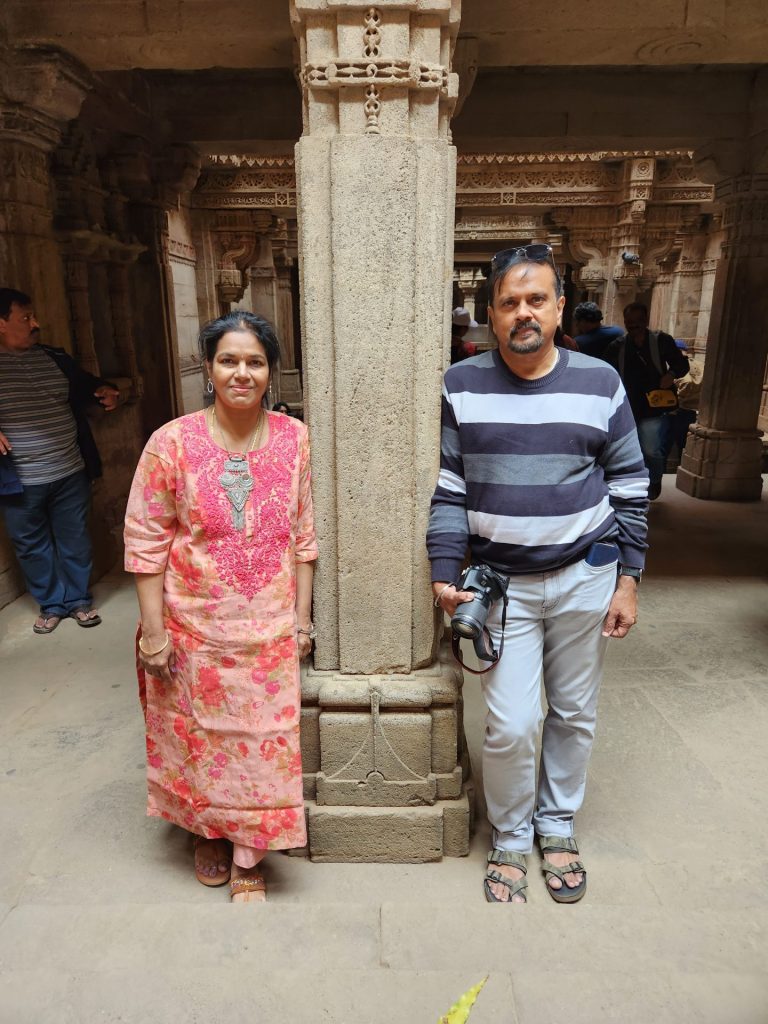
It was around 1.30 PM by the time we came out of the stepwell, truly mesmerised by the beautiful architecture.
The Akshardham Temple Complex
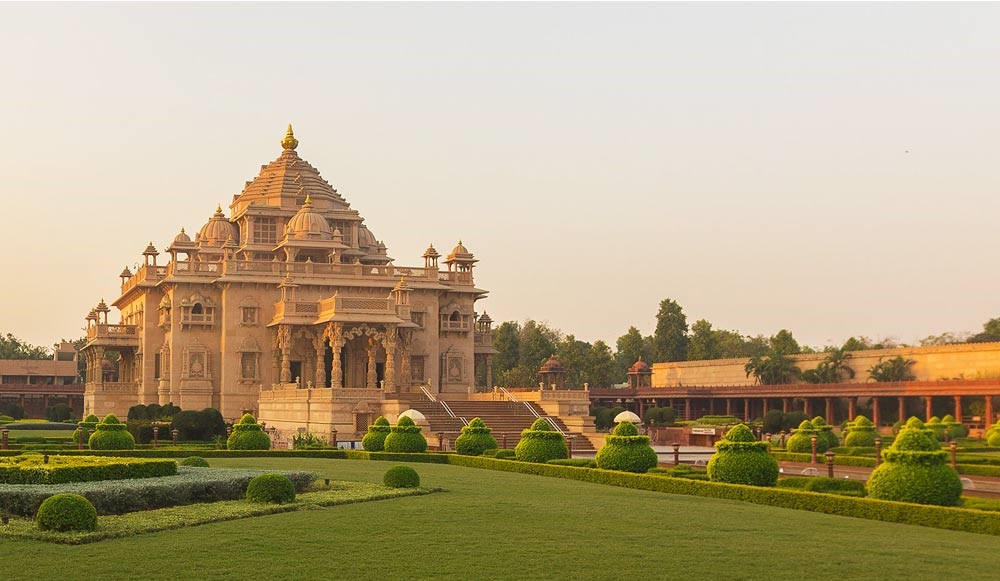
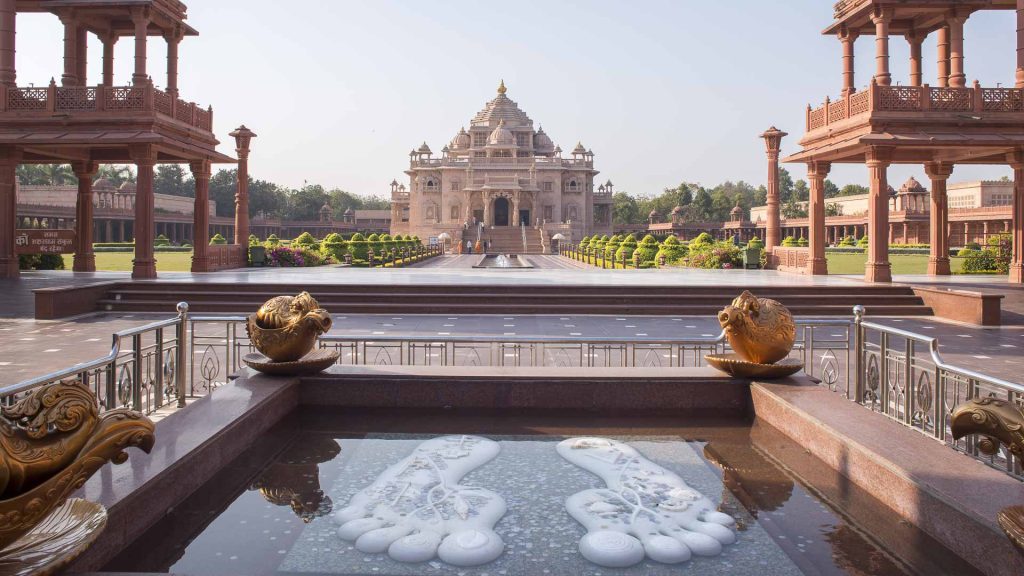
We then headed for the Akshardham temple at Gandhinagar, the most beautiful amongst the Akshardham temples built in India. Unfortunately no cameras were allowed inside the temple complex.
This temple, dedicated to Lord Swaminarayan is spread across a vast area of 23 acres with 100 feet high structure and halls, supported by over 100 pillars. A large very well maintained garden leads to the temple complex adorned with delicate carvings on stone and large domes.
The main idol is 7 feet tall and has been made using 1.2 tonnes of gold plating while the temple complex has near about 200 other religious sculptures. Around 6,000 tonnes of pink sandstone has gone into building this structure and without the use of steel.
The Premavati Food Court inside the temple complex is where we had our lunch. Vegetarian food lovers would never go disappointed as there is a wide variety of dishes to chose from including Gujarati Thalis and South Indian stuff and the tastes are amazing.
Sabaramati Ashram
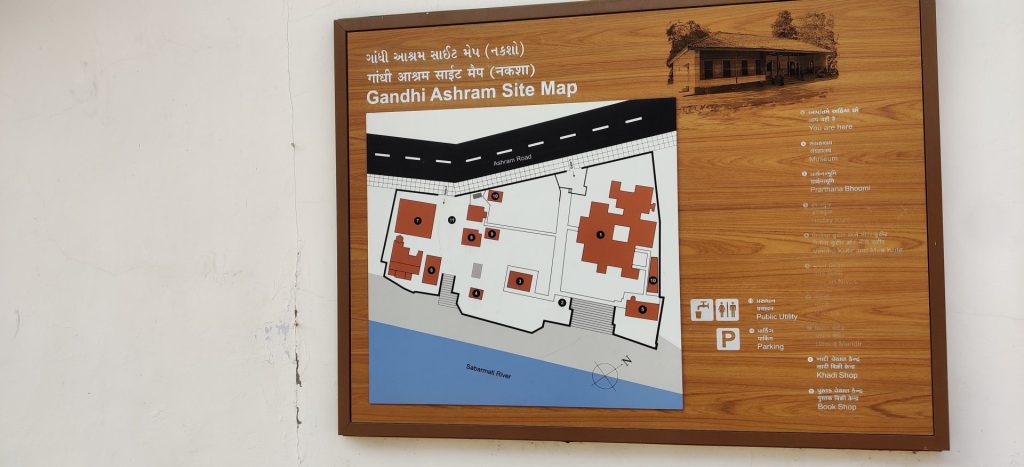
We started our drive back to Ahmedabad post lunch after collecting our phones which we had left in the cloak room and reached Sabarmati ashram a little before 4 PM, the most awaited and popular sightseeing spot in Ahmedabad.
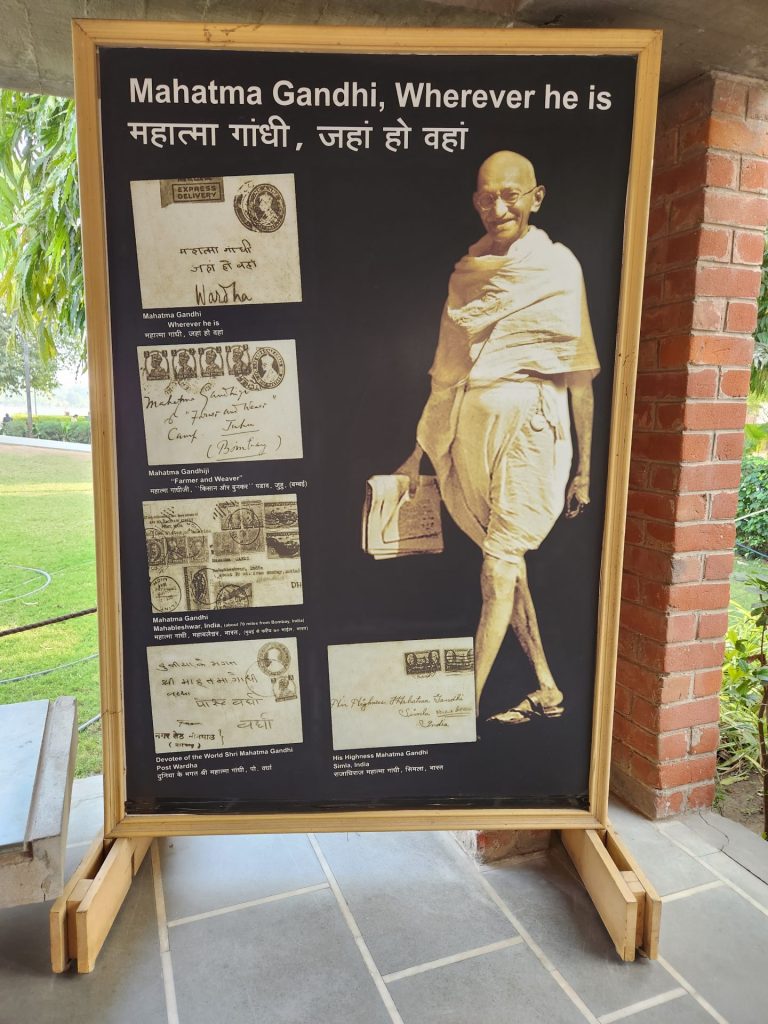
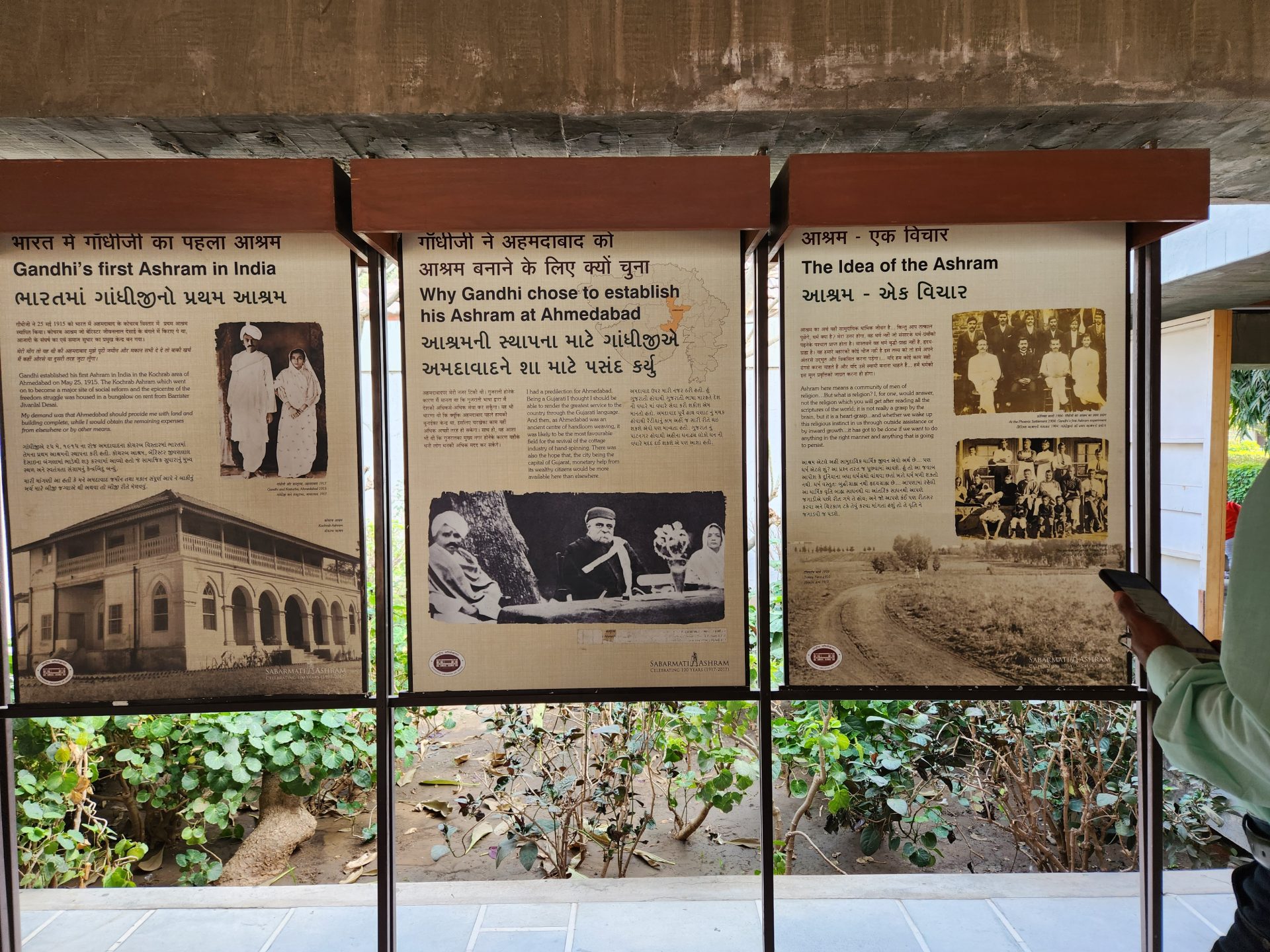
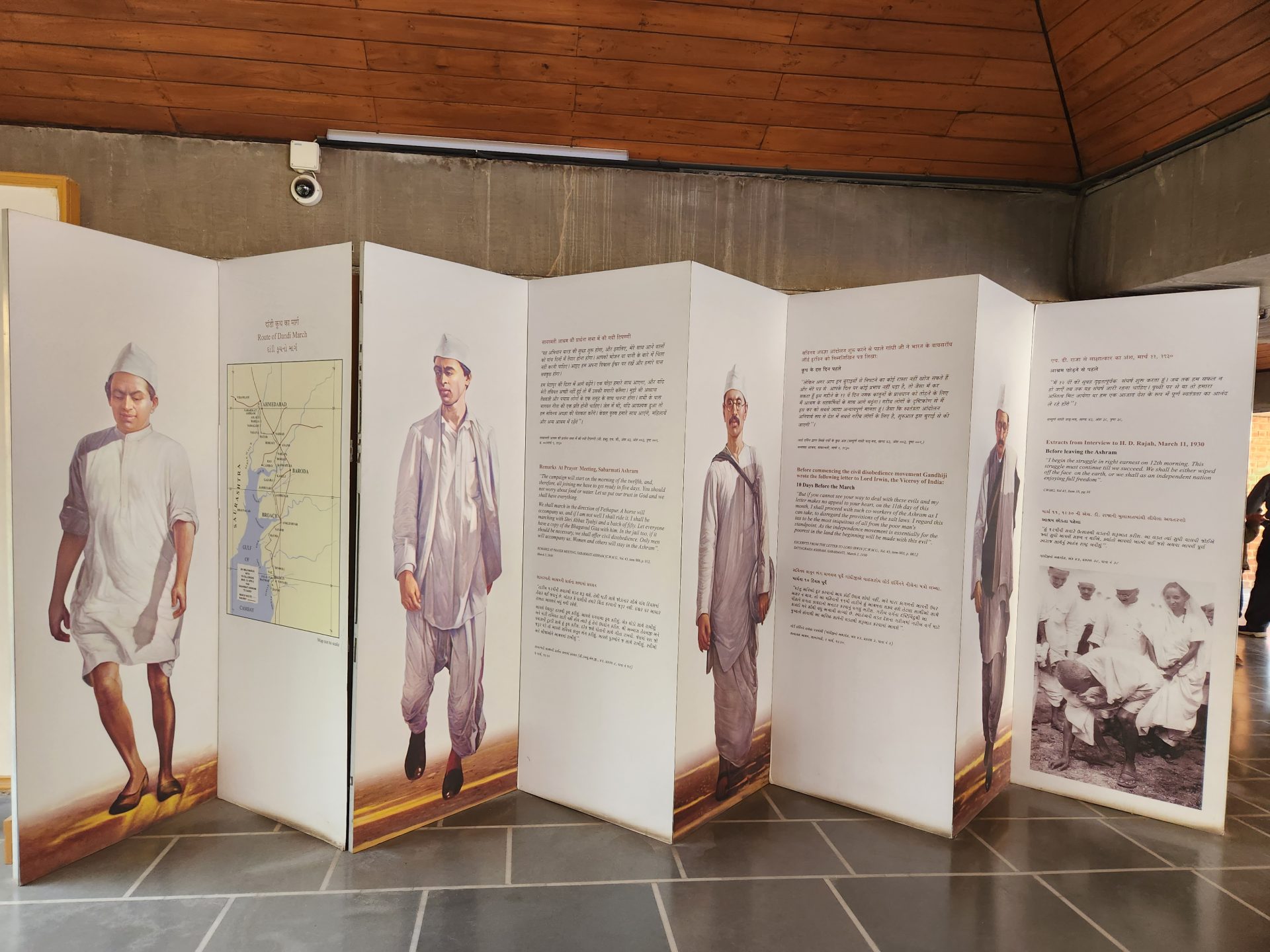
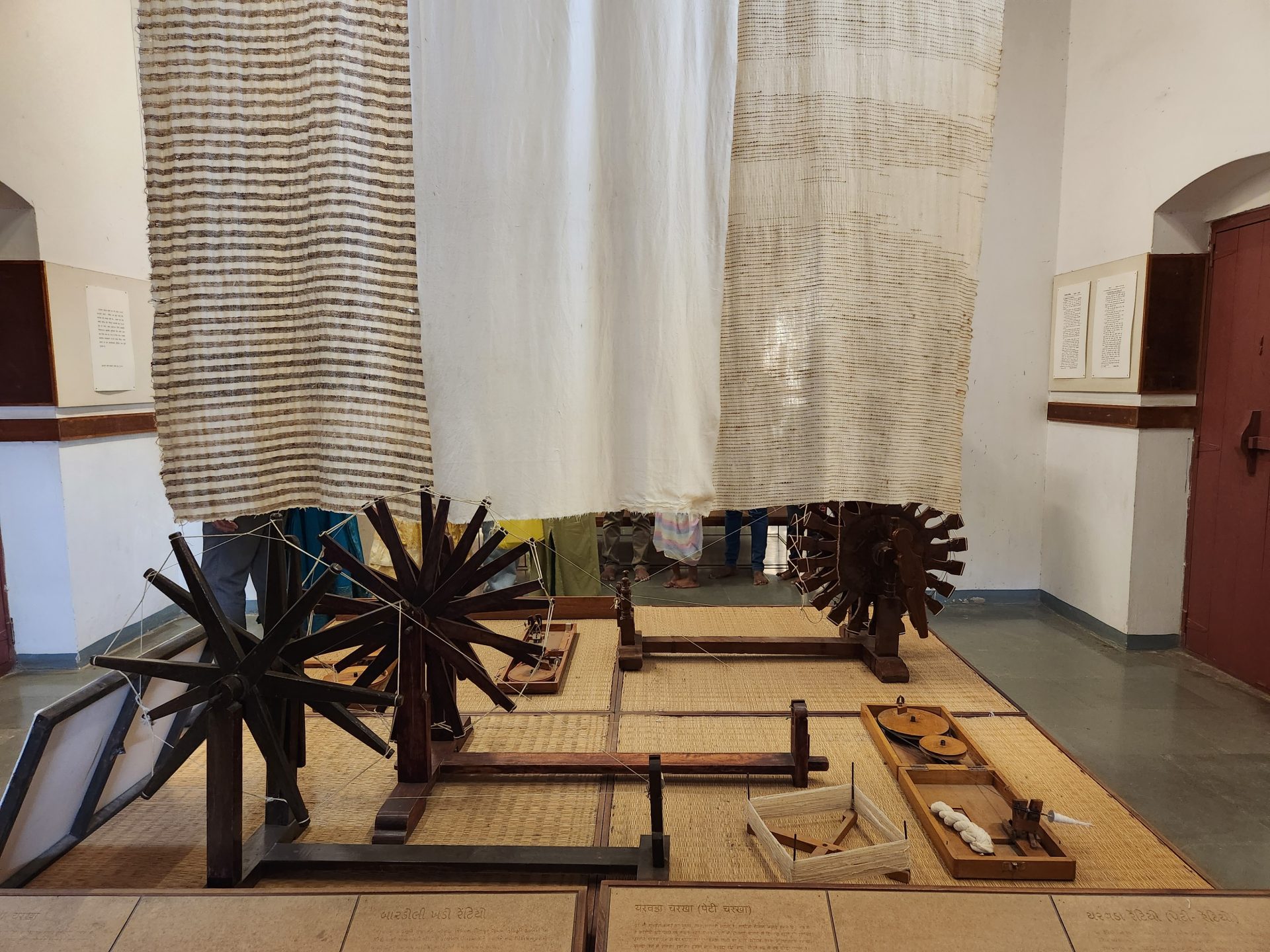
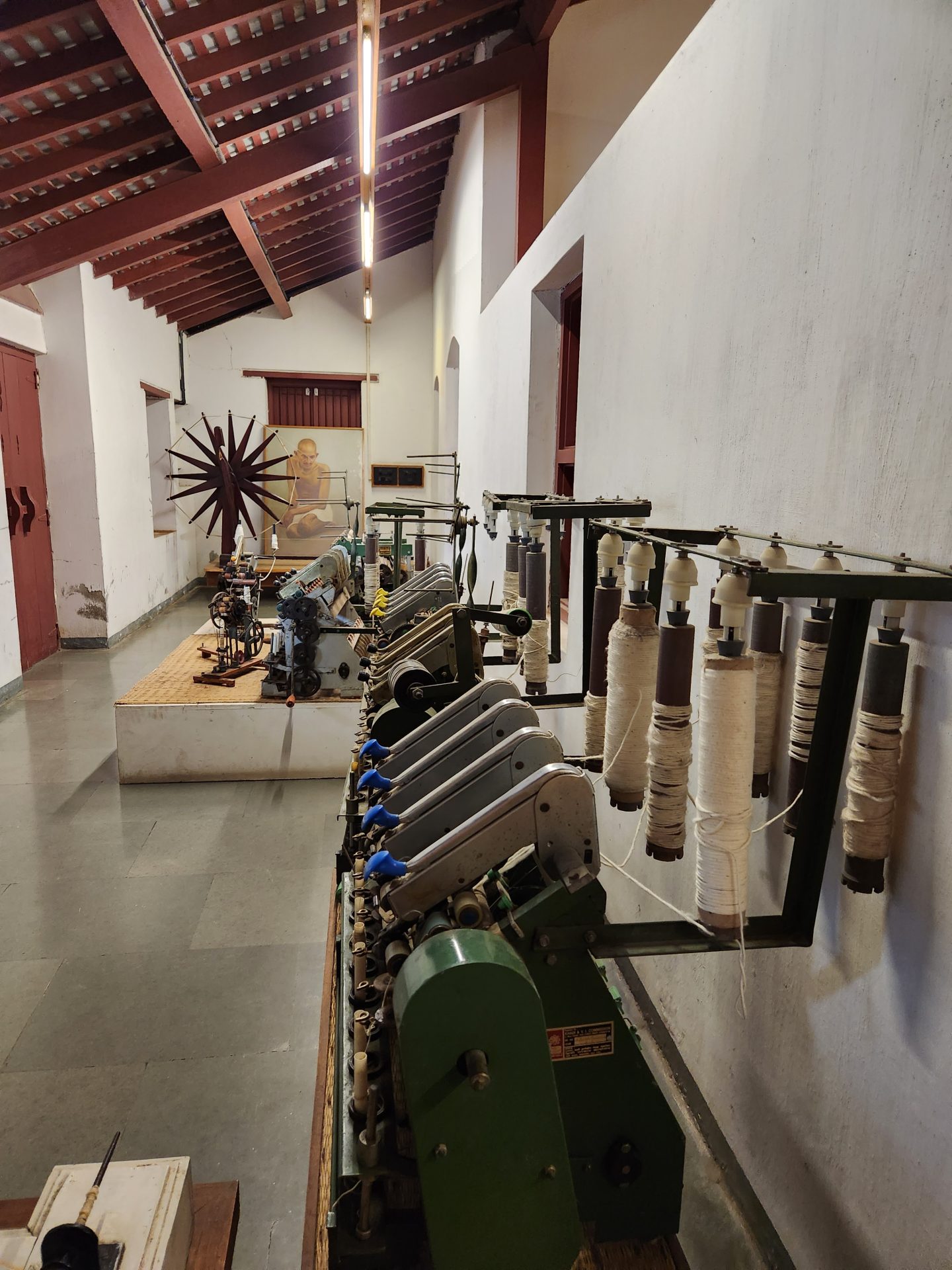
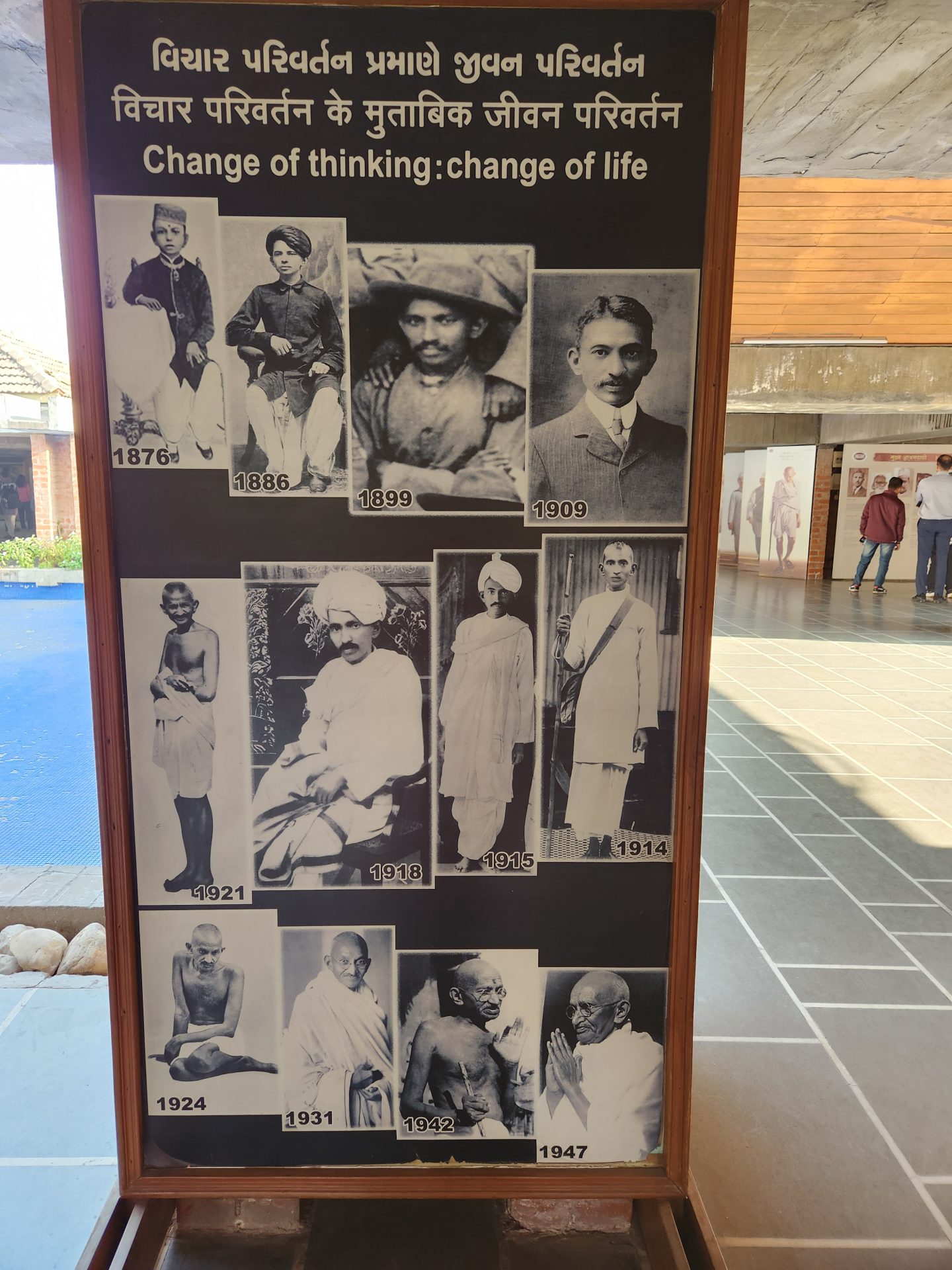
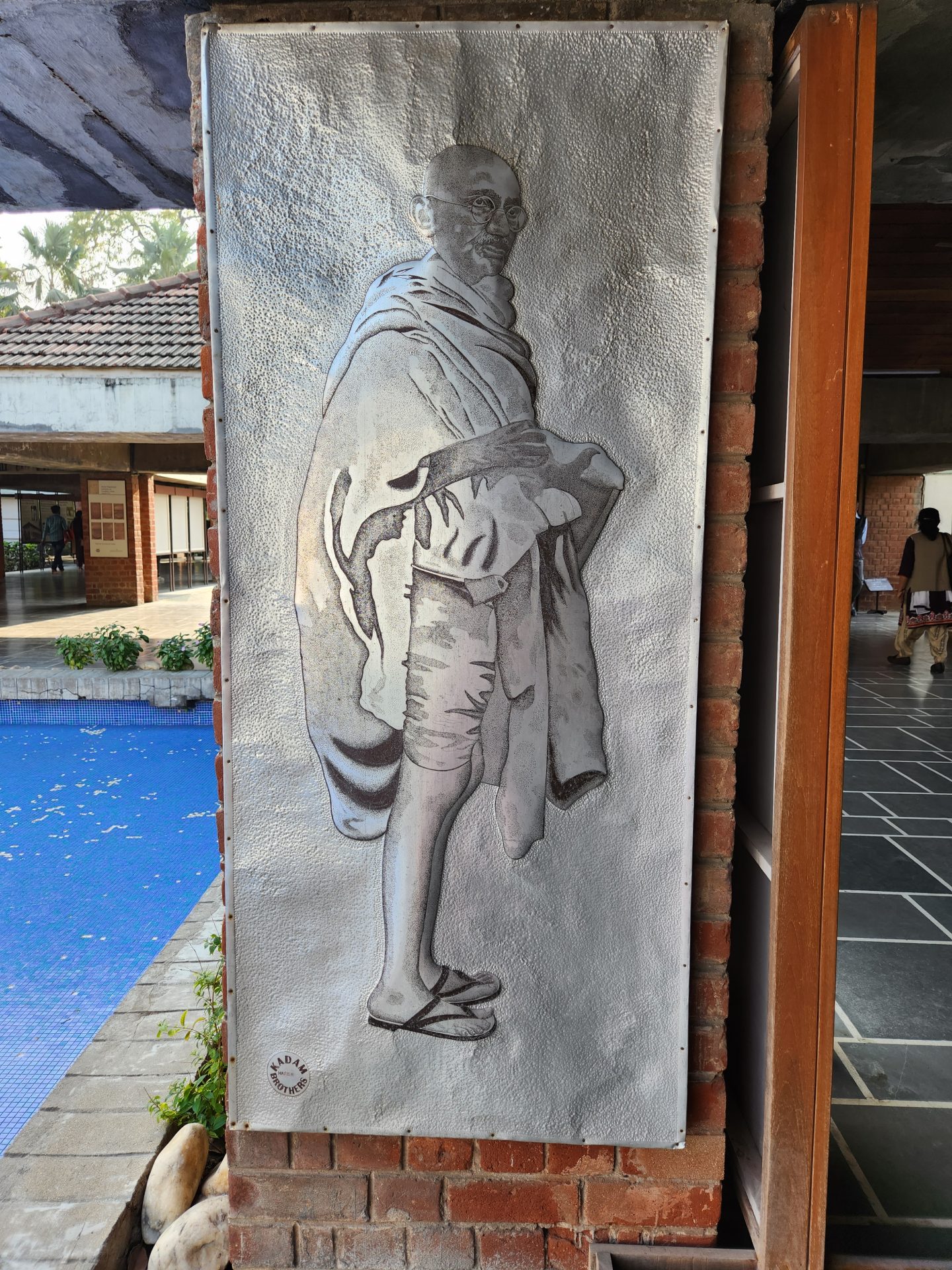
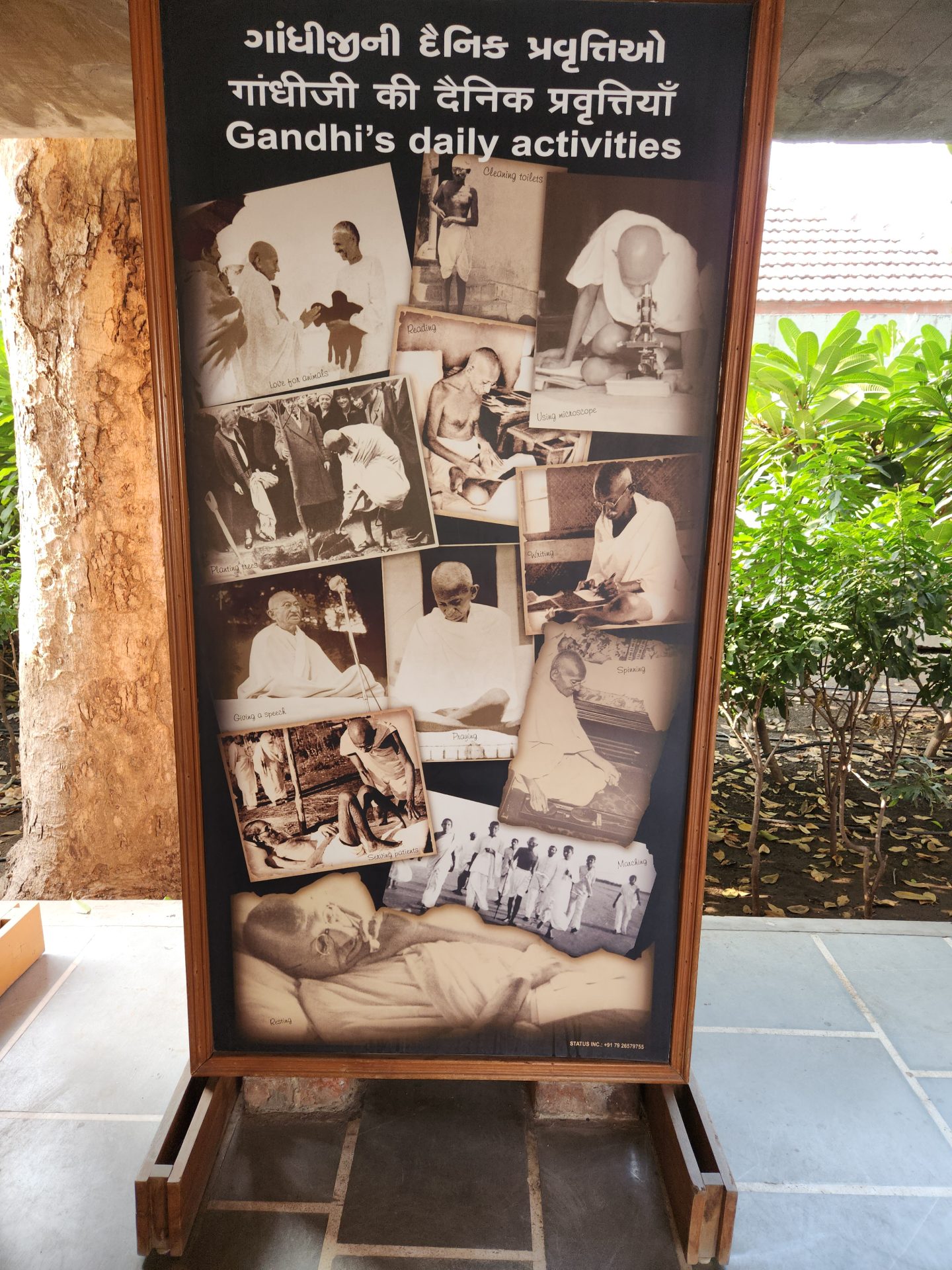
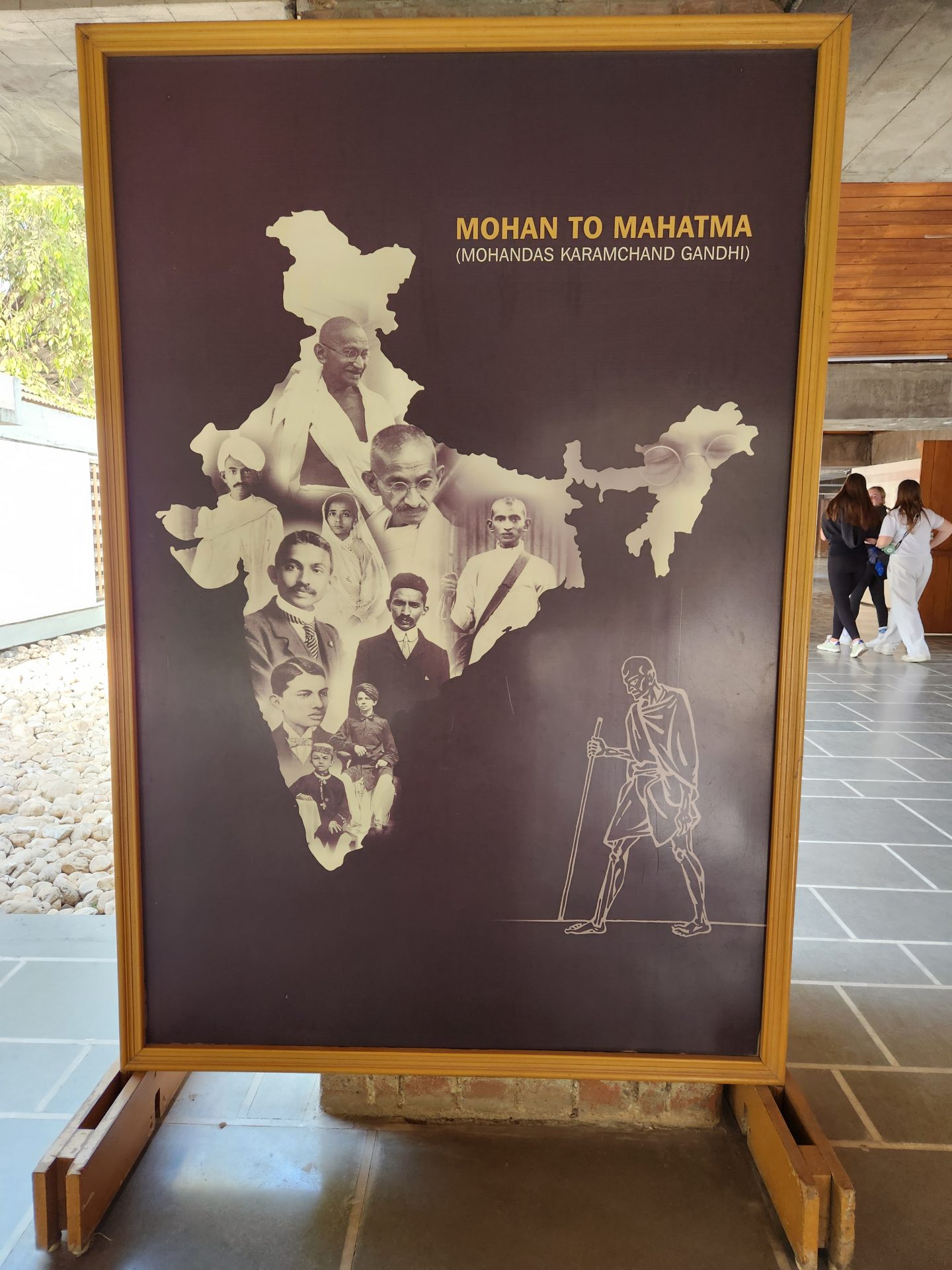
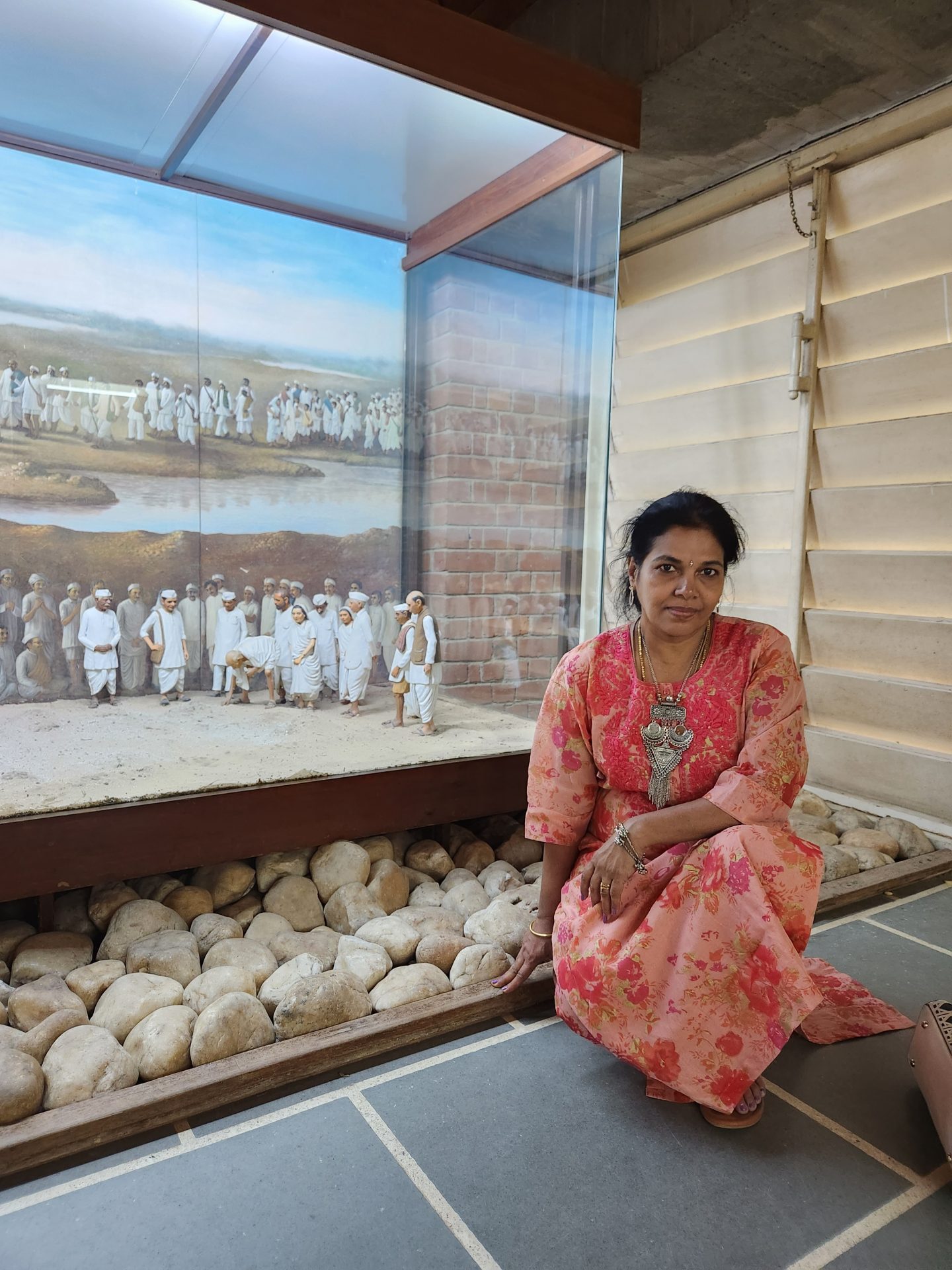
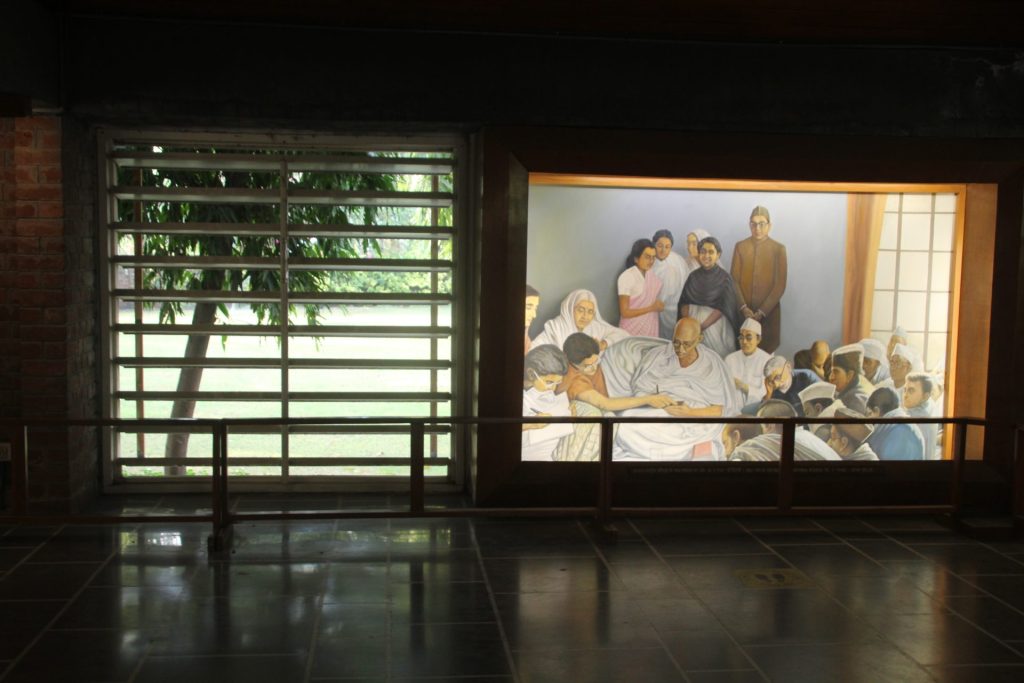
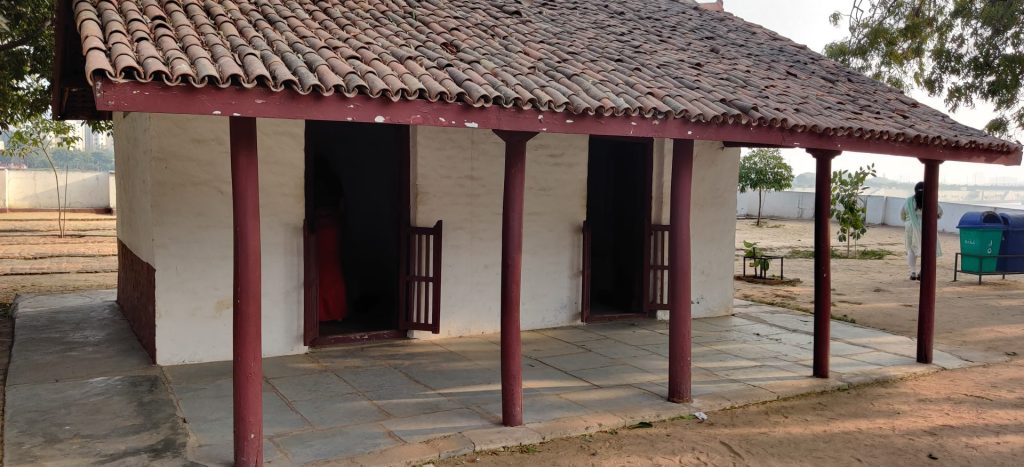
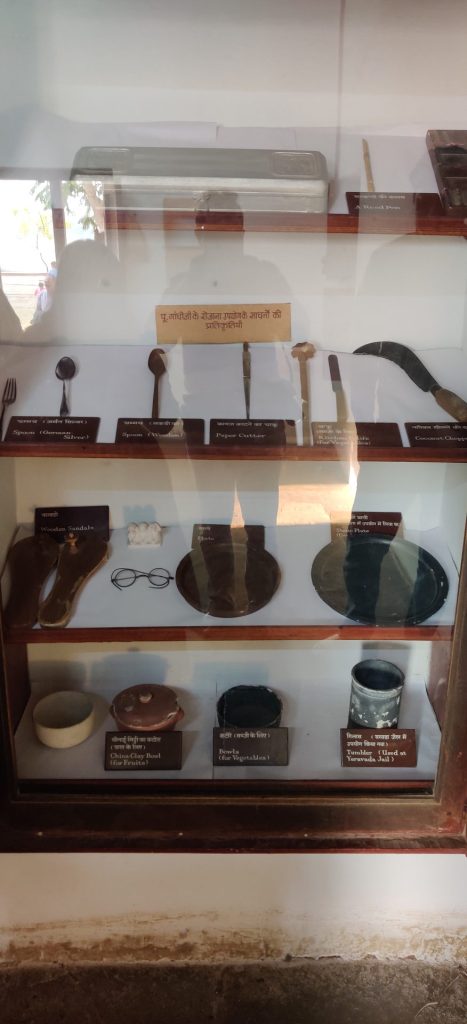
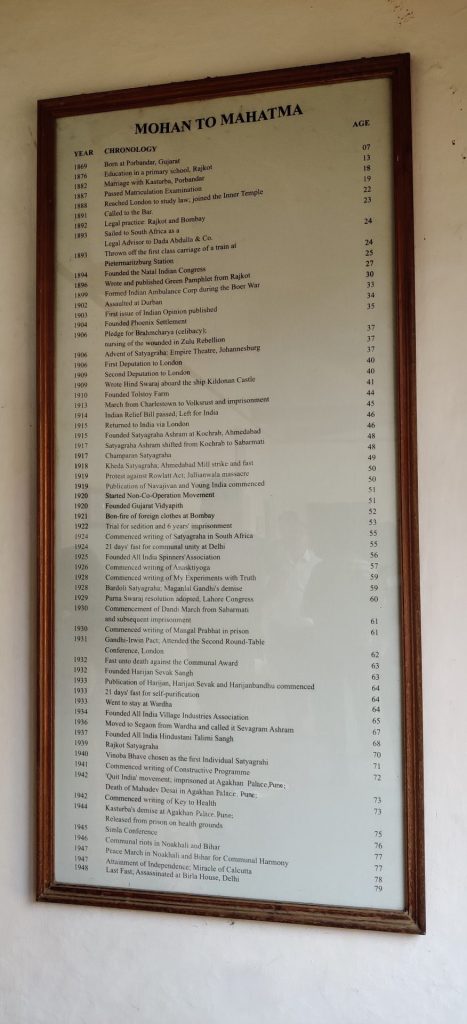
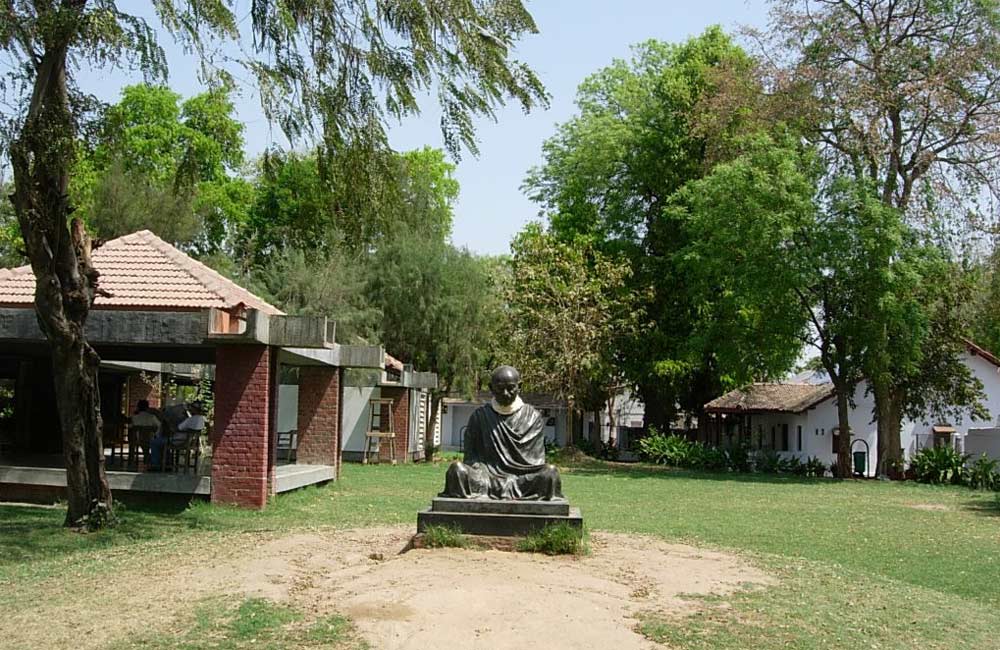
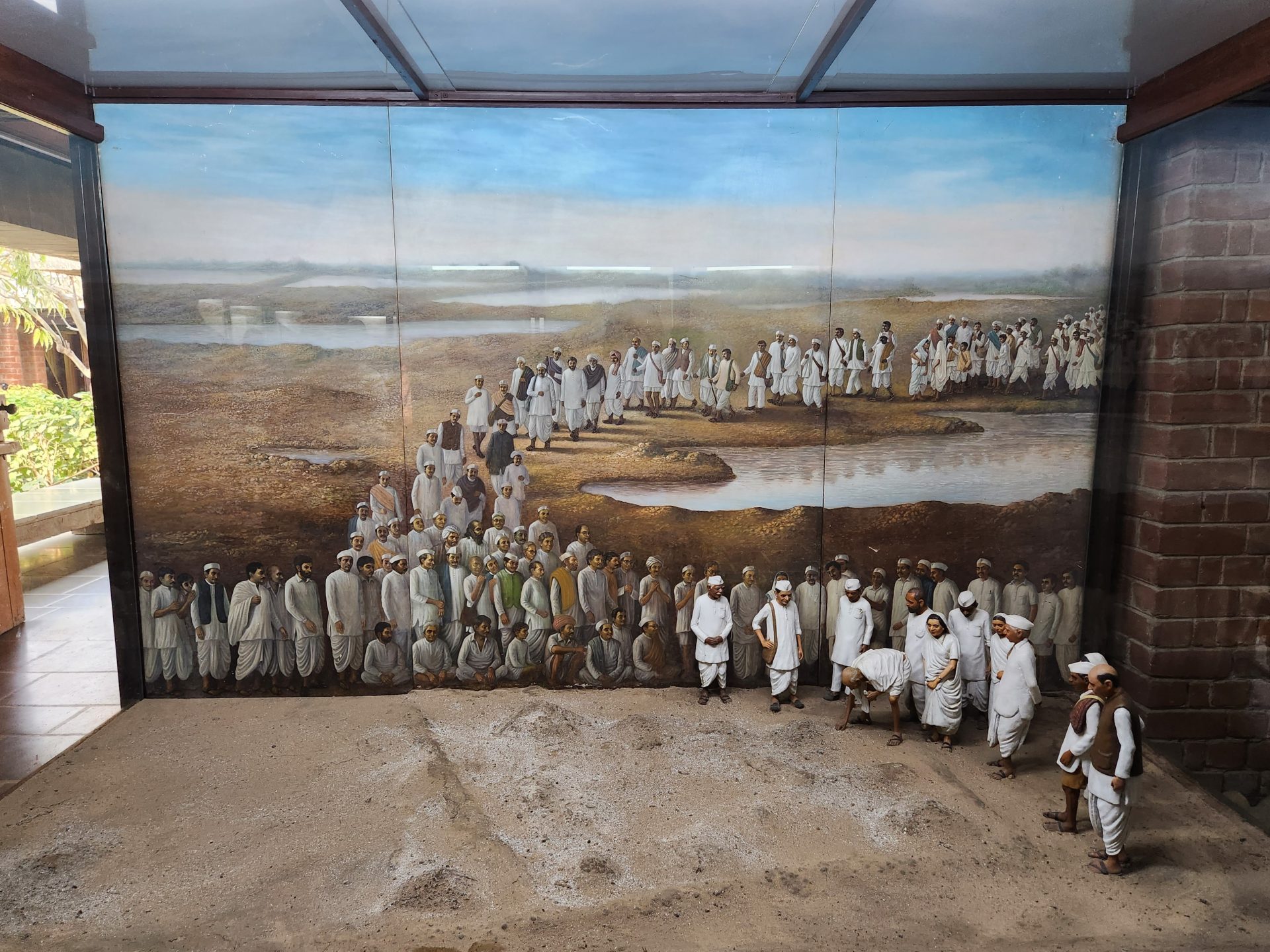
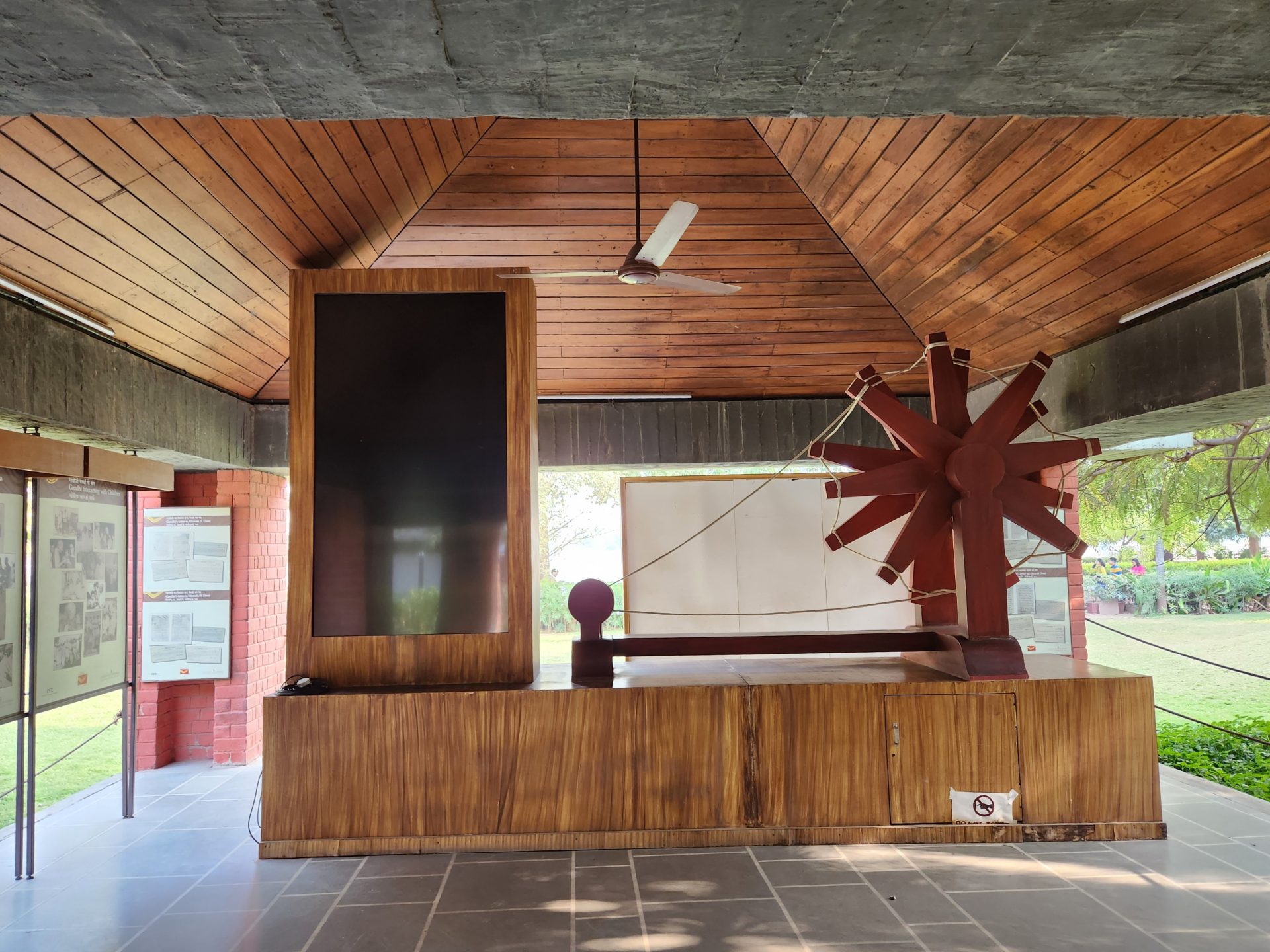
Located alongside the tranquil stretch of the Sabarmati river, this iconic house was the residence of Mahatma Gandhi and his wife Kasturba for around 12 years and the very place from where the famous Dandi March or the Salt Satyagraha started on March 12th, 1930.
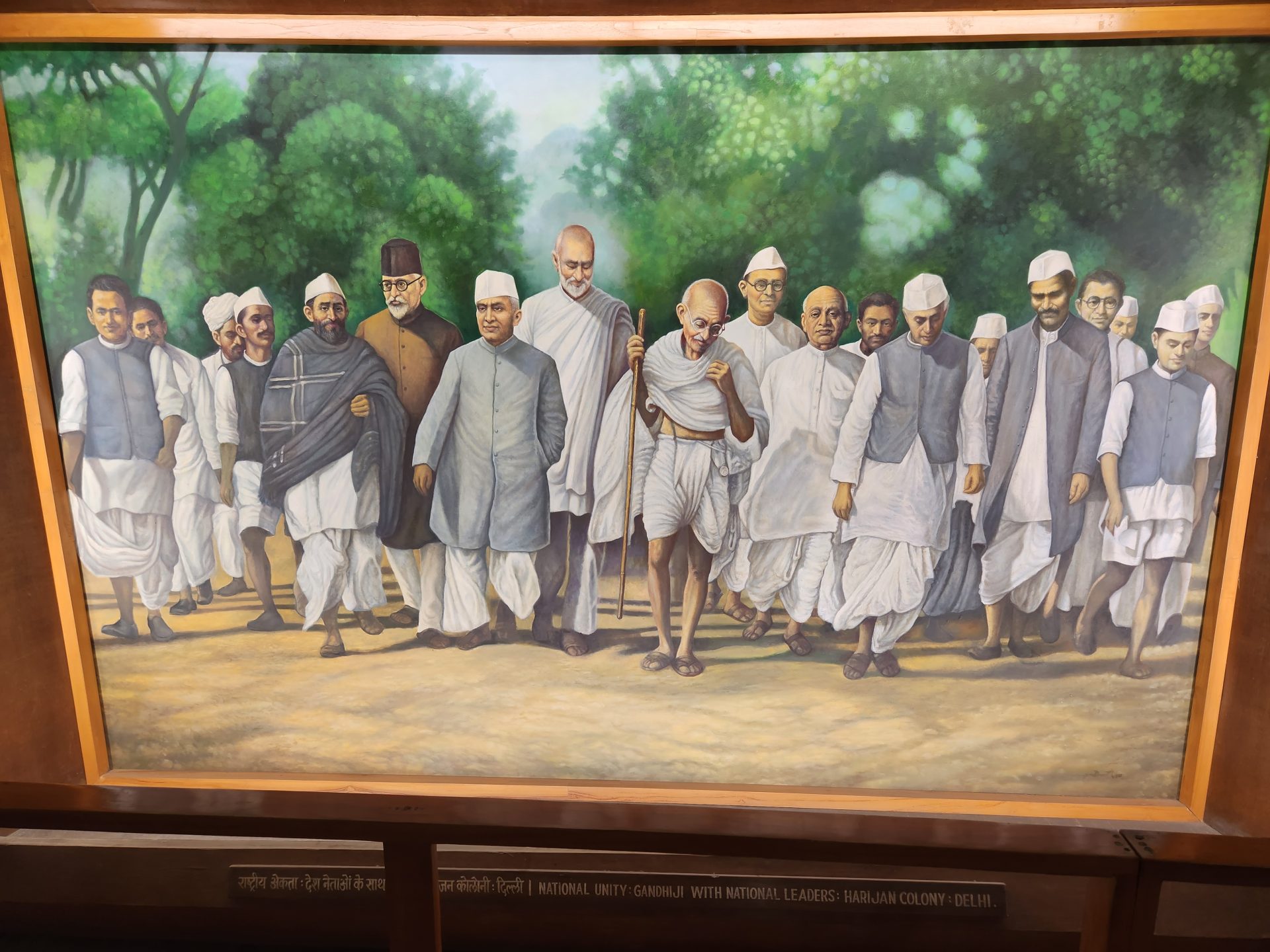
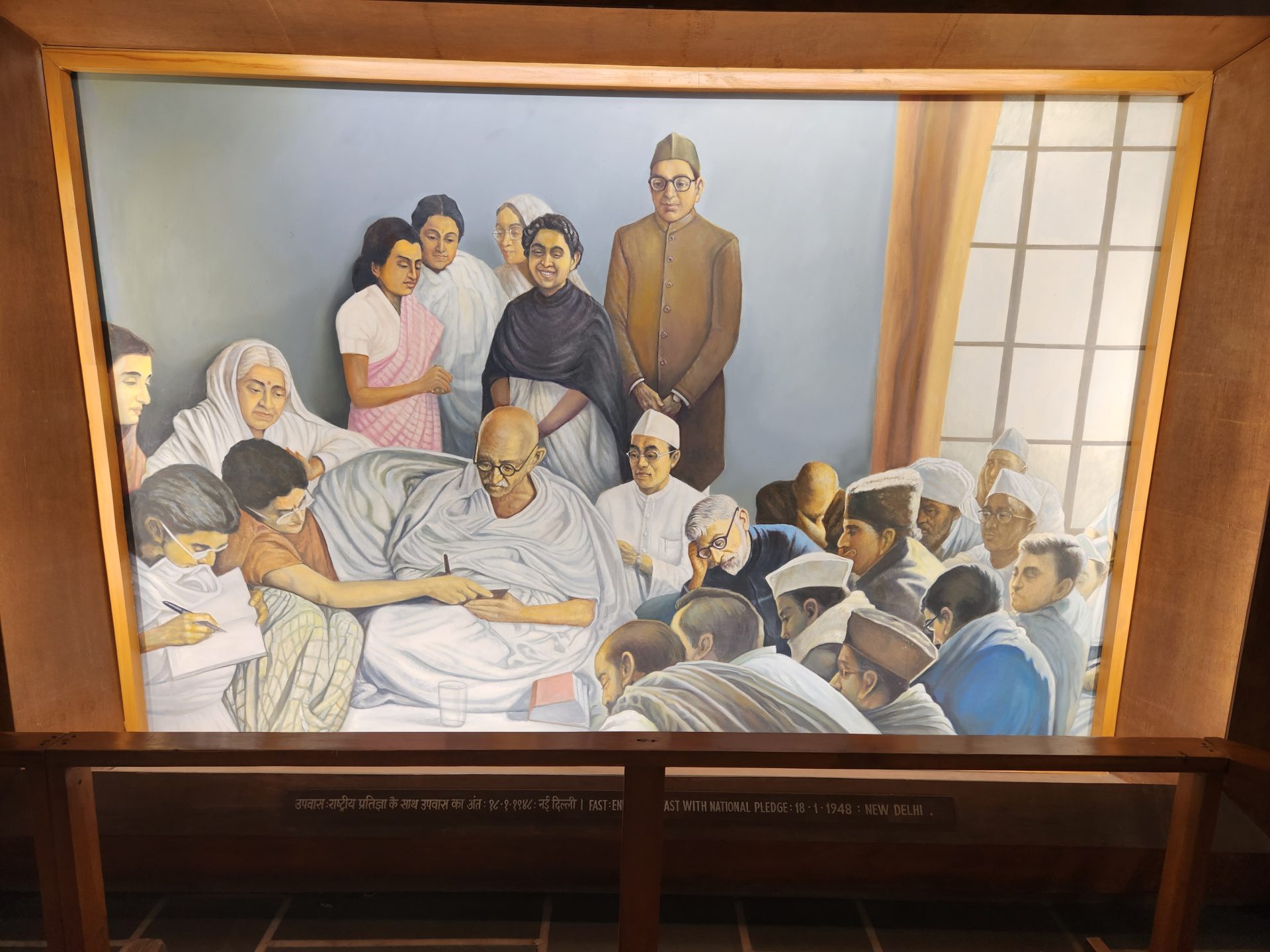
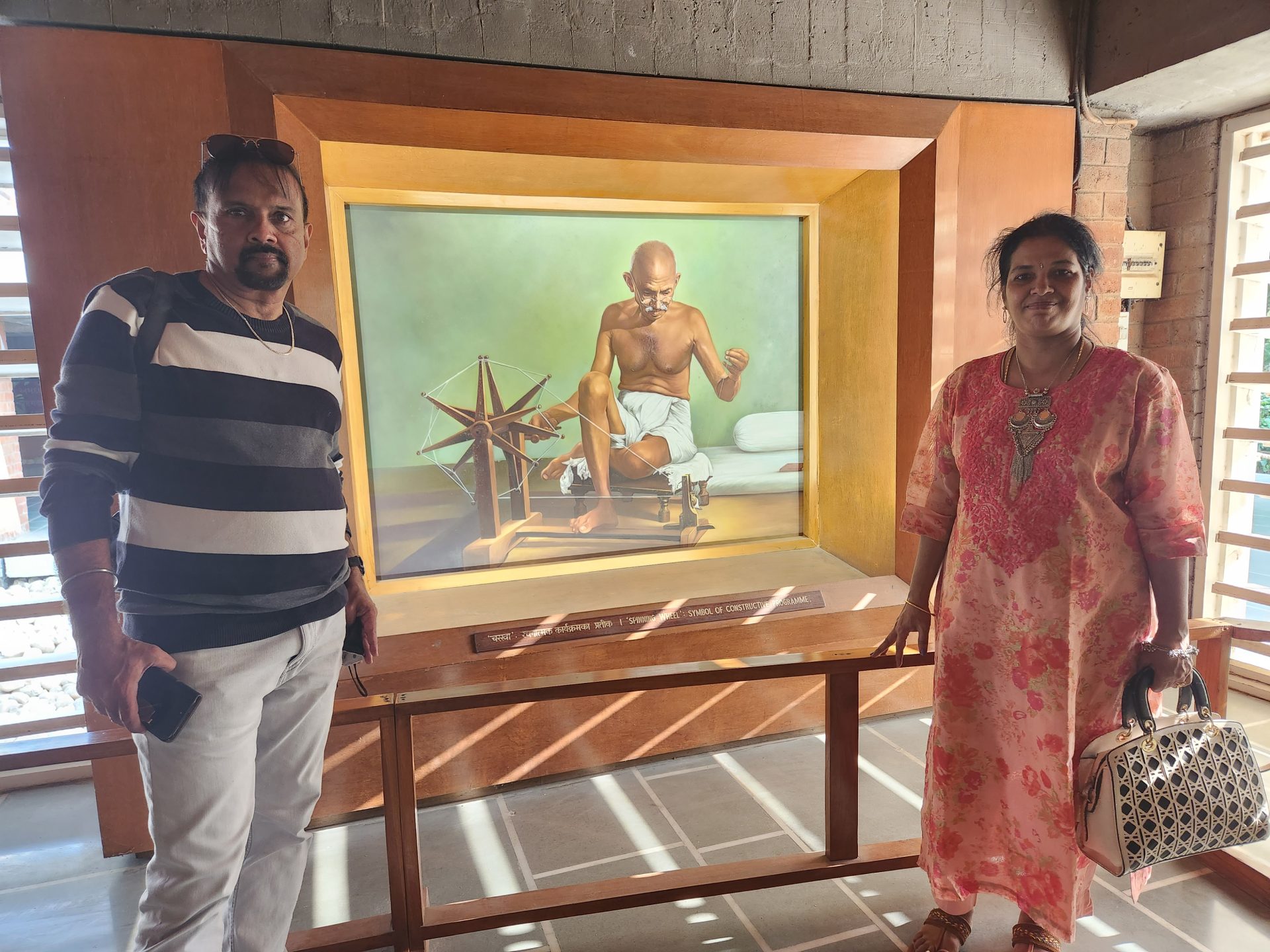
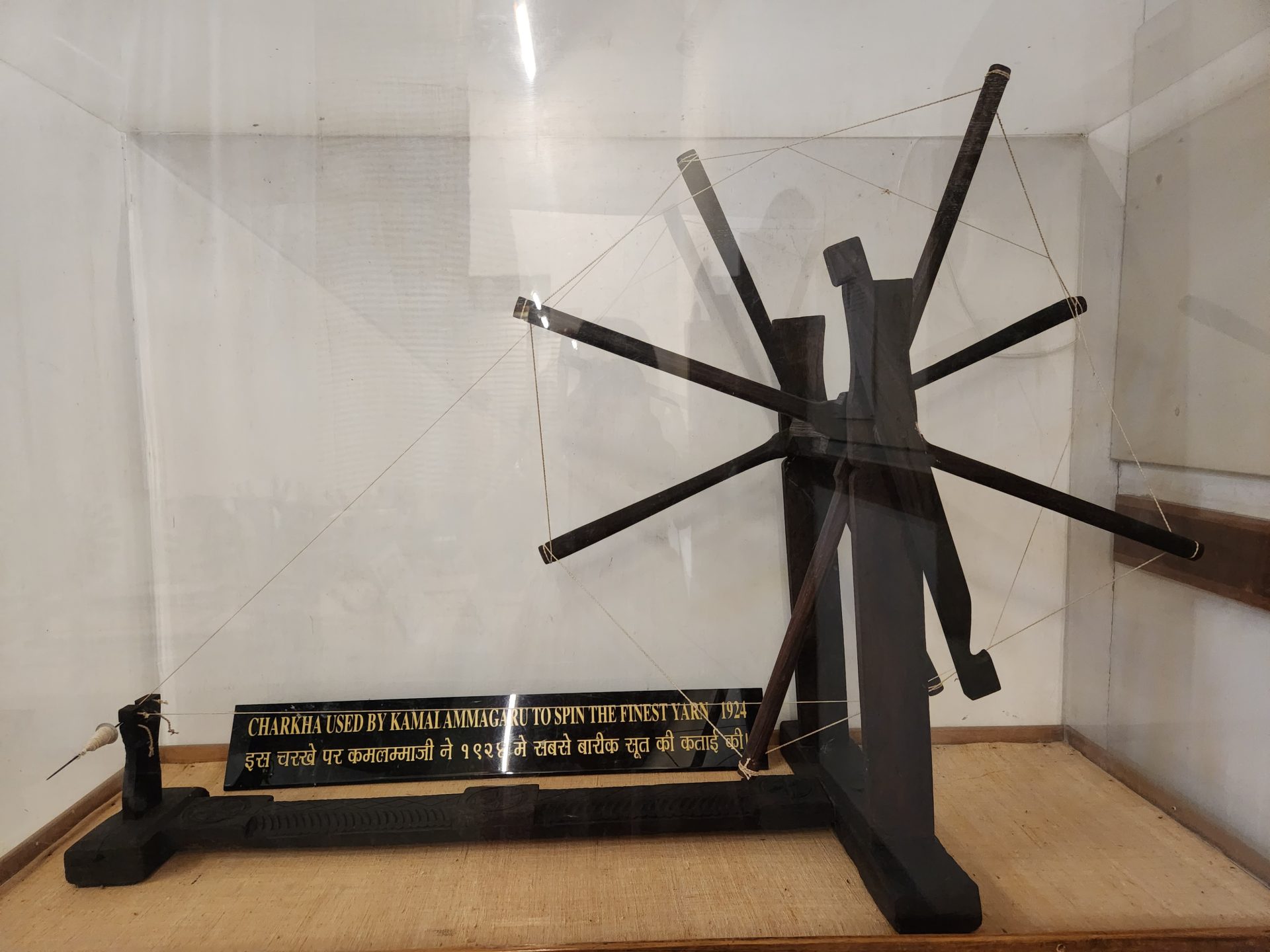
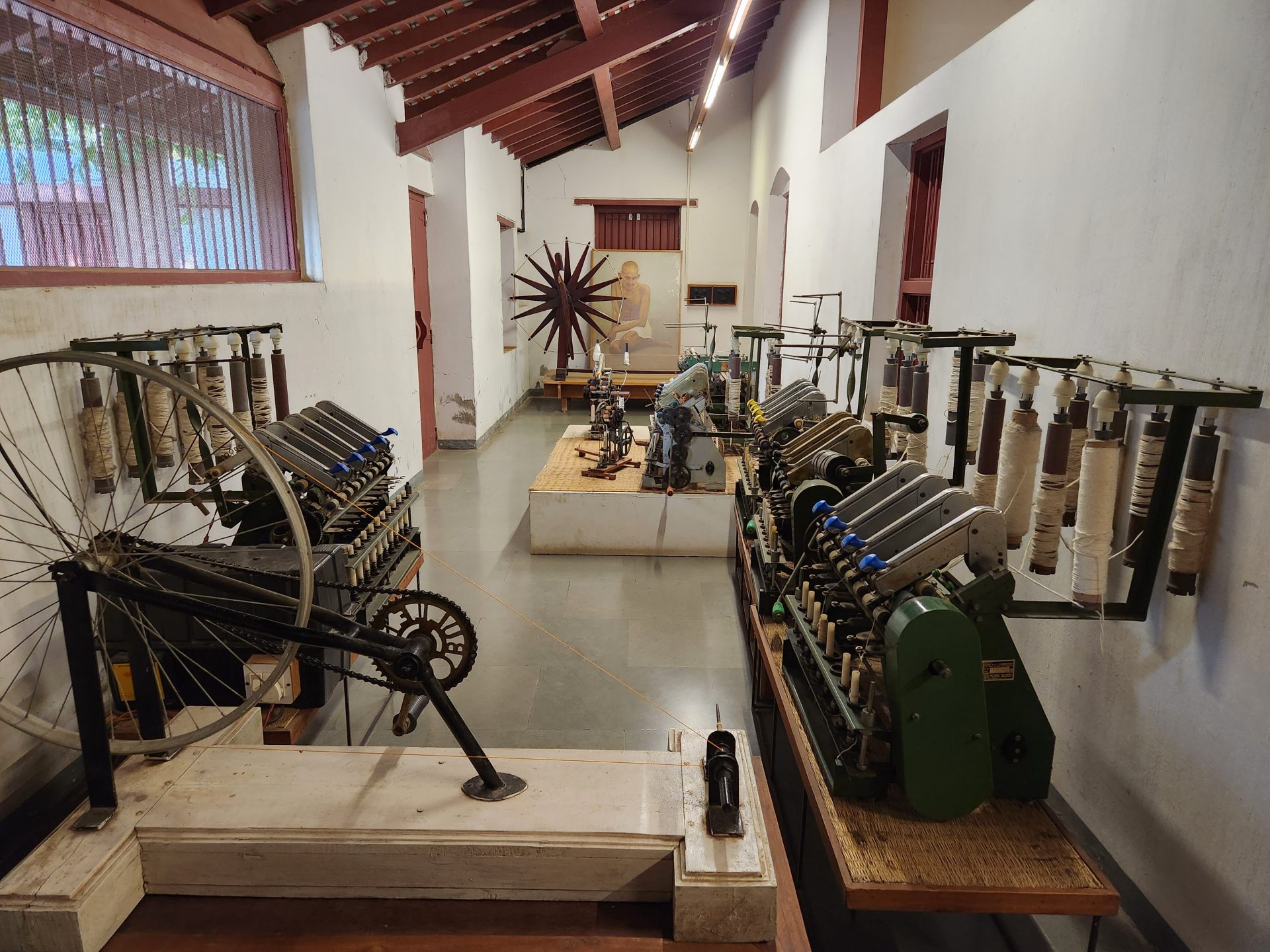
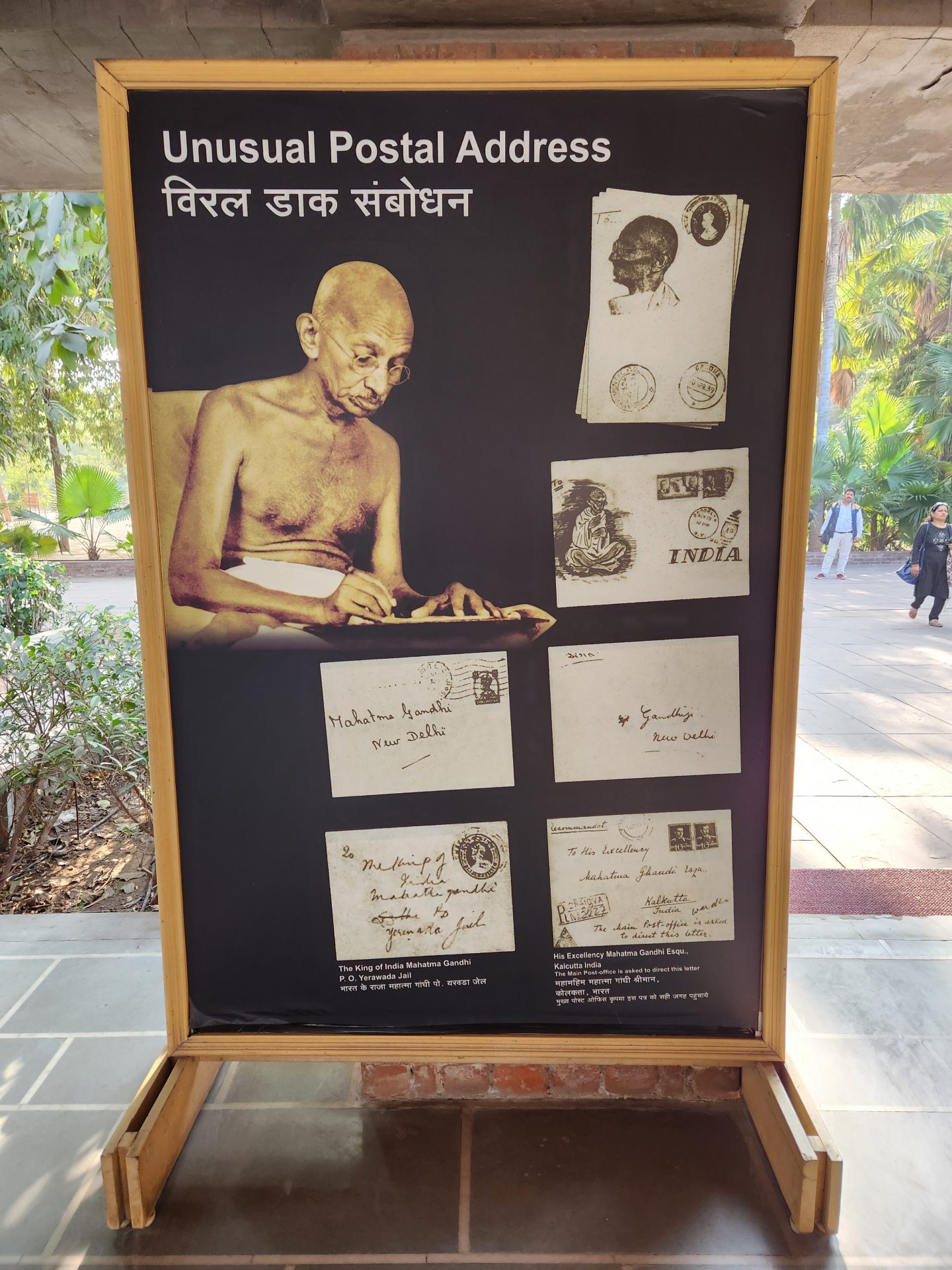
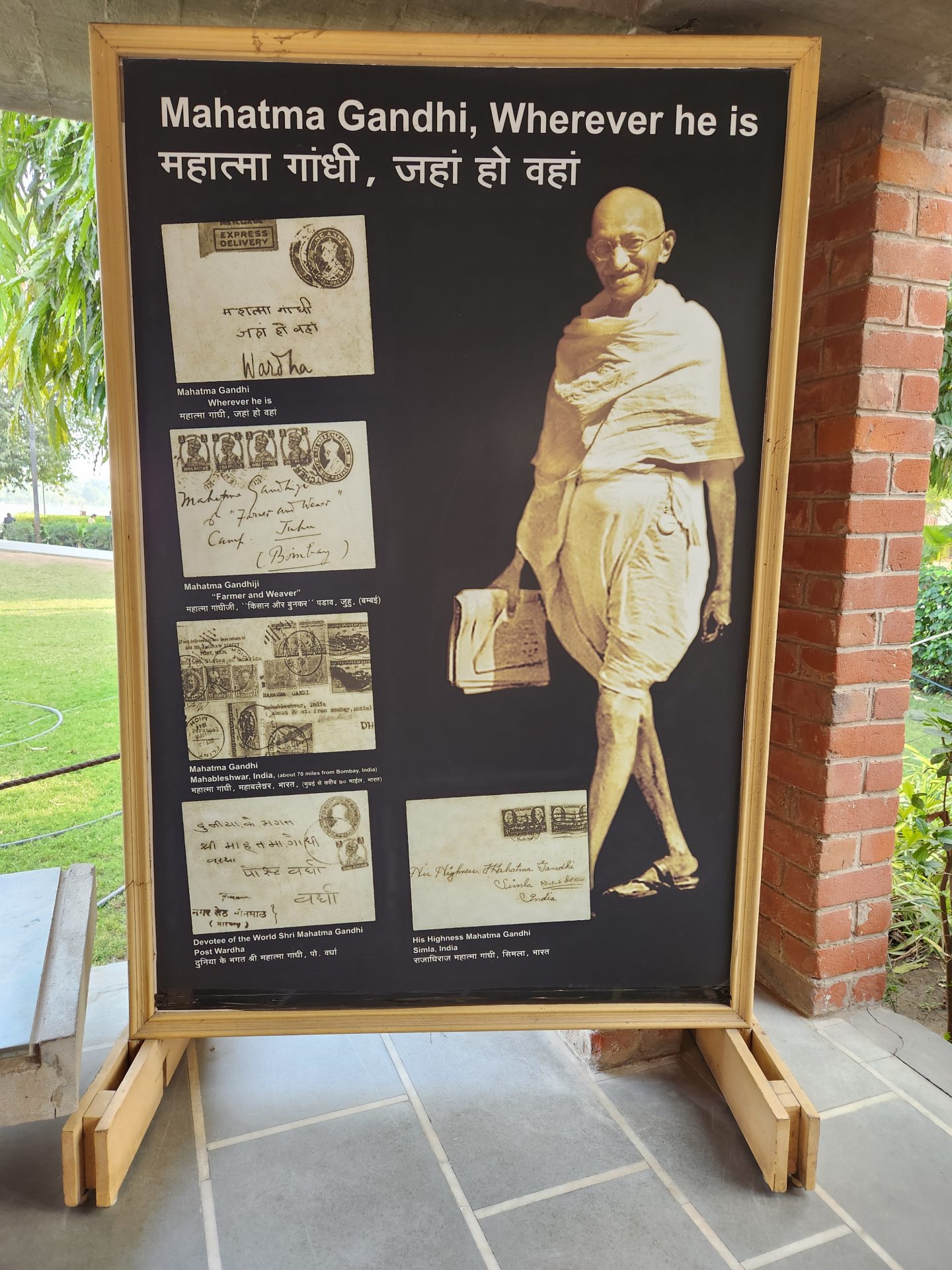
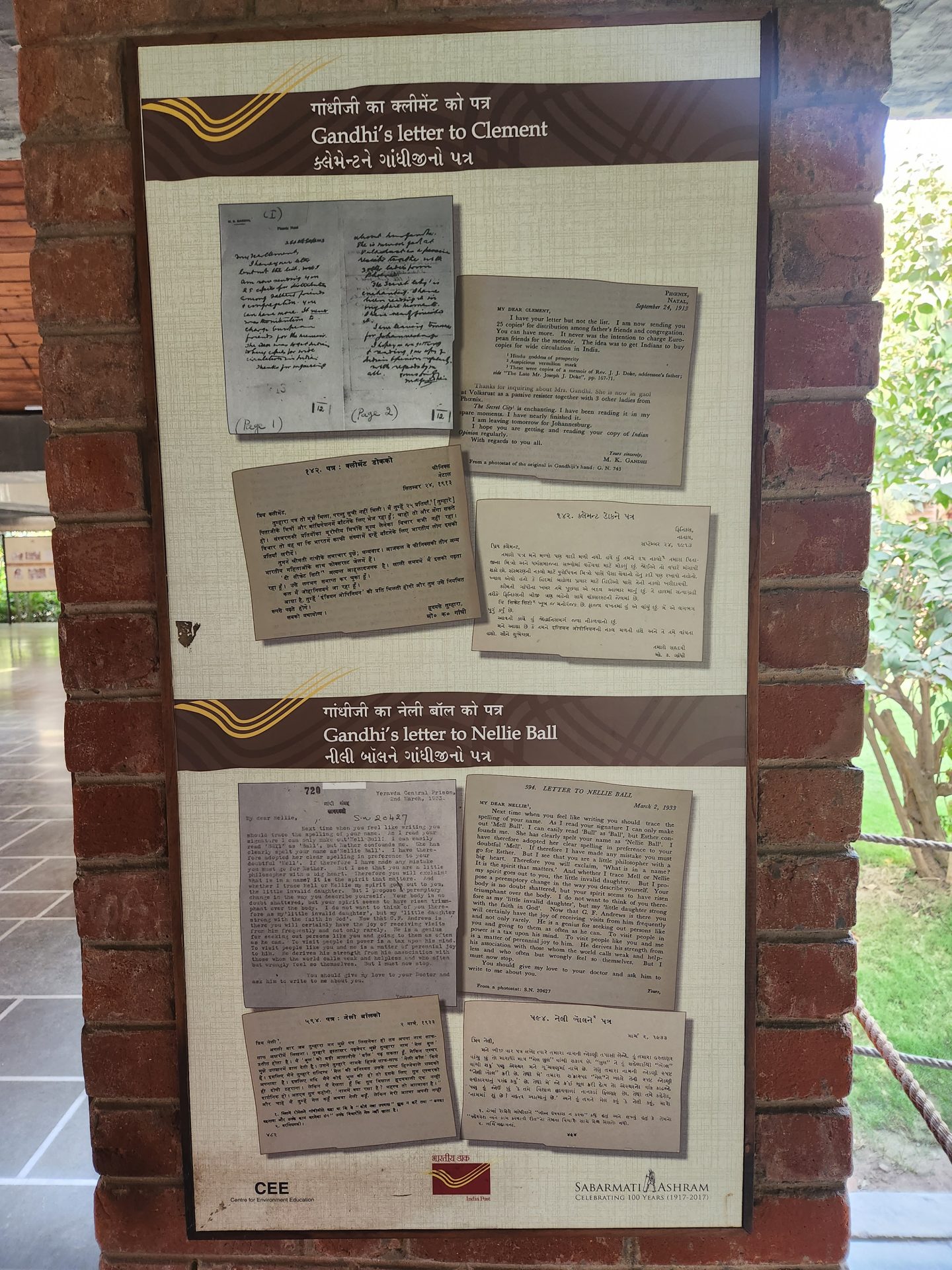
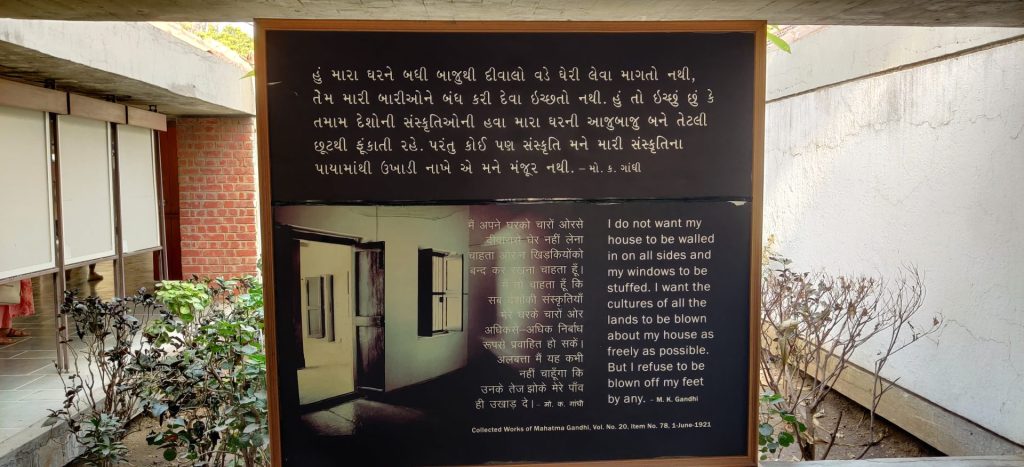
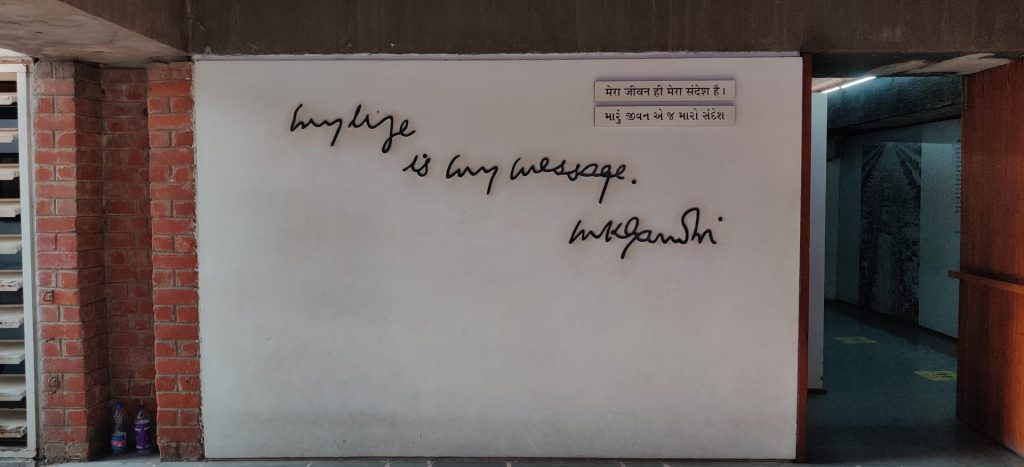
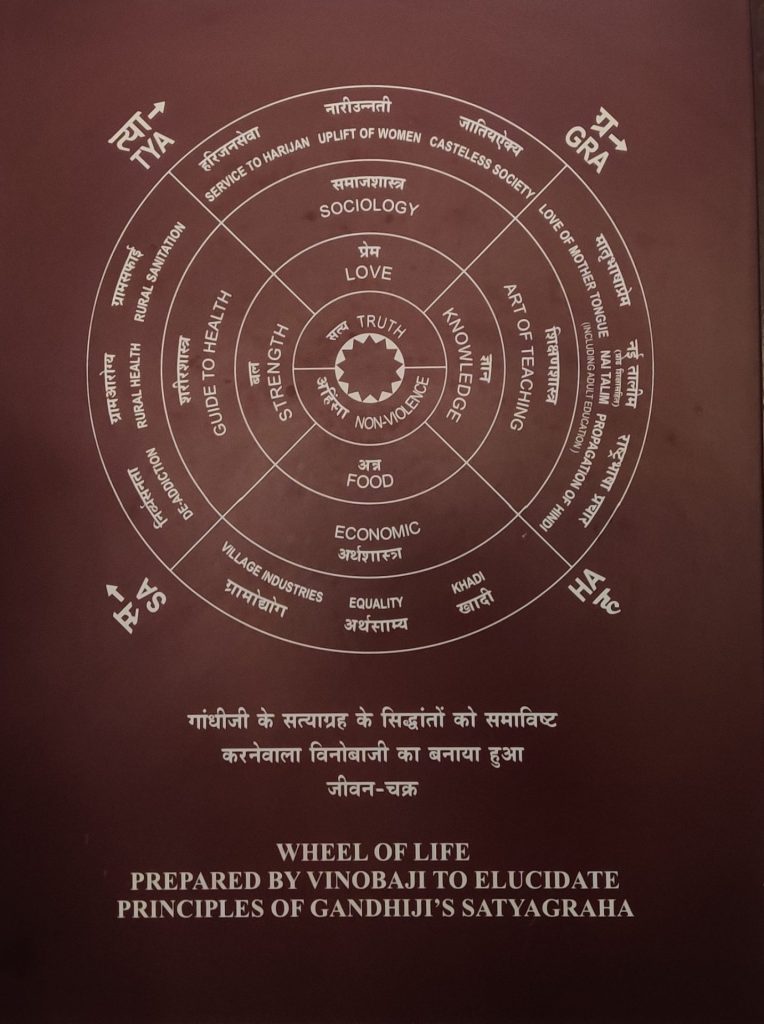
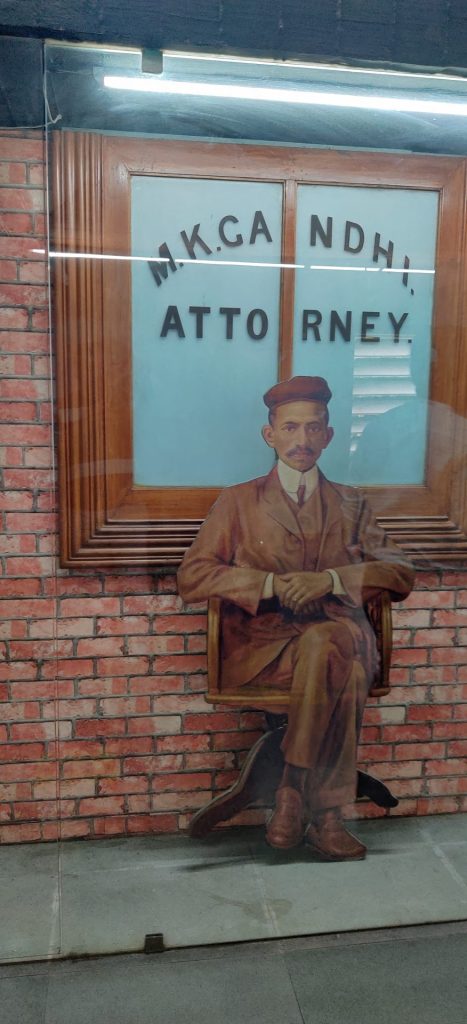
A separate hall opens out to an exhibition where apart from the various letters written by Mahatma to different personalities are there, there are quite a few paintings and photographs highlighting various events.
One can also the house where Acharya Vinobha Bhave lived, the Udyog Mandir and the Upasana Mandir within the Ashram complex. It is believed that around 7 lakh visitors come to Sabarmati Ashram annually.
Kankaria Lake Waterfront
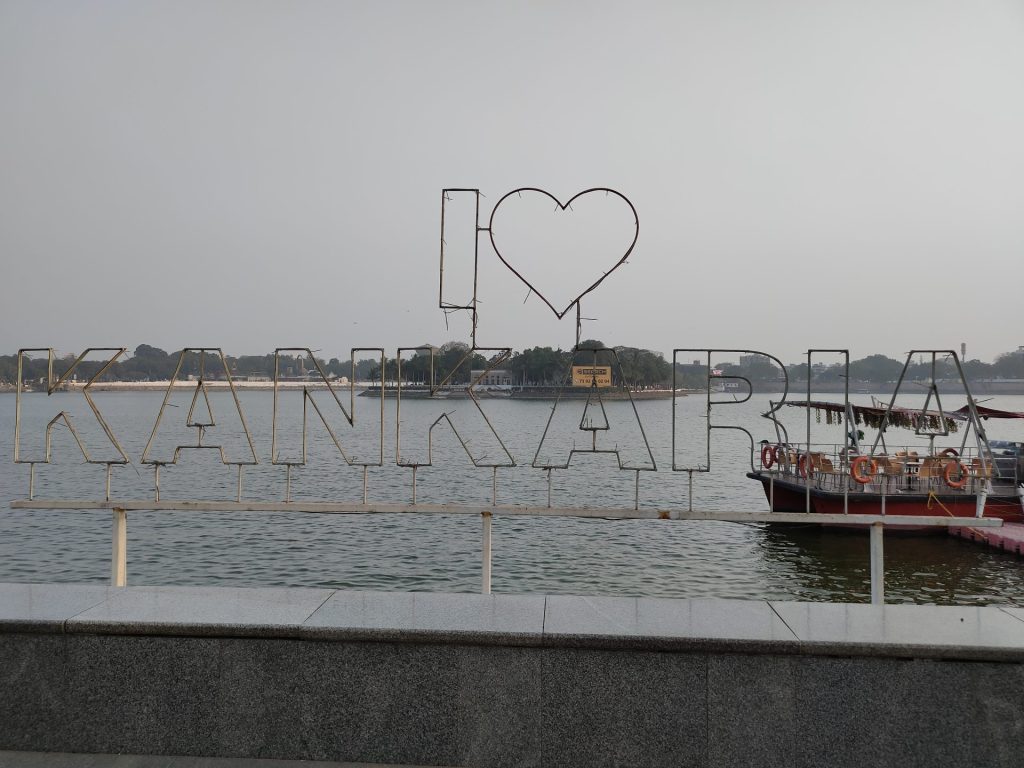
A 10 km drive from the Ashram took us to the Kankaria Lake waterfront. Earlier known as Hauj-e-Kutb, this artificial lake with a periphery of 2.5 kms lake is said to have its origins from the Chalukya dynasty though Sultan Qutub-ud-Din Shah is said to have completed it in 1451.
An island in the middle of the lake with a walkaway leading upto it hosts a garden themed foot stall and is known as Nagina Wadi.
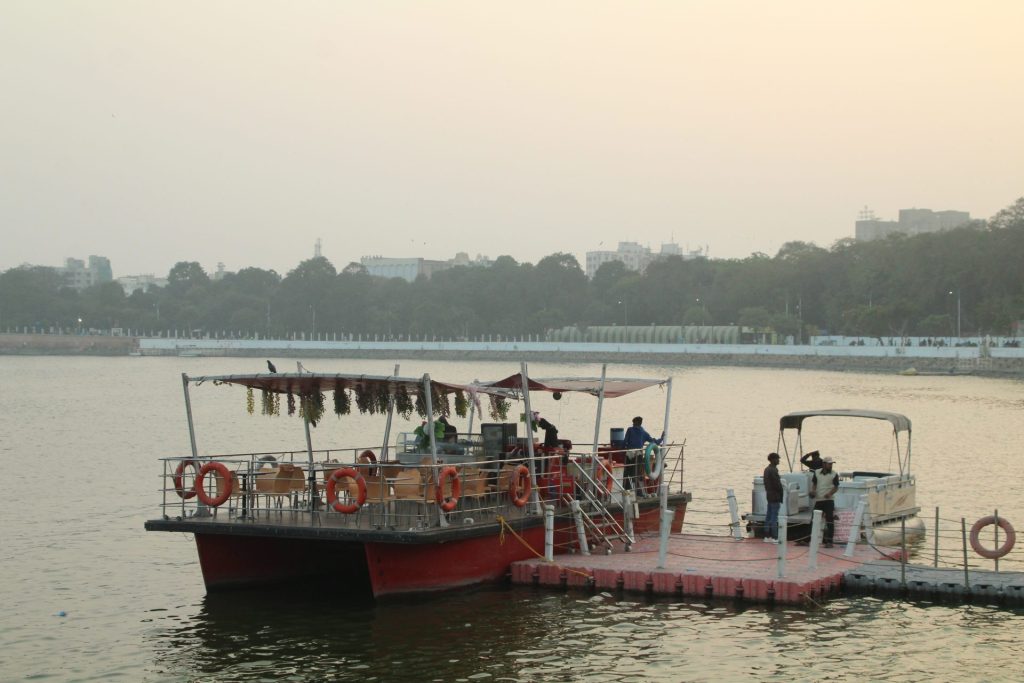
The lakefront has been developed and made beautiful with lot of attractions for the localites as well as tourists and this includes a Zoo, a butterfly park, a toy train which takes you around the lake, food stalls, tethered balloon rides, speed boating around the lake and much more.
A nice paved pathway around the circumference of the lake has been built for walkers and joggers and also for people to spend their evenings by the lake.
Though I was extremely reluctant and feeling awkward, was pulled into the toy train ride around the lake but must say I really enjoyed it since it not only gave me a 360° view of the complete lake and the surroundings.
Every December this waterfront plays host to the Kankaria Carnival where a plethora of social, art and cultural activities get organized here.
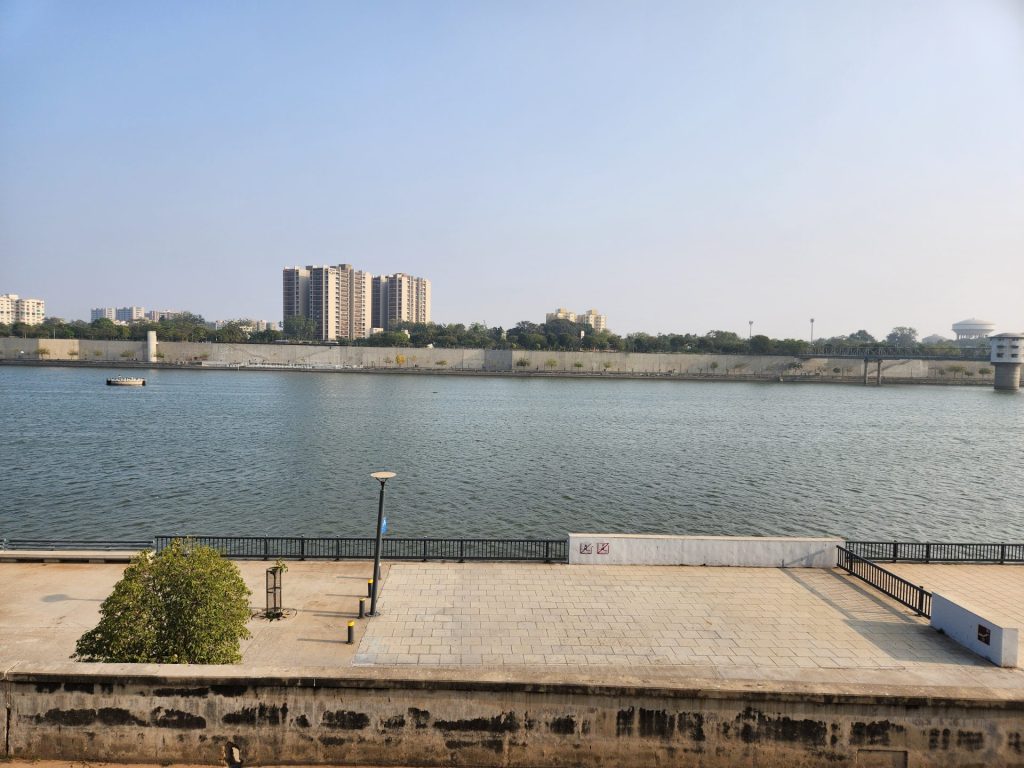
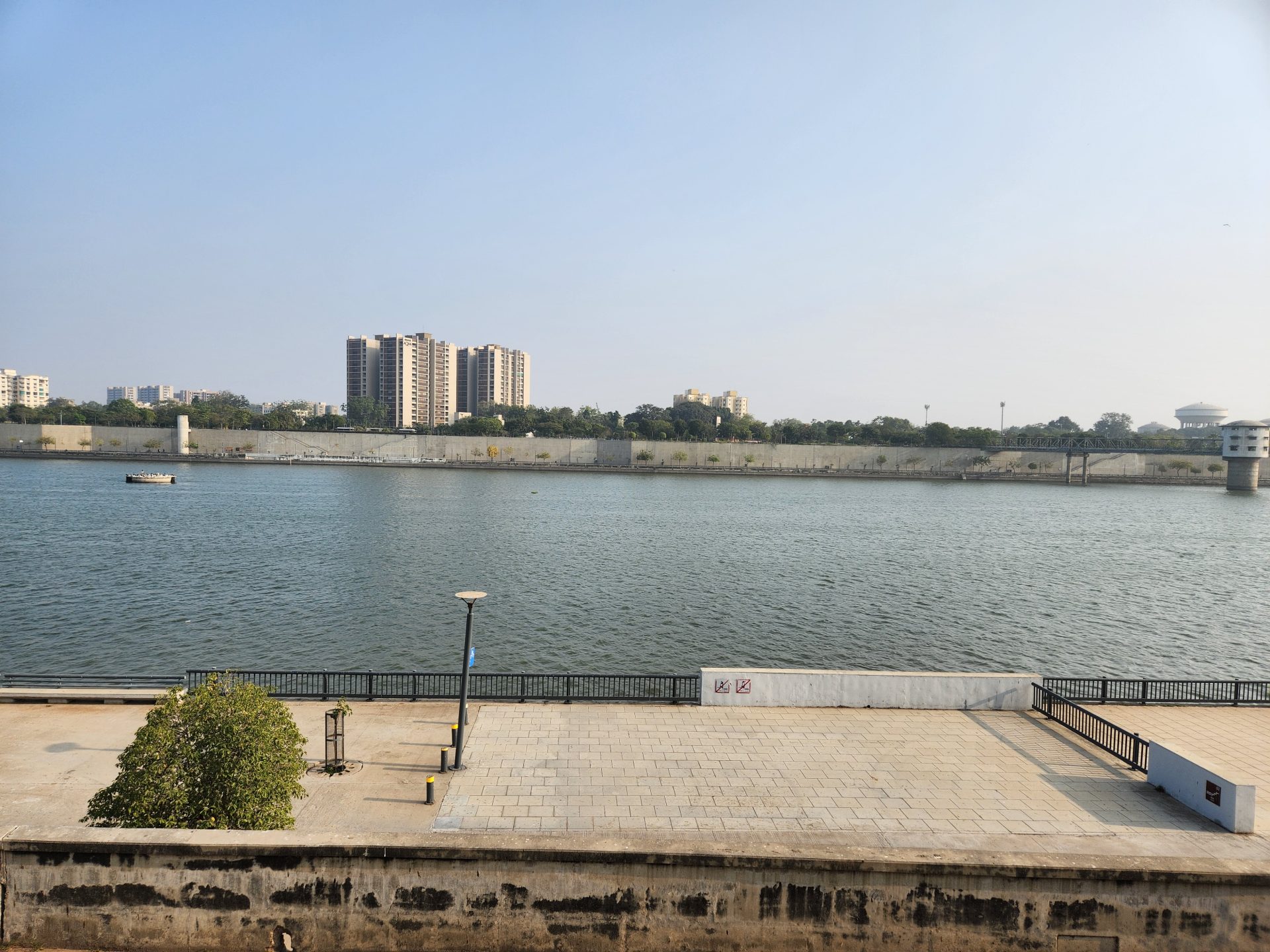
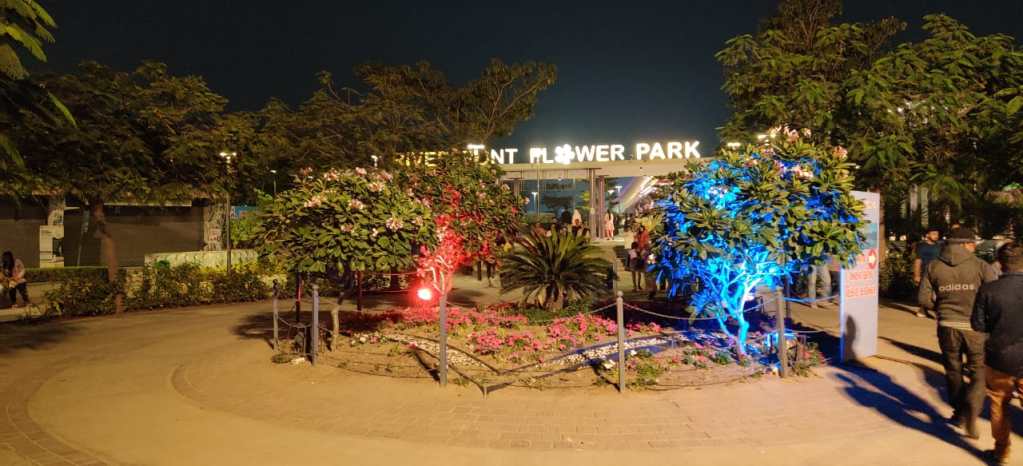
Sabarmati Riverfront and Flower Park
It was around 6 by the time we came out and we then headed for the Sabarmati Riverfront which was to be our last pit stop.
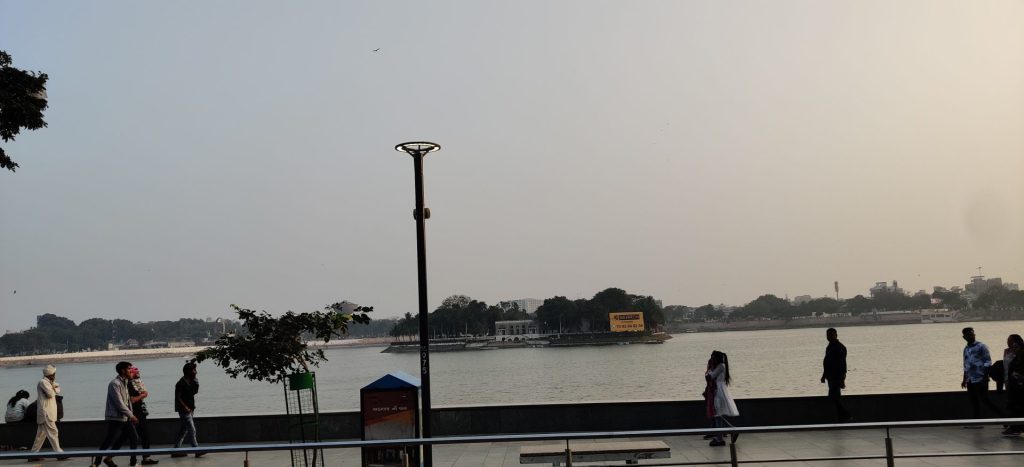
This 10 km long waterfront developed along the banks of the Sabarmati river was conceived in 1960 and work started in 2005. The facilities have started being opened to public as and when ready and since 2012.
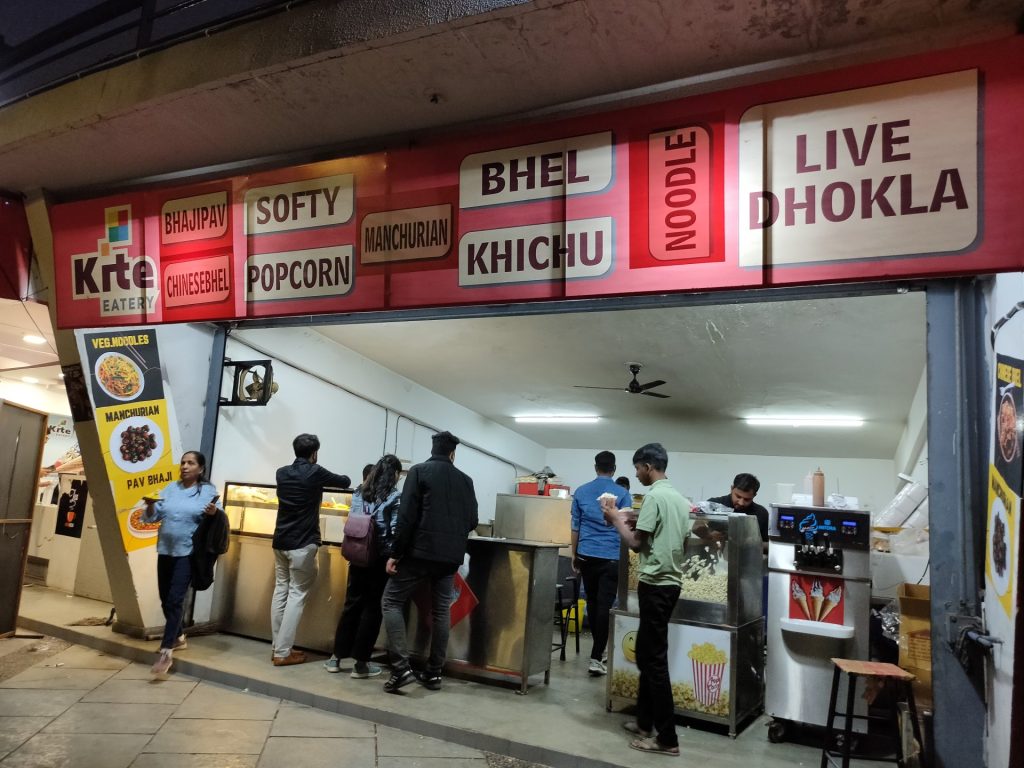
We got dropped near the place and relieved the cab guy since we wanted to spend some time going around and also finishing off our dinner in the numerous food courts lined up alongside. An amazing day of sightseeing, getting to visit so many places around Ahmedabad and Gandhinagar and with a very patient cab guy.
I got this cab guy Roman Shaikh (though there was nothing Italian about him) through a search on the internet and he turned out to be pretty reliable and had sent us a good sedan too.
His numbers just in case anyone wants to reach out to him when in Ahmedabad is +91 9725778196. He charged us Rs.3,300/- for an 8 hour shift and took us around to 10 different places across Ahmedabad and Gandhinagar.
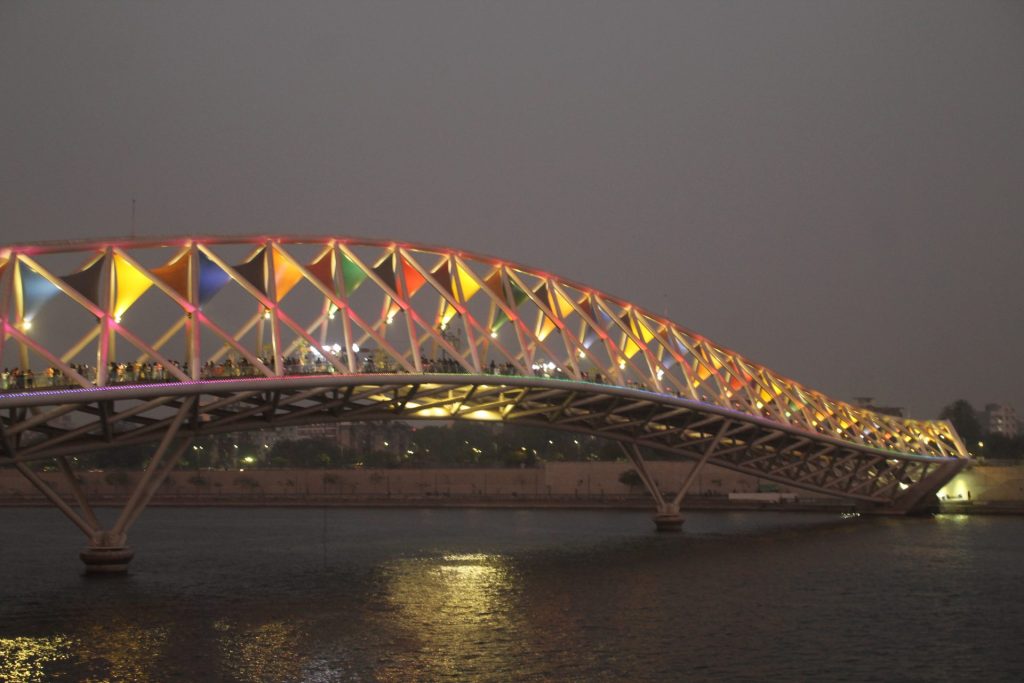
The best time to visit this place is towards the evening with all the lights coming up and making for some beautiful views.
A 2 level promenade has been built on both banks with the lower level reserved for pedestrians and cyclists.
The upper level features flower parks, plazas and open areas for leisure and entertainment.
There are ghats for boating and speed boats and motor boats also ply in the river.
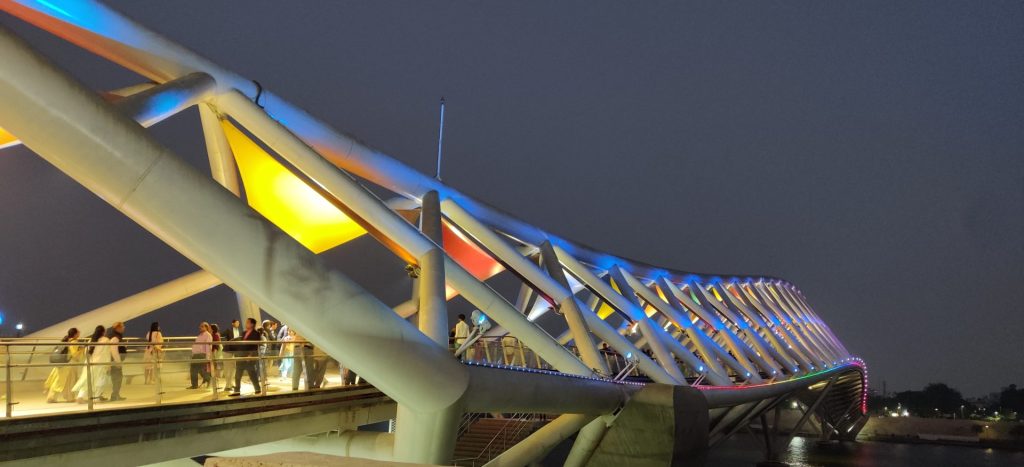
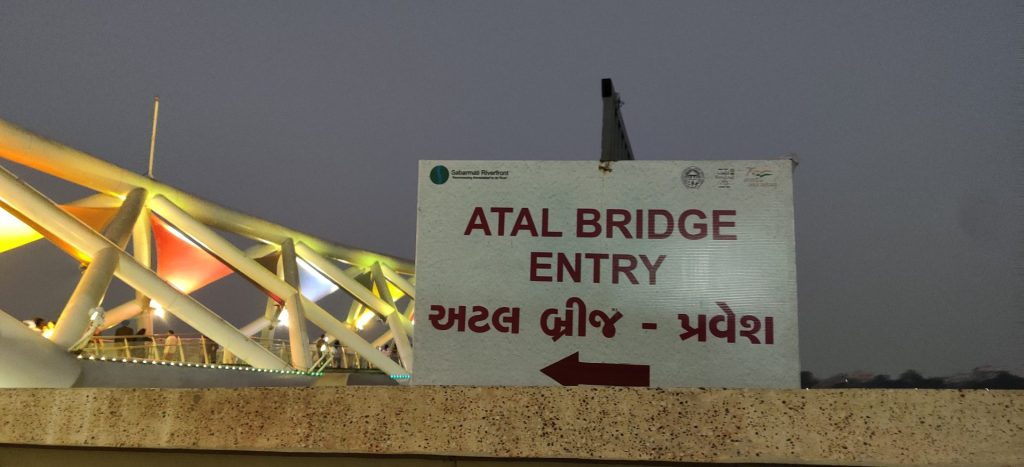
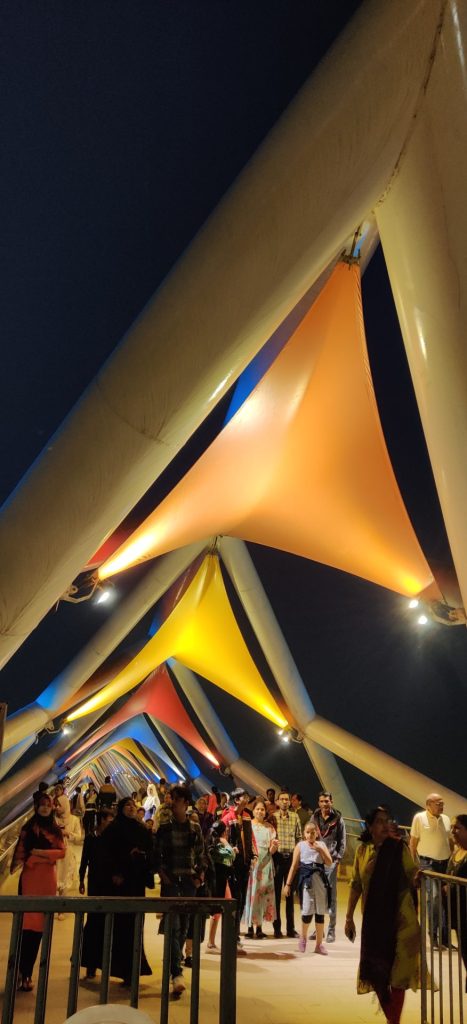
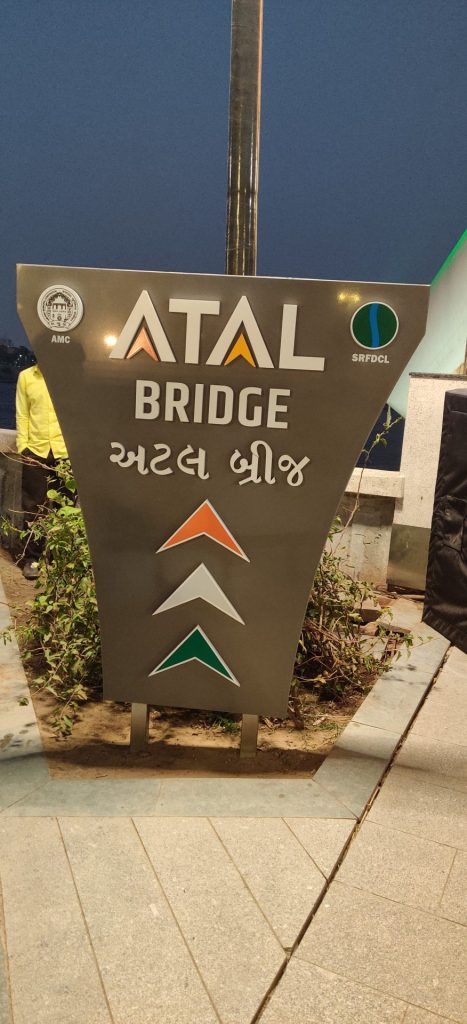
The Atal bridge comes alive with people walking from one end of the bridge to the other and the multi-colored lights across the bridge which come on around dusk make for a fascinating sight.
Don't give Induben a miss
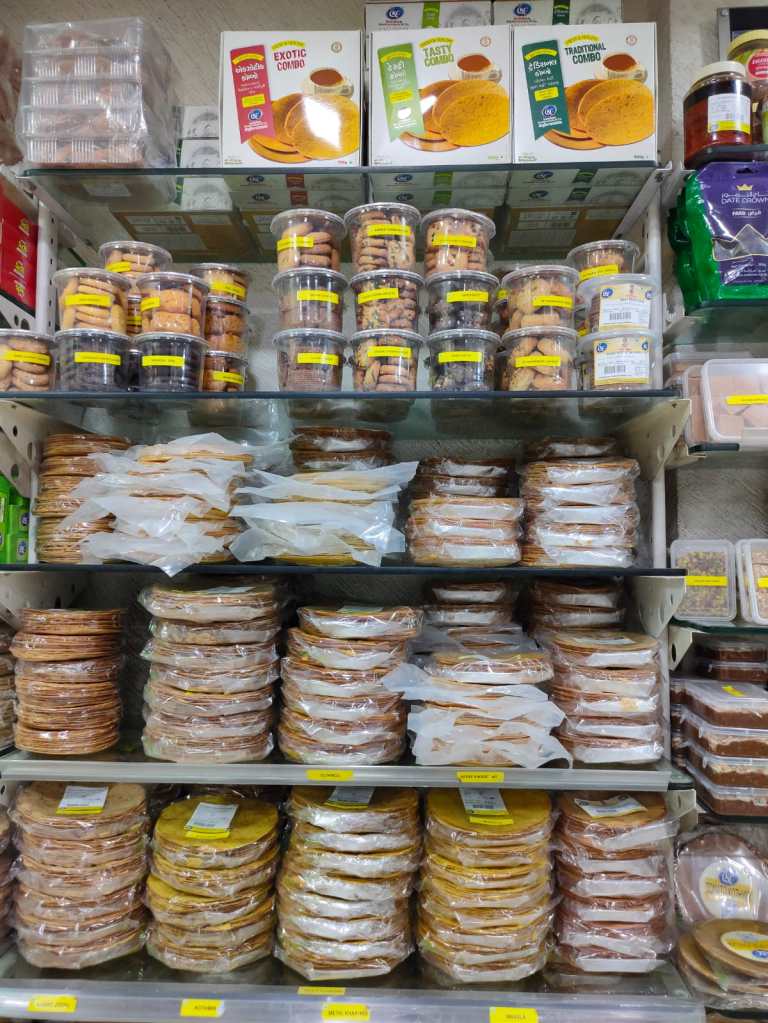
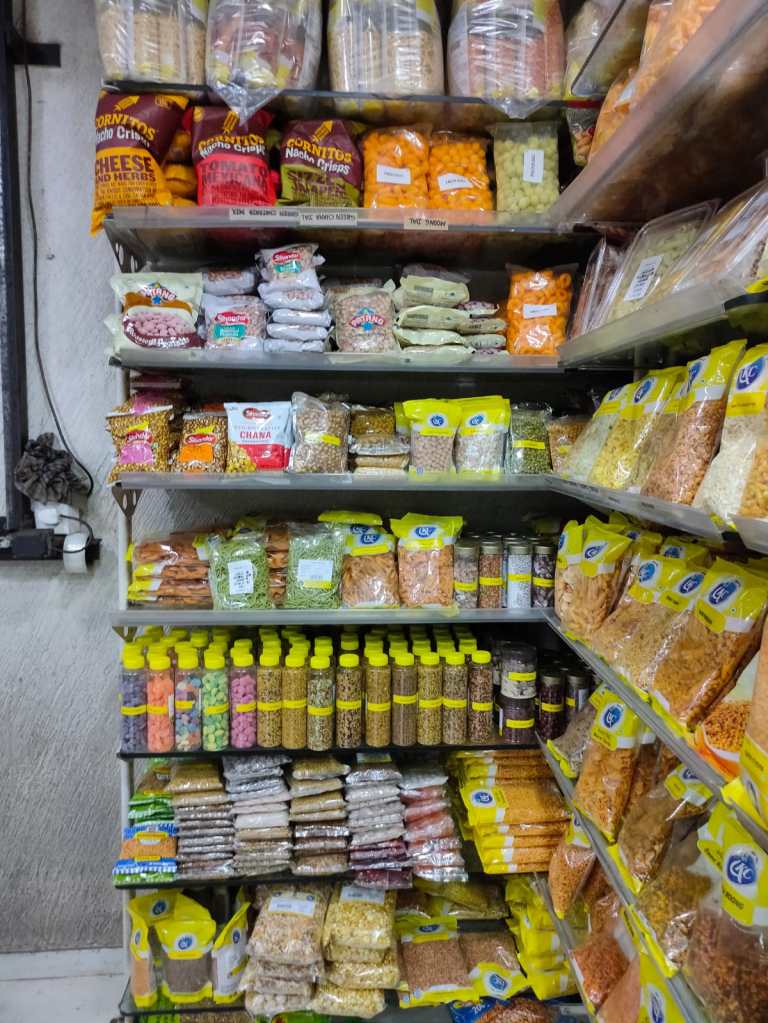
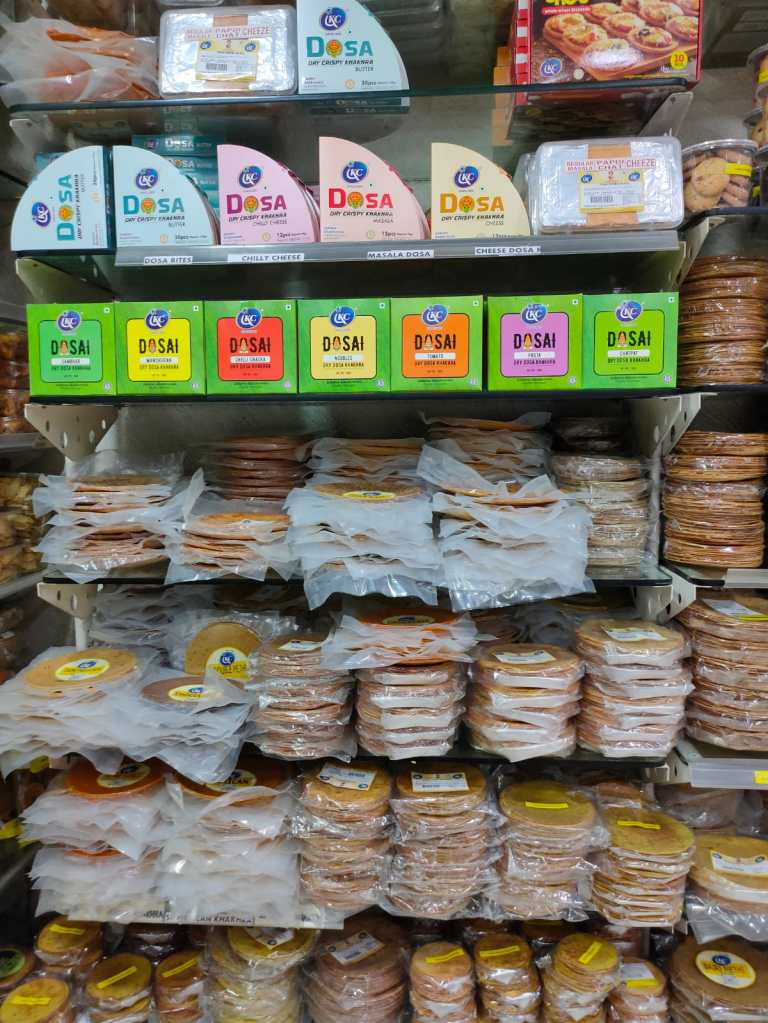
We finished an early dinner in the food court and headed towards our hotel. We had plans of purchasing the famed Gujarati snacks and asked our Uber driver to stop for a short while at the famed Induben Khakrawala while we quickly did our shopping.
Amazing variety of snacks on offer and we were lucky to visit the original store where it all started for them. We reached our hotel by around 9 pm and given our depleted energy levels, we turned in early.
Headed for Surat
28th January : The next day was reserved for a visit to the Statue of Unity but I was prevailed upon by all to reschedule it and go on a food and shopping binge to Surat, famous for its street food and wide variety of textiles.
Whoever in his wildest of imaginations have thought that about this crazy bunch of folks around who wanted to visit a city just for gorging on food and some bit of shopping.
Finally left with no choice, cancelled the Ahmedabad – Mumbai leg, hurriedly looked up a few day trains and found one which pulled into Surat, by afternoon and also booked the return tickets from Surat to Mumbai.
We did our bookings close to Surat railway station since our last leg was a flight back to Chennai from Mumbai. Surat is around 230 kms from Ahmedabad and takes around 4 hours to reach.
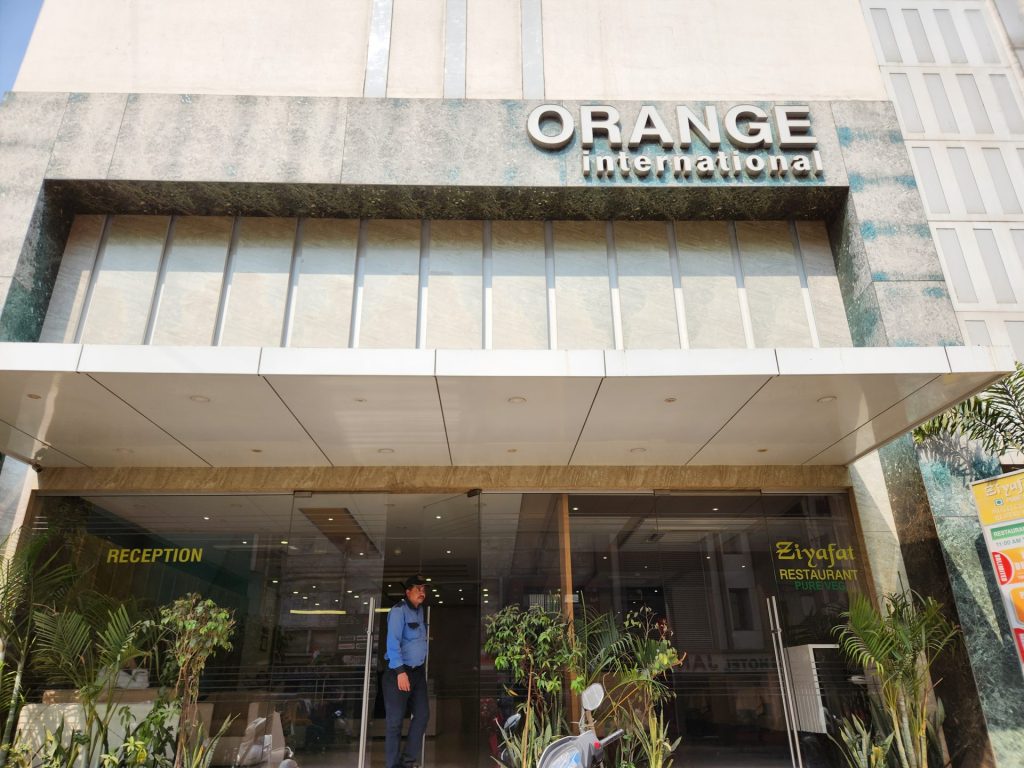
We had booked ourselves at a lovely boutique Hotel Orange International, located opposite the Surat Railway Station and with an excellently rated restaurant. We reached the hotel by around 2.30 pm, checked in and since we had our breakfast early, hunger pangs had set in. Luckily their kitchen was open and we did a quick ordering from their in house kitchen.
The food was very well made and though we were not able to get the famed Gujarati thali, the assorted dishes which we picked from the menu were extremely good.
The Gopi Talab
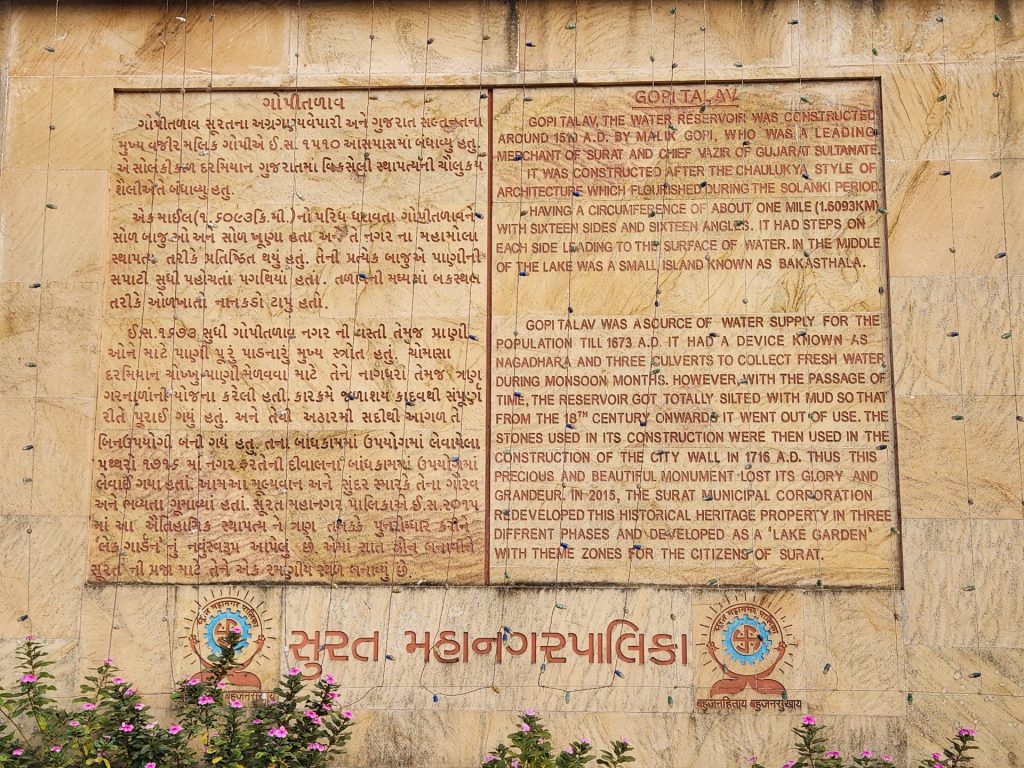
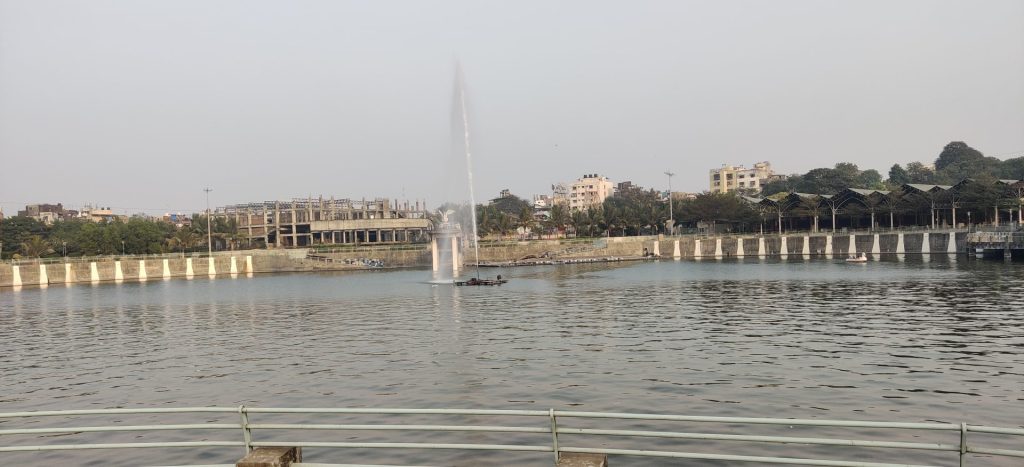
Towards the evening, while we had no plans of any sightseeing since most places were far away from the old city we went to the Gopi Talab, a water reservoir, built by a local merchant and chief Vazir of Gujarat Sultanate Malik Gopi in 1510 AD.
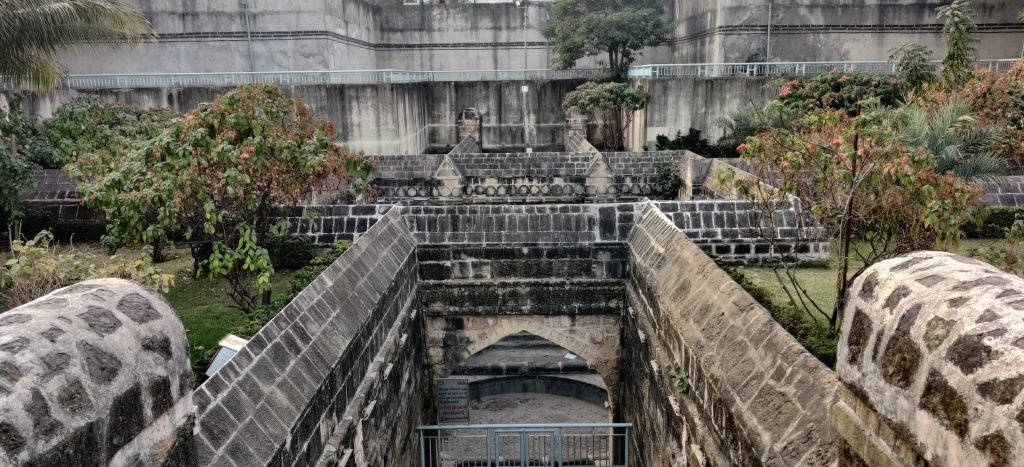
This served as the main source of water supply to Surat till 1673 AD. Nothing much to see around except a small Step Well and a Garden.
We got bored within half an hour and found our way to the local markets and shops selling street food.
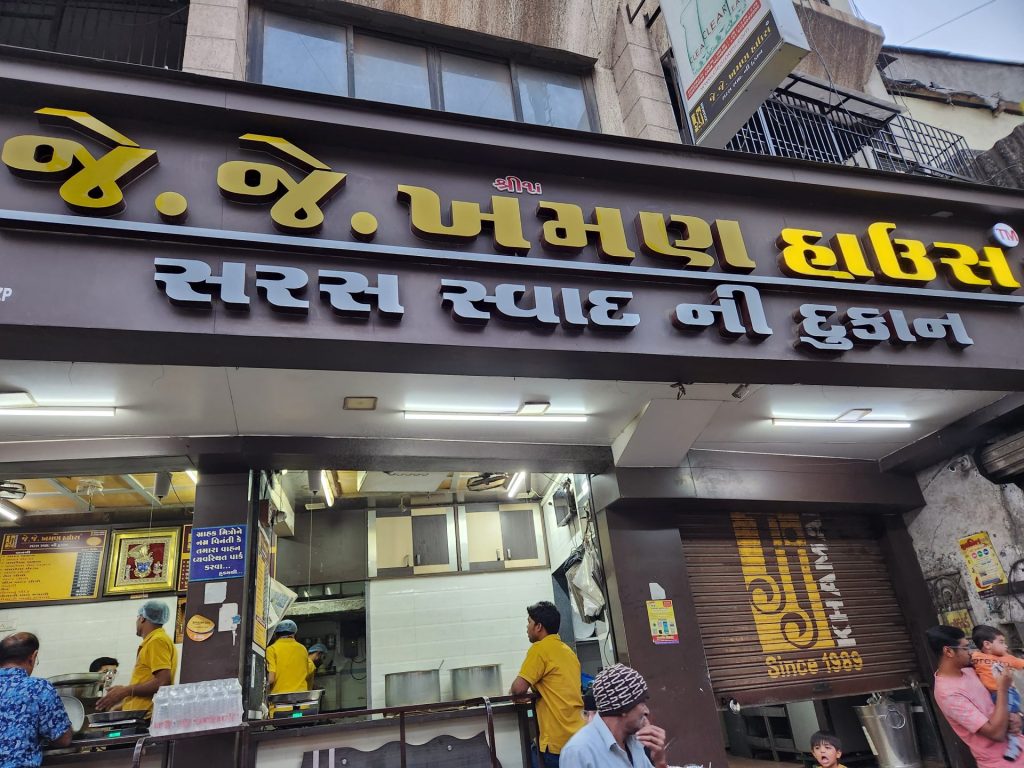
Our first halt was at JJ Khammam House where we tried out some Farsan and Idada.
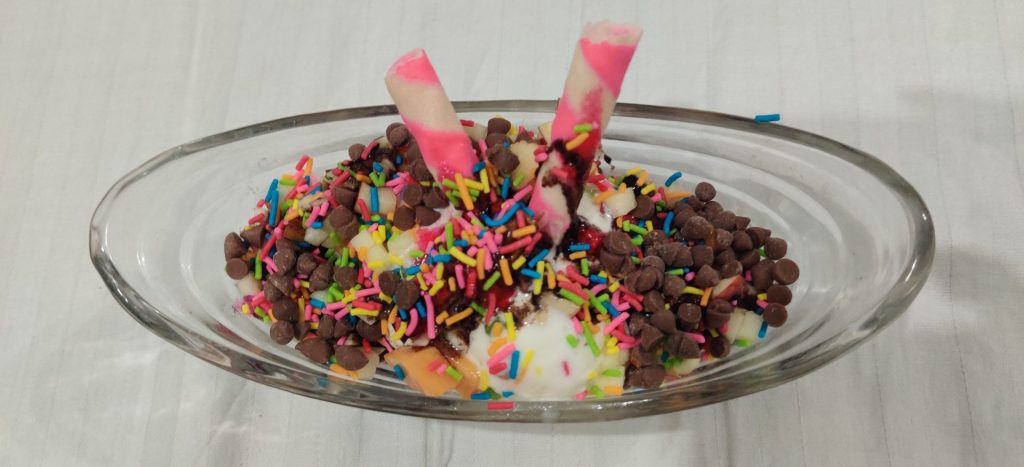
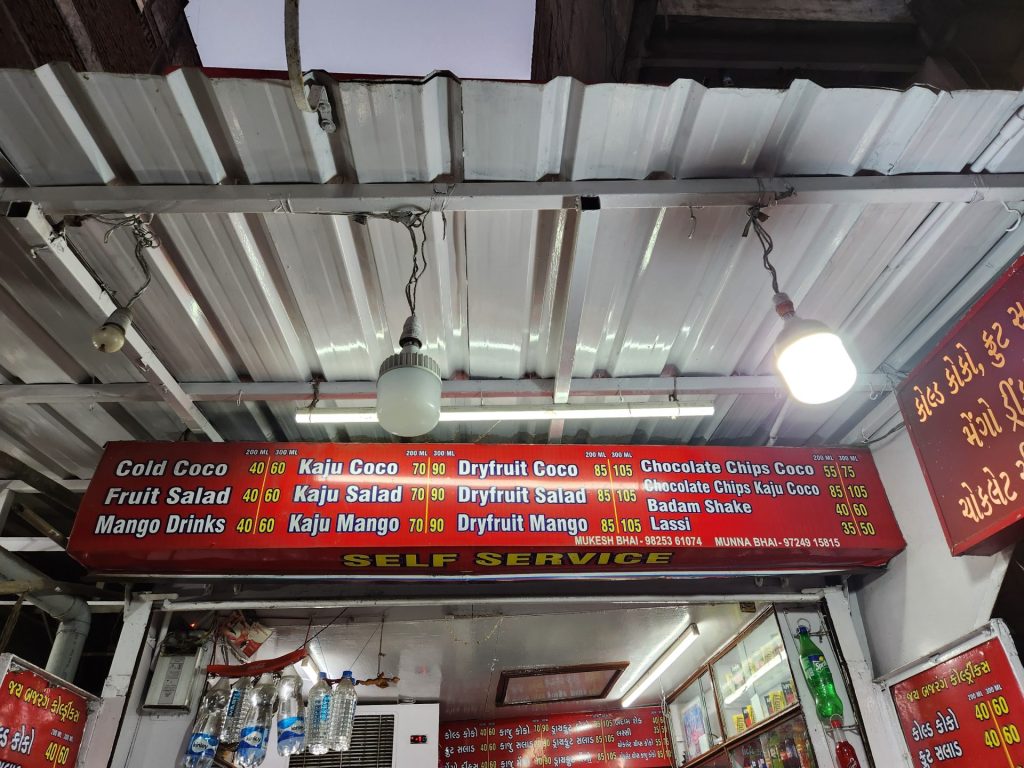
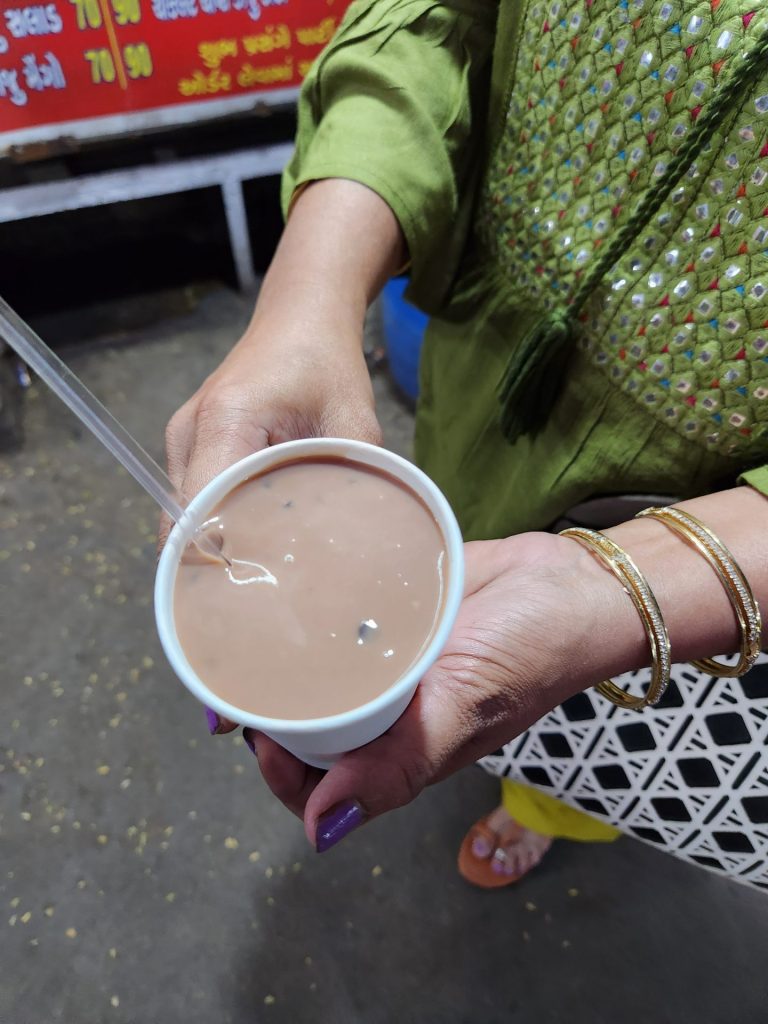
Located close to this shop was a row of street food stalls where we tried different flavors of Cold Coco.
The next hour of so was spent at the Chauta Bazaar for some shopping, post which we headed back to our Hotel room.
A light dinner done at the hotel itself, we finished off our packing since we were to take the morning train from Surat to Mumbai.
Street Food in abundance in Surat
29th January : We finished our Breakfast at the hotel by around 9 AM, checked out by around 10 AM and headed for Mohan Mithai located adjacent to our hotel building.
A huge array of snacks and sweets on display and based on their recommendations, we picked up some stuff back for Chennai.
Our train to Bandra Terminus was at 11 AM and after an uneventful journey, we reached Bandra by around 3 PM.
With all the luggage around, it was difficult to hunt around for a place to eat and we decided to head for the airport and have something there itself since our flight was around 4 hours away.
Our flight was at 19.40 hours and we touched down at Chennai by around 9.30 PM.
We touched down at Chennai by around 9.45 PM, bringing to and end a short and sweet trip to a destination never visited before. Packed sightseeing, oodles of great food and some amazing street shopping left us with lots and lots of good memories.