The Charm of the Minars had been beckoning for quite sometime. Having done multiple rounds of Hyderabad in the past, both on the personal and official front, the creation of this webpage was kept in abeyance as the photographs went missing somewhere.
Looked into all the storage devices available with me but the Hyderabad folder remained amiss which prompted an idea about a fresh plan since lot of new places would have anyways come up.
An official visit was coming up and planned to drop in a couple of days before over the weekend to do a little bit of sightseeing.
The capital and the largest city of the Indian state of Telengana, Hyderabad occupies part of the Deccan Plateau along the banks of the Musi river. The Qutb Shahi dynasty established Hyderabad in 1591 to extend the capital beyond the fortified Golconda until the Mughals annexed the city in 1687. The name Hyderabad means Haydar’s City or Lion City and the name was after Caliph Ali Ibn Abi Talib because of his lion like valour in battle. Most of the city is situated on hilly terrain and around artificial lakes.
The city was known for its Pearl industry until the 19th century and was nicknamed the City of Pearls. It was also the only trading centre for Golconda diamonds in the world. Since the 1990s, the city has emerged as a major manufacturing hub for pharmaceuticals and Biotechnology as well as Information Technology. It remains as a major confluence of distinct linguistic traditions and cultures and all festivals get celebrated here with equal fervour.
The capital and the largest city of the Indian state of Telengana, Hyderabad occupies part of the Deccan Plateau along the banks of the Musi river. The Qutb Shahi dynasty established Hyderabad in 1591 to extend the capital beyond the fortified Golconda until the Mughals annexed the city in 1687. The name Hyderabad means Haydar’s City or Lion City and the name was after Caliph Ali Ibn Abi Talib because of his lion like valour in battle. Most of the city is situated on hilly terrain and around artificial lakes.
The capital and the largest city of the Indian state of Telengana, Hyderabad occupies part of the Deccan Plateau along the banks of the Musi river. The Qutb Shahi dynasty established Hyderabad in 1591 to extend the capital beyond the fortified Golconda until the Mughals annexed the city in 1687. The name Hyderabad means Haydar’s City or Lion City and the name was after Caliph Ali Ibn Abi Talib because of his lion like valour in battle. Most of the city is situated on hilly terrain and around artificial lakes.
Table of Contents
Here's Some Trivia on Hyderabad
The city offers so much to see to the discerning tourist that it would definitely take 3 to 4 days to soak in all the sights.
Any tour to Hyderabad would be incomplete without a visit to the iconic Charminar located in the Old City, a 400 year old mosque which is housed on its top floor, the bustling markets and the Laad Bazaar located close by where you can indulge in shopping for lacquer bangles colourfully adorned with stones and intricate patterns, precious stones, jewellery and of course pearl stuff.
And definitely not to miss the massive Golconda Fort which comes alive in the evening with the Light and Sound Show, the Salar Jung Museum housing the largest one man collection of antiques, Asia’s largest man made lake connecting the twin cities of Secunderabad and Hyderabad with a 16 metre tall Monolithic statue of Buddha right at the centre of the lake, the Birla Mandir, the Zoo, the Chowmahalla Palace, Mecca Masjid, Ramoji Film City, the Chilkur Balaji Visa Temple, the Car Museum, the Jagannath temple and so much more.
Not to forget the legendary Hyderabadi cuisine which is a princely legacy of the Nizams of Hyderabad, who created their own cuisine over the centuries and were heavily influenced by the Turkish, Arabic, Mughlai styles of cooking with the considerable influence of the spices and herbs of the native Telugu and Marathwada cuisine. If you are a connoisseur of the non vegetarian variety of food, do not miss the famous Shorba along with the spicy Hyderabadi Dum Biryani served with Mirchi Ka Saalan, Haleem Khorma, & top up all these with Double ka Meetha (a sweet bread pudding) and Khubani ka Meetha (Apricot Pudding).
Never mind if you are a vegetarian as the veg version of the Hyderabad Dum Veg or Paneer Biryani with Mirchi ka Salaan would be equally indulging and if you are not the Biryani kind of person, a wholesome Andhra thaali with Gunpowder and Gongura Chutneys would make you crave for more. You do have a long list of very good restaurants serving the traditional Andhra Pesarattus and Dosas accompanied with 5 to 6 different kind of chutneys.
All these, you can wash off with a steaming cup of Irani Chai along with those small triangular samosas, if your stomach still does not revolt.No wonder, UNESCO lists Hyderabad as a Creative City of Gastronomy, given the variety of food on offer.
November 15th 2025
An early morning flight from Chennai brought me into Hyderabad’s Rajiv Gandhi Airport in Shamshabad by around 8.15 AM in the morning. I had booked a cab through a friend of mine for 2 days to take me around a few important places of sightseeing. The plan was to leisurely see a few places of interest and redo Hyderabad over the next 3 to 4 visits.
The Statue of Equality
Exited the airport to the car parking lot where the cab picked me up and we began our 20 Kms drive towards Palmakole where the Statue of Equality was established.
This is right off the Hyderabad Bangalore National Highway. The construction of the statue began in the year 2014 and it was inaugurated by the Prime Minister of India in 2022. A grand monument, dedicated to the 11th century saint Sri Ramanujacharya, 216 feet tall in a sitting posture can be seen here. Built to commemorate the 1000th birth anniversary of the Saint, this structure costed almost 1000 Crore.
This statue is the world’s tallest Gold Coloured metallic (built using 5 metals) statue of someone in a sitting posture.
Ramanujacharya was said to have promoted the values of Social Justice and Equality and stated that all people irrespective of their caste, race, gender, ethnicity are equal There are 108 Divyadesas which are centres of inspiration comprising 108 Vishnu temples in a circular form circumventing the statue of equality. Visitor timings are from 10.30 AM to 9 PM and to my bad luck, having taken the earlier flight I reached the complex at around 9.15 itself.
The security folks allowed me inside the gates but suggested that I visit the nearby Ram temple and then come back by which time the ticketing would commence. A 5 minute walk took me to the 11th century Seetha Rama temple.
Known for its tranquil setting and very nice architecture, the idols in the temple date back to more than 1000 years old and the temple features a large Gopuram or Tower, large pillared verandahs and a stepped tank.
Reached the Statue of Equality complex back at around 10.00 AM and after some photoshoots from outside, bought the entrance tickets which are priced at 250/- per head. One cannot carry a camera or mobile inside the complex while there are accredited photographers available inside to take a photo of yours in front of the statue.
At 10.30 AM we were let in after a thorough security check, went around the 108 Divyadesams.
Each of the small temples had the idols beautifully dressed and decorated pertained to the Divyadesams present across the country in Dwaraka, Mathura, Trivandrum, Srivilliputhur, Tirupathi etc. There is this Leela Jala Neerajanam Muscial fountain which starts from 2 PM and 5.30 PM and a Laser show commences after sunset. An Arathi takes place everyday at 19.30 hours and in hindsight, looks like the evenings are a better time to visit this complex.
There are 36 elephants, beautifully carved and each offering water.
It took me almost over an hour to go through the entire temple complex and by around 11.45 settled into the cab to move on to the next place of interest The Golconda Fort.
The Golconda Fort
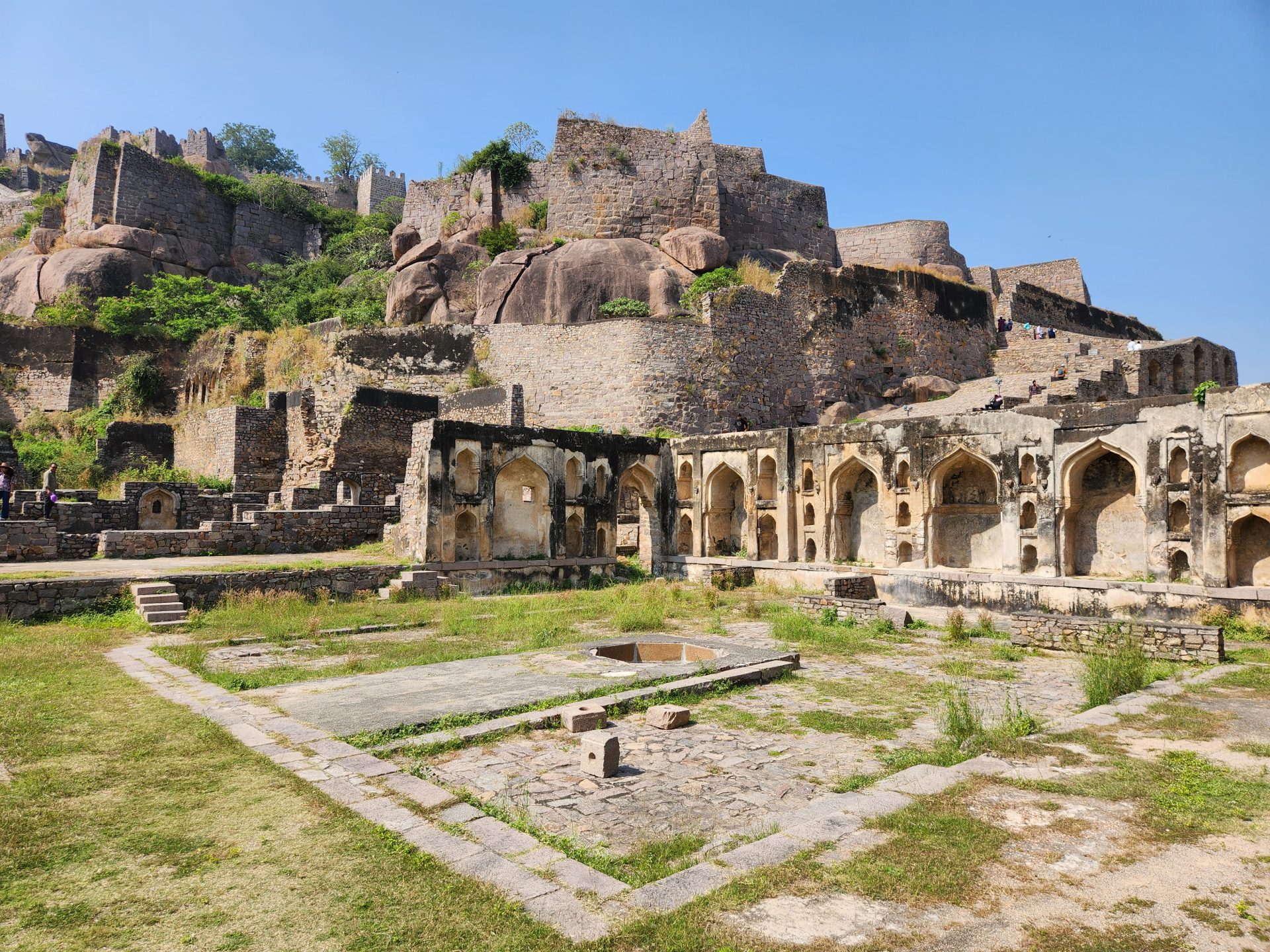
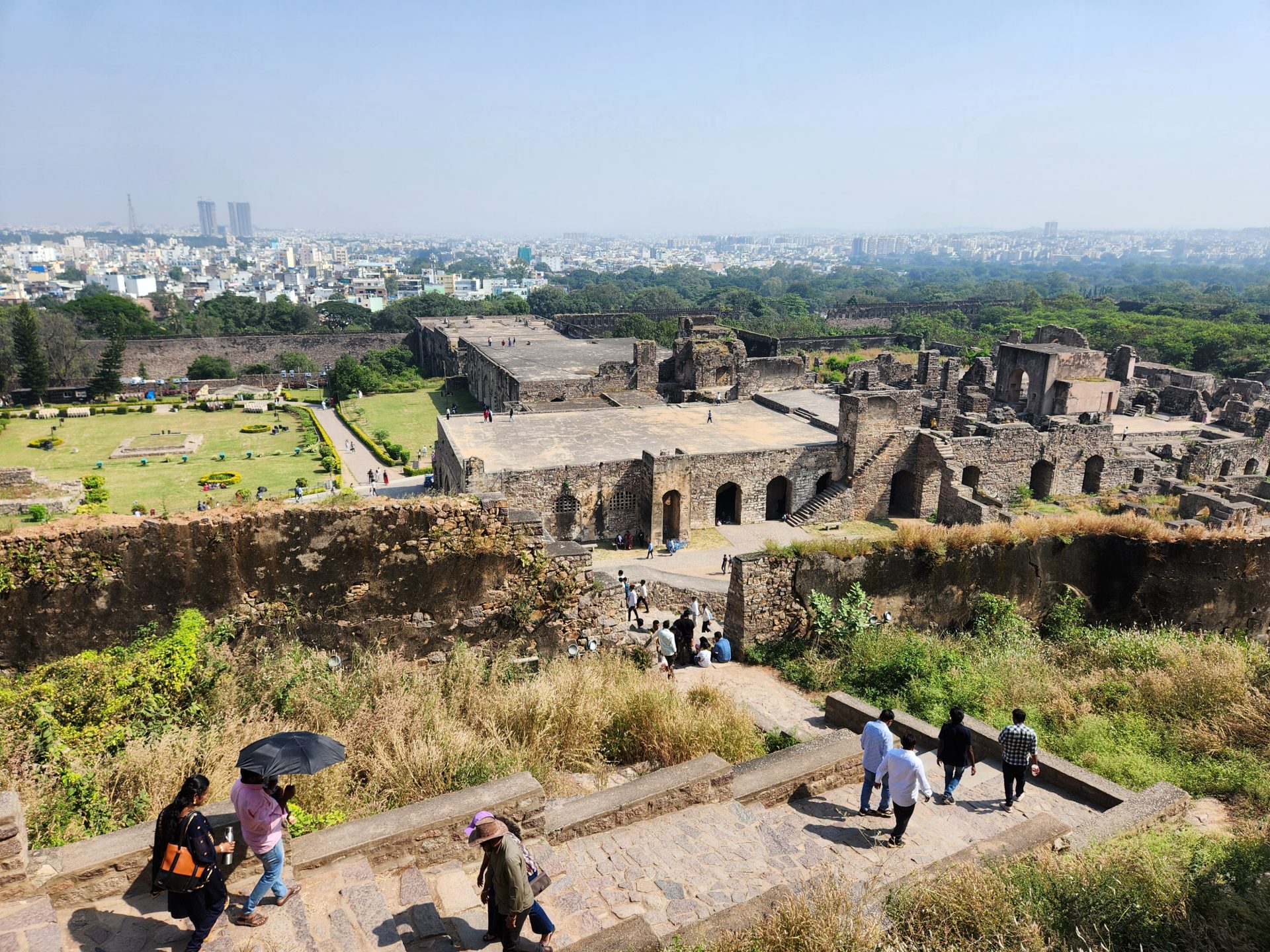
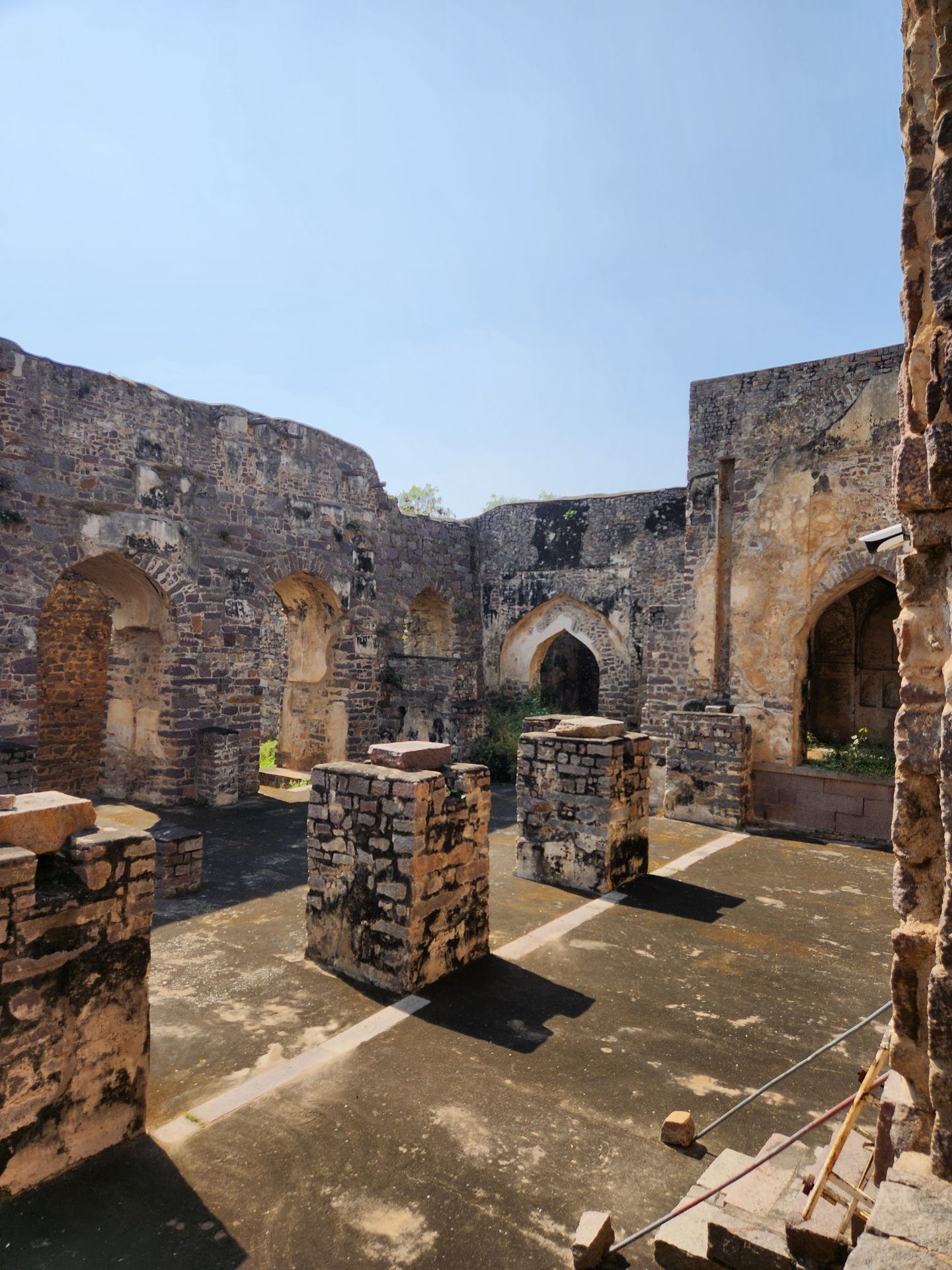
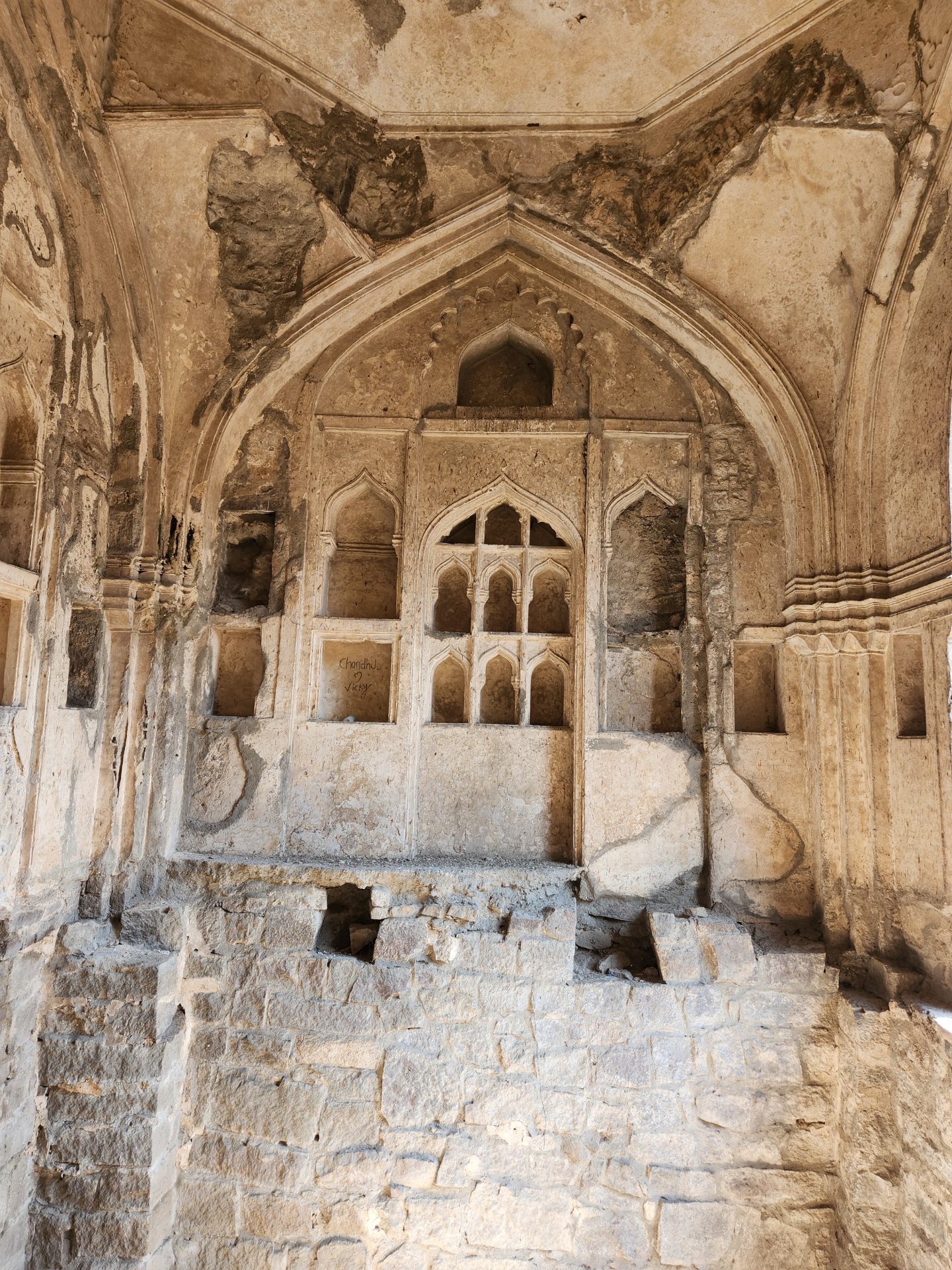
The Golconda Fort was 31 kms away and we reached the entrance of the fort by 12.30 PM. Did a quick on-line booking through the ASI site and entered the fort complex.
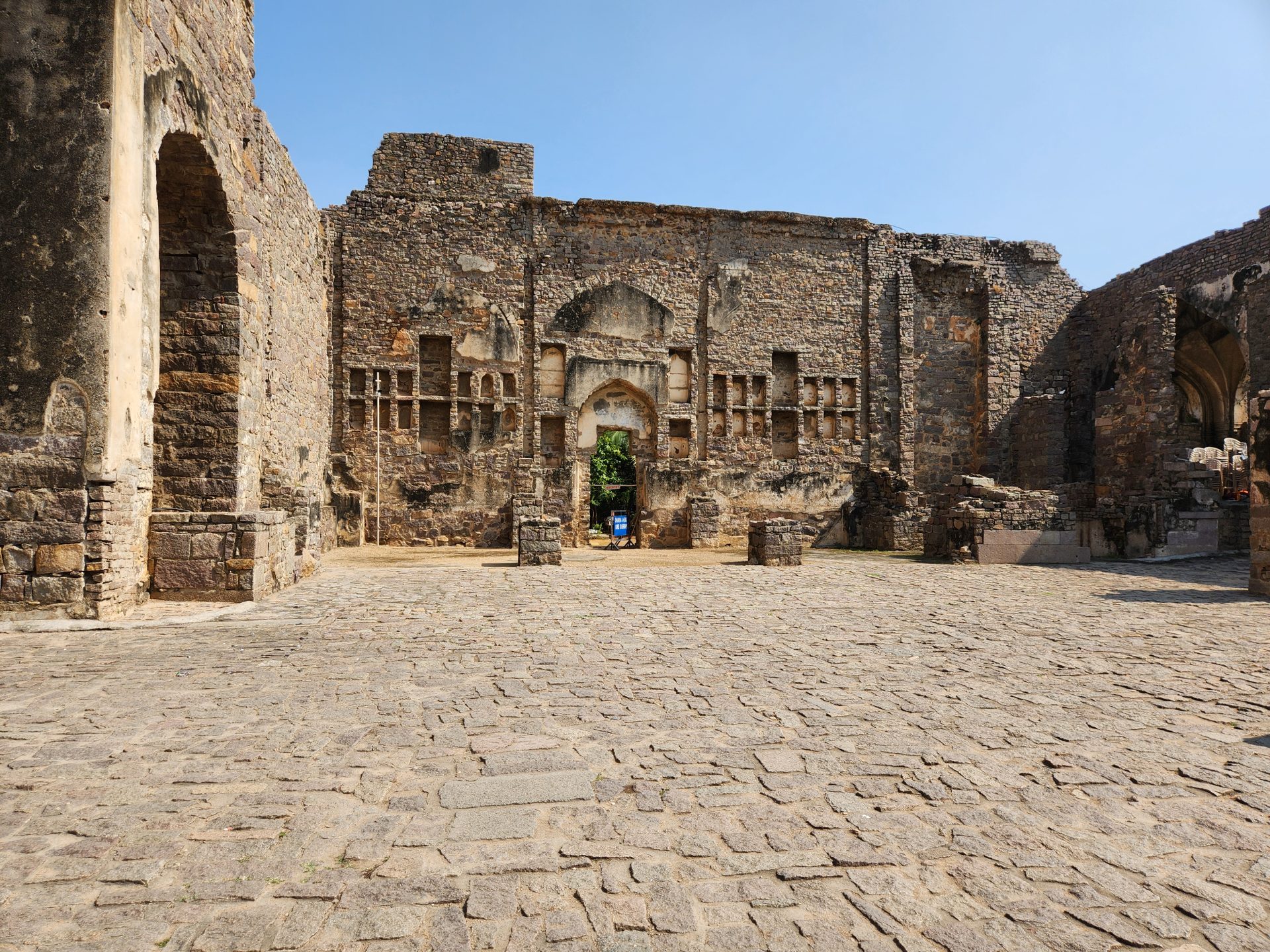
While the name originates from the Telugu words “Golla Konda’ meaning Shepherd Hill, this is one of the famous forts of India. The Fort’s origins can be traced back to hthe Yadava Dynasty of Deogiri and the Kakatiyas from Warangal.
Originally built as a mud fort, this was passed onto the Bahmani dynasty and later on to the Qutab Shahis.
They held possession of the fort from 1518 to 1687 AD. Over a span of 62 years, the first 2 Qutab Shahi kings rebuilt Golconda.
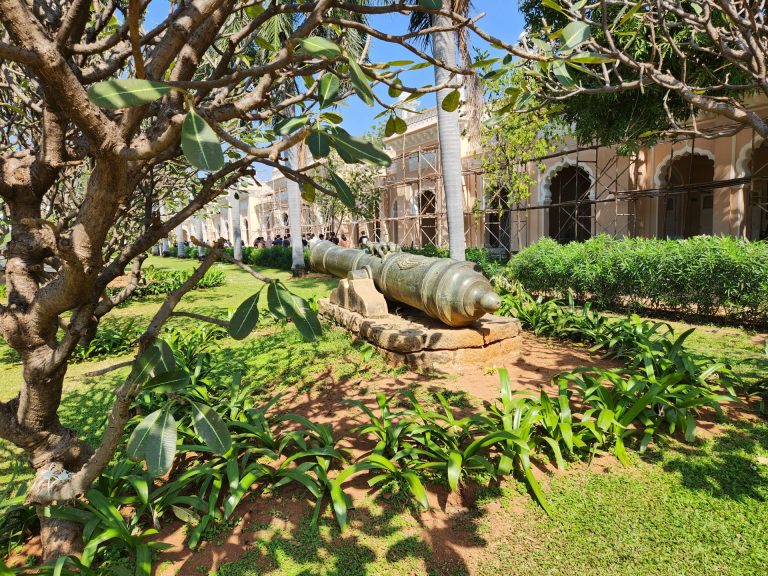
Plenty to see around the Fort complex including the Palaces, the famous Fateh Rahben gun, one among the Cannons used in the last siege of Golconda by Aurangazeb.
The fort remains open from 9.00 AM to 5.00 PM and post that there is a Sound and Light Show which takes you right back in time which starts at 6.30 PM.
Known for its impressive architecture and engineering feats, the Fort’s imposing walls, bastions, and gates are made of granite blocks that are fitted together without the use of any mortar.
The acoustics of the fort feature the clapping hands feature that allows a person standing at the entrance to be heard at the highest point of the fort.
The main gate of the Fort is known as the Fateh Darwaza or Victory Gate which stands 13 metres tall and is adorned with intricate carvings and designs. There are other gates such as the Balahisar Gate and Makai Darwaza, each with its own history.
The Central area of the fort houses several palaces, including the Taramati mosque and the Ibrahim Quli Qutb Shahi tomb.
The Mosque is a stunning structure that was built in the 17th century and is known for its intricate carvings and designs while the Ibrahim Quli Qutb Shahi tomb is another notable structure within the fort, built in the memory of the founder of the Qutb Shahi dynasty
The Golconda fort symbolises Hyderabad’s military might and architectural grandeur and is also a place of worship with a small Kali temple inside the fort’s premises, right at the top of the fort.
It was around 1.30 in the afternoon and pretty hot. Decided to give the Qutub Shahi tombs a skip and headed towards Madhapur. The plan was to have a quick lunch and then spend some time at Shilparamam, the Arts and Crafts village. Found a Santhosh Dhaba which seems to have proliferated all around Hyderabad and had a good meal of rotis and some Palak Paneer. Good authentic dhaba style food.
The Shilparamam Arts & Crafts Village
We reached Shilparamam around 3.30 in the afternoon.
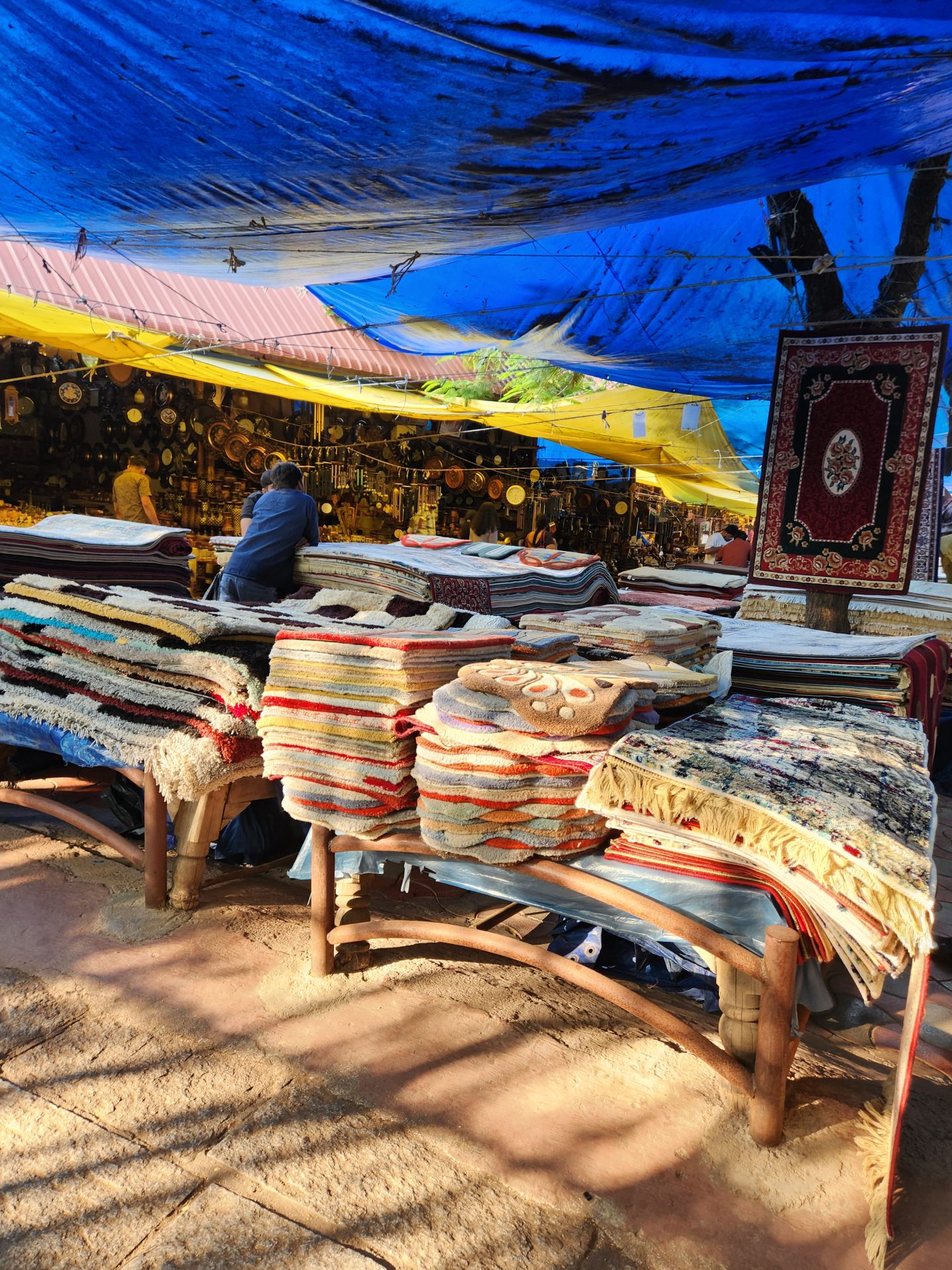
Tickets are priced at Rs.60/- per head. Cameras are not allowed inside this complex. Similar to the Dilli Haat in New Delhi, Shilparamam is a tribute to India’s Cultural Heritage. Multiple stalls have been put up by artisans, painters and craftsmen displaying their wares.
The entire place looked very colourful with so much on display.
After roaming around for an hour and indulging in some purchase for the ladies, sanctioned and approved over a video call, headed for the last stop for the day, the Sri Peddama Talli temple.
The Peddama Talli Temple
Located in Jubilee Hills and around 6 kms from Shilparamam, we reached the temple complex by around 5 in the evening. This temple is dedicated to Peddamma meaning Mother of Mothers or The Supreme Mother and is a village version of the Vedic goddess Sachi, consort of King Indira and Queen of the Devas. She is one of the 11 forms of Village deities. This temple is very famous during the festive season of Bonaalu. There are a few small temples besides the main temple for Goddess Lakshmi and Saraswathi and one for Ganapathi and Naga Devatha.
Finished off a nice darshan and started off for Urvashi Hotel in Punjagutta which was to be my stay.
Freshened up and around 8 went out for dinner with some and relatives and was back in the room by around 9.30 AM. Had told the Cab guy to come around 9.30 AM since I had a long laundry list of places to be covered.
November 16th 2025
Breakfast was at the hotel and the spread was awesome.The iconic Charminar was my first halt. The driver dropped me off at a particular point beyond which cars were not permitted and I had to weave my way through Laad Bazaar and a Sunday crowd which was just about finding its way in. A 5 minute walk and the 48 metre high 4 magnificent minarets were right on display. Charminar remains as much a signature of Hyderabad as the Taj Mahal of Agra.
The Charminar
It is said that this was built as a charm to ward off a deadly epidemic raging at that time by Mohammed Quli Quatab Shah, the founder of Hyderabad in 1591 while it is also said that at this very location, he first laid eyes on Bhagmathi whom he later on went to marry and built this magnificent structure as an everlasting memory.
The origins of this monument are also directly linked to the Battle of Karbala as a commemoration in memory of Prophet Muhammad’s son-in-law.
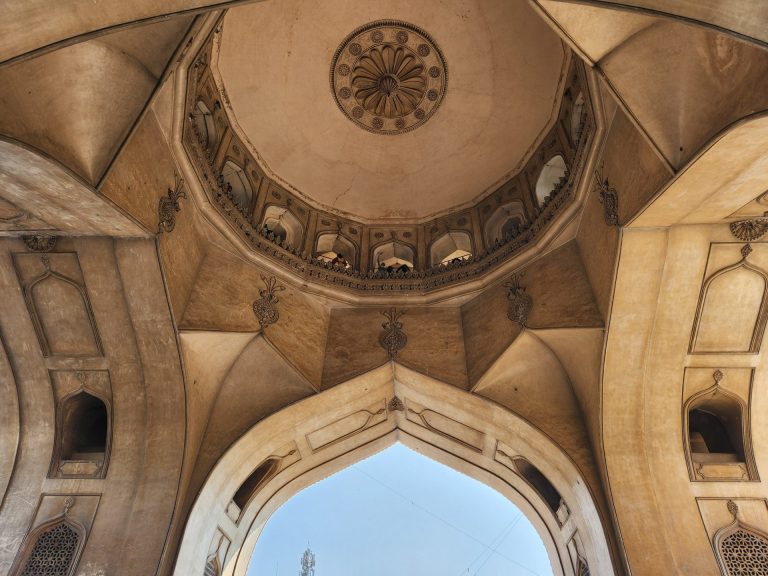
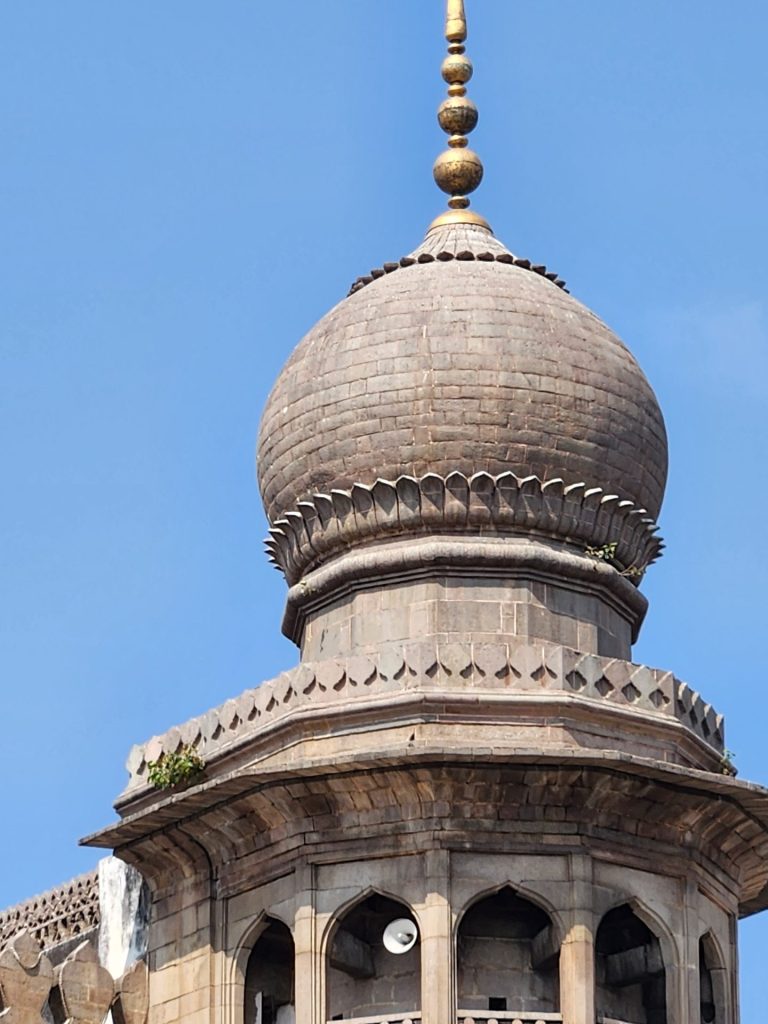
There are 45 prayer spaces and a mosque inside it and while the arches and domes display Islamic Architectural styles, there is a Persian influence also to this landmark.
Right at the entrance, one can see a small Vazu with a fountain for purification before the prayers. The monument remains illuminated in the evenings.
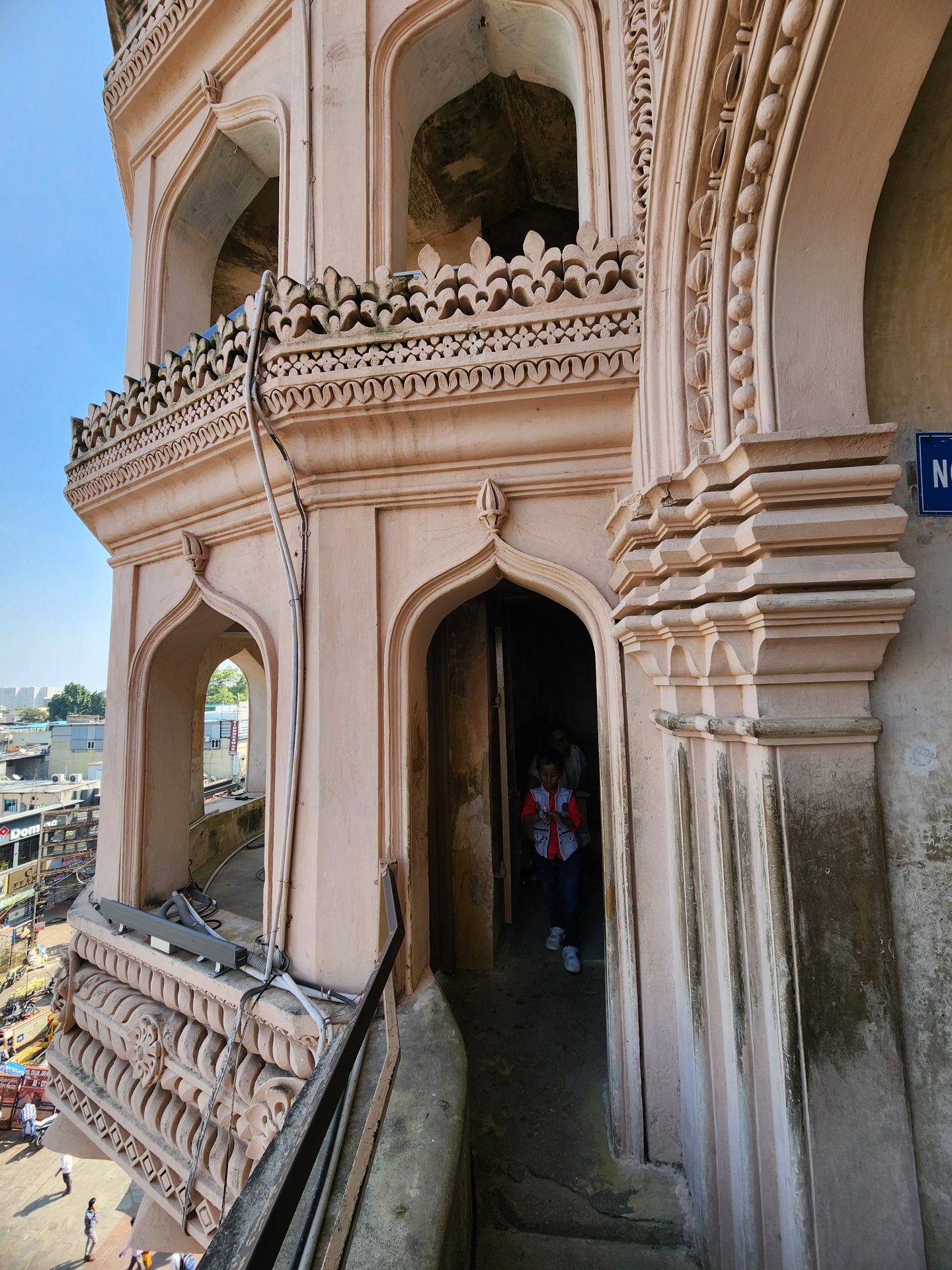
The balconies and outside walls have an influence of Hindu architecture with intricate stucco floral ornamentation. Tickets are priced at Rs.25/- apiece and the visit timings are between 9.30 AM to 5.30 PM on all days except Friday.
The Mecca Masjid
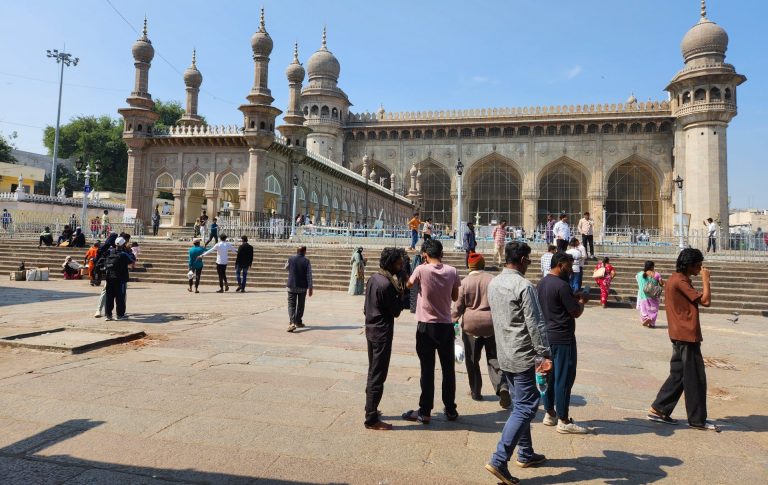
South West of the Charminar and a 5 minute walk away lies the Mecca Masjid. The bricks to build this were brought from Mecca to build the Central Arch and hence the name. The Qutb Shahis never completed the building of the mosque and finally it was left to Aurangazeb to complete this in 1694.
Walked back through Laad Bazaar to the point where my cab had dropped me. This is a famous and colourful shopping centre of the old city where traditional Lac bangles studded with glass and stone, Pearl Sets and Bridal wear can be found.
Walked back through Laad Bazaar to the point where my cab had dropped me. This is a famous and colourful shopping centre of the old city where traditional Lac bangles studded with glass and stone, Pearl Sets and Bridal wear can be found.
The Chowmahalla Palace
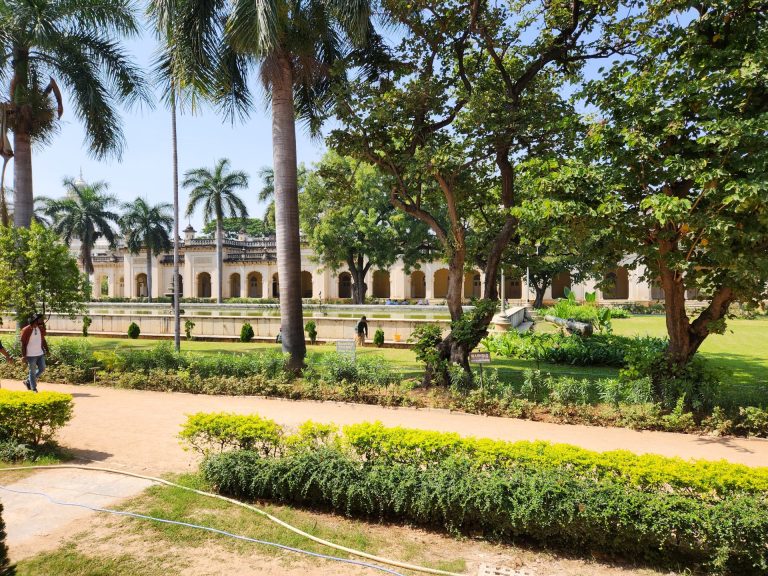
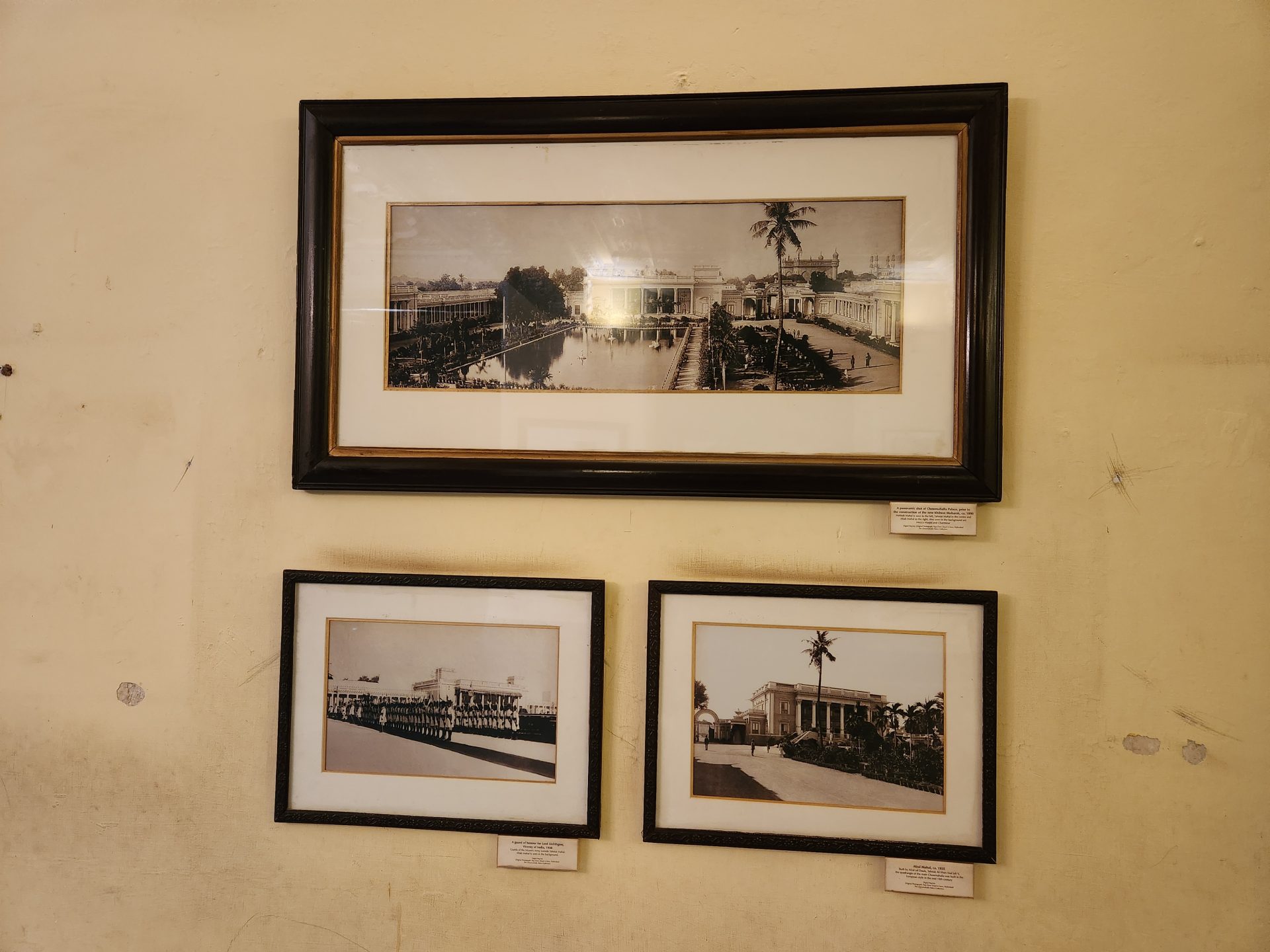
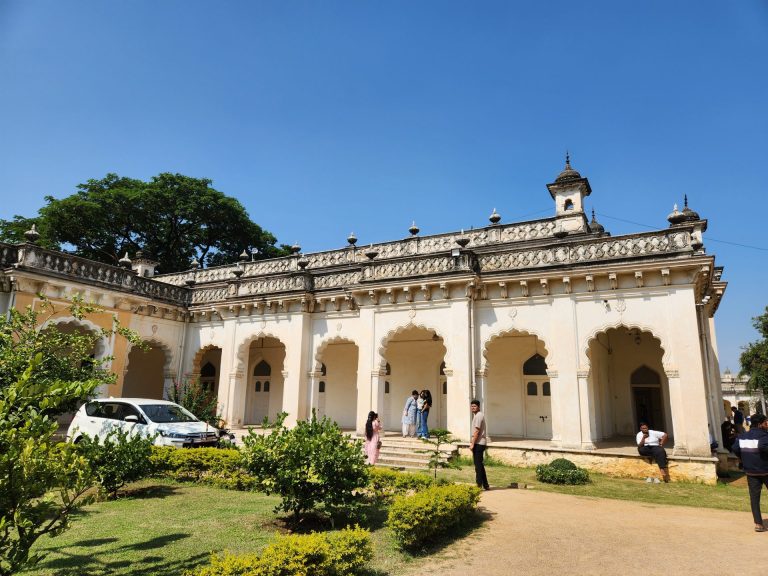
The Chowmahalla Palace was just about 650 metres from Charminar and in Motigalli. A seat of power of the Asaf Jahi dynasty, this place was the official residence of the Nizams during their reign. The entire area appeared a complete contrast to the old city with beautiful building structures set amidst sprawling lawns, shrunk to an area of 12 acres from the original 45 acres.
The construction of the Palace started in 1751 during the reign of Nawab Salabath and when their ruling capital shifted from Aurangabad to Hyderabad, the Mahals were added during this time.
The Chowmahalla meaning 4 palaces, built in neo classical style are located symmetrically opposite each other around a large tank of water, forming a protective enclave of grandeur and historic connection.
The palaces functioned as a combination of administrative buildings, zenanas for women living quarters for the royal families and large grand halls for regular public audiences.
These were the Afzal Mahal, Aftab Mahal, Mehtab Mahal and Tahniyat Mahal, some of which are currently not accessible to visitors. Additional buildings and halls came up during the 18th and 19th century like the Roshan and Saman Bangla, Council Hall, Bara Imam and Shishe-Alat.
The Bara Imam and the Shishe-Alat were built in a later-Mughal style, an Oriental version of Indo-Saracenic arches and Mughal towers and pre-dominated turrets.
During India’s partition, the wealthy Nizams wanted to continue the same way as an Independent state but were annexed by India via Operation Polo. The ownership of the palace however stayed with the Nizam family and it was lying in derelict shape until Esra Begum, the daughter-in-law of the last Nizam Asaf Jahi VII took up the restoration work.
It took 5 years for the palace complex to be brought back to its former glory and in 2005, the Palace along with the Museum was opened to the Public. UNESCO presented the Asia Pacific Merit Award to the Palace in 2010. One needs to buy tickets for entry and these are priced at Rs.150/- per head and Rs.50/- for the mobile camera. The palace remains closed on Monday.
The Khilwat Mubarak or the Royal Durbar in the Northern Courtyard has a large hall which one walks into, illuminated by around 19 massive chandeliers made out of Belgian Glass. There is a Marble throne and the hall has ornated marble pillars.
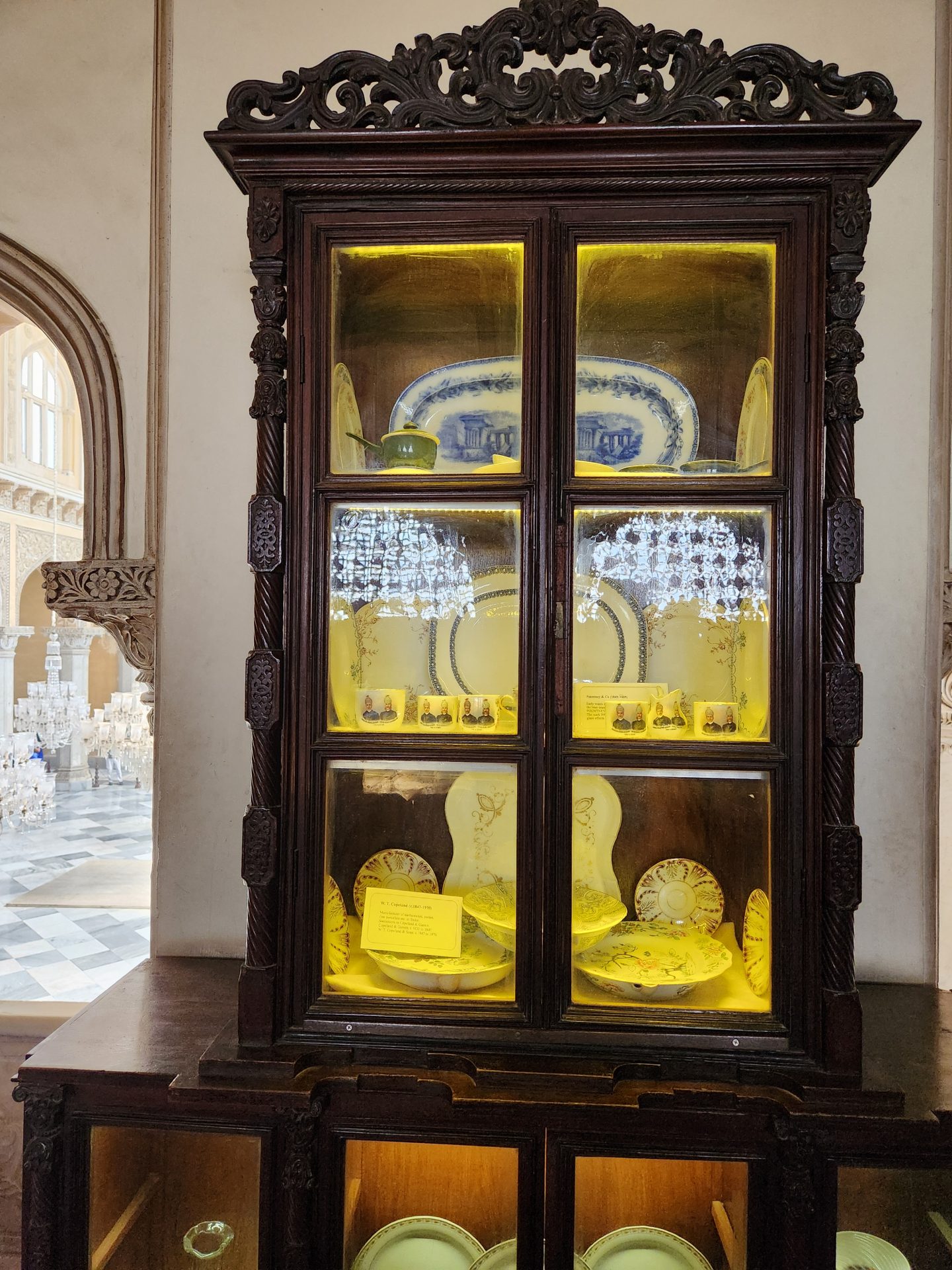
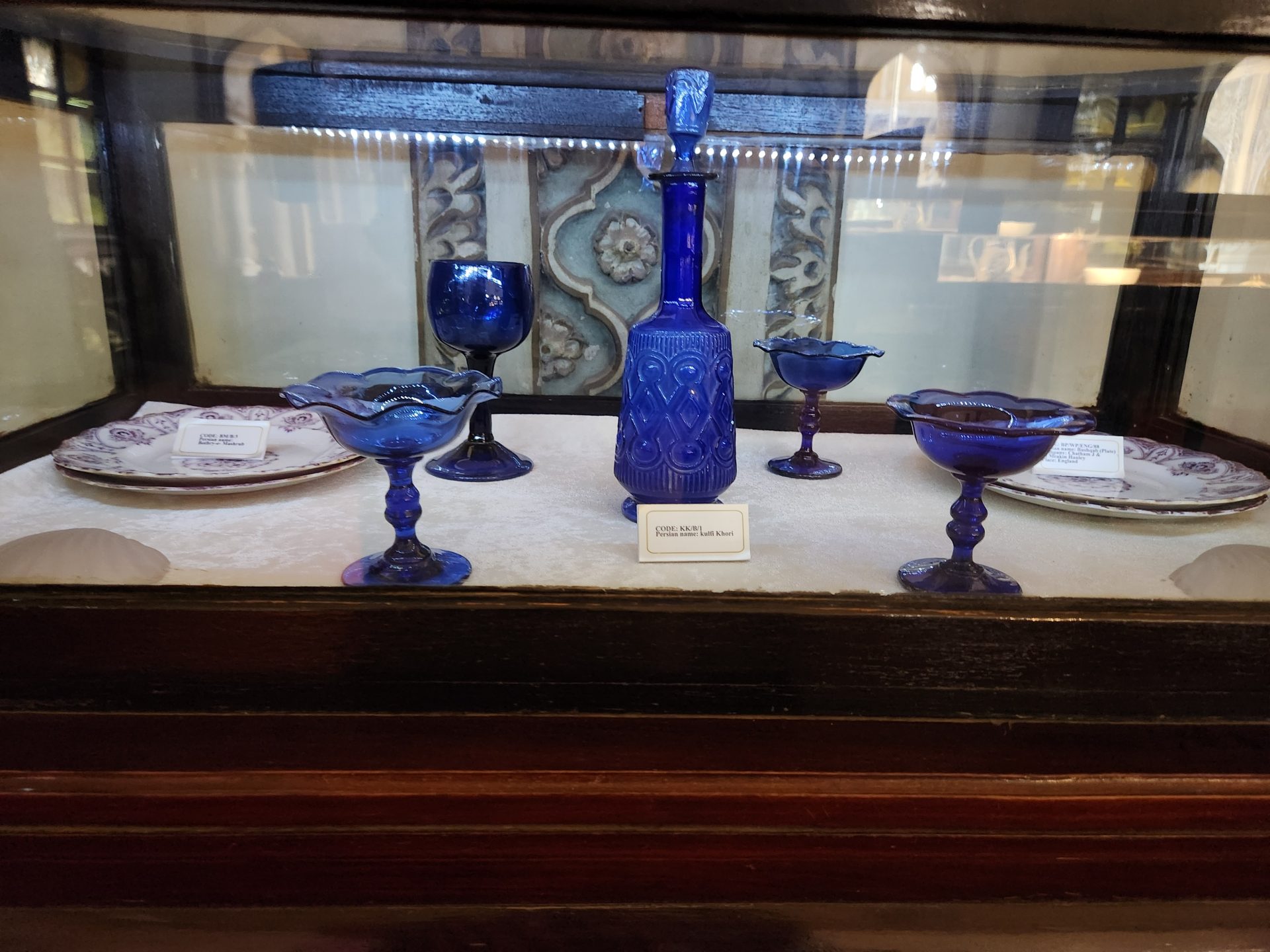
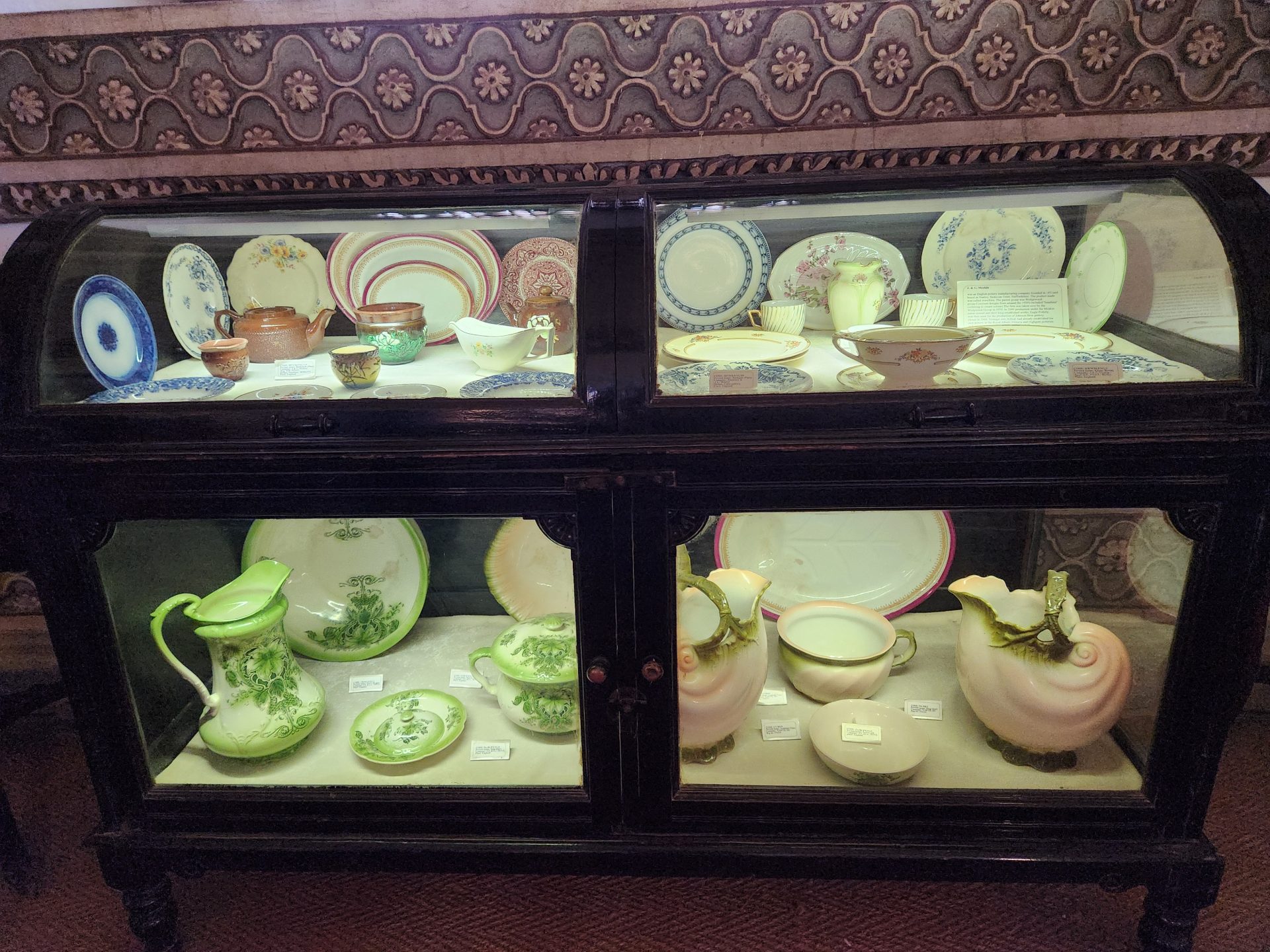
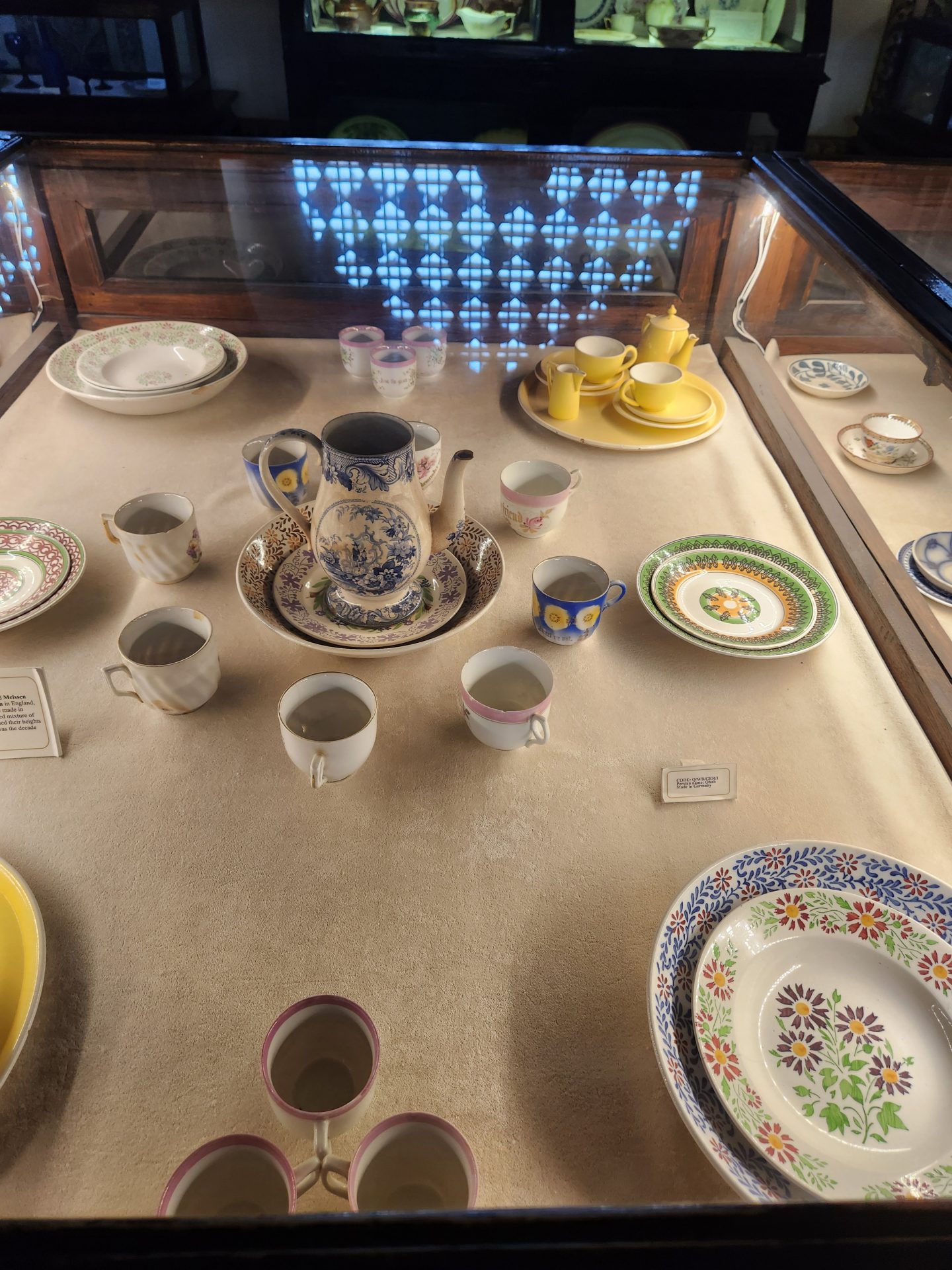
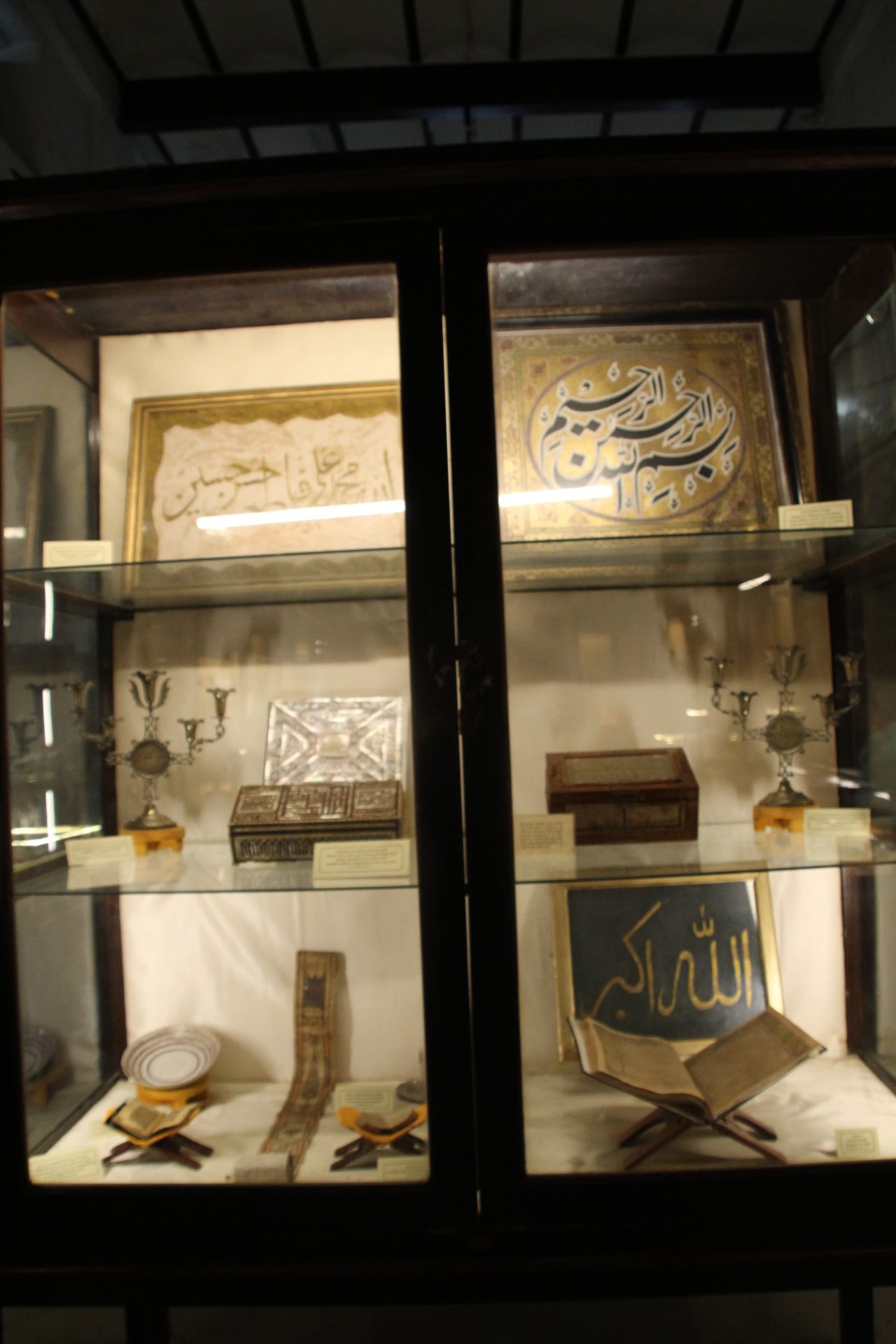
There are several exhibits one can see along with information boards with a narrative of the history of the Nizams in the ground floor apart from the Zenana Photo Gallery depicting life inside the palace and including a photo dating back to as early as 1873. The western side of the ground floor has a Koran gallery and includes some beautifully calligraphed handwritten korans. The 1st floor of the Darbar leads to 4 galleries, two of which are dedicated to crockery and armoury while the other two to Arts and Craft.
This includes the Aftab Mahal, located at the eastern end of the south courtyard which houses several exhibits related to the royal ladies of the Nizam family. It depicts the lifestyle of the royal ladies and is expressed through beautiful embroidered dresses adorning mannequins. At the southern end of the southern courtyard lies the Afzal Mahal where a beautiful Greek-style marble statue of two wrestling men can be seen near the Portico
Moved on next to the area near the Buggy Khana which houses an assortment of expensive and beautiful vintage and classic cars used by the Nizams. The exhibits also showcase a couple of vintage motorcycles and next to the car gallery, one can see the Buggy Khana, exhibiting several of the luxurious horse carriages used by the Nizams.
There is also a grand clock tower on display also known as the Khilwat Clock which symbolises the palace’s timeless elegance and enduring legacy. The rich cultural heritage associated with the Palace Complex gets reflected in the way the tower structure and the clock have been maintained.
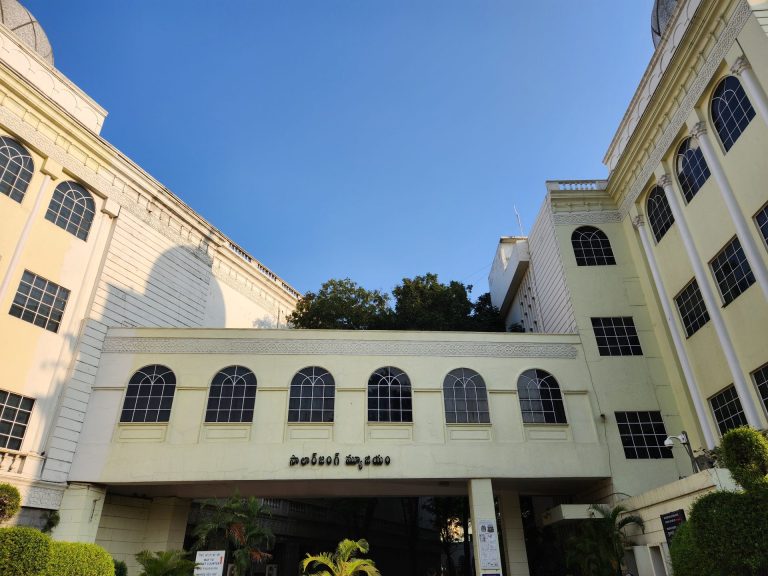
I was out of the palace by around 13.15 hours and headed straight for The Salarjung Museum, located around 4 Kms away. Bought the entry ticket for Rs.50/- and had to shell out Rs.100/- more for the Mobile Camera and the DSLR which I was carrying. There was a large group of school kids waiting for their entry and realized that it would be a tough day at office, navigating through the crowds for good pictures.
The Salarjung Museum
This museum was created out of a visionary’s love for collecting items of antique value, arts and treasures and is India’s 3rd largest.
It was inaugurated by the then Prime Minister of India Jawaharlal Nehru in 1951 and also declared an Institution of National Importance. The museum remains open on all days from 10.00 AM to 5.00 PM except on Fridays.
.
Salar Jung III, also known as Mir Yousuf Ali Khan, driven by an insatiable passion for artistic treasures embarked on a global quest, traversing distant lands to build this remarkable collection. There are over 60,000 printed books ranging from 2nd century BC to 20th century AD, over 8,000 manuscripts and 46,000 art objects from all over Europe, Middle and the Far East.
All these collections of jade artefacts, paintings, sculptures, and textiles are spread across 3 blocks known as the Eastern, Central and Western Black and across 2 floors. Some include a painting of Raja Ram Mohan Roy, Aurangazeb’s sword, daggers that belonged to Jahangir and Shah Jahan, the wardrobe of Tipu Sultan and priceless sculptures like the Veiled Rebecca and the Double Statue of Mephistopheles & Margaretta.
The biggest attraction of the Museum of course is the musical clock that dates back to the 19th century and consists of over 350 parts. Huge crowds gather at 12 Noon to see the clock on display.
The Musical Clock
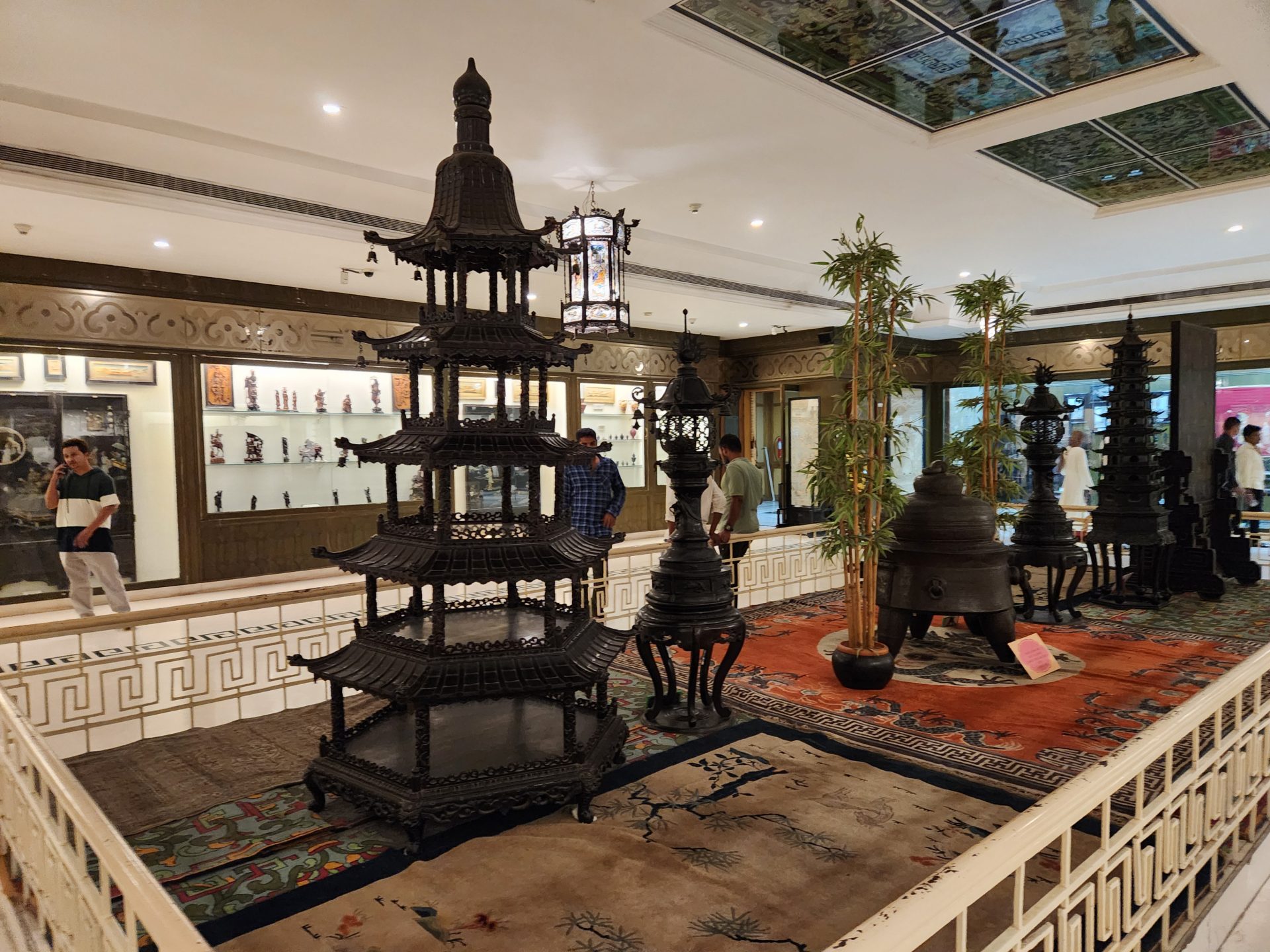
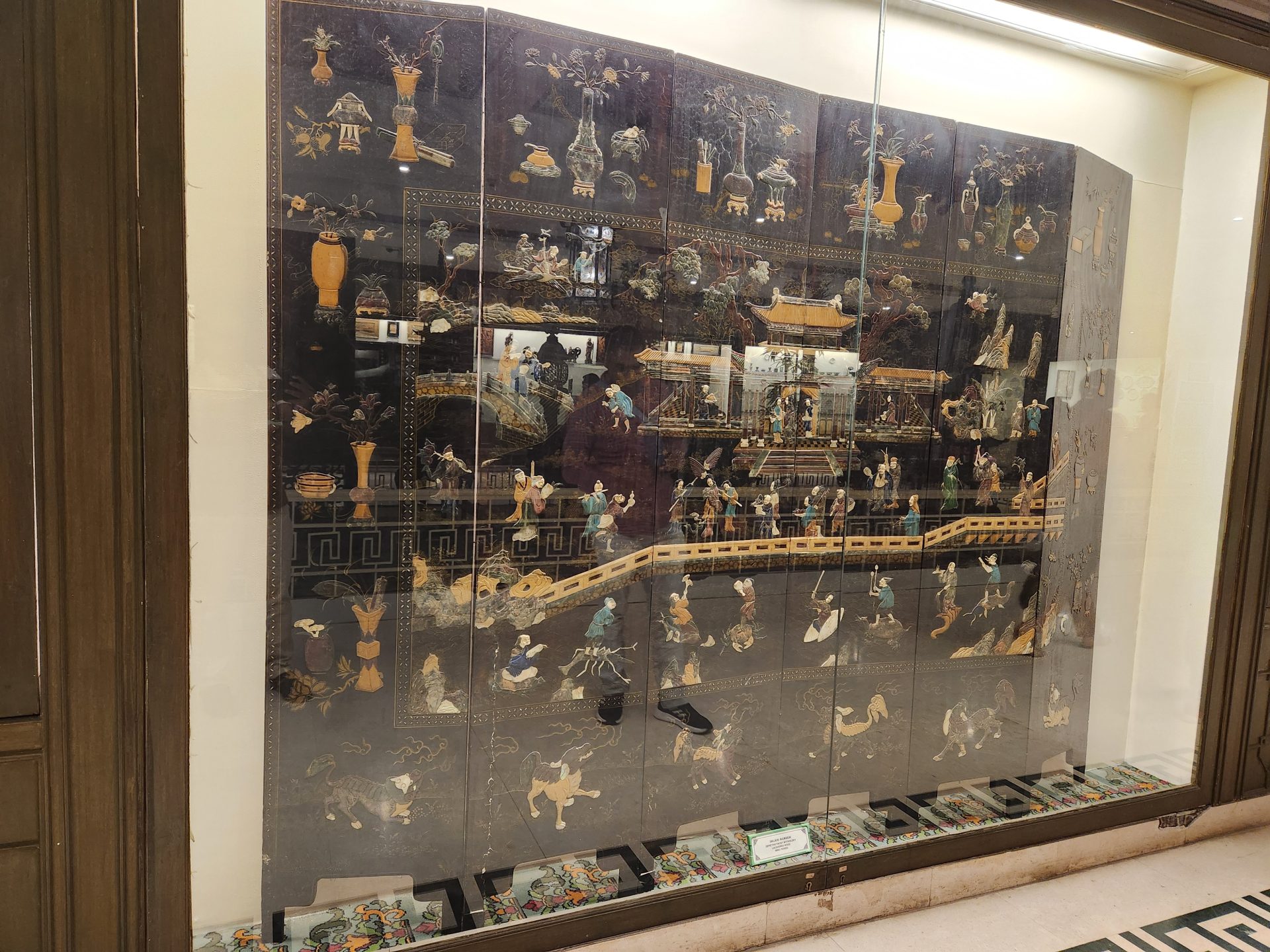
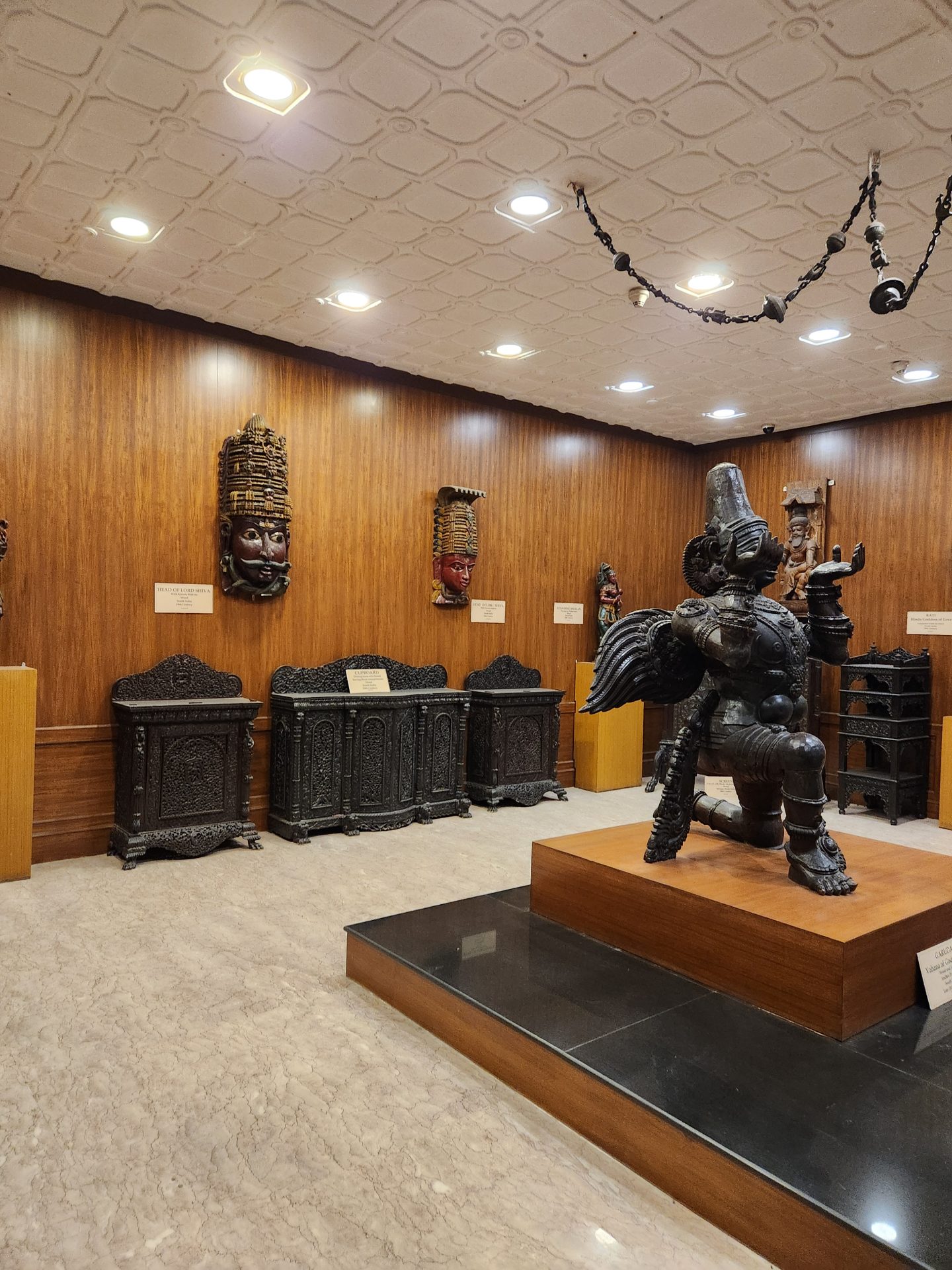
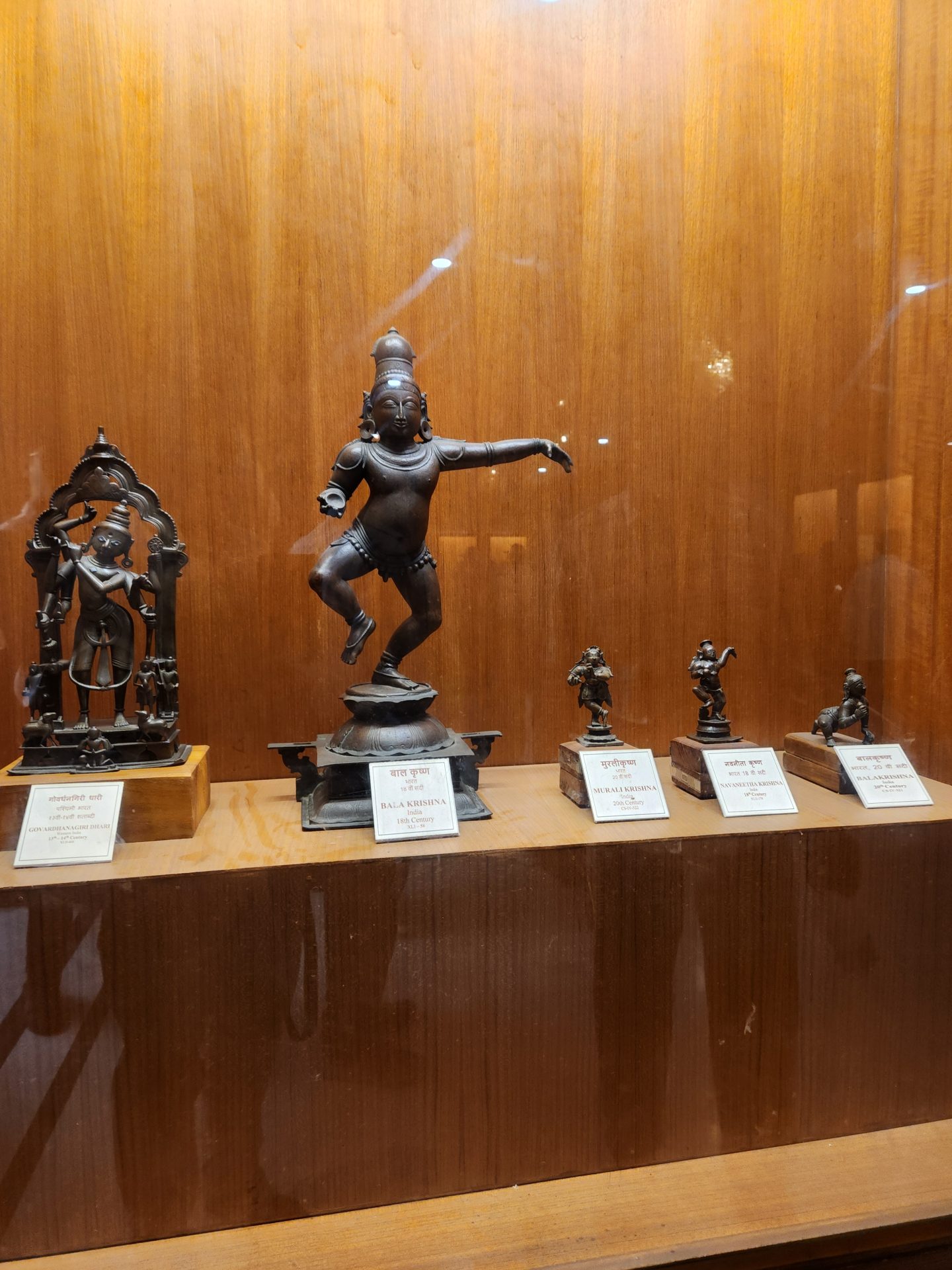
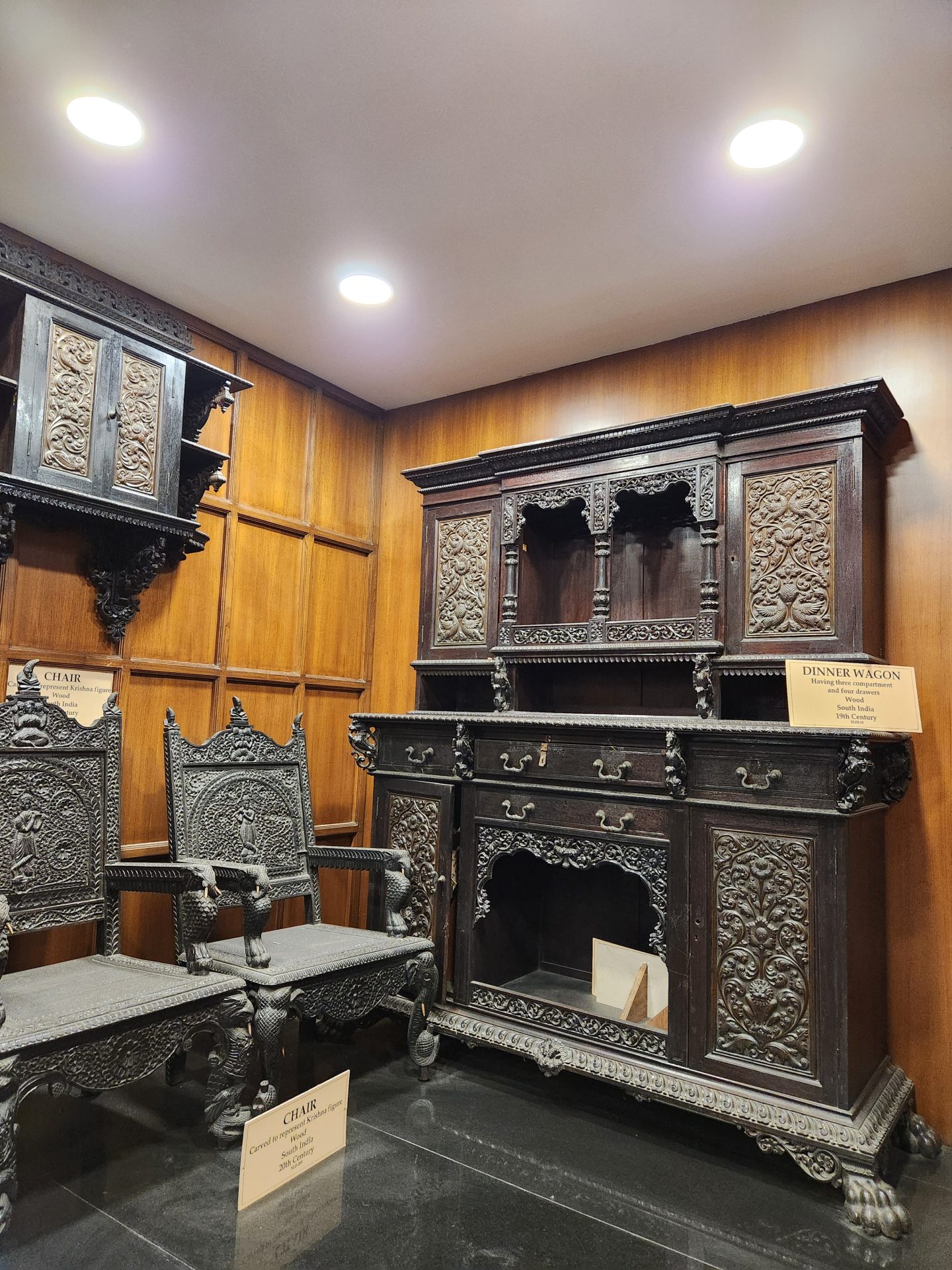
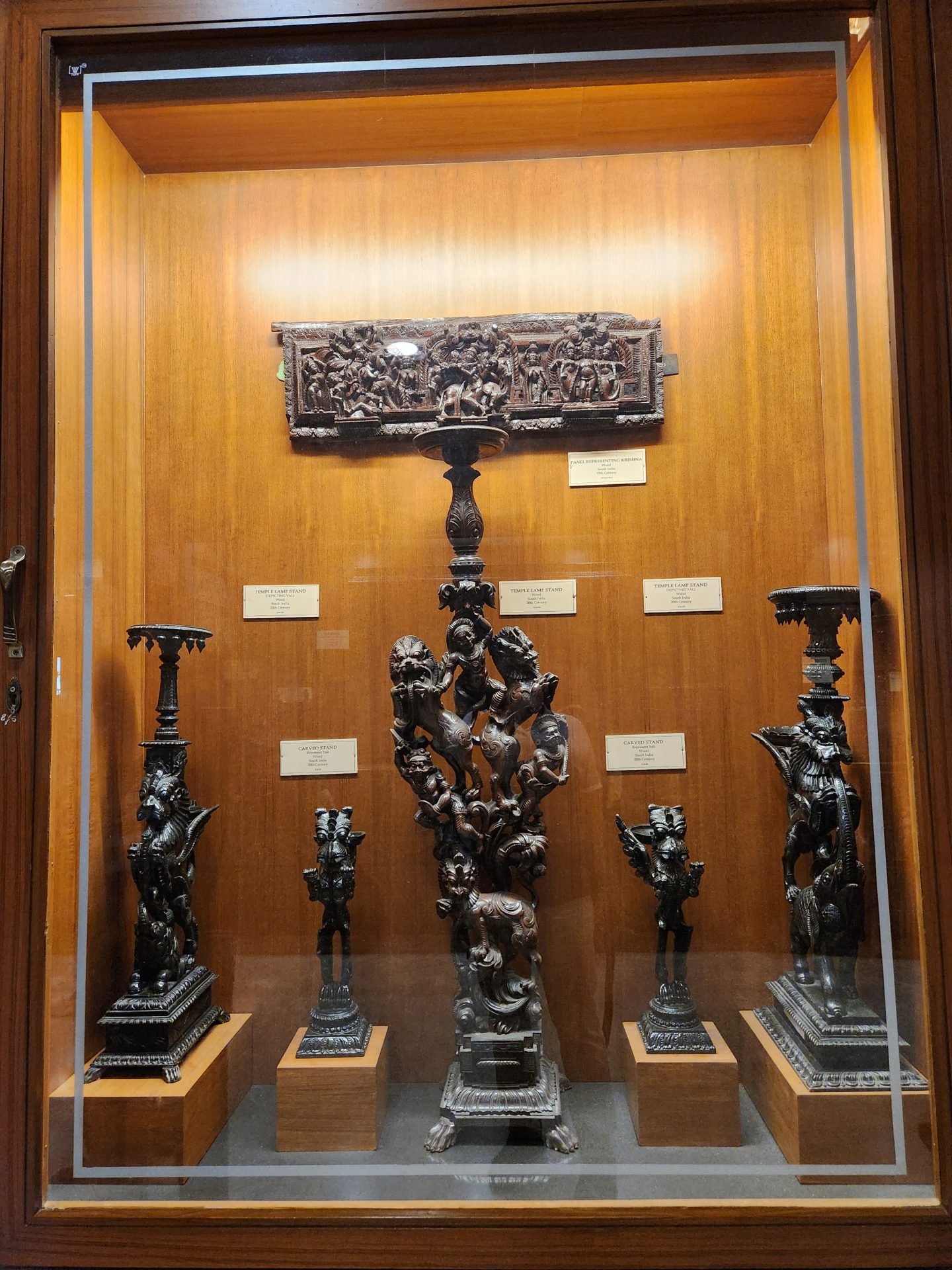
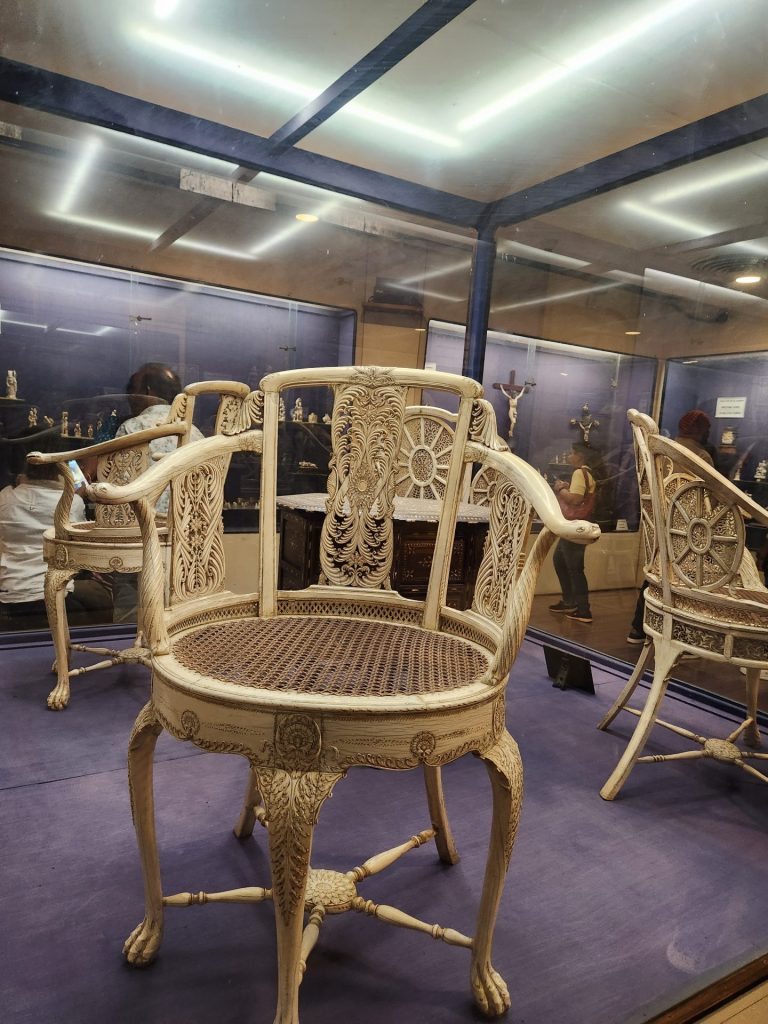
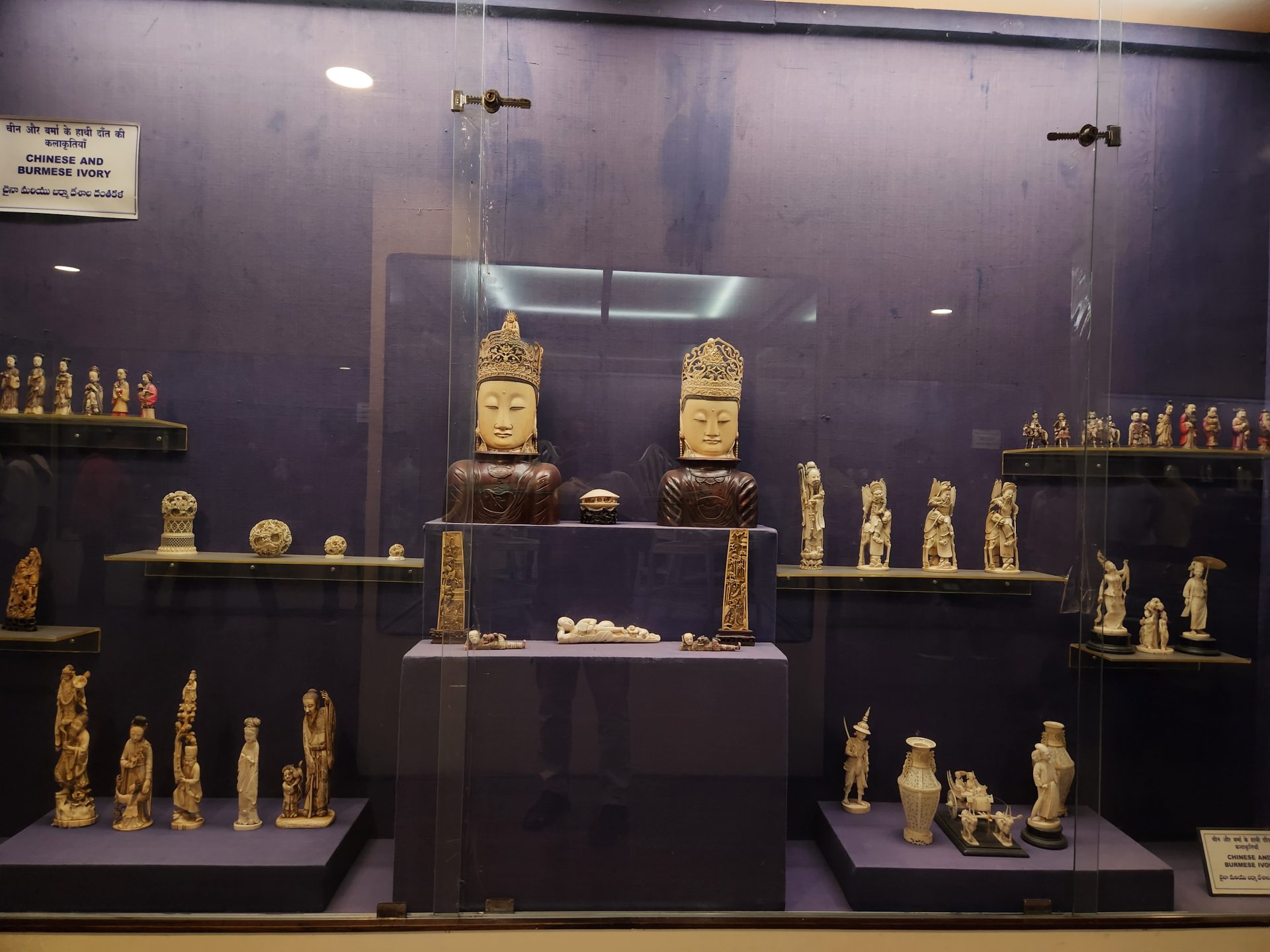
The Eastern block on the ground floor house Wooden Furniture from the Far East and Wood Carvings while the Central Block Galleries for Indian Bronze statues, Indian Sculptures, Indian Textile and Moghul Glass, Ivory Carvings, the Veiled Rebecca, the Musical Clock, a gallery for arms and armour, a metal ware gallery and Modern and Miniature Indian paintings. The Western Block has marble sculptures and an exhibition hall
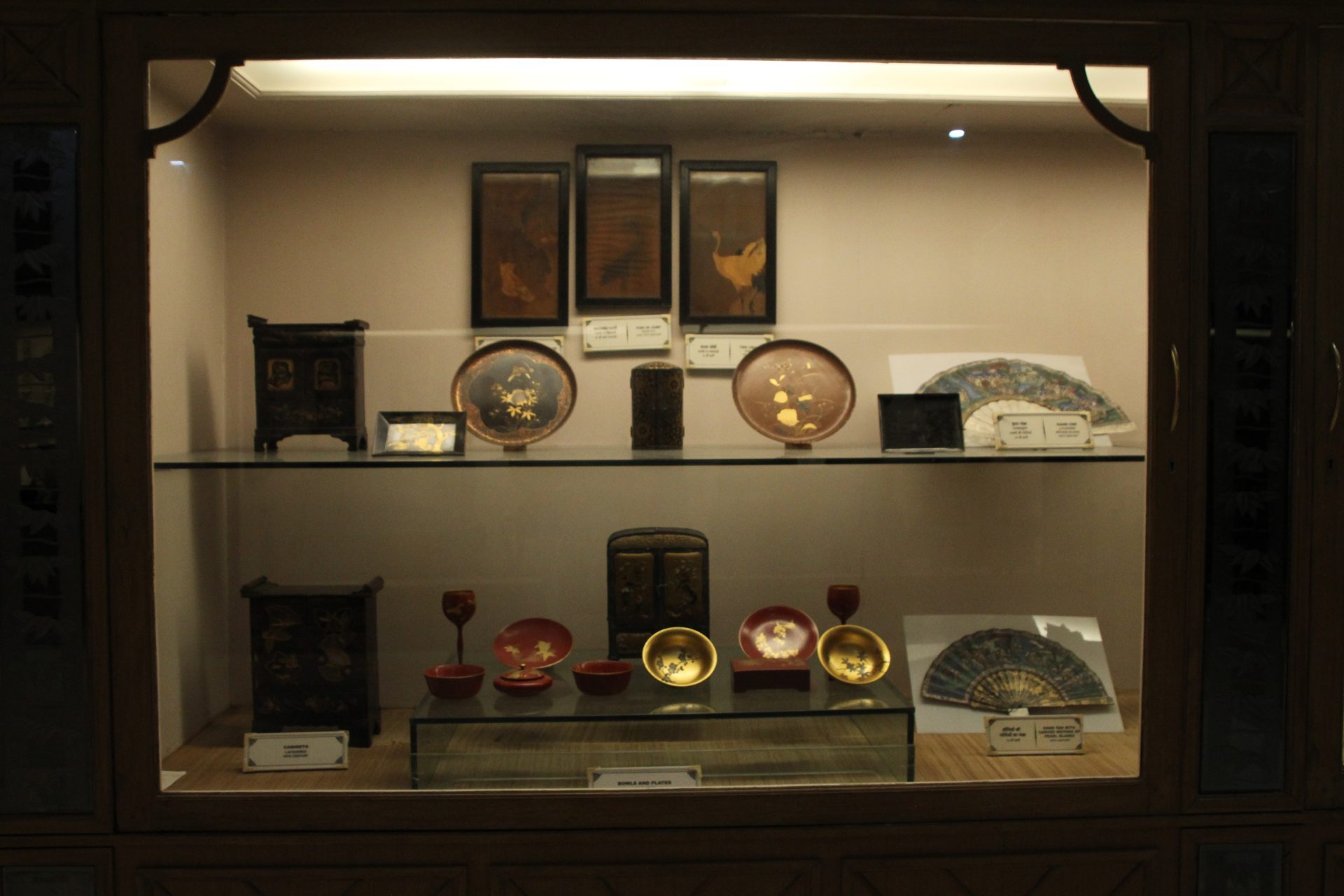
The Far Eastern Wood Carvings Gallery
The Far Eastern Wooden Furniture Gallery
The Indian Bronze Gallery
The Indian Minor Arts & Sculpture Gallery
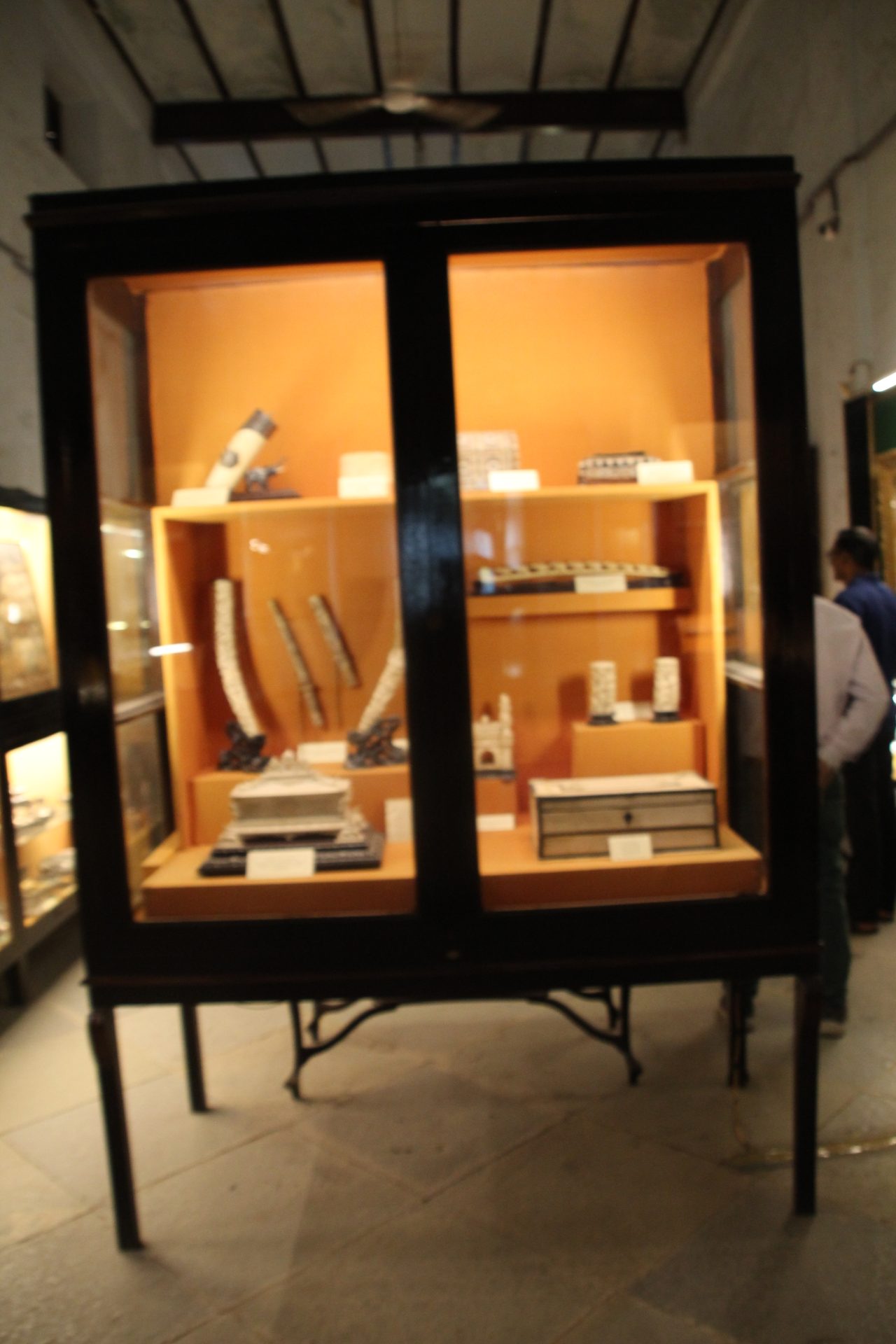
The Ivory Carvings Gallery
The Arms & Armour Gallery
Veiled Rebecca
Indian Textiles & Moghul Glass Gallery
Indian Metalware Gallery
The Walking Stick Gallery
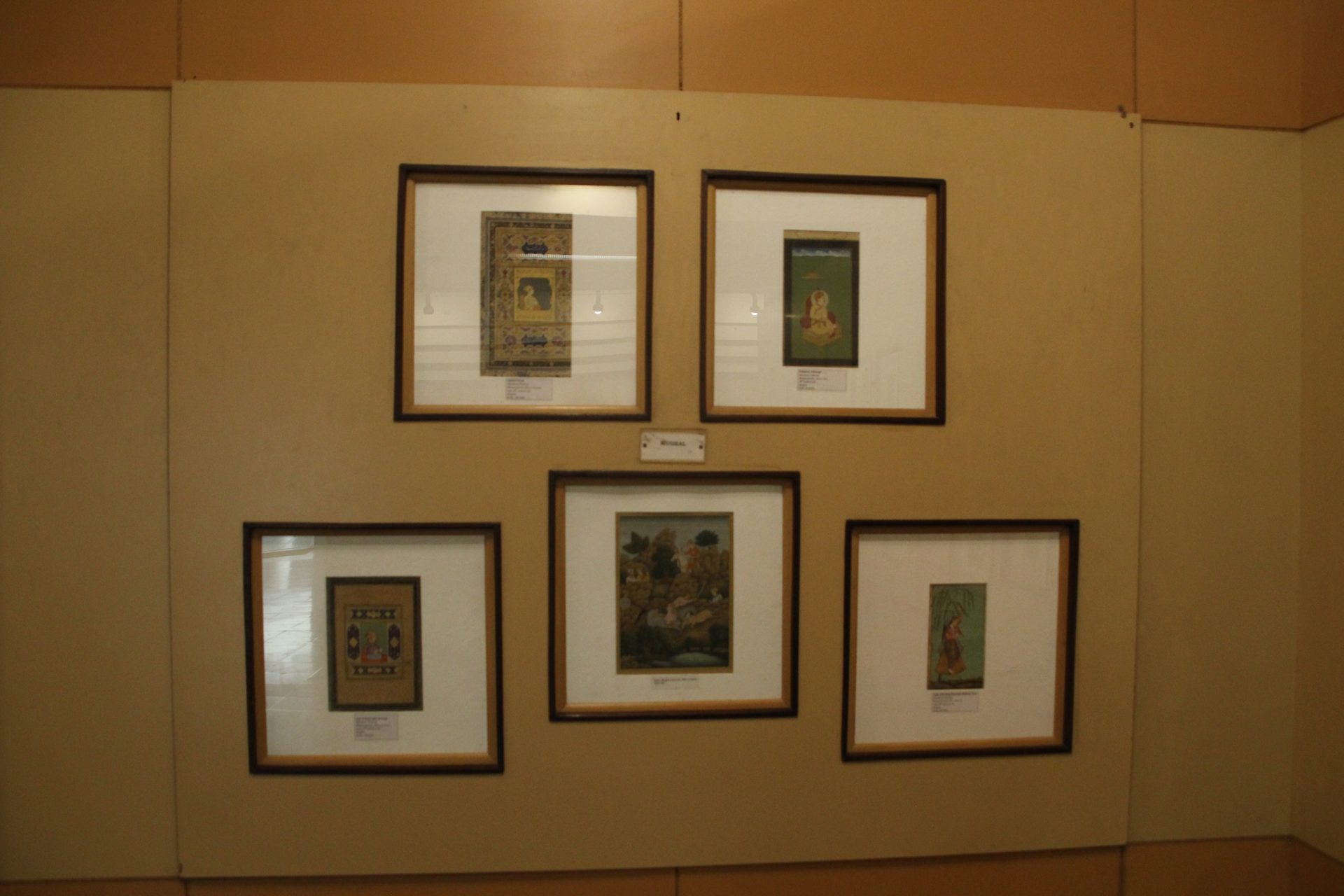
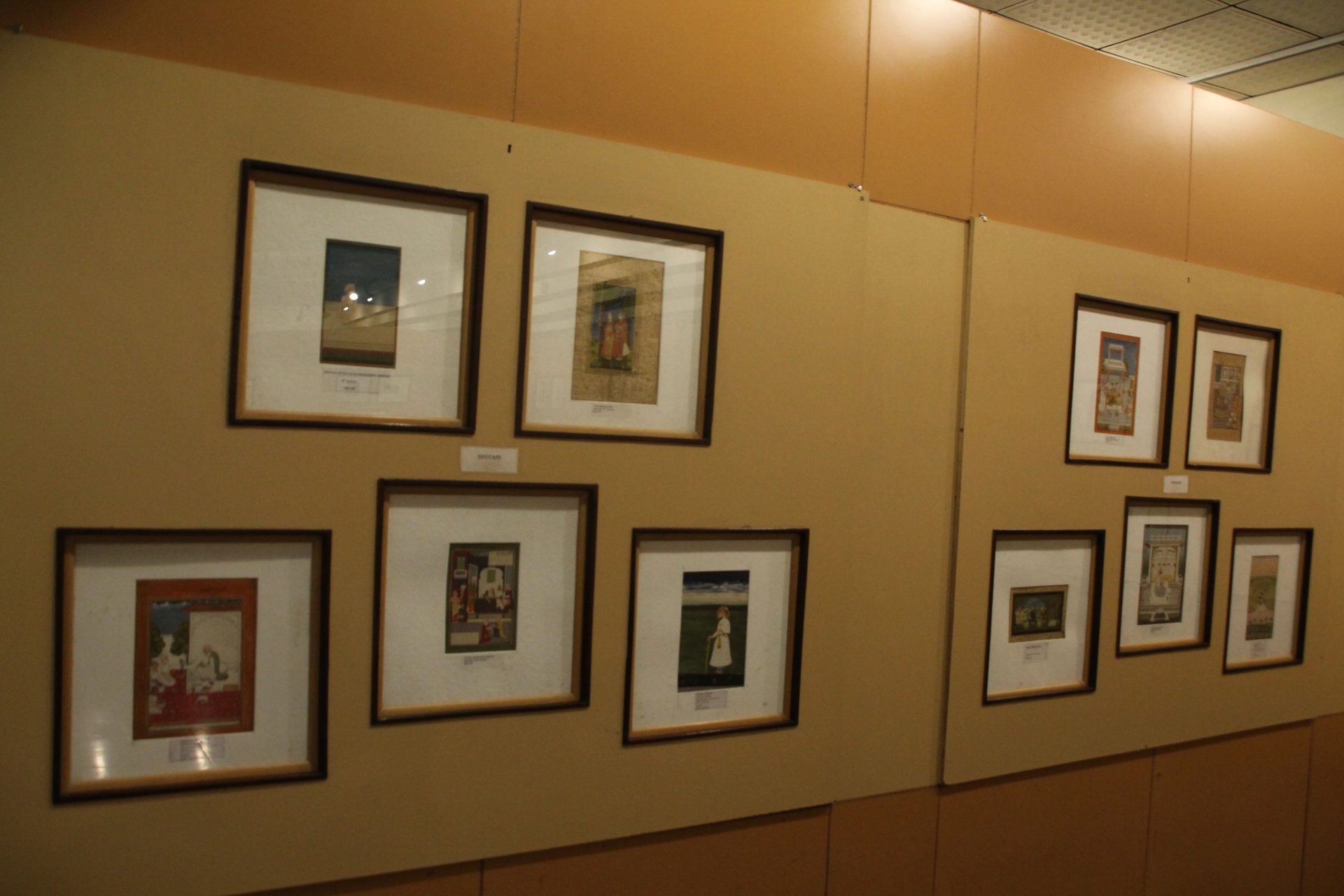
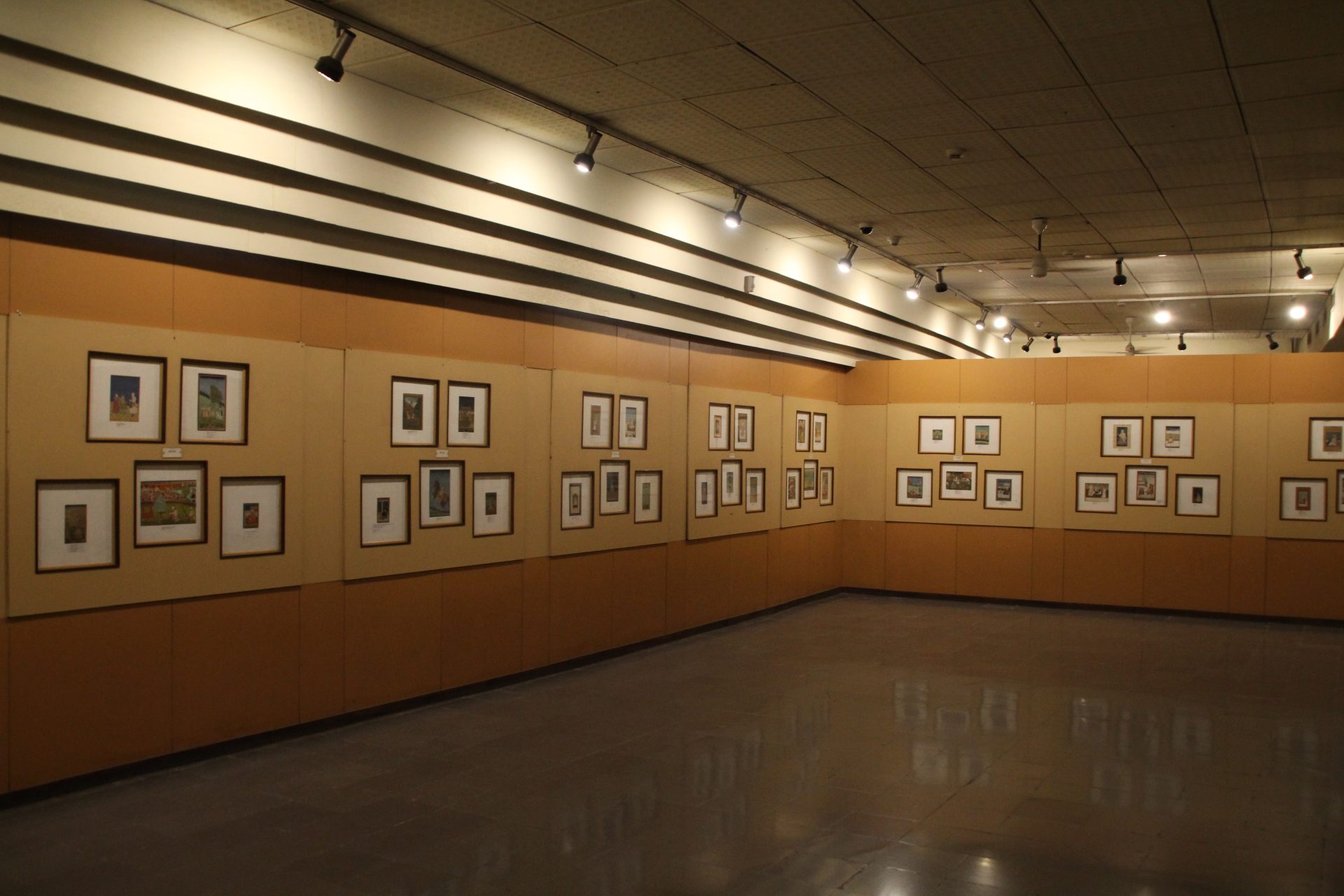
The Indian Miniature Paintings Gallery
The Eastern block on the 1st floor has the gallery for Porcelain from the Far East besides the Chinese, Japanese and Far Eastern statues gallery while the Central block is the home for Toys and Dolls, Flora and Fauna Gallery, Indian Silver and a Carpet Gallery besides more galleries for Jade, Bidri Ware, Kashmir, Coins, Egyptian and Silver wares and a Western Furniture gallery. The Western block is completely devoted to European Clocks, paintings and glass and porcelain work
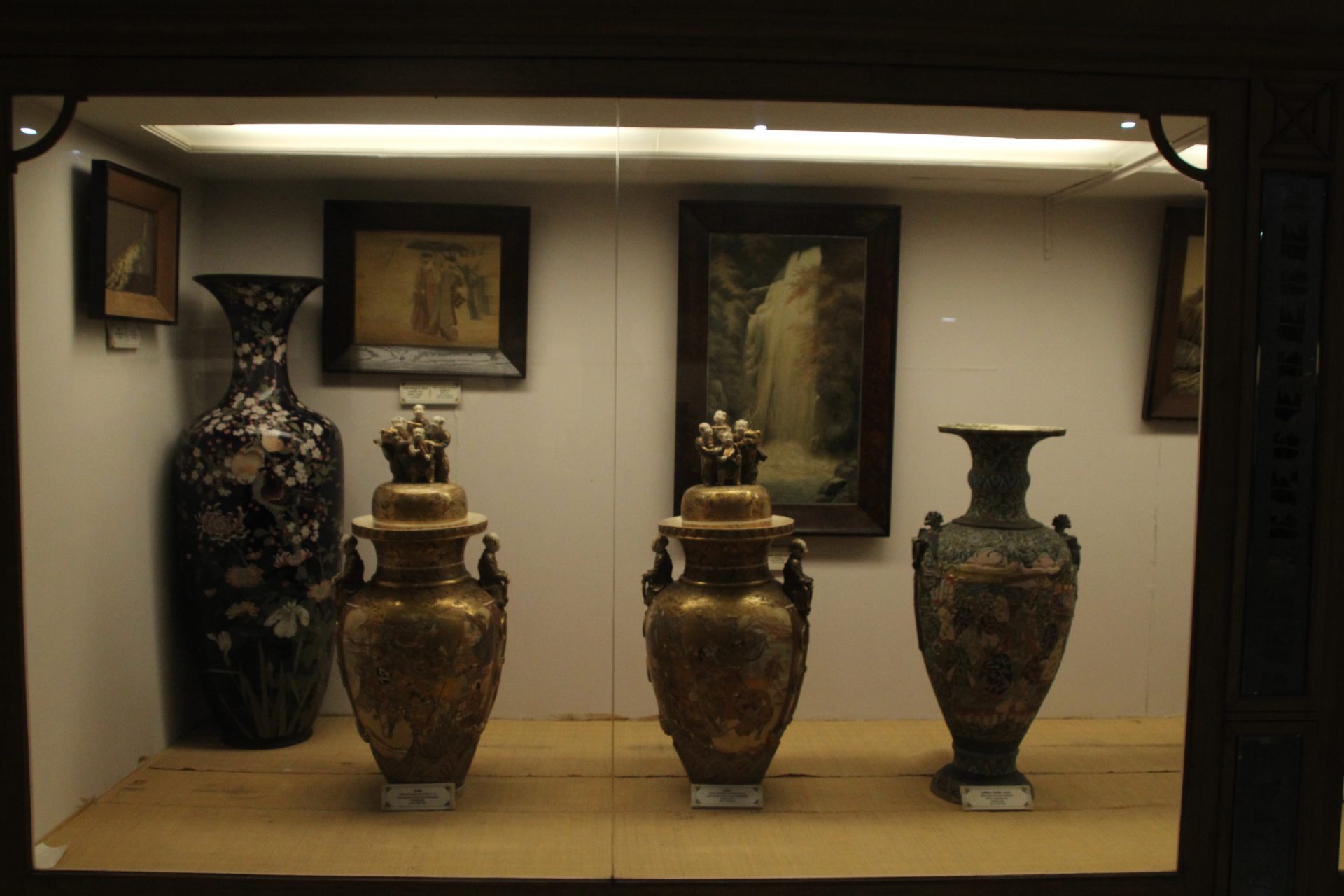
The Japanese Gallery
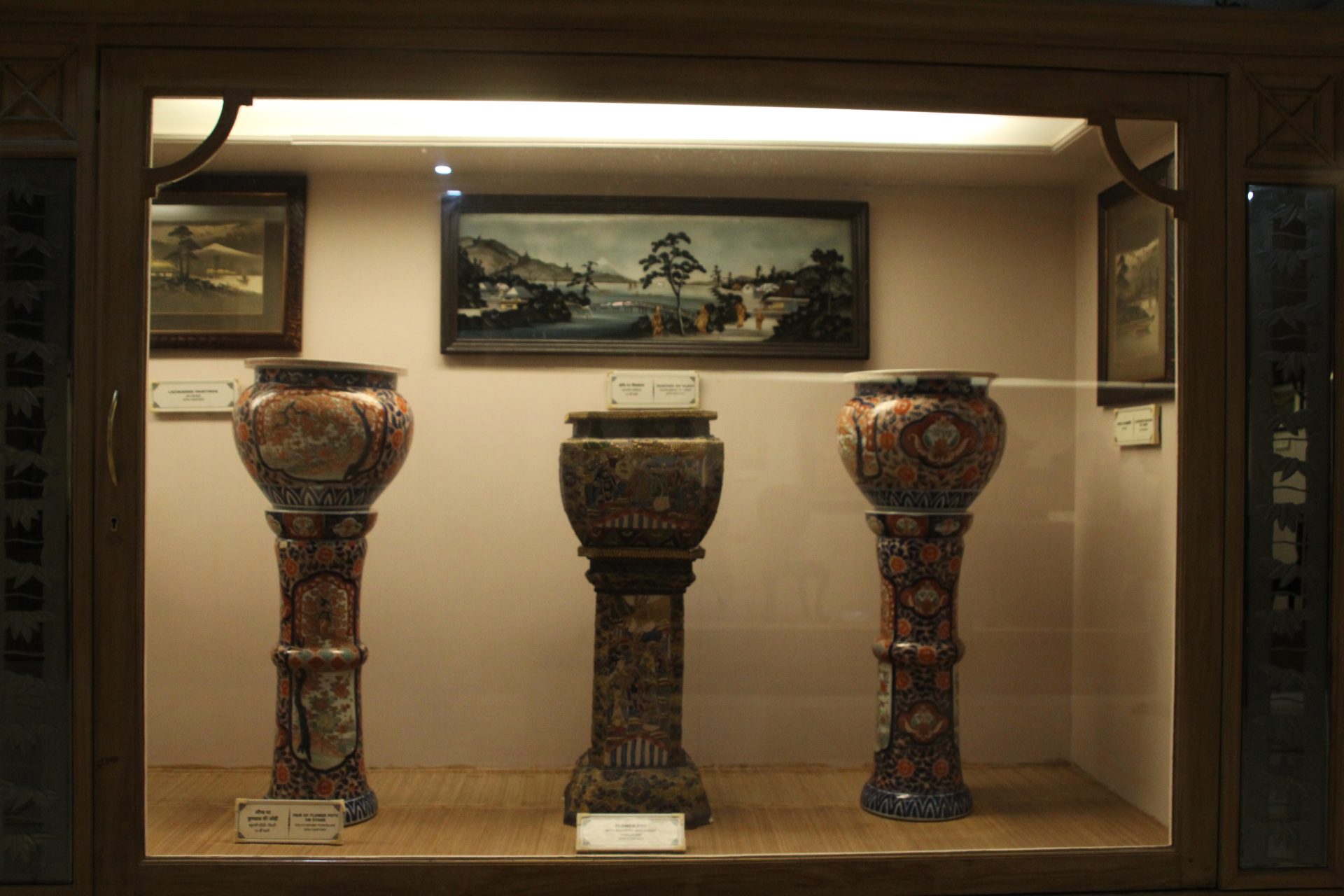
The Far Eastern Porcelain Gallery
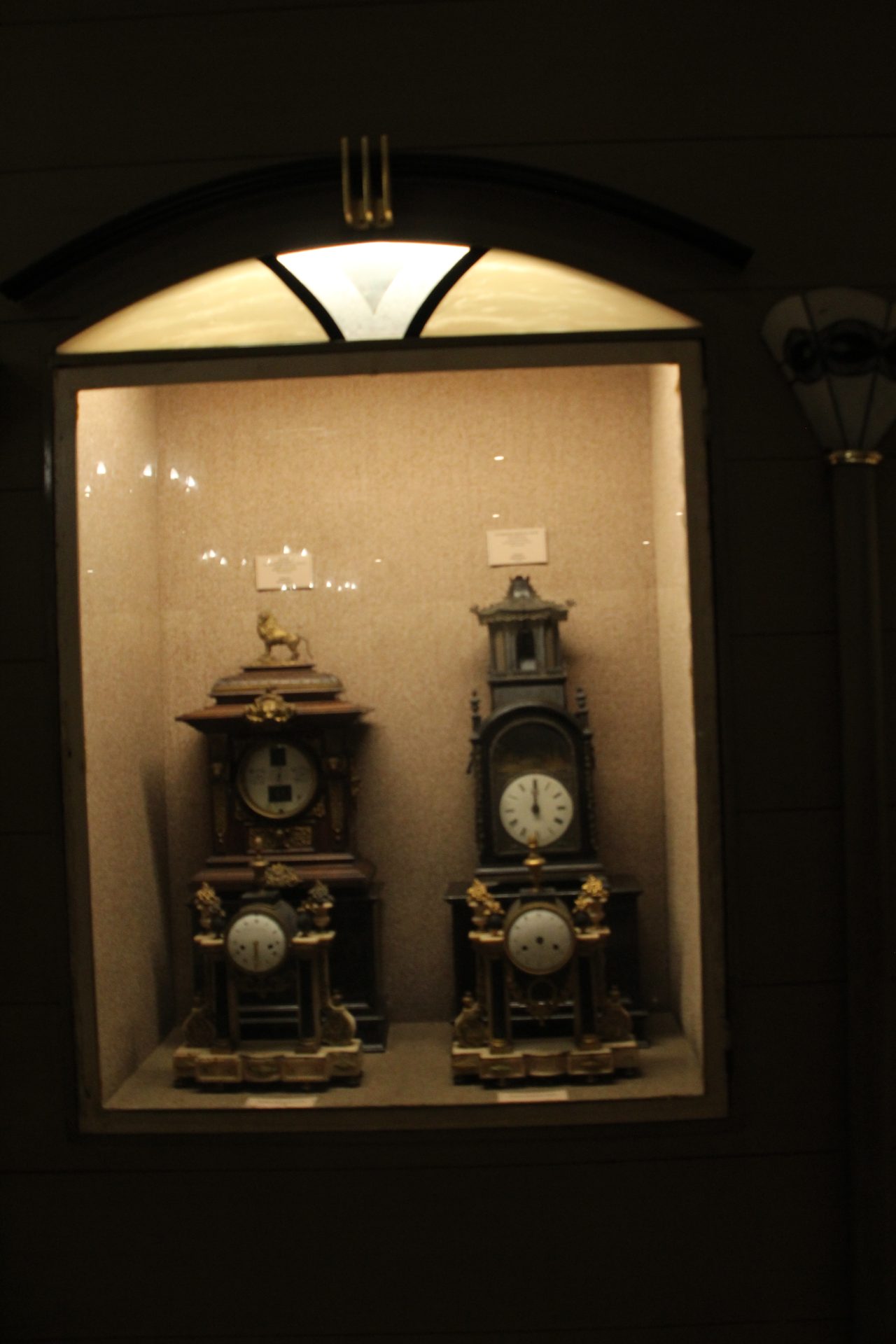
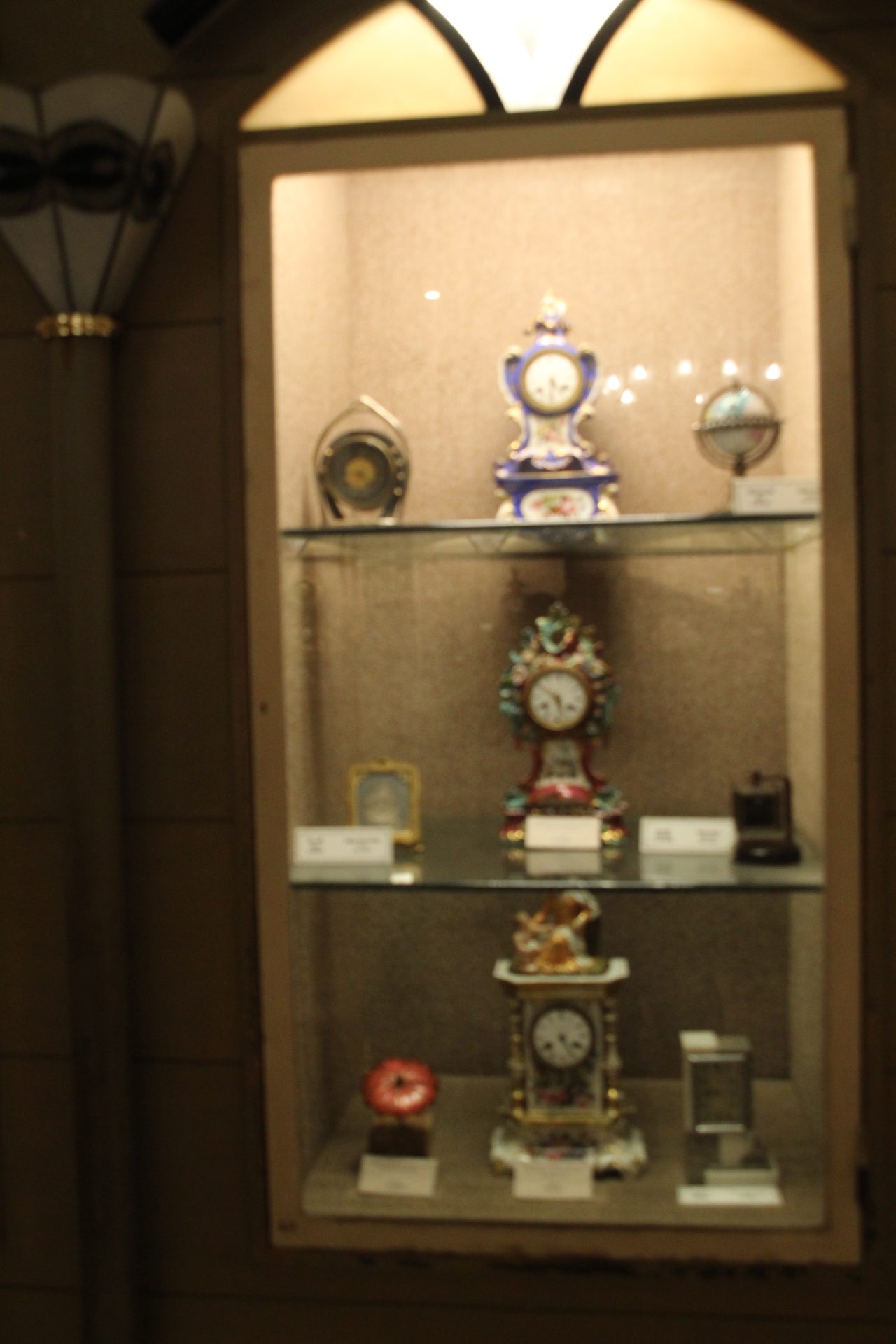
The European Clock Gallery
The European Porcelain Gallery
The Nizam's Museum
It was 4.15 PM by the time I came out and still had a few more places to cover. Had decided to skip the Zoo as I had seen it a couple of times during my earlier visits and instead went to the Nizam’s Museum. The closing hours were at 17.00 and with lot of reluctance inspite of making me pay Rs.225/- towards the entrance ticket and cameras, they ushered me in.
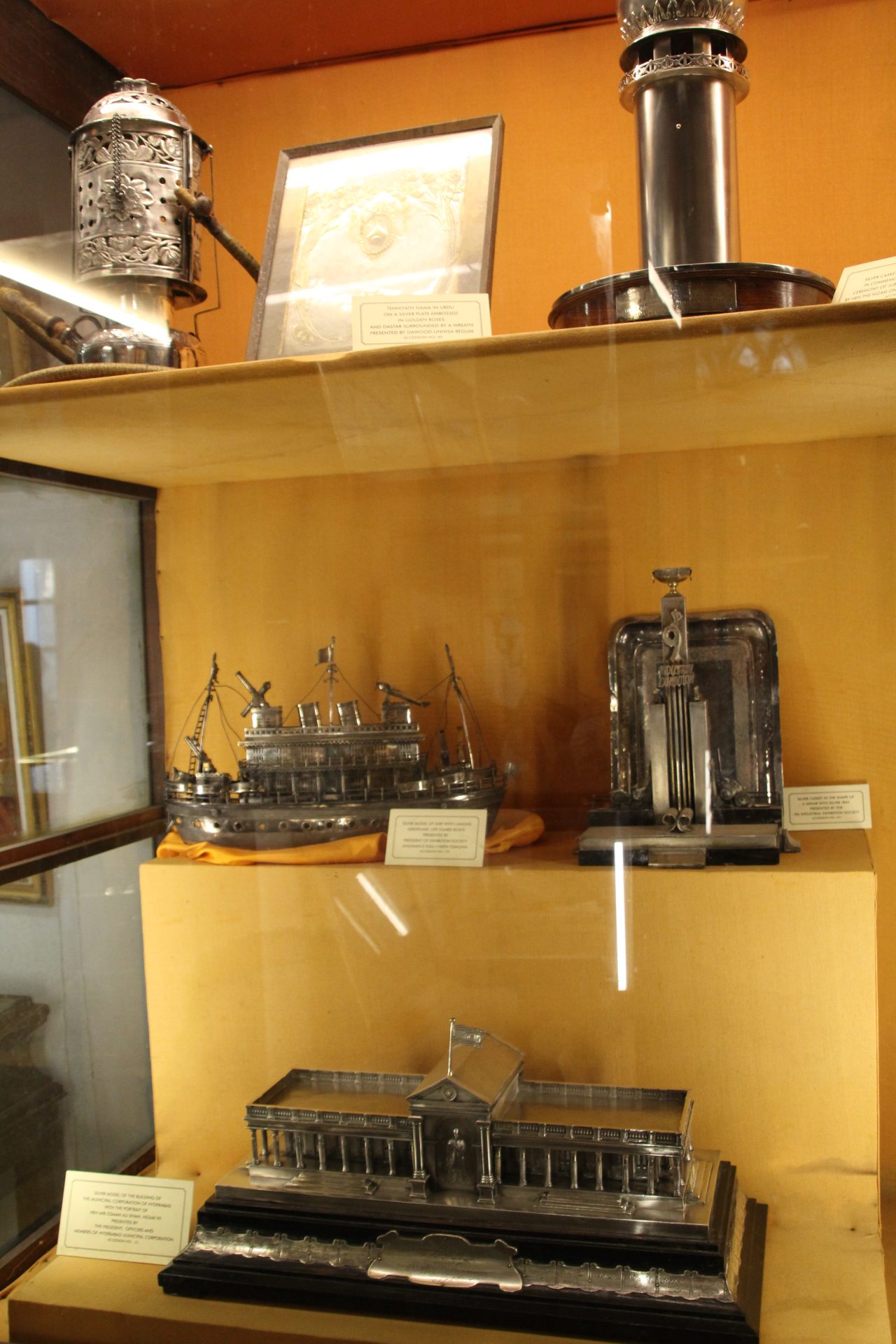
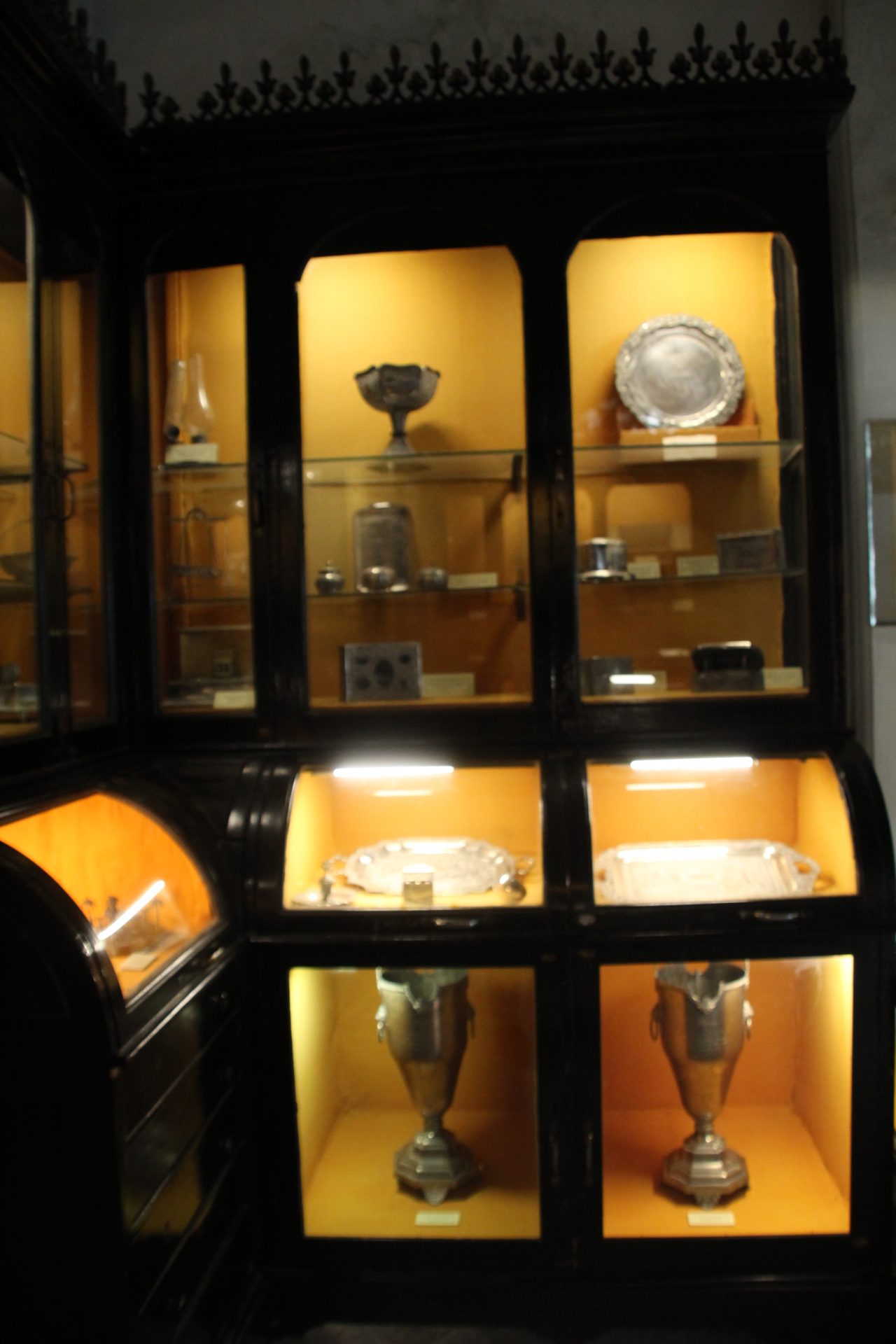
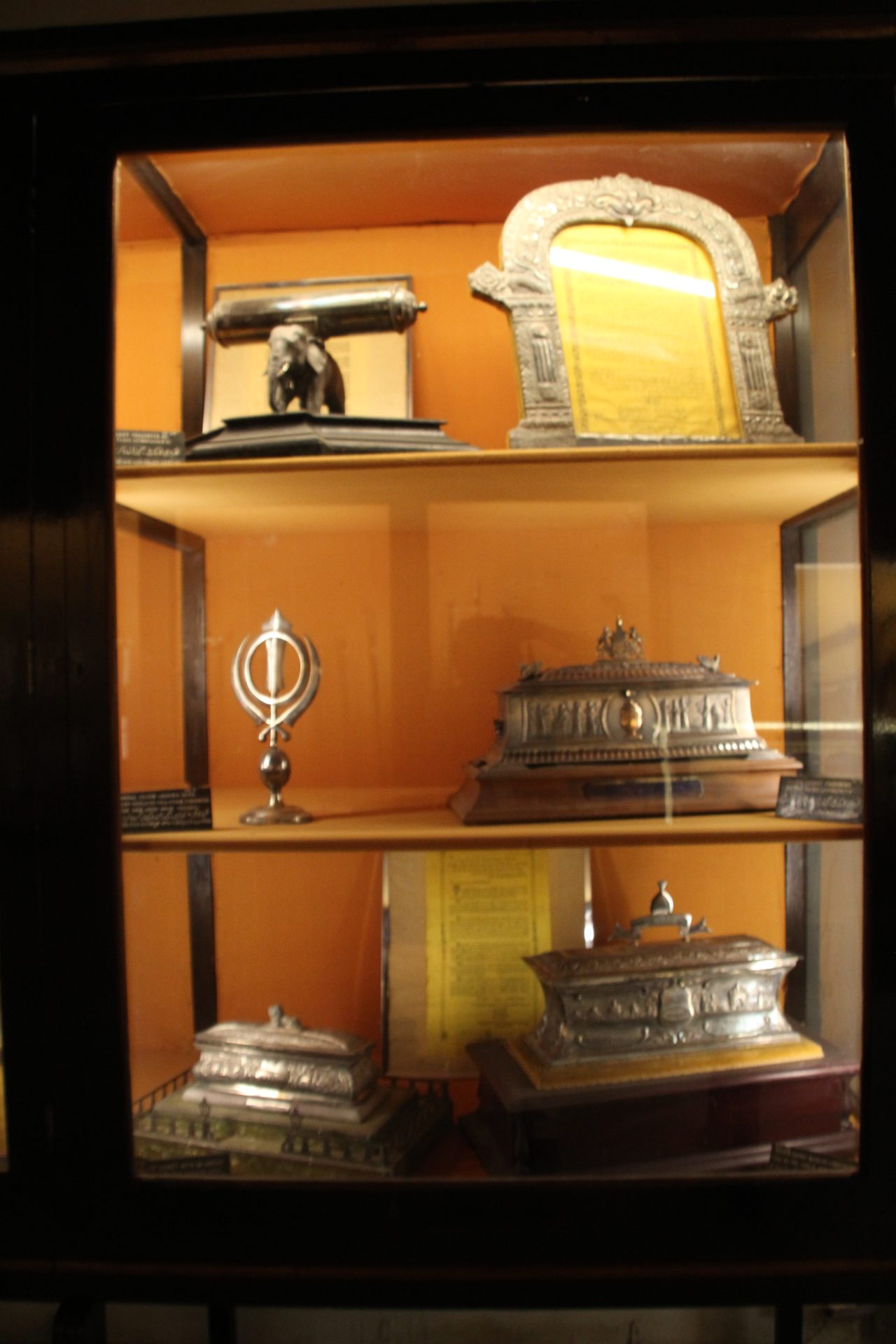
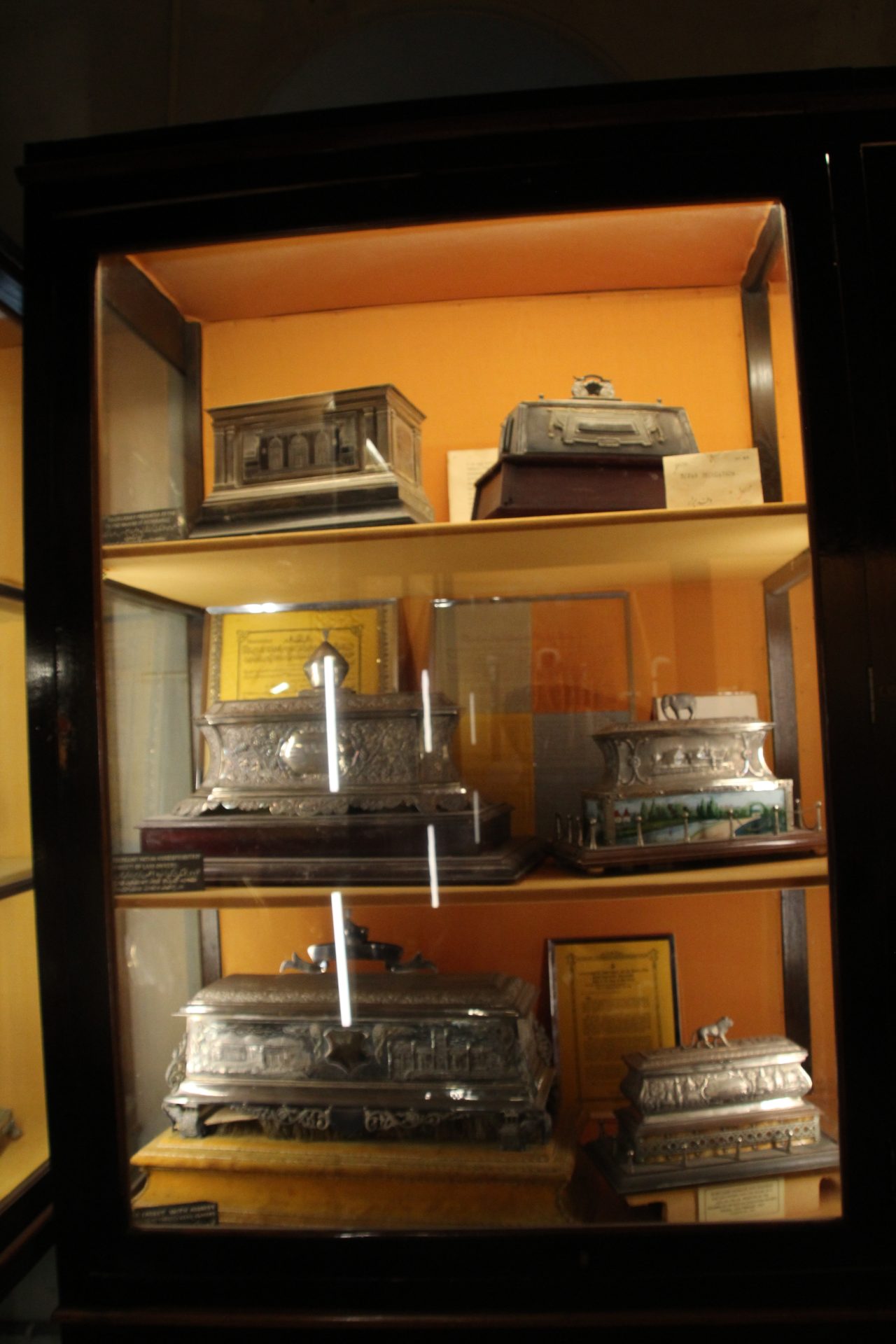
Located in the Purani Haveli area, the H.E.H Nizam’s Museum showcases gifts that the last Nizam of Hyderabad Osman Ali Khan, Asaf Jah VII received on his silver jubilee celebrations. The Nizam’s rule along with his father’s tenure spanned roughly a century from the middle of the 19th to the middle of the 20th century and considerable development was brought about in Hyderabad.
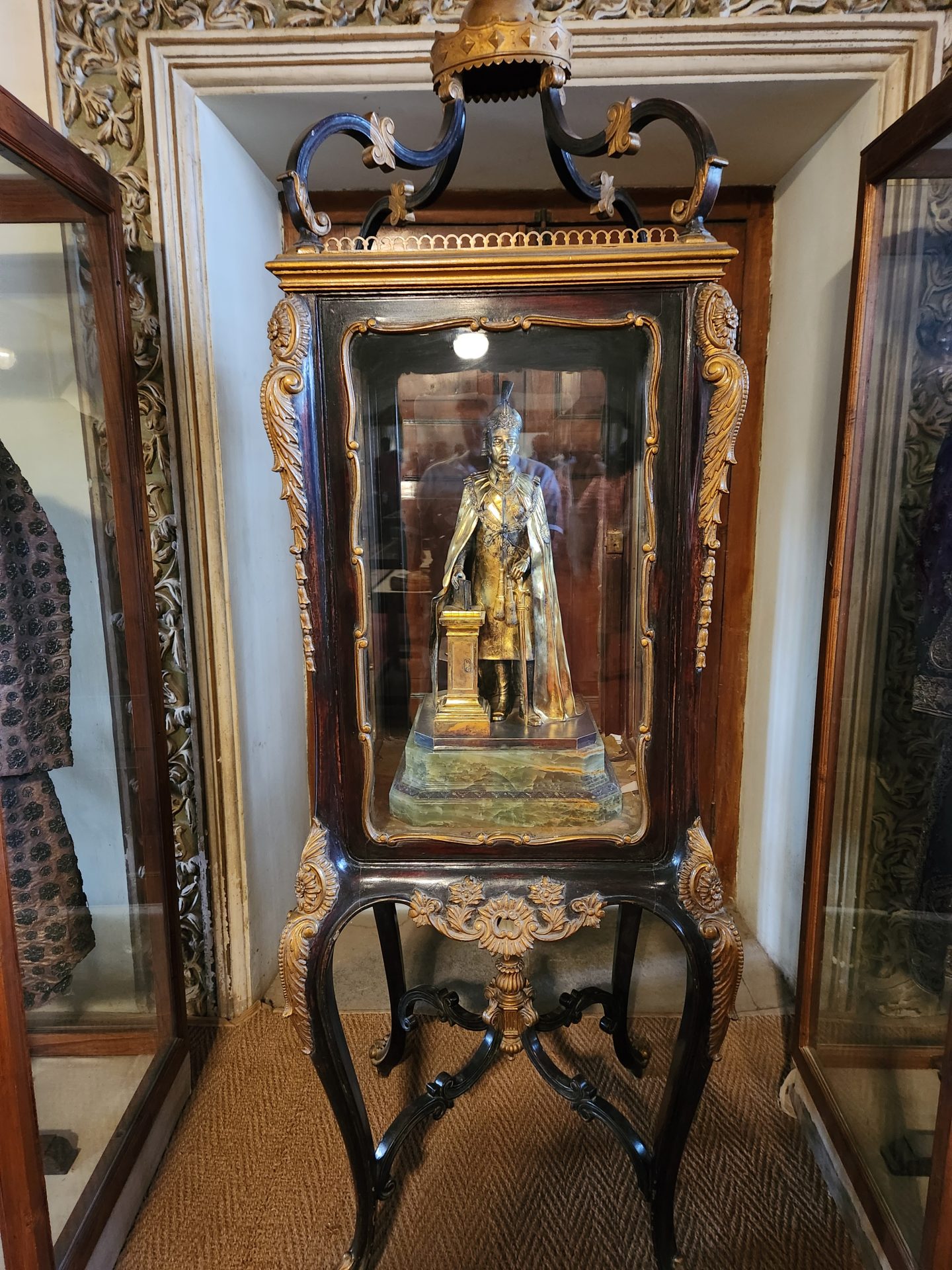
A series of Silver Jubilee functions was held on the completion of 25 years of rule and the Jubilee Pavilion Hall was built specifically for this purpose at the Public Gardens, Hyderabad. There was a dais at one end on which the Nizam sat under an ornamental pavilion and he was bestowed with many mementos, models, decorative artefacts, building models, swords, paintings, and Addresses (formal declarations).
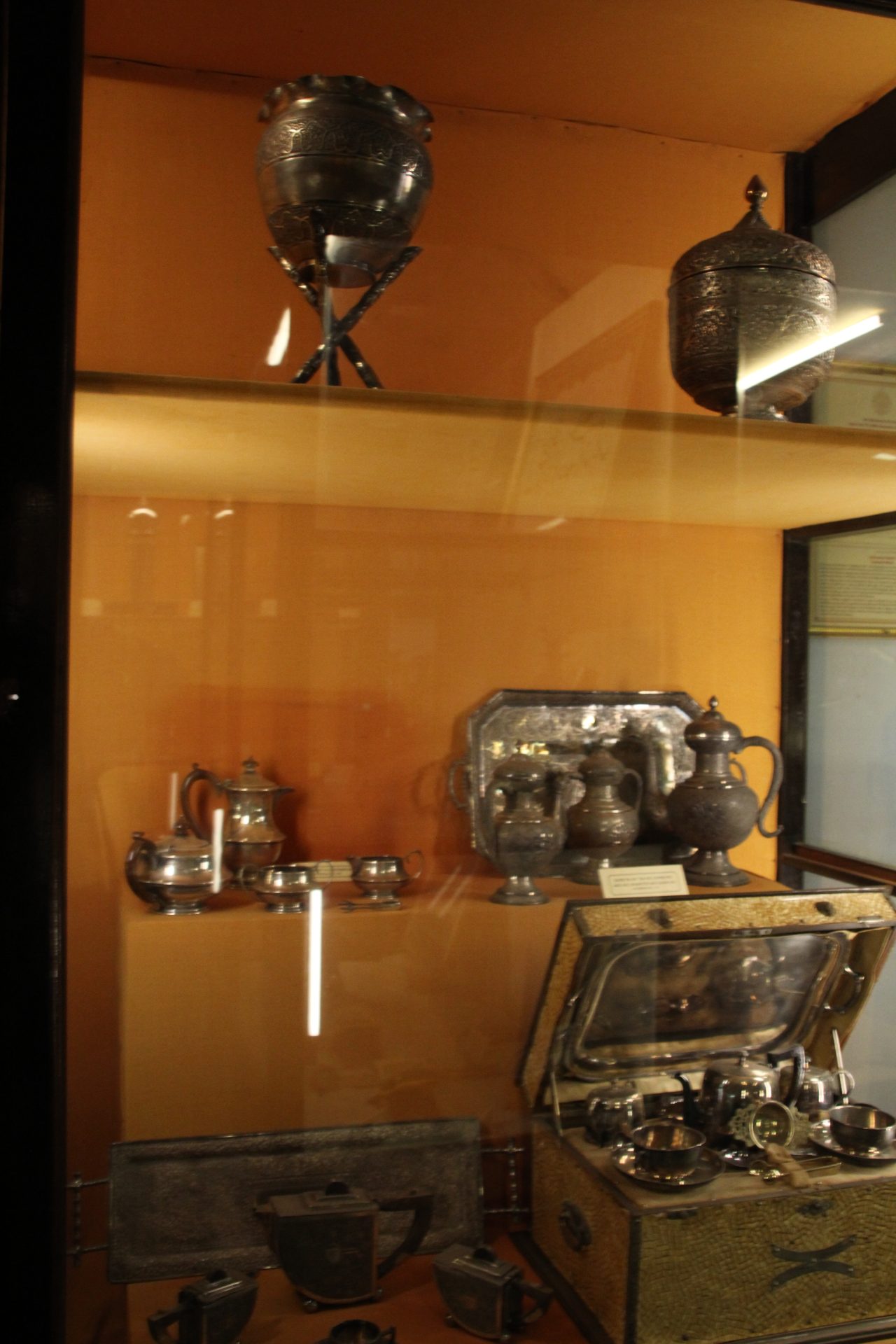
The Nizam also kept adding items he would receive as gifts and which include paintings, jewellery, decorative arts, armors besides the manuscripts of that era which were also added to the museum’s collections. One also gets to see an elevator of that era which used to transport the Nizam and his family to the upper floors.
The Birla Mandir
Left the museum by around 5.30 in the evening and left for the Birla Mandir located around 6 to 7 kms away. Had been to this beautiful temple multiple times and still did not want to miss this opportunity to visit it once again.
Located above the Naubath Pahad or Hillock, the Birla Mandir or Temple is an elegant testament of architectural brilliance, designed by the leading visionary and philanthropist Dr.B.D.Birla.
This was conceived as an offering to Lord Venkateswara or Vishnu by Dr. Birla himself. This was created completely out of marble and in a mix of Rajasthani, Dravidian and Utkal architectures.
One can see intricate sculptures, stunning carvings across the 64 pillars and the grand gopuram which is 28 feet high Entry is free for this temple which took 10 years to complete. The Lord’s statue is 11 feet high. The timings of the temple are from morning 7.00 AM to 12.00 PM and 3 PM to 9 PM.
The Hussain Sagar Lake & Secretariat
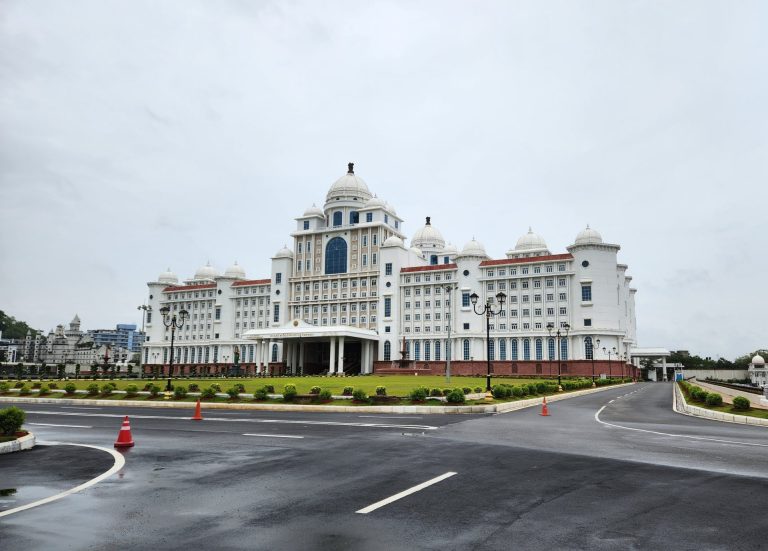
Passed by the Hussain Sagar Lake enroute the Hotel and stopped by at the beautifully lit Secretariat.
The lake which is one of Asia’s largest man made lakes connects the twin cities of Hyderabad and Secunderabad and is on a tributary of the Musi river. There is a huge Monolithic statue of Gautama Buddha right at the centre of the lake and its accessible only by a boat.
Drained of all energies, reached the foyer of the hotel by around 7 PM and bid goodbye to my cab driver who was very patient across the 2 days to take me around, based on my planned itinerary.
The 2 day package costed me around INR 8K and the condition of the Cab (a Swift Desire) was pretty good.
The cab was provided by Nitin who can be reached on +919154163822.
Did miss doing an encore of the Ramoji Film City, The Nehru Zoological Park, the Sanghi and Chilkur Balaji Temples but yes a next visit would include these and of course the Jagannath Temple, the Paigah and Qutub Shahi tombs, the Planetarium and the Lumbini Park and NTR Gardens.