The tropical island of Bali lies towards the westernmost side of the Lesser Sunda Islands and towards the East of Java.
This cluster of islands including the picturesque Nusa Penida and Nusa Lembongan form the province of Bali. Popularly known as the Island of Gods, Bali beckons tourists from all across the world.
A myriad of natural beauty, Bali has everything ranging from active volcanoes to gushing waterfalls to lush green rice terraces to white sand beaches with wide stretches of sand besides the spirituality.
We had planned 3 nights apiece across the towns of Kuta and Ubud with a mix of activities planned across East, North and South Bali.
Our trip to Bali was to start from Kuala Lumpur which was a 3 hour flight away.
While you would get to read about our horrendous experience in deboarding 33 floors down from the lift of our hotel in KL where we were put up, to the cab guy disappearing from the hotel entrance since we were 10 minutes late, we managed to get a cab and reached KL in the nick of time to board our flights to Denpasar.
While there is something in it for everyone, the best way to do Bali would be to stage your visit over a couple of trips.
Plan your itineraries basis whether you want to indulge in water sports, go snorkeling or jump into your scuba suits, go on a long hike or trek up towards Mount Batur, hang out by the beaches, indulge in the famed Balinese cuisine, visit the famed historic temples etc.
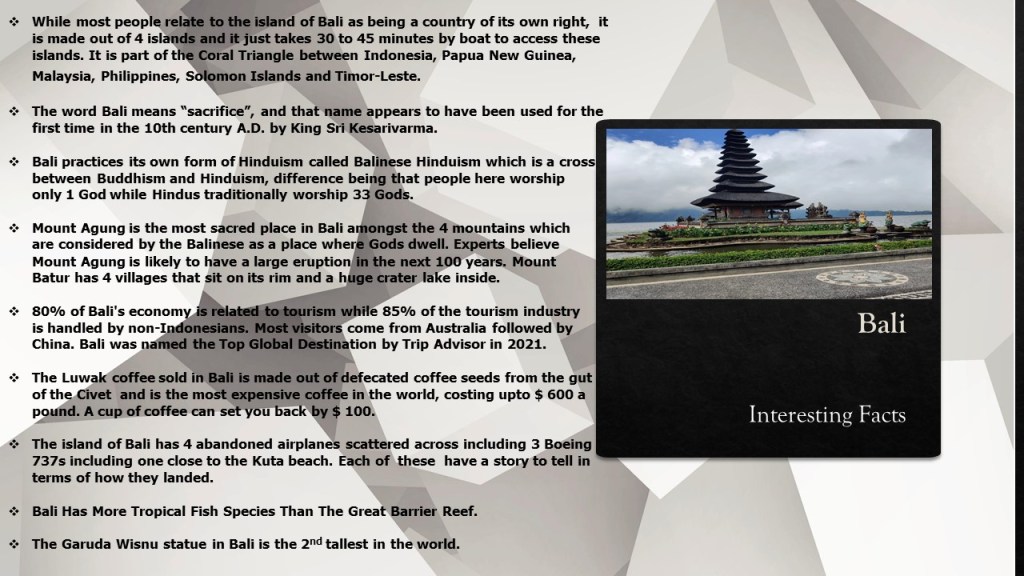
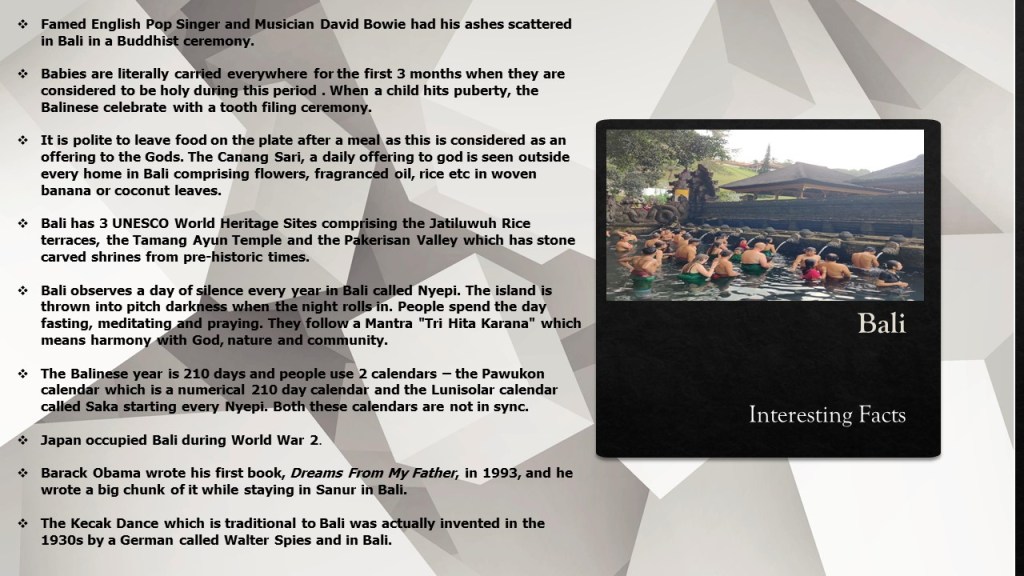
Here is some interesting Trivia on Bali
June 3rd 2024
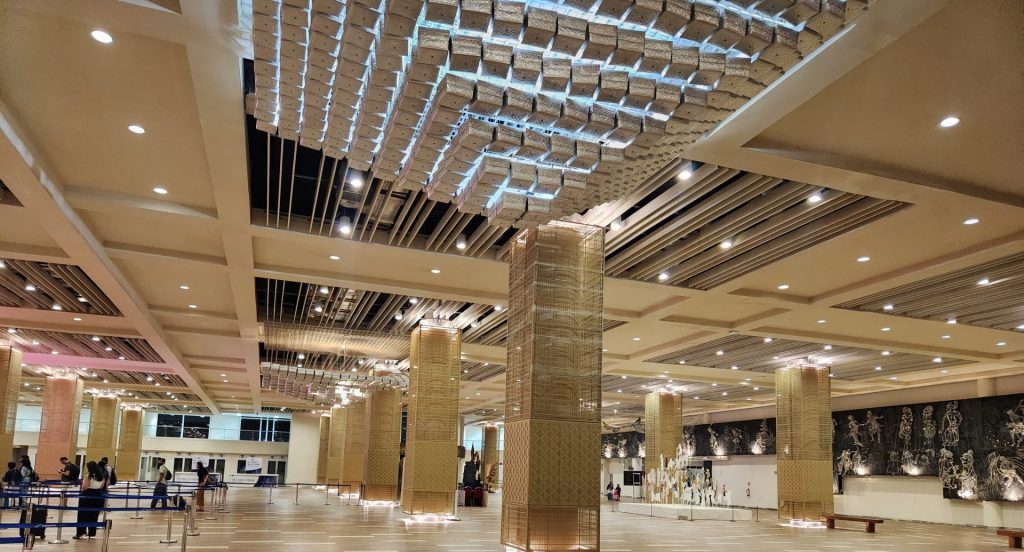
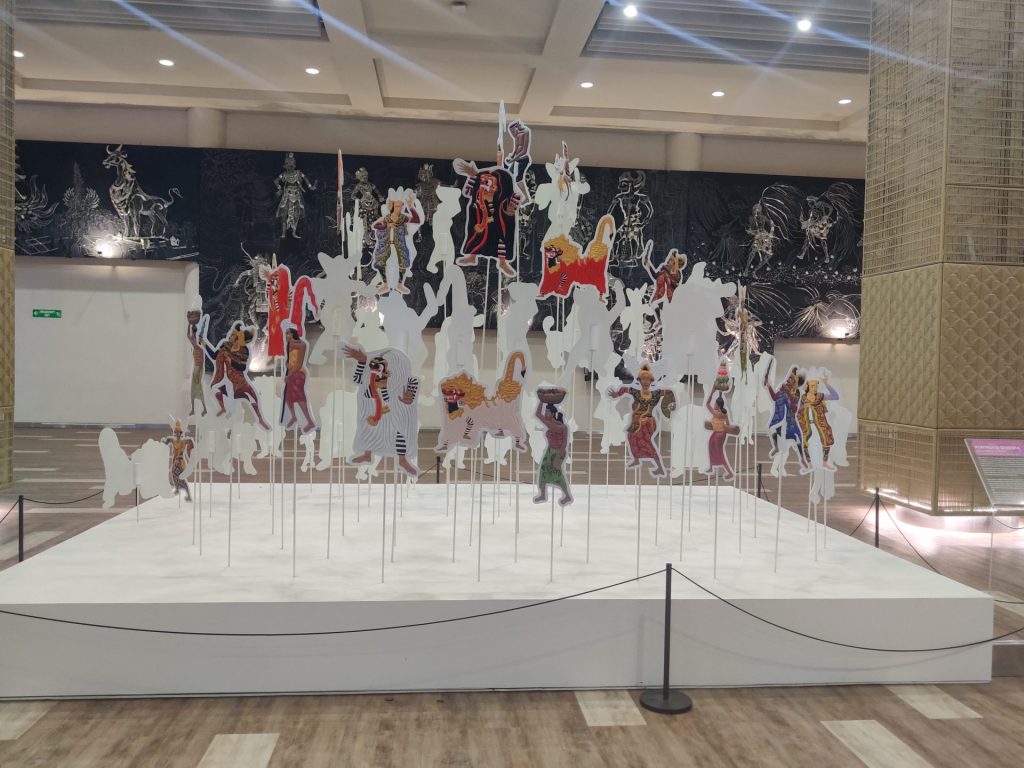
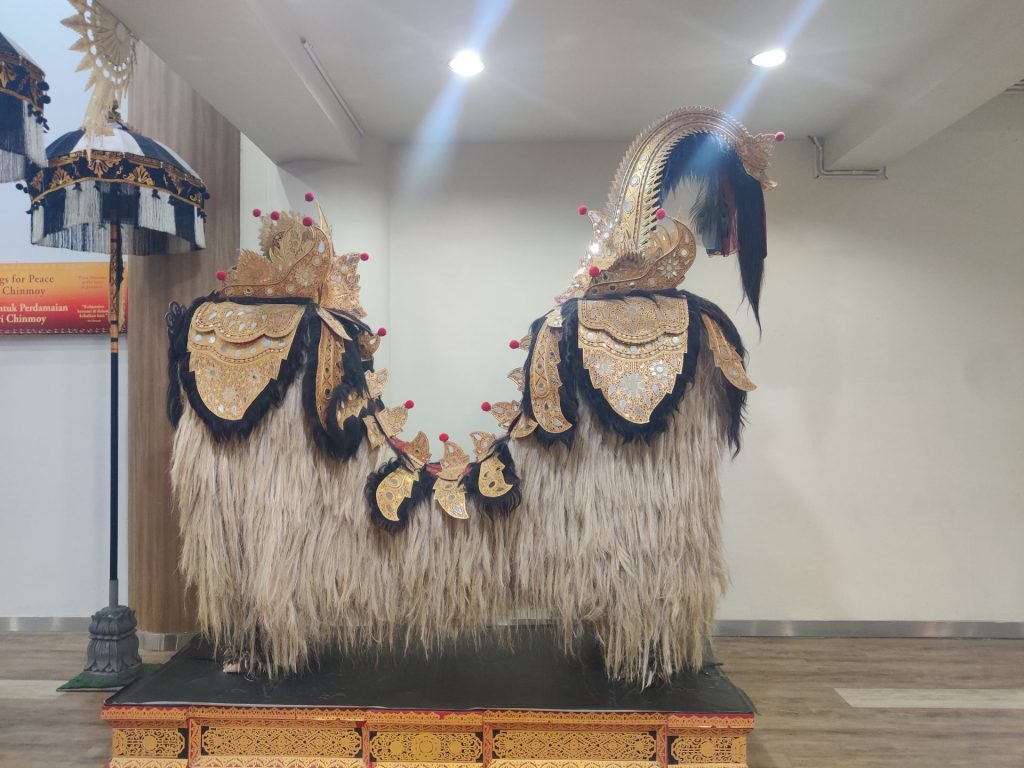
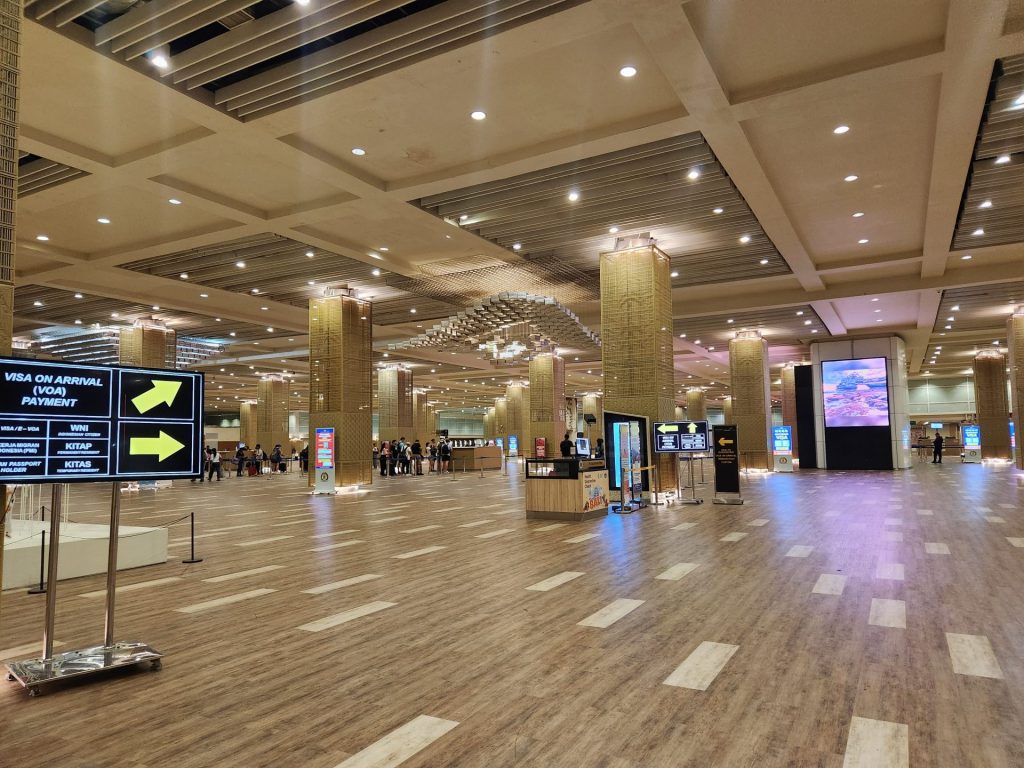
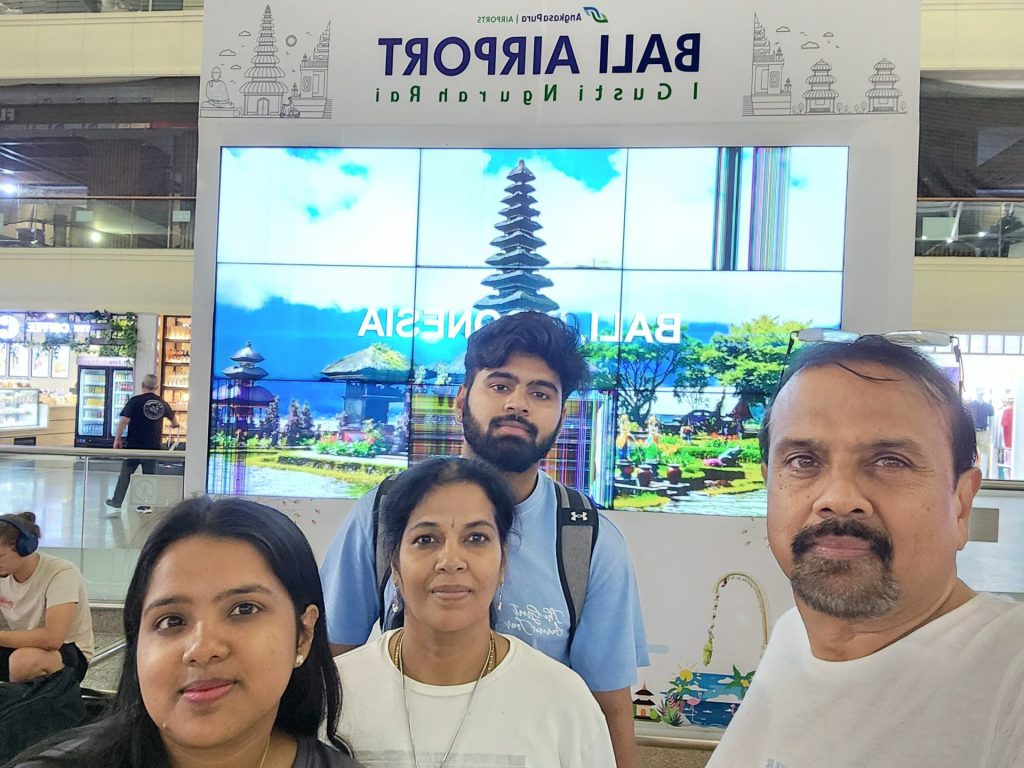
The Ngurah Rai Airport @Bali
It was around 9 pm when the Batik Air flight touched down at Ngurah Rai International Airport at Denpasar. The immigration formalities were done in a jiffy thanks to we having completed the VISA and the Tourist Tax applications online and before hand.The Visa charges are roughly Rs.2,500/- per head while one would have to separately pay Rs.800/- for the Tourist Tax.
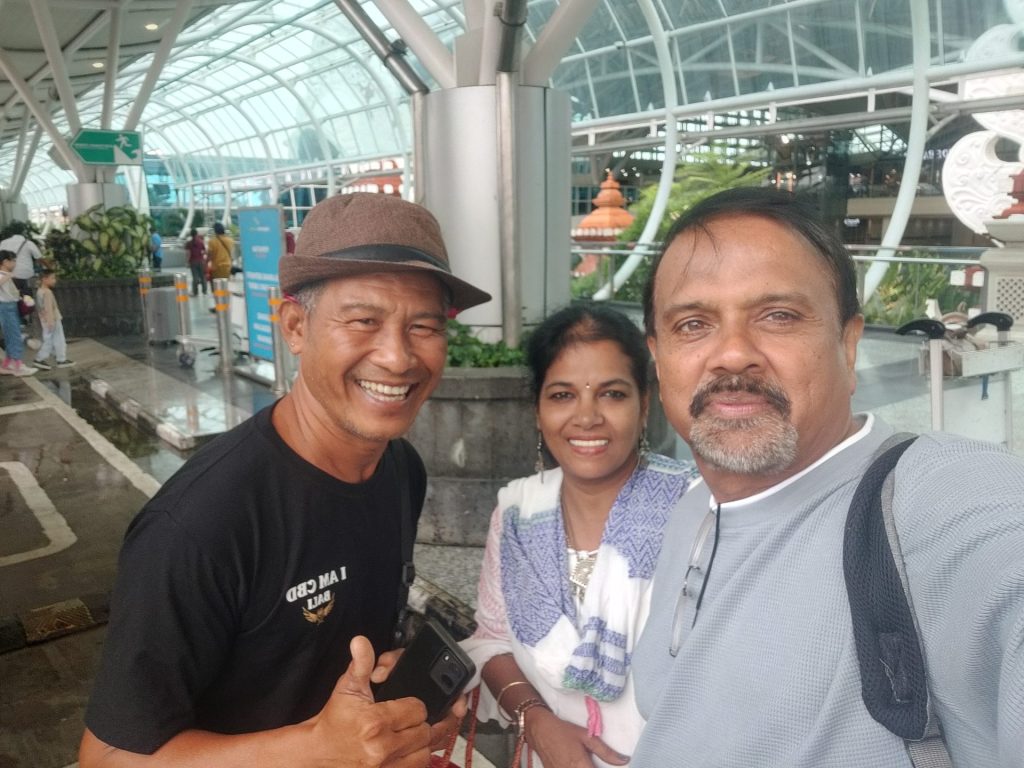
We picked up a couple of SIMs for Internet Access from the Airport waiting area and while we were exiting the airport, we had our cab driver Kupit holding a placard for us.
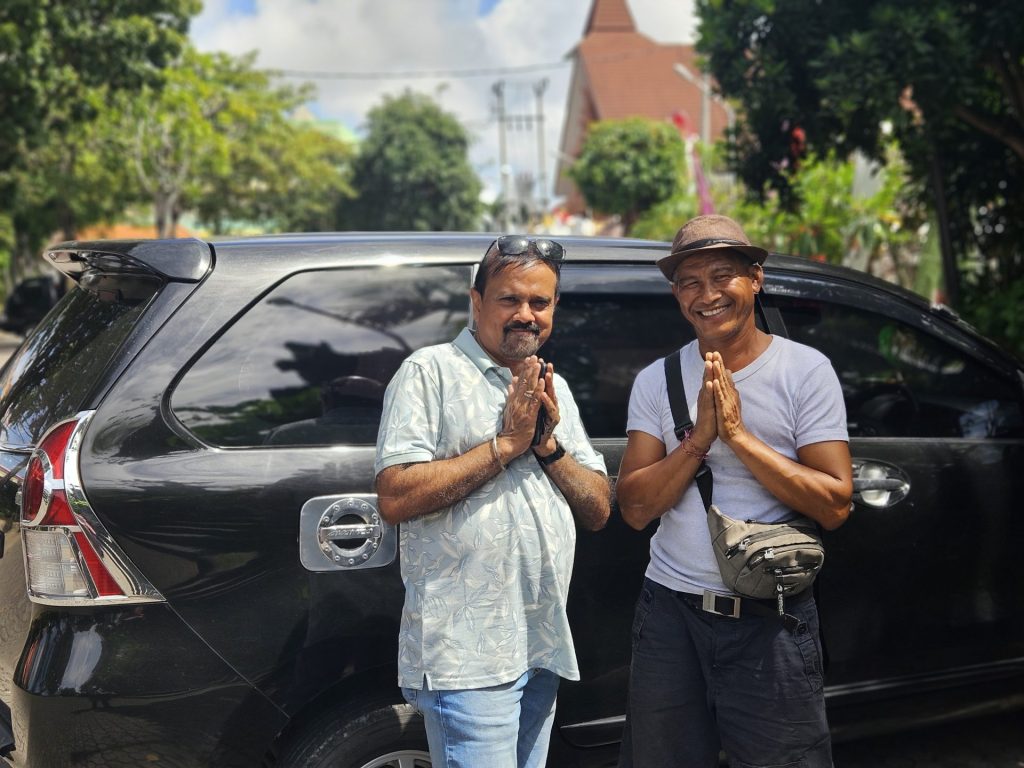
Wearing a big smile, he welcomed us all with a traditional namaste. While his name did sound odd, he said he was a Balinese Hindu.
I did know that Indonesia was a Muslim country but was surprised to hear from him that the province of Bali had more than 80% of the people practicing Hinduism.
Driving into Kuta
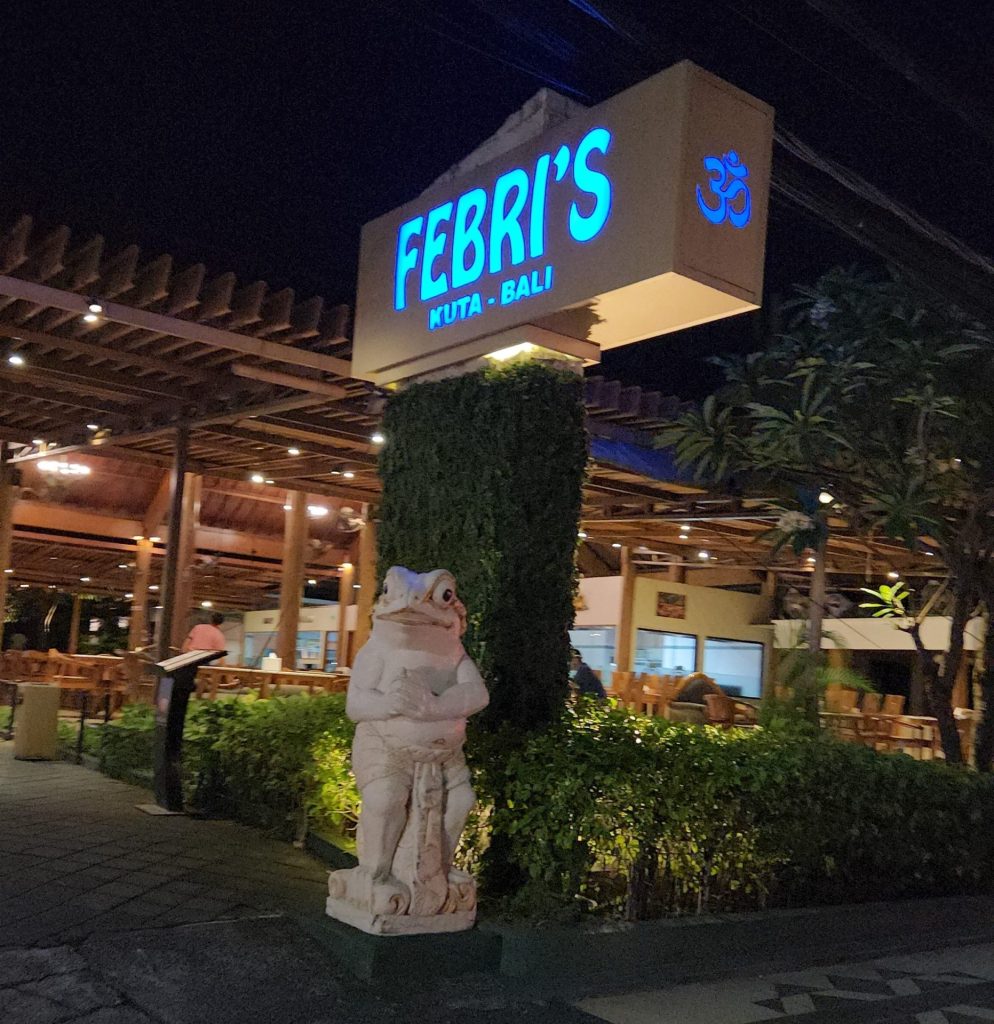
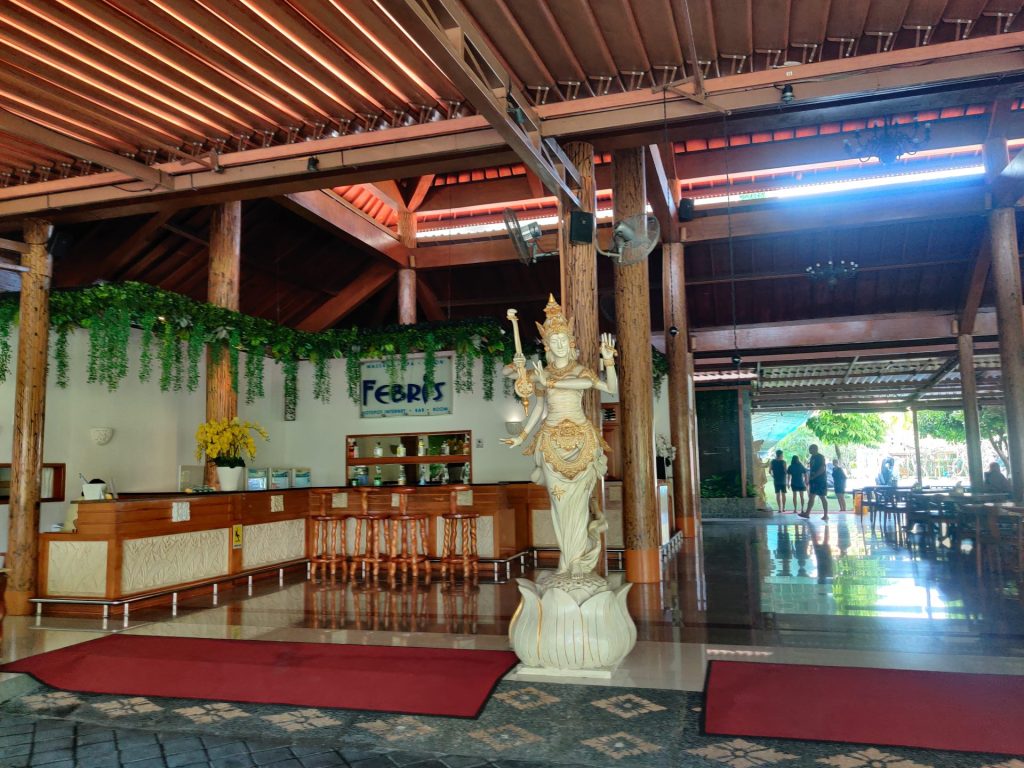
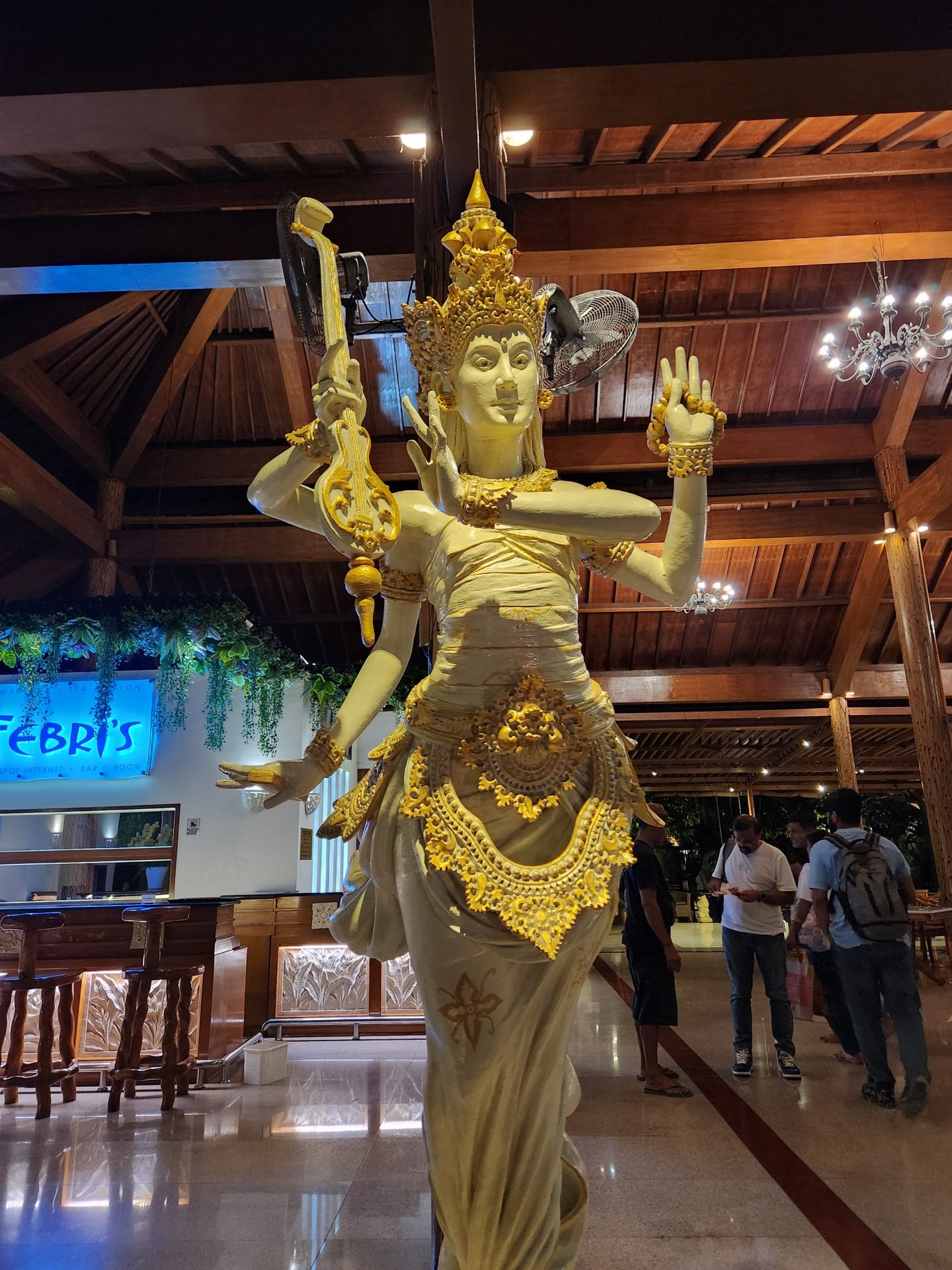
The Febris Hotel & Spa at Kuta
‘Our stay was planned at Febris Hotel & Spa at Kuta which was very close to the Airport and a short drive of 2.4 kms brought us to the hotel in flat 15 minutes. The hotel bookings for both Kuta and Ubud were done through https://www.booking.com
We paid him the Airport pick up charges of IDR (Indonesian Rupiah) 300,000 (Rs.1,600/- in Indian Rupees). Kupit asked us to be ready by 9 AM the next day for the first of the legs of our Bali tour and starting with South Bali.
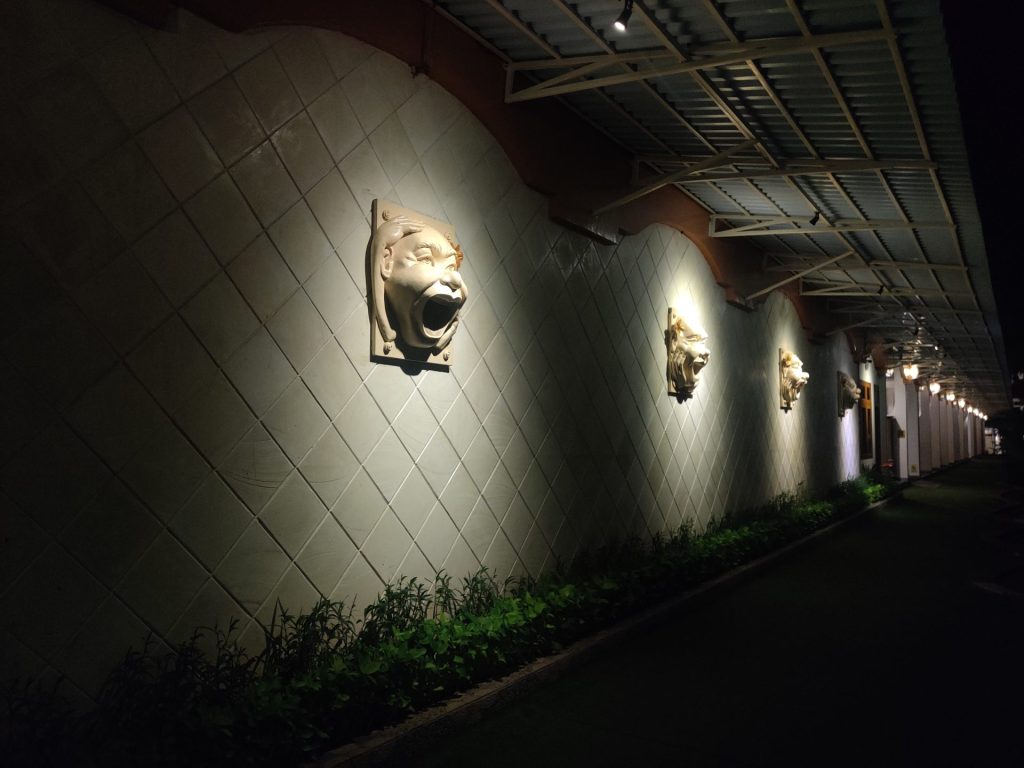
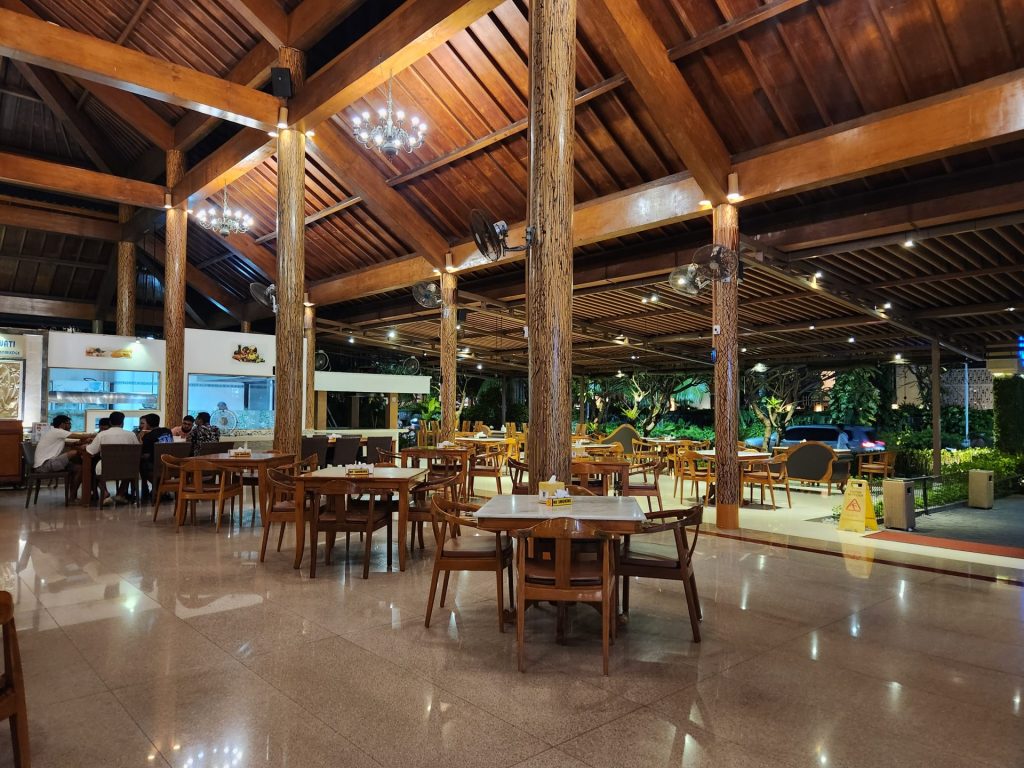
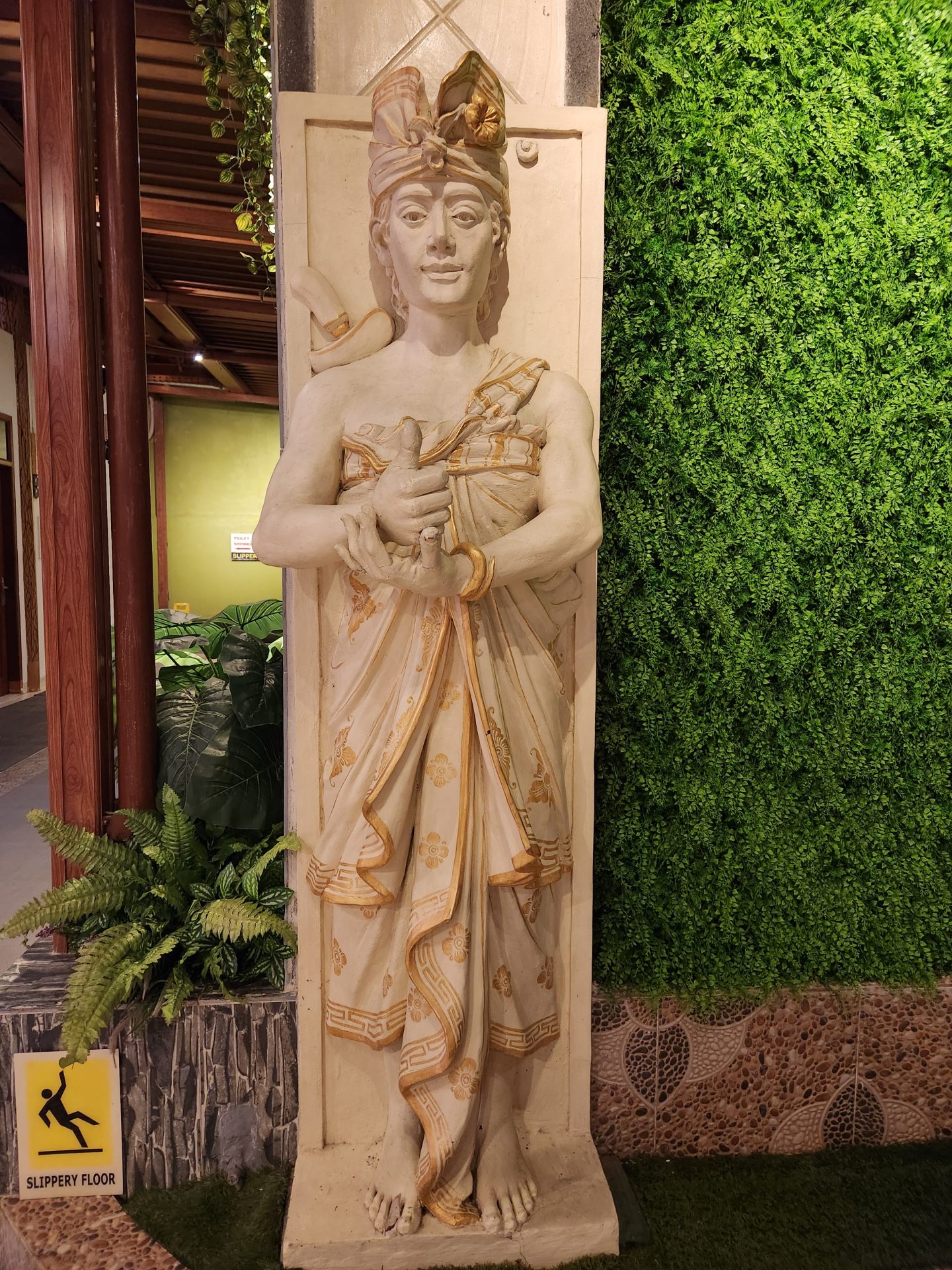
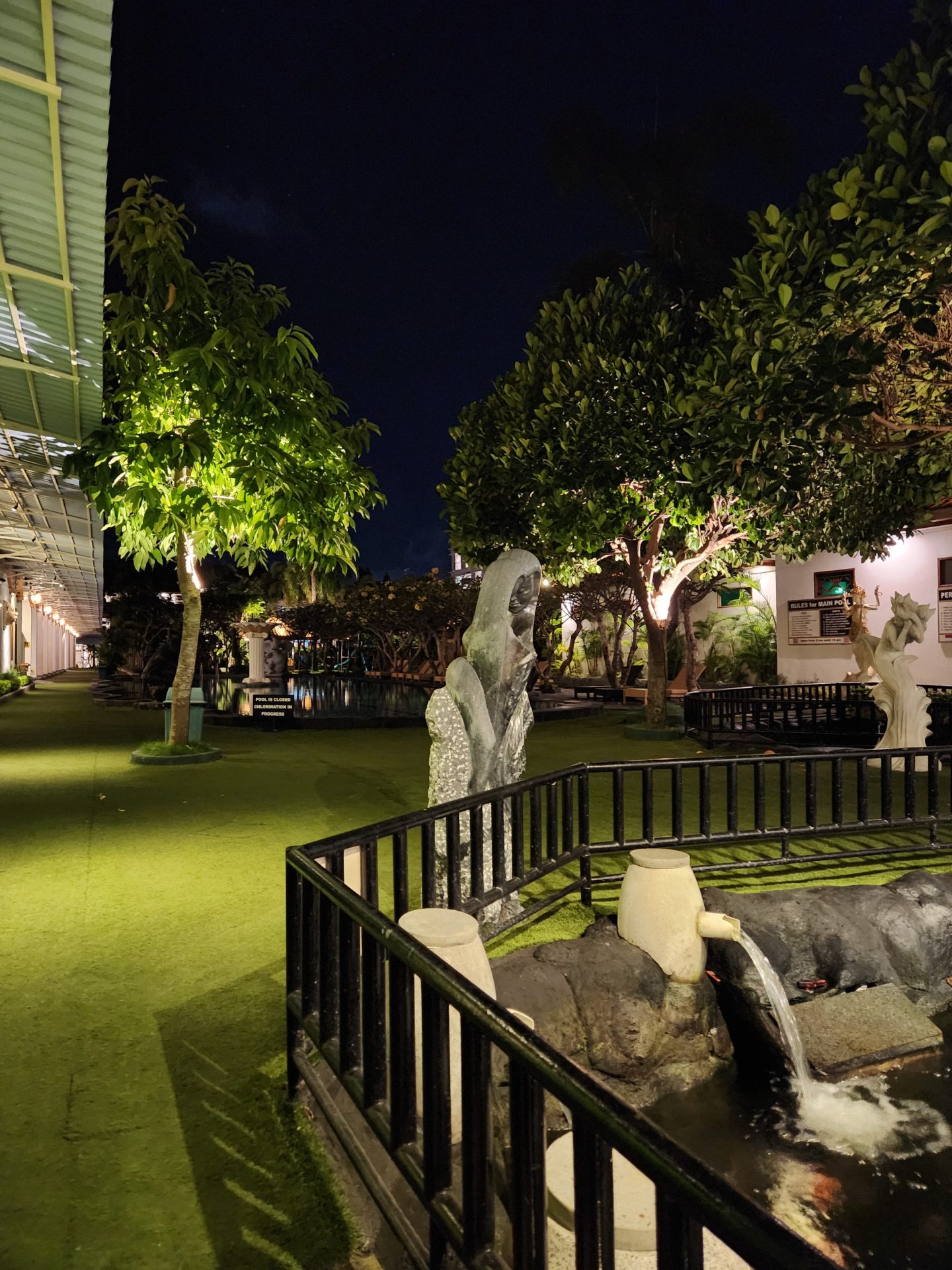
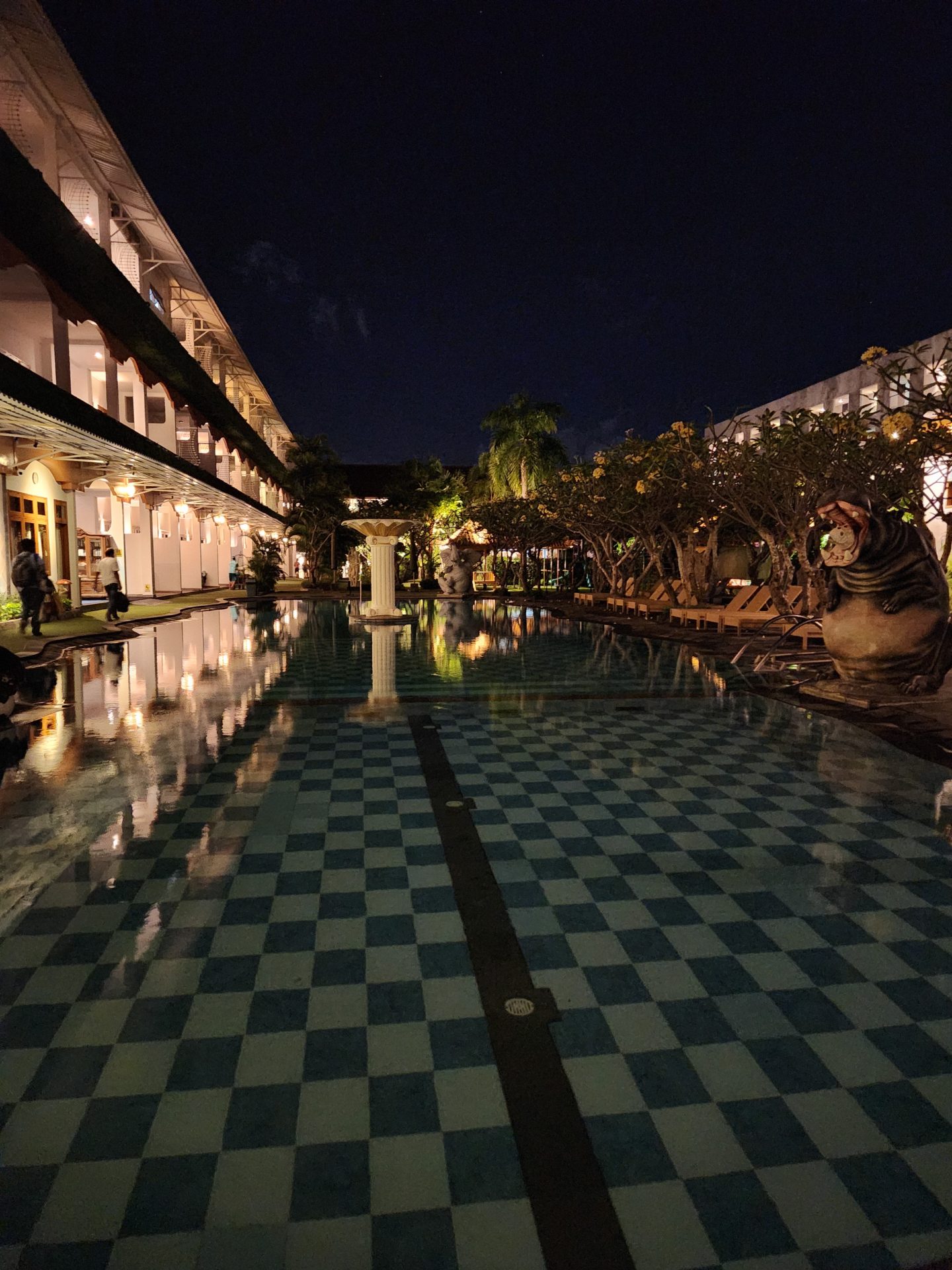
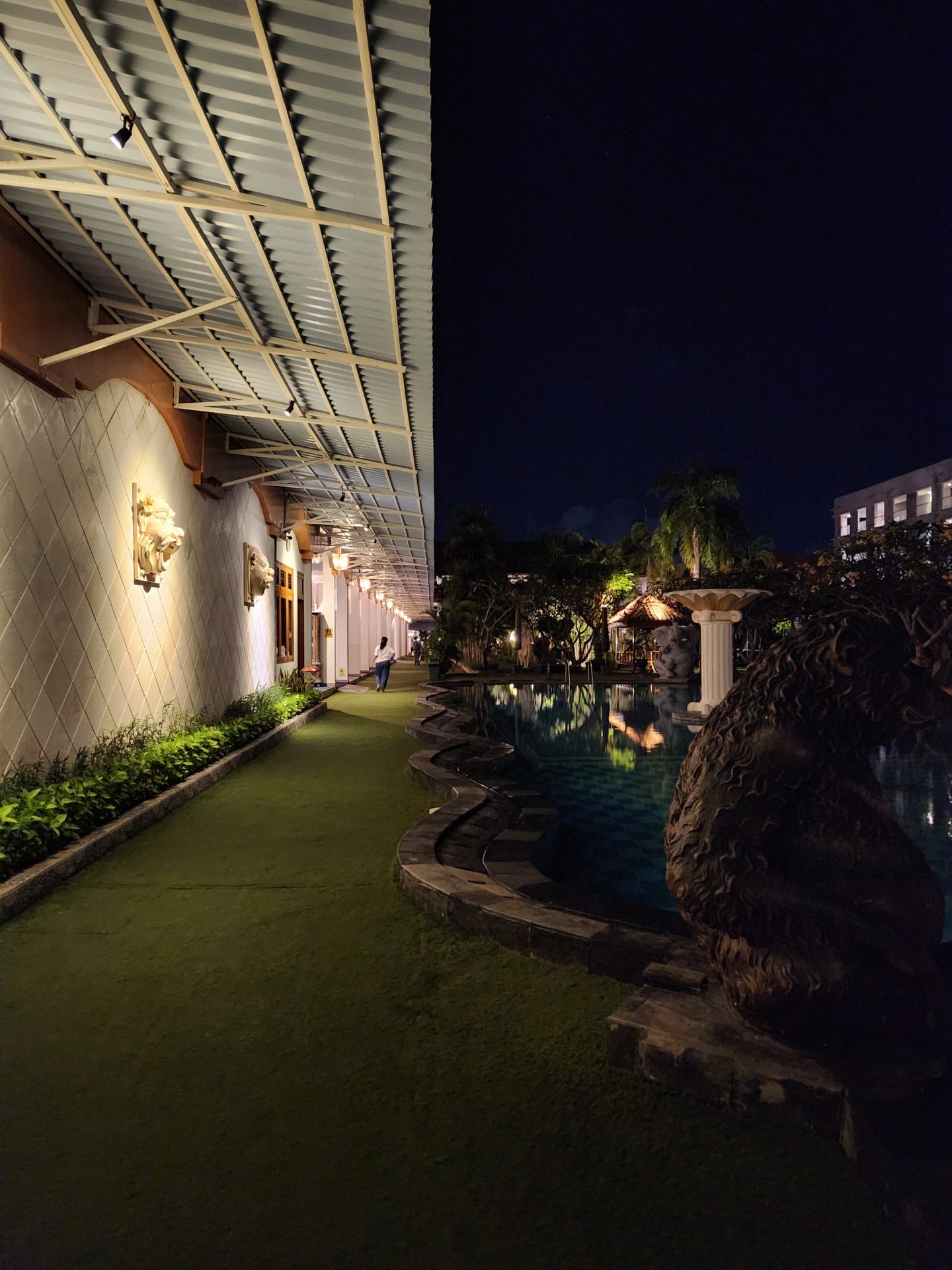
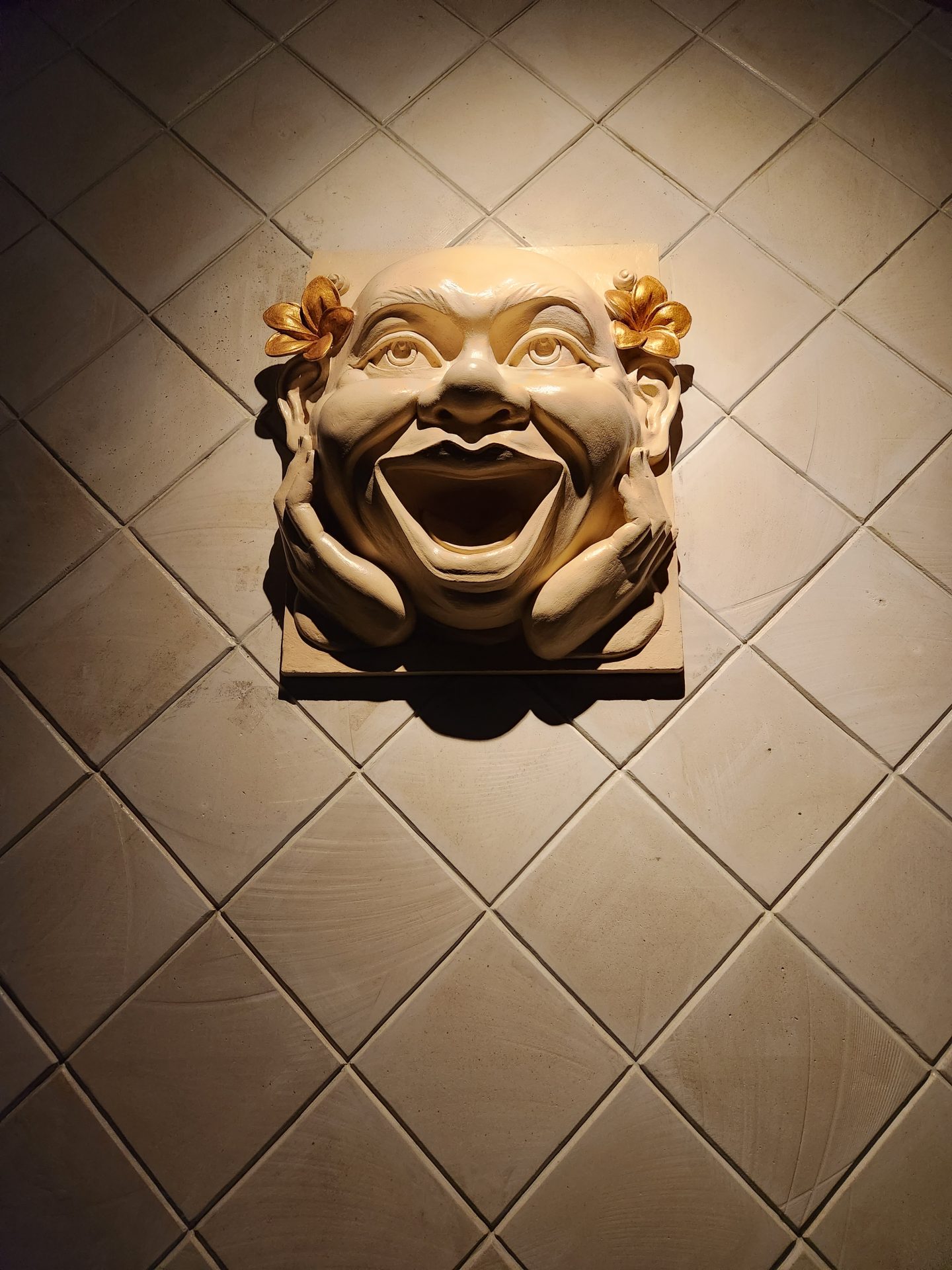
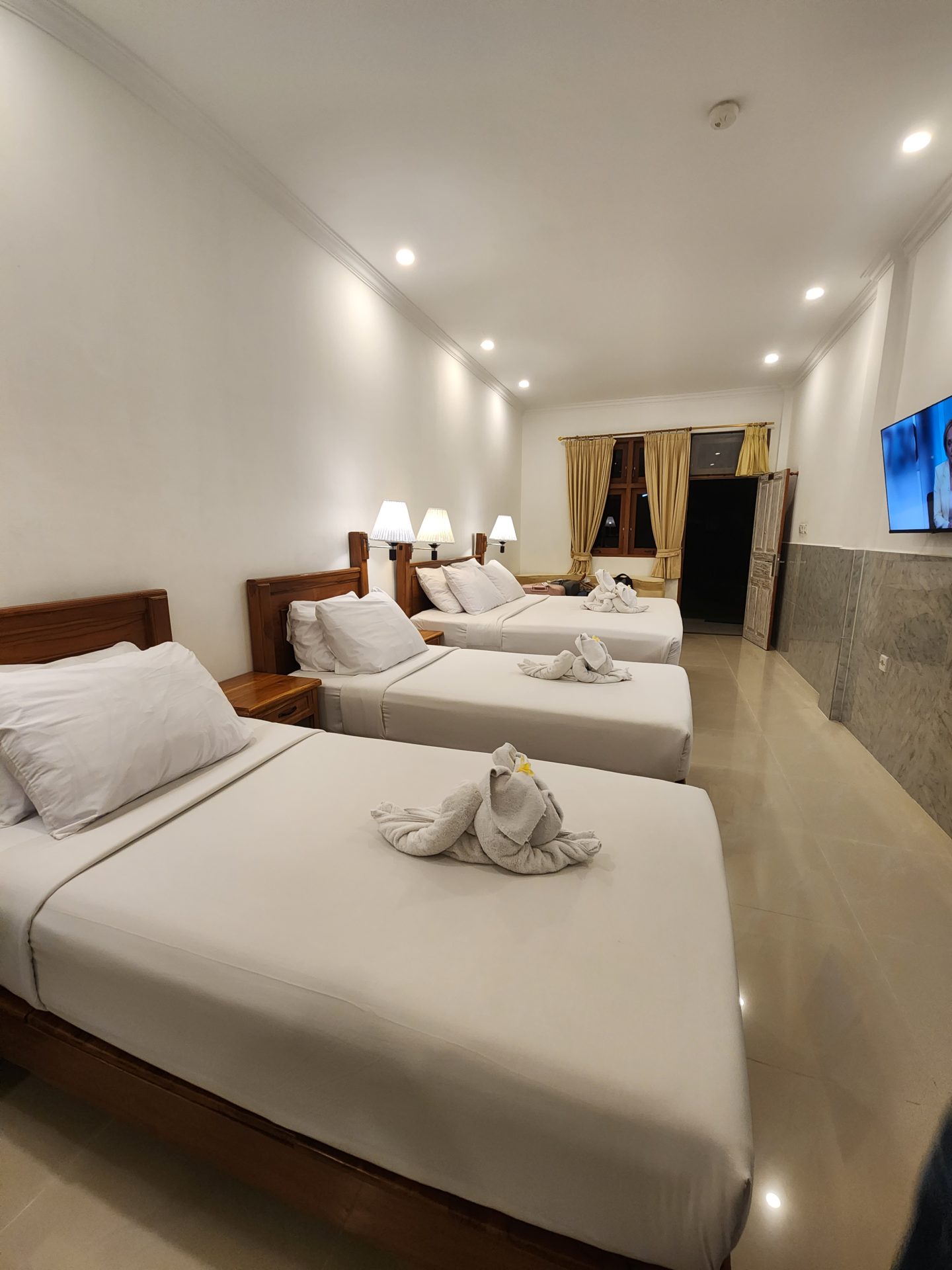
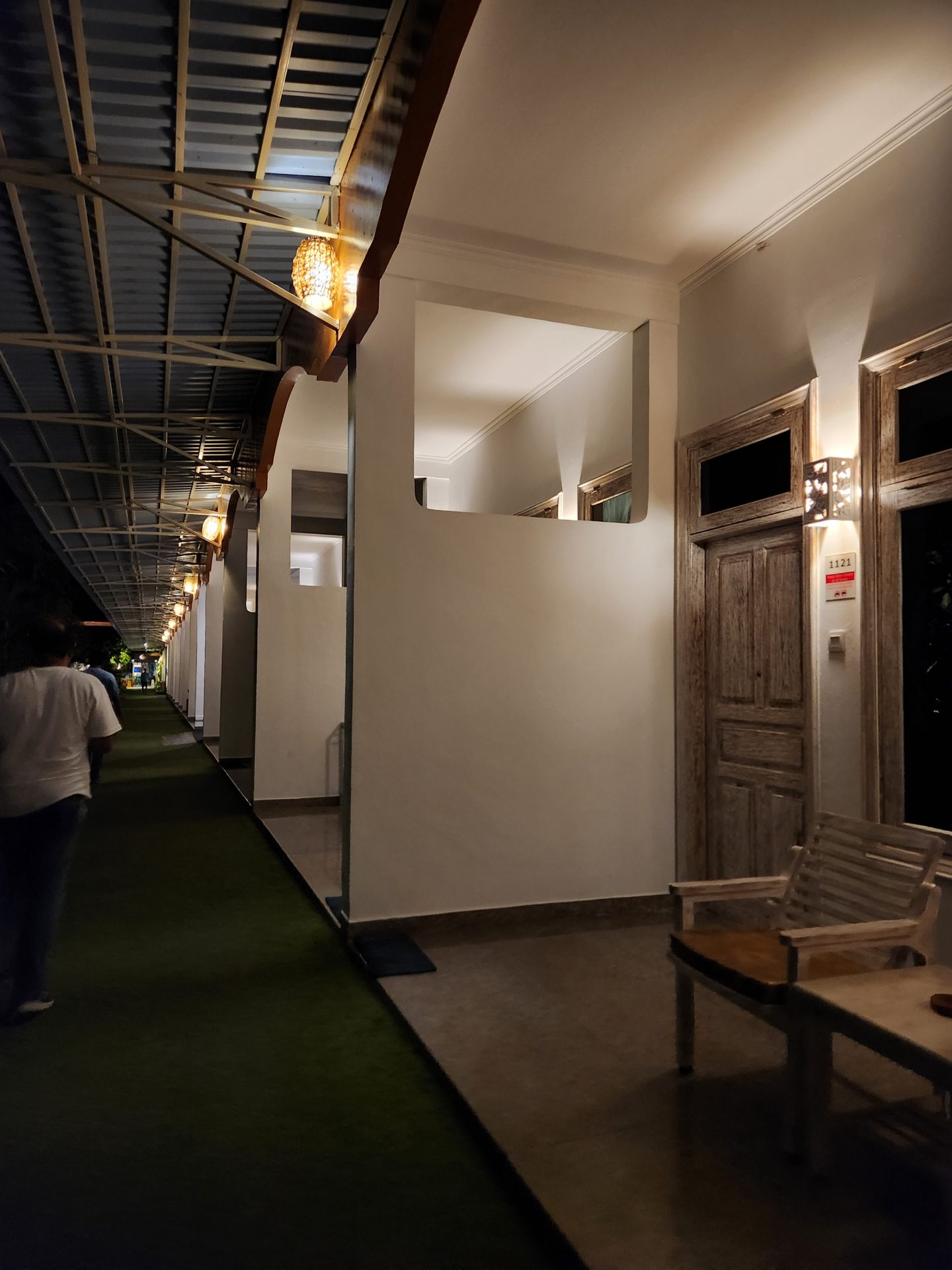
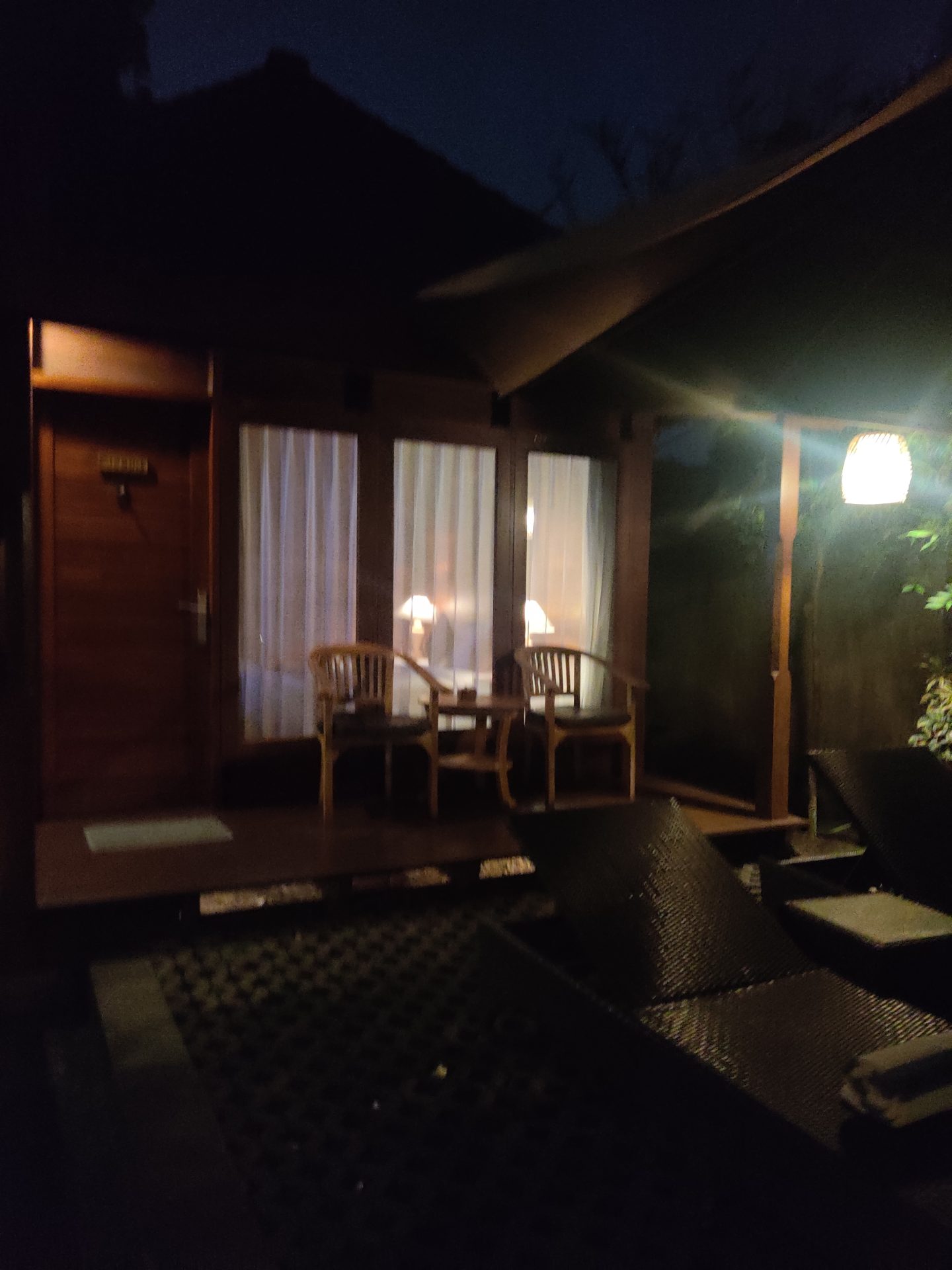
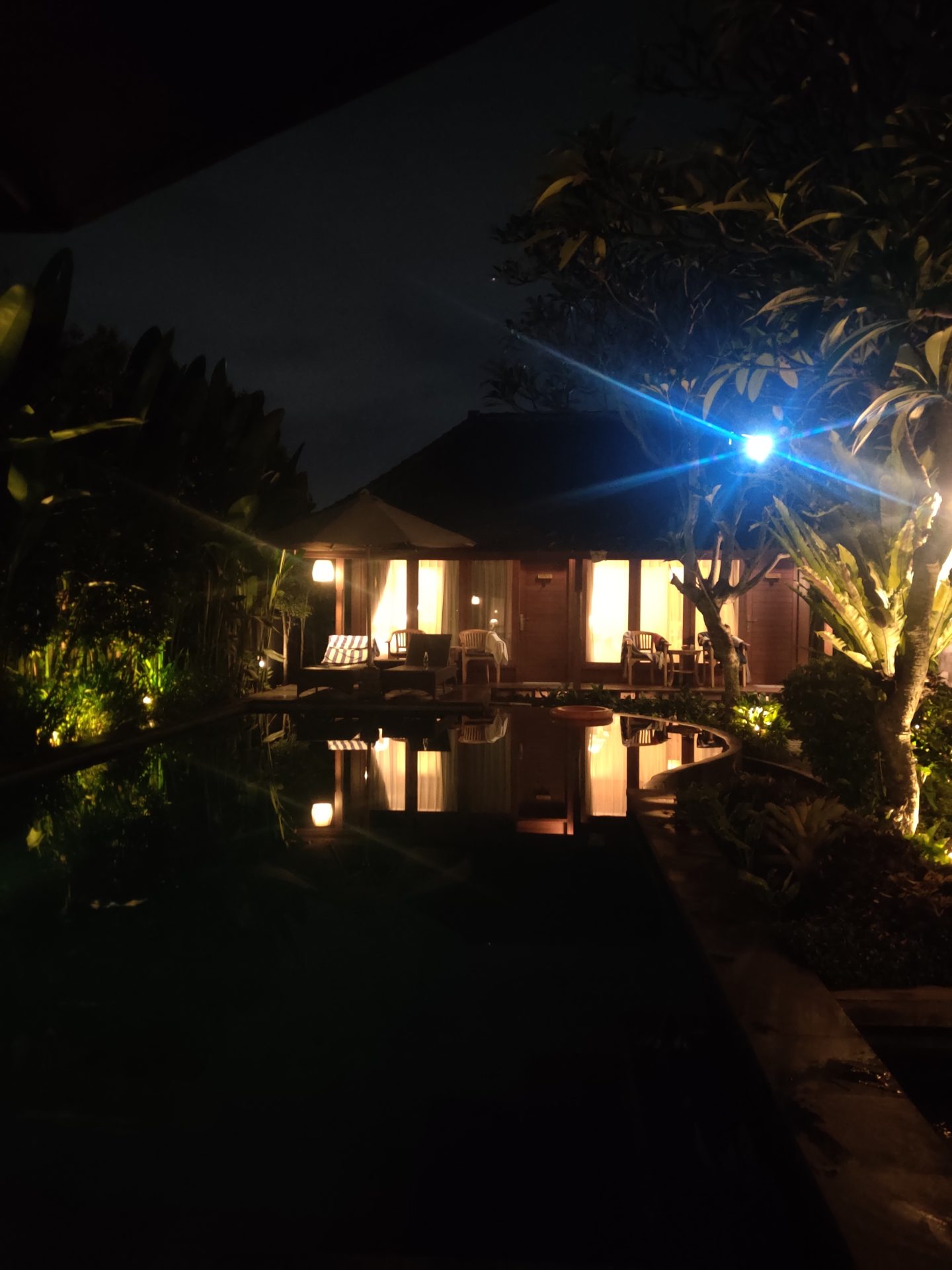
We completed the check-in formalities and did a quick tour of the beautiful resort before heading to their restaurant for dinner. The rooms were very spacious and the resort had a lovely pool.
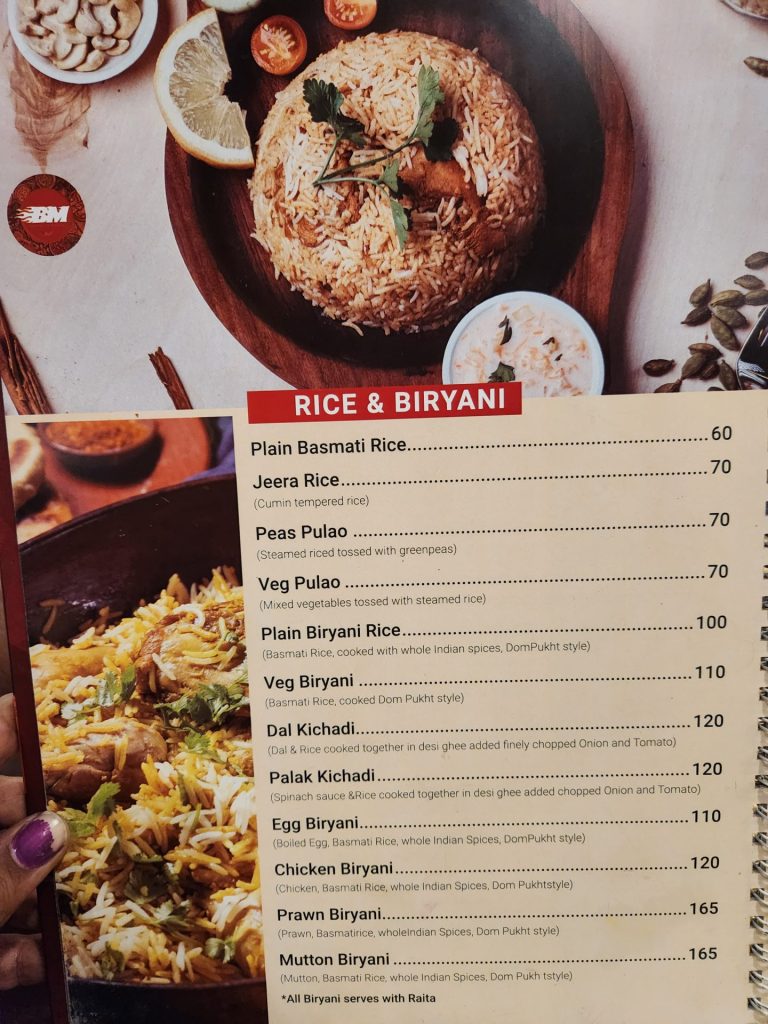
A quick glance at the Hotel’s menu meant that we had very limited options of veg cuisine but thankfully the hotel staff, understanding our predicament guided us to multiple Indian restaurants located very close to the hotel. There were a couple of restaurants Queen’s Of India and Bollwood Masalaz at a stone’s throw away from our resort and we arbitrarily landed at Bollywood Masalaz.
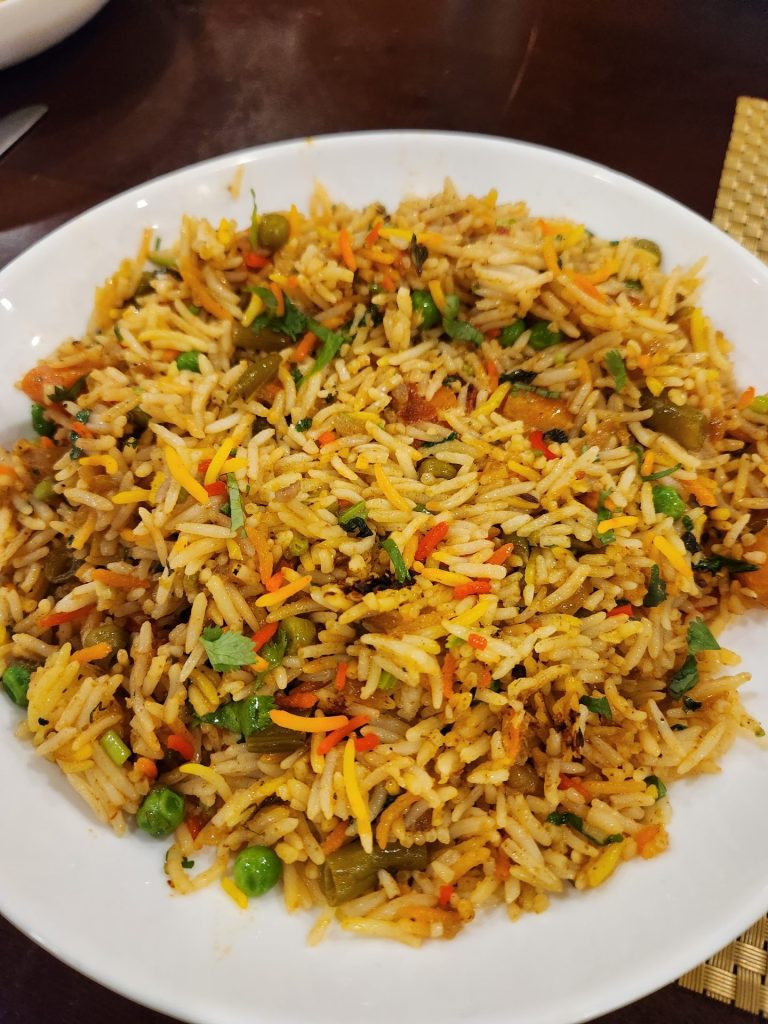
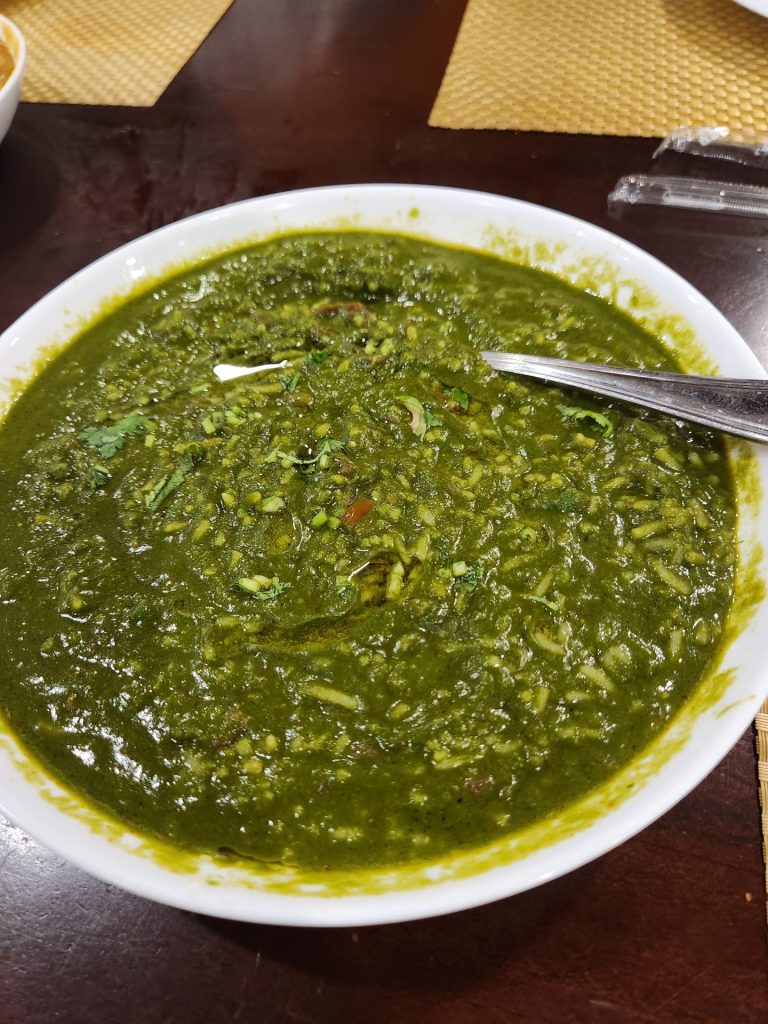
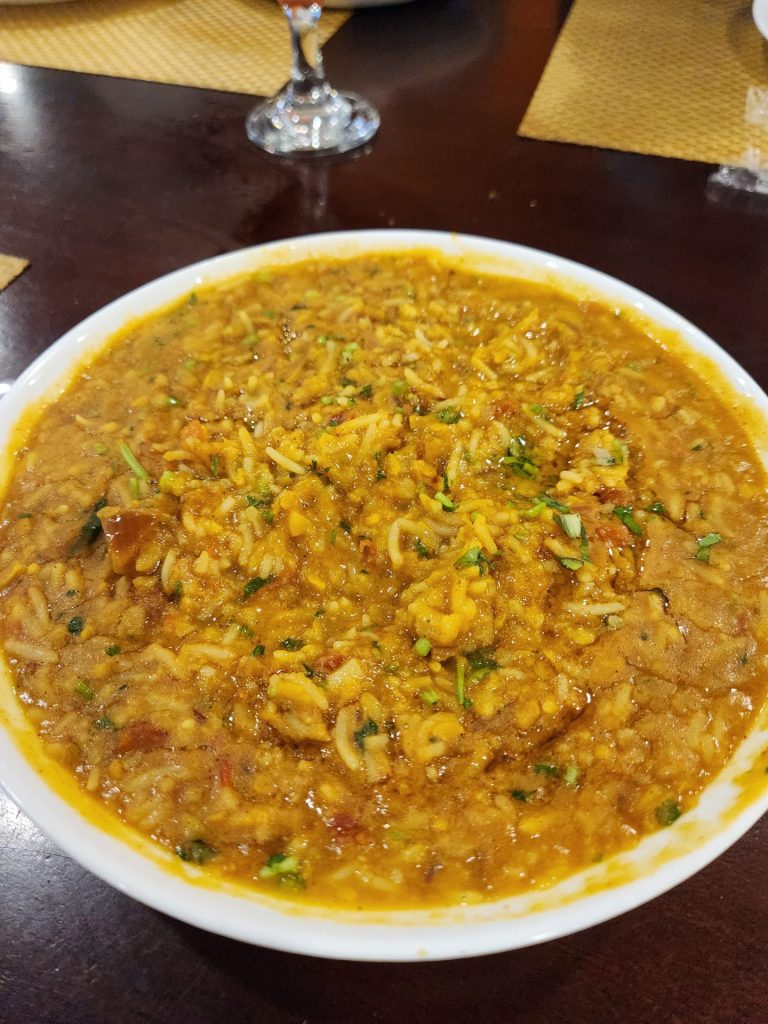
After a little bit of deliberations, we finally settled for an assortment of Khichdis (the traditional Yellow dal one and one made out of greens) and a plate of Veg biryani. A sumptuous dinner done, we were back at our resort by 11 PM.
June 4th 2024
We were ready by around 8.30 AM the next day morning and while people were just headed to the swimming pool, we reached the restaurant for breakfast. We had to indicate our preference for the kind of food we wanted from the set menu.
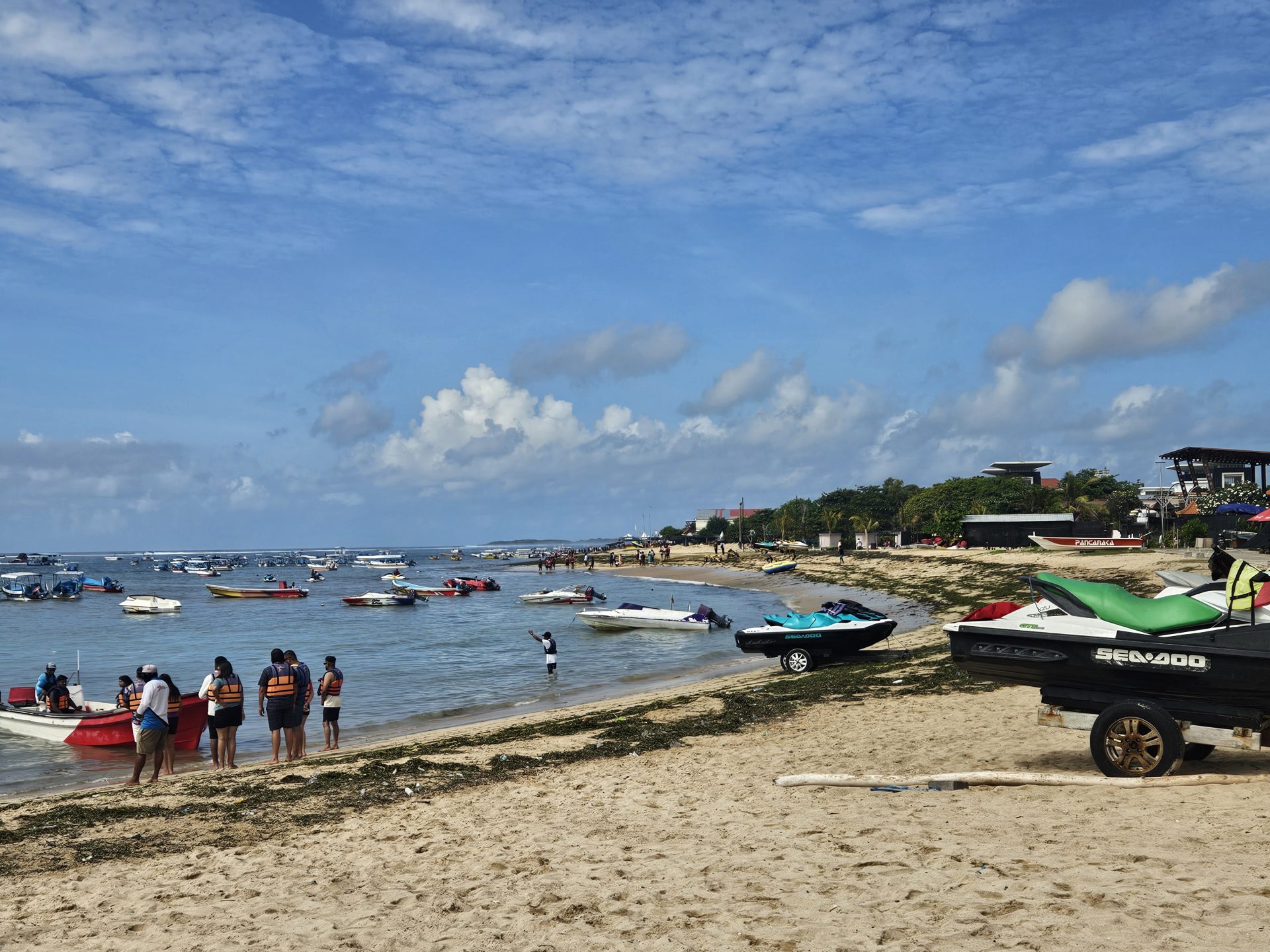
A hearty meal done, we set off with Kupit for the Tanjung Benoa Water Sports Complex located around 17 Kms away. Traffic was just picking up and while we weaved our way through some narrow and not so very broad roads.
Off to Tanjung Benoa Water Sports Complex
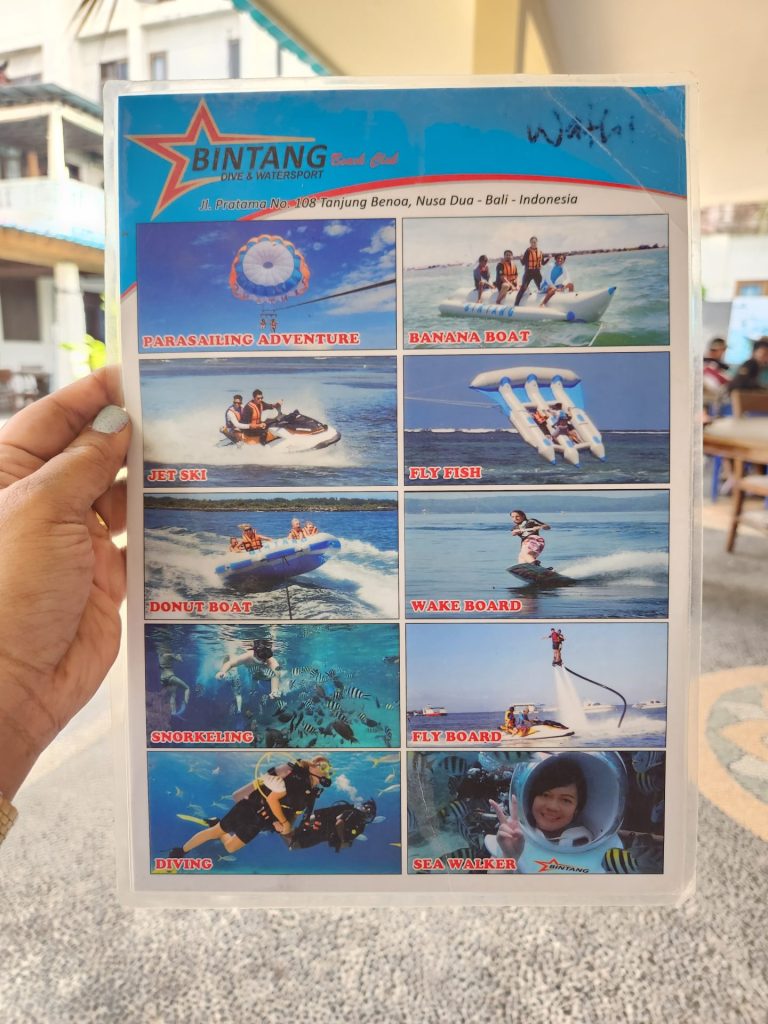
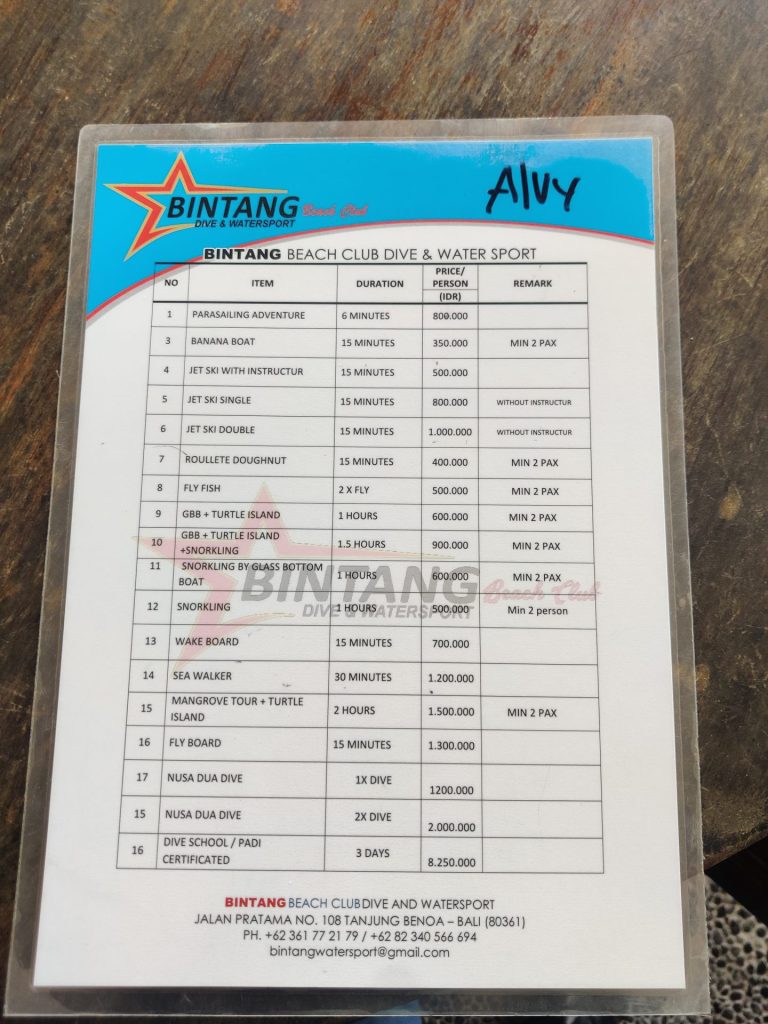
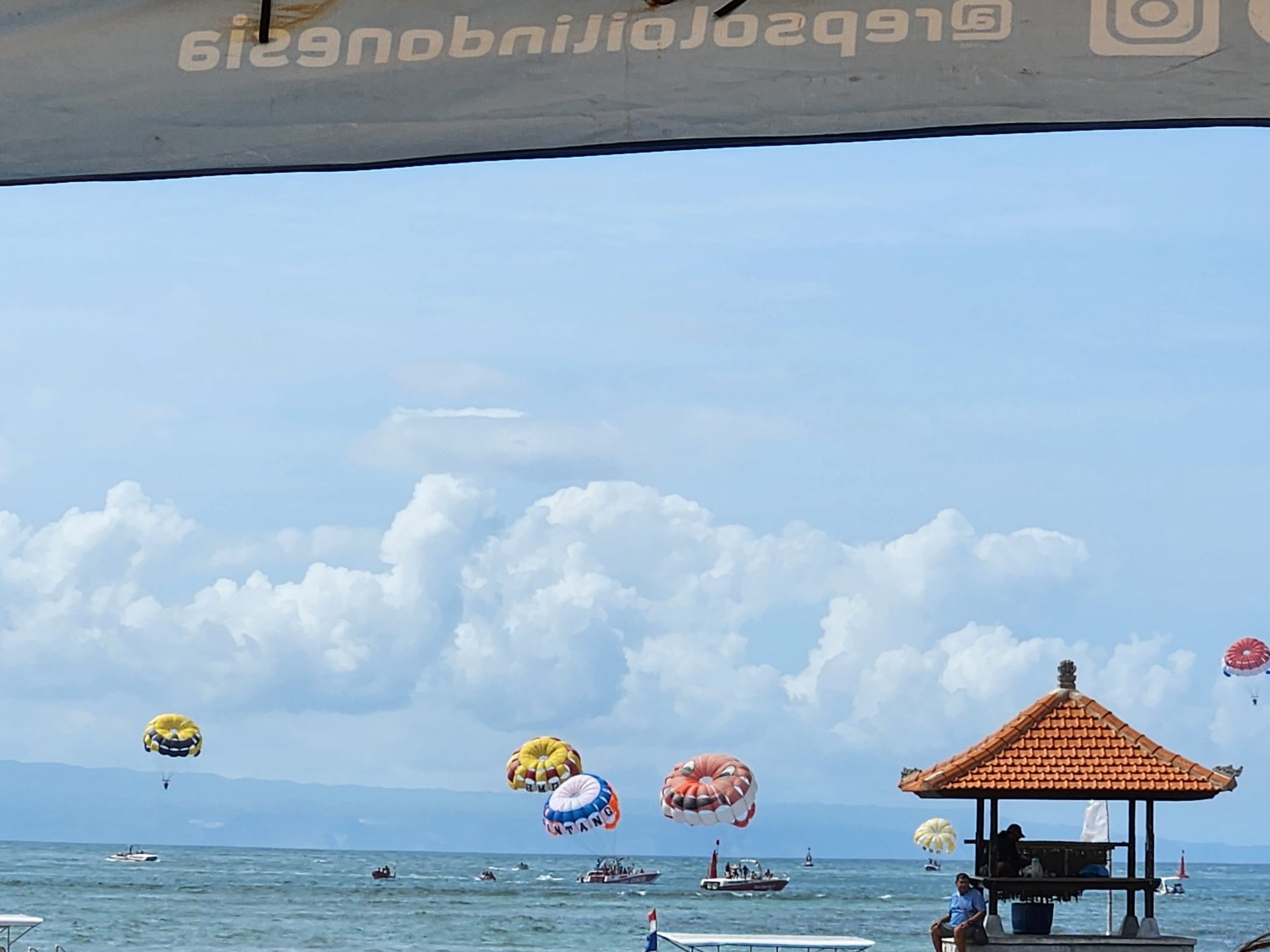
A host of activities awaited us like Parasailing, Jet ski, Snorkelling, Sea Walking, Banana Boat rides etc but the ladies were not interested in any of these.
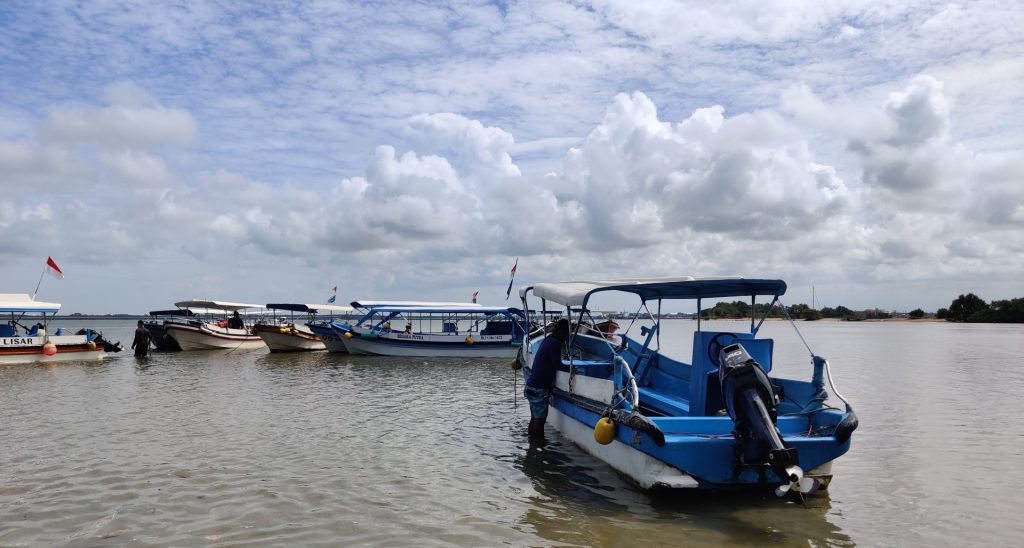
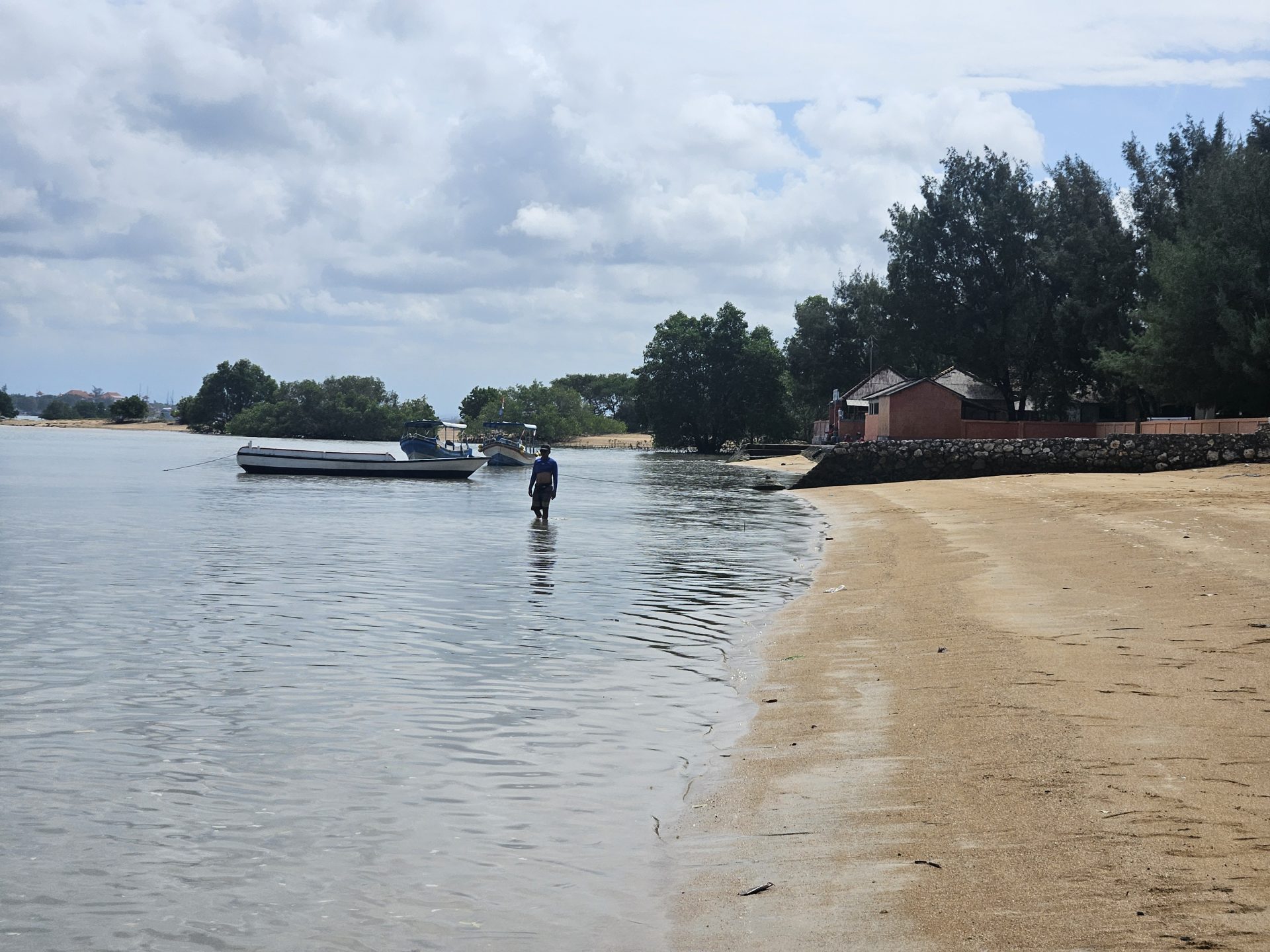
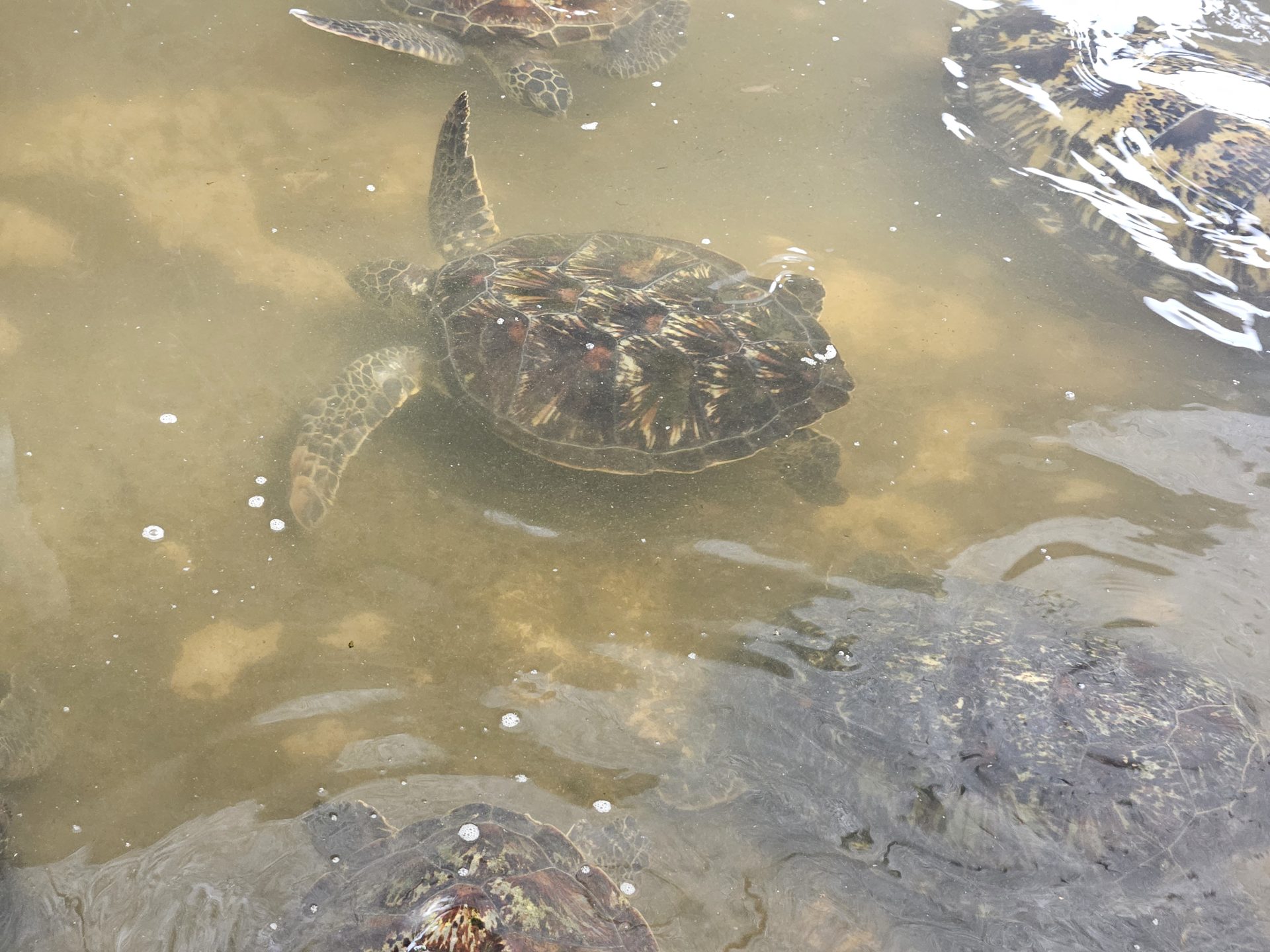
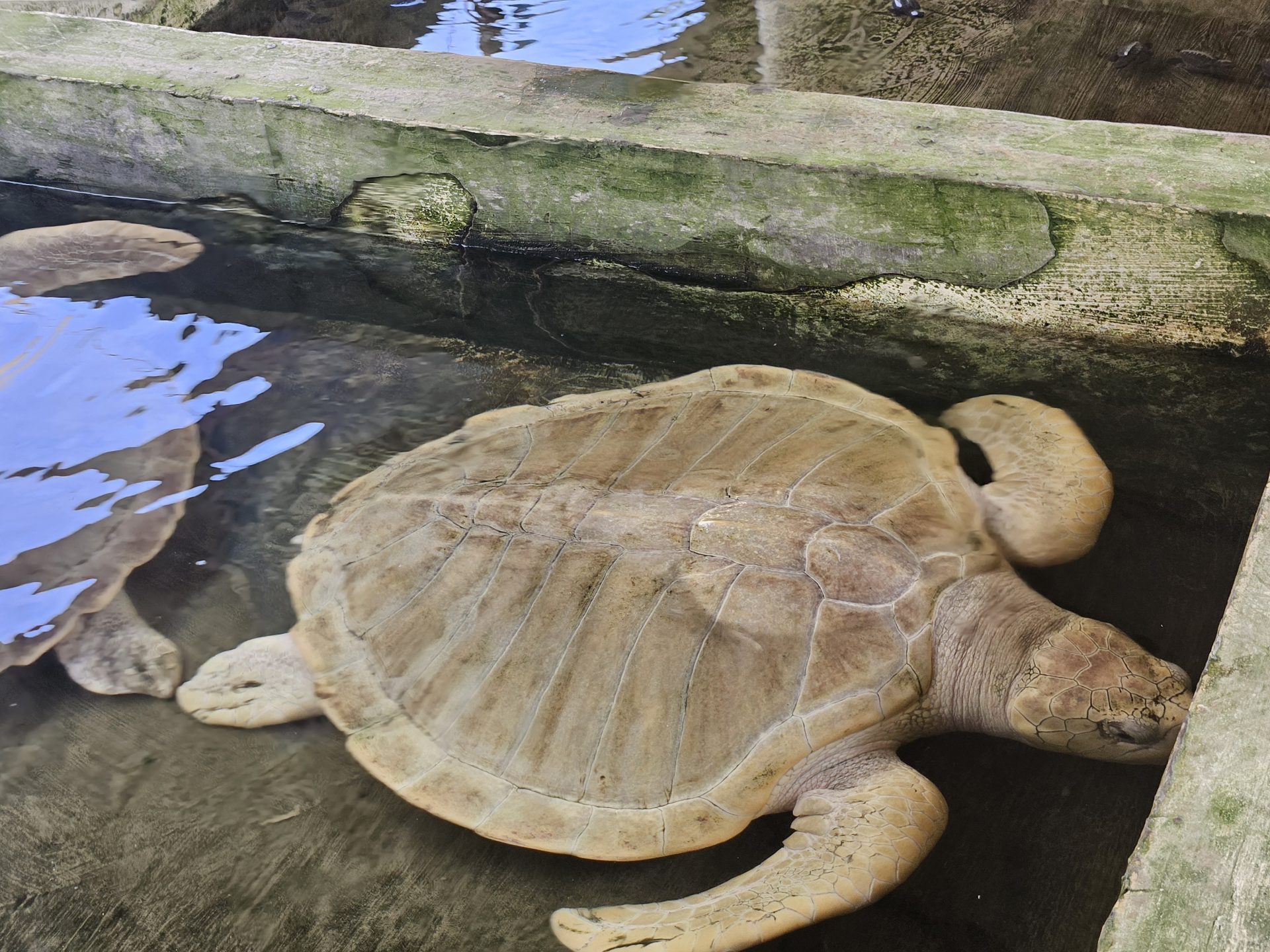
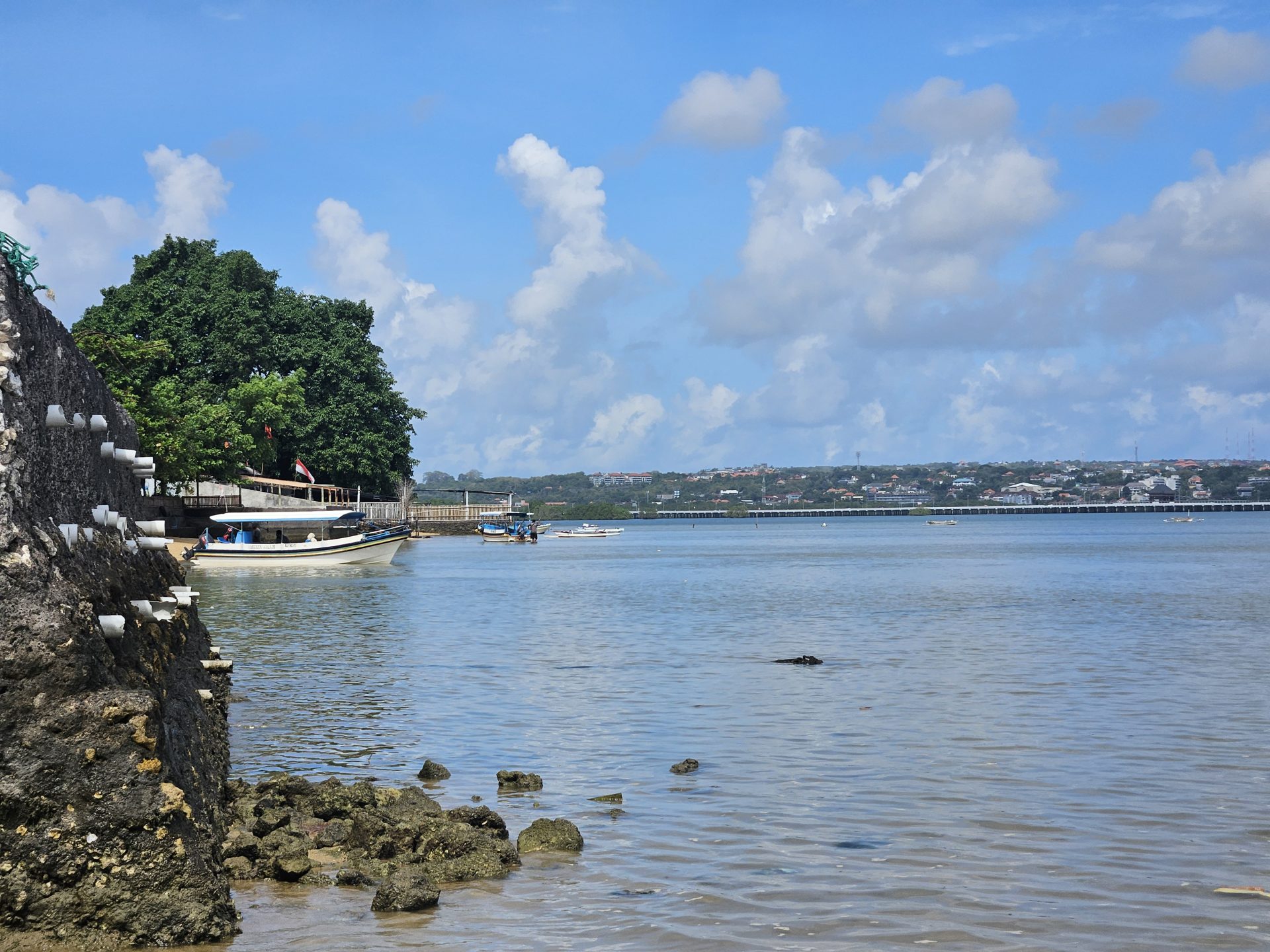
While they decided to laze around the beach and indulge in some shopping, my son and me headed for the Turtle beach, a 15 minute ride from the main land in a glass bottom boat.
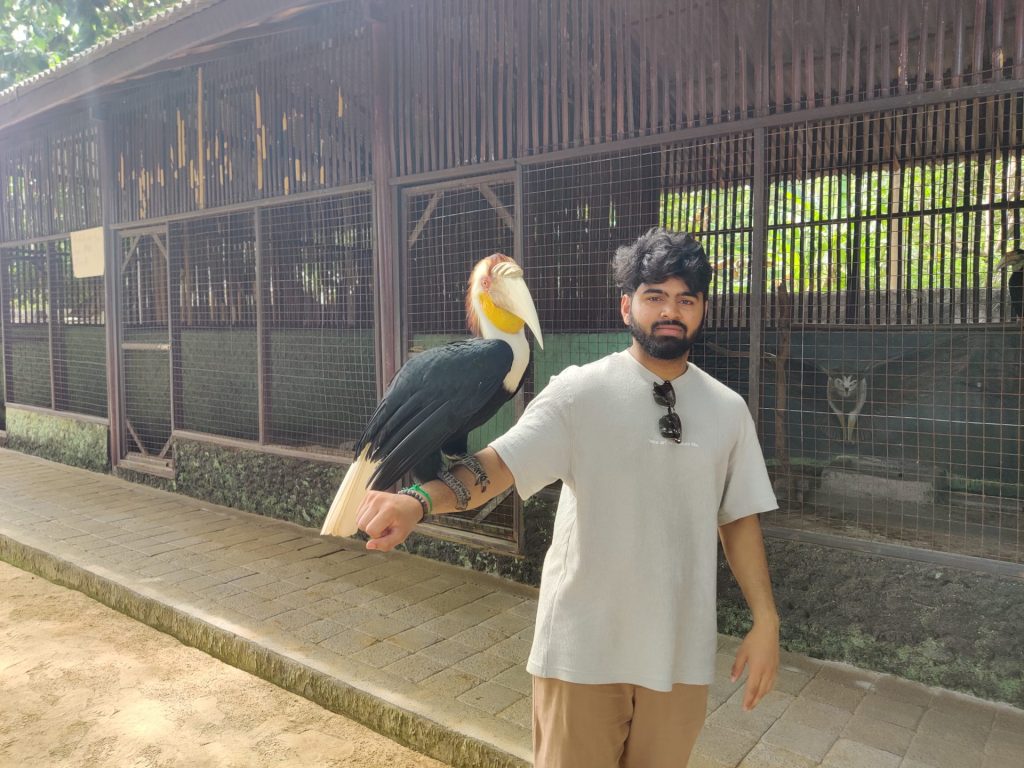
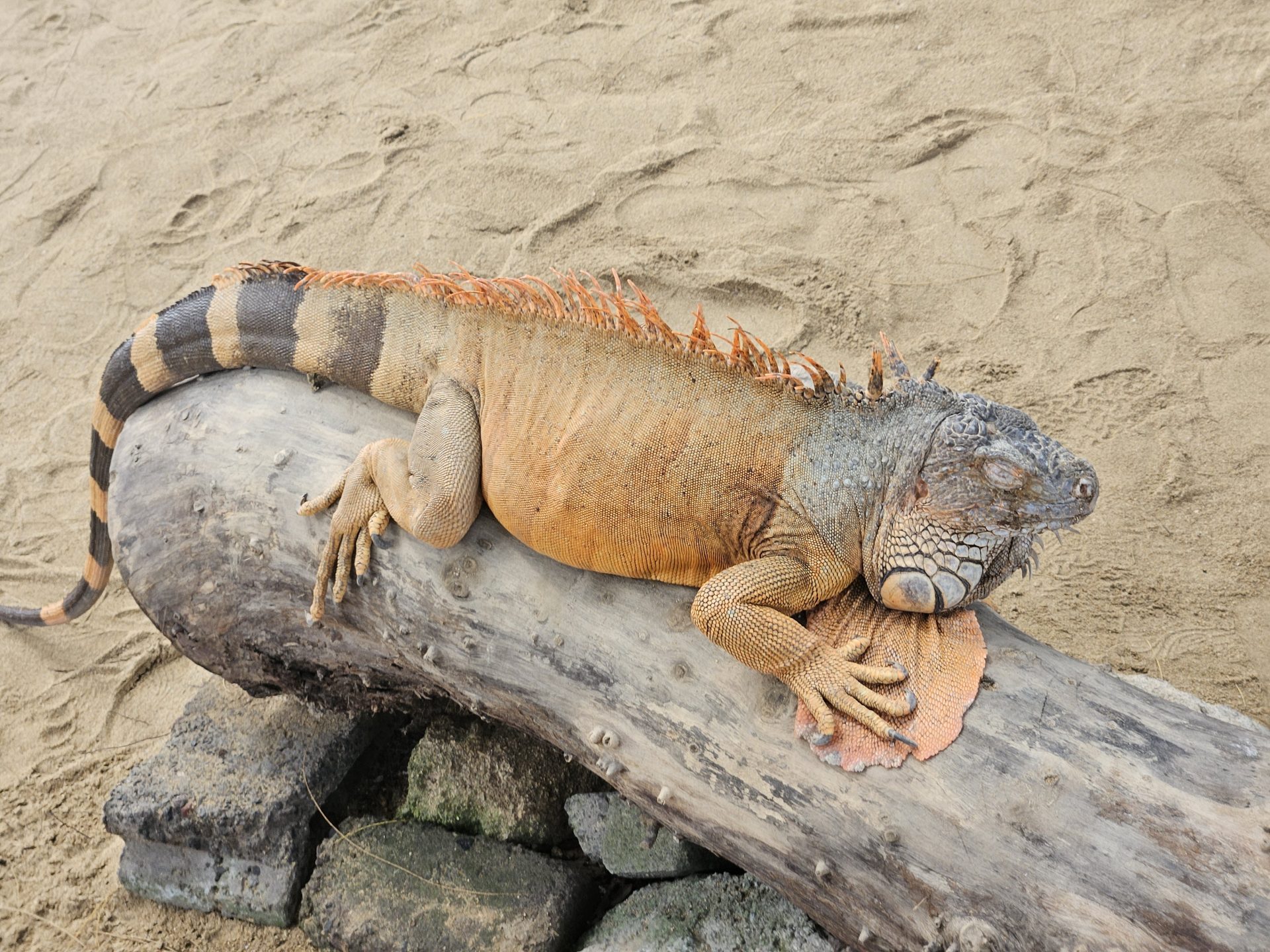
While we got to see old and baby turtles, a variety of snakes, a chained cockatoo, an Iguana lizard and a few other animals, the conditions around the so called sanctuary looked pretty deplorable.
In hindsight, I should have probably read the reviews before heading to this place. The ride to the island and back costed us Rs.3,500/- approximately for the two of us.
The Jagat Natha Temple
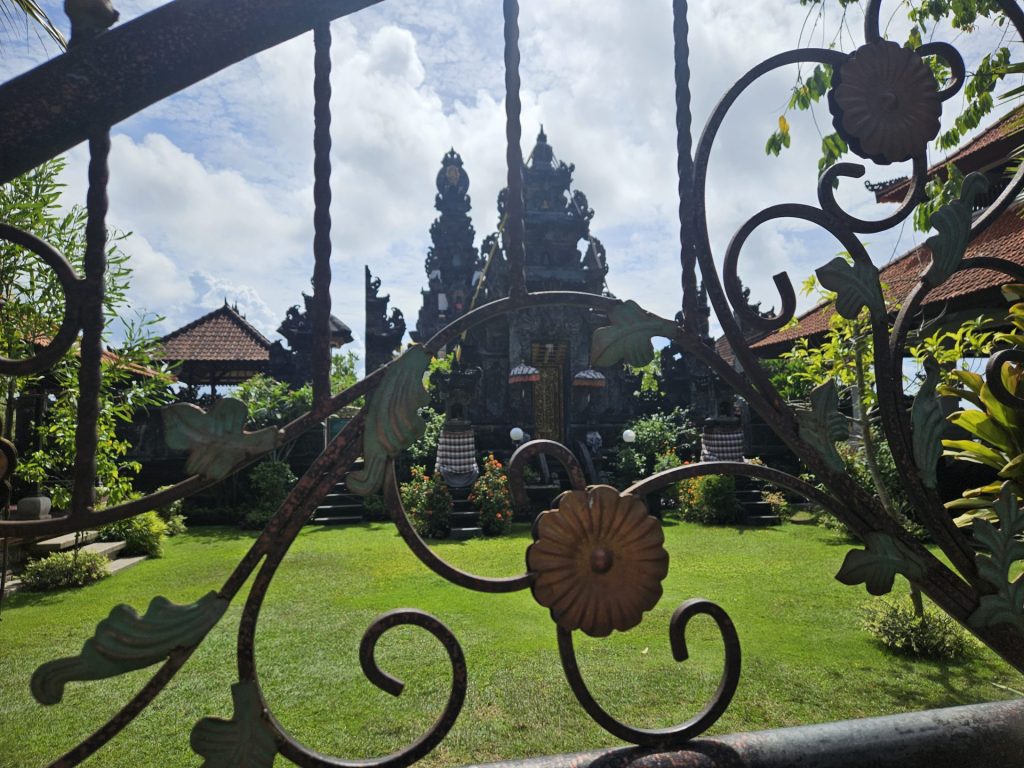
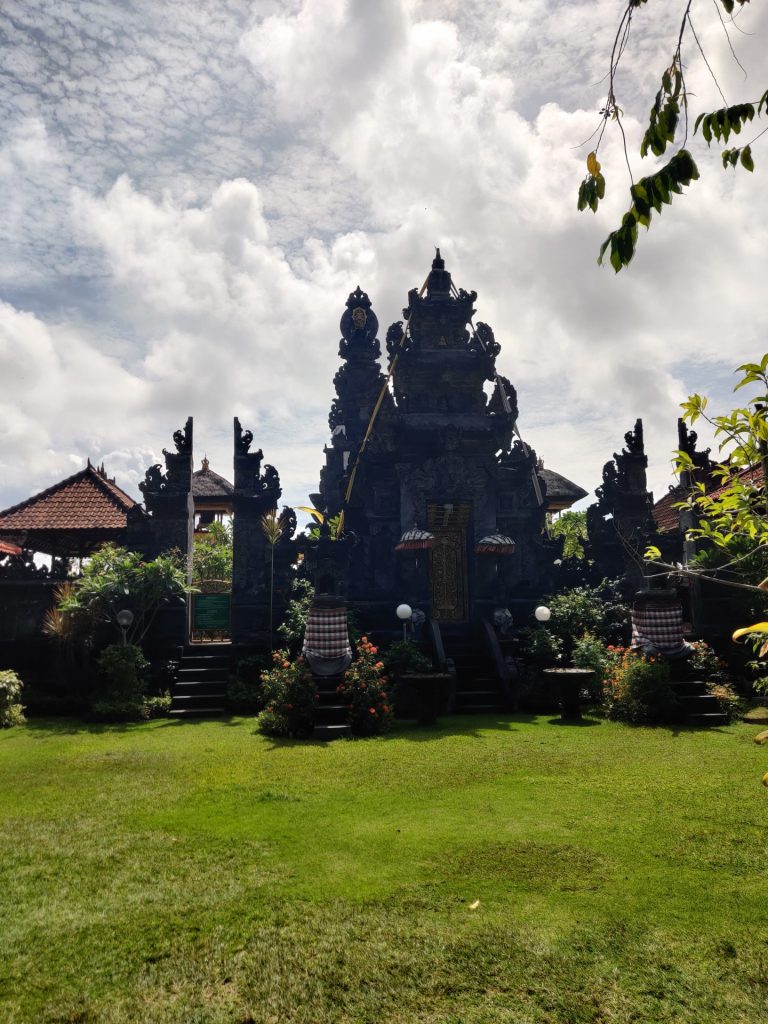
Our next stop was at the Jagat Natha temple which appeared completely deserted and locked. While photos could be taken only from outside, was given to understand from our driver that the temple celebrates two festivals every month based on the Lunar Calendar and is open for worship only on the Full Moon and Half Moon Days.
Built in the year 1953, this temple is dedicated to the Supreme God Sanghyang Widhi Wasa, also referred to as the Supreme of Divine Gatherings. The name Jagatnatha derives its origin from the Sanskrit word Jagat meaning World.
Kupit could understand the disappointment written on our faces and that too right on Day 1 of our Bali tour and promised to take us around a few temples during the course of the next few days where we could see people doing the traditional worship. We moved on next to the Garuda Wisnu Kencana Cultural Park, located around 22 kms from the Jagatnatha Temple.
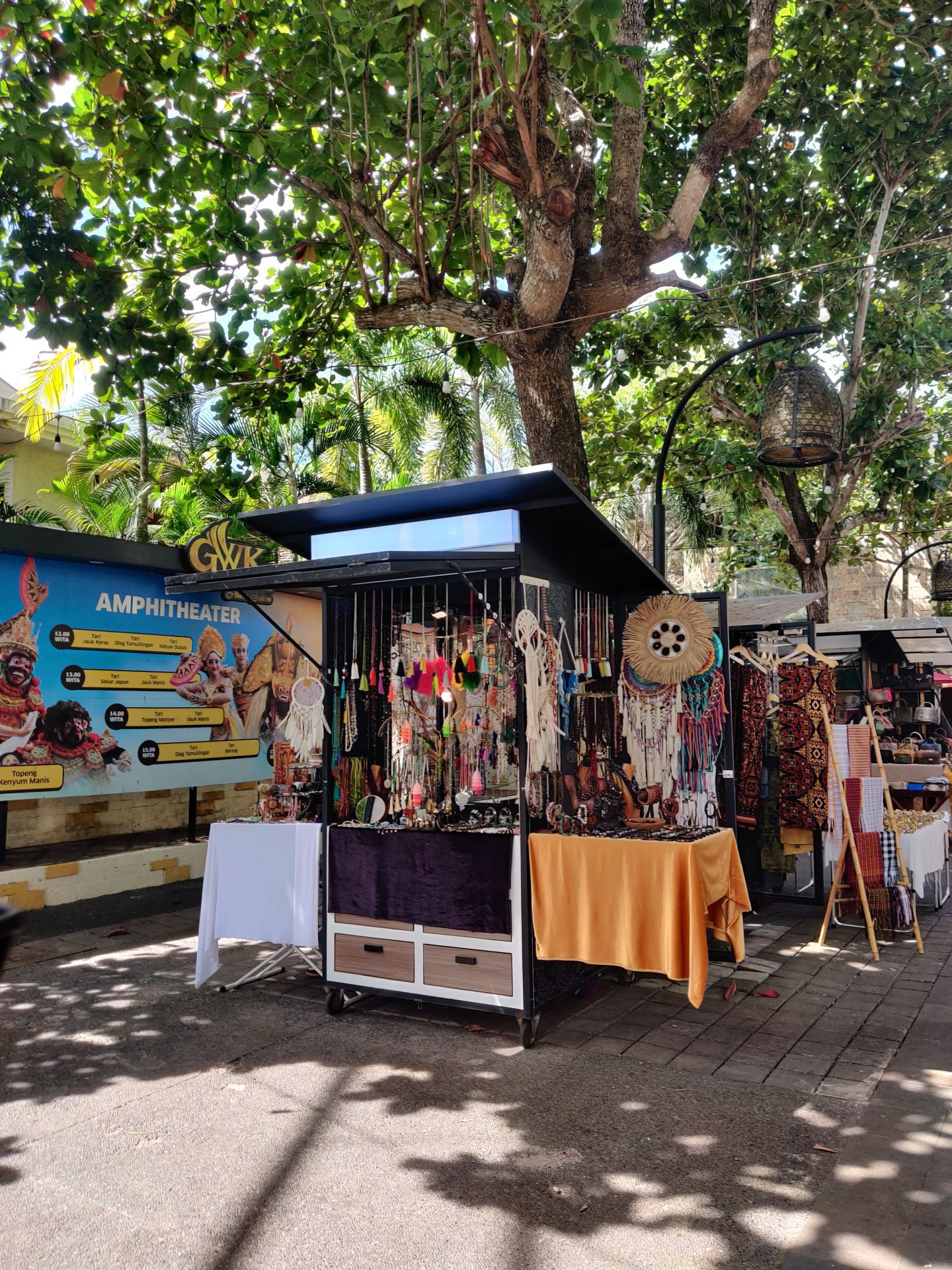
The Garuda Wisnu Kencana Cultural Park
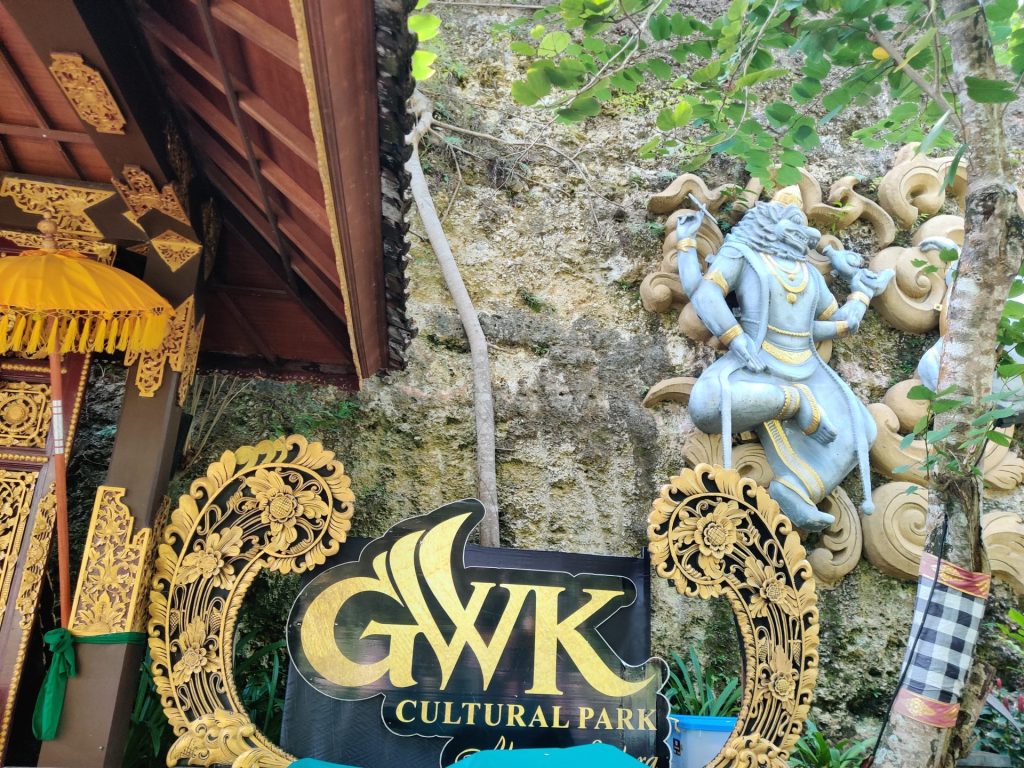
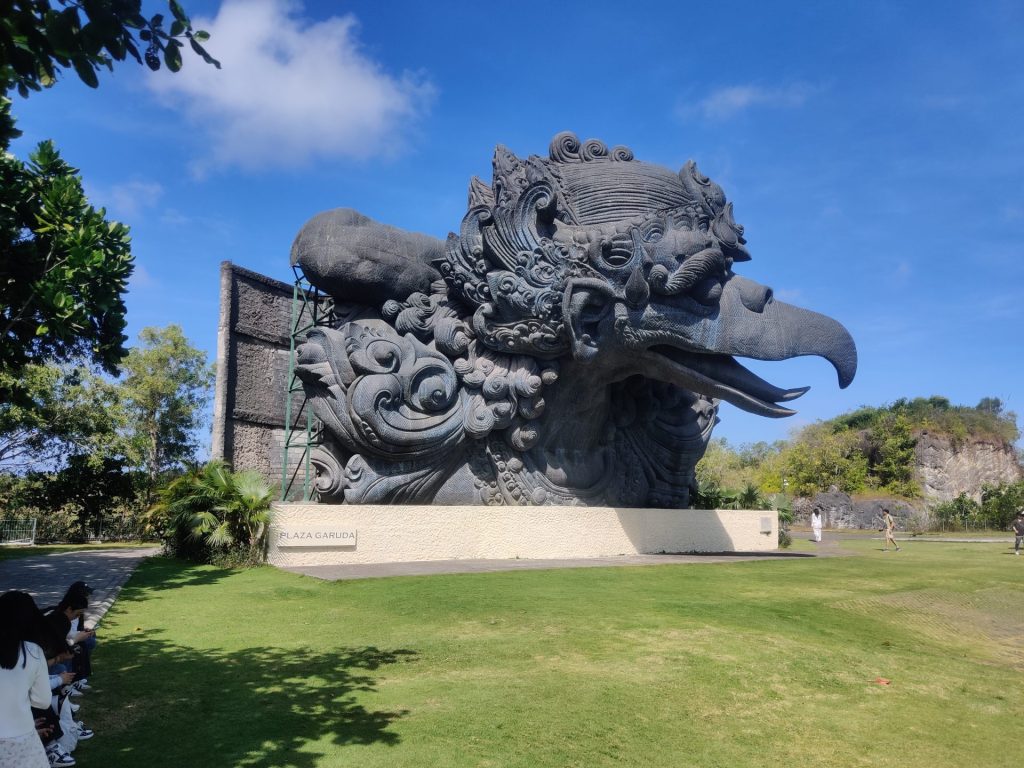
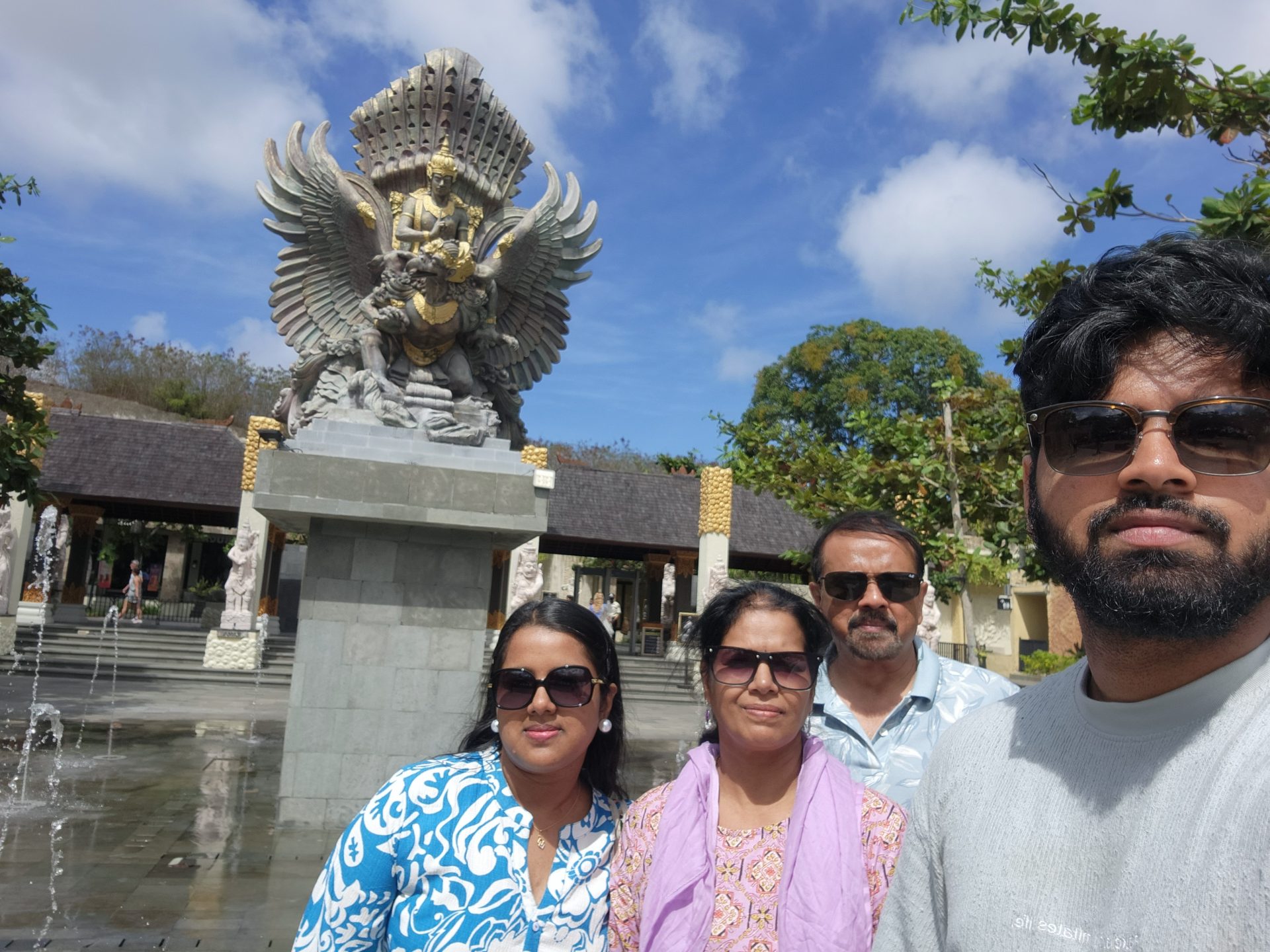
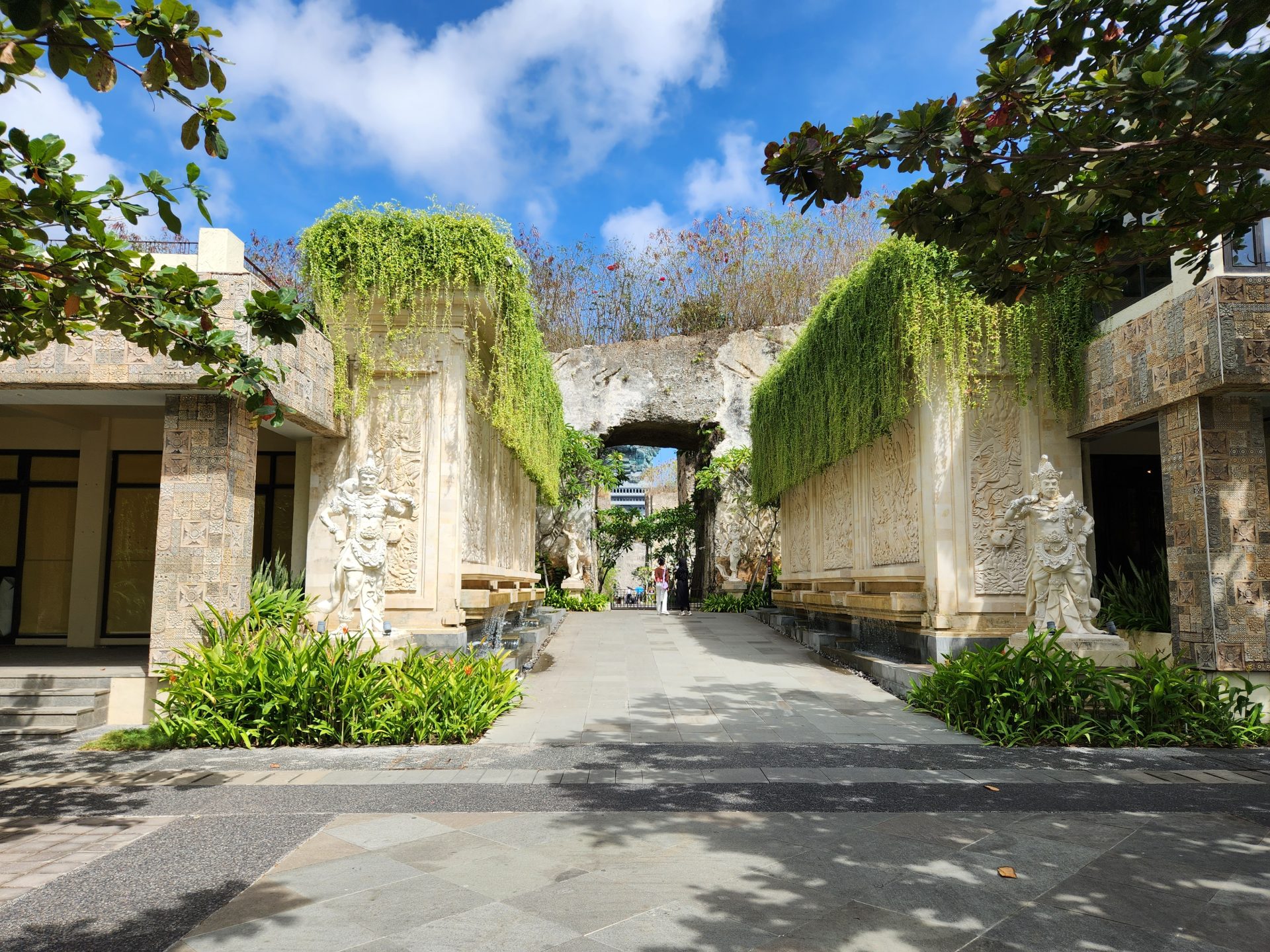
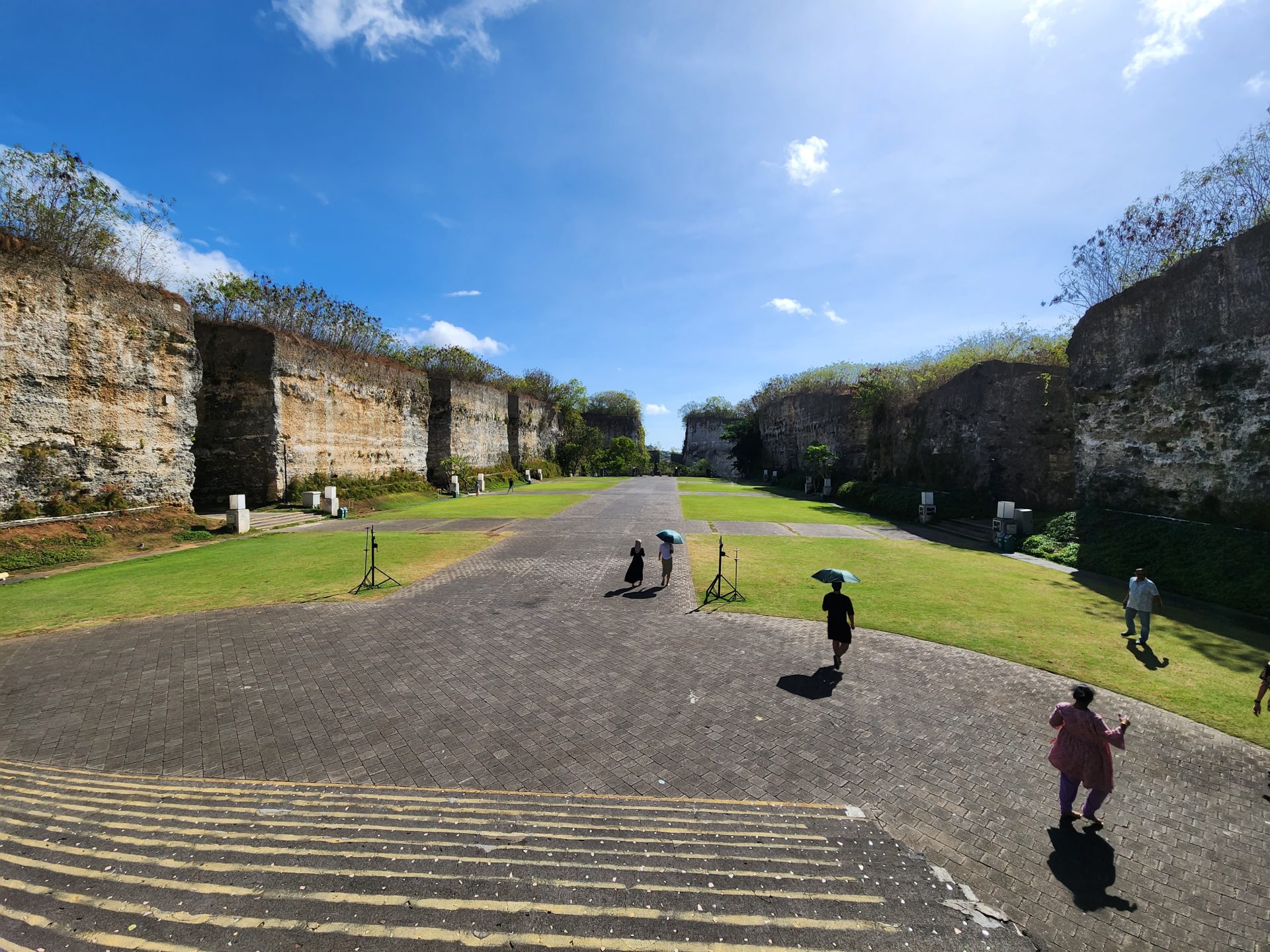
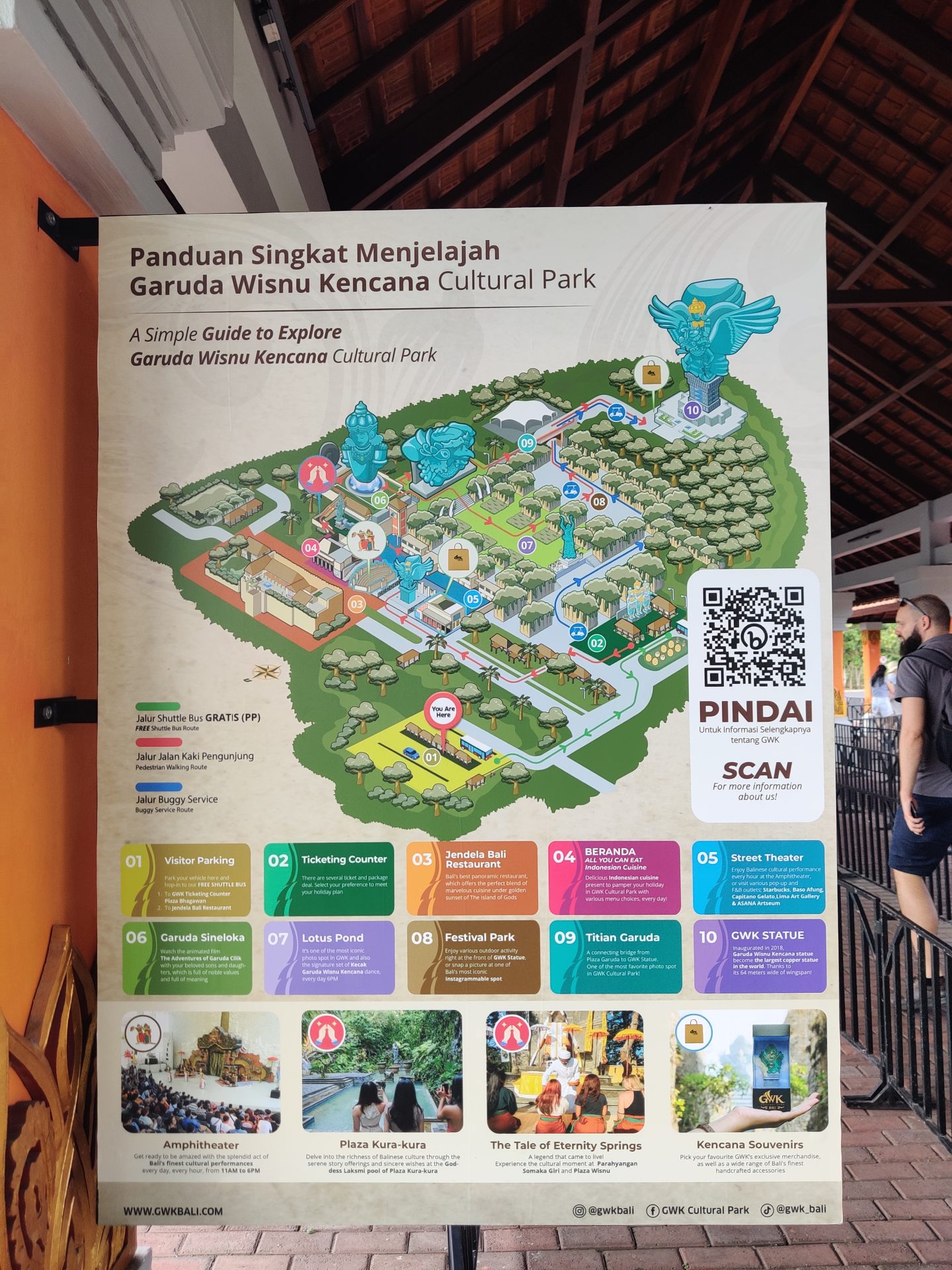
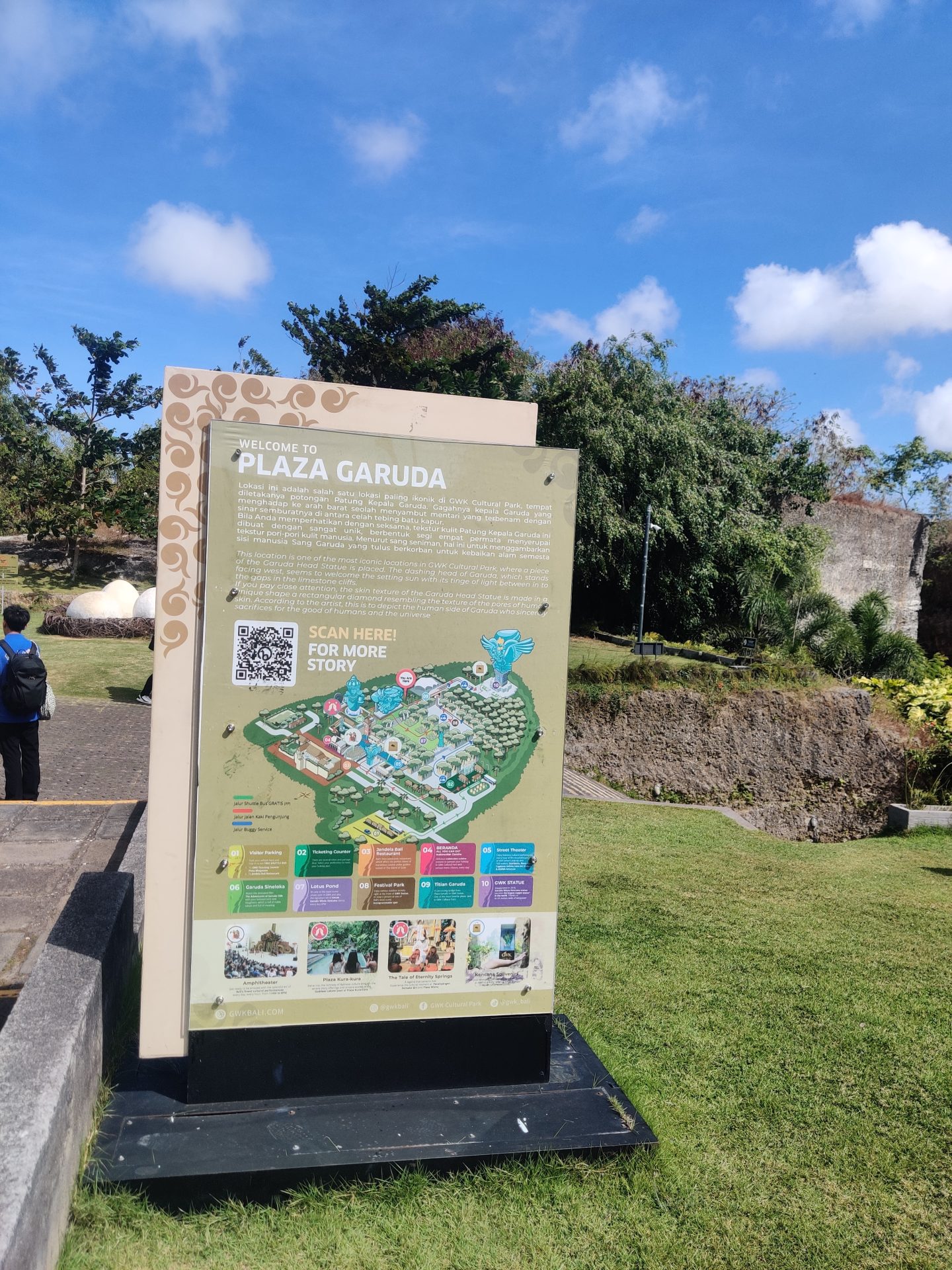
A 45 minute drive brought us to Indonesia’s Iconic Cultural Landmark, hosting the country’s tallest statue. The local guide helped us download the app for the ticketing and it just took us about 5 minutes to complete the formalities and once the payments were done, we boarded a shuttle bus which would take us uphill and closer to the statue. The tickets were Rs.600/- apiece.
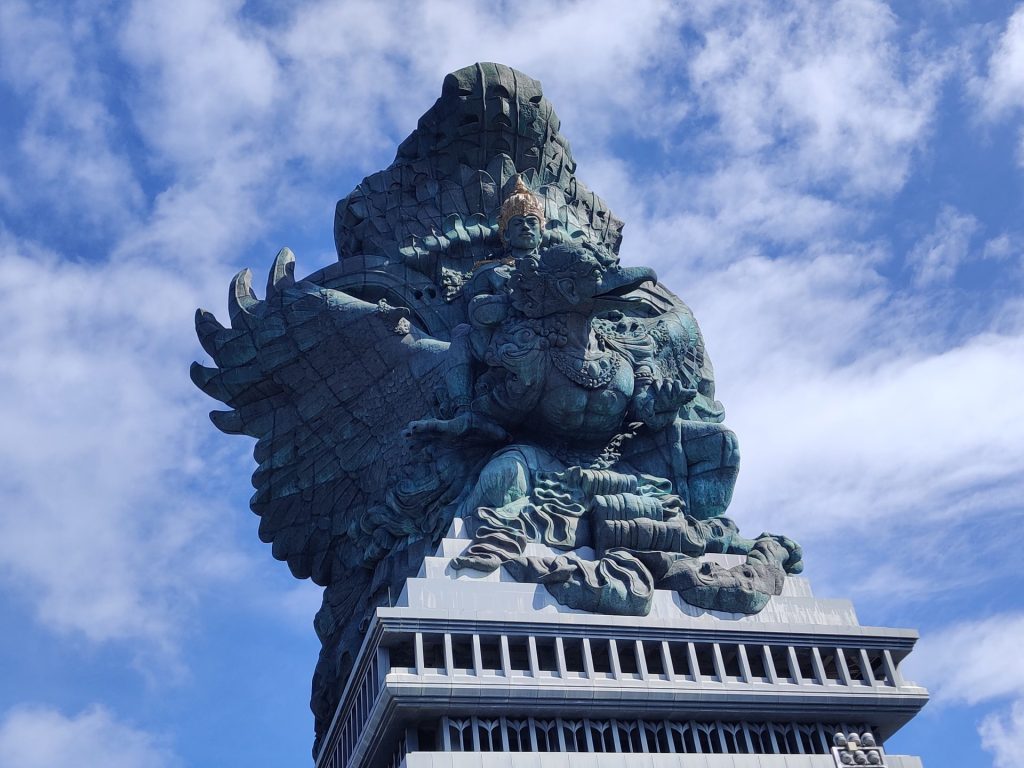
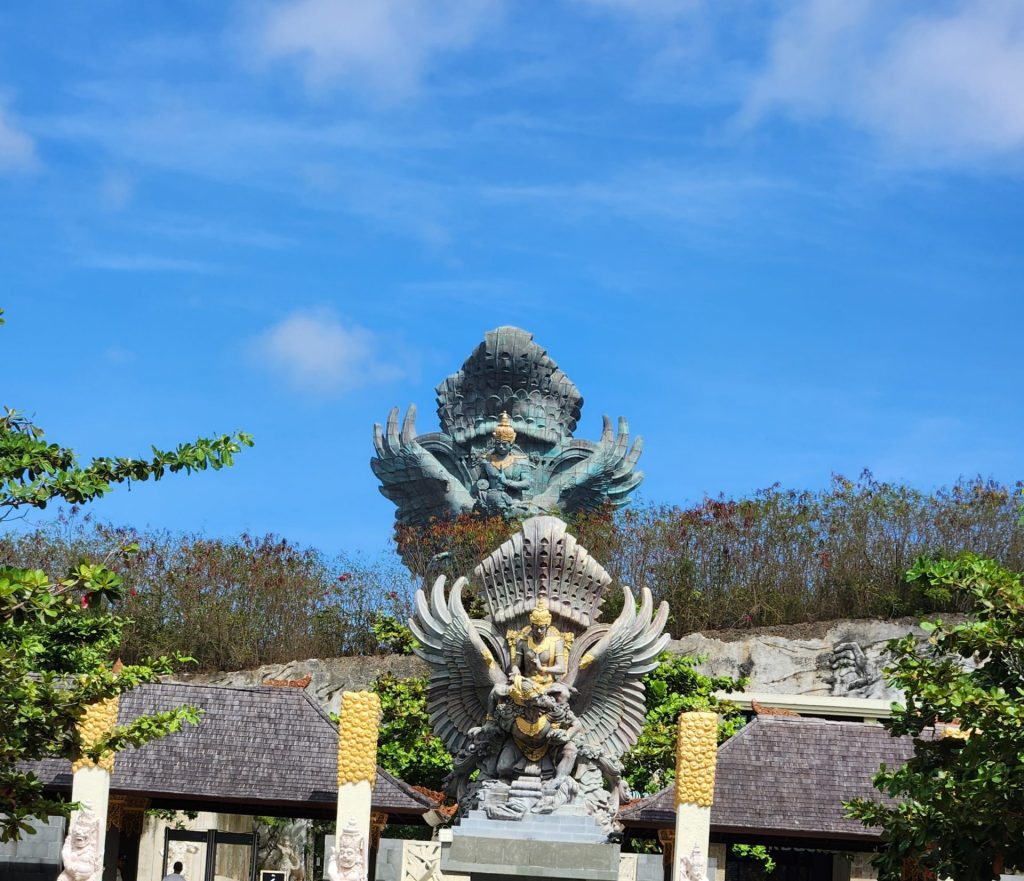
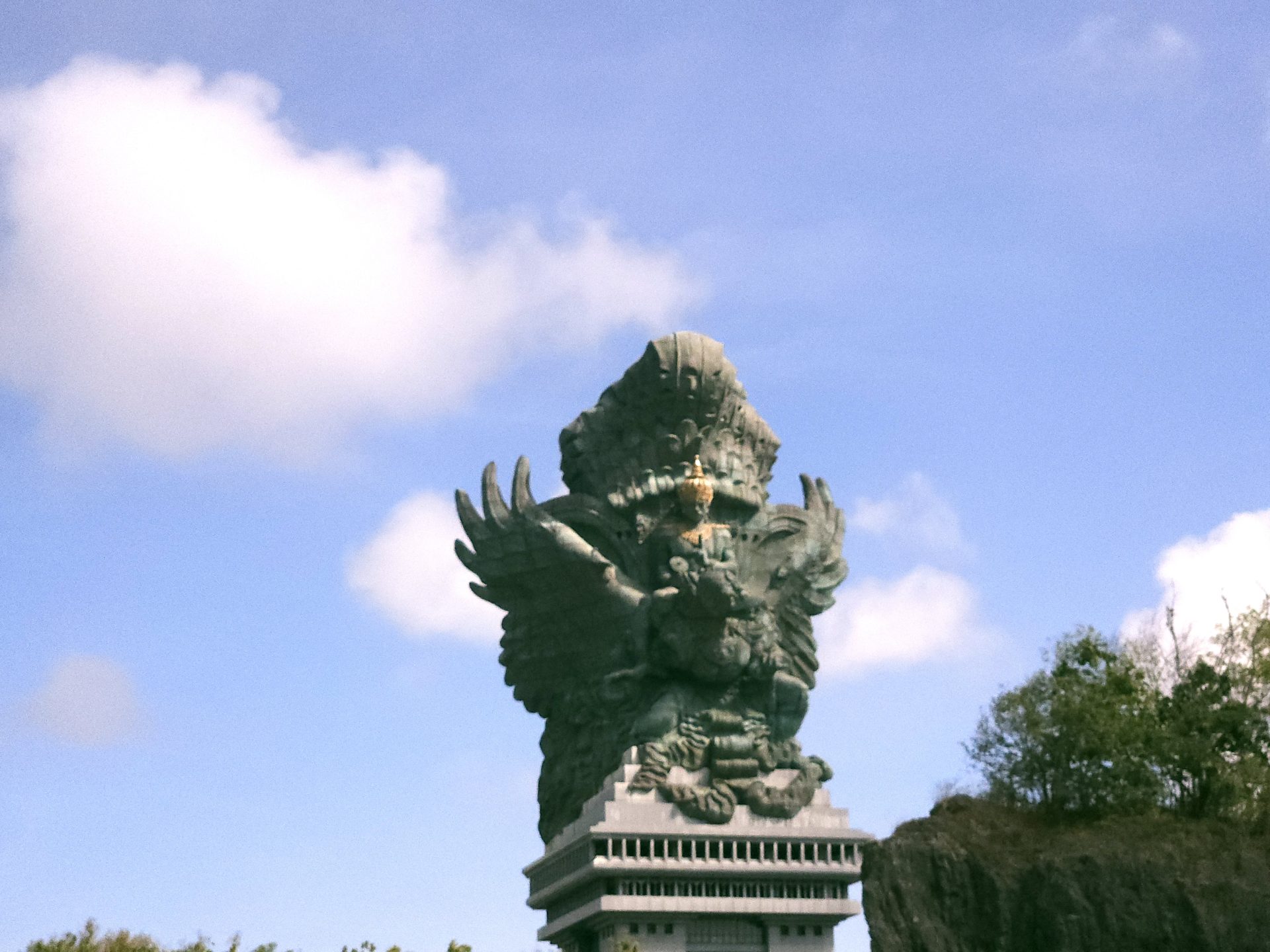
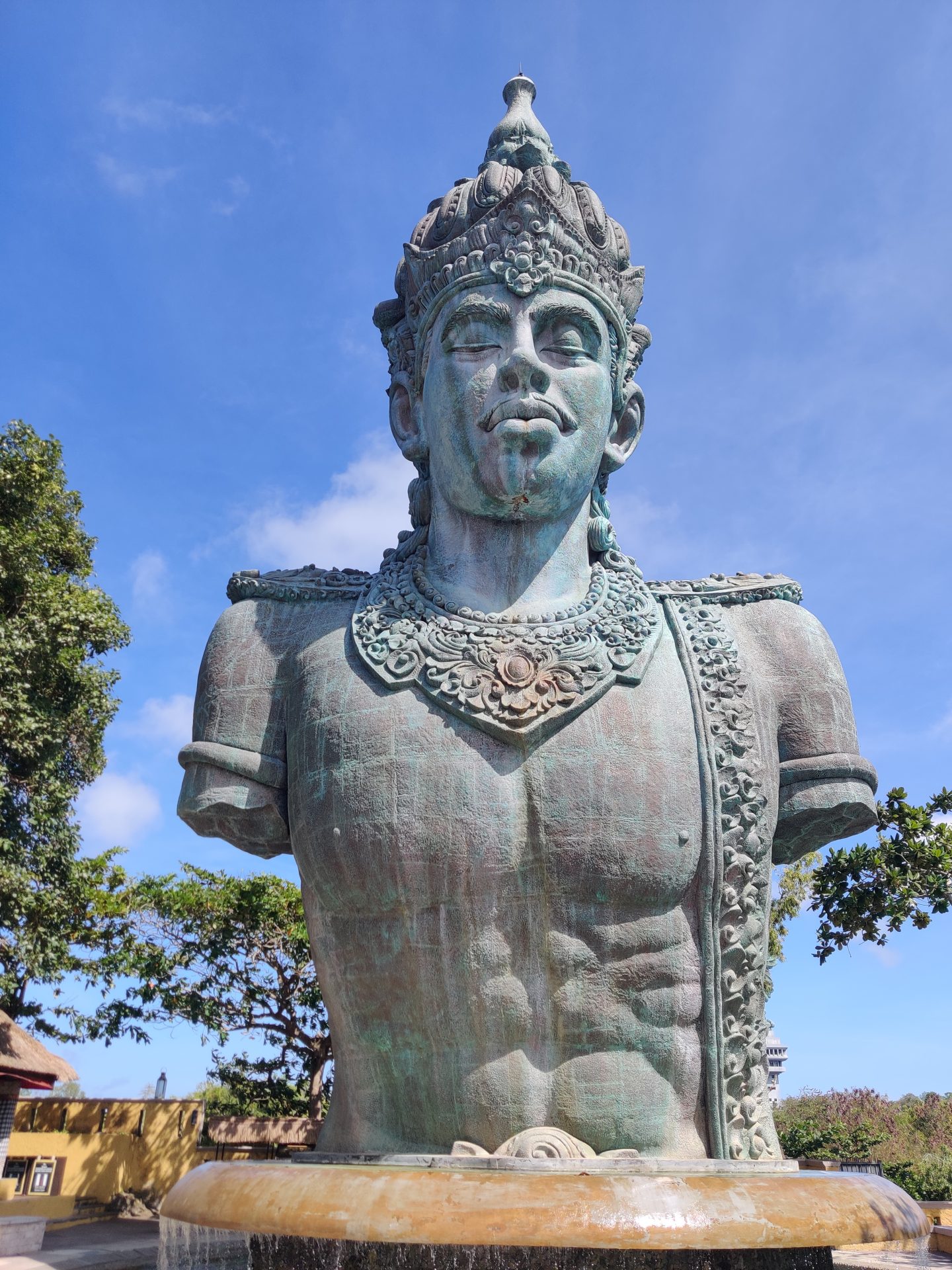
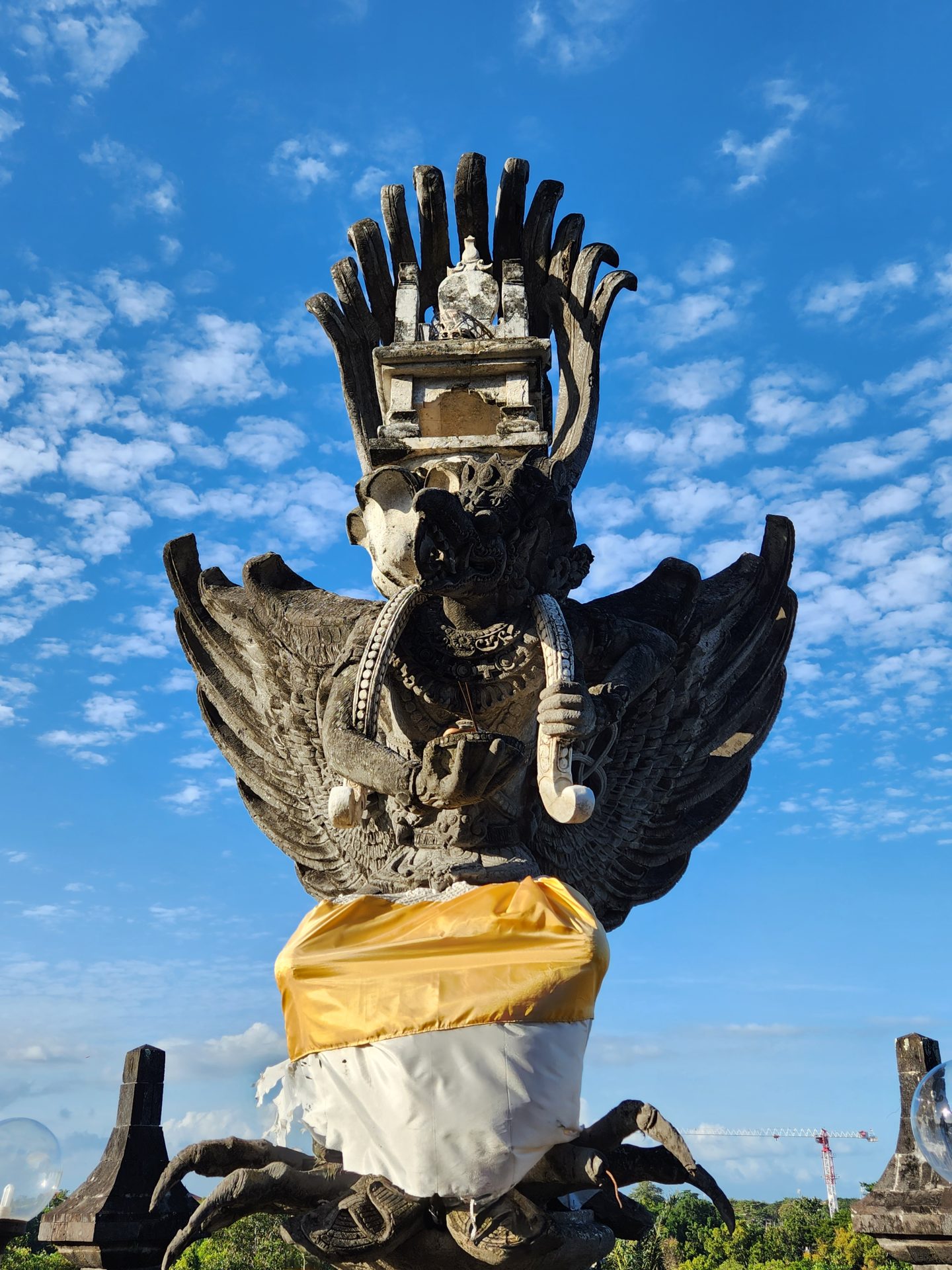
Though conceptualized and designed in 1990, and while the ground breaking ceremony happened in 1997, the project was kept in abeyance on account of funds not being available and finally got completed in September 2018 only. Designed by Nyoman Nuaria, this imposing statue stands 121 metres tall including the base pedestal and looks very grand and captivating.
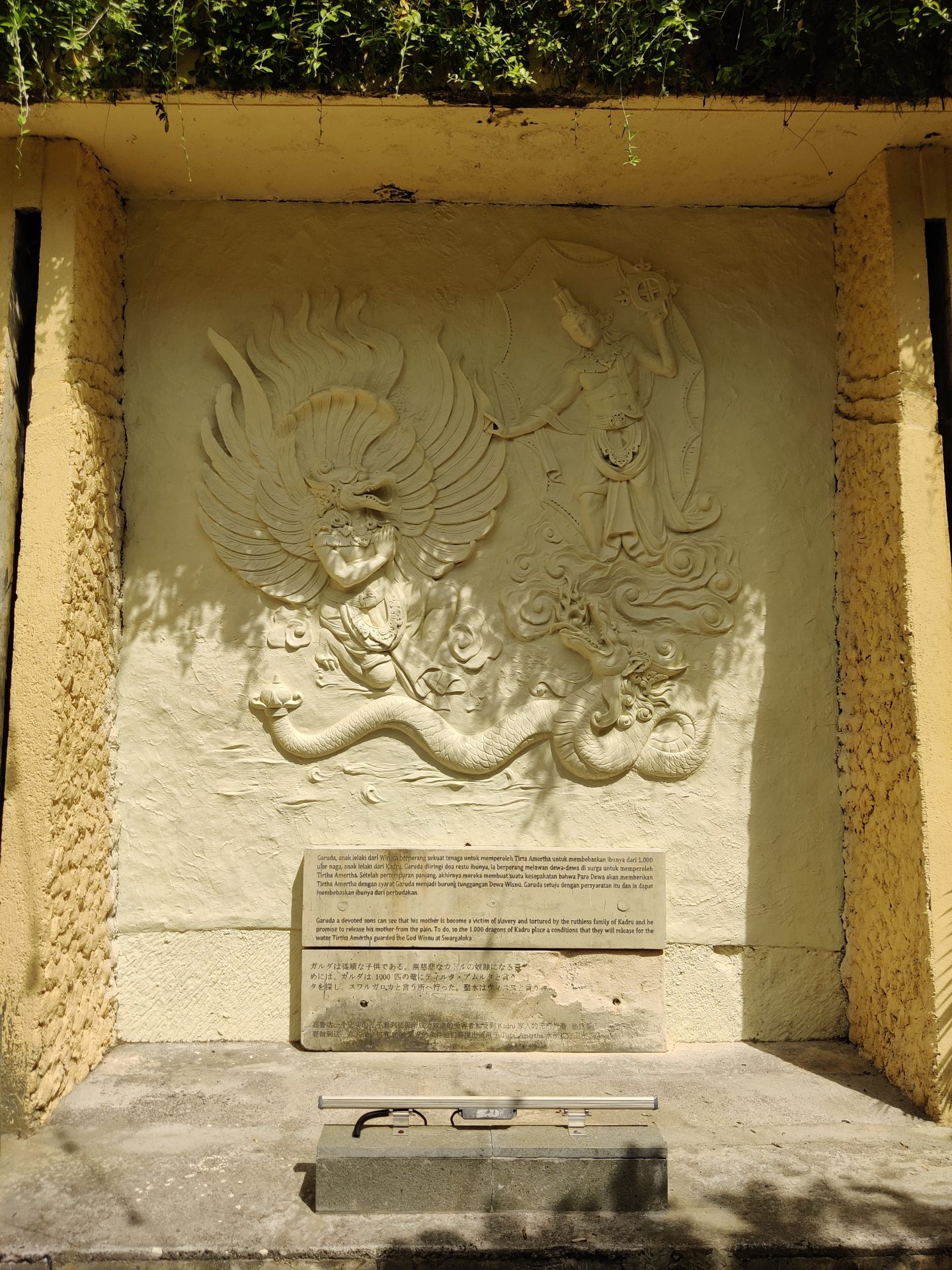
Inspired by a story in Hindu mythology where Garuda agreed to be ridden by Wisnu in return for the right to use the Amirta (or the elixir of life) to liberate his enslaved mother.
The statue has been constructed using copper and brass sheets, reinforced concrete core and steel frames and can withstand storms and earthquakes.
Weighing around 4000 tonnes, it took 28 years for completion and costed $ 100 million.
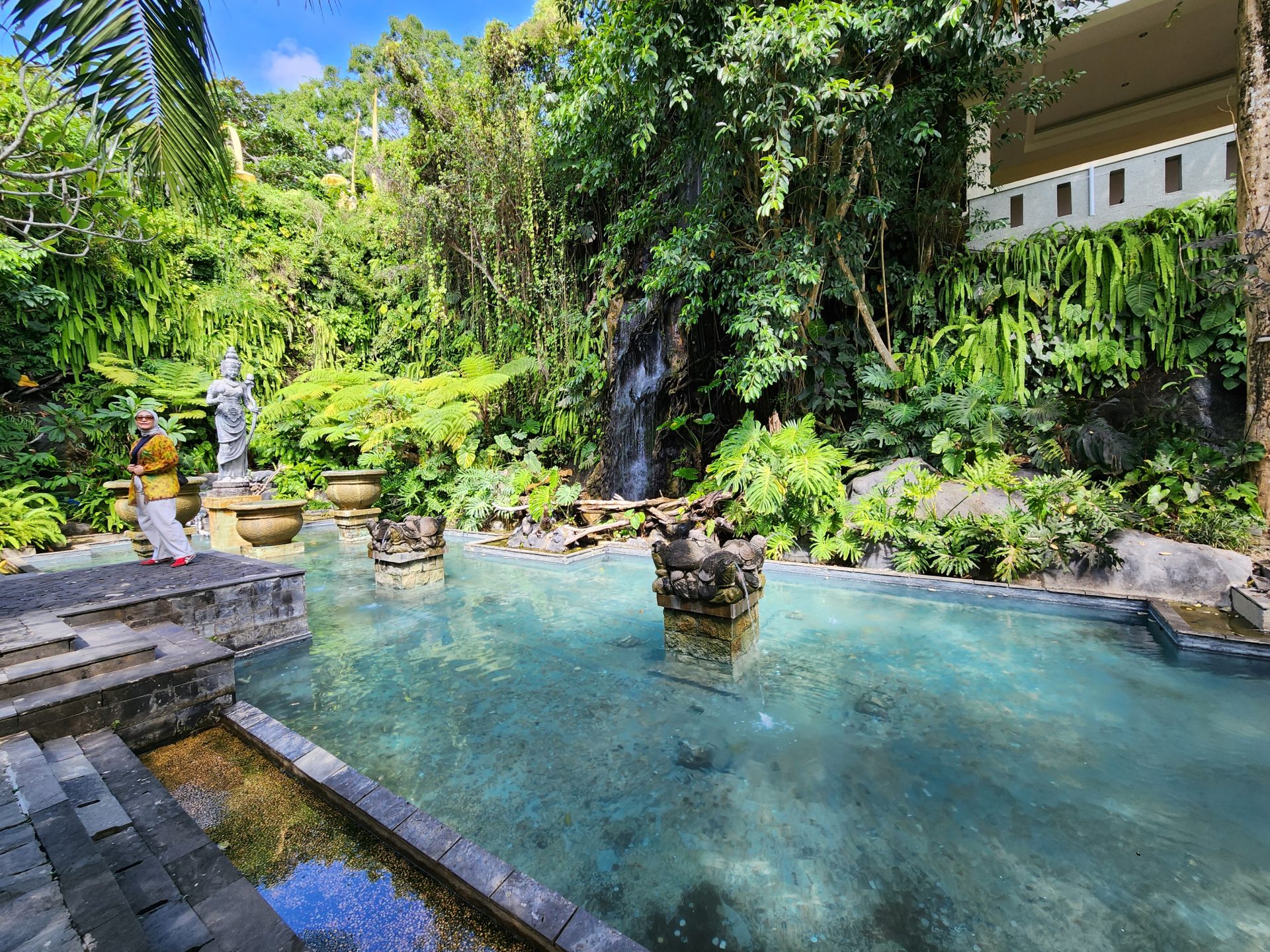
The place is abound in greenery and has a nice coffee shop and a couple of shops where you can buy trinkets and artefacts.
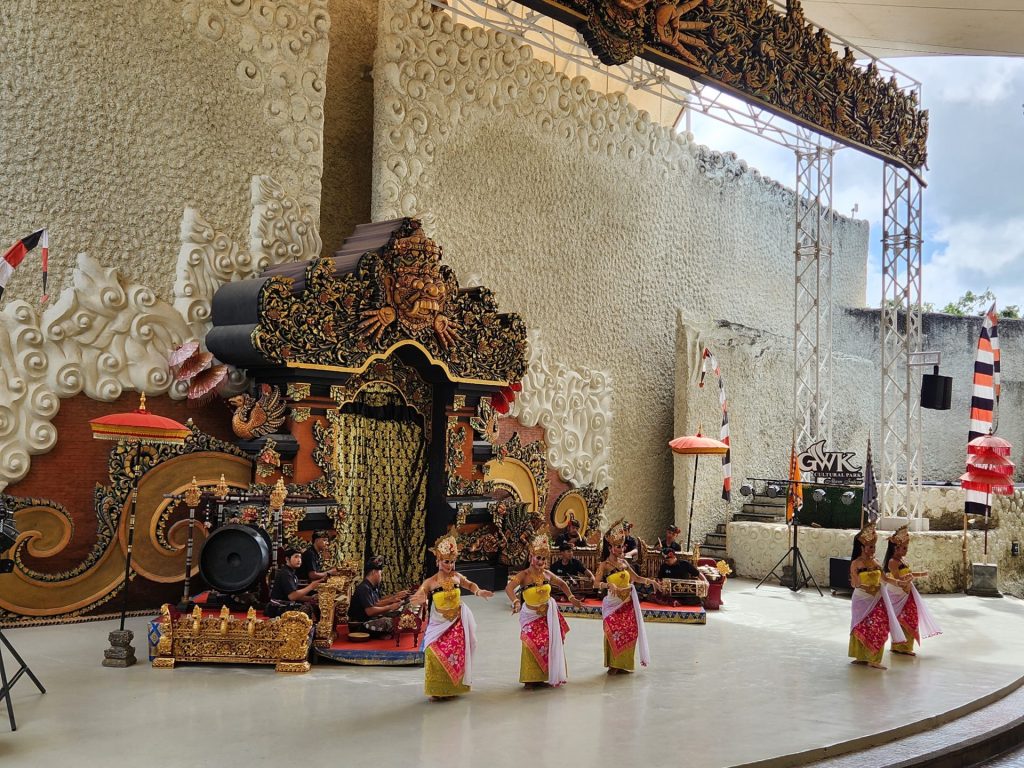
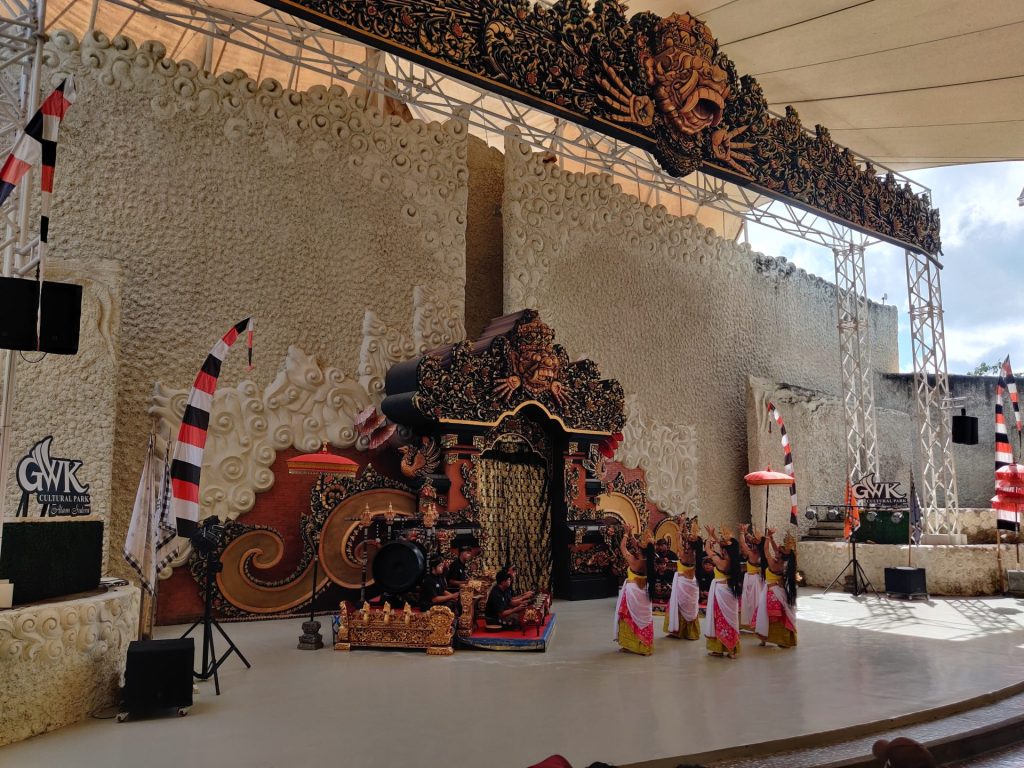
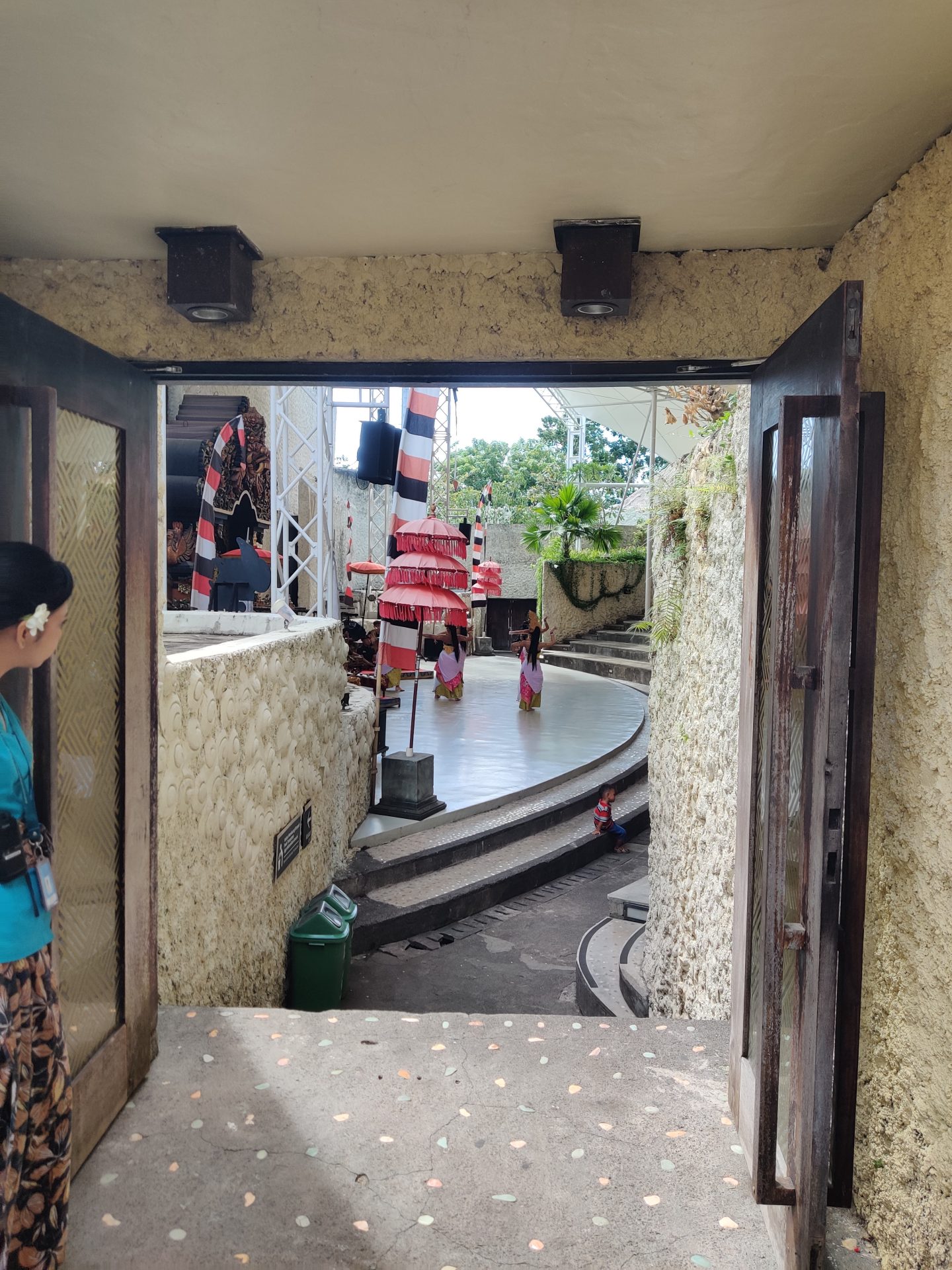
A traditional Balinese dance greeted us at the entrance to the complex, once we alighted from the bus which dropped us at the top.
The walk around the entire park covering the statues of Garuda and Wisnu took us almost two and a half hours, so much so that we had to skip our lunch in order to be in time for the Uluwatu Fire Dance Show which was to start by 6 PM.
We had decided to grab a bite somewhere close to the Uluwatu temple and left the GWK Centre by around 3.30 PM.
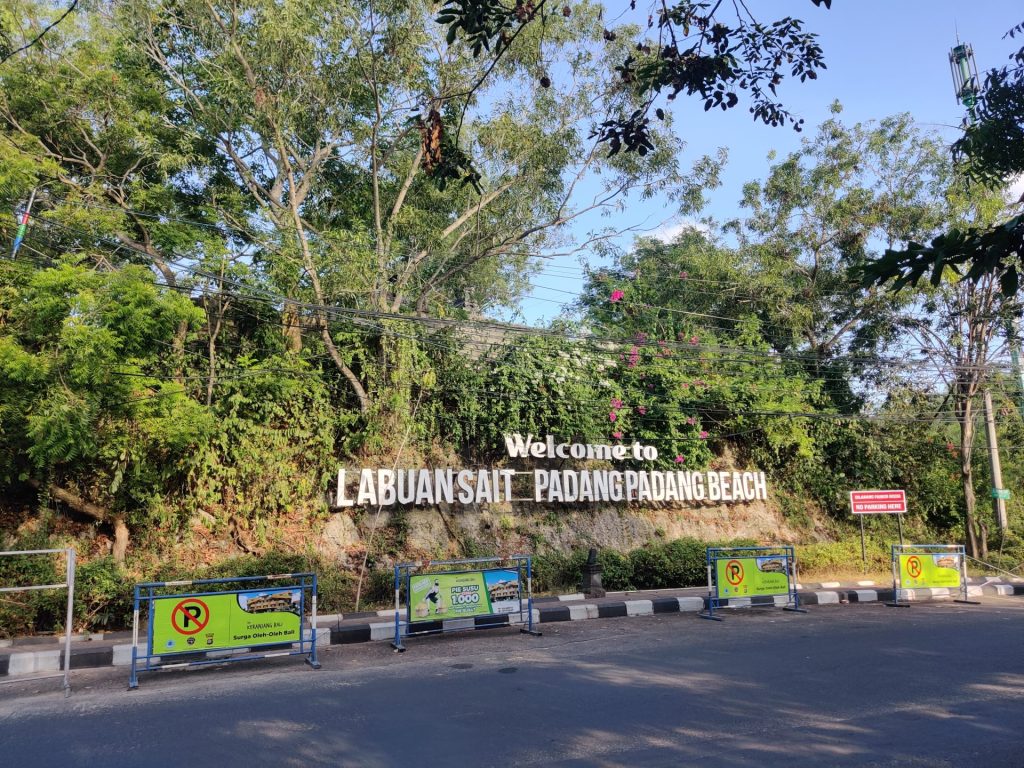
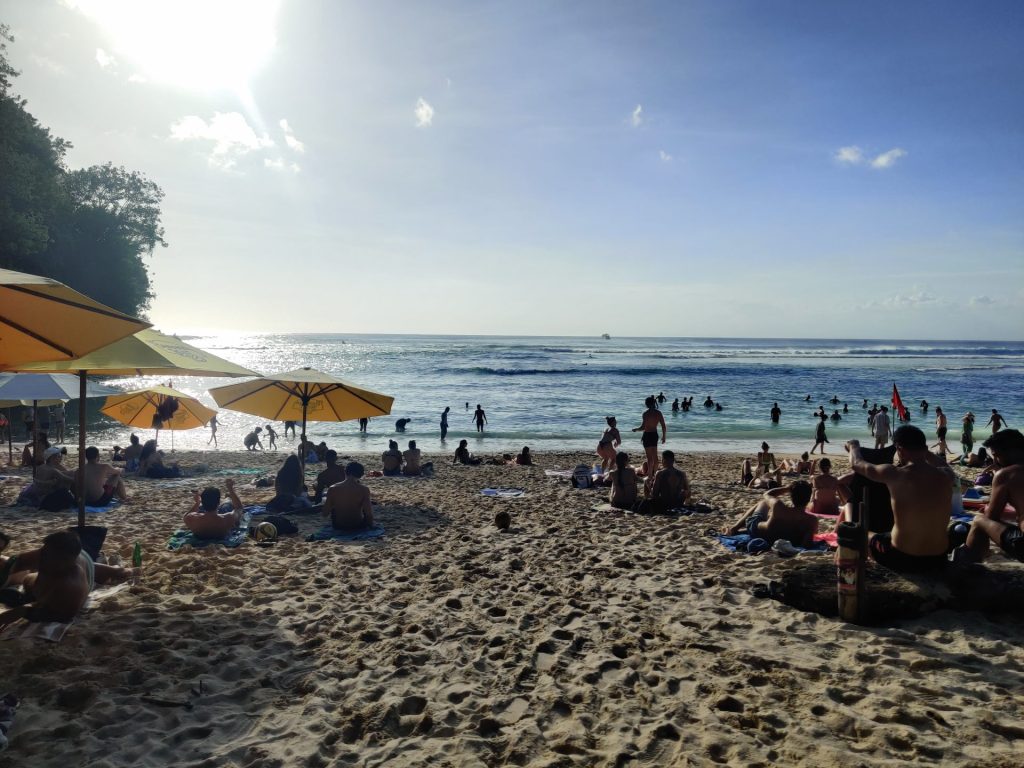
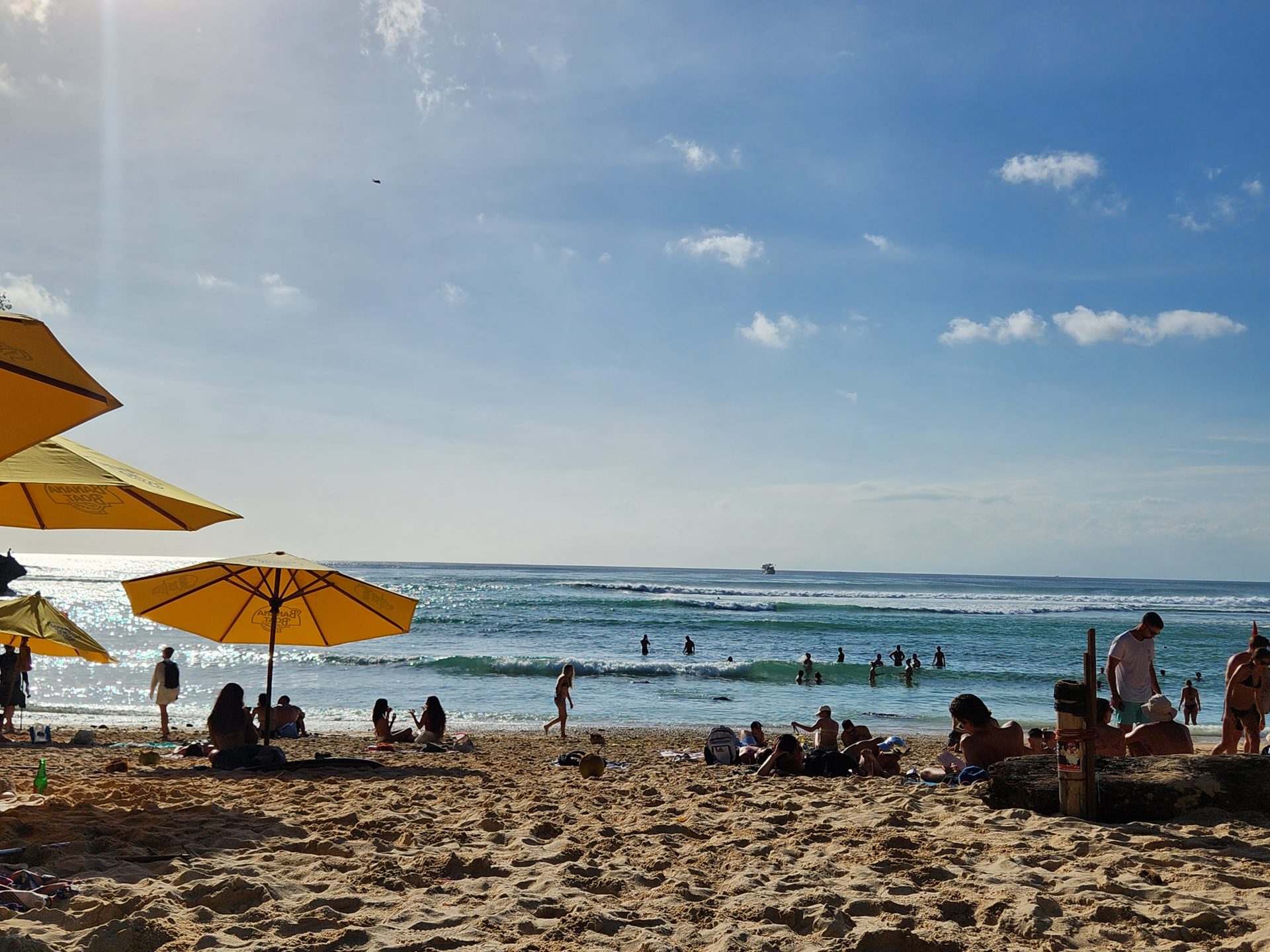
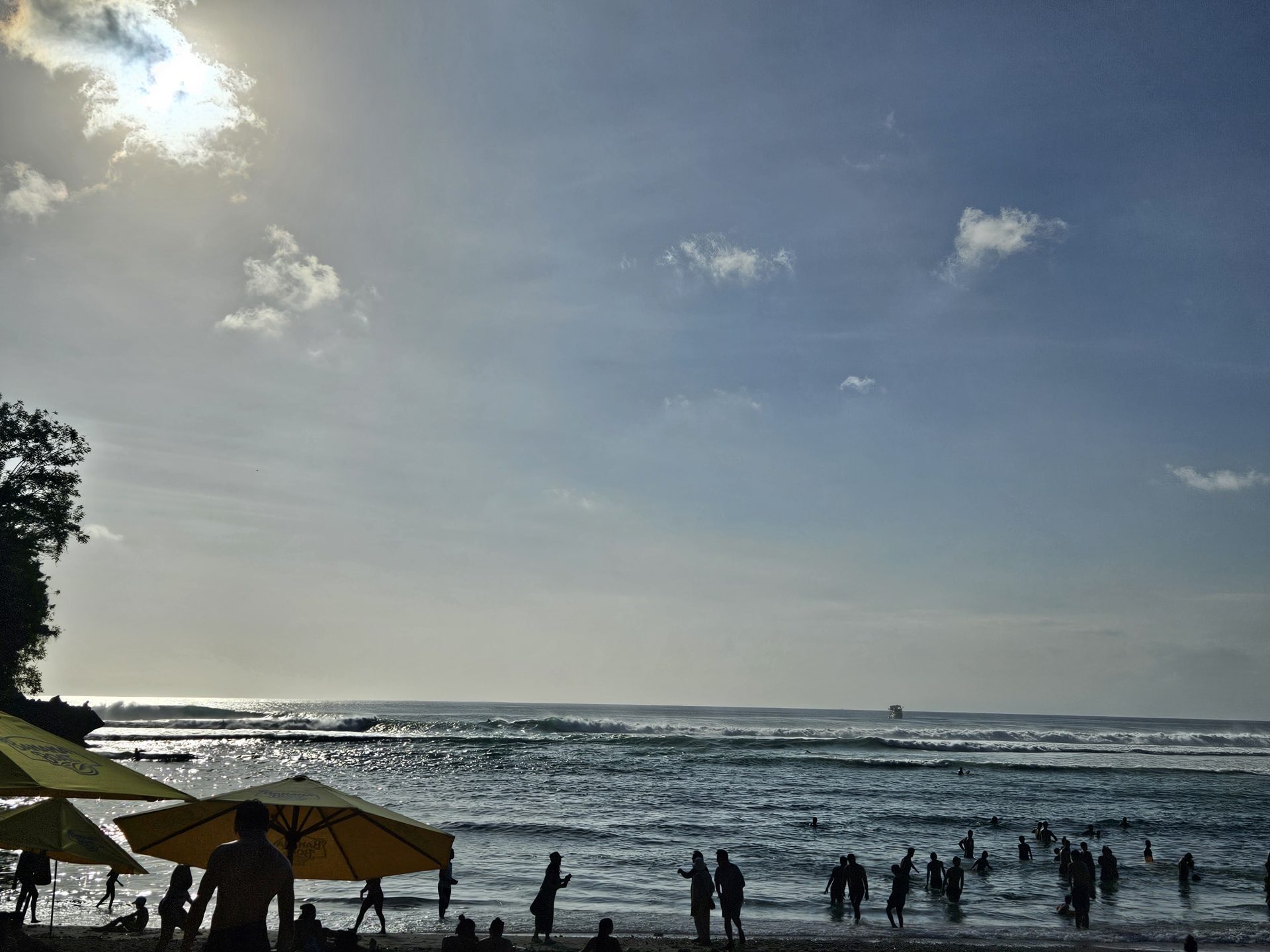
We had decided to check out the Padang Padang beach before reaching the temple which was to be our last halt for the day and a 30 minute ride over 10 Kms brought us to the beach. It was crowded and with lots of foreigners lazing around with either a beer in hand or sipping on coconut water and after spending around half a hour at the beach, we headed for the Uluwatu temple.
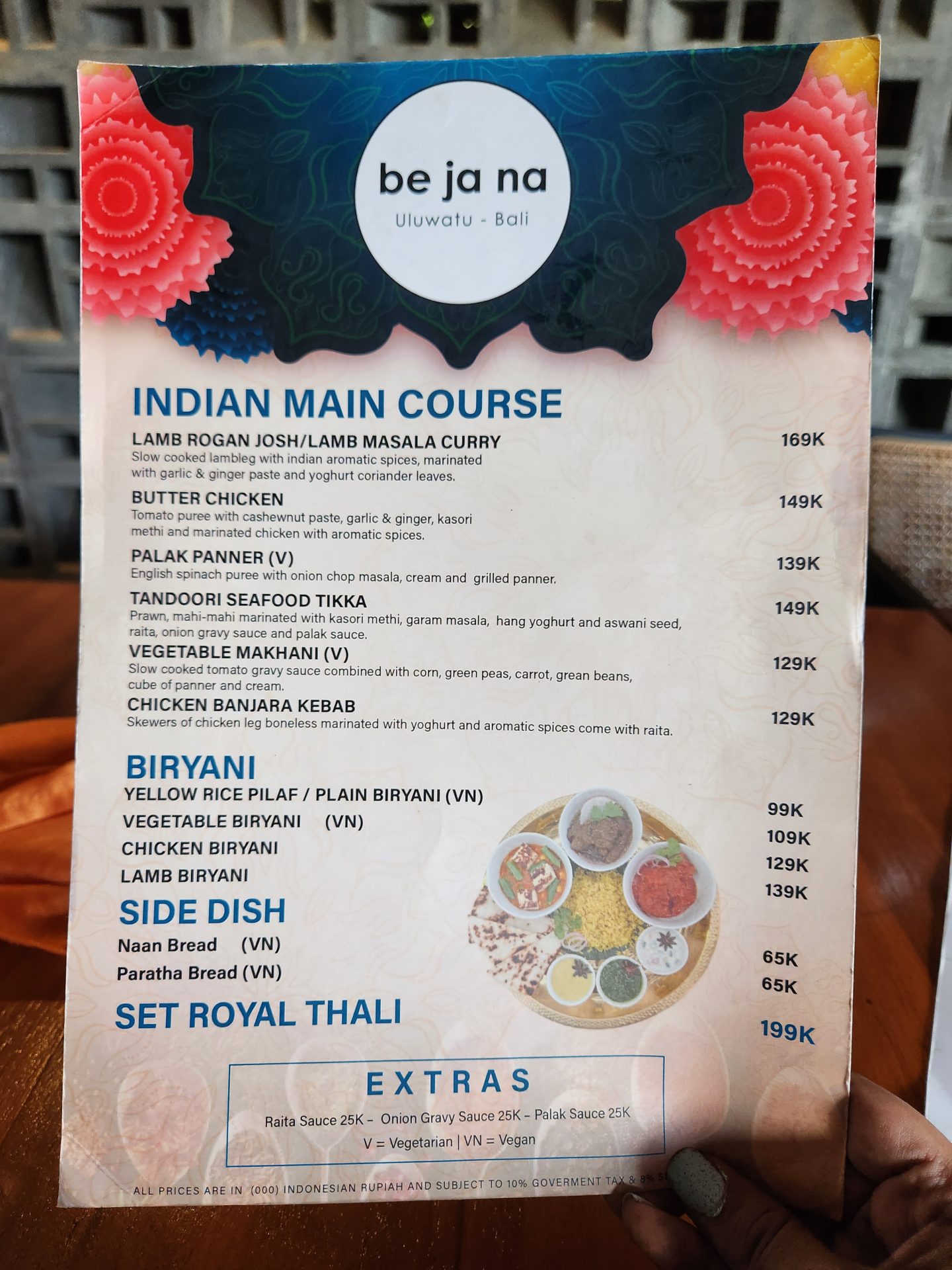
be ja na
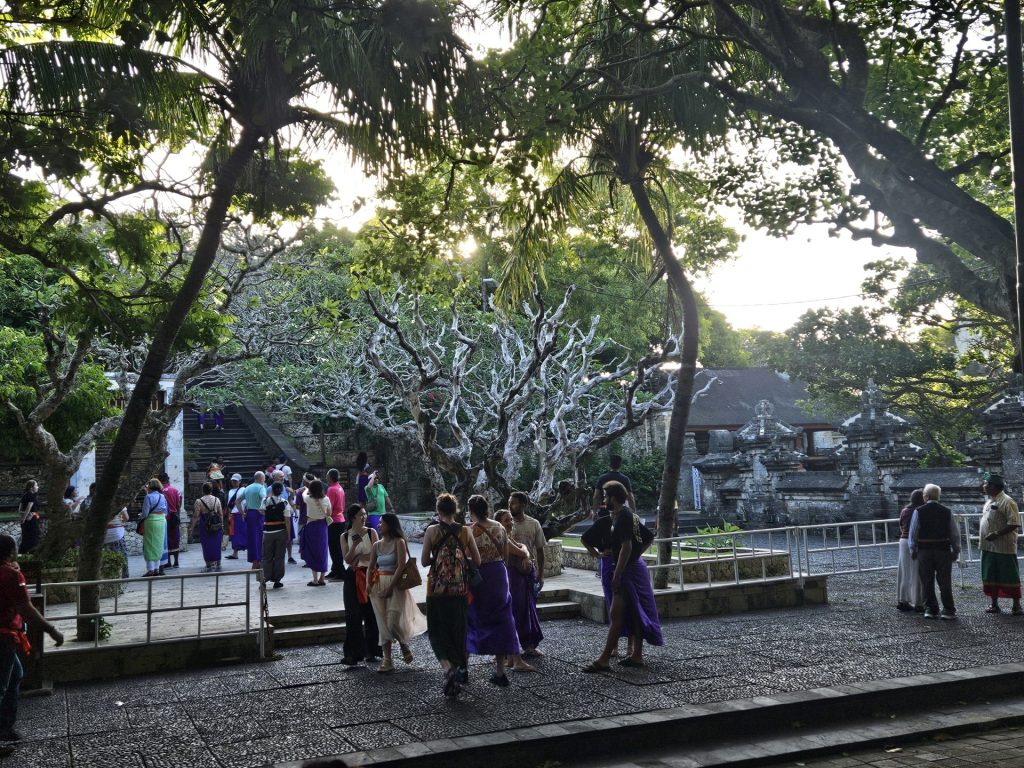
We were there at the temple by around 5 PM and picked up the traditional sarongs which is what one is supposed to wear when entering any temple in Bali. When we reached the ticketing counter for the Kecak Fire Dance show, to our dismay we realized that the tickets for the 6 PM show were sold out and we had to be contend with the 7 PM show tickets.
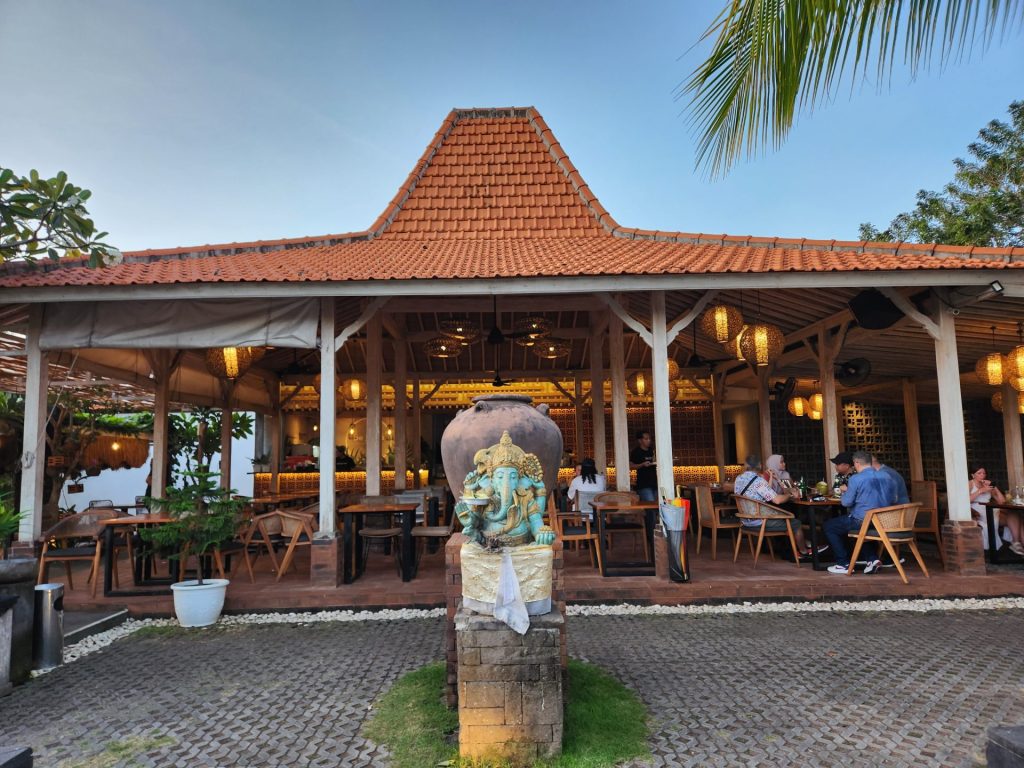
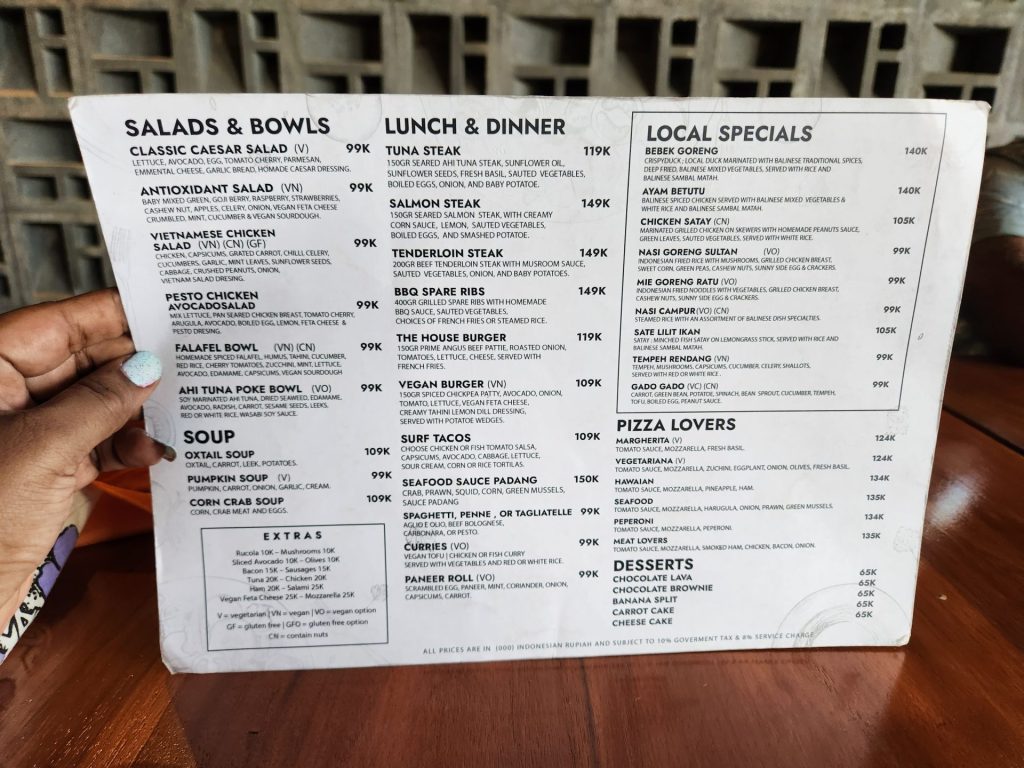
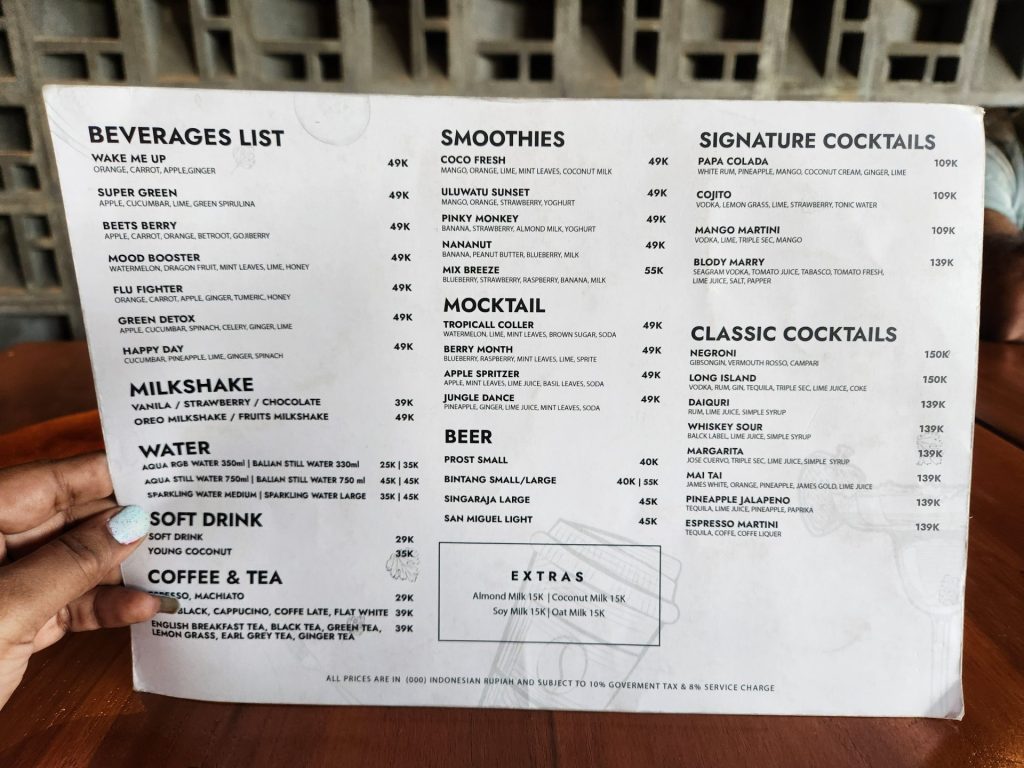
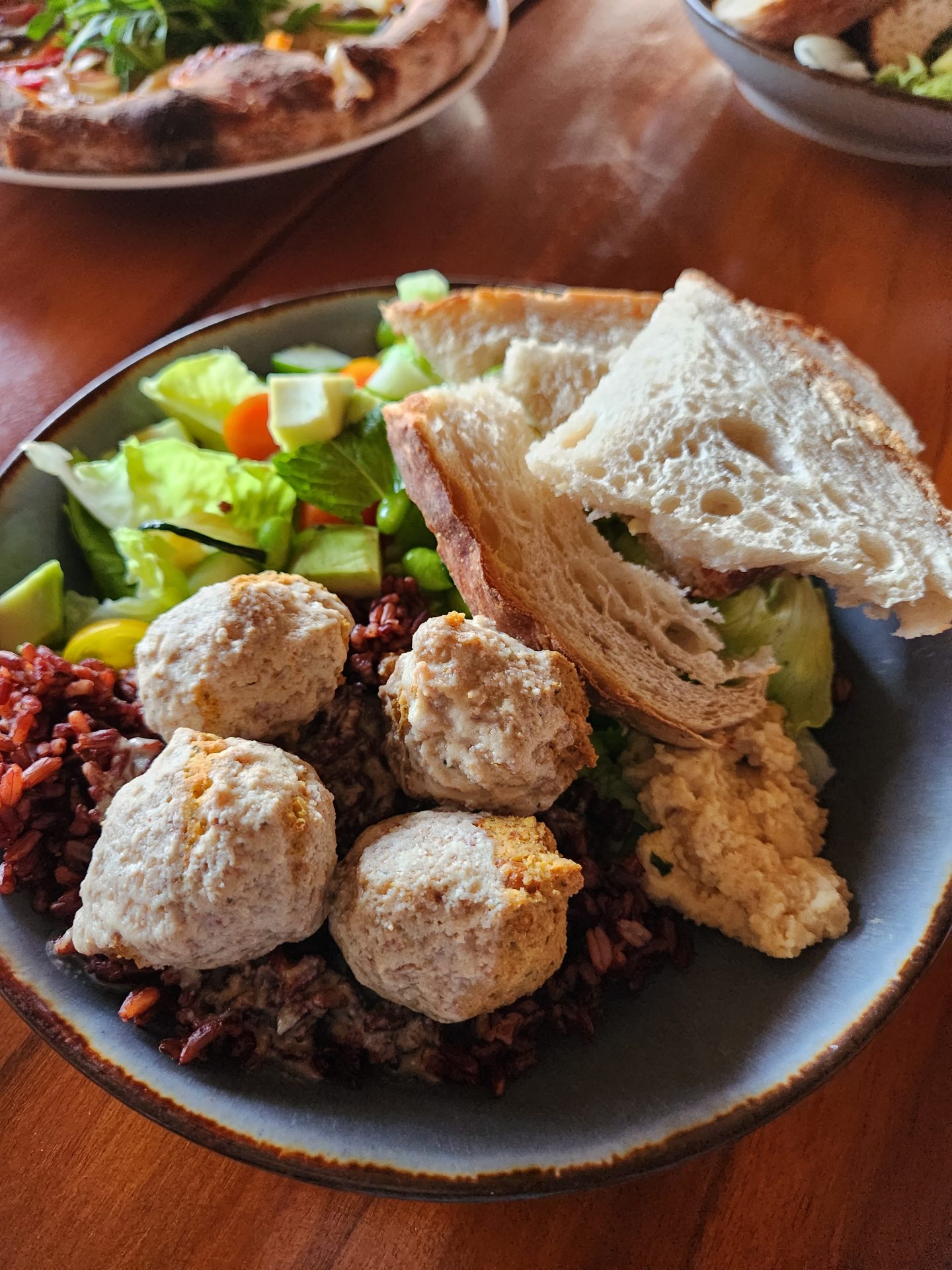
It did however give us some time however to grab a bite at a restaurant “be ja na” located close by which Kupit walked us upto but the way he was trying to pronounce the restaurant name, it sounded as if he was trying to shoo us away in emphatic Hindi style. A quick meal of Hummus and Pizzas washed down with some juices and off we went to view the sunset overlooking the Uluwatu temple.
The Uluwatu Temple
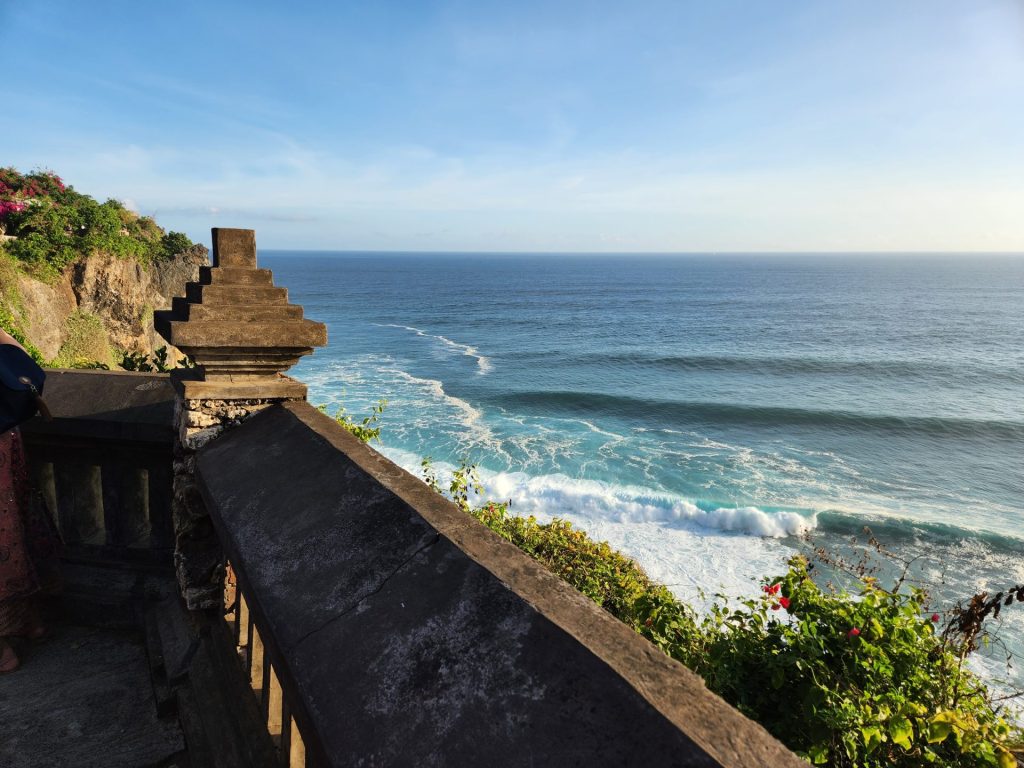
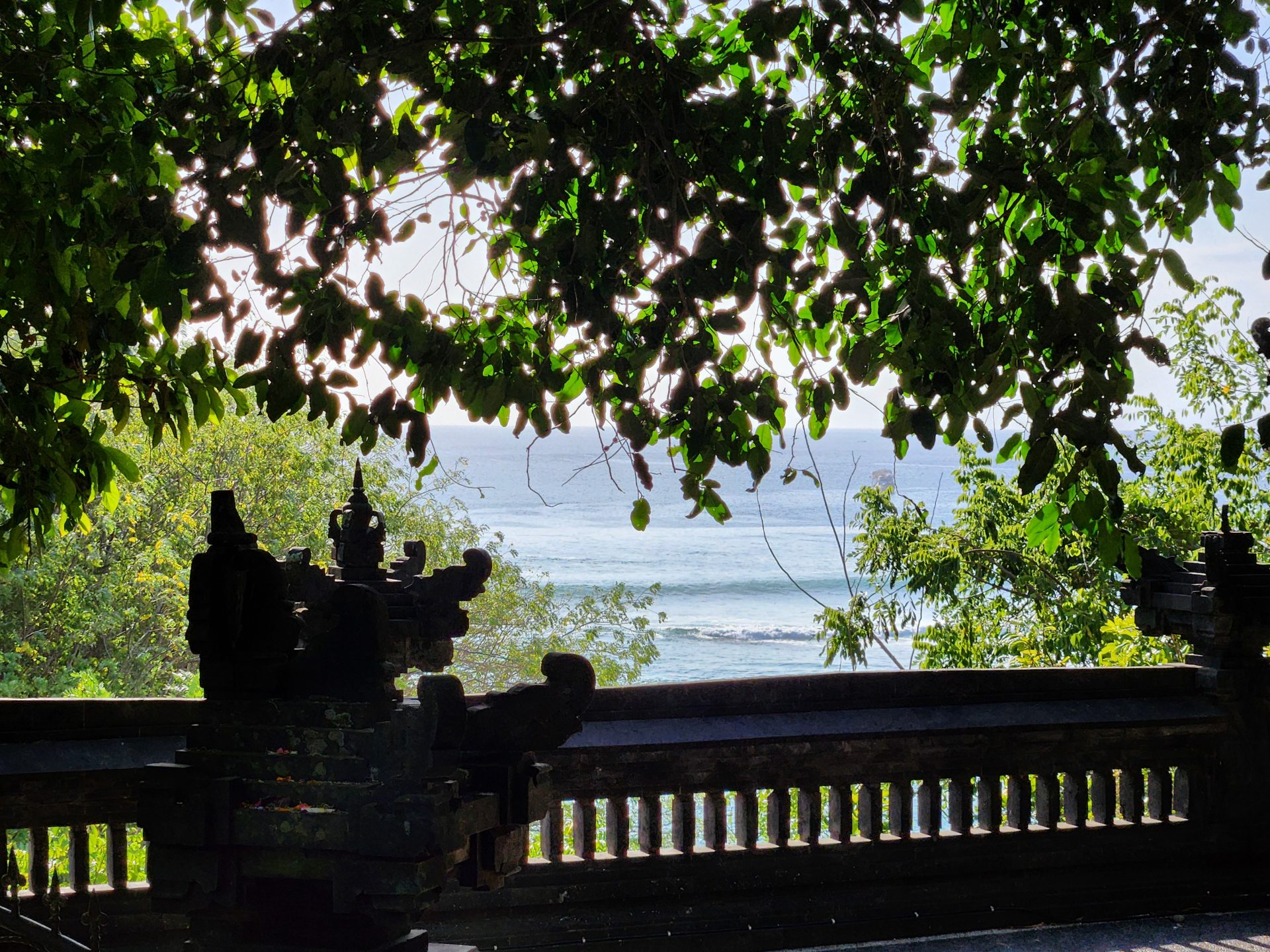
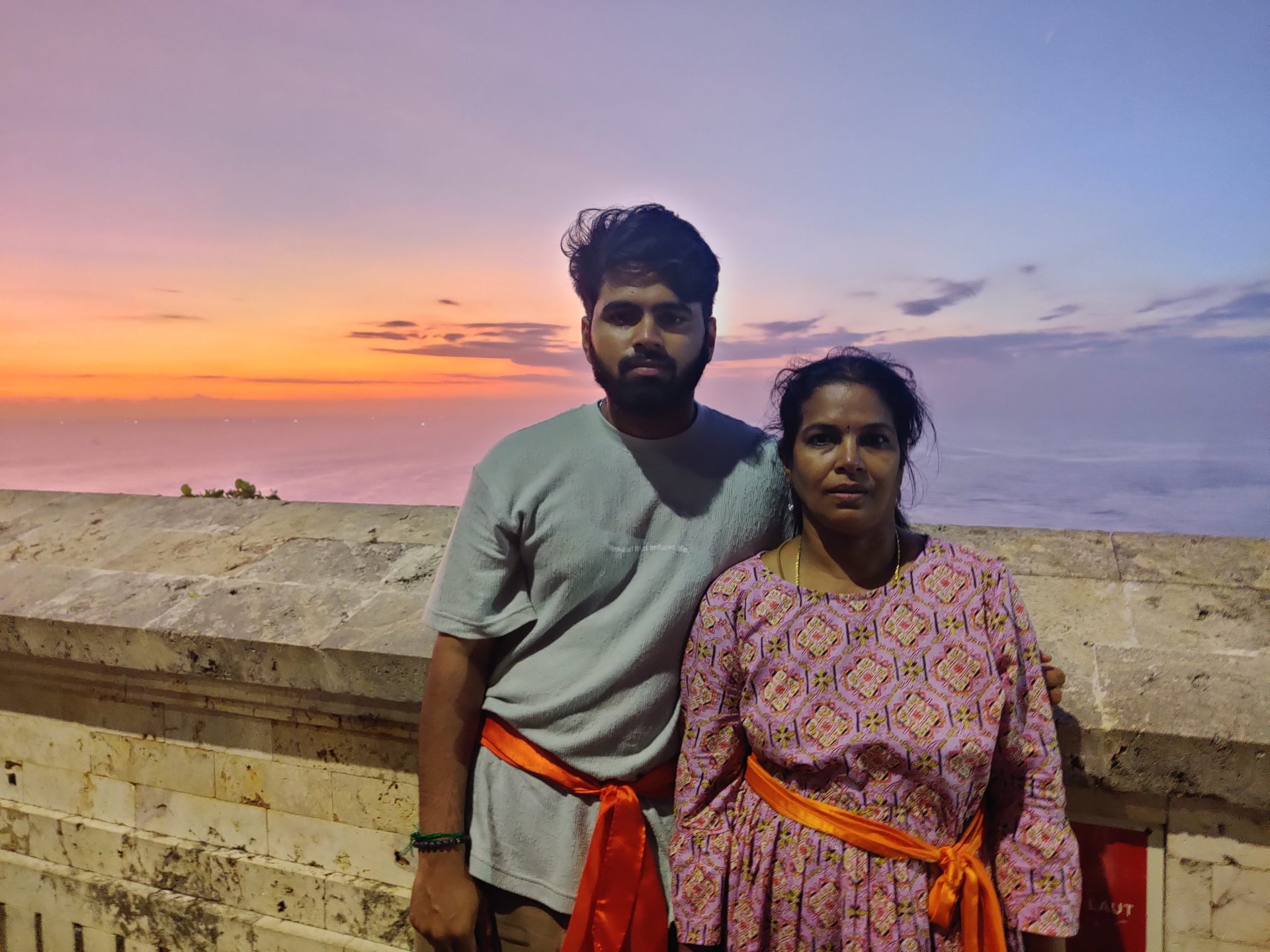
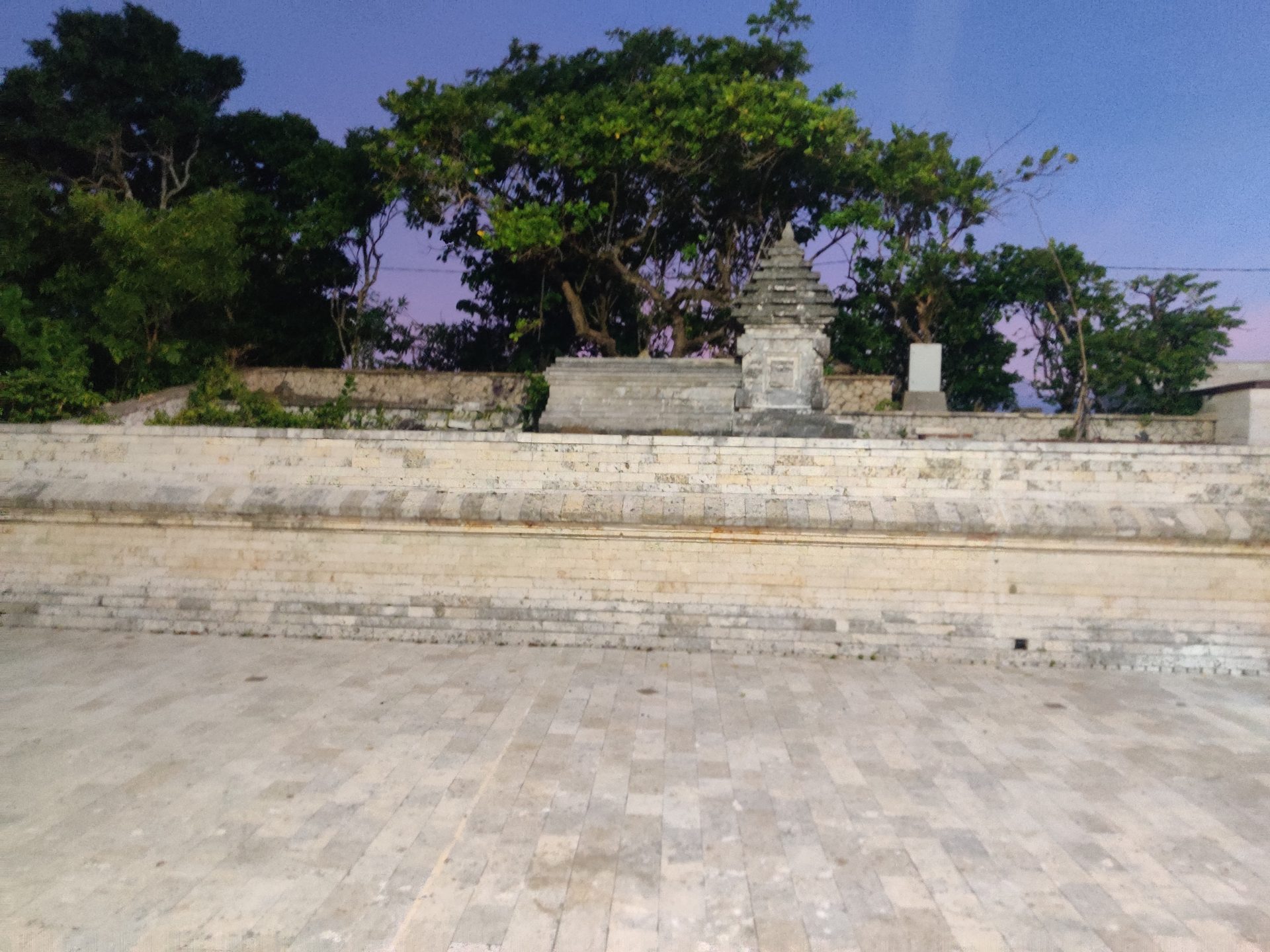
We draped the Sarongs around our waist and walked across through a small forest area to the cliff top temple alongside a meandering pathway fortified by concrete walls.
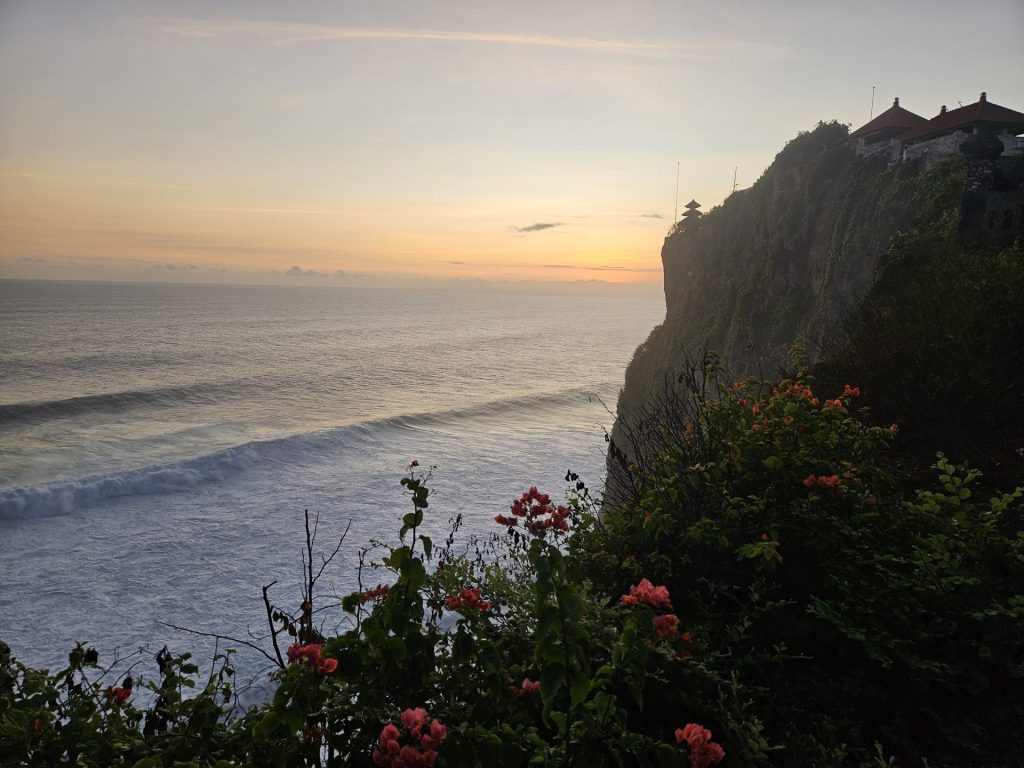
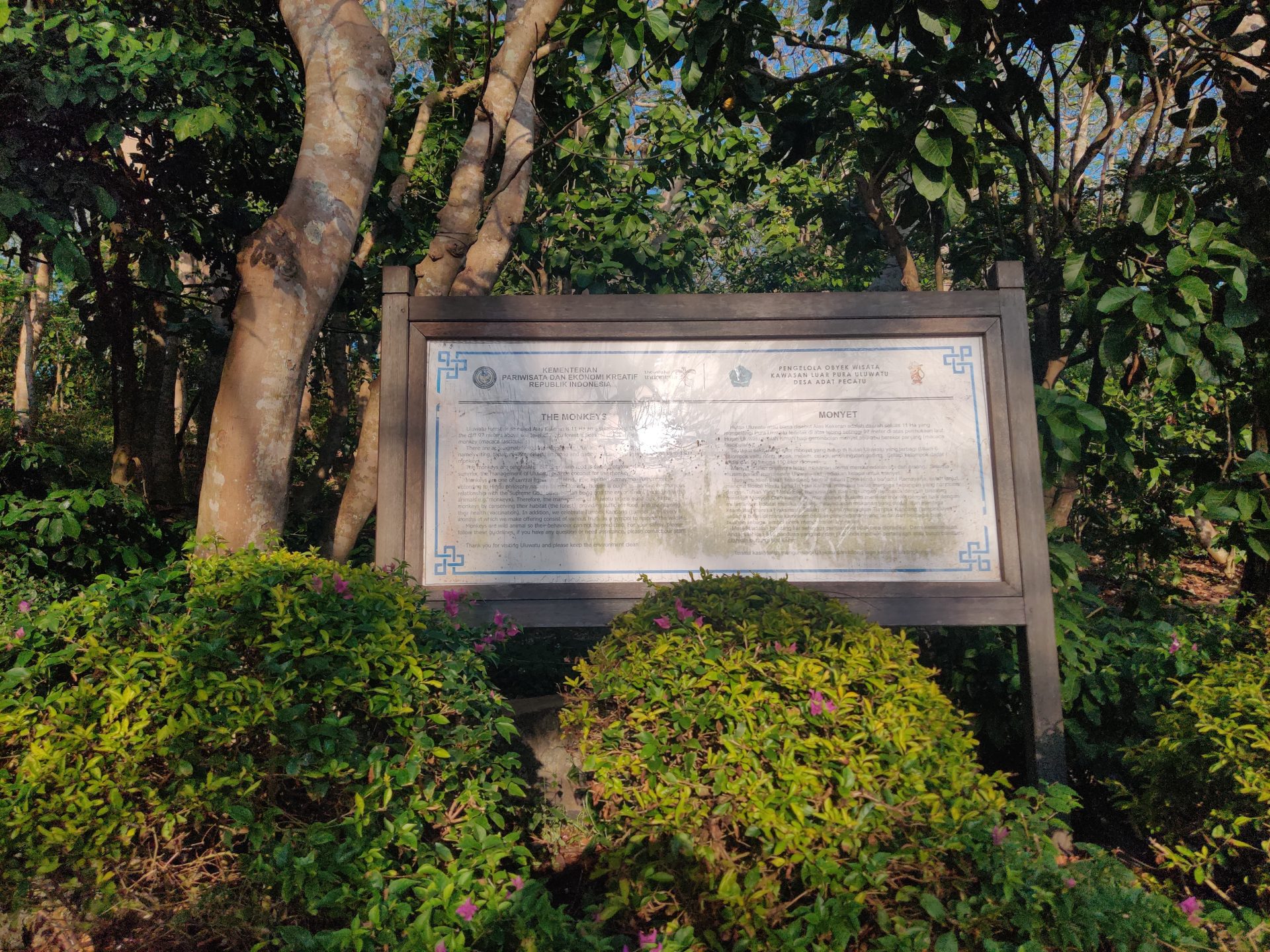
The name Uluwatu is derived from Ulu meaning Land’s end and Watu meaning Rock. One gets to see numerous mischievous monkeys who are believed to be devoted guardians of this temple.
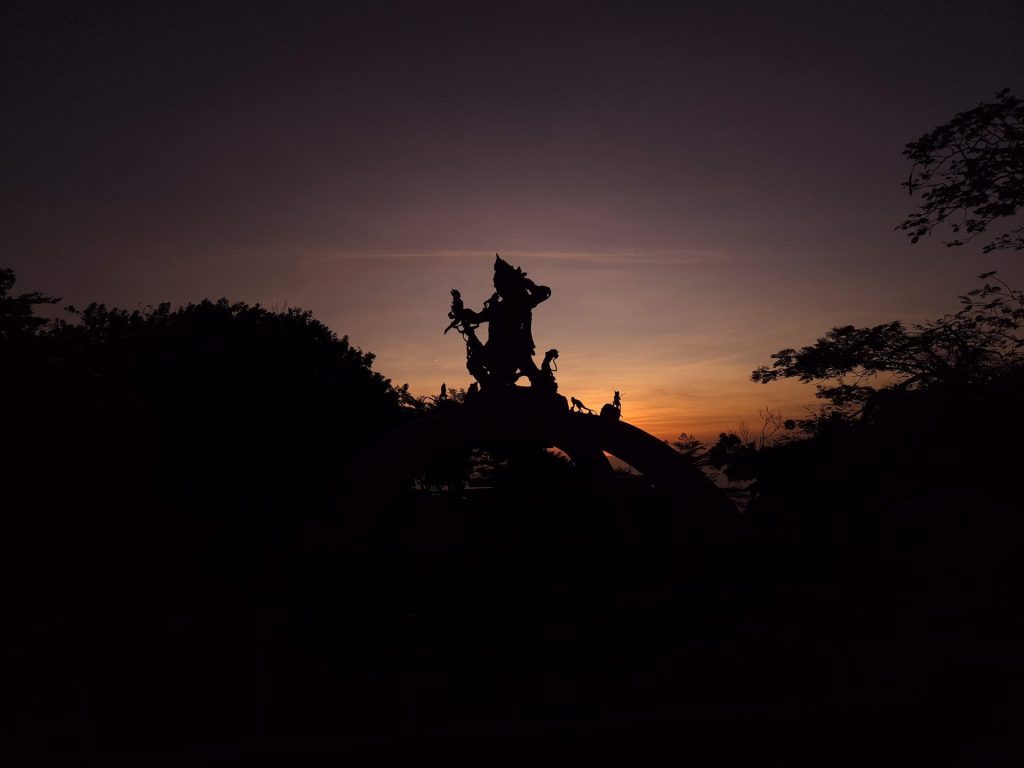
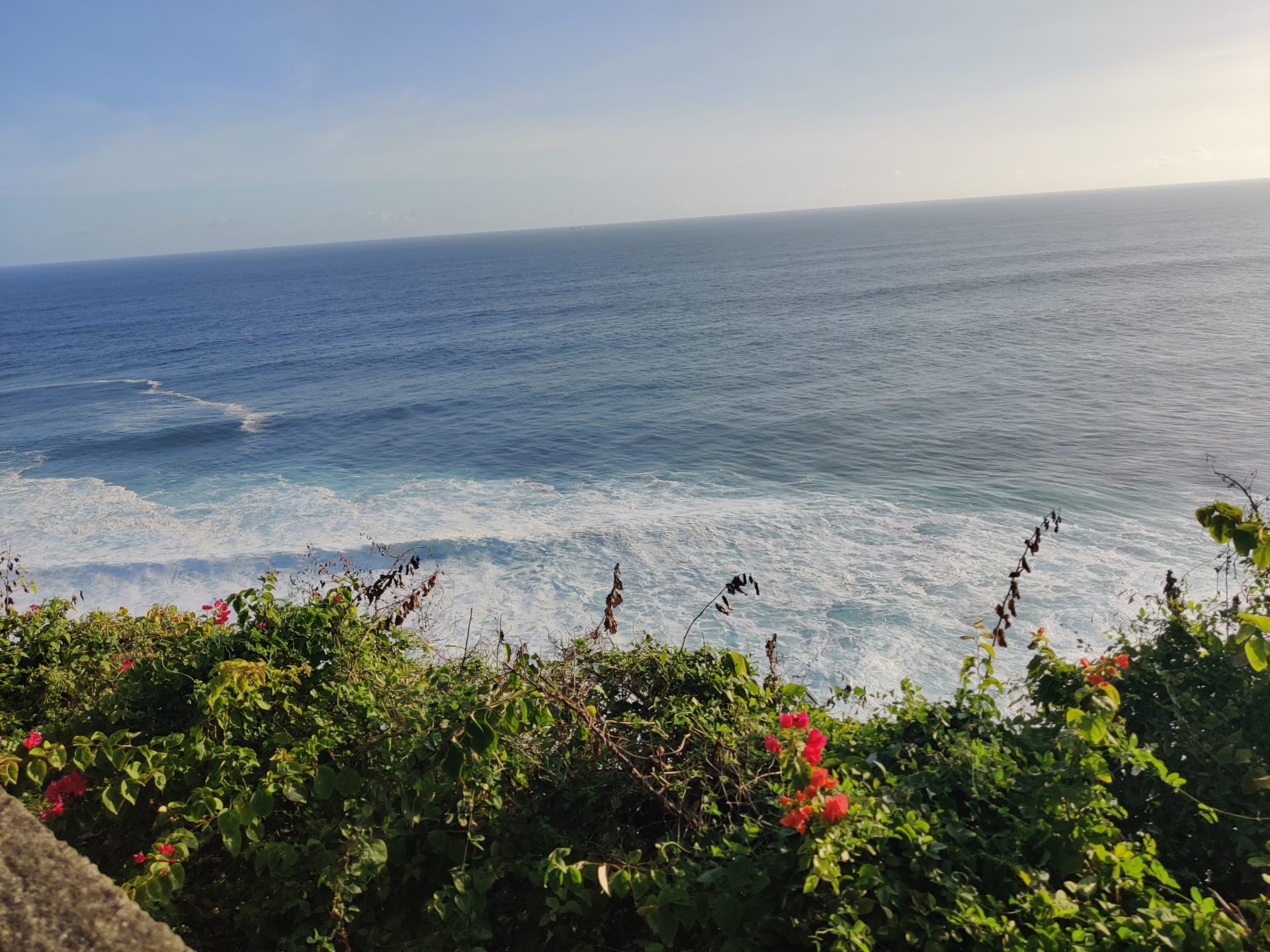
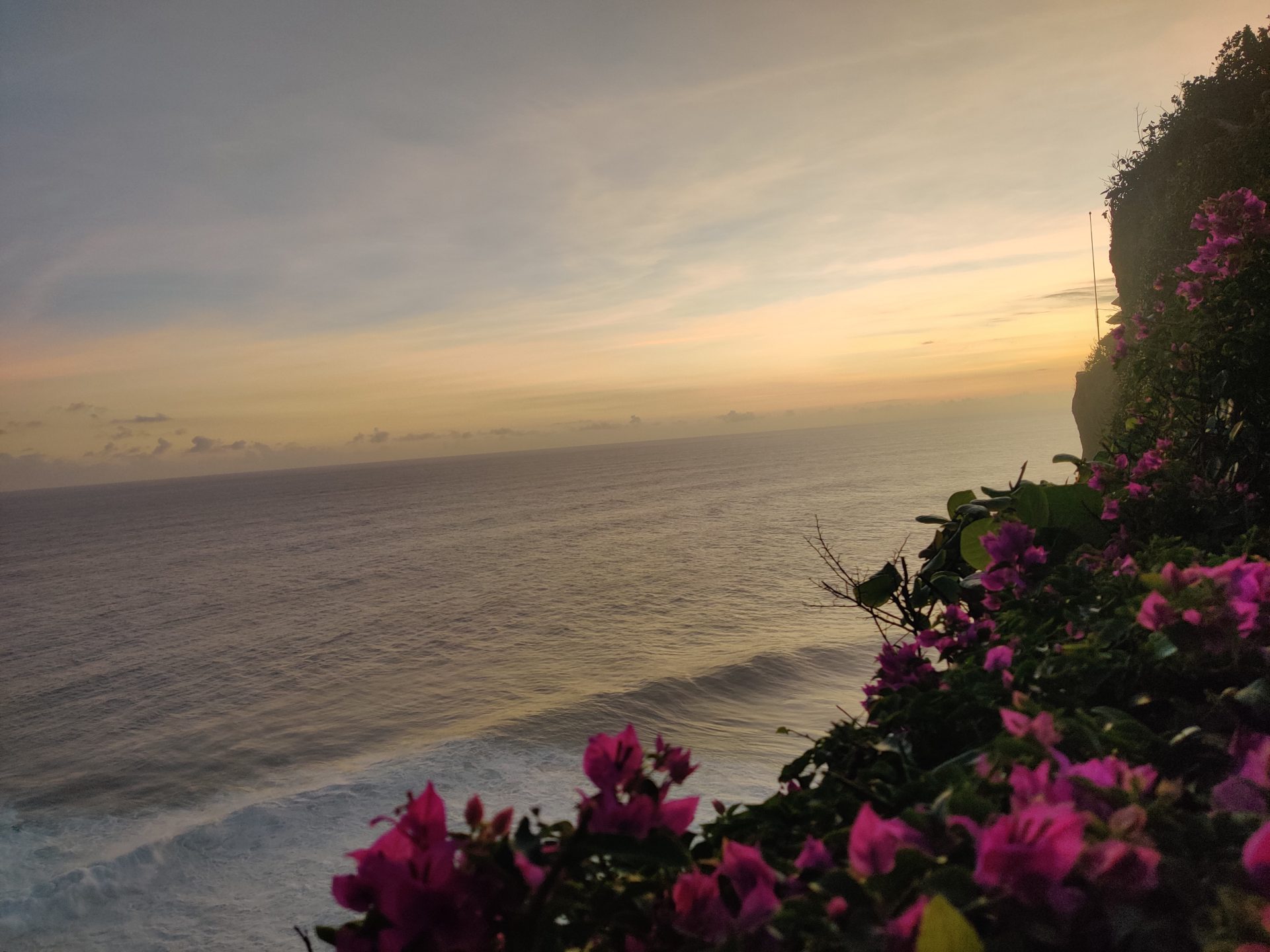
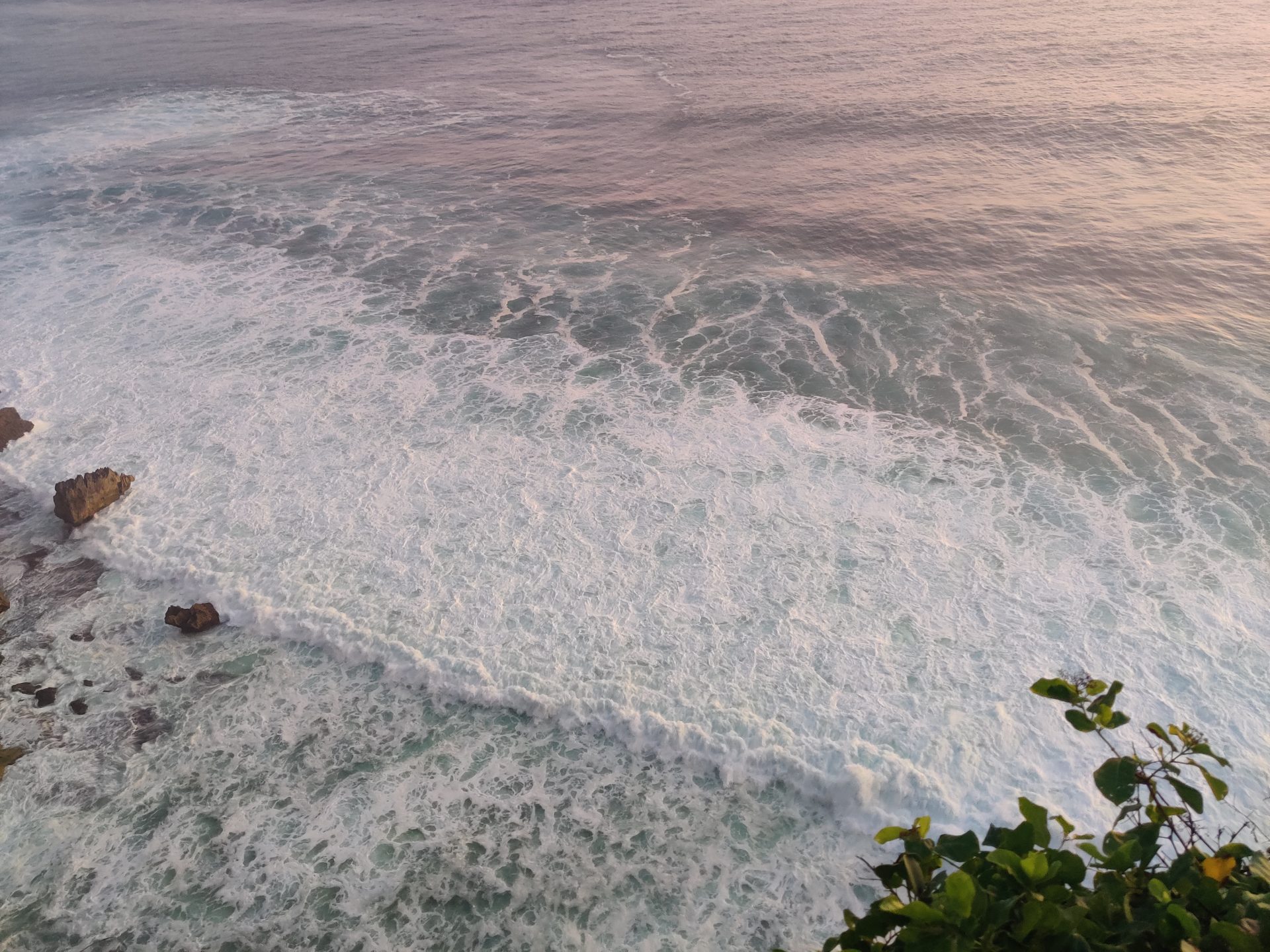
The expansive ocean and beach overlooking the cliff combined with the orange hues of the sky as the sun made its descent made for a mesmerizing view.
The Balinese Hindus believe that the powers of the Hindu Trinity in the form of Lord Brahma, Vishnu and Shiva merge here. Siva Rudra, a Balinese Hindu deity of all elements and aspects of life in the Universe is worshipped here. The temple stands at an elevation of 70 metres and was believed to have been built in the 11th century.
Legend has it that a holy priest from Eastern Java, Dhang Hyang Dwijendra chose the Uluwatu Temple to be the endpoint of his spiritual journey and is believed to have reached the highest point of Spiritual Oneness by a strike of lightning to disappear from the earth.
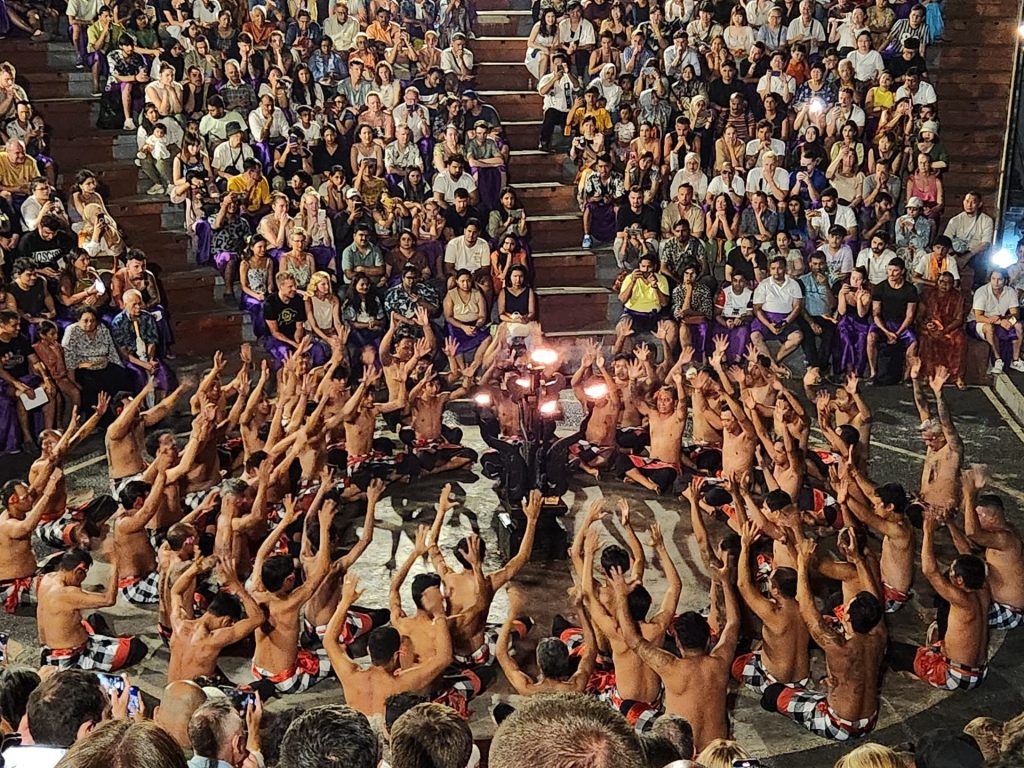
We then made our way to the circular amphitheater where the Kecak dance was to be staged. The Tickets for our show, supposedly scheduled for Tuesdays, Thursdays and Sundays costed us roughly around Rs.800/- per head.
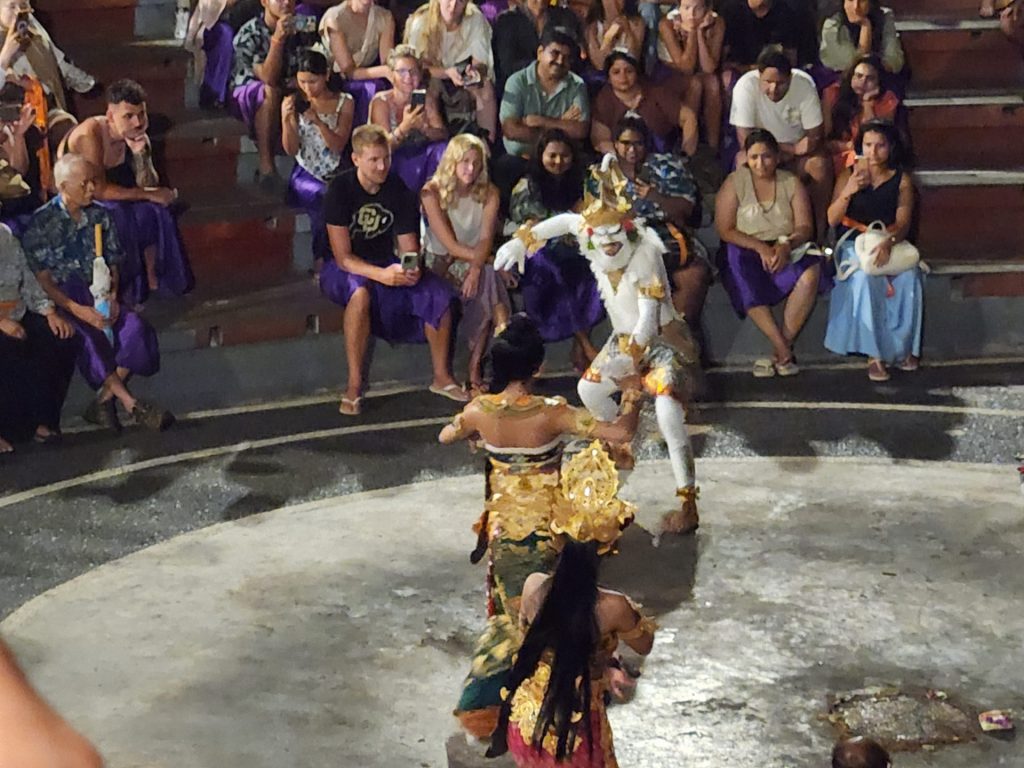
The dance narrates part of the tale of the Hindu Epic, the Ramayana. Performing to a packed house, a group of 70 to 75 odd dancers and some donning the role of Rama, Lakshmana, Sinta, Rahwana, Hanuman, Garuda, Tualen, Sugriwa and Bali kept the crowd entertained through an amazing show of 4 scenes including amazing use of human vocals to create music and sans instruments.
These dancers extend their arms and keep shaking their hands up in the air and create a circle of fire over which Hanuman is seen jumping and extinguishing it.
I had the privilege of Hanuman jumping onto my lap in a jiffy and getting back to his dance routine.
Do see the photos and the video attached. 1 hour of exhilarating stuff and no wonder all these dancers received a standing ovation from all present. Read more about this on https://kecakdancebali.com/
The show got over in an hour’s time and we reached our hotel by around 9.30 PM. Kupit bid namaste to us with a big smile and promised to pick us up by around 10.00 AM the next day morning for our next leg of tour to the South Western Side of Bali. The charges for the car for the day were IDR 600,000 which approximately worked out to Rs.3,200/-. We went across the road and picked up some light eats and juices and had them in our rooms itself.
June 5th 2024
We rose early to have a quick swim in the pool and were ready for breakfast by 9.30 AM. Kupit had already reached the hotel and we started off for the picturesque temple of Pura Tanah Lot by around 10. The distance of 21 kms was traversed in around an hour.
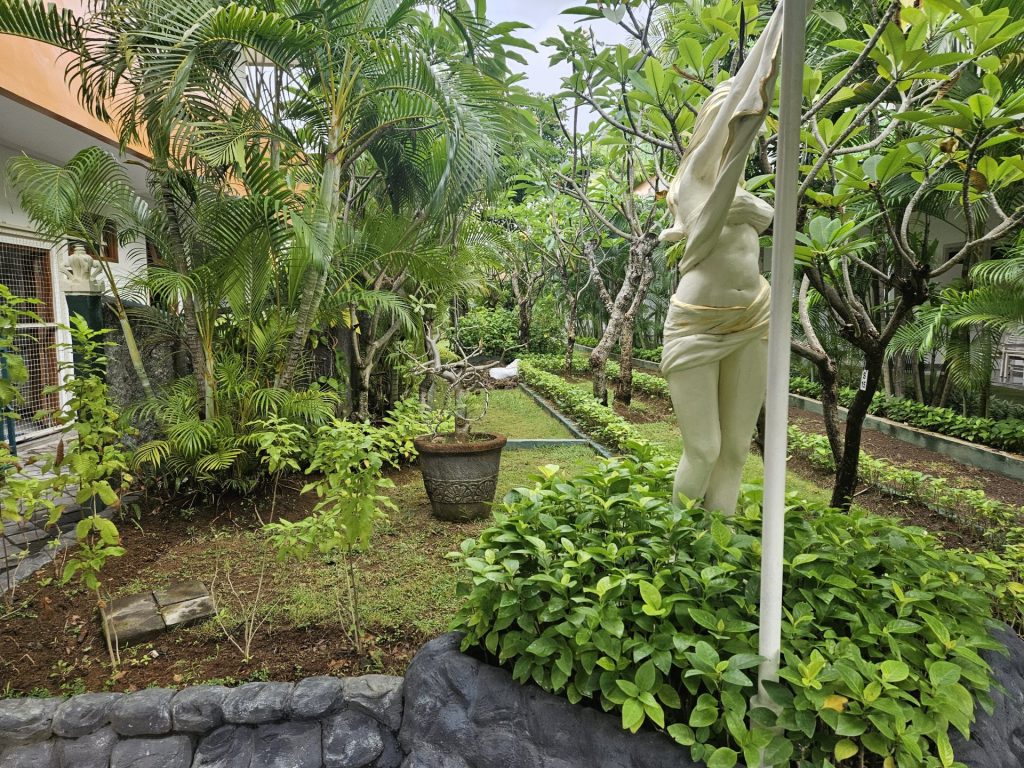
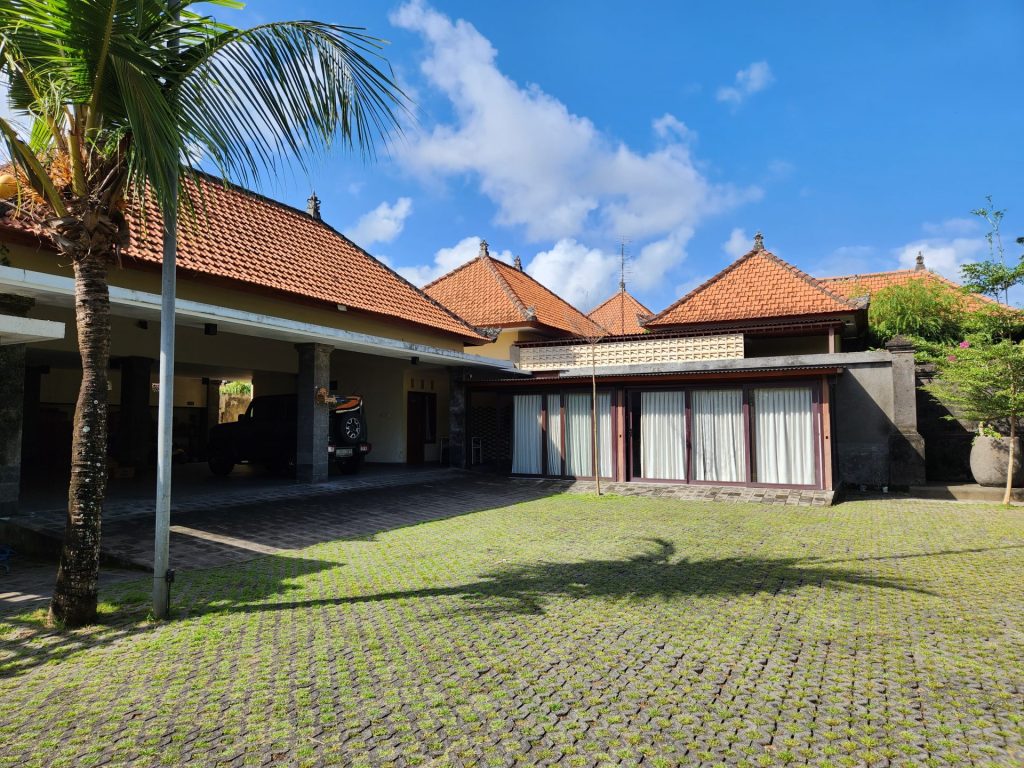
Febris Hotel & Spa by day
The Pura Tanah Lot Temple
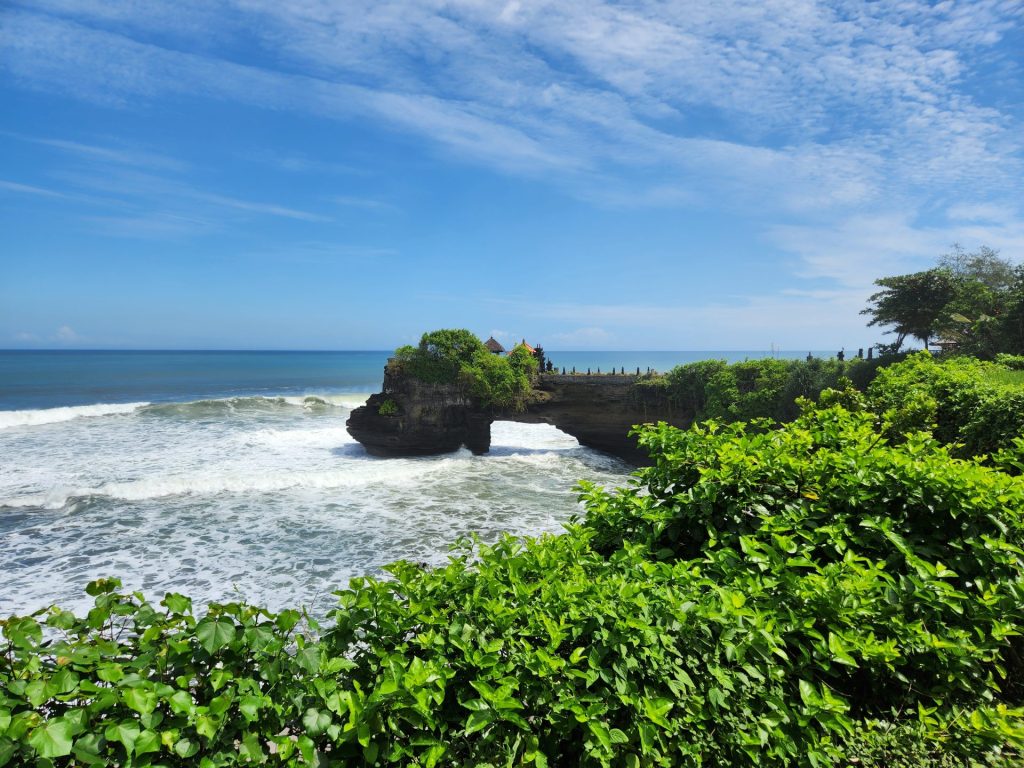
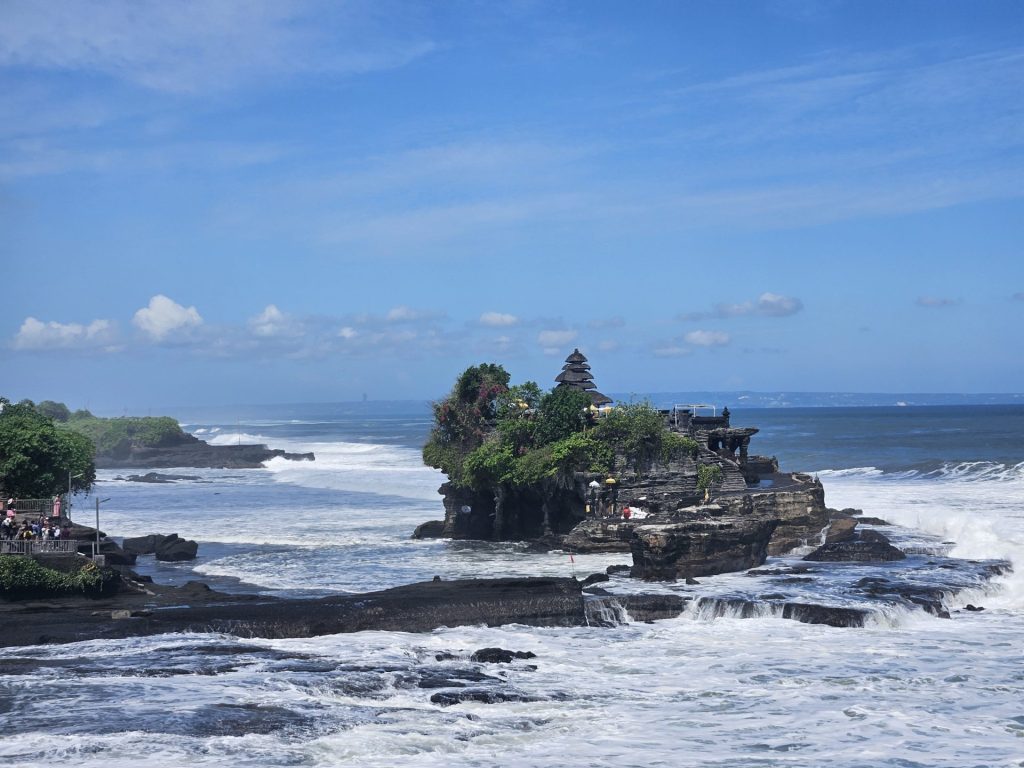
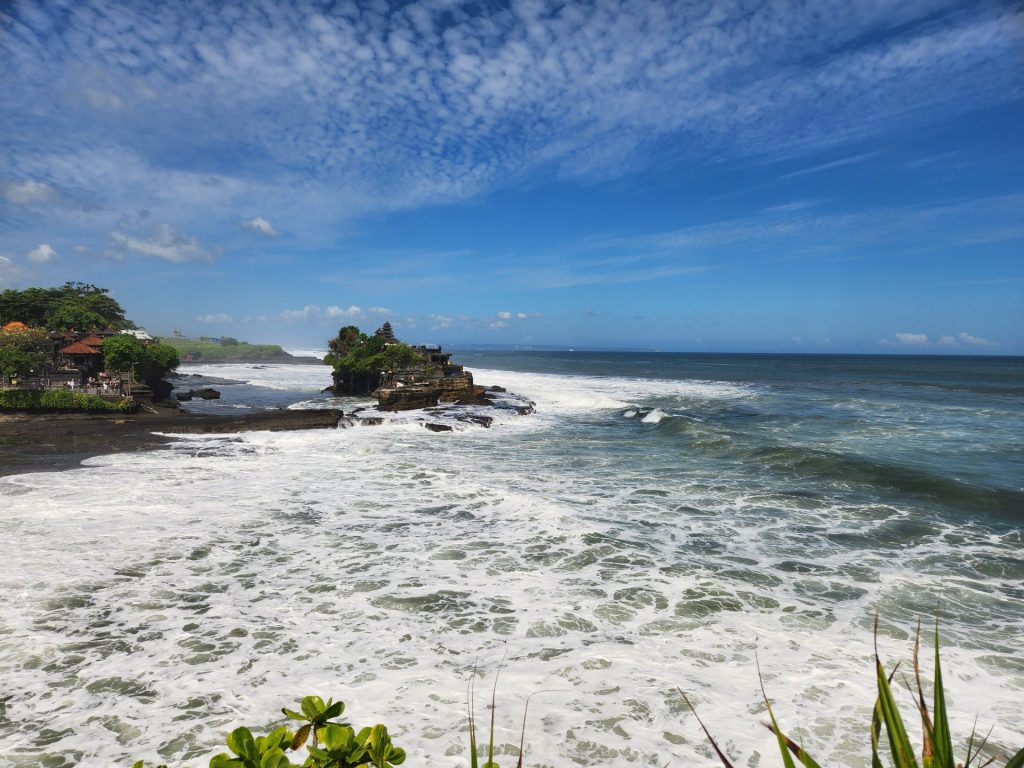
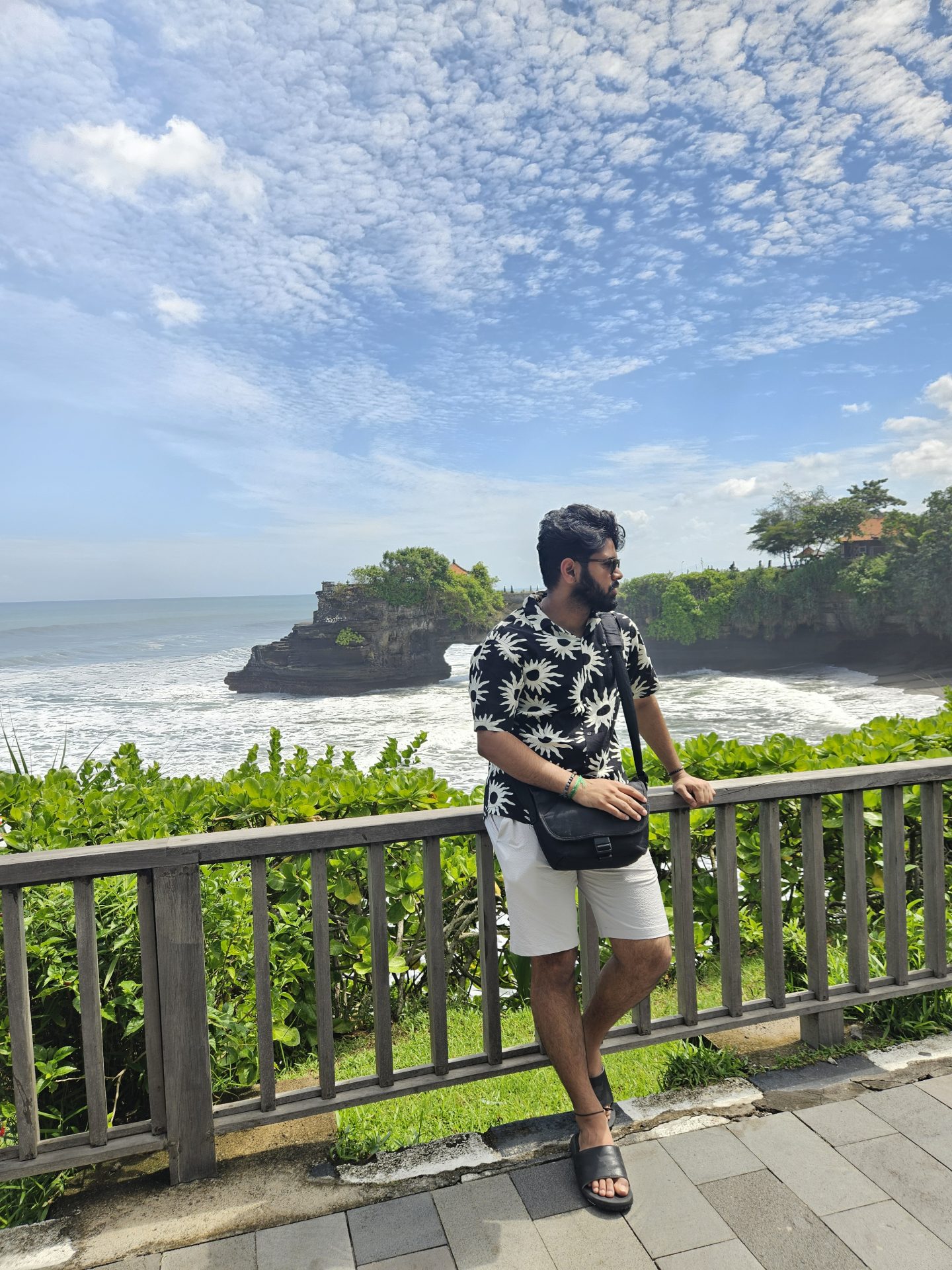
This temple is located on an offshore rock also known as Gili Beo (meaning bird shaped) and can be accessed only during low tide.
Tickets were priced at Rs.320/- approximately per head and we walked across a beautiful stretch of land overlooking the ocean towards the temple located around 300 metres away.
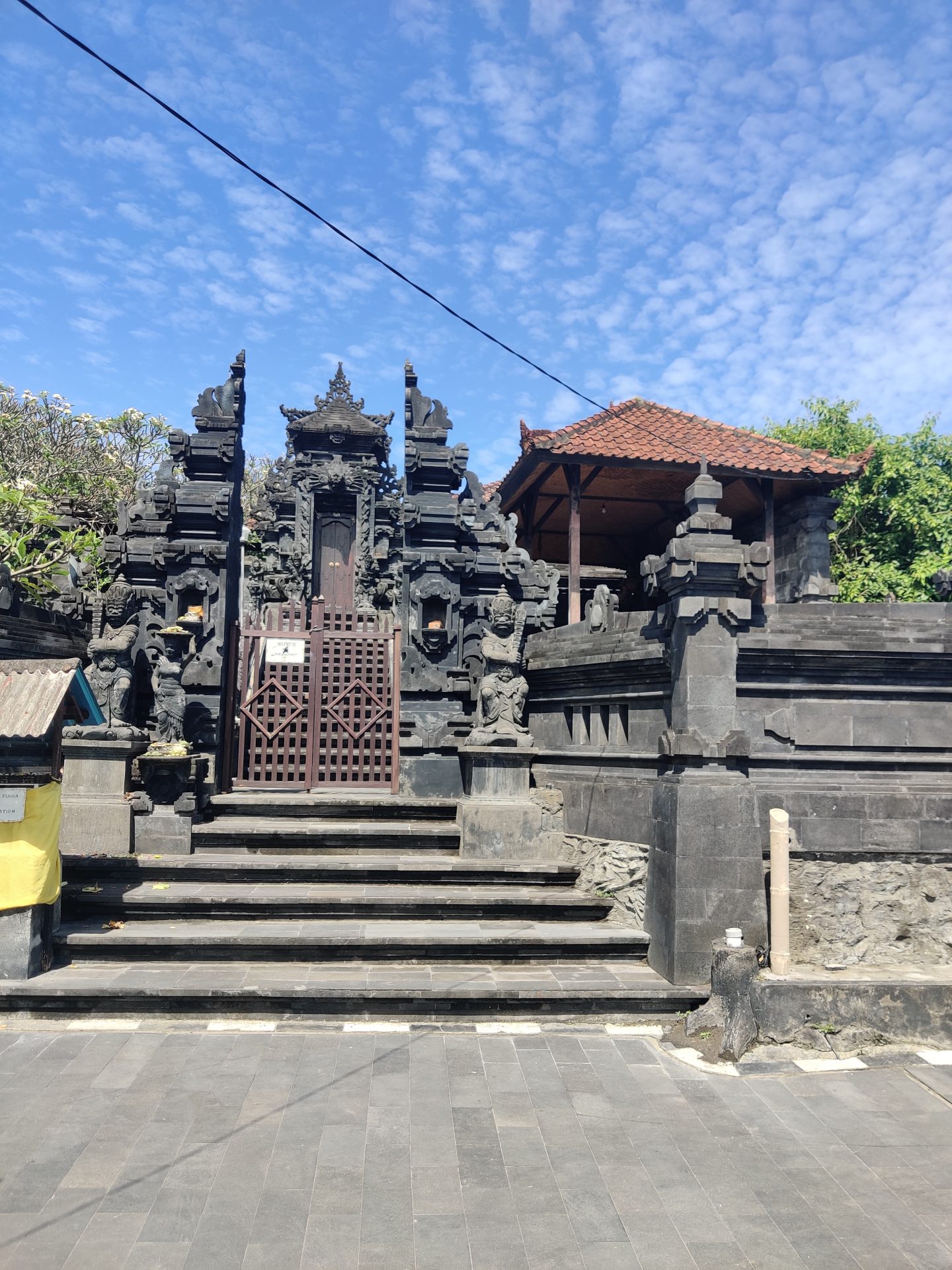
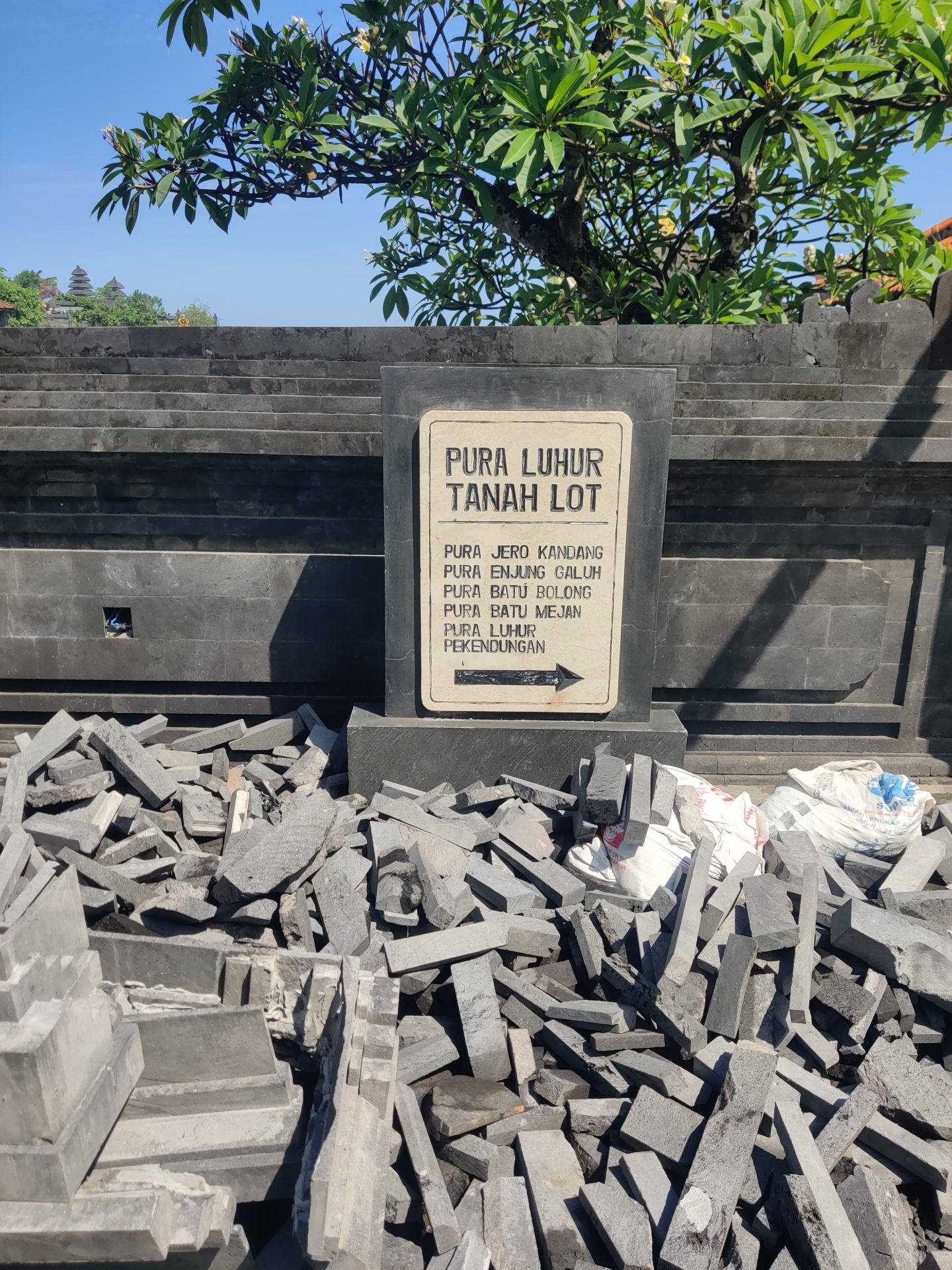
From the entrance towards the right hand side lies the Enjung GalahTemple at a distance of 500 metres.
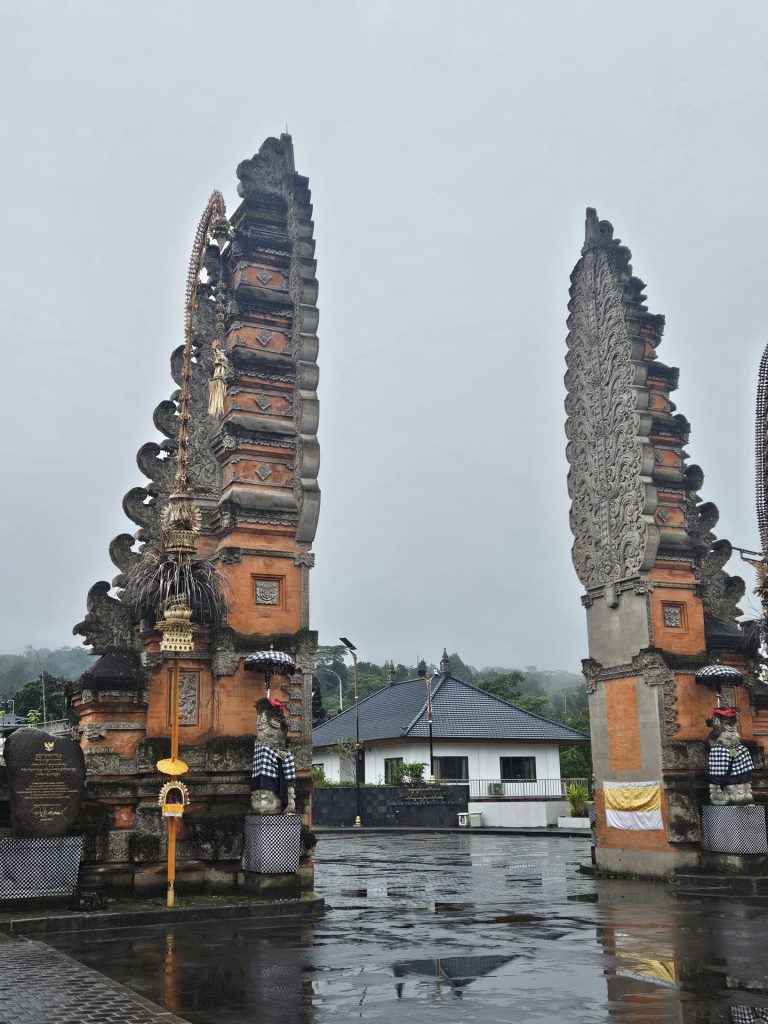
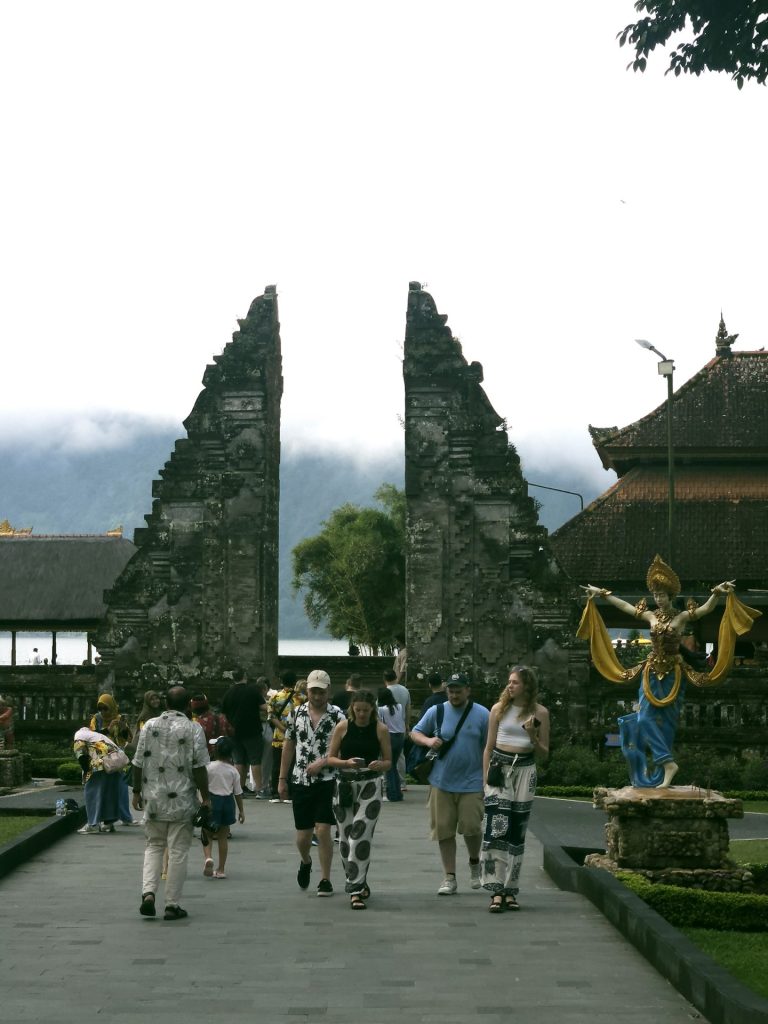
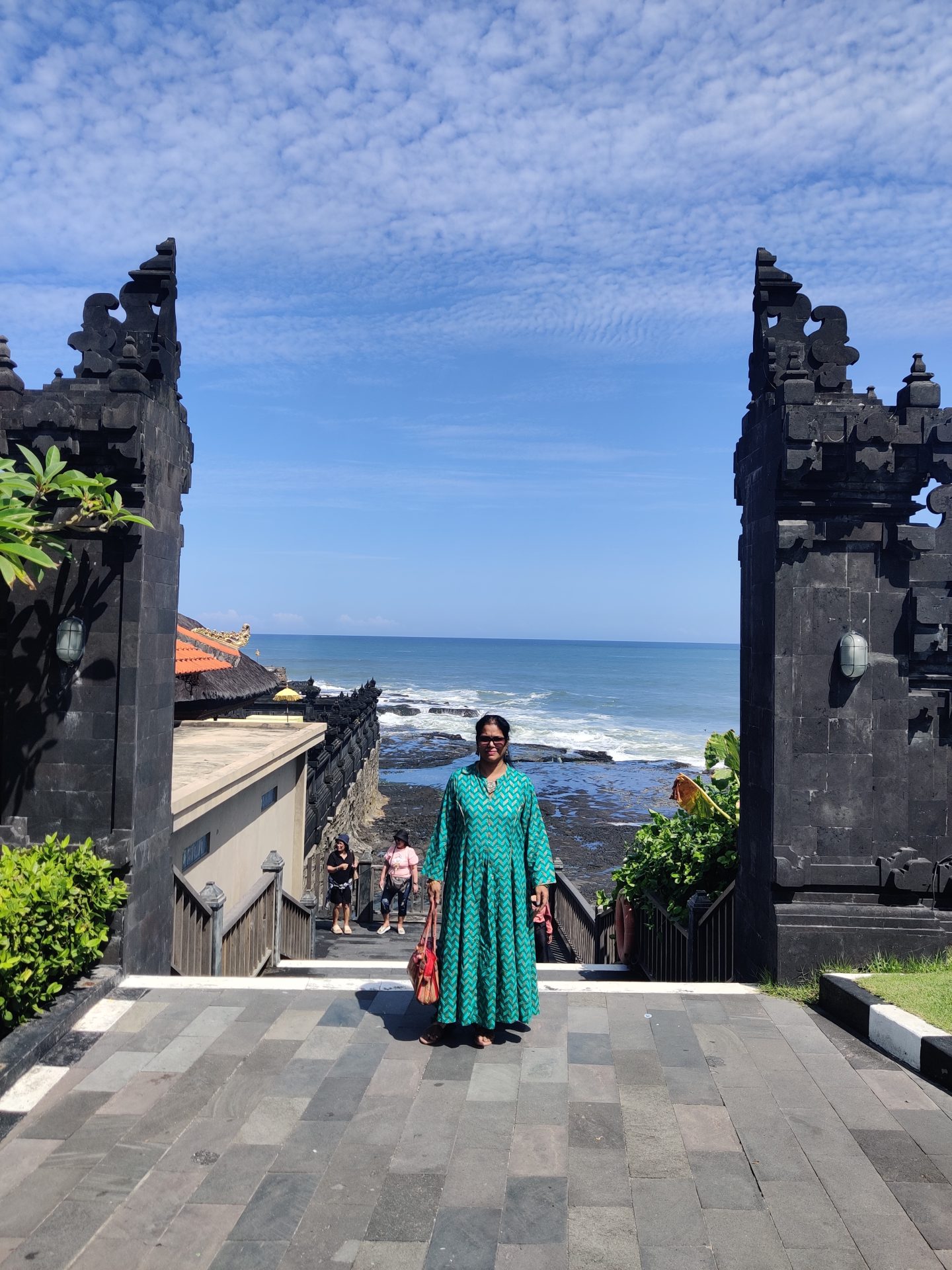
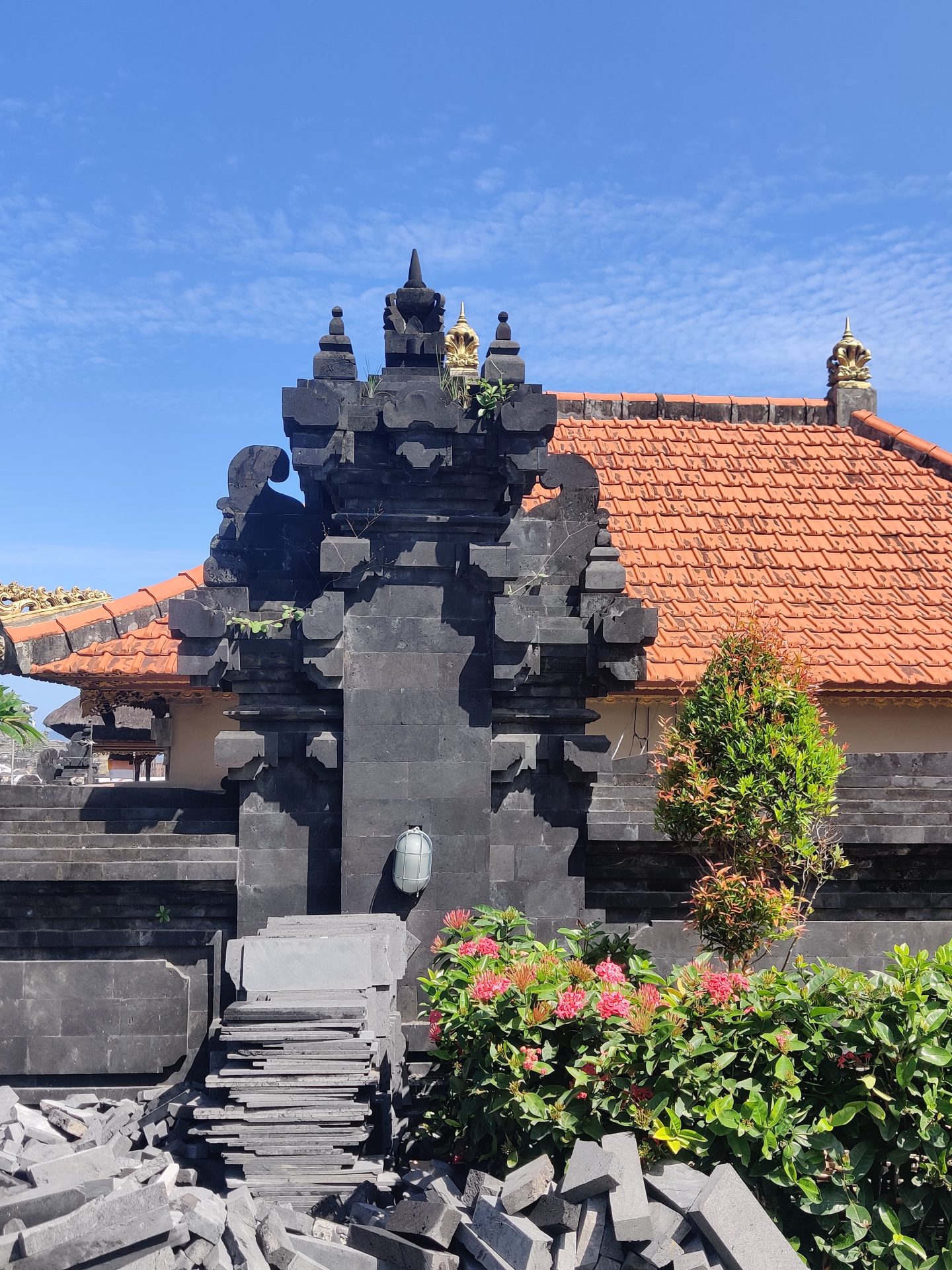
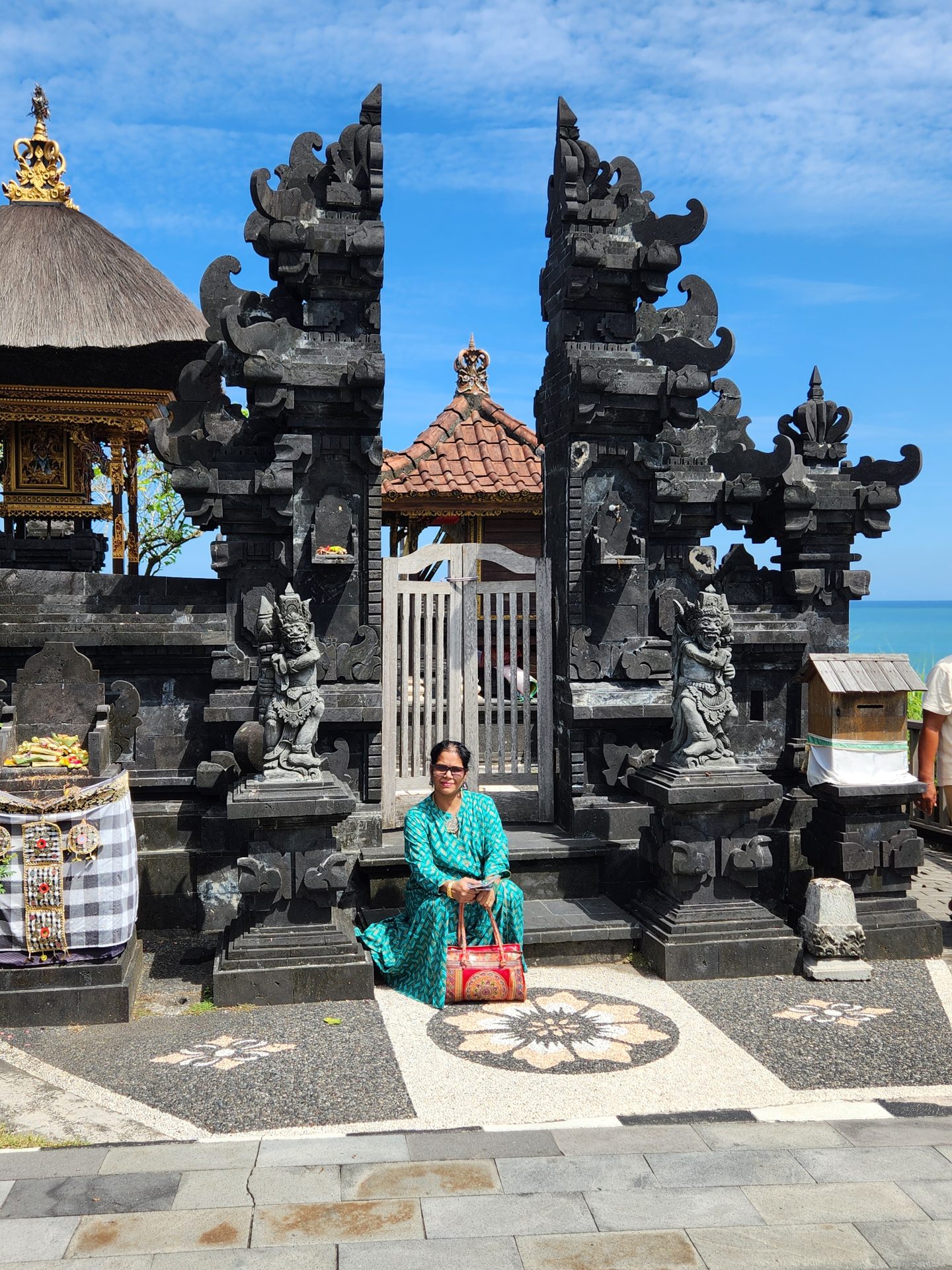
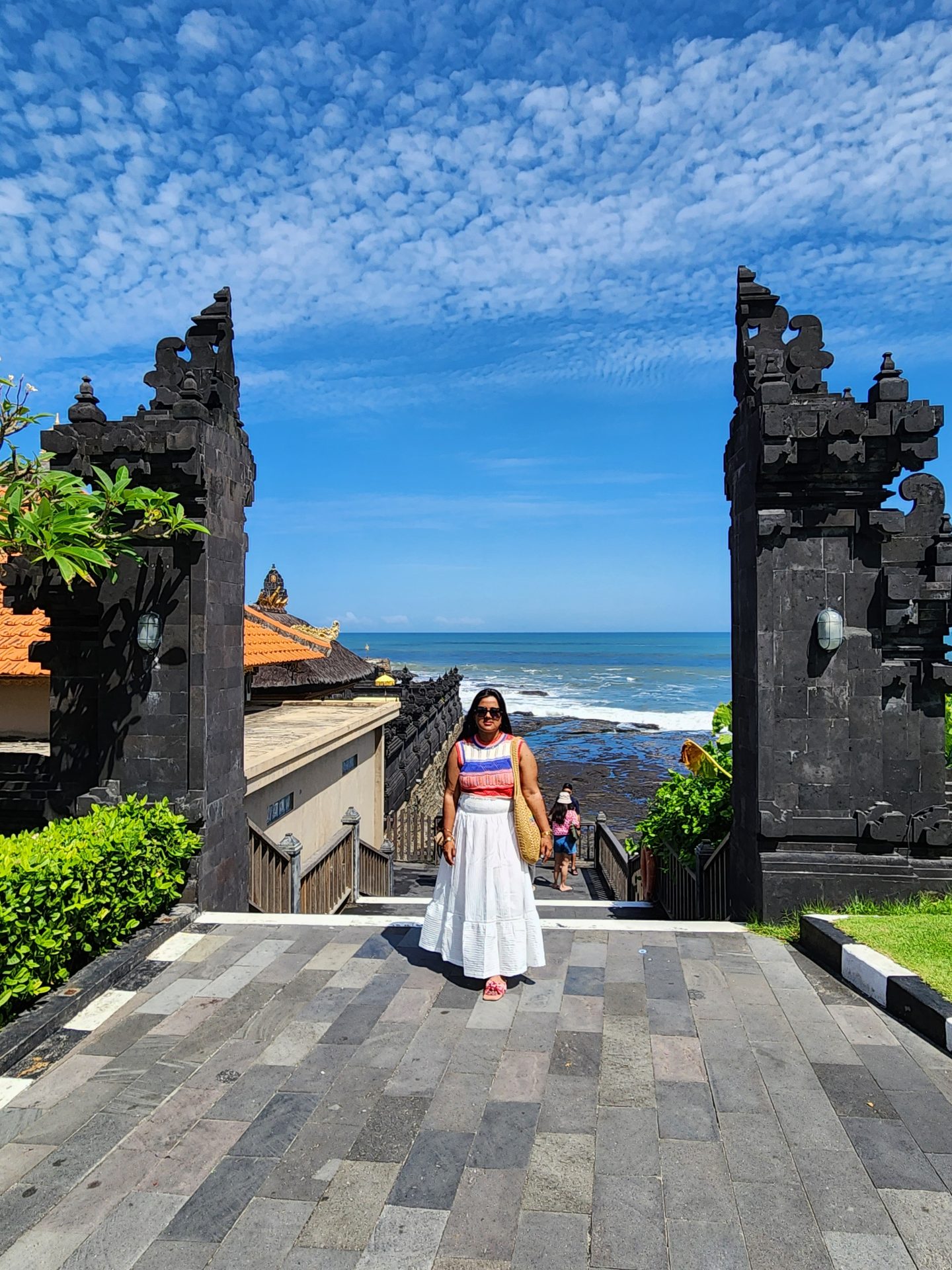
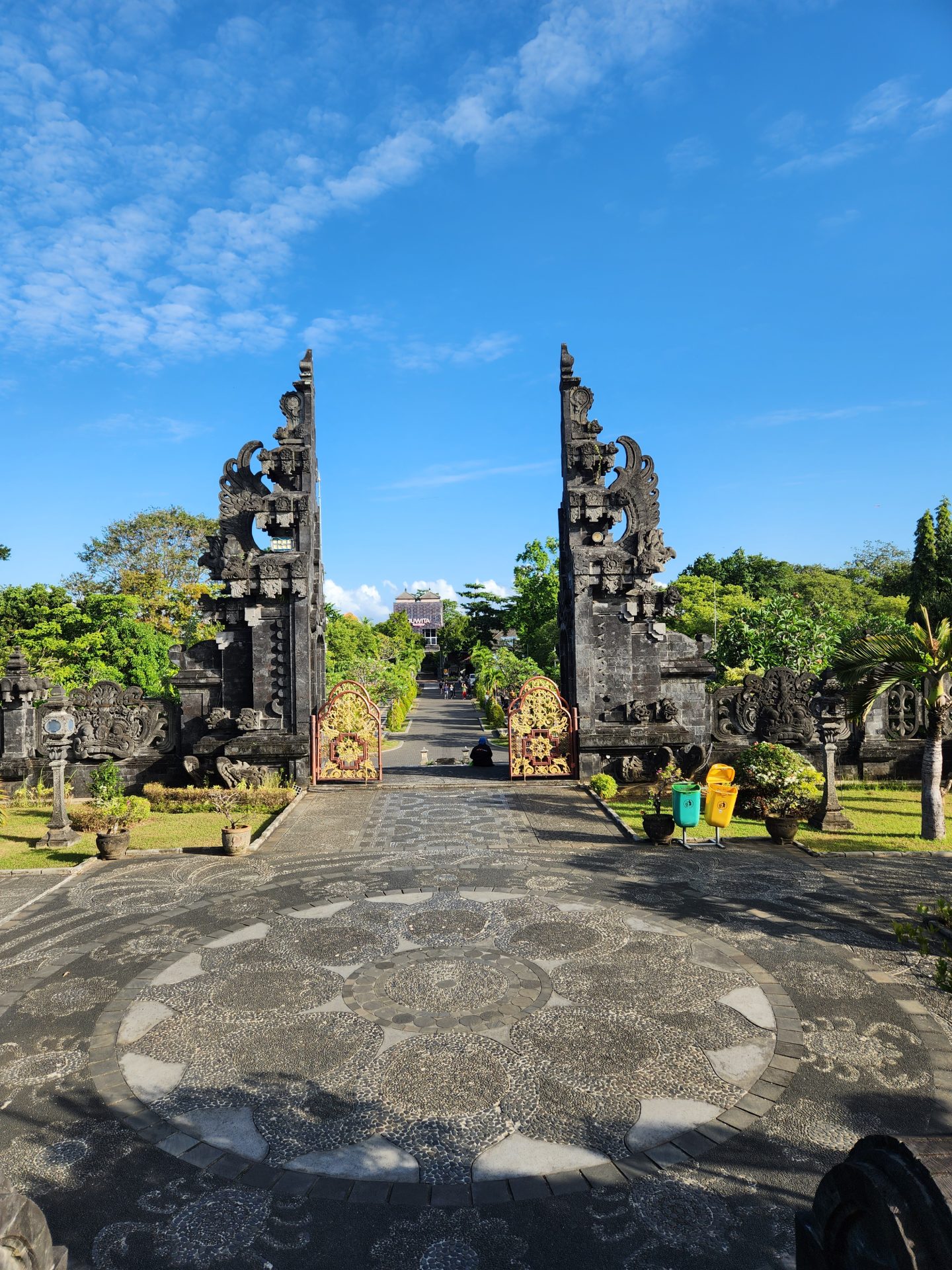
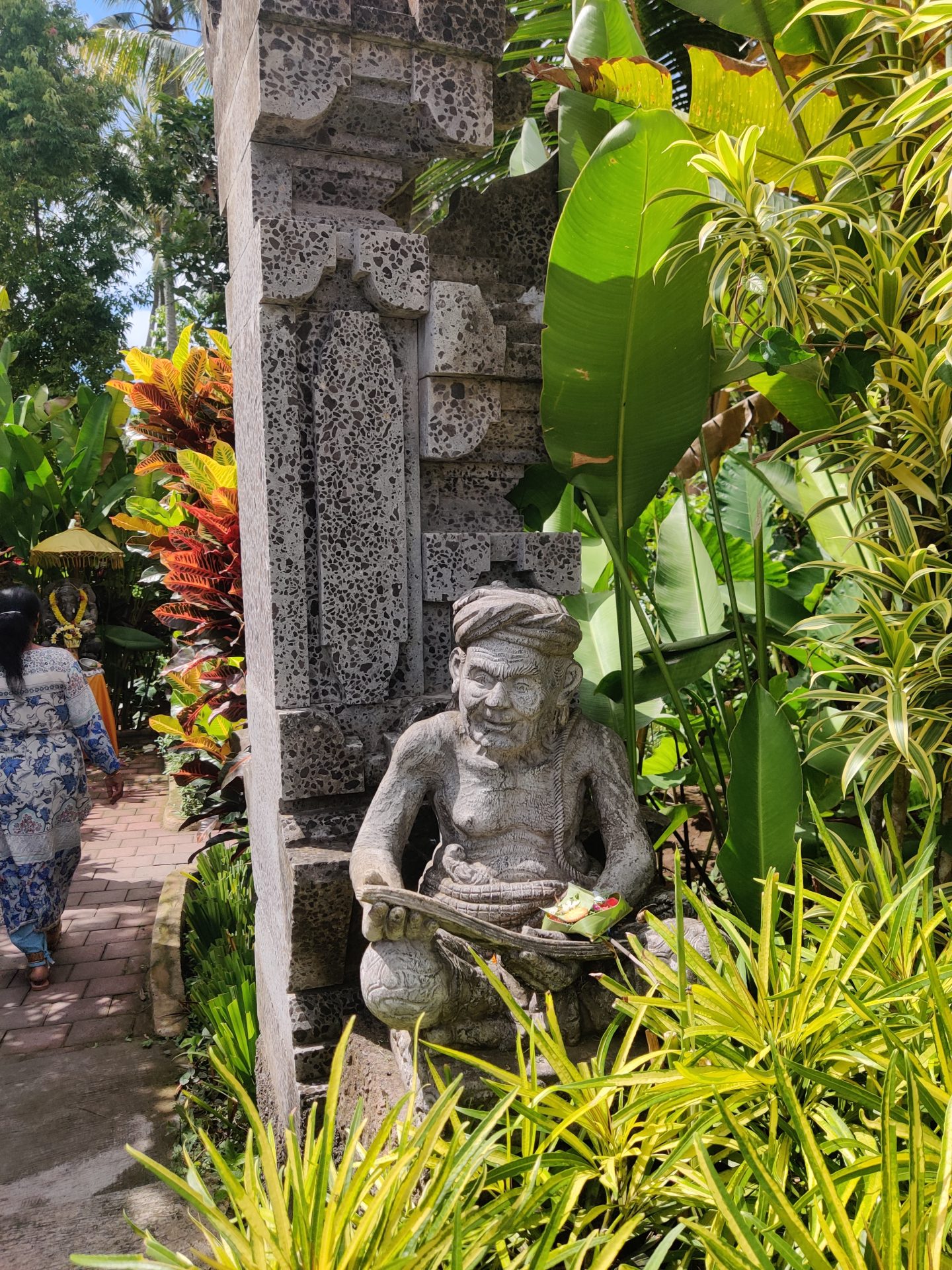
The entrance gate to this temple bore resemblance to the famed Bali Hindara gate which one could get to see at multiple places across Bali in different sizes.
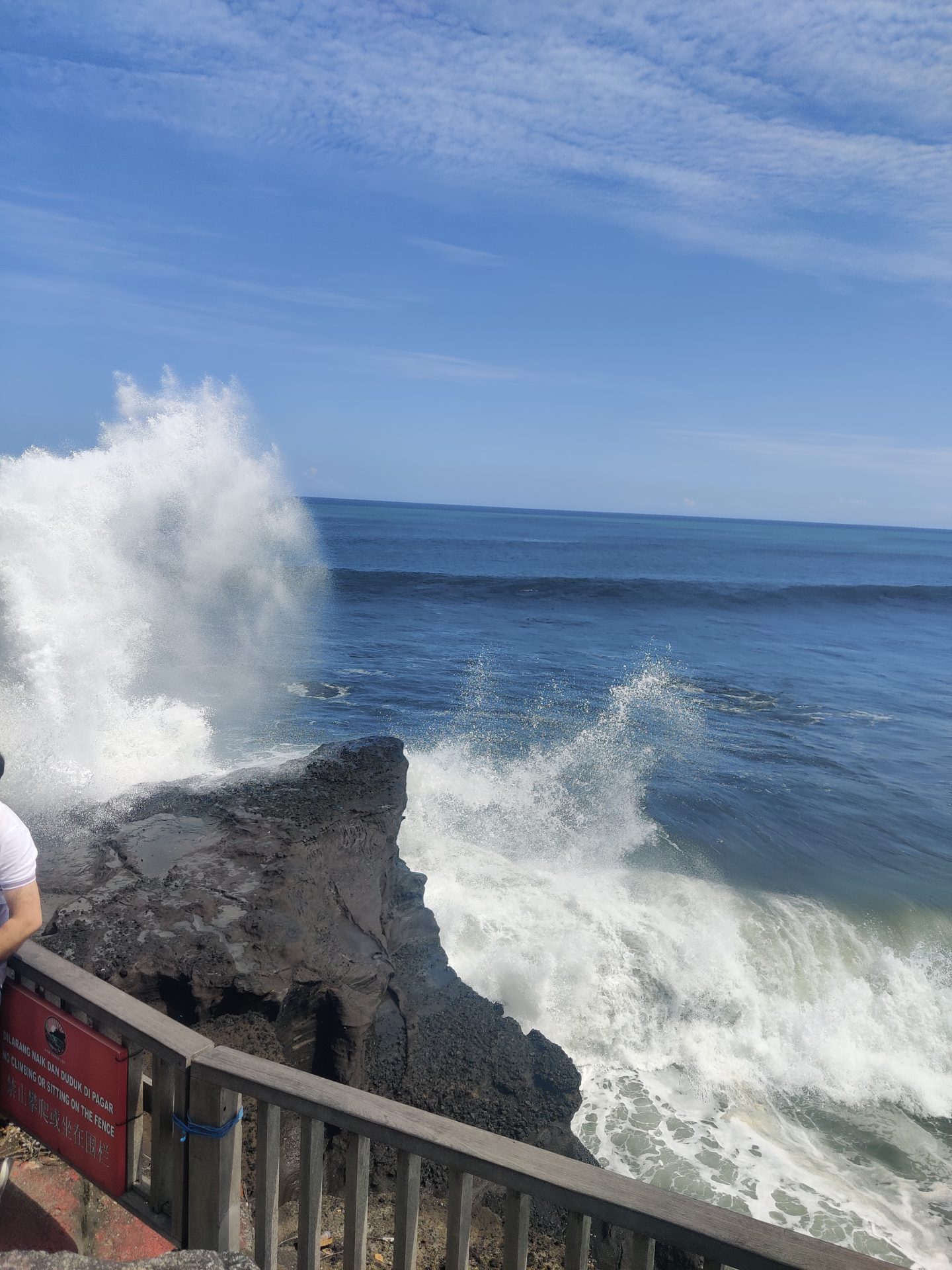
Pura Tanah Lot meaning Temple Land in the Sea epitomizes the romantic island of Bali. The silhouette of the temple against the orange hues of the sky and blue backdrop of the ocean with the crashing waves below make for a compelling view.
While we missed the Sunset part of it, thanks to the low tide we walked across to the temple right almost upto the top till where it was open.
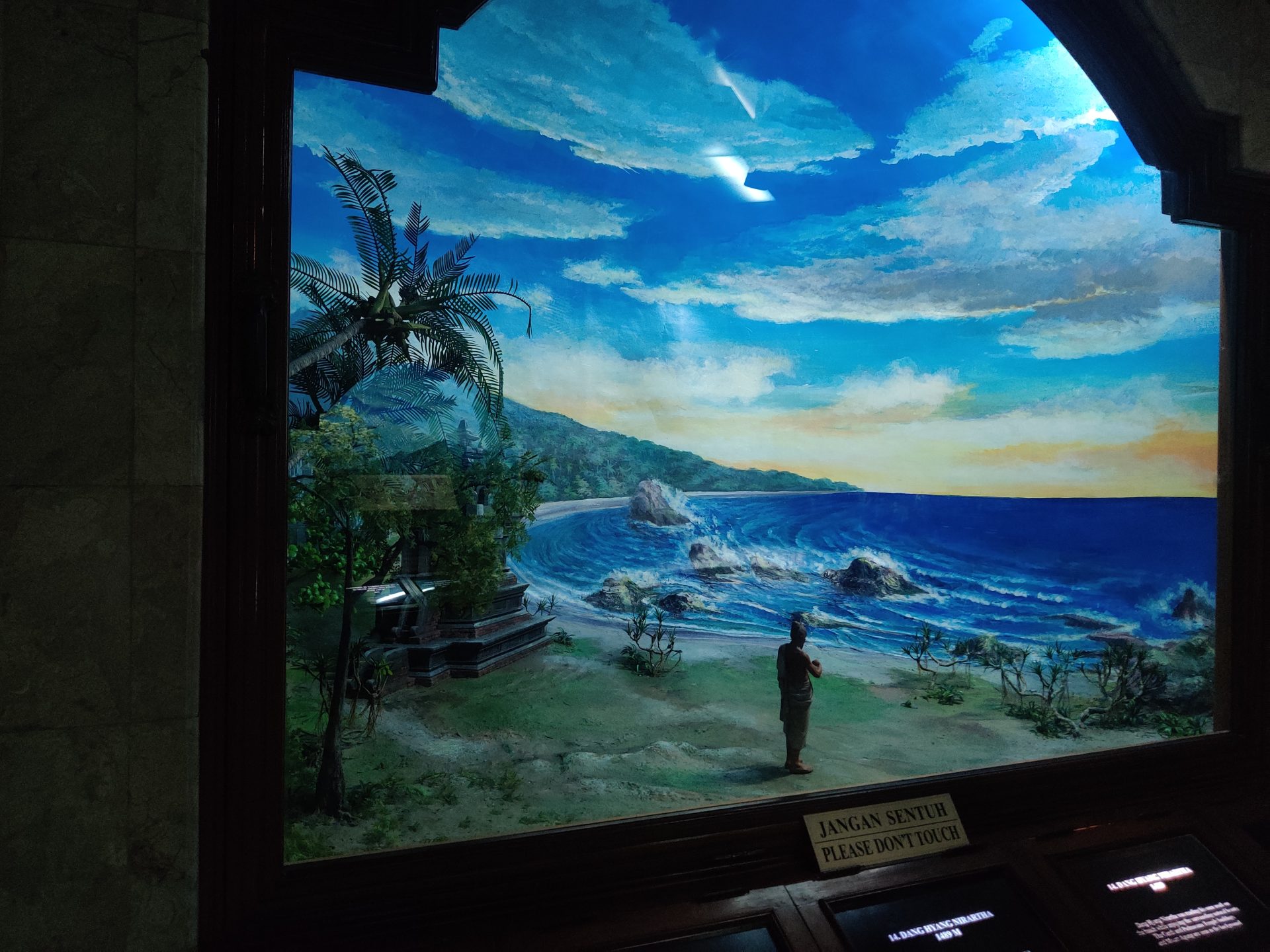
Legends attached to the temple history state that a high Hindu priest Dang Hyang Niratha belonging to the Majapahit Kingdom in East Java travelled to Bali in the later part of the 15th century to spread Hinduism.
To honour the Sea God Varuna (known as Bhatara Segara locally), he established a site and despite facing opposition from the village chieftain, he successfully managed to guard the rock on which he meditated with the help of sea snakes.
He attained Moksha or enlightenment at this very site but not before creating a three temple system in most places in Bali with the North, Middle and South sides of the villages being built for Brahma, Vishnu and Shiva.
Known to possess supernatural powers, he created a poisonous snake from his sash and this snake is believed to be living here to guard the temple from evil intruders as per folklore.
We spent a couple of hours going around the temple complexes, indulging in some shopping and then settled for some milkshakes and ice creams in a nearby Café.
Taman Ayun Temple
We started towards Taman Ayun by around 2.30 in the afternoon and covered the distance of 16 kms in around 25 to 30 minutes.
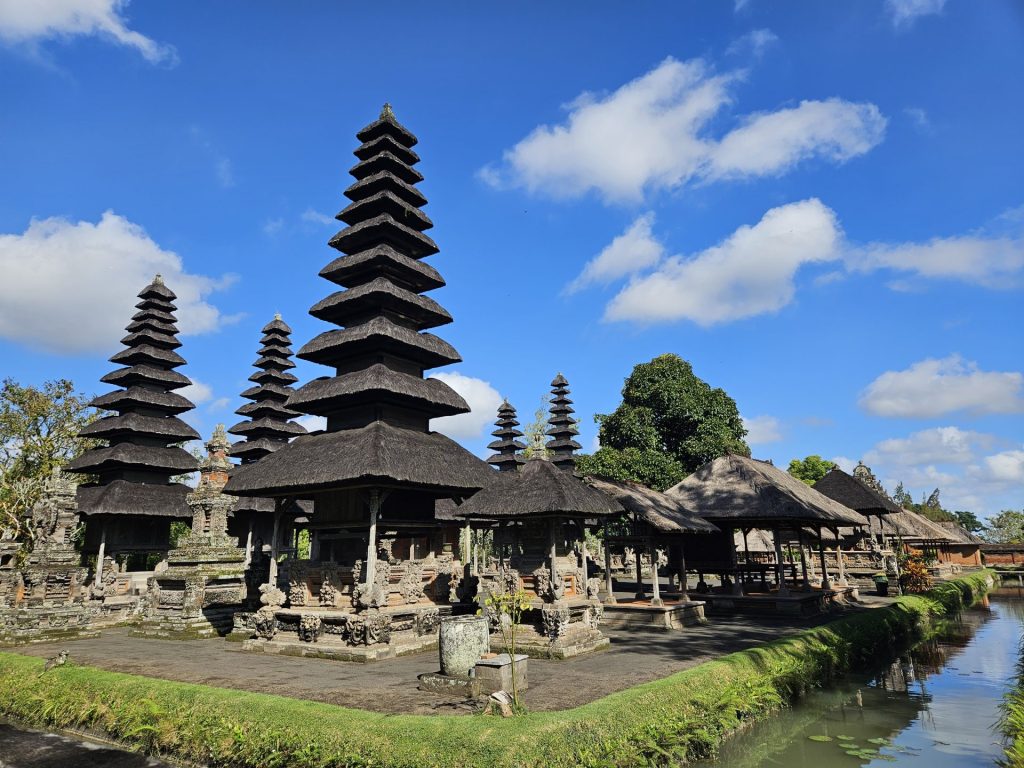
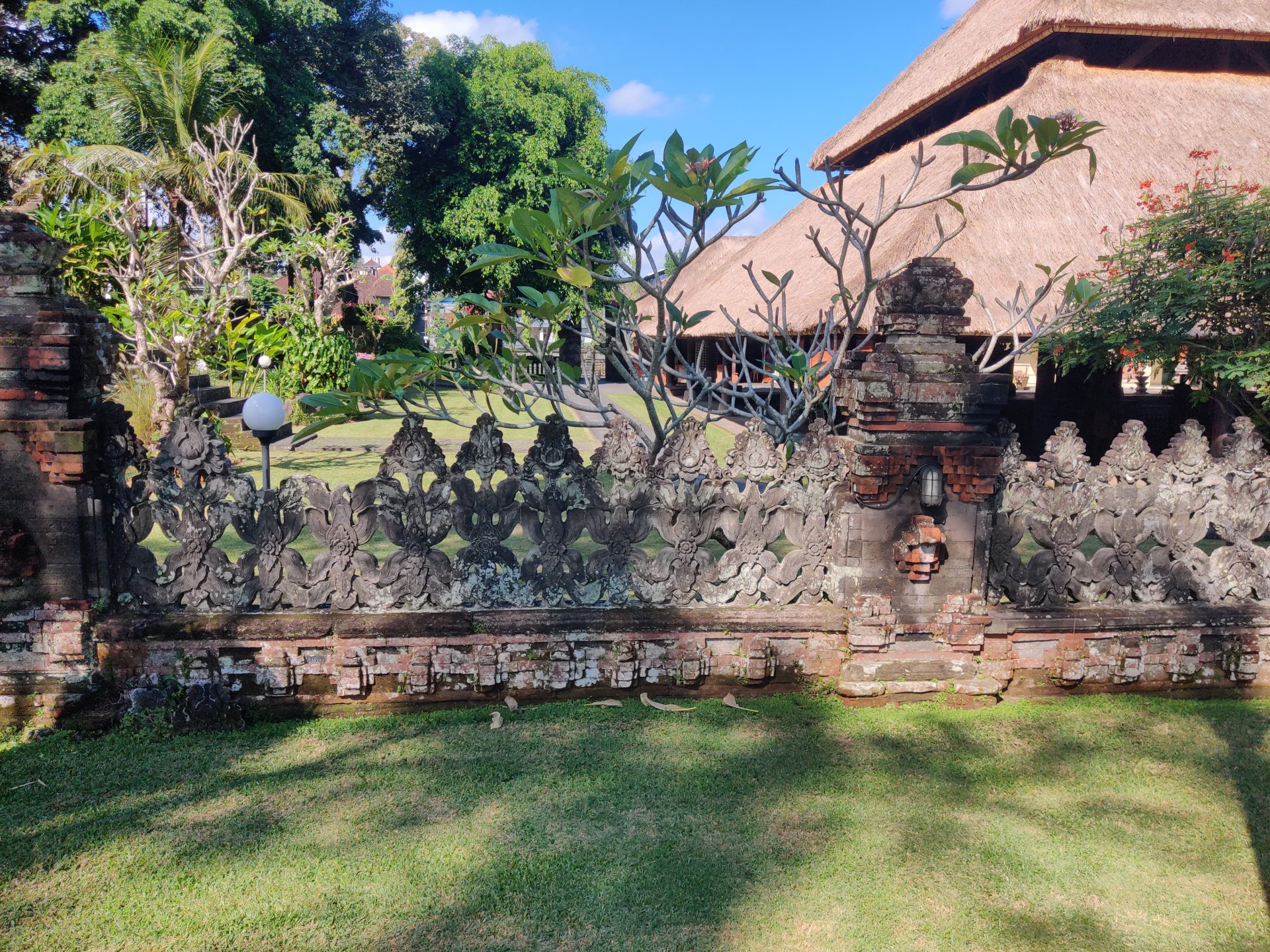
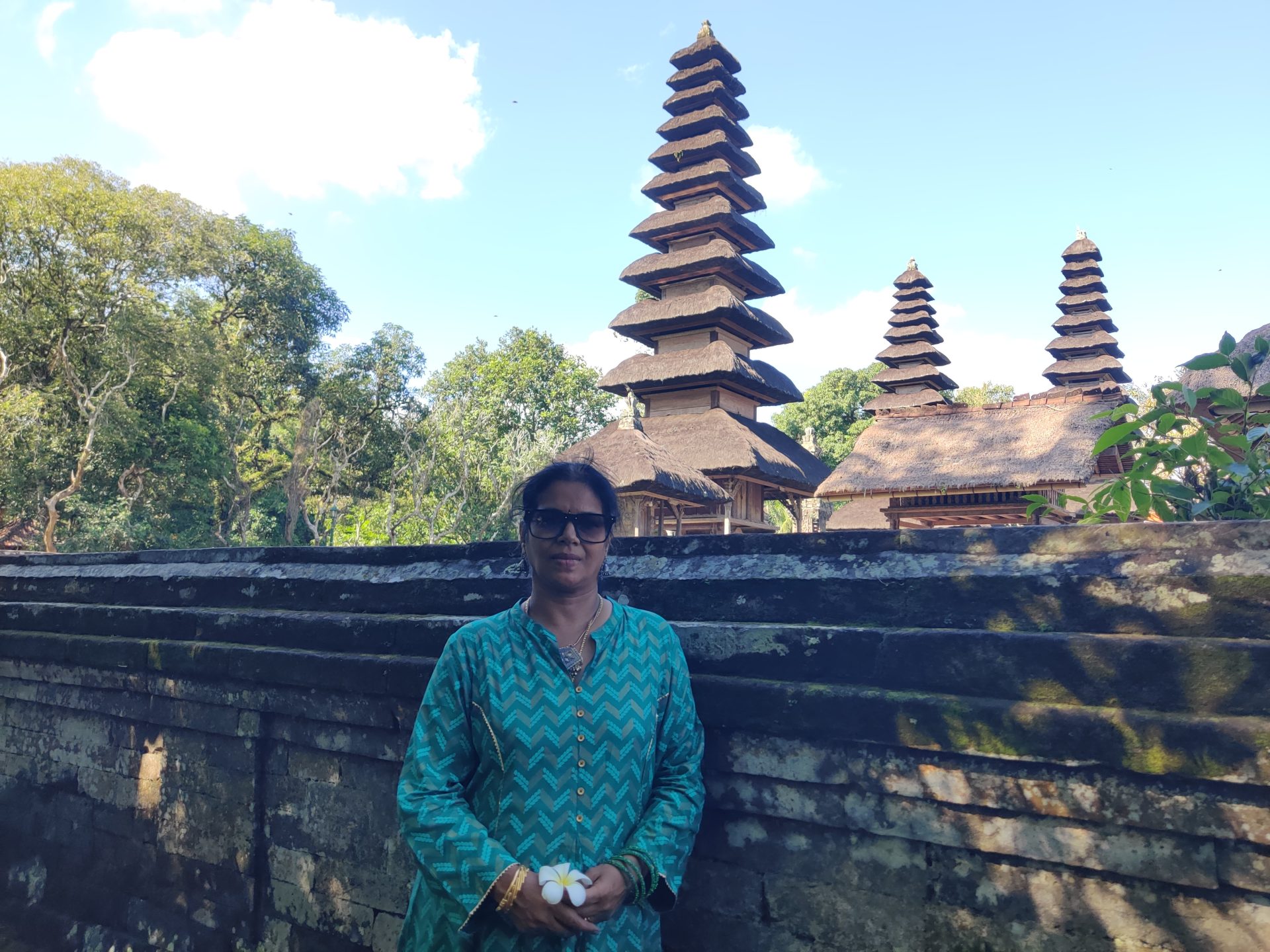
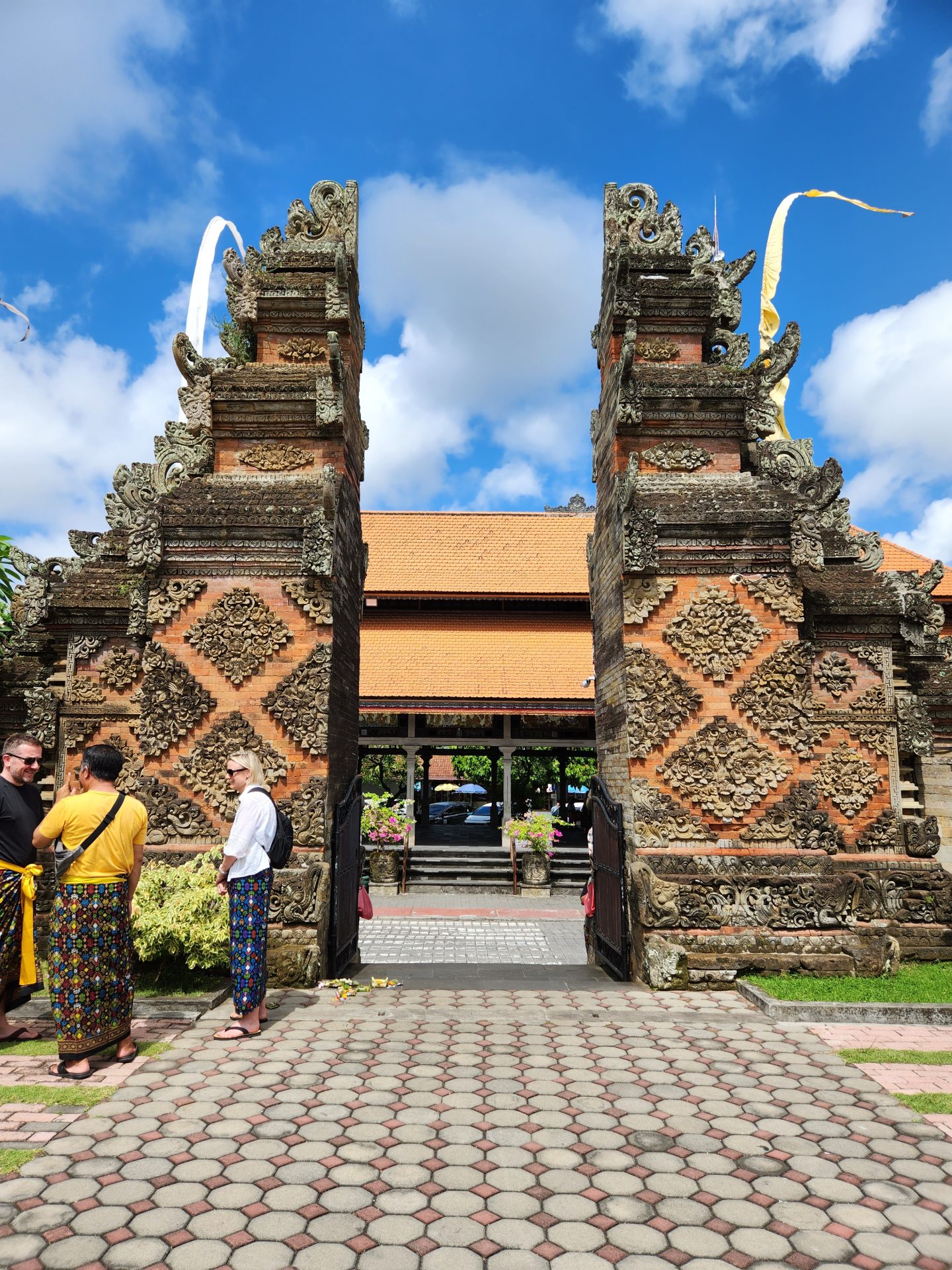
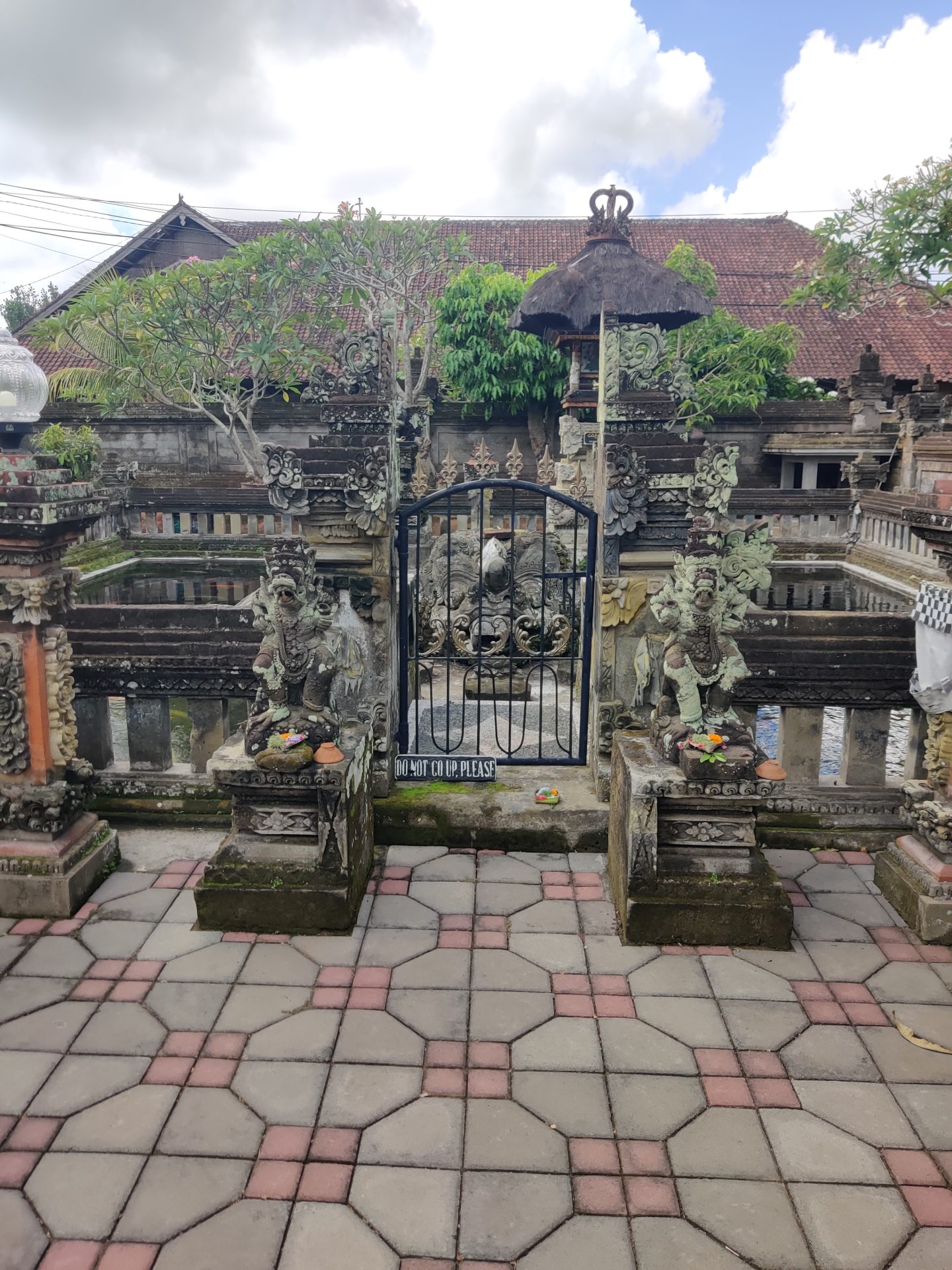
Known to be the 2nd largest temple in Bali, this Royal Temple of Mengwi, built by the Mengwi Empire is also known as Pura Taman Ayun (meaning Beautiful Garden).
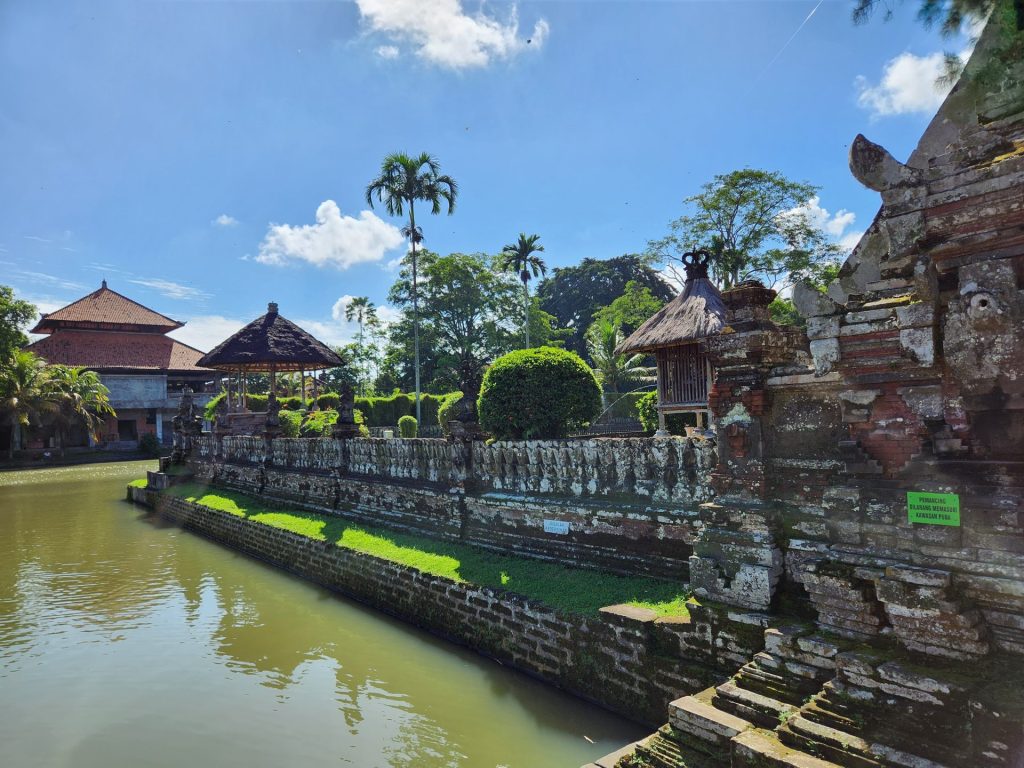
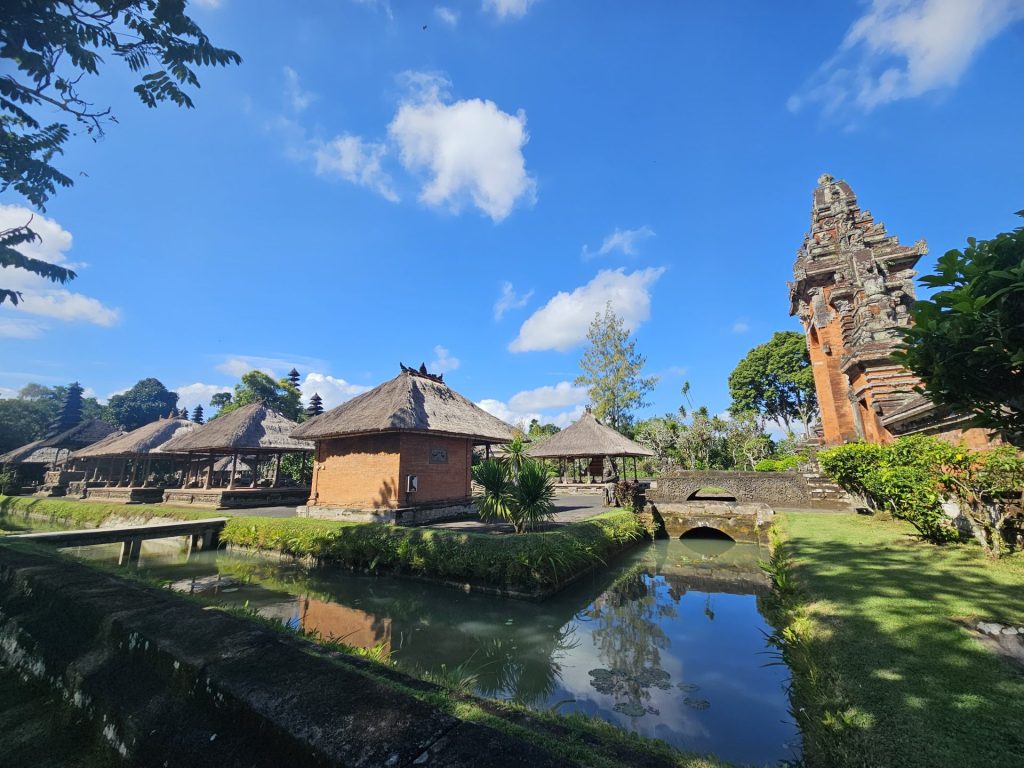
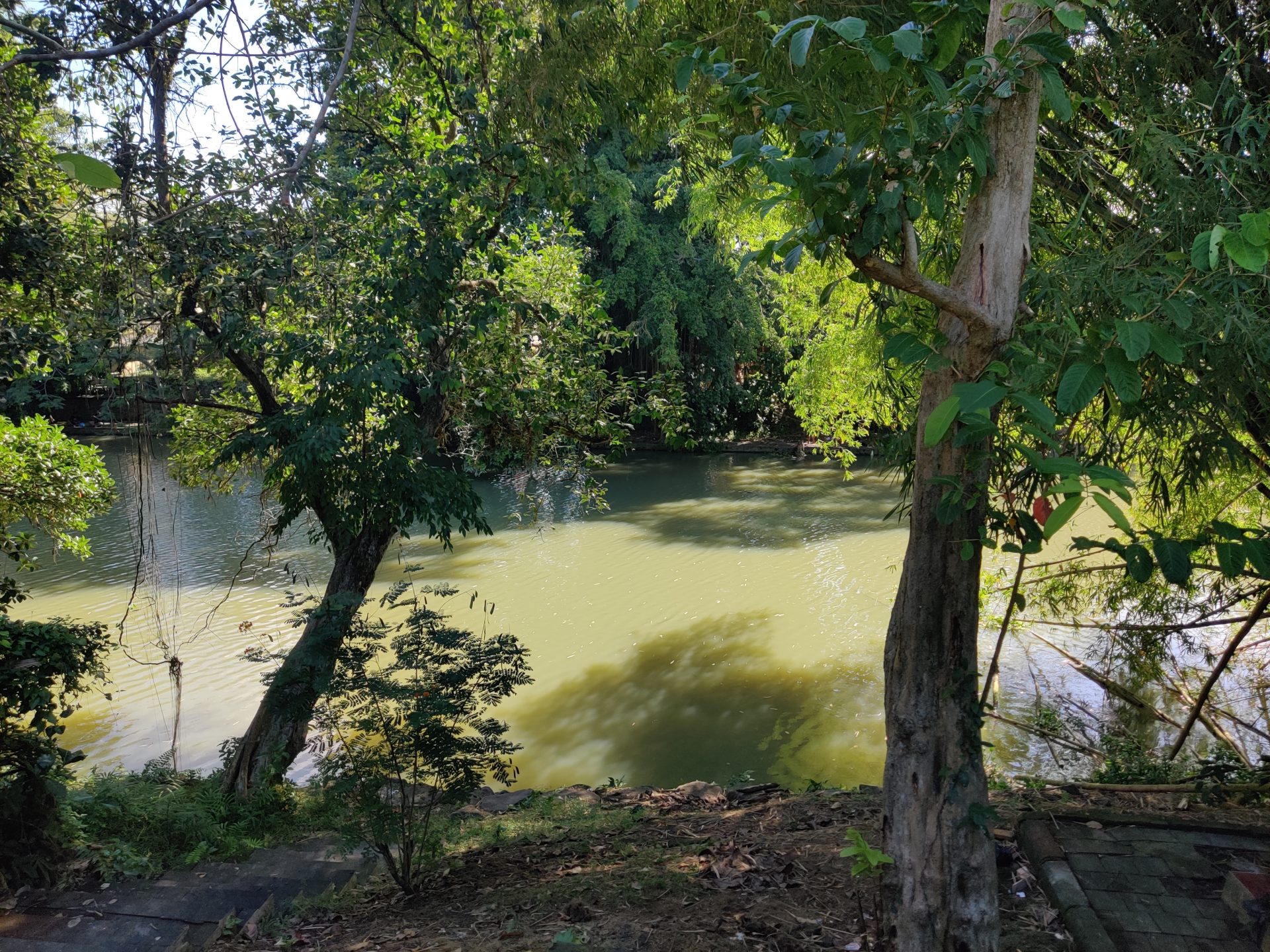
Located towards the North Western side of Denpasar, this place is nestled in lush green surroundings with trees and ponds. Built in 1634 AD and accessible only to the Royals at one time, UNESCO declared this as part of the World Cultural Tourism sites.
The temple complex comprises of 4 courts out of which the Outer court or the Jaba as the locals call it is accessible through a single entrance which takes one over a small bridge over the ponds.
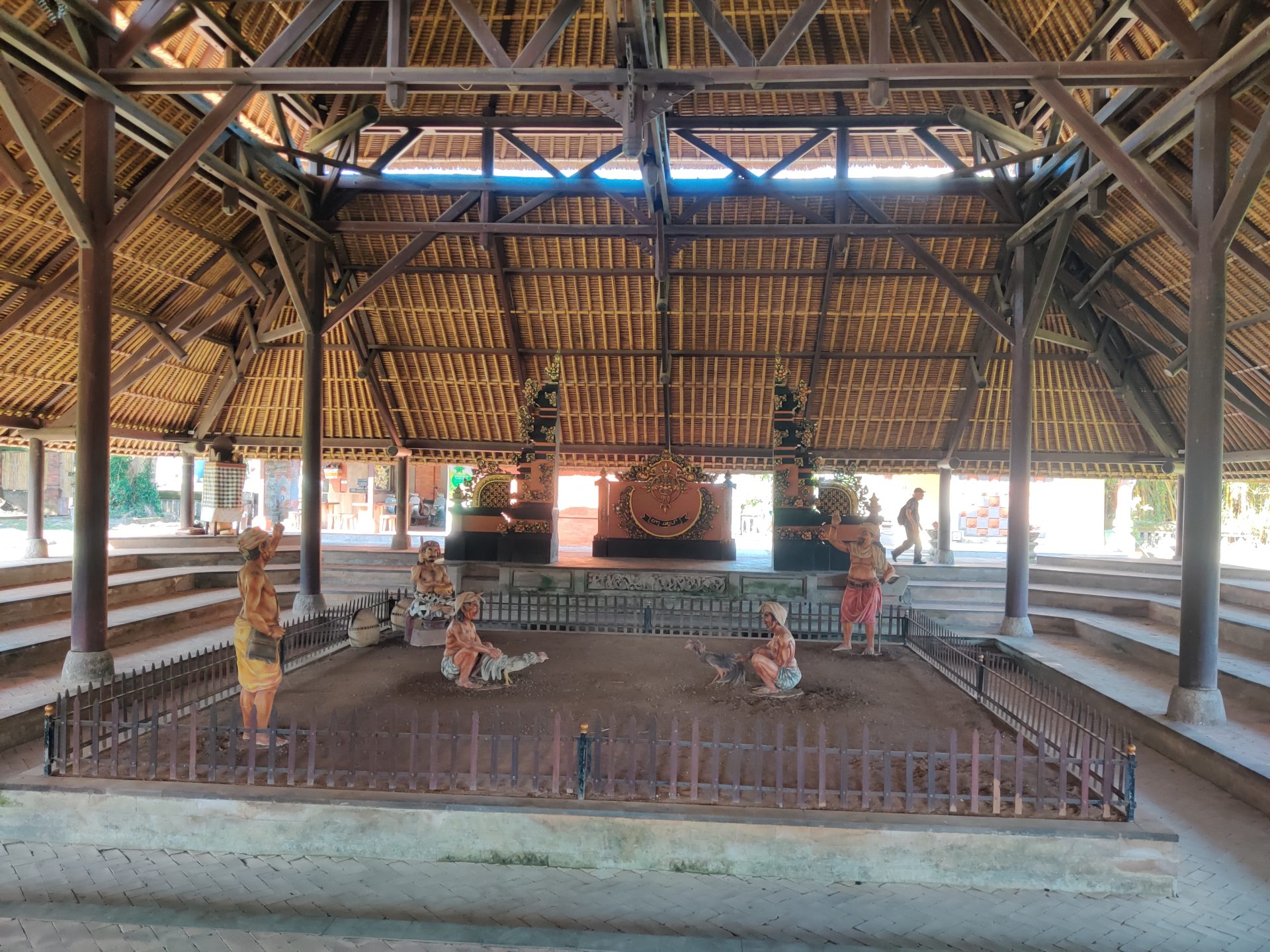
The 1st inner court has a small guardian shrine and a large hall known as Wantilan, built to stage Cockfights and now used by the locals for gatherings. As we walk across the temple complex, one gets to see a tall fountain and a big shelter featuring ornamental reliefs depicting the 9 gods guarding the cardinal directions of the 2nd inner court. The 3rd inner court is the highest court and is considered a very sacred place.
Its intricately ornamented and opens only during certain ceremonies and is known as the Gelung Door or Utama Mandala. Towards the exit, there is an art gallery and theatre which depicts the history of the Royal Family.
The Bajra Sandhi Monument
After spending around an hour here we commenced our drive towards the Bajra Sandhi Monument, located 20 Kms away.
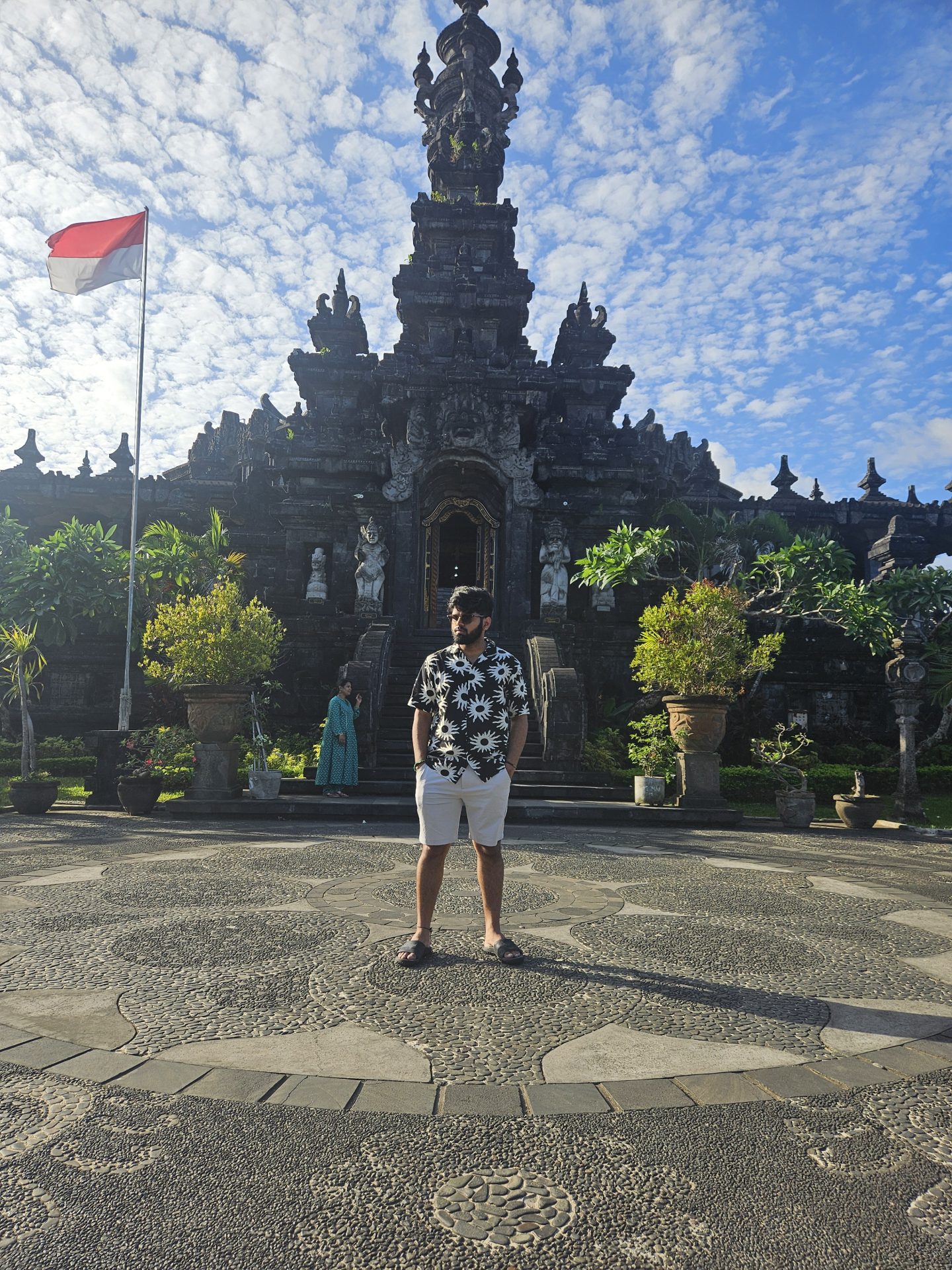
We just about made it in the nick of time before the ticketing closed at 5 PM. We bought the tickets at Rs.160/- per head and made our way into the majestic monument.
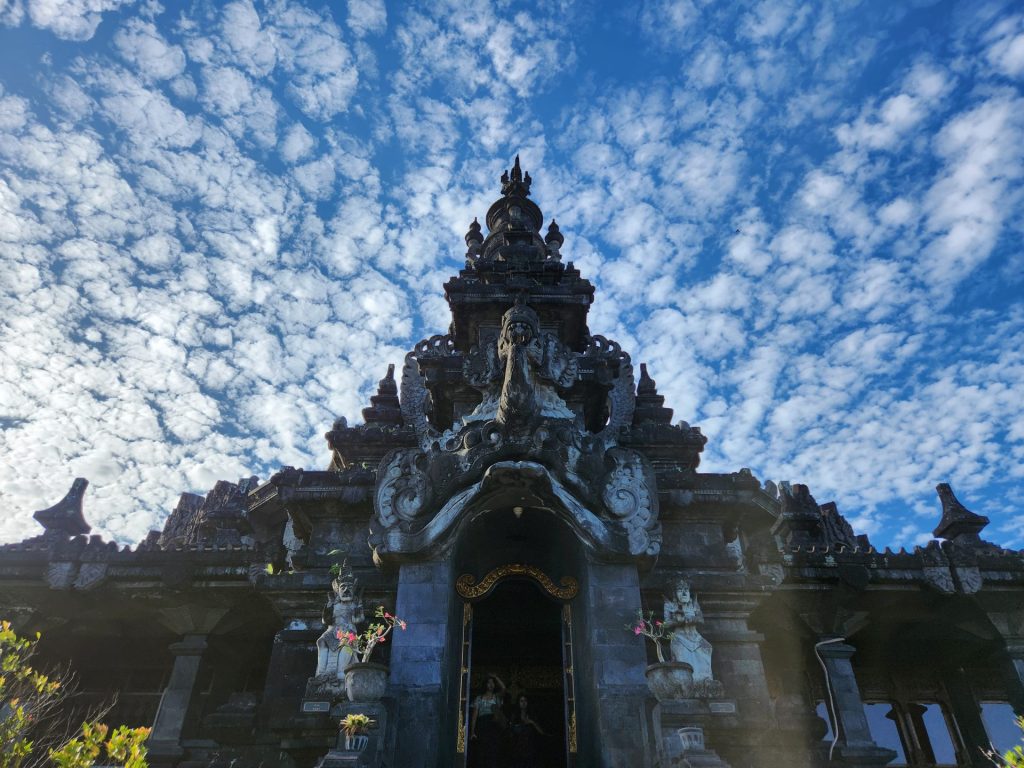
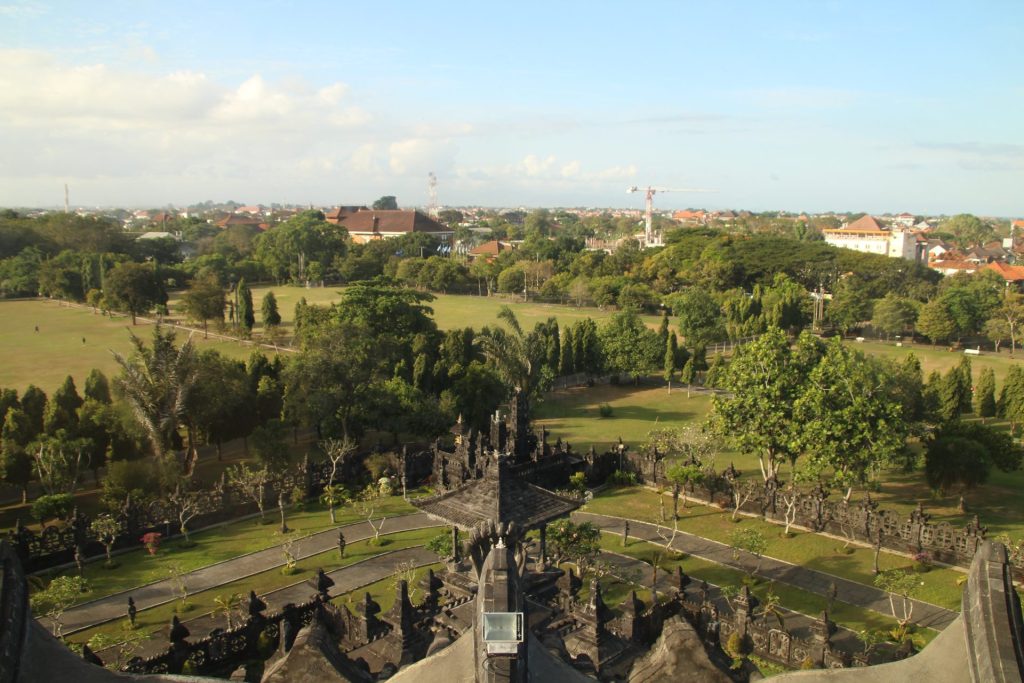
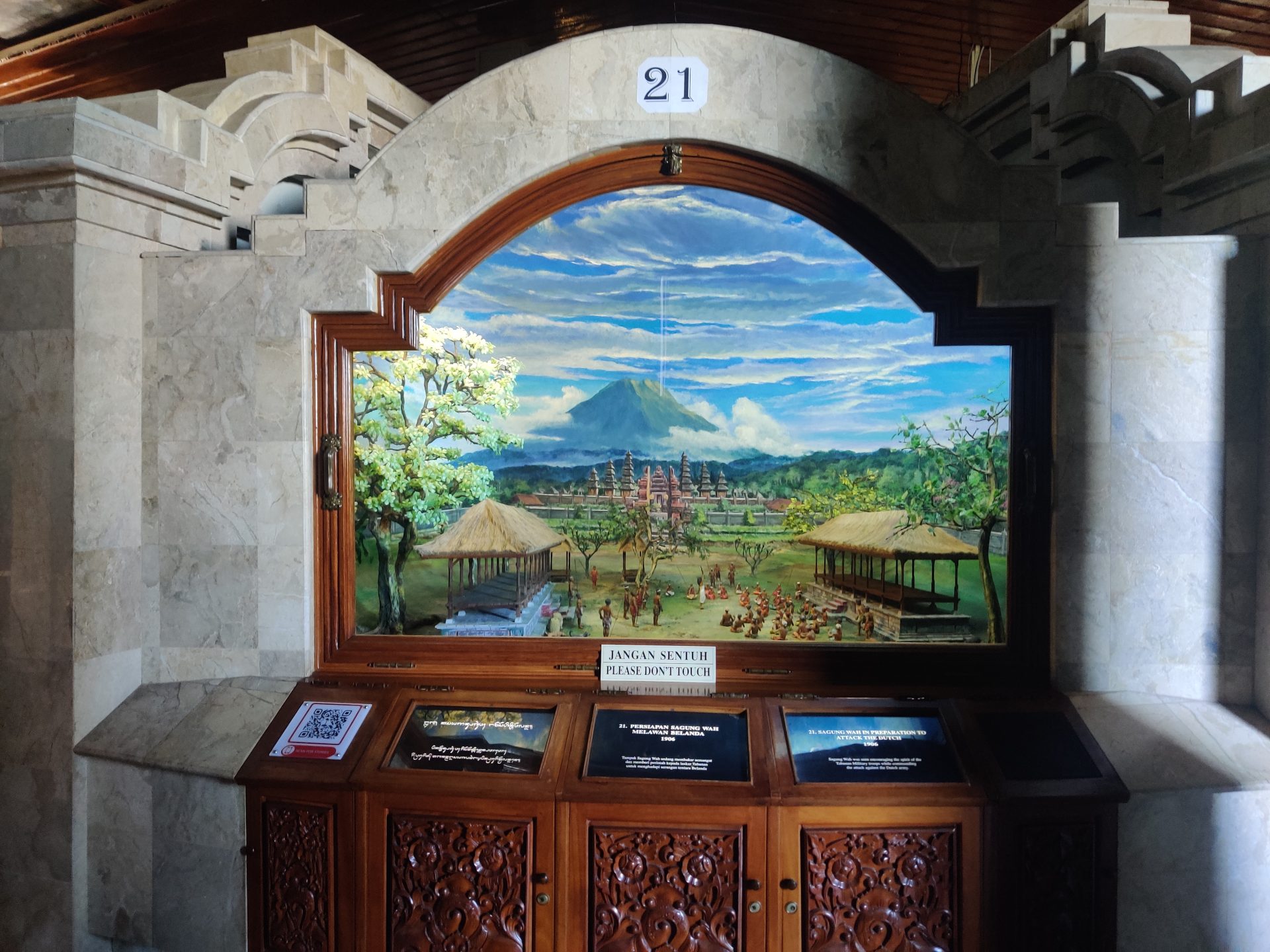
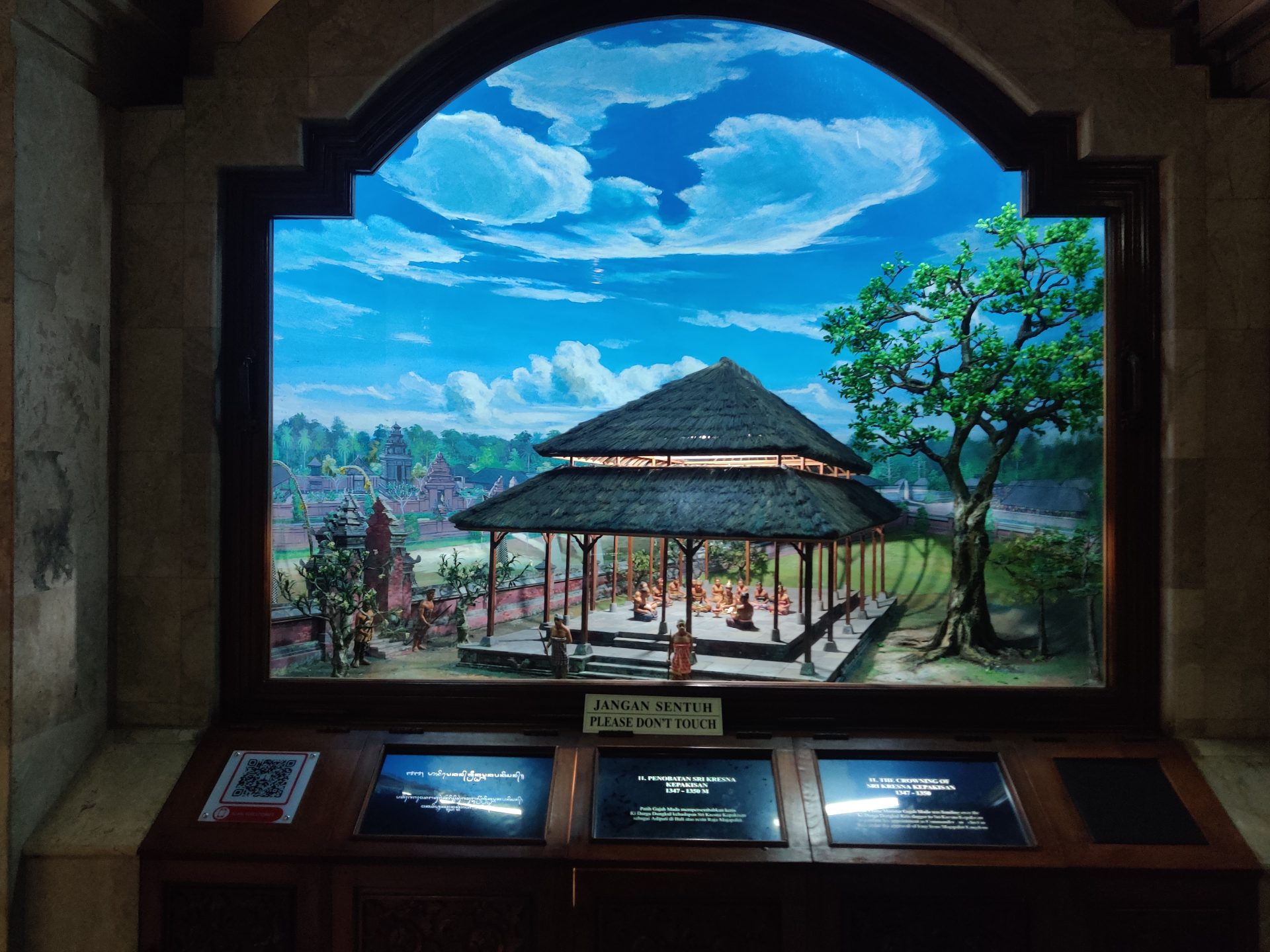
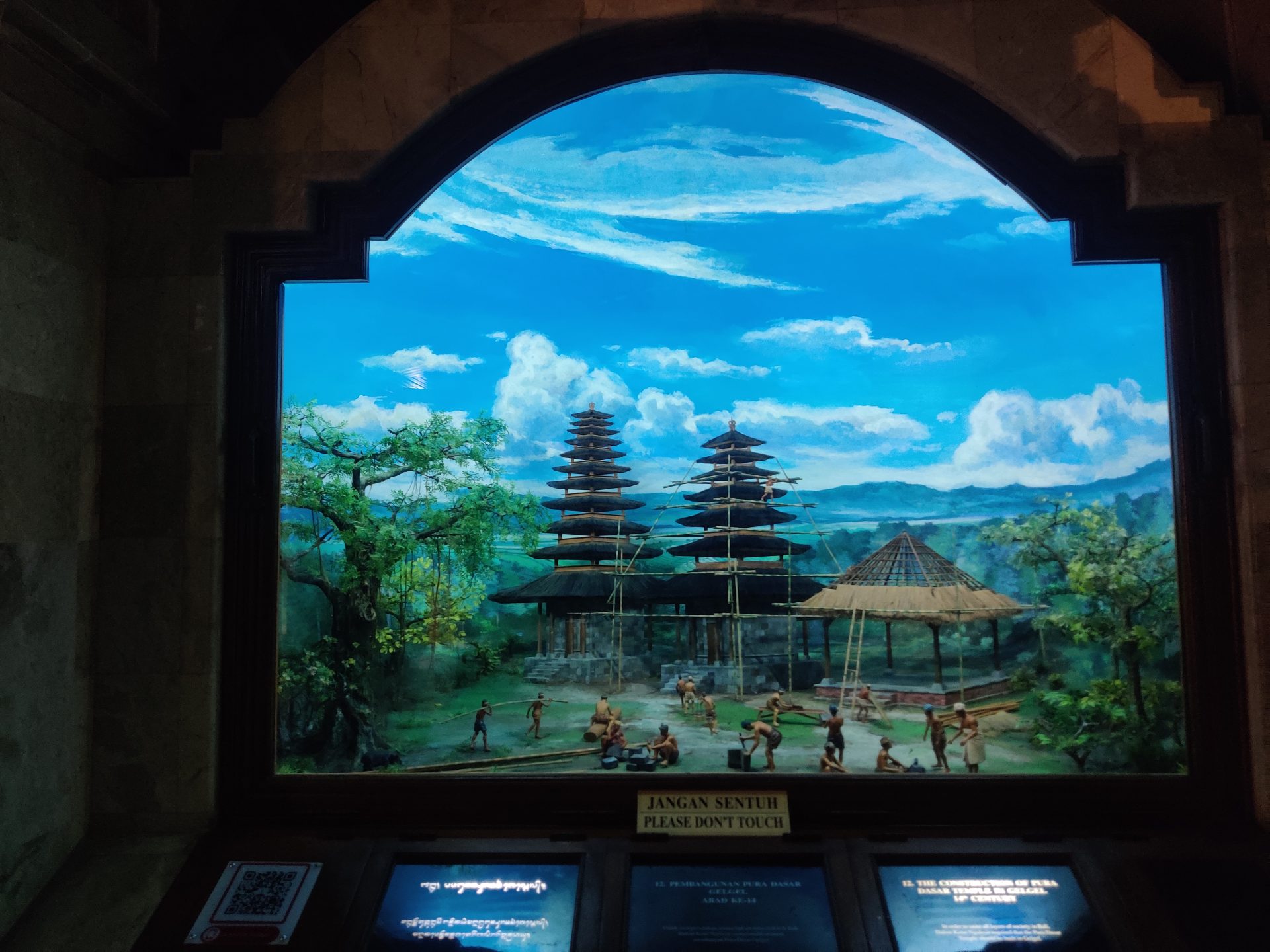
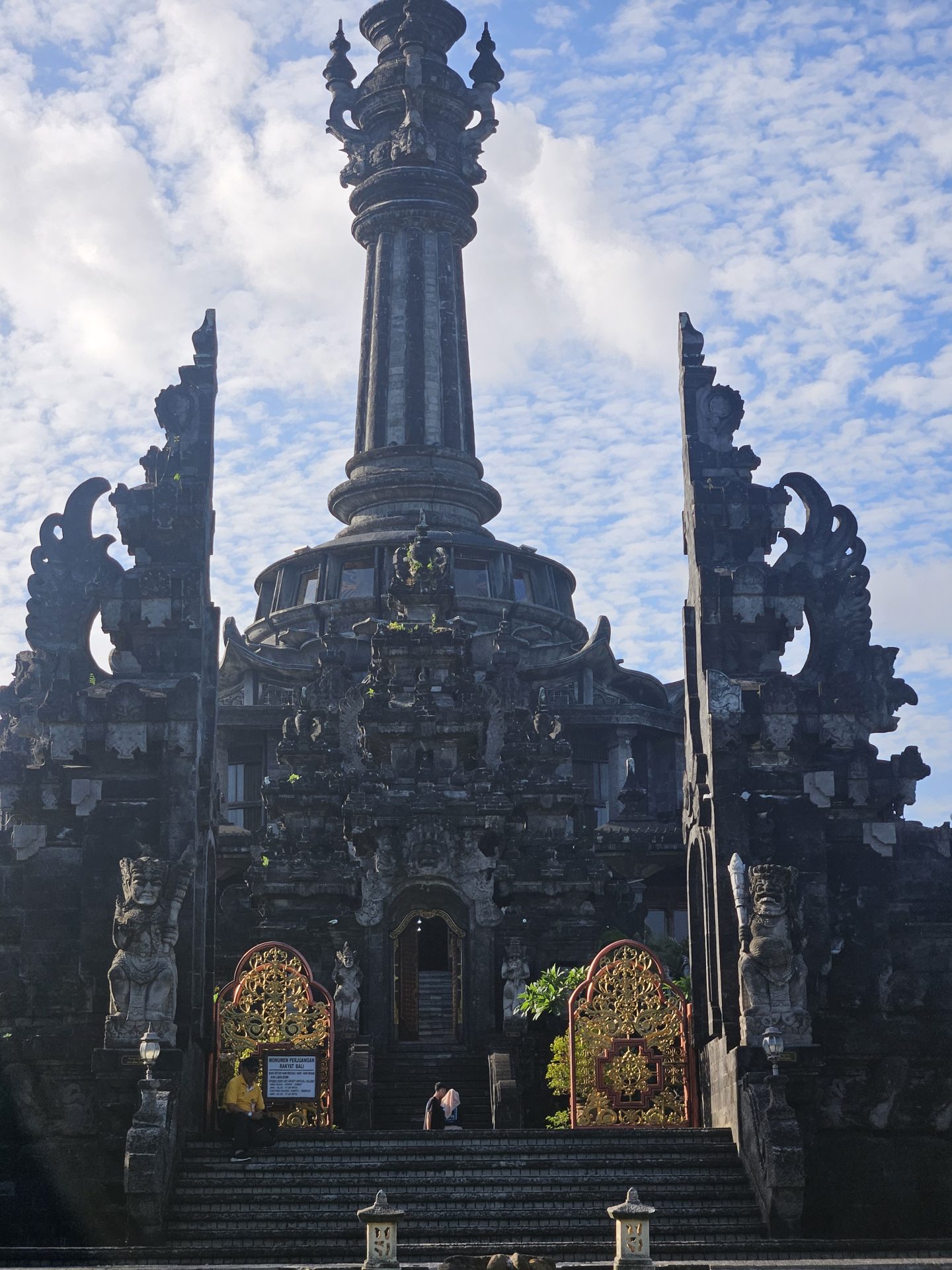
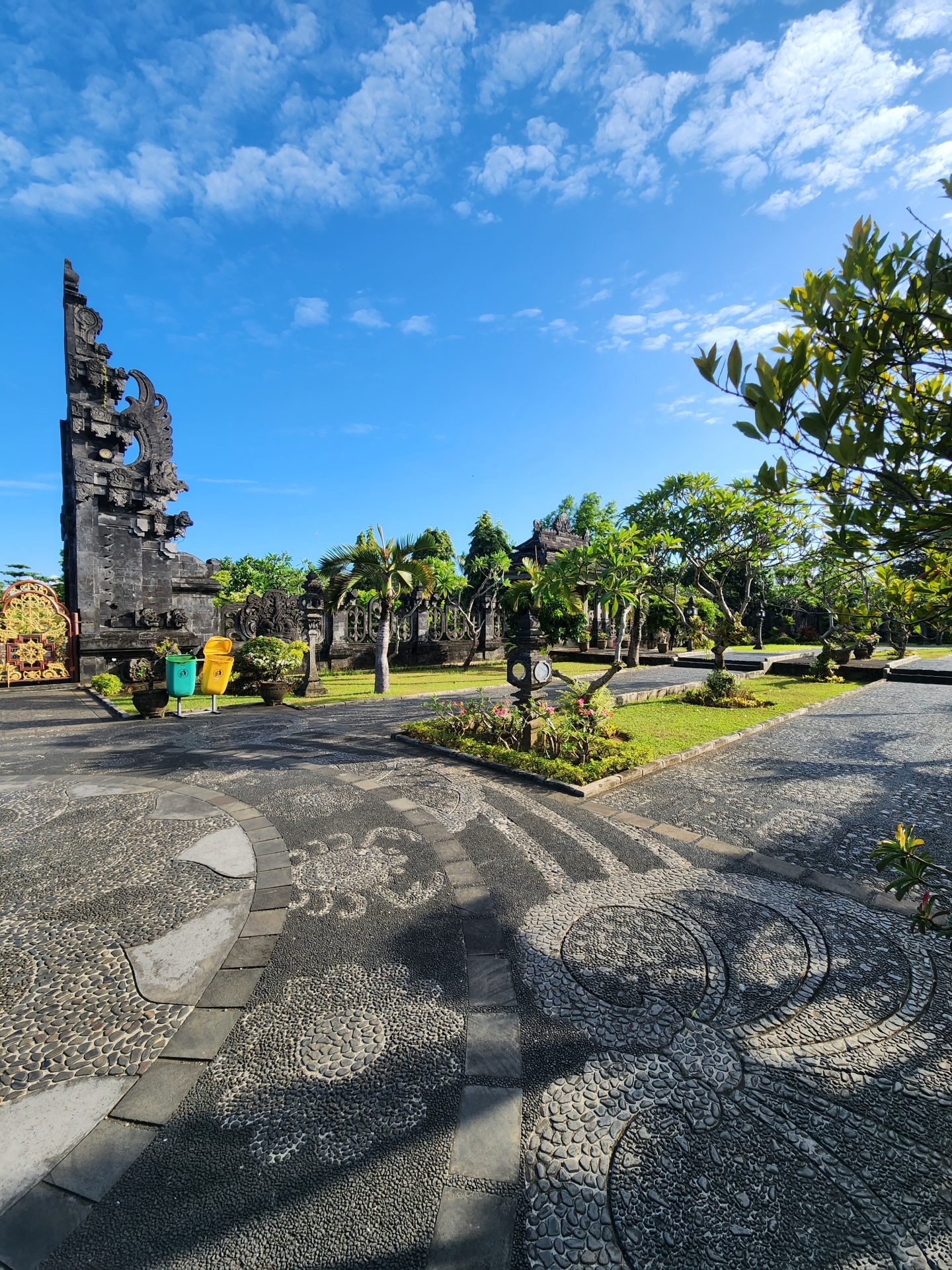
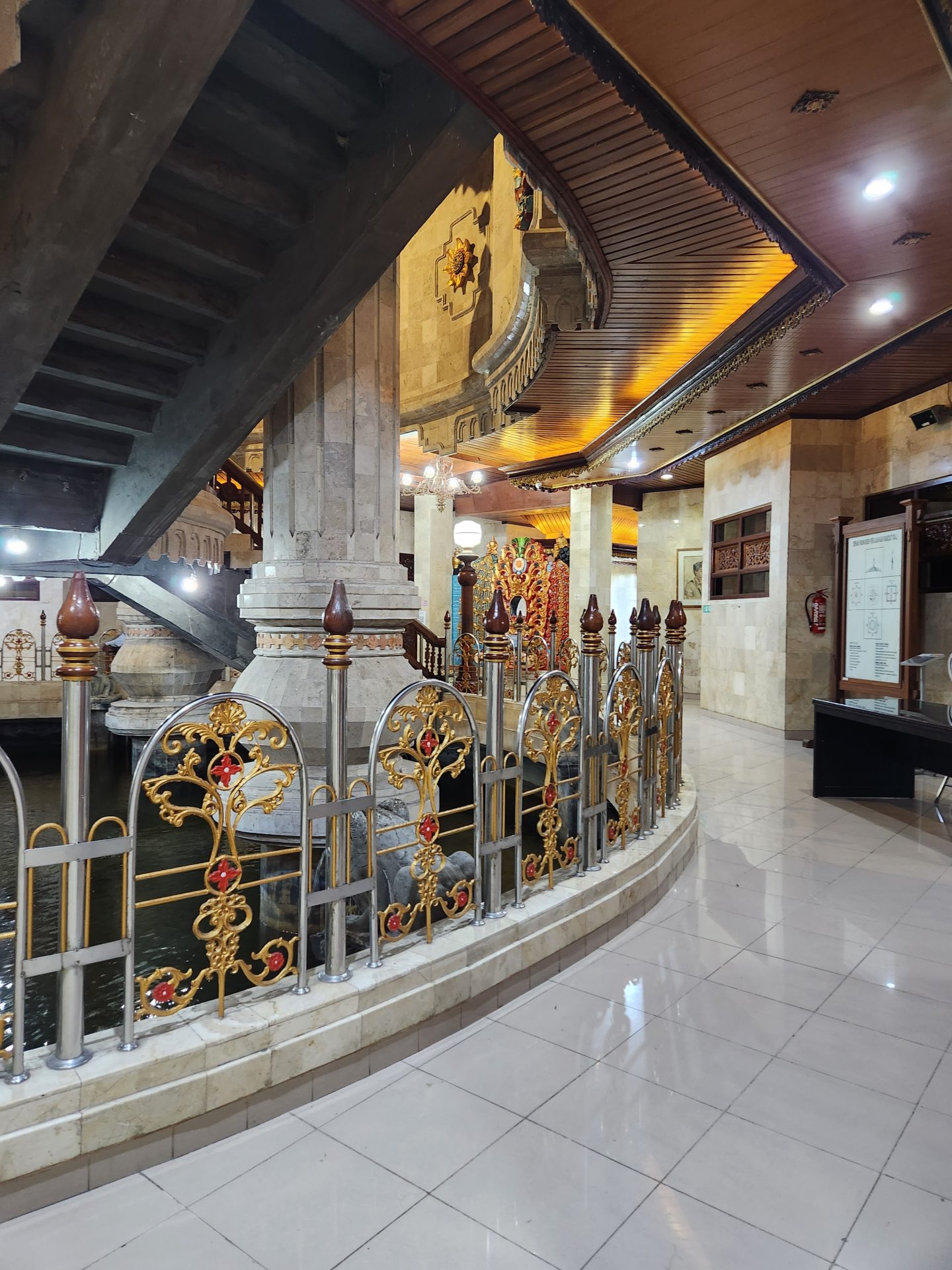
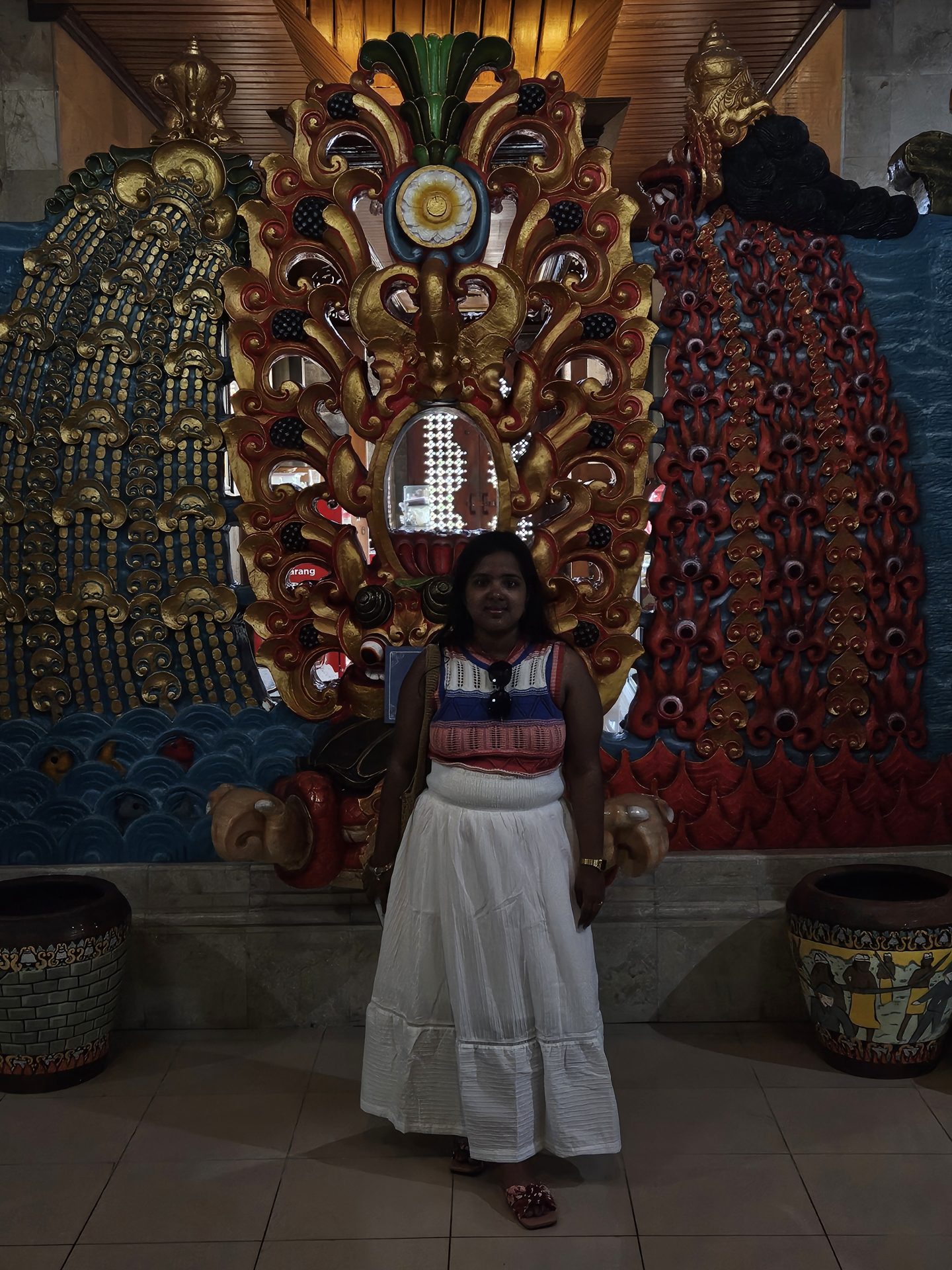
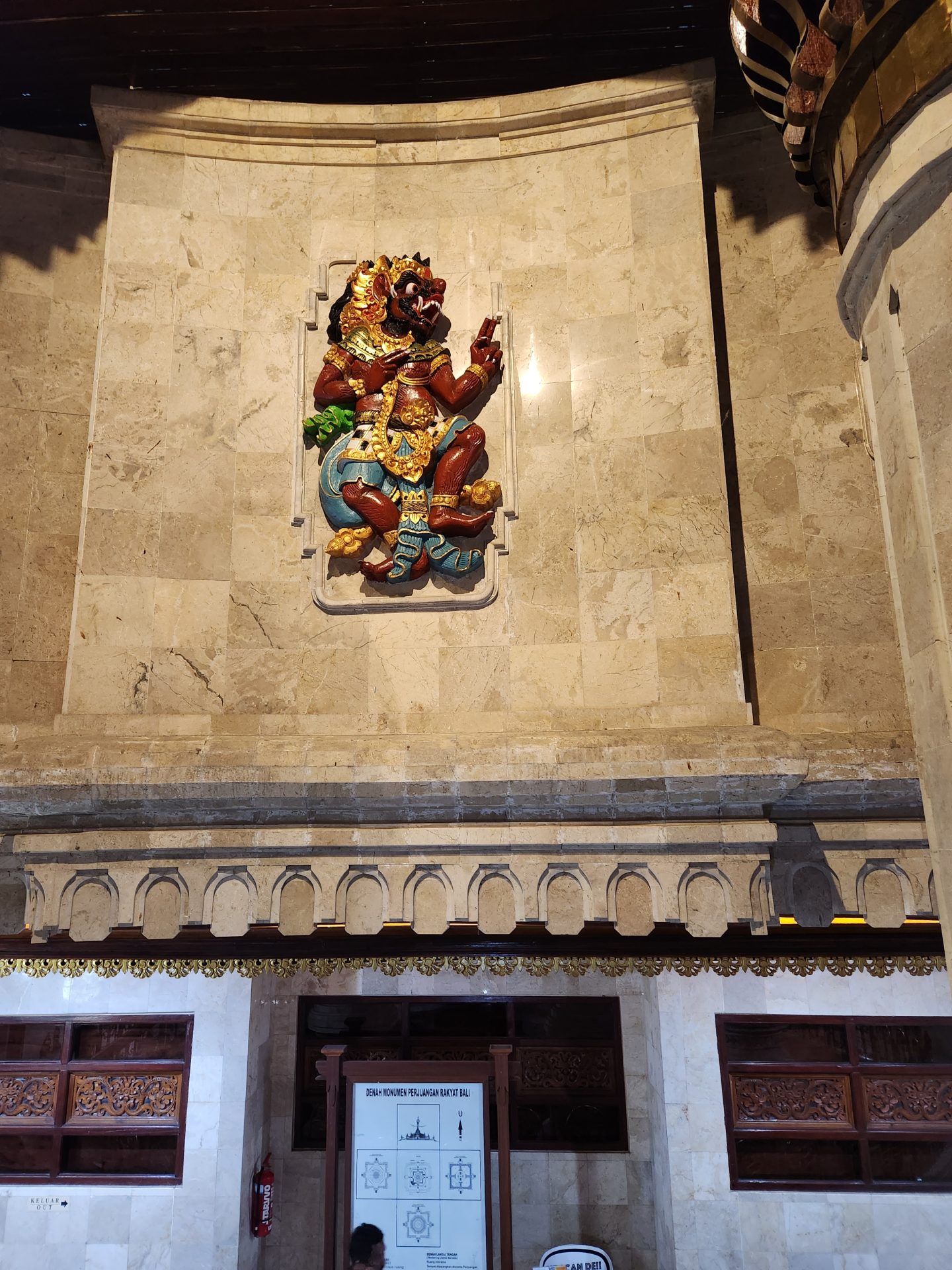
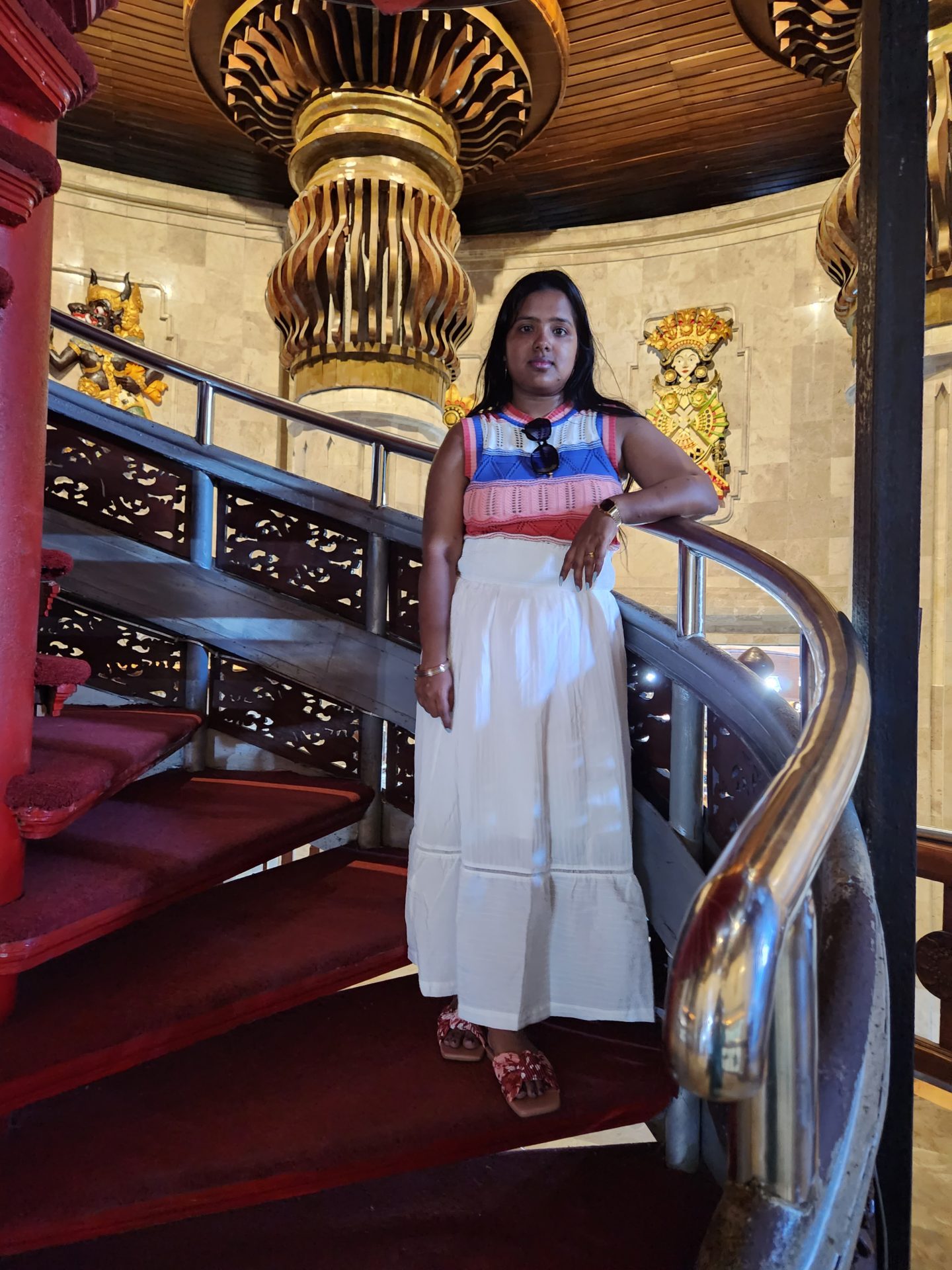
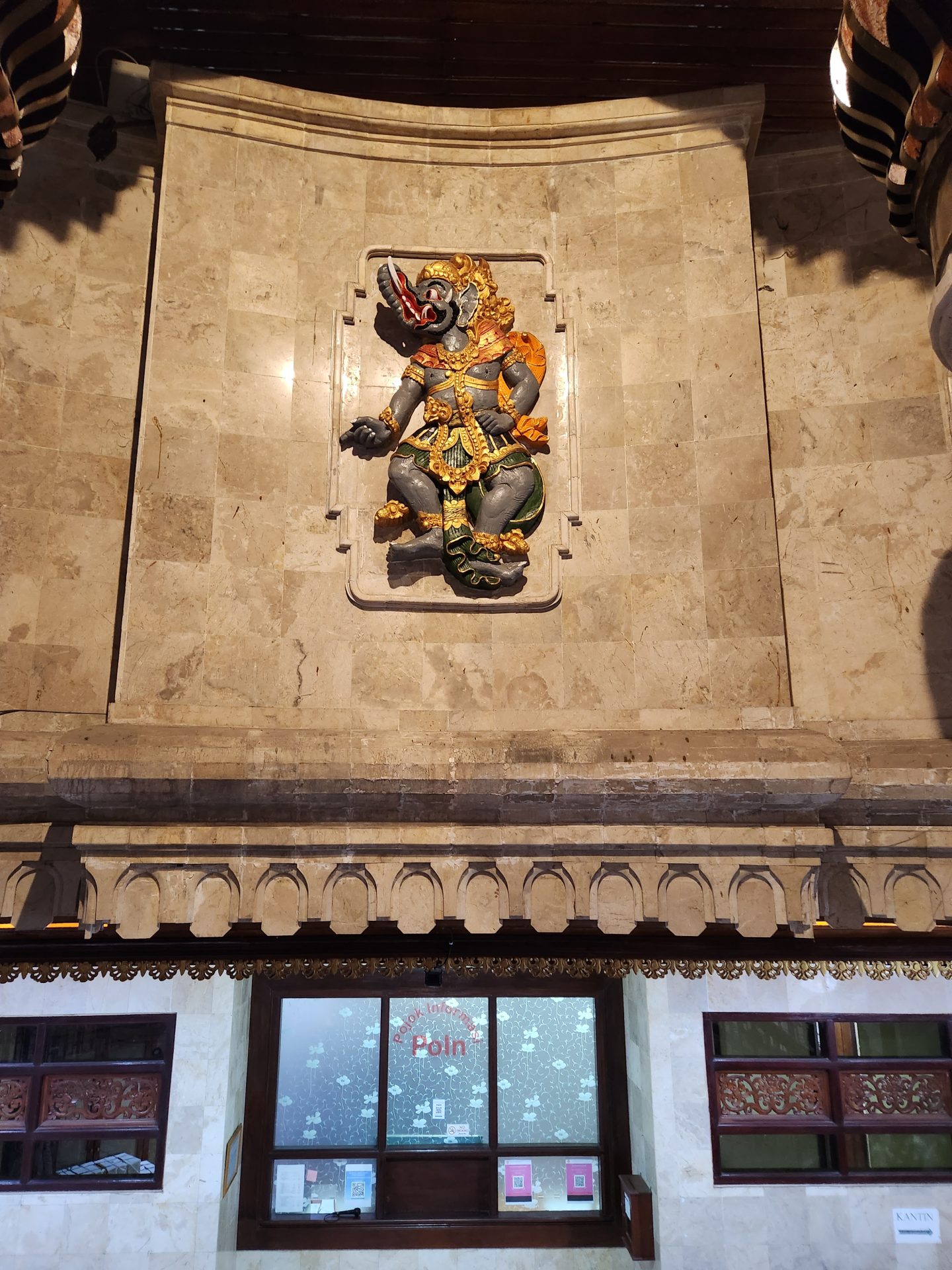
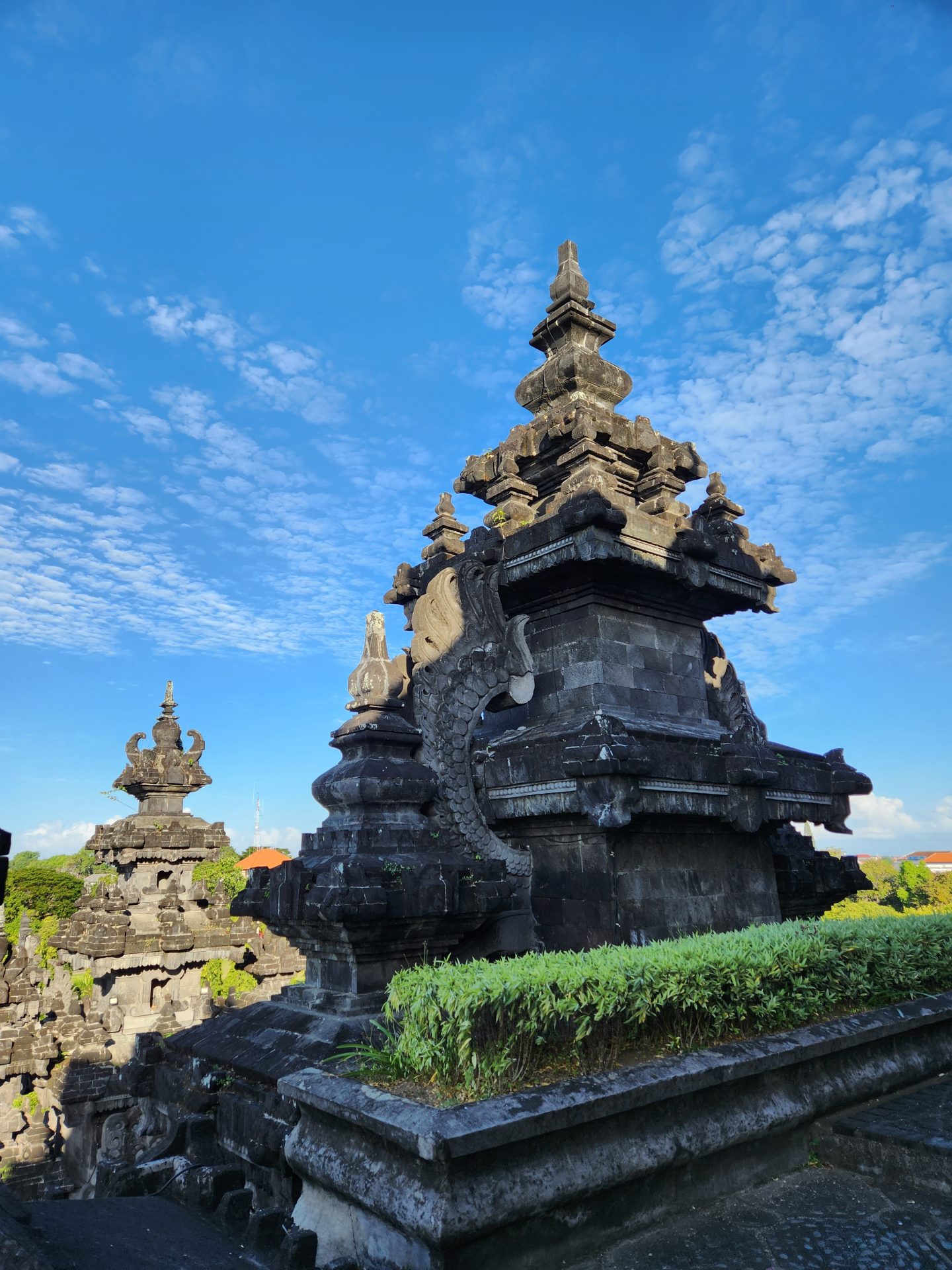
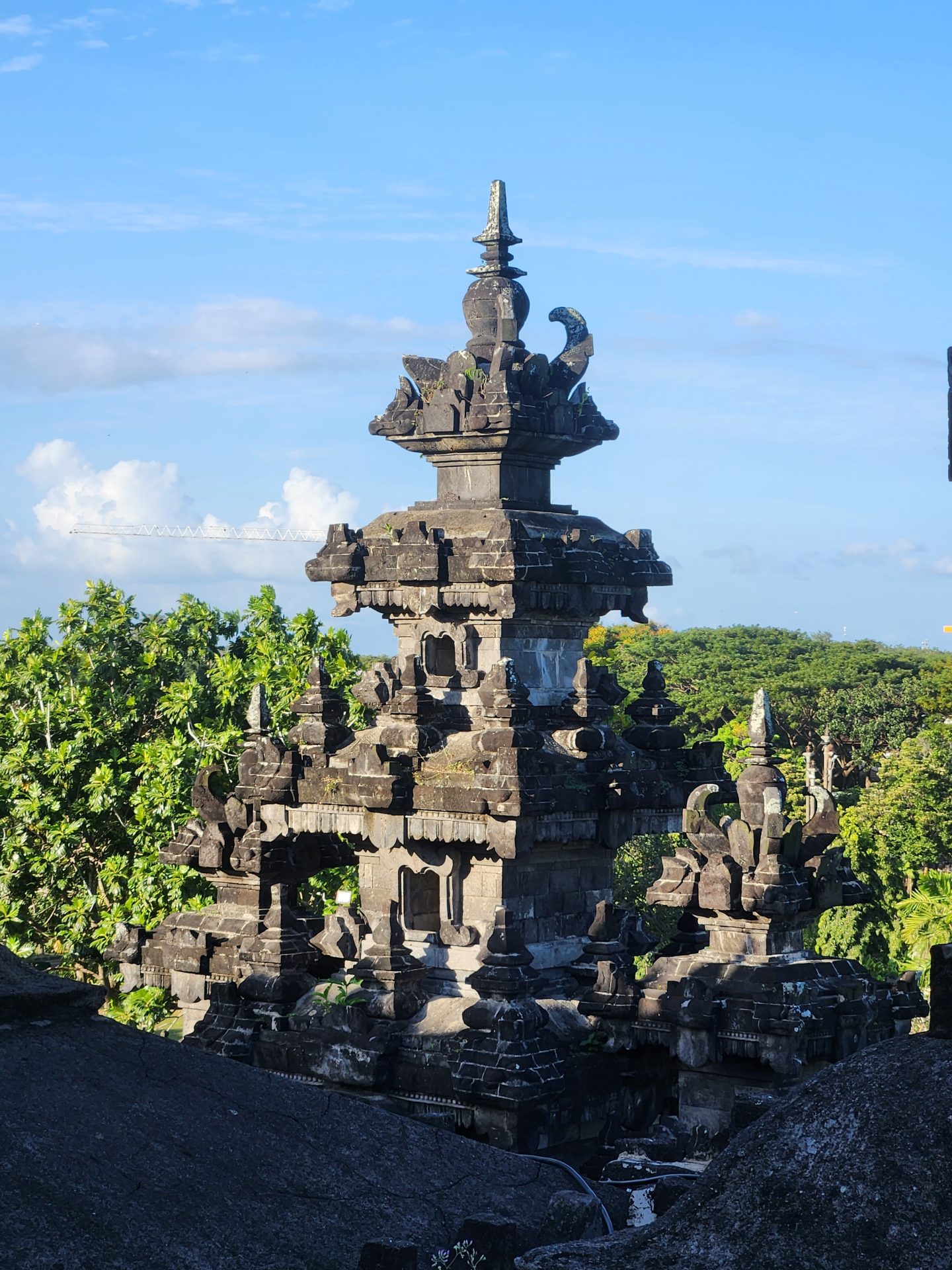
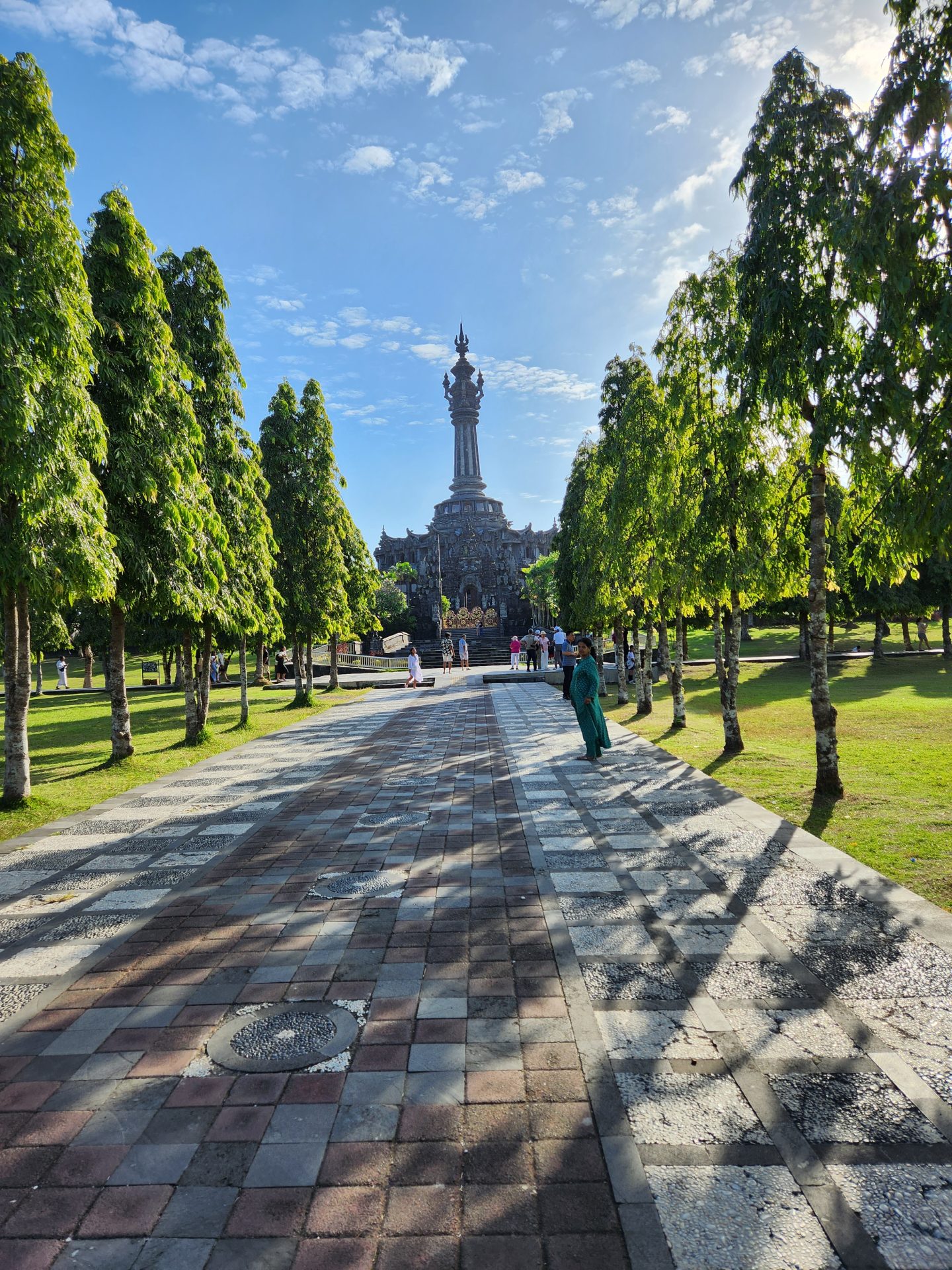
Located in Renon square, the monument built over a period of 6 years and completed in 1987 stands testimony to the struggles of the Balinese people against the Dutch. It was at this very place Puputan Badung where a suicidal fight against the Dutch invaders by the Balinese Royalty took place in 1906. A poignant reminder of the province’s enduring spirit and sacrifices made for attaining freedom. Shaped like a giant Balinese Bell or Bajaras, the term Bajra Sandhi means Gong of Power depicting the symbol of unity and strength of the Balinese people.
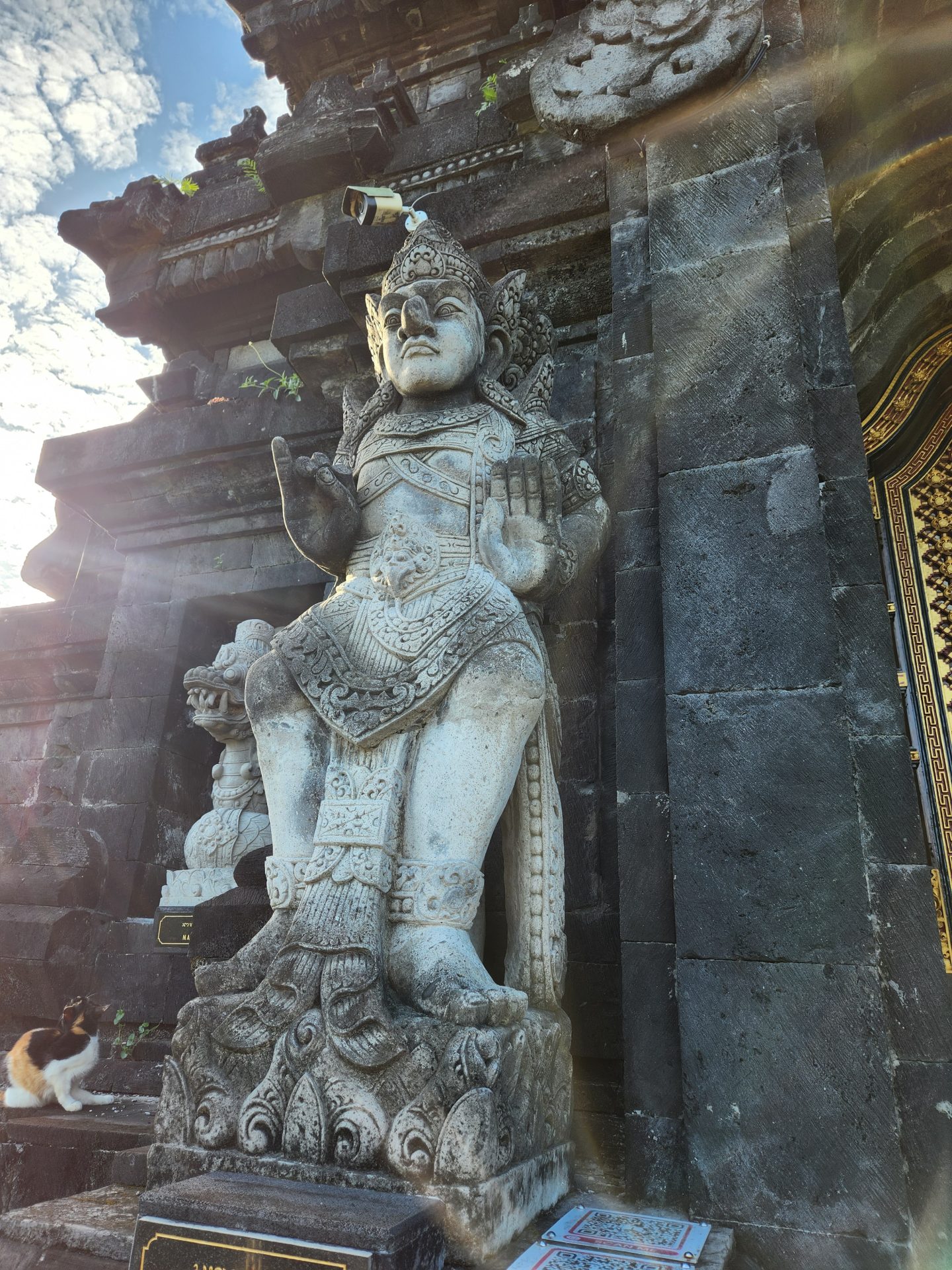
While the monument is made up of 3 sections, the base which is the first section als known as the Nista Mandala is built from a single piece of stone and features intricate carved reliefs portraying traditional Balinese scenes.
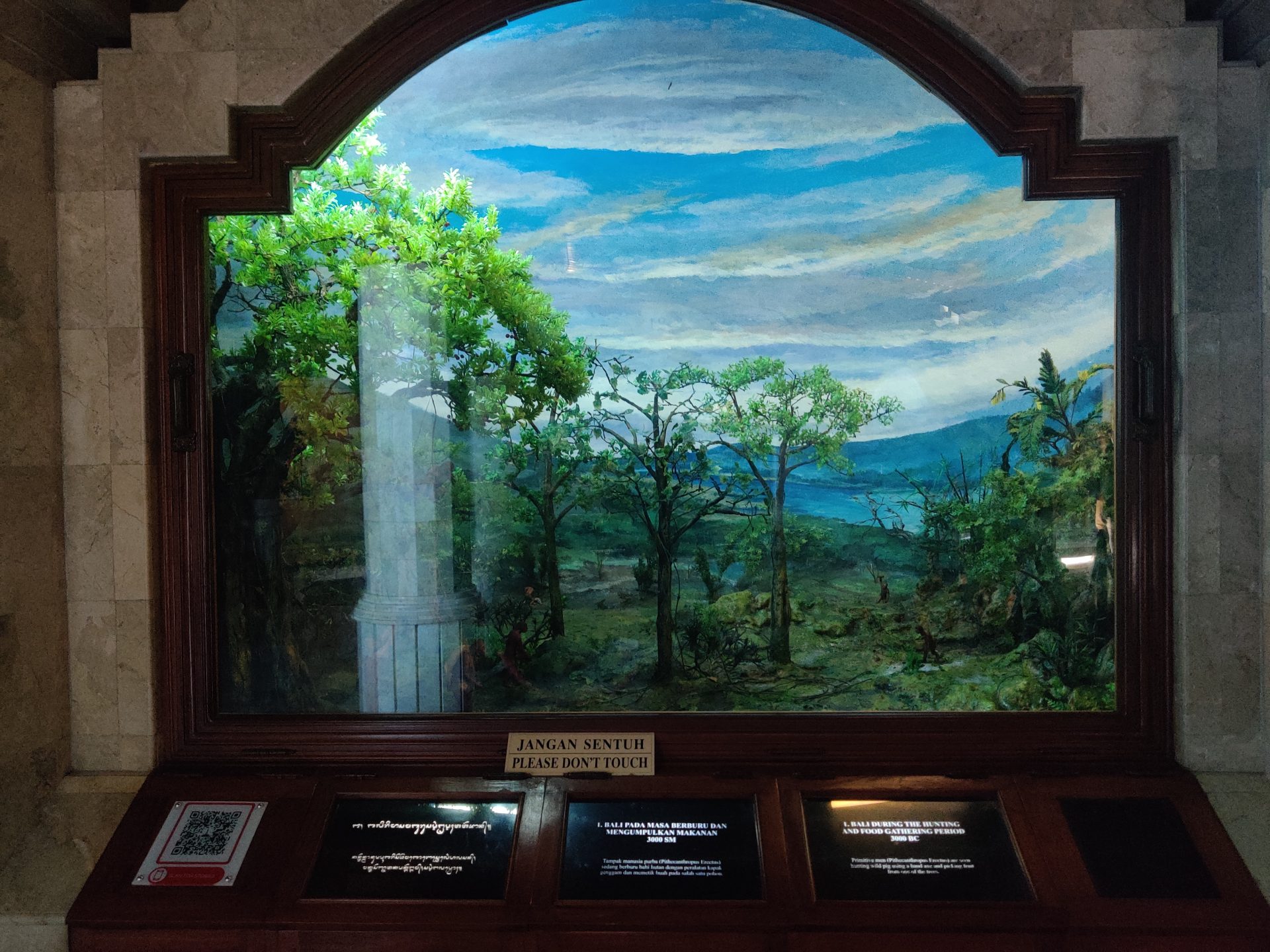
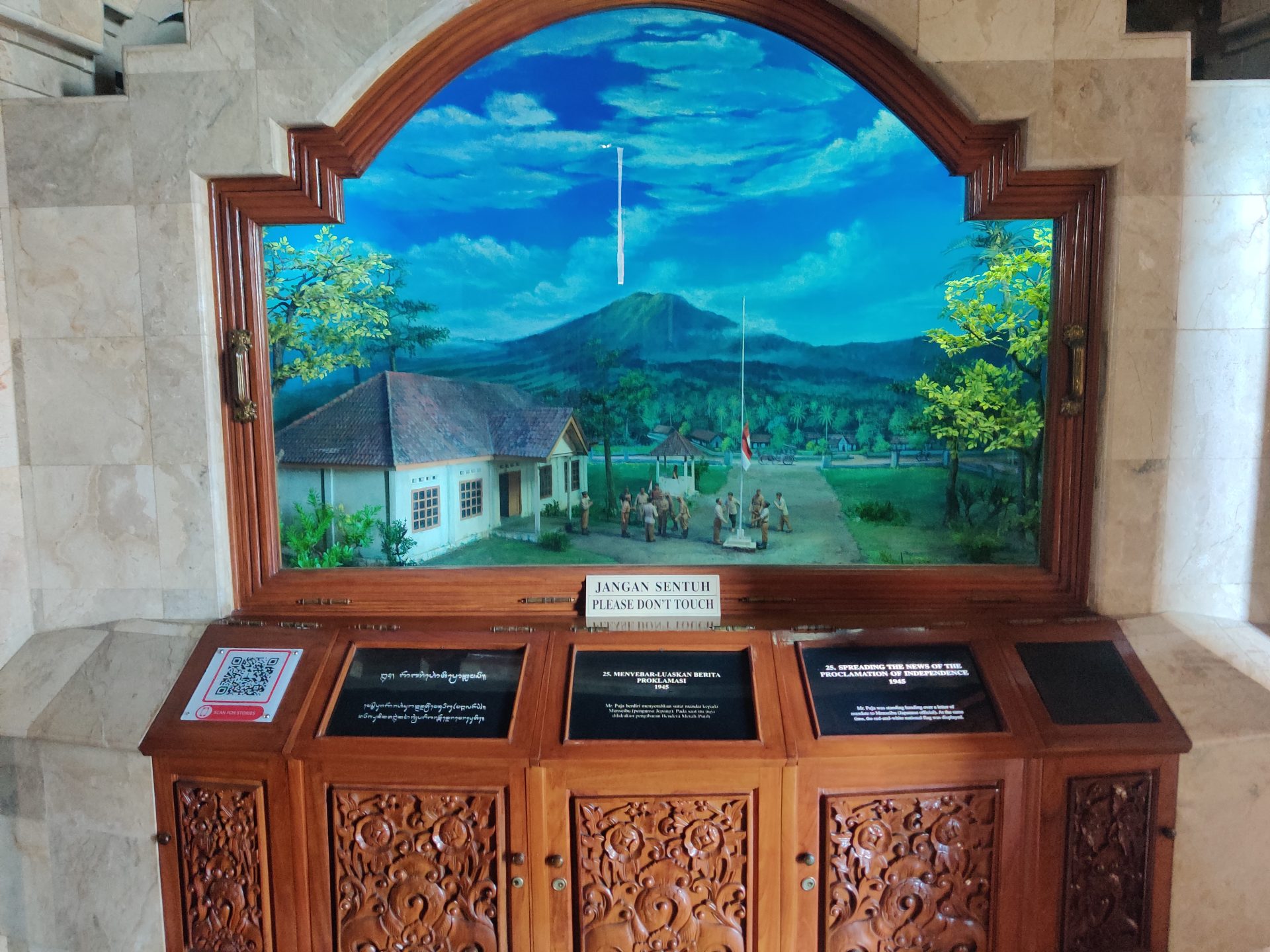
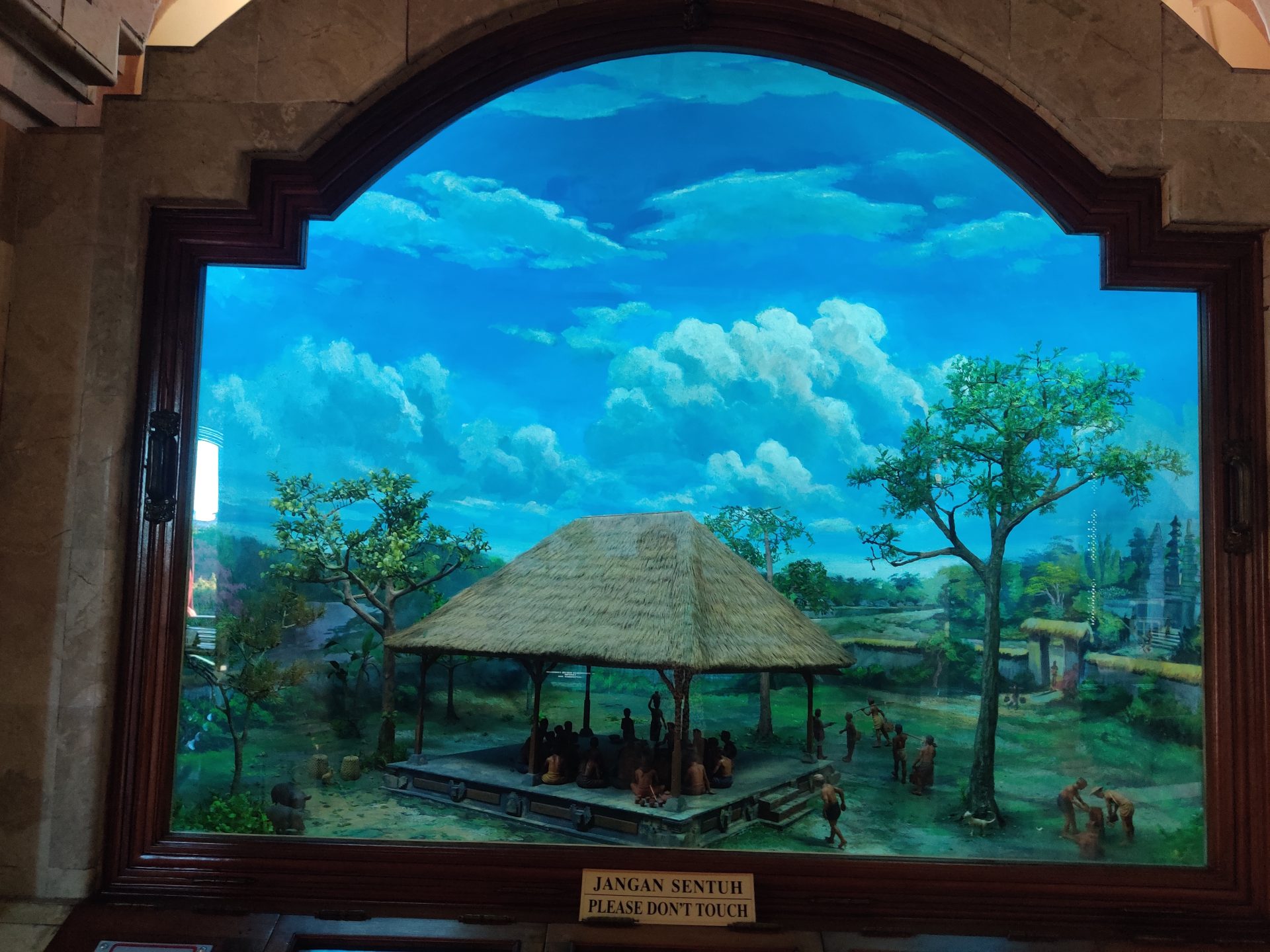
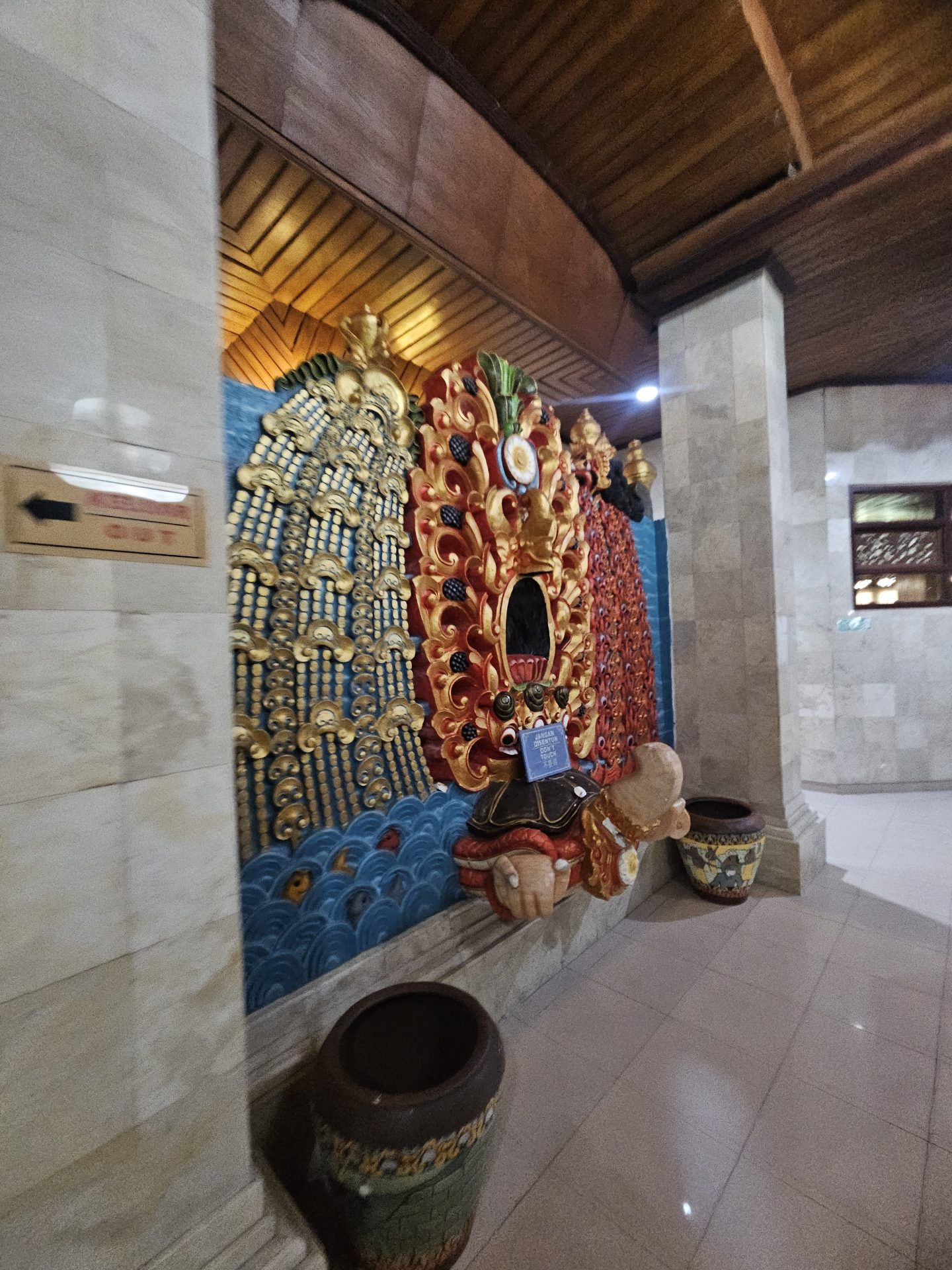
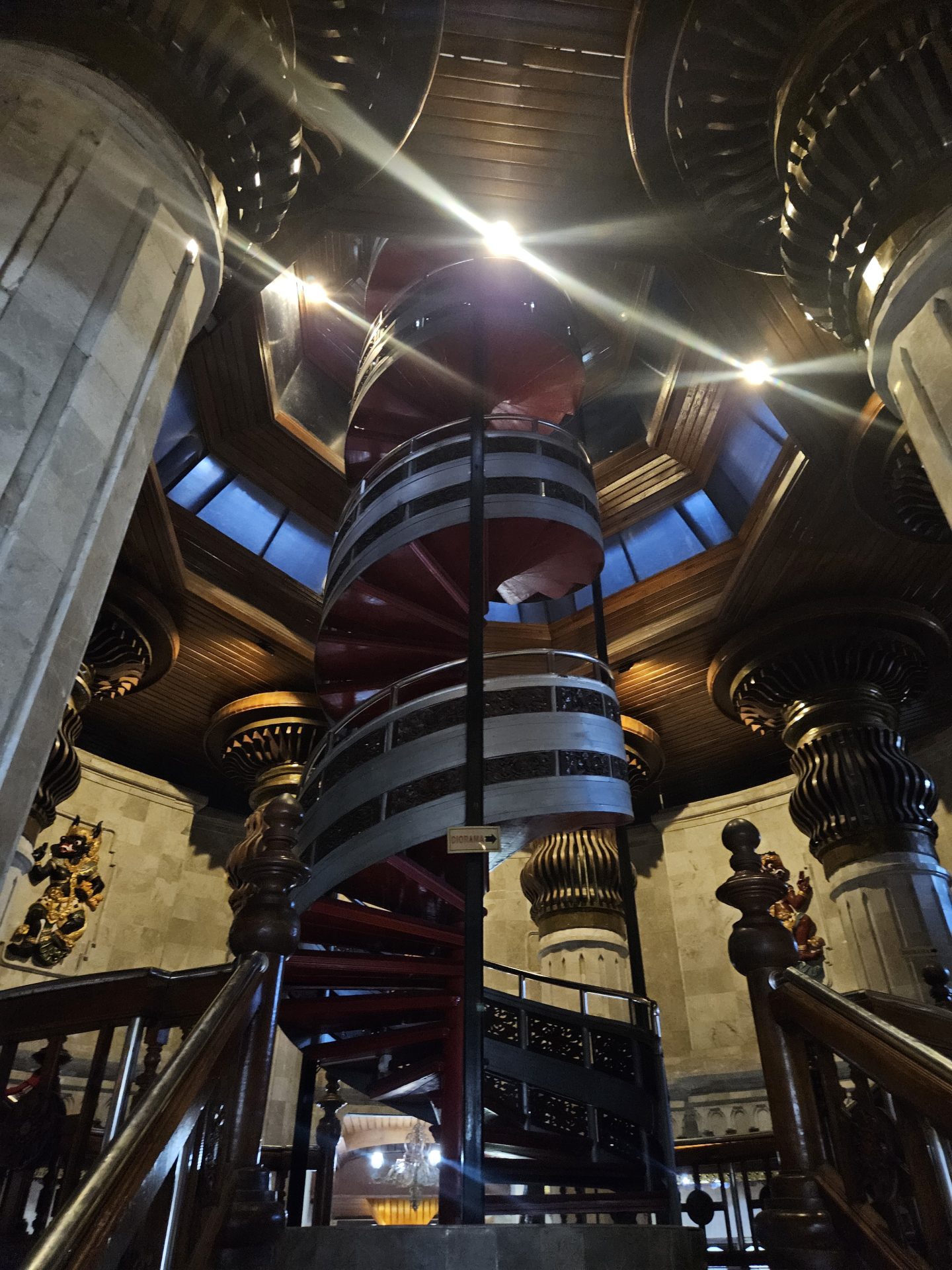
The second section (Madya Mandala) has a series of 3 dimensional models or replicas of historical scenes and natural scenes in full and miniature models.
These are also known as Dioramas and there are around 33 of them.
A few notable ones are the Bali bombings, the battle of Puputan and the Indonesian National Revolution. The 3rd section or the Utama Mandala has a meditation space and also offers a panoramic view of Denpasar.
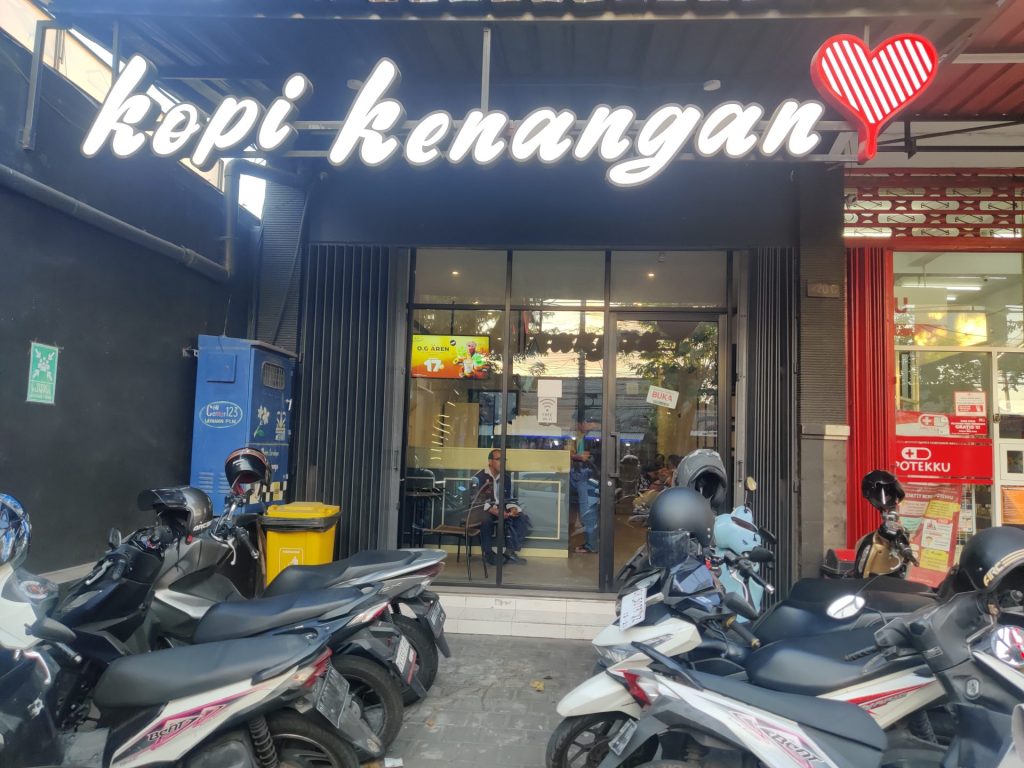
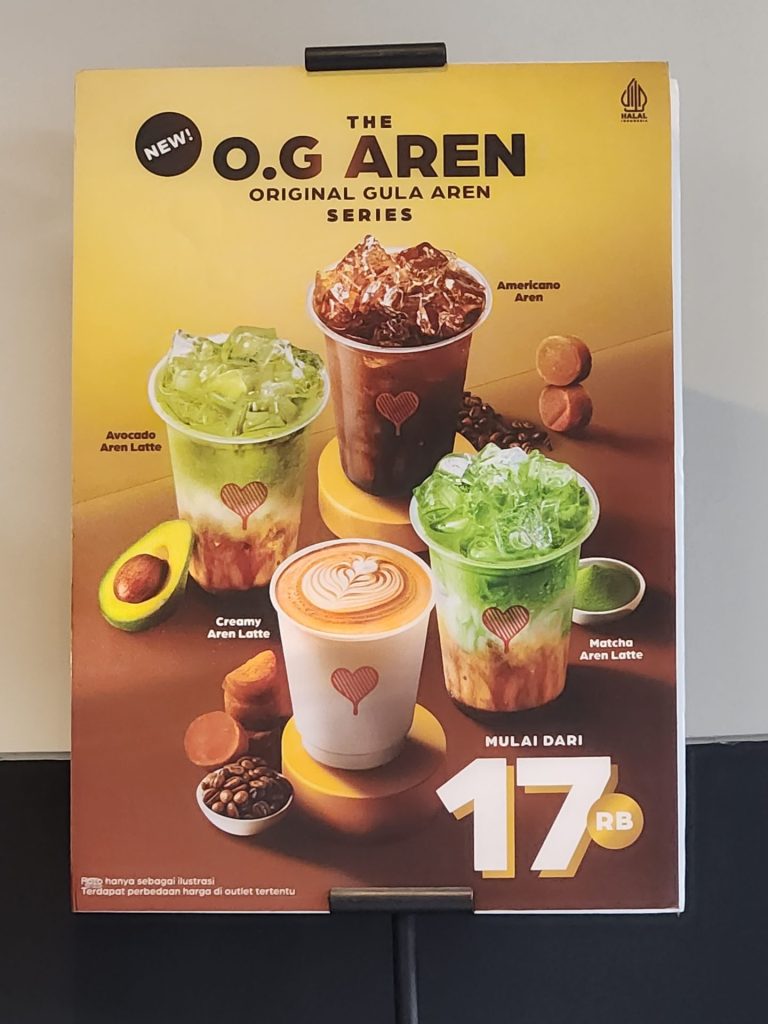
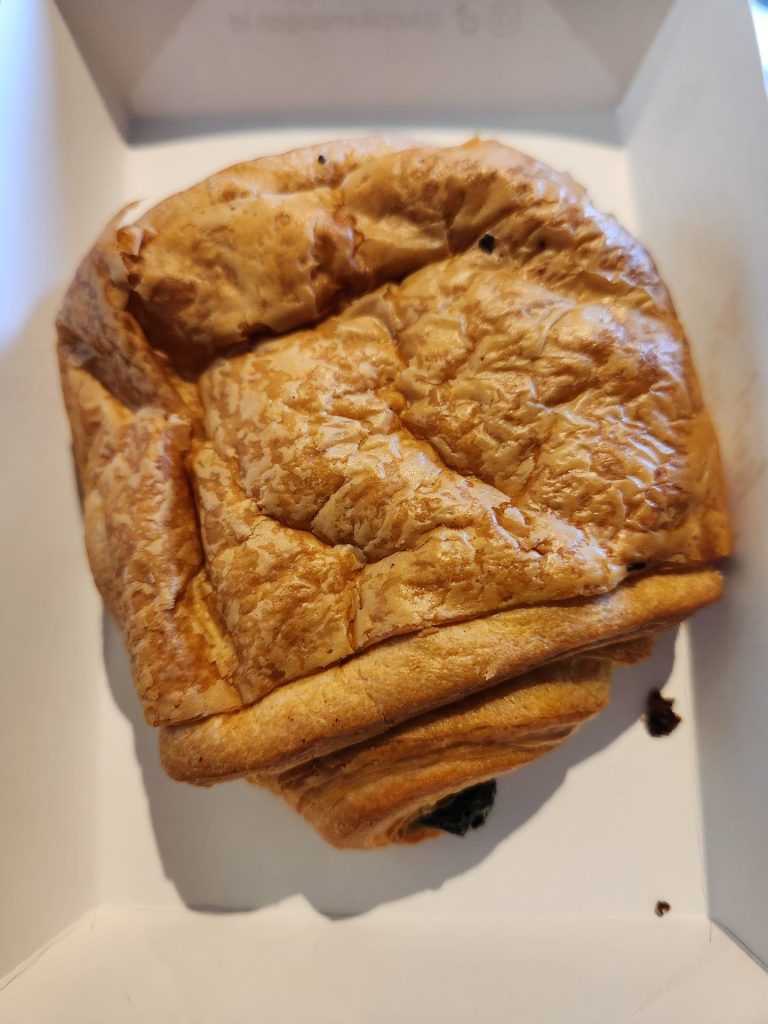
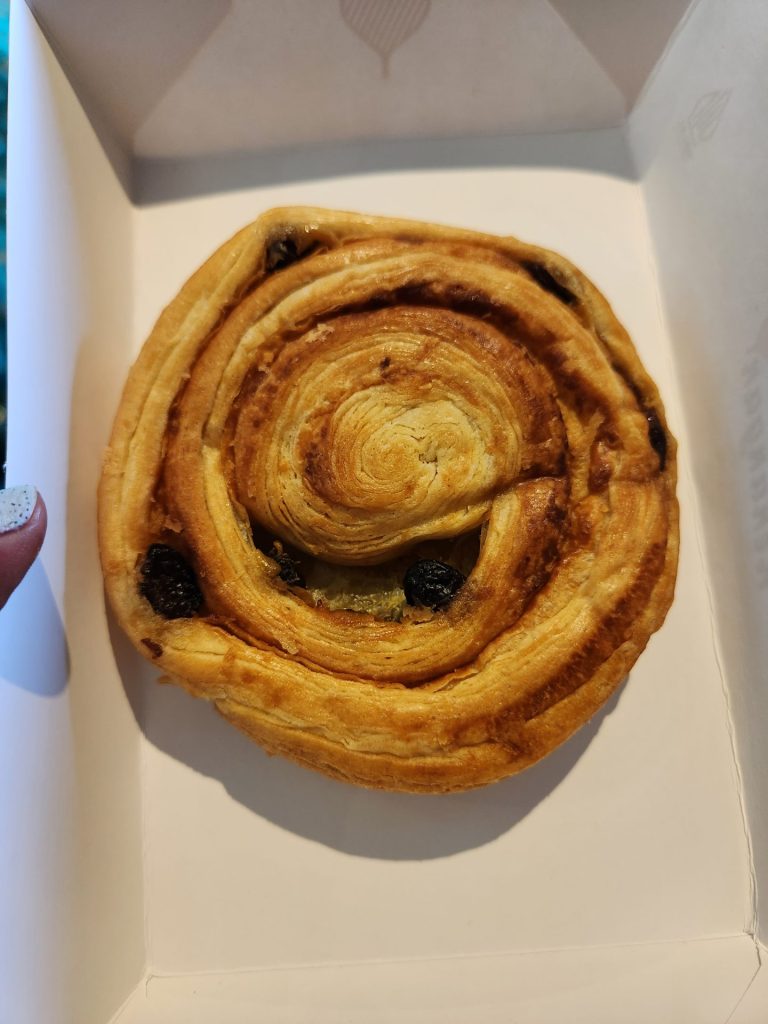
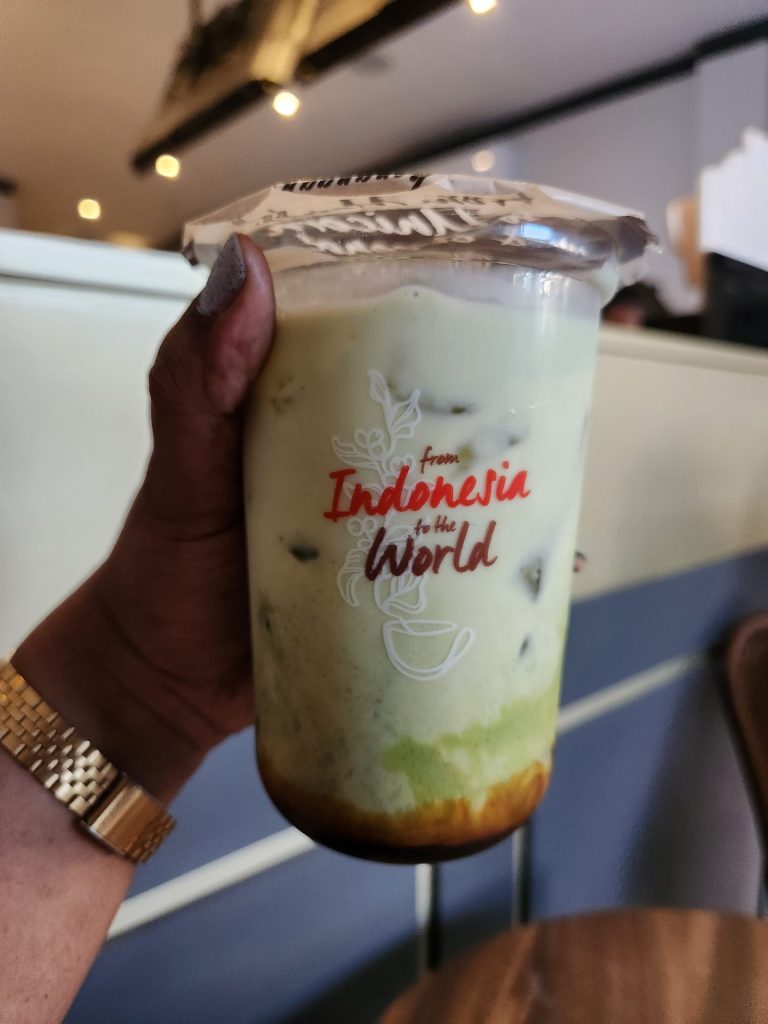
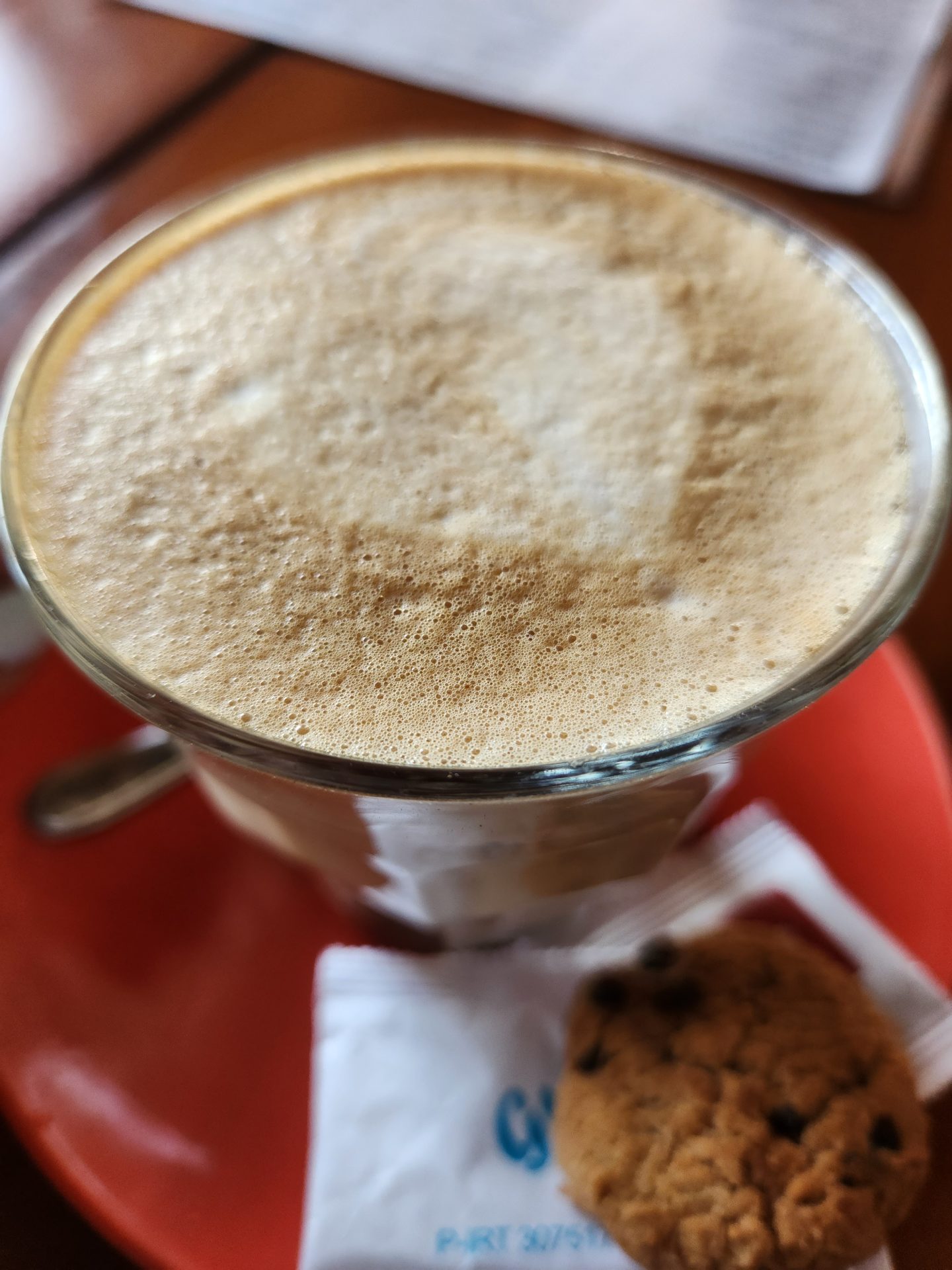
The ice-creams and the shakes at Tanah Lot had long since depleted our energy levels and we began to feel the hunger pangs. Enroute Denpasar, we pulled into a nice Café Kopi Kenangan by around 5.30 PM. Chocolate and Raisin Croissants flew off their shelves onto our plates, so starved were we and after helping ourselves to some Lattes, we started our way back to our hotel.
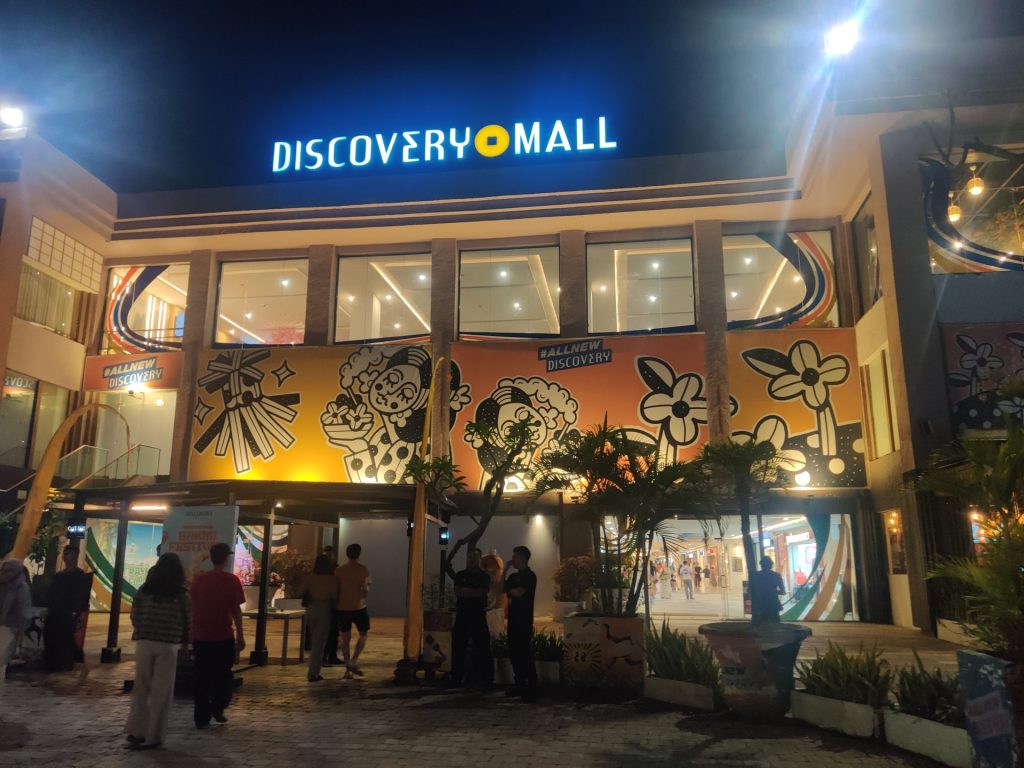
The Discovery Mall by the beach
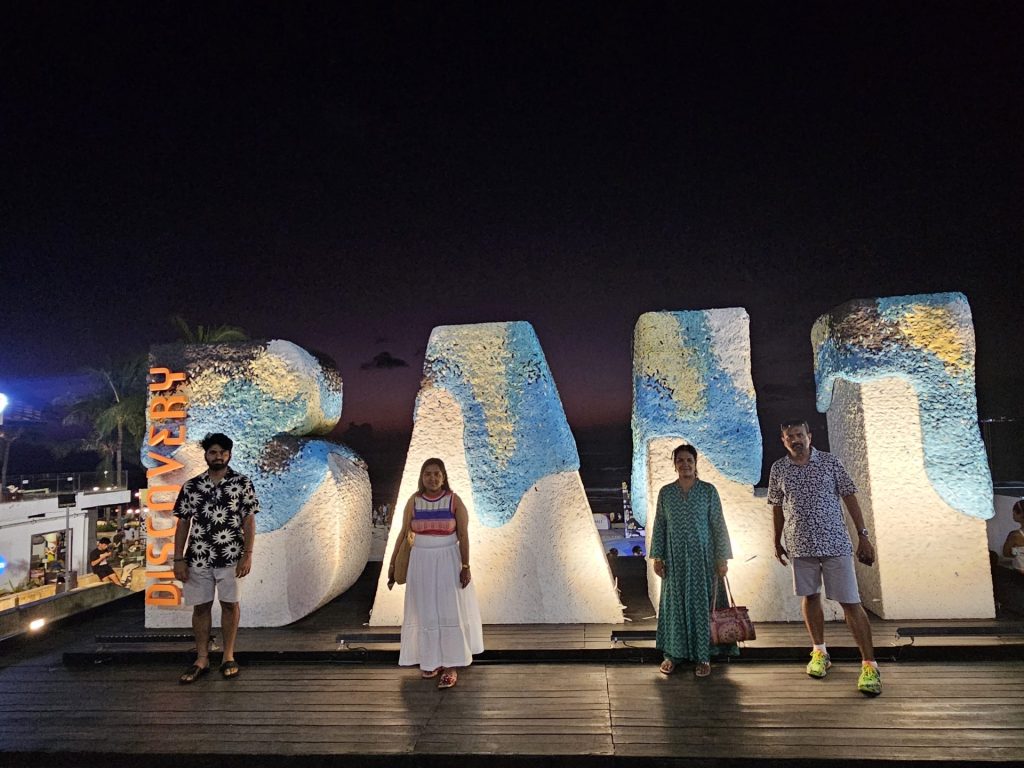
Kupit suggested dropping us at Bali’s 2nd largest Mall, the Discovery Mall, located around a couple of Kms from our hotel. The Mall had their back gates opening to the picturesque Kuta beach and had lot of options for shopping from local to international brands and eating joints too besides an ampitheatre.
We settled his payment of IDR 600,000 and told him about an early start for the next day since we were to shift base from Kuta to Ubud for Part 2 of Bali.
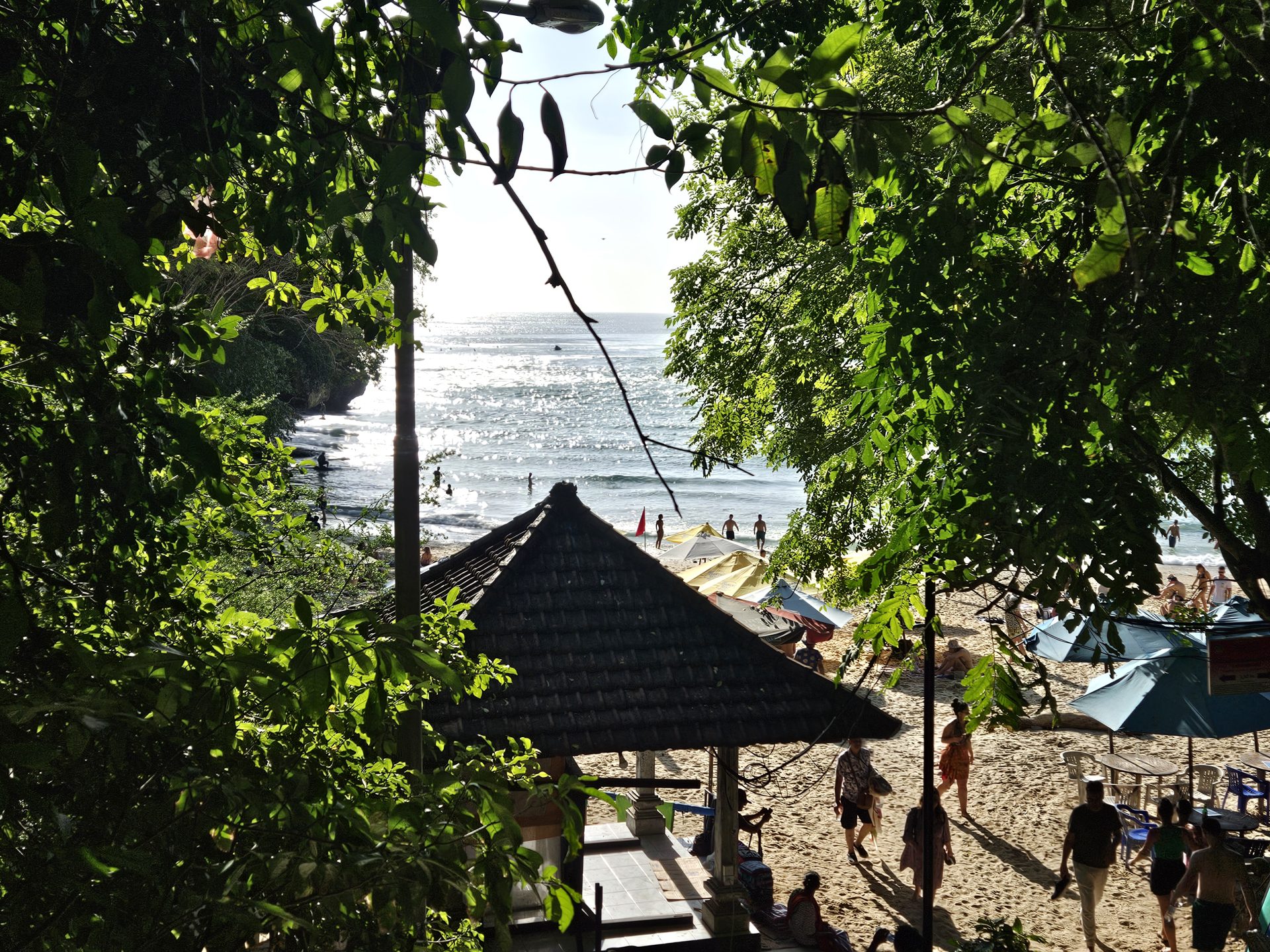
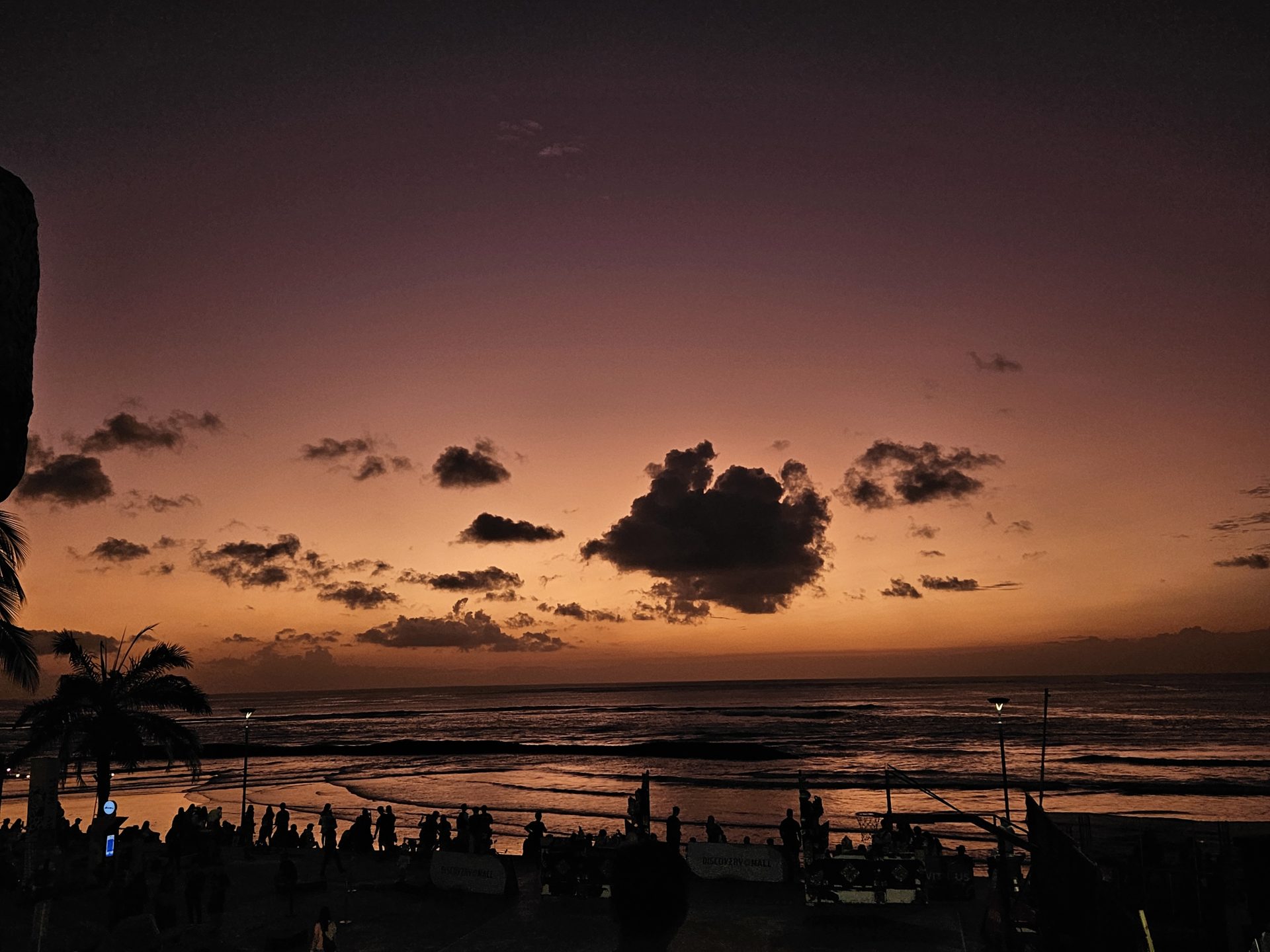
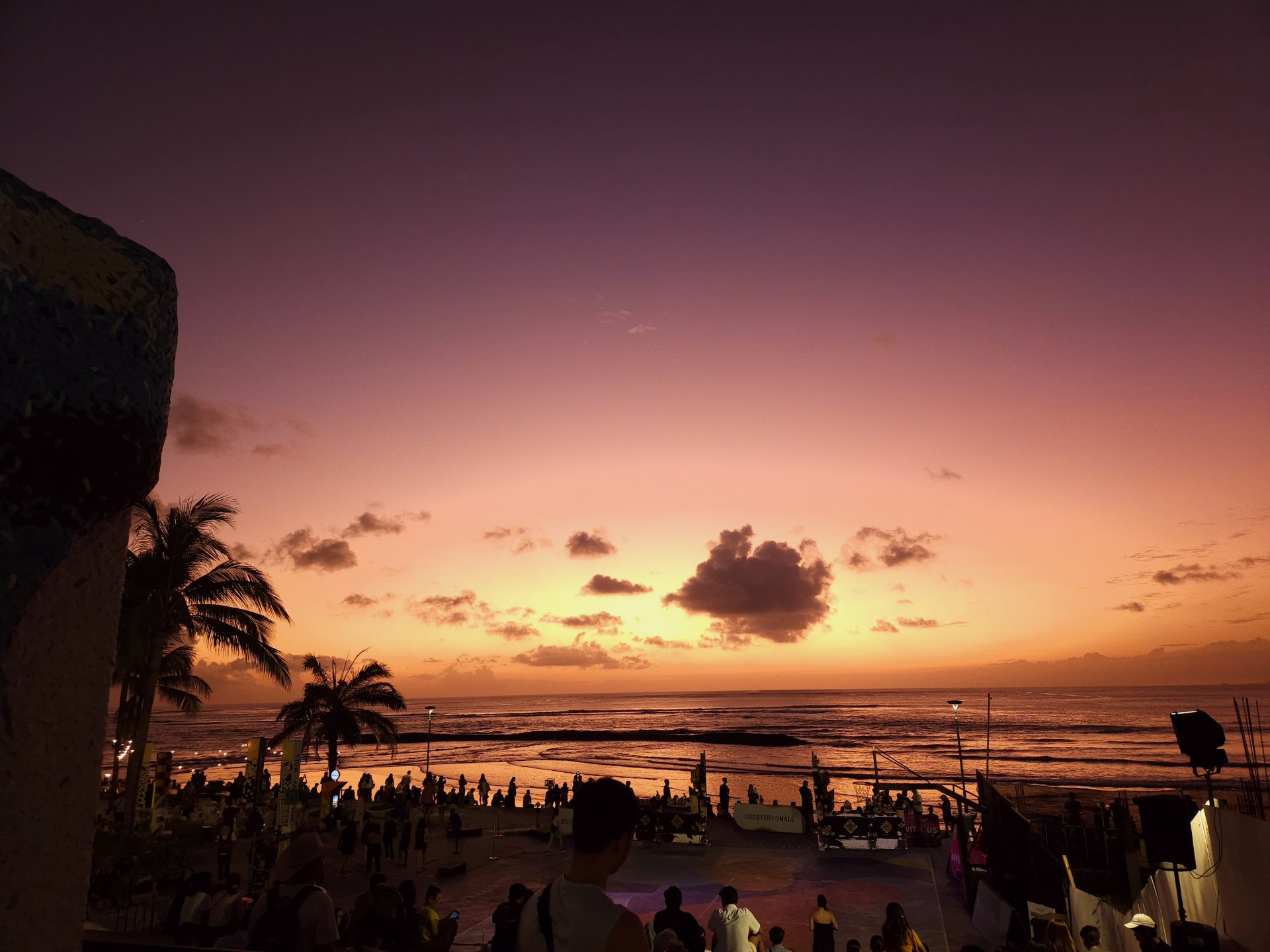
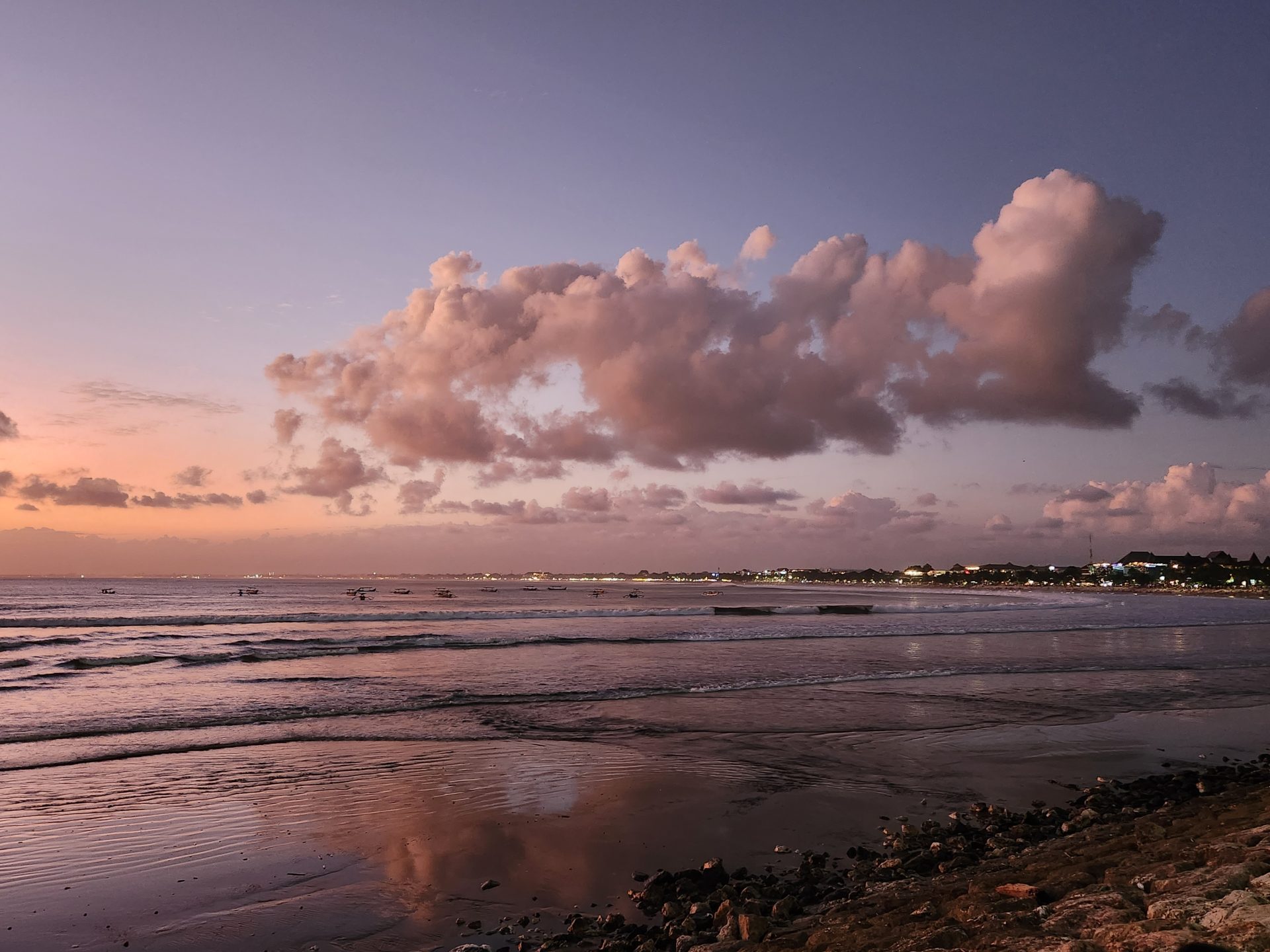
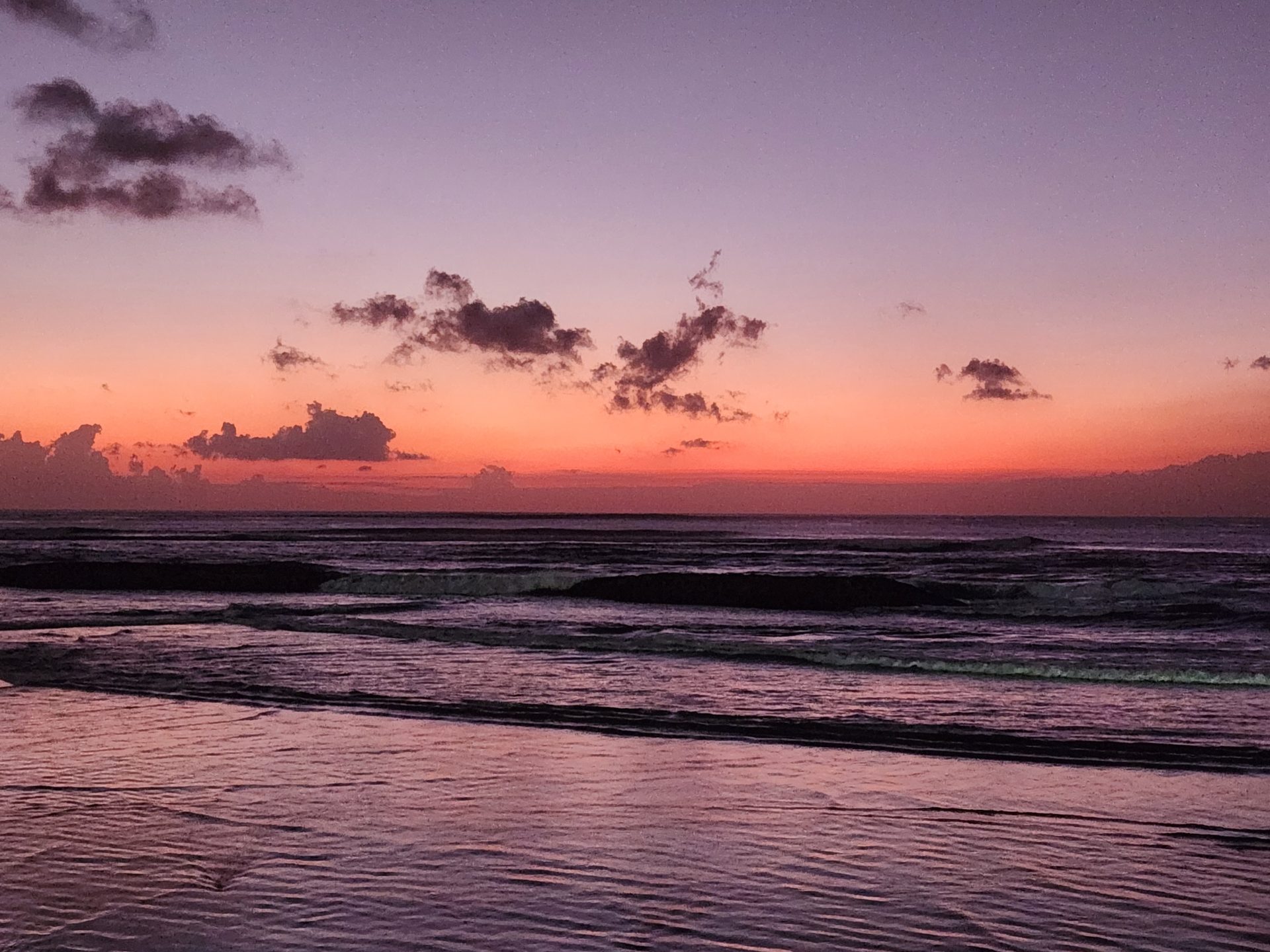
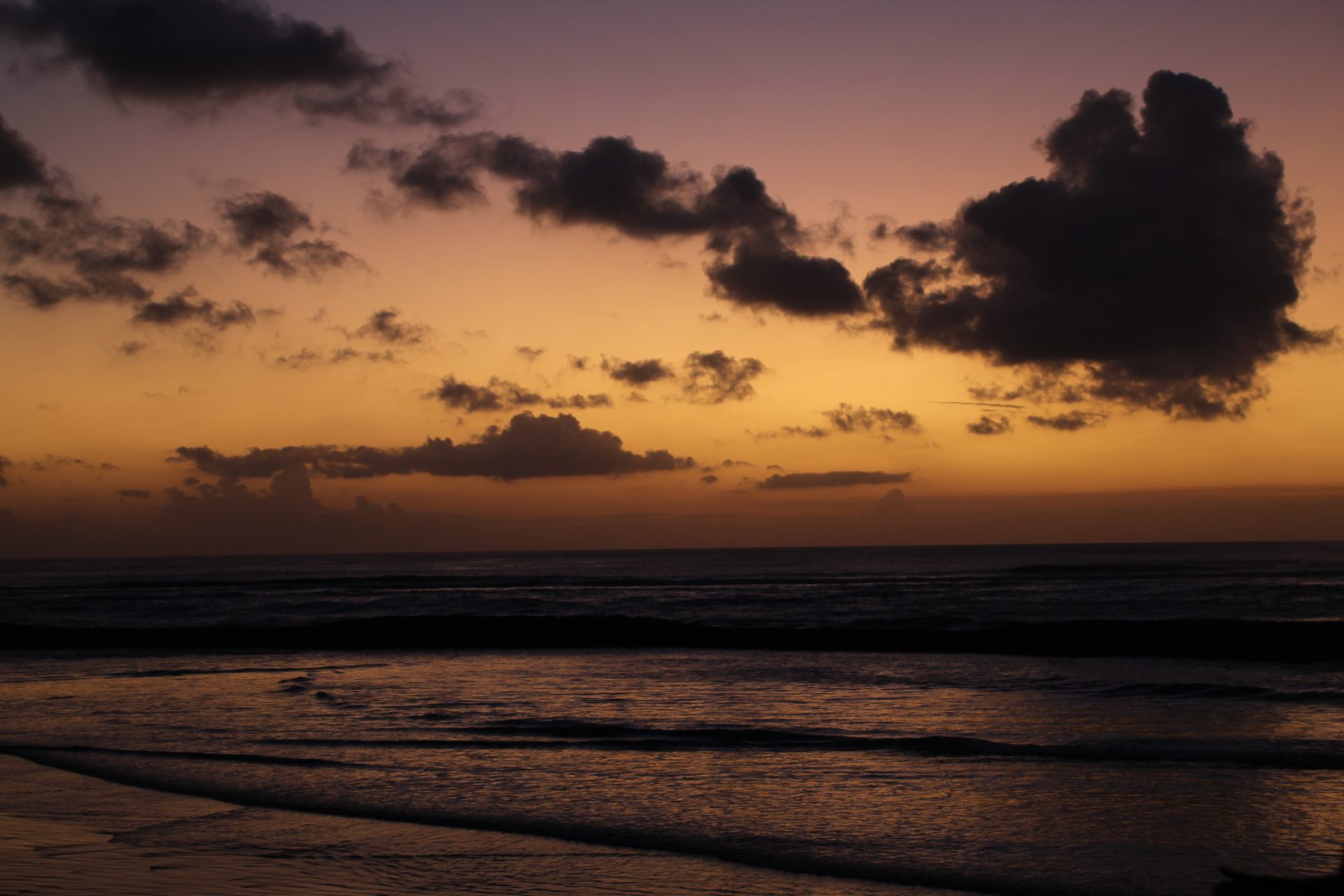
As we strolled through the Mall and reached the rear end to move towards the beach, stunning views of sunset across the Kuta beach greeted us.
After spending around an hour here, we then walked across to the Beachwalk Shopping Centre located close by and post some window shopping, we took a cab back to our hotel by around 8 PM.
We were not very hungry but still trudged across to Bollywood Masalas for a light dinner by around 9.30 PM. Informed the reception about our intended check-out the next day morning and asked them to keep the bills ready.
June 6th 2024
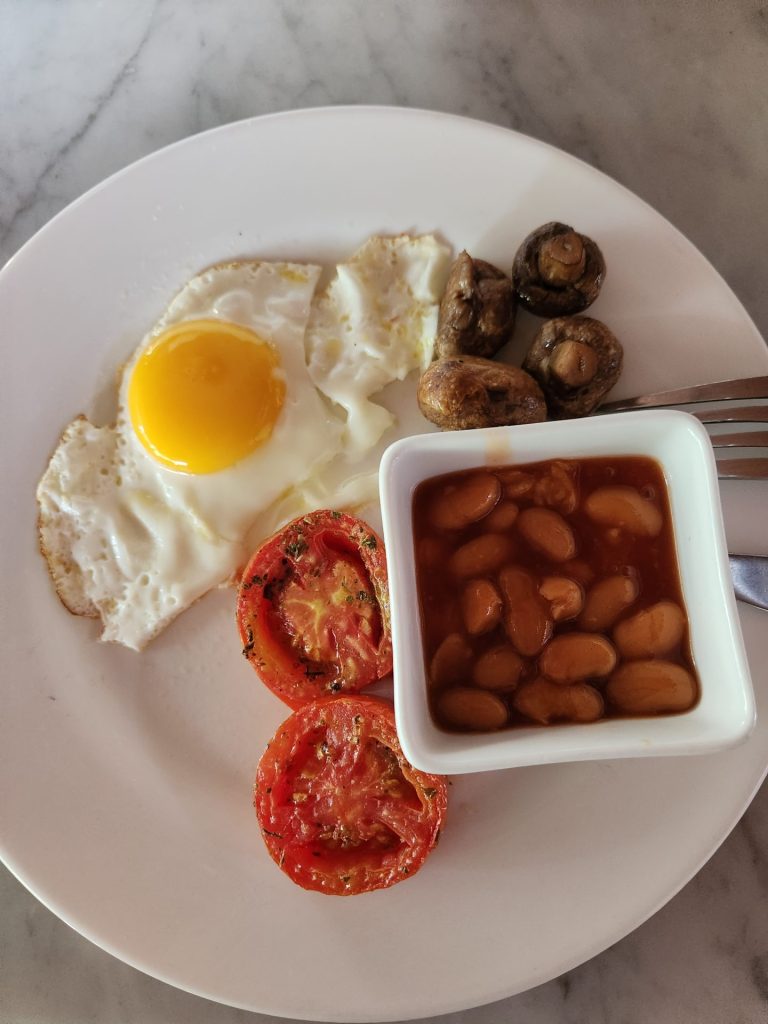
Around 8.30 AM we checked out of our hotel at Kuta and after a hearty breakfast started our journey for Ubud, located around 32 kms away.
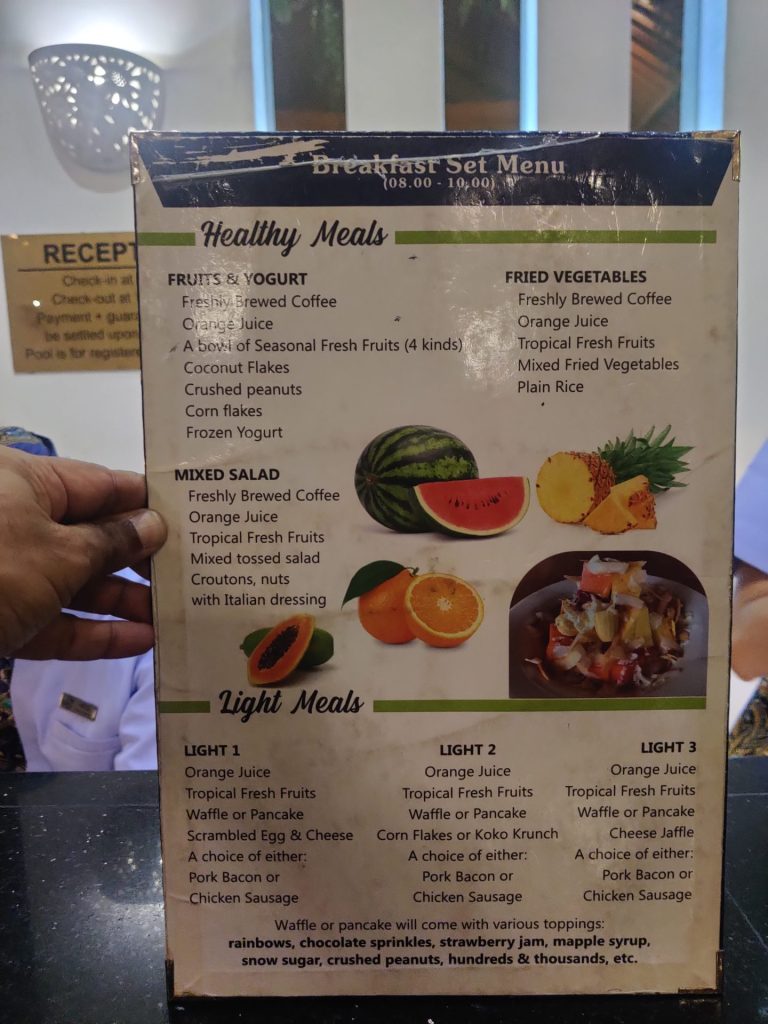
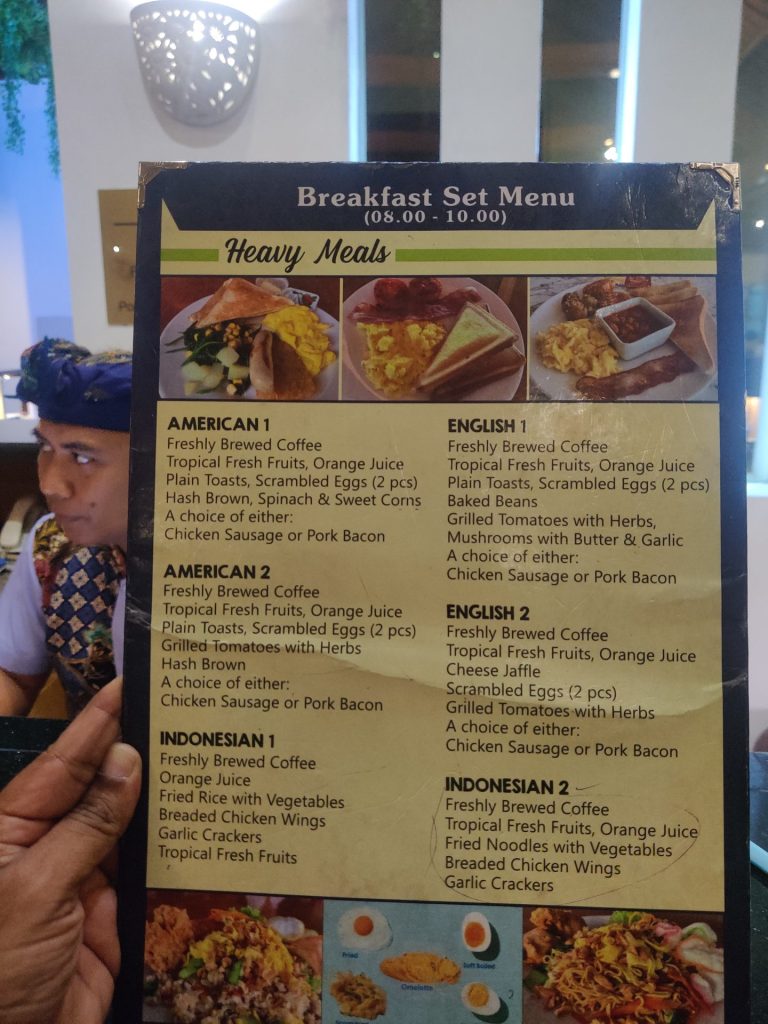
Breakfast @ Febris
Driving into Ubud
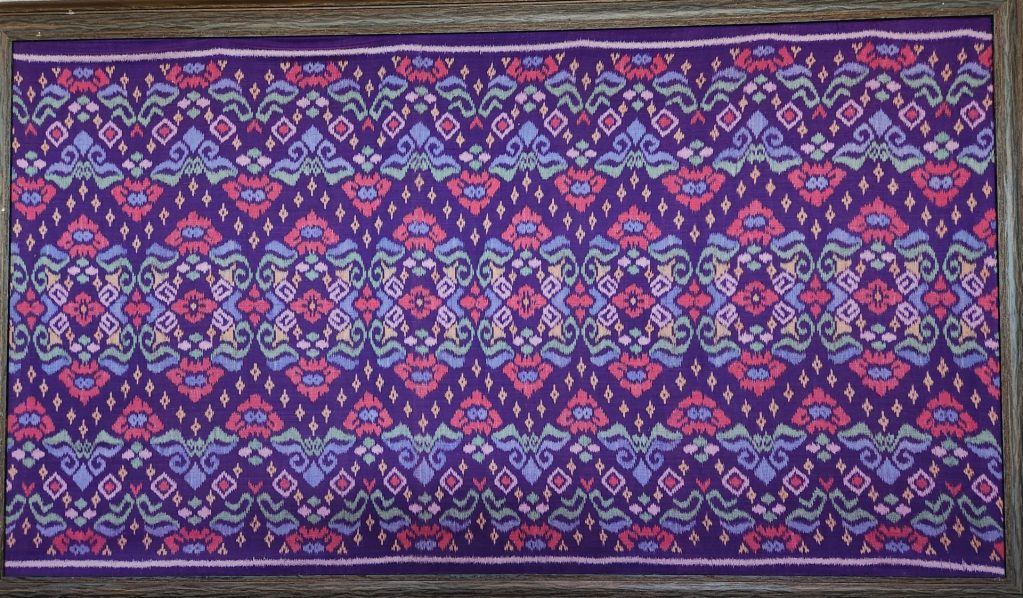
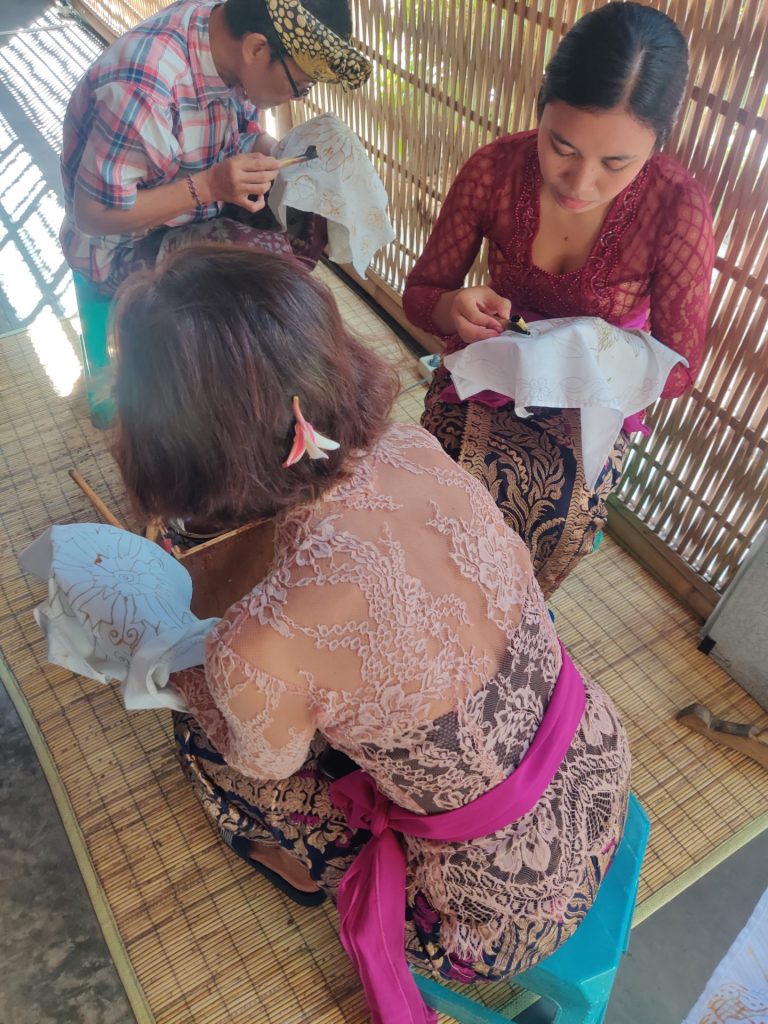
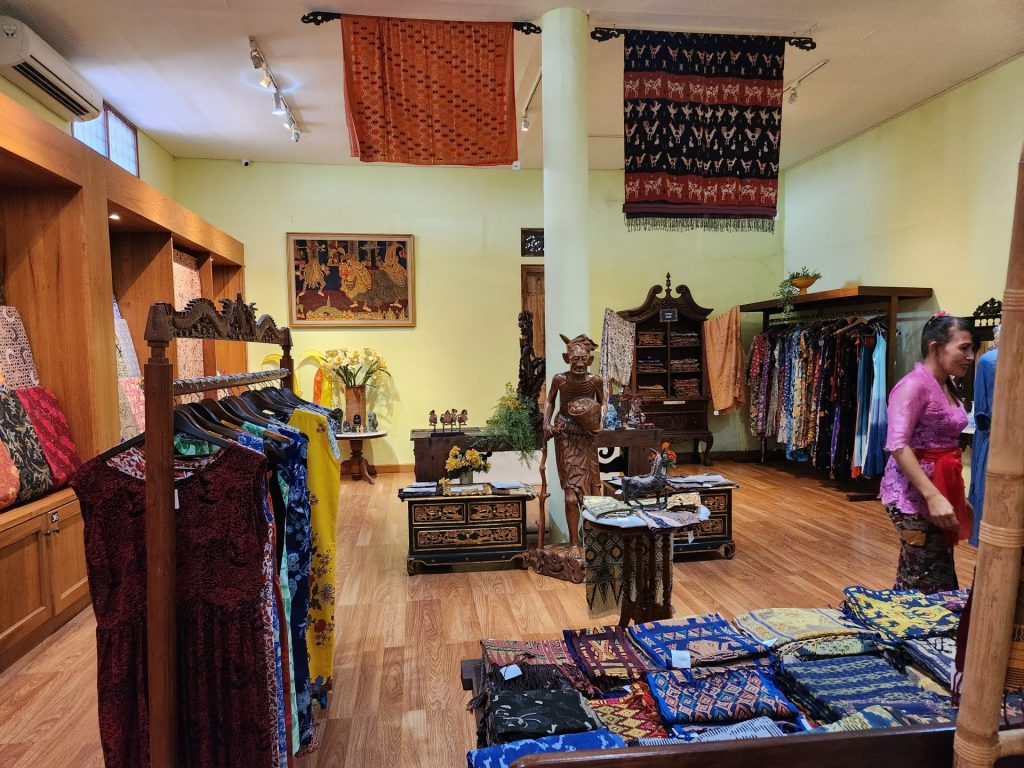
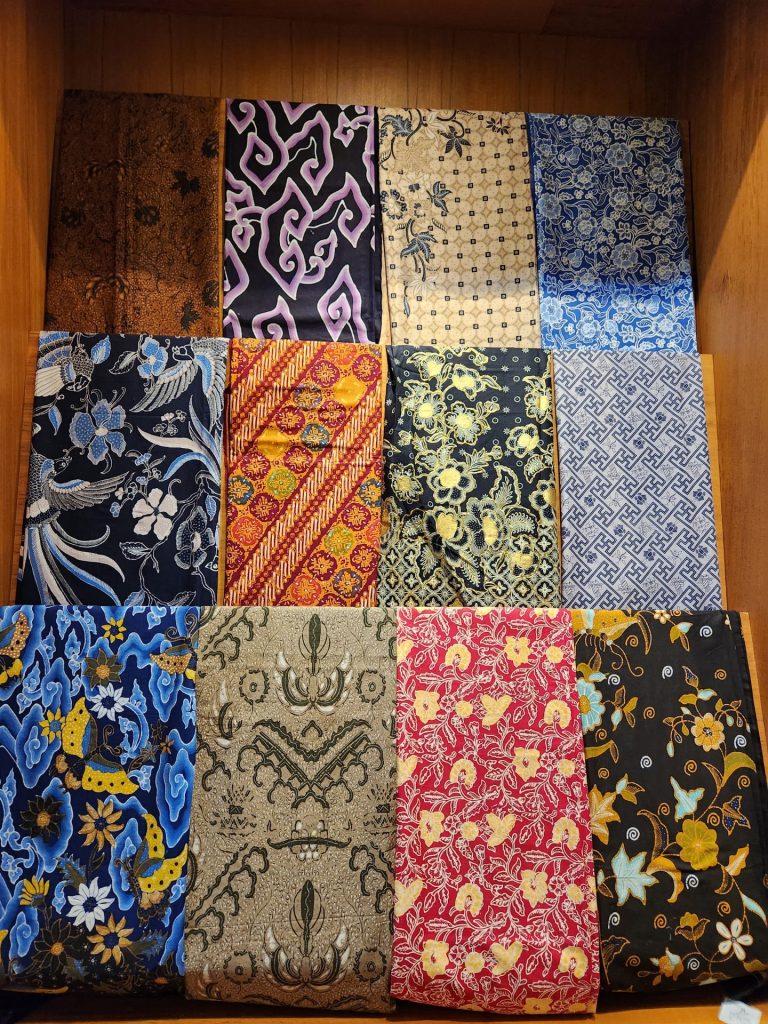
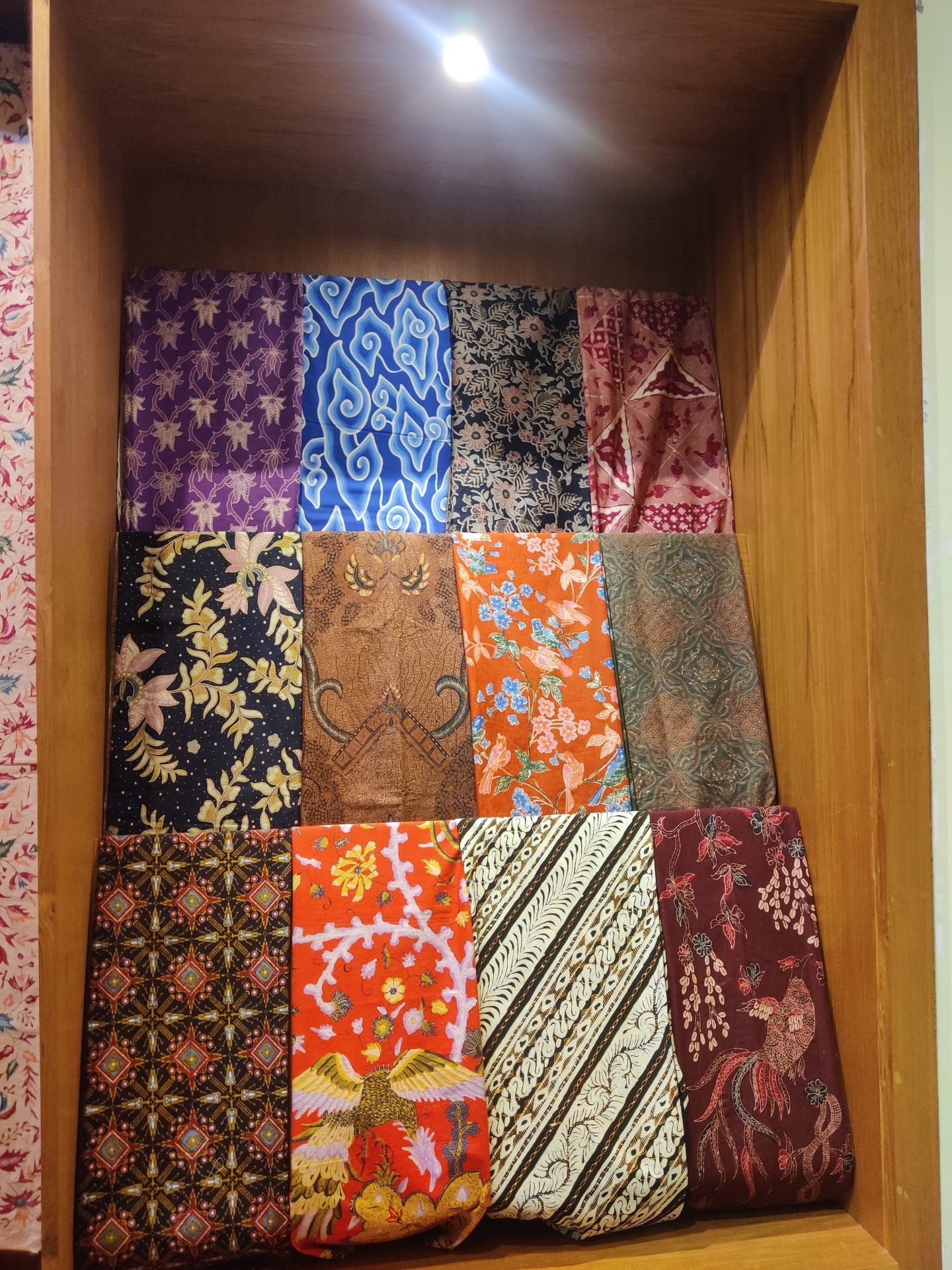
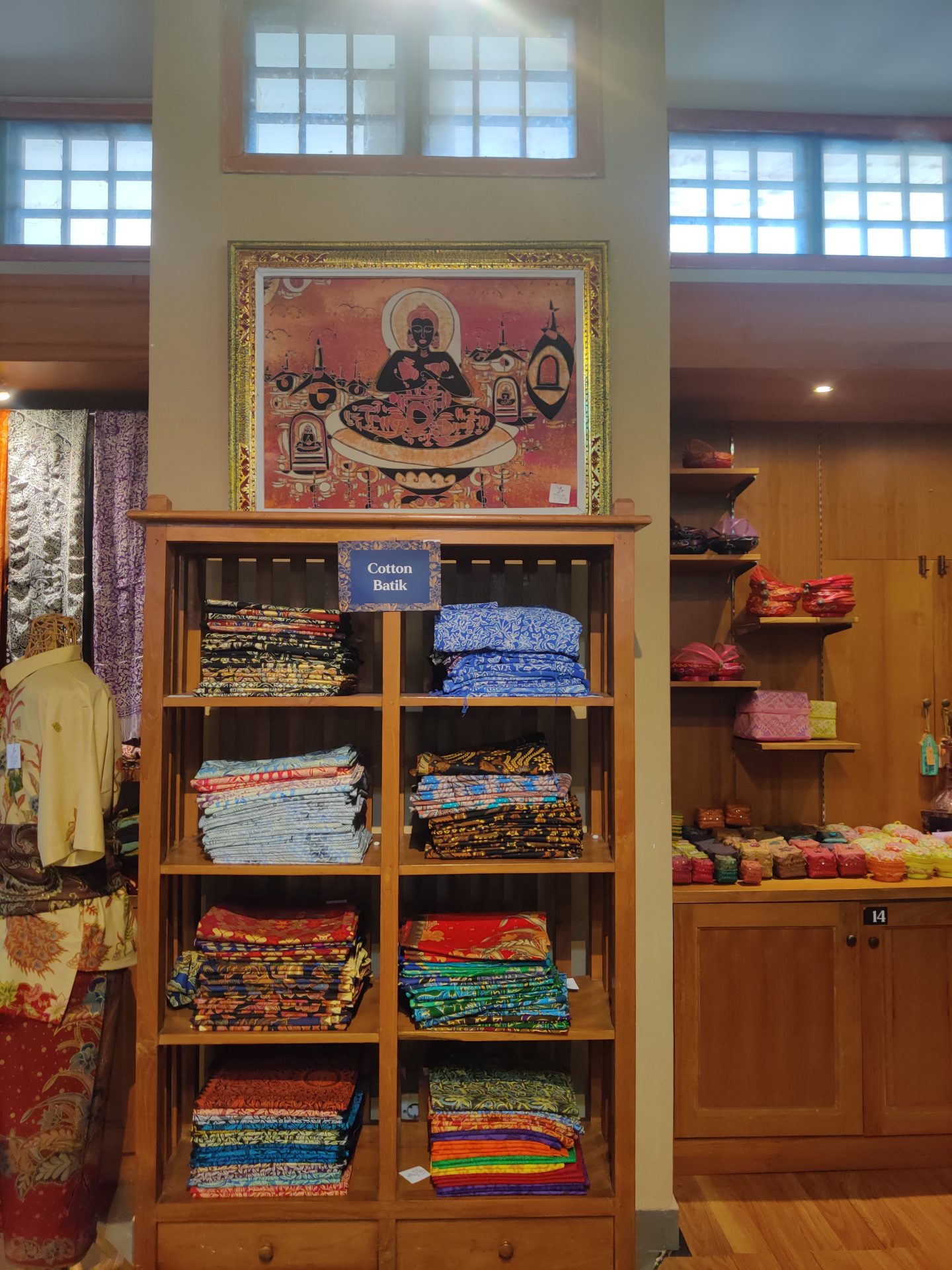
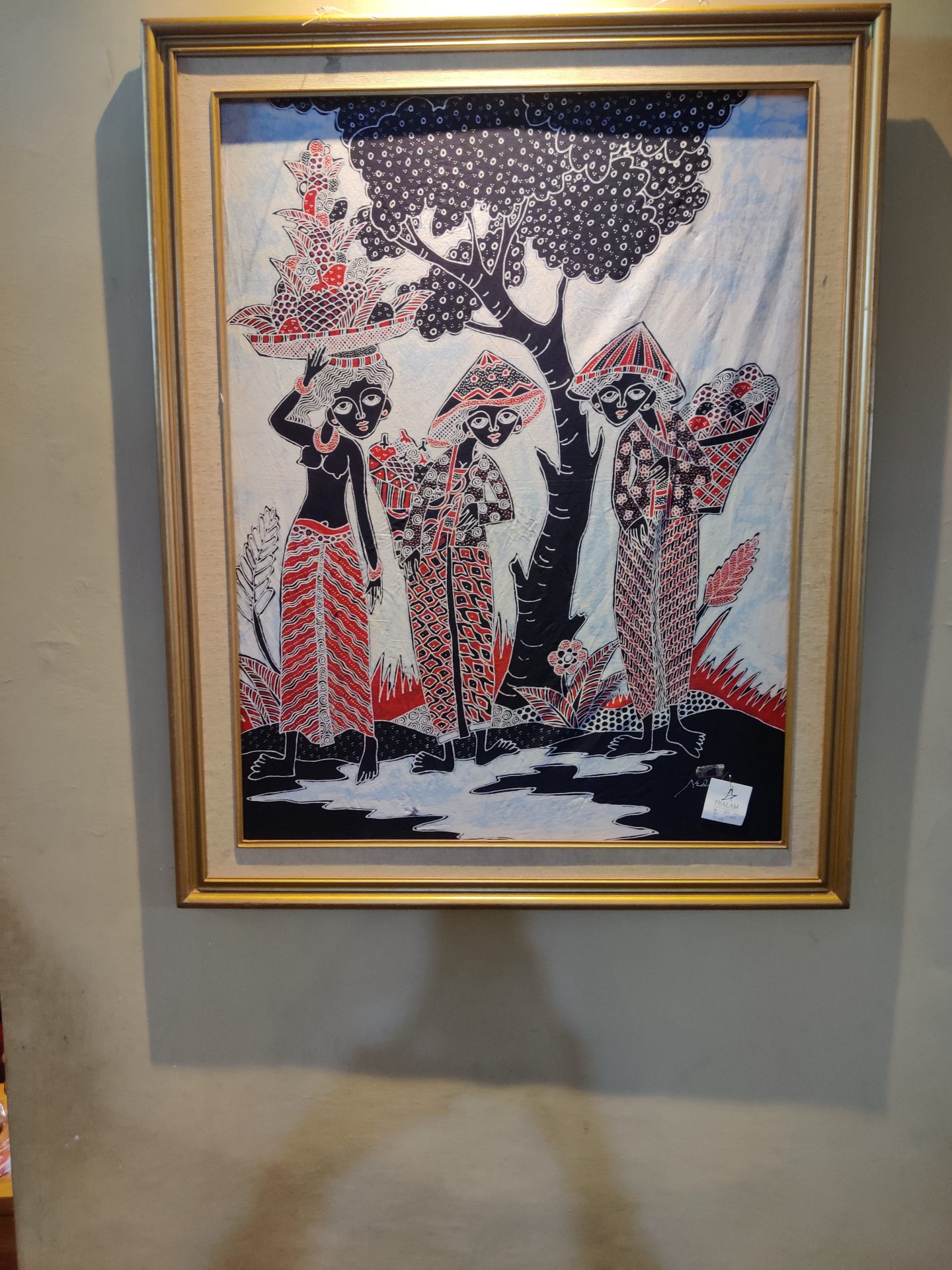
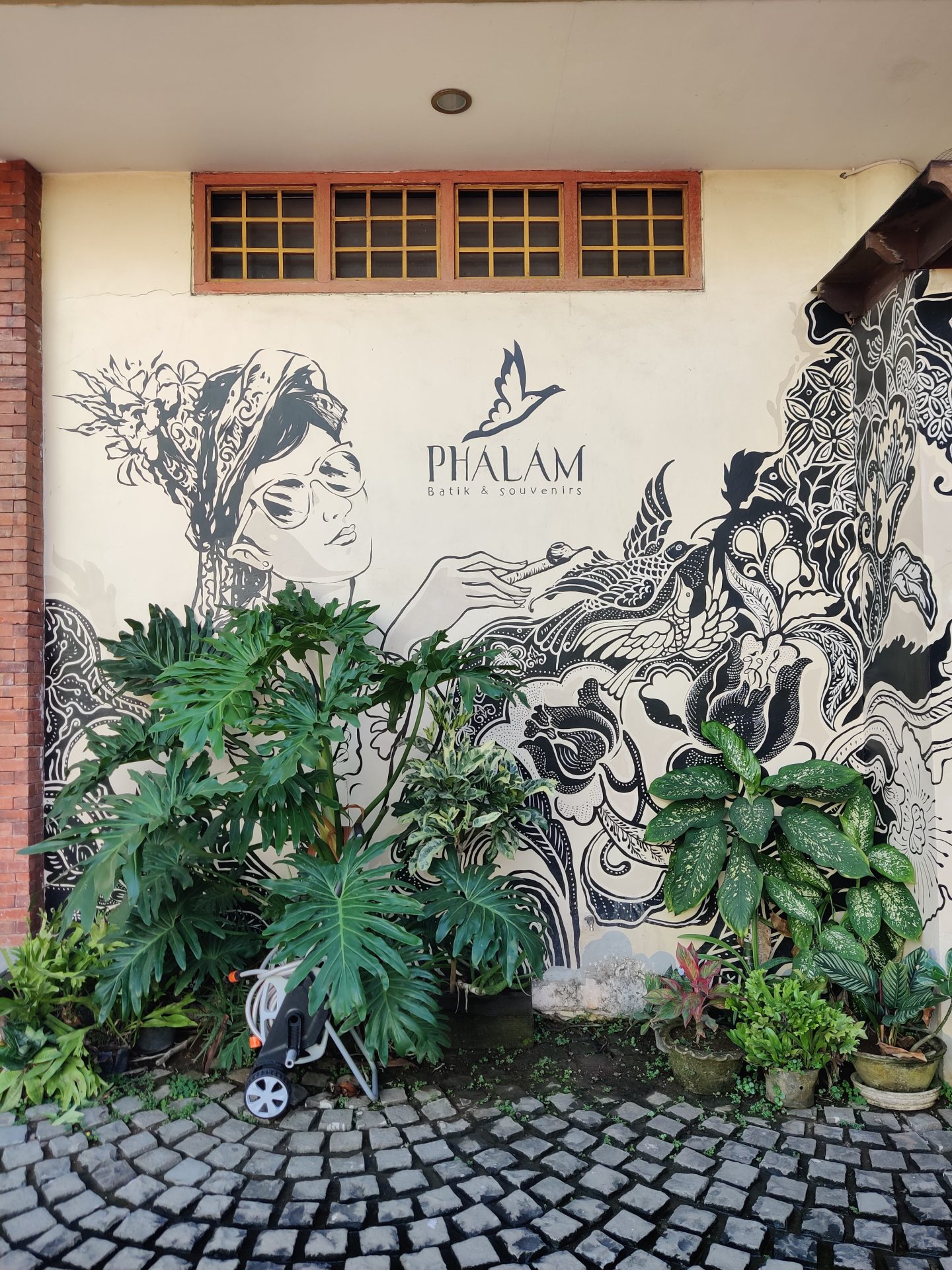
Glimpses of a 50 year old tradition of Batik
The plan was to see a few places enroute before settling into our hotel at Ubud. We first pulled into the town of Tophati, 12 kms away where the famed Batik Wand Weaving Centre was located.
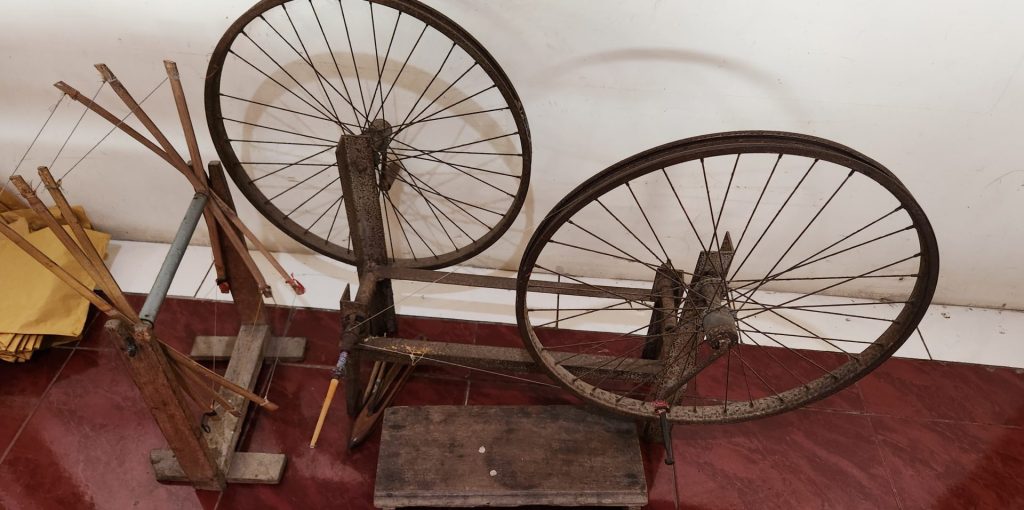
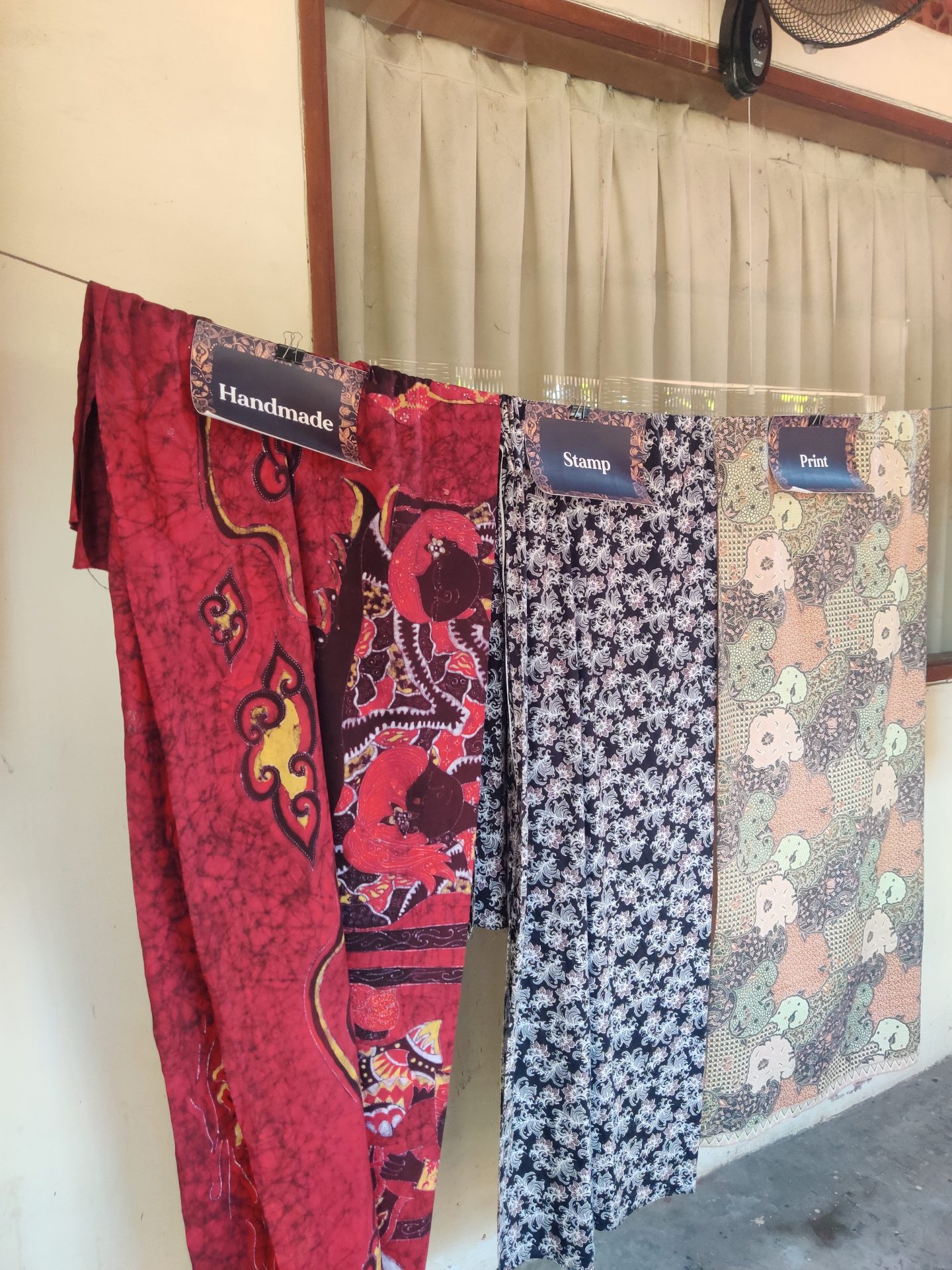
We were ushered into the centre where we could witness a team of women and men painstakingly using dots and lines from wax to decorate the cloth. The traditional art of painting the fabric and done so very impressively with such a wide range of hues and colours was truly impressive.
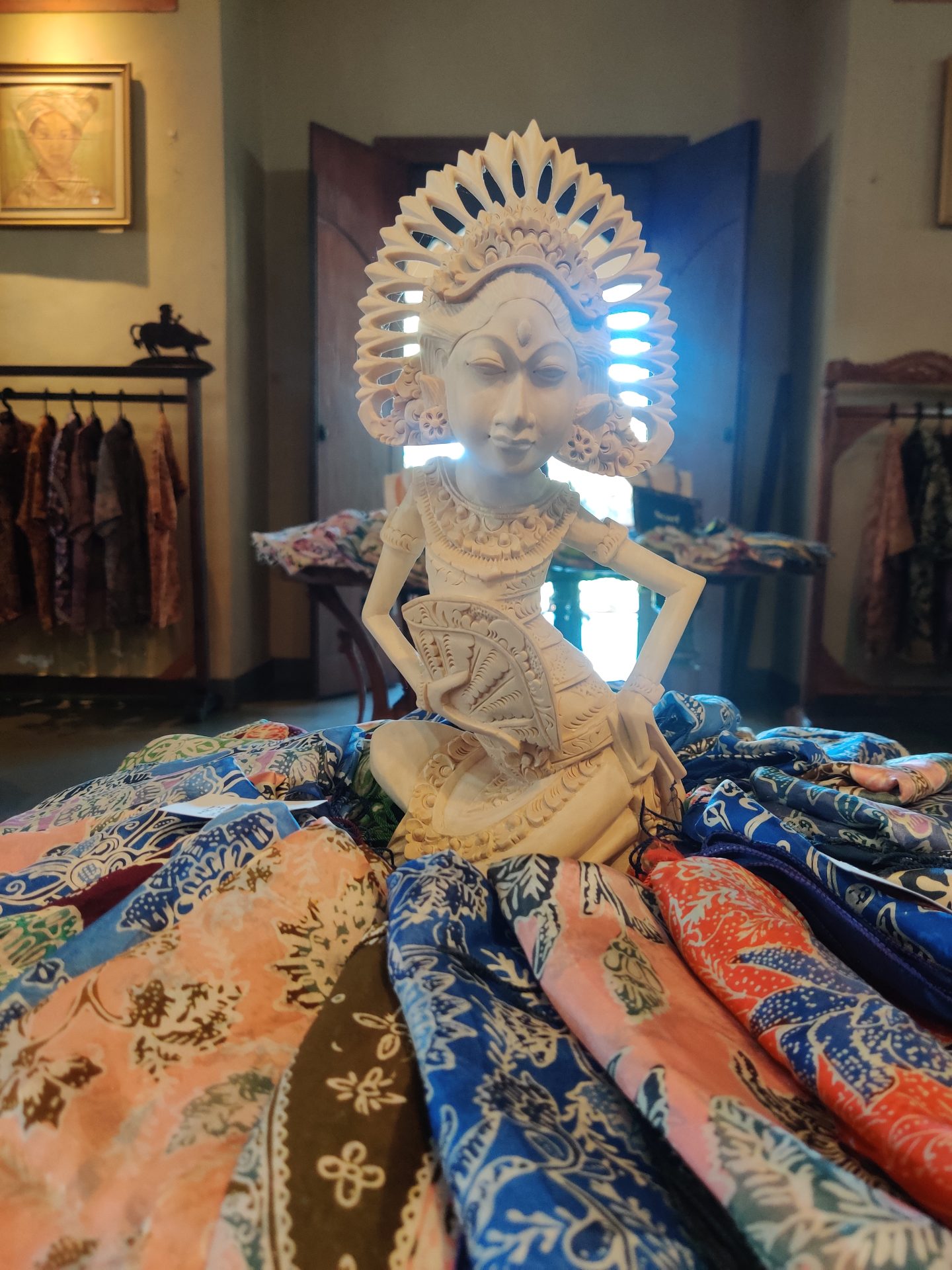
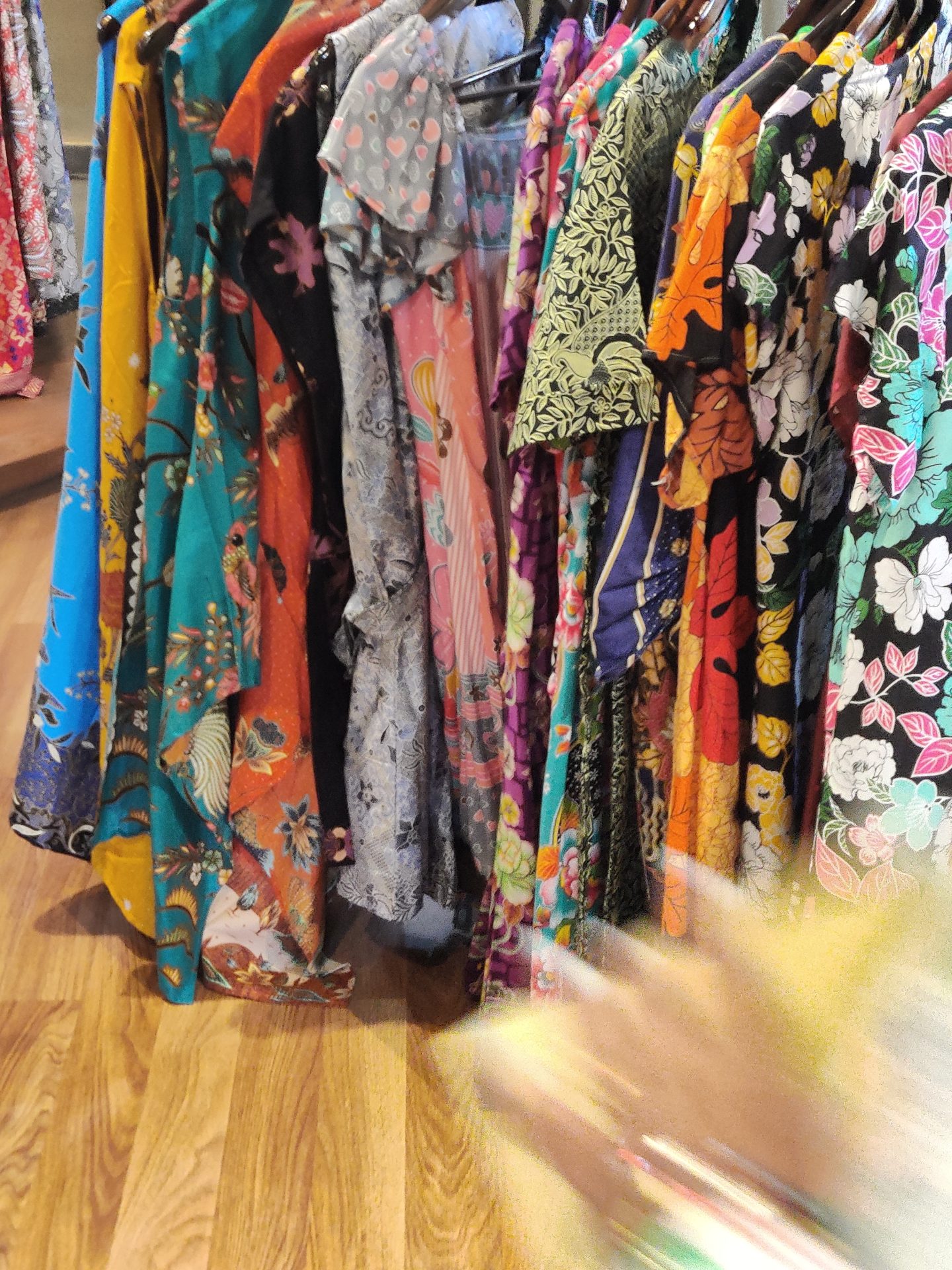
There is a section upstairs where these Batik dresses, purses, paintings scarves, shawls, sarongs etc were being sold.
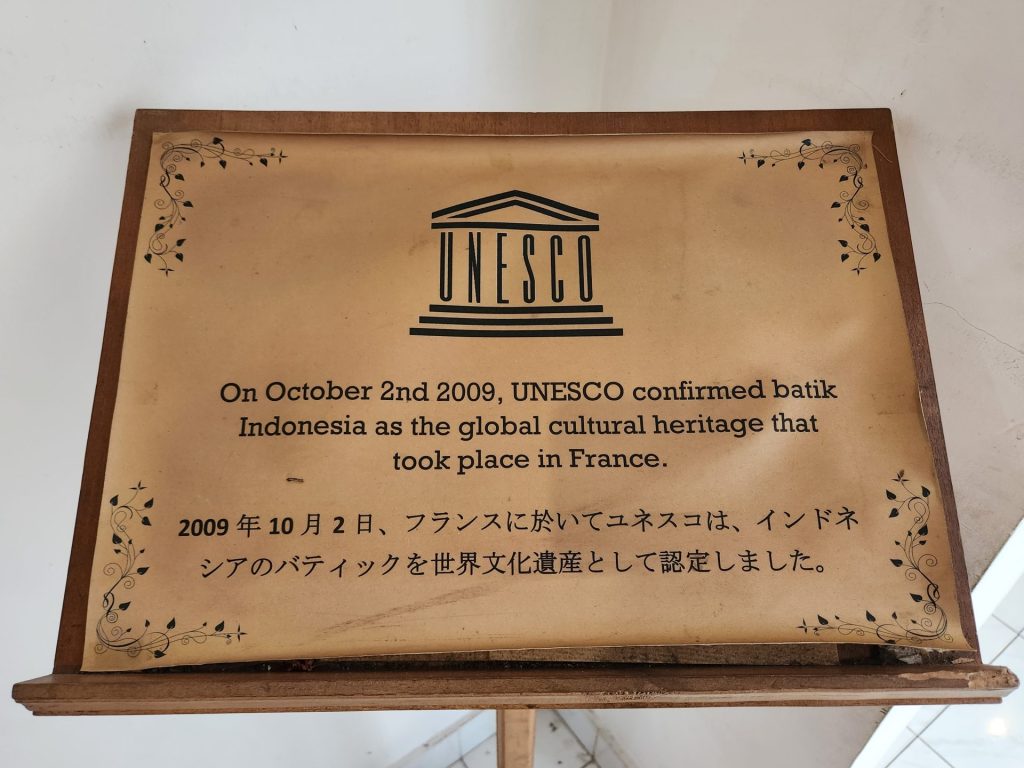
Batik has been recognized by UNESCO as Indonesia’s cultural contribution to the world. This 50+ year old tradition’s popularity has led to October 2nd being celebrated as Batik Day here.
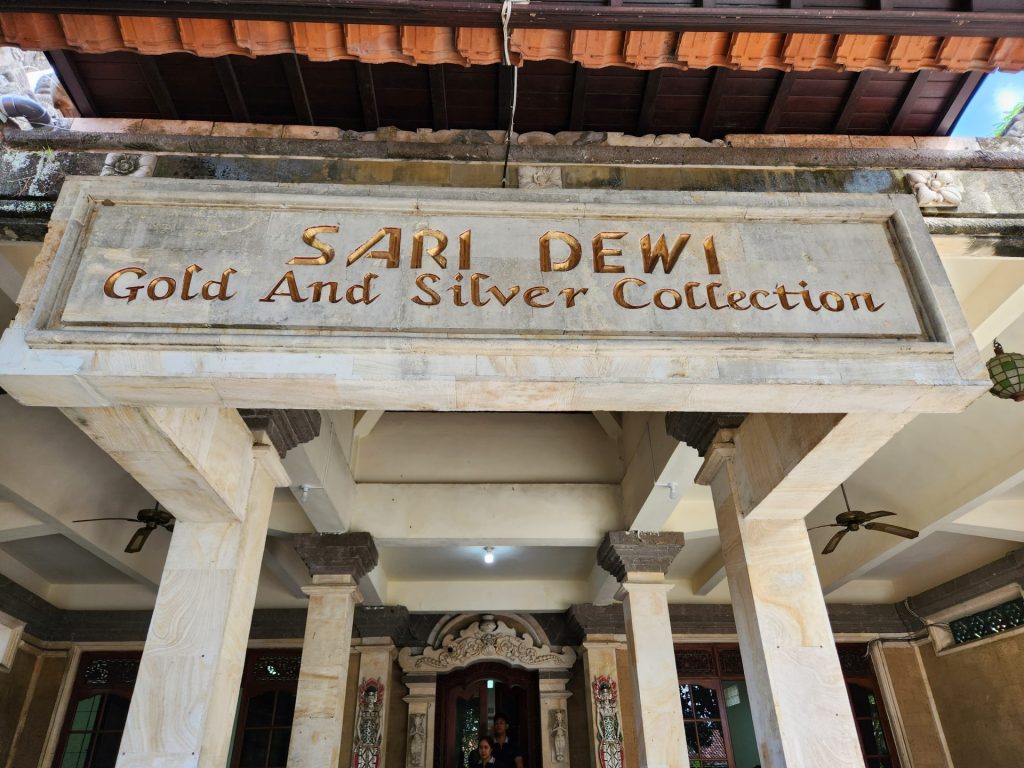
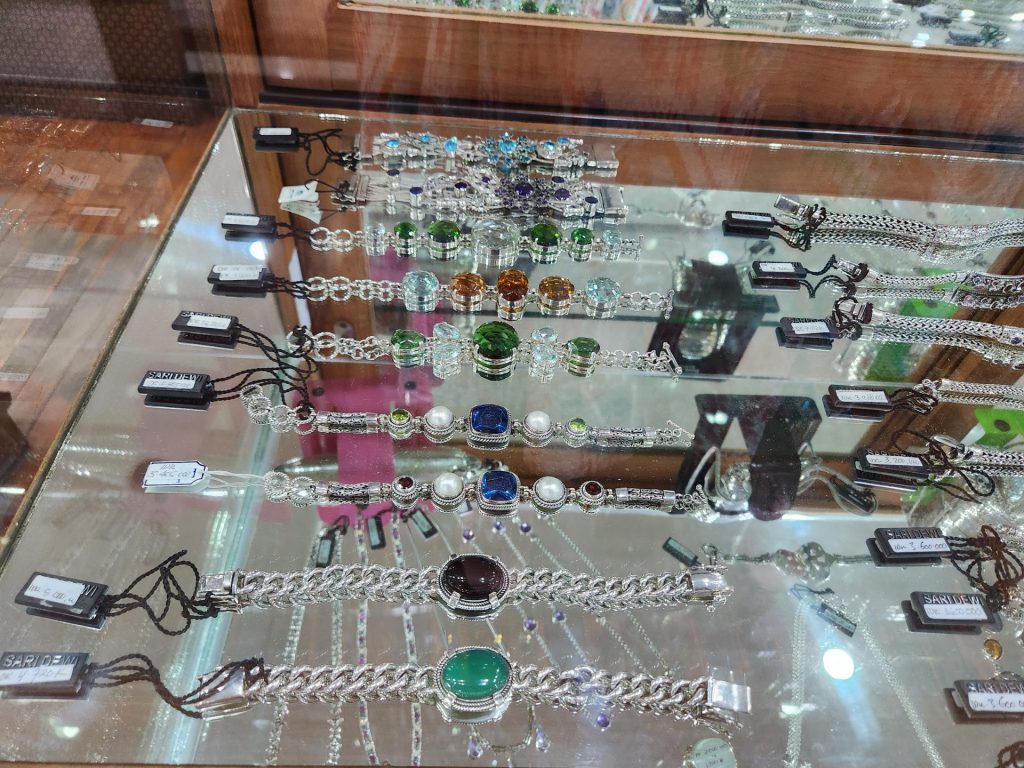
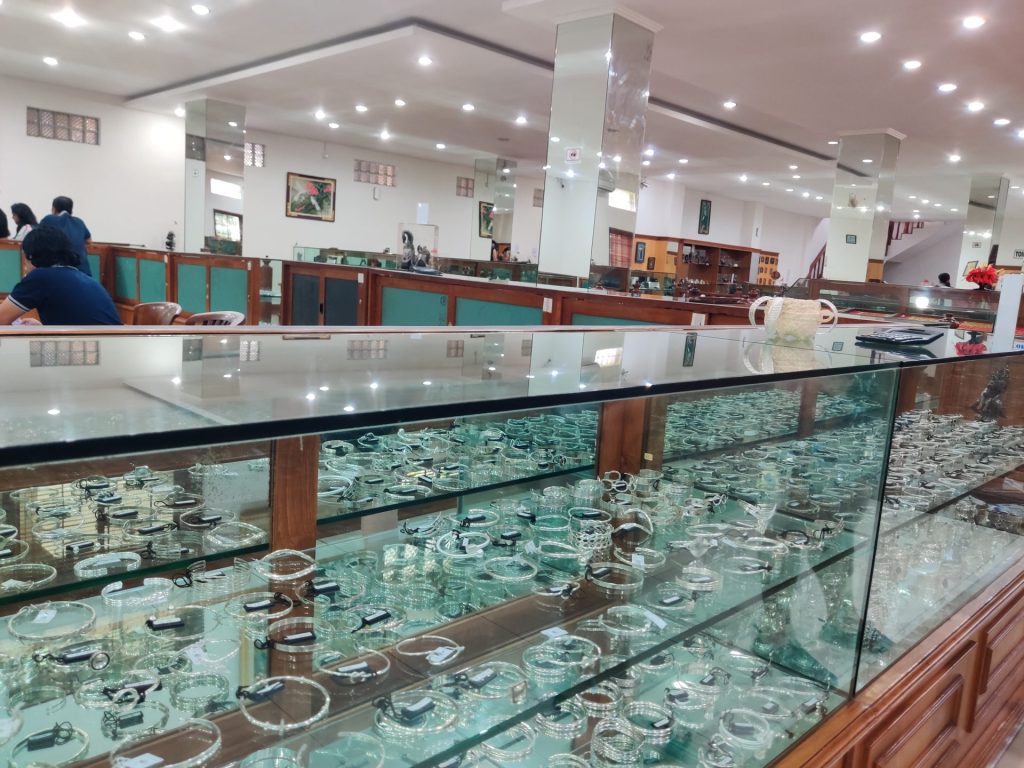
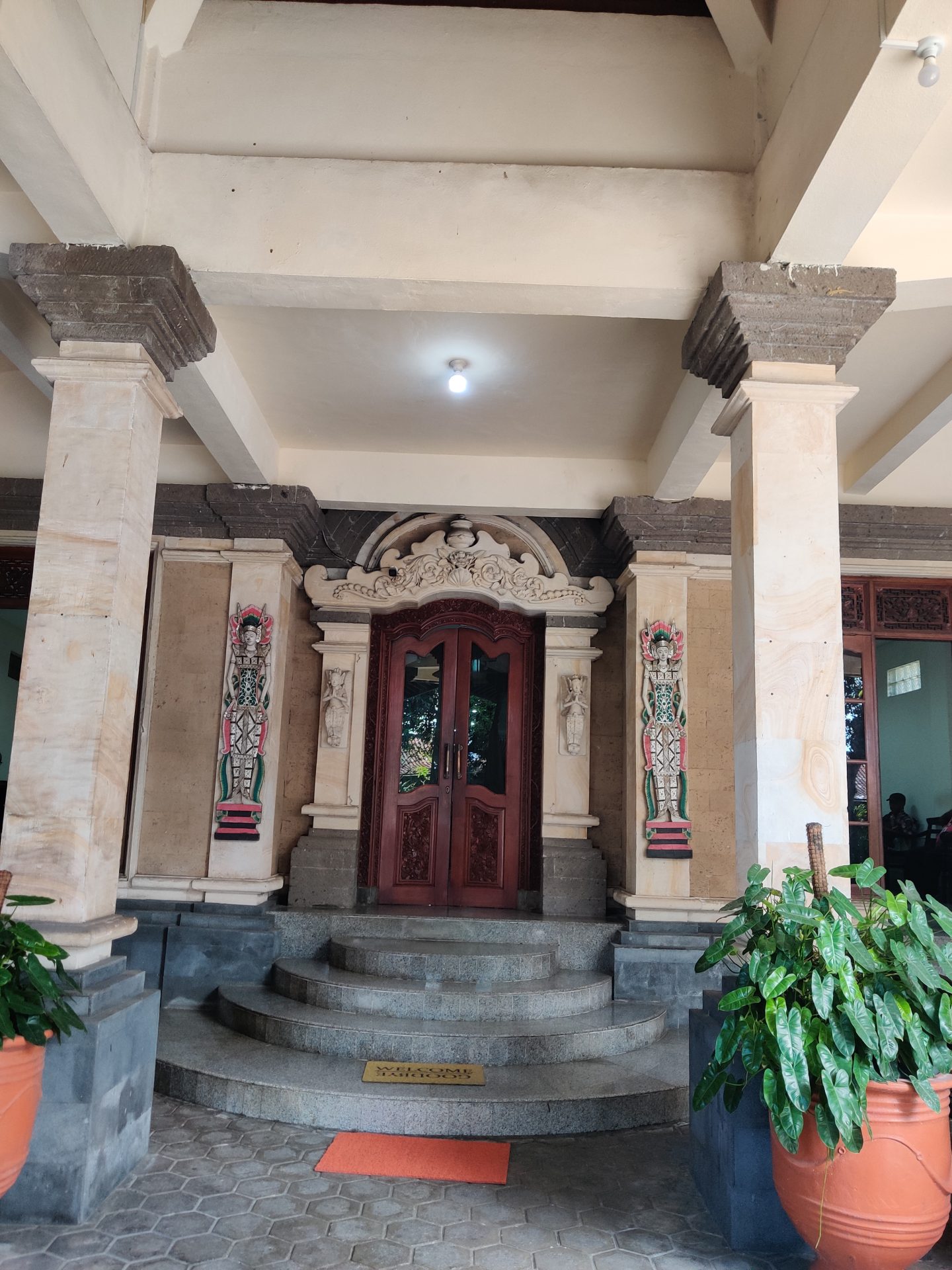
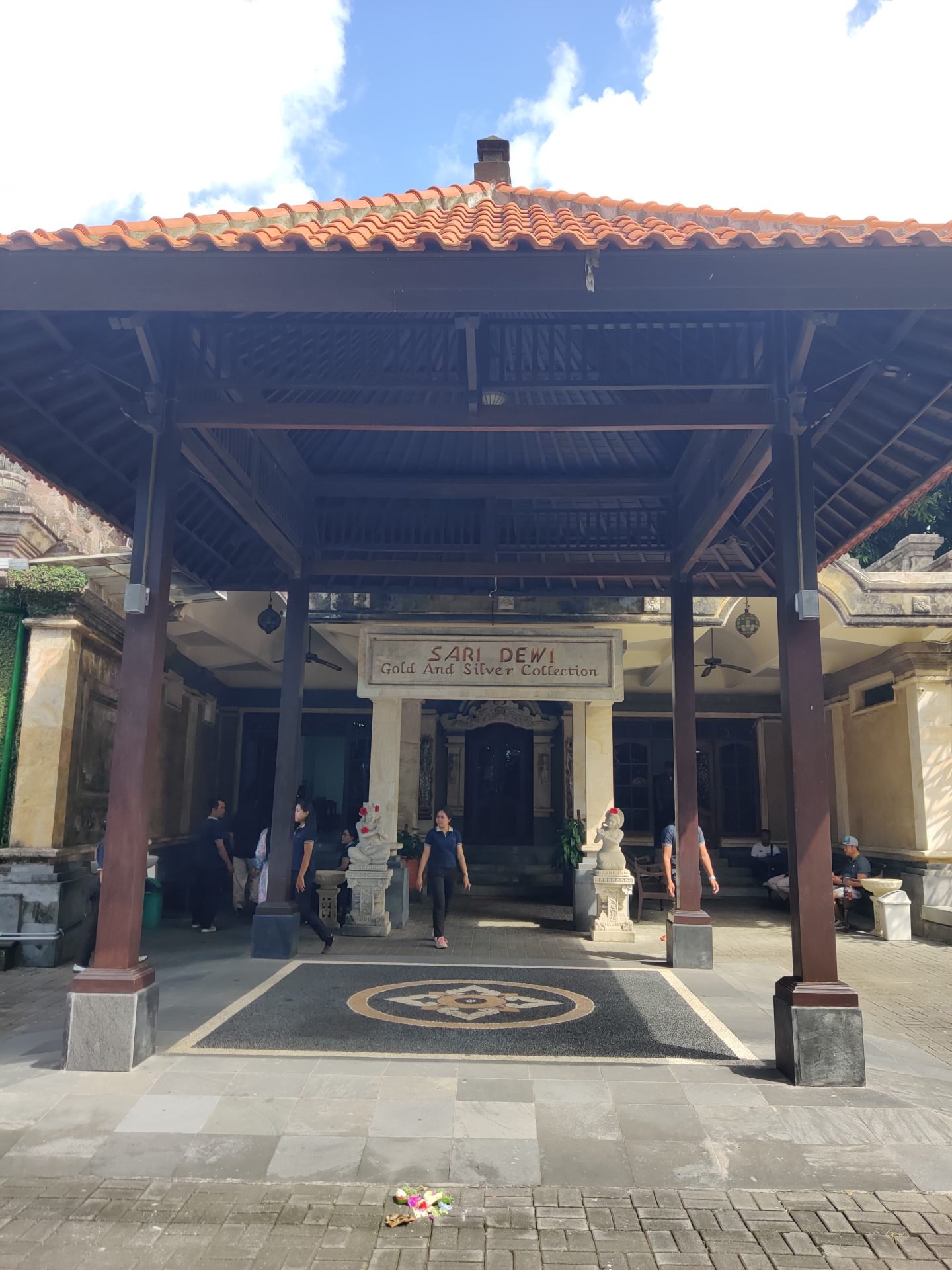
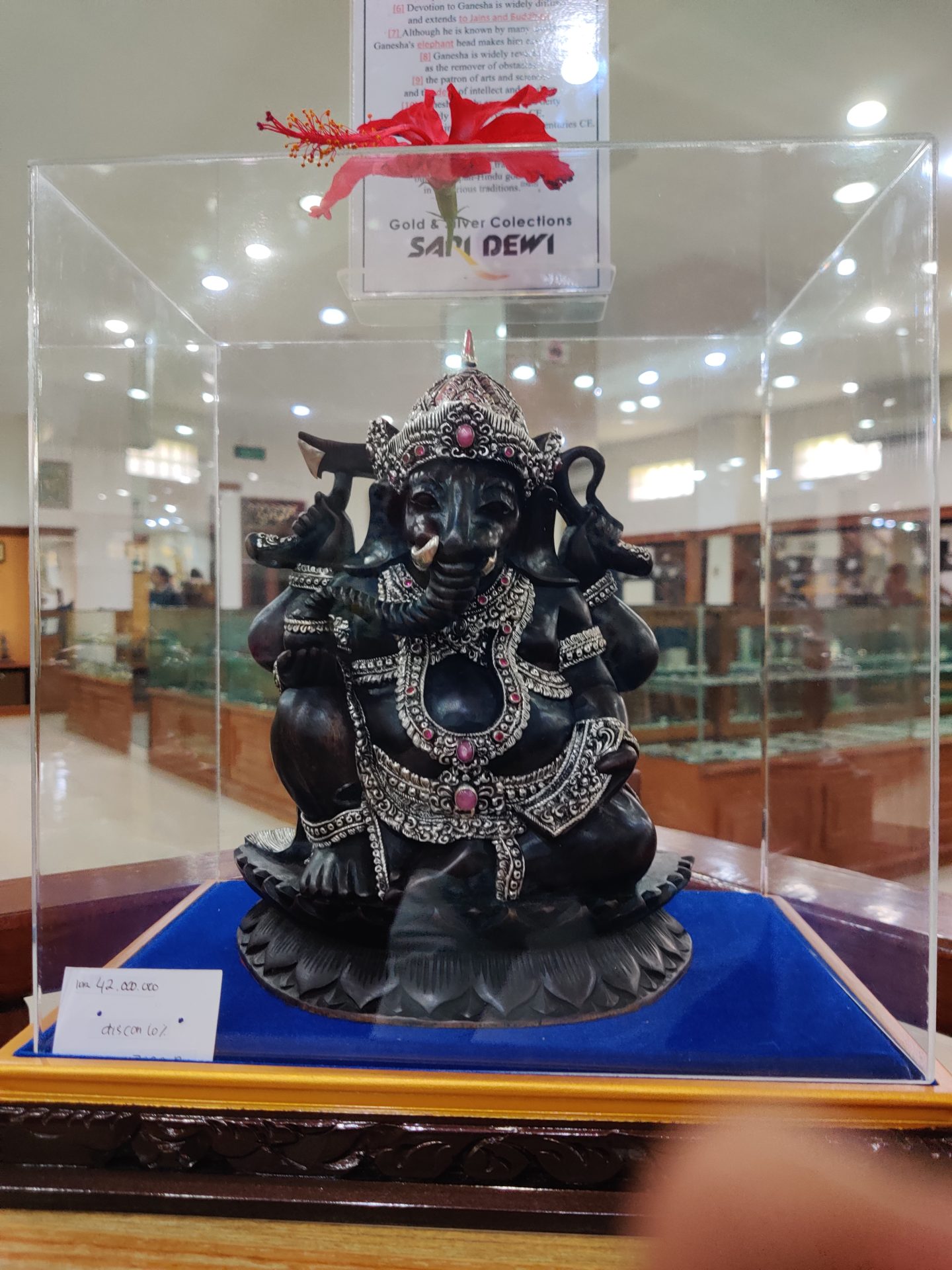
After around 20 minutes, we moved onto the Sari Dewi Gold and Silversmith village in Gianyar, a few kms ahead. Here we got to see how the smiths were intricately designing different forms of jewellery like nceklaces, ear rings, rings, brooches, bracelets, statues, souvenirs etc.
The Famed Bali Swings and Luwak Coffee
A further drive of around 10 minutes and Kupit pulled into a small non descript place which looked more like a coffee shop.
He asked us to go around and to our surprise, at the rear side, we saw the famed Bali Swings installed between a couple of palm trees and swaying between the land at one end and an open ended small valley covered by a lot of dense vegetation.
A few athletic young guys were pushing the swings from the rear to set the adrenalin rolling amongst the tourists who were screaming but enjoying it.
It looked quite scary and none among the 4 of us had the inclination to get our heart rates pumped up and go the distance
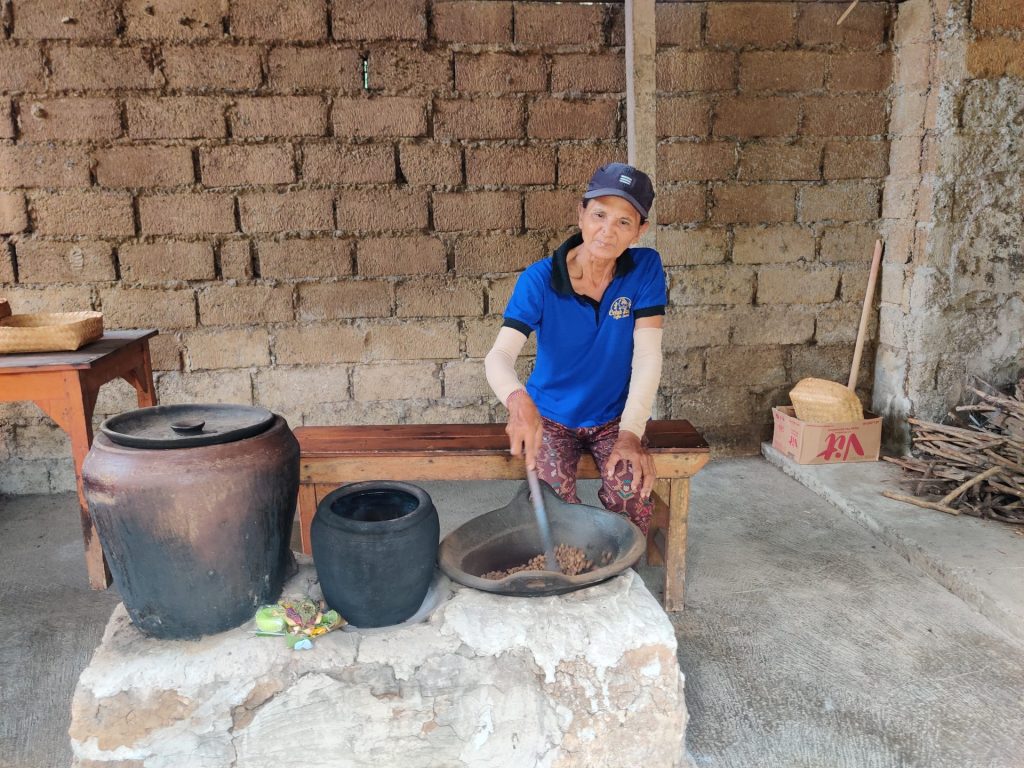
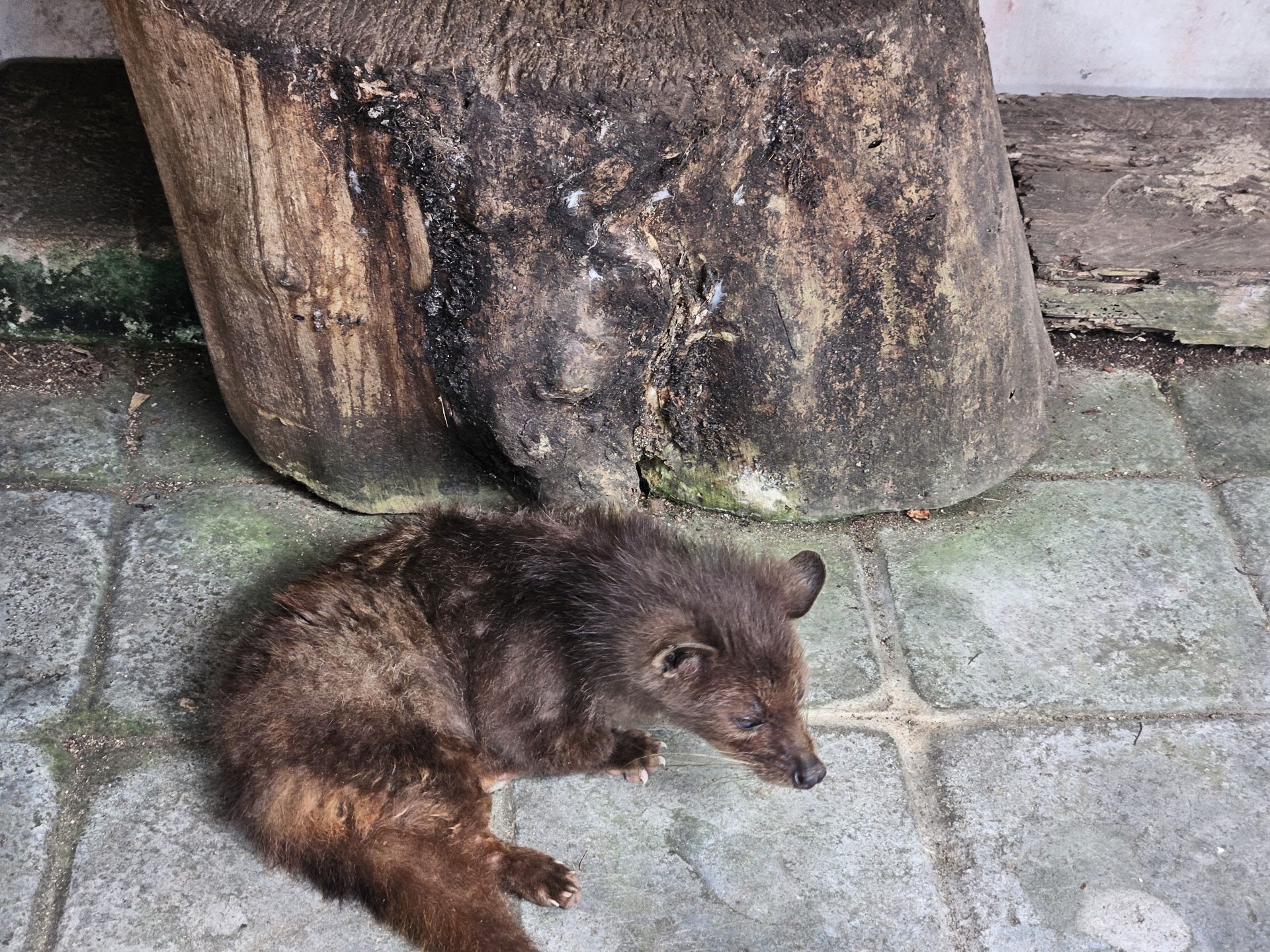
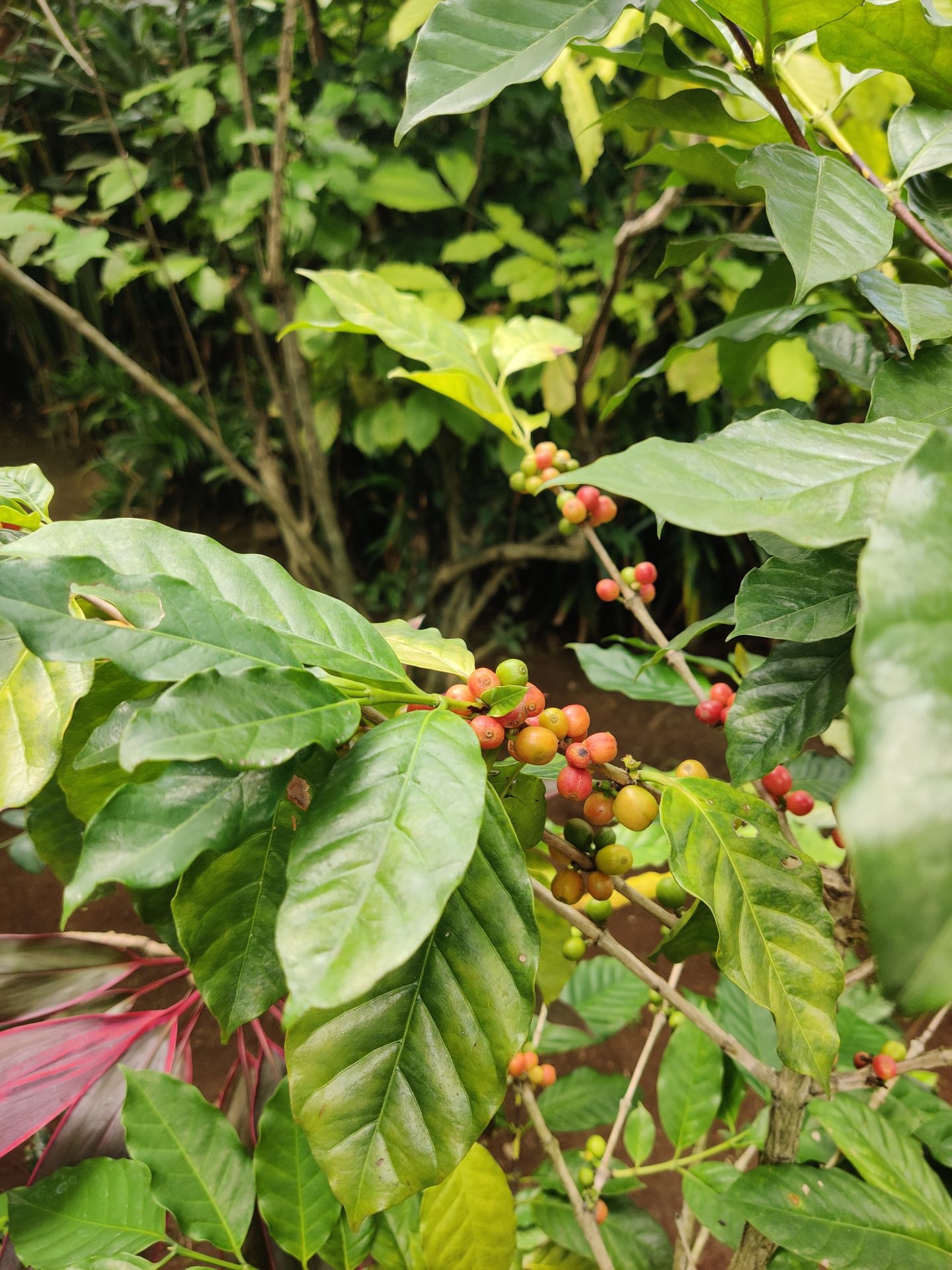
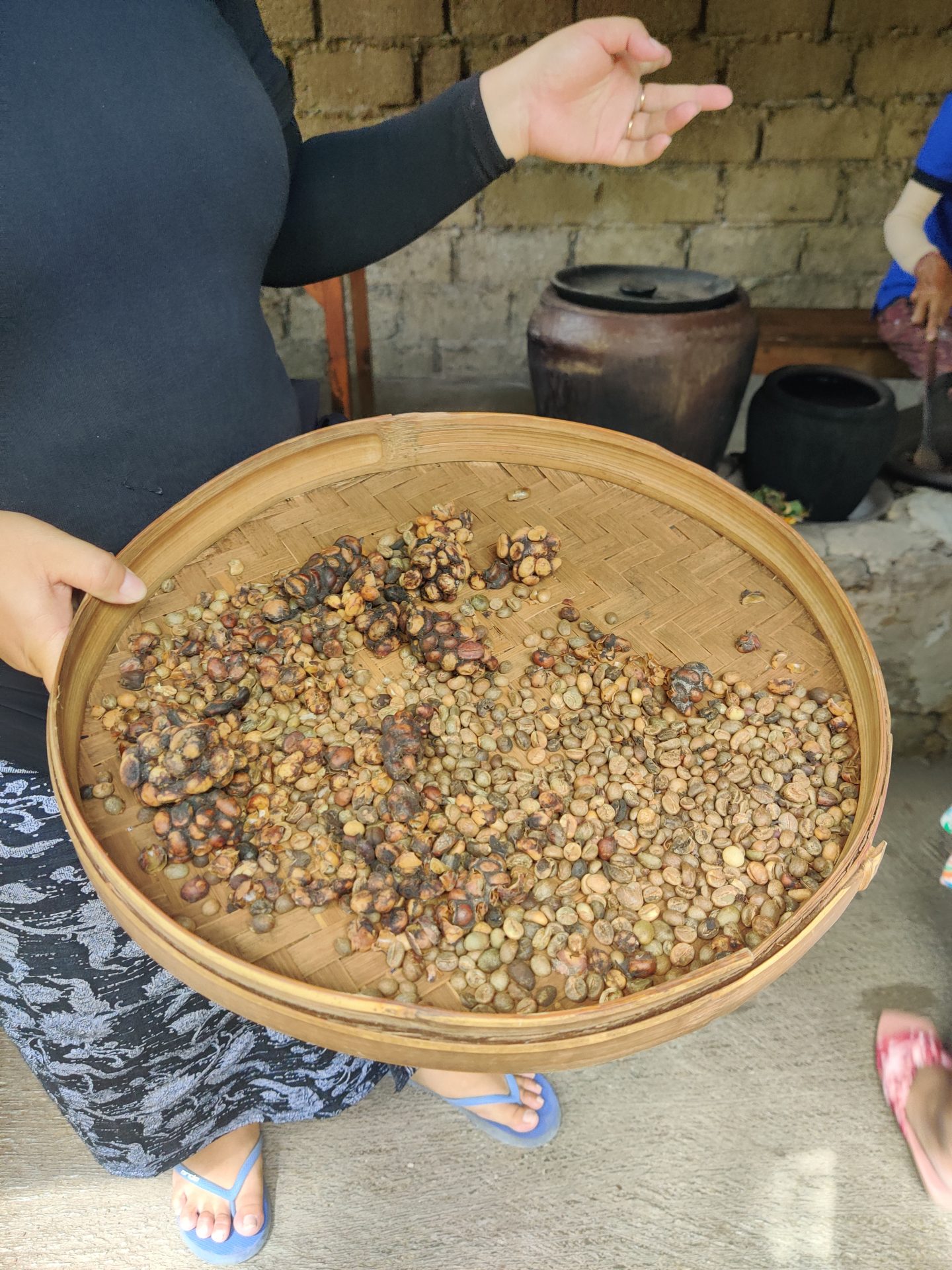
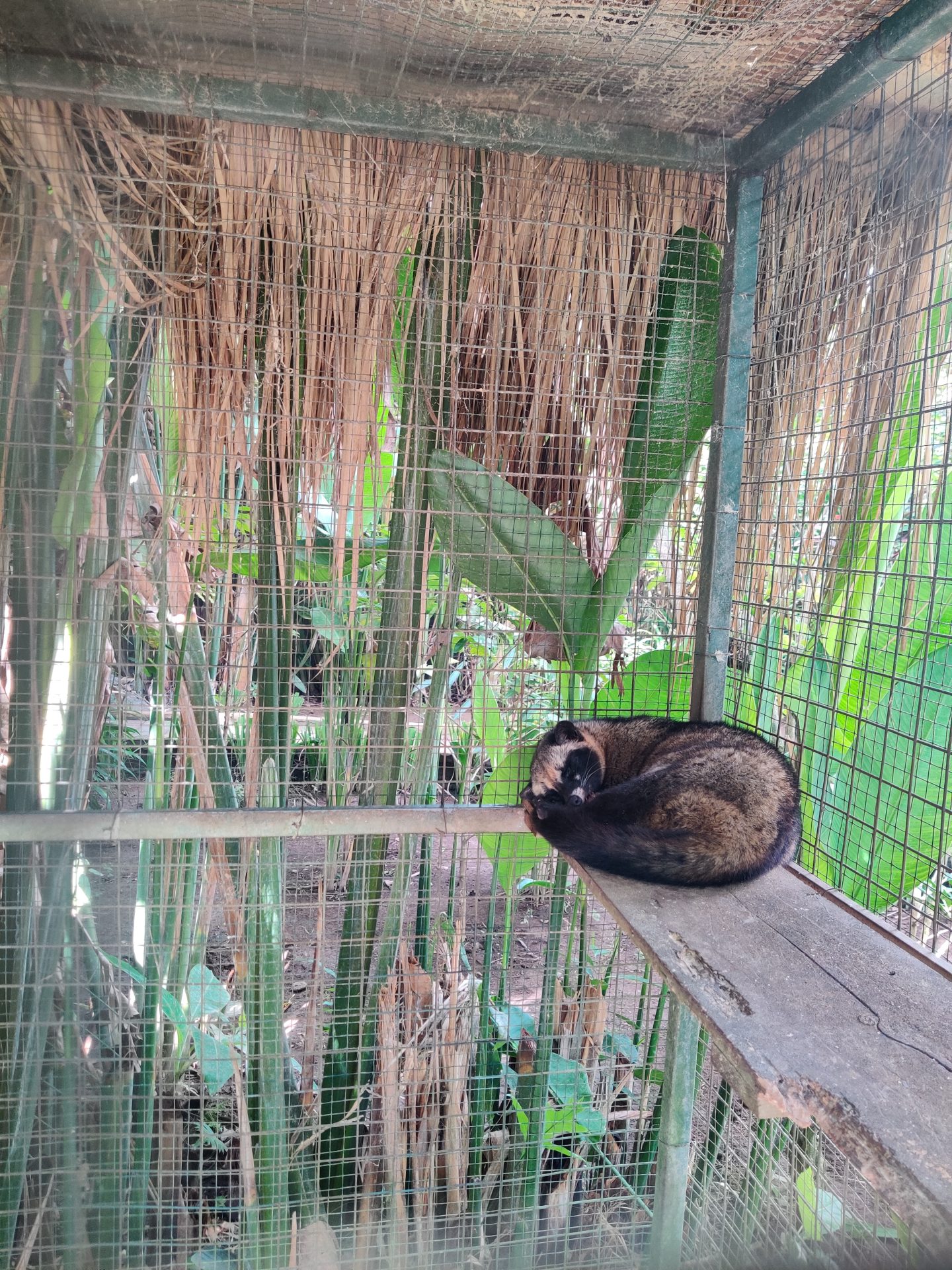
We then got to witness the process of how the Luwak coffee seeds were produced and roasted an subsequently ground to coffee powder. Kopi Luwak also known as Civet coffee is made out of partially digested coffee cherries which are eaten and defecated by the Asian Palm Civet (looked like a cross between a Mongoose and a Cat).
Produced mainly in the Indonesian islands of Sumatra, Bali, Java, Sulawesu and East Timor, this is known to be the Holy Grail of Coffee and is considered to be the most exotic beverage on the planet. We for sure wouldn’t have dared experiment drinking coffee which goes through the alimentary canal of a civet and which is processed using the droppings. Mixed reviews worldwide and interestingly The Washington Post labelled Kopi Luwak as “Petrified Dinosaur Droppings steeped in Bathtub water”.
Checking out a Wood Carving Village
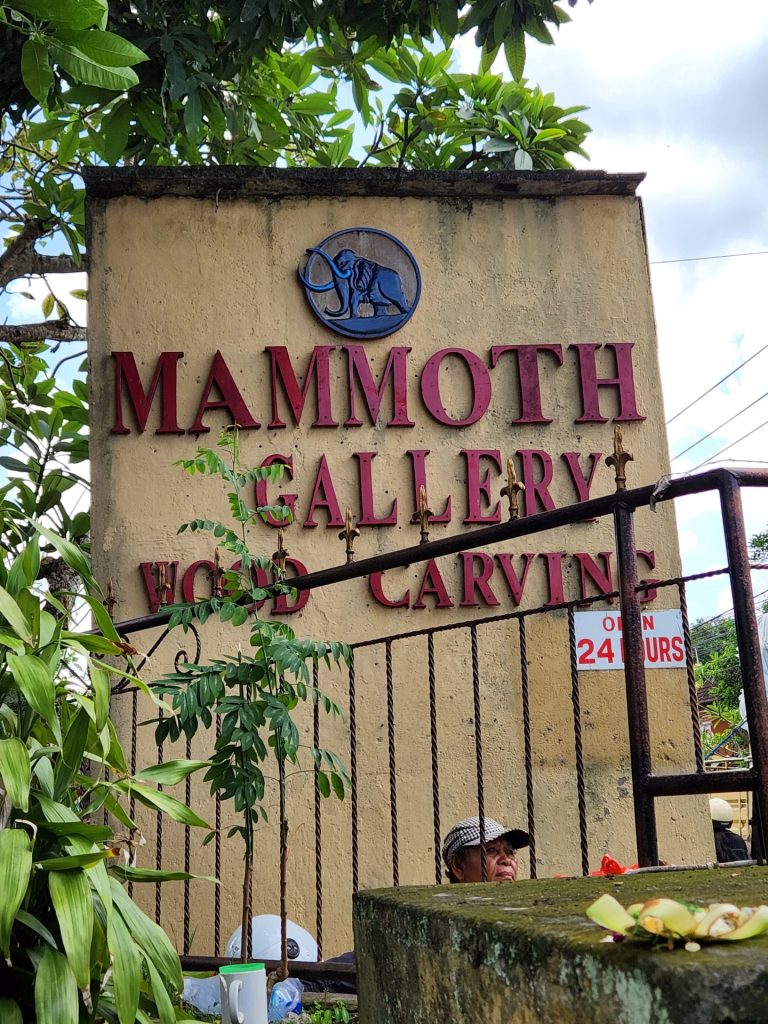
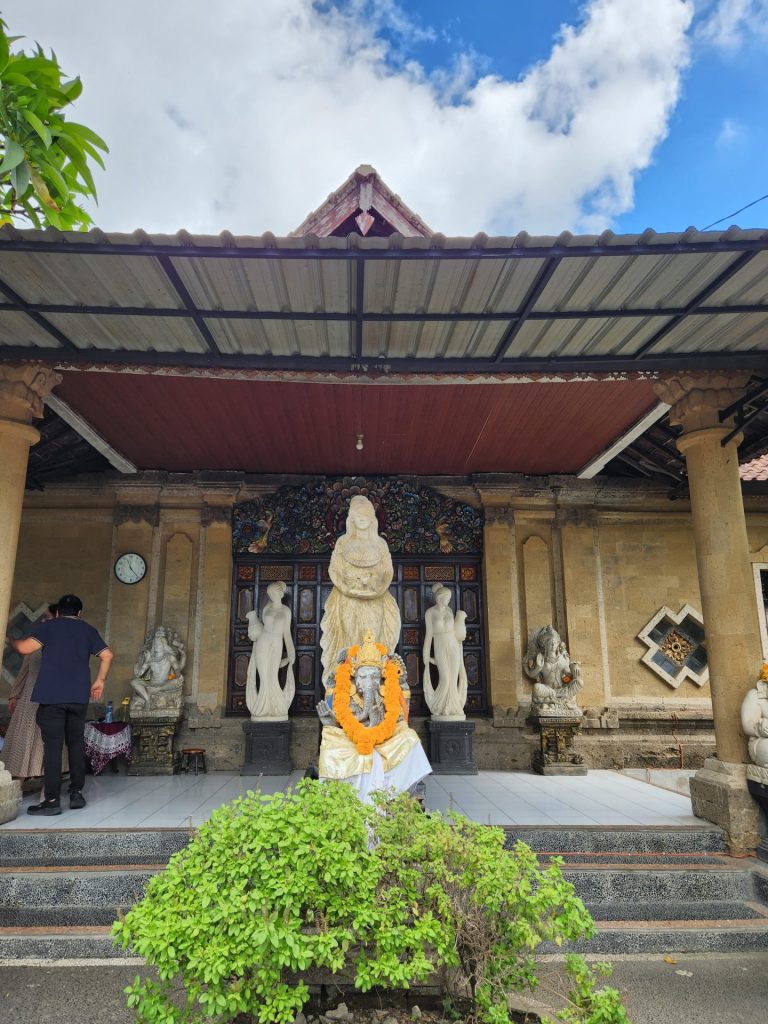
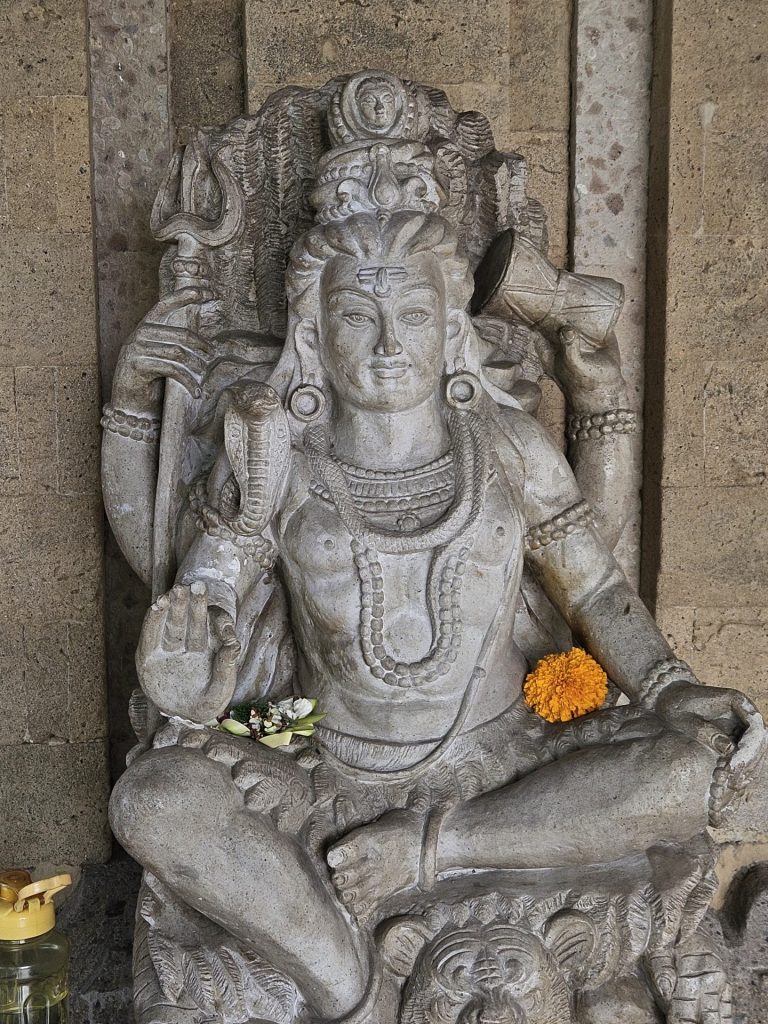
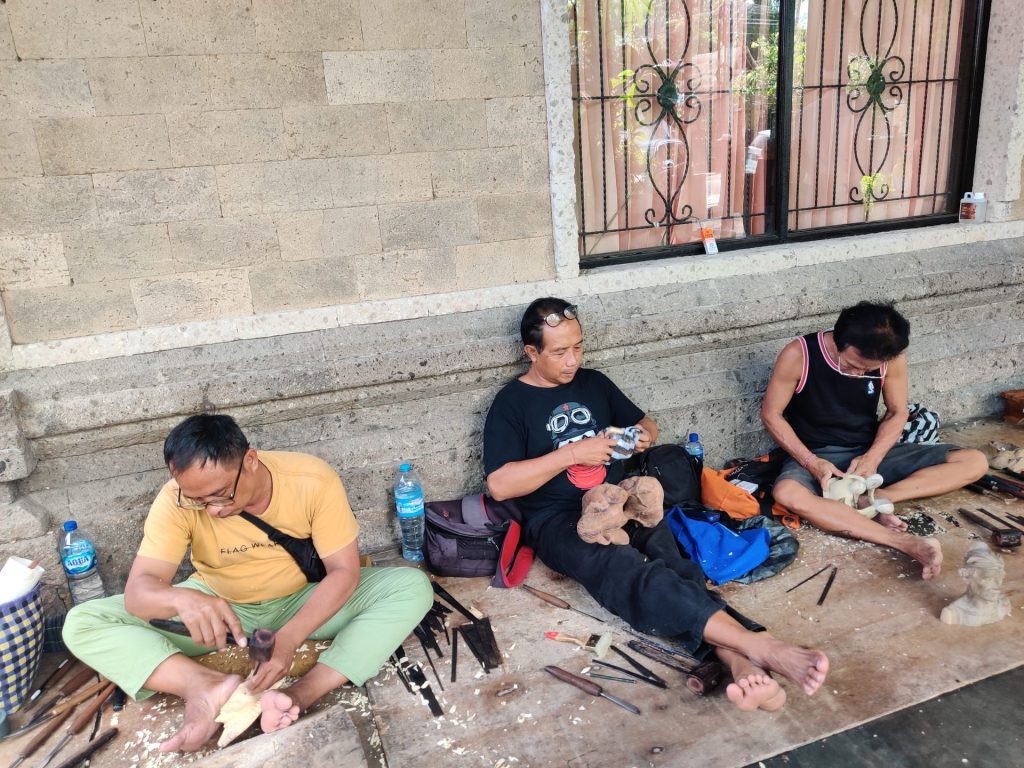
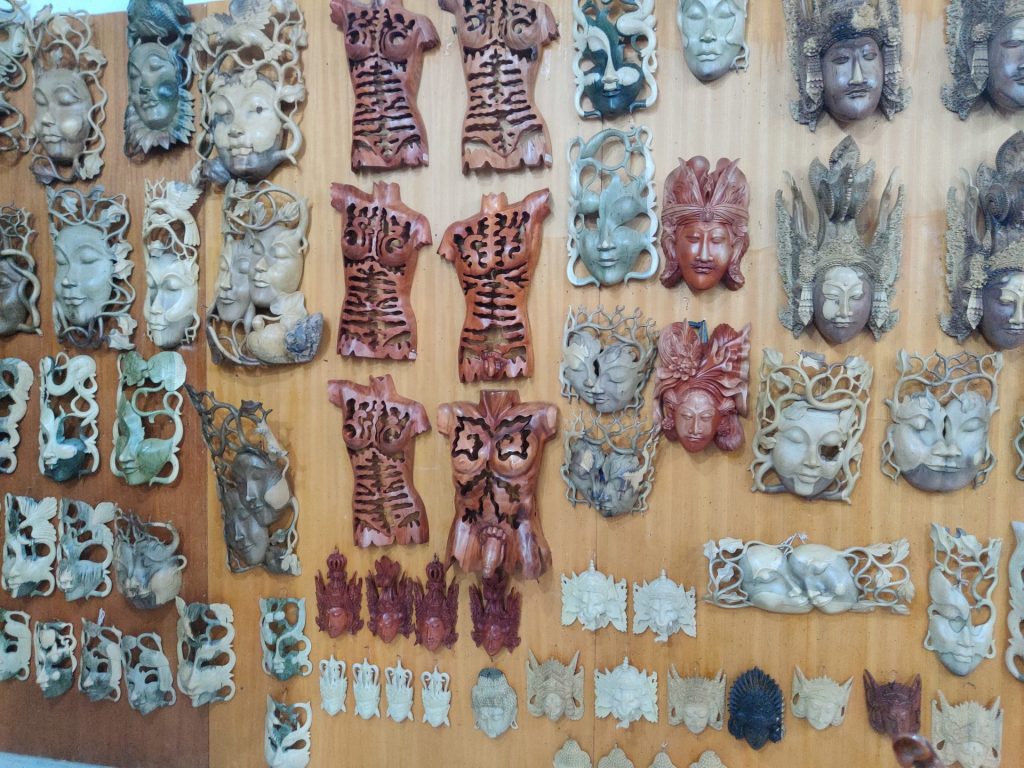
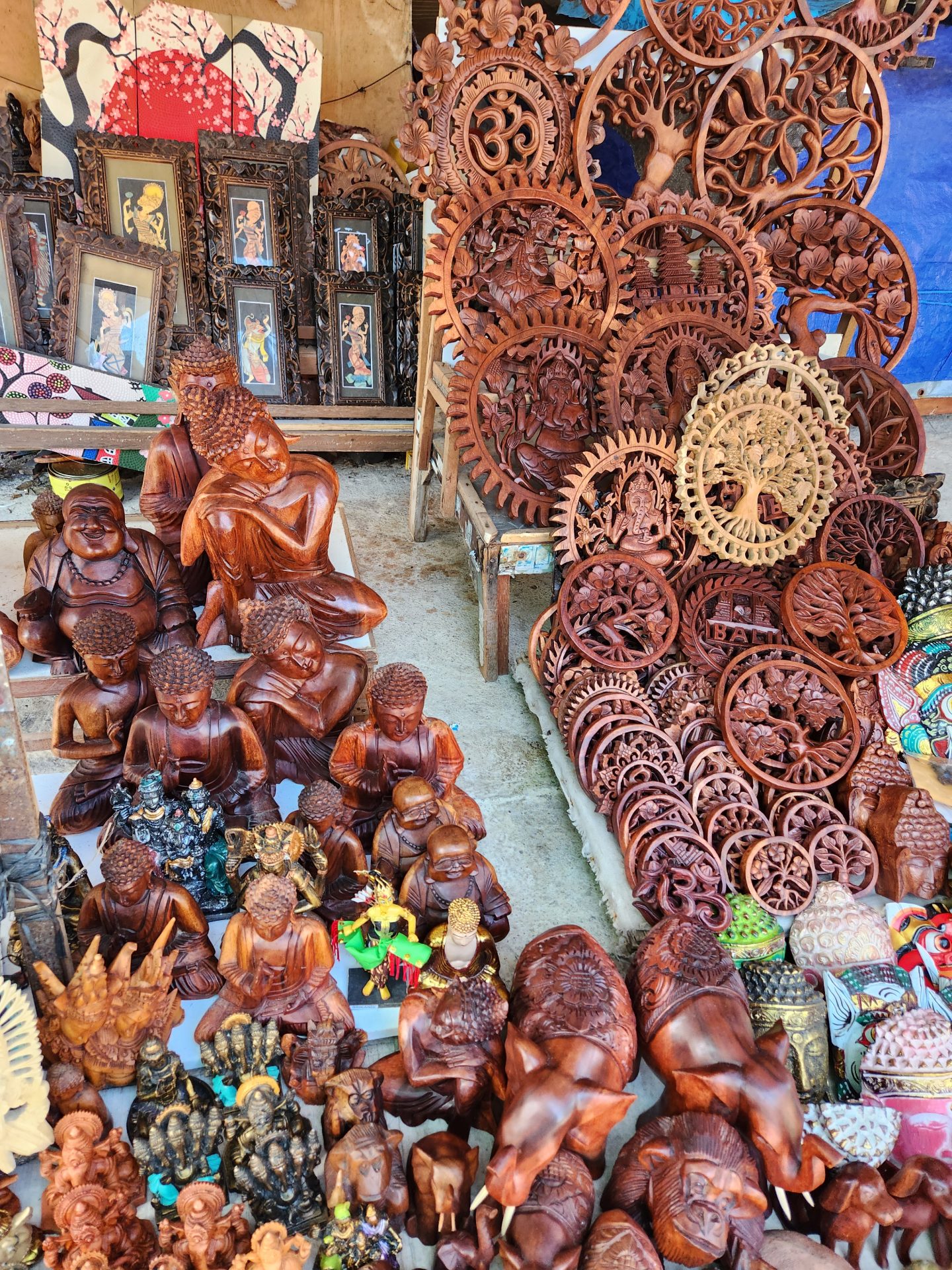
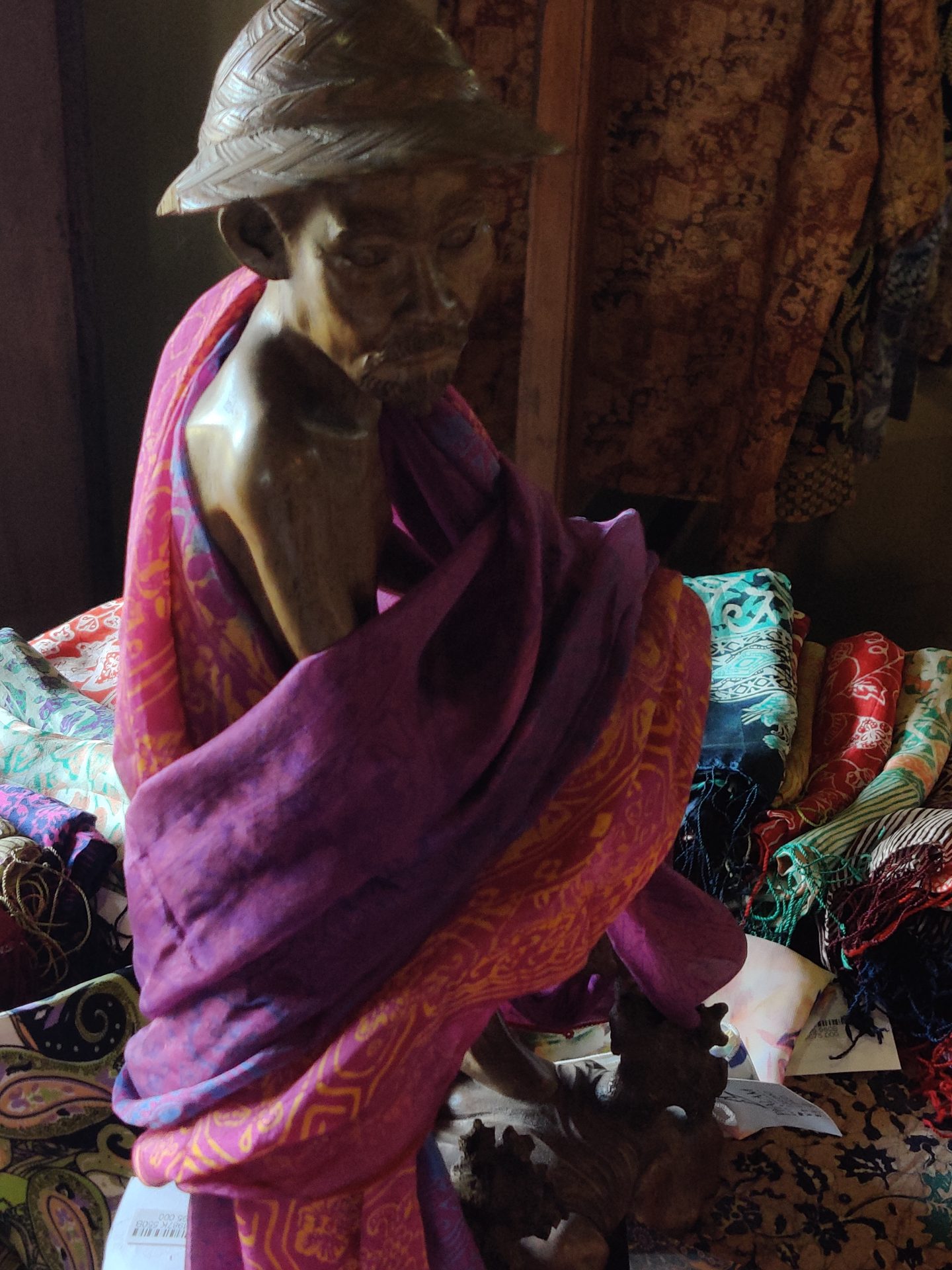
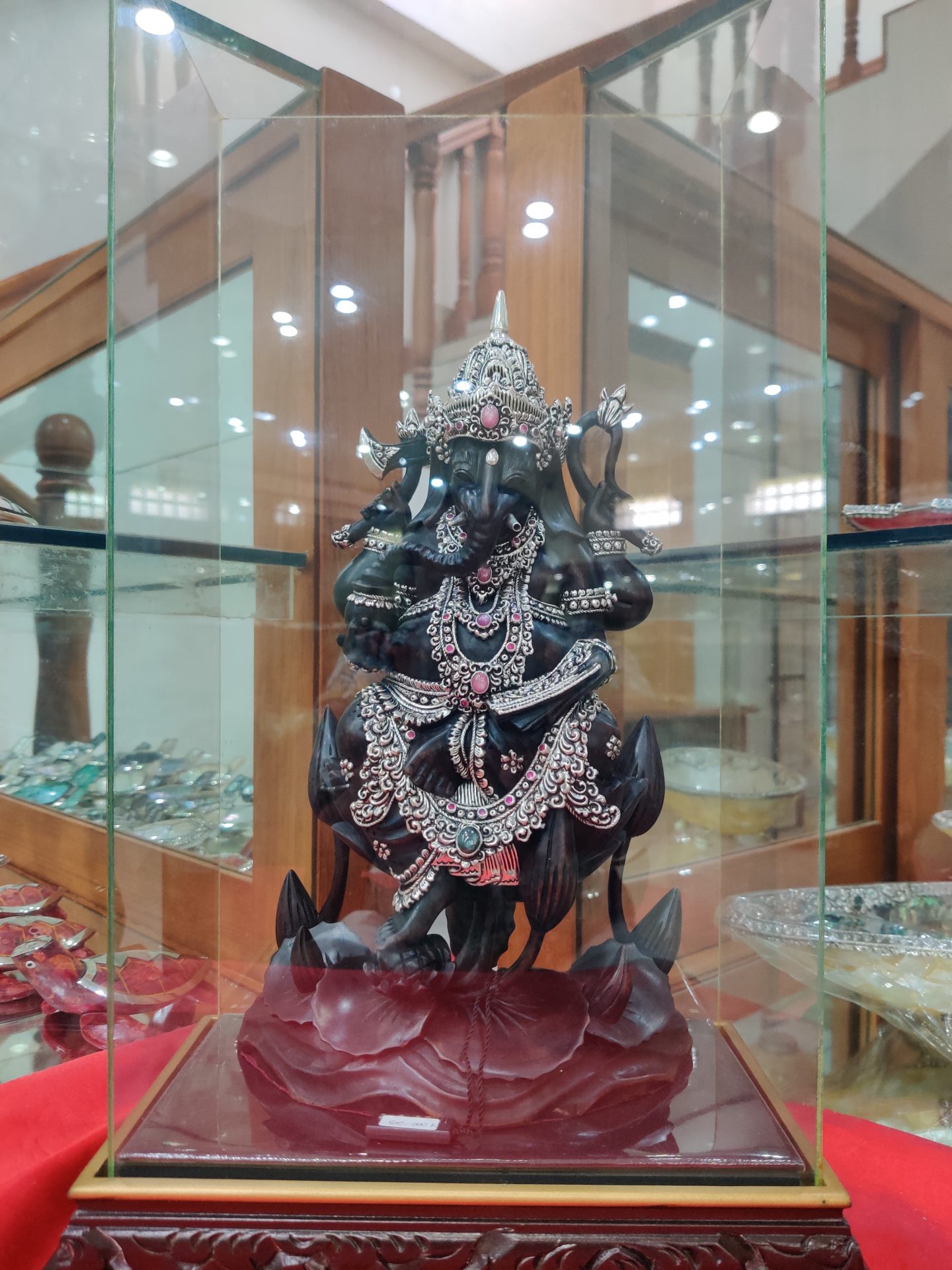
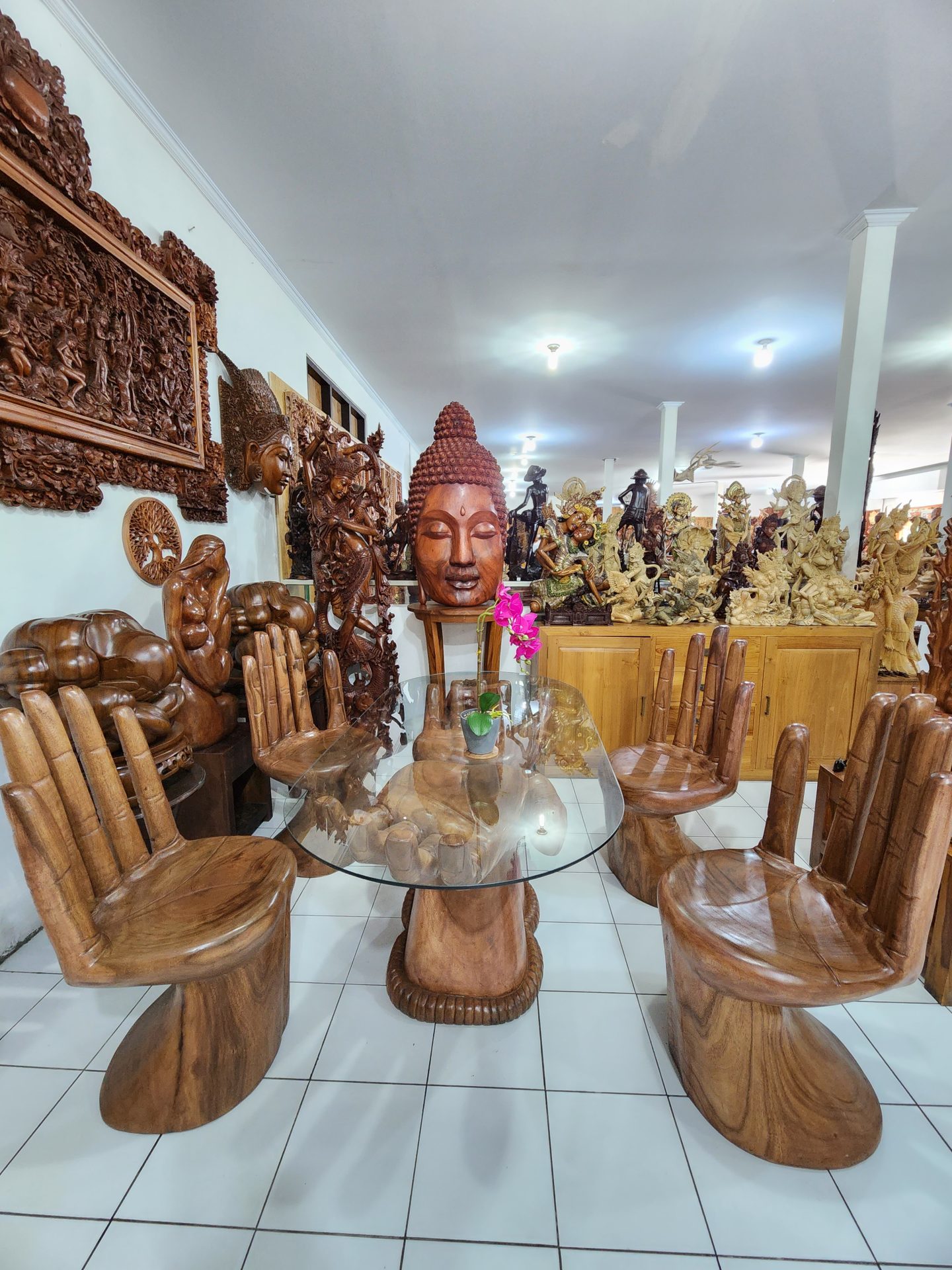
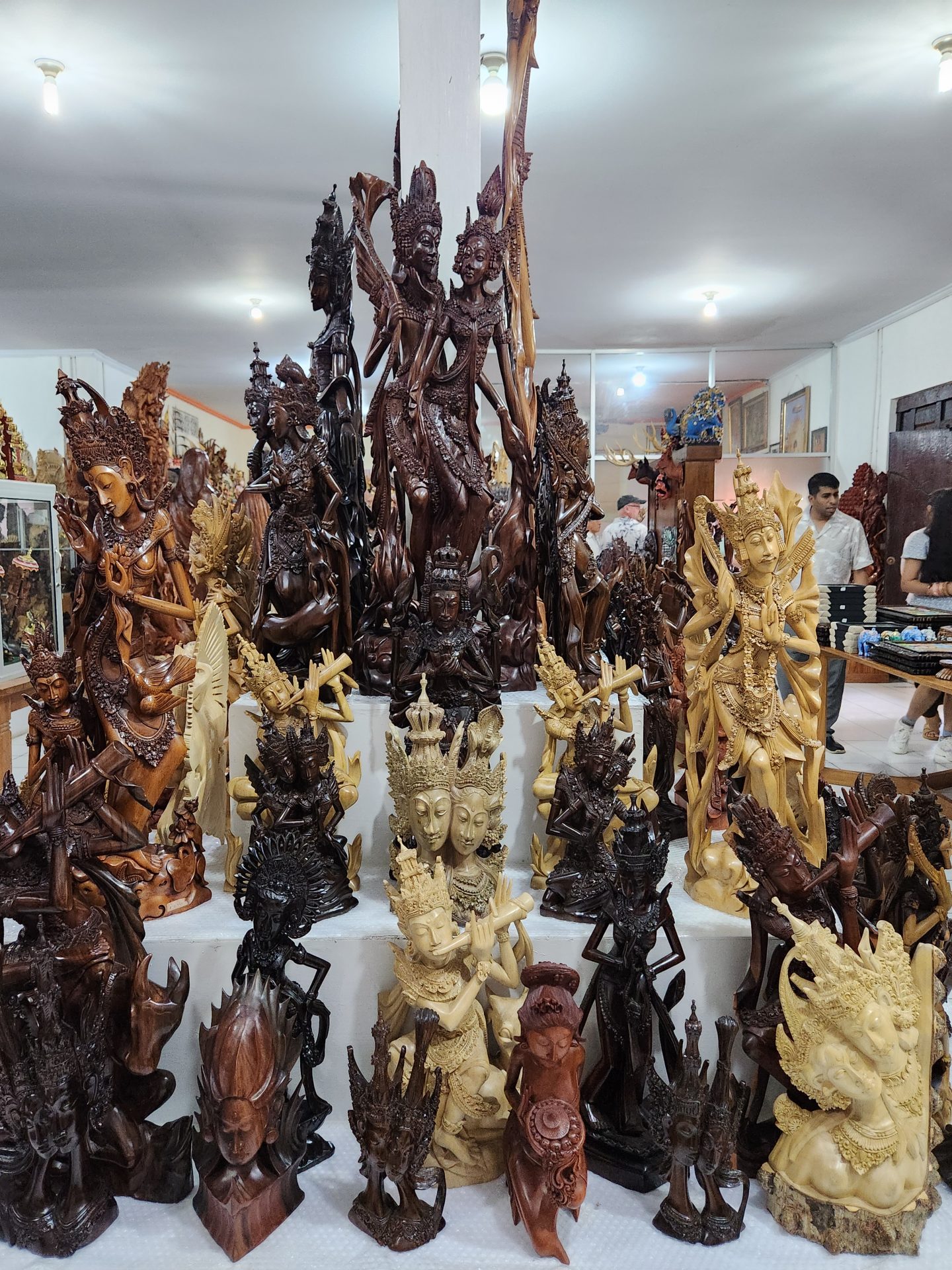
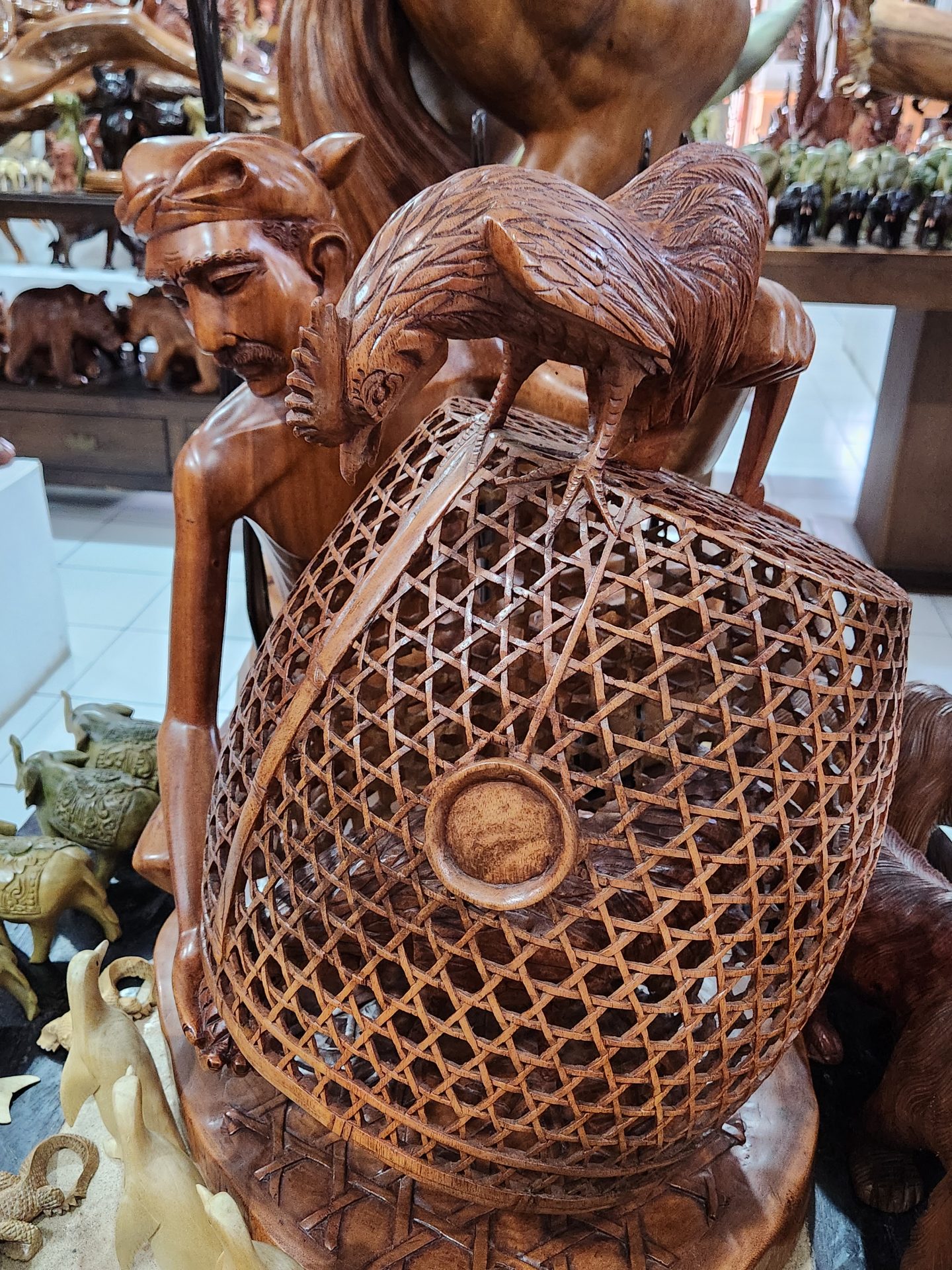
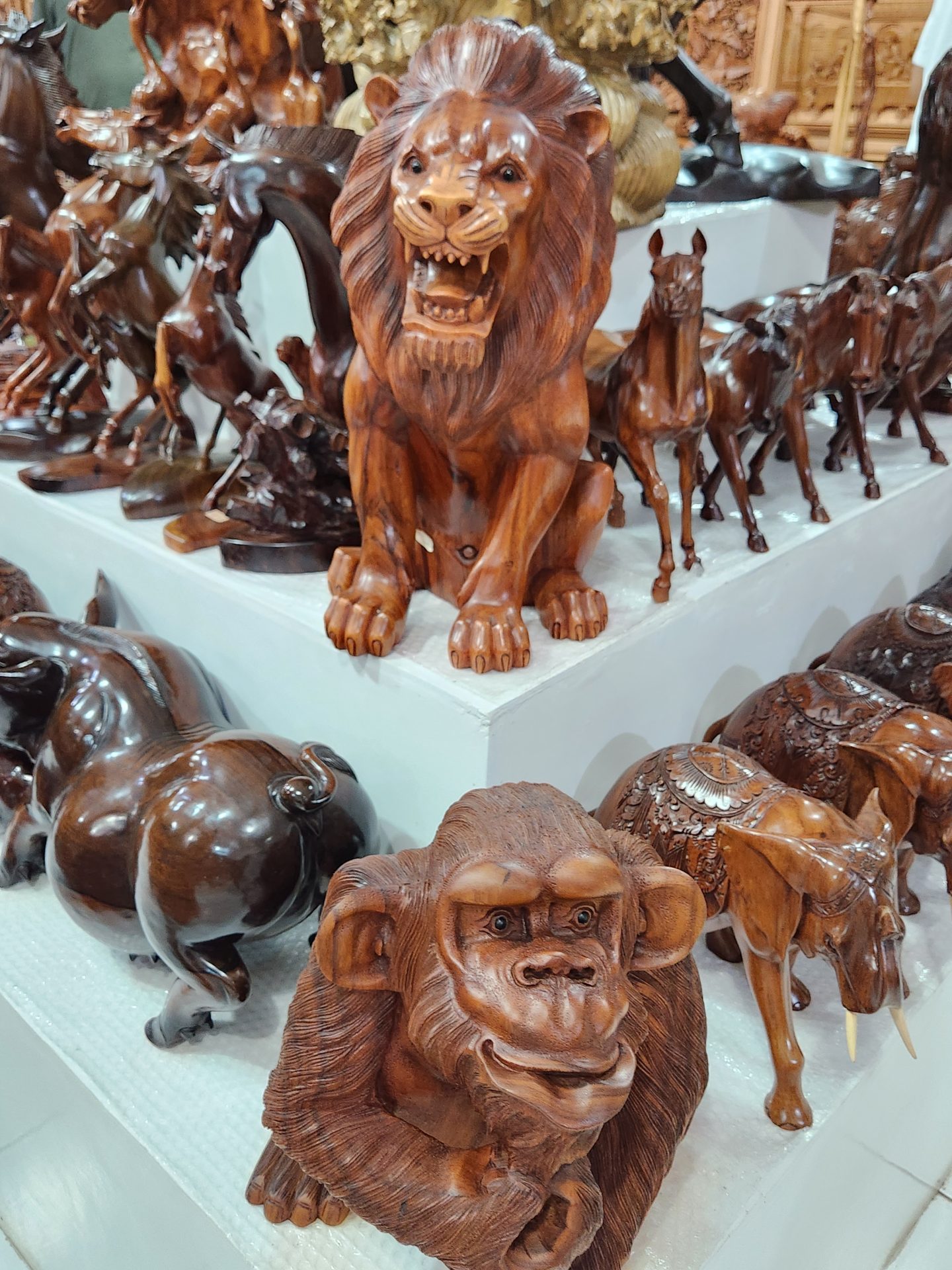
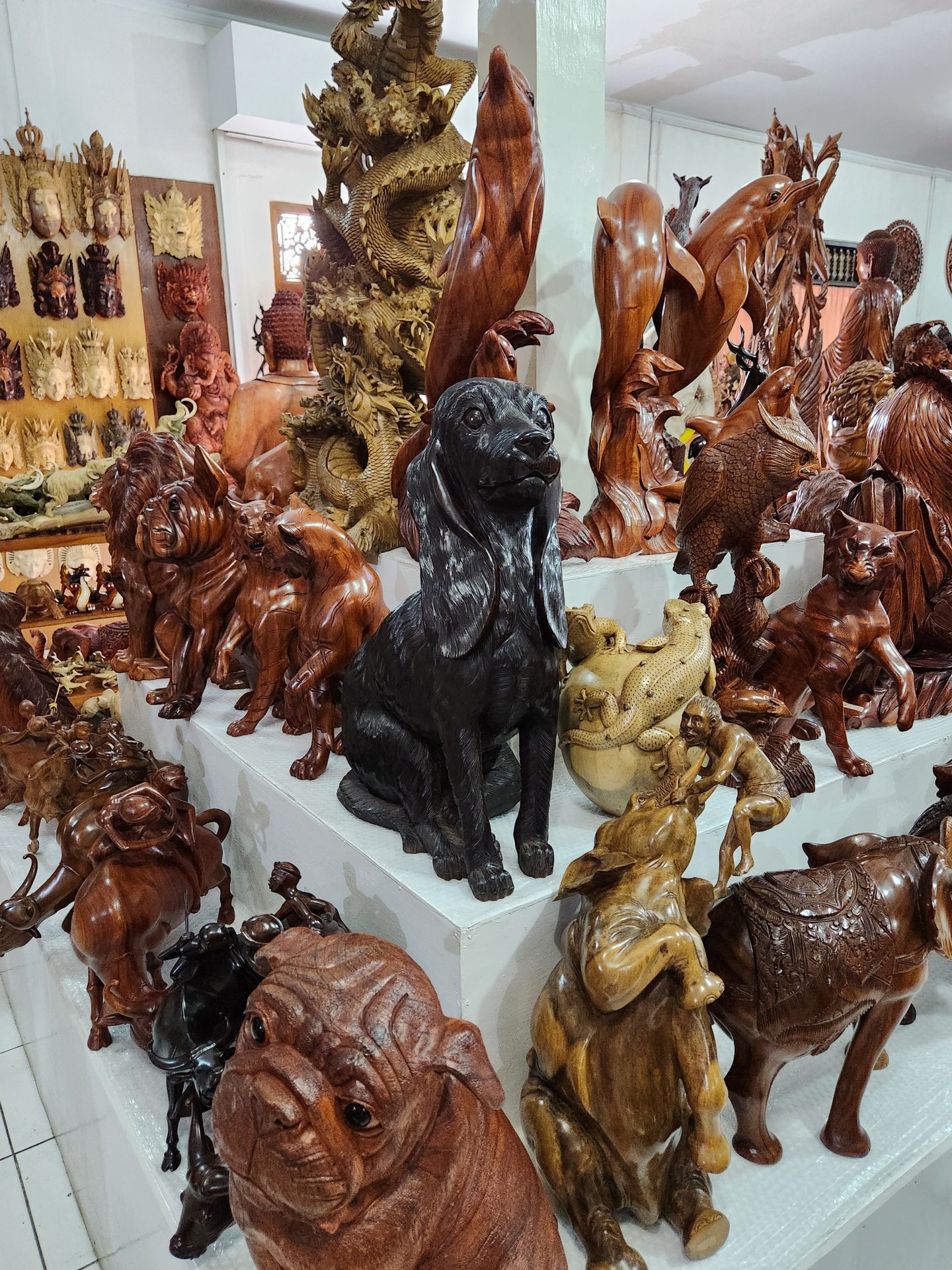
We moved on from there to the Mammoth Gallery, a Wood Carving village where we saw a team of artisans, some chiselling away and some displaying their deft touches on different varieties of wood and carving out beautiful statues and other pieces of handicrafts.
A large hall contained an assortment of wooden statues of different shapes and sizes and different personas. The woodwork on display was awesome but a tad expensive.
The Pura Puseh Batuan Temple
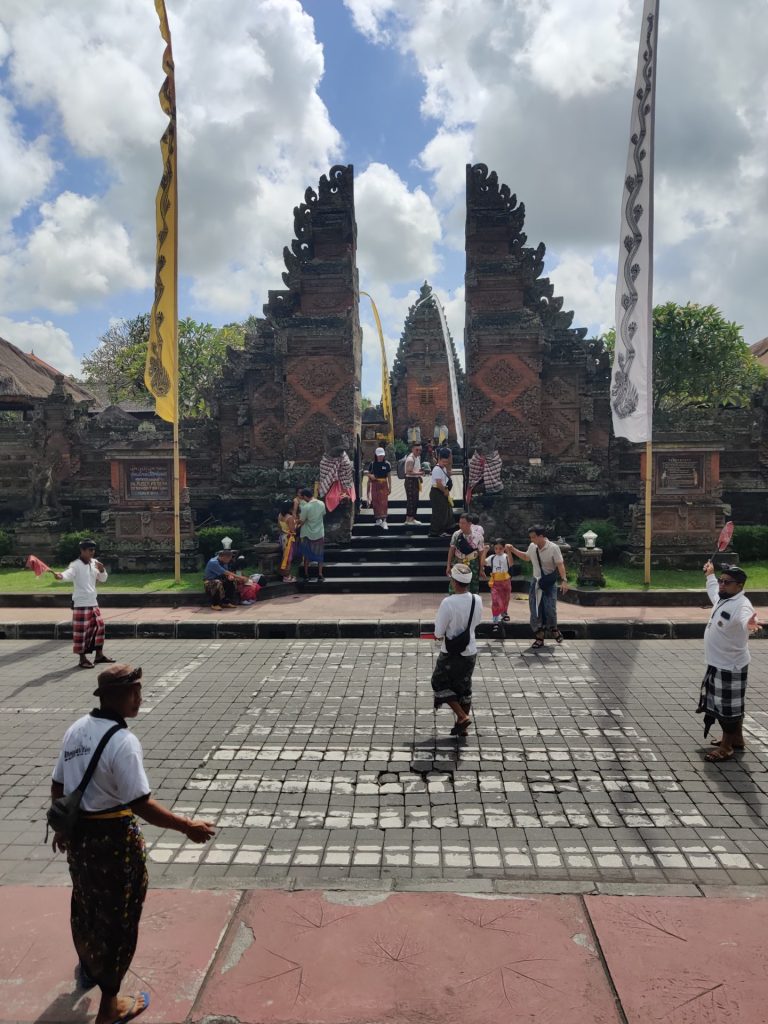
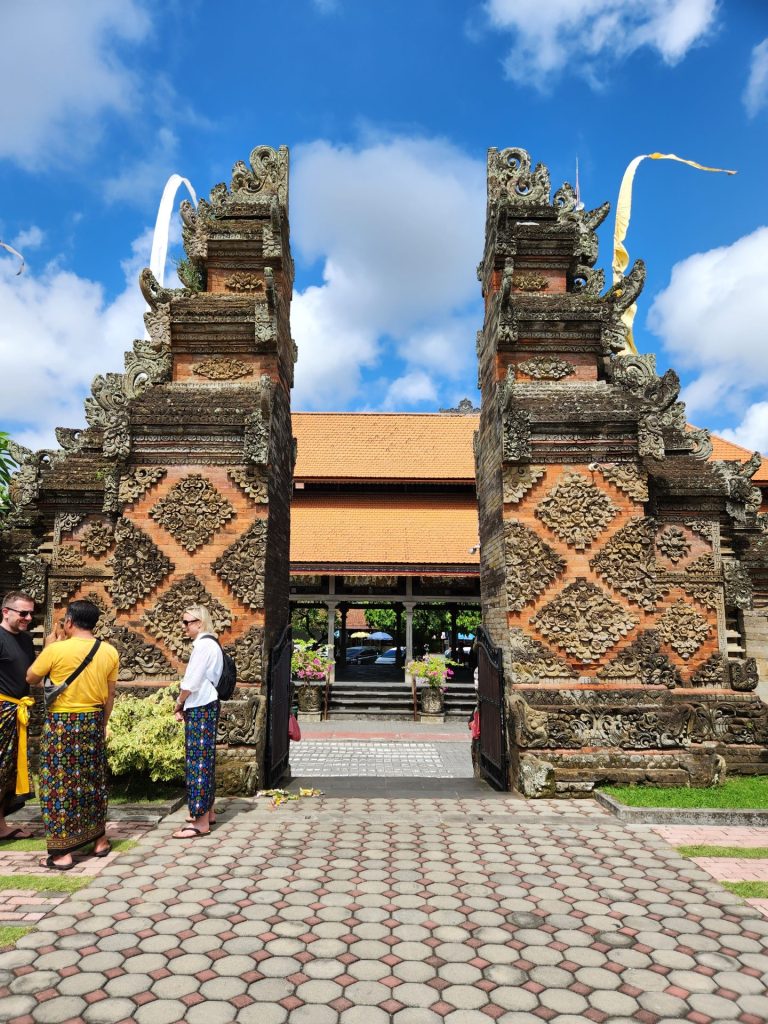
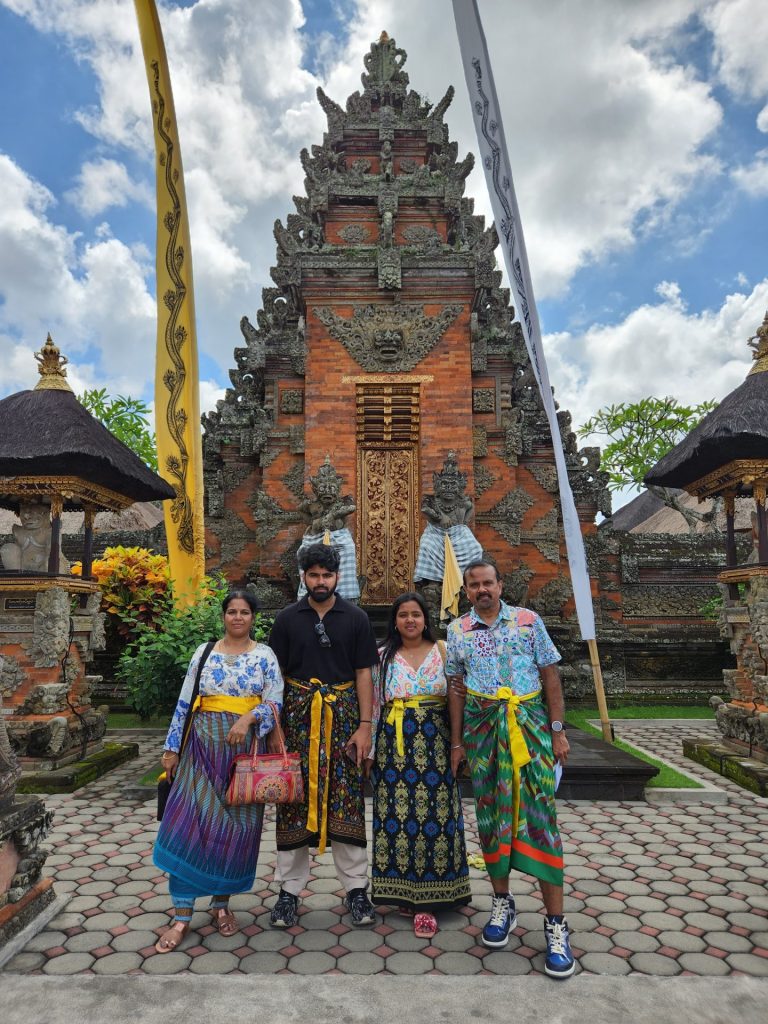
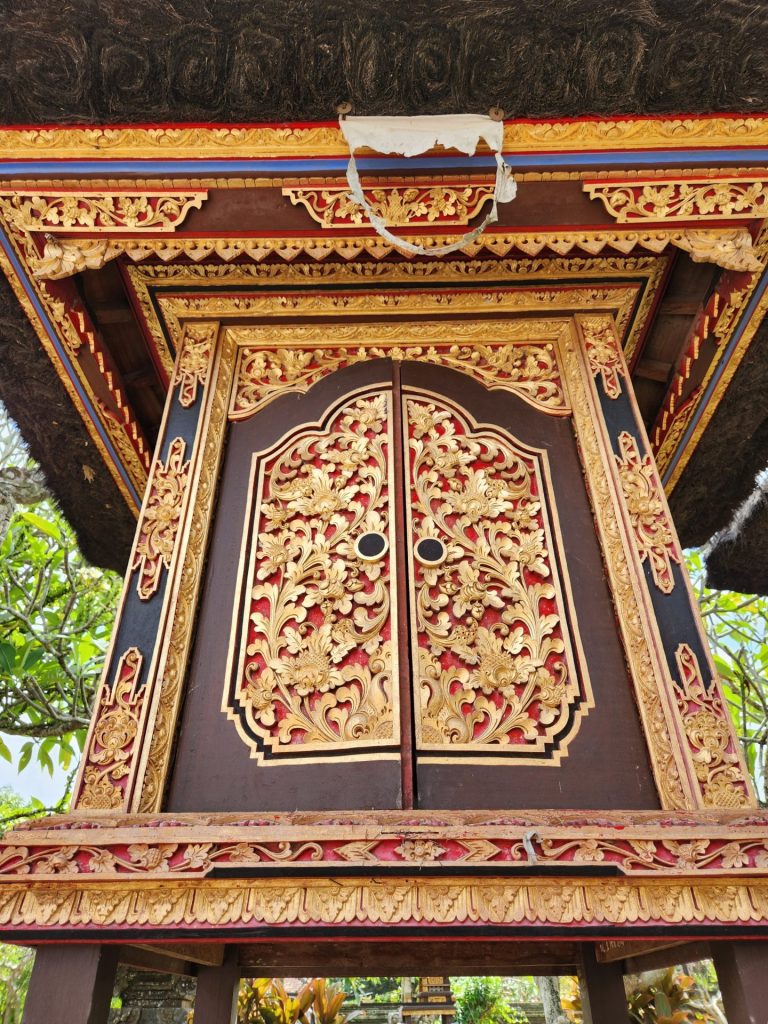
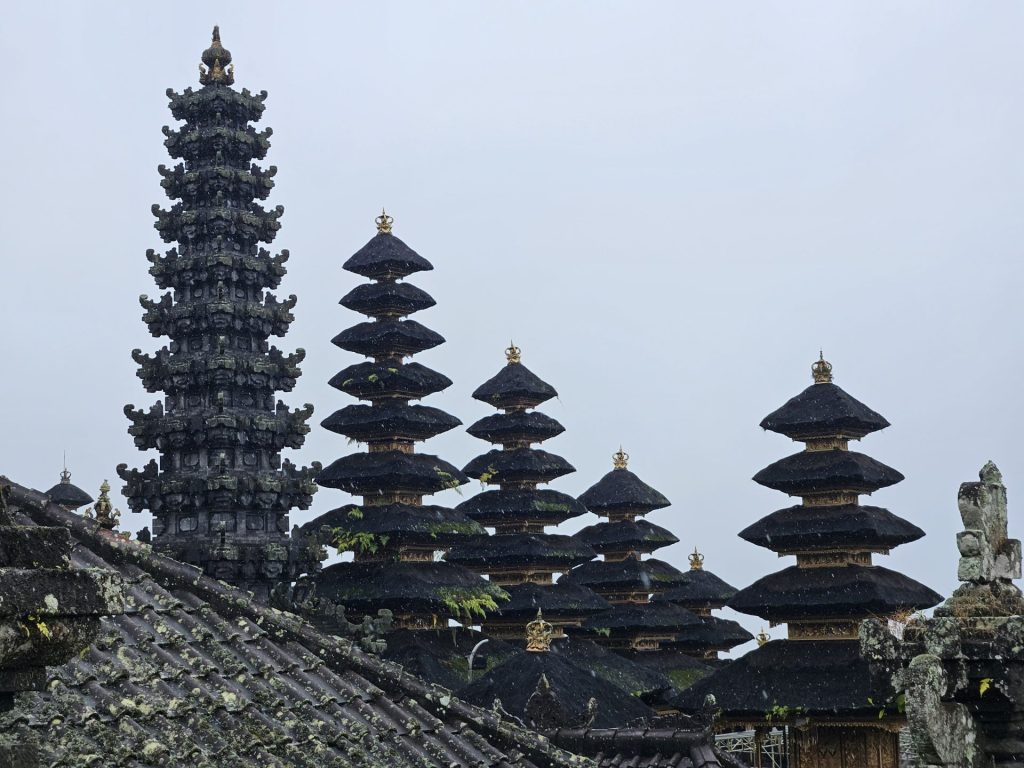
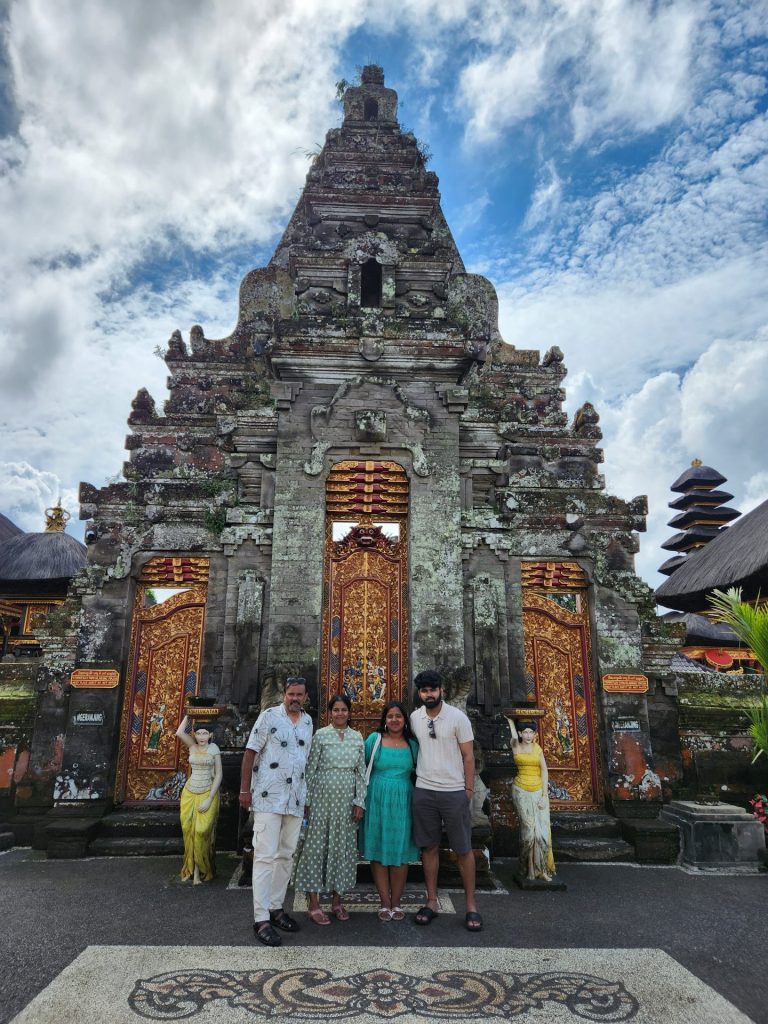
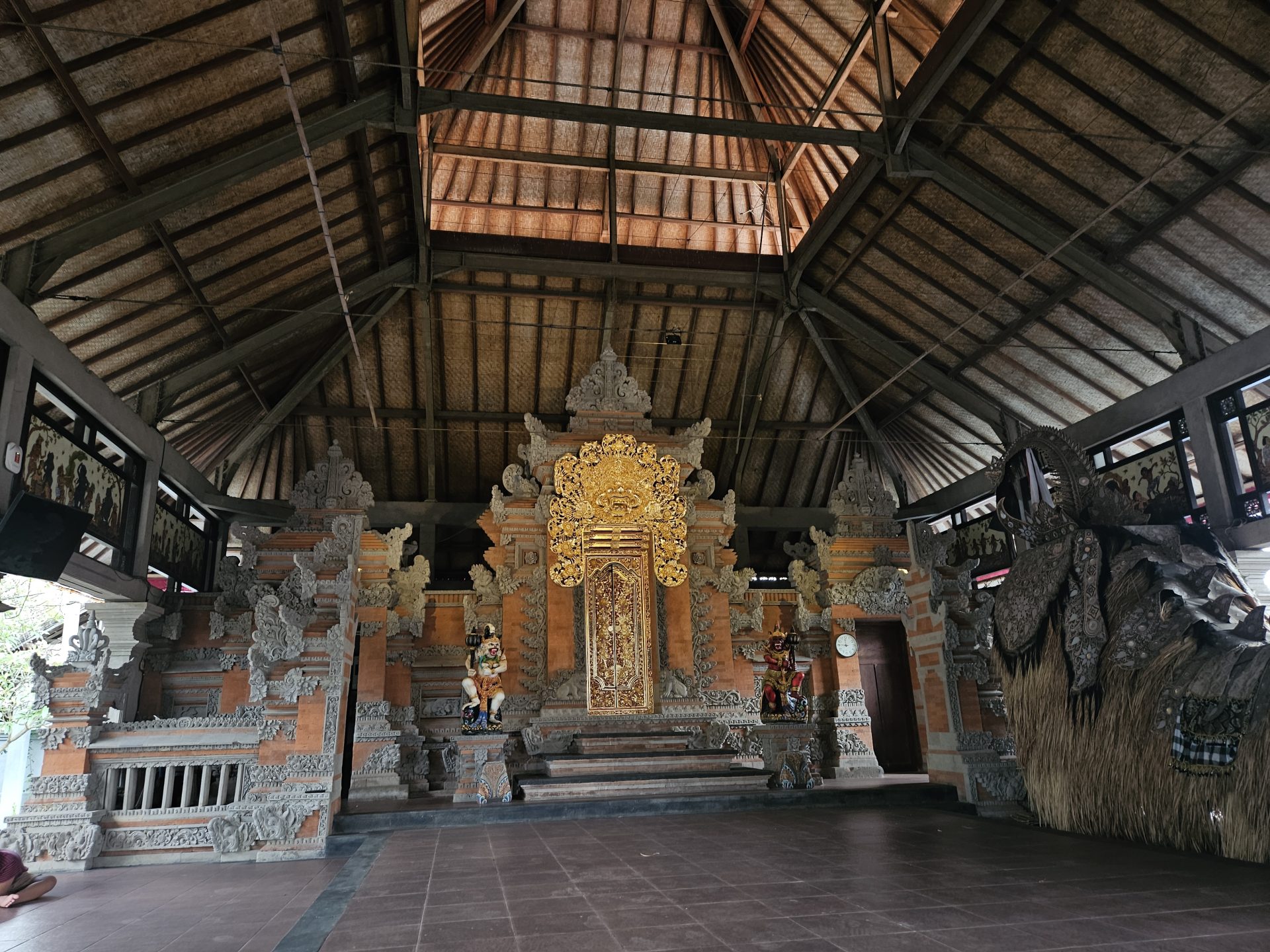
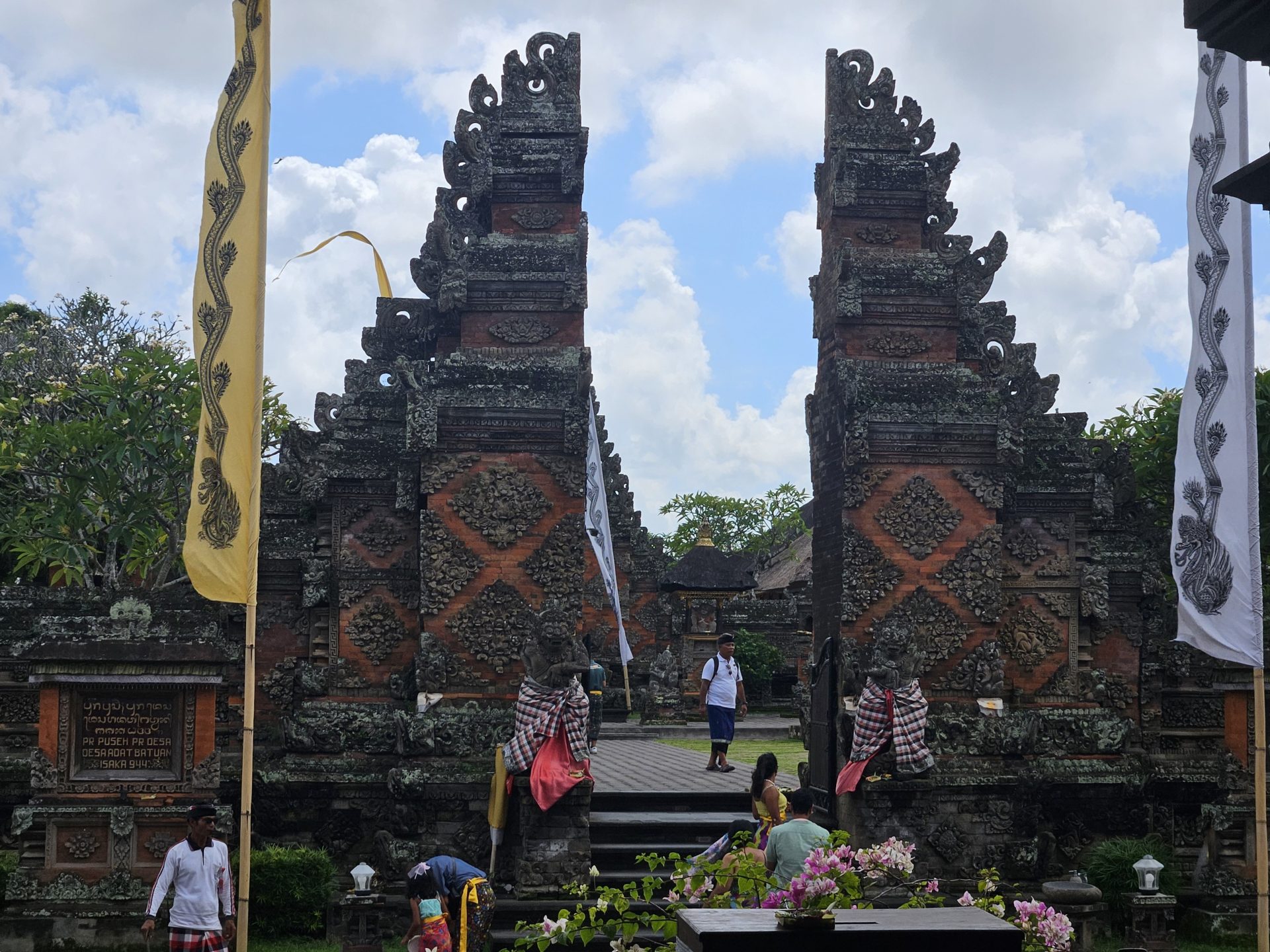
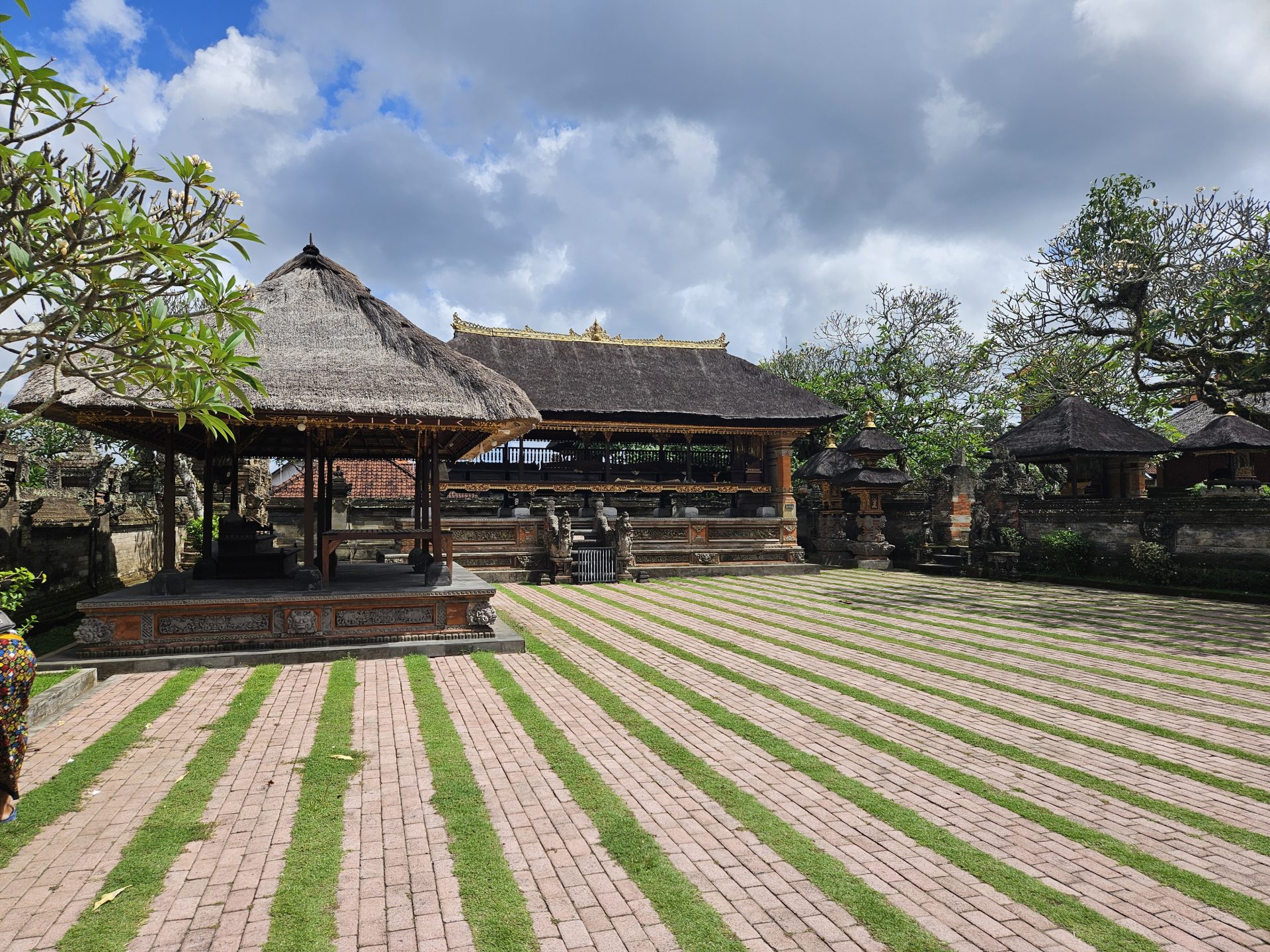
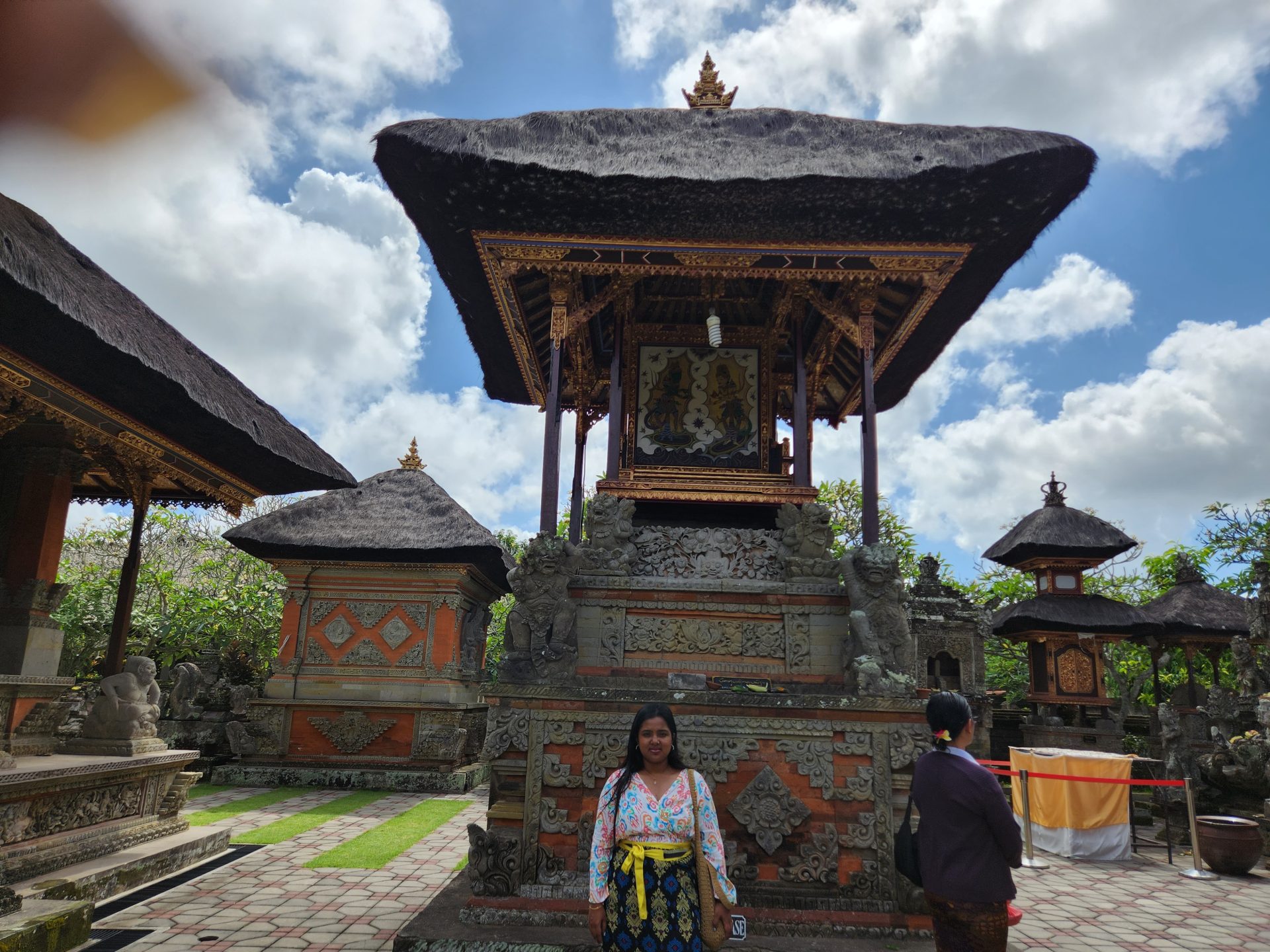
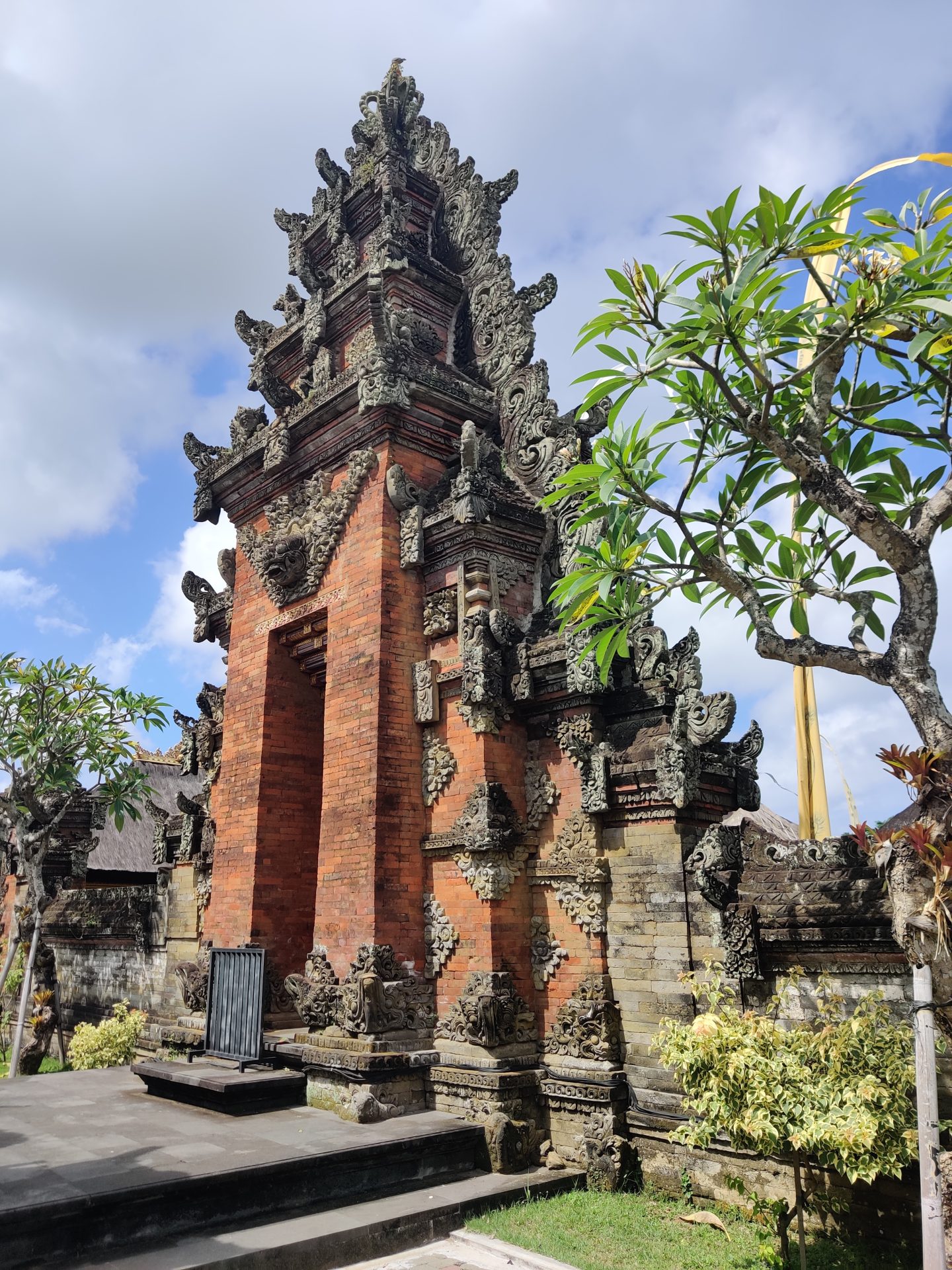
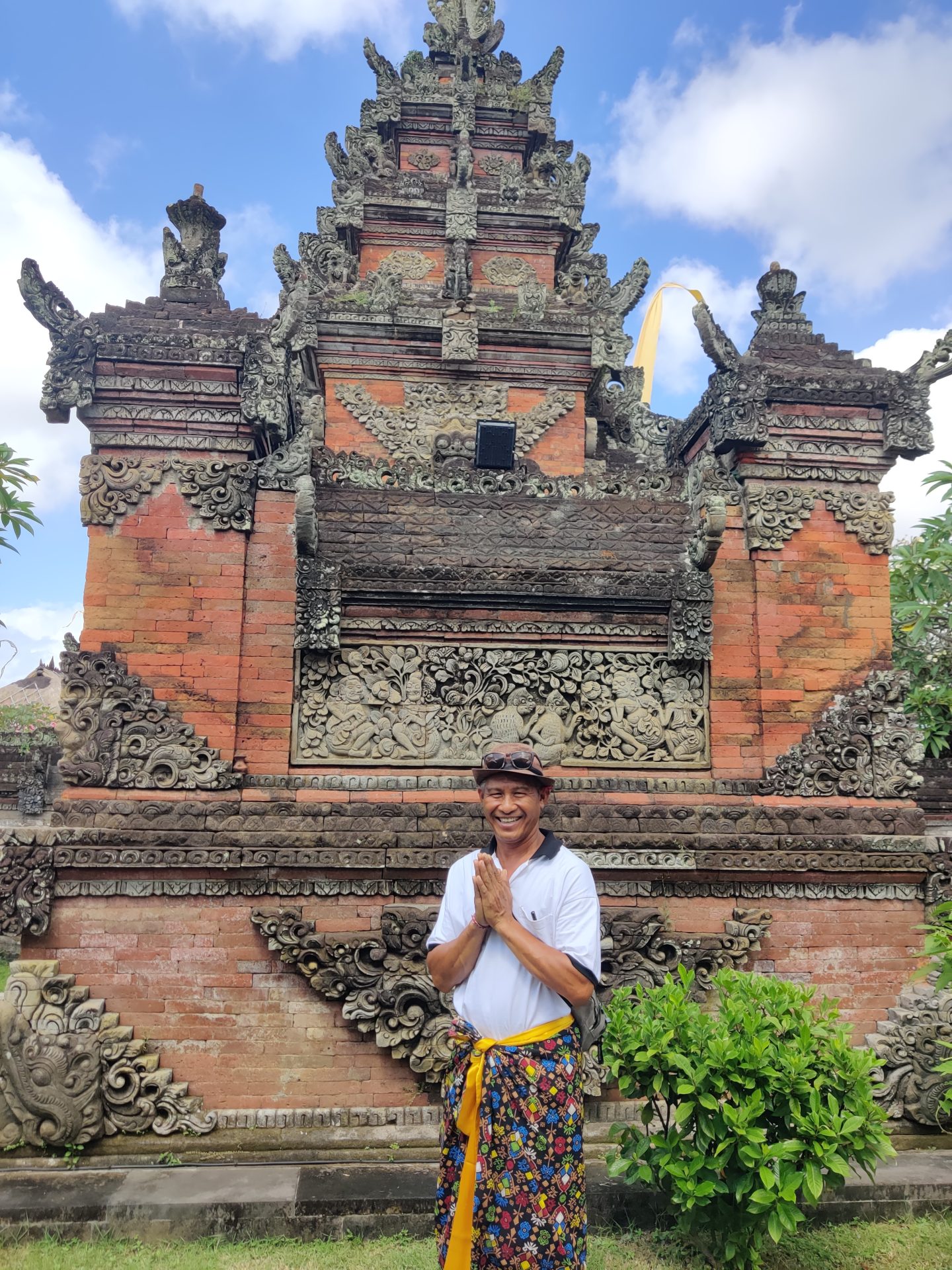
After about 30 minutes of seeing the lovely woodwork on display, we headed for the Pura Puseh Batuantemple located a few kms ahead. We purchased the entrance tickets @ Rs.270/- per head and were handed colorful sarongs to wear before entering the temple. This temple is one of the most notable landmarks in the area with intricate stone carvings and has an inscription that testifies the date of founding of Batuan in 1022 AD. This Balinese styled temple has a 5 tiered gateway tower, clearly influenced by Indian Religious Architecture. The roof of the temple is made out of the fibre of chromatic black palm tree.
The Tegenungan Waterfalls
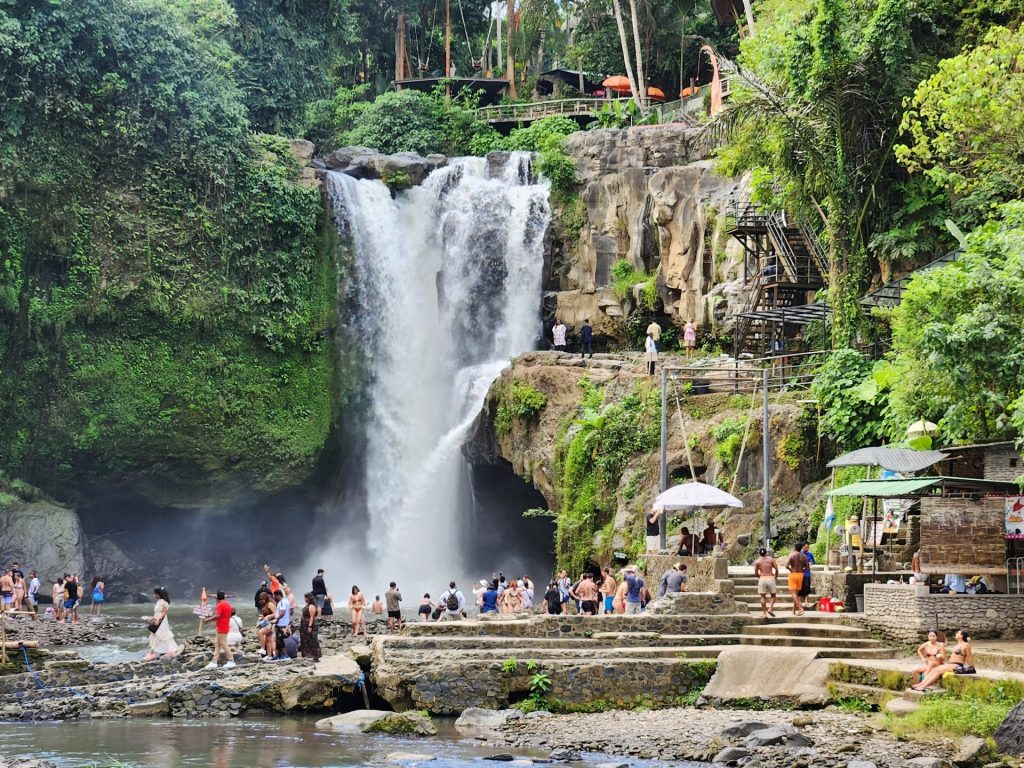
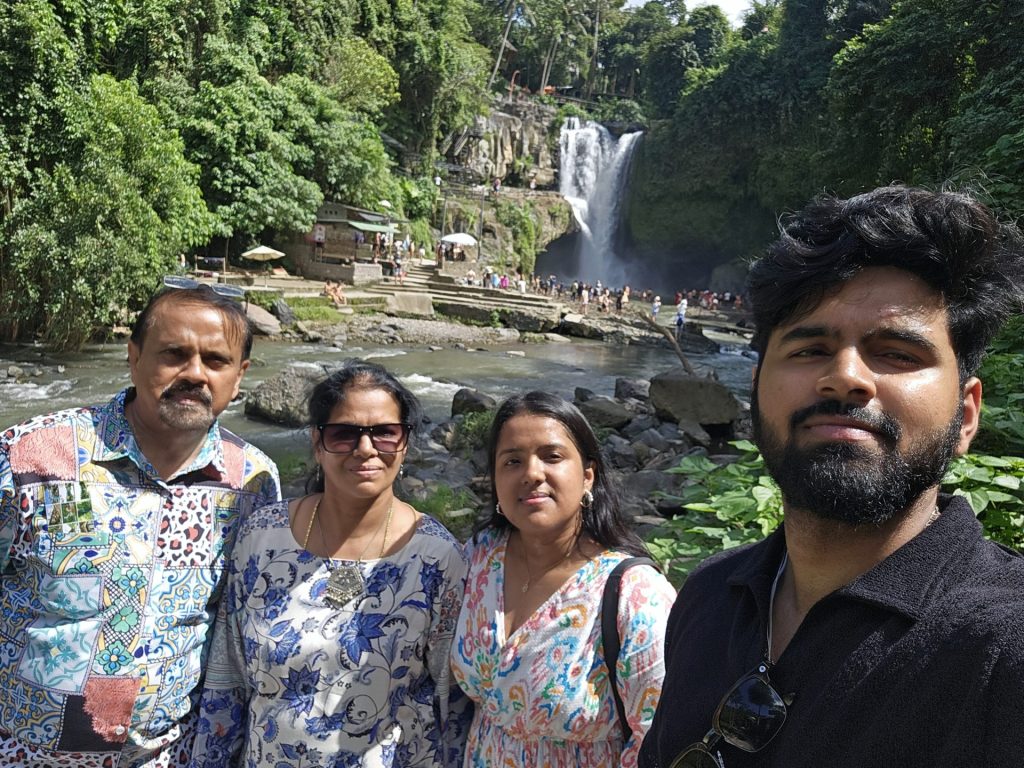
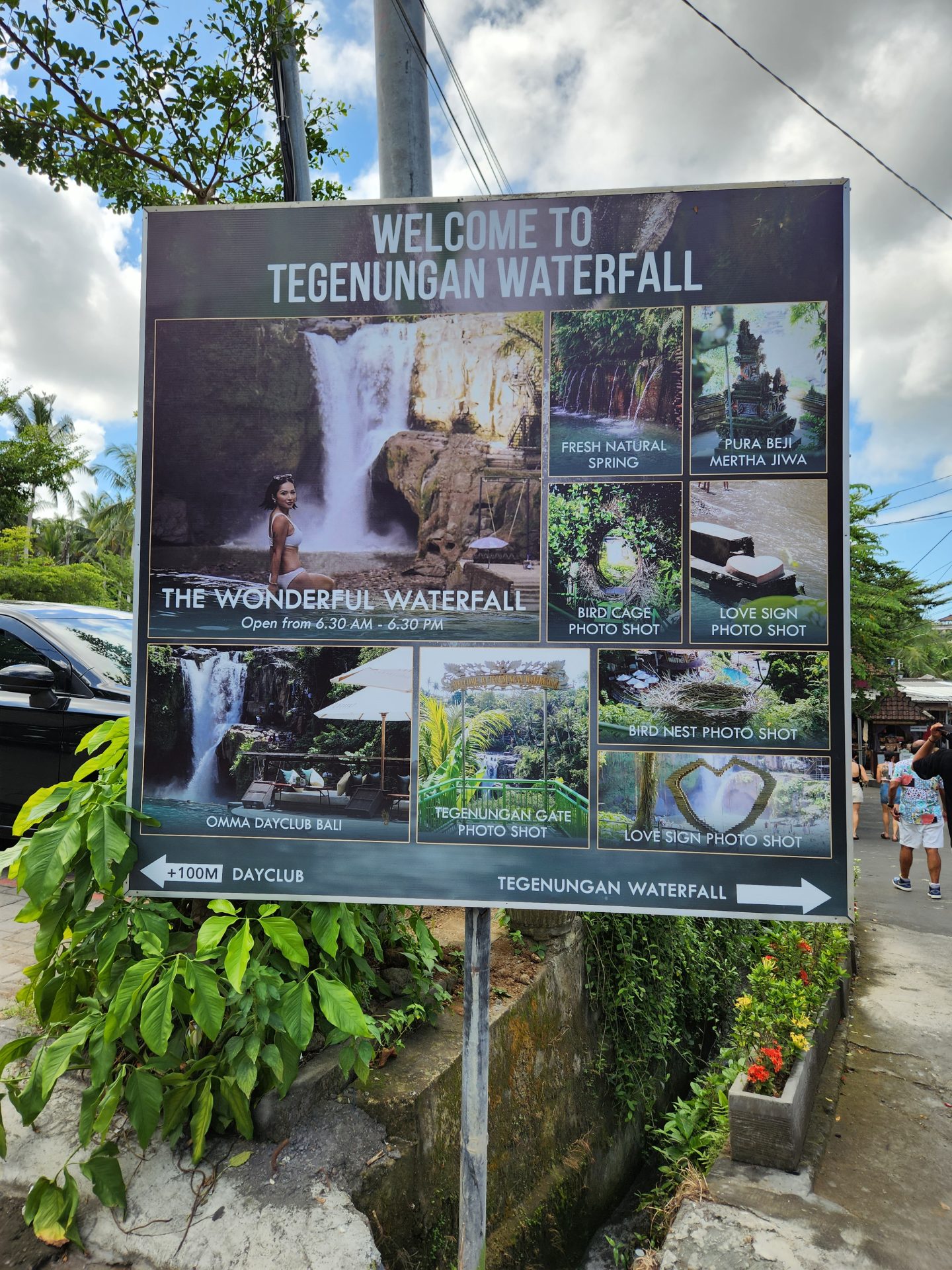
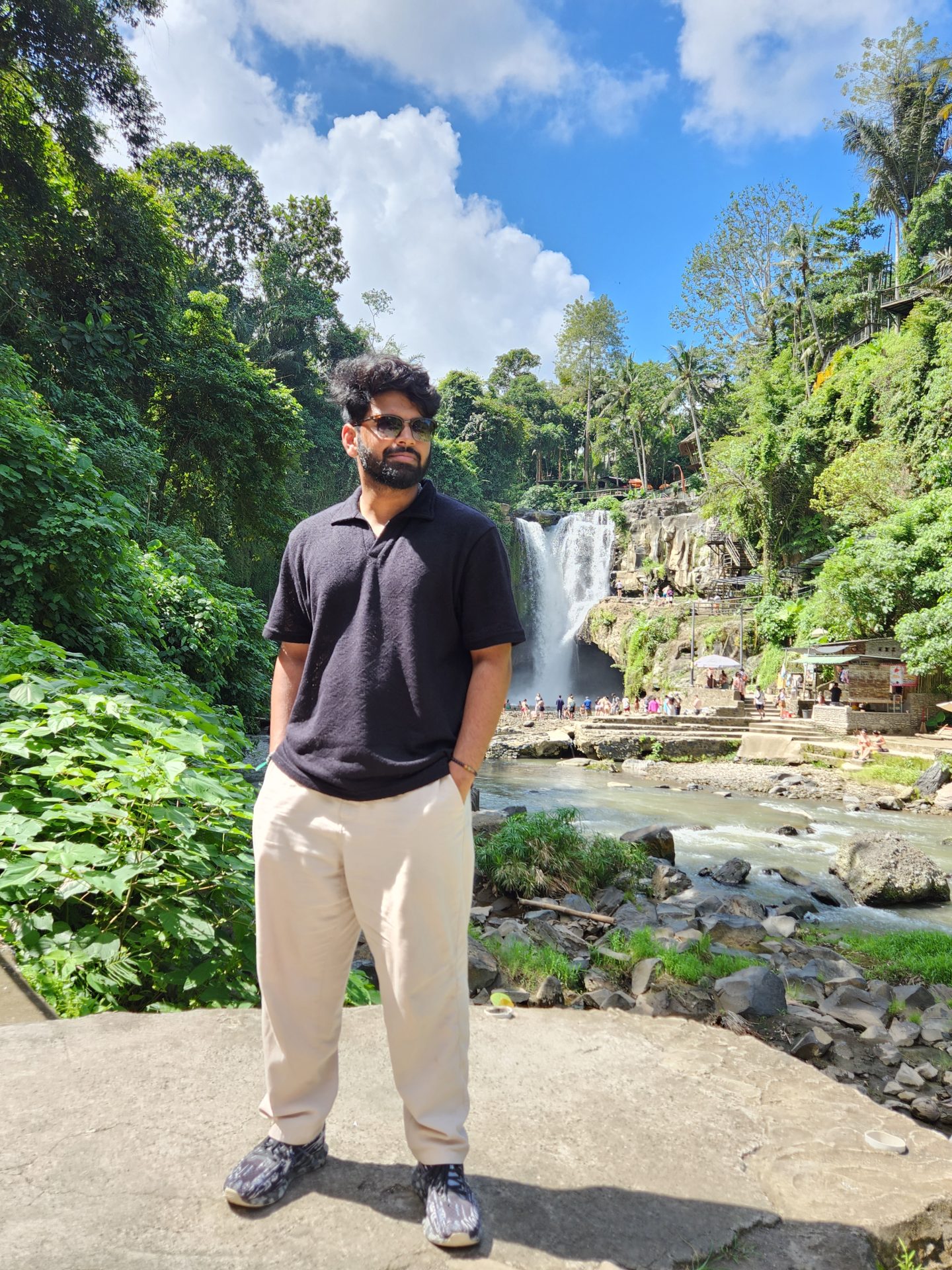
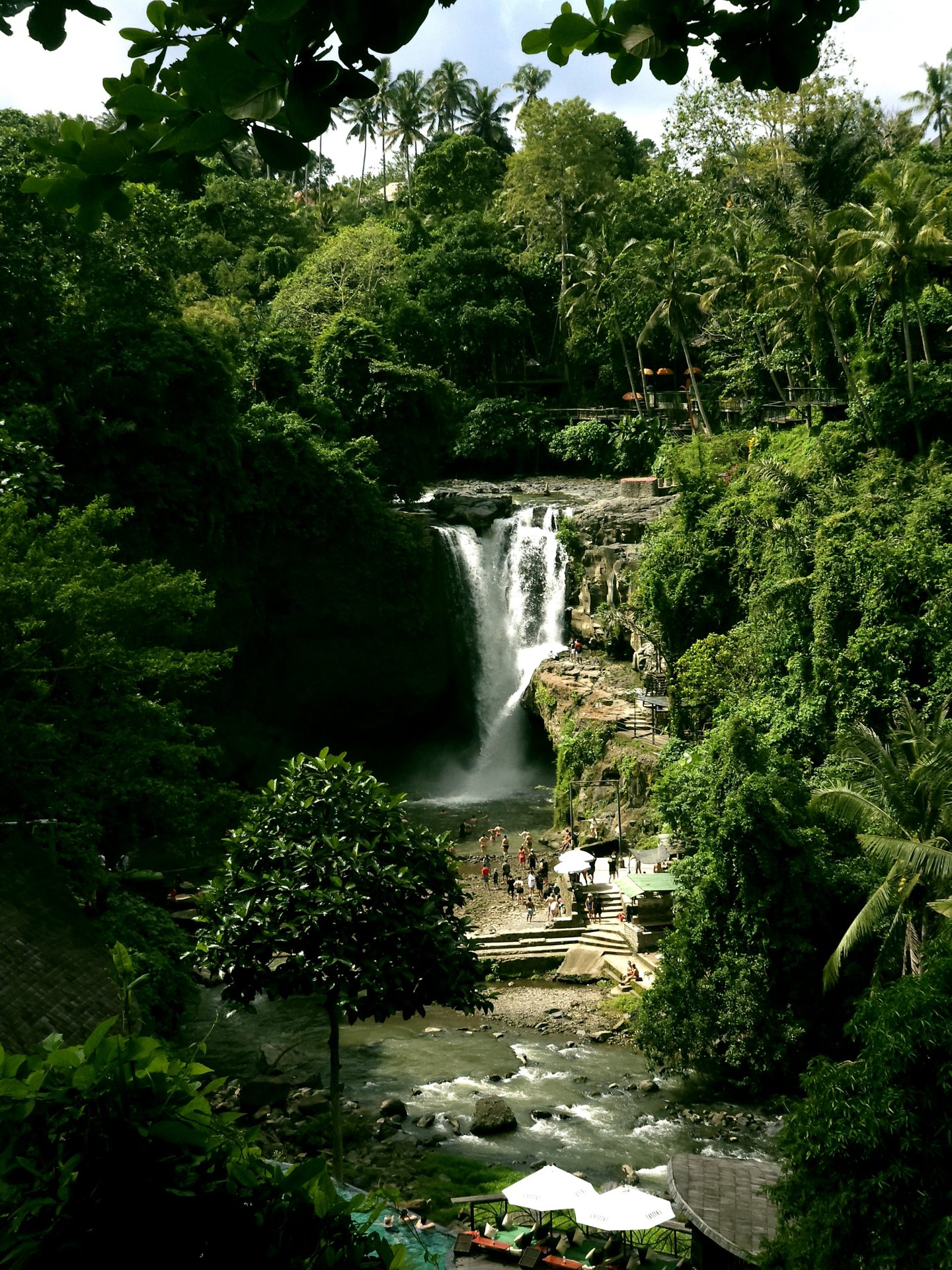
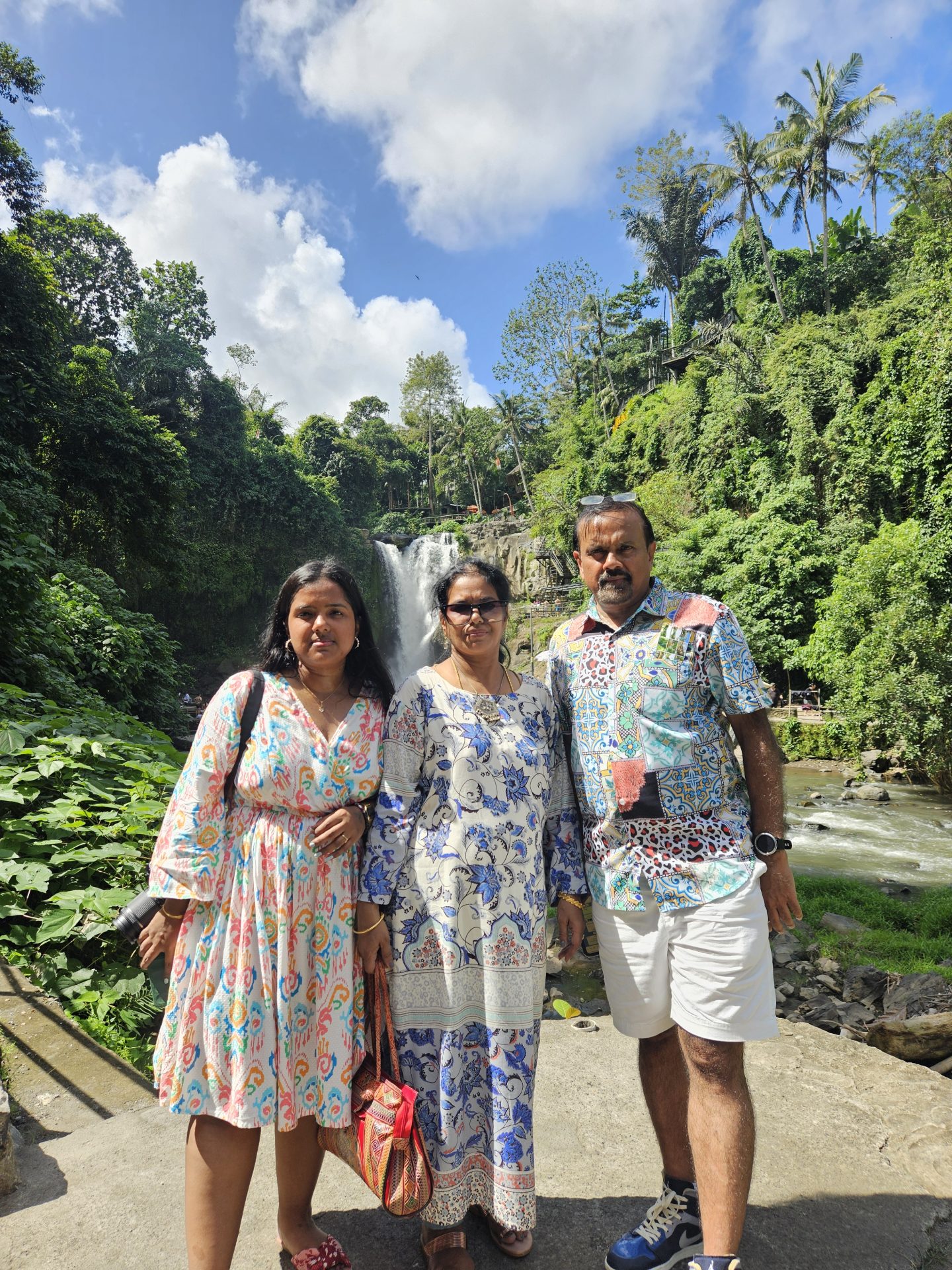
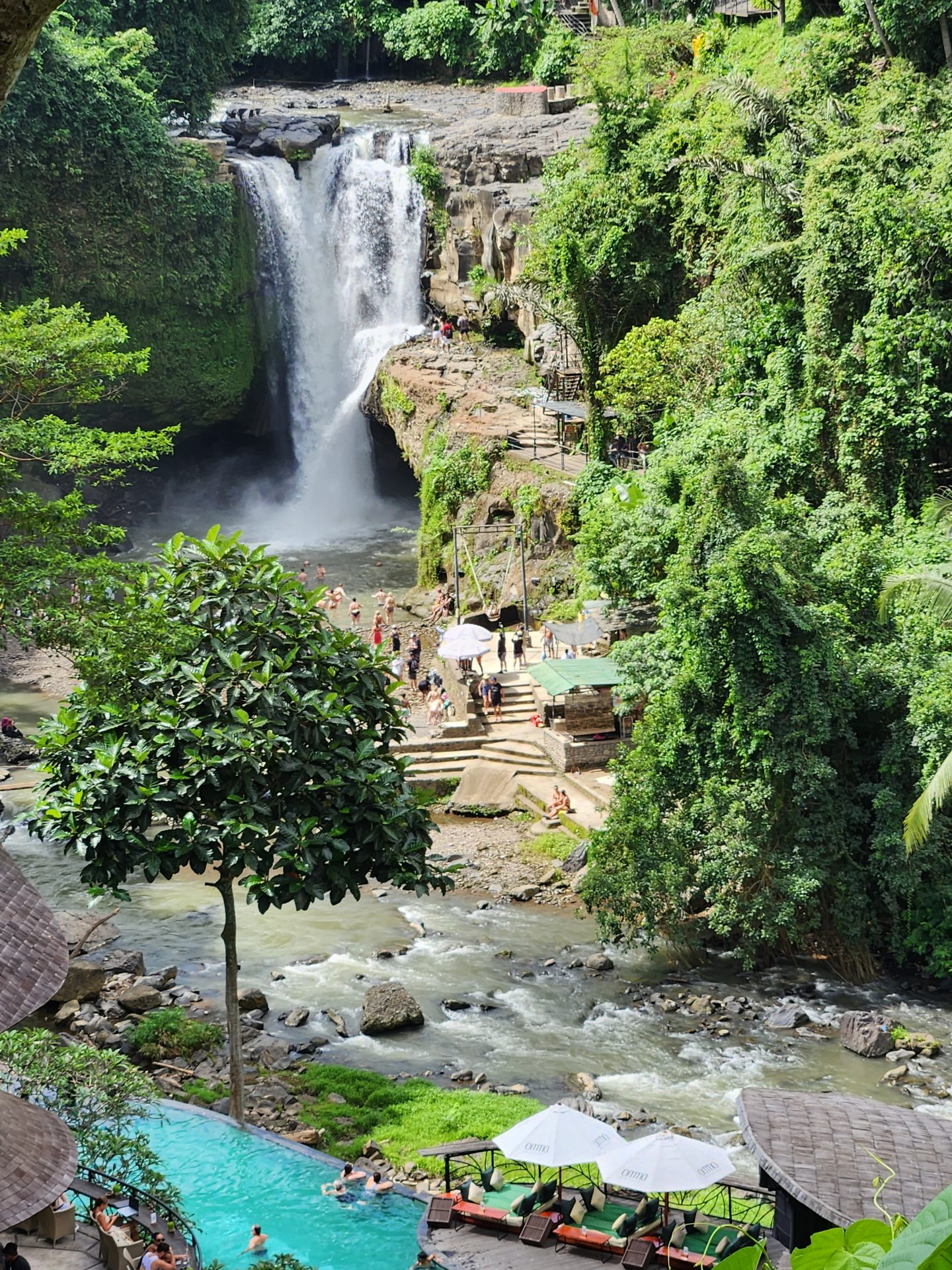
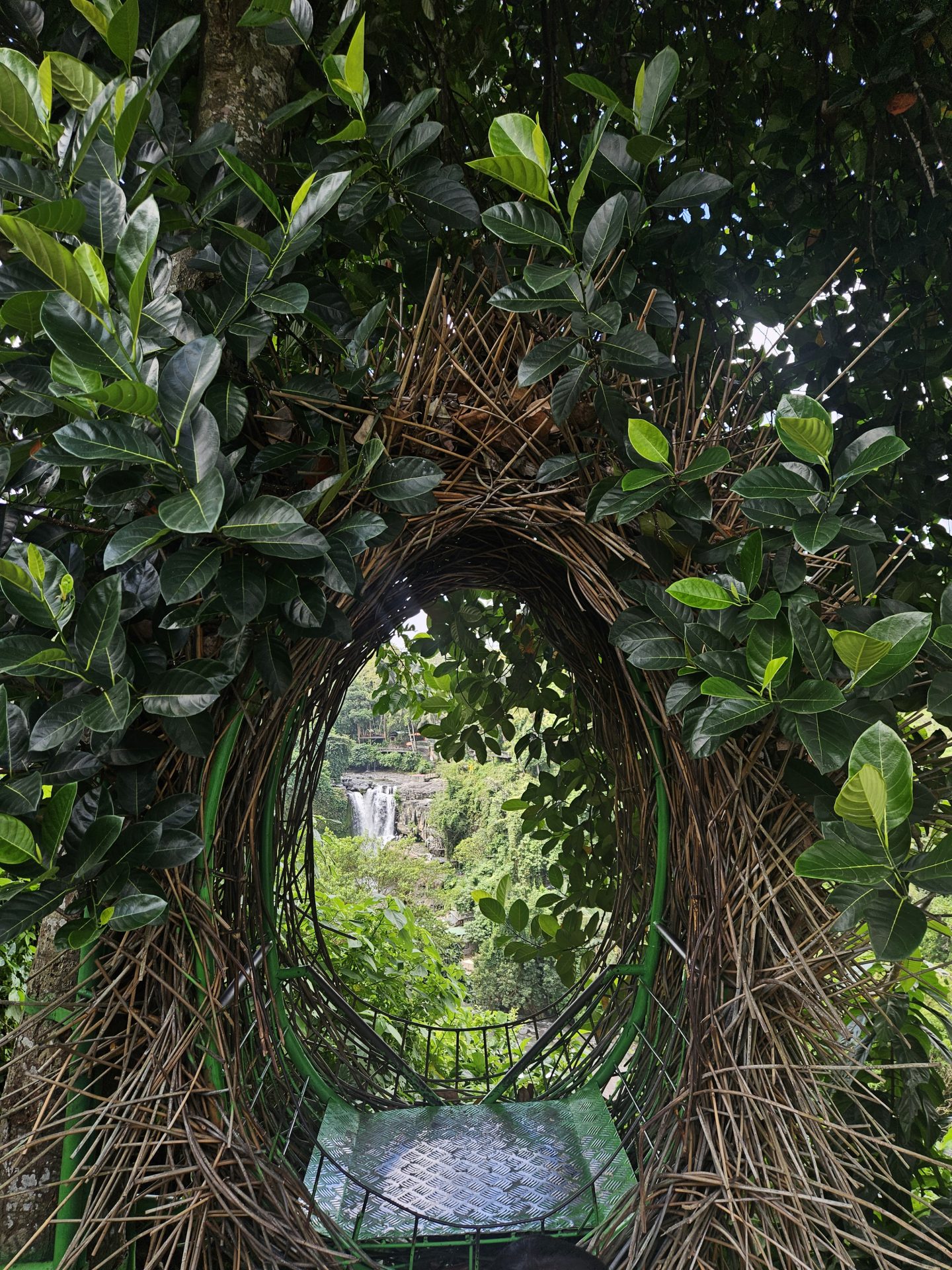
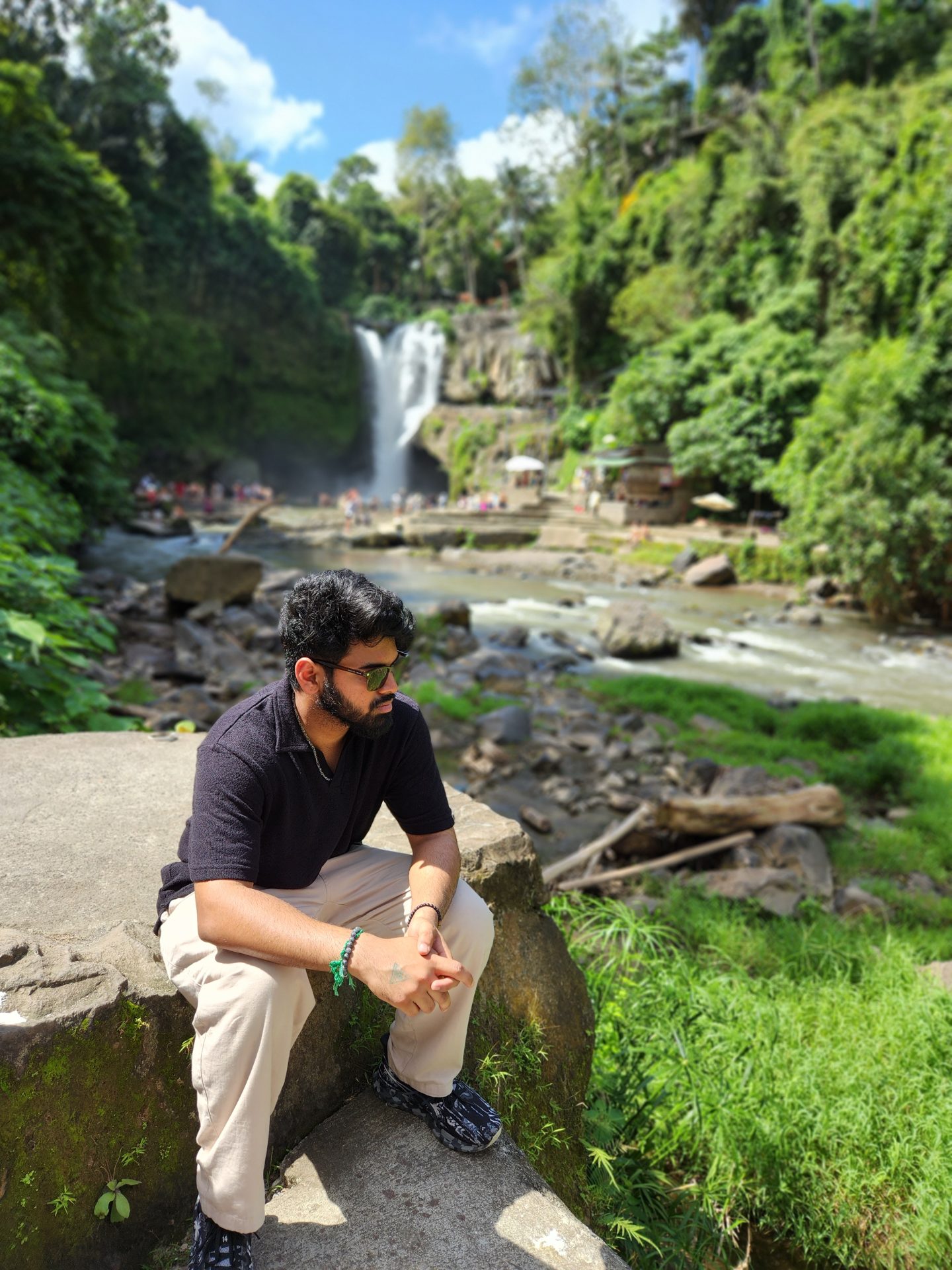
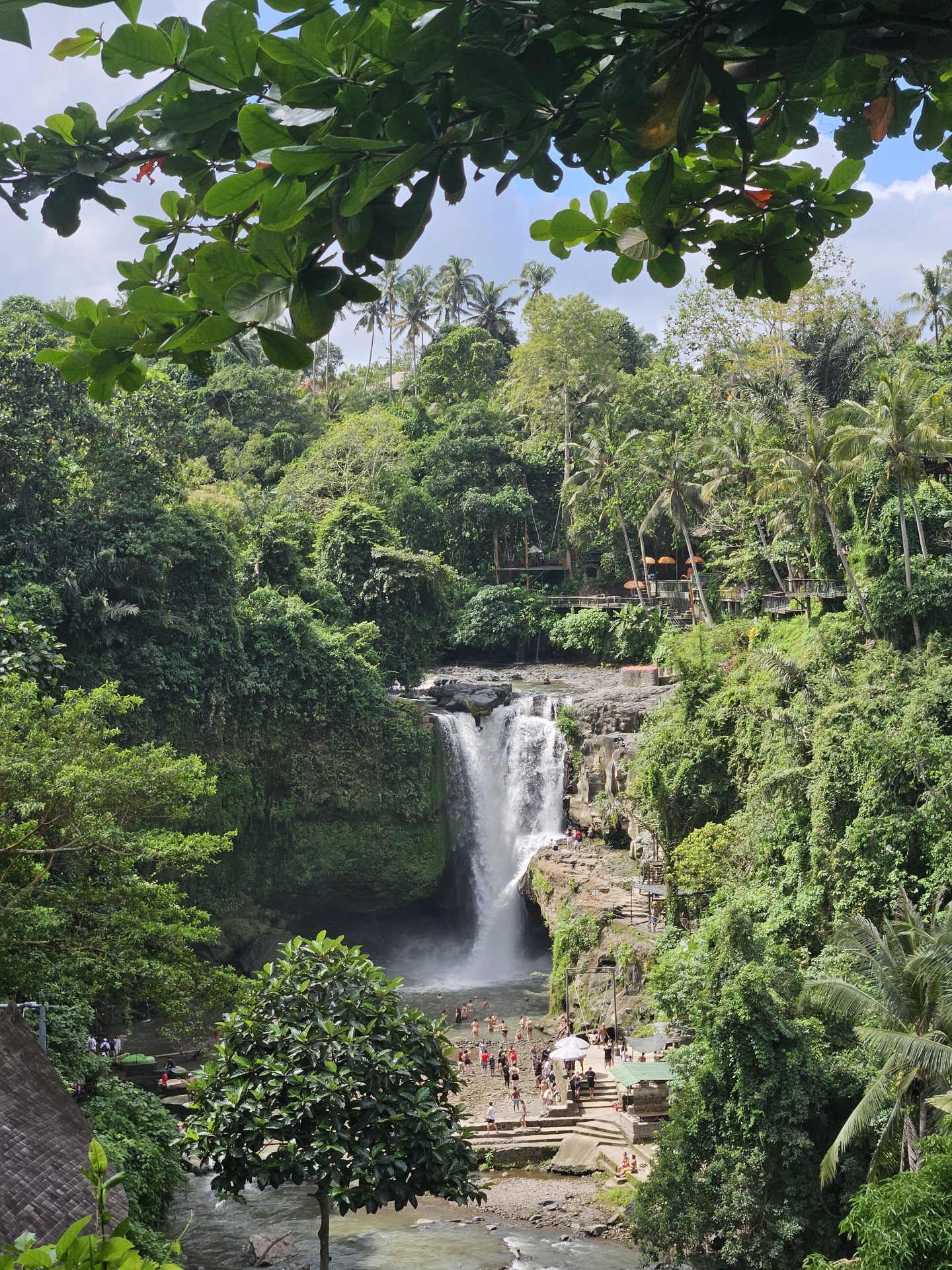
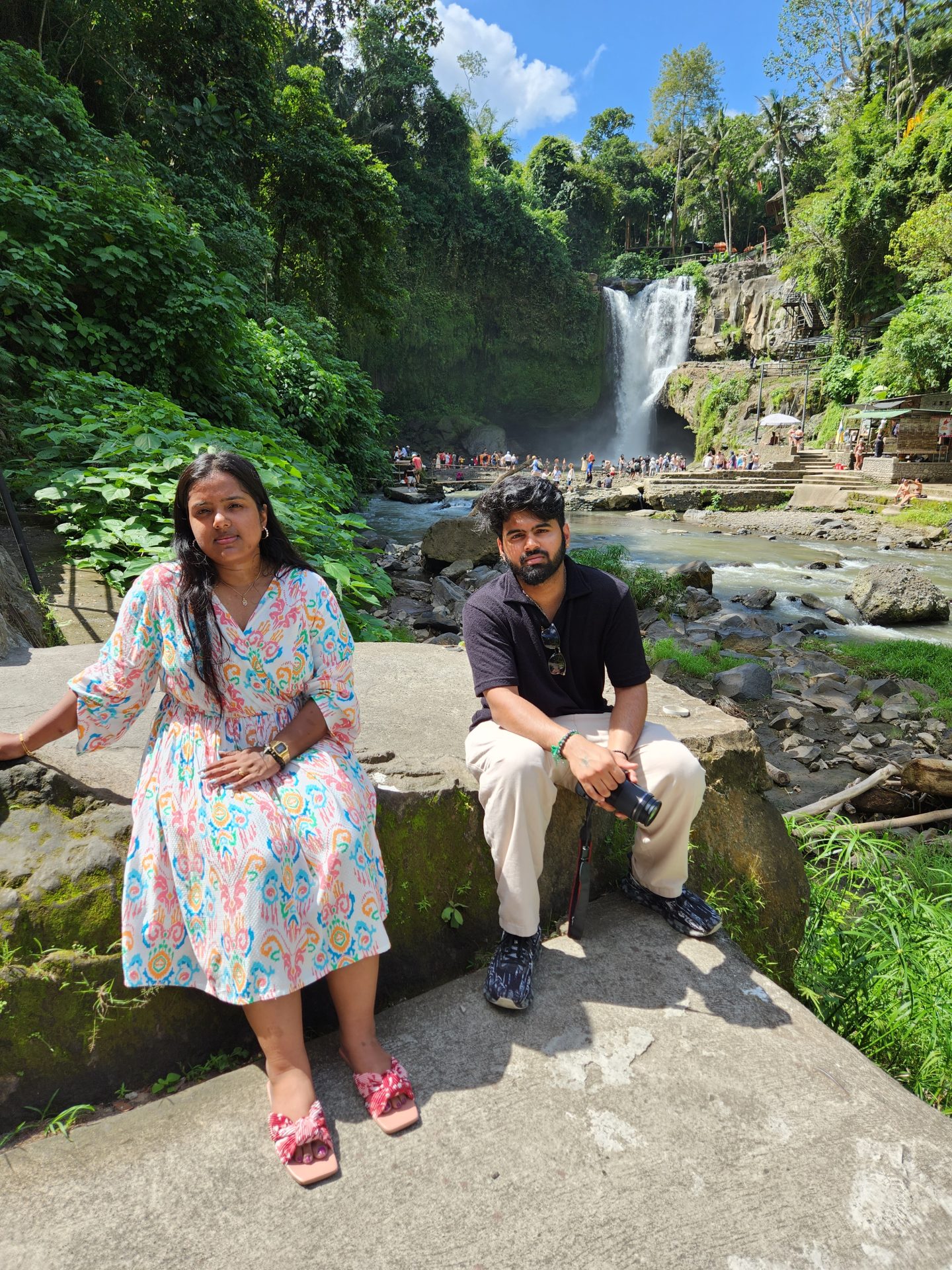
After spending around 30 minutes at the temple, we made our way to the Waterfall at Tegenungan Village. We had to buy tickets at the entrance of the waterfall at Rs.160/- per head.
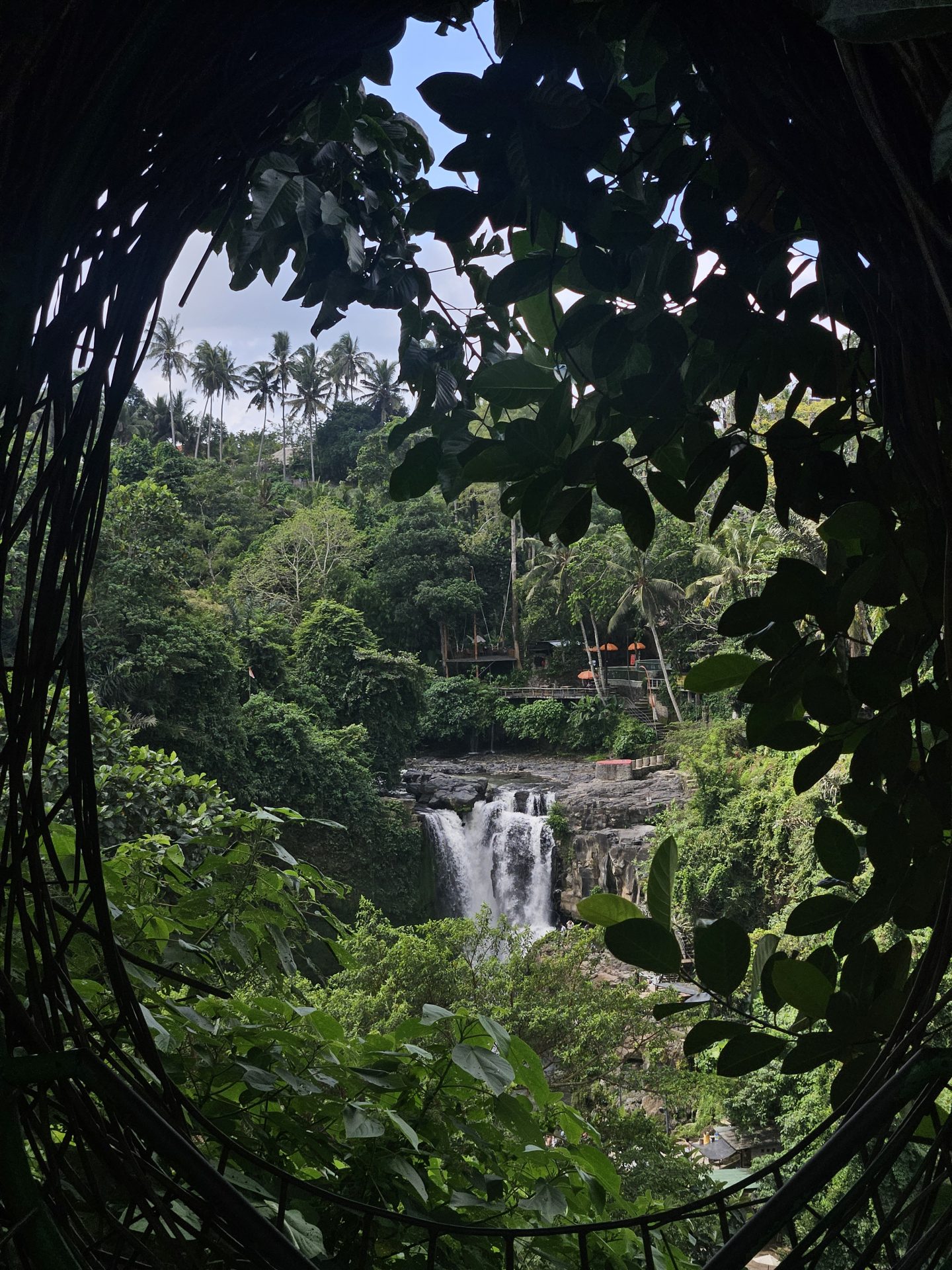
Lot of photo shoot opportunities enroute as we made our way down a steep downwardly inclined road towards the waterfall.
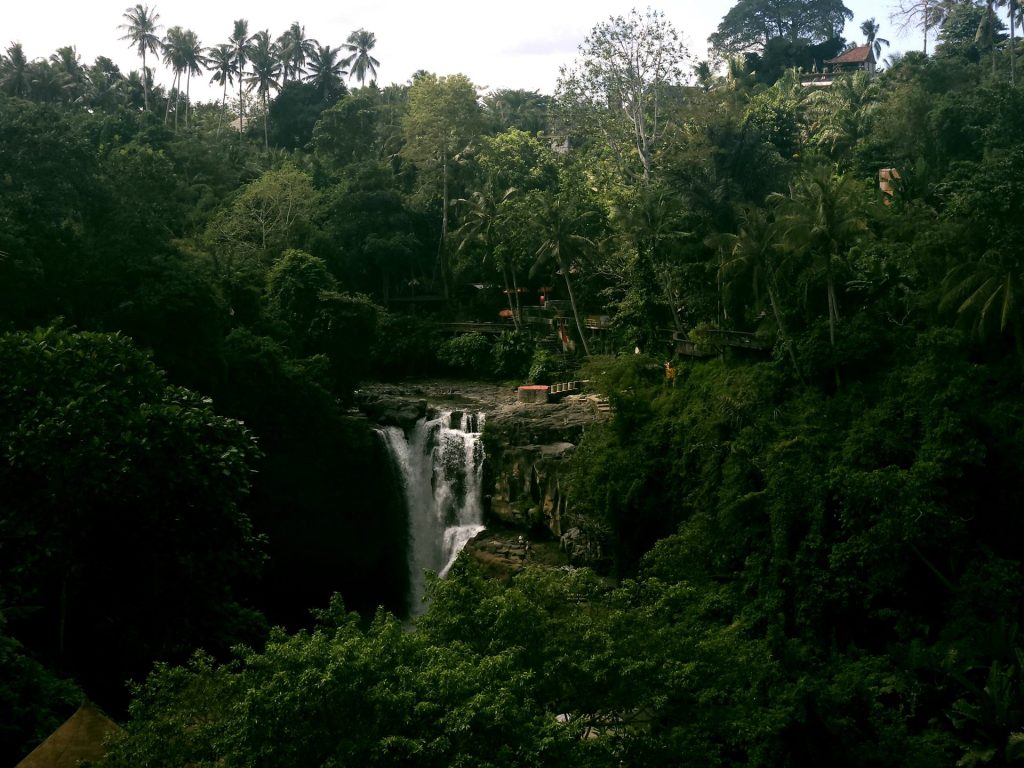
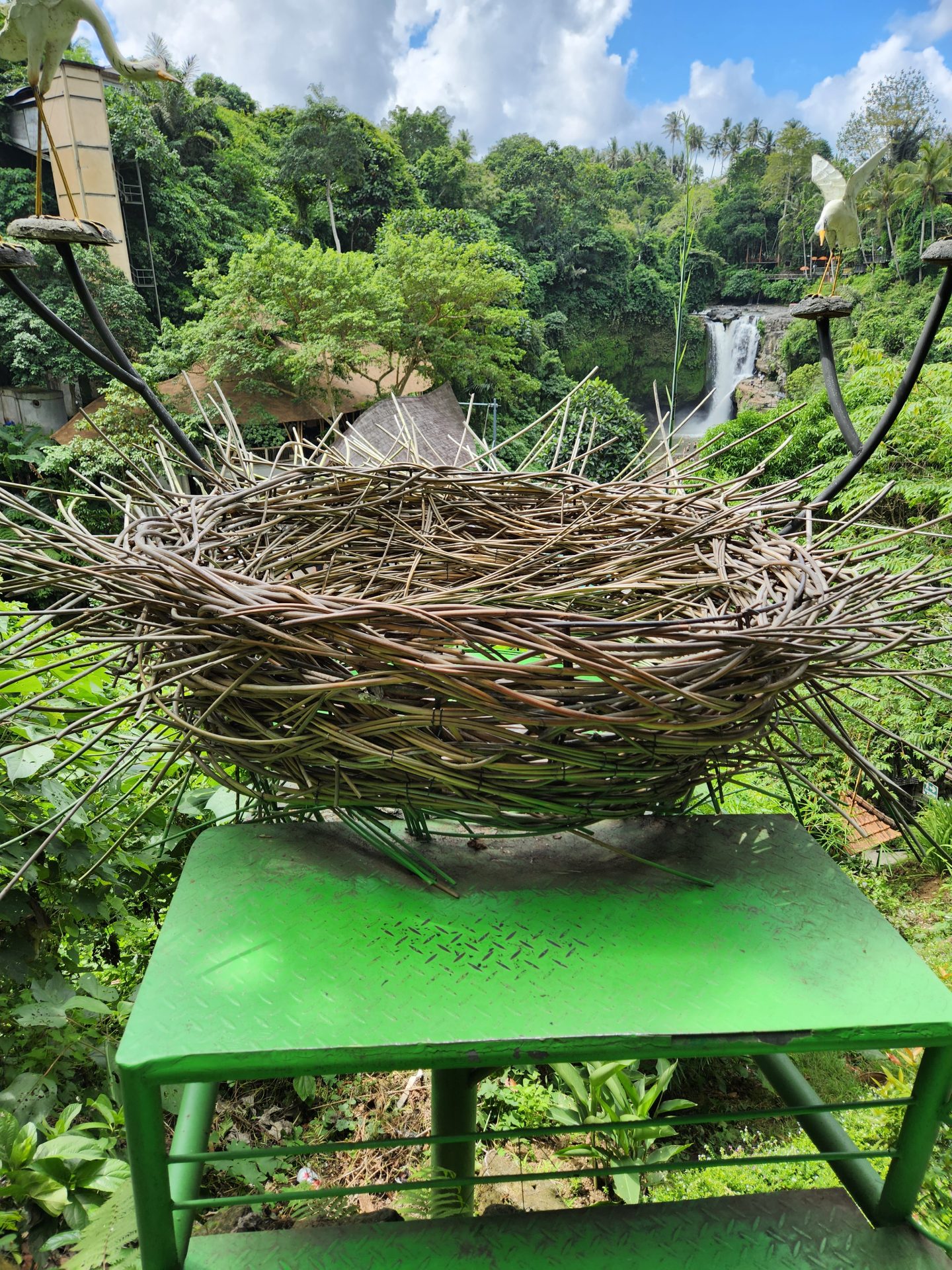
A series of steps alongside a concrete pathway and then across the banks of the river Tukad Petanu leads one to the pristine white waterfall gushing down from a height of 15 metres. Change rooms and a toilet are available for those interested in soaking themselves in the waters but we had to be contend with a photo shoot only as we were unprepared for this.
As we gingerly made the long haul back to the car park, we discovered a small shop selling ginger/masala tea and samosas. They looked to be locals, spoke in good English and made some excellent tea for us which went down well with the piping hot samosas. Kupit promised to take us to a good Indian restaurant in Ubud which was not very far off.
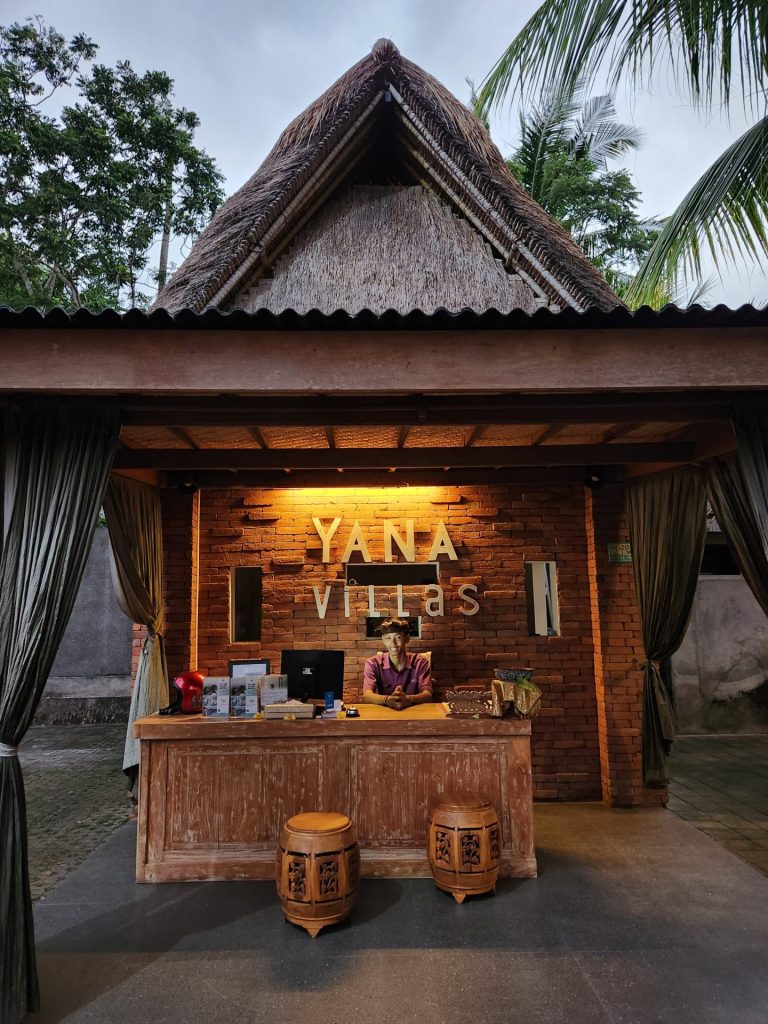
The Yana Villas @ Ubud
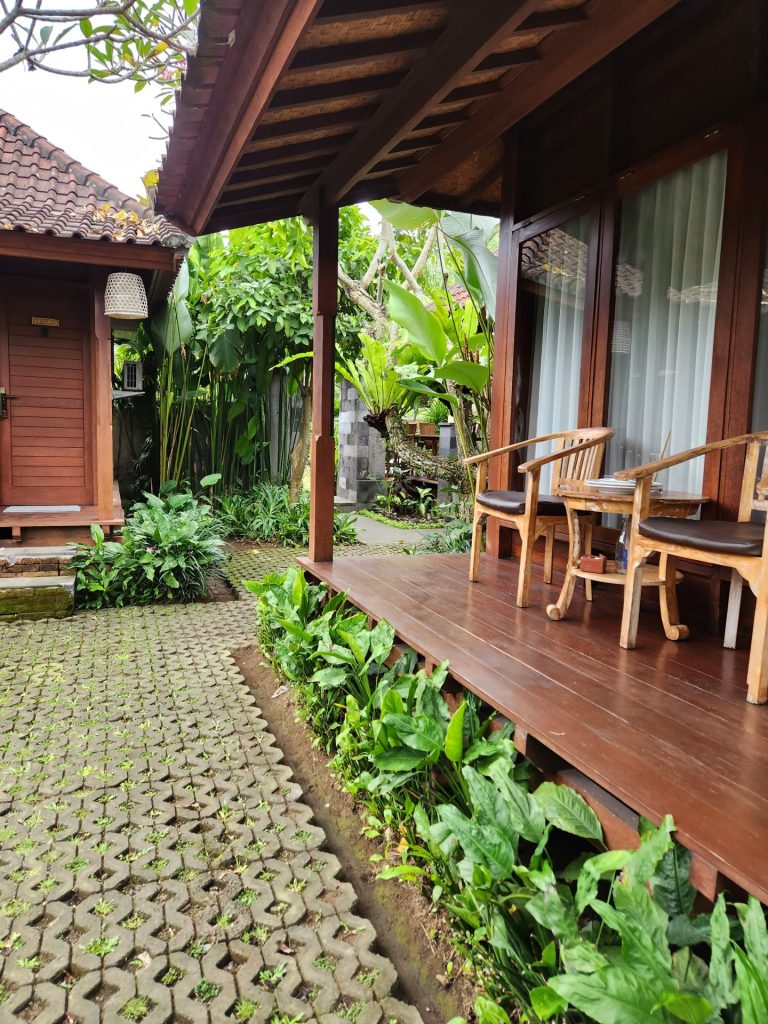
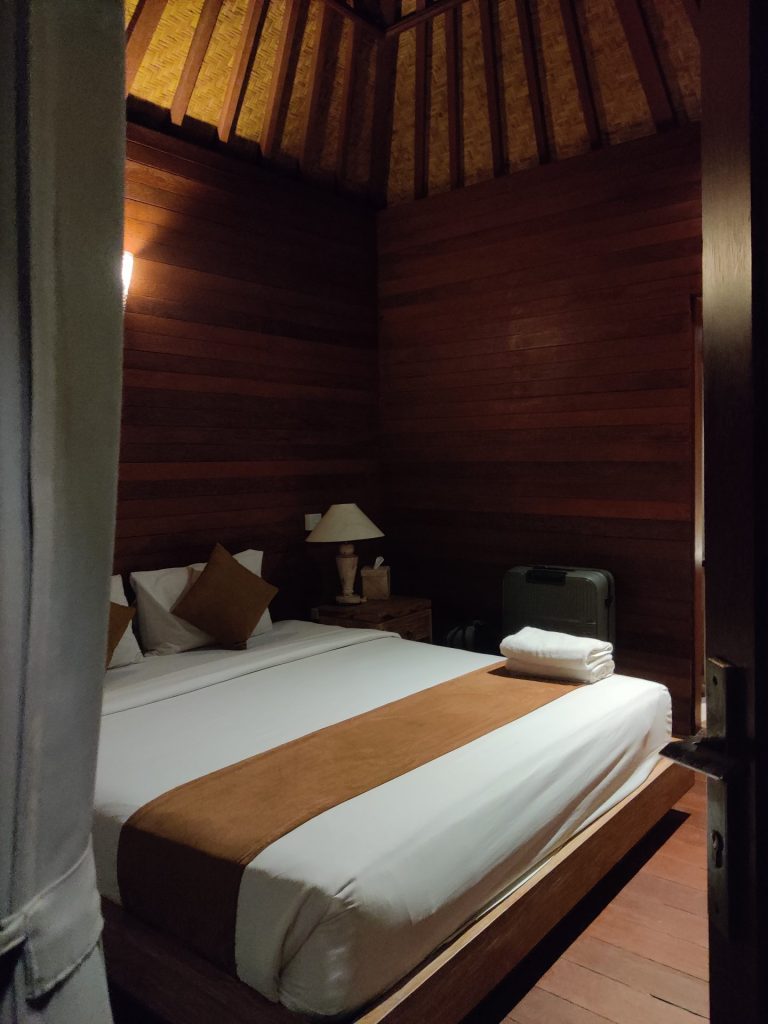
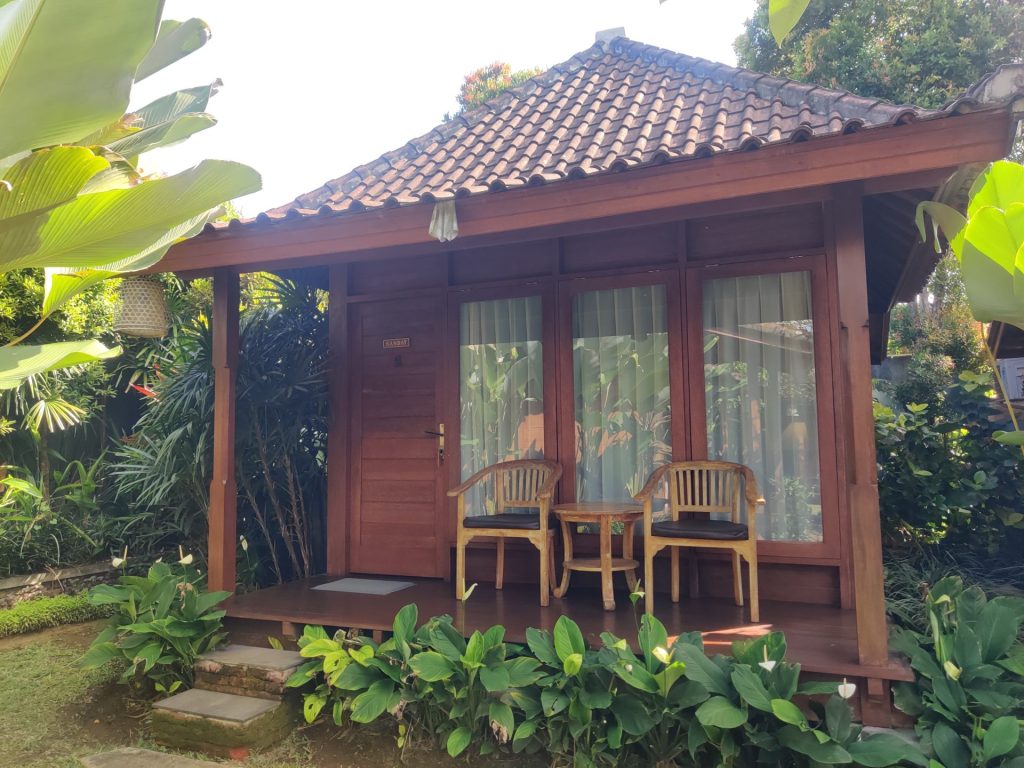
We had decided to do the check-in at our hotel in Ubud Yana Villas which was just around 2.5 kms from the waterfall before heading for lunch to the town of Ubud. The check-in formalities were done in a jiffy, dropped our luggage in the room and moved on. The rooms look impressive and there is a nice pool right in front of the room but do check out the hotel’s reviews or for that matter, any hotel’s reviews before settling for it.
Our personal experience was terrible. Apart from the location being away from the city centre and food eing a challenge, the rooms given to us were infested with lizards. The hotel staff kept catching and chasing the lizards but after a certain point gave up. It was scary seeing those creatures right atop your head and not knowing when they would pop up on the bed. Check them out on http://www.booking.com as well as https://pramanaexperience.com/villas-in-bali/yana-villas-kemenuh/
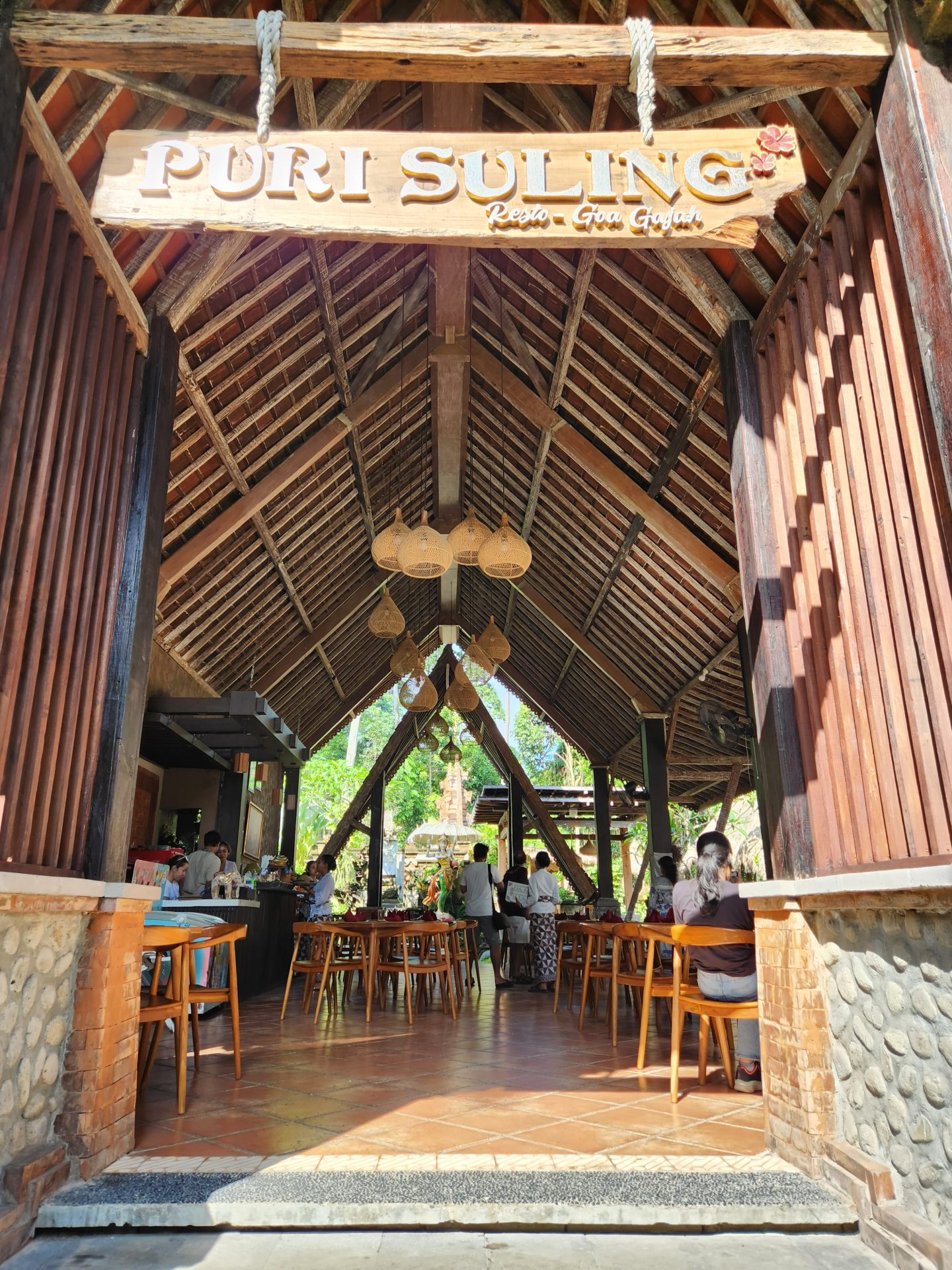
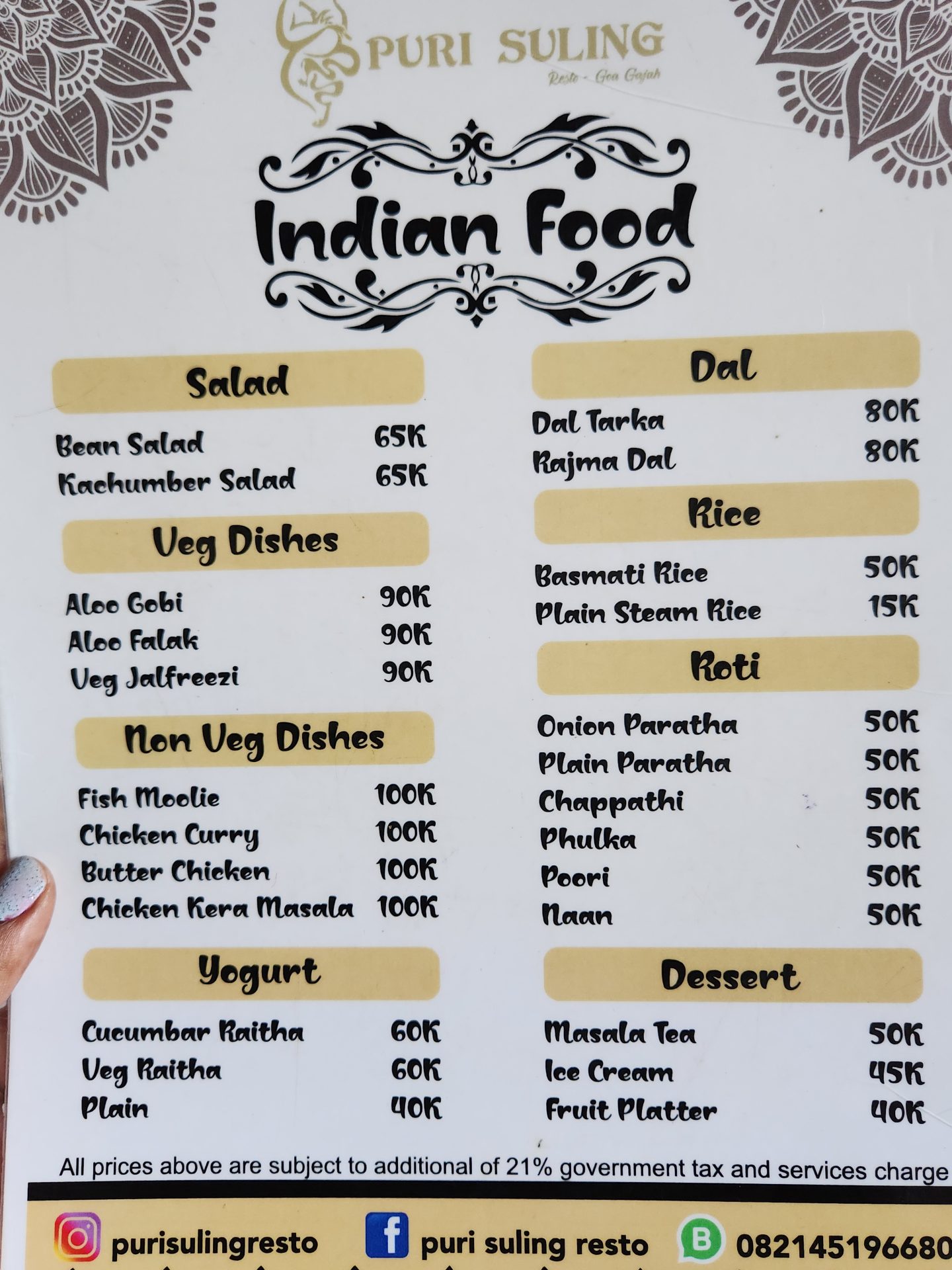
Lunch @ Puri Suling Restaurant in Ubud
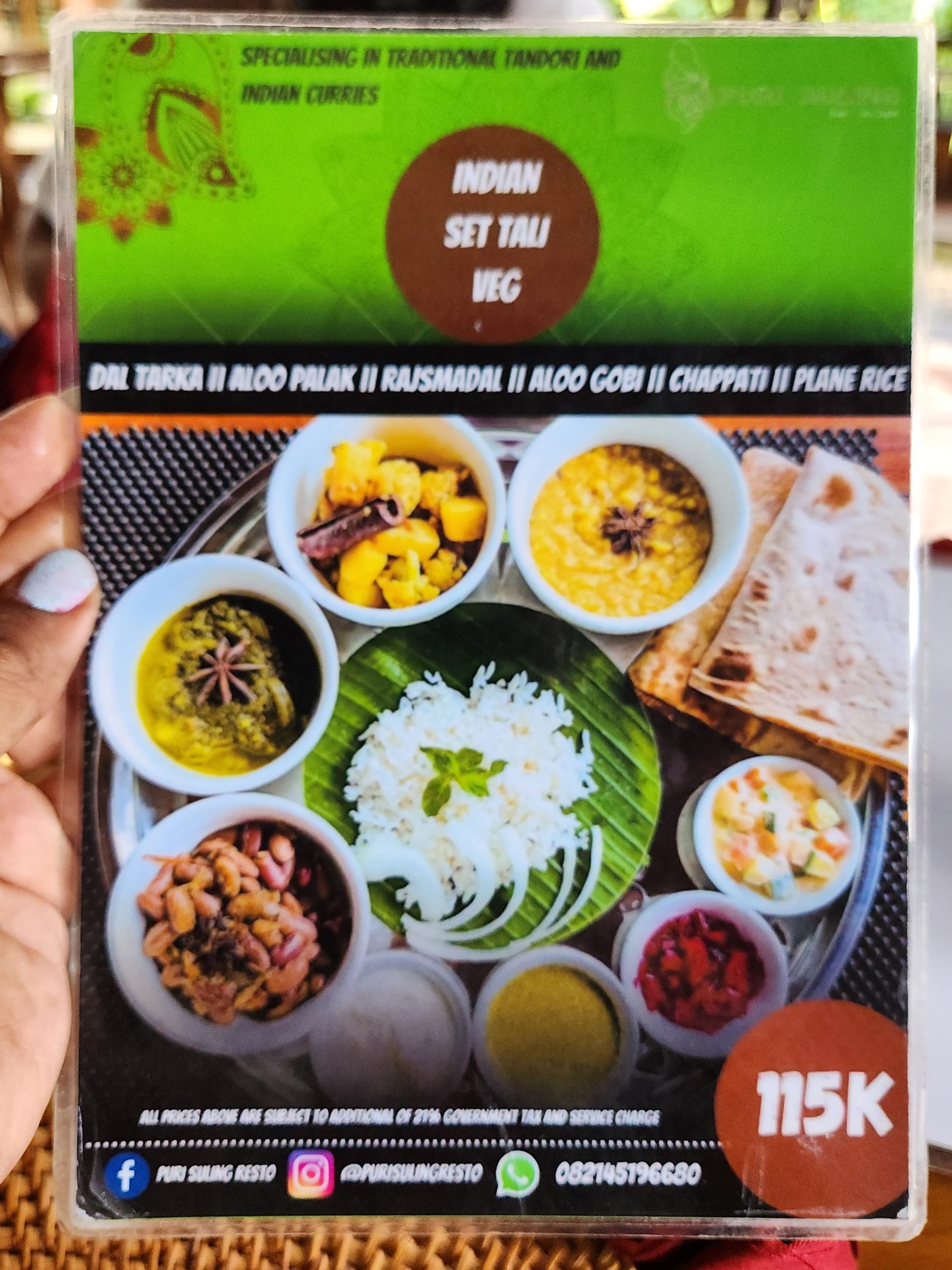
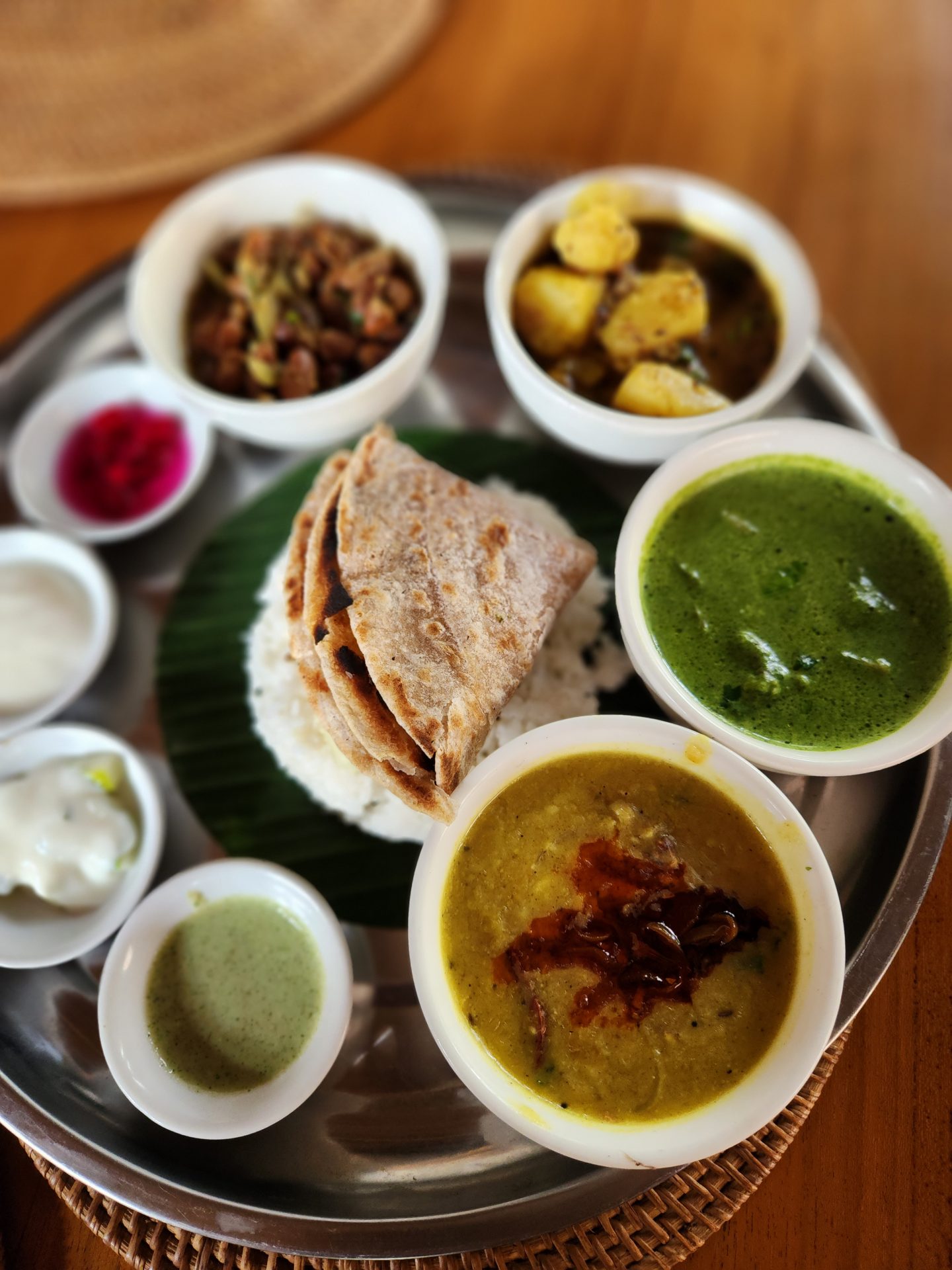
Kupit drove onto the Puri Suling restaurant adjacent to the famed Goa Gajah Bat Cave Temple. A pretty wide assortment of Indian dishes were available and the food was real yummy.
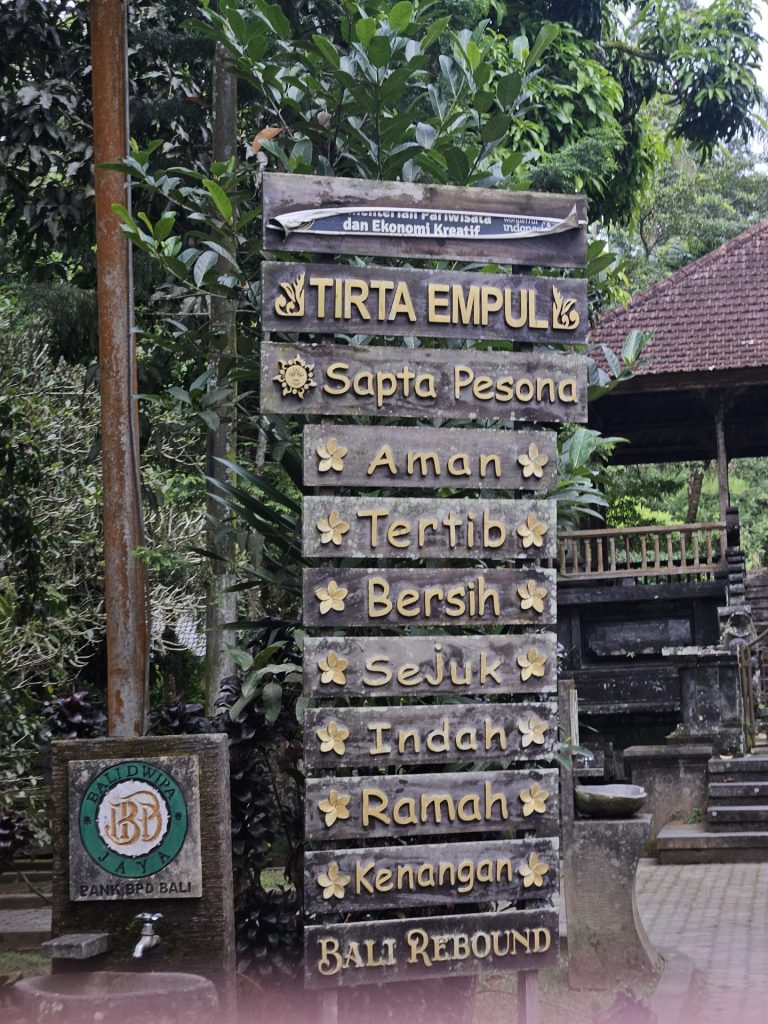
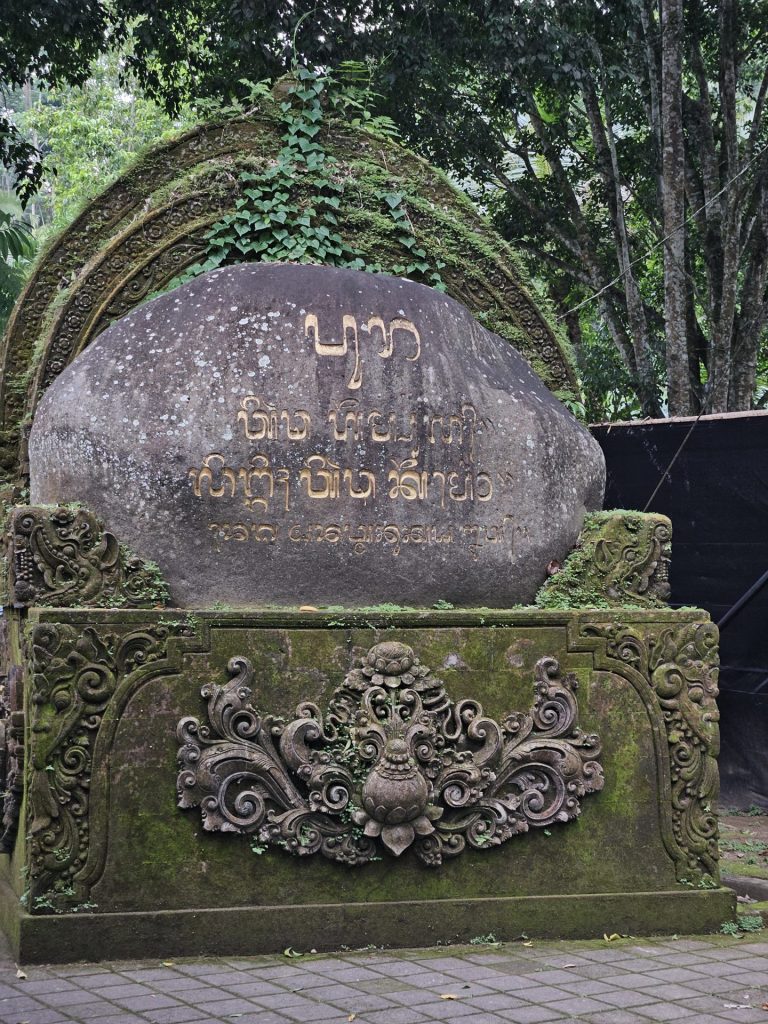
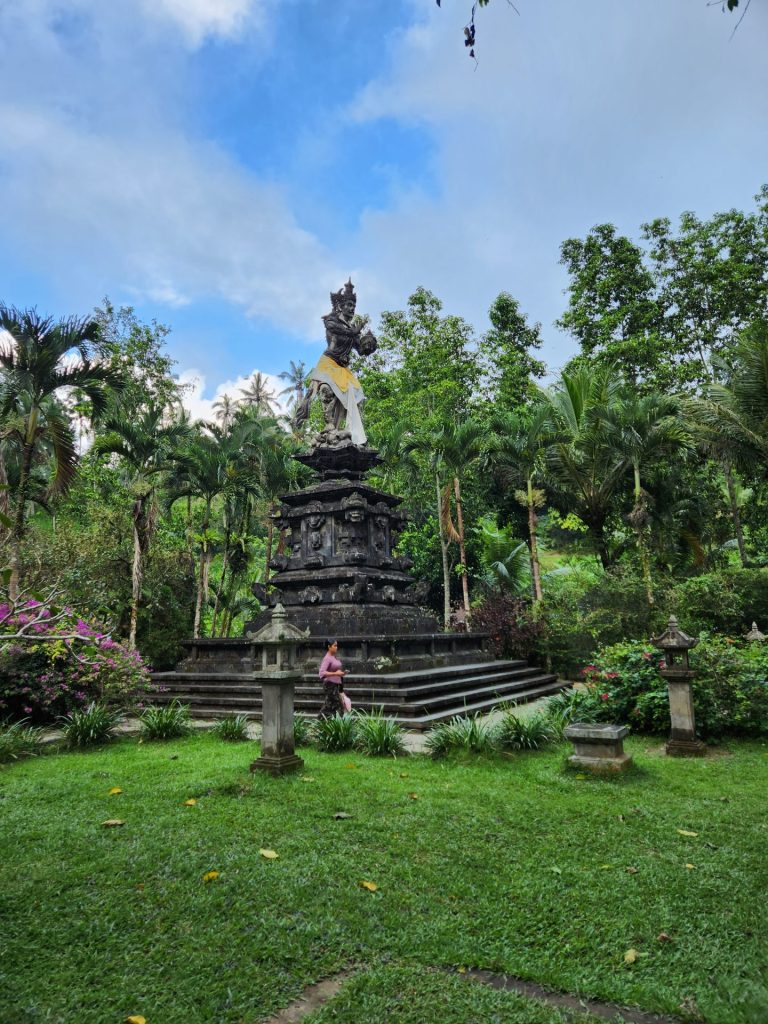
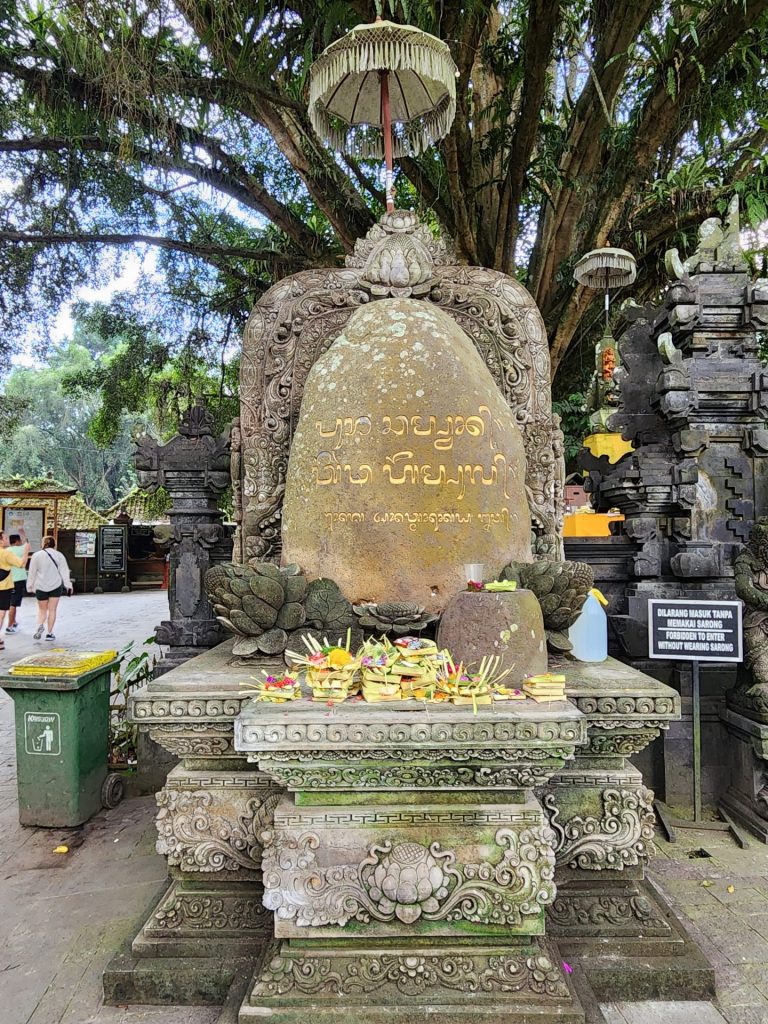
The Tirta Empul Temple
Lunch done we moved onto the Tirta Empul temple located around 14 kms away. A 30 minute drive brought us to the temple by 4.30 PM.
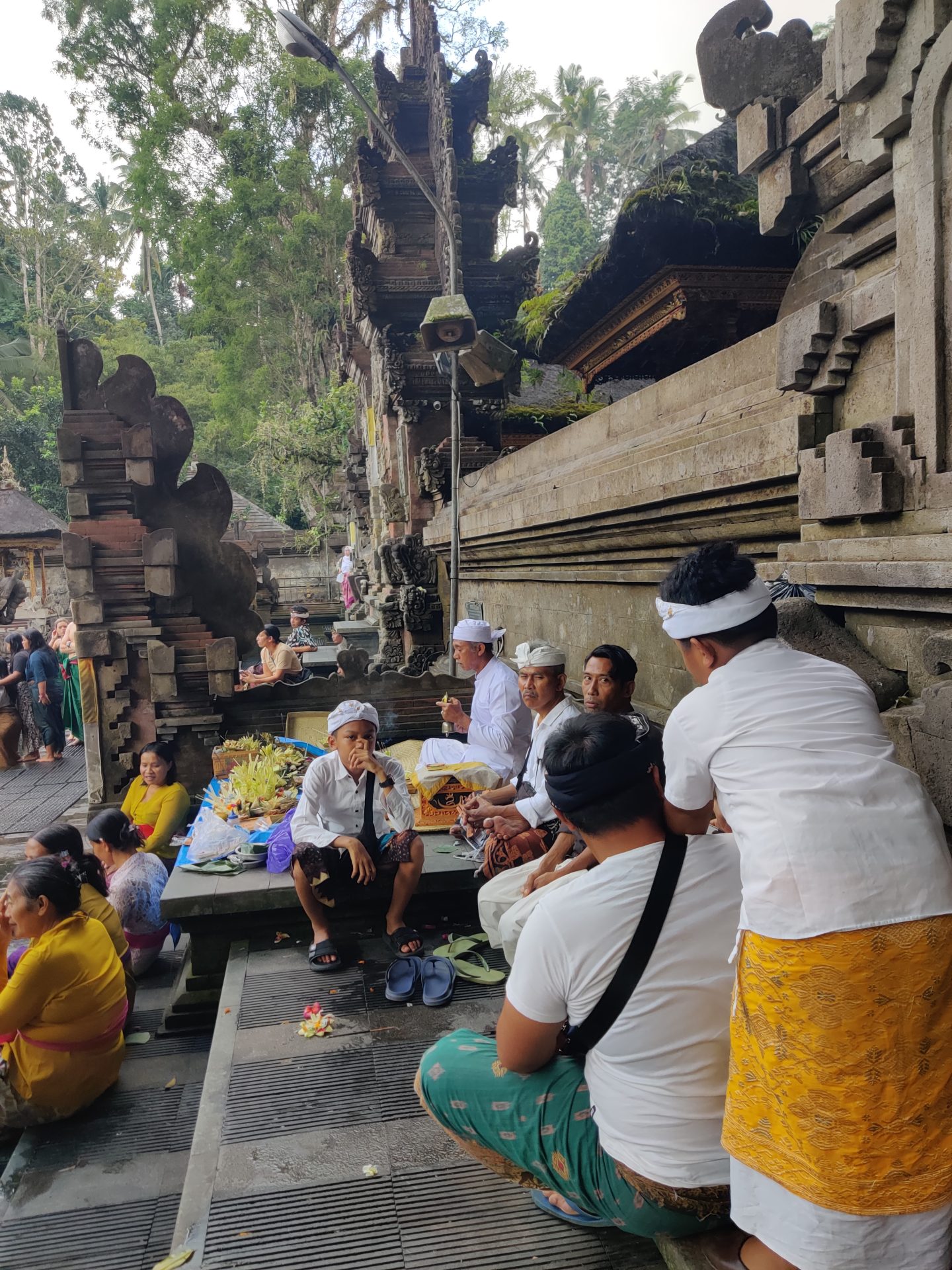
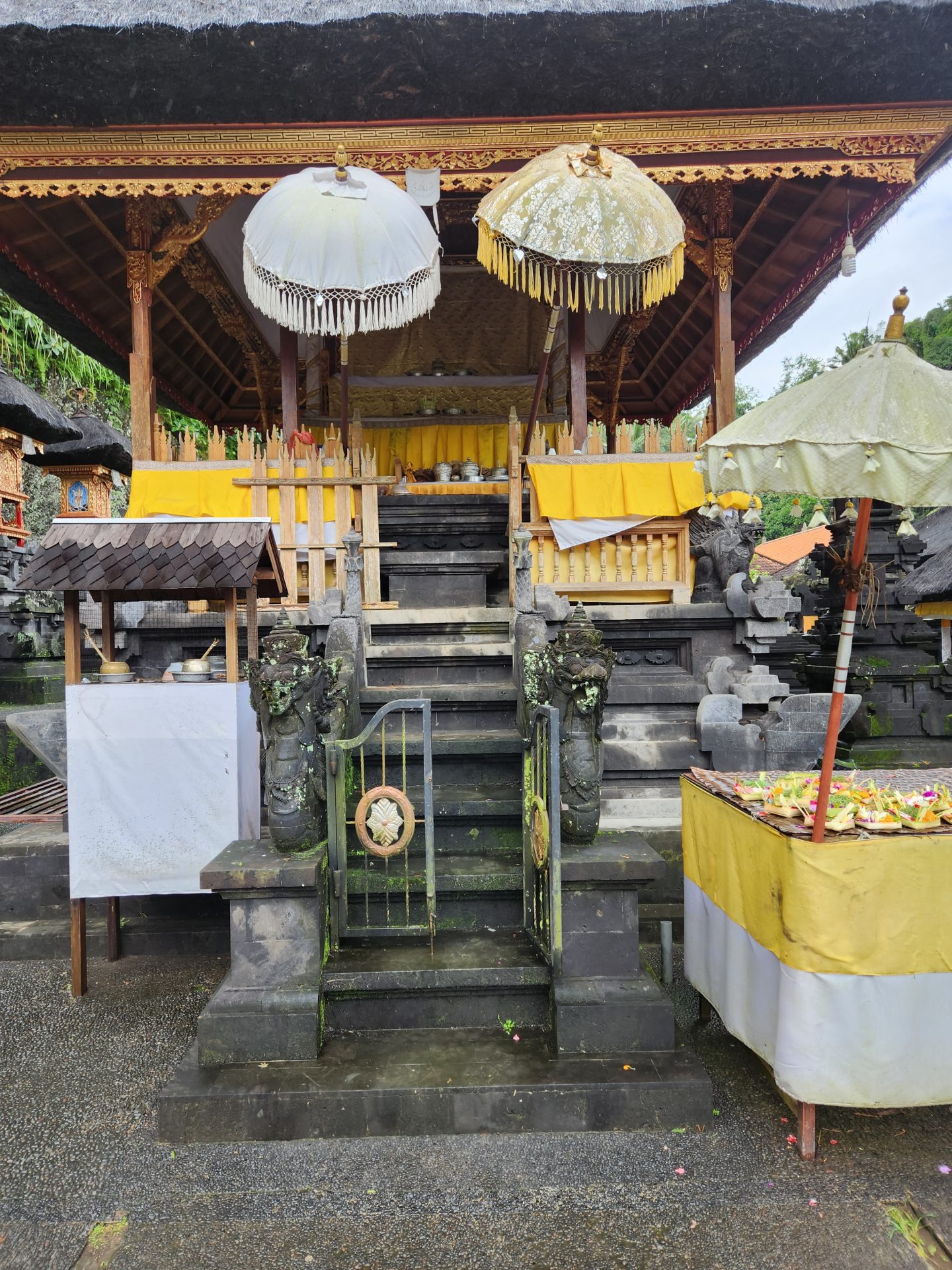
Considered to be one amongst the 5 most holy temples in the whole of Bali and one of the busiest water temples in Indonesia, this place is considered to have several holy springs, said to have been created by God Indra.
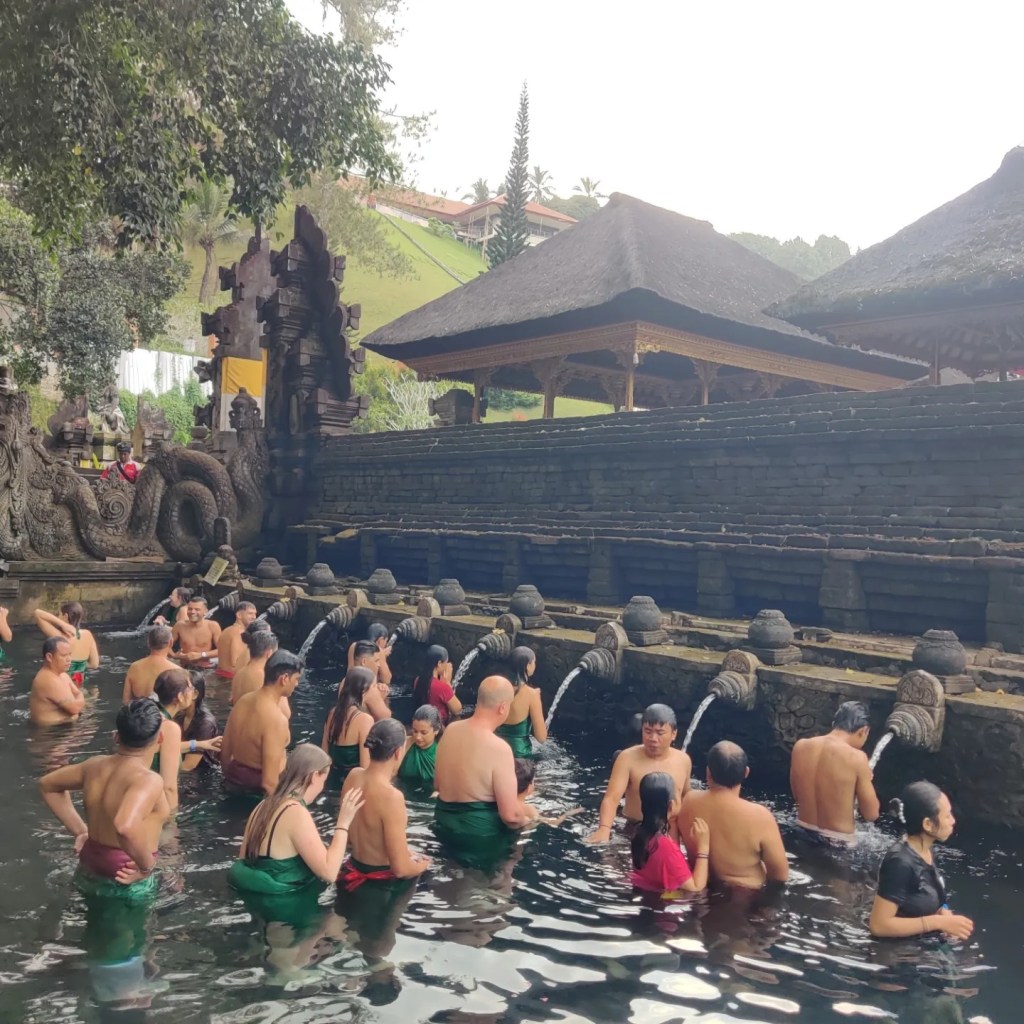
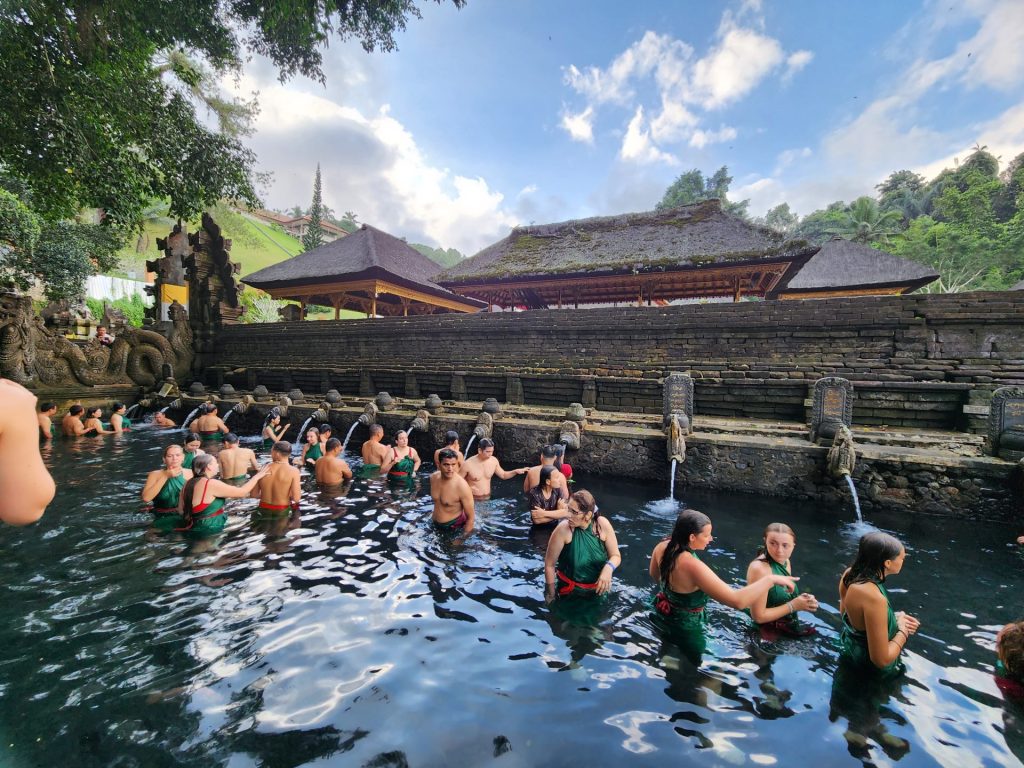
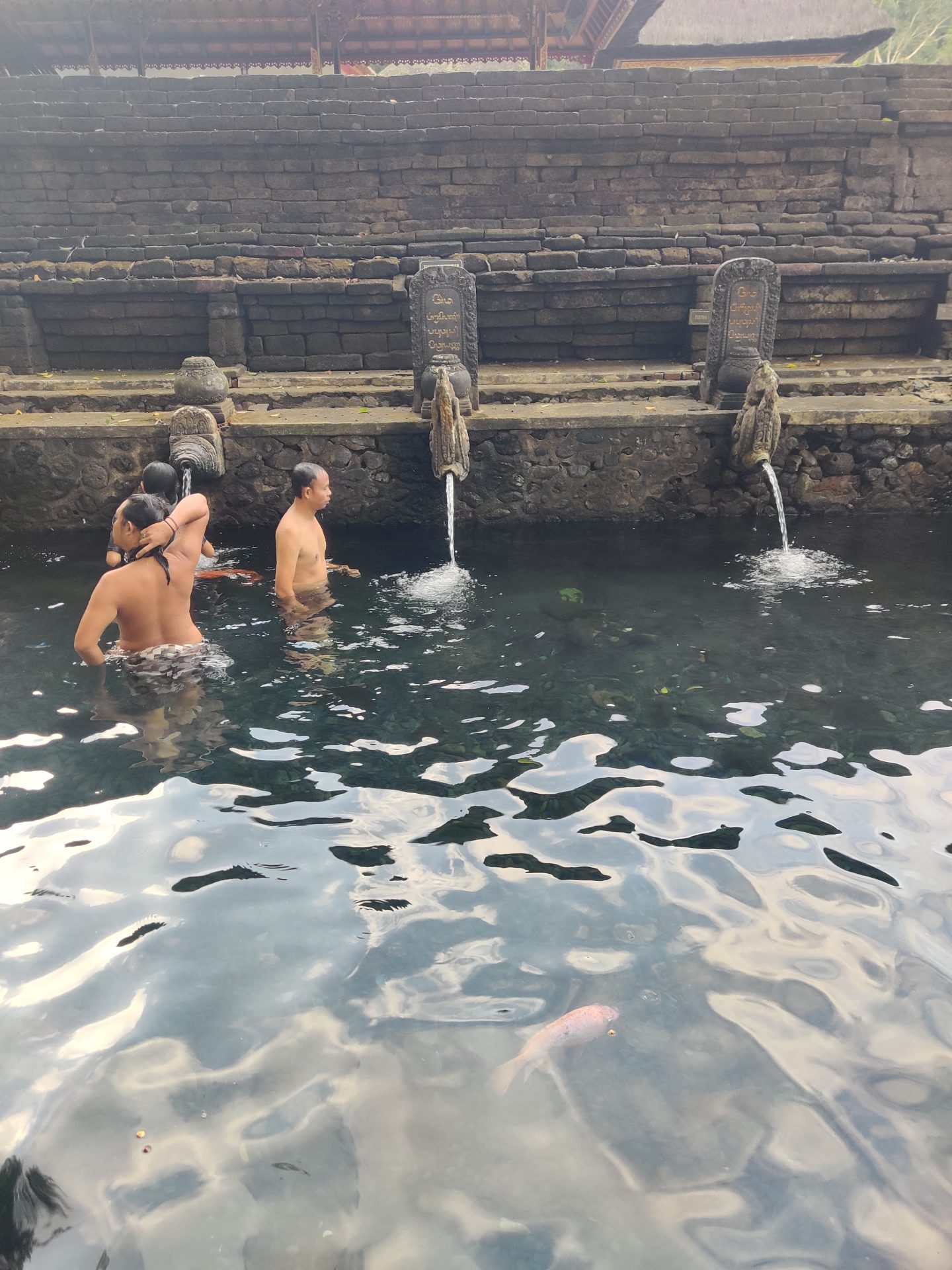
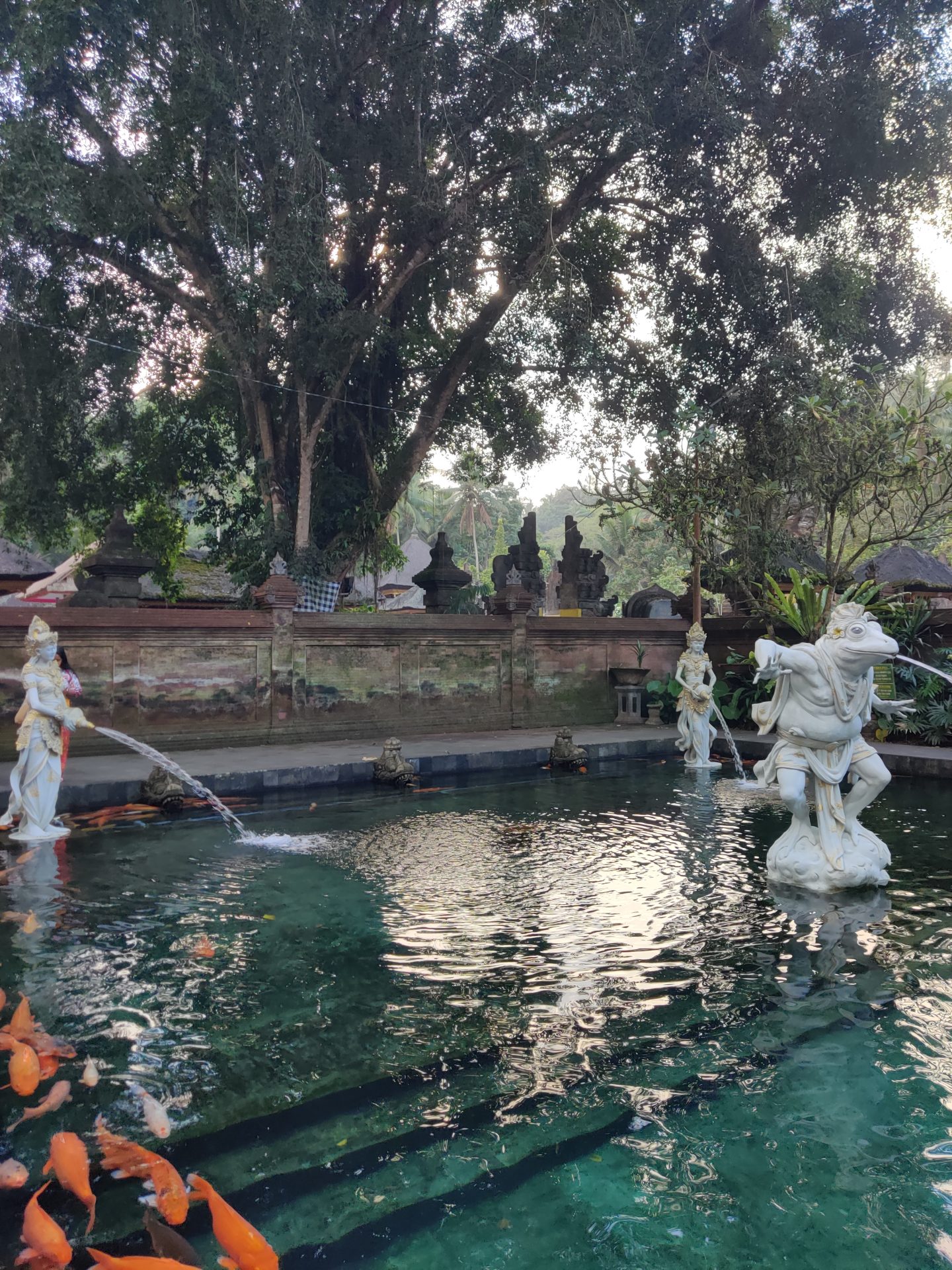
The Balinese Hindus consider this temple sacred and believe that the blessed water emanating out of several outlets where we could see people bathing could purify people.
Founded in 926 AD, this sacred place of worship is dedicated to Lord Vishnu, the Hindu God of Water. Loosely translating to Water gushing from the earth in Balinese, this temple has shrines for Shiva, Vishnu, Brahma, Indira and Mount Batur.
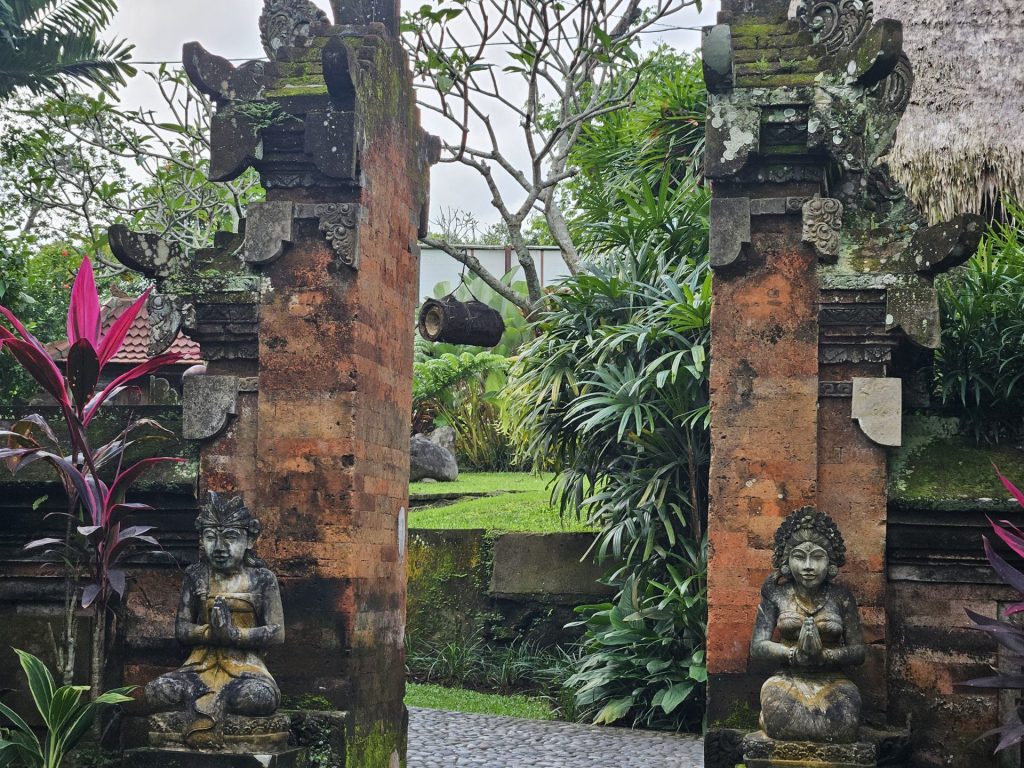
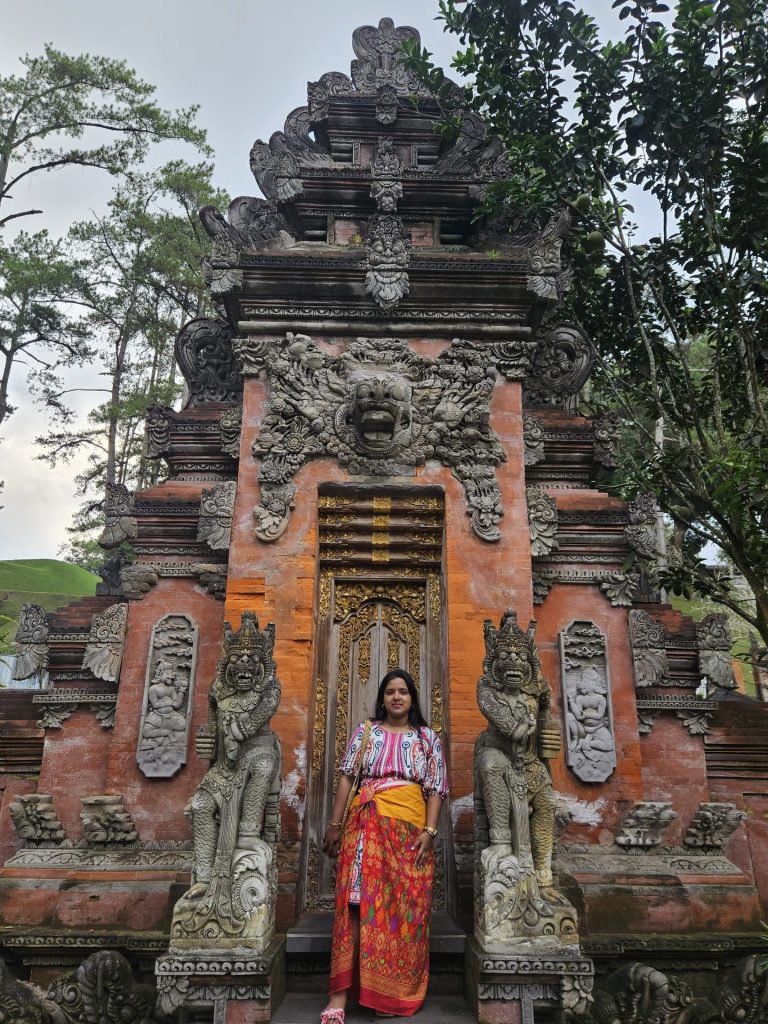
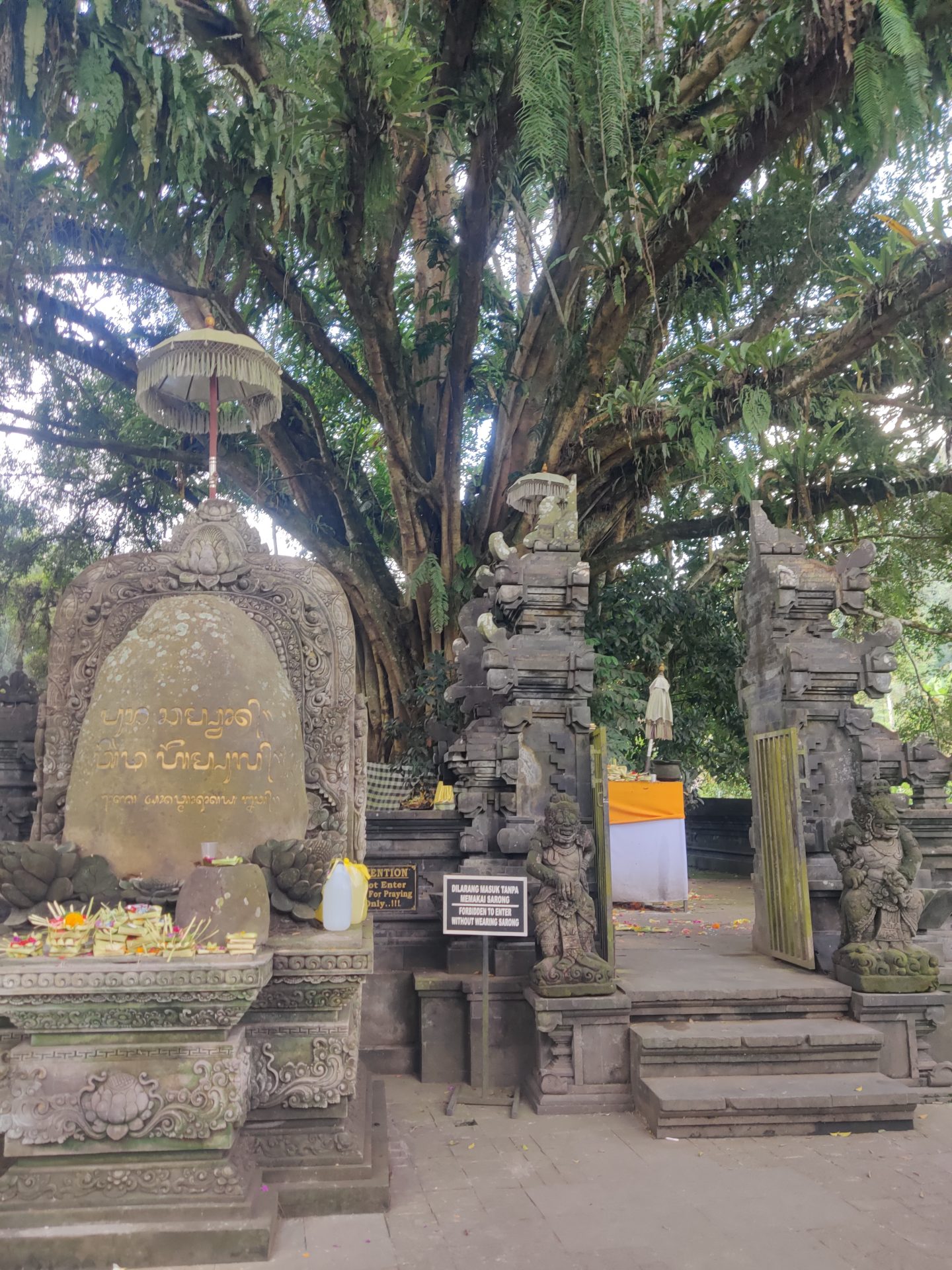
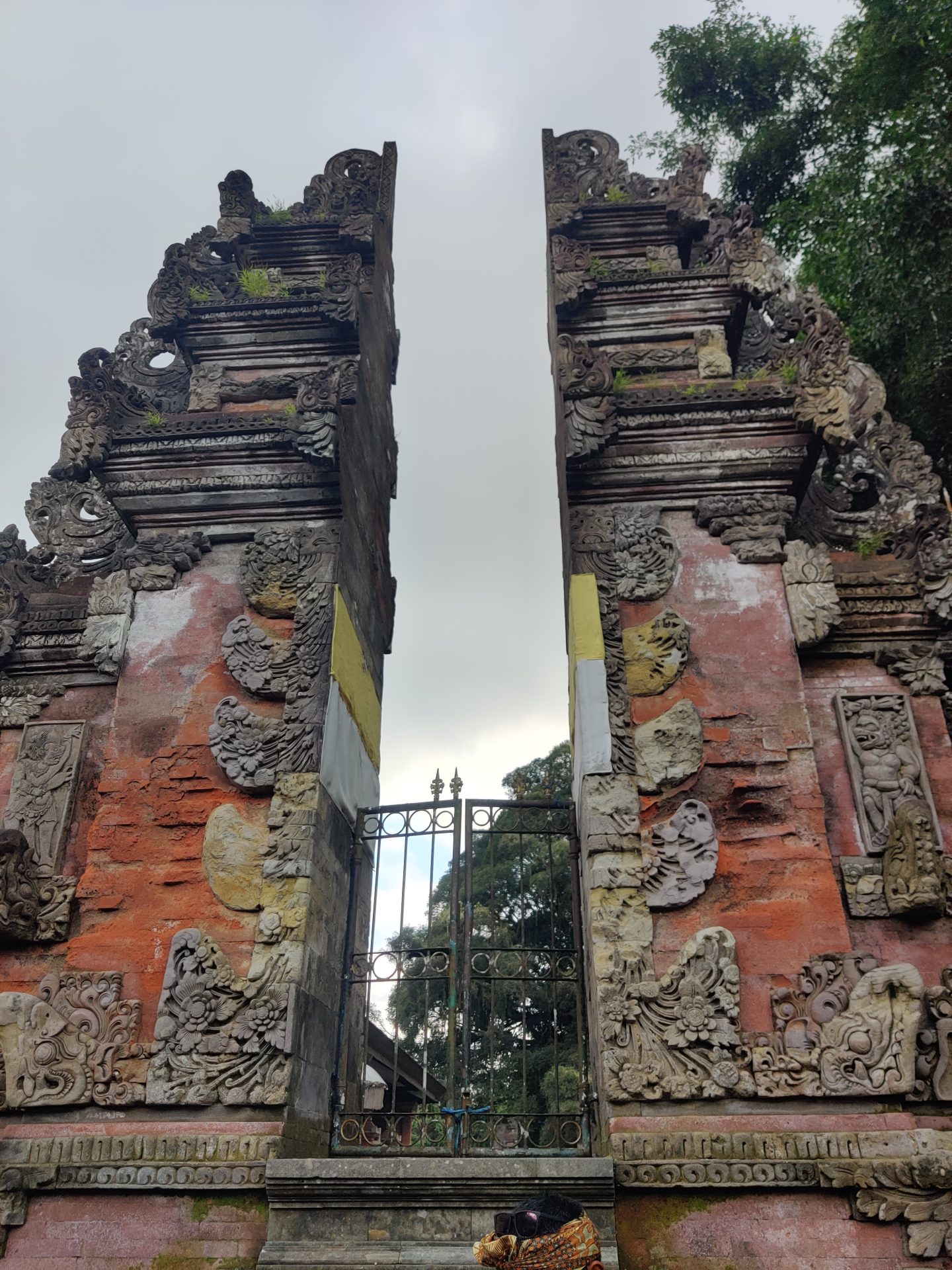
The entrance of the temple has a large stone Balinese Gate also known as Candi locally through which one makes way to the outer courtyard (also known as Jaba Sisi) of the temple.
The end of the courtyard has one more of these gates which leads one to the central courtyard.
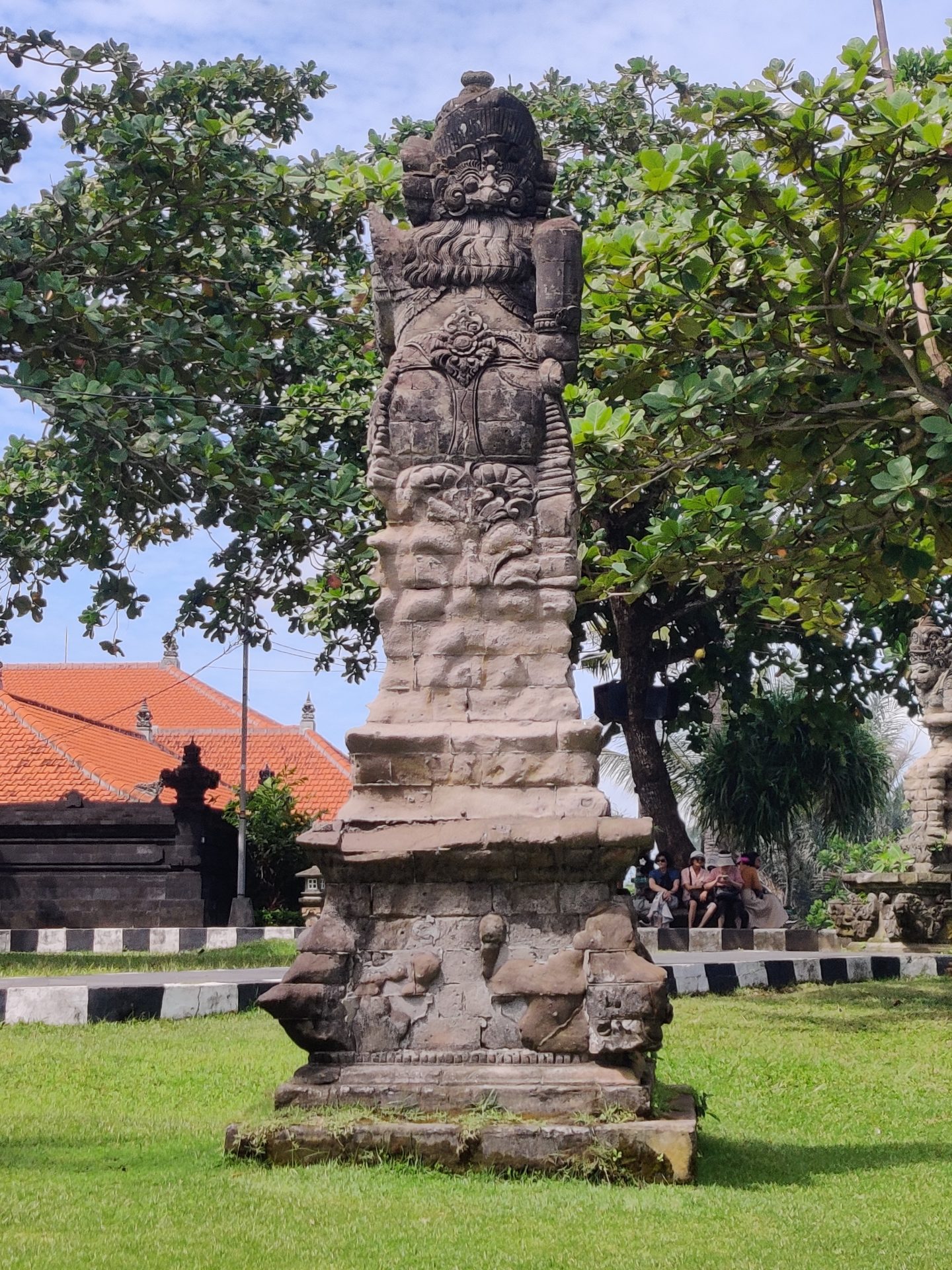
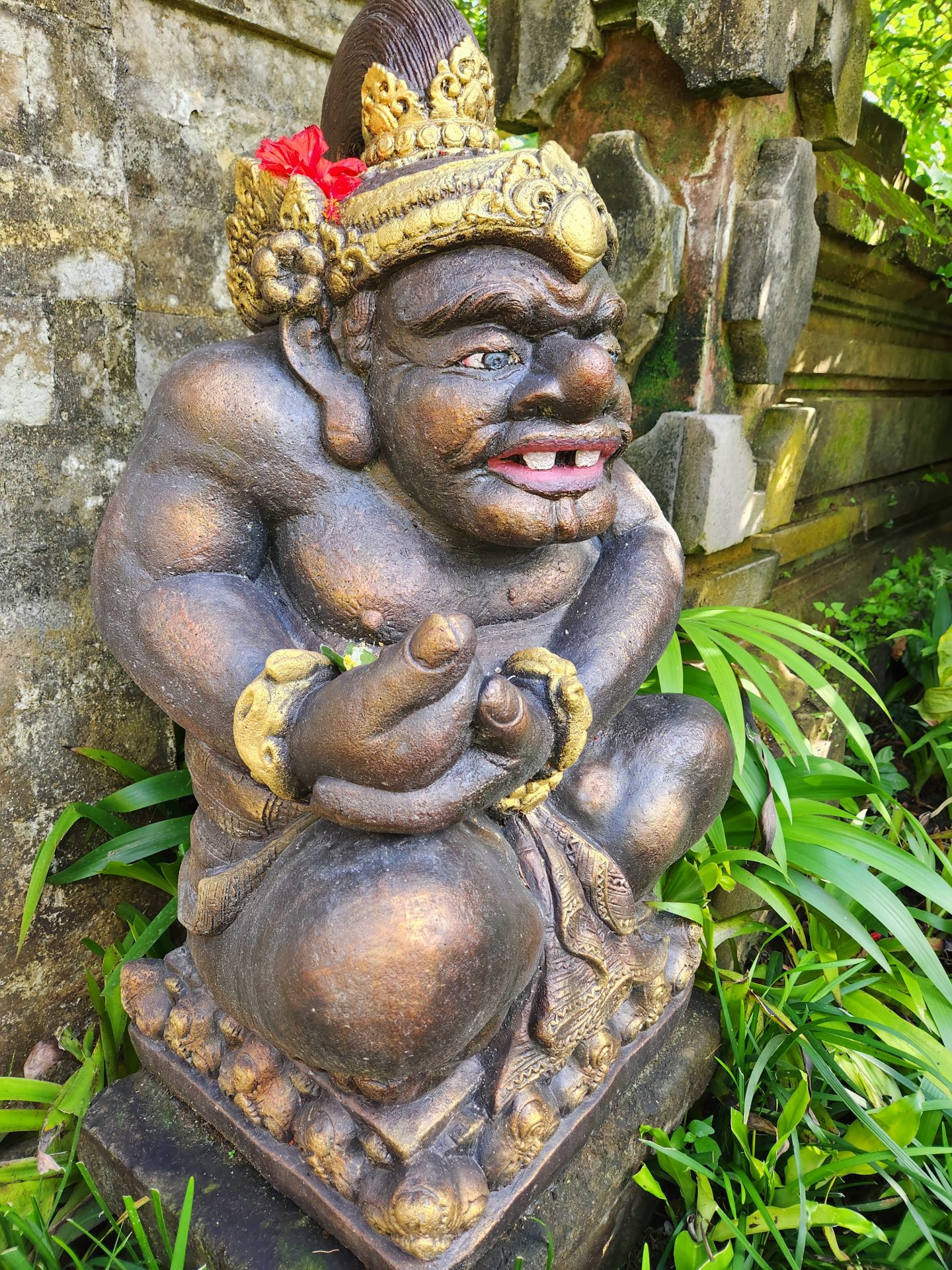
There are 2 huge carved statues of Dwarpalas or Guards at the Gate which led one to the Petirtaan or Bathing centre.
We could see people starting from the left of the pool in waist deep water and bowing before the gushing waters of the spout and moving onto join the queues for the next spout.
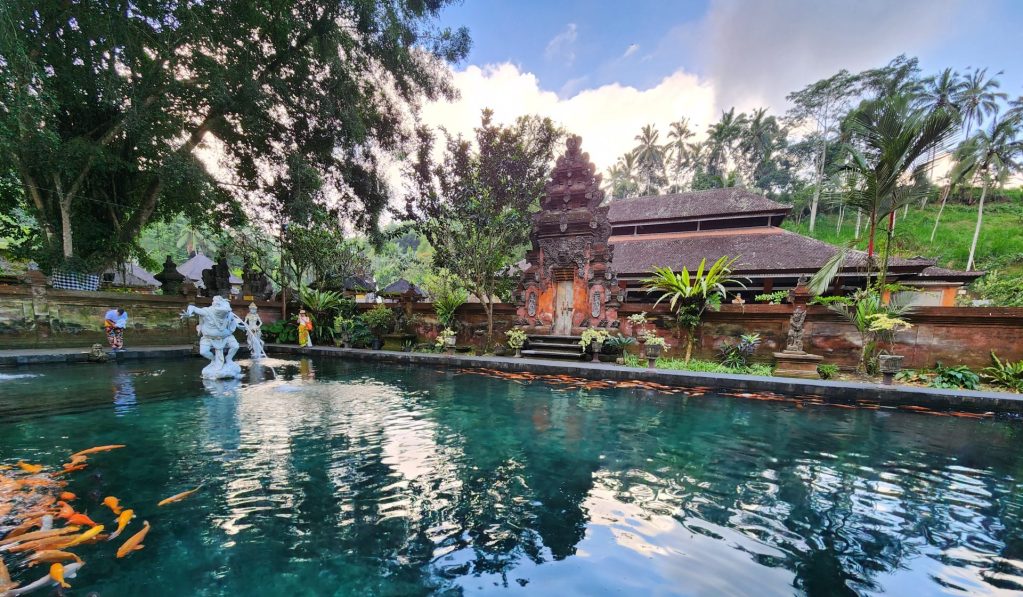
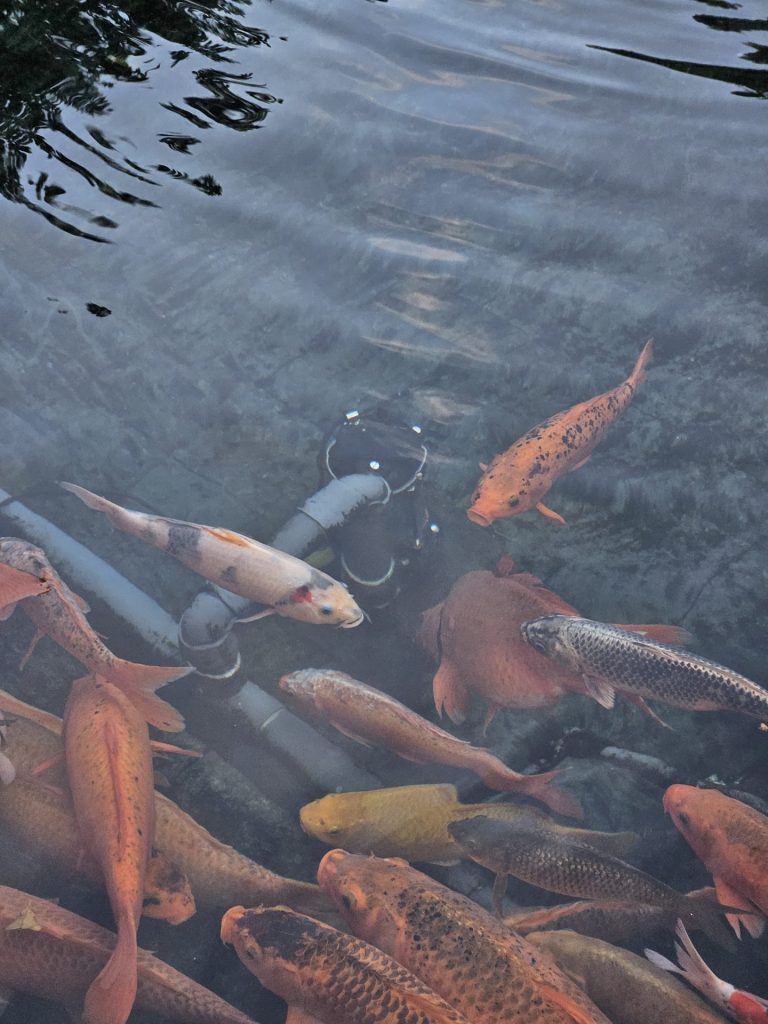
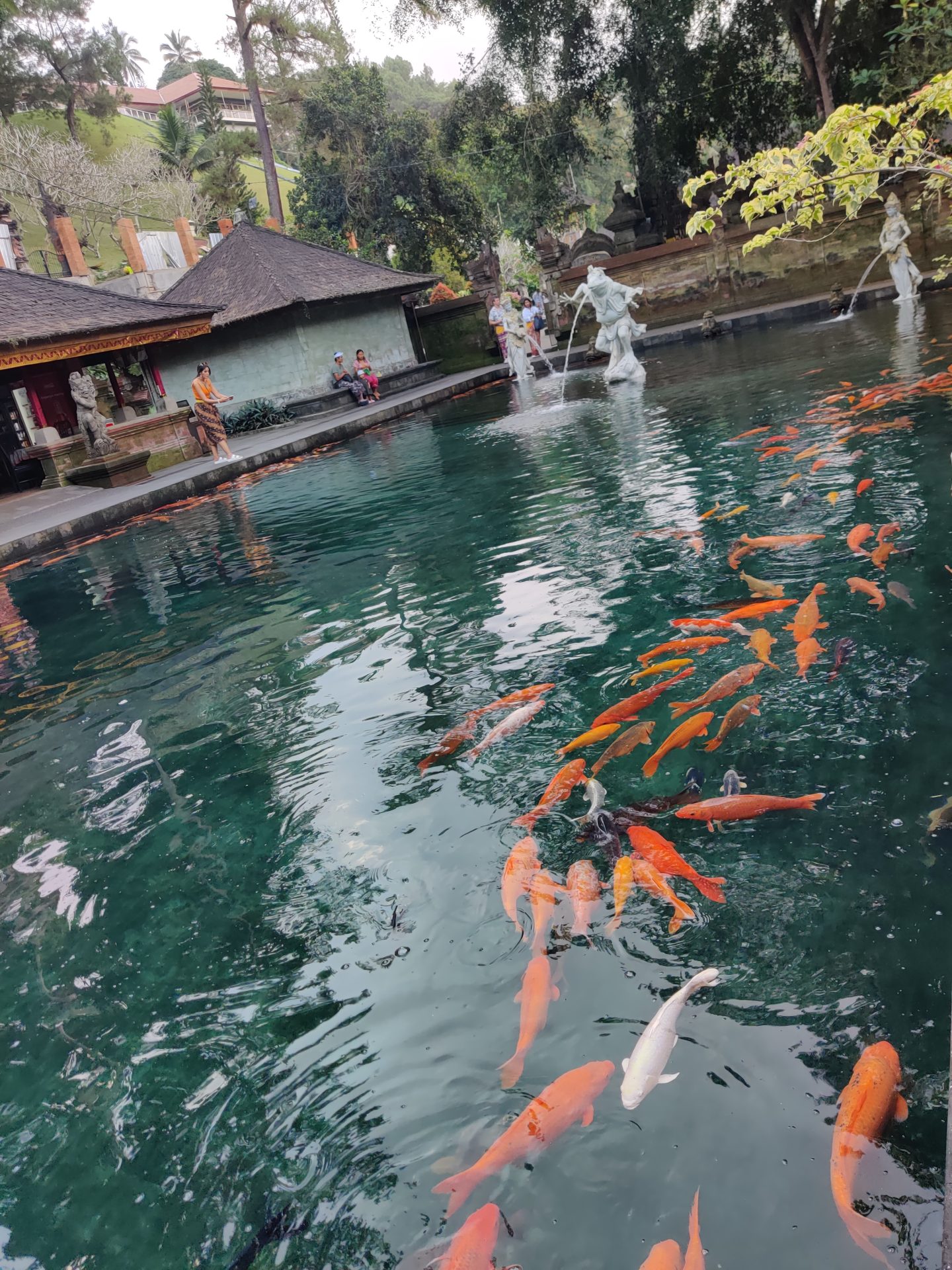
Towards the exit of the temple lies a large pool, filled with Koi fish.
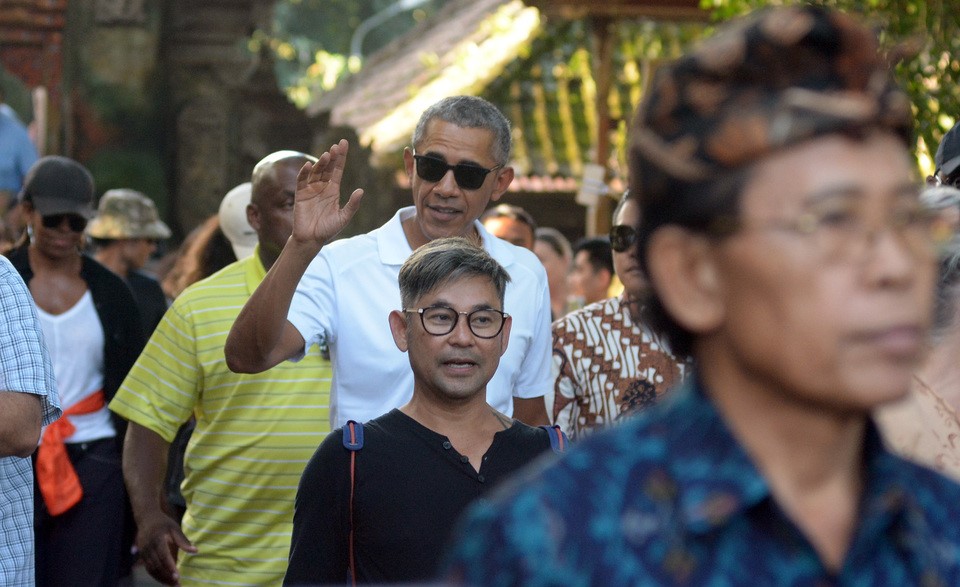
Here is a trivia. It is said that in 2017, the former US president Barack Obama, his wife and their daughters selected this temple as part of their visit to Indonesia while on vacation. Incidentally, Obama had spent a few years of his childhood in Indonesia between the age of 6 to 10 before returning to Hawaii to live with his grandparents.
We reached our Hotel by around 7 in the evening. Settled the day’s charges with Kupit for IDR 700,000 (approximately Rs,3,750/-) and settled for a 9.30 AM start for the next day. Dinner was managed at the resort itself within the limited vegetarian items in the menu.
Our resort unfortunately was around 5 kms away from the town of Ubud and in hindsight should have taken cognizance of this earlier when planning the bookings as for everything and anything, there were no shops nearby and commute was not an easy proposition especially after our driver left us for the day.
June 7th 2024
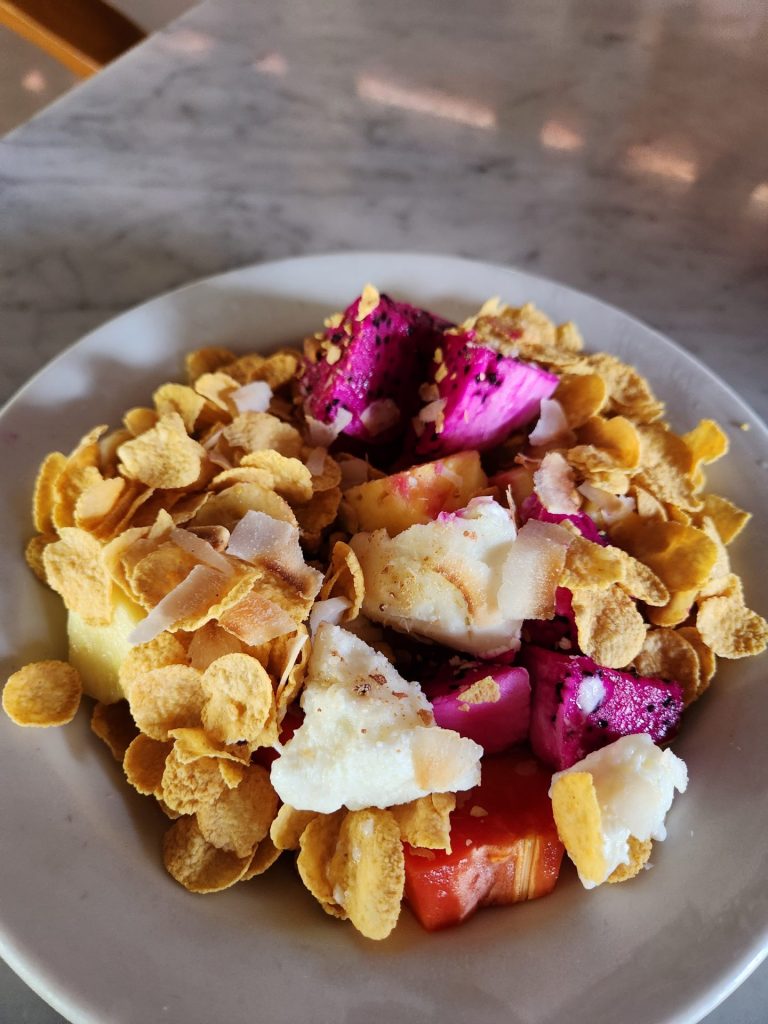
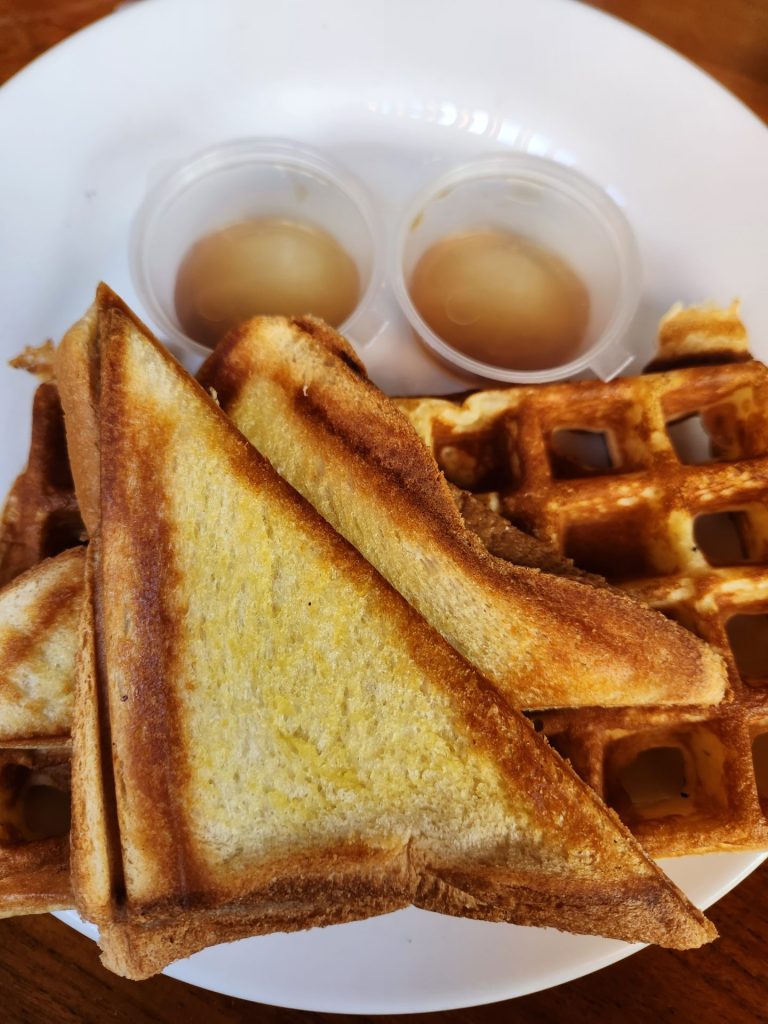
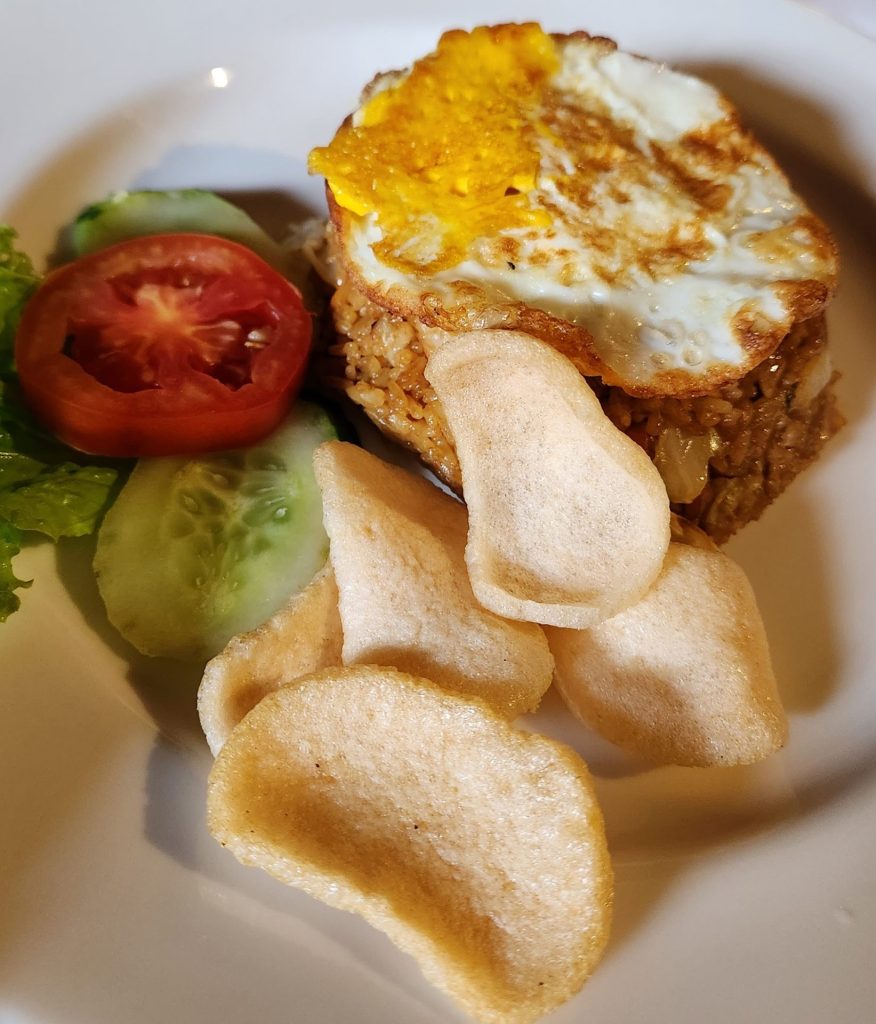
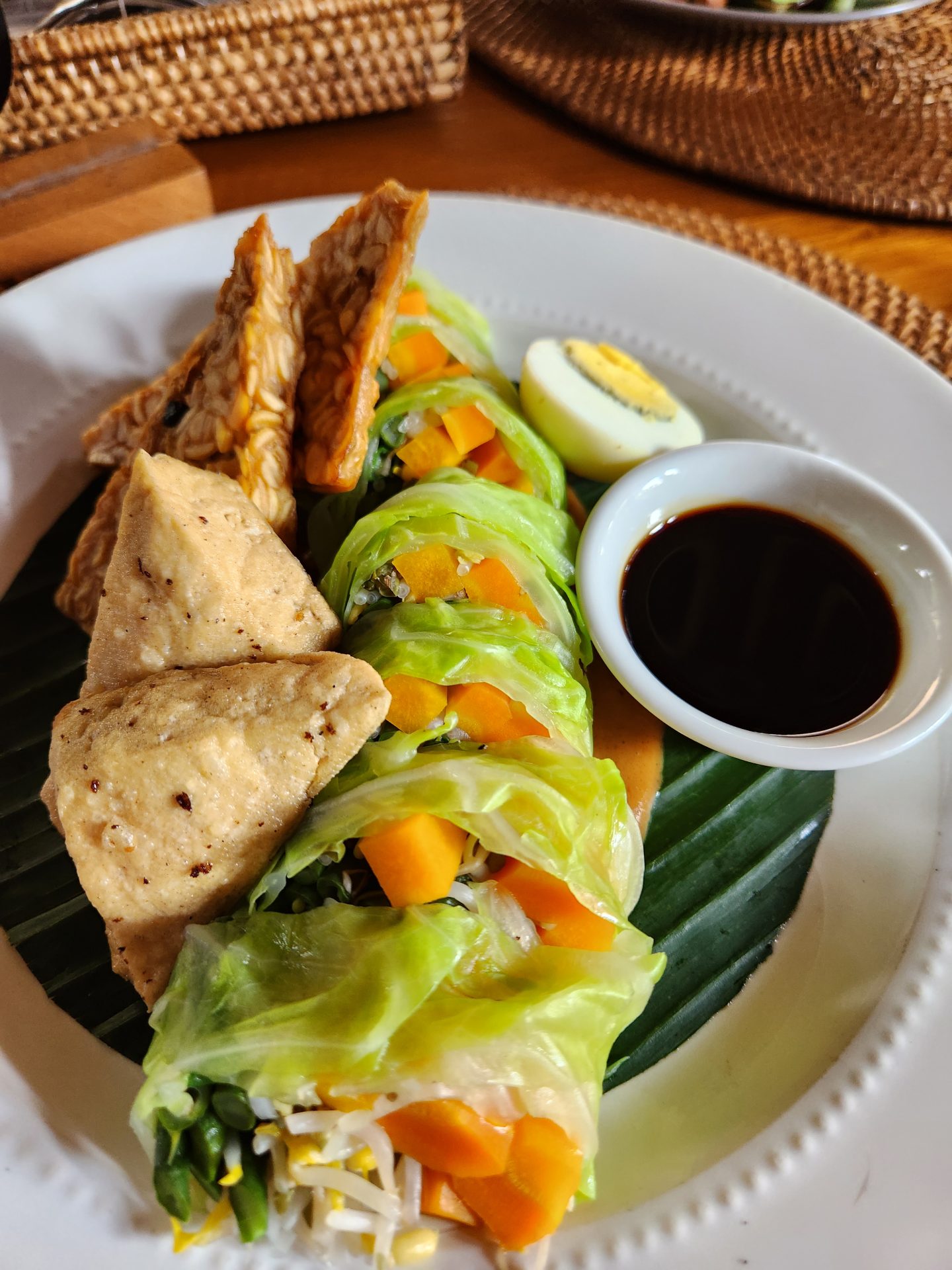
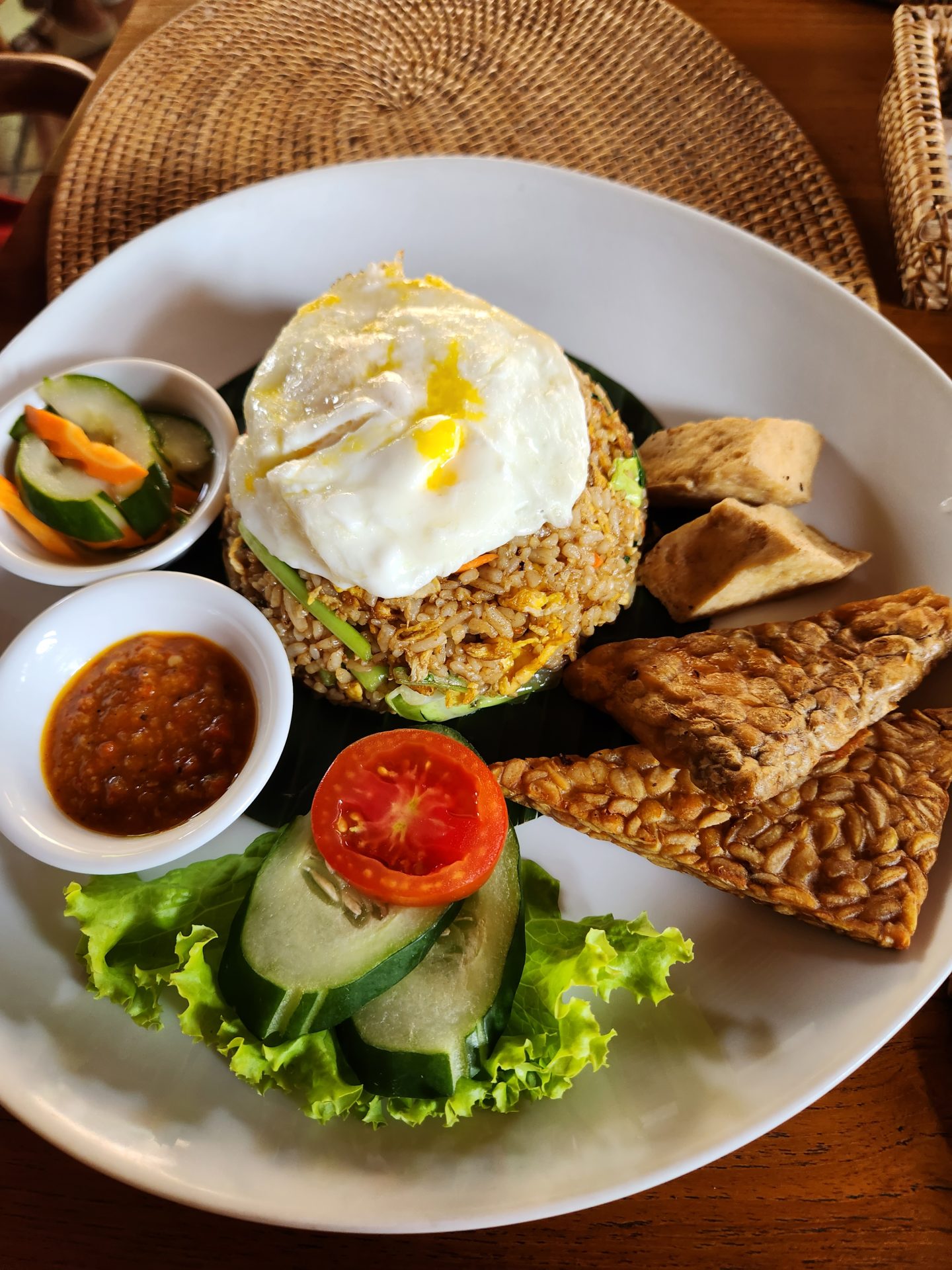
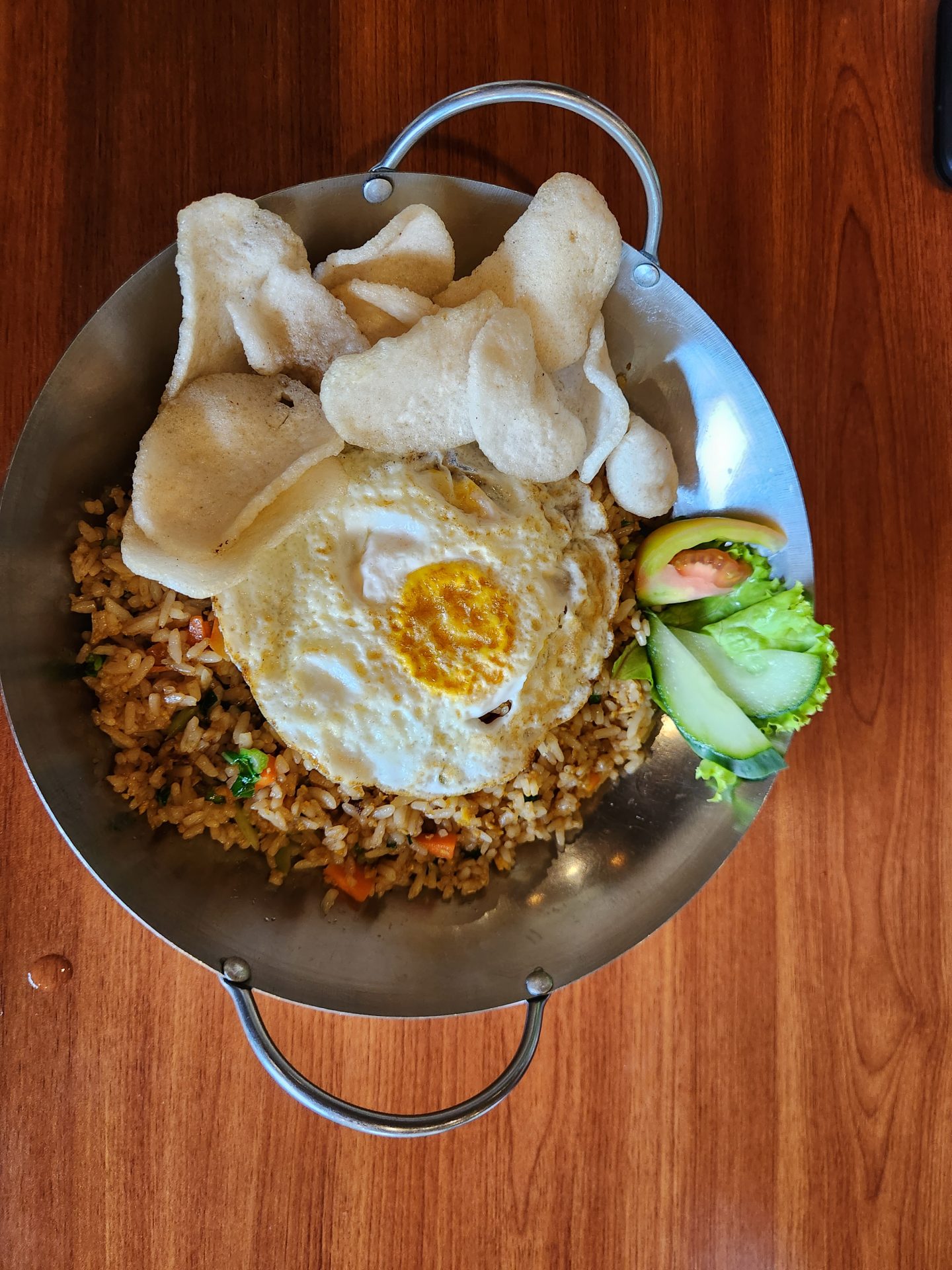
We finished our breakfast early. While options were limited for the veg part, we experimented with a generous helping of Nasi Goreng with veggies (a rice dish tasting like Biryani) for one person while we opted for fruits, juices, bread, butter and eggs for the other 3 with which we managed the repast.
The Central Market
The first stop was at the Central Market around Ubud. It was around 9.30 AM and the shops were just beginning to open.
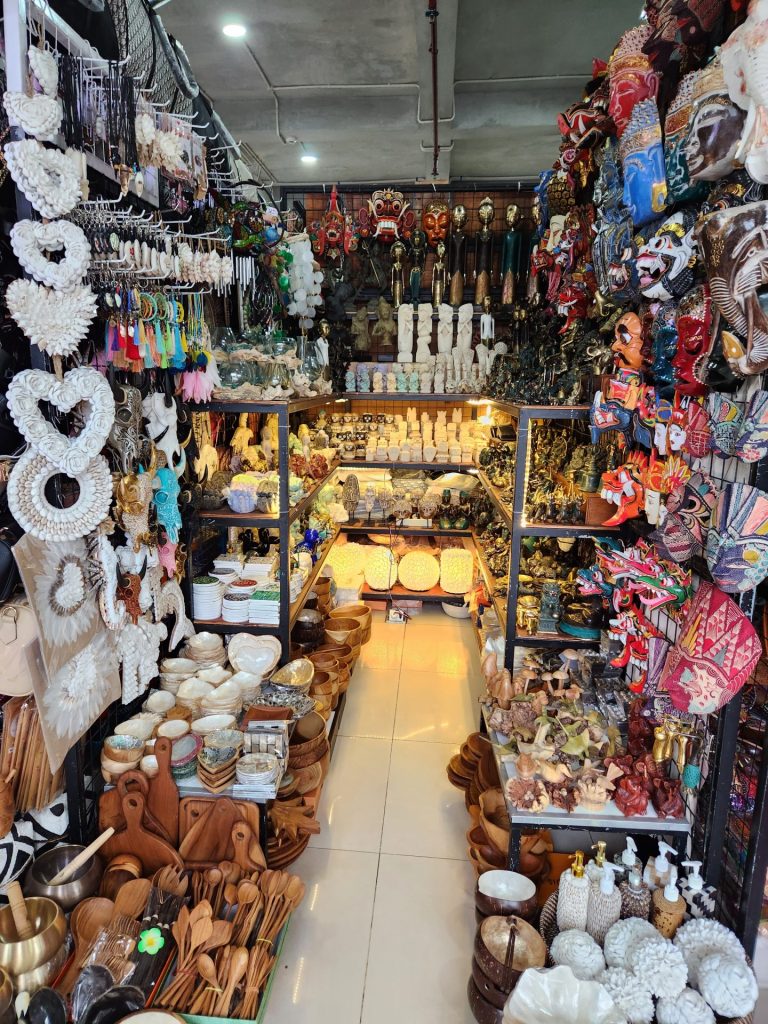
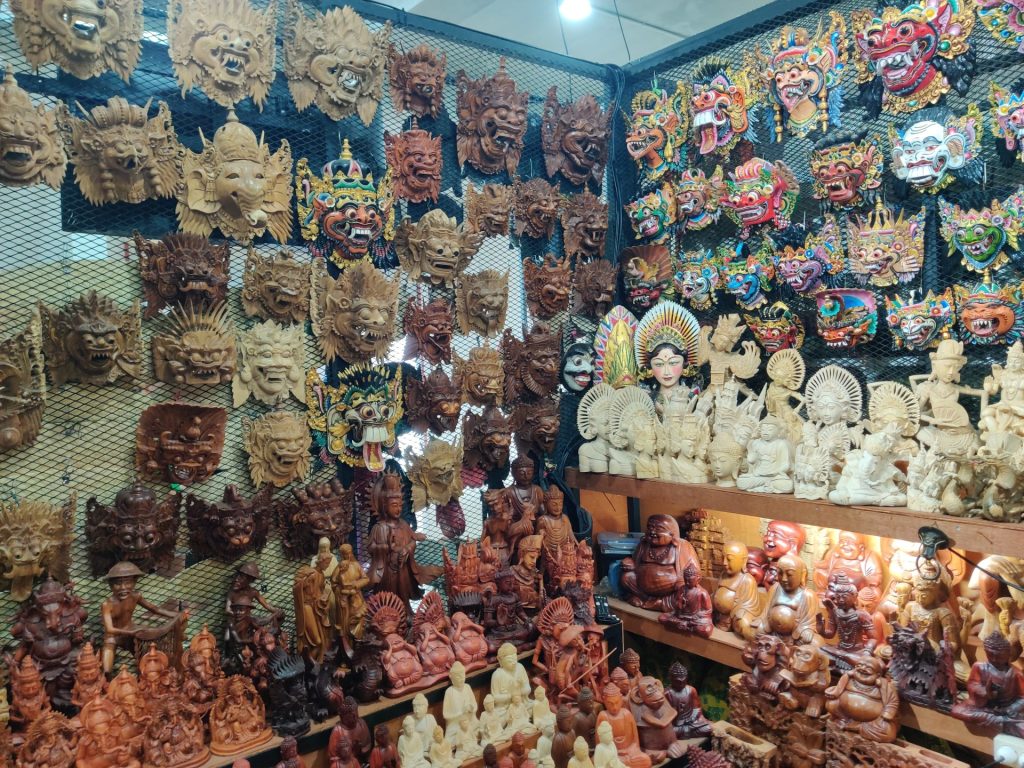
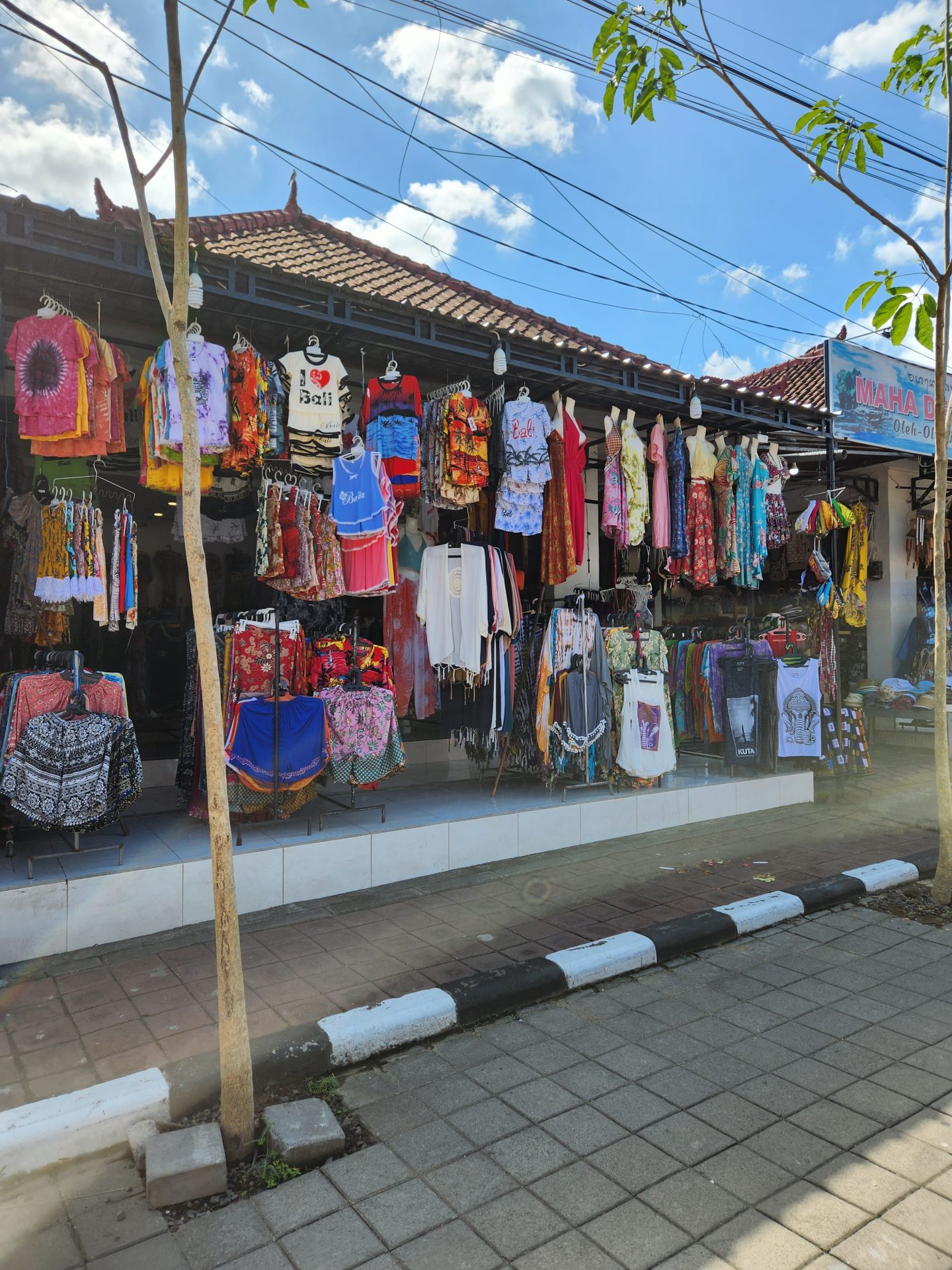
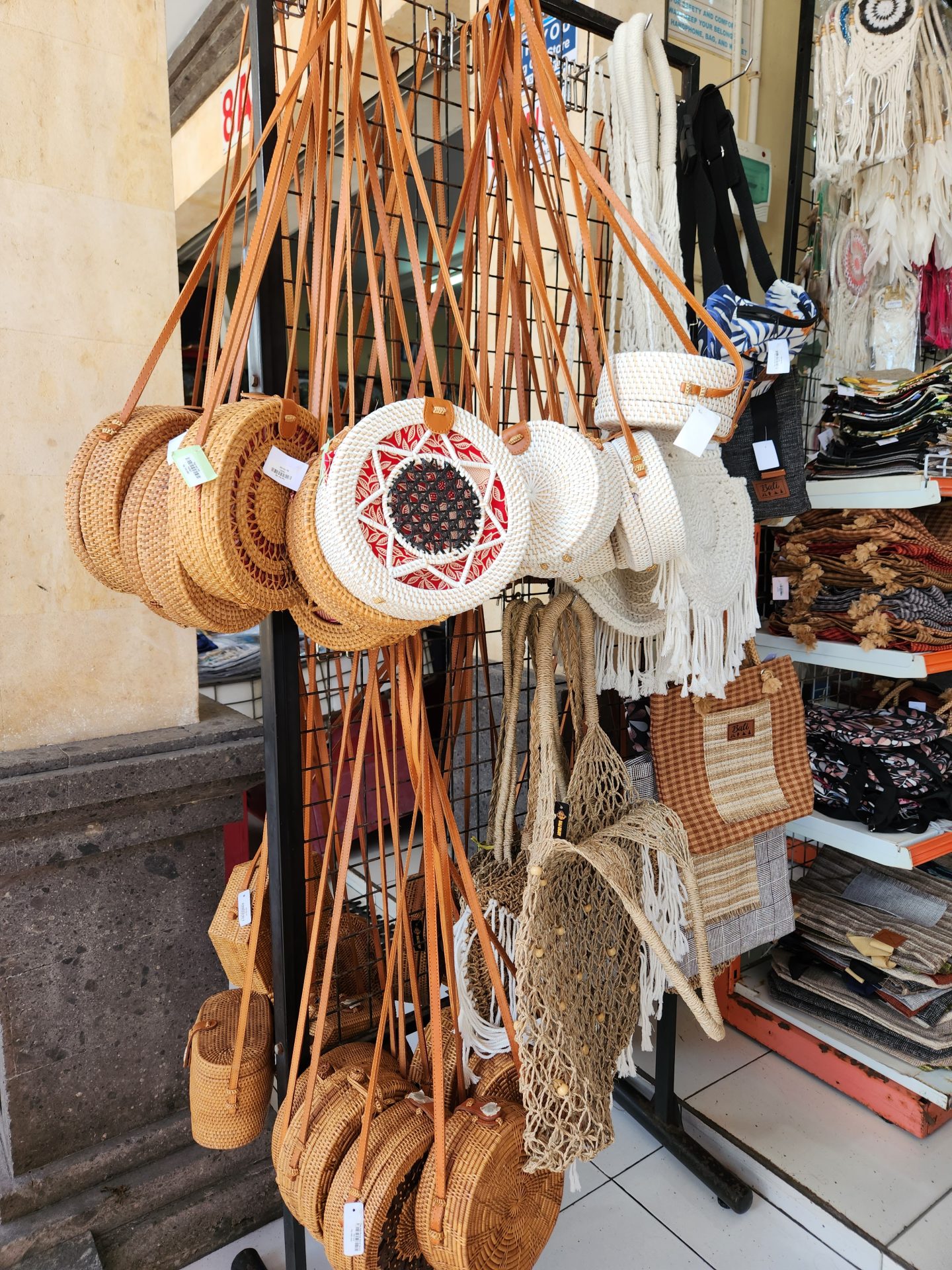
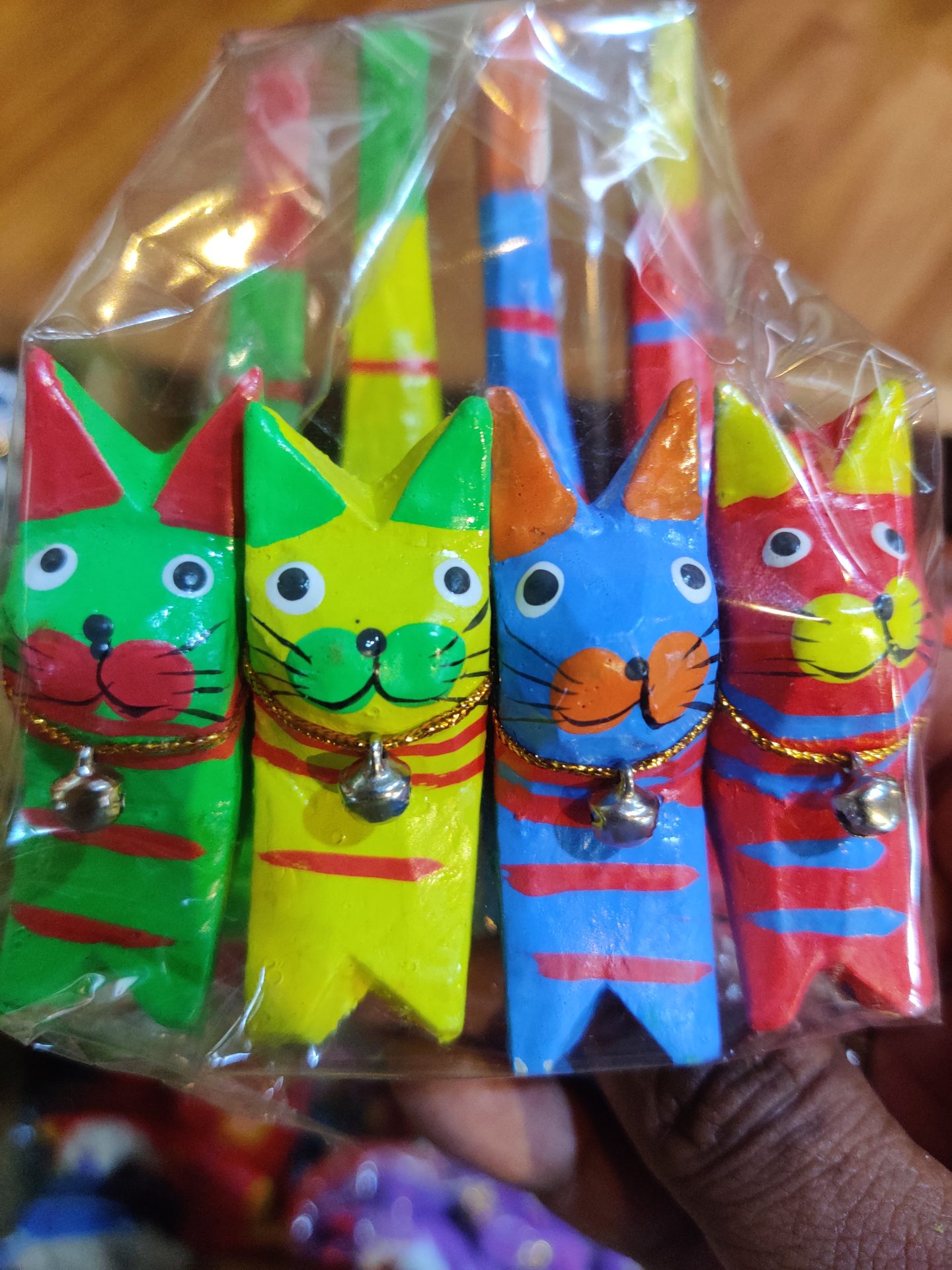
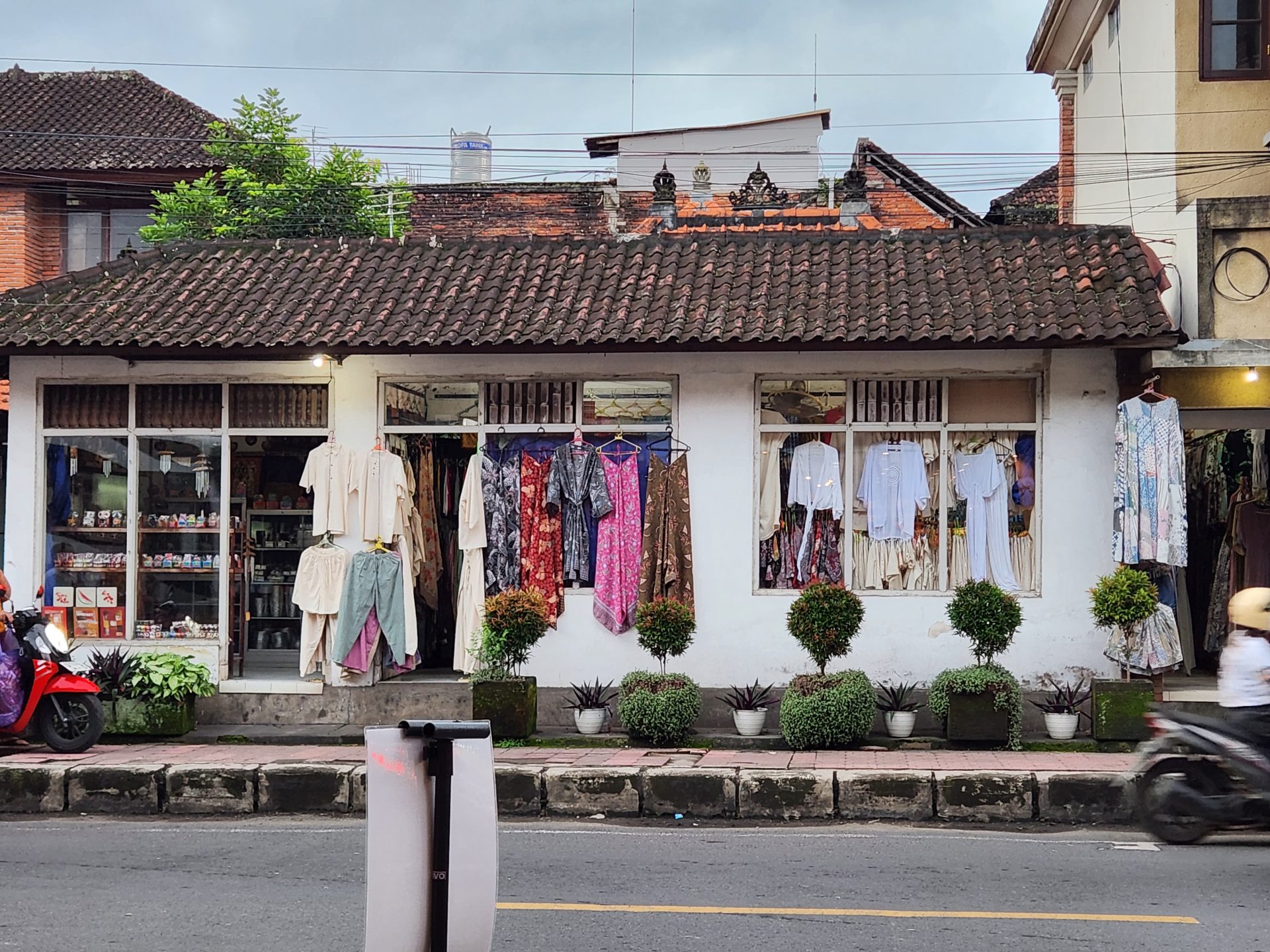
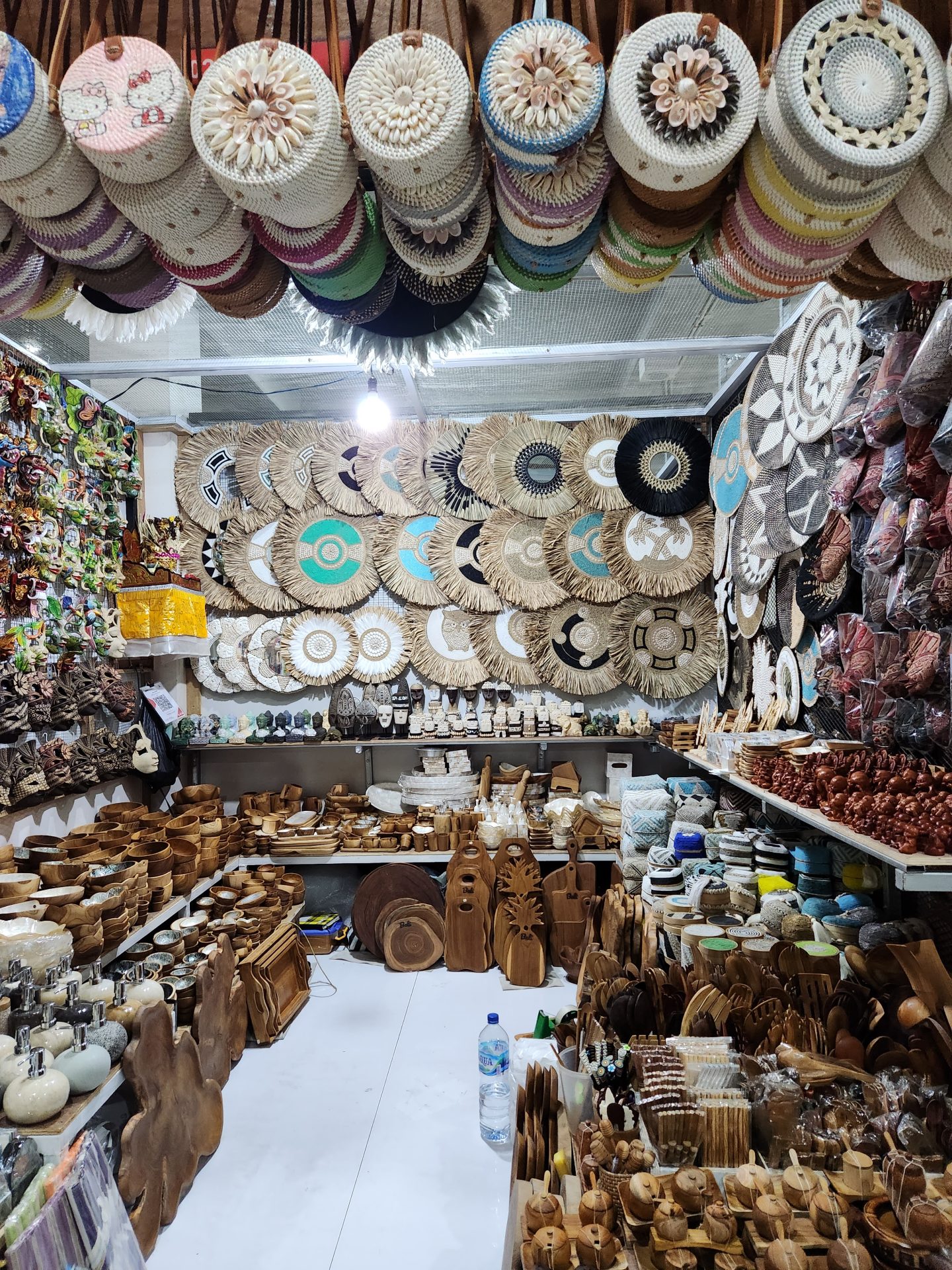
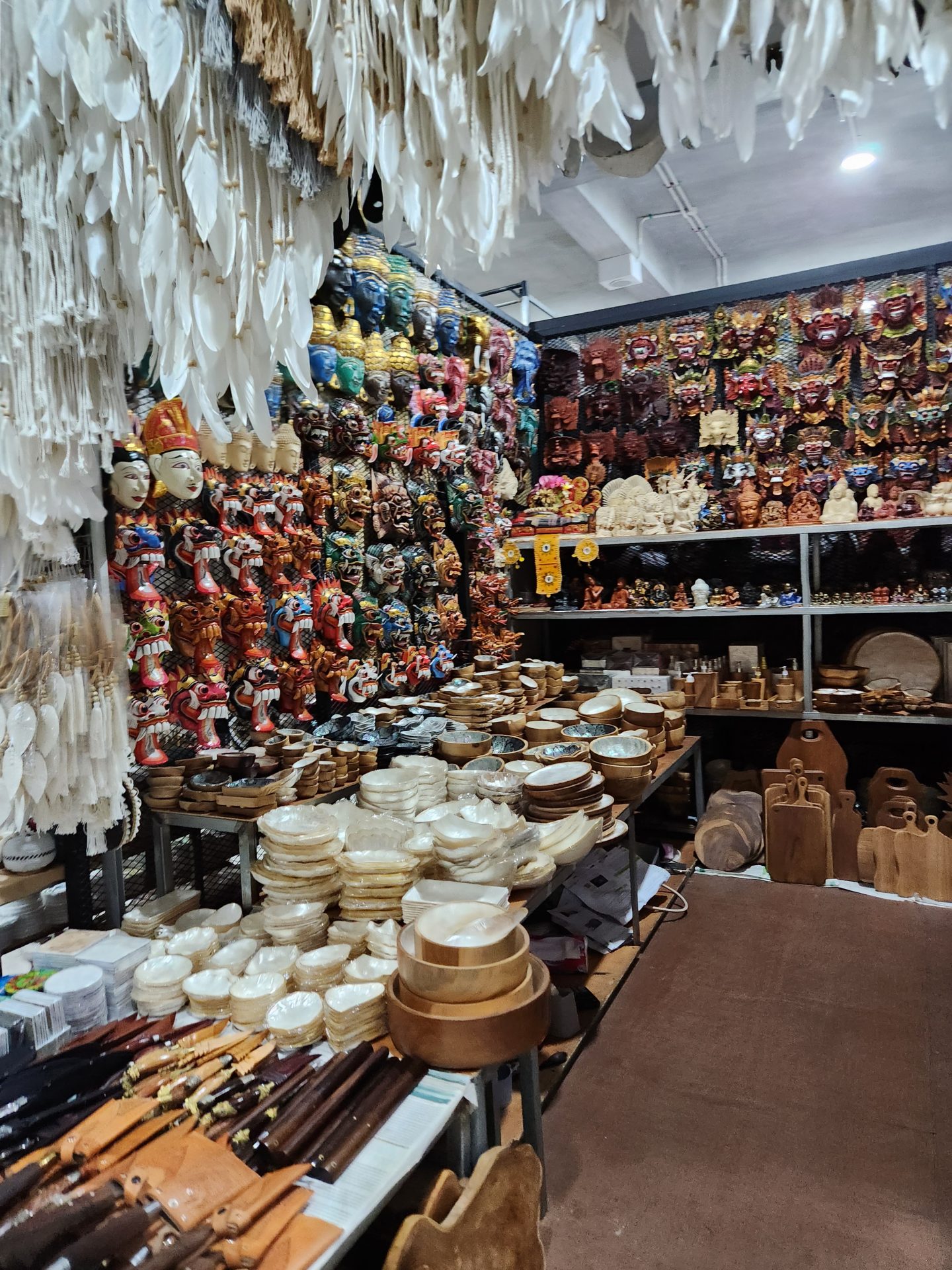
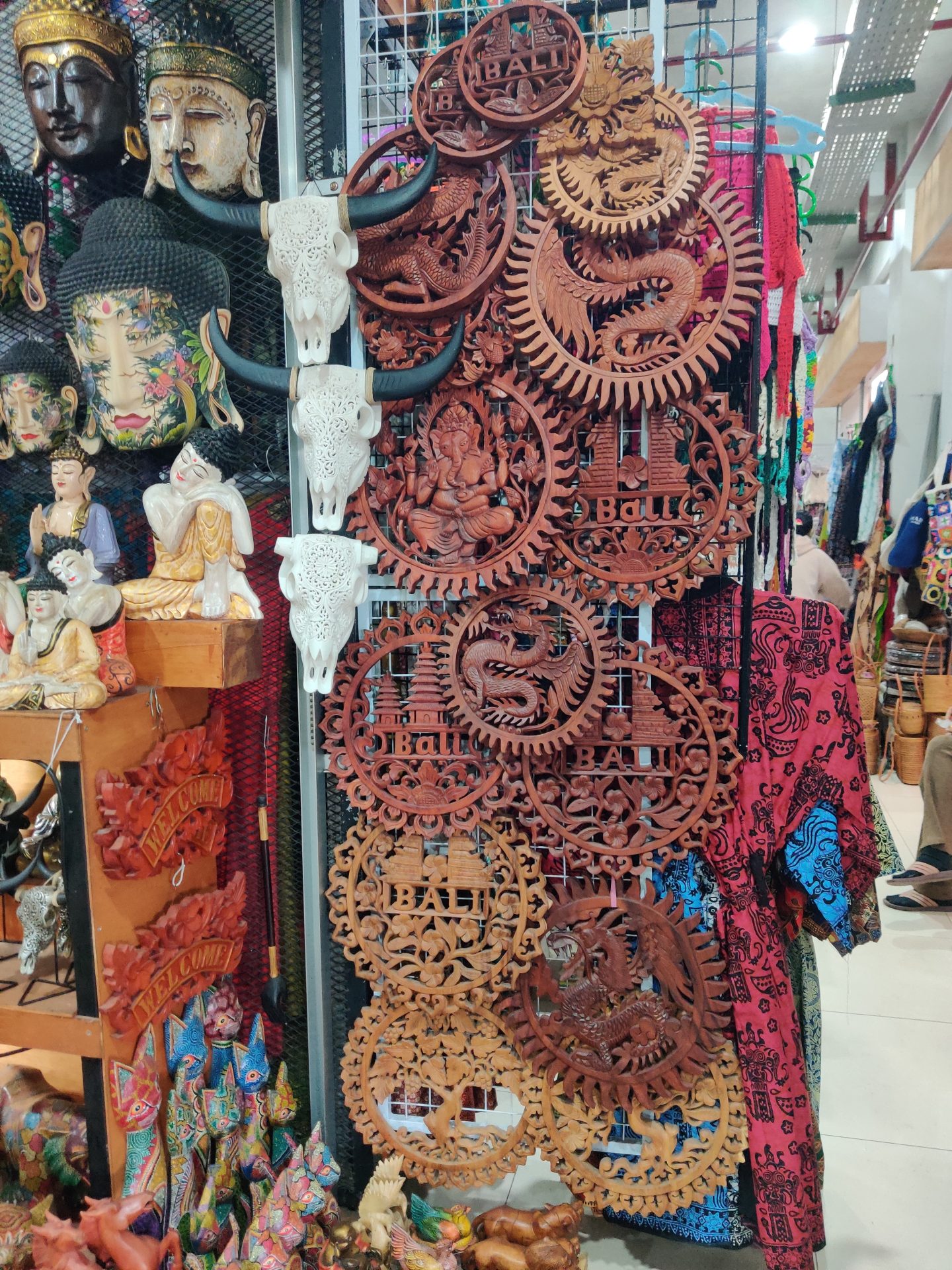
A wide variety of dresses, shoes, trinkets, masks, paintings and artefacts were there to pick from and it was becoming difficult to make the ladies wind up as there was still lot of sightseeing to do.
While they were not content with even an hour passing by, we agreed to come back in the evenings again for some more shopping and set forth for the temple of Besakih.
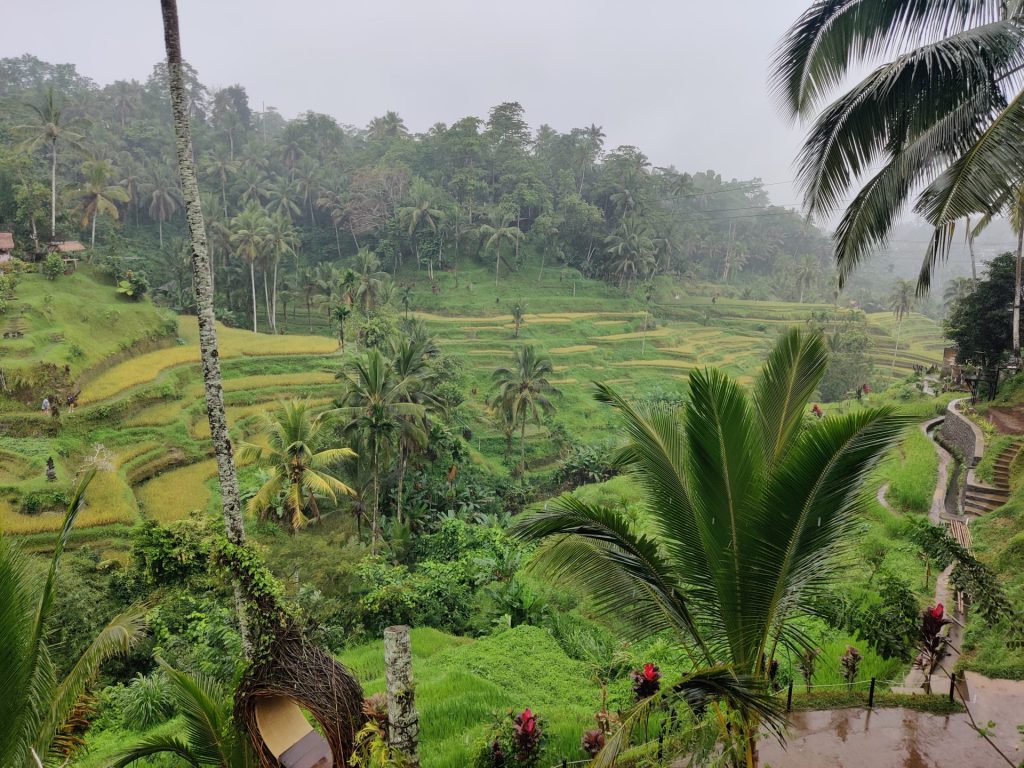
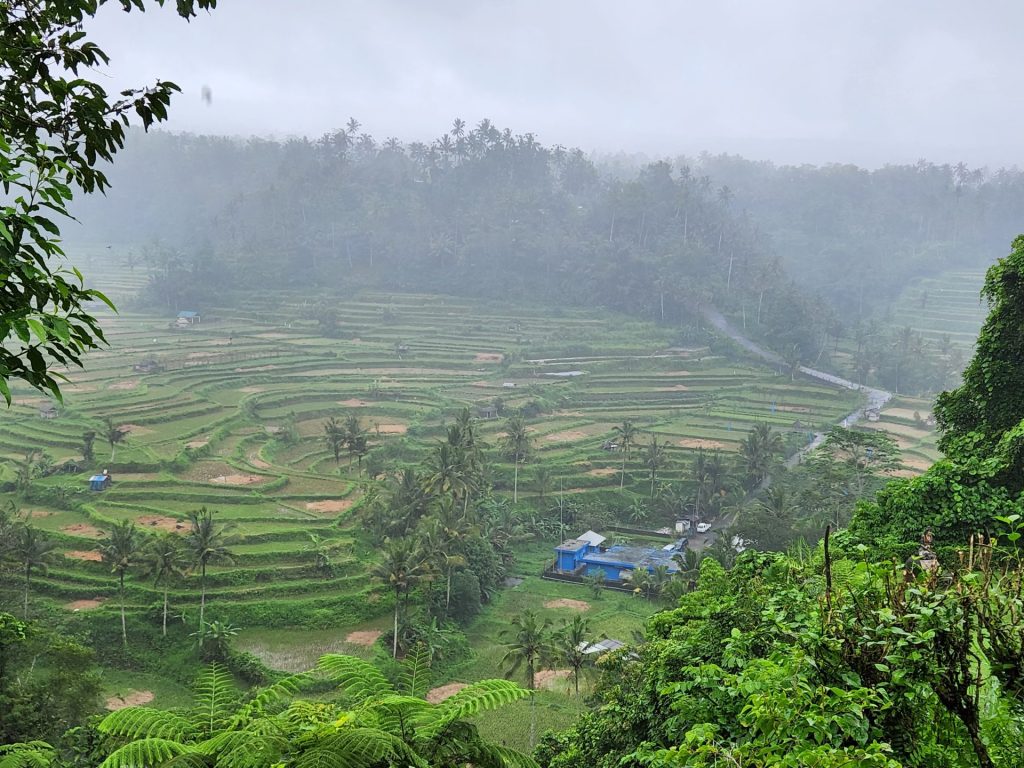
It had begun to rain and we pulled into Tegallalang (towards Central Bali) enroute in about 30 minutes for a view of the famed Rice fields.
Thankfully there was an umbrella available in the car and while the family did not bother to step out, I decided to walk down the small pathway to see the Rice Fields.
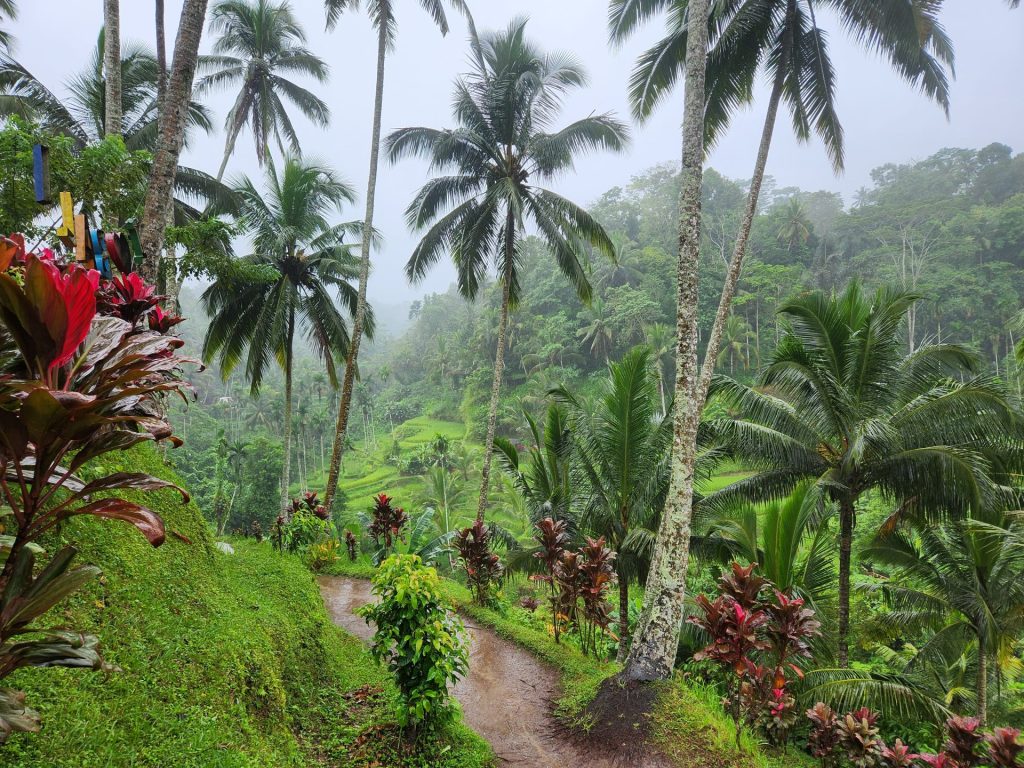
After purchasing a ticket for Rs.134/- (IDR 25,000), a slope through some lush greenery took me to a view point rom where I could see the terraced rice fields, set against the backdrop of the mountains.
Given the rains and the slippery slopes leading to the paddy fields, had to be content with taking photos from the top. The views were however quite spectacular.
Its believed that the concept of farming through these terraces was done using water from the surrounding rivers and mountains and was started as early as the 8th century. This series of cascading rice fields is a Unesco World Heritage Site.
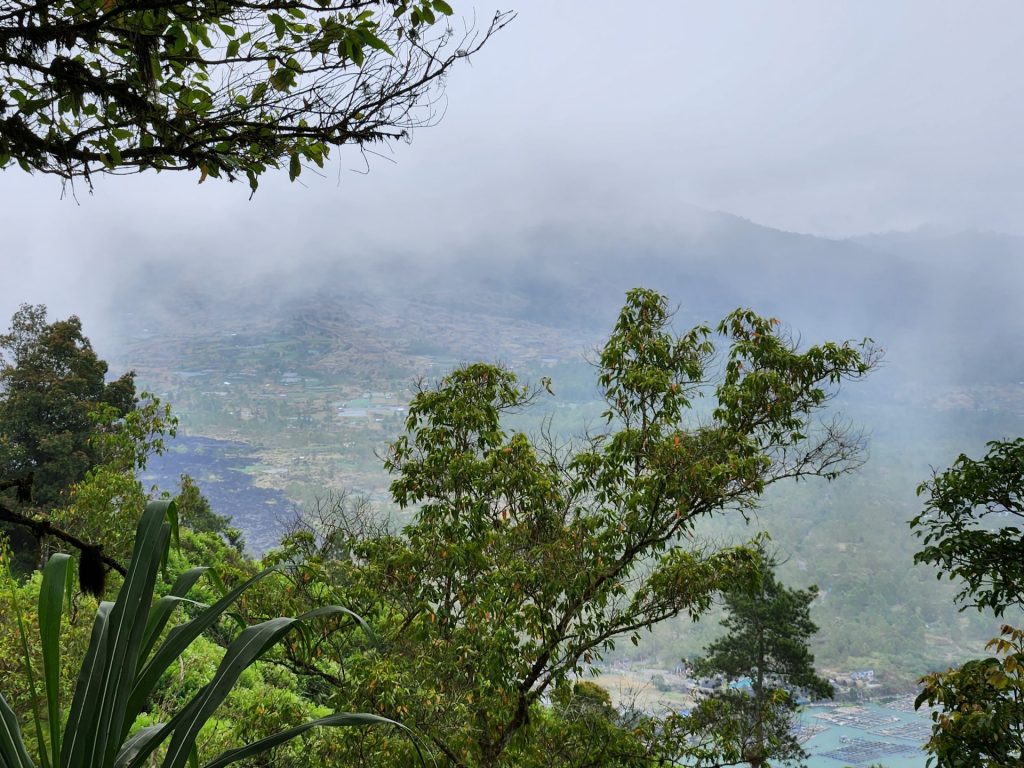
A Hazy View of Mount Batur from afar
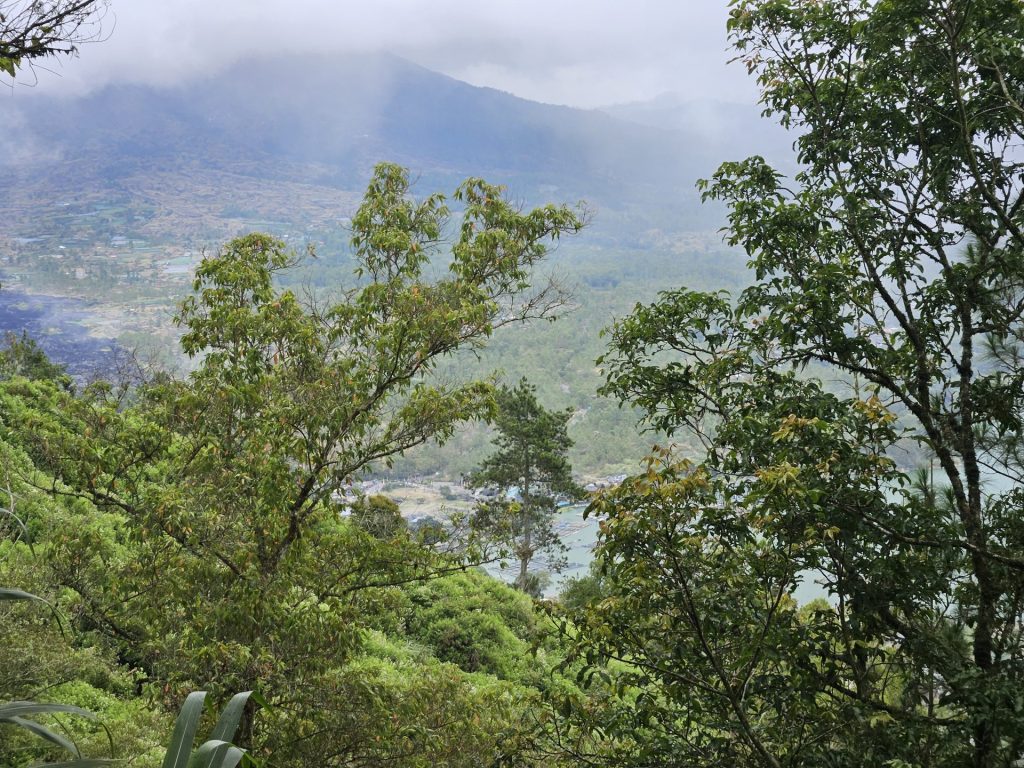
We moved on from here in 15 minutes time and the rains proved to be a deterrent to see the Mount Batur properly. Given the mist, only a silhouette of the mountains is what we could manage to see from a distance.
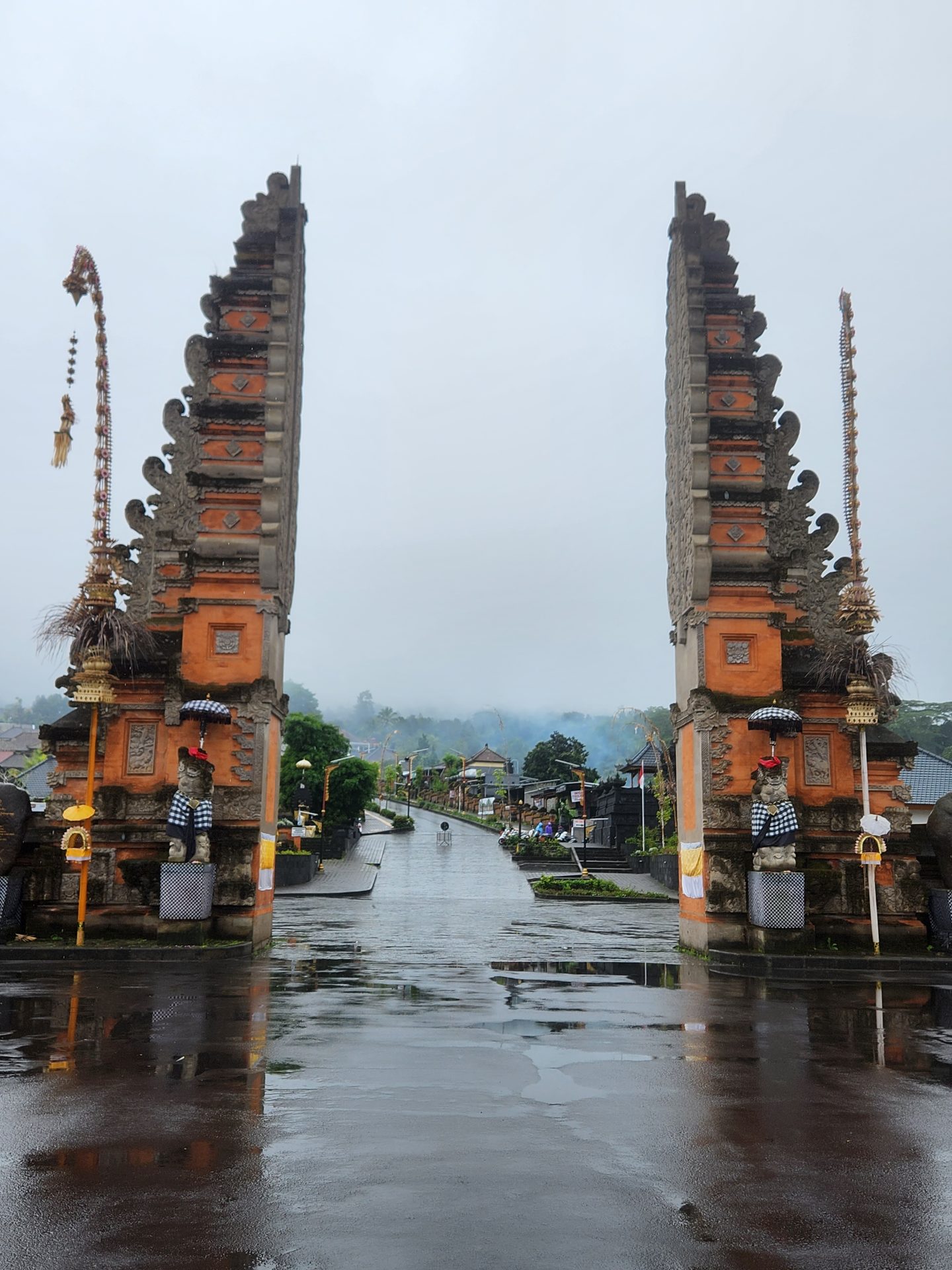
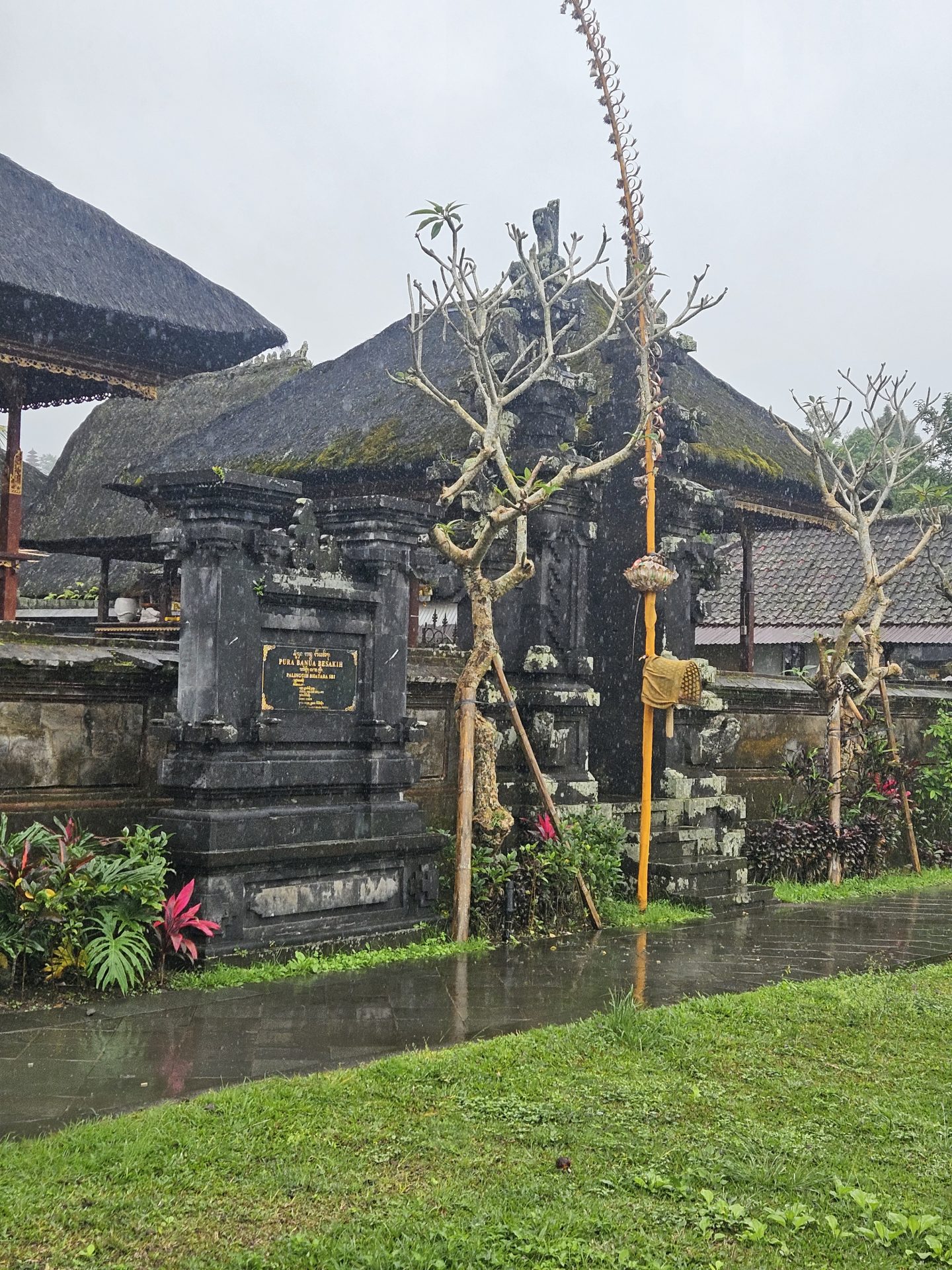
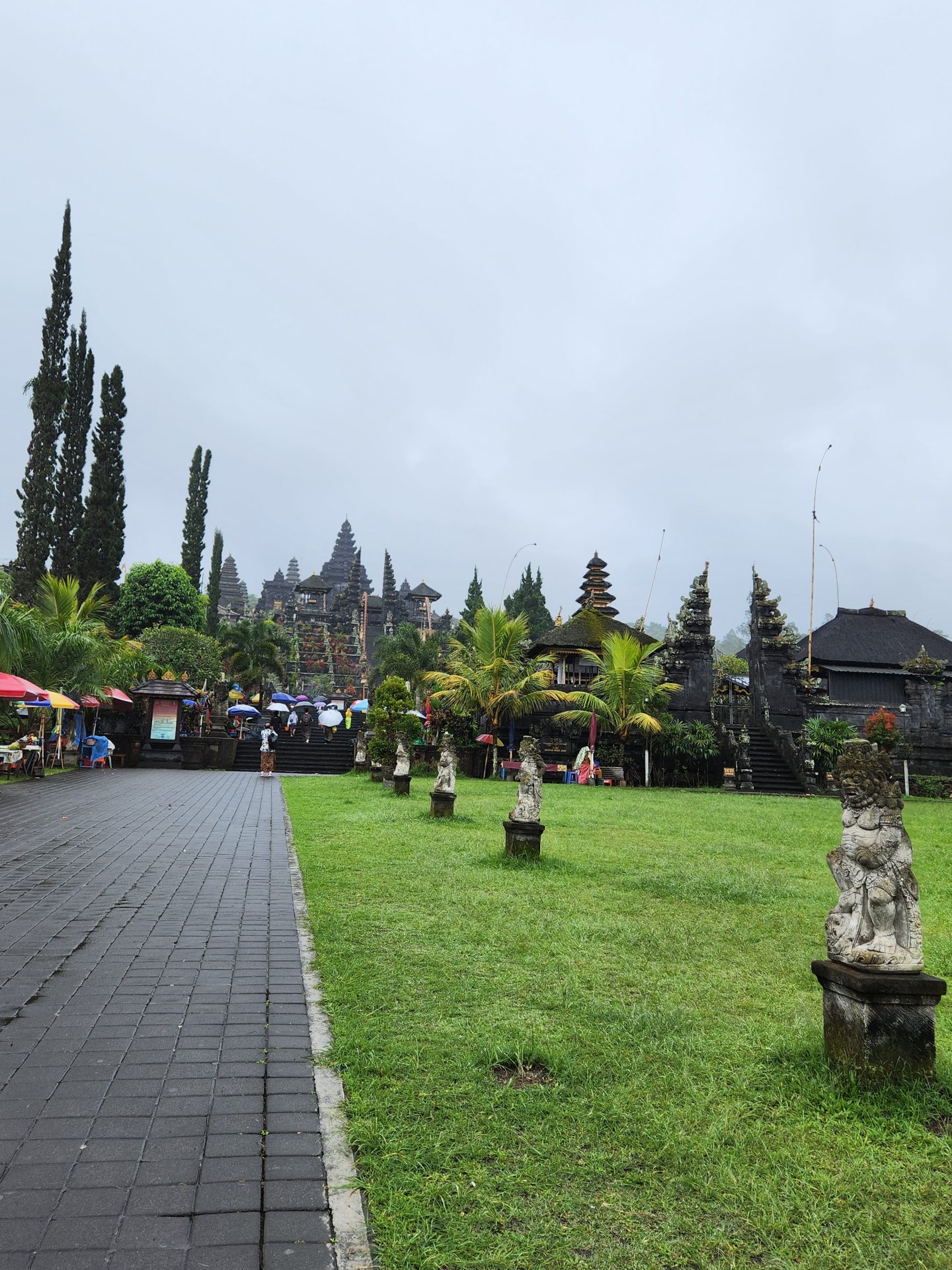
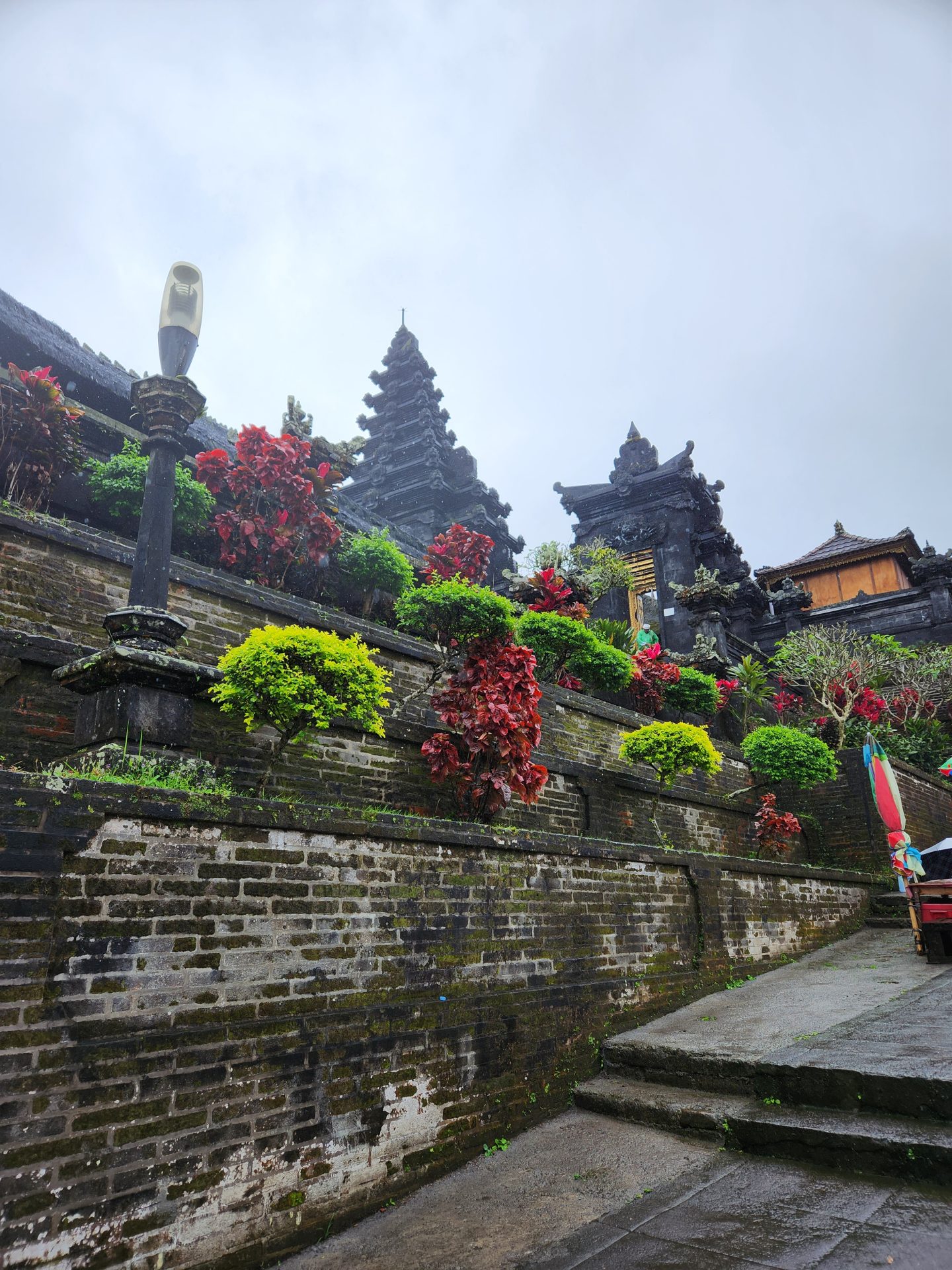
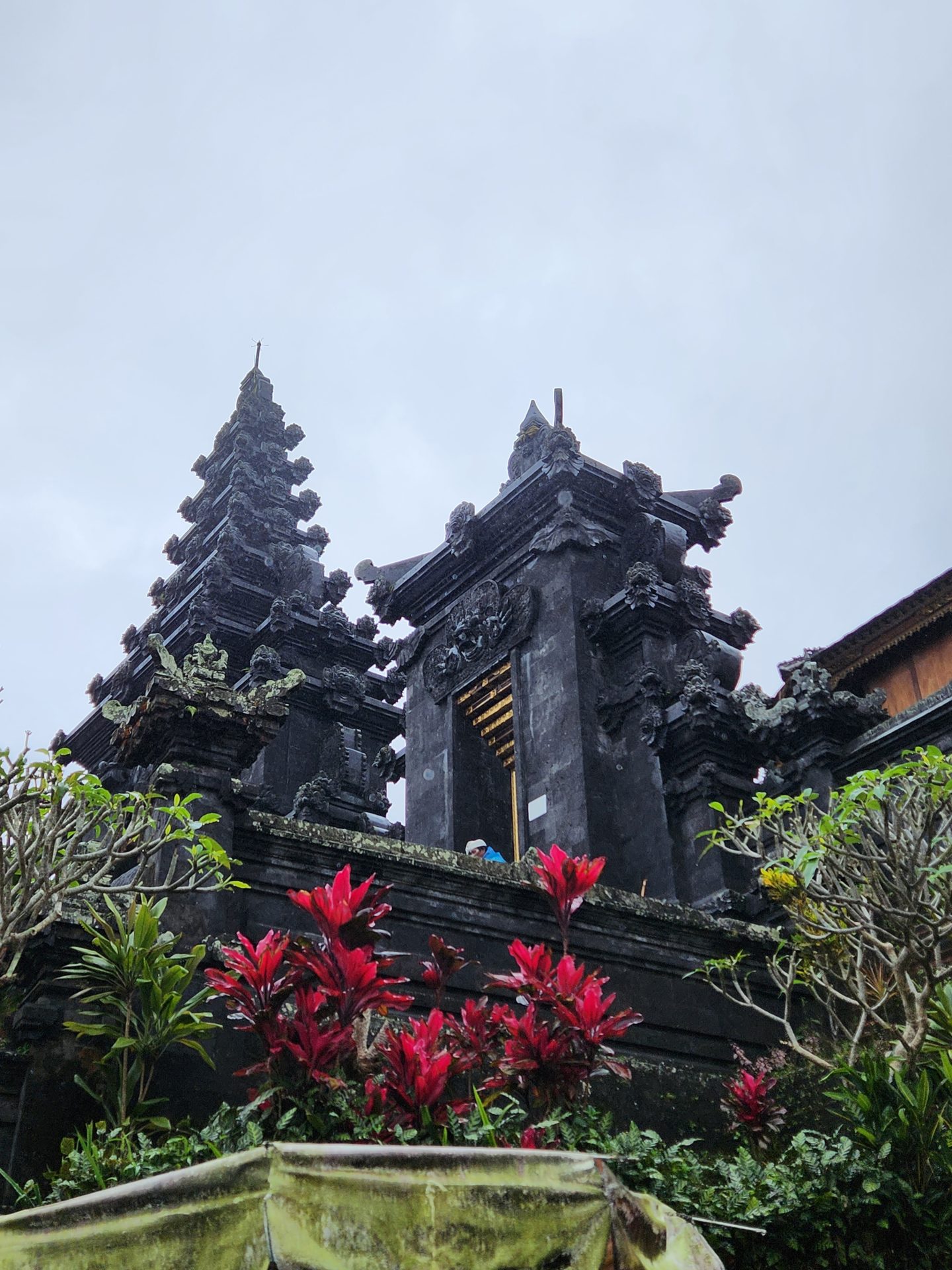
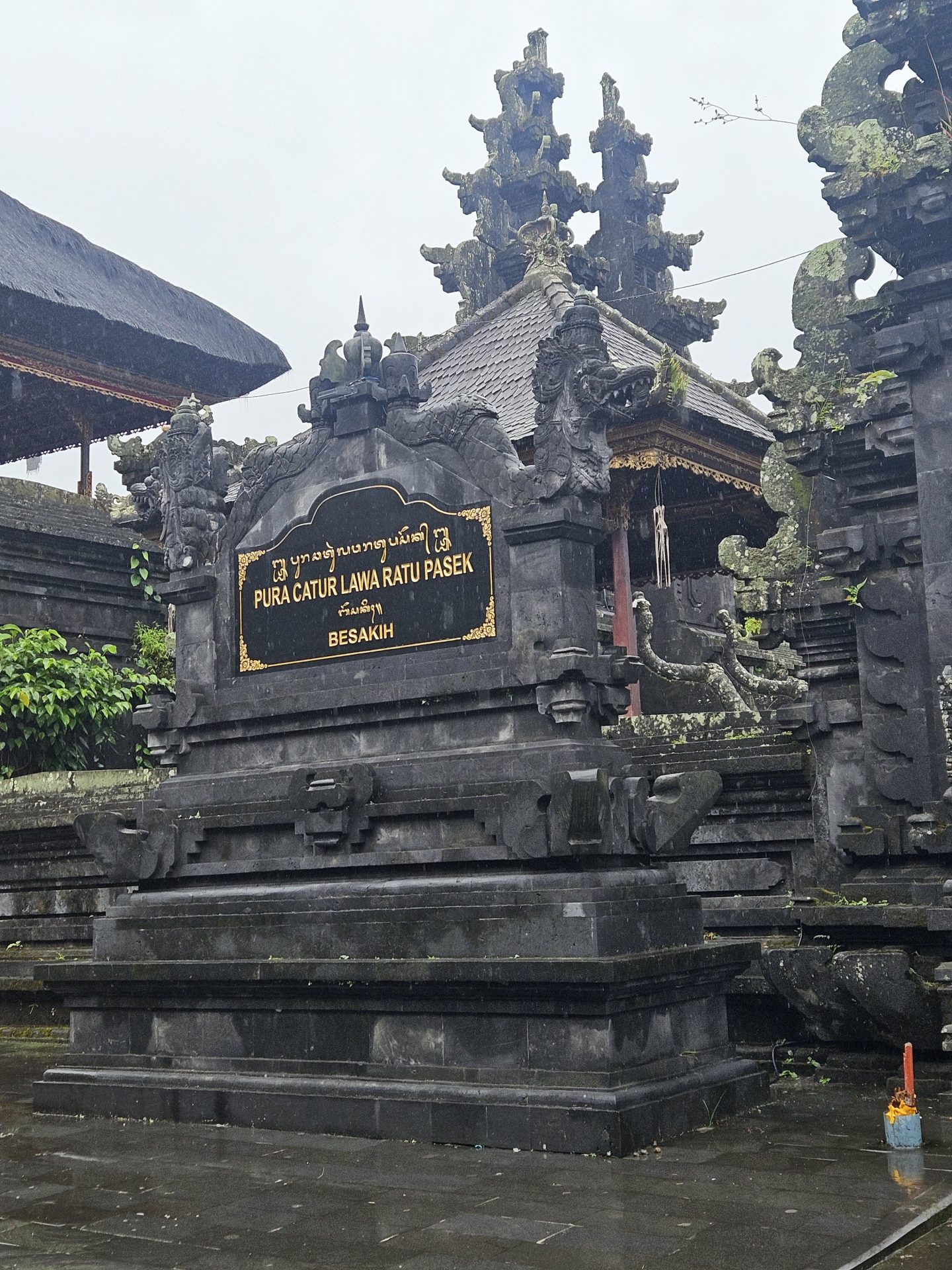
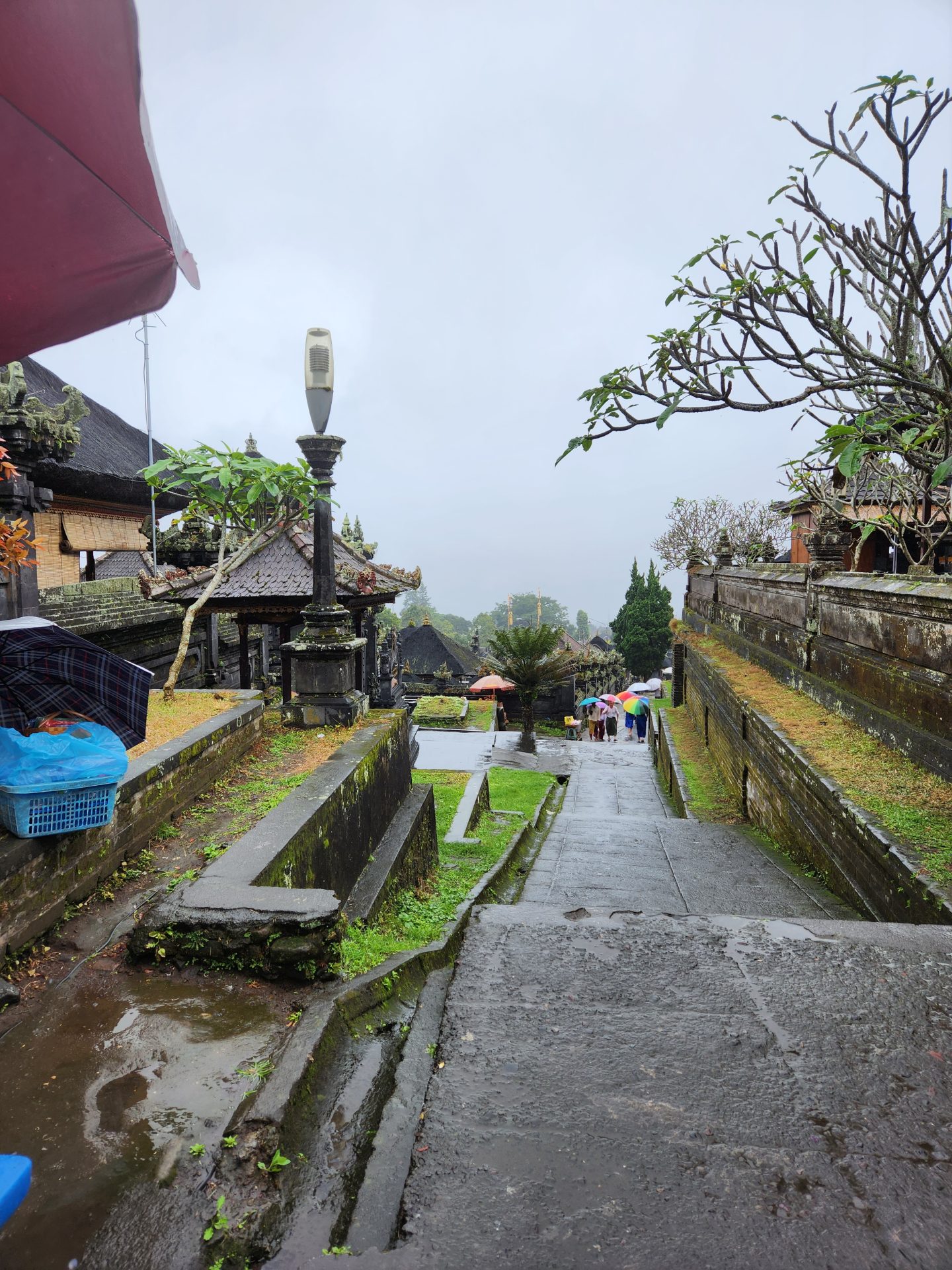
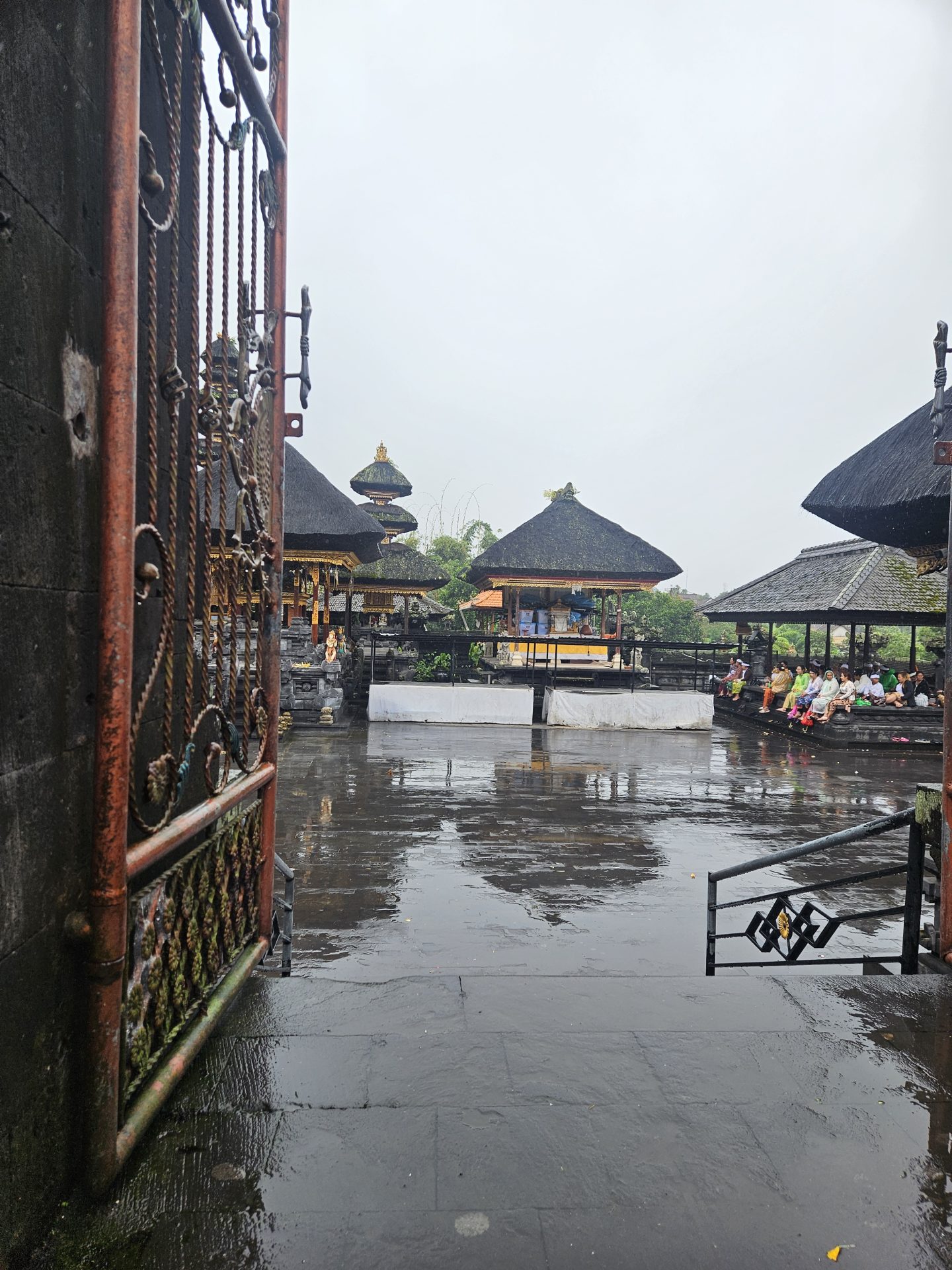
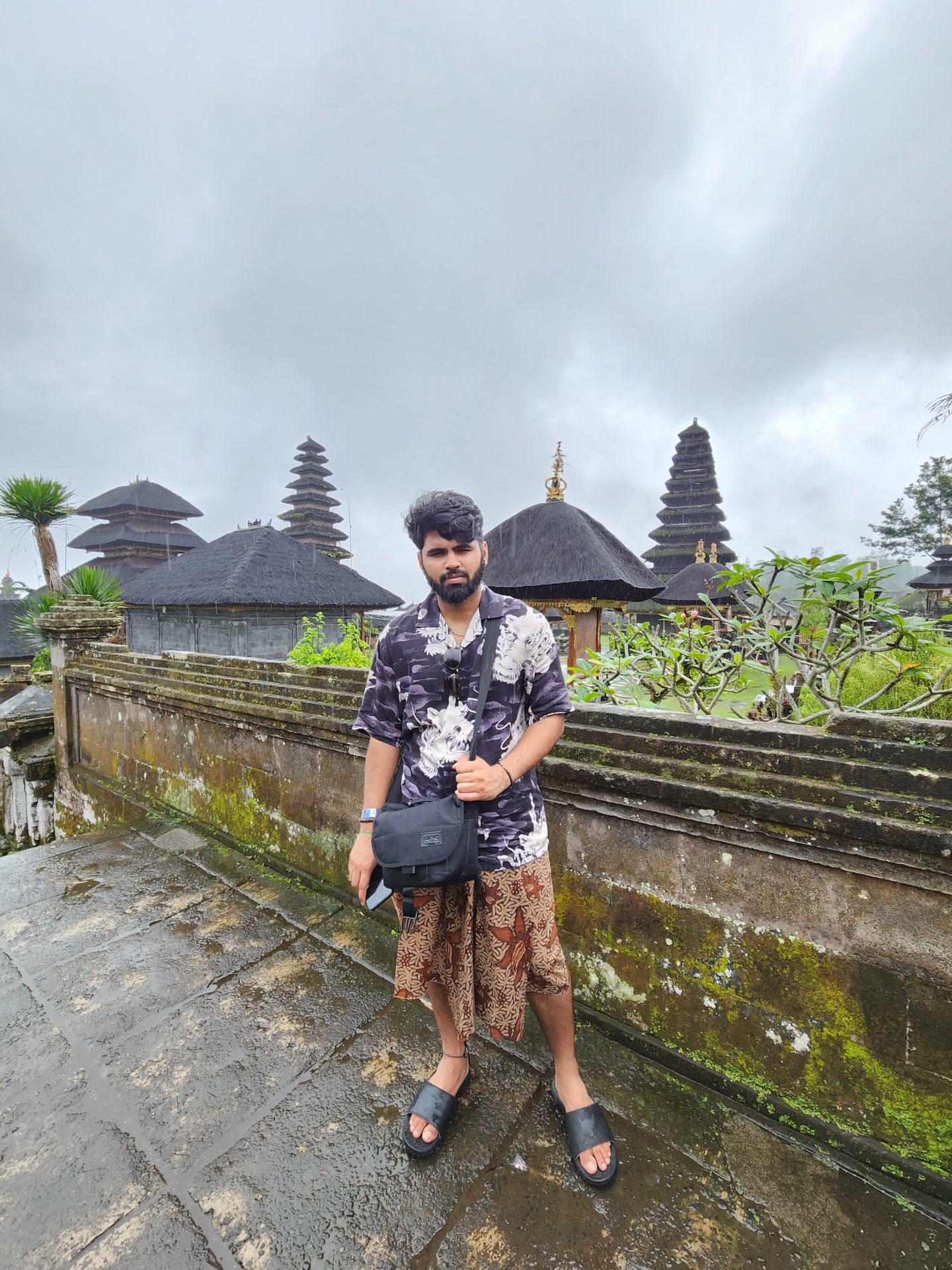
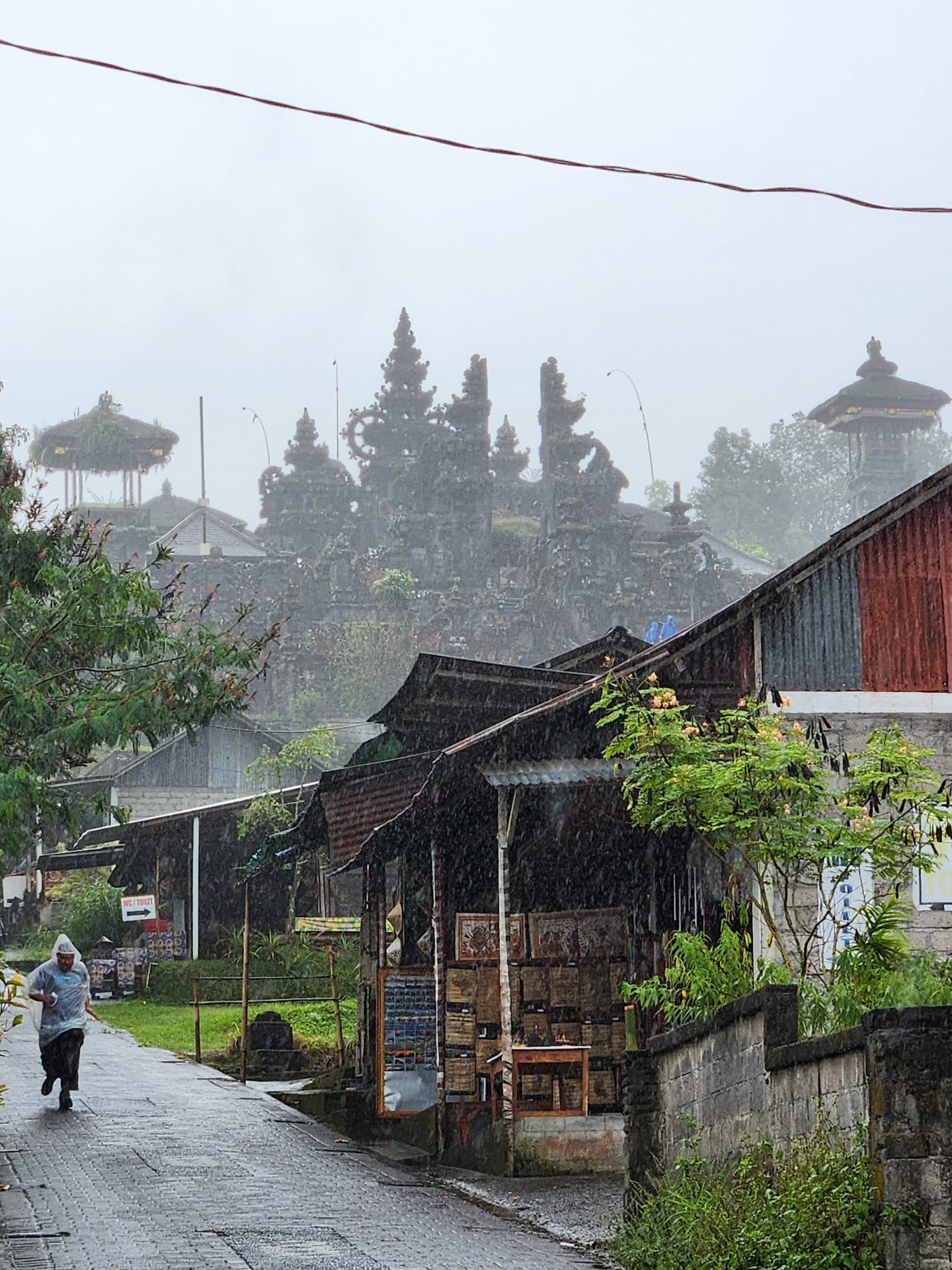
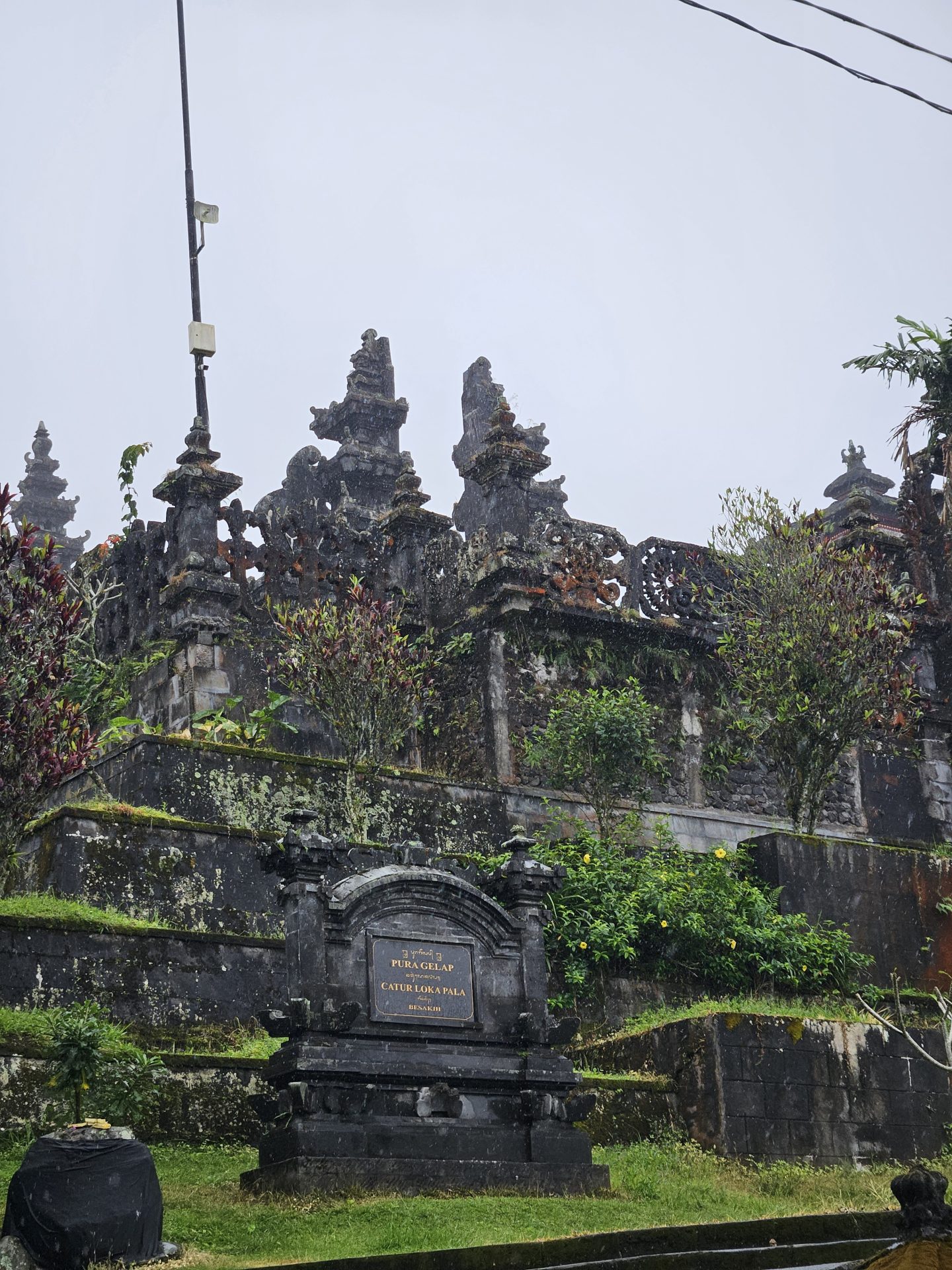
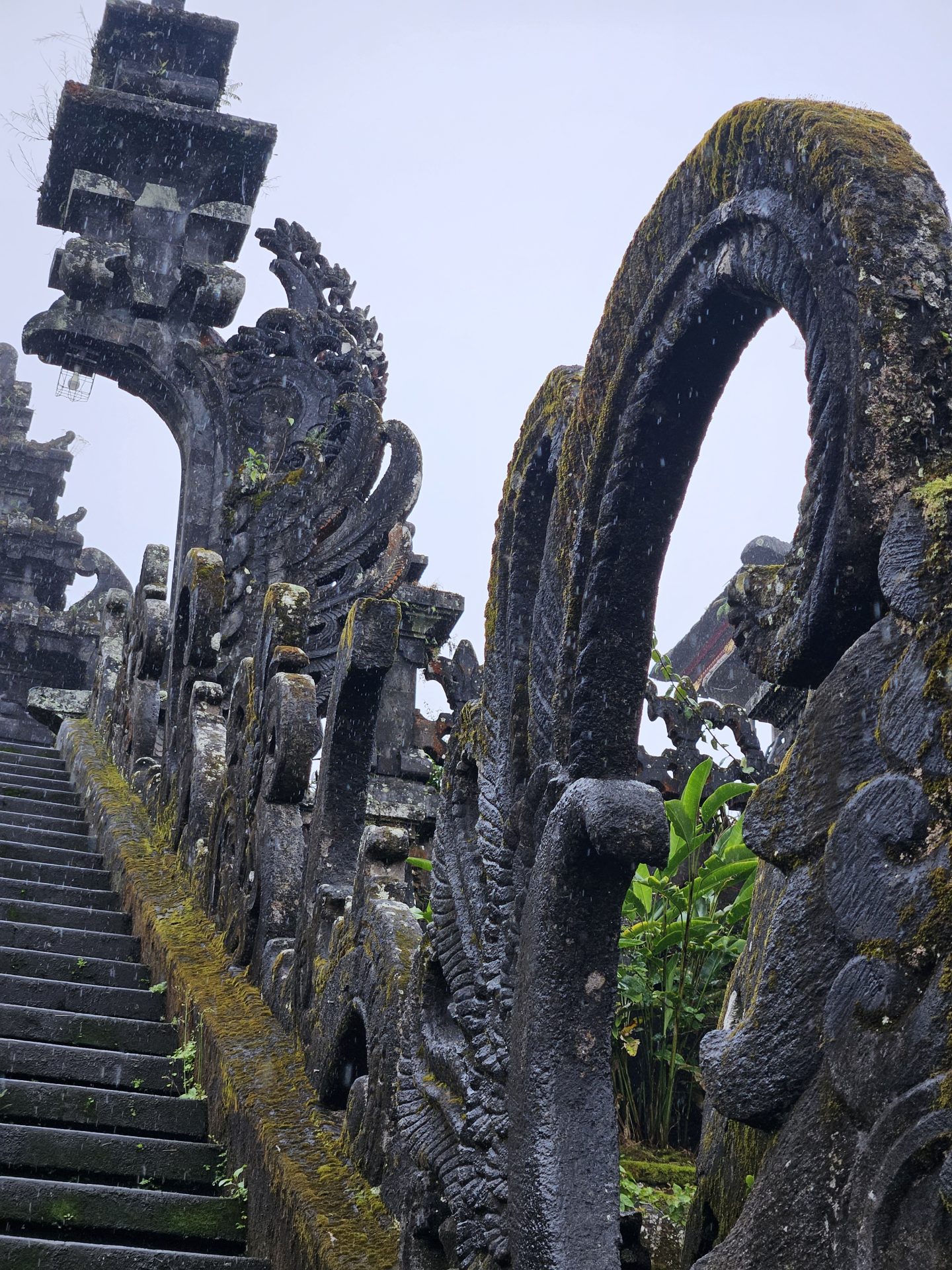
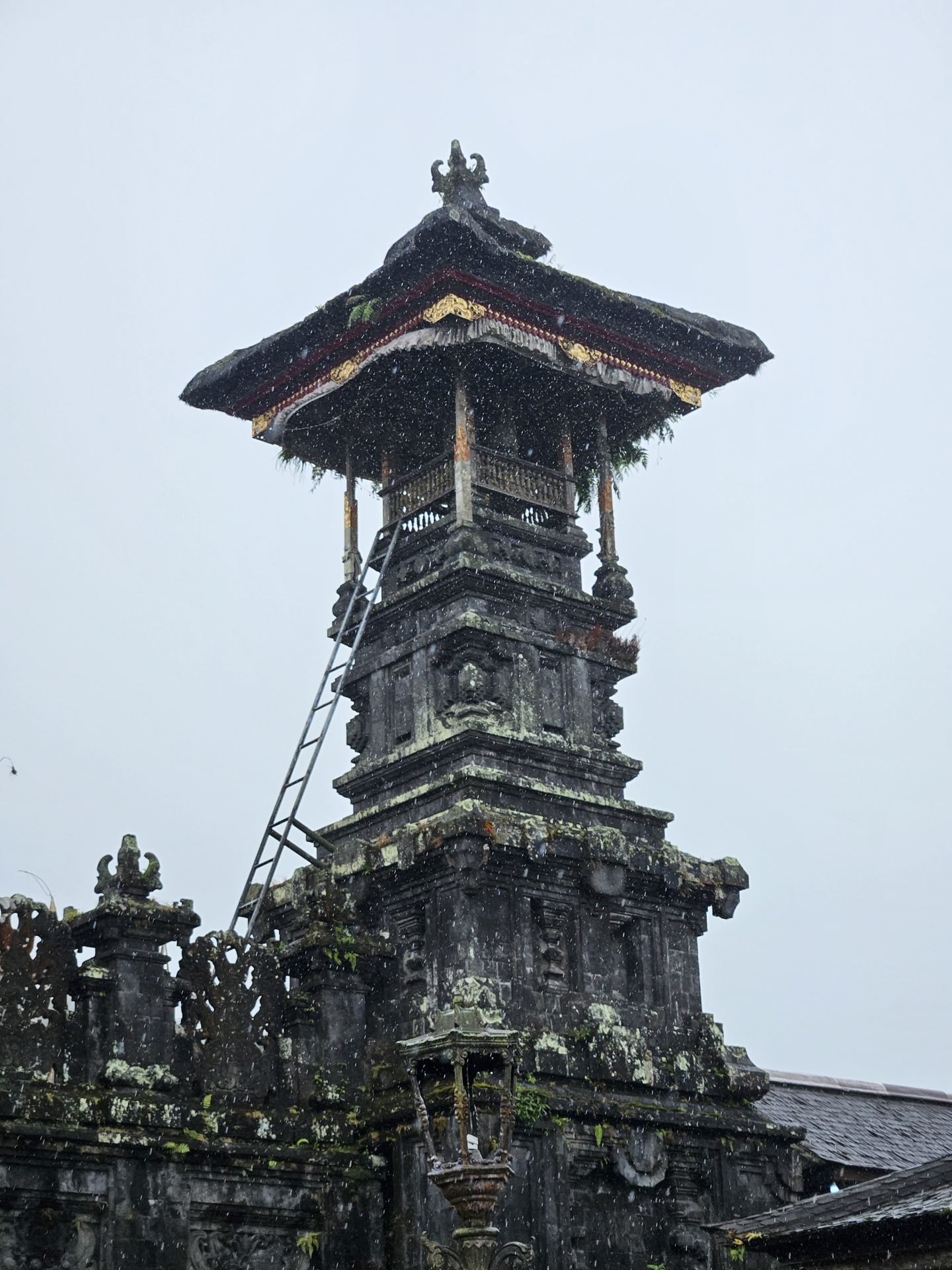
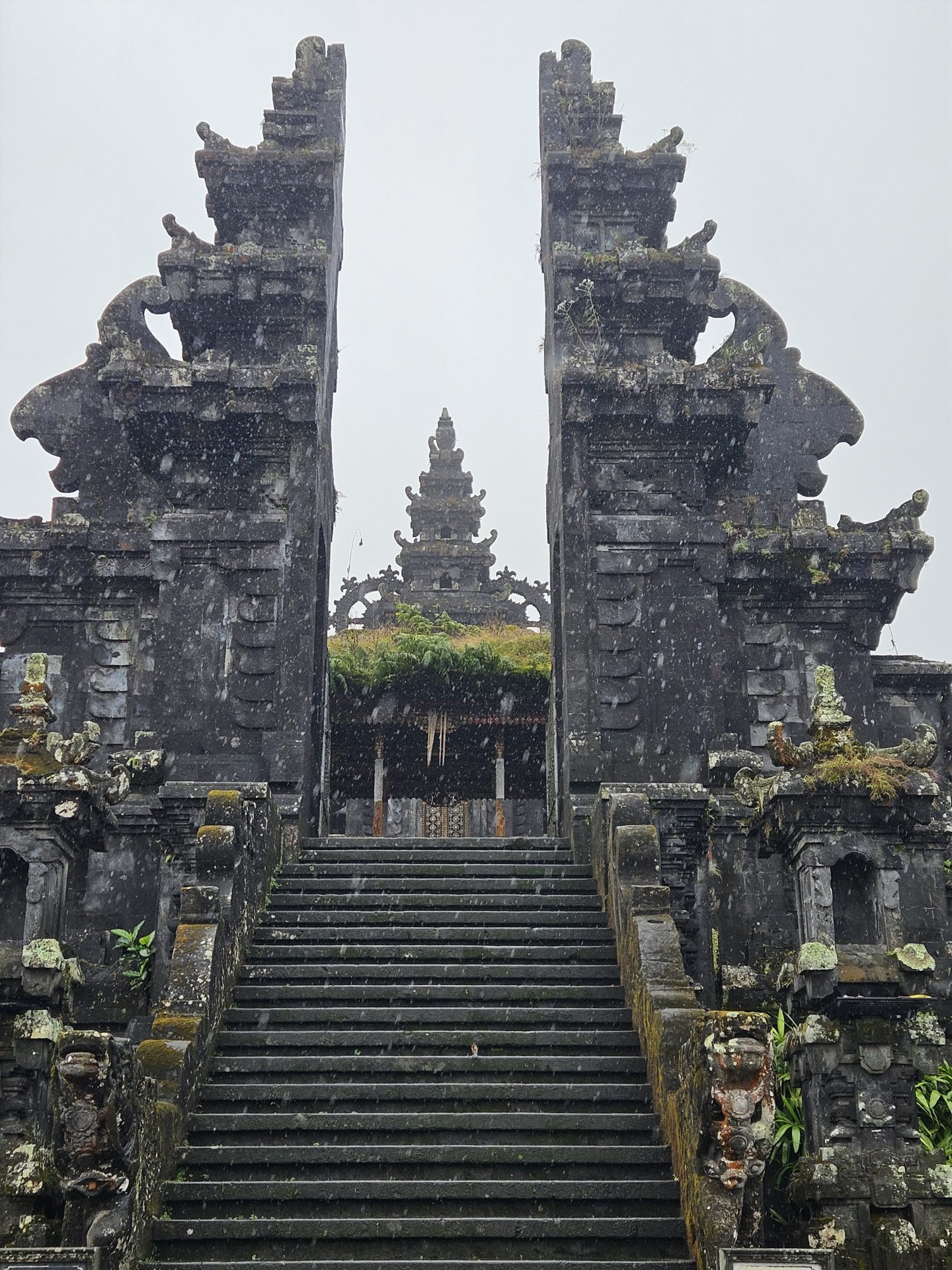
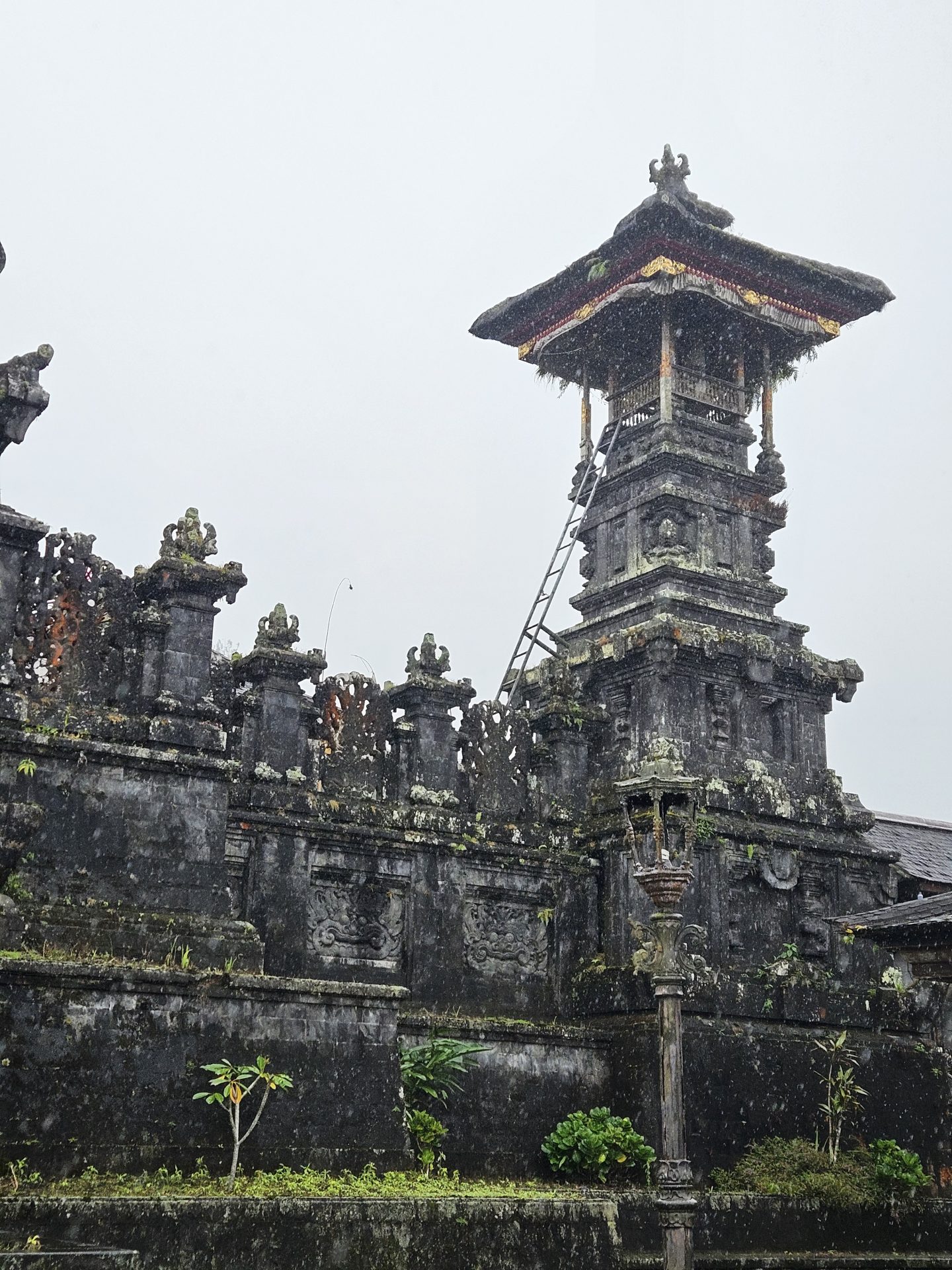
Besakih - Bali's Revered Mother Temple
By around 12.30 noon we pulled into Besakih, located towards the North West of Bali. From the Ubud Centre, it was almost 40 kms away.
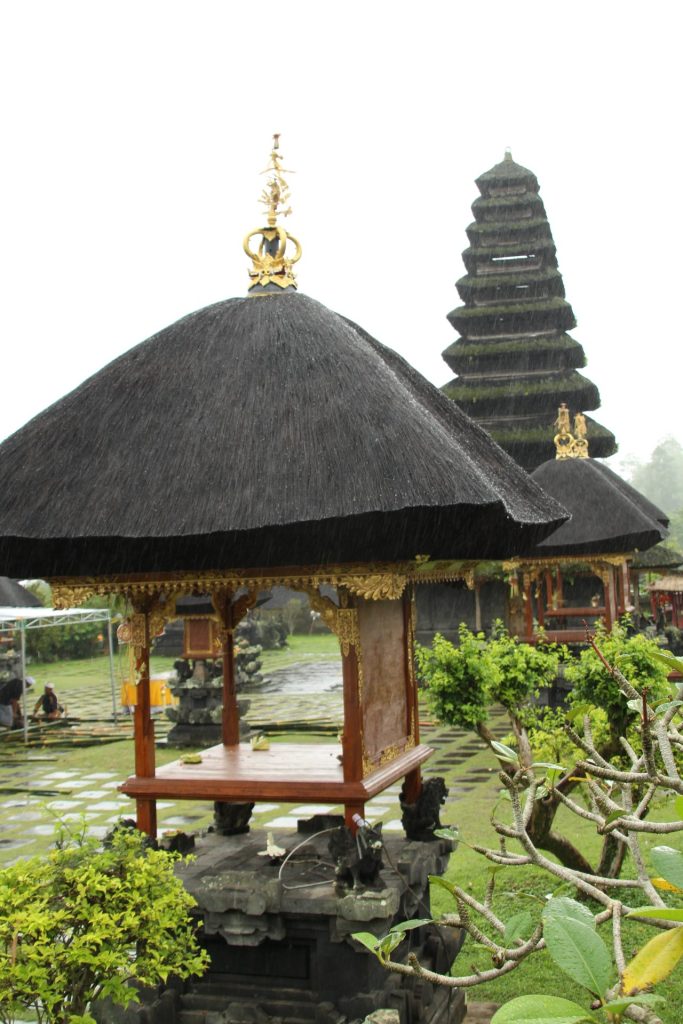
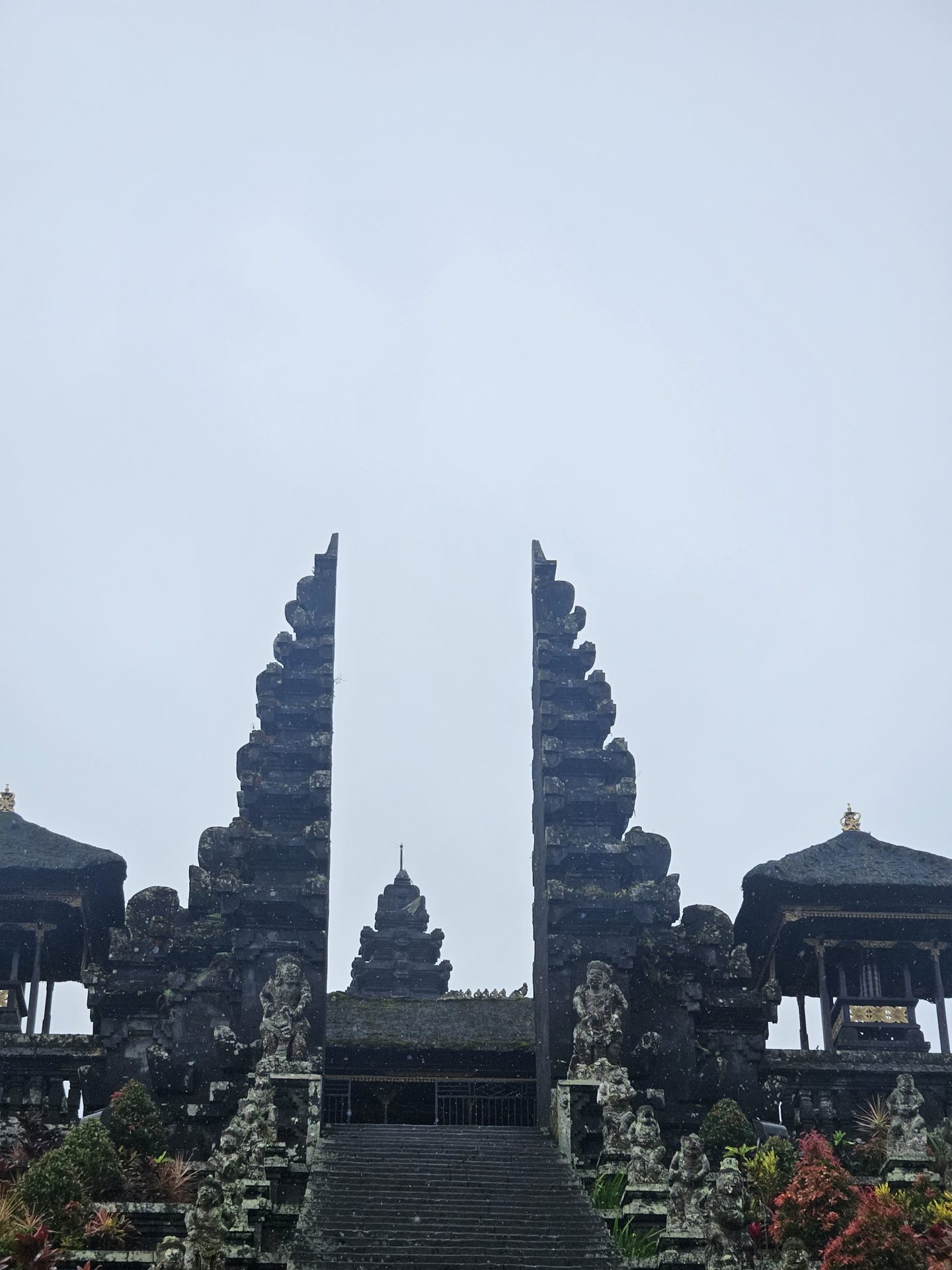
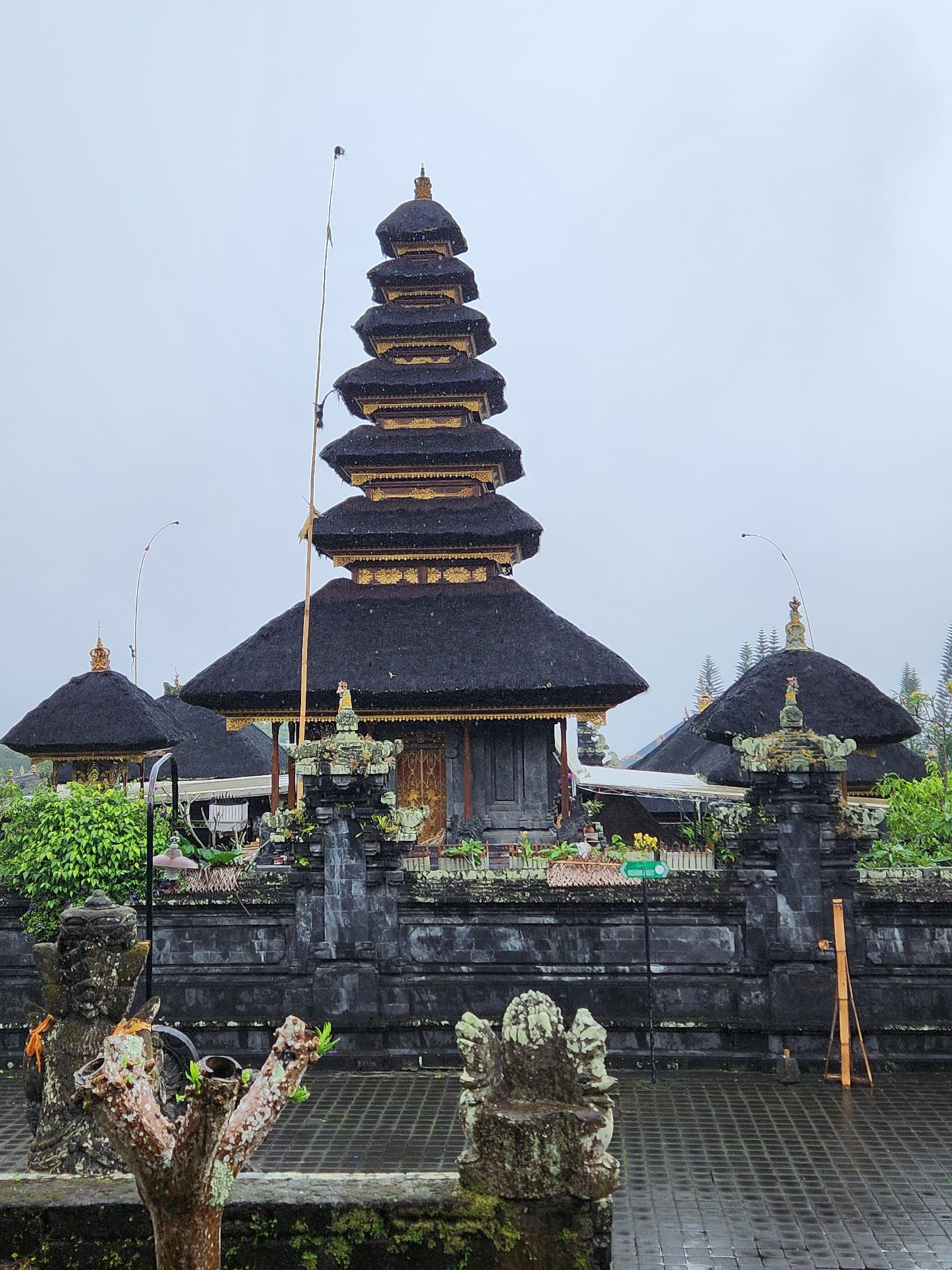
We purchased the tickets for Rs.320/- per head (IDR 60,000) and this included a one way drop, close to the temple. The biggest of the temple complexes in Bali, the Pura Besakih is also known as Bali’s Revered Mother temple and is located 1000 metres up on Mount Agung’s South Western slopes.
This temple is believed to have been built by a priest from India Rsi Markandeya in 1284. The word Besakih comes from the word Basuki which is a derivative of the word Wasuki meaning Salvation in classical Sanskrit.
As per the Samudramanthana mythology however, the same name “Besuki” in fact refers to the Dragon-God “Naga Besukian”, who inhabited Gunung Agung, the main volcano in Bali.
Since ancient times, this grand temple complex has been revered as a holy place and the first mention of its existence comes from an inscription dating back to 1007 AD. Besakih has been regarded as the central temple of Hinduism since the 15th century. The temple is nestled amid sweeping rice fields, mountains, hills and streams and is dedicated to the three main gods of Hinduism, Shiva, Vishnu and Brahma representing the Hindu Trinity.
The temple complex has 86+ temples and Pura Penataran Agung, or the “Great Temple of State” lies at the centre of the temple complex. In the centre, Pura Penataran Agung represents Shiva the destroyer with white banners while to the right red banners represent Brahma the creator at Pura Kiduling Kreteg. The black banners of Pura Batu Madeg represents Vishnu the preserver.
Besakih is Bali’s main place of worship and comprises twenty-two temples on six rising terraces set on parallel ridges and is miraculously said to have survived the catastrophic volcanic eruption of 1963.
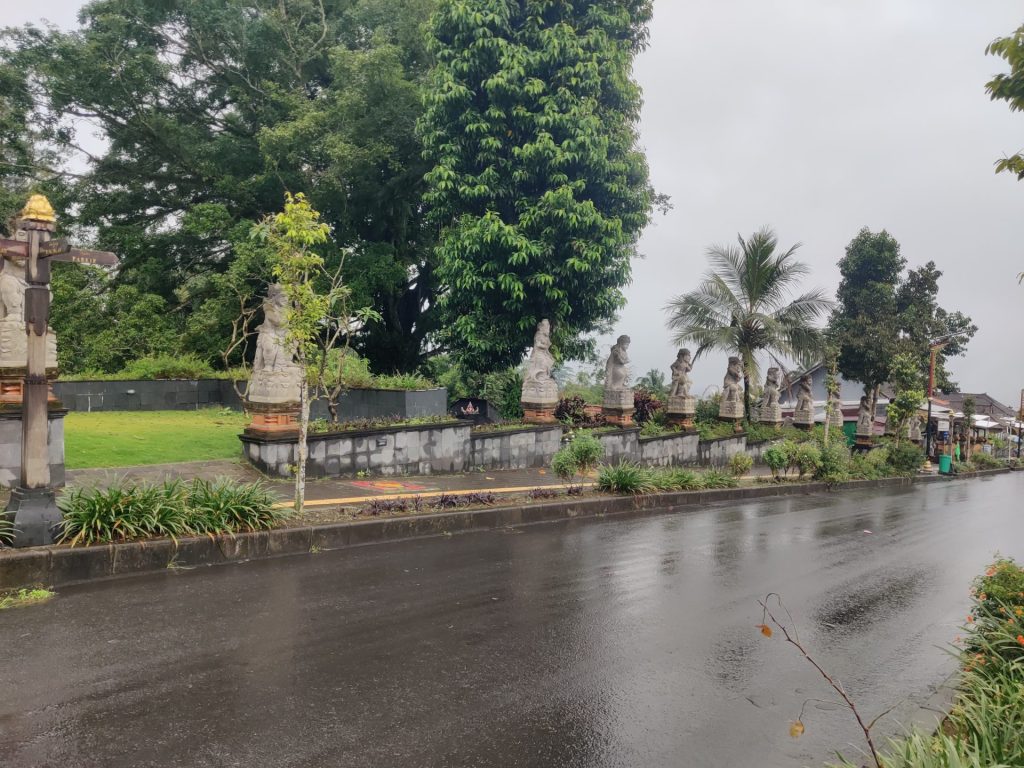
A light drizzle persisted right from the time we had reached the temple which made walking a little tough as the steps leading right upto the top had become a bit slippery.
Time for some lunch at Mahagiri
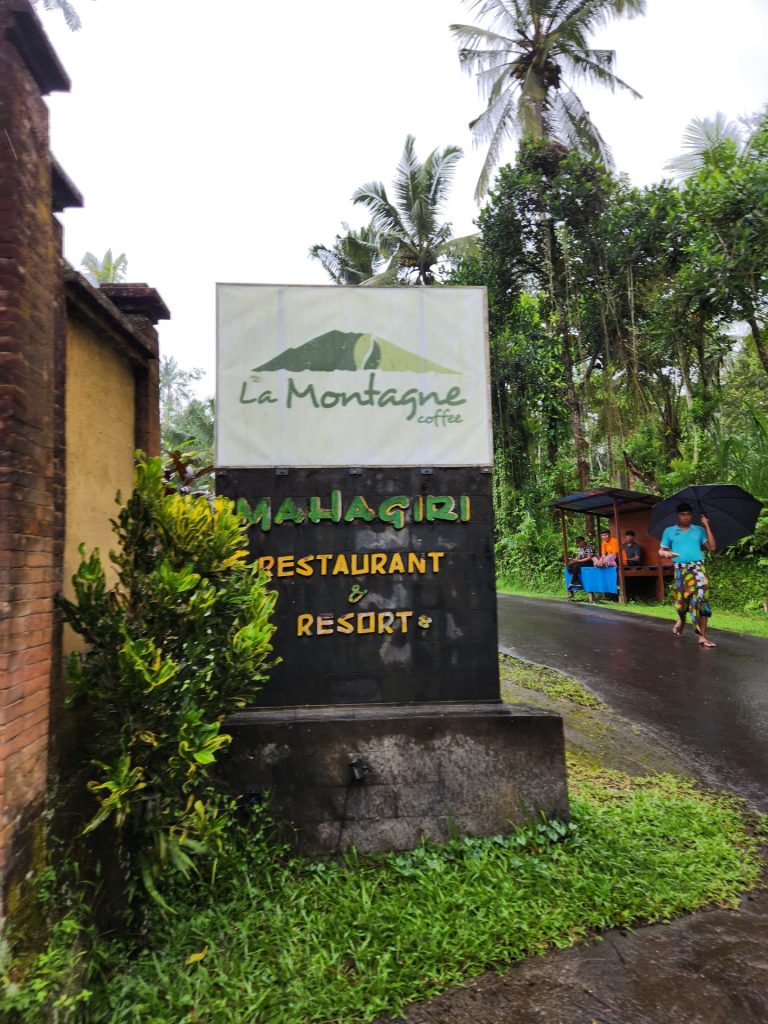
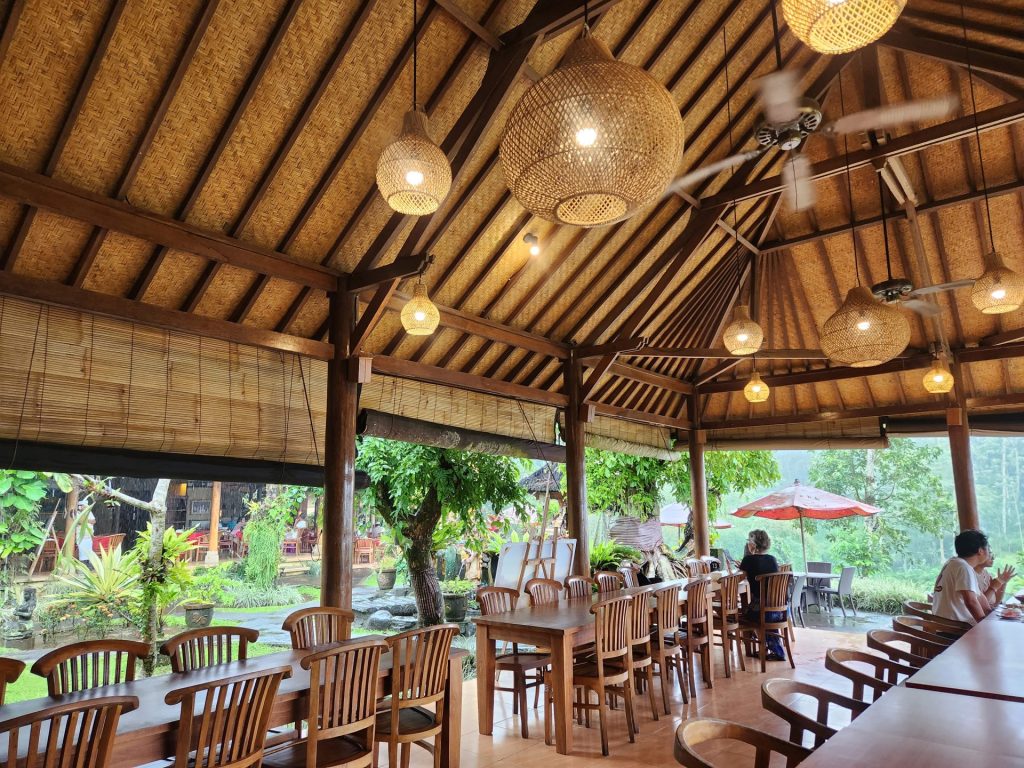
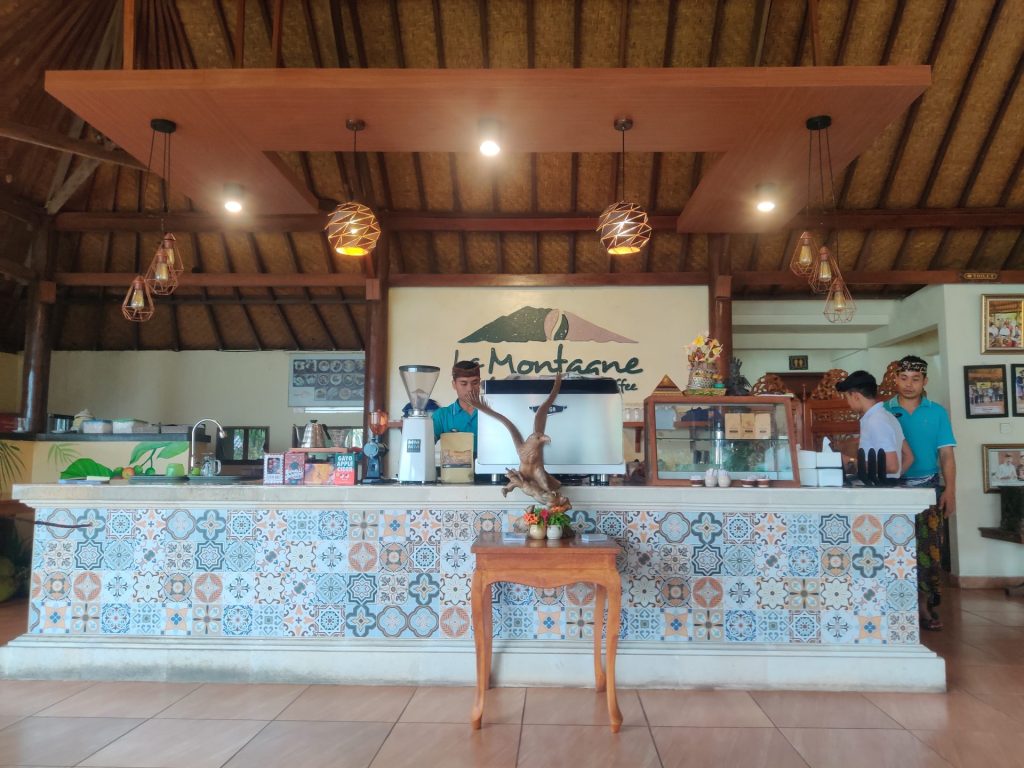
We were out of the temple complex by around 2.30 pm and were starved. A 45 minute drive brought us to the Mahagiri Resort at Kargasem which had panoramic views of rice fields and valleys. We sat at the La Montagne Coffee shop.
While I had read mixed reviews of their Buffet spread, we chose to pick some items from their ala-carte menu. It looked to be a wise choice and we helped ourselves to some really good food.
We were out of the coffee shop by around 4 PM and then began the long drive back to Ubud, located around 36 Kms away.
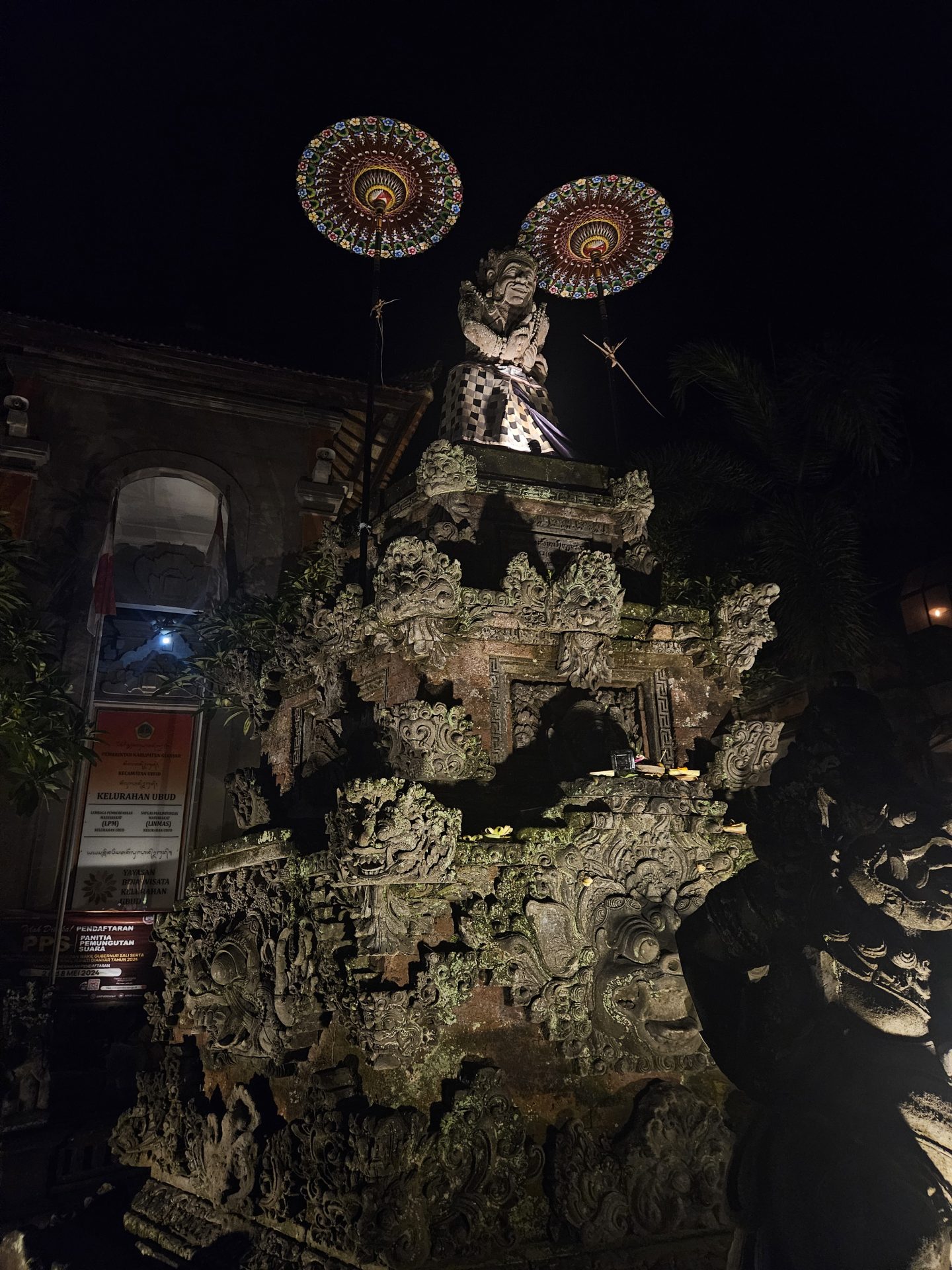
It took us almost an hour and a half to reach Ubud. We had decided to spend the evening at the Central Market rather than get bored at the resort as the Market area was the most happening area around the town of Ubud.
We bid goodbye to Kupit at the Market area after paying him the IDR 700,000 charges for the day and agreed for a pick up time of 9.30 AM the next day which was to be our last day of sightseeing.
The ladies shopped to their heart’s content and after a round of shakes and cold coffee at a local café we hailed a cab back to the resort by around 8 PM.
June 8th 2024
The Goa Gajah Temple at Gianyar
We were done with our breakfast by around 9 AM and were ready. It was again fruits, juices, bread, butter and eggs for us and we set off on our drive towards Western Bali.
Our first stop was at the Goa Gajah Cave temple located adjacent to the Puru Suling restaurant where we had our lunch a couple of days back.
It was 5 kms from our resort and we reached in 10 minutes.
The kids opted to stay back in the car while we both went across to the temple.
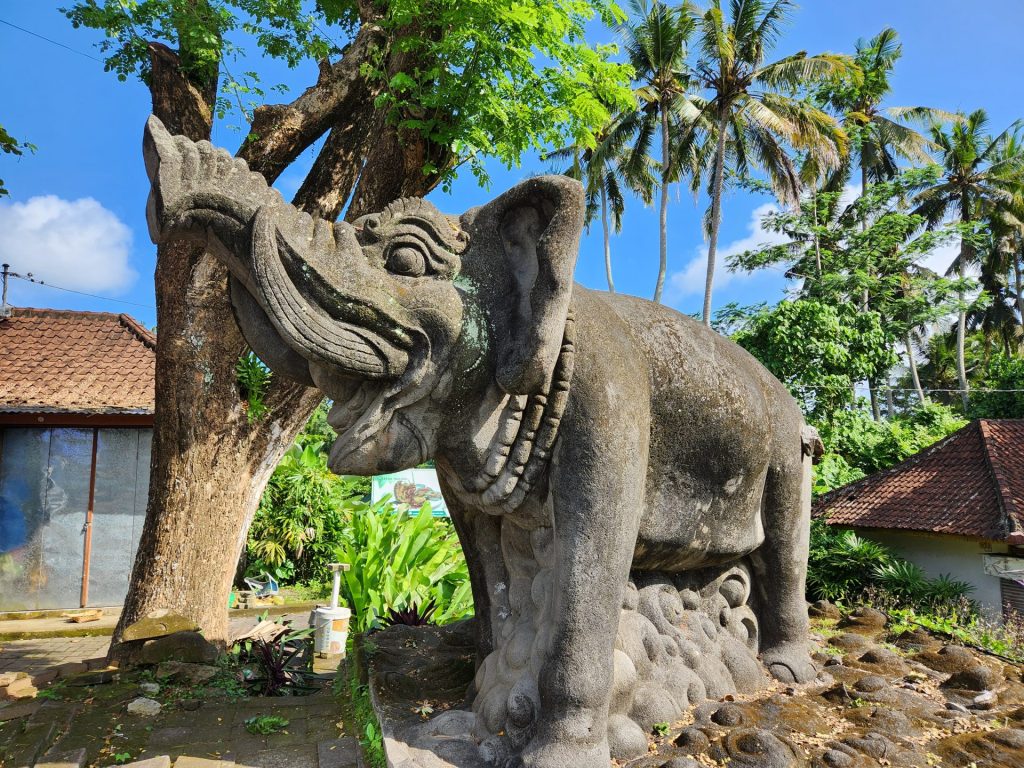
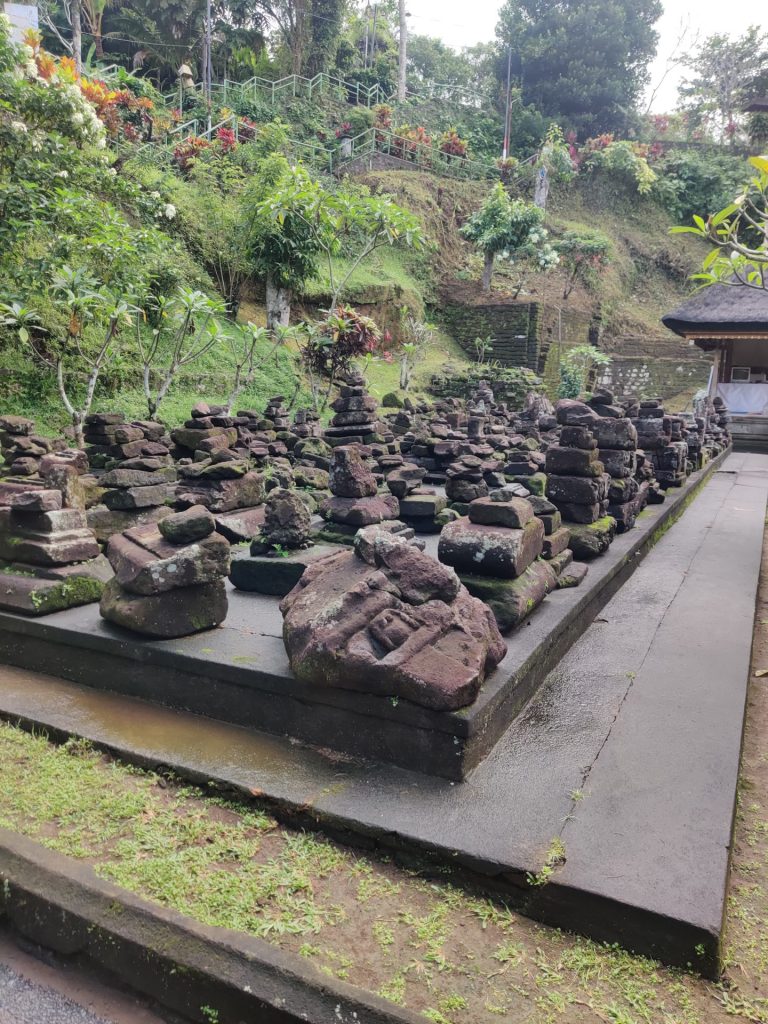
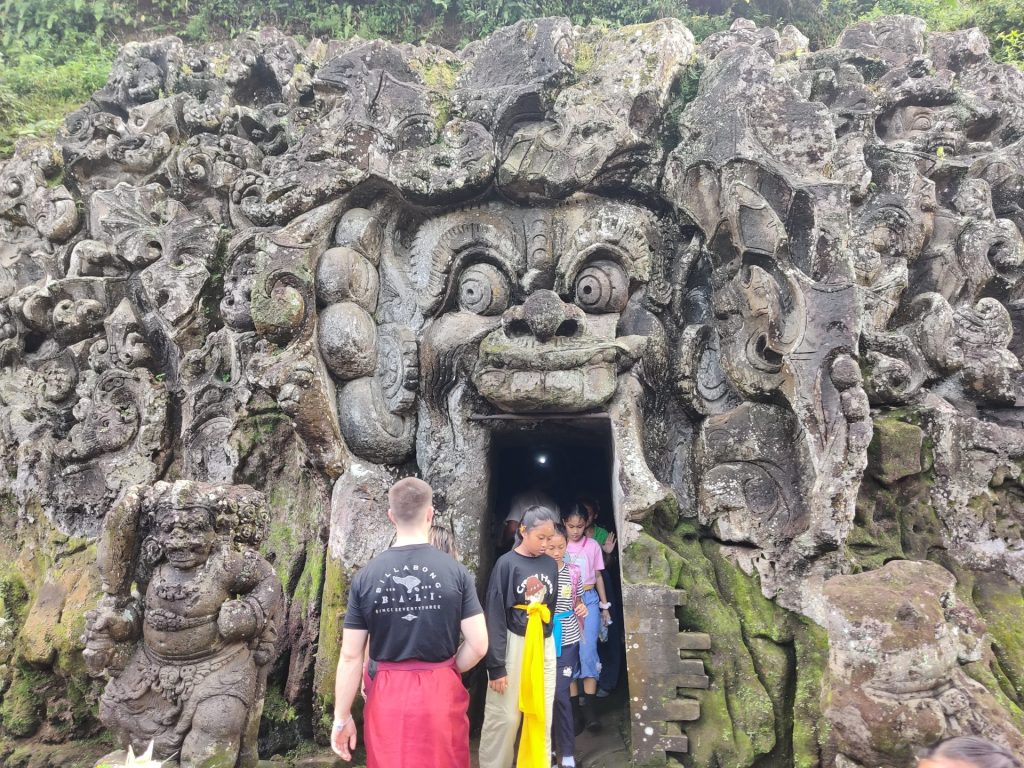
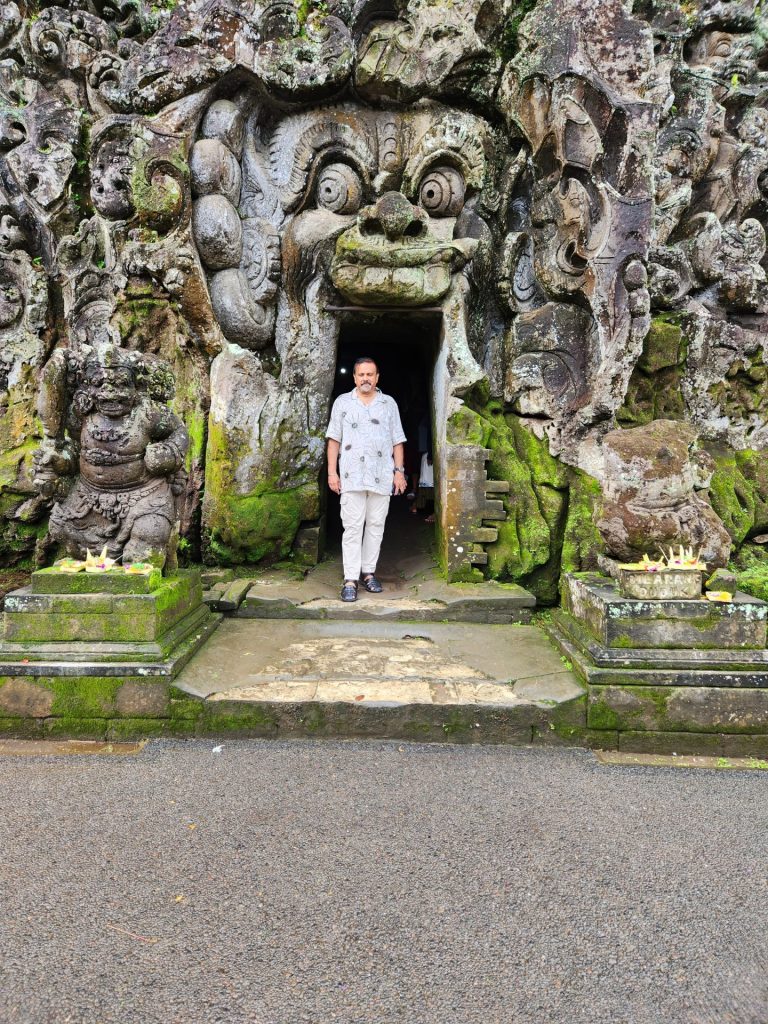
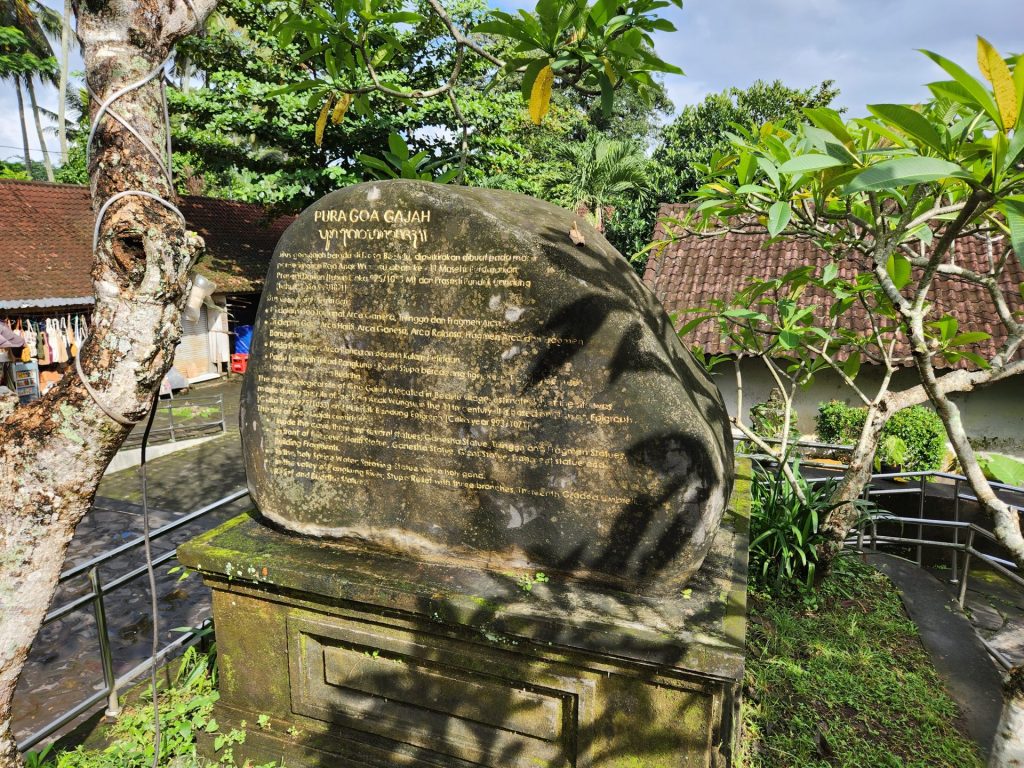
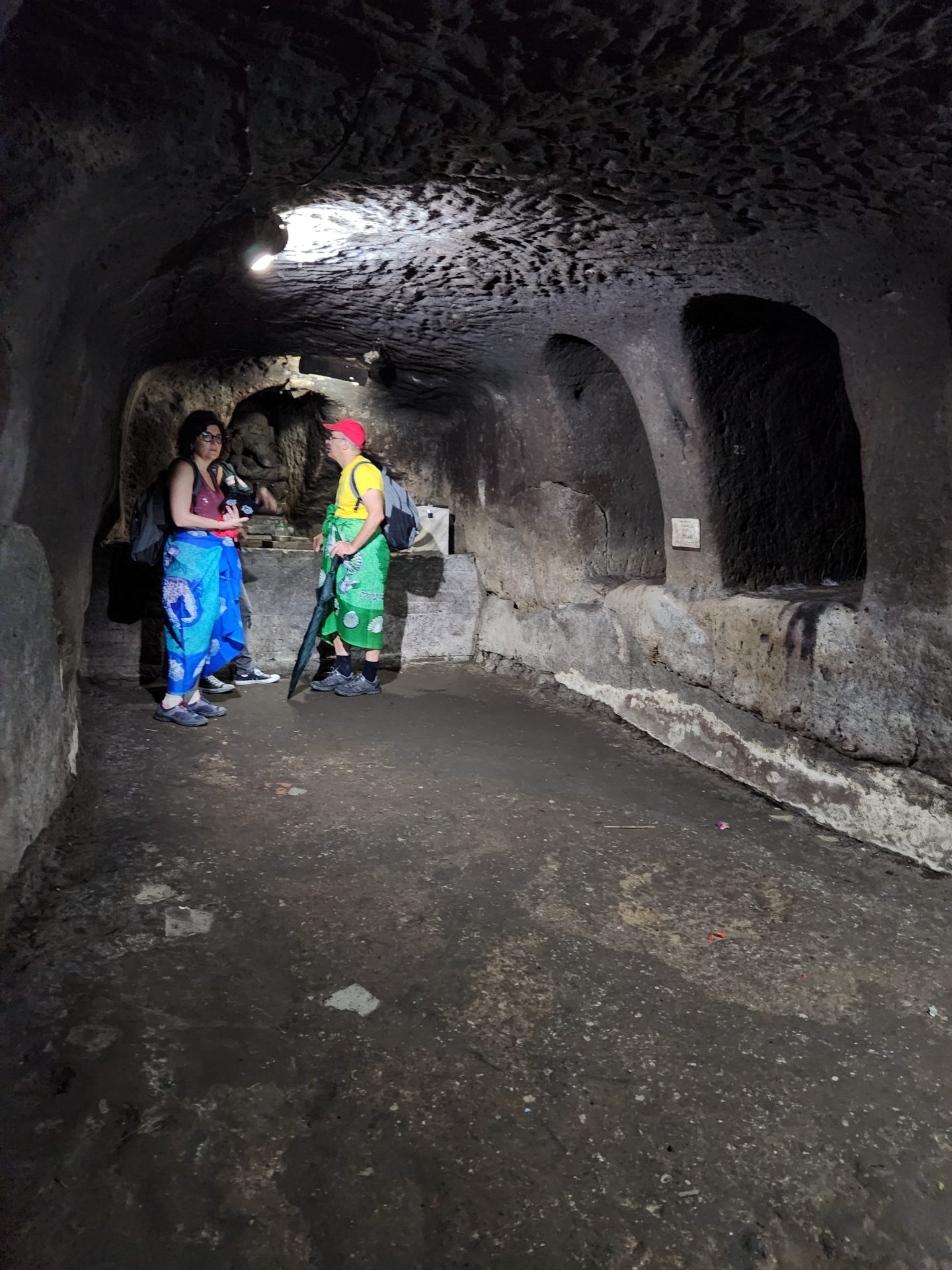
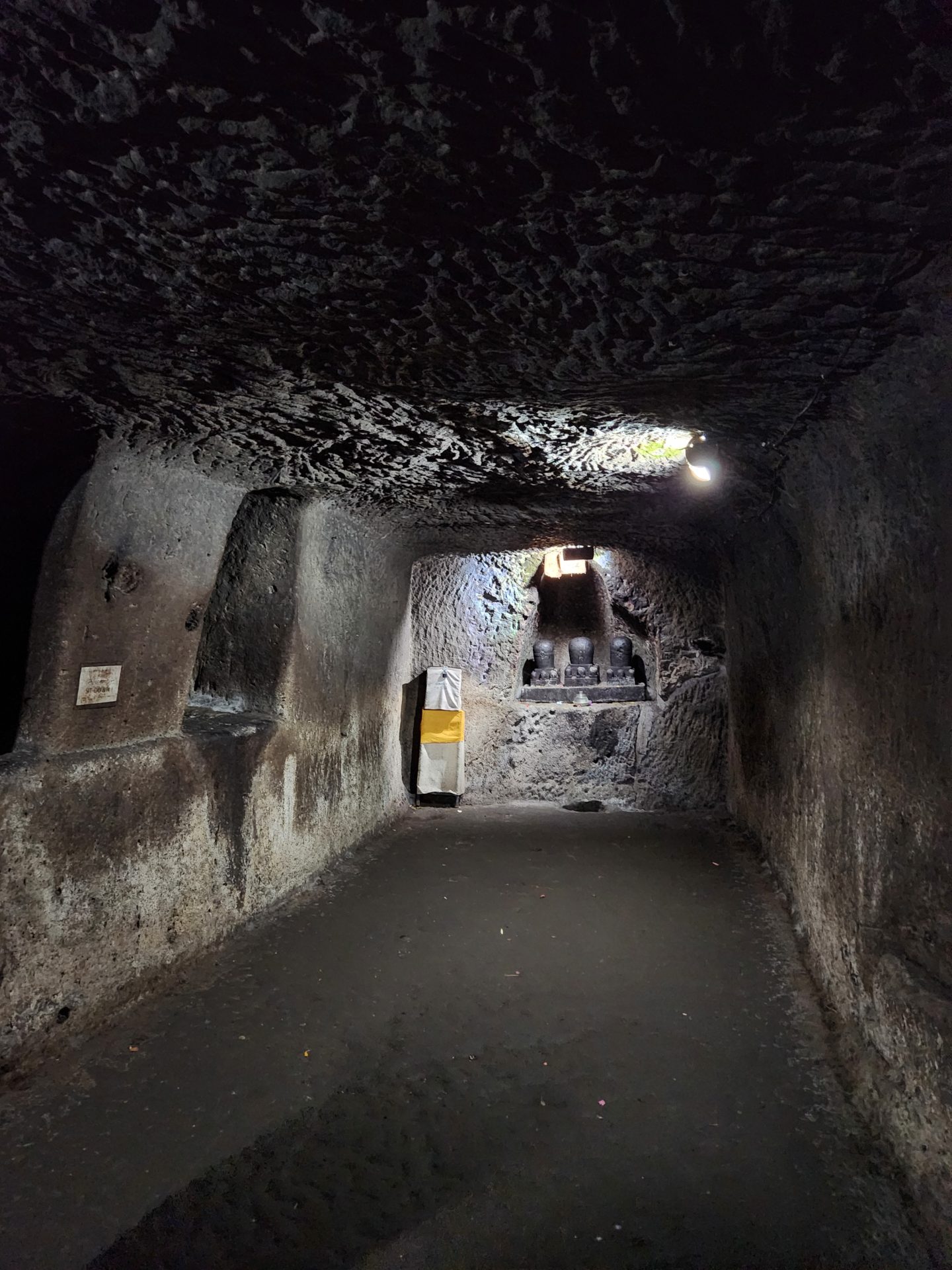
Believed to have been built in the 9th century though it looks more dated towards the 11th century when the Bali kingdom came into existence, Goa Gajah, meaning “The Elephant Cave” is believed to have been built for spiritual meditation.
As per folklore, the cave was supposed to have been created out of the fingernail of the legendary giant Kebo Iwa.
The Dutch archaeologists discovered this cave in 1923 while the bathing pool and the fountains were discovered on 1954 only.
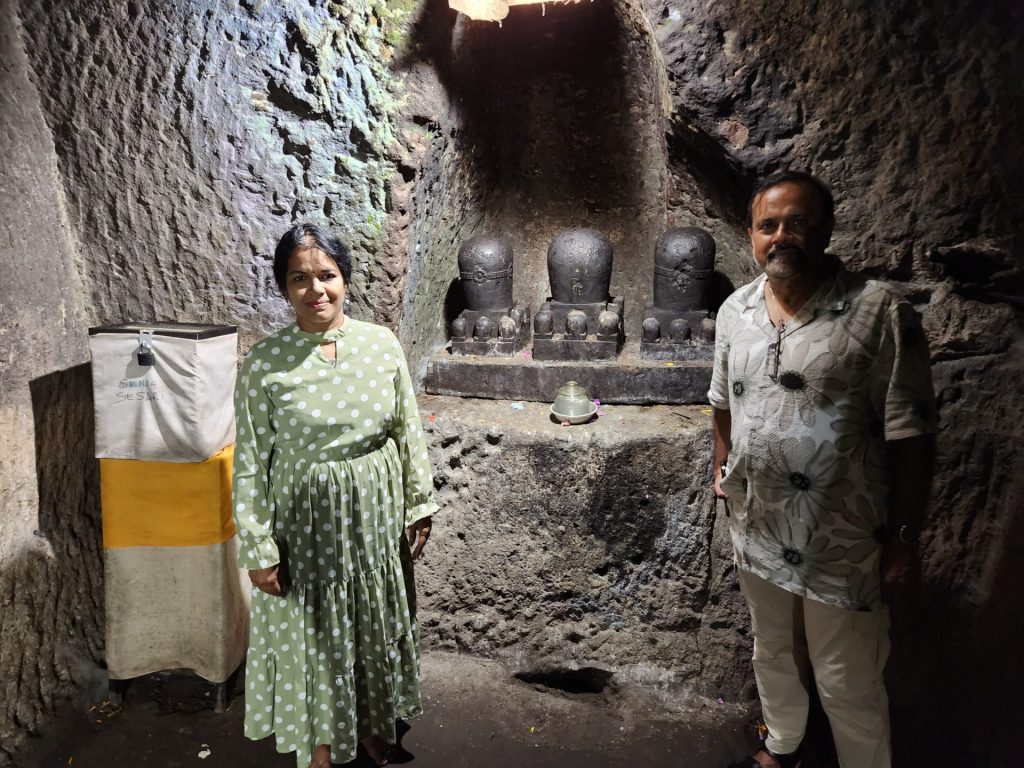
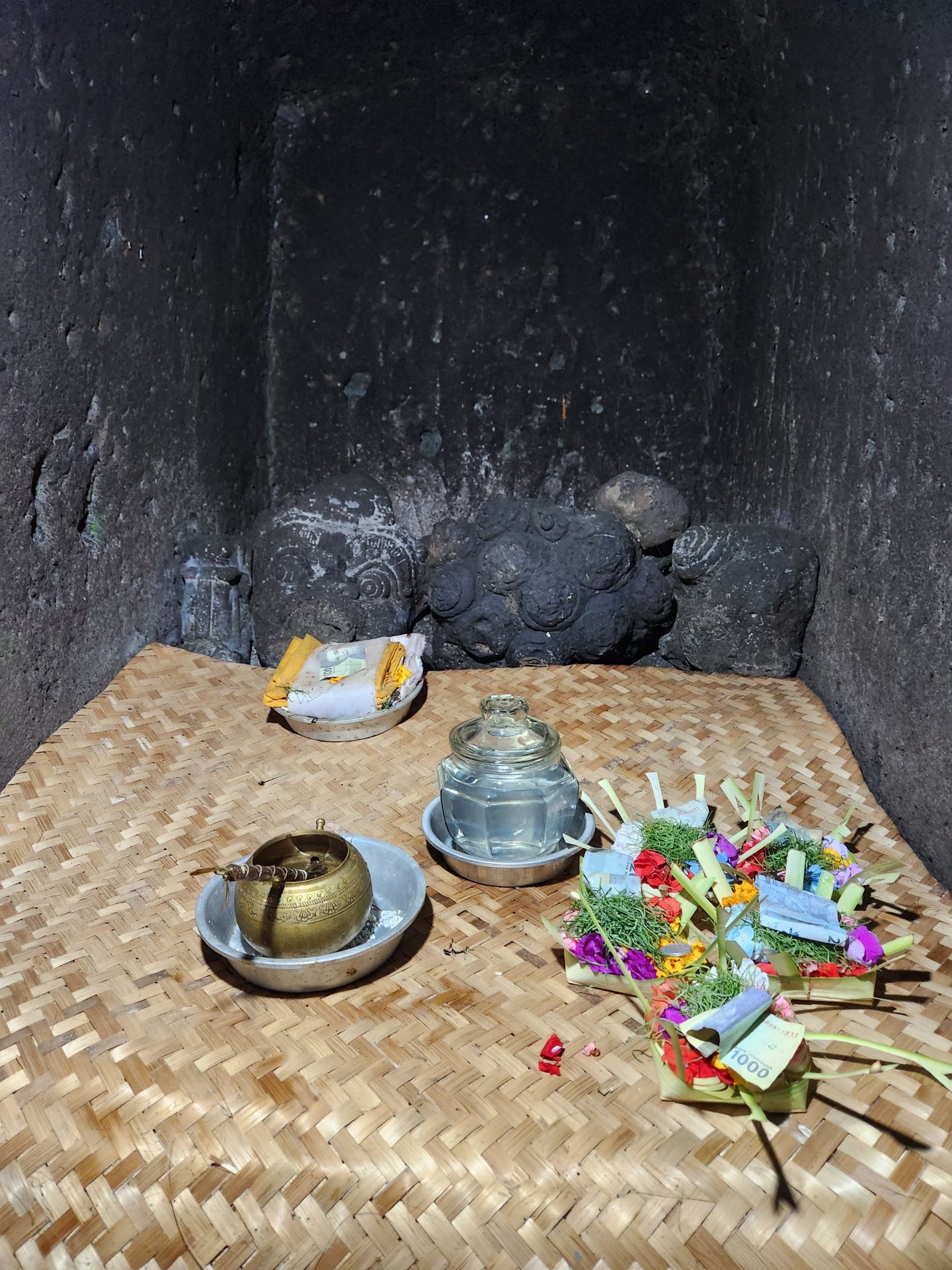
The cave complex has imagery of Hinduism and Buddism while the cave has symbols of Shiva and Ganesha. The temple has menacing faces carved into the stone, apparently to ward off evil spirits. This site was added to the UNESCOWorld Heritage Tentative List on October 19, 1995, in the Cultural category, but was pulled out along with 11 other sites in the year 2015.
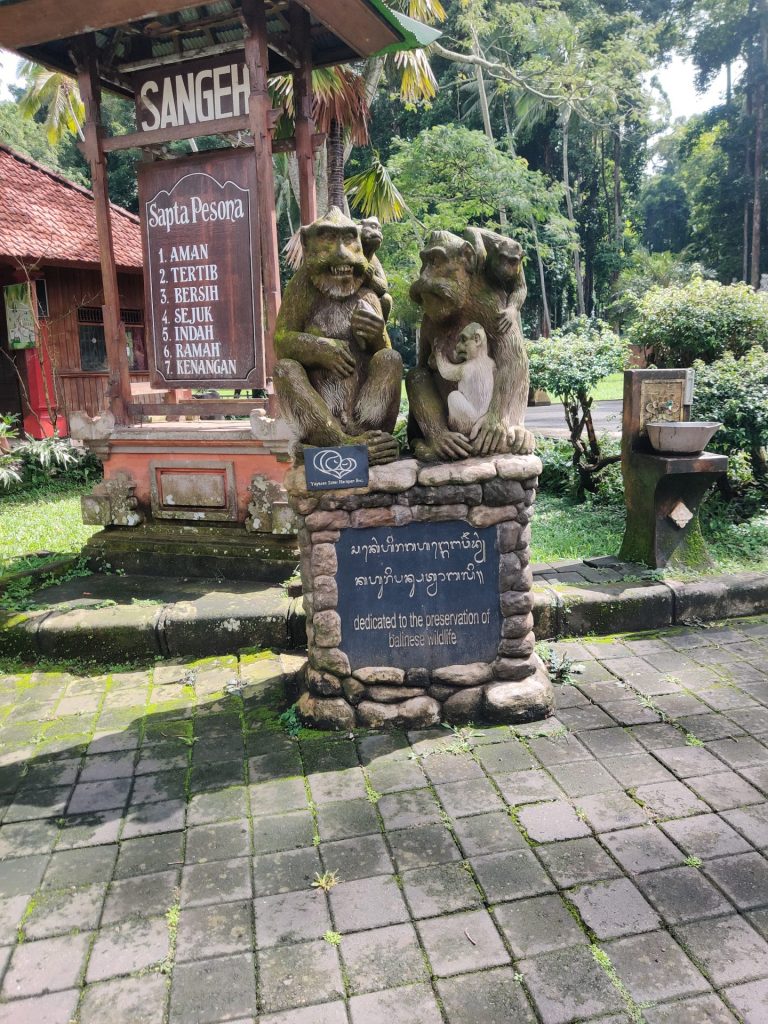
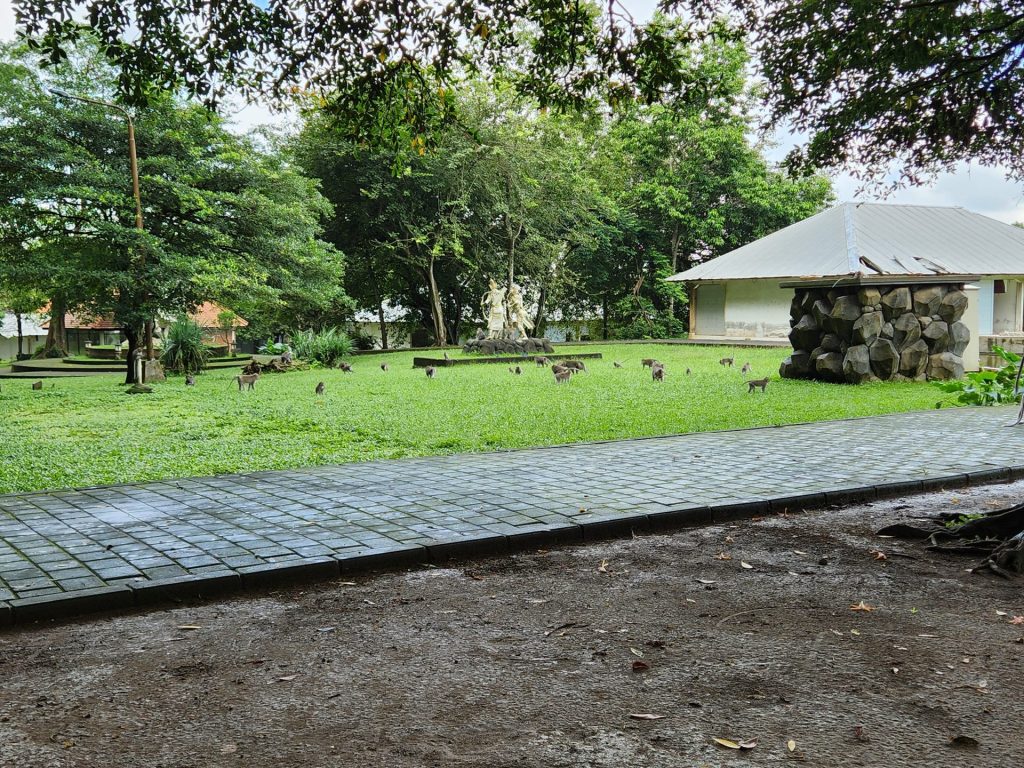
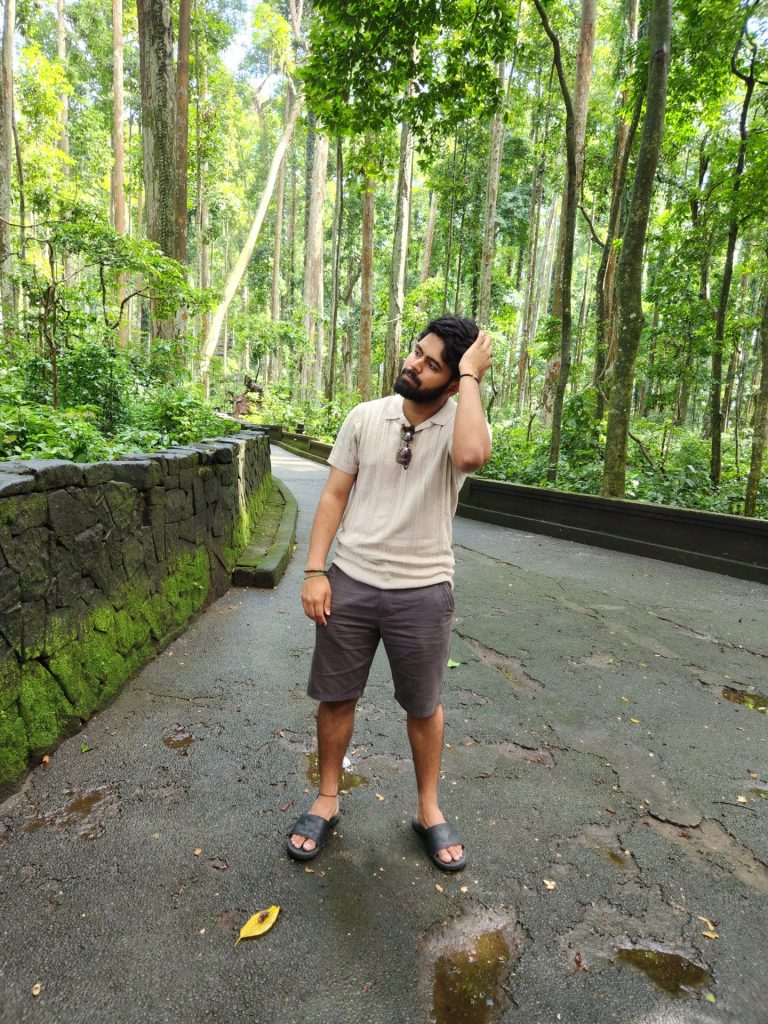
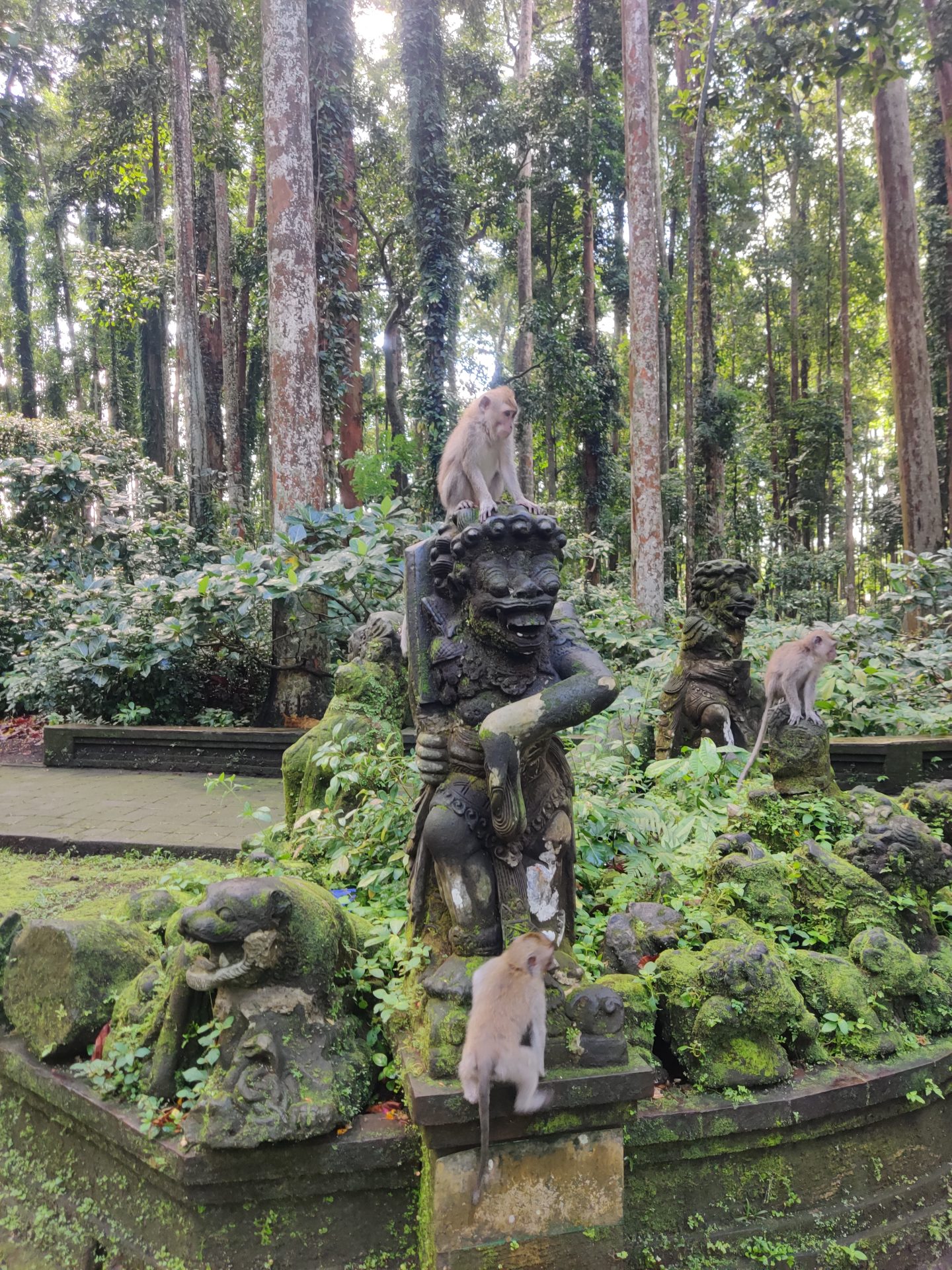
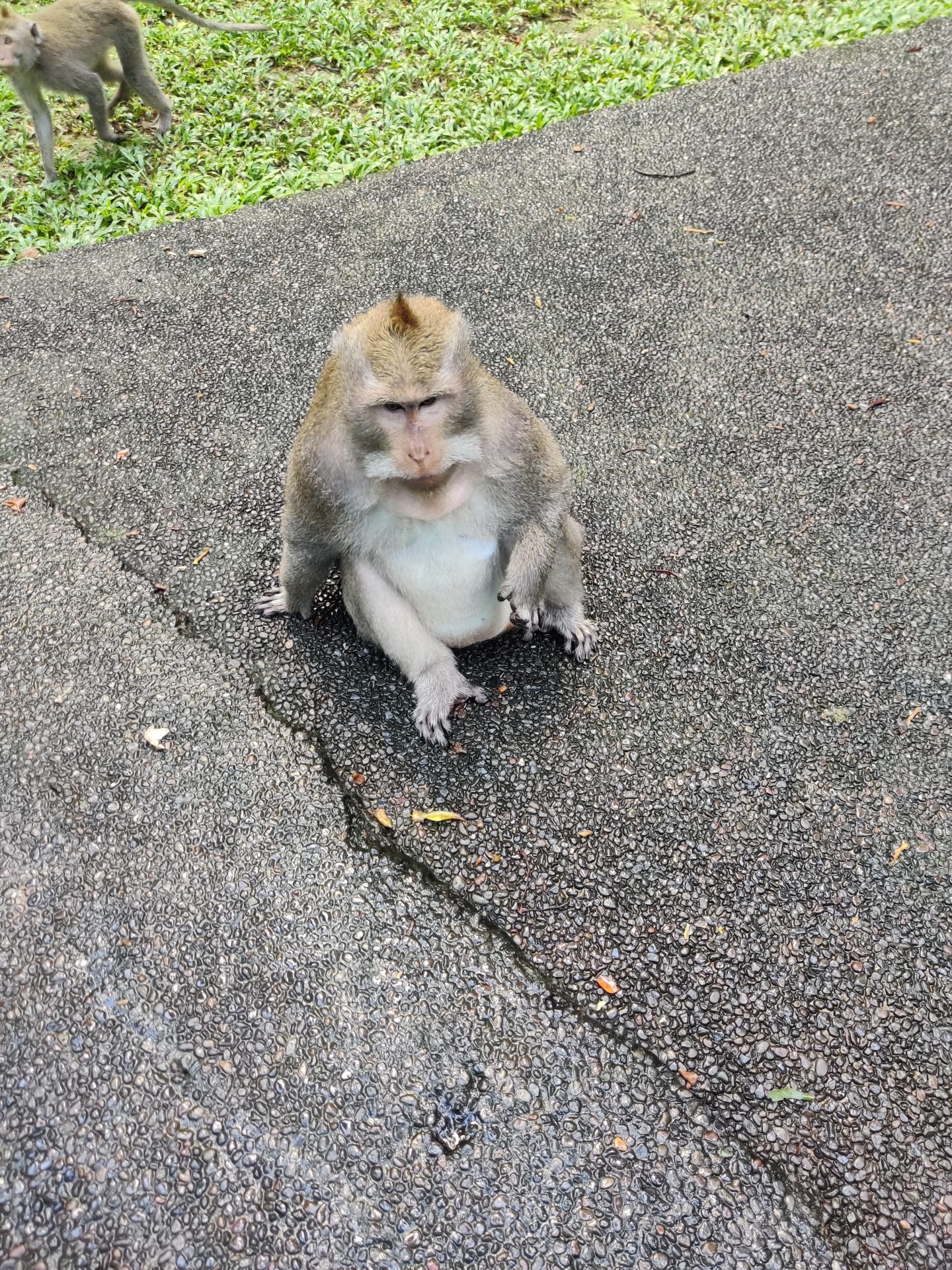
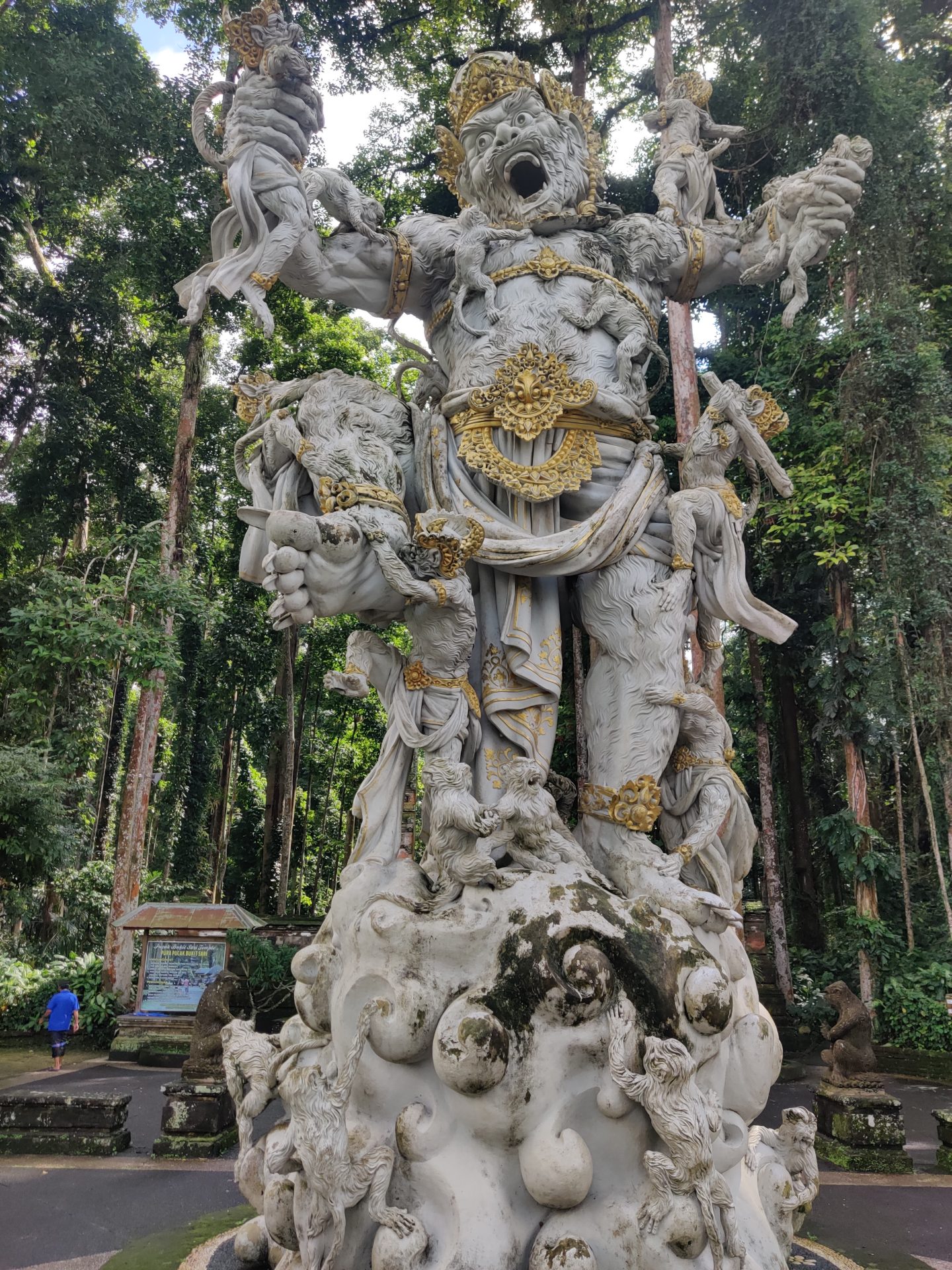
After driving for around 15 to 16 kms, we stopped at the Sangeh Monkey Forest. While we had heard about the monkey forests of Bali, we had no idea of what to expect and took the plunge of entering the area and experiencing it ourselves first hand.
Tickets were priced at 75,000 IDR (Rs.400/-) per head and we were each given a bag of peanuts to distribute across to the monkeys.
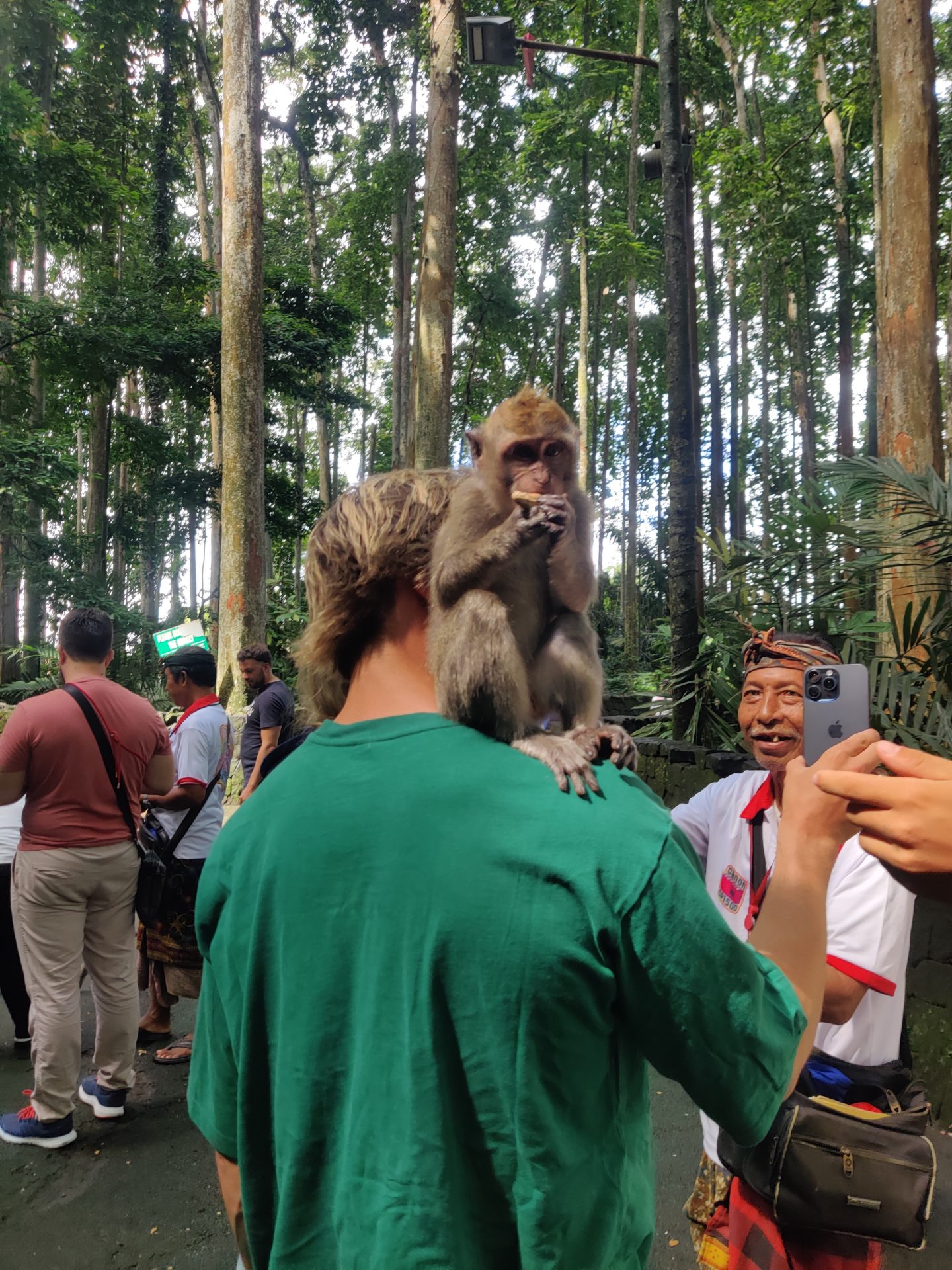
The initial period was fun with an assortment of young and old simians following us and we doing the routine throw of peanuts onto the road and they being content until we ran out of stock.
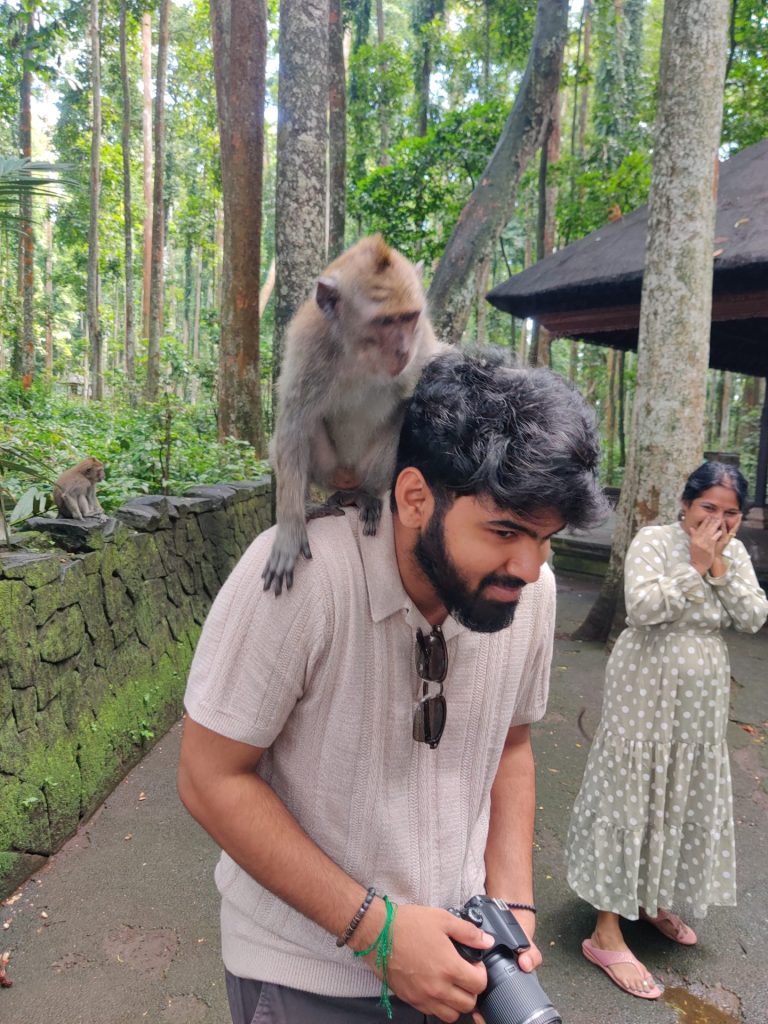
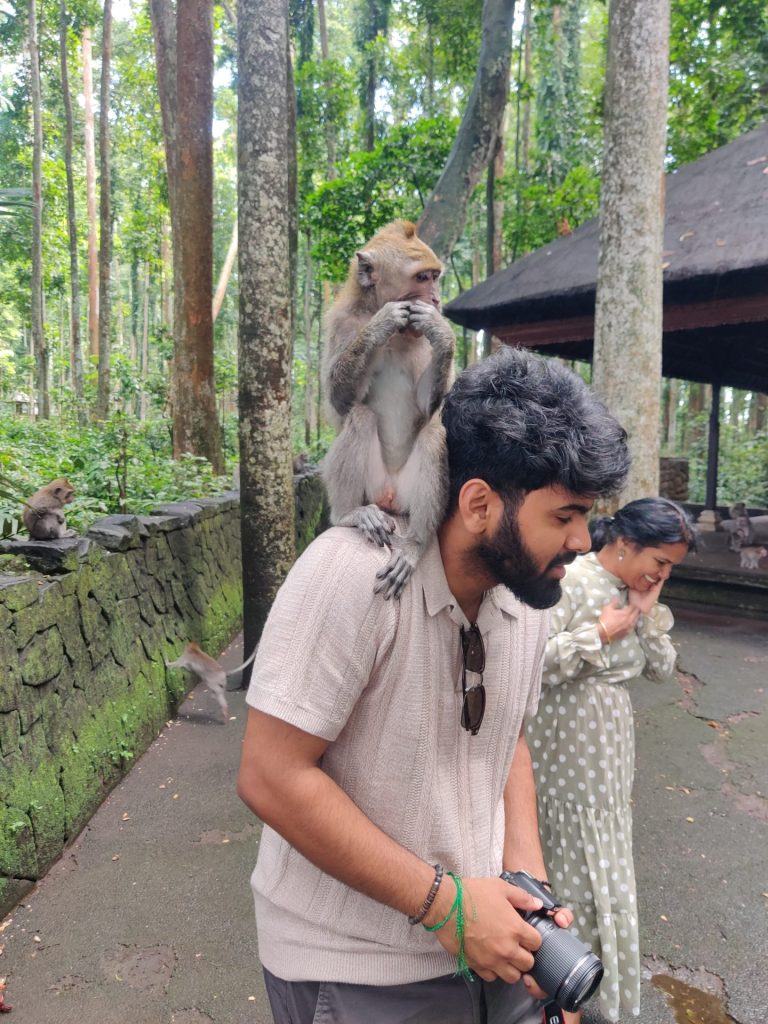
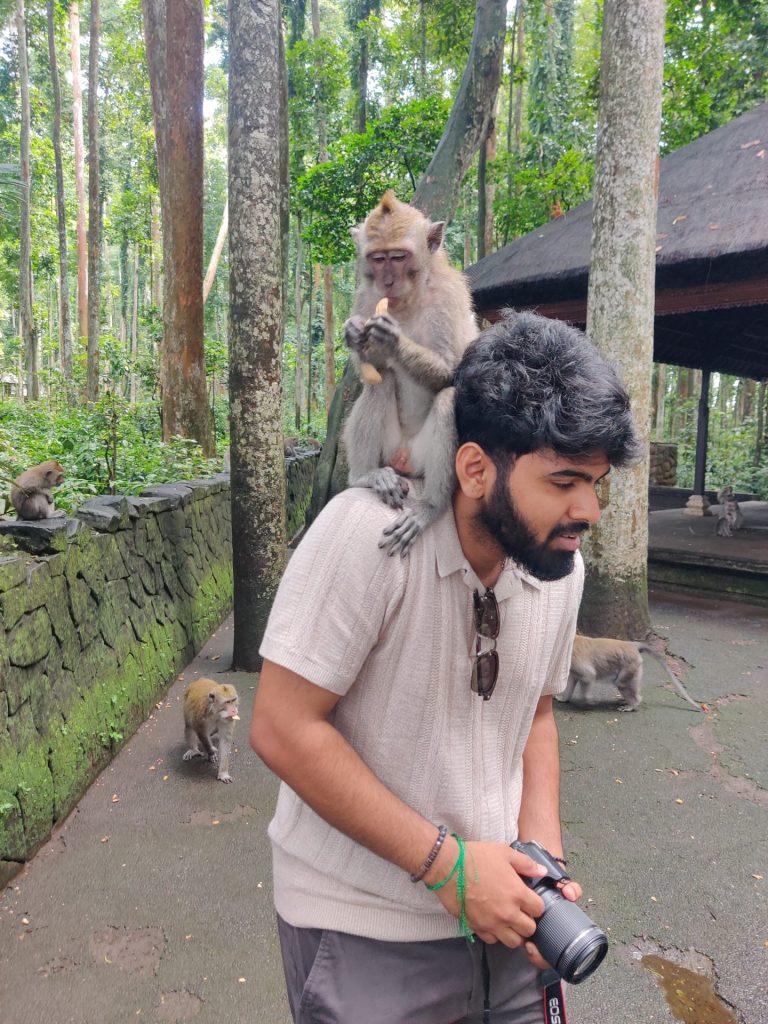
They kept circling us and there was an entire artillery of them, running from one end to the other until one of them even landed on my son’s head.
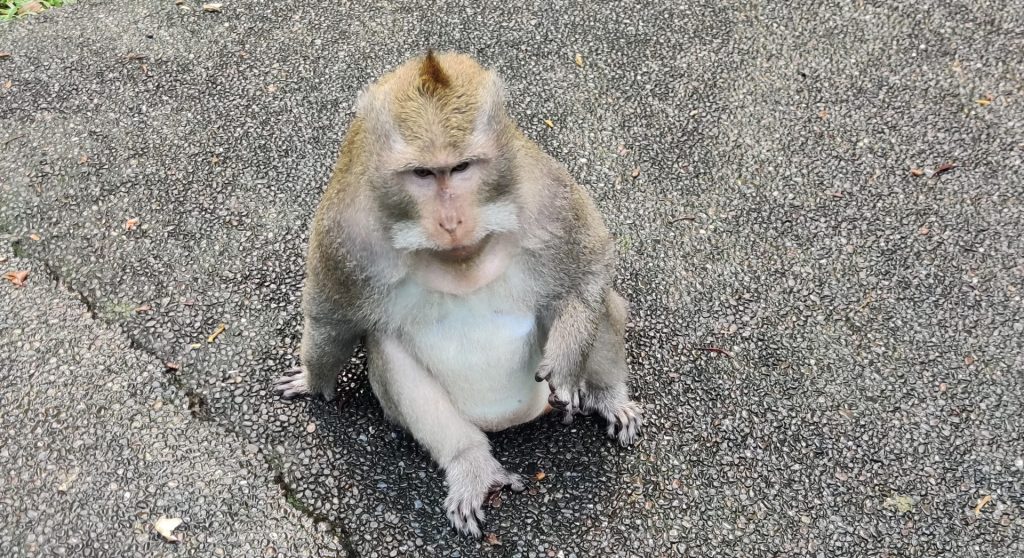
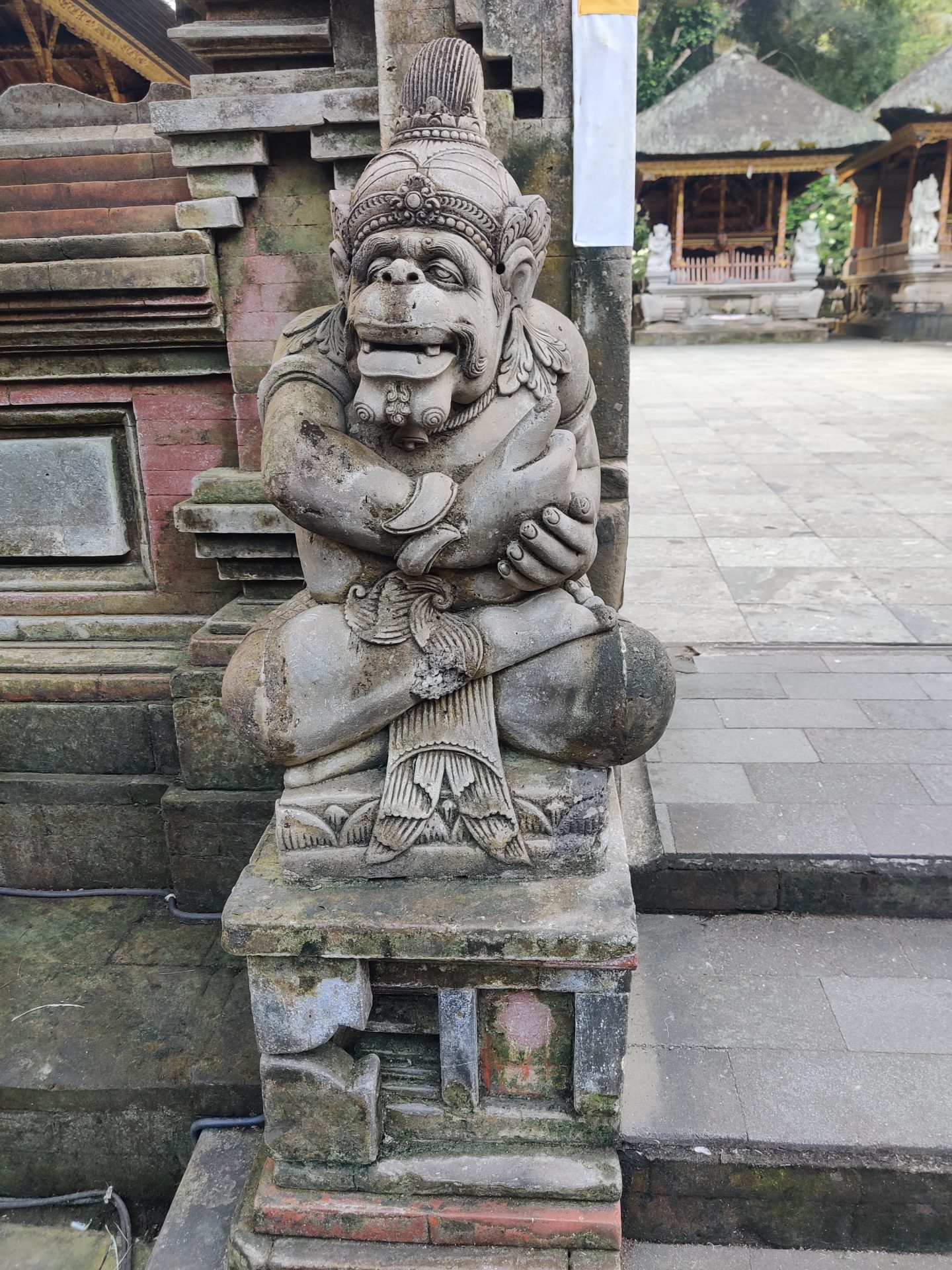
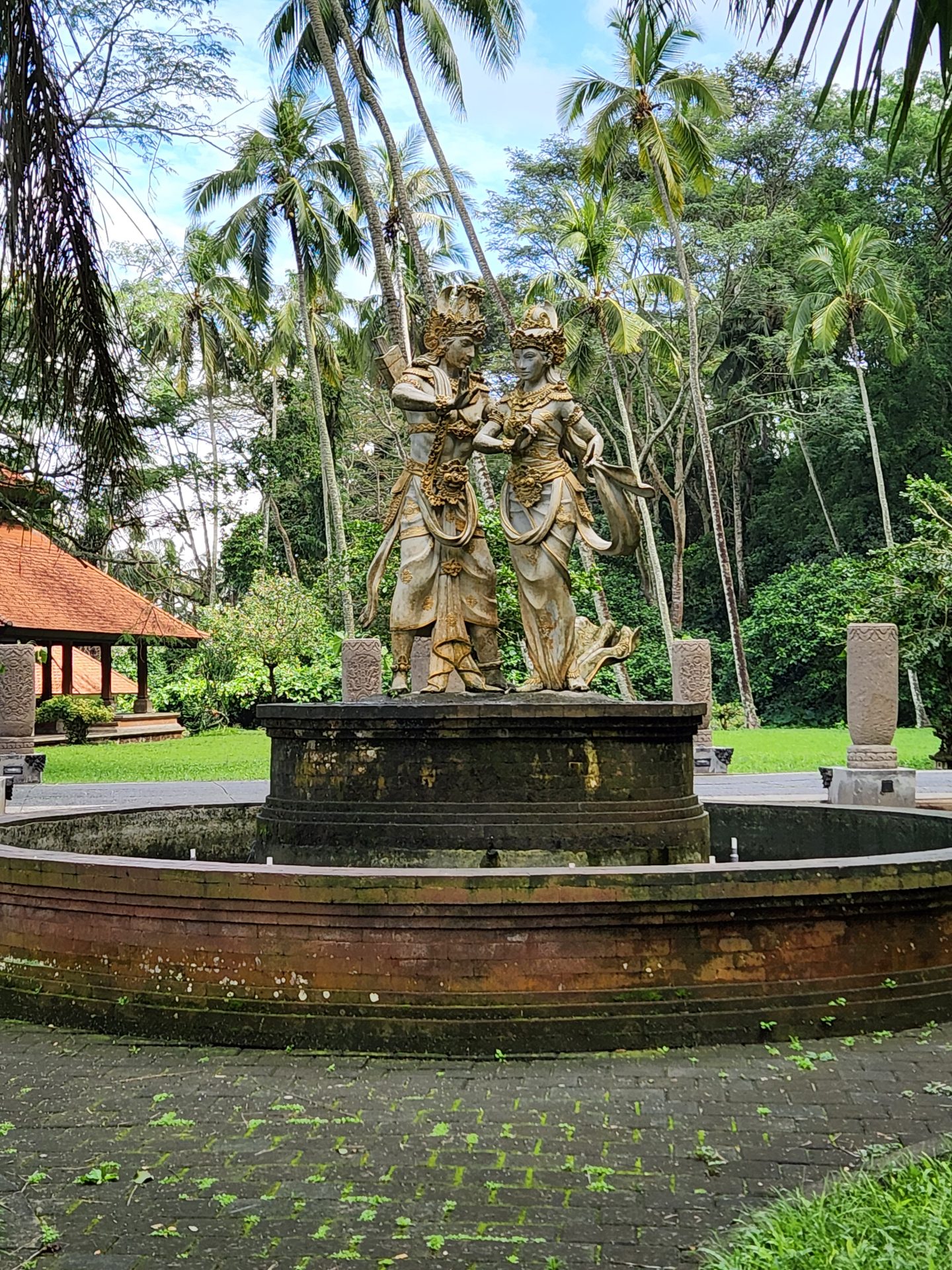
It was both scary and fun but they looked pretty playful and after sometime, left us to ourselves. We had an opportunity to see their king, a motley figure with a moustache sitting quietly on a ledge and taking stock of the situation. We were out in around 45 minutes after some lovely photo shoots of some very candid expressions and some well sculpted statues and left for the most awaited place in our itinerary – the Ulan Danu Beratan Temple.
The Ulan Danu Beratan Temple
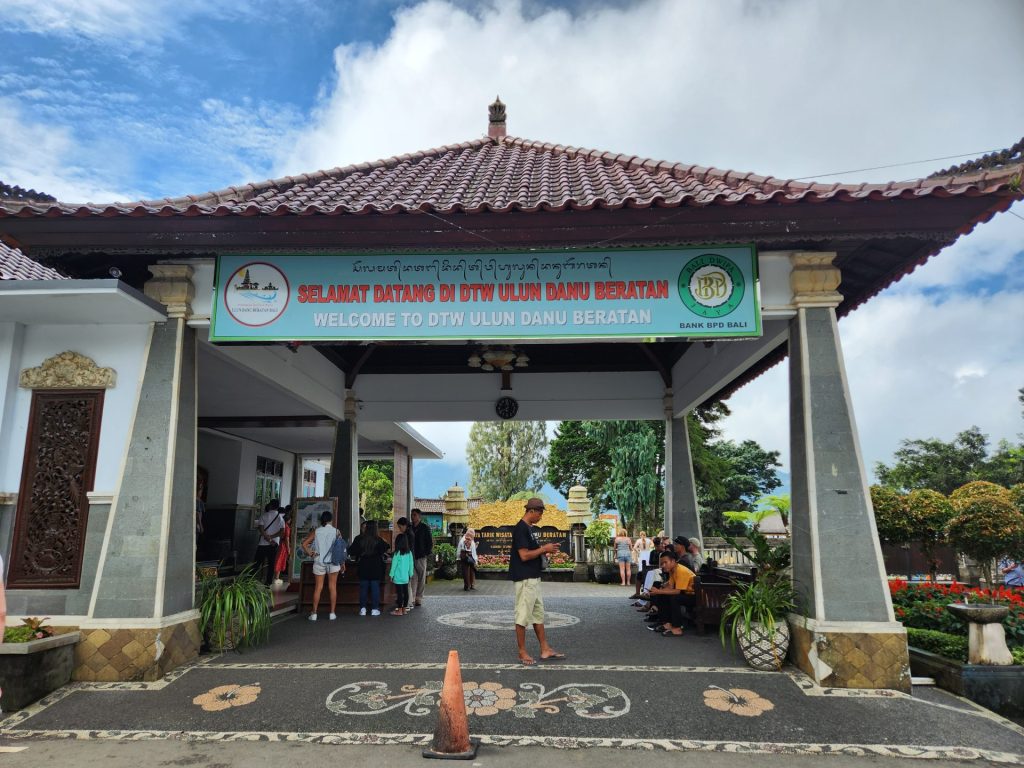
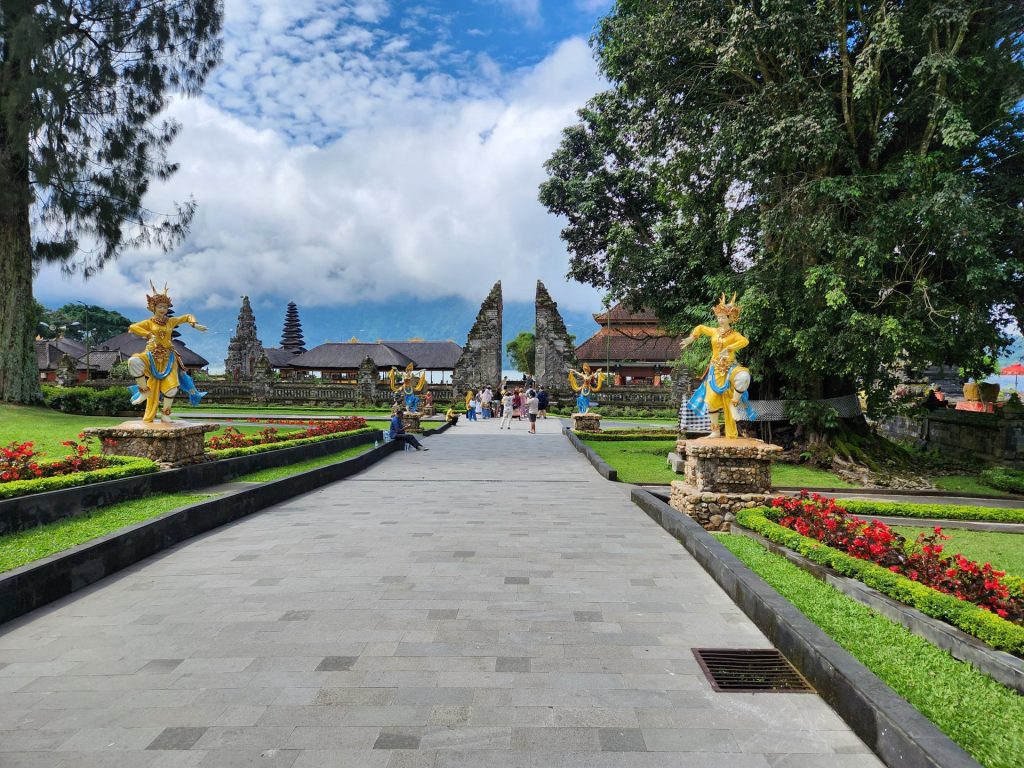
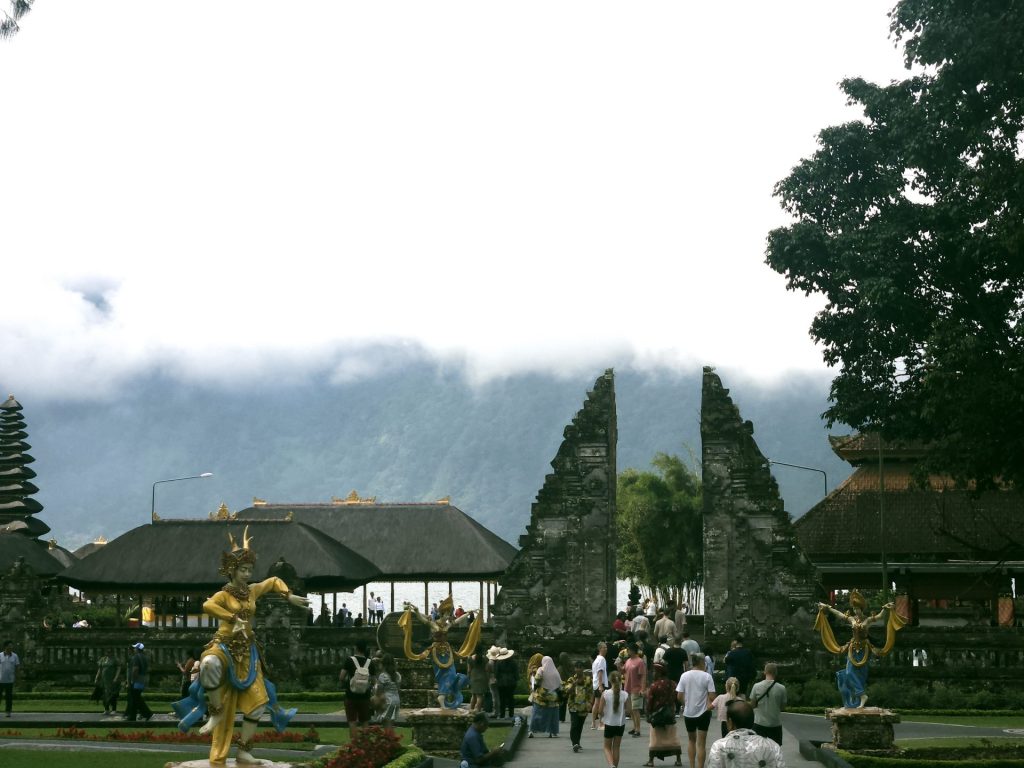
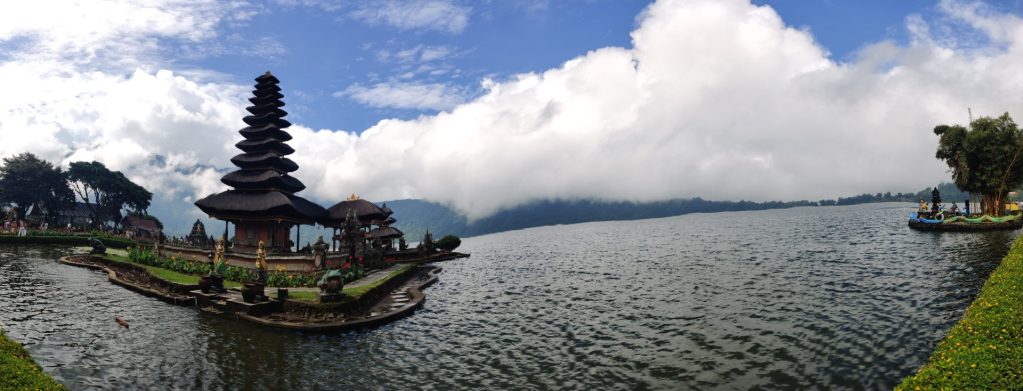
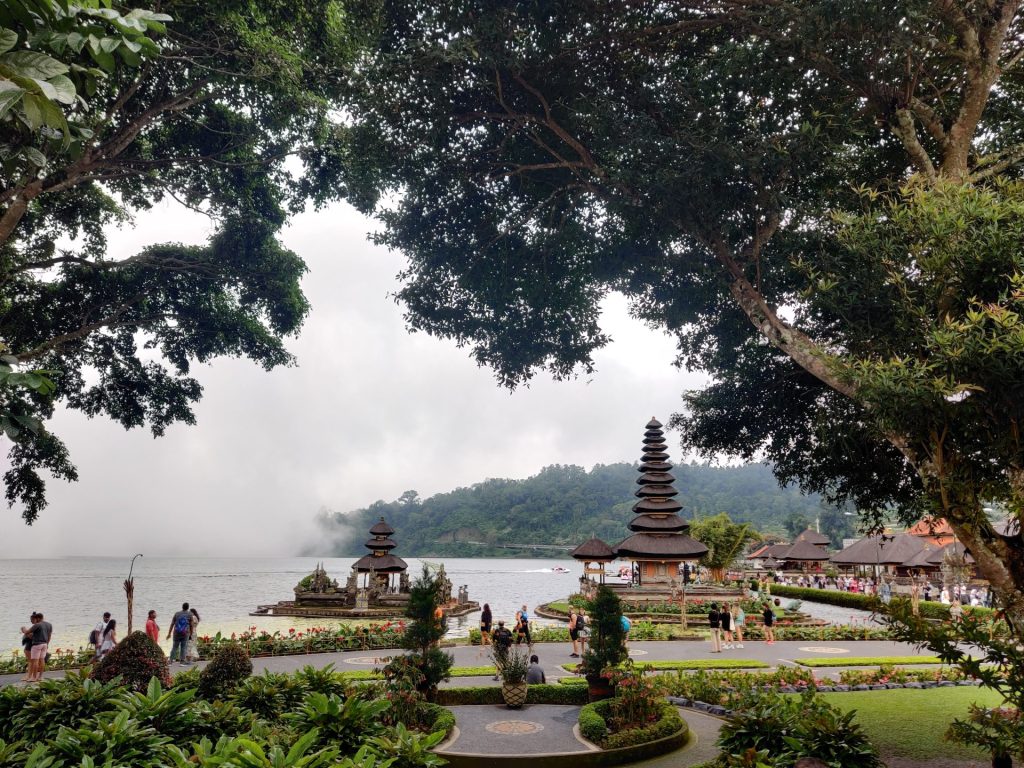
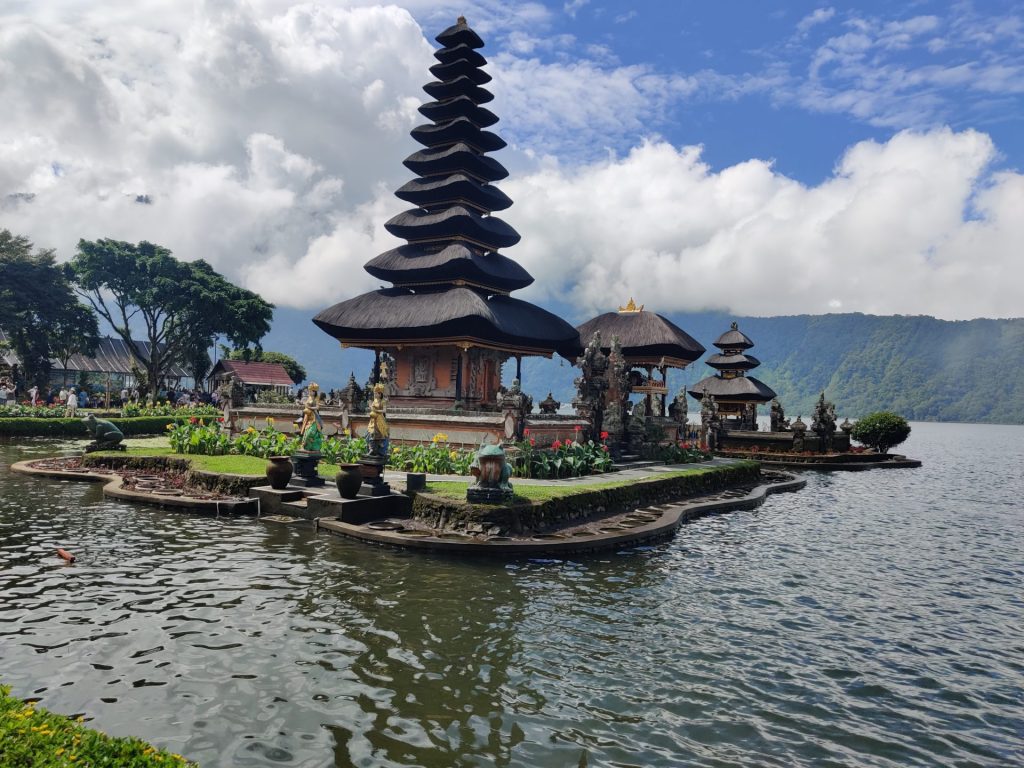
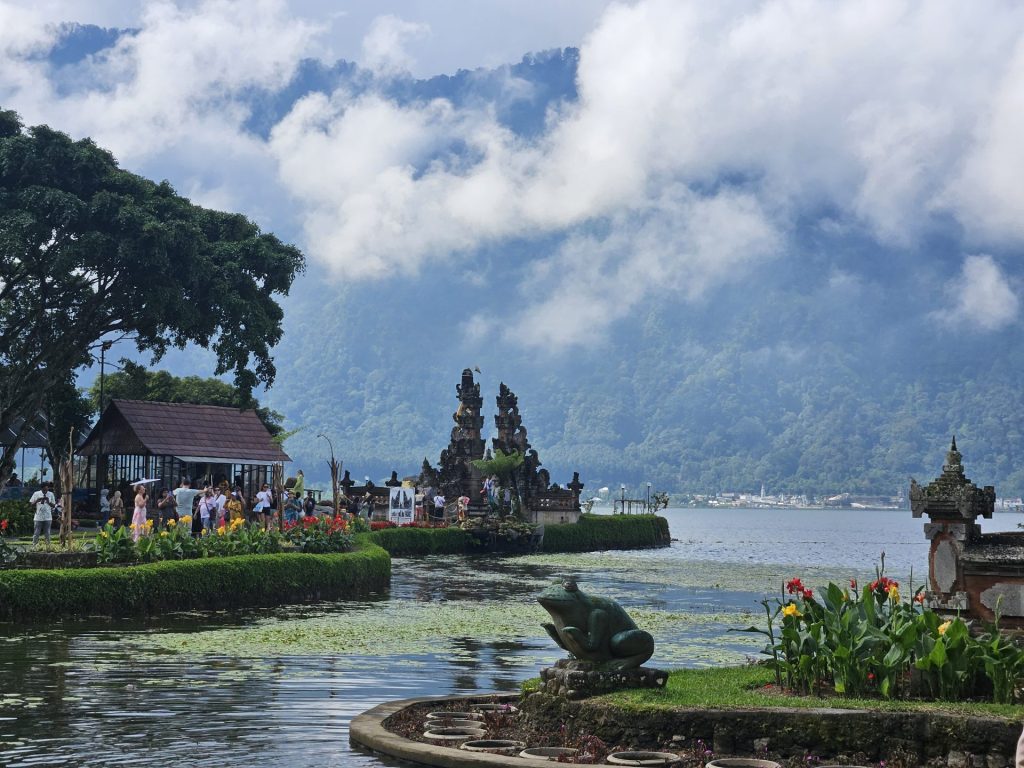
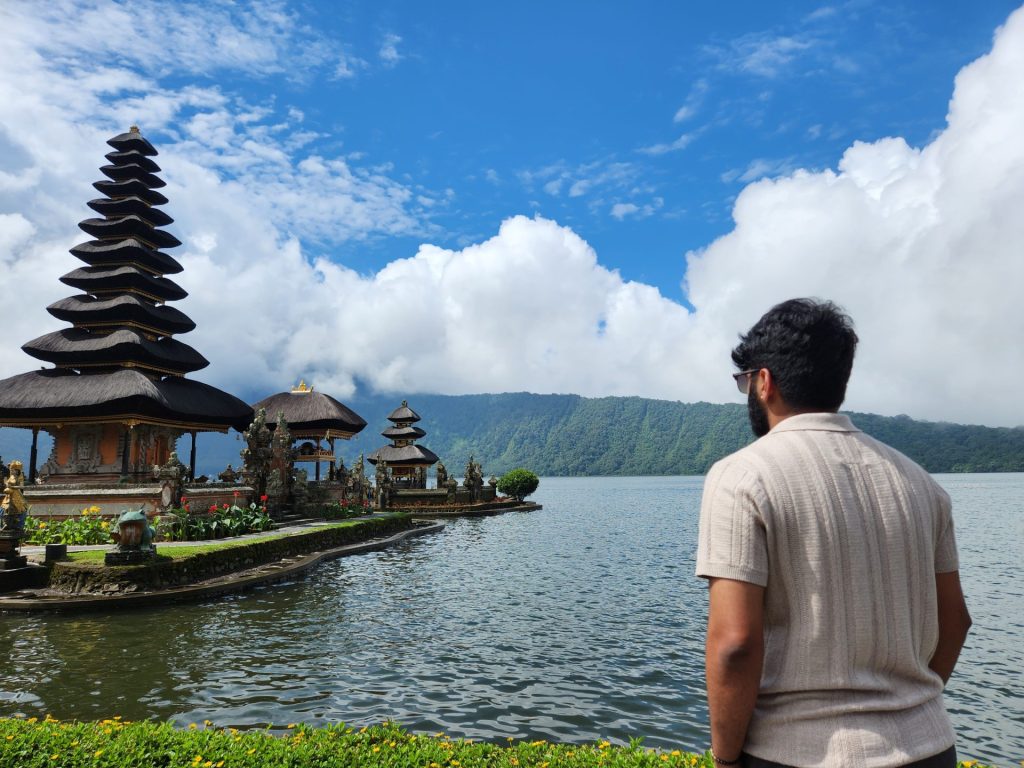
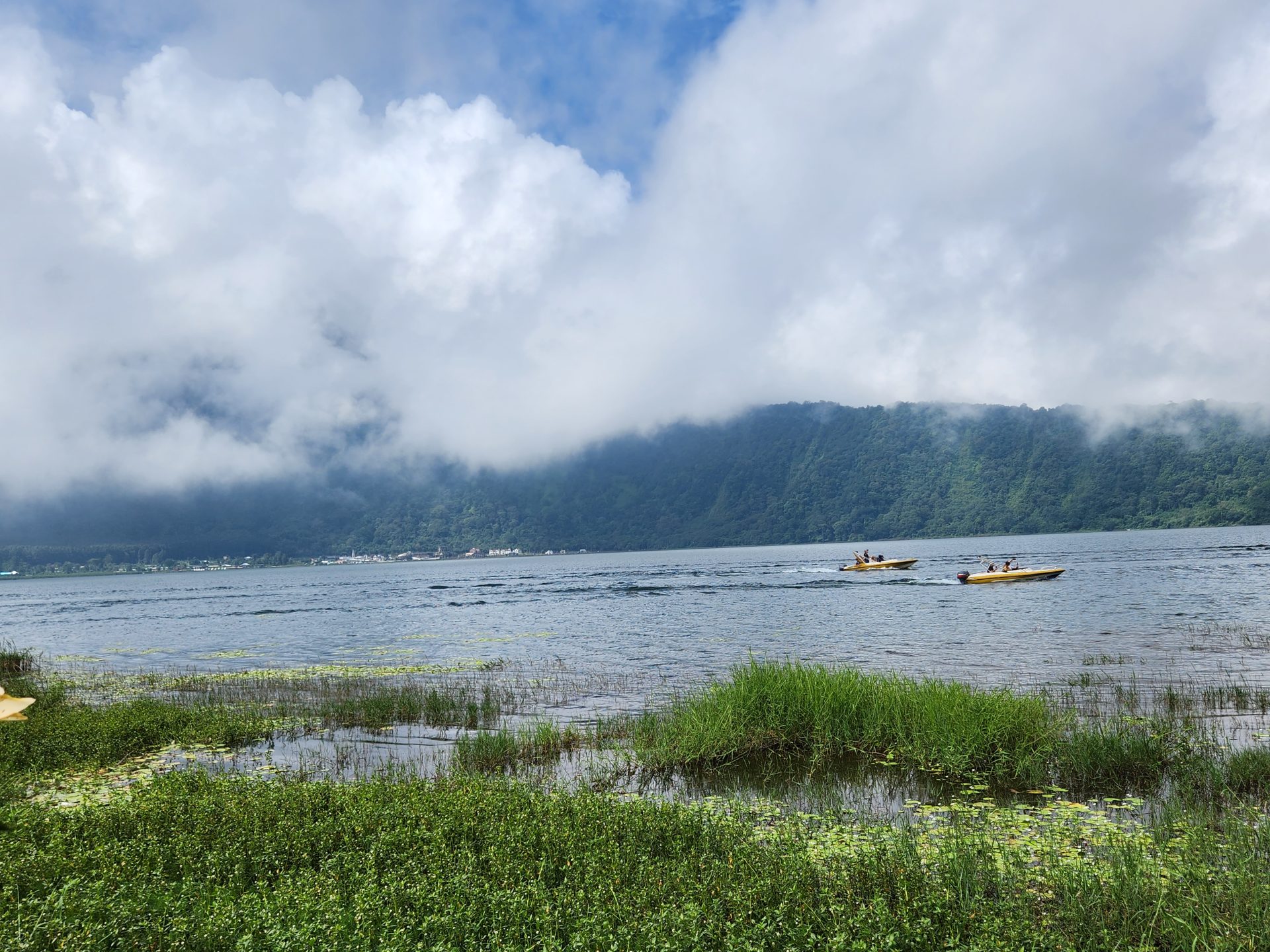
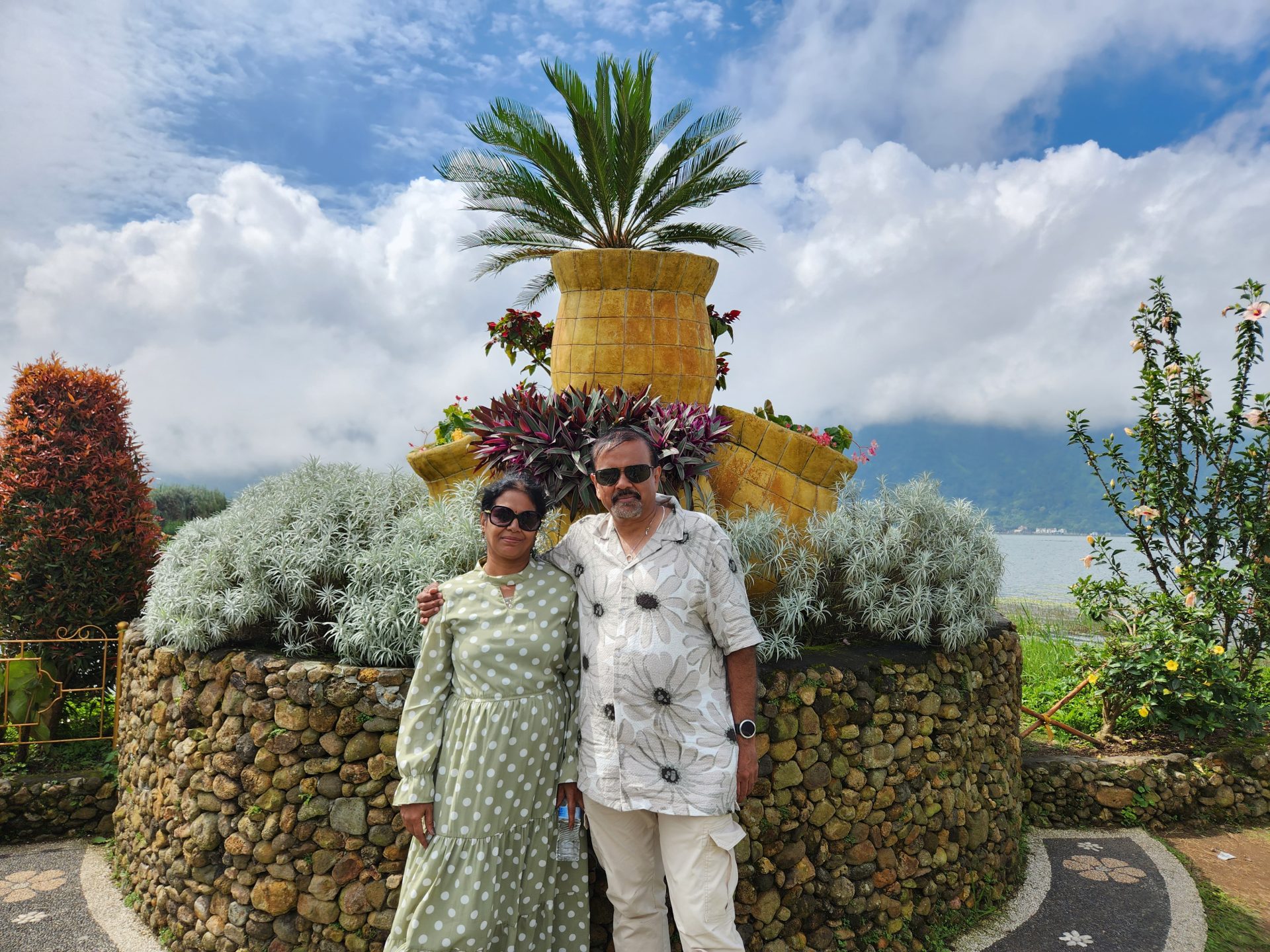
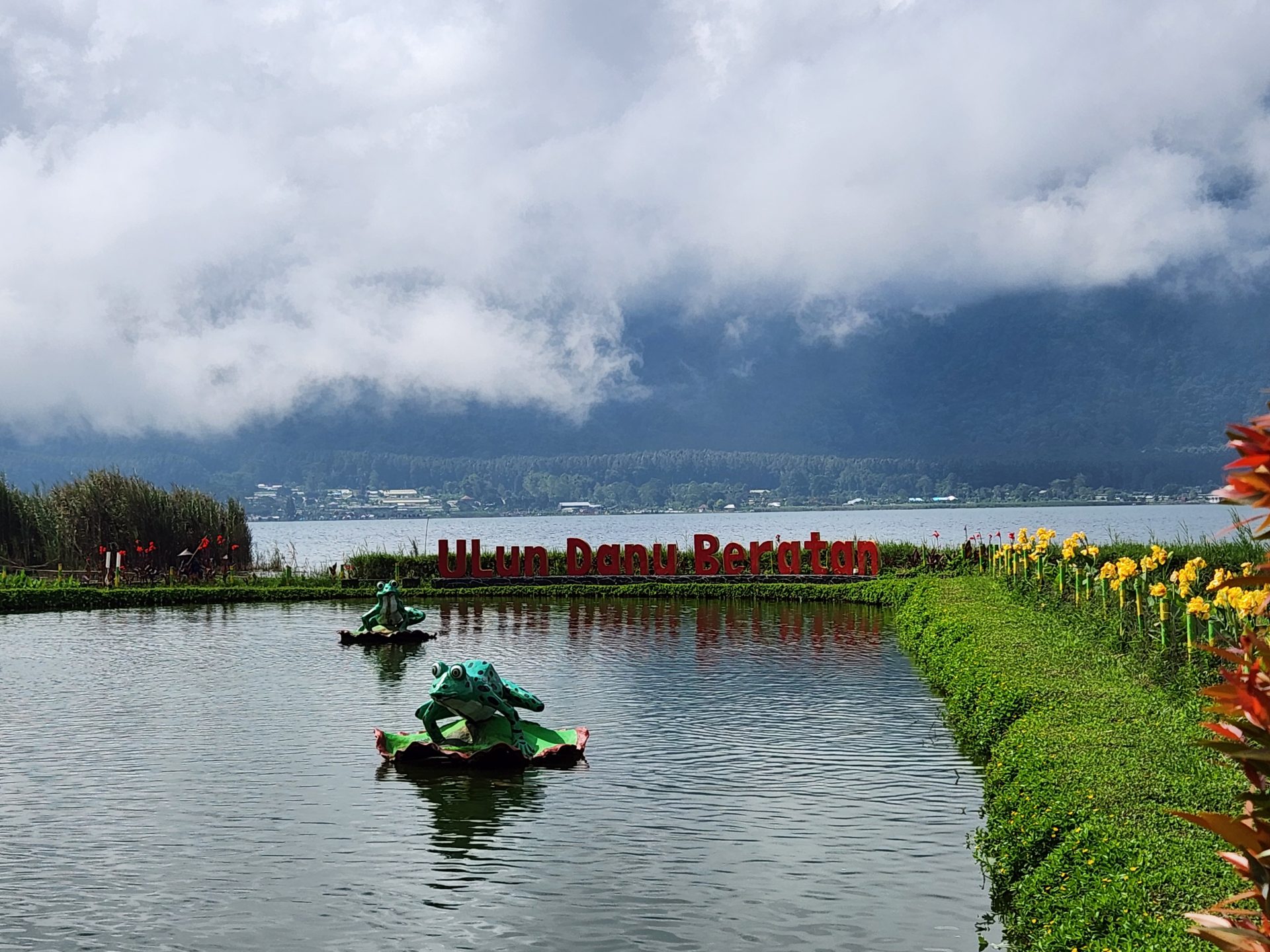
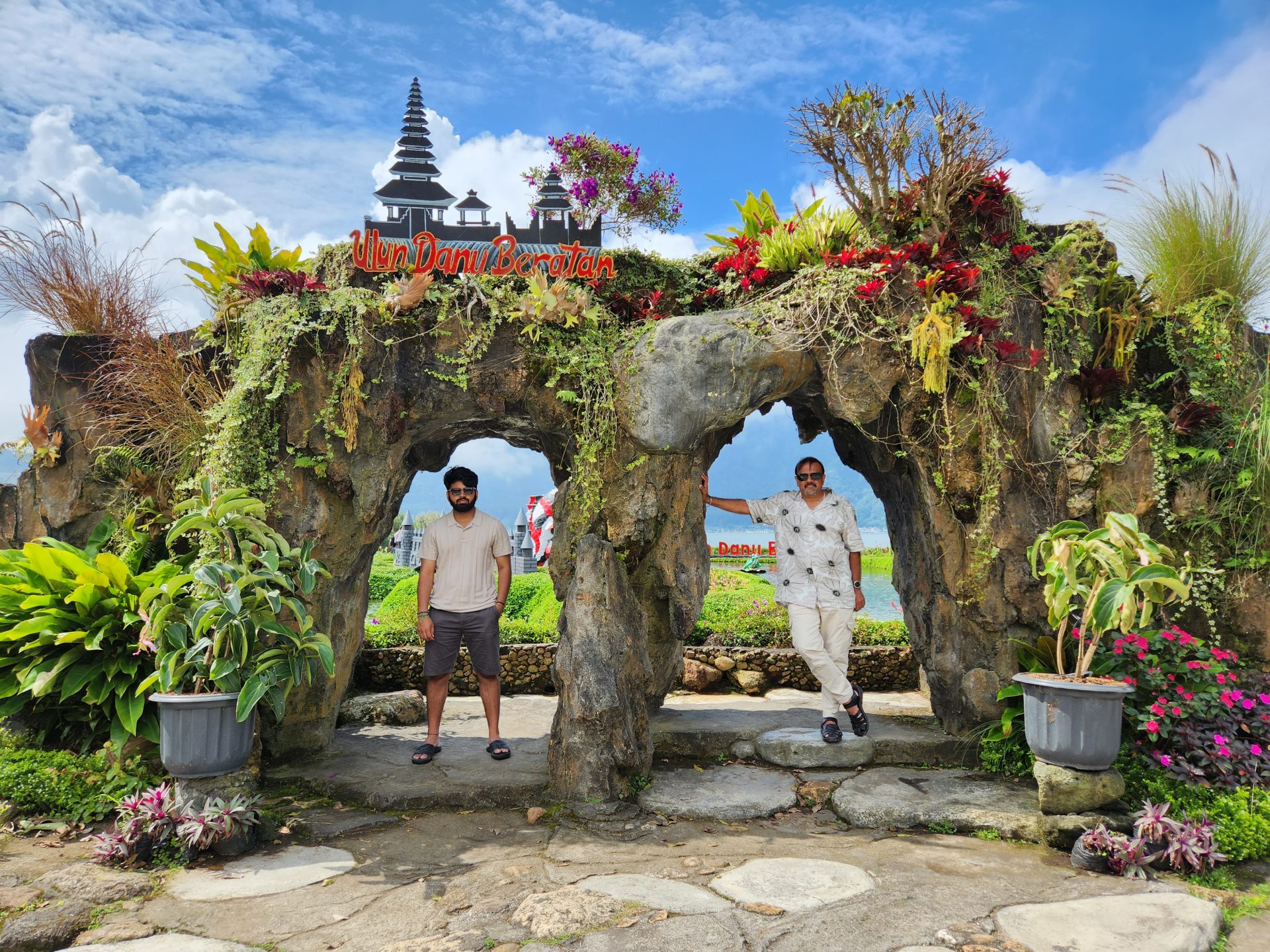
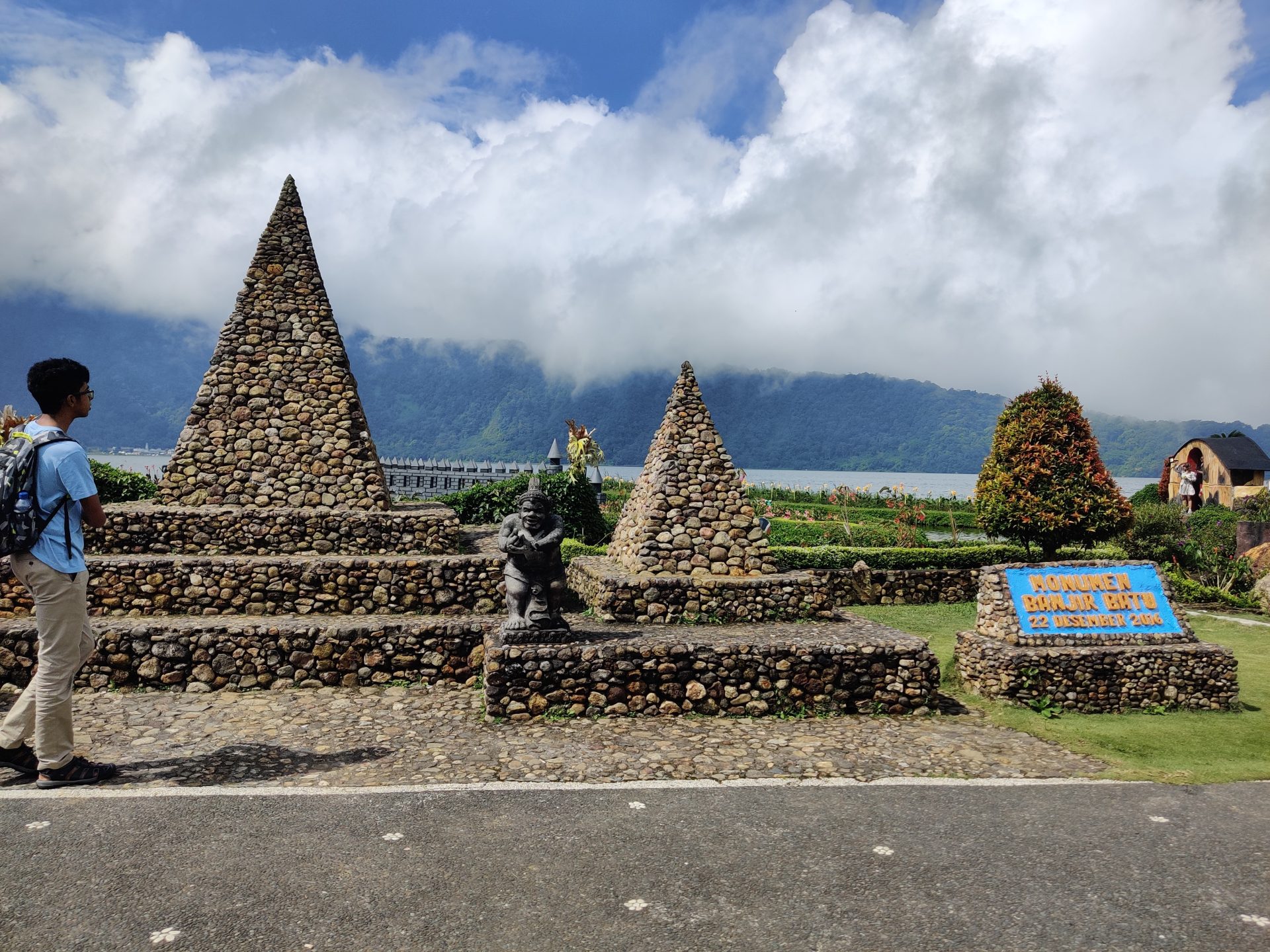
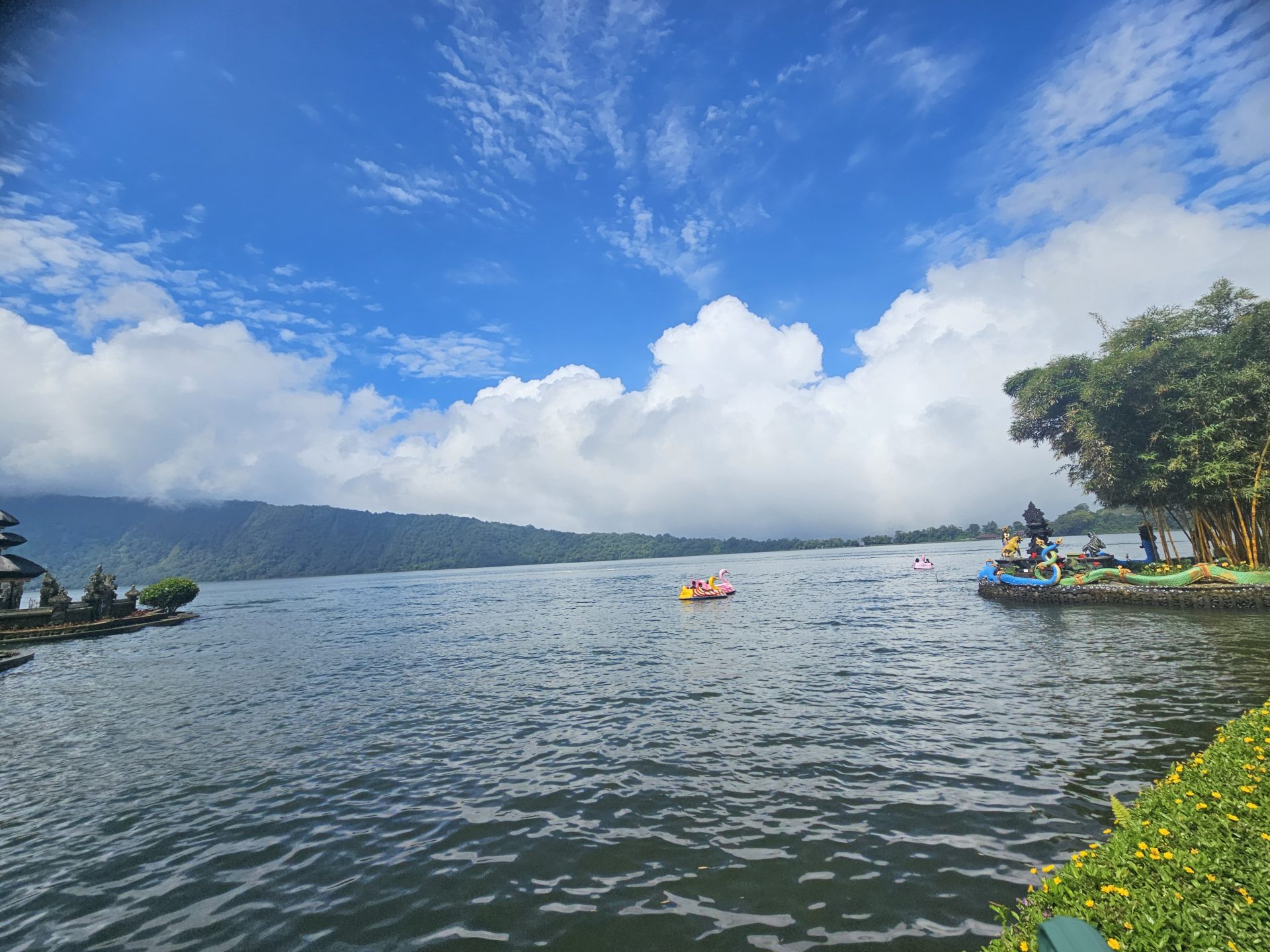
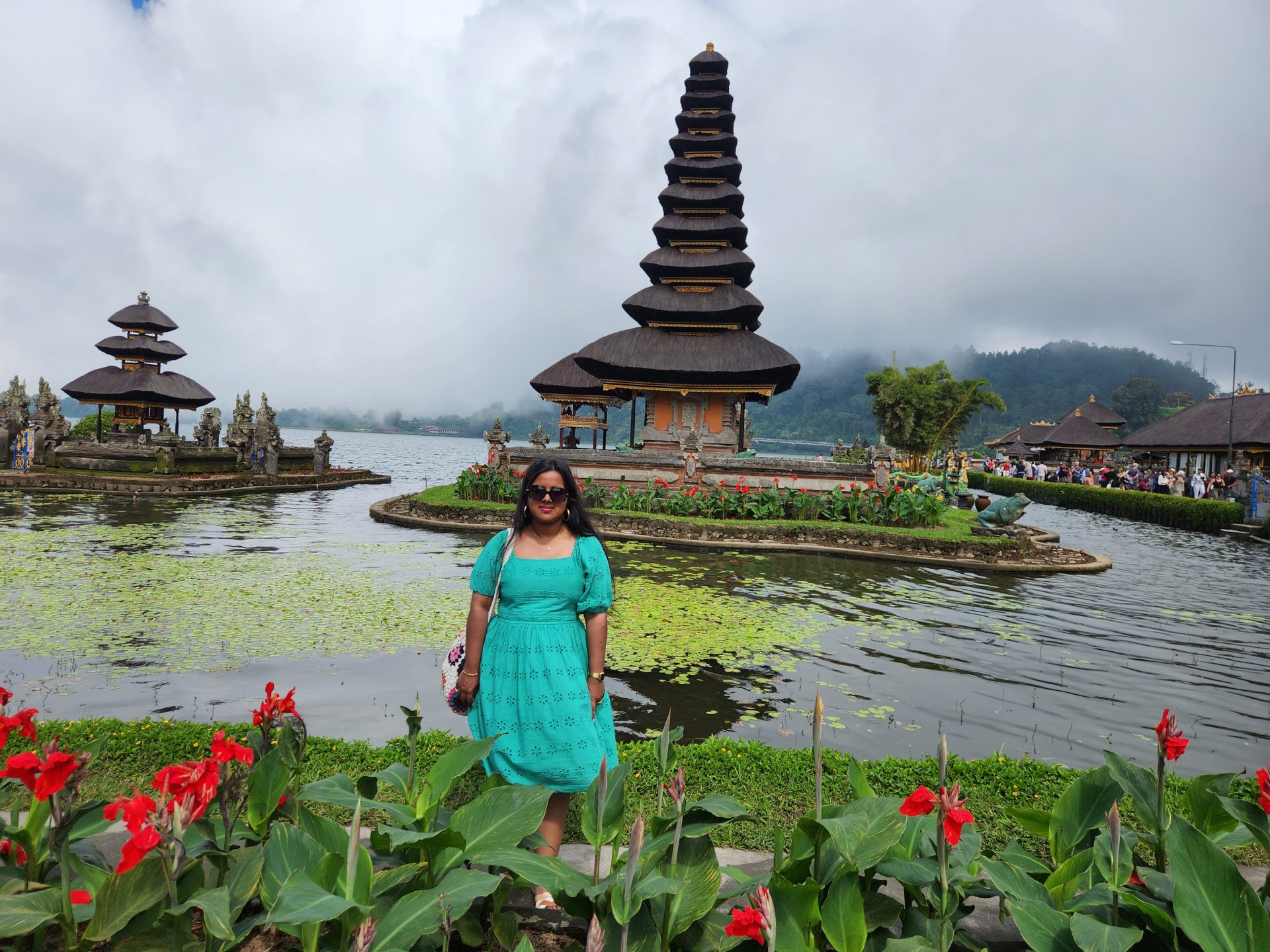
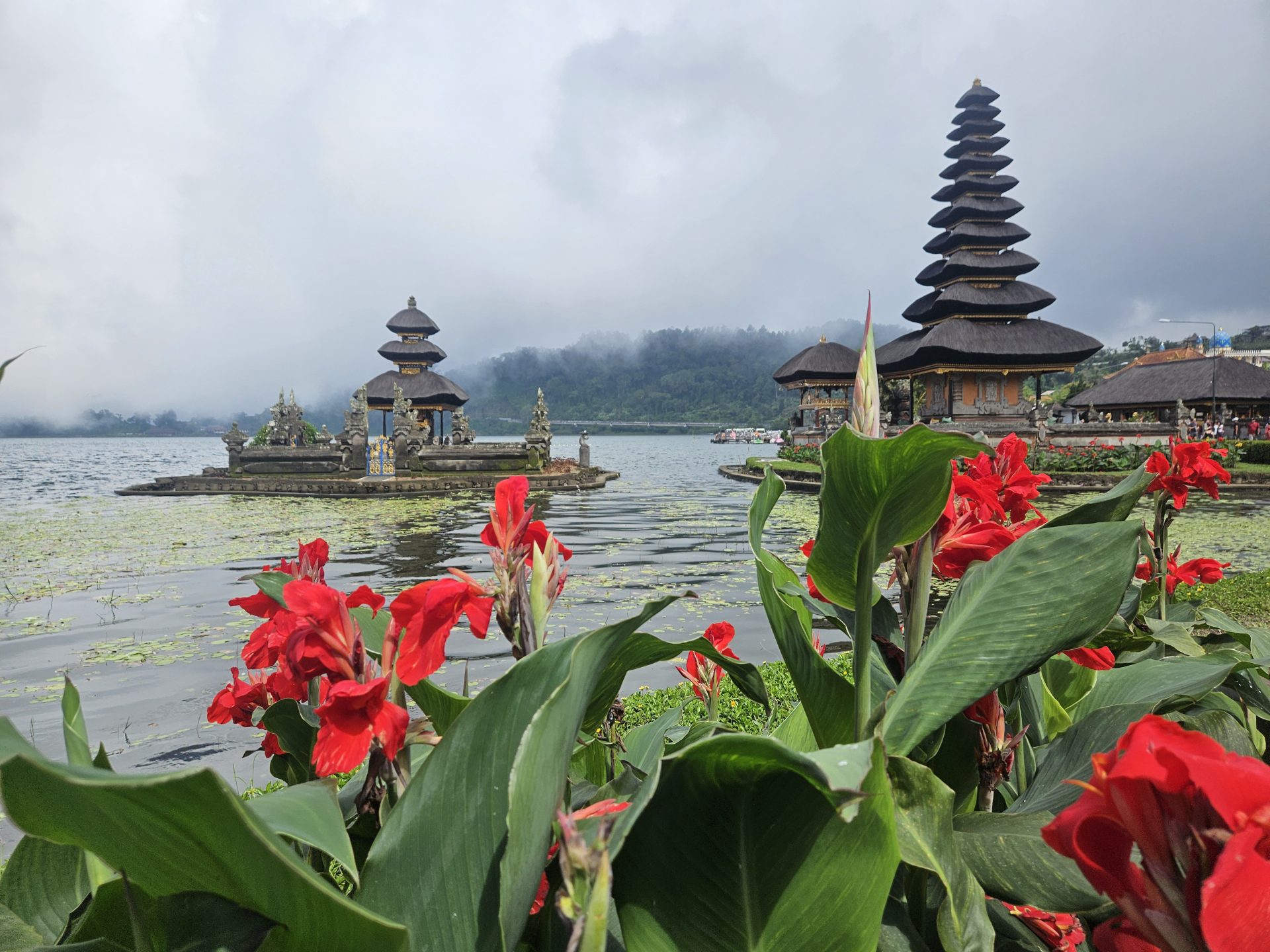
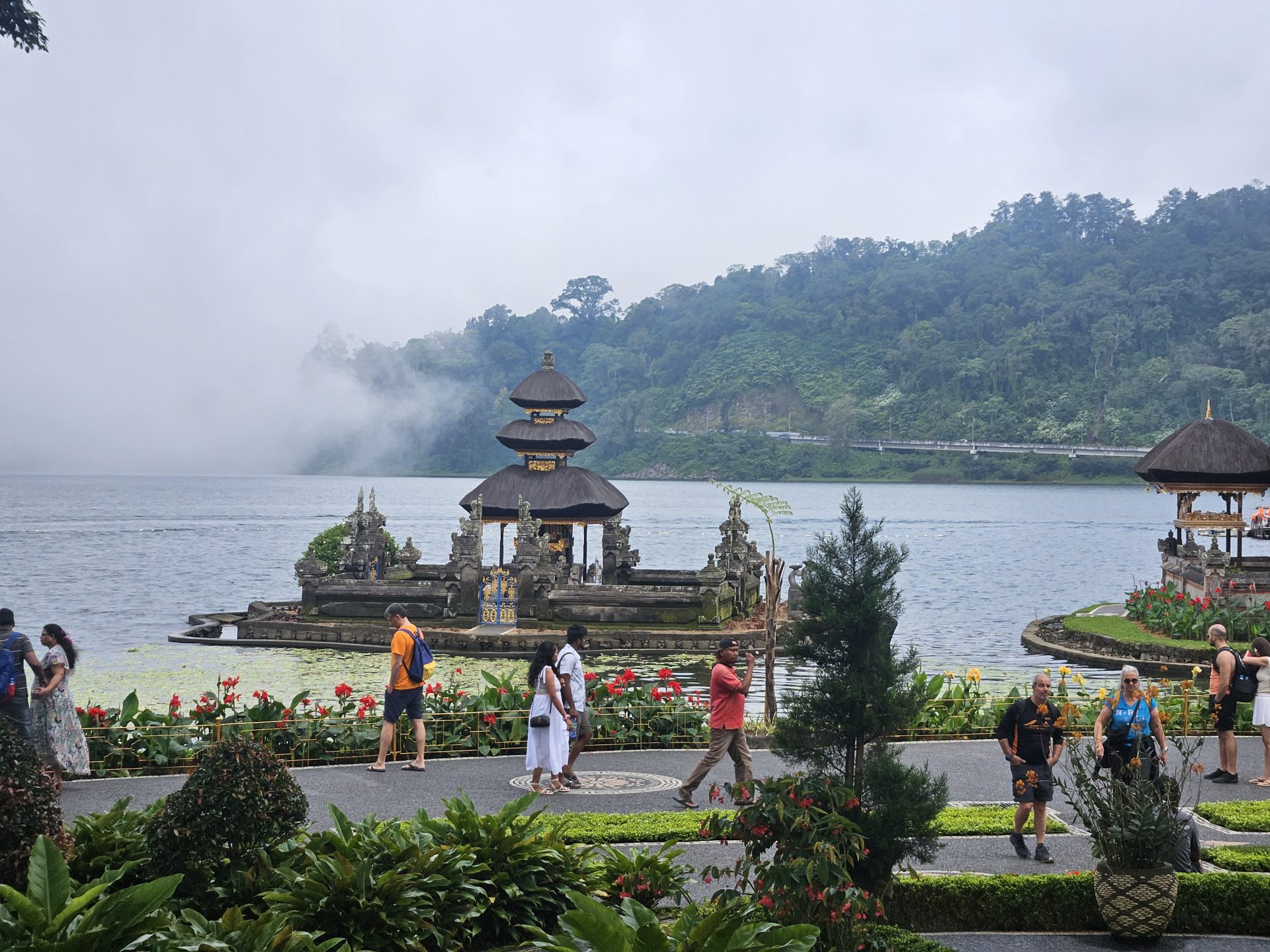
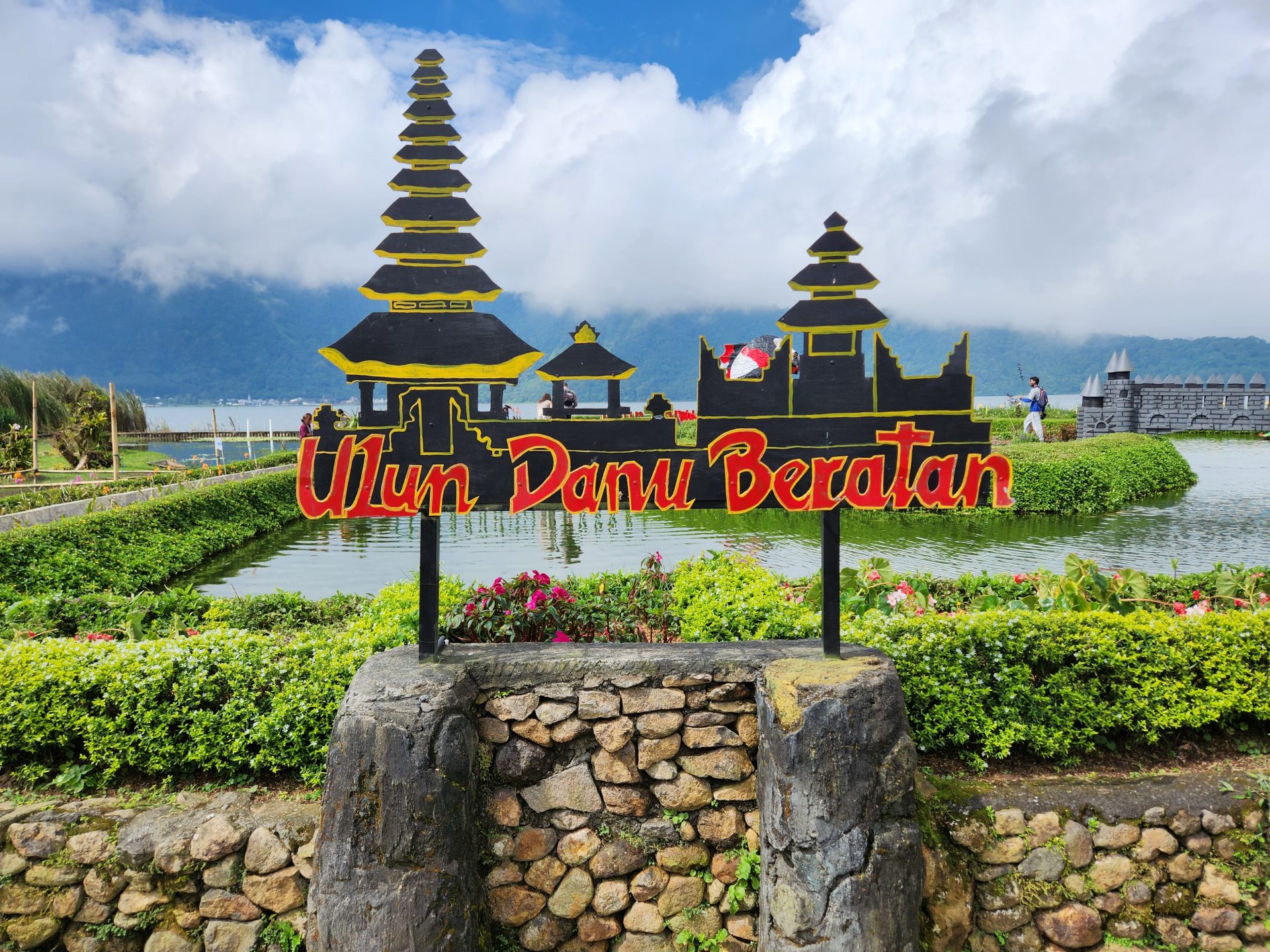
A 30 kms drive was done in 45 minutes thanks to some good roads along the way. The tickets were priced at Rs.400/- per head and we made our entry to the temple complex. As we made our way in, a beautiful temple could be sighted right amidst the Beratan Lake and set against a backdrop of the Bedugul Mountains. A favorite amongst instagrammars.
The locals refer to this place as Ulun Danu and this is one of the most significant places to worship in Bali. A shrine devoted to Dewi Danu, the Balinese Goddess of Water who is supposed to protect the lake and the farmlands around it. Mild mountain weather at a height of 1500 metres above sea level greeted us as we moved closer to the temple and the air surprisingly was cool.
While the temple’s style follows the Trimurti belief with the 3 colours of Red, Black and White representing the Trinity of Lord Brahma, Vishnu and Shiva, there is a stone slate and sarcophagus which dates the temple to around 500 BC while the existence of the temple is recorded as early as 1556.
The temple was rebuilt in 1633 by the King of the Mengwi empire I Gusti Agung Puti in Hindu and Buddhist Architectural styles. The IDR 50,000 currency note of Indonesia carries a picture of this iconic landmark.
The lake was calm and still, save for the occasional ripples caused by the soft breeze occasionally blowing across. A thin mist rose from the lake and hung in the air, giving the surroundings of the temple a surreal experience. While the temple complex consists of four sacred buildings, Linga Pura stands three levels high and is a place of worship for Lord Shiva. Pura Puncak Mangu stands 11 levels high and was built in dedication to the Lord Vishnu. The main temple is known as Pura Teratai Bang while Pura Dalem Purwa is built in worship to Sang Hyang Widhi. This temple is also a site for those who pray for fertility, prosperity and well-being.
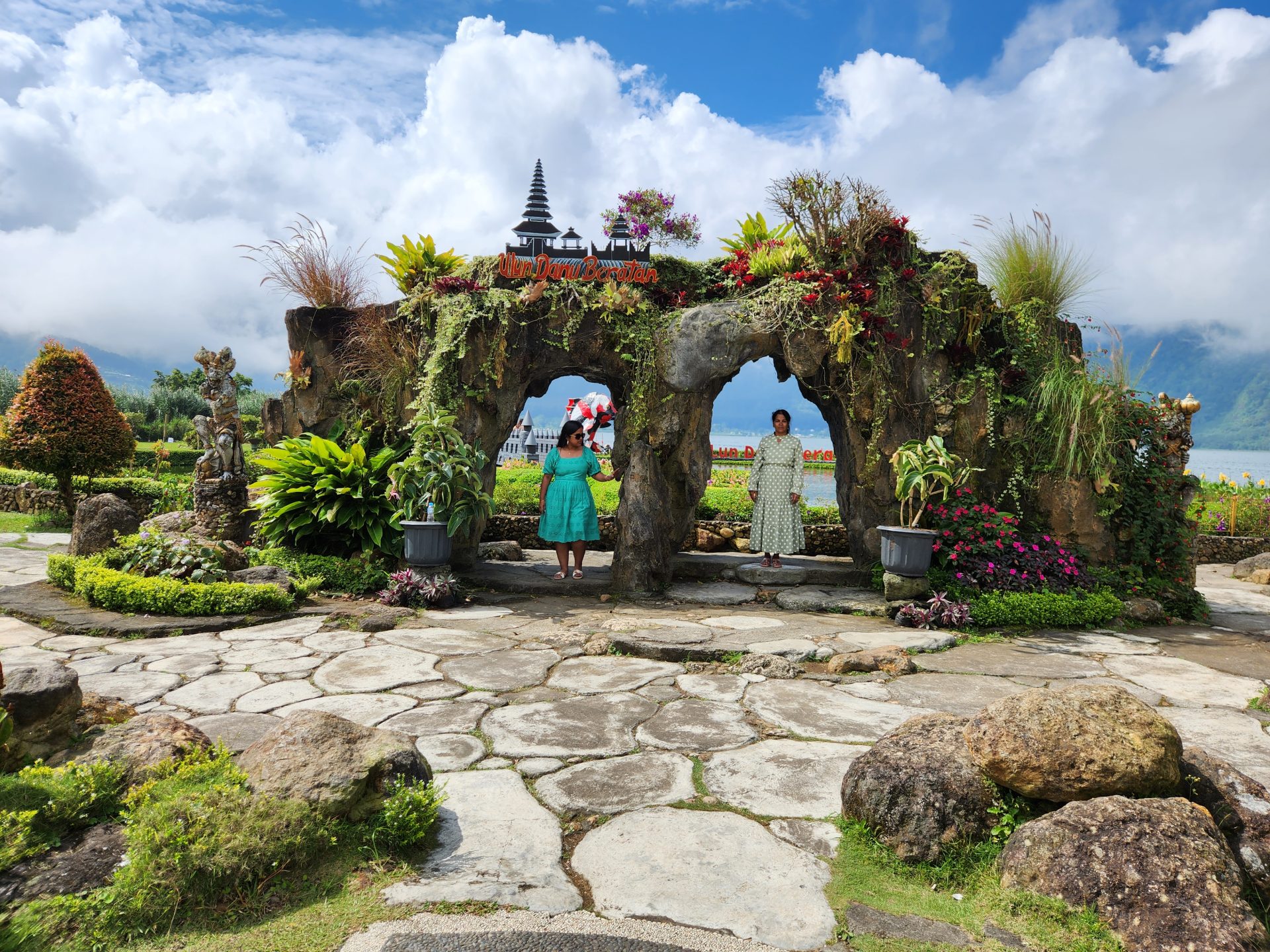
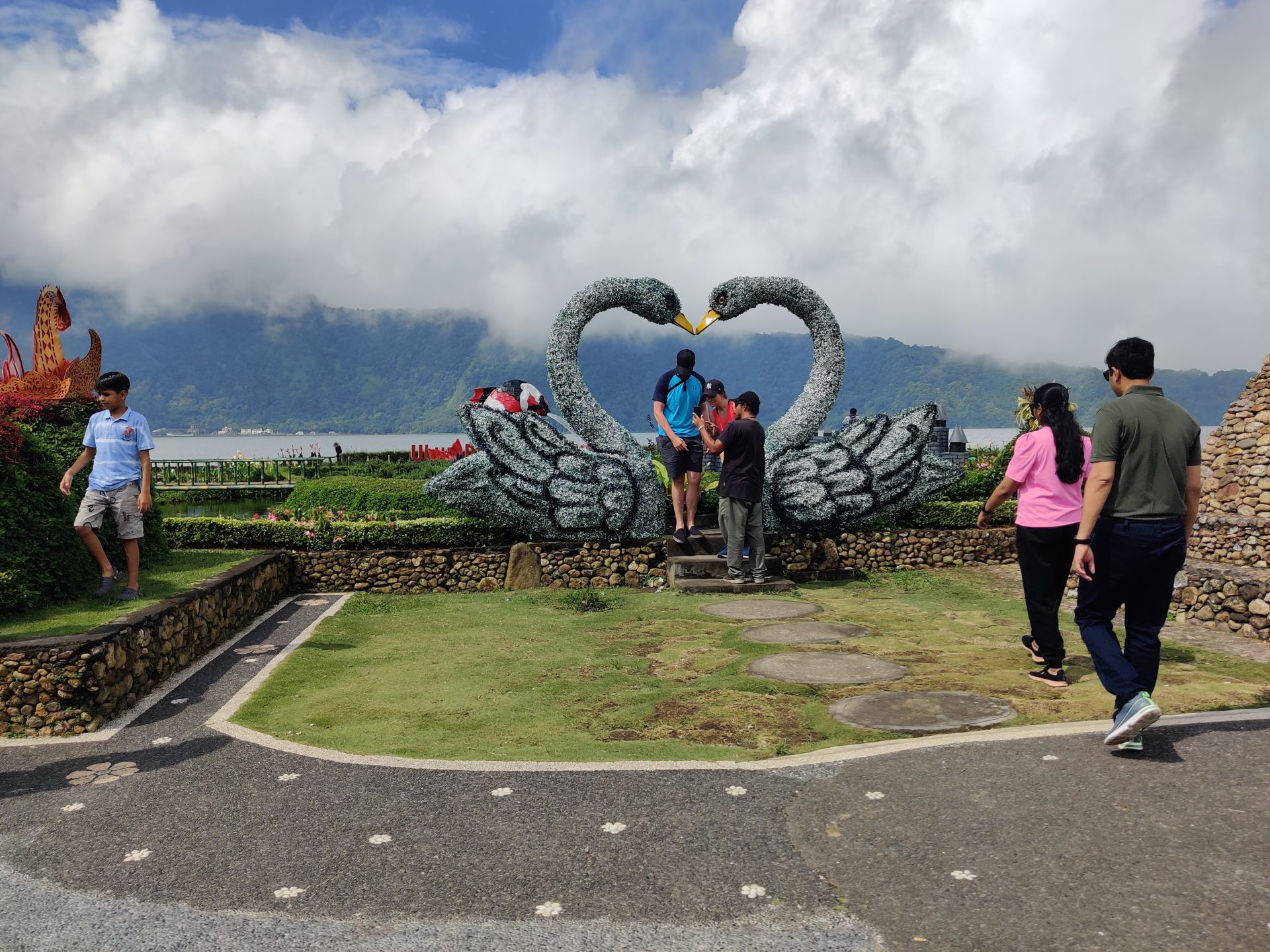
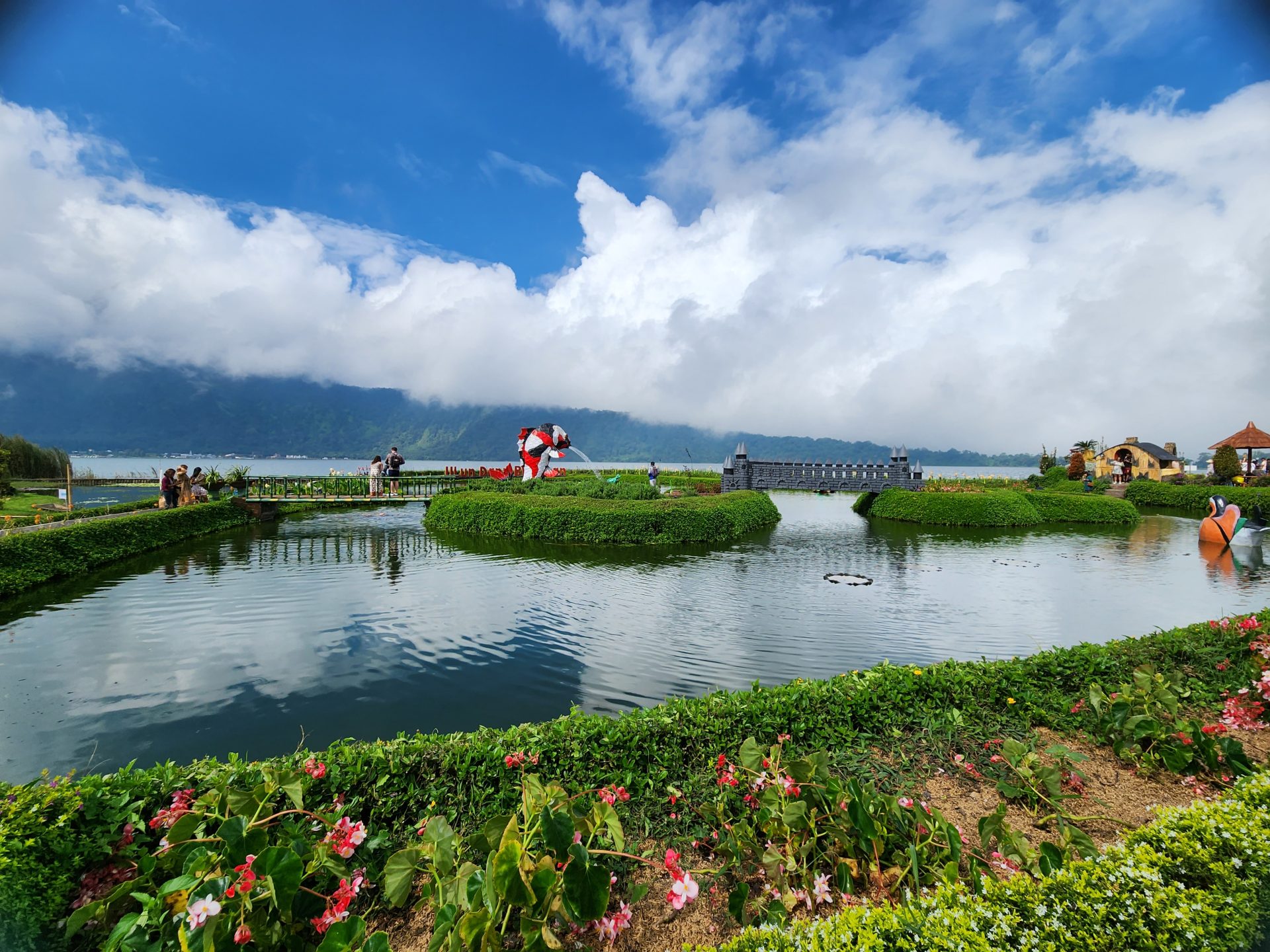
Plenty of spots created for the Instagram lovers and there were queues especially amongst gen-next to get the photo shoots done.
Before making our way out, spent some time at a nice coffee shop Lake Beratan Corner in the temple complex.
An Indian restaurant at sight
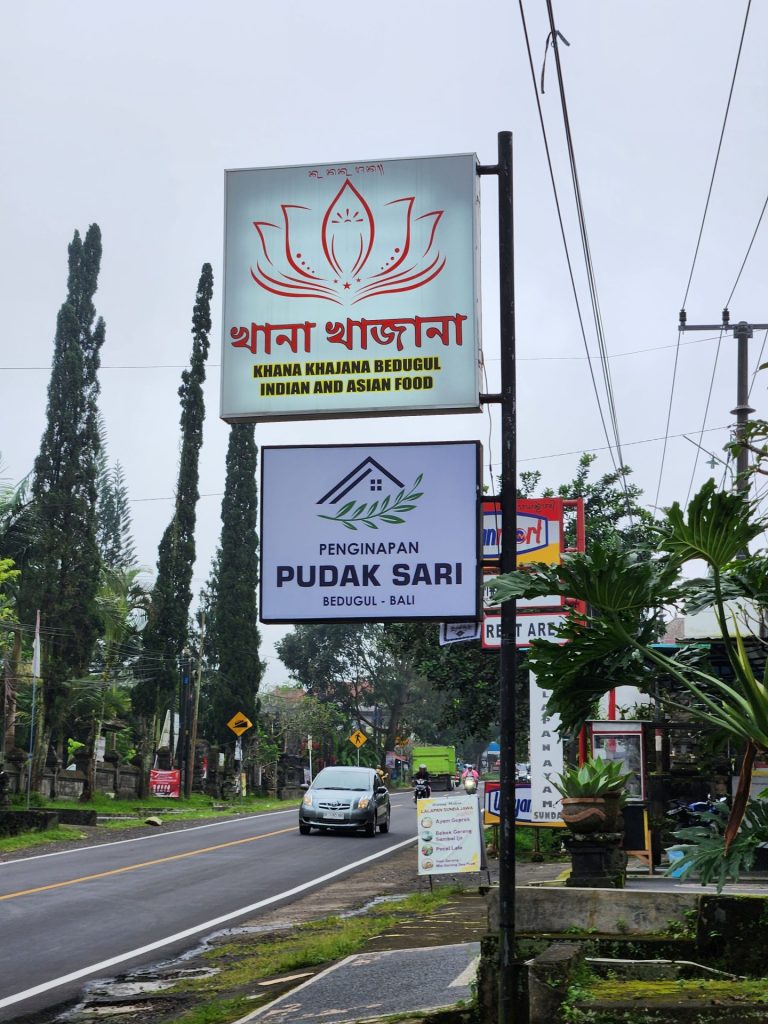
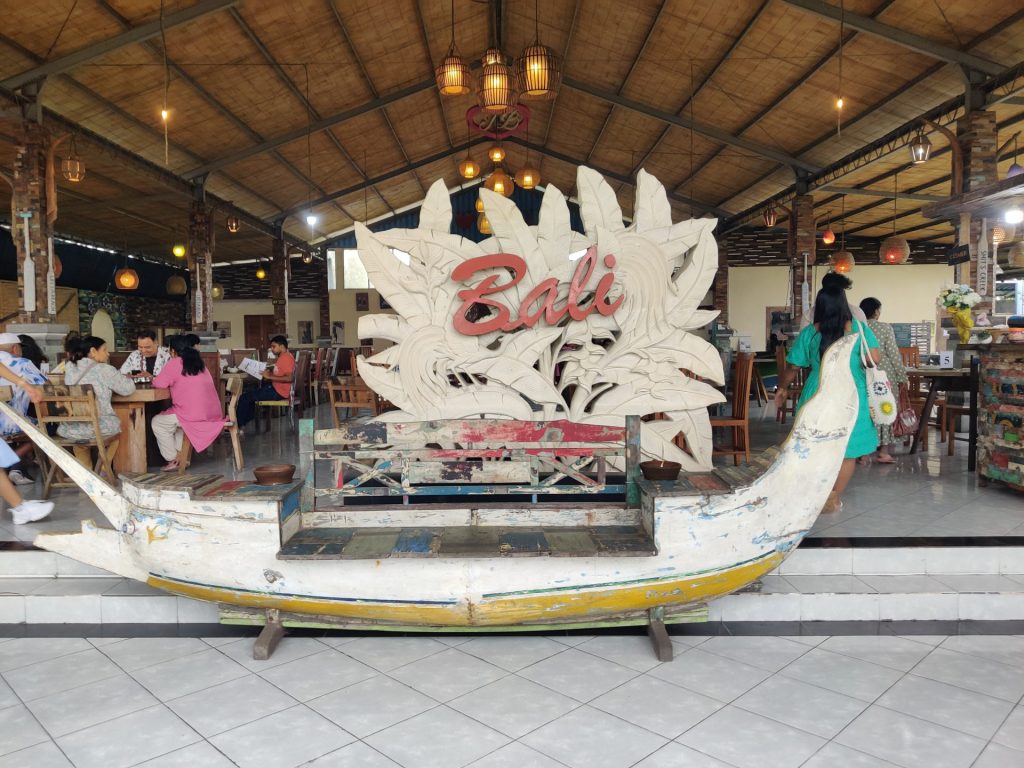
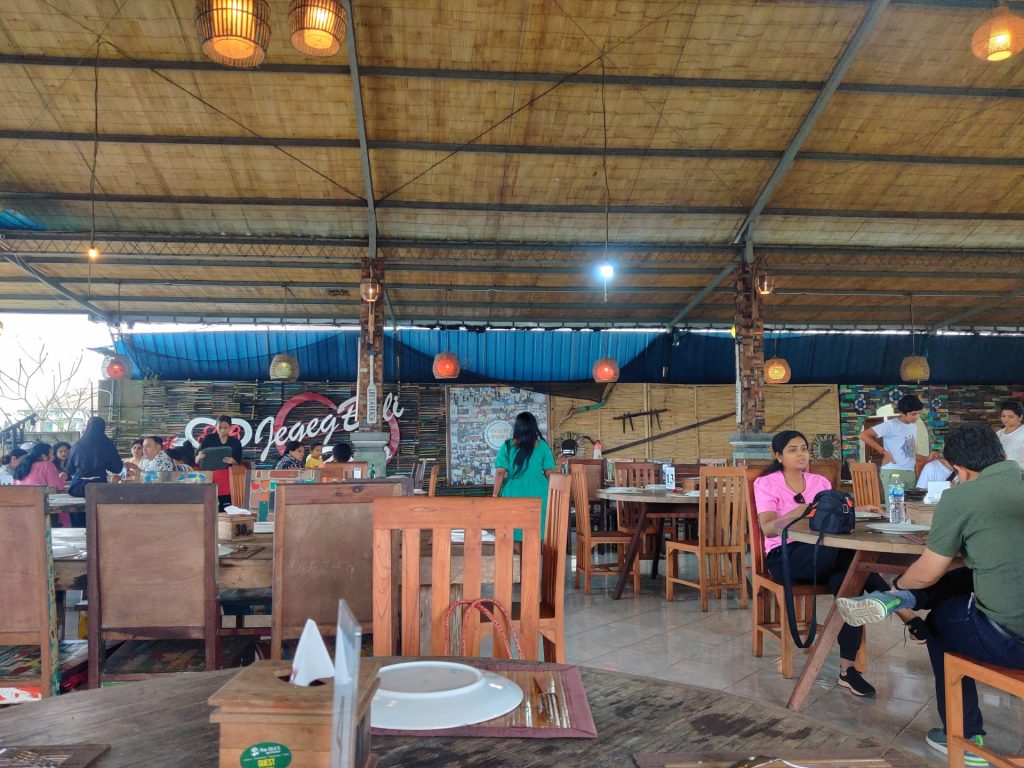
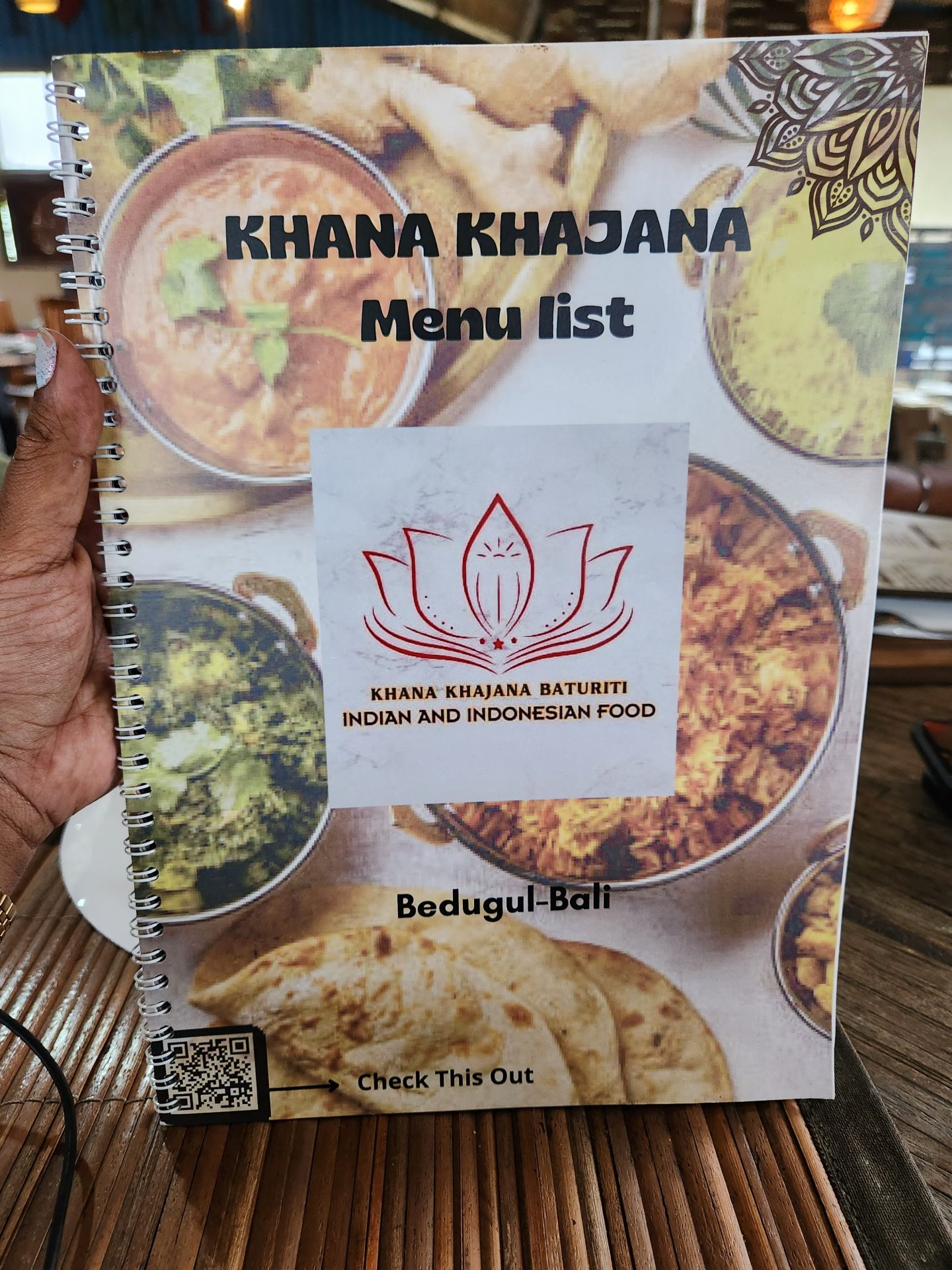
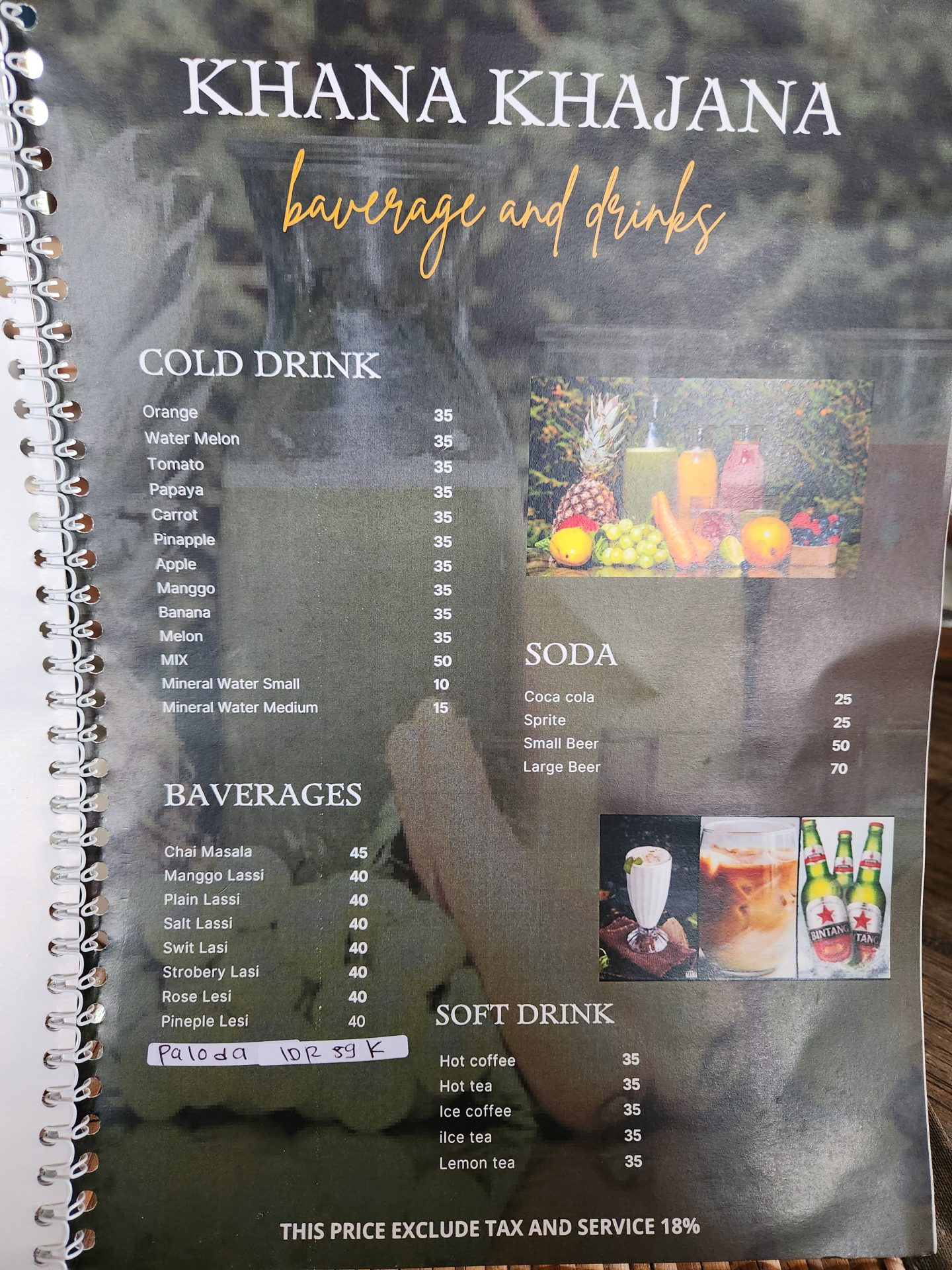
The sightseeing done, it was time for lunch before we were to wind our way back to Ubud. At around 3 PM we stopped by at a restaurant in Bedugul – Khana Khajana which promised both Indian and Indonesian food. Surprised to see the name board also written in Bengali.
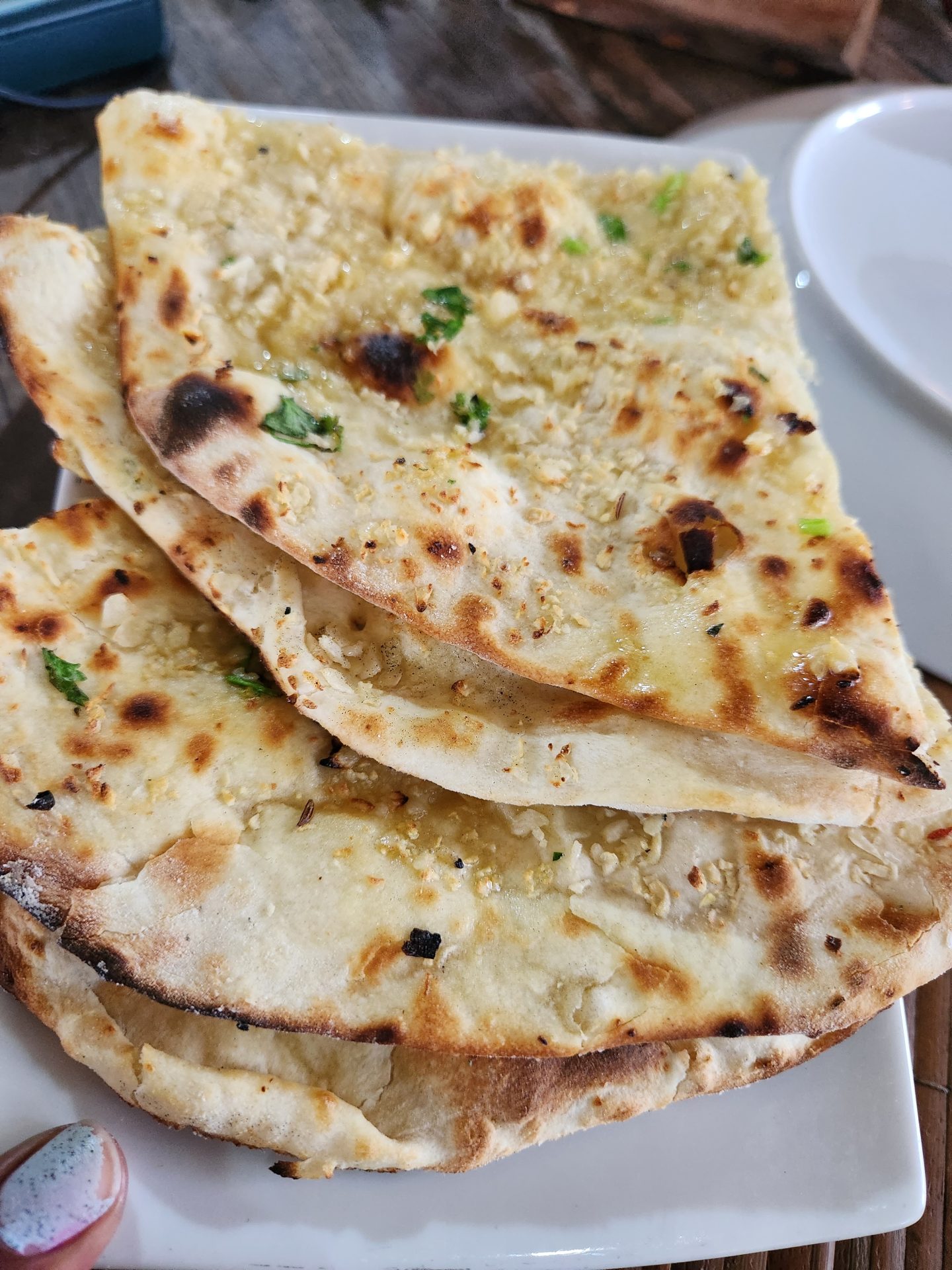
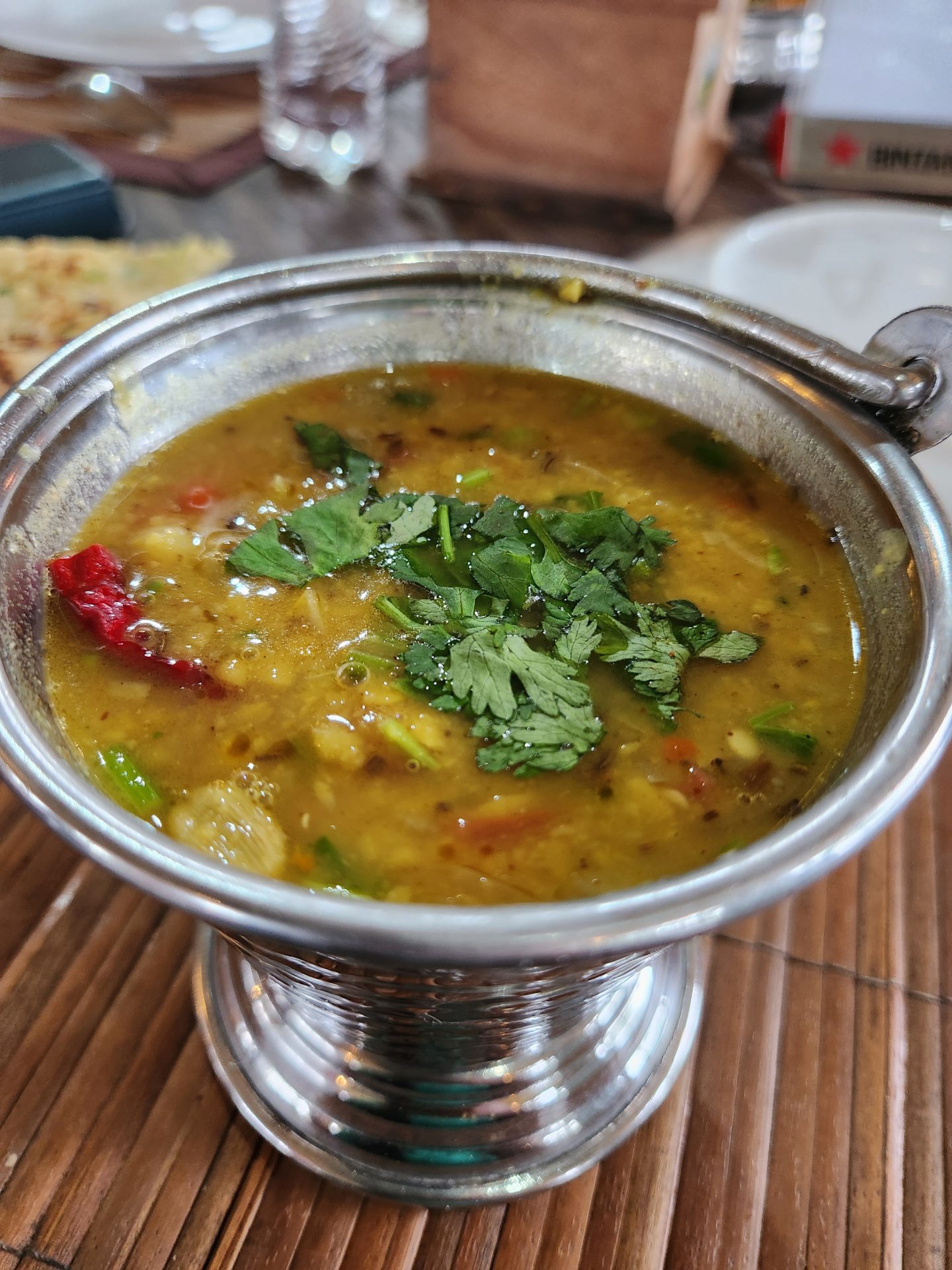
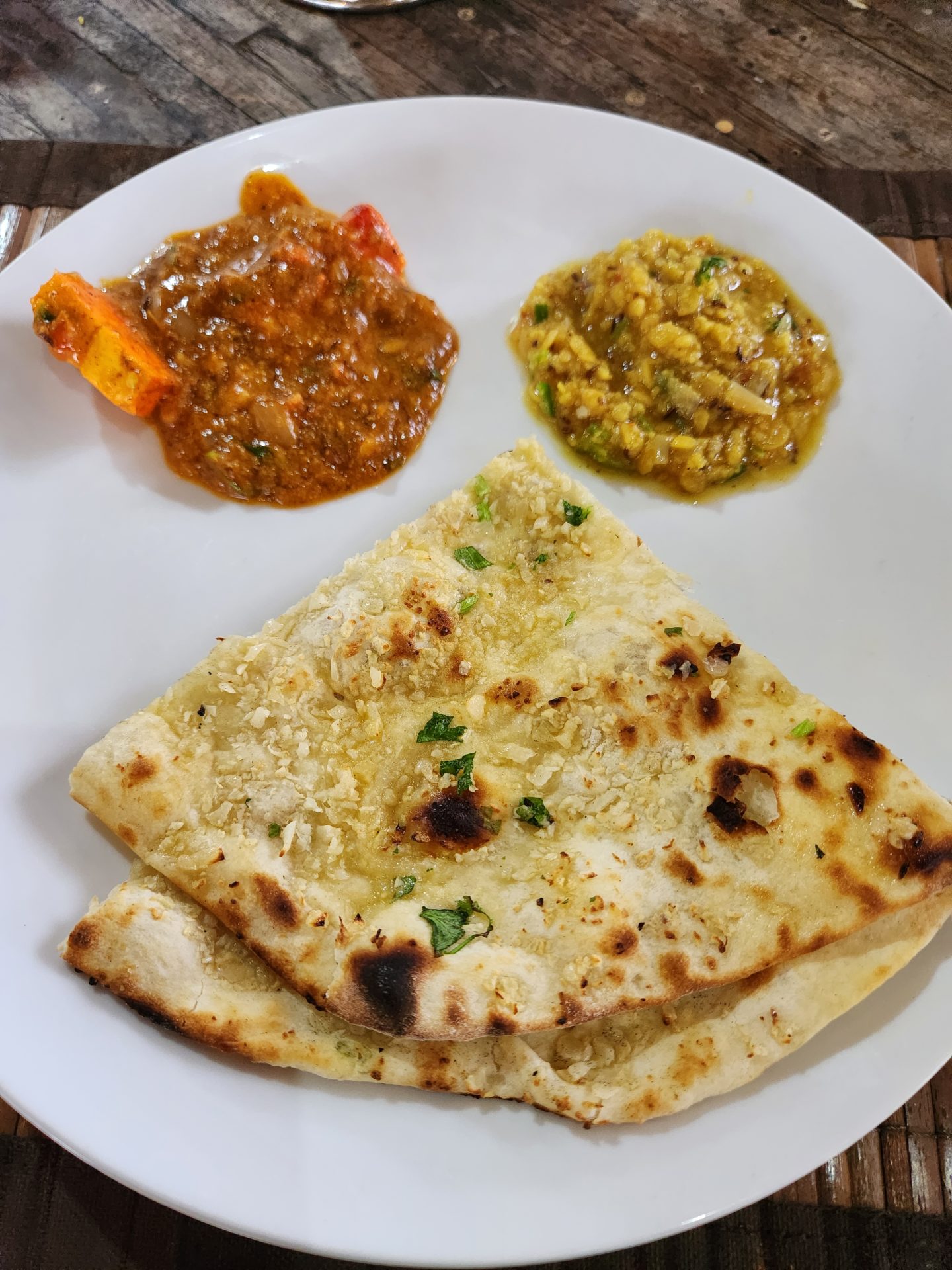
We had our share of breads with assorted Vegetable curry (veg jalfreezy), assorted veg fritters as starters, yellow dal tadka and kadai paneer. Given our challenges with food at Ubud at our resort, the food here came as a welcome change.
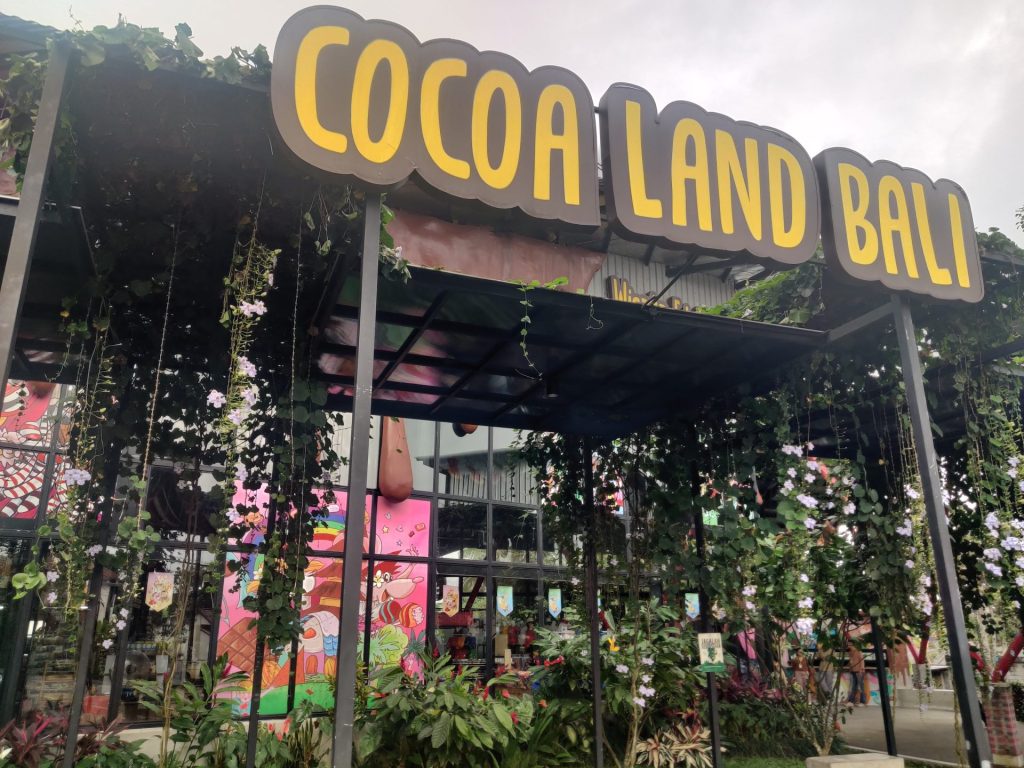
An excuse for the dessert which we missed with our lunch at Coco Land
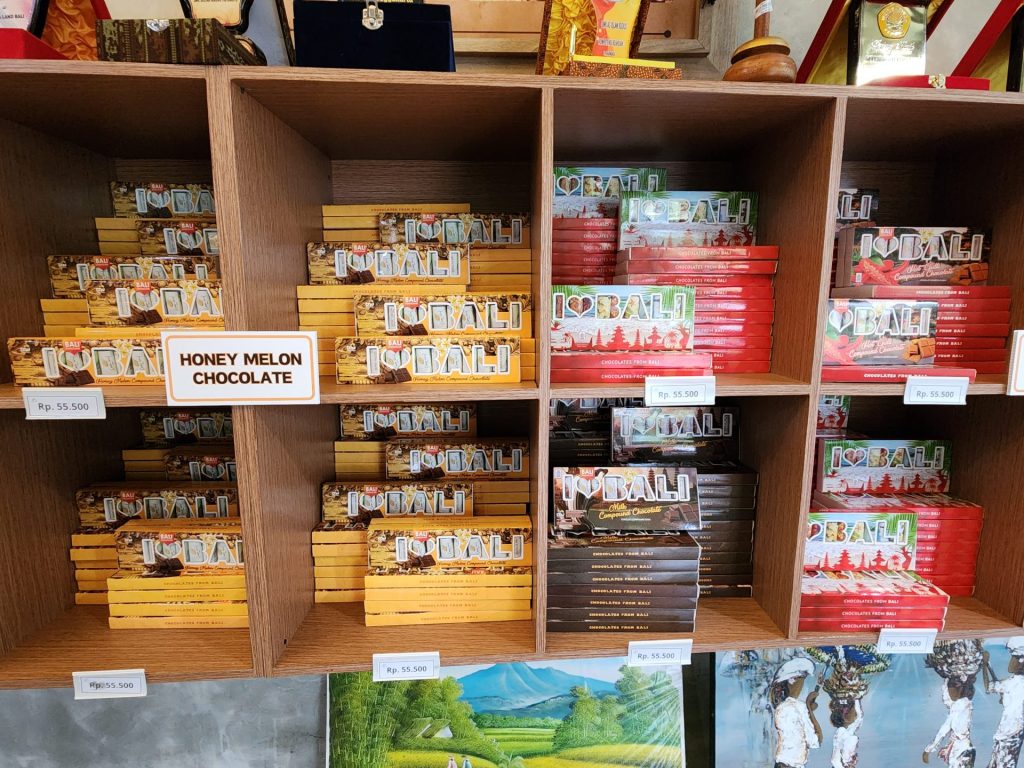
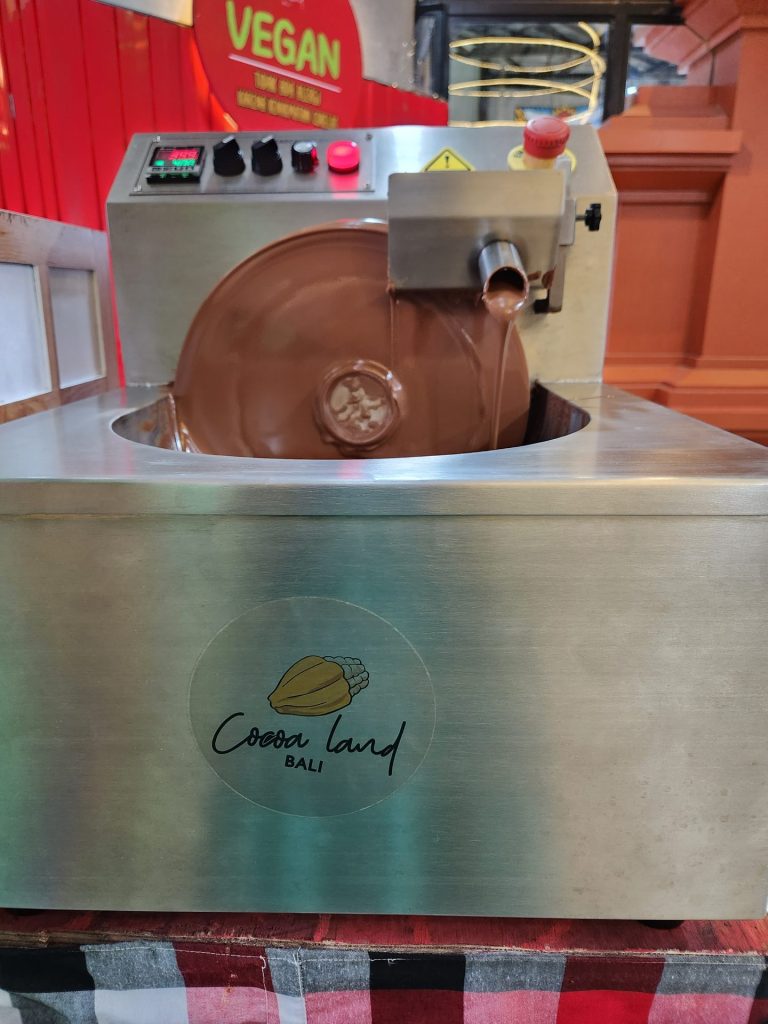
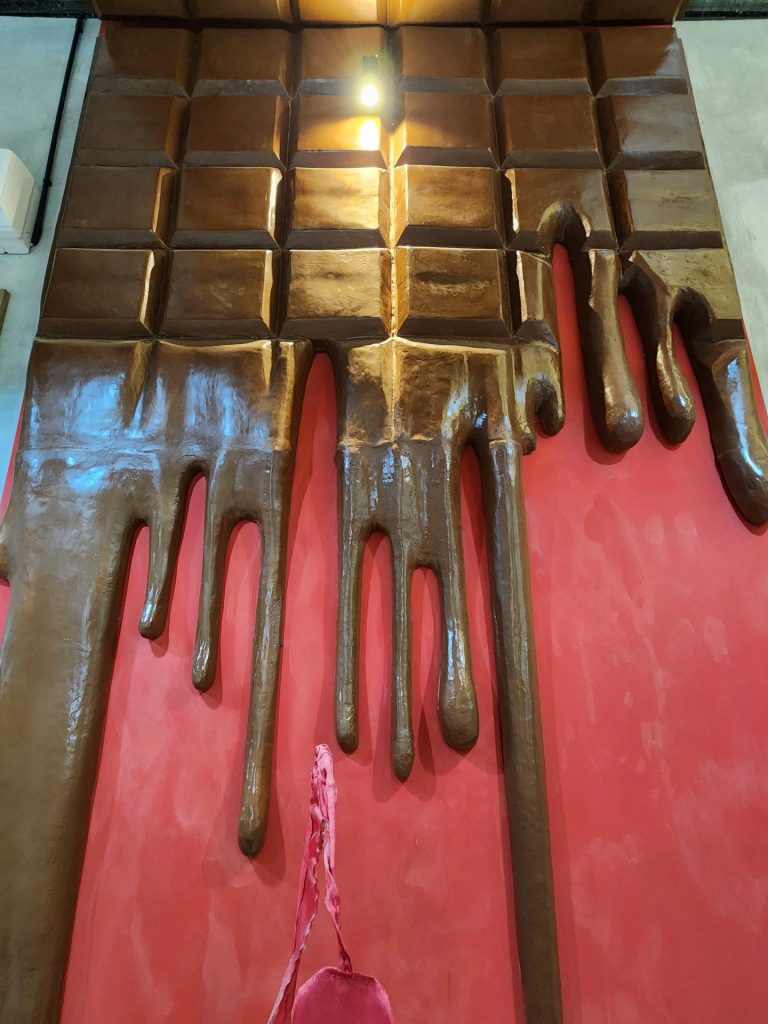
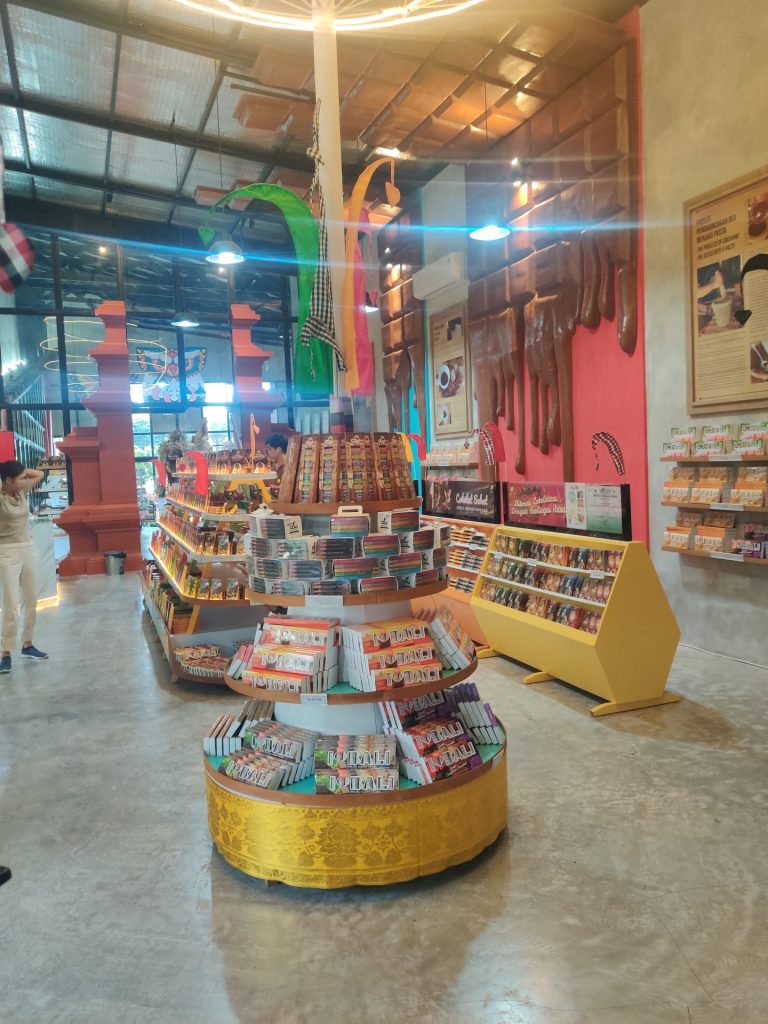
We started back for Ubud by 4 PM and stopped for a short while at Coco Land, a chocolate shop. While I had told Kupit about wanting to see a Chocolate Factory, he got confused and brought us here. We picked up a wide assortment of Bali home made chocolates at random.
Kupit dropped us off at the Ubud Central Market area by around 5.30 PM for our last day of shopping. We paid him IDR 700,000 as the charges for the day’s sightseeing and settled for a pick up time of 7.00 AM the next day to get dropped at Dempansar Airport located 35 Kms away.
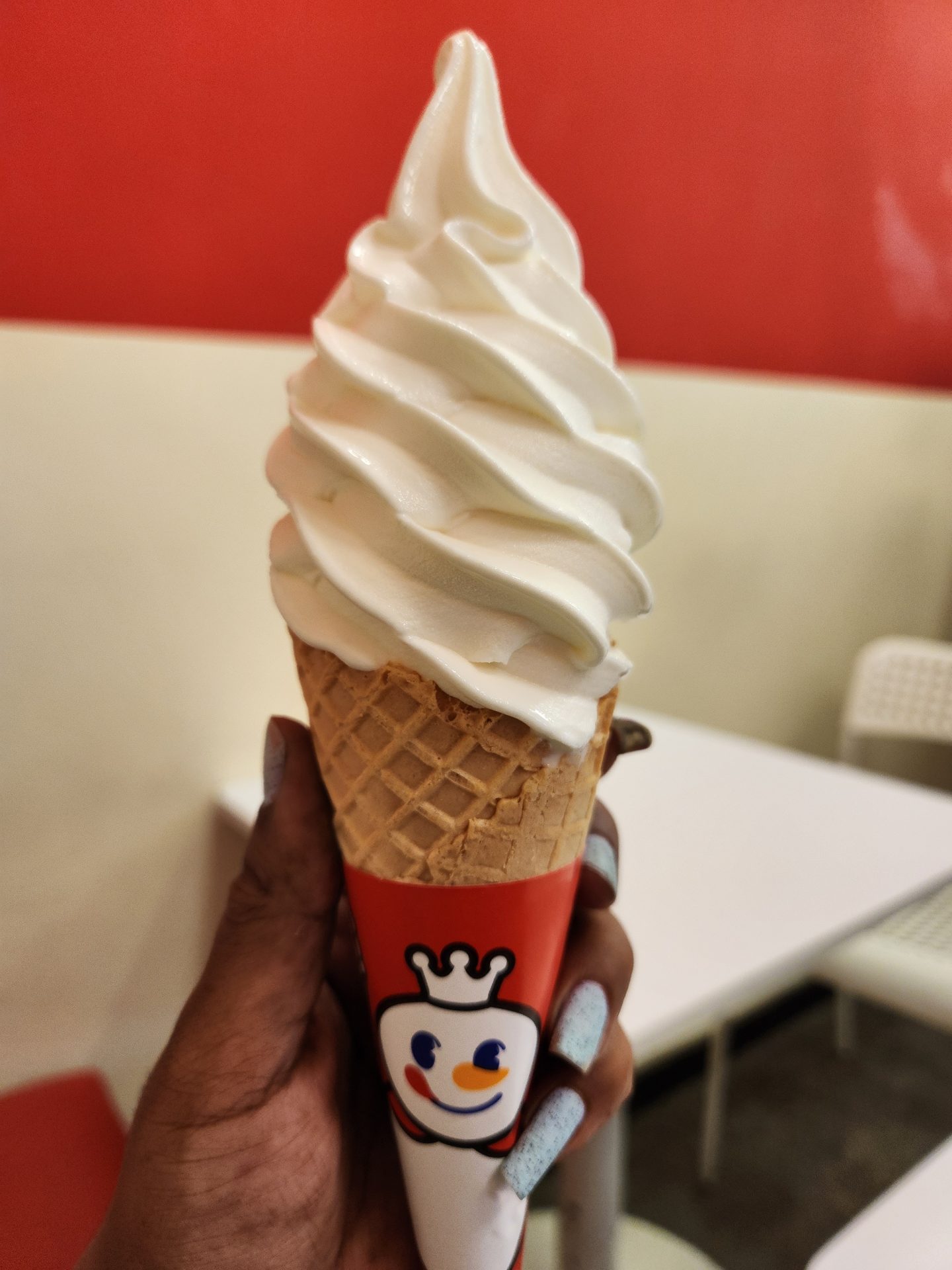
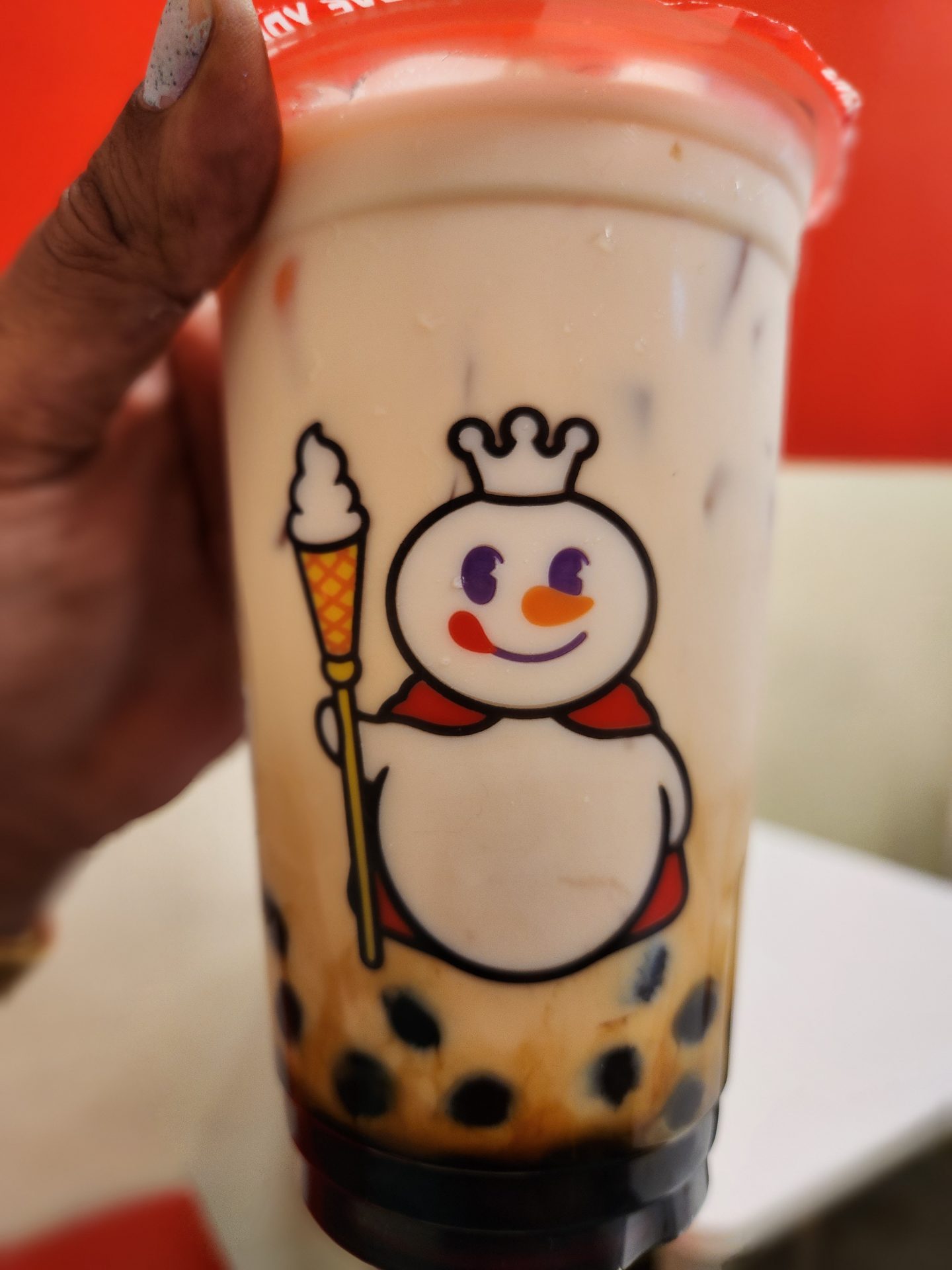
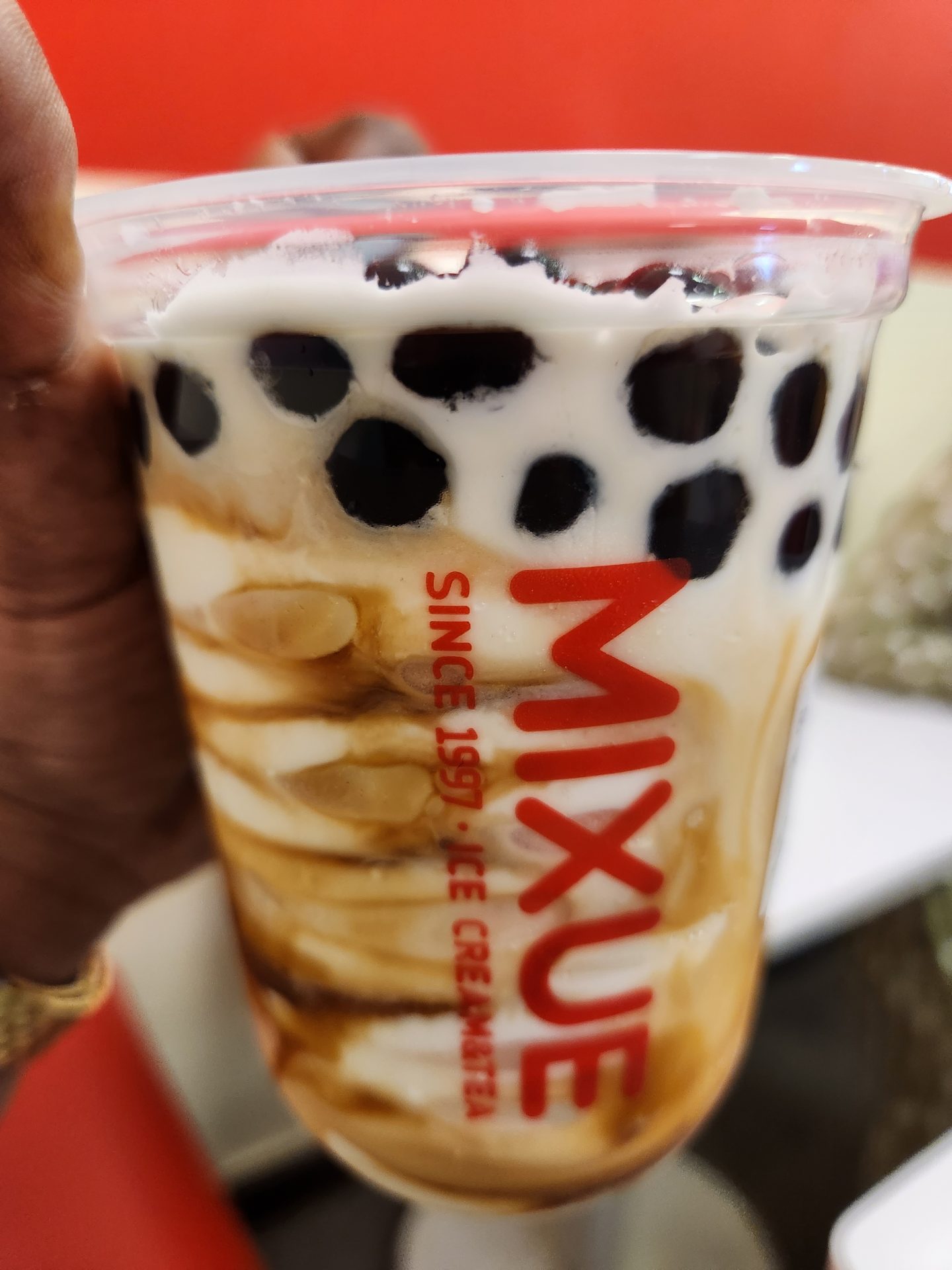
We hung around the Central market area till around 8 PM, had some ice creams and Sundaes filled with Bobas (our desi sabudana or Tapioca Pearls as they are better known by) at Mixue and took a cab back to our resort by around 8.30 PM. The next couple of hours were spent retrofitting the items shopped over the last 3 days into our already bulging suitcases. Was worried that we may have to cough up a flight’s fare to Malaysia or more as the excess baggage charges but managed to stuff in some bit into our backpacks with that confidence that it would never get weighed.
June 9th 2024
The hotel kids were up early to cook up some breakfast for us comprising bread, eggs, juices and fruits and after completing the check-out formalities, we set forth for the Ngurah Rai International Airport in Denpasar.
We reached the Airport by around 8.15 AM, just in time for our 10.50 AM flight back to Chennai via Kuala Lumpur.
Thanked Kupit for his patience and doing a good job and paid him IDR 450,000 for the drop along with a generous tip.
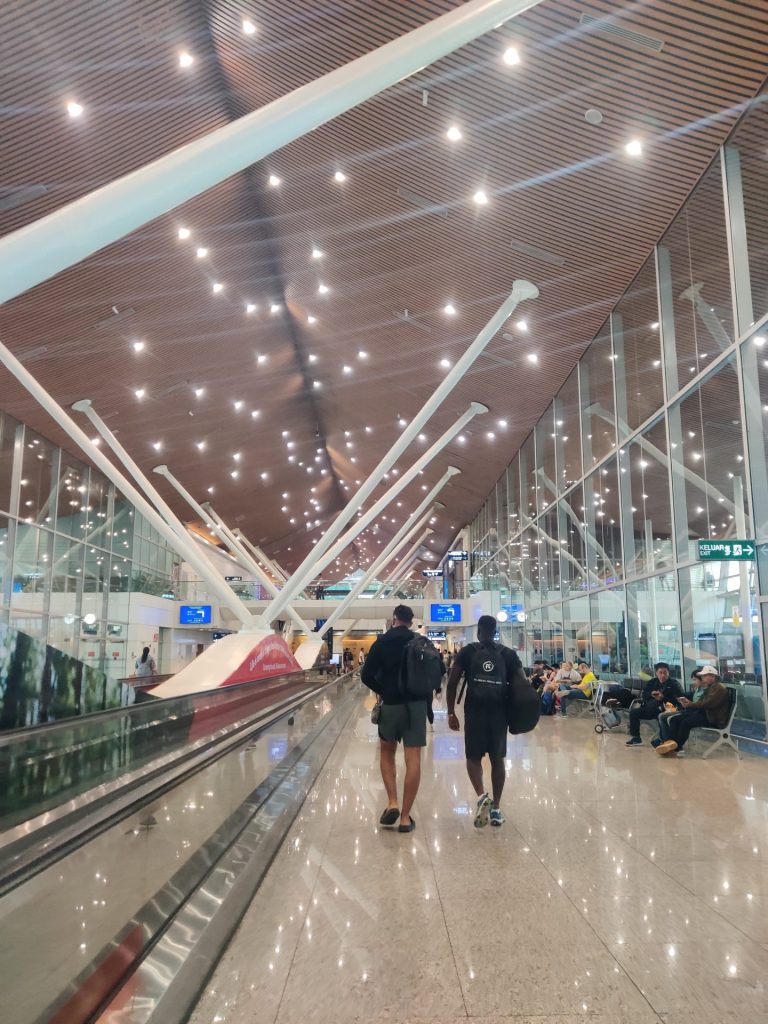
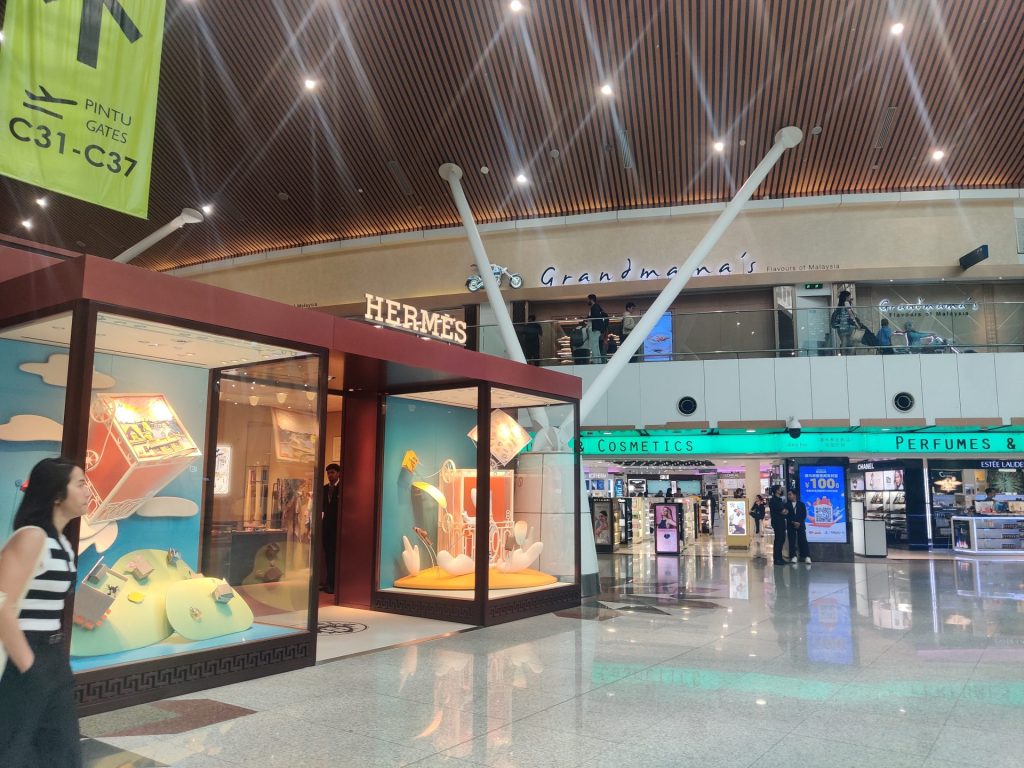
We touched down at KL by around 2 PM and after identifying the departure terminal where there was a transit halt for 5 hours.
Settled for a lunch at one of those restaurants at the airport which had some semblance of Indian food.
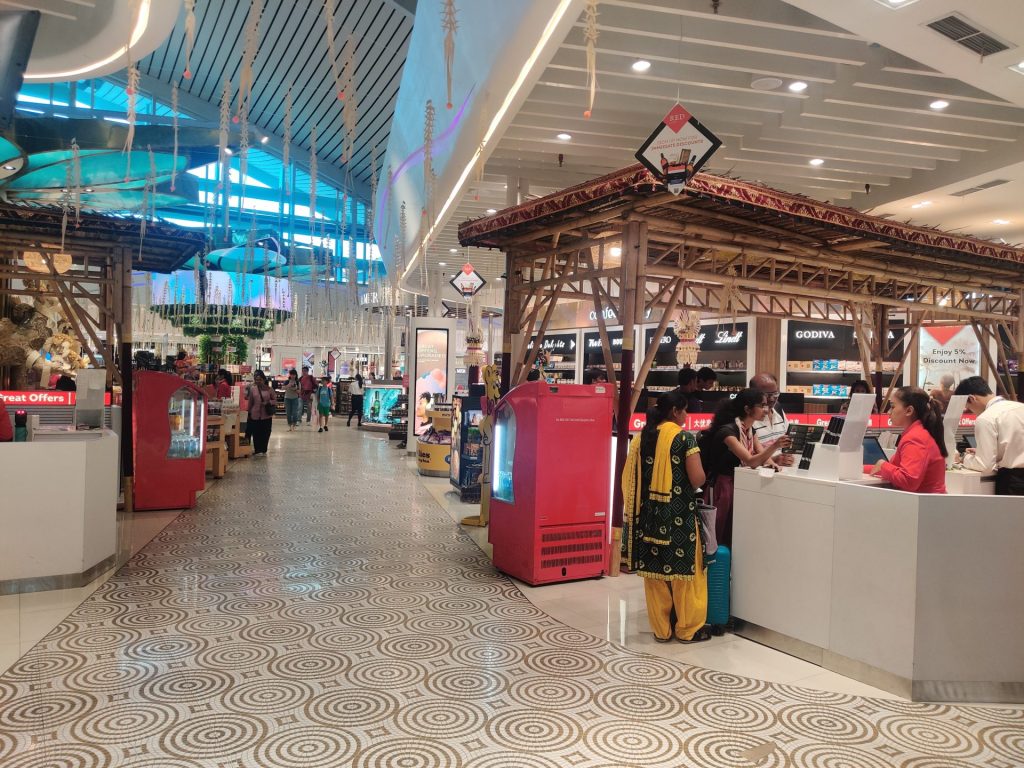
The next couple of hours were spent going around window shopping around the duty free shops and then some nice coffee followed.
We landed at Chennai’s International Airport almost close to midnight.
Thankfully, the immigration formalities got over in a jiffy and to our luck, we got a cab back home within 5 minutes of coming out of the Airport. Mixed reactions from the folks who were not keen on an encore of Bali while I definitely would plan Part 2 of Bali to include places like Seminyak, the twin lakes, the beaches of Nusa Penida (the Diamond and the Broken beach), the Gili Island, the Gates of Heaven at the Lempuyang Temple, the Tirtha Ganga Water Palace and also do some research on hidden gems in Bali.
An Afterthought!!
While most clamour for insta reels and insta ready stories, the charm of seeing a place gets lost when you do not explore the place properly but just spend hours standing in a queue to get that insta tag.
While the photos, dresses and poses gets you that kick in terms of likes, what one misses really is reading the history, going around the places, reading a bit of the history etc.
Another shameful thing I came across in Bali was the complete defacing of Divinity at these Hindu temples. A temple is not supposed to be a showcase for your kissing skills or for wearing scantily dressed outfits or smoking around.
Lots of foreigners shamelessly kept doing this at most spots which appeared a trifle disgusting. Not sure if similar attempts could be made at their places of beliefs. 😱
Do share this with your family and friends on ....

























































































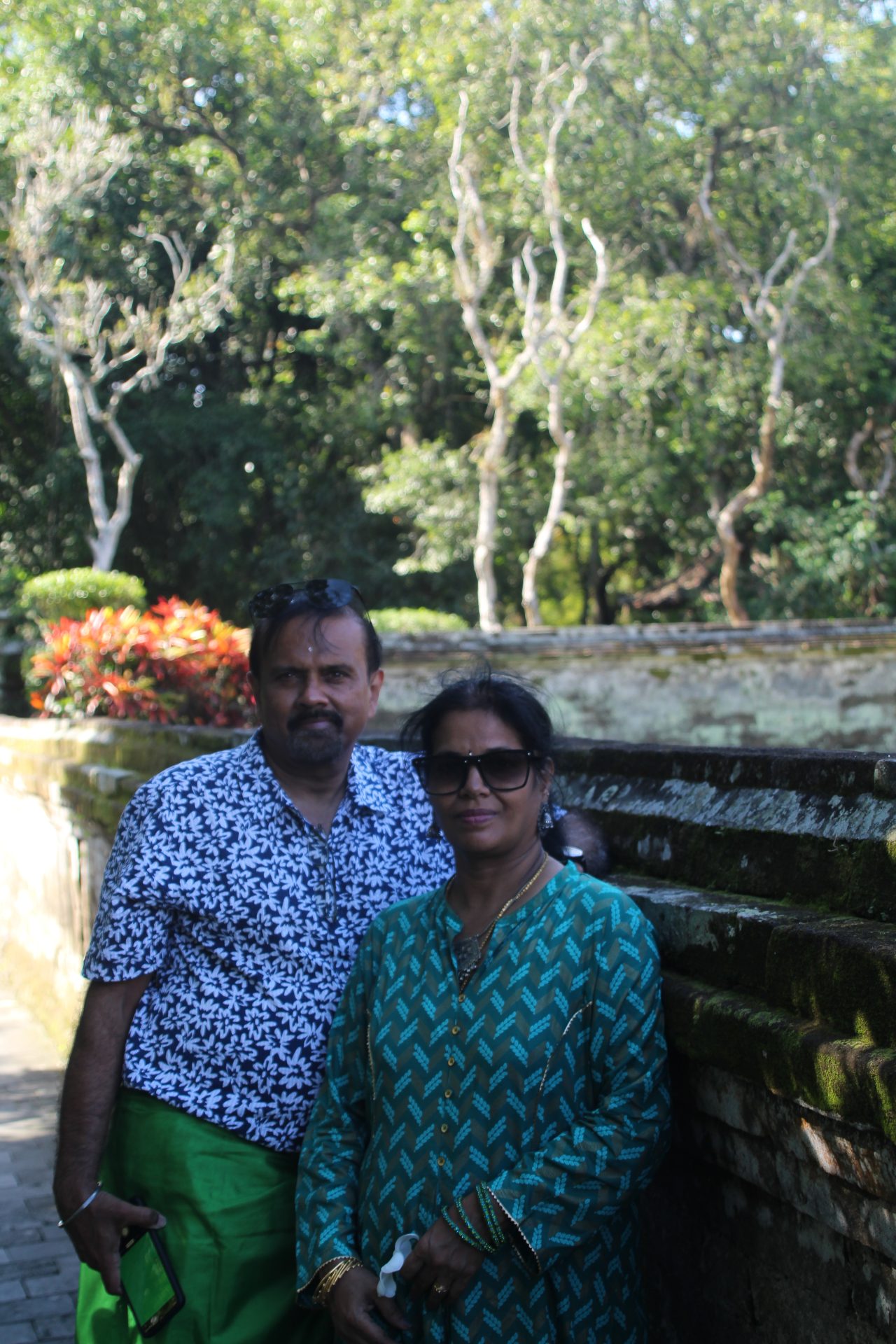


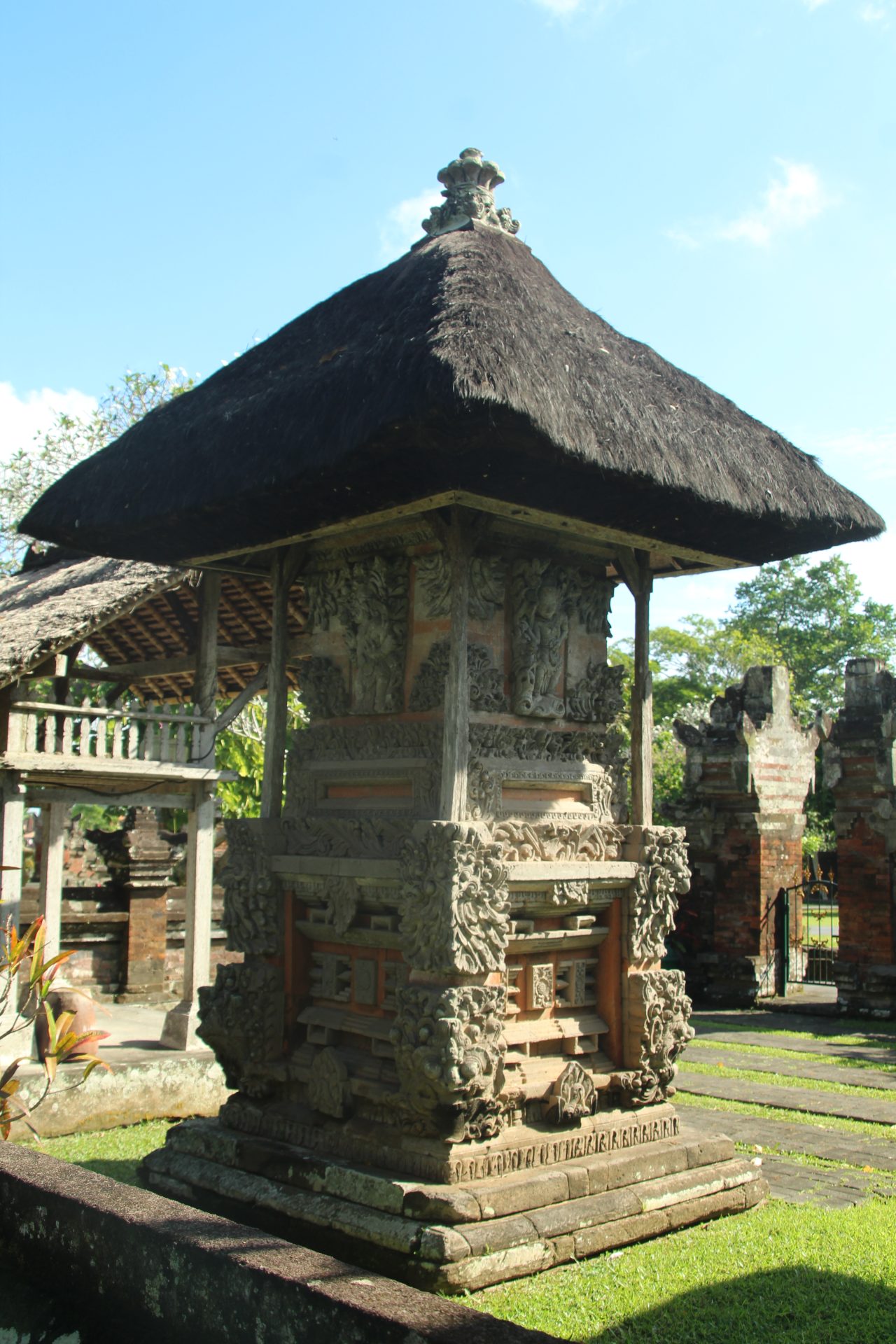


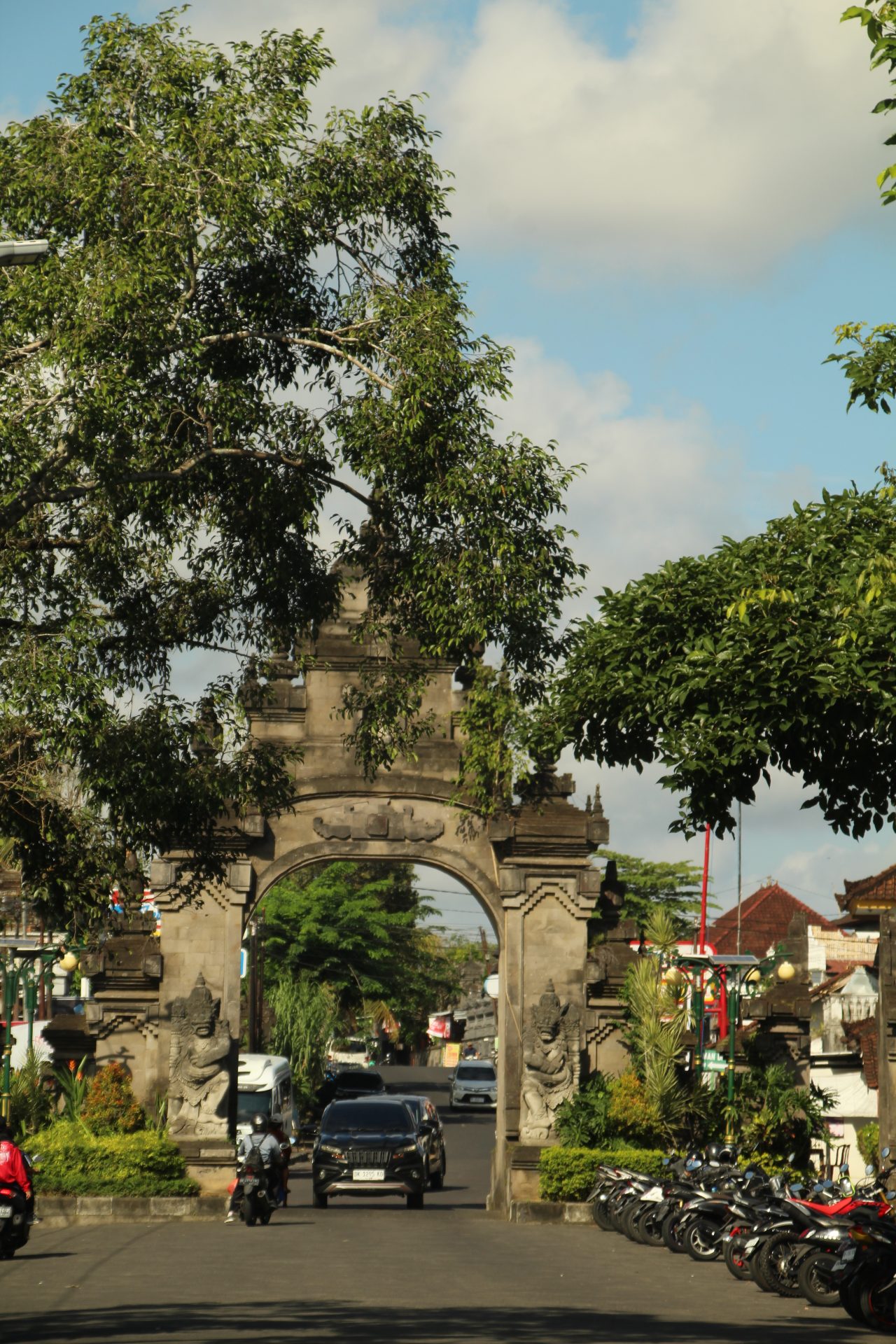


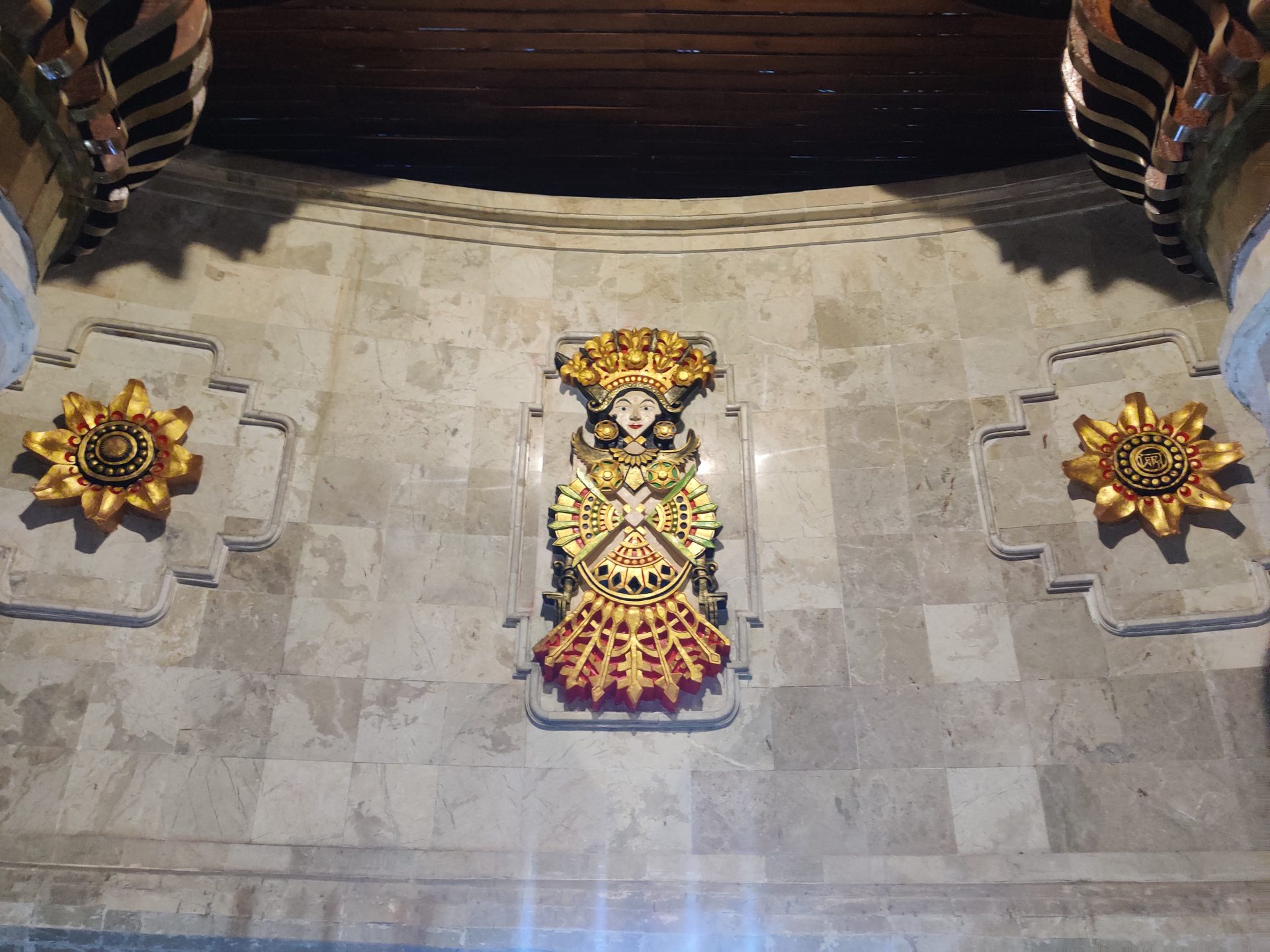










































































Beautifully written and the pictures are outstanding. Very tempted to visit after looking at them.
Excellent writing and good pictures. But language is very formal. Would be great if it can be written for Gen next..
Really Impressive !! What more can I say ? Truly engaging, insightful and structured . A guide for every one. Keep on , Mohan
Best regards -Nambu
Wow. Excellent coverage with commentary and photos.