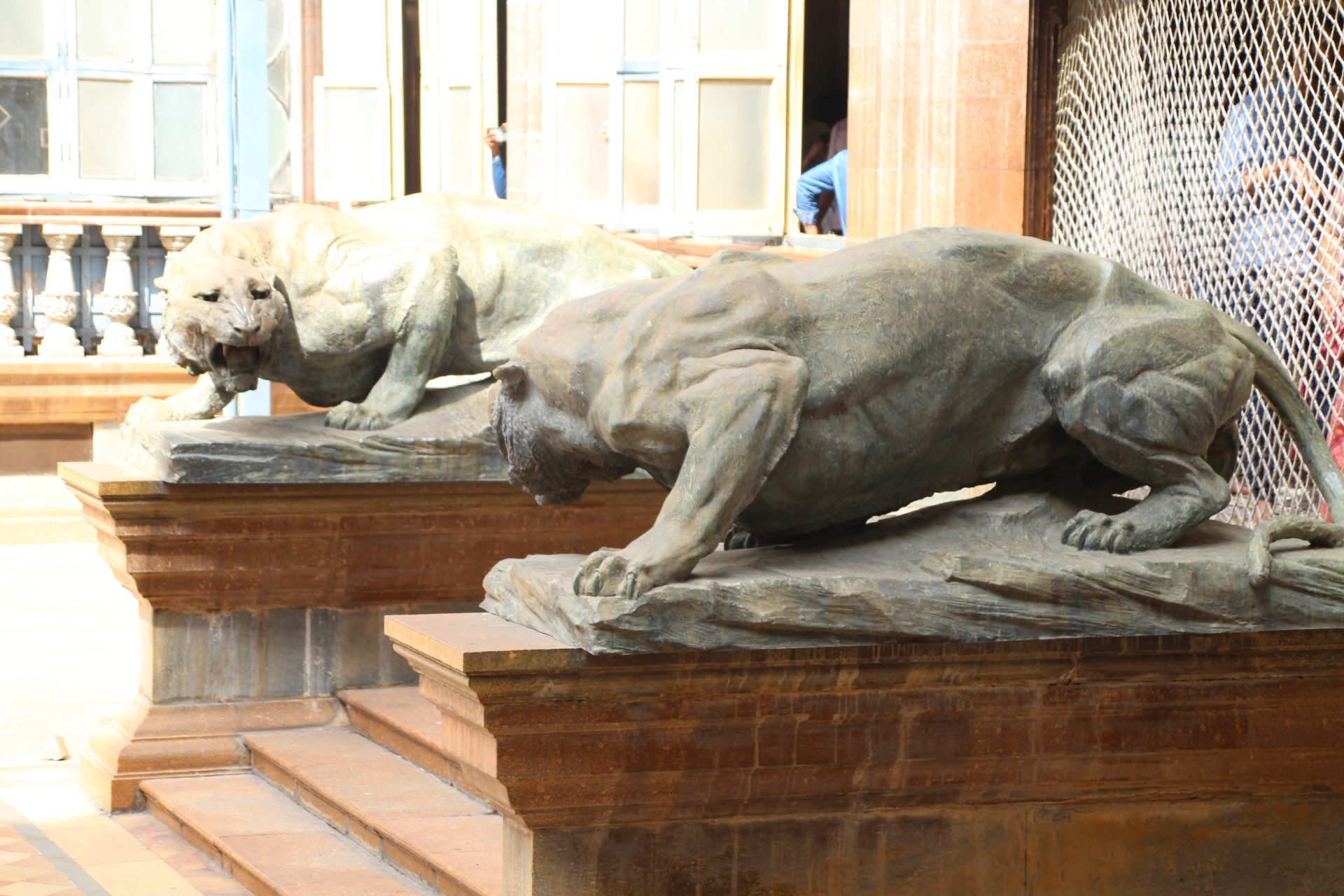
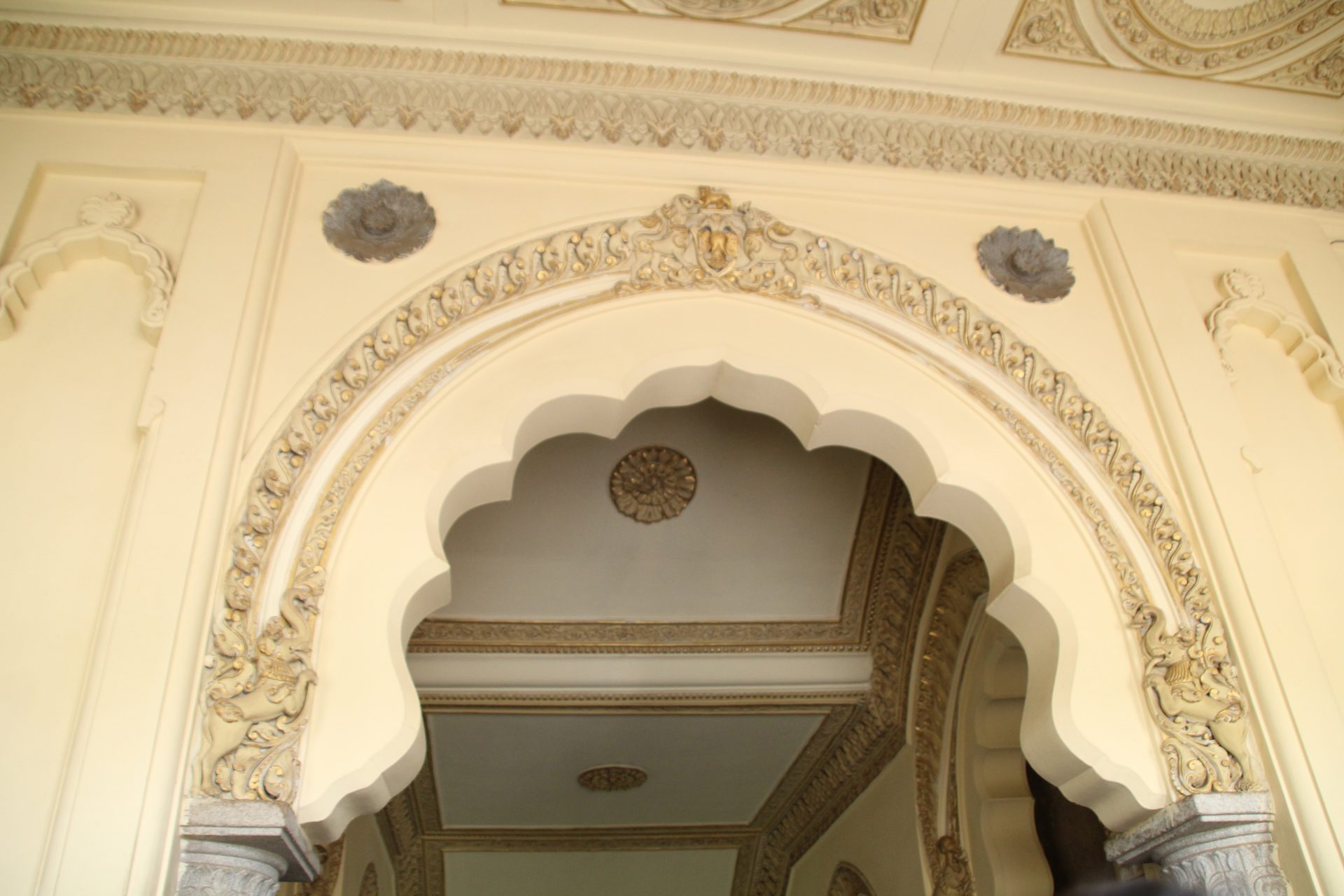
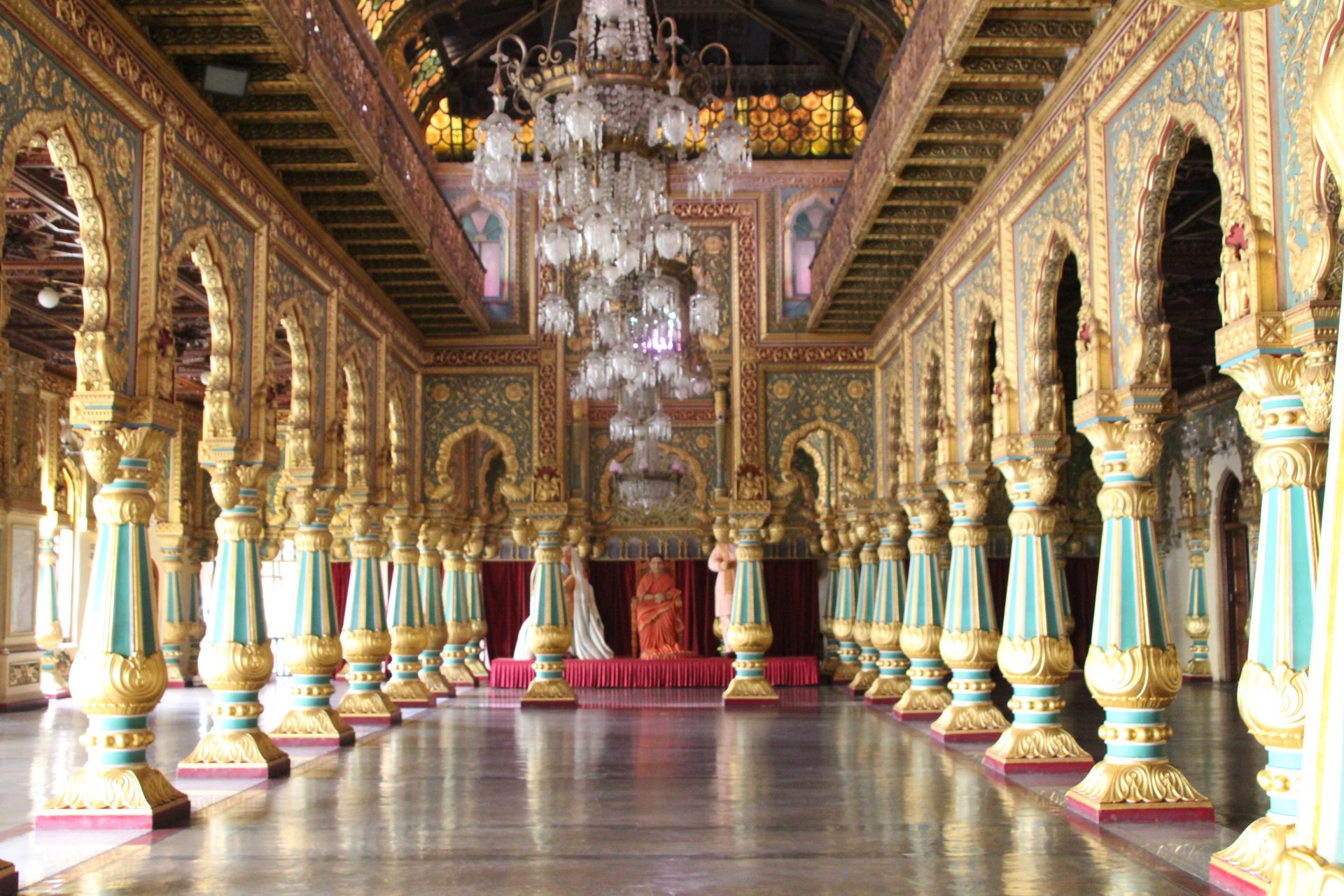
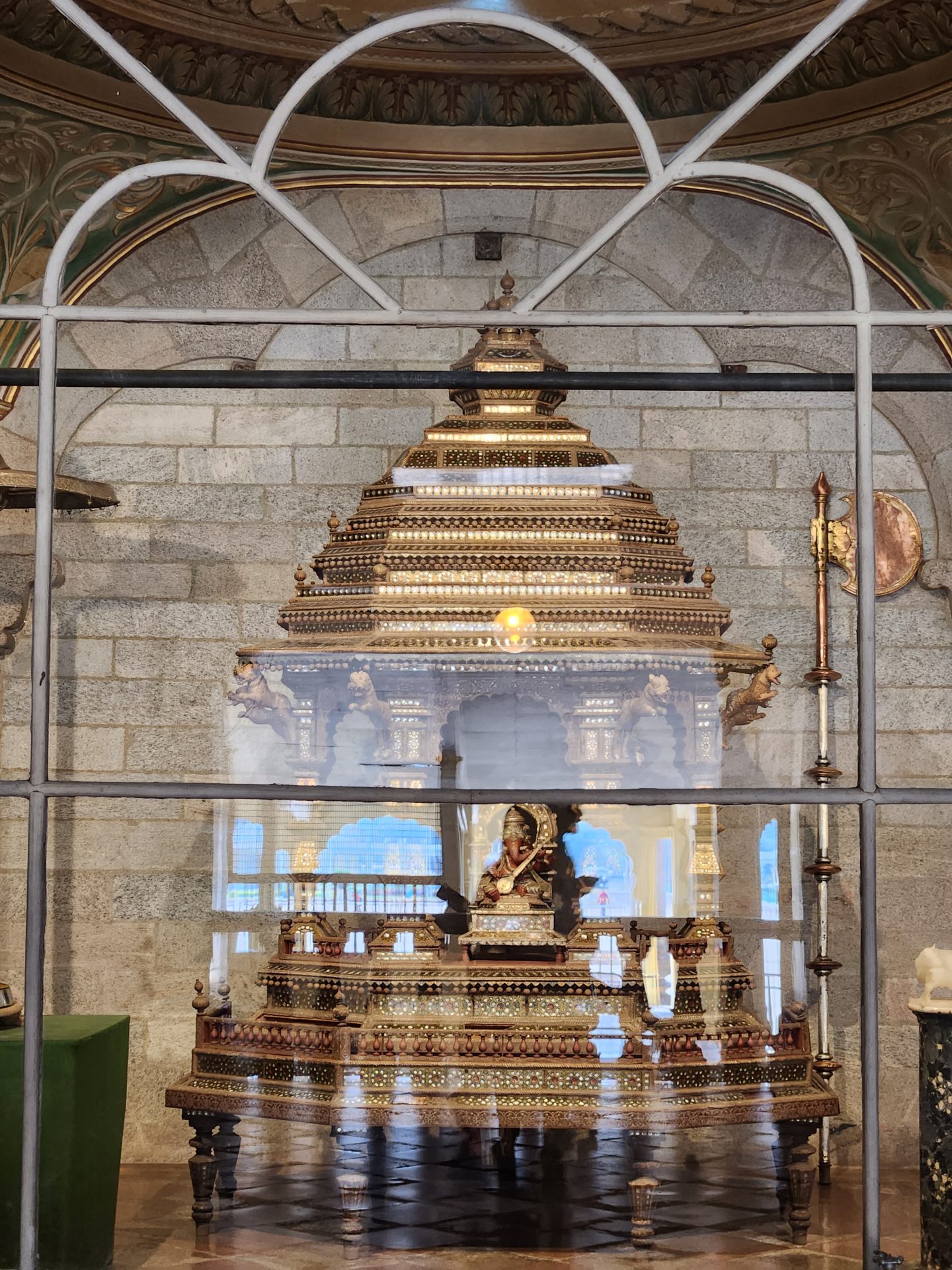
People relate to Mysuru (formerly known as Mysore and meaning the Citadel) as a Feeling rather than a Place. For a city which runs at its own pace, blessed with so many places of historical importance and inhabited by people who come across as very friendly, no wonder a plan suggested for the Republic day weekend to visit Mysuru got immediately endorsed.
While I had done Mysuru with a few of my friends in the early 90s and twice between 2004 to 2008 when the kids were young, decided to quickly weave a plan around Mysuru and Masinagudi to bring in some diversity into the touristy experience.
Table of Contents
How does one reach Mysuru
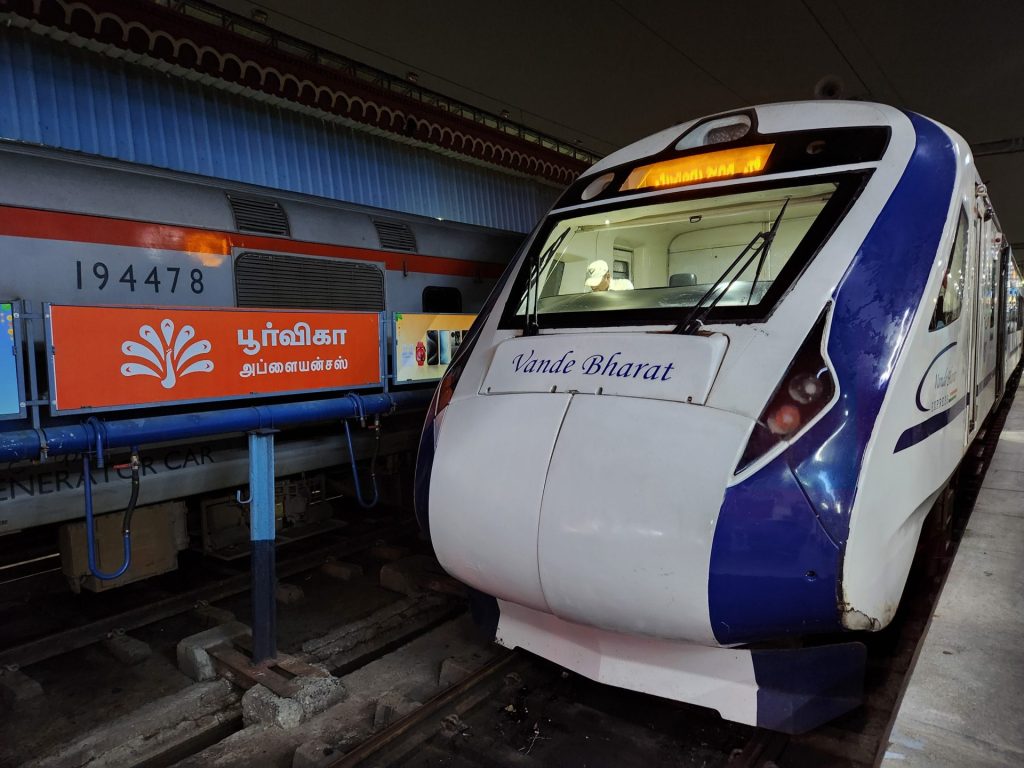
Mysuru has its own airport and is connected to most major metros through a single hop flight. While there is a direct flight connecting Chennai with Mysuru, we chose the cheaper option of taking the Vande Bharat express. There are a handful of long distance trains also connecting most metros to this city but if you fly in to Bangalore, an alternate option would be to hire a cab or do a self drive to this city.
The Right Time to be in Mysuru
The best months to be in this city is between October to March when the weather remains pleasant and temperatures hover between 15 to 27 degree Celsius. The heat does get onto you if you chose to travel between April to June while the city receives plenty of rains between July to September.
Some bit of Trivia on Mysuru
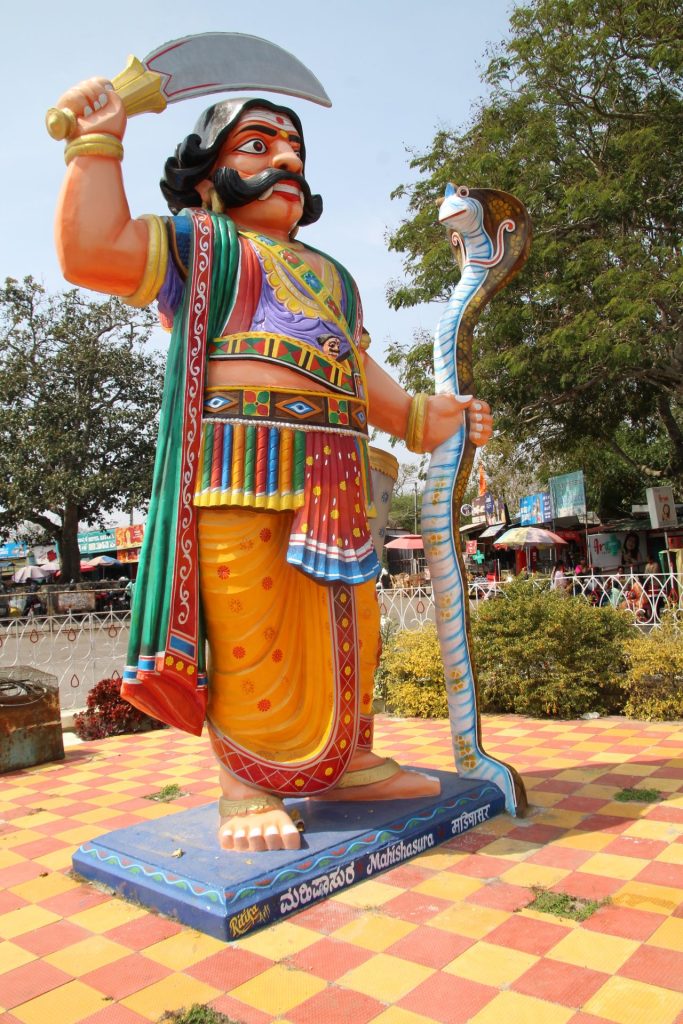
As per mythology and the stories in the Devi Purana, Mysuru was ruled by the Demon King Mahishasura who was a buffalo headed monster. In response to the prayers made to the Gods and Goddesses to save them from the demon, Goddess Parvati took birth as Chamundeswari and killed the monster on top of the Chamundi hill in Mysuru.
The city was otherwise known as Mahishapura which later on became Mahisuru and which is the name, the Royal Family even now uses.
The Britishers finally rendered the name of Mysore to it while in Kannada, it was known as Maisuru or Mysuru. Mysuru was the capital of the Kingdom of Mysore until 1950 and except for a 40 year period during the 18th century when Haider Ali and Tipu Sultan ruled the Kingdom from Srirangapatna.
Till the time it became a part of the Indian Republic on 26.01.1950, it was ruled by Maharaja H.H.Jaya Chamaraja Wodeyar.
As we set forth for Mysuru
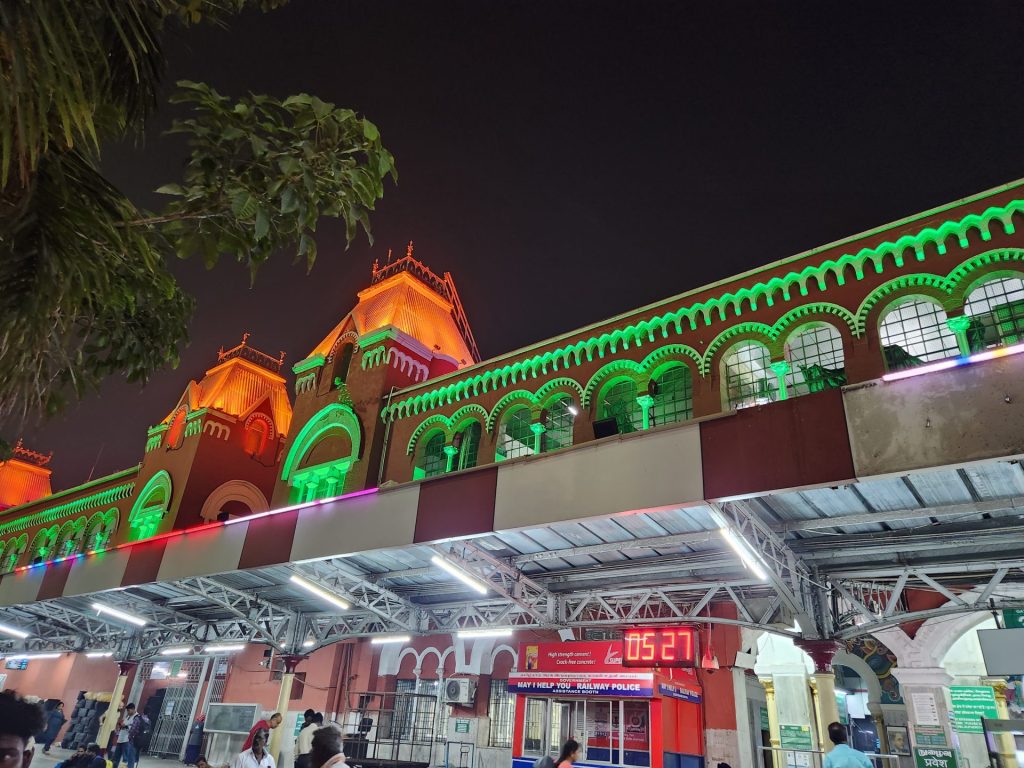
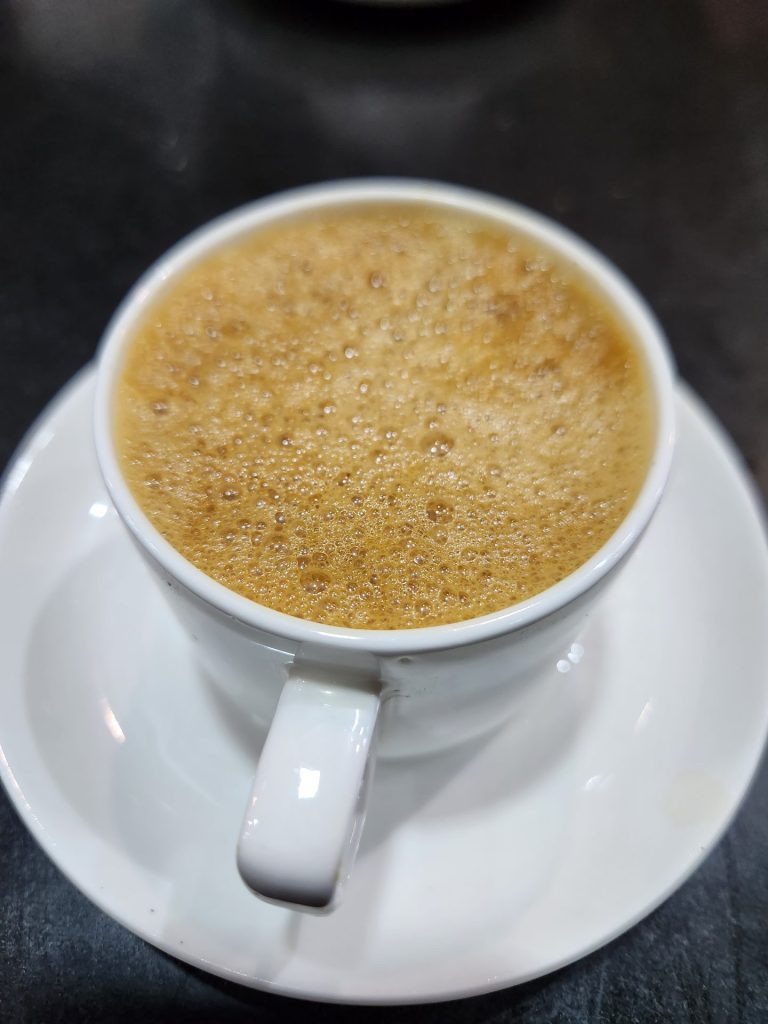
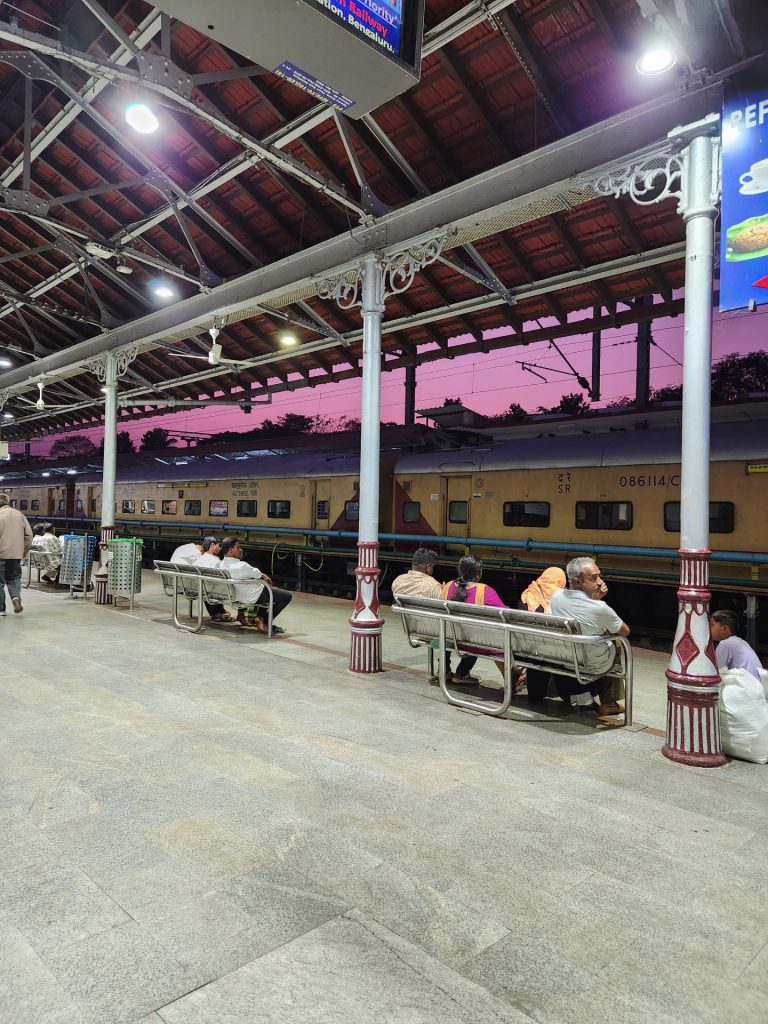
We had booked our tickets for Mysuru by the Vande Bharat Express. An early morning start from home by around 4.45 AM gave us time to grab a nice steaming hot filter coffee before boarding the train. The train left sharp by 5.50 AM for its onward journey via Bengaluru and we were at Mysuru a little after noon.
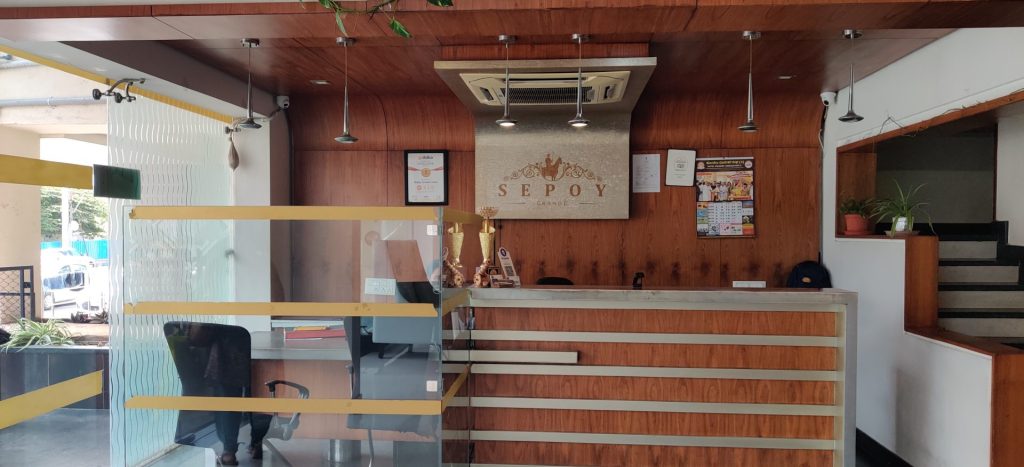
The usual search for the Olas and Ubers delayed us by around 30 minutes before we finally reached the hotel Sepoy Grande by 1.30 PM.
Enroute the hotel, Kiran our Ola driver got into a conversation to check on our interest for sightseeing in and around Mysuru and after ascertaining the rates and his number, promised to call him towards the evening depending on how our plans pan out over the next couple of days.
The check-in formalities completed we ordered a light lunch from the hotel restaurant.
Choices of stay at Mysuru
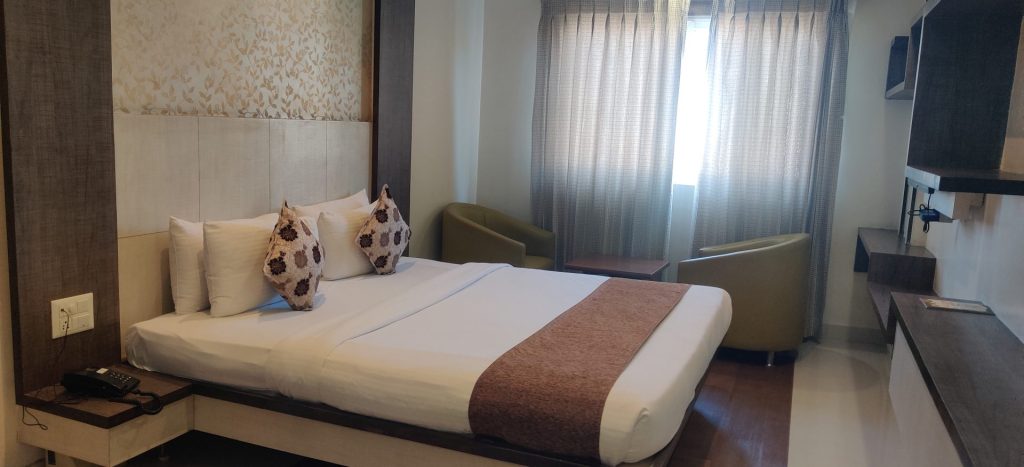
There are multiple options to choose from in Mysuru. While we stayed at Sepoy Grande, it was not a great experience to start with, given that we had to change rooms within a couple of hours of landing and to get them to fix the TV or the AC proved to be an ordeal.
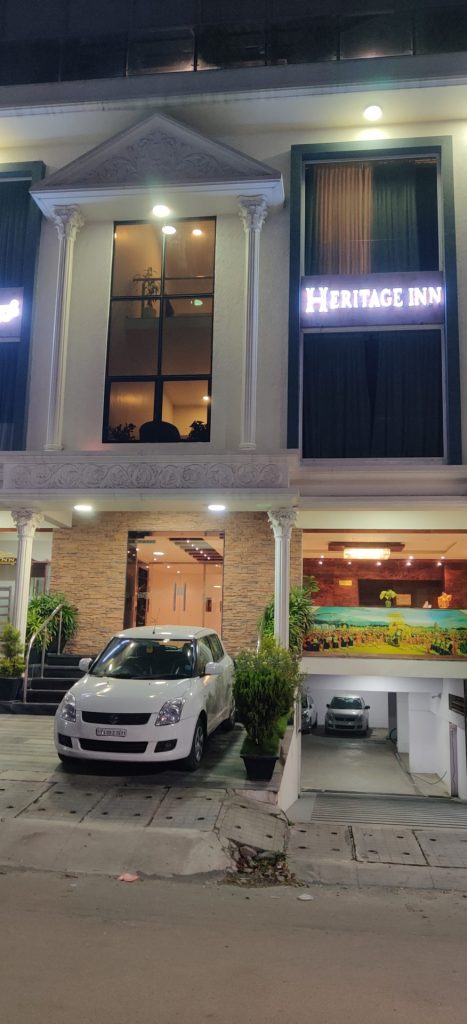
After giving them a piece of my mind, things improved from the evening but given that we had planned our stay for 3 days, we were skeptical of things going wrong anytime. Fortunately we were not let down. One could look at options of Heritage Inn which was adjacent to Sepoy Grande or look at Southern Star, Fortune JP Palace, Pai Vista etc
LUNCH AT THE HOTEL
A quick tour of places near our Hotel
The Mysuru Zoo
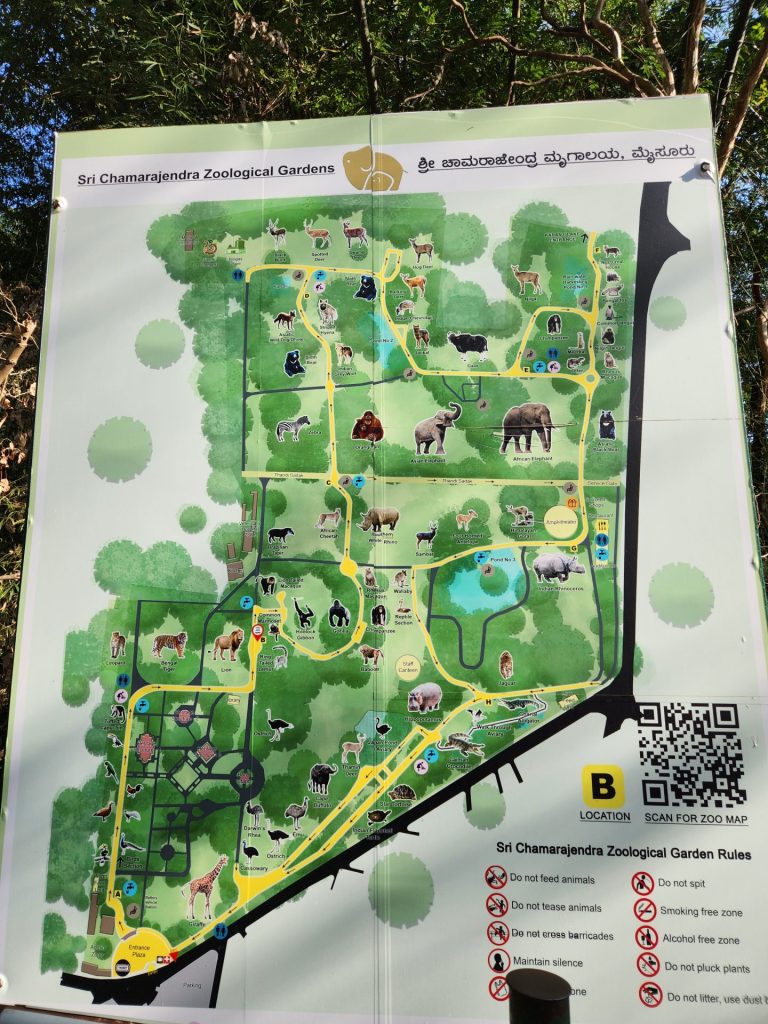
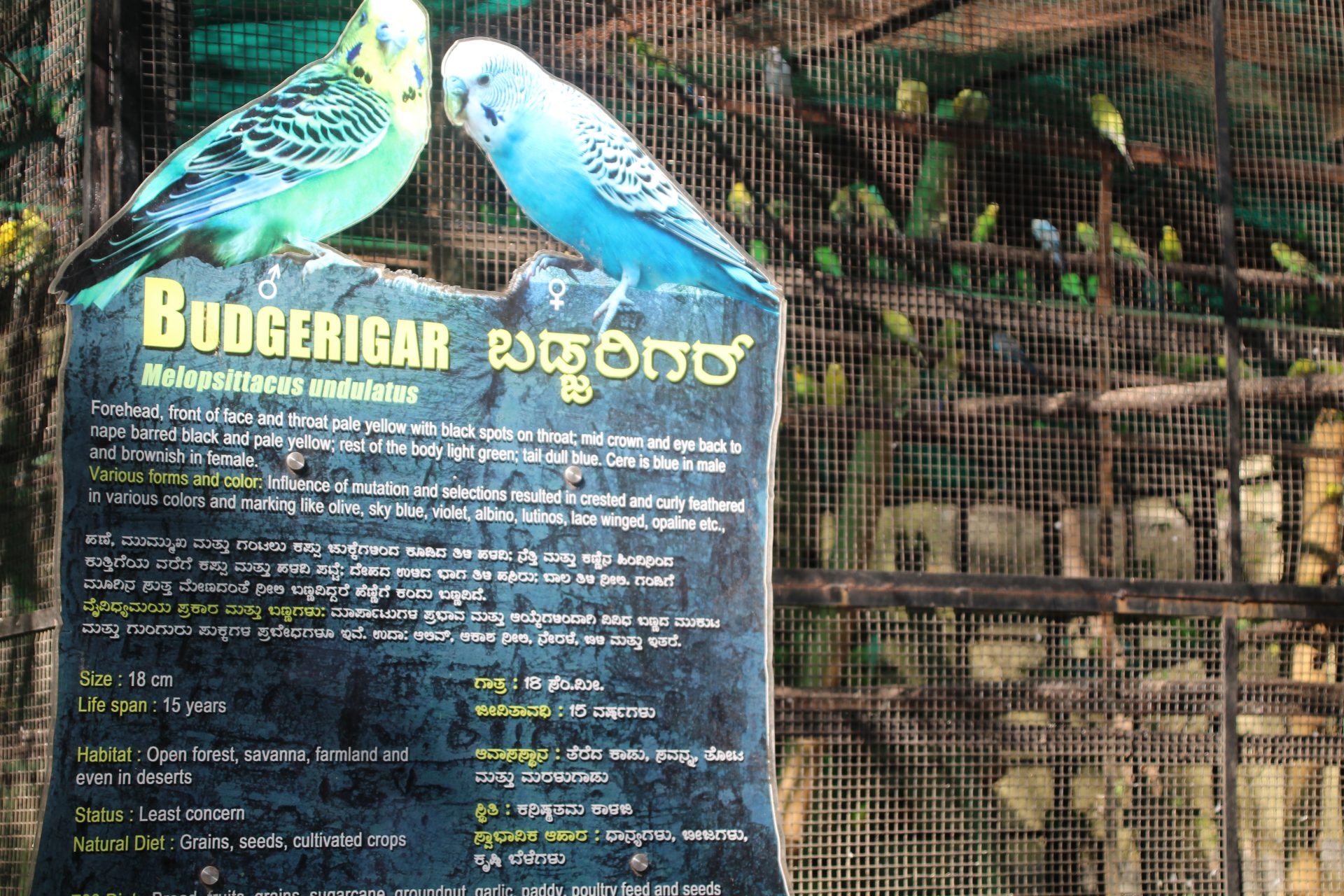
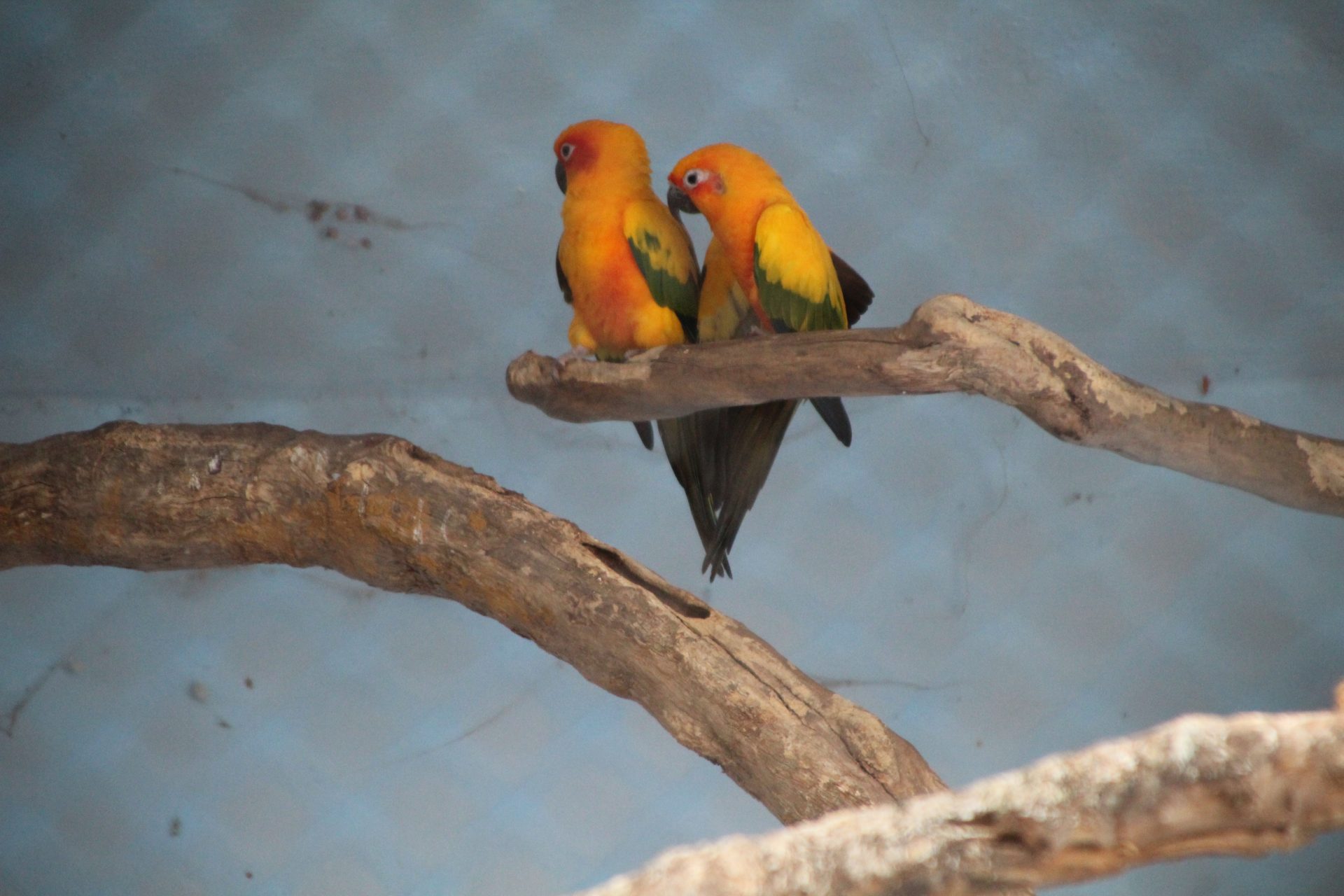
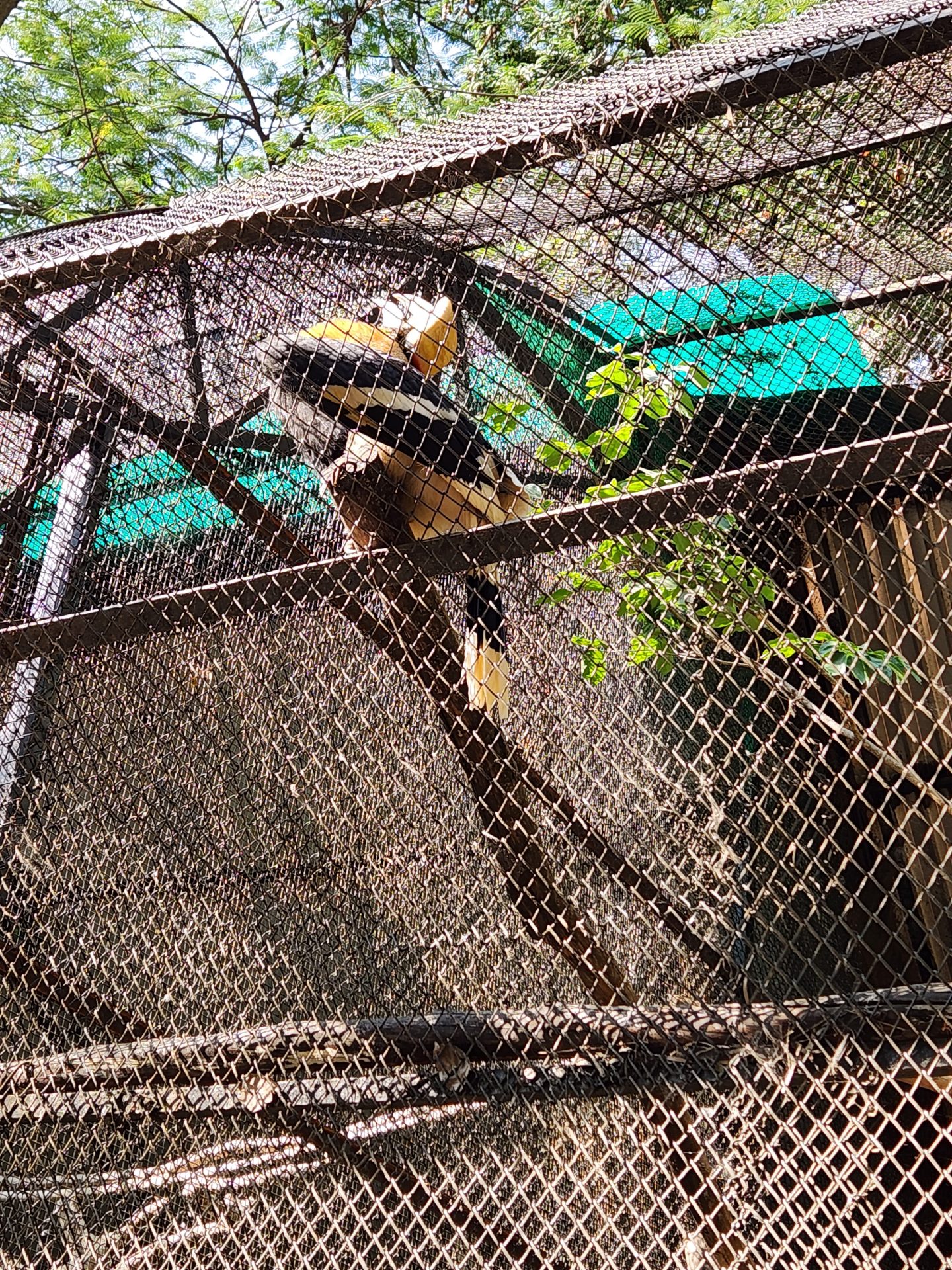
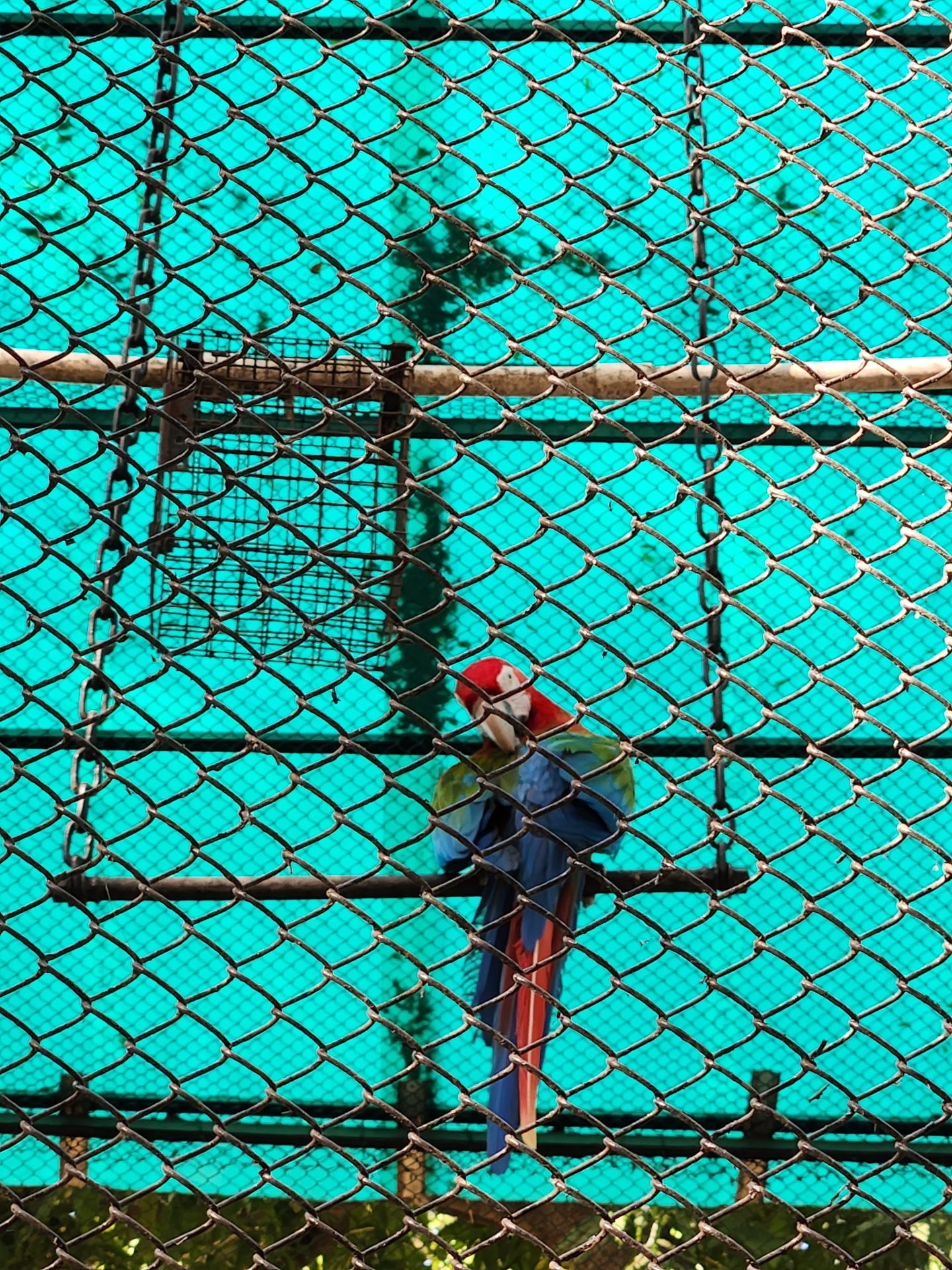
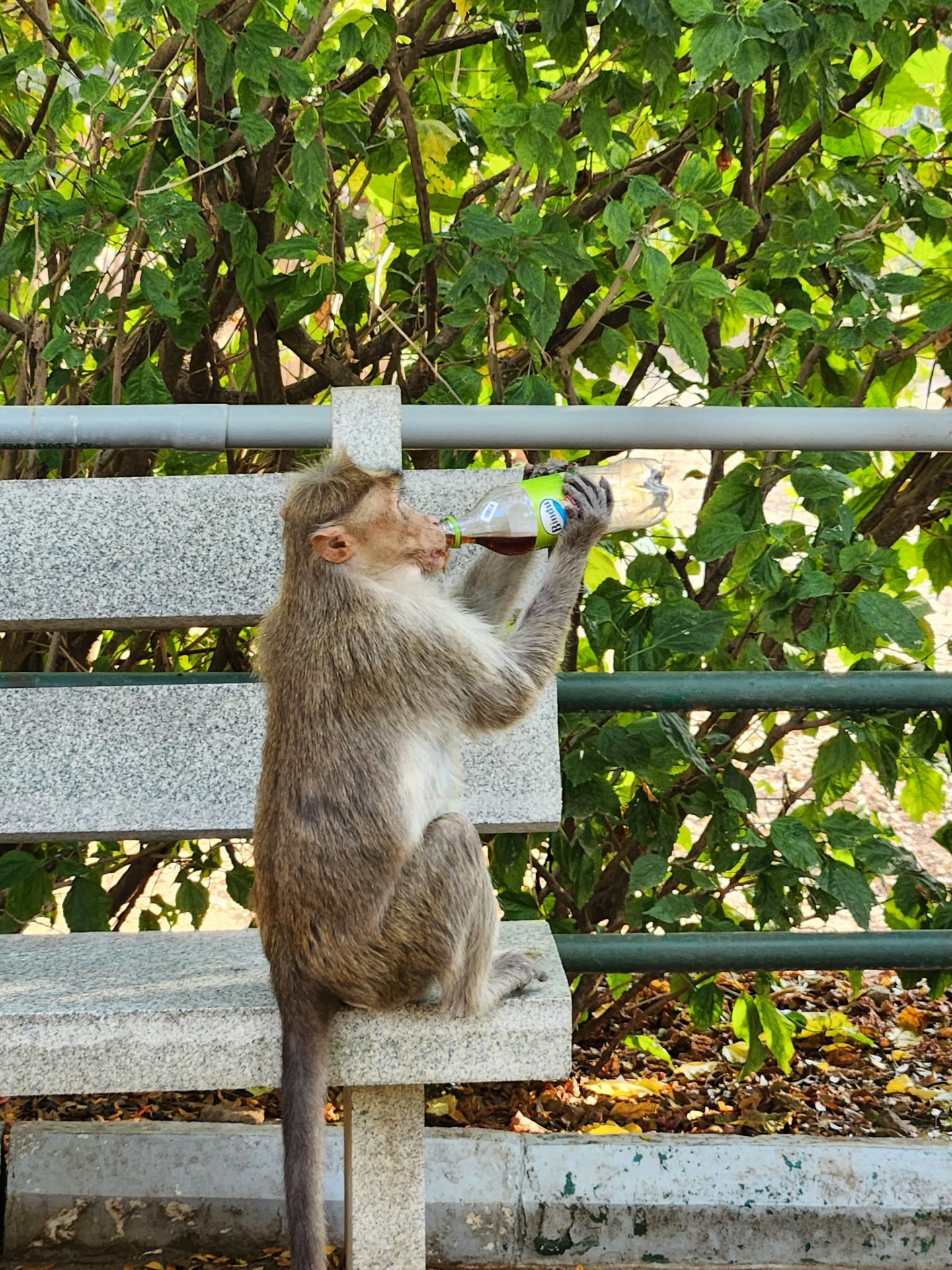
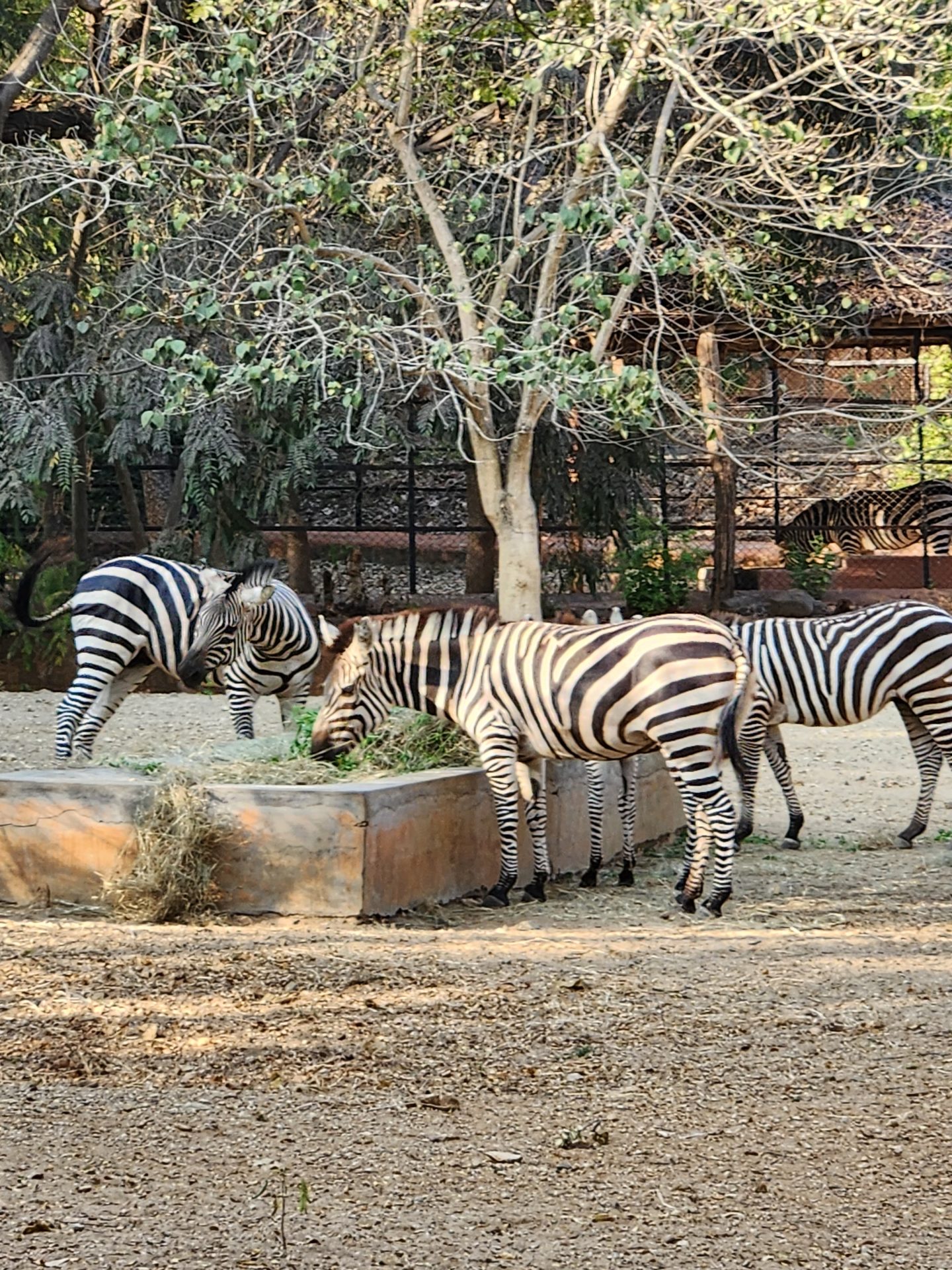
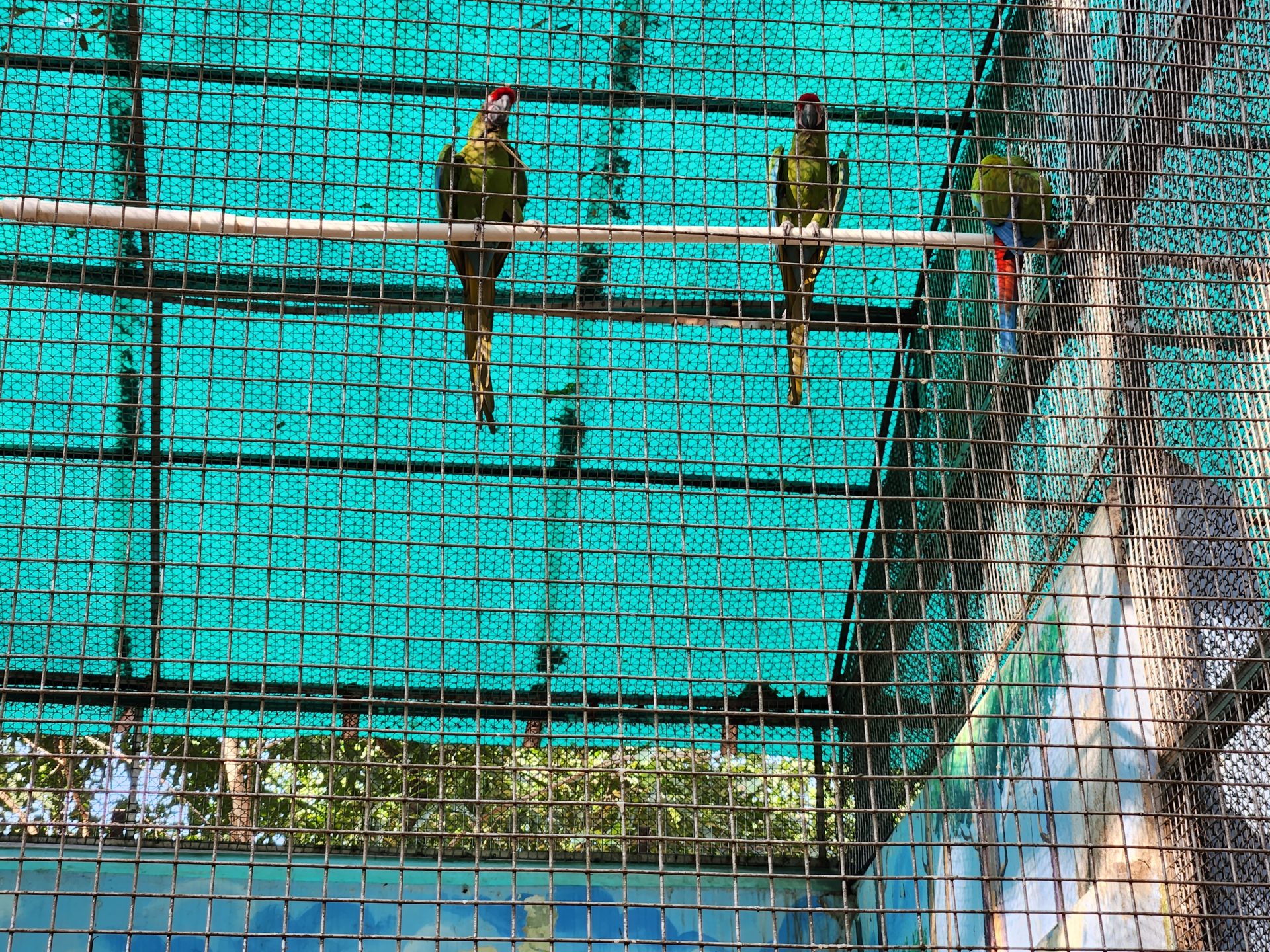
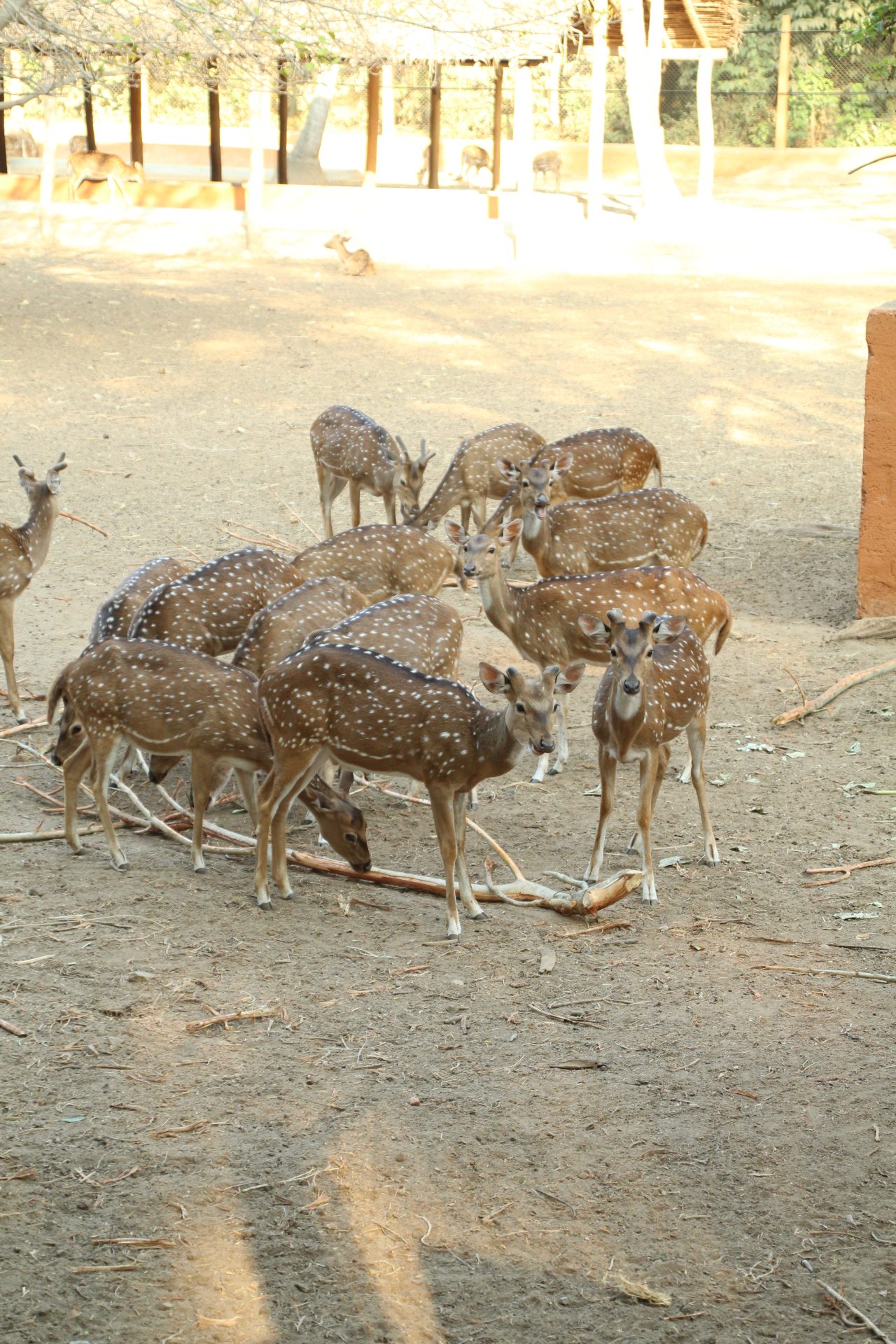
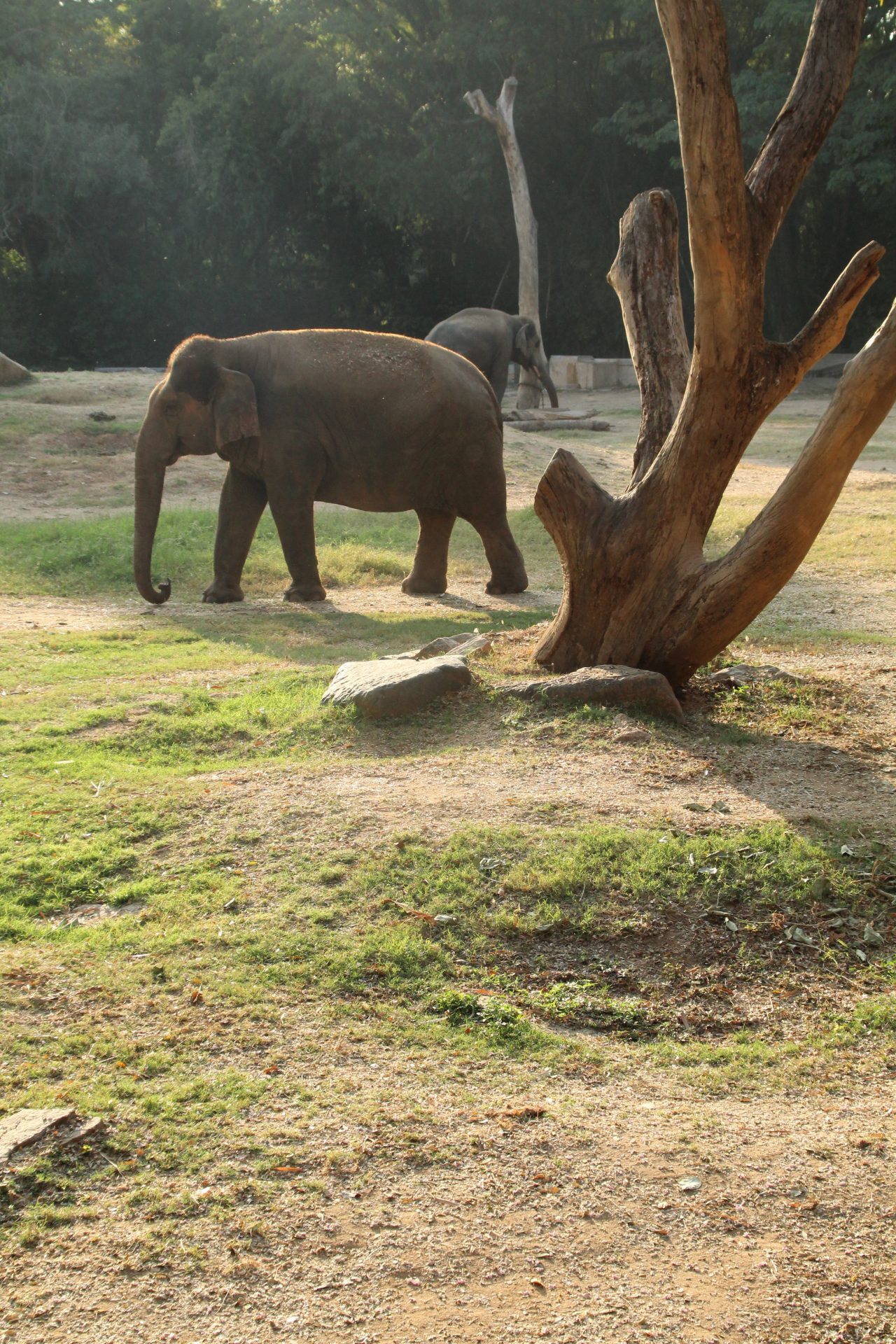
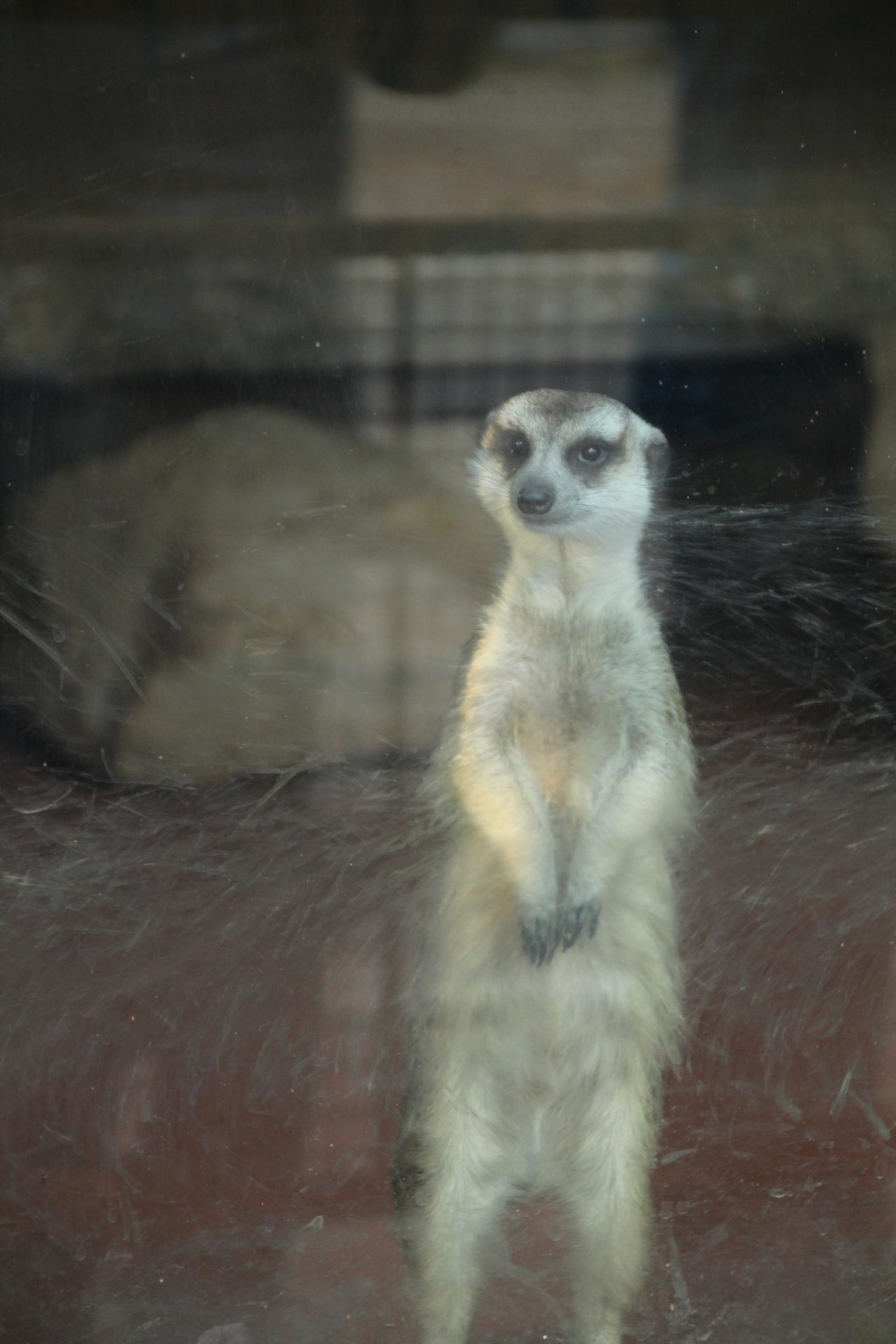
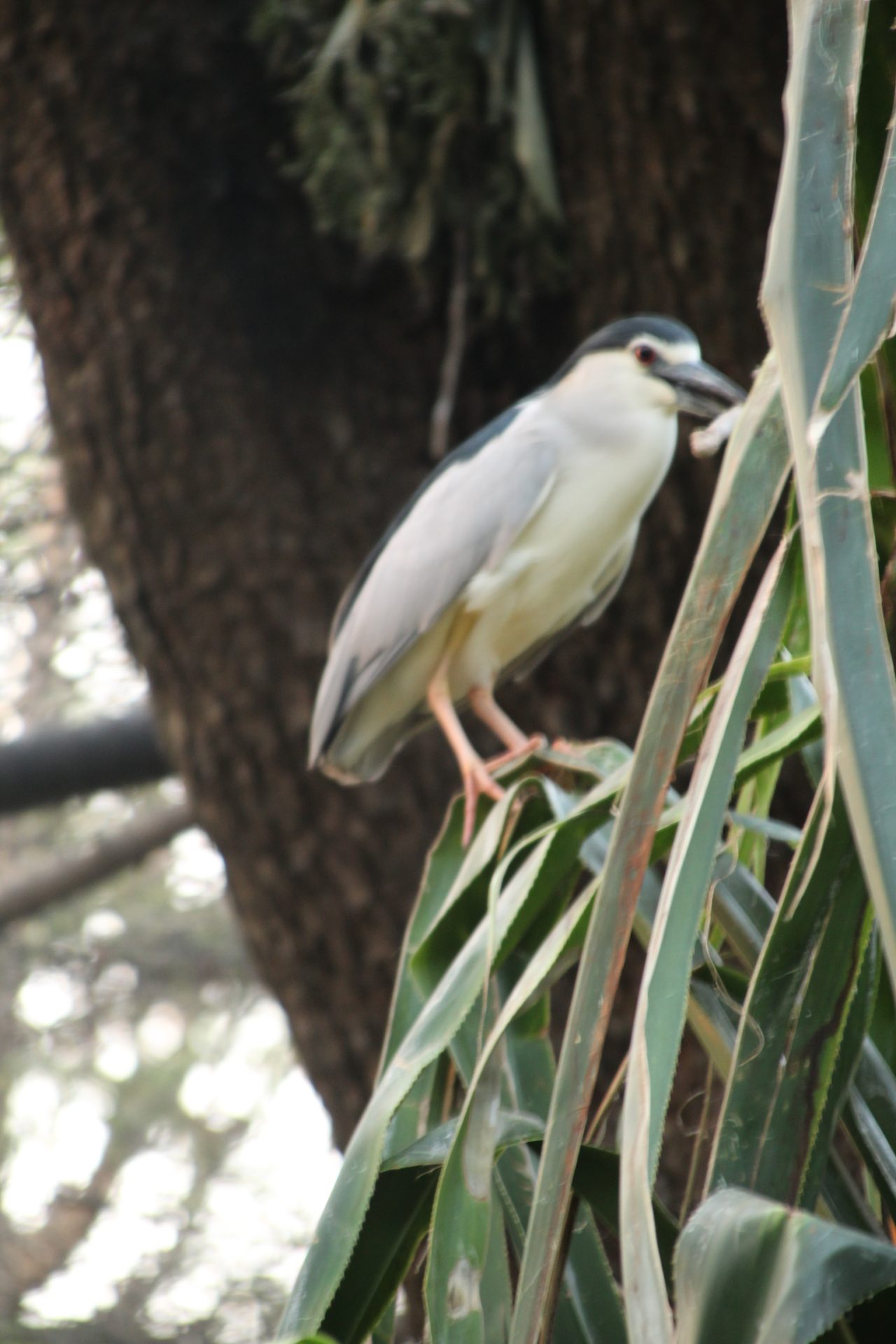
By around 3 in the afternoon, we headed for the Zoo. The Chamarajendra Zoological Gardens as what the Mysuru Zoo is alternatively known as, is the country’s oldest zoo, founded in the year 1892. It was initially built as a private zoo for the Royal Family.
Public Entry was allowed from 1920 onwards. The Zoo is open on all days of the week from 8.30 AM to 5.30 PM except for Tuesdays. There are over 1450 species of animals and 168 species of birds and is spread across 250 acres.
These animals and birds belong to over 25 different countries. One gets to see a wide variety of primates, big cats, large mammals including Elephants of the Asiatic and African variety, Chimpanzees, Orangutans, Gorillas, Bears, flightless birds, terrestrial birds, deer, antelopes, reptiles, zebras, giraffes and many more.
Tickets are priced at Rs.100/- per head while a separate fee of Rs.100/- is levied for still cameras. Keep aside anywhere between 2 to 3 hours for a complete visit to the zoo.
We were out of the Zoo by around 5.45 in the evening and were beginning to feel hungry.
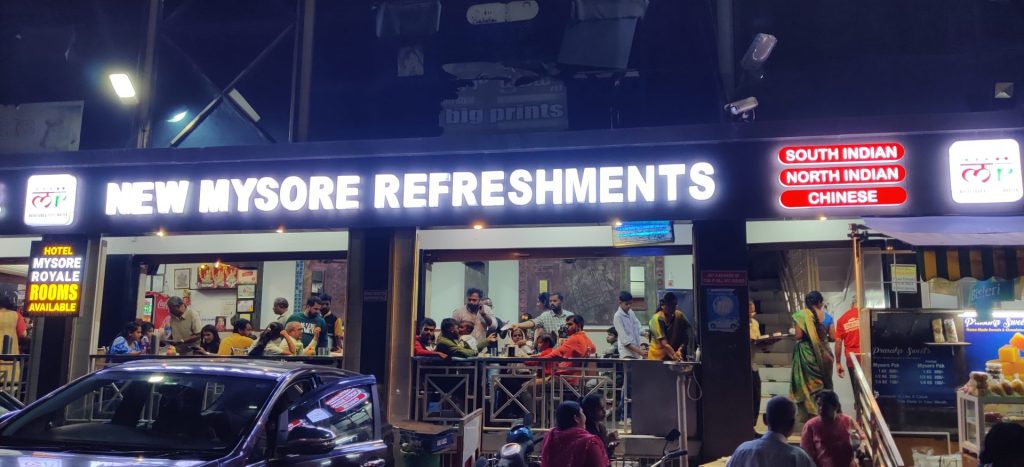
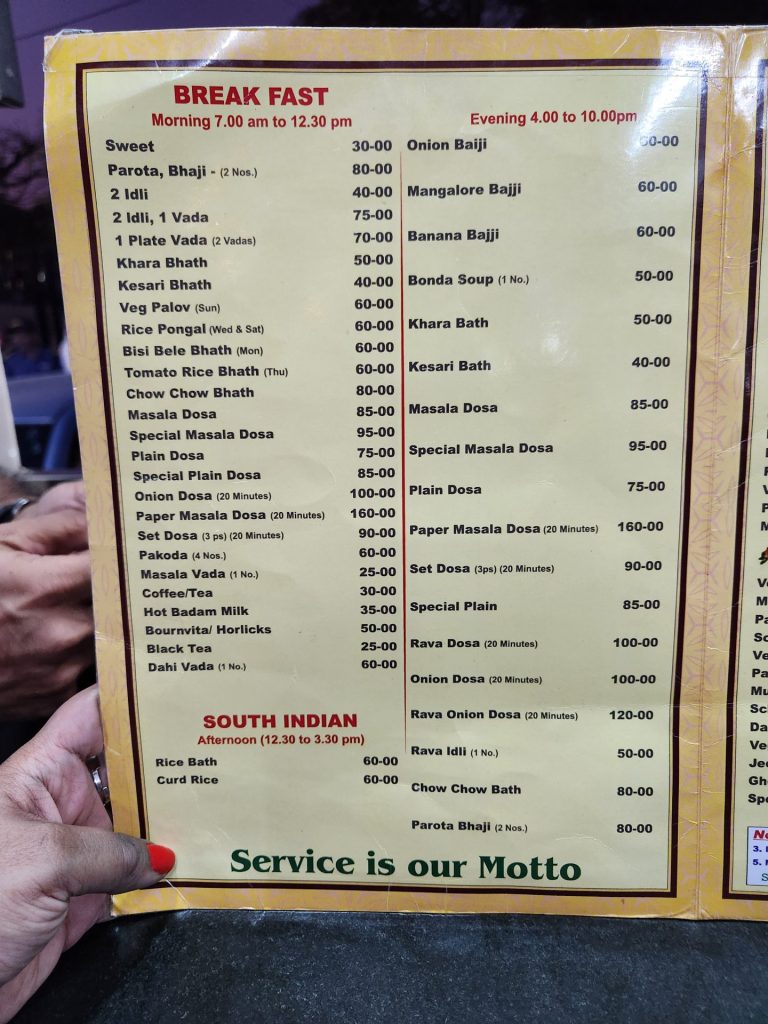
As we came out of the subway through which one has to make his way into and out of the Zoo and were hunting for a nice Filter Coffee outlet, we came across this crowded restaurant New Mysore Refreshments.
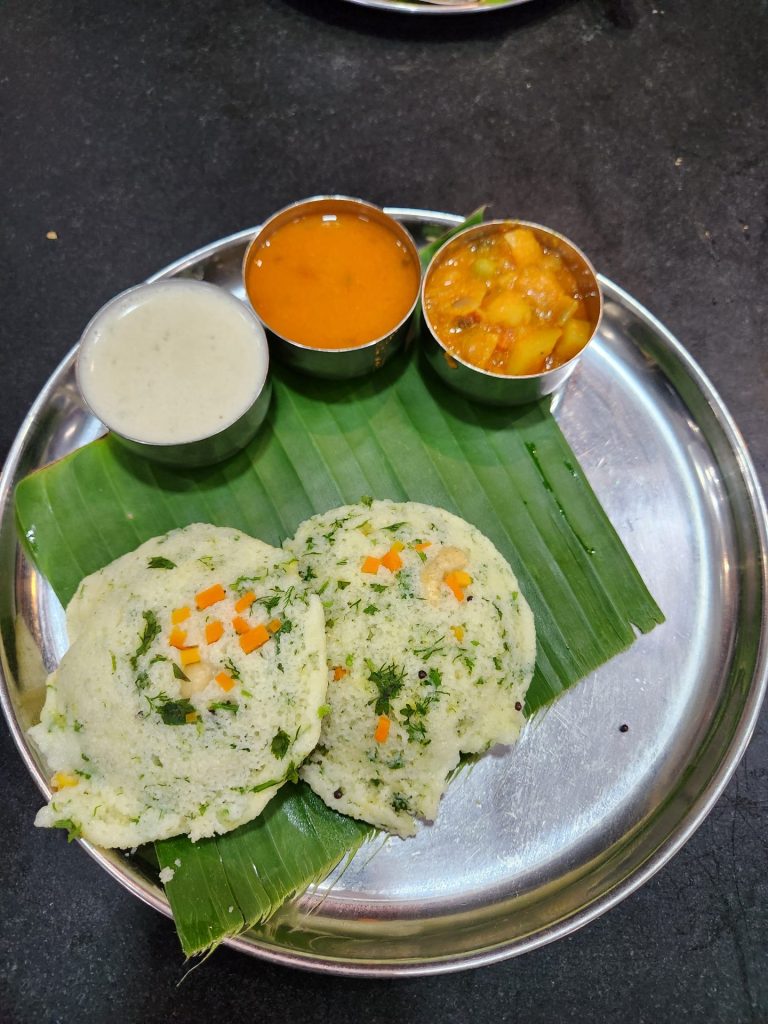
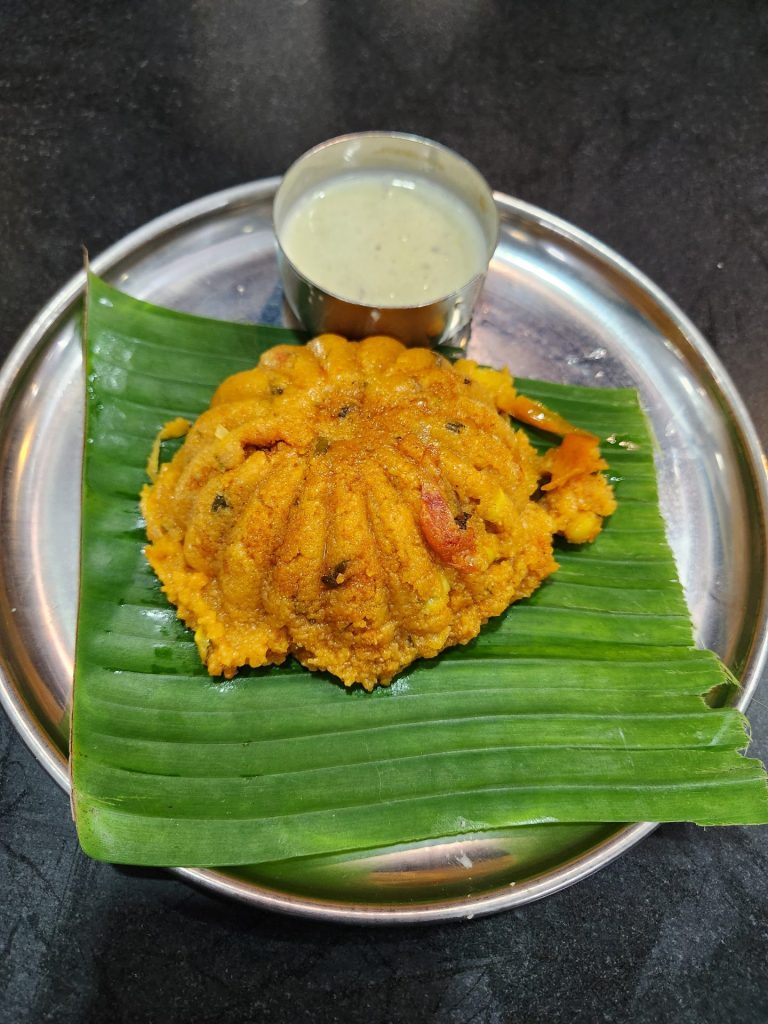
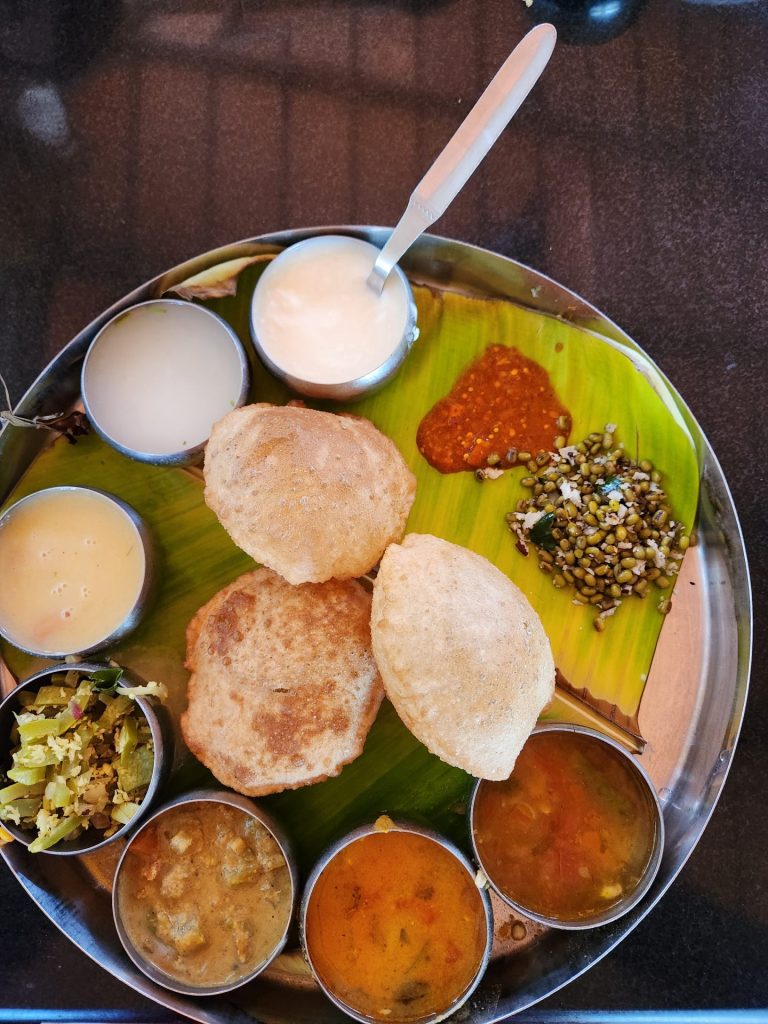
We had to wait for almost 30 minutes but the food was worth the wait. A complete assortment of South Indian dishes but very well made and dished out in Kannadiga style.
We took an Ola cab back to our Hotel and on the way spoke to Kiran, the Ola Driver who had dropped us earlier from the station for a trip to Hassan District to visit the temples at Halebid and Belur the next day.
Mysuru Palace lit up at night
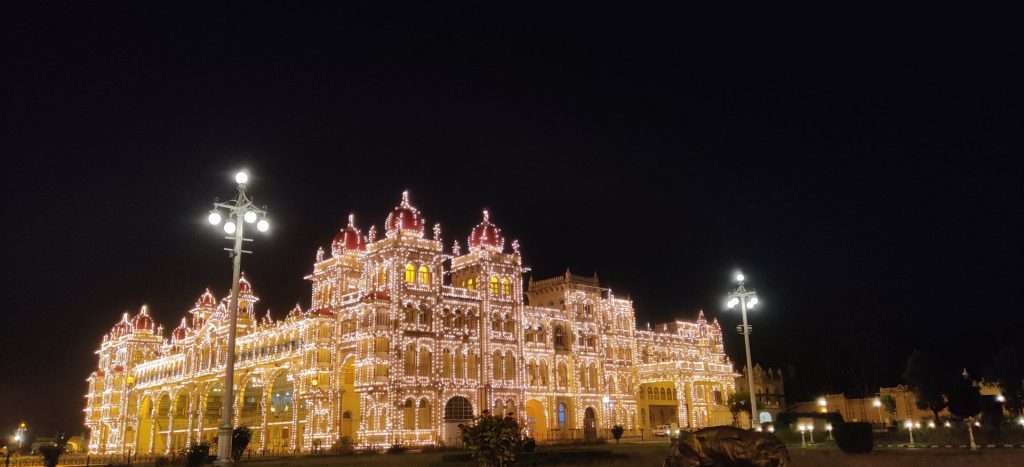
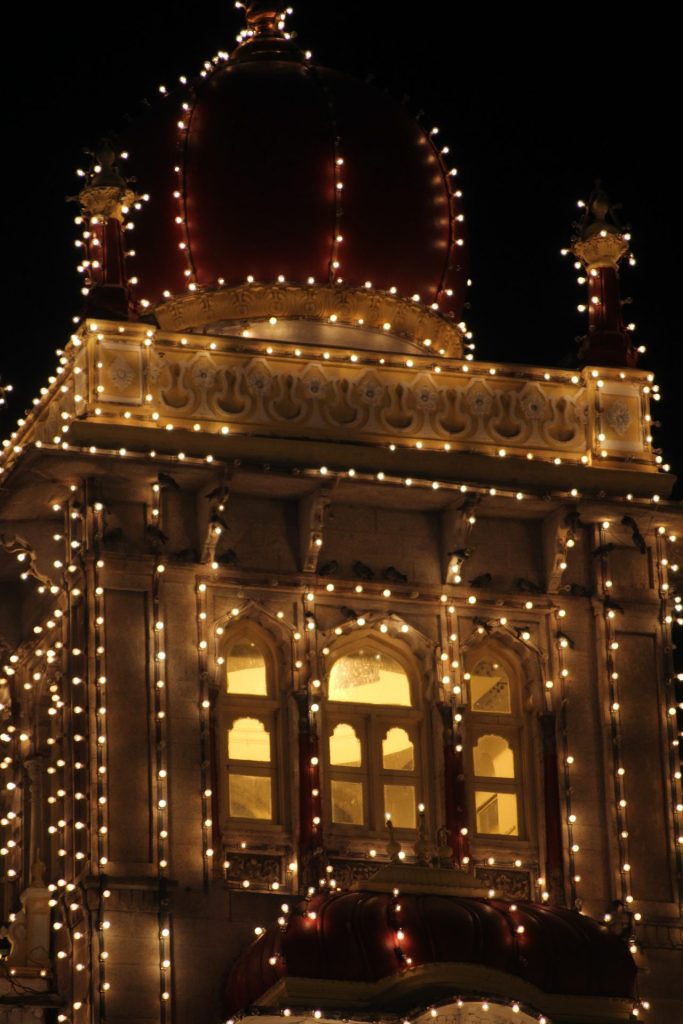
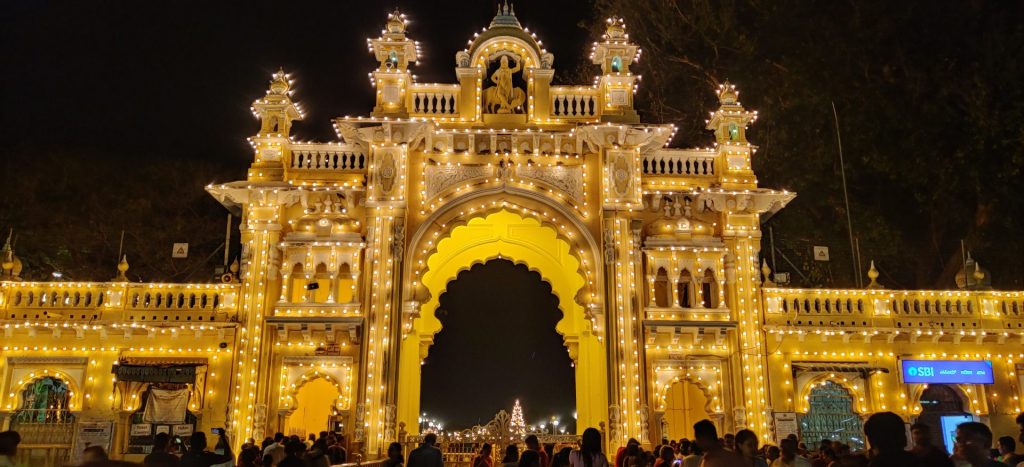
After dropping the family at the hotel, I walked across to the Mysore Palace which was around 750 metres away to have a look at the lighting. Had only around 30 minutes available to go around the Palace since the lights are switched on between 7.00 PM to 8.00 PM and I reached there around 7.30 PM.
The Palace gets beautifully lit up on national holidays and Sundays and since we were not sure of when we would be back to base on Sunday, decided to visit the palace. The family gave it a skip and said they would see it through my lens.
Nearly, a lakh of incandescent bulbs are used to light up the Palace and this definitely is a must see attraction to be included in one’s itinerary. Plan your visit on a Sunday or during a week which has a National Holiday.
The Palace could be visited during the Dusshera festival but managing one’s way through the crowds would be a challenge. It is believed that the annual footfall at the Palace exceeds 3.5 million people. During this festival the lights are switched on for a couple of hours on the first 8 days and for 3 hours on Vijaydashami day.
Around 50,000 bulbs get replaced every year. There is a 45 minute Light and Sound Show narrating the 400 year old history of Mysuru which takes place at the Palace on all days except Sunday.
While it is held in the local vernacular between 7.00 PM to 8.00 PM between Monday to Wednesday and 8.15 PM to 9.15 PM on Saturday, it is held in English between 7.00 PM to 8.00 PM between Thursdays to Saturdays. Tickets are priced at Rs.100/- and Rs.120/- for the respective versions.
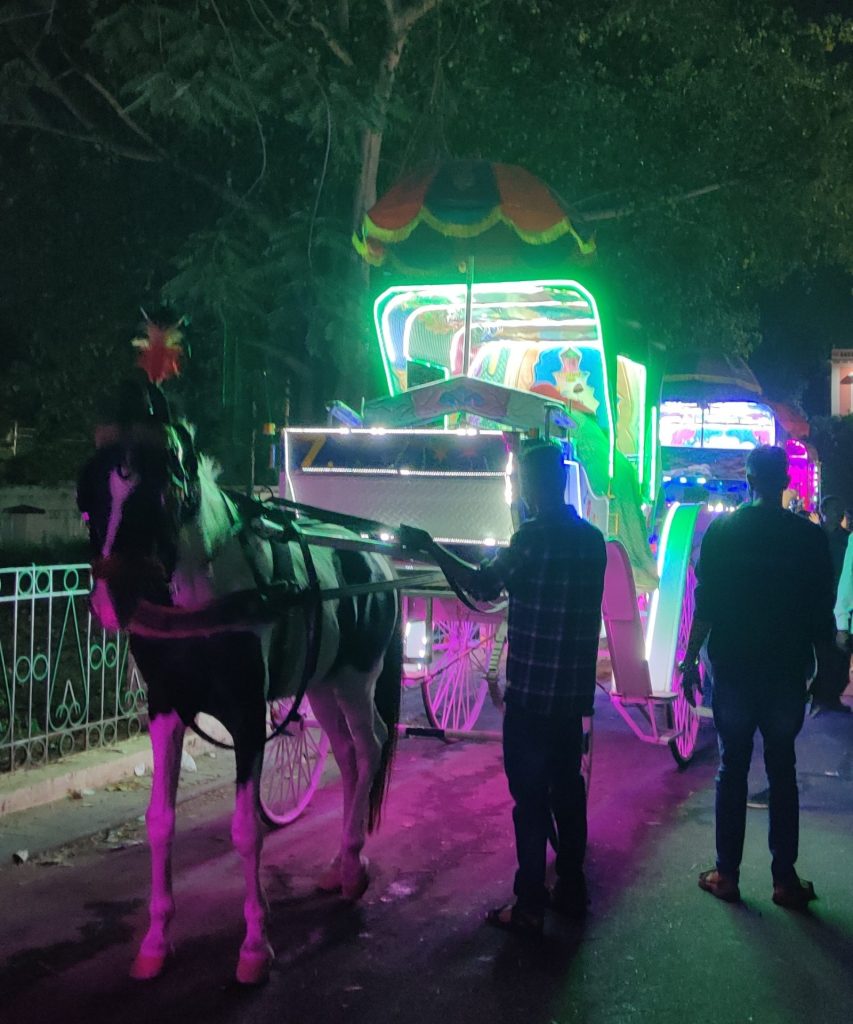
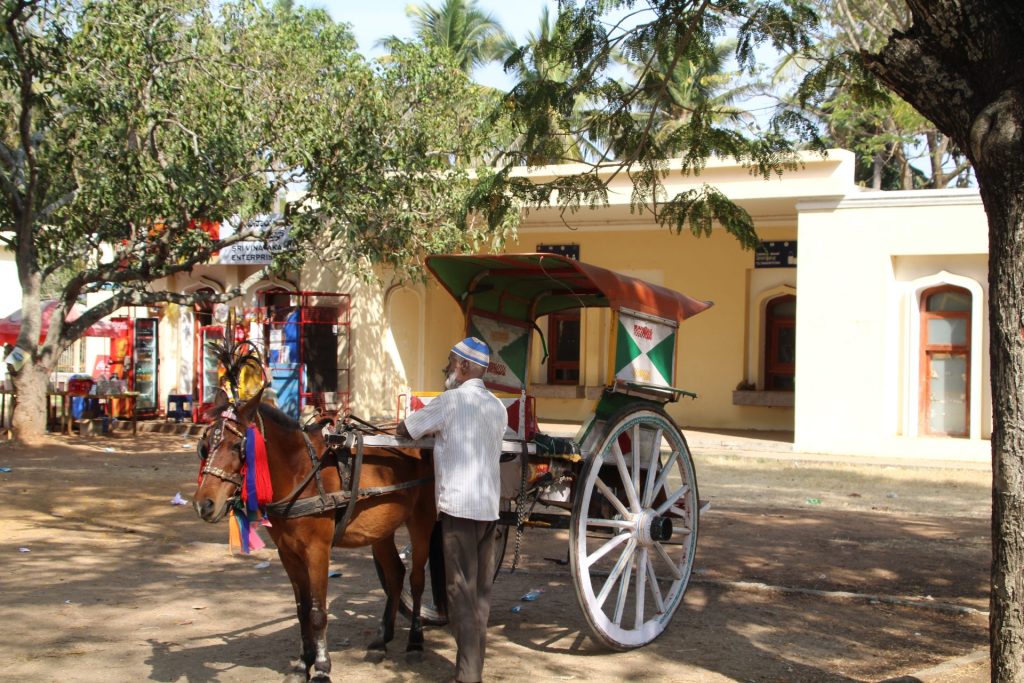
THESE TONGAS (HORSE CARTS) STILL PLY ON THE ROADS
Given that we were up in the morning right from 3.30 AM could guess that everyone was tired and wanted to catch up with some good sleep. I was back at the hotel by around 8.15 PM and post some juices and buttermilk at the hotel room, we retired early.
January 27th 2024
Headed for Halebeedu
We had asked the cab guy Kiran to come in by around 8.45 AM. Our plan was to visit Halebeedu first, finish our lunch and then go to Belur before returning back to Mysuru.
Breakfast was at the hotel itself since we did not want to get delayed by having it on the way to Halebeedu.
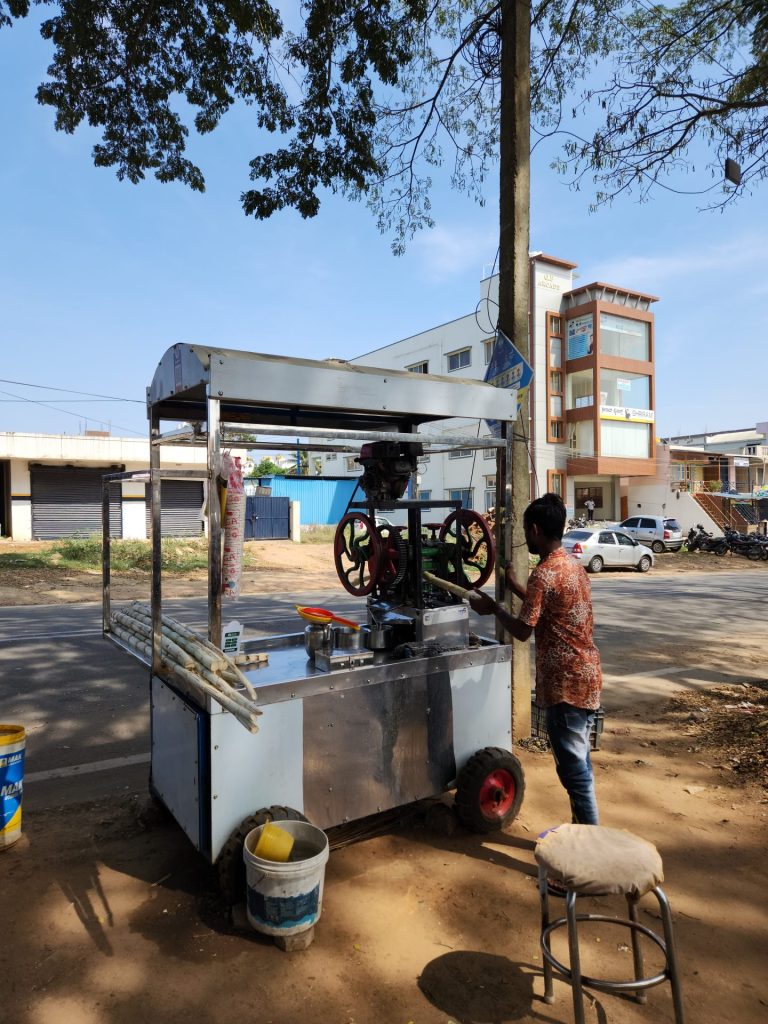
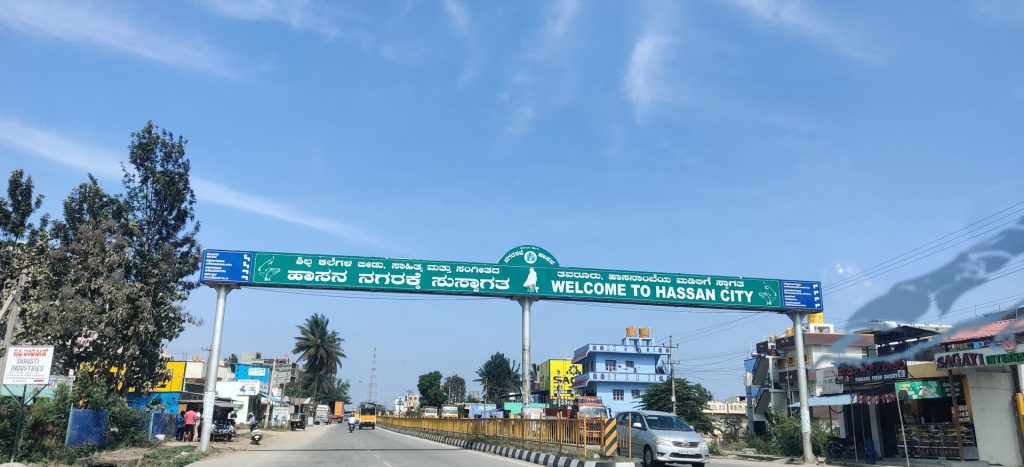
It was a non stop drive for around 140 kms to Halebeedu save for a short stop for 15 minutes to have some sugarcane juice. We were at the entrance of the Hoysaleshwara temple at Halebeedu by noon.
This former capital of the Hoysala empire derived its name from the word old Camp or Capital.
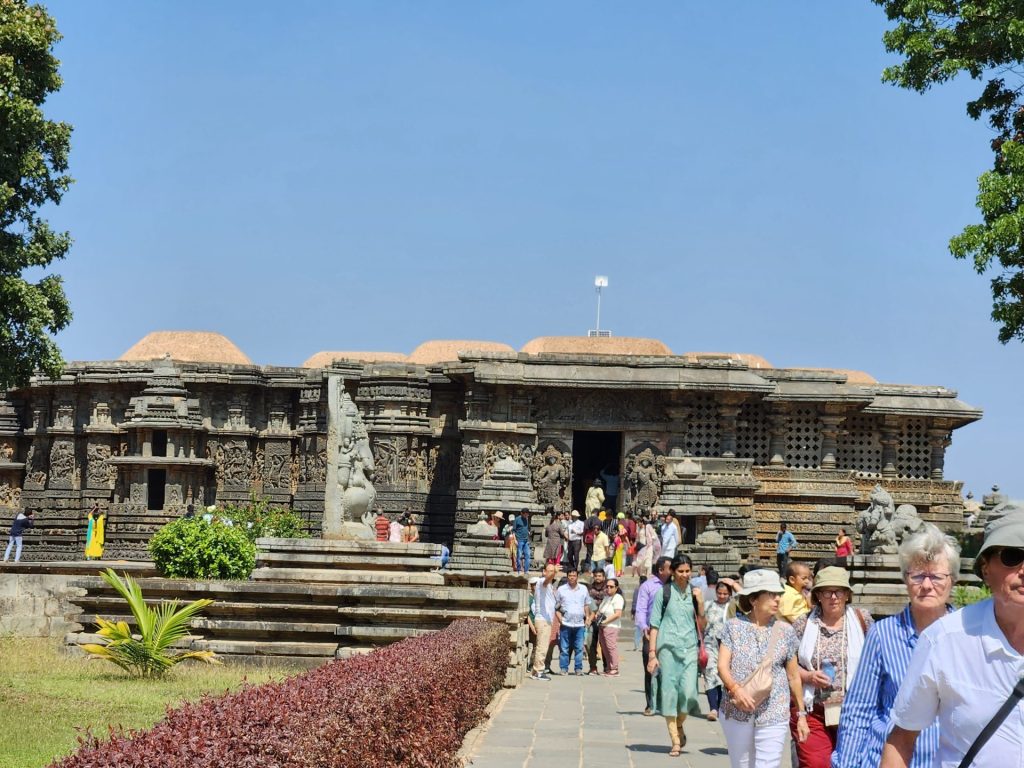
The Hoysaleshwara and the Chennakesava temple at these respective adjacent towns were accorded UNESCO World Heritage status in 2022 and were nominated from India as the Sacred Ensembles of the Hoysalas.
The Hoysaleswara Temple
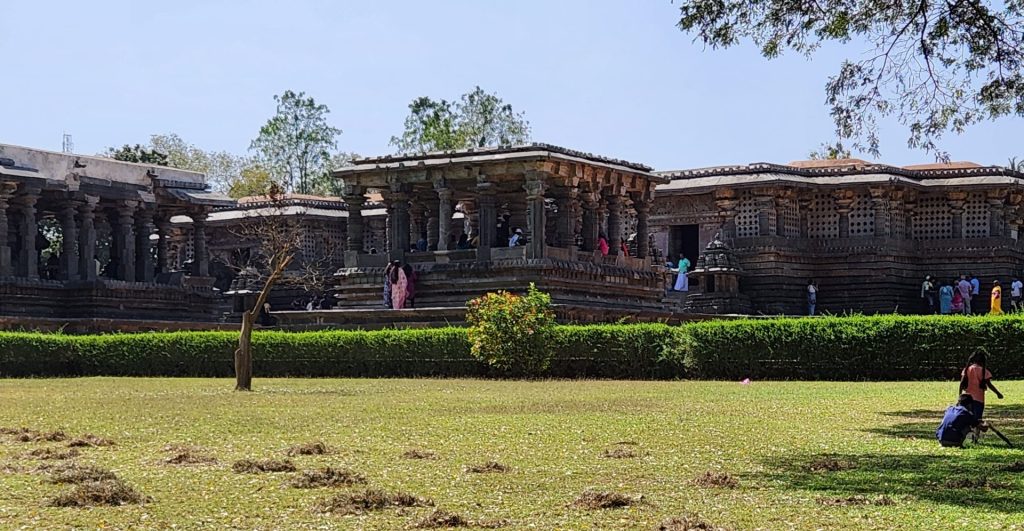
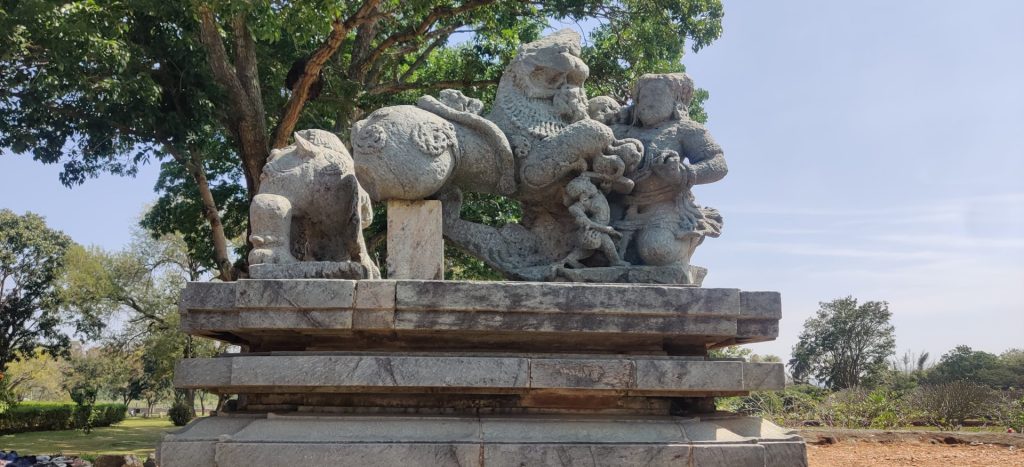
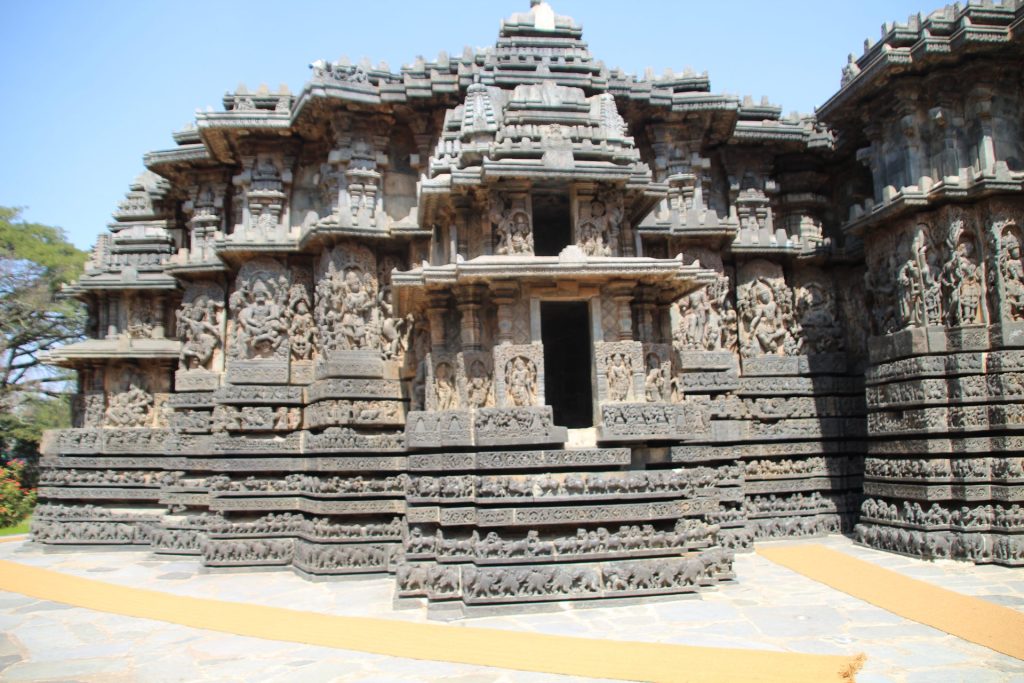
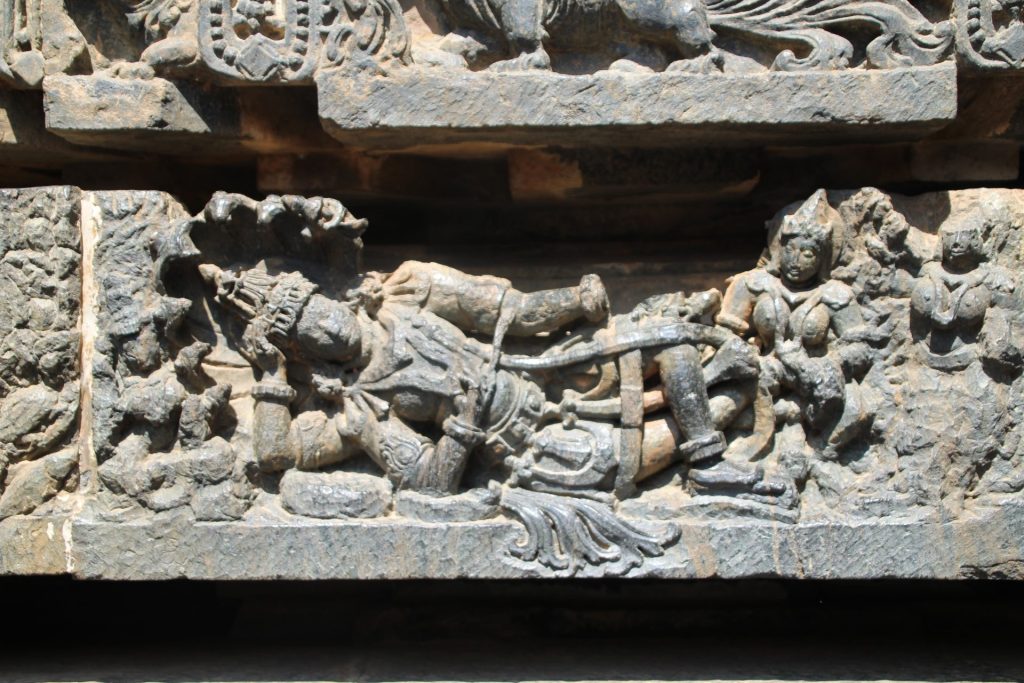
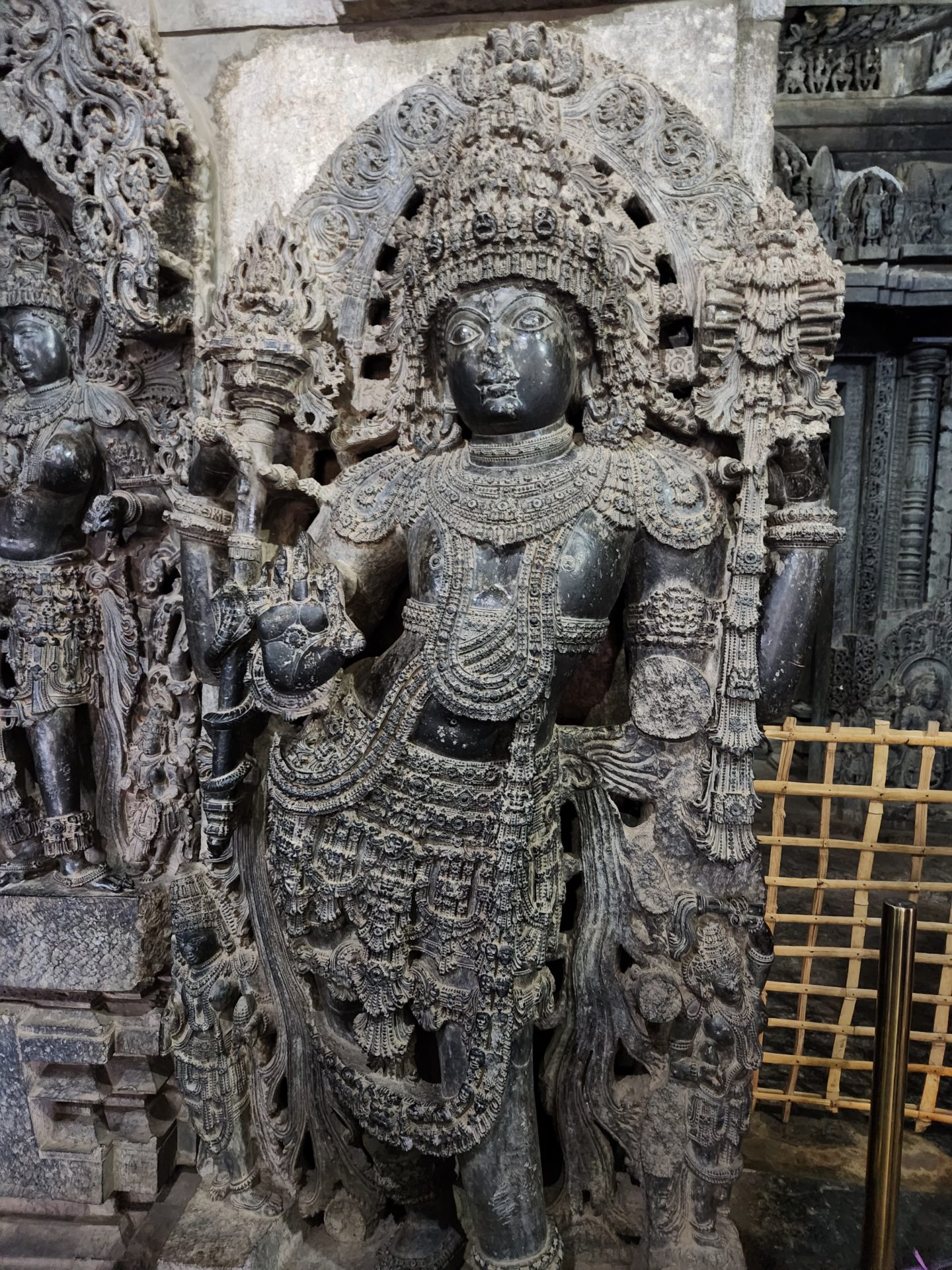
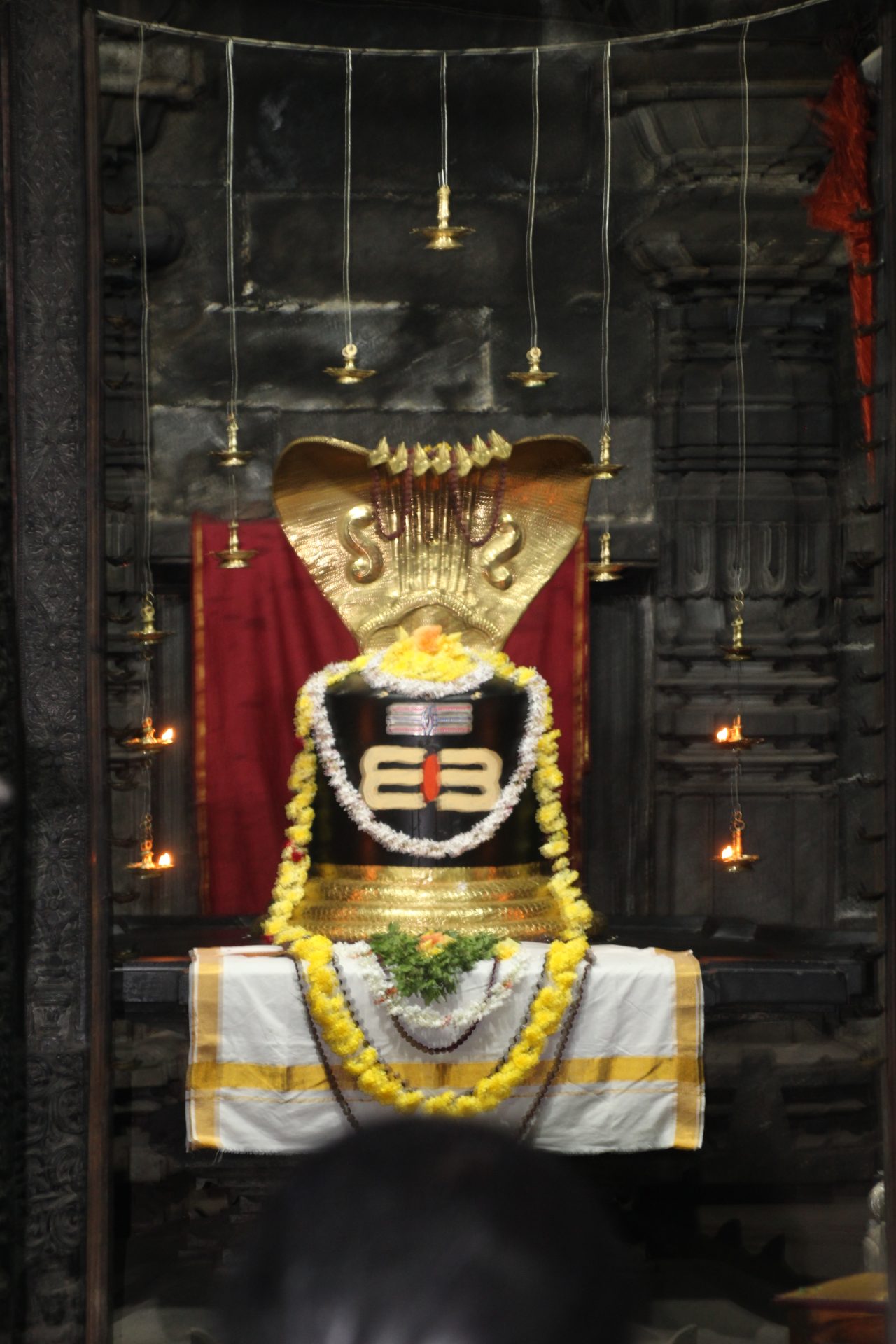
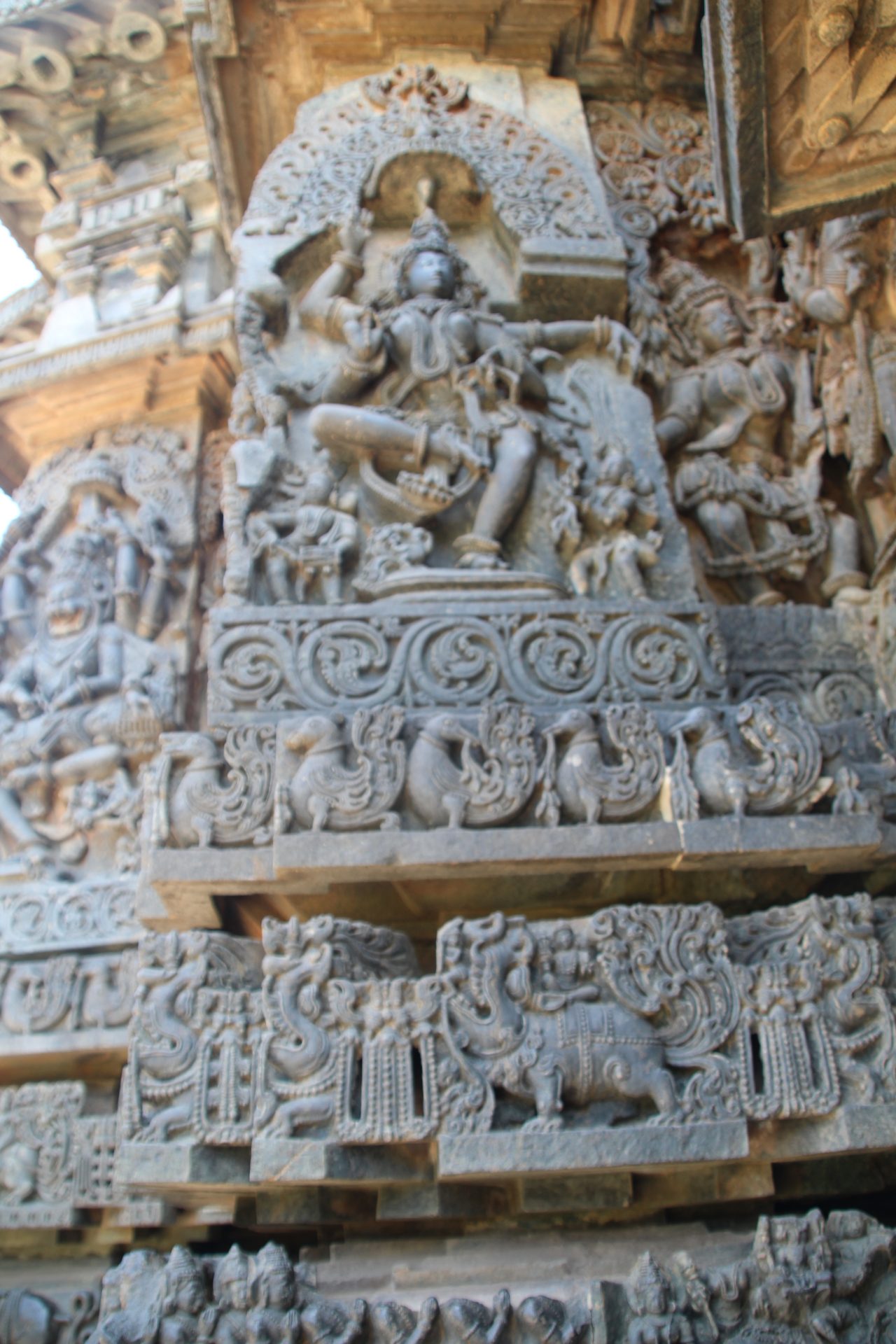
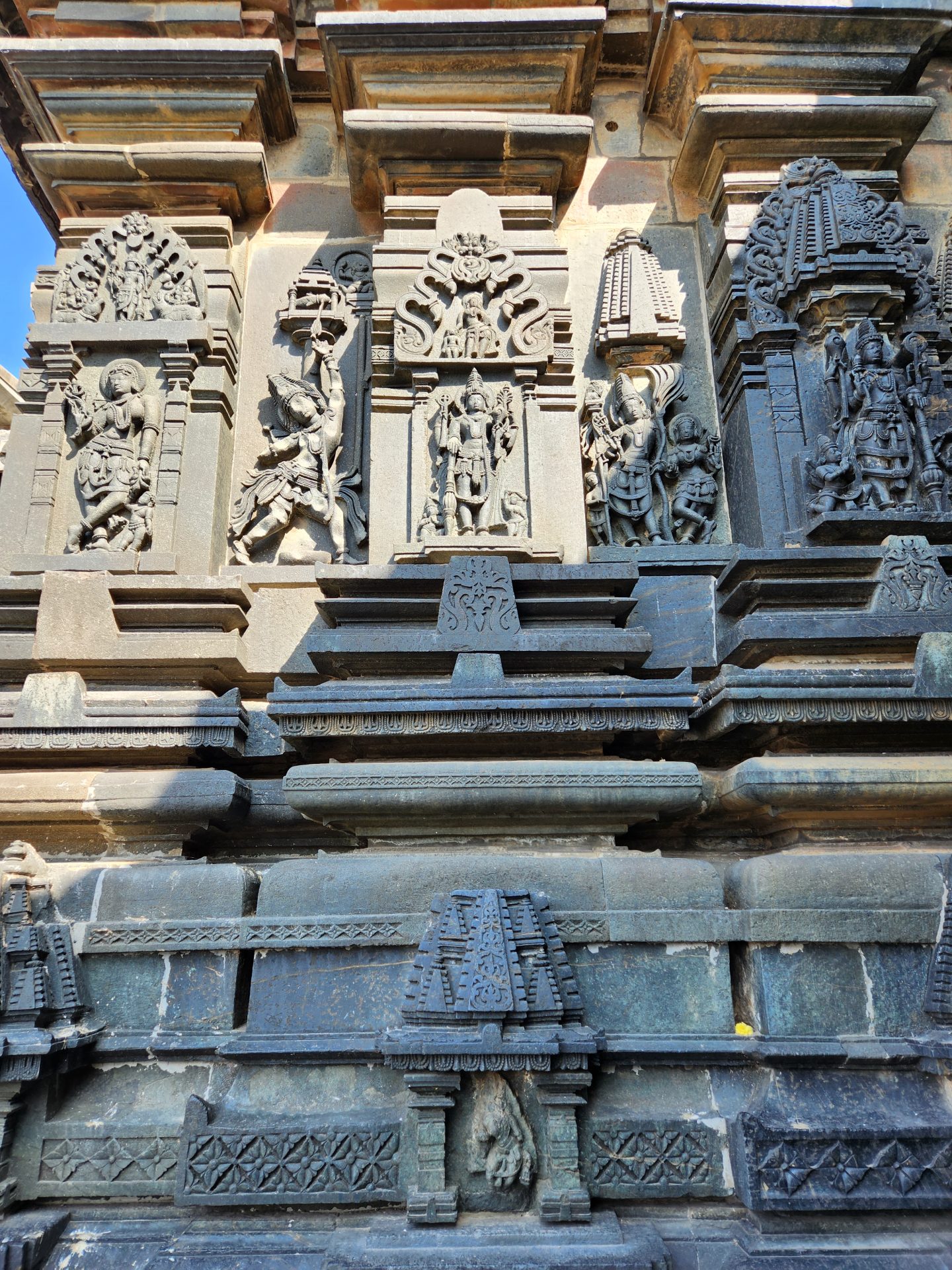
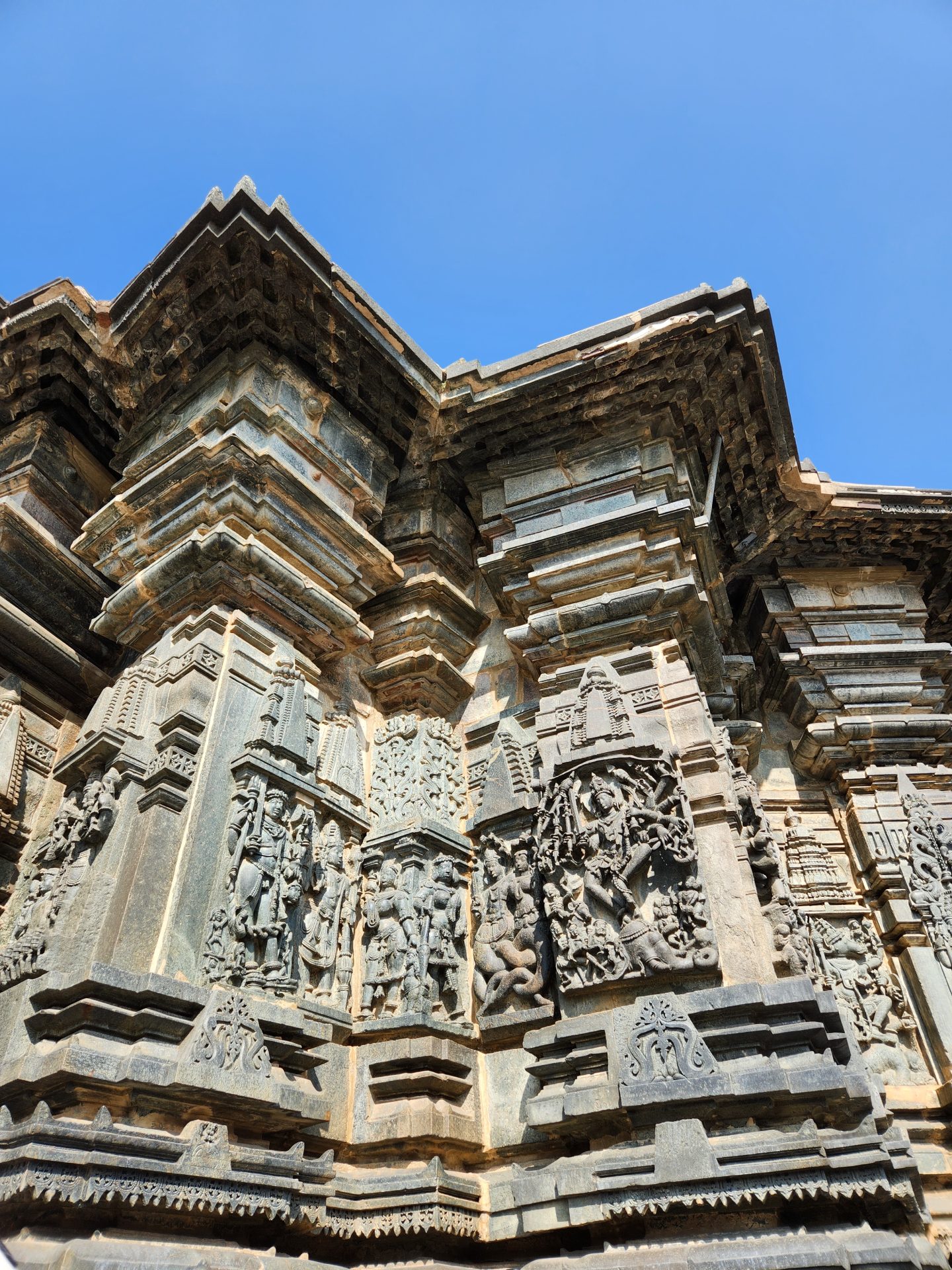
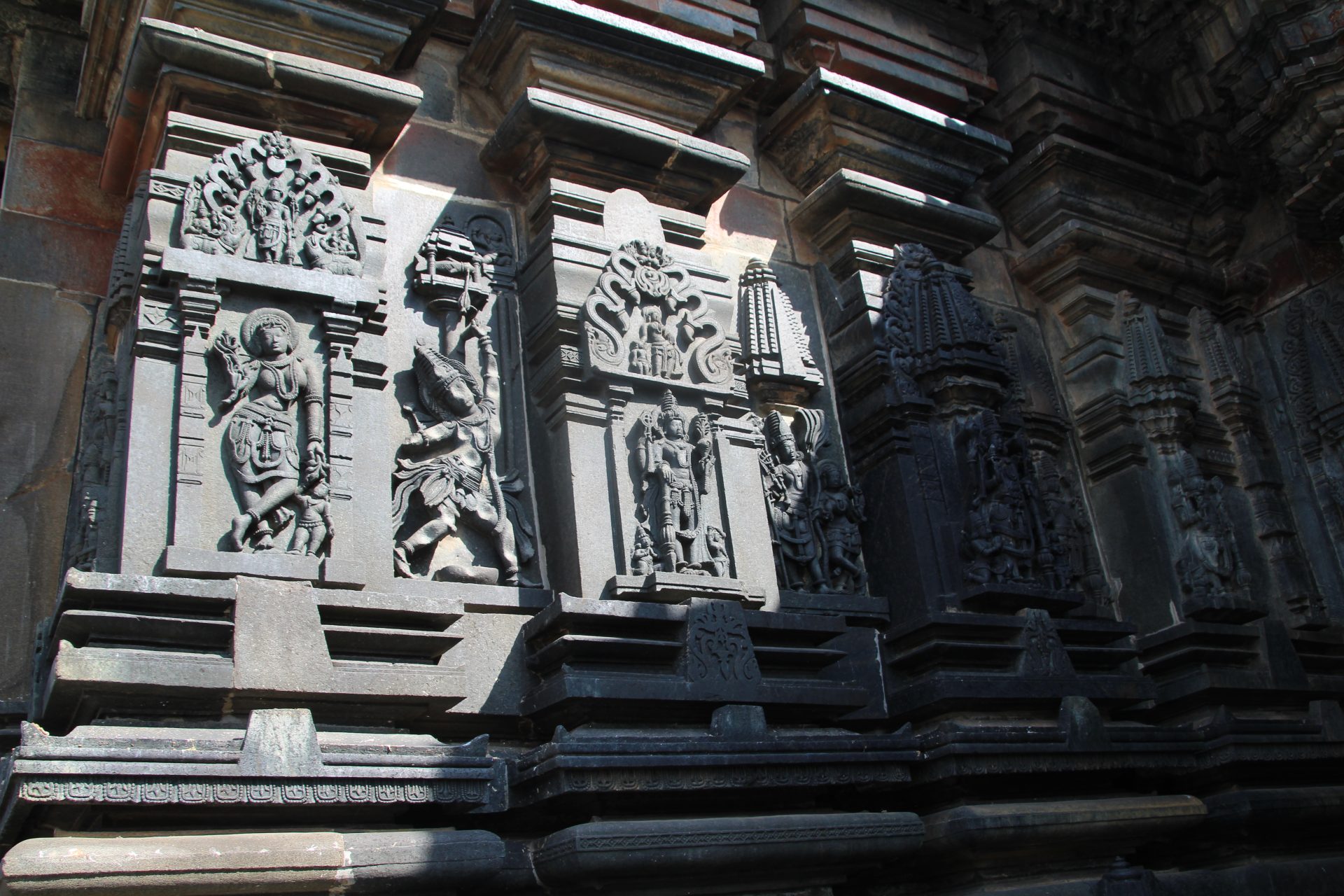
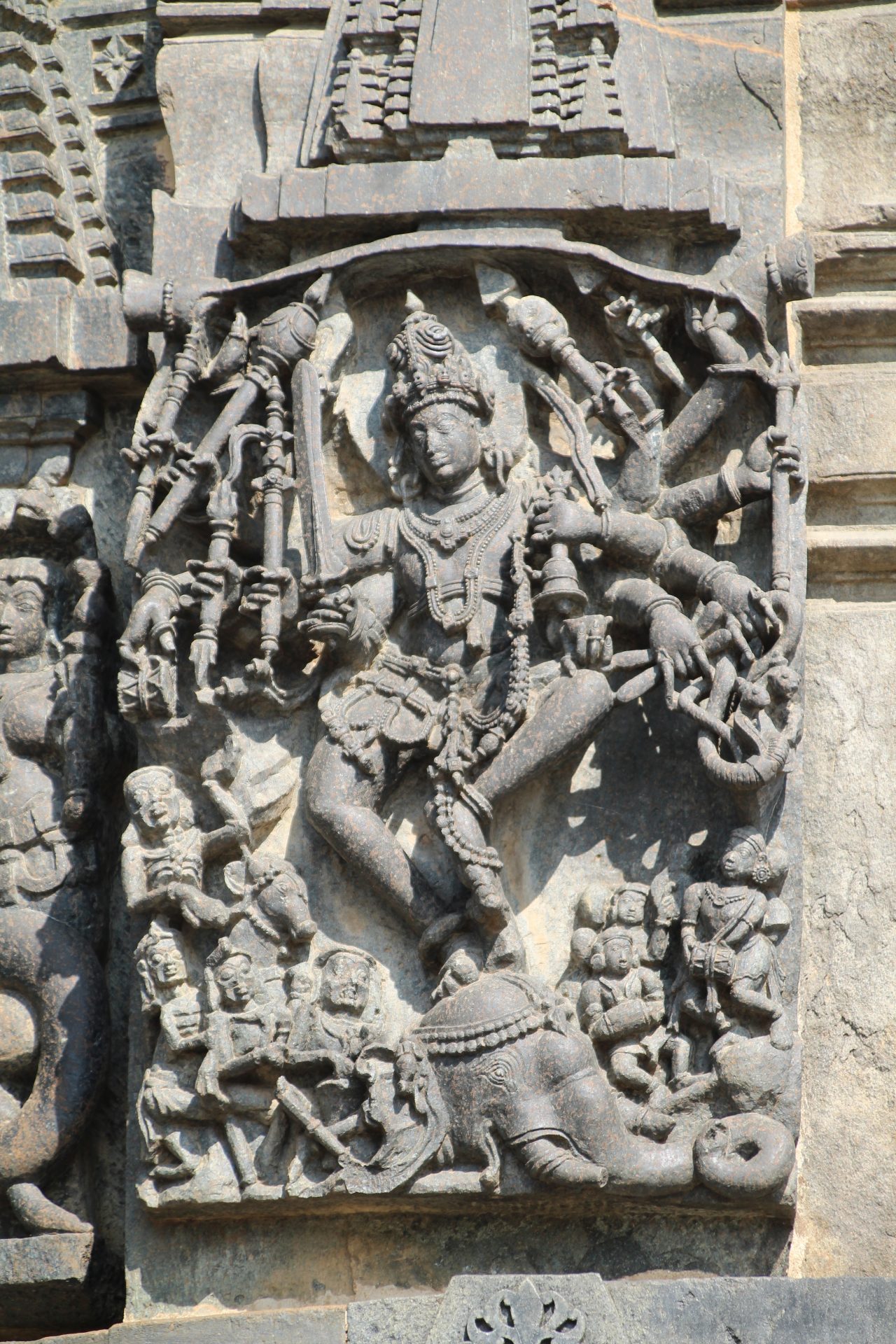
This twin shrined temple dedicated to the Hoysaleswara and Santaleswara Shiva Lingas (named after the masculine and feminine aspects) has some amazing sculptures built out of soap sandstone across the entire periphery of the temple.
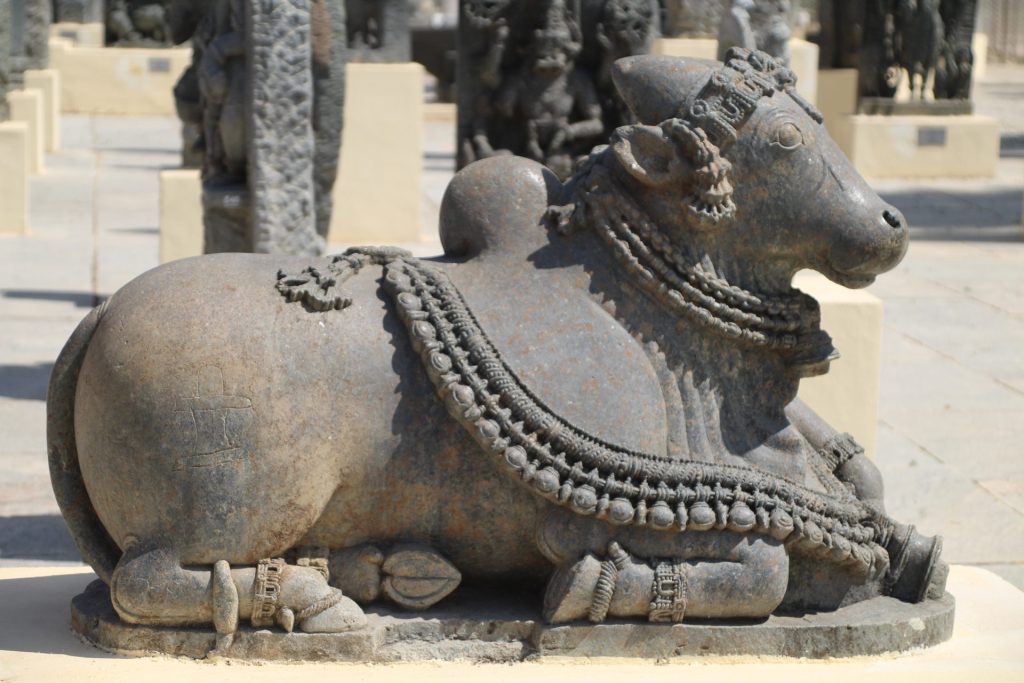
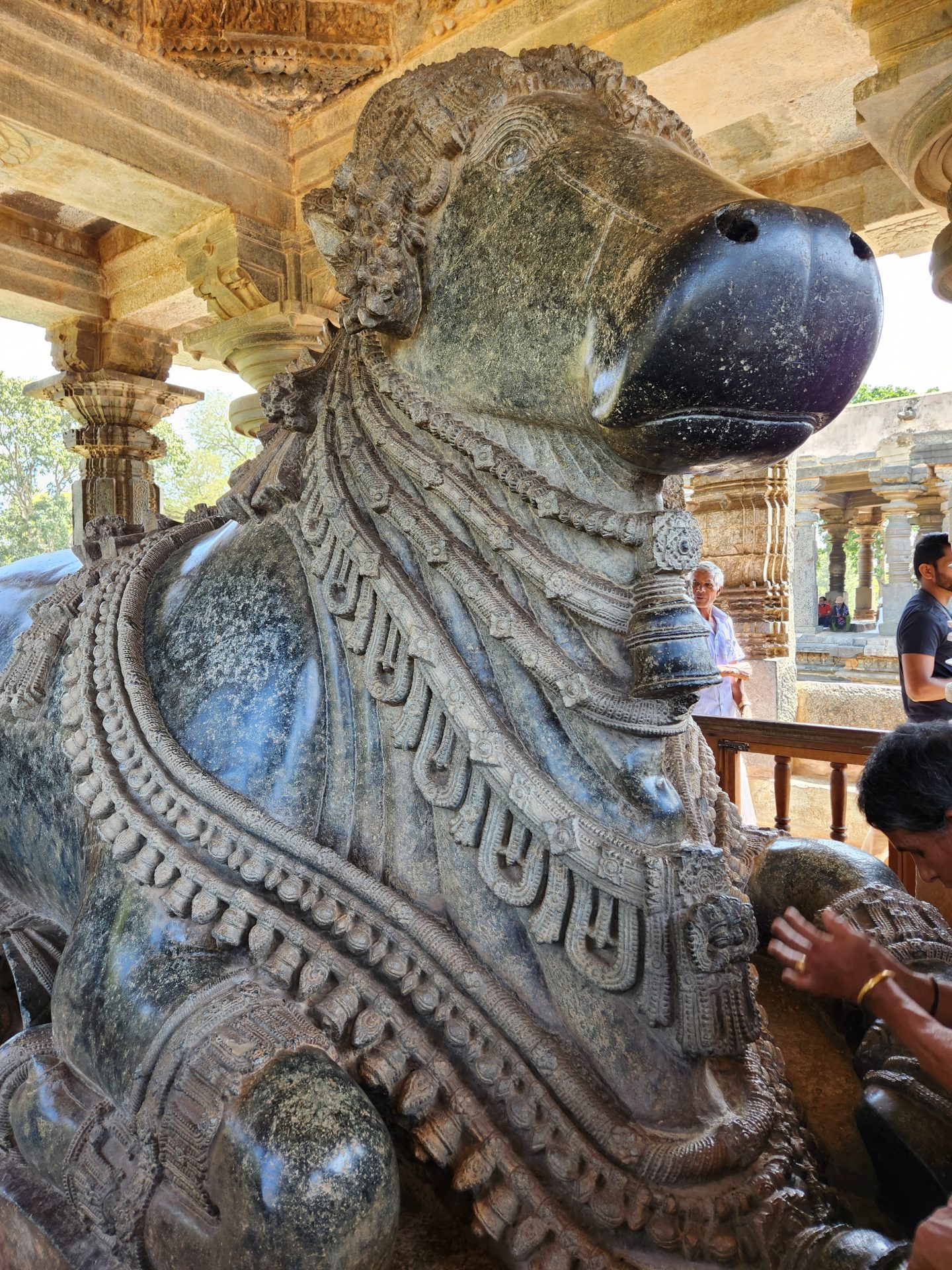
A couple of Nandi (the Bull) shrines faces these Lingas. The temple has a smaller sanctum for the Sun God Surya also designed.
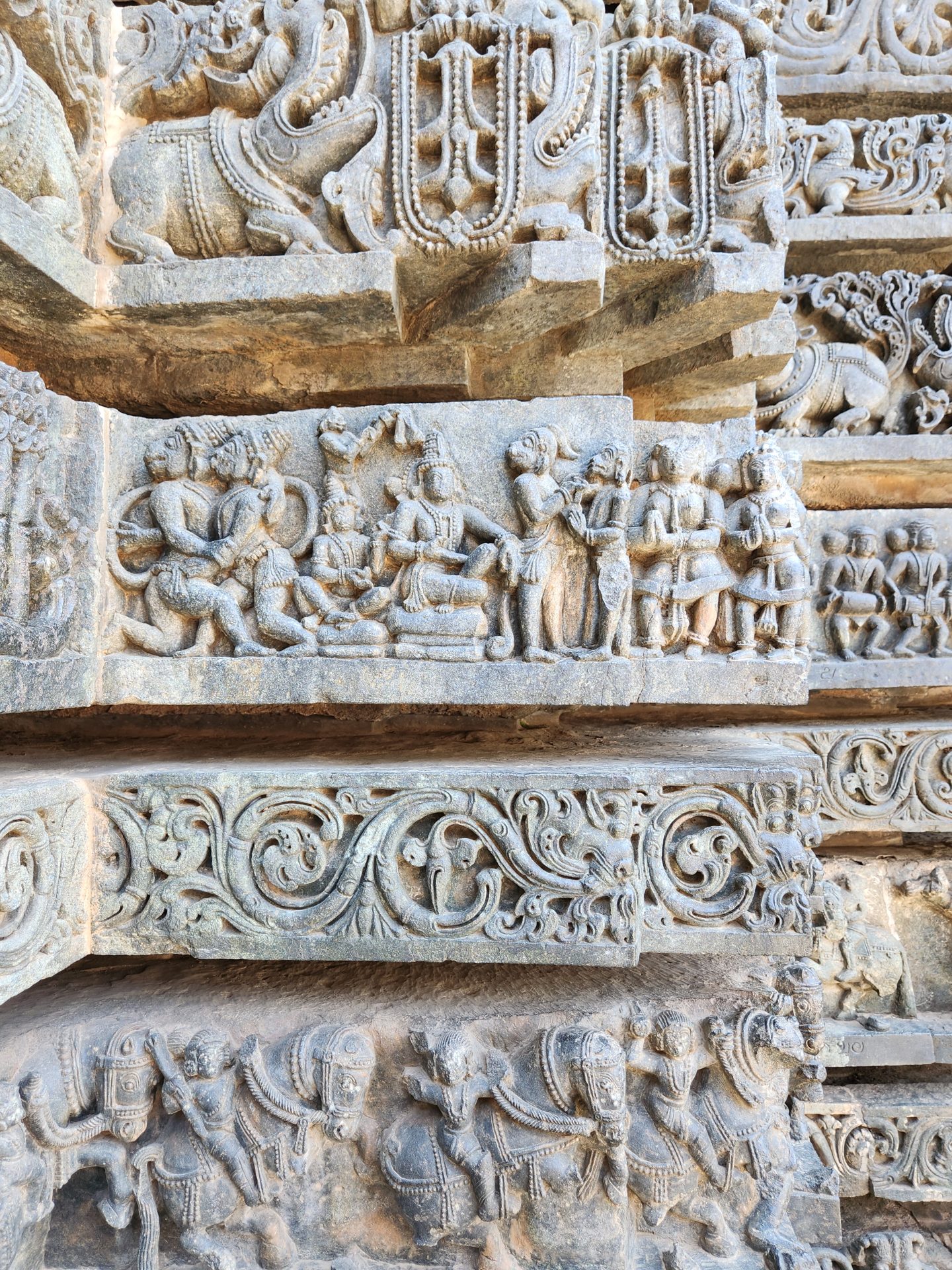
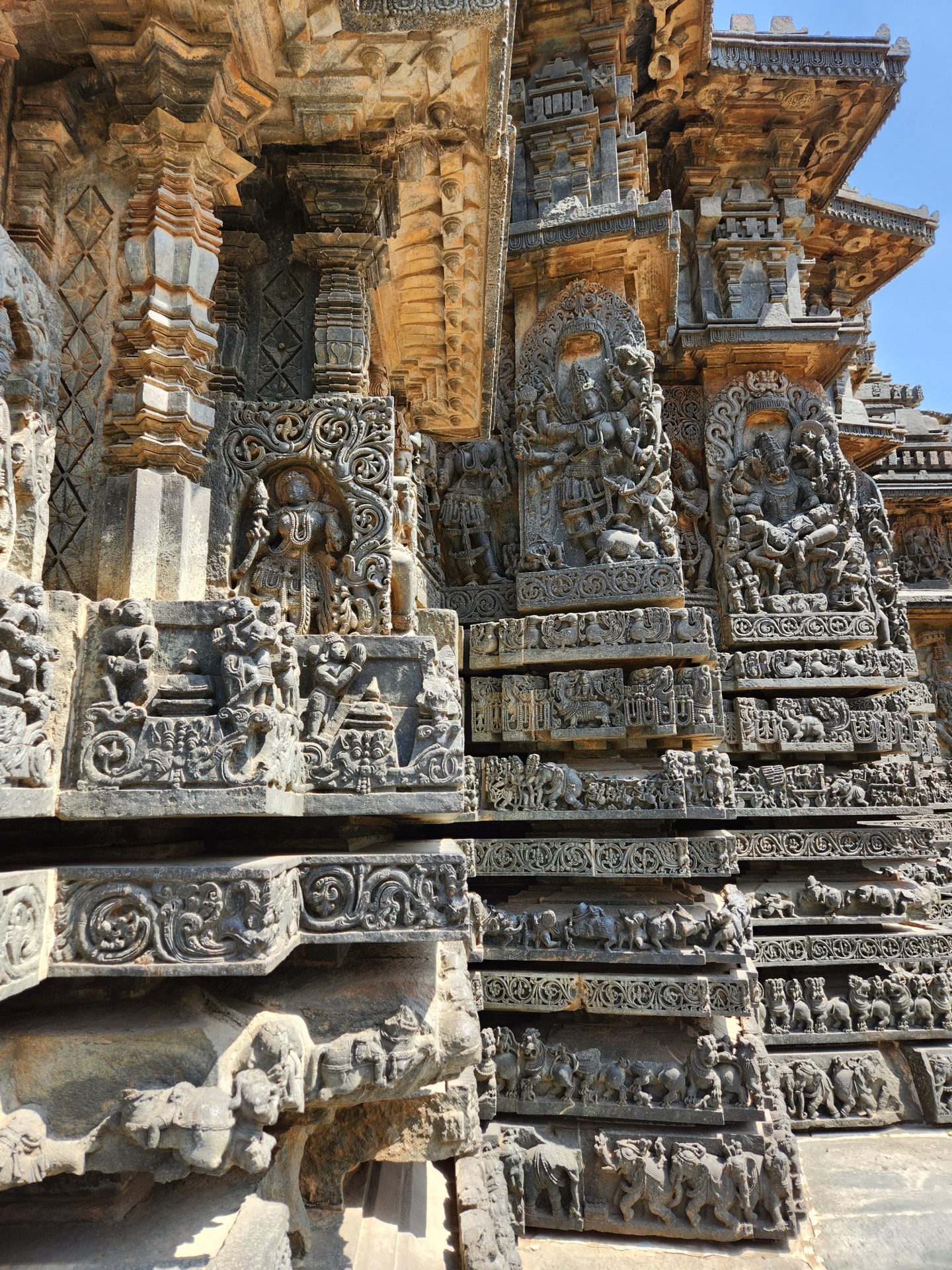
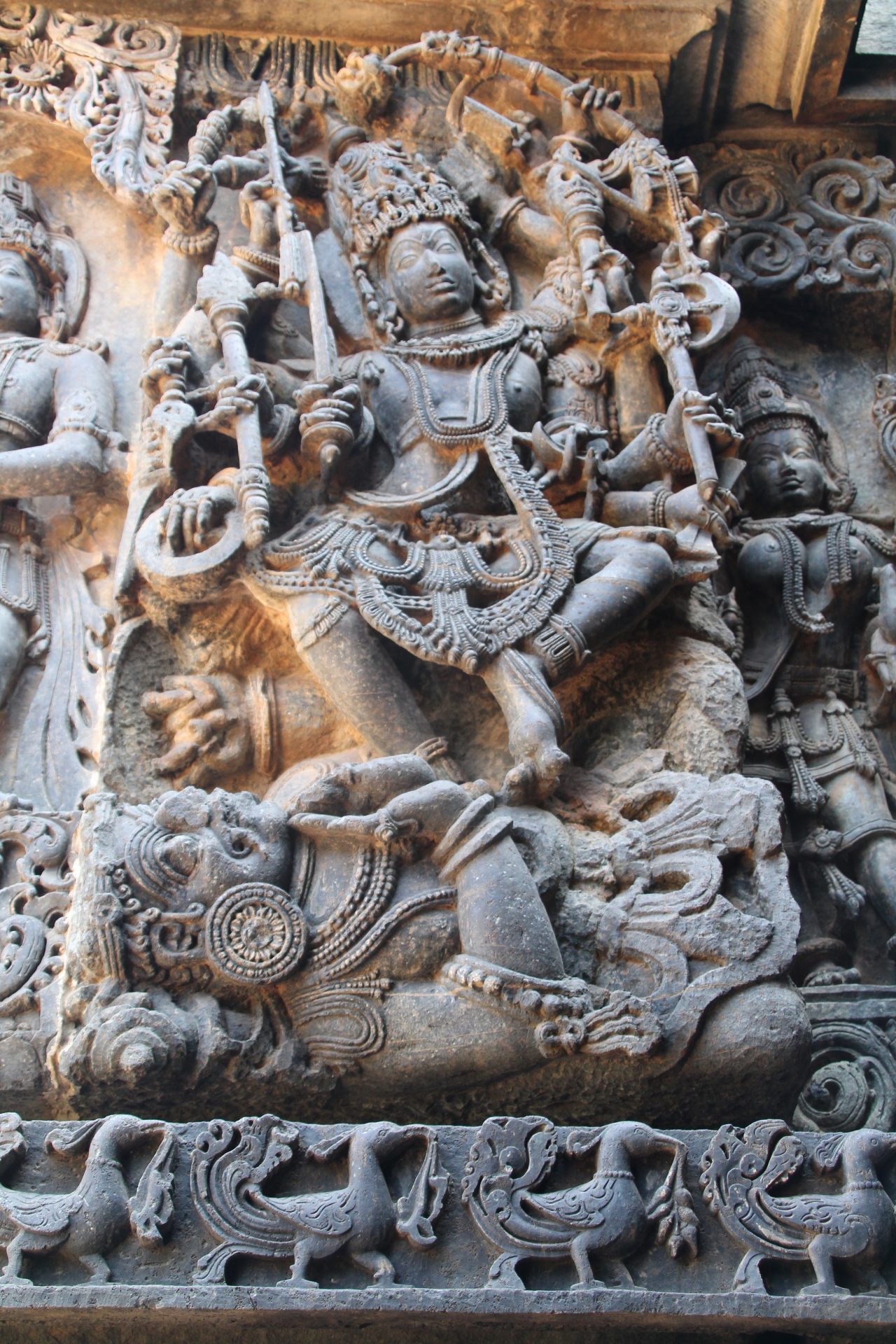
Additionally one gets to see lot of themes from Vaishnavism, Jainism and Shaktism also available. Built on the banks of a large man made lake by King Vishnuvardhana between 1121 CE and 1160 CE, the temple has sequences from the epics the Ramayana and Mahabharata as well as the Bhagavatha Purana depicted on the outer walls.
The unique design of these temples built under the Hoysala dynasty is a pattern of a stellate (Star Shaped) plan of styling and atop a platform.
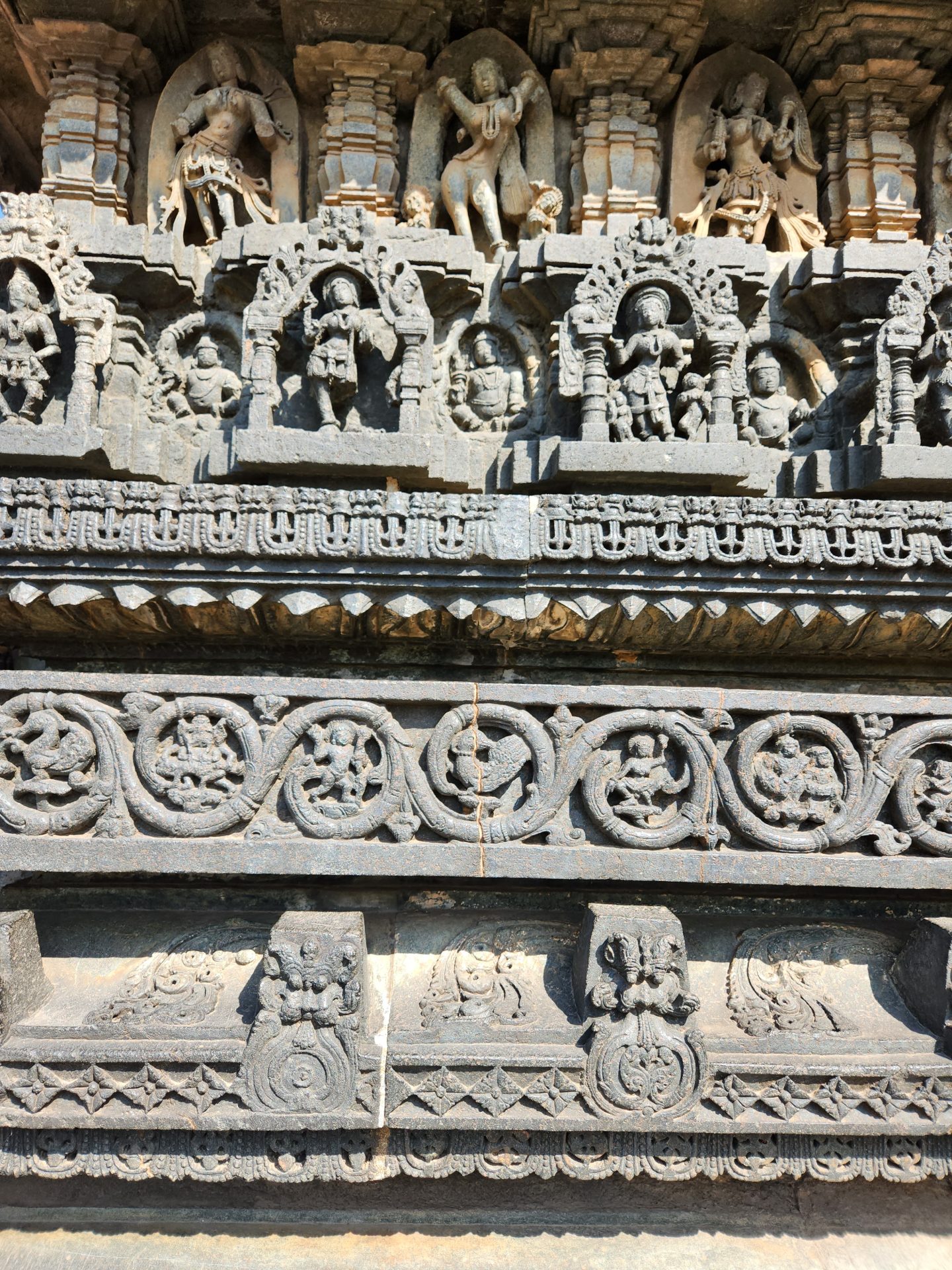
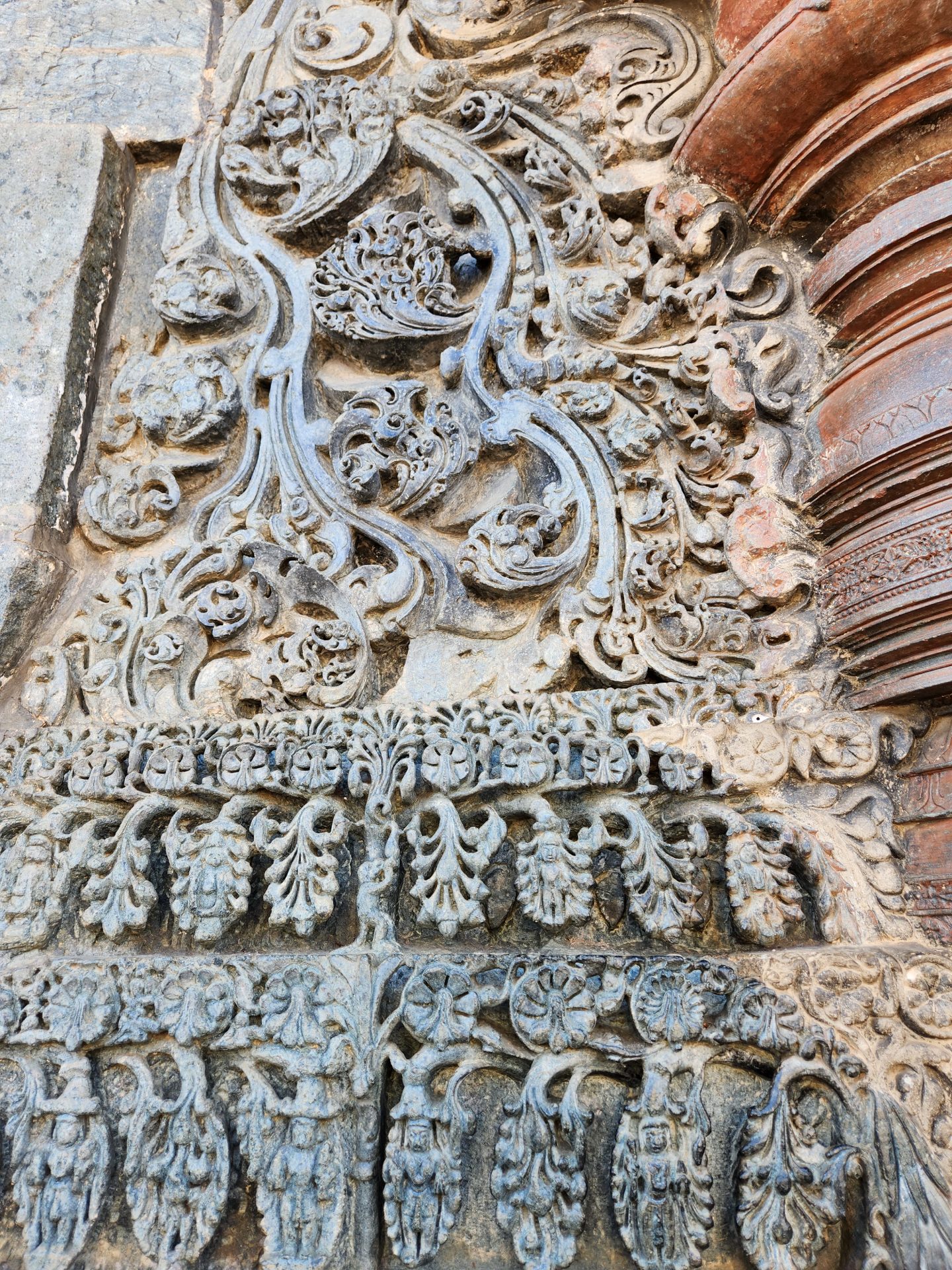
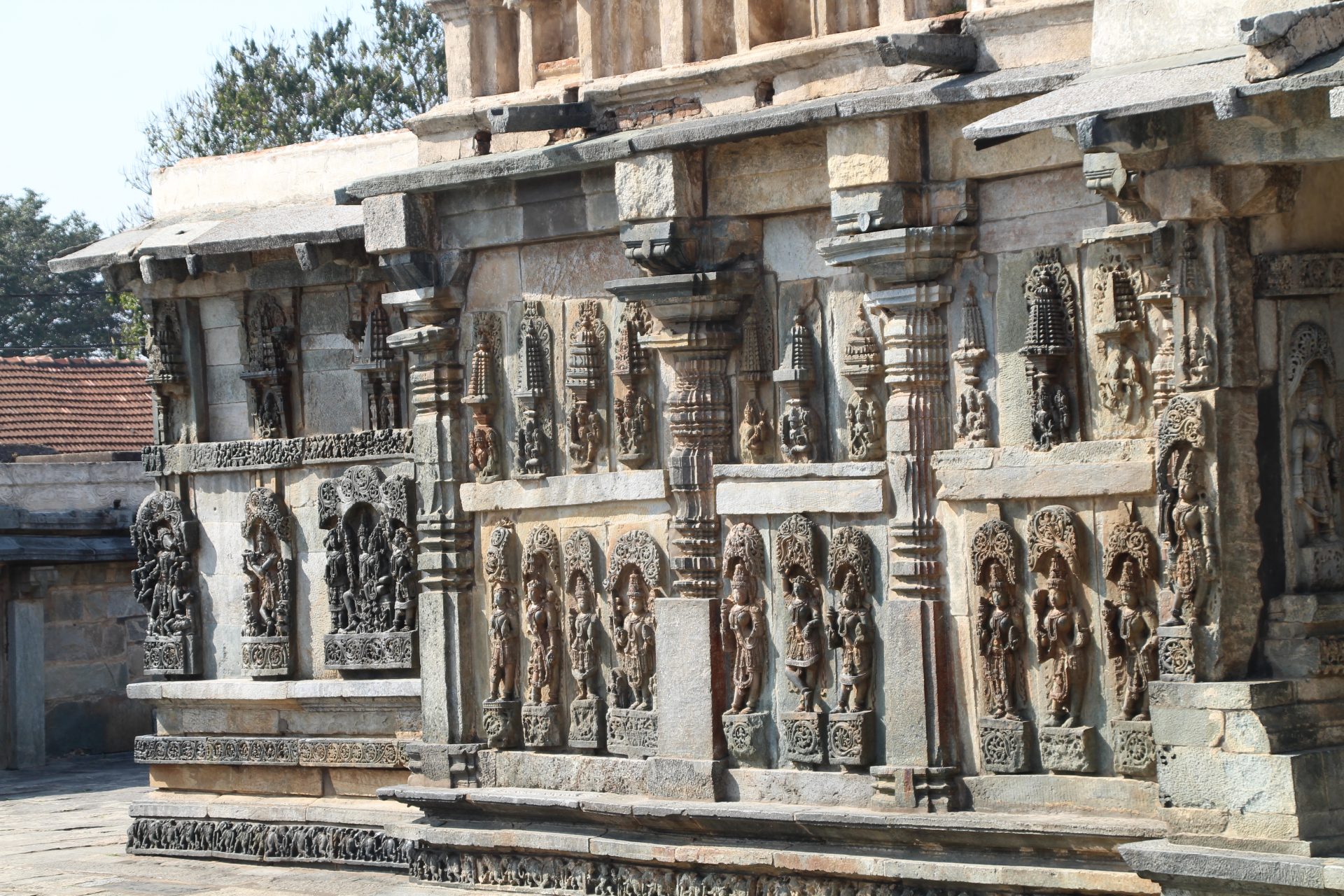
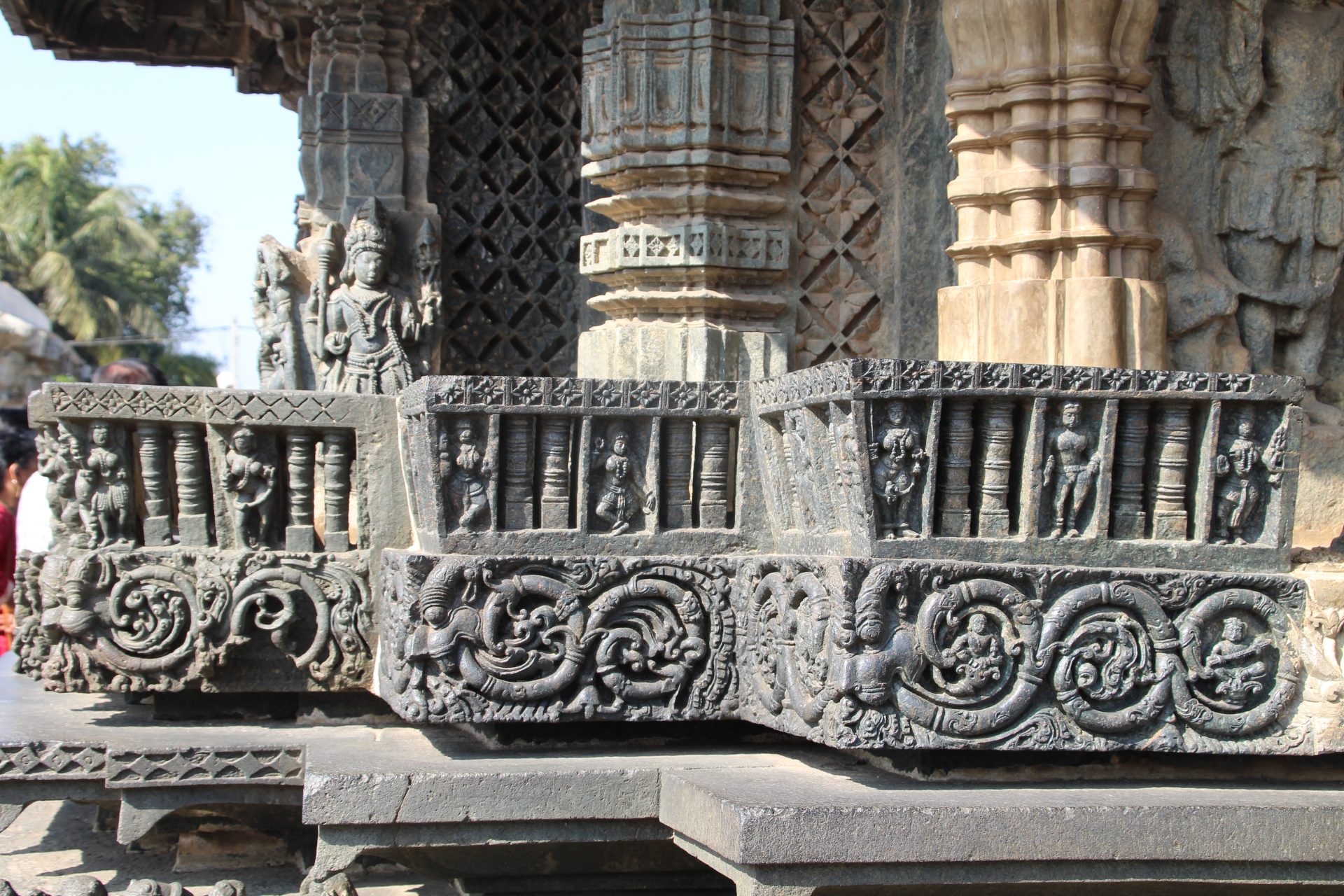
The platform is around 15 feet in width and provides ample space for people to walk around and look at the intricate carvings of deities and sages, stylized animals, birds and friezed depicting the life of Hoysala kings besides beautiful frescoes.
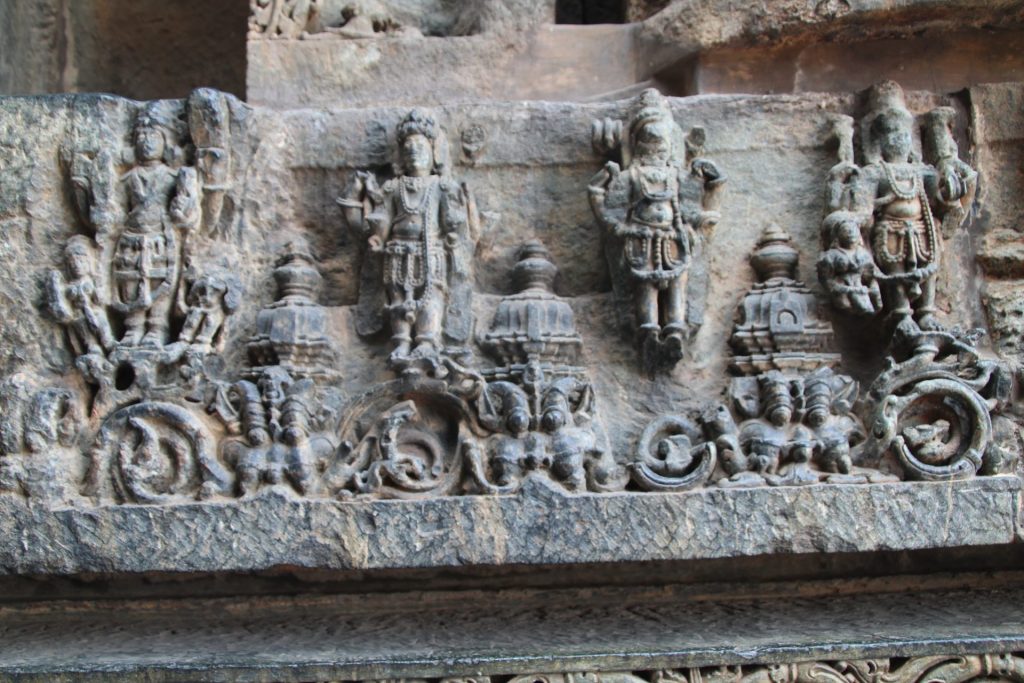
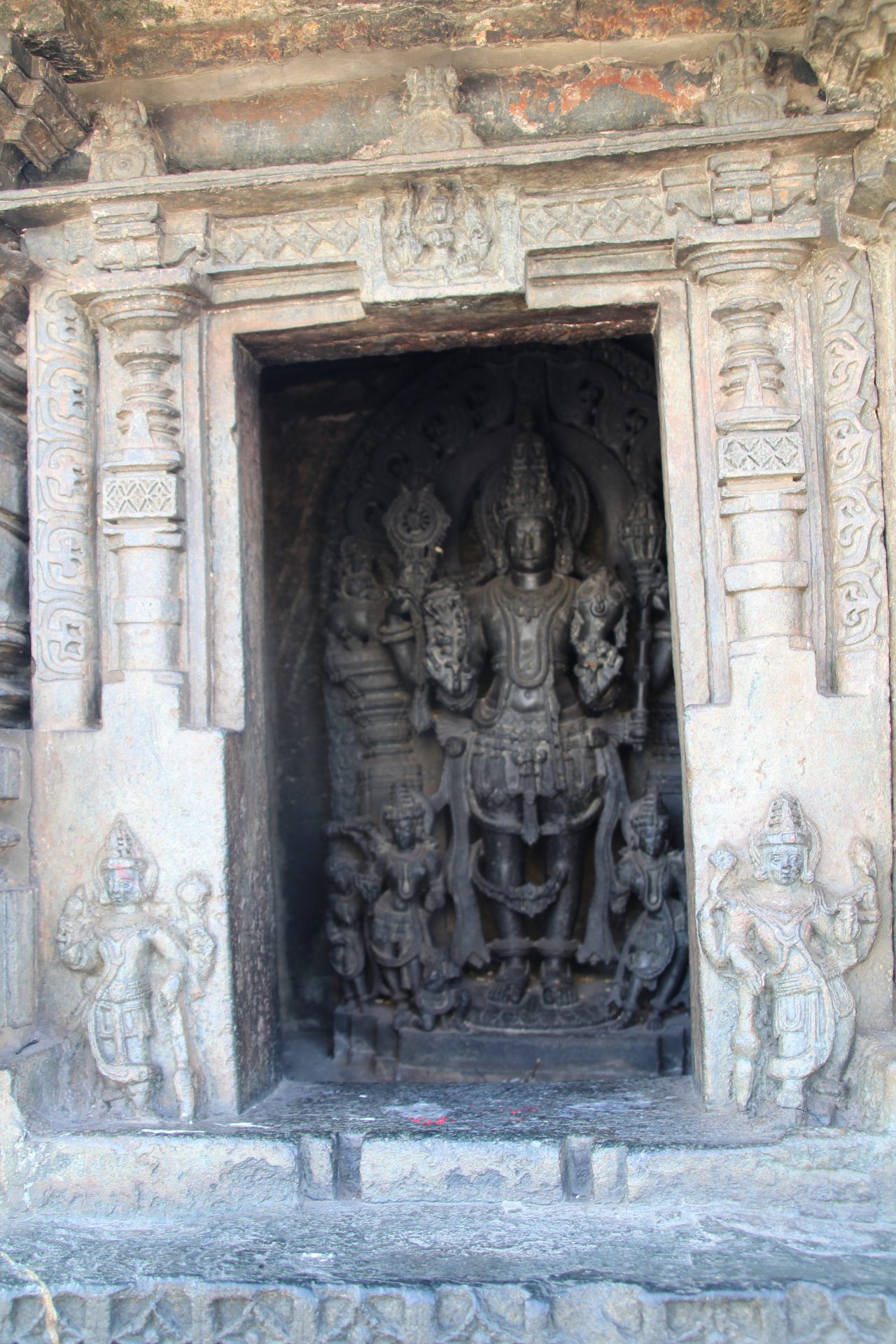
There are standing images of Shiva, Brahma, Saraswati (including a dancing image), Parvati, Vishnu, Harihara, Ganesha, Kartikeya and many more.
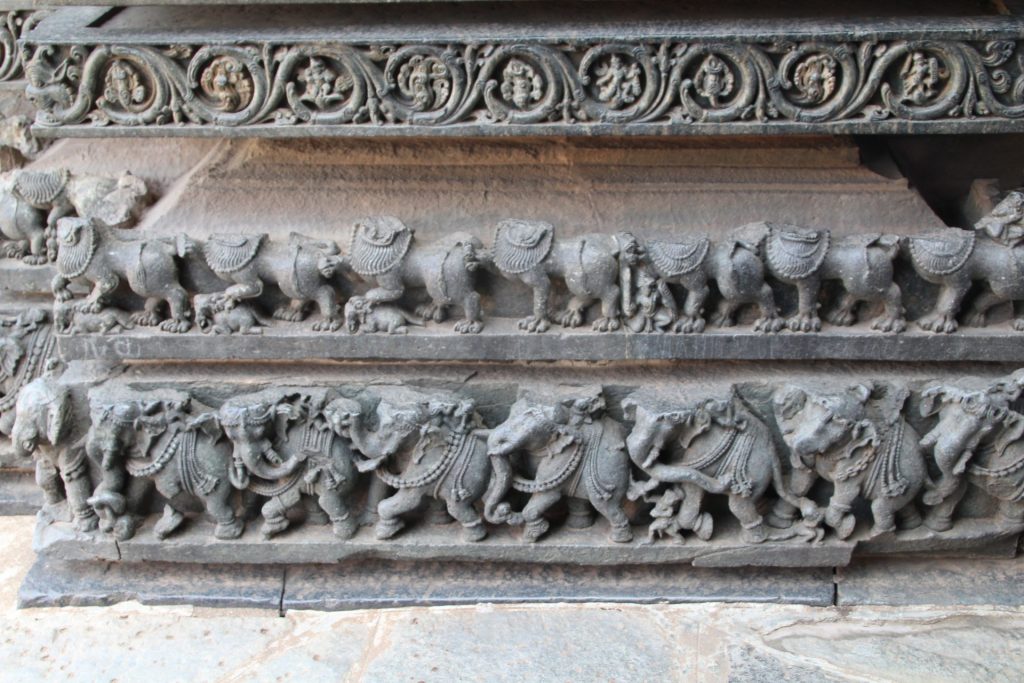
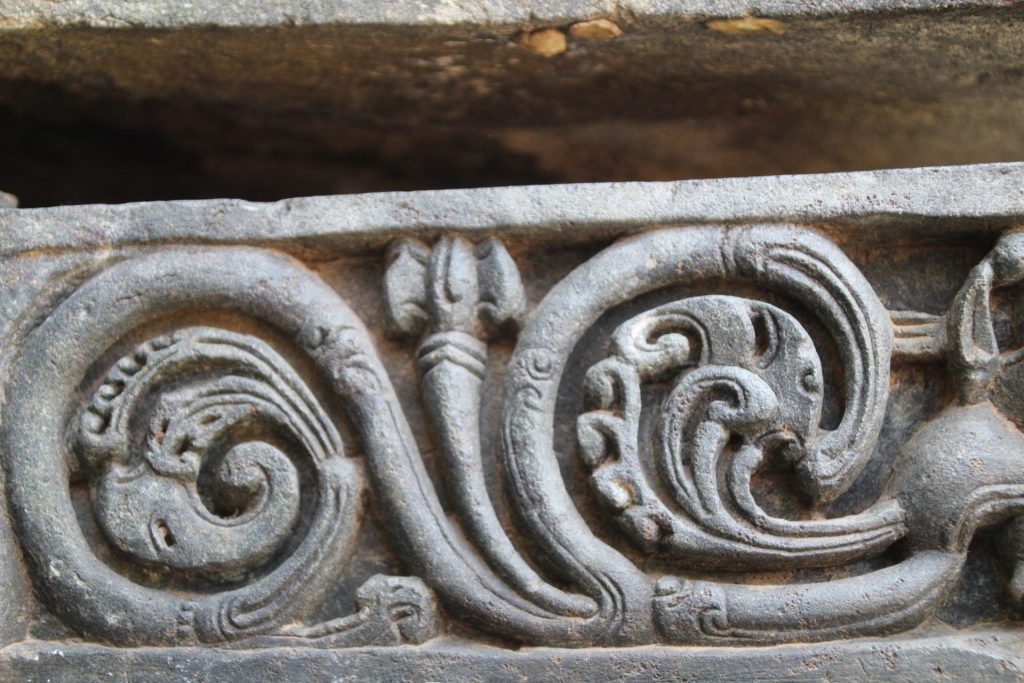
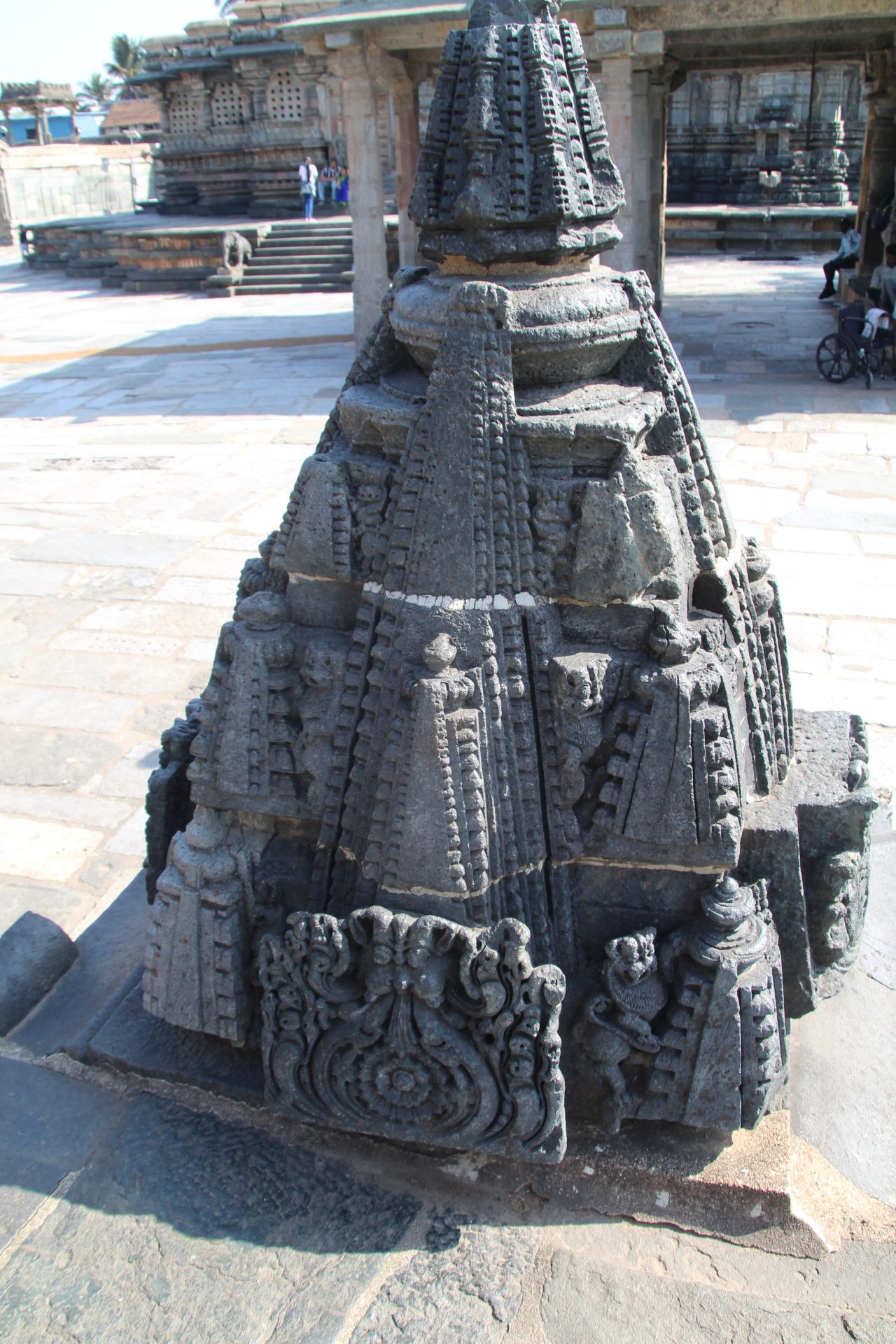
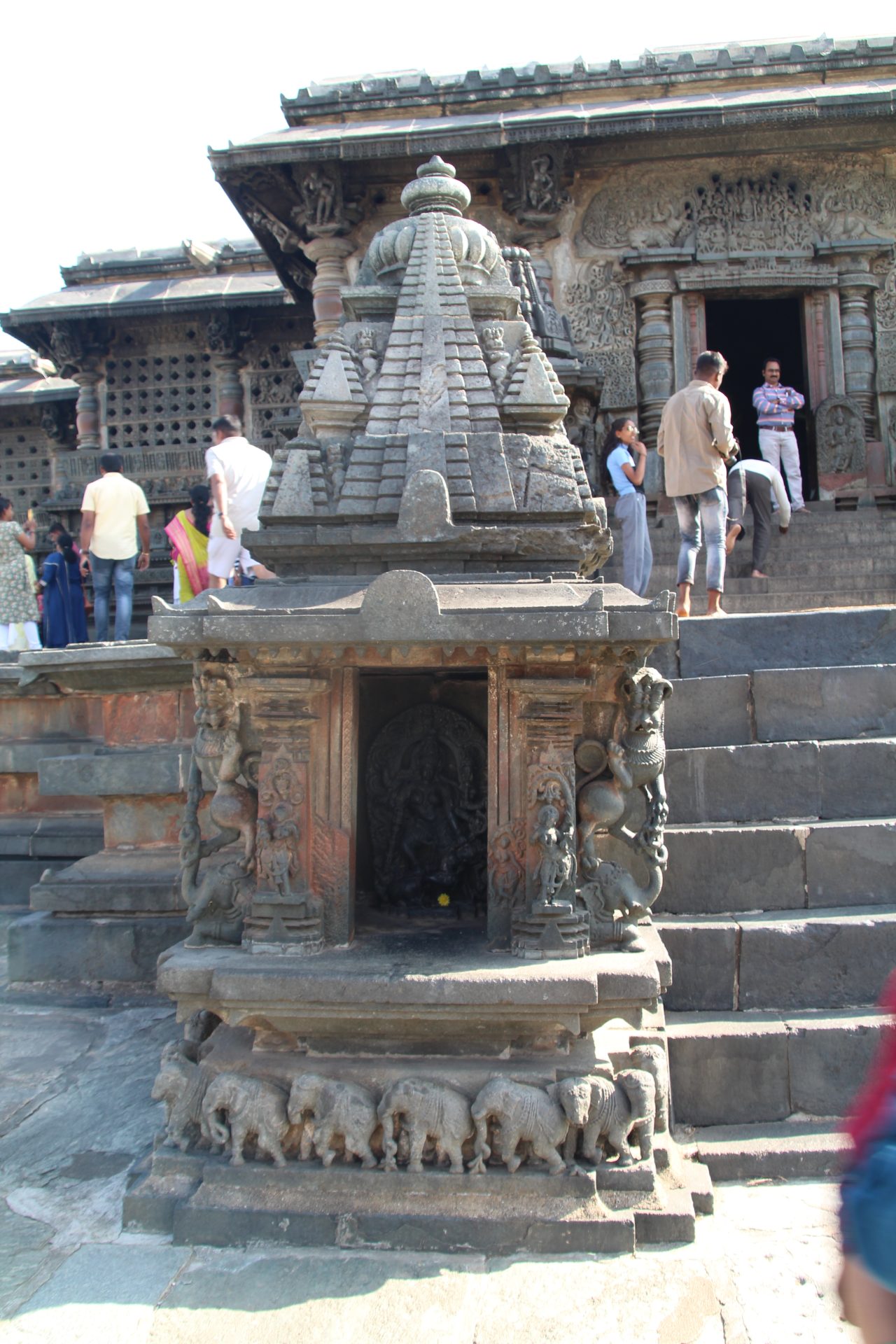
The base of the platform has 8 rows of friezes carved with elephants, lions, horses and floral designs. The temple is believed to have had superstructure towers on top of each sanctum which are amiss now.
The Hoysala empire and Halebeedu came under destruction during the 14th century by the Alauddin Khilji led armies of the Delhi Sultanate. This came under the Vijayanagara empire later on.
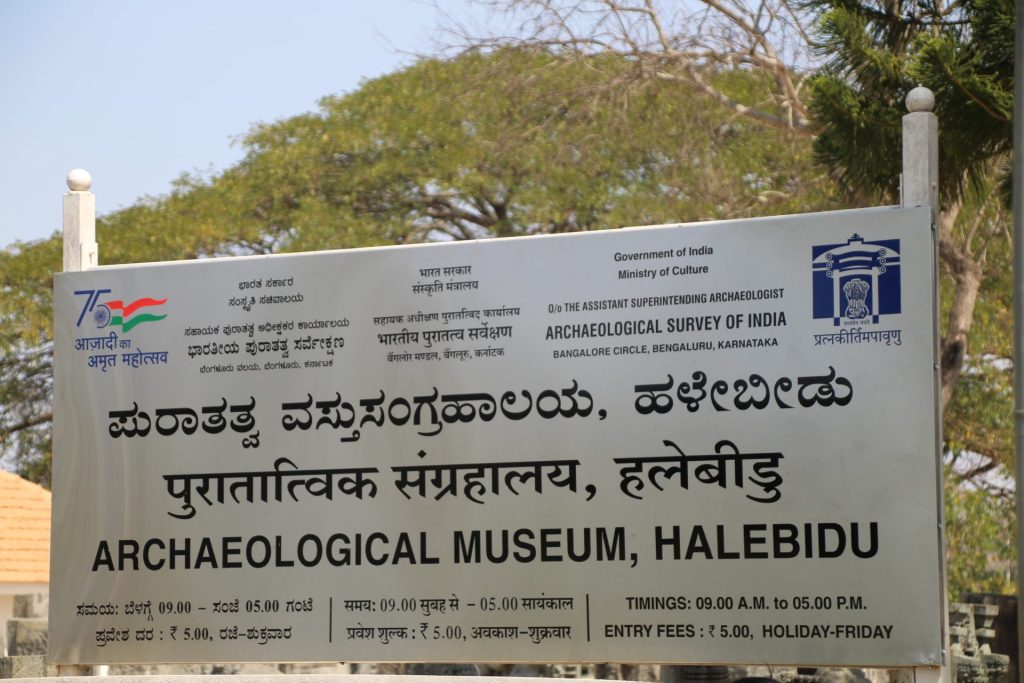
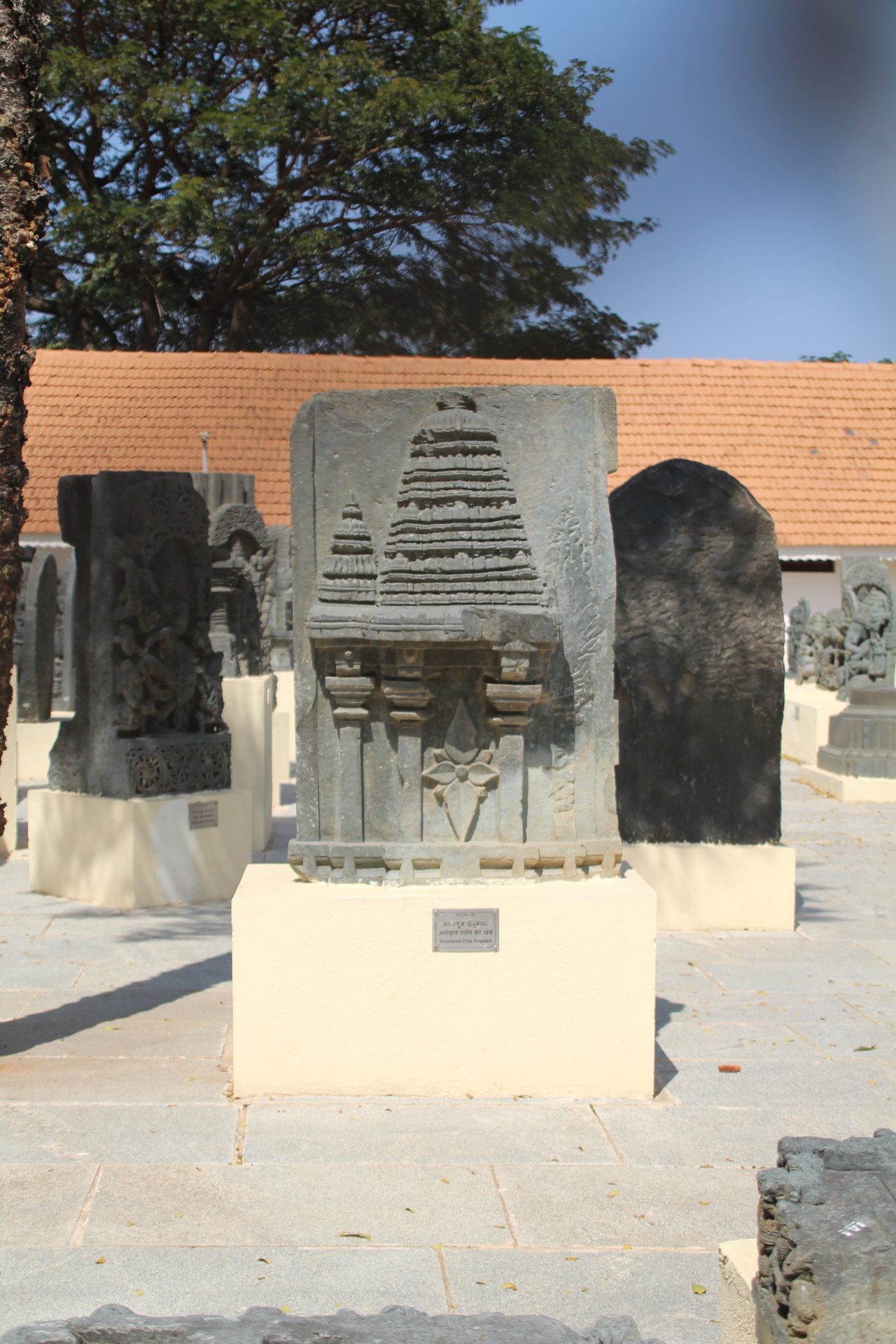
There is an open air Archaeological museum adjacent to the temple where lots of statues are kept on display. A nominal 5 Rs. ticket is levied for visitors.
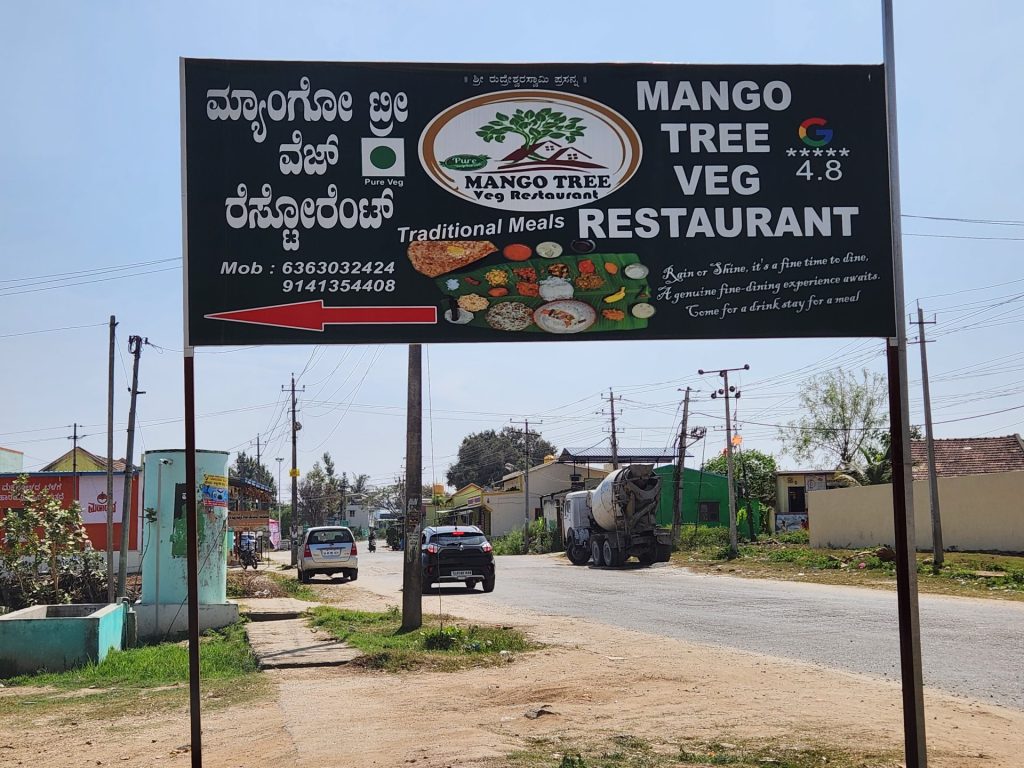
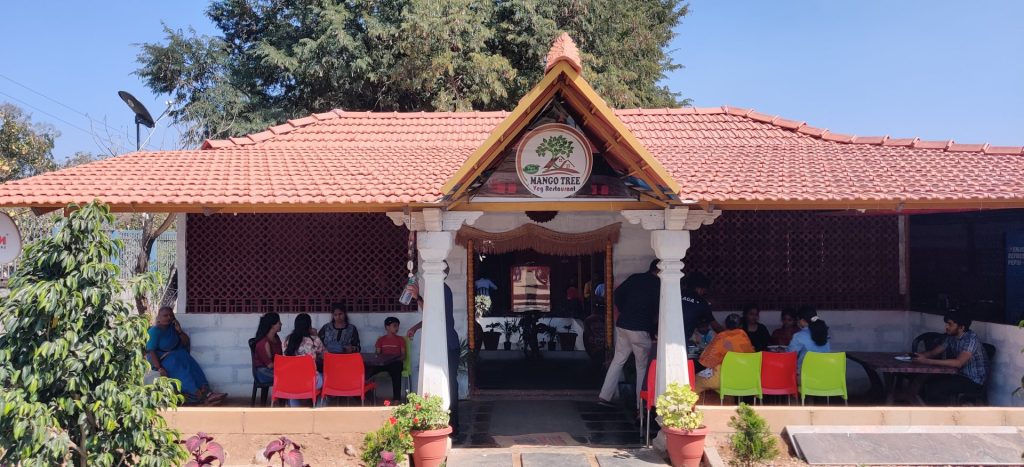
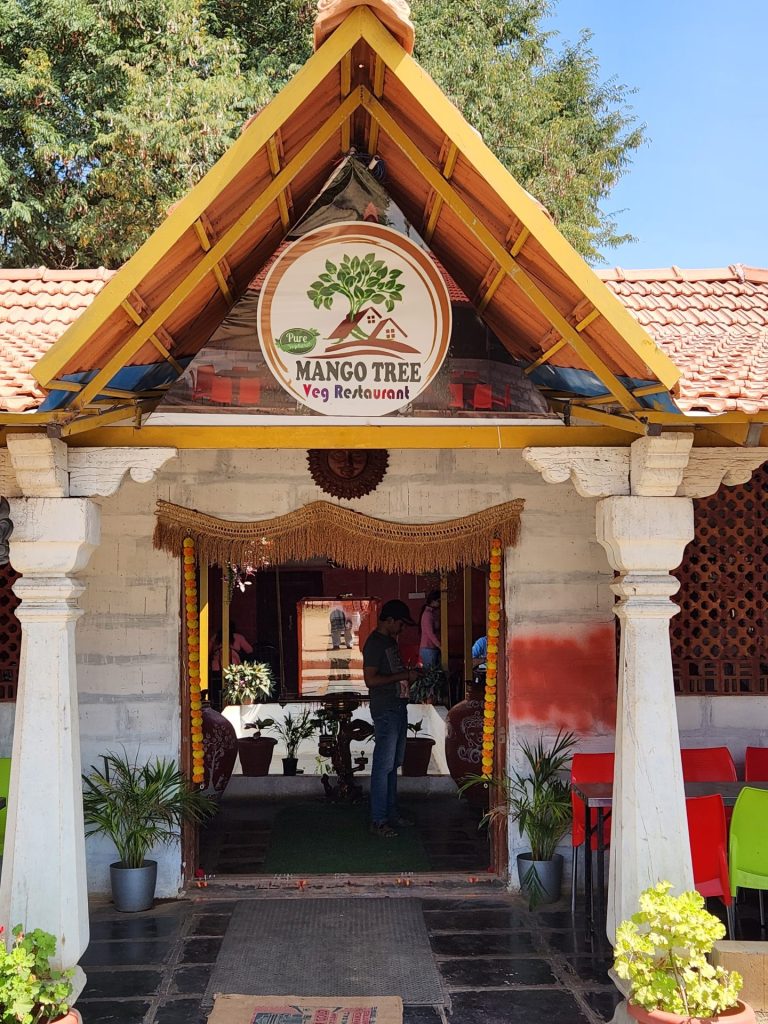
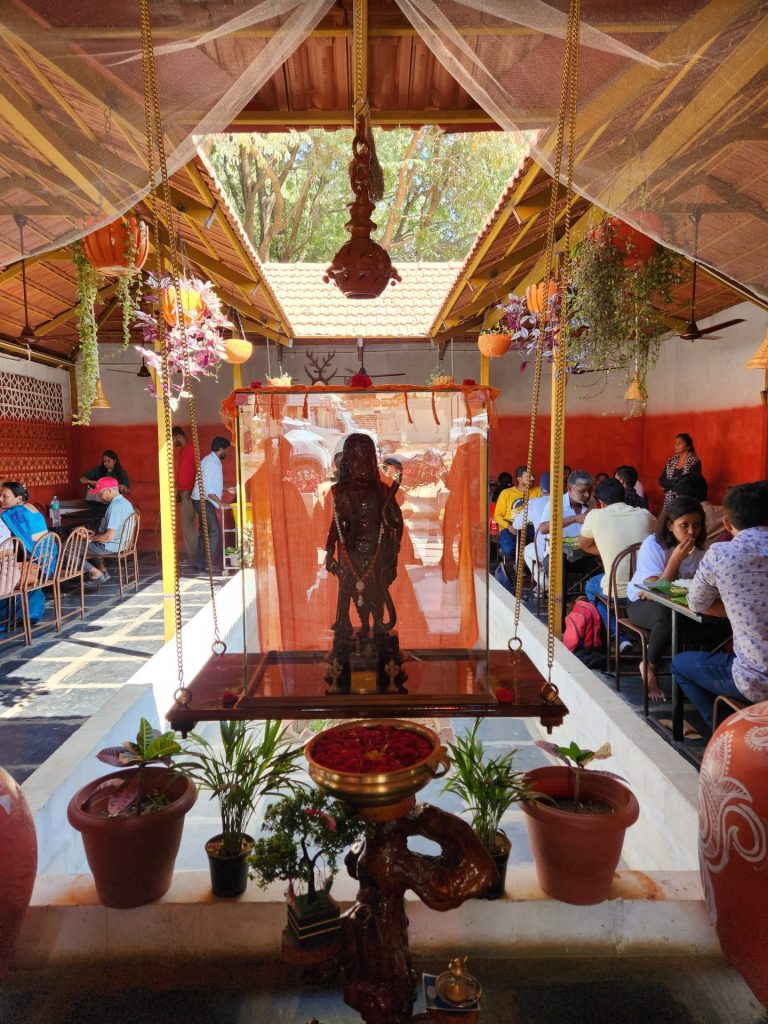
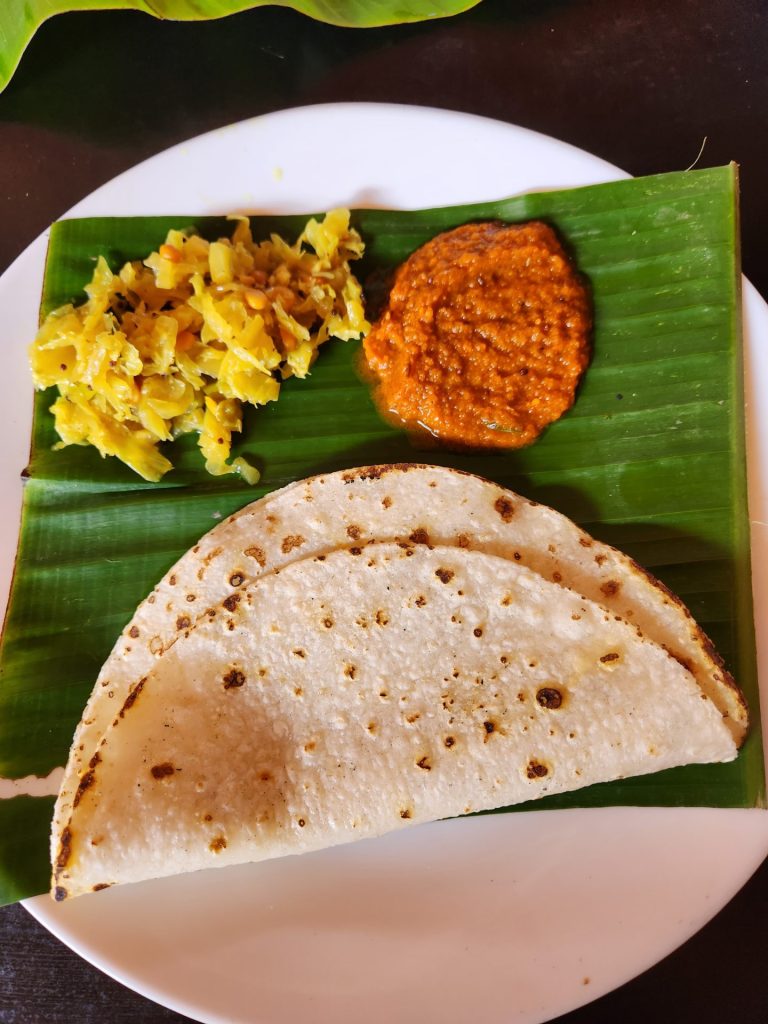
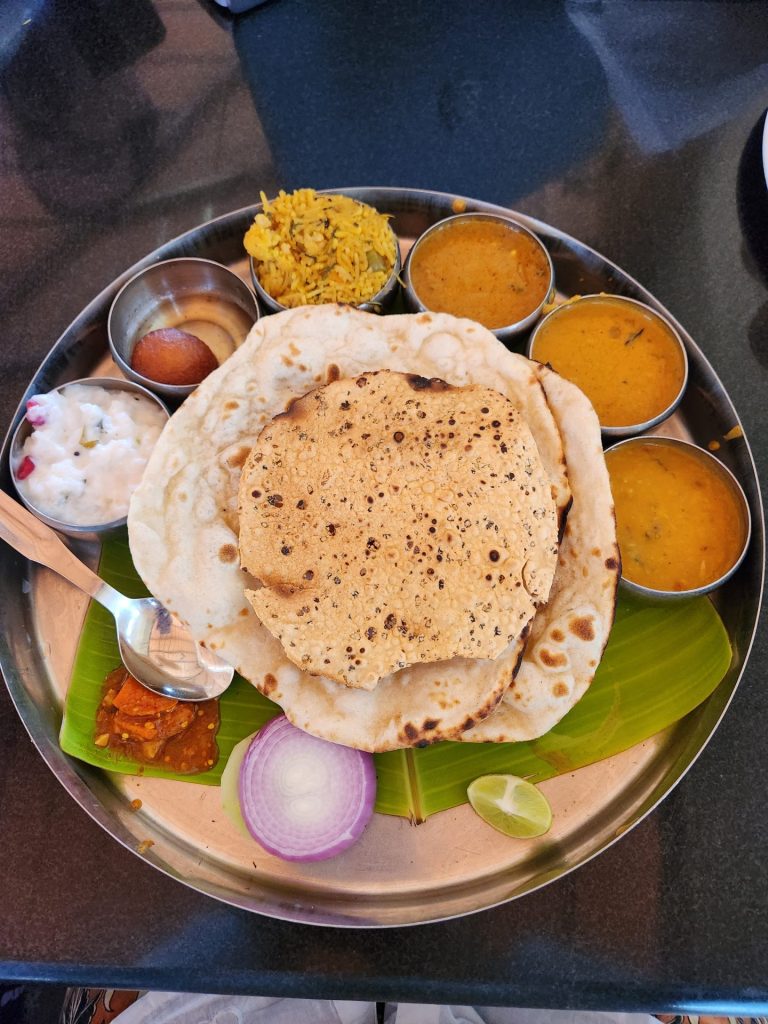
It was around 1.30 by the time we came out of the temple complex. Lunch was next on the cards and while our driver suggested having it in Belur, the temptation of a good looking restaurant adjacent to the car park and hardly 100 metres away made us decide otherwise. We headed for Mango Tree, a nice restaurant and post a nice lunch commenced our journey towards Belur by around 2.30 PM. It was a simple and neatly done eat out and the Banana Leaf meal which I had was pretty yummy.
The twin town of Beluru
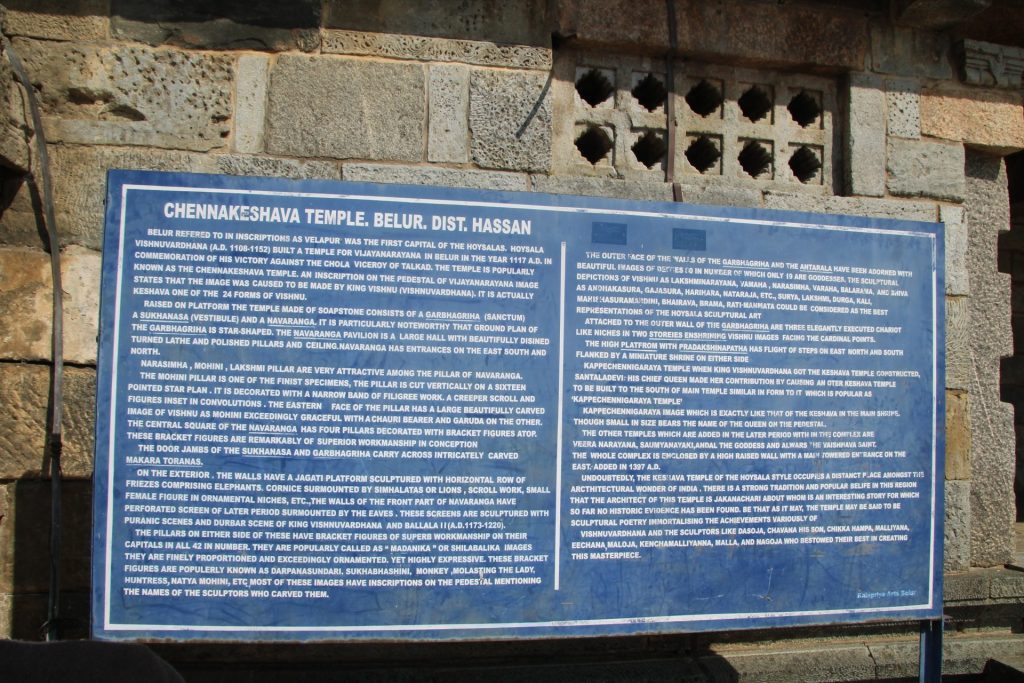
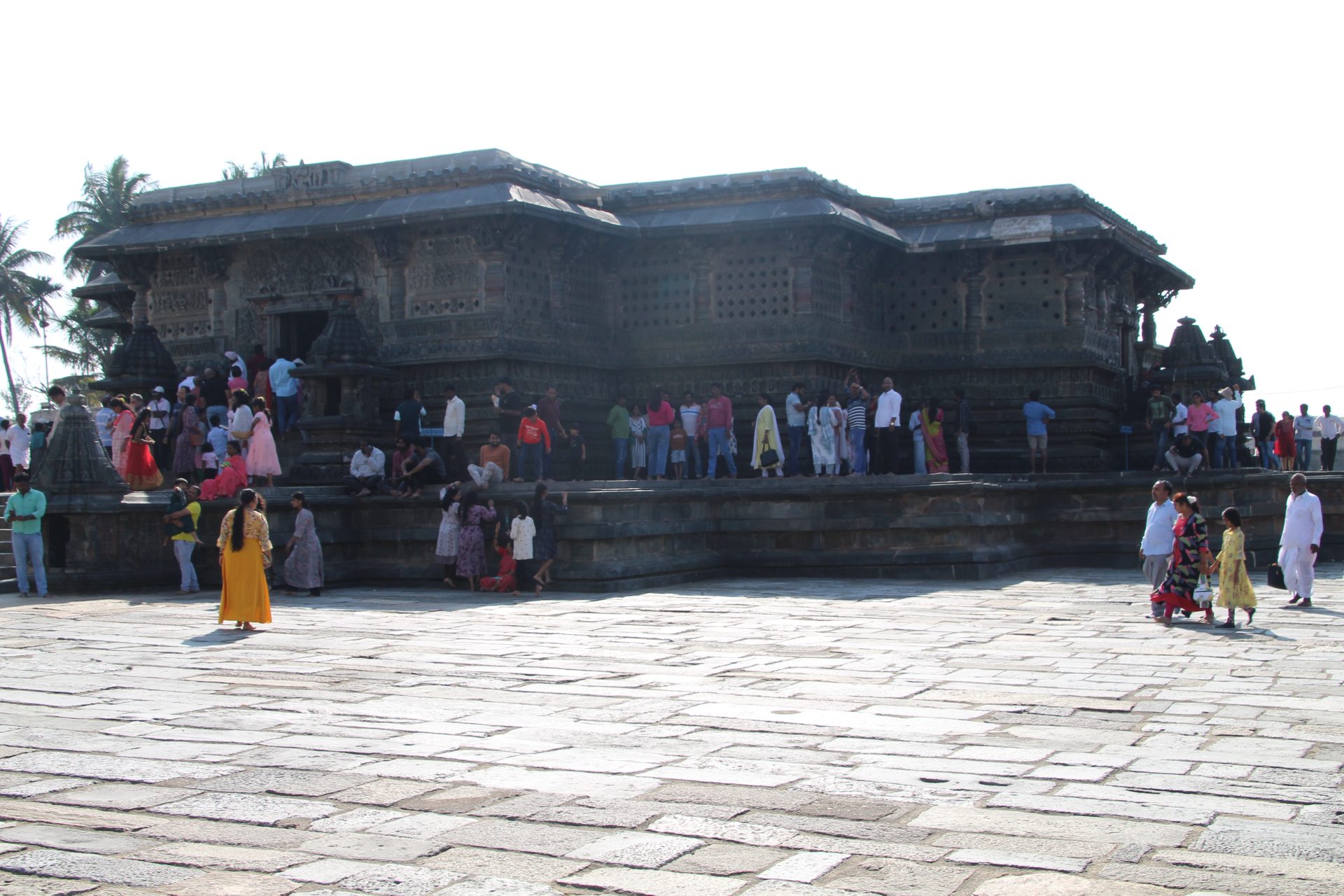
Belur was around 17 kms away and it took us around 30 minutes to traverse the distance. Also known as Velapuri, Velur and Belapur in olden days, the town of Beluru was one of the capitals of the Hoysala empire and is famous for the Chennakeshava Temple built during the reign of King Vishnuvardhana in 1117 CE. This temple also known as the Vijaya Narayana Temple took almost 103 years to complete and was built to commemorate his victory over he Cholas in 1116 AD. It is believed that a father and son duo, Dasoja and Chavana were the master craftsmen behind the construction of this temple.
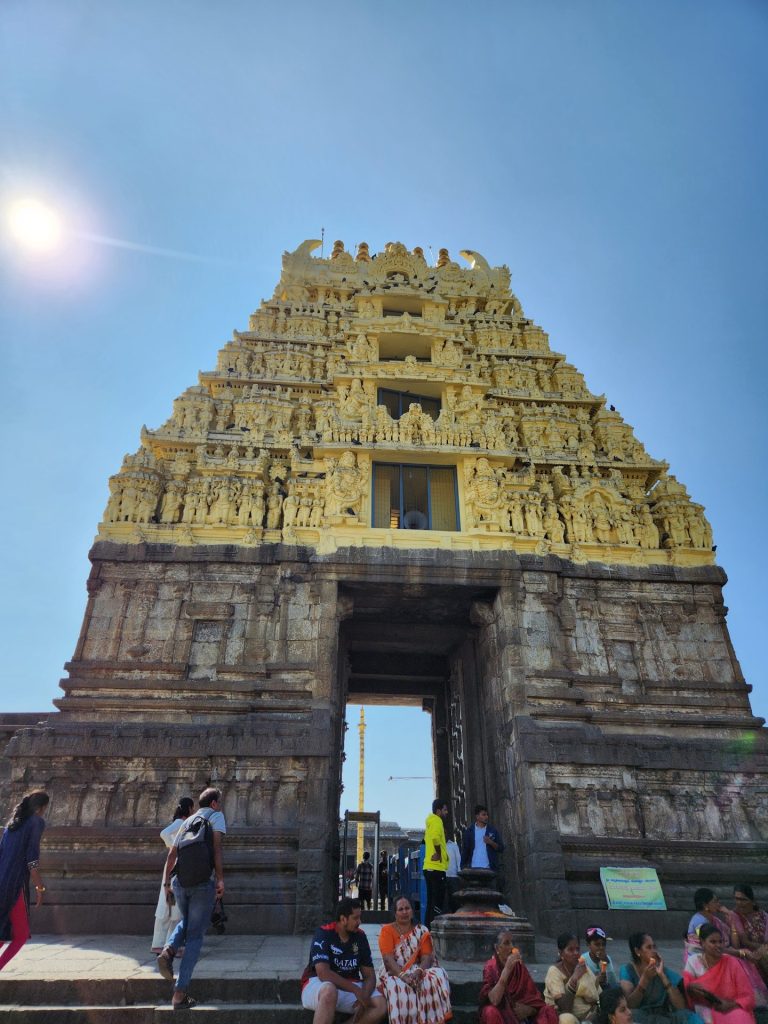
The Chennakeshava Temple @ Beluru
This Star shaped temple has a towering Gopura at the entrance and a statue of Lord Vishnu’s carrier Garuda with palms touching in homage.
As in the Hoysaleswara temple, the temple is built on a platform and the outer walls are adorned with exquisite stone work depicting the Epics and Puranas.
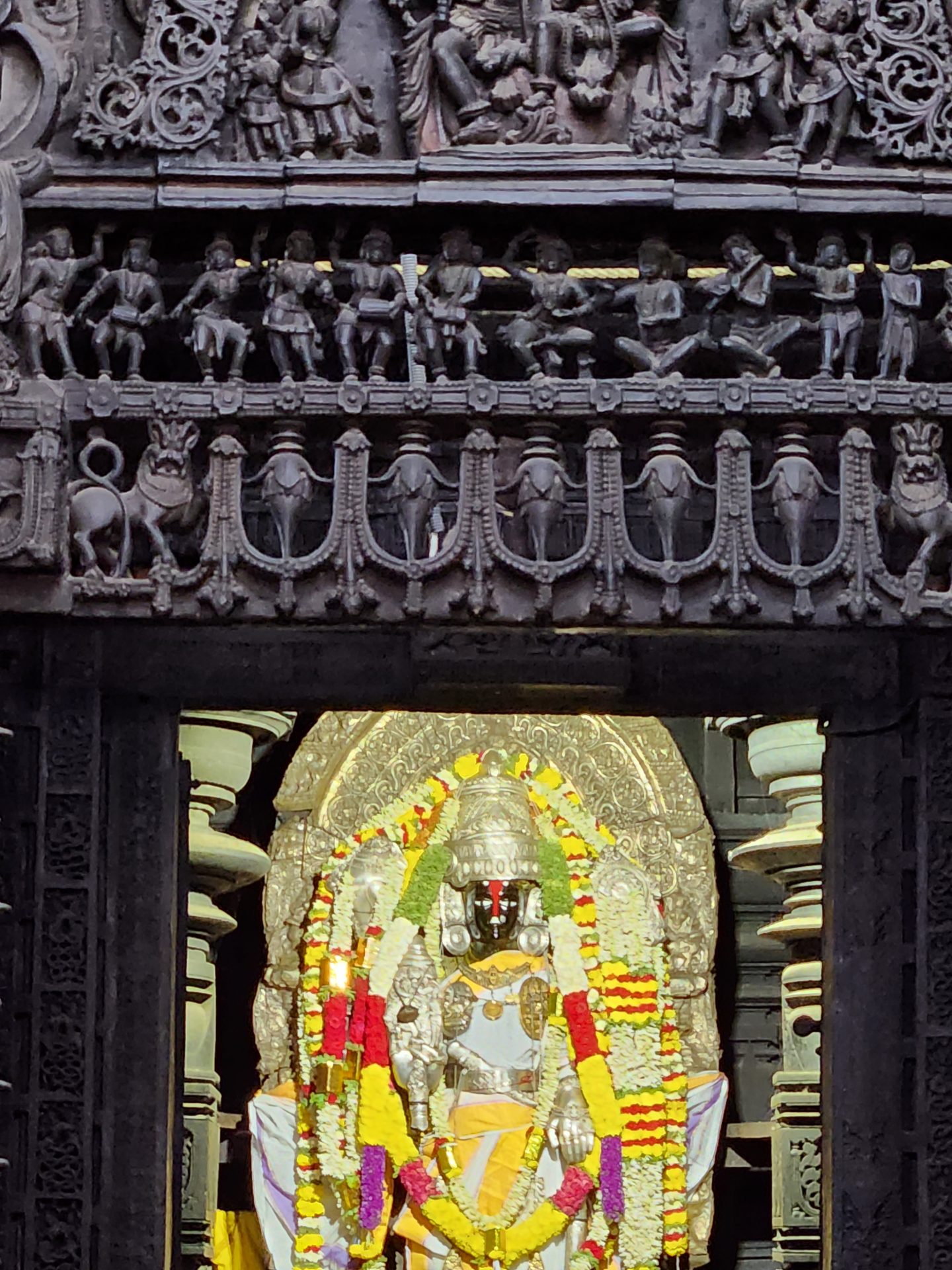
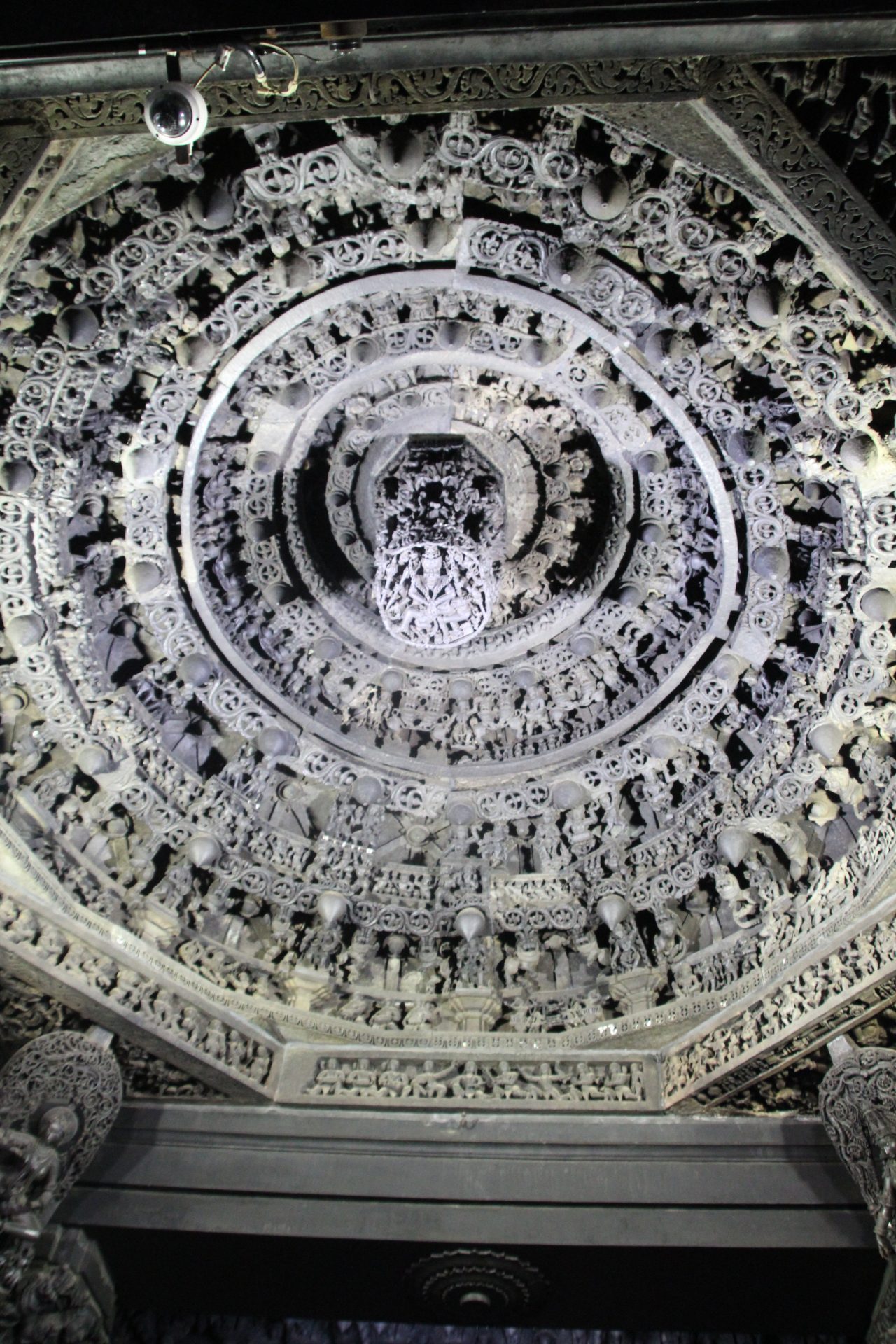
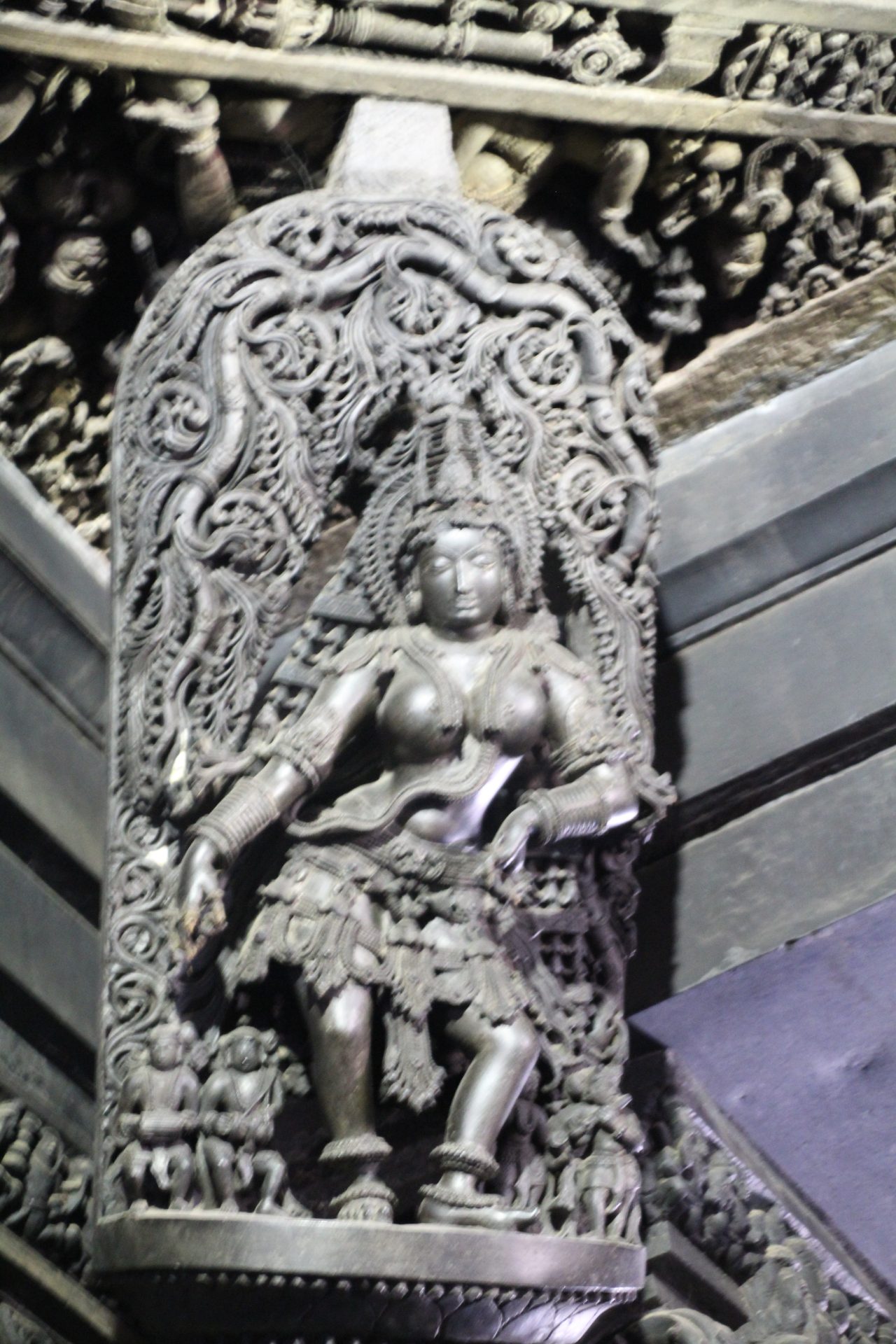
The lower frieze has carvings of charging elephants and horses symbolizing courage and speed. The stone carvings inside the temple, the Queen Shantaladevi inspired celestial nymphs carved across the ceiling at the 4 corners, the tall statue of Lord Vijaya Narayana carved in black stone and stellar shaped Garbhagriha with its zig zag walls make for some lovely viewing and photography.
The temple remains open from 7.30 AM till 7.30 PM in the evening.
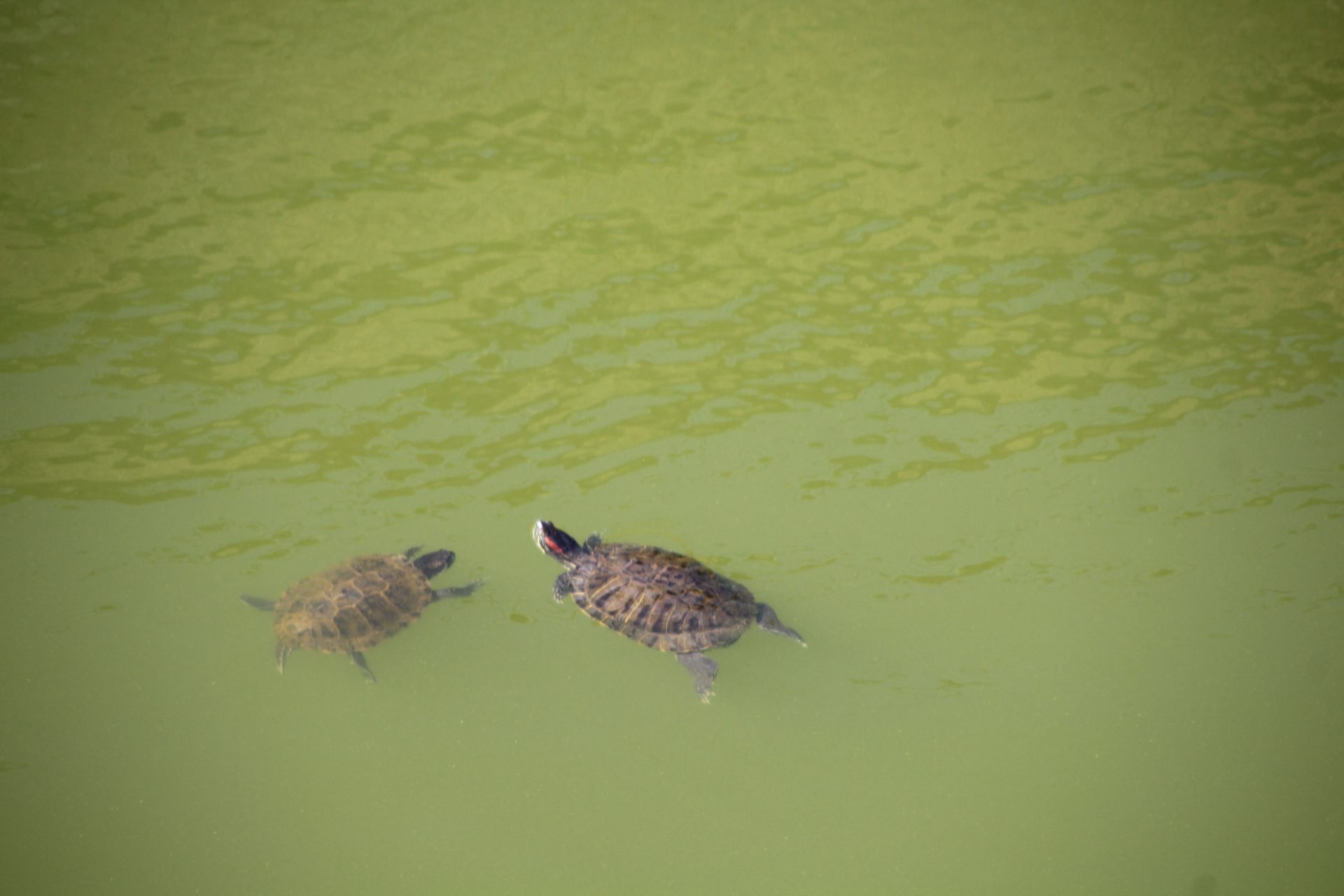
It was getting hot and walking bare feet across the temple courtyard was becoming a challenge. The temple tank or the Pushkarini which is towards the left hand side when you exit the temple has lot of turtles swimming around the waters.
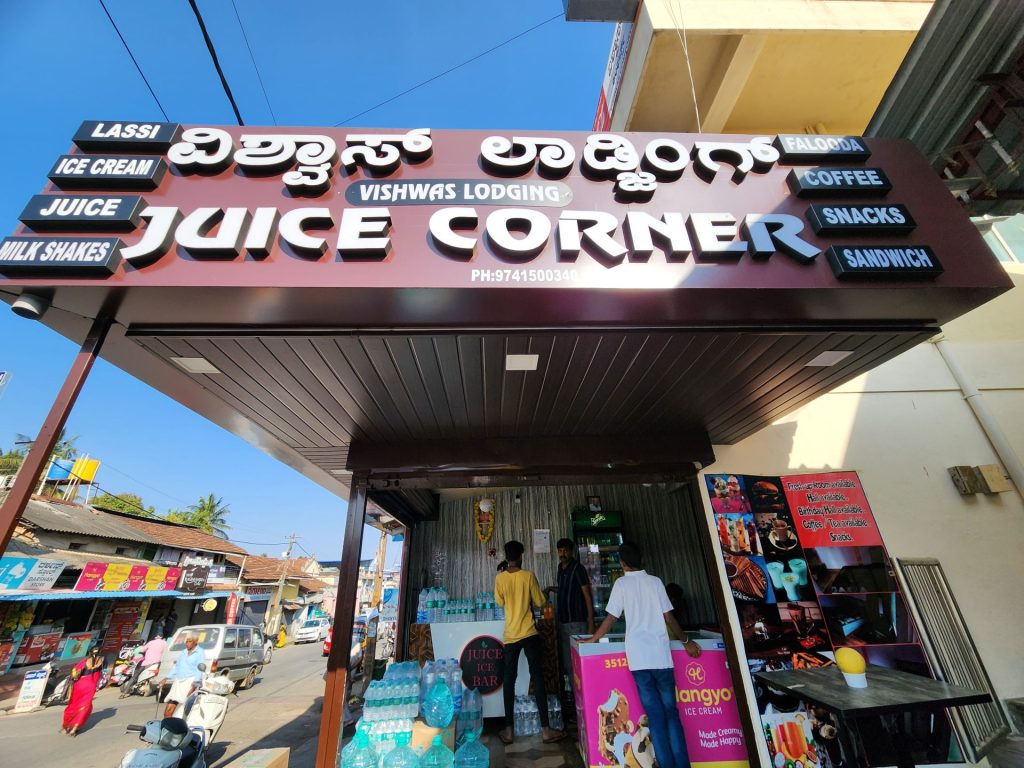
We came out of the temple complex by around 3.45 PM and headed for some refreshments at a nearby juice outlet. The 150 km long drive back towards Mysuru commenced around 4 PM.
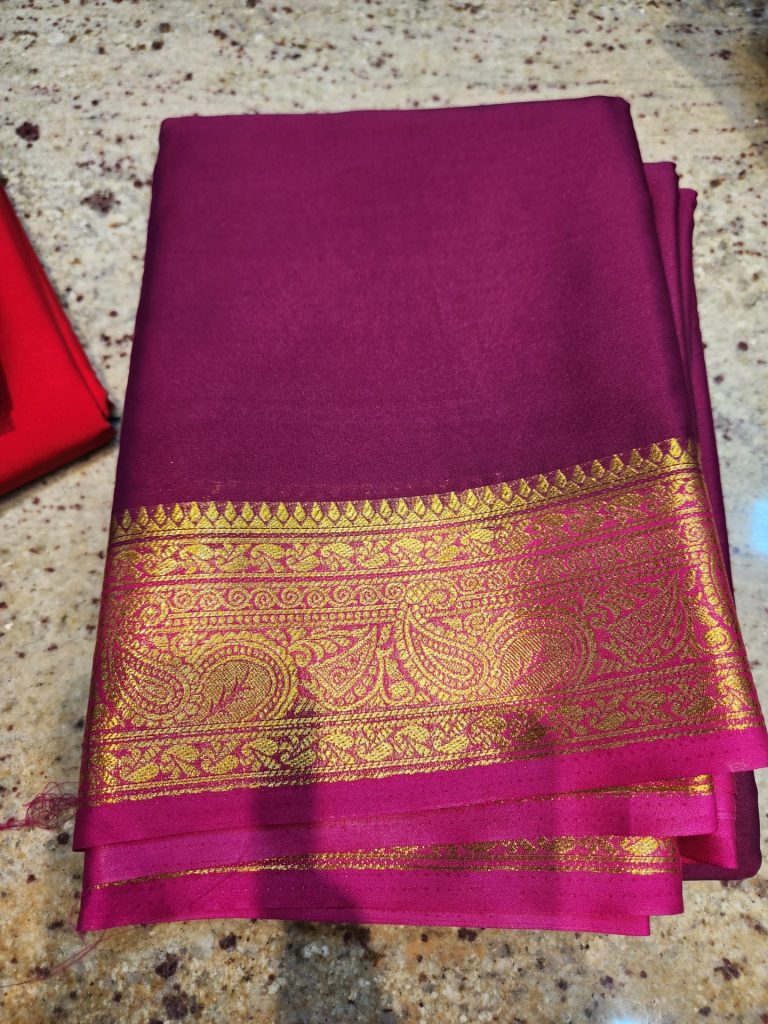
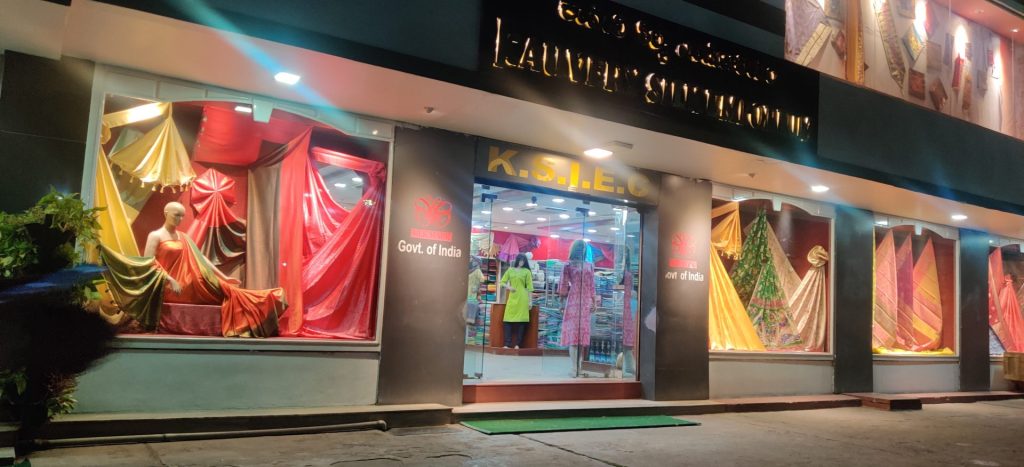
The driver took us to the KSIDC Silk Showroom on the way back for the ladies to have a look around before narrowing down on their choice of colours for the Mysore Silk Sarees. We were back at the Hotel by around 8 PM. Our Hotel incidentally had a showroom for the same since and little did I realize that there was one round of short listing which had already happened during my absence on the evening of Day 1 when I was at the Palace. The cab trip costed us Rs.4,400/-.
Told our cab guy Kiran to come by around noon the next day for the drop from Mysuru to Masinagudi the next day and a pick up back which was planned after spending a couple of days there. Had also fixed up with him for the local sightseeing in and around Mysuru post our return from Masinagudi.
January 28th 2024
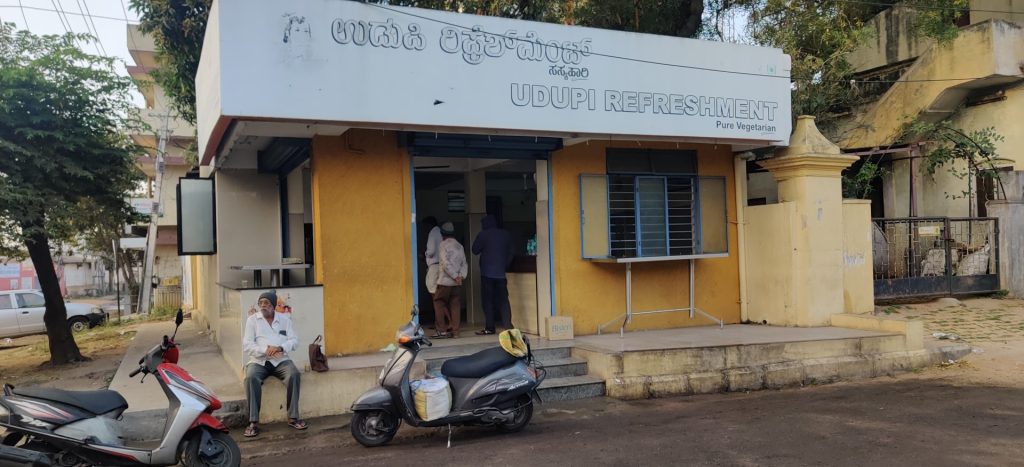
After a light dinner at the hotel, we retired early. Got up the next morning and went around the Palace area for a walk/run and a nice coffee to top it up at a small Udipi Refreshment Café. The folks were getting ready by the time I reached the room.
Sightseeing on Day 2 at Mysuru
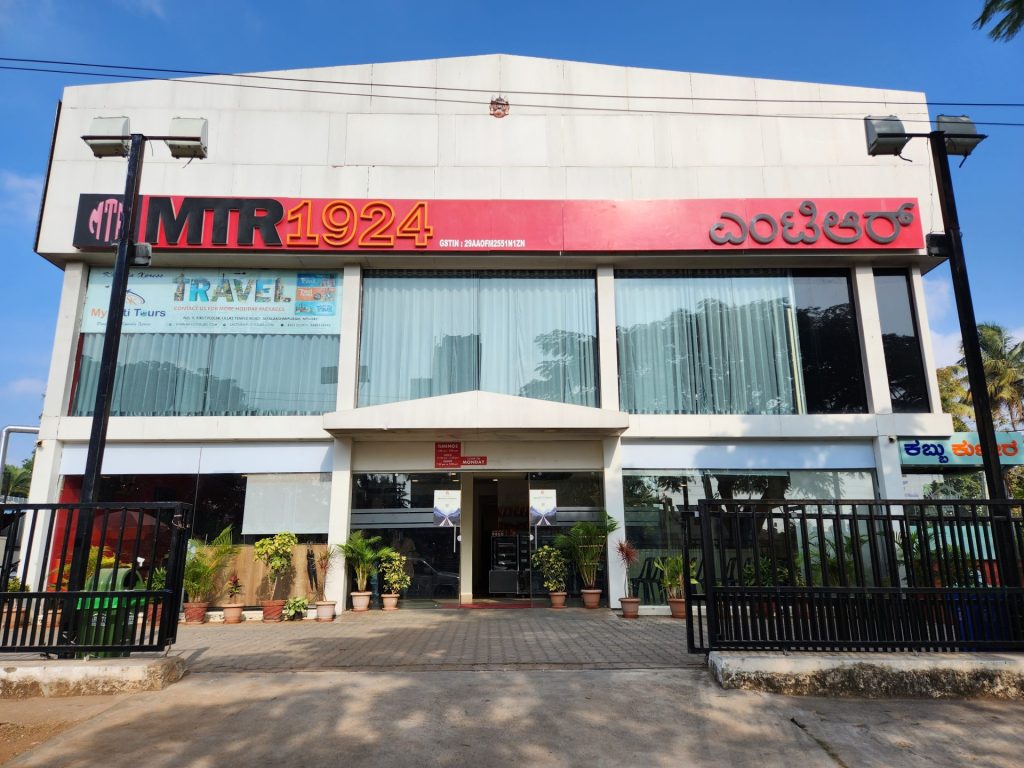
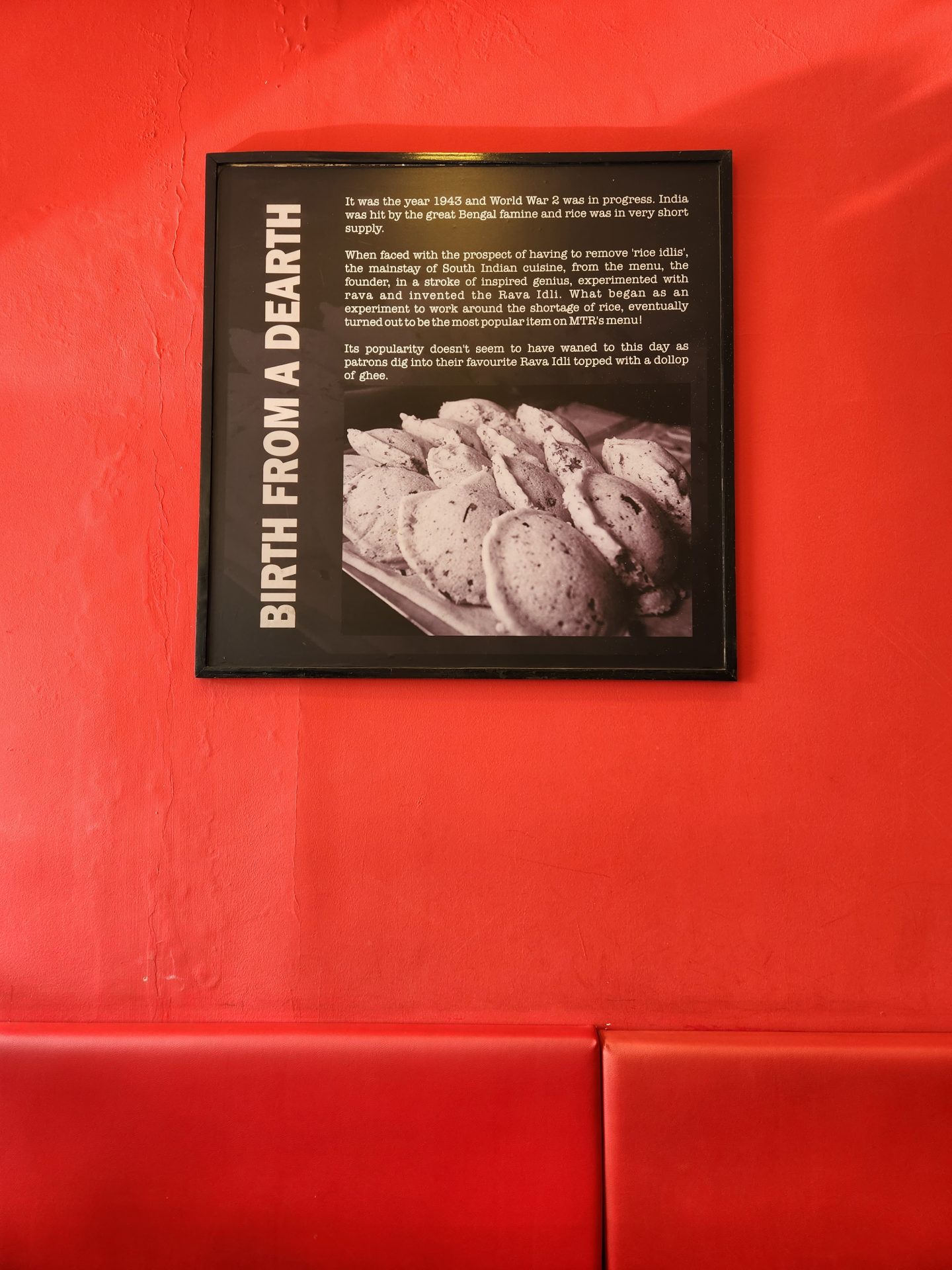
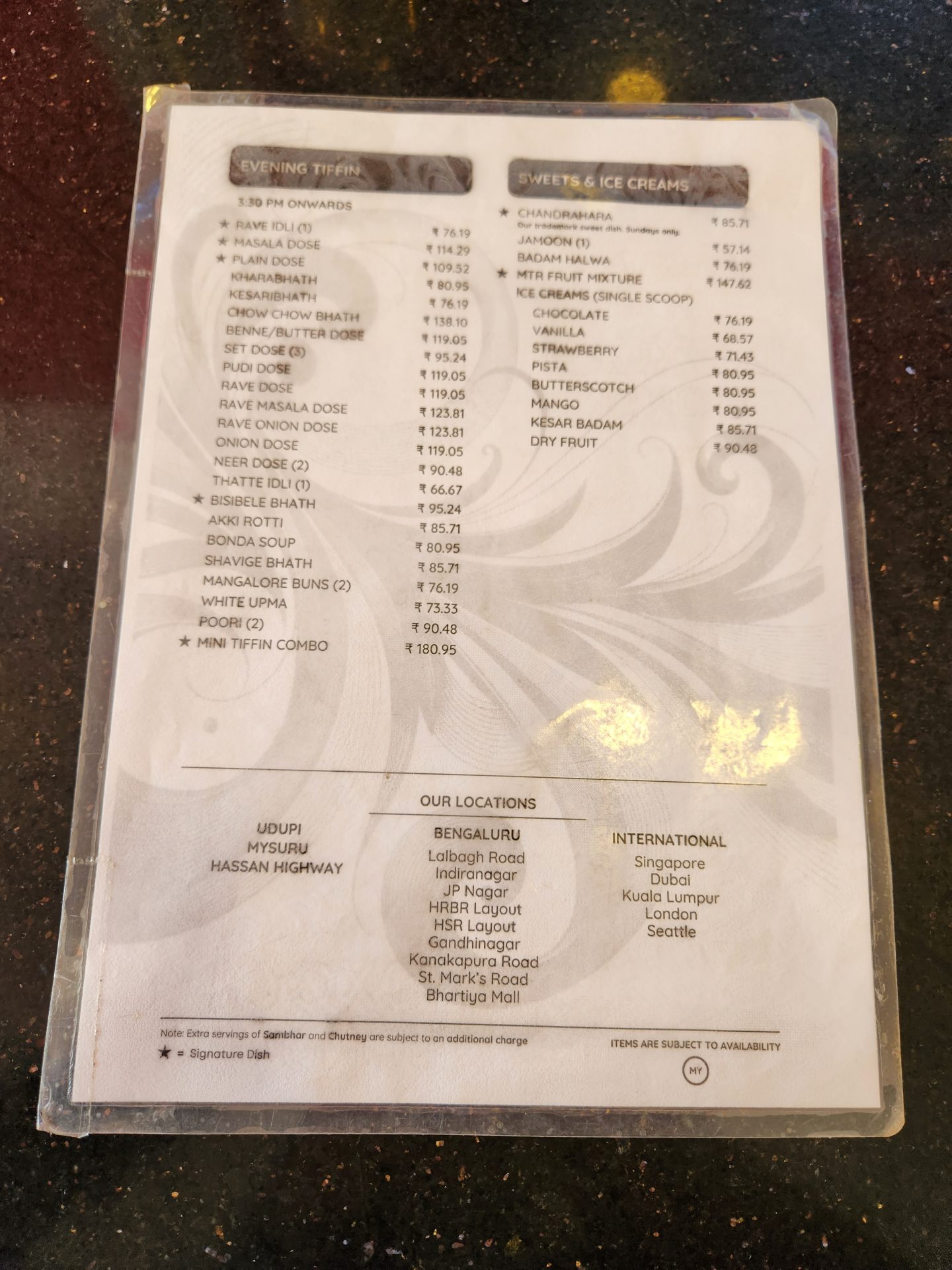
We had packed our luggage the previous night and by around 8.45 we left the hotel to have our breakfast at MTR. A hearty breakfast done, we headed for the Mysuru Palace.
The Mysuru Palace
The gates of the Palace open by around 10 AM and a crowd was slowly building up at the ticket counter, being a Sunday. After being in the queue for around 10 minutes, we made our way to the Palace. Tickets are priced at Rs.100/- per head.
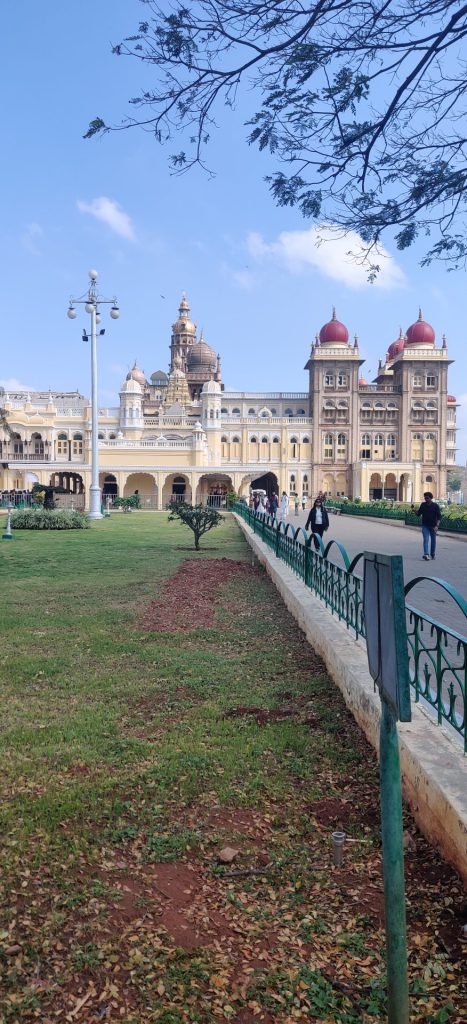
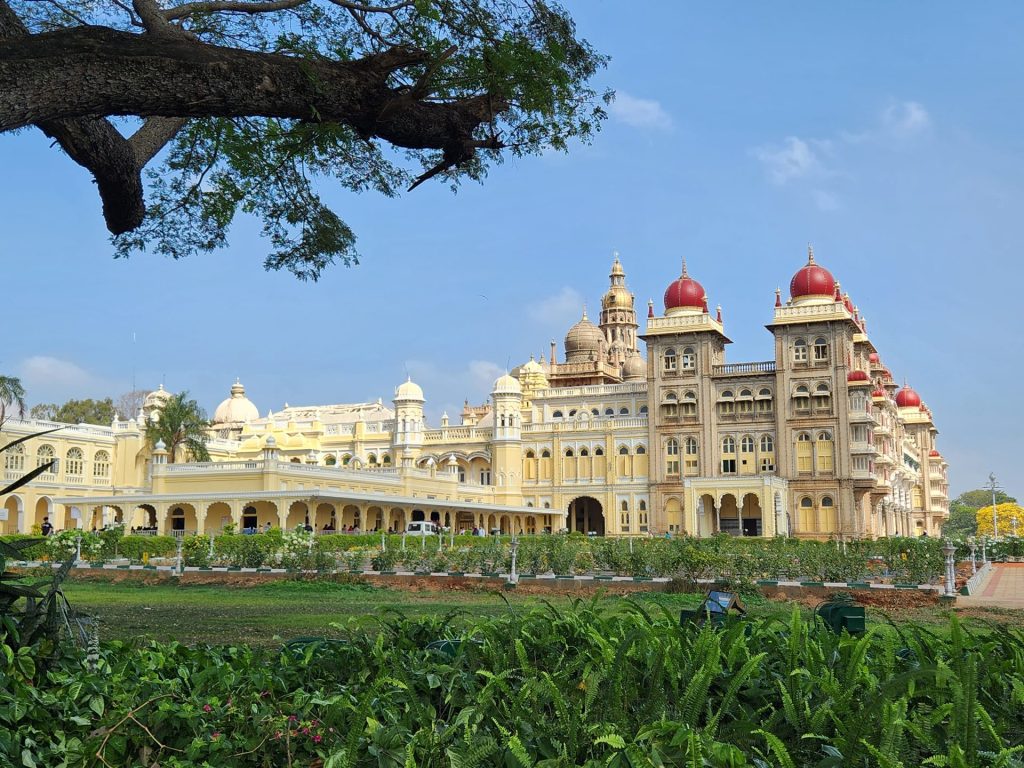
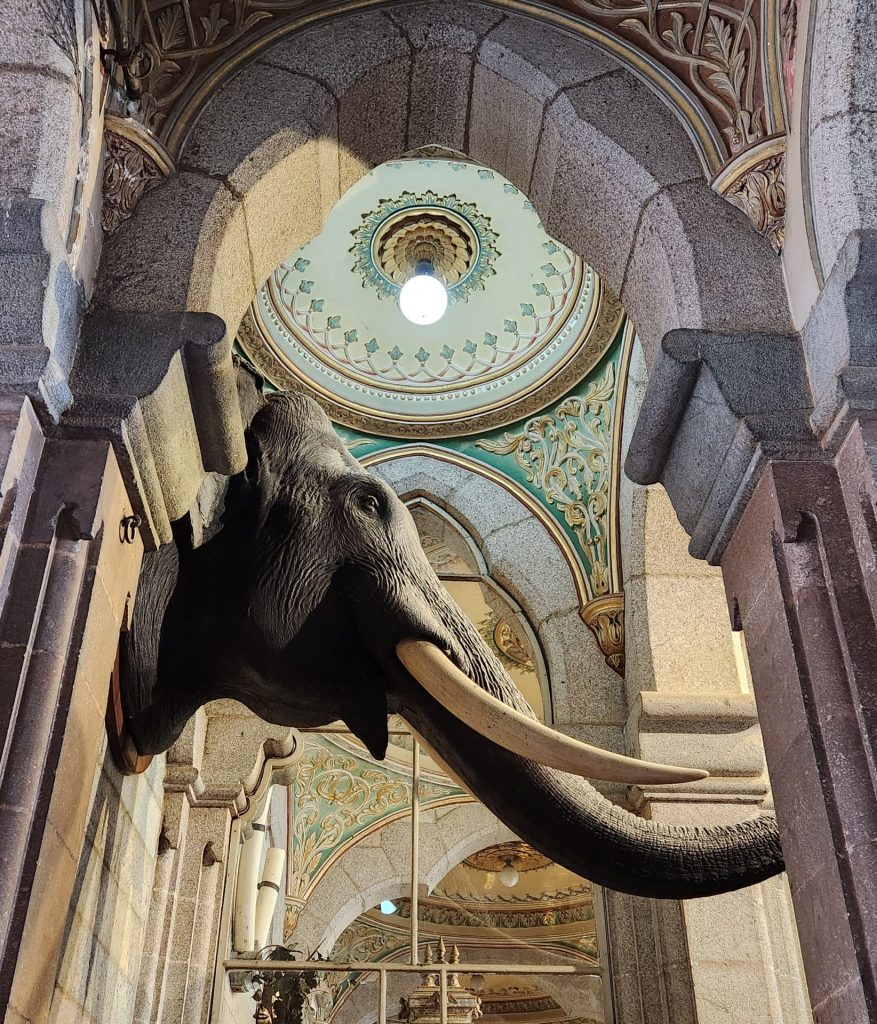
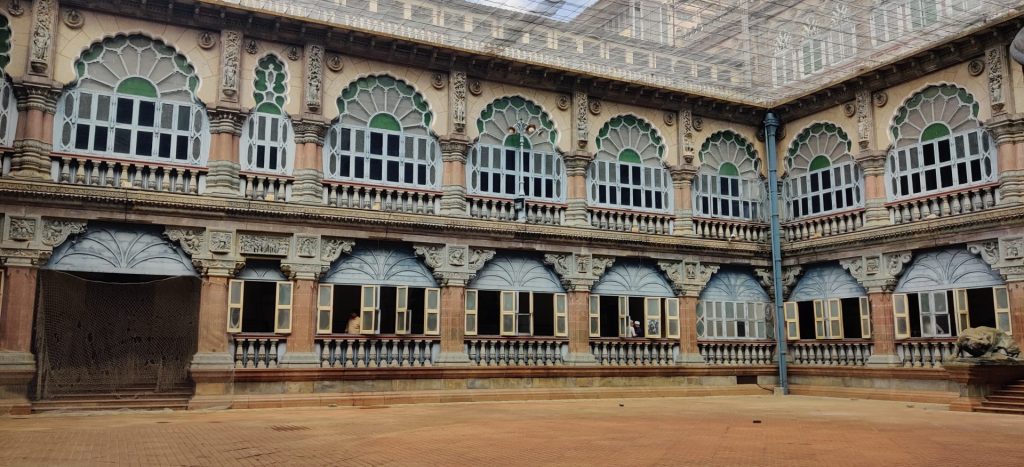
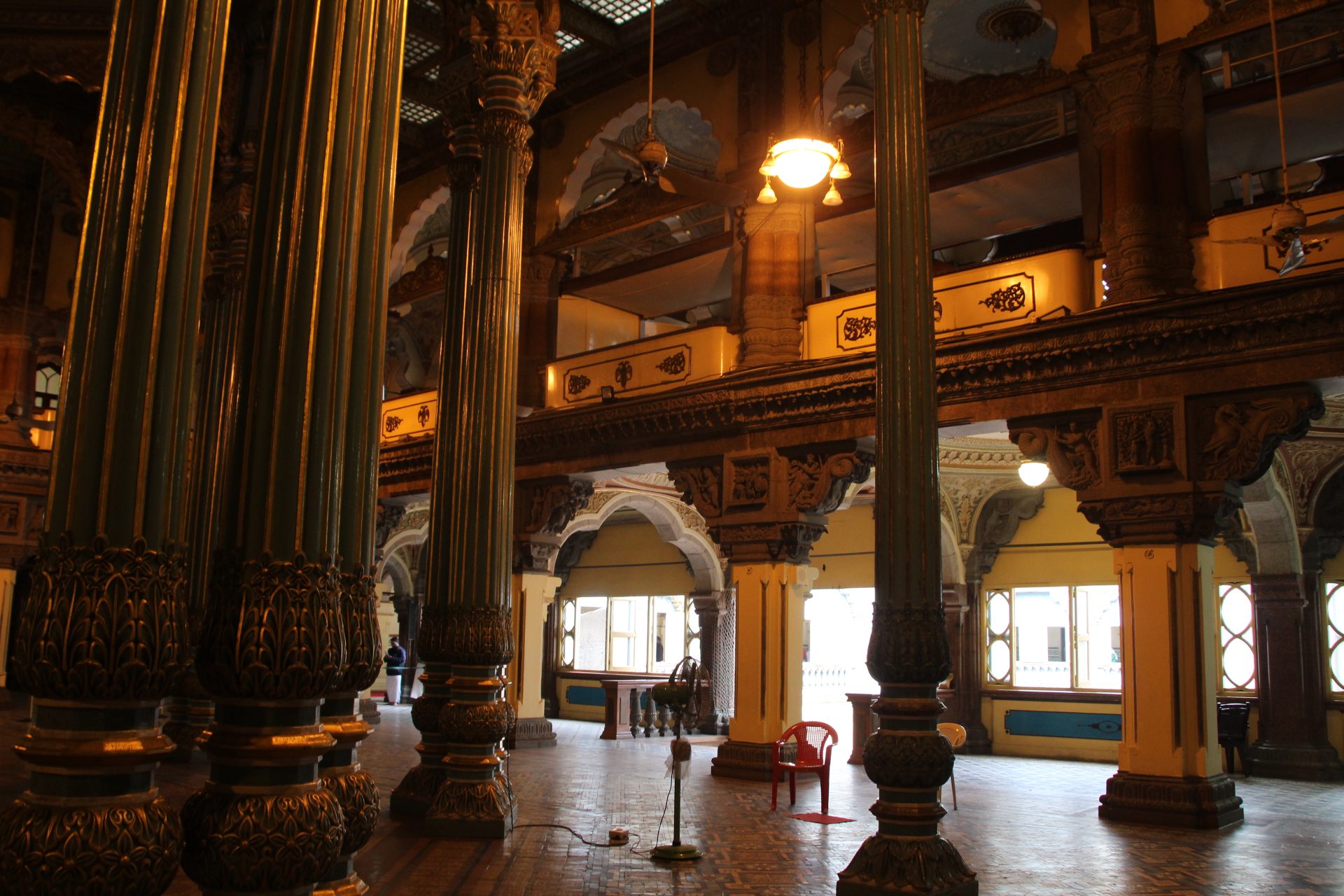
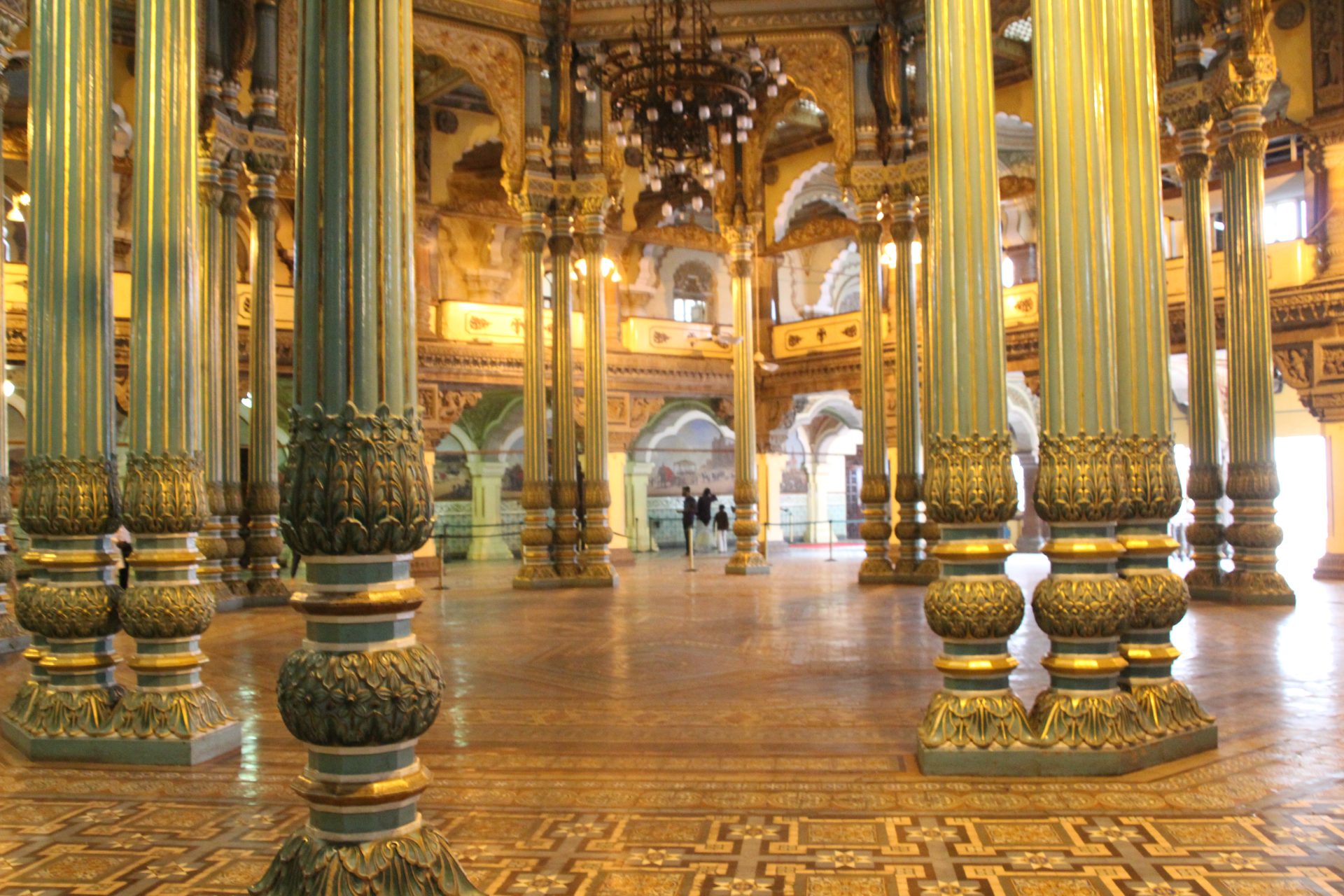
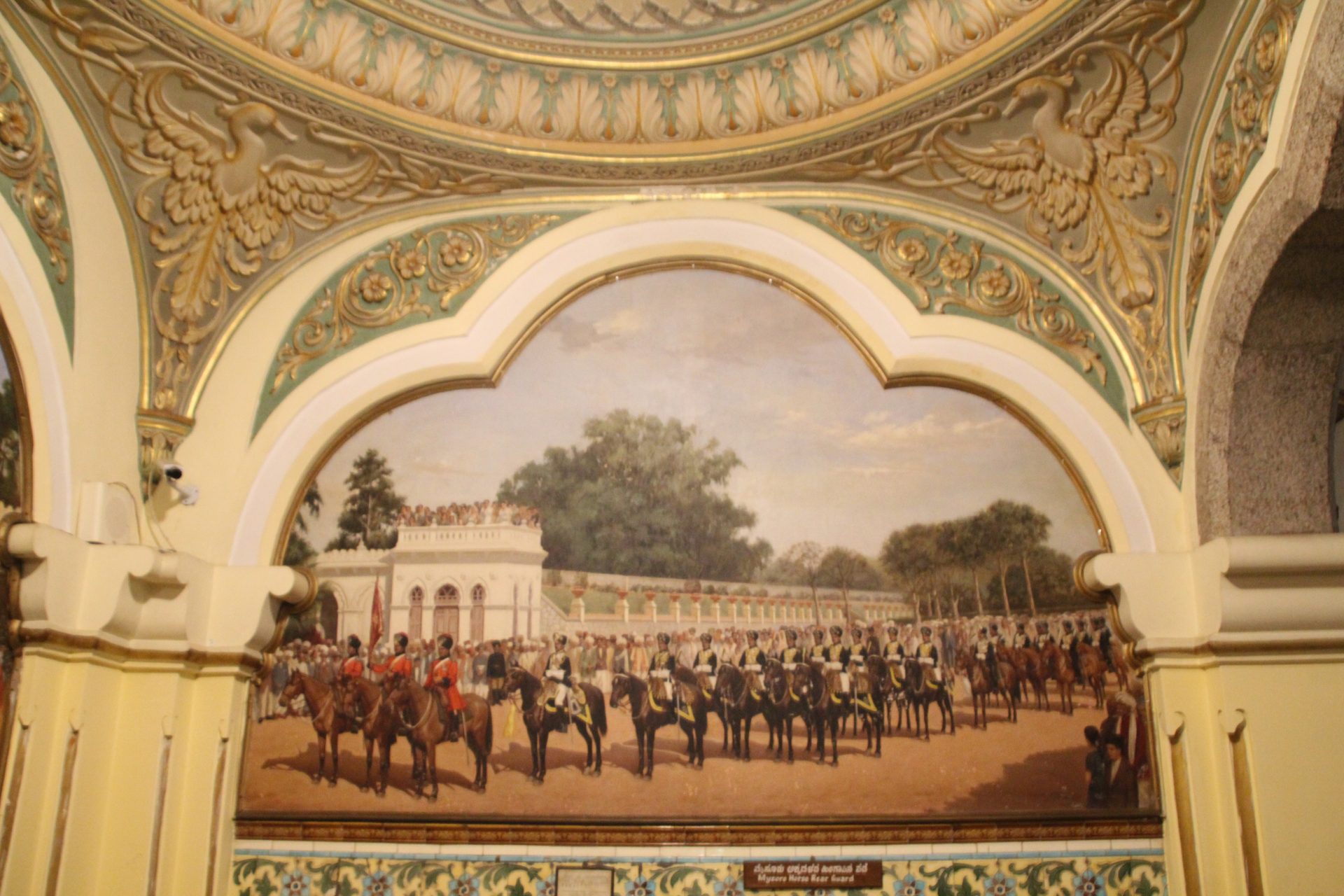
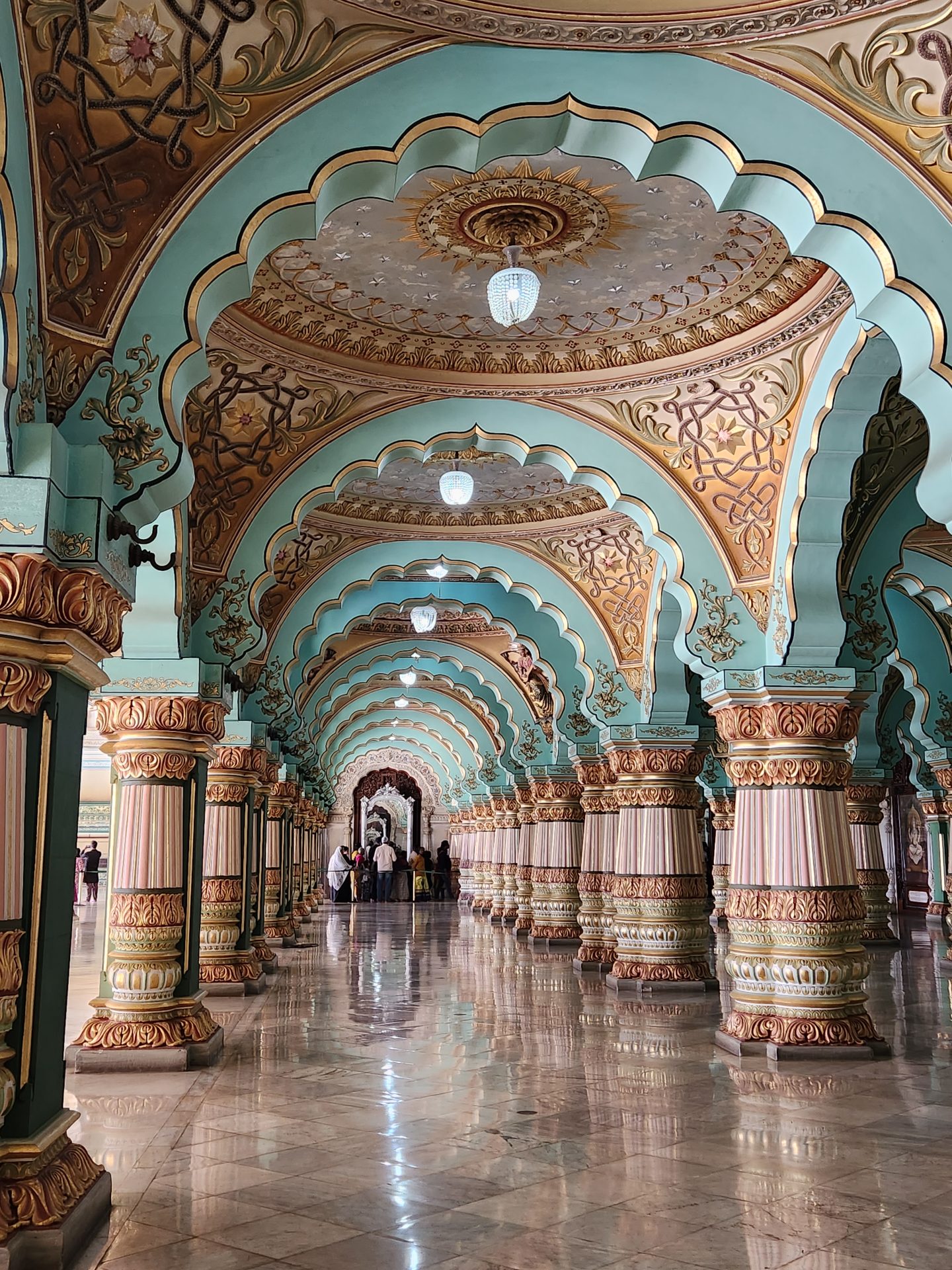
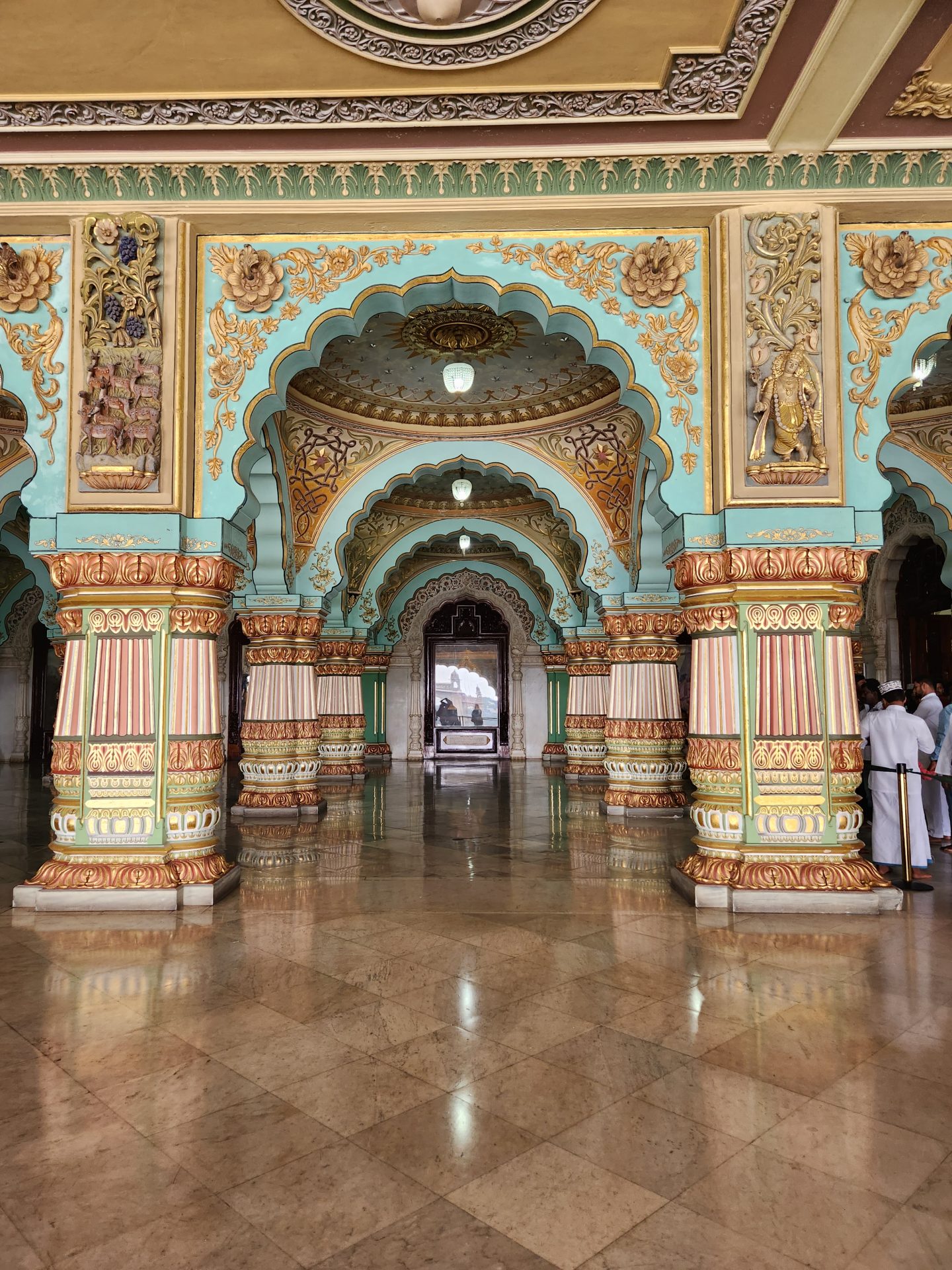
The Palace is around 245 feet in length and 156 feet in breadth and has a Gold plated dome placed 145 feet from the ground. Four entrances lead to this 3 storeyed Palace built out of granite stone, bricks and wood. The façade has marble domes, arches, canopies and bay windows. 7 arches and 2 smaller arches connect to the Central arch.
While it used to the official residence of the Wodeyar dynasty and the seat of the Kingdom of Mysuru, part of this historical palace is still used by the royal family as their residence.
One has to deposit his/her footwear at a separate enclosure before entering the Palace. The Amba Vilas Palace as this place is also known as, was architected by Henry Irwin in Indo Saracenic architecture with elements from Gothic, Rajput and Islamic styles and took around 15 years to get completed in 1912.
While there are 7 palaces including this one, what commonly gets referred to is this one within the new fort. On the same grounds where this Palace has come up, a Palace first got built out of wood in the 14th century which was set ablaze and reconstructed many times.
Having spent close to 90 minutes at the Palace we hired a Tuk-tuk back to our Hotel. The checkout formalities had already been done and our luggage was kept at the concierge.
We had our cab guy Kiran waiting outside the hotel and in around 30 minutes we started off on our next adventure to Masinagudi. We had planned a 2 day trip with a Jungle Safari at Mudumalai included to keep the folks interested but more of it in my web page on Mudumalai.
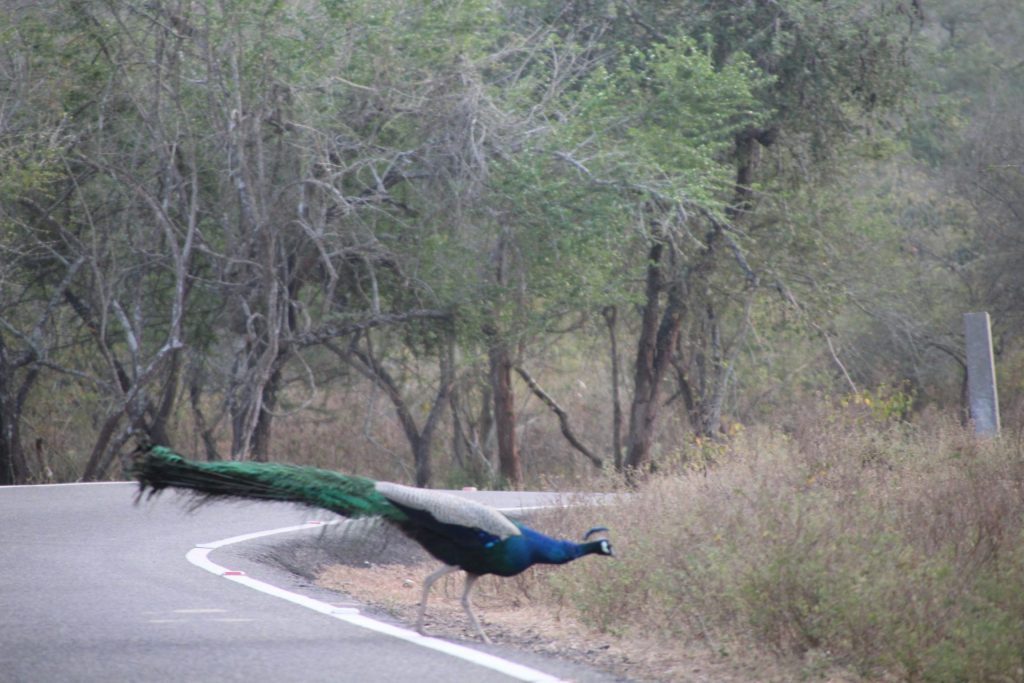
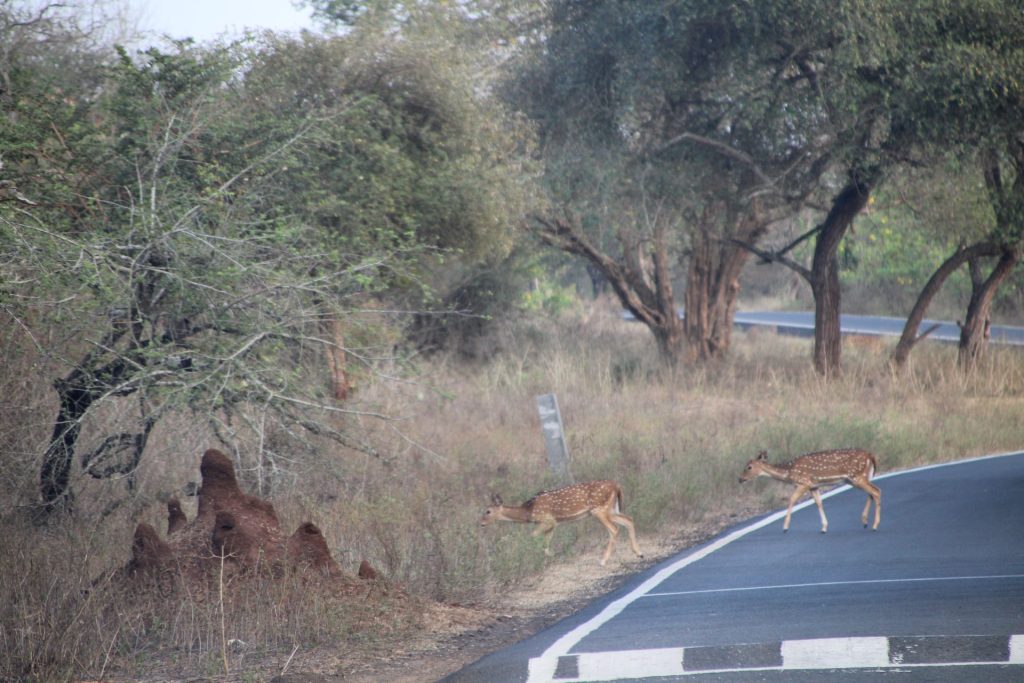
We had Kiran arrive at our hotel at Masinagudi a couple of days later at 9 AM sharp to pick us back for our return journey to Mysuru. We had kept the last hop of sightseeing for this day and which included a visit to Srirangapattina. Mysuru was just about 96 kms away and entailed a couple of hours drive quite a bit of which was through the Mudumalai and Bandipur forest areas where we were able to spot lot of deer and peacocks on the way.
Sightseeing on Day 3 at Mysuru
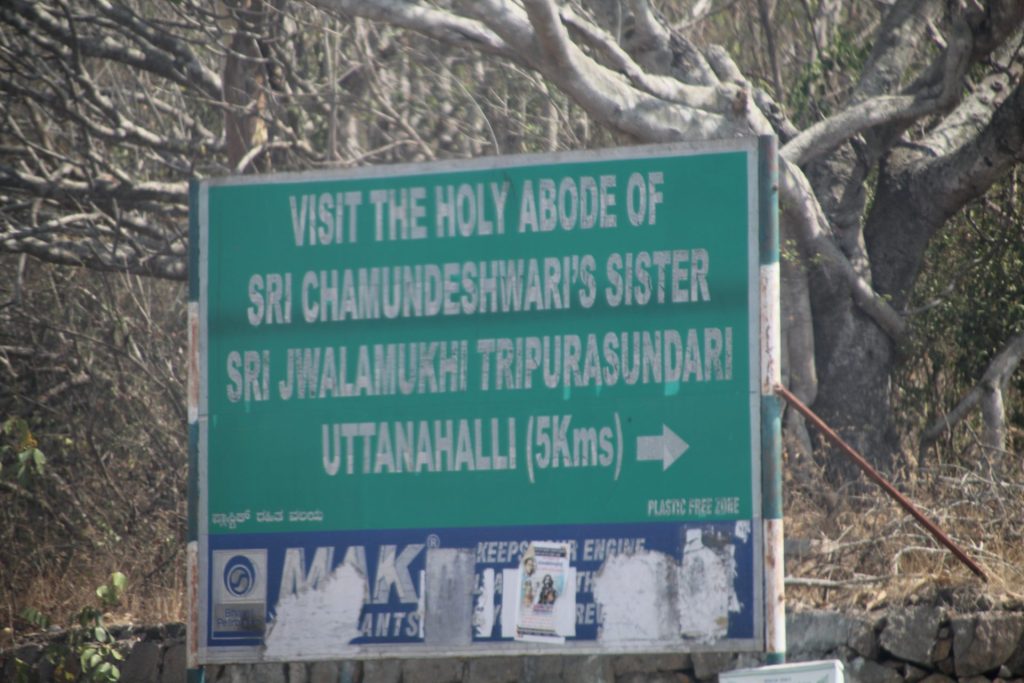
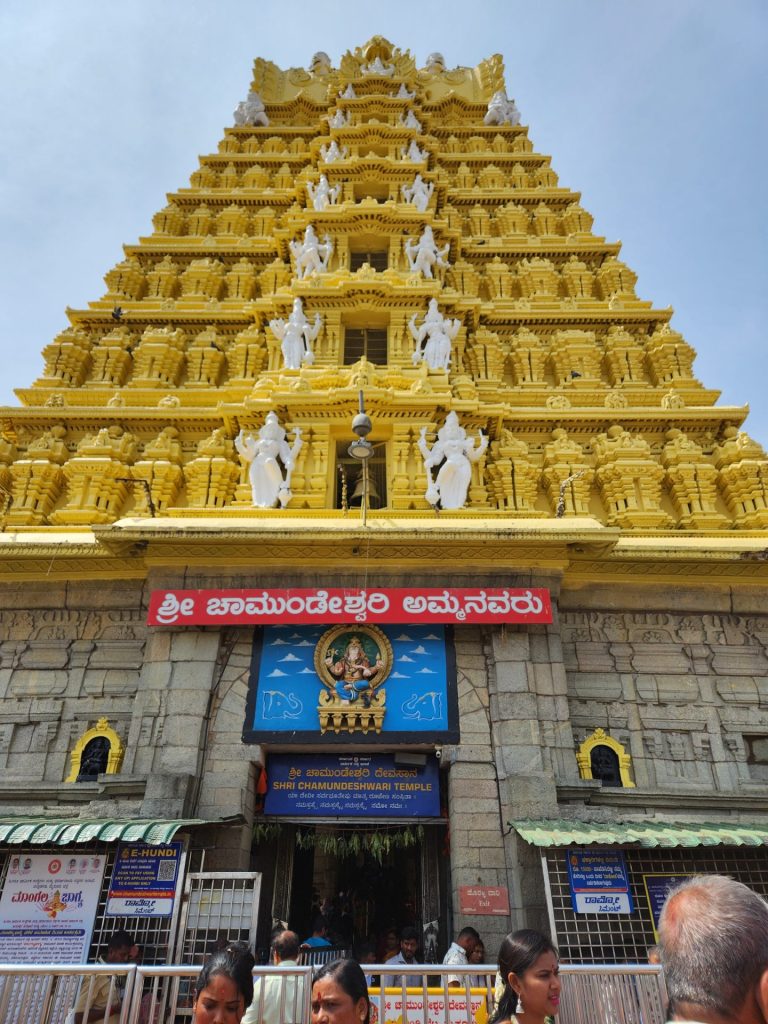
The Chamundeswari Temple
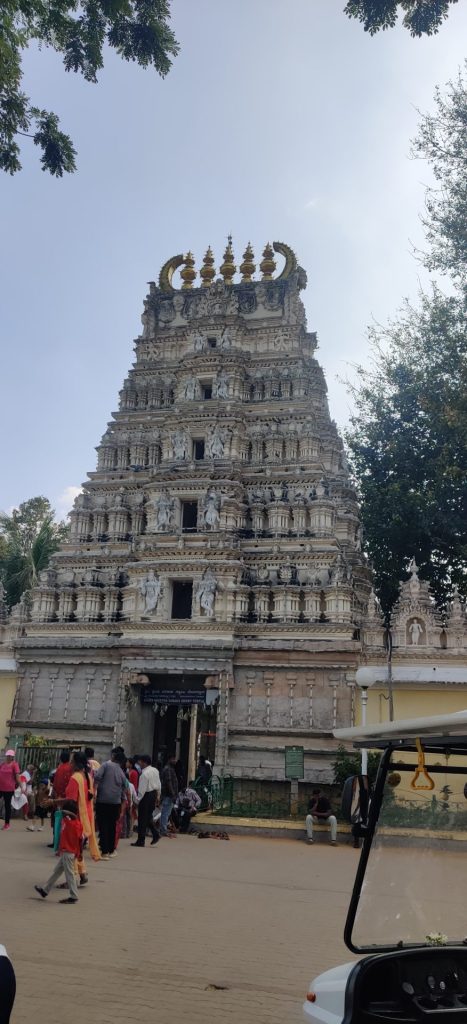
By noon we had begun our upward climb towards the famed Chamundeswari Temple located 3300 feet above mean sea level and atop Chamundi hill. The Chamundeswari Temple is considered as a Sakthi Peetha and is one among the 18 of them. The deity here is named after Chamundeswari, a fierce form of Sakthi and a tutelary deity held in reverence for centuries by the Maharajah of Mysuru. The people of this region also call the deity as Nada Devi which means State Goddess.
It is believed that Goddess Durga slayed the demon king Mahishashura atop the hill which was ruled by him. The original shrine was believed to have been built in the 12th century by the rulers of the Hoysala dynasty while its tower probably came up during the Vijayanagara regime in the 17th century. A staircase of 1000 steps leading to the summit of the hill was built in 1659. A huge granite step of Nandi the bull is there at the 700th step in front of a small Shiva temple a short distance away. Had seen this during my earlier visit when we had walked up the stairs. This Nandi is 15 feet high and has 24 exquisite balls sculpted around its neck.
There was some semblance of crowds building up as a result of which we decided to buy the Special Darshan (view) tickets for Rs.100/- apiece. This gave us faster access inside the sanctum and we were able to come out by around 1 PM.
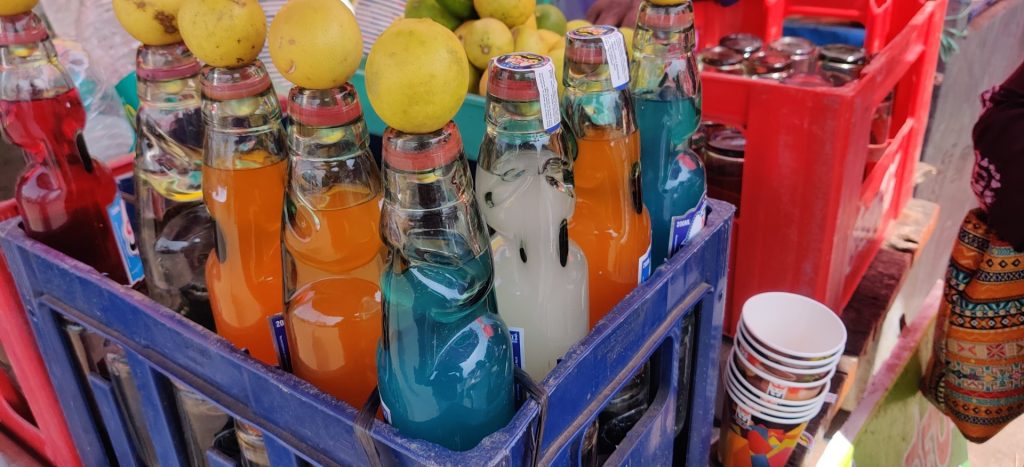
GOOD OL ' GOLI SODA
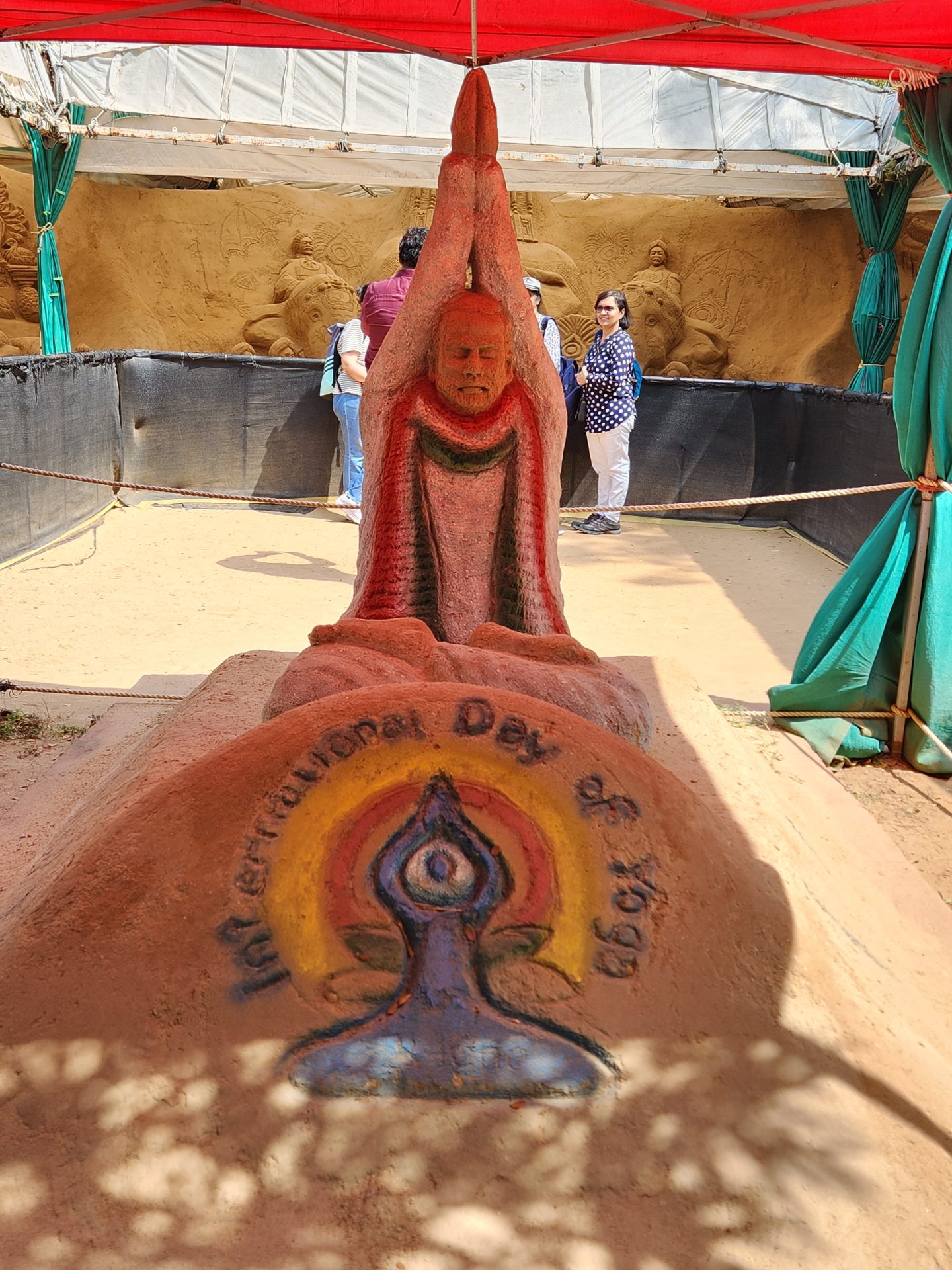
The Sand Sculpture Museum
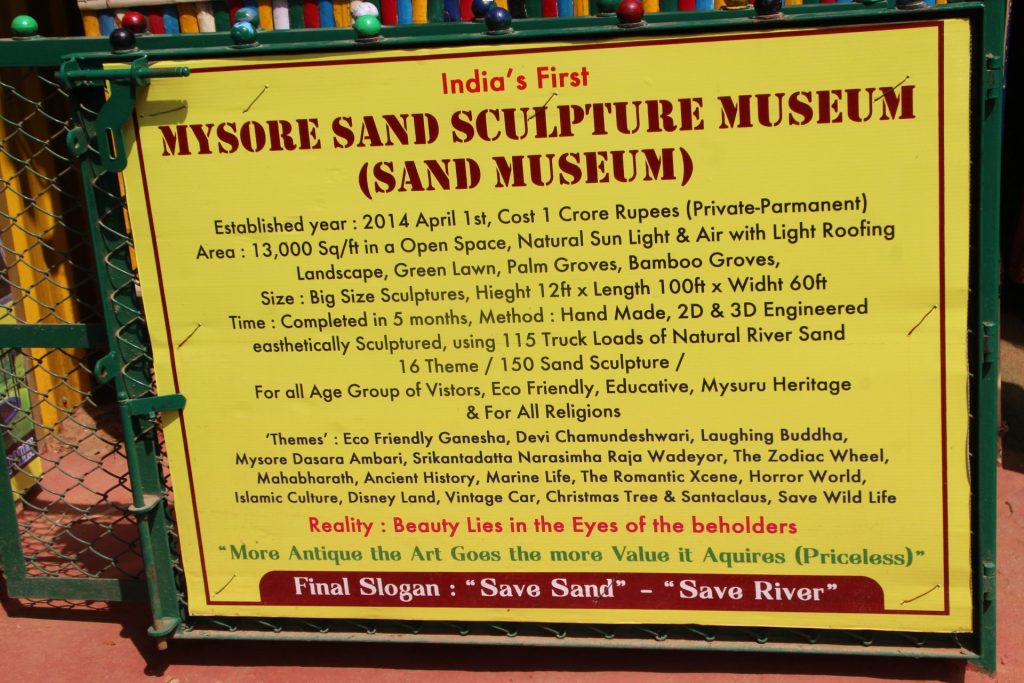
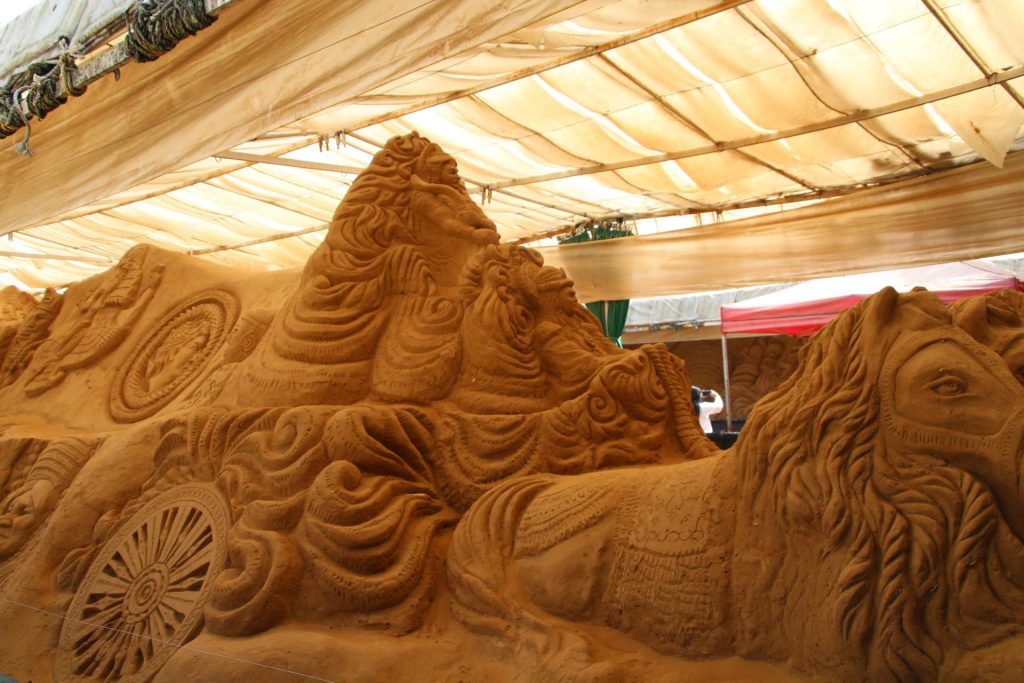
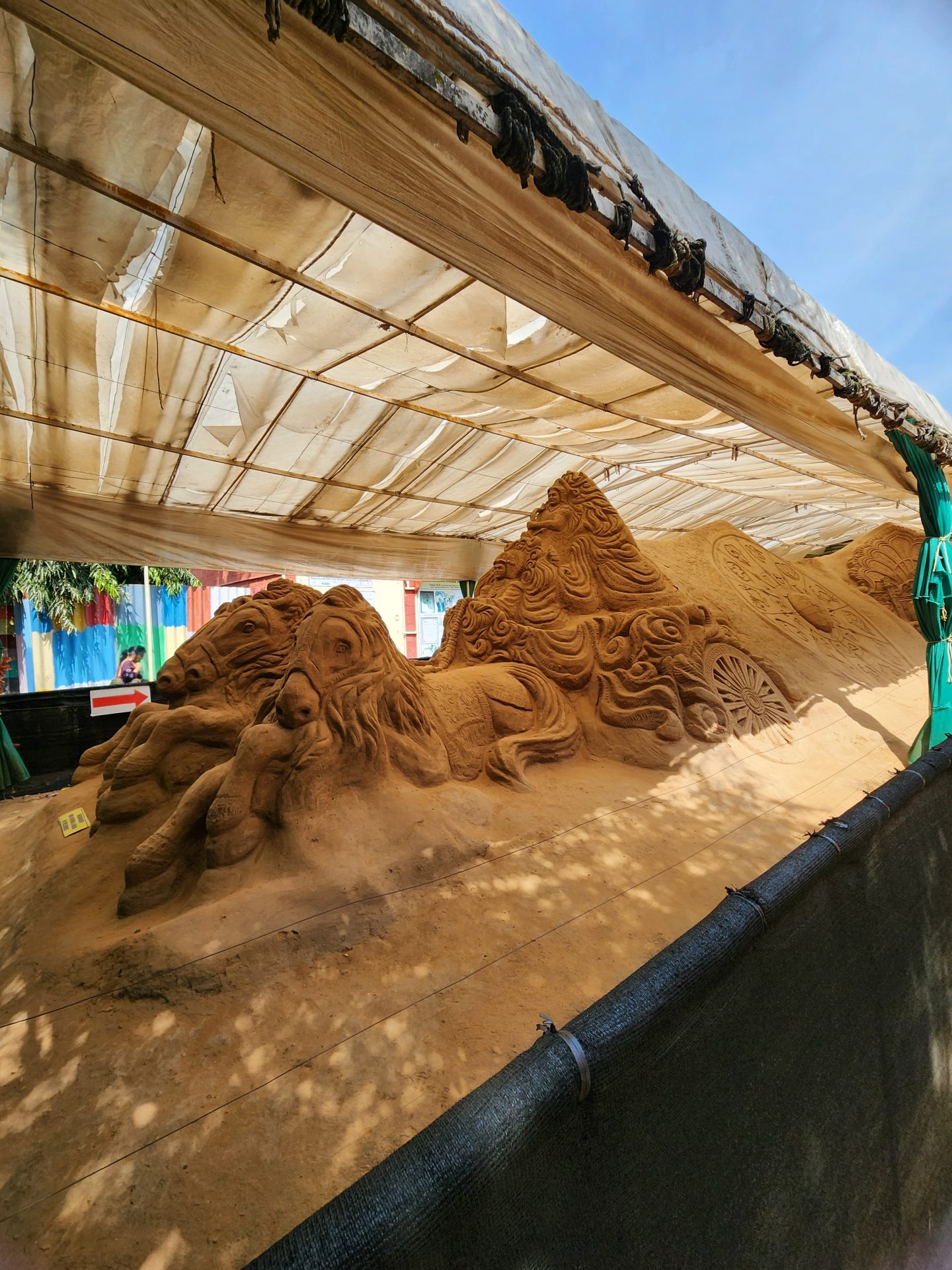
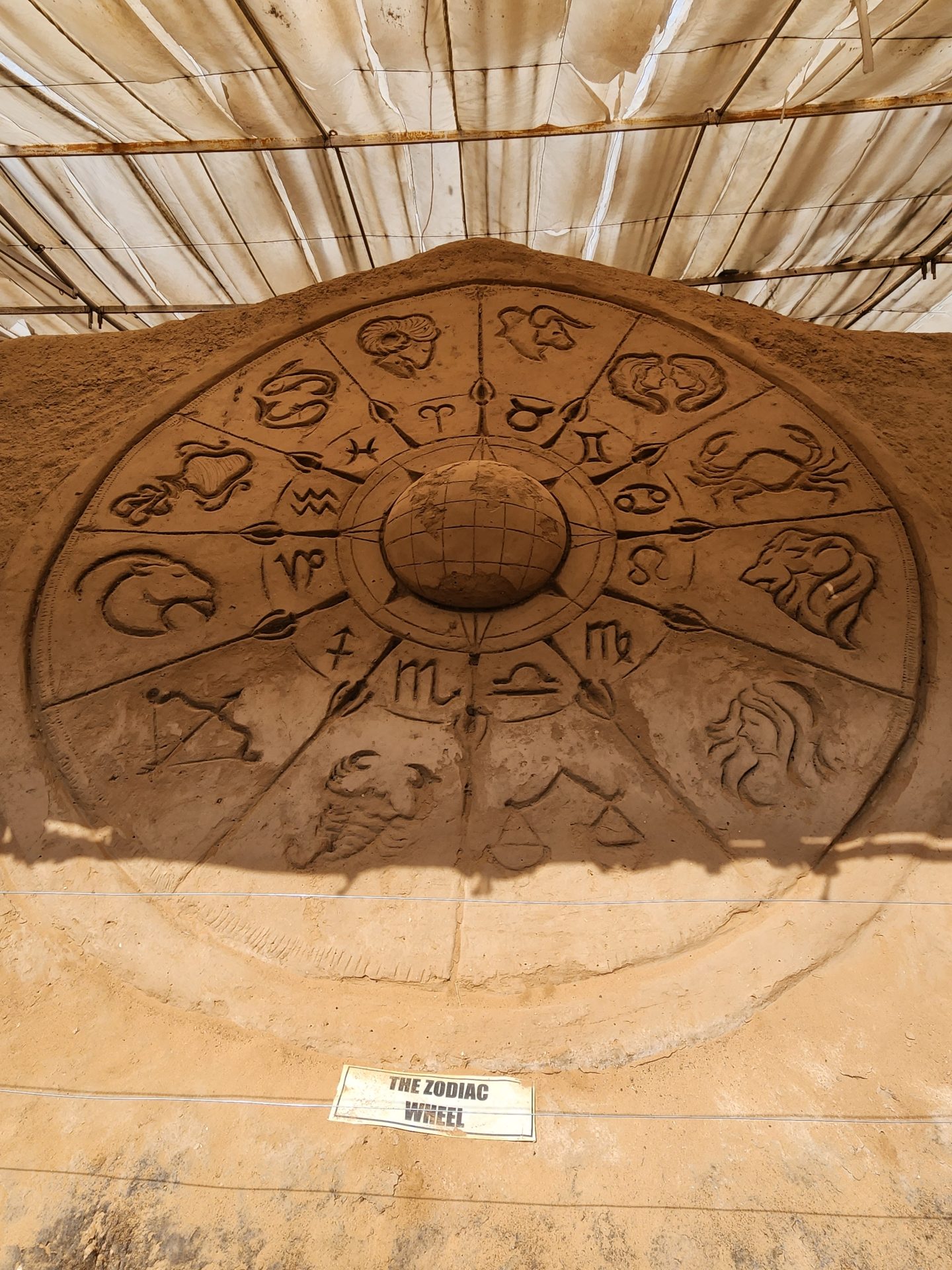
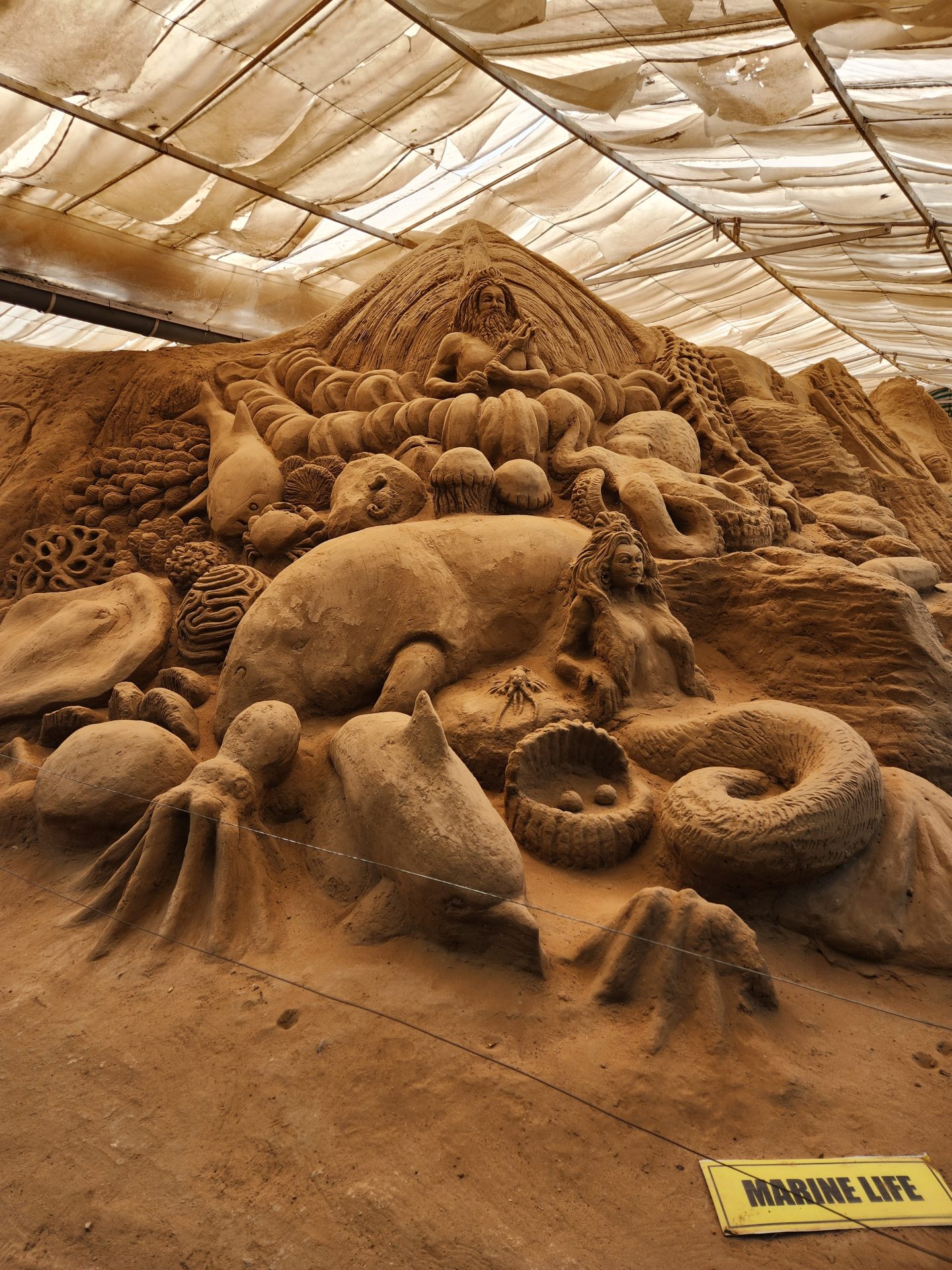
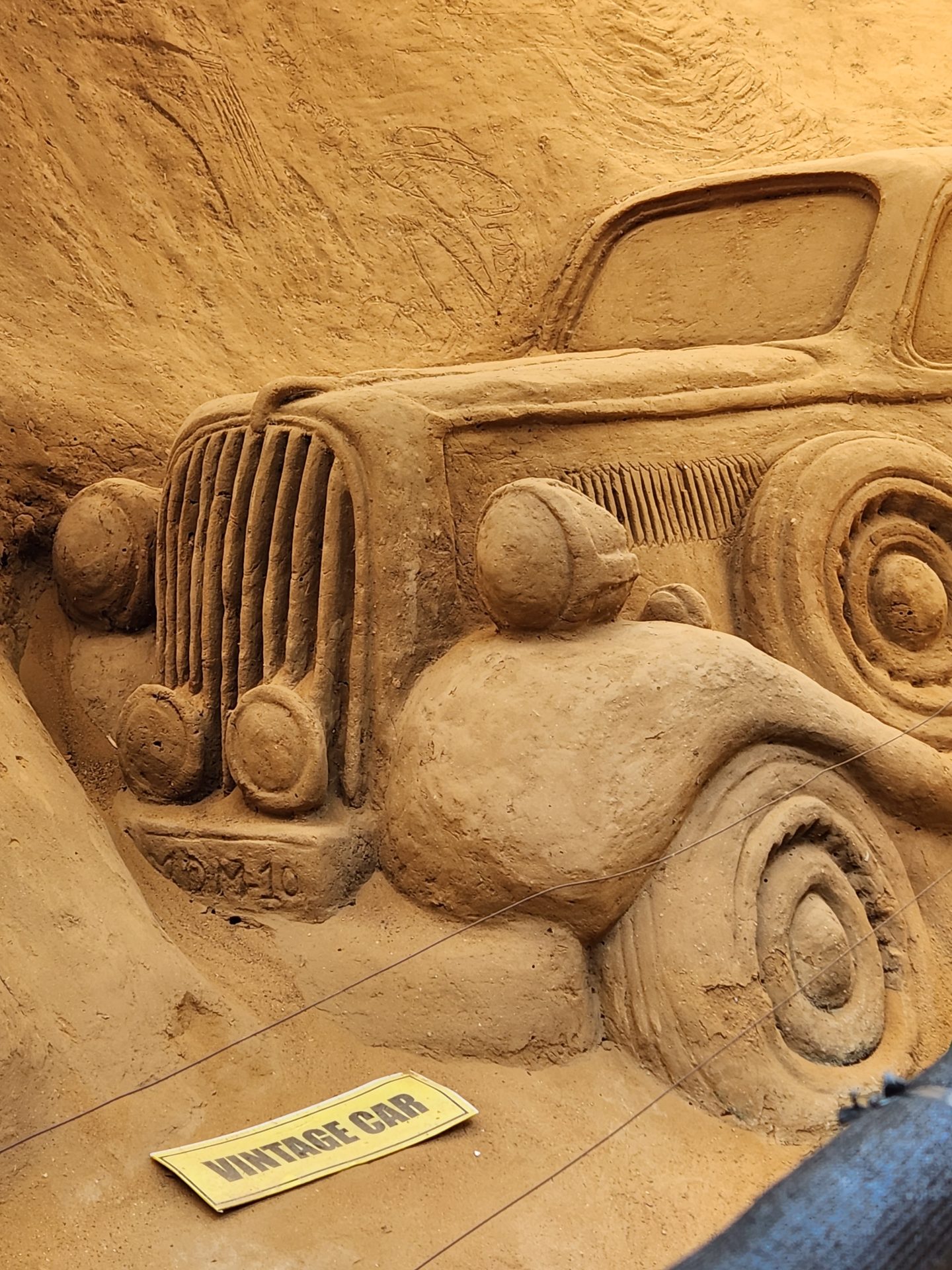
Kiran stopped at the Sand Sculpture Museum which was not in our plans but after reading the introduction of how a 35 year old lady M.N.Gowri has been able to single handedly build this compact museum housing over 150 sculptures, we decided to give it a look-in.
Tickets were priced at Rs.60/- per head and what unfolded before our eyes was some amazing work of art.
Created using 115 truckloads of river sand and built over 13,000 square feet of area with 16 different themes, this Sand and Sculpture Museum should definitely not be missed If one were visiting Mysuru.
The museum is open between 8.30 AM to 6.30 PM on all days of the week.
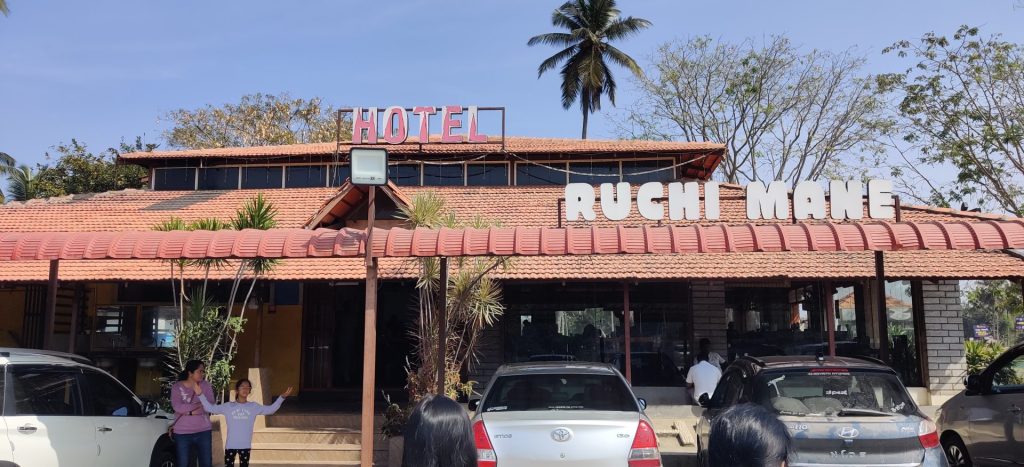
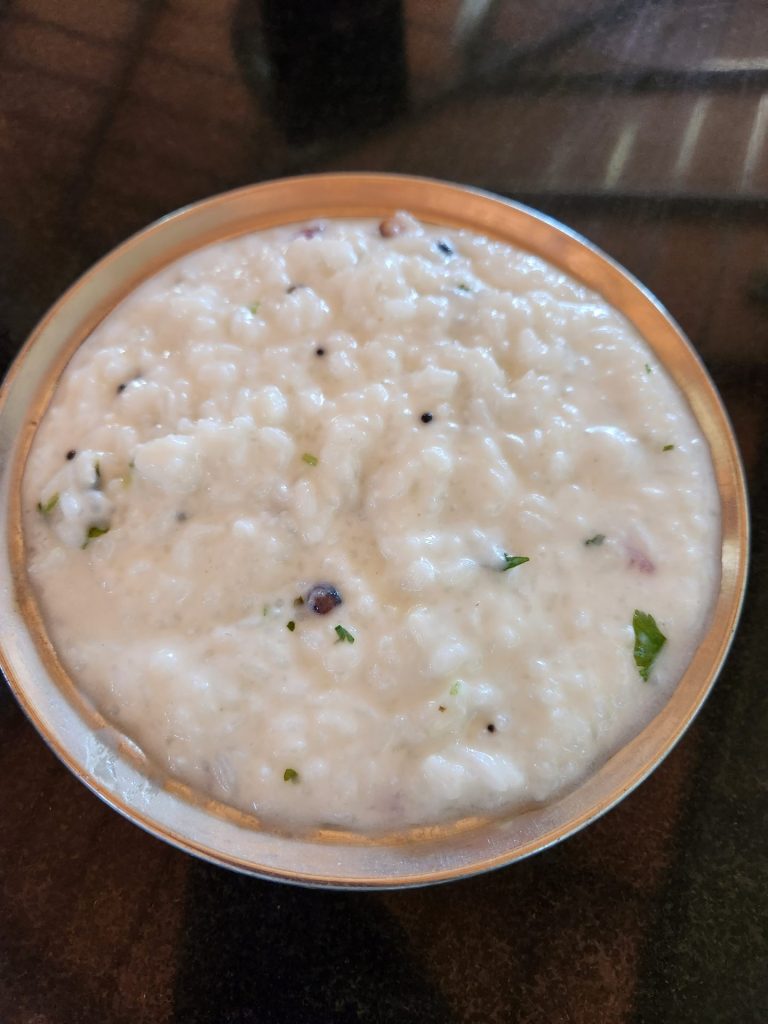
We were out of this place by around 1.45 PM and headed for Srirangapattina. We drove on for around 20 Kms and after about half an hour, stopped at a wayside restaurant Ruchi Mane for our lunch. A North and South Indian Thali, some curd rice and coffee to keep us awake, we left by around 3 PM for the Tipu Sultan Palace which was used by him as a summer retreat.
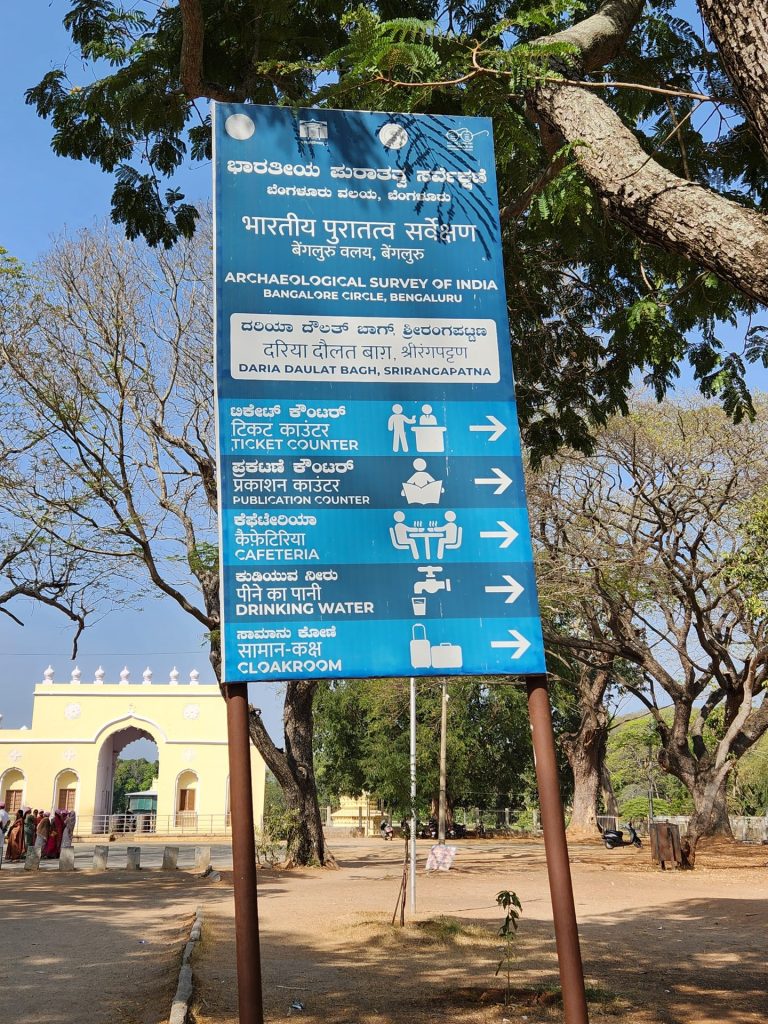
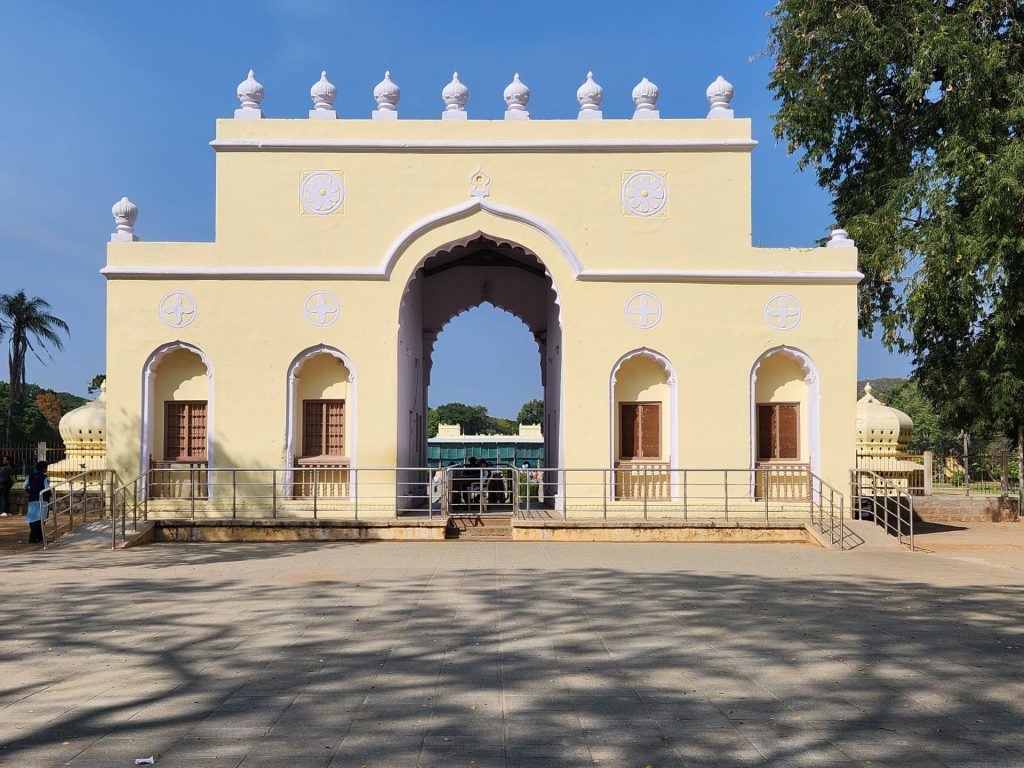
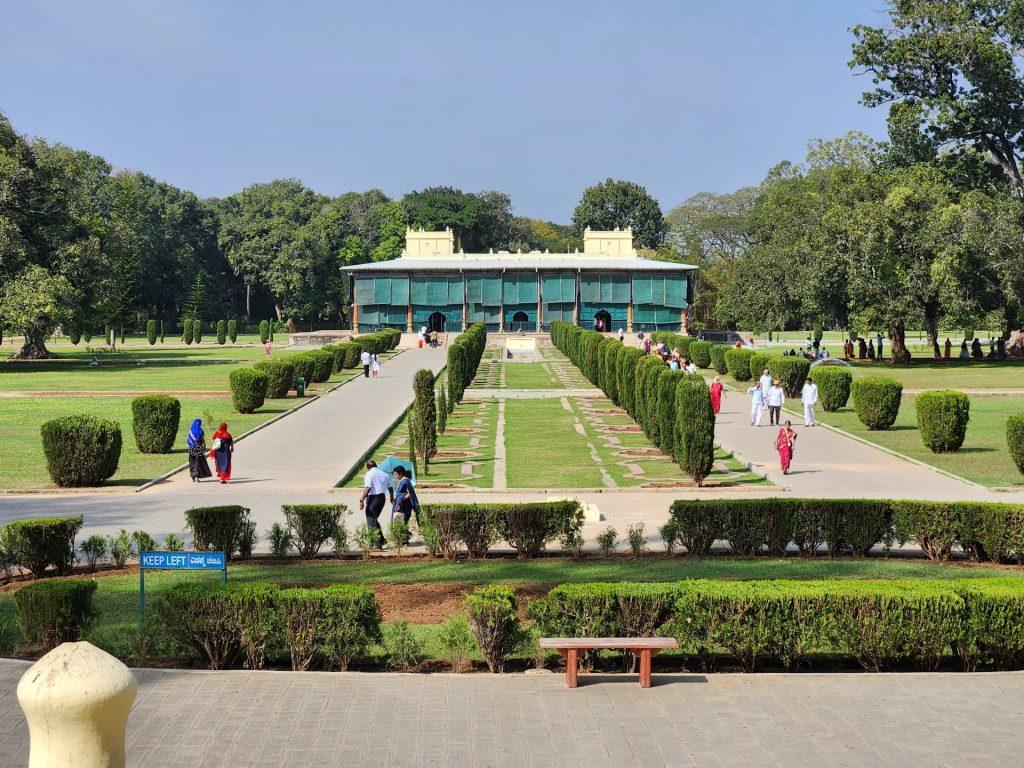
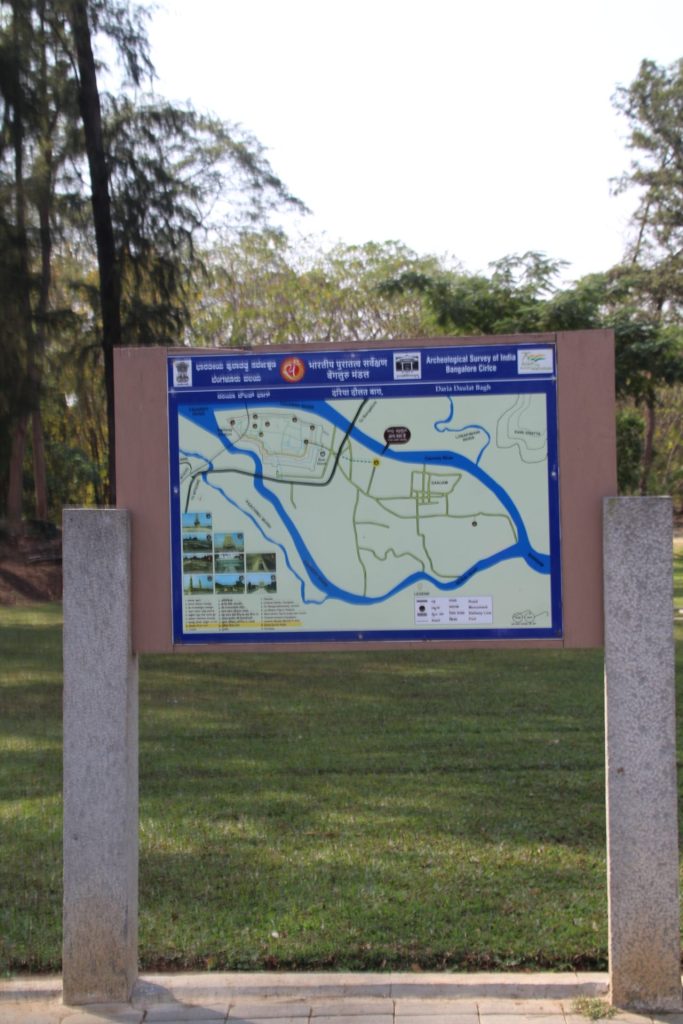
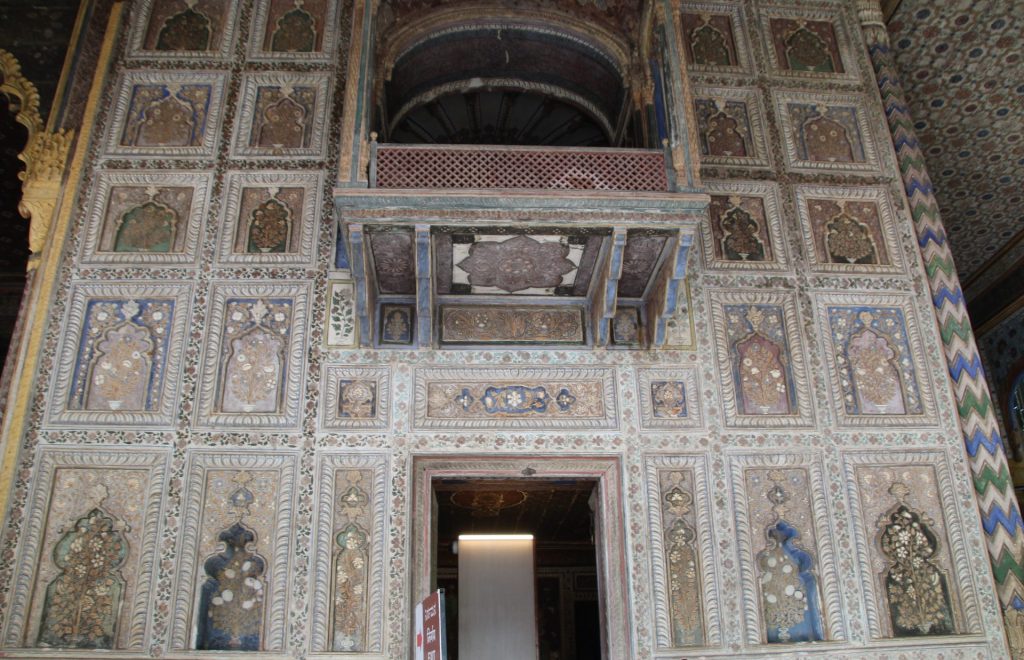
Tipu Sultan's Palace (Dariya Daulat Bagh)
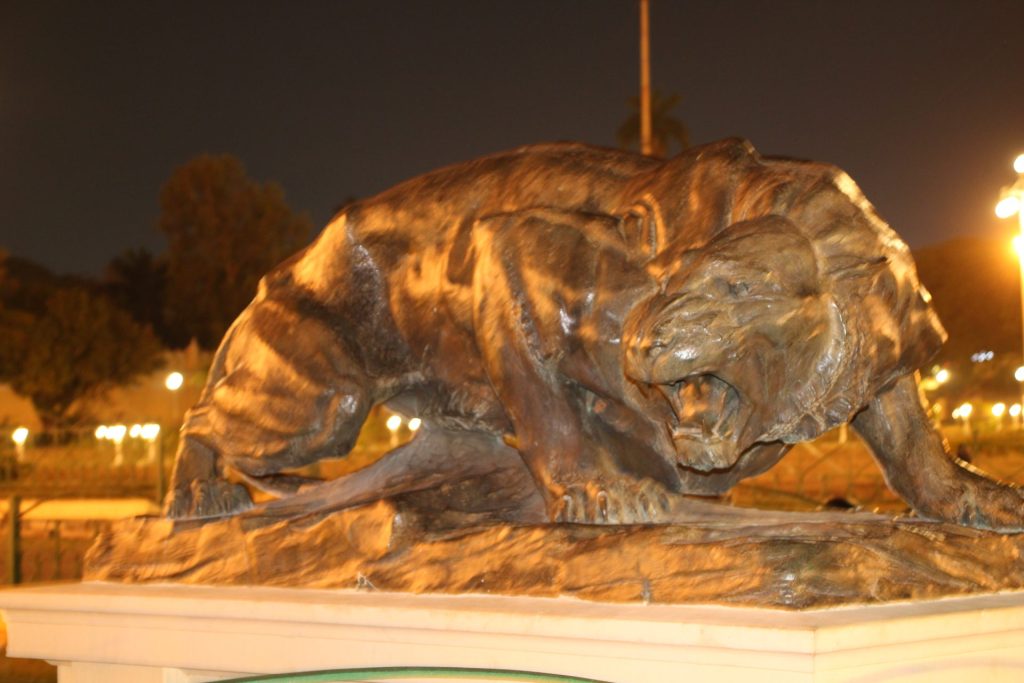
This palace is also called the Dariya Daulat, meaning Wealth of the Sea. Tipu happened to be a Muslim ruler of Mysuru between 1782 to 1799 and was popularly known as the Tiger of Mysuru. He used to call this Palace as The Abode of Happiness and Envy of Heaven. The palace has an entry fee if Rs.15/- per head and is open on all days between 10 AM to 6 PM with the exception of Sunday when it is open between 8.30 AM to 5.30 PM
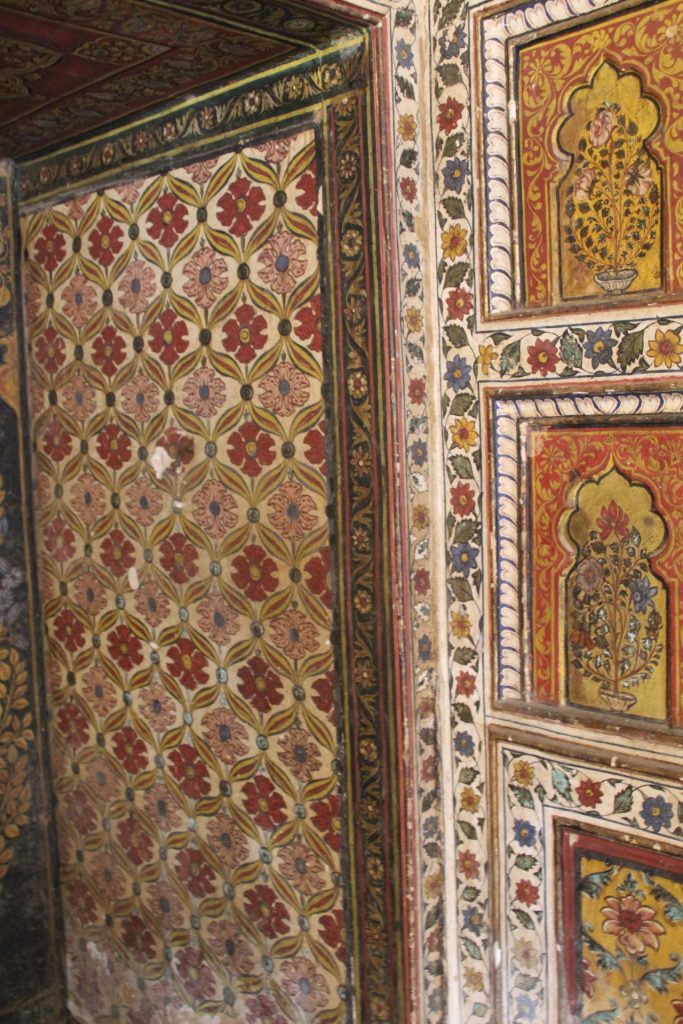
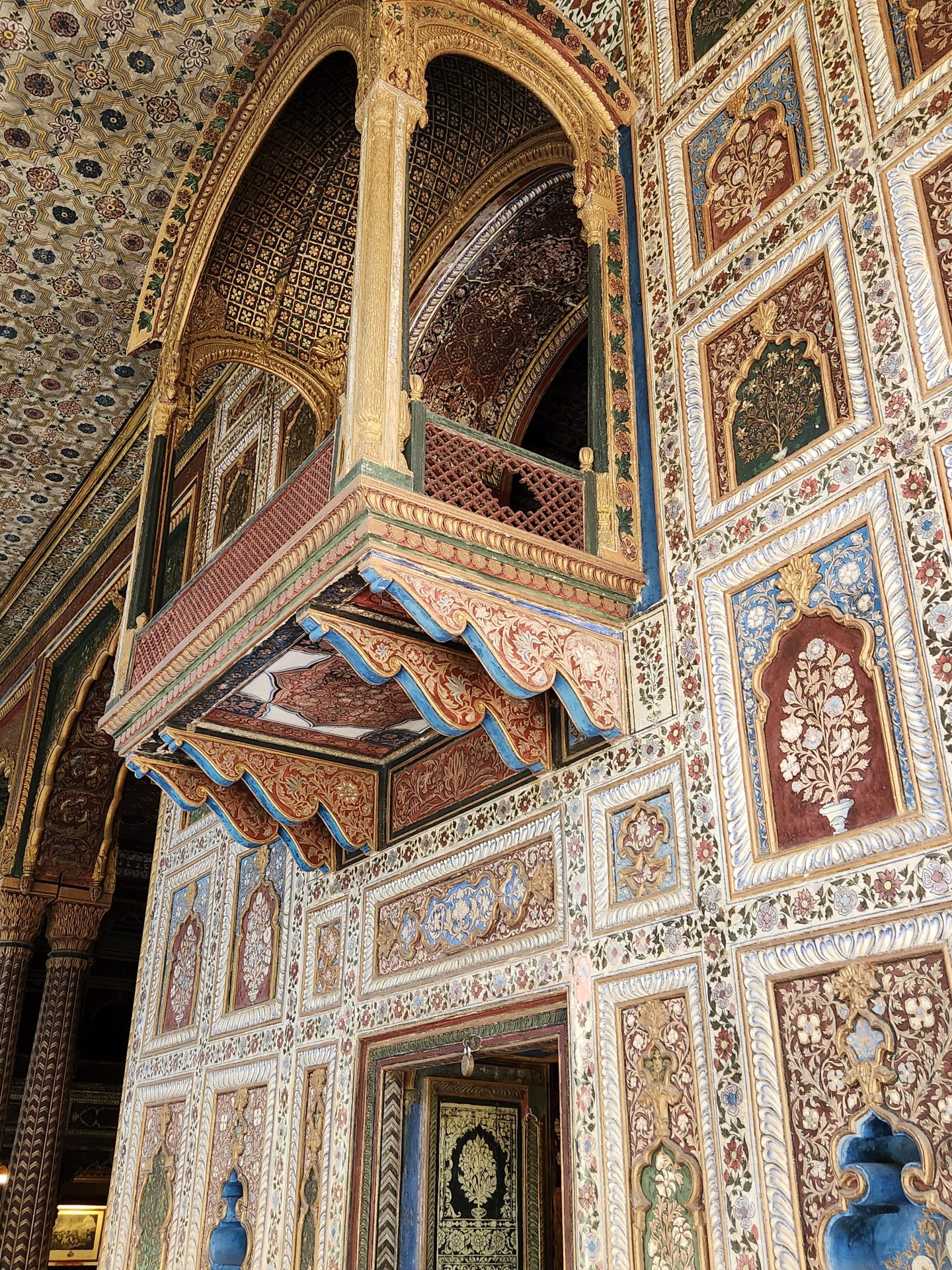
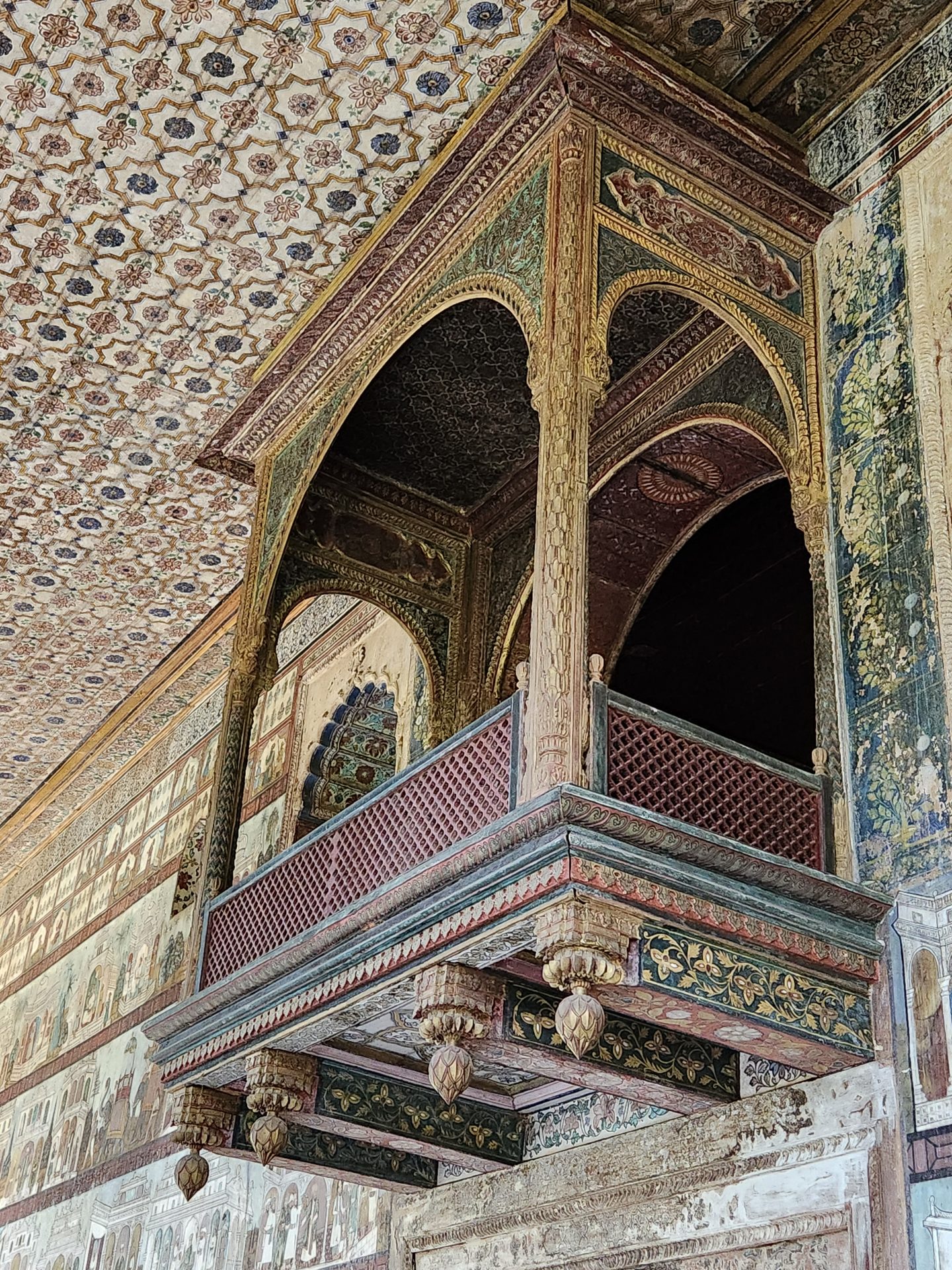
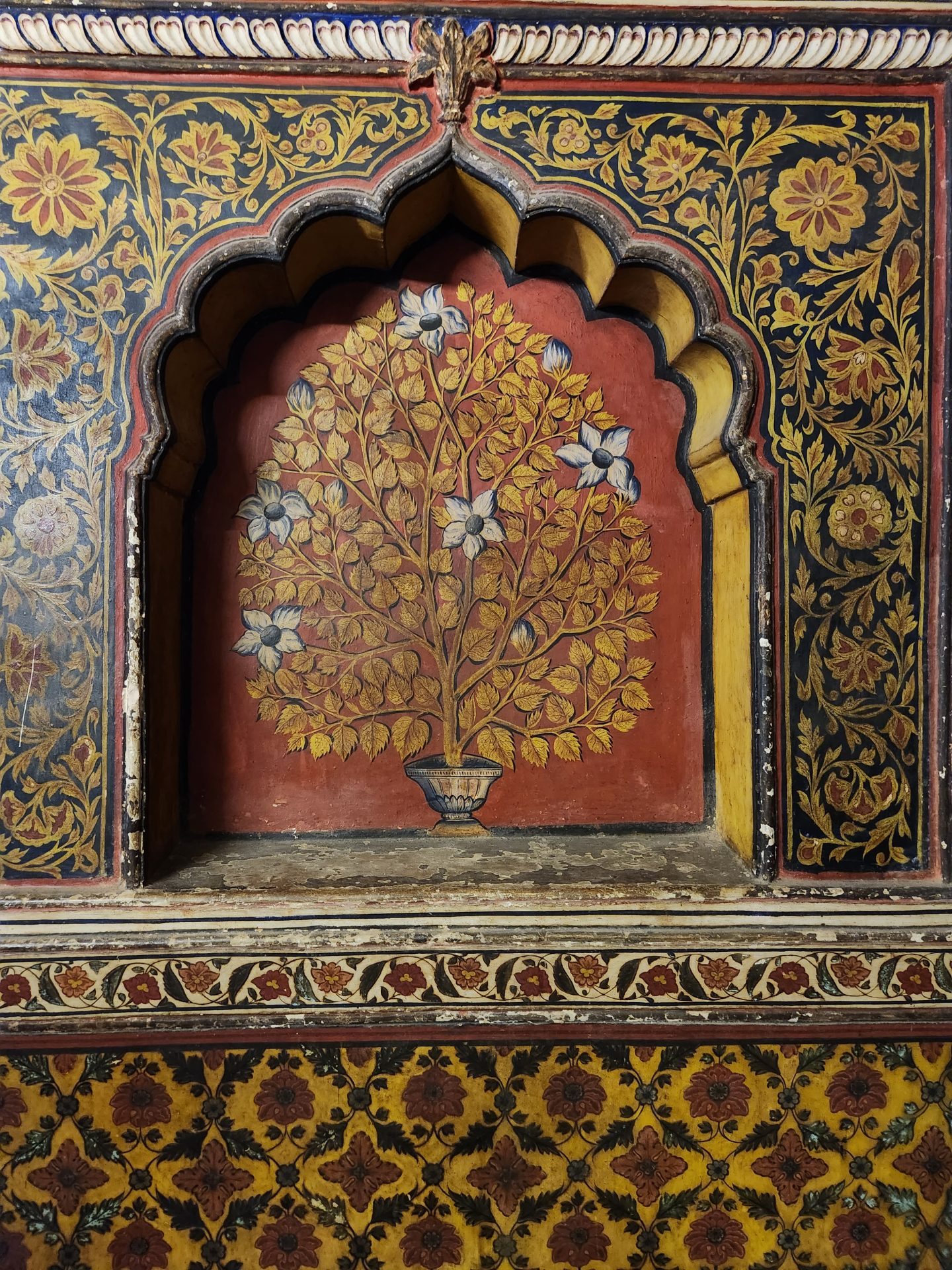
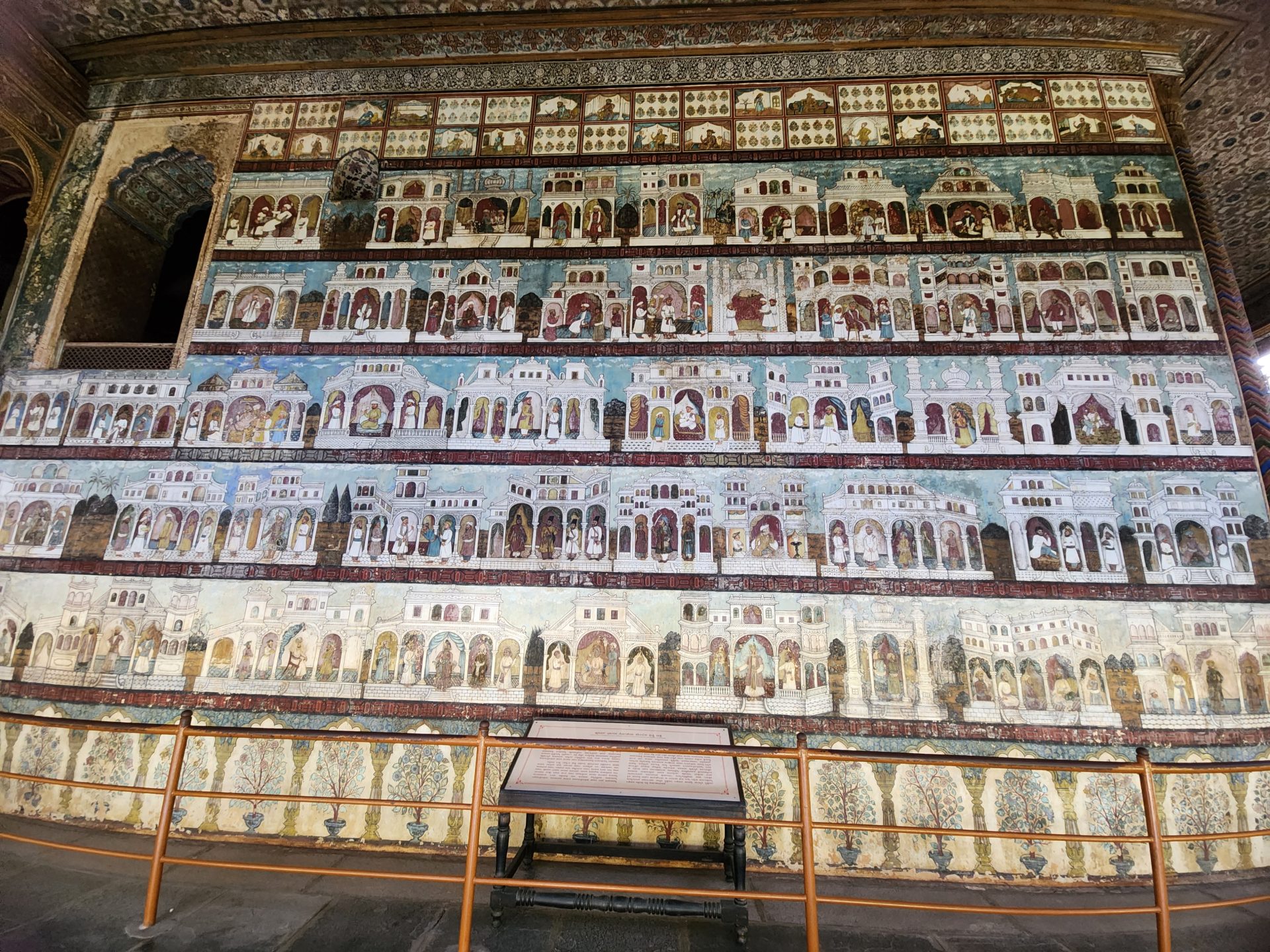
The Palace is built on a raised platform with pillars of teak. The walls and ceilings have painted frescoes depicting the battles Tipu waged with the Britishers while the interiors are very artistic, all done up with floral motifs. The construction of the Palace was started by Tipu’s father Haider Ali in 1778 and was completed by his son in 1784 AD.
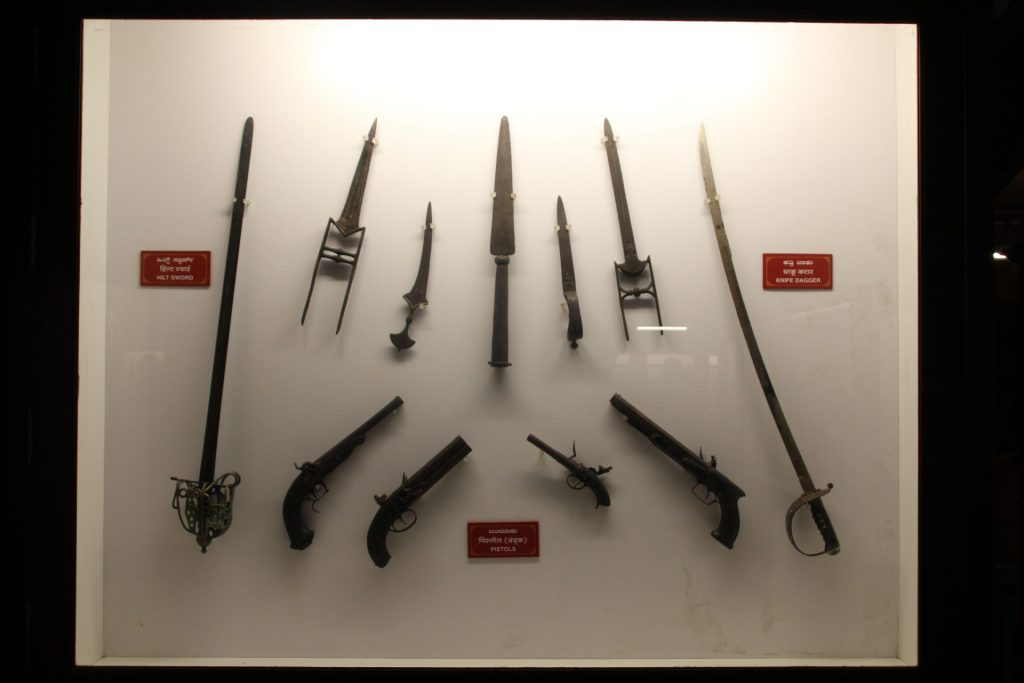
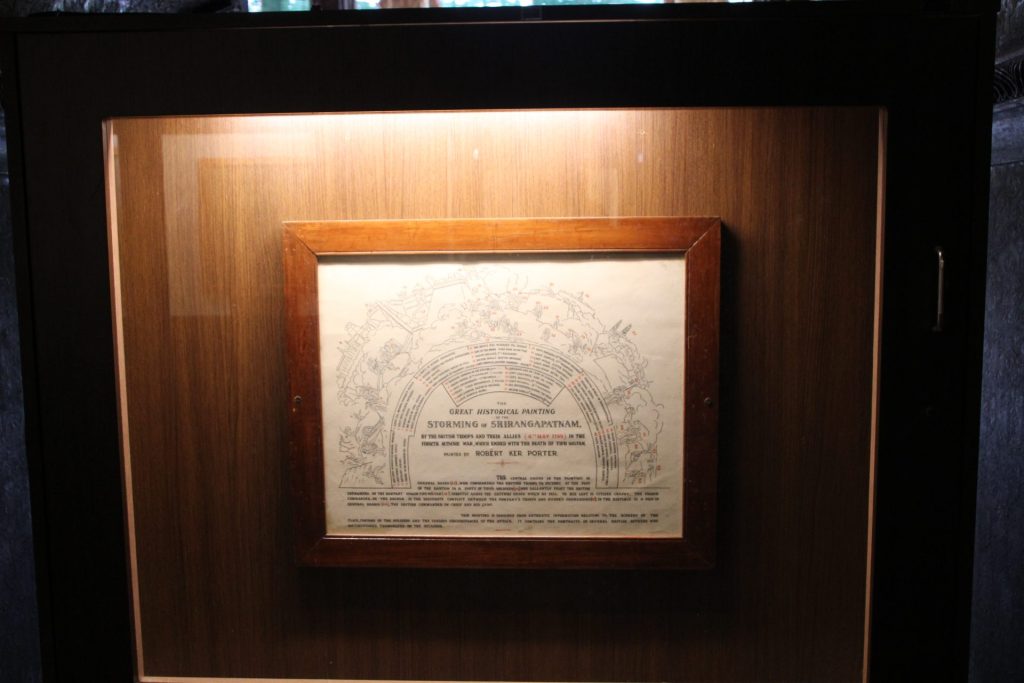
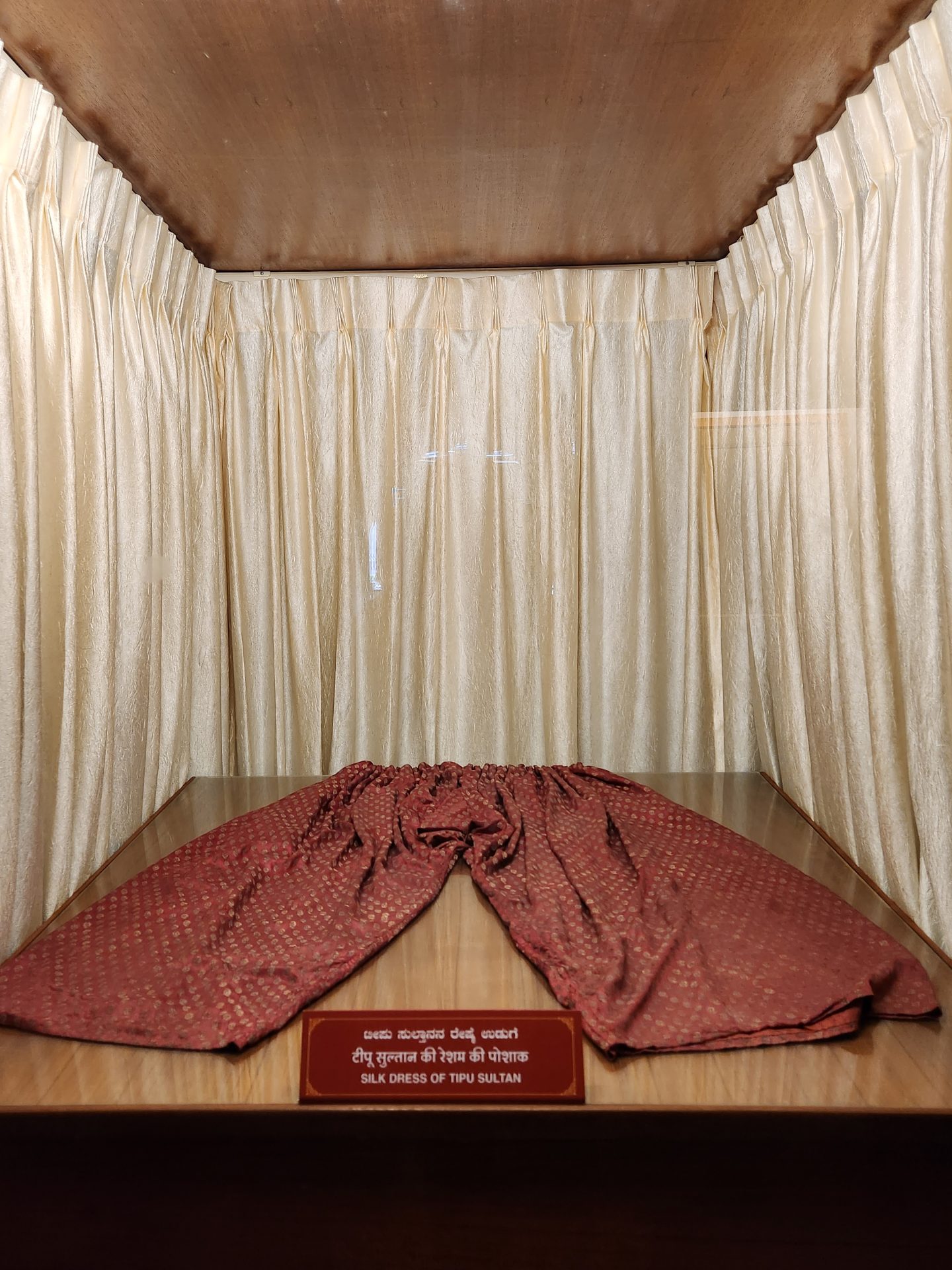
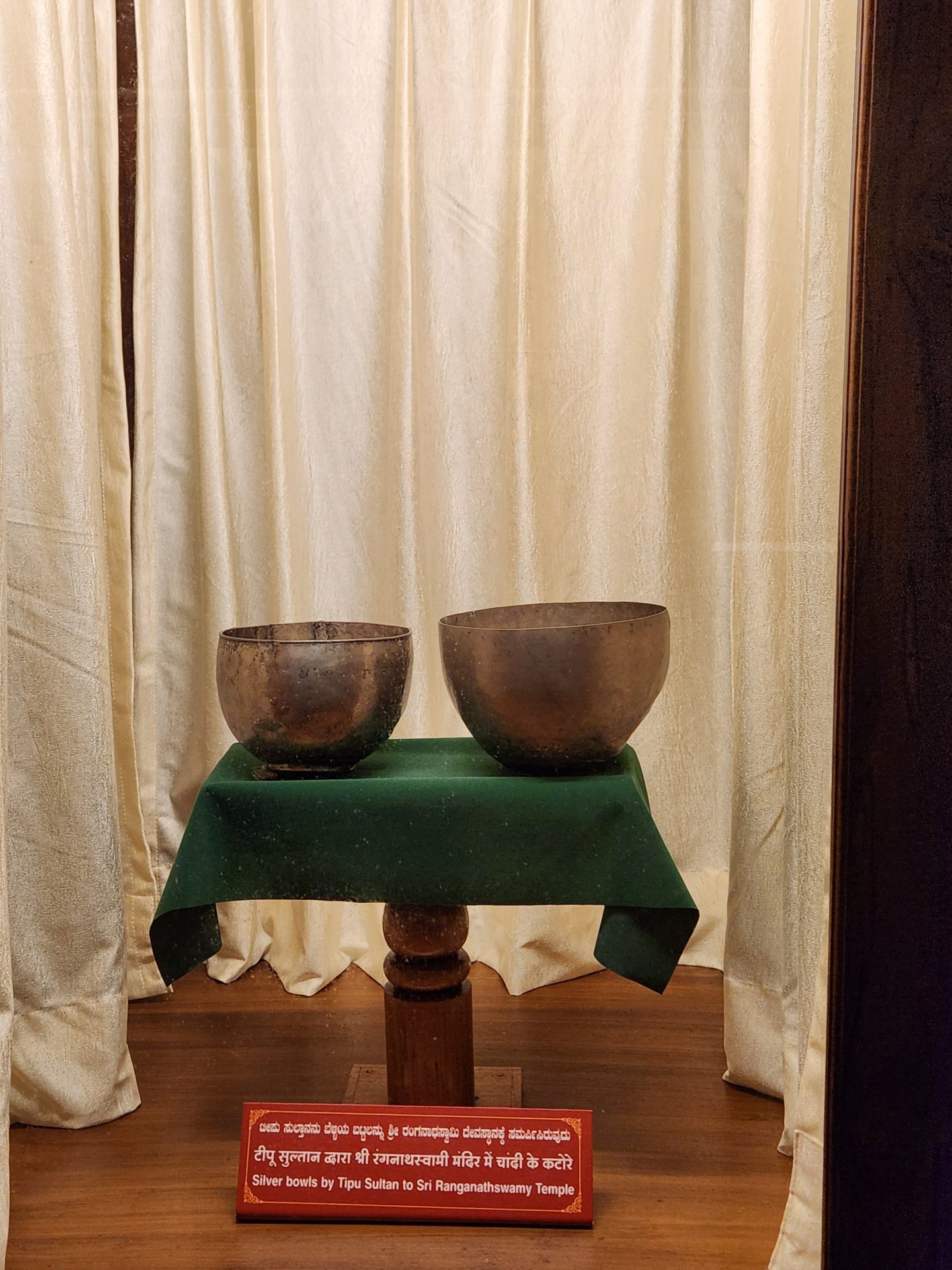
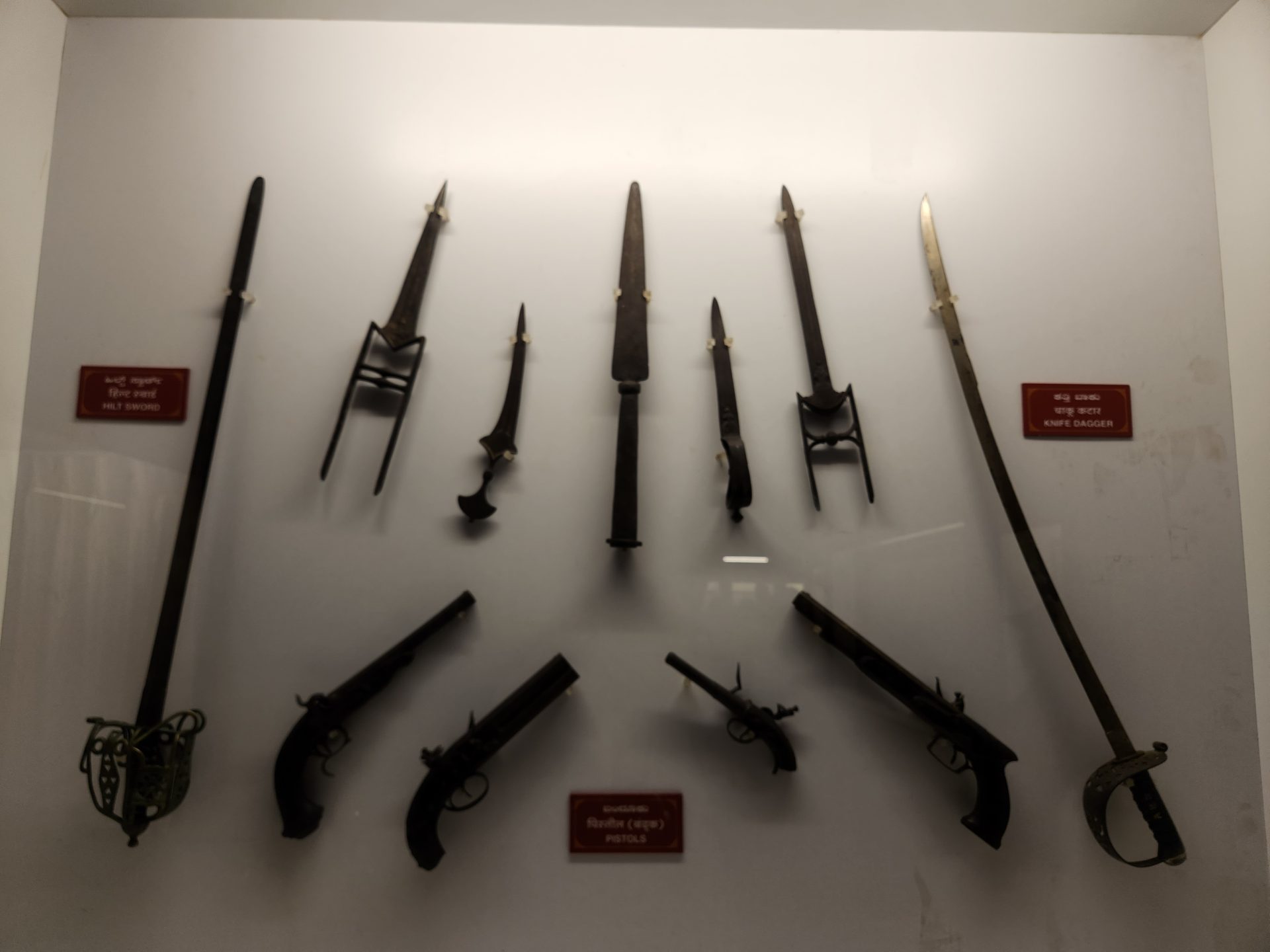
Built in Indo-saracenic style, the palace was constructed using stone, wood, mortar and plaster and has 2 stories. It is rectangular in design with open corridors and pillars. The Palace has a museum which houses clothes used by Tipu Sultan, his Crown, silver vessels, war weapons, coins etc. The first floor of the Palace has some rare sketches and paintings.
The first floor of the Palace has some rare sketches and paintings.
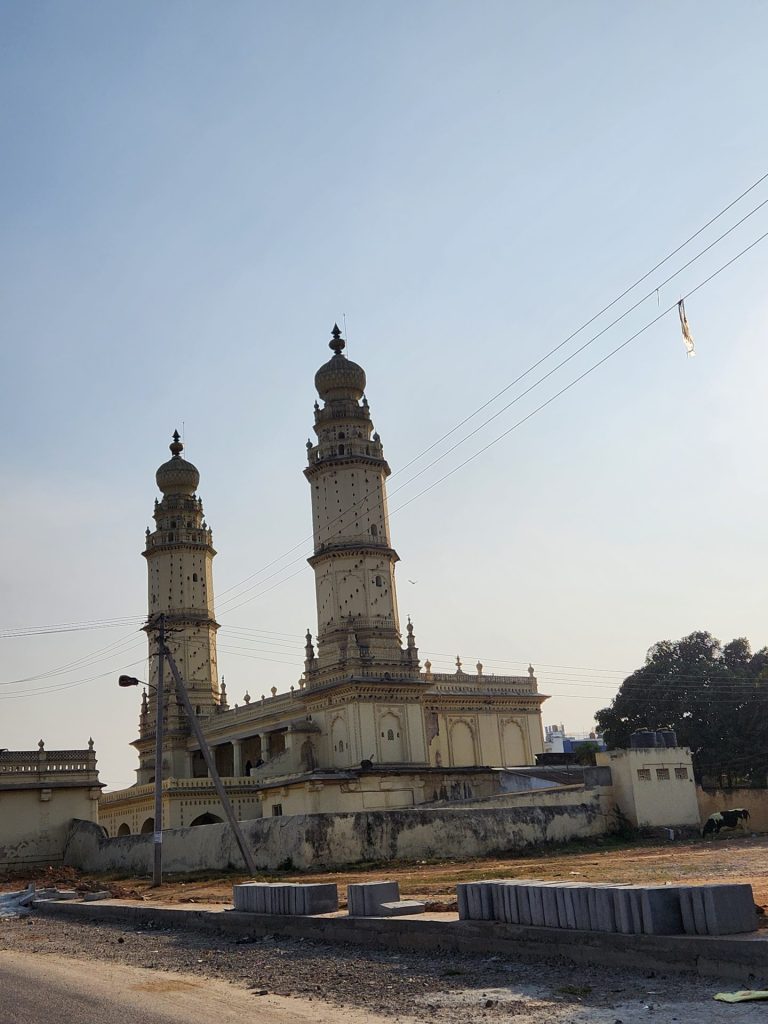
The Jama Masjid
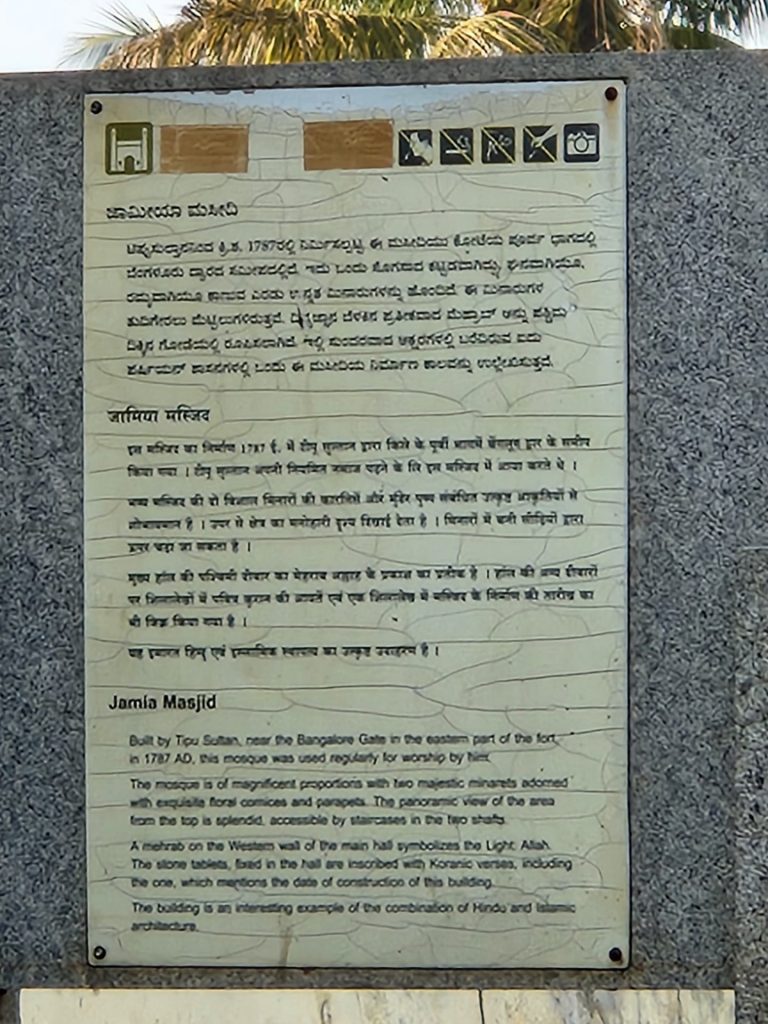
We crossed the Jama Masjid next when moving to Colonel Bailey’s Dungeon. This was built in 1787 AD by Tipu Sultan. He used to use this regularly for worship.
TIpu Sultan's Death Place
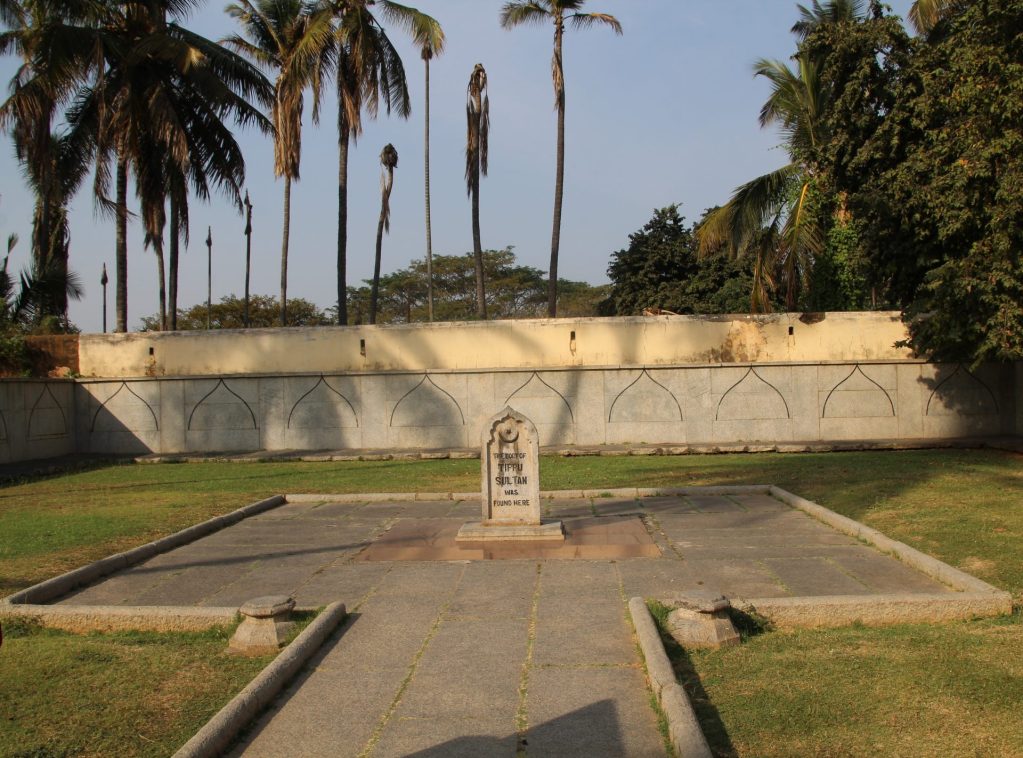
A little ahead of the Jama Masjid, one gets to see a Plaque erected in memory of Tipu Sultan. It is said that his body was found here. He was believed to have been killed in the 4th Anglo Mysore War at the Hoally (Diddy) Gateway, 300 yards from the North East Angle of the Srirangapatna Fort. There is another plaque located 200 metres away at the Water Gate which also mentions about Tipu’s body being found here.
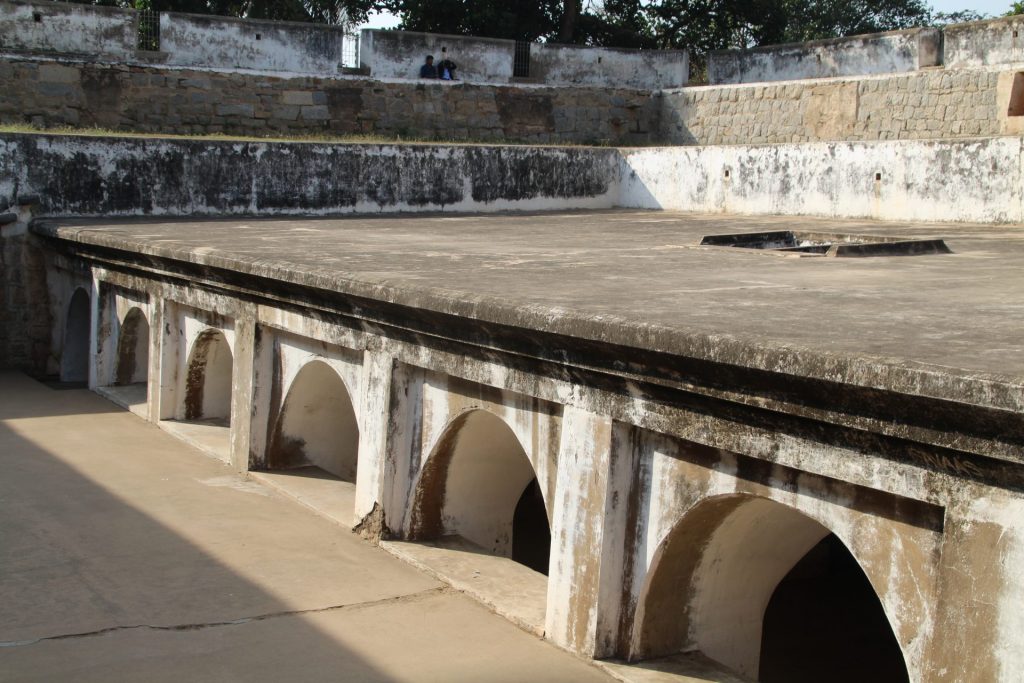
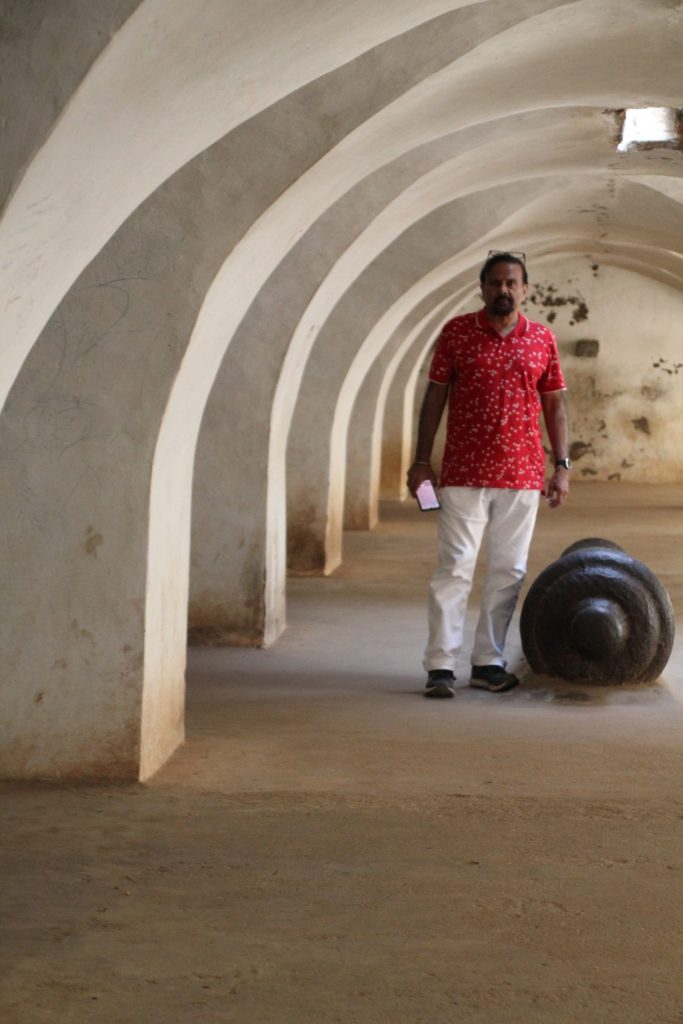
This Vaulted Dungeon was a jail built by Tipu Sultan out of brick and mortar to house the British Prisoners of War. They were chained to stone slabs and was named after Captain Bailey who passed away here in 1780 AD.
Colonel Bailey's Dungeon
This Vaulted Dungeon was a jail built by Tipu Sultan out of brick and mortar to house the British Prisoners of War. They were chained to stone slabs and was named after Captain Bailey who passed away here in 1780 AD.
Ranganathaswamy Temple
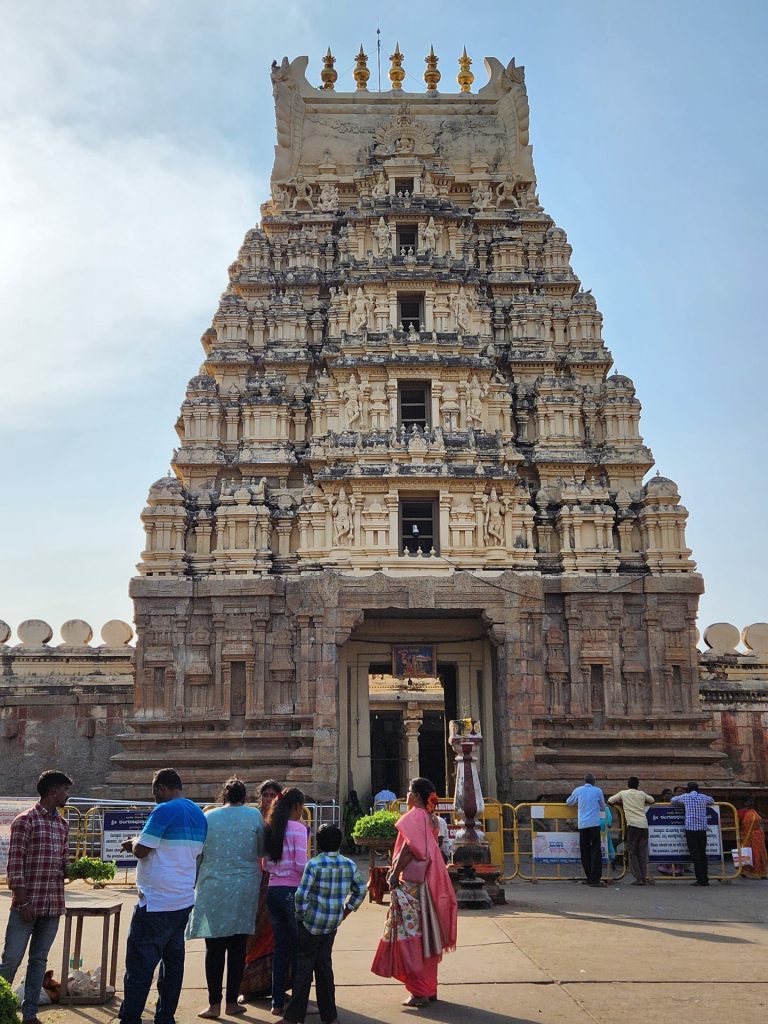
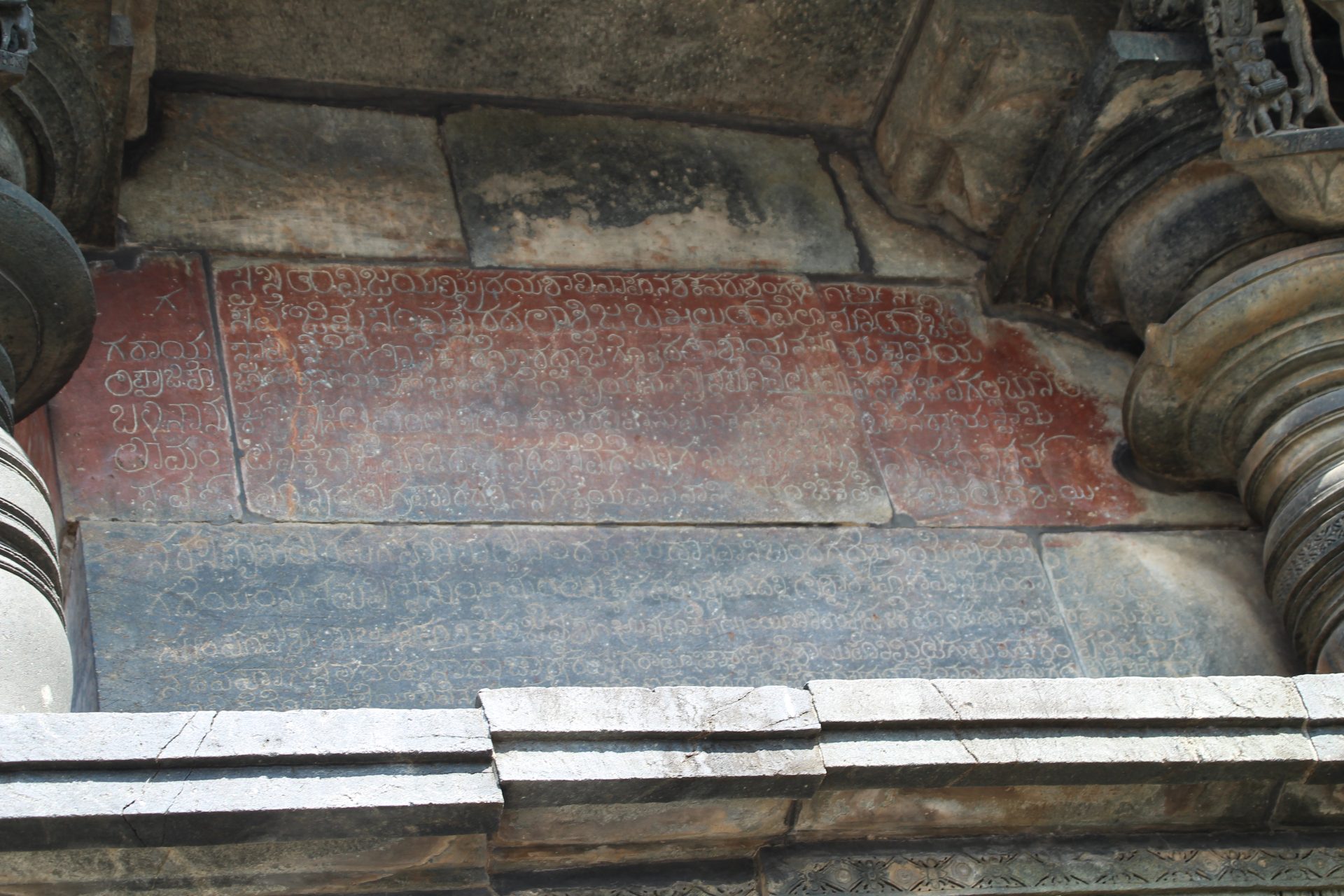
We moved on next to the famed Ranganathaswamy temple. Dedicated to the Hindu God Ranganatha (a manifestation of Lord Vishnu), this temple is one among the 108 Abhimana Ksethrams of Vaishnavite tradition. This temple is believed to have been constructed in 984 AD by a local chieftain Tirumalaiah, a vassal of the Western Ganga Dynasty as per an inscription available at the temple.
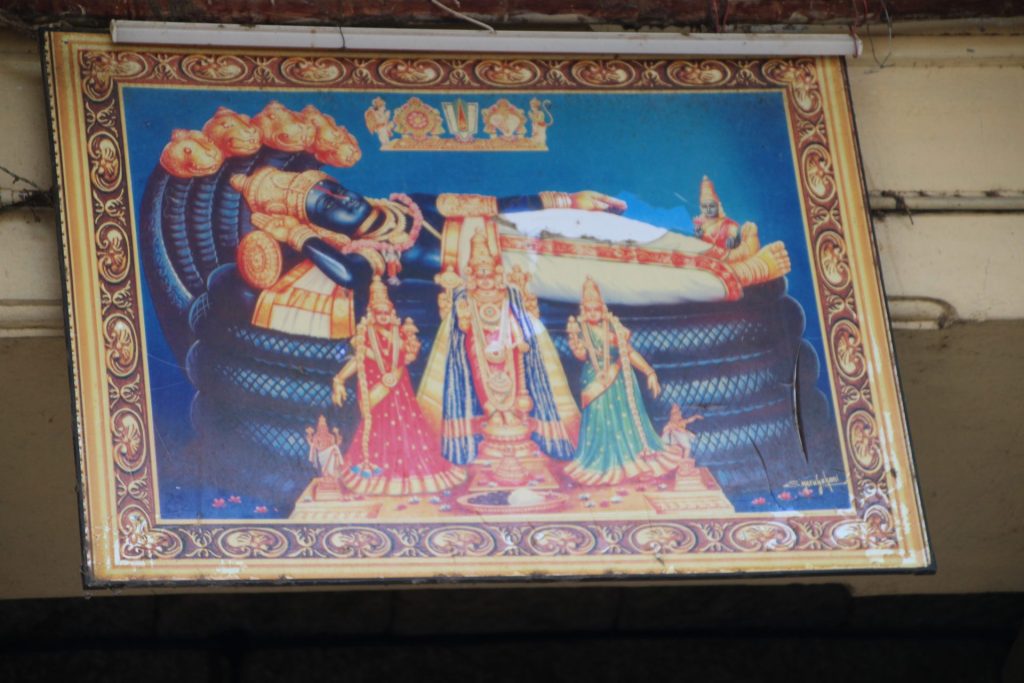
The temple has an imposing tower at the entrance of the gate. Around the perimeter are 2 large concentric rectangular enclosures. The entrance to the inner sanctum is through multiple columned halls. The sanctum has a statue of Lord Vishnu reclining on the coils of the snake Adiesha under a canopy formed by the snake’s seven hoods with his consort Lakshmi at his feet.
The Gumbaz
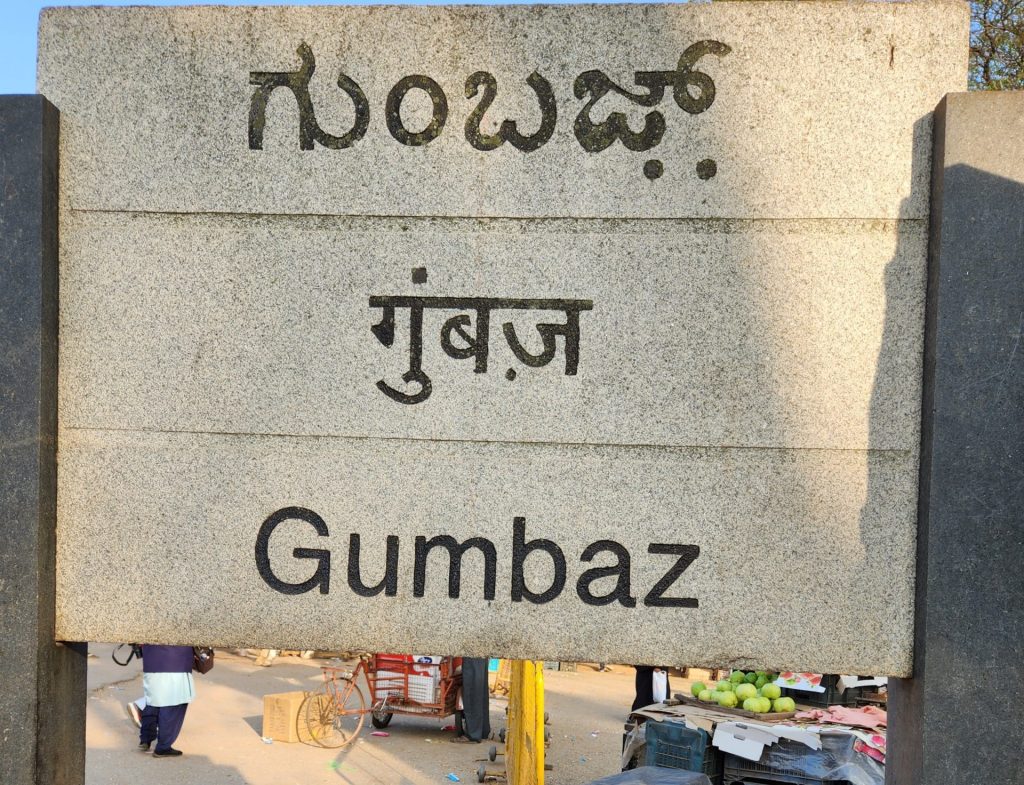
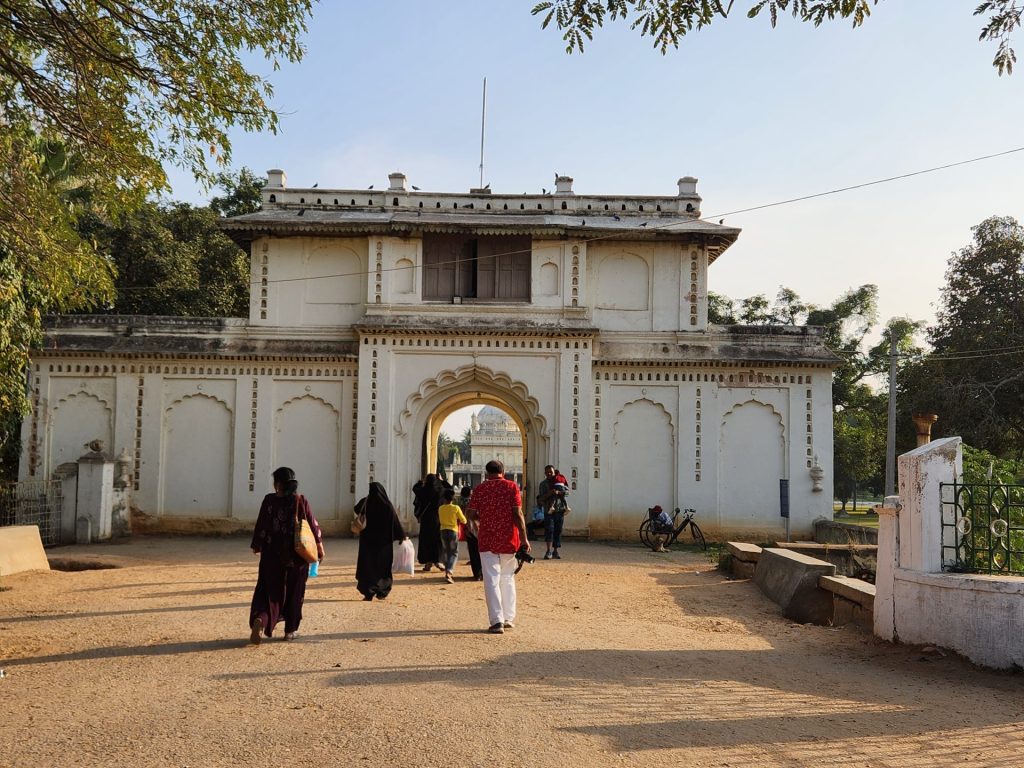
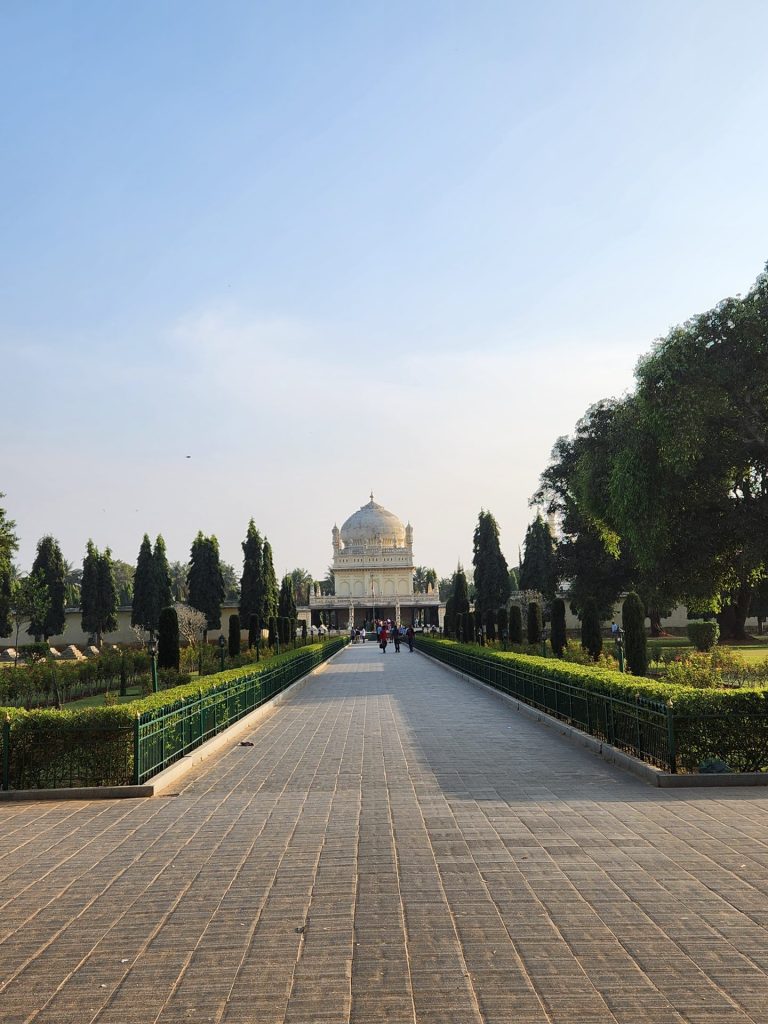
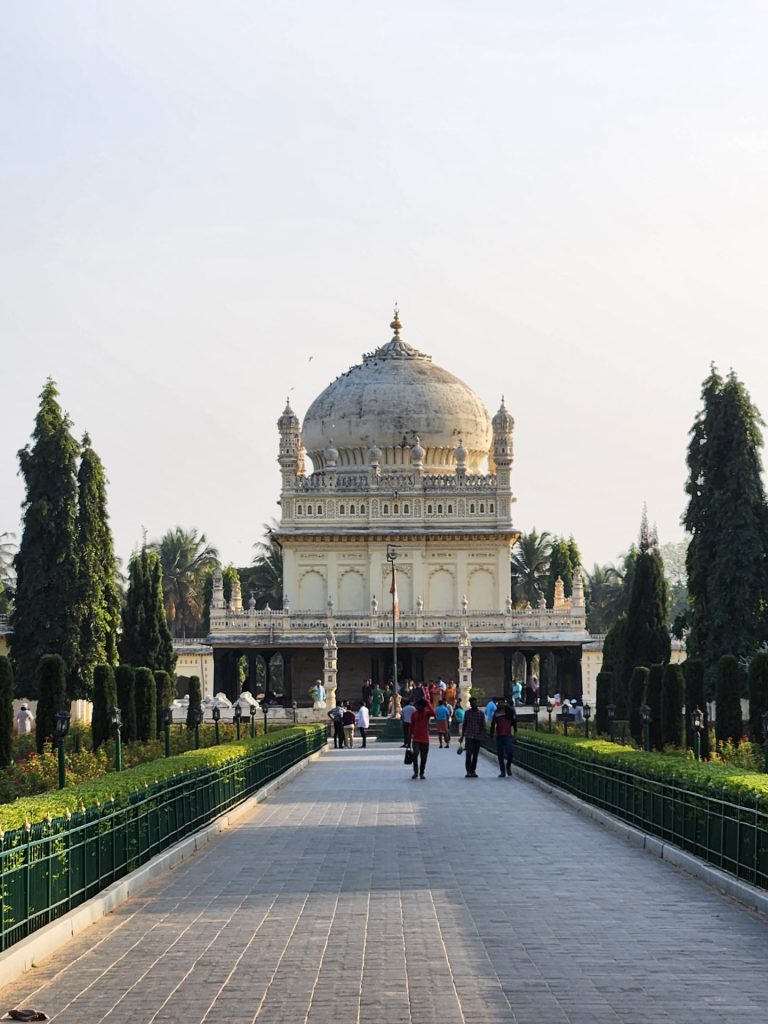
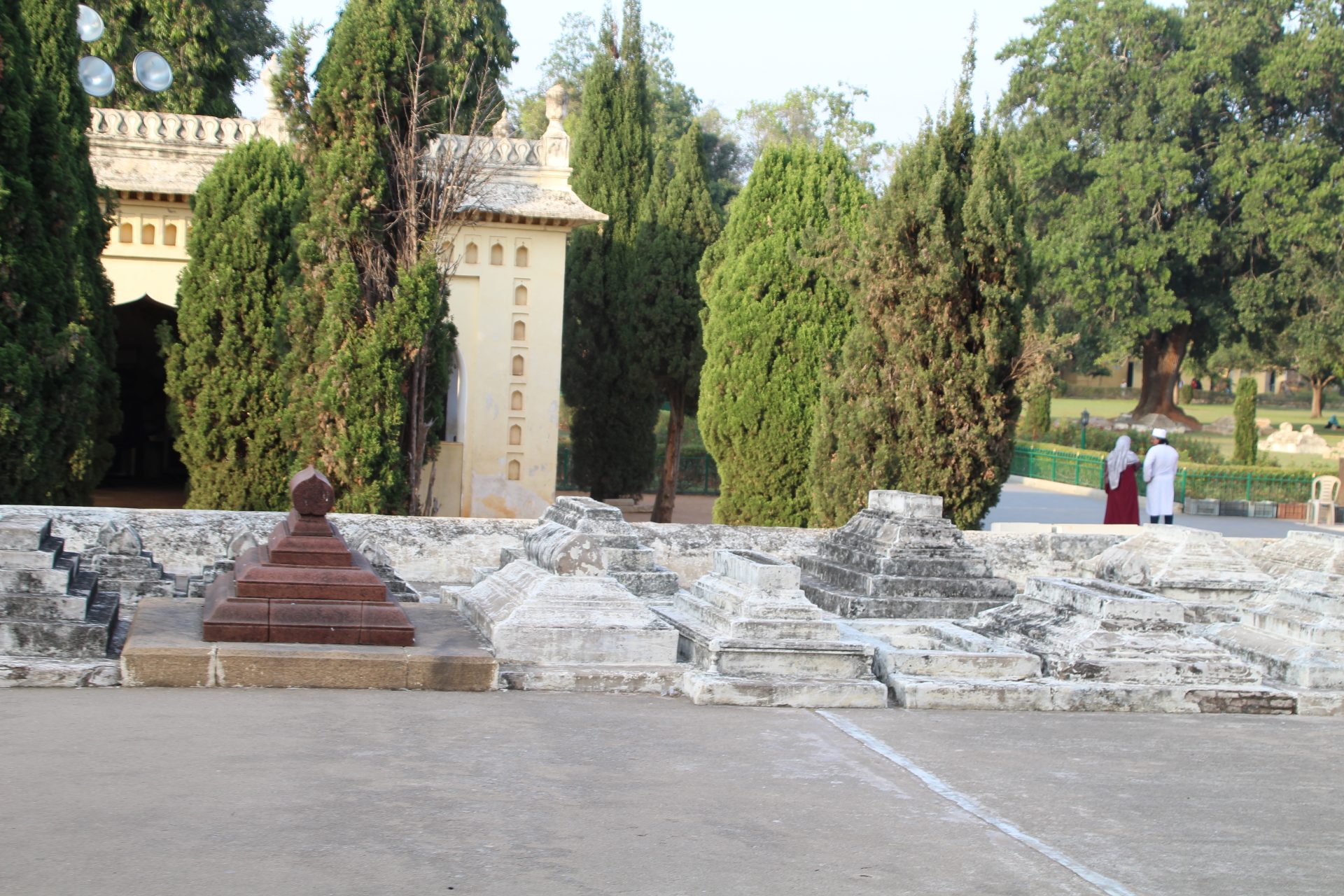
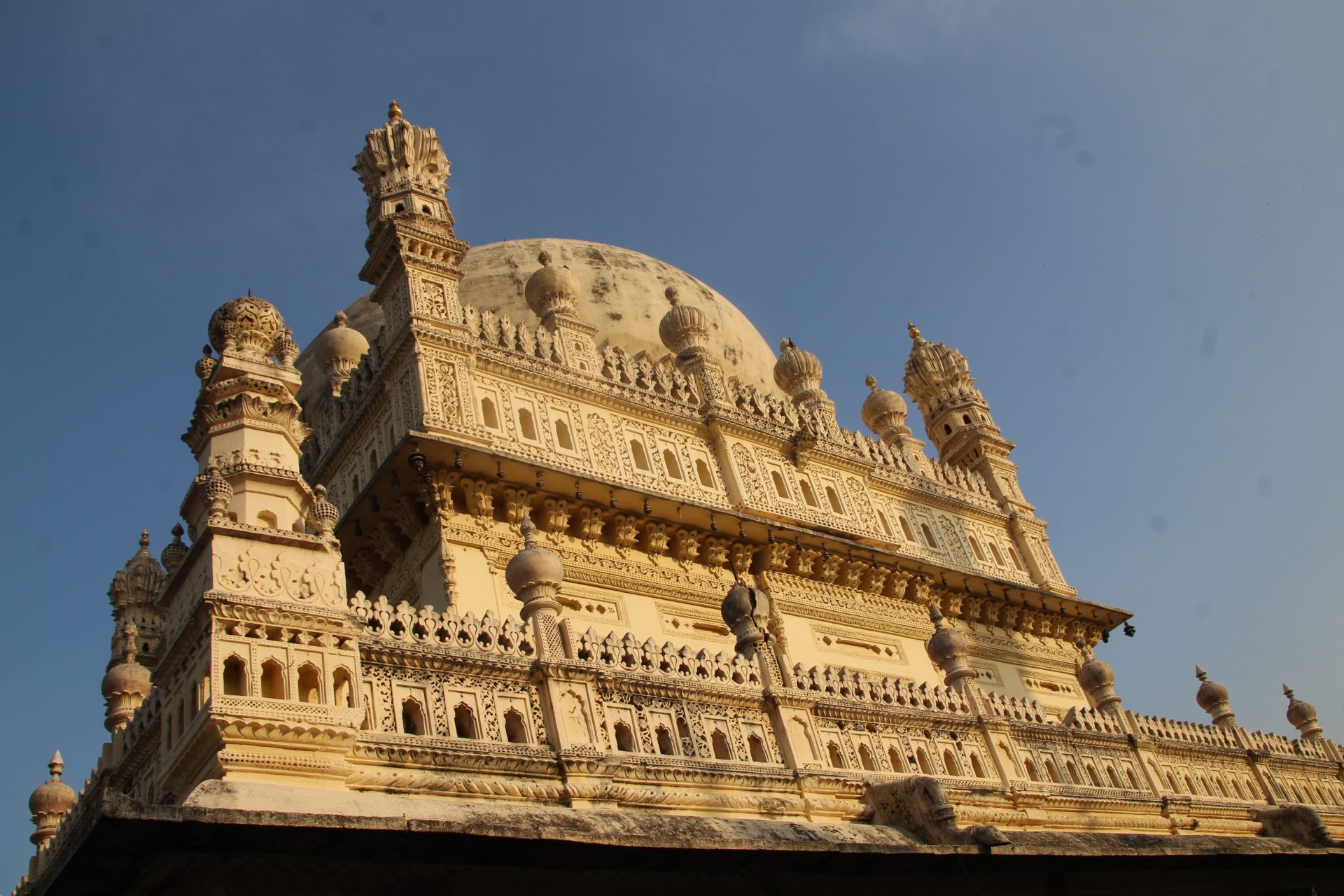
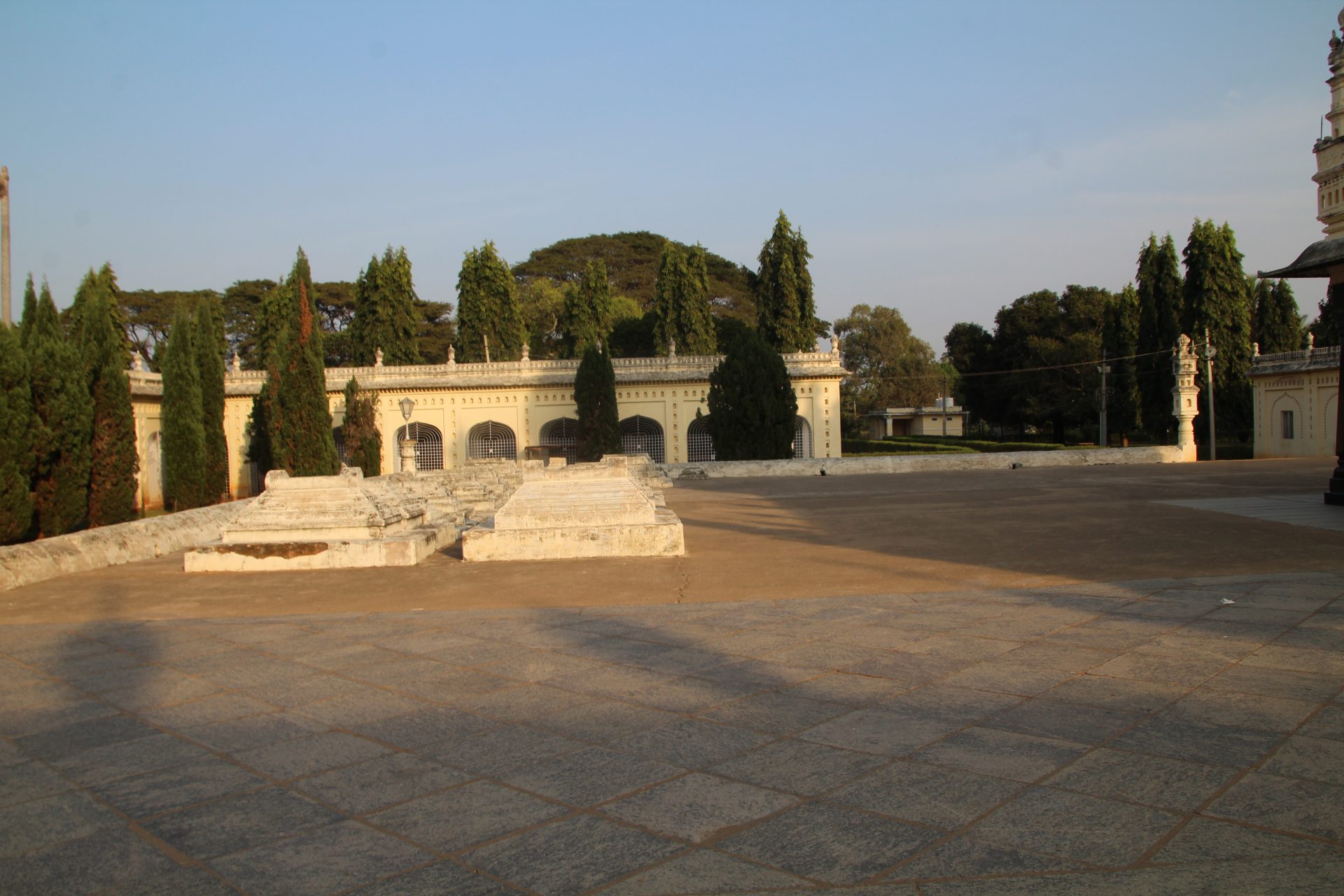
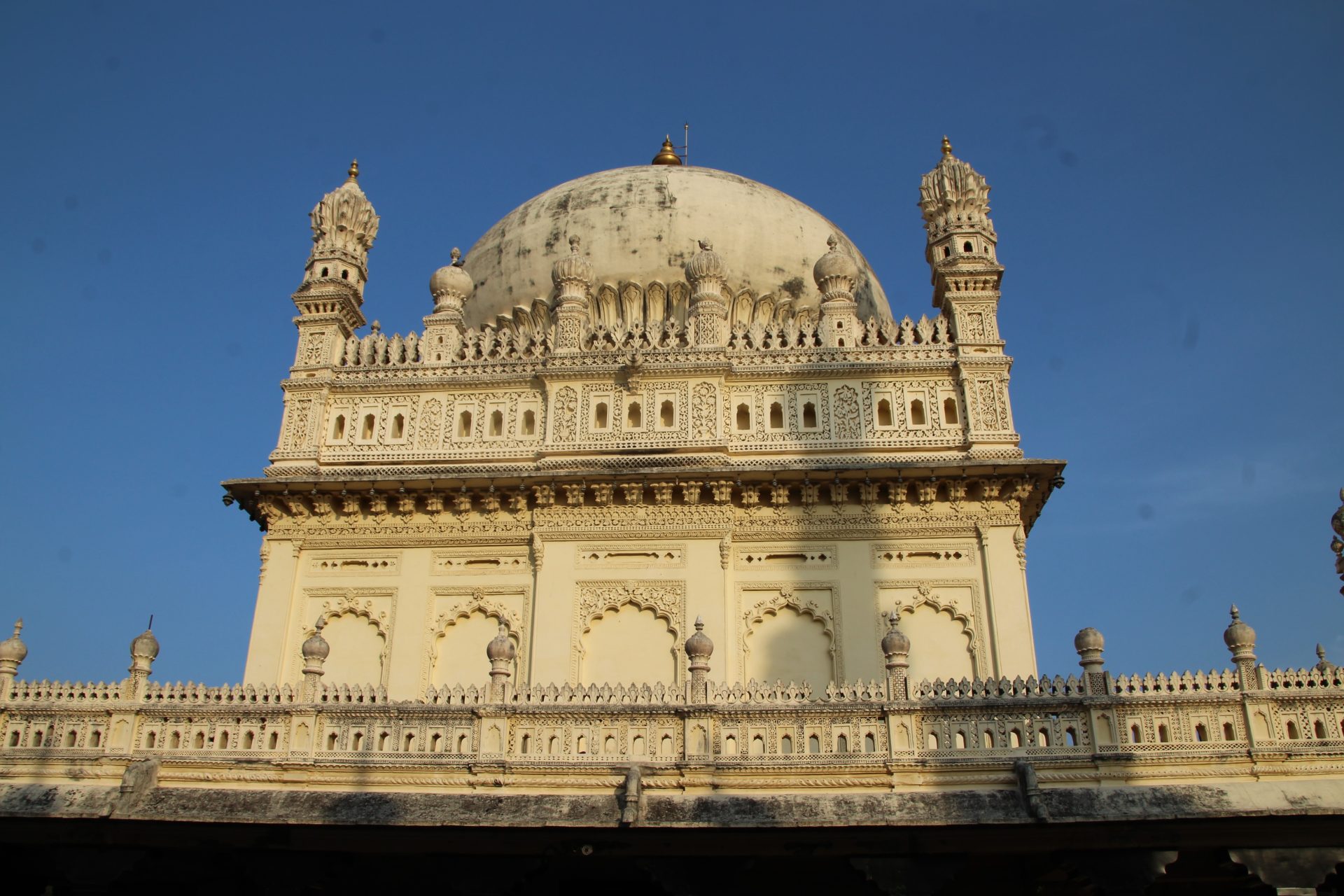
We offered our prayers at the temple and headed next to the Gumbaz. This is a Muslim Mausoleum at the centre of a landscaped garden. The graves of Haider Ali, his wife Fakhr-Un-Nisa and their son Tipu Sultan are housed here. Built in Indo Islamic architecture, the Gumbaz has a dome situated on a cubical framework and has decorative rails and turrets.
Sangam
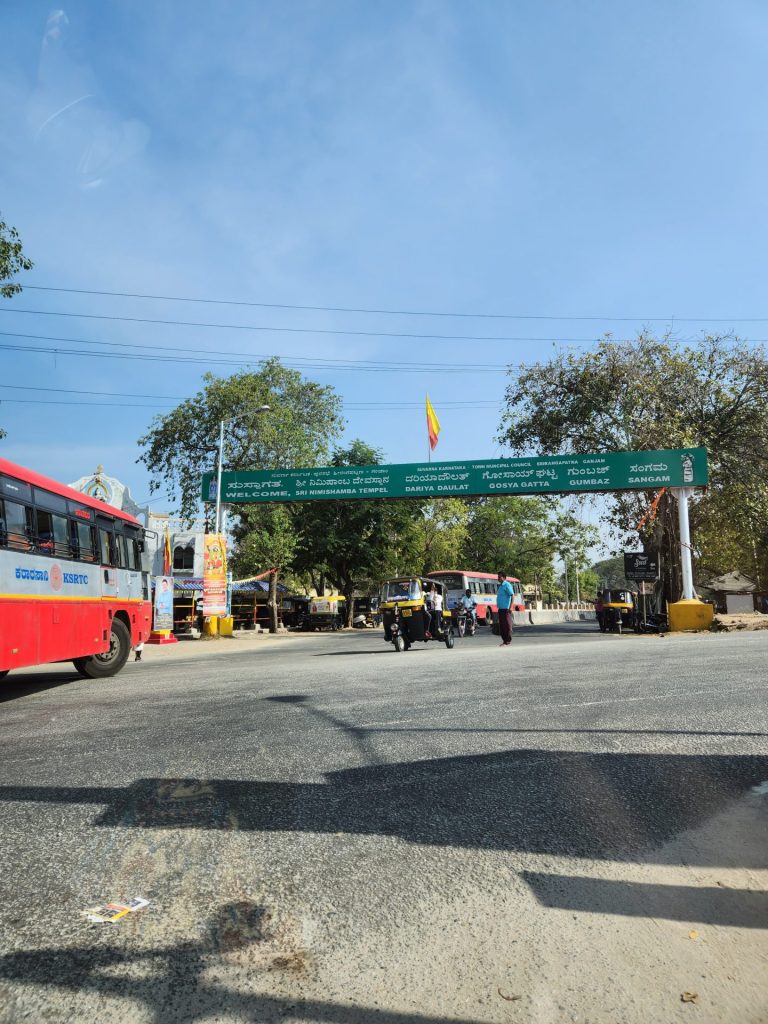
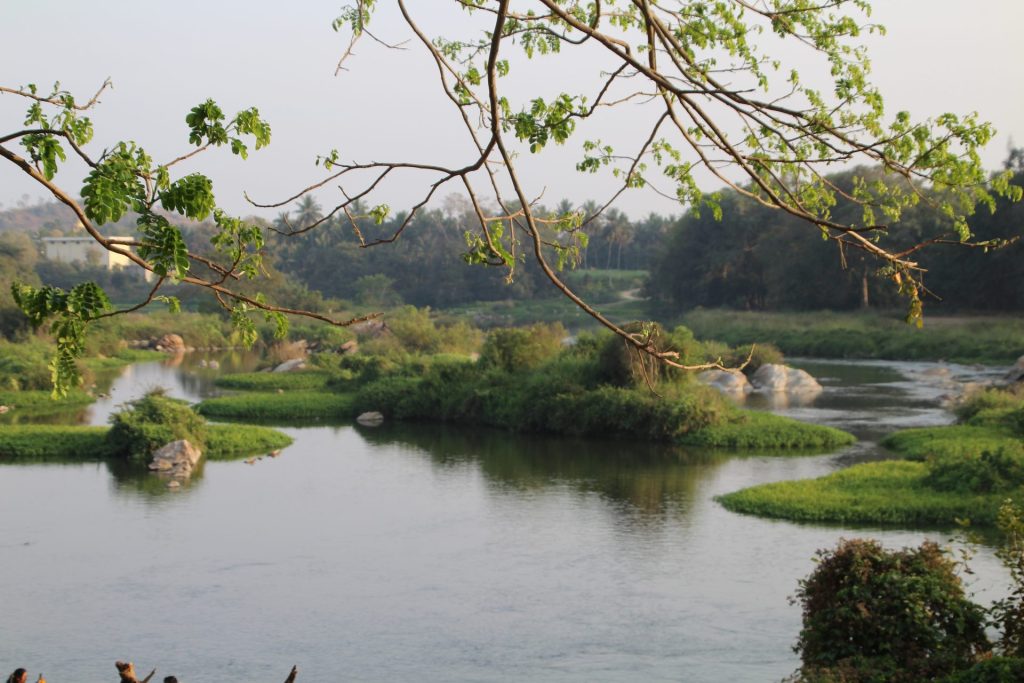
A km ahead of the Gumbaz was the Triveni Sangam, a confluence of 3 holy rivers – the Cauvery, Lokapavani and Hemavati. A supposedly revered place where people come and take a dip in the holy waters, carry out rituals to appease their forefathers, offer prayers at the nearby Nishimba temple but lying in a utter state of neglect. This place used to be so very beautiful during the early 90s and when I had first come here but in the current state of things, would definitely not recommend a visit. It was already 5.30 PM in the evening and I had to give the Ranganthittu Bird Sanctuary a miss and yet again.😥
St.Philomena's Cathedral
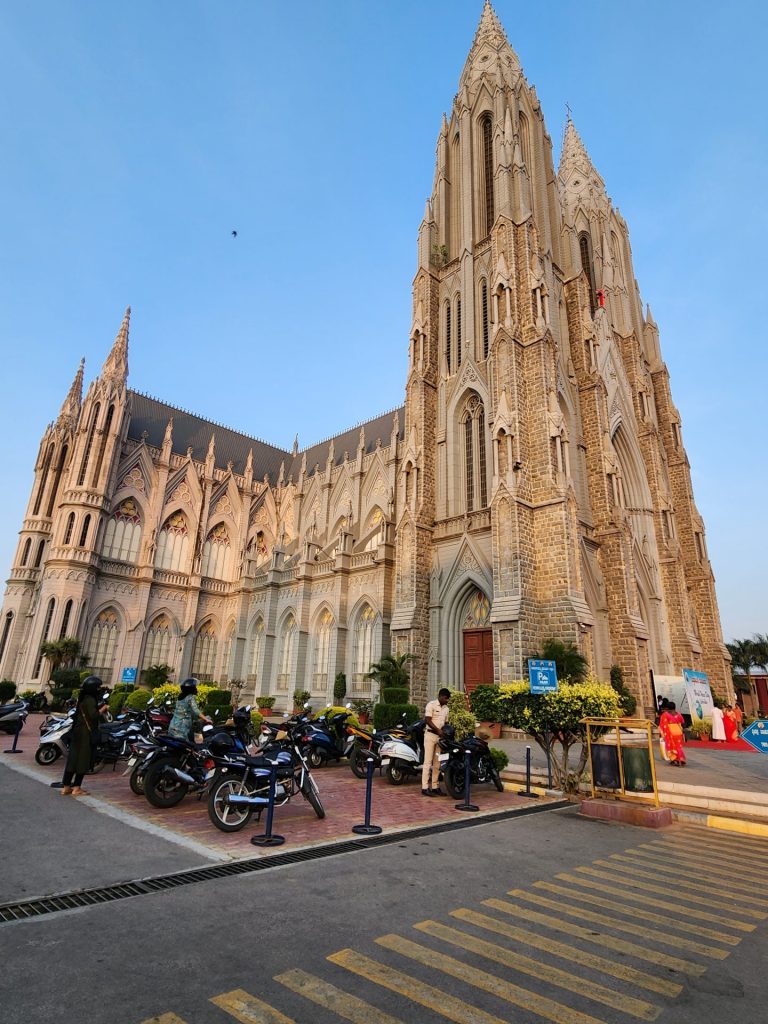
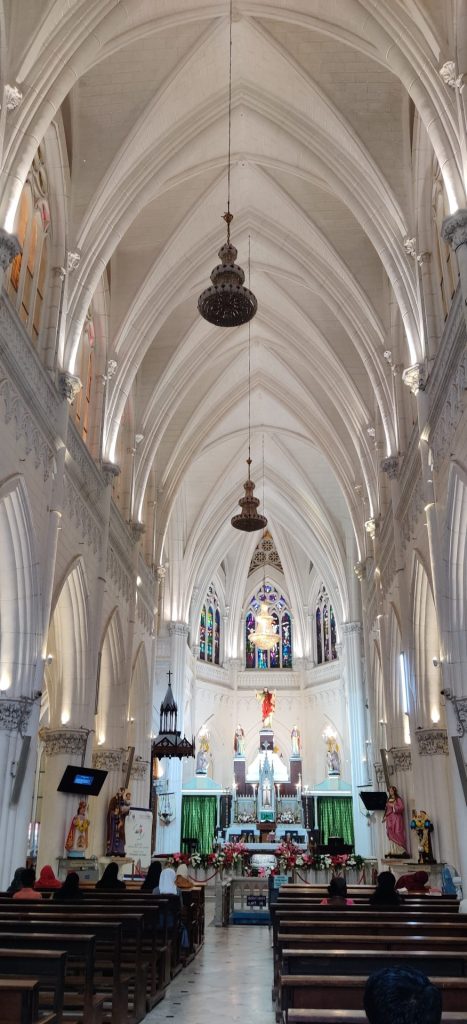
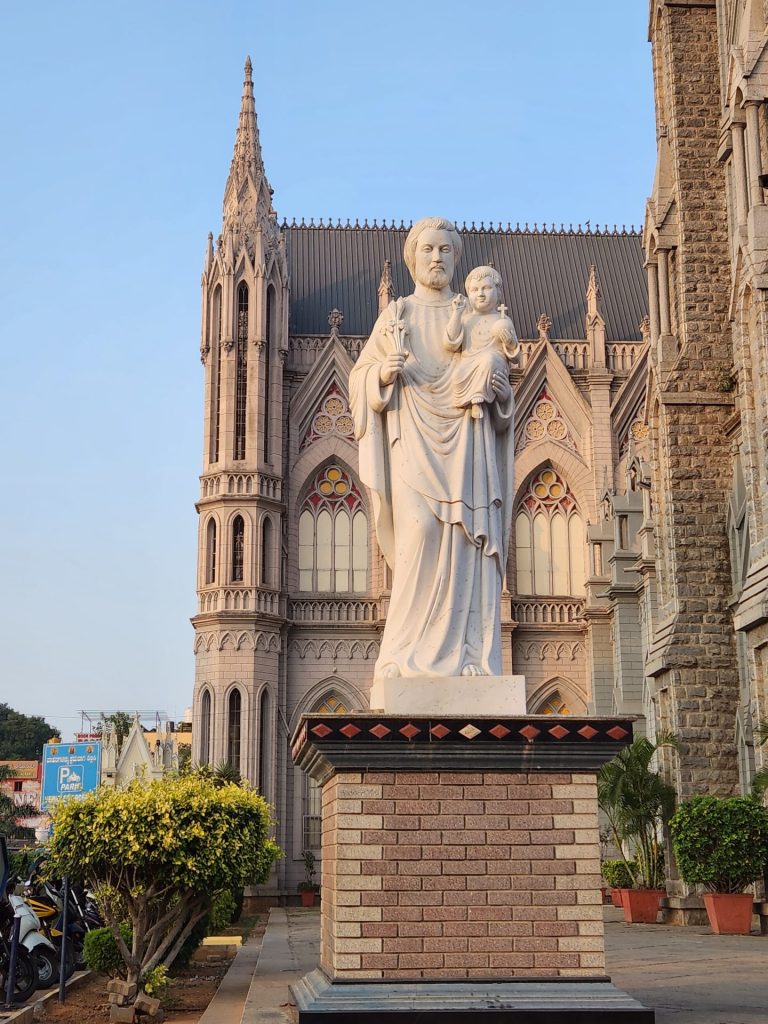
We drove back to the city and visited the St.Philomena’s Cathedral. This is also known as the St.Joseph’s Cathedral.
Inspired by the Cologne Cathedral of Germany, this cathedral was built in Neo Gothic style in the year 1936 and is Asia’s Tallest church. The spires are 175 feet tall and the stained glasses inside the church have paintings from the birth of Christ, The Last Supper, the Crucification, the Resurrection and the Ascension of Christ.
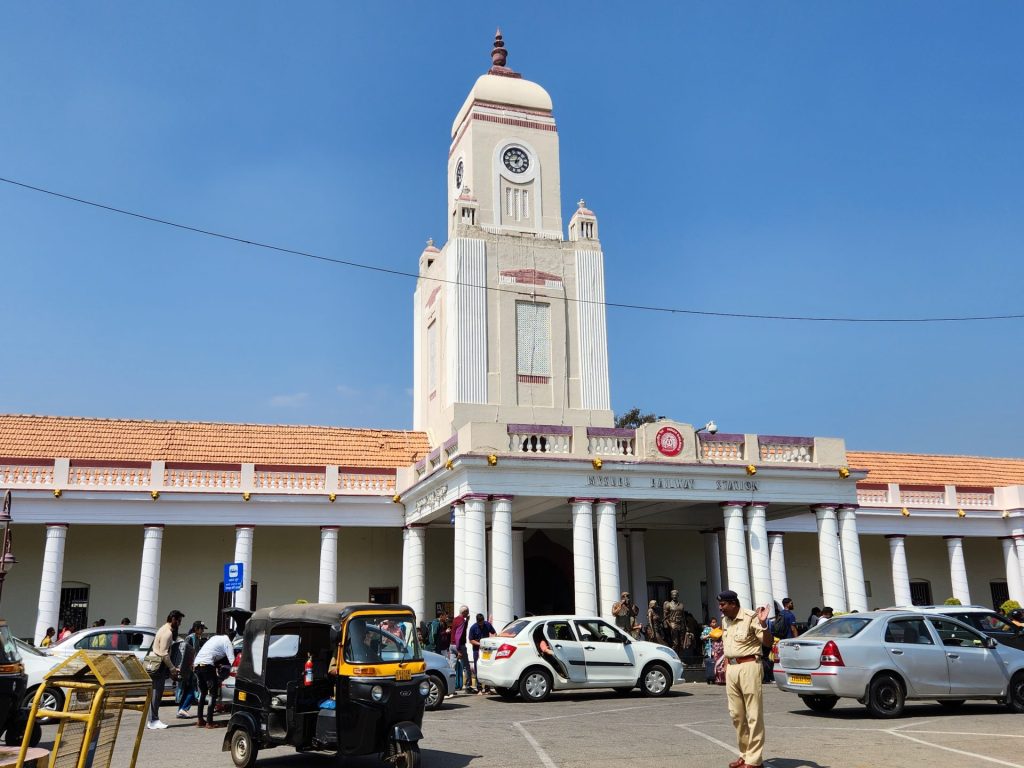
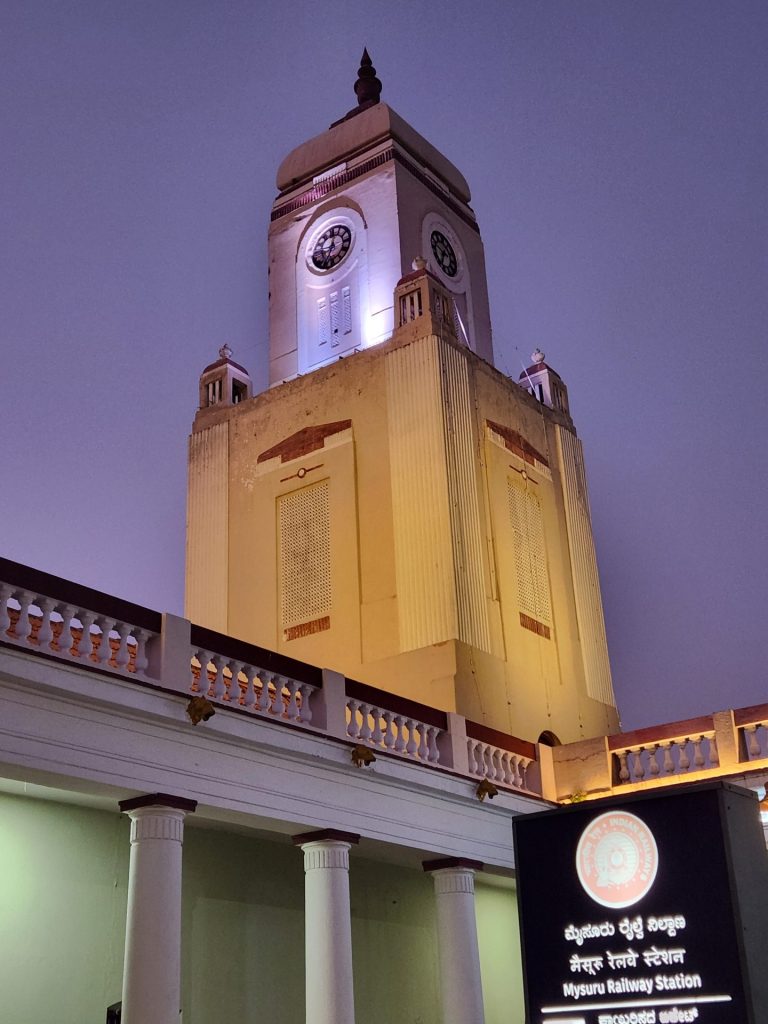
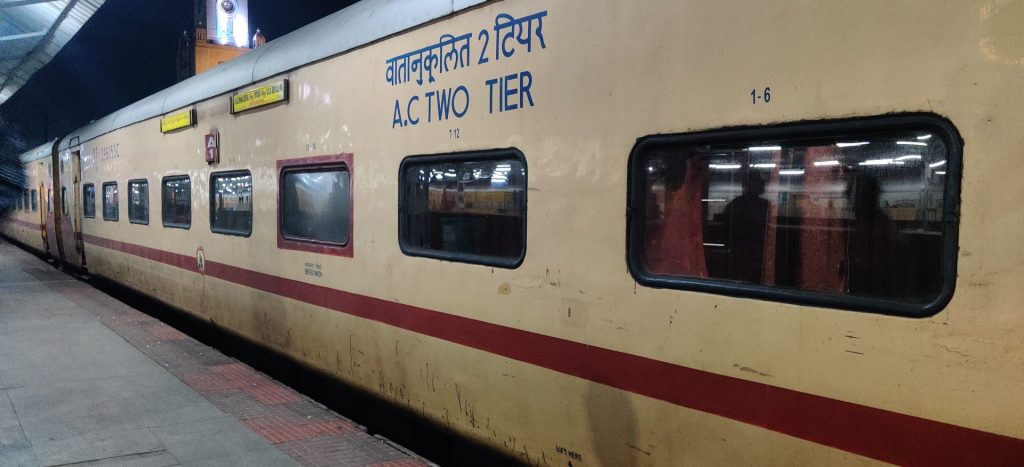
We finally got dropped by the railway station after half an hour’s break at our old hotel where the ladies wanted to do some last minute purchase of Mysore Silk sarees. We reached the station and after having settled Kiran his dues, we bid him goodbye. He charged us the same amount of Rs.3,200/- for the return trip from Masinagudi and Rs.2,500/- for the local sightseeing. He can be reached on +91 9513155166. We had the luxury of a couple of hours still available and after having dropped in our luggage at the cloak room, we headed for dinner at A2B (Adayar Ananda Bhavan) adjacent to the station. We came back by around 8.15 PM well in time to pick our luggage back and board the Kaveri Express for our return journey back to Chennai at 9.00 PM. Another short trip ended with some lovely sightings and memories.
Do share this with your family and friends on ....