“To know nothing of what happened before you were born is to forever remain a child” said Cicero, a Roman philosopher. And to know nothing of where and what exists in an unknown country before you set foot on adds more to the childlike inquisitiveness said the philosopher in me.
This is how I landed in this country called Cambodia in the year 2016 on a work assignment. Kampuchea, the local name derived from Cambodia has a lot of history imbued in it.
Right from the early times of 800 AD when it was ruled by Hindu Kings for over 600 years to being taken over by Siamese kings and then becoming a protectorate of France, the country gained its independence in 1953.
It was the month of September when I reached Phnom Penh, the capital city. The weather was hot and humid as what I used to experience in tropical Chennai. After having settled down for a couple of weeks, explored the city and found my bearings in terms of the local markets, spotted a few Indian stores for spices to experiment with my cooking adventures, located a few Indian eating joints to try during weekends and learnt to communicate with people around and quite a bit in sign language since English was their Achilles Heel. Realized that there were long weekend combo holidays on the roster to take full advantage of in exploring the countryside.
Table of Contents
How does one reach Cambodia
During my days of stay, there were no direct flights to Cambodia and it always had to be a hop off Bangkok or Singapore or Kuala Lumpur. Guess it continues the same way and the total travel time it would entail to reach Phnom Penh would vary between 11 to 12 hours. In case of people clubbing a vacation with Thailand, you could opt for a bus ride from Bangkok to Siam Reap which is the closest city of Cambodia to reach. That would give one an experience of the countryside. There are a couple of other airports at Siam Reap where the famed Angkor Wat temples exist and Sihanoukville where there are plenty of beaches to experience which are connected not only to Phnom Penh but also cities of neighboring countries.
The best months to be in Cambodia
The dry season between October to April are perhaps the best months to be in Cambodia. March to June remain pretty hot while the wet season starts from May and continues till September. The heaviest rainfall happens in August and September.
What you would not know about Cambodia
“Fear not the future, weep not for the past”. A very apt description for a country whose civilization was influenced by India and China for 2000 years.
Having been ruled by the Hindu and Buddhist kings and lived through the Angkor period and the Khmer Empire during which time the world famous Angkor Wat temples got constructed, this small country has survived invasions of the French and attacks by the Japanese and came out battered and bruised after one of the largest genocides in the world known as the Khmer Rouge. A lot of pathos attached to this place since they were plagued by the Vietnam war in 1965 and then the US bombings happened between 1969 to 1973and before normalcy could be restored, one of the worst genocides took place between 1975 to 1979.
Siam Reap, also known as the city of temples houses the world’s largest temple complex structure Angkor Wat. This structure has stood tall, having survived the test of times and multiple invasions.
The port city of Sihanoukville offers views of some fantastic white sand beaches. The twin towns of Kep and Kampot are more famous for its beach, the Pepper Farms and the Bokor mountains.
Two decades of economic growth have helped make Cambodia a global leader in reducing poverty. While the Garment industry happens to be the largest contributor in terms of economy in the manufacturing sector, tourism happens to be second largest contributor to Cambodia’s growth.A huge manufacturing hub for textiles and garments and especially for all International Brands like Mango, G2000, Daniel Fletcher, Adidas, Under Amour, Nike etc. Stiff competition from neighboring countries like Vietnam and Bangladesh have made the garment industry go through lot of turmoil in terms of price wars, job layoffs and its not been business as usual for the locals. Lot of resurgence in the economy though one would still classify it as developing and a positive step in that direction is the amount of investments being pumped in by the Chinese, Koreans and the Japanese.
A lovely place to be in amidst some lovely people, this Buddhist country had been through lot of turmoil in the past starting from a couple of Military coups to a 3 year long civil war in between these 2 coups.
Everything evolves around this capital city of Phnom Penh while the rest of the cities like Siam Reap, Battambang and Sihanoukville remain to be more vibrant towards tourism.
Phnom Penh
The Paris of the East as what this city was once popularly known as is located at the confluence of the Tonle Sap and the Mekong rivers. This populous and bustling city once served as a hub for the French Colonists and the Khmer Empire. Built by the French in the 1920s, this city became the capital of THE KINGDOM OFCAMBODIA.
The infrastructure around the country has seen lot of overhauling over the years and the broad roads within cities and the highways have led to people frequenting them as the more viable means of transport since there are no railway lines in the country and flight fares normally remain beyond the reach of the common man cause of the constant tourist inflow.
Wide roads and broad pavements form the hallmark of this city’s infrastructure. A Tourist Visa could be taken on arrival for a fee of $ 30. A country where most businesses flourish on a Dual Currency system, it takes around 4000 Khmer Riels to reach a US Dollar and most ATMs around the city disperse both currencies.
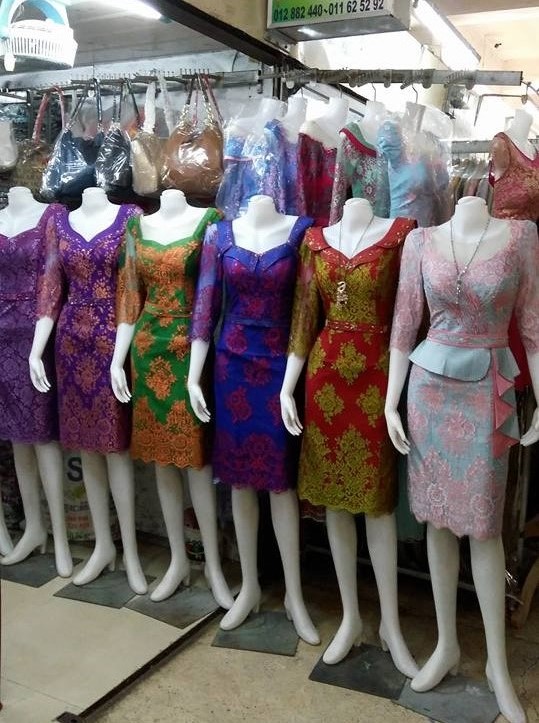
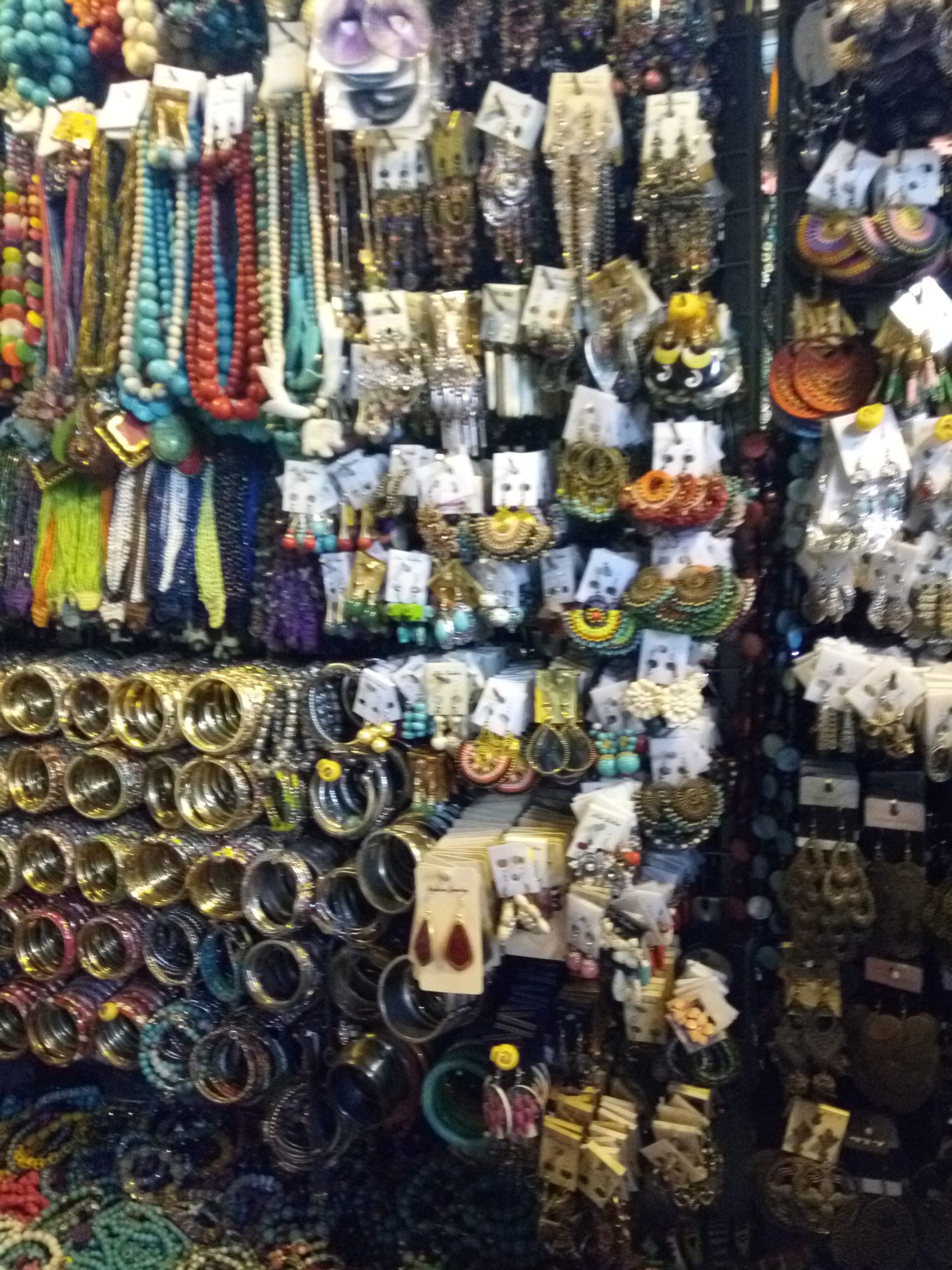
The capital city of Phnom Penh, apart from a number of places to explore also spoils tourists with a plethora of choices when it comes to shopping for souvenirs like Kramas (Silken Scarves), Bayon Statues, Ceramics, Wood Carvings, fancy trinkets, Soaps, candles, spices, running gear, cycles and accessories and so much more.
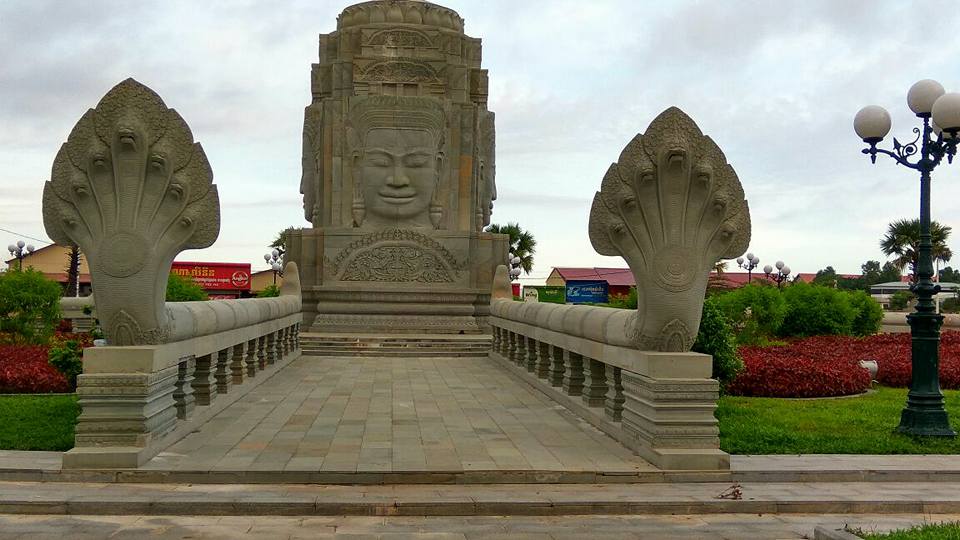
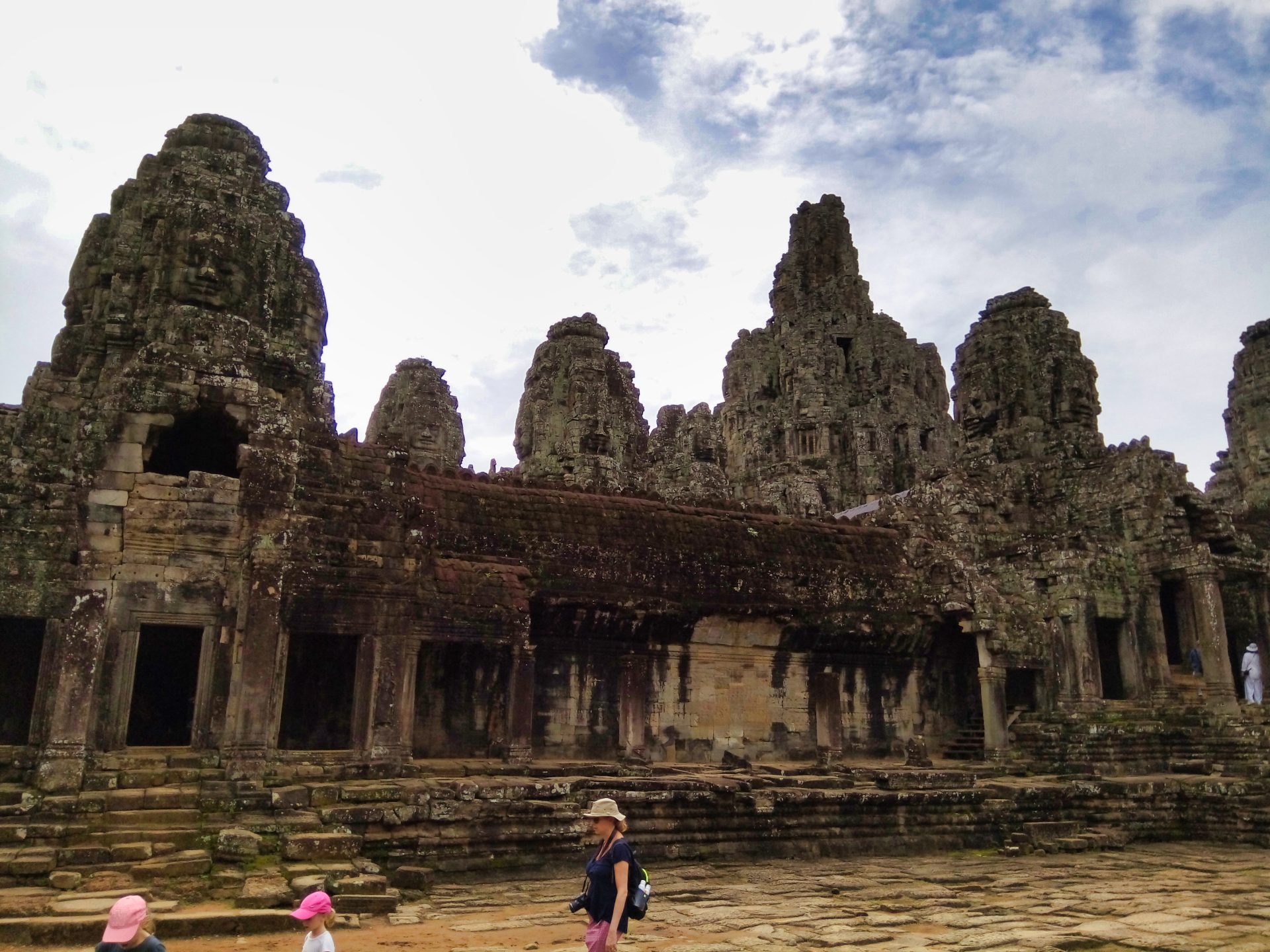
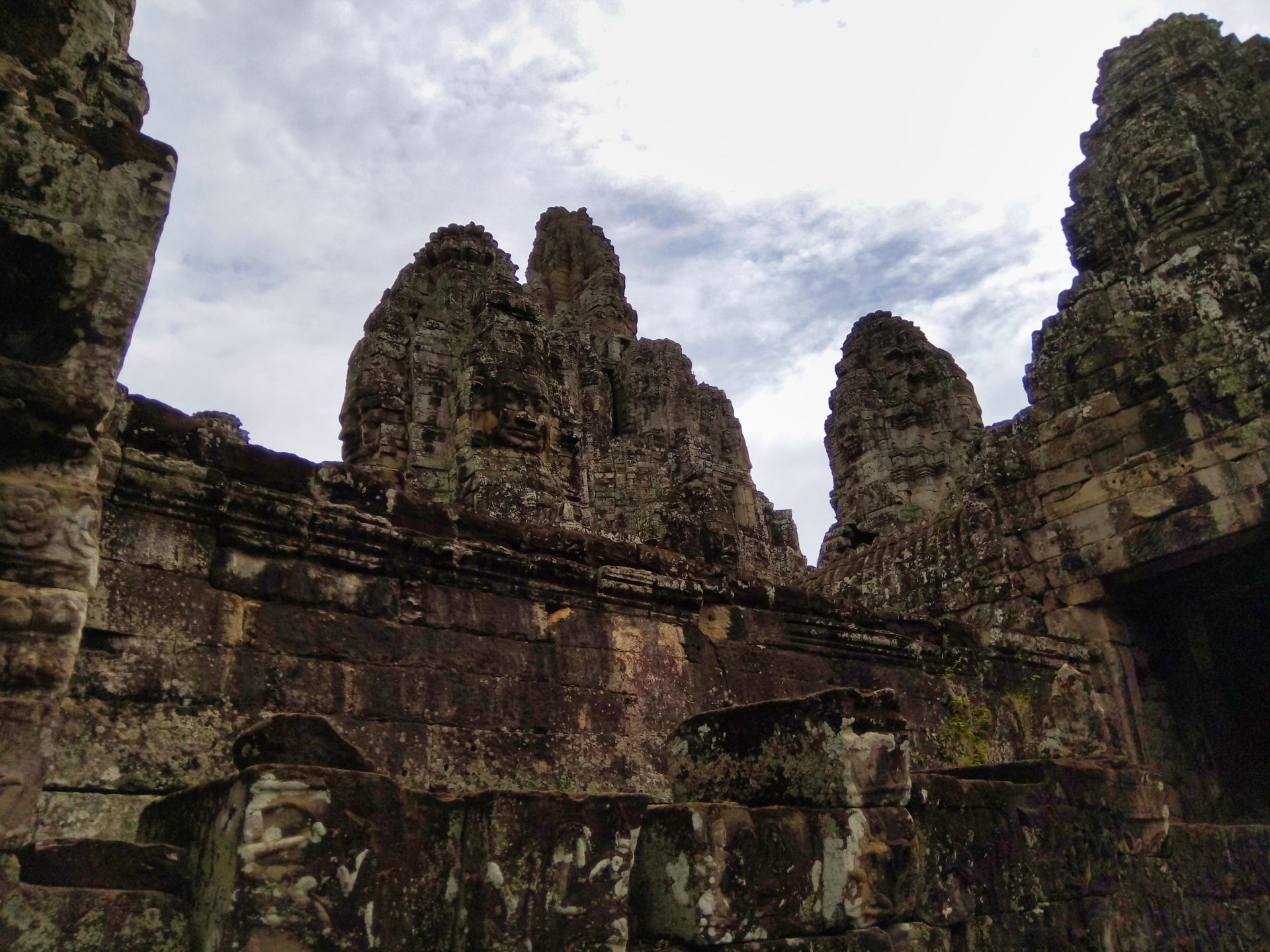
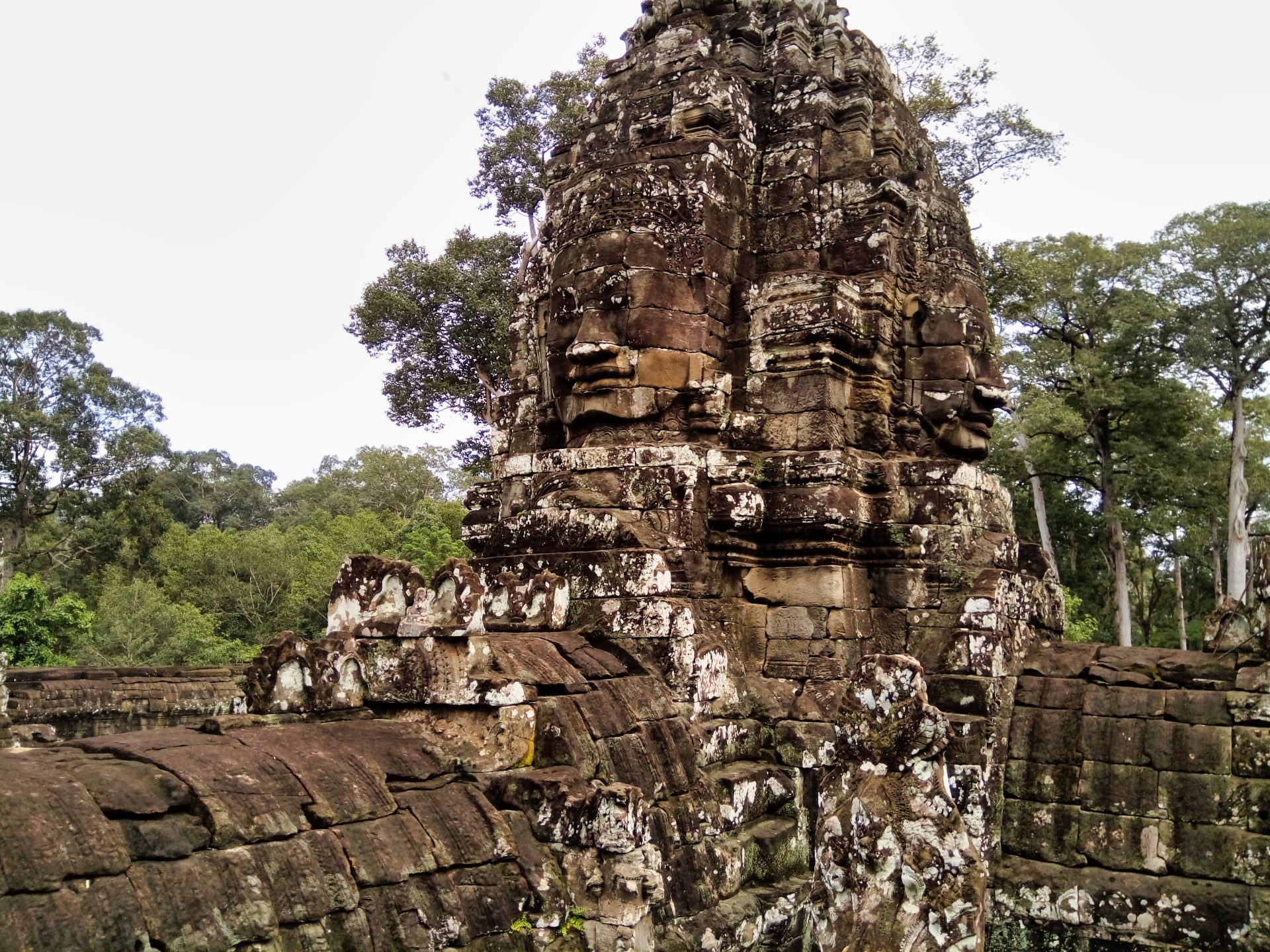
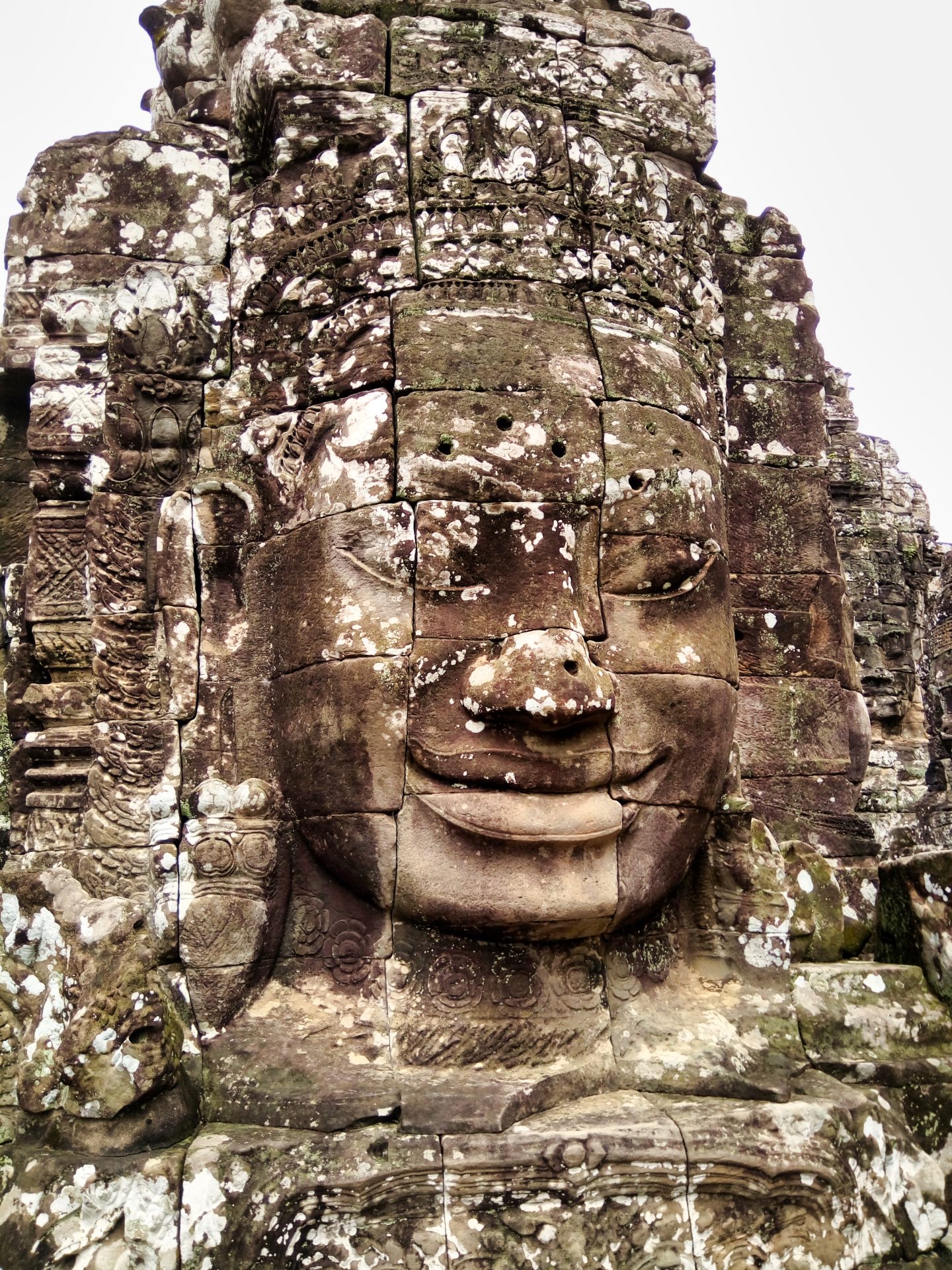
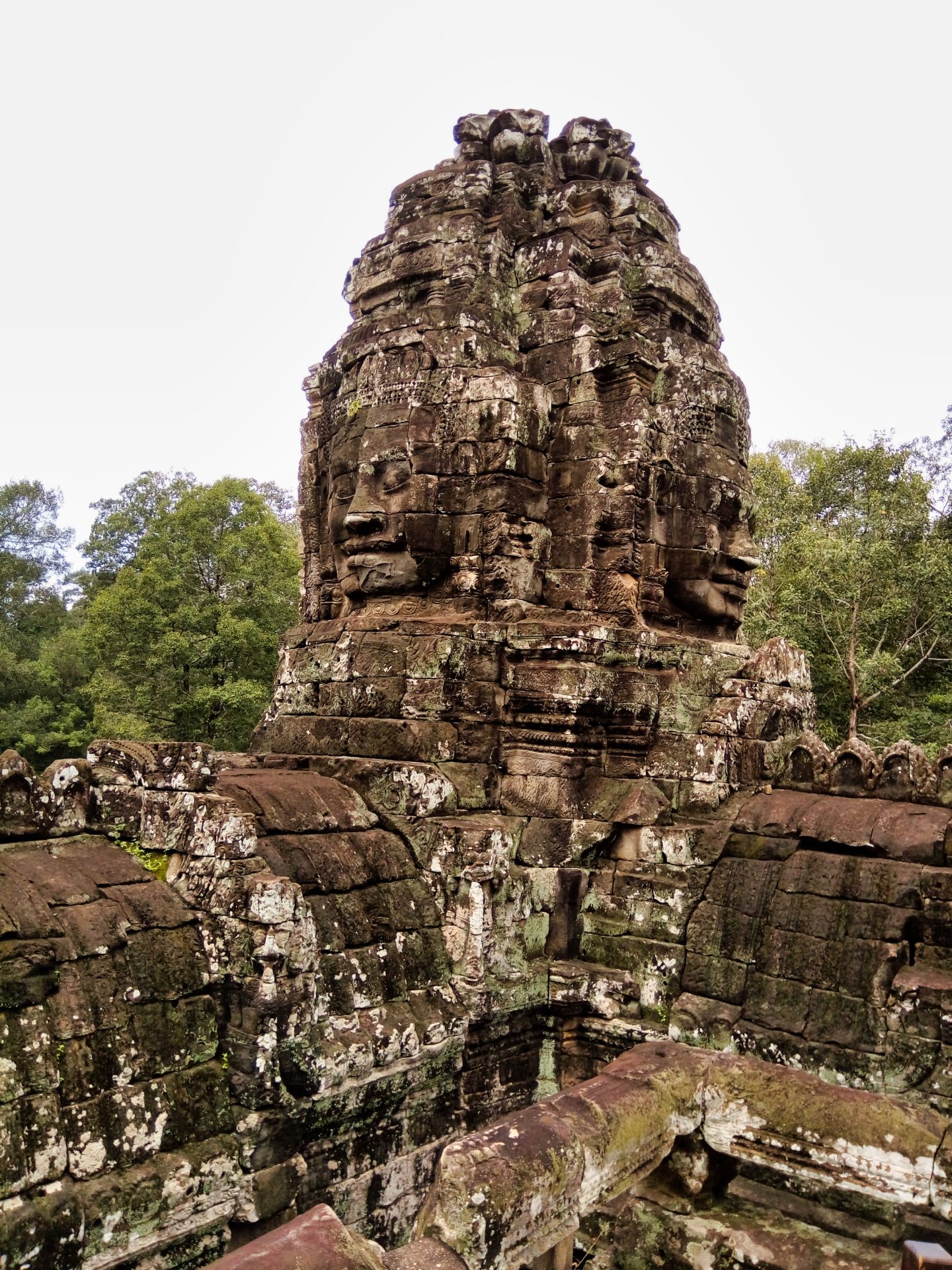
THE BAYON FACE
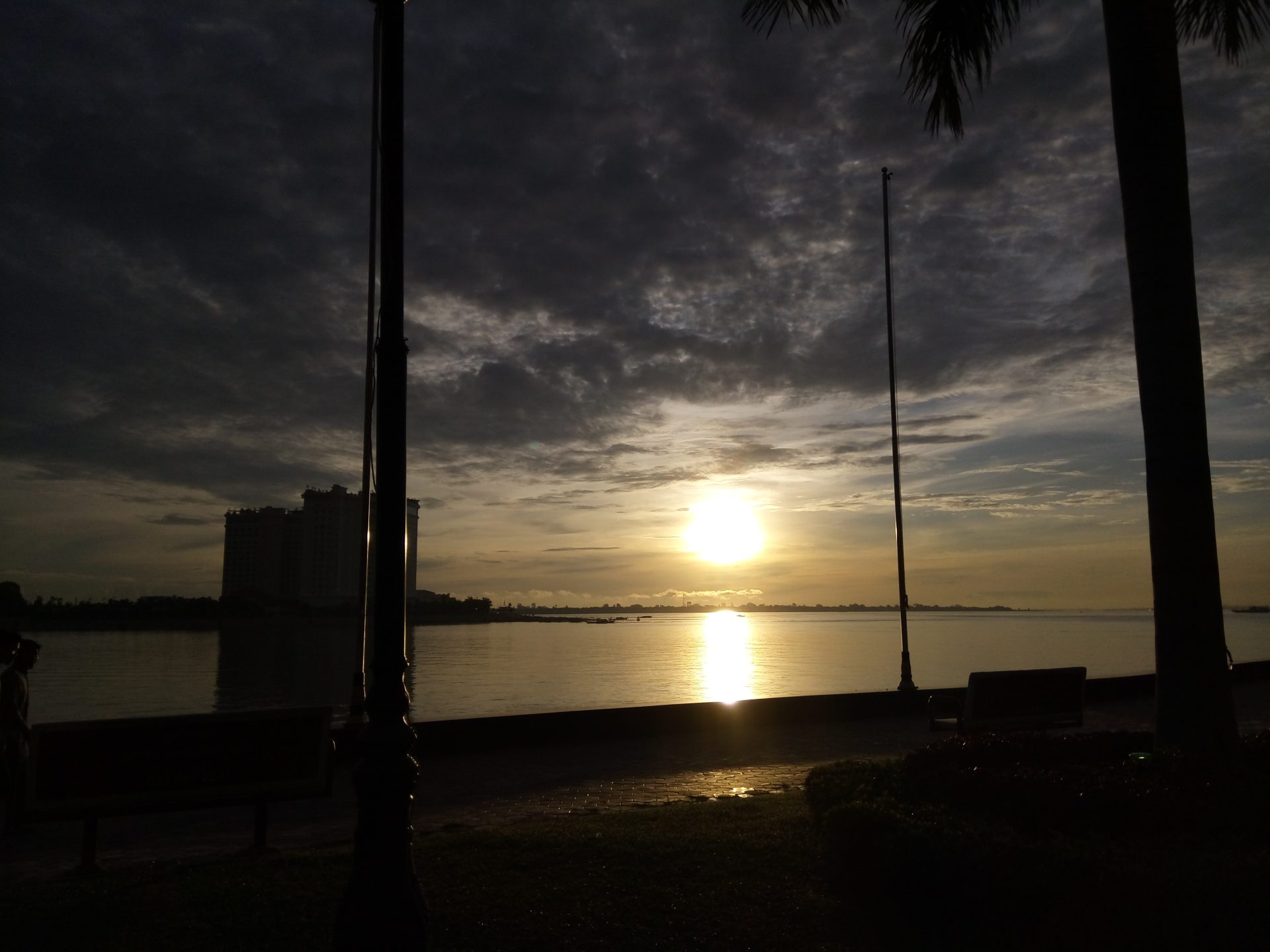
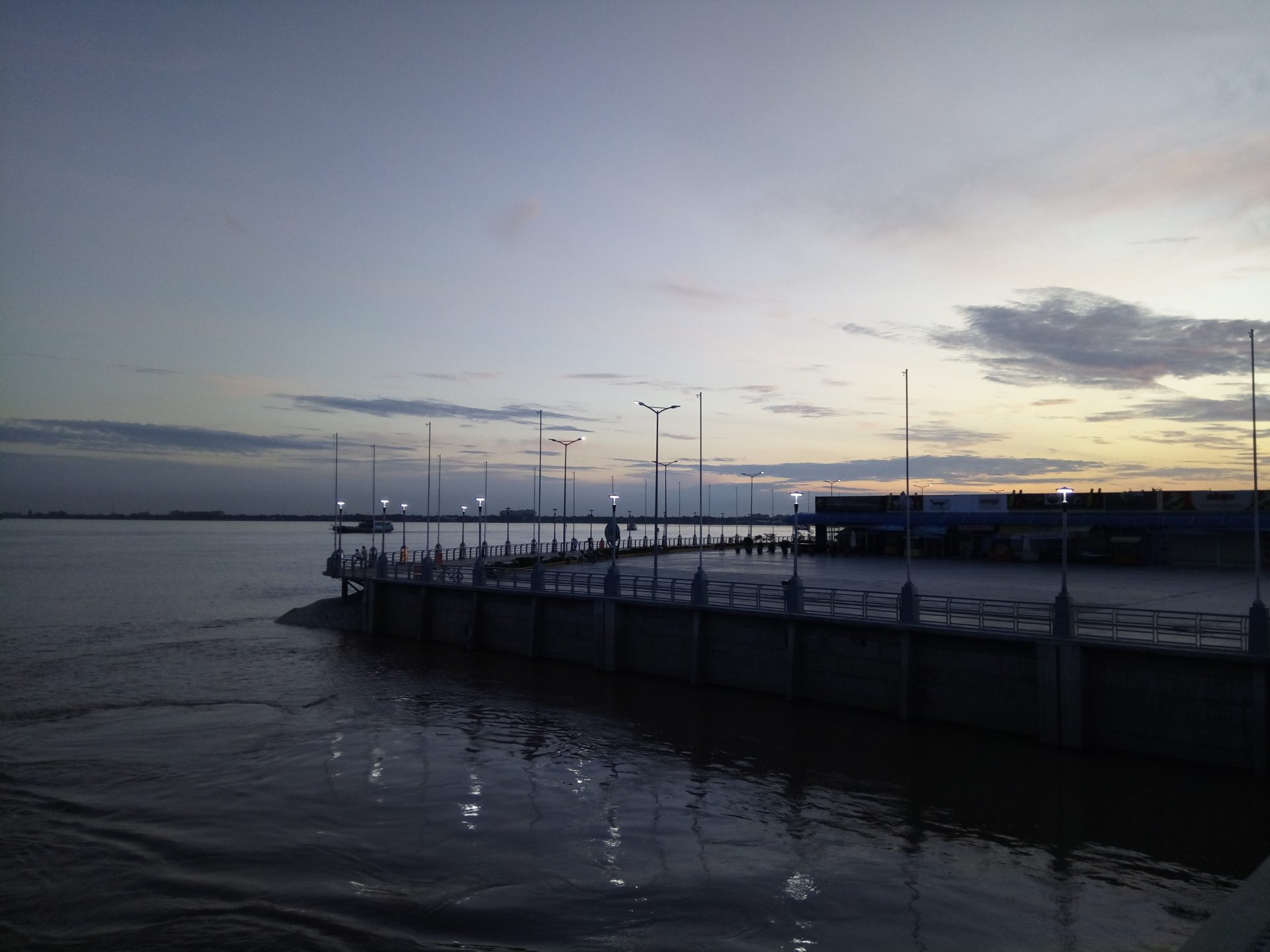
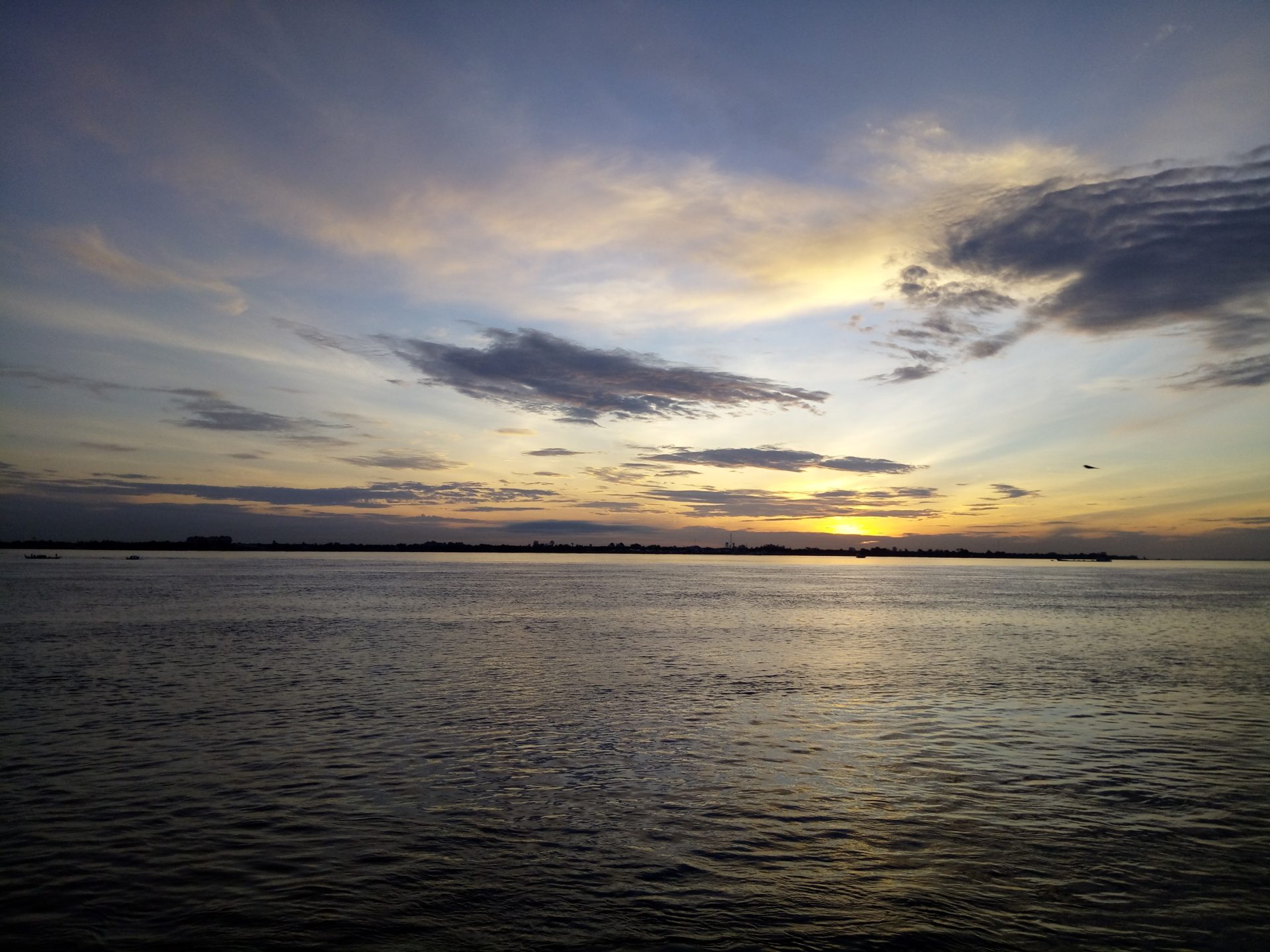
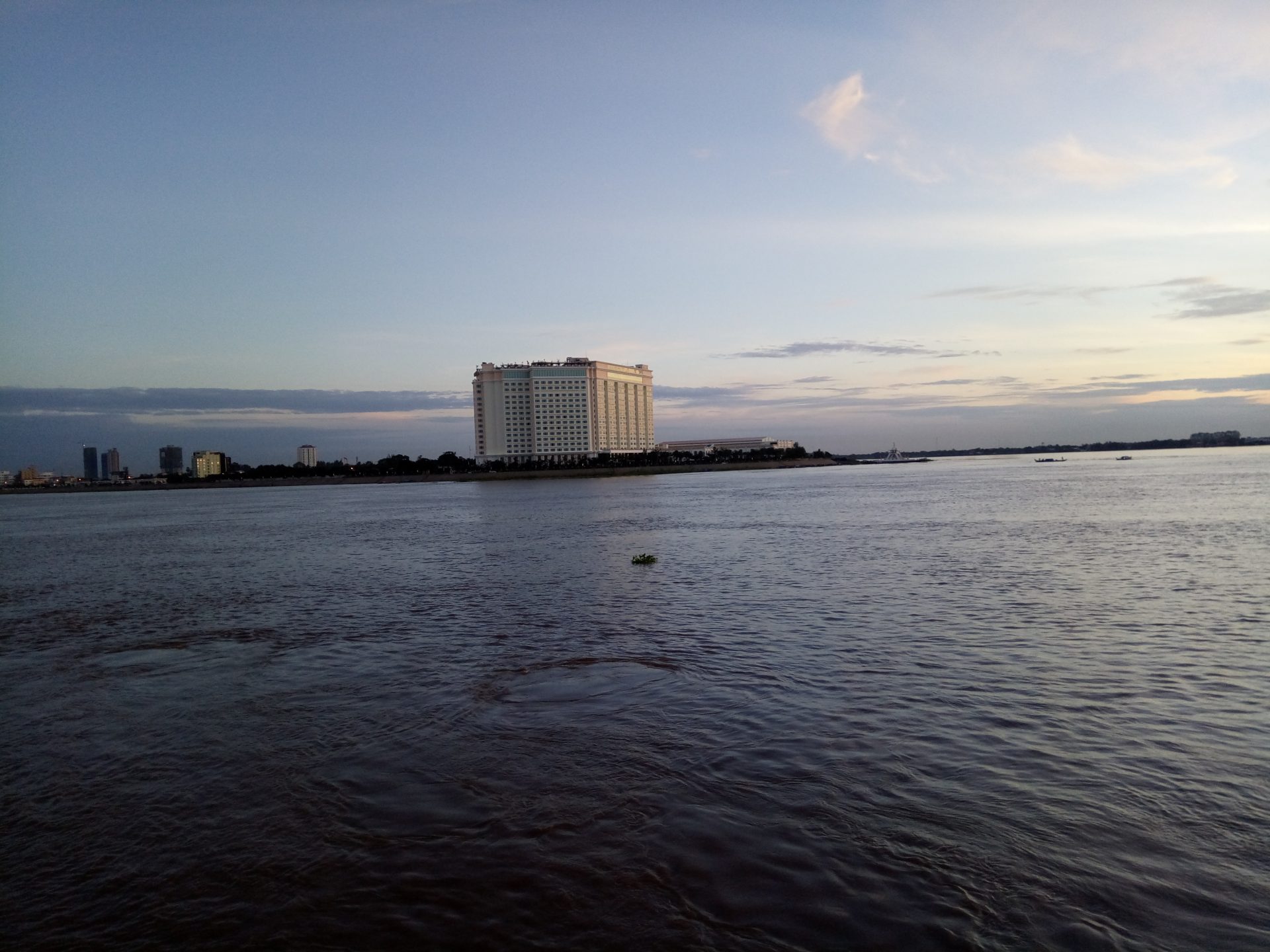
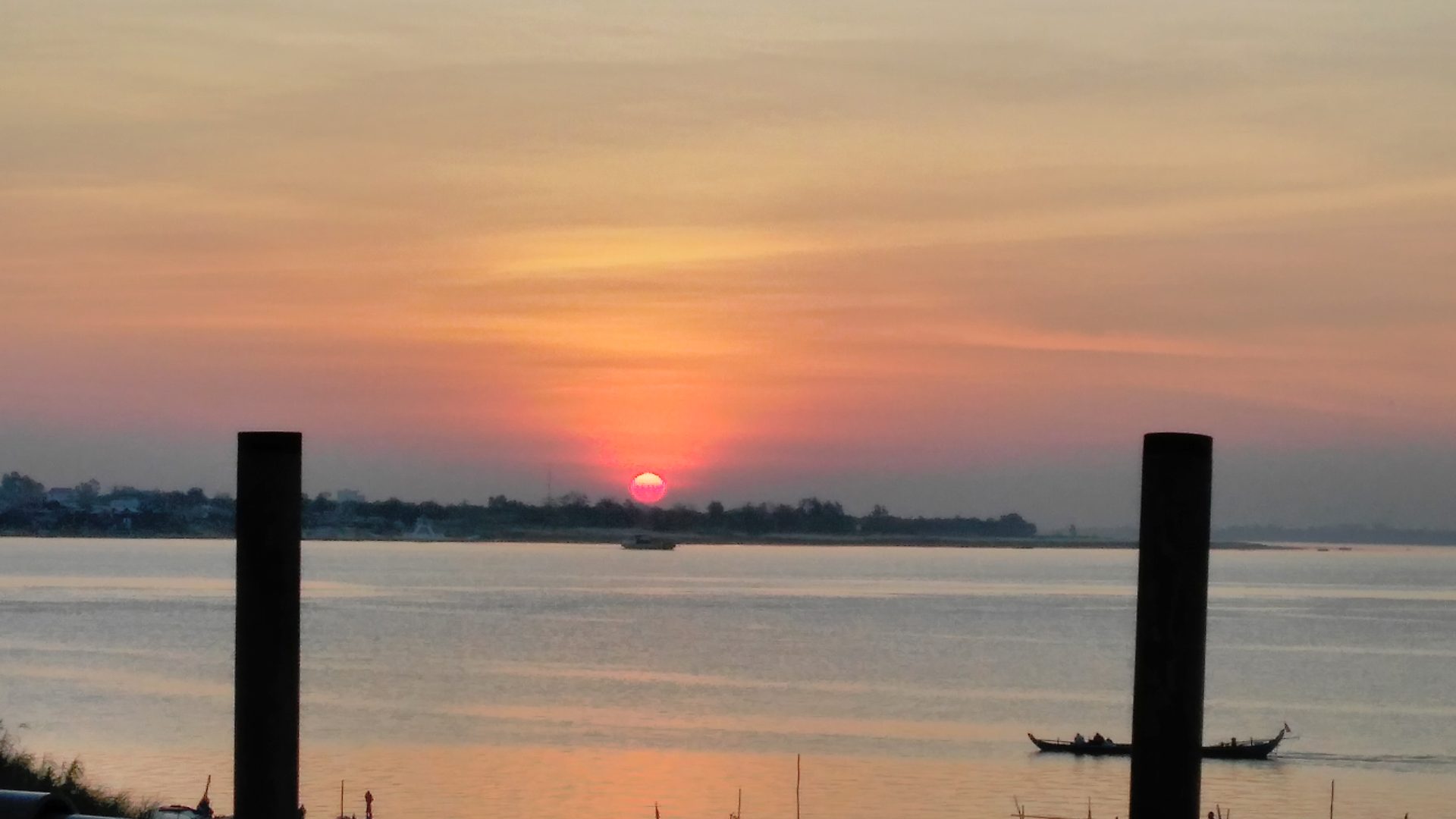
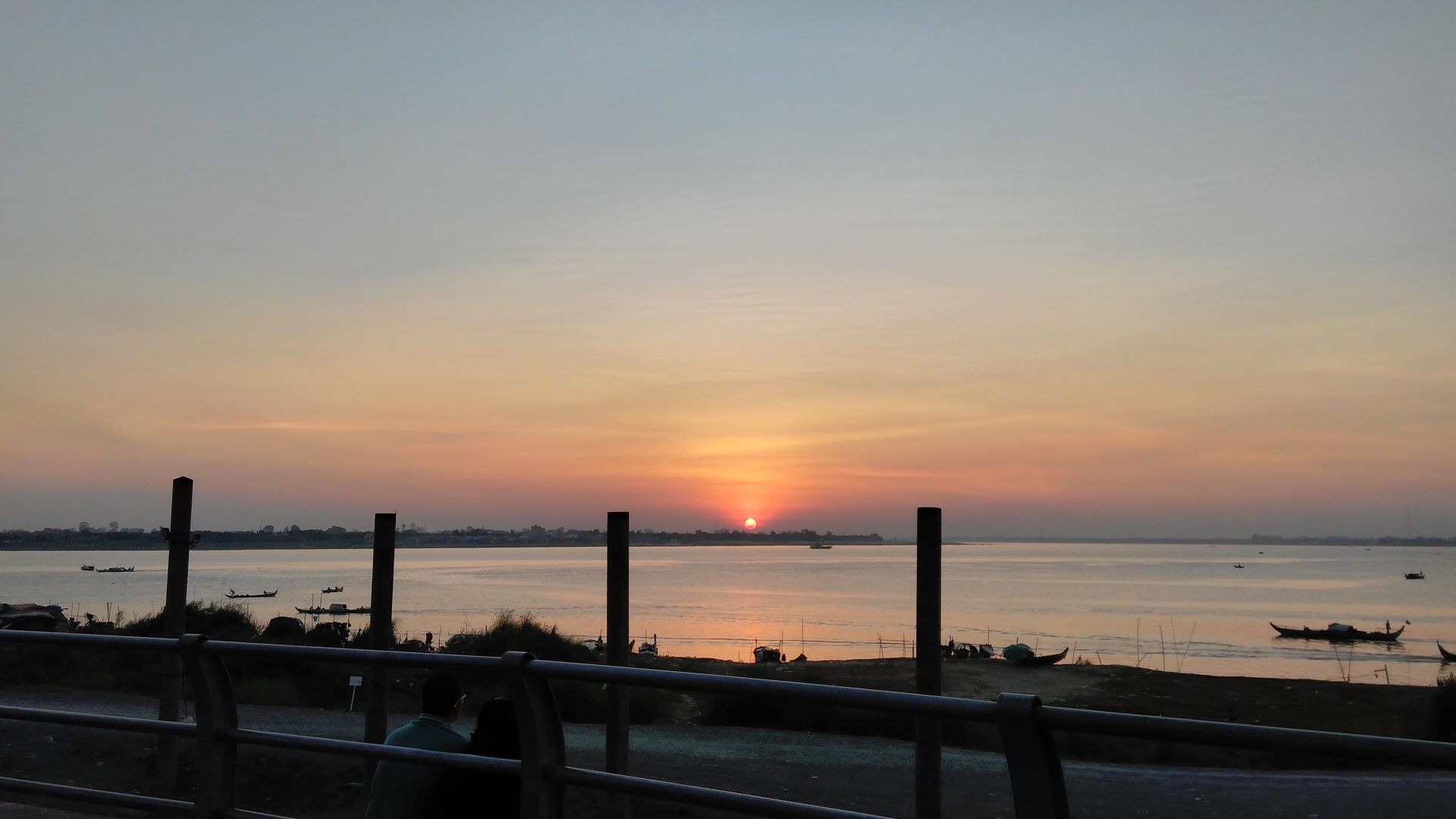
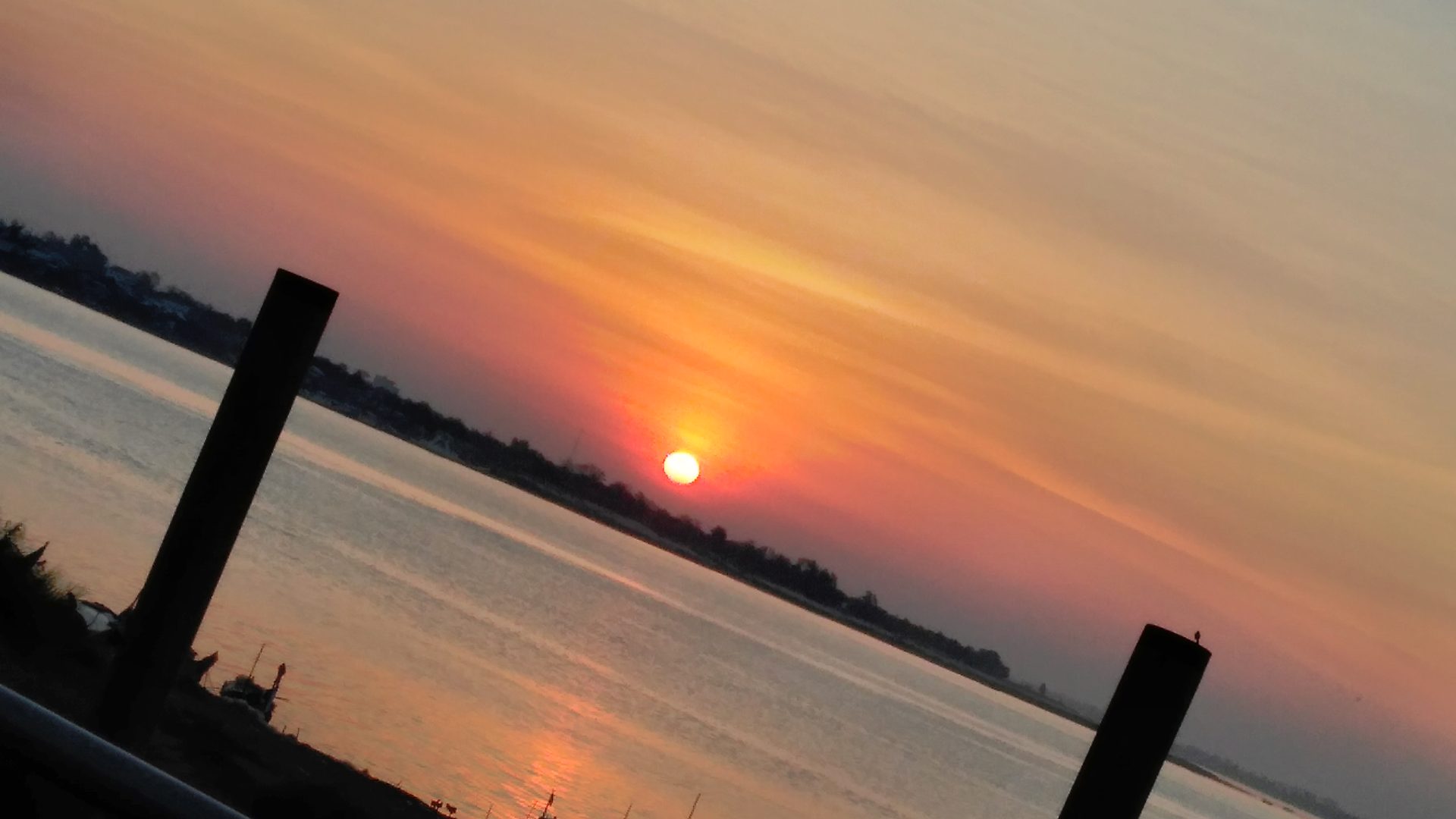
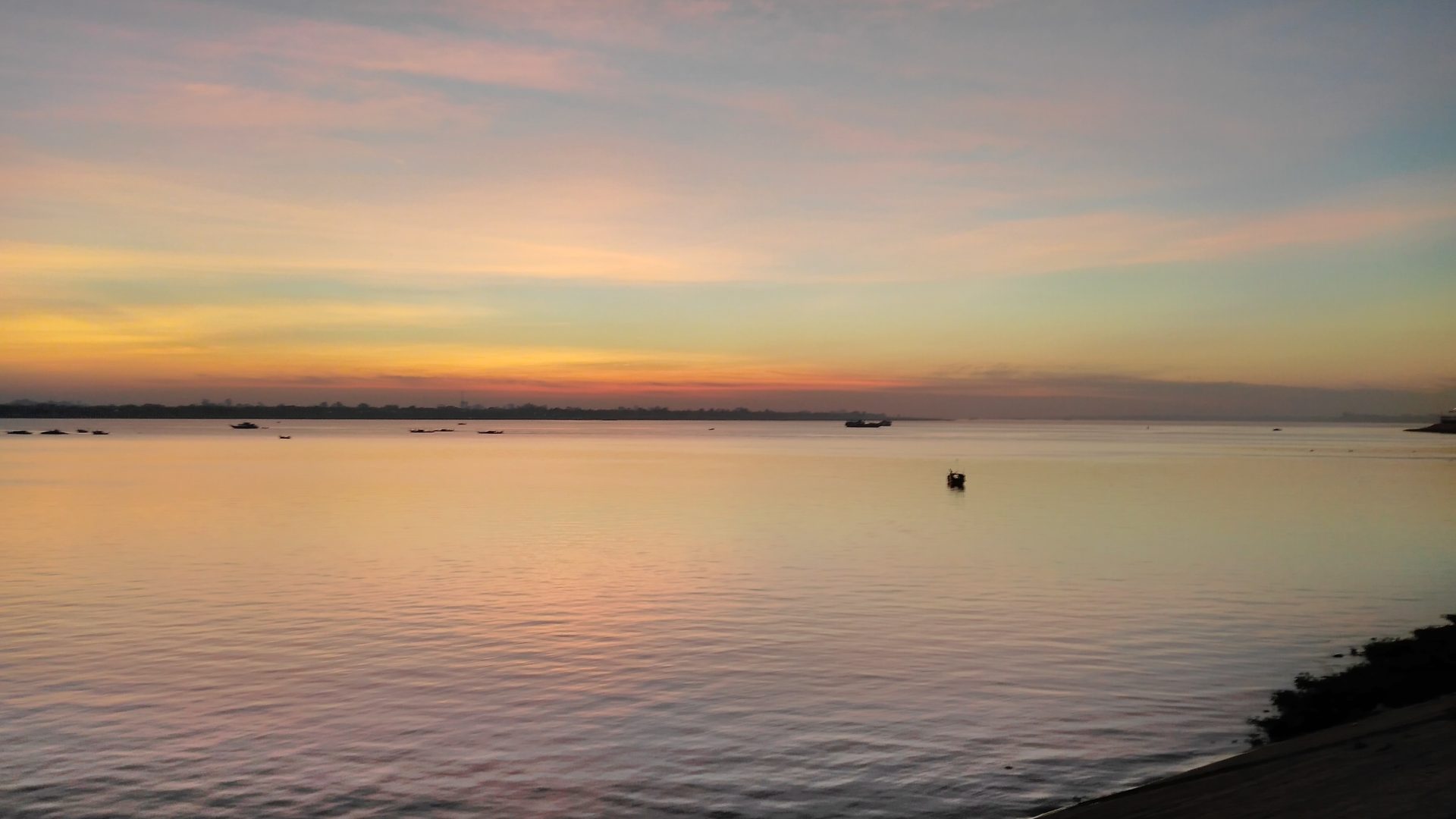
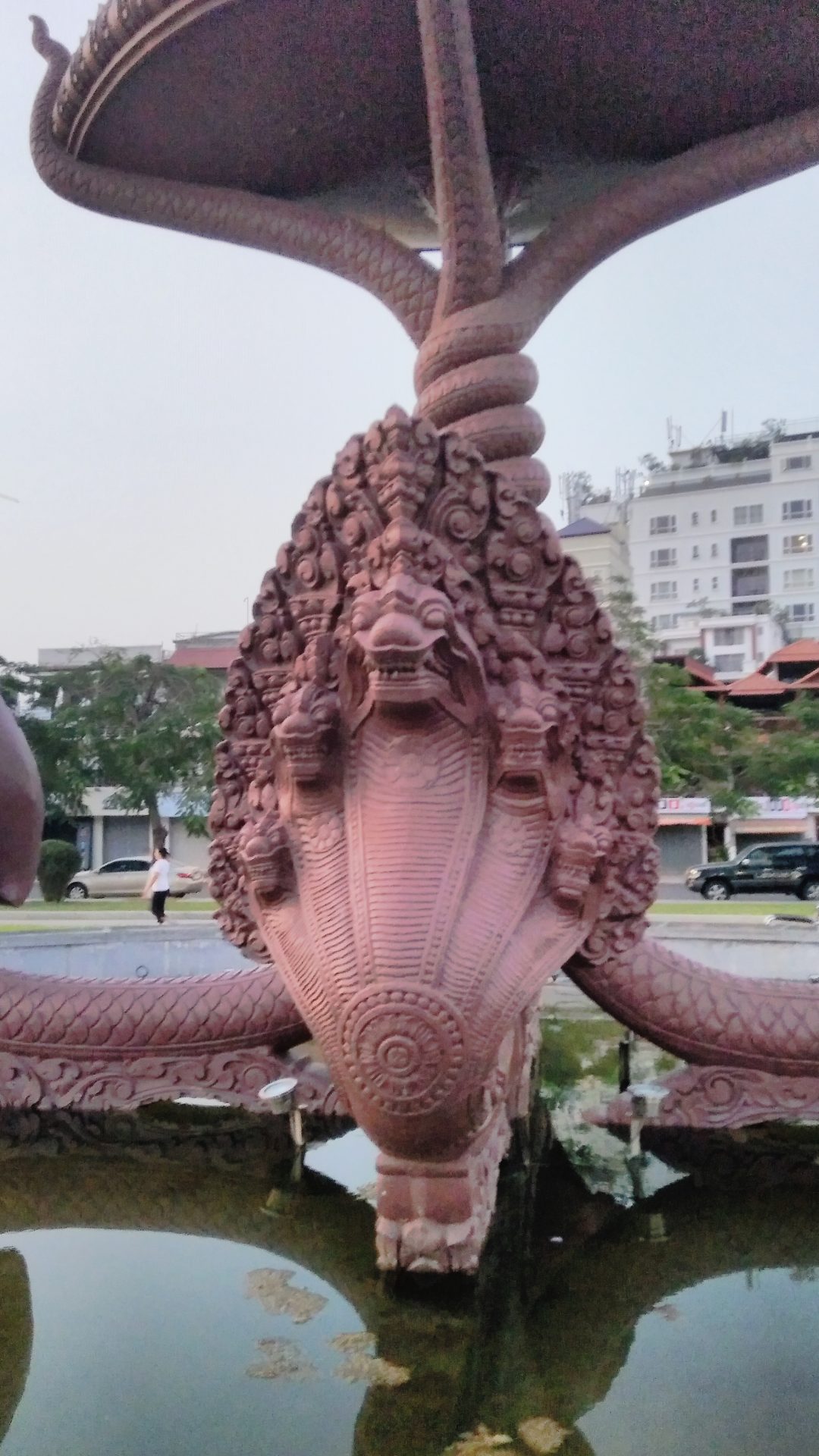
The Sisowath Quay - an amazing pit stop for sunrises and sunsets
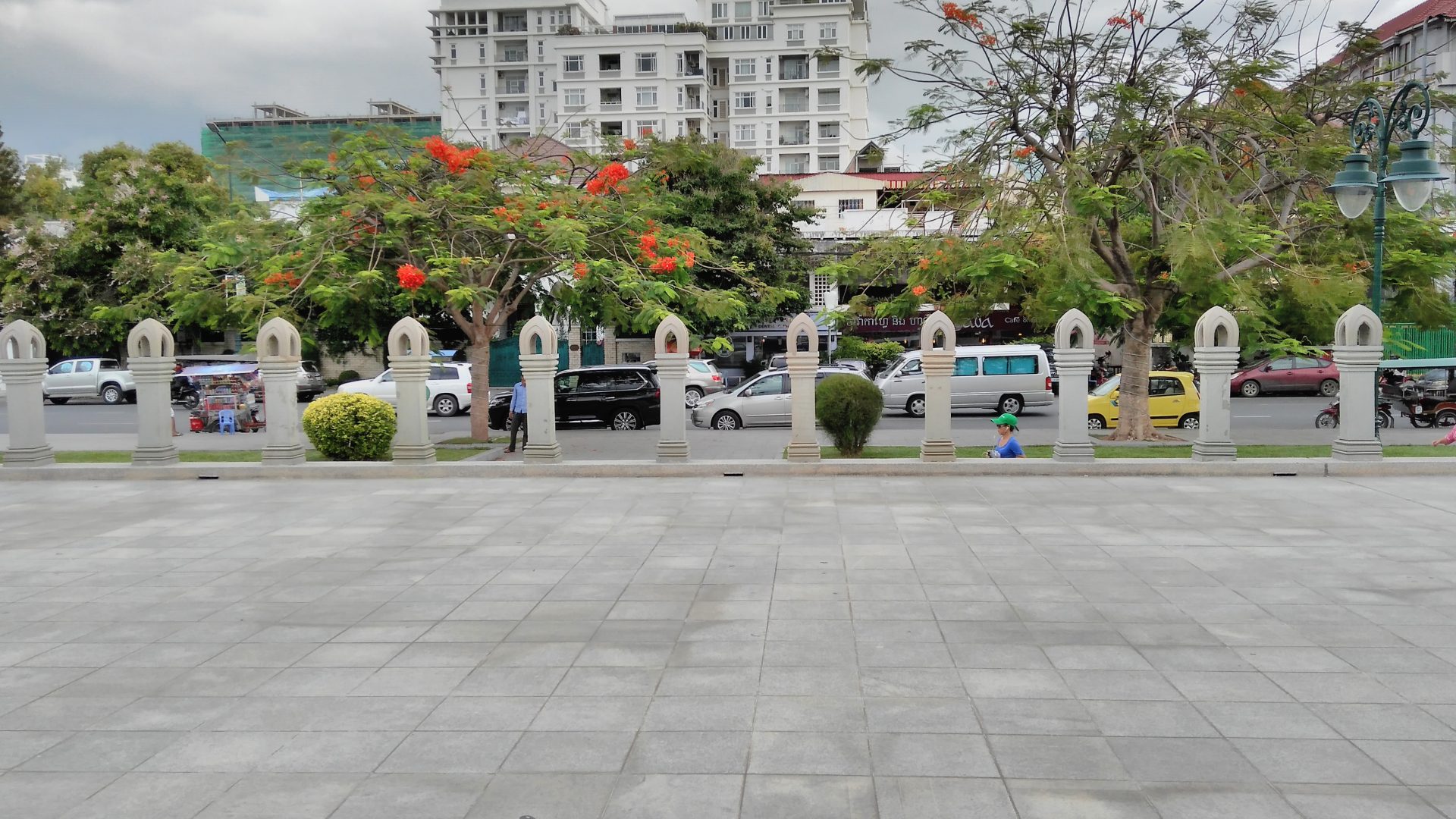
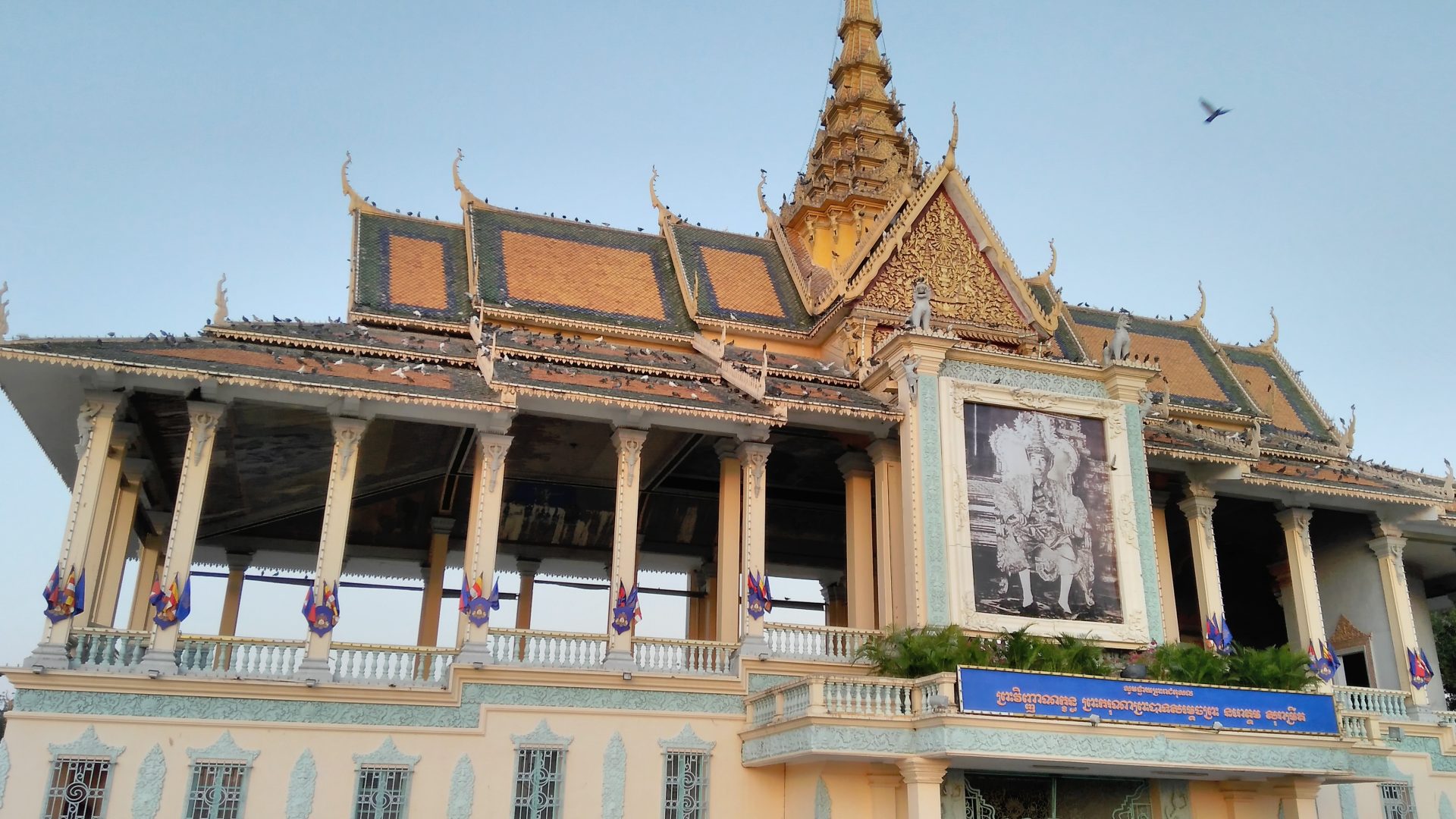
A 3 km long boulevard also known as the Sisowath Quay where the famed water festival is held every year has a nice walkable waterfront, dotted with parks on one side and French Styled Buildings, Bars and Restaurants on the other. A great place to chill, this place becomes vibrant in the evenings with the neighborhood bars playing some lovely music. There is also a Night Market located very close to the Quay besides the Ornate Royal Palace, Silver Pagoda and the National Museum, displaying artifacts from around the country.
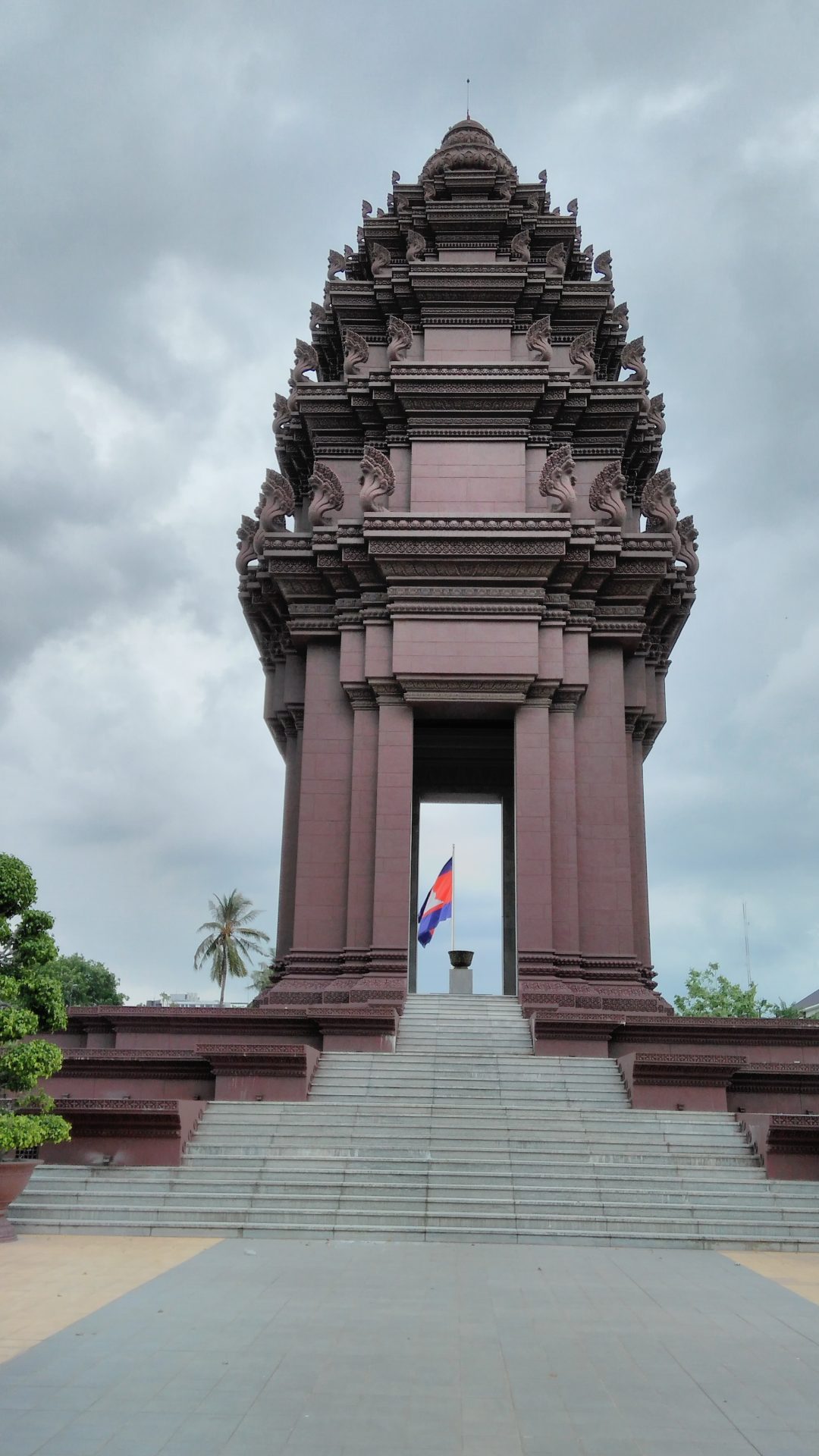
The Independence Monument & around
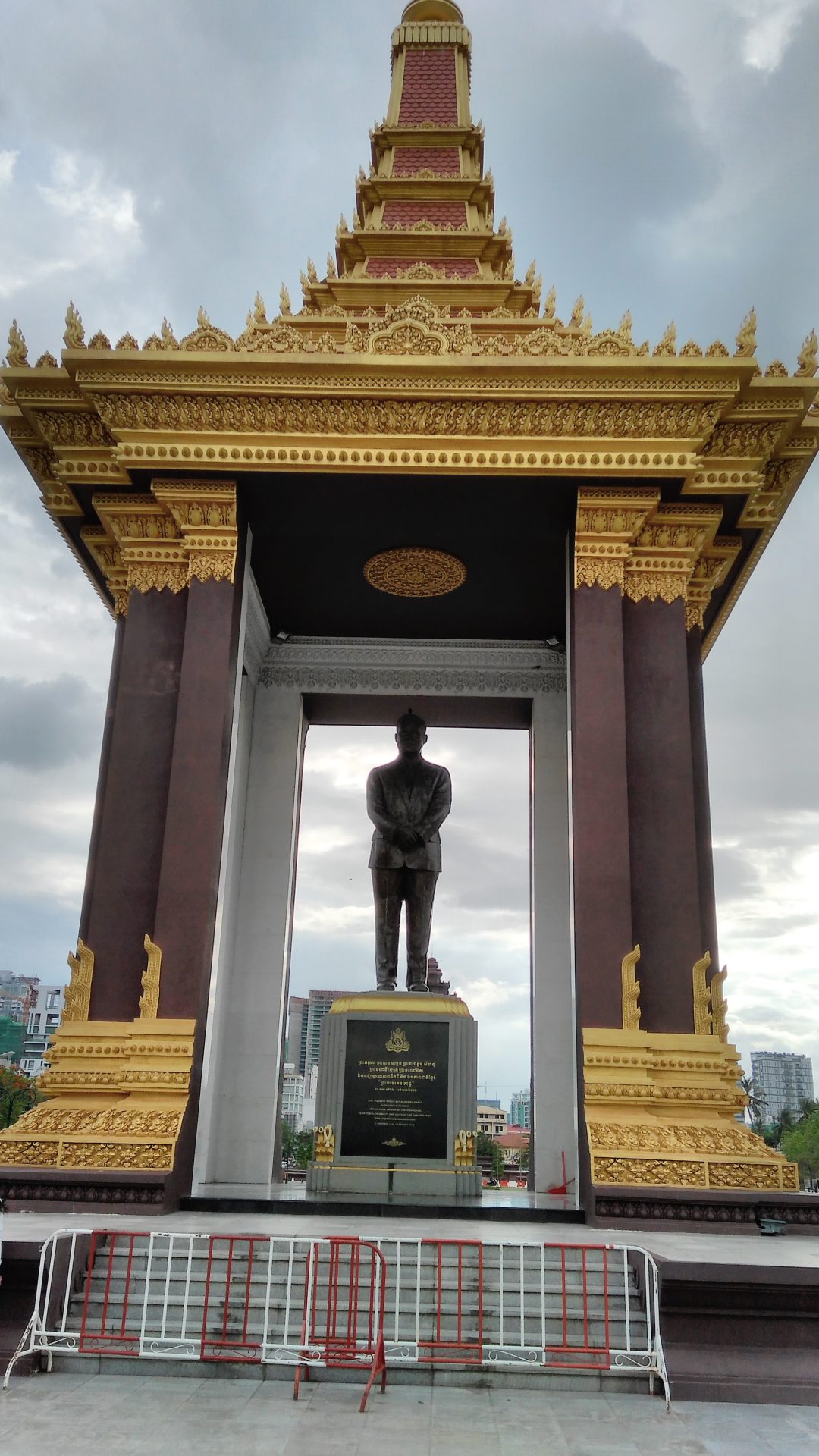
Closer to the Quay is the Independence Monument which was built in 1958 to commemorate the liberation of Cambodia from the French rule.
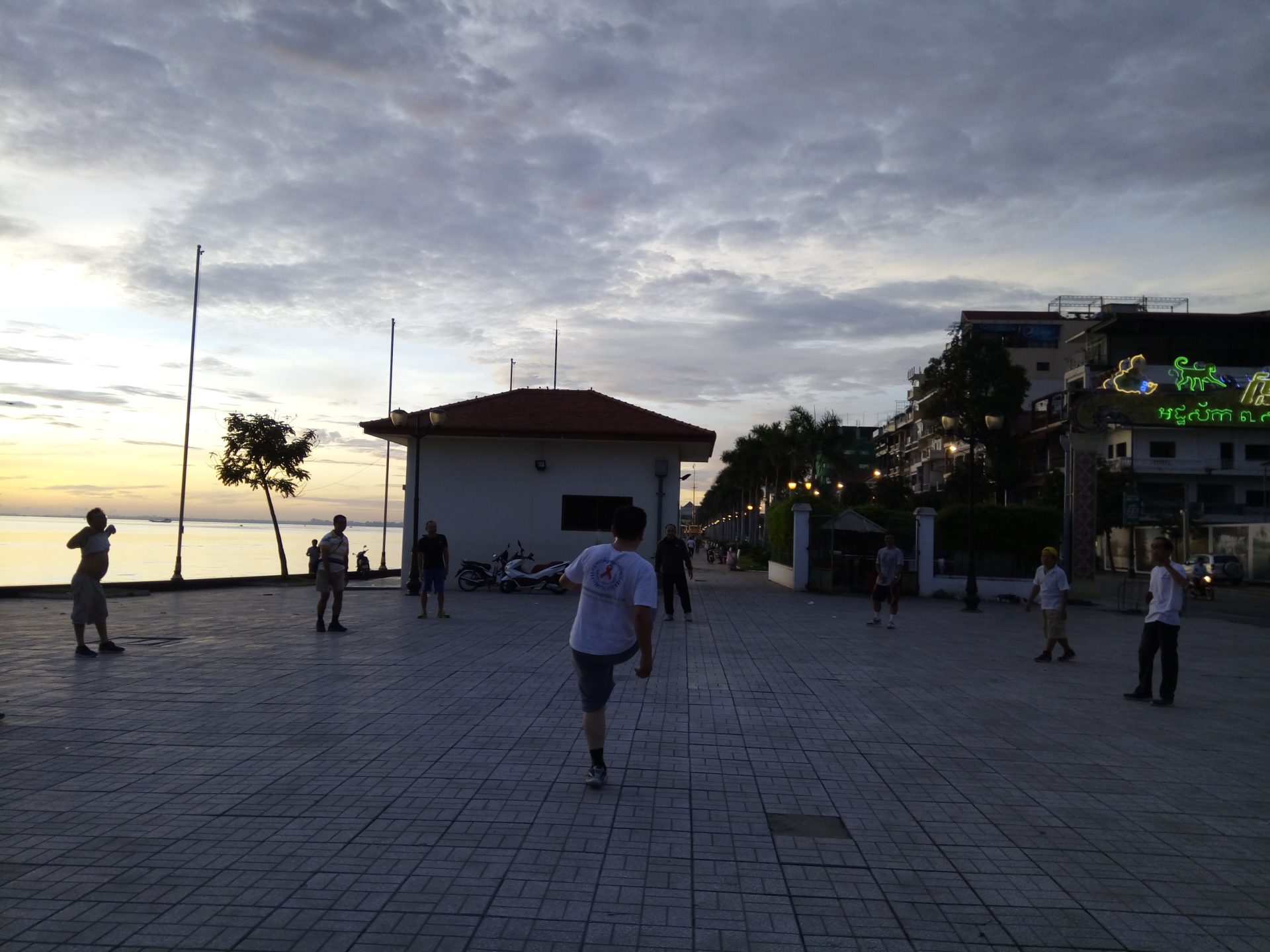
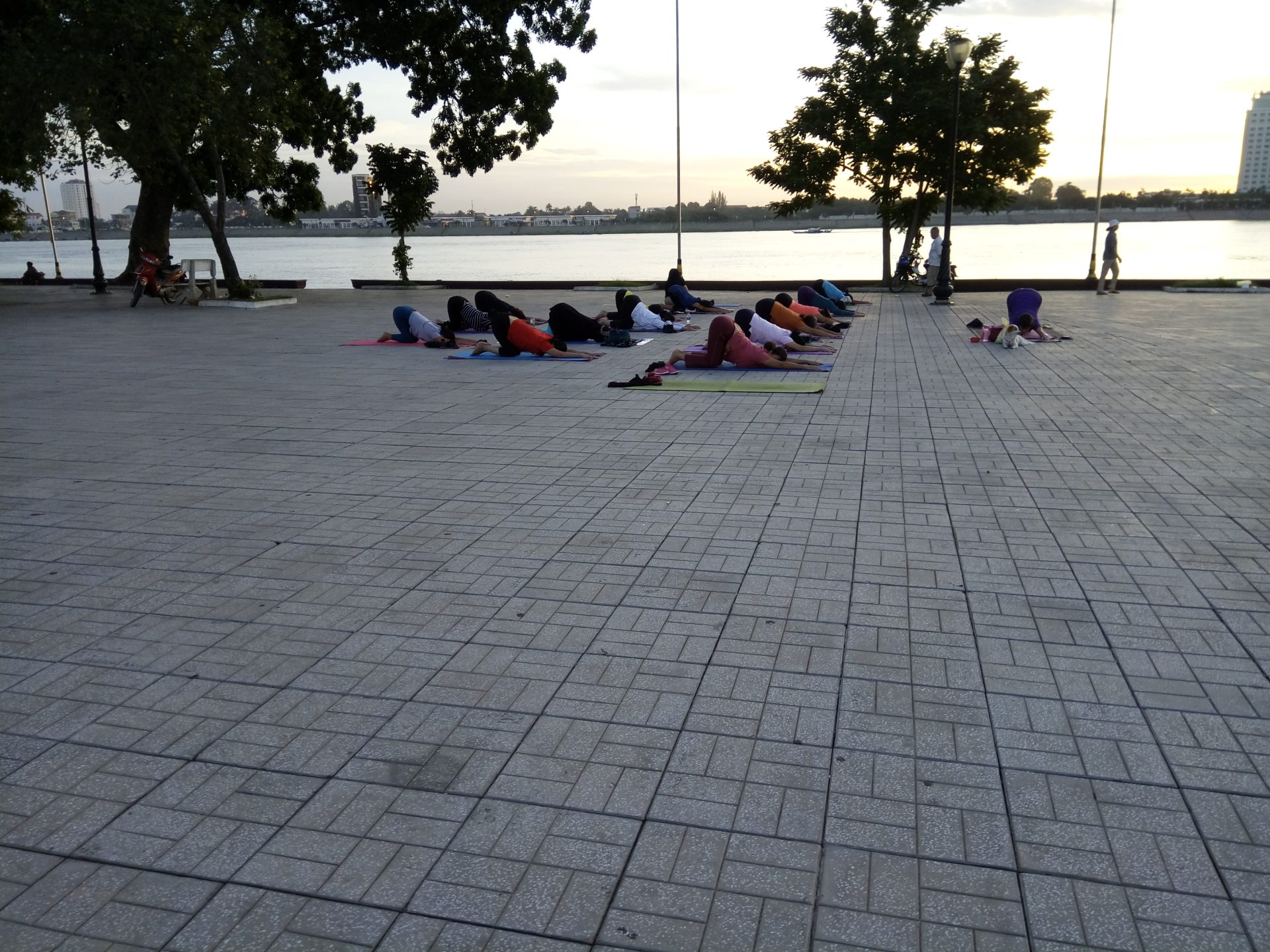
There are a couple of parks adjoining the Independence Monument which serve as a hub for the fitness conscious as you would get to see people from all walks of life and age congregate around the park as early as 5 AM and either indulge in walks, runs, cycling, practicing yoga, playing Jianzi (using their legs to kick a weighted badminton kind of shuttle cock) or even indulging in aerobic dancing to some feet stomping music.
A GAME OF JIANZI
YOGA AT THE SISOWATH QUAY
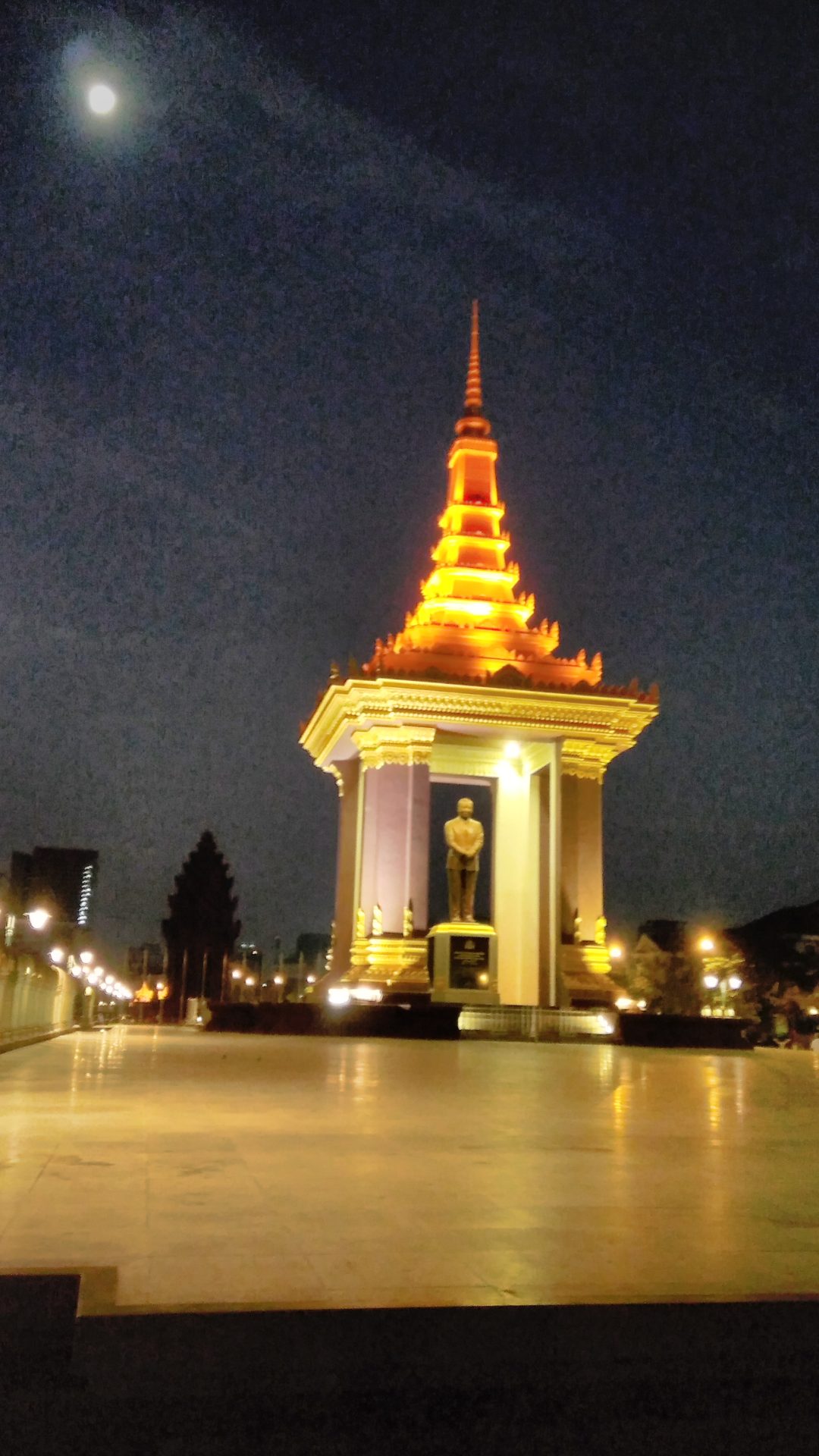
THE TECHO YAT STATUE
Some bit of Indianness in Phnom Penh
While going around the city, was happy to see that little bit of representation of India out here. There is a pretty sizeable community of around 4,000 families of Indian people living pre-dominantly in Phnom Penh.
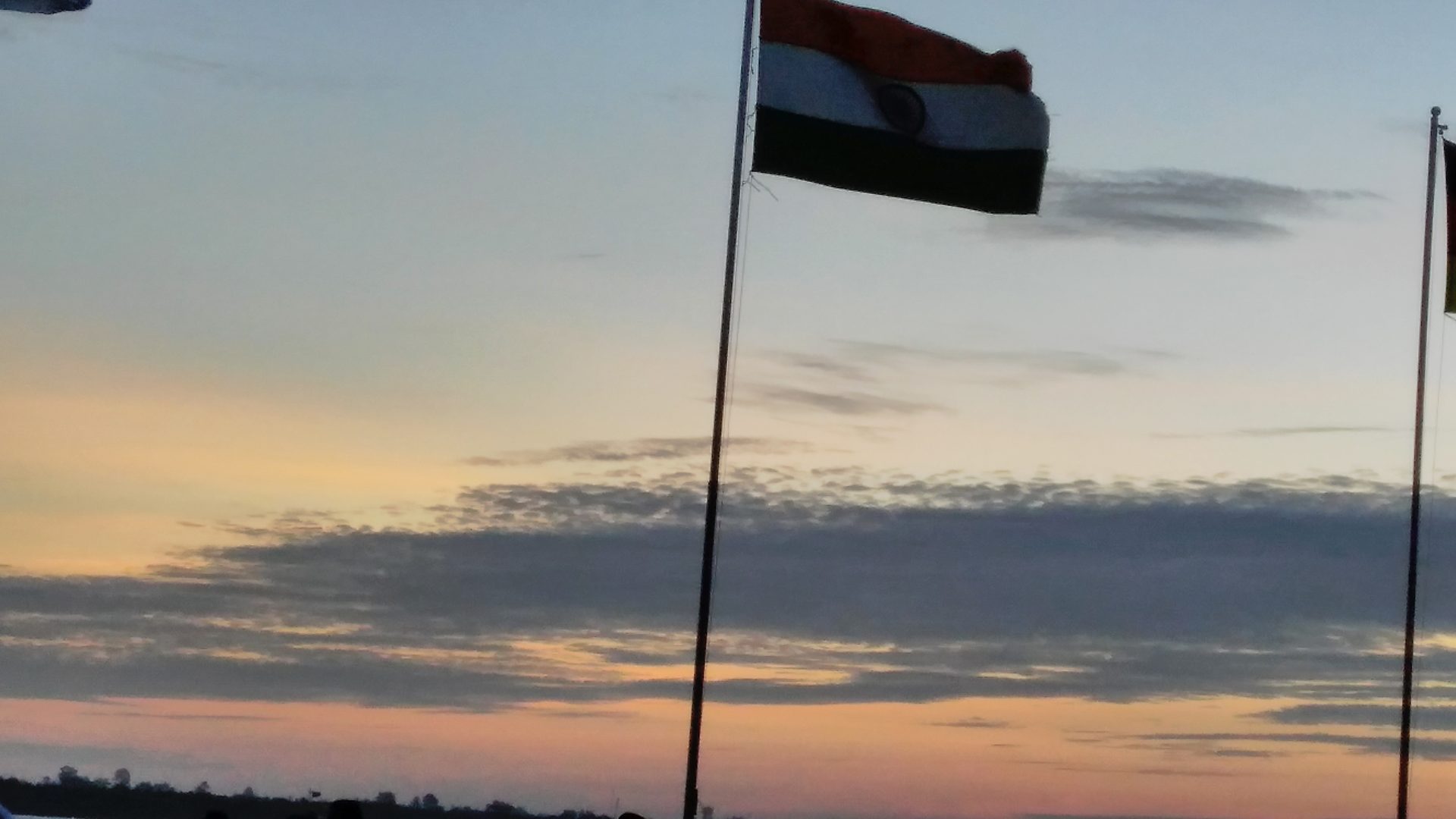
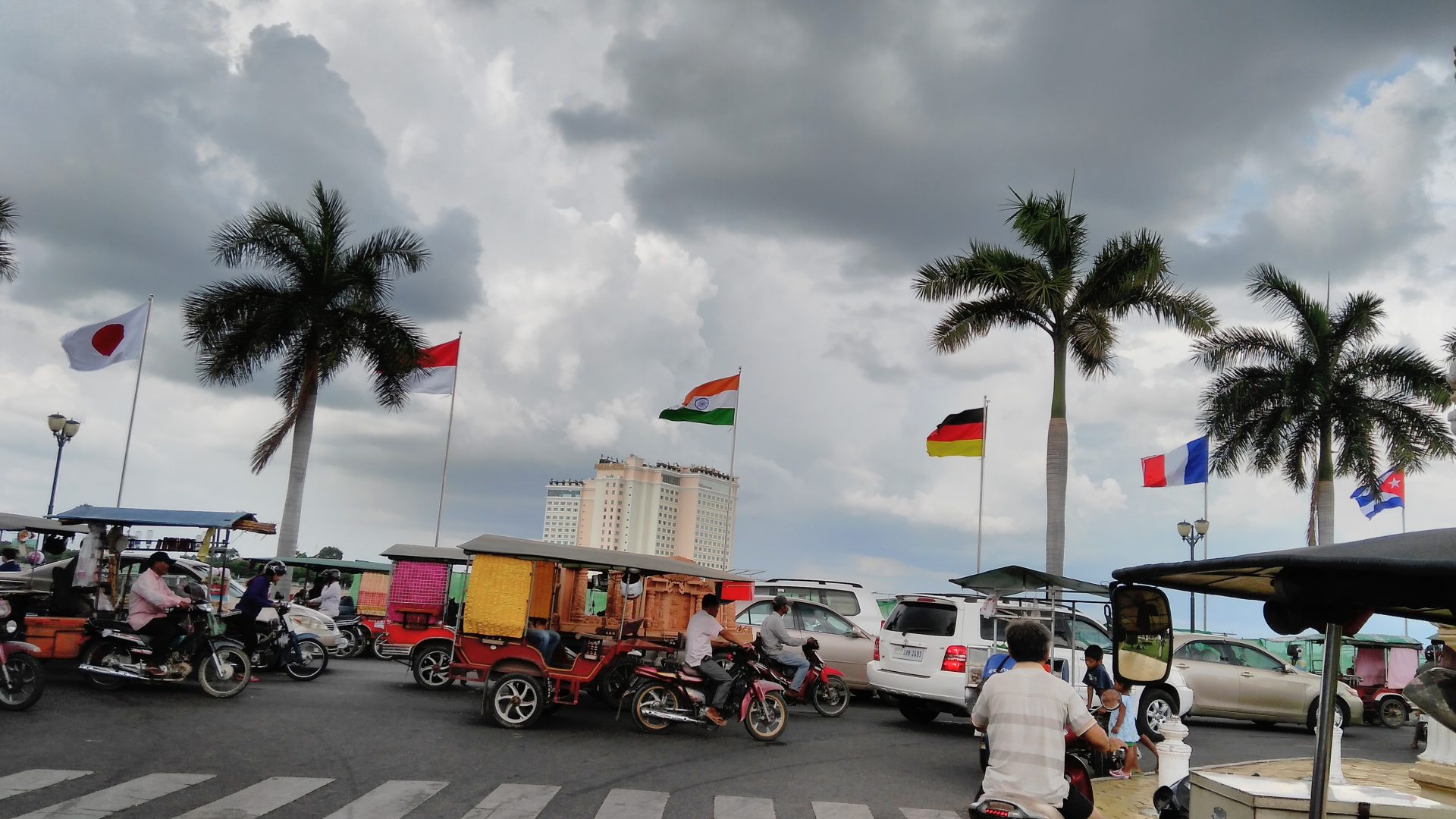
Most people who have settled here for years together run their own business (pharma being the most common) or are into teaching or run restaurants. The Sisowath Quay had the India flag fluttering while one of the boulevards had a large statue of Lord Ganesha erected.
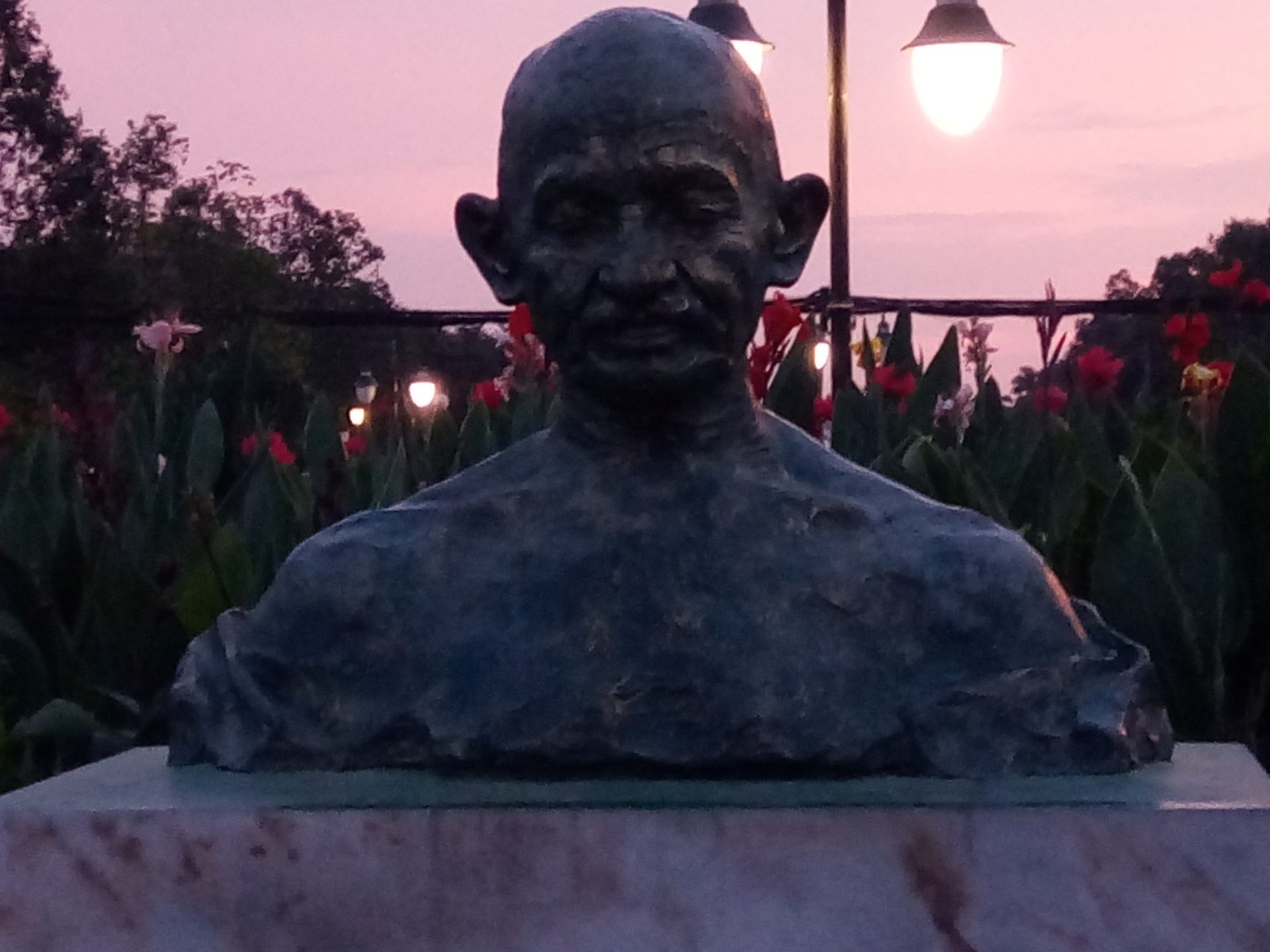
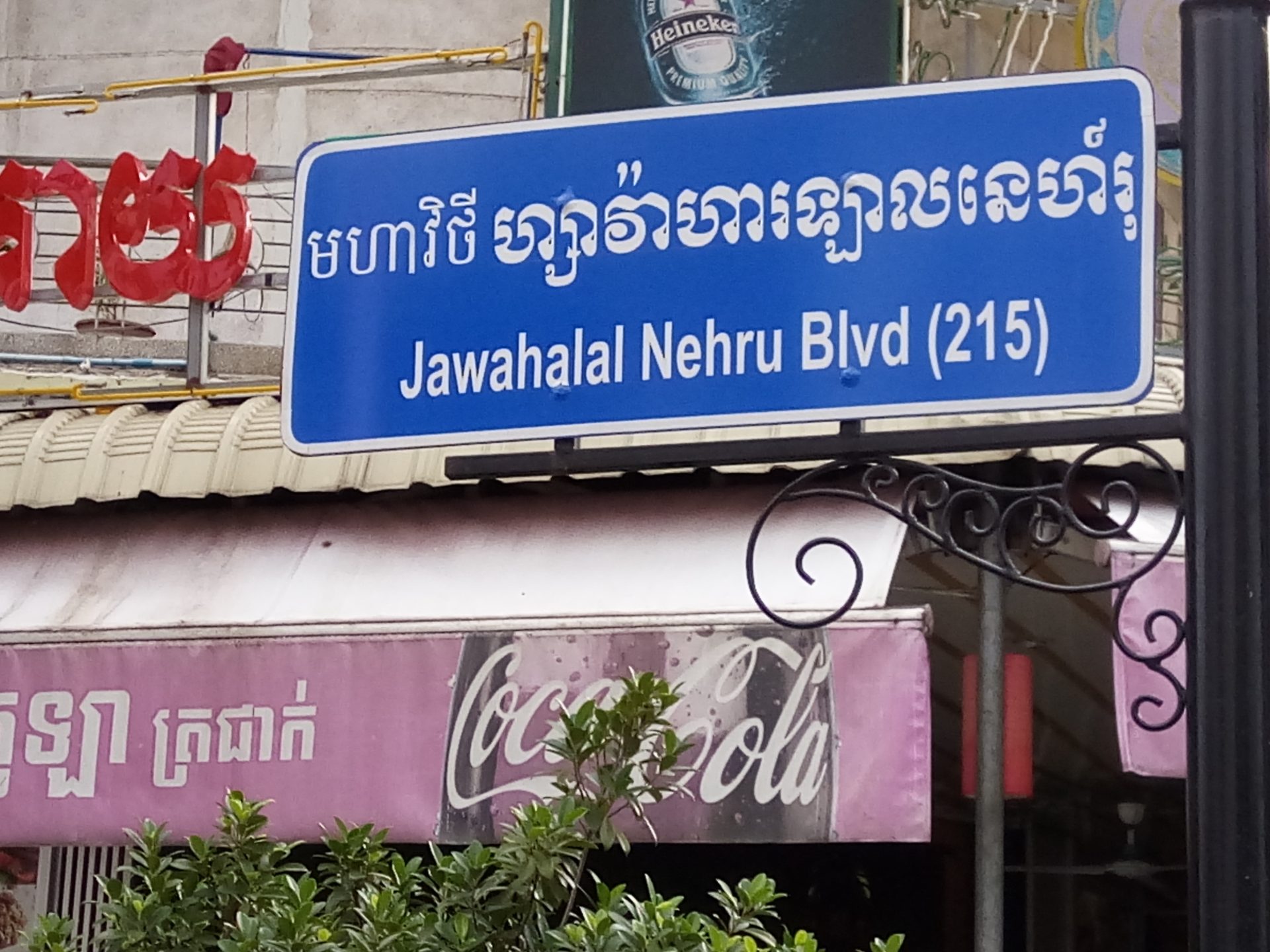
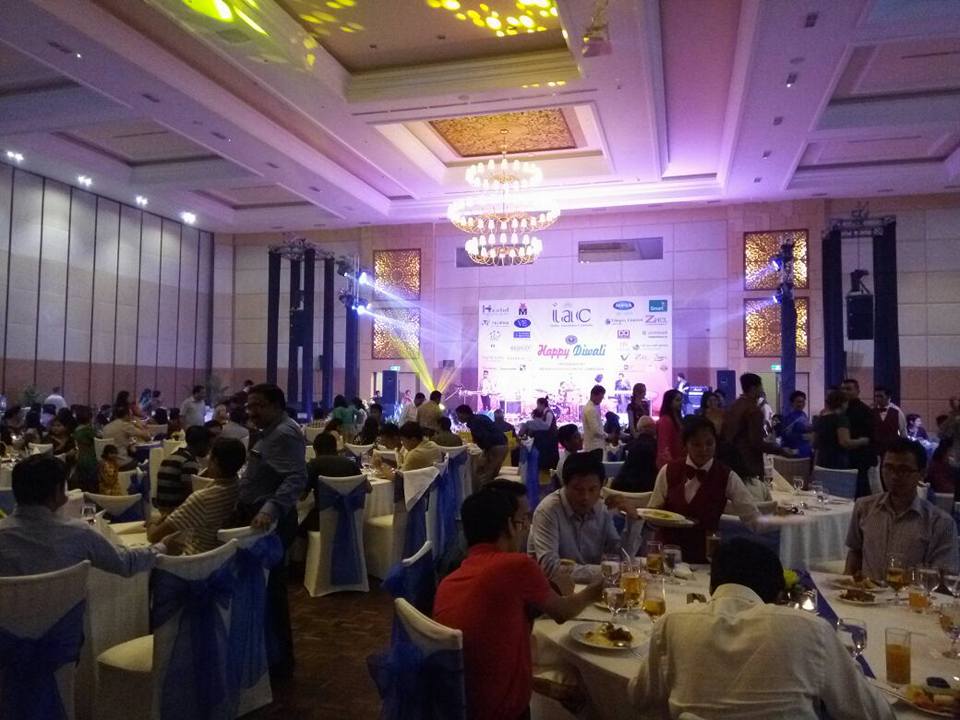
Also happened to come across a statue of Mahatma Gandhi and pass through a street named after our former Indian Prime Minister (just that they got the spelling wrong). The Indian Association of Cambodia plays a dominant role in keeping the Indian Community engaged in some way or the other by organizing cultural programs or even getting into celebrating Indian festivals like Holi or Diwali with lot of fervor.
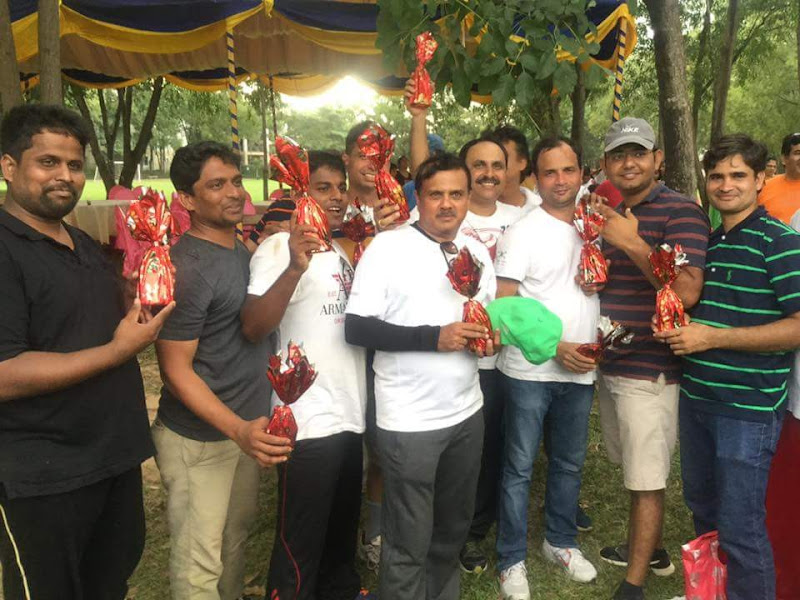
Programs to commemorate the World Yoga Day, Cultural Dance Programs, Cricket and Badminton tournaments are regularly organized here
MY FRIEND GANESHA
The city follows a nice way of numbering convention for the streets with the Odd numbers running North South (and with the street numbers increasing as you head West) and the Even ones running East West (increasing as you head South).
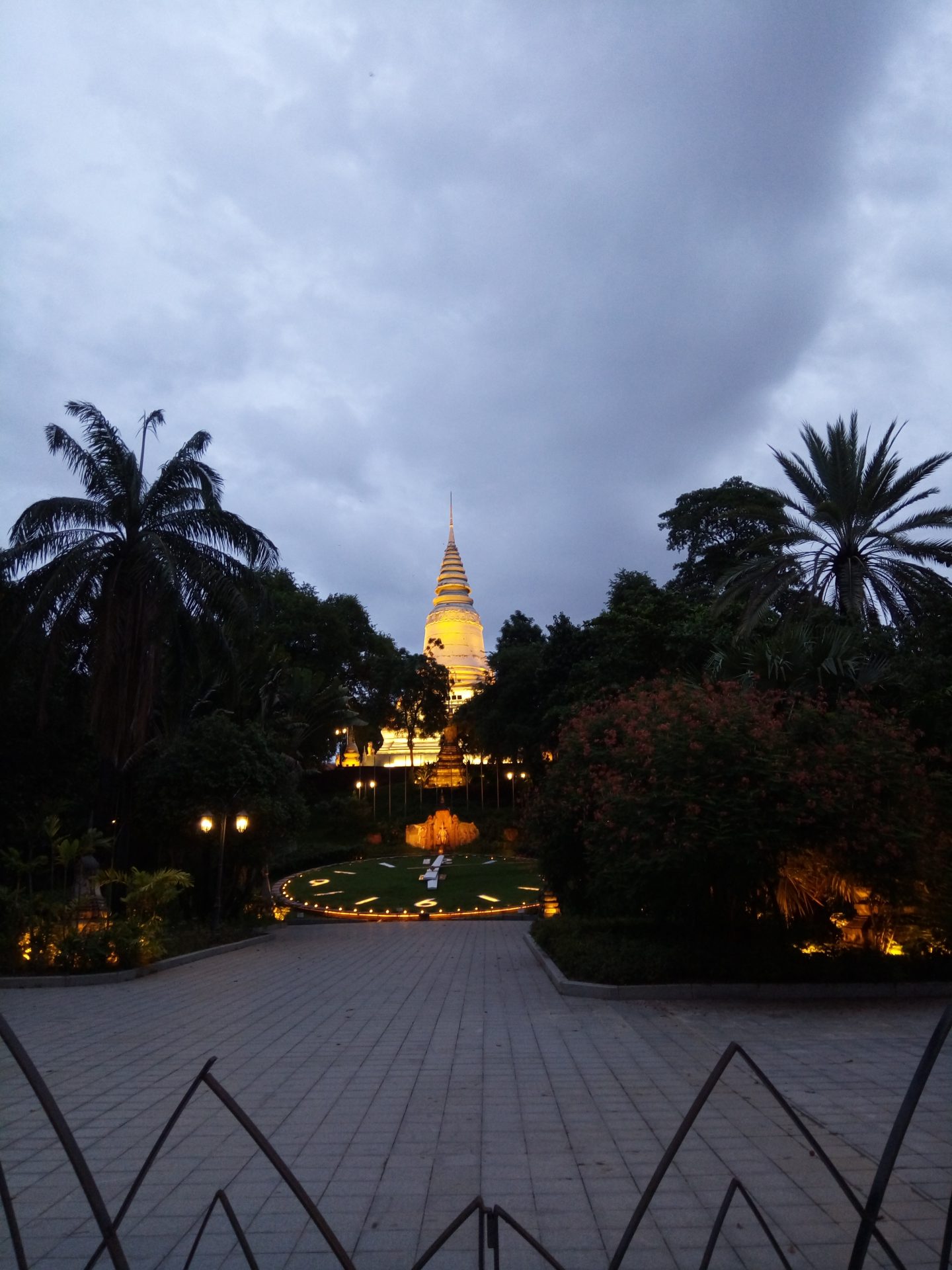
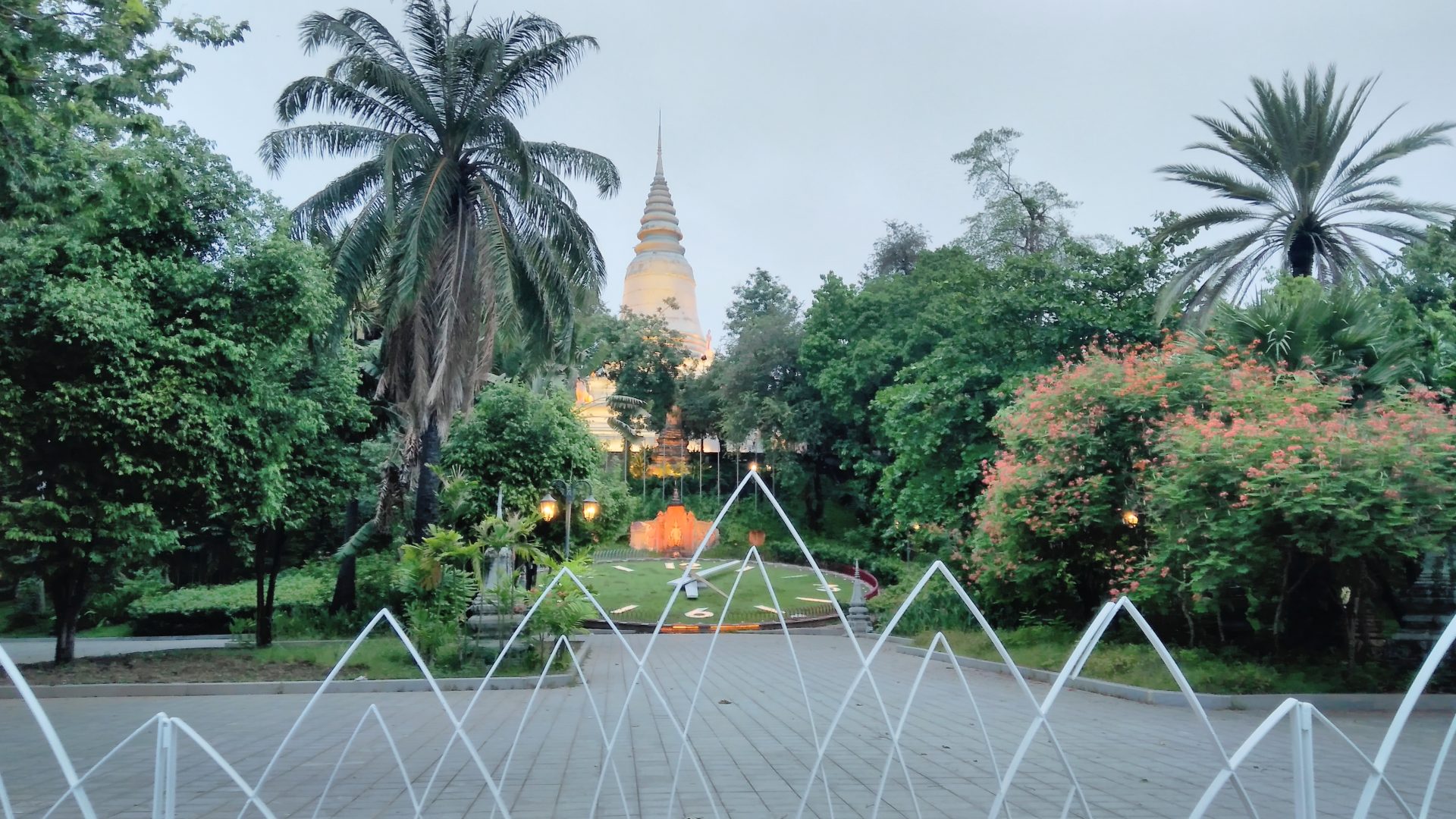
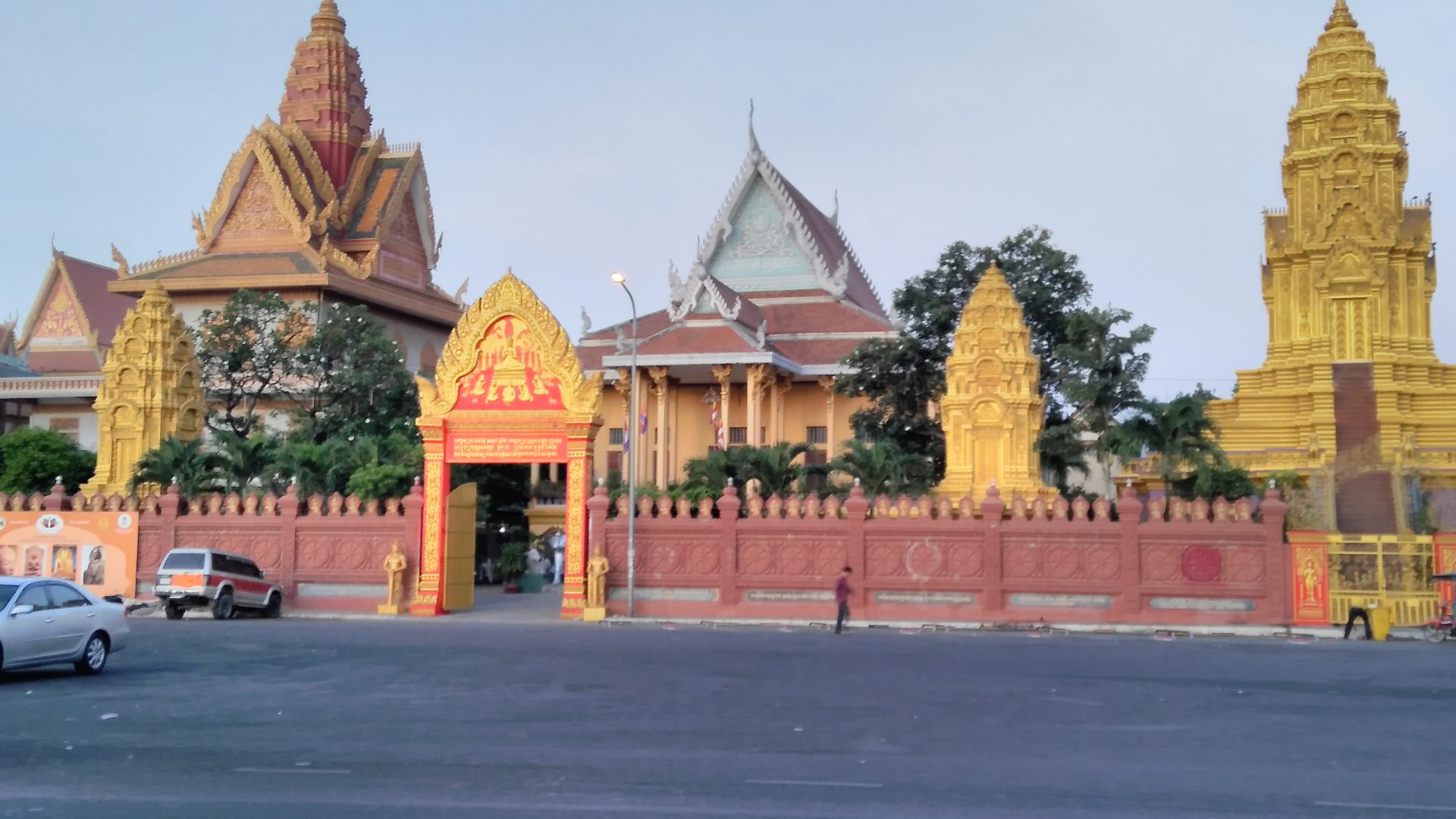
The Wat Phnom Pagoda
Moving onto the places of interest in and around the city, not very far from the Independence Monument lies the Wat Phnom Pagoda.
Built in the year 1372, this Buddhist temple stands 27 metres above the ground atop a small hillock.
It is the tallest religious structure in the city and history traces the Origin of this temple back to a rich widow called Penh (commonly referred to as Daun Penh or grandmother Penh in Khmer) who found a large Koki tree in the river.Inside the tree she found four bronze statues of Lord Buddha.
She constructed a small shrine on an artificial hill made by the people living in the village to protect the sacred statues.
Eventually this became a sacred site and sanctuary where people would come to seek blessings and pray. A $1 fee is levied for foreigners.
THE GARDEN CLOCK
WAT PHNOM PAGODA
Of Casinos and Gambling
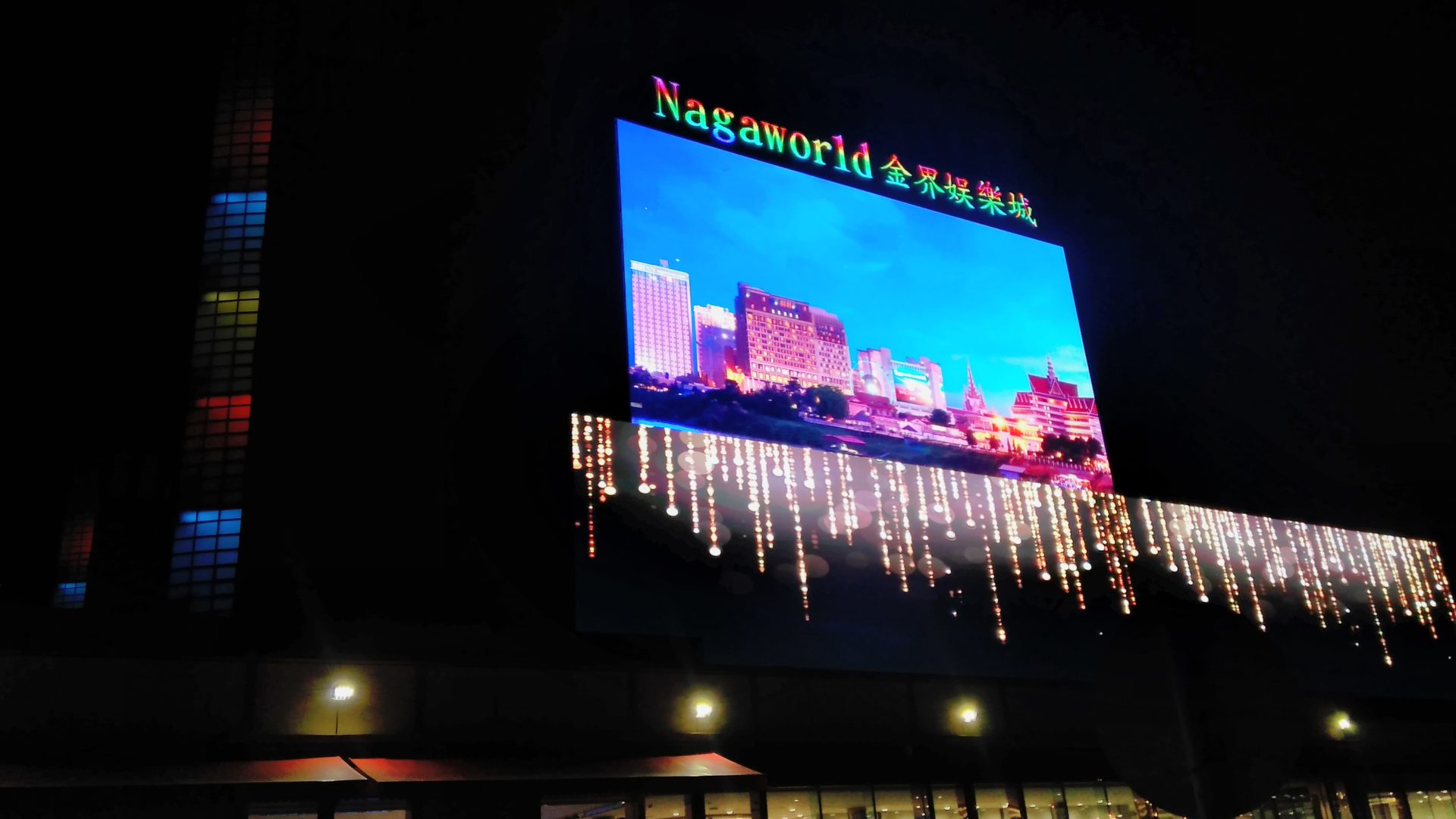
The city’s only 24 hour 75,000 square feet Casinos runs out of Hotel Nagaworld and a sizeable crowd of people turn in from China and the adjoining countries to try their luck. The Vietnamese people who are not allowed to gamble in their country and people from Thailand which does not have casinos also frequent the sizeable number of Casinos which are in the border towns of Poipet and Baavet and which do roaring business. A second casino has been built adjacent to Nagaworld and named as Naga2 with about a lac of square feet of gambling space. What is unique about their Government approved license is that within a radius of 200 Kms, no other casinos are allowed to operate.
THE CASINO AT HOTEL NAGAWORLD
The easiest way to commute in Cambodia
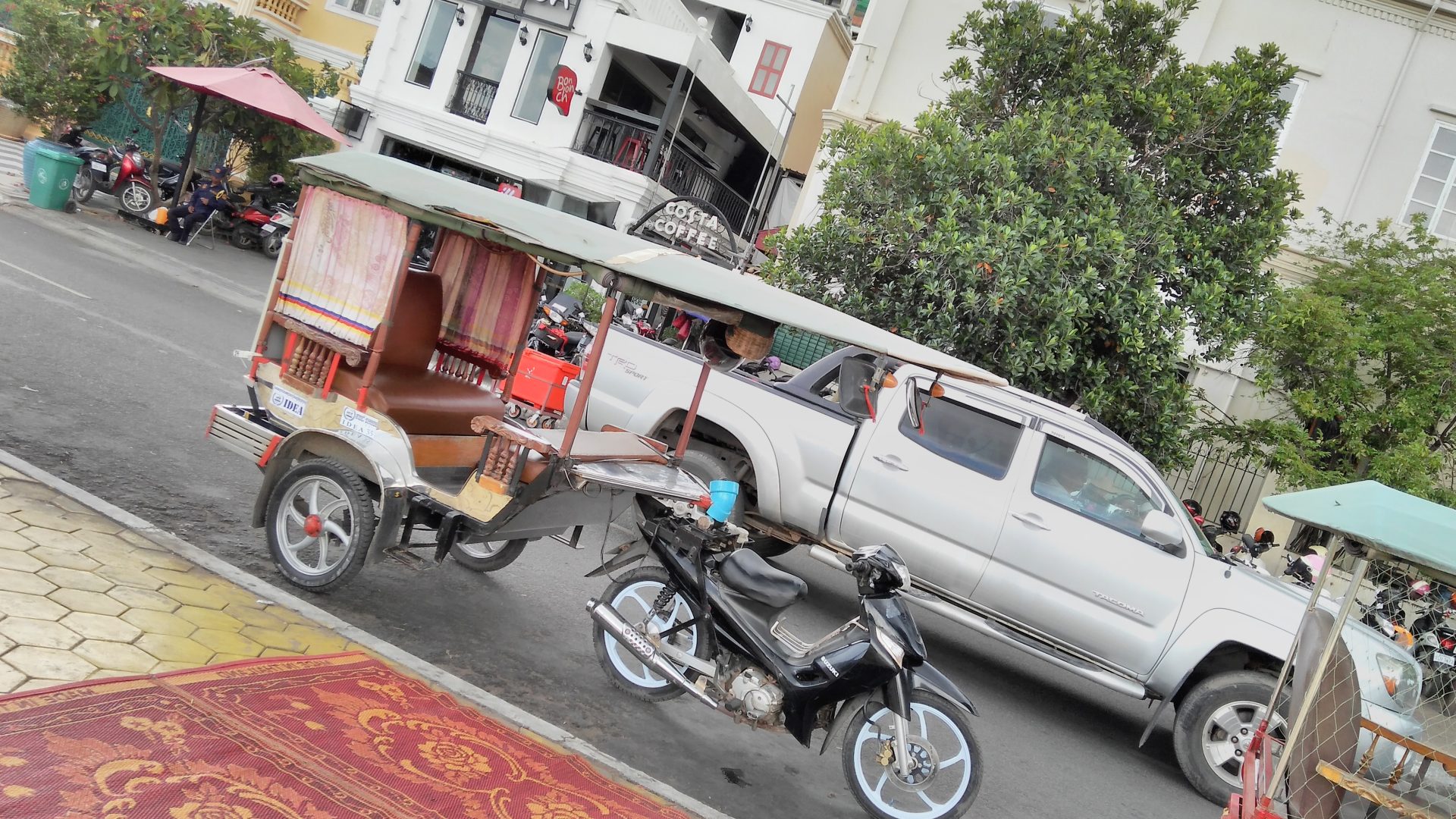
THE FAMED TUK TUK
HAMARA BAJAJ
Some lovely sightings and parks around the city
The Royal Palace
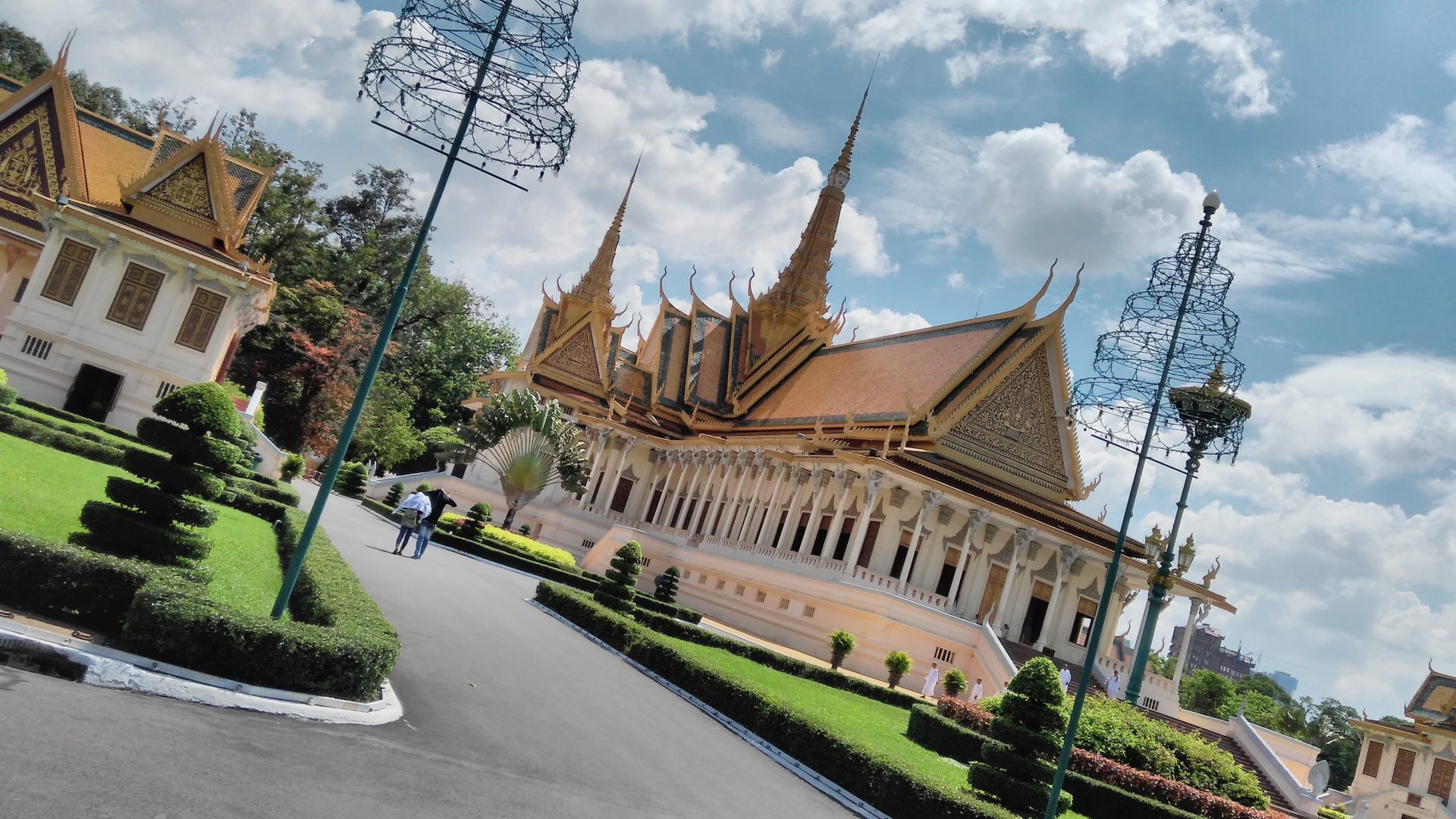
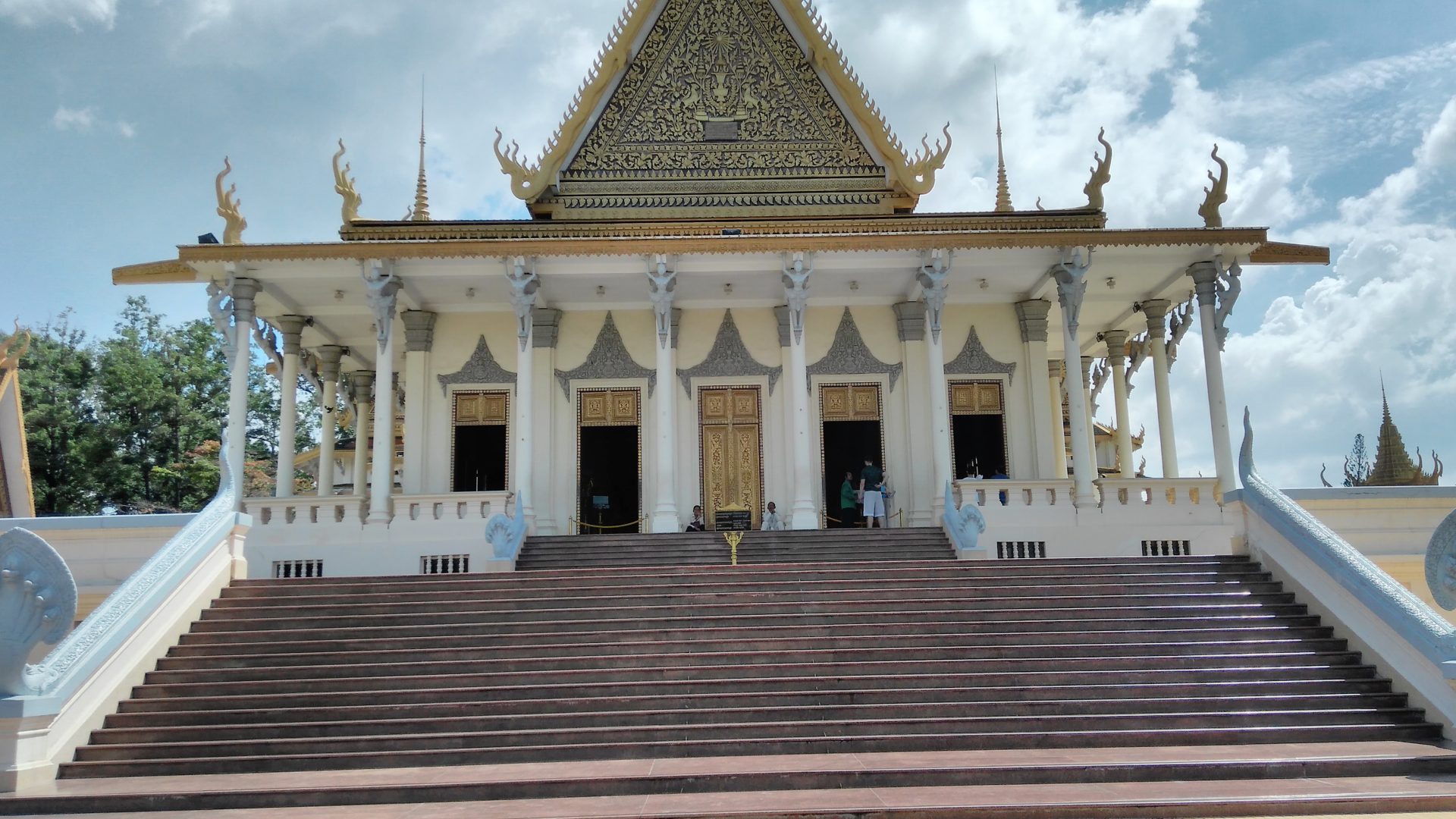
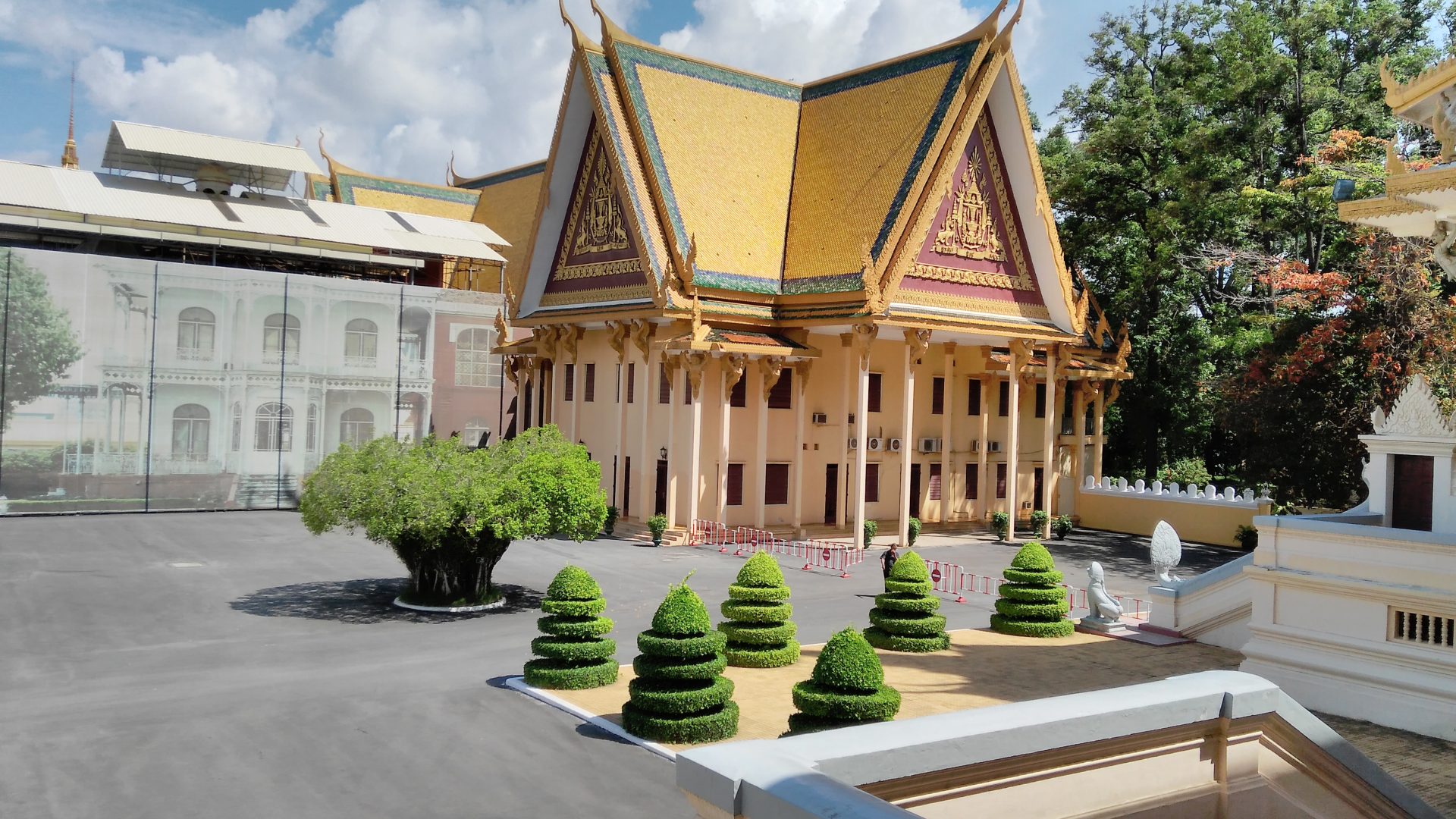
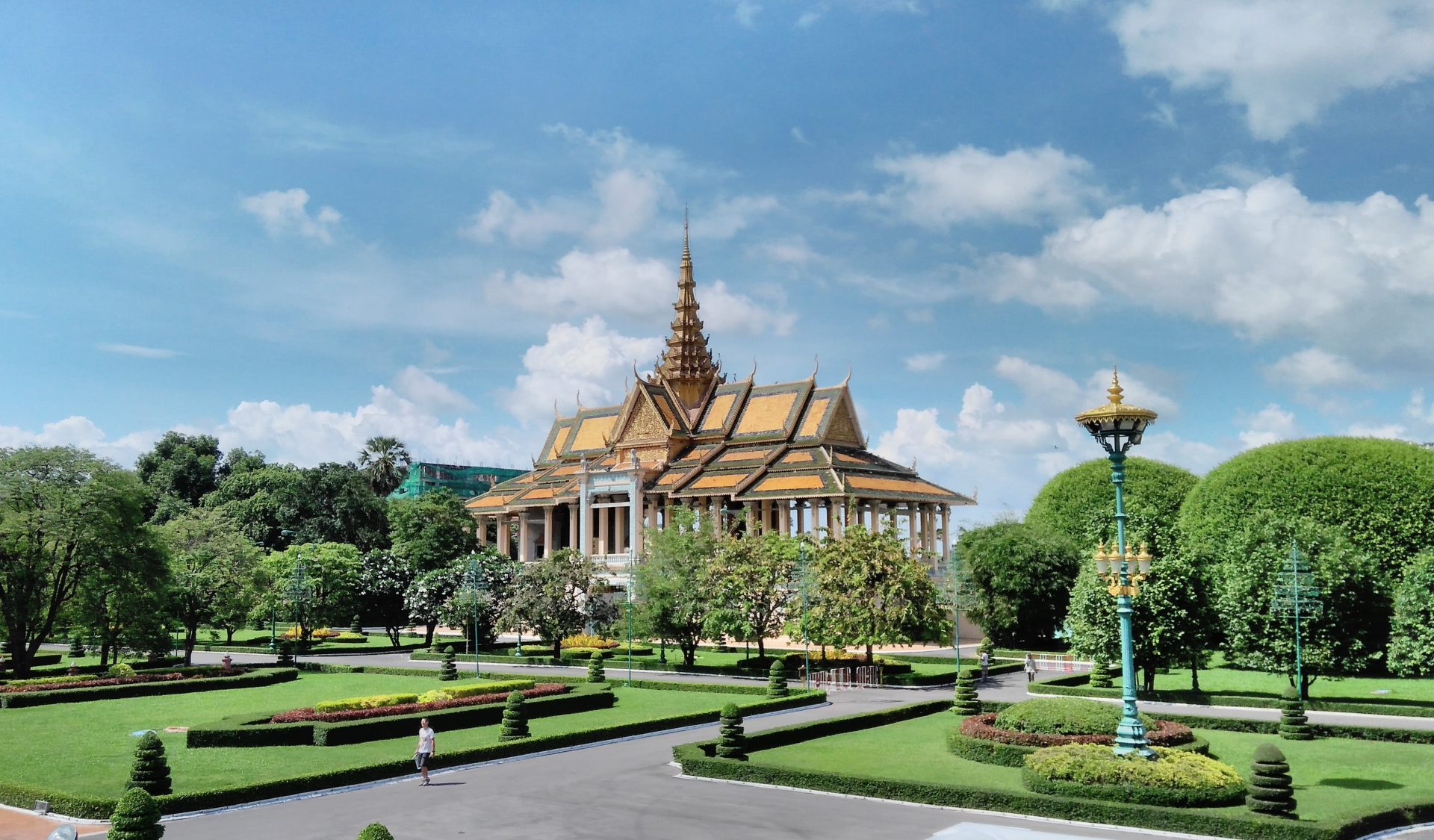
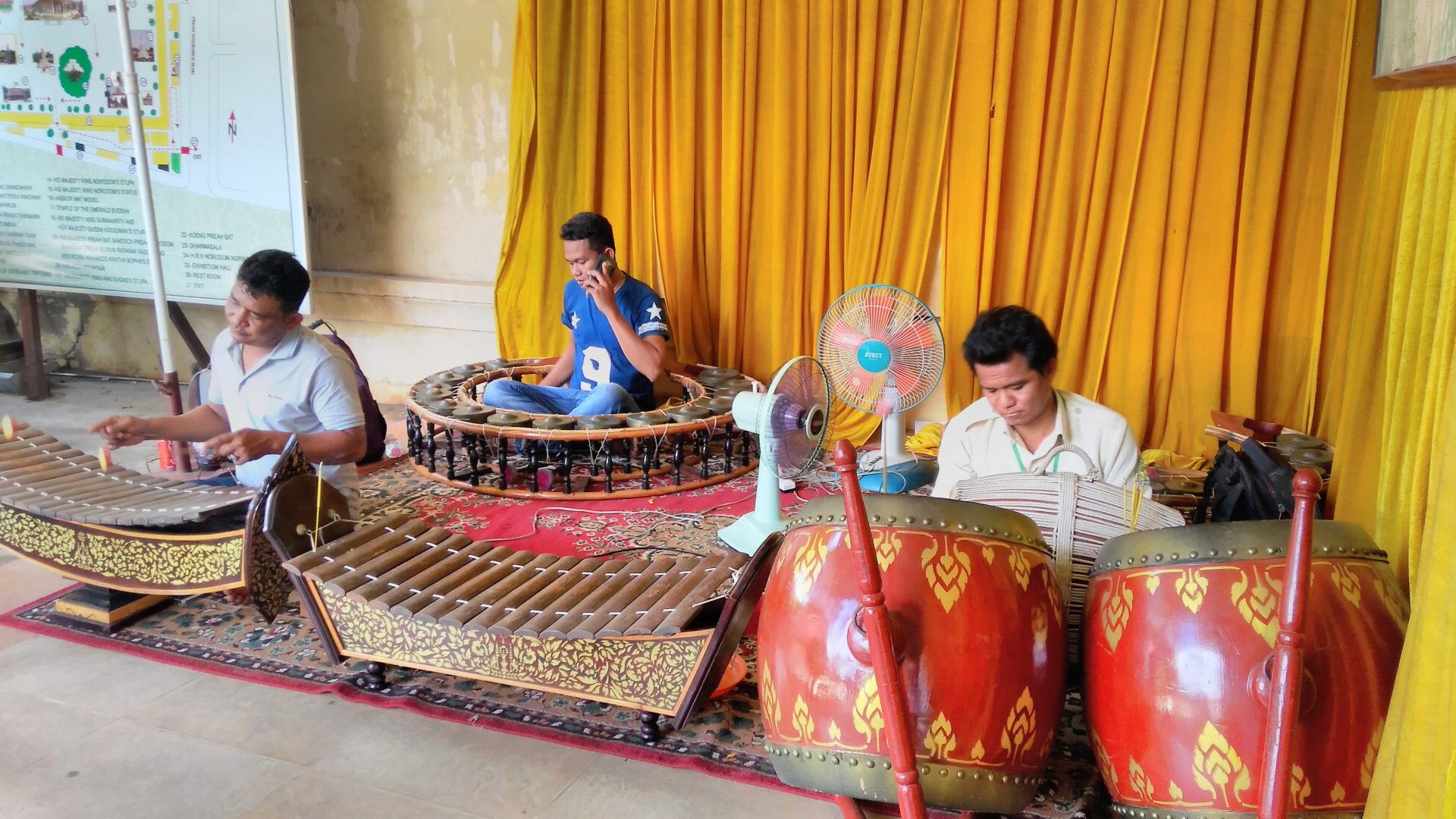
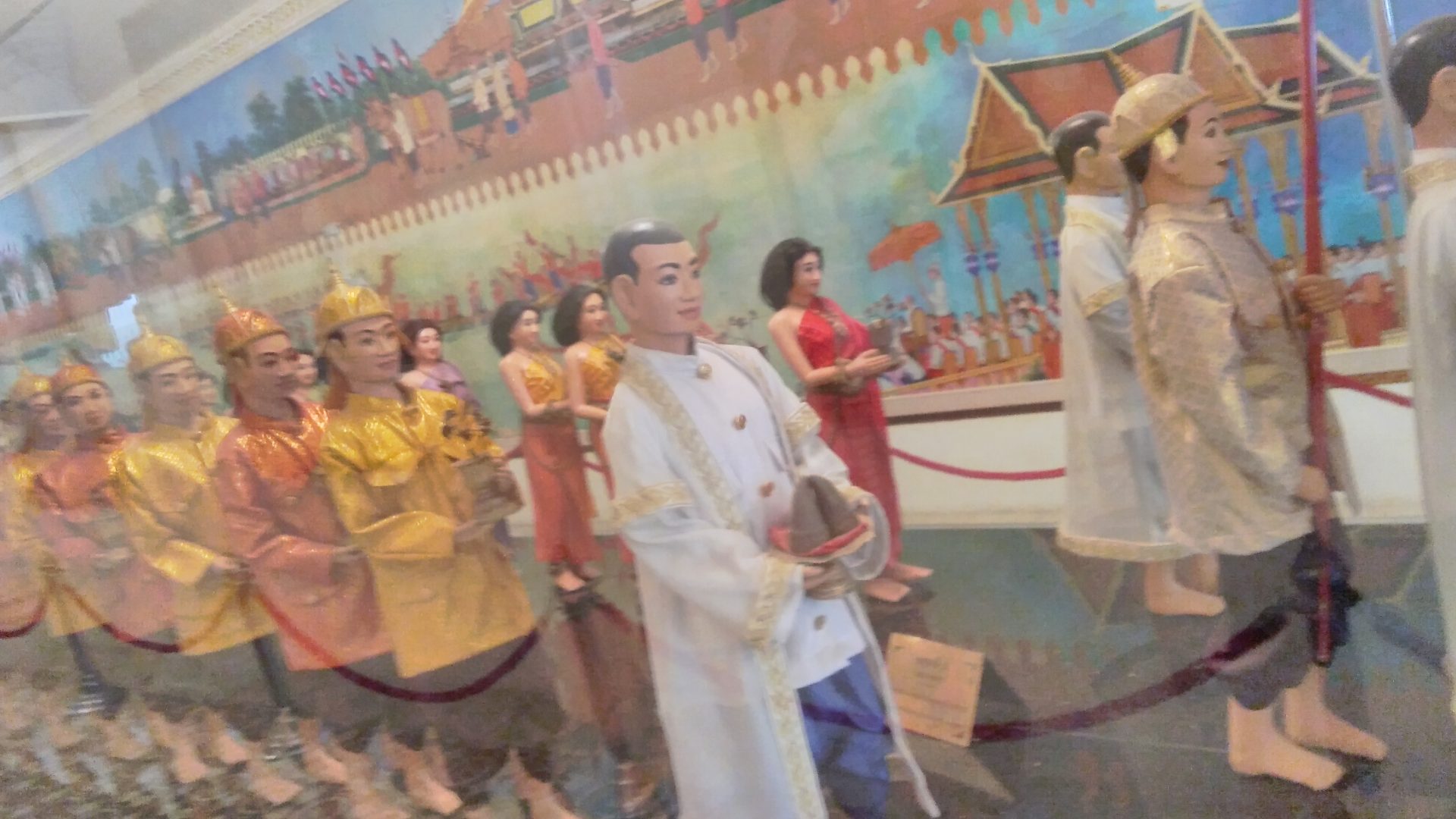
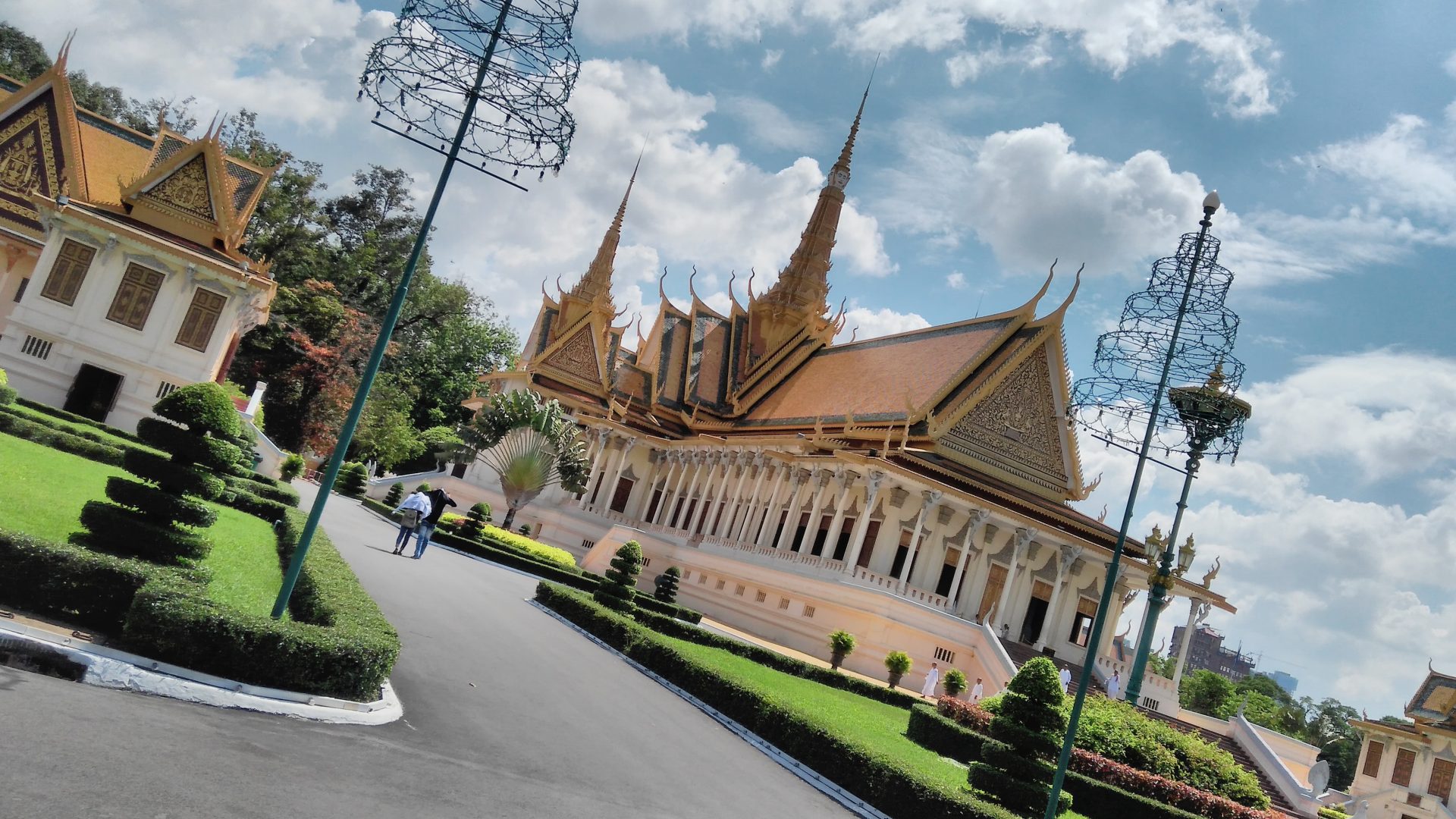
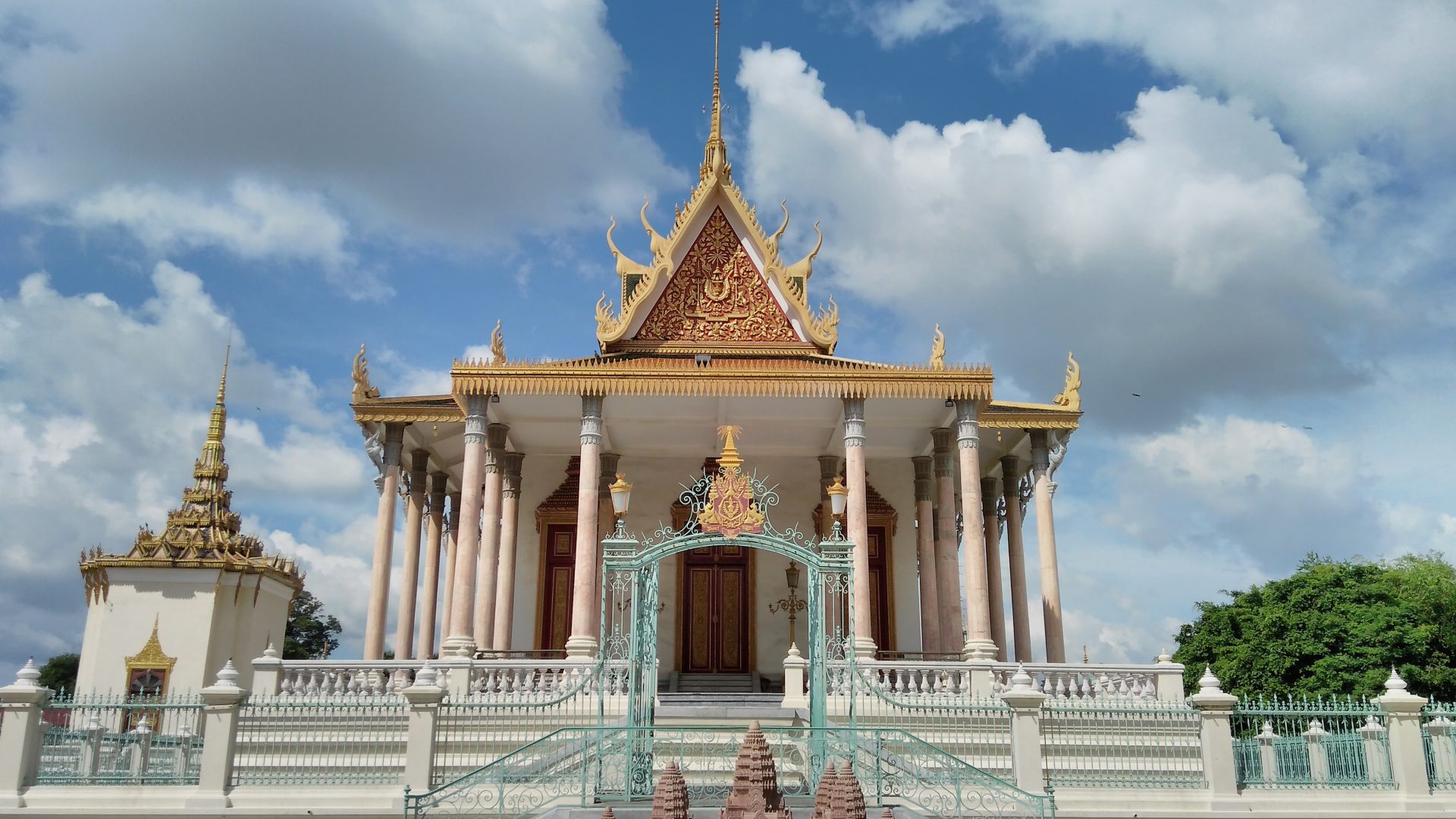
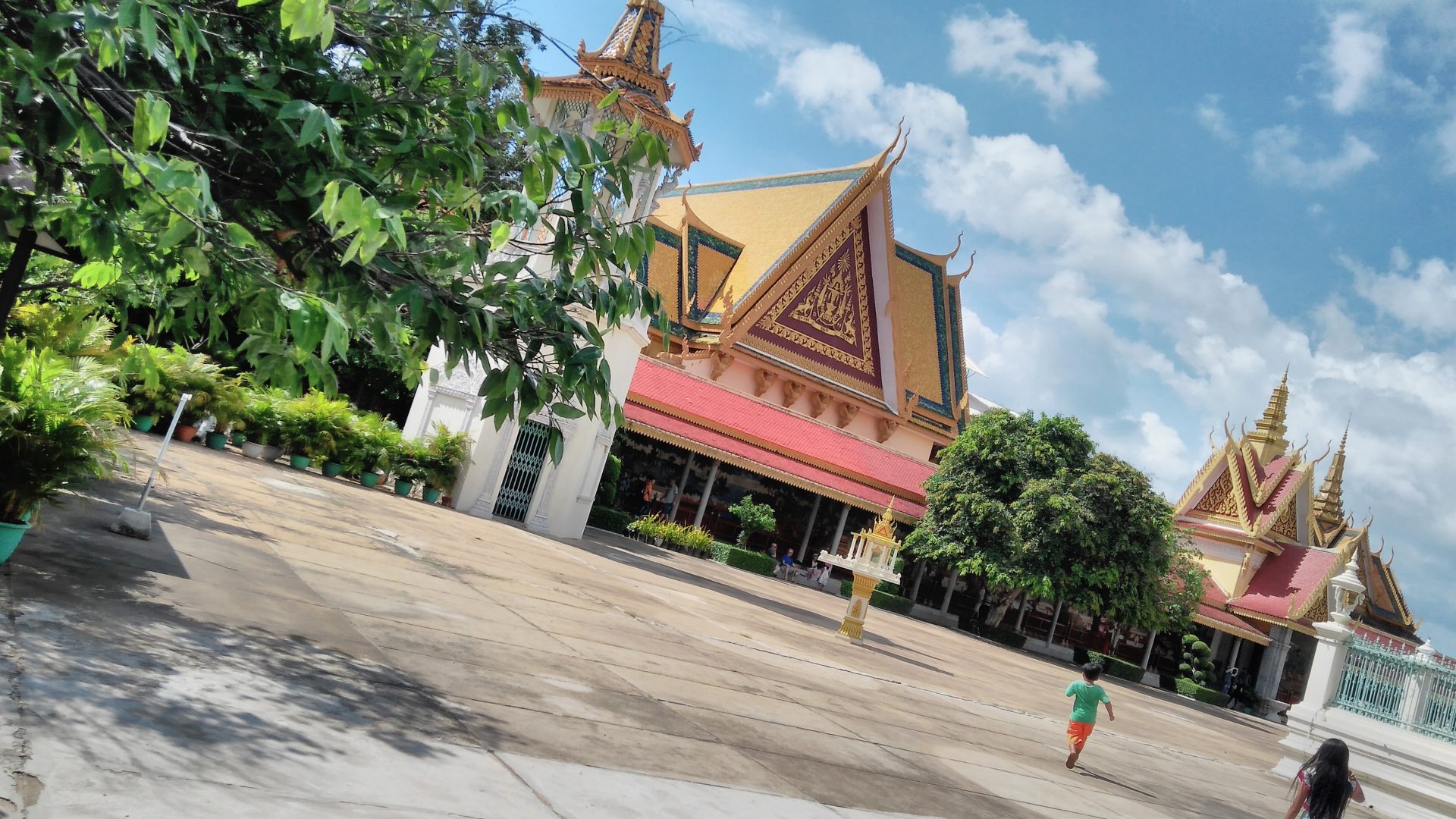
Home to the King of Cambodia, the Royal Palace was constructed between 1866 to 1870 after the capital moved from Oudong to Phnom Penh. This is adjacent to the Quay. While everything within the Palace is not accessible to the visiting public, one can walk around the beautifully manicured gardens besides seeing the galleries, the ornate temples and other buildings inside the palace grounds. The palace compound also houses the Silver Pagoda, a temple which houses many jeweled and Gold statues of Buddha. The palace is a photographer’s delight indeed!! The tickets per head to enter the Palace was around 7-8$.
Dining out in Phnon Penh
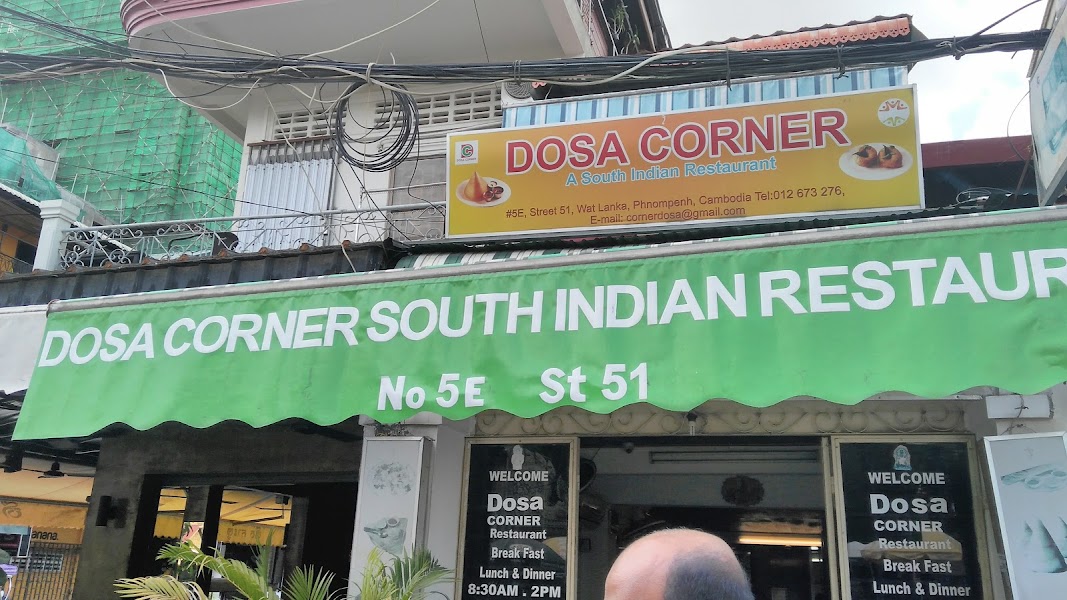
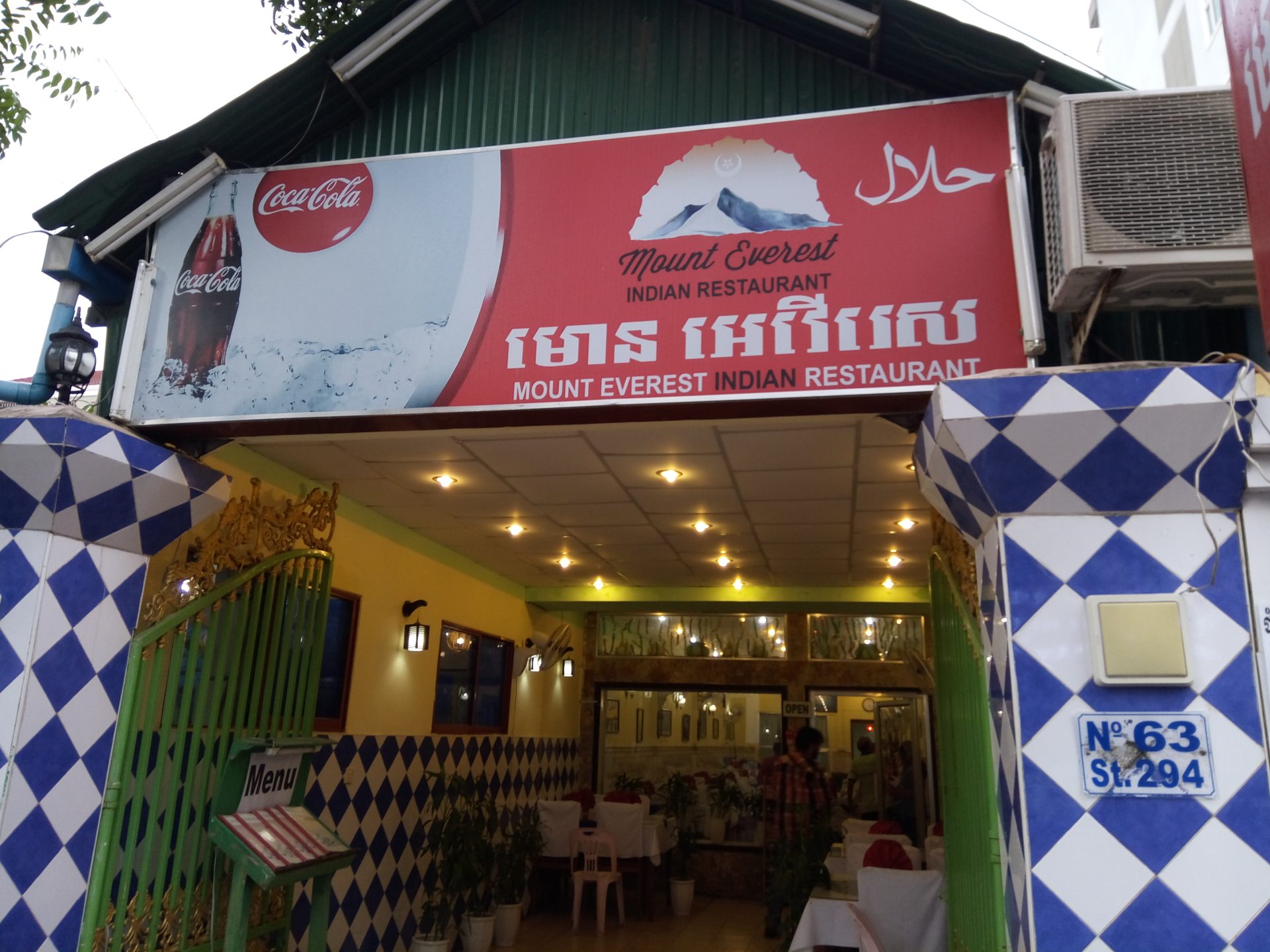
I was spoilt for choices in dining out as there were a lot of lovely restaurants and cafes besides pizza joints to choose from which made the overall gastronomical journey over the period of my stay a great experience. For the local Cambodian veg cuisine, Cafe Soleil was my favorite while for Indian food there were many hangouts to choose from like Taste Budzz, Flavors of India, Swagat, Dosa Corner, Vanakkam India, Sher-e-Punjab and many more. A typical meal at any of these restaurants would not cost one more than $ 4-5.
Another unique thing about this country was the availability of lovely fruits. Ripe and raw mangoes, Guavas, Dragon Fruits in white and purple varieties, Oranges, Papayas, Grapes, Water Melons, Lychees, Longan, Rambutan, Bananas, Mangosteen, Grapefruits, Wax Apples, Pineapples and the favorite of the locals, the Durian were normally available almost throughout the year.
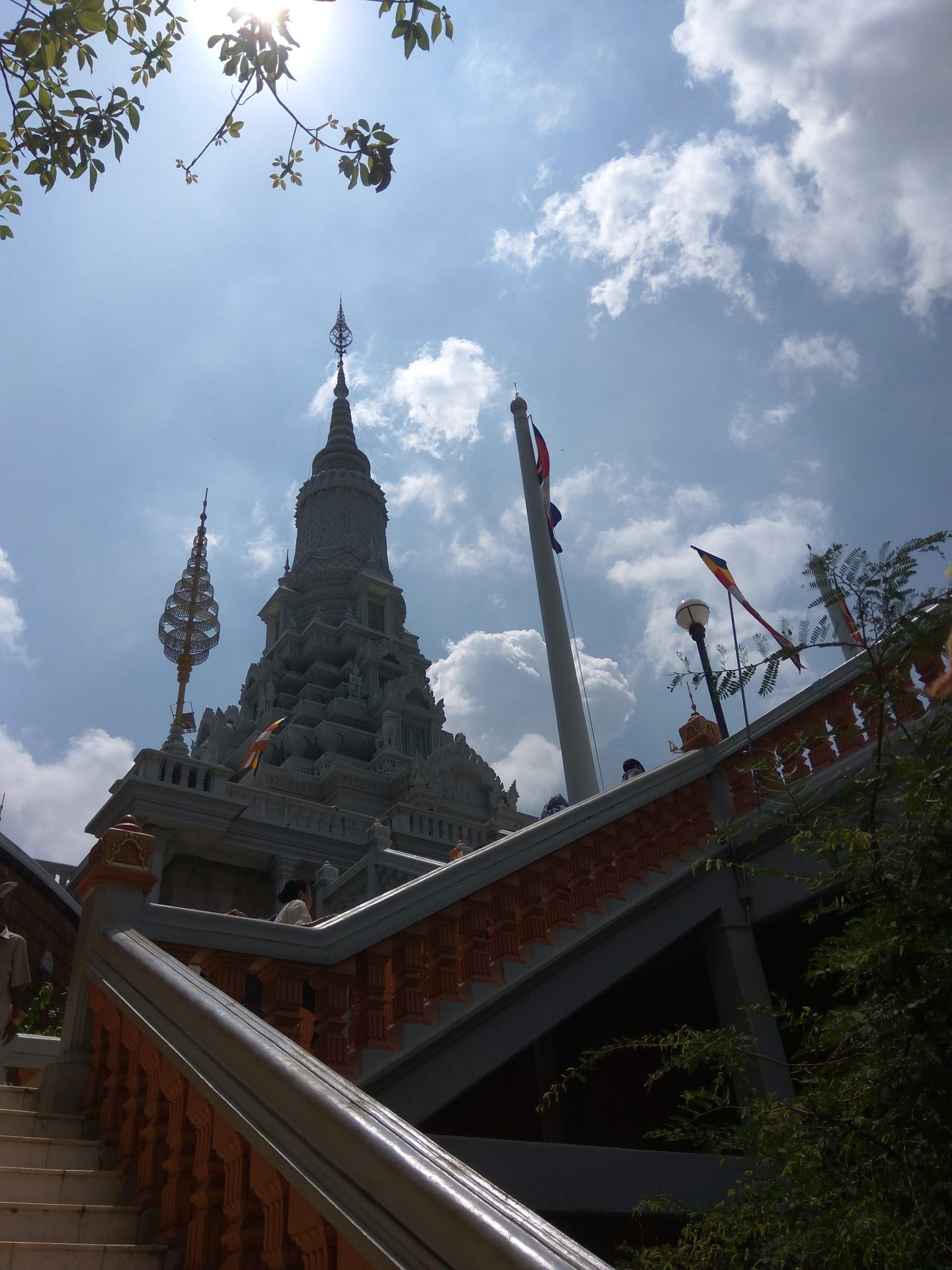
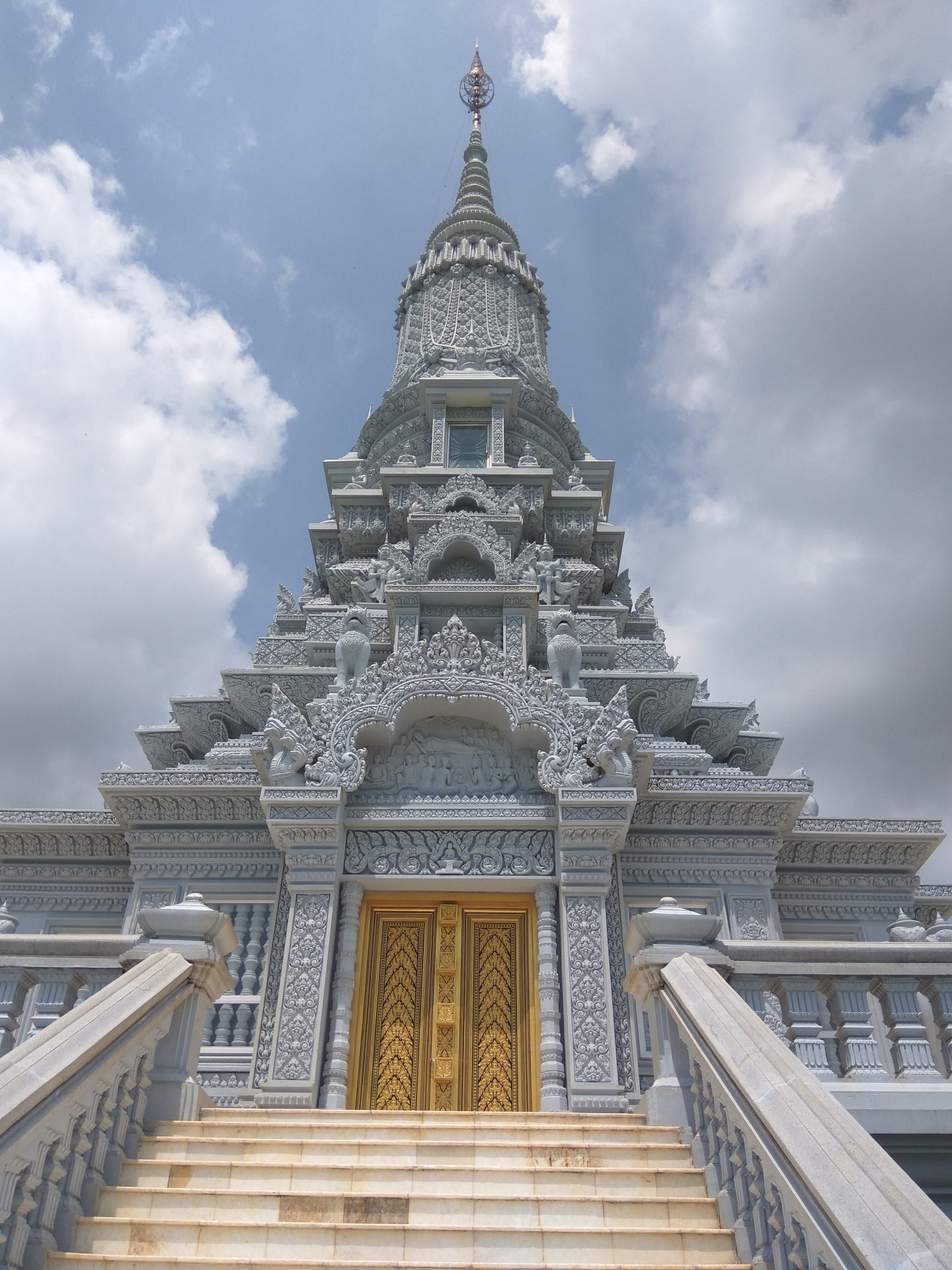
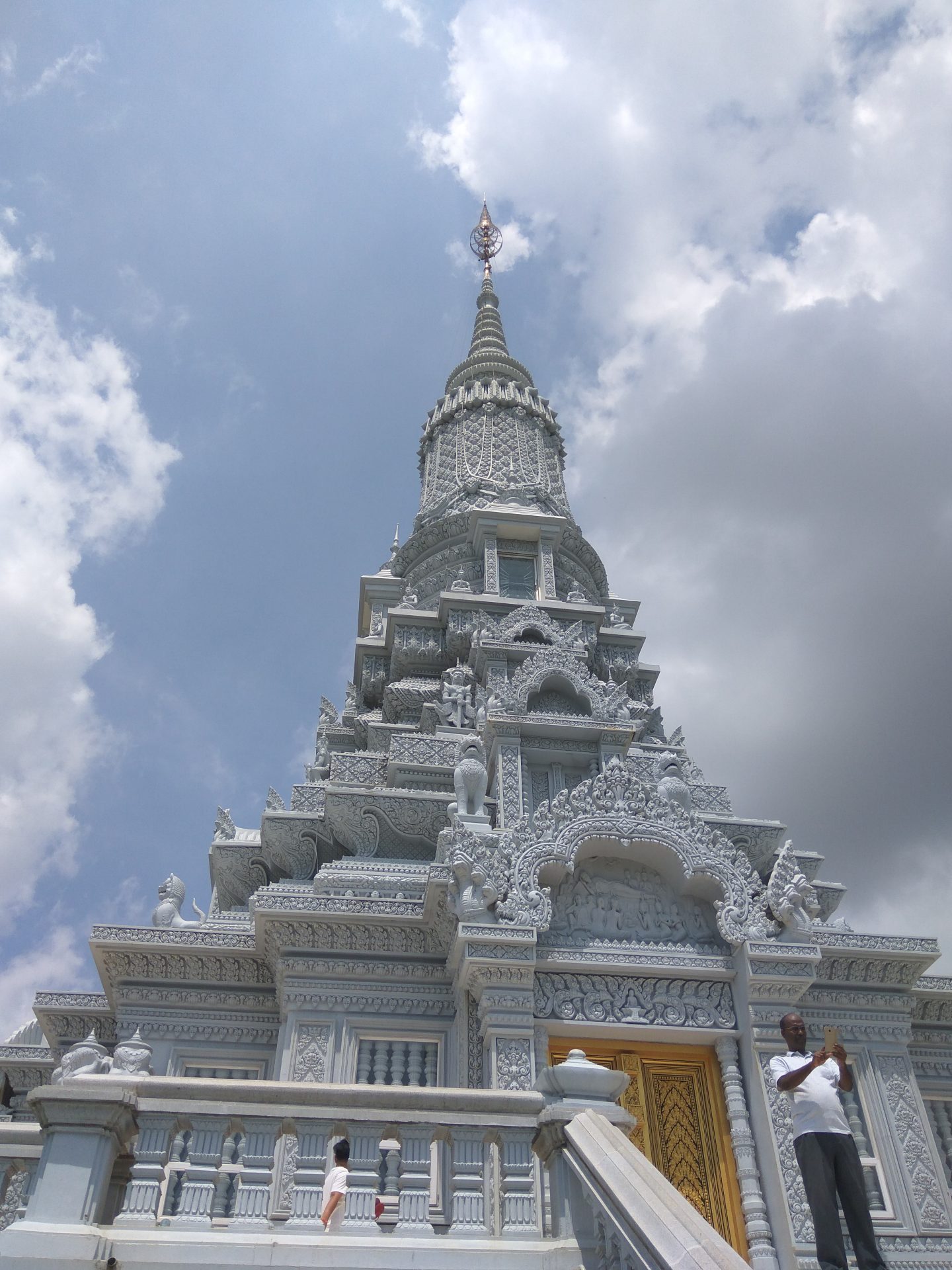
A drive to Oudong
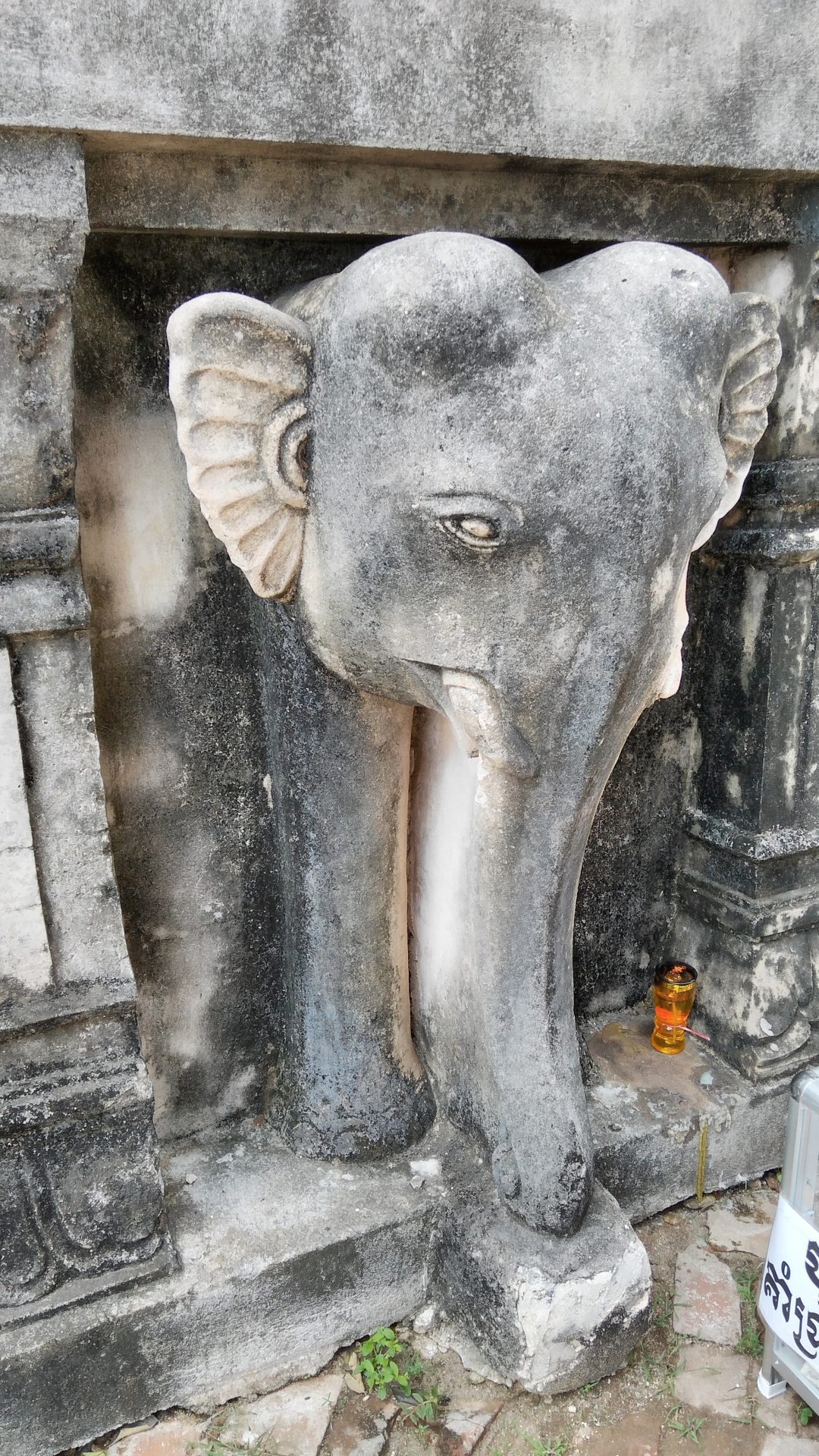
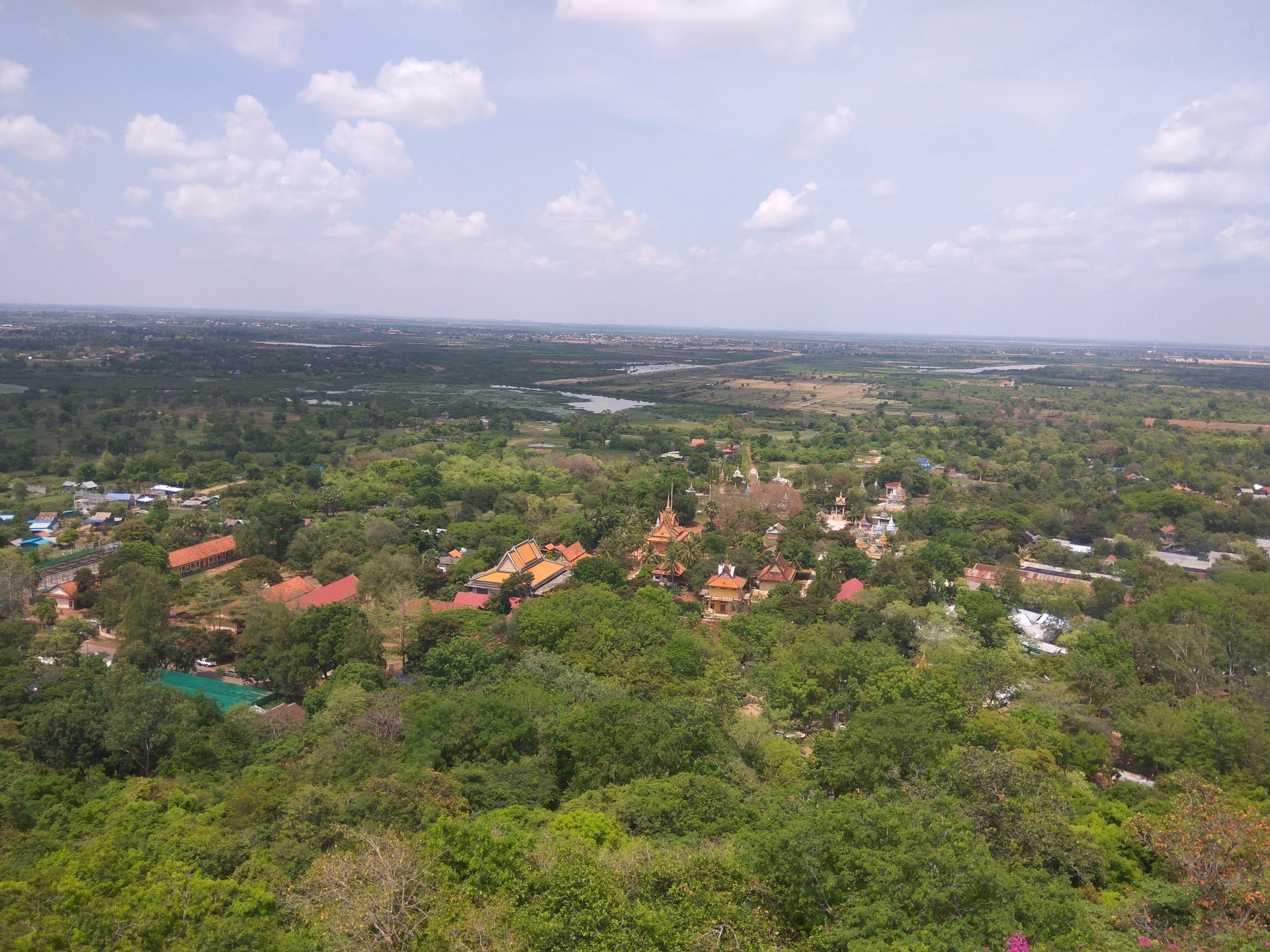
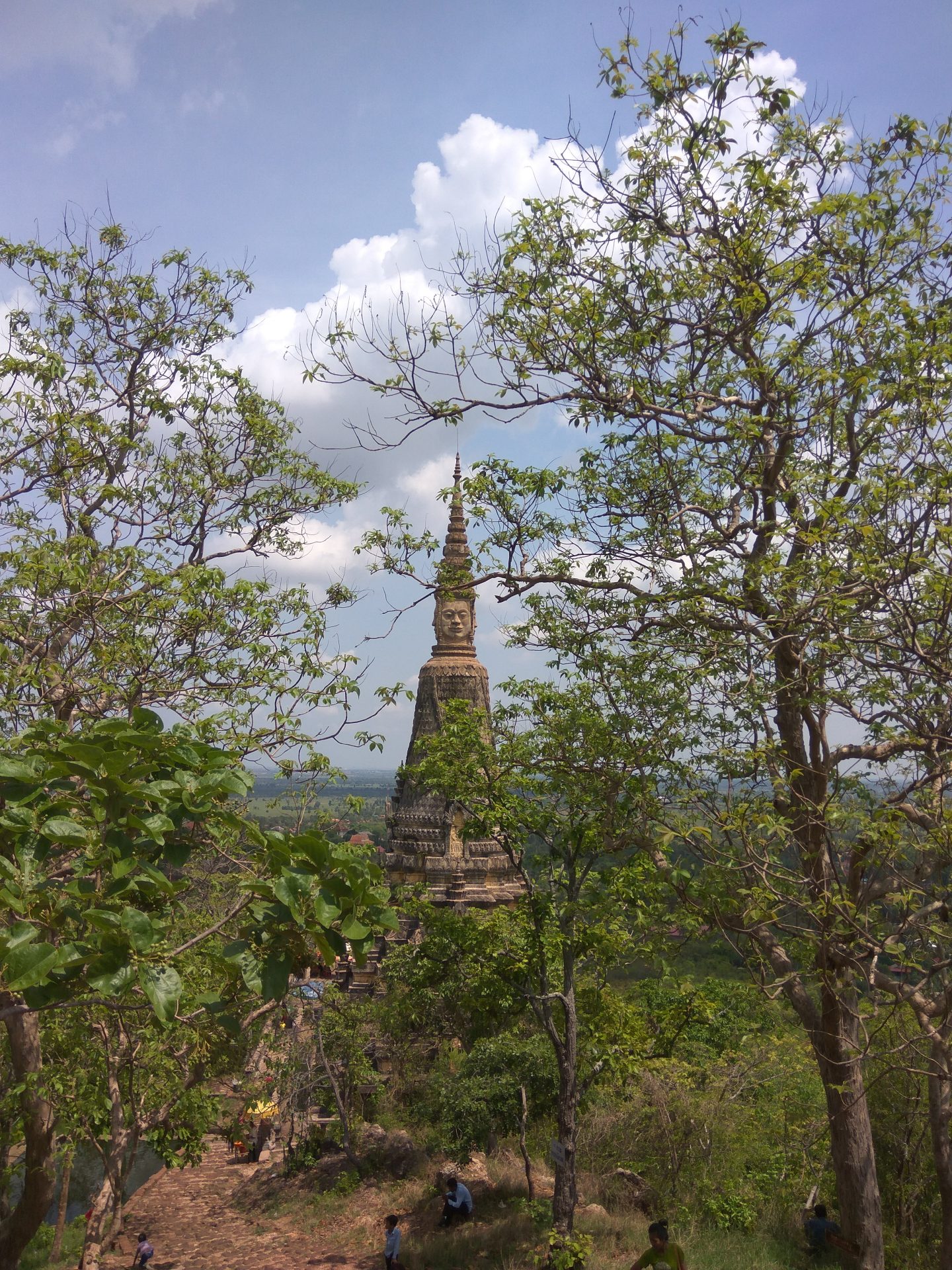
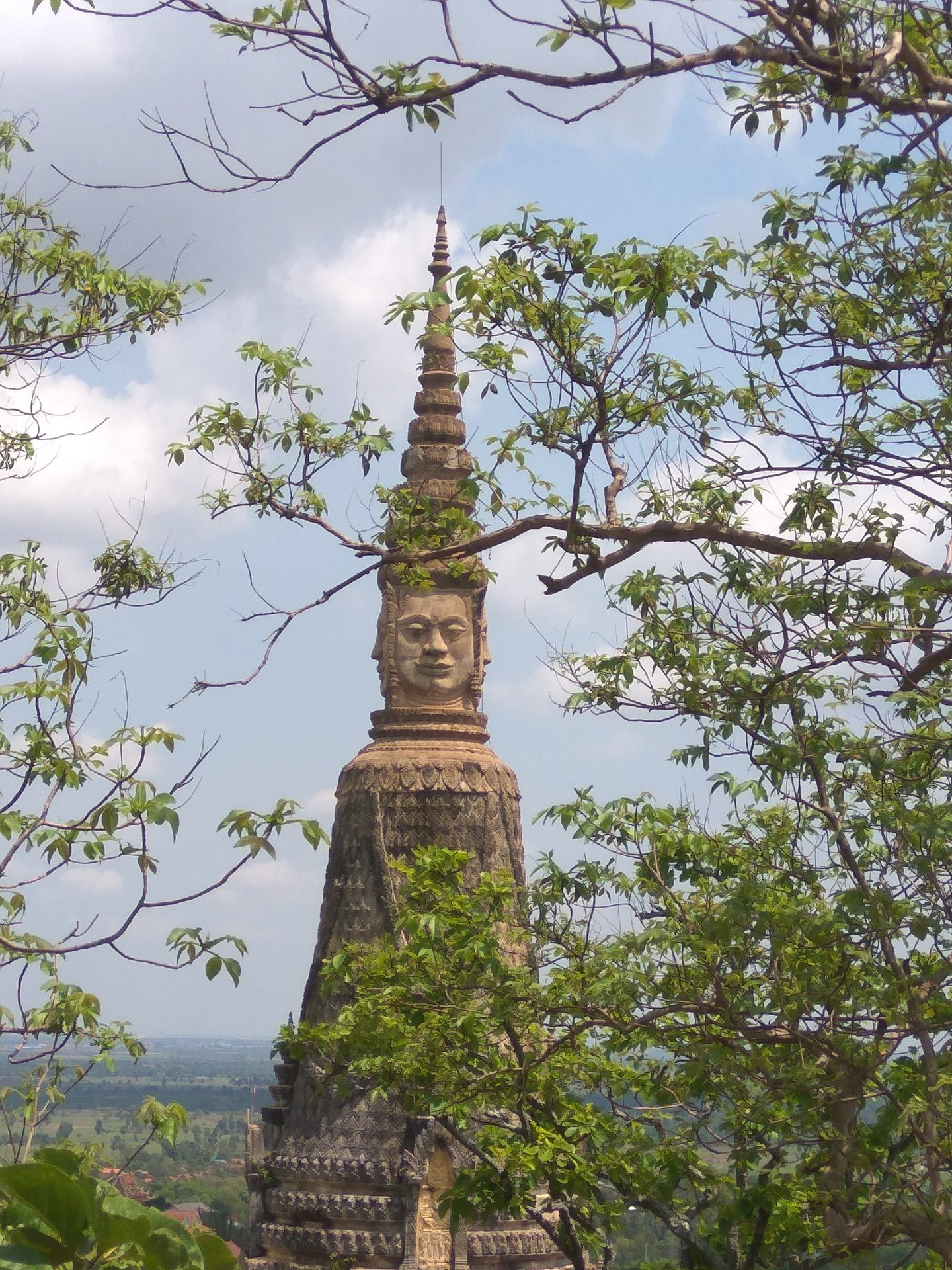
A 40 km drive from Phnom Penh brings one to the Arthaross Temple located in Oudong, the former Royal Residence and Capital of Cambodia for over 250 years and until 1866. Founded in the year 1601, this place was home to a succession of kings until King Norodom shifted the capital to Phnom Penh. The Khmer Rouge in 1974 witnessed a capture of this town and subsequently, multiple people were taken in as prisoners and executed. Large scale damage happened to the temples and monuments during this period.
Its understood from folklore that the statue of Buddha faces north instead of the traditional direction of east, symbolizing a testimony to the strength and power of the ancient Khmer kingdom. Entry tickets were priced at $2 per head.
VIEWS OF OUDONG TOWN FROM THE HILL TOP
Spoilt for choices when shopping
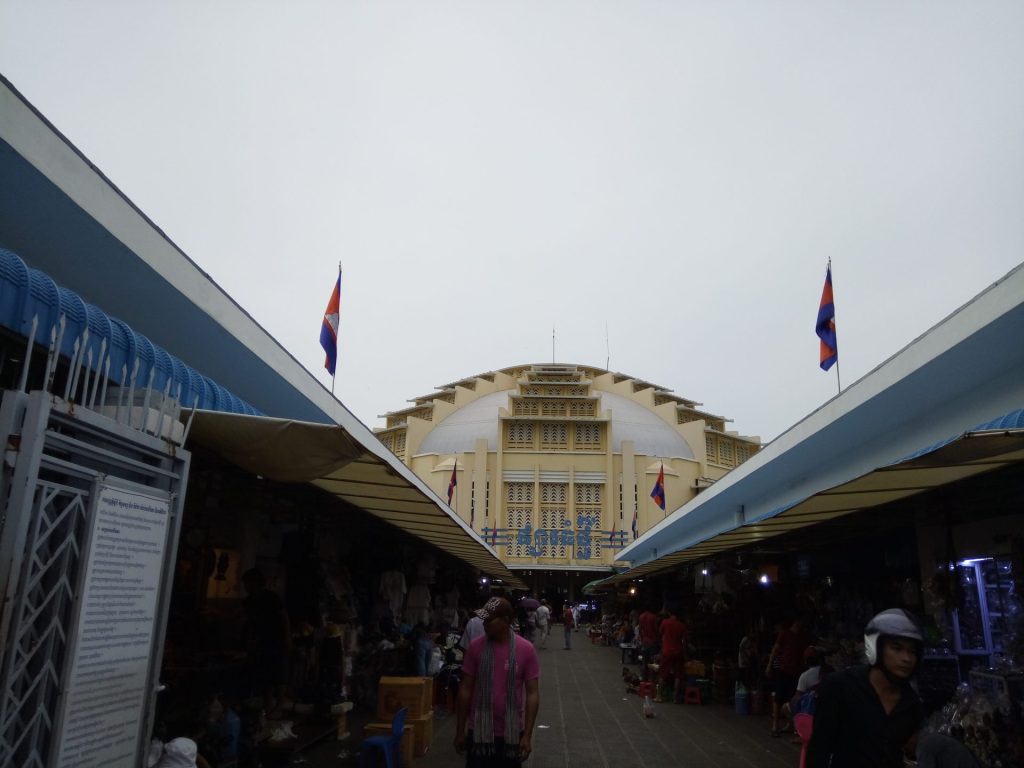
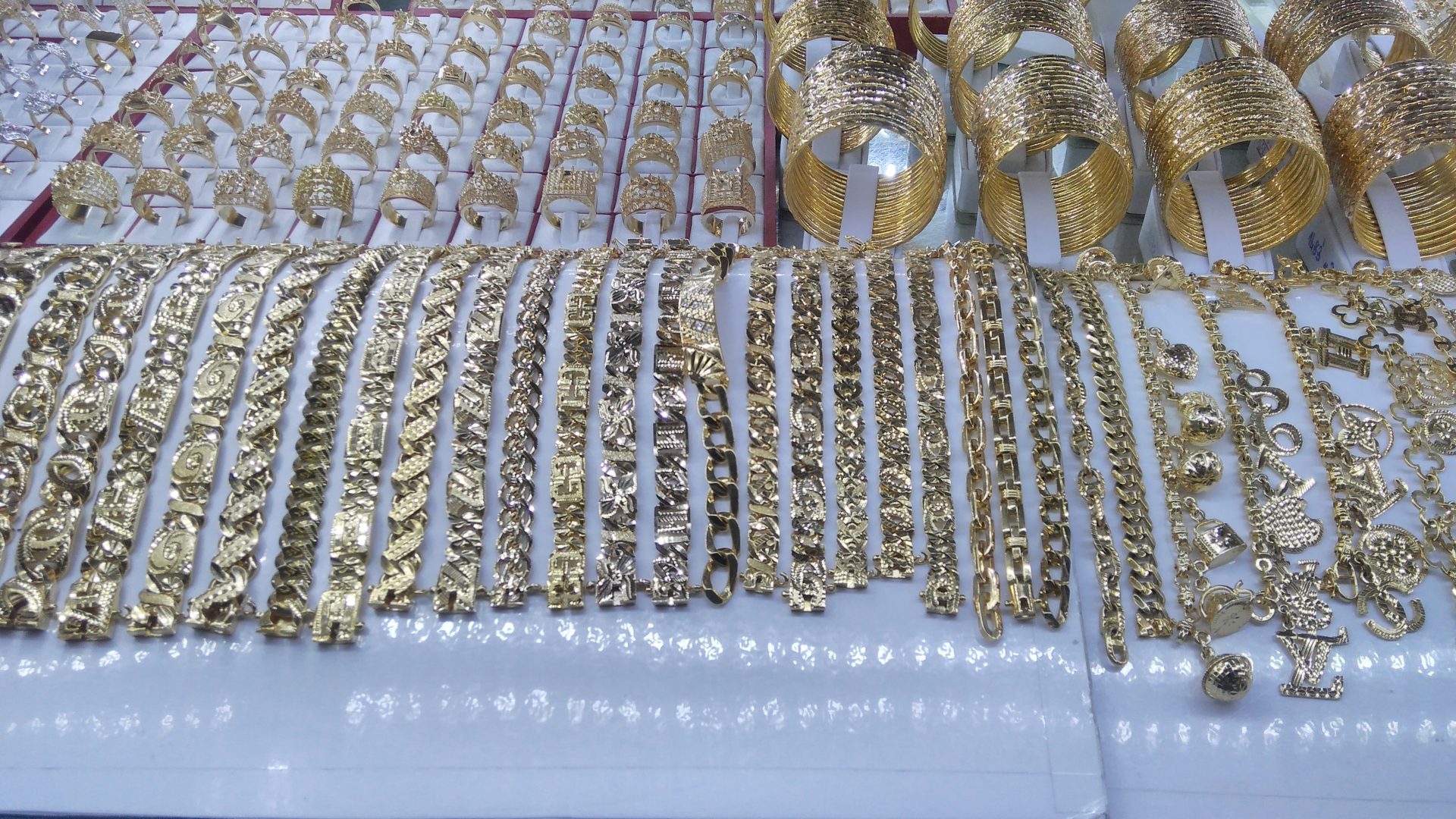
At the city’s heart is the massive, Art Deco Central Market selling Gold and Silver jewellery, Antique Coins, Clocks, Flowers, Silk Scarves and Fabrics, Artifacts, multiple levels of duplicates of high end watches, Tee Shirts, Sports Shorts, Tees and shoes. The other markets where one could also indulge in some bargain shopping are the Russian Market (famous for Its handicrafts, jewelry, silk and other fabrics, woodcarvings, musical instruments, silk and embroidered purses and clutches, rice paper paintings, coconut shell paintings, electronic stuff and much more), the Olympic Market and the Orussey Market. Should you want to shop around for International brands of dresses or watches, there are a host of exclusive outlets across in the city.
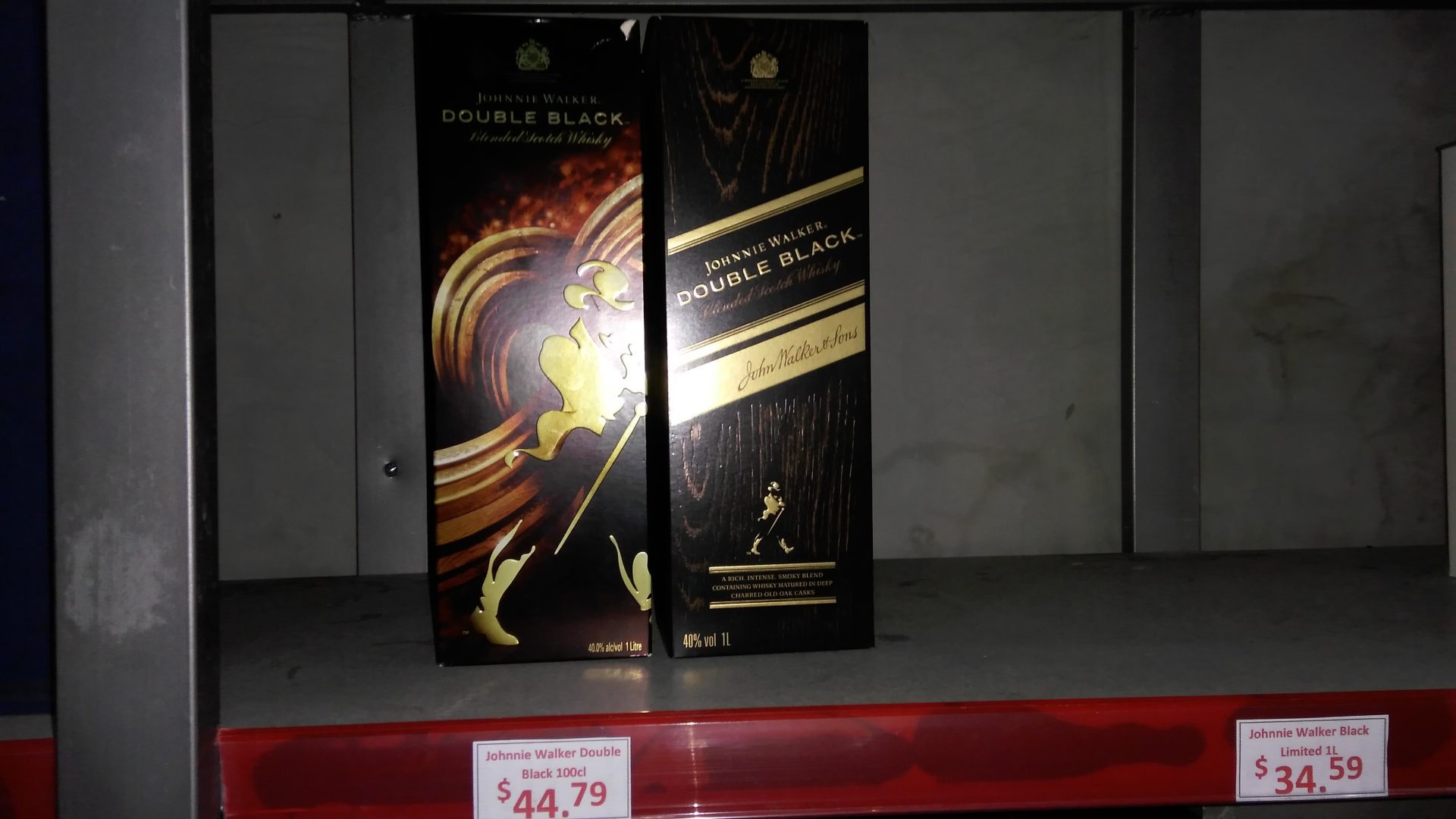
Phnom Penh is also a great place to party in, especially for the non teetotaler folks coz a look at the rate cards of almost all the best of the brands would itself leave you high spirited.
The National Museum
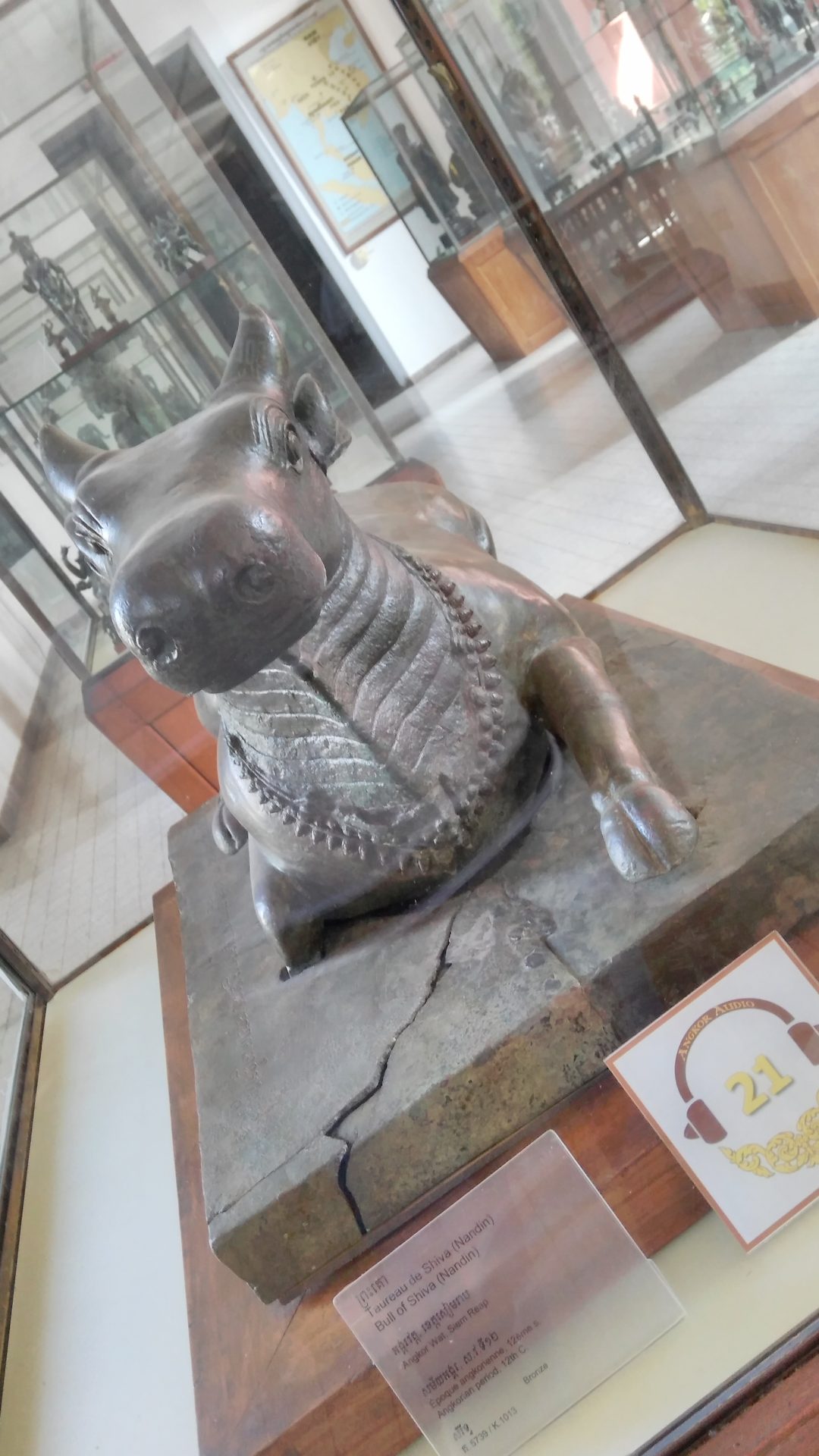
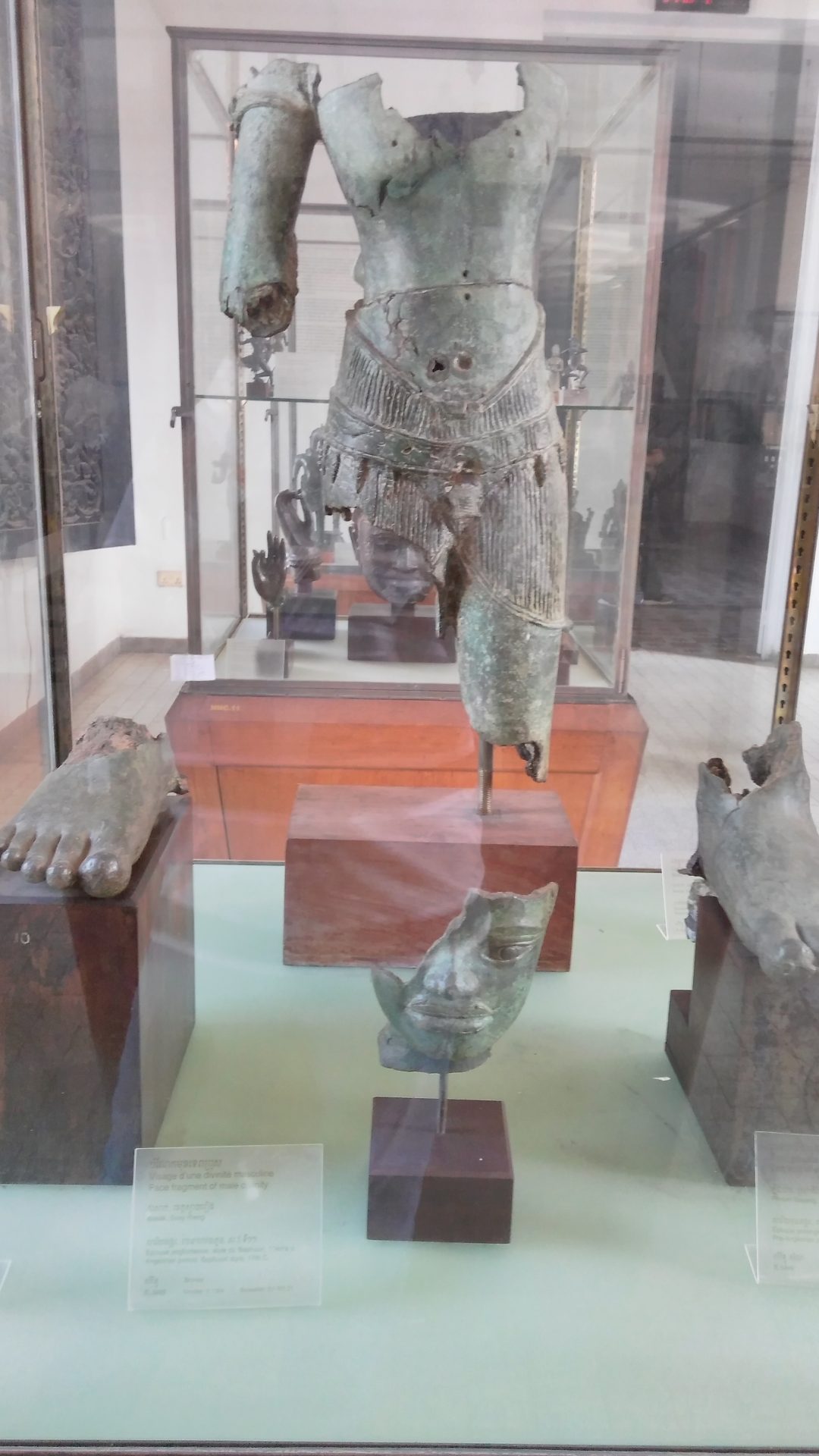
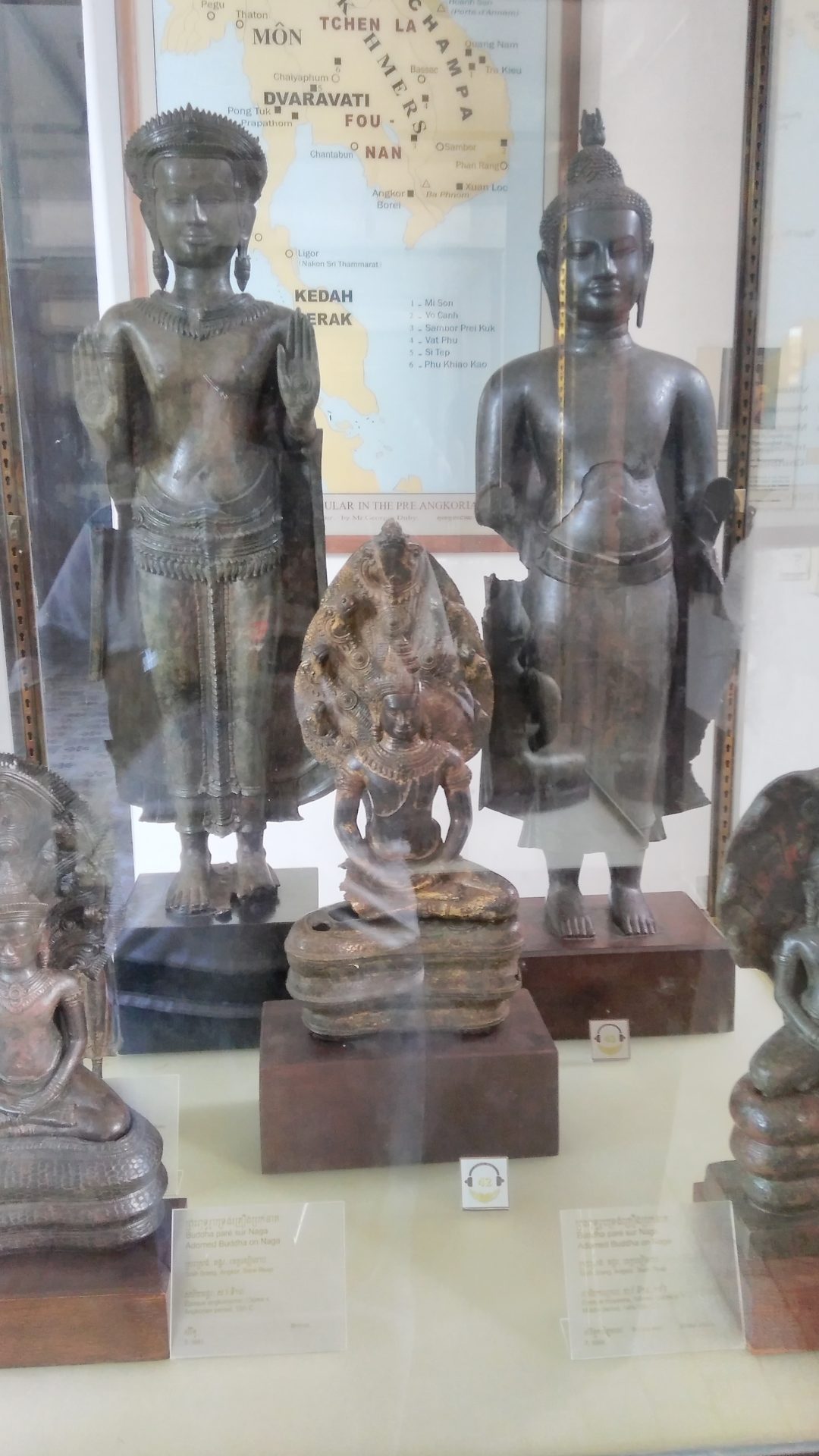
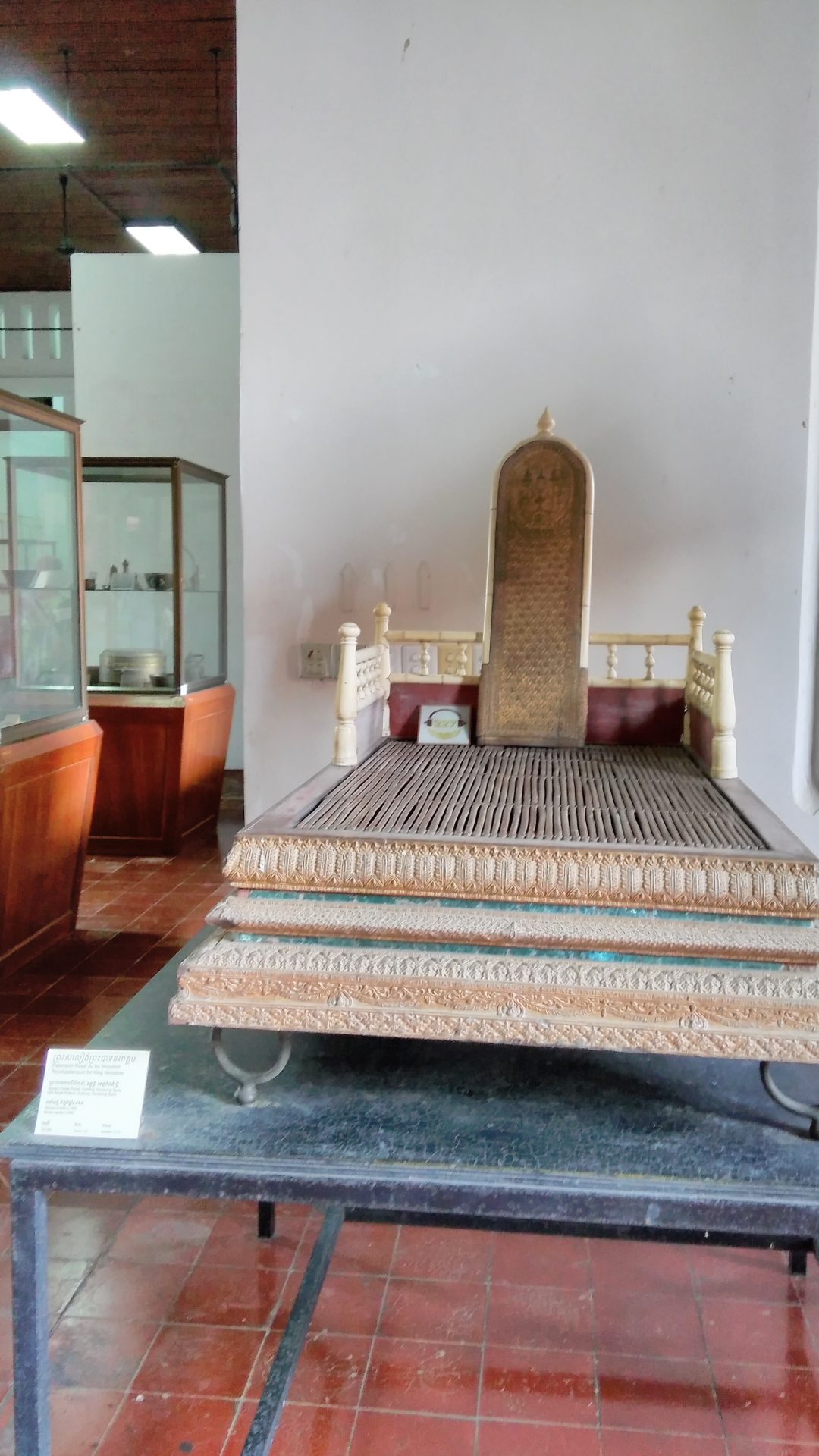
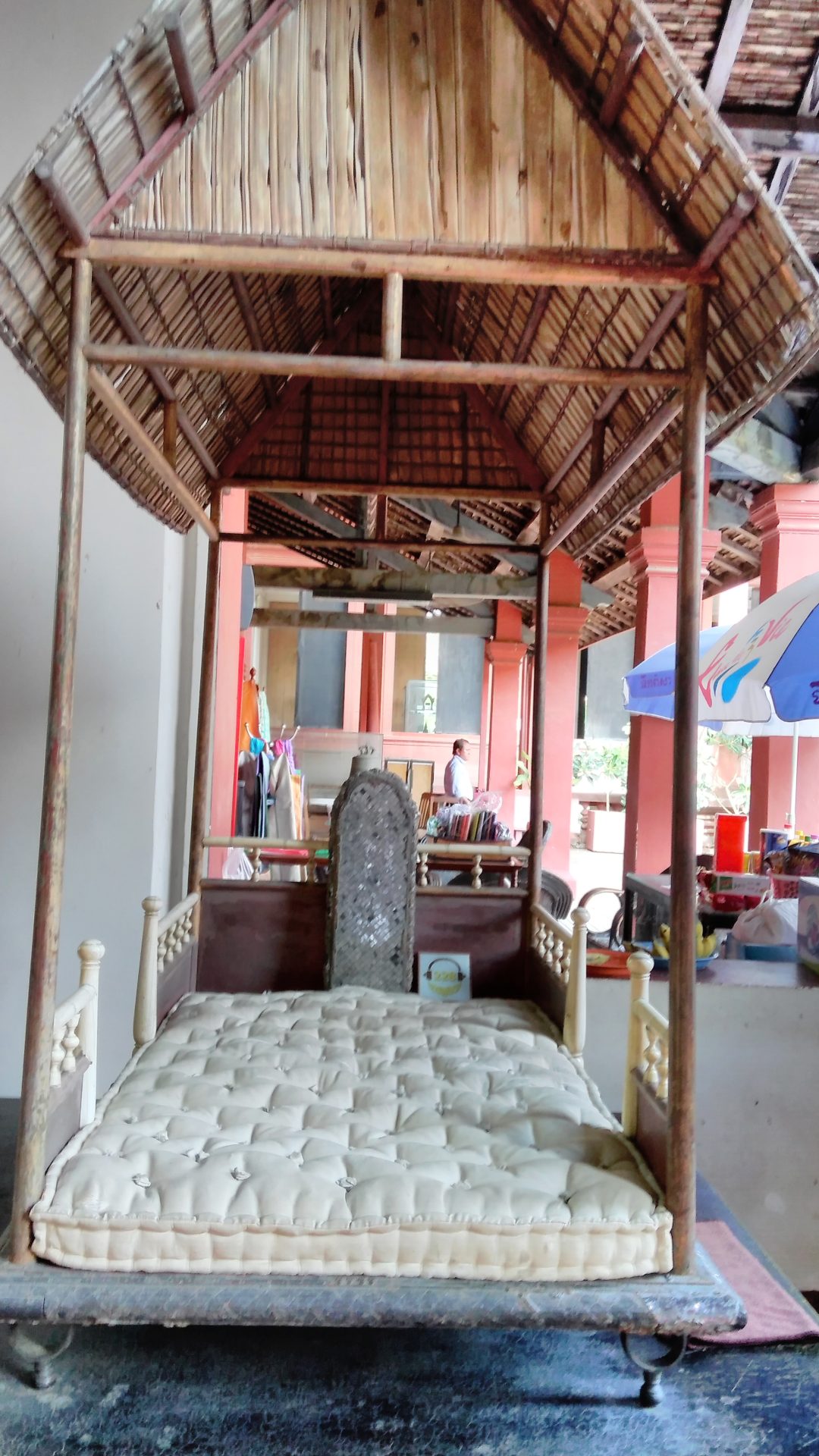
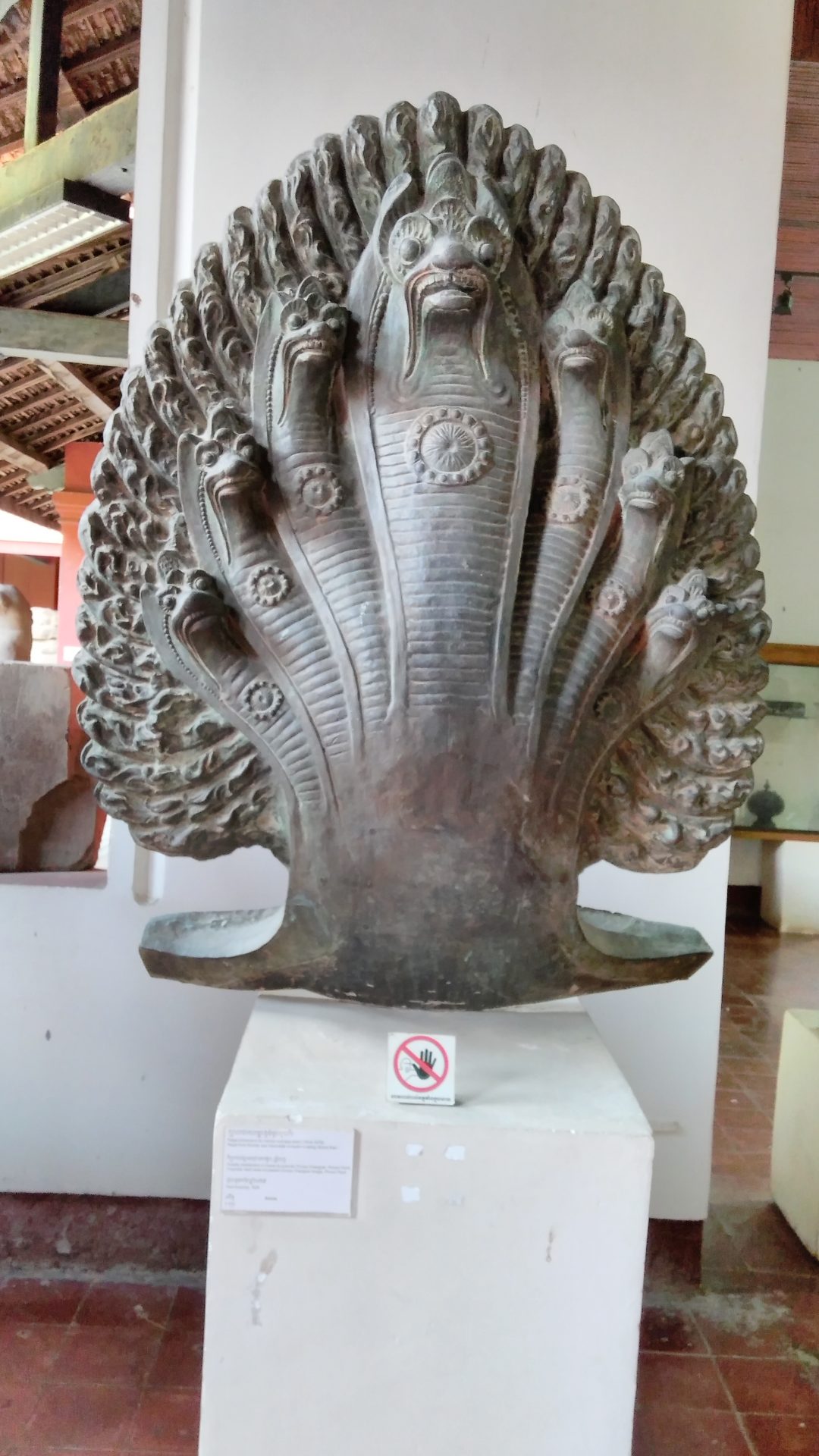
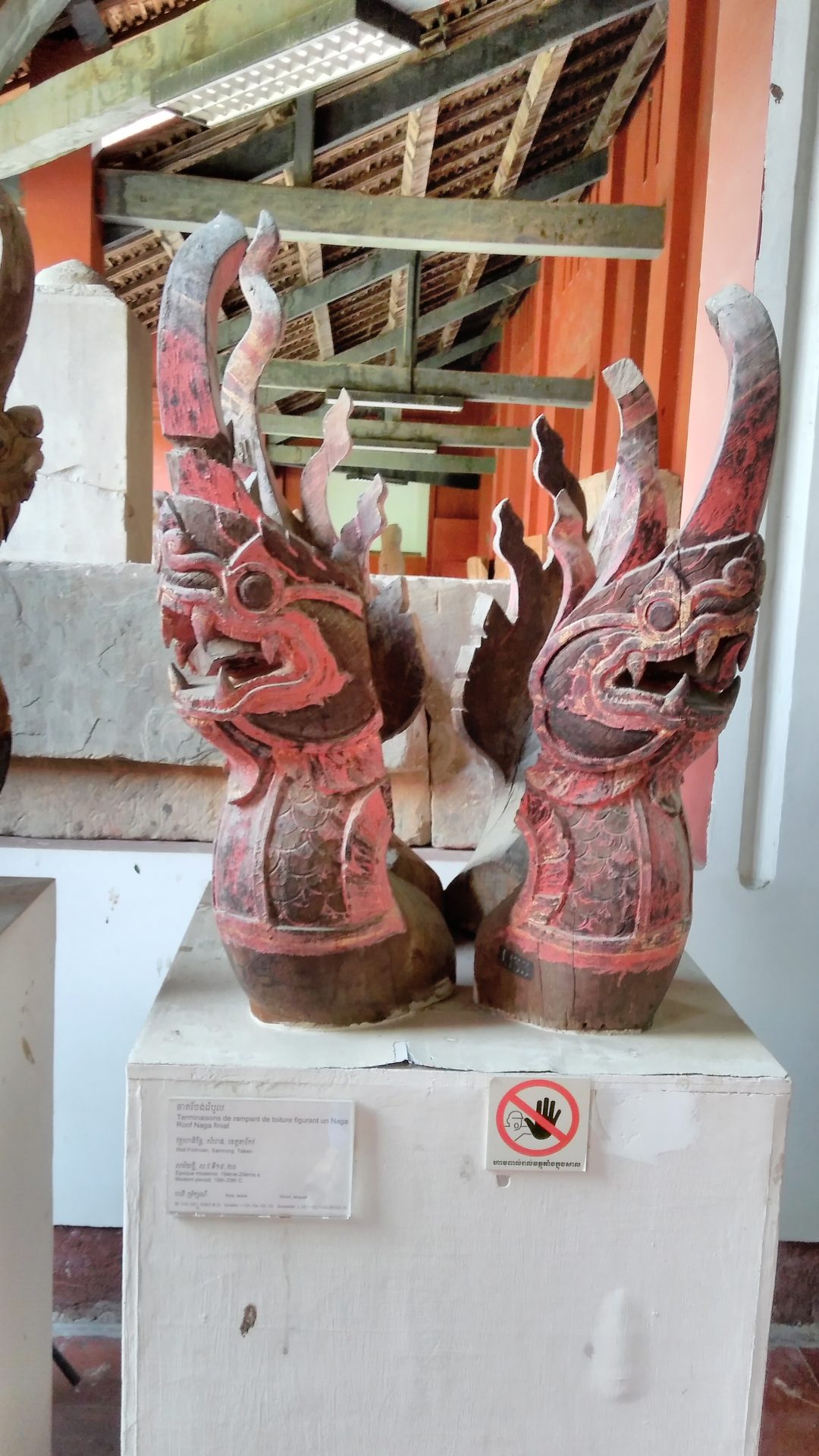
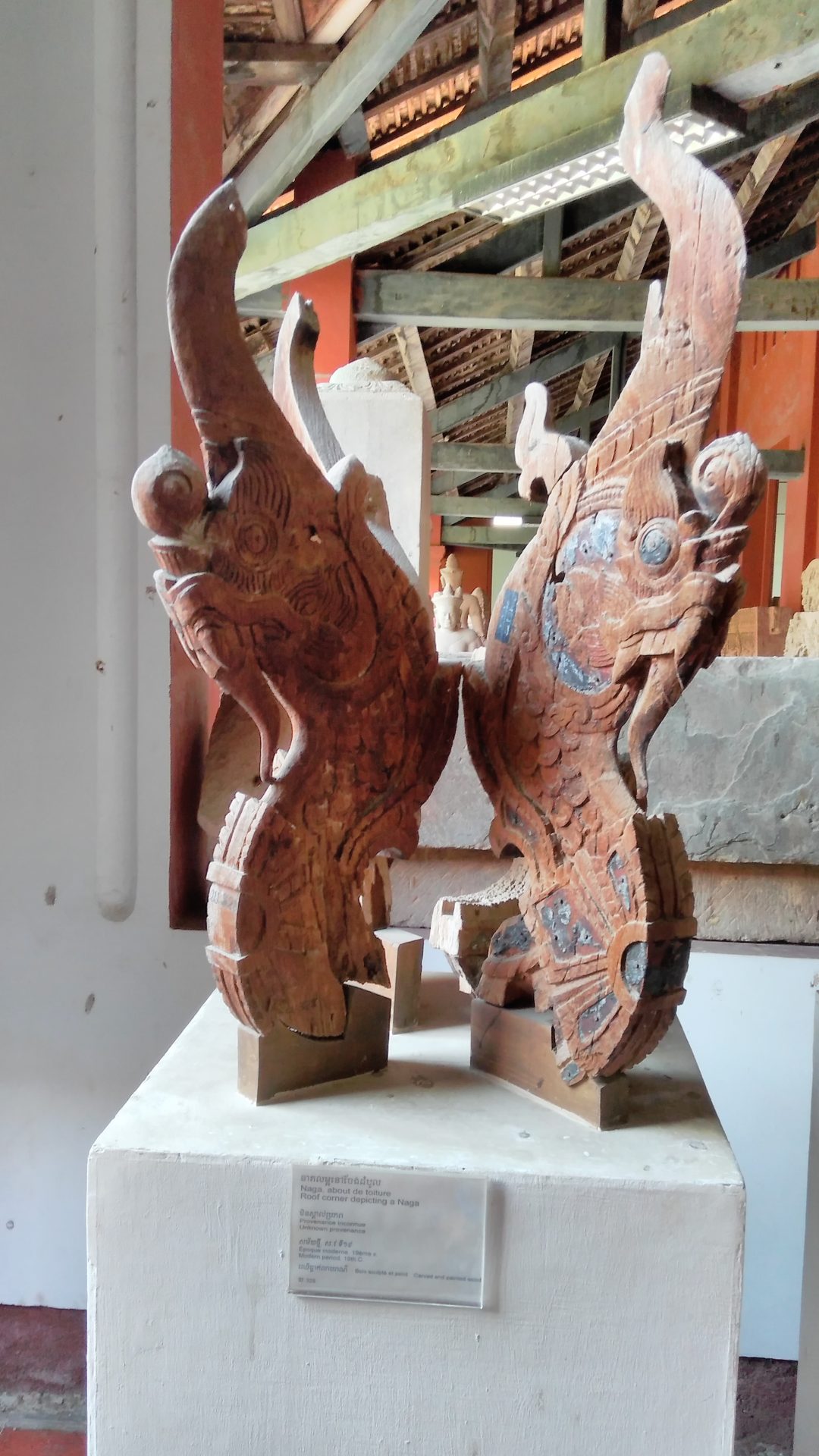
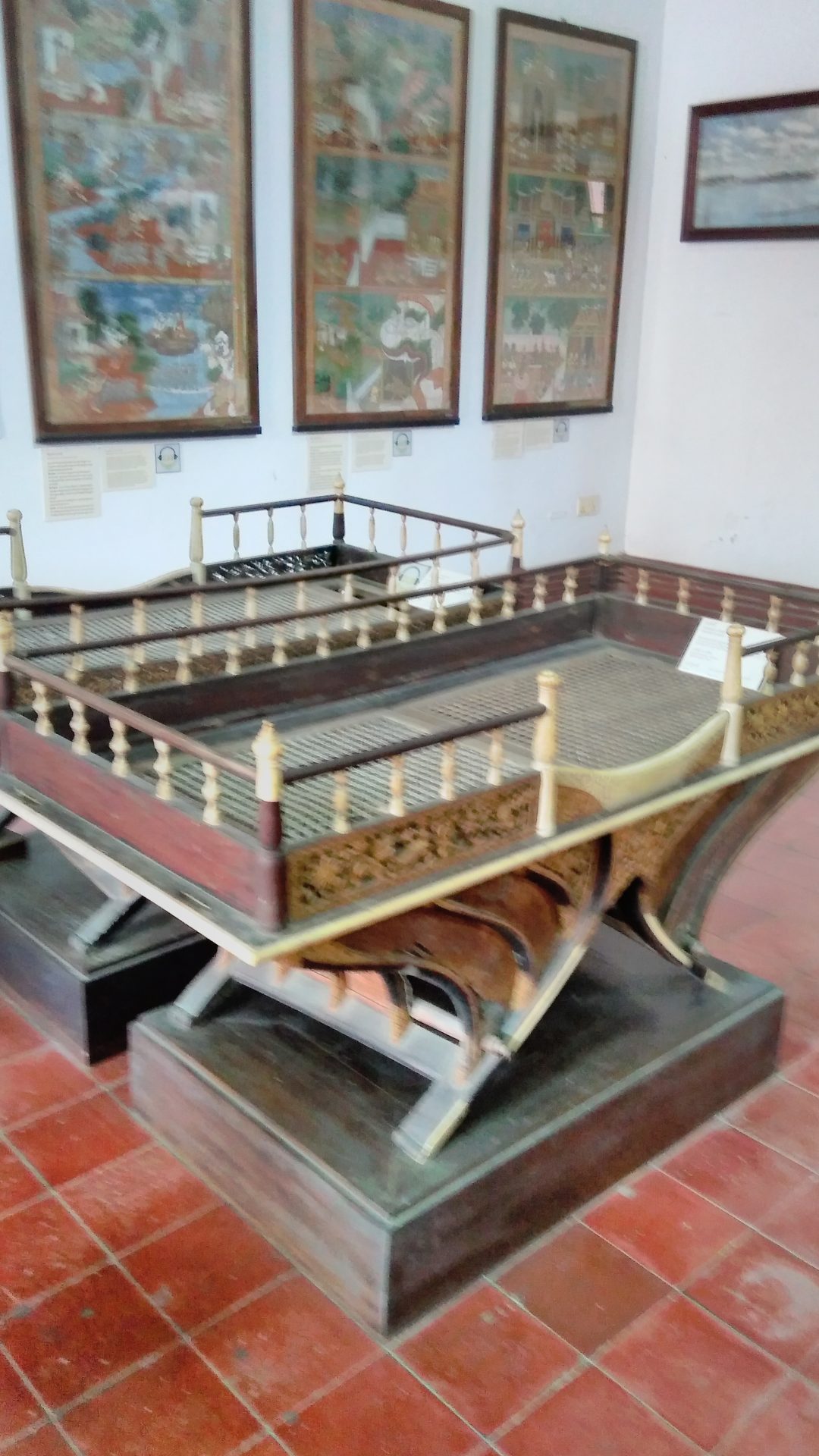
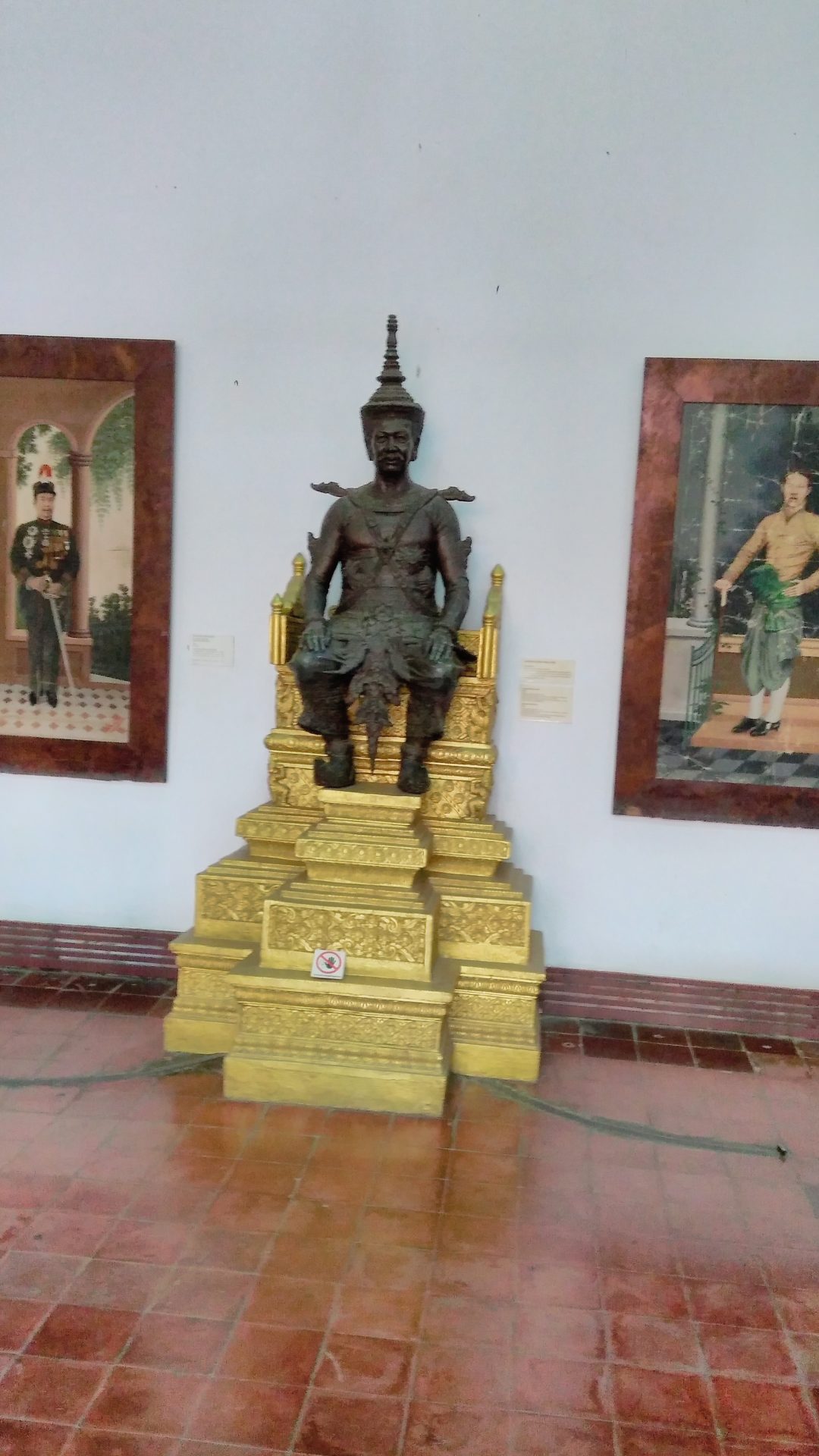
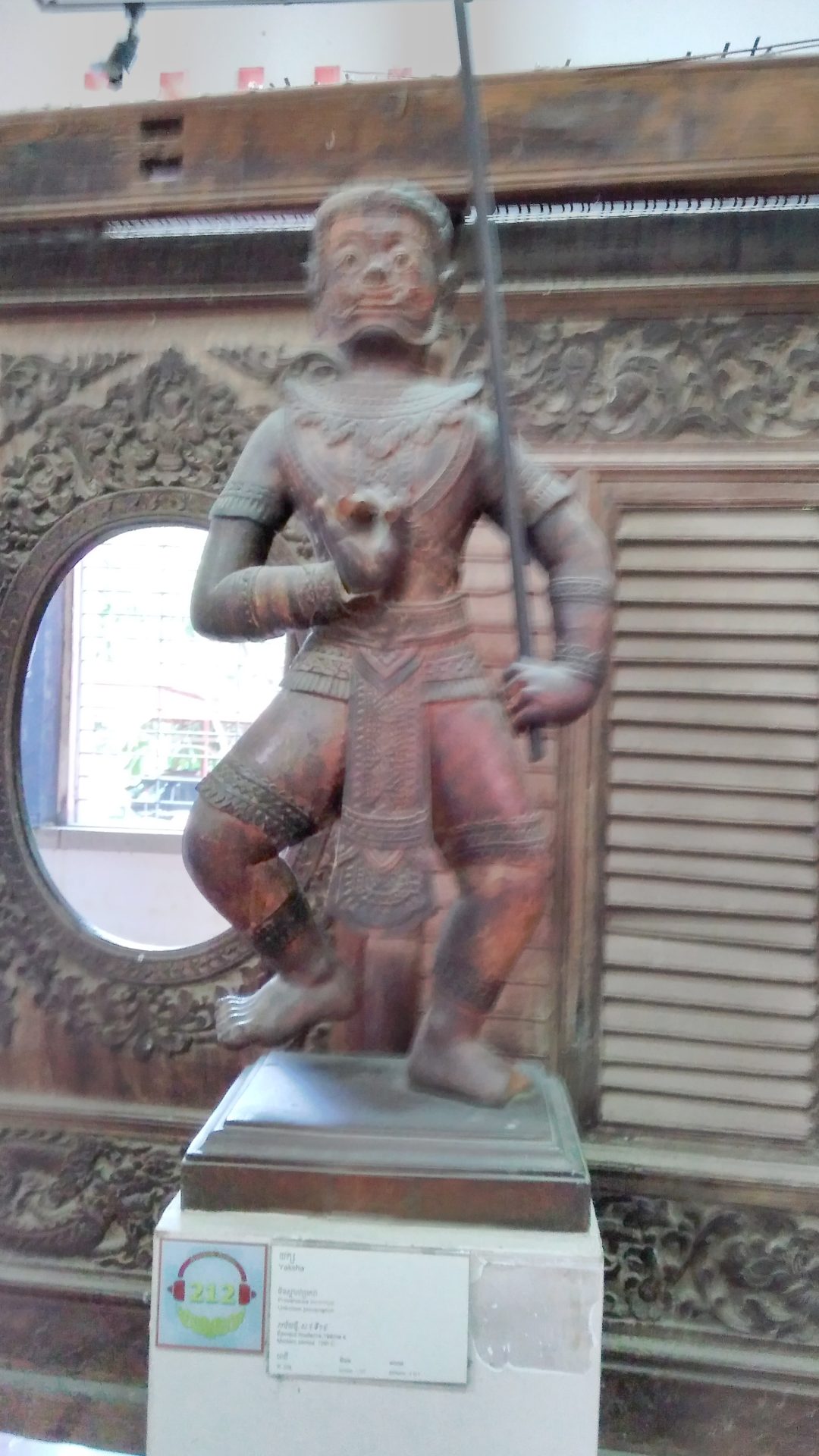
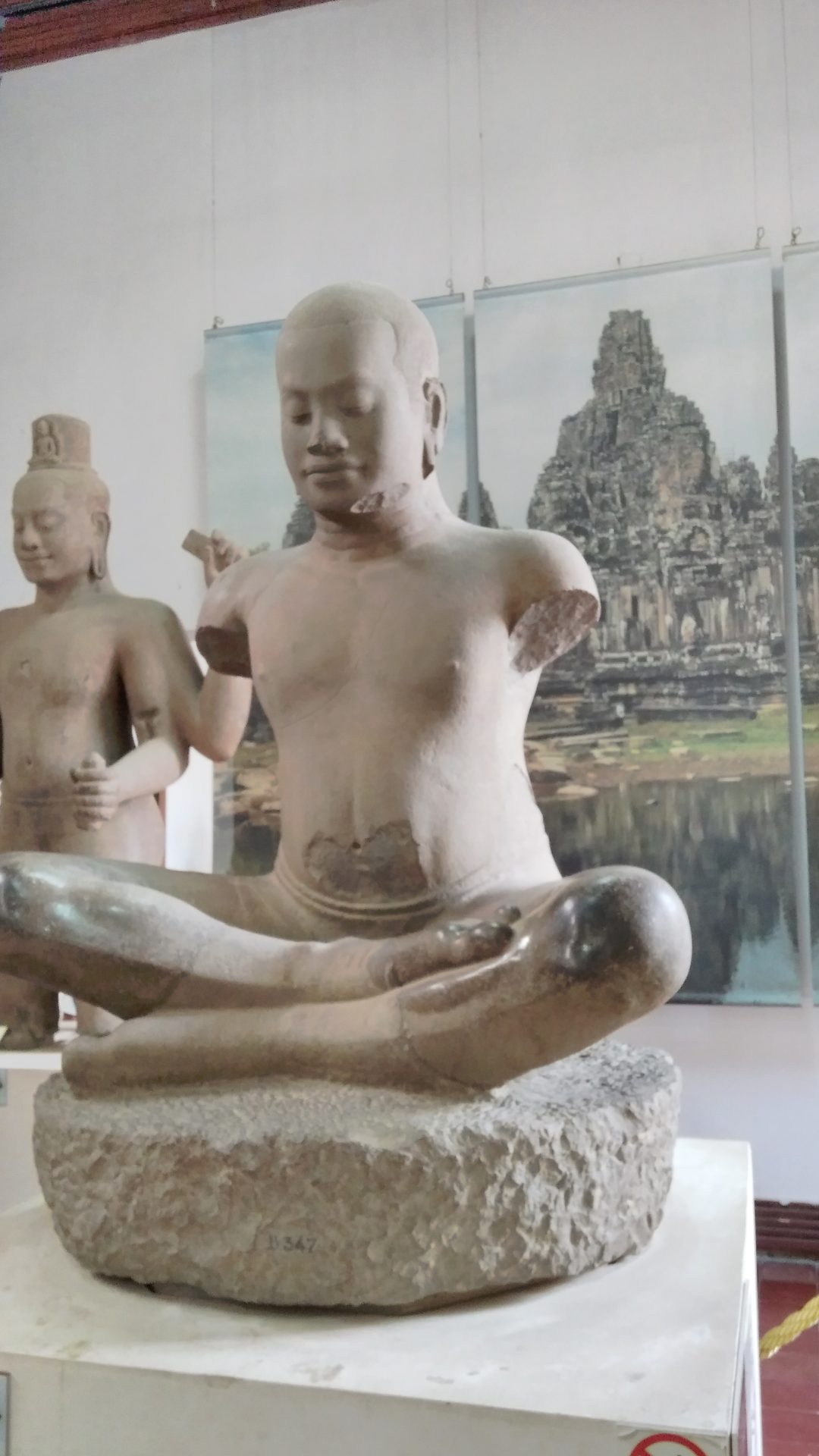
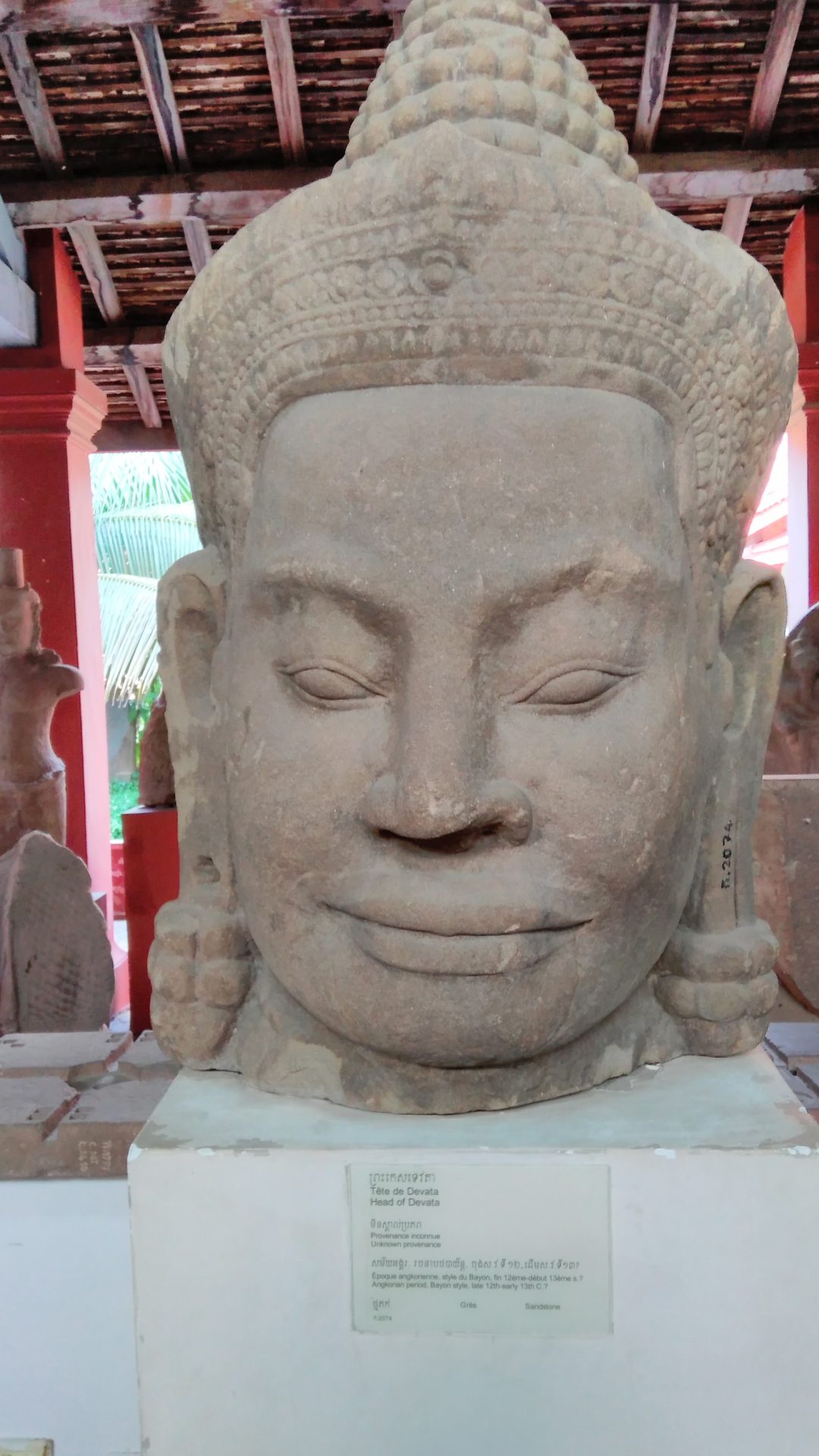
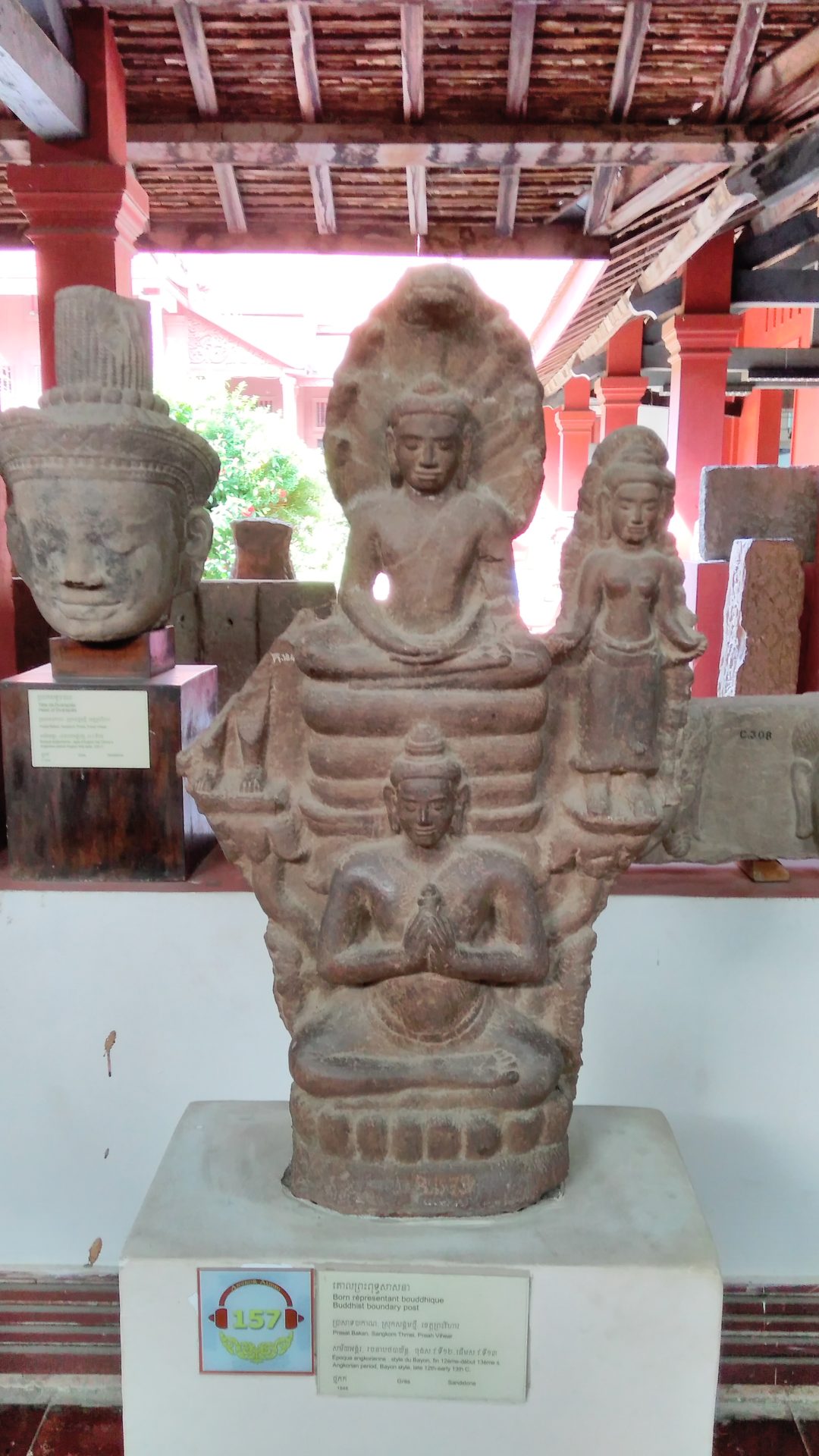
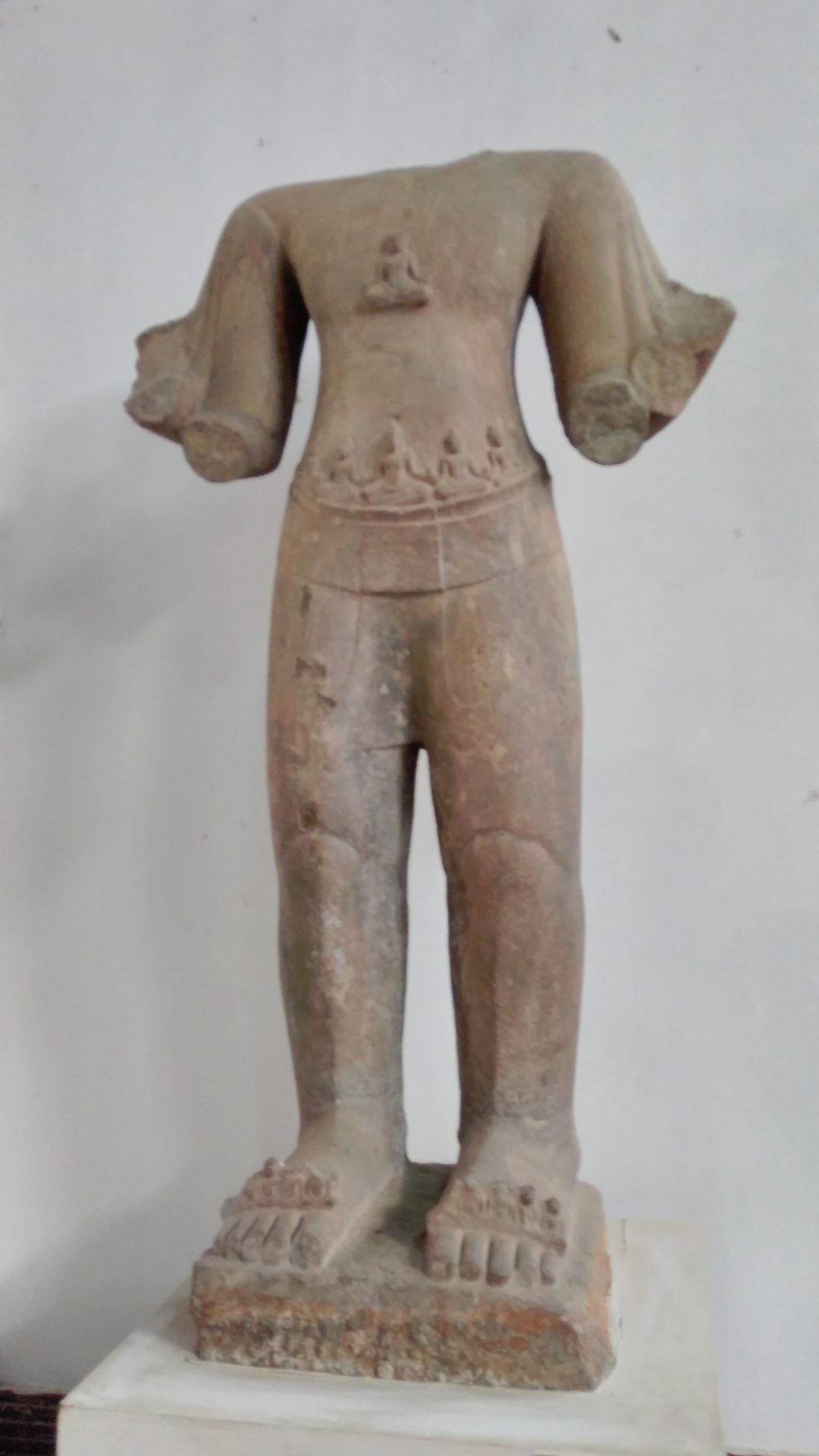
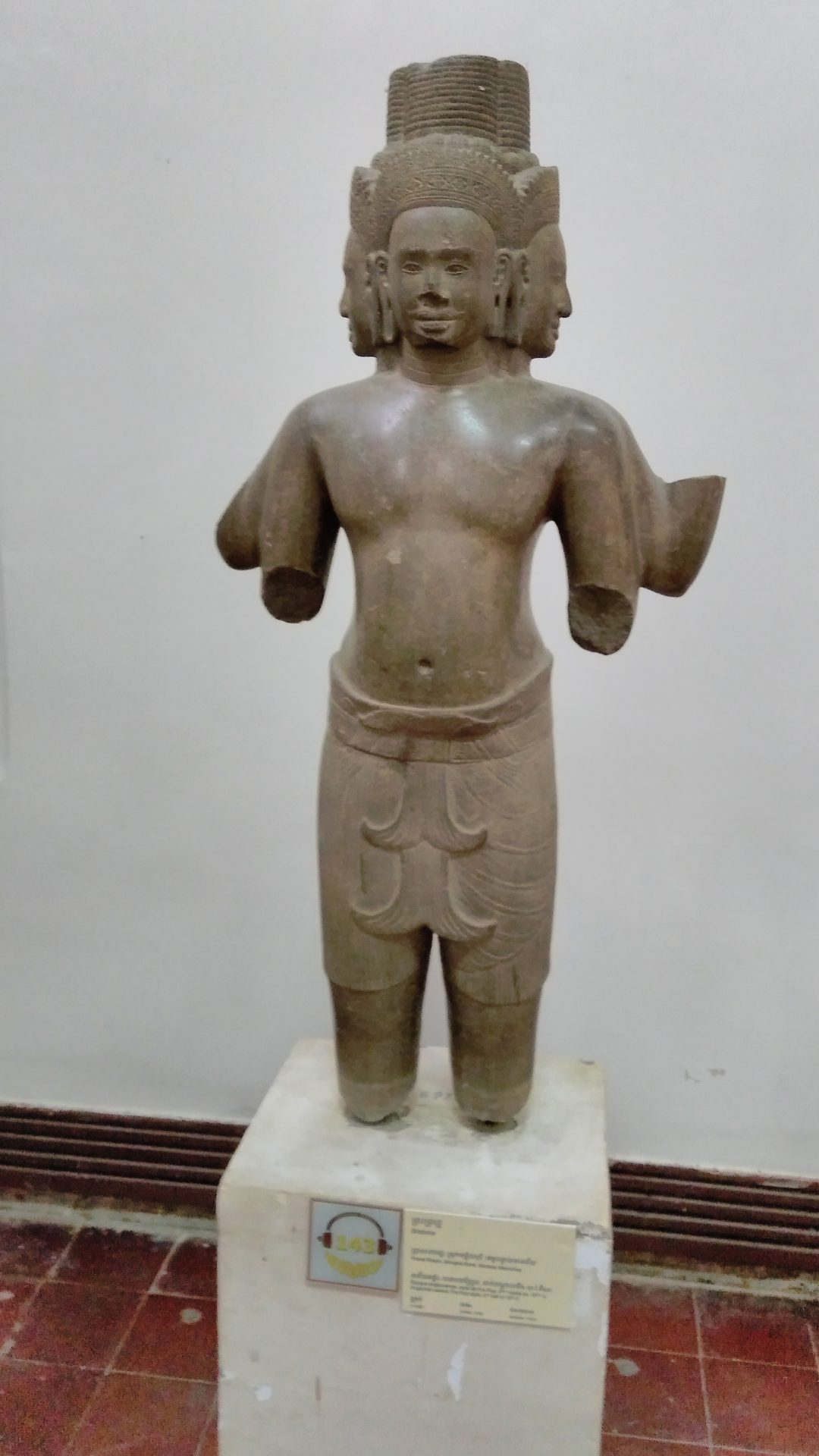
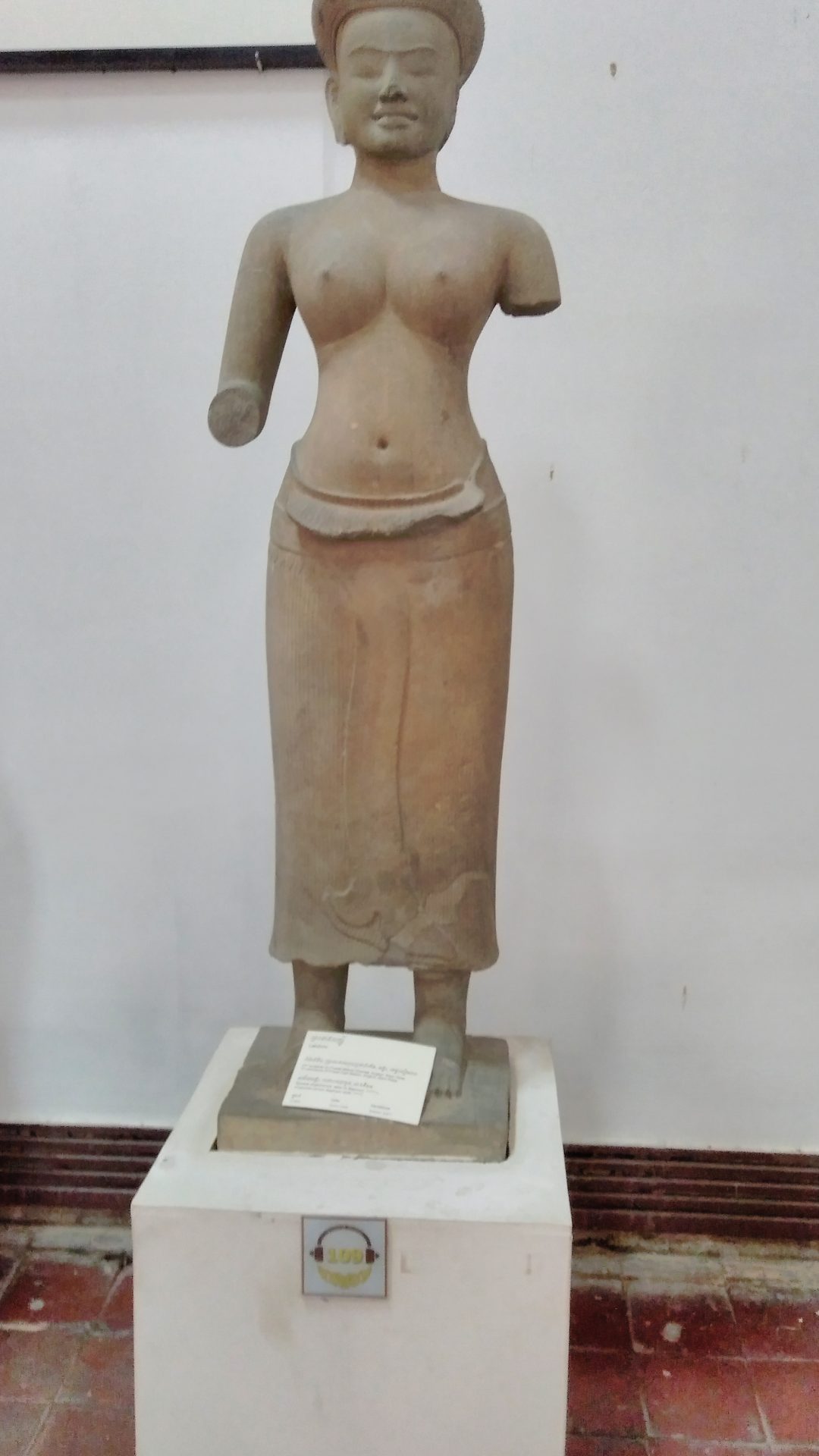
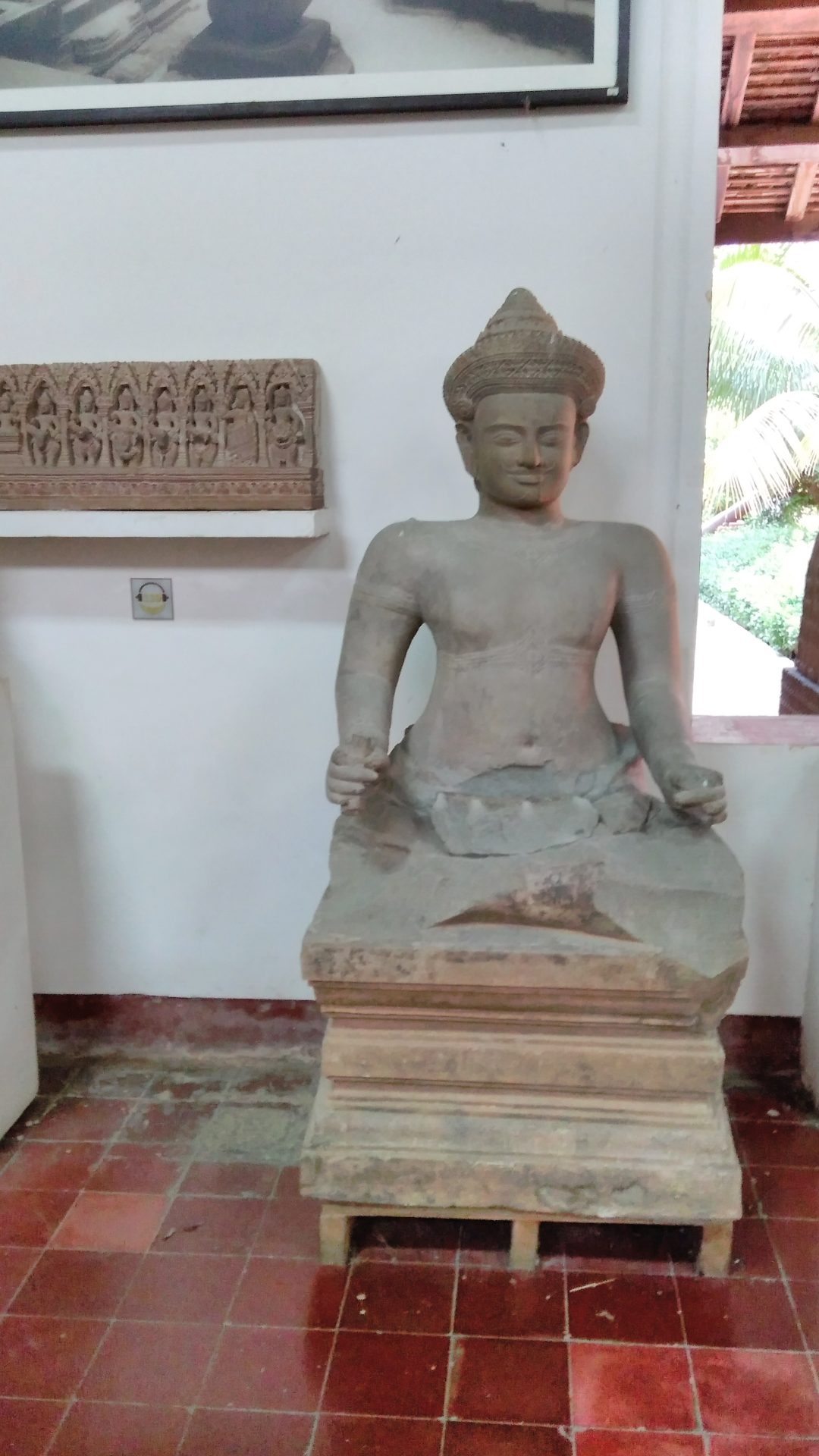
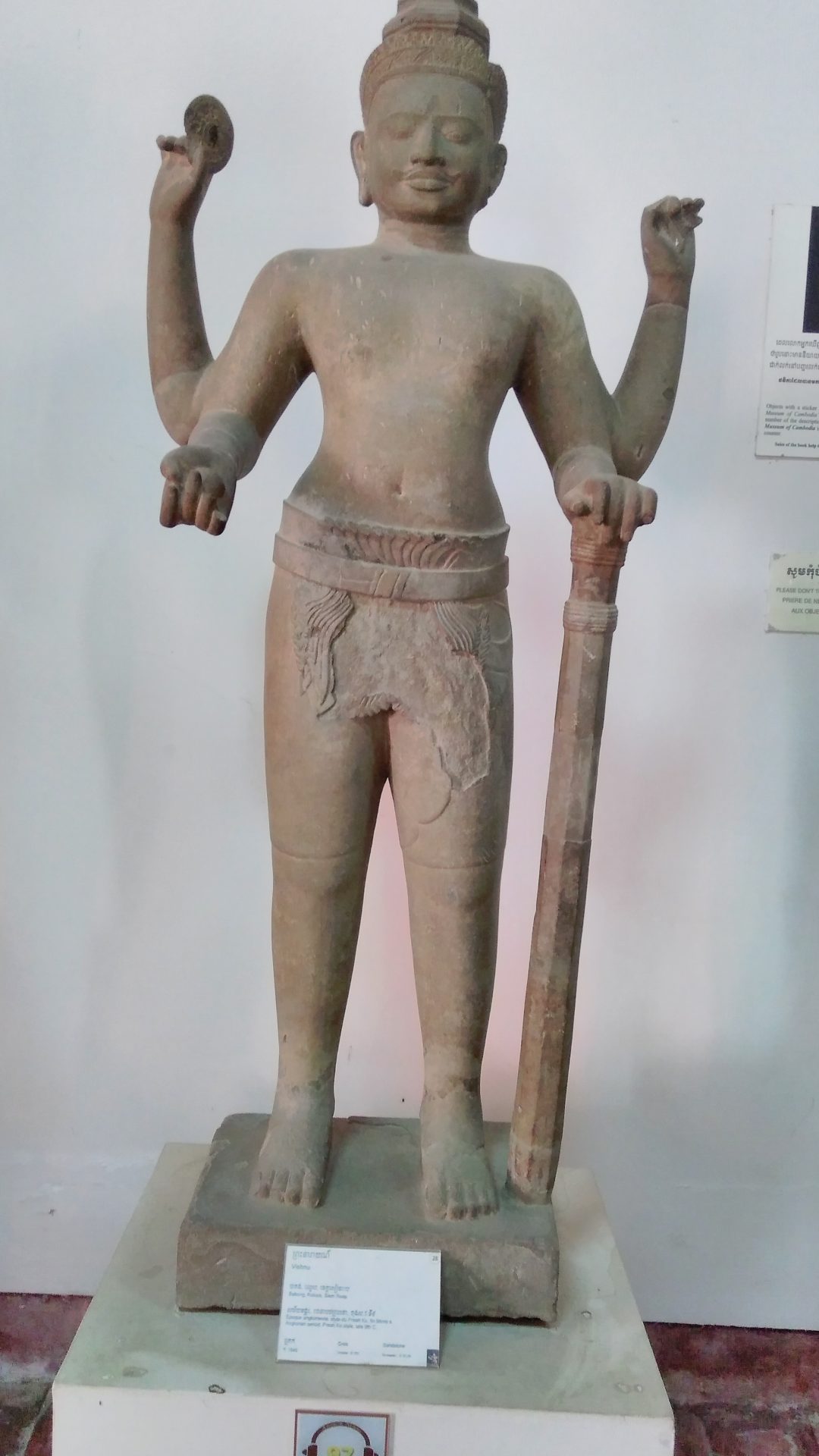
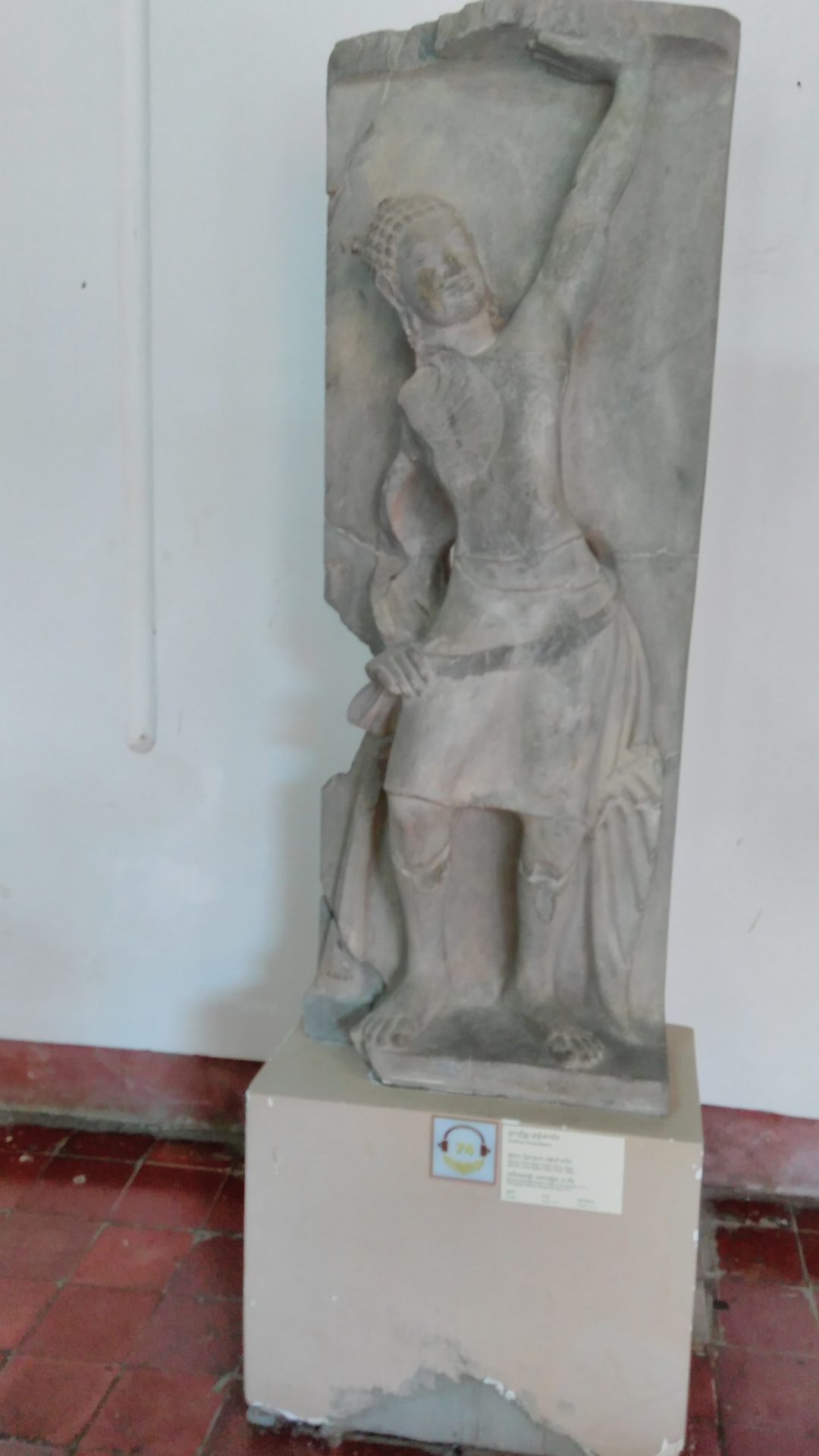
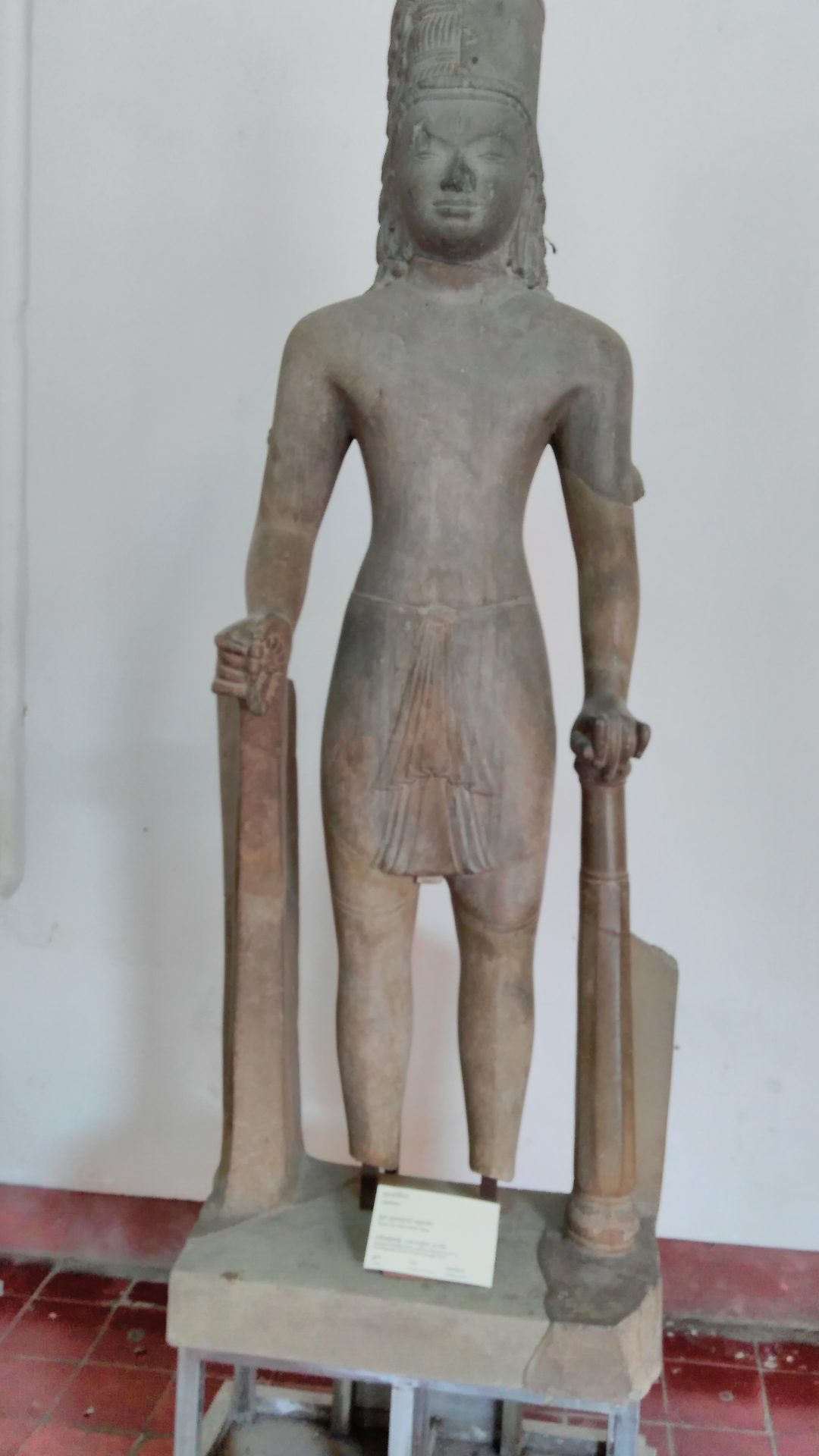
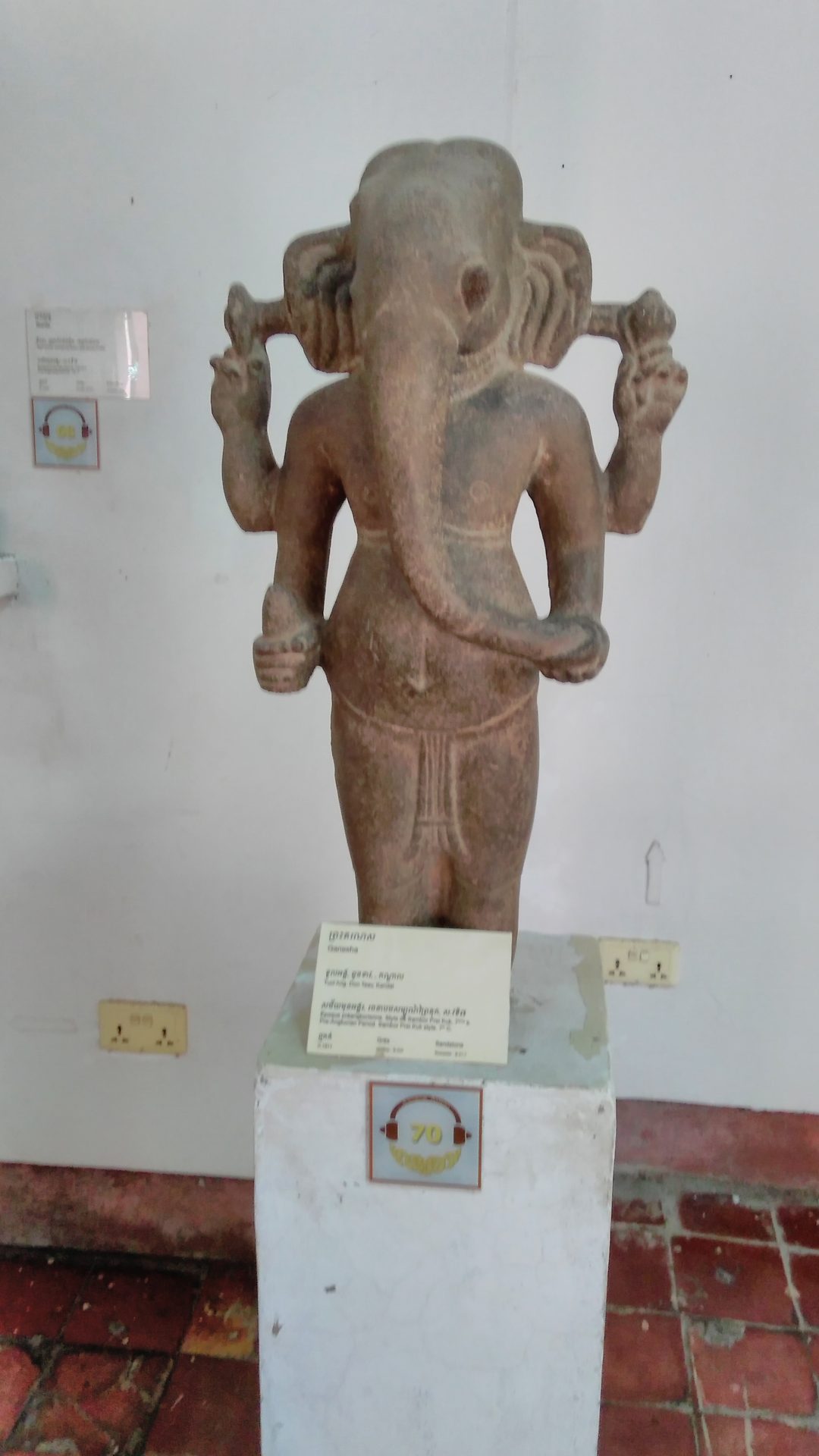
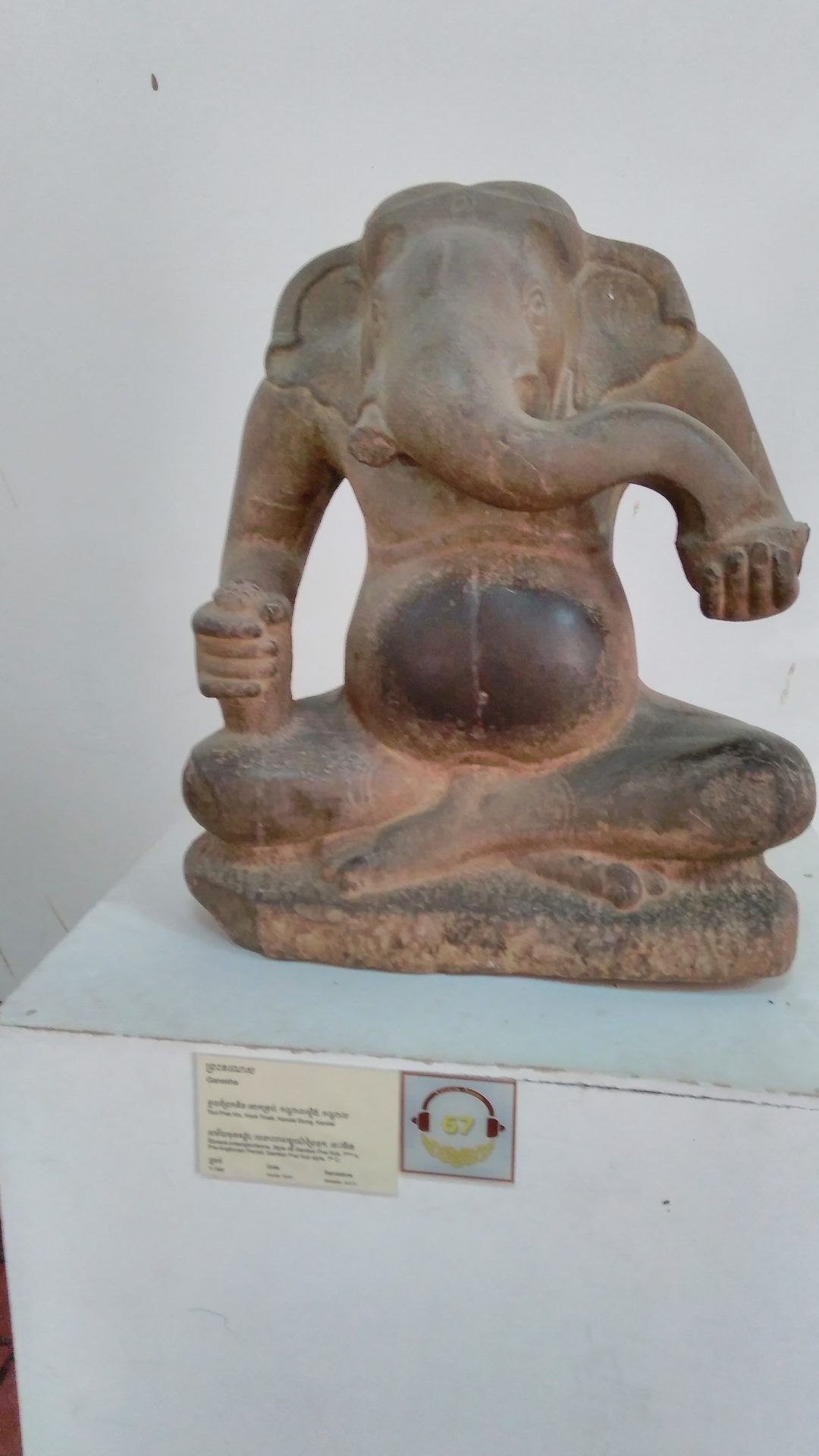
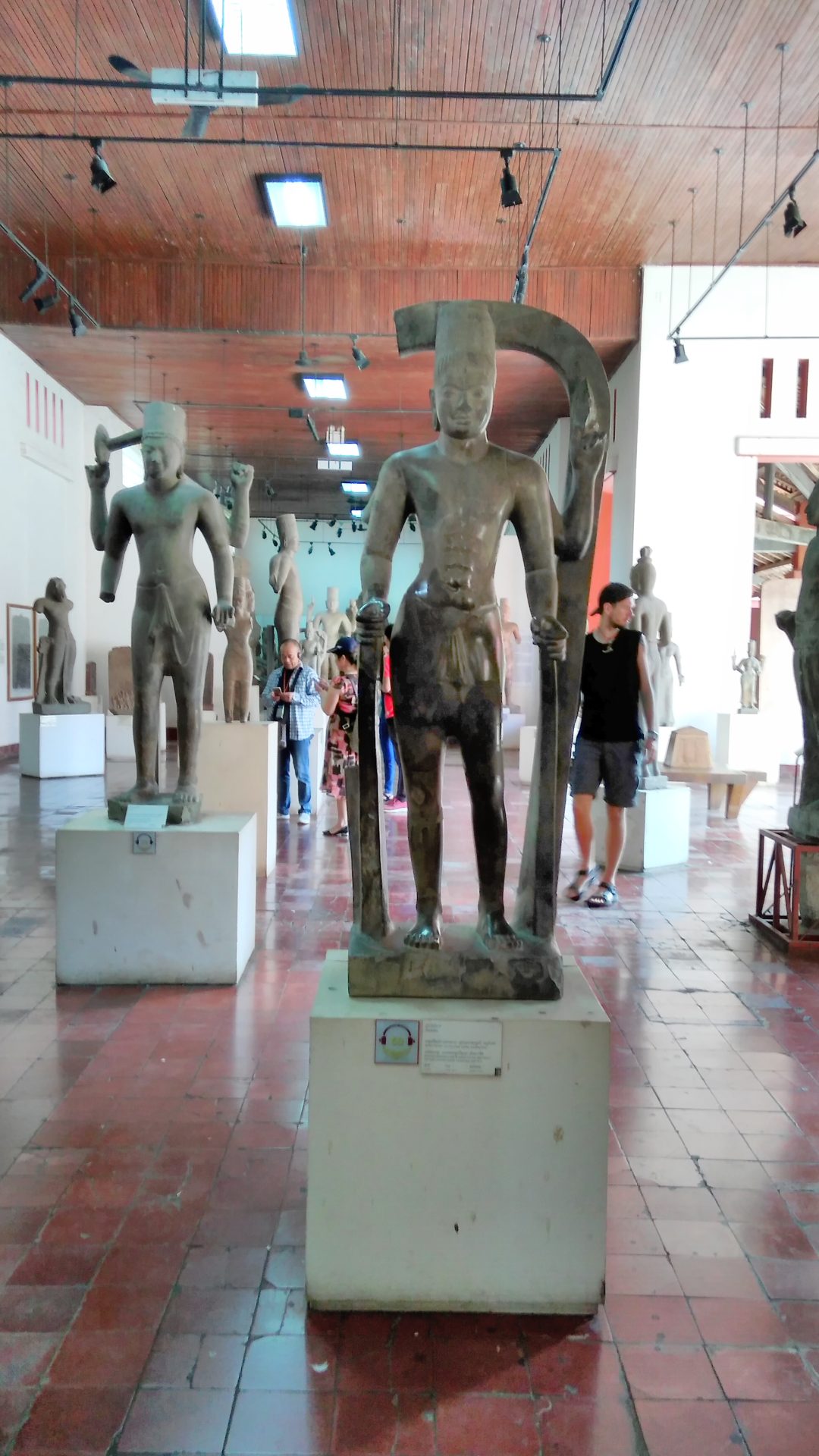
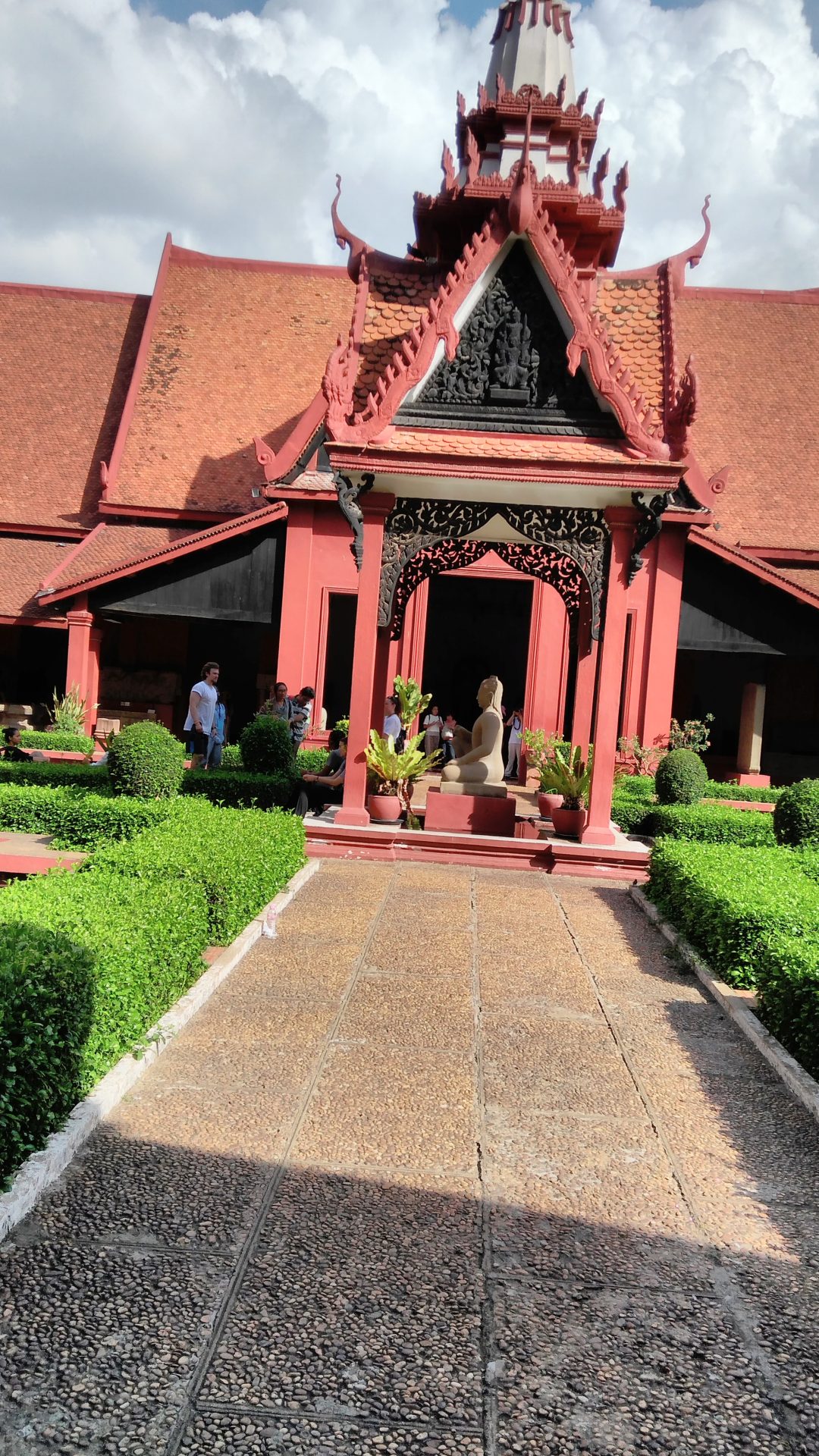
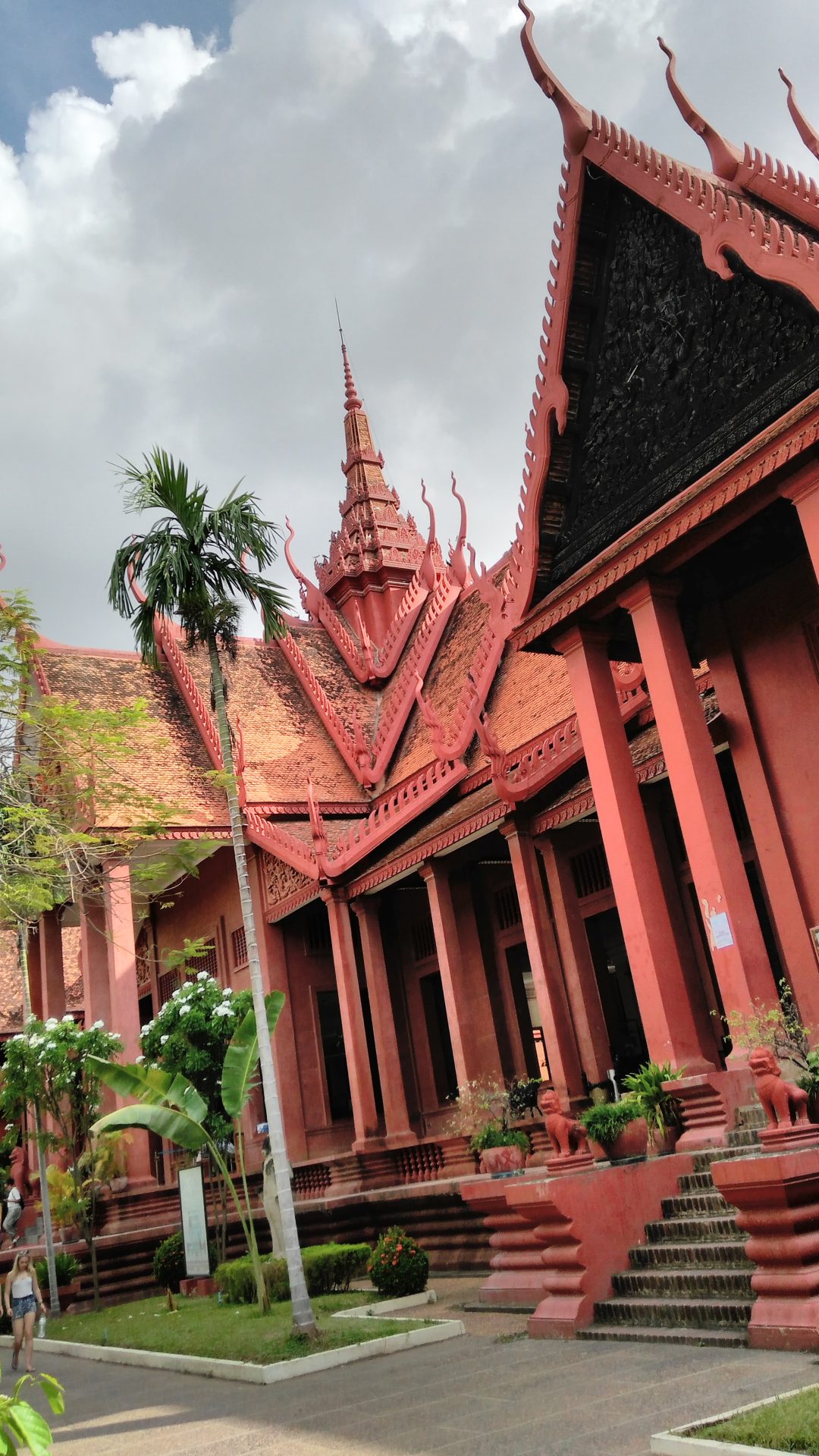
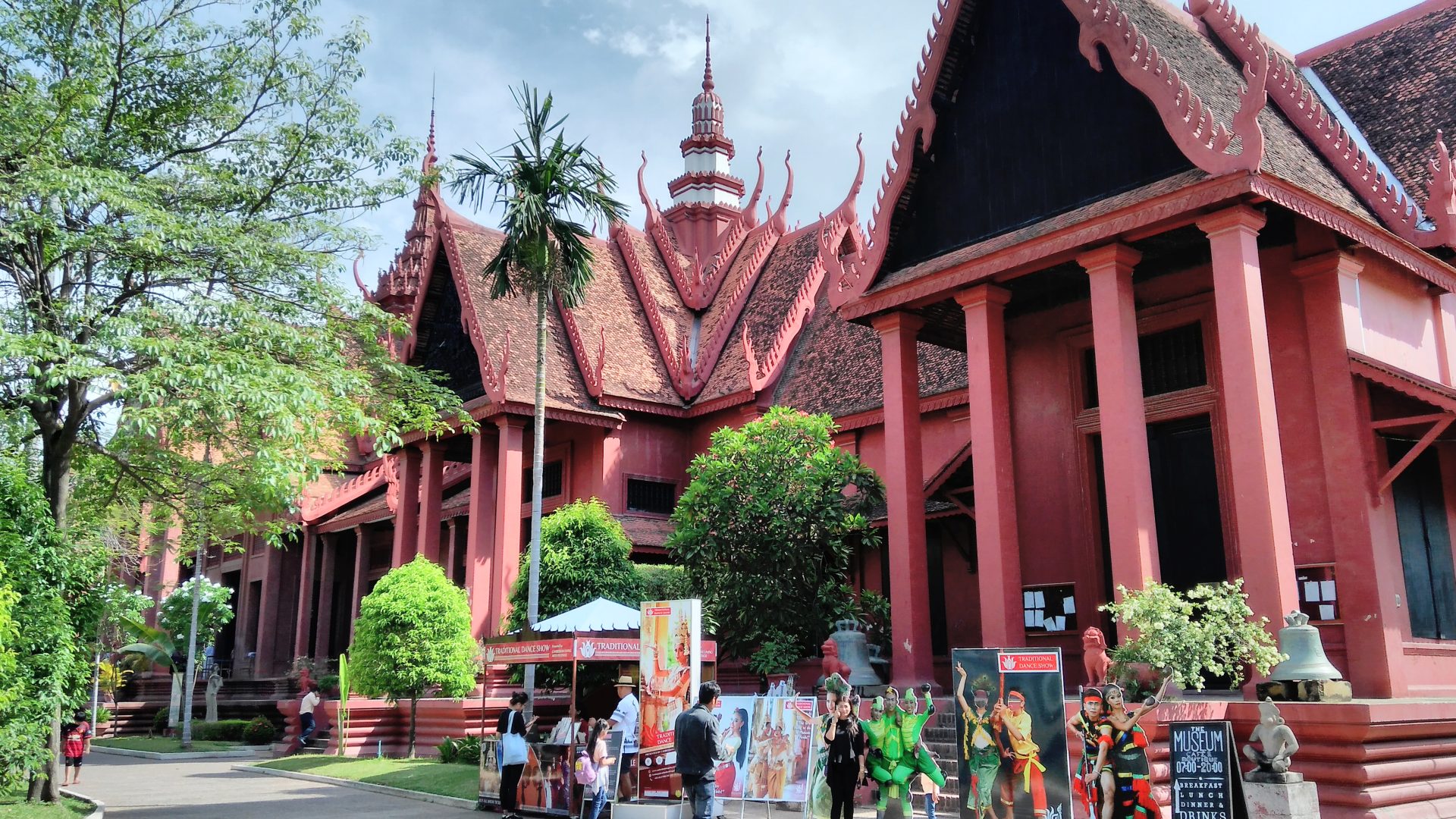
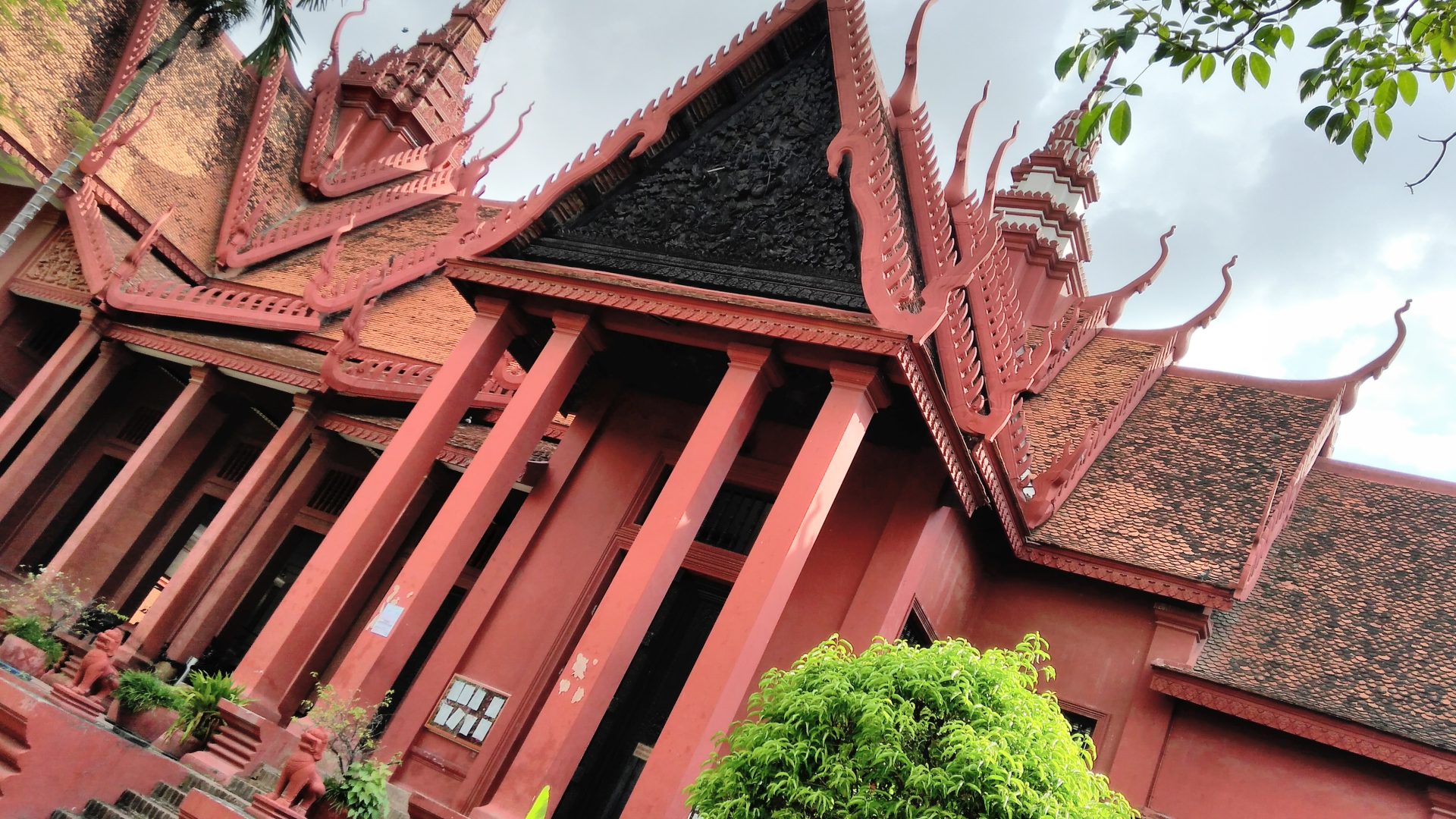
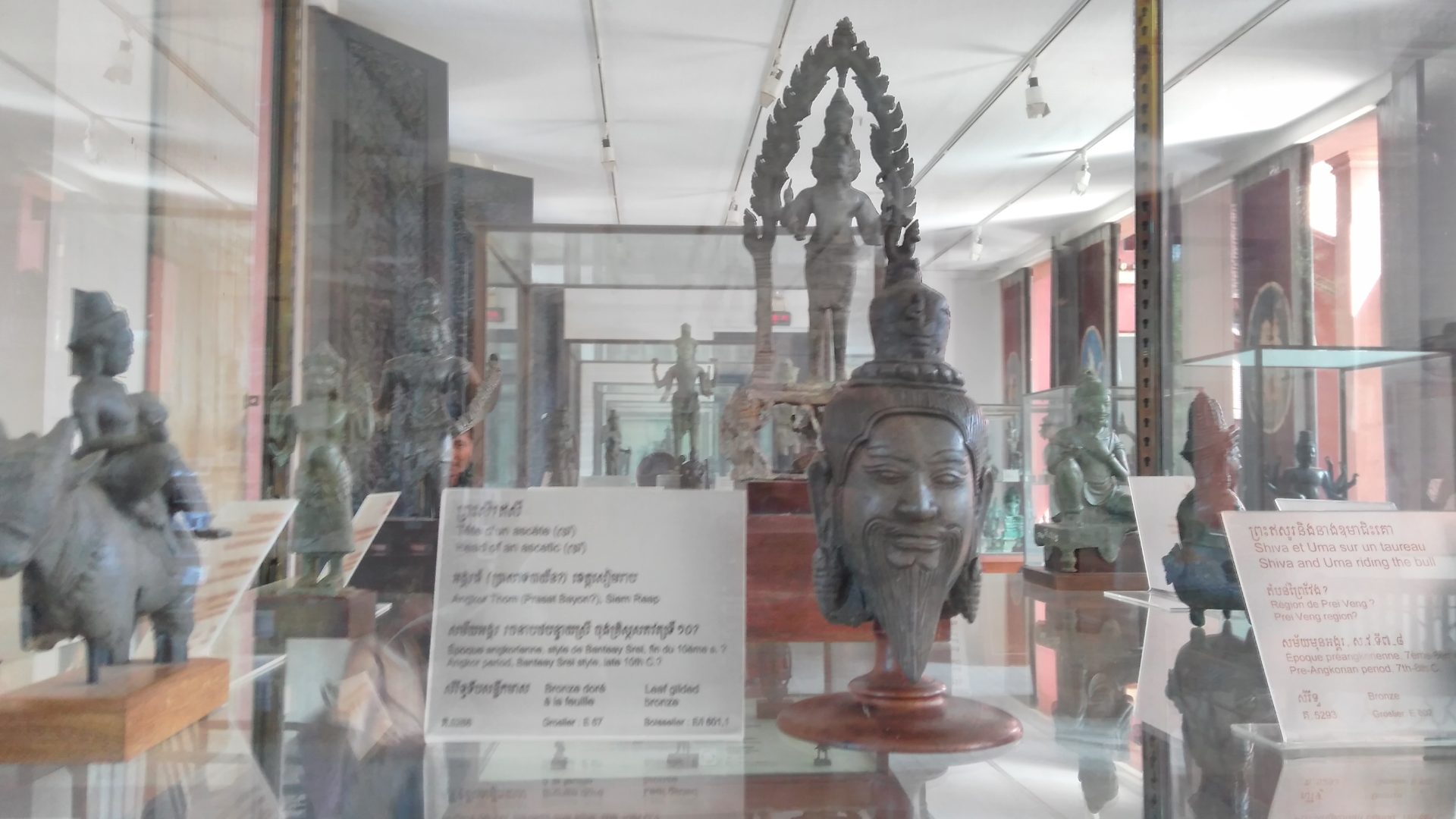
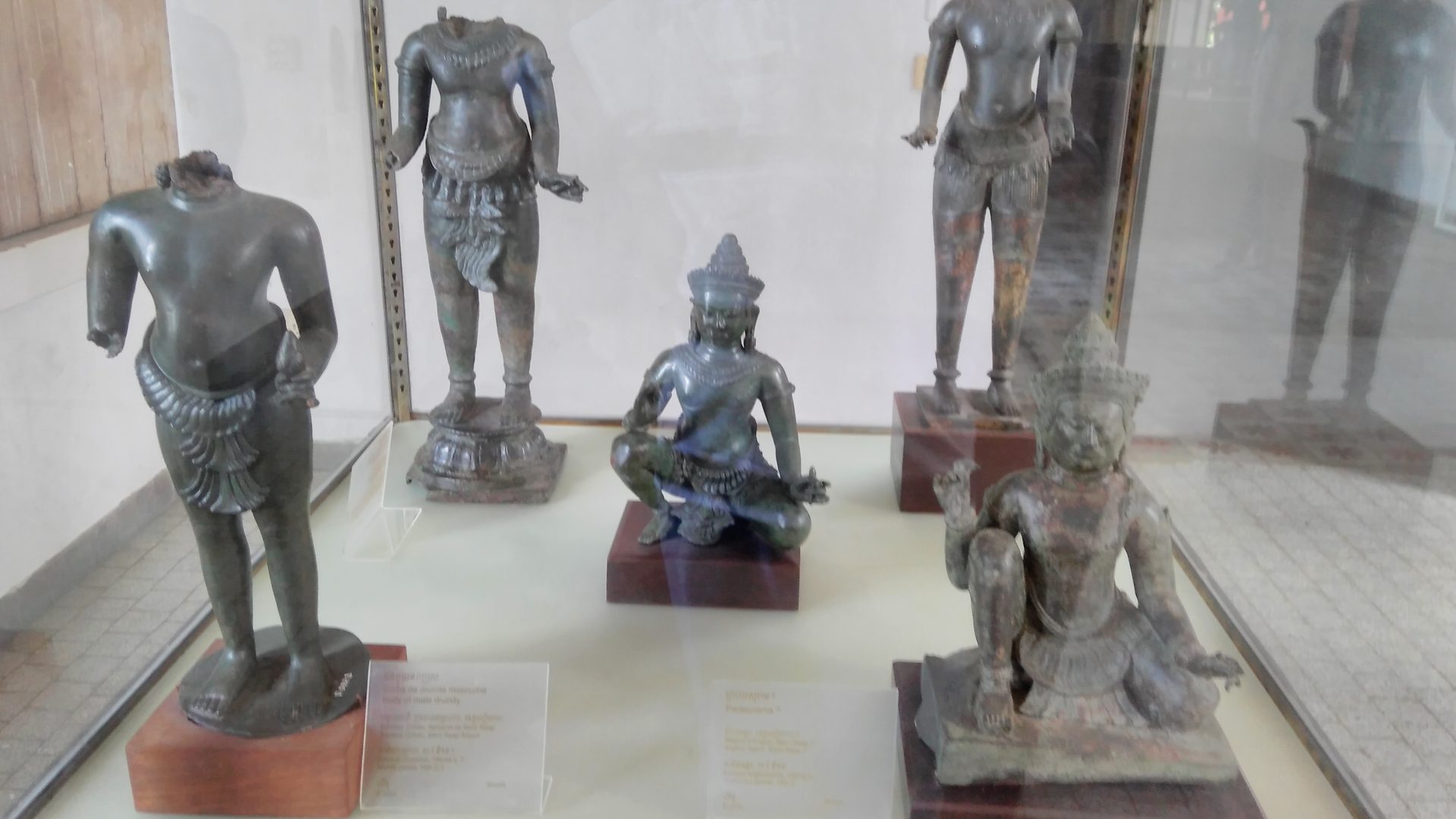
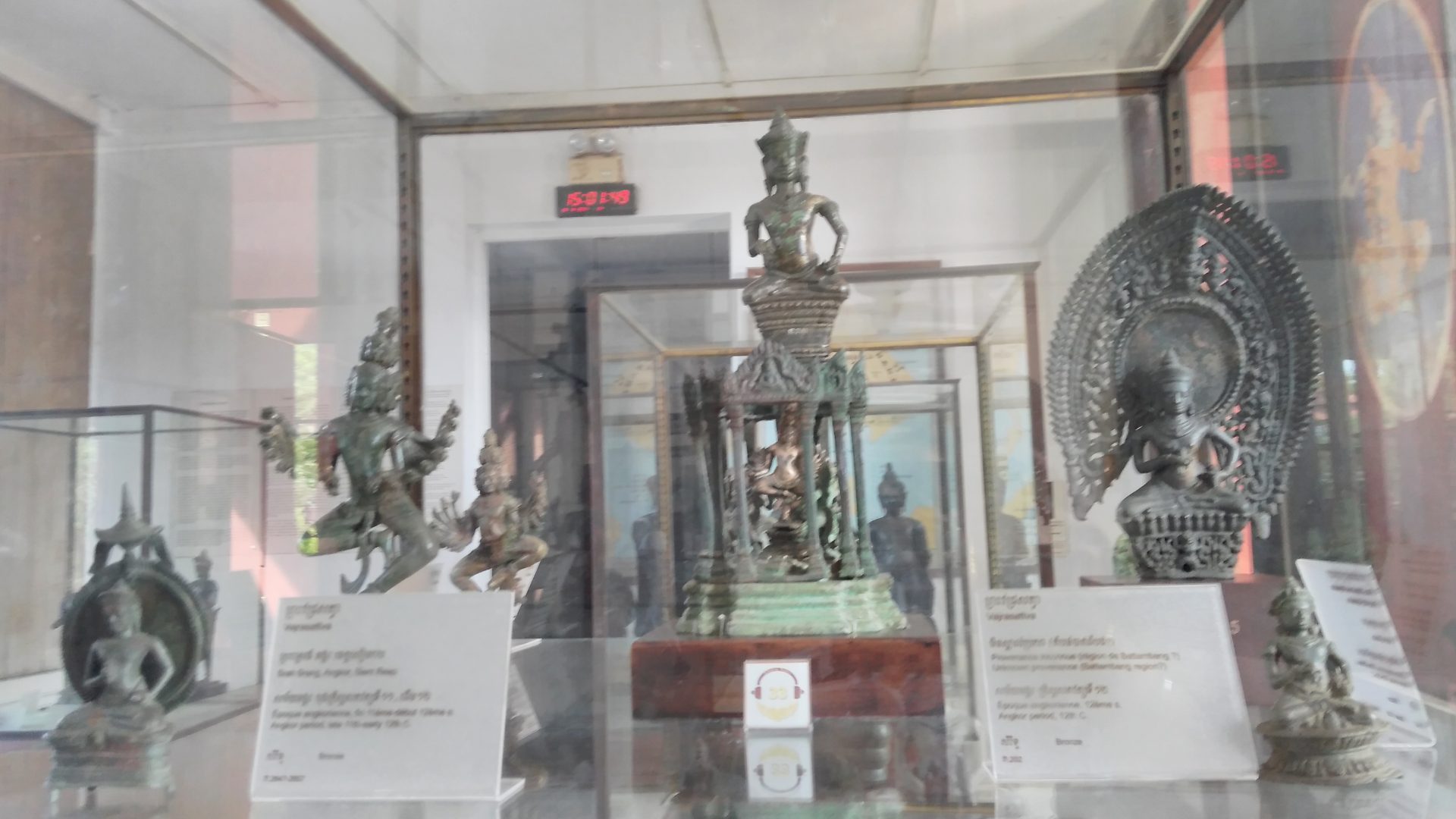
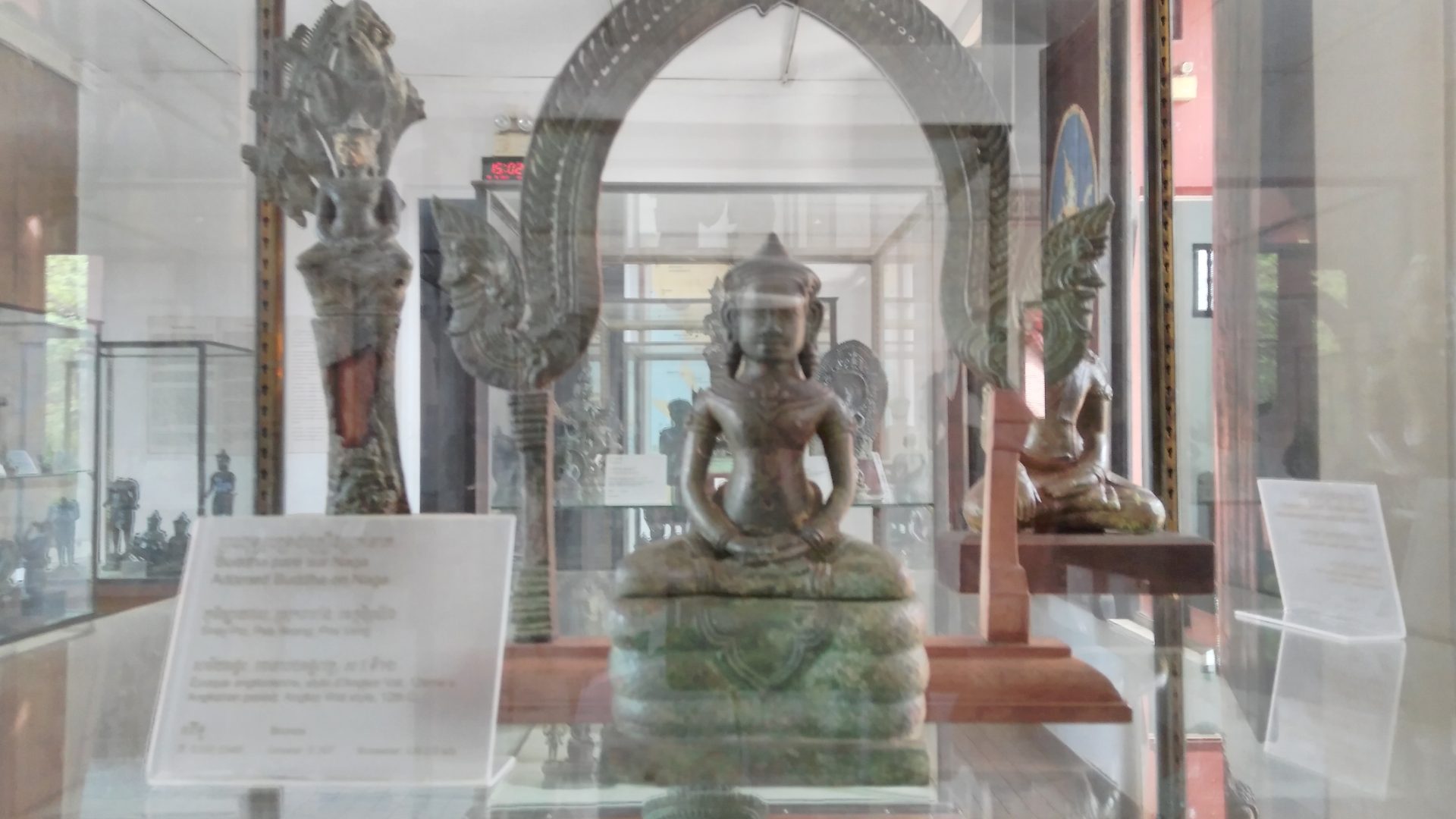
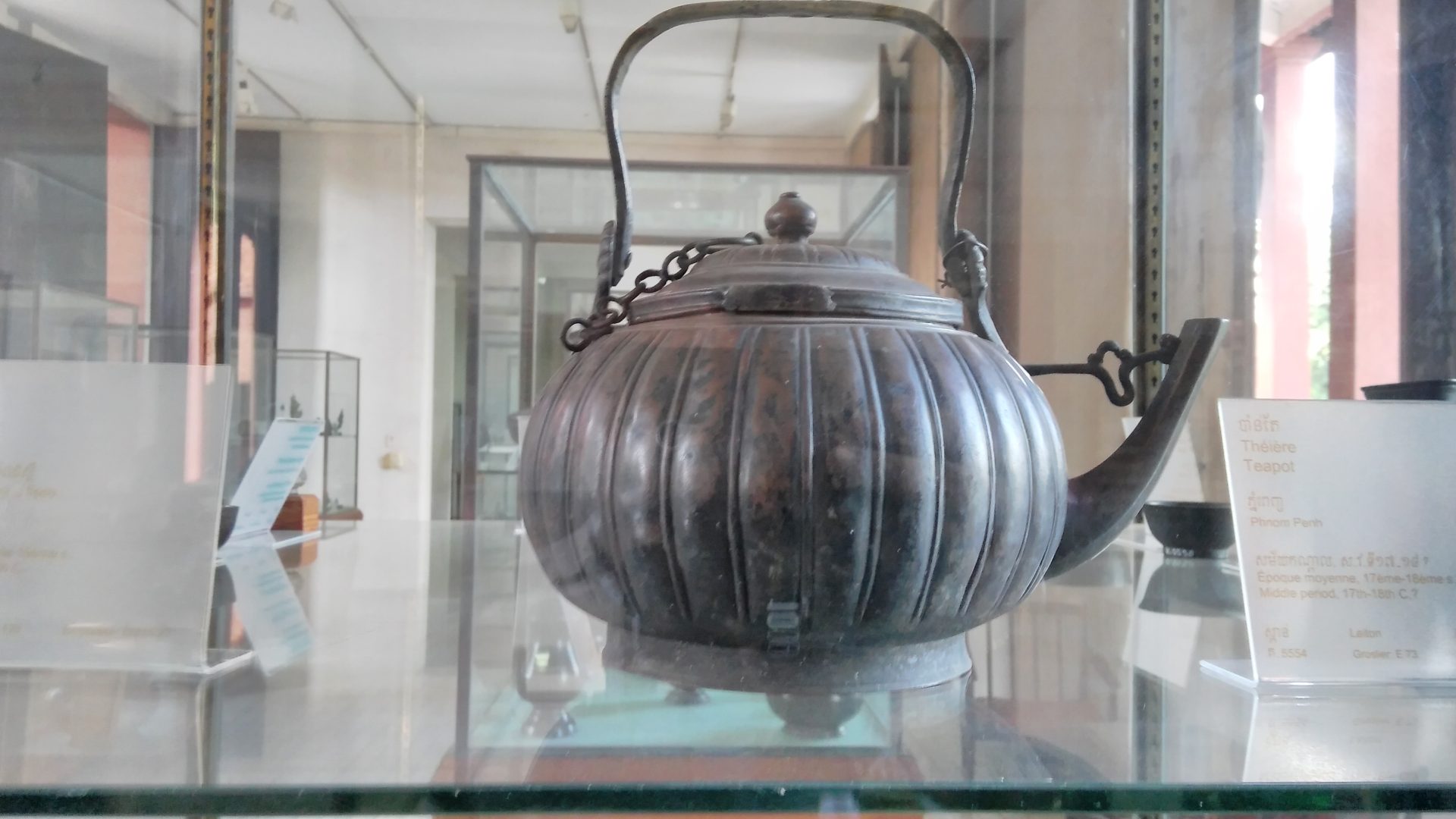
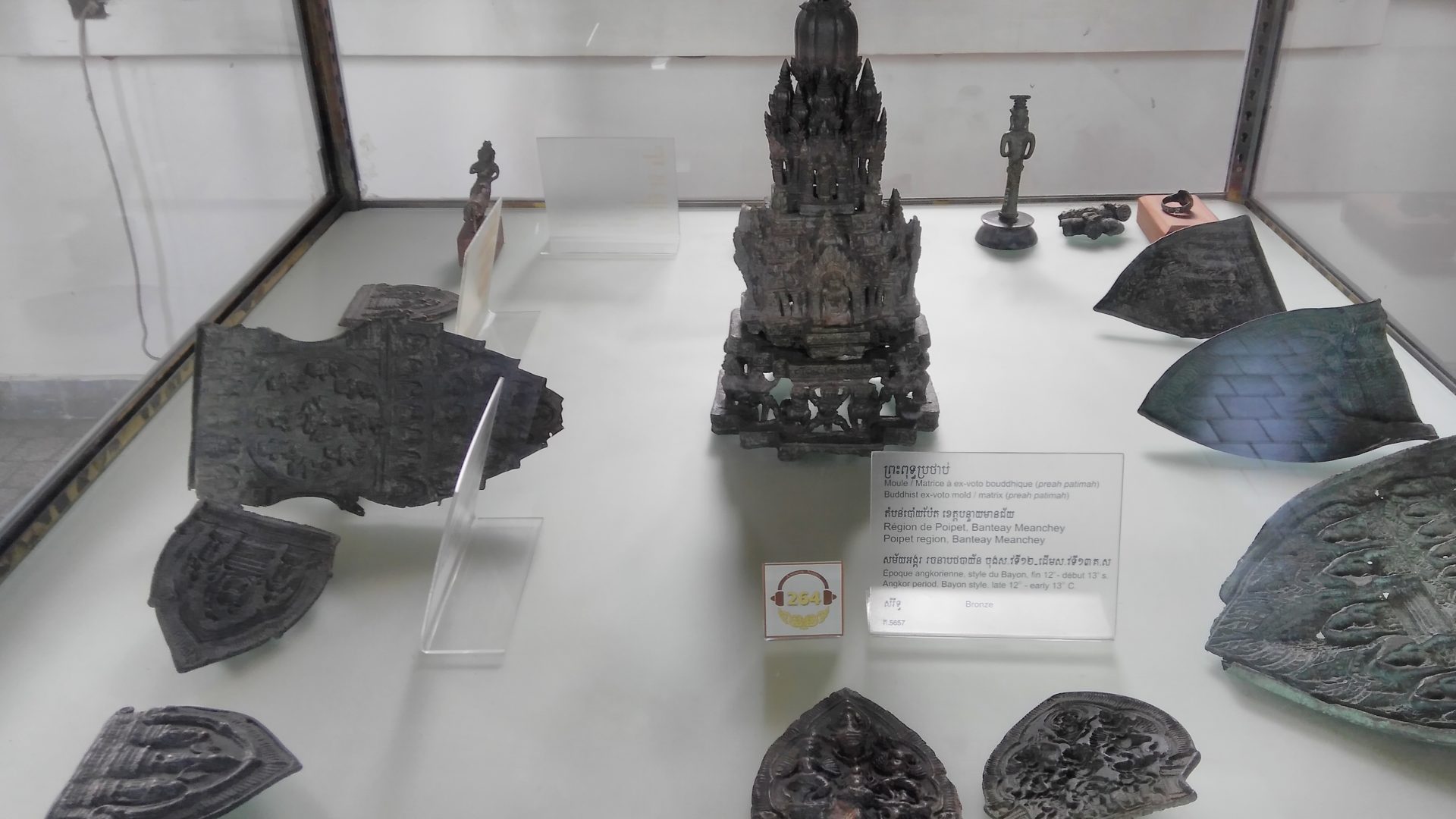
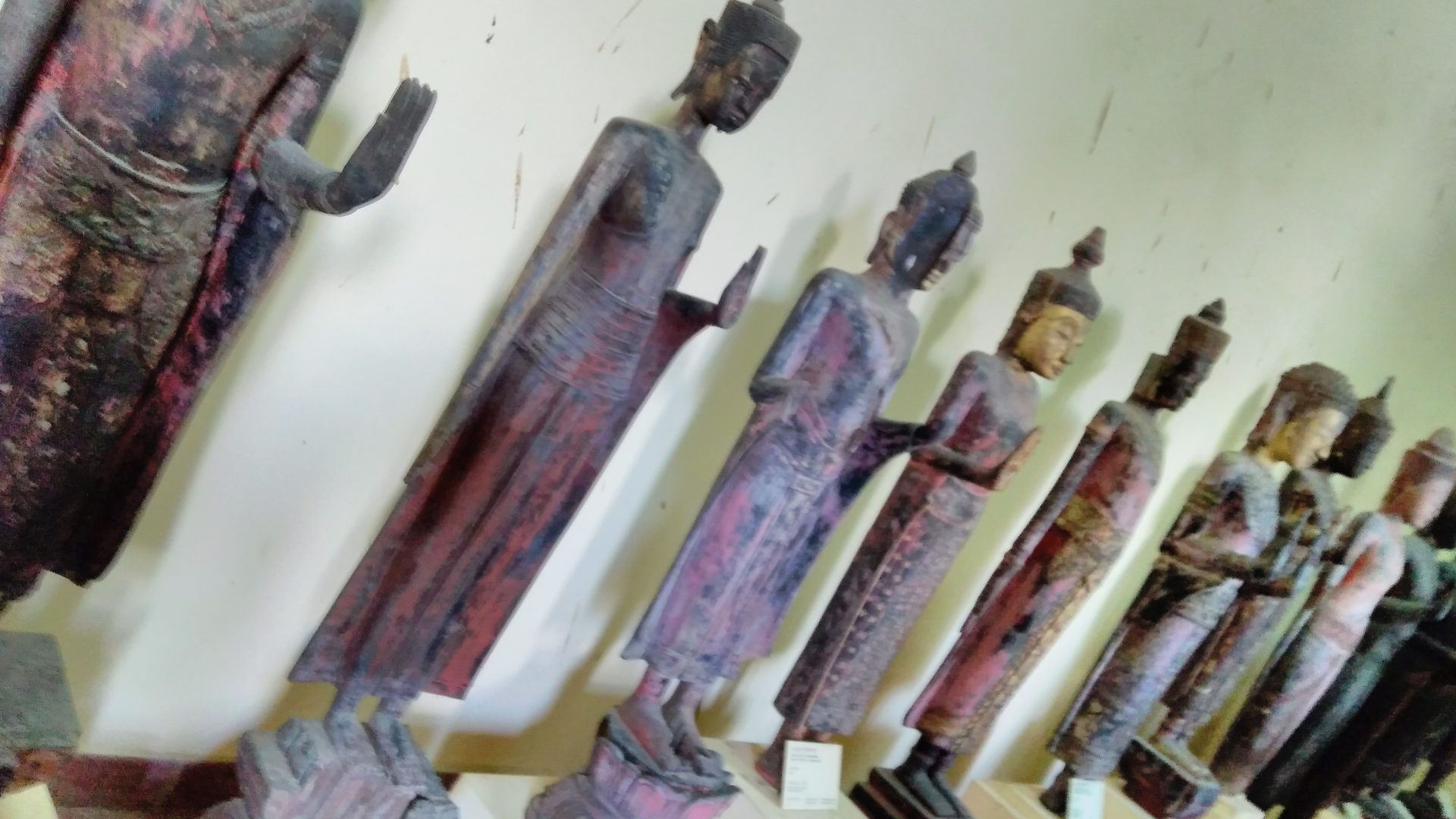
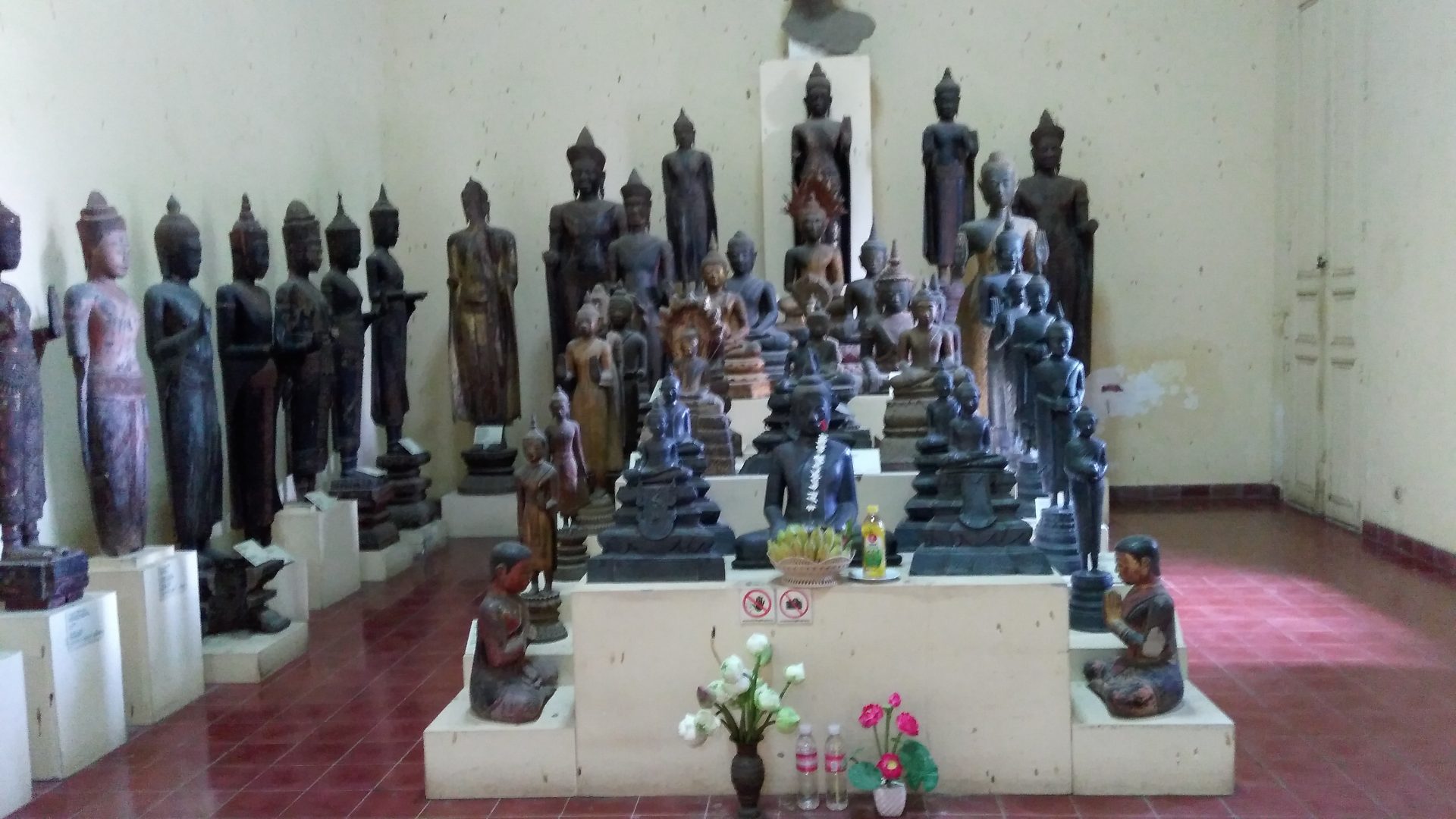
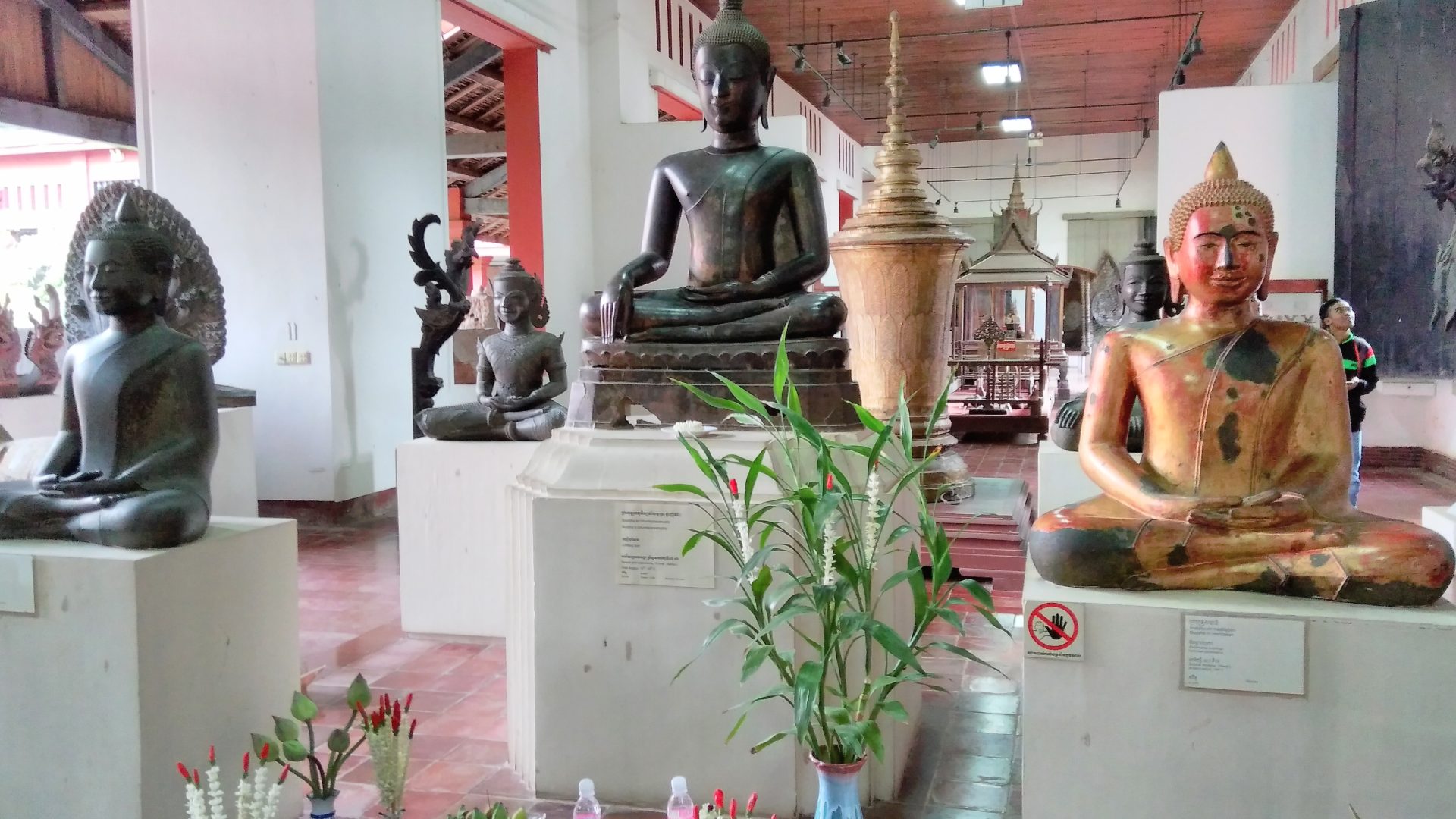
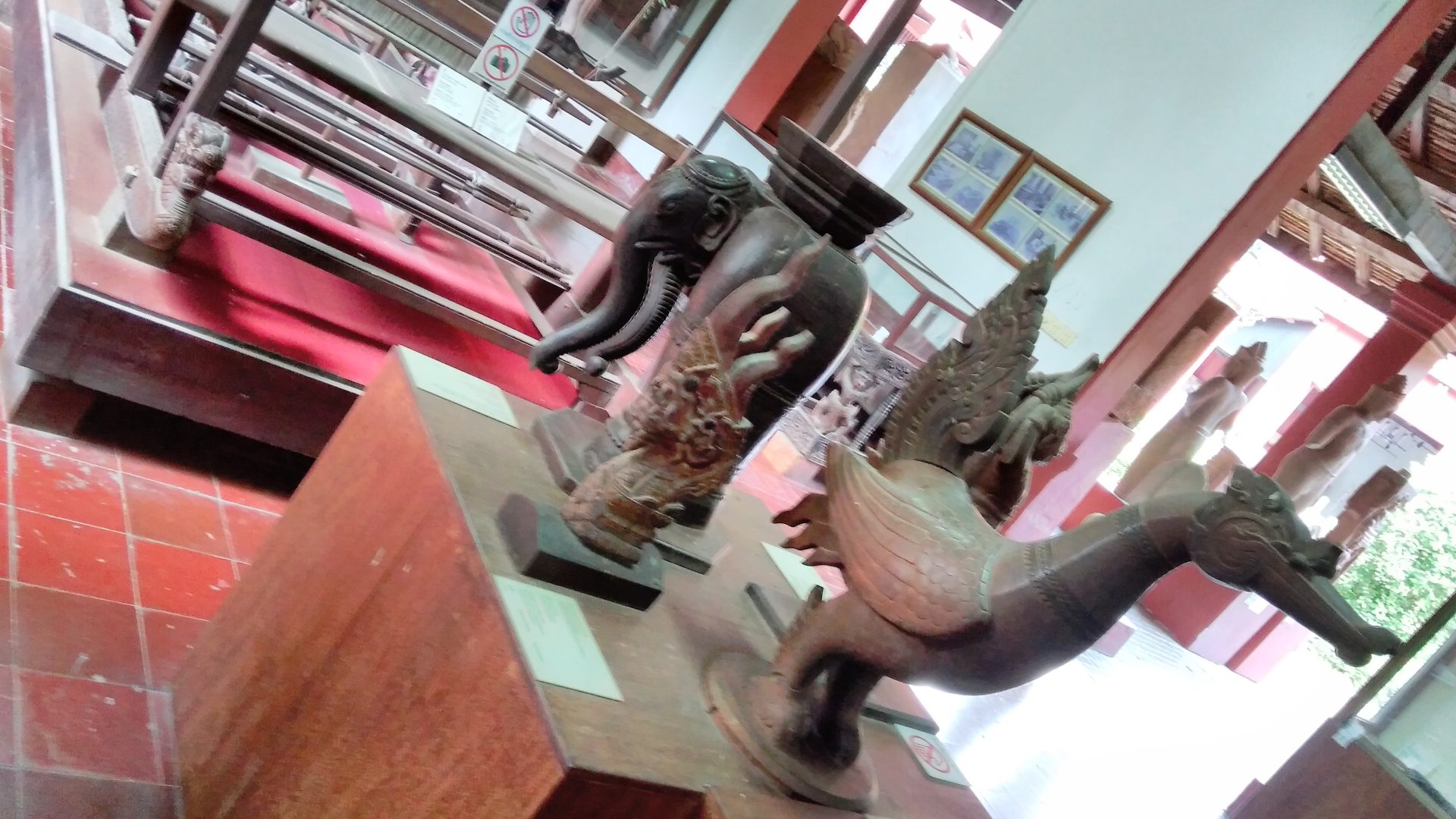
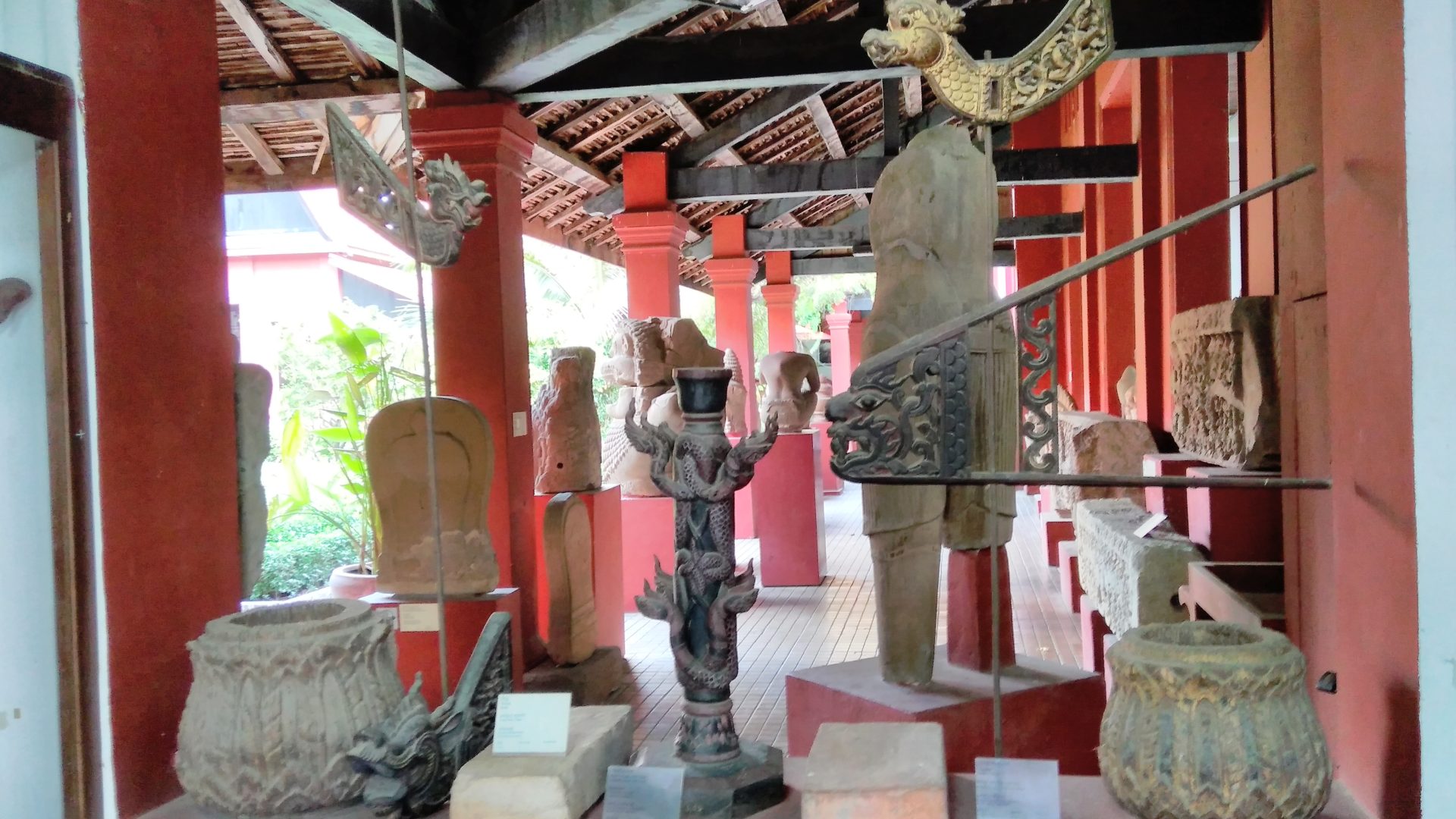
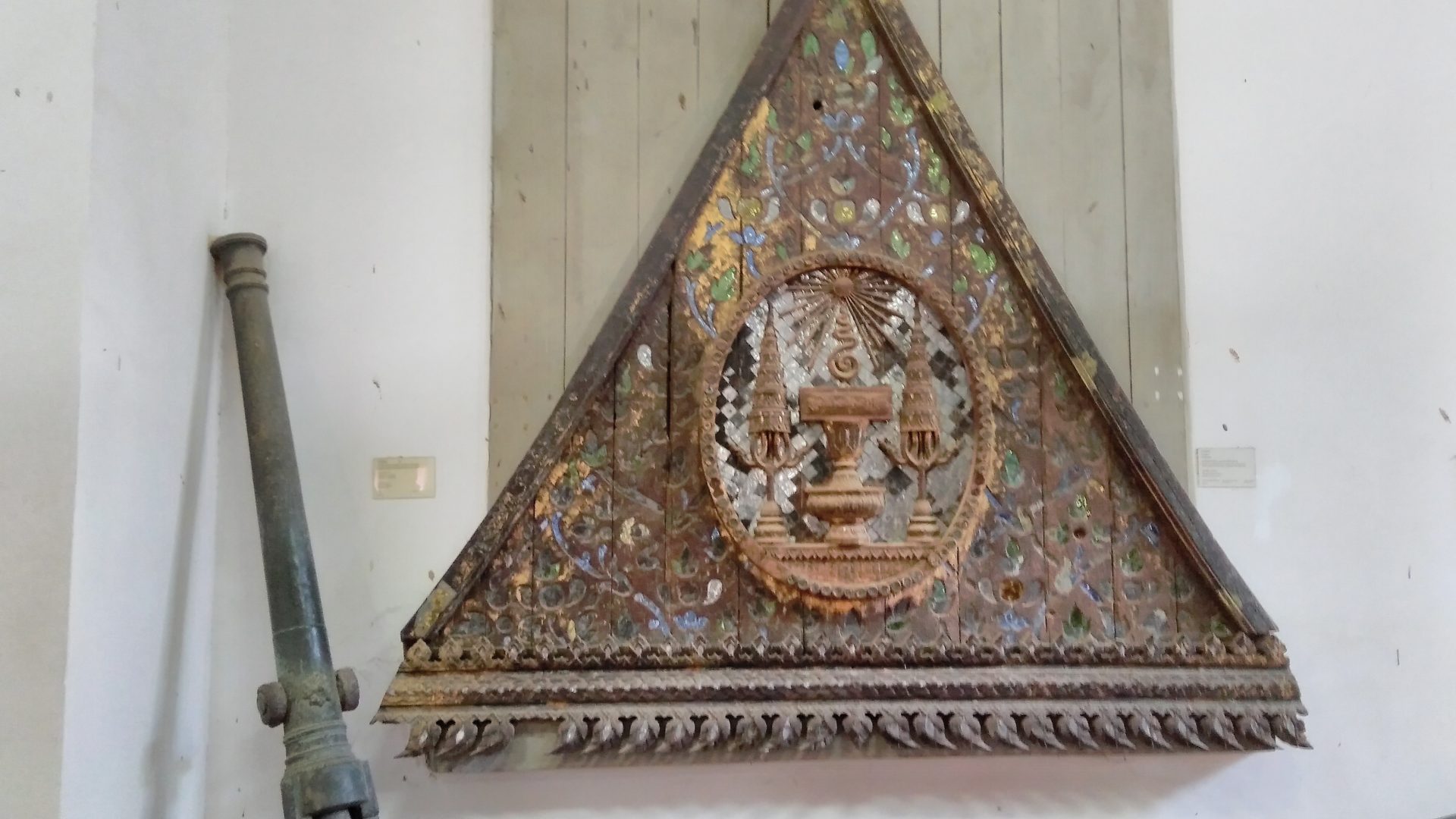
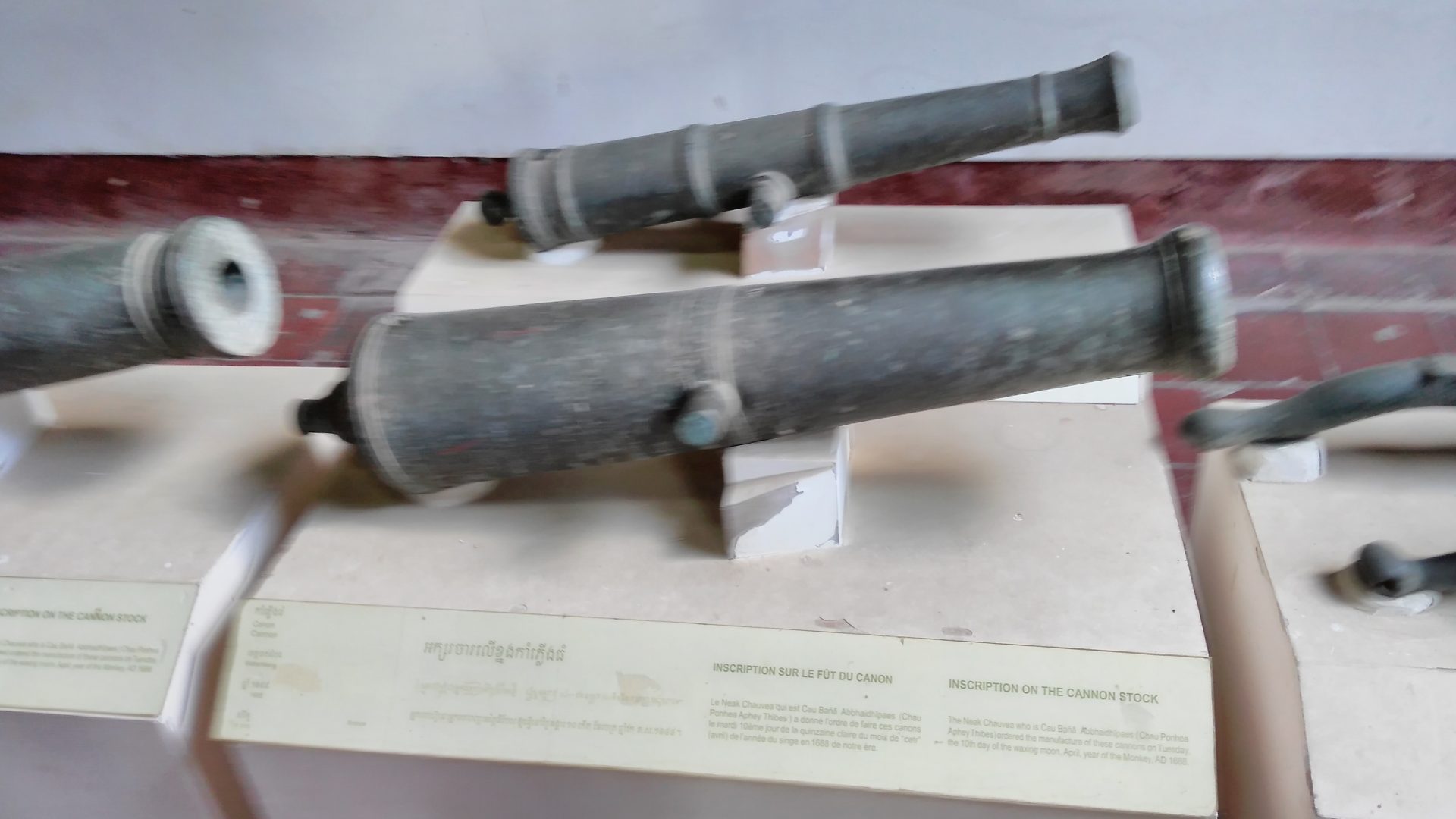
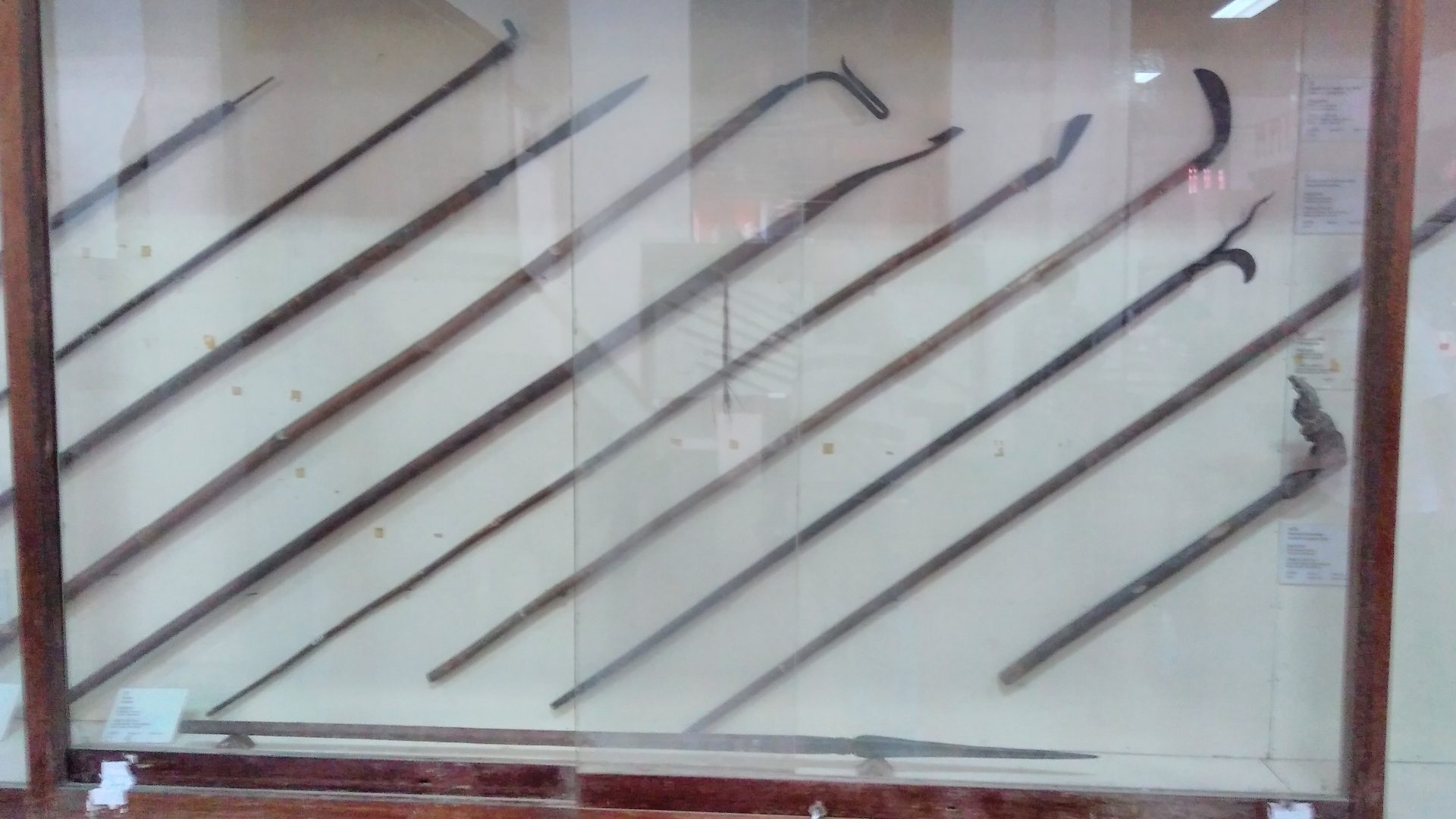
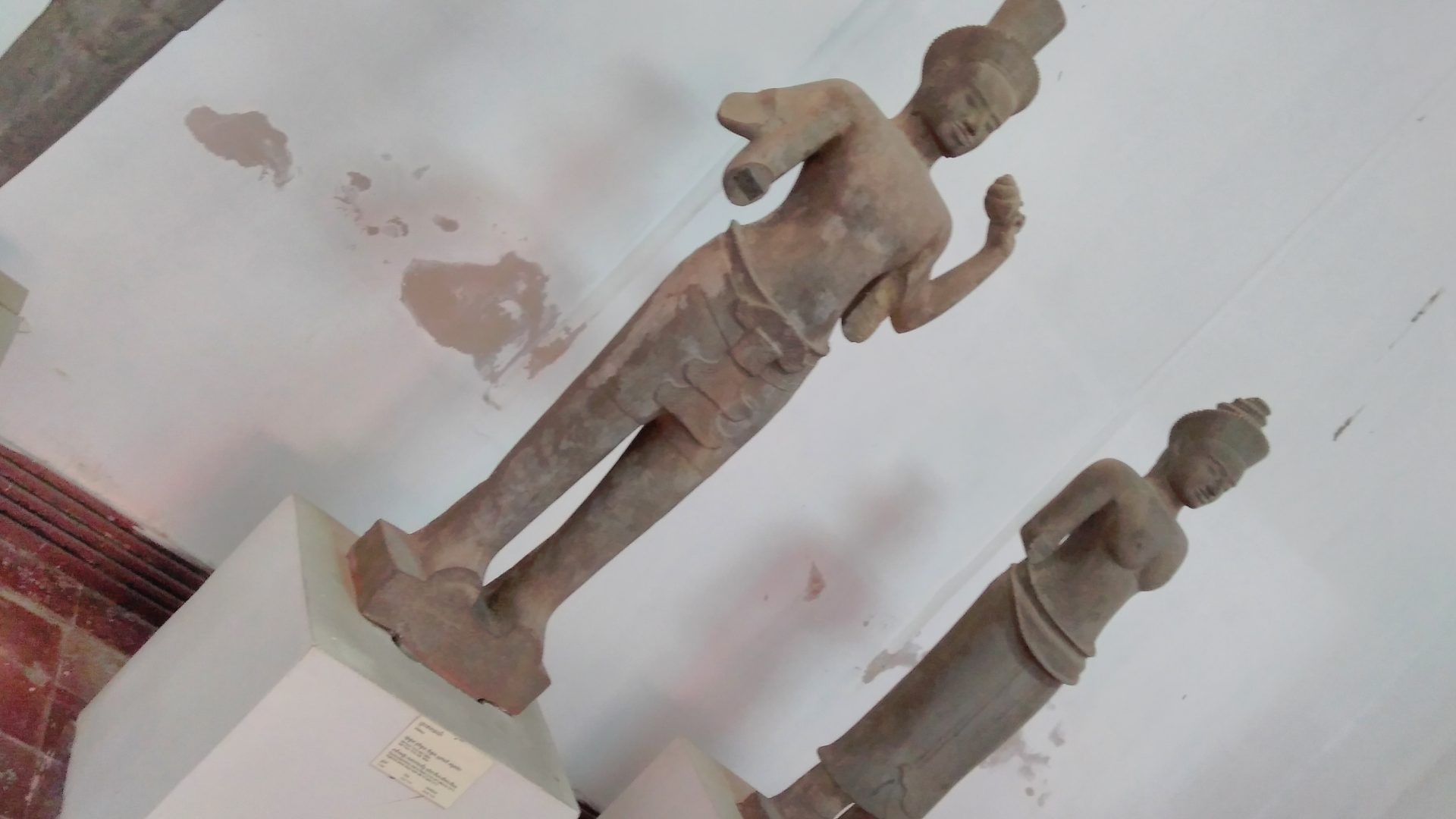
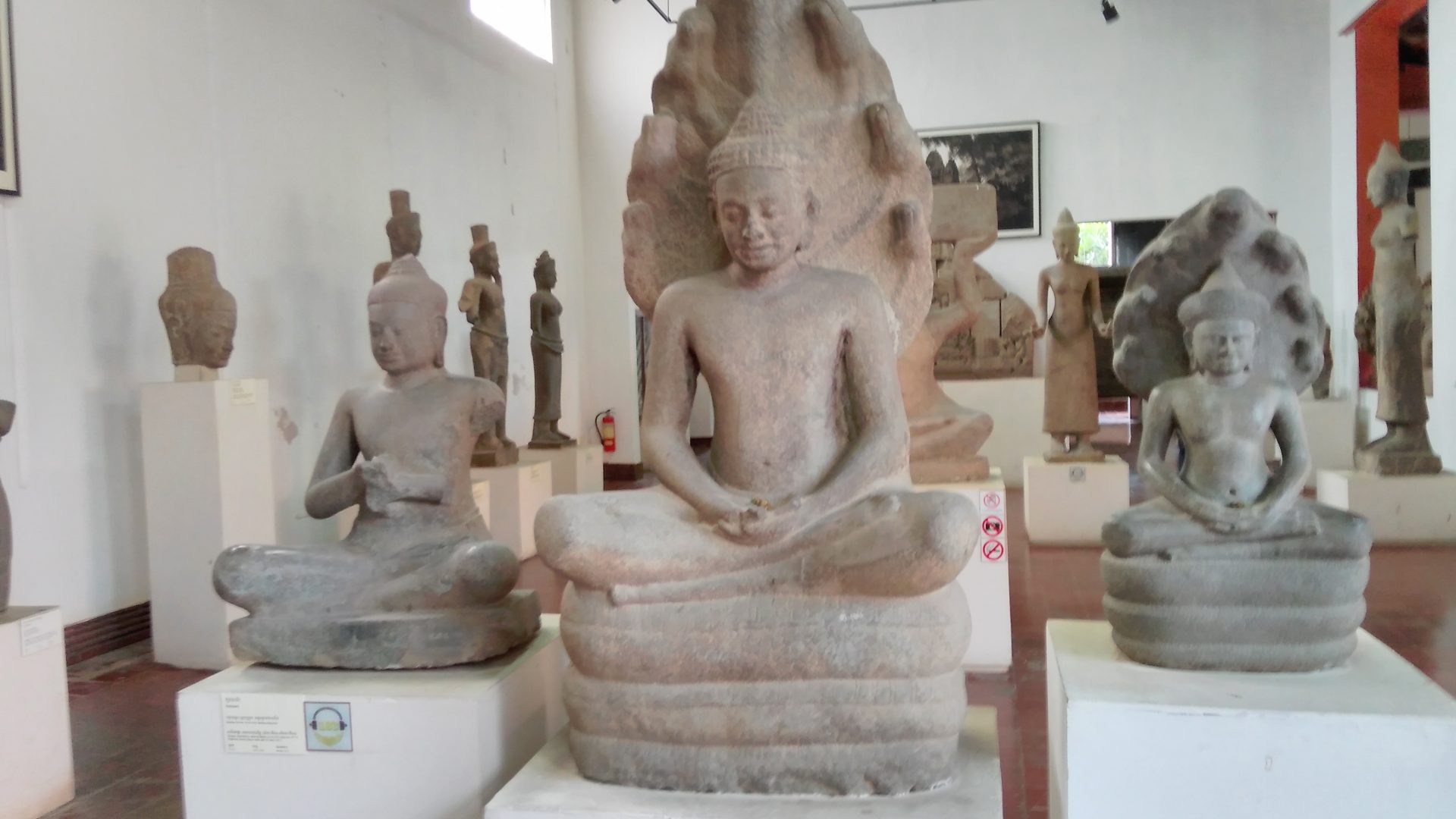
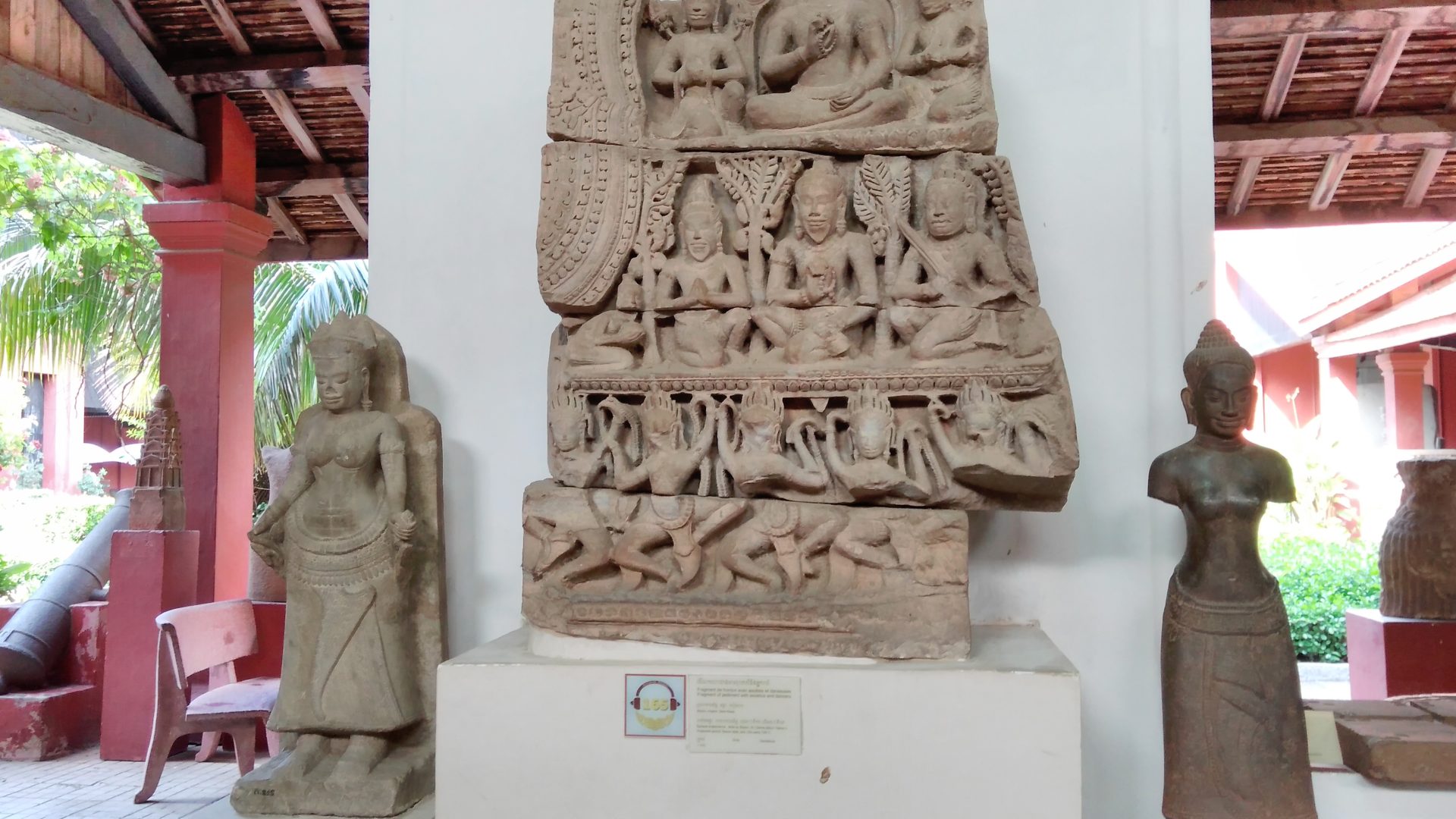
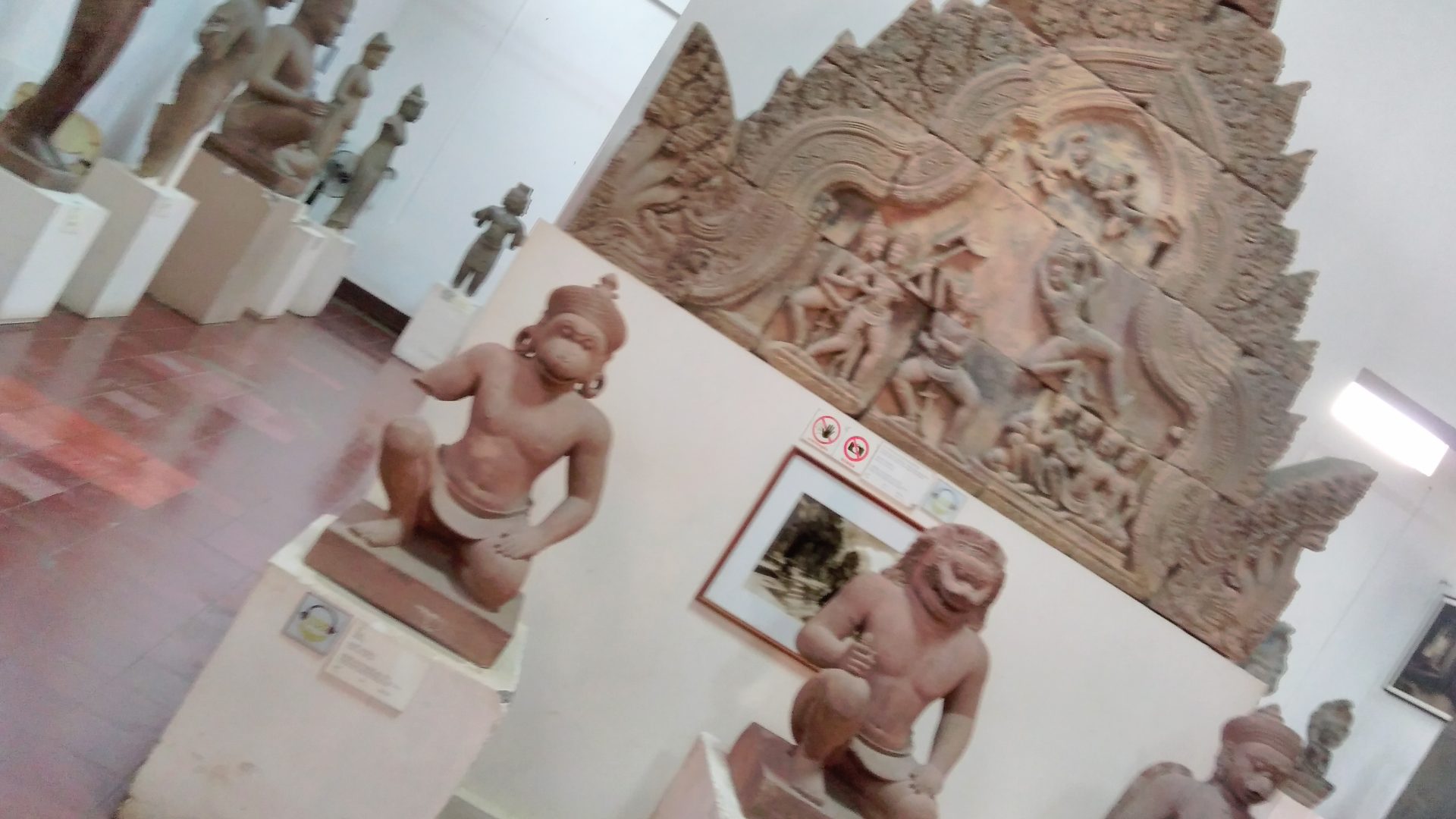
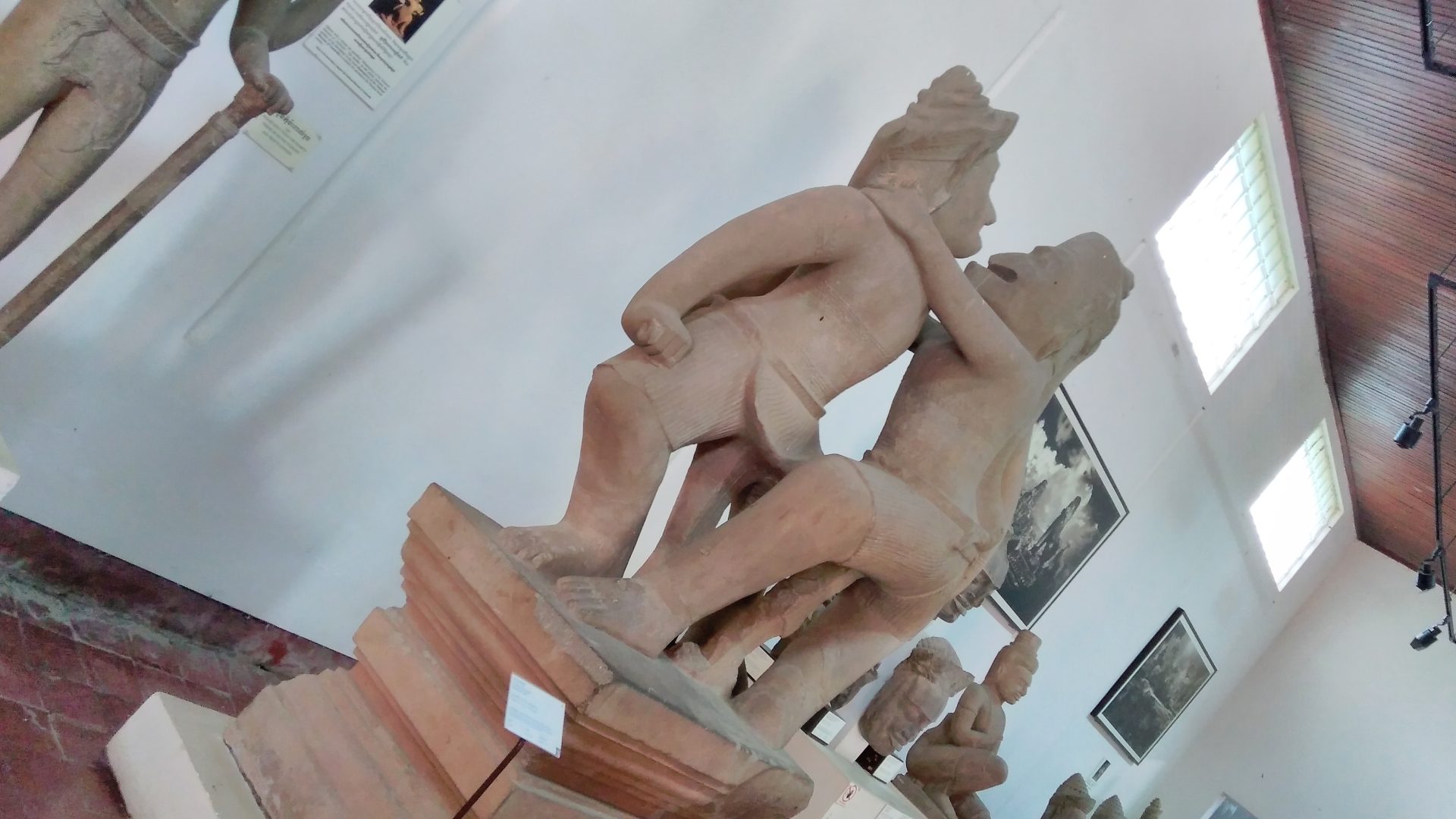
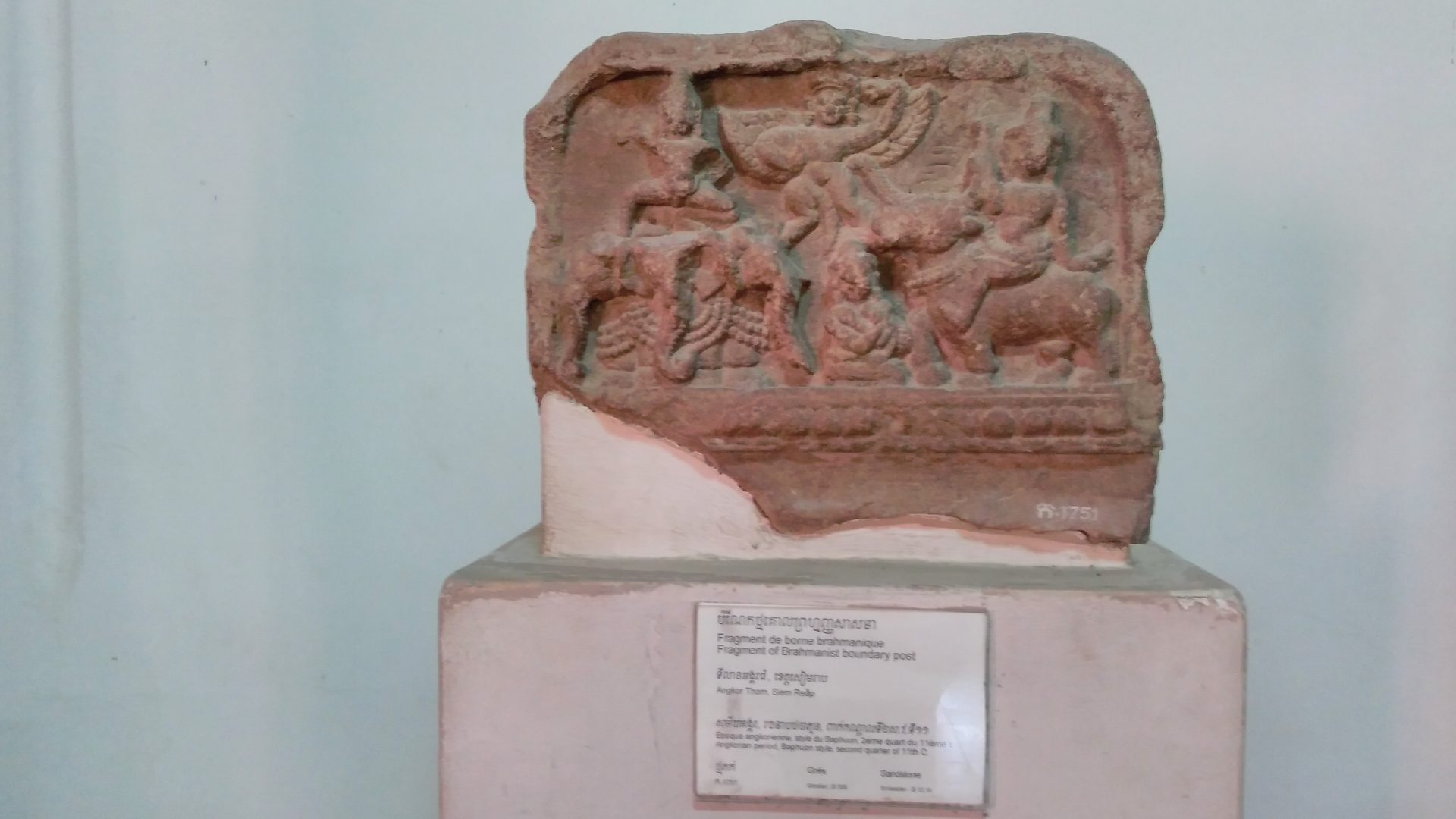
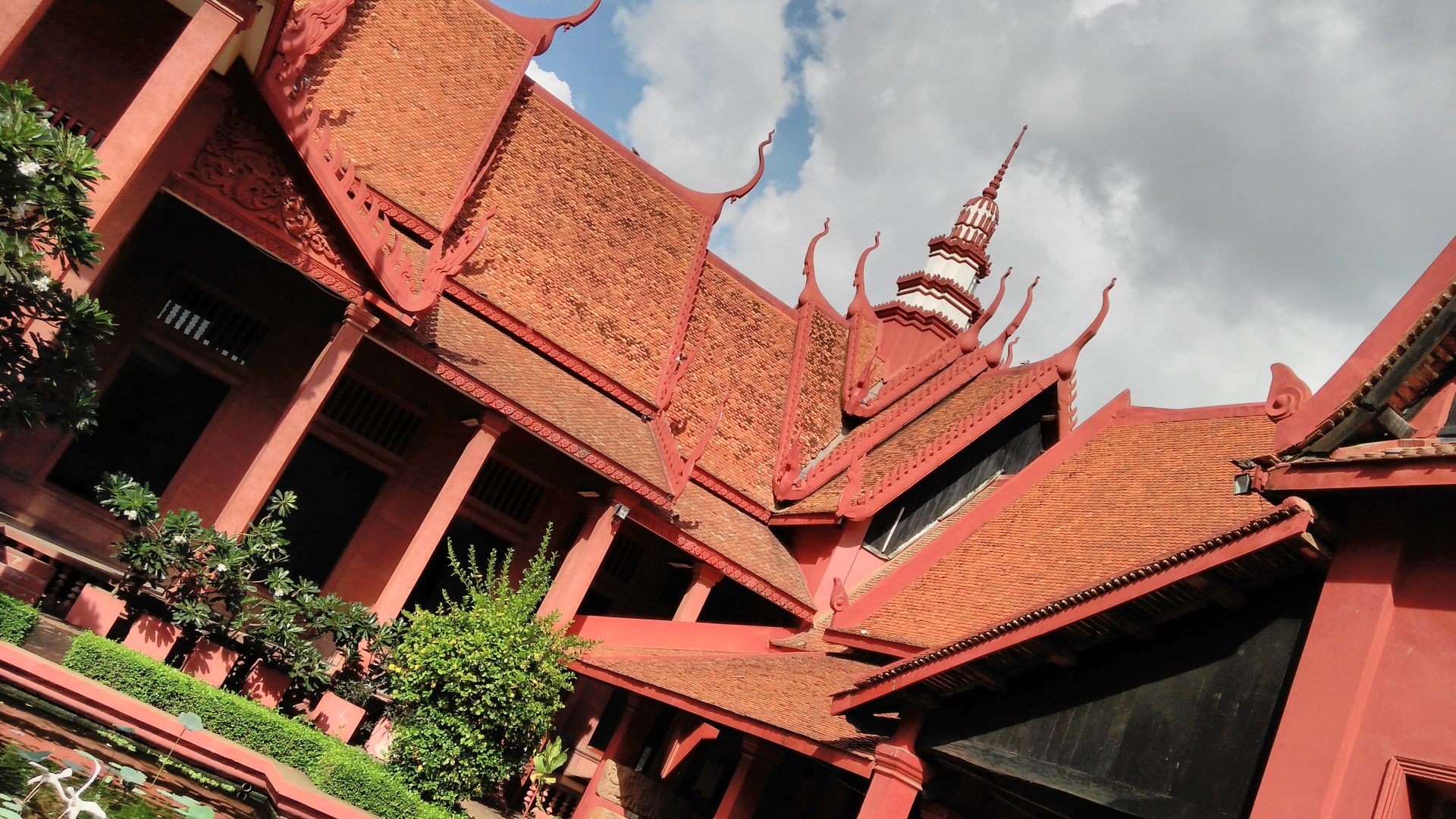
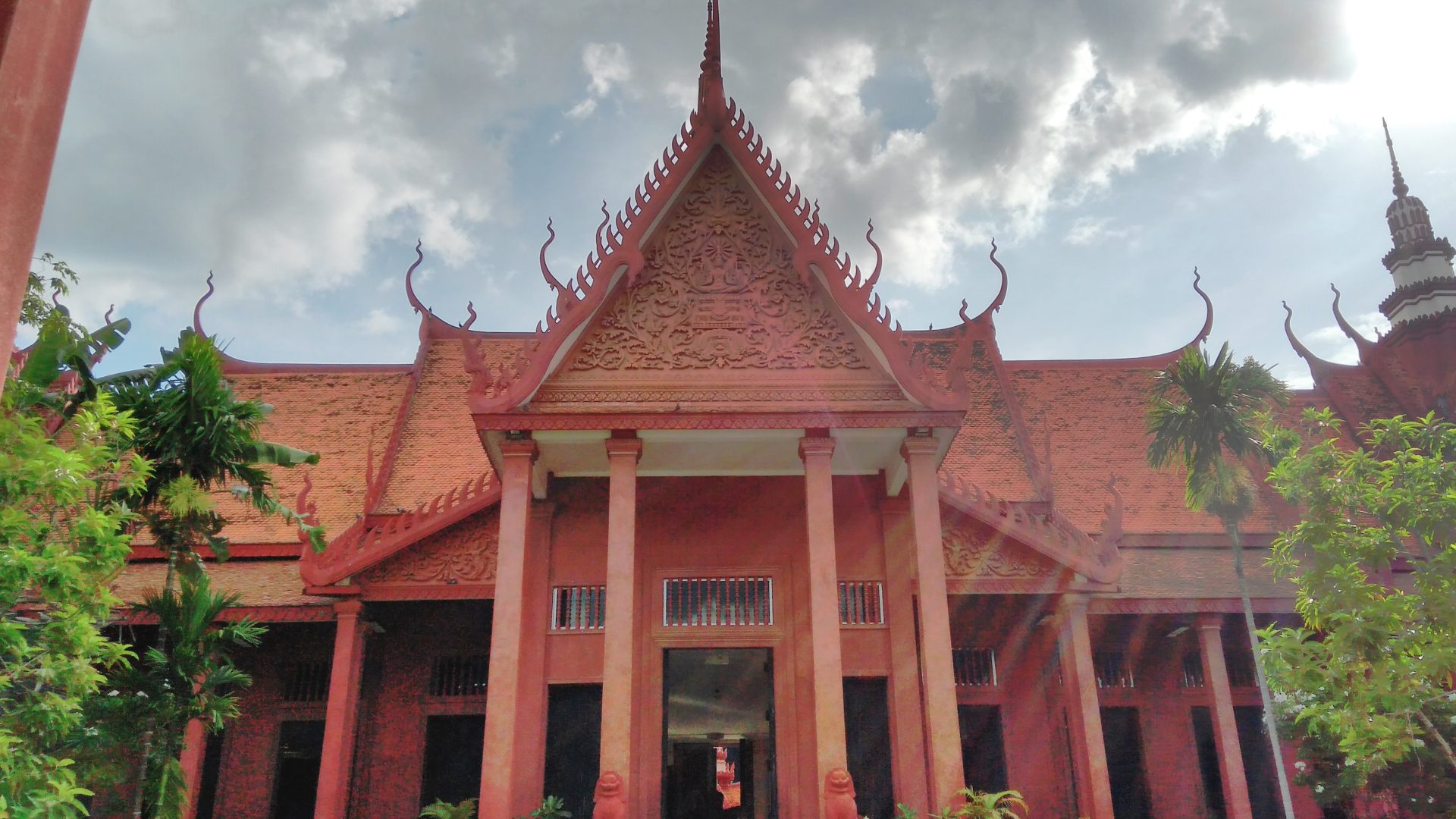
Adjacent to the Royal palace at a walking distance of around 300 metres lies the National Museum of Cambodia. Home to more than 5000 artifacts which date back to the ancient Angkorian era. There are various rooms which display a wide range of rare statues,Lingas and other items, including the Leper King from Siem Reap and a giant 11th Century bronze Vishnu. Built with dark red clay bricks and intricately carved roofs that spiral upwards in a lush green setting, the museum aesthetically appears beautiful and appealing to the eyes. The cost of tickets are 10$ apiece.
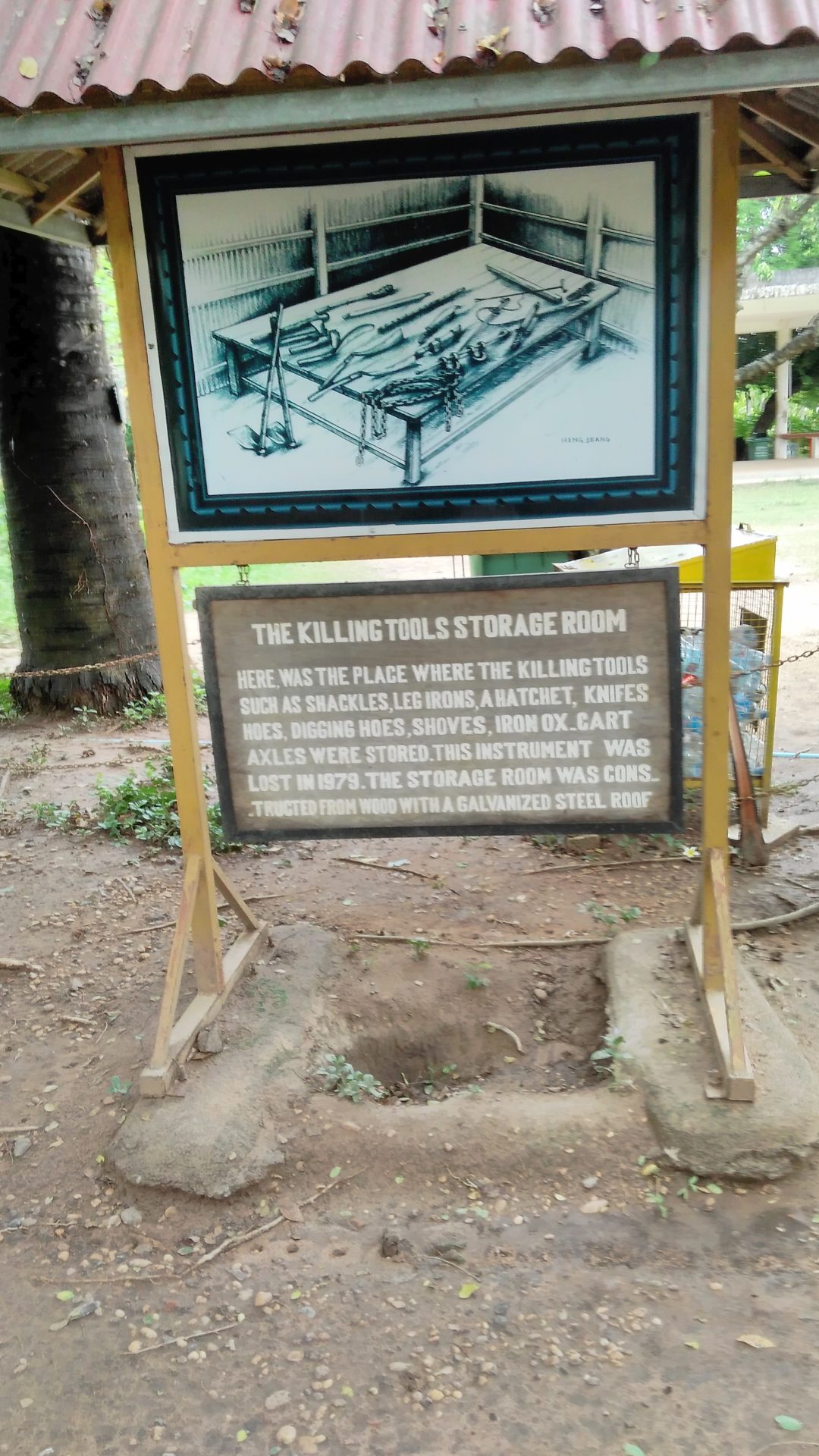
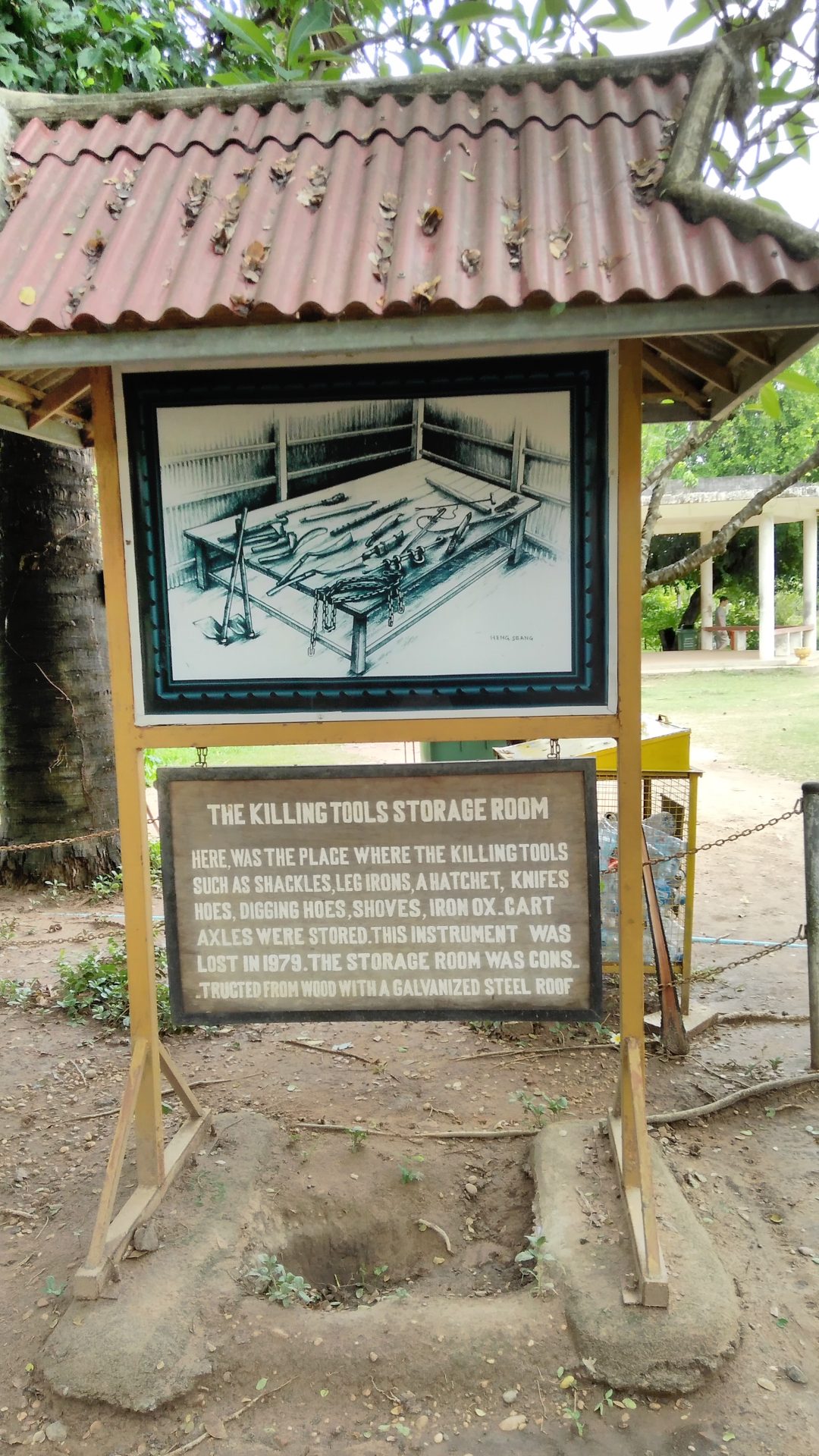
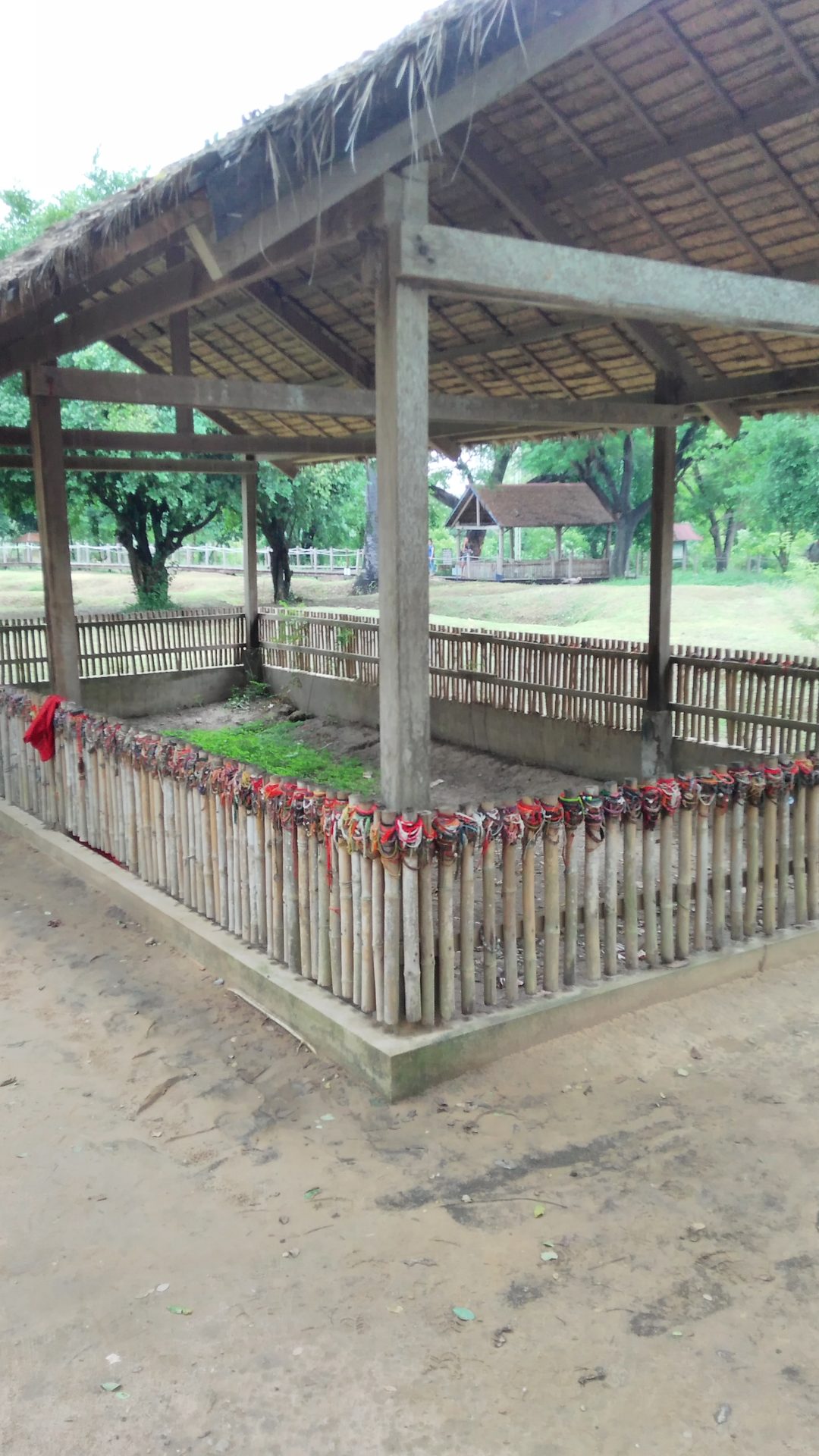
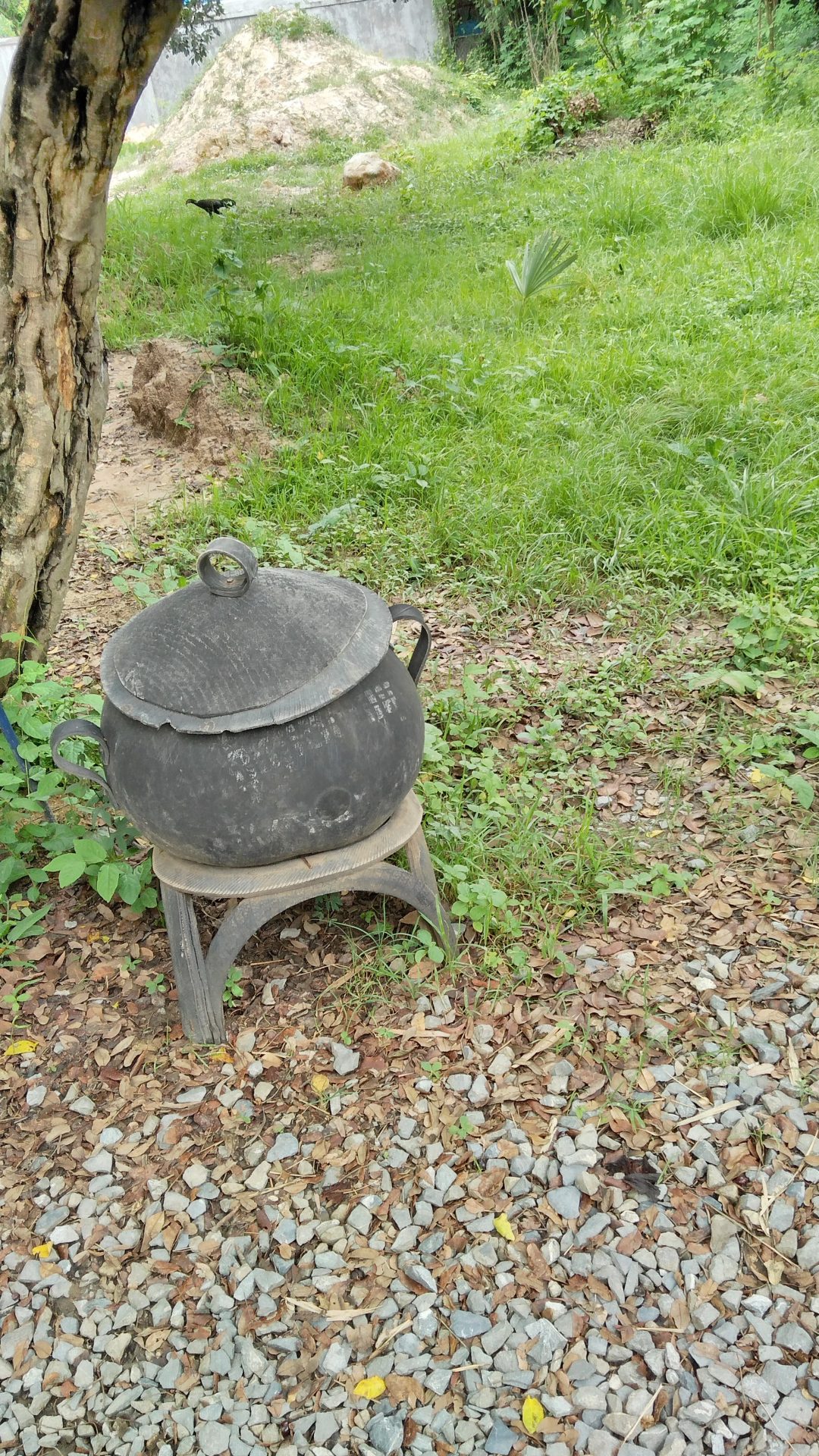
The Killing Fields
The city also houses a school which was converted into a prison in the year 1975 during the Khmer Rouge and it stands converted as the Tuol Sleng Genocide Museum.
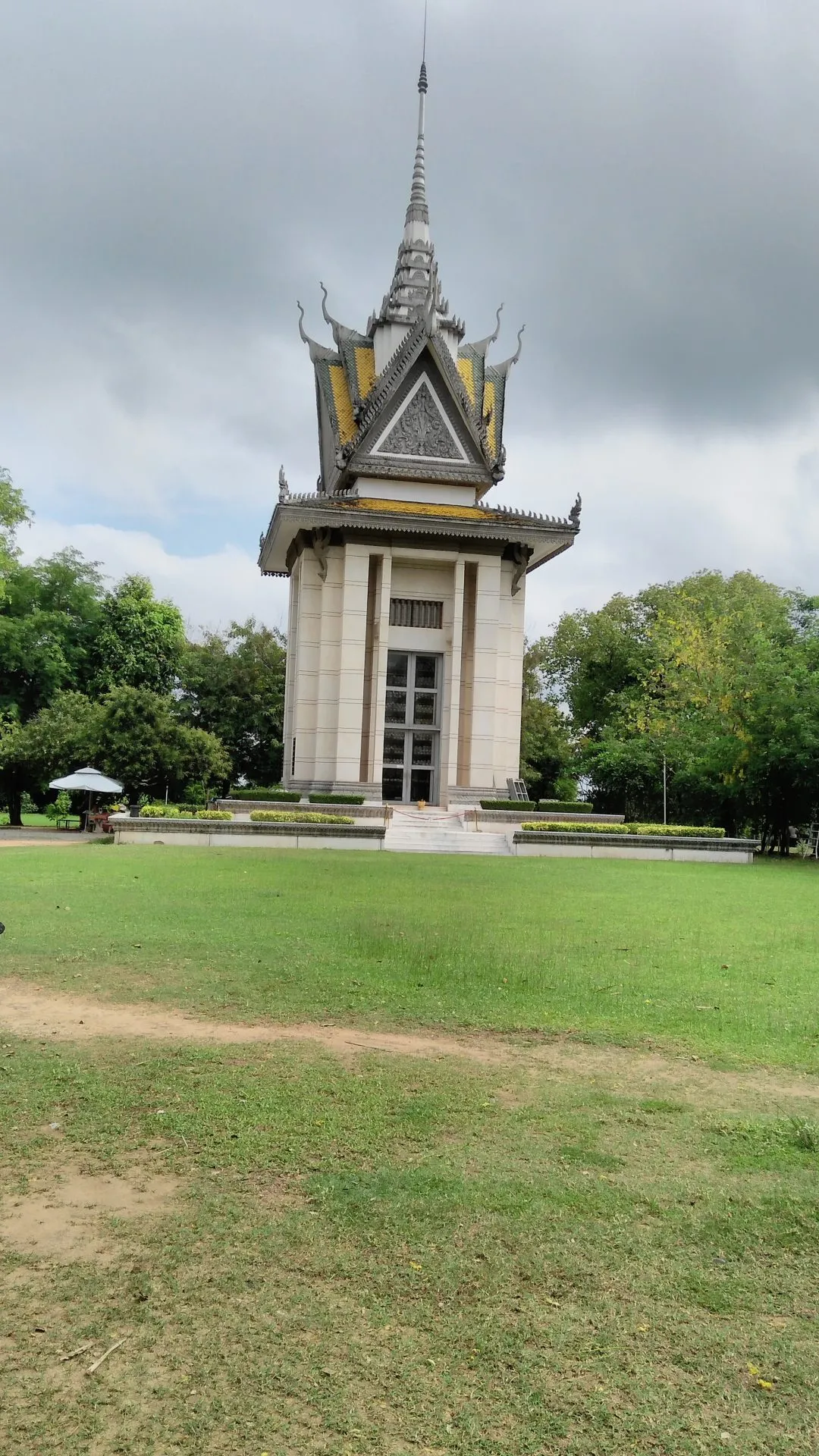
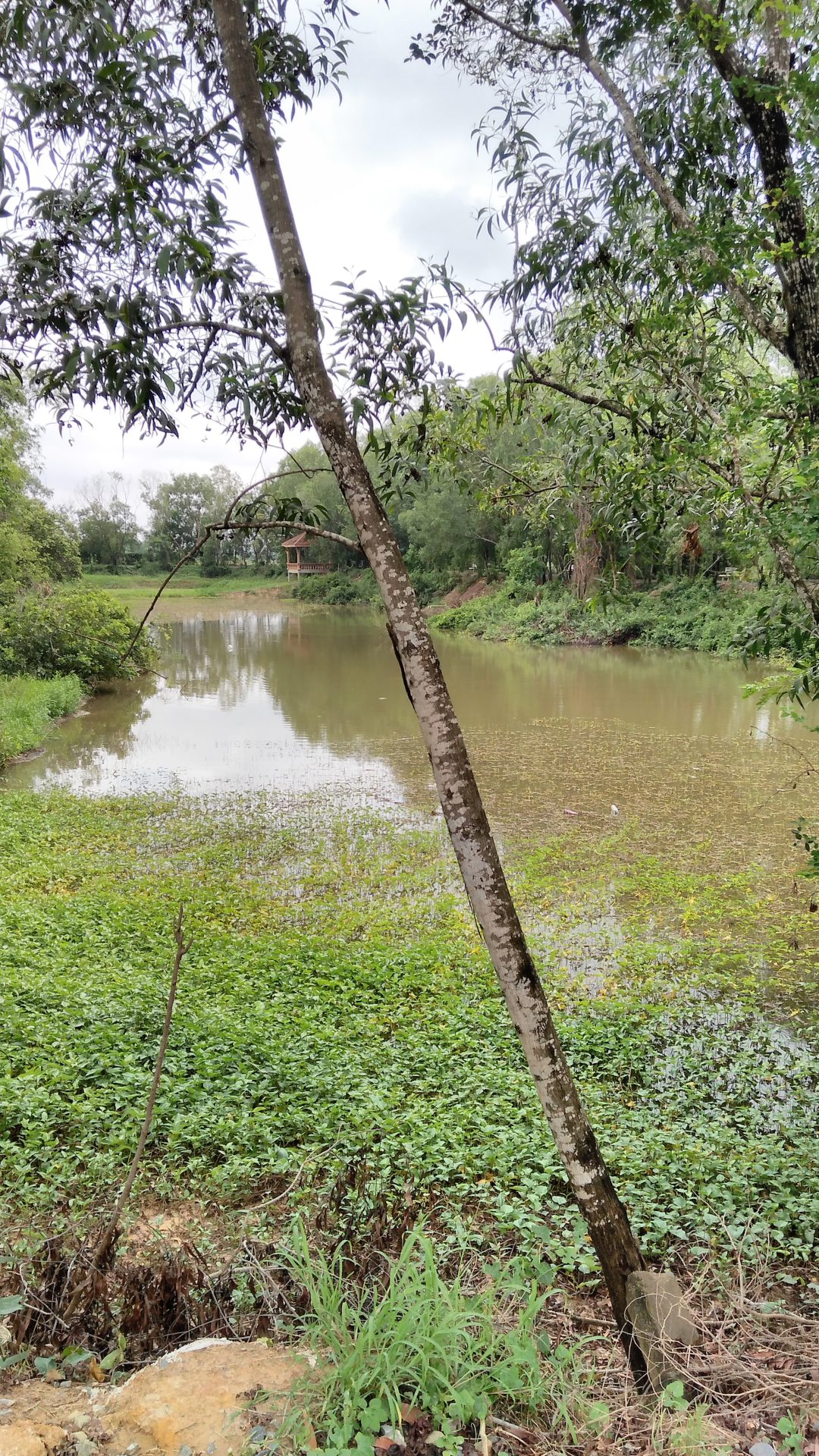
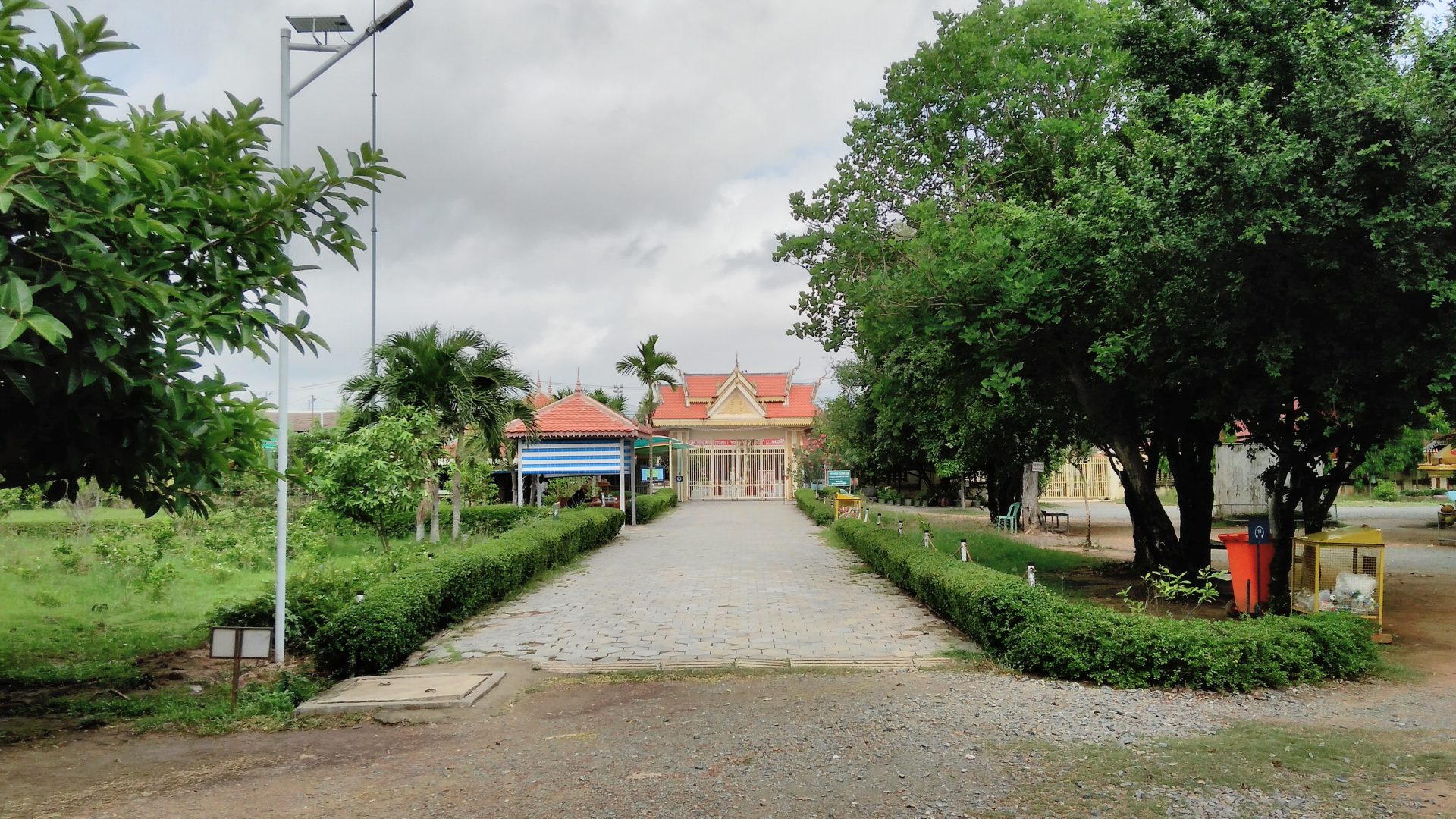
Prisoners were held captive before being taken to the Killing Fields and getting executed. Though I was staying very close to this school, I could somehow never muster the courage to visit this place until I decided to visit The Killing Fields to understand what happened. Emotions would have really run high and dry during this period when people saw their own kith and kin and anyone branded as a Professional and with a tag of being educated, getting mercilessly tortured and killed. A 15 Km drive on a Sunny Sunday morning by a Tuk Tuk took me to the Choeung Ek Genocidal Center popularly known as The Killing Fields.
The 70s saw the world’s largest genocide committed under the Polpot regime where it is estimated that more 1.7million people were killed and their bodies discovered across more than 20,000 grave sites.
Polpot was a Cambodian armed revolutionary and politician who wanted to convert the kingdom to an agrarian socialist society and then evolve to communism. Elements of Marxism with a strong Xenophobic form of Khmer nationalism was what he exhibited during his 4 year tenure.
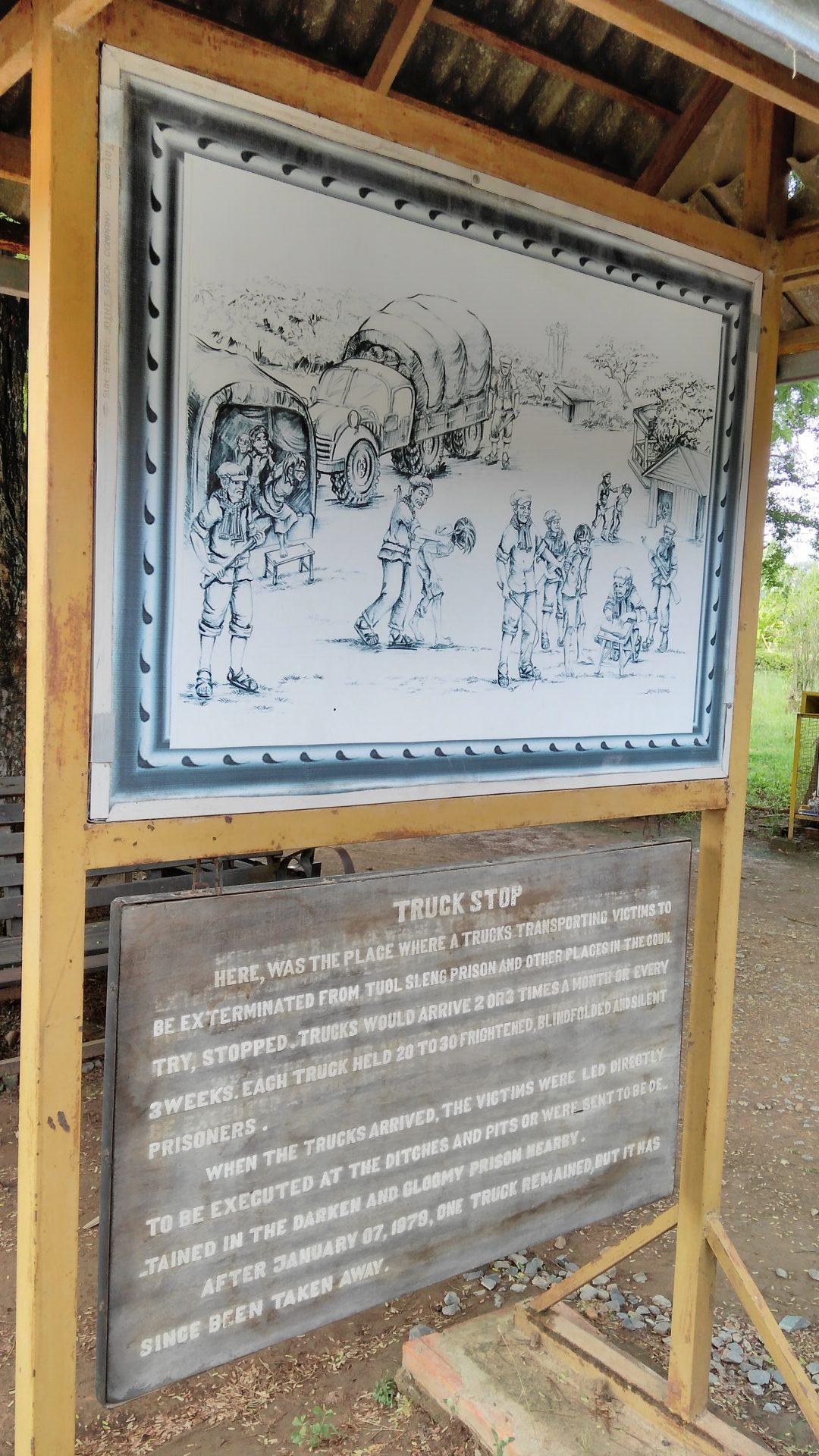
Polpot and his band of followers never believed in wasting bullets and the so called intellectuals and professionals, ethnic communities of Thailand, Vietnam, China, Cambodian Christians, the Buddhist monks and ones with soft hands were wiped out in the most brutal fashion using sharp bamboo sticks, spades and chemicals.
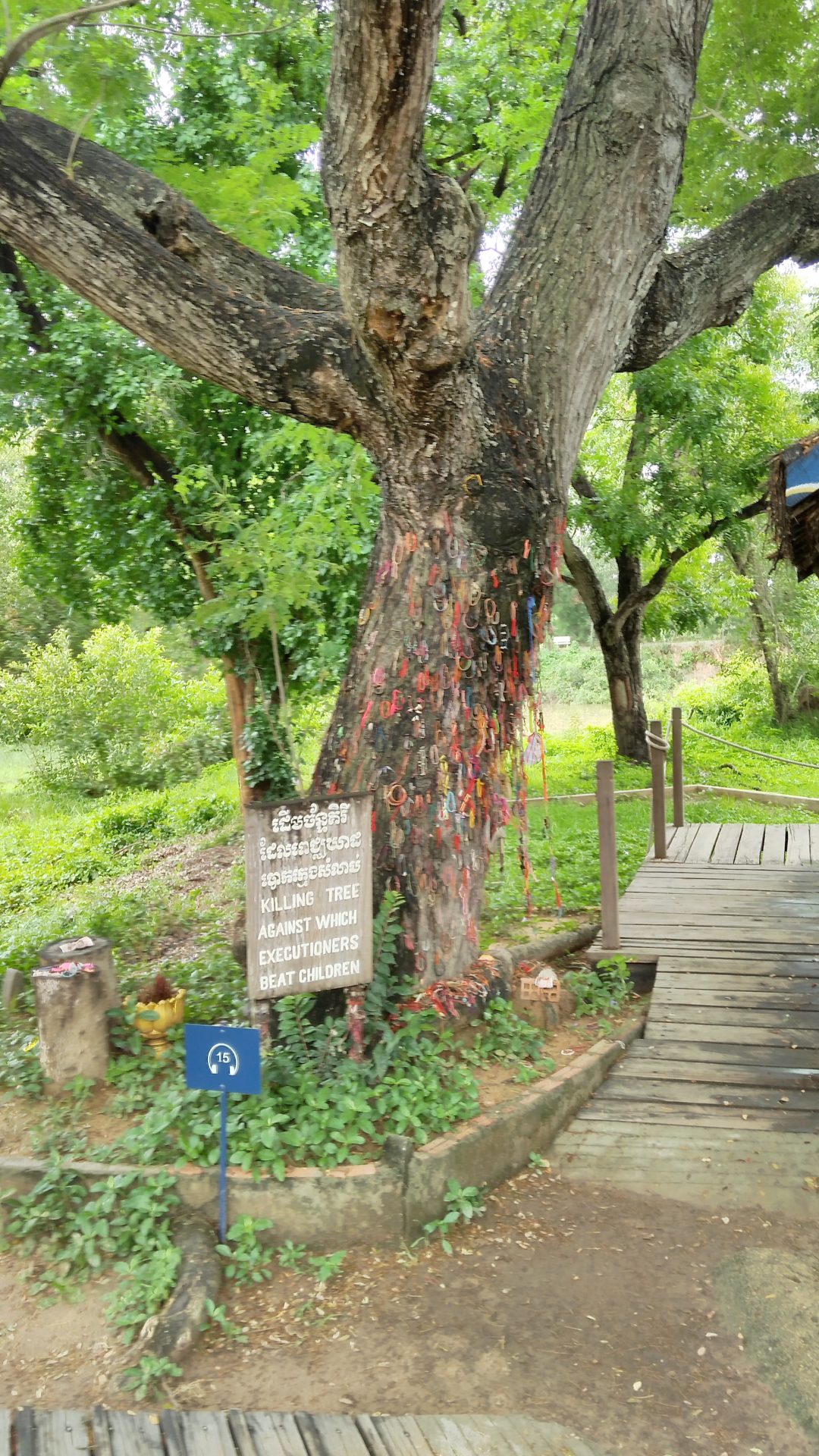
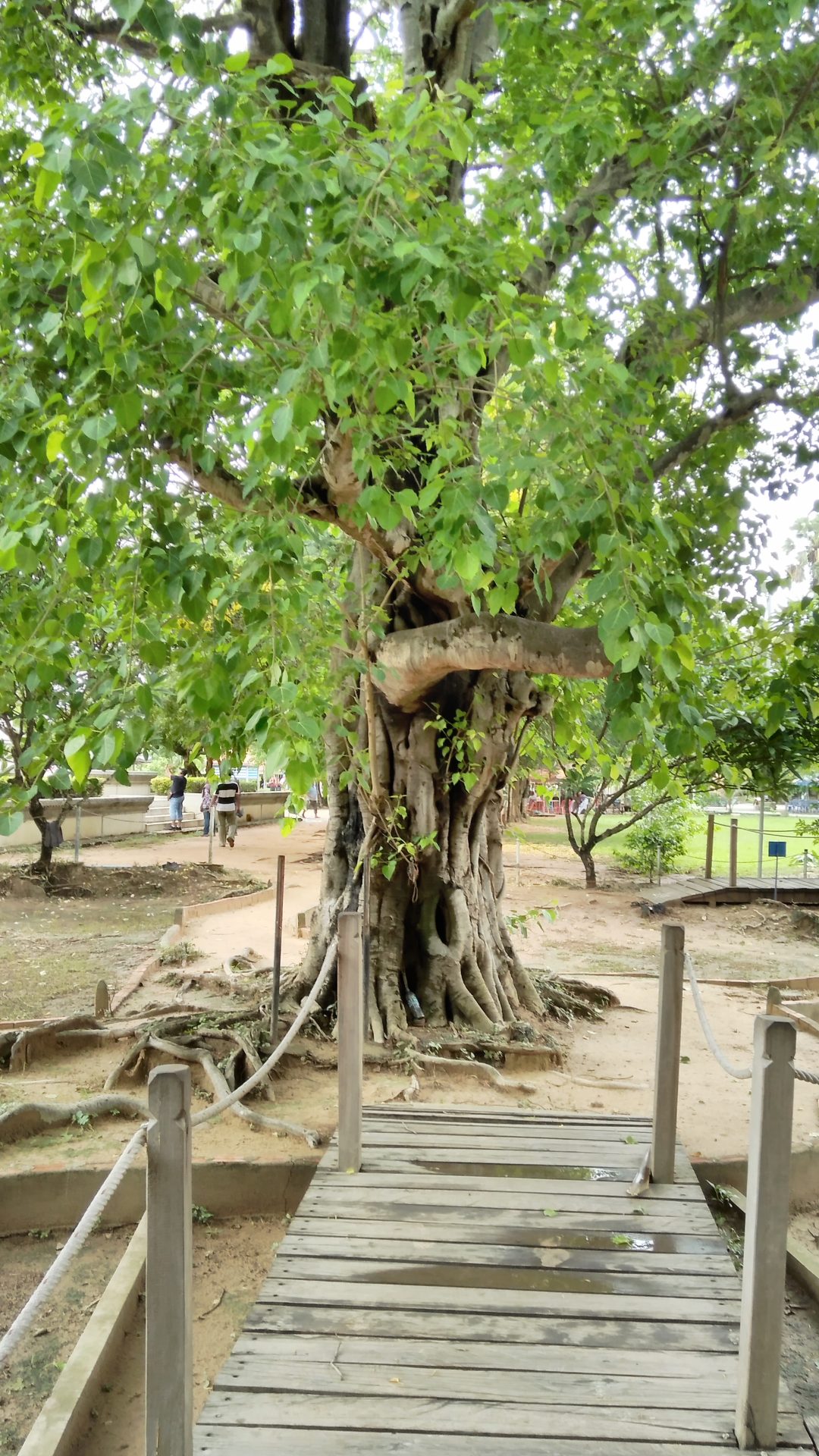
To eliminate the idea of their siblings taking revenge after growing up, these poor infants were held by the legs and their heads smashed against a tree which still stands erect in The Killing Field which is a mass grave to more than 9,000 people), bearing testimony to so many deaths.
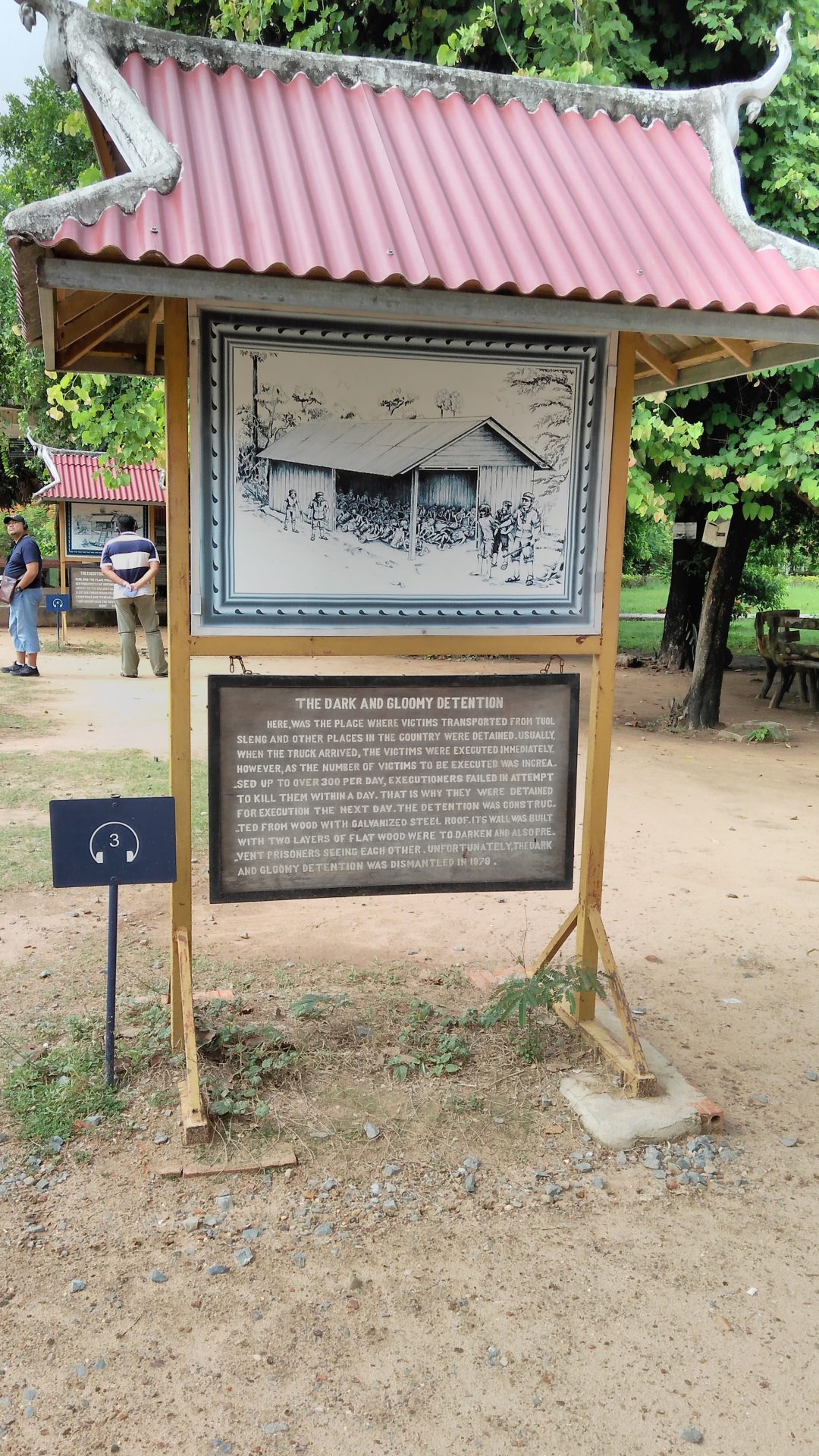
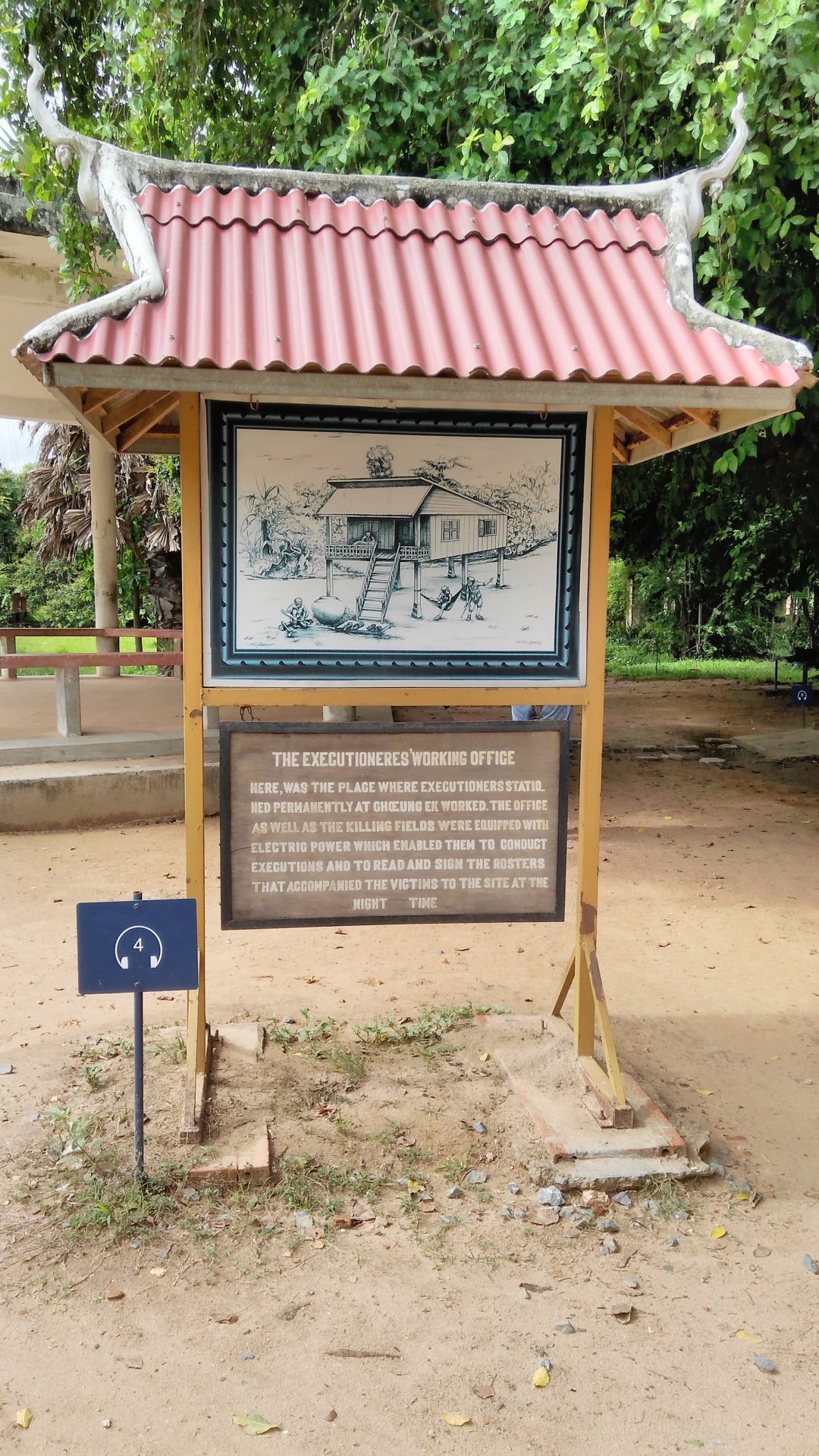
One gets to see the places sequentially in the order of torture in this memorial complex built in memory of the so many killed and through a beautiful and moving audio commentary, live through the horrific times these people went through.
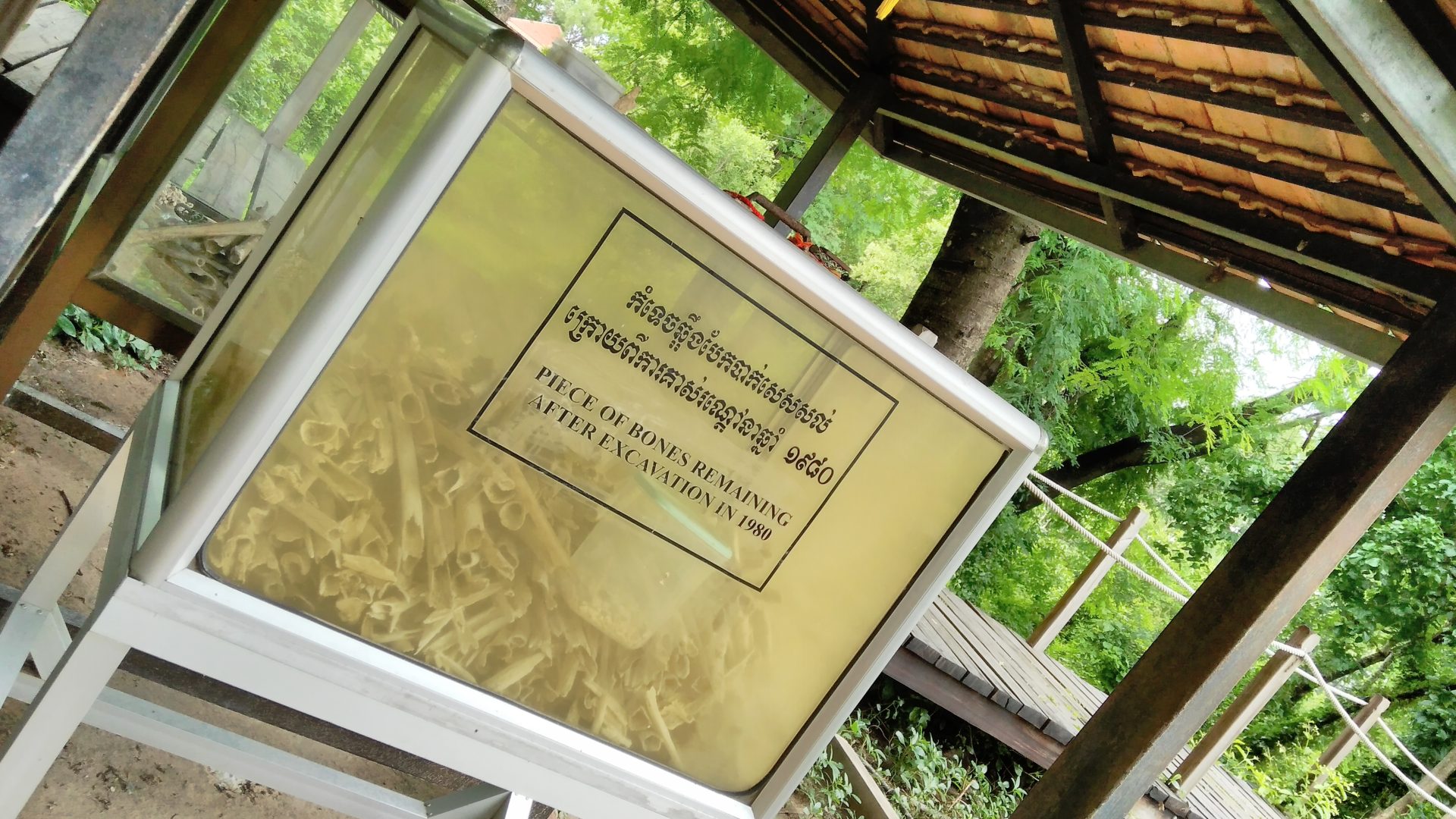
You see skulls, bones, broken teeth and ragged dresses of so many of these people taken into confinement and subjected to torture.
An emotionally draining experience and definitely not for the weak hearted. Tickets are priced at $6 apiece.
Sihanoukville
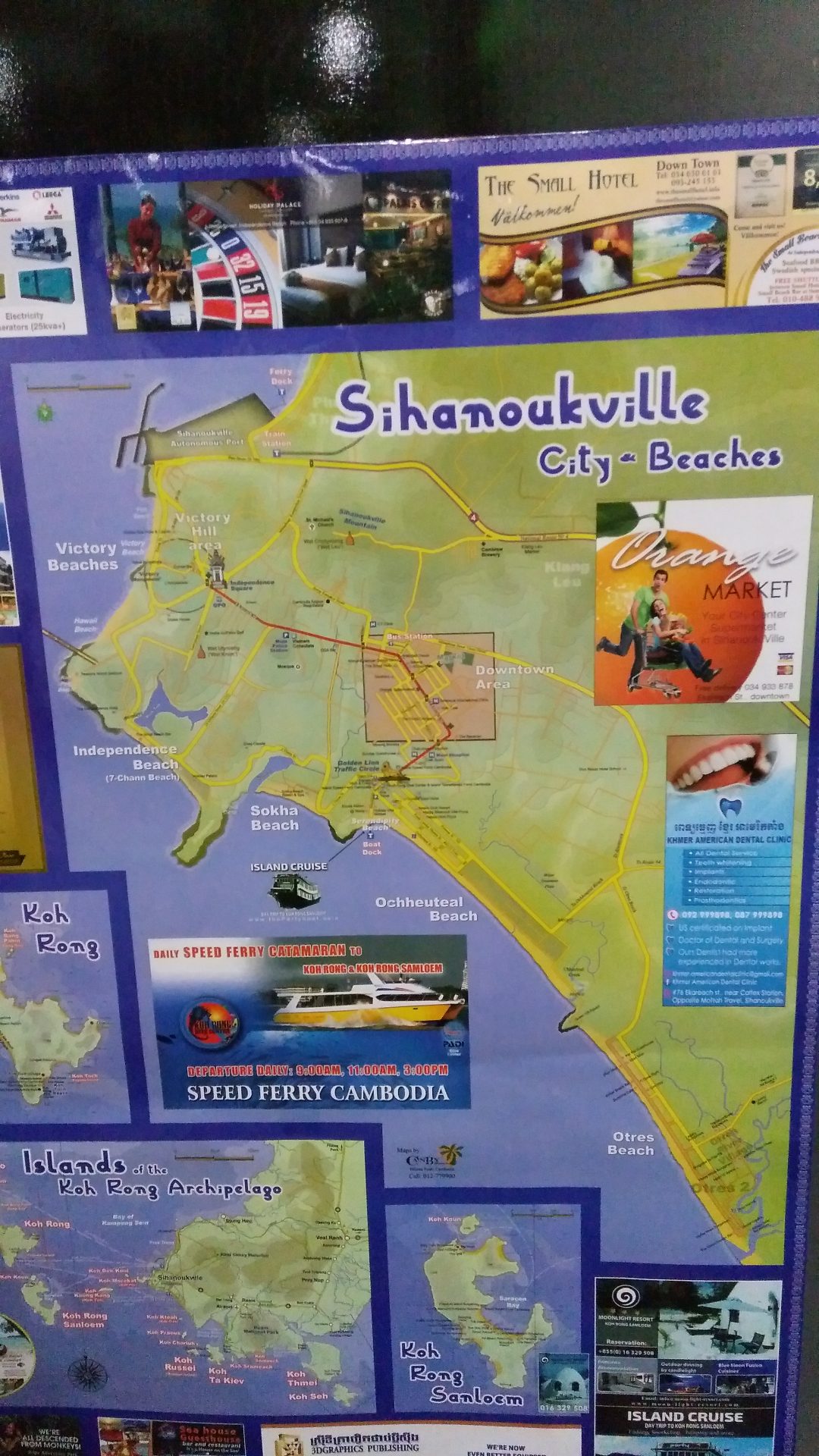
The first of the long weekends to commemorate the Ancestors Day was between September 30th to the 2nd of October and our first visit outside Phnom Penh was planned to the coastal town of Sihanoukville. The port City ofSihanoukville is a great Tropical getaway and plays host to a number of lovely beaches in the southwest of Cambodia and the famous white sand beaches of Koh Rong is just about a 45 minute boat ride from the main land.
Closer to Sihanouk are the twin towns ofKep, famous for its crabs and beaches and Kampot which apart from being home to a number of Colonial buildings has the famed Bokor Mountains.
All these places are very popular among backpackers who make up a significant portion of visitors to Cambodia. We had packed in a visit to the serene and beautiful beaches of Sihanoukville and the sleepy towns of Kampot and Kep in our itinerary. Understand that from 2018 April onwards, train services have also resumed between these 2 cities of Cambodia though it takes around 7.30 hours to traverse the distance of 264 kms.
The city is flanked by an almost uninterrupted string of beaches along its entire coastline and coastal marshlands bordering the Ream National Park in the East.
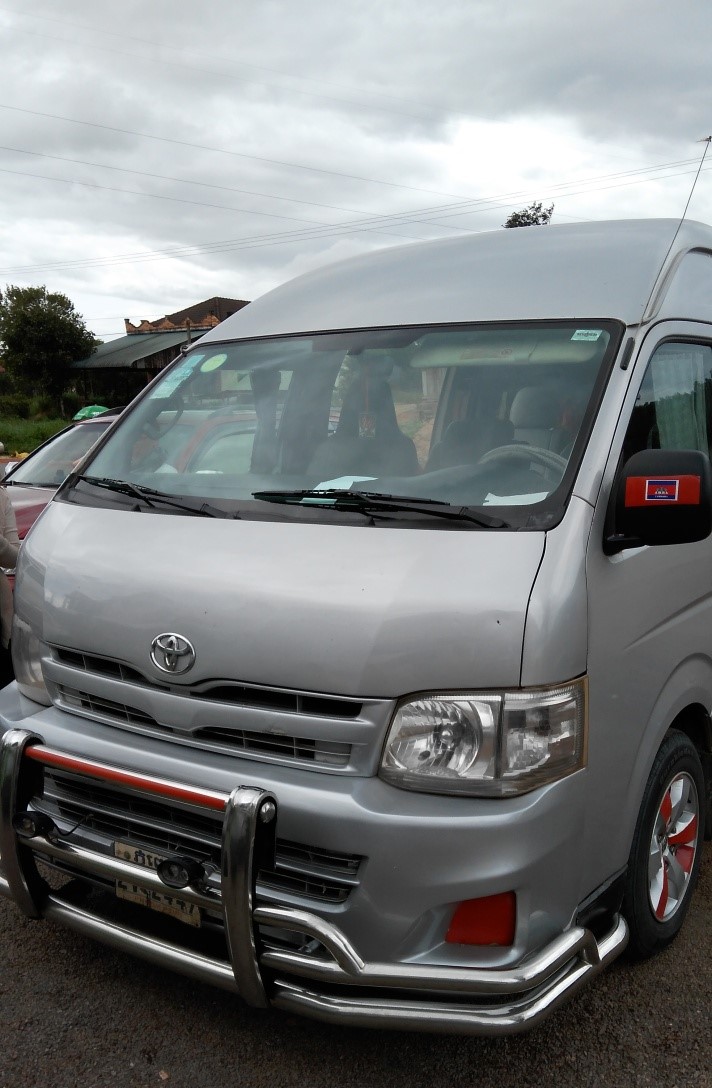
Decided to opt for the cheapest way to land there since our experience of visiting Siem Reap by an AC and Wi-fi enabled van was pretty good and we booked our tickets with Bayon VIP this time.
The van tickets were around 10$ apiece and it was a 7.30 AM start on a Saturday morning. A short tea break in between, we landed in the coastal city of Sihanouk around 2 in the afternoon. It had begun to lightly drizzle and not sure of what food we would get at the hotel, we commenced our short walk towards the hotel from where the bus dropped us.
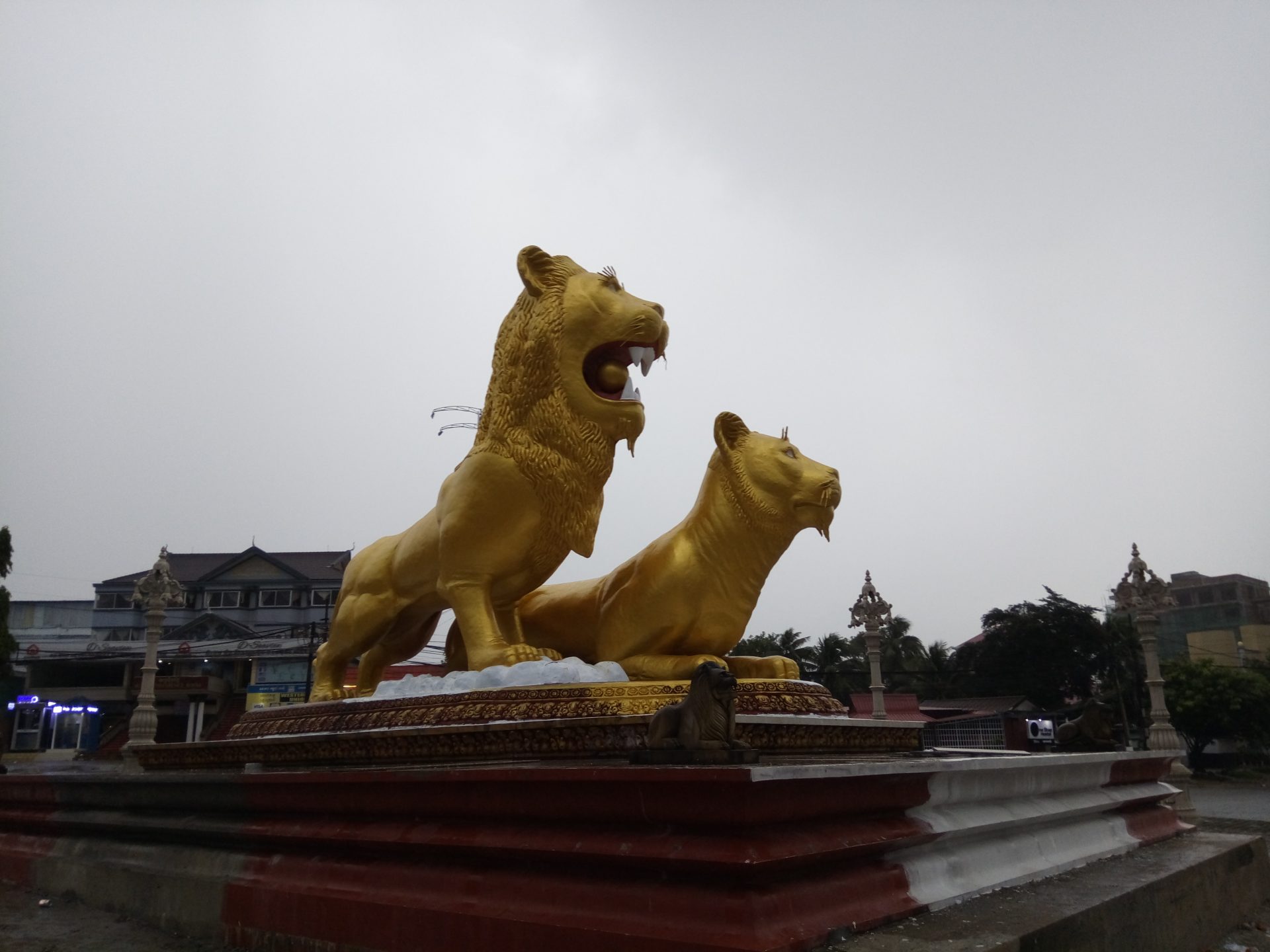
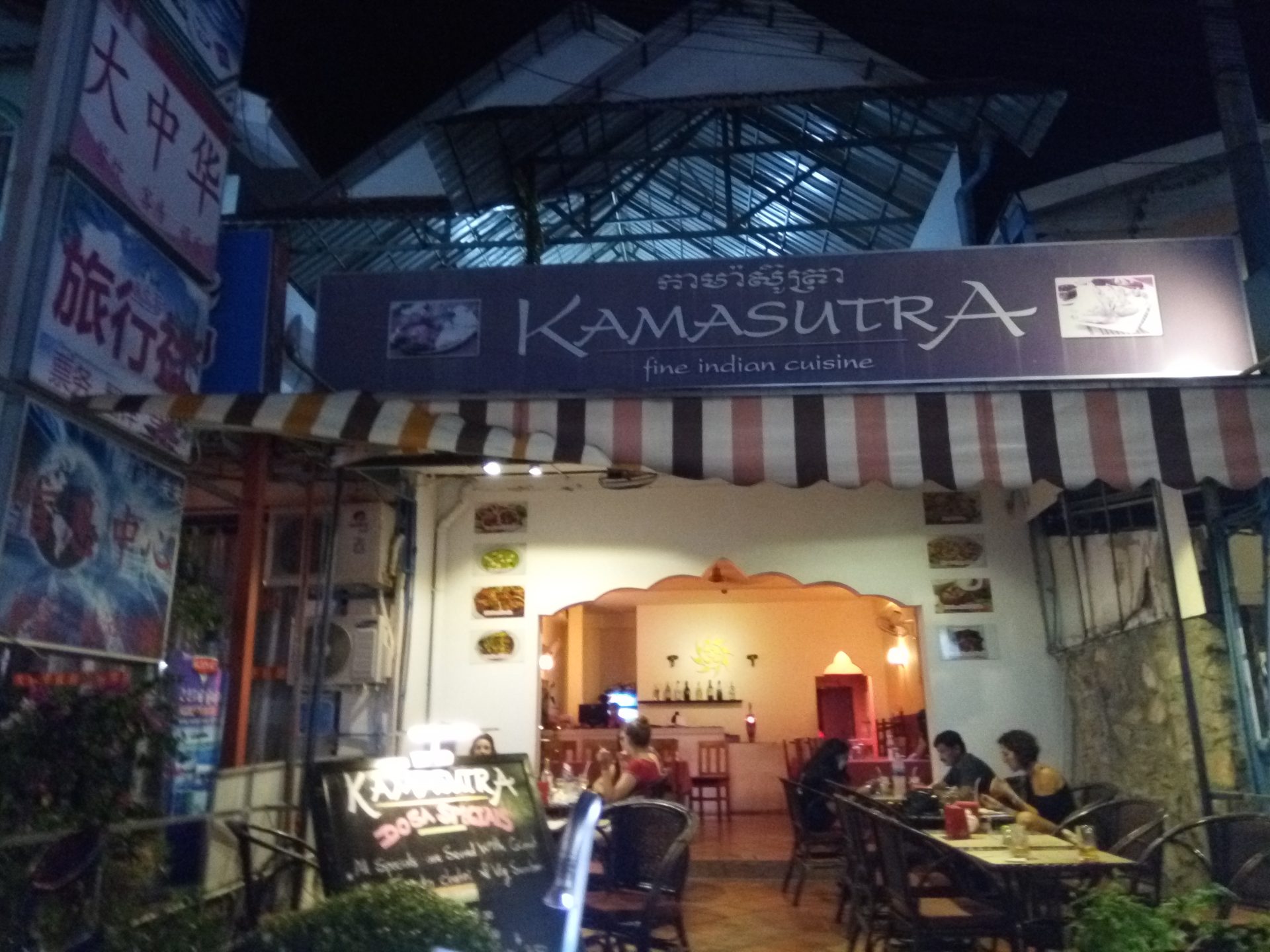
At the turn around a corner where the Golden Lion roundabout was located, we stumbled across a nameboard Kamasutra, an outlet for Indian food.
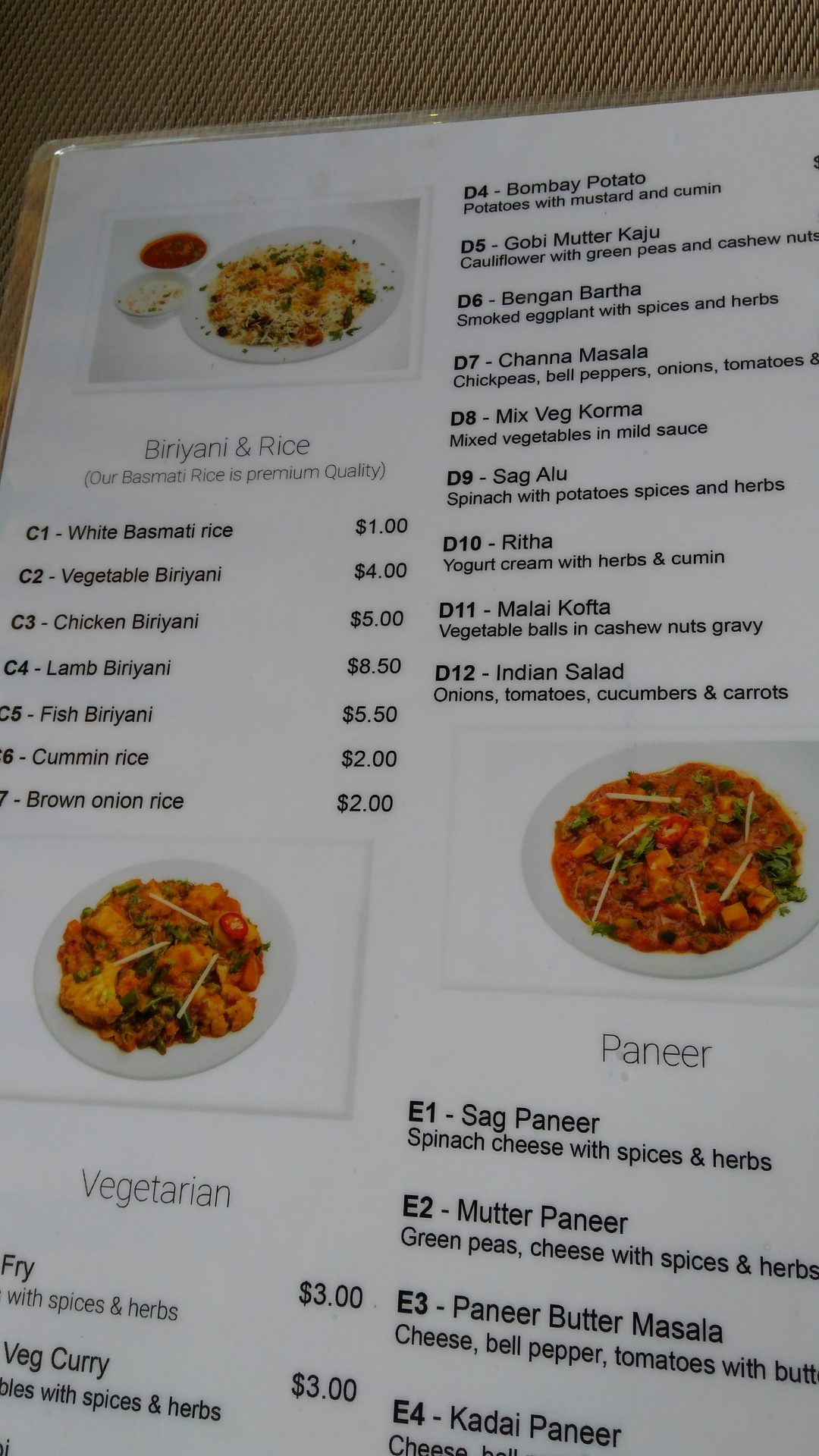
We settled for the Vegetarian Thali set. Typical home made food but the taste was par excellence.
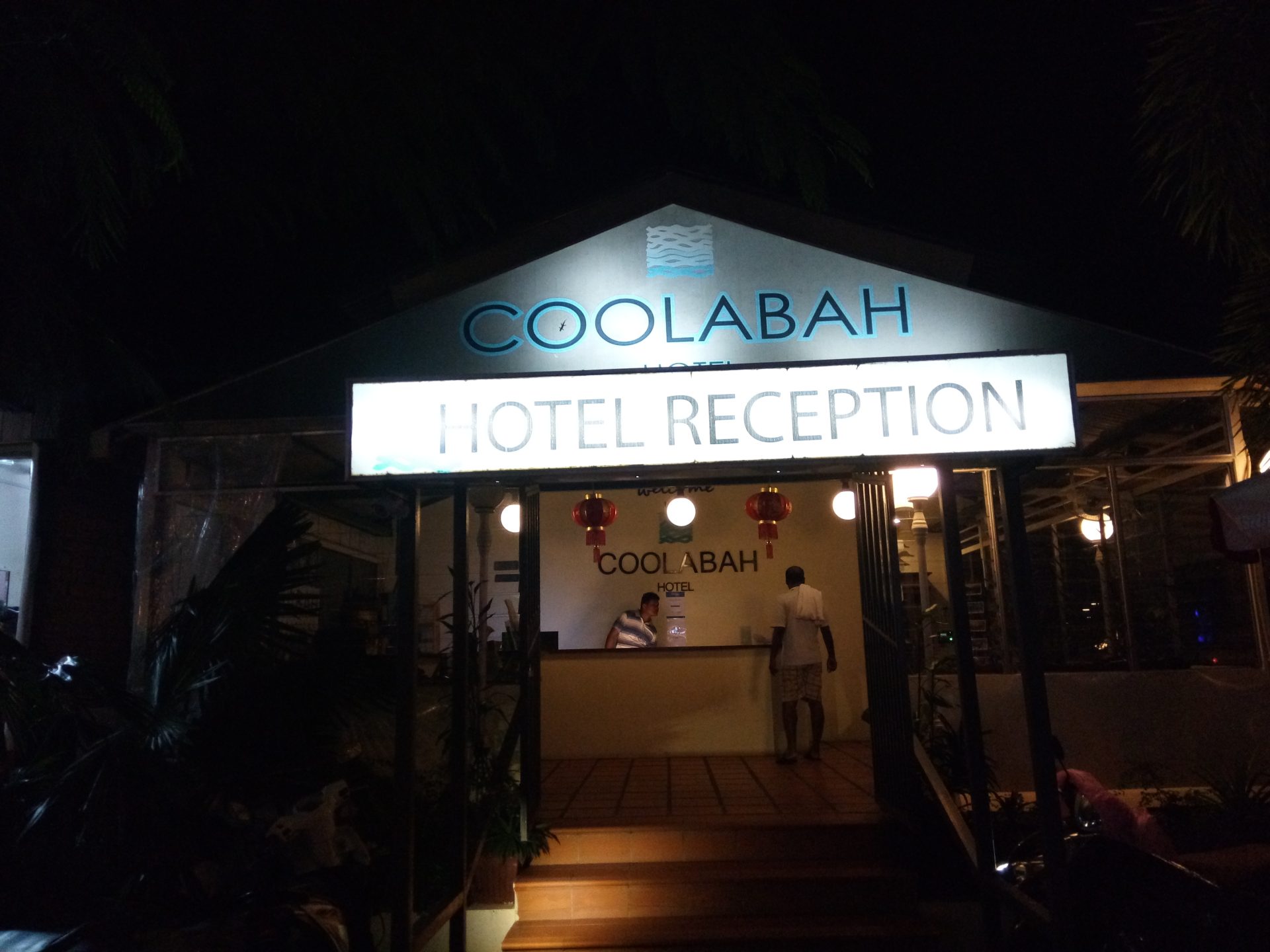
Hotel Coolabah
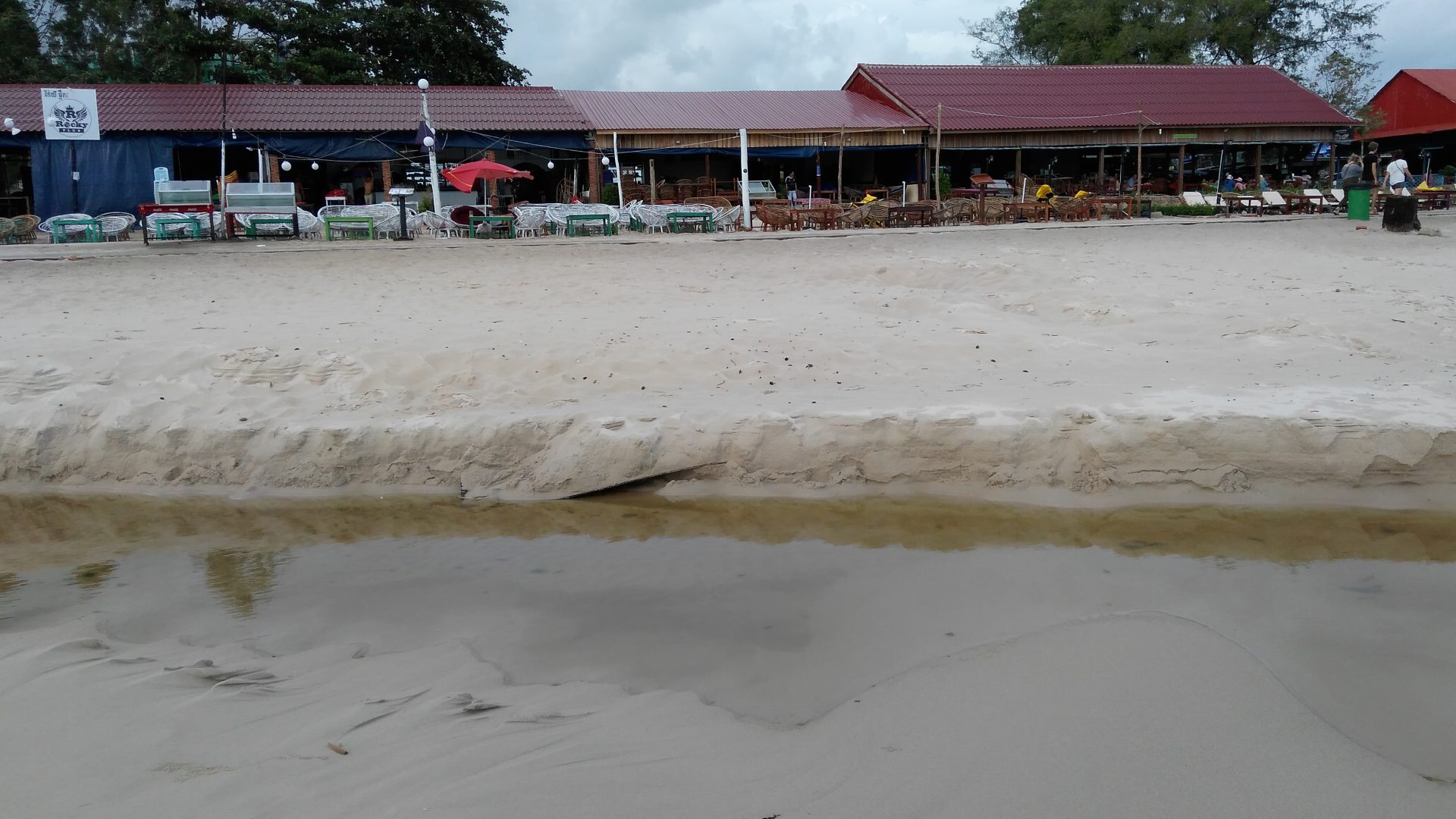
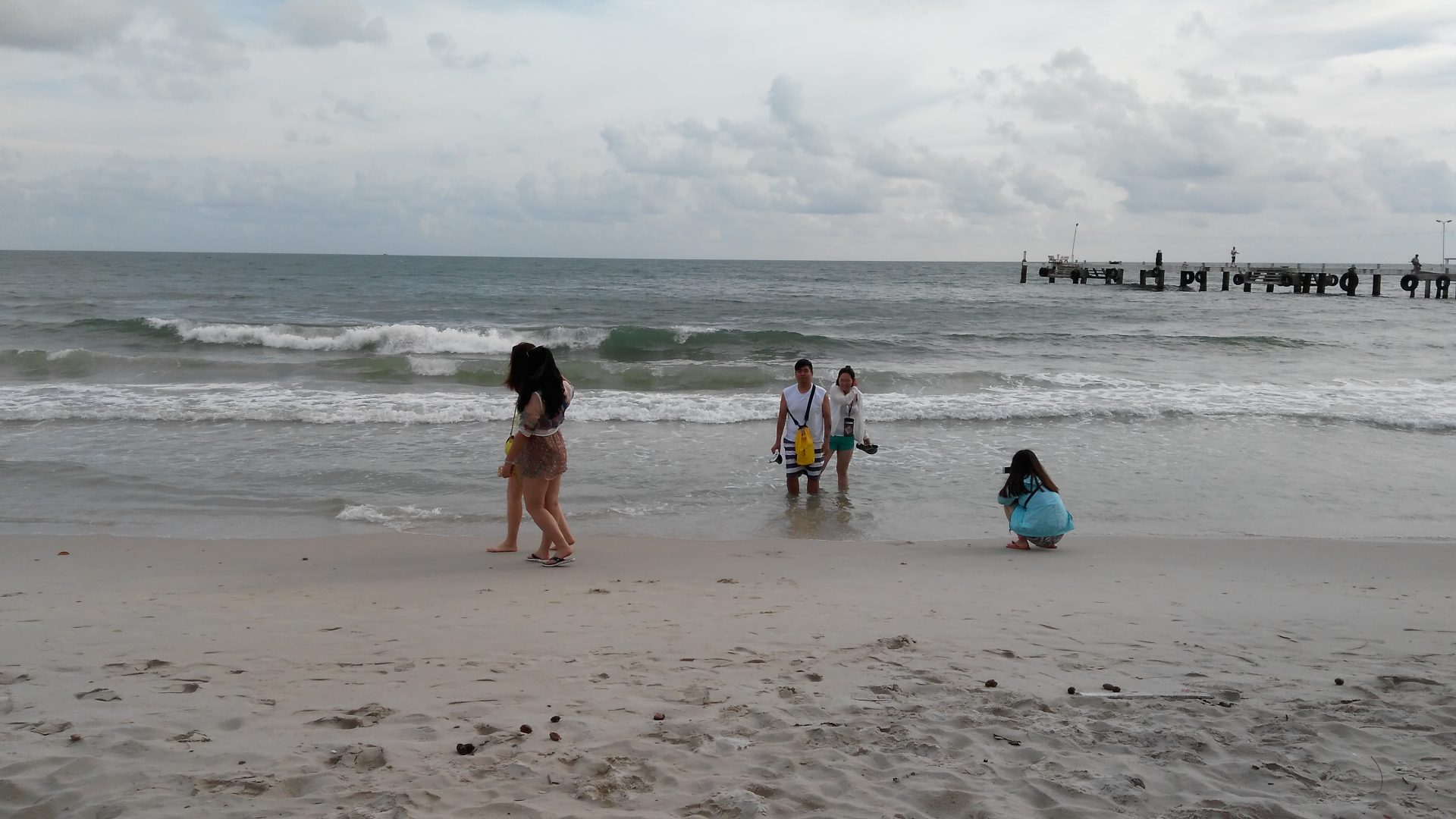
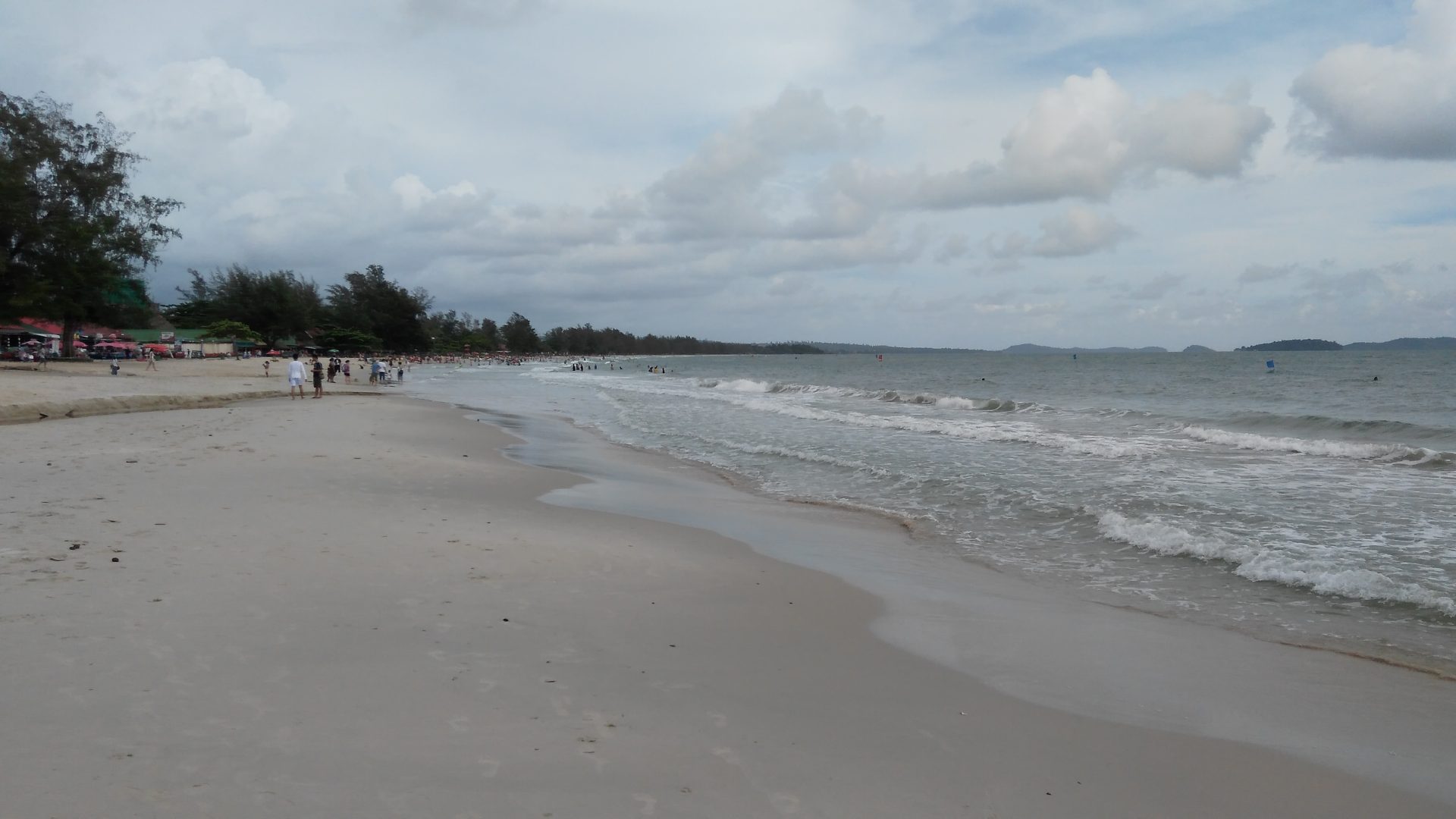
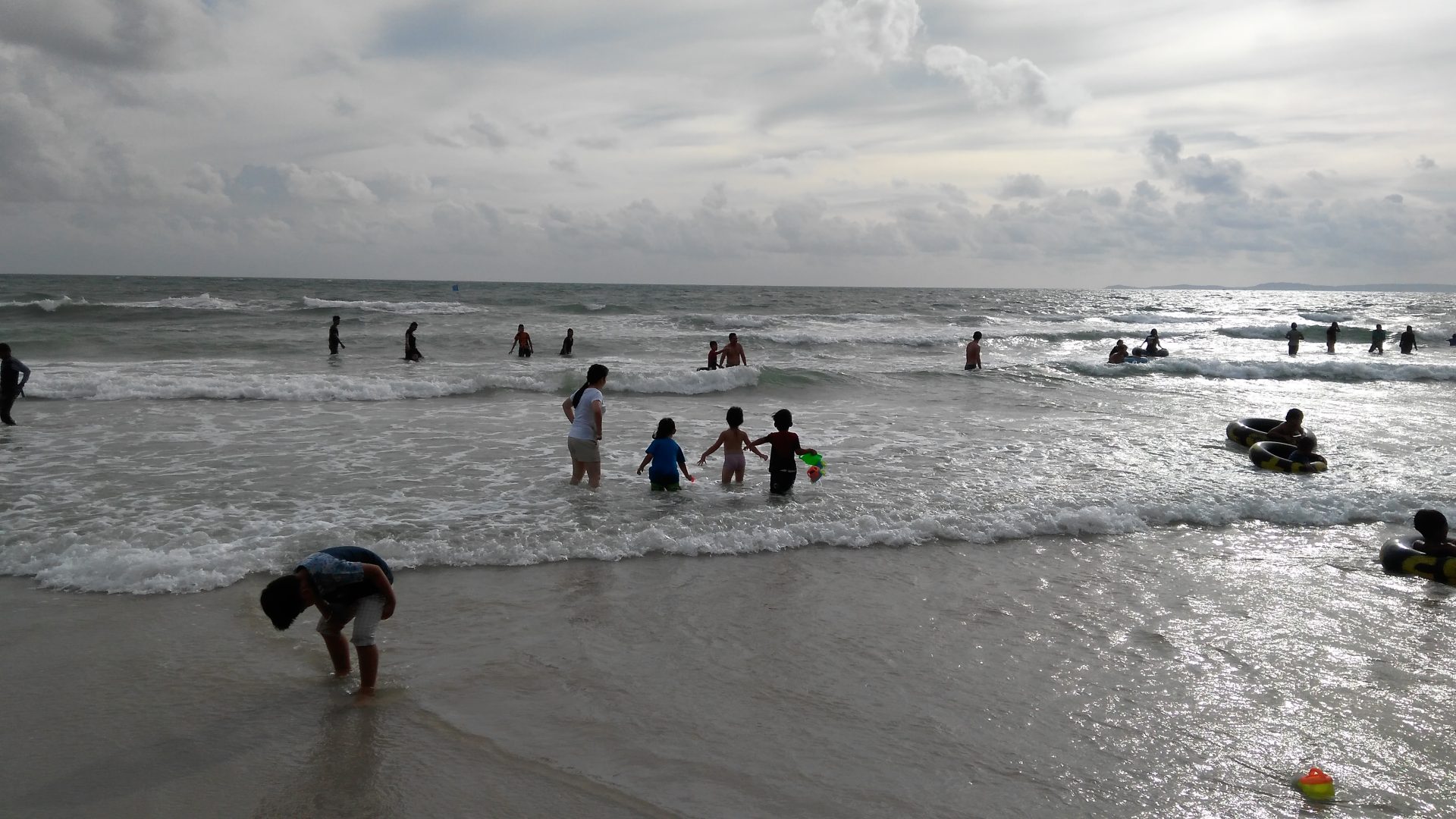
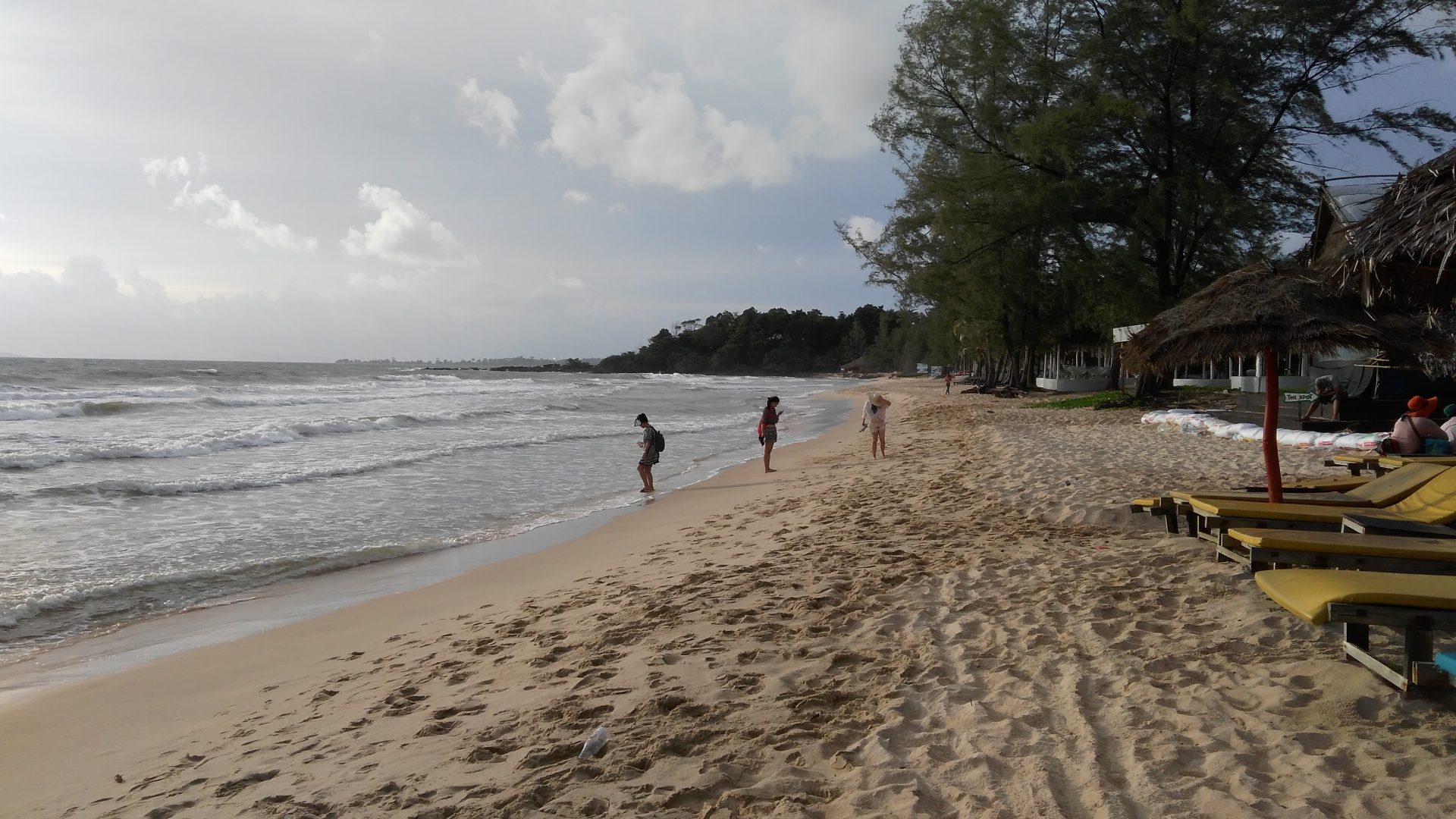
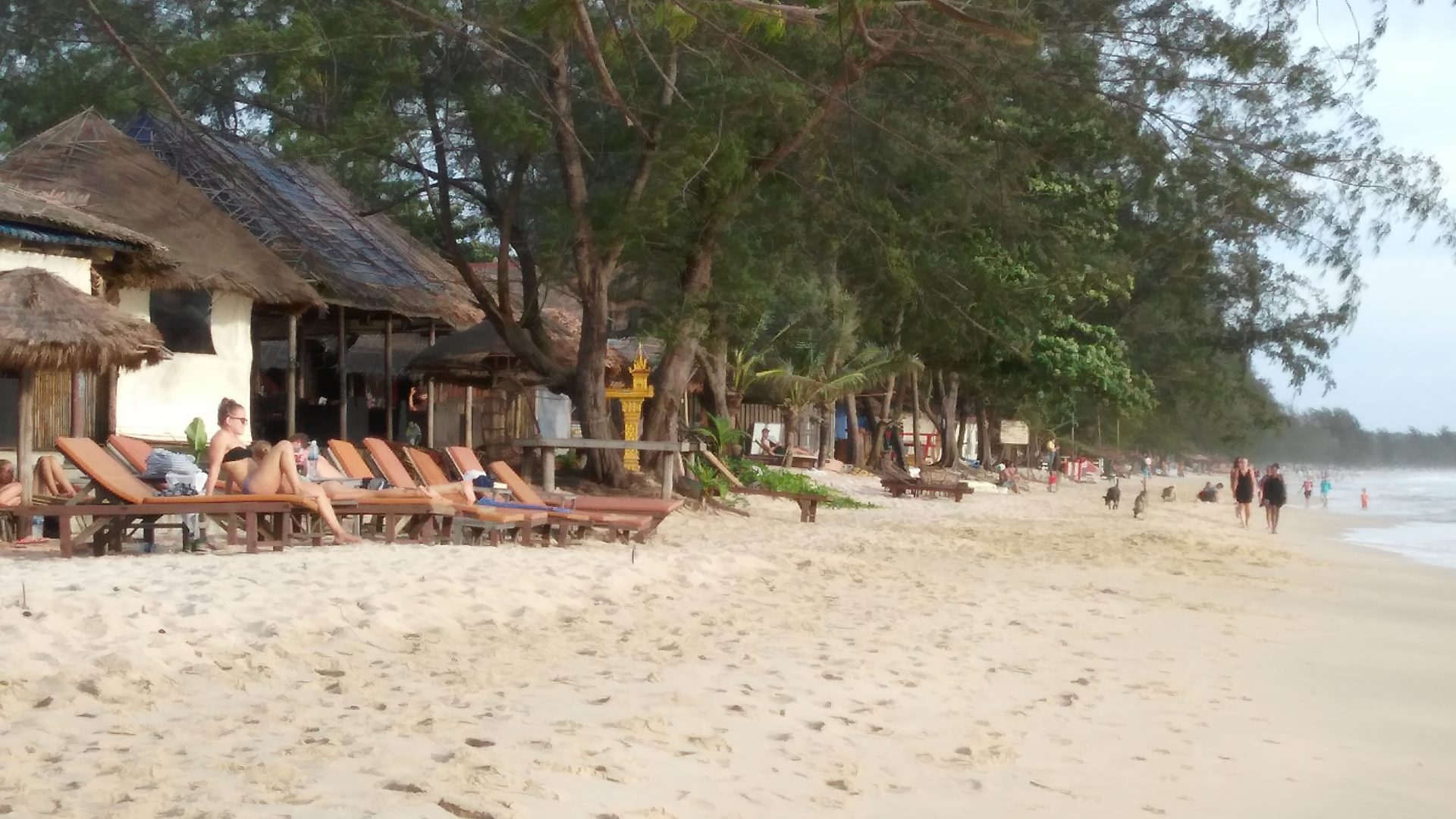
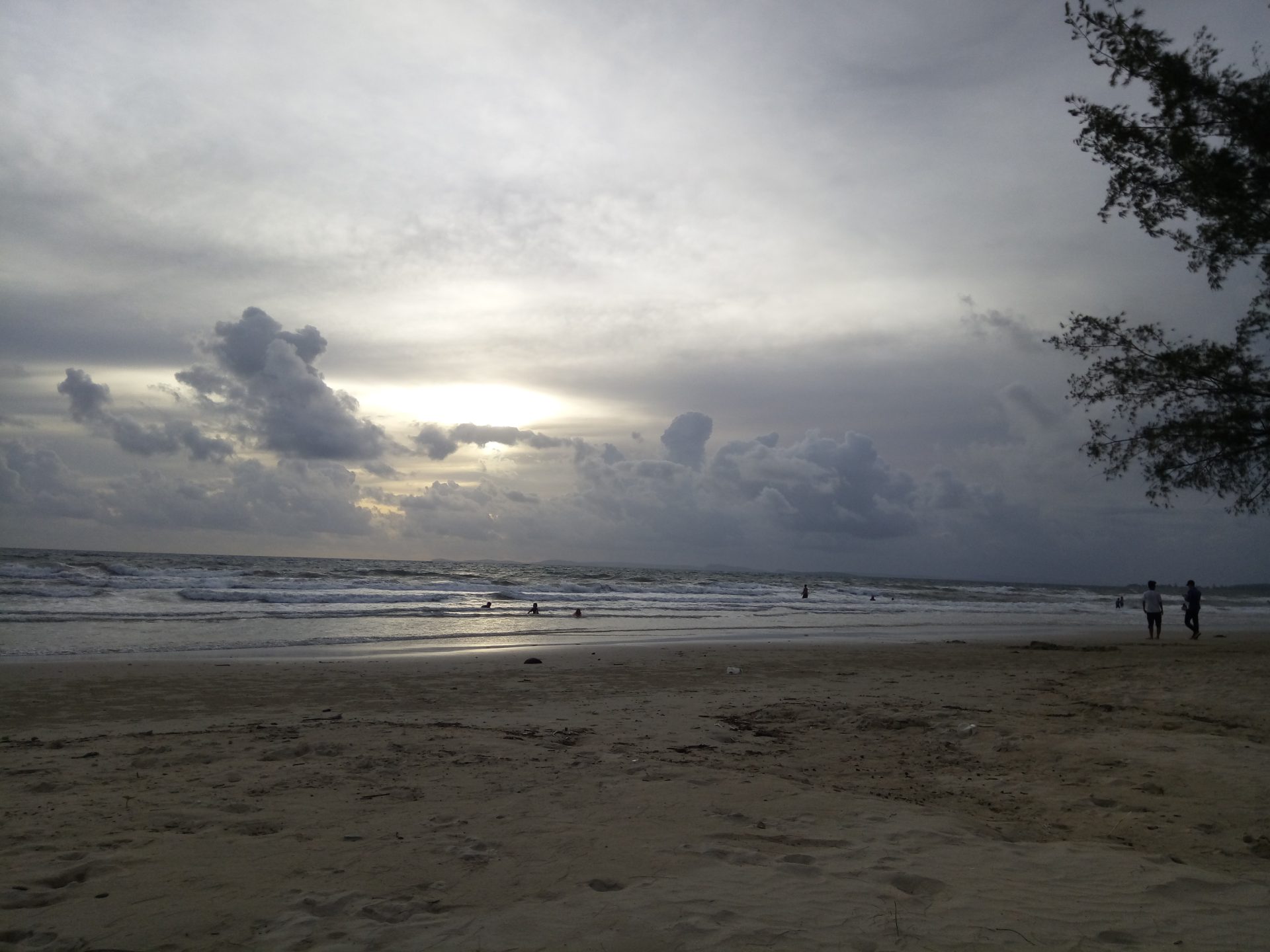
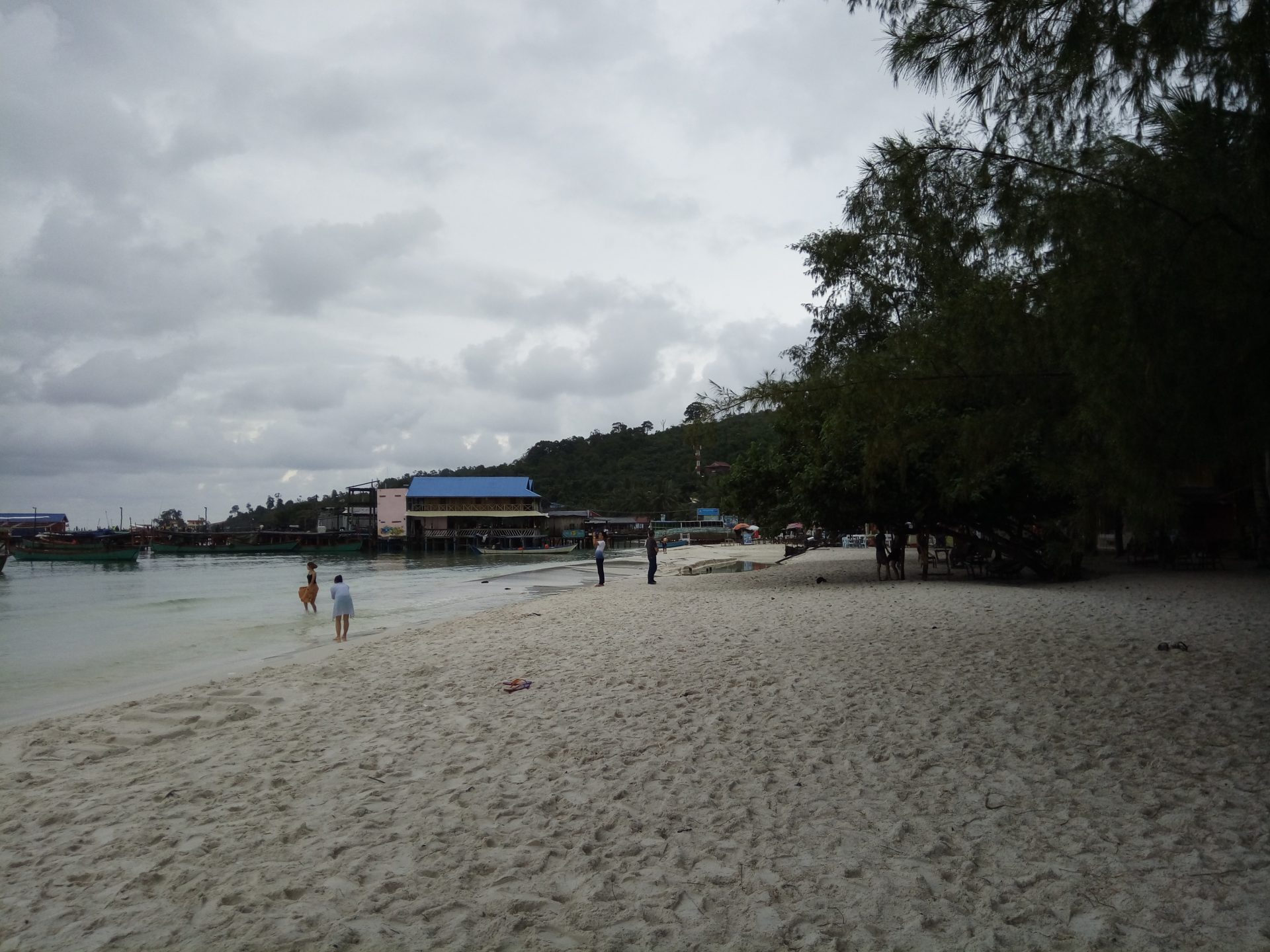
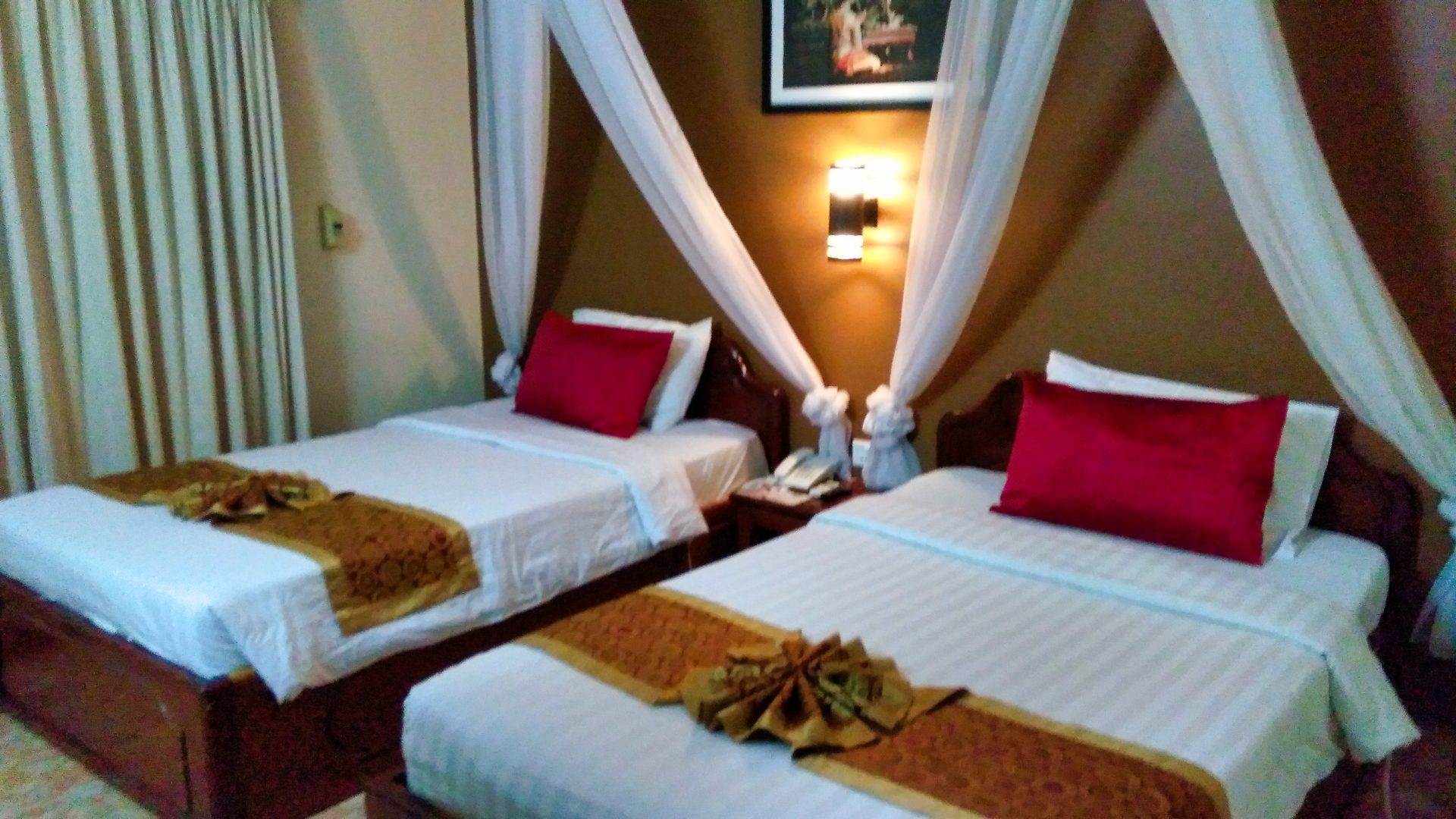
We had booked ourselves through the Booking.com app at Hotel Coolabah which was located very close to the Ochheuteal beach. A nice cosy hotel in the proximity of quite a few Indian restaurants and within walking distance of the beach. After a couple of hours of much needed rest, we hit the beach. Being a weekend, it was crowded but the entire stretch of white sand appeared clean and well maintained. We then hired a Tuk Tuk and went to the Serendepity and Otres beaches.
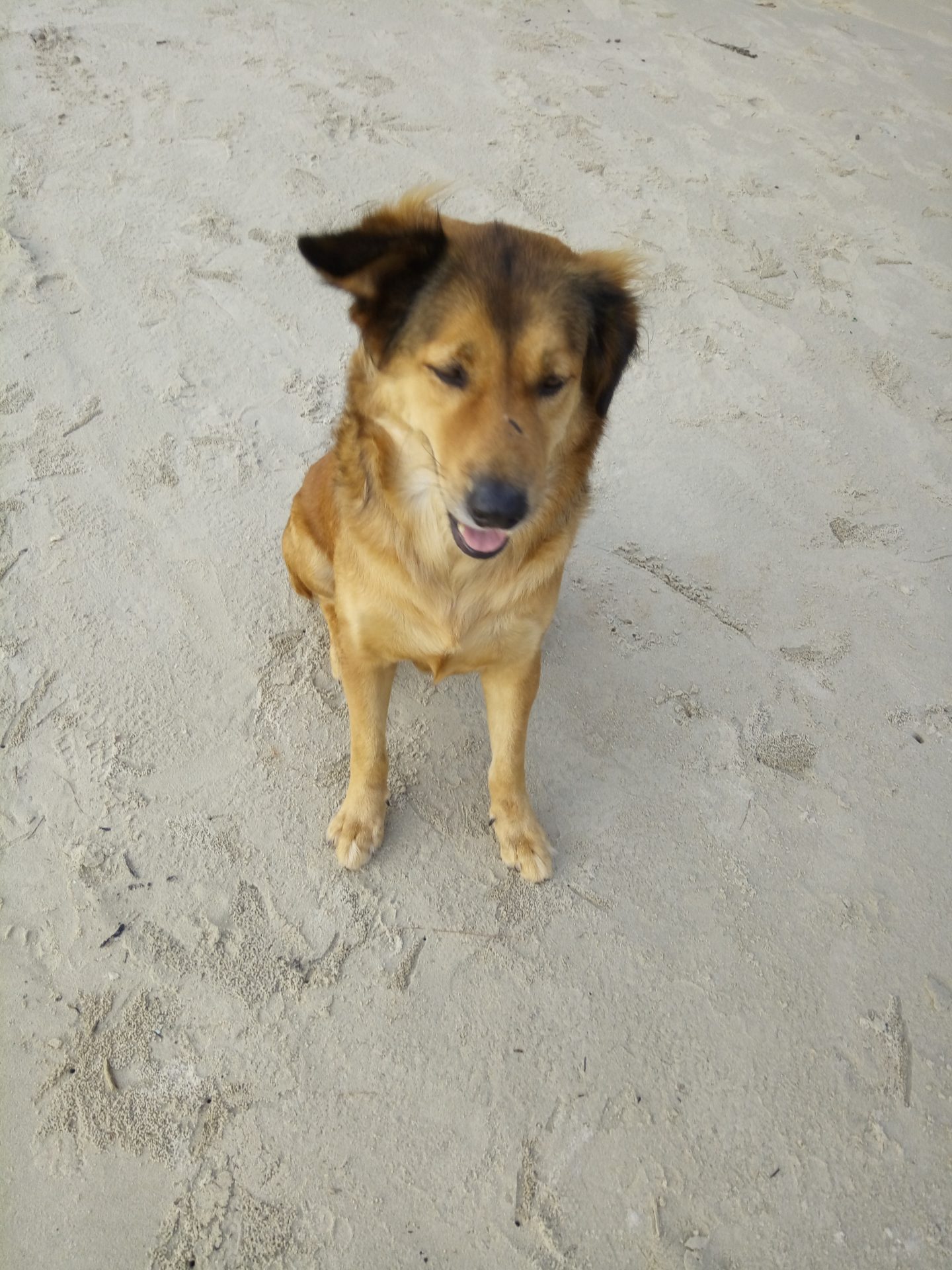
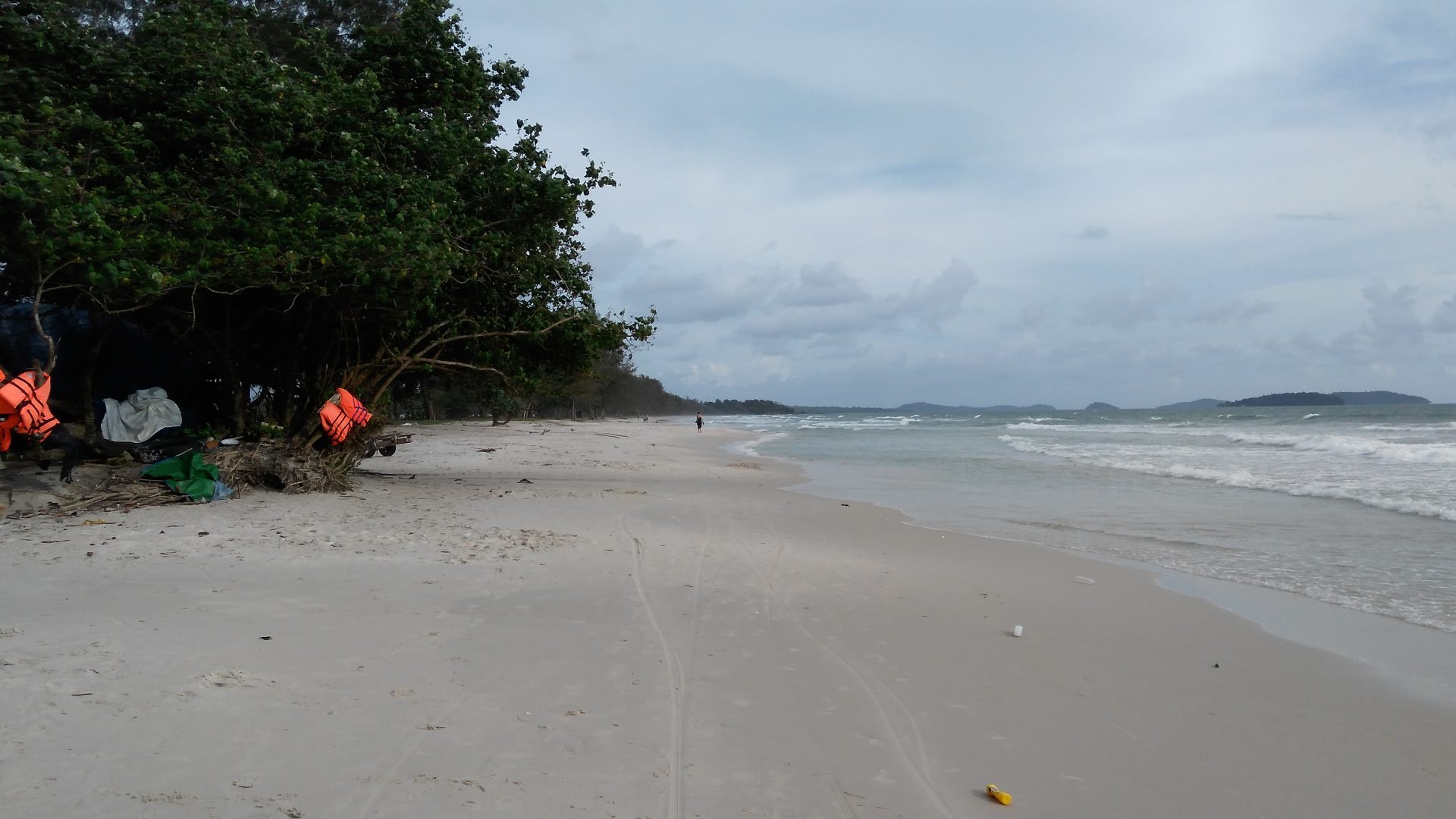
Luckily, save for a few foreigners lazing around on the beach, there was not much of a crowd. A couple of dogs were having fun in the waters and after relaxing on the sands for almost about an hour, we came back by the same Tuk Tuk to our pickup point.
In and around the Ochheuteal Beach
In and around the Serendepity Beach
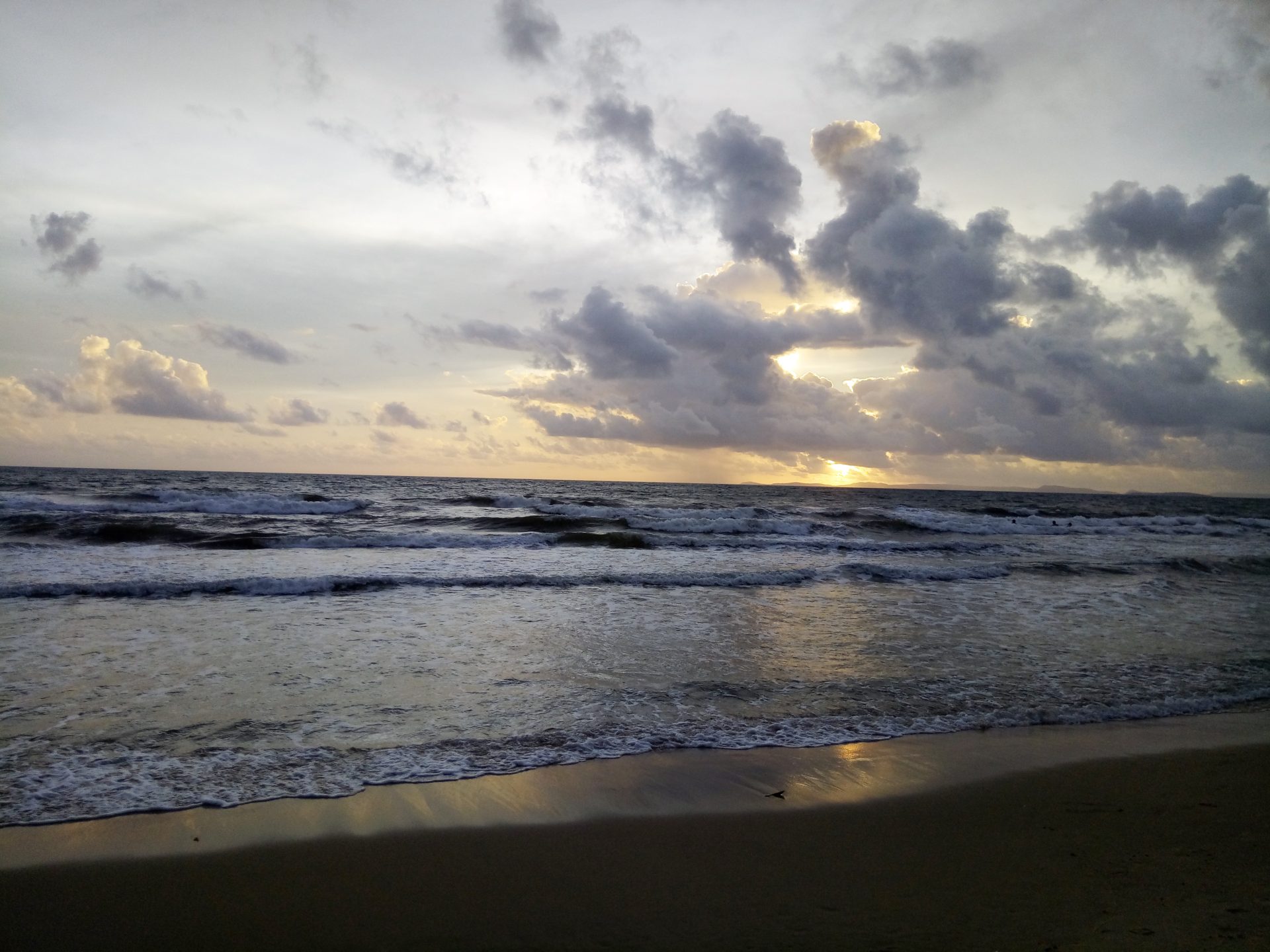
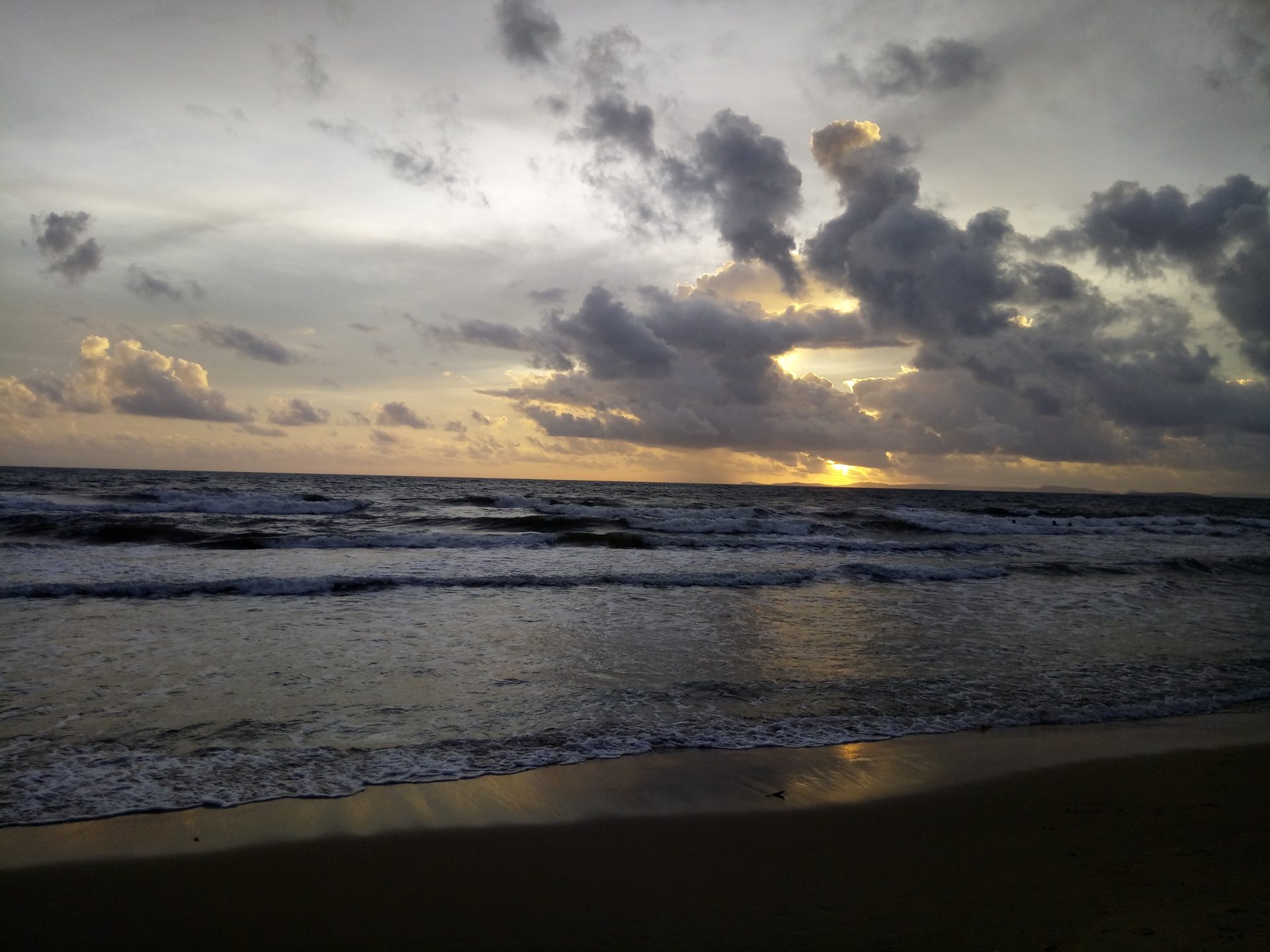
Sunset at the Otres Beach
WITH AN OFFICE COLLEAGUE
On our way back to the hotel we booked the ferry tickets for a visit to the famed Koh Rong Islands the next day. Tickets were priced at $20 apiece and we were to be ready by 8 AM for the pickup from our hotel. We walked across again to Kamasutra for our dinner and crashed early.
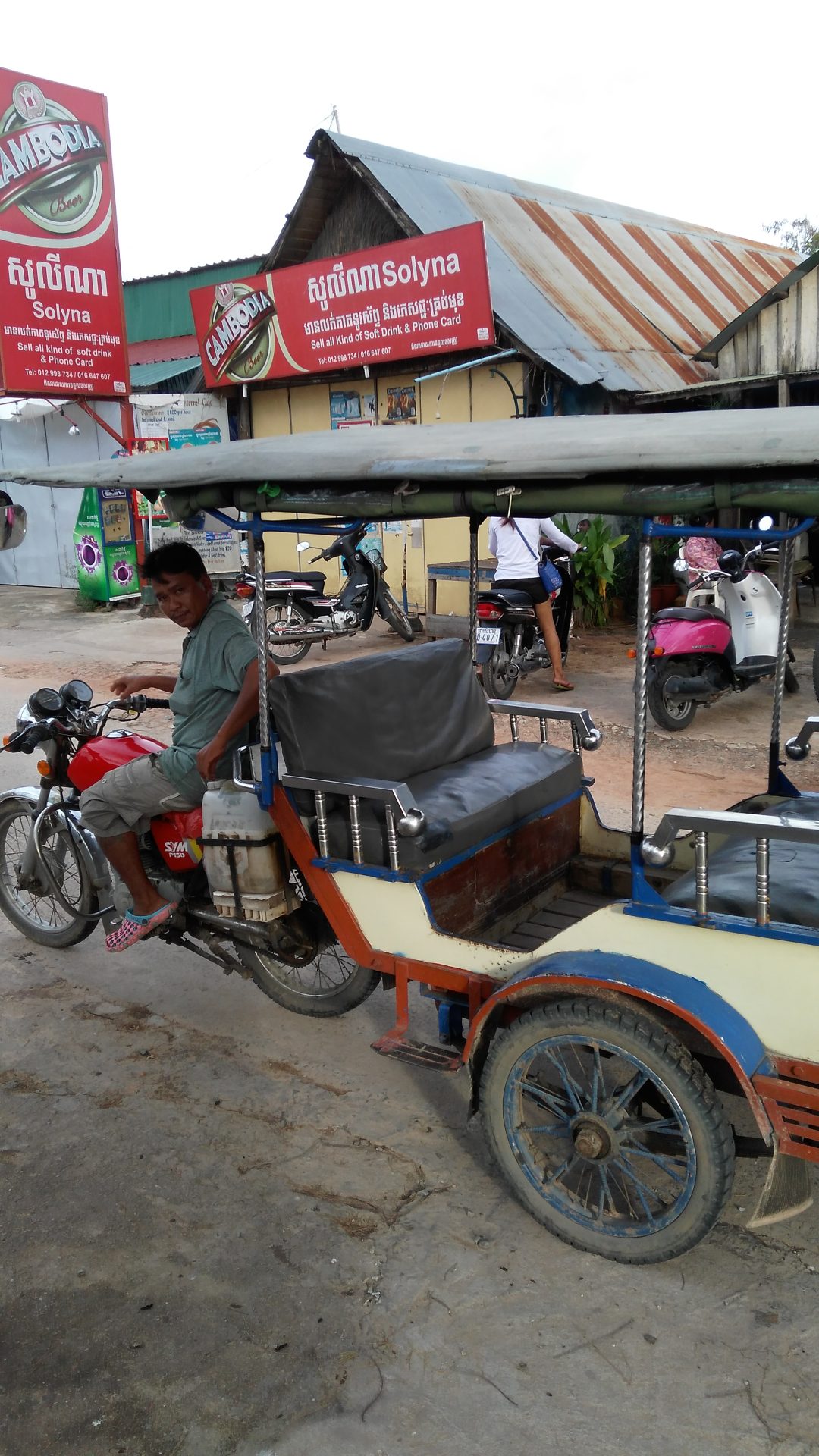
THE TUK TUK WHICH FERRIED US ACROSS
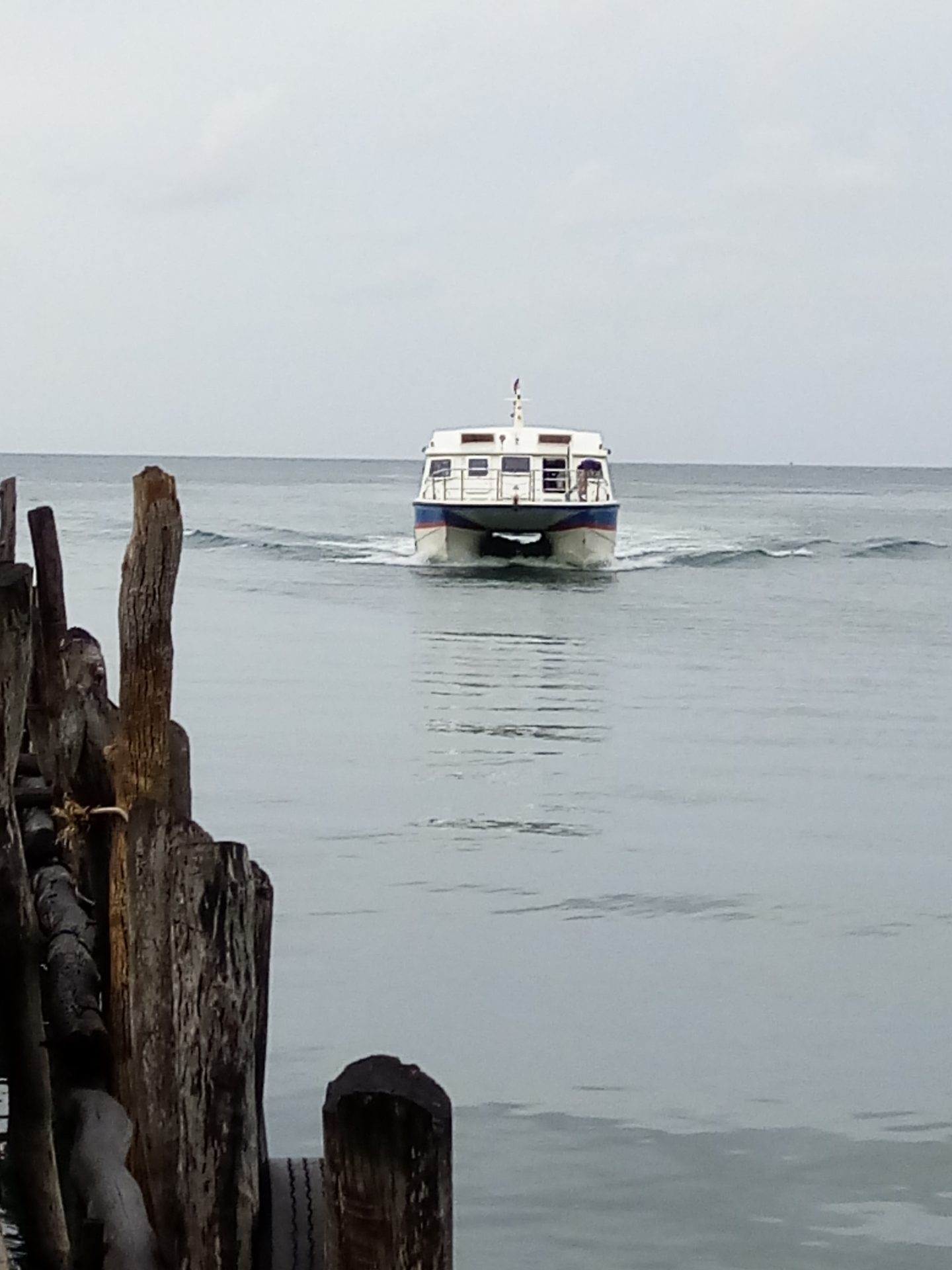
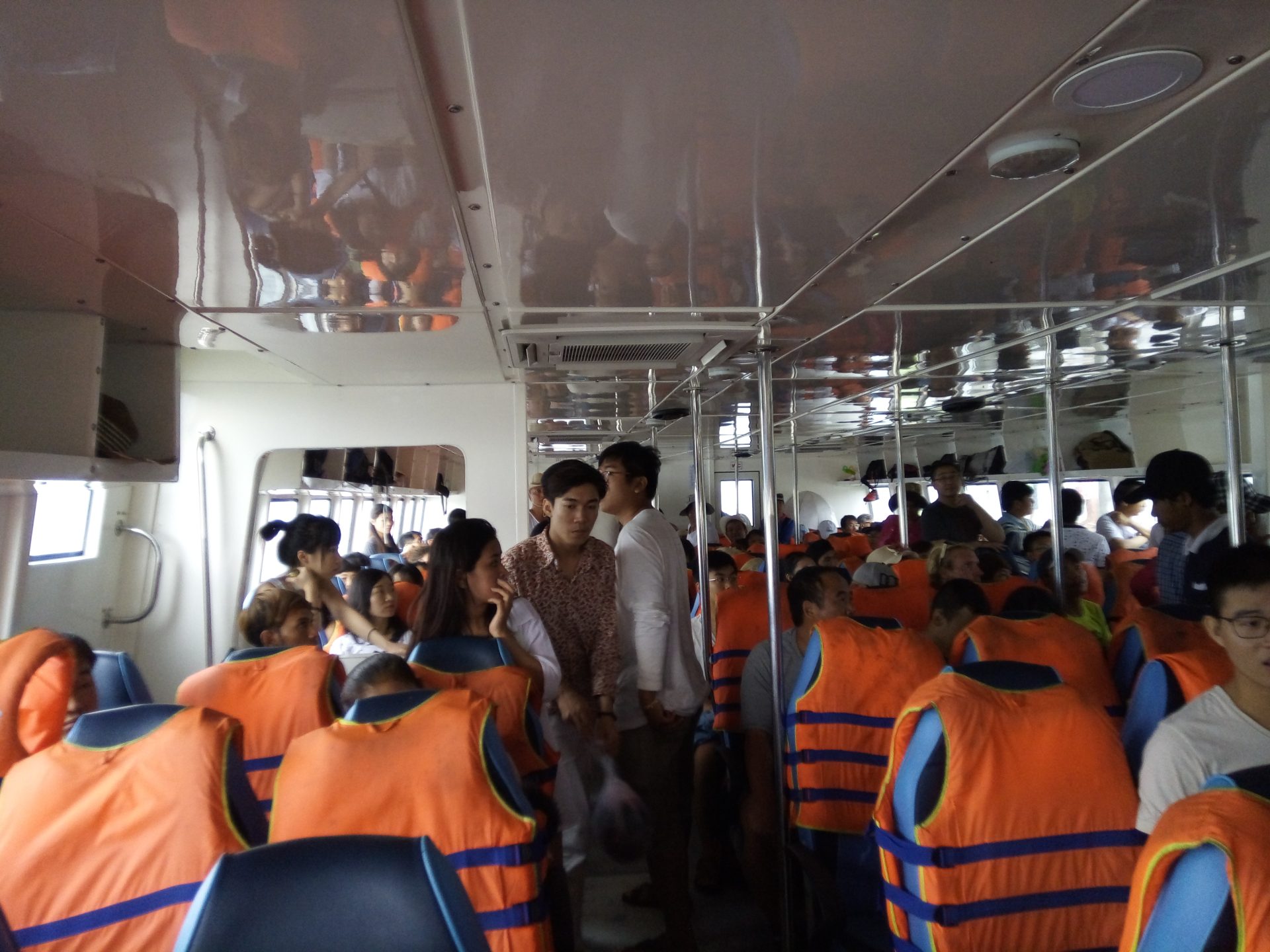
It had started to rain and we were just hoping that rain does not prove to be a dampener when we reach Koh Rong. The ferry started around 9.30 AM after some delay coz the other passengers started trickling only around 9 because of the sudden rains.
We reached Koh Rong by around 10.15 and were lucky to find the sun peeping out of the clouds.
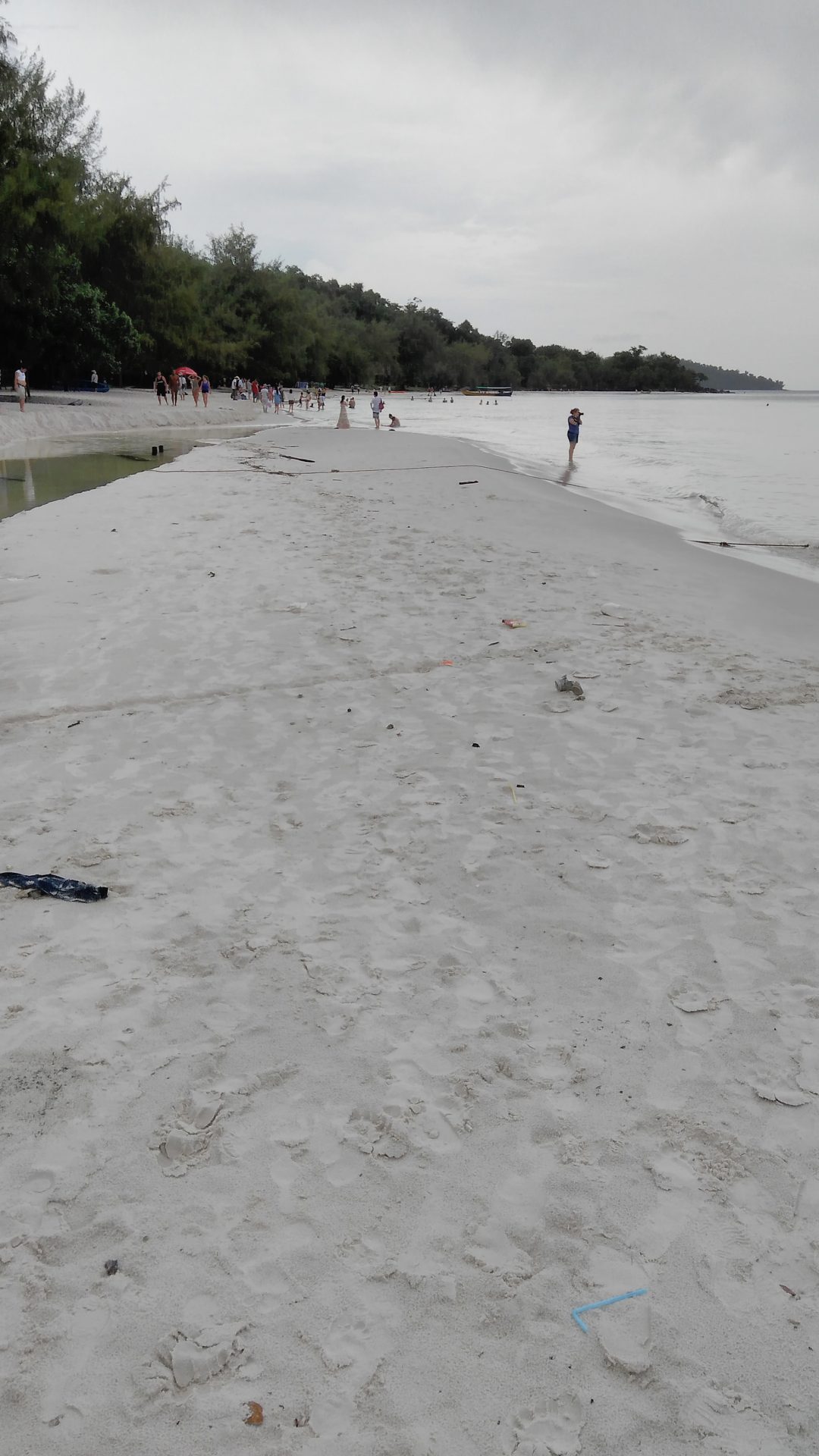
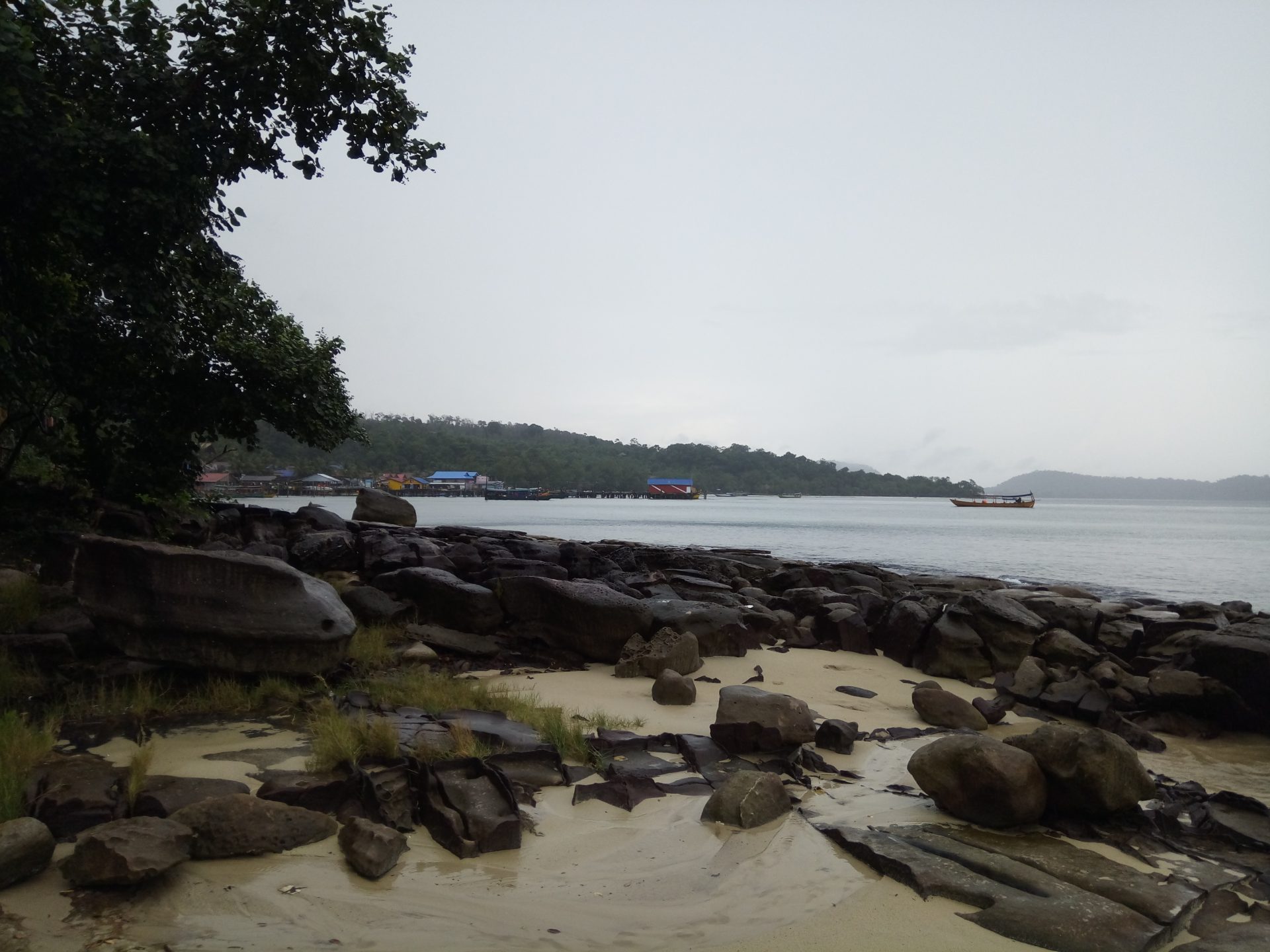
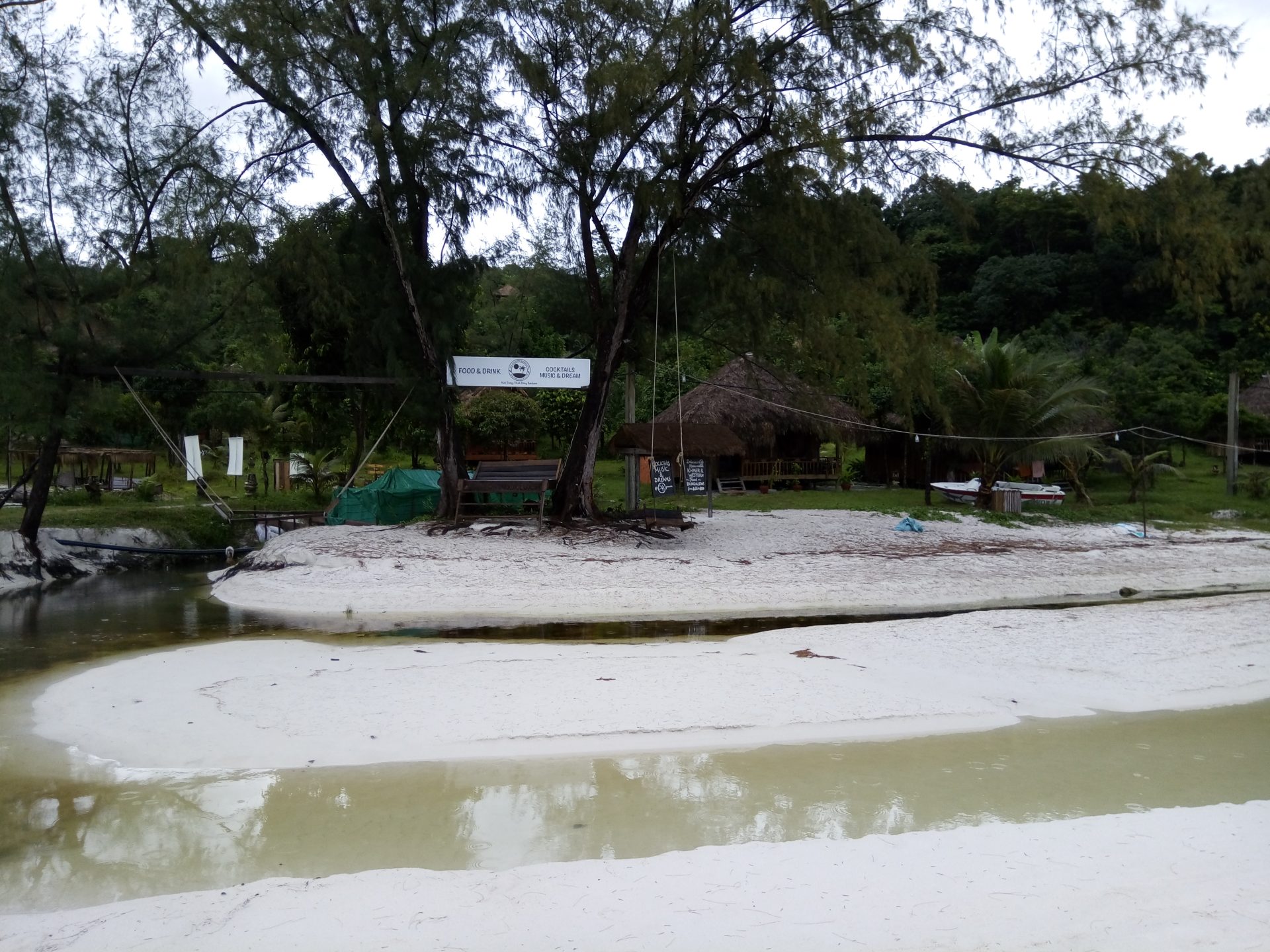
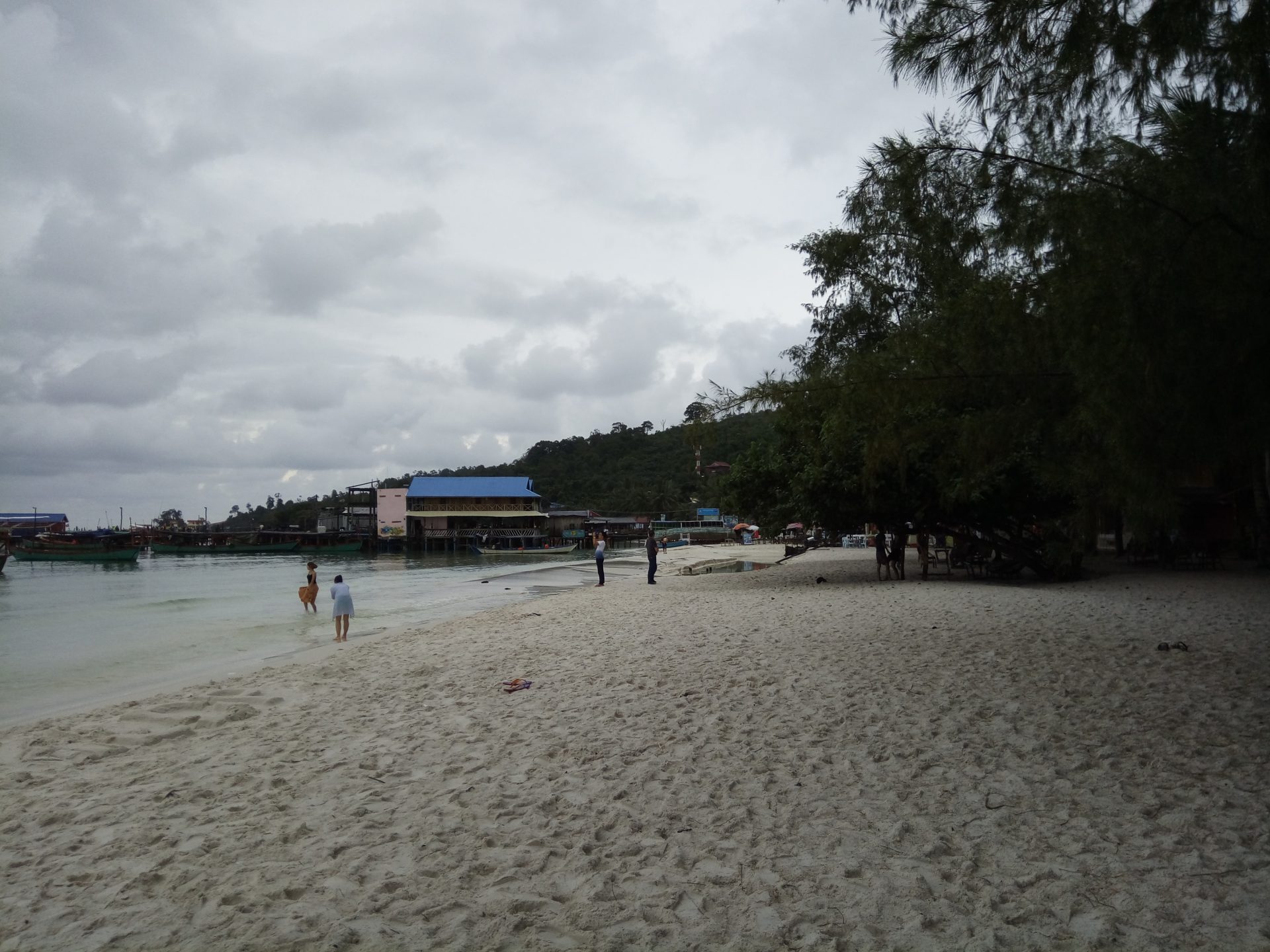
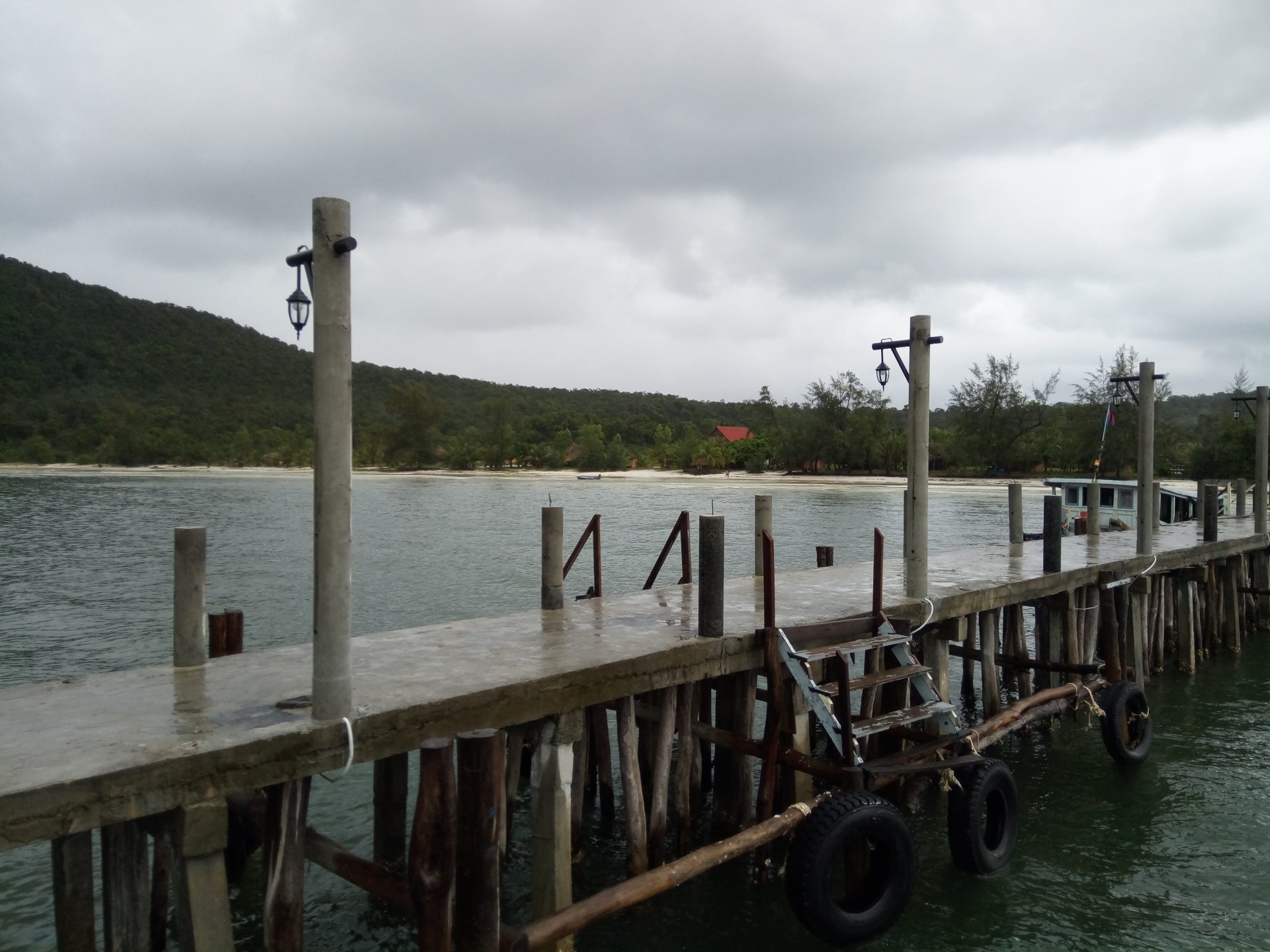
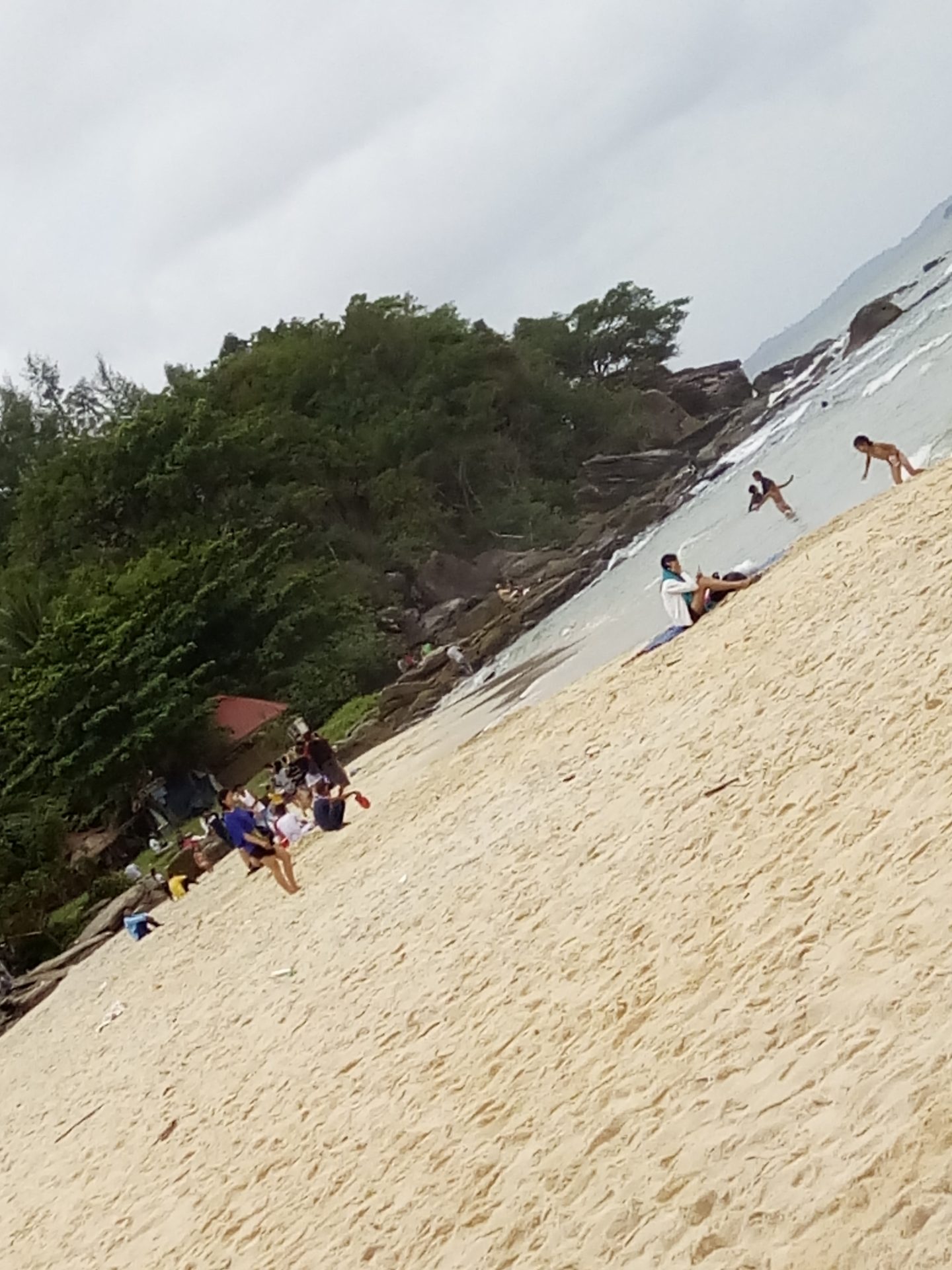
A beautiful view greeted us when we reached Koh Rong. Vast empty stretches of white sand with fringes of palm trees and clean and crystal bluish green waters was a real sight to behold.
While lot of restaurants have come up and have kind of made Koh Rong a more commercial and touristy place and including mushrooming of an Indian restaurant too, we were not that lucky during our visit.
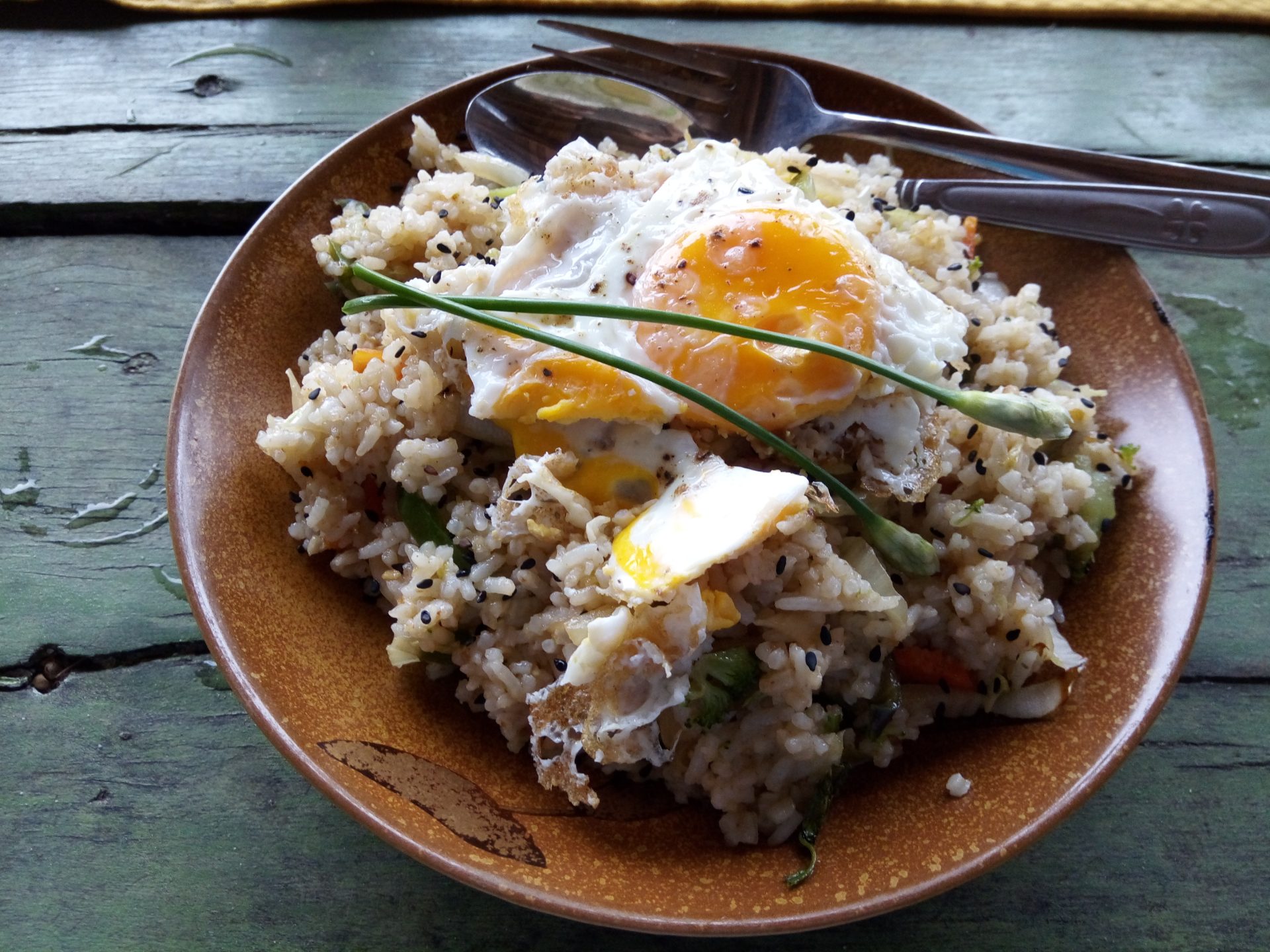
Only a few resto-bars dotted the beach line and some kind of makeshift rice with veggies and egg is all I could muster courage to eat.
A great place however for sea food lovers!! One was given to understand that a pretty long part of the TV Series Survivor was shot here.
We had the option of taking any ferry back to the main land but since we had a few other beaches to visit at Sihanouk, we took the 3 PM ferry back. We reached our hotel around 4.30 PM and took a Tuk Tuk to visit the remaining beaches in town – The Victory beach, Independence beach and the private Sokha beach.
In comparison to the beaches seen on Day 1, did not find these beaches as attractive as the ones seen on Day 1 and in hindsight spending time in Koh Rong would have been more prudent. The Independence beach especially was very dirty.
Whiling away with food, music and some beer at Koh Rong
In and around the Victory, Independence and the Private Sokha Beach
We reached our hotel around 6.30 PM and after resting for sometime headed for dinner to an Indian restaurant Taj Mahal. Average North Indian food and not in the league of Kamasutra but then the idea was to try something different. We retired in early to catch up with some swimming in the hotel pool the next day morning.
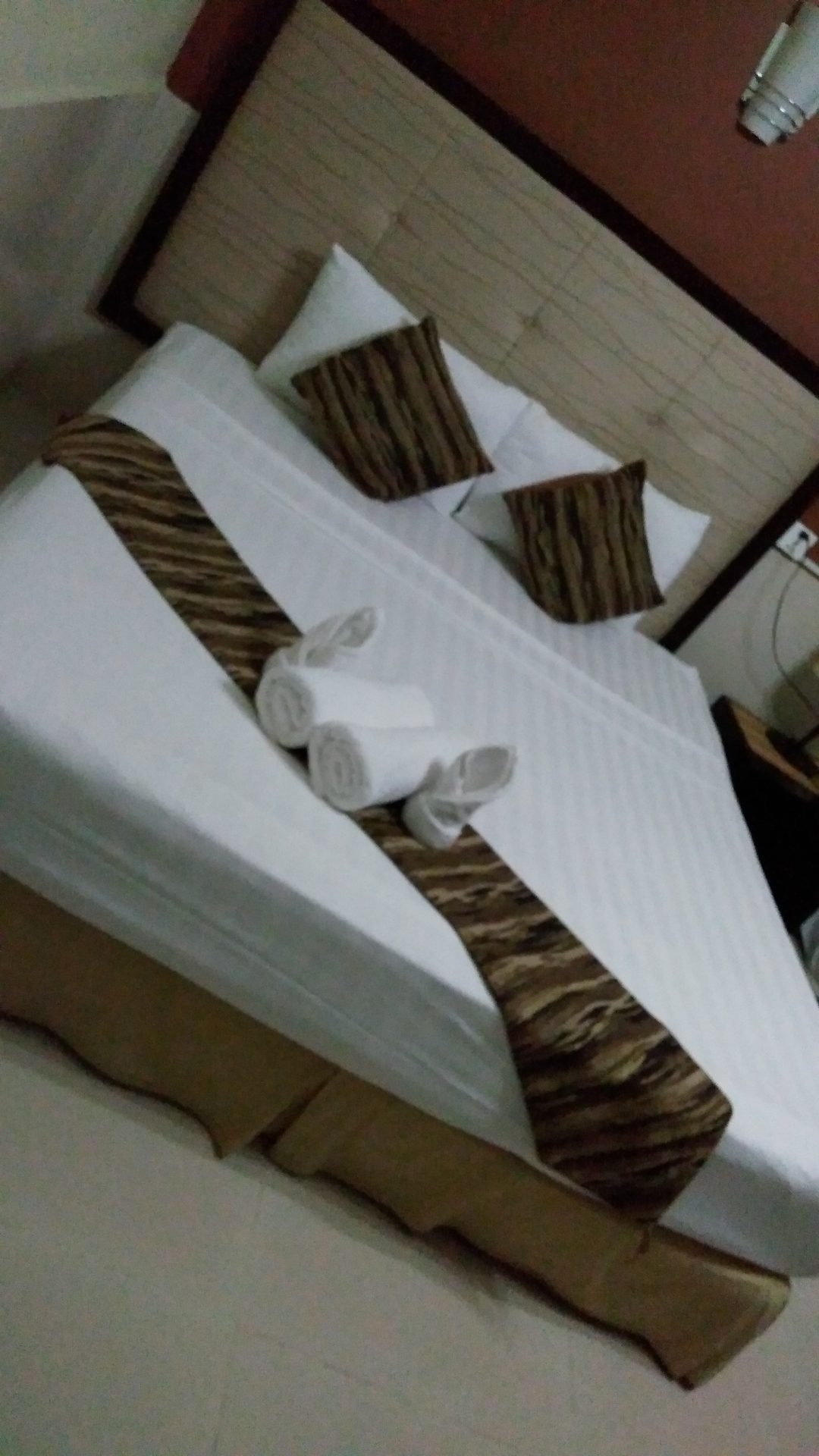
Breakfast was served at 7.00 AM and was nothing different from the previous day’s fare. The 2 day stay at the hotel costed us $ 65 for a Deluxe Double AC room with complementary breakfast. We then headed after checkout to our designated pick up point for our journey to the twin towns of Kep and Kampot.
Kep & Kampot - The Twin Towns
Kep which incidentally is the smallest province in Cambodia happens to be more of a seaside resort for the settlers, inhabited by lot of French nationals who have set up Guest Houses and/or run restaurants. In line with its glory of being a French Colonial City, its also known as Kep-sur-mer which means Kep by the Sea. Kampot on the other hand is more of a backpacker’s hangout. Set alongside the Sangker river, the town has lot of beautiful buildings from the Colonial era. These towns known Worldwide for their Pepper FarmsBlack, Green, Red and White Table Pepper variety and the Durian Fruit.
We set out from Sihanoukville at around 7.30 in the morning to board our mini van for the next leg of travel to the twin towns of Kampot and Kep. The tickets were around $8 per head.The towns of Kep and Kampot are around 25 kms apart but both form an integral part of Khmer history and with distinctive traits which set them apart.
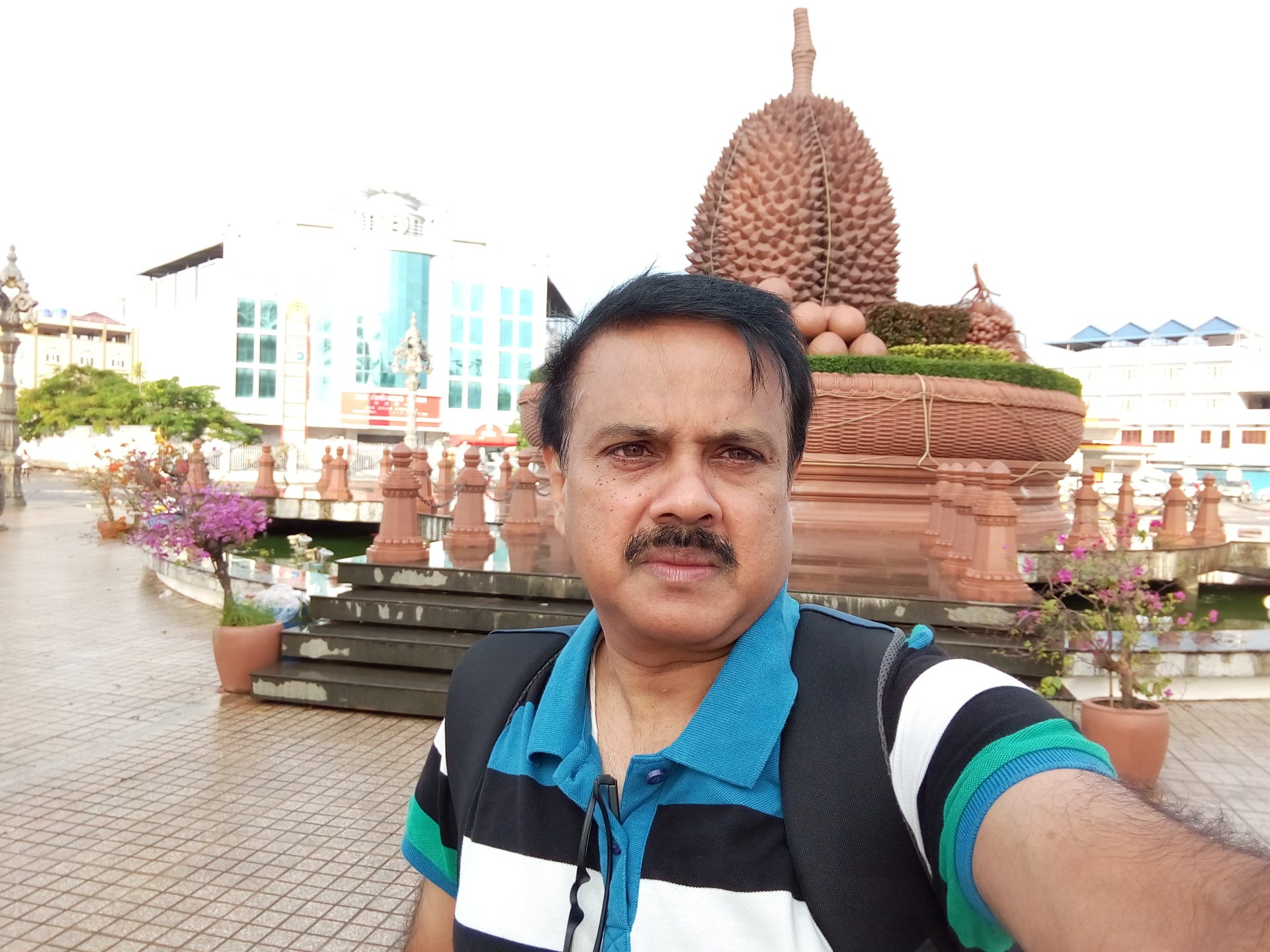
THE DURIAN ROUNDABOUT
Kampot
A 3 hour drive through the nice countryside brought us toKampot, the 3rd largest coastal province in Cambodia. This small and sleepy riverside town extends into the Gulf of Siam towards its Southern Part while its Eastern side shares a border with Vietnam. Checked into a homestay, The Kampot Manor run by an Australian. This was located on the town’s outskirts and in a quaint fishing village.
The Bokor Mountains
We had booked a trip to Bokor Mountains and Kep with the same cab guy who had dropped us from the Bus stand to this homestay and he was to report in an hour’s time.
We quickly freshened up and around 12 noon, started off on the drive to the Bokor National Park, popular amongst the locals and foreigners for its cool mountain climate. Known to get pretty nippy in the morning, one can literally touch the clouds here.
THE DRIVE LEADING TO THE BOKOR MOUNTAIN
Located
around 35 kms away from our homestay, we reached the place at around 1 and
drove around the various old French colonial buildings which were all lying in
a state of derelict. Originally a small resort town built by the French, the
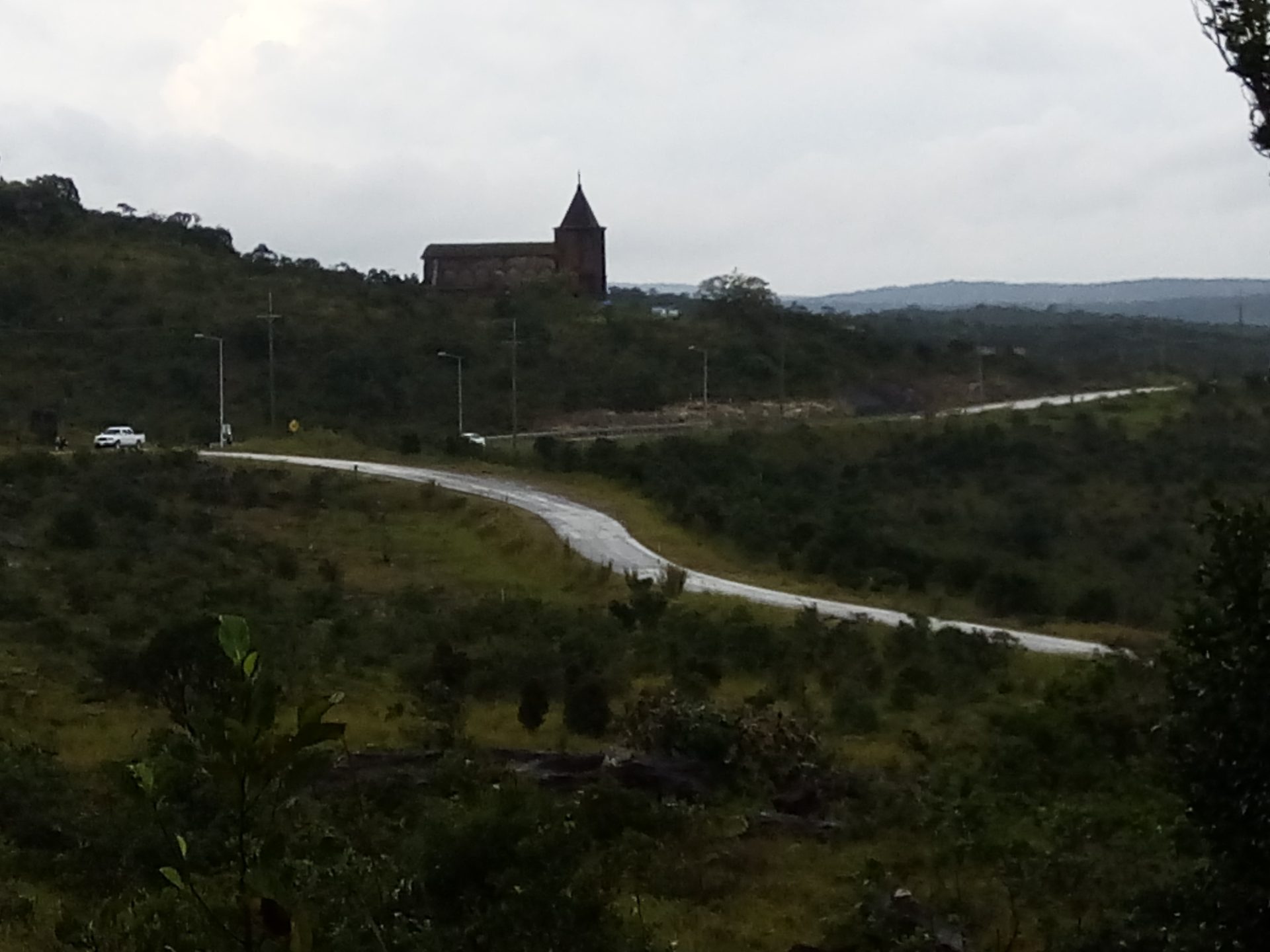
place housed The Grand Bokor Palace, a post office and a catholic church.
The entire stretch of Bokor was abandoned by the French in 1940
during the first Indo China war. Later people again started inhabiting the
place and in 1962, a Casino was also established. The Khmer Rouge laid siege to
the mountain in 1972 and developed this as a very strong bastion in combating
the Vietnamese forces.
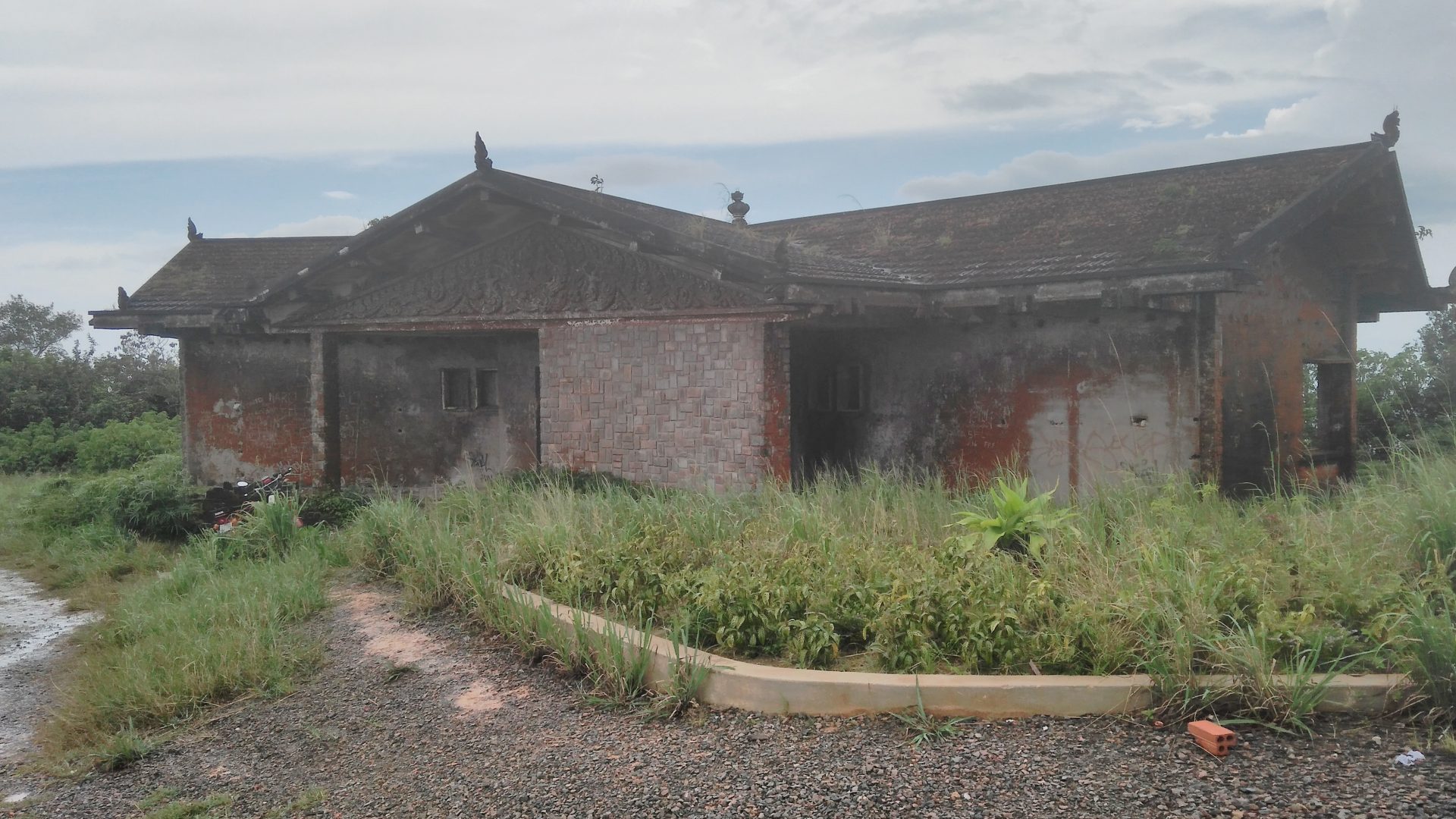
AN OLD DILAPIDATED CHURCH
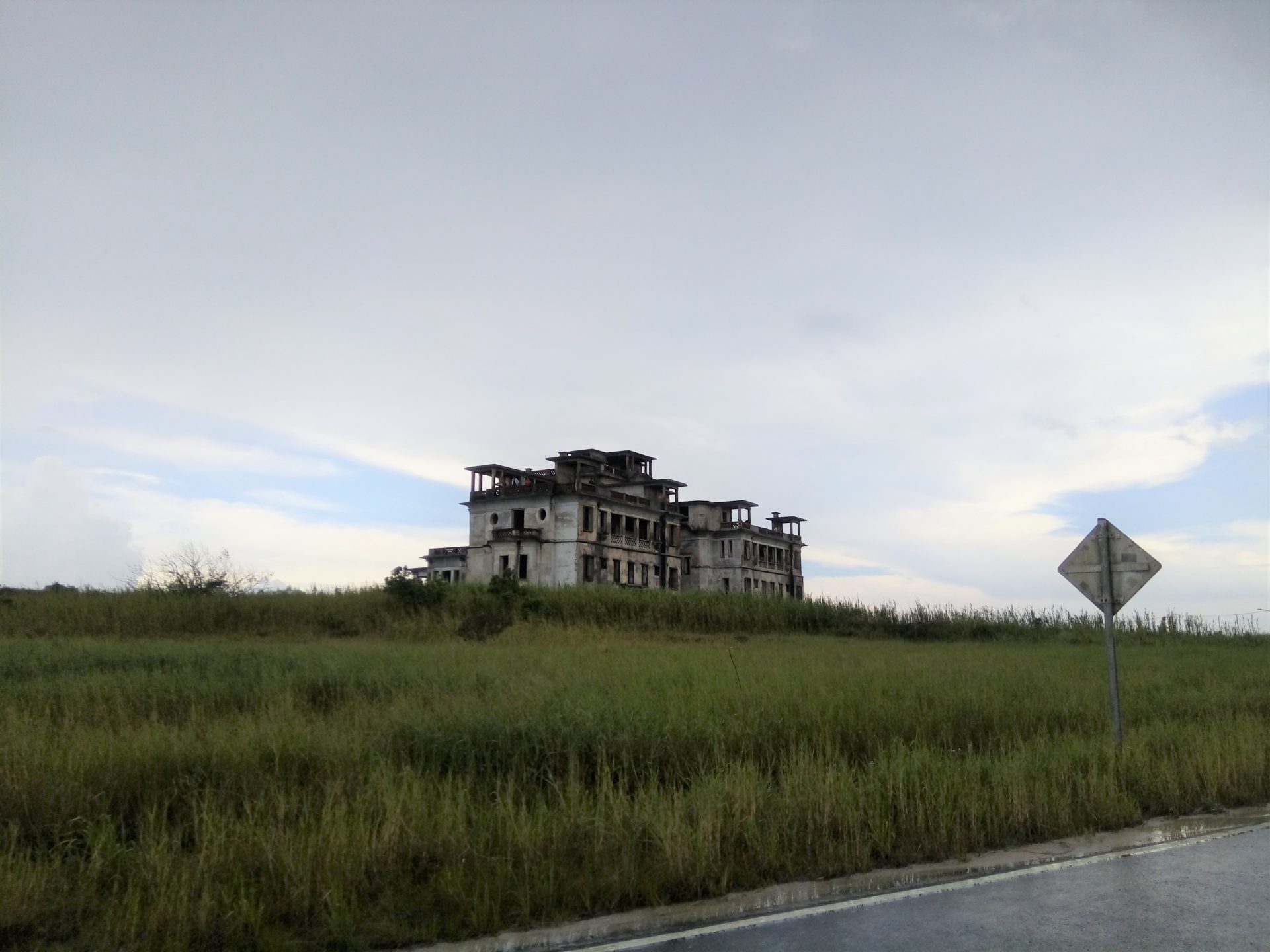
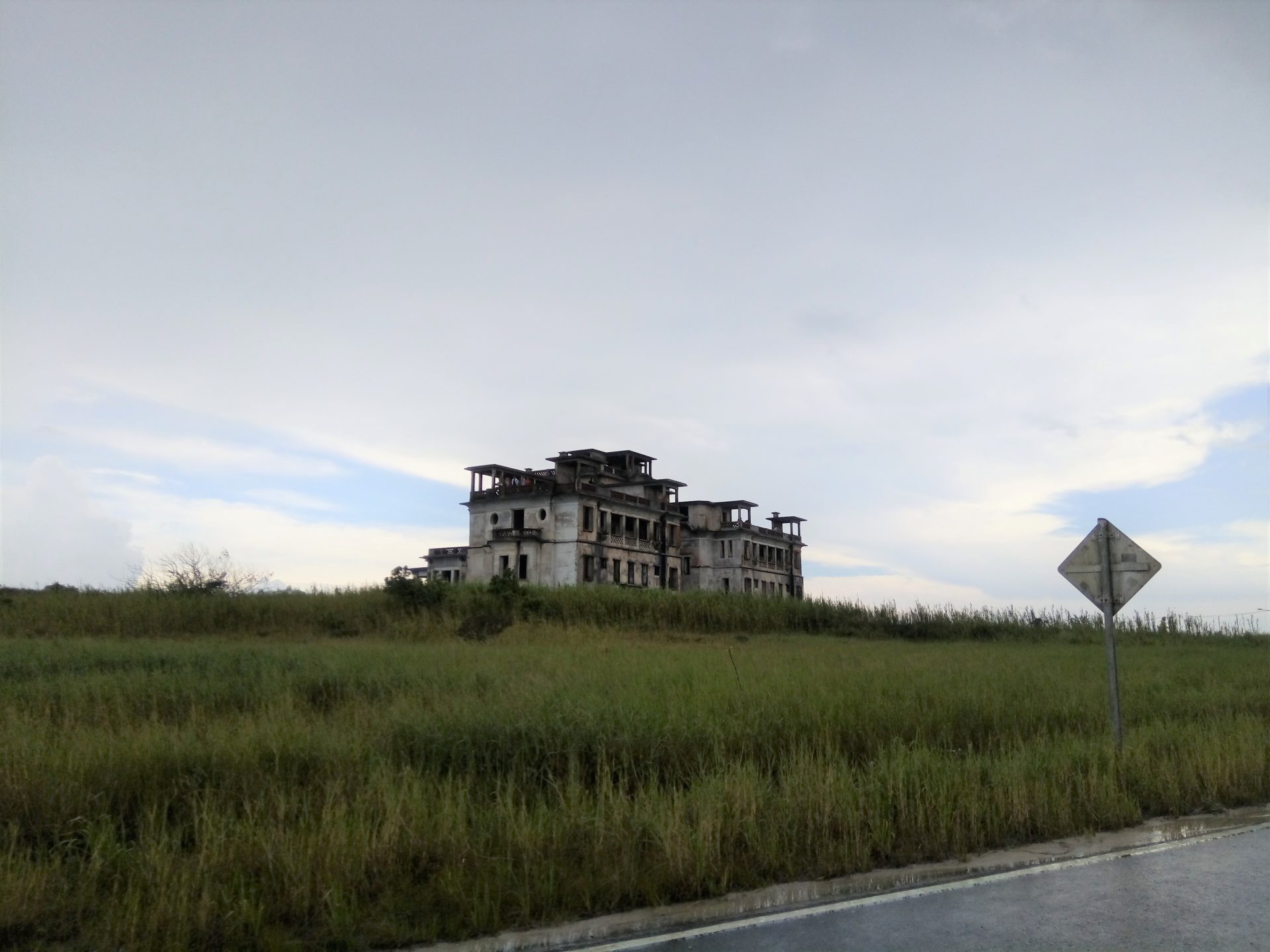
The most popular view atop was that of an abandoned Casino (looked more like a haunted building) and that of the church and a waterfall.
AN ABANDONED CASINO
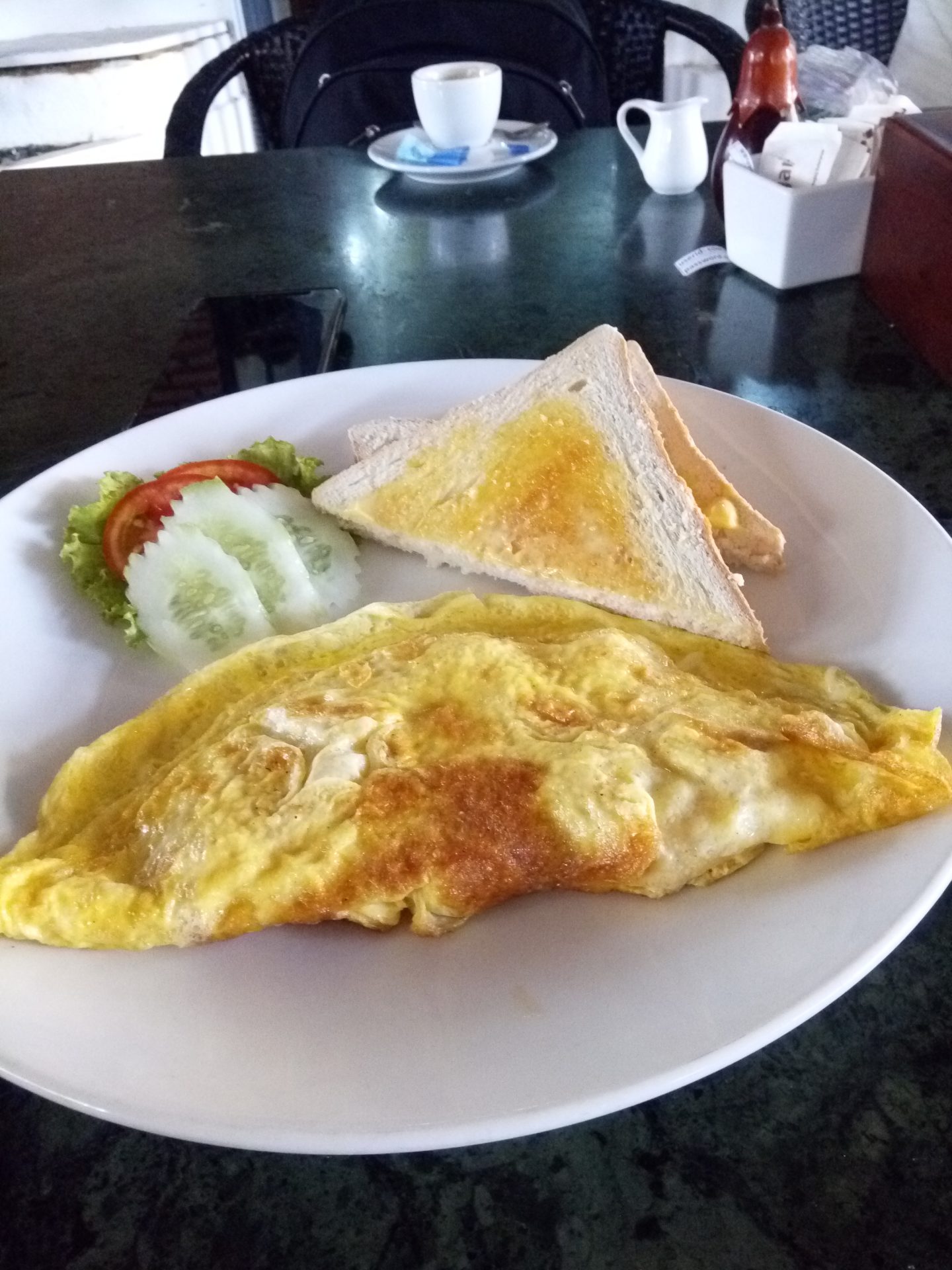
Food was a big challenge and the stomach literally revolted seeing what was on offer in the makeshift stalls. After lot of disgruntlement, finally had to make do with local rice with a dash of lime juice, grated raw mangoes and carrots and green pepper. Crazy stuff but a perennial problem if you do not pack your food!!
After the end of the Civil War, Bokor was lying as an abandoned ghost town for a very long time, post which a few private players took interest in developing the area and a resort and some hotels have now come up atop the mountain.
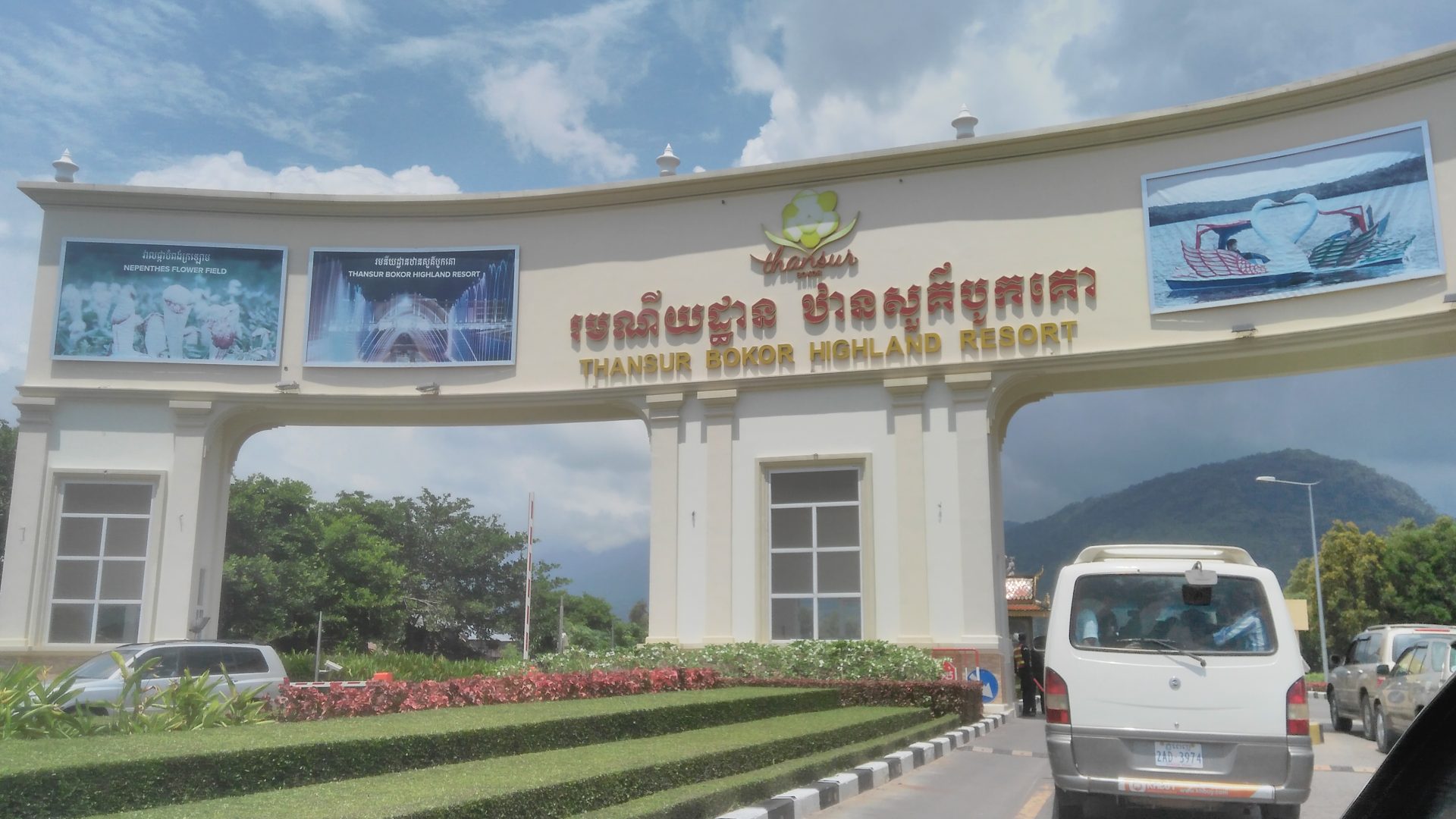
Around 3 we reached the foothills of the mountain and after a brief photo stop at the entrance, headed for the coastal town of Kep.Matt Dillon as I was given to understand had shot for his movie City of Ghosts in these mountains since he found the environment to be a bit spooky.
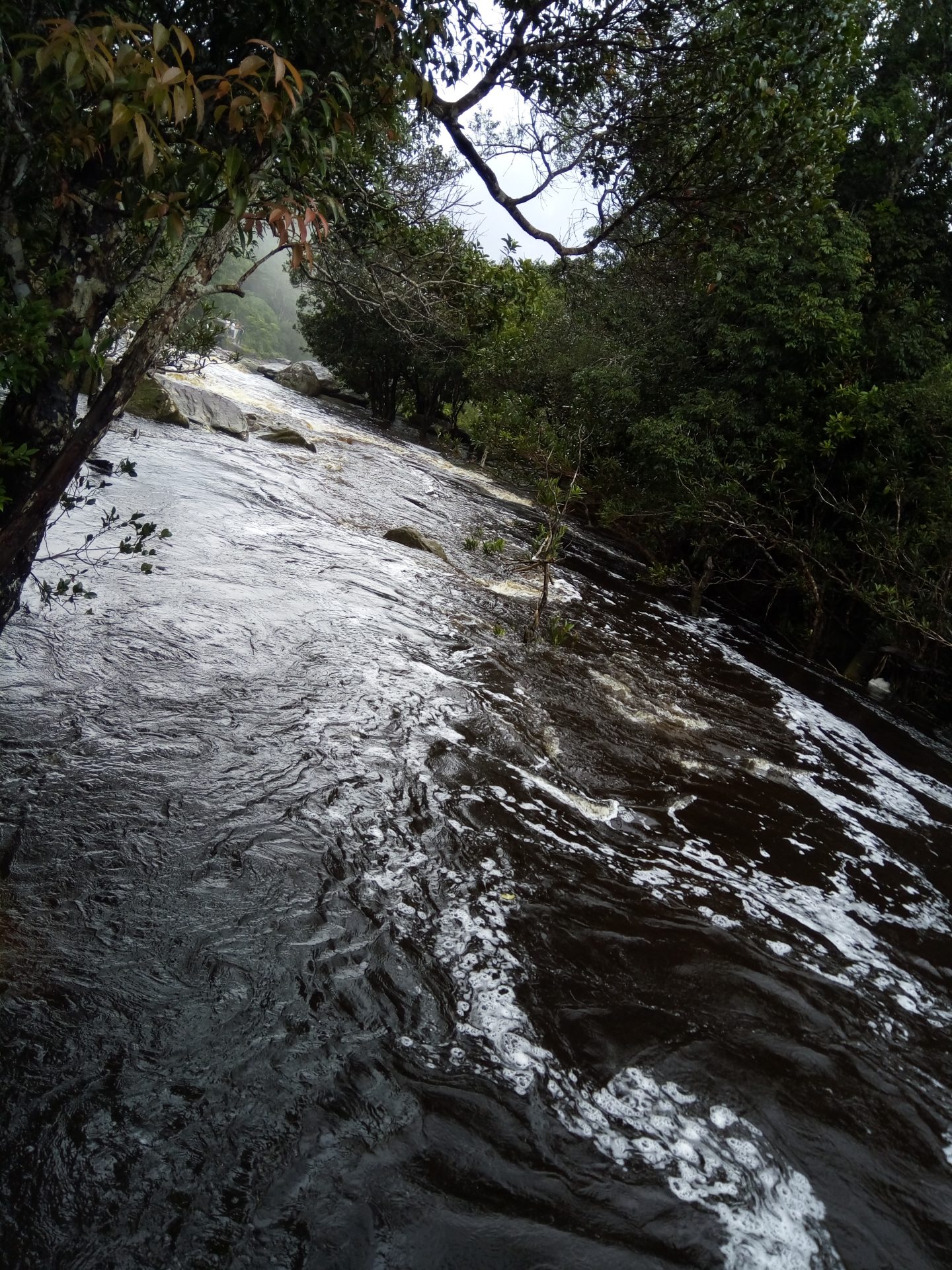
A WATERFALL IN BOKOR
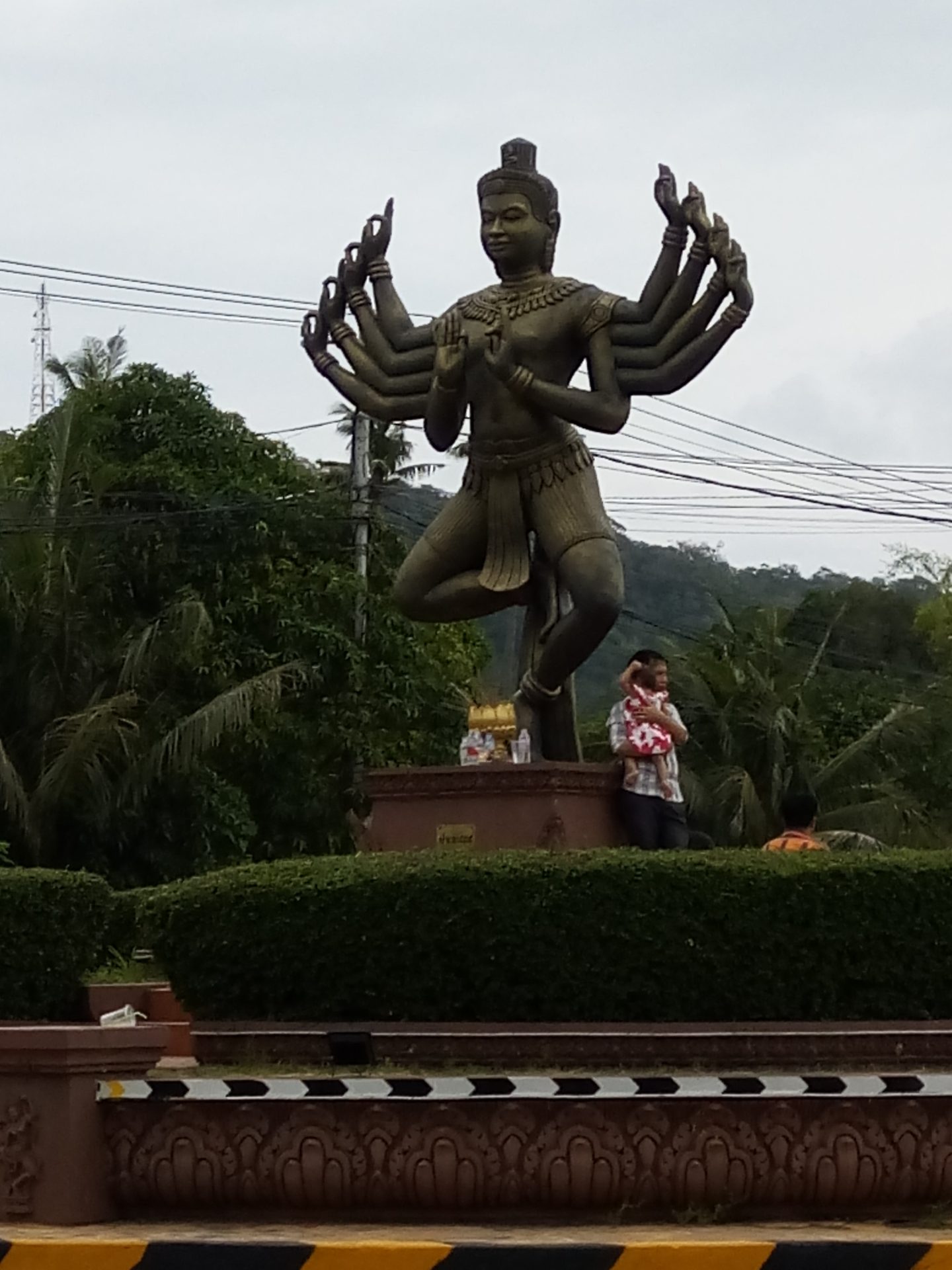
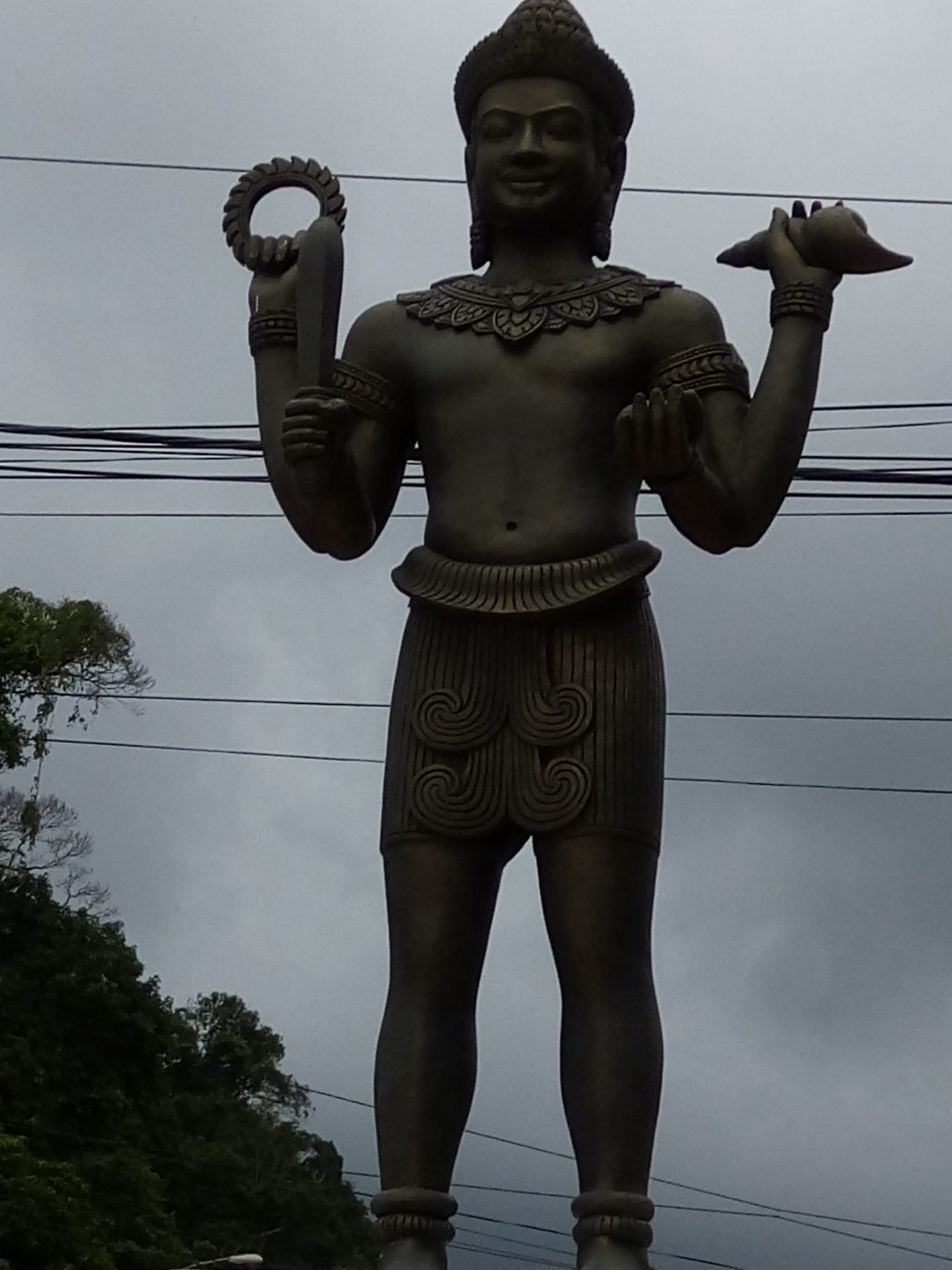
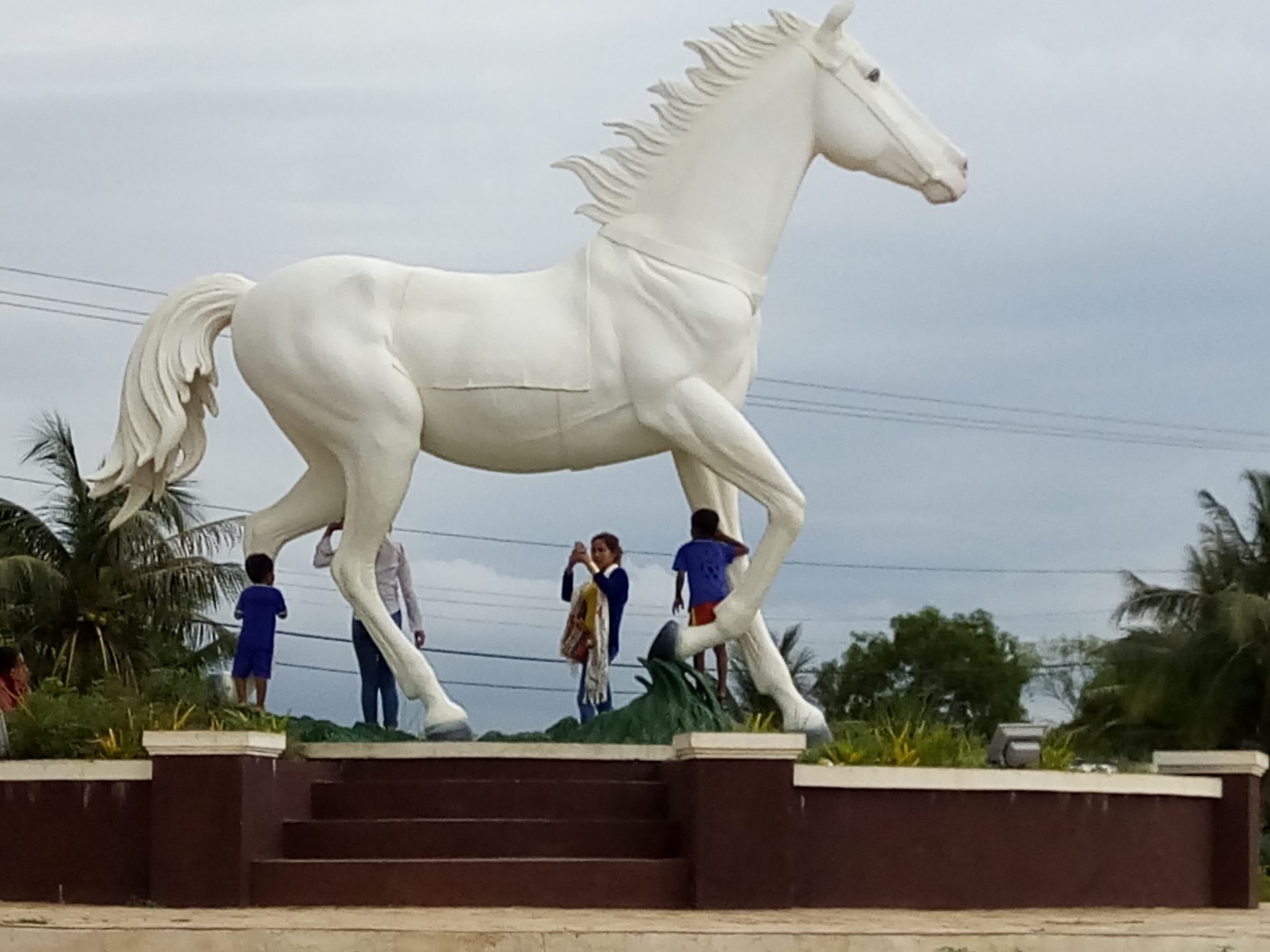
A few statues clicked Enroute
The Coastal Town of Kep
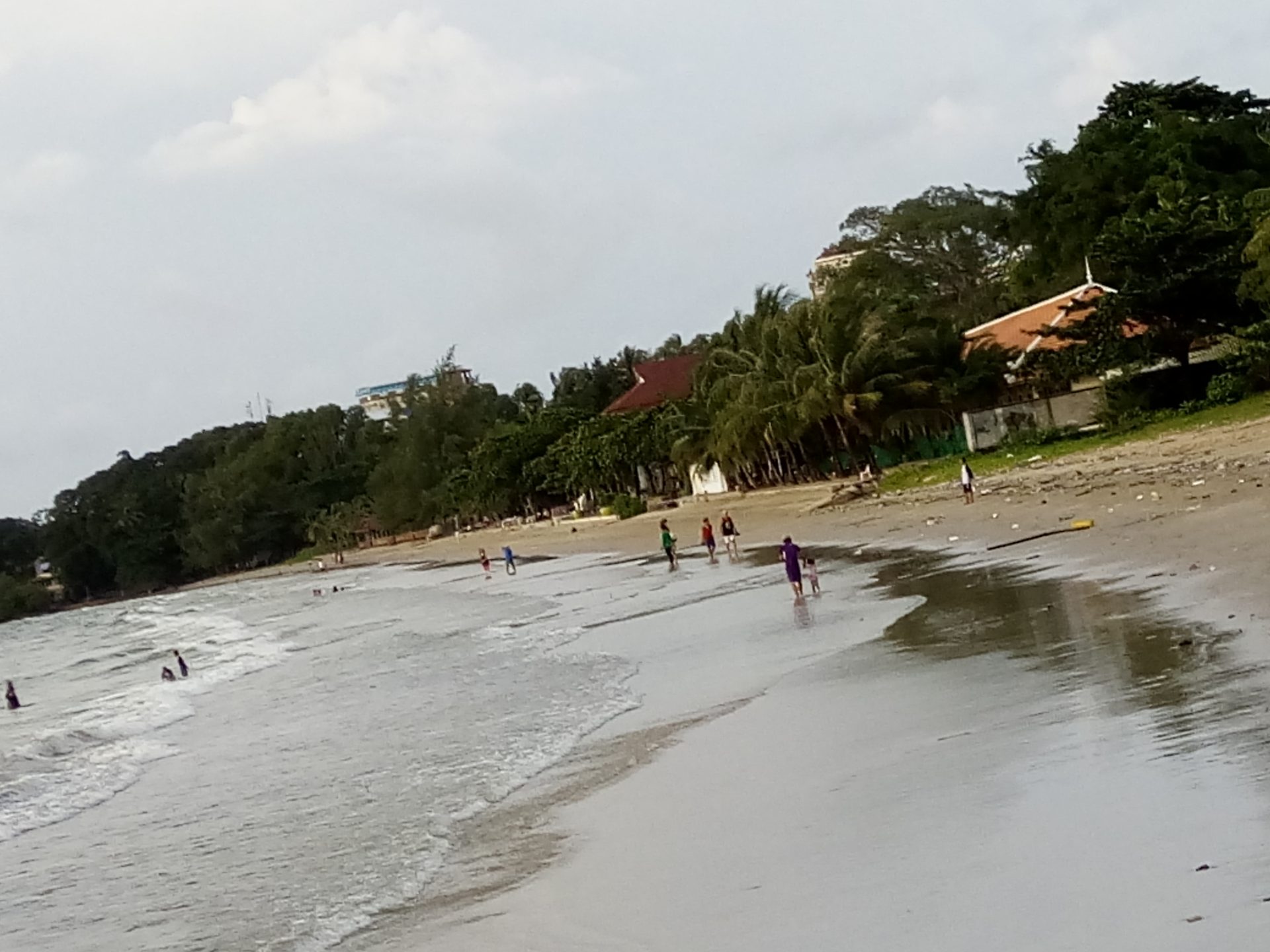
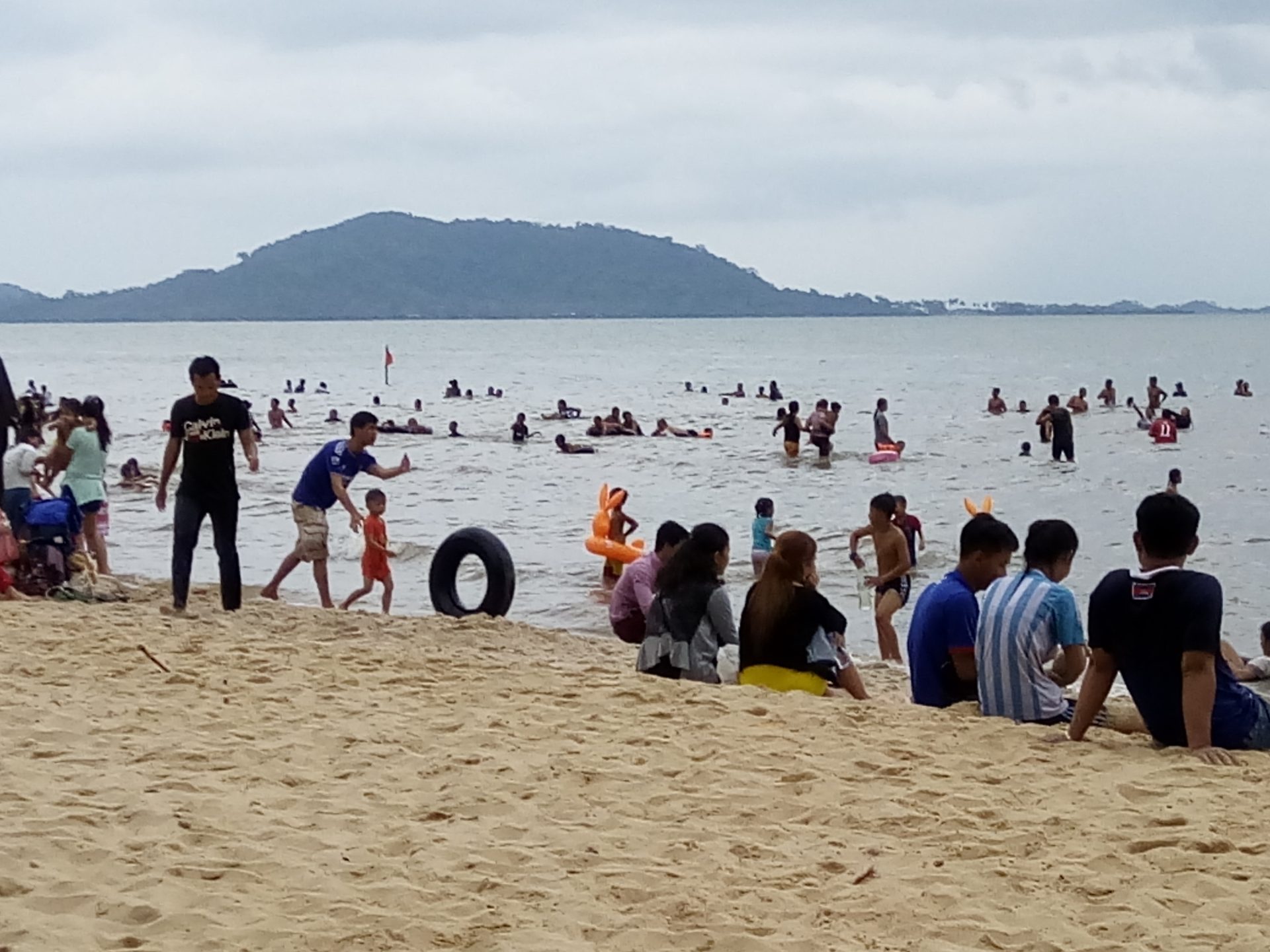
The distance of around 18 kms was covered in around half an hour’s time and the first stop was at the beach. Being a local holiday there was a sizable amount of locals who had come to the beach.
Close to the beach was the famous crab market where lot of outlets were there dishing out crab meat exotica for the locals and tourists. We then went around the town taking a few photos here and there and finally got dropped at Kampot, close to the riverside.
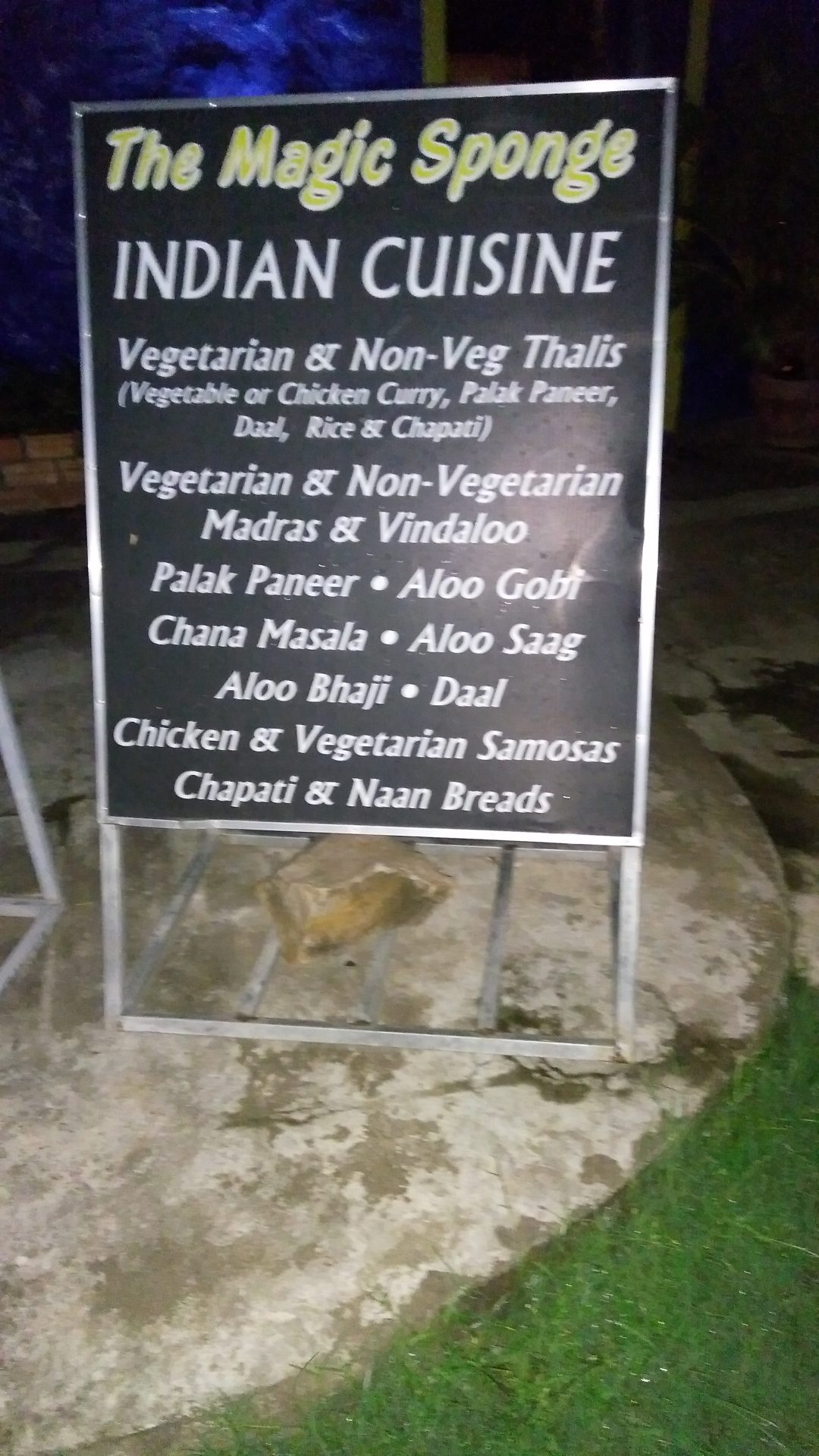
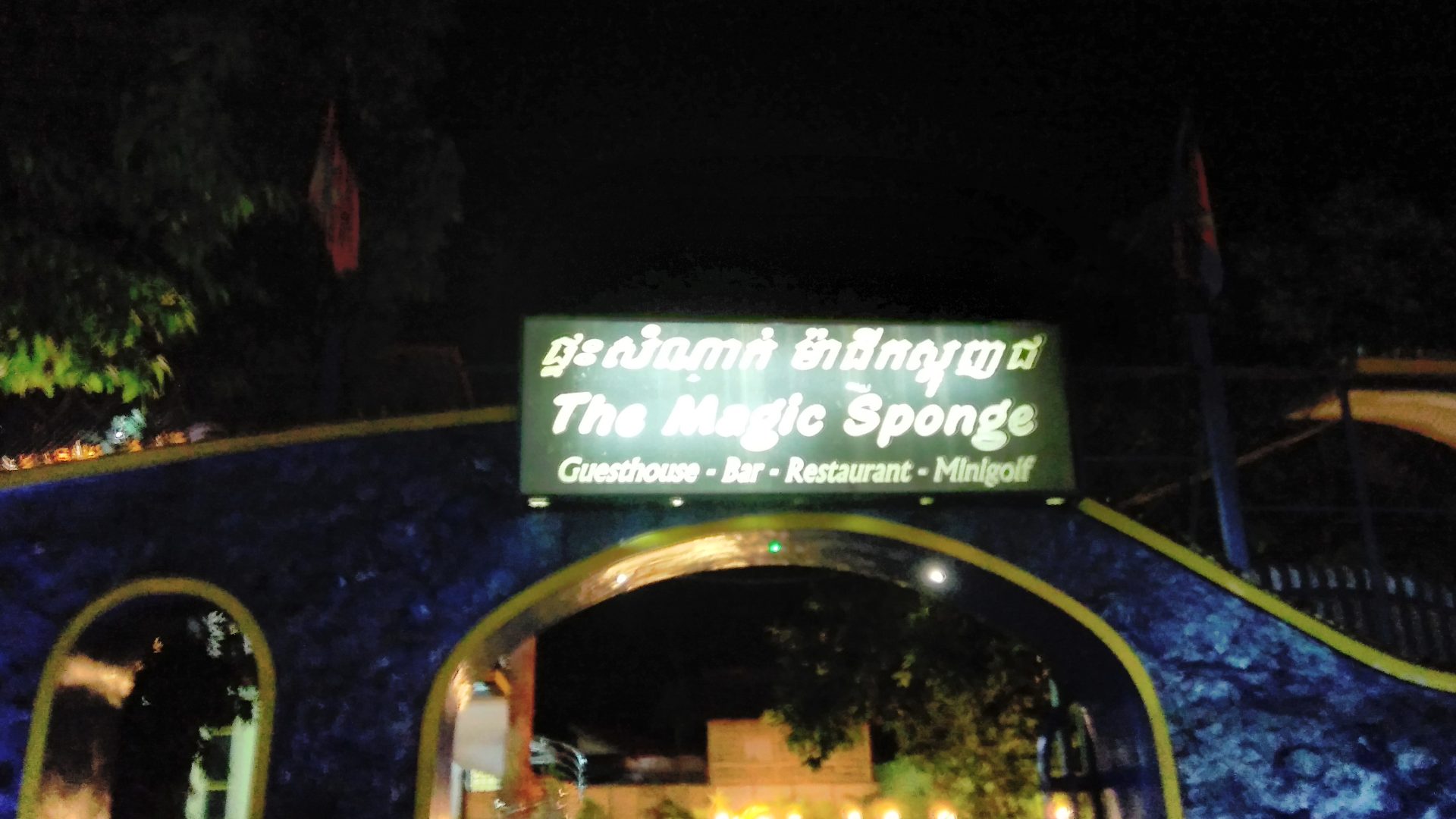
We then headed for dinner to Magic Sponge, a restaurant run by an Icelander and serving Indian food to our surprise. There was a pretty sizable crowd in, watching the football league matches amidst some binge drinking of beer.
The food was excellent besides the fact that the prices were very reasonable and after spending some time chatting up with the owner, we headed back to our home-stay.
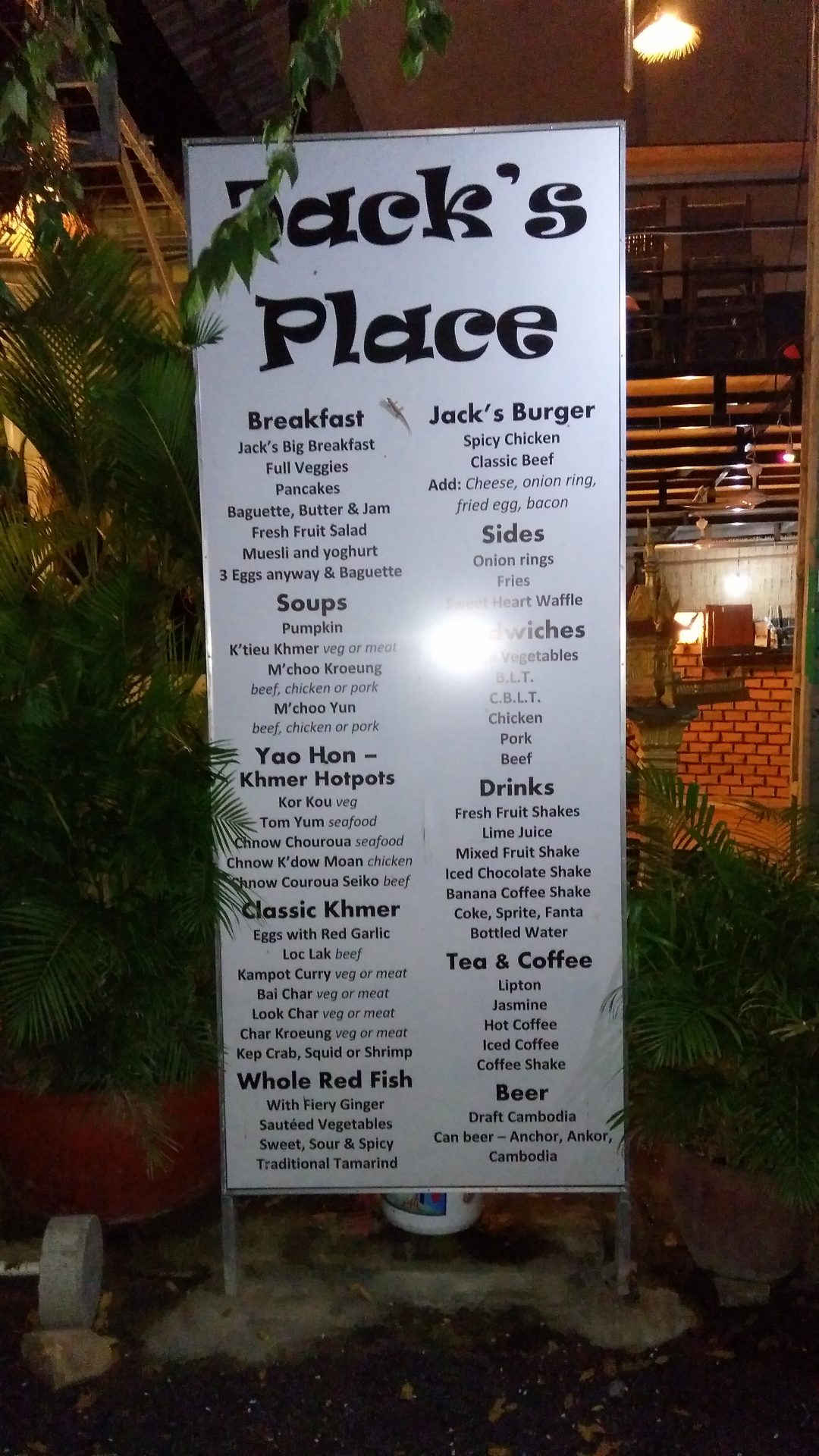
AN ADJOINING FOOD JOINT
Picked up a few packets of the world famous Kampot Pepper and some spices in the local market. The next day, we were scheduled to take the 8.30 AM bus from Kampot to Phnom Penh. Our pick up point for our mini van was from the Durian Roundabout.
Set off at around 8 AM after checking out from the home stay. A day’s stay just costed us around $ 20. The 155 km journey was covered in around 4 hours, bringing to an end a memorable tour in this beautiful country. Was eagerly waiting for the next long weekend holidays as bookings had already been made for a visit to Siam Reap which hosted the lovely Angkor Wat temples.
We had booked ourselves for the travel with Virak Buntham and the tickets per head was only $8 per head.
It was back to the daily grind until the long weekend around the Water Festival was approaching. Had done the bookings for a visit to Siem Reap during the time Phnom Penh would be celebrating the Water & Moon Festival also known as Bon Om Touk. This is normally celebrated in the last week of October or the early part of November to mark the retreat of the monsoon season. The Tonle Sap river is also believed to reverse its flow during this time and what unfolds over 3 days are Dragon Boat races, lots of fireworks in the evening and free concerts in the night. All held at Sisowath Quay in Phnom Penh which runs parallel to the river and attracts a huge number of tourists.
Siam Reap
We had arbitrarily chosen one of the local van operators Larryta for this near about 7 hour drive though you have a choice of buses too.
While there are multiple van operators and buses to chose from, would be good to do a quick review of these operators on the Net so that you stand cautioned for any bad experiences that some people may have undergone.
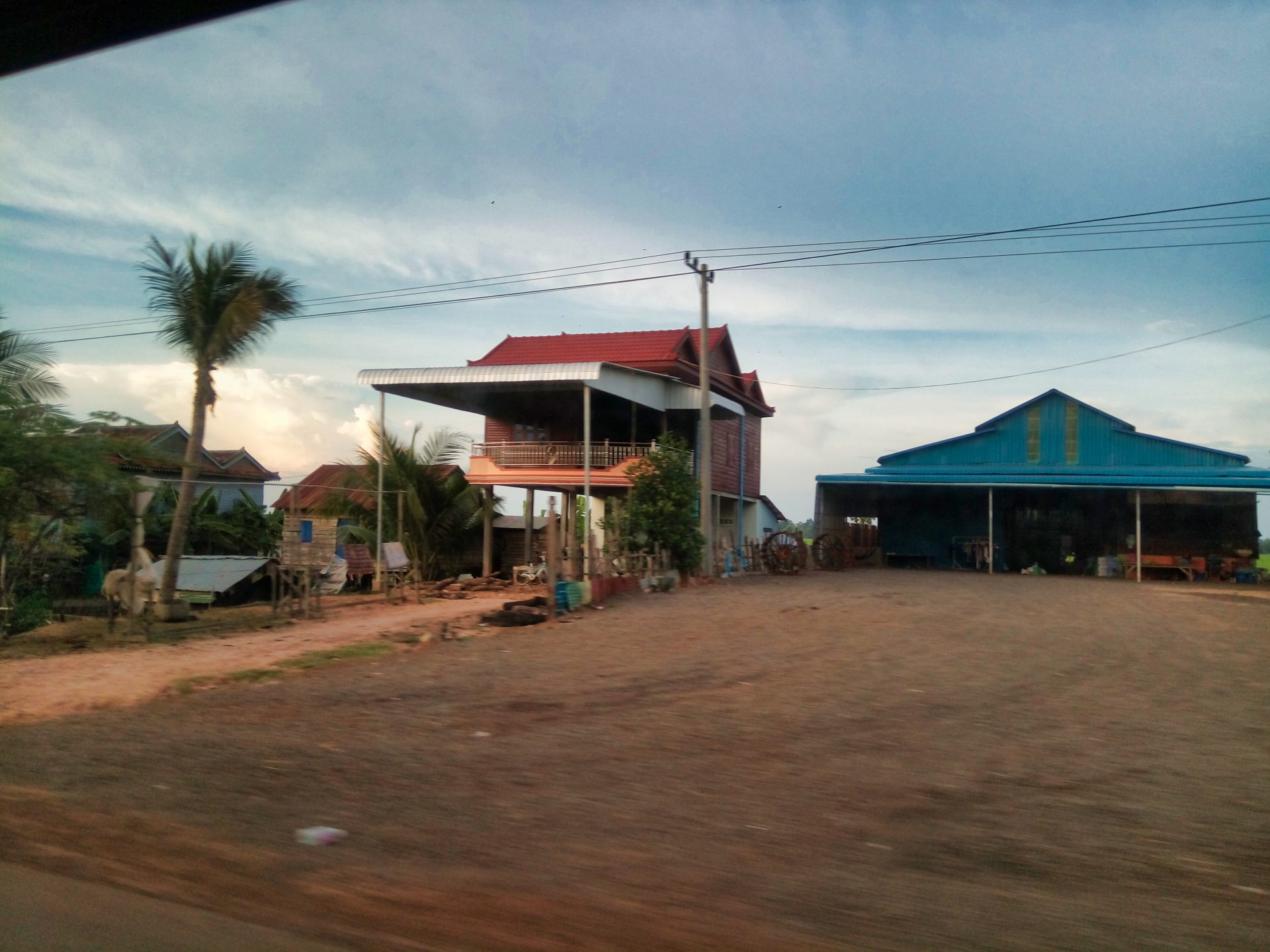
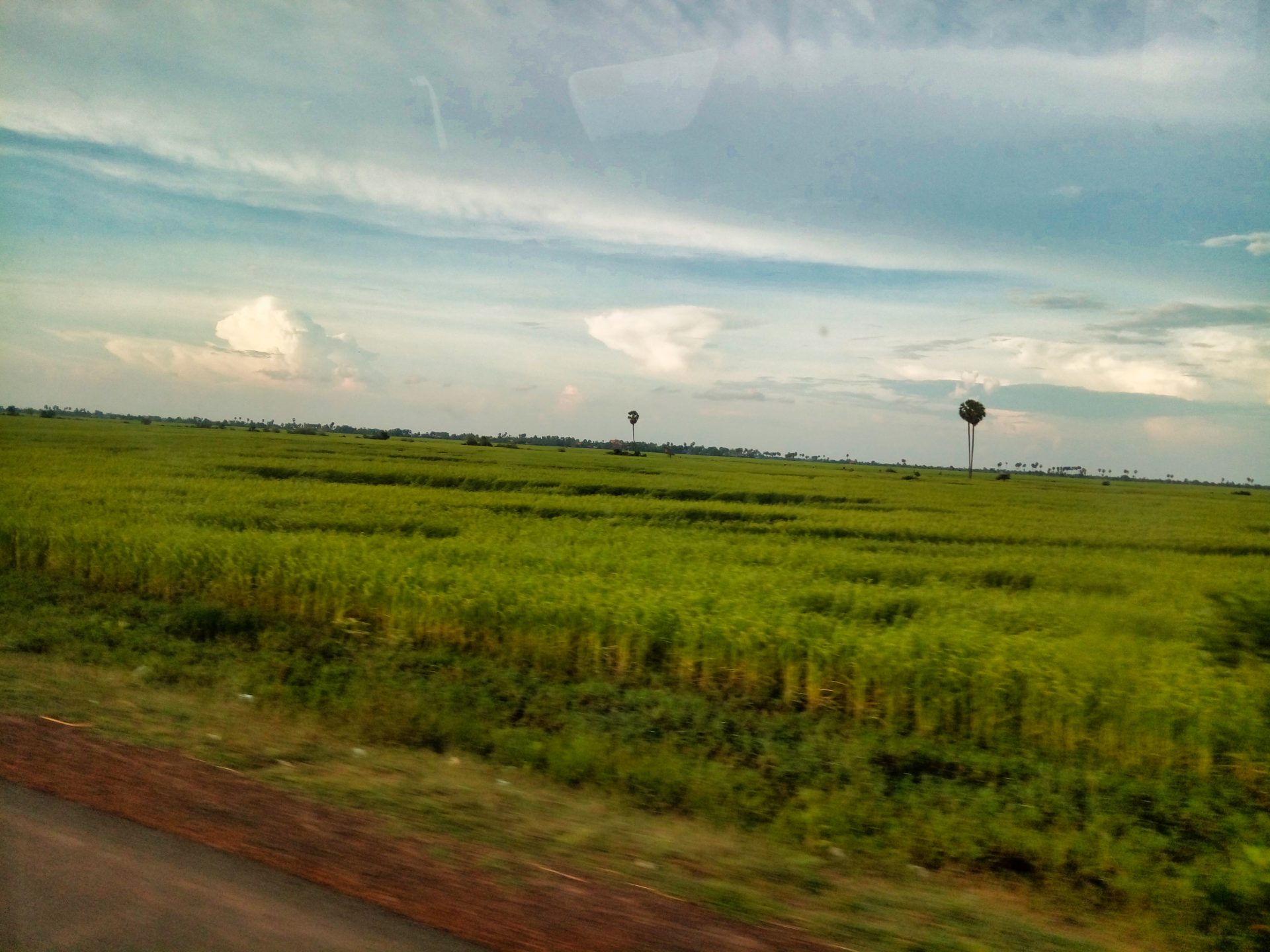
The entire stretch of the drive was dotted with lush green paddy fields, quaint stilt houses and neatly tarred roads and inspite of almost a 40 minute break which the driver took at one of the pit stops enroute, it all translated to a nice experience.
Checked into Hotel Reaksmey Chanreas very close to Pub Street at around 7 PM.
Siem Reap is close to the borders of Thailand and has its own Airport. Considering its popularity as a tourist destination, there are multiple flights coming into the city from various countries.
The name “Siem Reap” translates to “Defeat of Siam” (Siem in Khmer) and refers to an incident in the centuries-old conflict between the Siamese and Khmer kingdoms, although this is probably apocryphal.
According to oral tradition, King Ang Chan (1516–1566) had named the town “Siem Reap”, meaning “the defeat of Siam”, after he repulsed an army sent to invade Cambodia by the Thai King Maha Chakkraphat in 1549.
TheConstitution Day holiday gave us an extended weekend and post lunch on a Saturday afternoon at around 12 PM (GMT+7), a colleague of mine and me booked ourselves for this drive to Siem Reap, which serves as the gateway to the UNESCO World Heritage site of Angkor Wat.
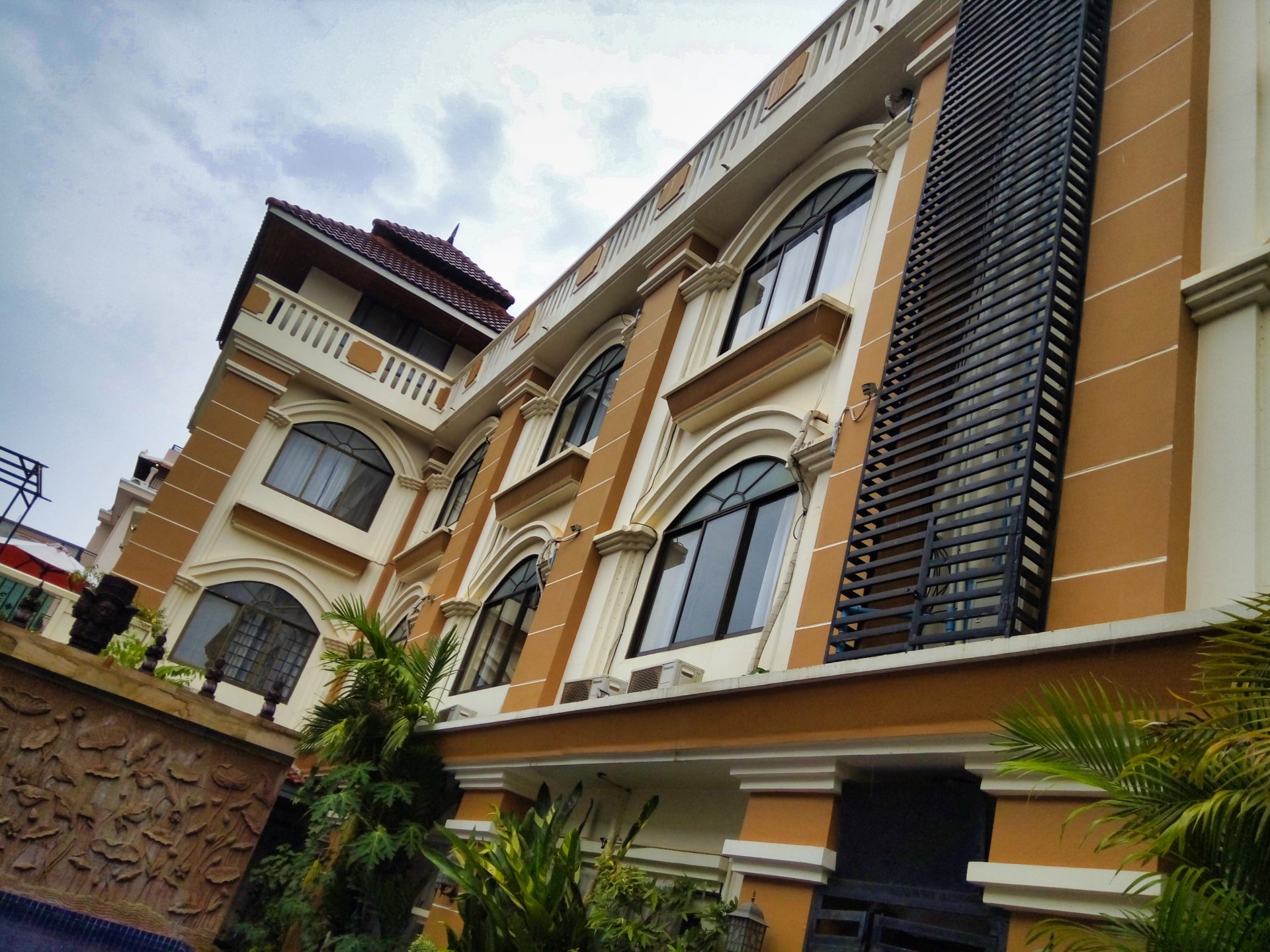
The Reaksmey Chamreas Hotel
There have been conflicting reviews of this hotel of late though we had no issues when we stayed there and one could also look at Angkor Pearl, another budget hotel as an alternate.
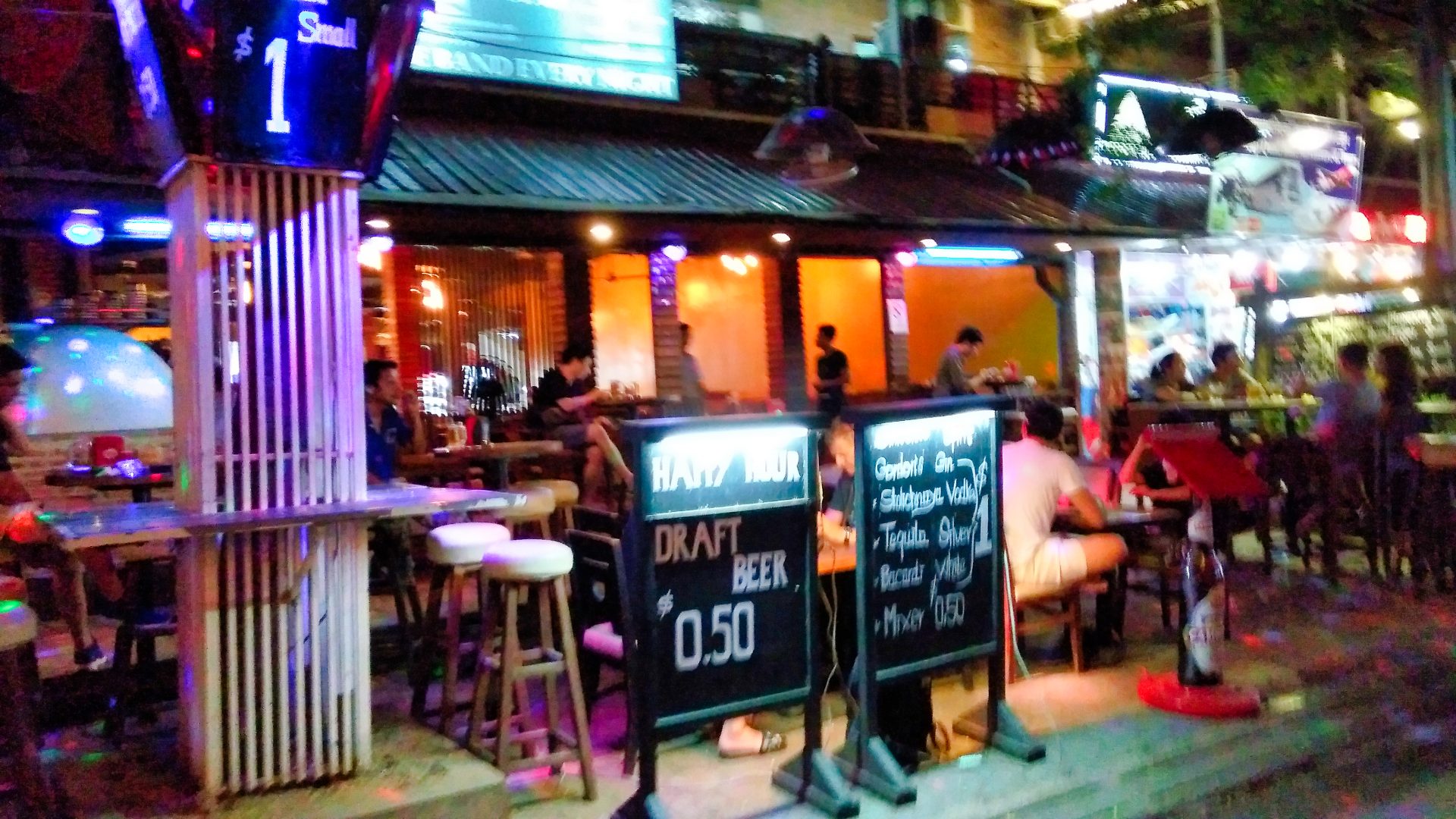
The Pub Street
Around 8 in the night we set off for Pub Street which was just about livening up for a long night ahead. Live Bands were playing numbers from Dire Straits, Queen, MLTR etc from the bars adorning both sides of the road and the atmosphere was just about electric. Party time it was, and the foreigners and locals could all be seen letting their heads down dancing to some old and lovely Rock numbers.
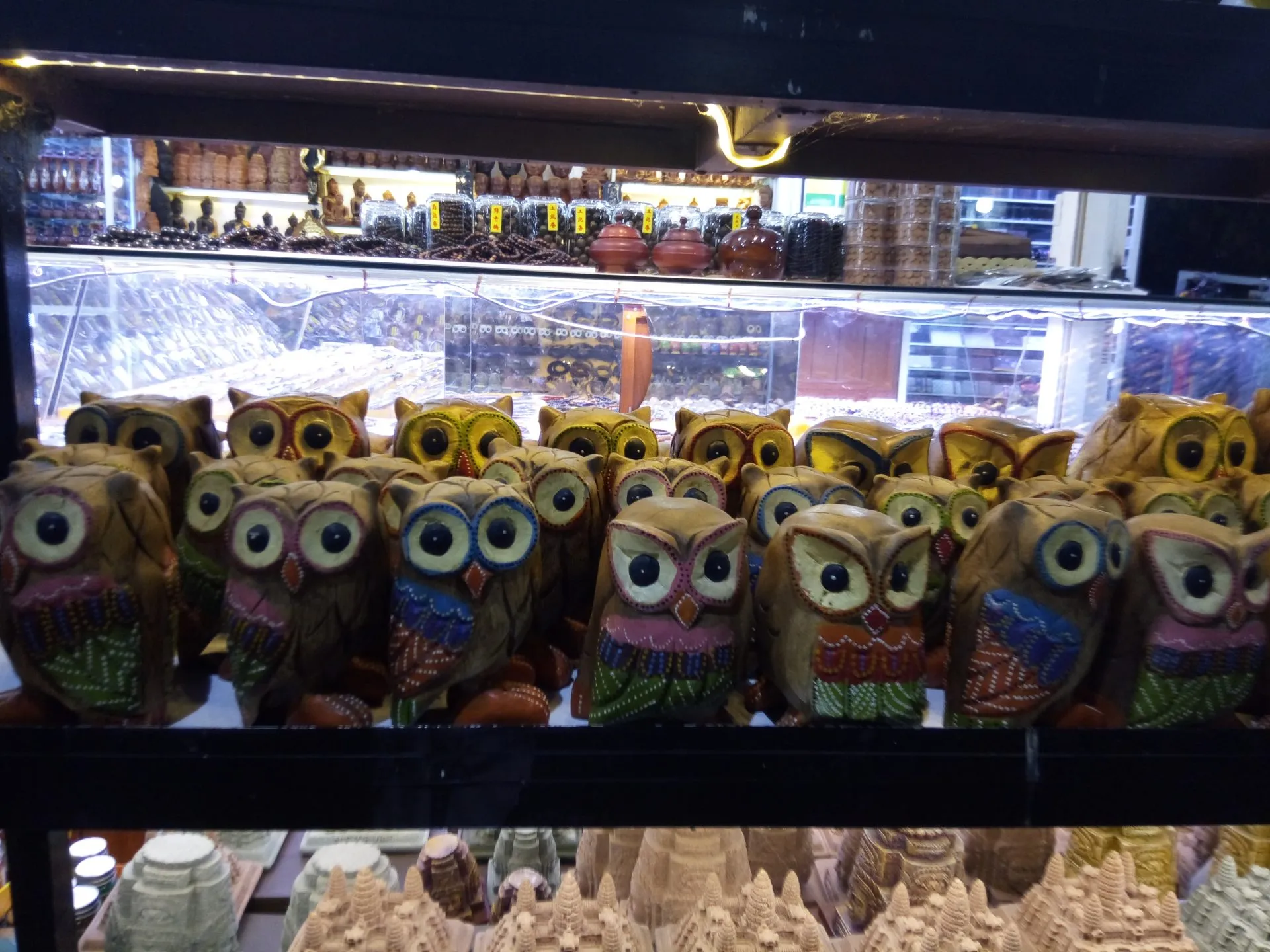
A lot of shops were available in and around Pub Street where one could pick up lot of souvenirs and artifacts to carry back home.
A simple mantra to stick to and especially when they knew that you were an expat was to ask for a 50% discount on whatever price was quoted and then settle in for a small increase.
Haggling in Cambodia was always the order of the day and the local shopkeepers always ported a big smile and loved deftly maneuvering around the prices in broken English and with some sign languages till a point that finally one would tend to compromise and give up.
Hung in around for some time in a bar after which we hit the roads in search of an Indian dinner.
As we stepped onto the streets, could see Scorpions on offer on the roadside right outside the bar we were in, being fried and served on sticks and the very sight of so many of them hanging on sticks almost made me throw up.
Quickly made our way out and hit Vanakkam India for some good South Indian food post which we were back at the hotel.
Phnom Kulen
The next day we were scheduled to visit the holy mountains in Phnom Kulen and the Beng Mealea temple and had booked a taxi to pick us from the hotel at around 8 AM. Phnom Kulen holds a special place in history as its the ancient birthplace of the ancient Khmer Empire and also happens to mean The Mountain of the Lychees (a delicious fruit). The place holds lot of significance as a pilgrimage spot for both the Buddhists and Hindus.
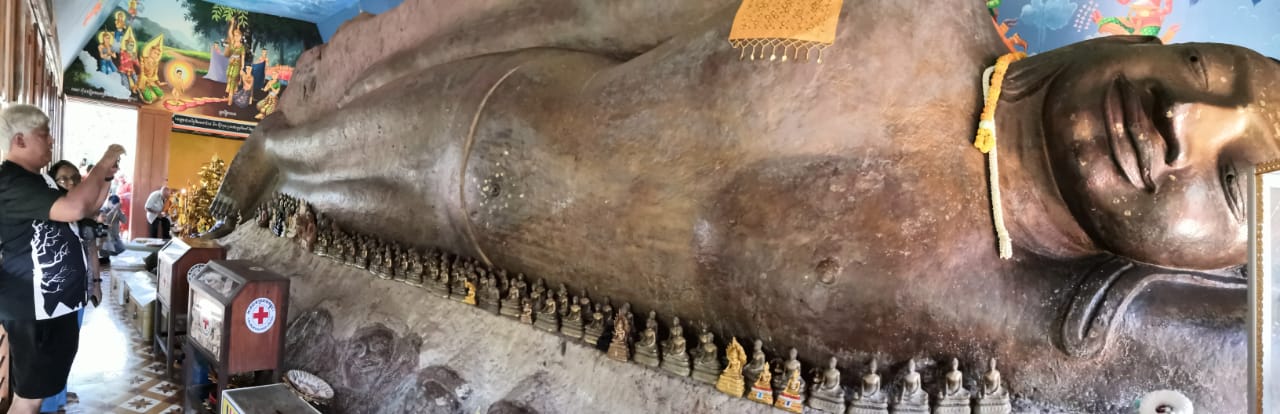
The Preah Ang Thom Monastery
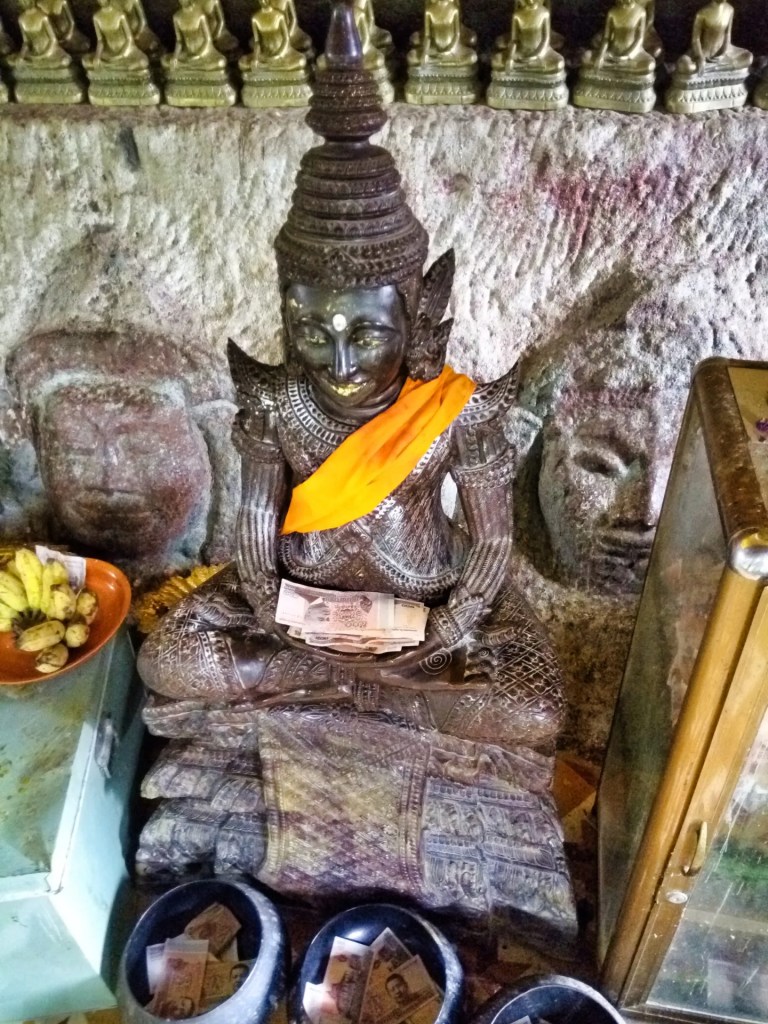
After driving for around 45 kms which took us a little over an hour, we reached the National Park Entrance which houses the Preah Ang Thom Pagoda, the Waterfalls and the Thousand Lingas river. One would need to buy a ticket for $ 20 to drive further on from the check-post. The Pagoda, a 16th Century temple was our first halt where one got to see Cambodia’s largest reclining statue of Lord Buddha, believed to be 25 feet long.
The Phnom Kulen Waterfalls
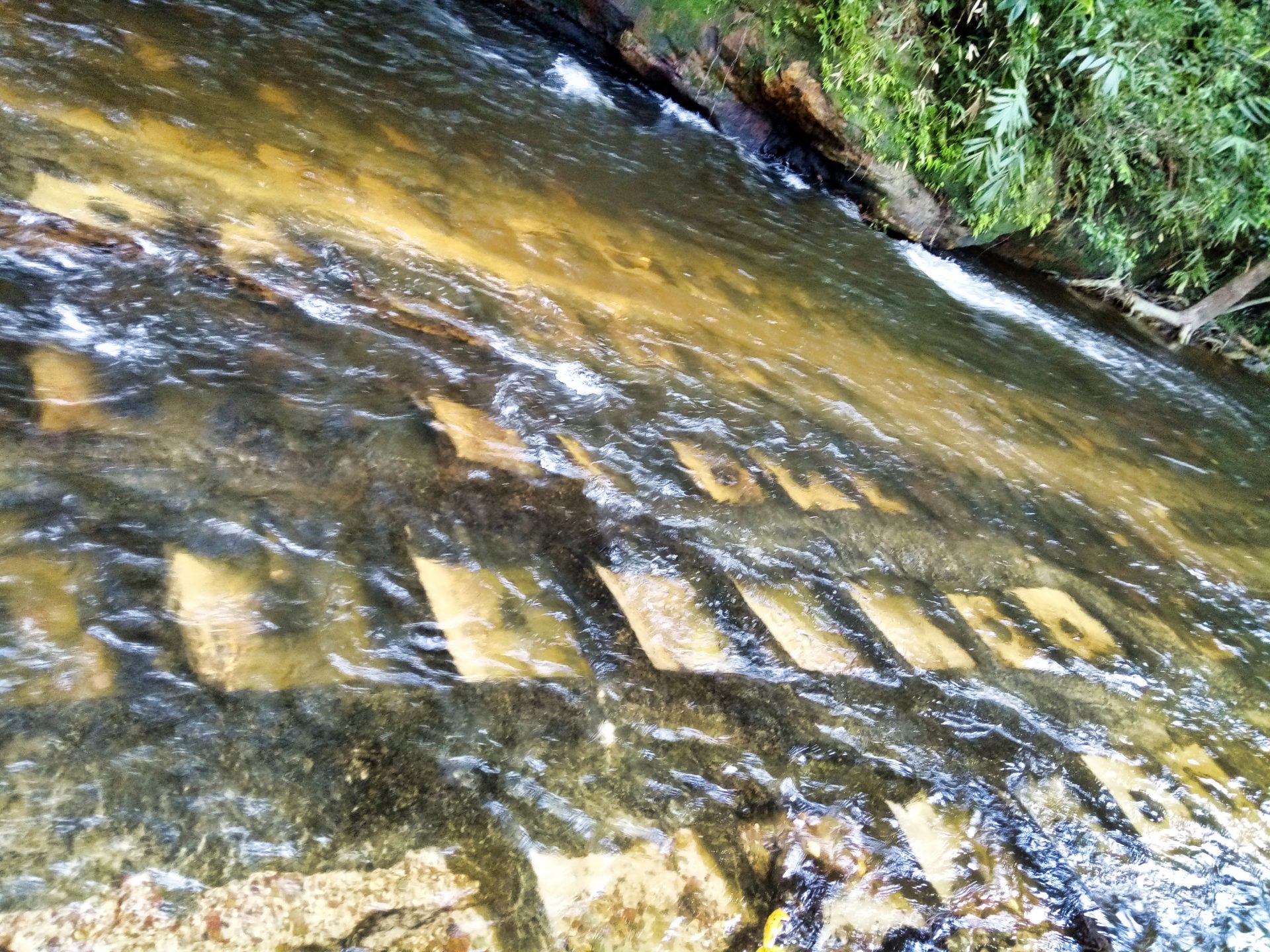
A short drive ahead brought us to Kbal Spean, the River of Thousand Lingas. This stream is actually a tributary of the Siem Reap river and has carvings of lots of Hindu gods as you move further up towards the peak of the mountain. A steady stream of water flows over more than 1000 Lingas etched in the sandstone riverbed and around 5 cm below.
A steady stream of water flows over more than 1000 Lingas etched in the sandstone riverbed and around 5 cm below.
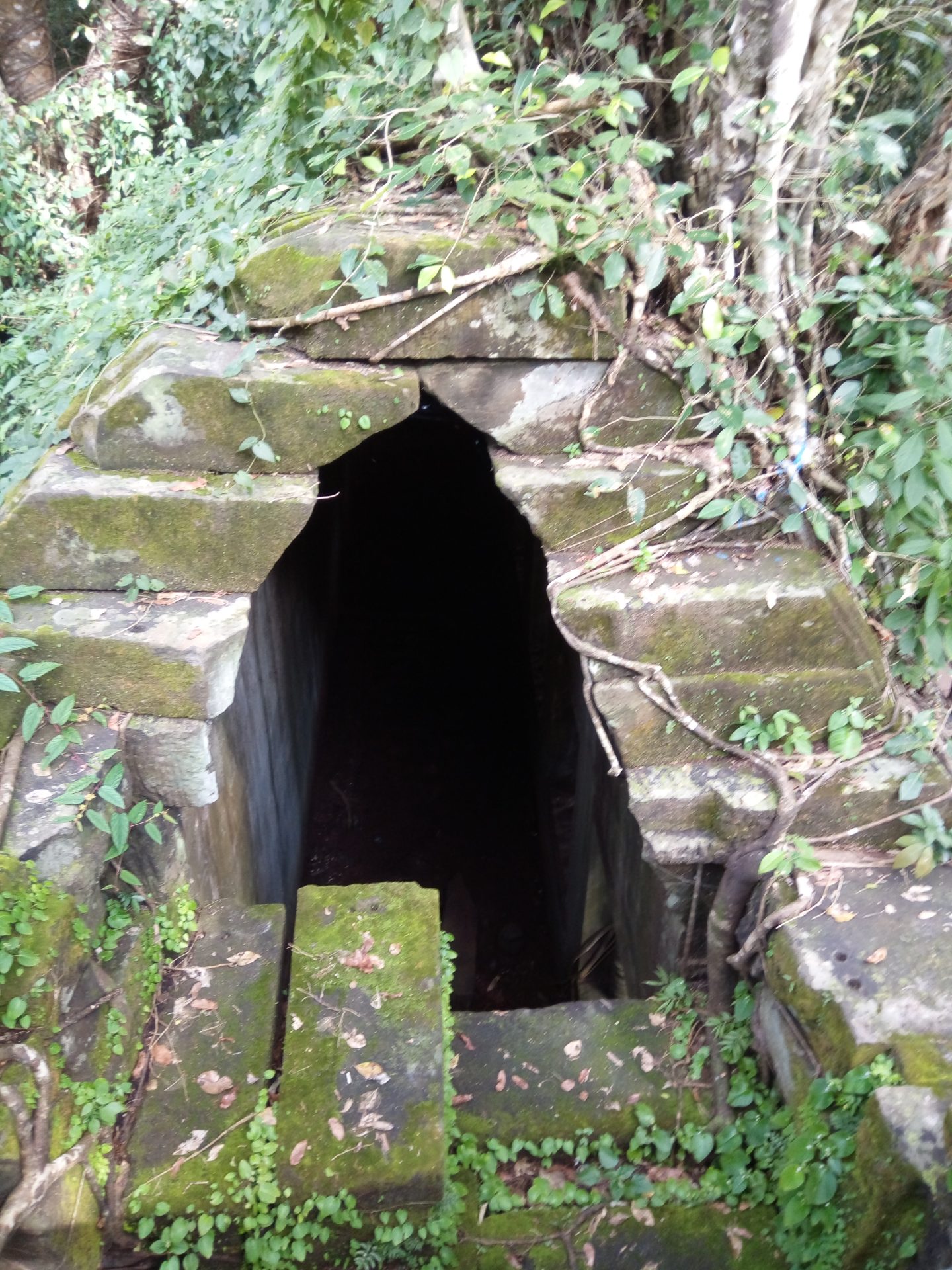
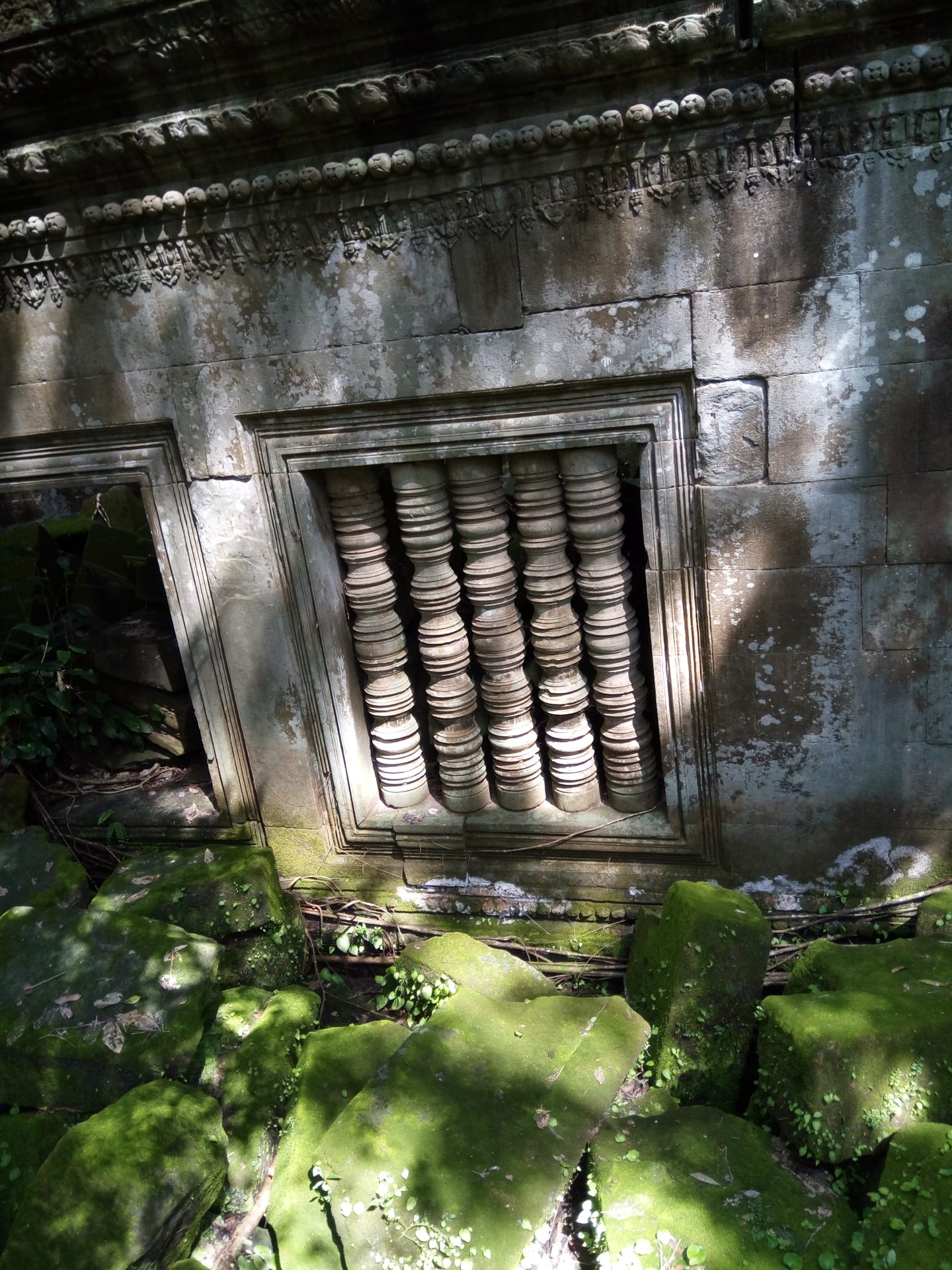
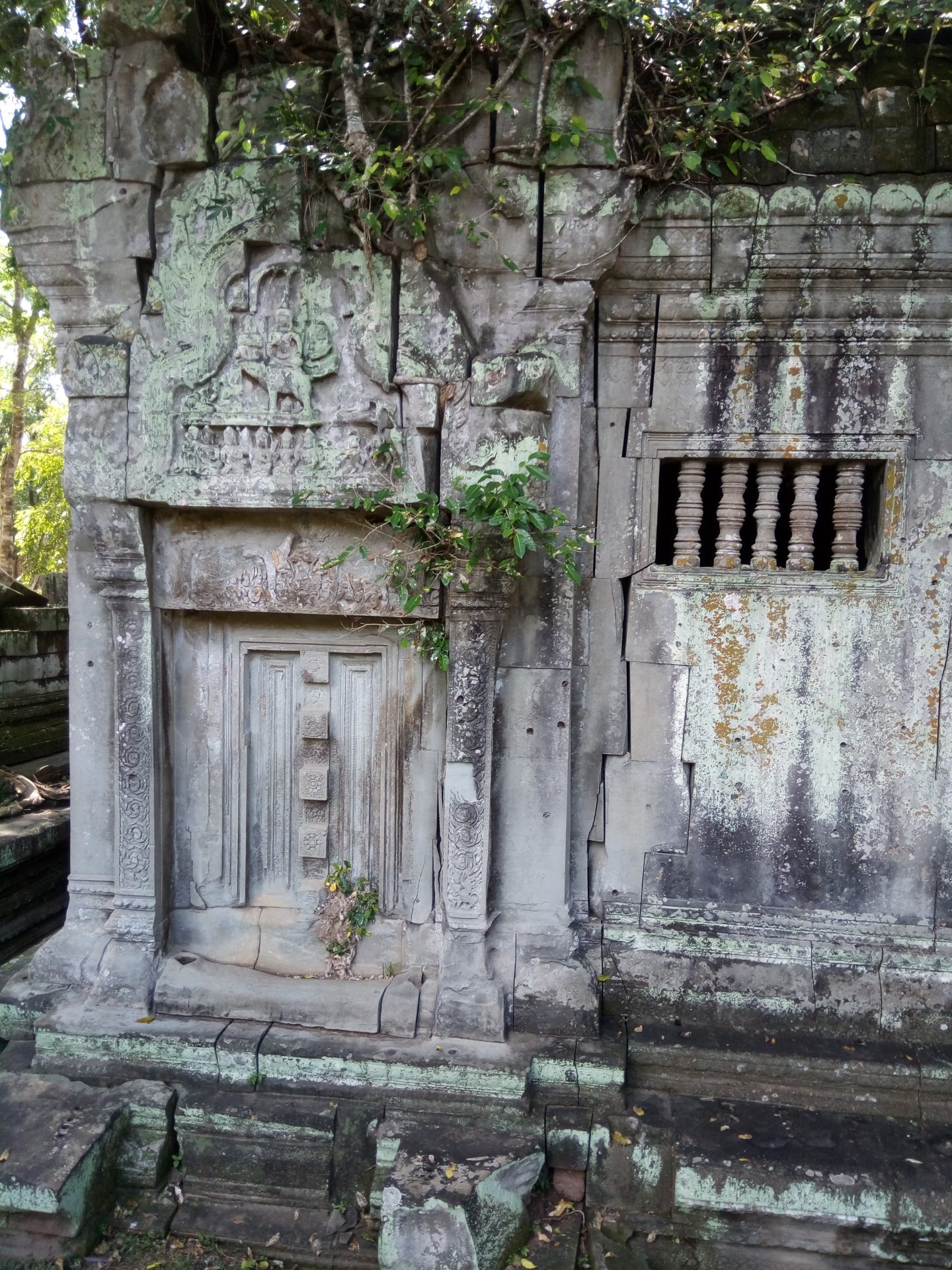
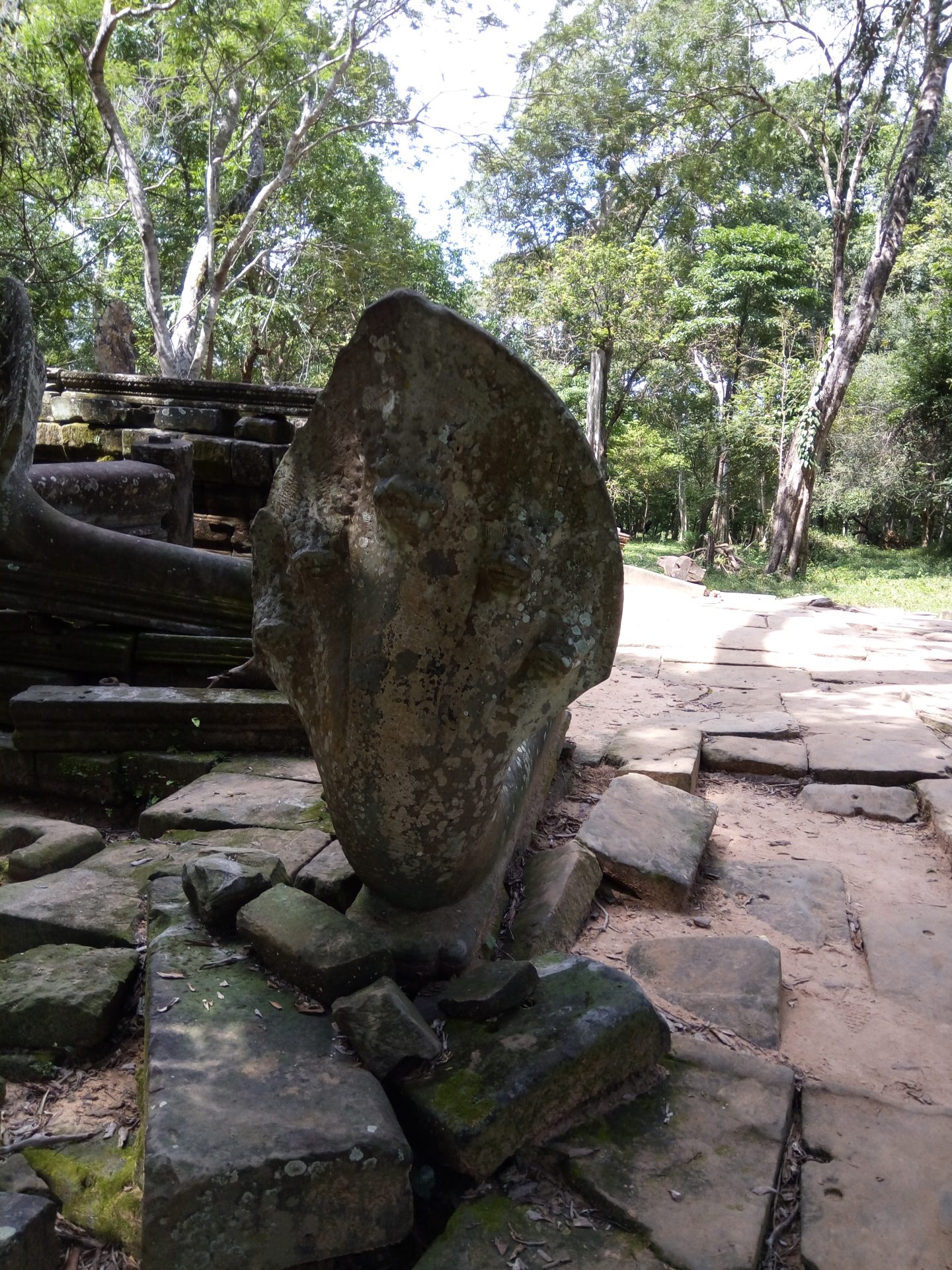
The ruins of Boeng Mealea
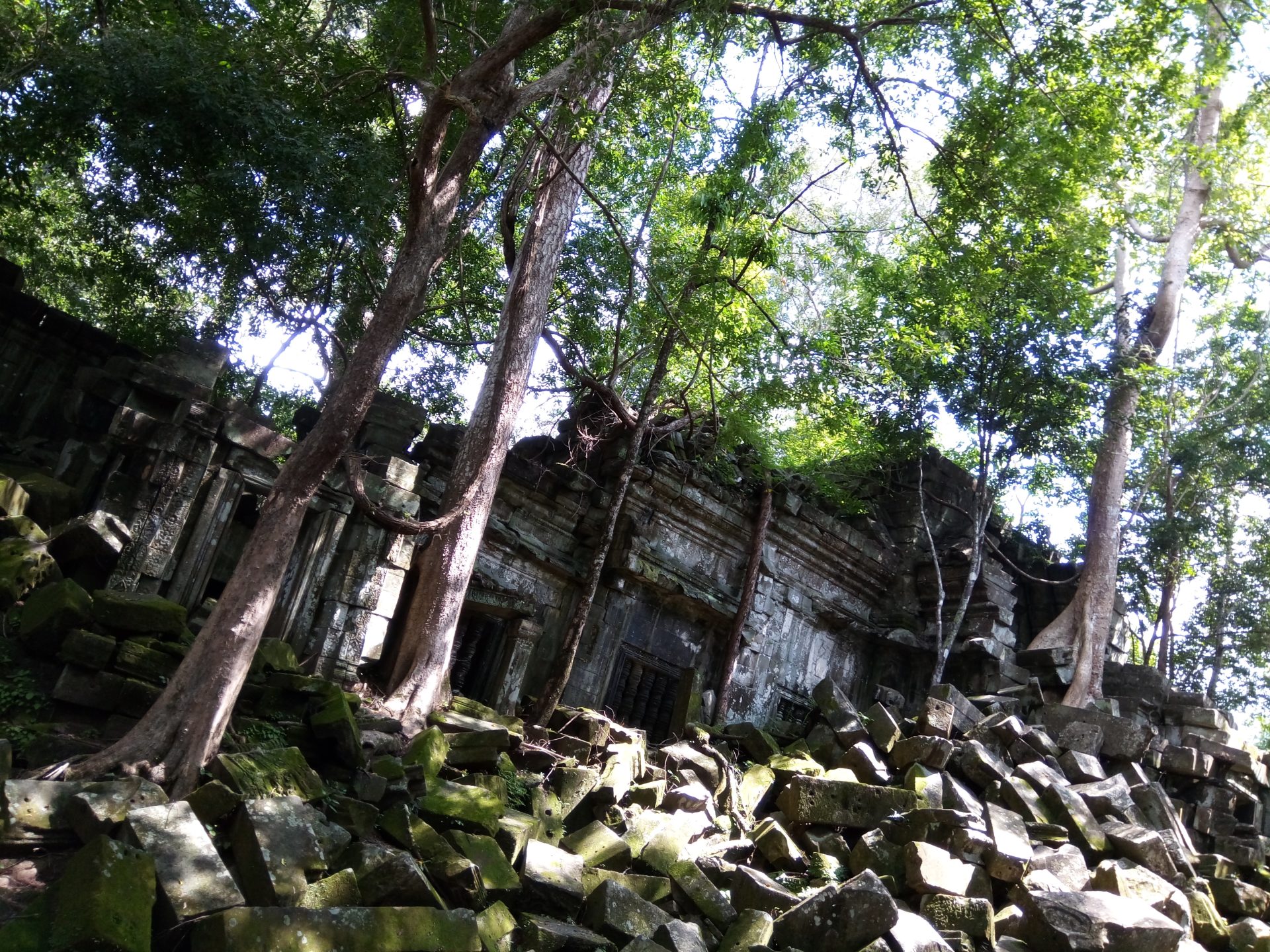
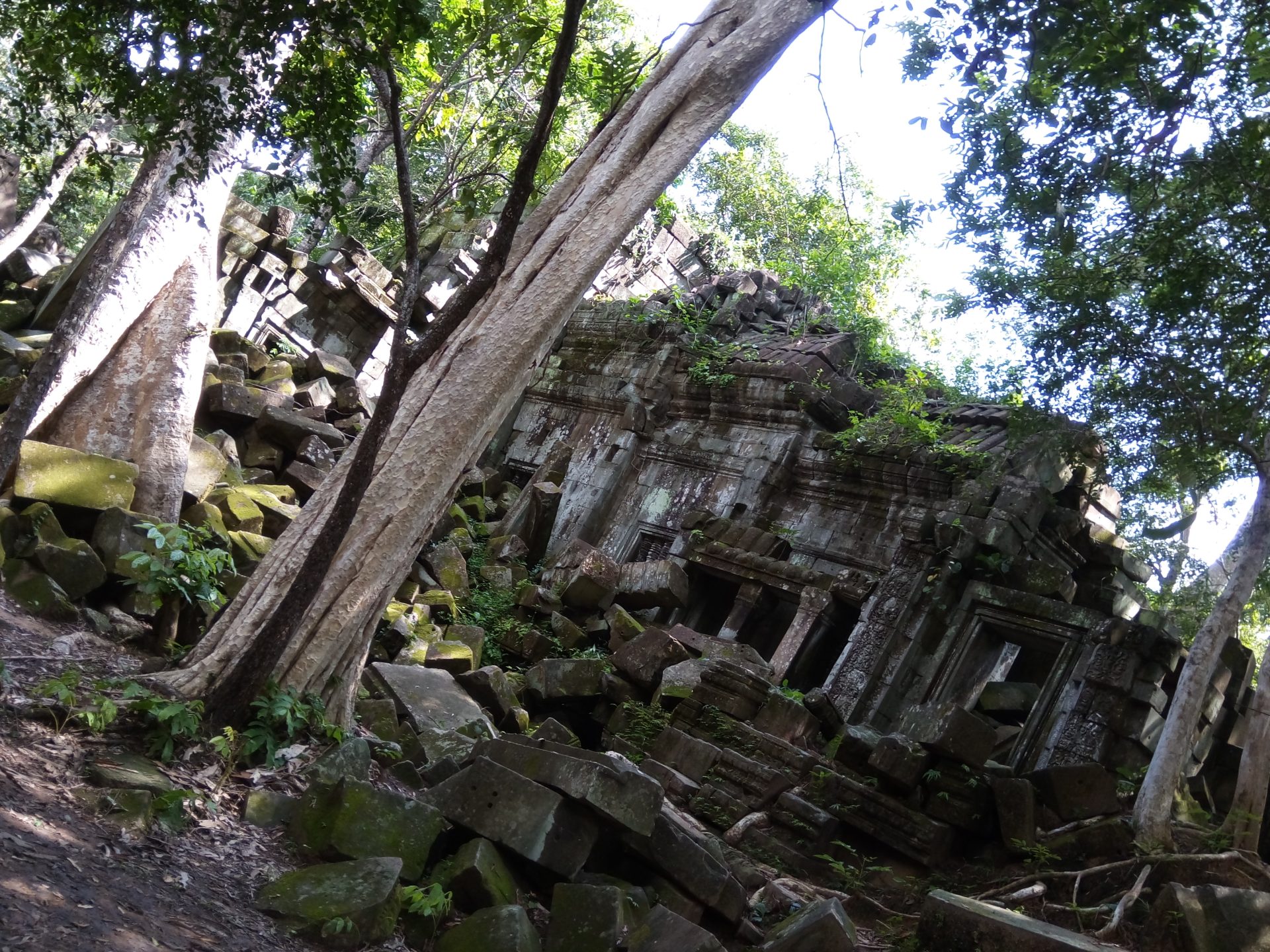
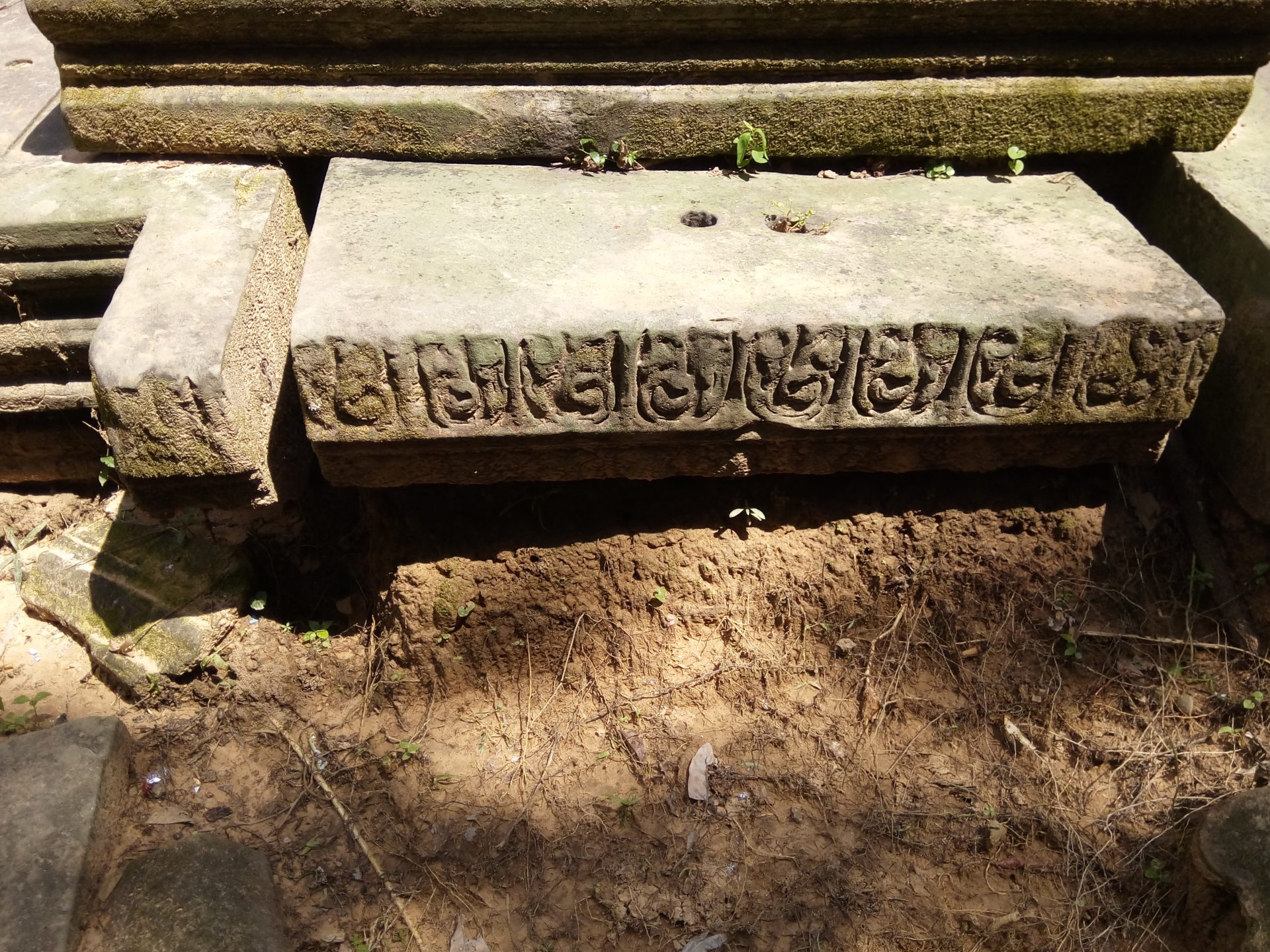
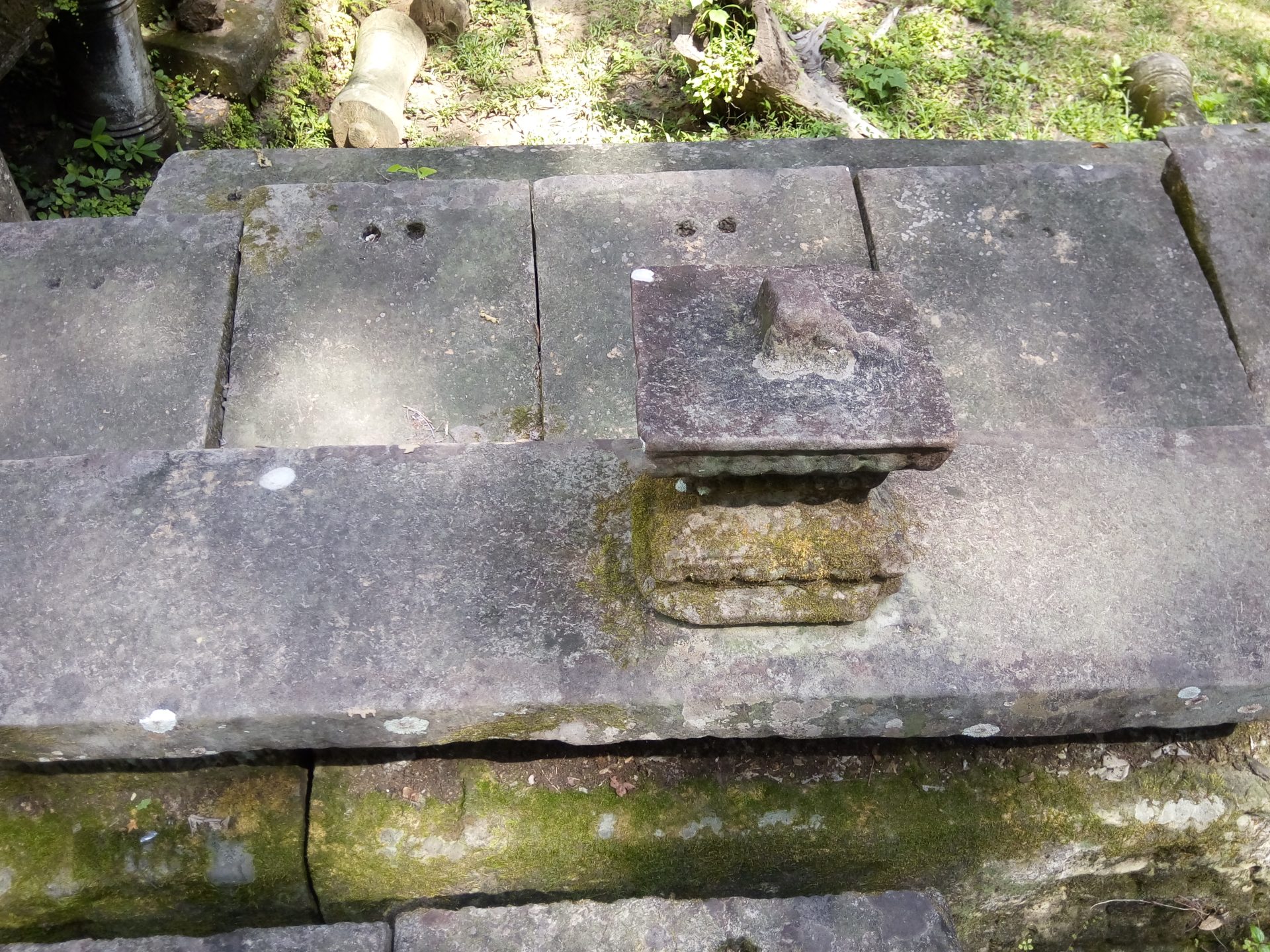
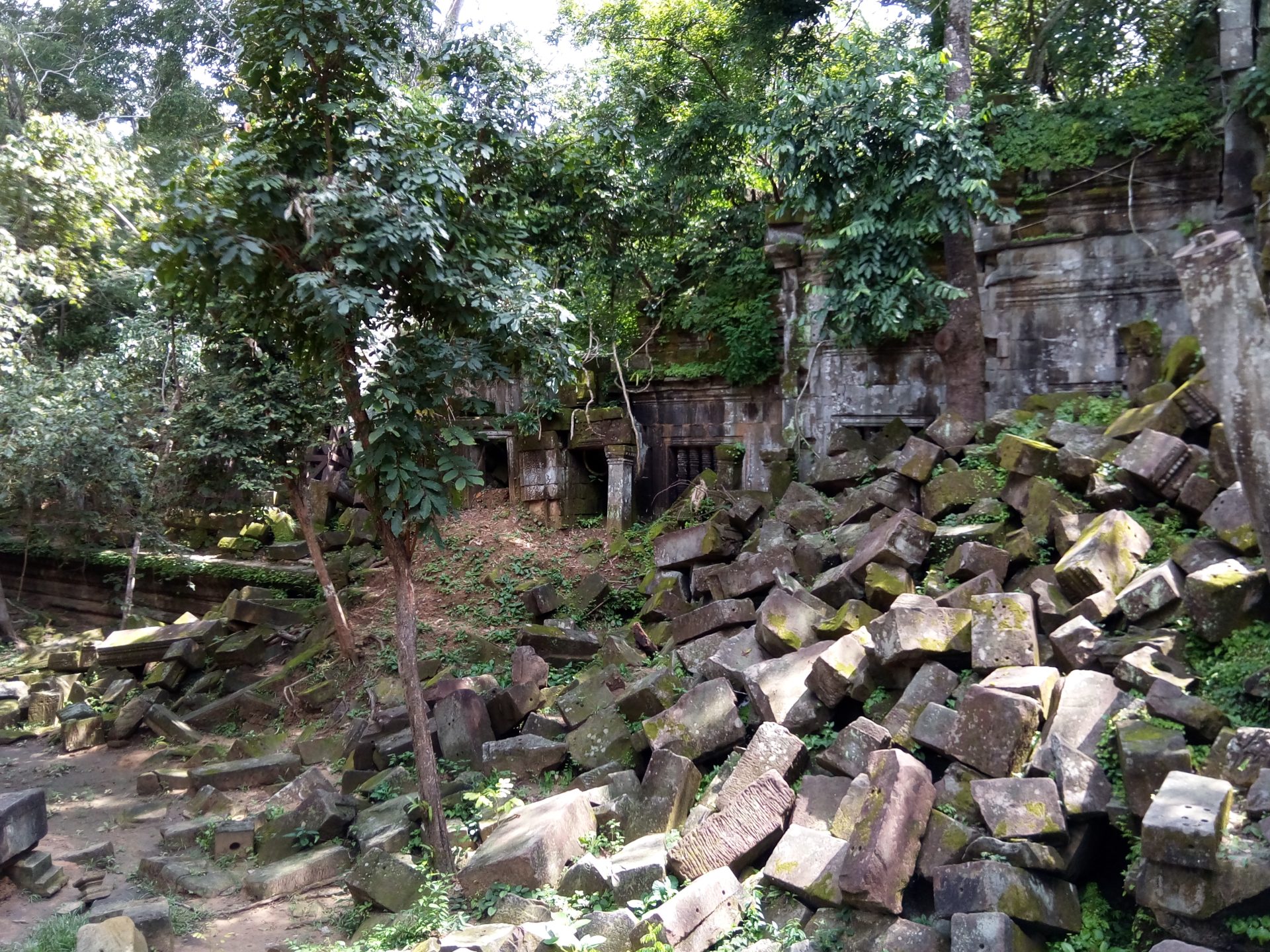
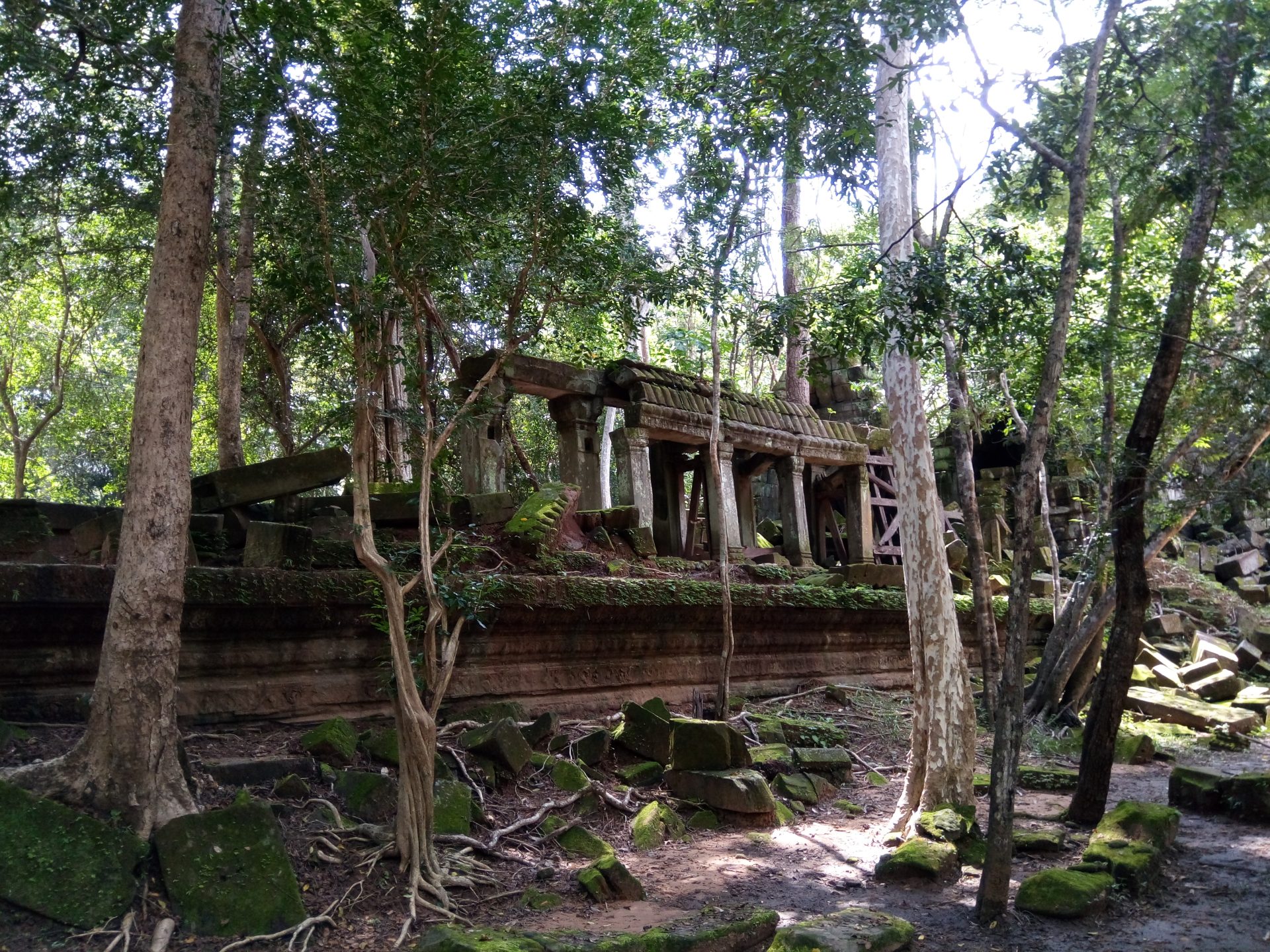
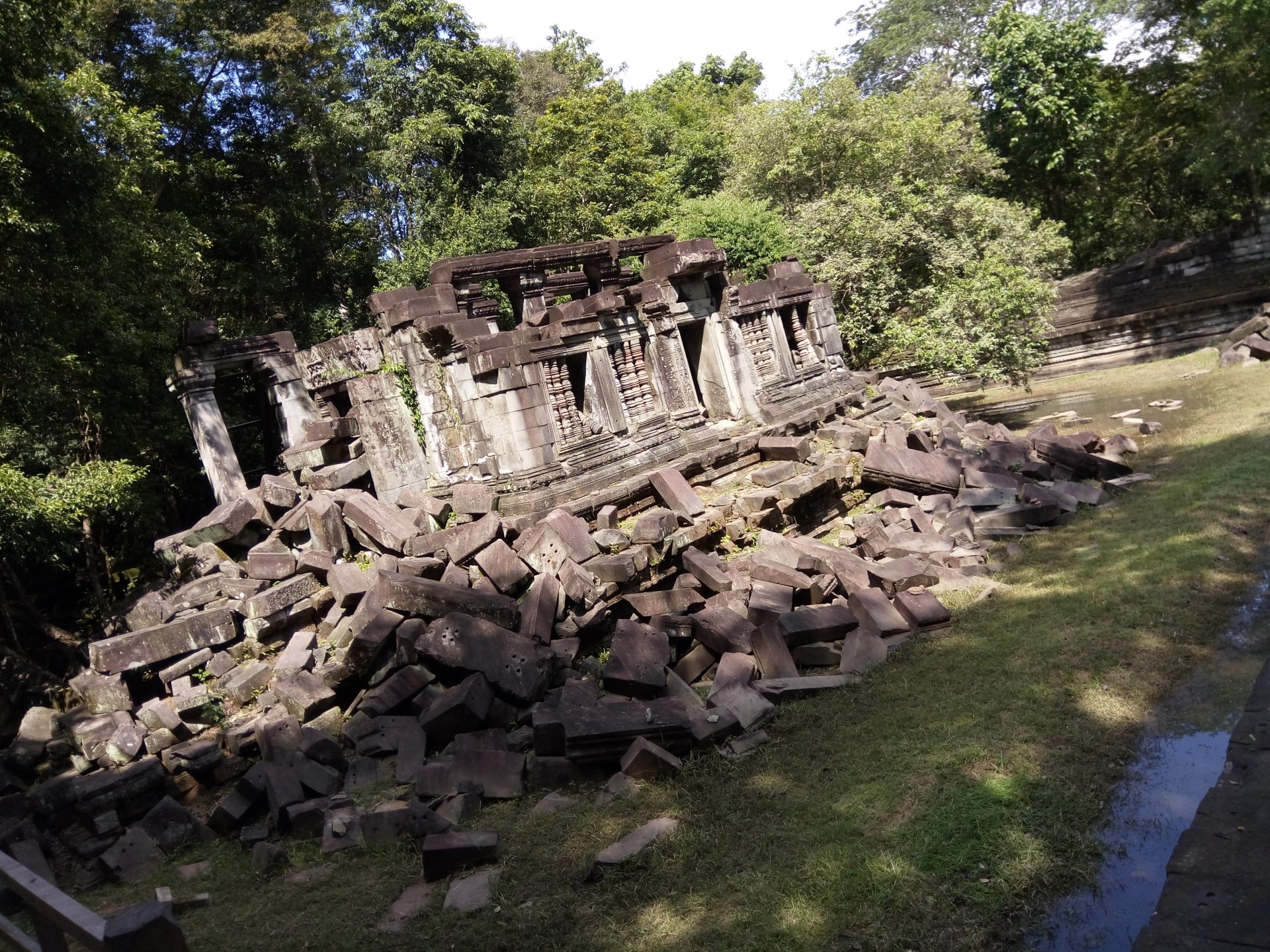
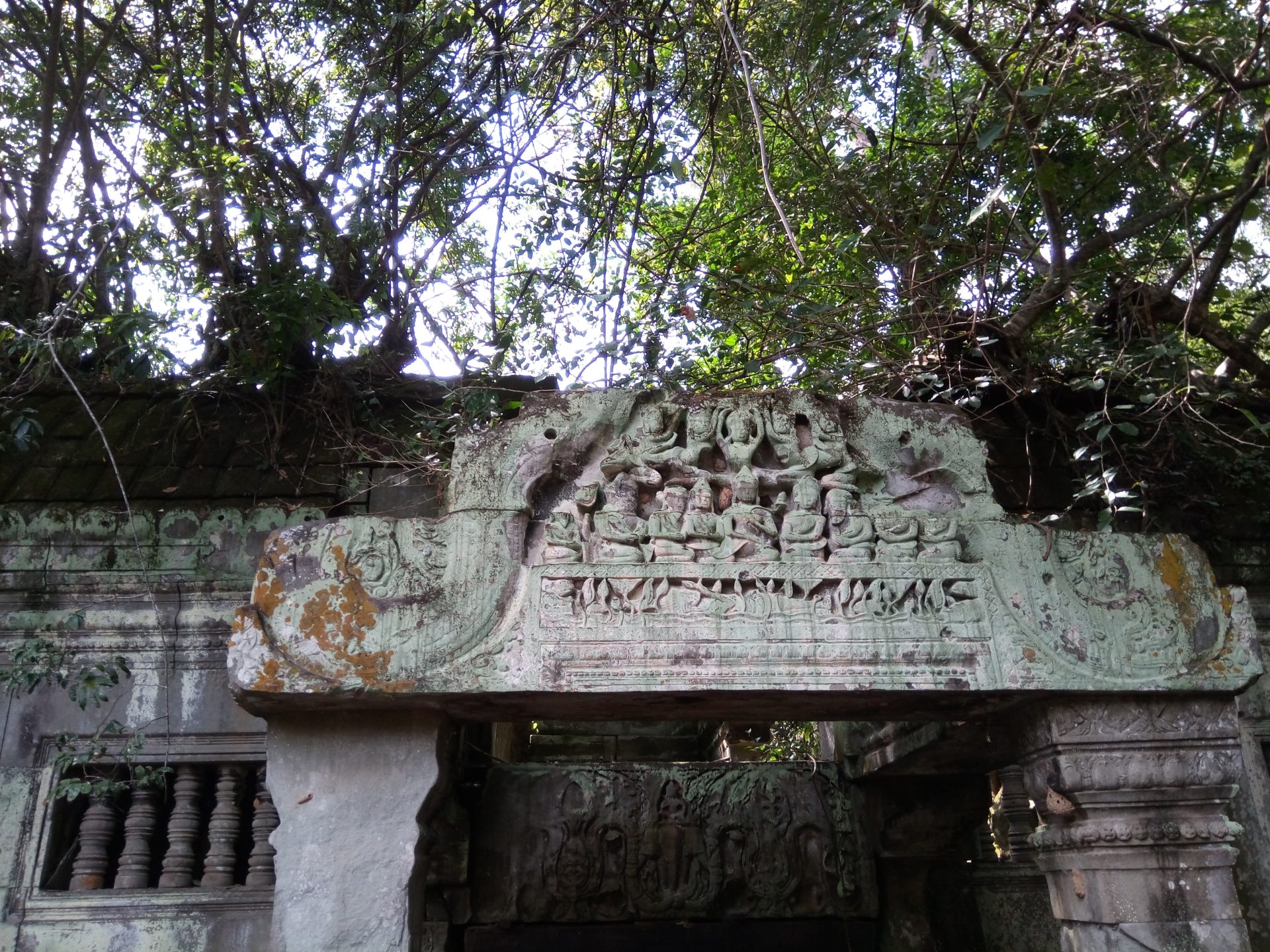
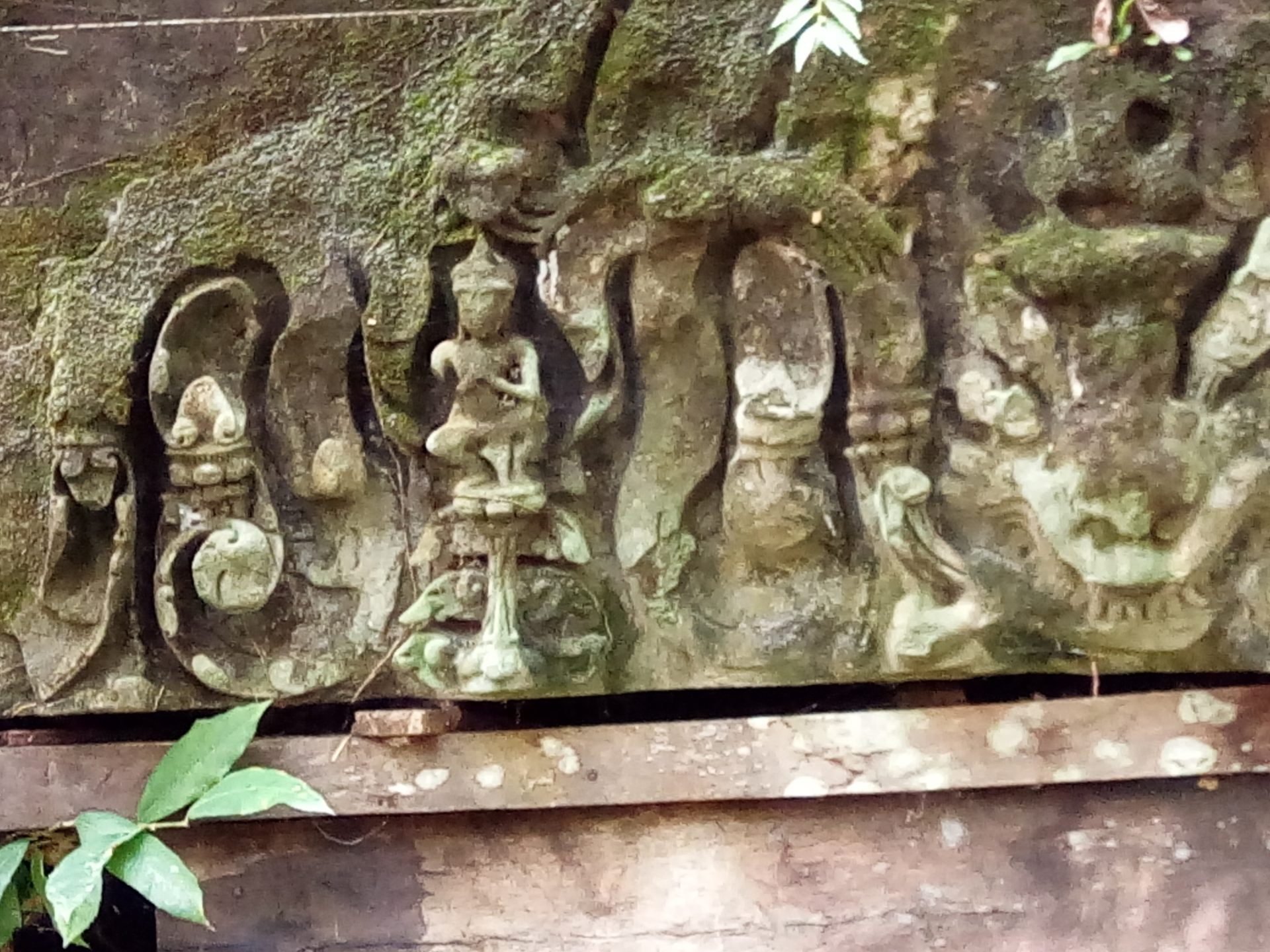
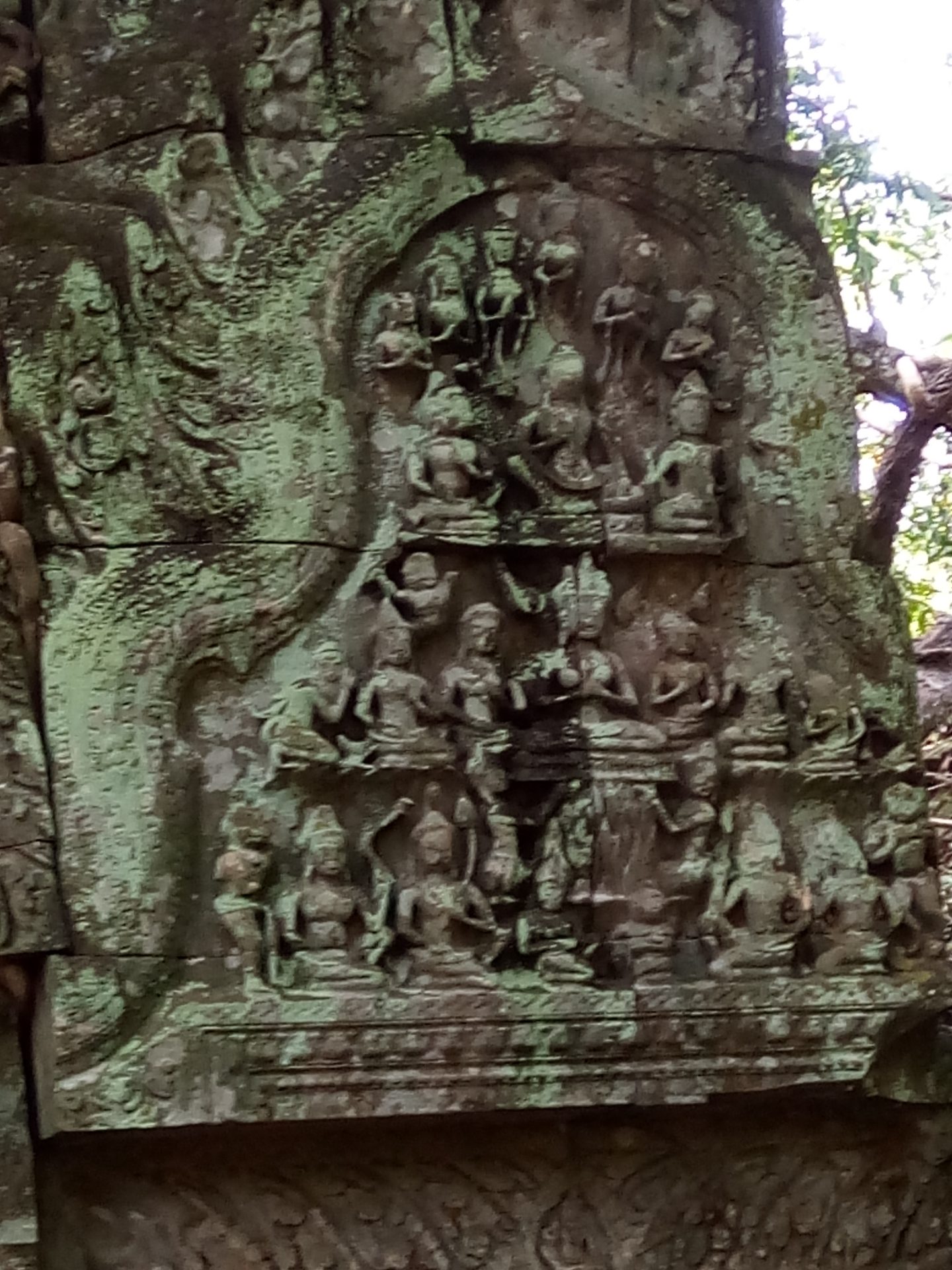
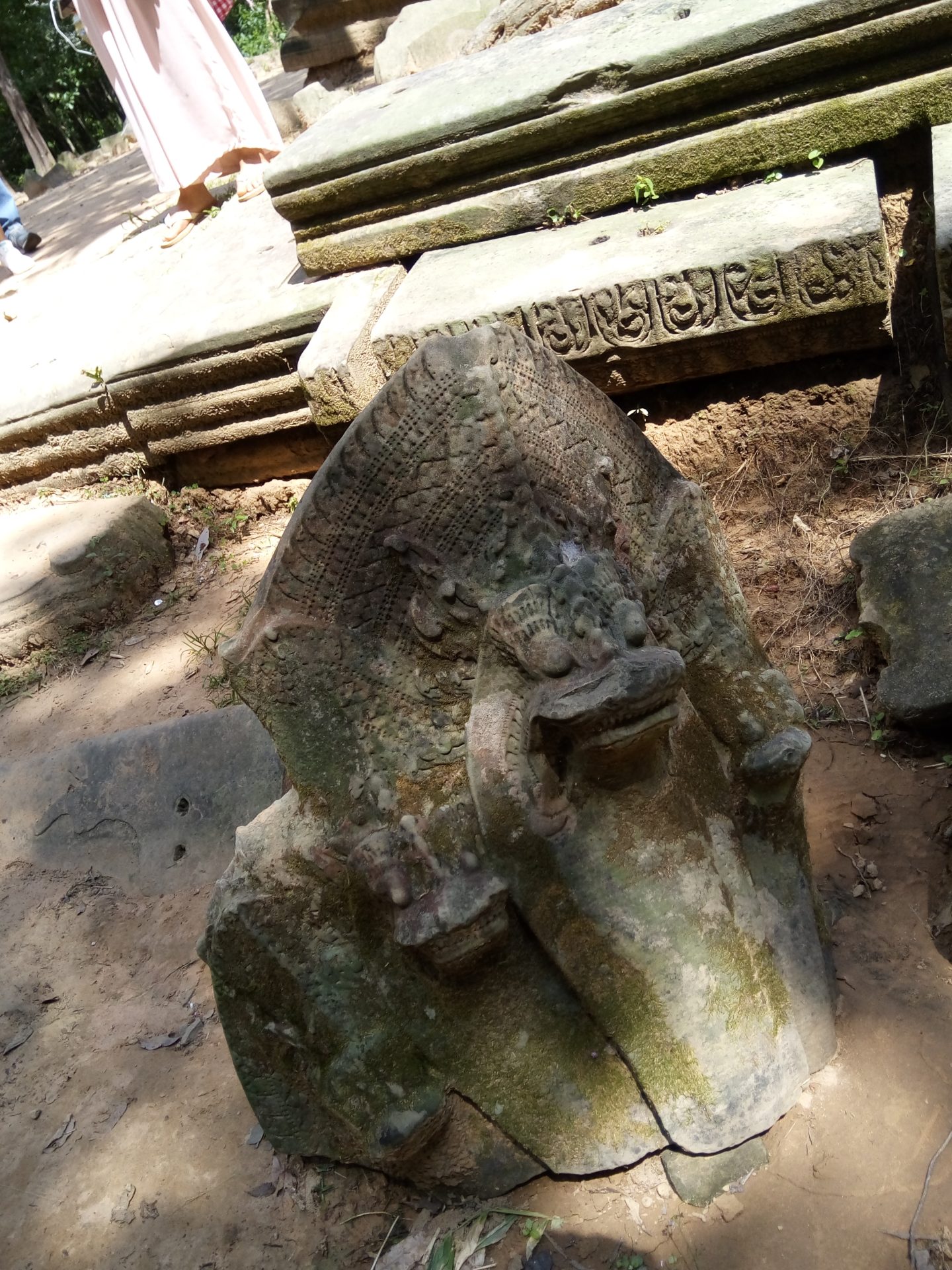
It was around 1 in the afternoon when we exited Phnom Kulen and commenced our 30 minute ride to Boeng Mealea, located around 15 kms away. Meaning Lotus Pond, this Sandstone based temple complex is home to some amazing old carvings, dating back to the Angkor era.
Built as a Hindu temple, there are quite a few Buddhist motifs to be found which could have been carved out much later.
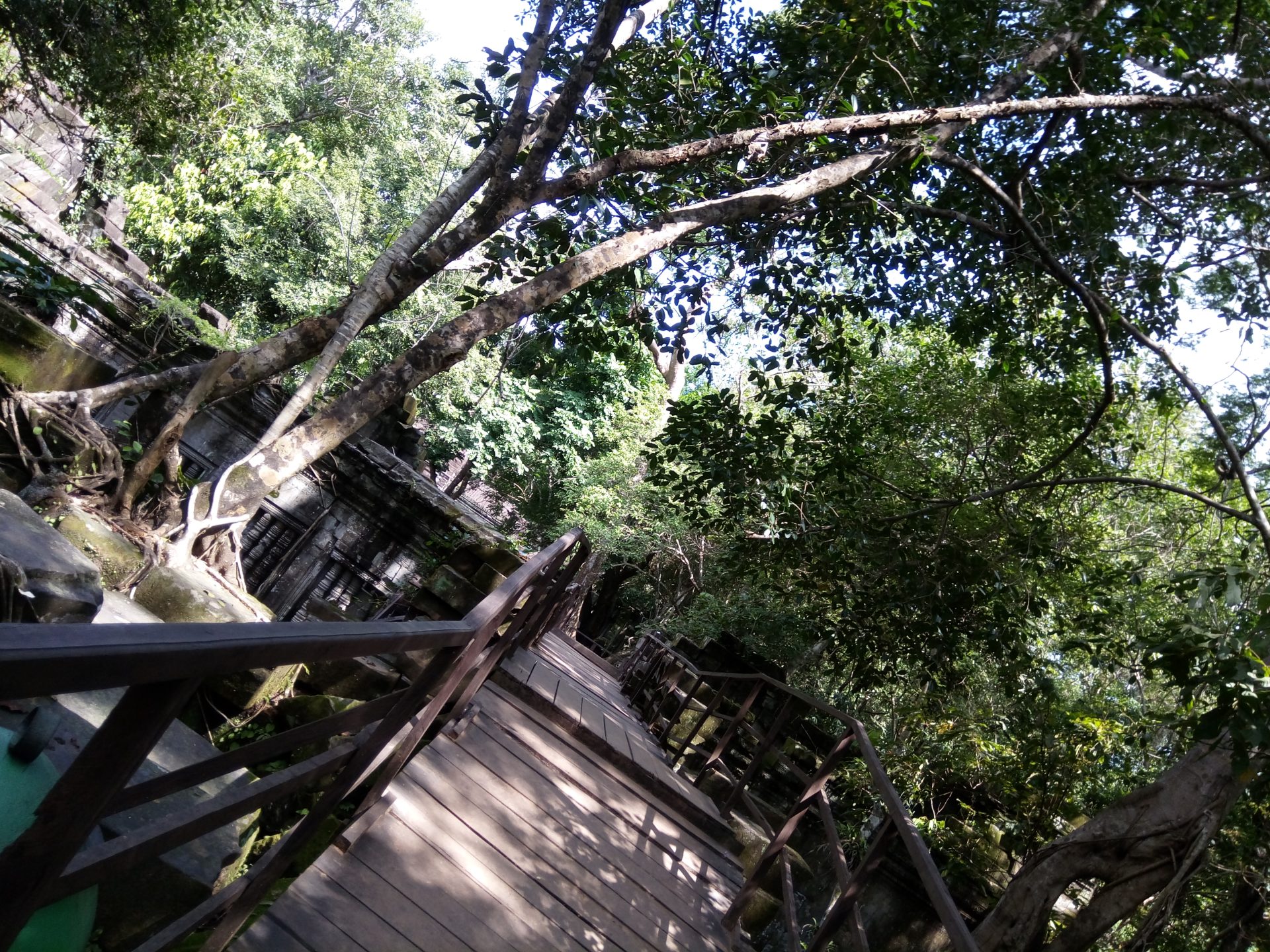
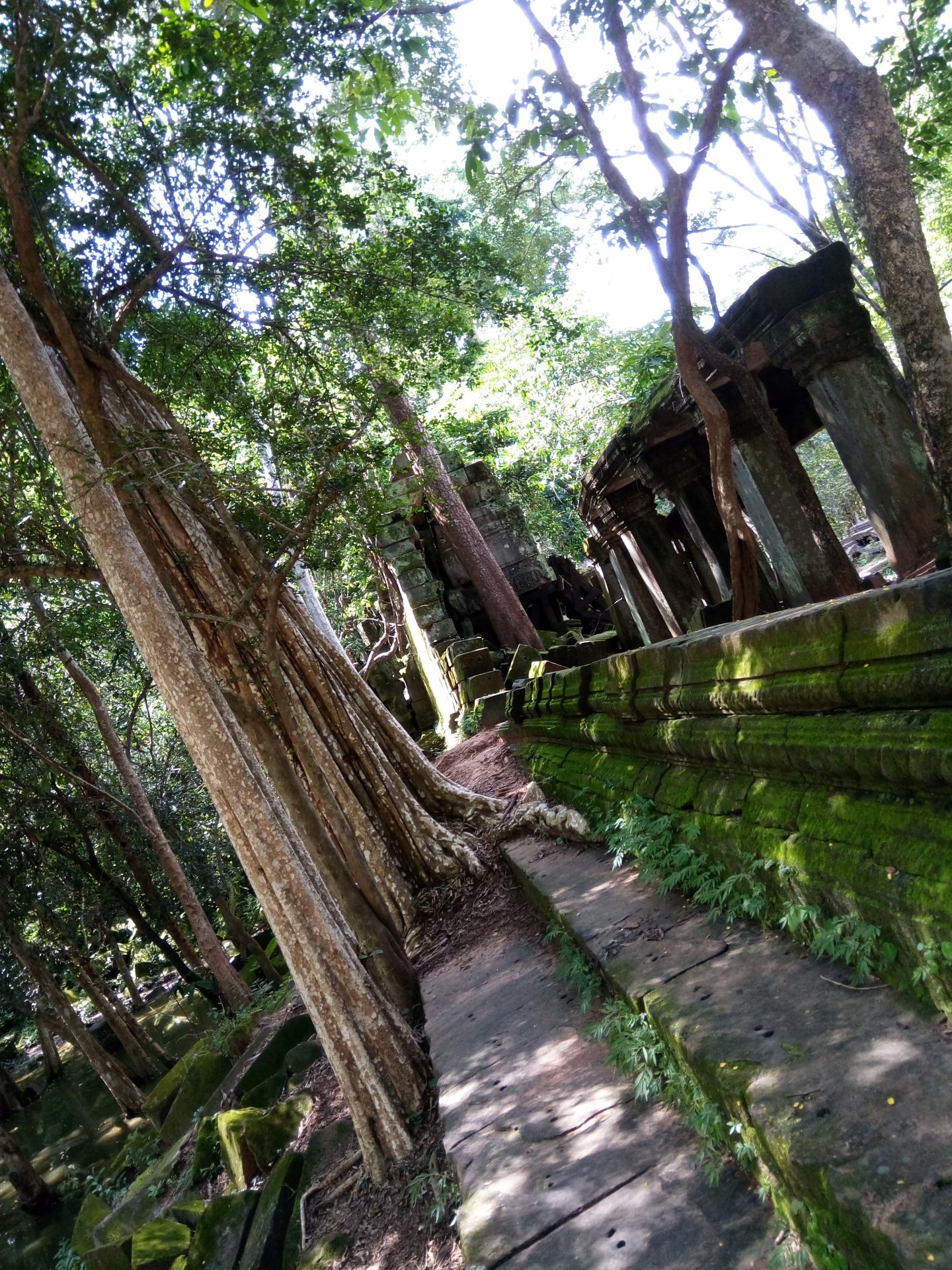
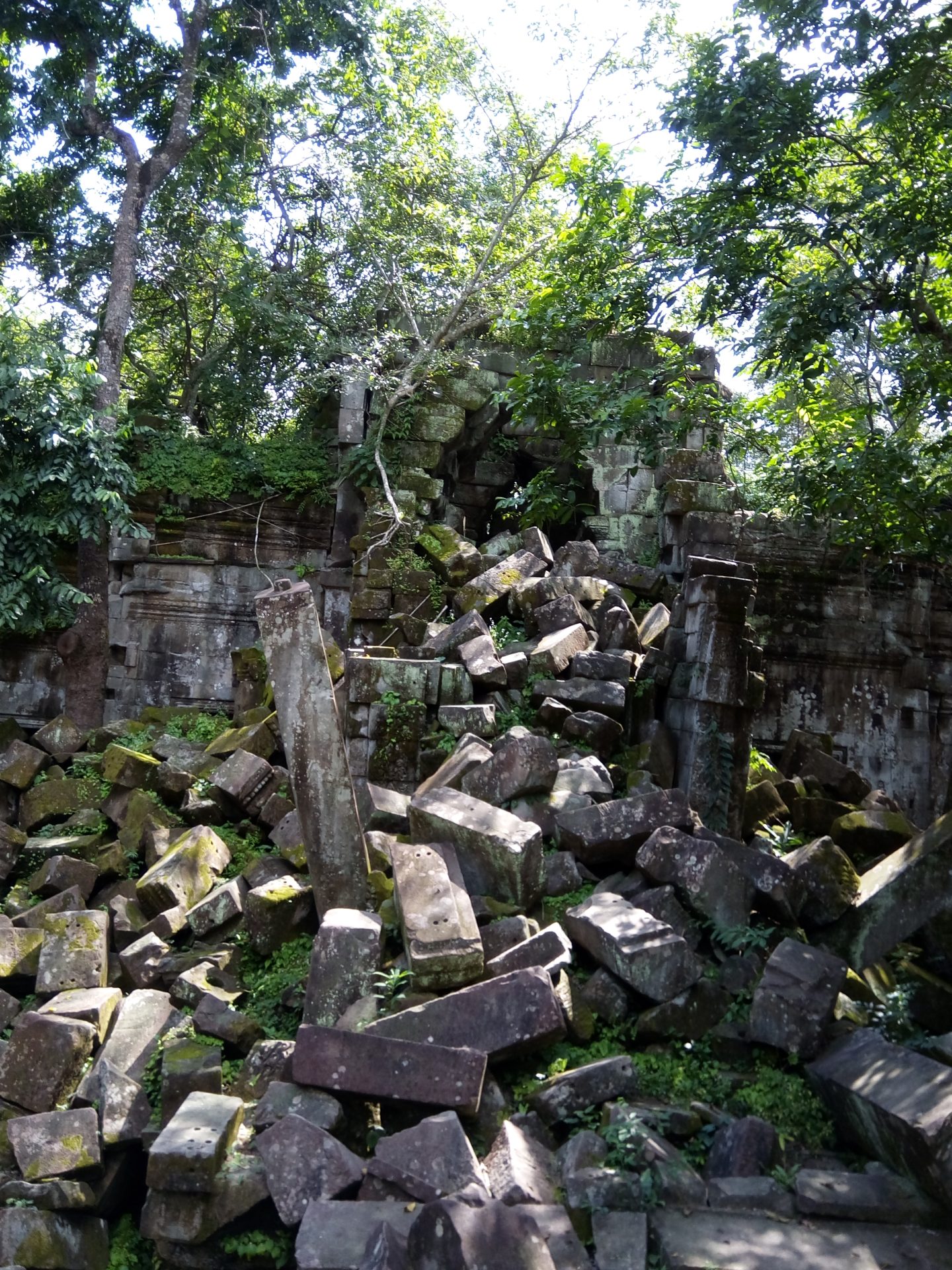
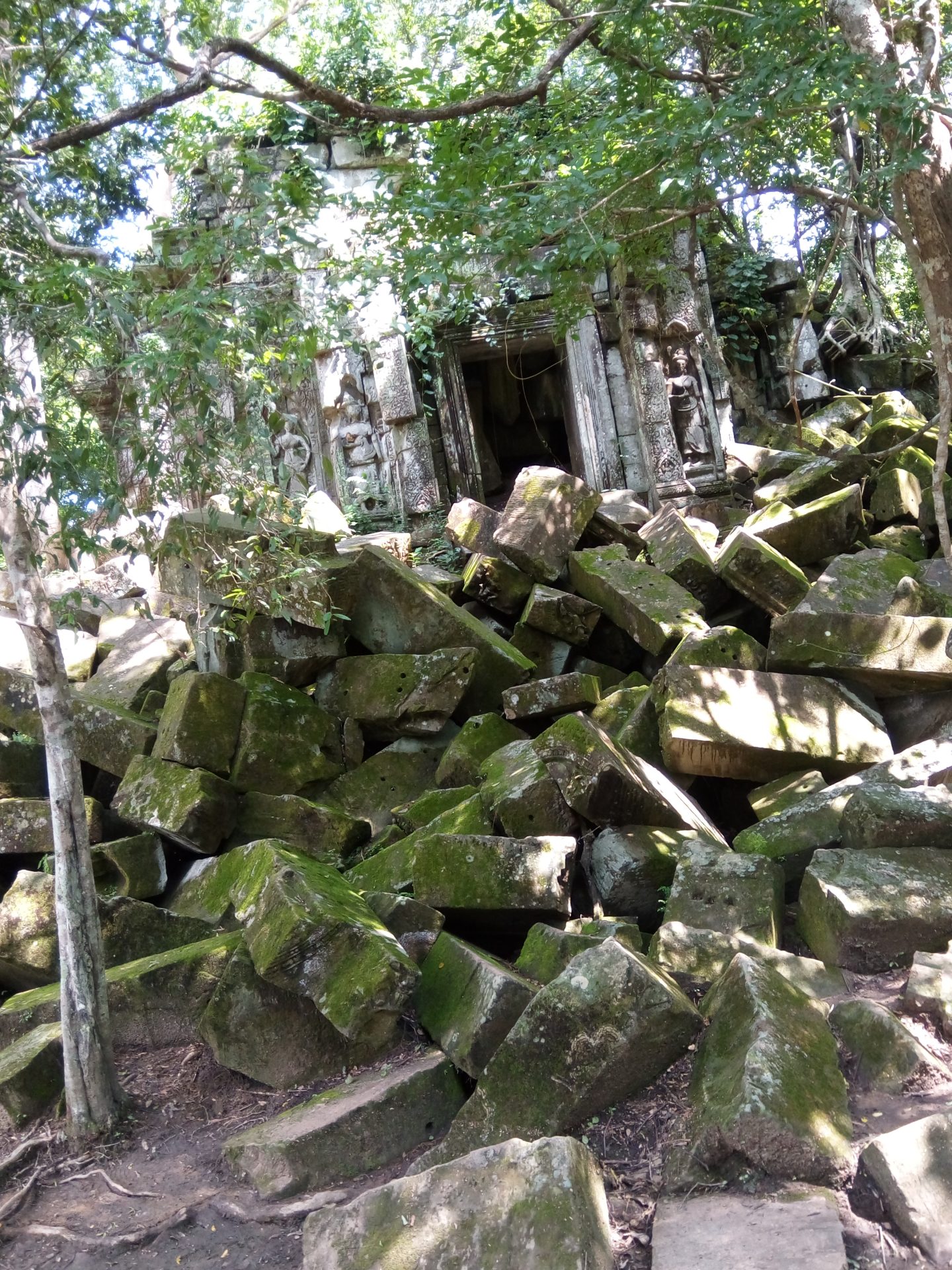
The entire temple complex is generally unrestored and has lot of thick bushes and tree roots growing over huge stones which were used in the temple’s construction.
Since the architecture of this temple was believed to be similar to the one we were to see in Angkor Wat, presumably the construction of this temple could have happened during the reign of King Suryavarman II and in the early 12th century.
The temple complex is supposed to have been cleared of more than 430 odd Land Mines and over 800 UXOs (Unexploded Ordnances) which could have been planted during the Polpot regime.
We wound up the tour of the complex around 3.00 PM and settled into a deep slumber during the 65 kms ride back to Siem Reap. It was way past lunch time and we unfortunately did not get anything to eat at either of the places and had to bear with the hunger pangs for slightly over an hour until we hit Siem Reap.
Fortunately we found an Indian restaurant which was about to down its shutters and managed to get some food.
On the way back to the Hotel, we found a Tuk tuk driver and fixed the next day’s schedule of a day’s tour to the famed Angkor Wat complex. We opted for a day’s tour, also popularly known as the Short Circuit Tour covering a distance of around 17 kms and which would cost us $ 15.
The evening was spent going around Pub Street and we wound up the day with some dinner at Taste of India, an Indian restaurant located very close by.
The tiredness of walking around for quite some distances the previous day made it difficult to shake off the Monday morning blues. There was a heavy downpour which started in the early hours and finally cleared off by around 7 AM which led to our departure getting slightly delayed. Breakfast done, we boarded the Tuk Tuk for the 45 minute drive to the Angkor Wat complex including stopping for a short while at a designated center to buy the entrance tickets, costing $20 apiece. Tickets could be booked for visits spanning 3 days and 7 days too.
Angkor Wat Complex
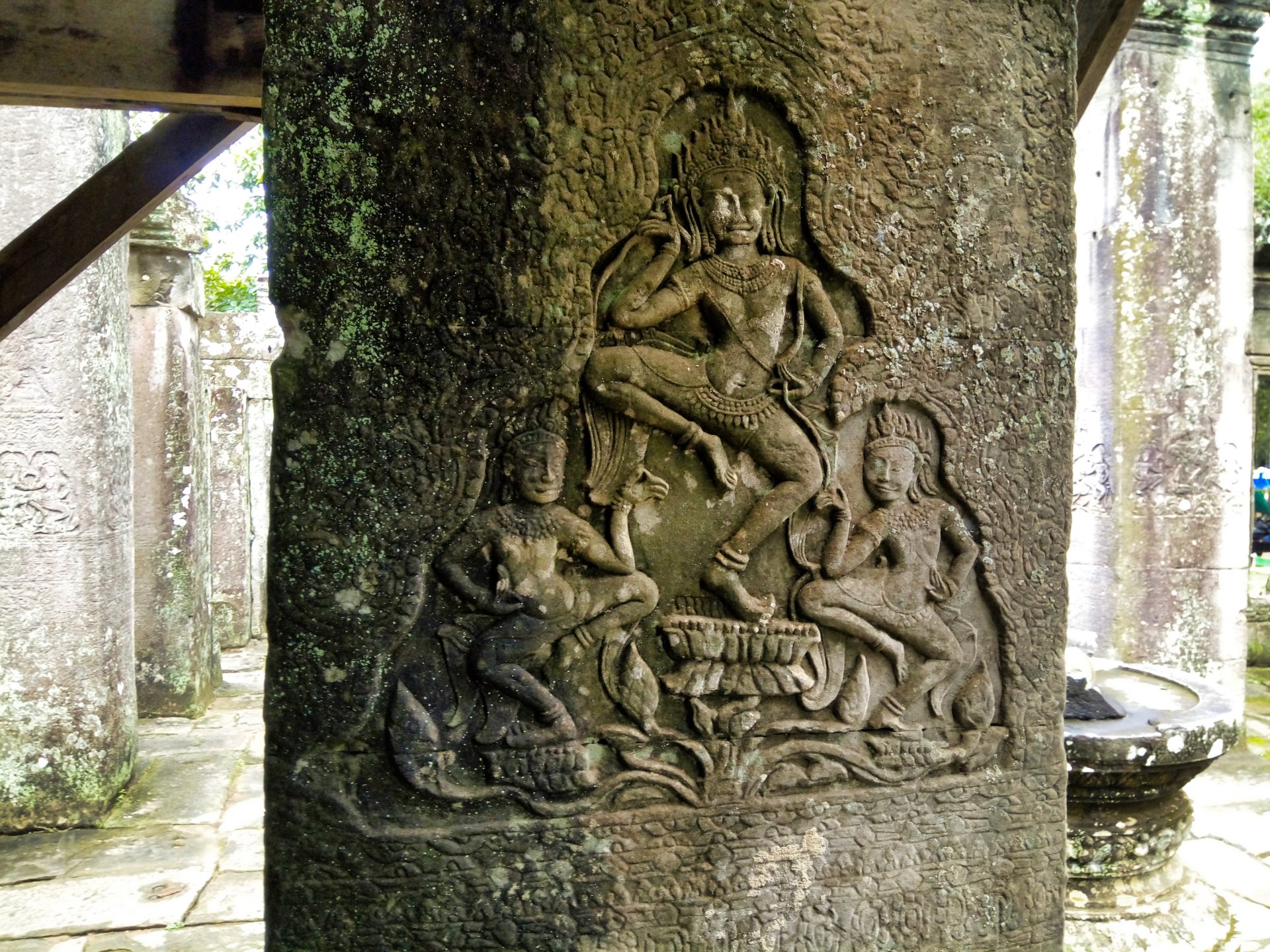
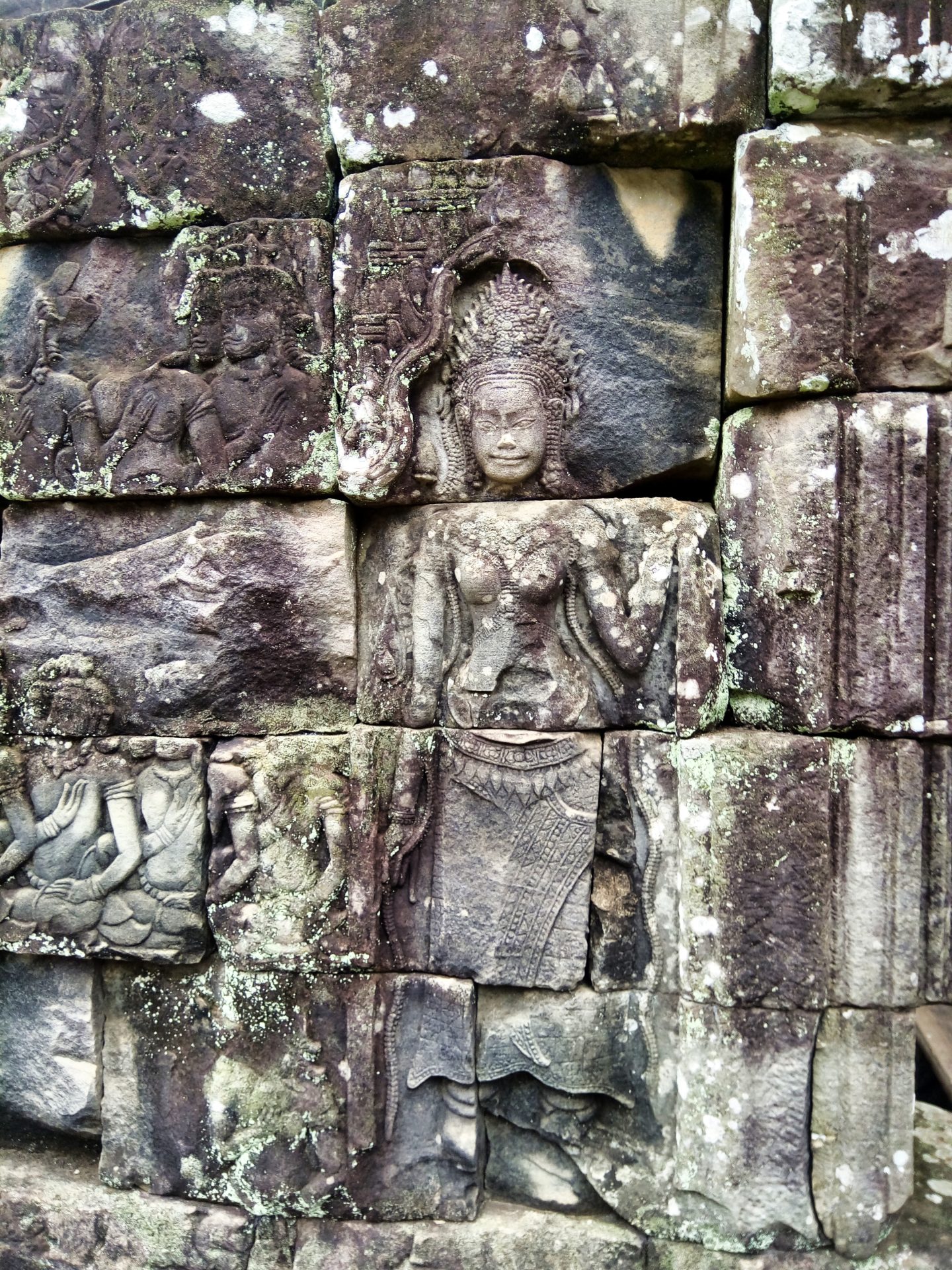
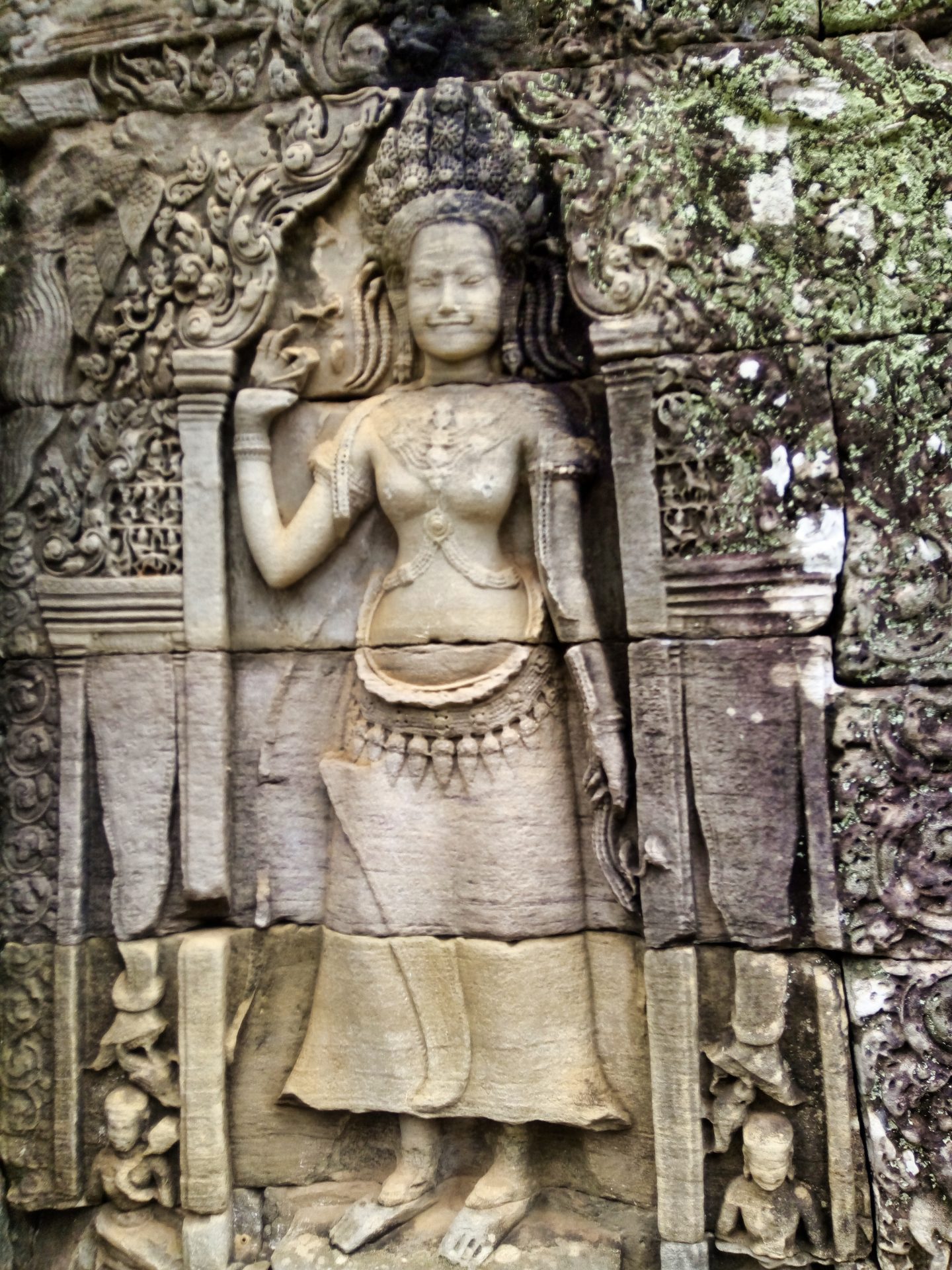
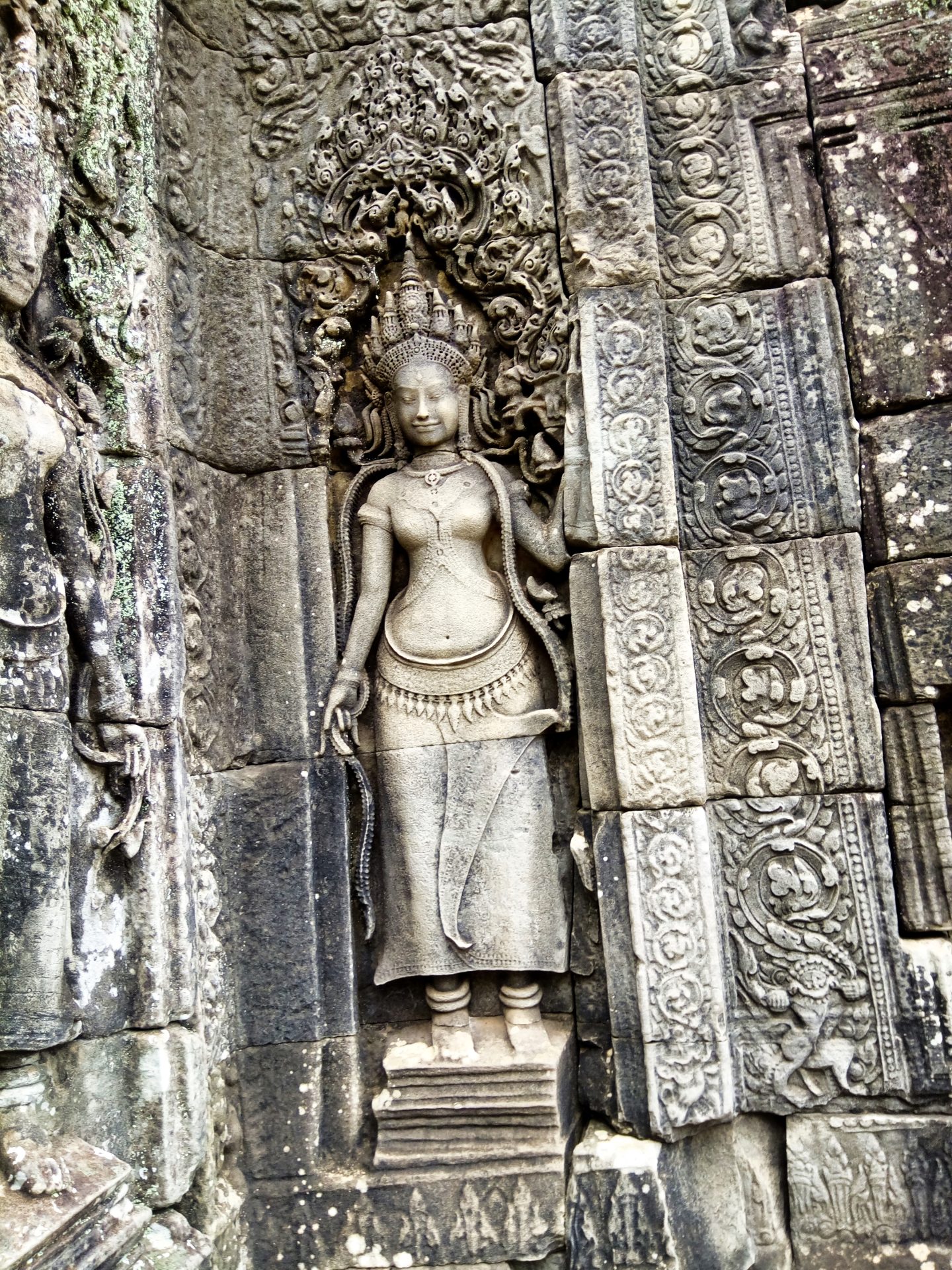
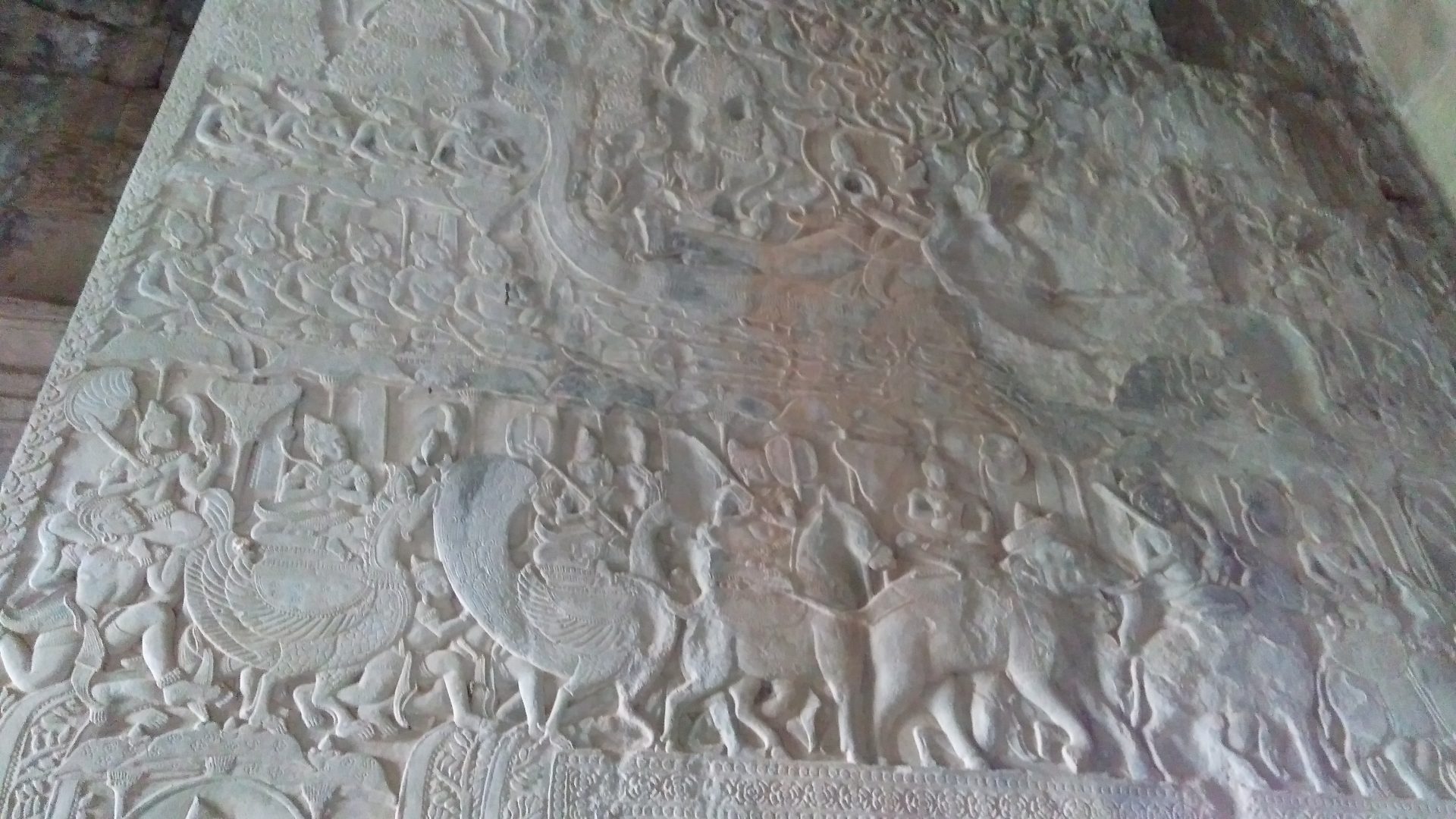
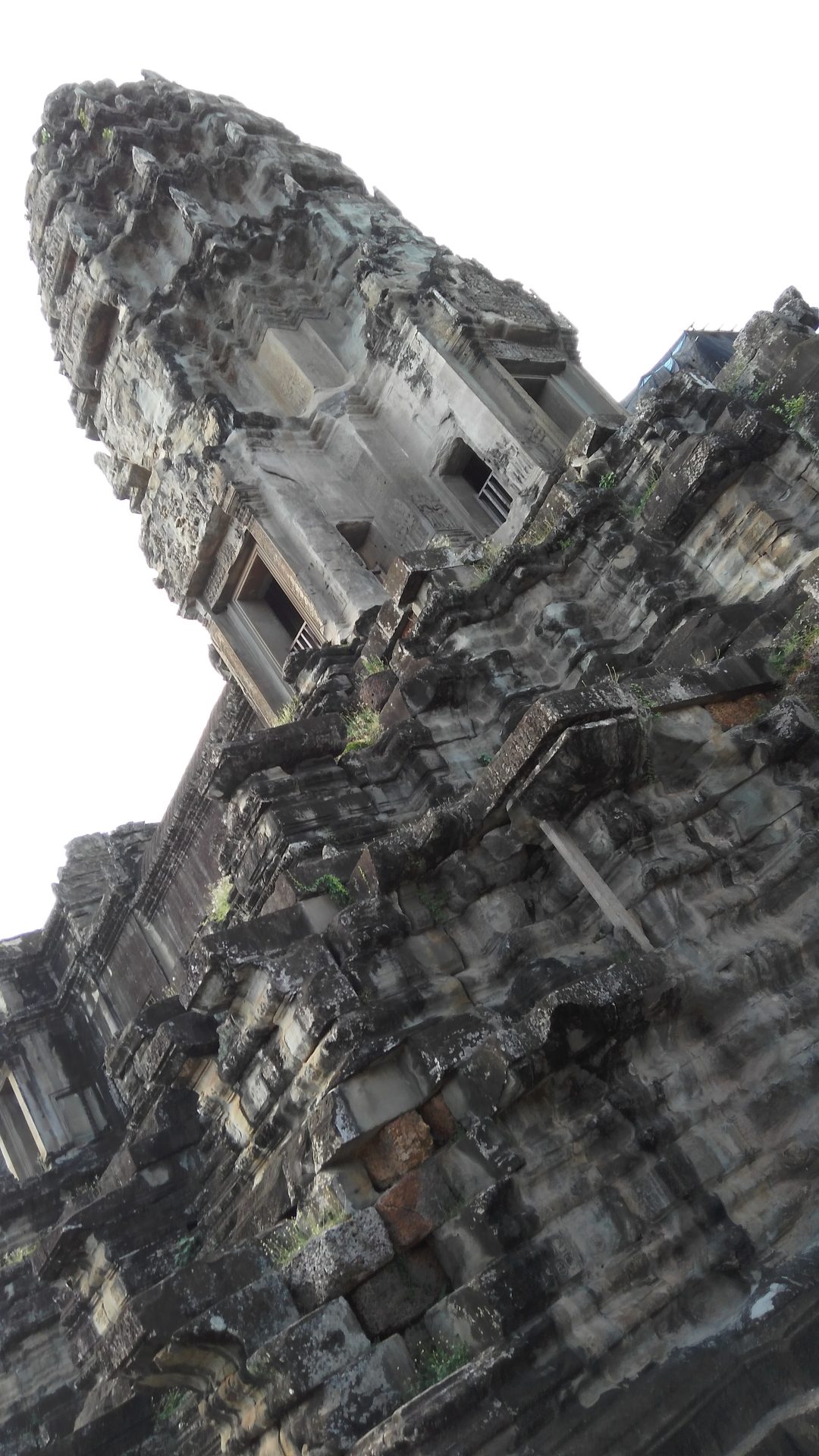
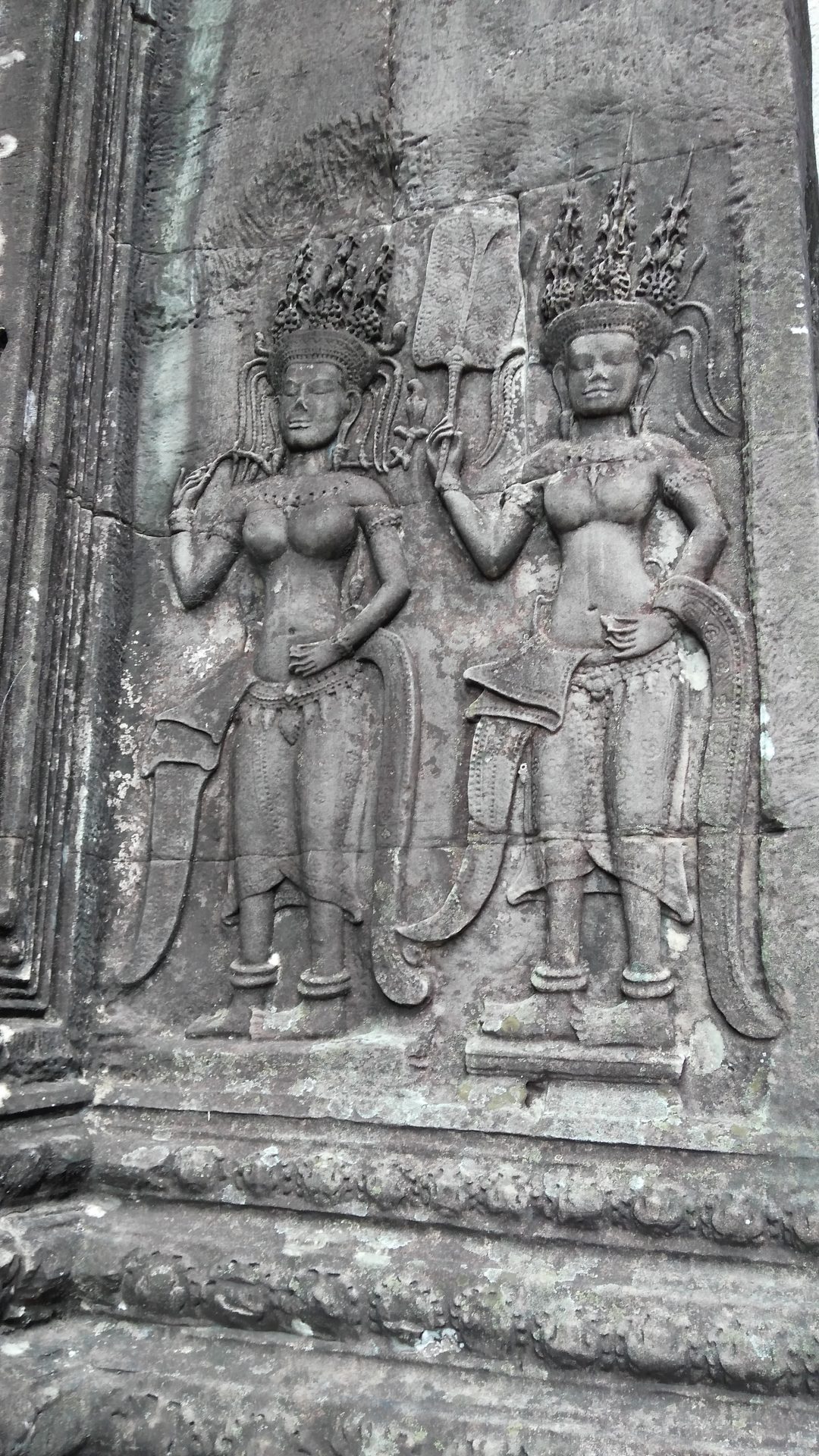
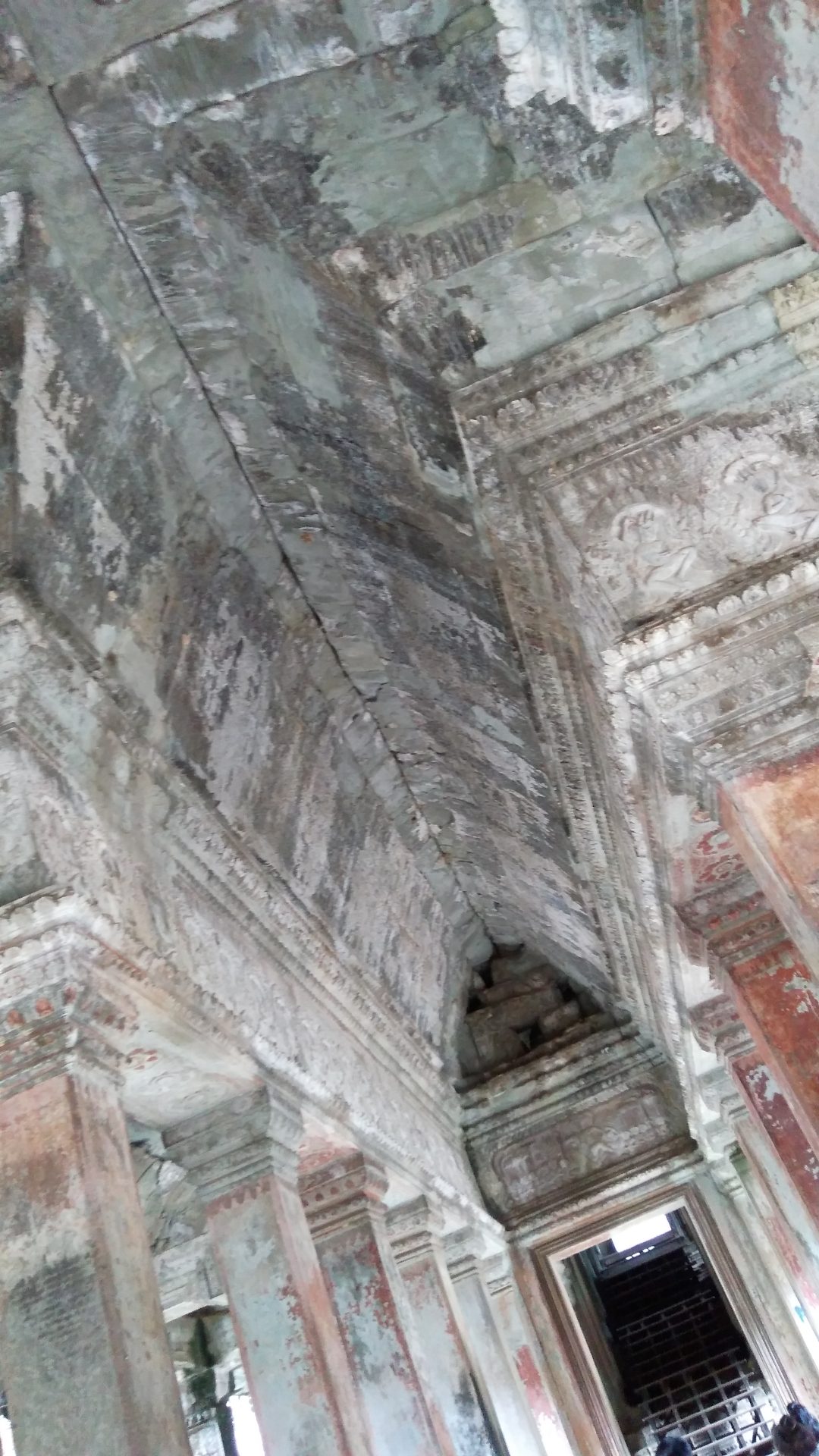
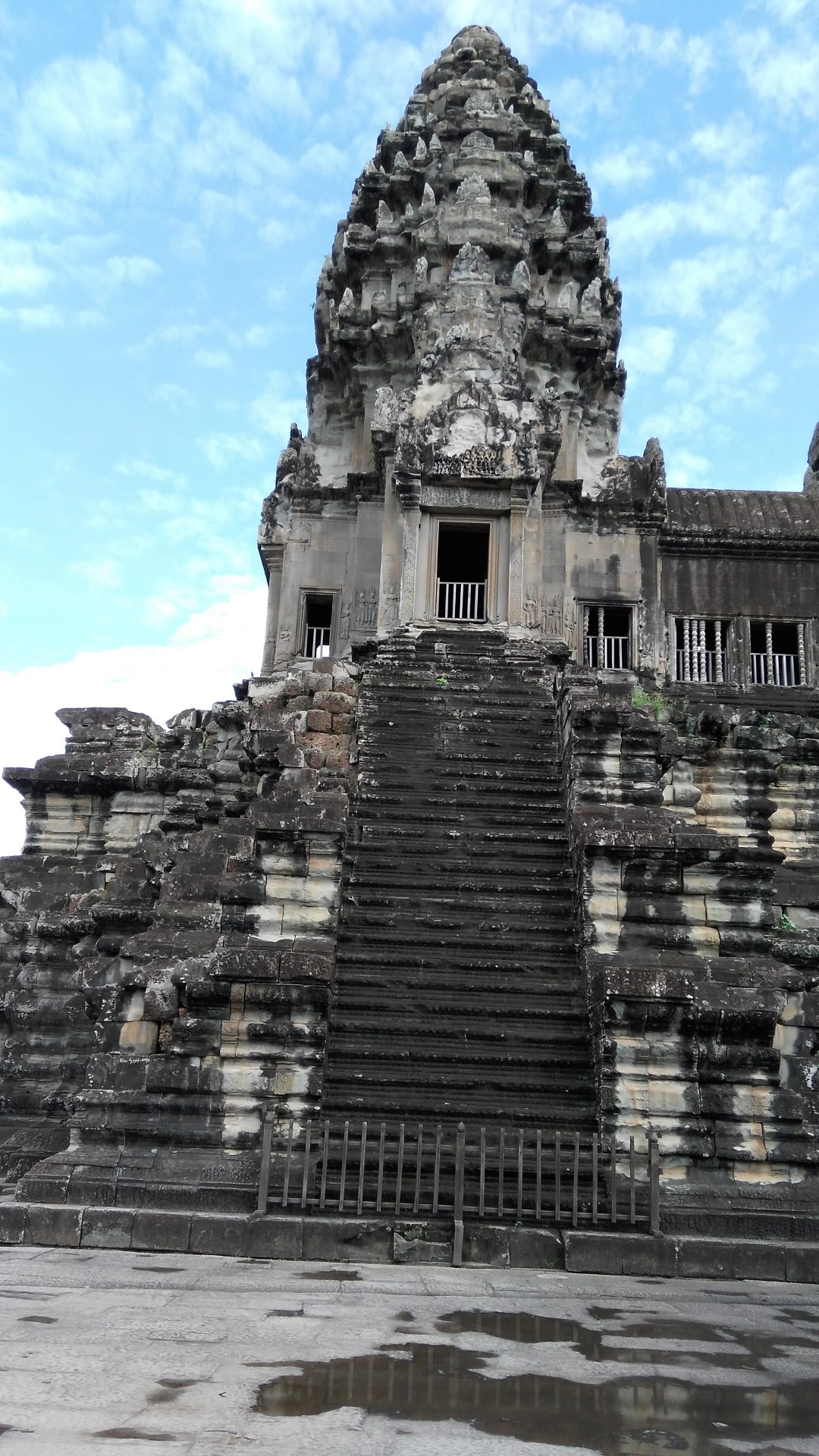
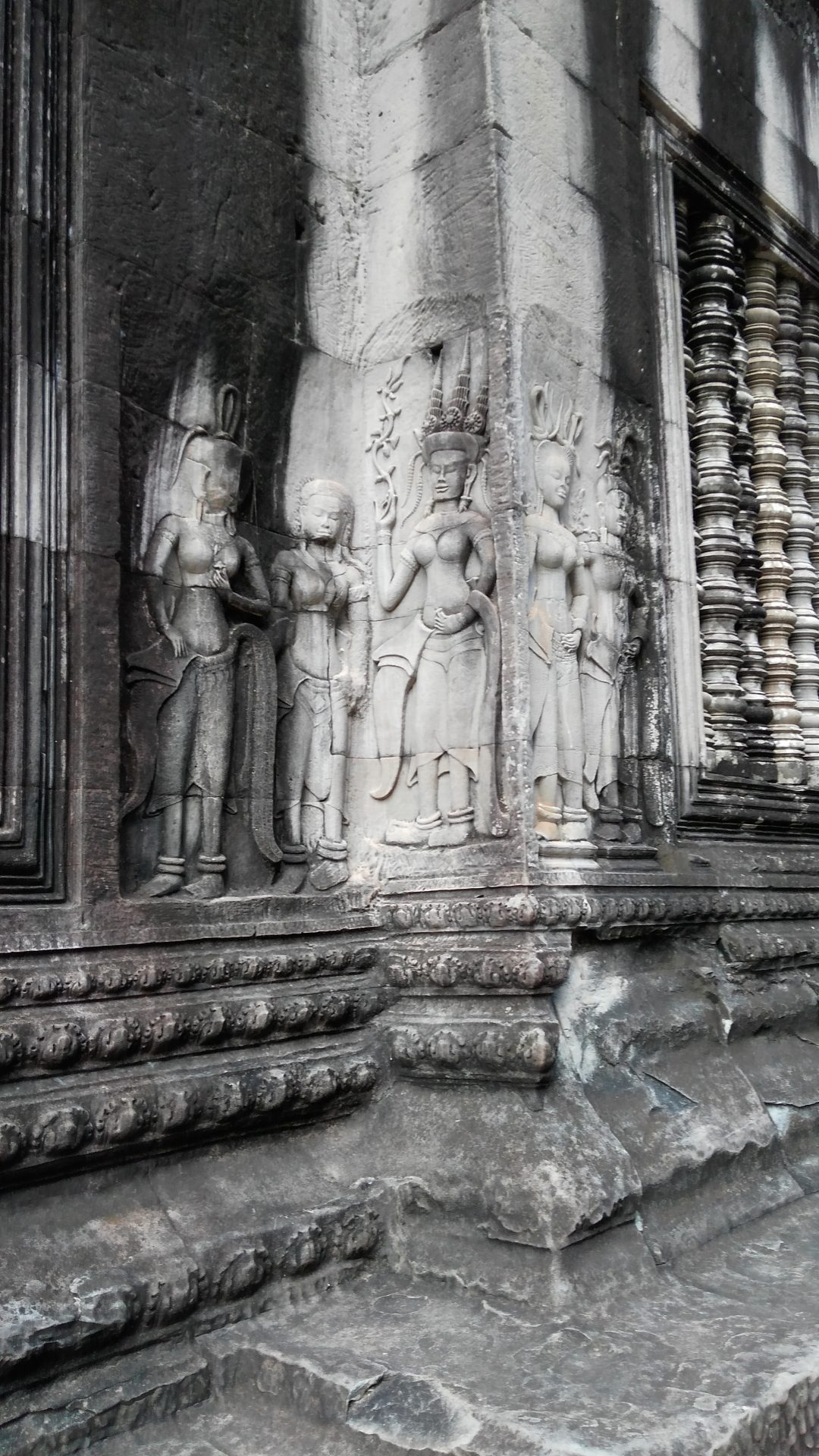
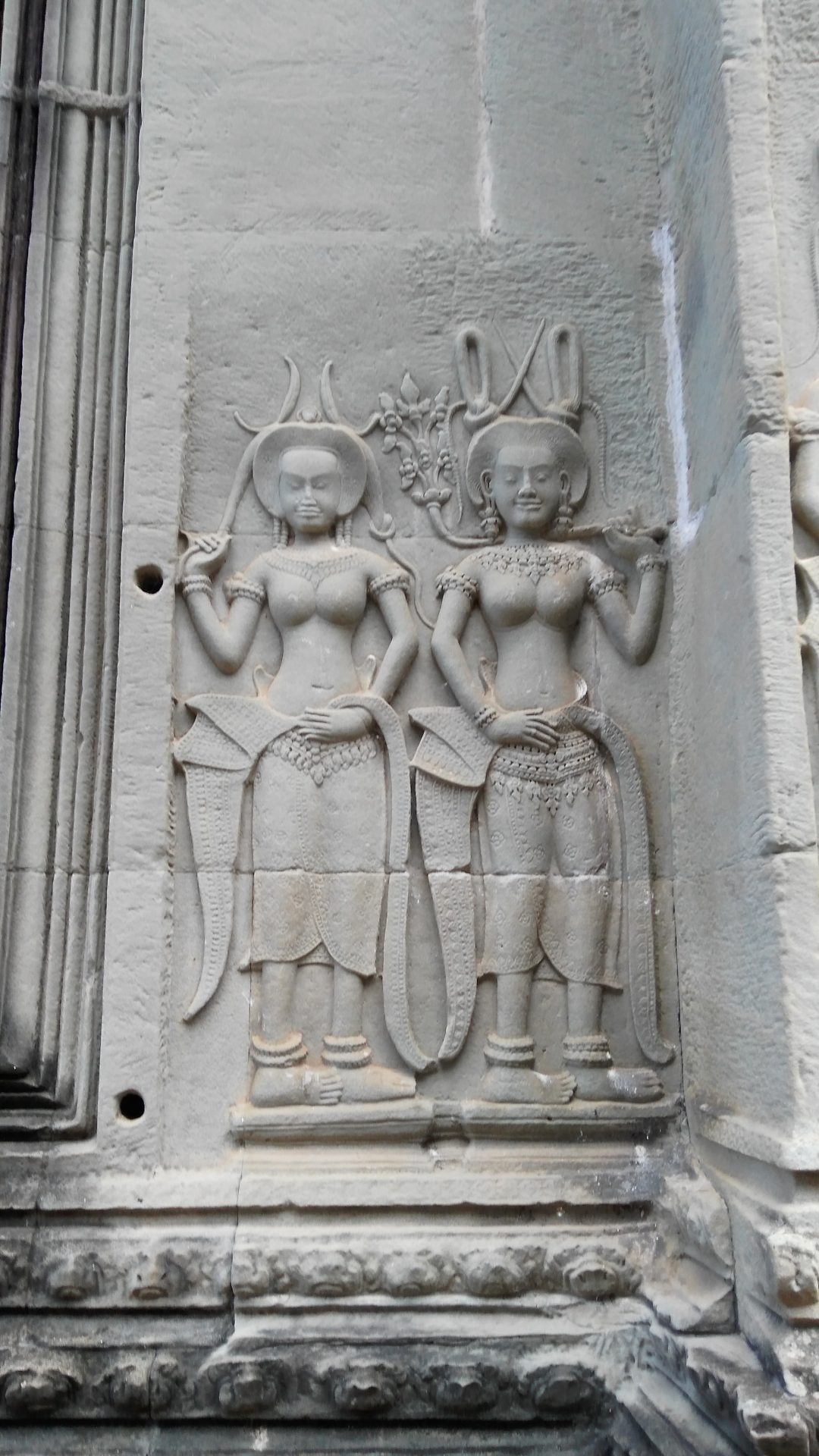
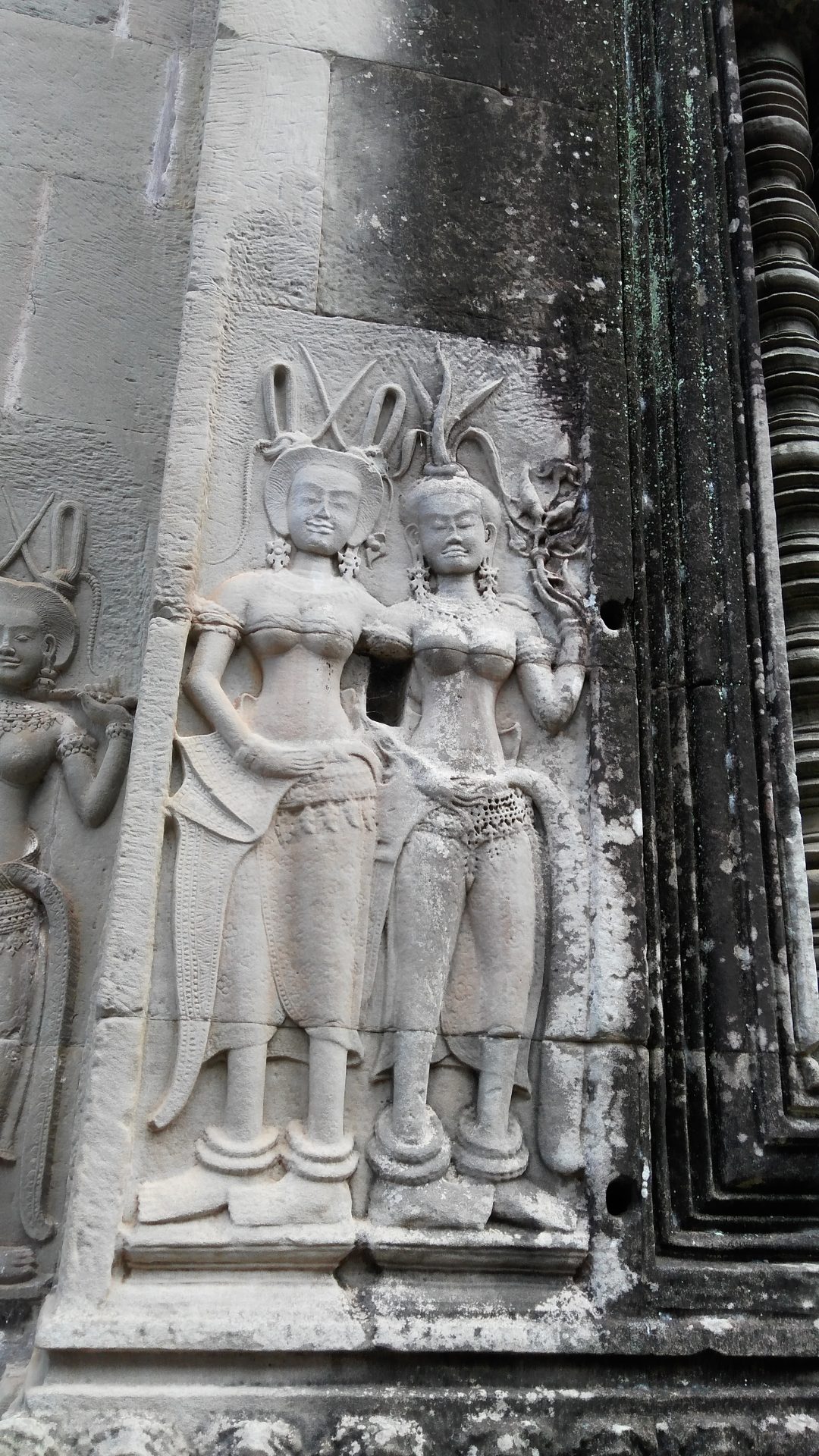
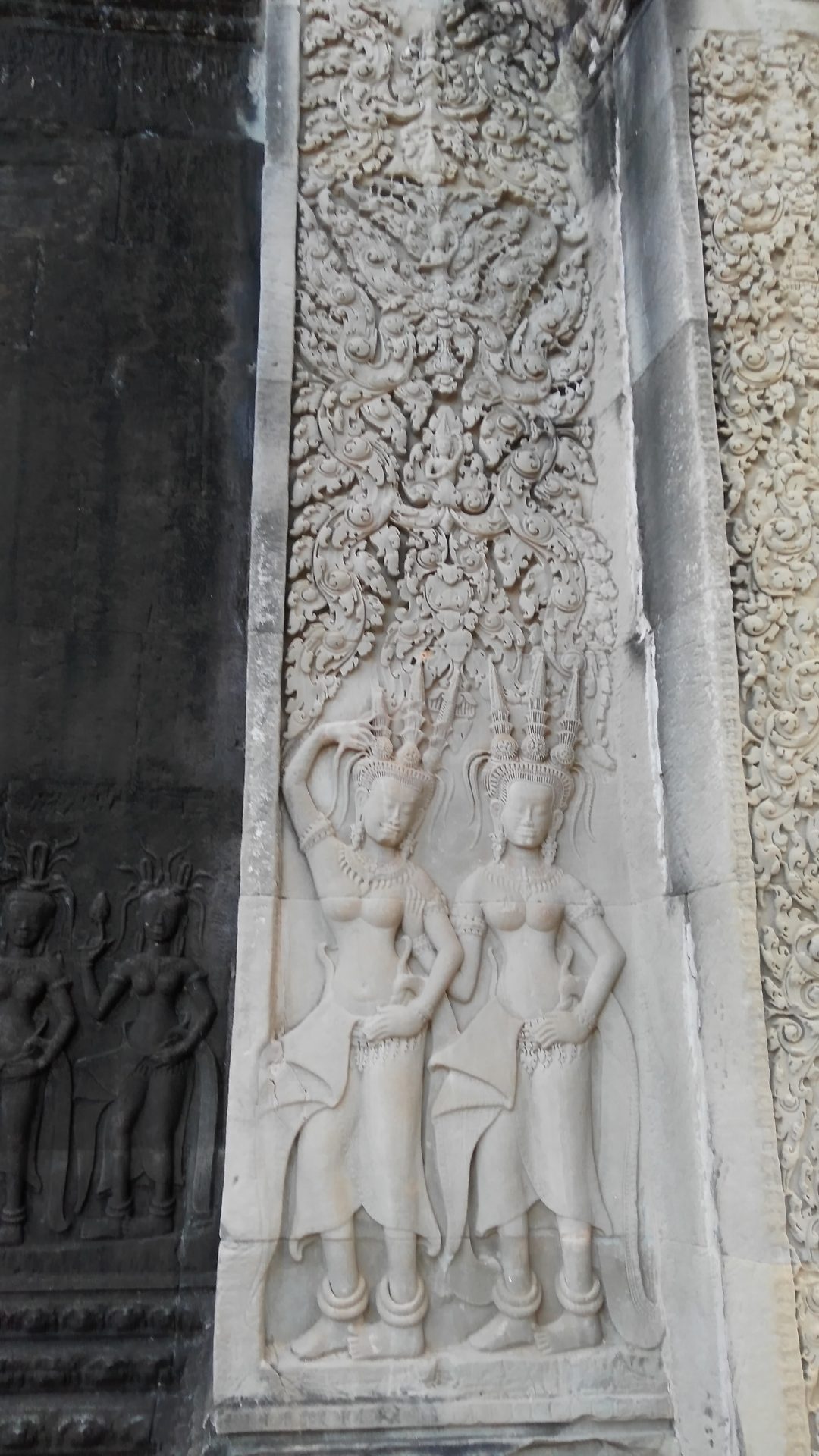
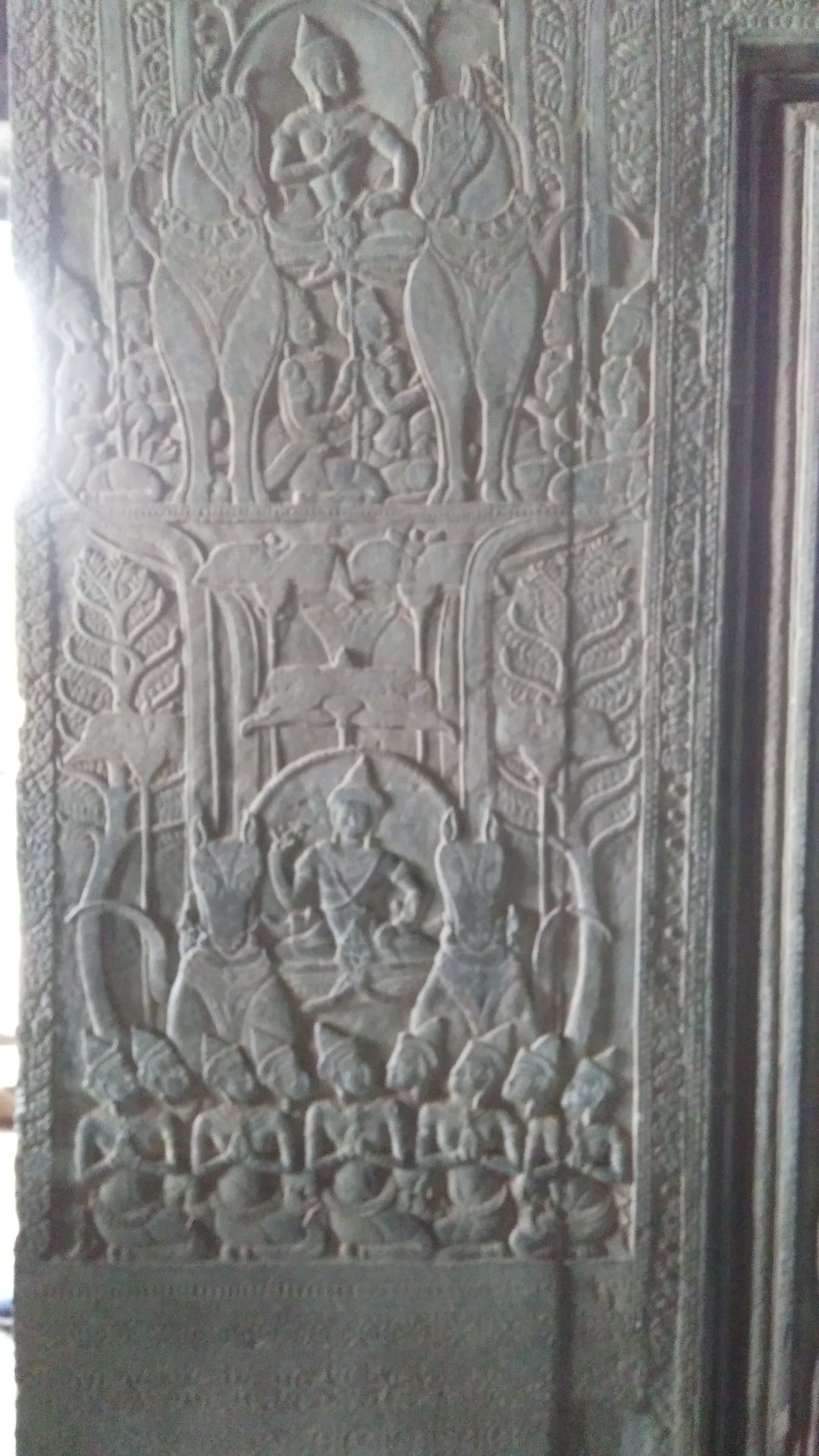
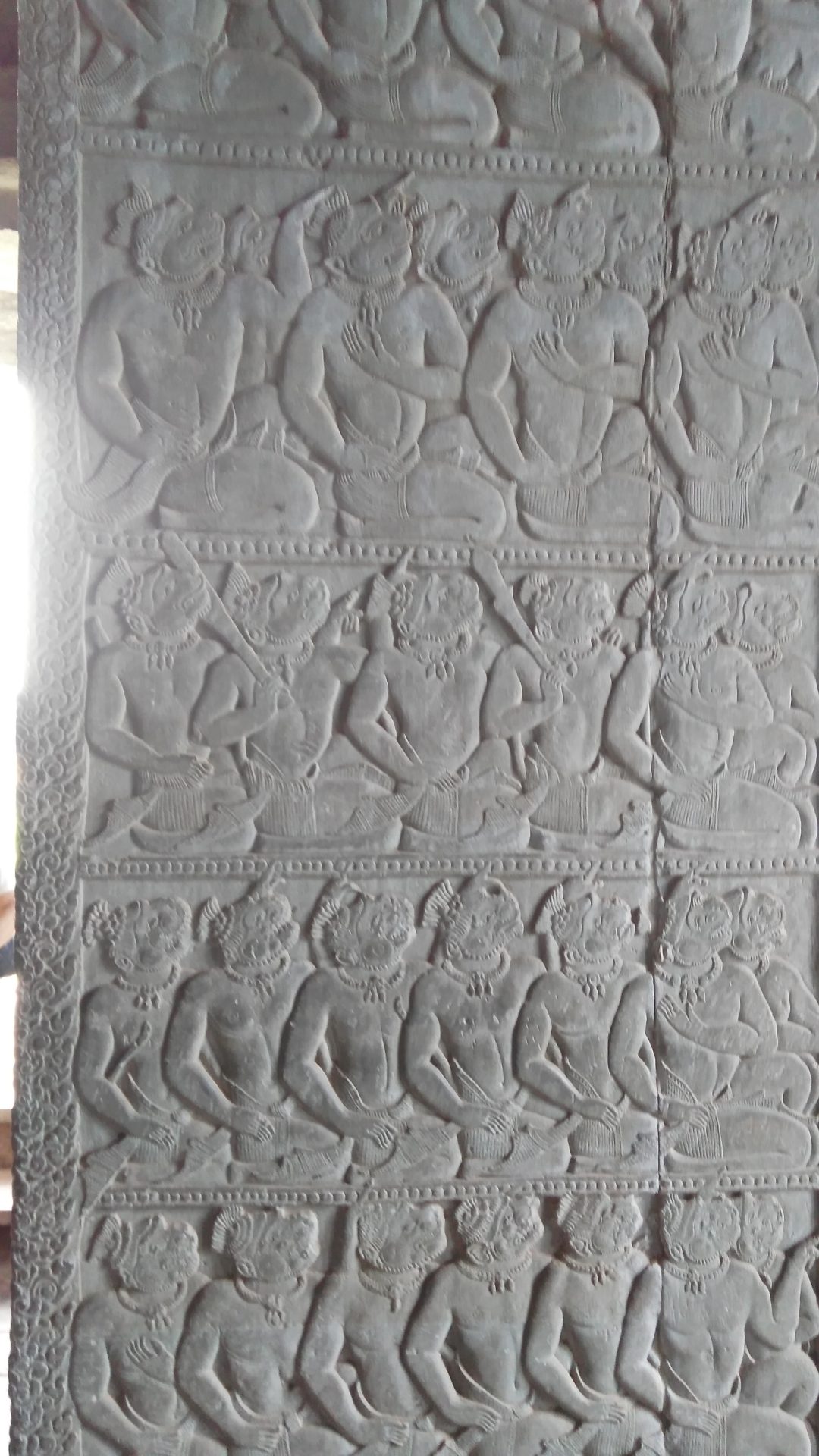
Angkor Wat was built in the first half of the 12th century (113-5BC) and it is estimated that it took about 30 years to construct the temple by King Suryavarman II. The temple is dedicated to Lord Vishnu and depicts the Angkor Thom style of art. Angkor Wat’s rising series of five towers culminates in an impressive central tower that symbolizes mythical Mount Meru. Thousands of feet of wall space are covered with intricate carving depicting scenes from Hindu Mythology.
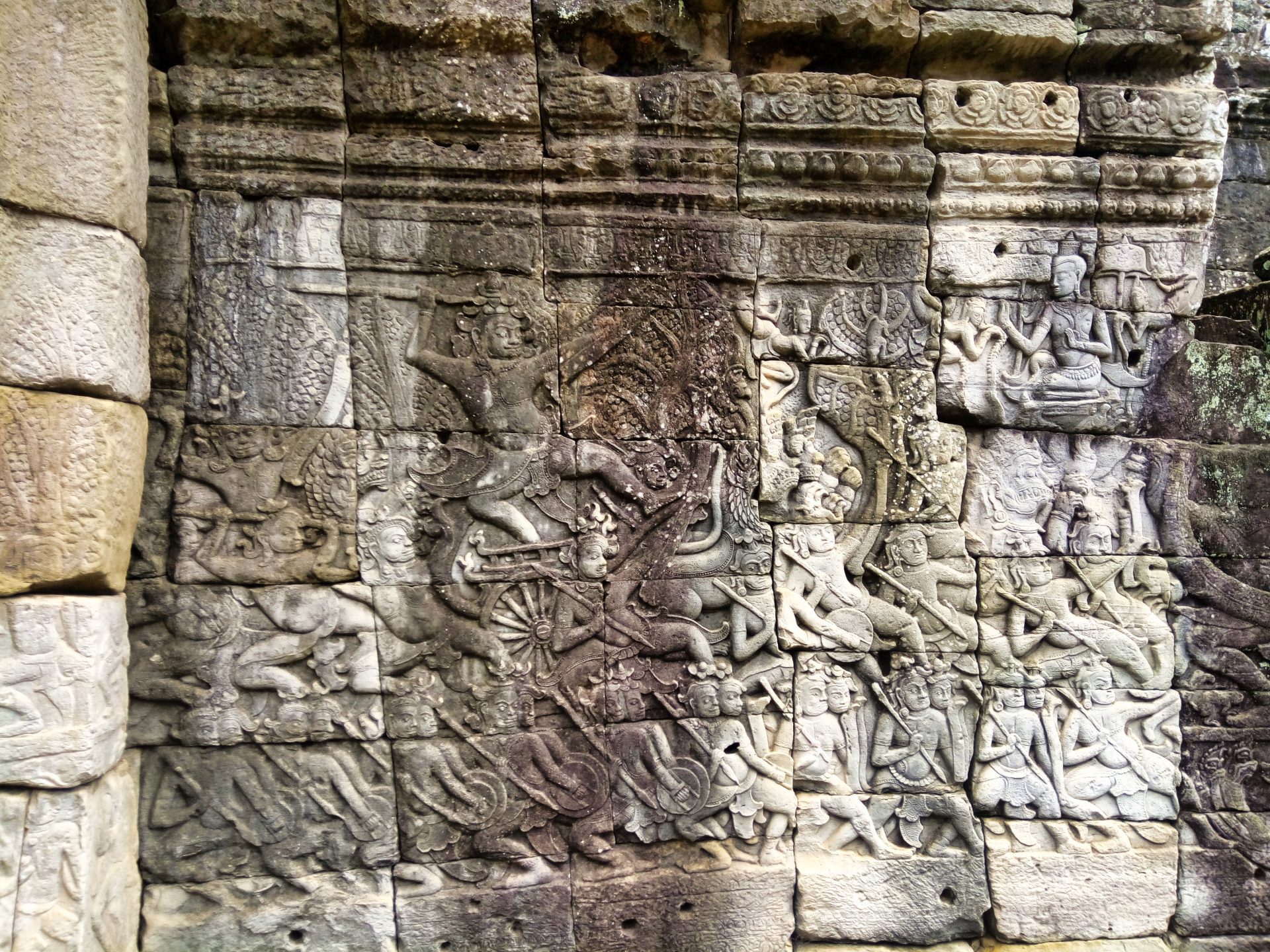
The most important are the Carved Bas reliefs of the Hindu narratives. They tell a story about gods fighting demons in order to reclaim order which can only be achieved by recovering the elixir of life known as Amrita (Nectar). The gods and demons are supposed to have worked together to release it and then battle to attain it.
The Srah Srang Village
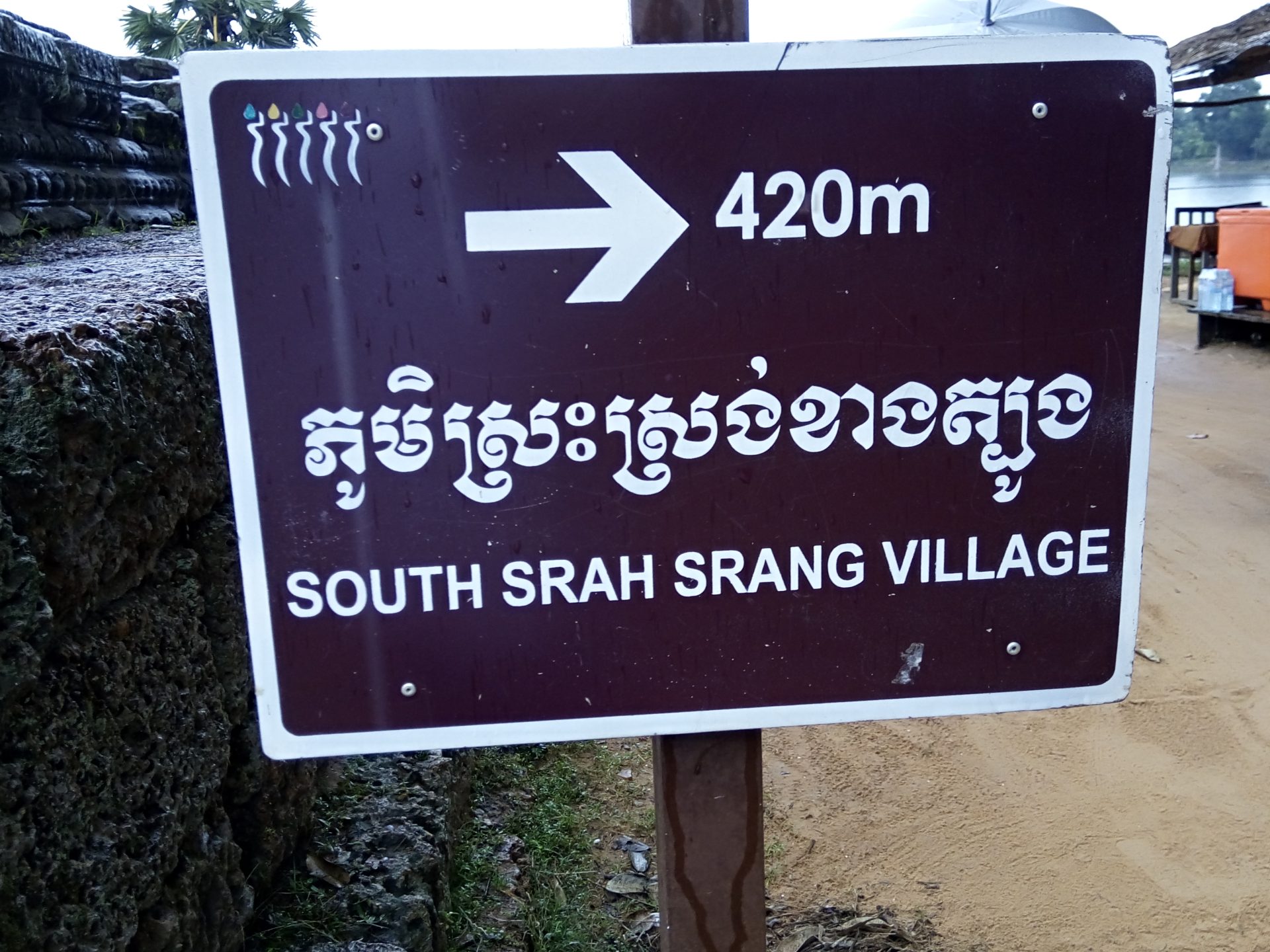
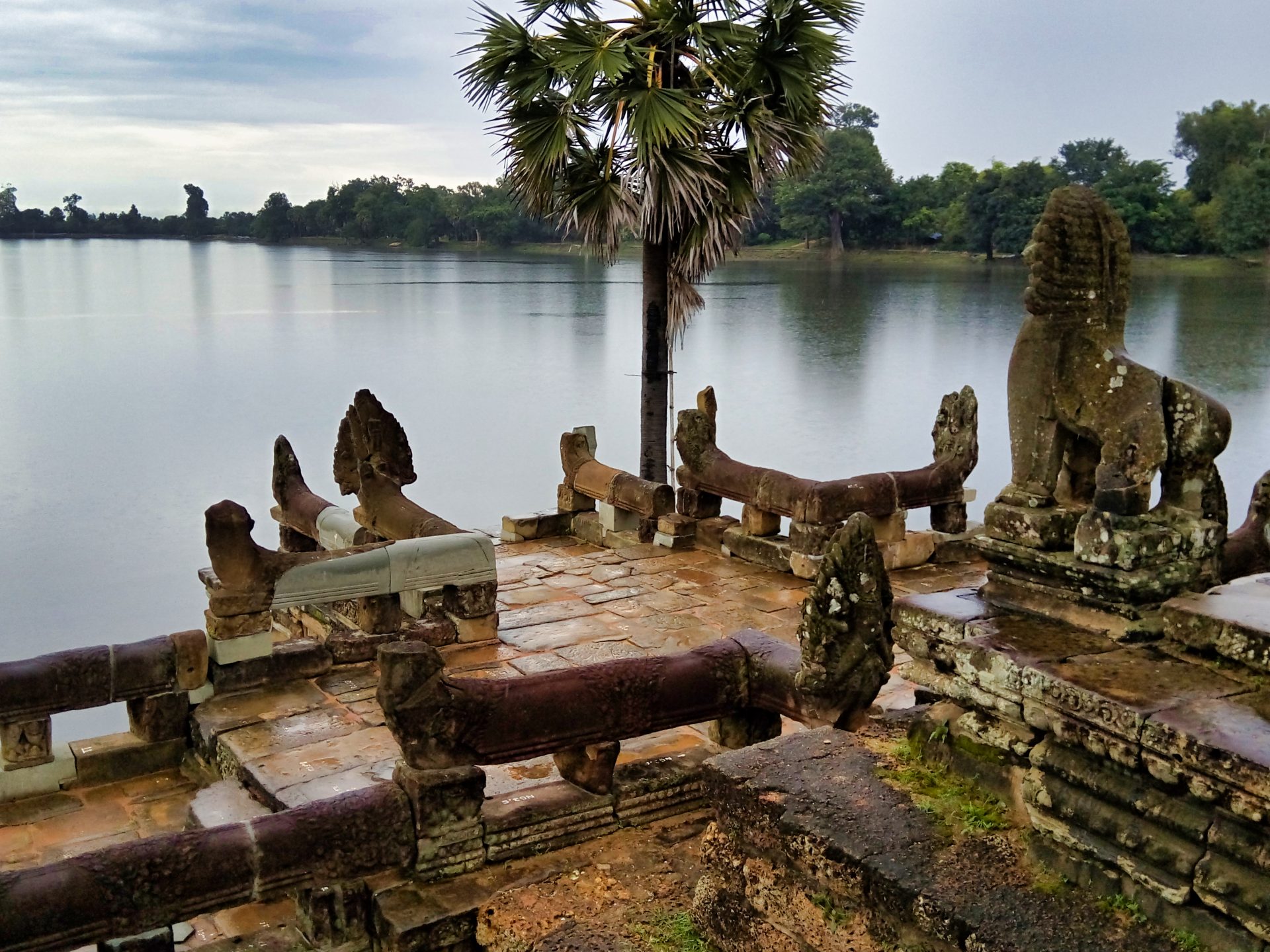
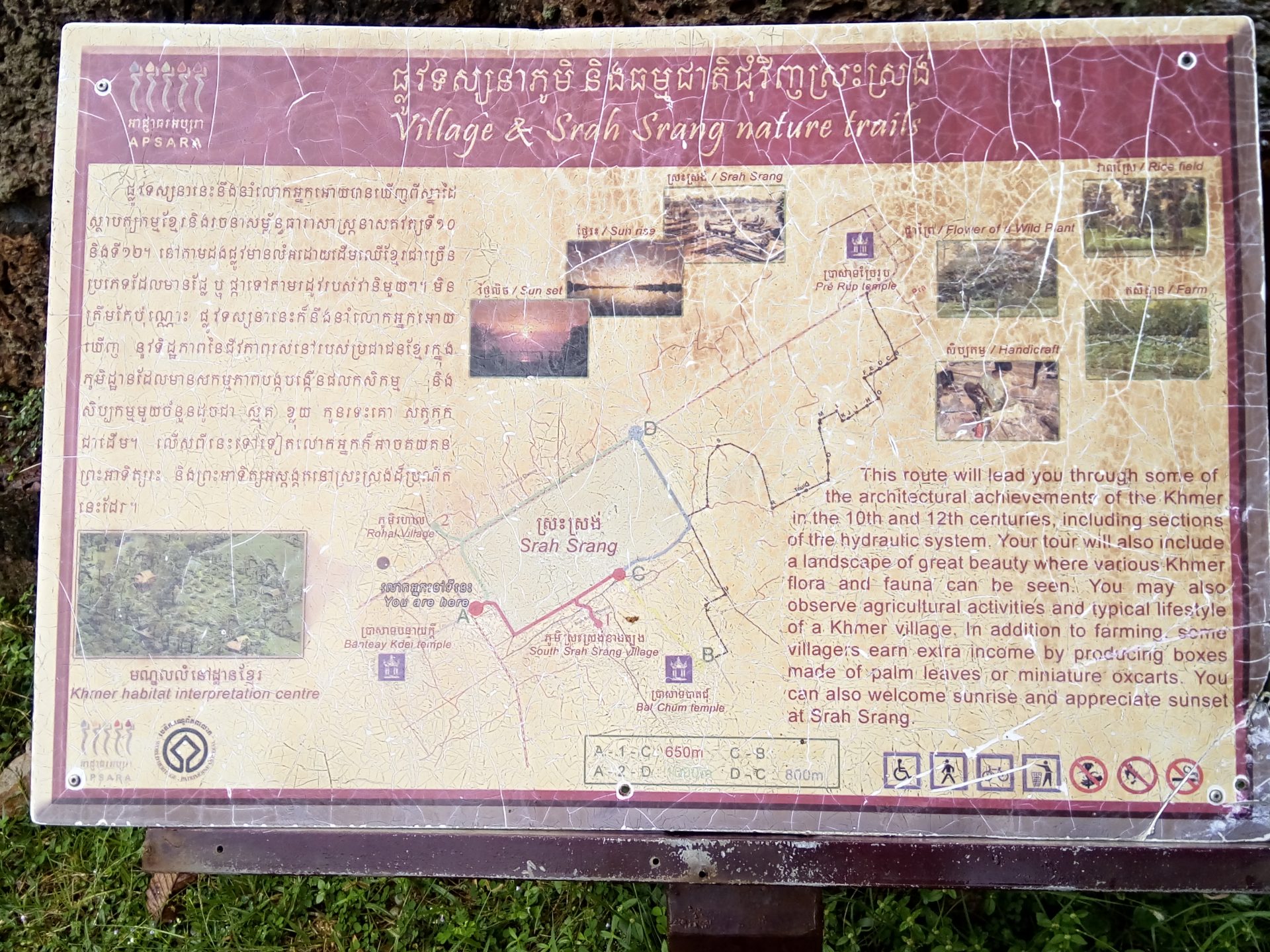
The first stop of our Short Circuit Tour was at the entrance of the Srah Srang Village where there are some beautiful and intricate carvings on stone leading to a large expanse of water which was supposed to be a royal bathing pool.
The Banteay Kdei Temple
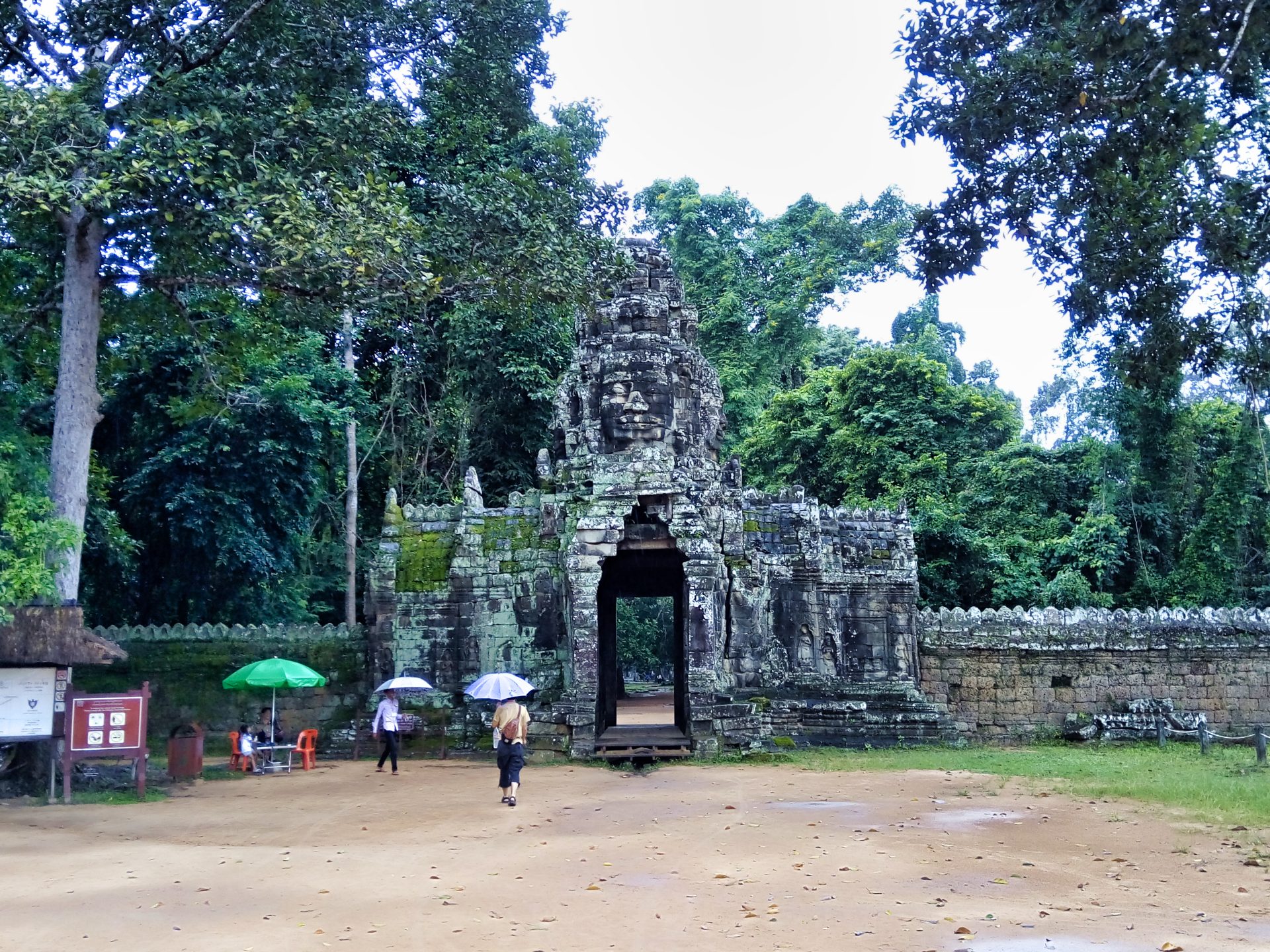
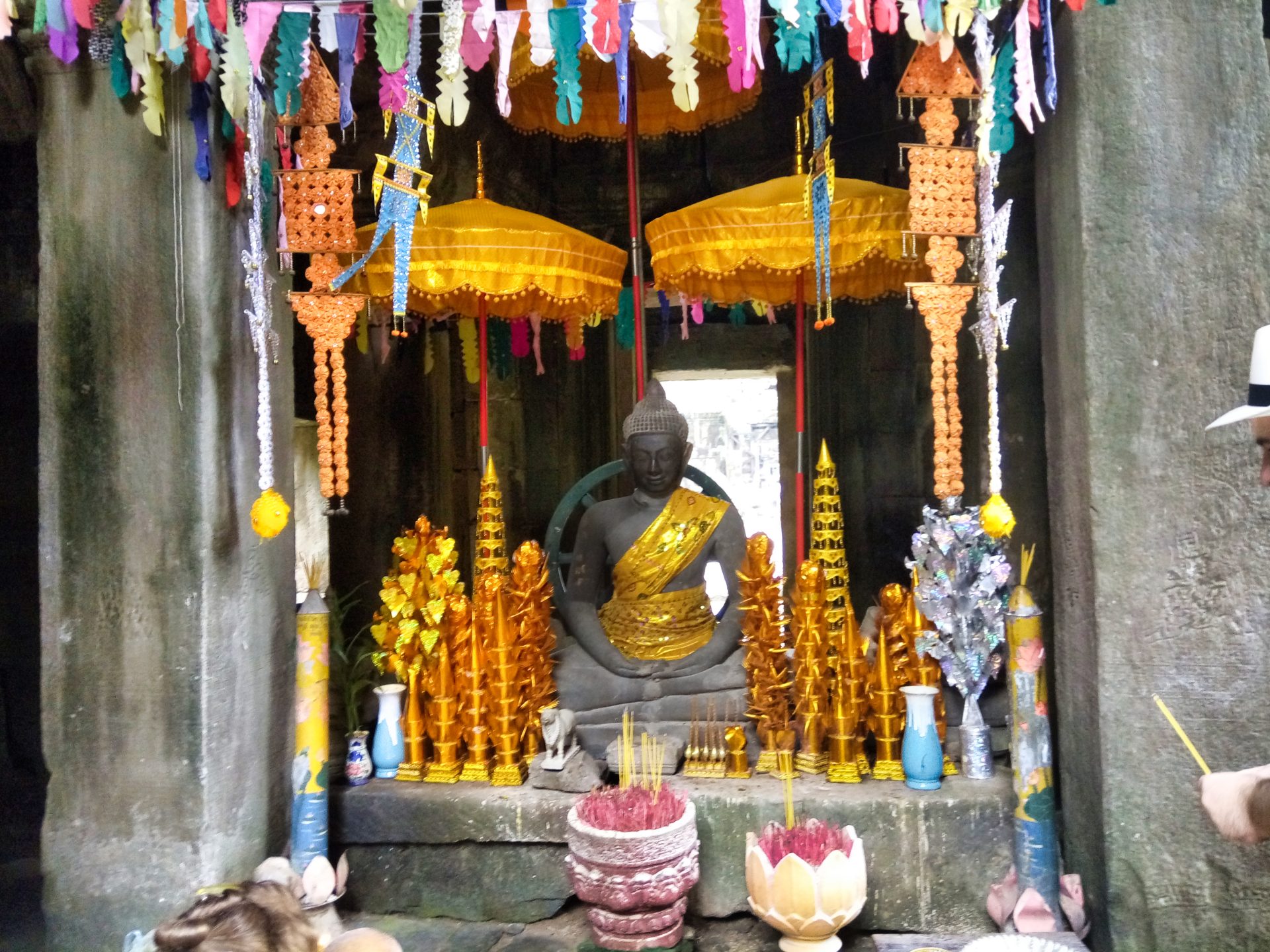
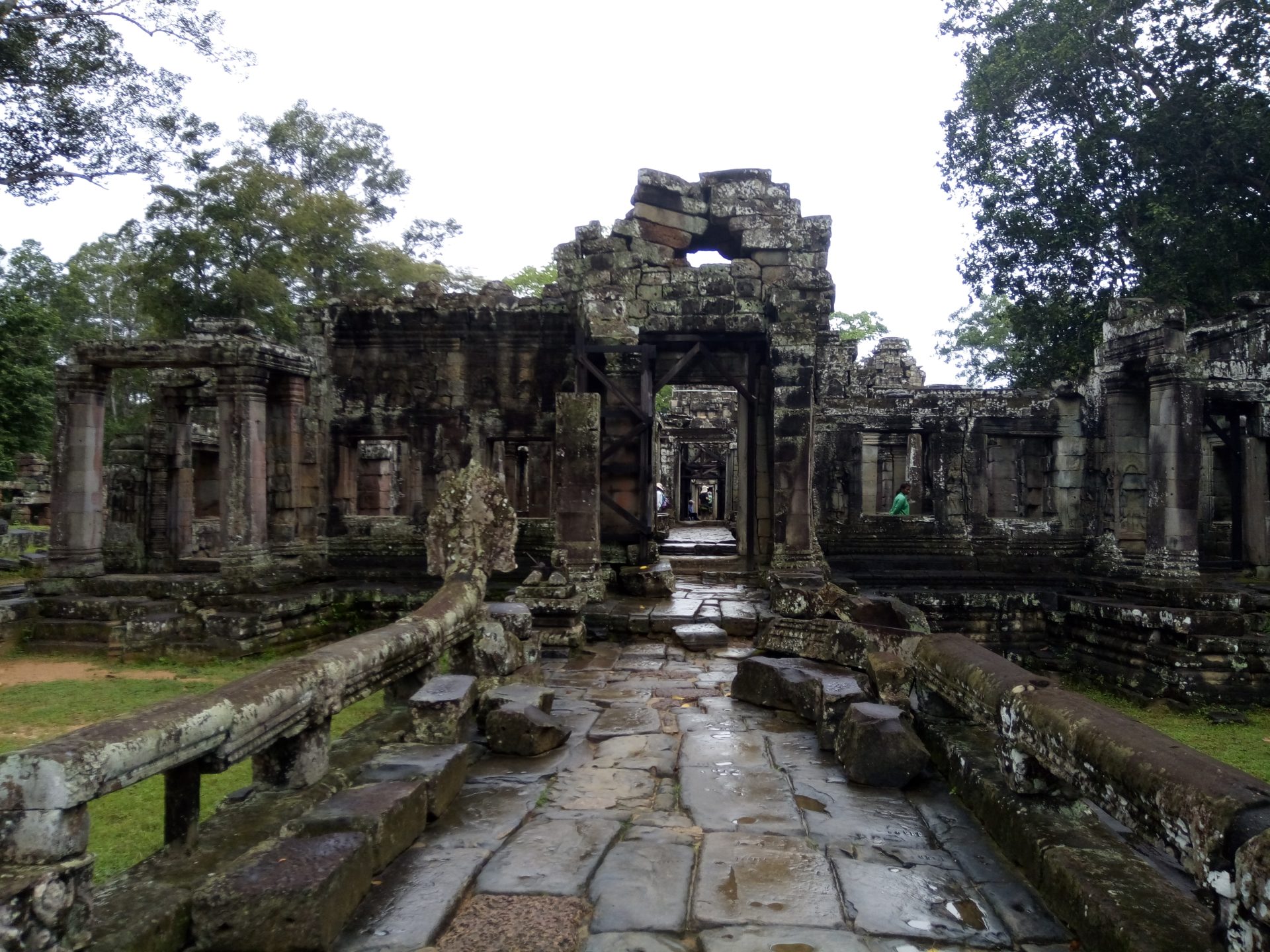
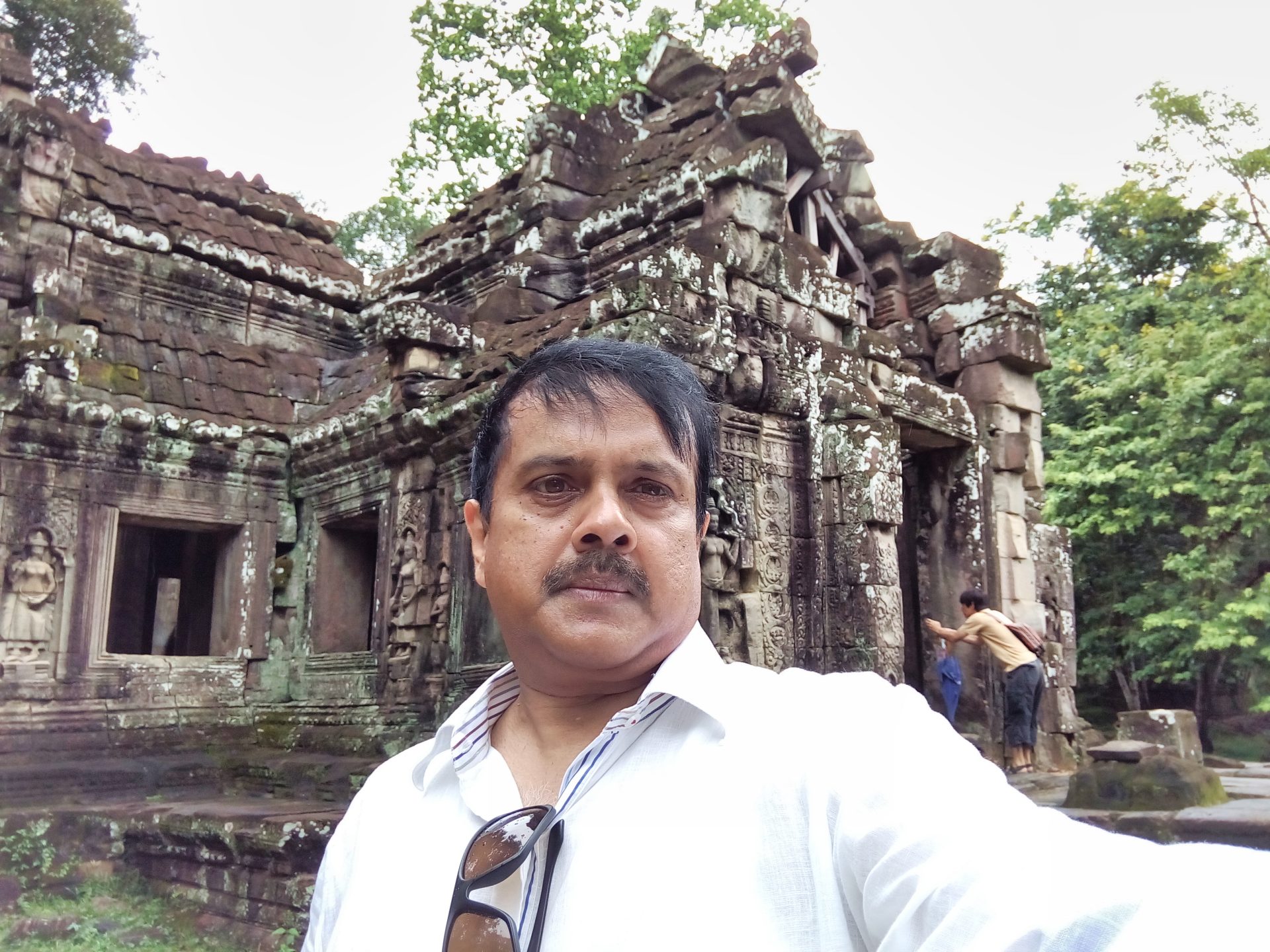
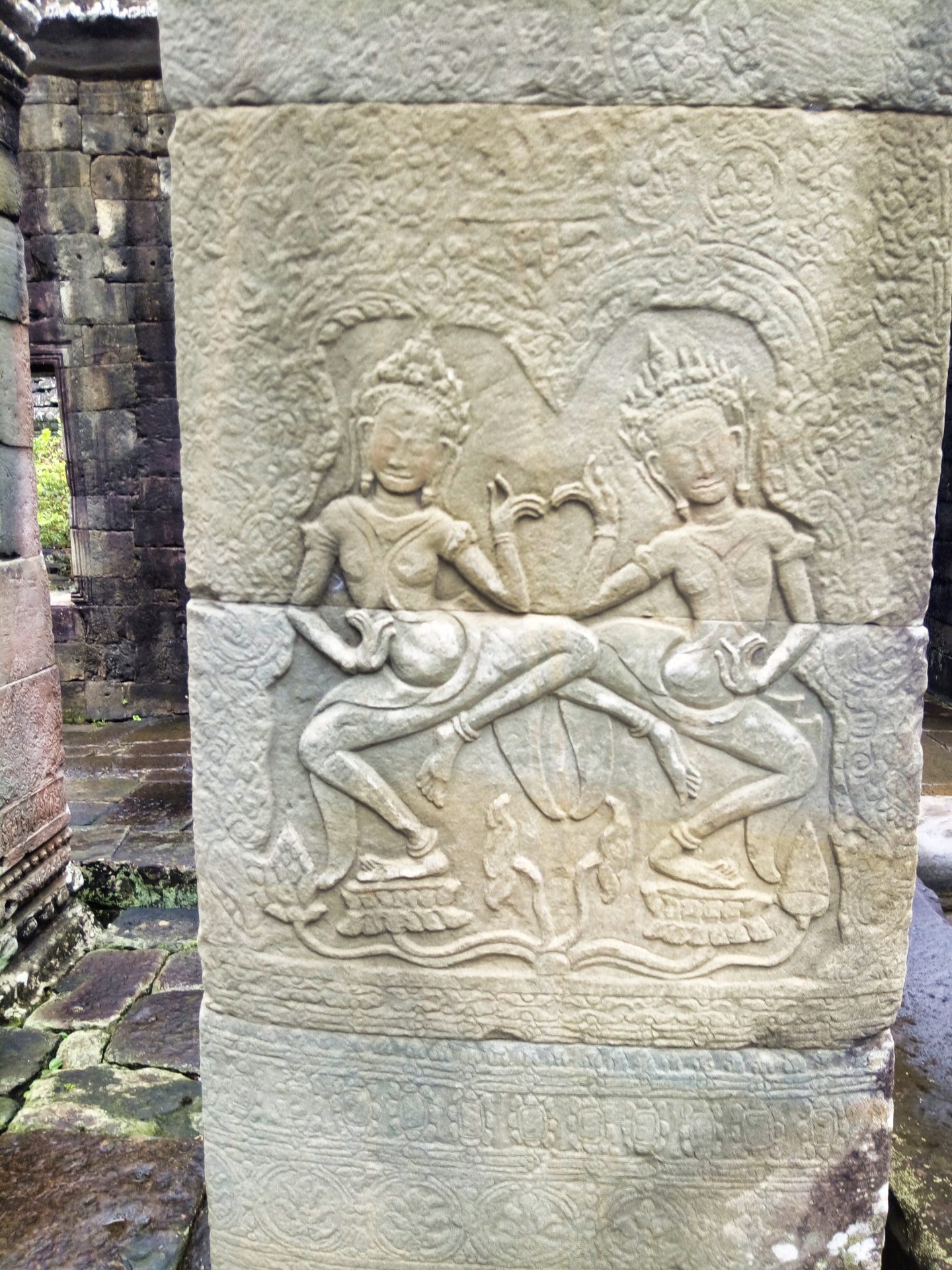
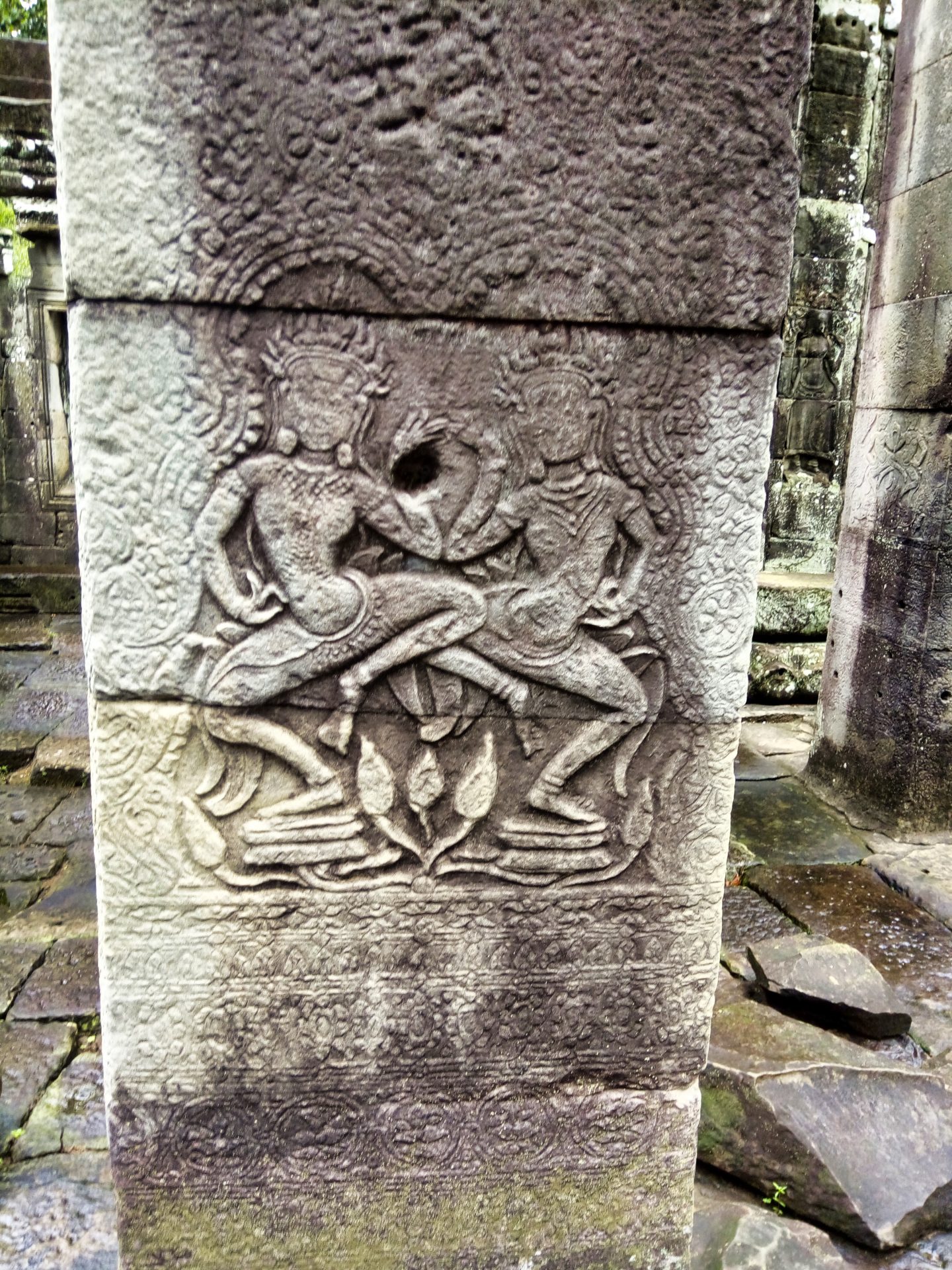
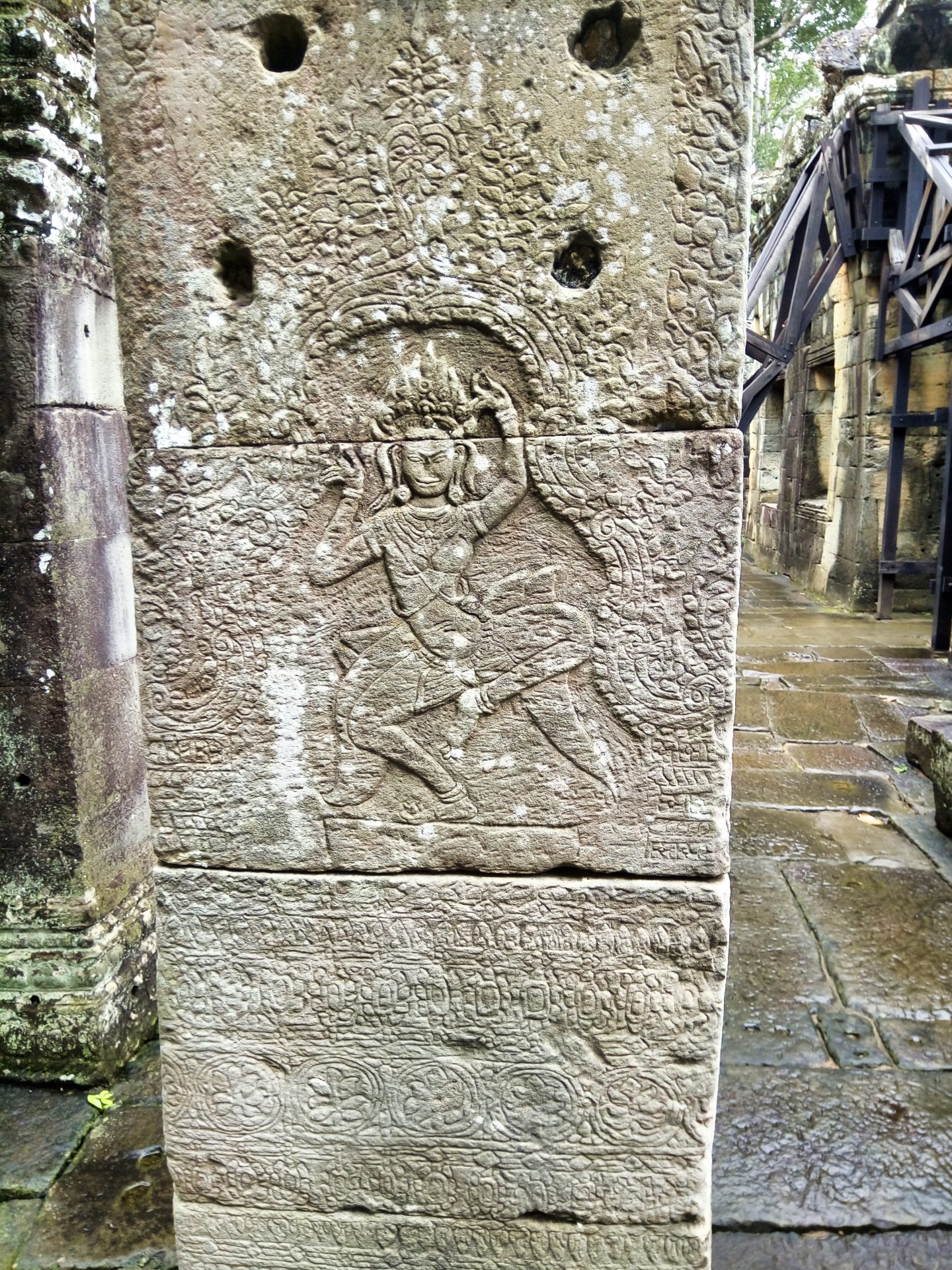
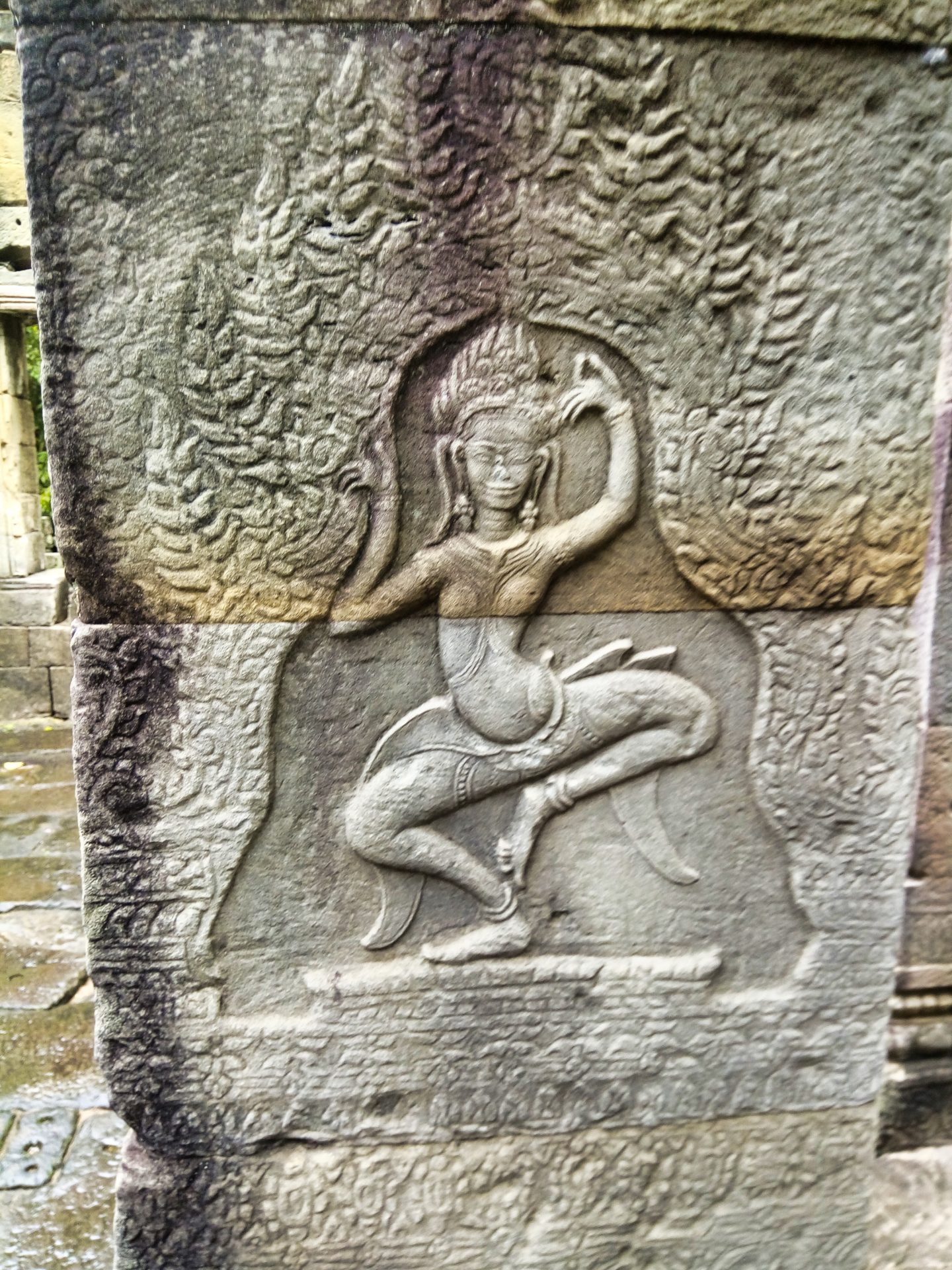
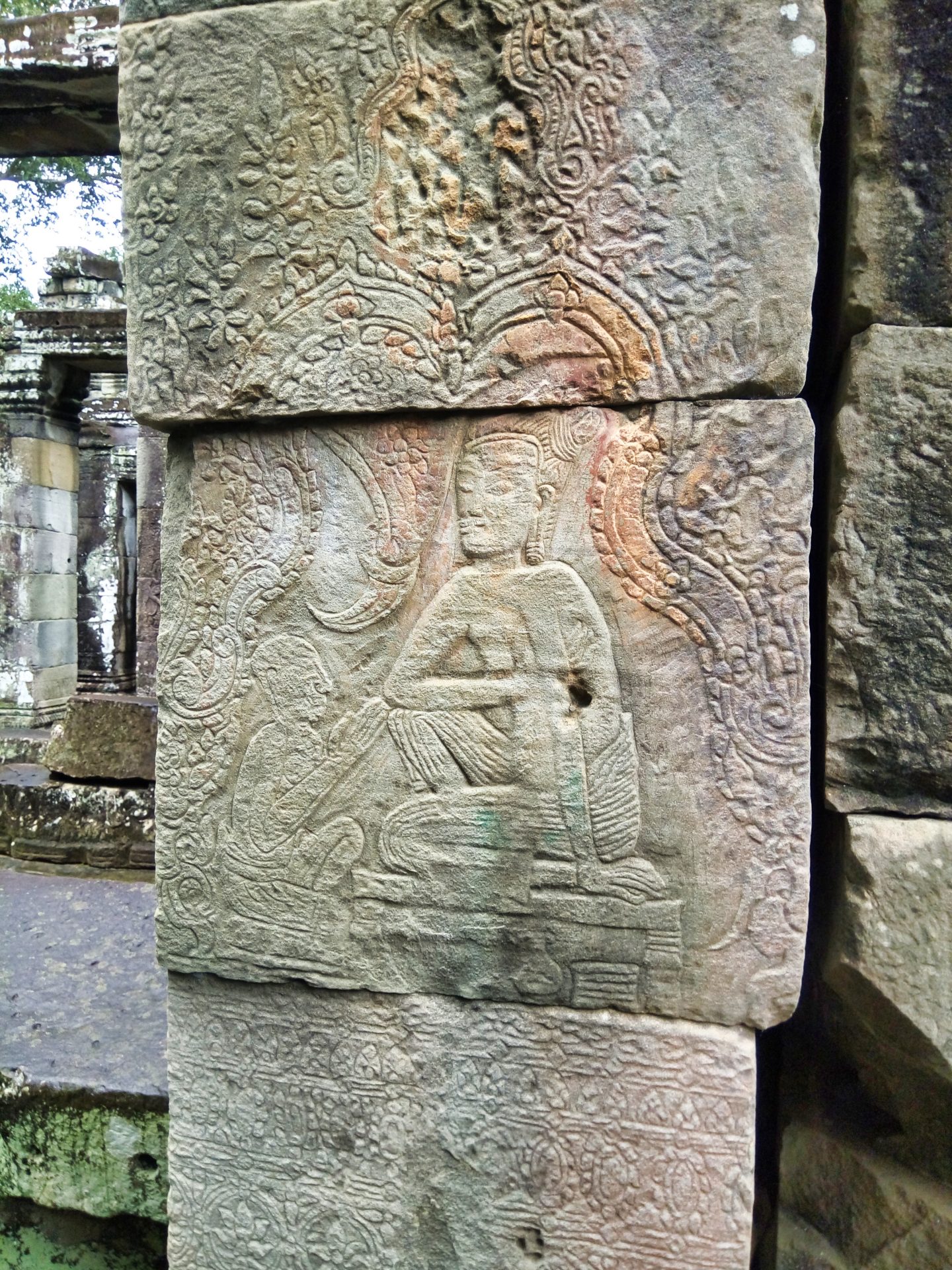
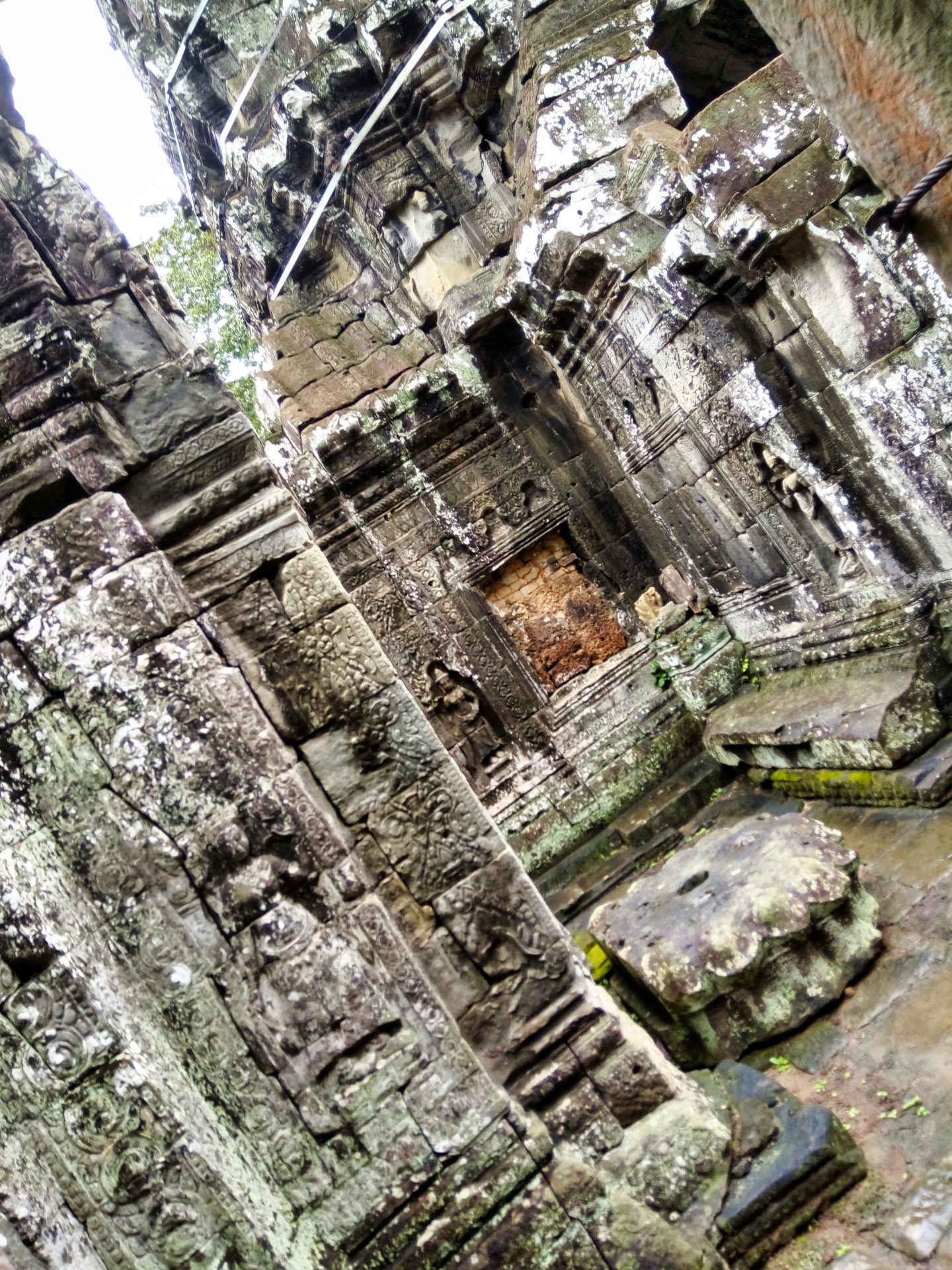
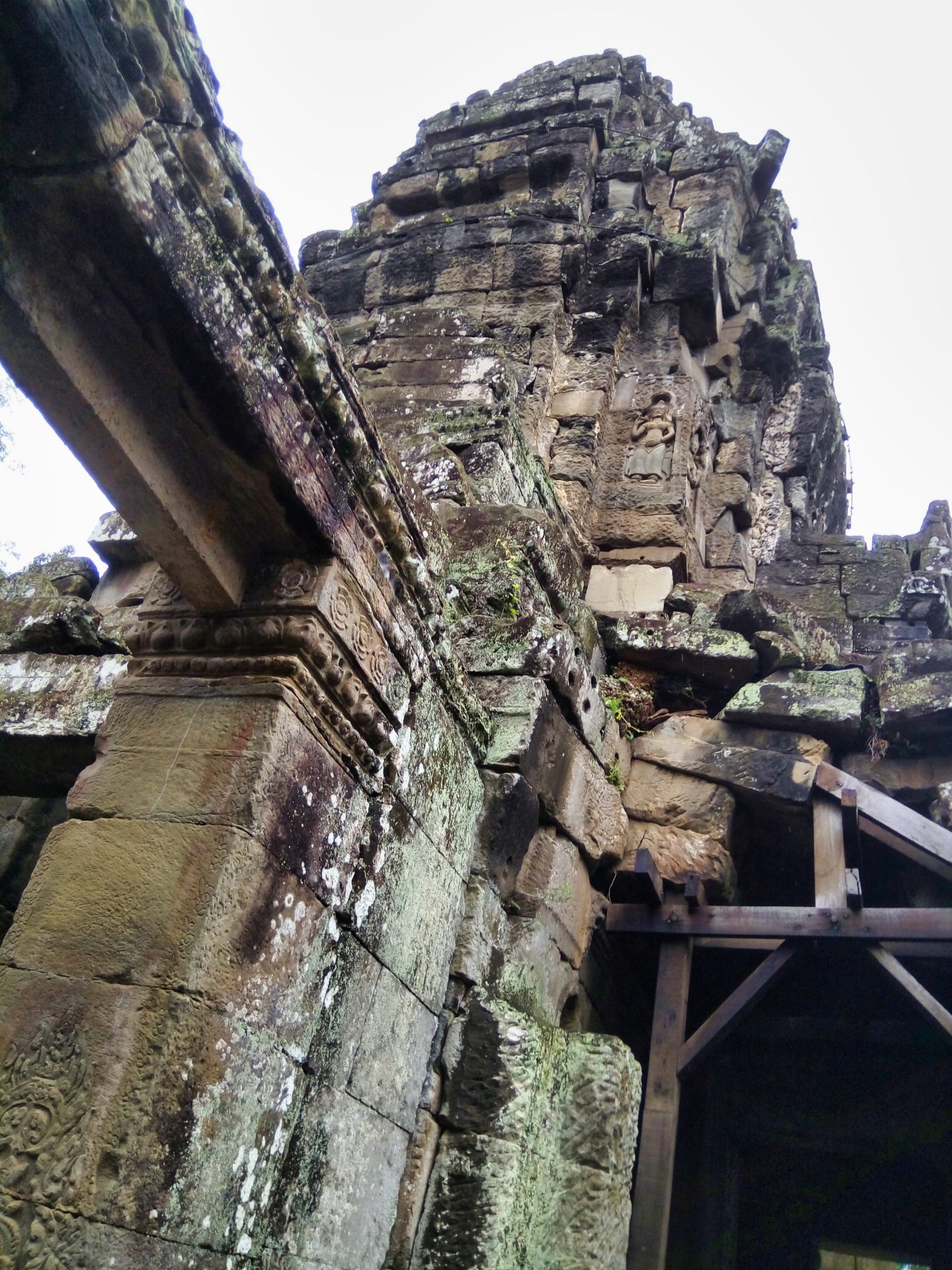
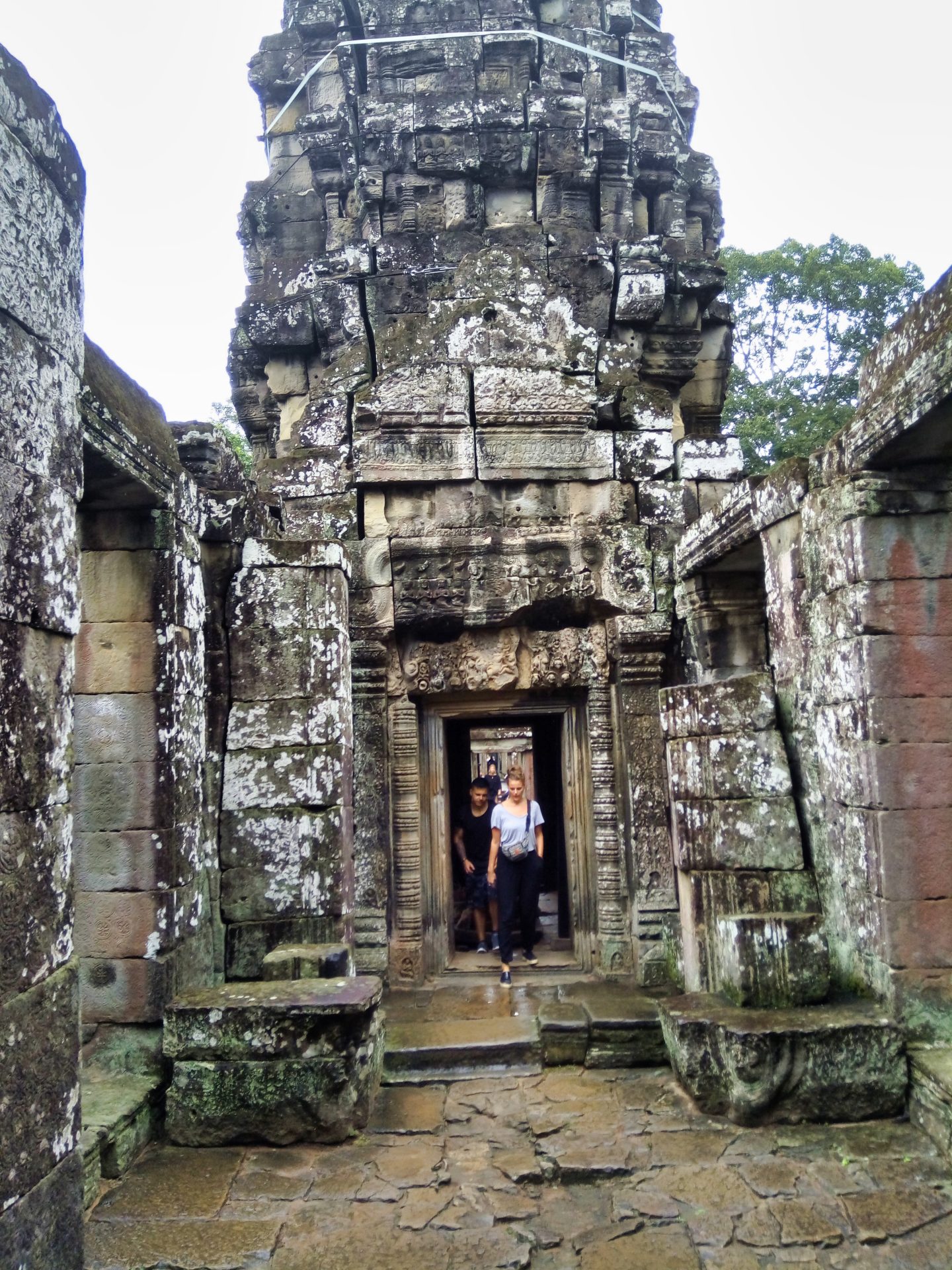
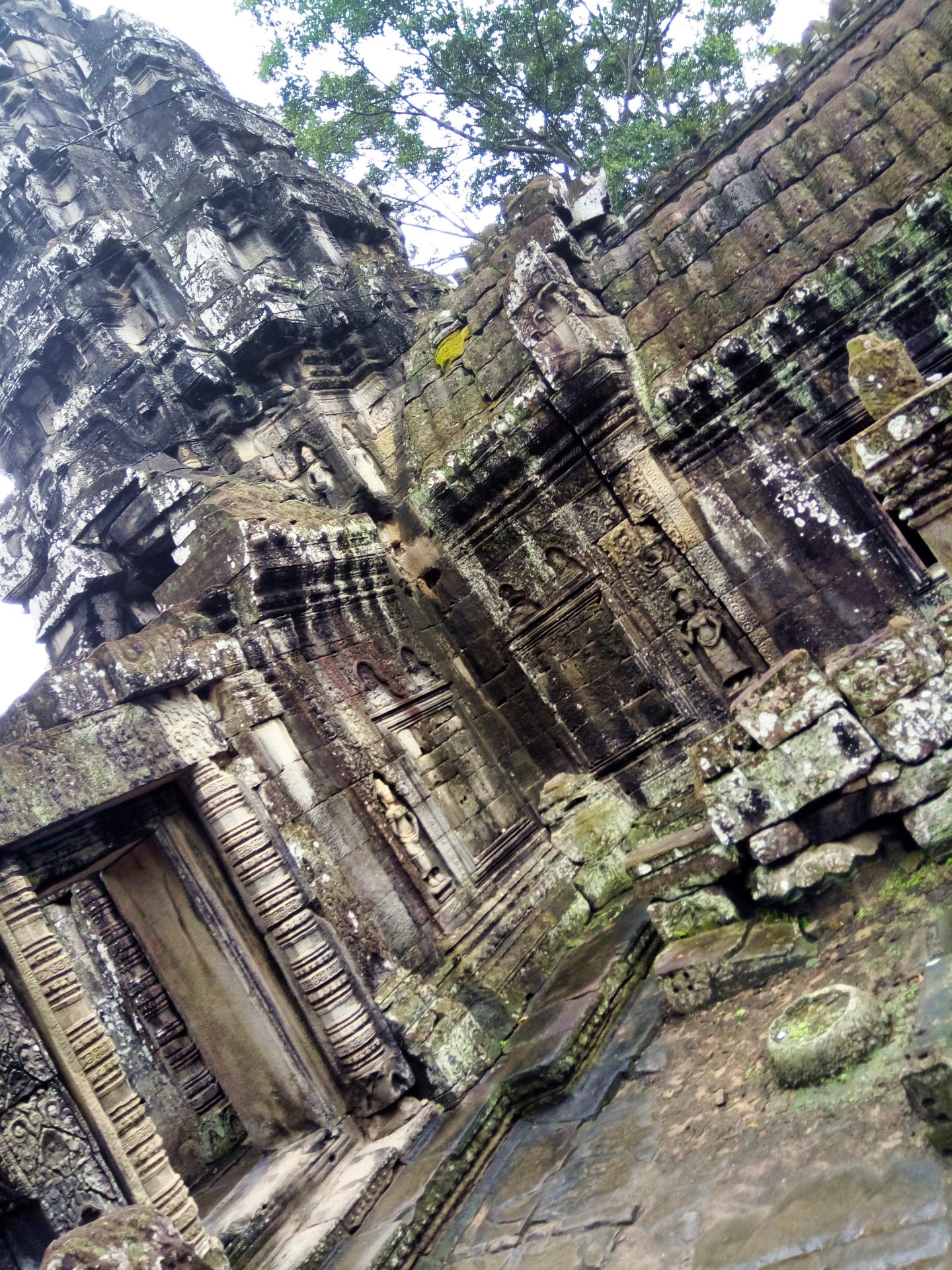
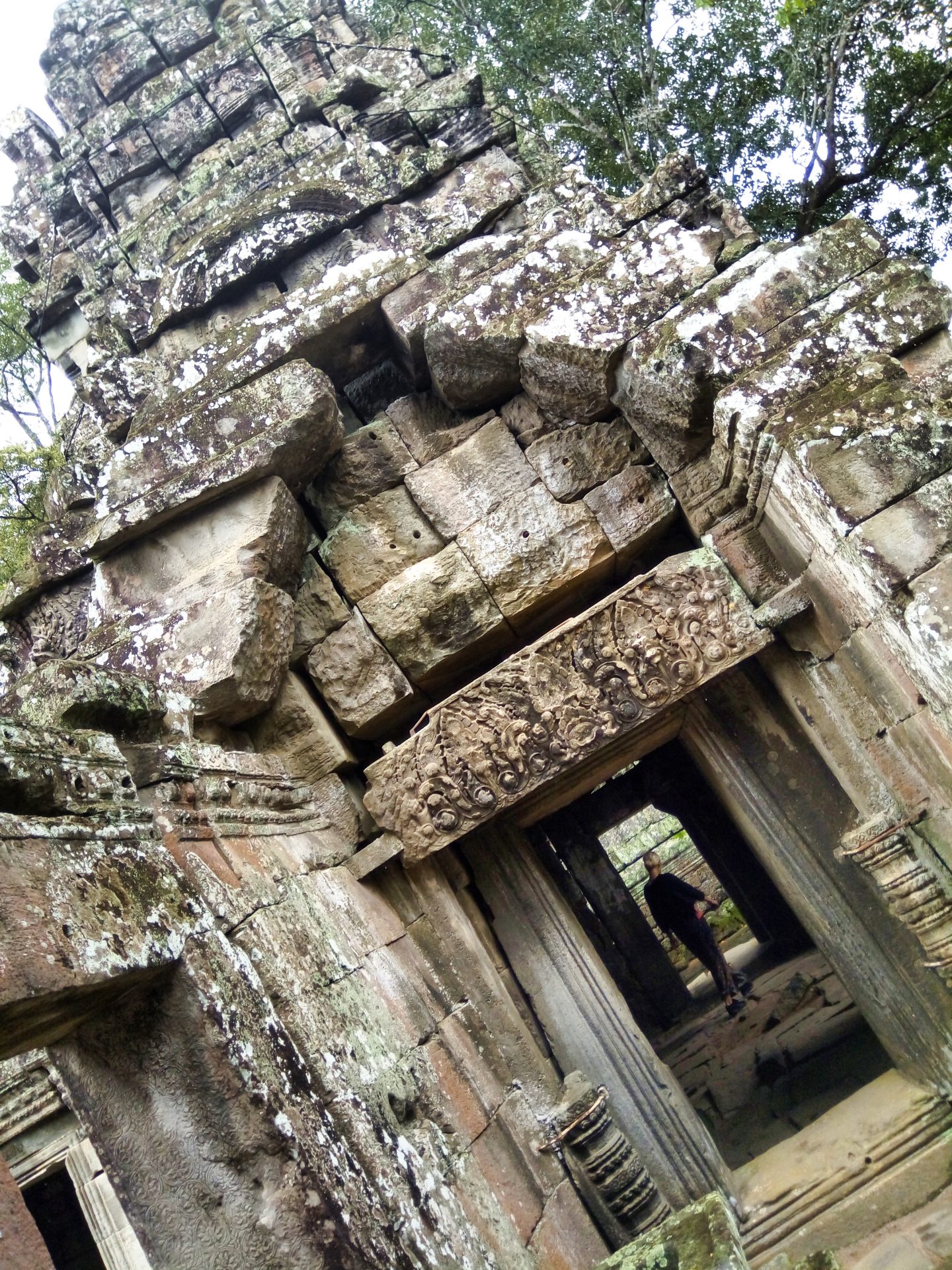
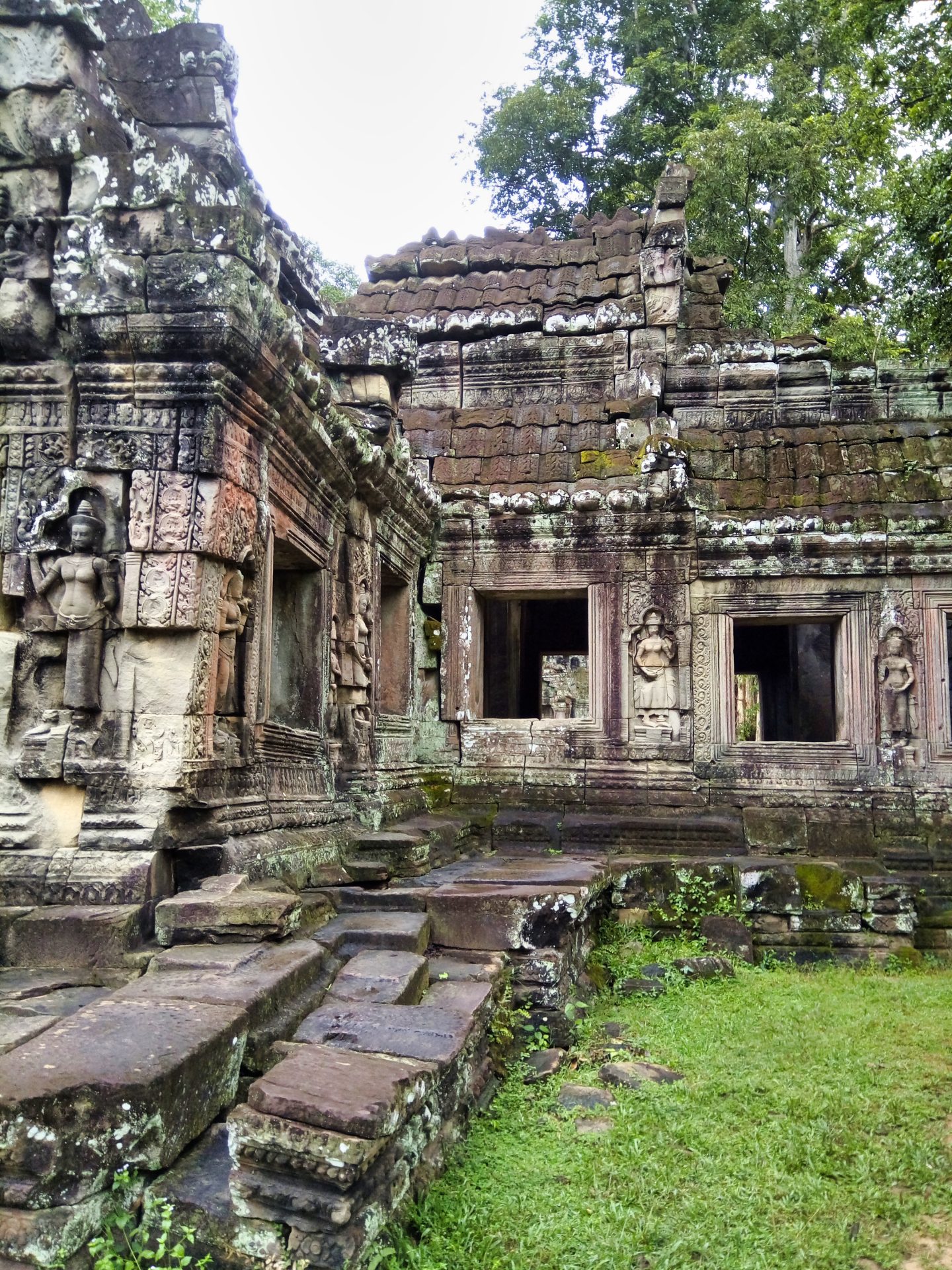
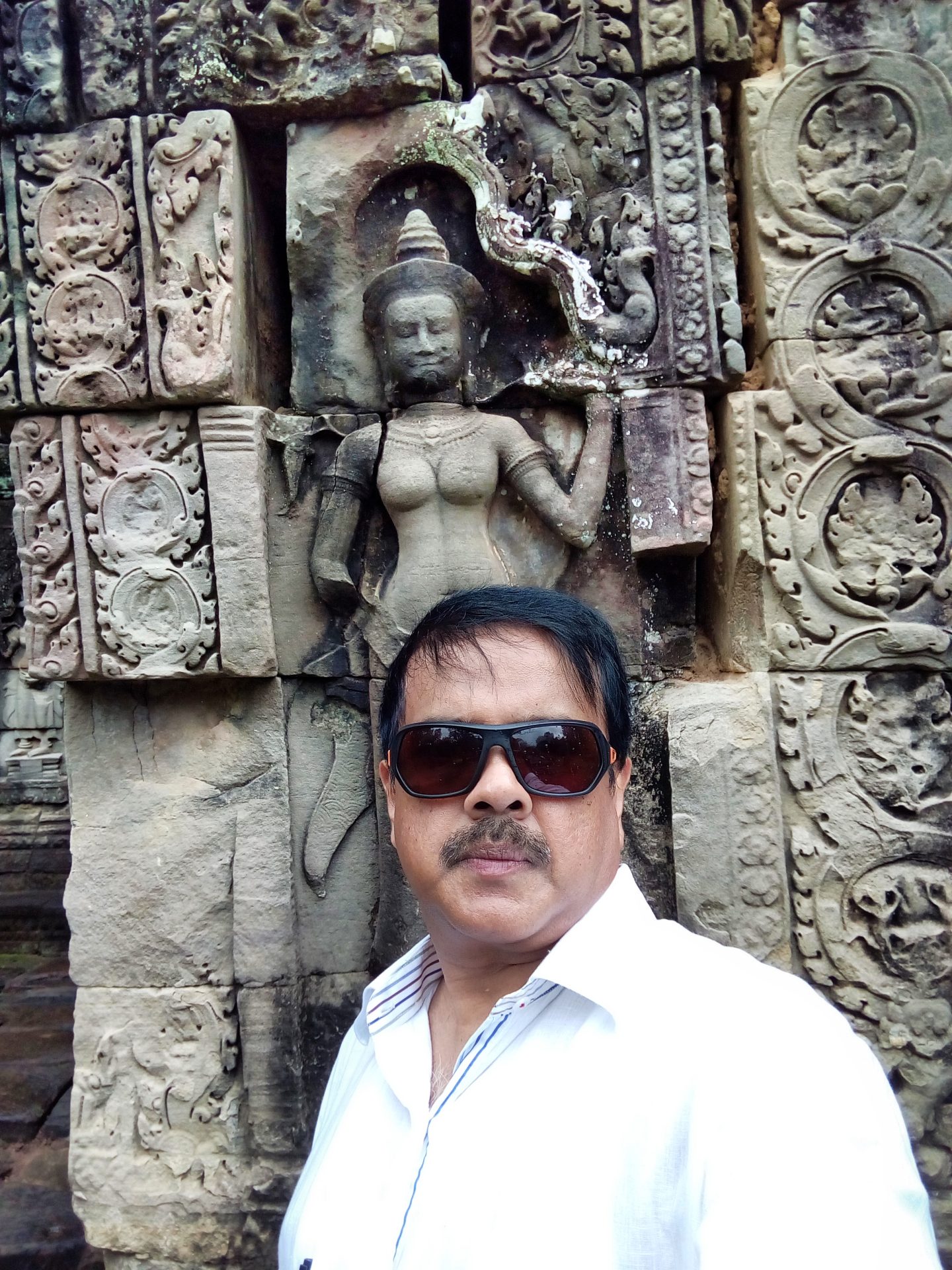
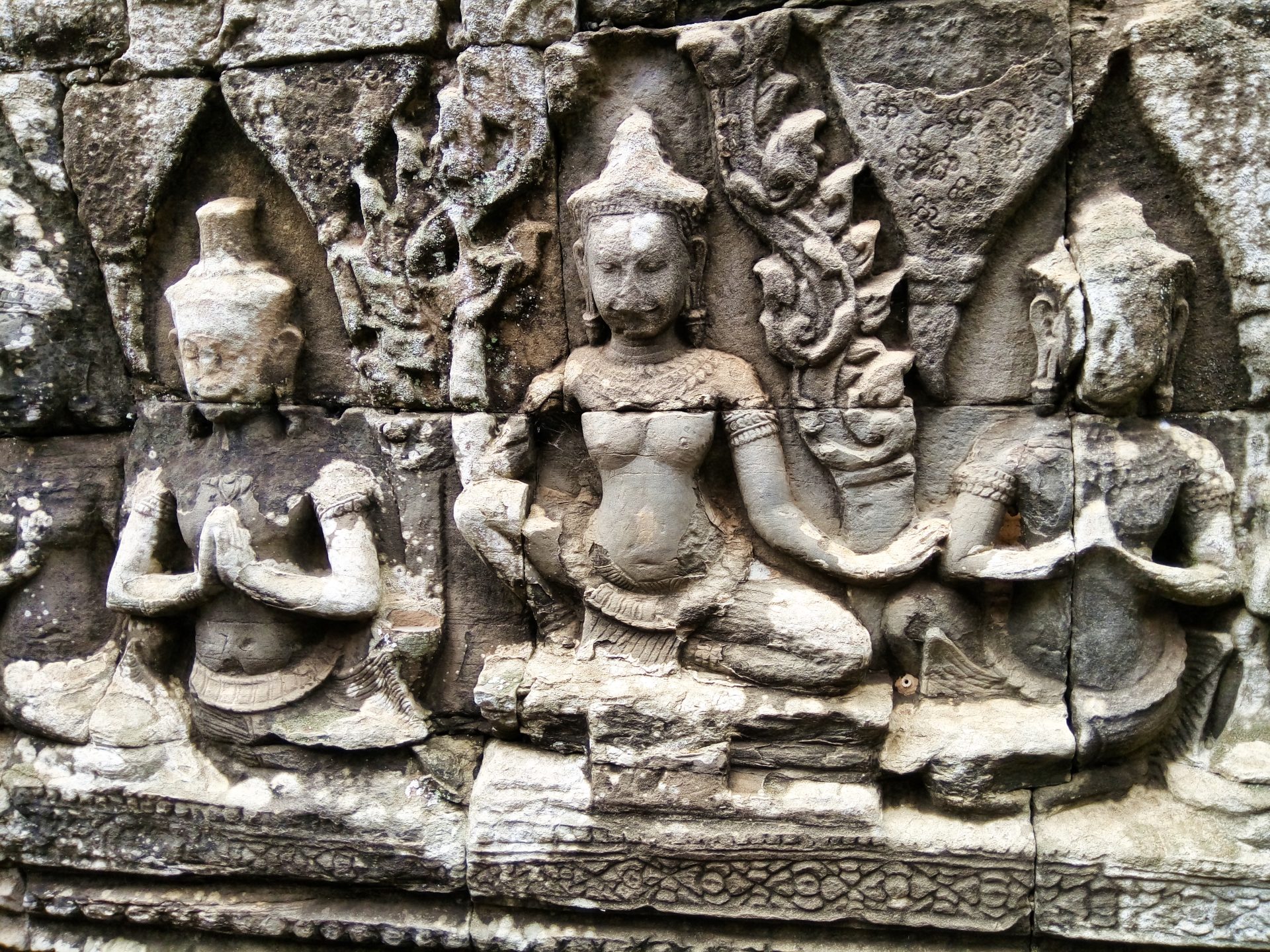
We moved onto Banteay Kdei (meaning Citadel of Chambers), located bang opposite Srah Srang. A temple built in the late 12th and early 13th century by King Suryavarman II and believed to be conforming to the Bayon Architecture. The labyrinth of stone paved paths crossing 2 successive enclosure walls and the large courtyards make for a photographer’s delight. The dilapidated state of the temple, possibly because of the quality of materials used in construction left one very sad especially when one has read the history and could correlate it with the period of the Angkor era to which these temples belonged. But then thankfully due to the participation of various countries including India, China, Germany, Korea etc, this lovely temple would hopefully get restored in due course of time.
The Tah Prom Temple Complex
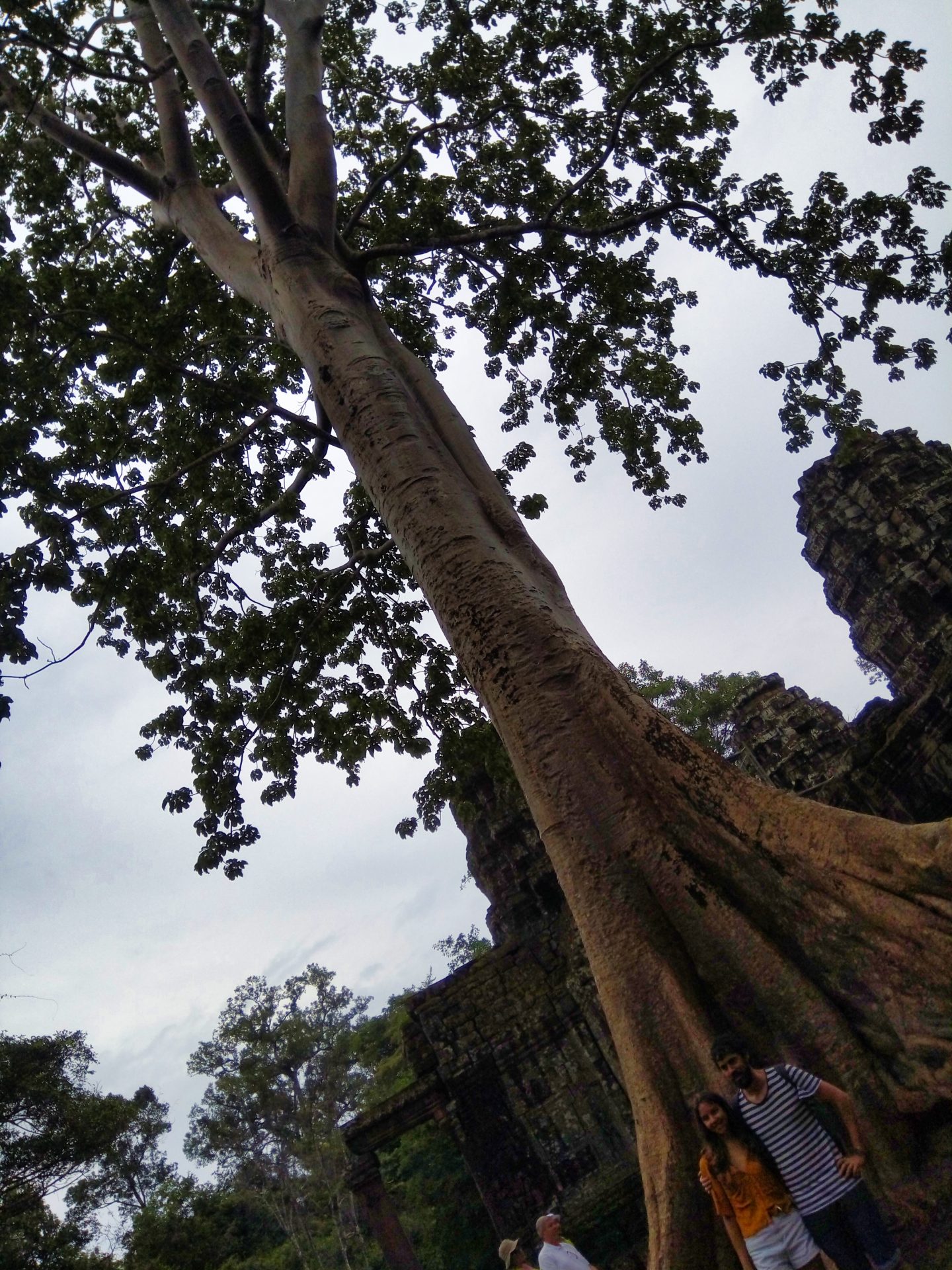
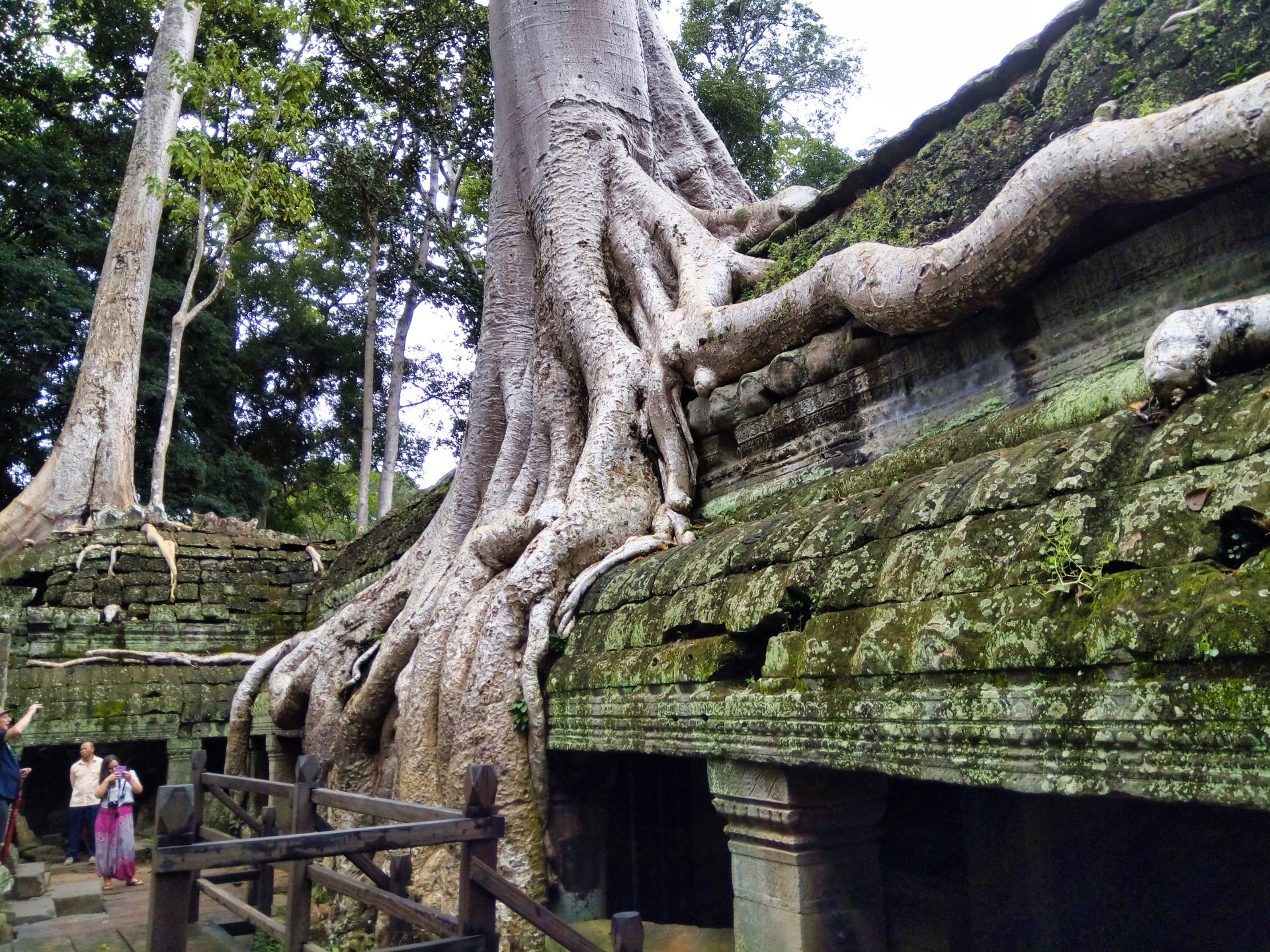
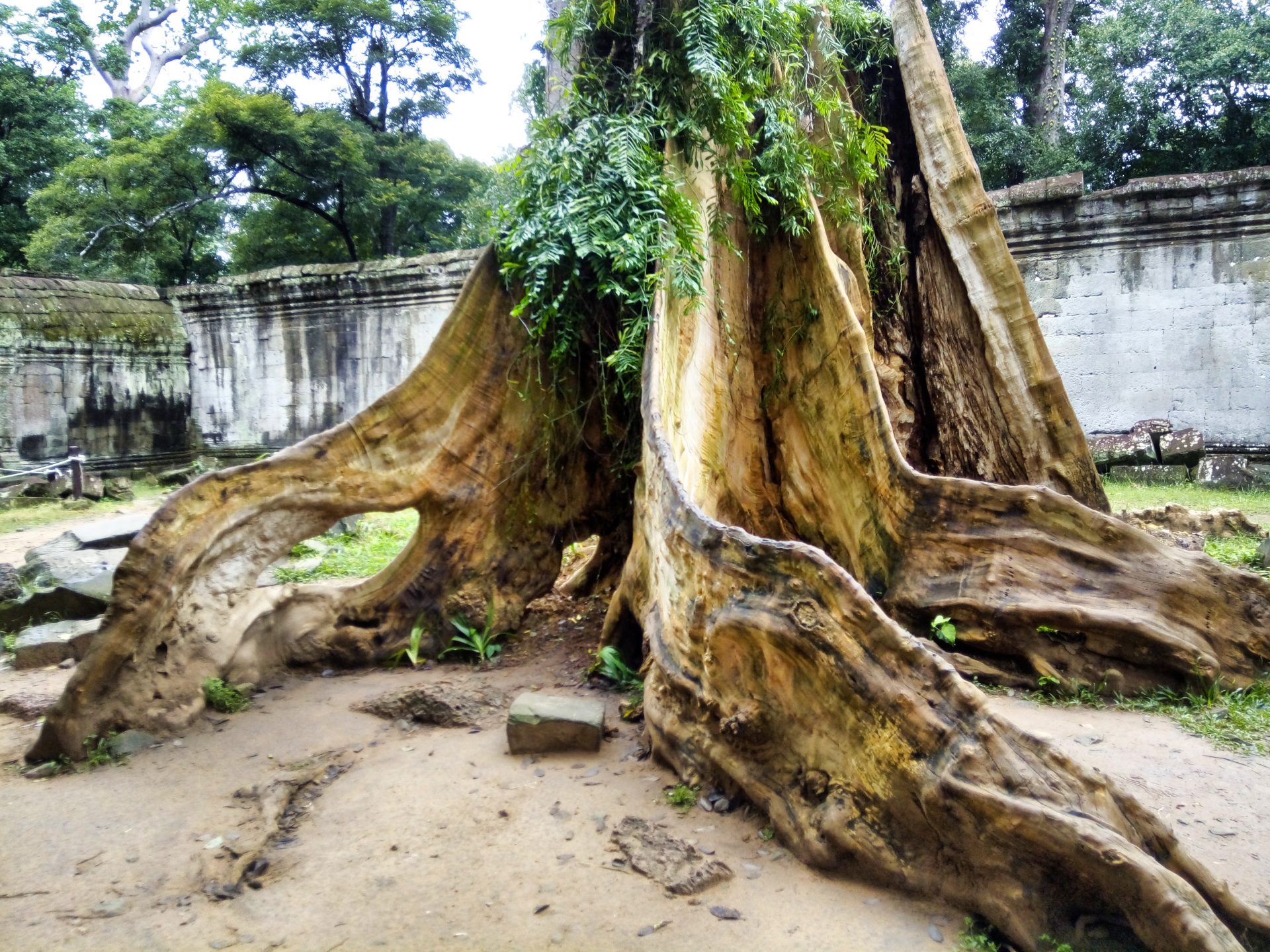
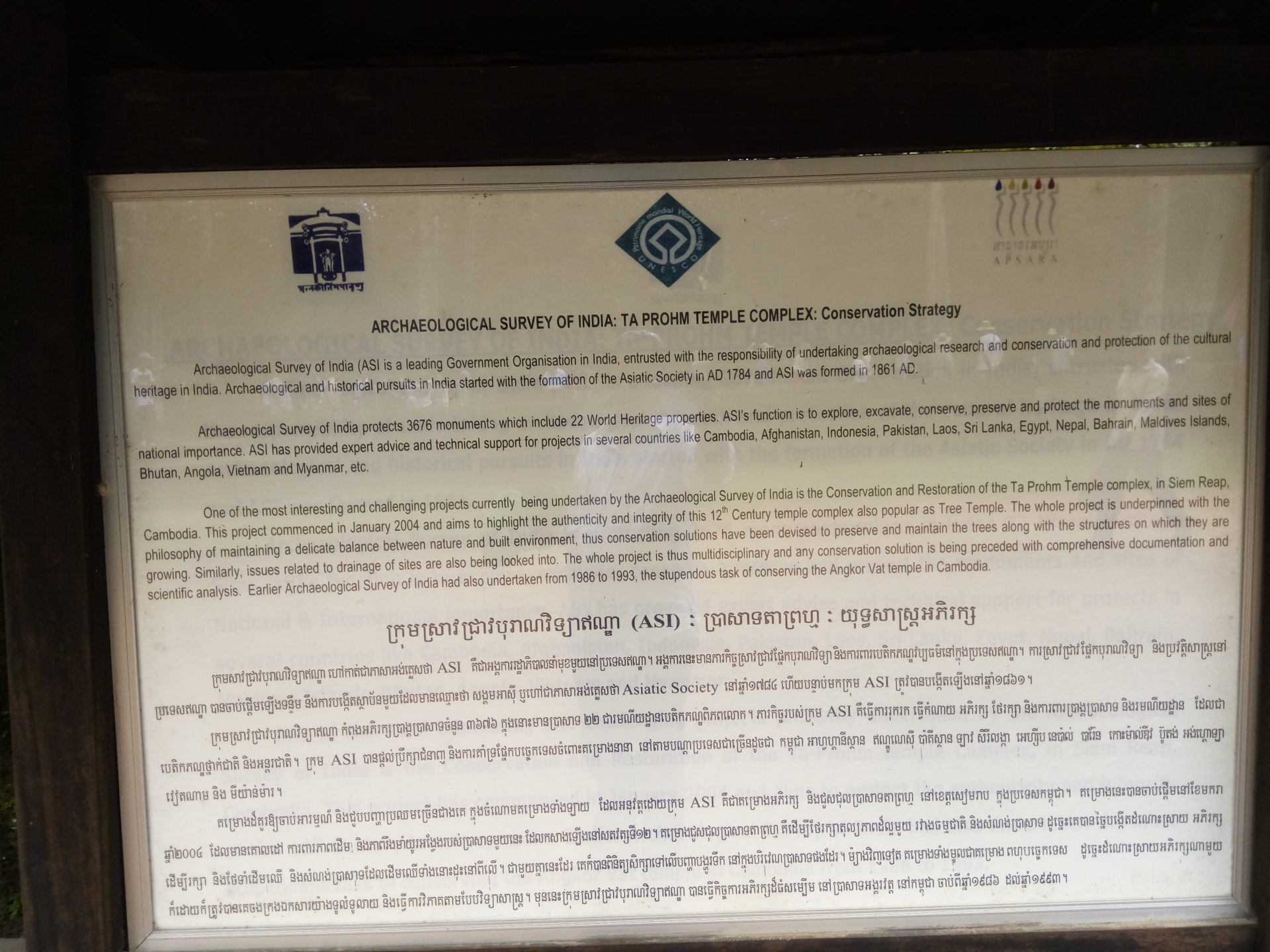
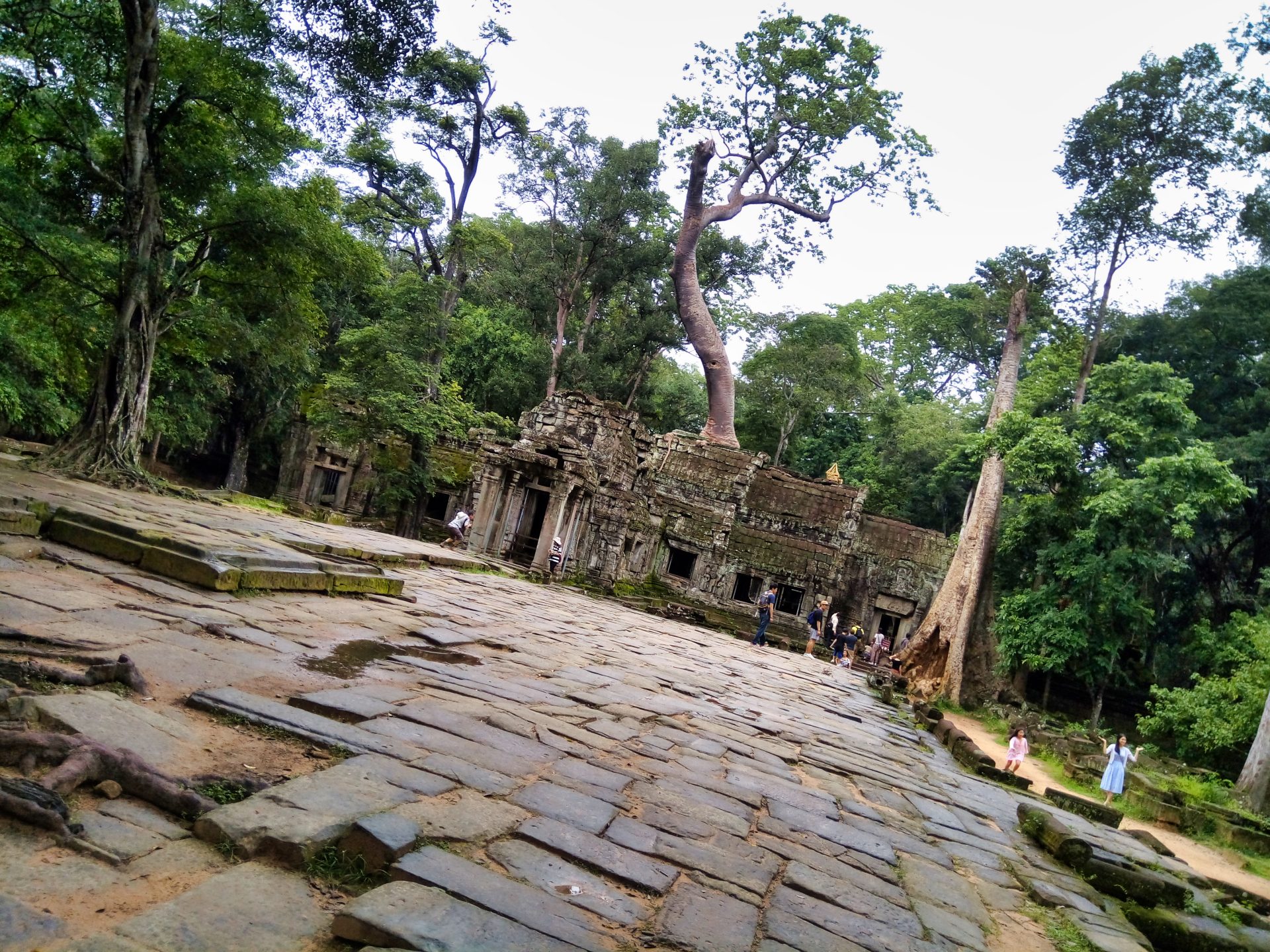
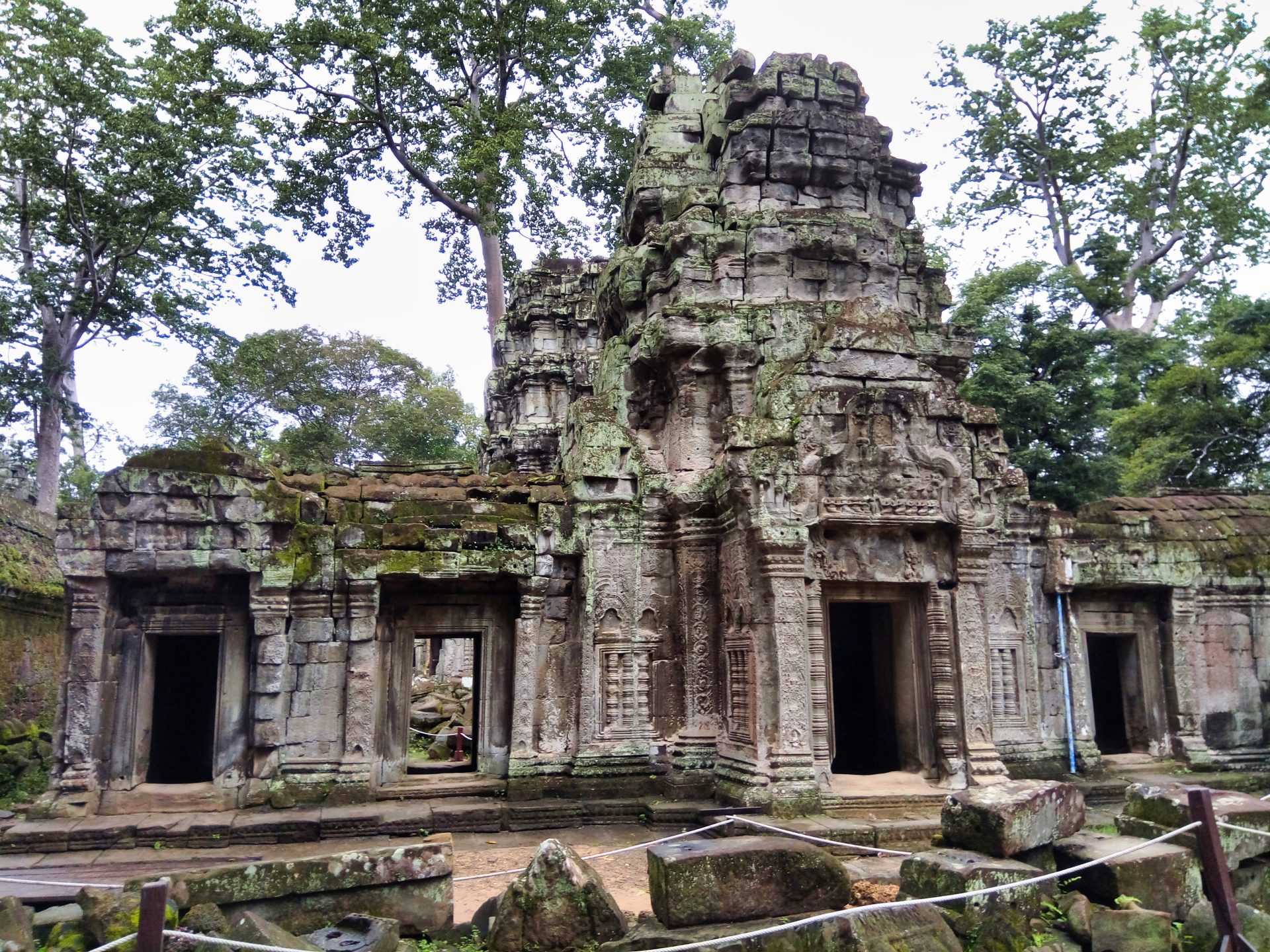
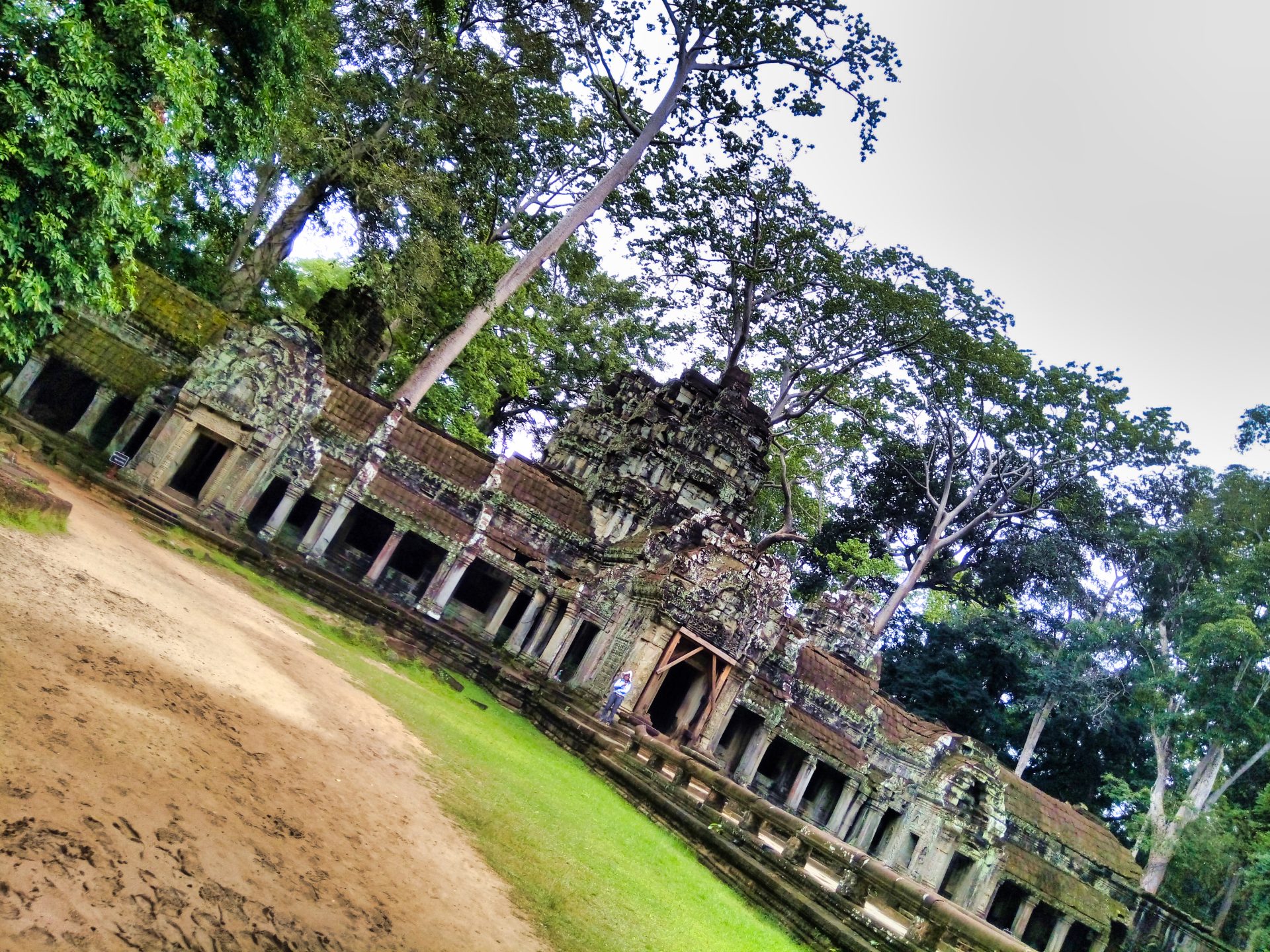
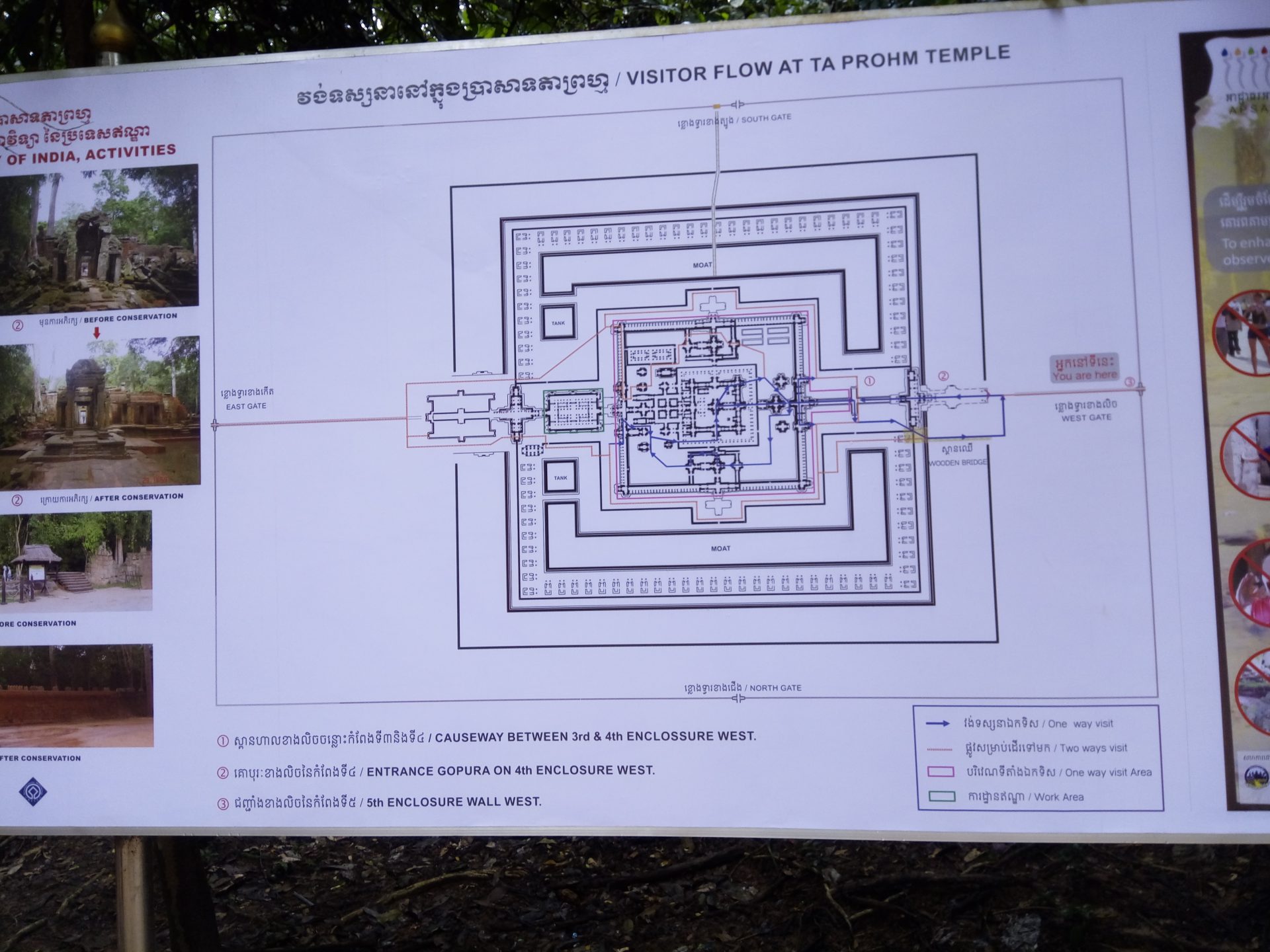
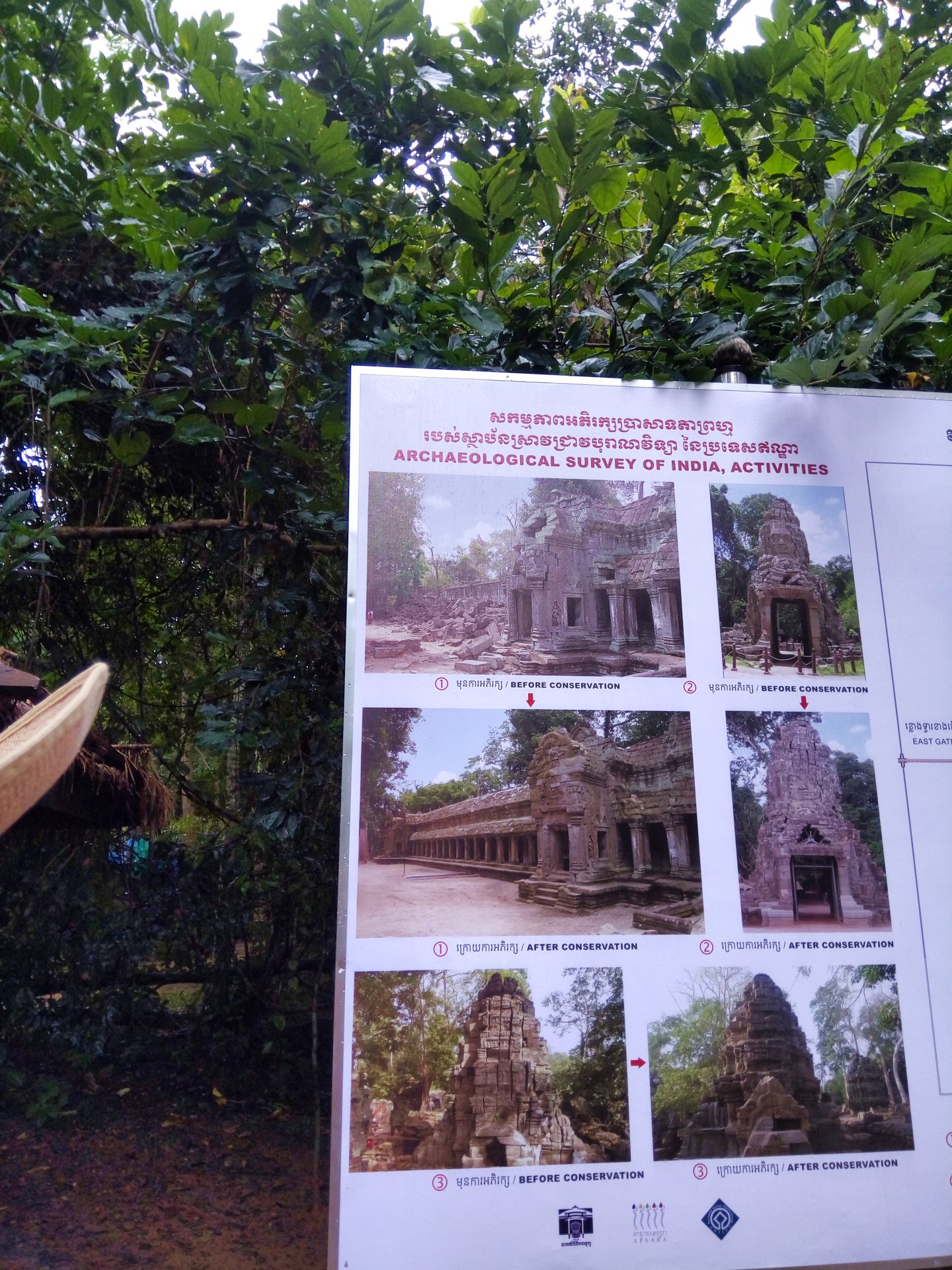
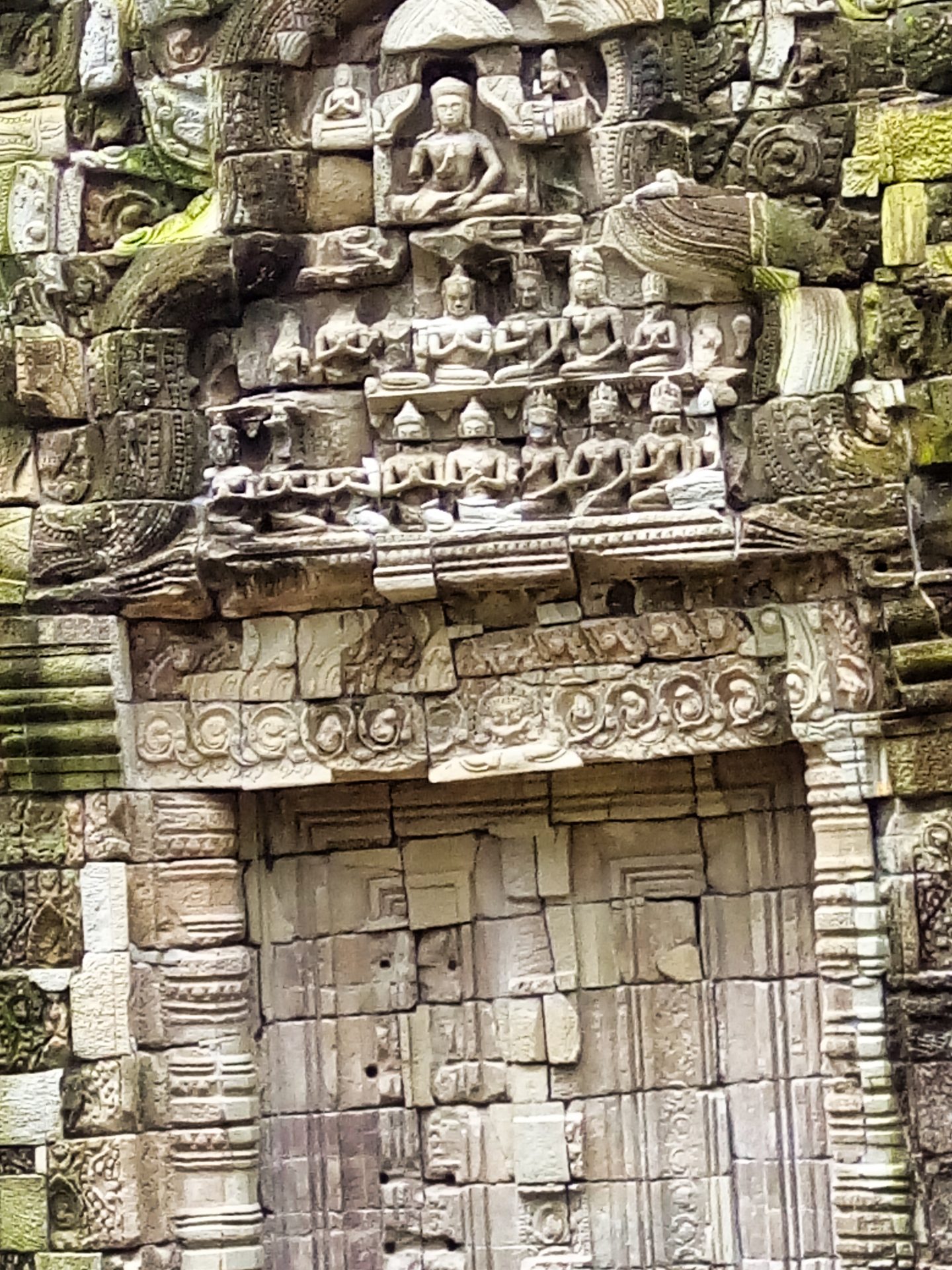
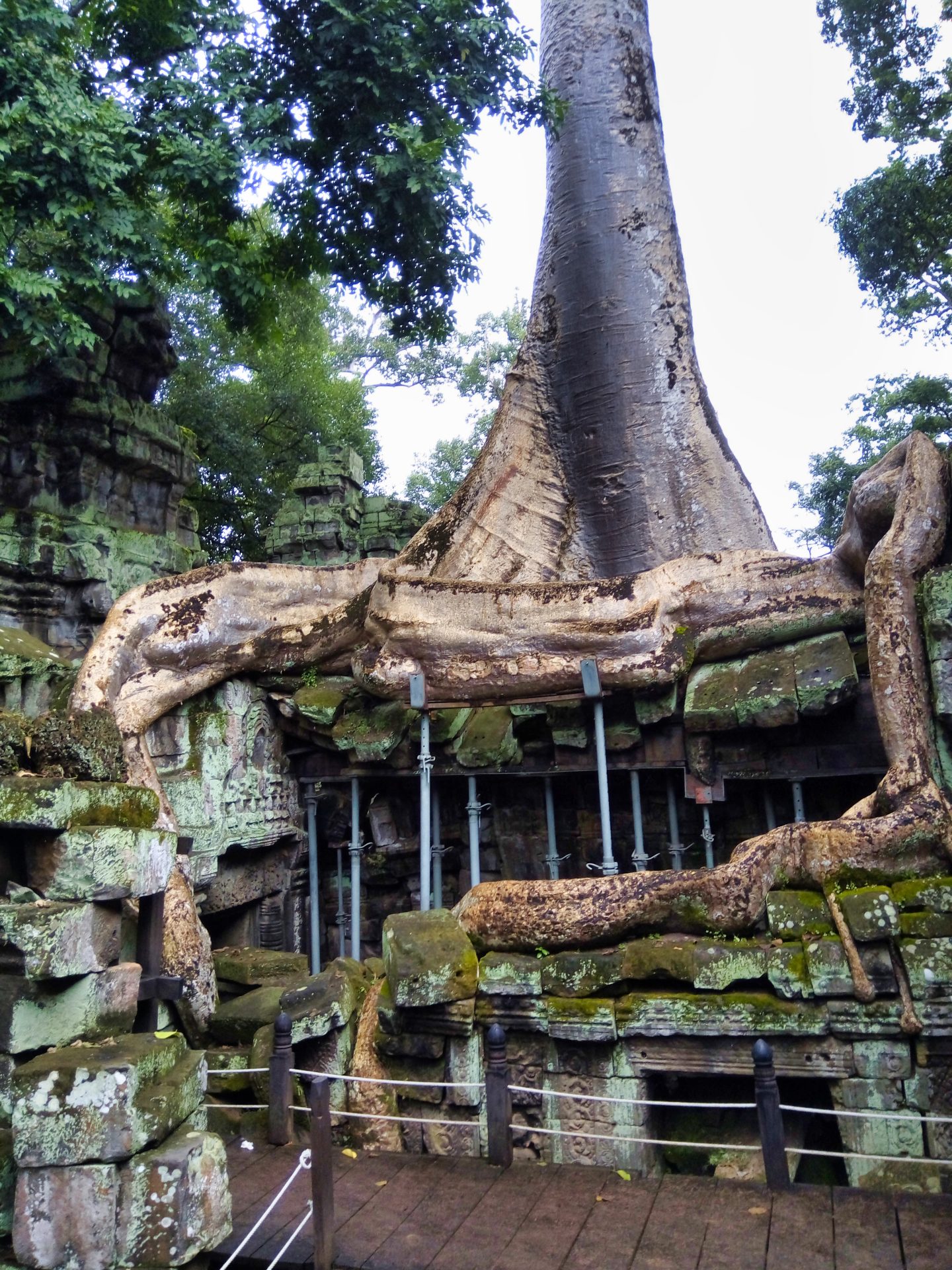
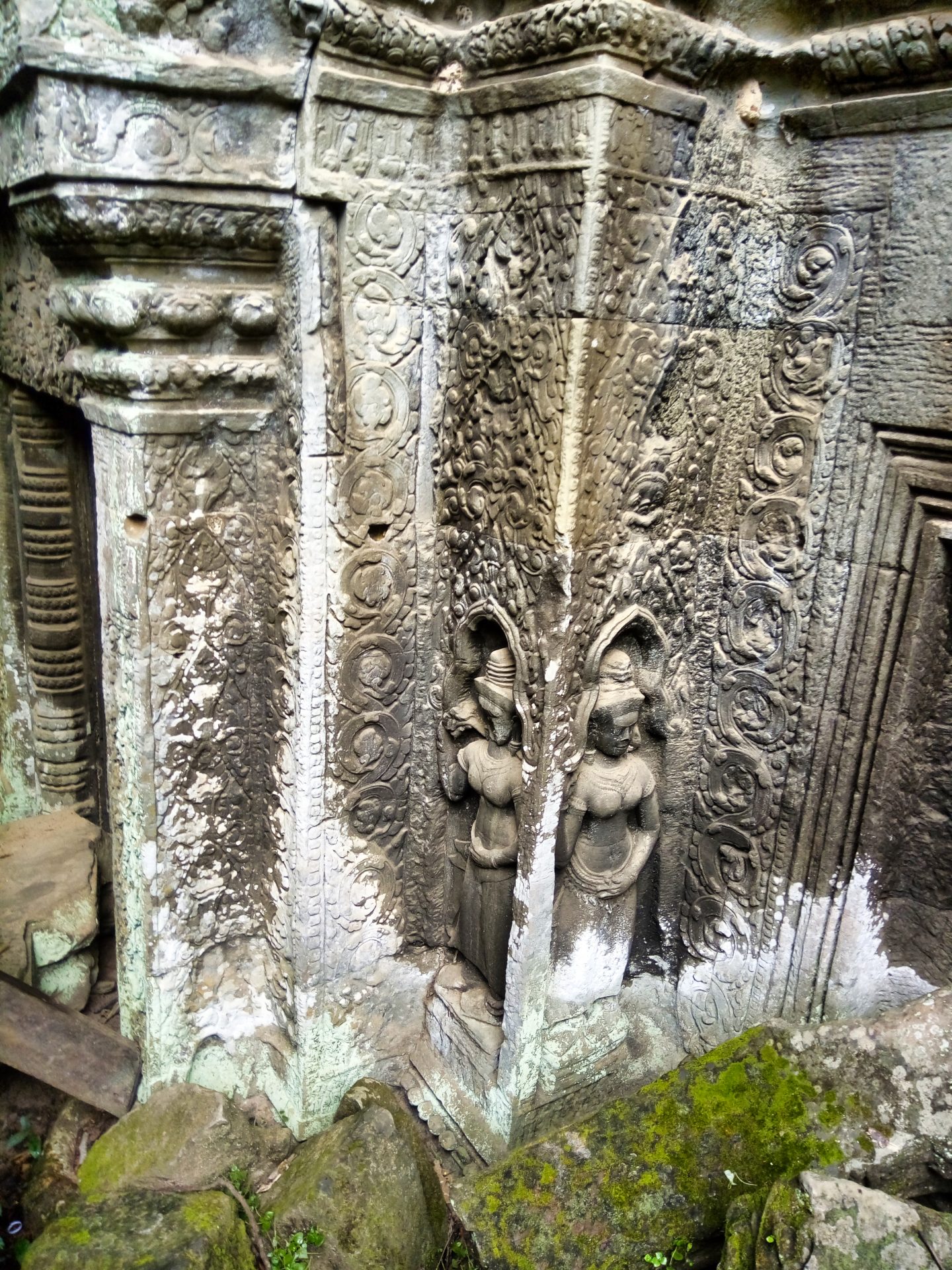
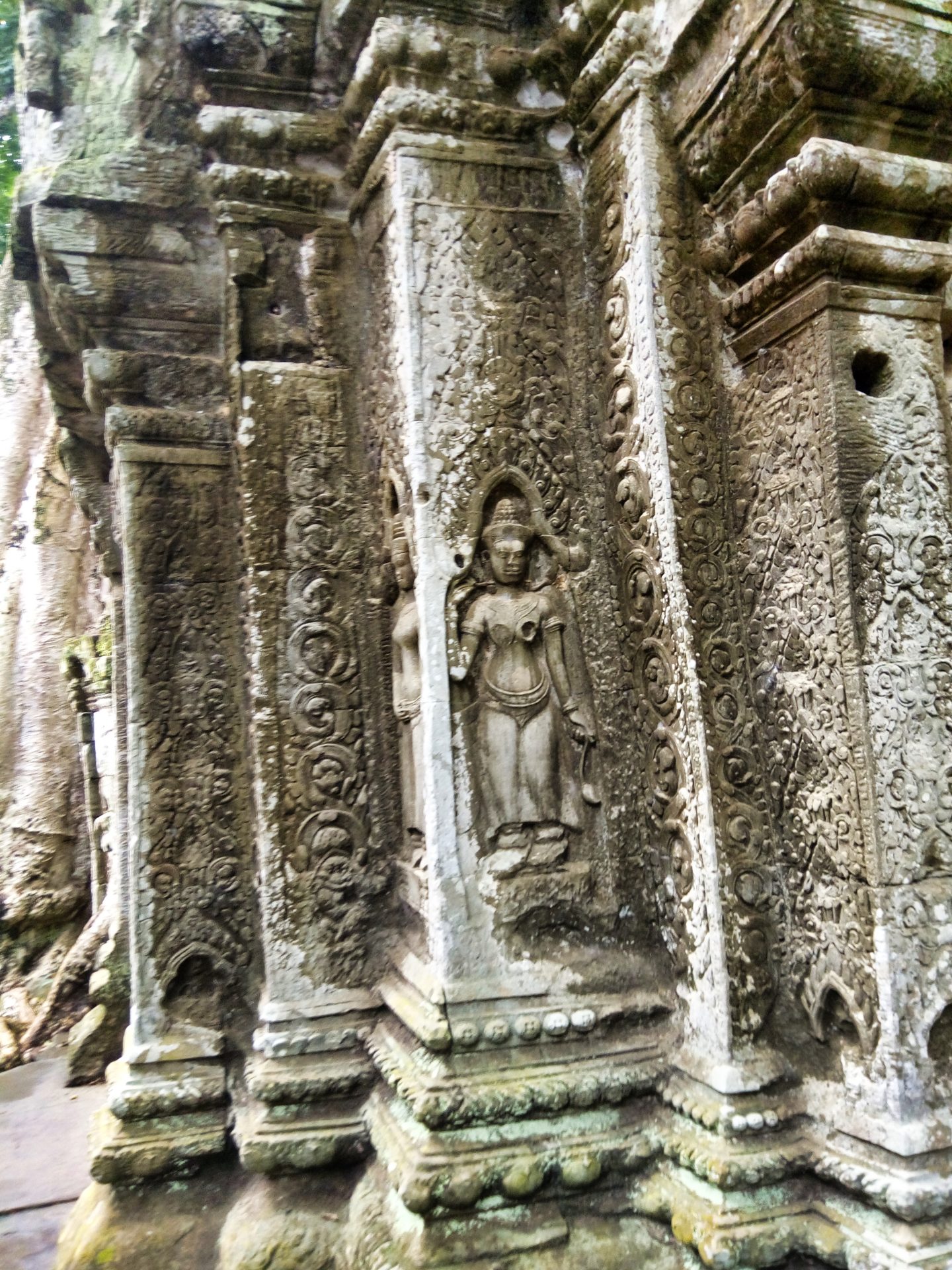
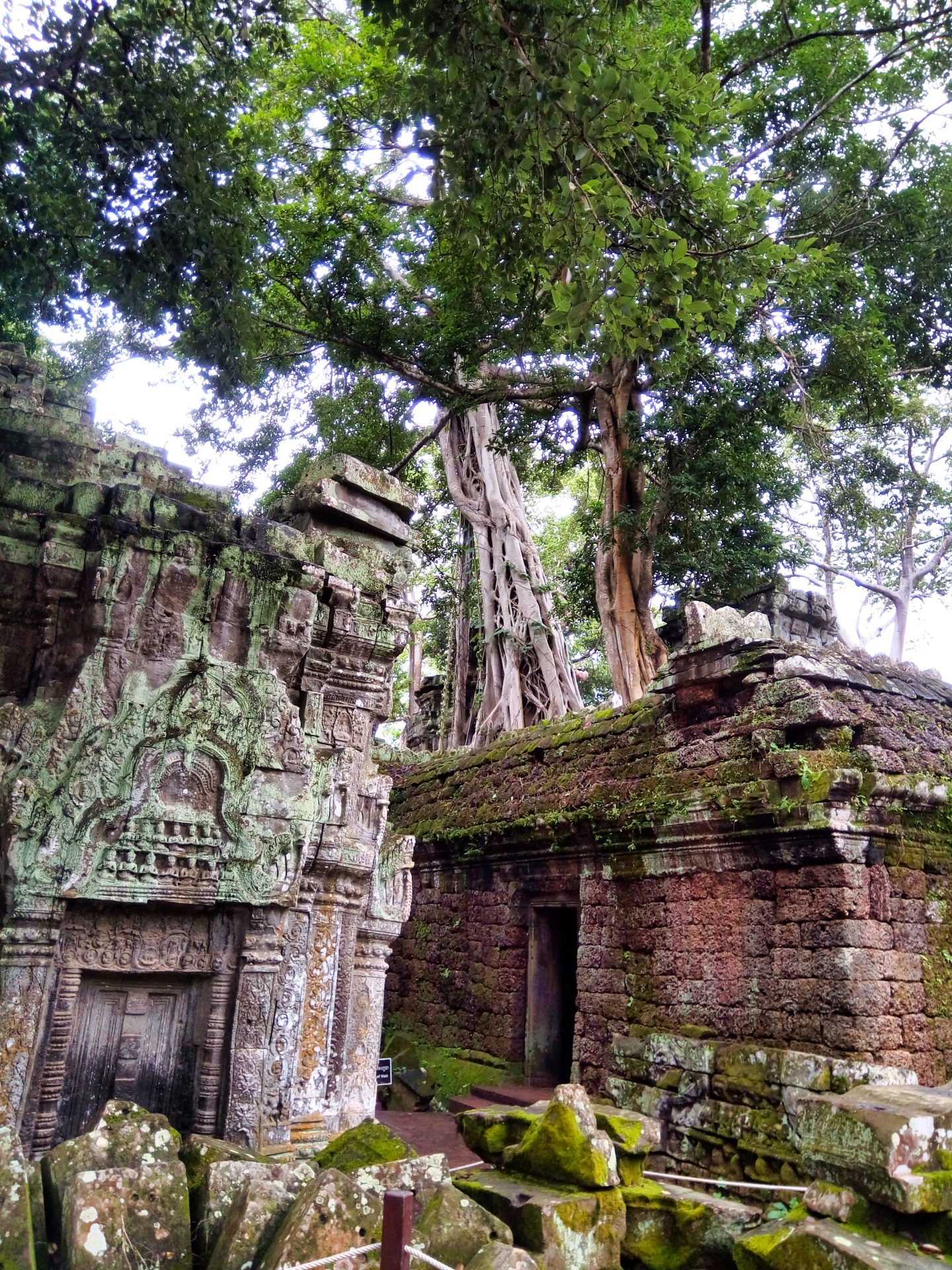
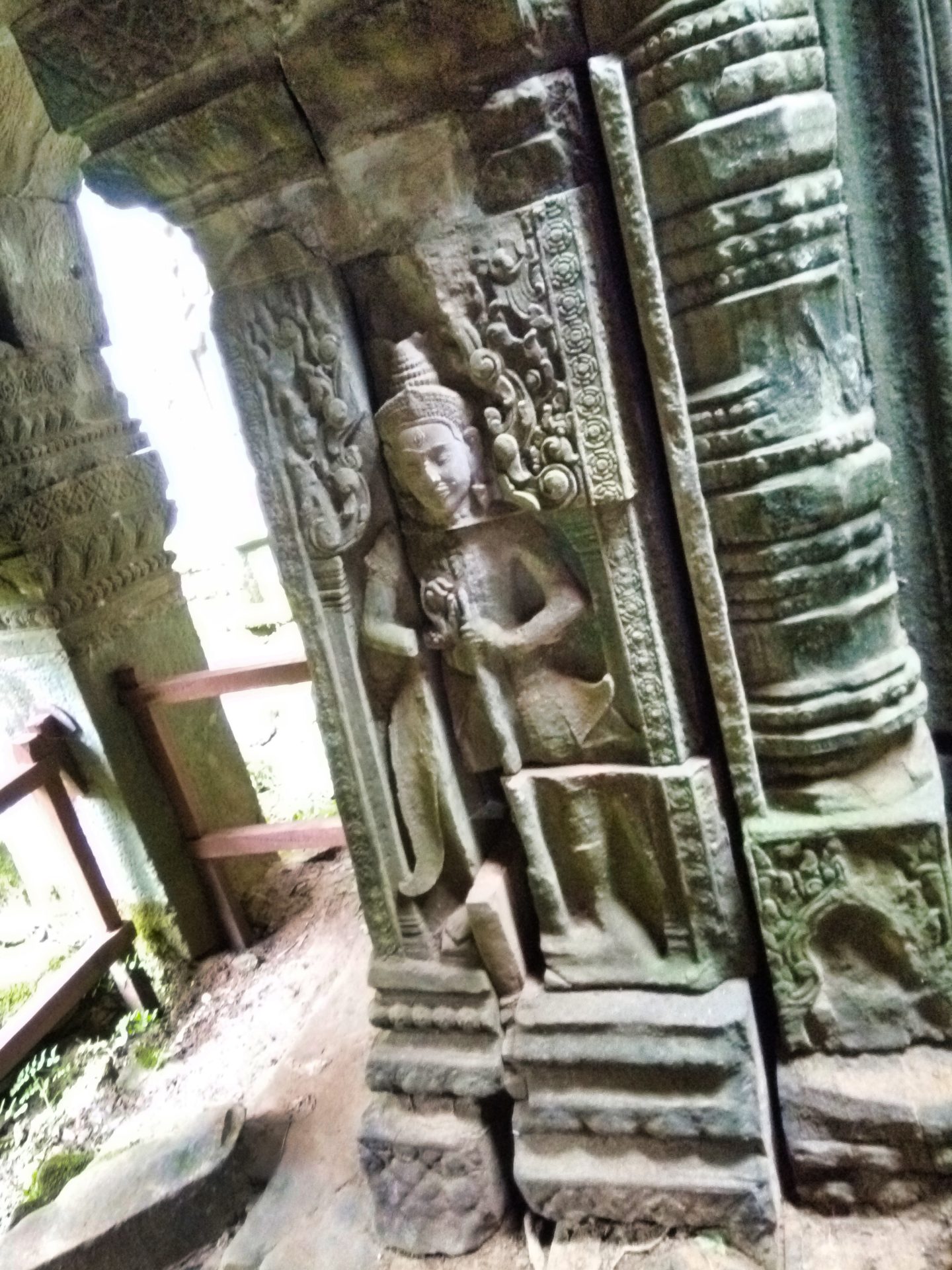
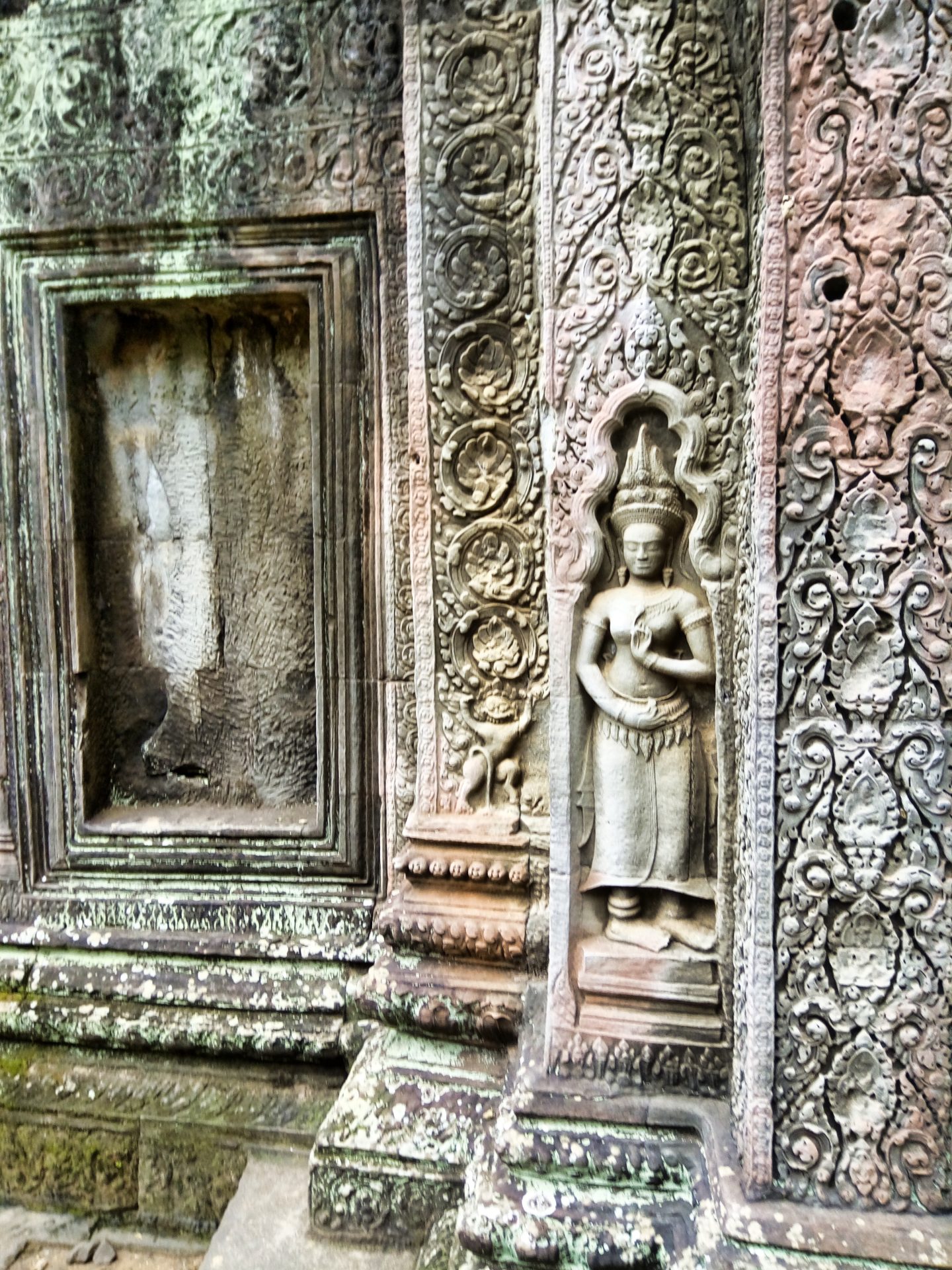
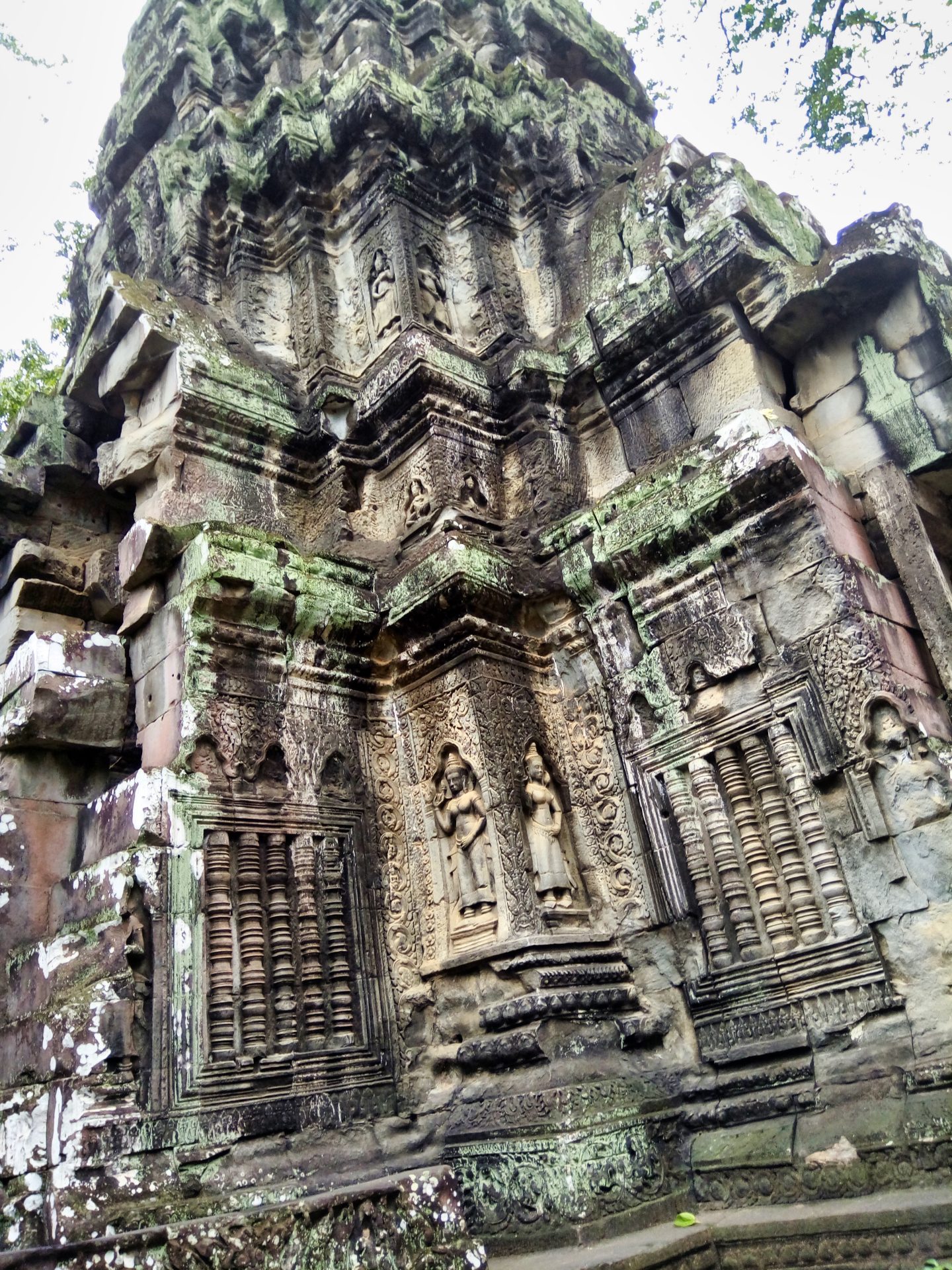
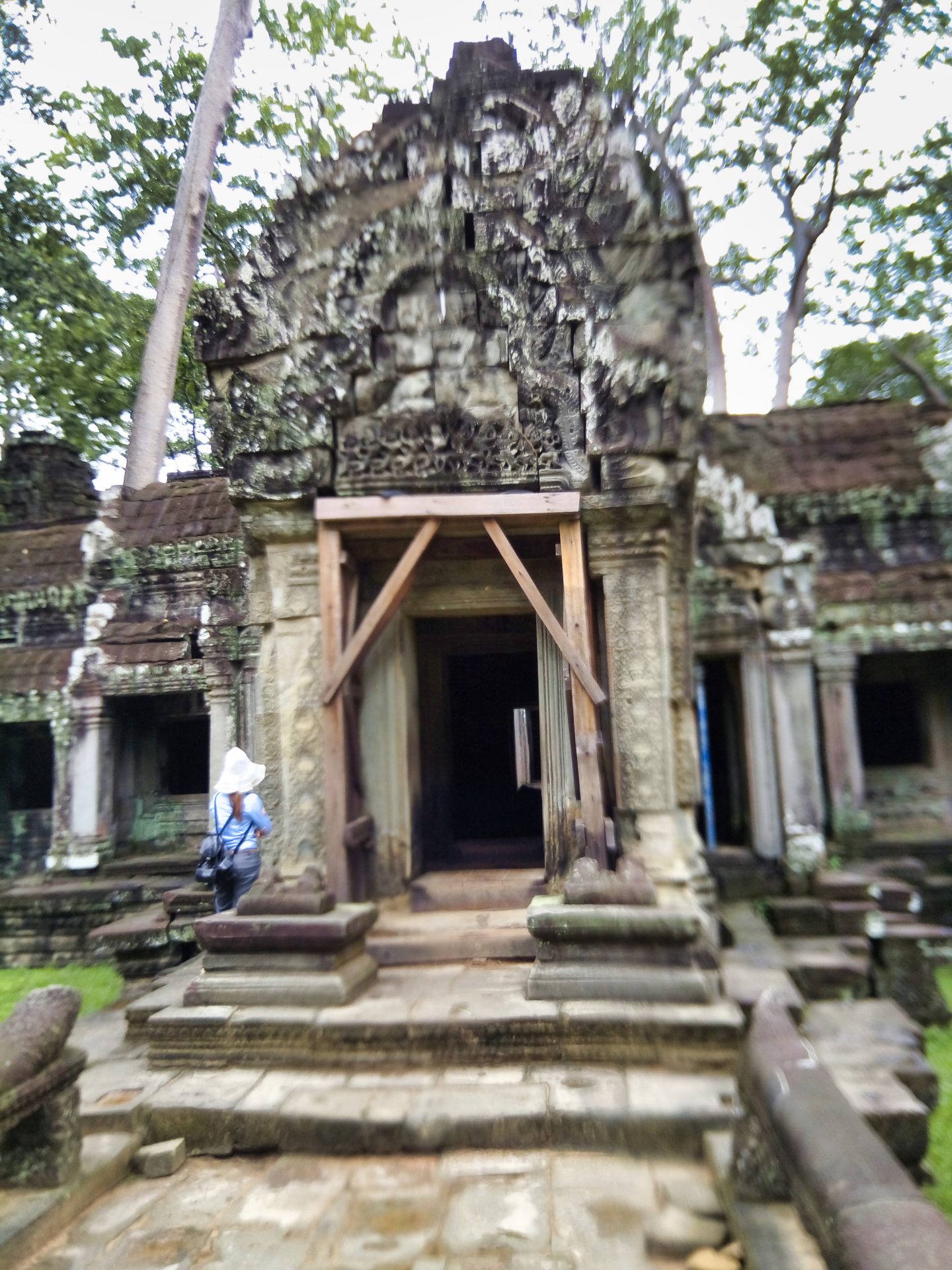
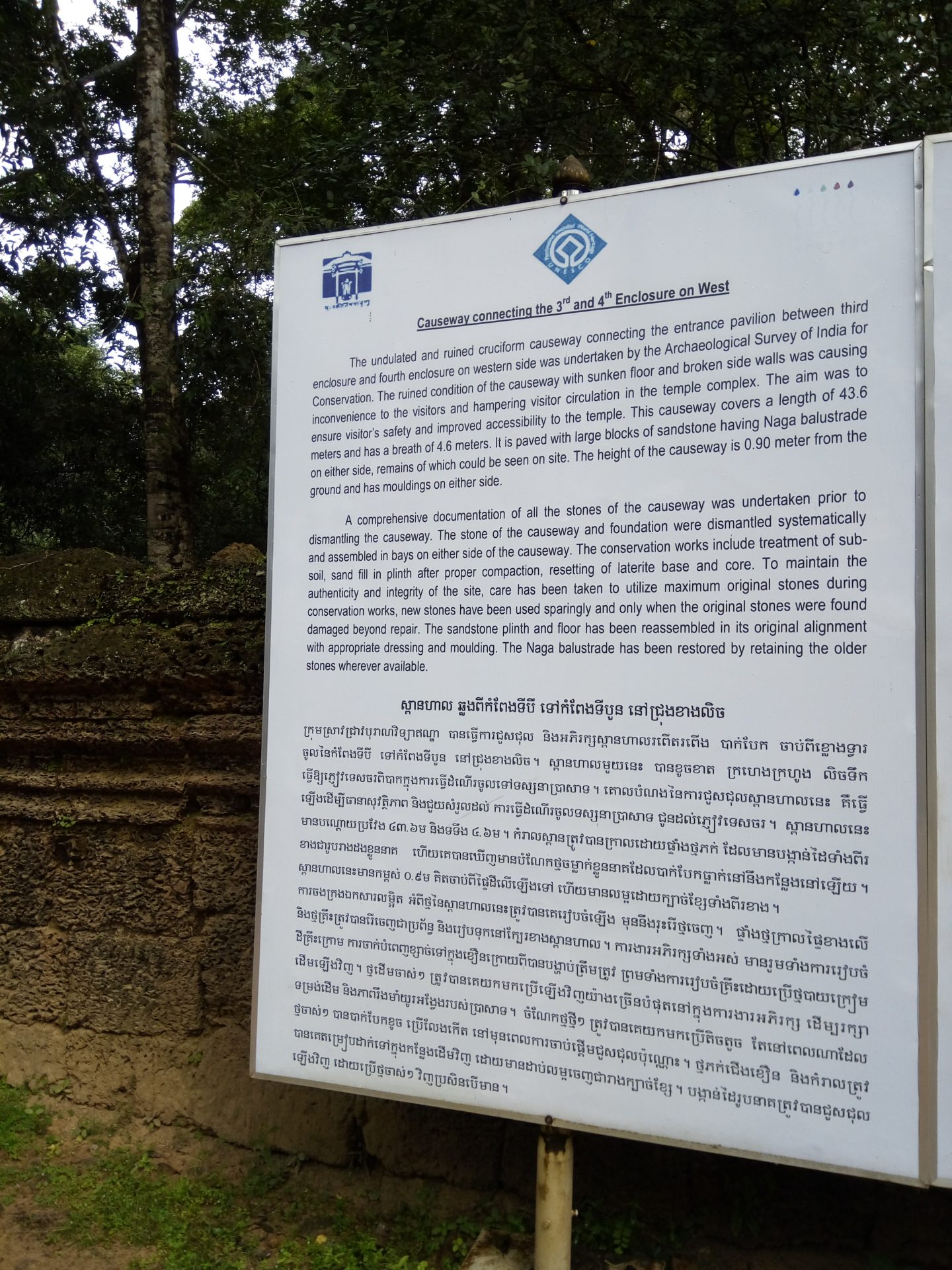
The next halt was at the Tah Prom complex. Tah Prom in Khmer translates to Ancestor Brahma (revered by Hindus as the God of Creation). Originally called the Rajavihara, this was built by King Jayavarman VII in honor of his family and to serve a dual purpose of being a University and Royal Monastery. After the downfall of the Angkor empire in the 15th Century the entire complex was in a state of ruins with trees overgrowing on the structures. Efforts to restore and conserve the temple complex began in the 21st century and the Archaeological Survey of India (ASI) has played a major part in working with APSARA (Authority for the Protection and Management of Angkor and the Region of Siem Reap) in creating wooden walkways, causeways and roped railings around the site to protect the monument from further damages.
This complex has remained as one of the most popular places after probably the main Angkor Wat temple and attracts a sizable tourist inflow, partly attributable to the fact that the movie Tomb Raider was shot here.
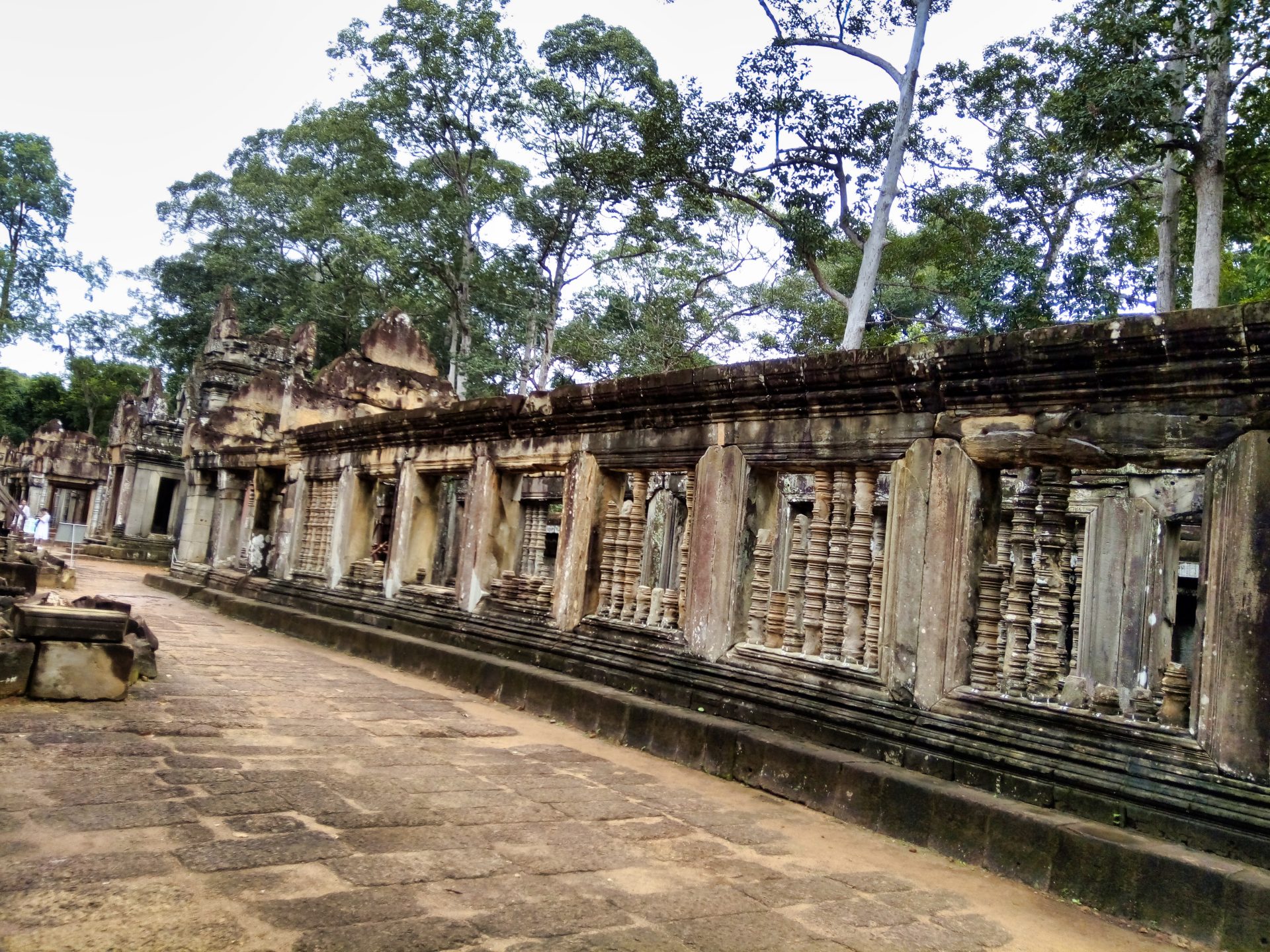
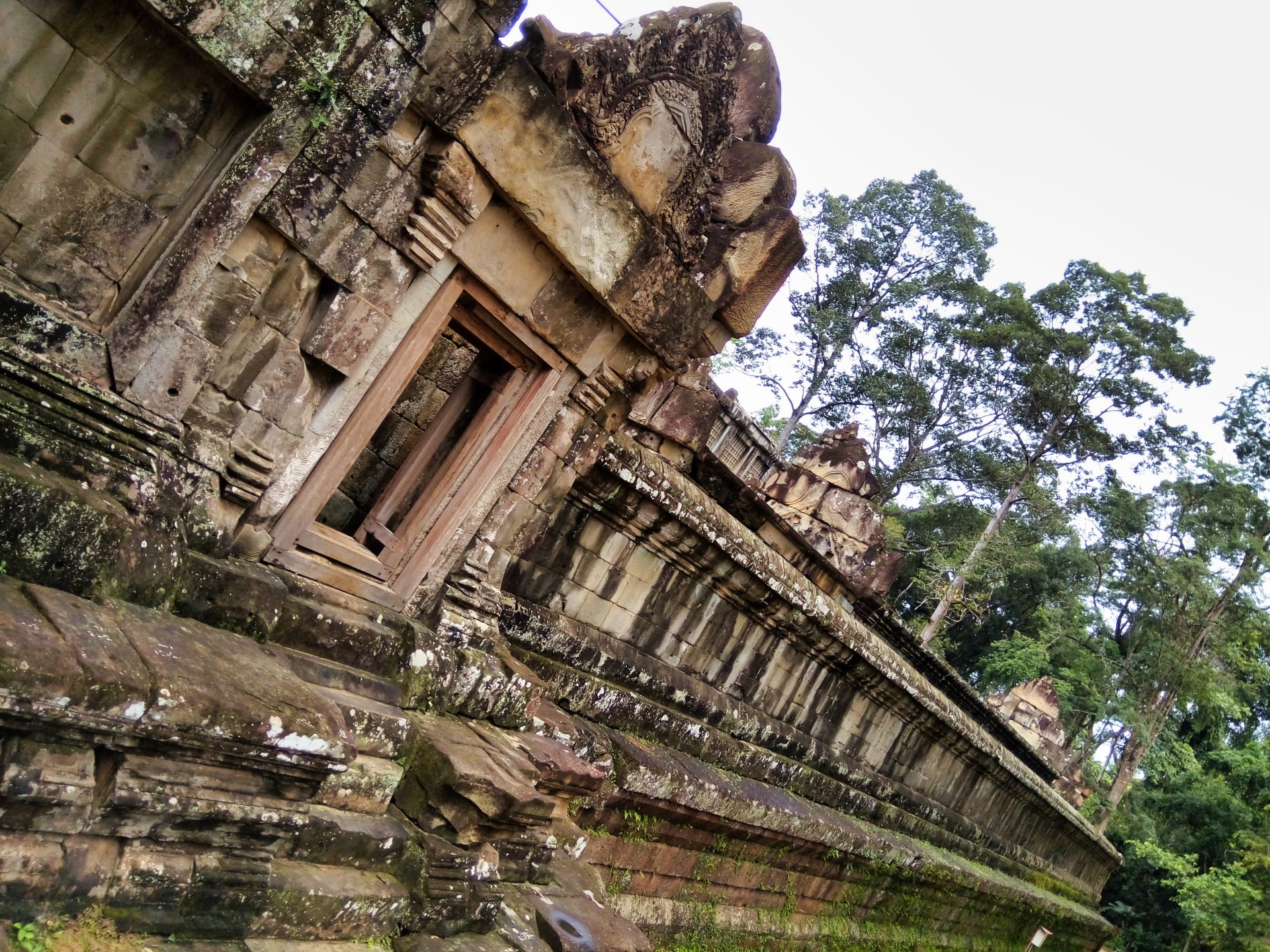
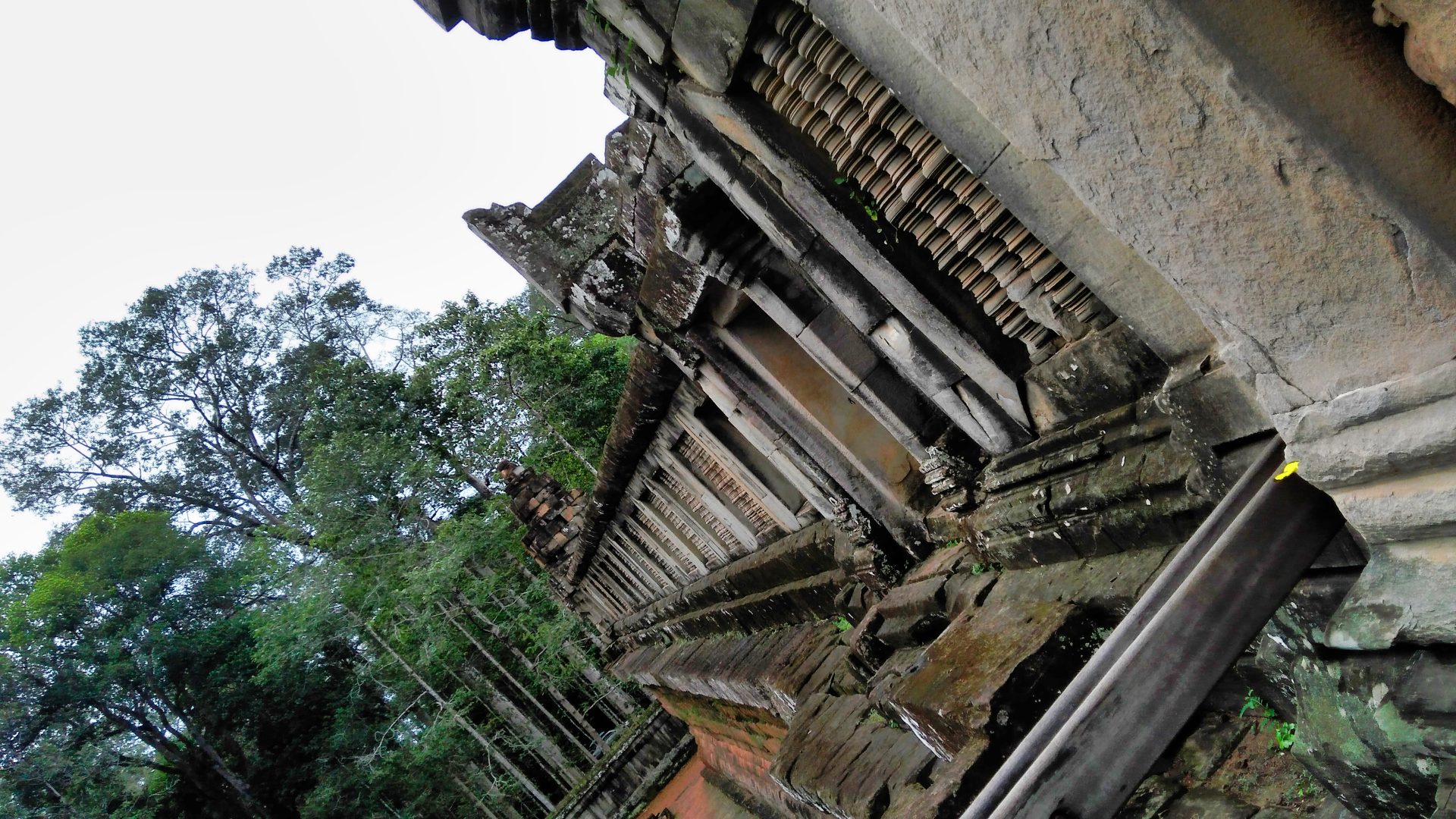
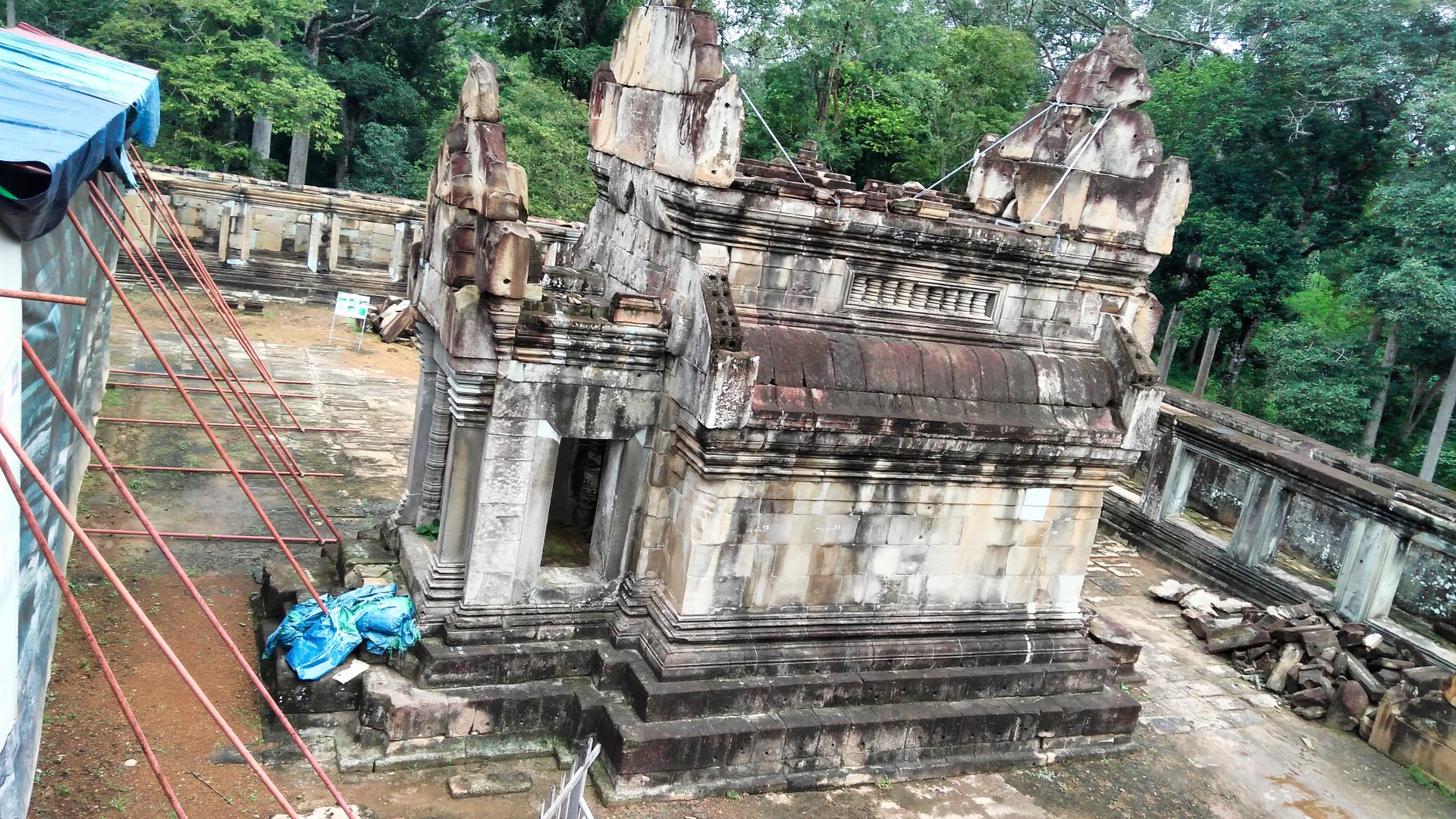
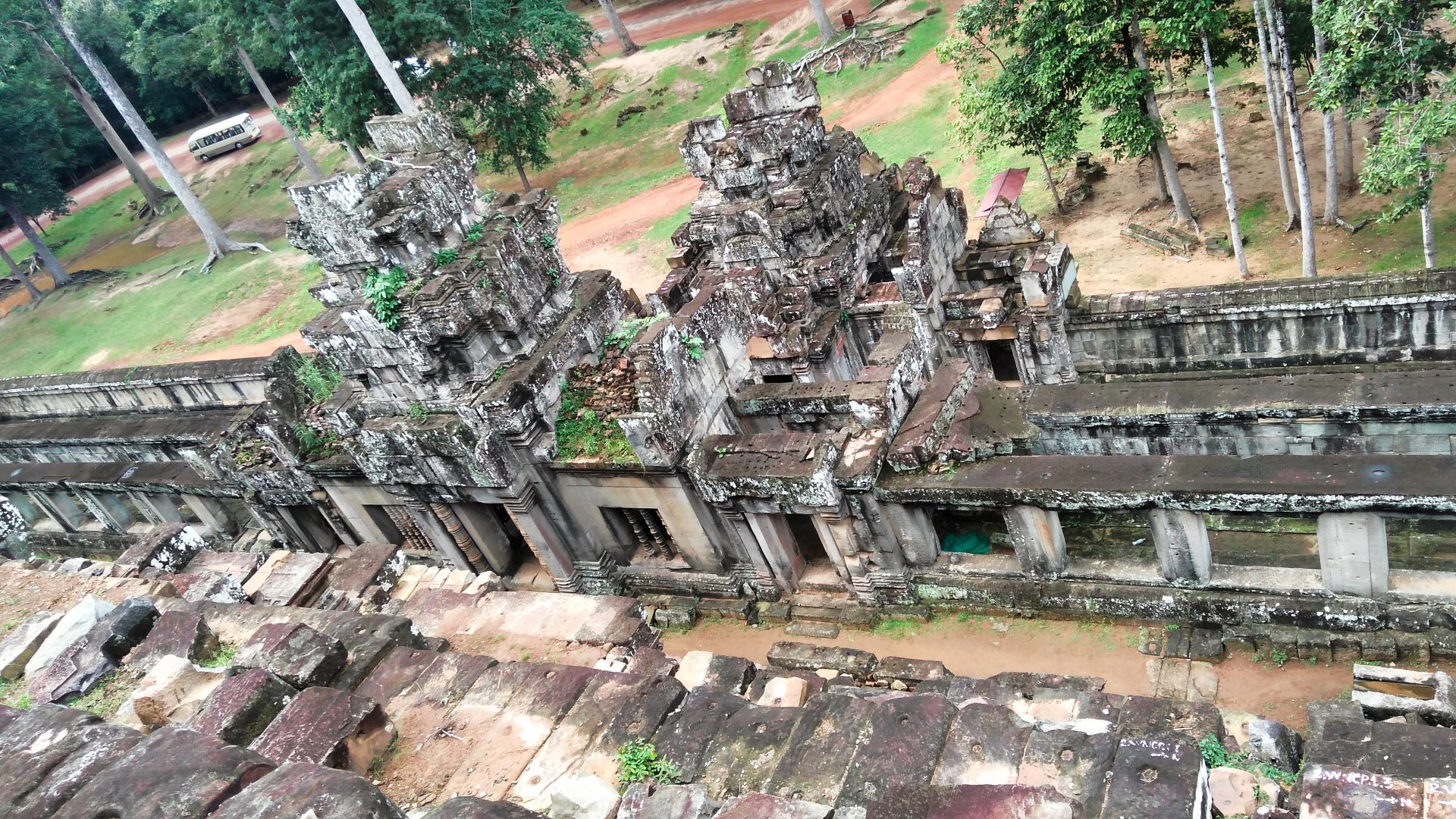
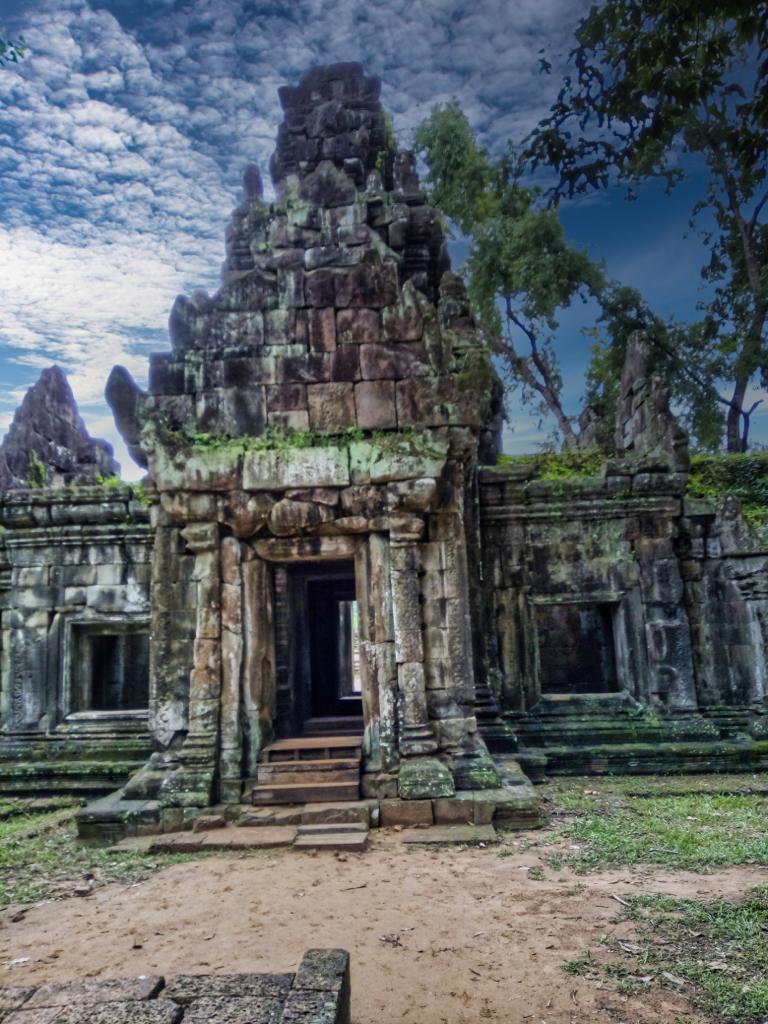
The Ta Keo Temple
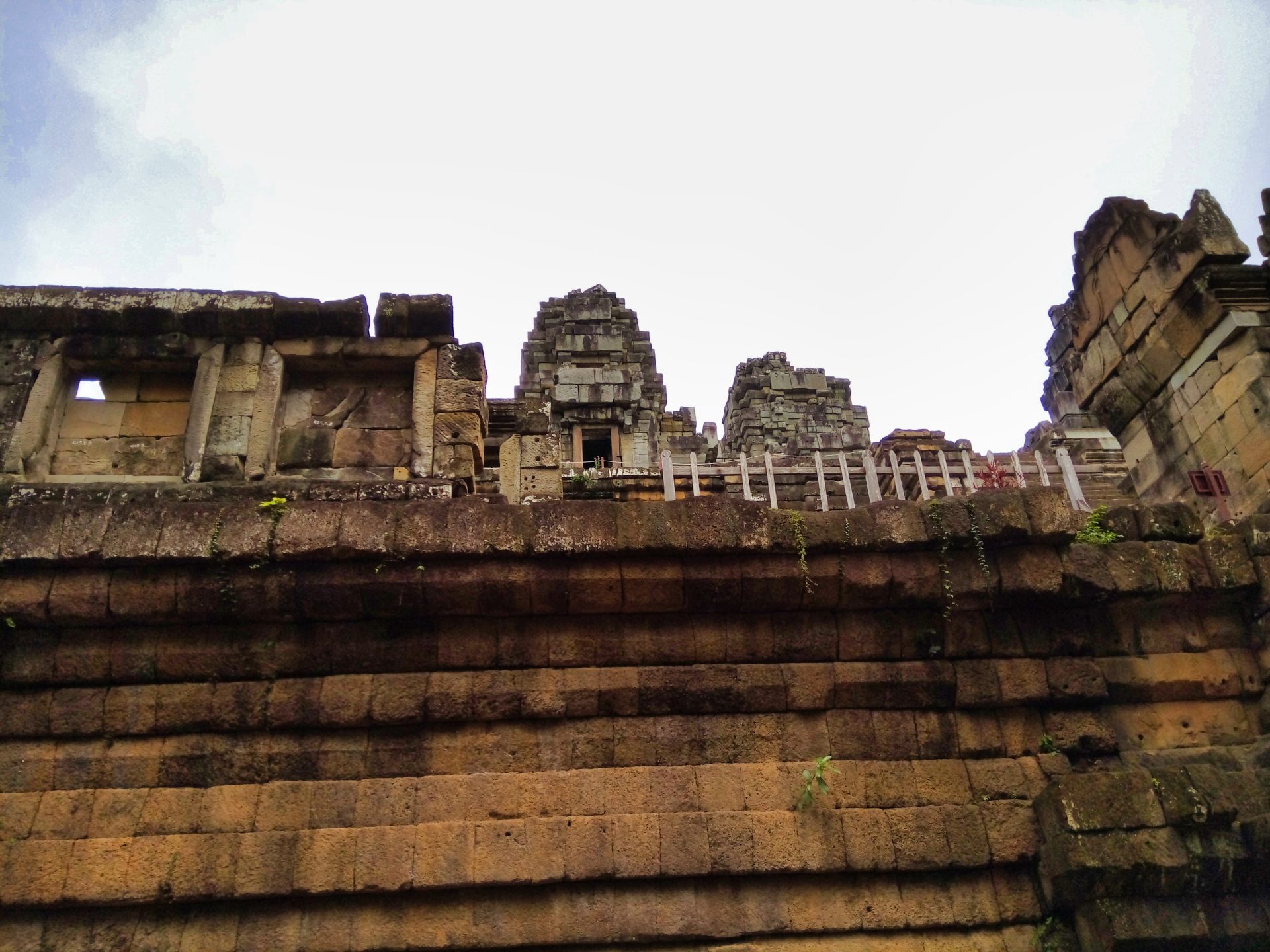
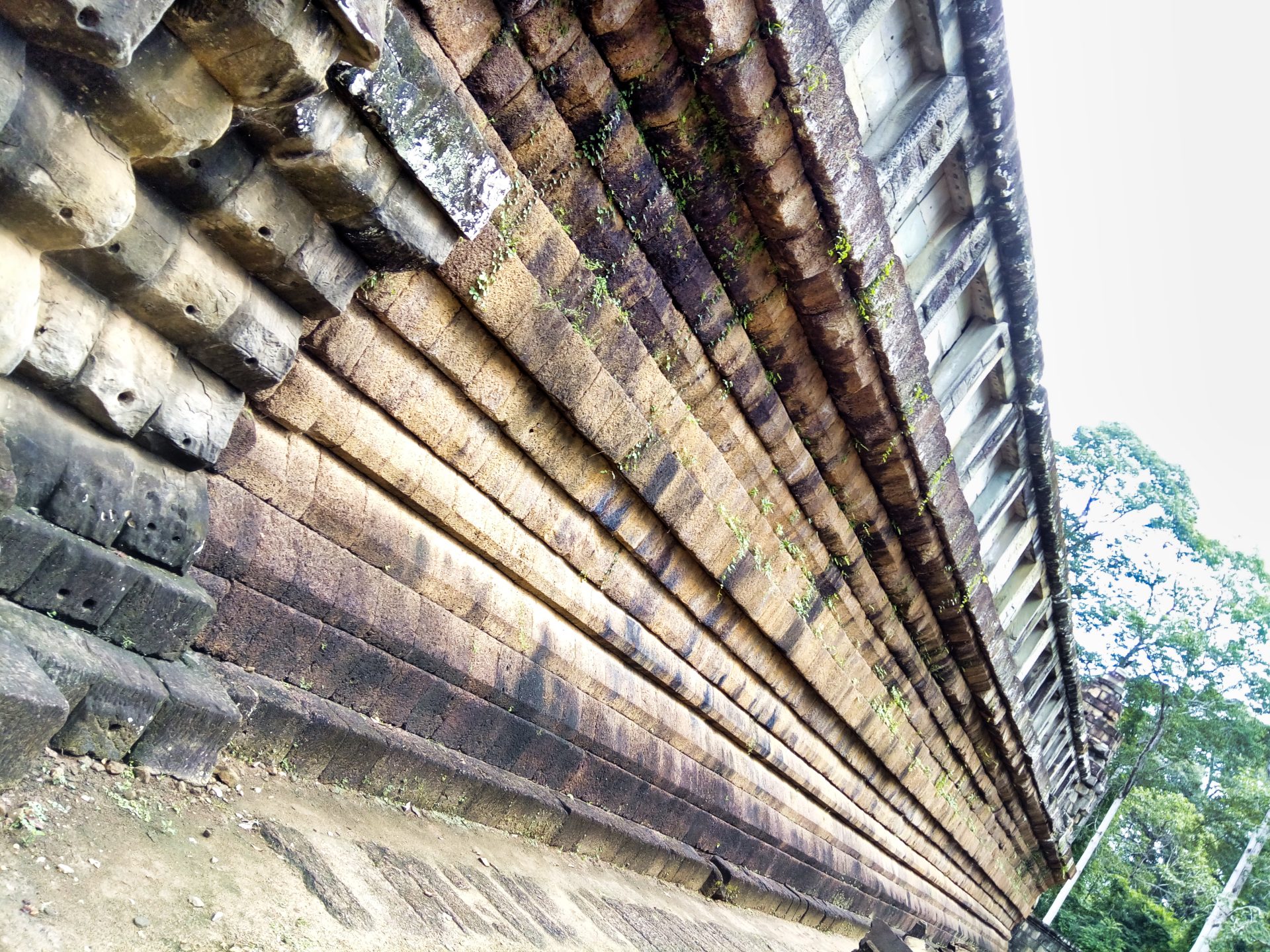
We next set off for the Ta Keo temple, built entirely of sandstone and believed to be the state temple of King Jayavarman, son of King Rajavarman and whom he succeeded when he was all of 10 years old.
The construction of this temple started in 975 when he was 17 years old and got dedicated around the year 1000.Work stopped midway through the construction when lightning struck the temple and which was considered to be inauspicious.
Finally the temple was taken up for worship only after King Suryavarman I’s reign, by his minister and priest.
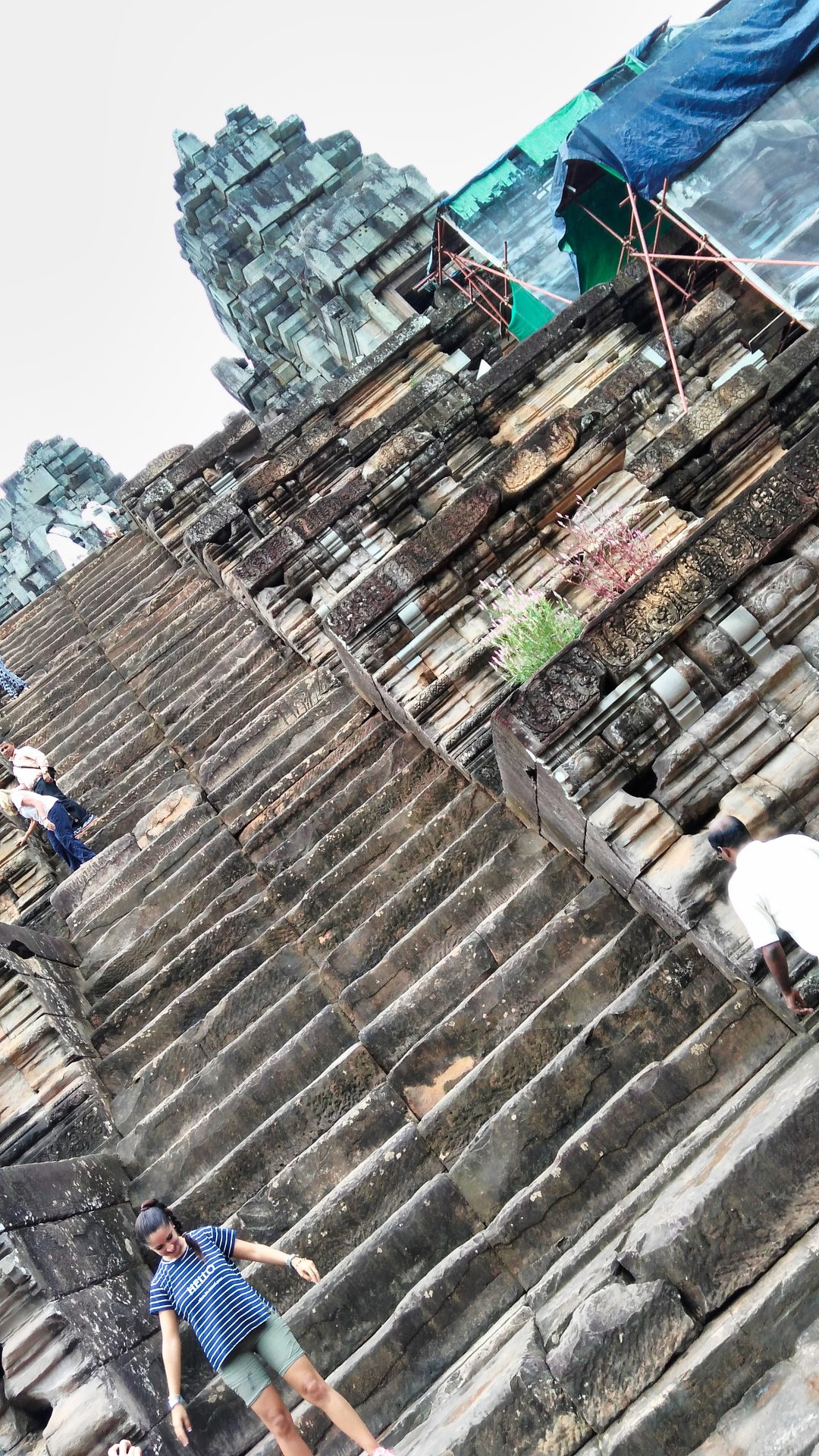
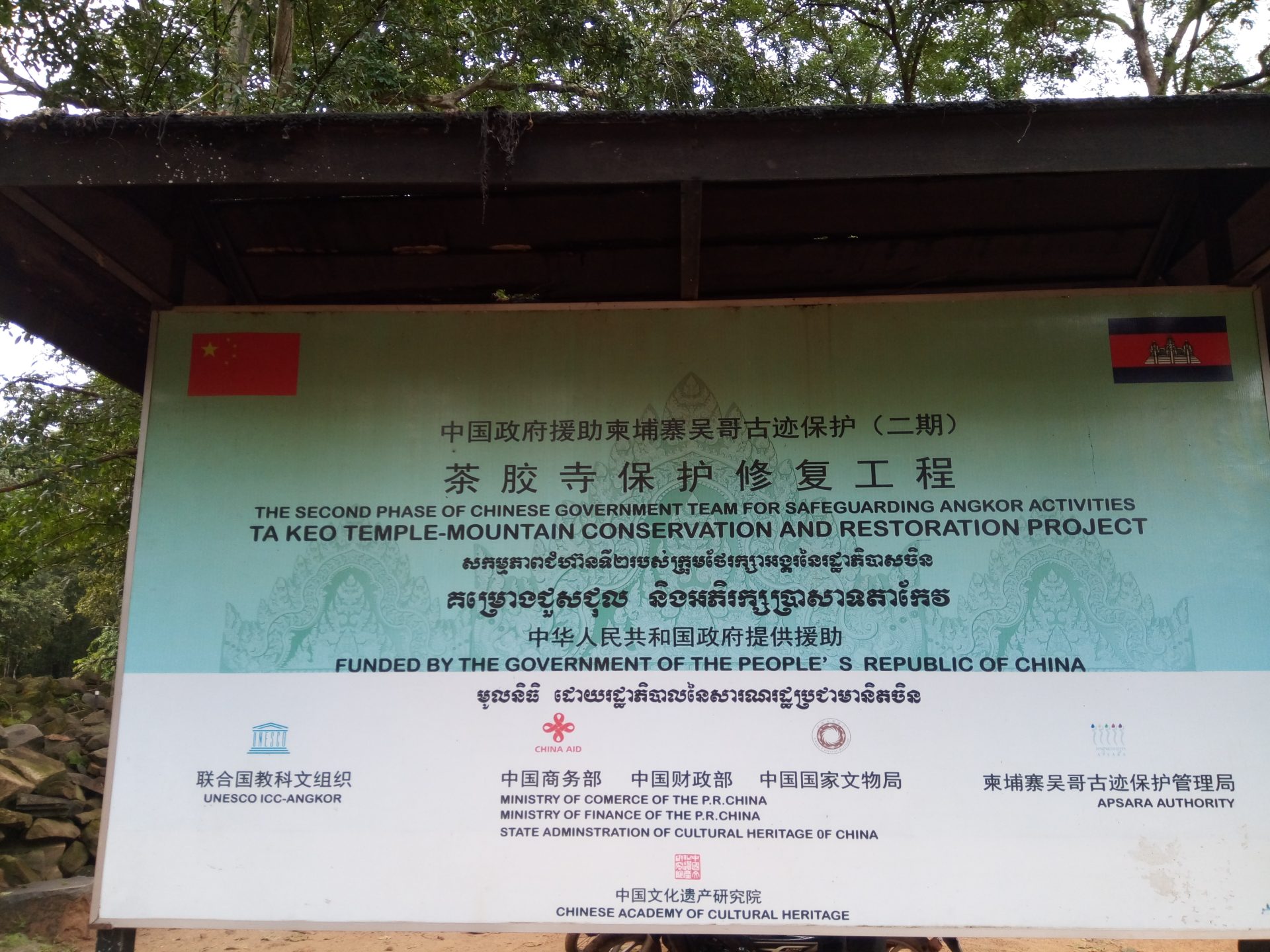
The Chinese government has been working with APSARA to repair and restore this temple.
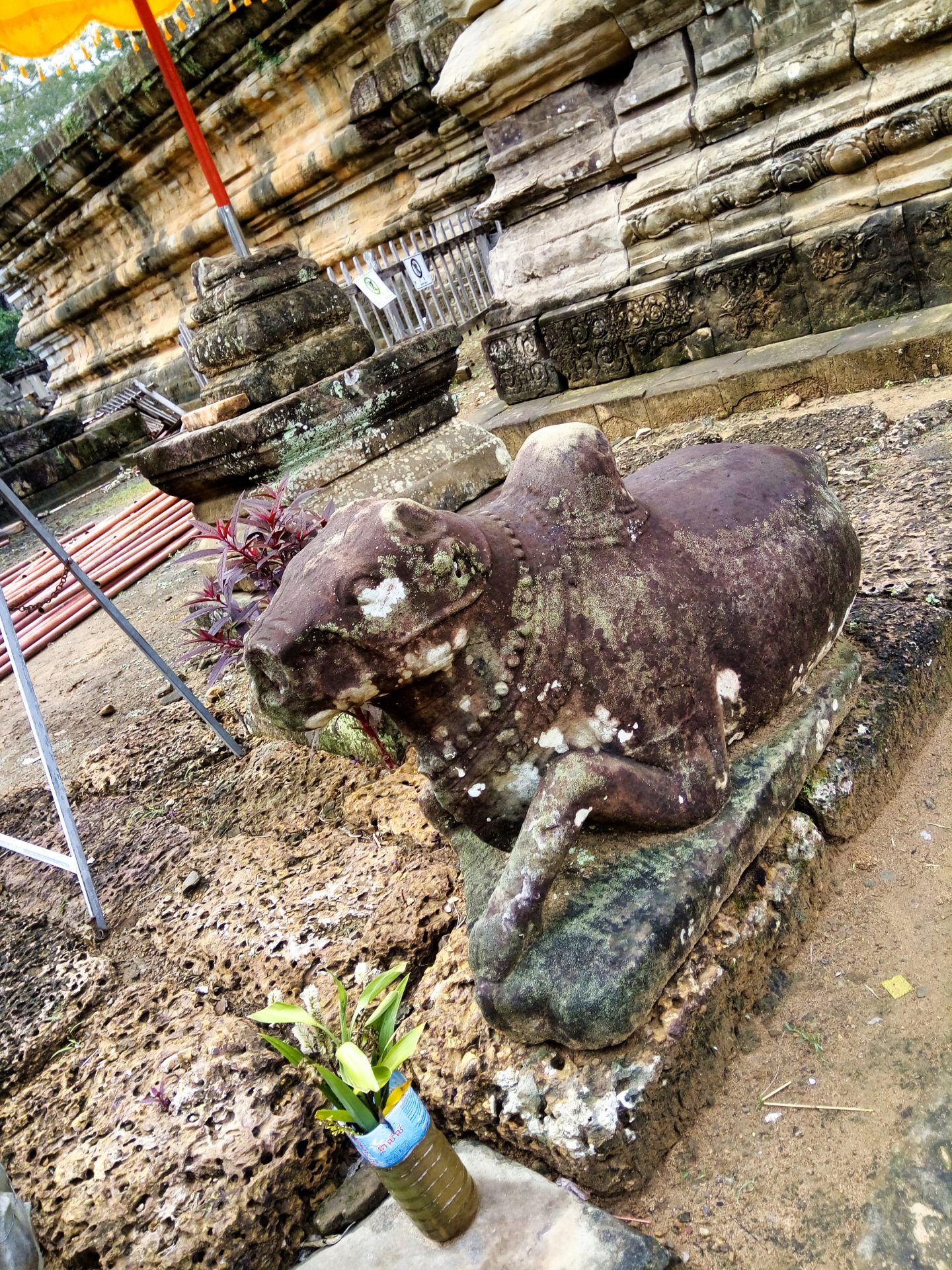
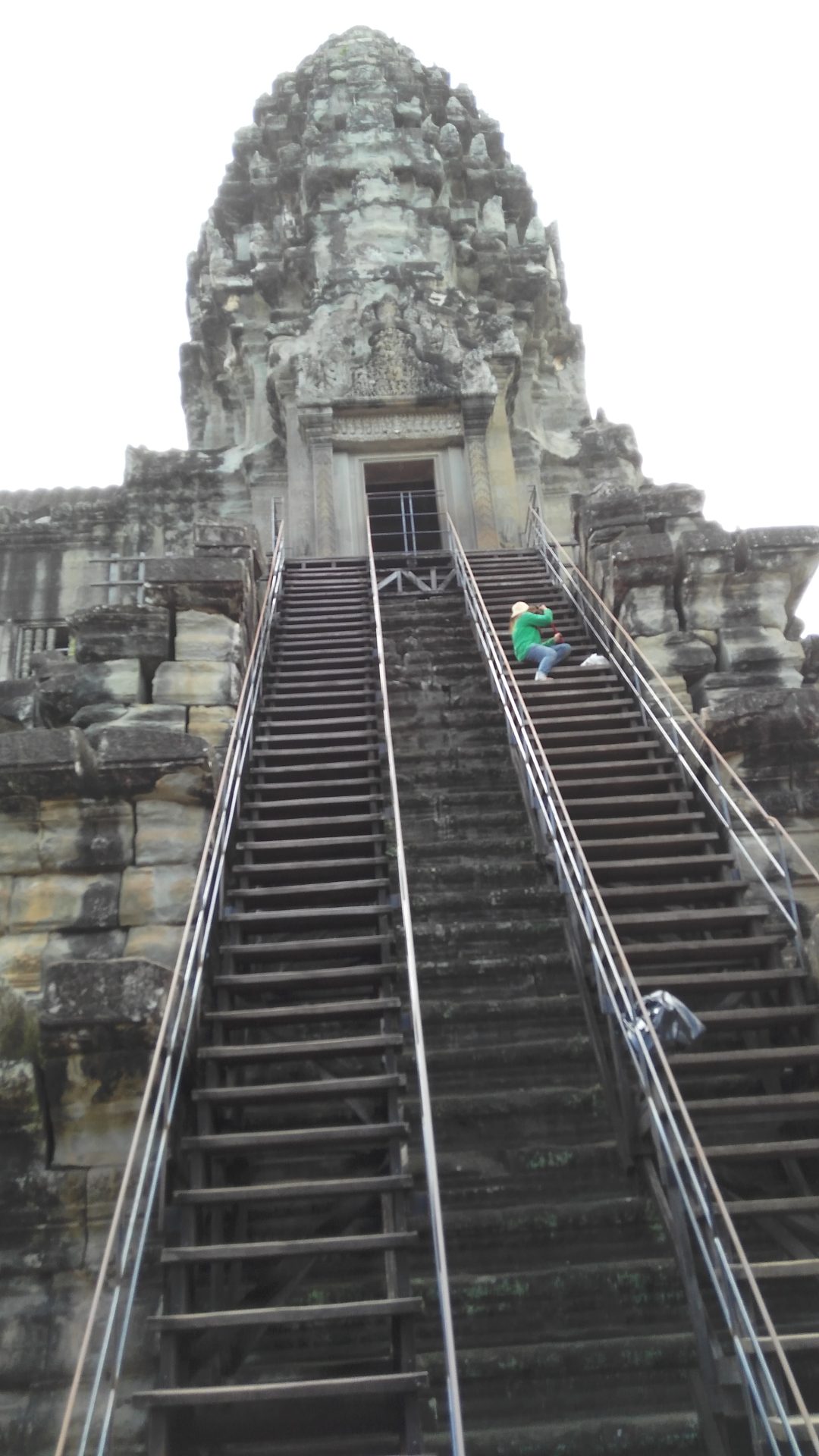
There are 2 terraces connected by a steep flight of stairs which lead you to the top. A statue of a kneeling Nandi could be spotted at the top, confirming the fact that this was a Shaivite temple.
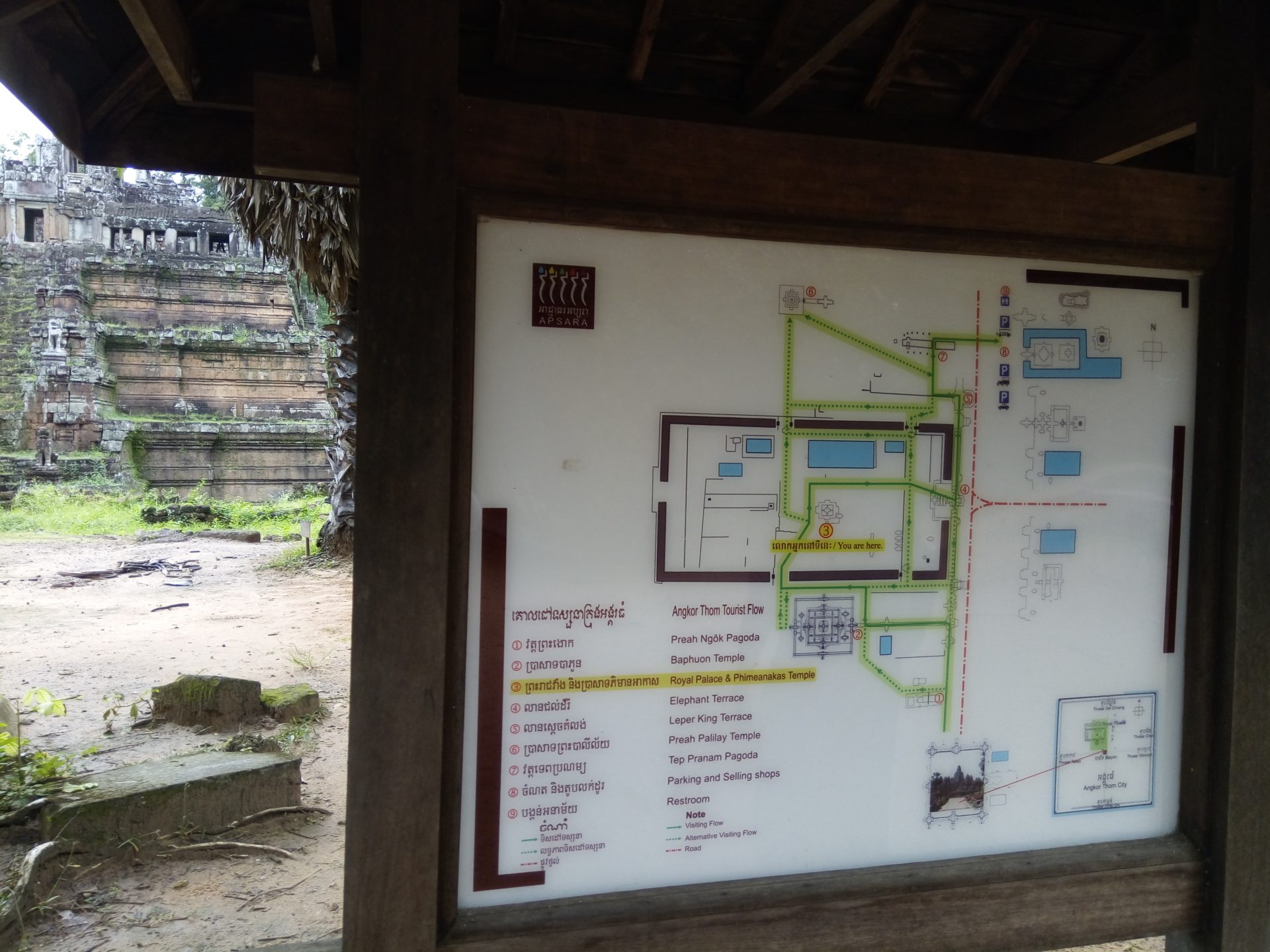
The Angkor Thom Complex
The next stop was to be at the Angkor Thom (meaning Great City in Khmer) complex, the last and the most enduring capital city of the Angkor empire.
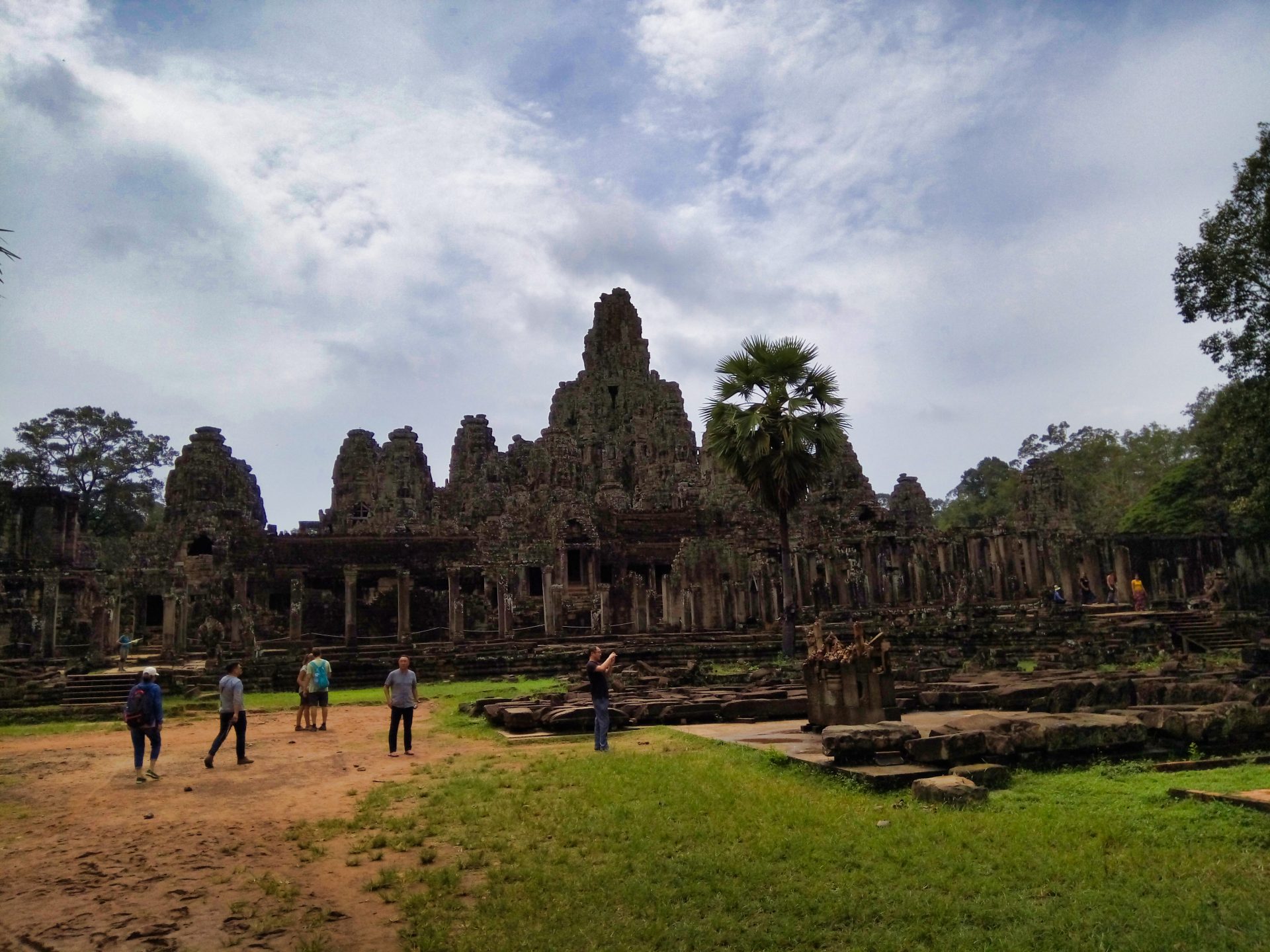
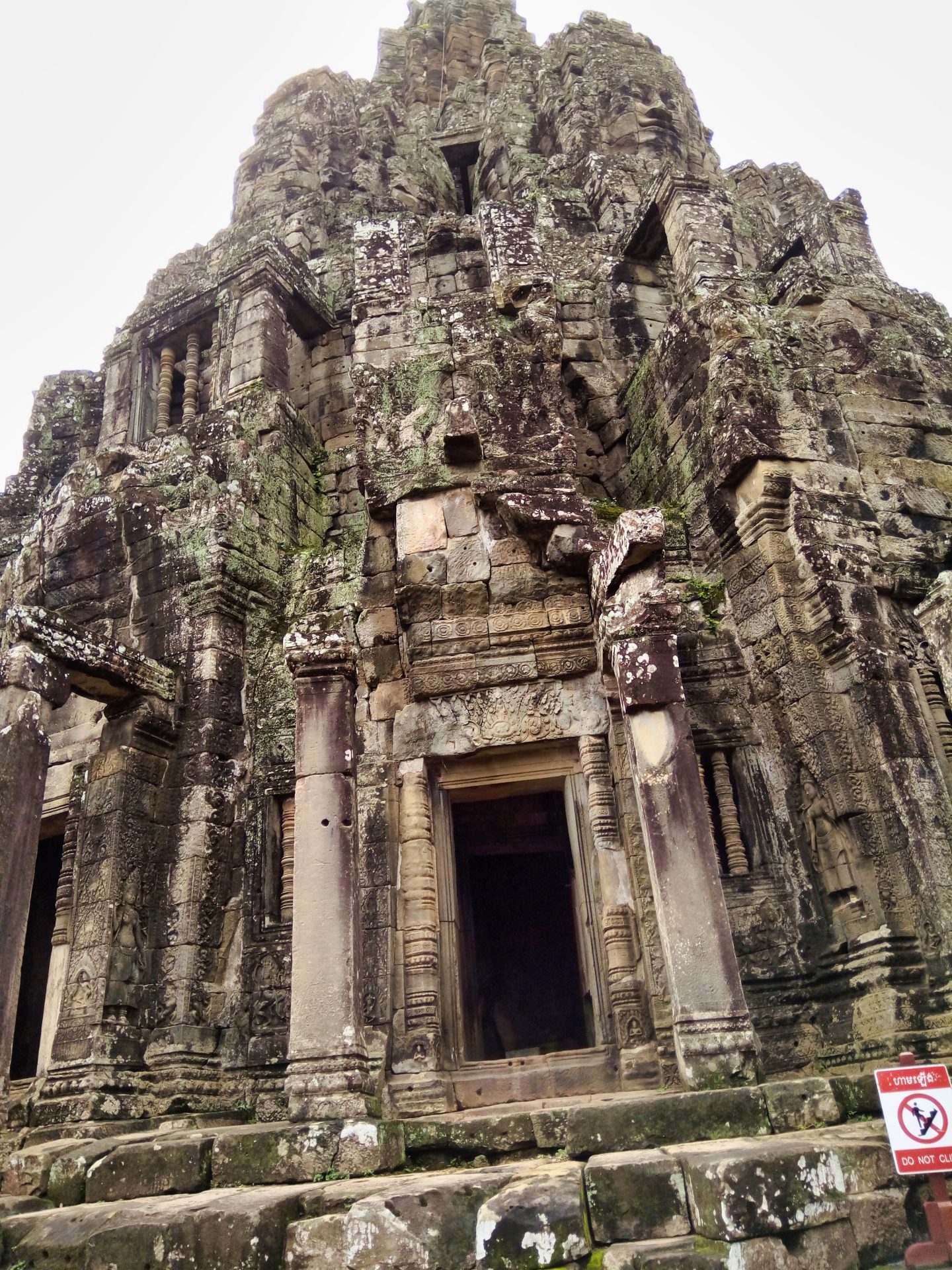
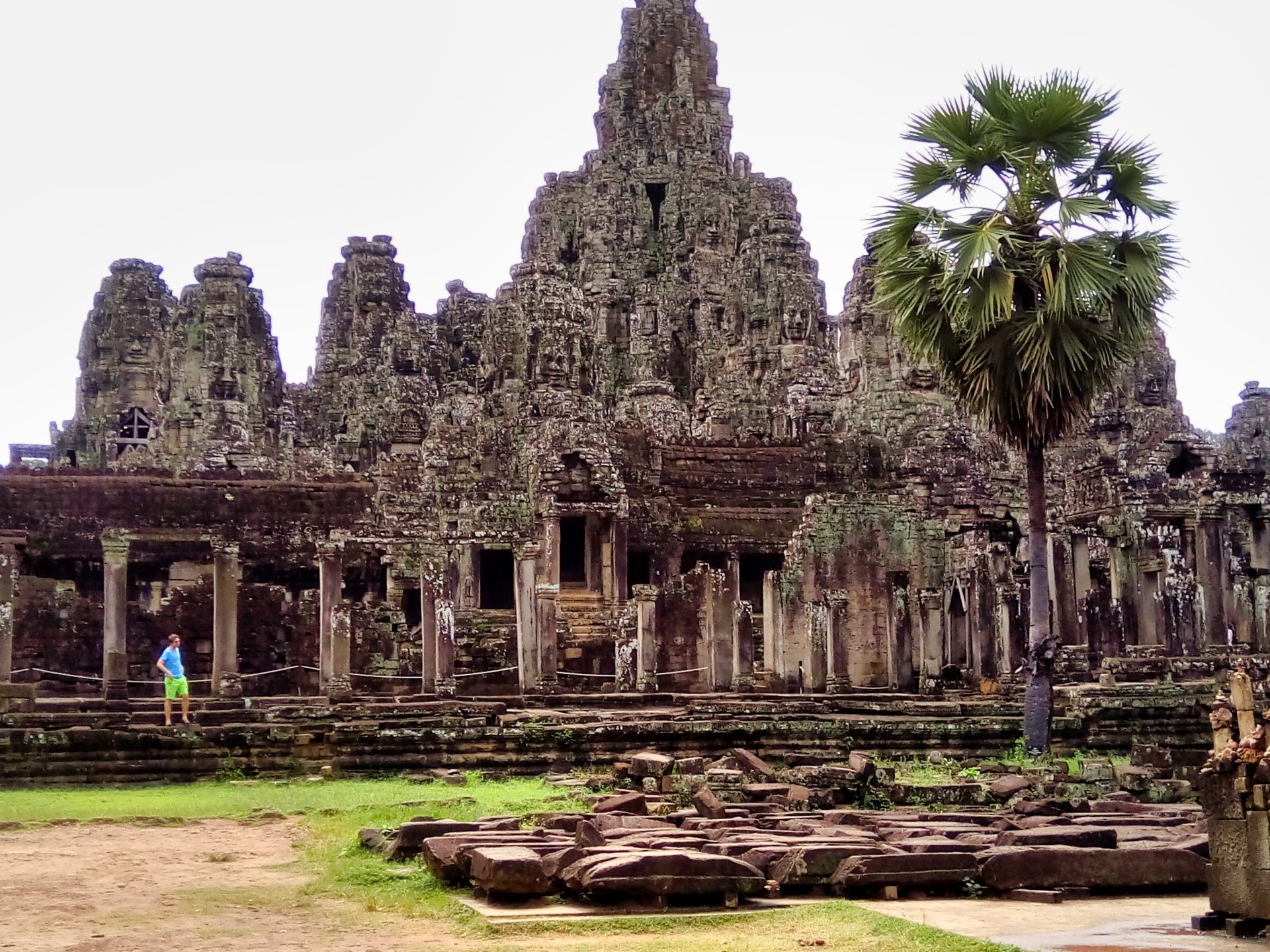
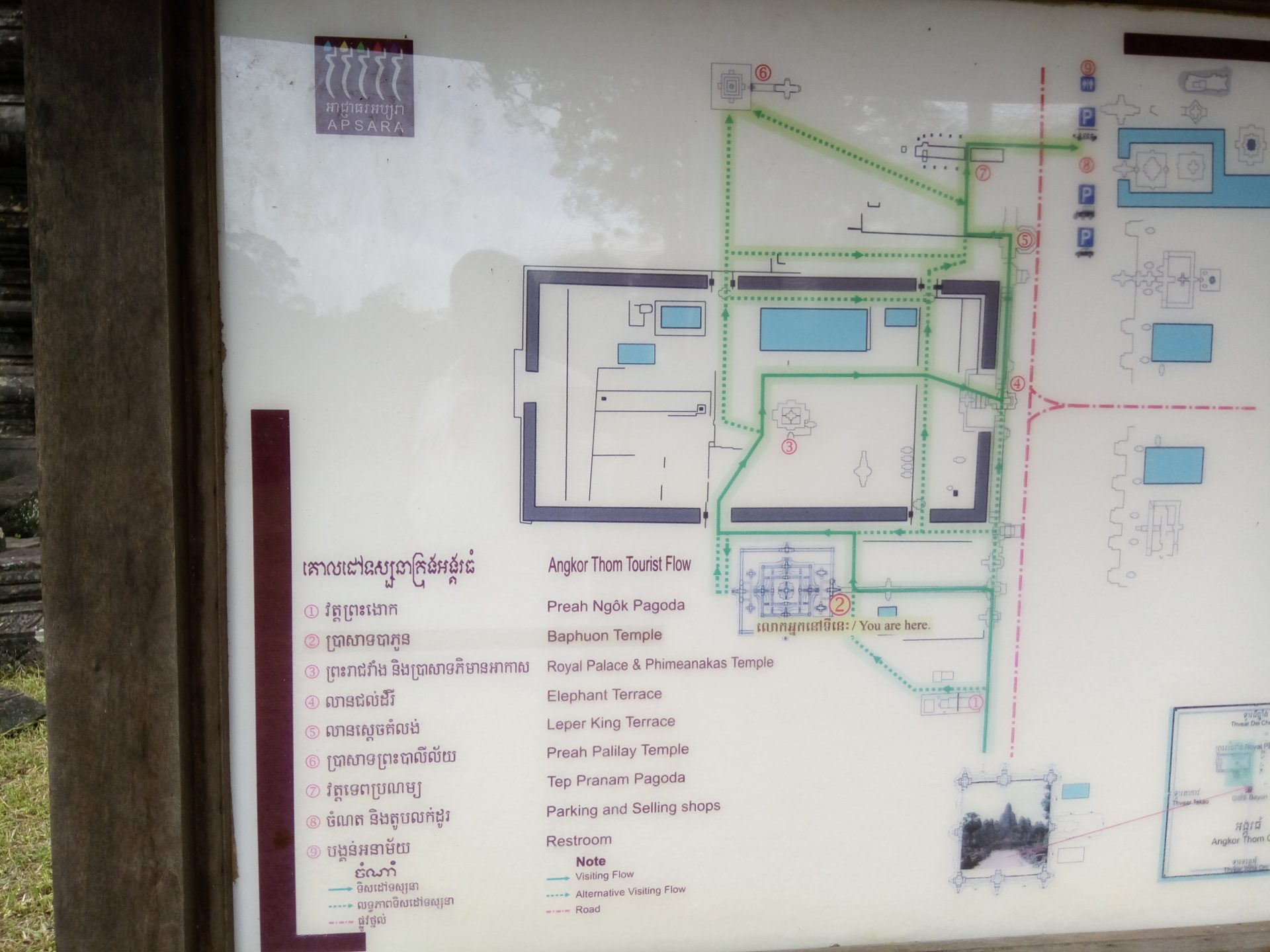
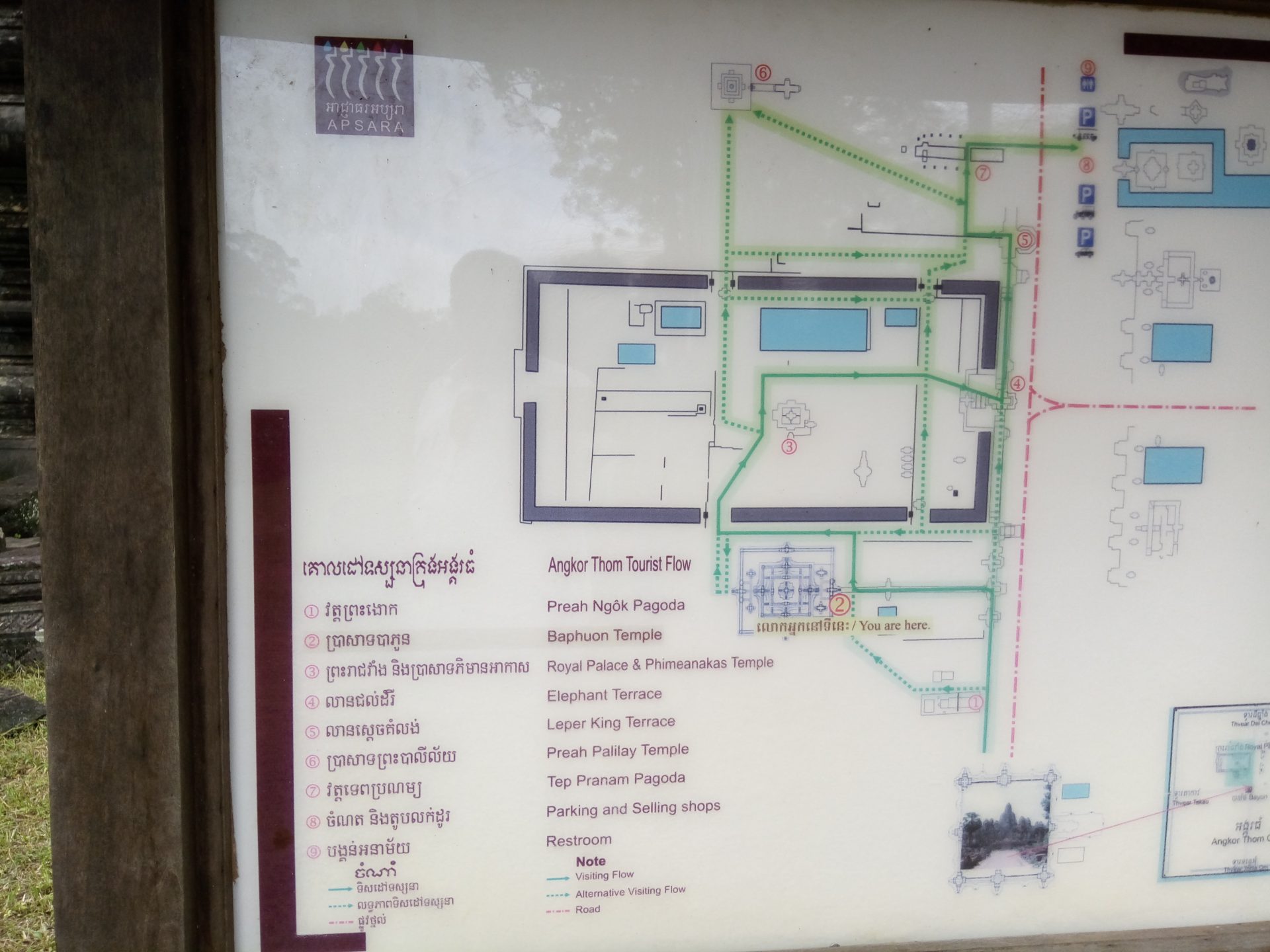
Established in the late 12th century by King Jayavarman VII, this complex houses the very popular temple of Bayon which was believed to the King’s state temple apart from the Prey Ngok Pagoda, The Leper’s temple and the temple of Phimeanakas. An inscription drawn in this complex somewhere refers to the King as the groom and the city as his bride.
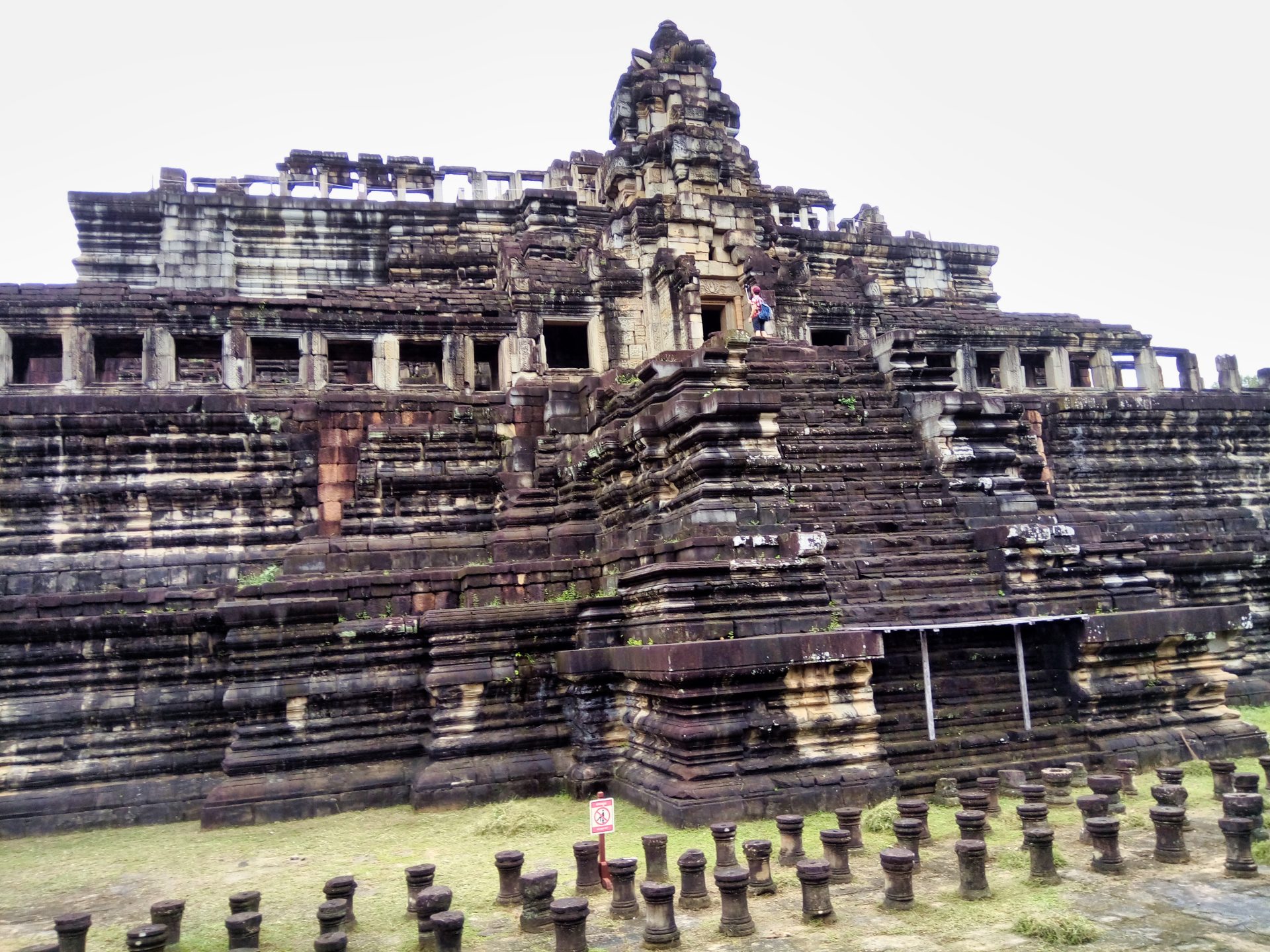
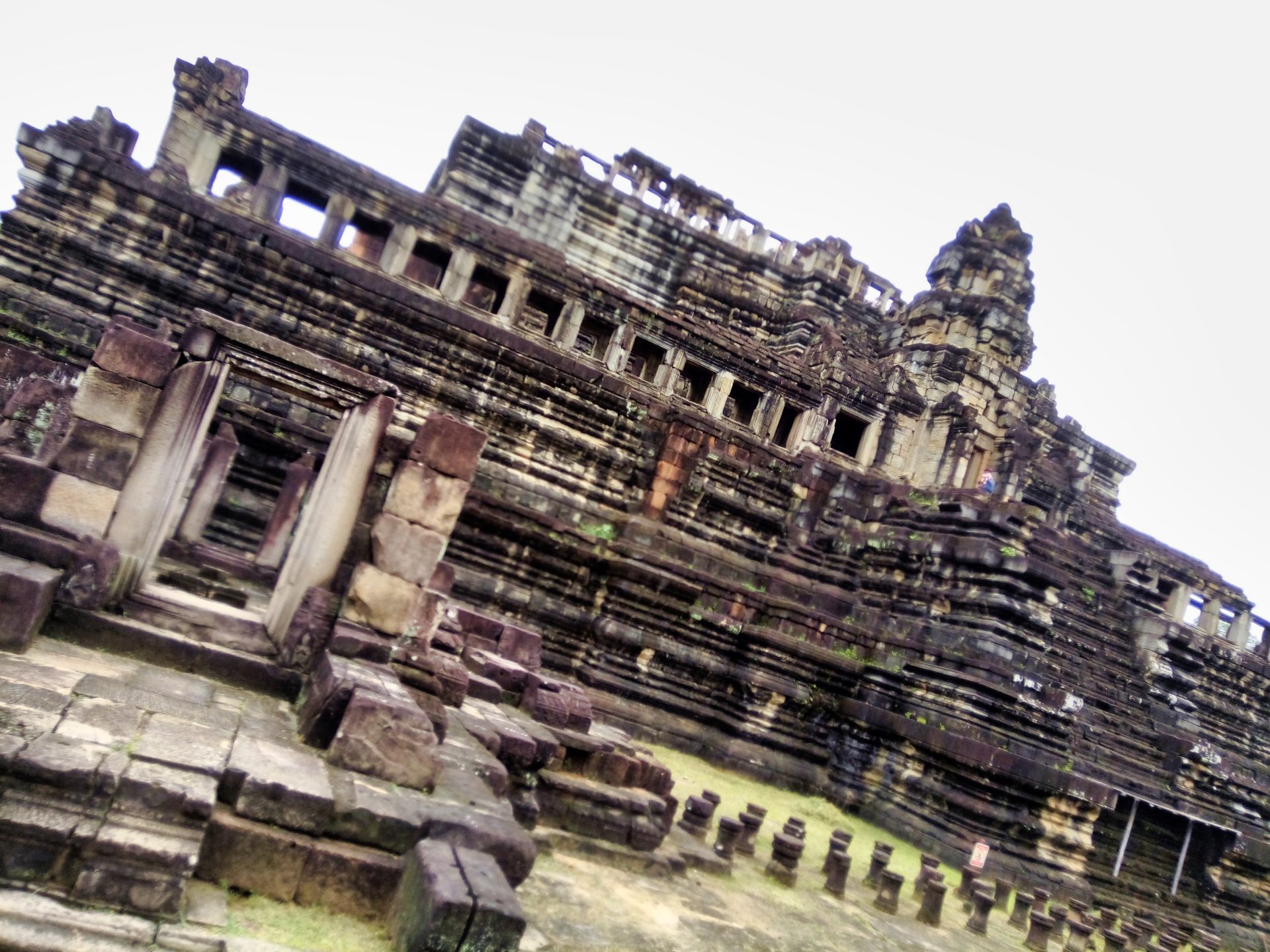
The Baphuon Khmer temple
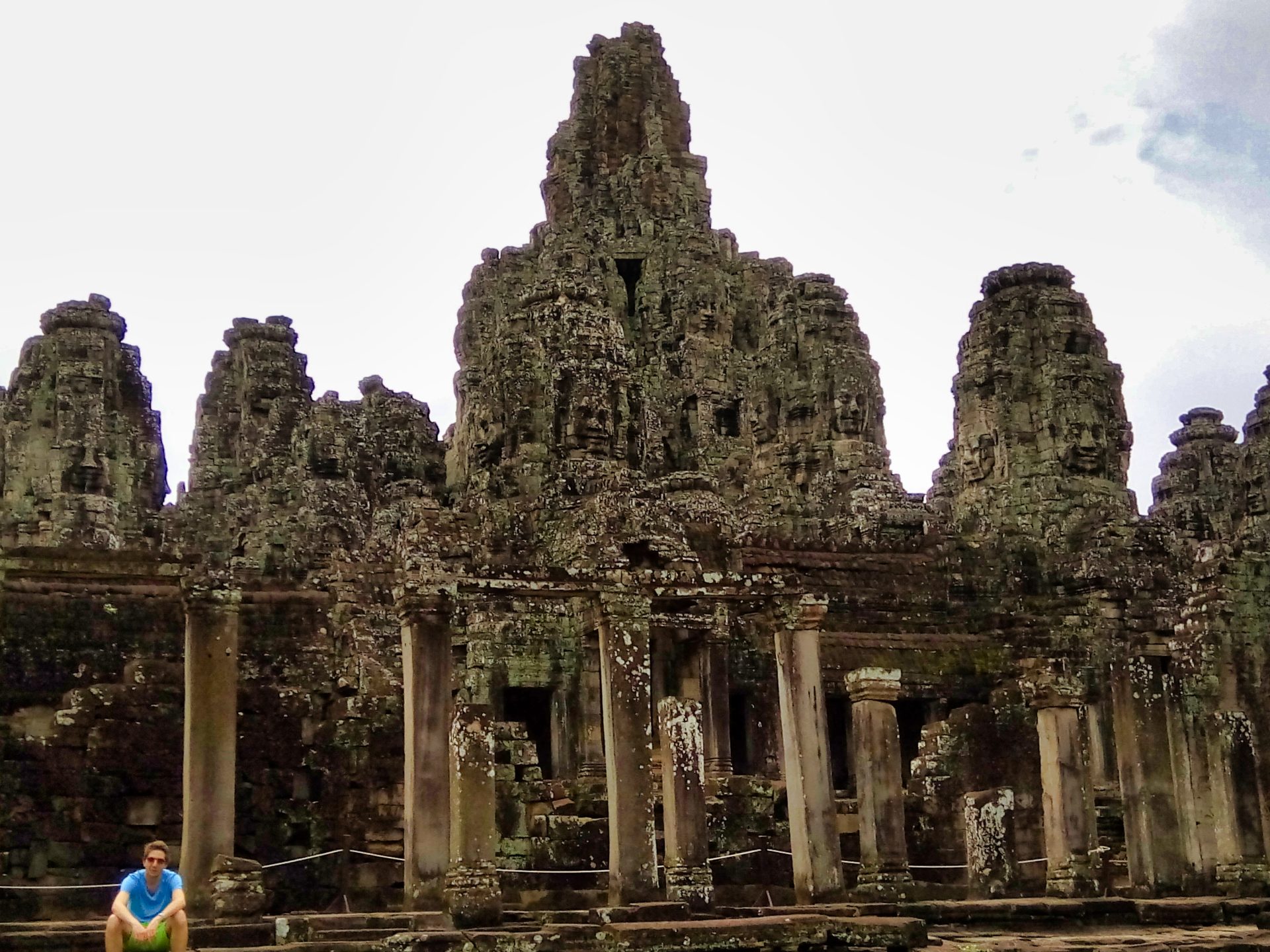
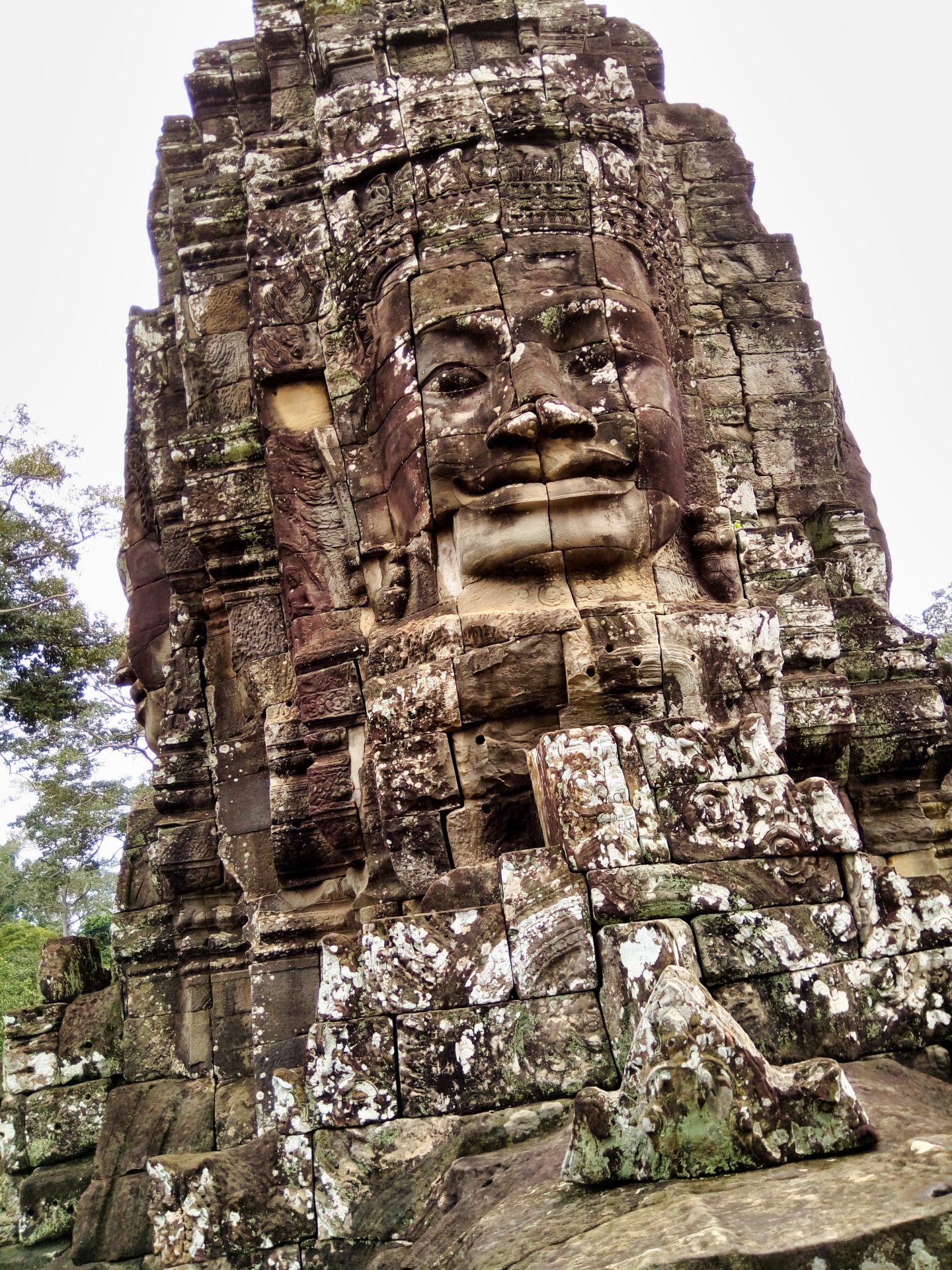
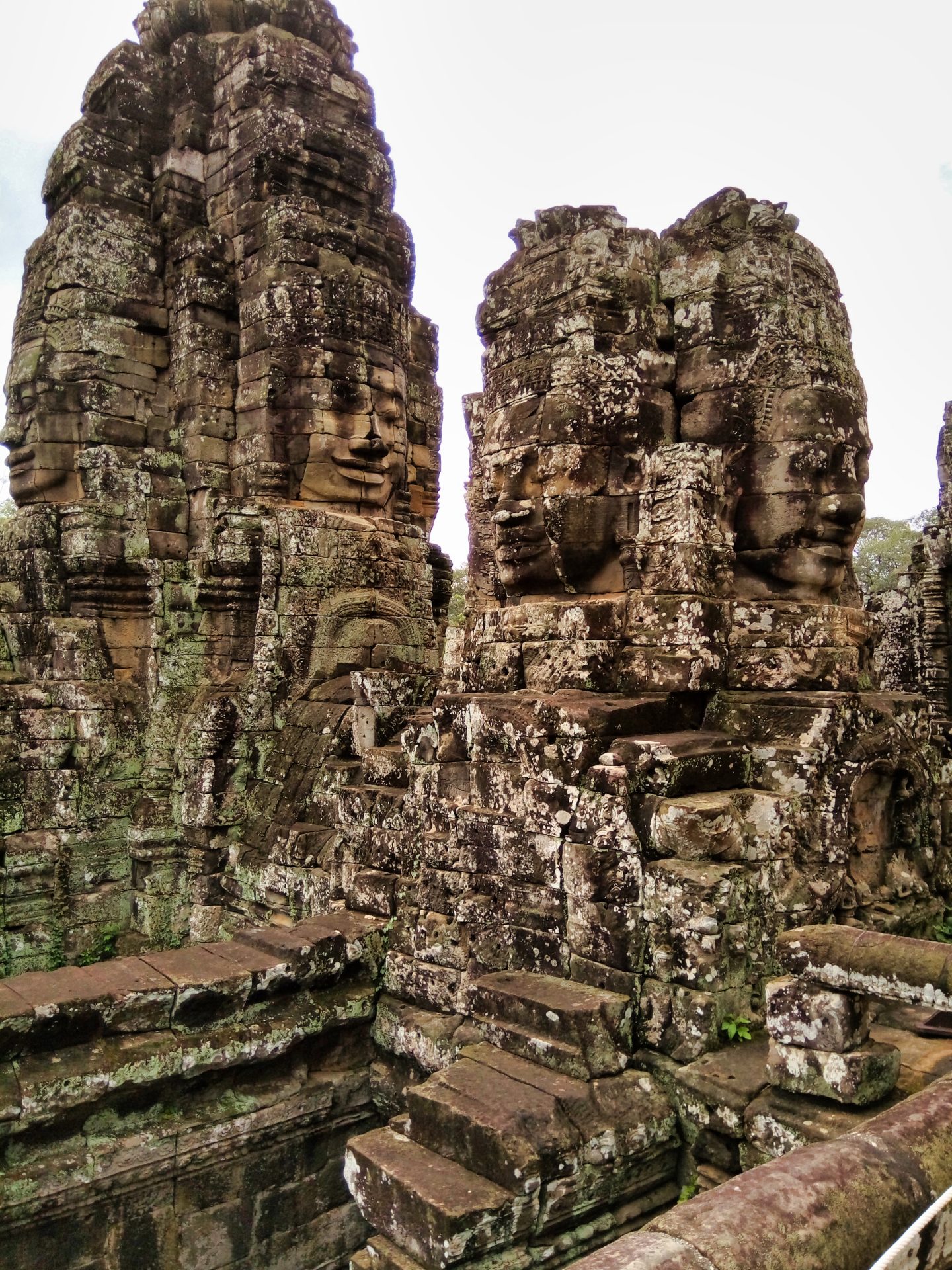
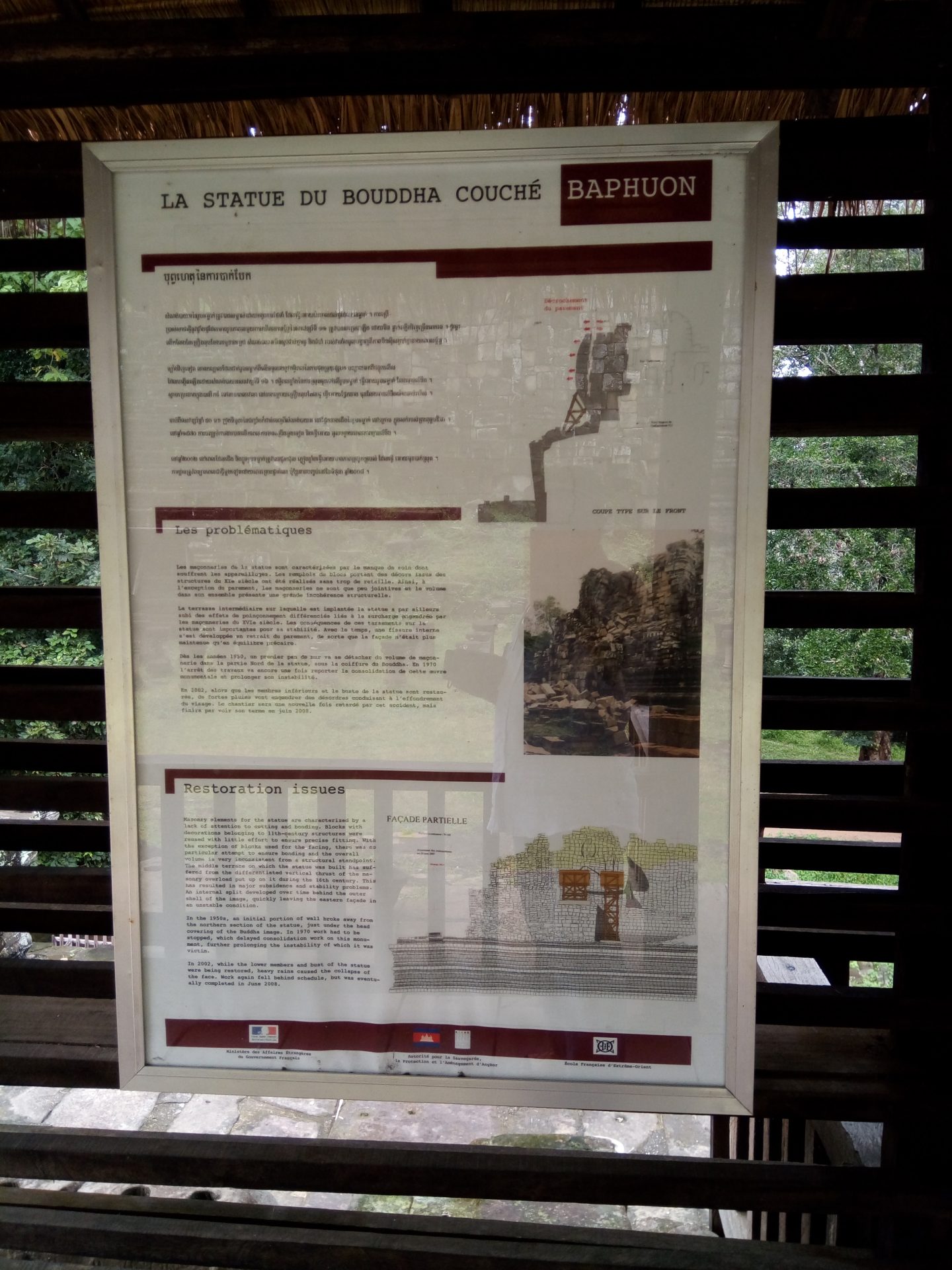
The Baphuon or the Bayon, a richly decorated Khmer temple built towards the later part of the 12th Century and early 13th century features a multitude of smiling faces on the many towers which kind of form a cluster around the central peak. The temple presented mundane scenes besides historical and mythological scenes which adorn the 2 sets of bas reliefs found and is supposedly the only state temple dedicated to Lord Buddha, built by King Jayavarman VII who later on embraced Buddhism. The Theravada Buddhist kings who came into power later on made their own changes to the temple architecture after which it went to ruins. The Japanese government has been playing a major part in restoring and repairing the temple.
The Royal Palace and the Phimeanakas Temple
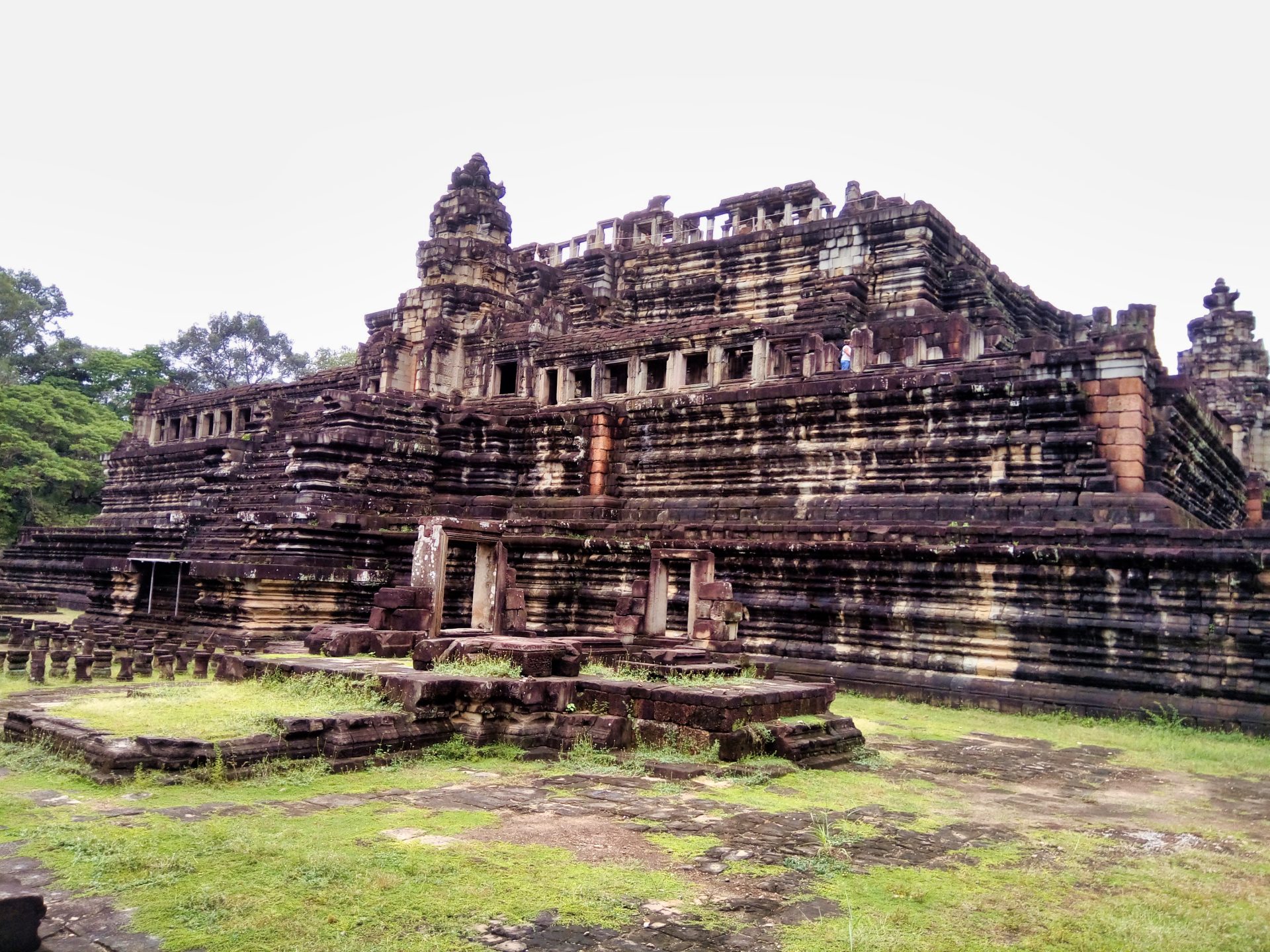
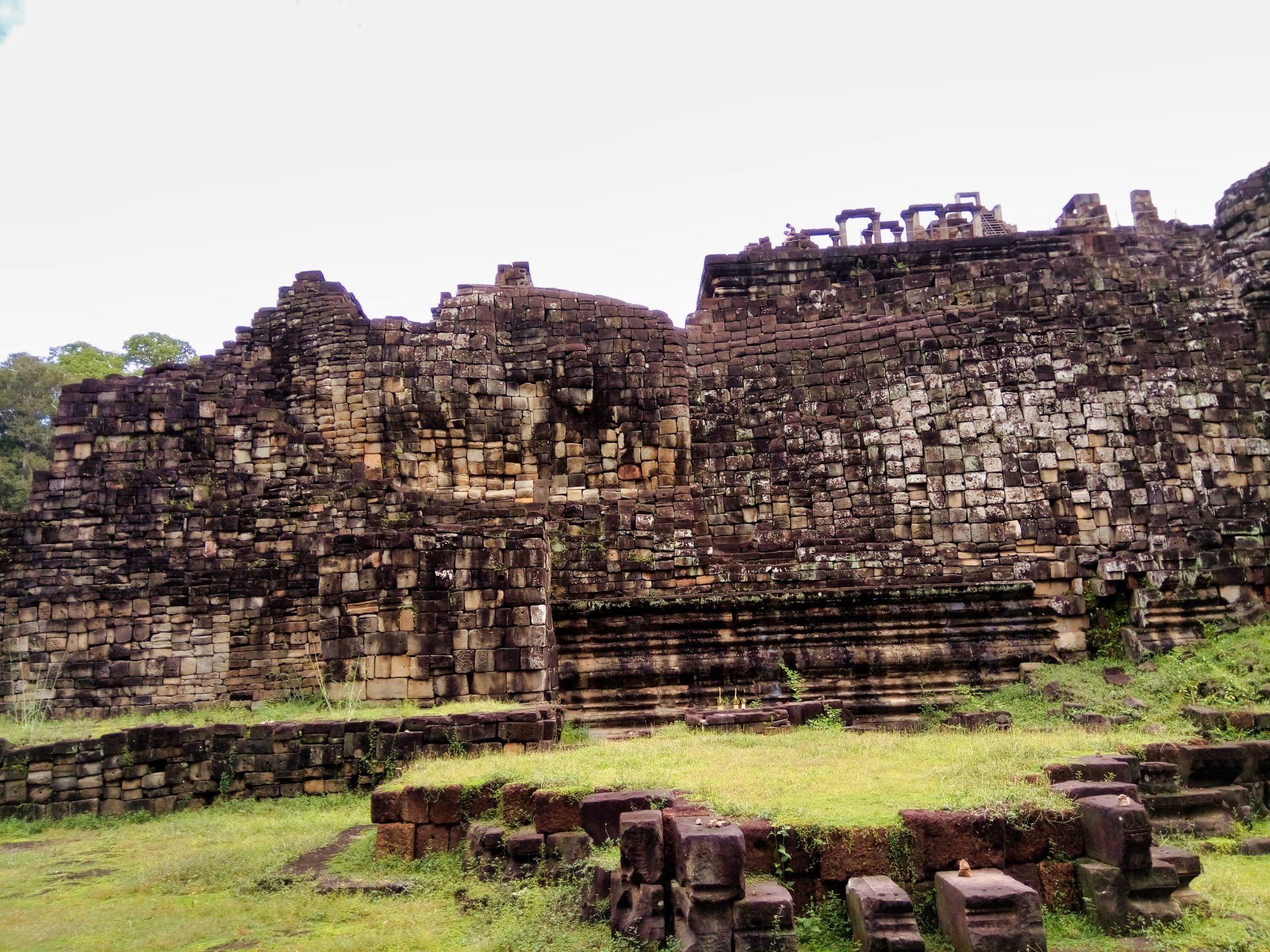
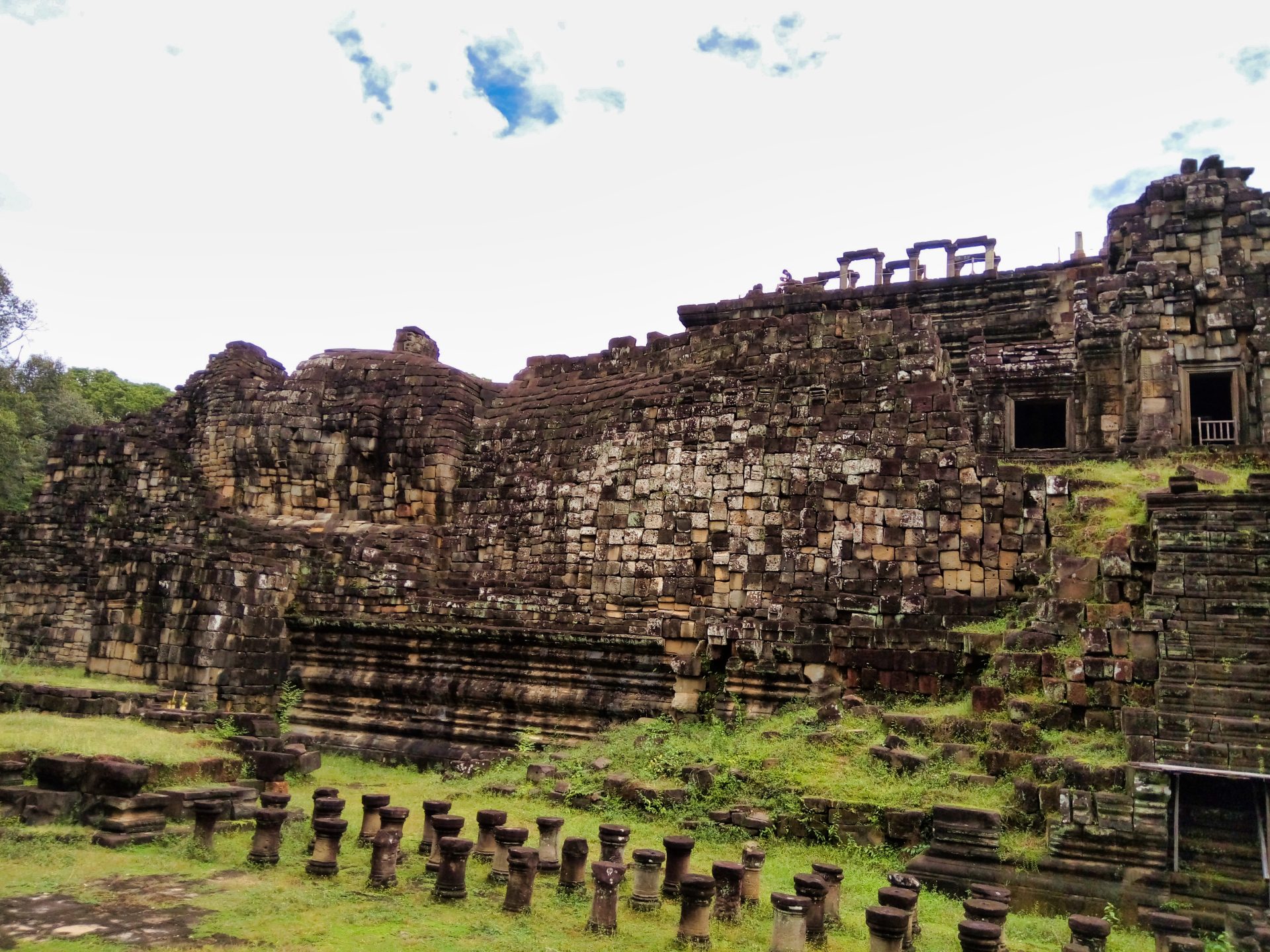
The Celestial Temple or the Phimeanakas as it is popularly known was built in the 10th century during the reign of King Rajendravarman and completed by King Suryavarman I. According to folklore, the King spent the 1st watch of every night between 6 PM to 9 PM with a woman, thought to be representing a Naga in the Tower and even the Queen was not welcome during this time. The 2nd watch between 9 PM to 12 AM was when the king went back to his queen. It was believed that if the Naga who was considered to be the supreme land owner of Khmer did not show up for a night, the king’s day would be numbered and perchance if the king did not show up, calamity would strike his land.
The Leper King Terrace and the Elephant Terrace
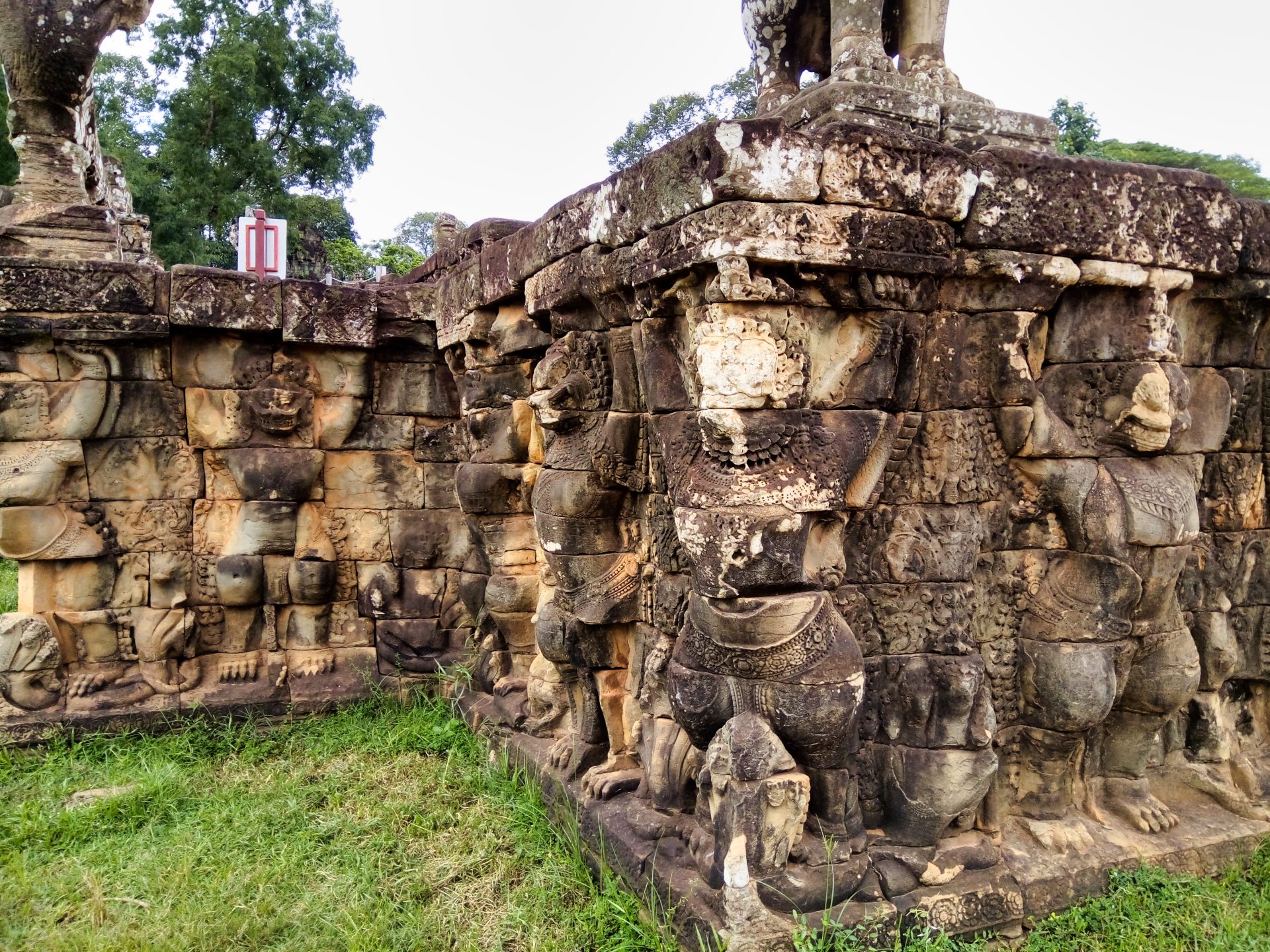
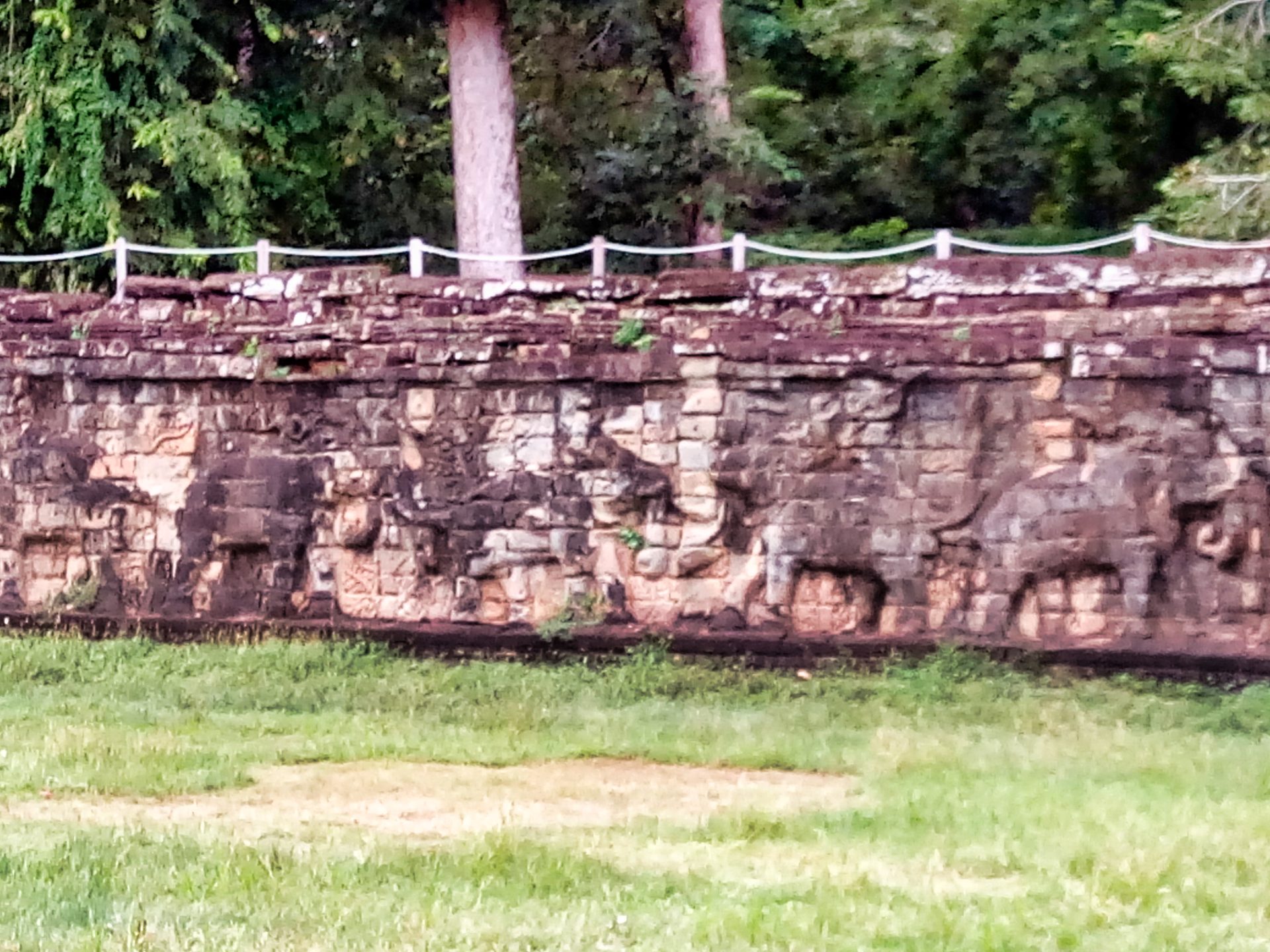
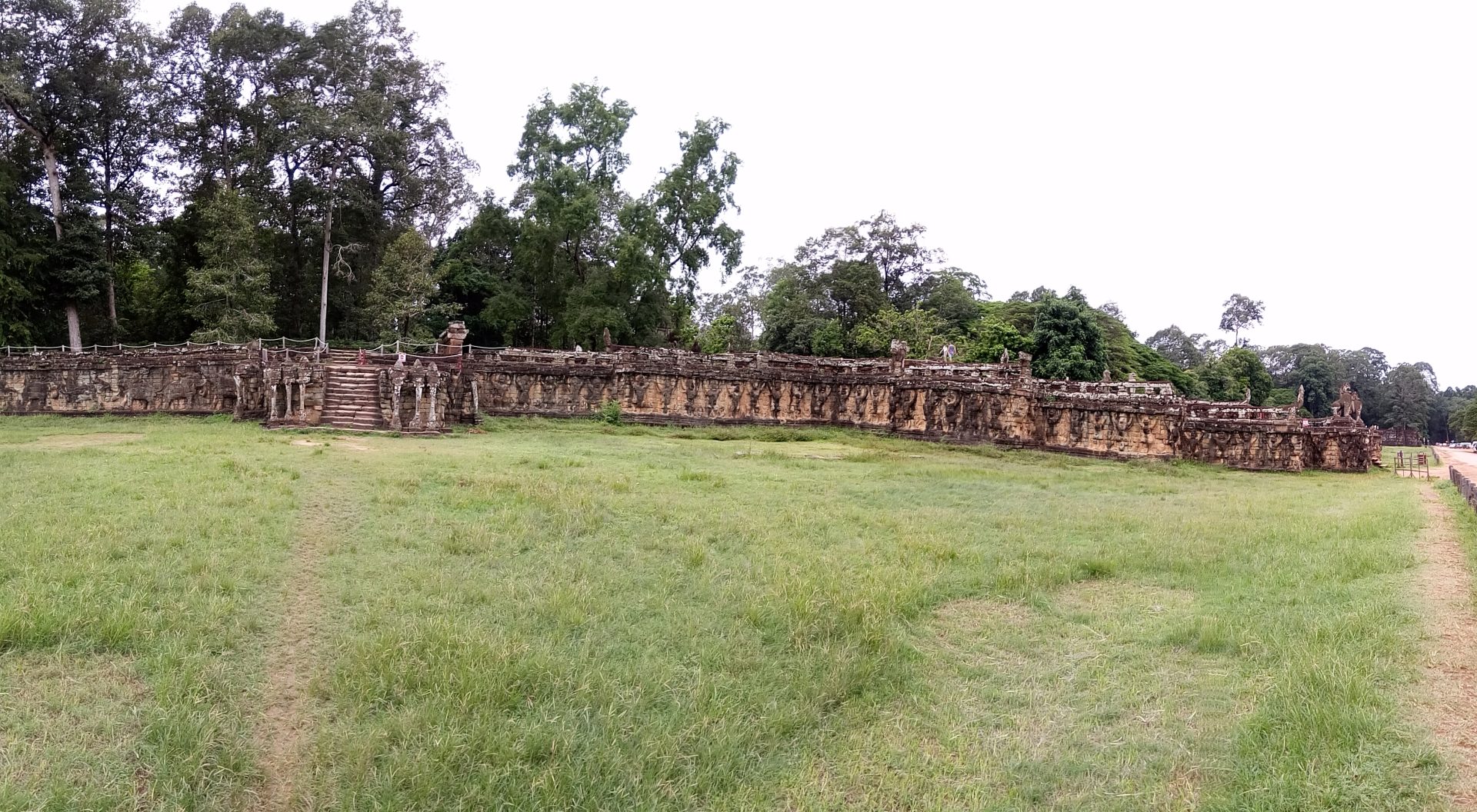
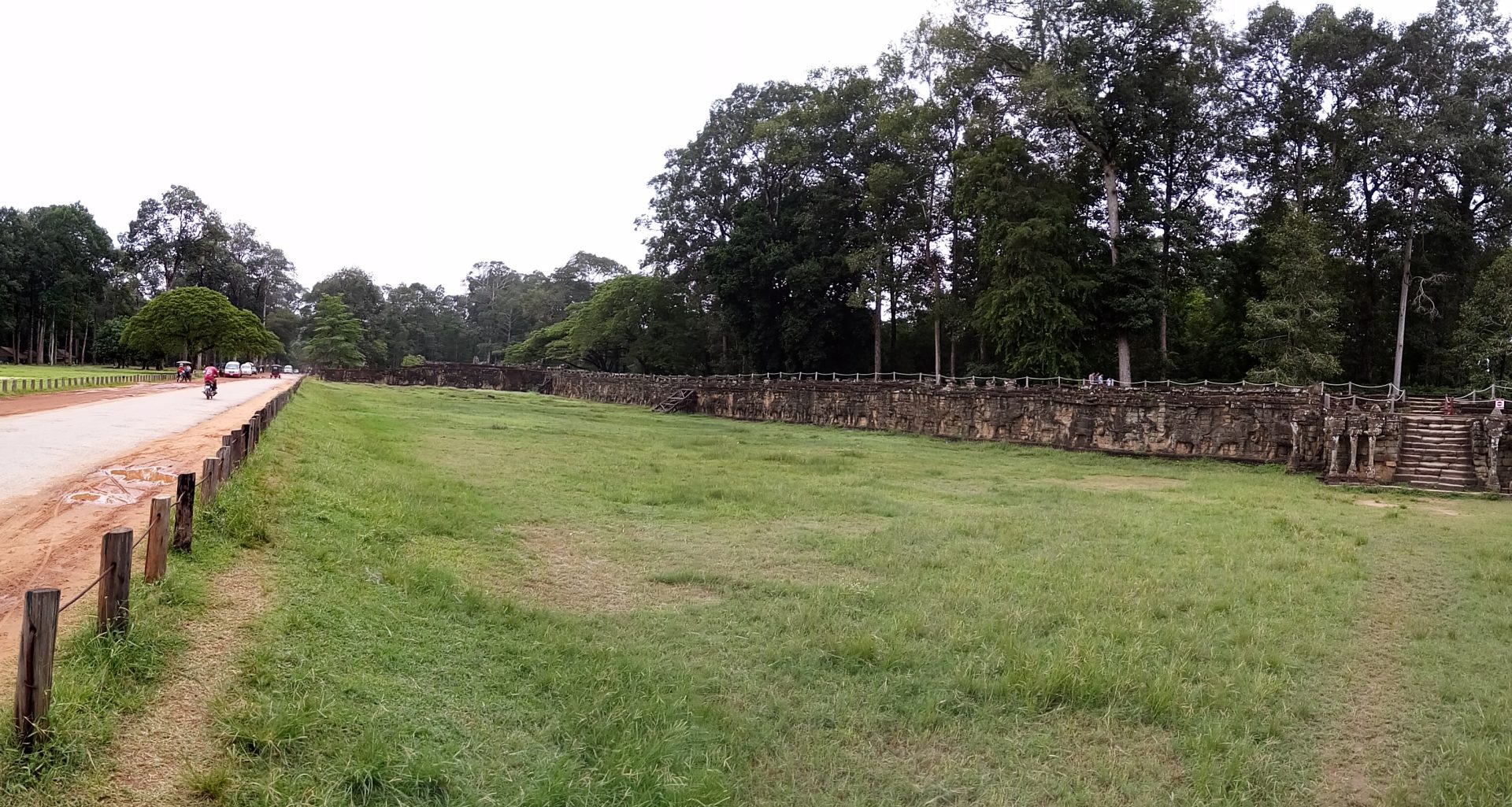
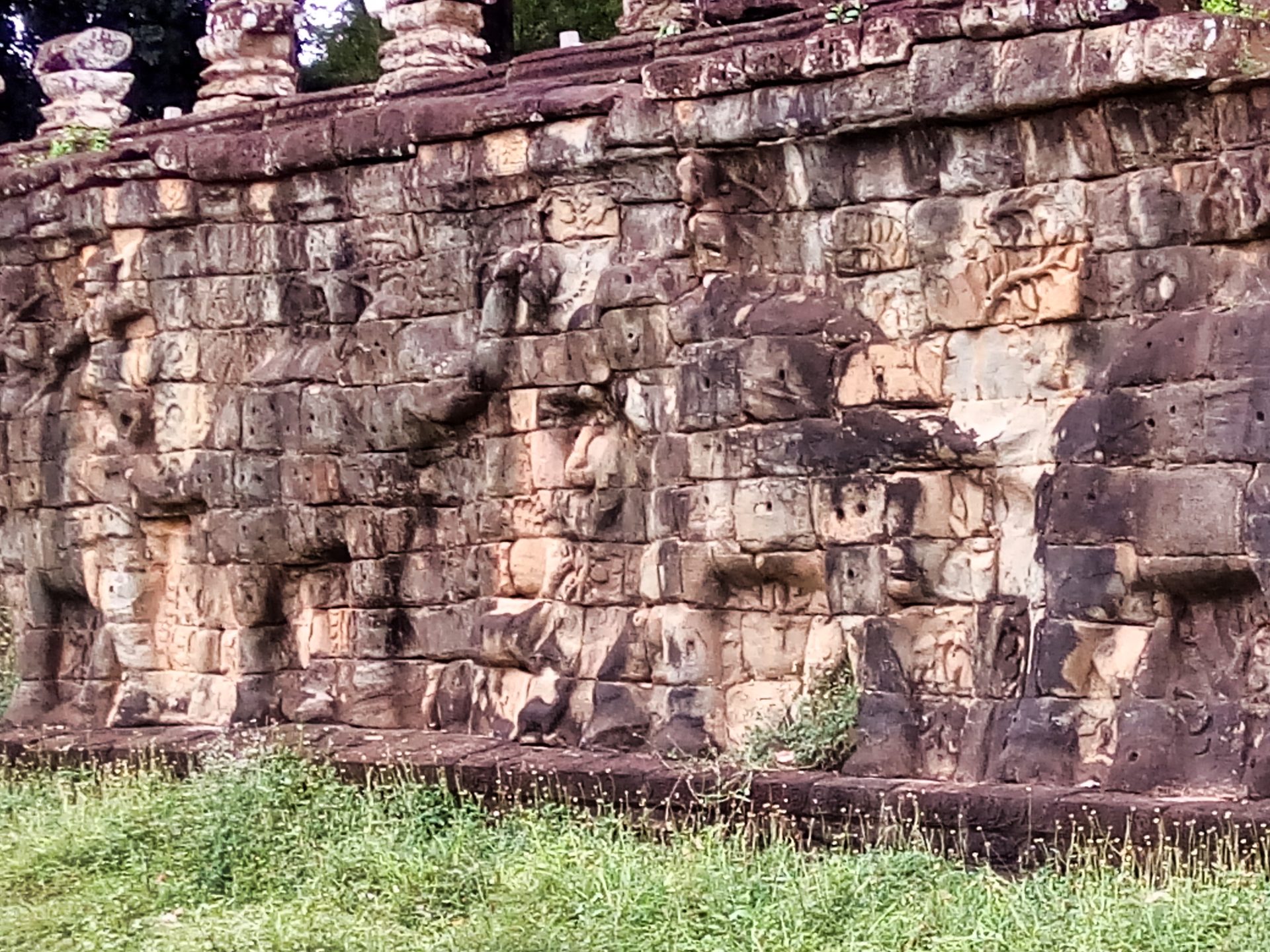
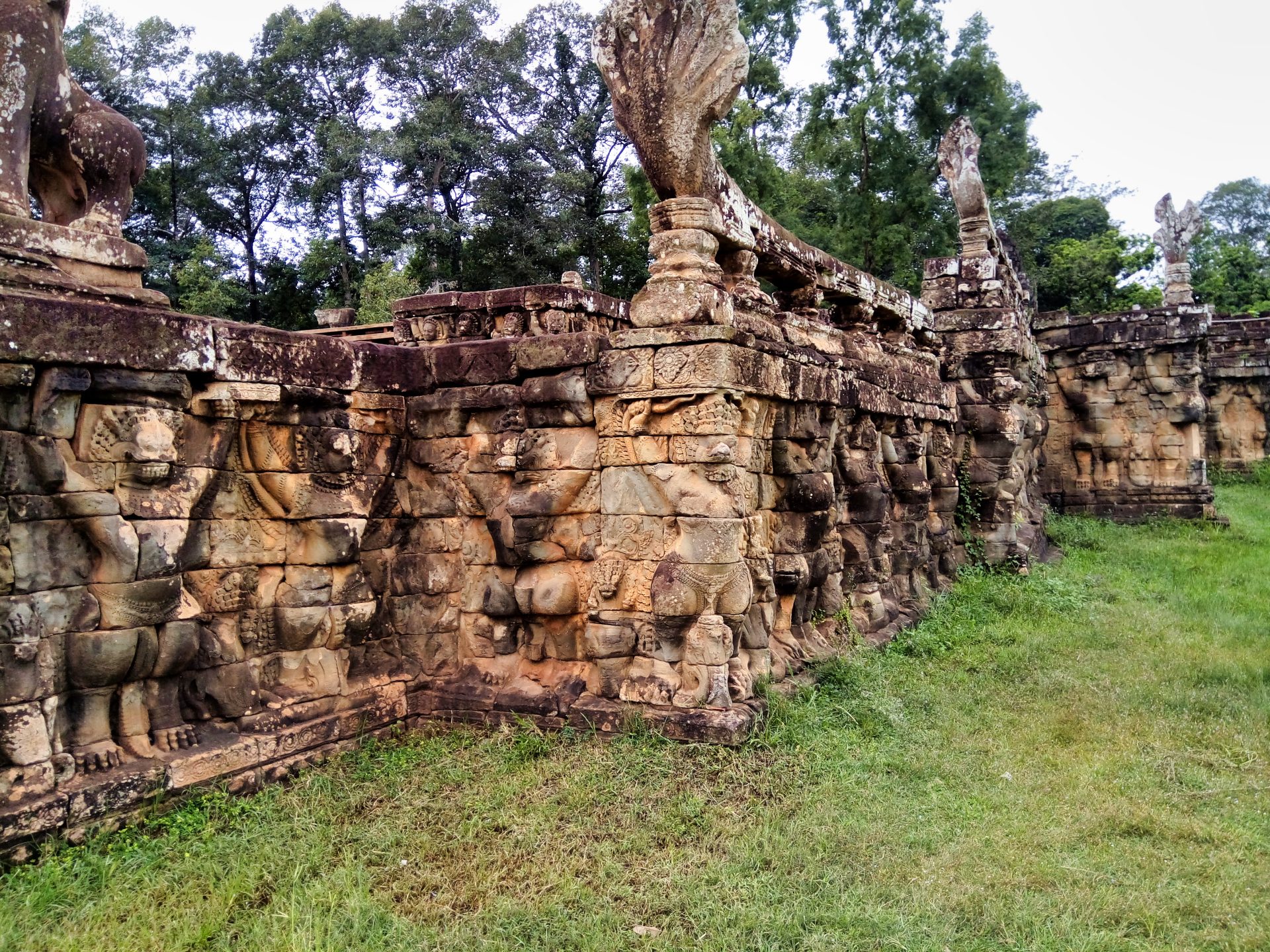
The Leper King Terrace was built in the Bayon style by King Jayavarman VII. The statue earned its name mainly because of the moss growing on it and the discoloration, making it appear like a person suffering from leprosy. The Elephant Terrace was built by the same King as a platform to view his victorious returning army.
THE CAUSEWAY
The Preah Pallay temple
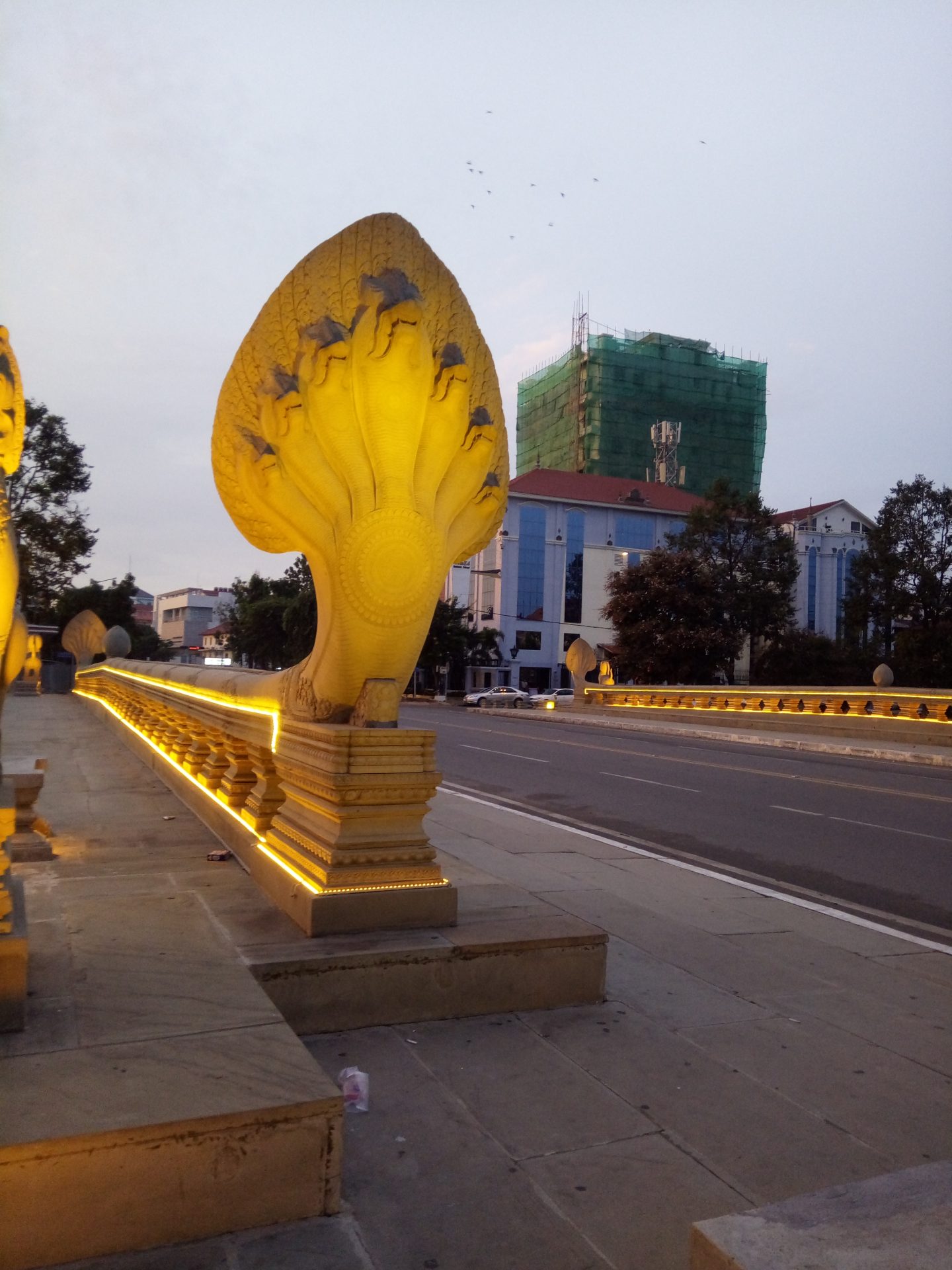
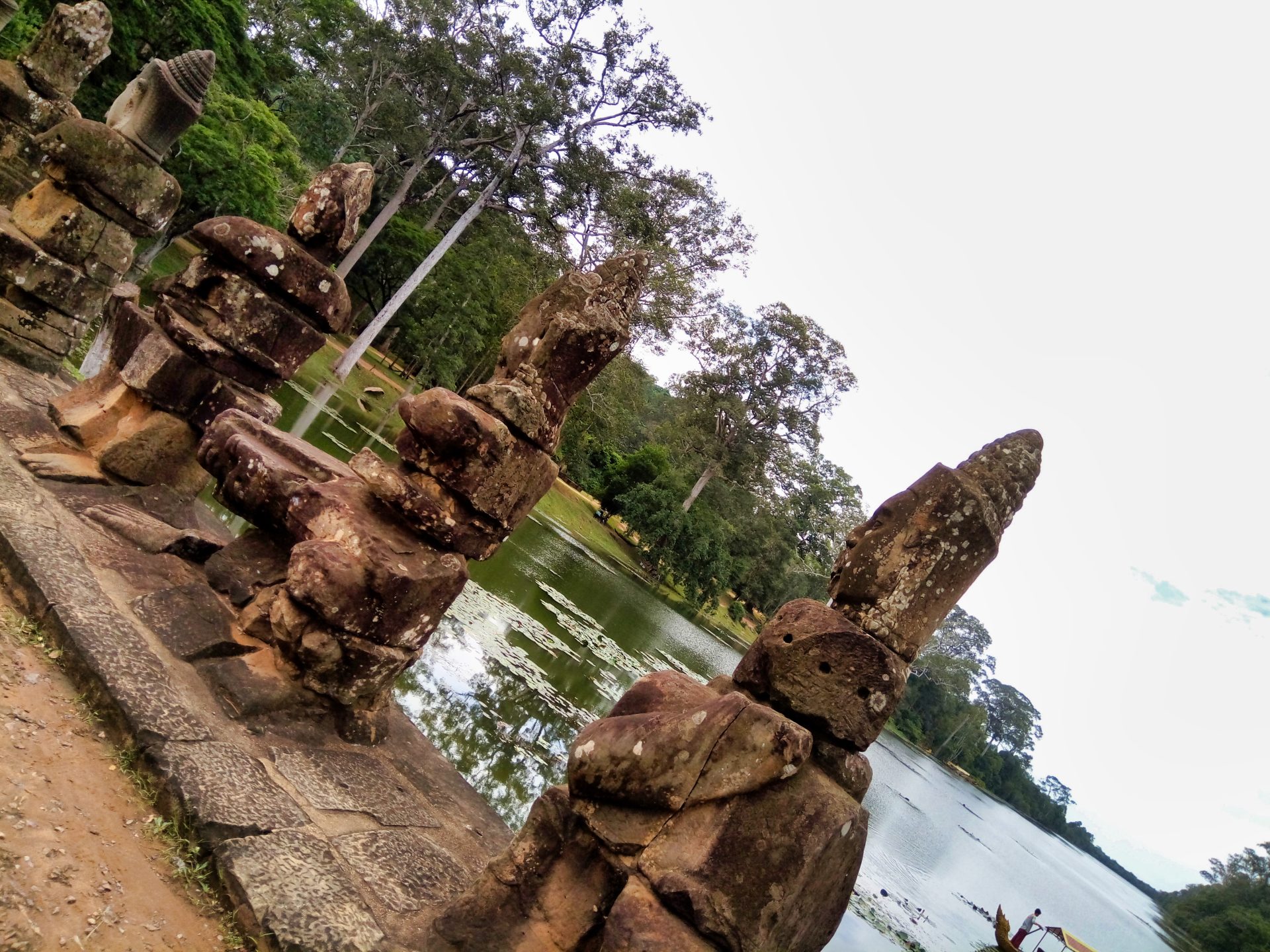
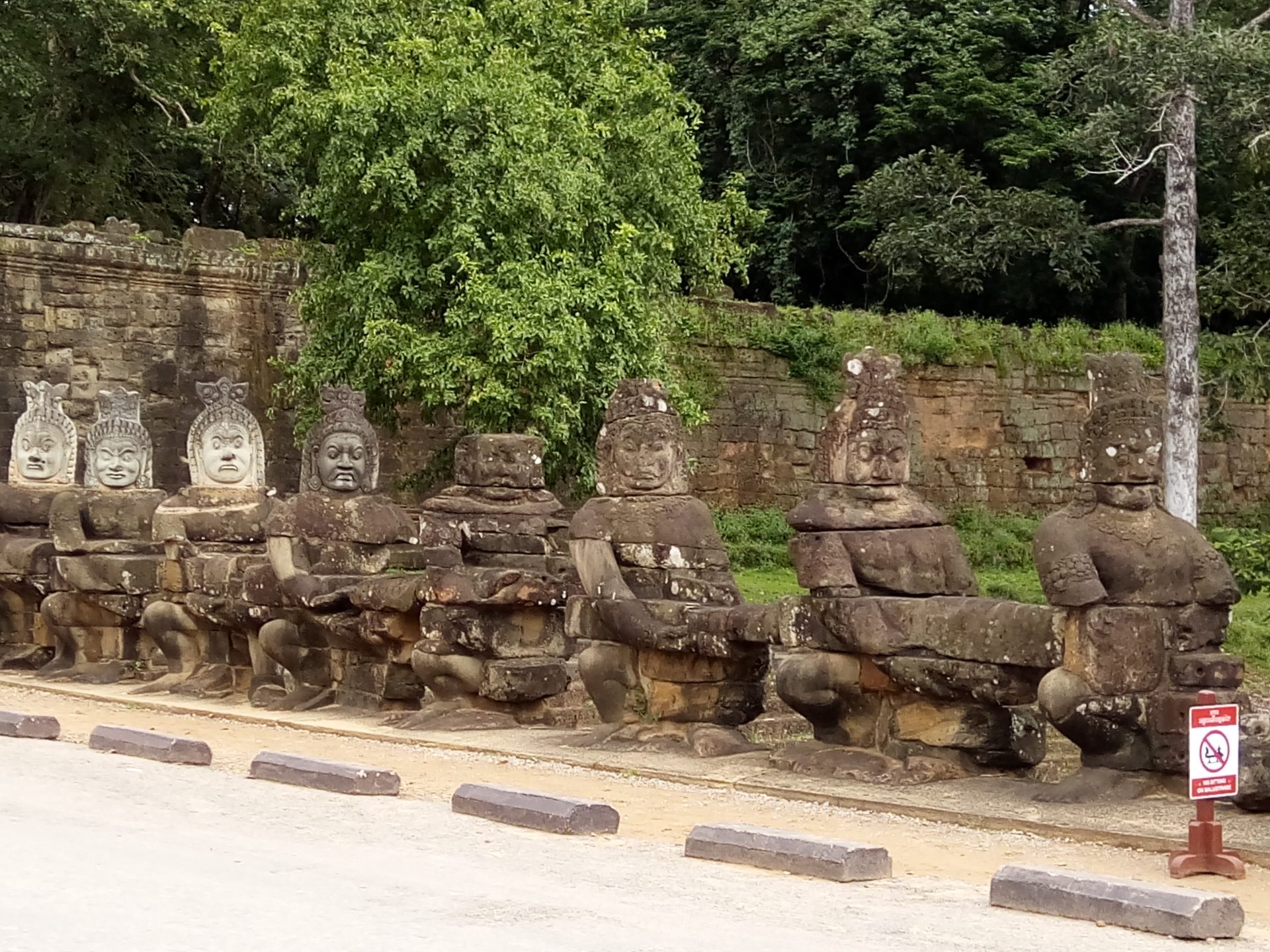
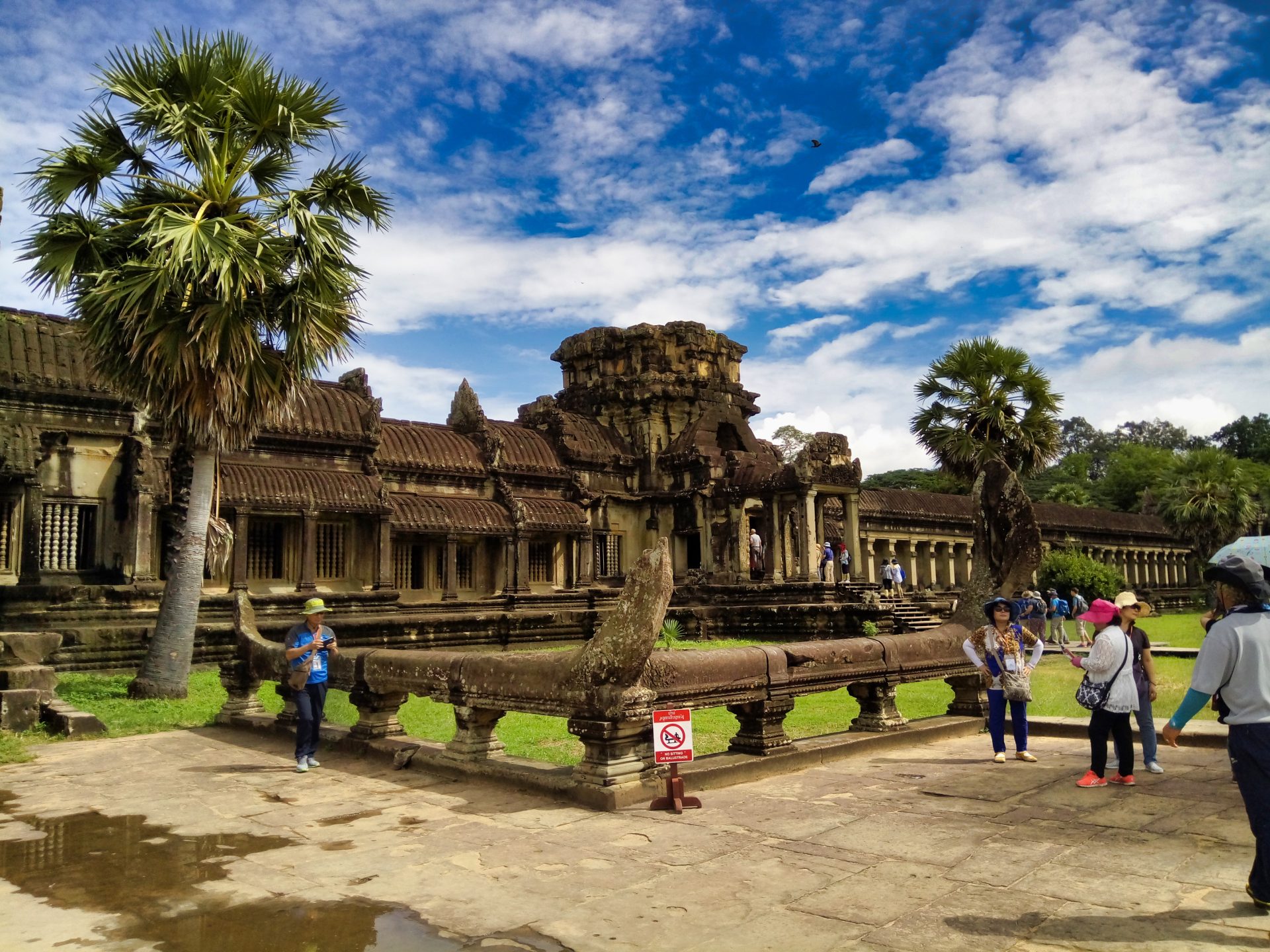
From the Elephant Terrace one has to cross a small causeway bordered on one side by 7 headed Naga balustrades. and guarded by 2 decapited Dwarpalakas (guards at the temple entrance) and a lion (of what remains of an original two). The causeway connects to a single sandstone Gopura. There is a small Buddhist monastery near the temple inhabited by monks.
Moving onto the main Angkor Wat temple
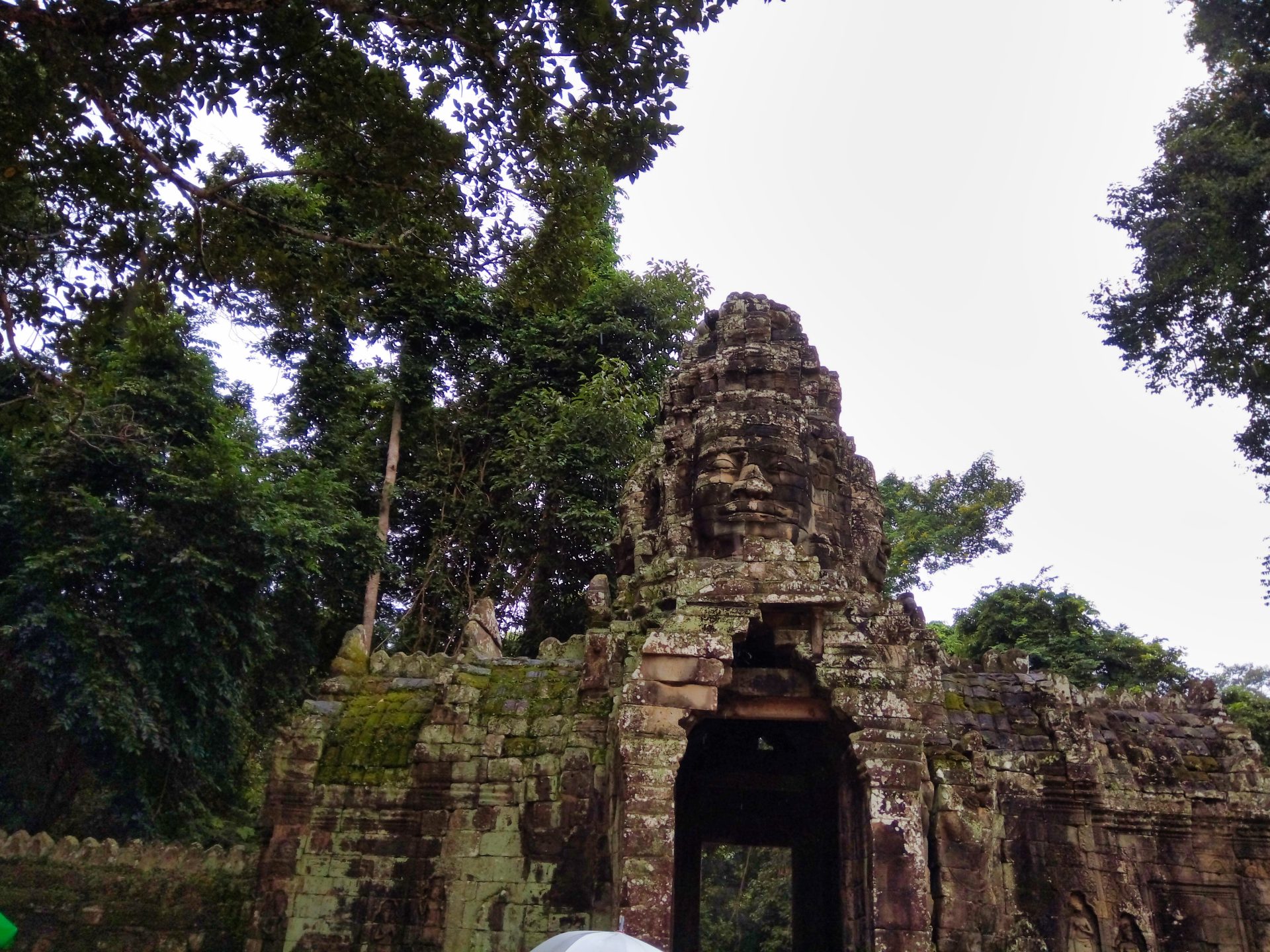
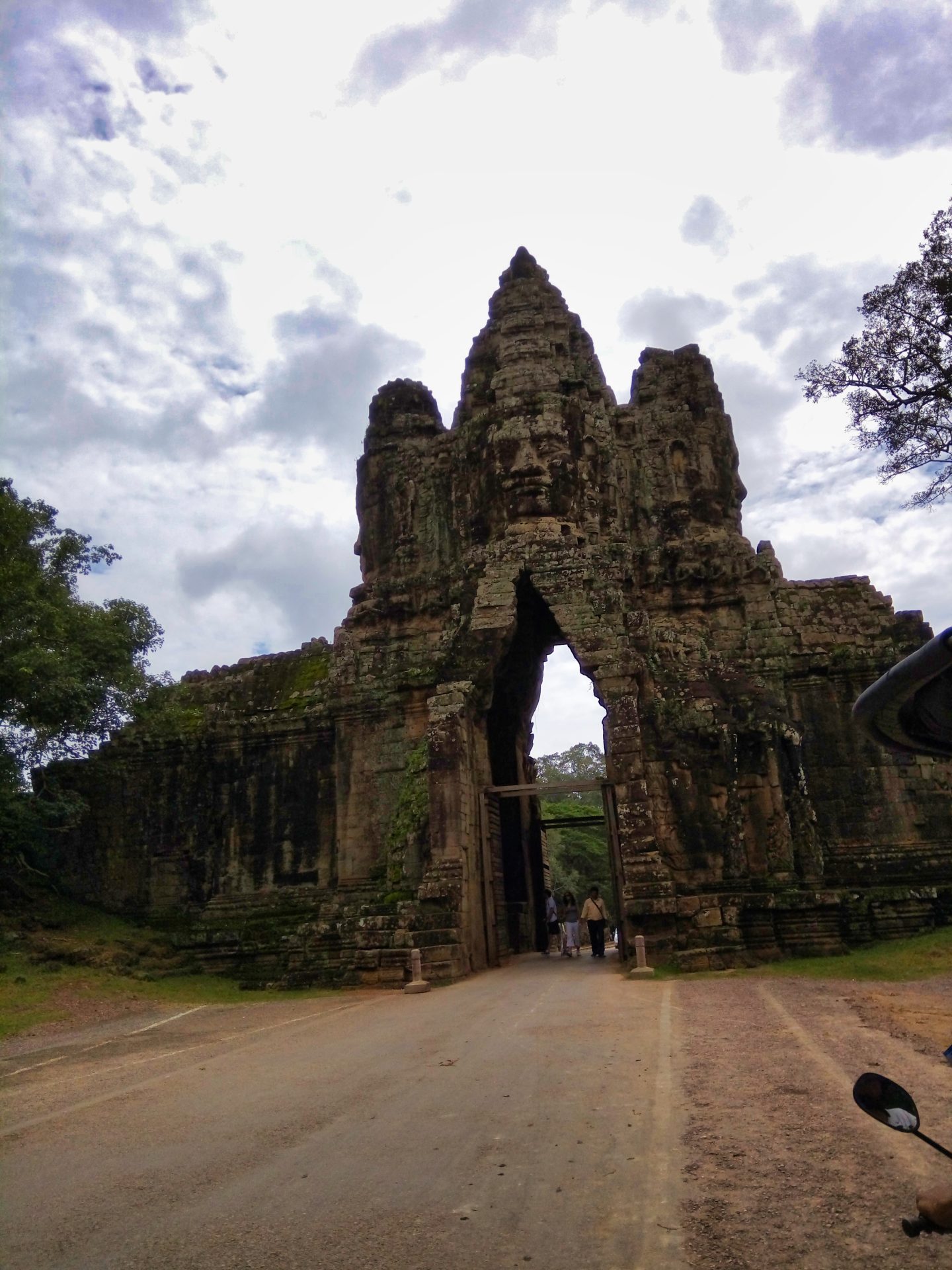
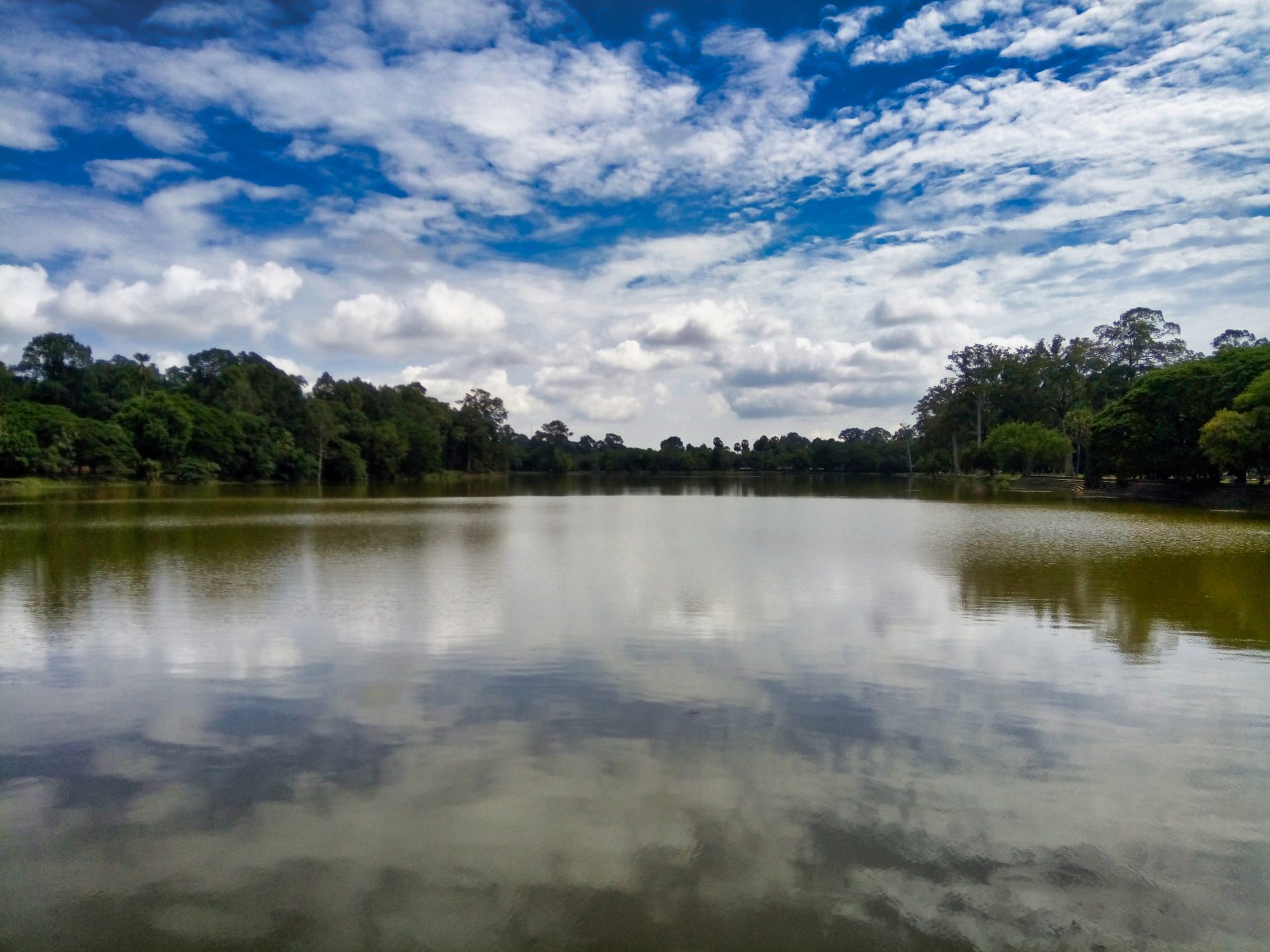
The Victory Gate is one among the 5 gates which guarded the ancient city of Angkor Thom. Built by King Jayavarman VII in the late 12th Century, it served as 1 of the 5 holy Buddhist gateways to Angkor Thom. The gate held lot of historical significance as the king used to send his army into battle through this major gate when defending the Kingdom. We moved on via this gate to grab some quick lunch at an Indian restaurant close to the temple complex before the final pit stop at the most awaited sight – The Angkor Wat Temple. Indulged in a little bit of photography before heading for lunch as the reflections of the temple across the water made for a beautiful view.
THE VICTORY GATE
The Angkor Wat Temple
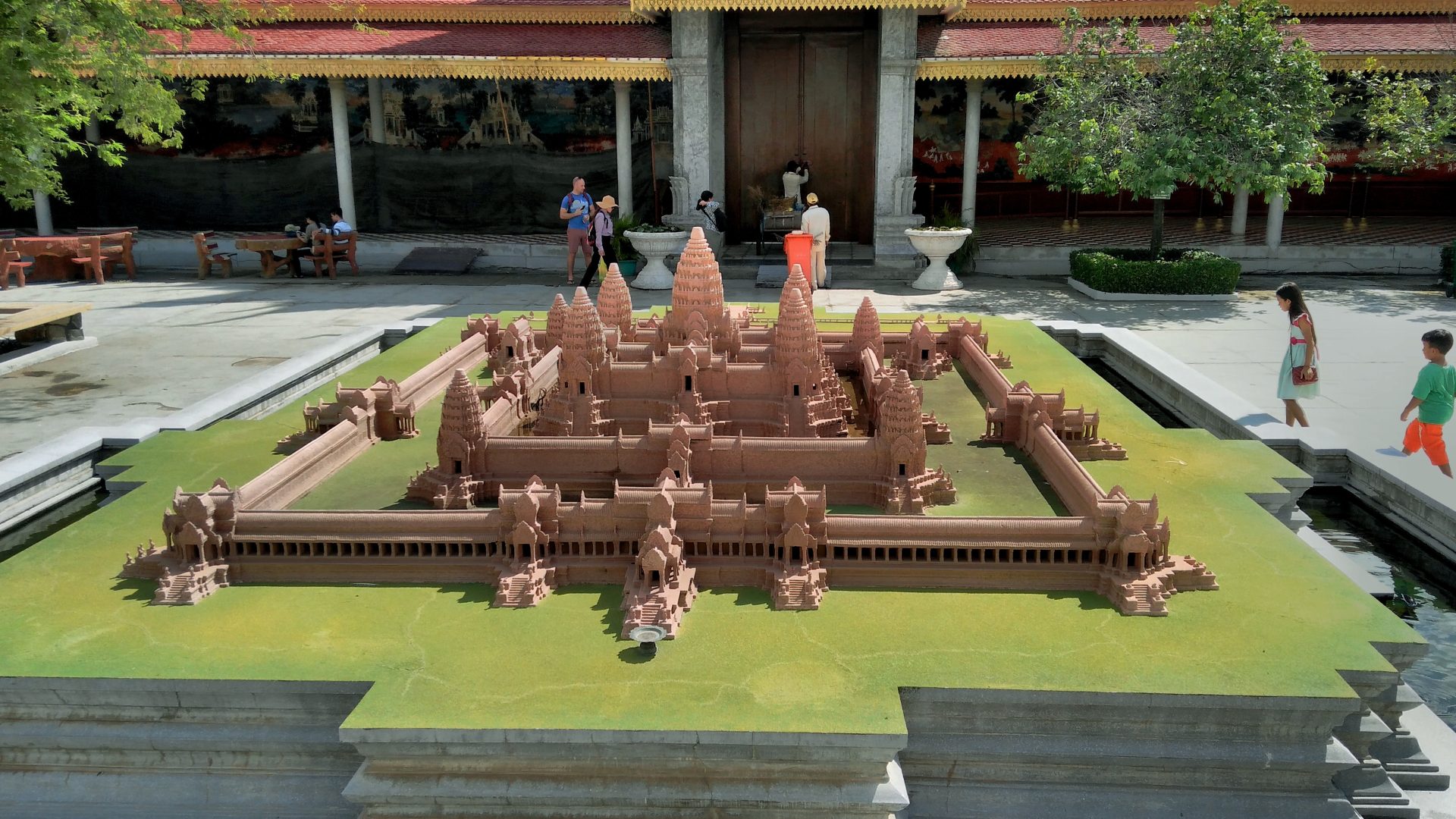
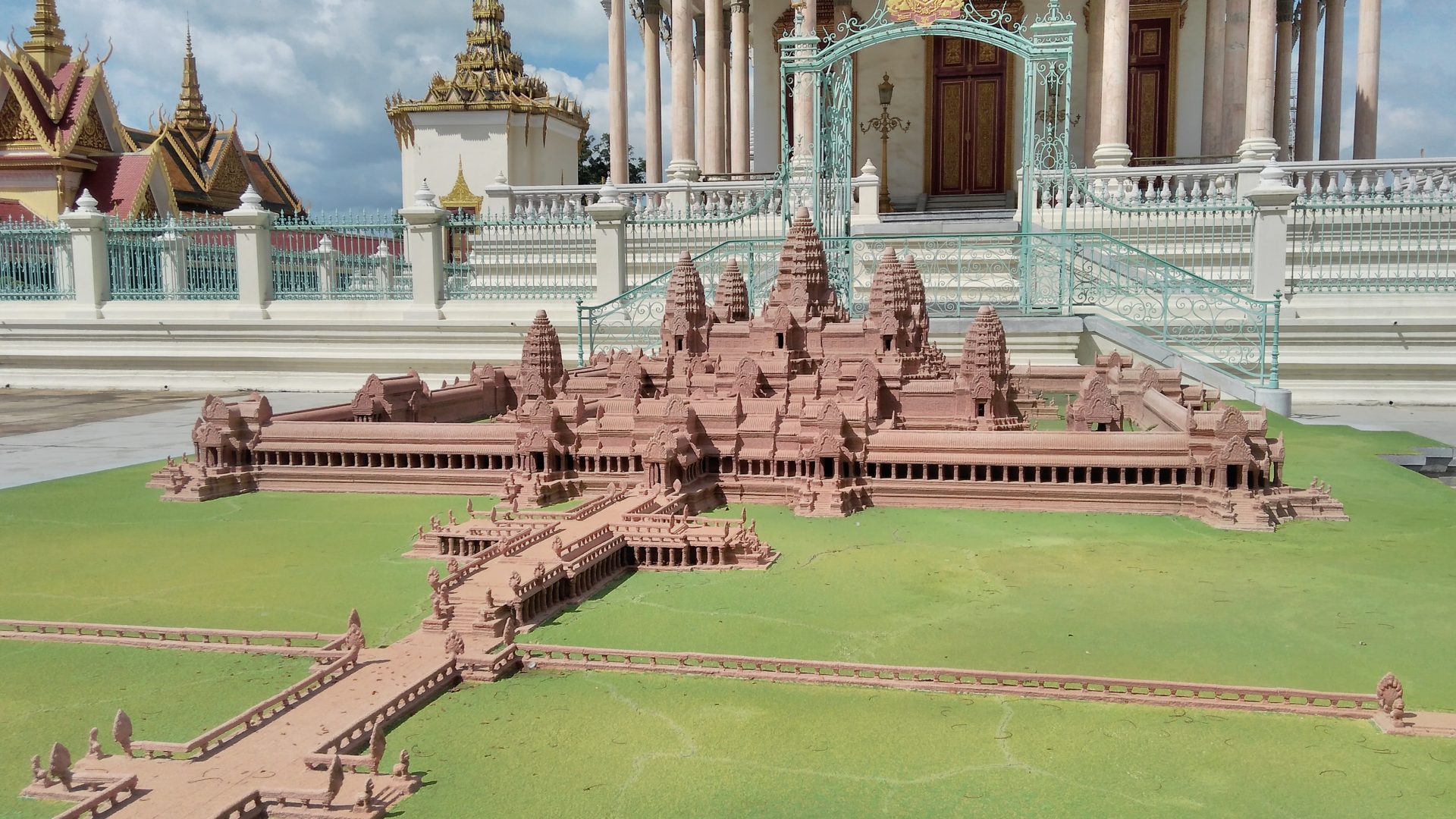
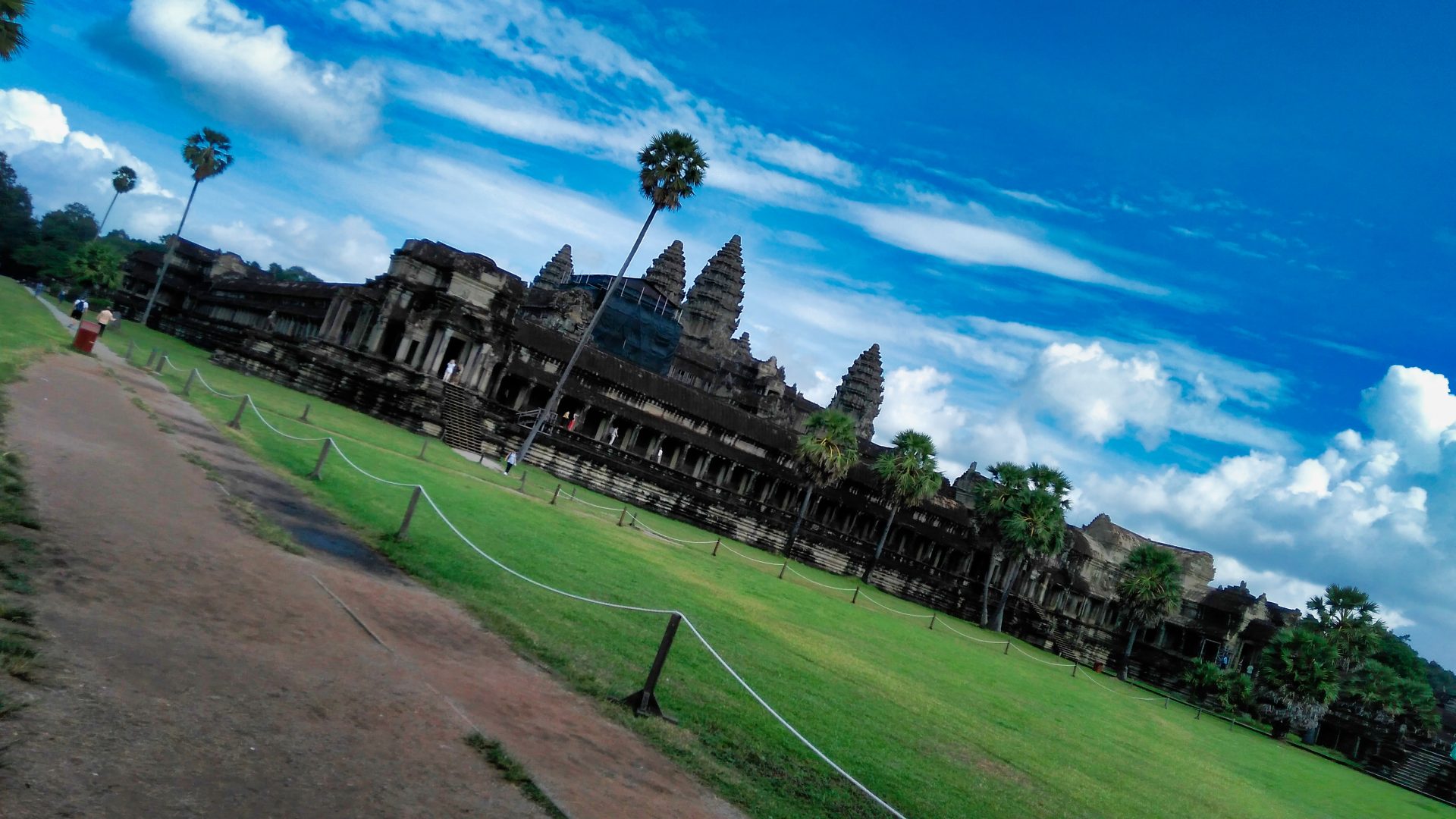
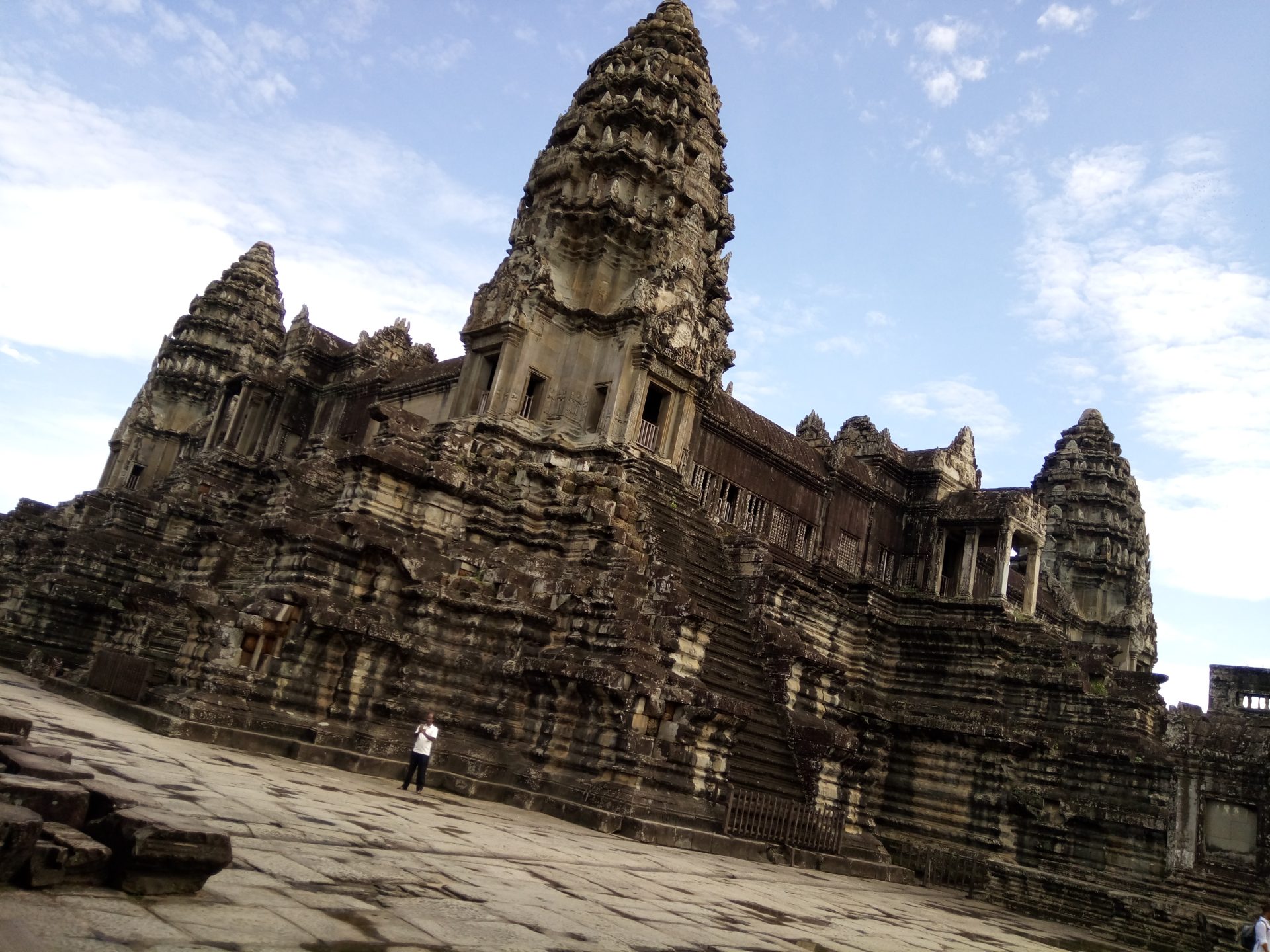
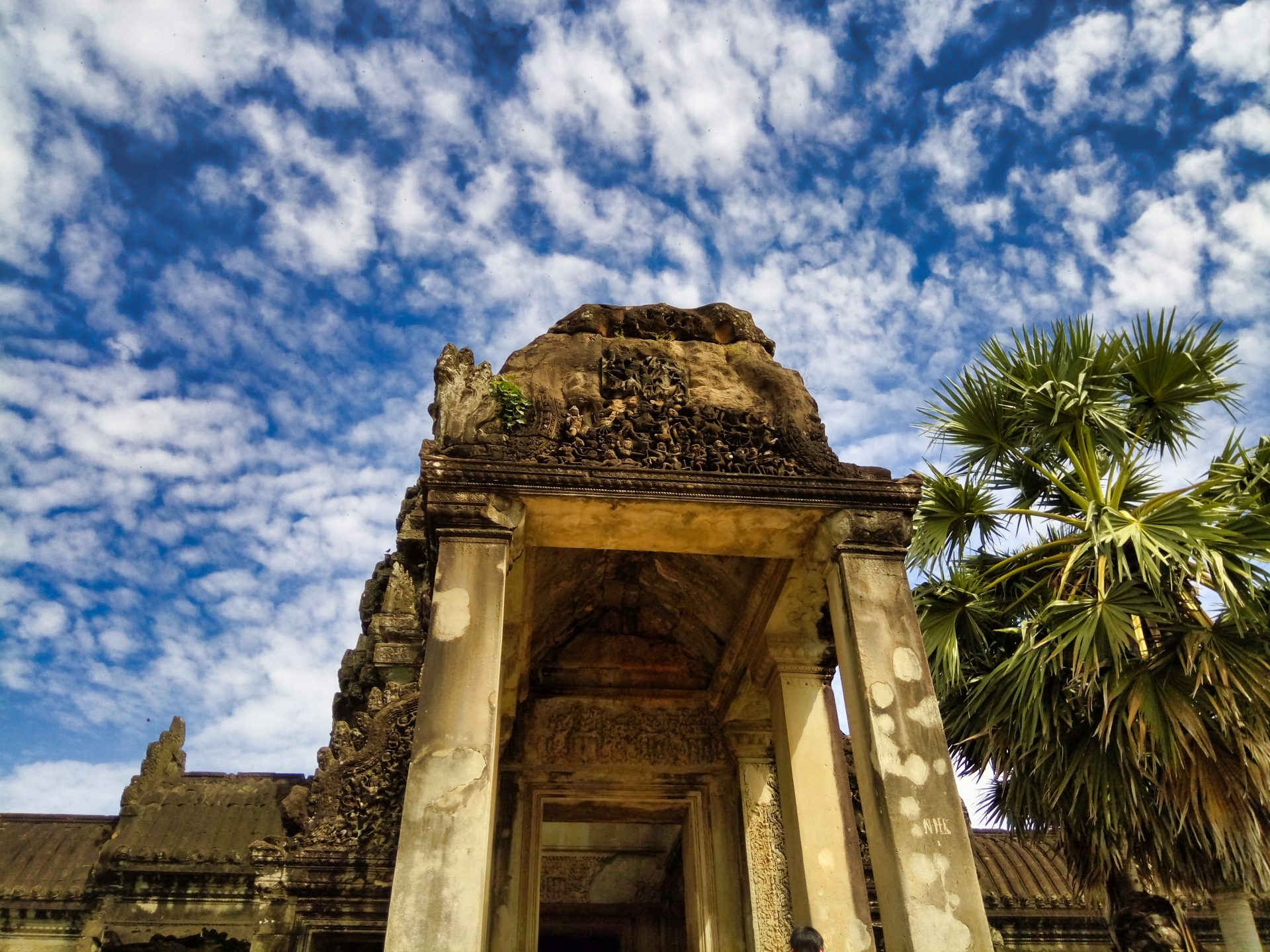
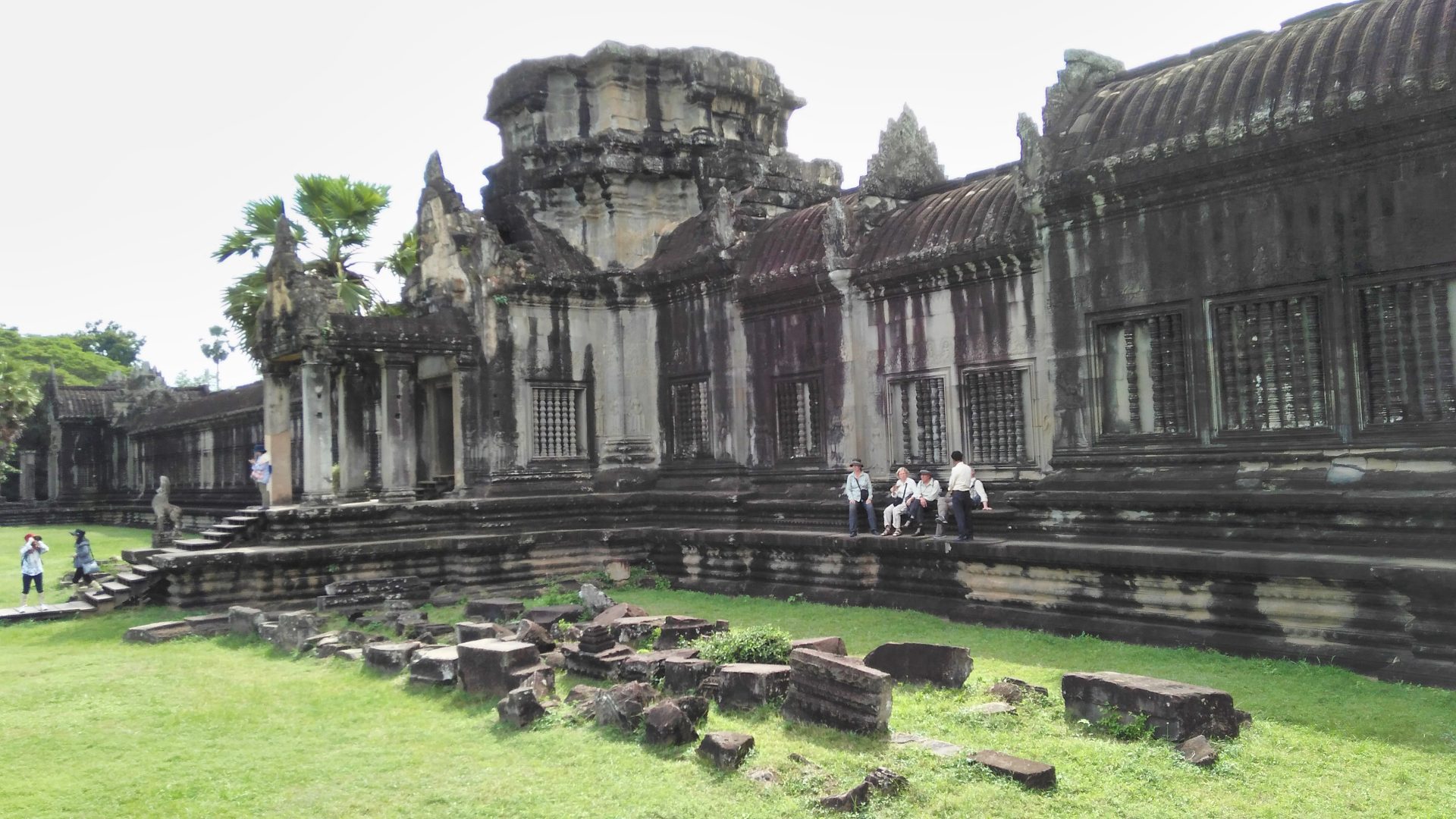
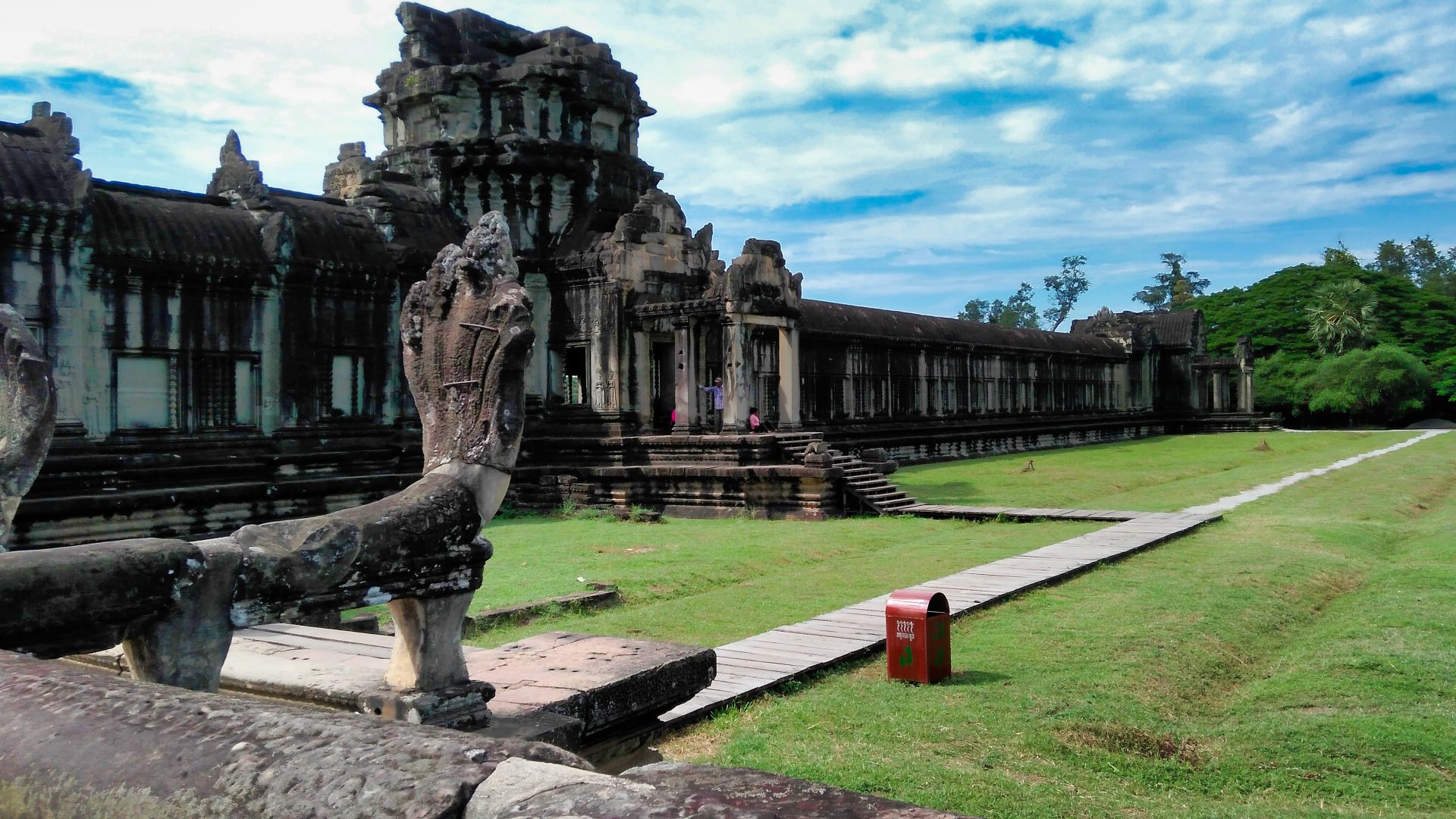
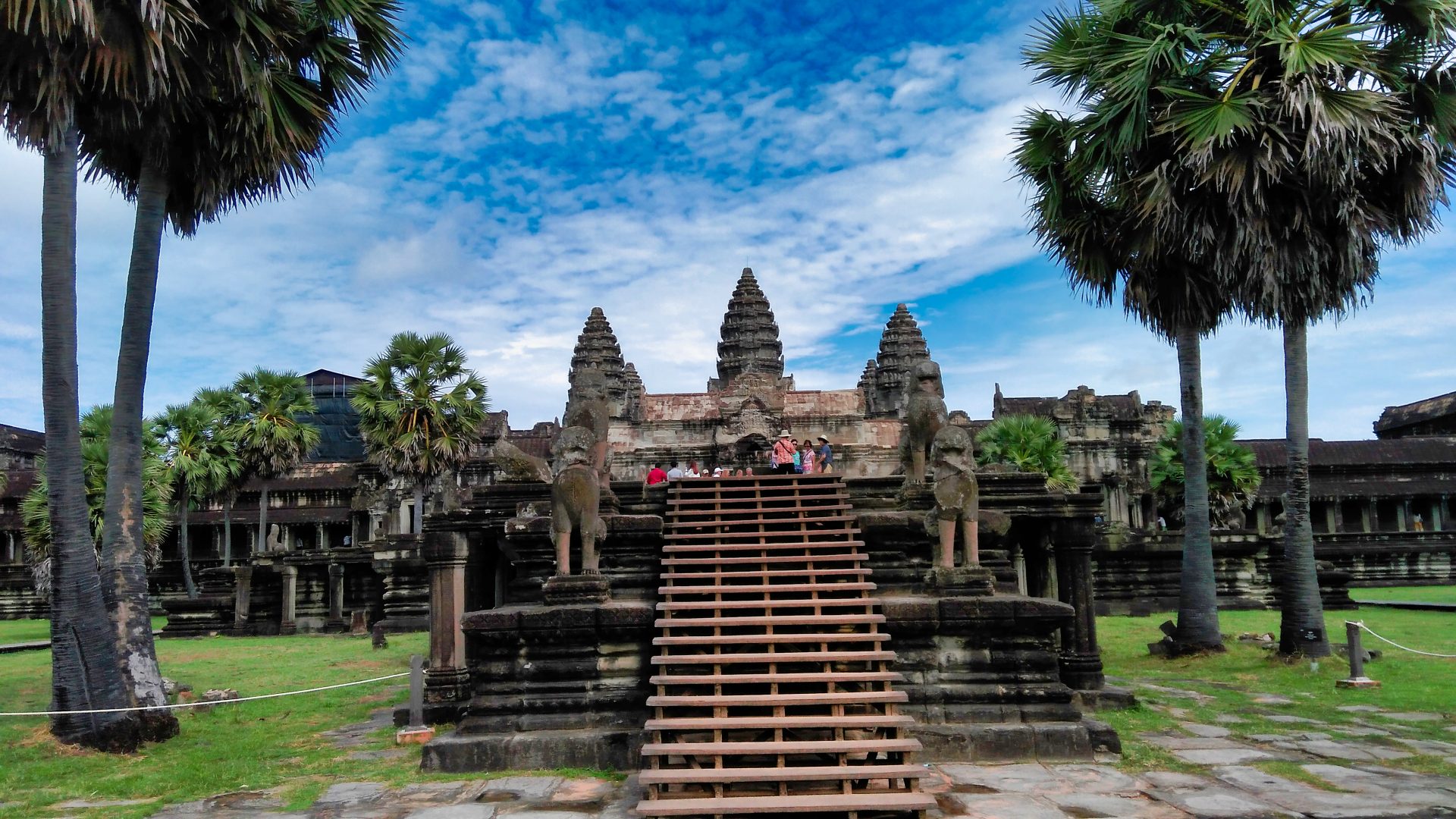
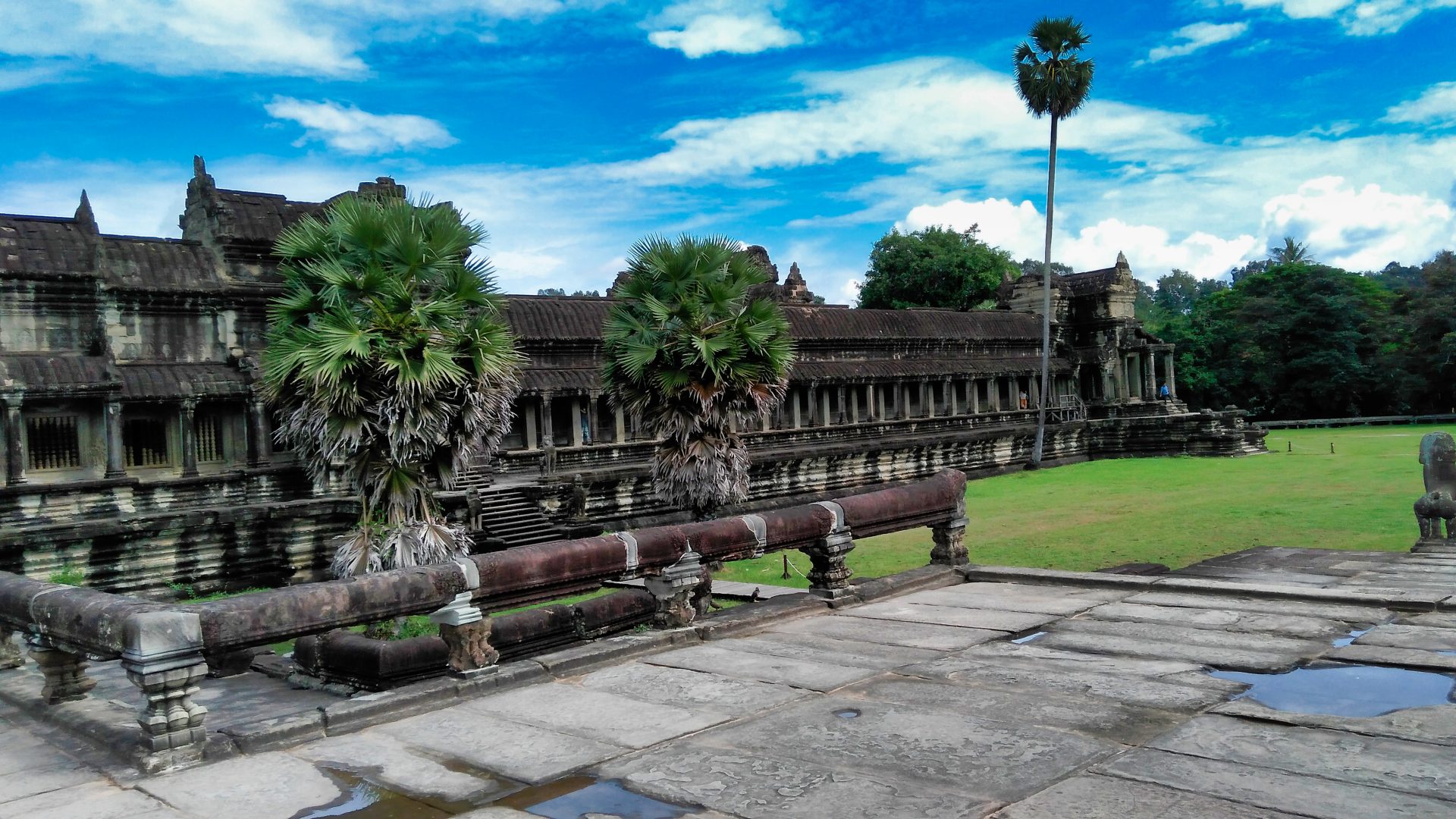
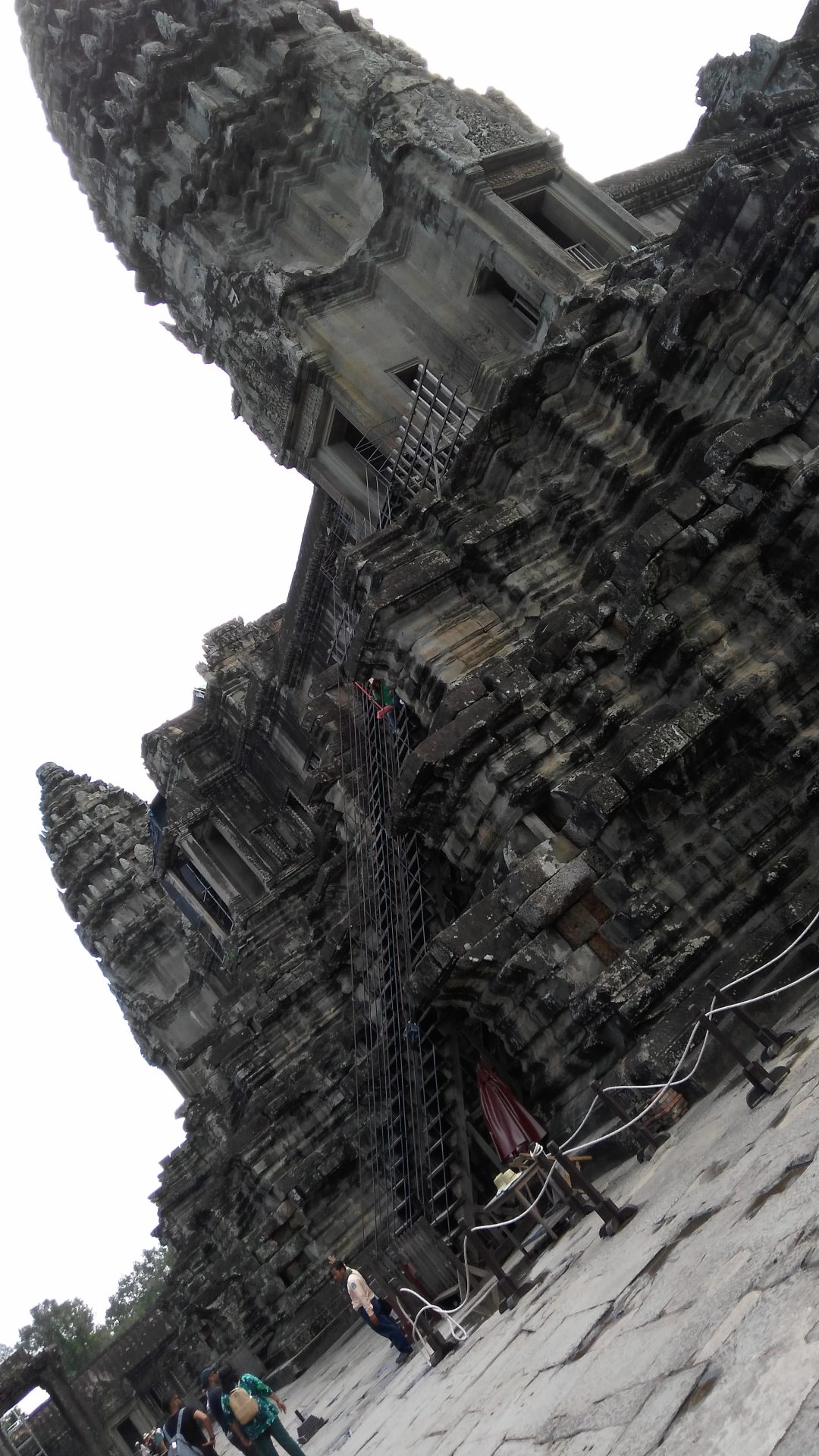
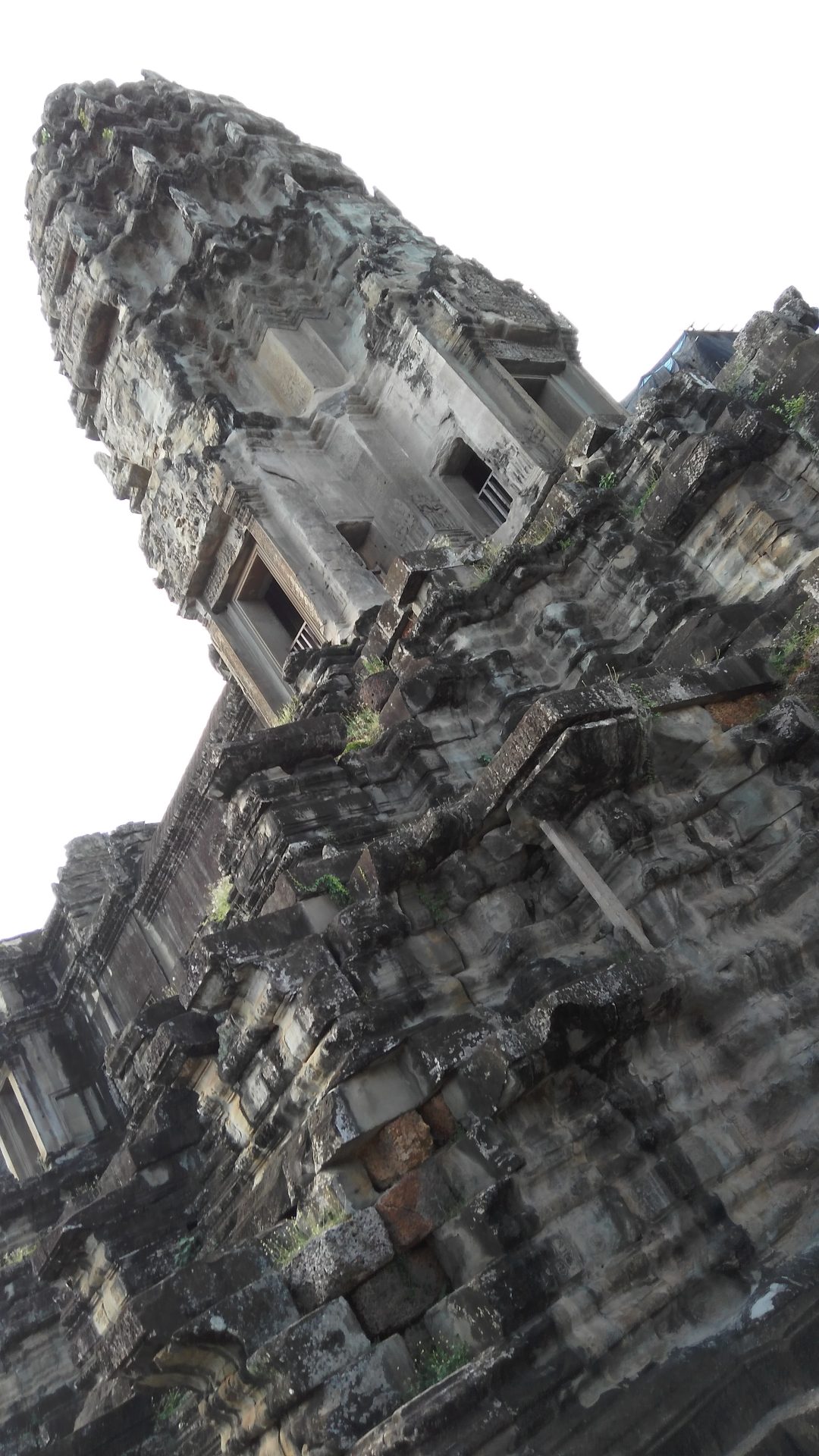
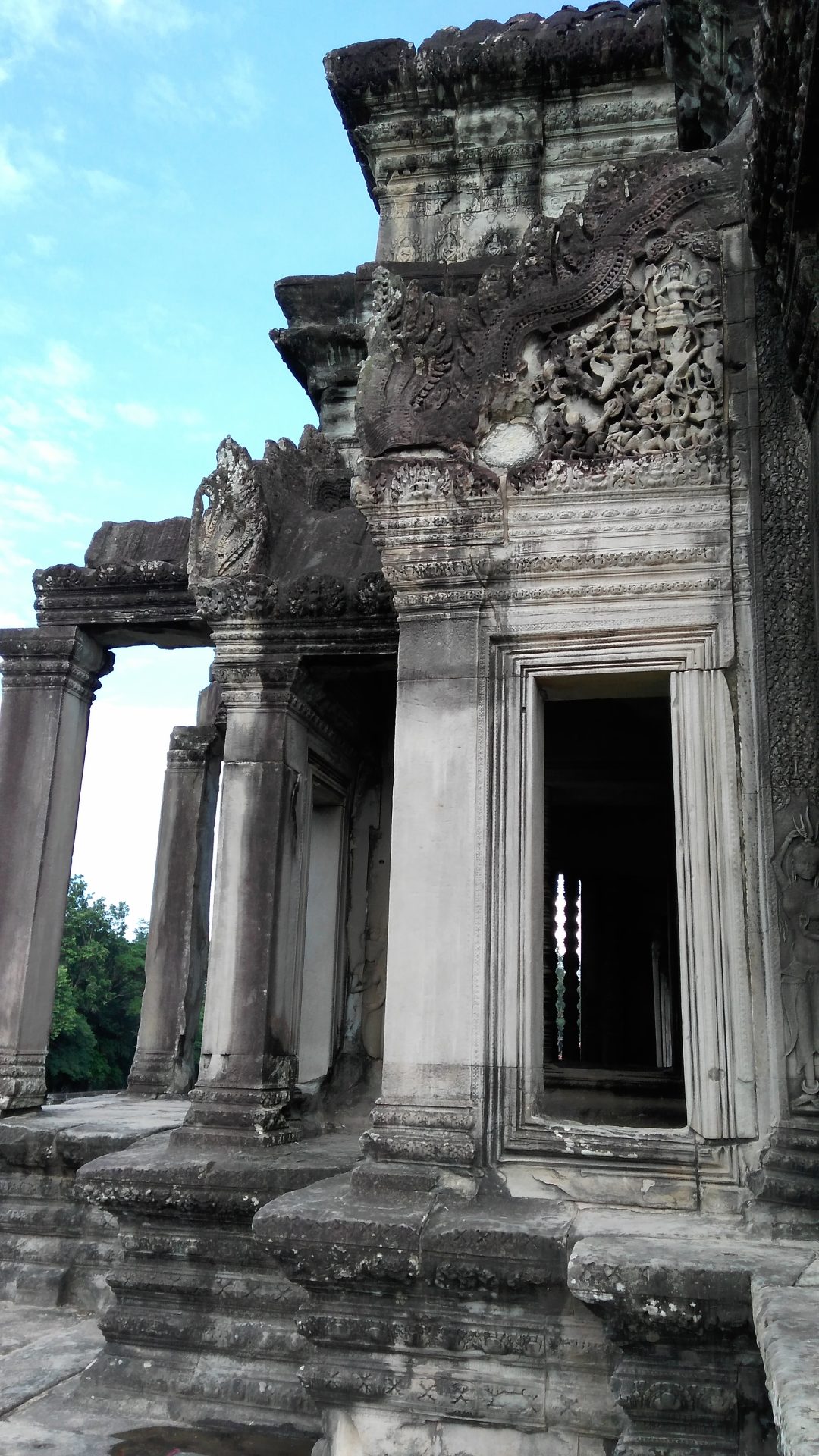
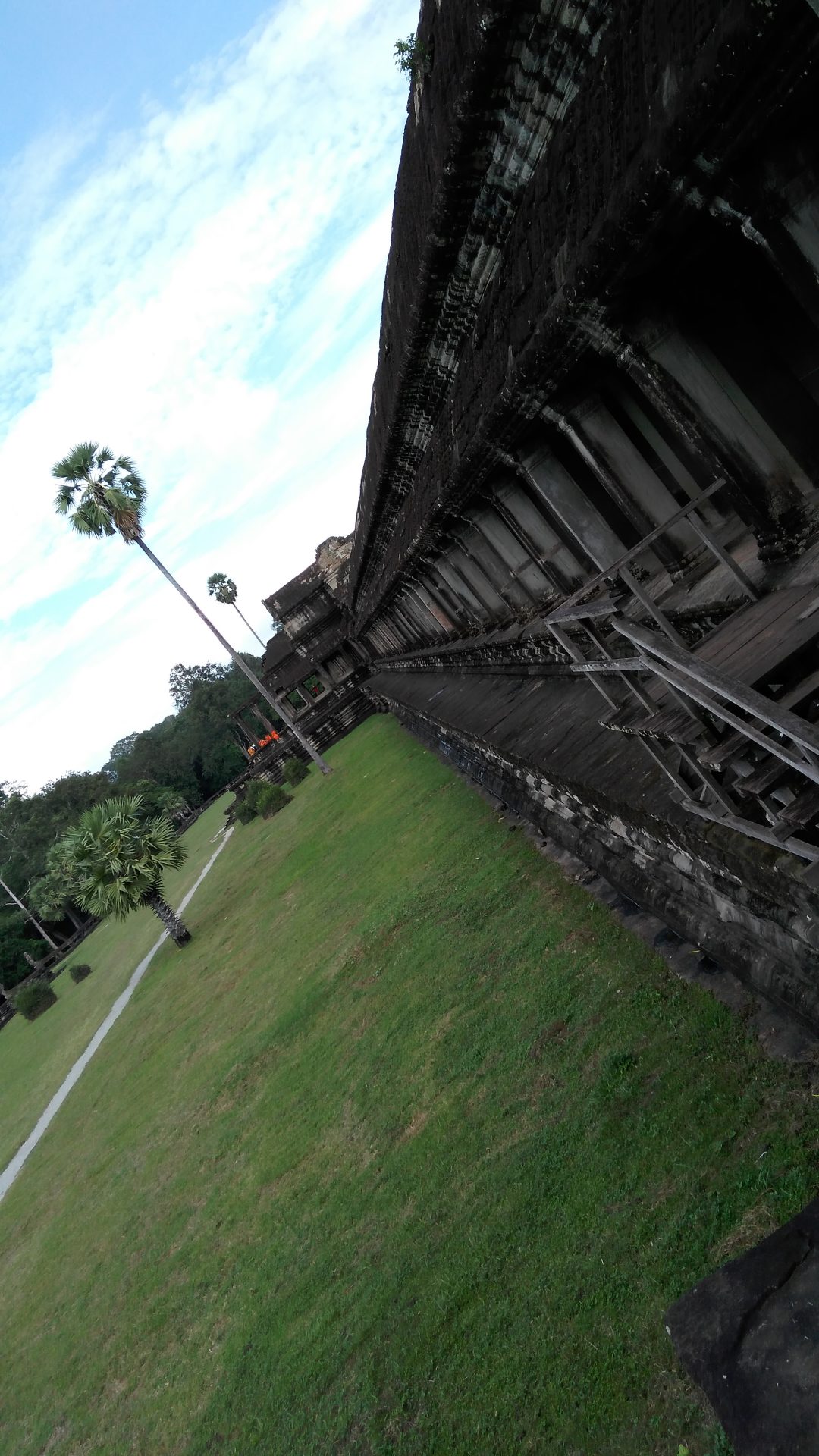
Angkor Wat, meaning the Capital of temples was our last stop for the day. Believed to be the largest temple complex in the world, this temple built over an area of over 400 acres was initially constructed as a Hindu Temple and dedicated to Lord Vishnu, perhaps the only temple which deviated from the tradition of all earlier kings, building only Shaivite temples.
AS WE APPROACHED THE TEMPLE
REFLECTIONS IN THE CALM WATERS
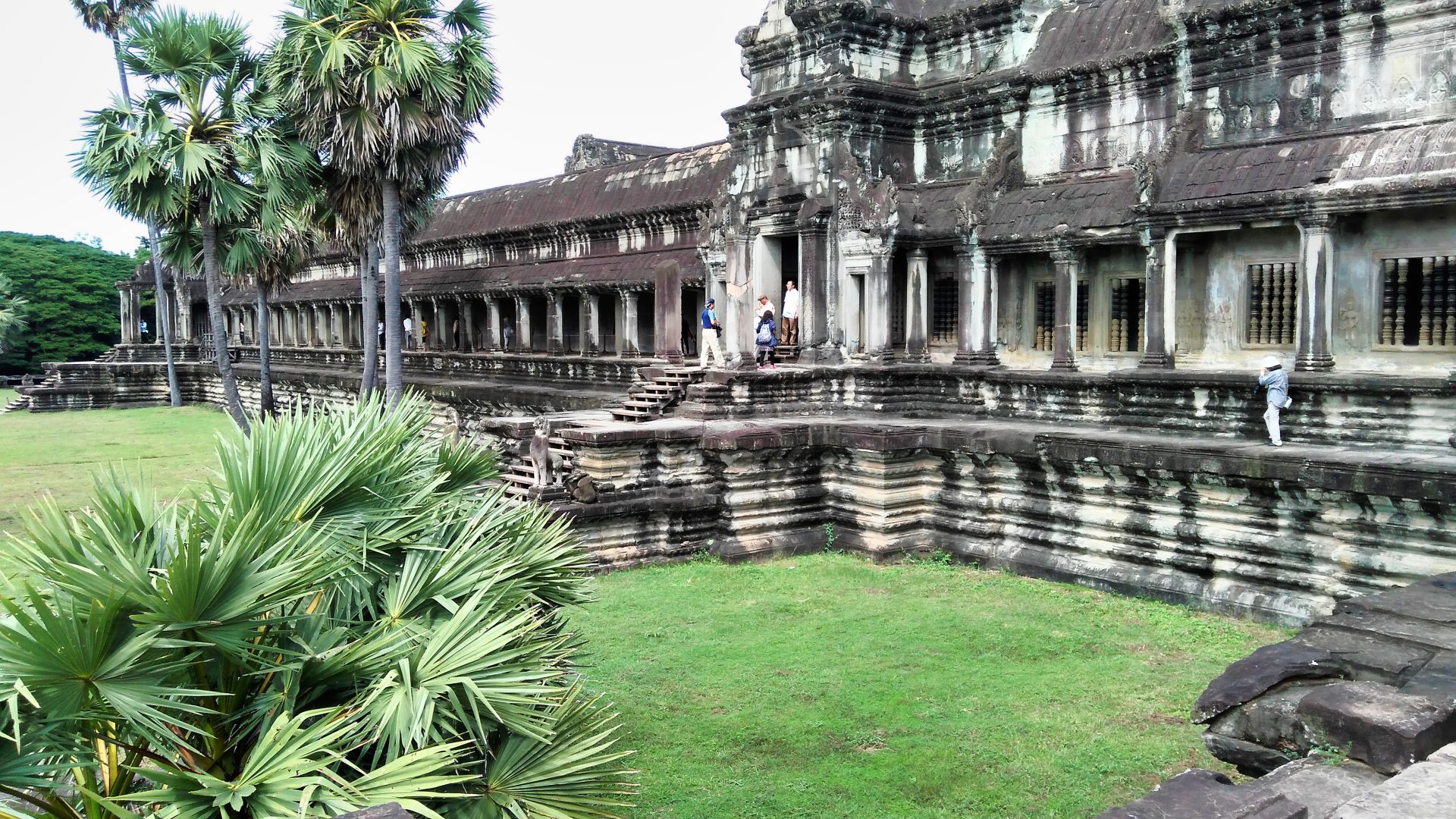
Towards the end of the 12th century, this slowly got transformed to a Buddhist Temple. Known for its classical Khmer style of architecture, this temple finds a place in the National Flag of Cambodia. This temple though abandoned after the Varman dynasty was never neglected and work on cleaning up and restoration started pretty early. It was lucky to have survived years of invasions, internal conflicts and civil wars besides pilferage by Art Thieves.
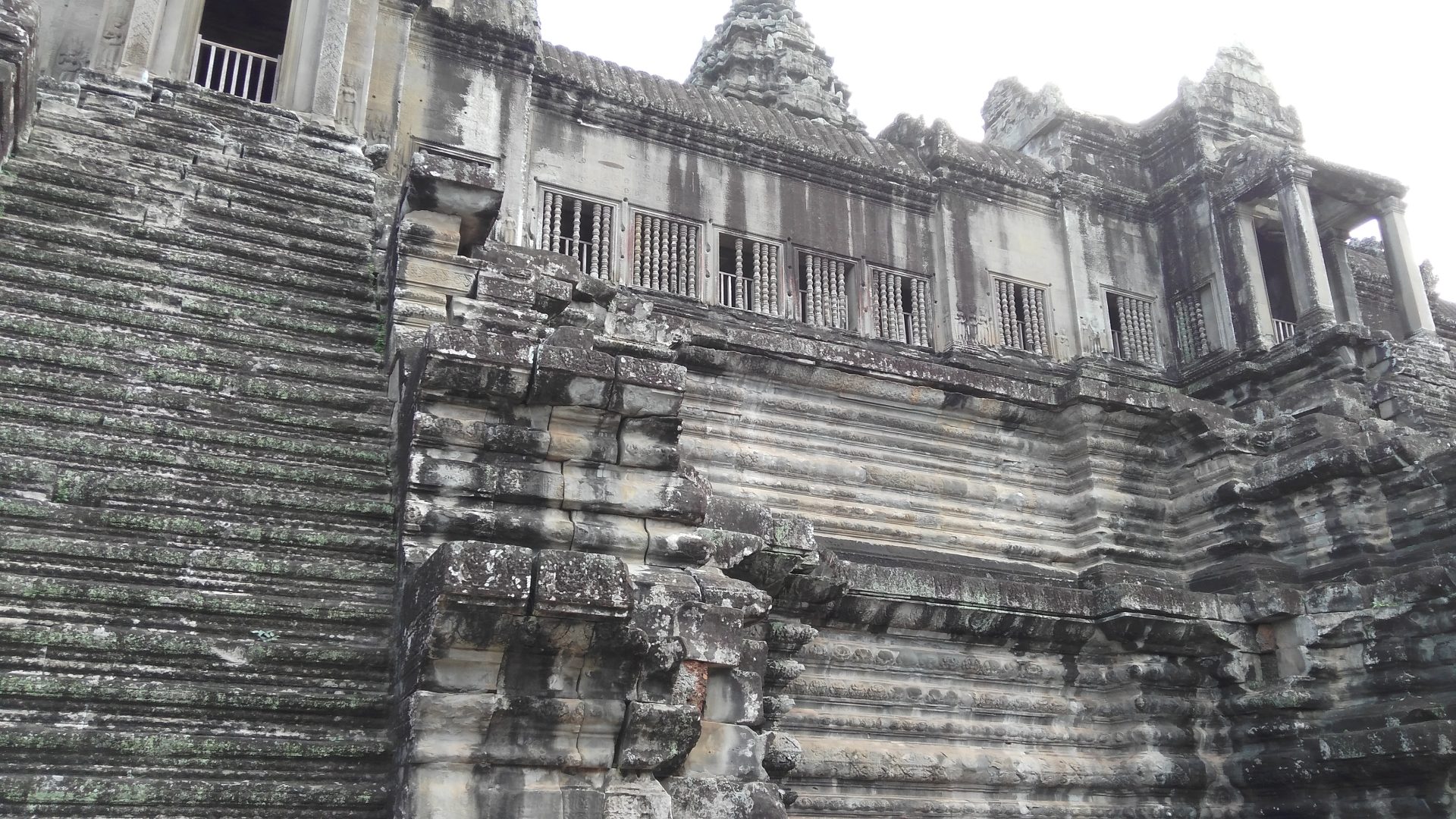
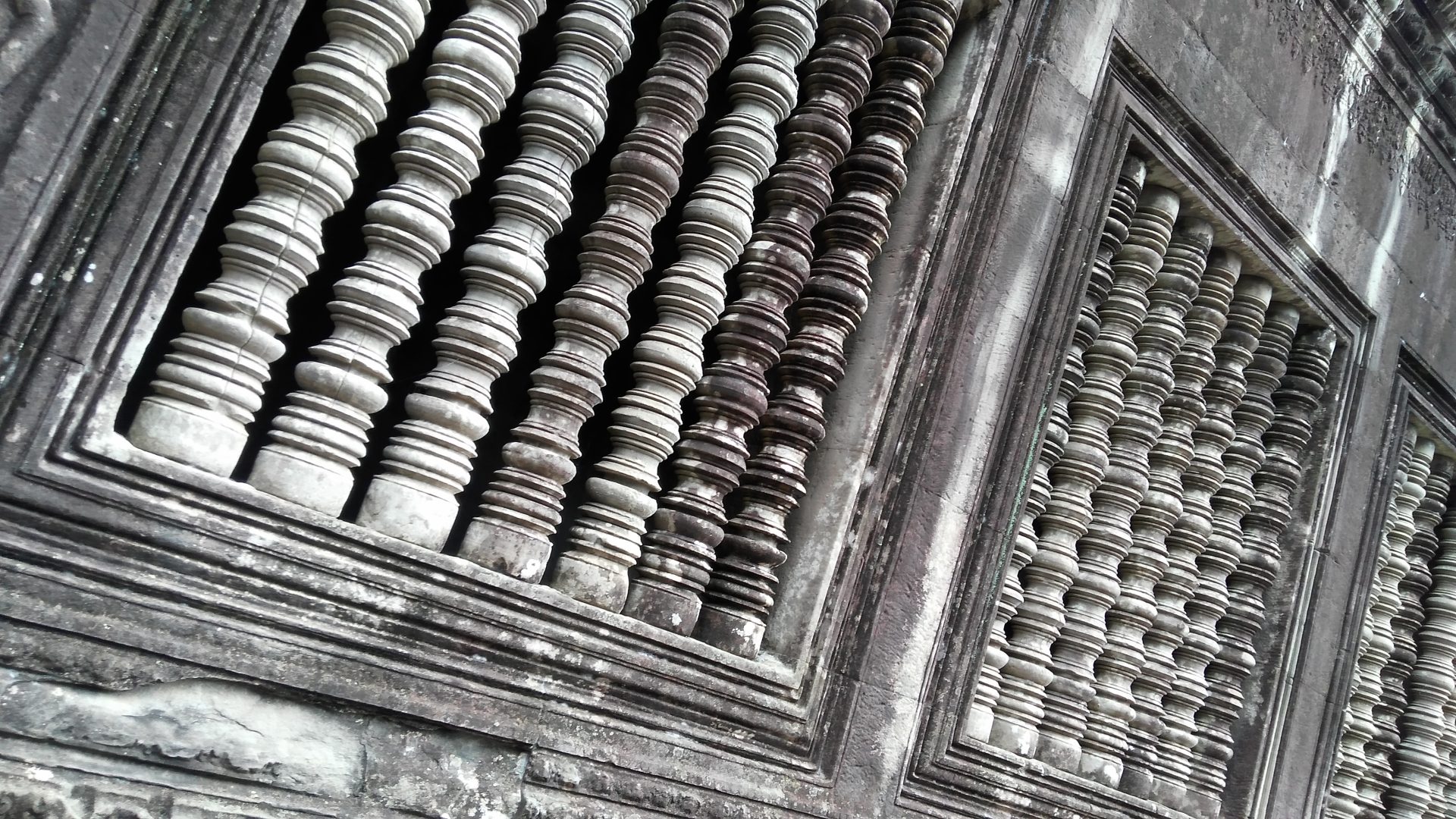
The temple’s unique architectural combo of temple mountains and concentric galleries is believed to have some celestial significance. Built out of sandstone and laterite, the temple’s construction was believed to have been made out of 5 to 10 million sandstone blocks with a maximum weight of 1.5 tonnes each. It took us almost 2 hours to see the temple in its entirety and we started our drive back to the hotel at around 5.30 PM.
After some rest, we finished our dinner at one of the nearby Indian restaurants Flavors of India and checked out of the hotel. We had booked ourselves by the night 11 PM Giant Ibis bus for Phnom Penh. The tickets were priced at $15 apiece and the 6 hour ride back was absolutely smooth and hassle free. Lots of lovely memories stay etched about this tour but would definitely like to do not only a longer version of Angkor Wat but also visit places like Baentey Srei, the Floating Village and market besides the cultural extravaganza and the Cambodian Circus which they put up every evening. And yes!! Would love combining this with the Angkor Wat Half Marathon which happens every December.
Excellent description of the places and monuments. Very detailed. Congratulations and appreciations for the narrations. Very useful for people planning to visit.






































































































































































Comment for Cambodia
Excellent description of the places and monuments. Very detailed. Congratulations and appreciations for the narrations. Very useful for people planning to visit.