A Quote attributed to Rumi goes as follows – “ Where there are ruins, there are hopes to find a treasure.
If not a treasure literally, one is bound to find a treasure trove of derelict but stunning monuments.
Each of these are interwoven with a story of richness, grandeur, benevolence which all culminated in a violent past.
Kings beheaded, people brutally killed, monuments, temples and palaces razed, treasures looted and so much more.
There is so much seethed in history written all over, so much to read and discover here.
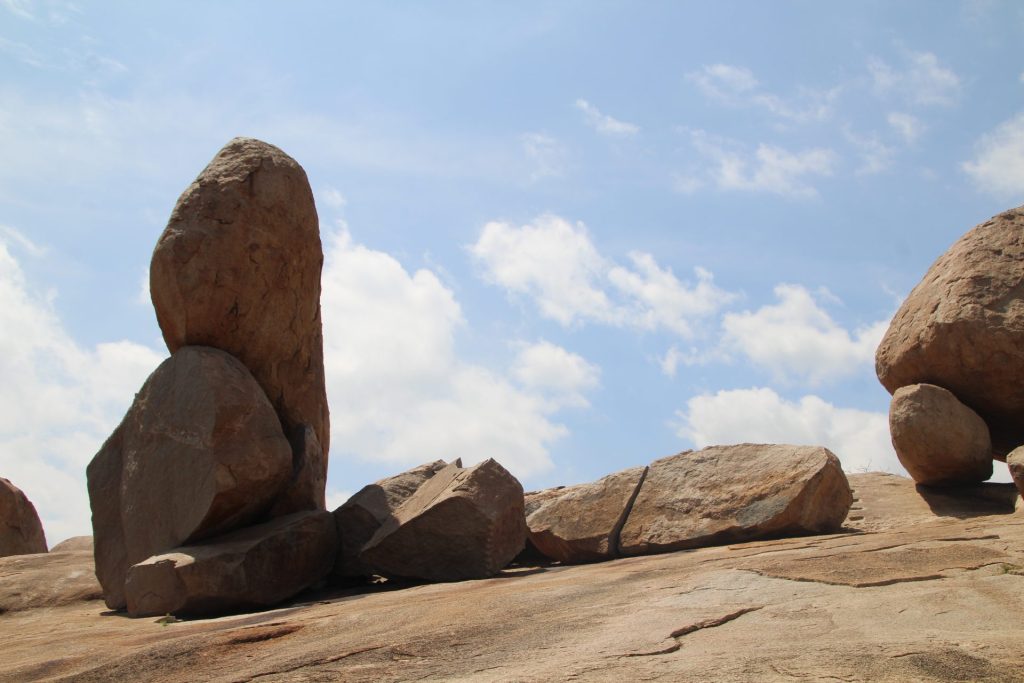
A word of caution however. If the mere sight of rocks, boulders, hillocks and temples doesn’t enthuse you, Hampi is not the place you should have on your bucket list.
However if you spend some time on the Internet and soak yourself in the etymology of this place which was a Magnificent Empire Once Upon A Time, you wouldn’t blink an eyelid in planning this out.
Table of Contents
Getting there
Hampi is more easily accessible by Road or Rail than by Air. The nearest Railway station is Hospete which is around 14 kms away from Hampi and there are a few direct trains from the cities of Hyderabad, Bangalore and Goa plying in. The other alternate would be to travel by an overnight bus between Bangalore and Hospete. The Hubli airport is located around 170 kms from Hampi and would entail a 3 hour travel.
Friday evening’s train (Shatabdi Express) from Chennai brought me into Bangalore at around 10.30 PM and the place from where I was to take a bus at 11.30 PM to Hampi was bang opposite the Bangalore Central station. I had booked both the onward and return journeys from Bangalore to Hospete by the Airavat buses of KSRTC which offer decent value for money in terms of Air Conditioned travel and punctuality compared to the private bus operators and a round ticket made be poorer by Rs.1,600/- only. Friday evening’s Shatabdi from Chennai brought me into Bangalore at around 10.30 PM and I walked over to the Bus stand for the onward journey to Hospete.
The best months to be in Hampi
While The months between October to March are when the climate in Hampi remains pretty cool and pleasant. While the monsoons set in between July to September a late September visit would also be worthwhile considering the greenery which one could get to see thanks to the rains. However the rains would be a definite dampener on sighting the Orange hues of Sunrise and Sunset from the Matanga Hills or the Hemakunta hills. Summer time is a definite No No as it becomes terrible with the radiation from the rocks compounding the heat. Light cotton wear and tees would be the best attire to go with but do not forget your trekking shoes unless you want to give the haul up the Matanga Hills a miss.
Can one cover Hampi in less than 2 days. Well read on...
A very difficult question to answer if one were to ask as to how many days are required to see Hampi. It could vary between 2 to 4 days but I managed it in One and a Half days including a trek, thanks to planning a solo backpacker’s trip on my own.
The folks at home were stone faced (pun intended) when I had asked them to join me and did not want to ruin my plans and thus I chose the October 2nd (Gandhi Jayanti) weekend to lug it all alone.
A visit to Aihole, Badami and Pattadakkal was also squeezed in within the 3 days I was in Hampi and which made my visit and experience that much more memorable.
Confused about stay at Hampi or Hospete
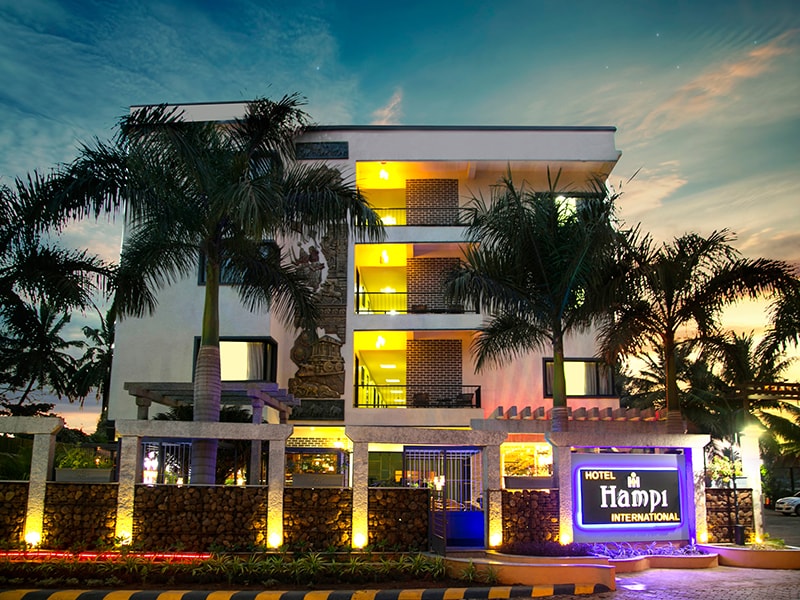
If one were to chose between Hampi and Hospet for stay, would definitely recommend Hospet as there are quite a few decent hotels to pick from depending on your budgets like Hampi International, Malligi, Krishna Palace, Brindavan Residency, Clarke’s Inn etc while at Hampi, most of the hotels are typical homestays or pretty expensive resorts like WelcomHeritage Shivavilas Palace, Hyatt Place, Evolve Back etc.
Choose your pick depending on how much moolah you want to cough up but do read the reviews on Booking.com or Agoda before narrowing down on your choice.
HOTEL HAMPI INTERNATIONAL
CLARK'S INN
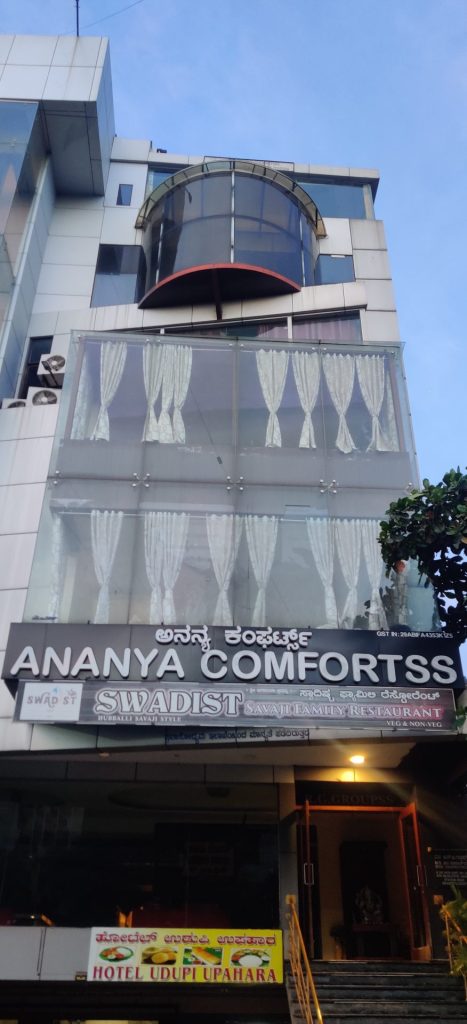
I missed the bus of selecting one of the above hotels in Hospet as mine was a last minute plan to utilise the October 2nd weekend and they were all sold out months before. Finally, managed to get a room at Ananya Comforts for the 3 days of Stay at Rs.9,200/-. There were lot of restaurants in and around this hotel.
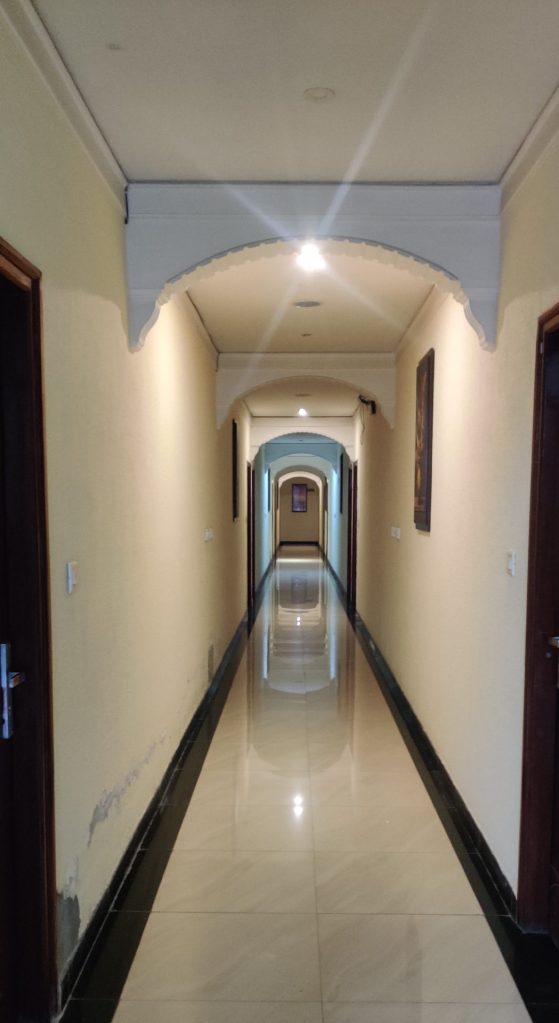
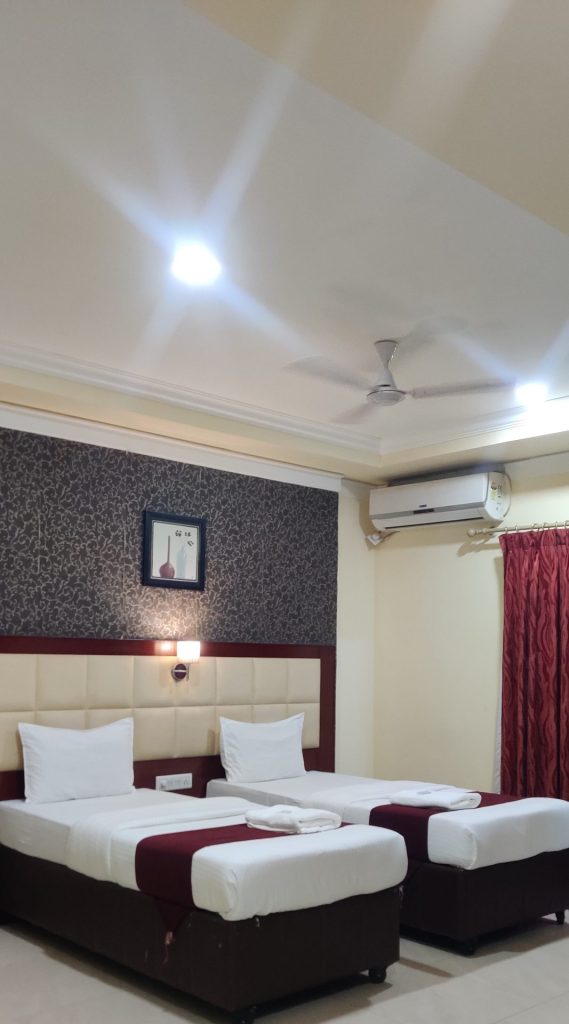
A decent place with a manageable eating joint and a Filter Kaapi outlet around and since I was planning to be on the road for most of the time except for the nights when I would need to rest my tired legs, this hotel with its neat and clean beds, linen and washrooms fitted the bill perfectly.
I reached Hospet by around 6 AM in the morning and Ananya Comforts was a stone’s throw away from the place where I got off the bus. The Check-in formalities completed, stepped out of the hotel for a coffee.
As I was savouring my filter coffee, a young Auto driver Uday befriended me and offered to show me around Hampi. He had the map of all the places to see and while he was on his sales pitch, I noticed that he came across as a very genuine and humble guy and after protracted negotiations, we settled for a price of Rs.1,200/- for him to take me around from morning 8 AM to night 8 PM and cover all places on a best effort basis.
DAY 1 @ HAMPI
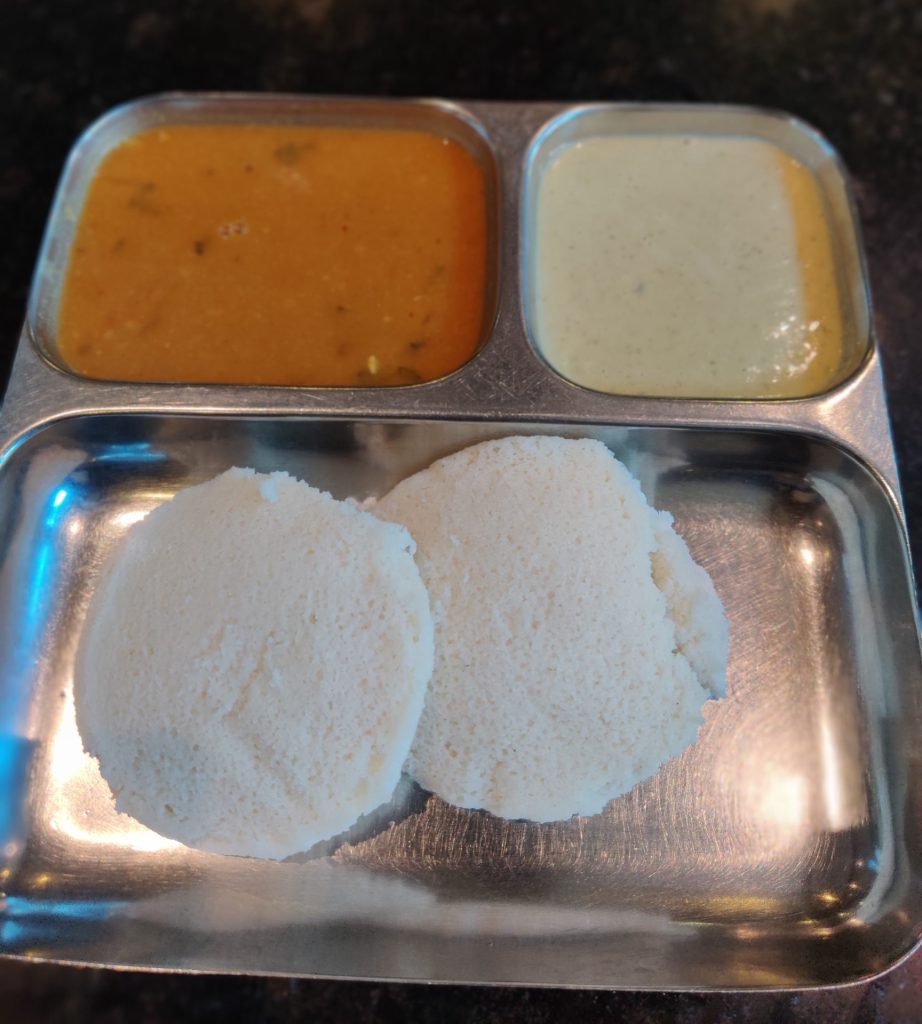
After a quick and lovely breakfast at a restaurant called Naivedyam opposite my hotel, freshened up and got ready to soak in the sights of Hampi.
The Auto guy came in at the duly appointed hour of 8 AM and we set off for Hampi which was around 13 kms away. I was all excited like a school kid reminiscing the ICSE history book of the 80s with all the vivid descriptions of the Vijayanagara empire and the epic photo of the Stone Chariot at Hampi and could not wait to get going.
Before my story unfolds in terms of what I saw and its significance, let me present His Story all over again. The story of the Lost City as they say…..
A Fusion of Mythology and History
Mythology and History beautifully blends itself in this rediscovered lost city of Hampi which derives its name from Pampa (Goddess Parvati). Said to have spent some time of her life as an ascetic on the Hemkunta hills (which finds mention further down) in her quest to marry Lord Shiva, this place is also known as Pampa-kshetra or Kishkindha-kshetra and is quoted in the epic Ramayana as the place where Lord Rama and Lakshmana meet Hanuman, Sugriva and the Monkey Army in their search for Sita who was kidnapped by Ravana.
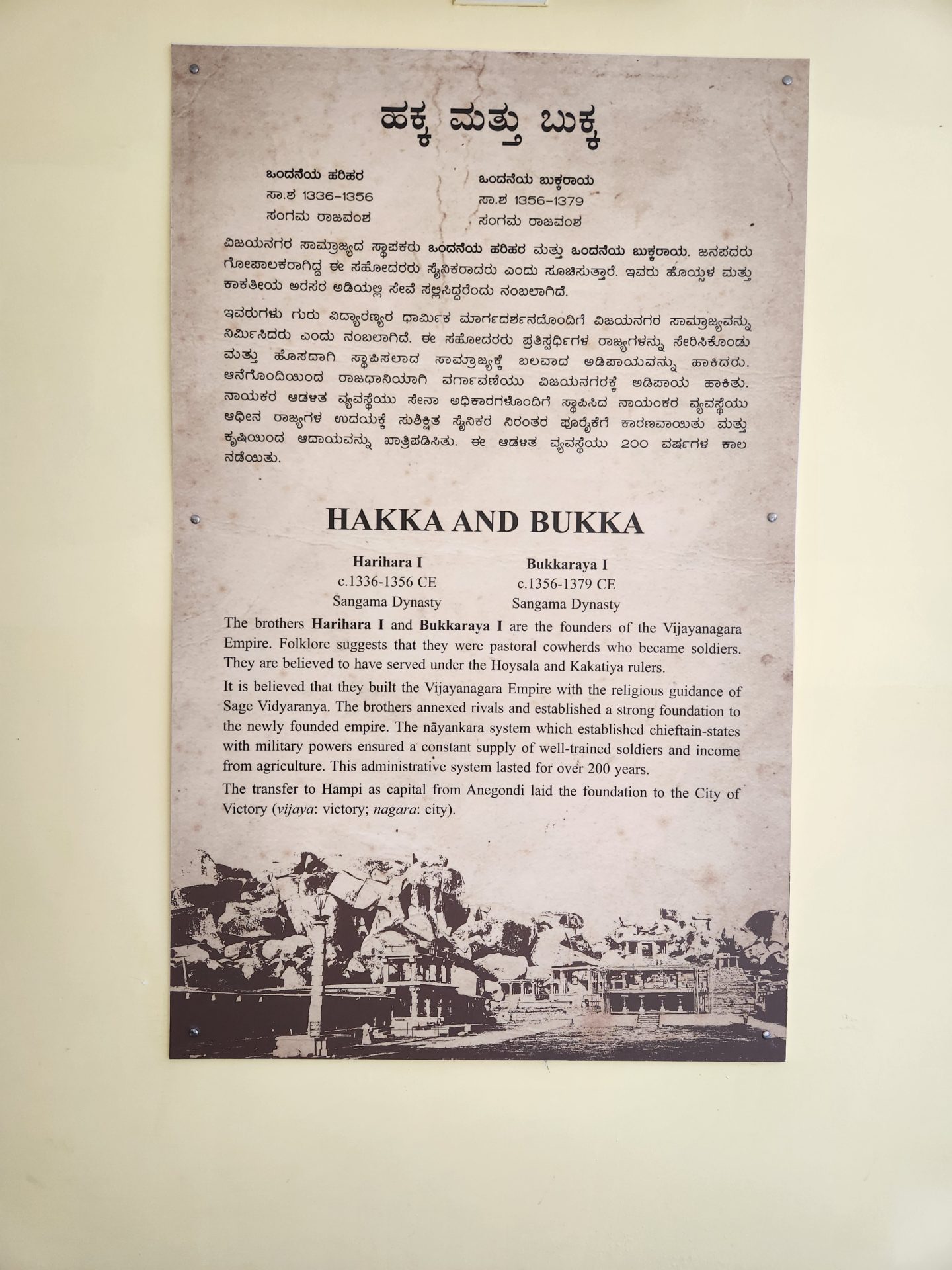
Part of the Mauryan Empire in the 3rd century BC, Hampi served later as the Capital city of four different dynasties (Sangama, Saluva, Tuluva and Aravidu) for the Vijayanagar Empire from 1336 AD and owes its existence to 2 brothers who were Commanders of the Army in the Sangama Dynasty, Harihara and Bukka.
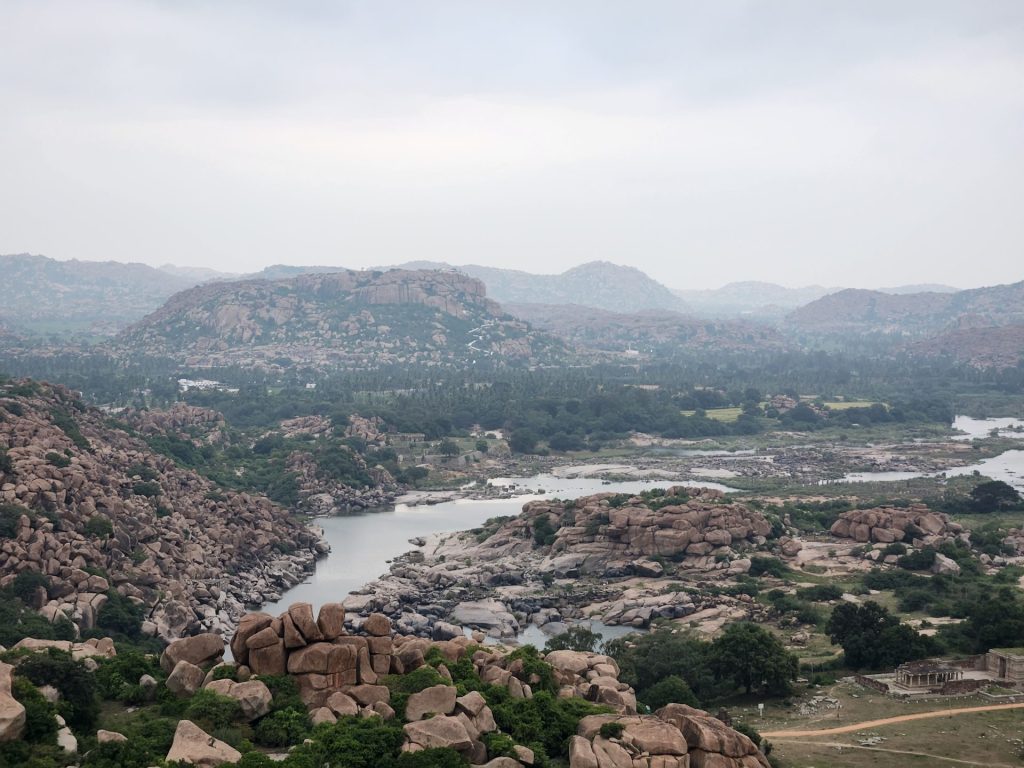
Located on the banks of the Tungabhadra River, Hampi was believed to be the powerhouse of an ancient kingdom and was also considered an auspicious temple town.
Persian and Portuguese travellers who visited Hampi between the 14th and 16th centuries chronicled lot of memoirs of this magnificent city. It reached its state of ruins after being repeatedly plundered by the Mughals. The Battle of Talikota in 1565 saw a coalition of Muslim Sultanates entering into a war with the Vijayanagara empire. The then King Aliya Rama Raya was captured and beheaded and the complete infrastructure in and around Hampi was pillaged, burnt and literally reduced to rubble. It was in a state of ruins until an employee of the East India Company Colleen Mackenzie, an engineer, surveyor and cartographer by profession brought this to light by building a survey map around this place.
Lot of photographs of the then place were published which helped historians delve into the past, discover a lot more about Hampi and recreate the history behind it.
Spread over an area of 30 square kms, it is estimated that the town has more than 1,600 monuments which include Temples, Memorial structures, Pillared Halls, Palaces, Gateways, bath structures and fort walls.
UNESCO declared Hampi as a Heritage Site in 1986 and also attributed it to be a highly evolved multi religious and multi ethnic society. Hampi was also ranked in the New York Times’ must visit destination list for 2019.
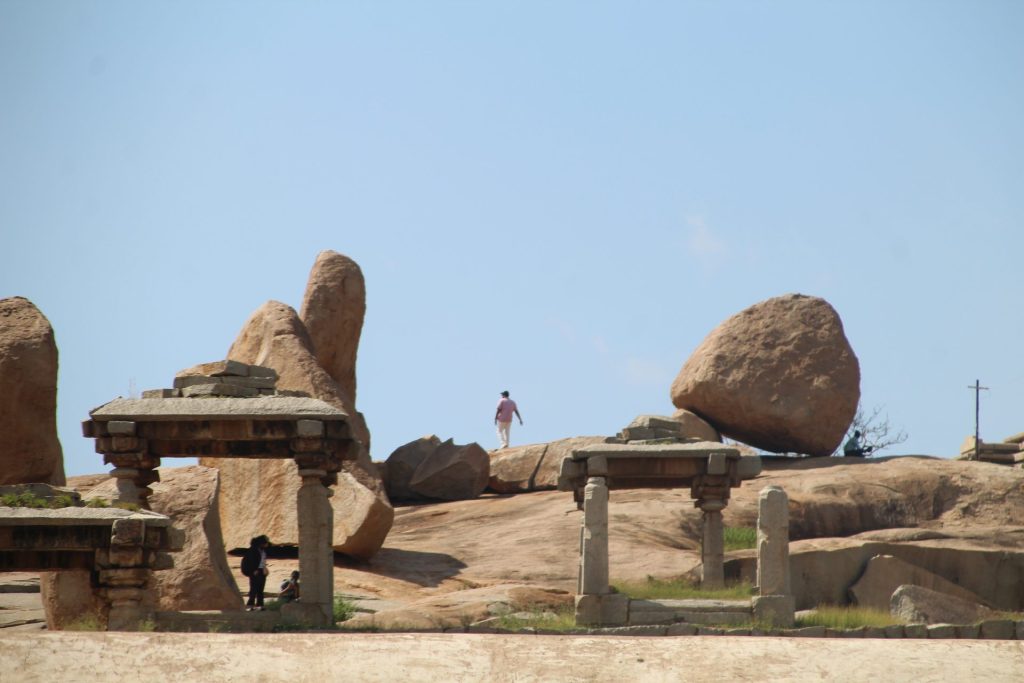
Set amidst a surreal landscape in hilly terrain, one gets to witness beautiful Sunrises and Sunsets amidst the verdant green and rust brown and golden rock.
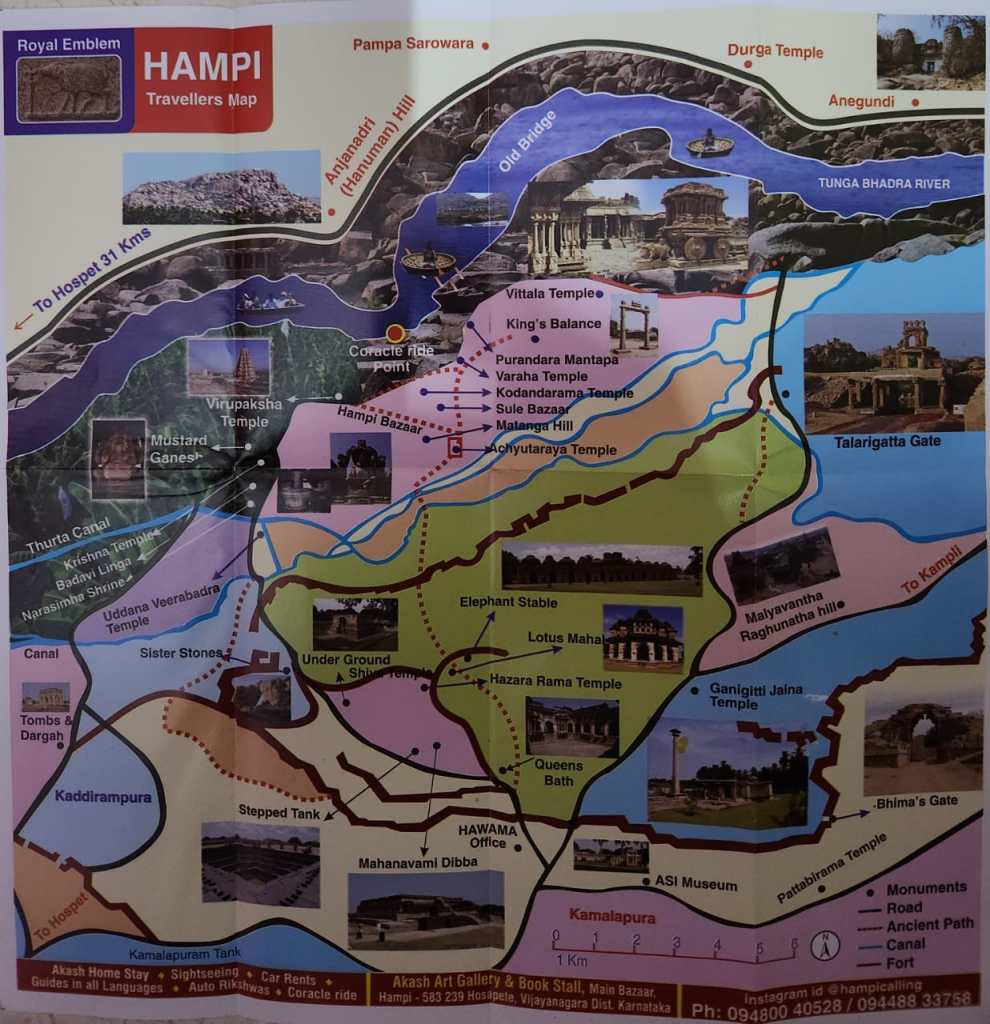
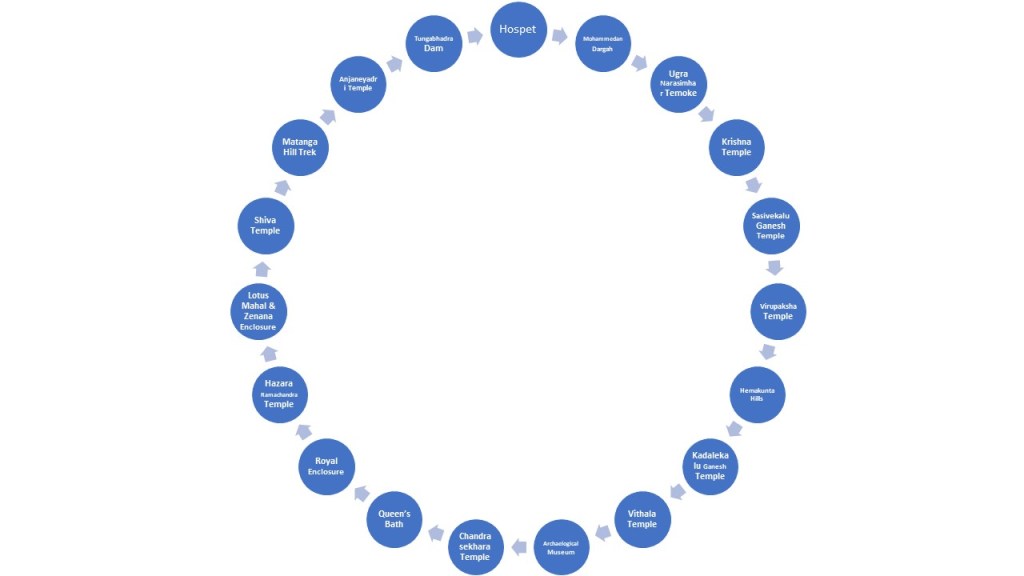
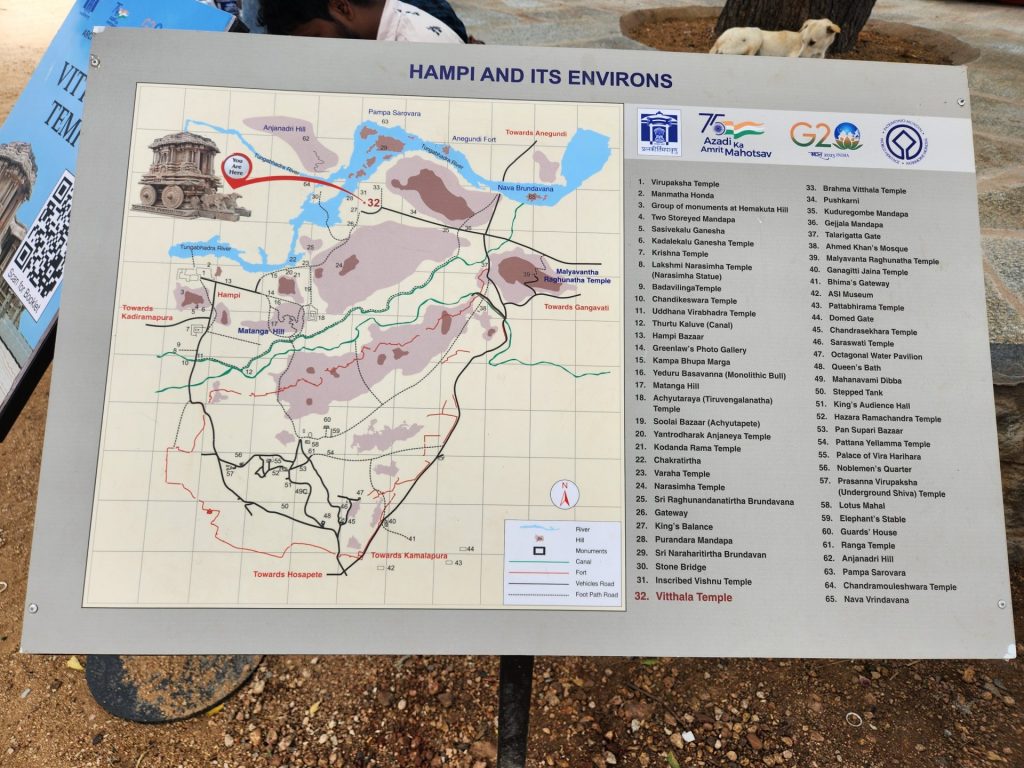
Plotting the Course in a DIY format
THE ROUTE MAP OVER 1 1/2 DAYS
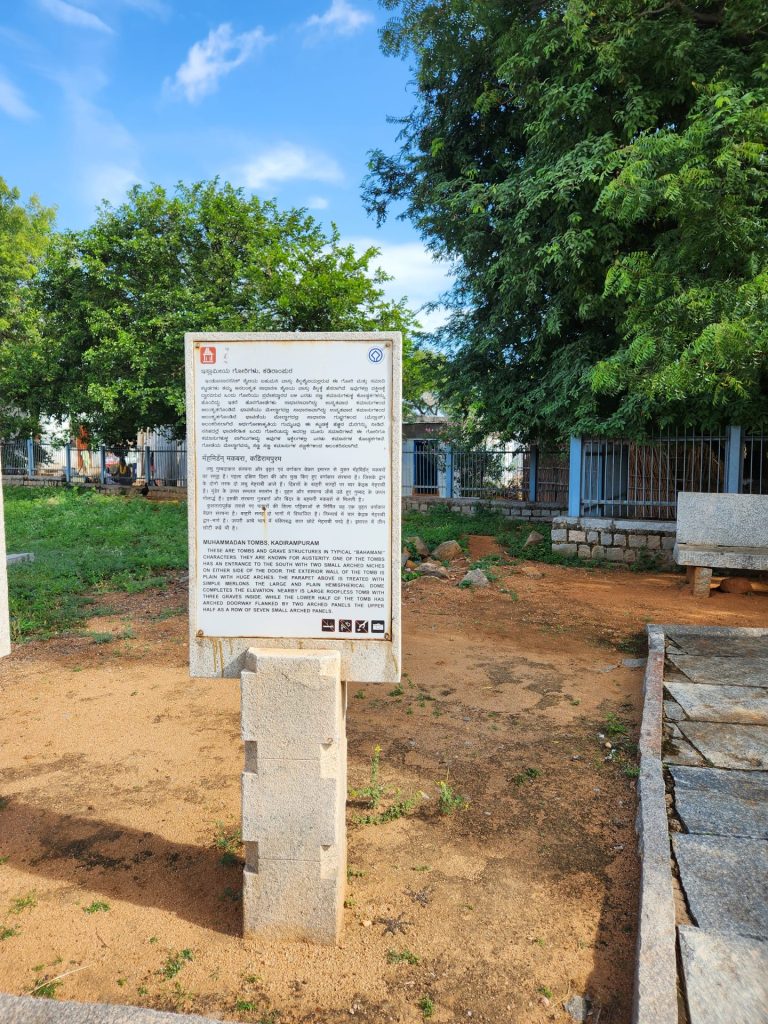
The Mohammadan Tomb
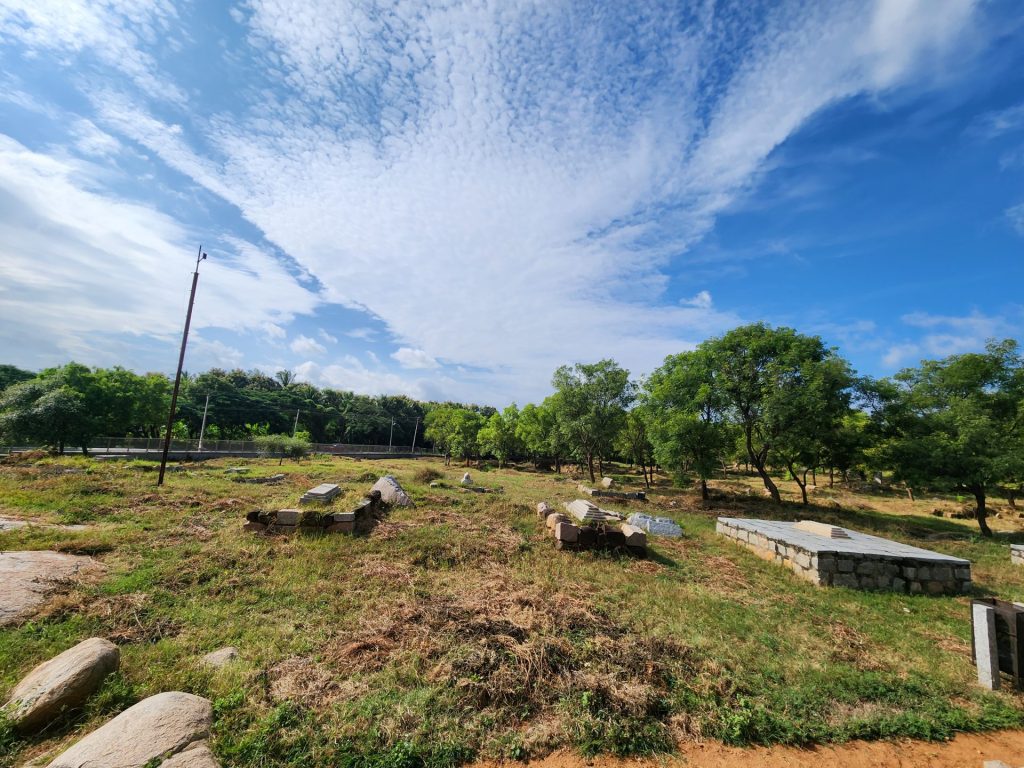
Keep your eyes trained on both sides of the road while travelling and never hesitate to ask your cab or auto guy to pull up whenever you see some piece of architecture/monument on the road. These guys would generally otherwise drive by on account of being familiar with the main sights only. That is how I stumbled upon the Mohammadan Tomb and Dargah which stood in isolation near Kadirampuram before entering Hampi.
A small complex housing a couple of cubical structures, one with a flat roof and the other with a domical roof and a few tombs of some important members of the Vijayanagara court and its military, this place is known as the Ahmad Khan Mosque. Ahmad Khan was an officer in the army of the empire and built this mosque in 1439 as a place of worship.
The Fiery Ugra Narasimhar Temple
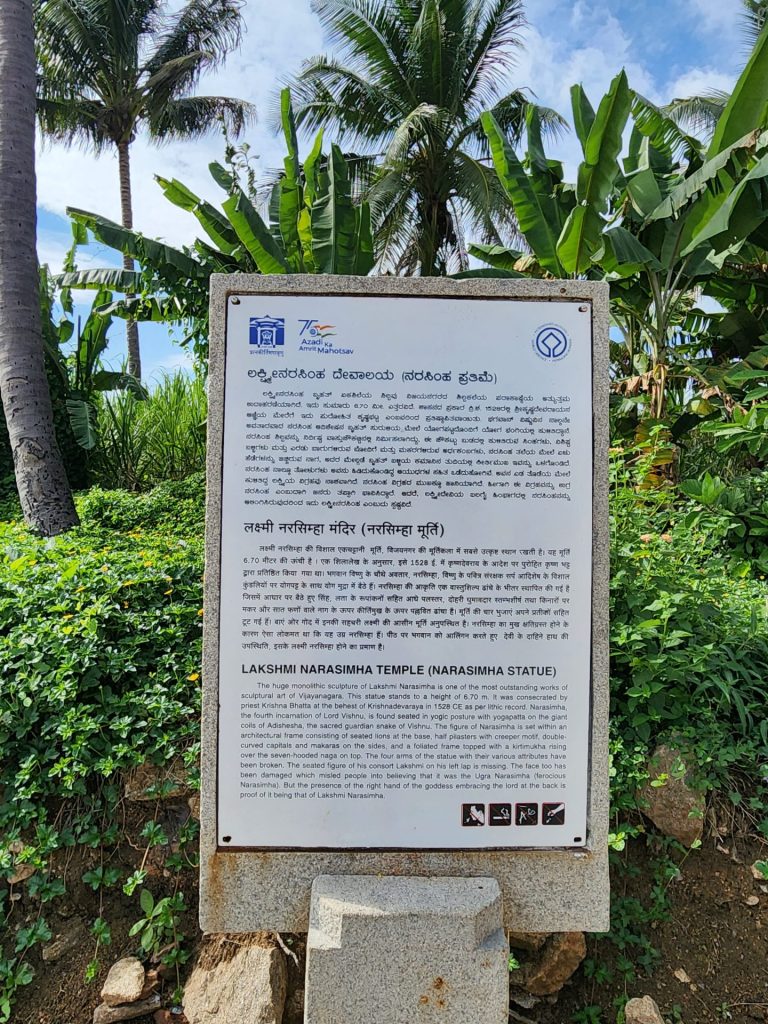
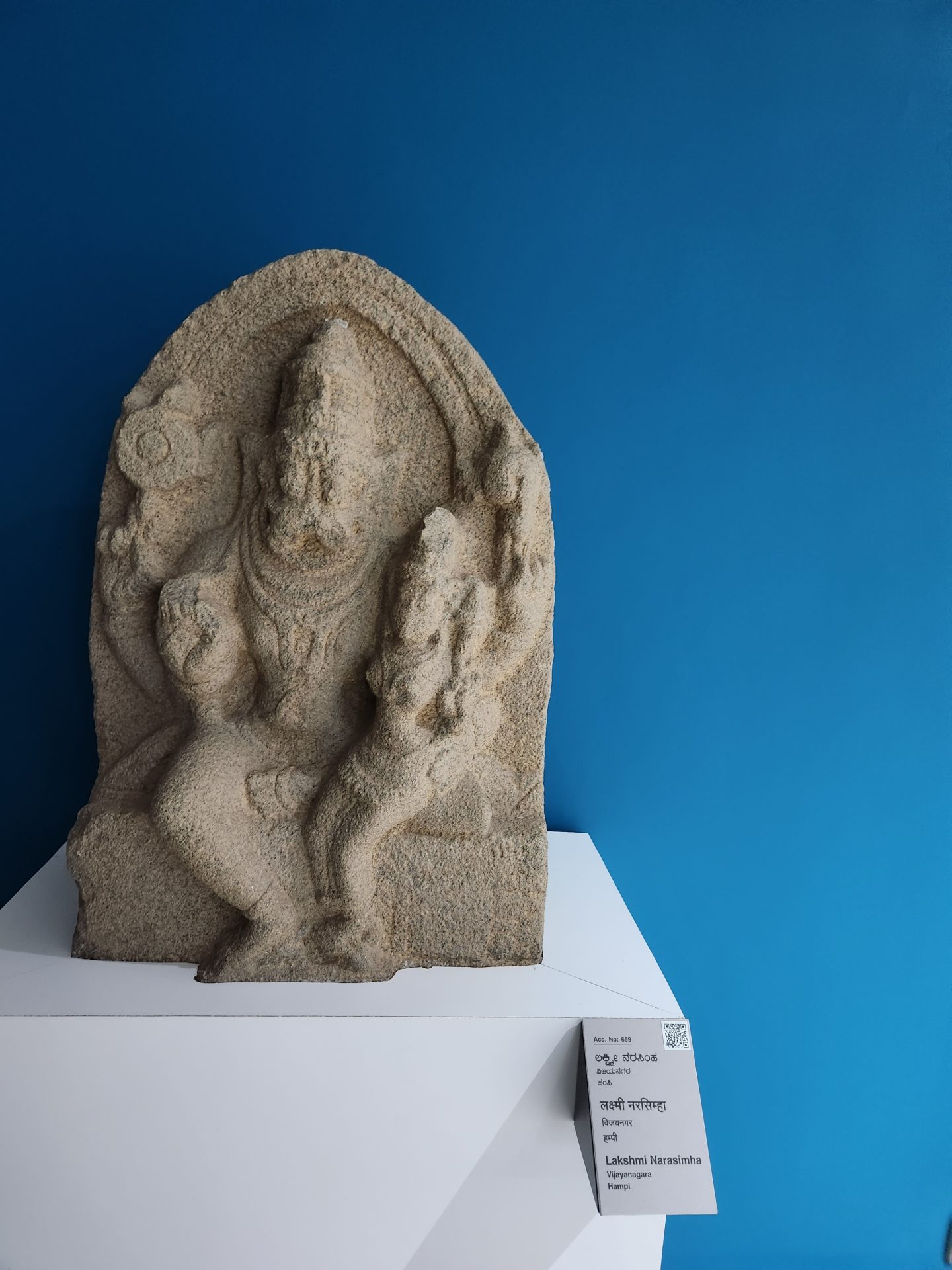
A little ahead of us towards the right side of the road lay the Lakshmi Narasimha Temple where a large monolithic granite statue of Lord Narasimha (meaning half man and half lion) unfolded before our eyes.
Said to be the 4th incarnation of Lord Vishnu, the Ugra Narasimhar statue depicts the lord in a fierce, wrathful and aggressive form and his power to destroy evil and protect righteousness.
Commissioned in 1528 CE by King Krishnadeva Raya, the 22 feet high lord is shown to be sitting cross legged on the coils of a 7 headed snake (Adi Sesha) whose hood can be seen on top.
The statue was believed to have Goddess Lakshmi sitting on the lap of the Lord but after having been damaged and vandalized in 1565 by the Mughals, the broken statue was shifted to Kamalapura Museum.
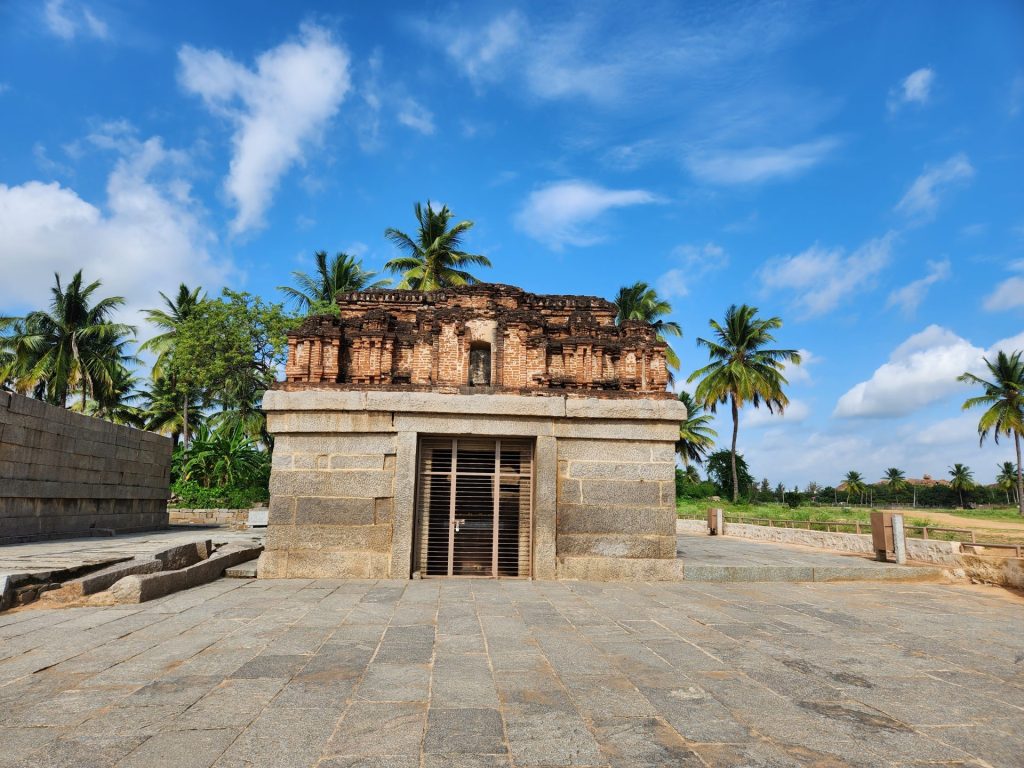
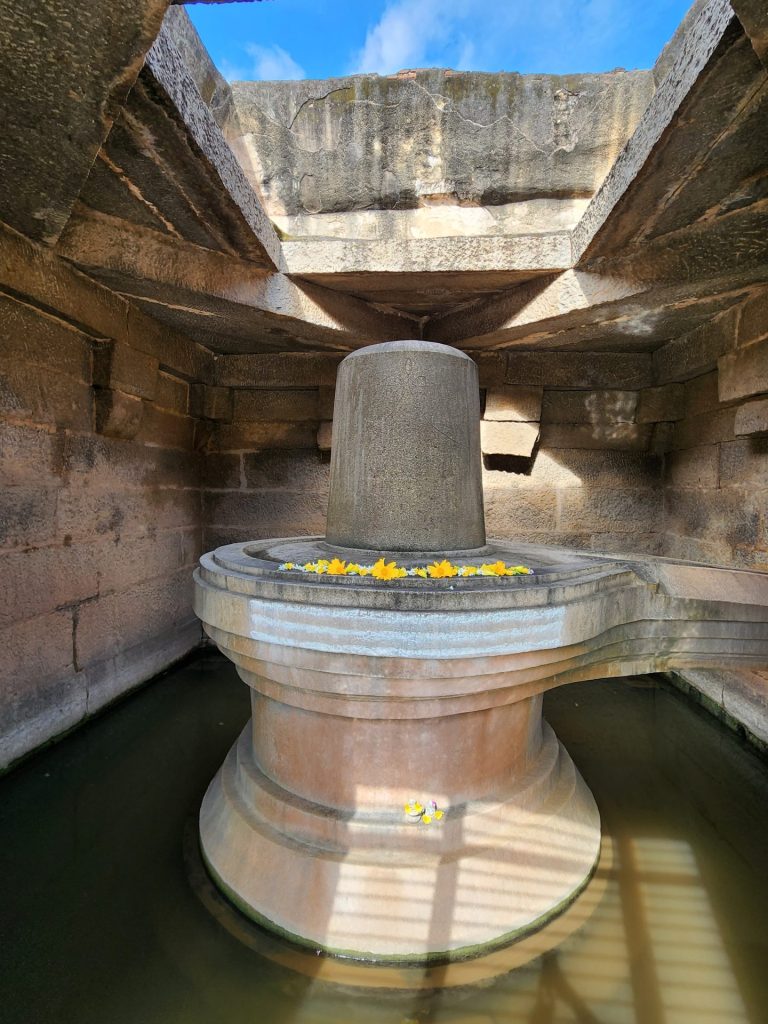
Adjacent to the Ugra Narasimhar temple lies the Badavalinga Shiva temple, supposed to have been commissioned by a Badava (meaning poor) peasant woman. Built in the Vijayanagara style of architecture and consecrated in 1534 AD, this was one of the grandiose temple projects built in the most advanced manner before the fall of the empire.
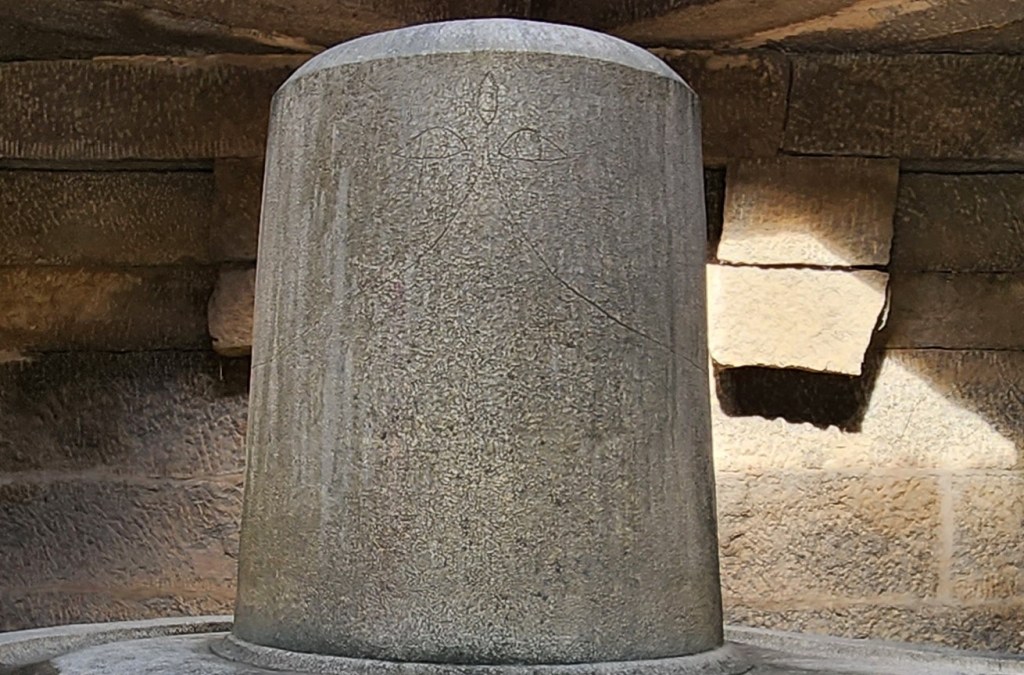
The Linga is housed in a chamber with an opening in the front and the sanctum is always filled with water at the base. A close look at the icon reveals the 3 eyes of Lord Shiva carved on it. There are no fees levied for visiting this temple and photography is freely allowed. Both these temples are located in the Southern side of the Hemakunta hill.
THE 3 EYES OF LORD SHIVA
The Krishna Bazaar and the Temple
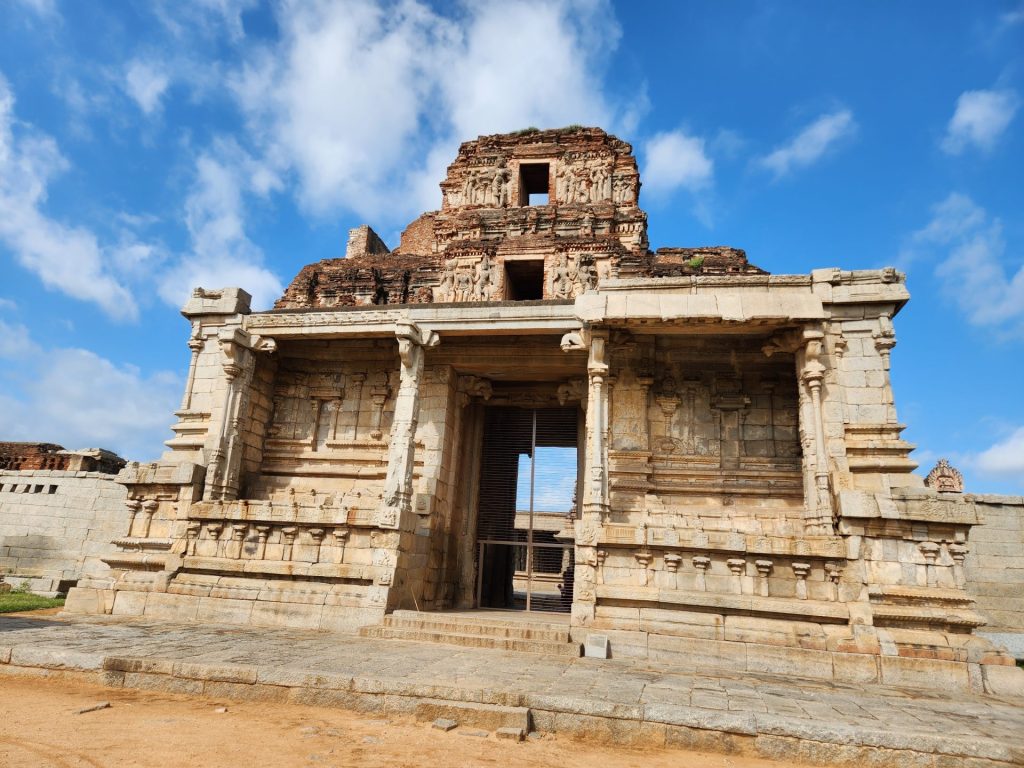
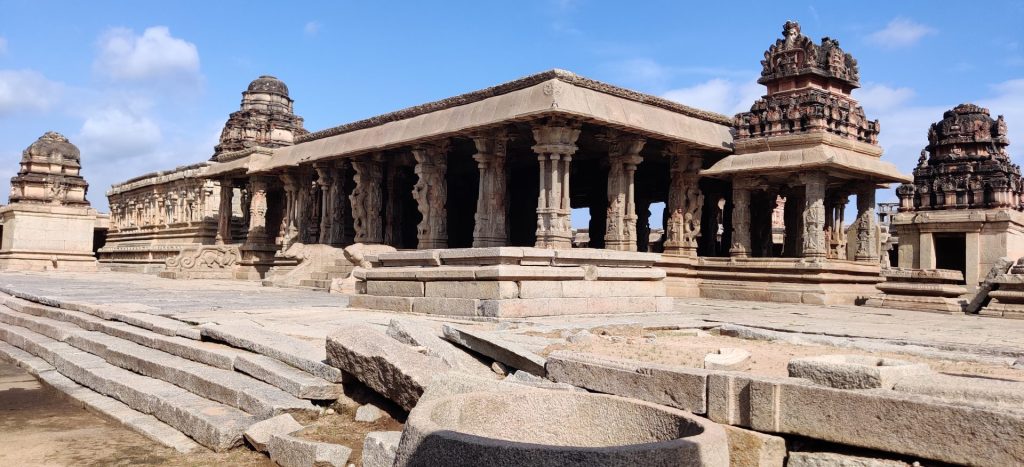
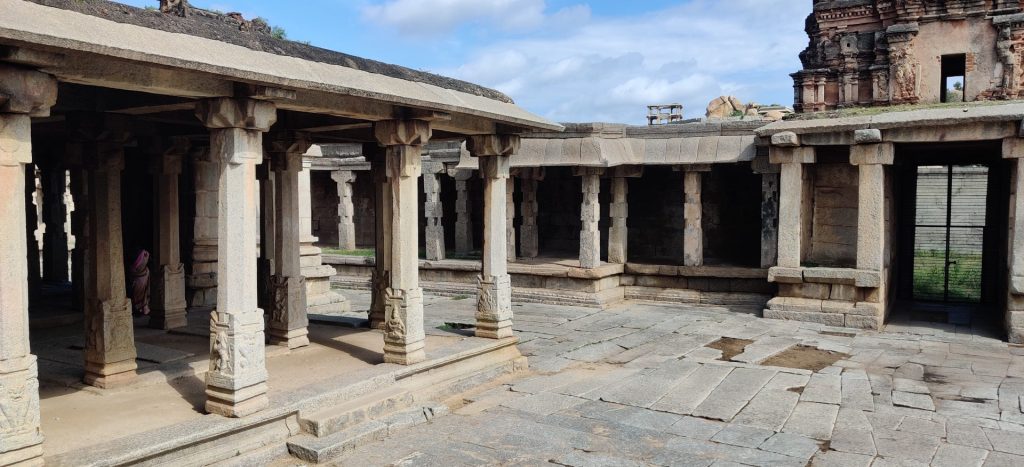
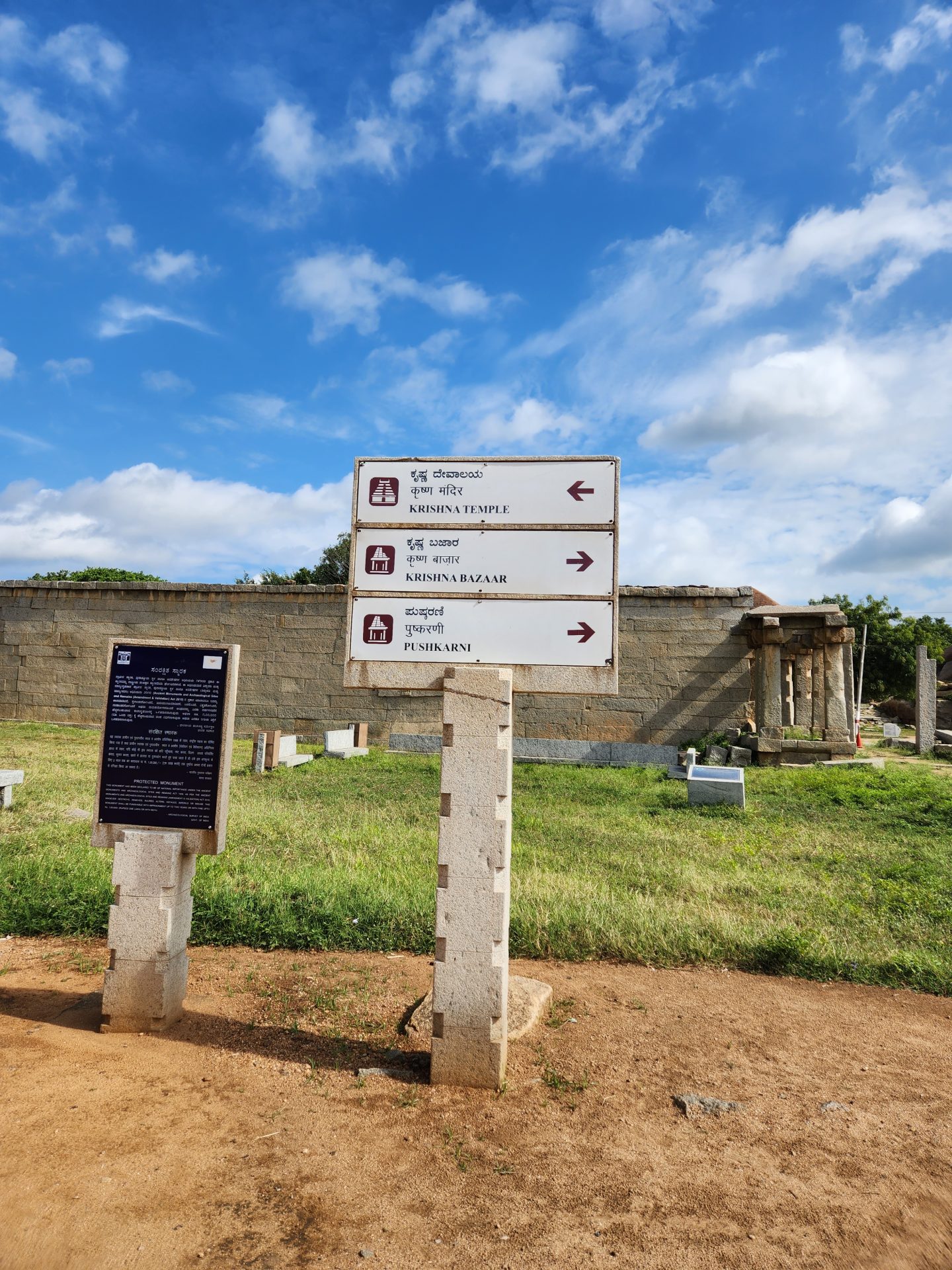
We moved on next to the famed Krishna temple, a 5 minute drive away from the Ugra Narasimhar temple complex.
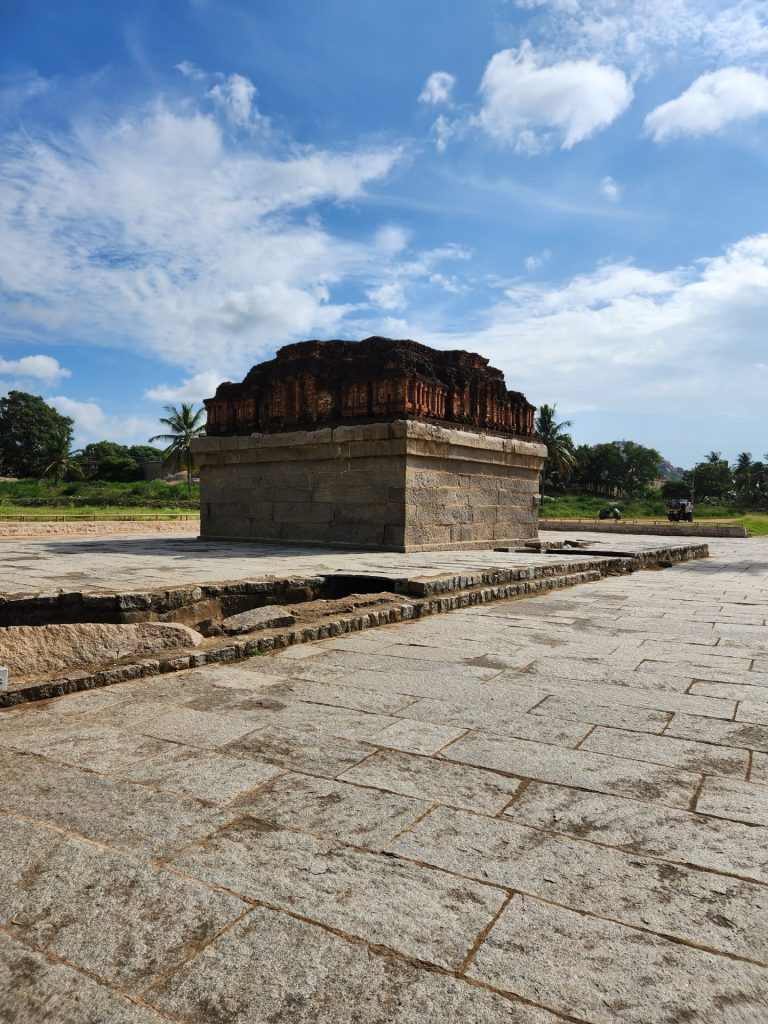
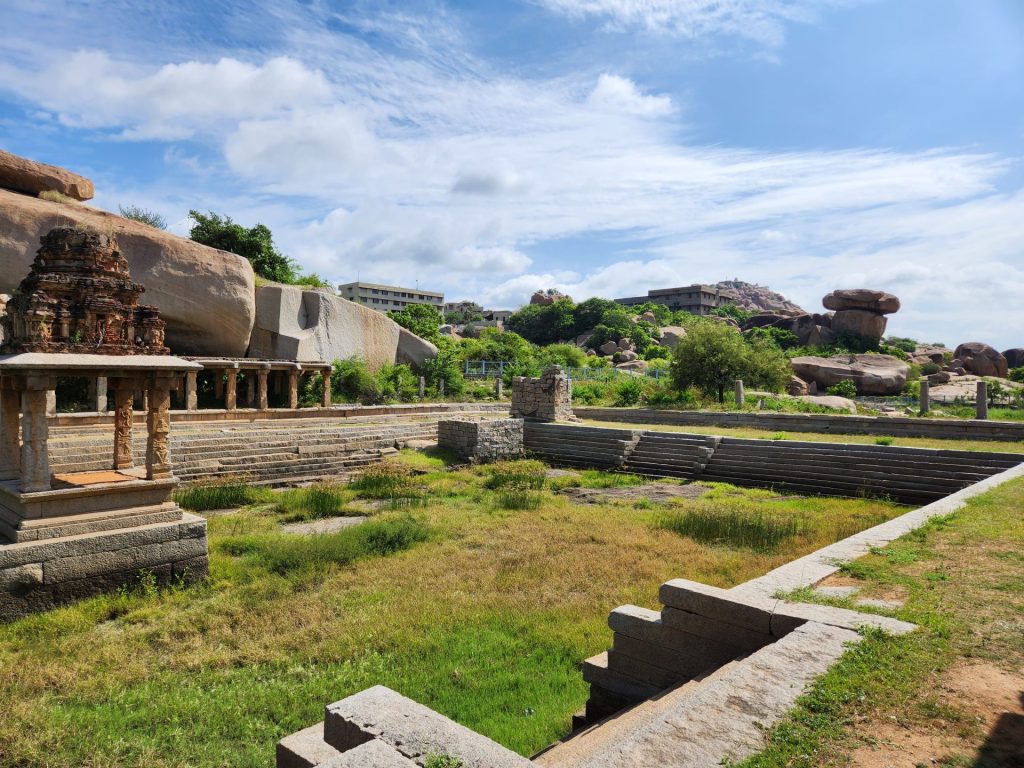
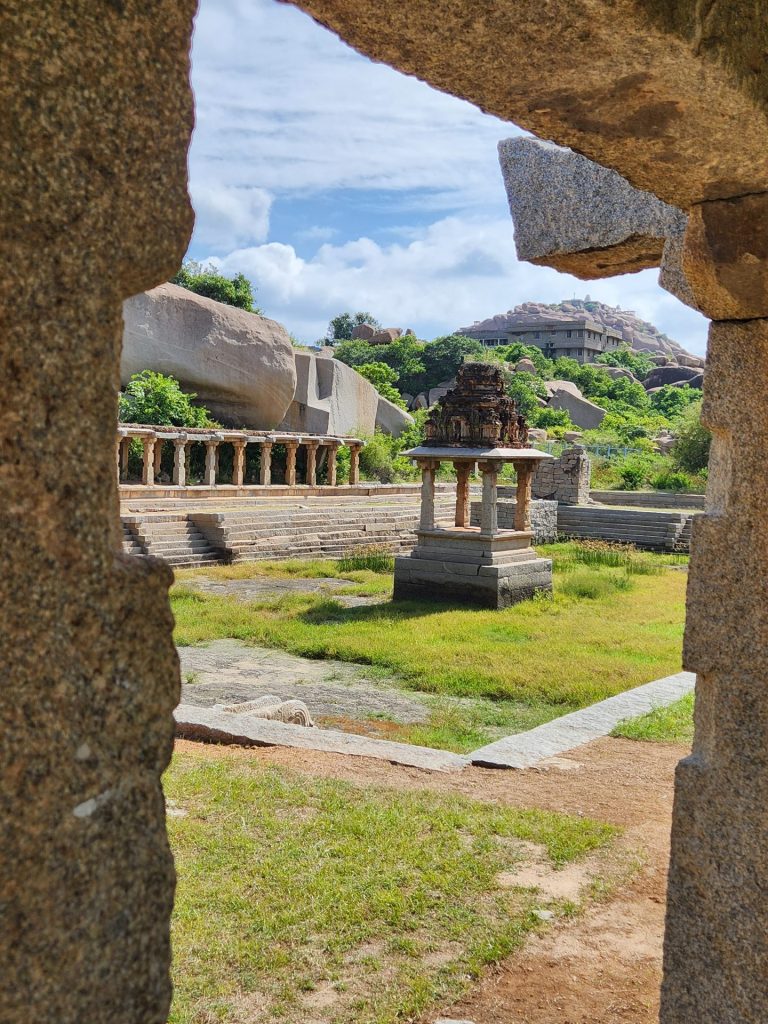
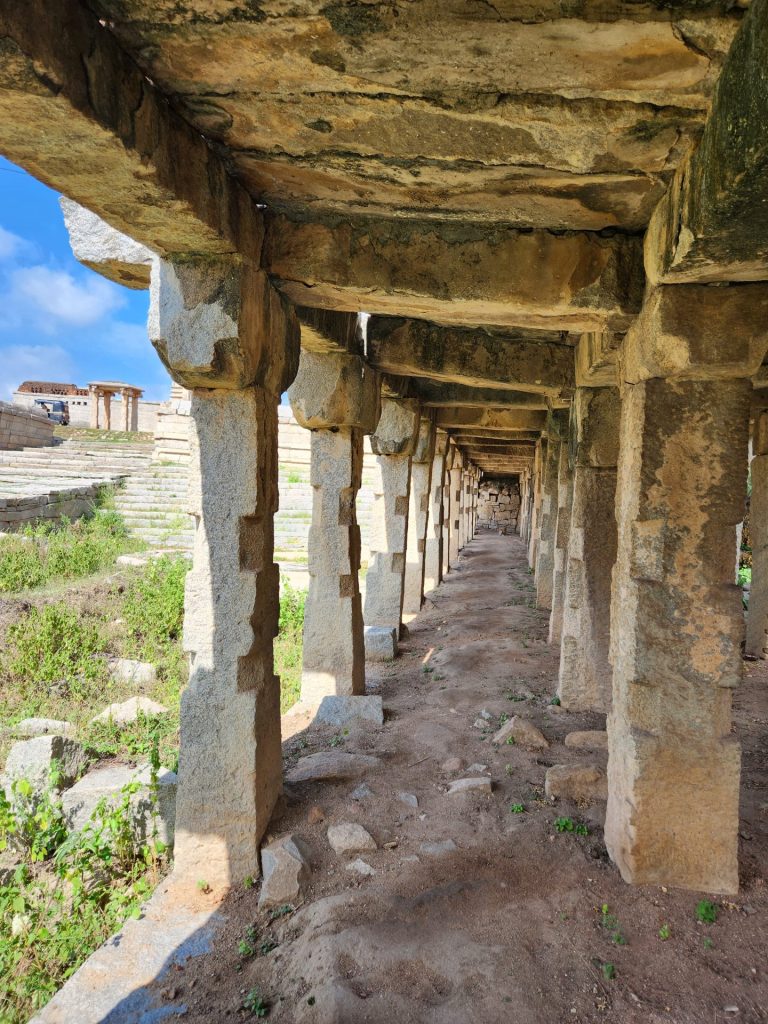
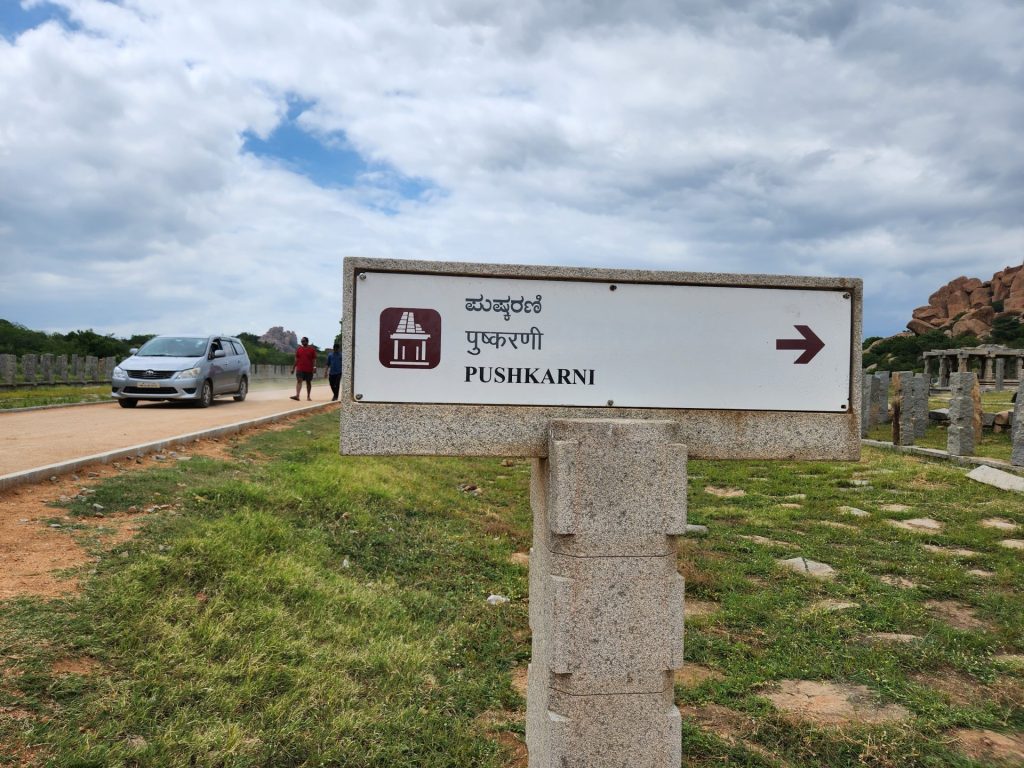
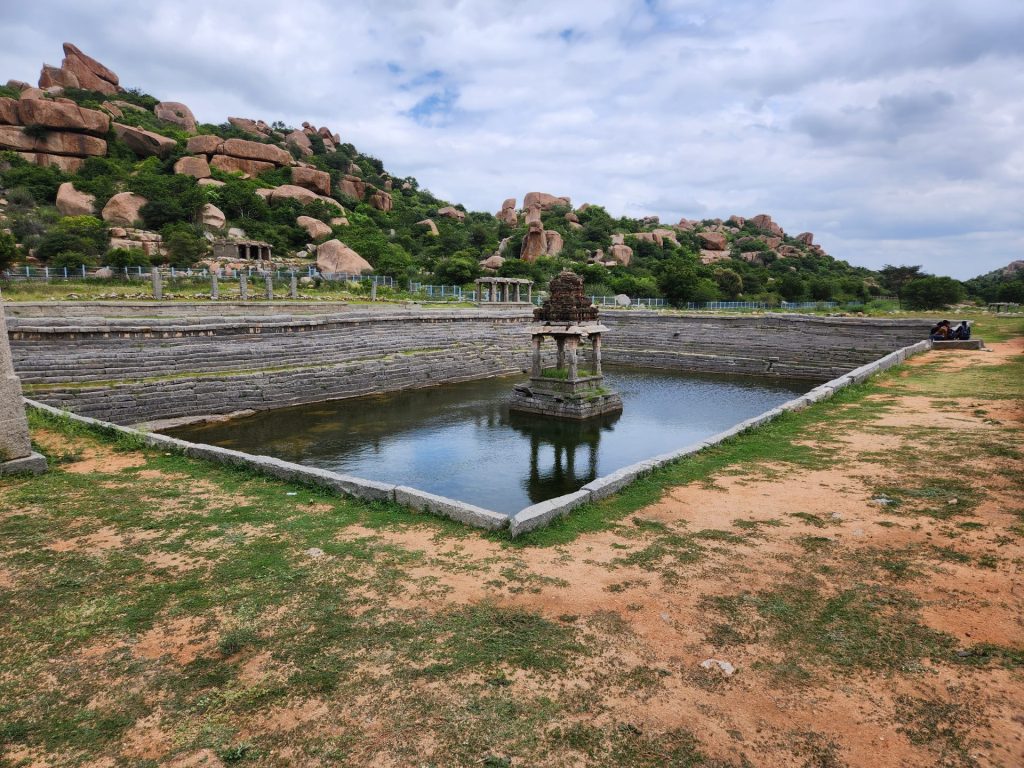
The opposite side of the temple had the Krishna Bazaar (conventionally known as the Car Street) and the sacred water tank (also known as the (Pushkarni). These were recently excavated sites from what existed as thick banana fields earlier.
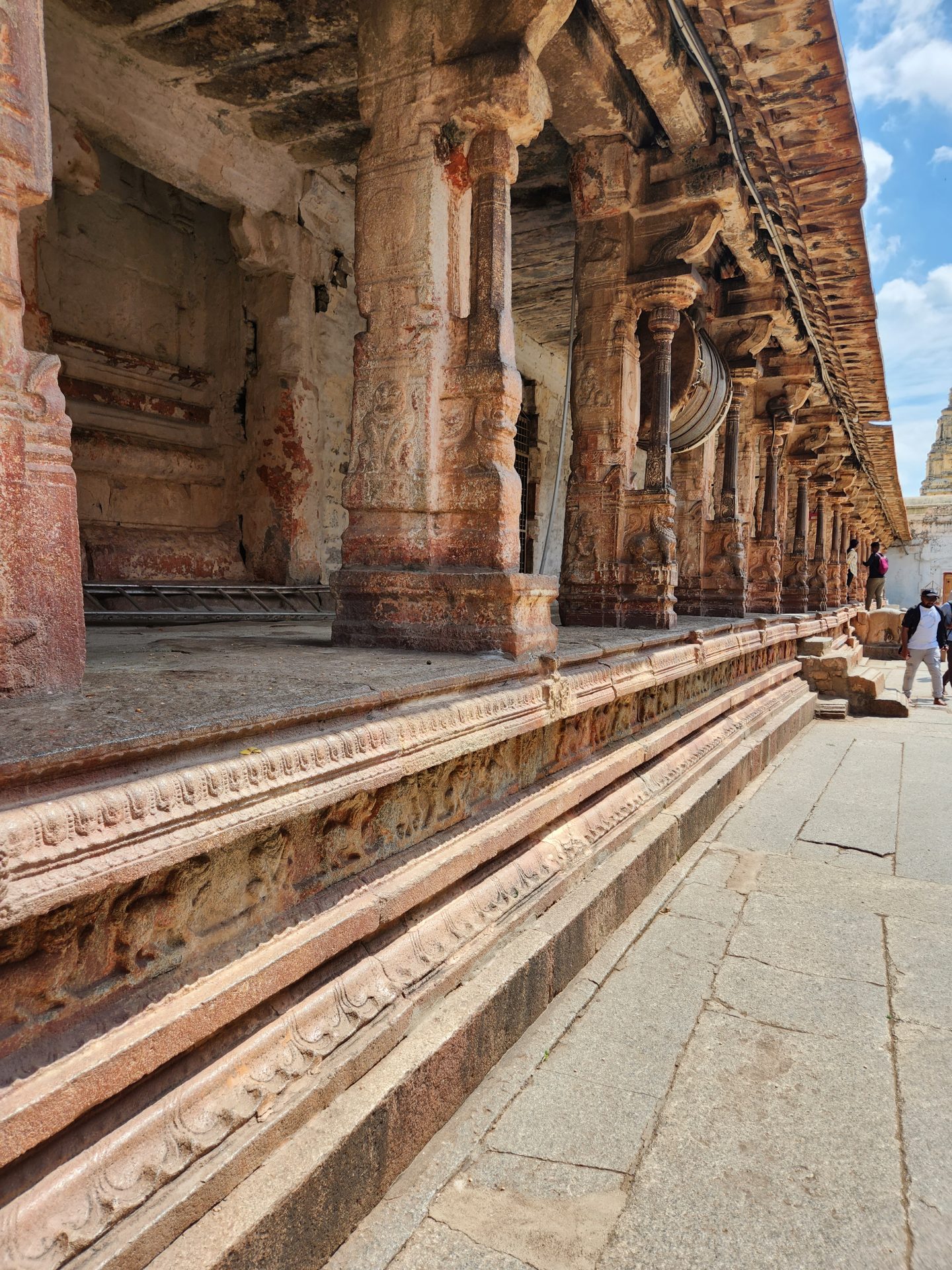
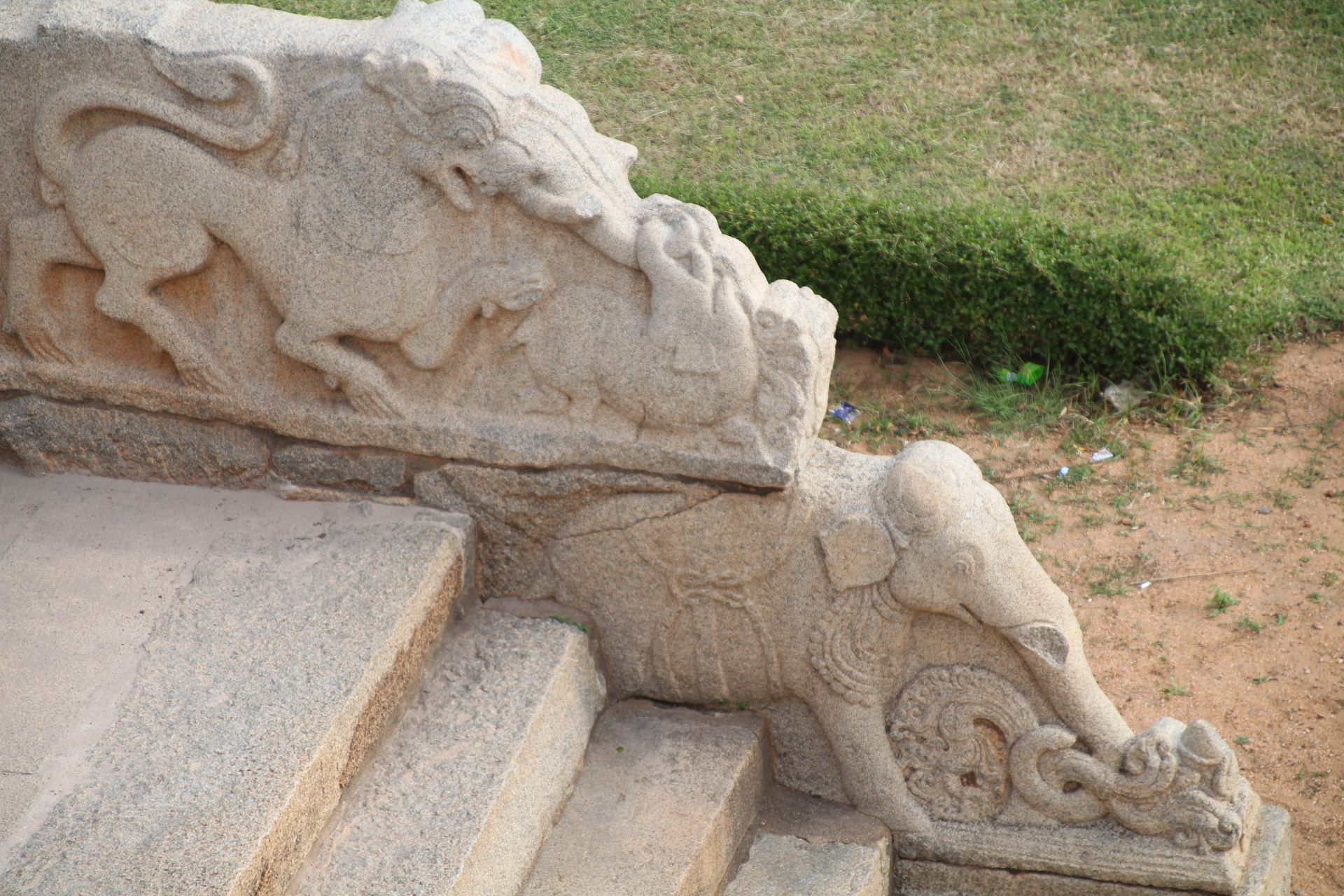
While the Krishna temple has been built at an elevation, the Bazaar is low lying since there is a pathway with some broad steps which takes one down to a long row of pavilions which strikes lot of semblance to the existence of a market place those days.
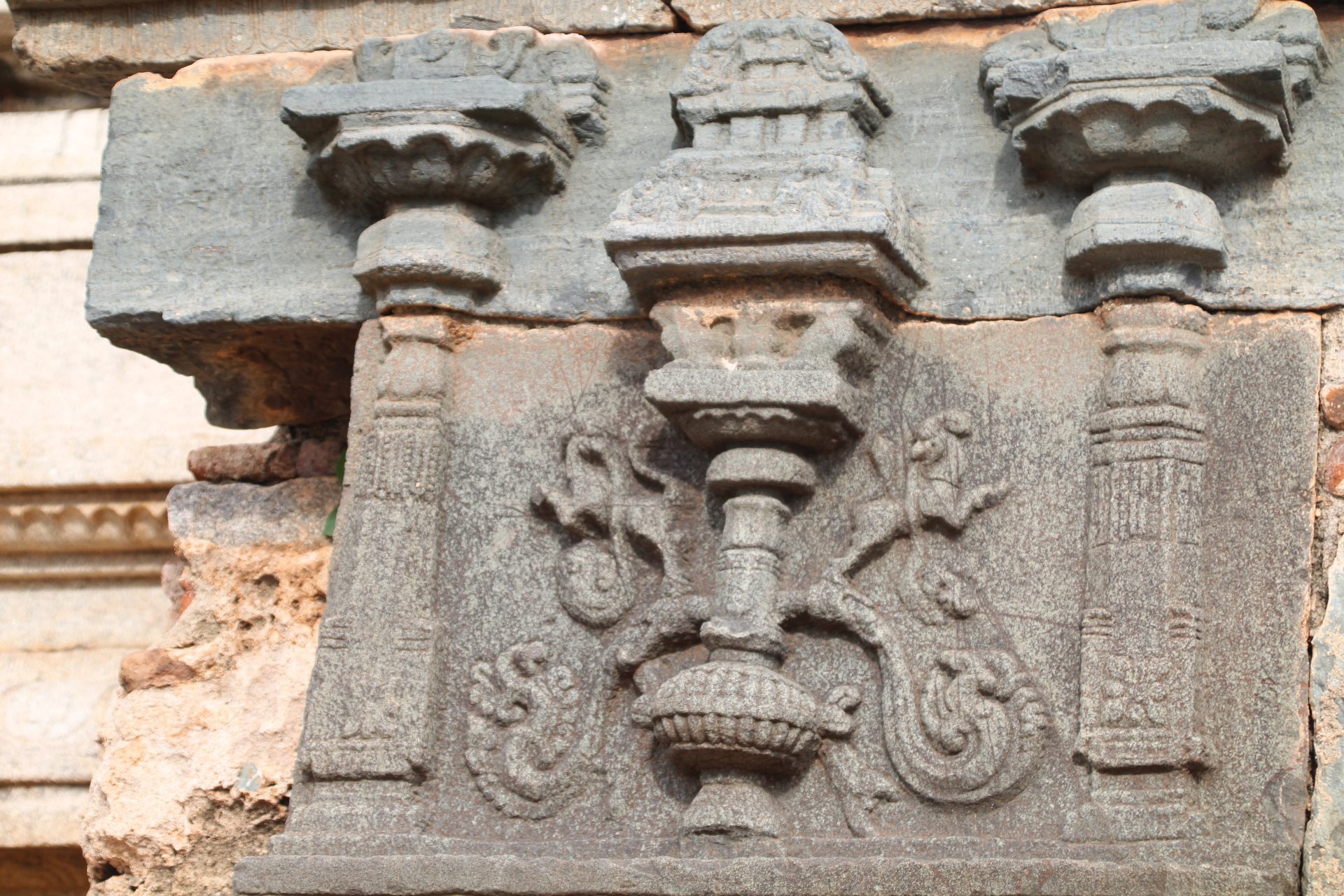
The water tank has a small pavilion at its center and many intricately carved aquatic devices which were used to feed water to the tank.
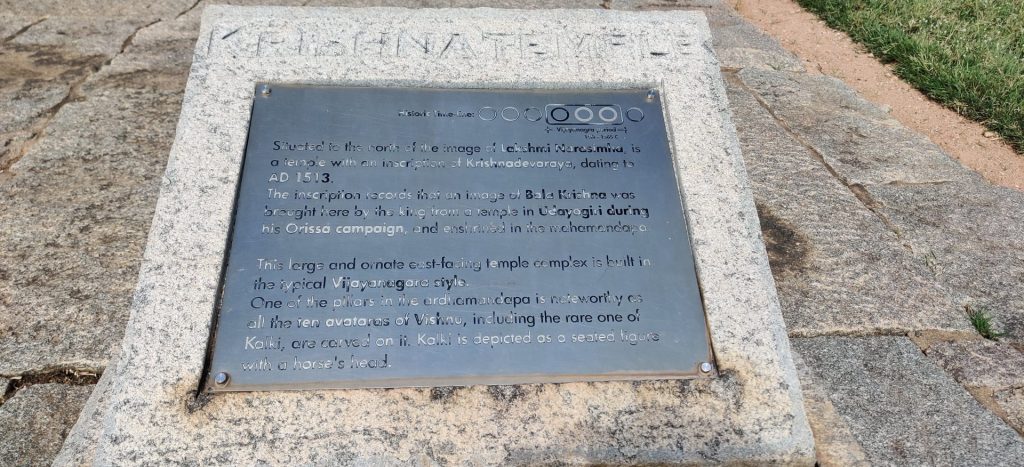
Watch the video below to get a fair idea on how imposing this structure would have been in its hey days. King Krishnadeva Raya, an ardent lover of Art and Architecture built the Krishna temple between 1513 to 1517 AD to commemorate his success of winning over the regions of Udayagiri or Utkala (modern day Odhisa).
An idol of Bala Krishna (Krishna as an infant) was consecrated here which the king had brought back with him after his victory.
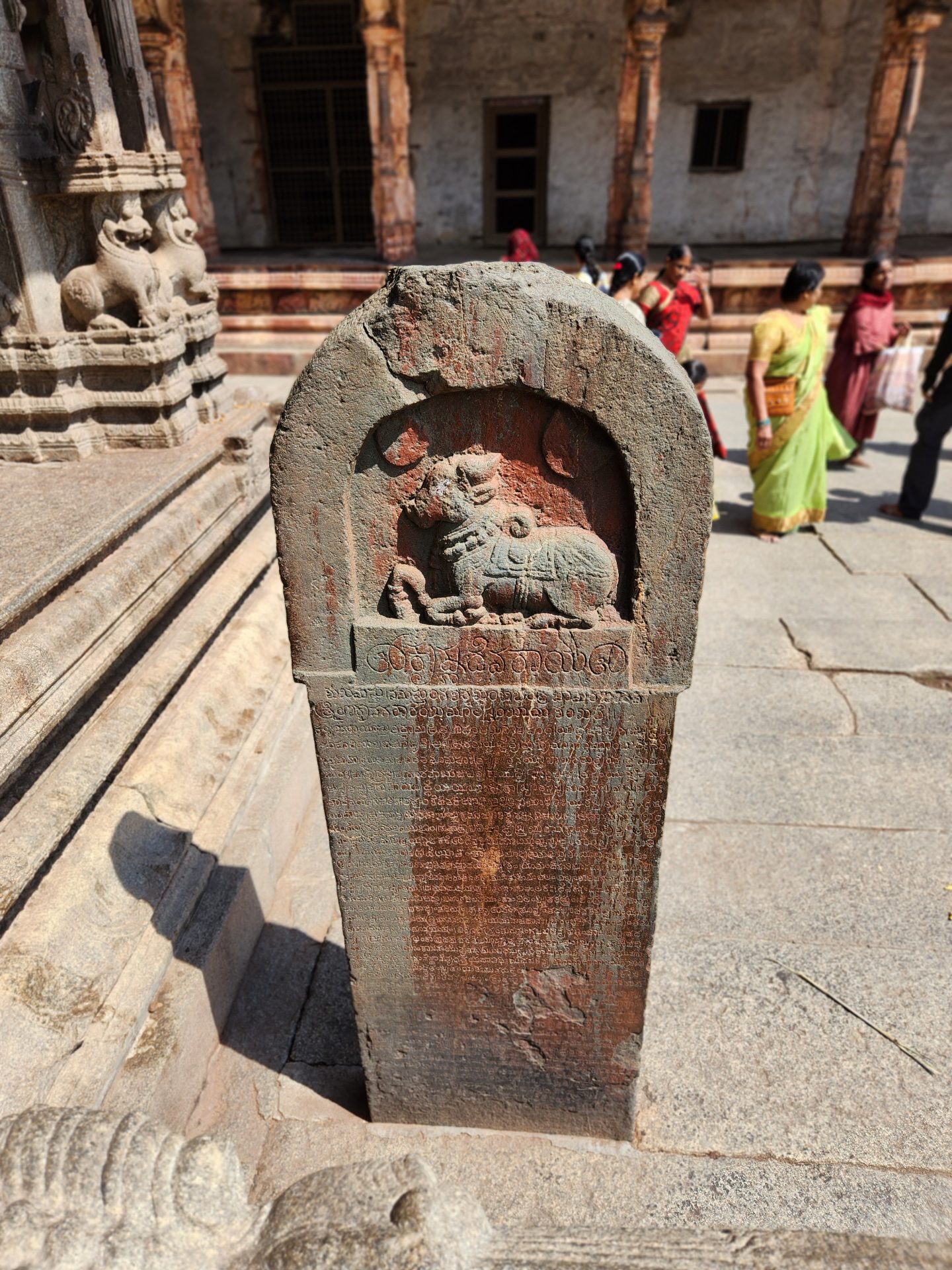
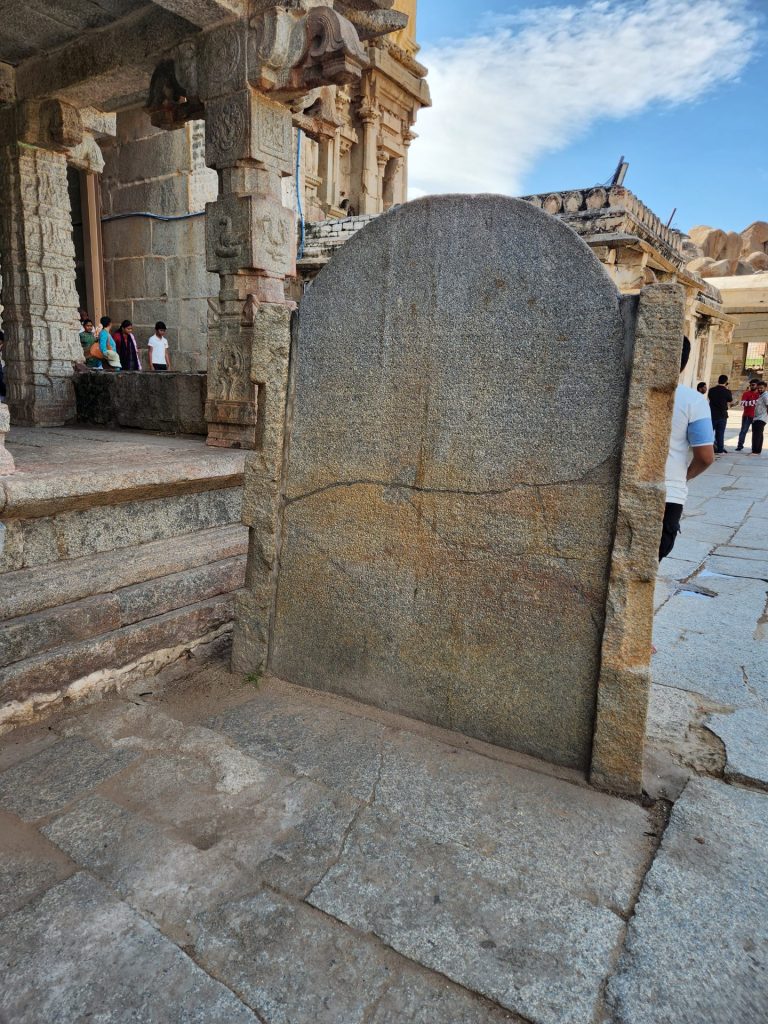
The courtyard of the temple has a huge slab erected which narrates the conquest of Utkala and the story of the temple.
King Krishnadeva Raya, an ardent lover of Art and Architecture built the Krishna temple between 1513 to 1517 AD to commemorate his success of winning over the regions of Udayagiri or Utkala (modern day Odisha). An idol of Bala Krishna (Krishna as an infant) was consecrated here which the king had brought back with him after his victory. The courtyard of the temple has a huge slab erected which narrates the conquest of Utkala and the story of the temple.
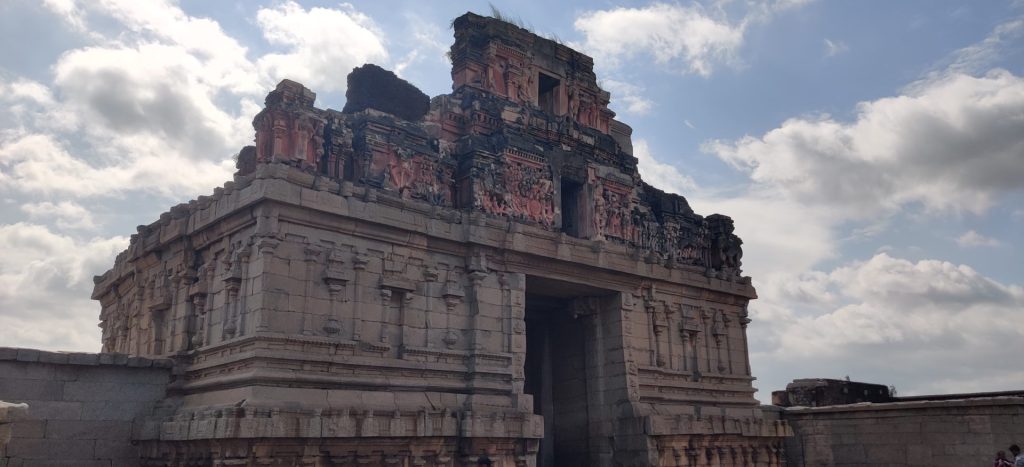
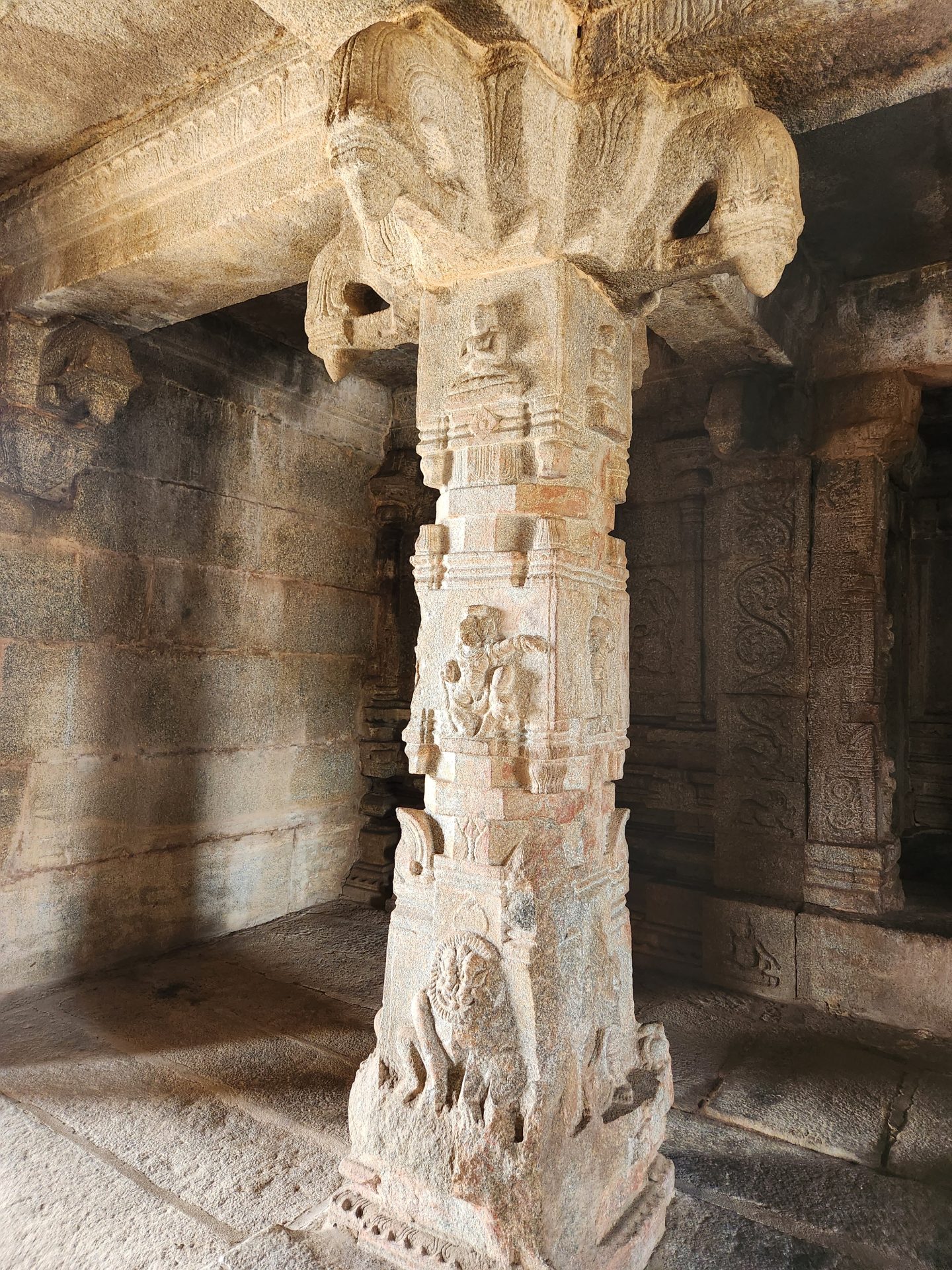
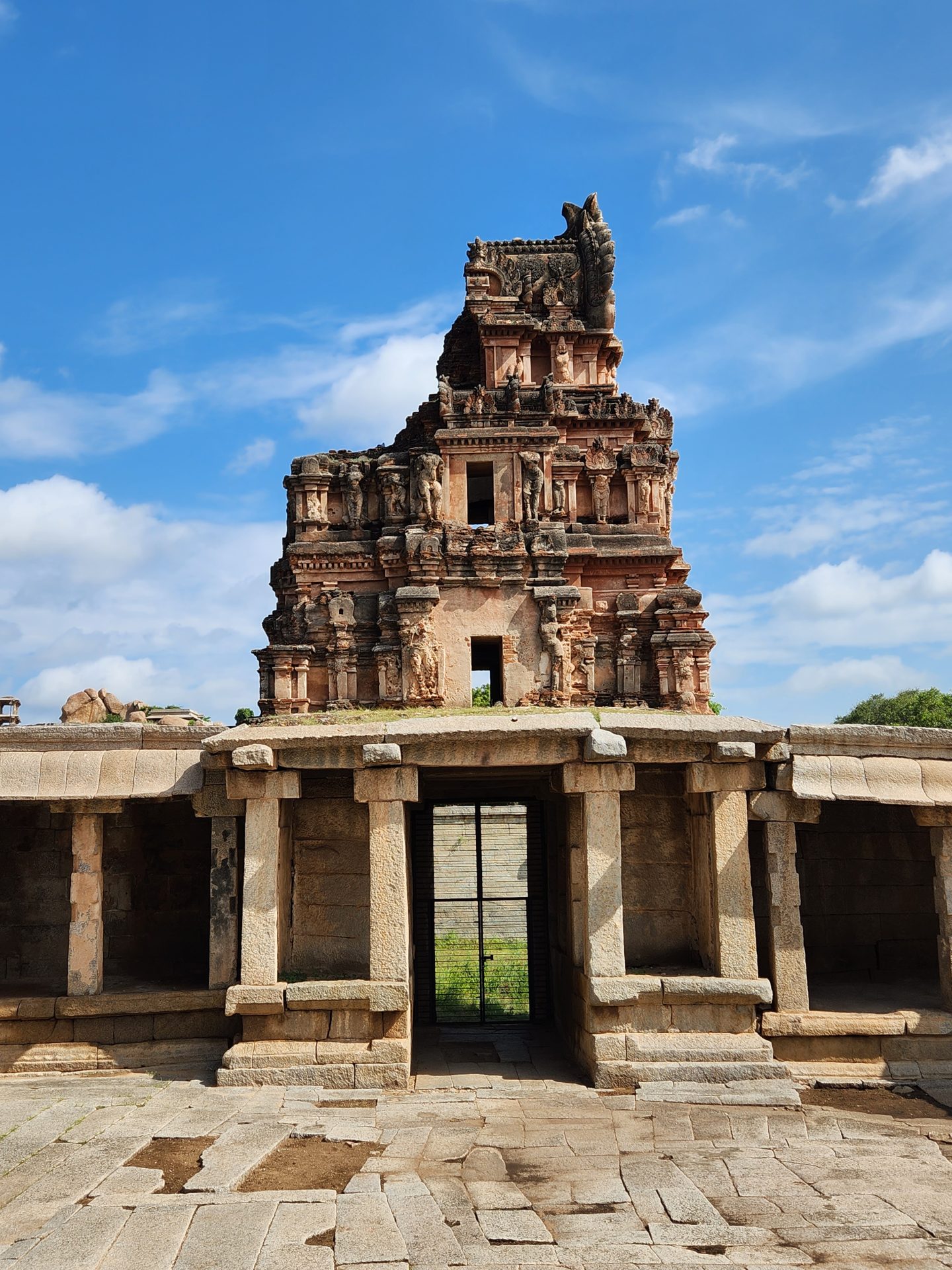
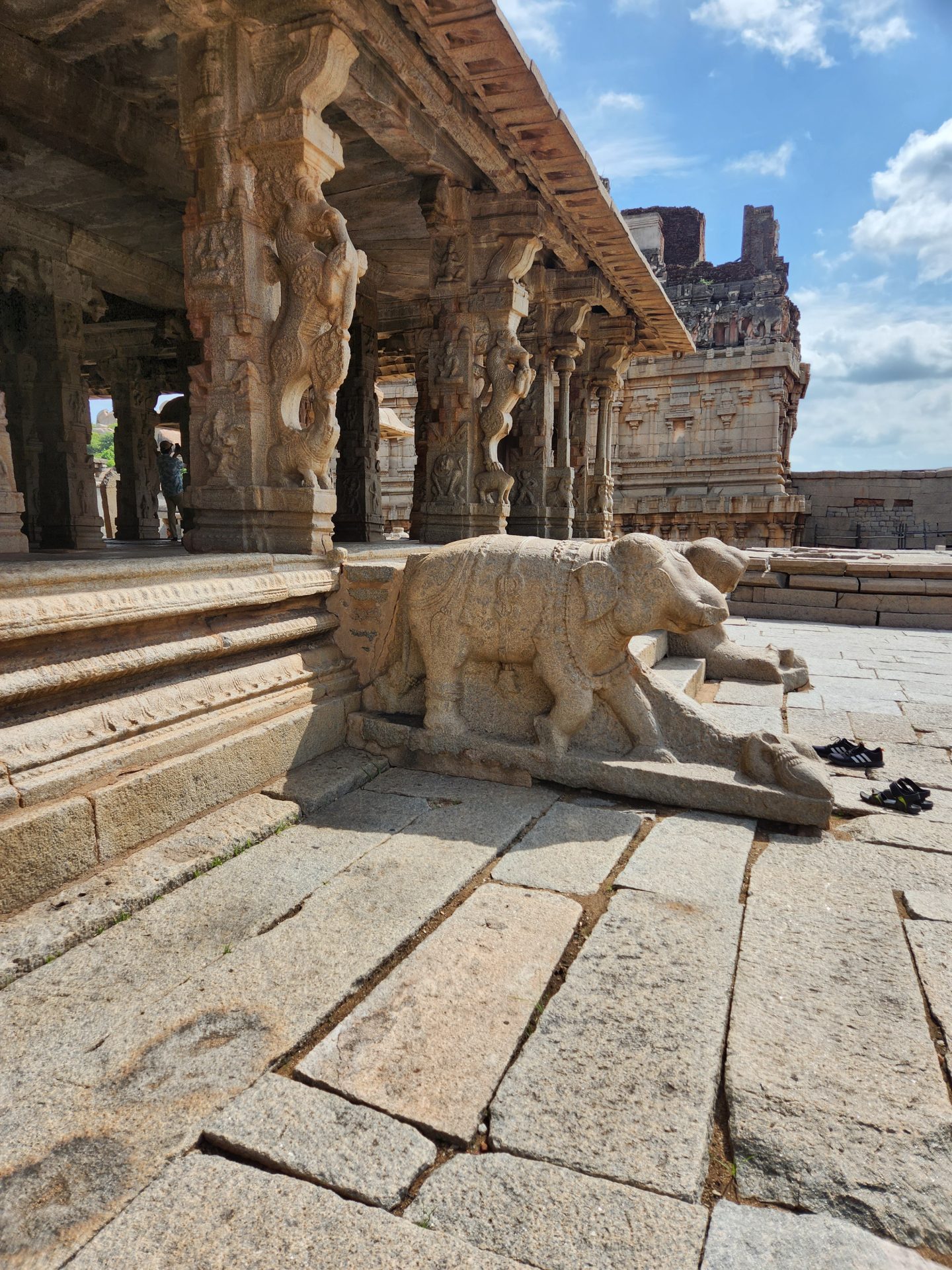
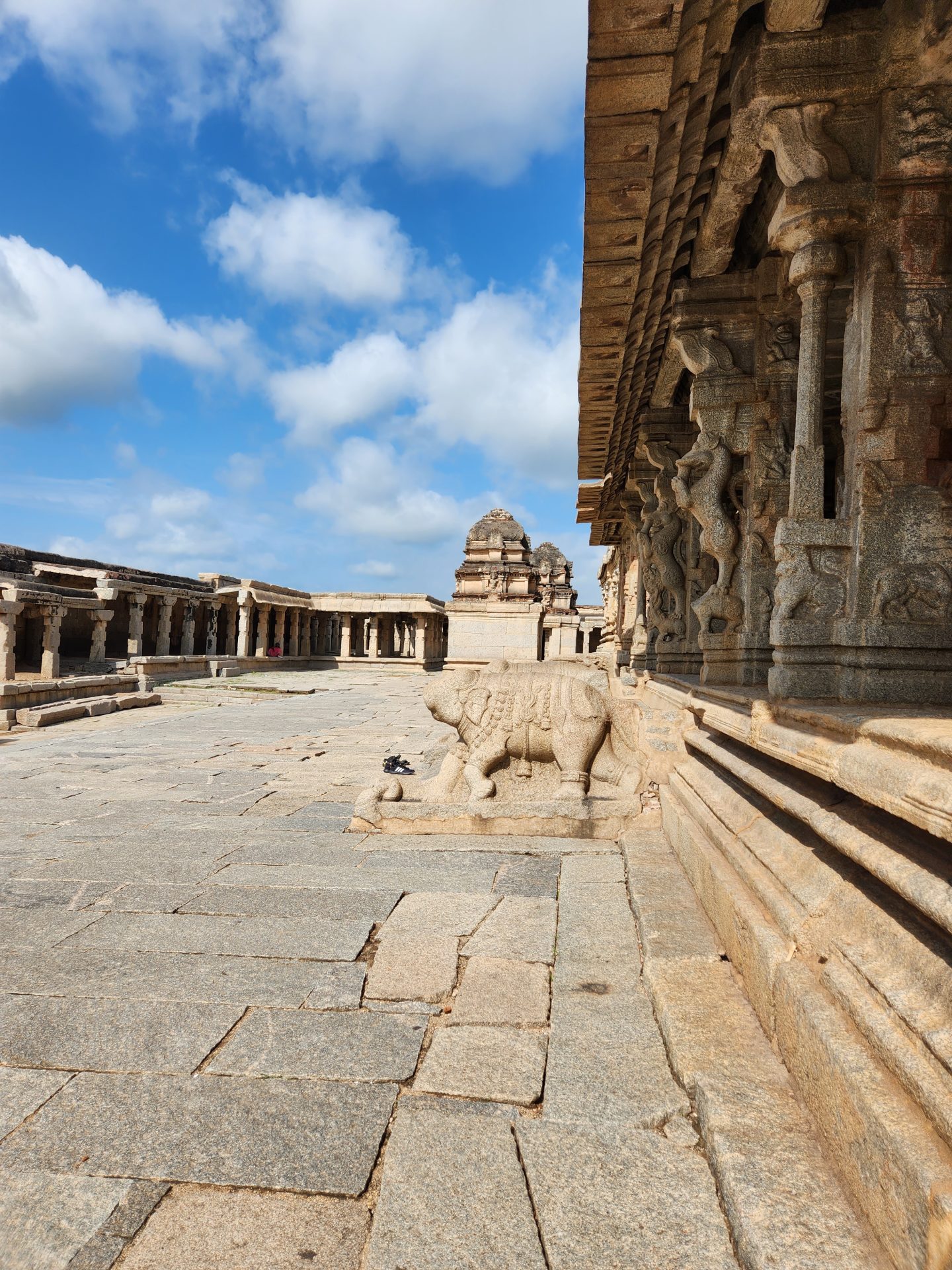
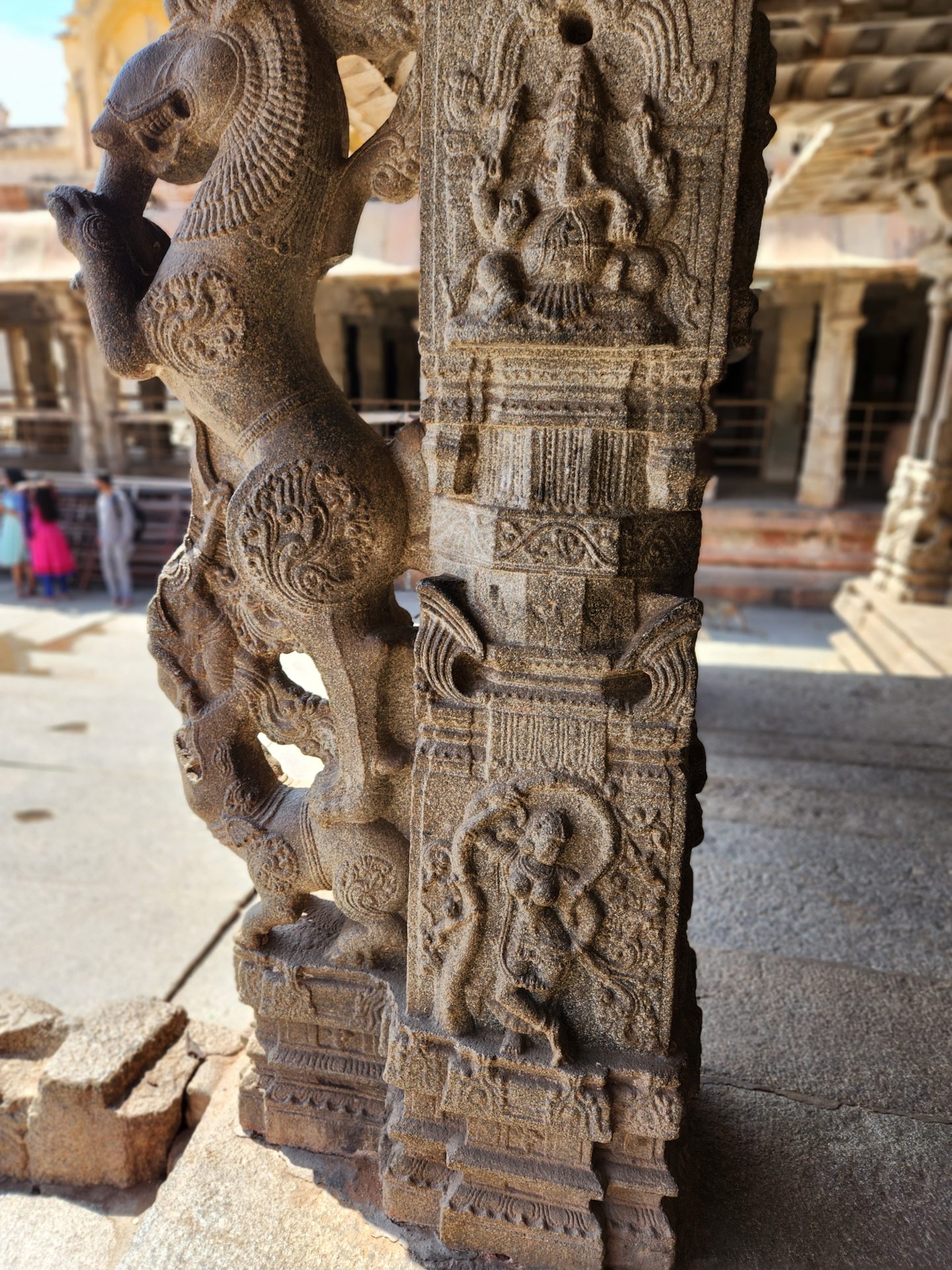
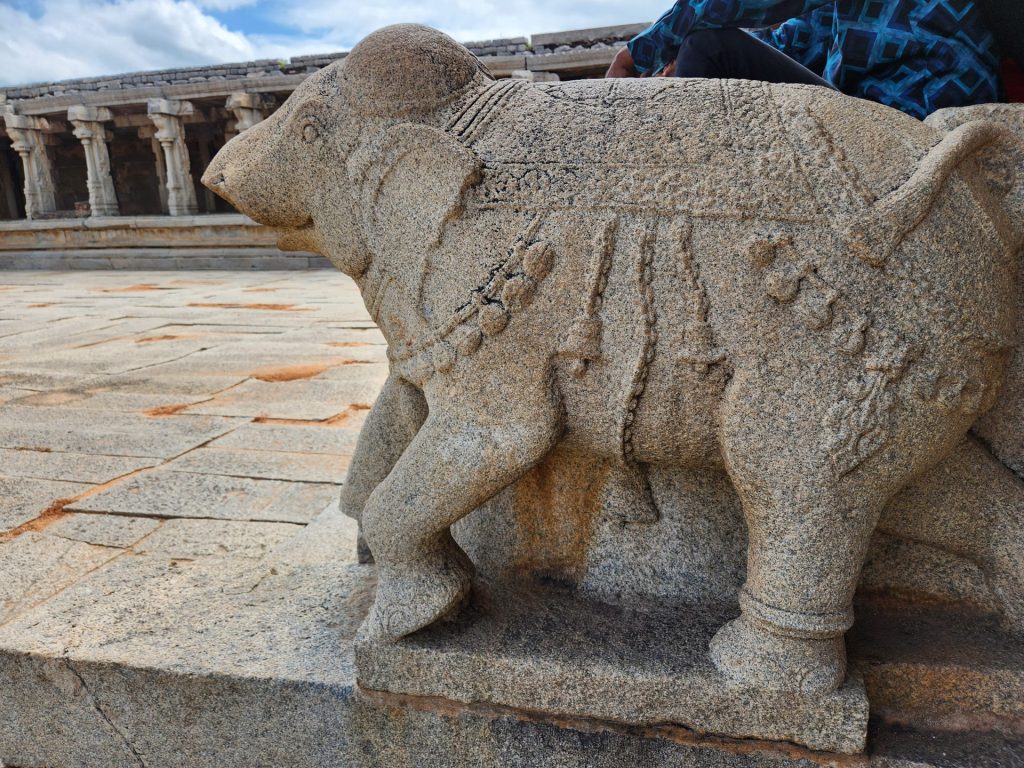
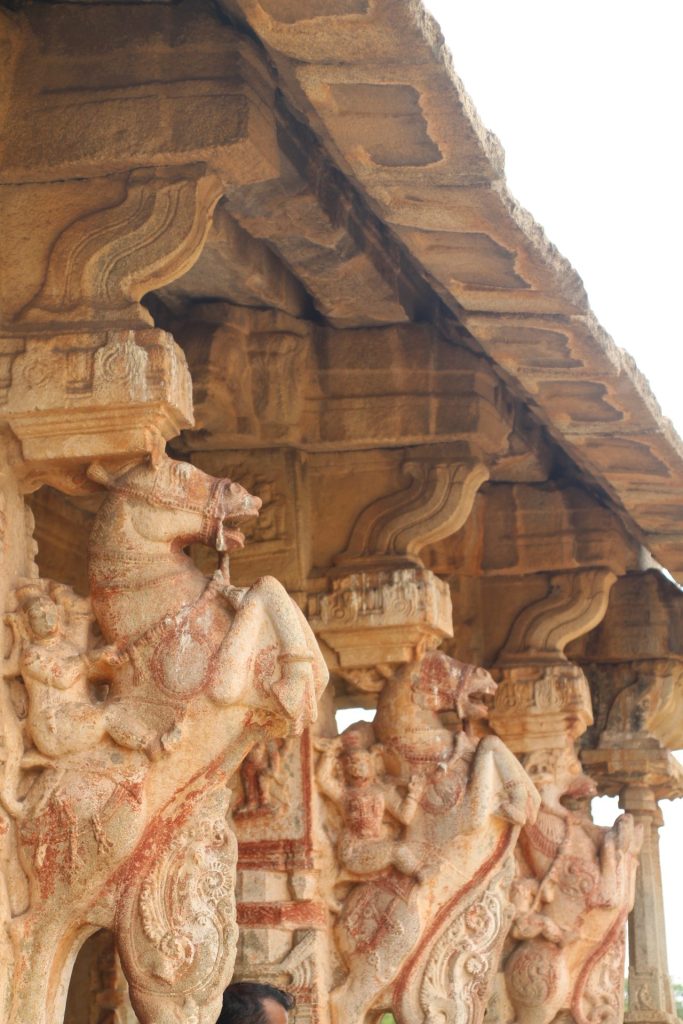
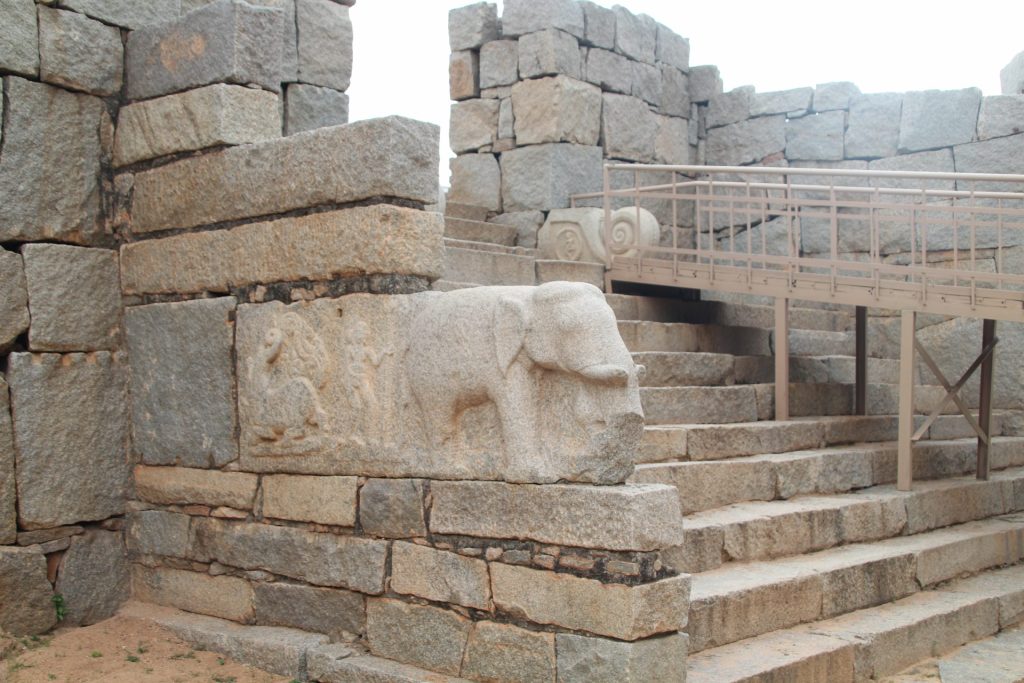
The carvings of the Mythical Lions (Yalis) on the Pillars are spectacular and so are the Elephant Balustrades which one cannot miss sighting and these remain one among the few temples where epic stories are carved on the walls of the tower.
The Sasivekalu Ganesh Temple
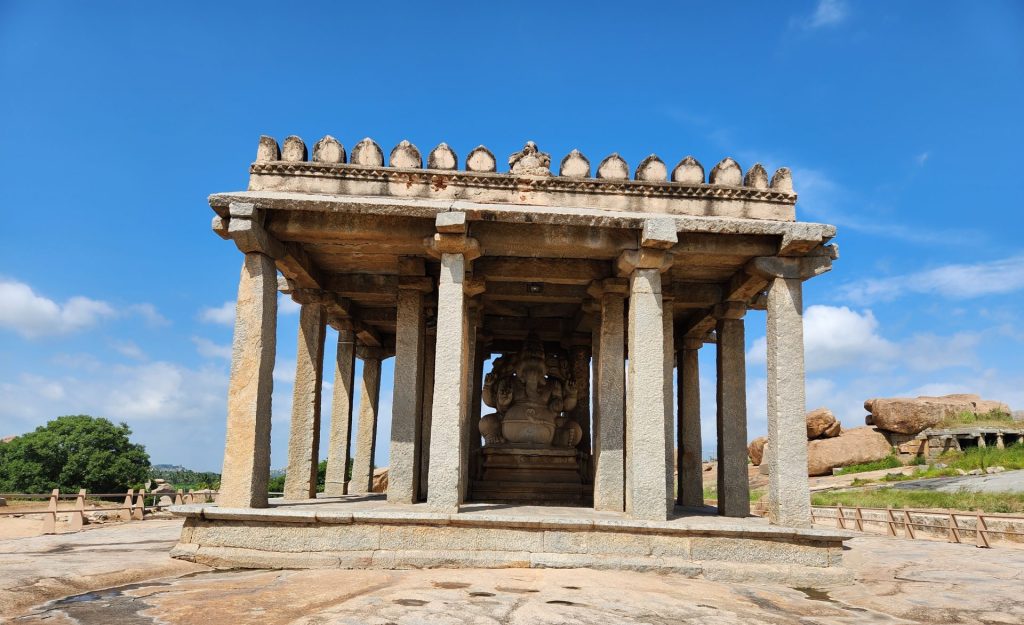
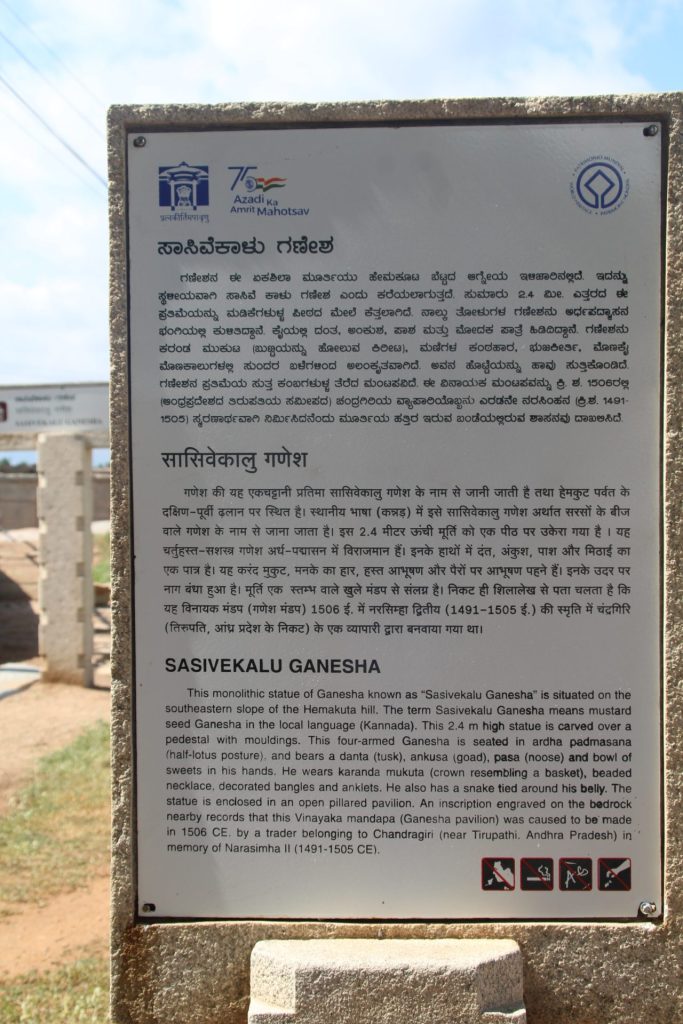
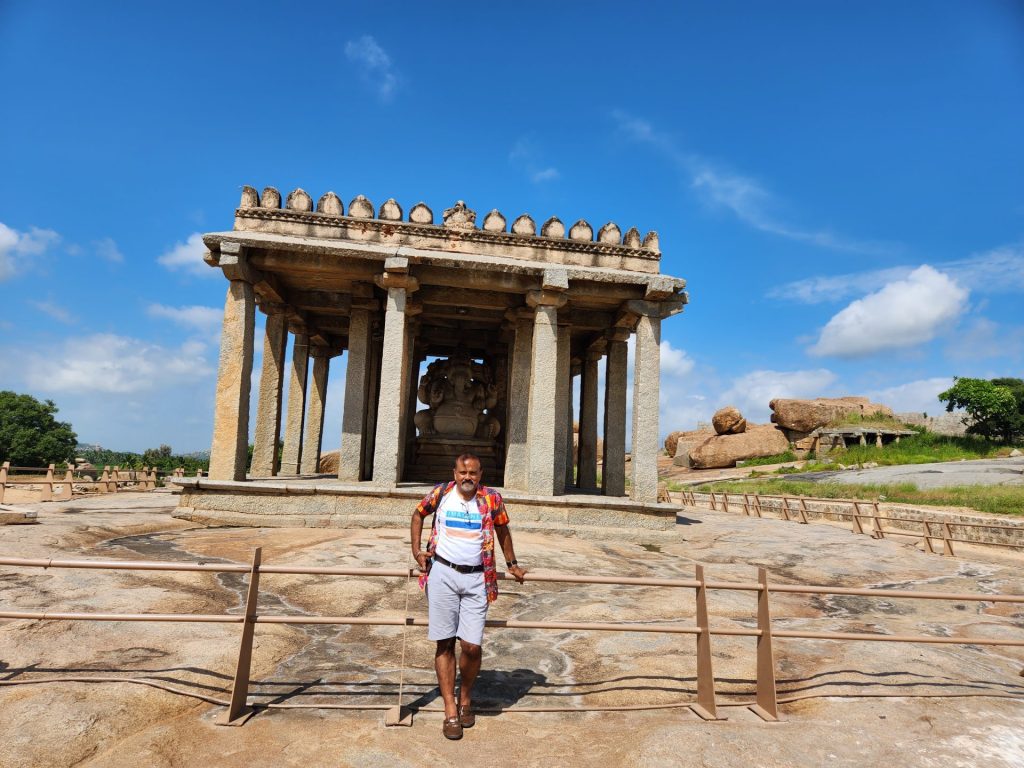
A wayside tea break and then we reached the square shaped Sasivekalu (meaning Mustard Seed in Kannada) Ganesh Temple located not very far off from the Krishna Temple.
Located on the South Eastern slopes of the Hemakunta hill, this temple houses an almost 8 feet high monolithic statue of Lord Ganesha, carved out a single rock.
Erected in memory of King Narasimha II of the Vijayanagara Empire as per the inscription on it, this temple was constructed by a merchant from Chandragiri in 1506 AD.
The legendary story around this idol was that given his intense liking for food, Lord Ganesh overate and to prevent his stomach from bursting at the seams, he caught hold of a snake and tied it around his belly.
That looked to be the only plausible explanation as to why there is a snake visible around his stomach.
The belly is mustard seed shaped In terms of its contours and hence the attribute of name. The 4 armed idol though broken in parts is said to have held a bowl of sweets, a noose, a tusk and a goad.
The Virupaksha Temple
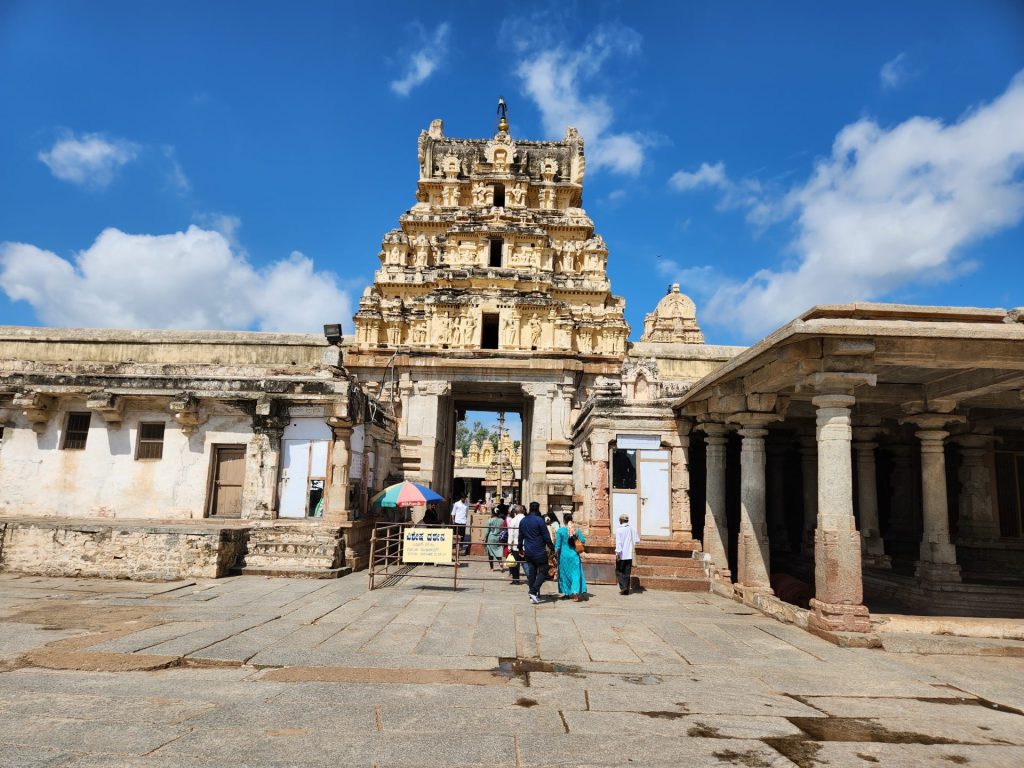
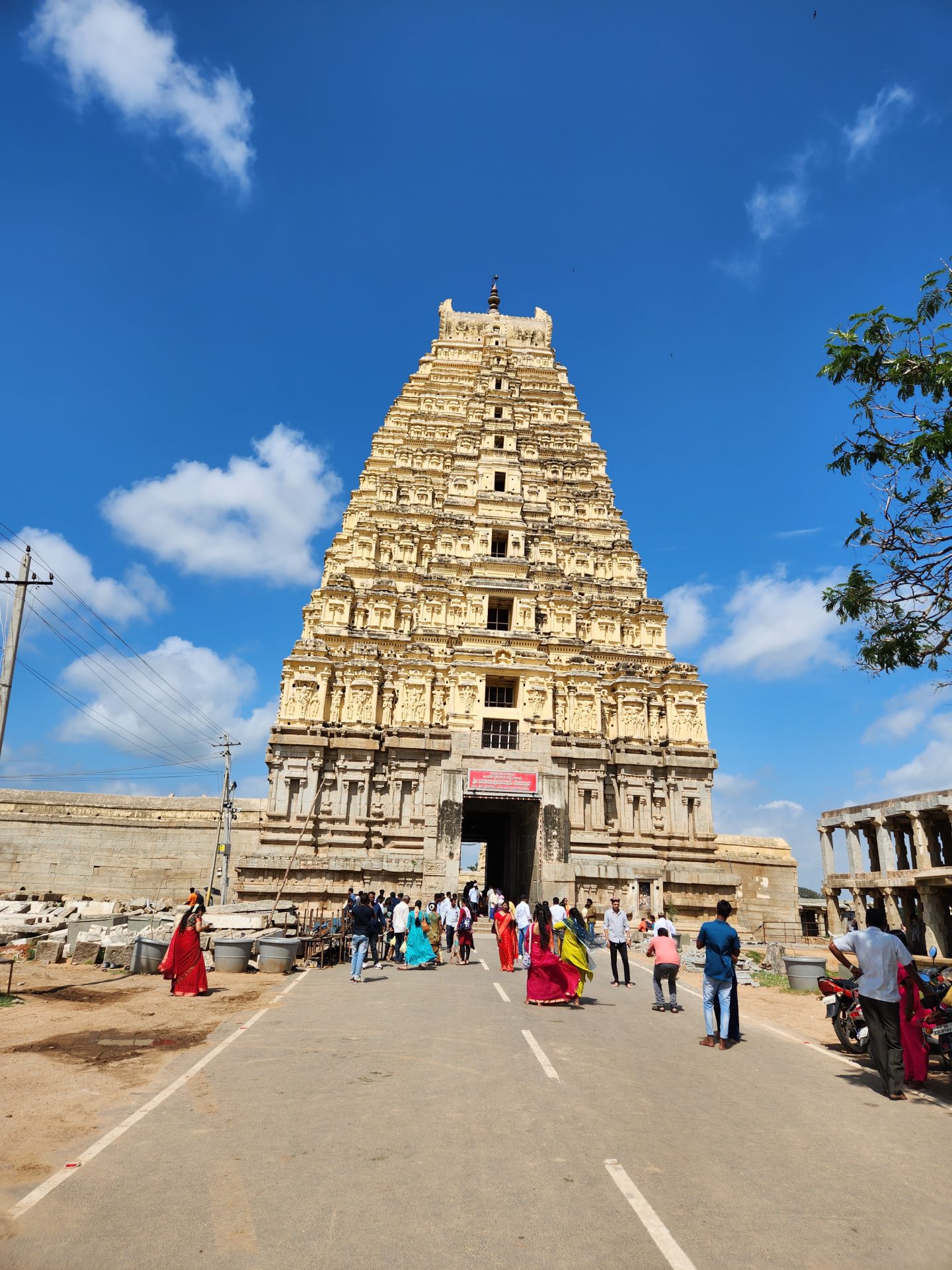
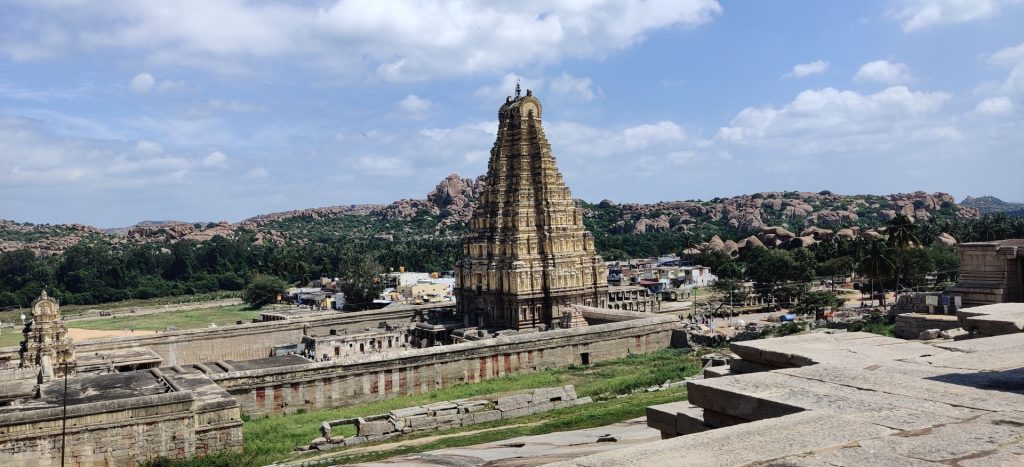
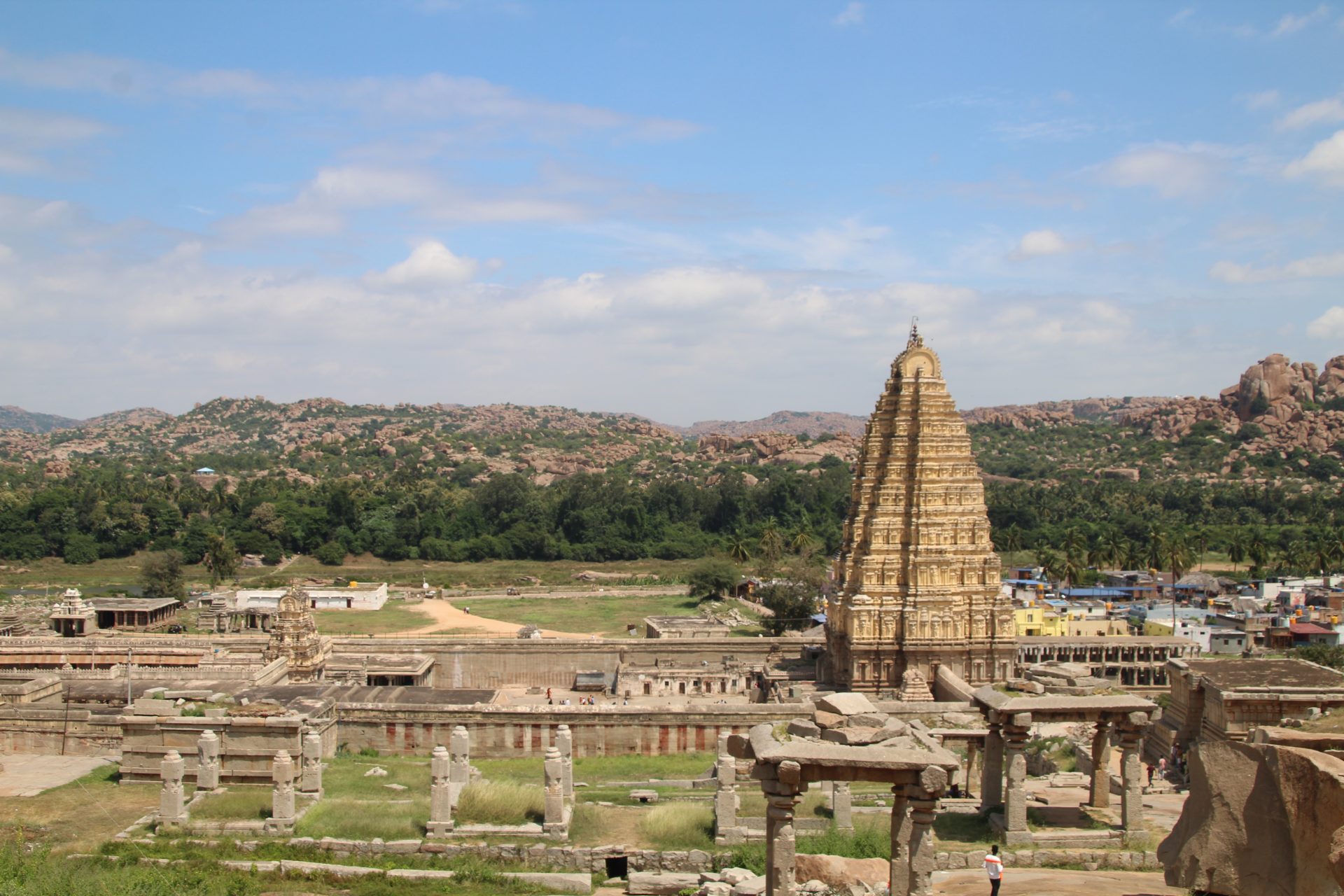
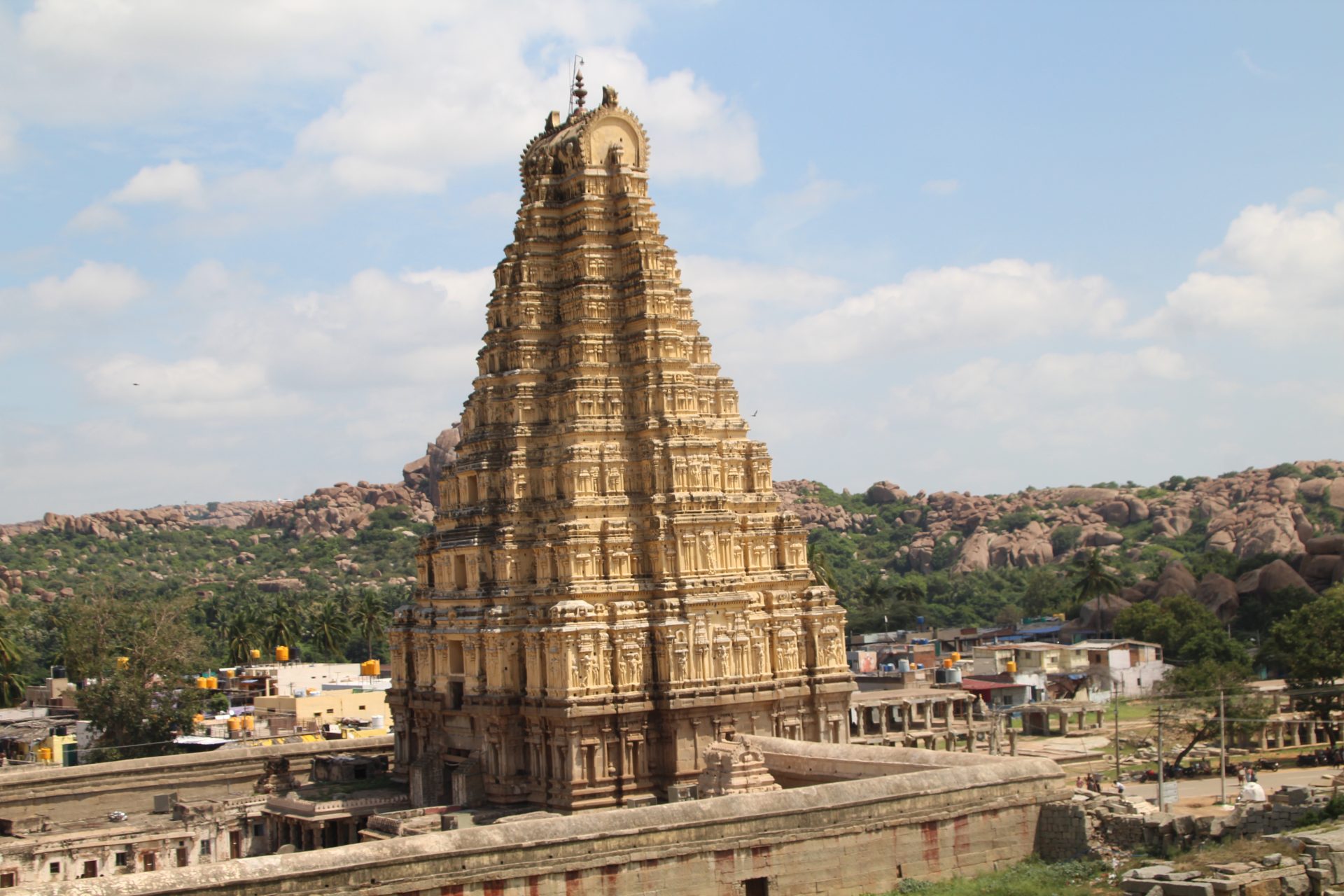
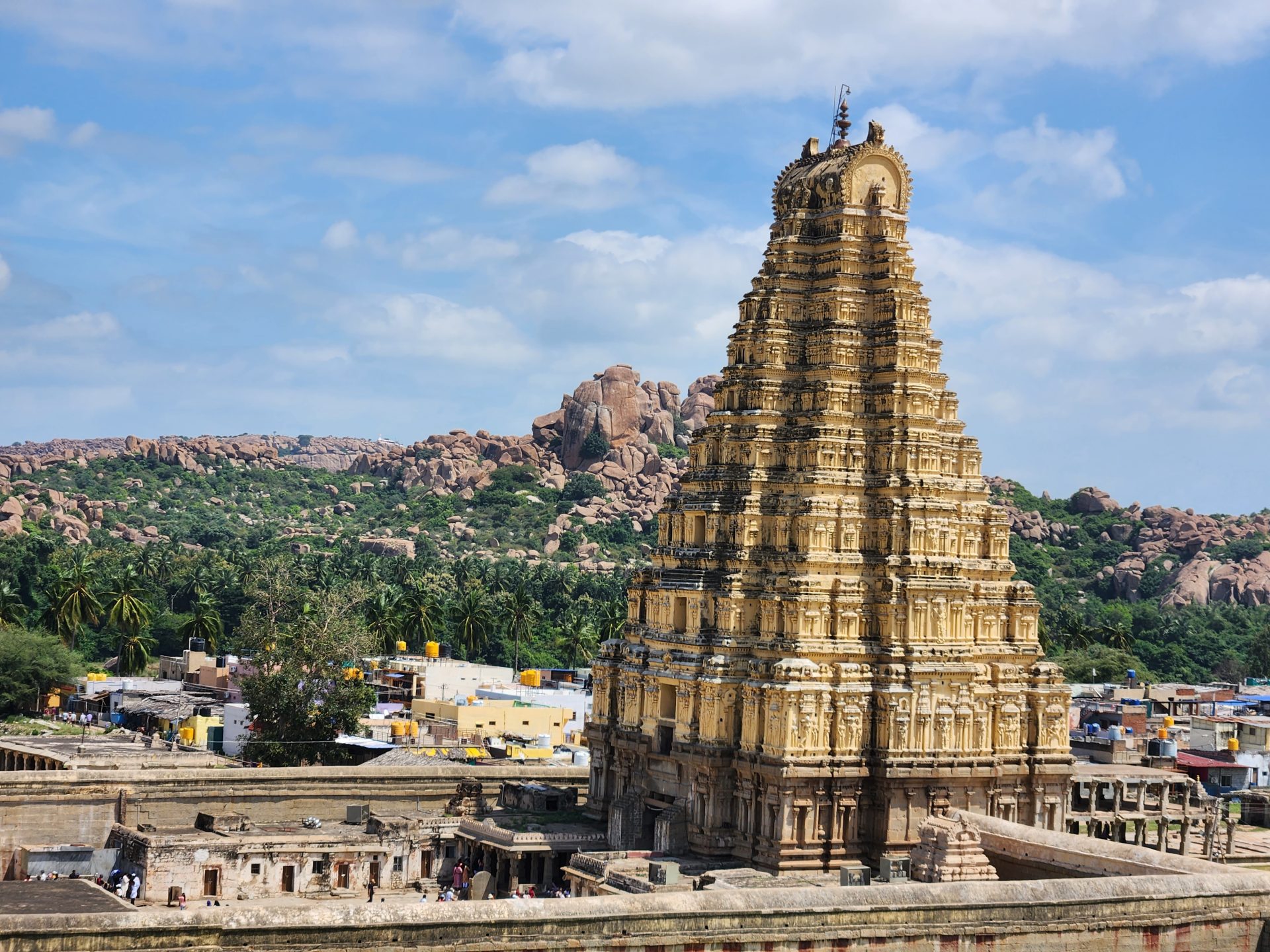
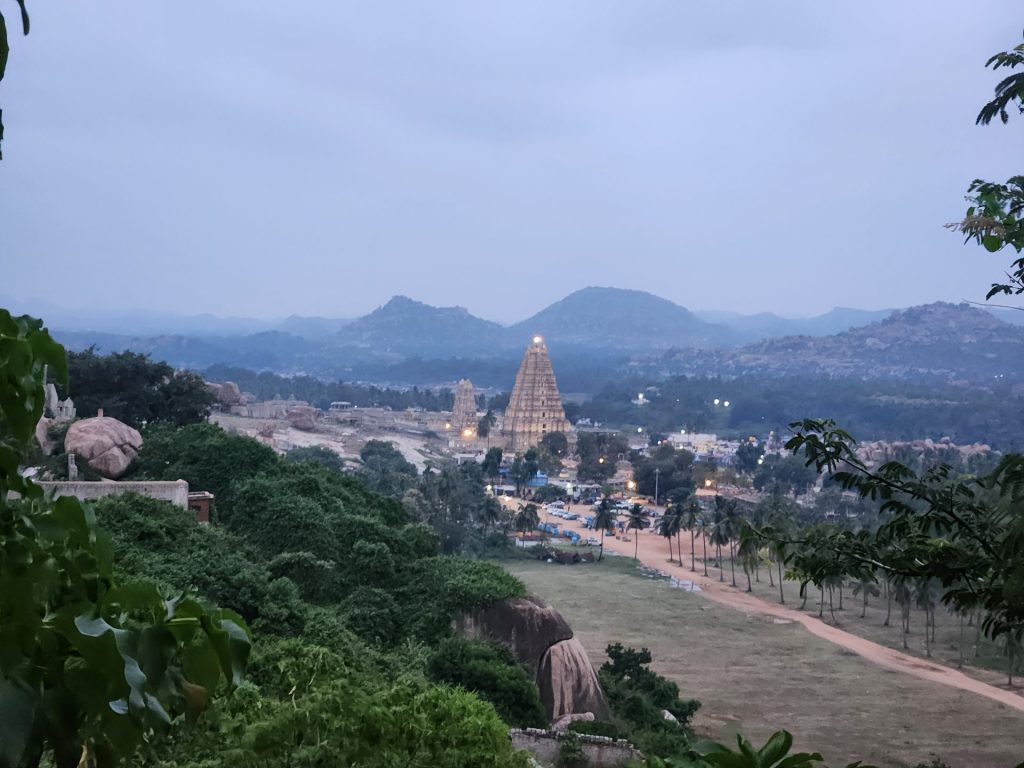
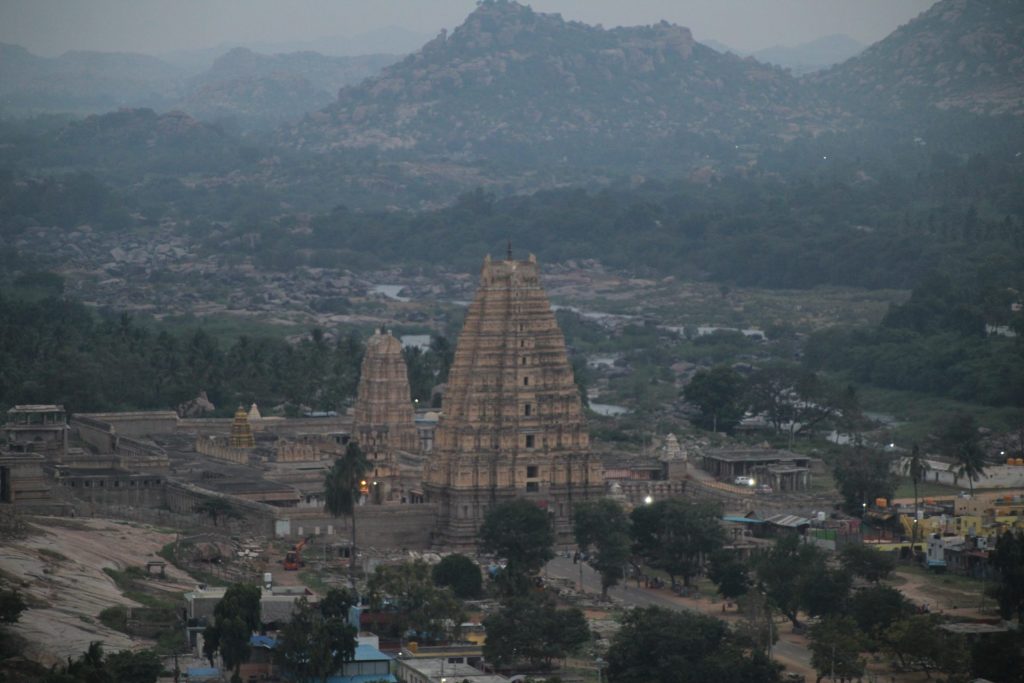
The iconic images of Virupaksha Temple dominating the skyline of Hampi is a common sight when we search on the net for Hampi. Built by Lakkan Dandesha, a chieftain under Deva Raya, this temple, located next to the Hampi Bazaar lay a little ahead of the Ganesh Temple and was next on the itinerary.
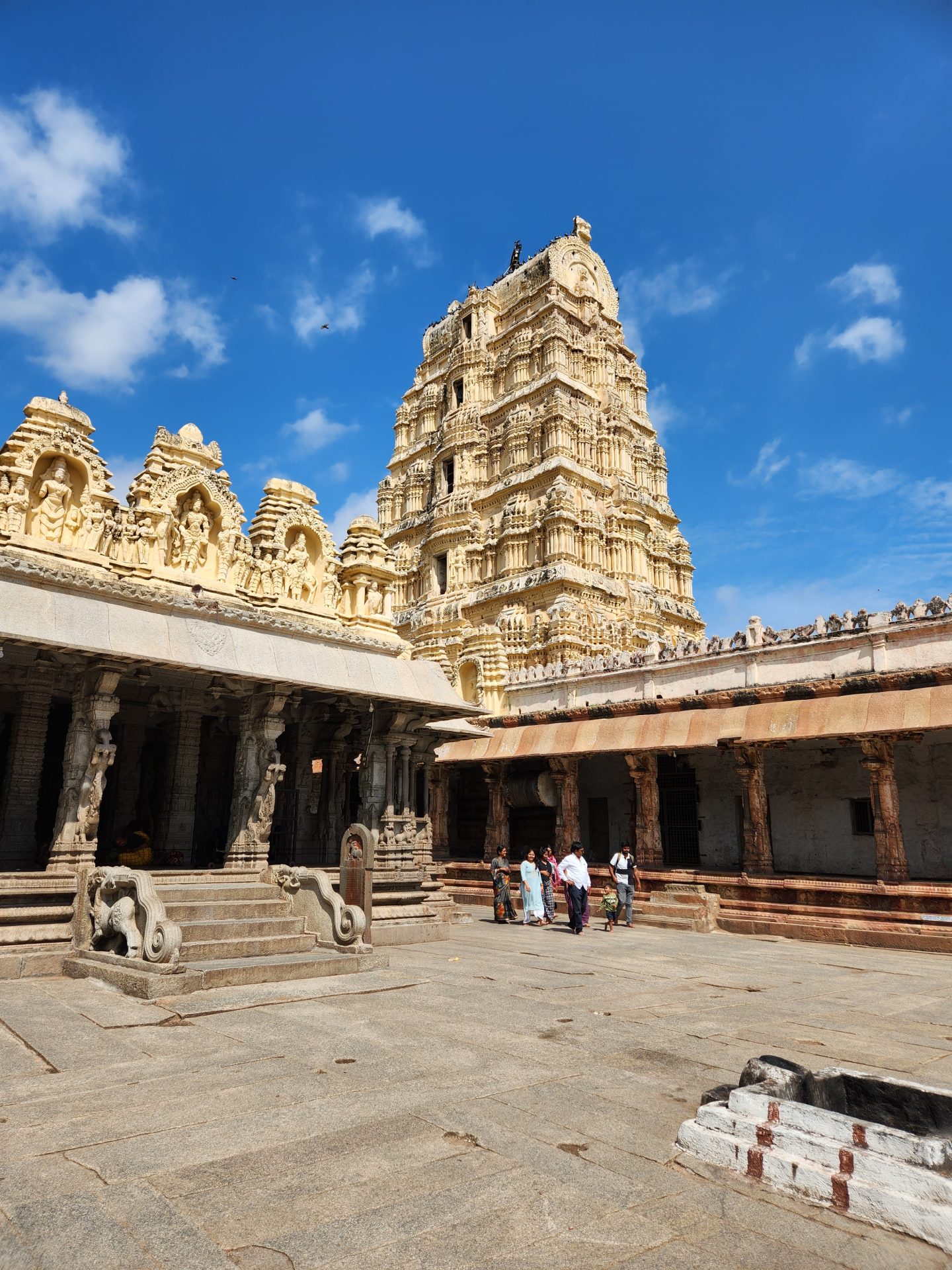
One of the oldest structures in this town, this 7th century temple is, dedicated to Lord Virupaksha (an incarnation of Lord Shiva) and is perhaps the only temple in Hampi where a sanctum sanctorum exists and where priests go about their daily rituals and people come in hordes to worship here. What is striking about the temple’s design are the way mathematical concepts have been used to carry out the design, given the symmetry and repeated patterns one can observe when looking at the towers.
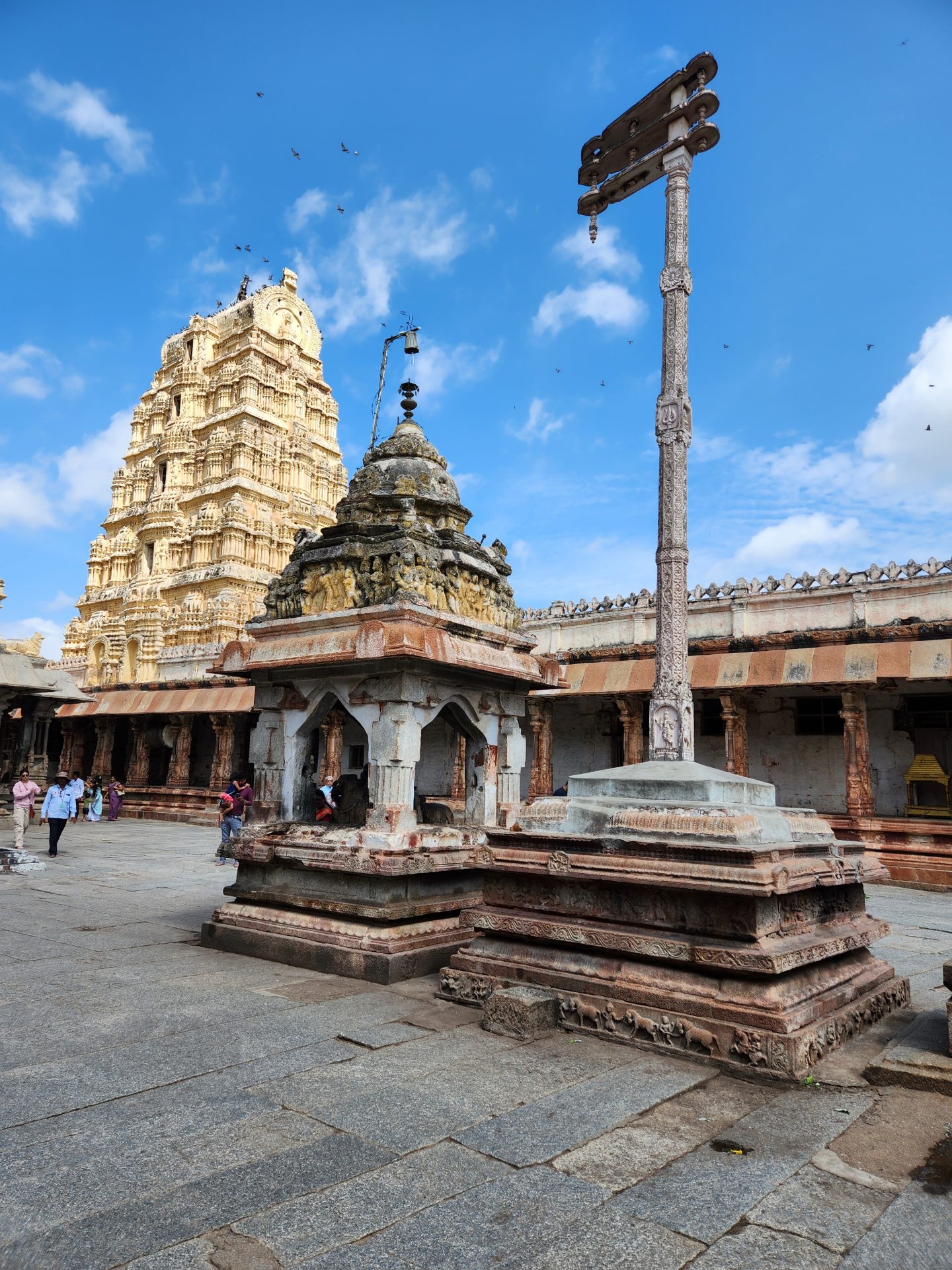
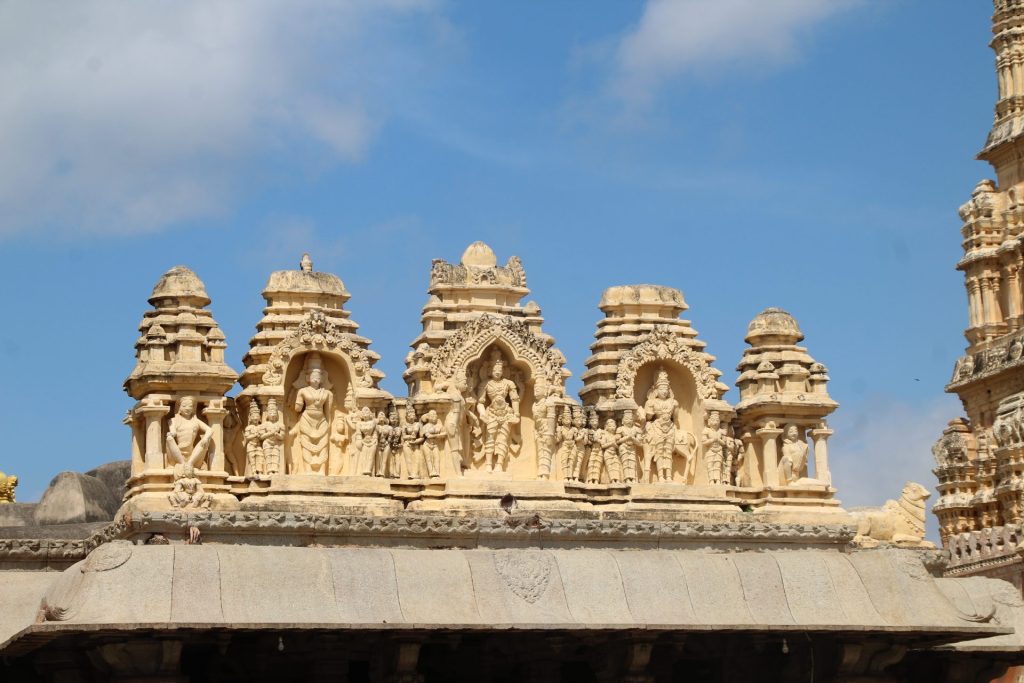
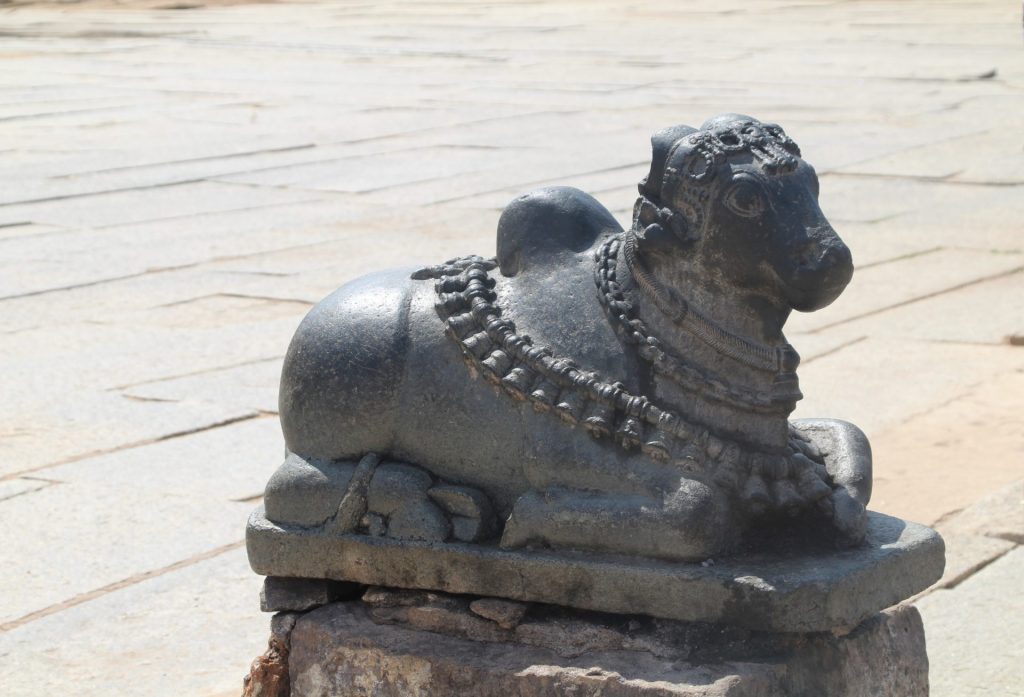
A 50 metre high 9 Tiered Tower or Gopuram believed to have been constructed in 1442, leads one to the inner courtyard. There is an unusual triple headed statue of Nandi (bull) right near the entrance after one crosses the main tower. The temple complex has quite a few decorative columns, a 100 pillared hall, intricate stucco figures on the upper tier, a number of smaller shrines, a kitchen, grand gopurams, antechambers and high carved ceilings done up with paintings which date back to the 14th and 16th century.
There are inscriptions on Lord Shiva dating back to the 9th and 10th century and the temple complex looks to have been developed from a small shrine to a large complex especially with many additions being carried out during the Chalukya and Hoysala dynasty.
KING KRISHNADEVA RAYA'S CORONATION PLAQUE
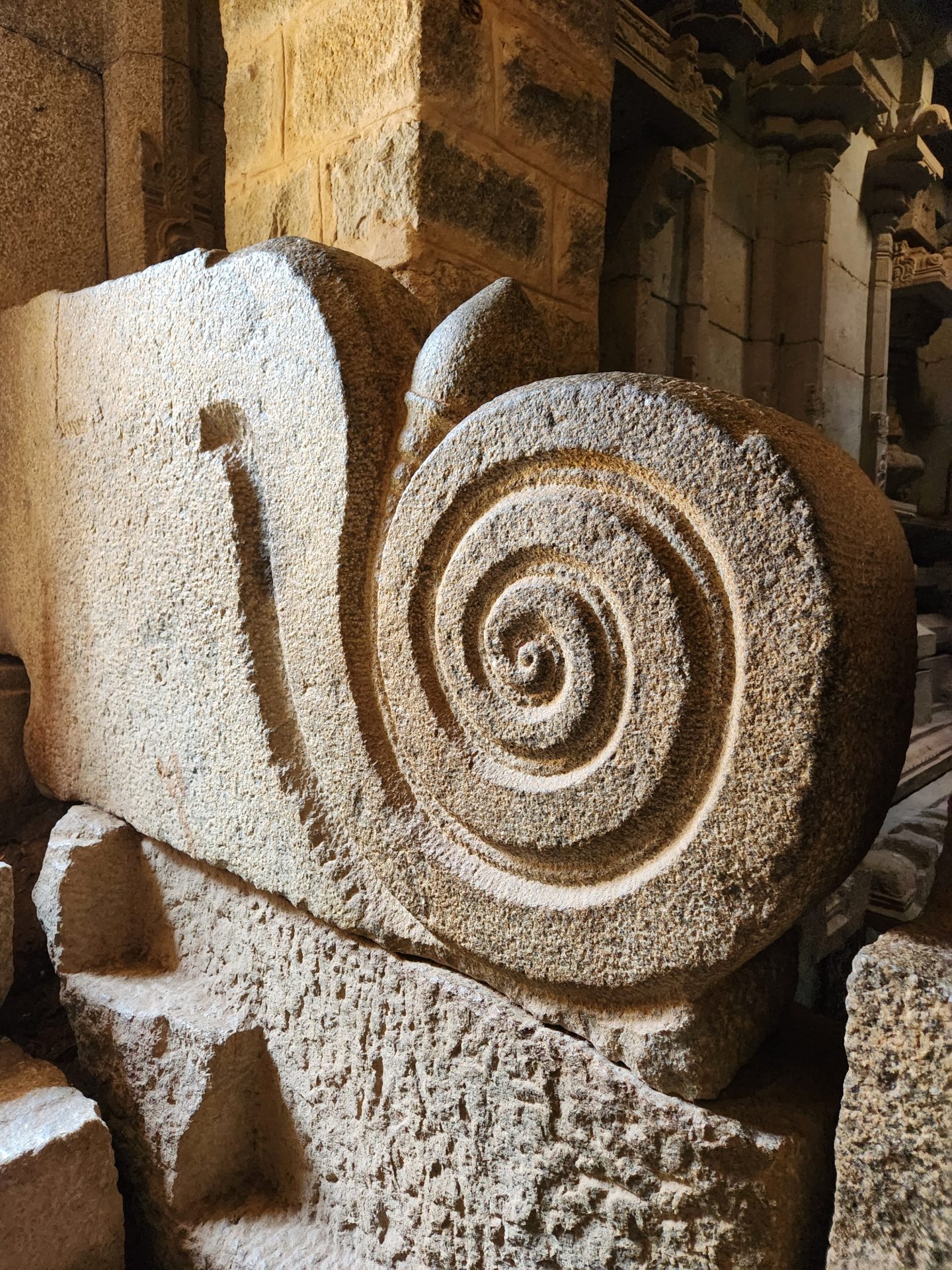
A CARVED STONE DRUM
A pillared hall also known as the Ranga Mandapa where King Krishnadeva Raya was coronated can be seen near the entrance.
This also has a large stone plaque detailing his contribution to the temple. The main idol of Lord Virupaksha is in the form of a Shivalinga. The most important of the sub shrines are for Lord Shiva’s consorts Godessesses Pampa and Bhuvaneswari.
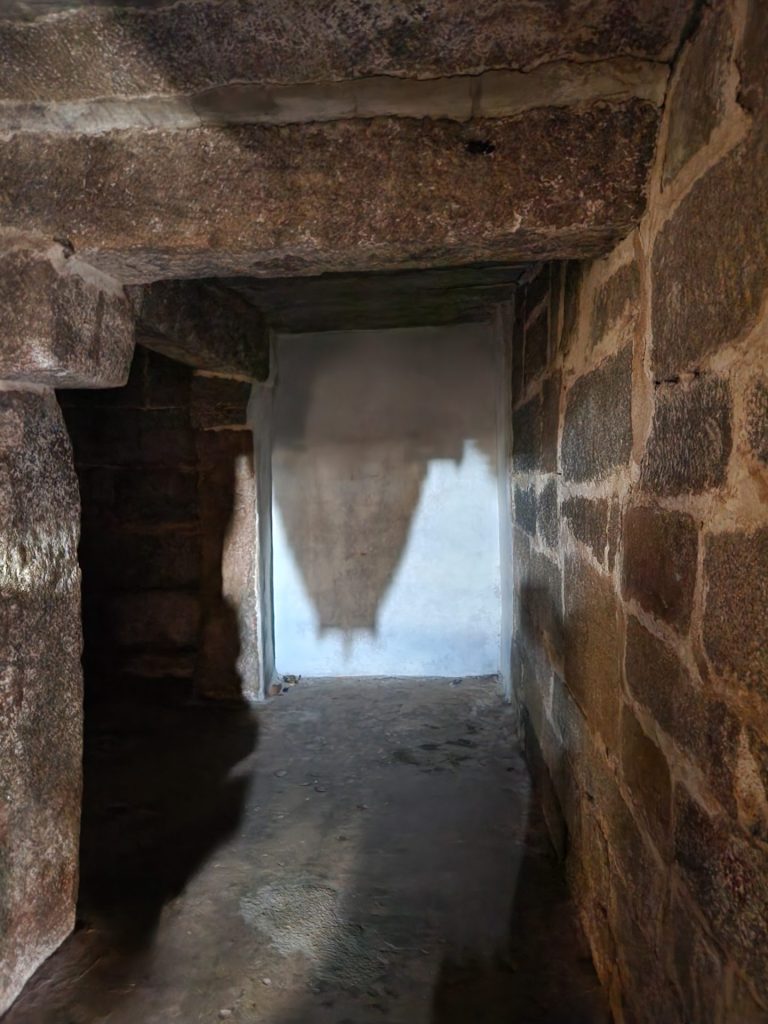
Close to the main sanctum, a flight of steps leads one to the rear exit of the complex and just before the exit, entry into a dark chamber is definitely not to be missed as an amazing concept of physics in the form of a pin hole camera technique created with stonework can be seen. There is a small slit on the wall and the sun rays which pass through it creates an inverted image of the temple tower on the wall.
THE PIN-HOLE CAMERA EFFECT
THE NAUGHTY TEMPLE ELEPHANT LAKSHMI
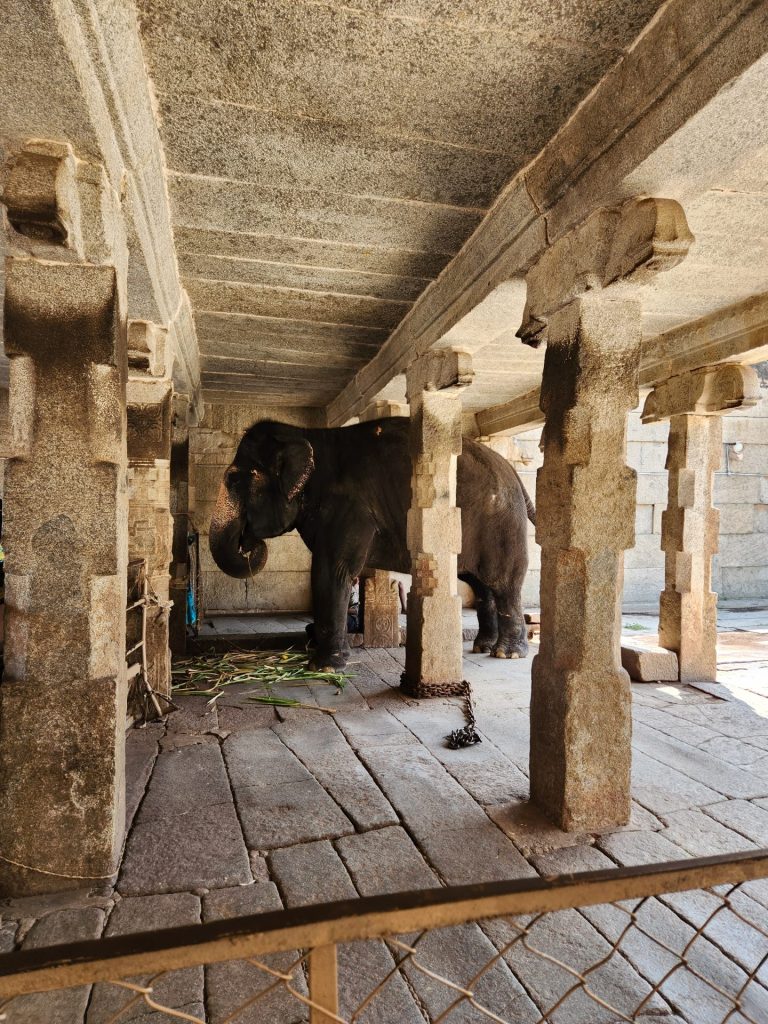
A tower towards the Northern side leads one to the banks of the Tungabhadra river where one gets to see a small Durga temple. Opposite the temple lies the Manmadha water tank. The elephant balustrades, the lion like mythical creatures which form part of the balustrades, warriors riding on ferocious looking creatures and sculpted very nicely and are something one should not miss apart from greeting the gentle Temple Elephant Lakshmi.
The special entry tickets to the temple would be Rs.25/- and one would have to pay an additional non receipted amount of Rs.50/- to carry one’s camera inside..
The Hemakunta Hills
Close to the Virupaksha temple lies the Hampi Bazaar where one gets to enjoy a local shopping experience. This at one time used to be a place where merchants from various foreign countries used to come and sell exotic stuff like Jewellery, Silk clothes, precious stones etc. and also where horses and cows were traded.
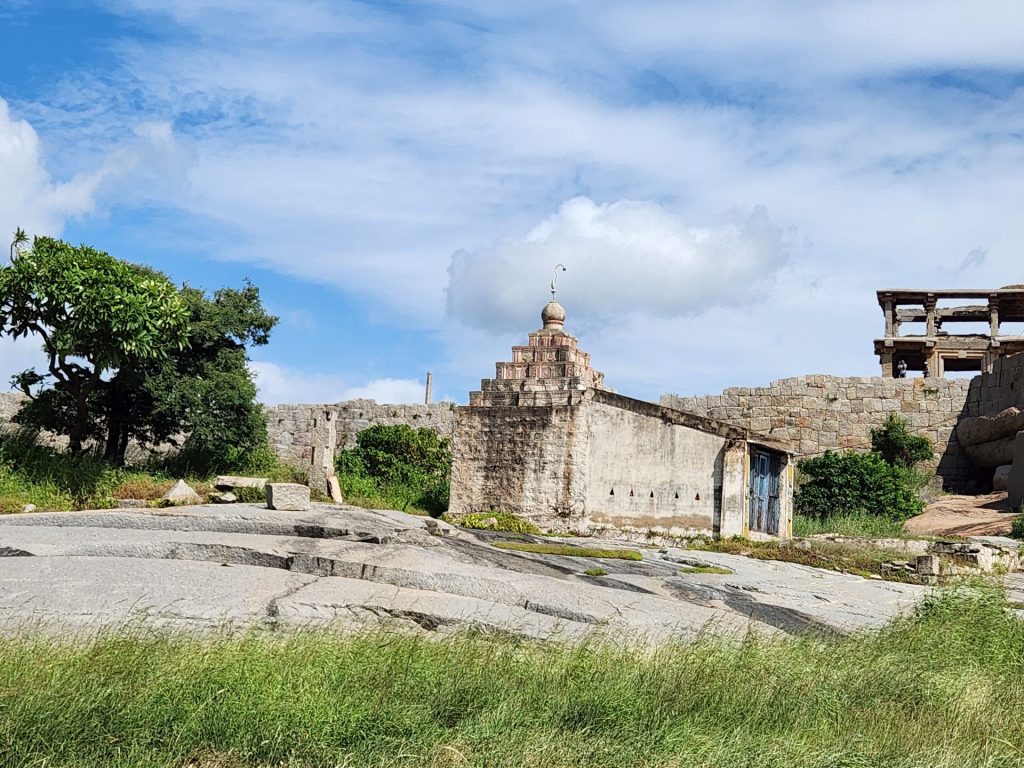
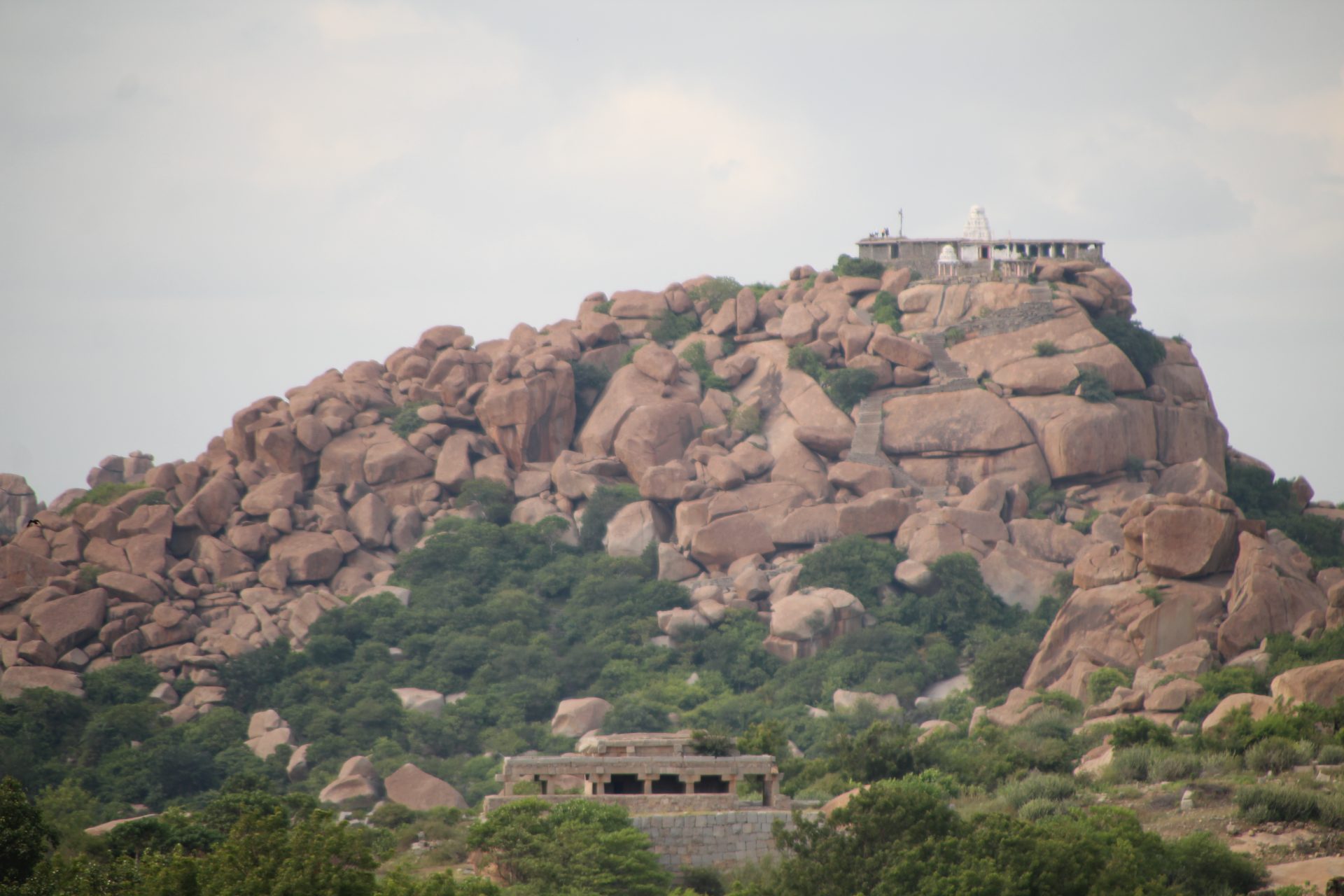
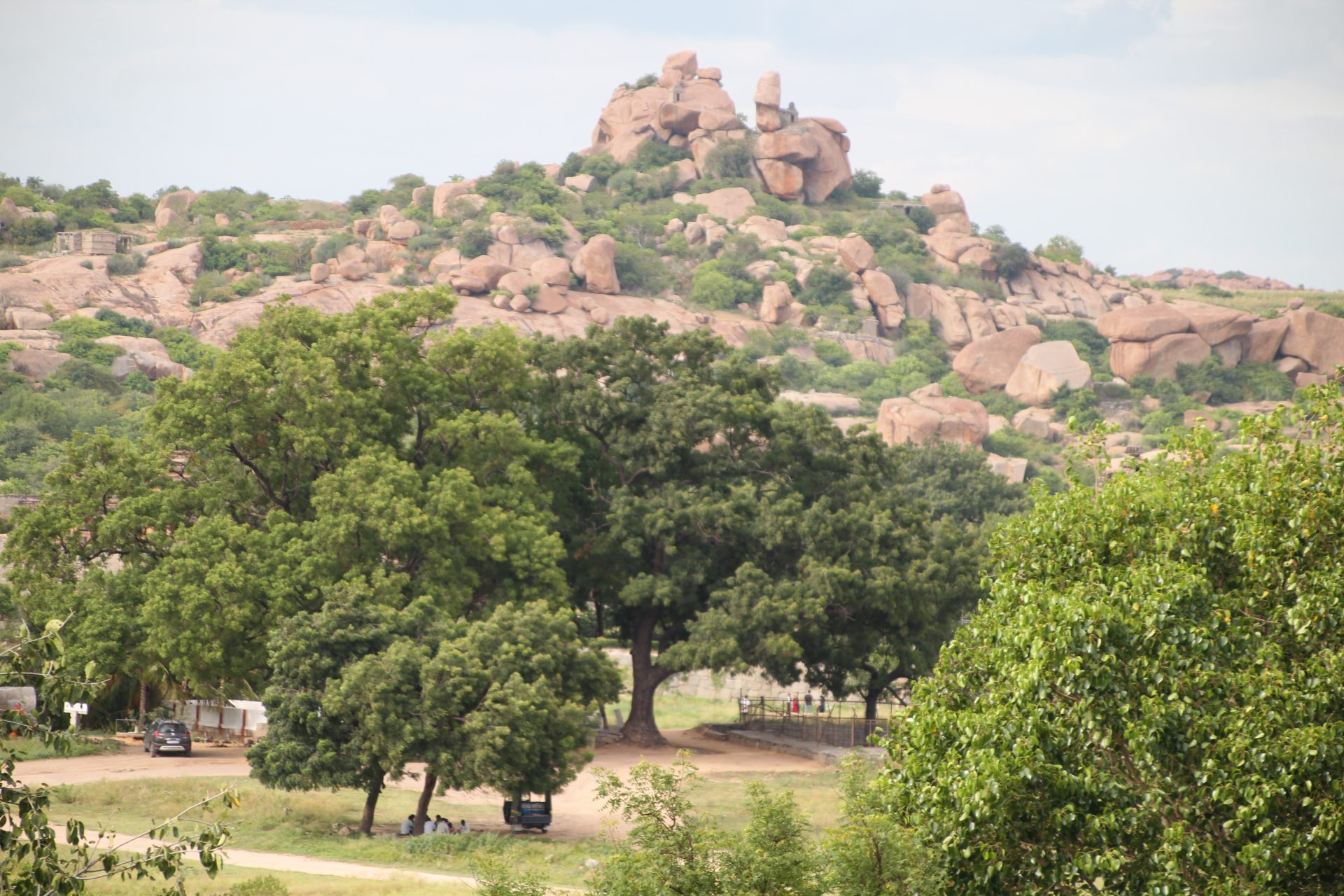
A wide variety of local items like stone figurines, carved artefacts, handicraft items, clay dolls, colourful bags, embroidered shawls and textiles get sold here and one could even pick up a replica of the Hampi ruins. This place comes alive and vibrant during the time of the Hampi Utsav which takes place during the month of November. As one comes out of the temple, a cobbled pathway on the left leads one to the Hemakunta hills where the cluster of Hemakunta temples can be seen. A gentle climb up the slope gives way to beautiful views of the Virupaksha Temple apart from some amazing rock cut designs of temples, archways and pavilions on the hillock itself.
A great place to see the sunrise and sunset, the climb to the top is very gradual and once one gets there, it’s a flat expanse of rocky sheet with undulations in a few places. The well preserved pre and early-Vijayanagara temples are all housed atop this hill. Legend has it that Goddess Pampa (Parvati) pleased Lord Shiva with her dedication so much so that he was very impressed and his celestial powers led to gold falling on this hill in the form of rains.
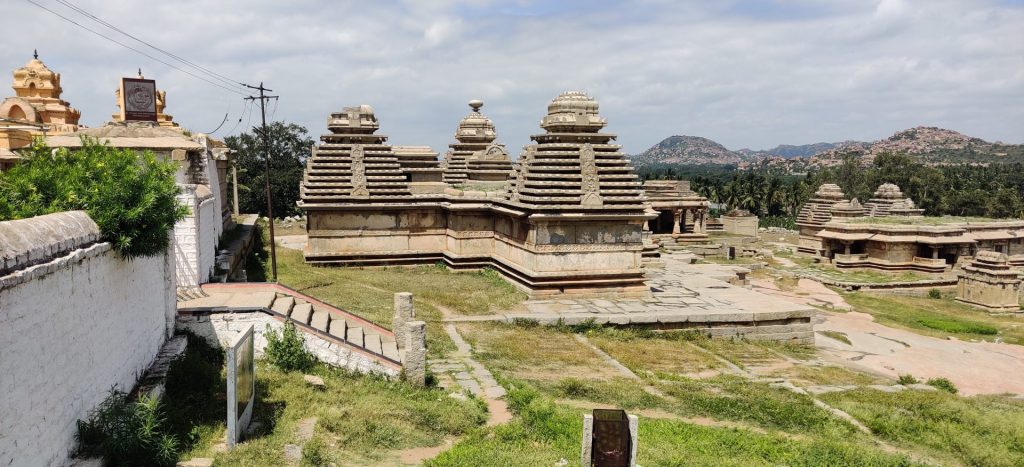
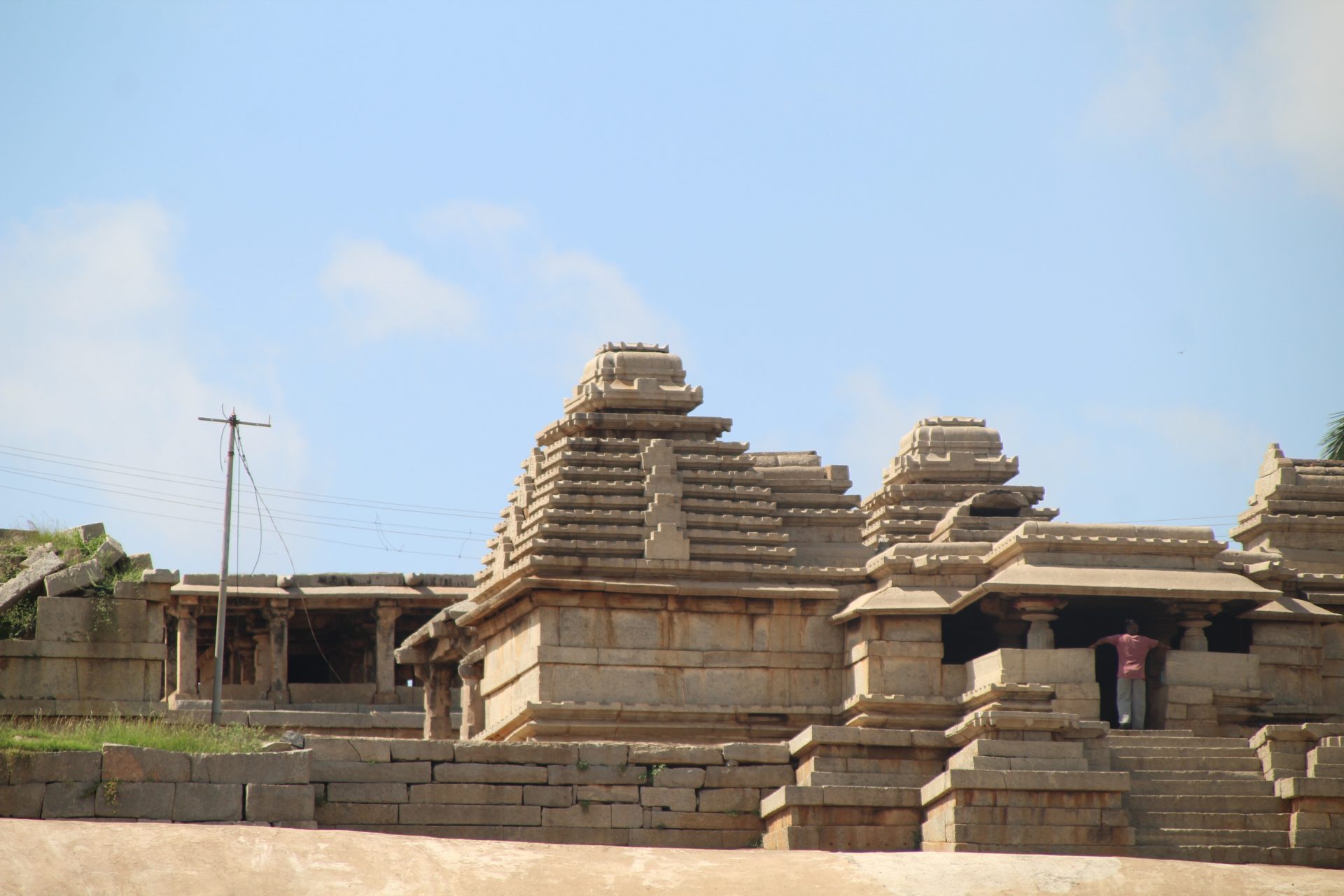
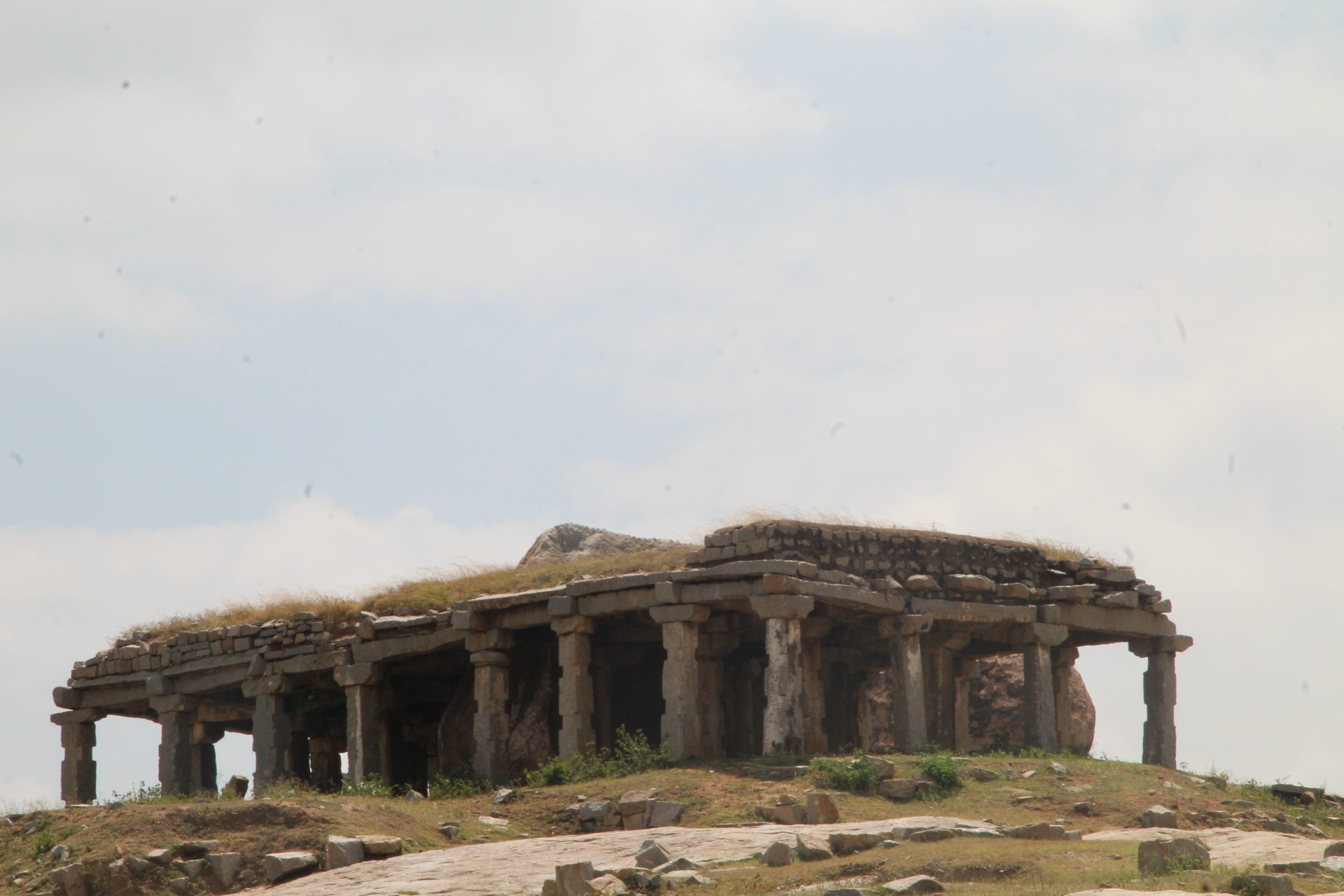
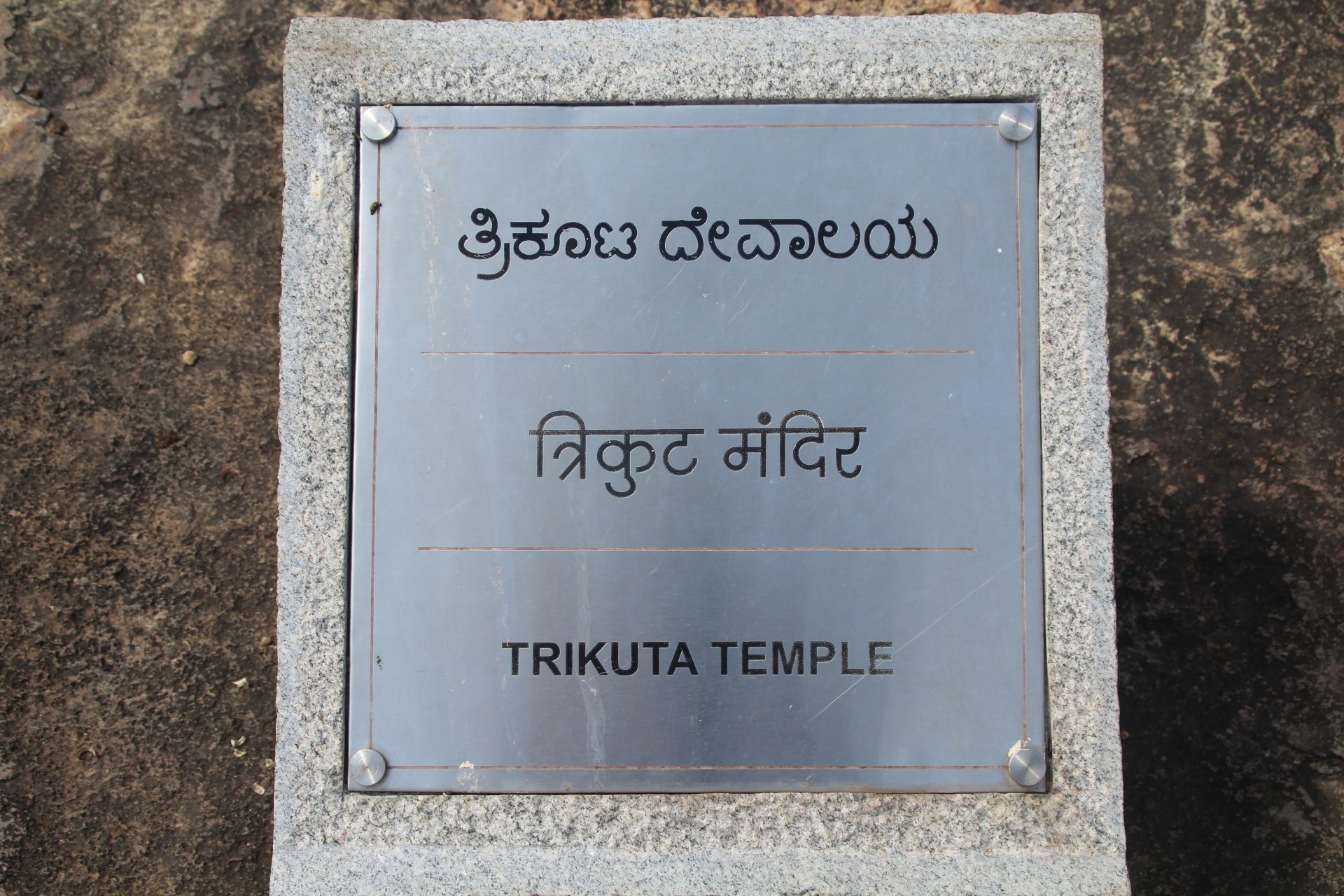
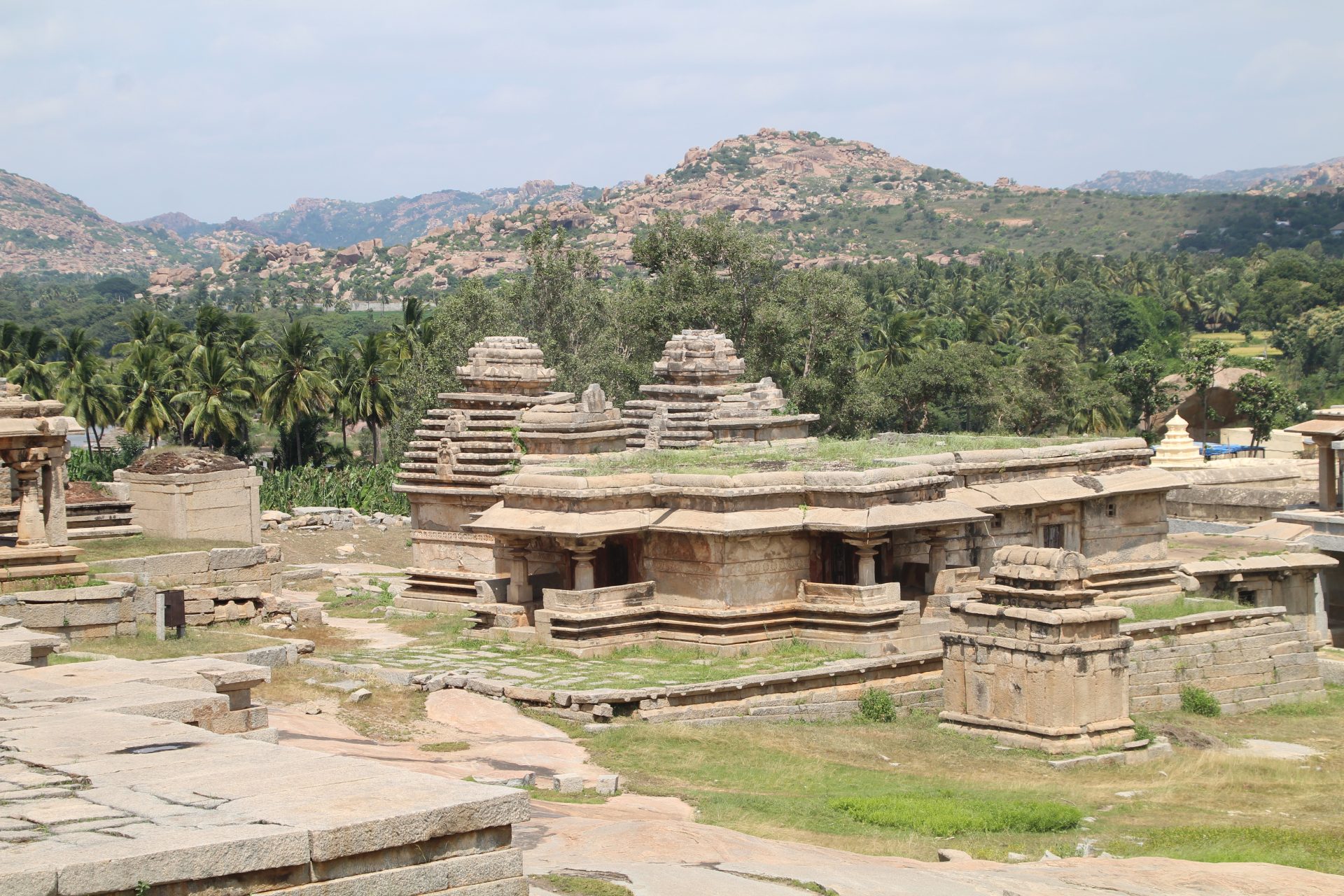
The Moola Virupaksha temple which can be seen here is considered as the original Virupaksha temple. The Moola Virupaksha and the Trikuta temples can also be sighted on this hill.
The temples here are pyramidal in design and bear an uncanny resemblance to the Shikaras of Jain temples but most of these are dedicated to Lord Vishnu, Shiva or Ganesha. The inscriptions found on the 2nd of the temples dates the existence of the temple to 1309-1310 AD.
The Kadalekalu Ganesh Temple
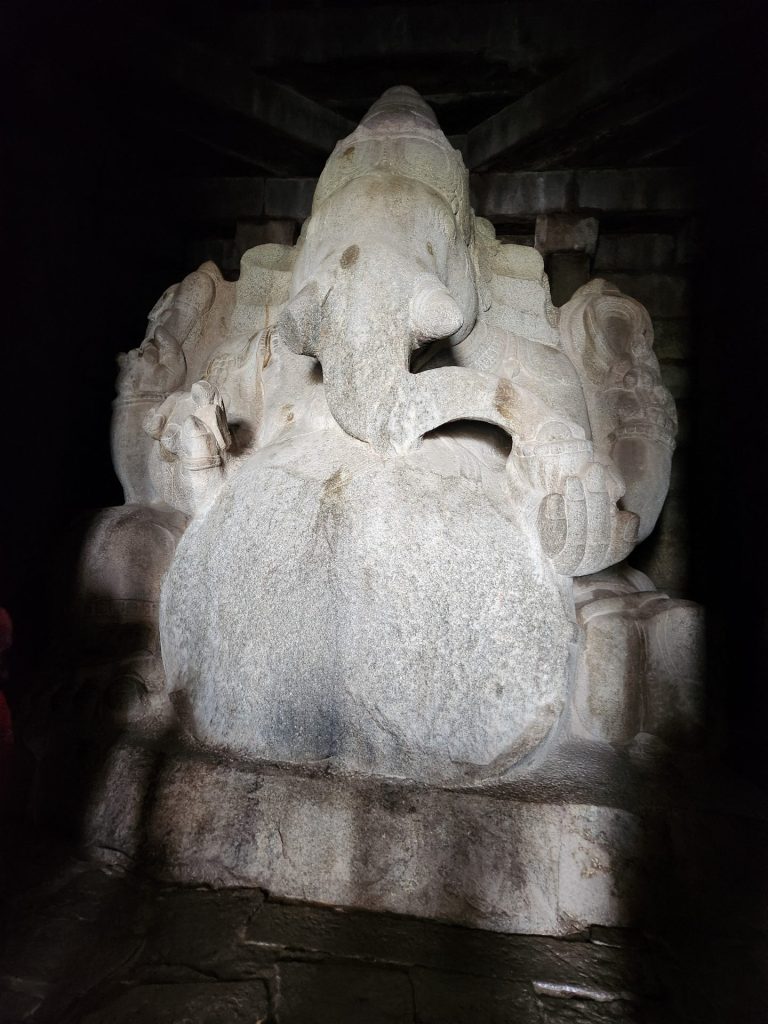
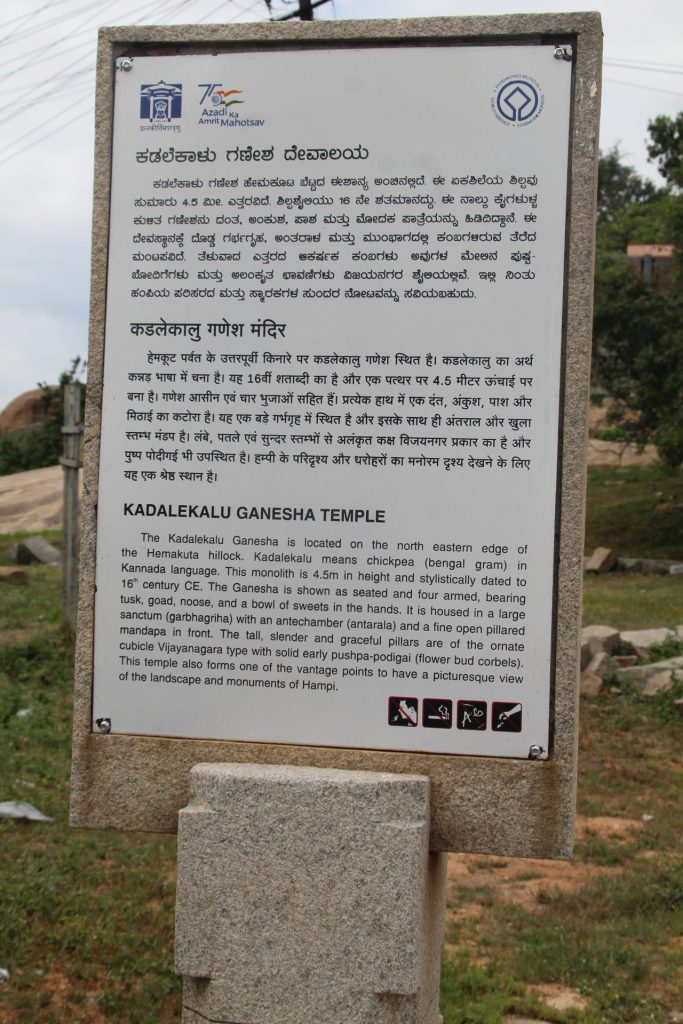
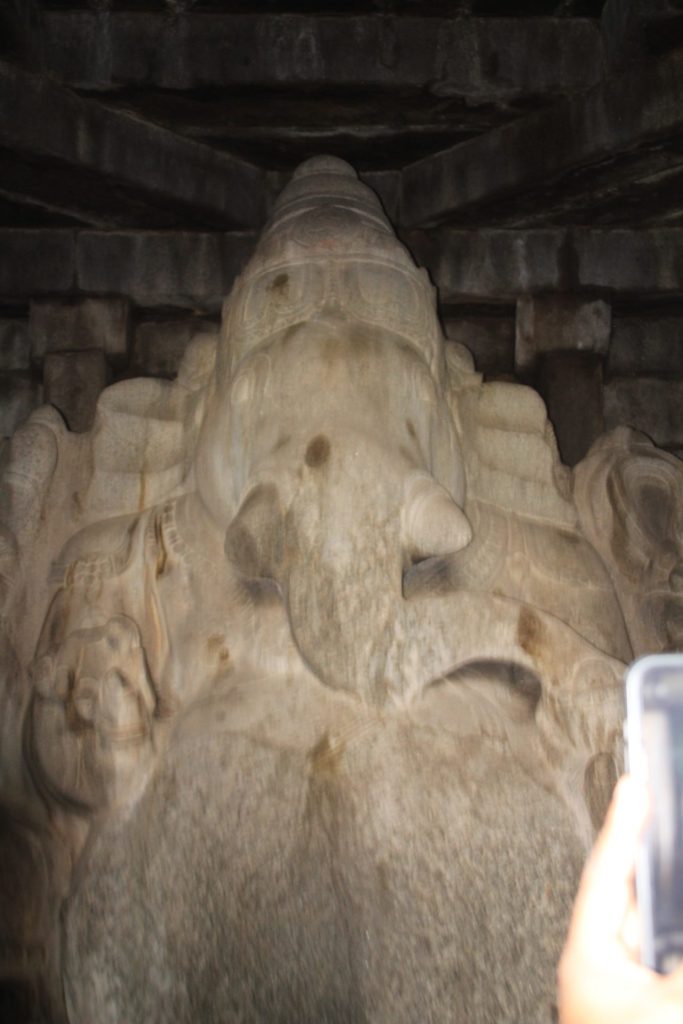
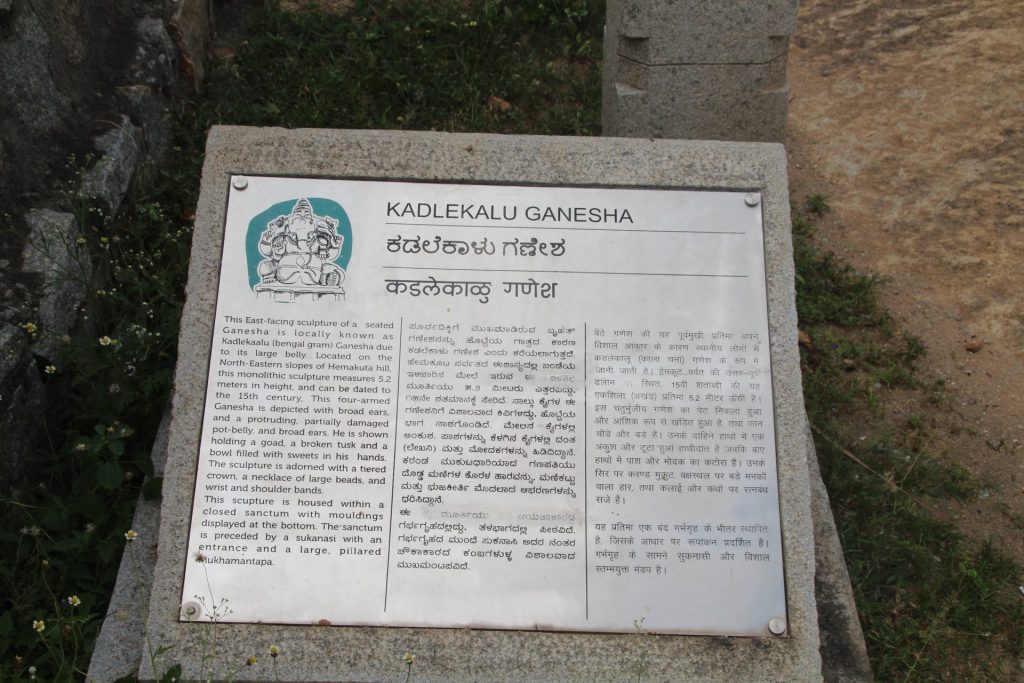
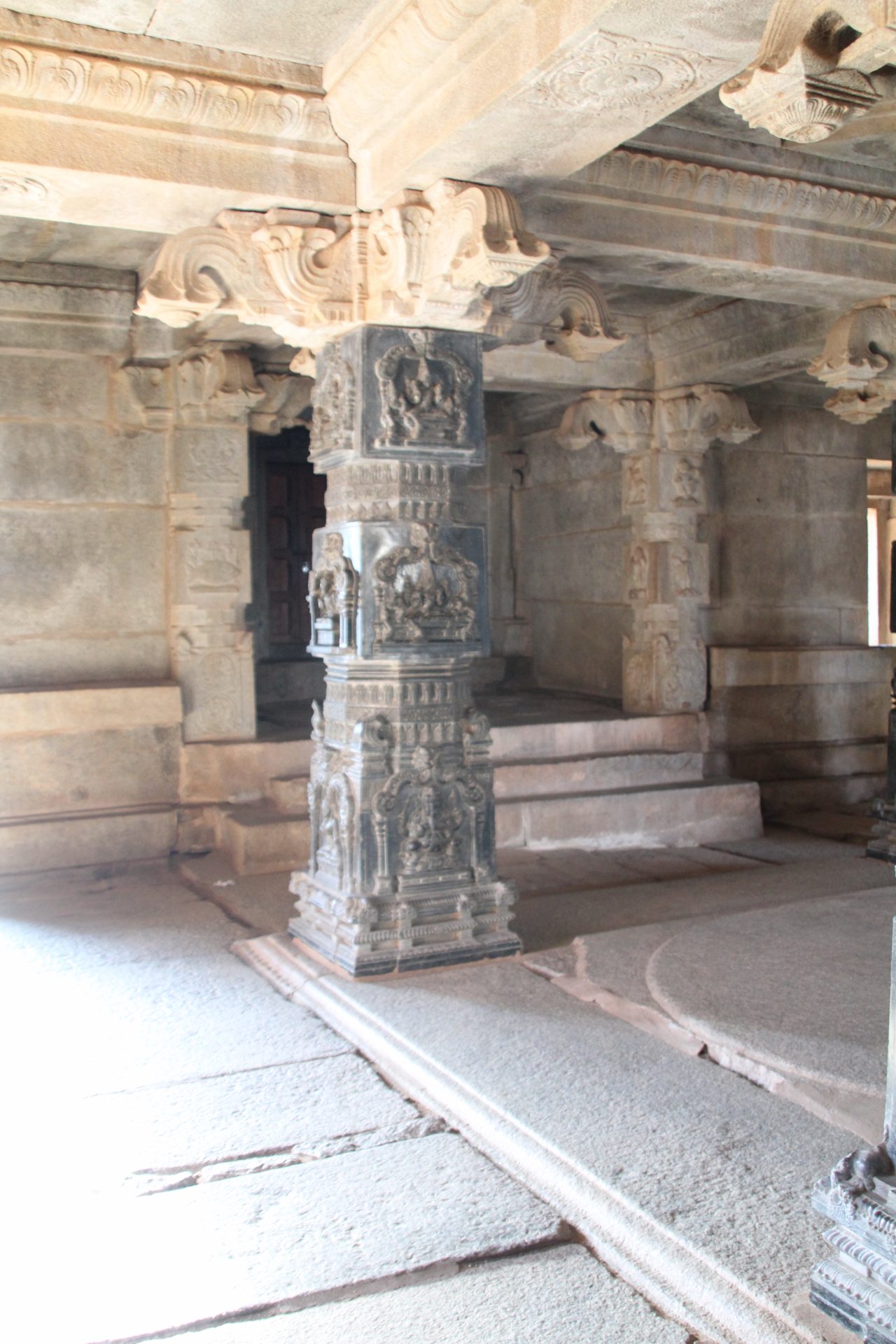
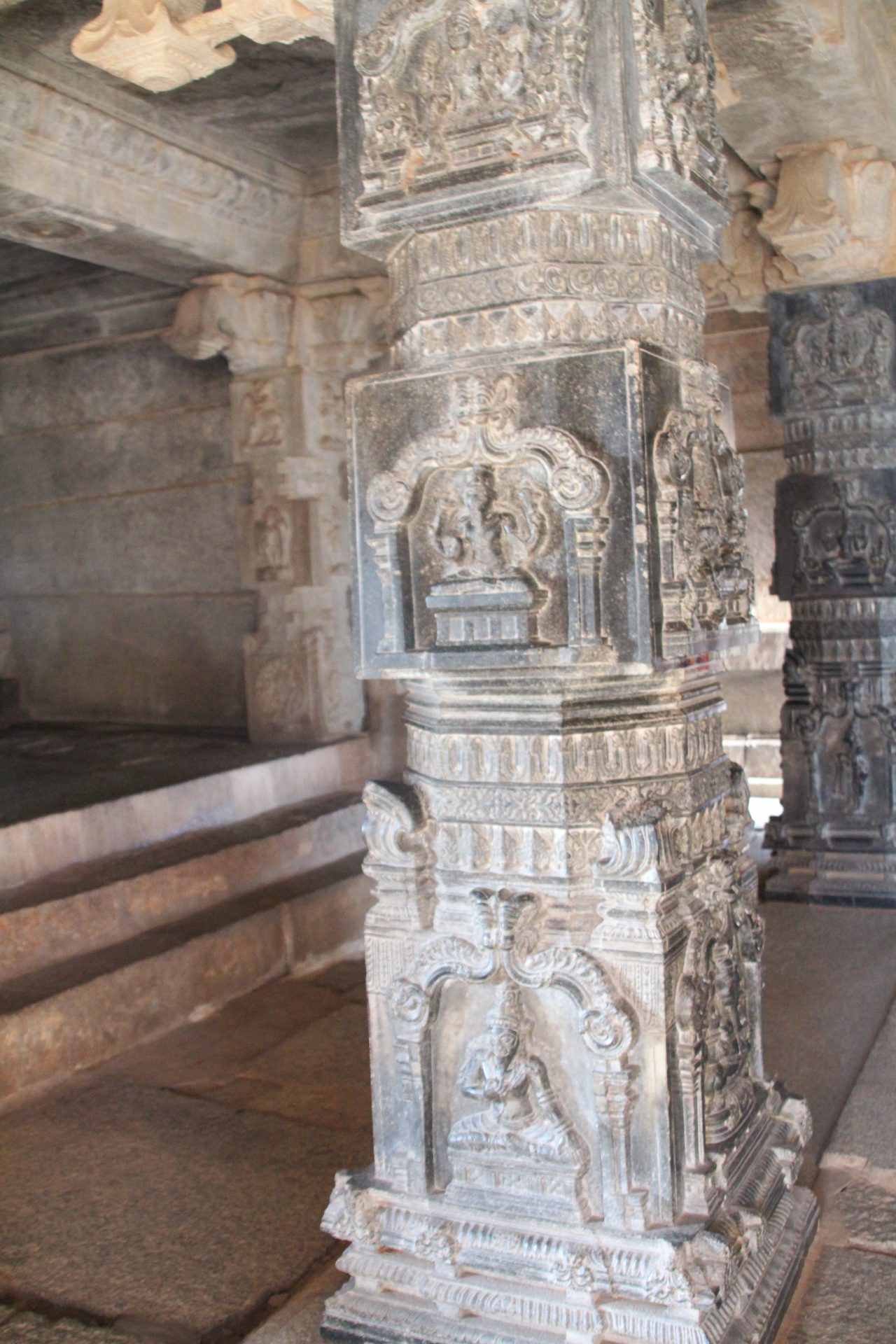
The other side of the hill (the North eastern slope) leads one to the Kadalekalu (meaning Bengal Gram in Kannada) Ganesh Temple. The belly of the statue is in the shape of this Lentil and hence the name of the statue. This Giant statue is around 15 feet tall and carved out of a single boulder. A fairly large pillared hall can be sighted in front of the sanctum which houses this giant statue. The hall has intricately carved pillars, ornate with mythical themes.
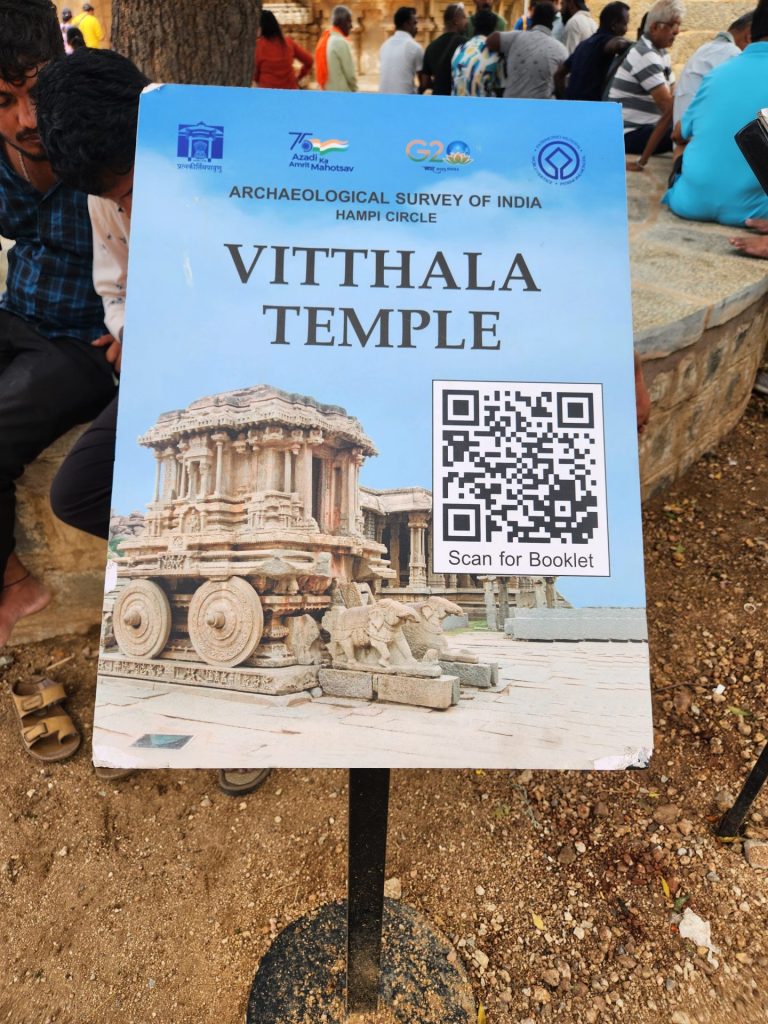
The Famed Vithala Temple
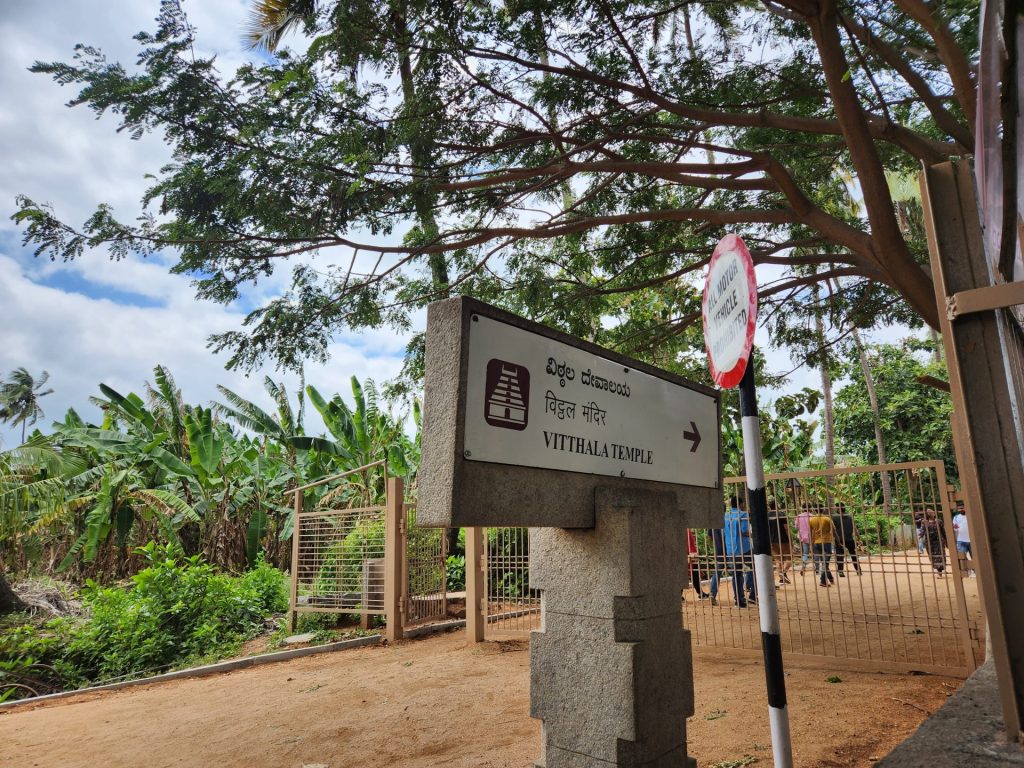
A 15 minute drive through a beautiful avenue of trees and a rocky countryside bathed in green leads one to the Vithala Temple, located around 10 kms away from the Virupaksha Temple.
The temple complex is located a few hundred metres ahead and there are golf carts available to ferry people up and down. A return ticket costs Rs.20/- while the entrance to the Vithala Temple costs one Rs.30/-. There are no charges for cameras.
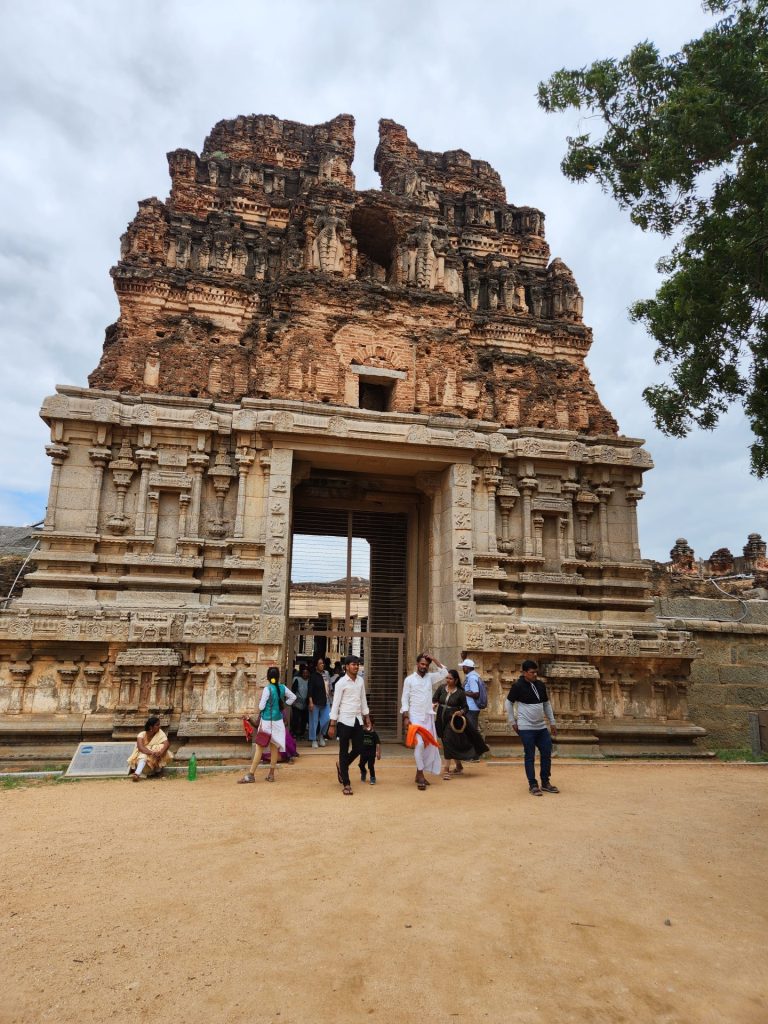
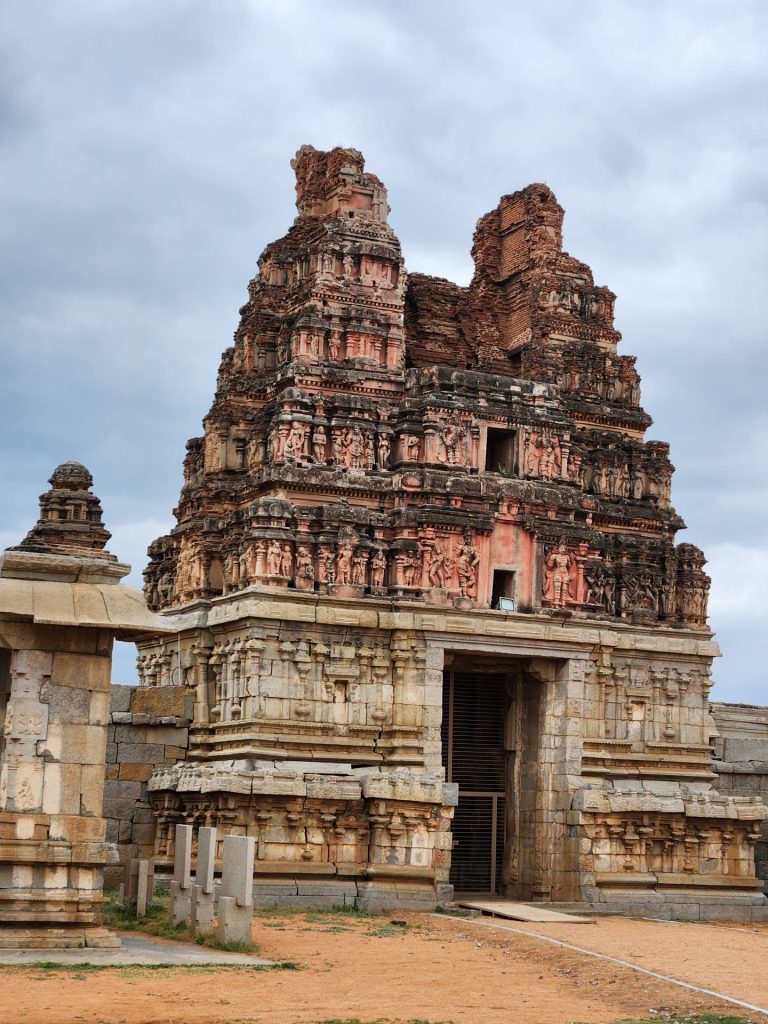
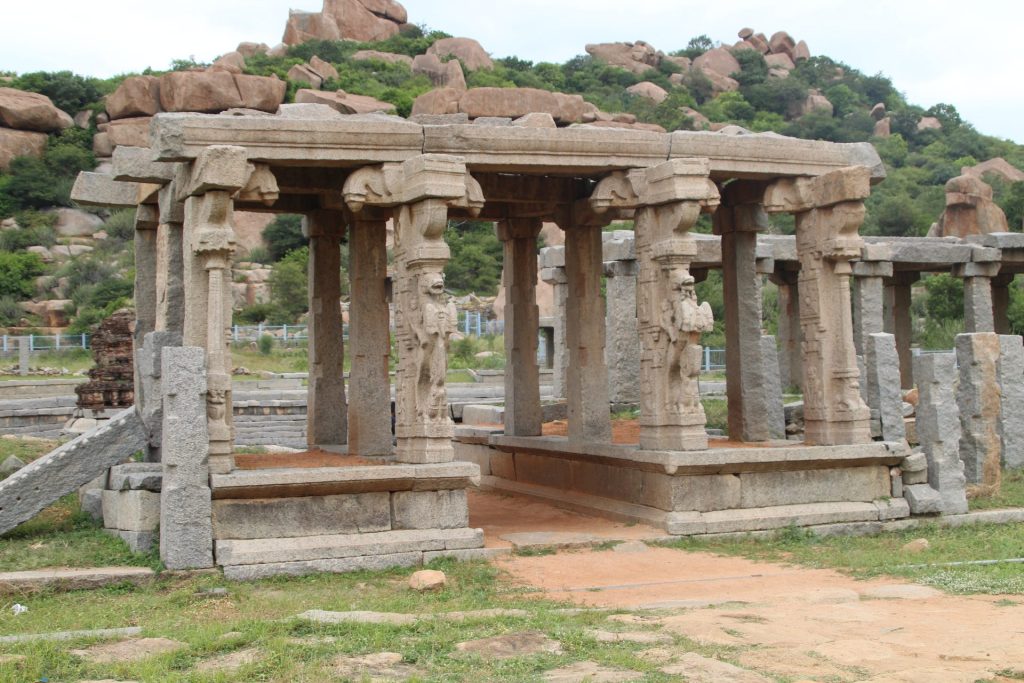
Spread across a vast sprawling area of land with abundant rocky hillocks and unearthed pillars, the temple complex has high compound walls and 3 imposing gateways. Musical Stone Pillars and the iconic Stone Chariot which can be found on the Indian 50 Rupee note should definitely not be given a miss.
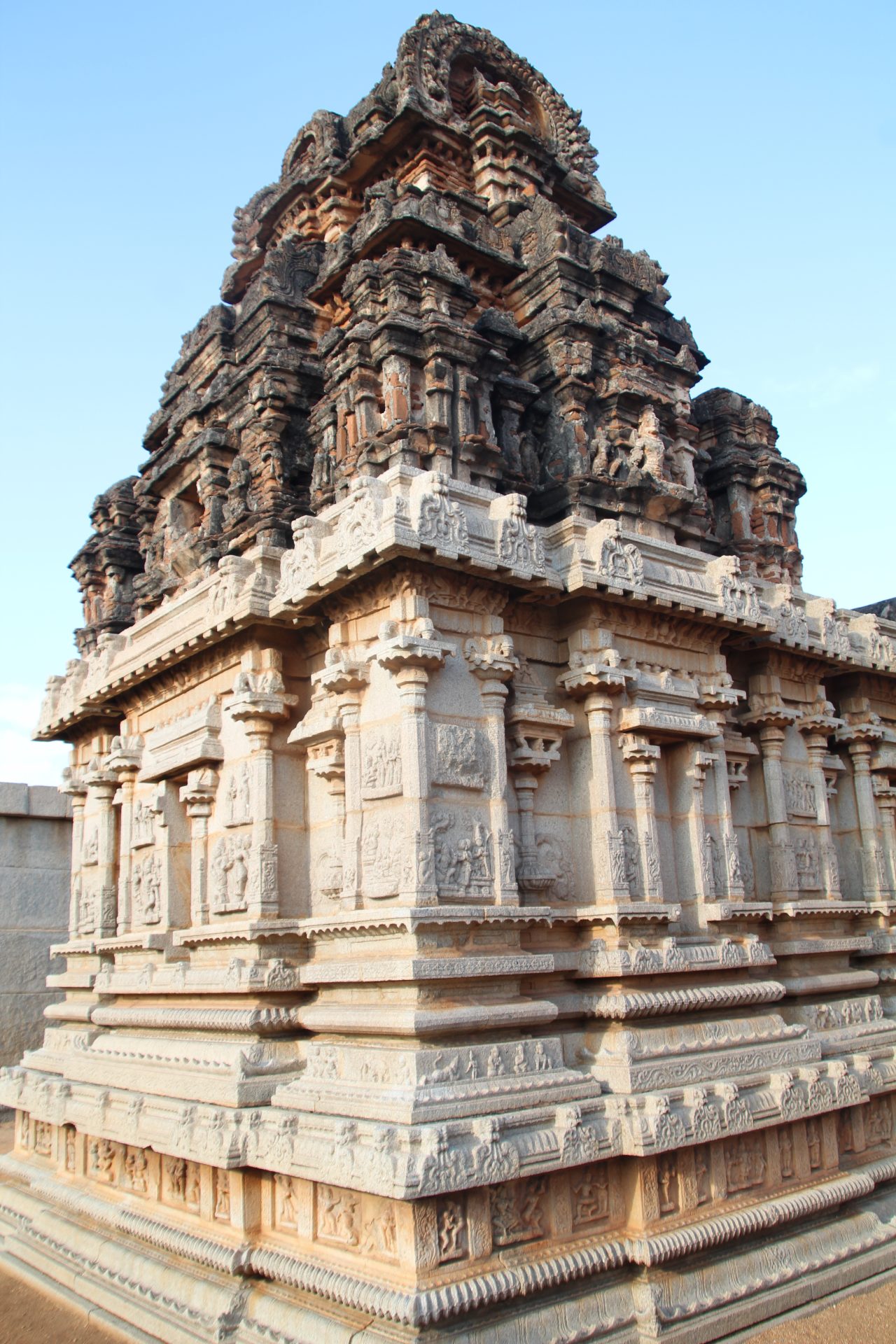
The Vithala or the Vijay Vithala temple built during the 15th century during the reign of King Devaraya II exemplifies the Dravidian architectural excellence and immense creativity of the artisans and sculptors of the Vijayanagara Dynasty. Dedicated to Lord Vithala, an incarnation of Lord Vishnu, legend has it that while the temple was built as an abode for the god, he found it to be grand for him and returned back to his humble home in Pandharpur.
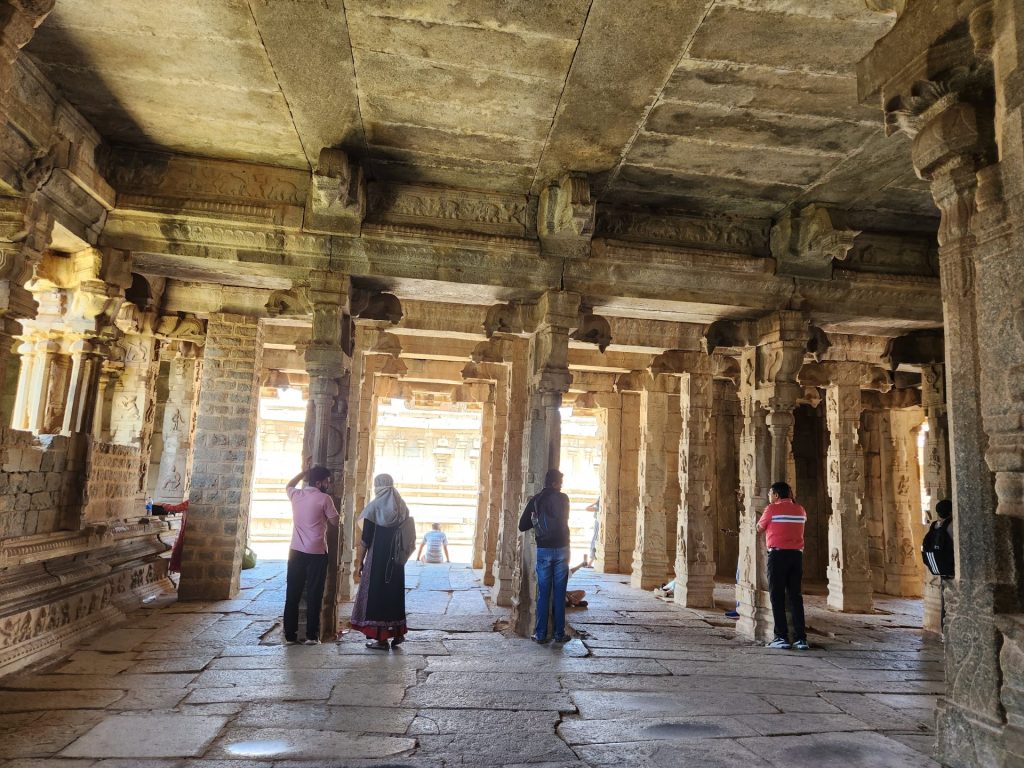
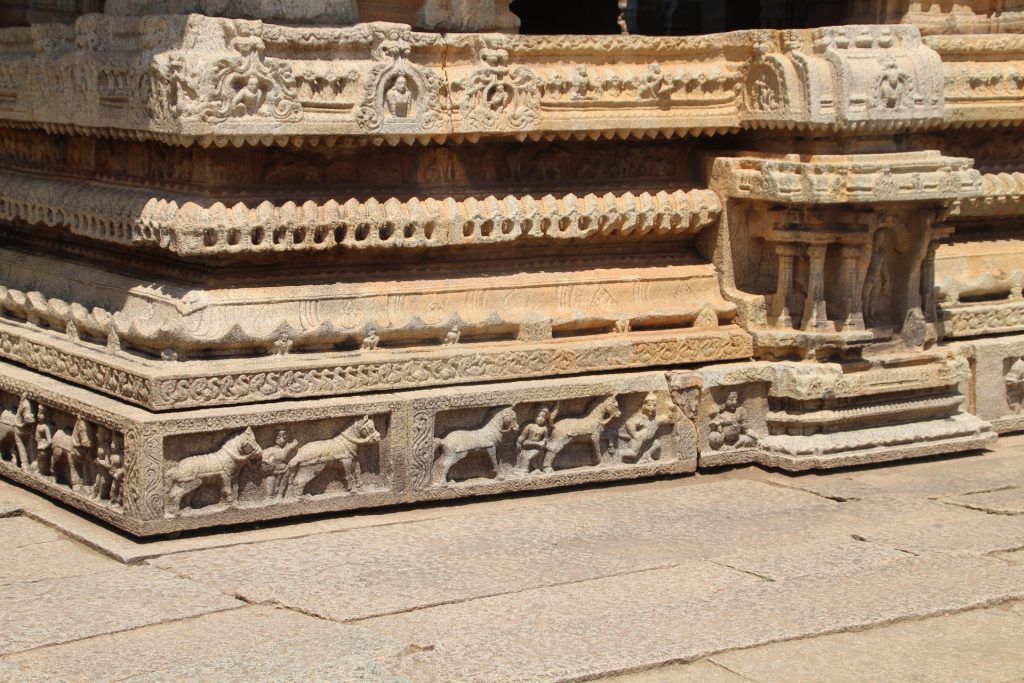
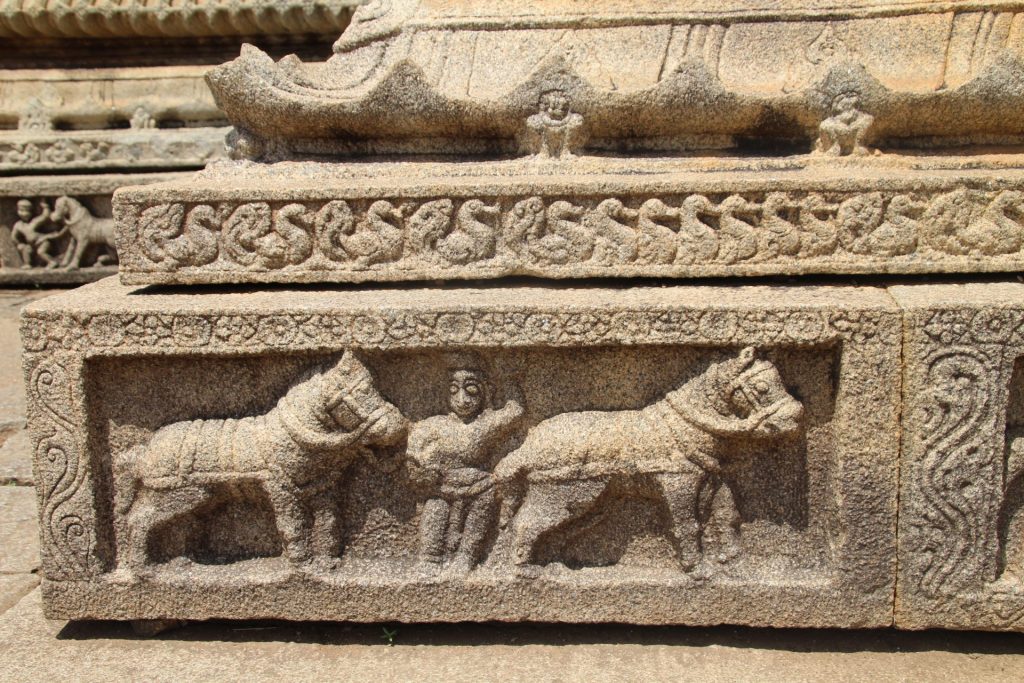
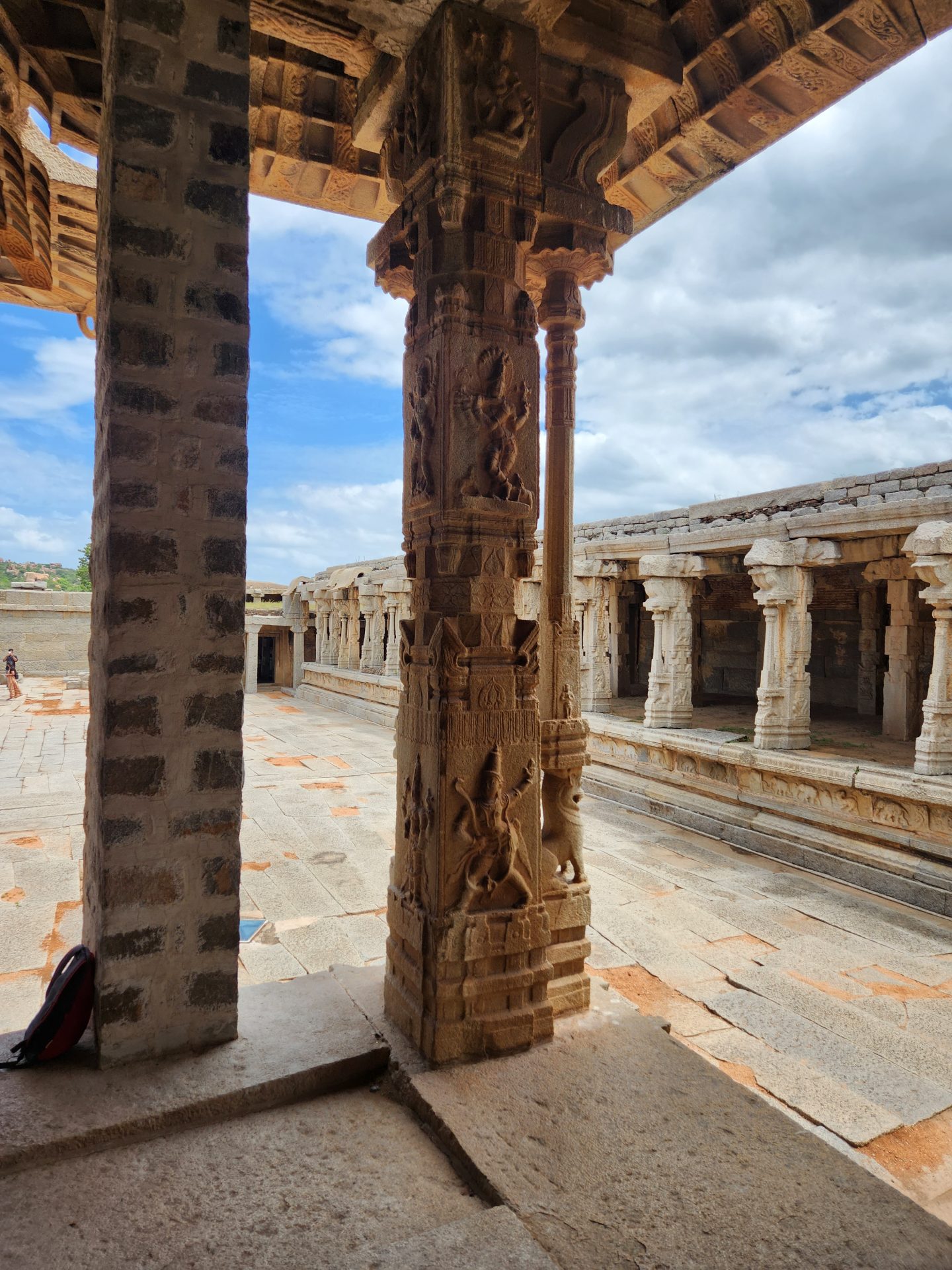
The main Hall located inside the inner courtyard is built on a slight elevation and has a beautifully sculpted base with different carved figures of warriors, swans, horses and other ornamental designs. There are also different Mandaps (Congregation Halls) inside the temple complex which served different purposes during that era ranging from Marriages to Festivals to General gatherings.
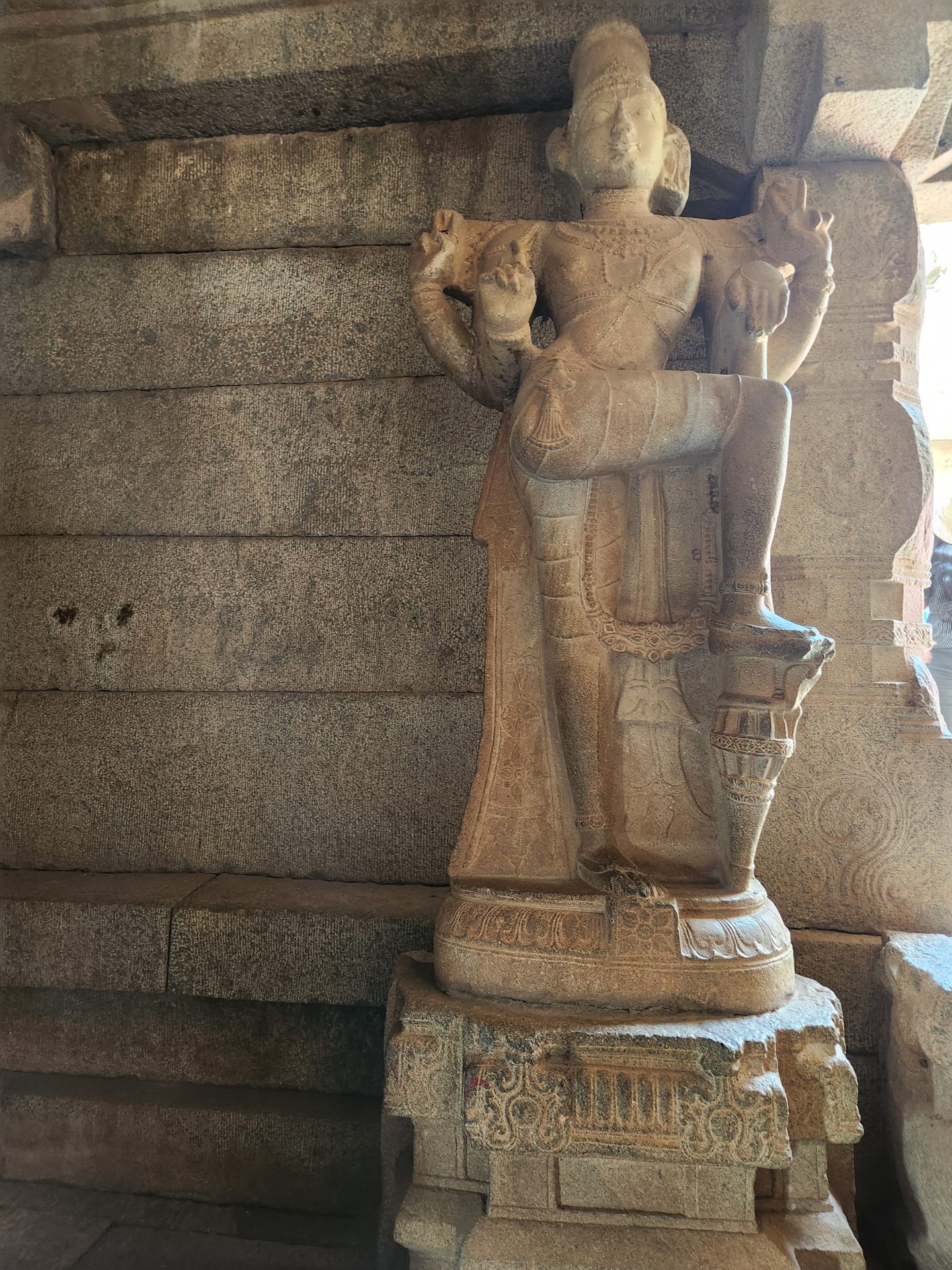
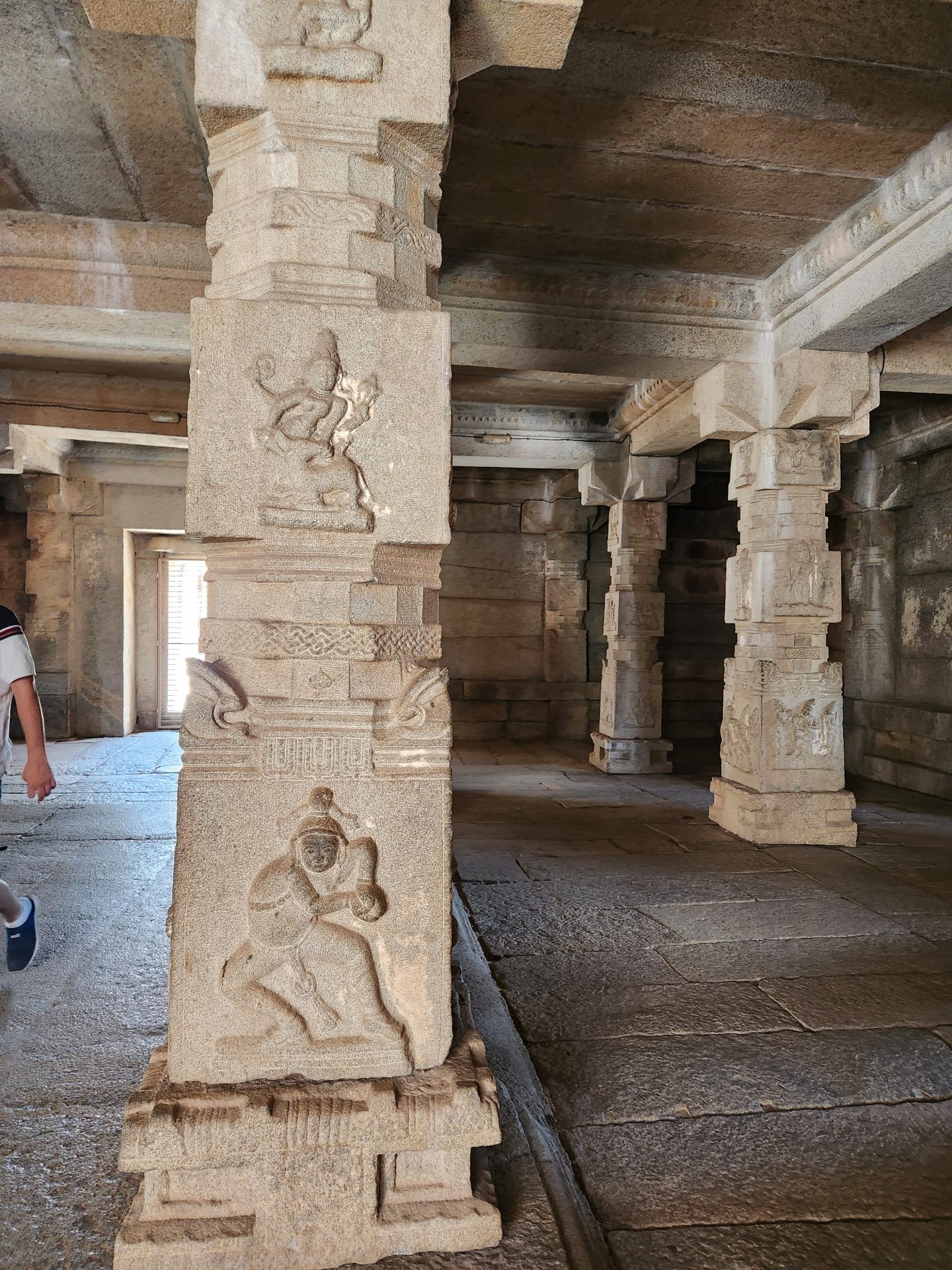
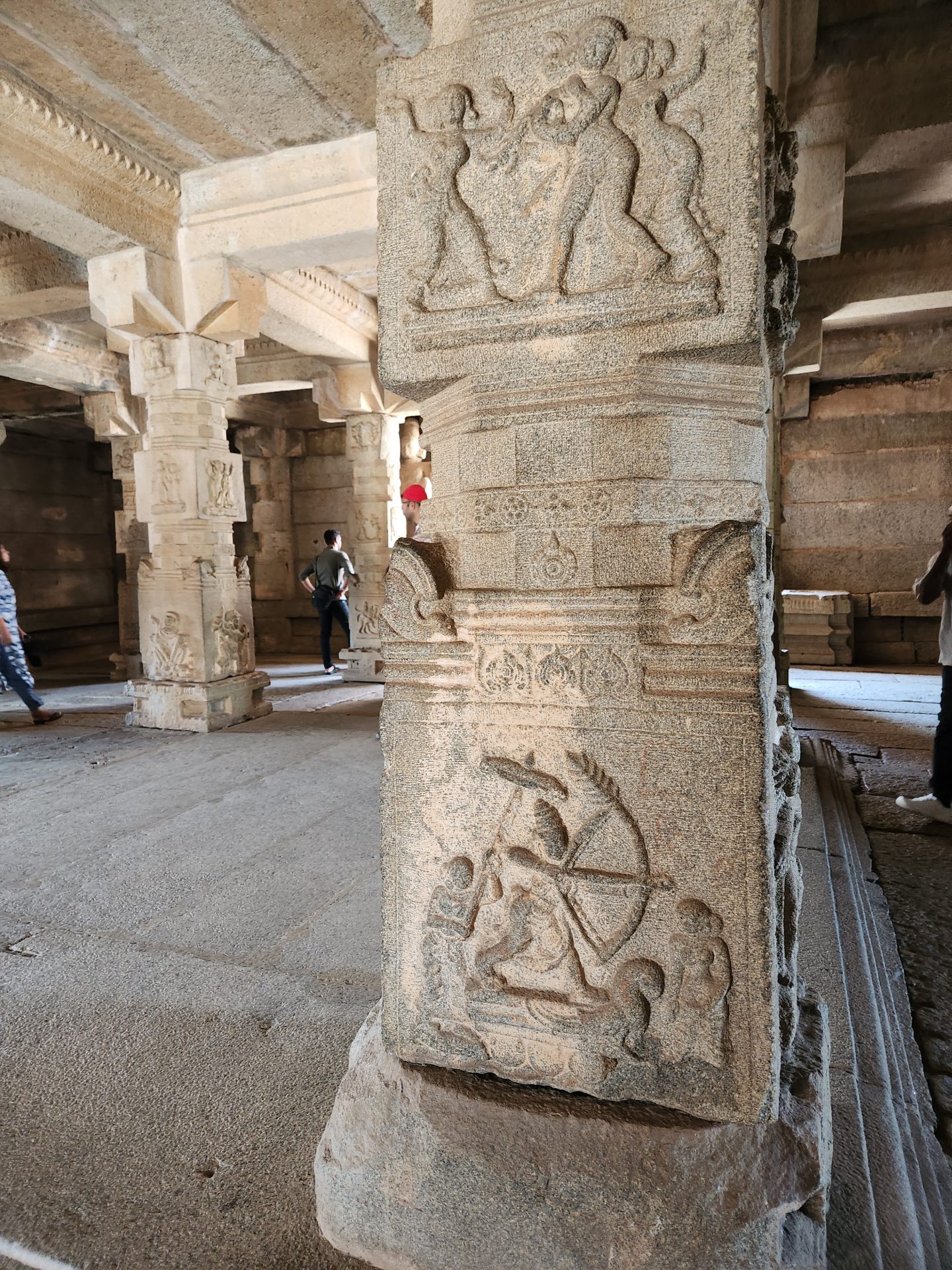
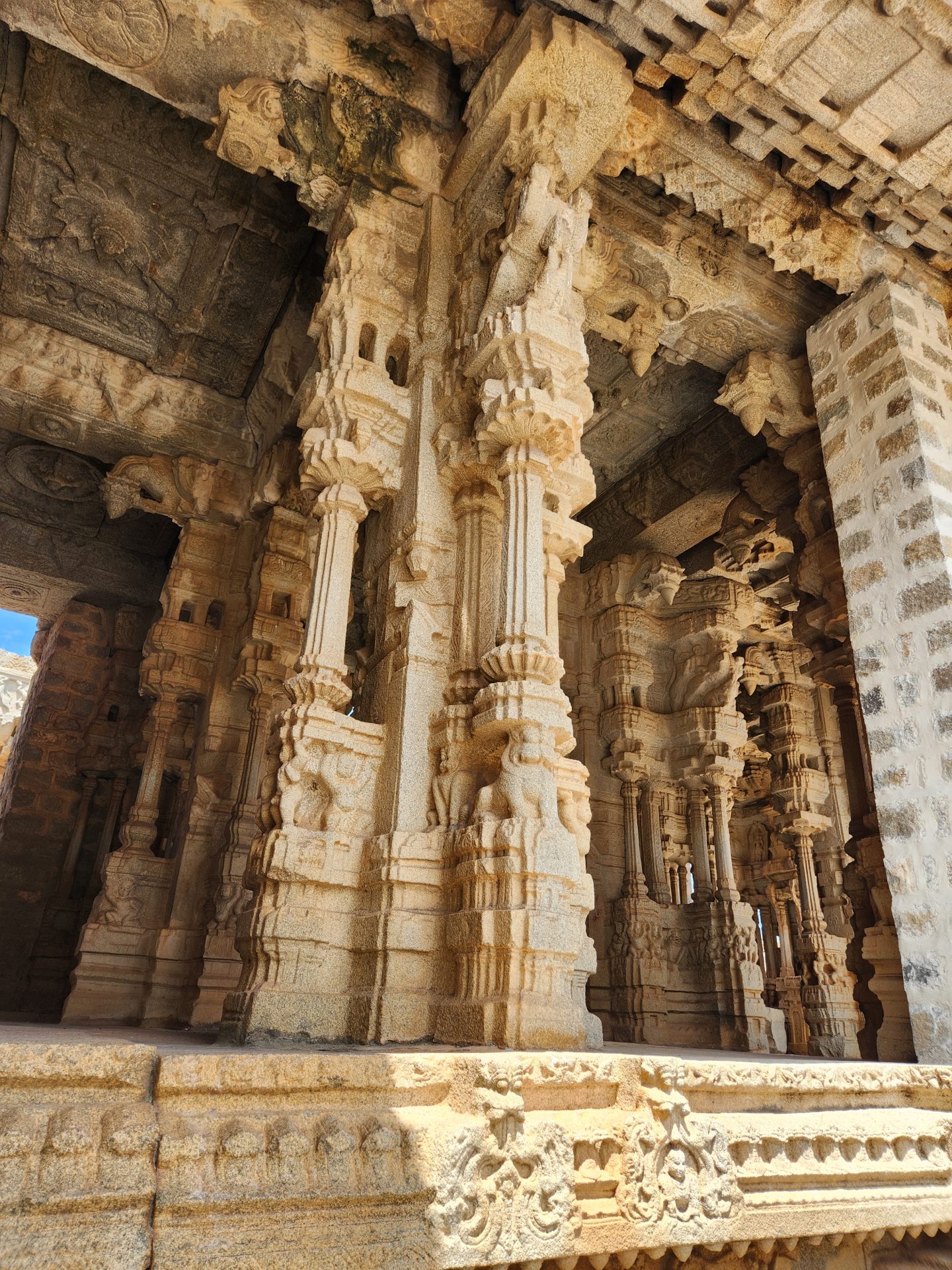
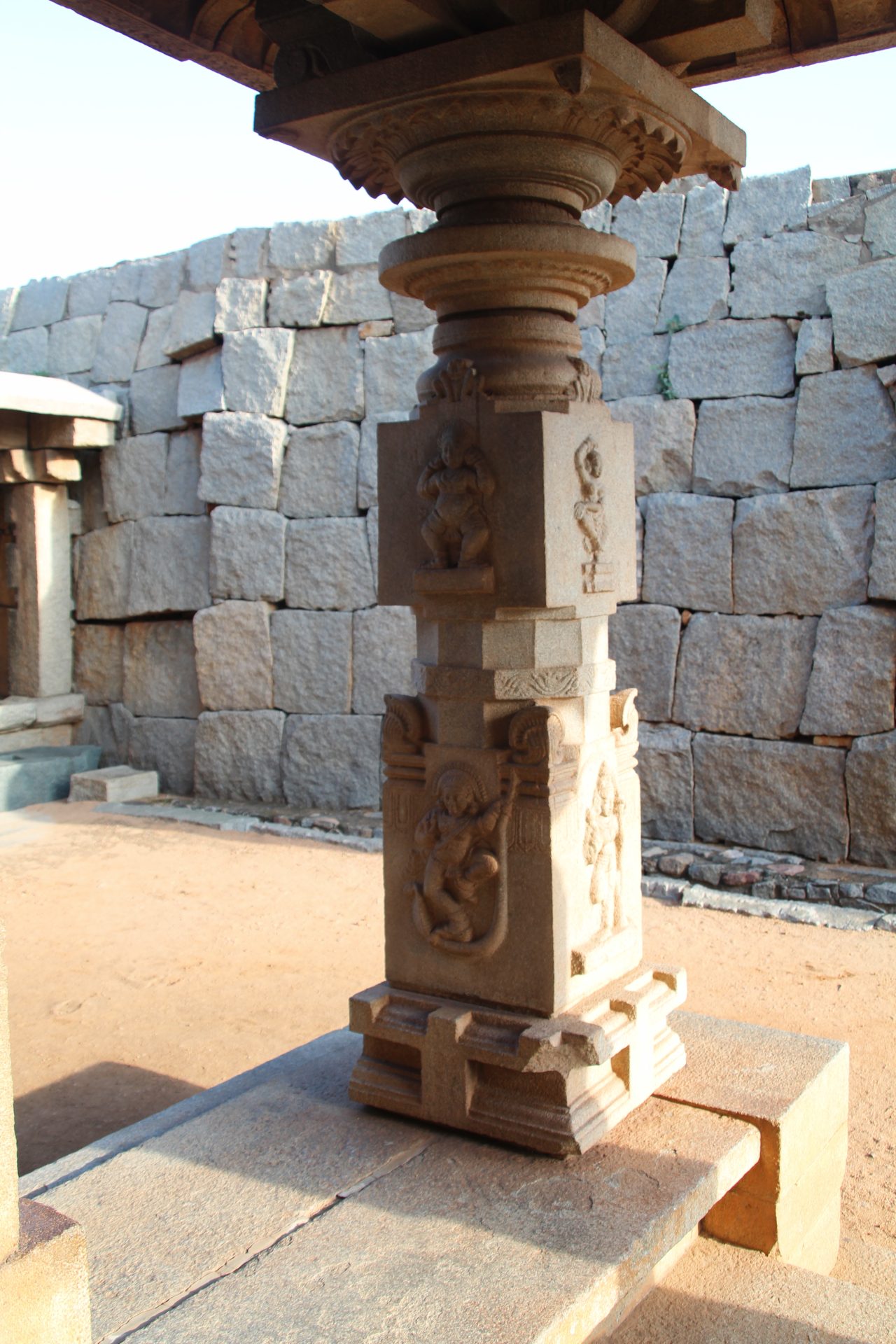
One unique Mandap which stood out in terms of its uniqueness was with 56 ornate pillars which supported the hall and which emanated music when struck with one’s hand. A couple of these pillars are said to have been cut open by the British who were so intrigued by the musical notes coming from the Pillars that they decided to probe further but found nothing.
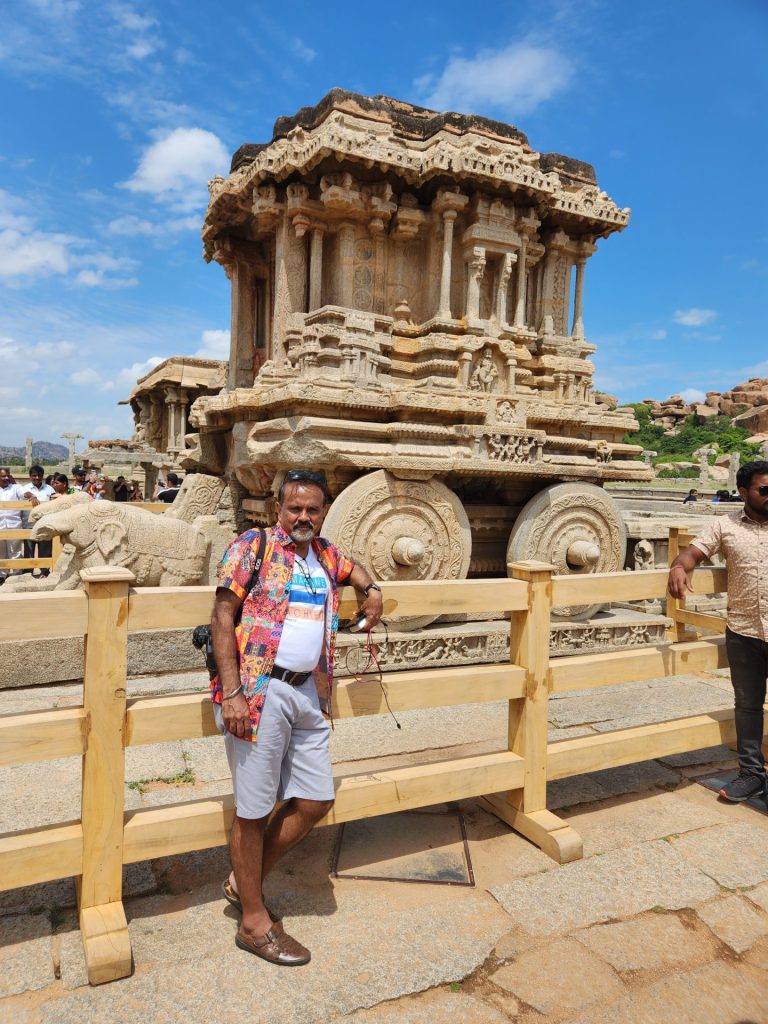
The Ornamental Stone Chariot is yet another fascinating piece of architecture. One among the 3 stone chariots in India, the other two of which can be found in Konark (in Odisha) and Mahabalipuram (near Chennai).
The shrine is dedicated to Garuda the carrier of Lord Vishnu and has an image of the same enshrined in the sanctum. The wheels of the chariot were functional and could be rotated but to prevent damage has been cemented to the ground and a wooden enclosure built around it.
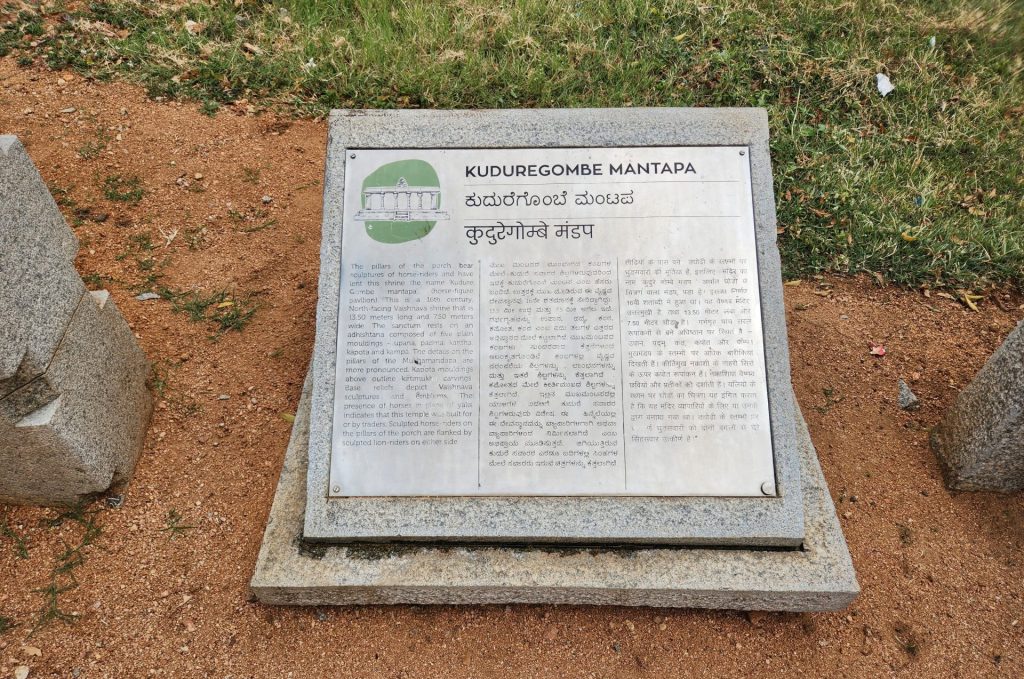
The path leading from the temple complex back to the parking lot is sandy but well laid out and lot of monuments appear on both sides of the road. One gets to see the Kudregomba Mandap built by horse traders on the right side while the opposite side has a water tank (Pushkarini) and a small temple at the centre of it. Semblances of a market place can be seen as what was visible at the Hampi Bazaar.
Lunch and The Museum
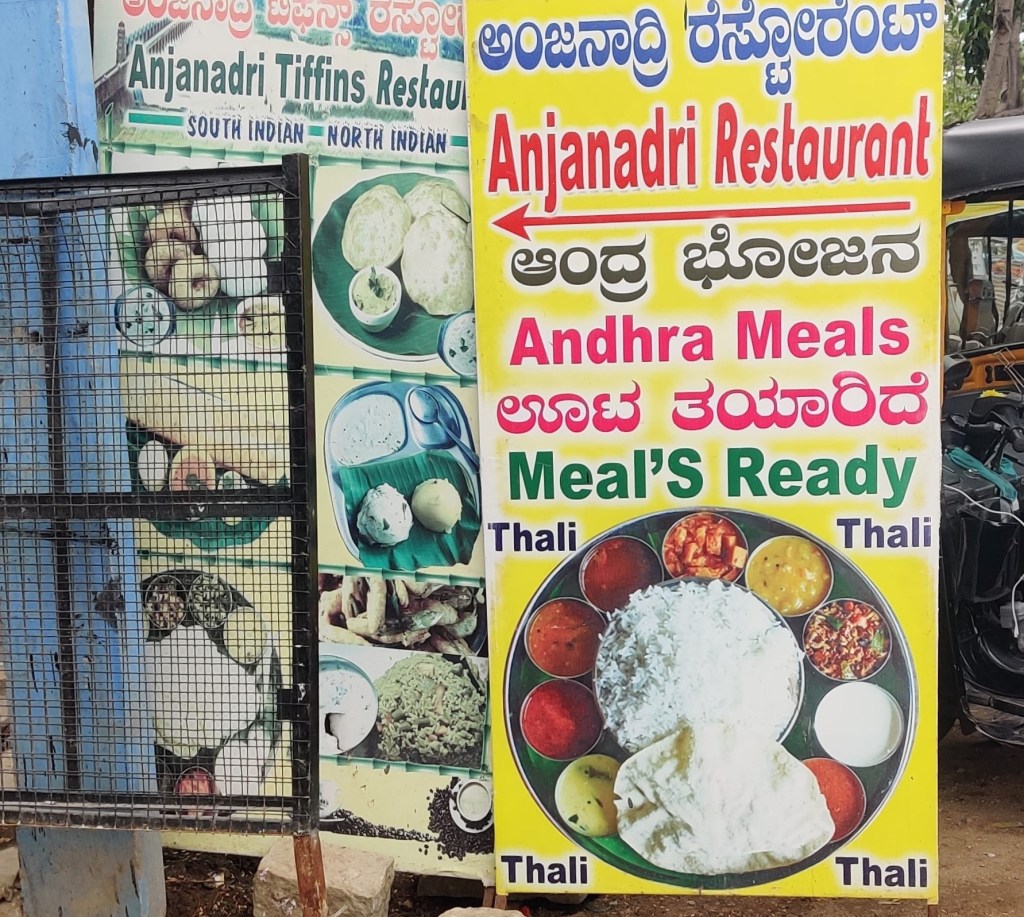
It was around 1.30 in the afternoon when I walked my way back to the entrance since there were horrendous queues lined up for the Golf Cart at the temple complex. My Auto driver Uday was there right at the entrance and we headed off for a quick bite close to a restaurant Anjanadri, located very close to the Archaeological Museum which was to be my next pit stop. Opted for a plain vanilla Banana Leaf South Indian meal here and walked across to the Museum located diagonally opposite.
The meal costed me around Rs.150/- and was pretty good on the palate.
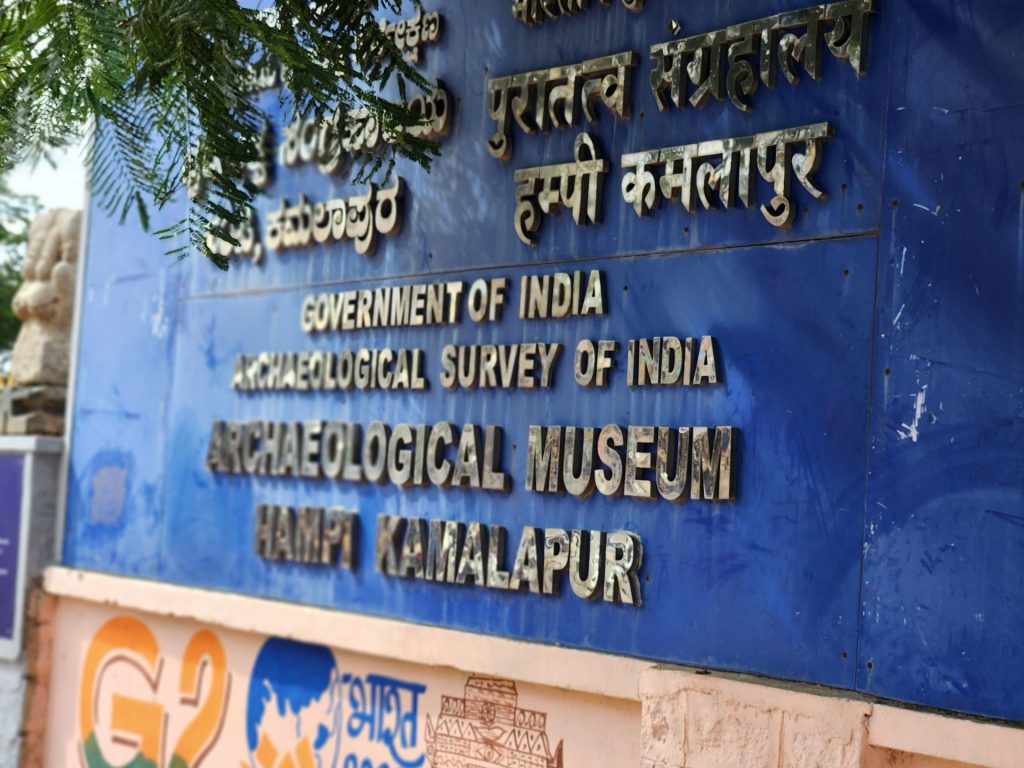
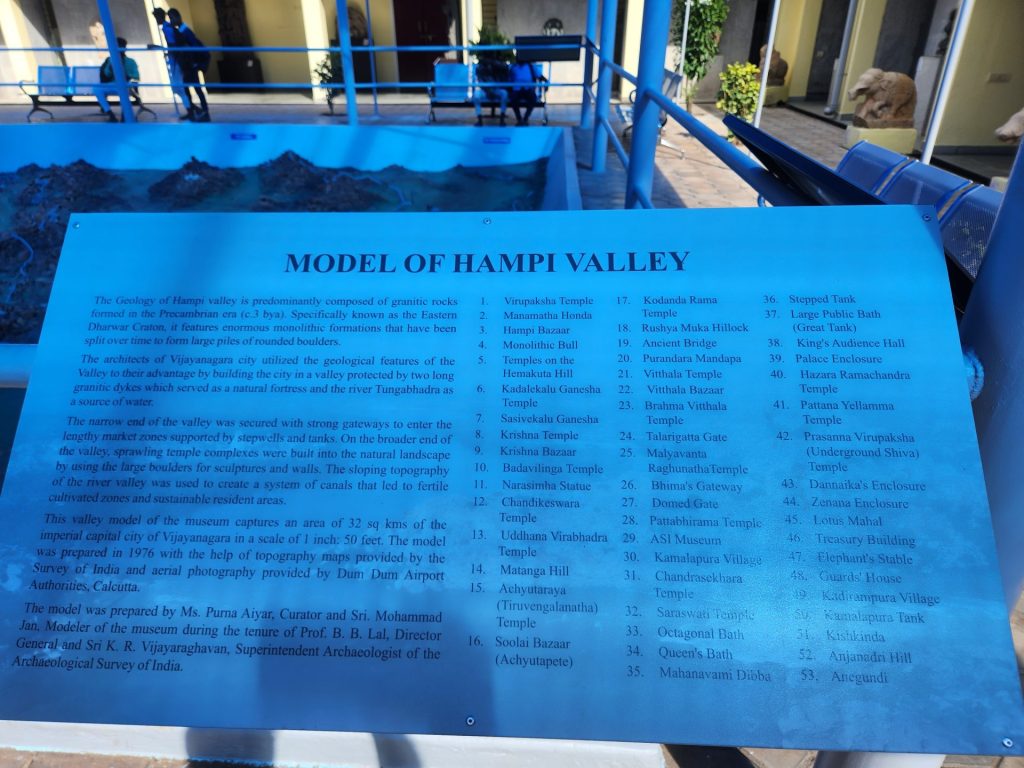
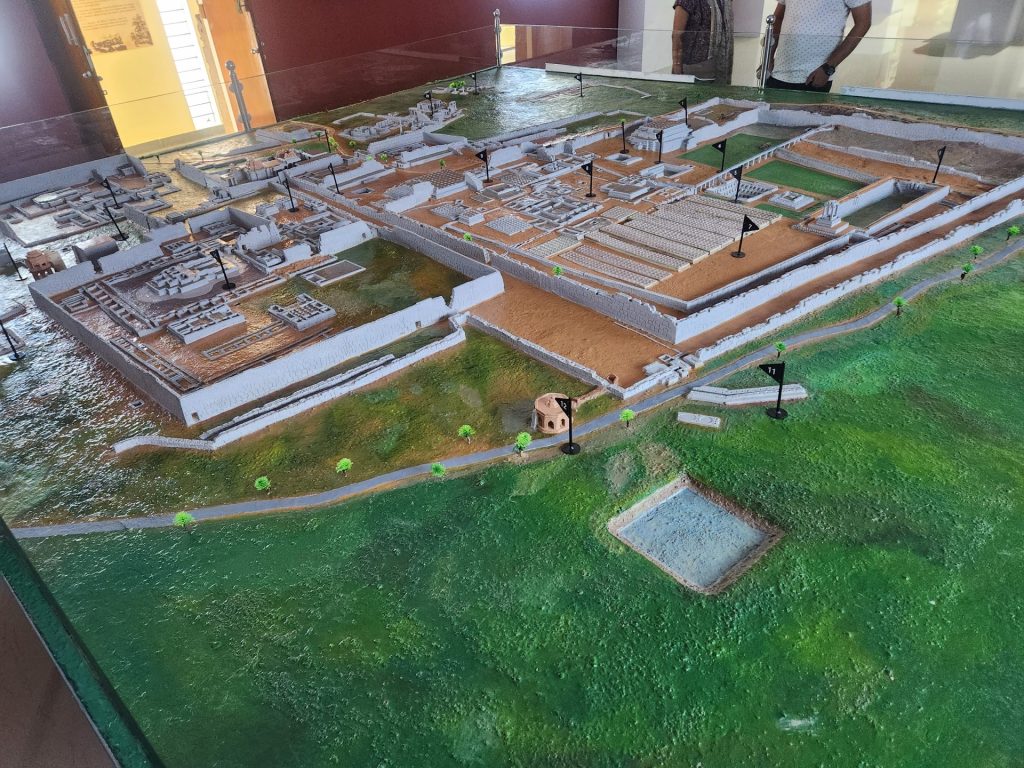
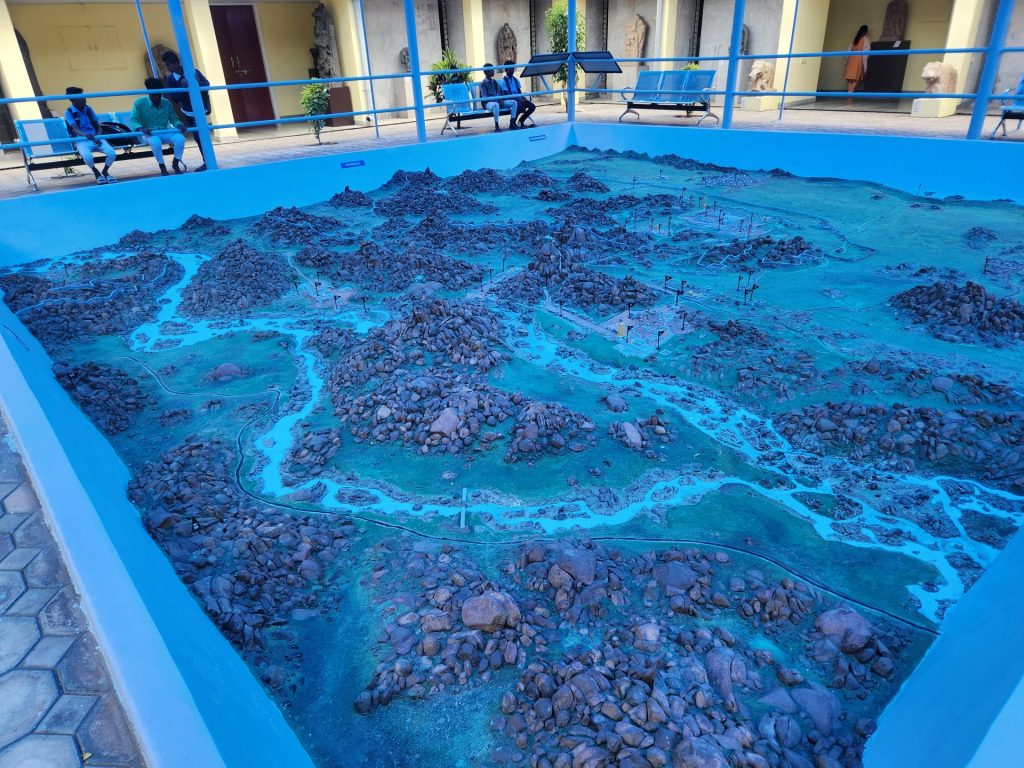
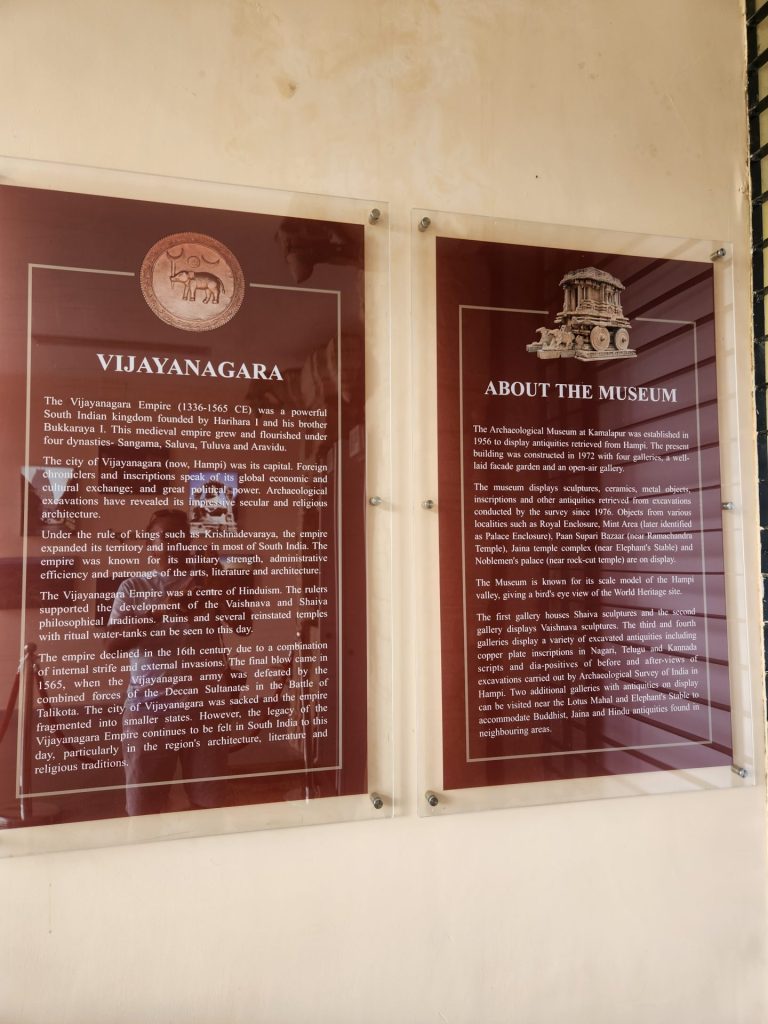
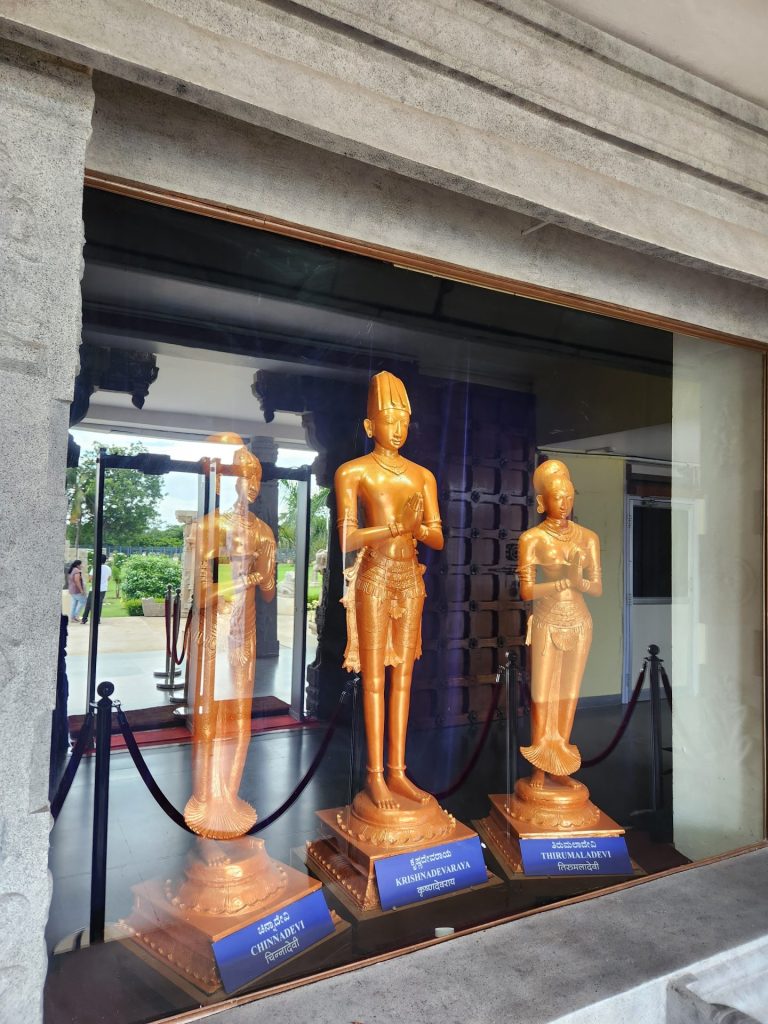
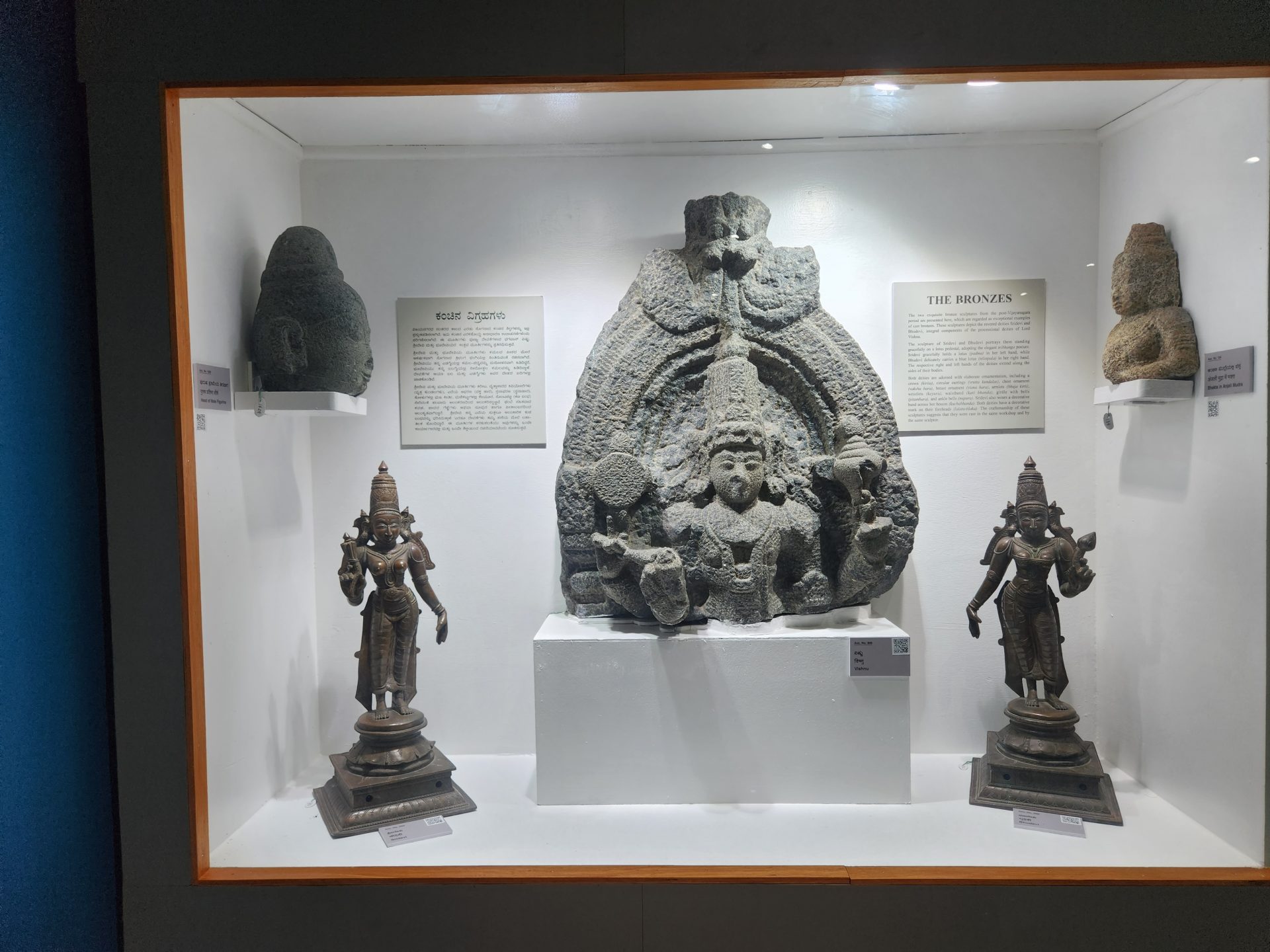
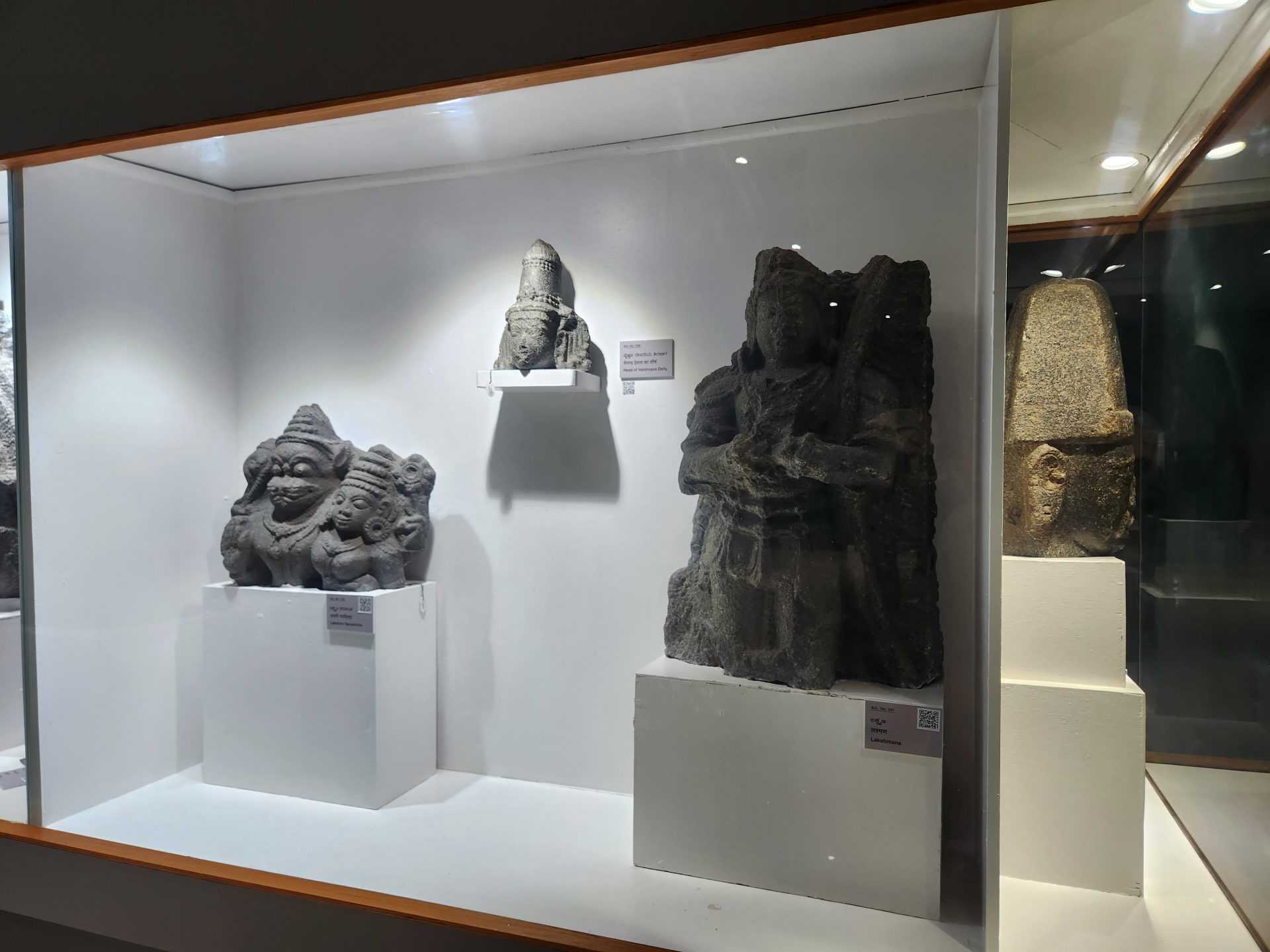
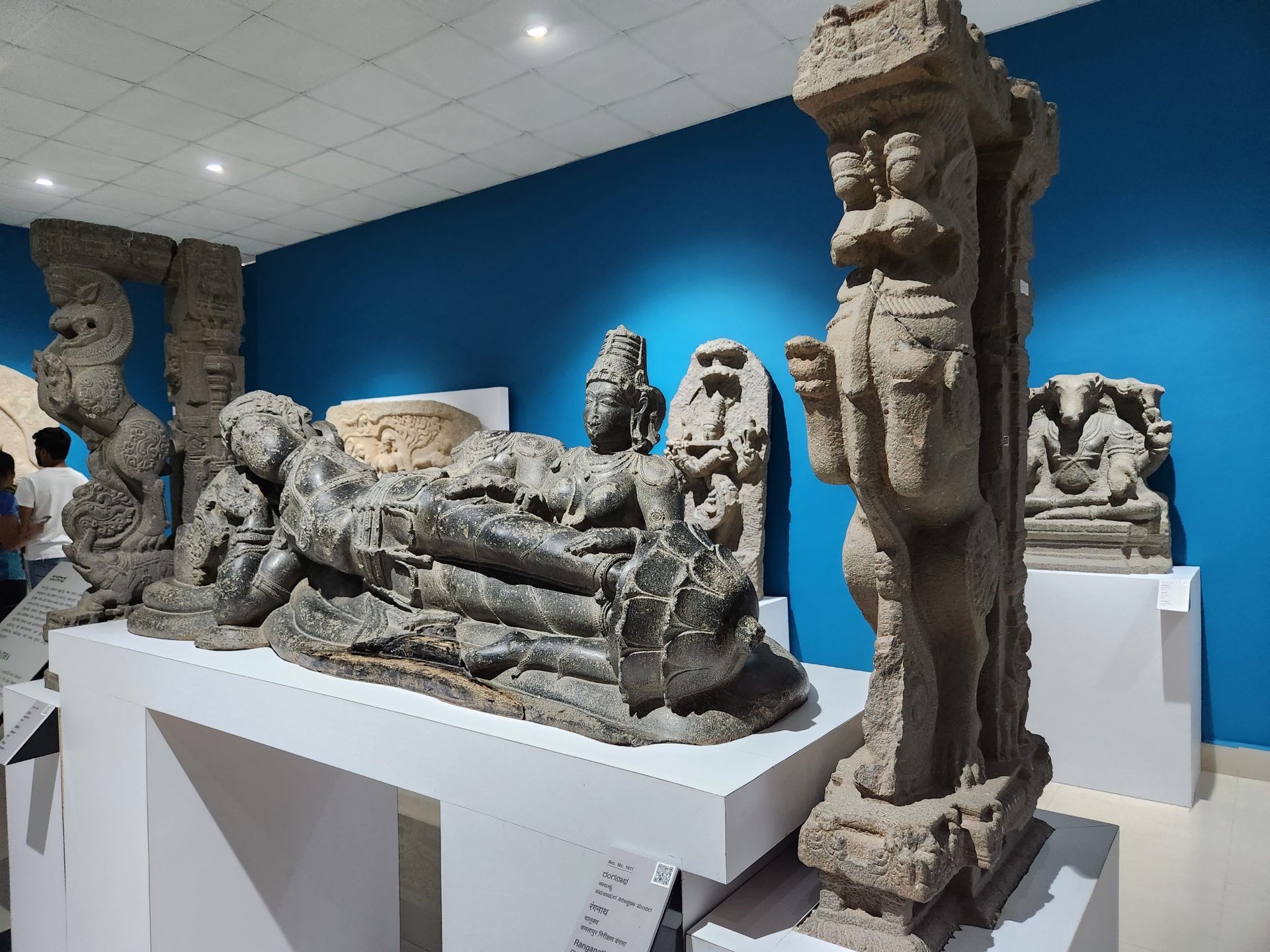
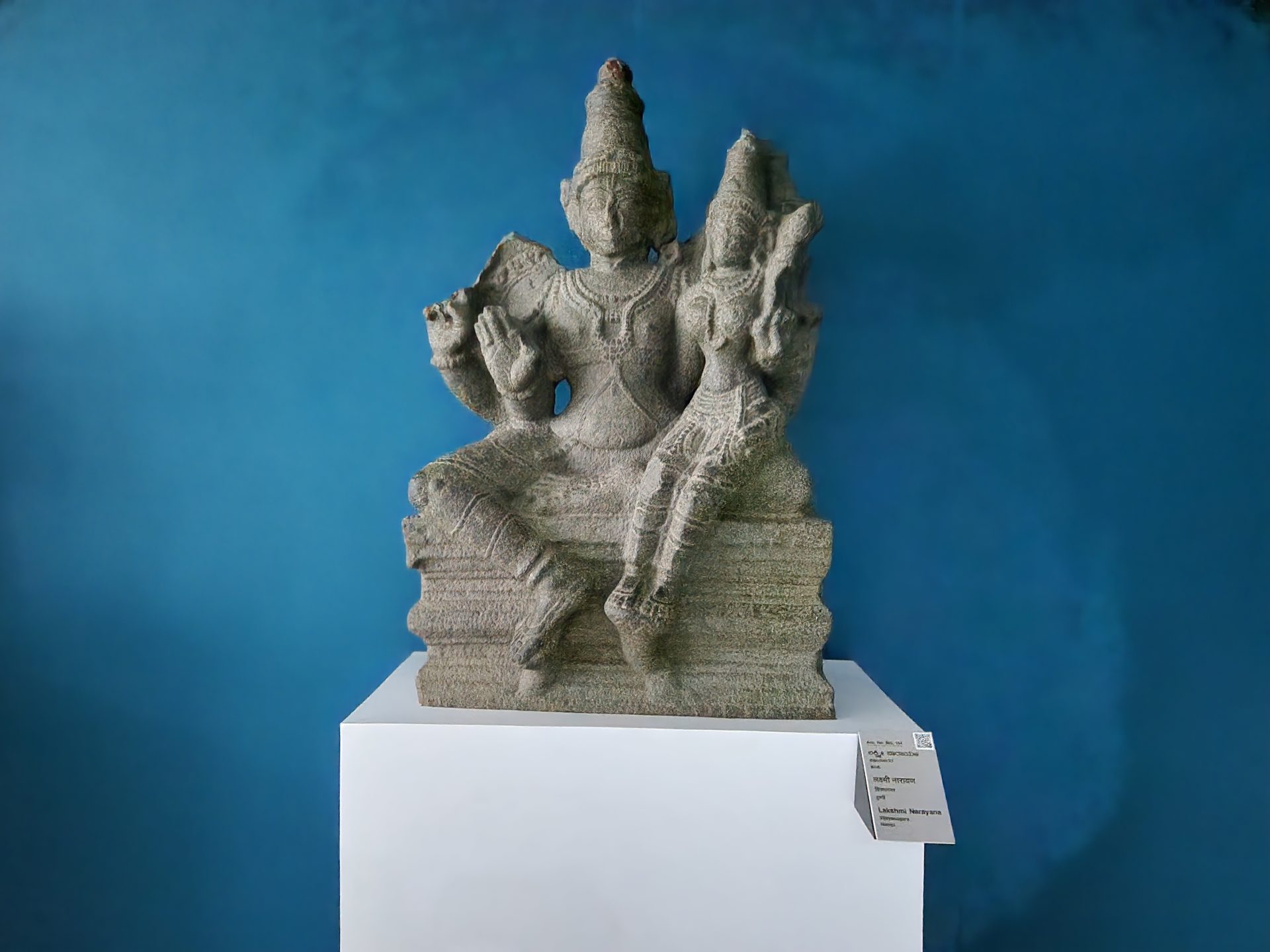
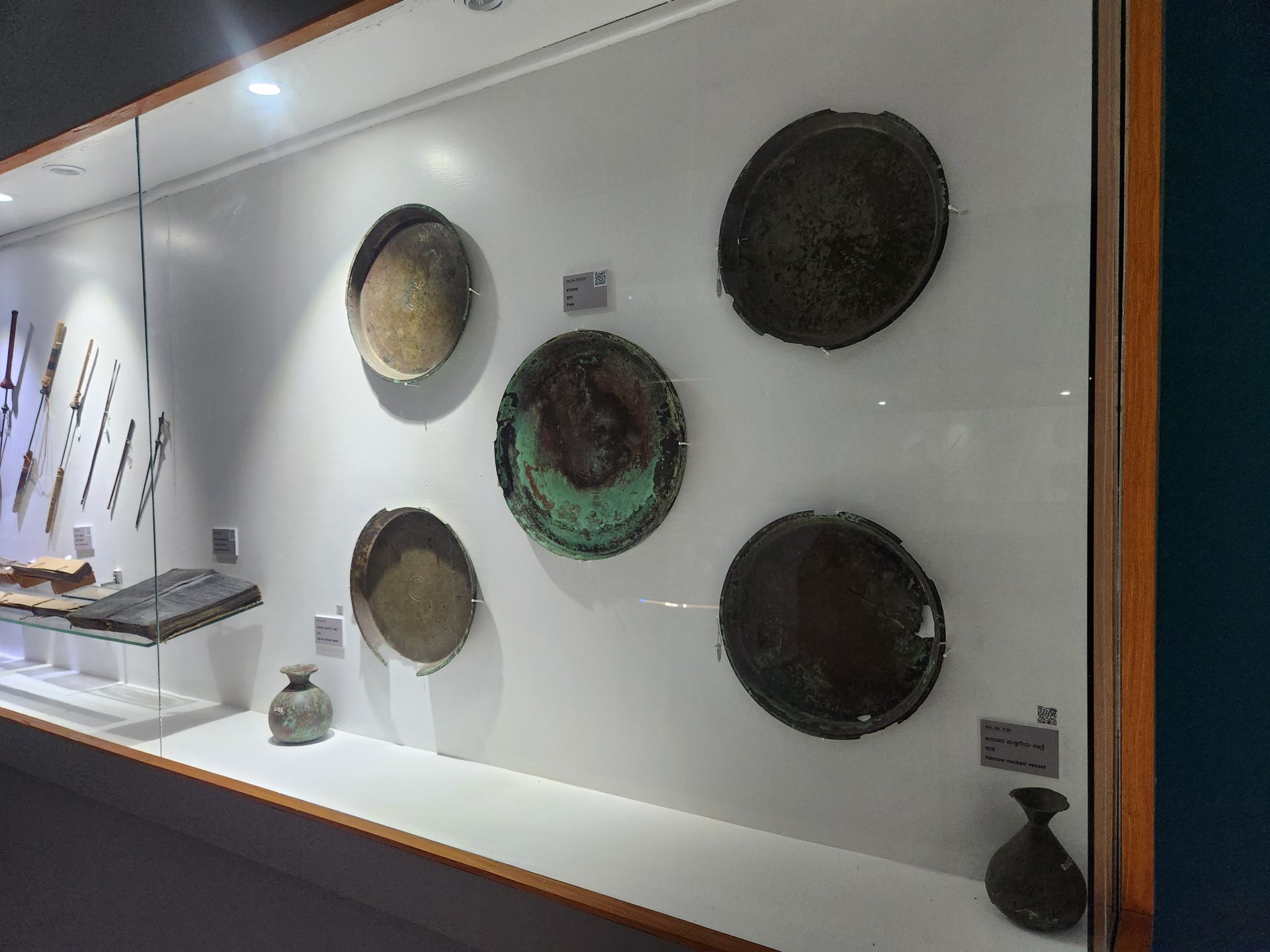
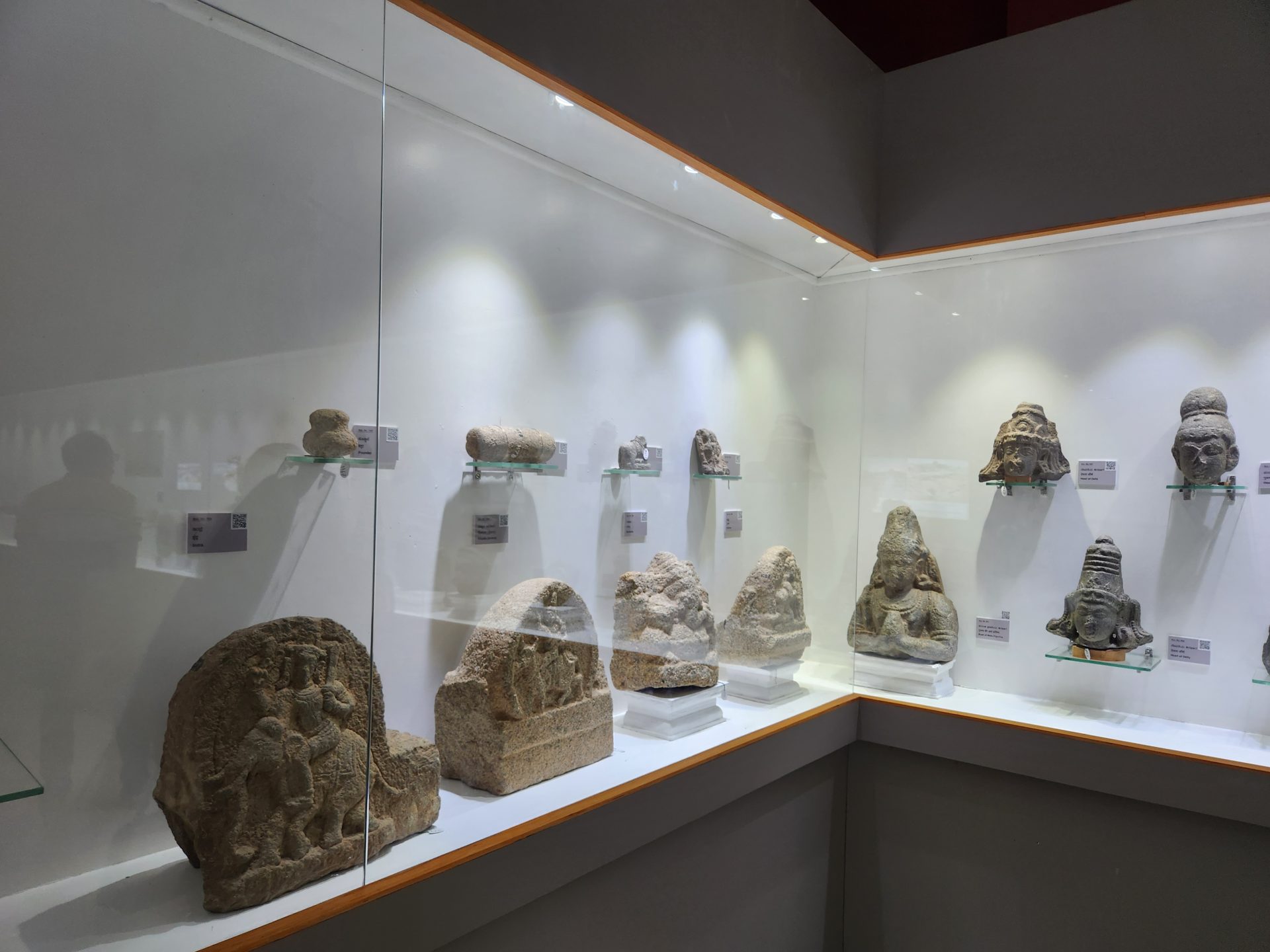
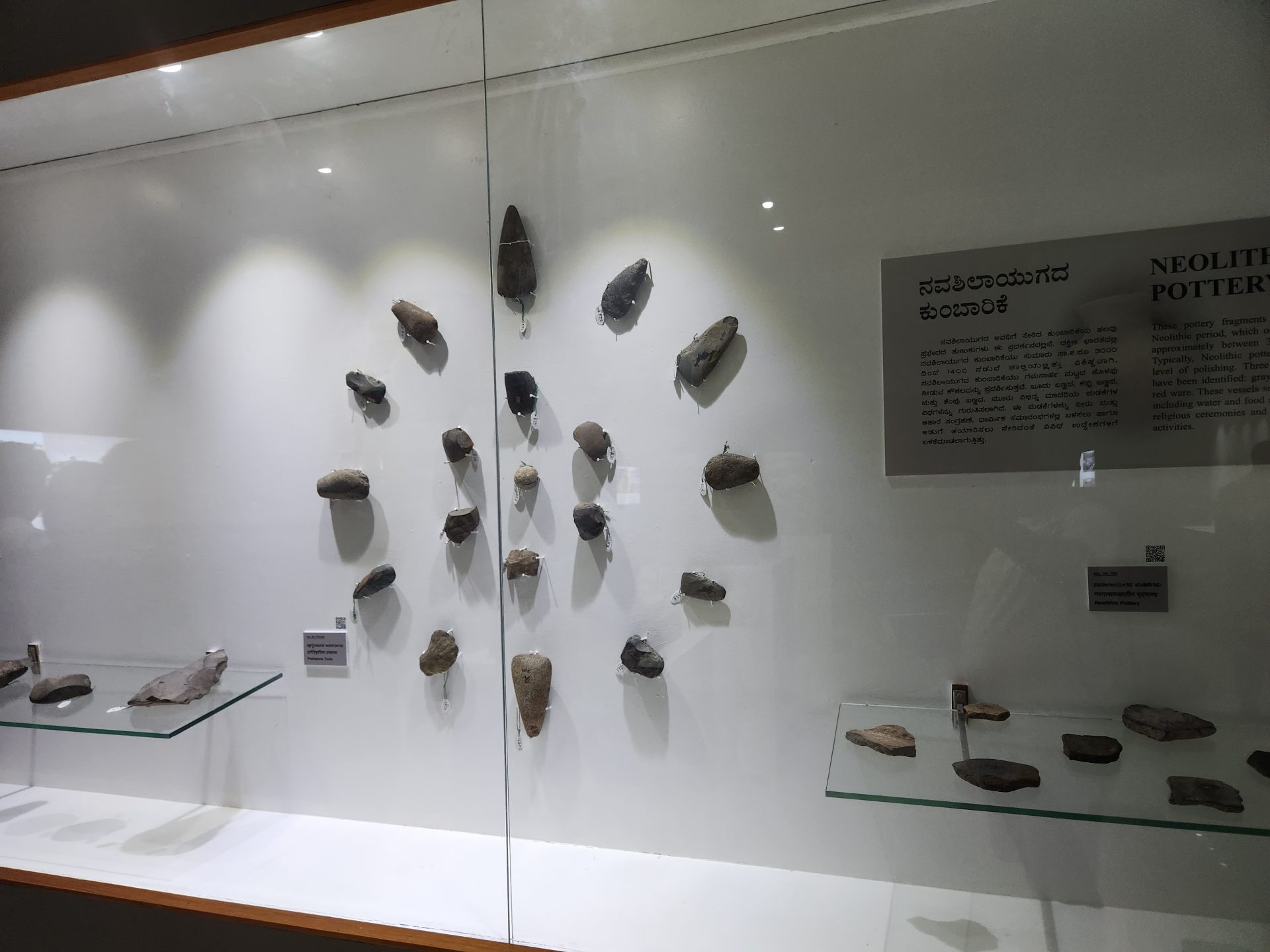
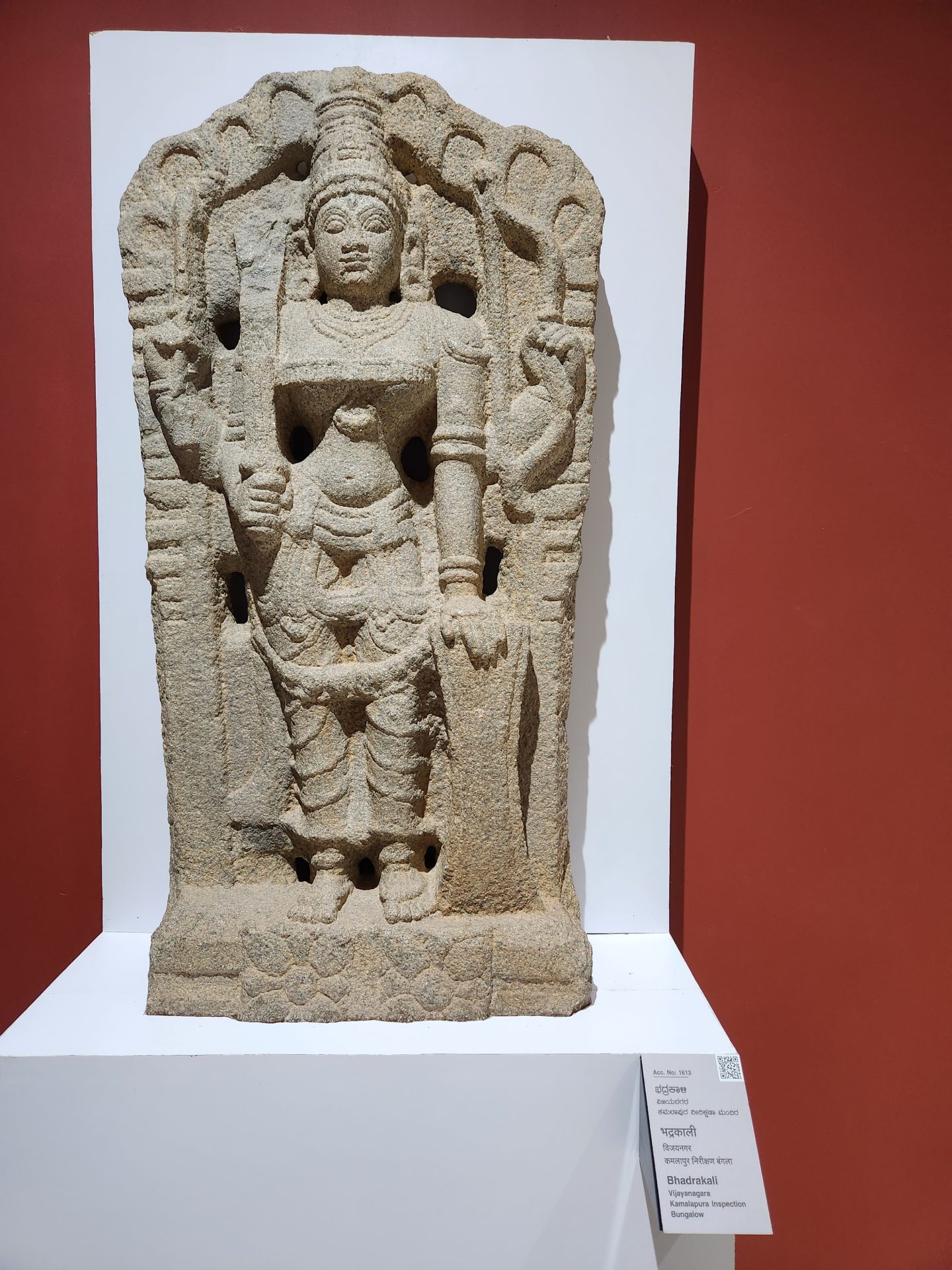
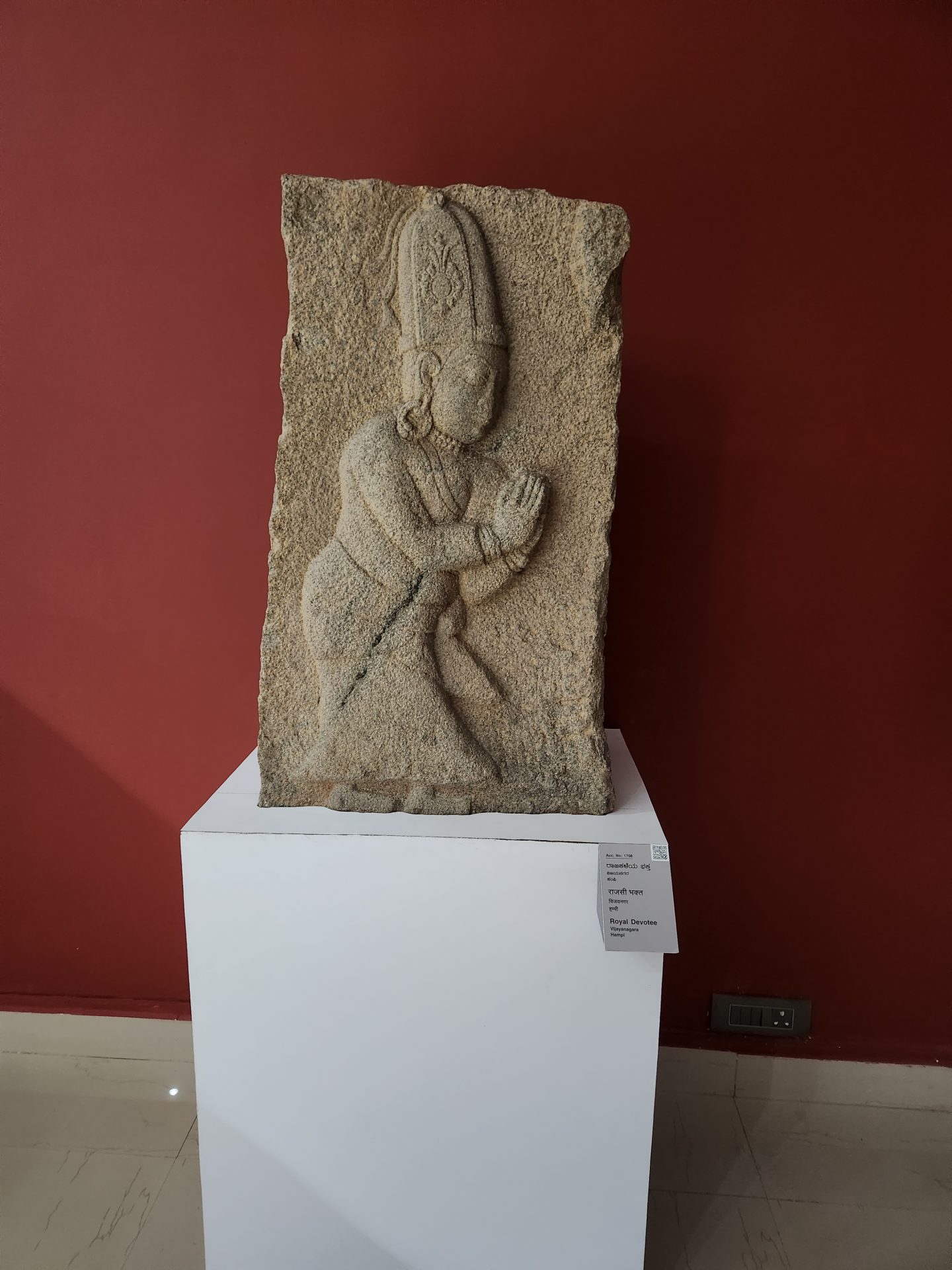
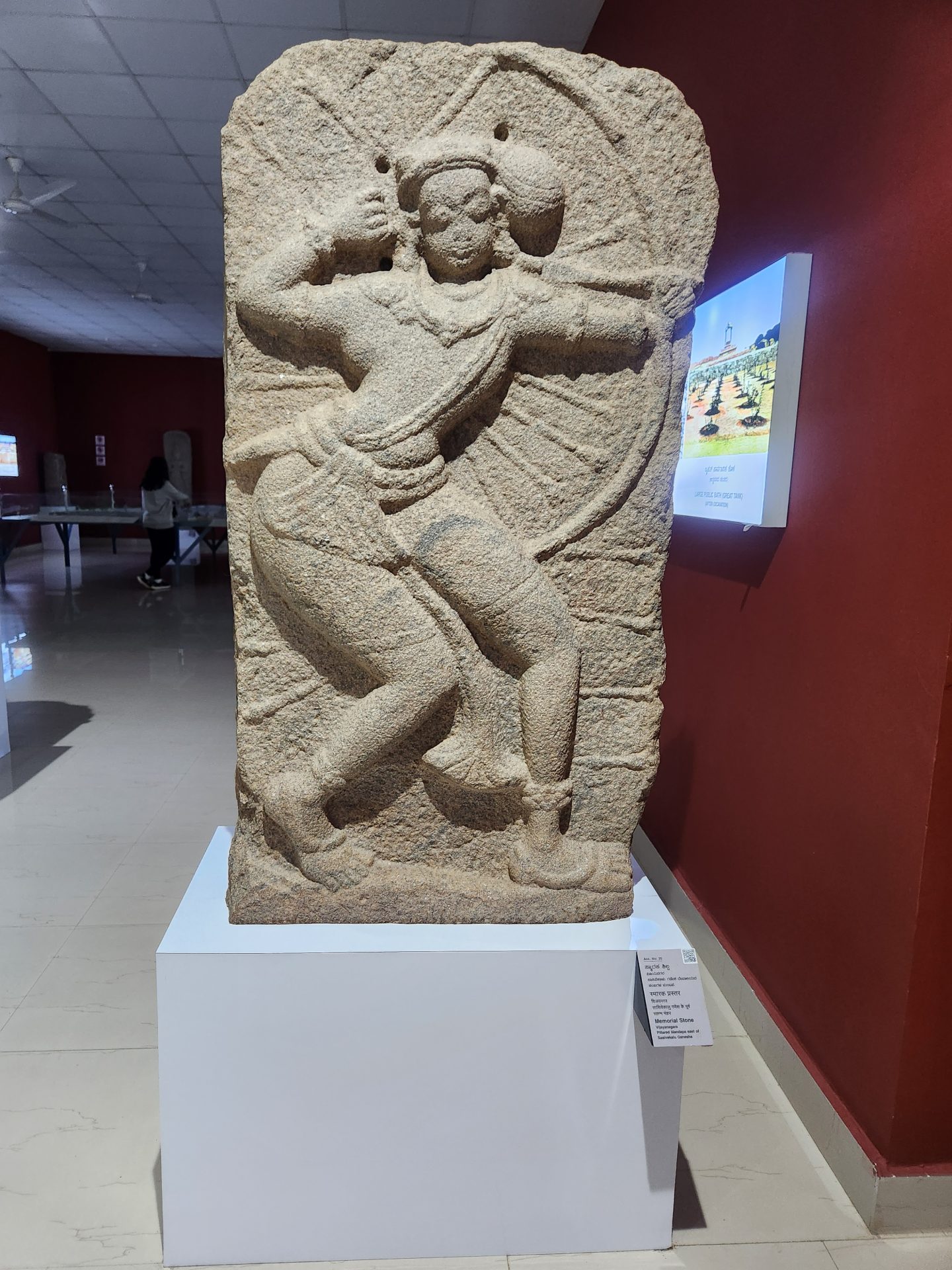
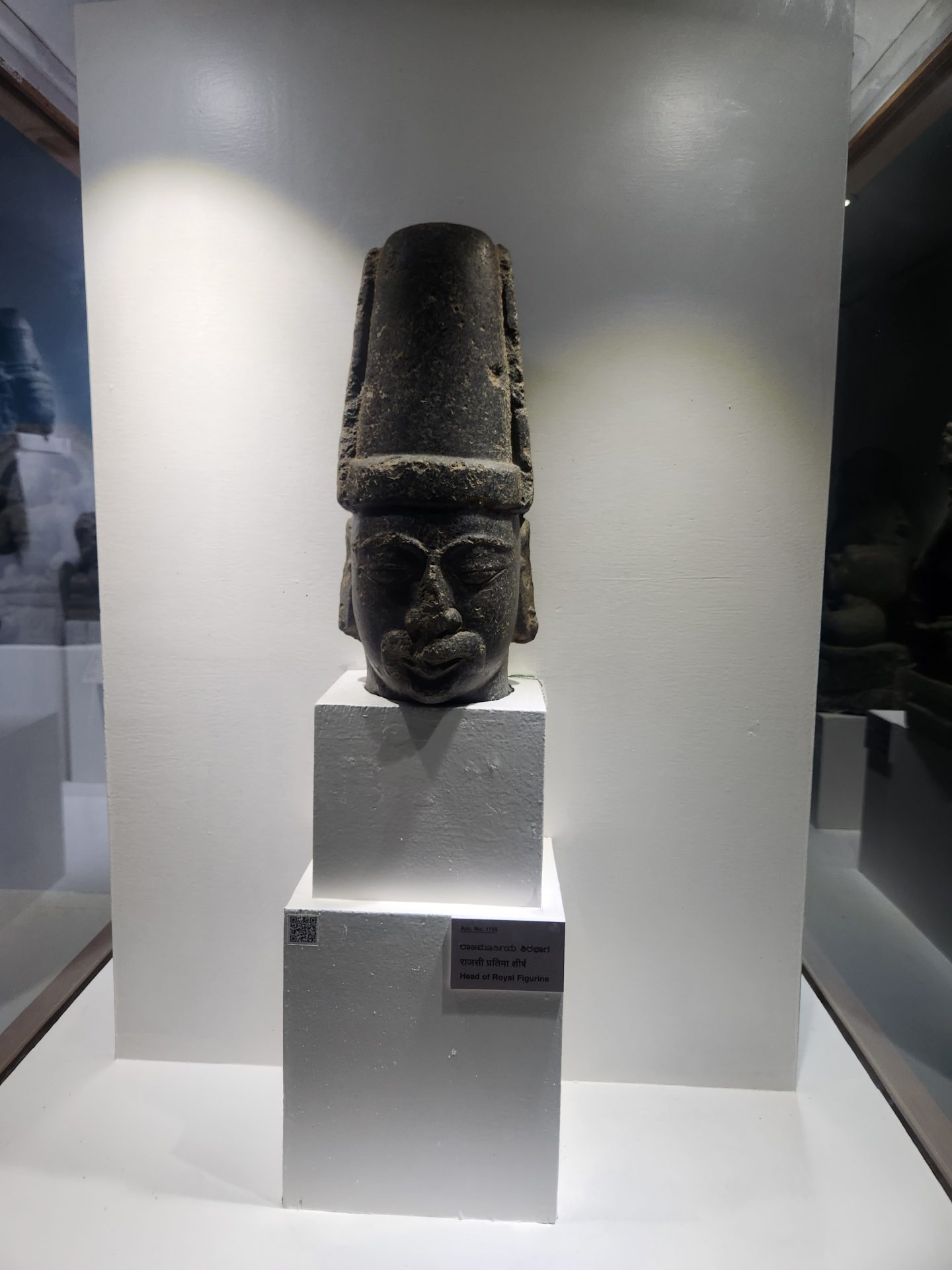
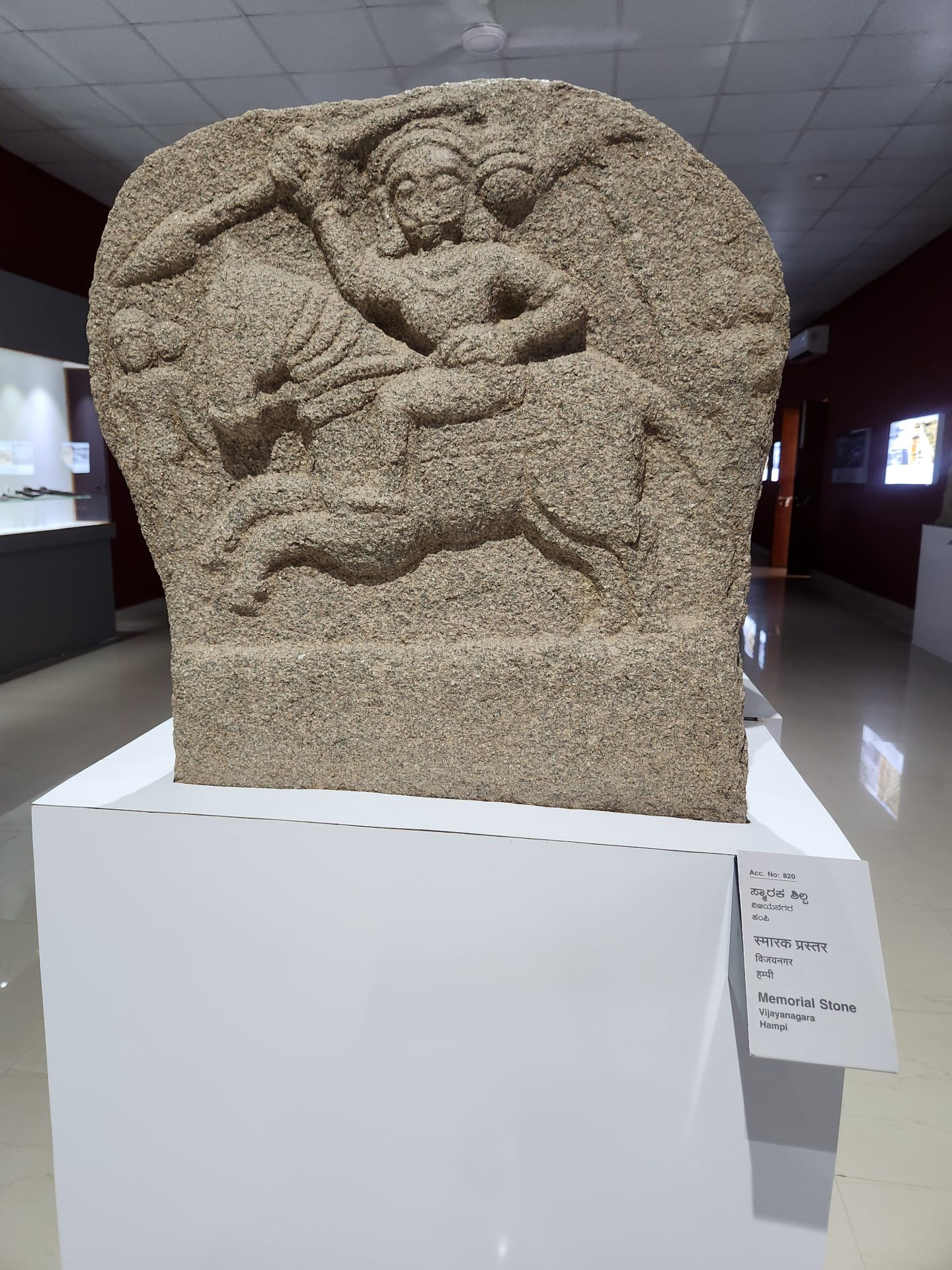
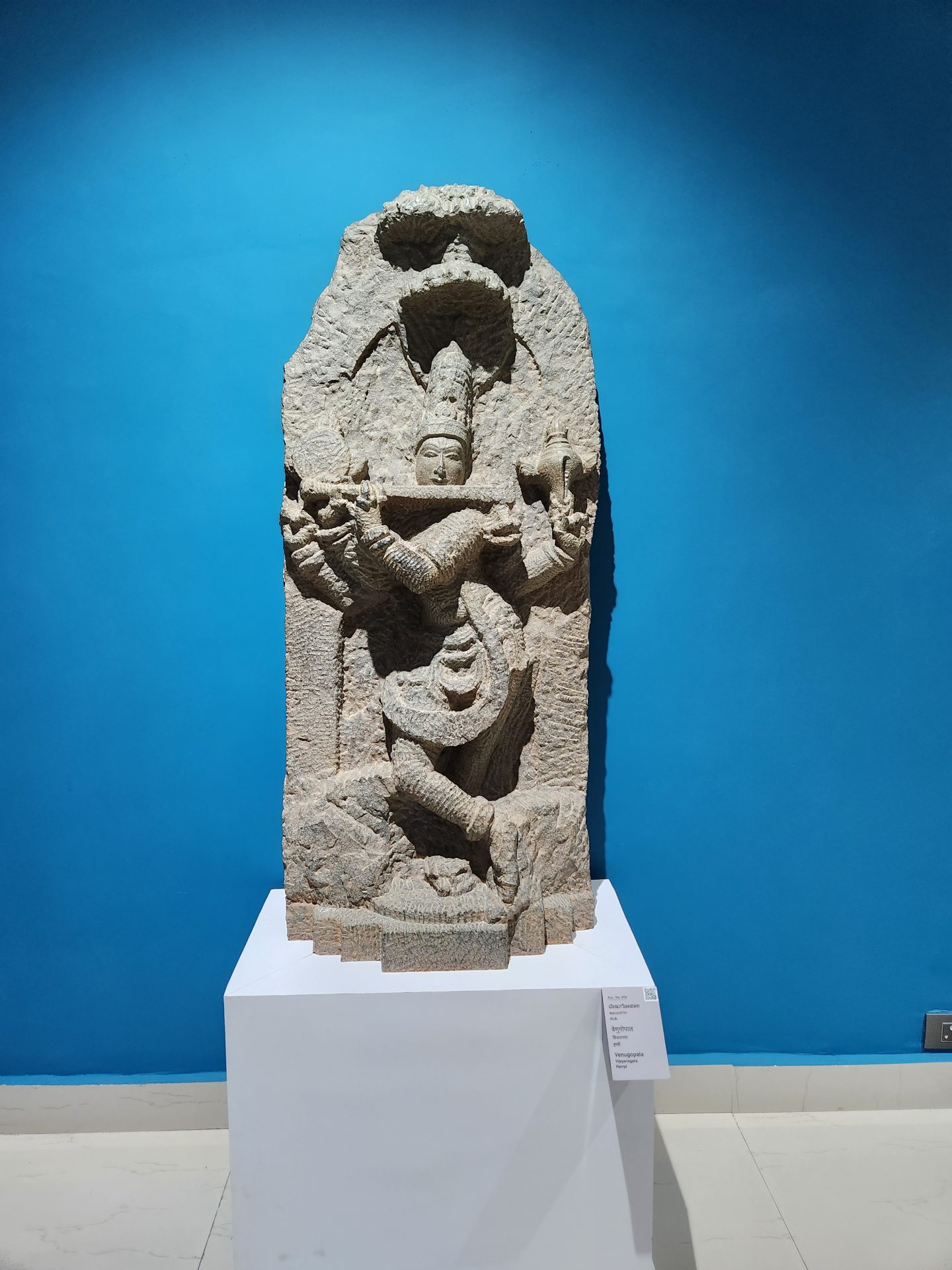
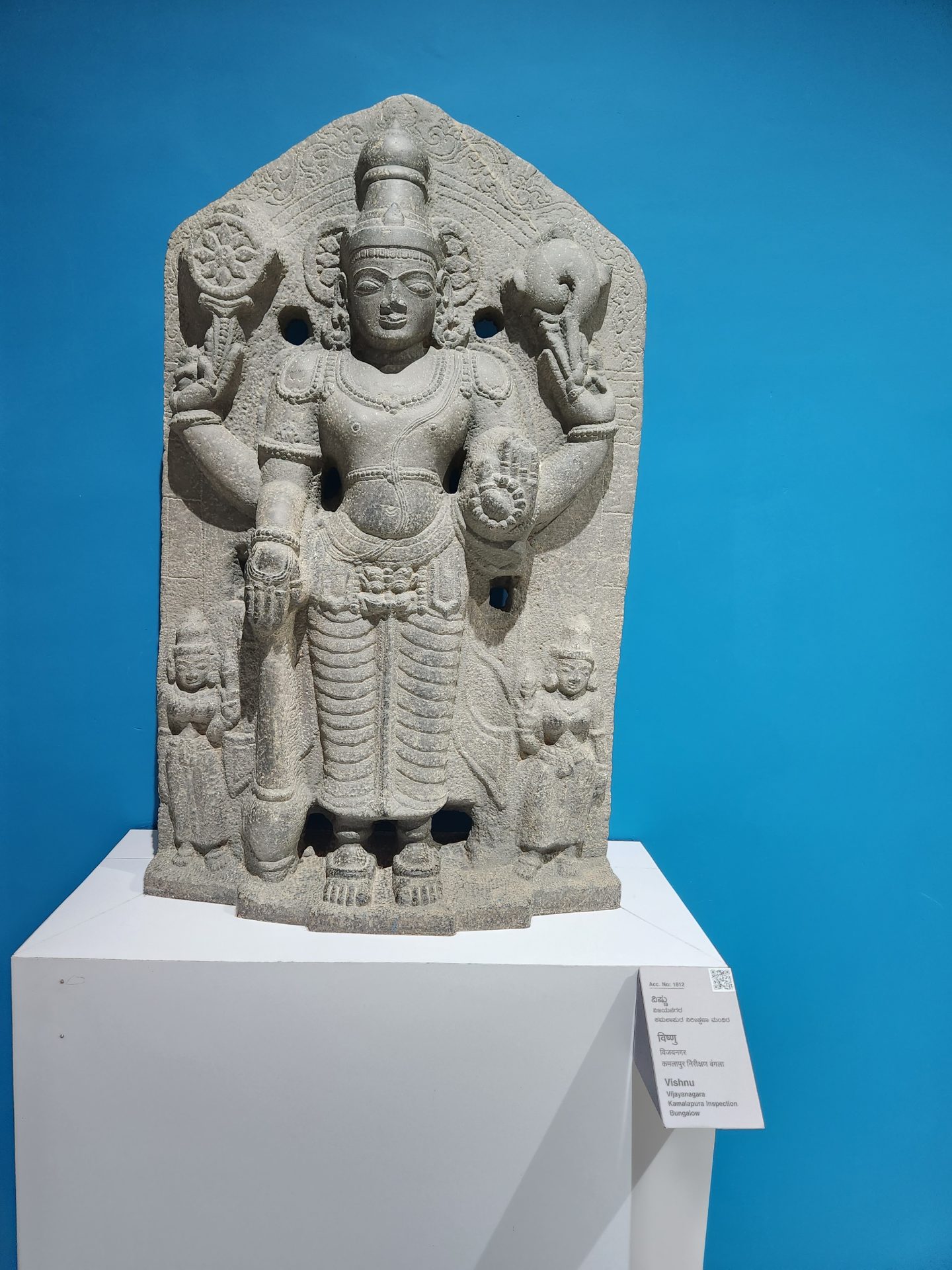
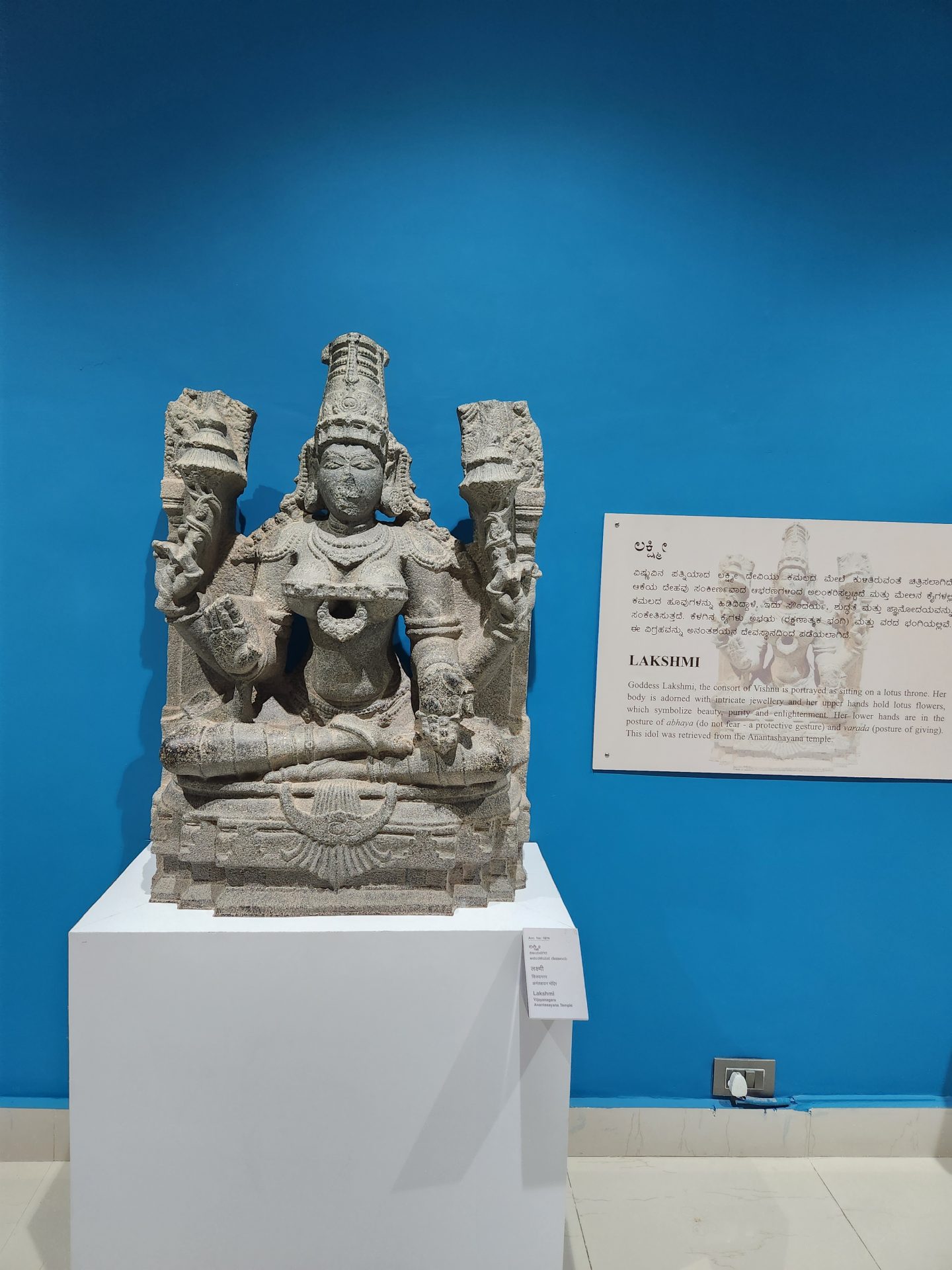
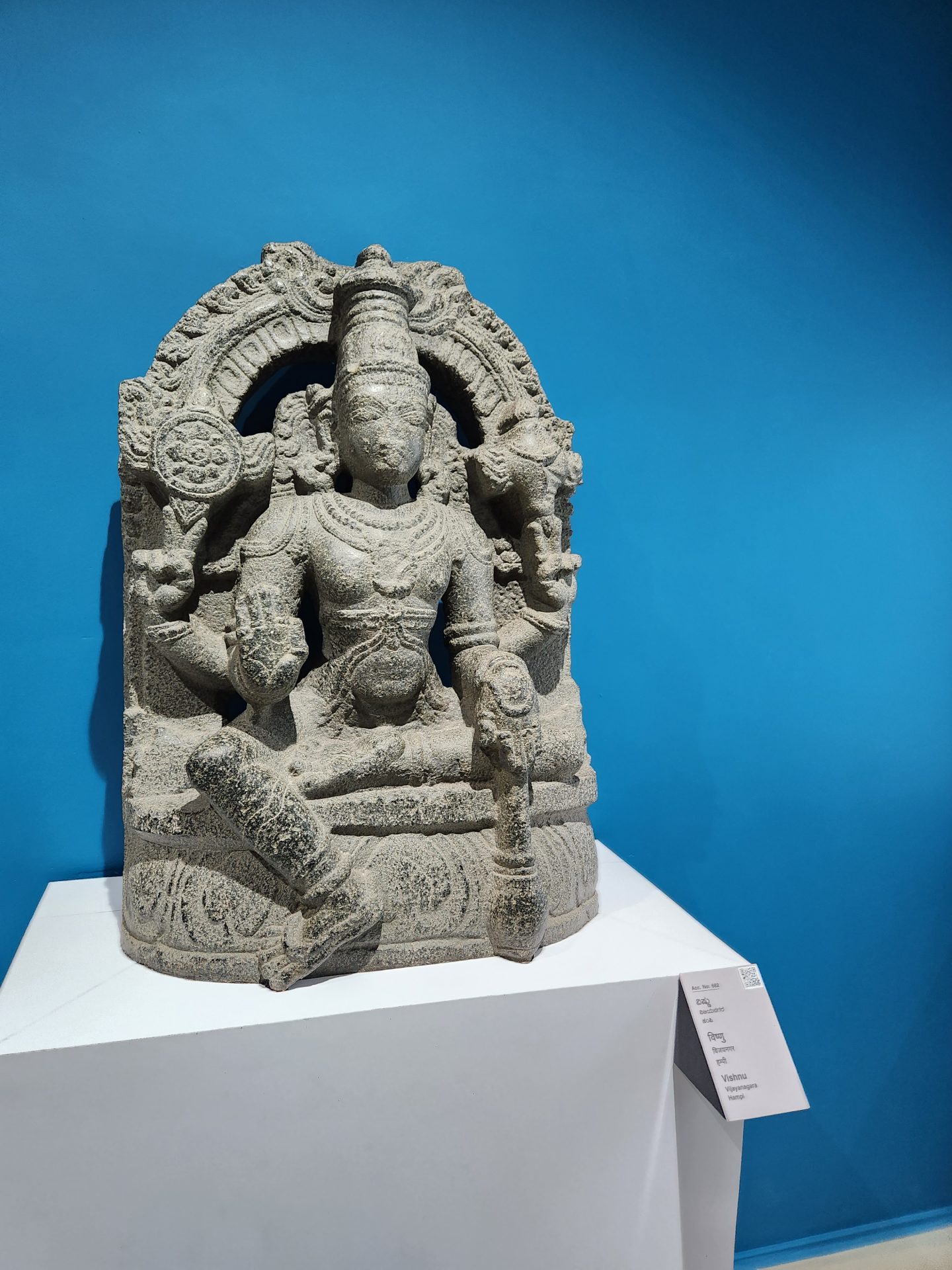
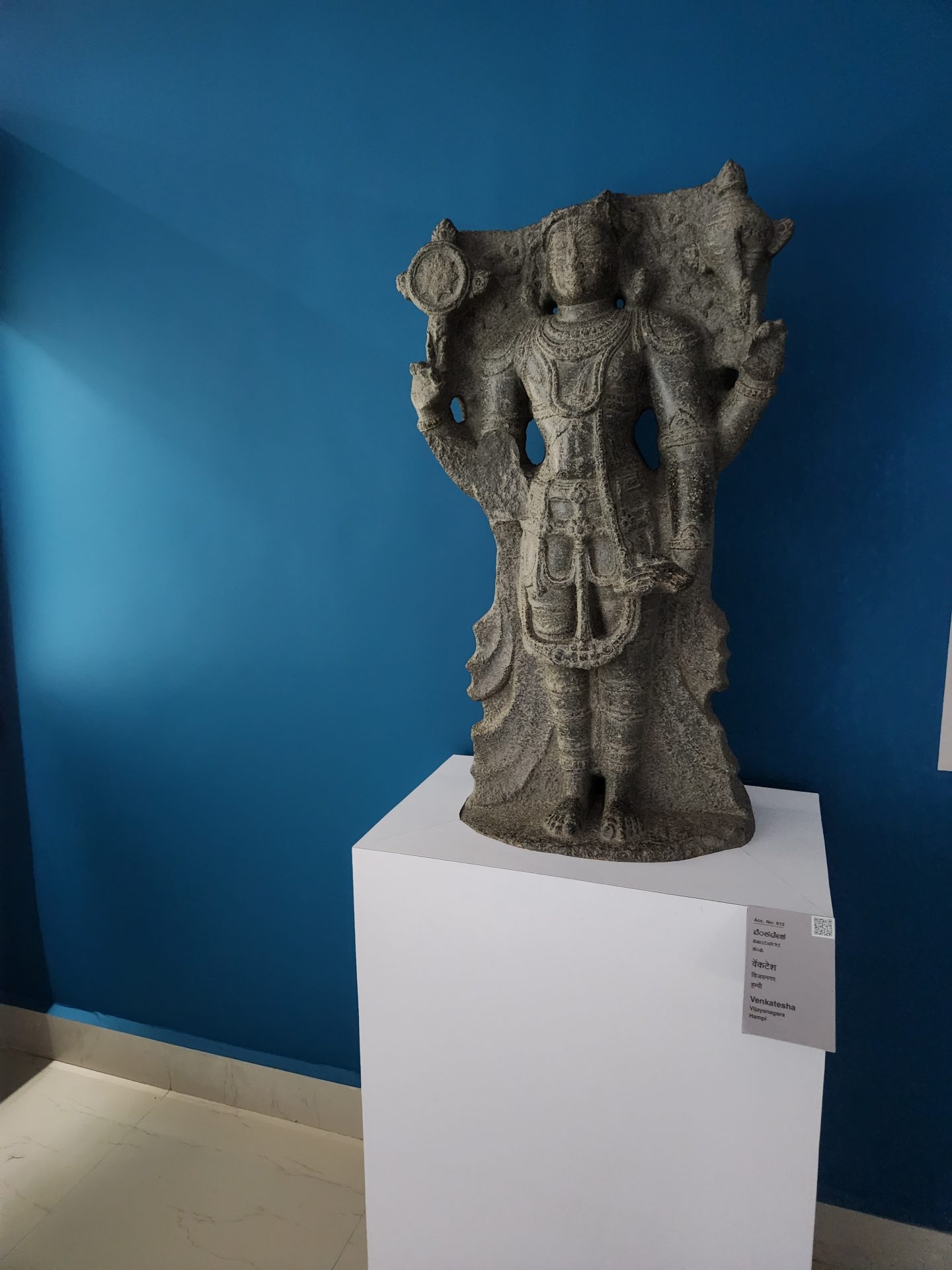
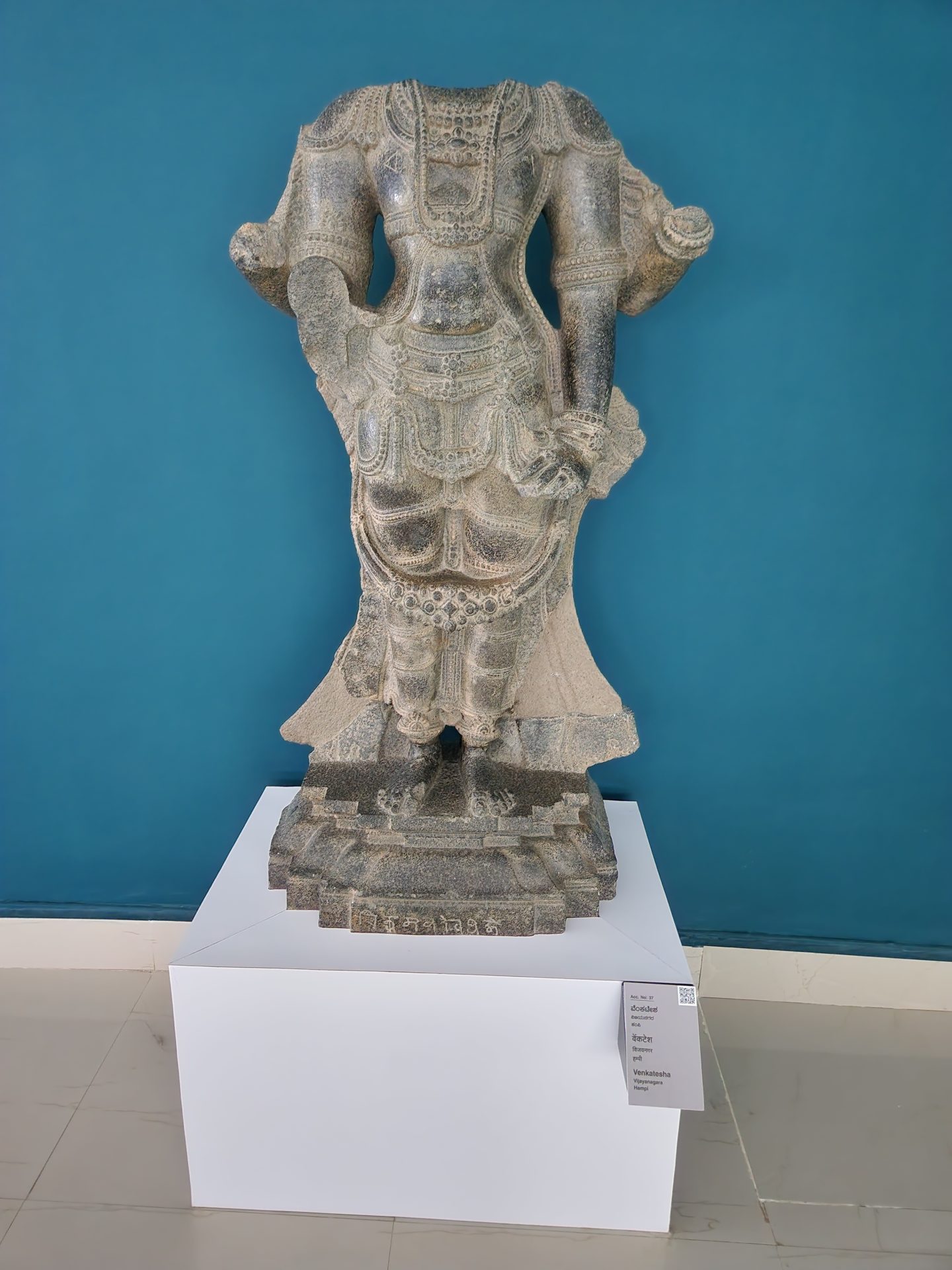
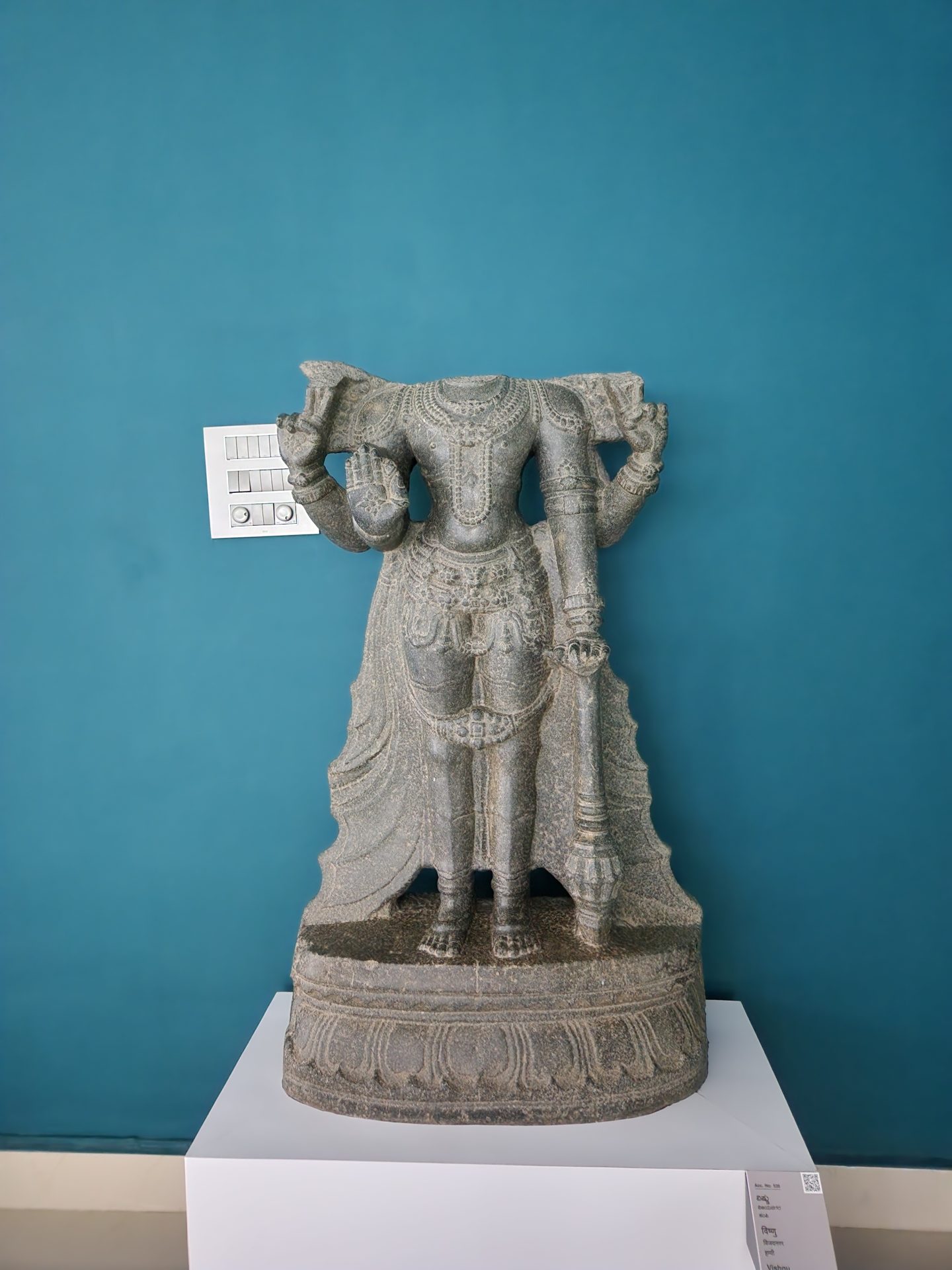
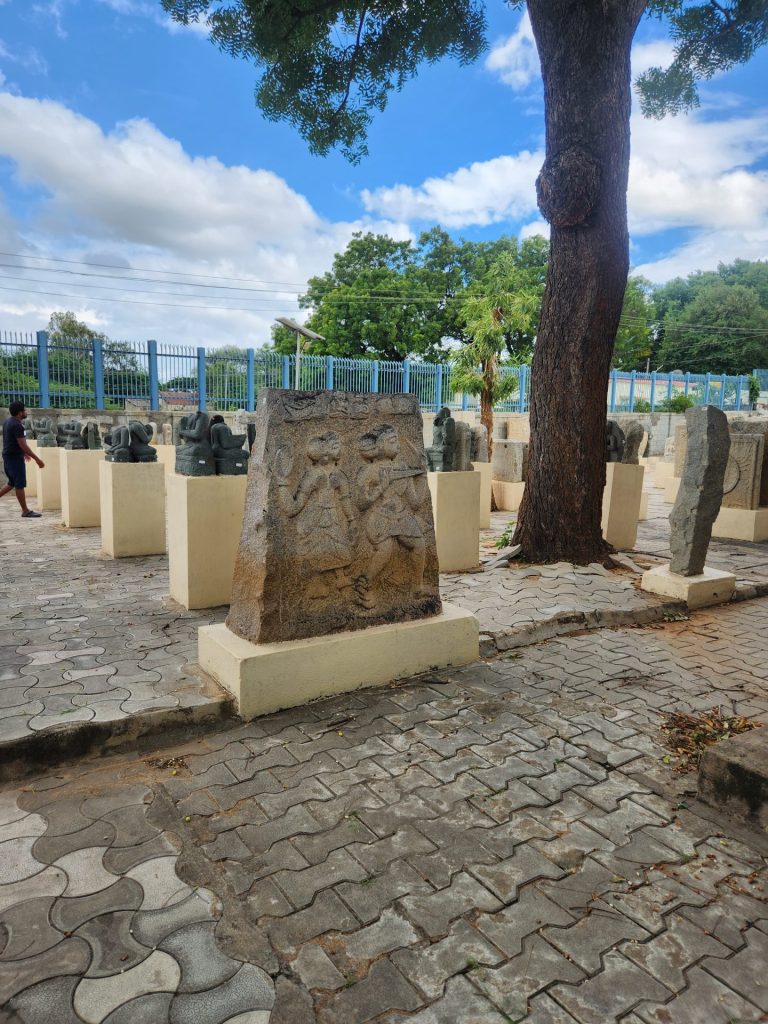
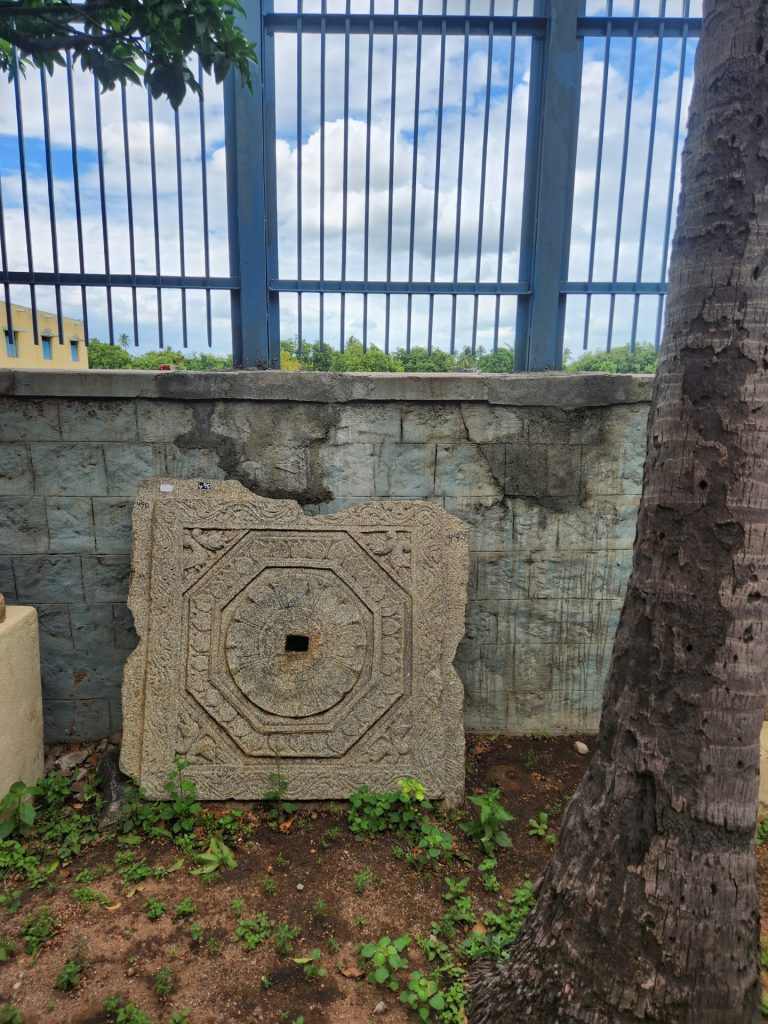
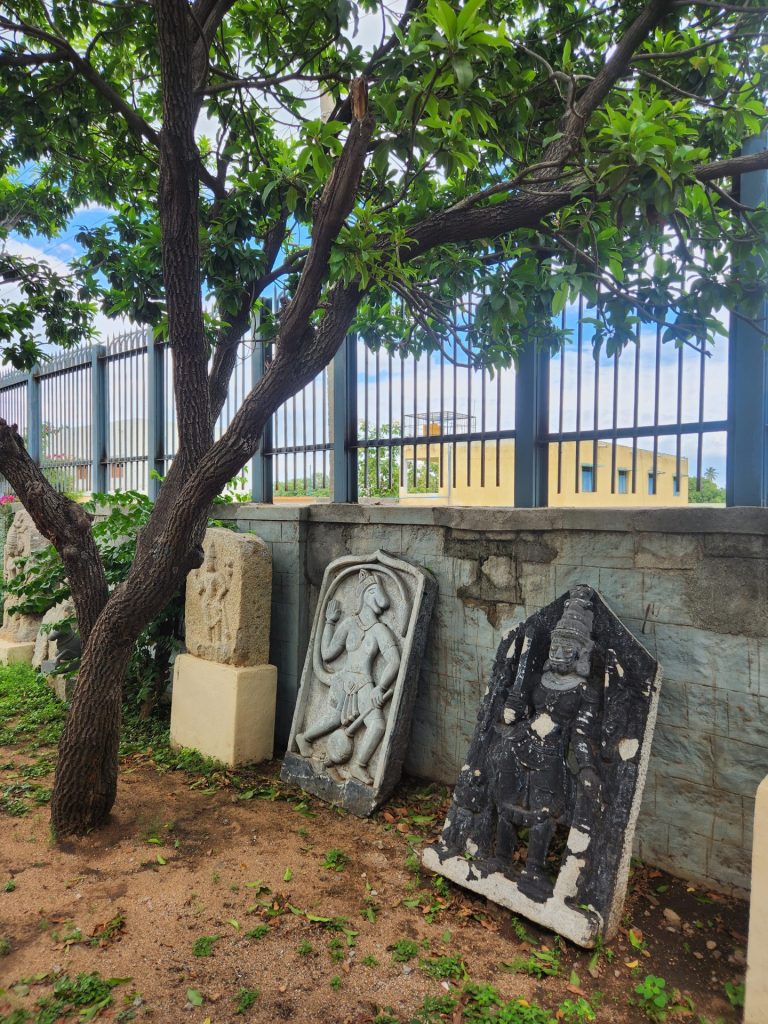
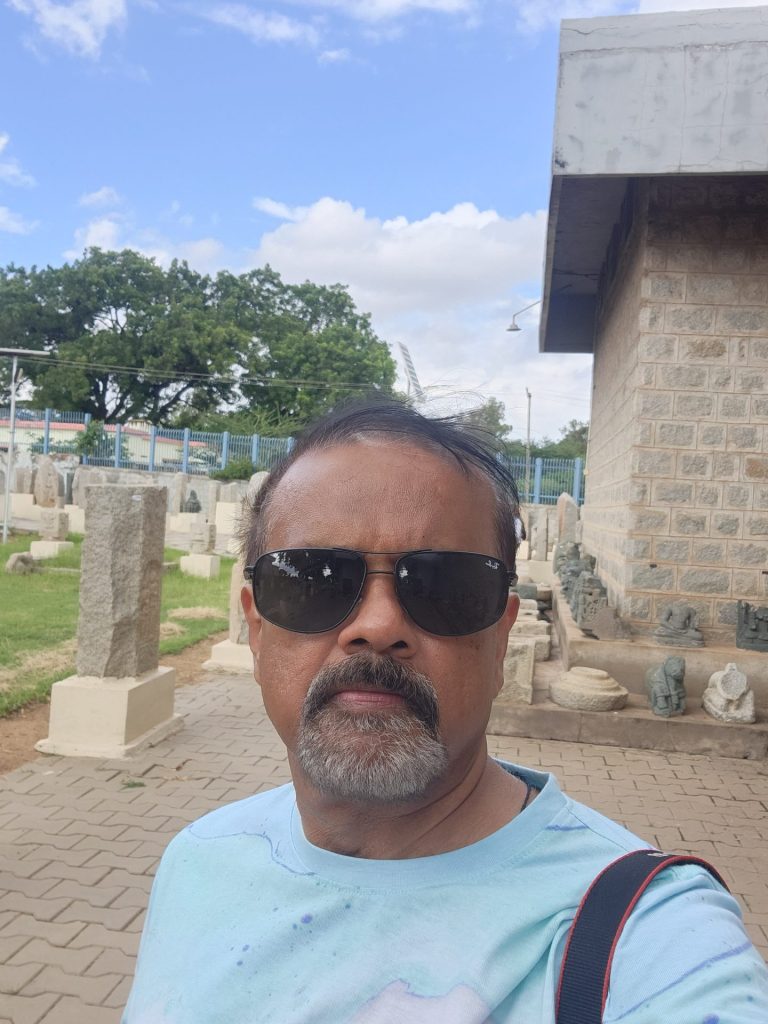
Located opposite to Hotel Clarke’s Inn, the Museum has an entry fee of Rs.40/- levied per visitor. While the lawns outside the museum and the rear side of the complex house many sculptures kept in the open air, a lovely 3D model of Hampi Valley can be see on display inside. Before this Museum came up at its current location at Kamalapur in 1972, the Archaeological Survey of India had collected various sculptures from the ruins and had housed it near the Elephant Stables
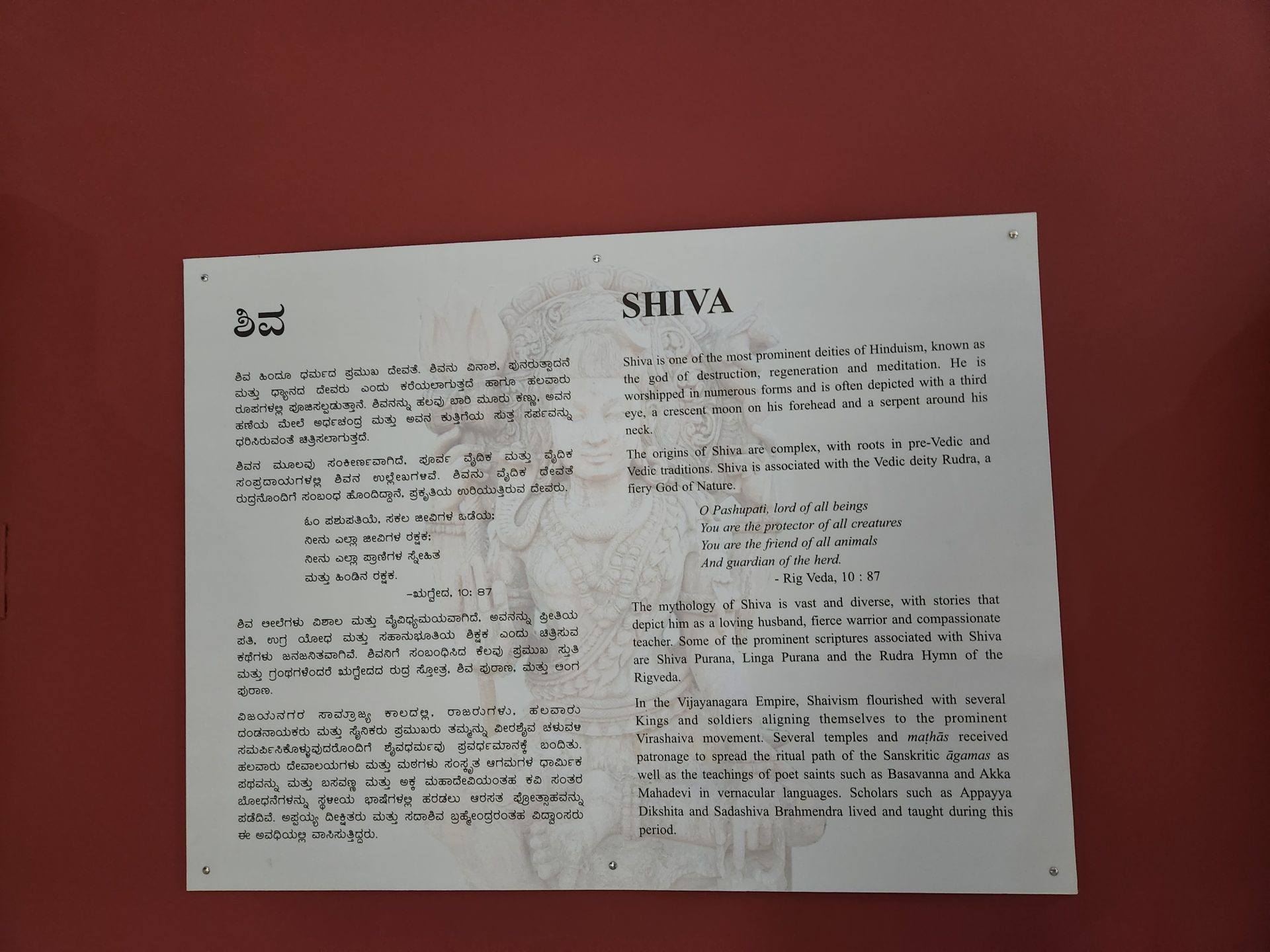
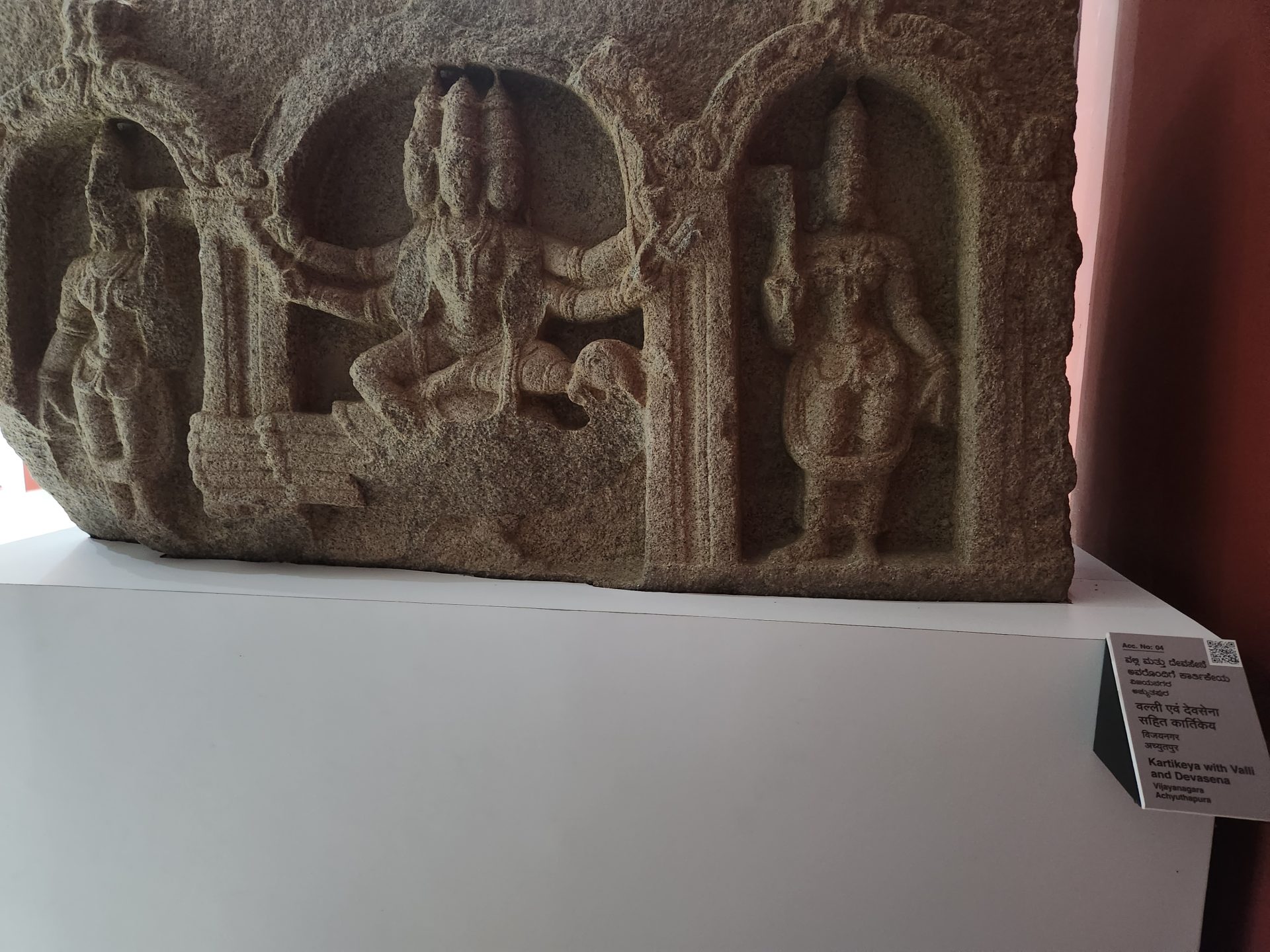
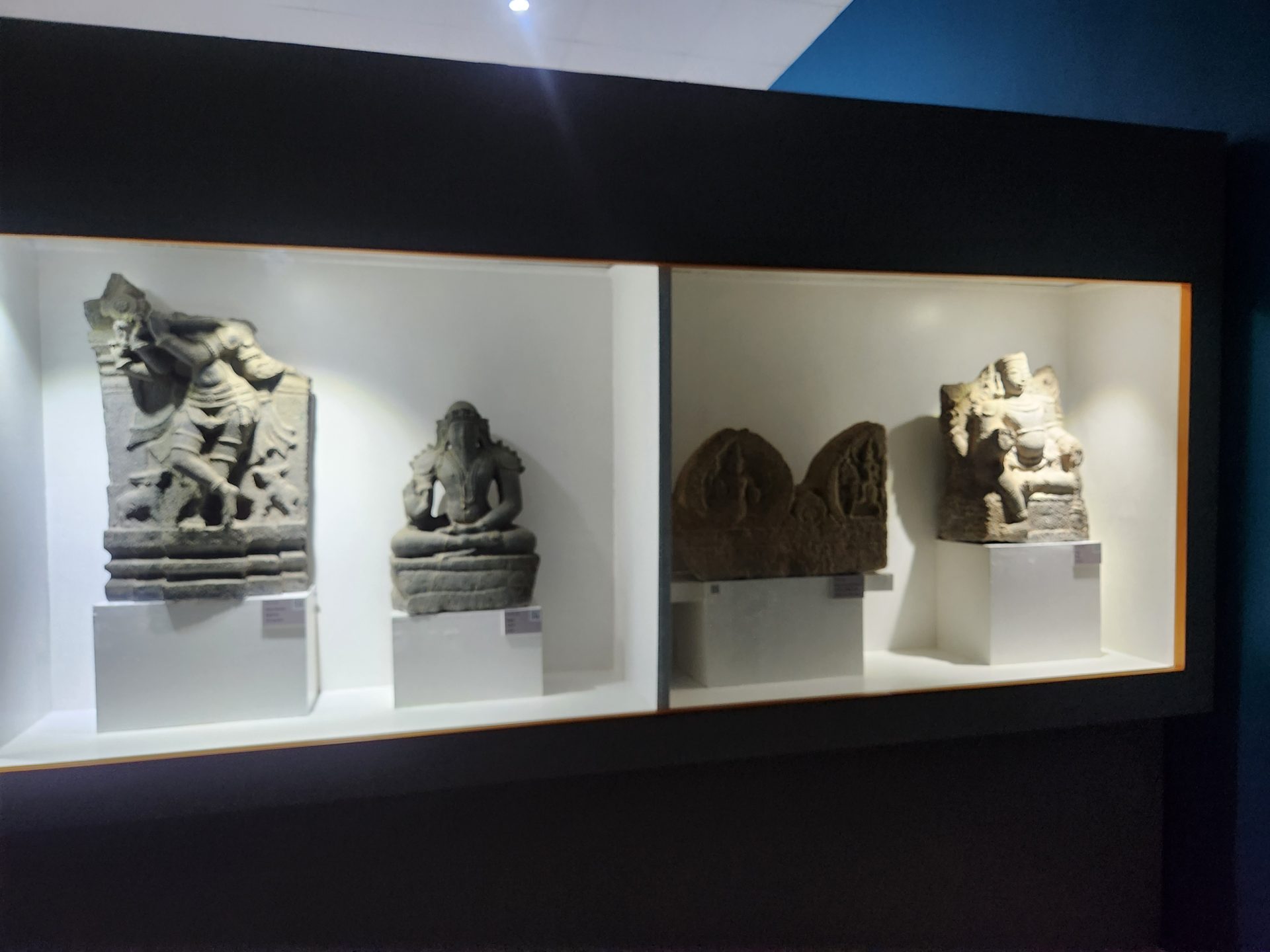
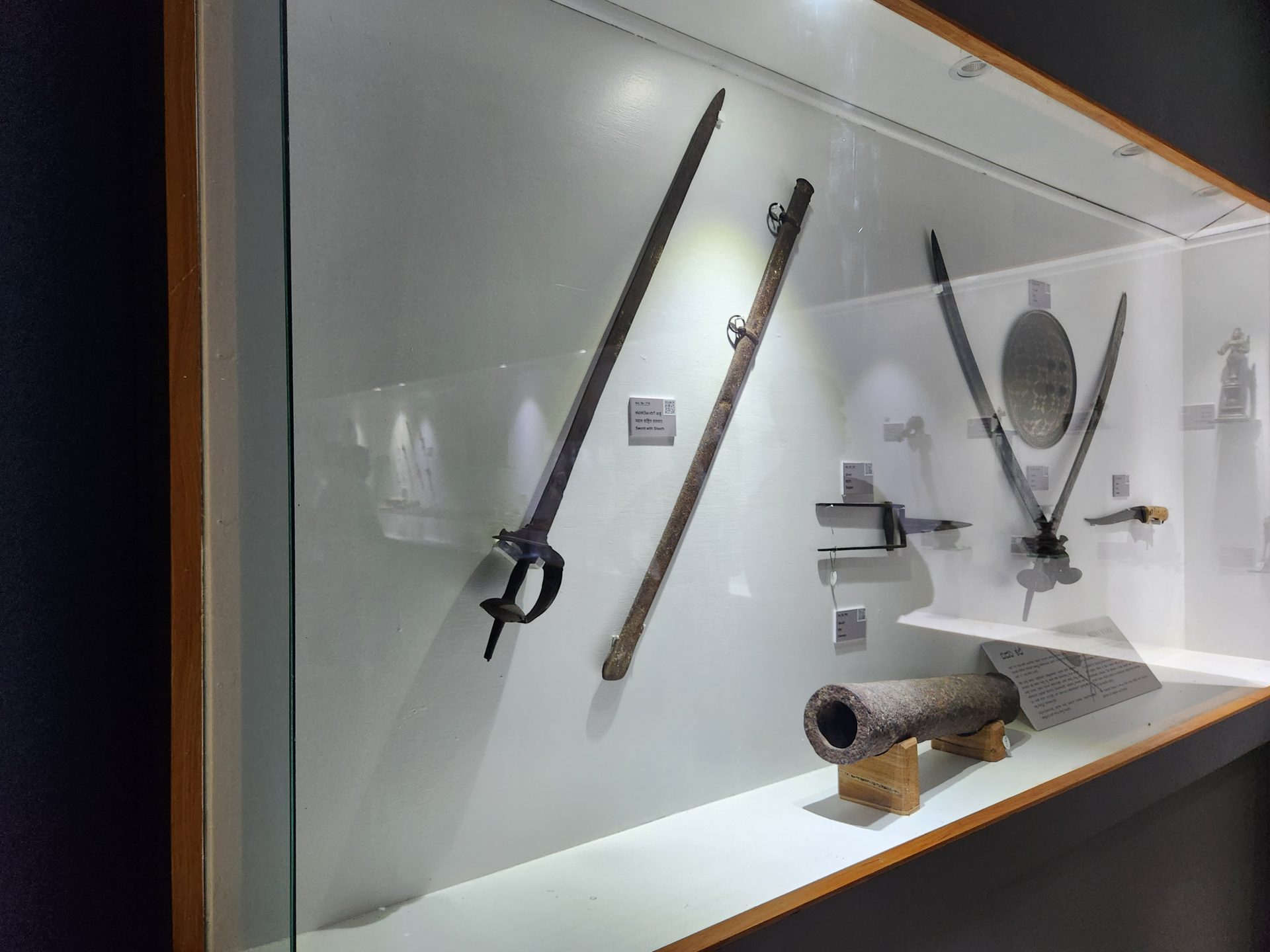
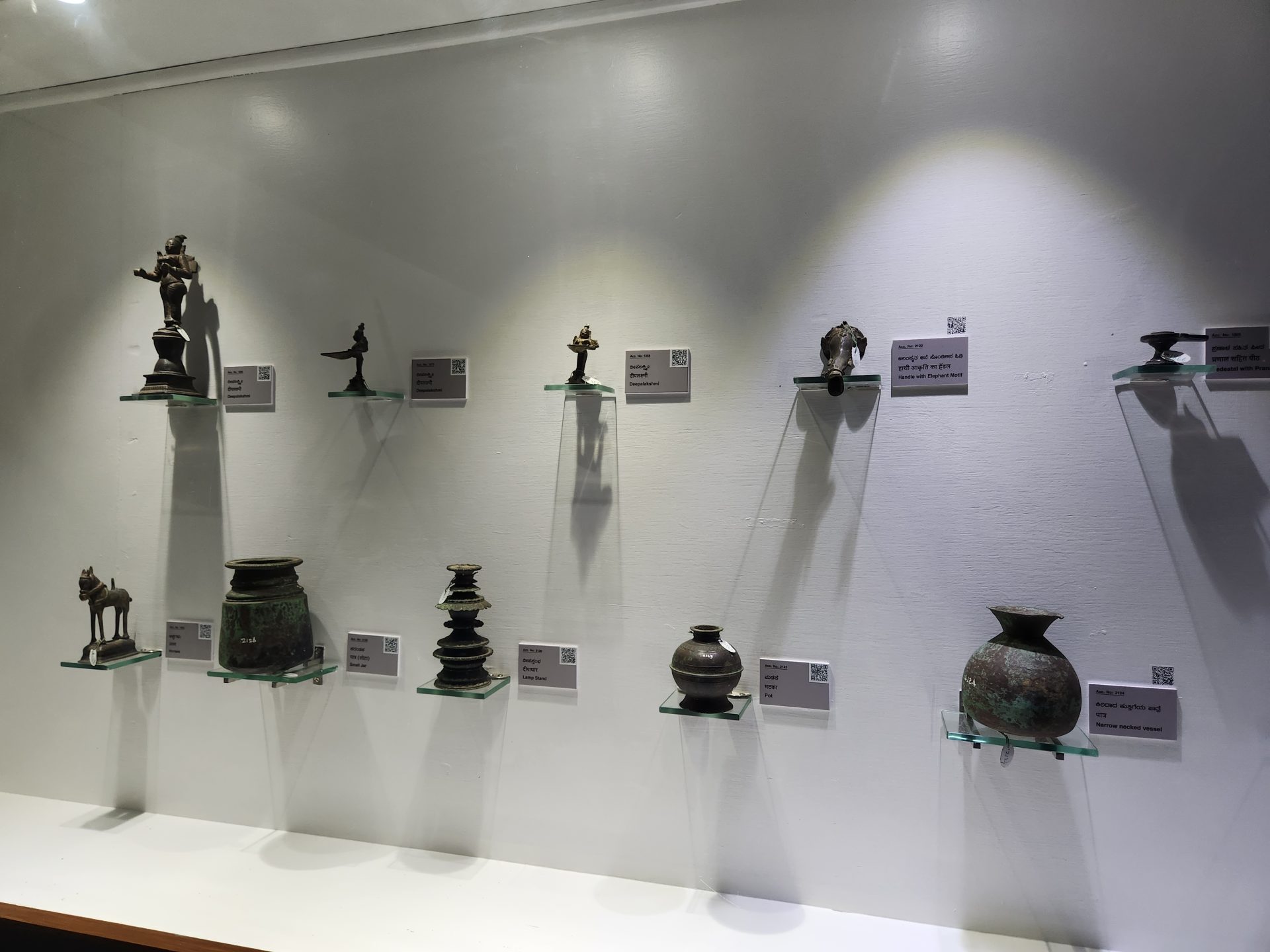
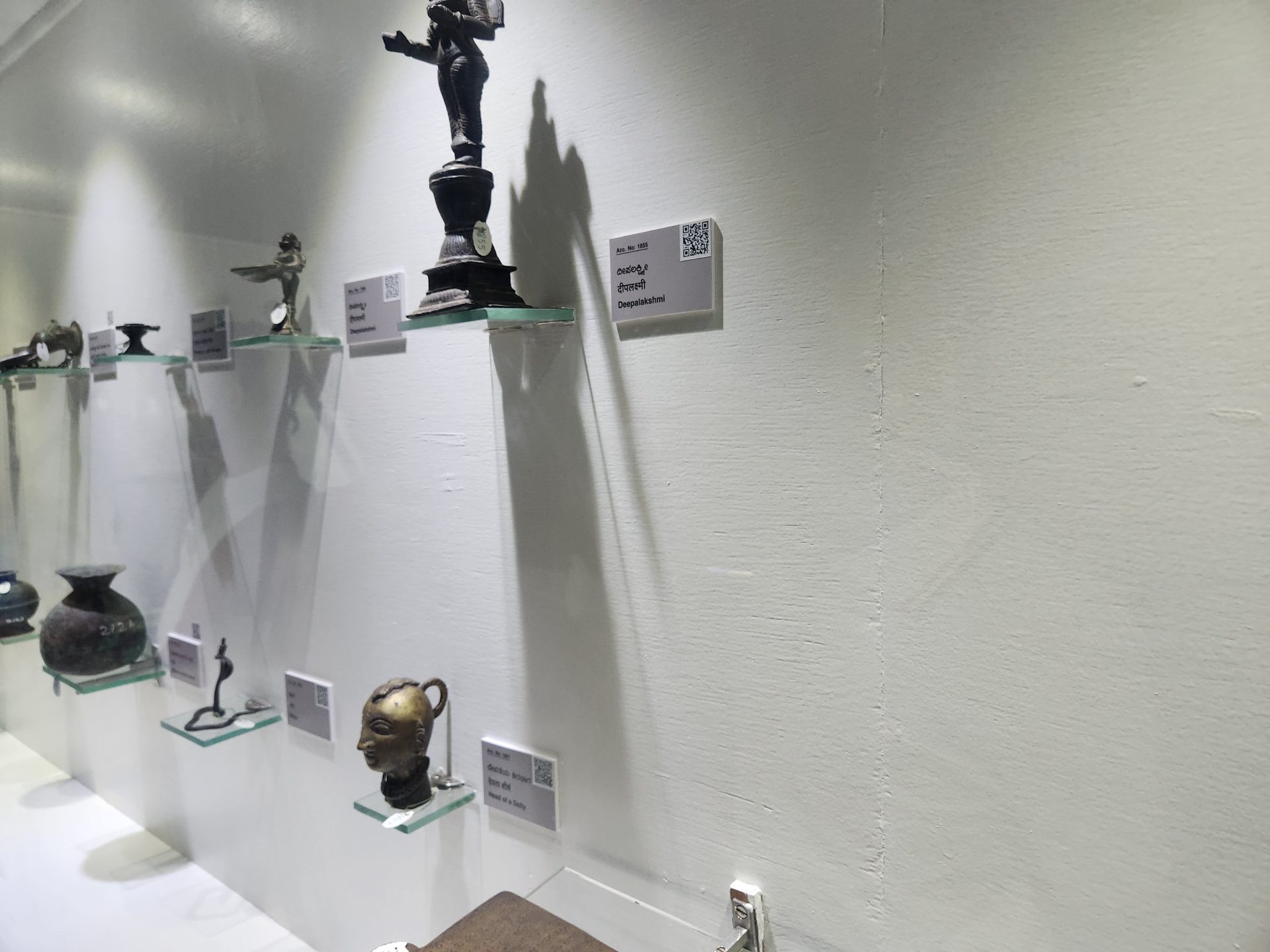
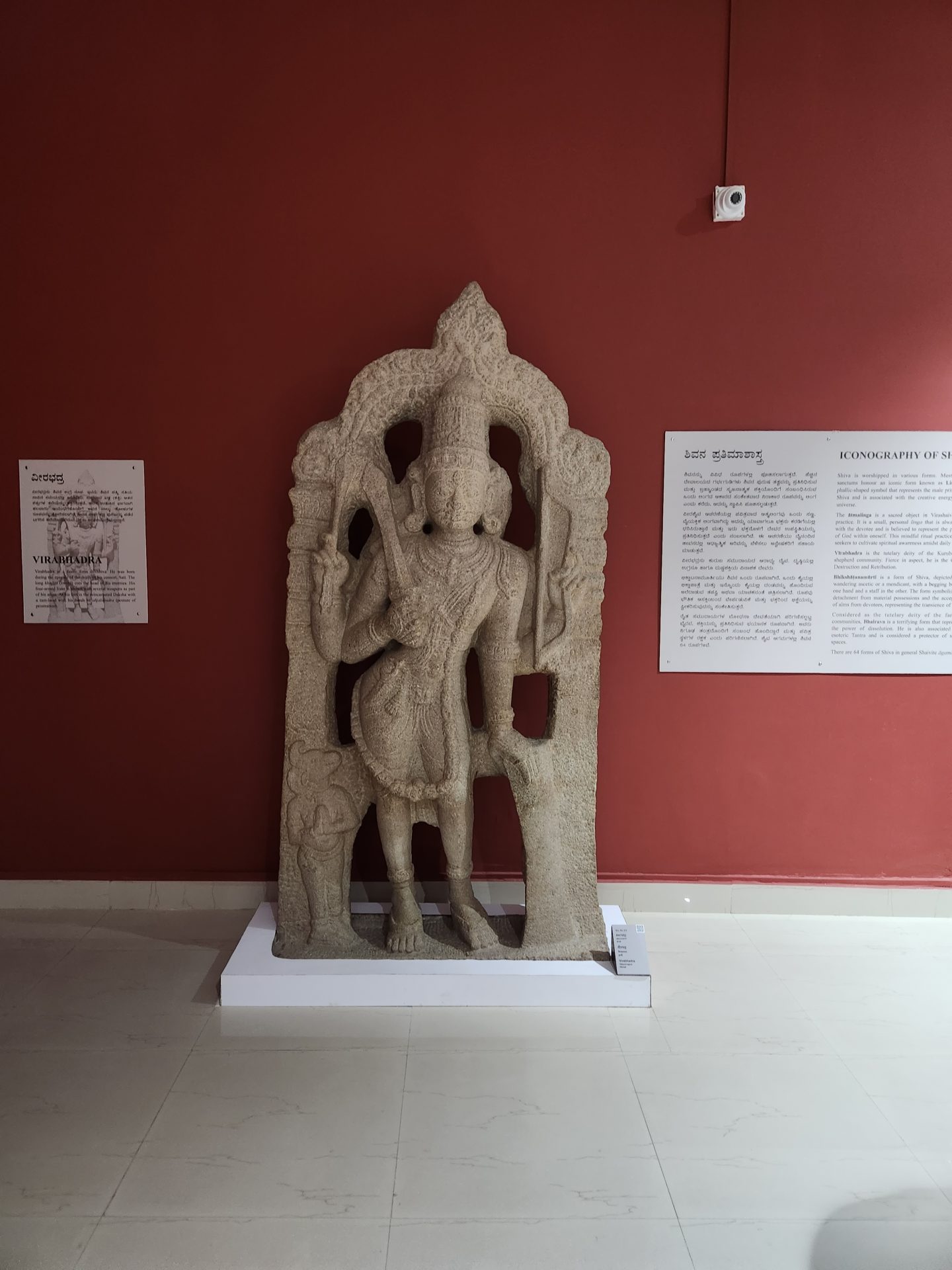
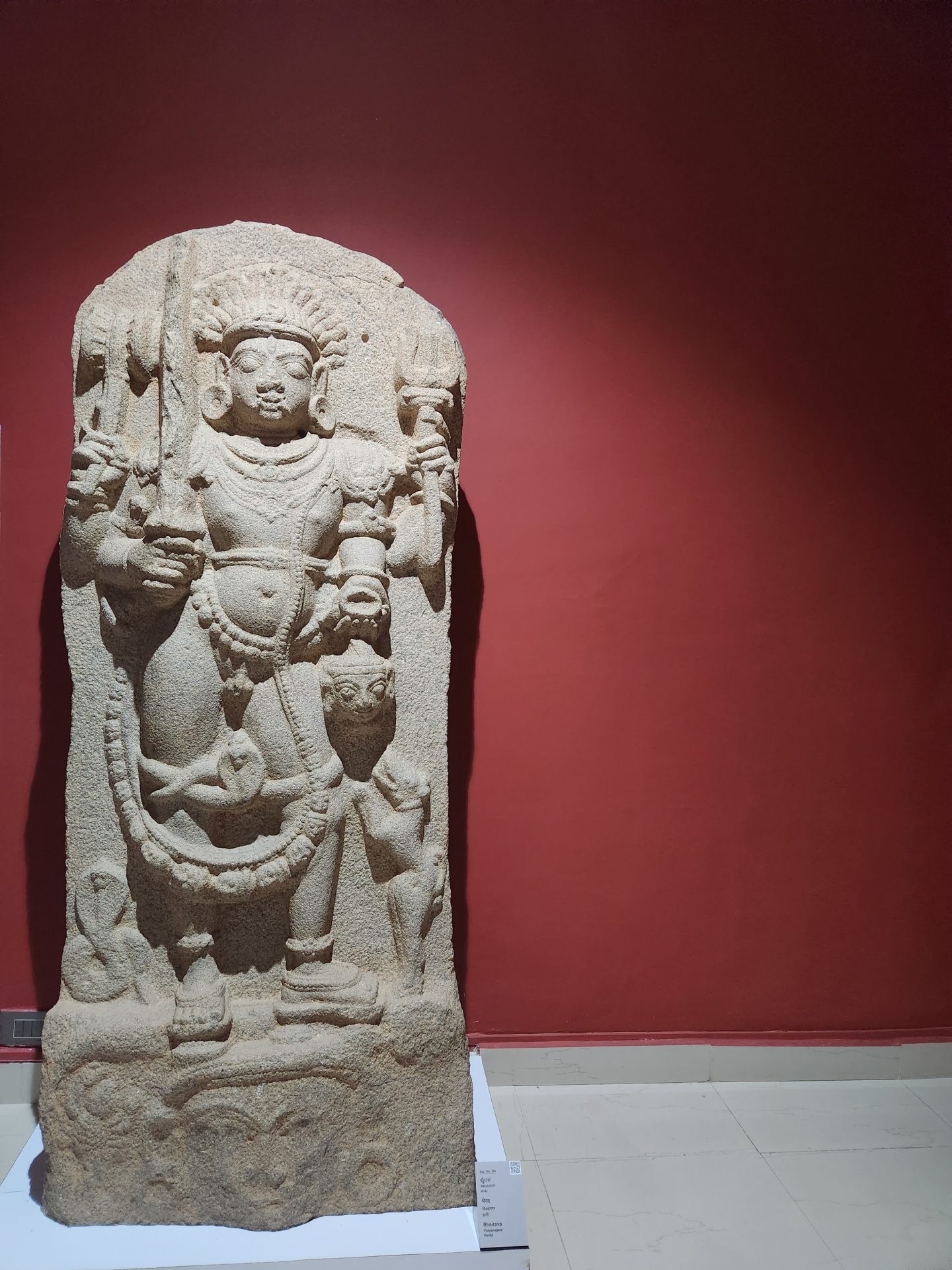
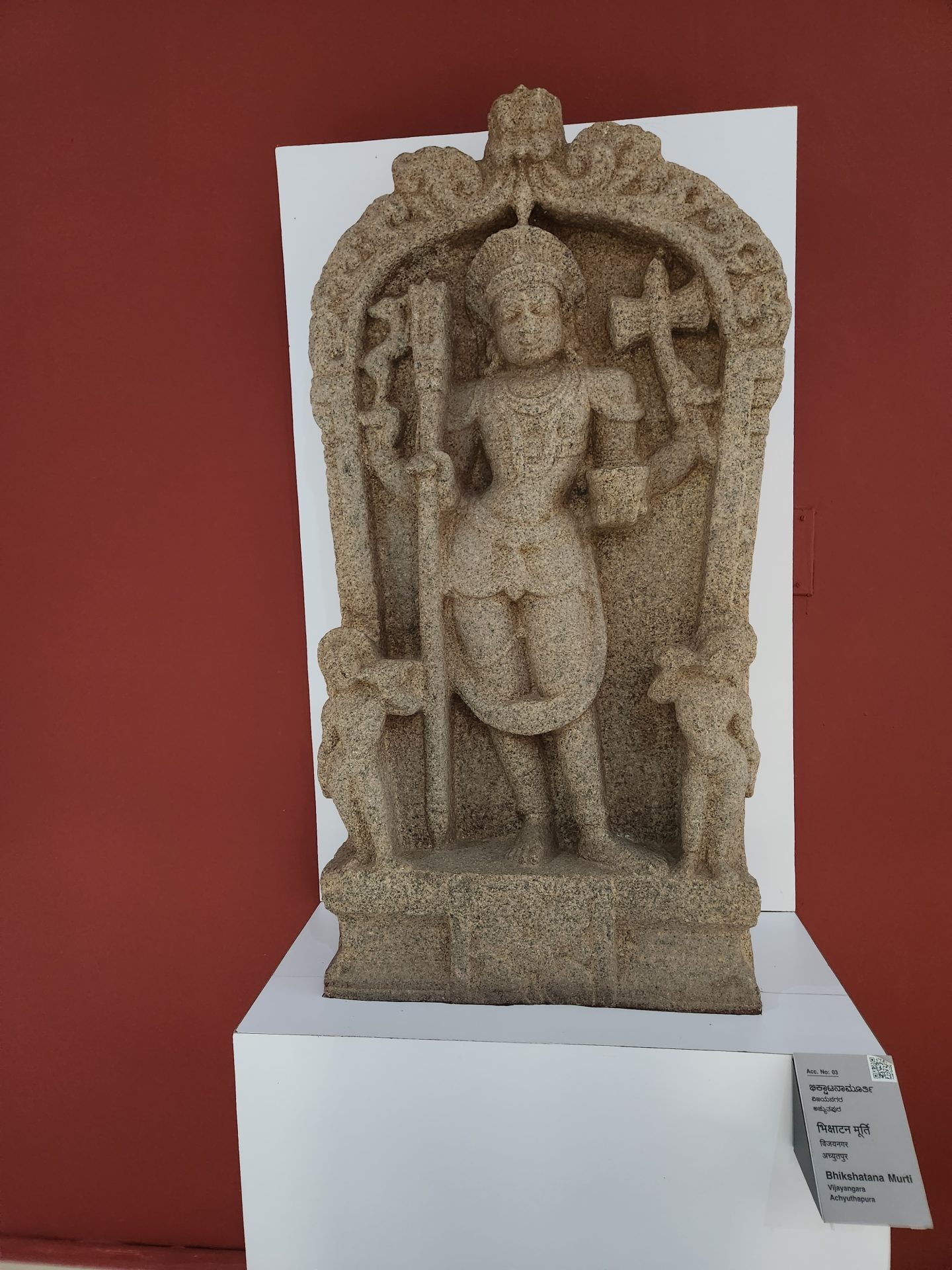
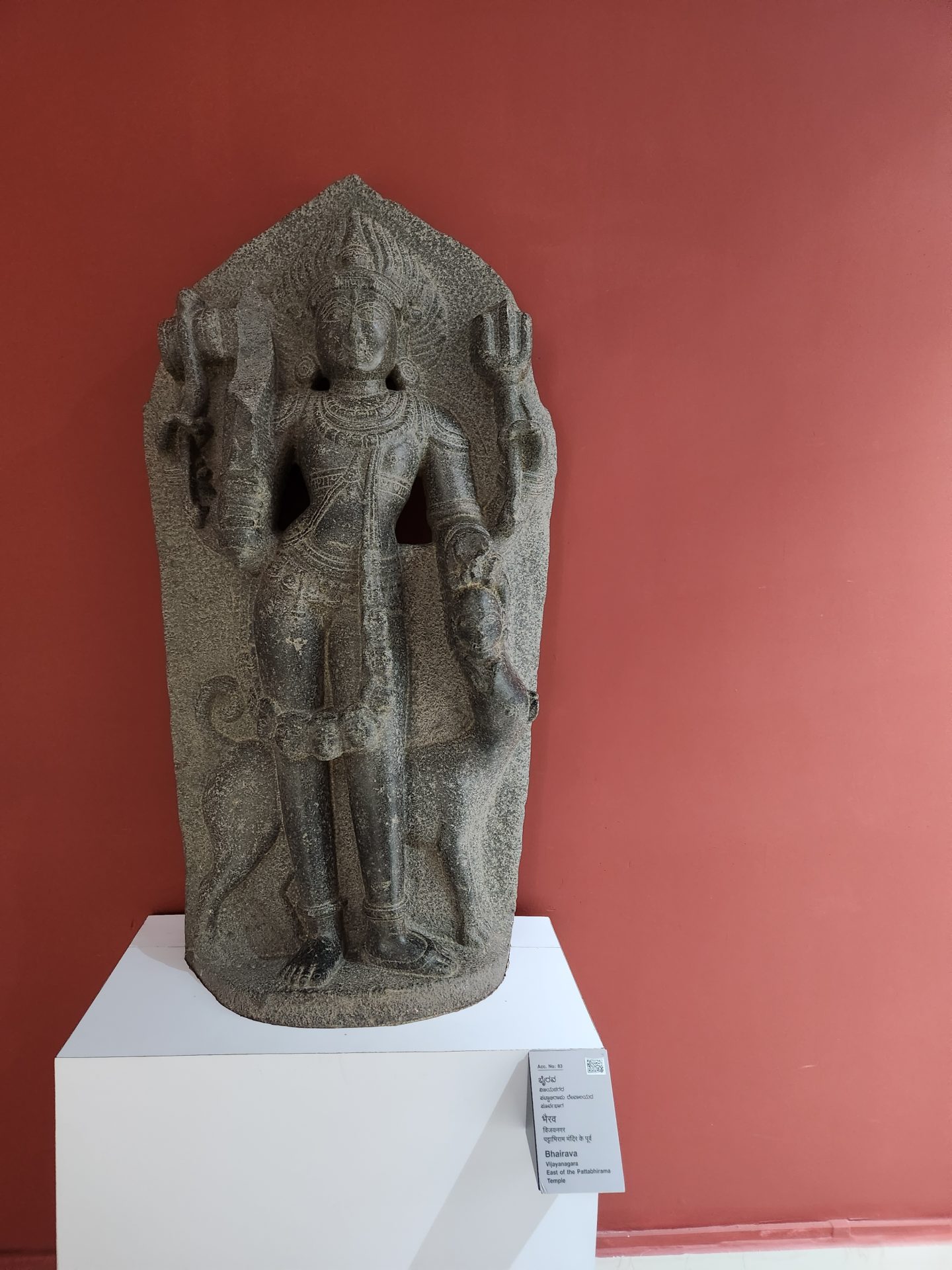
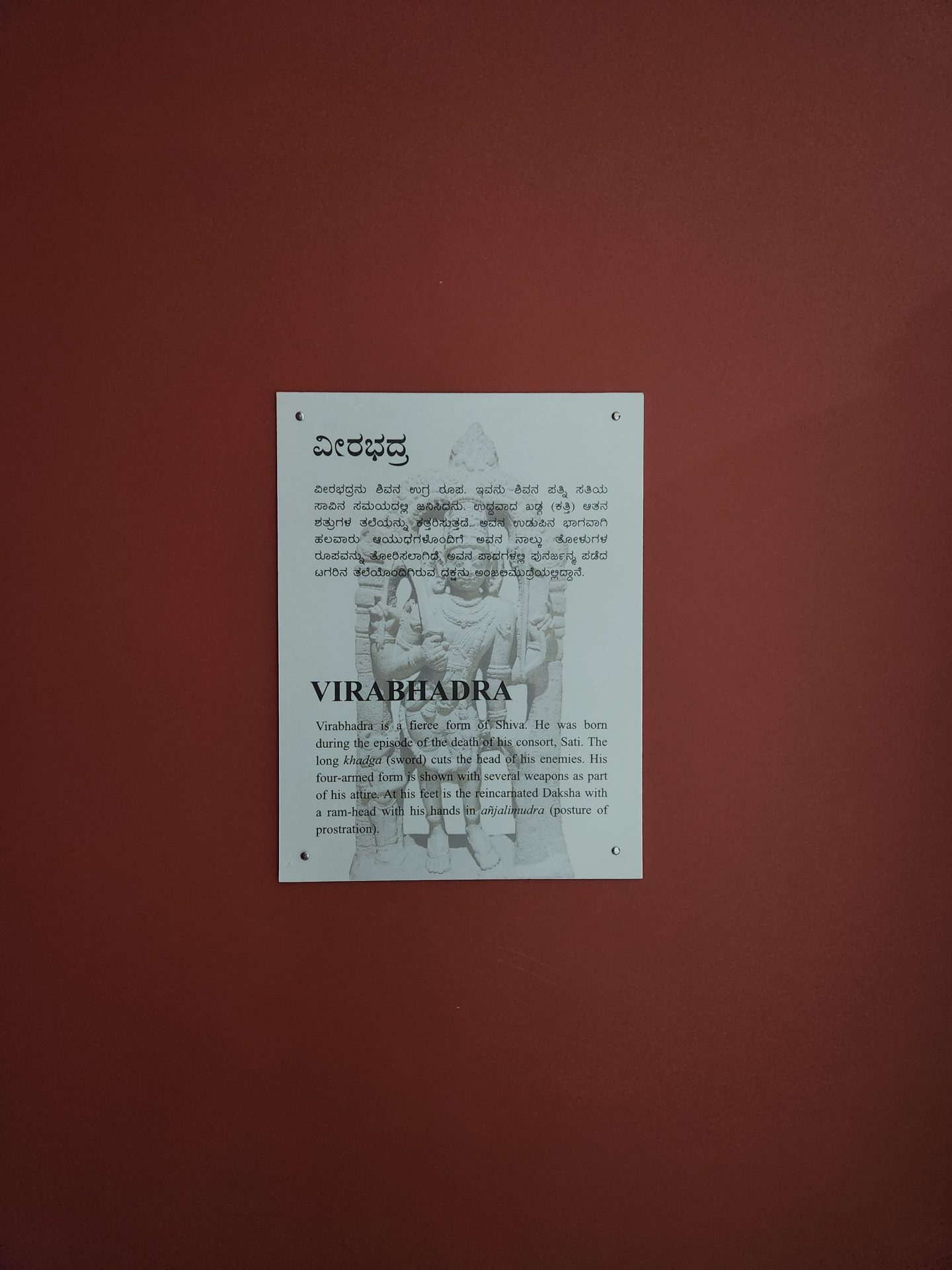
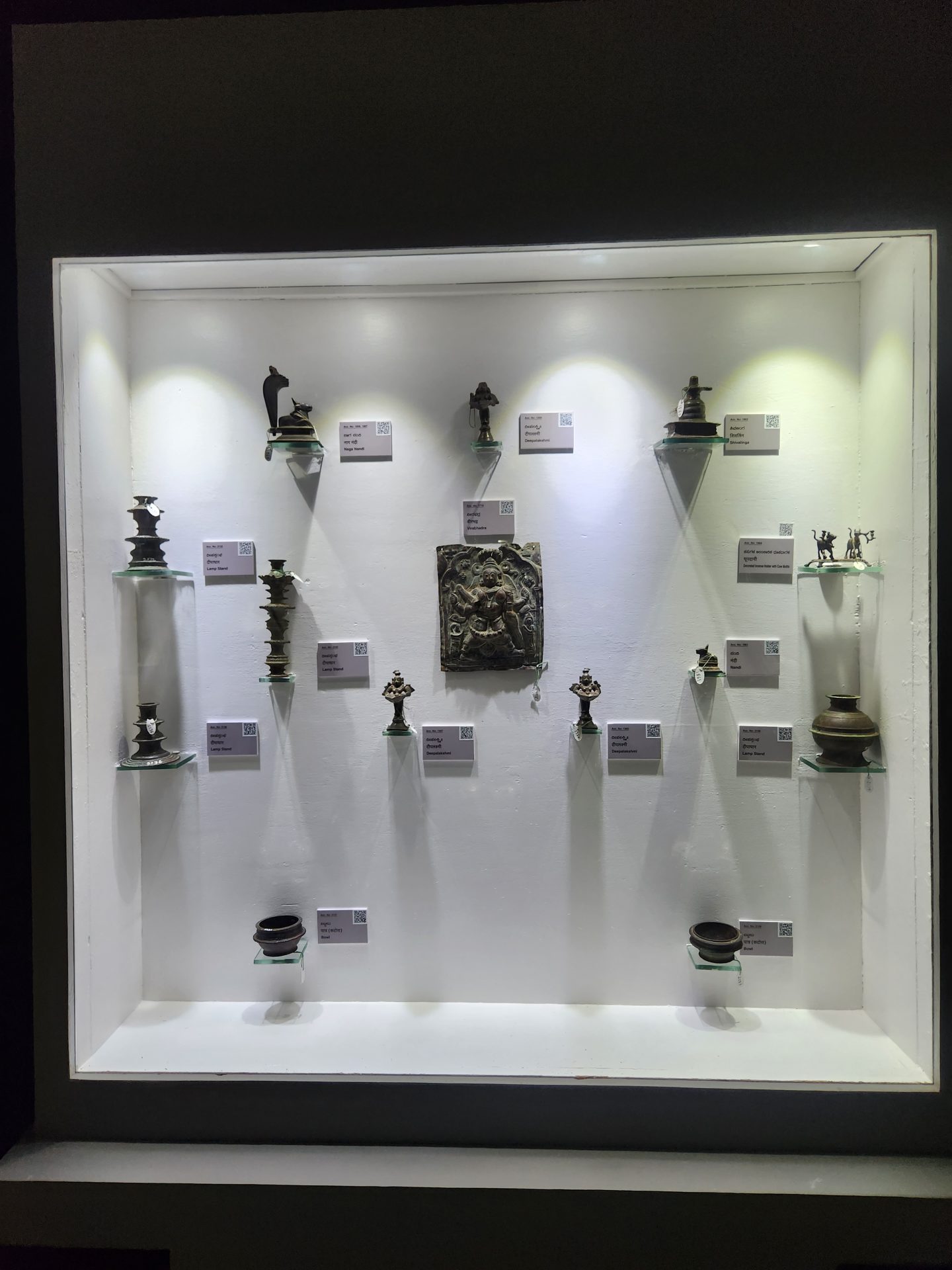
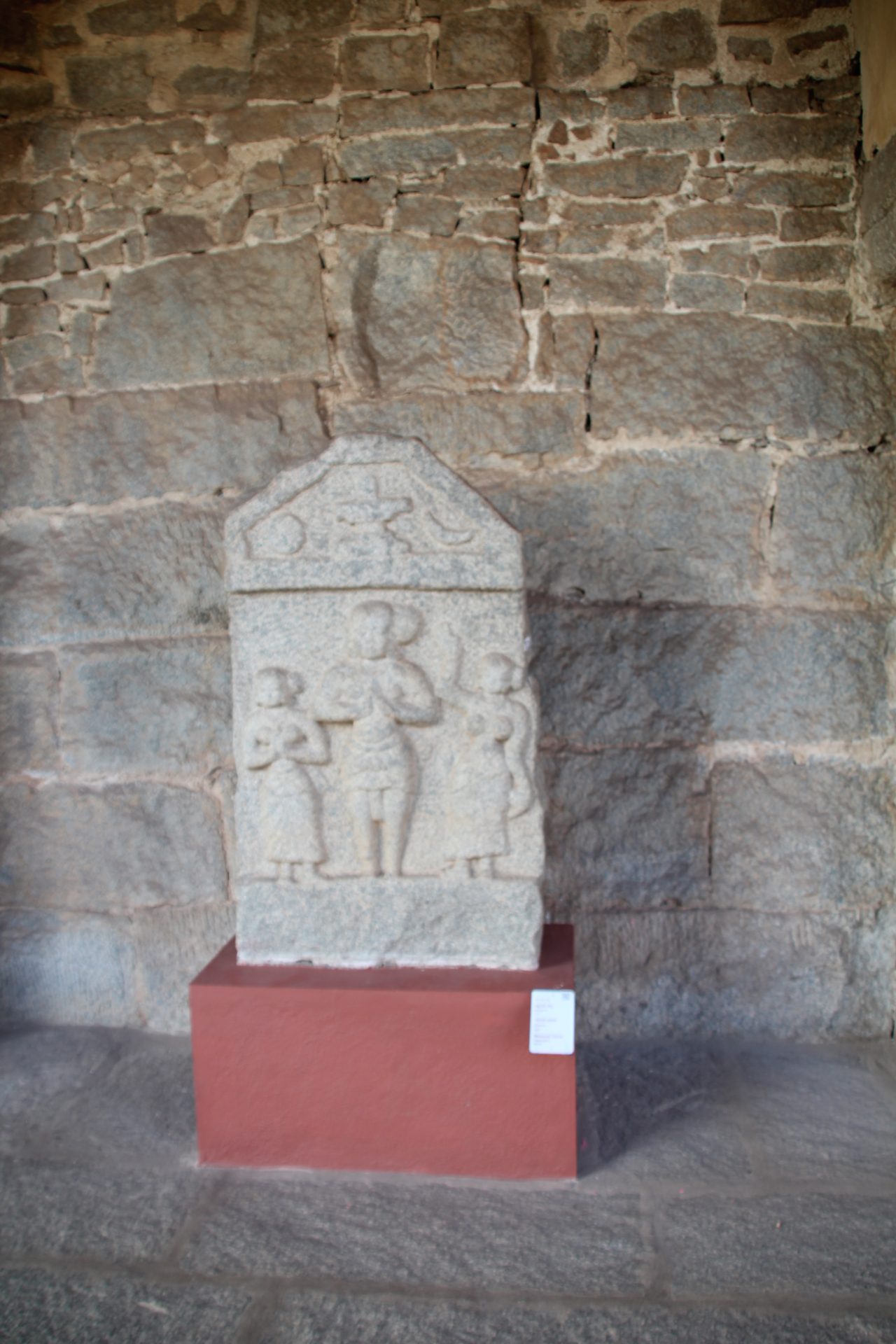
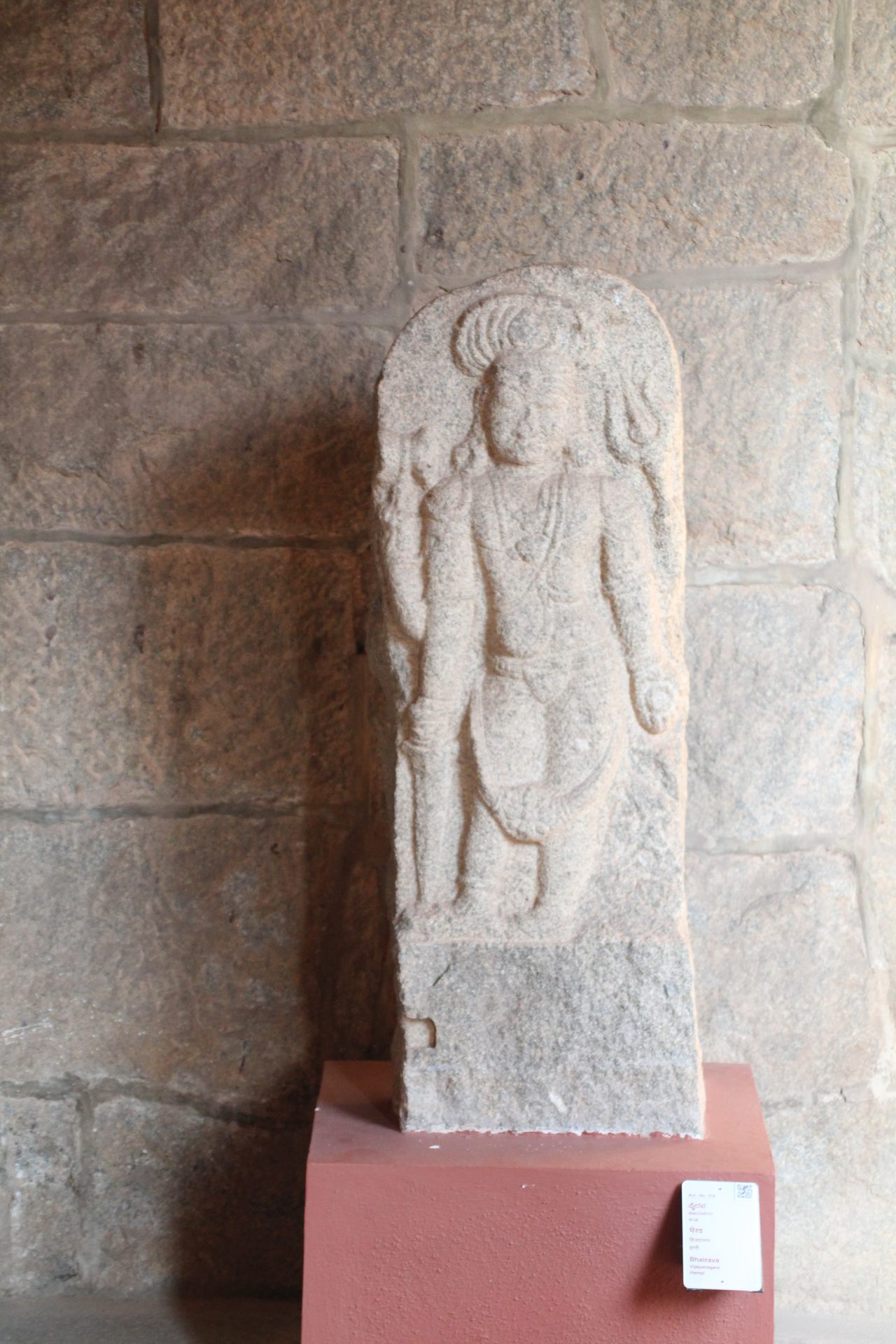
The collections are spread across 4 galleries and include sculptures of the Saiva faith like Ganesha, Karthikeya, Virabahdra and Bhairava.
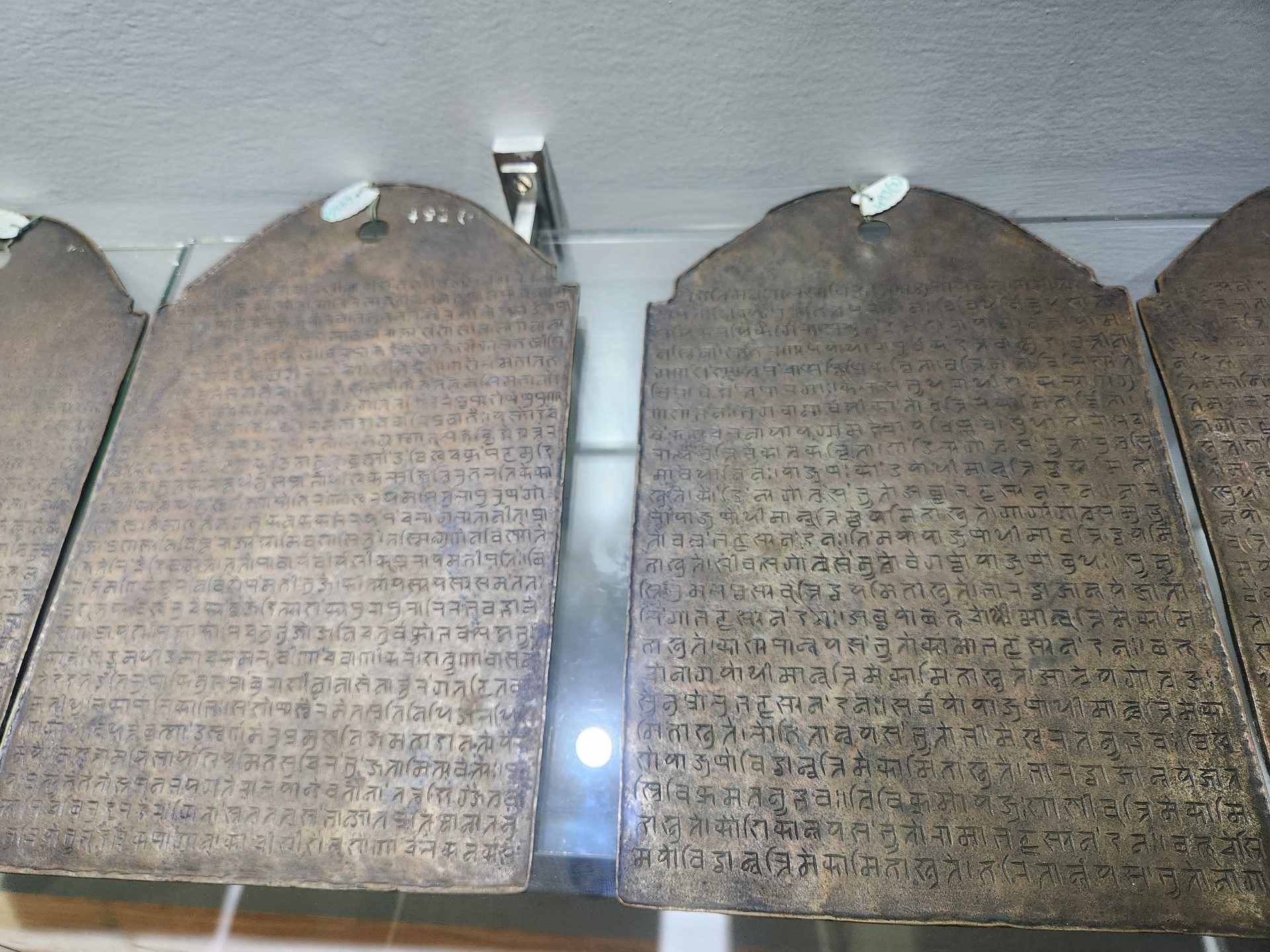
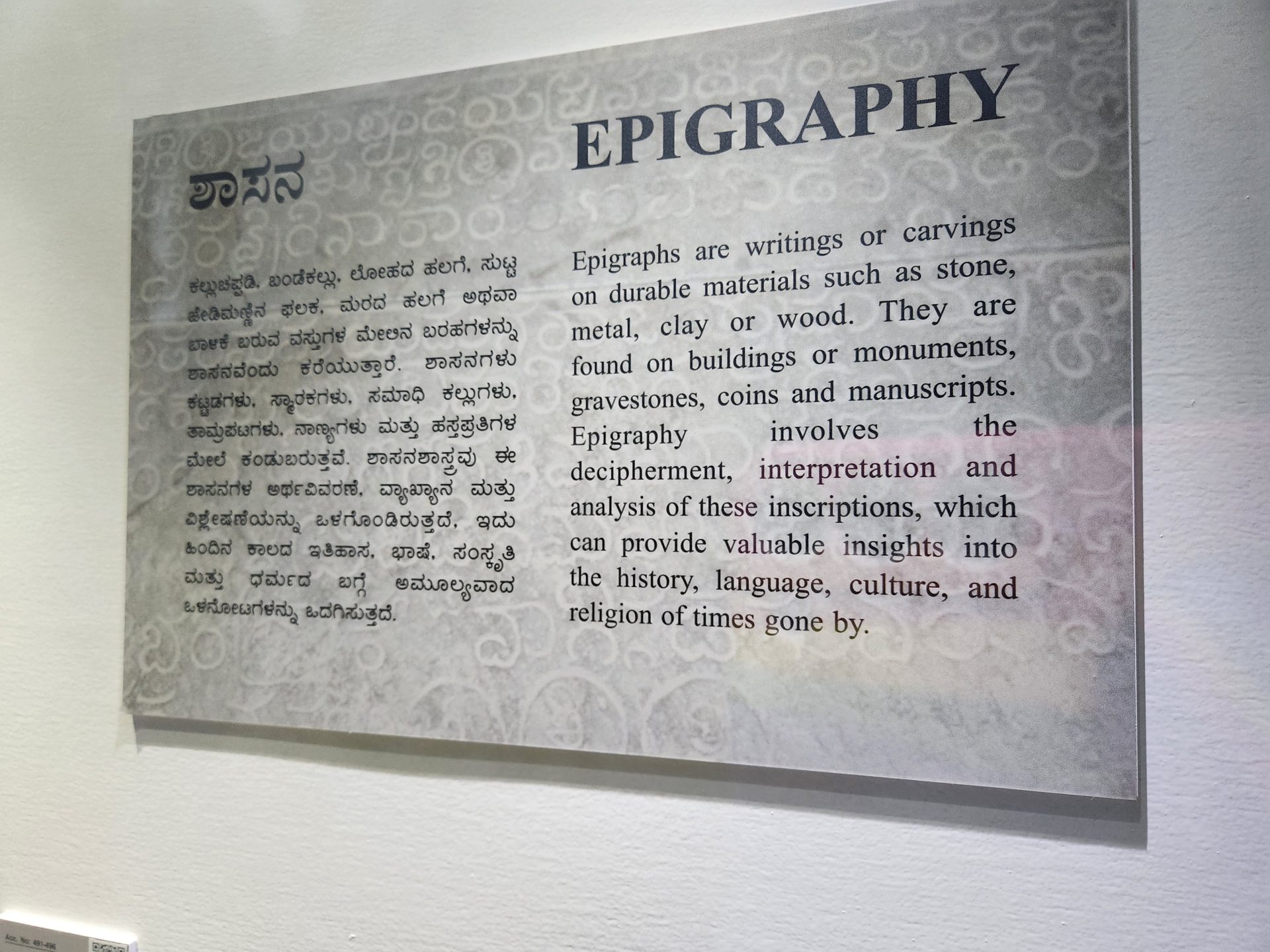
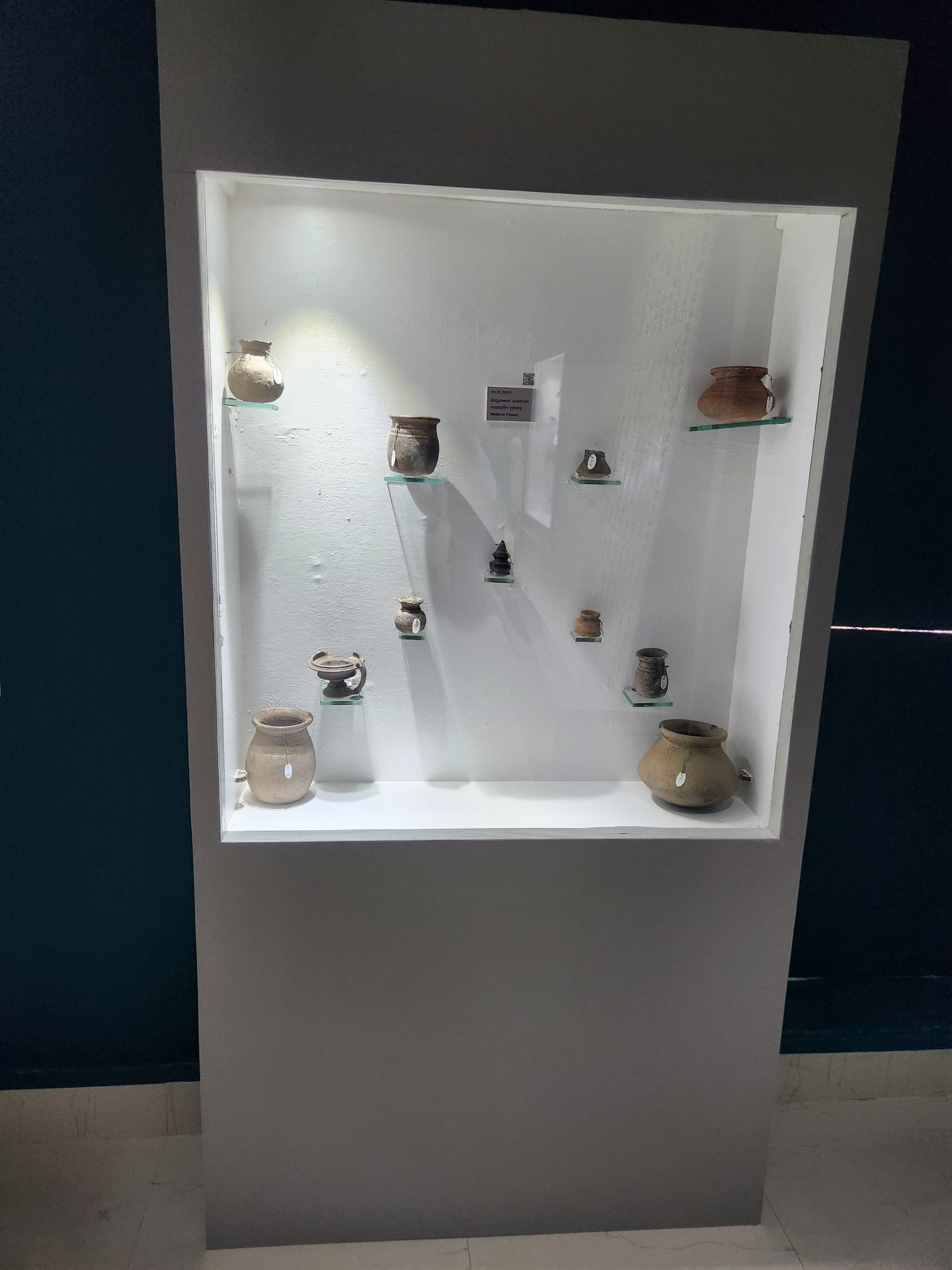
Antiquities like Arms and Armoury, Brass plates, Metal objects of religious utility, Palm Manuscripts, Old Coins, stucco Figurines, shreds of porcelain, prehistoric antiquities and many more can also be seen.
The Chandrasekhara Temple
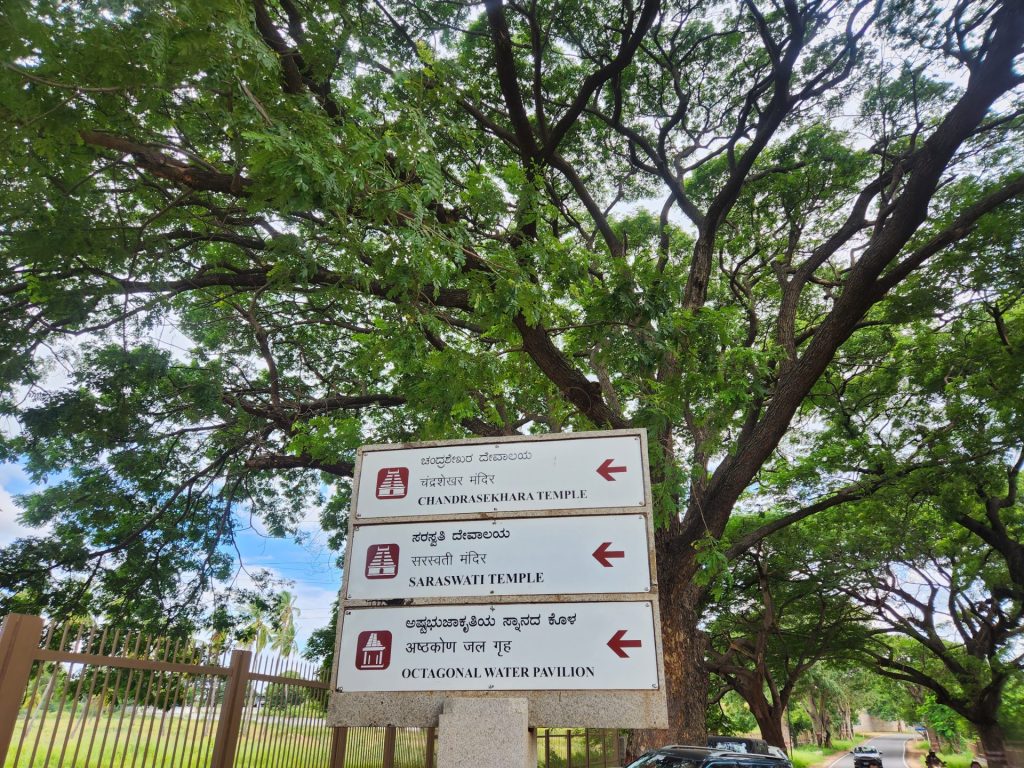
We drove on next or rather stumbled upon the Chandrasekhara and Saraswati temples when heading towards the Royal Enclosure.
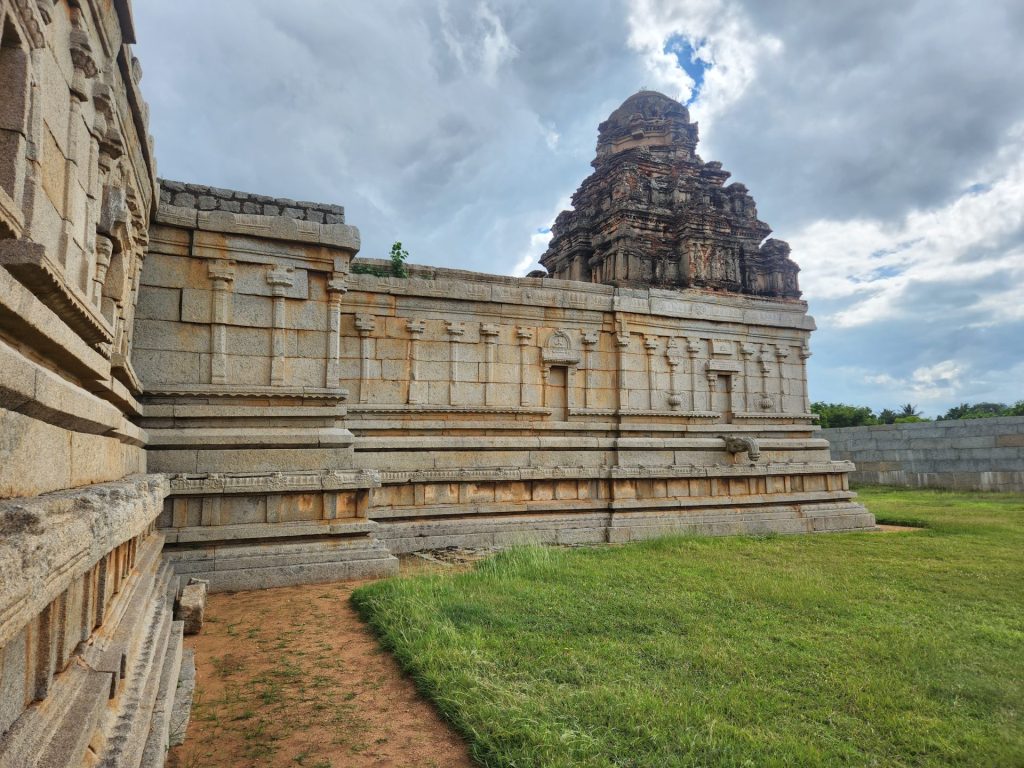
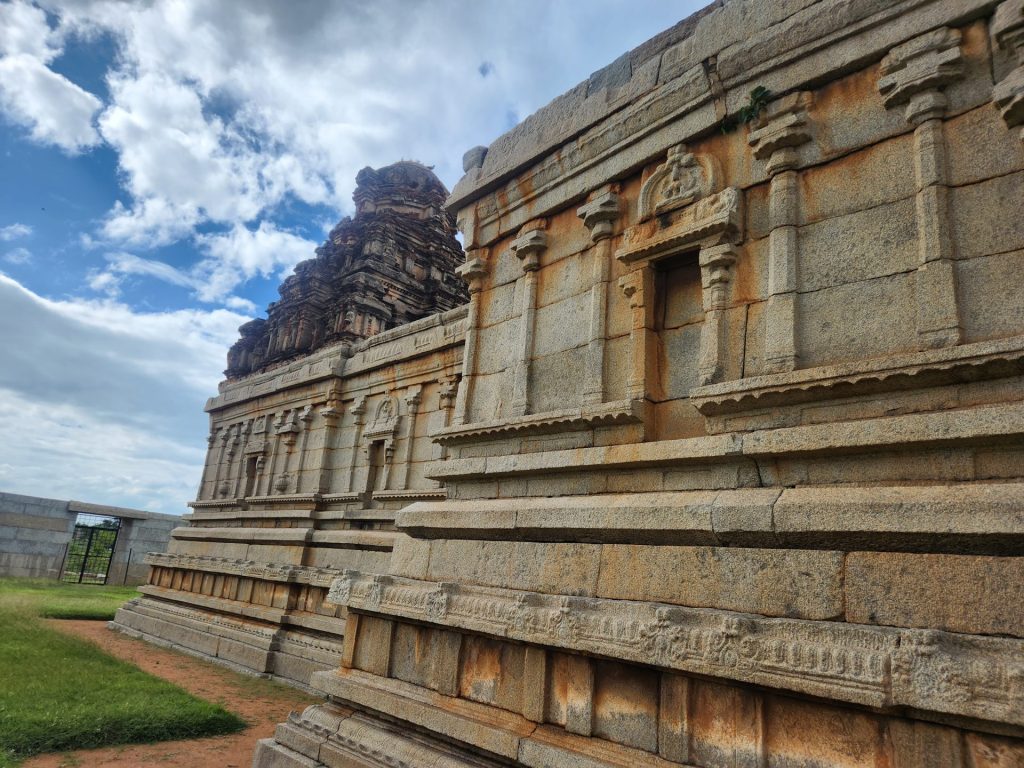
What unfolded ahead was a pretty large tract of land with structures of these ancient worn down temples which looked less frequented. The first of these, the Chandrasekhara Temple dated back to the 16th Century and is dedicated to Lord Shiva. Shaiva Dwarapalas (door guardians) adorn the doorway while the temple is built in a typical Dwikuta (two towers) style.
The lower portion of the temple is made in dressed granite with low recess decorations and has lot of terracotta mouldings adorning the structure.
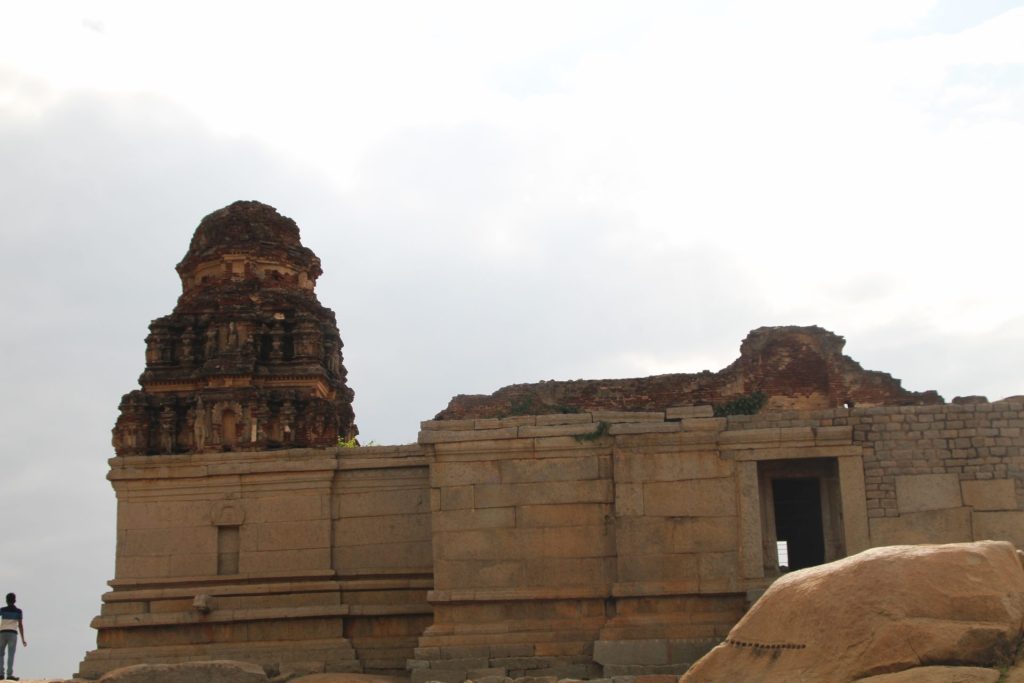
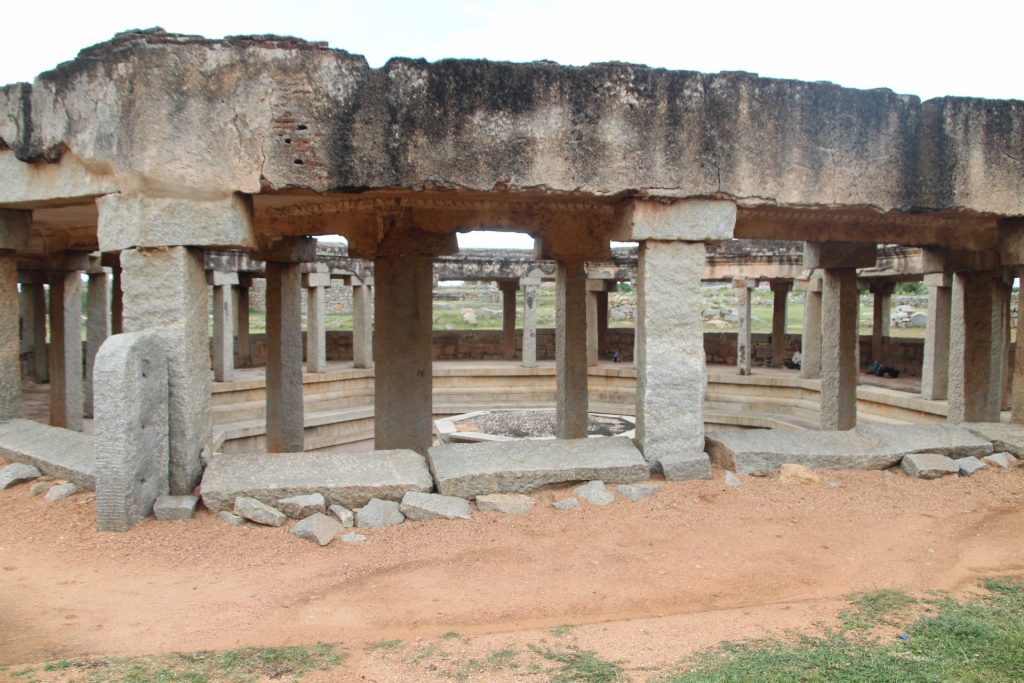
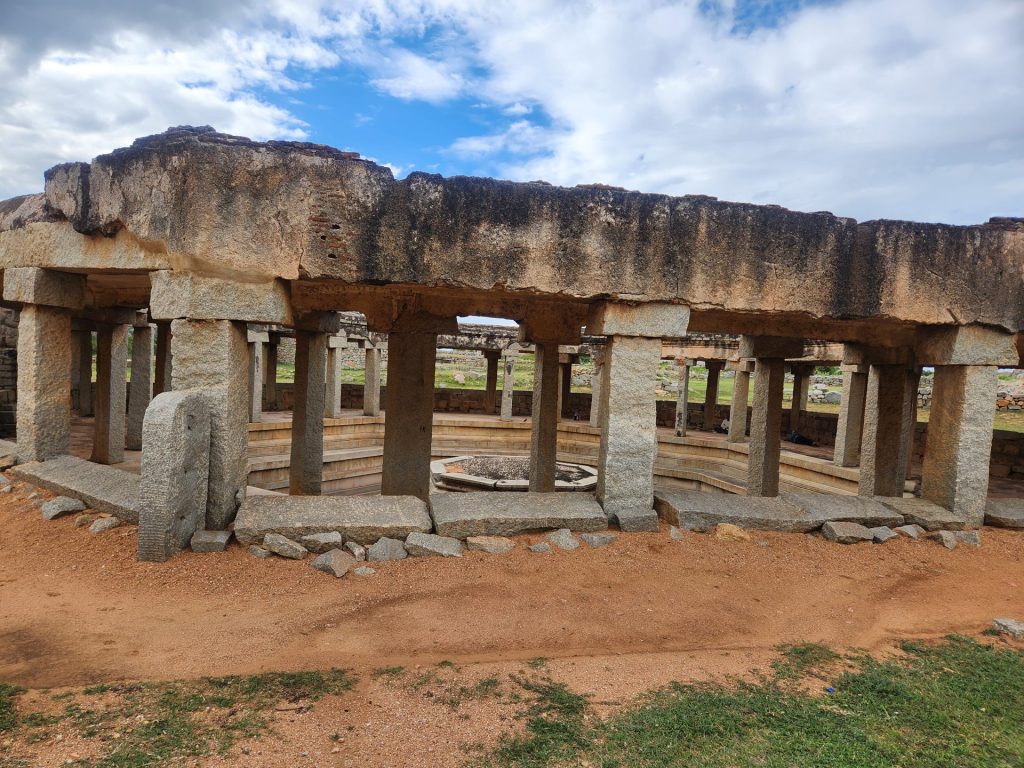
A little ahead as I walked Northwards, a derelict Saraswathi temple, built on a boulder and with a small flight of stairs leading one to the top could be seen. This is devoted to goddess Saraswati who is the goddess of knowledge, intelligence, understanding and wisdom. Built during the 13th century in Vijayanagar style, amidst the ruins, the temple is located close to an Octagonal Bath.
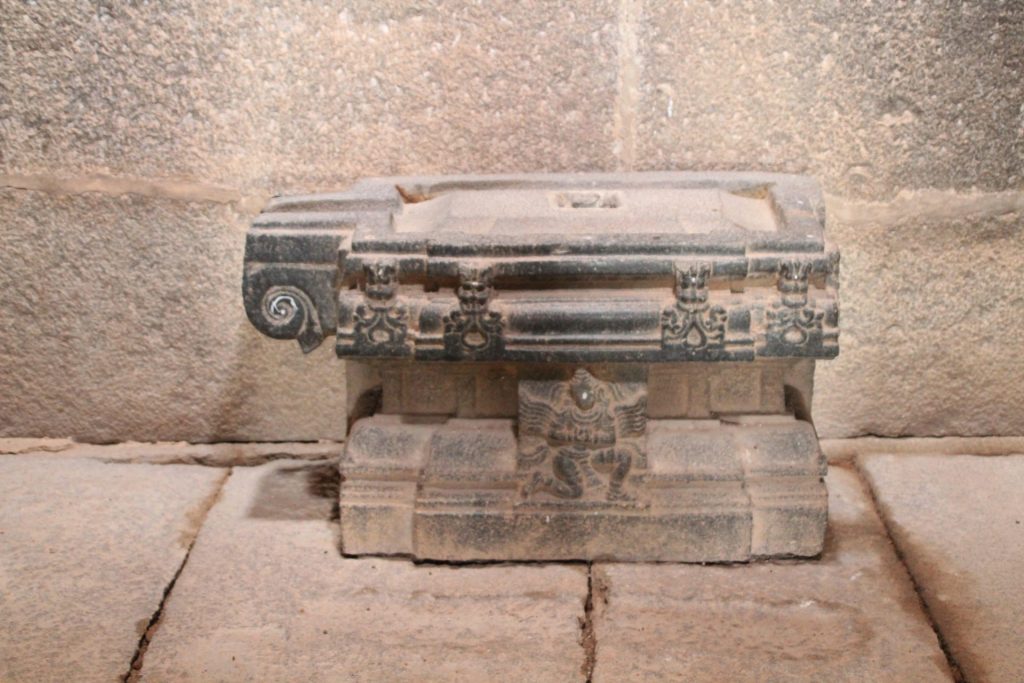
Quite a few mutilated stucco images can be seen adorning the towers and walls of the temple. There is an empty pedestal with carvings of Garuda at the base which supposedly housed Goddess Saraswati. The temple was originally supposed to have been dedicated to Tiruvengalanatha, a form of Lord Vishnu.
Close to this temple lies an Octagonal Bath, a gigantic 2.5 feet deep bathing area made in this shape with a similar looking colonnade surrounding the bath.
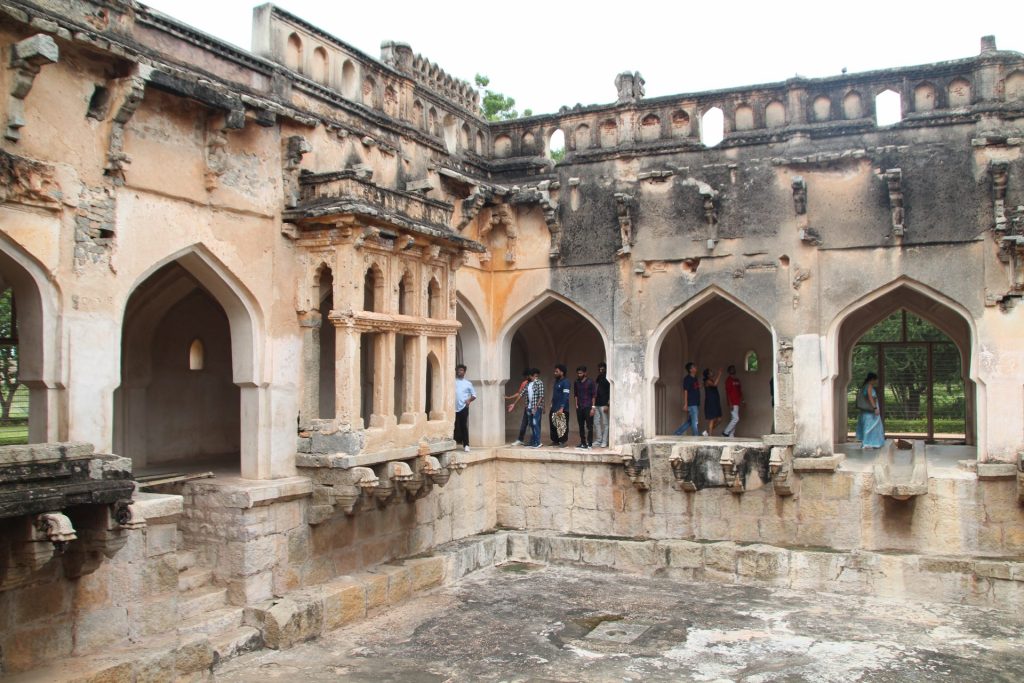
The Queen's Bath
500 metres ahead of this temple complex as one heads to the Royal Enclosure lies the Queen’s Bath.
Though built in Indo-Islamic style and over 500 years back, the ornate interiors, the elaborate structures spread over an area of 30 square metres, stands testimony to the architectural excellence prevalent during Vijayanagara regime.
This Bath is believed to have been built by Achyuta Raya as a private chamber for the king, his queens and members of the Royal family.
The building is rectangular in shape while the sunken bath in the centre has an area of around 15 square metres and a depth of 1.8 metres.
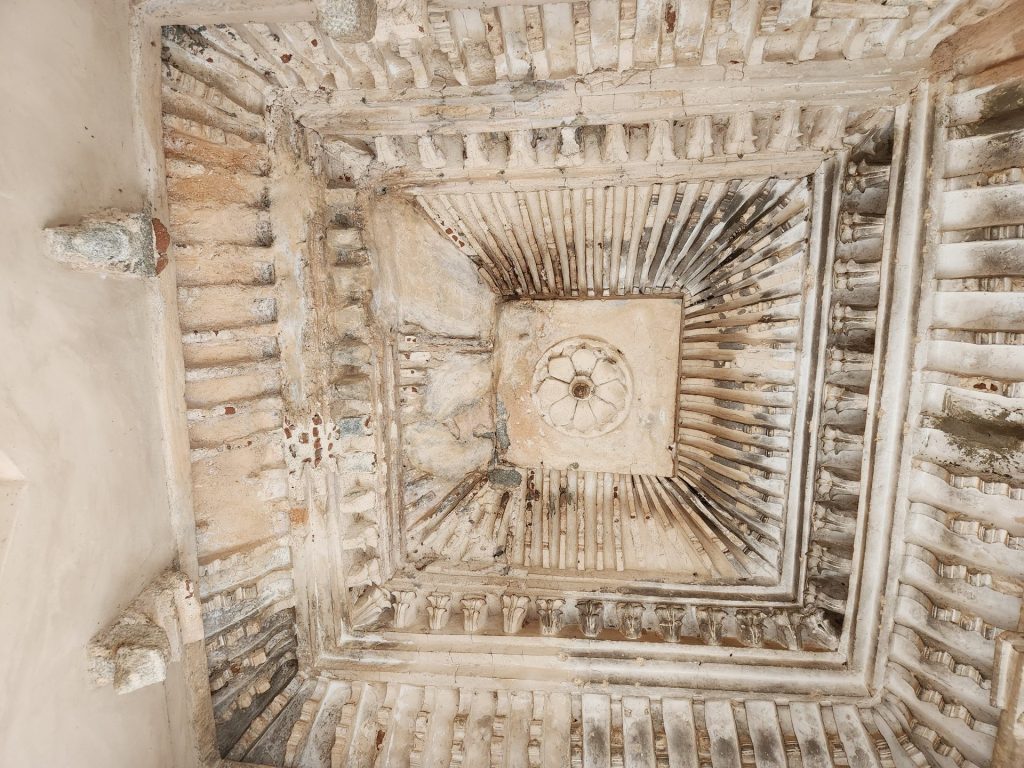
There are ornate balconies projecting from the top with stucco ornamentation on the ceilings while the bath is open to the sky.
An aqueduct connected to the bath was the source of fresh water supply.
The place is also believed to have been a royal pleasure complex for the king and his wives.
A VIEW OF THE BALCONIES
The Royal Enclosure
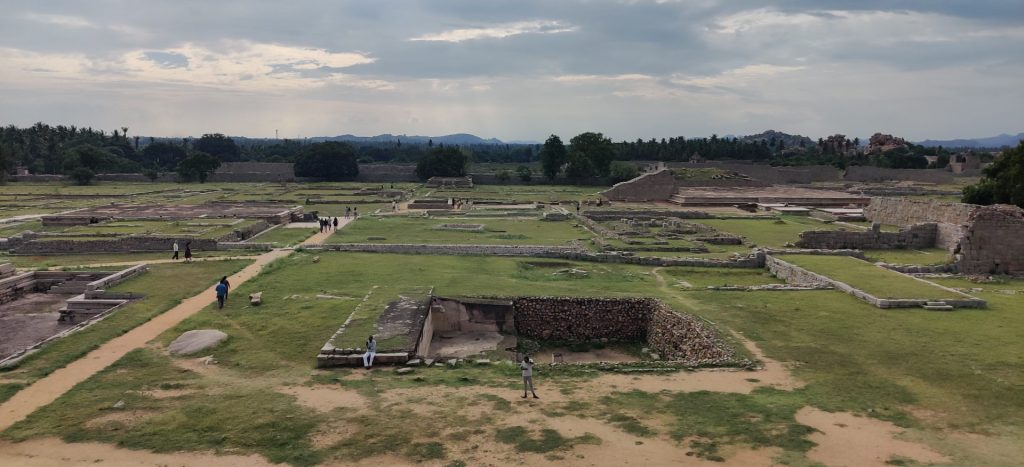
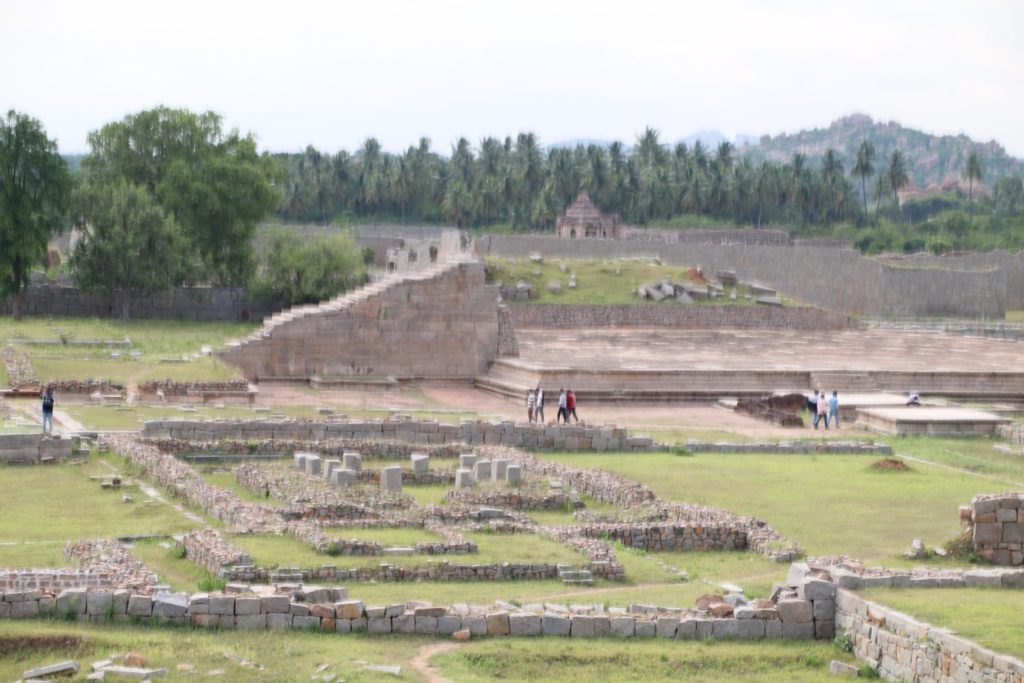
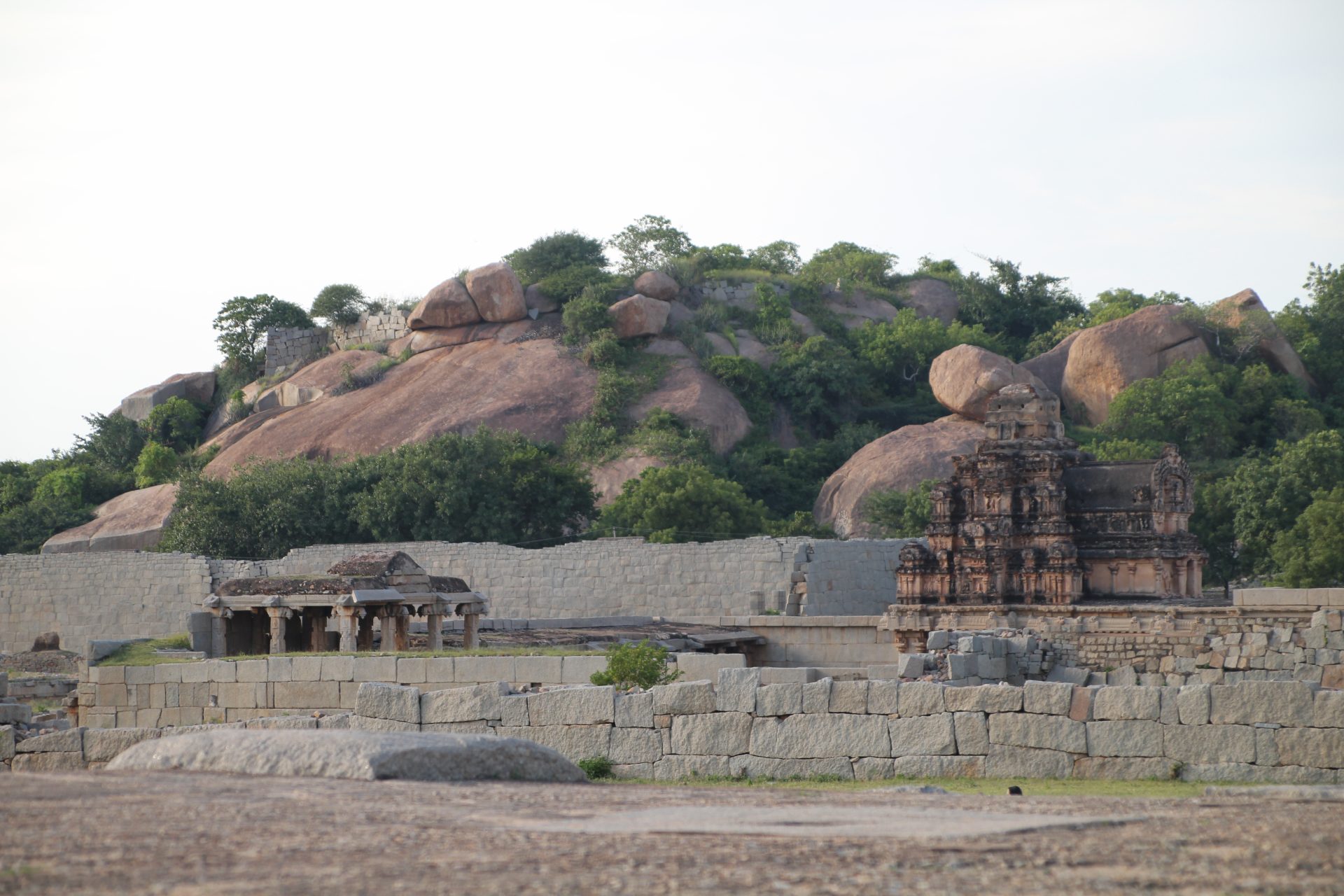
The next stop was at the Royal Enclosure, supposedly the seat of power in the Vijayanagara Empire, Largely built out of granite and soapstone, this complex houses different structures of significance which includes the King’s Audience Hall, public baths, sacred pools, secret and underground chambers etc
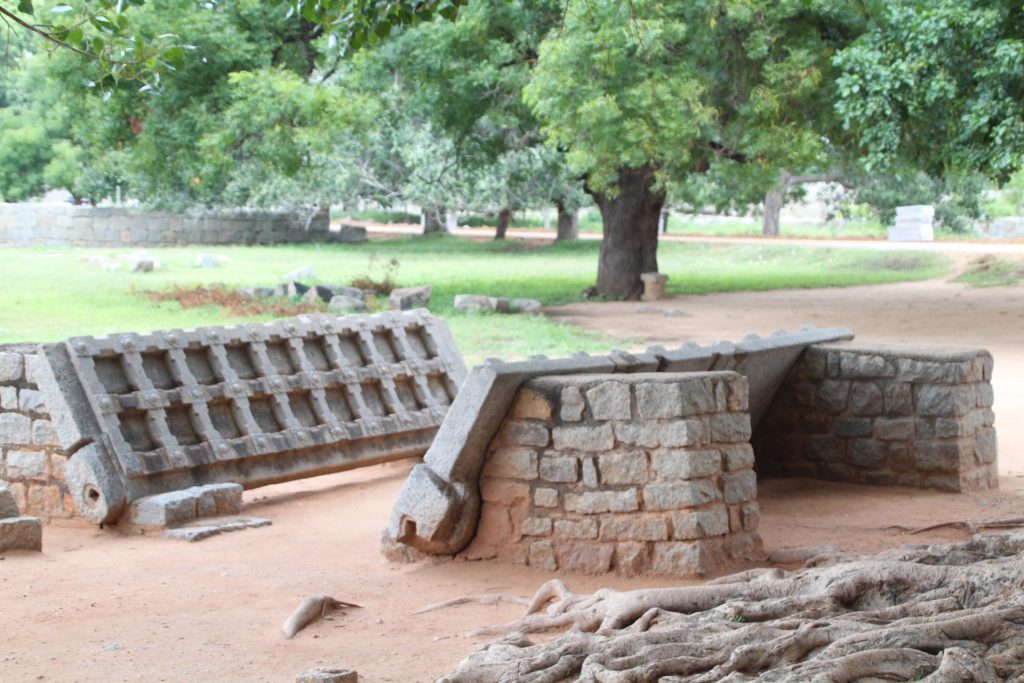
REMNANTS OF A STONE DOOR
This sprawling fortified area spread across a huge tract of land has some very interesting relics of yesteryears and the architecture, the geometric patterns, the sculptures are something which Is to be seen to be believed.
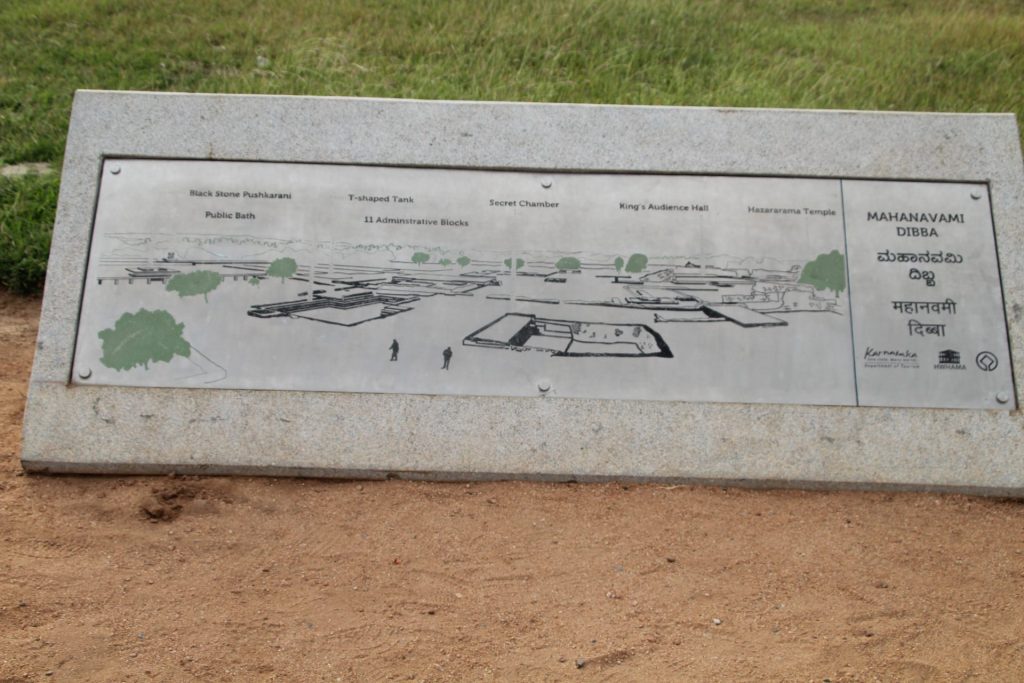
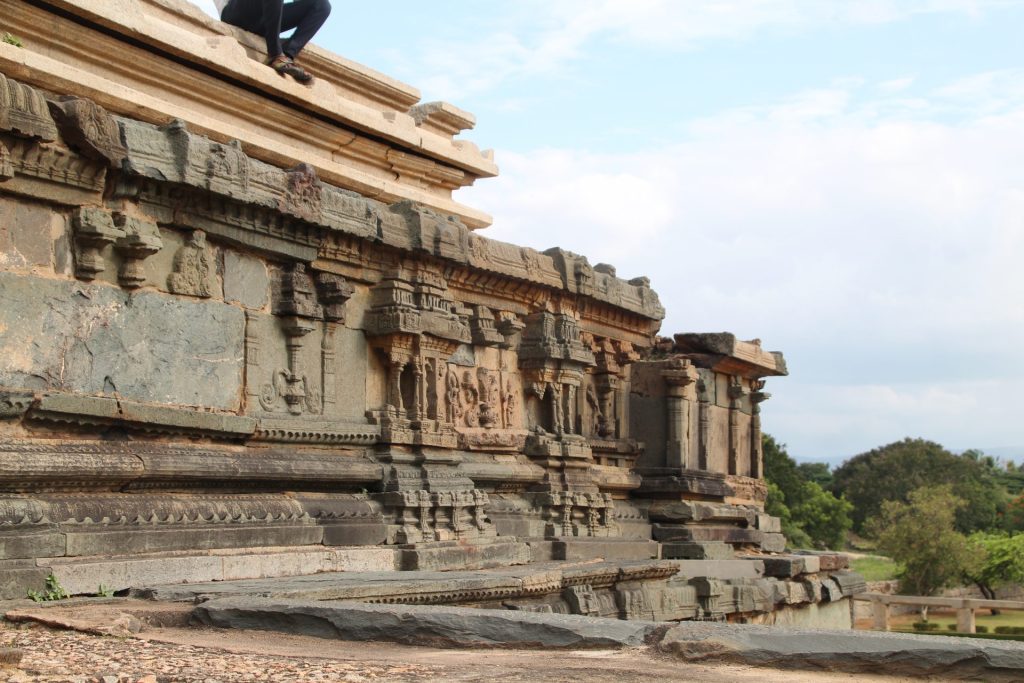
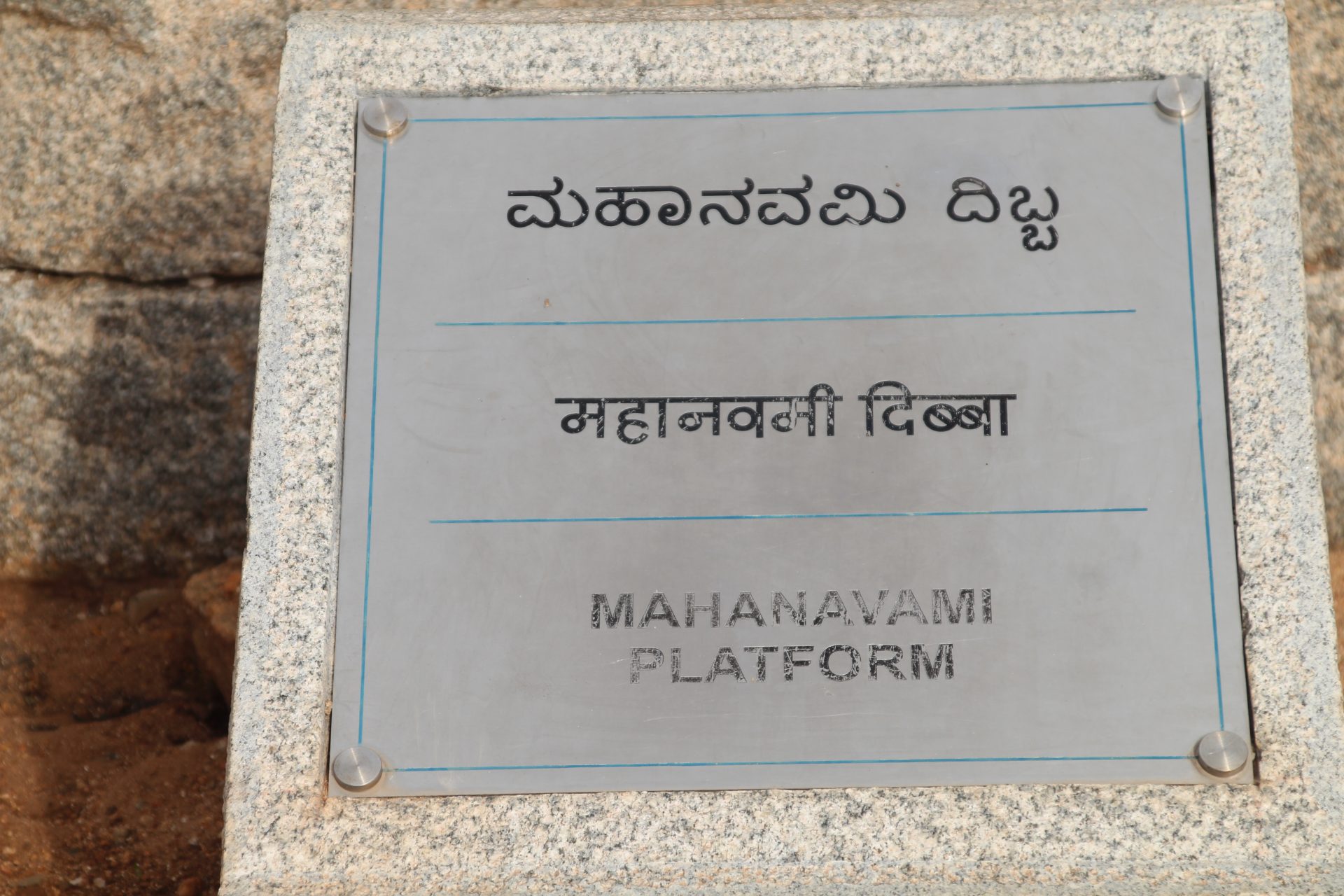
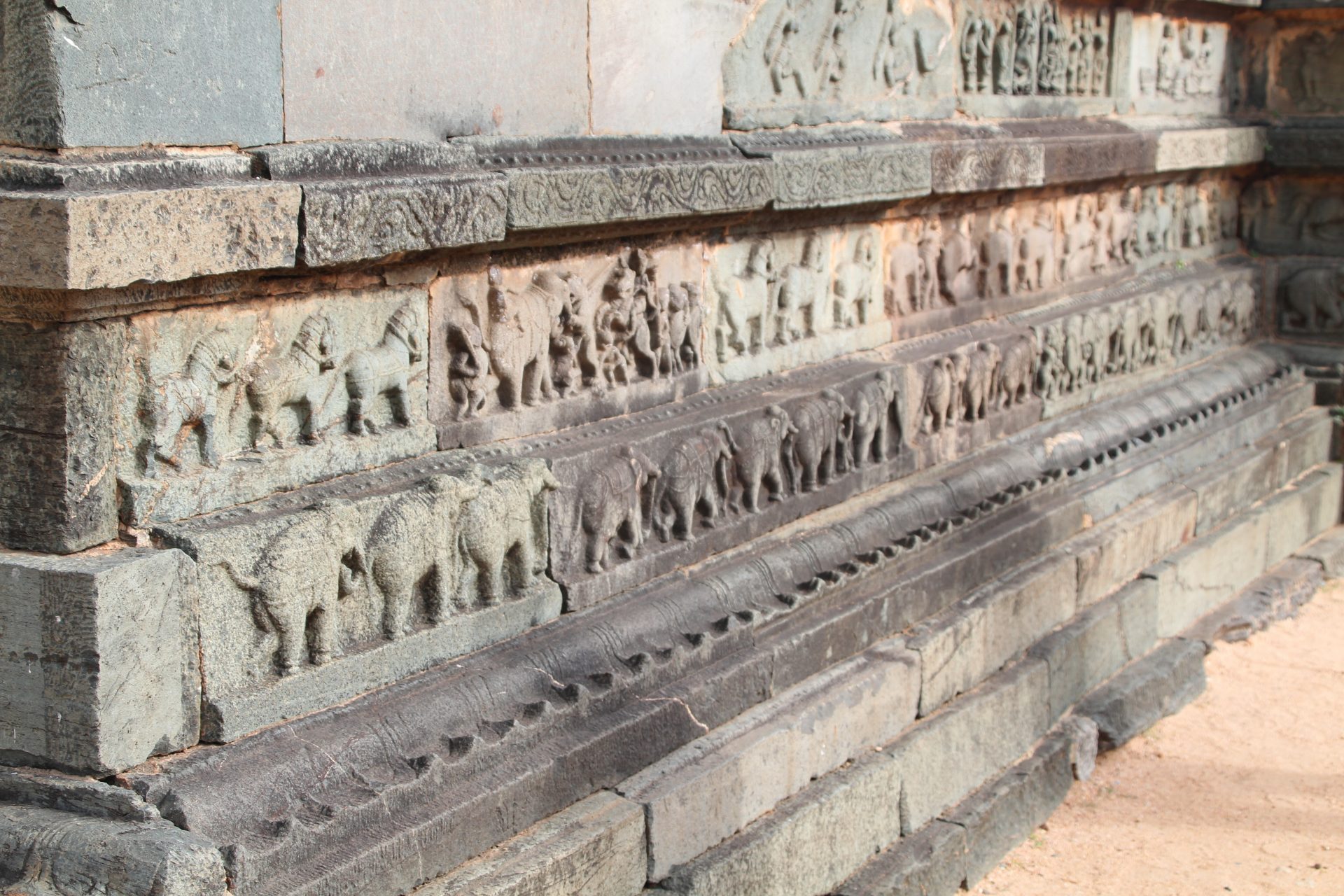
While there are over 45 buildings in the complex, the 3 Tiered Mahanavami Dibba is the most imposing structure found here and is also known as the Dusshera Platform or the House of Victory. A climb up the 8 metre high platform gives one a bird’s eye view of the complex. Each tier has lots of intricate carvings, representing day to day life as well as various animals.
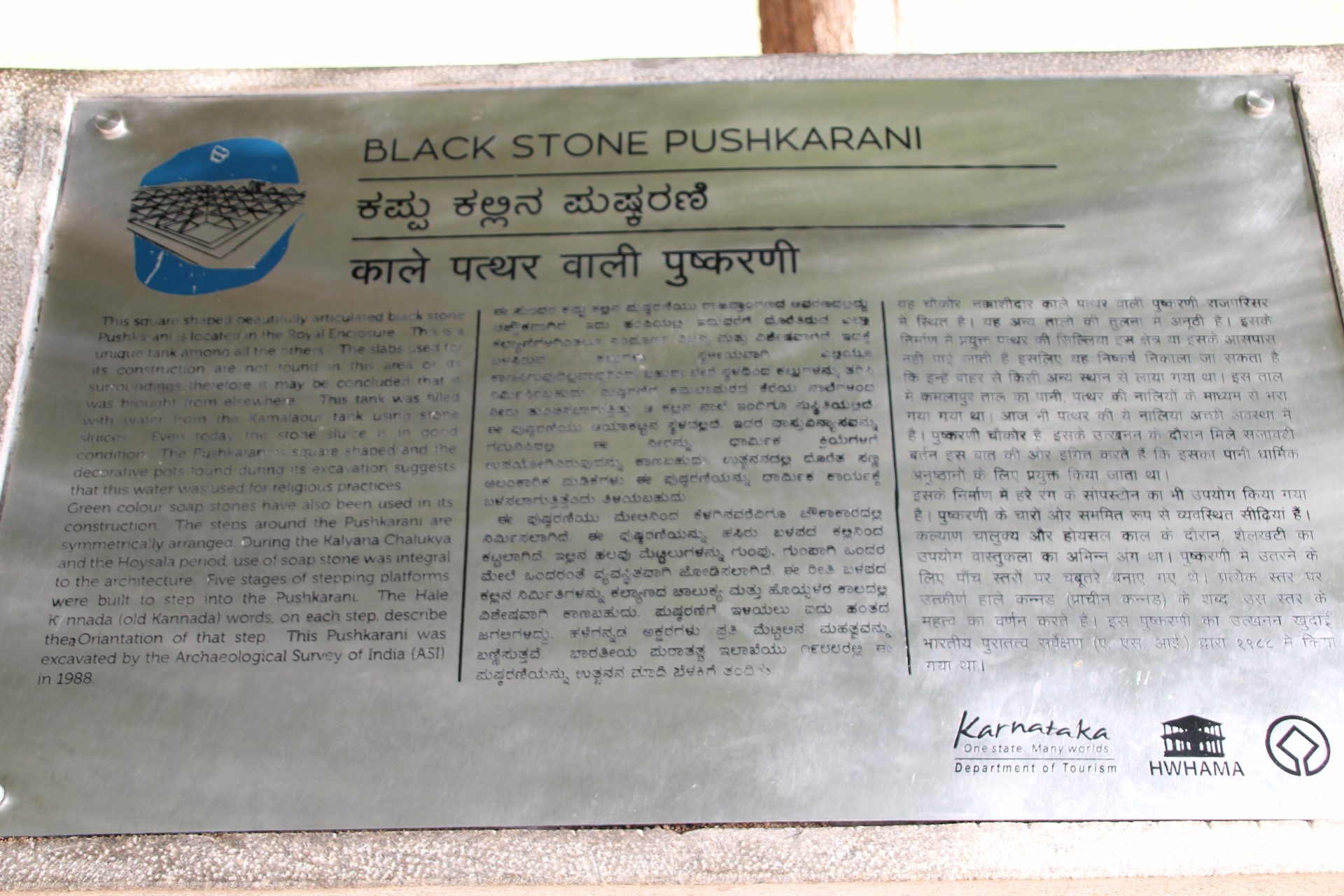
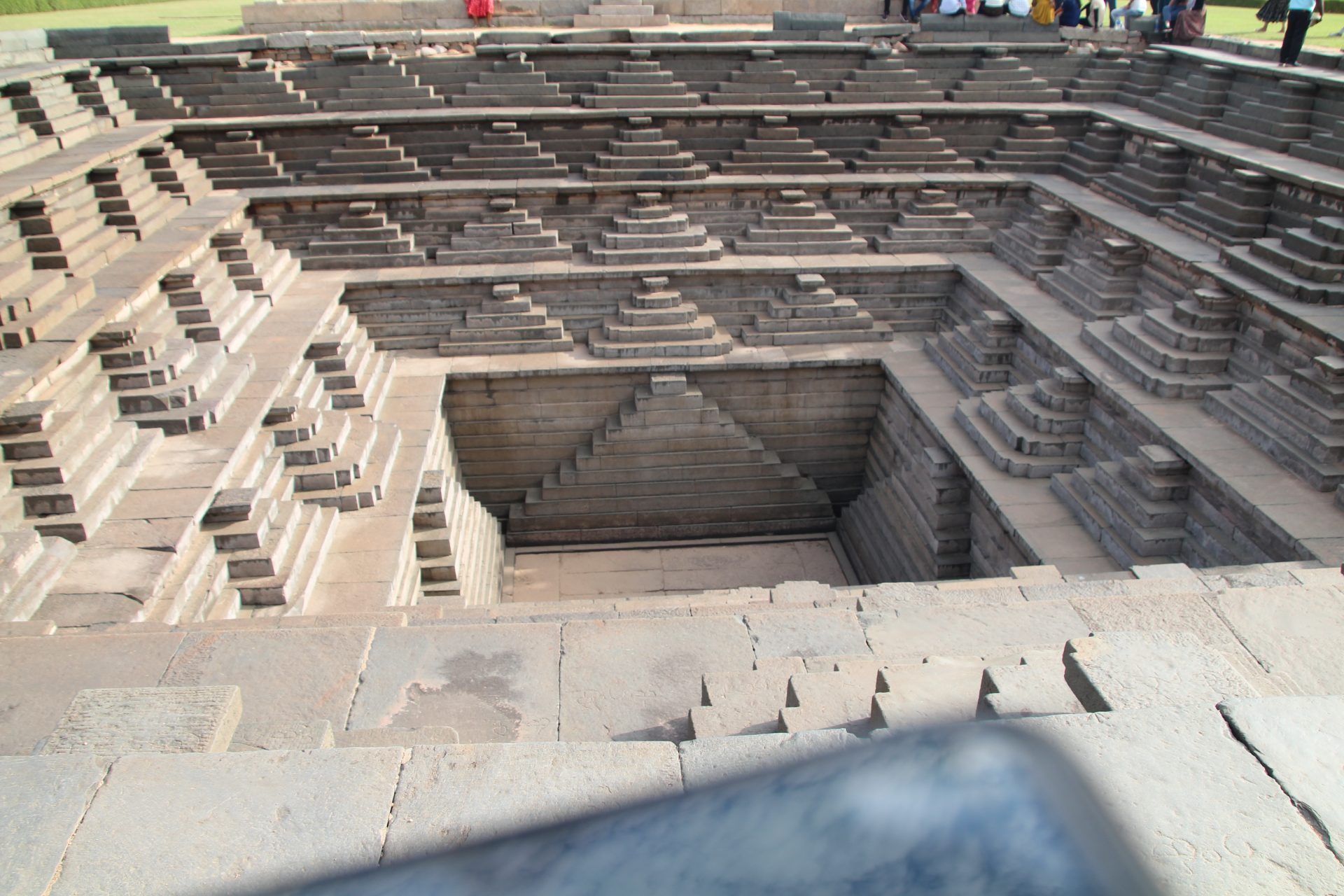
As I moved towards the Black Pushkarni or the Stepped Water Tank as its popularly known as, came across the Aqueduct or the wide network of stone pipes which connected over 20 wells and ponds within the complex. The ASI discovered this Water Tank in the year 1988.
This 5 tiered tank covers an area of 22 square metres and is 7 metres deep. This symmetrical square shaped tank is one of the well preserved structures made of green coloured soap stones.
Near the stepped Water Tank a Public Bath can also be found. The nobles of Vijayanagara and the subjects living in the Royal enclosure were supposed to have used this bath, bearing a span of 62 x 22 metres. Constructed using stone, mortar and bricks, the tank walls have stucco plasters done all over.
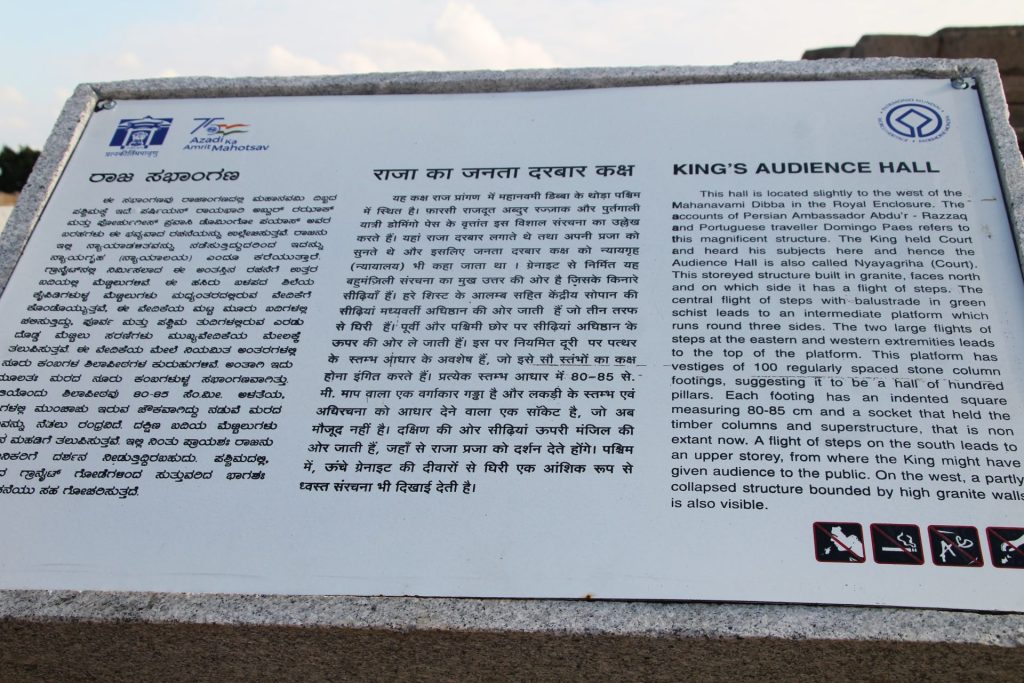
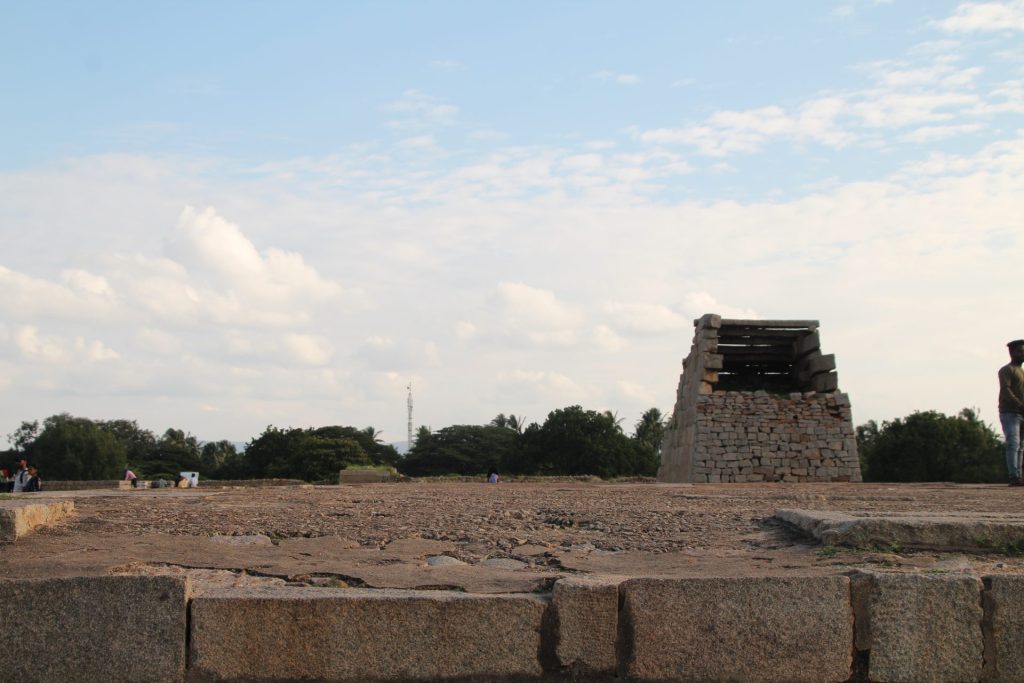
Located slightly to the West of the Mahanavami Dibba are the remnants of what was once the King’s s Audience Hall.
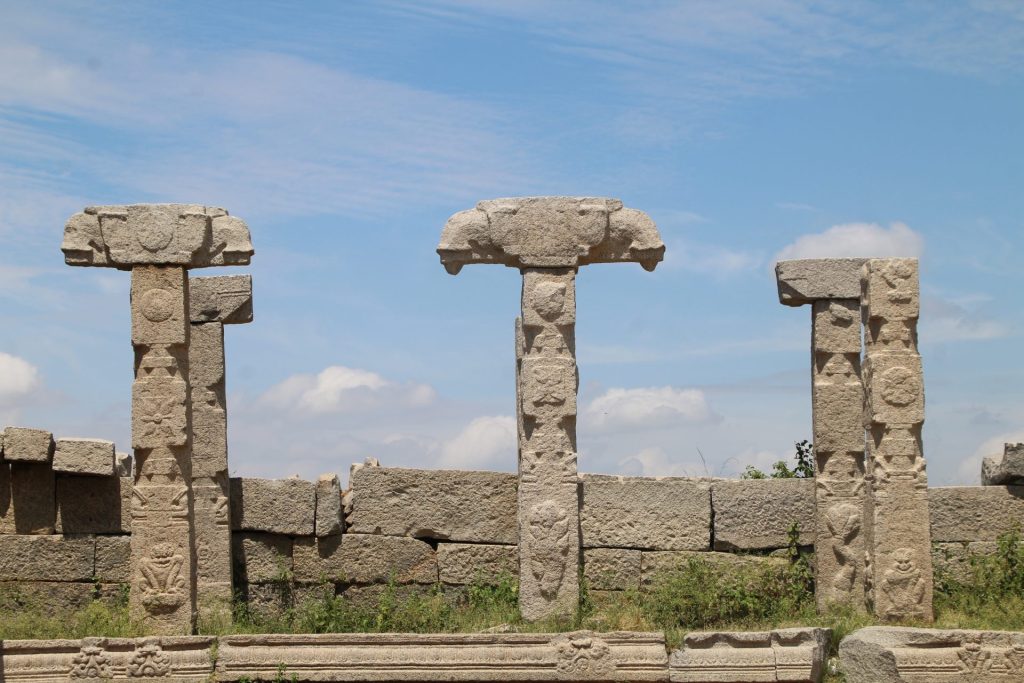
A broken stone staircase found here indicate that this could have been a 2 storied structure. Vestiges of 100 regularly spaced stone columns indicate that there could have been 100 pillars supporting this structure.
The hall was believed to have been built in wood and its said that it was destroyed in a fire in 1565 AD.
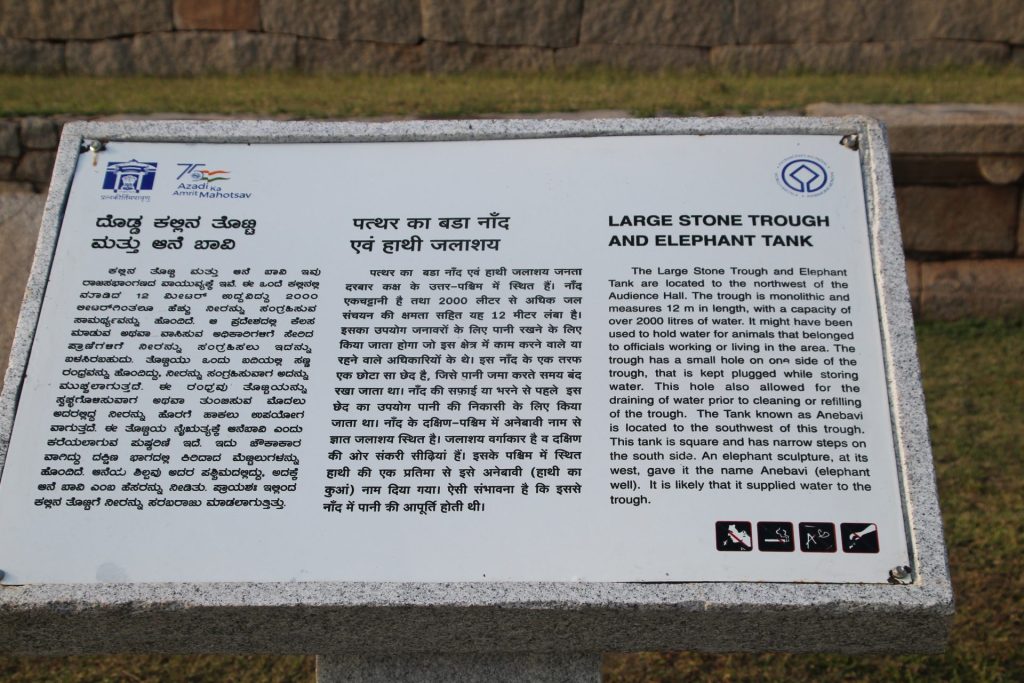
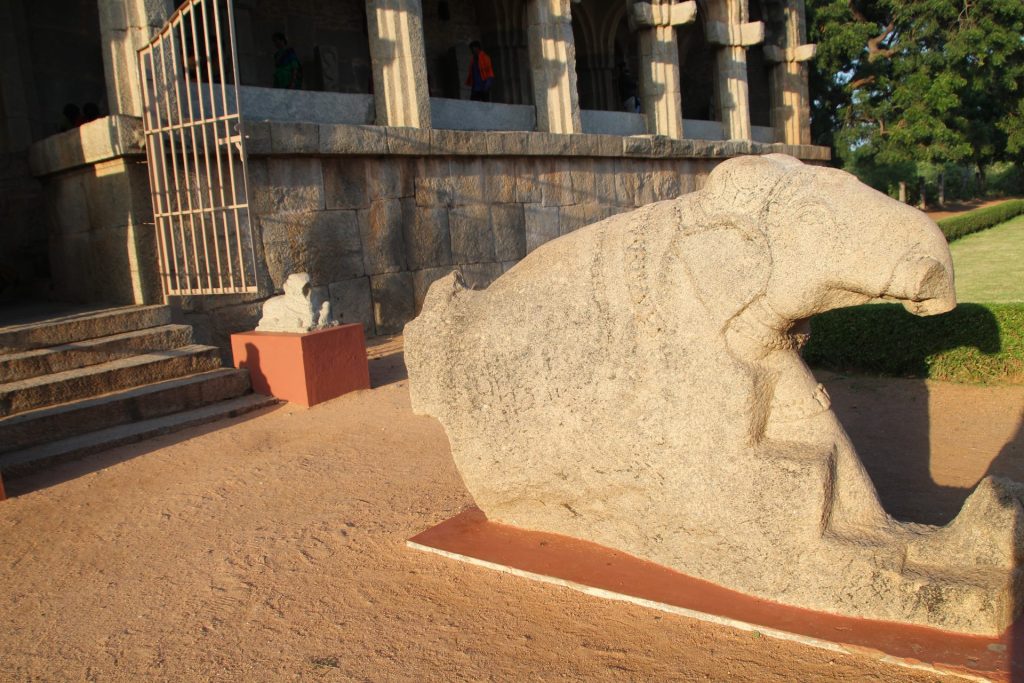
As one moves towards North West of the King’s Audience hall. a large tank of water, monolithic in structure appears. Measuring 12 metres in length and capable of holding around 2000 litres of water, this tank presumably must have been built for the animals living in the area and those belonging to the officials of the kingdom. A nearby statue of an elephant might have given belief that this could have been an Elephant Tank.
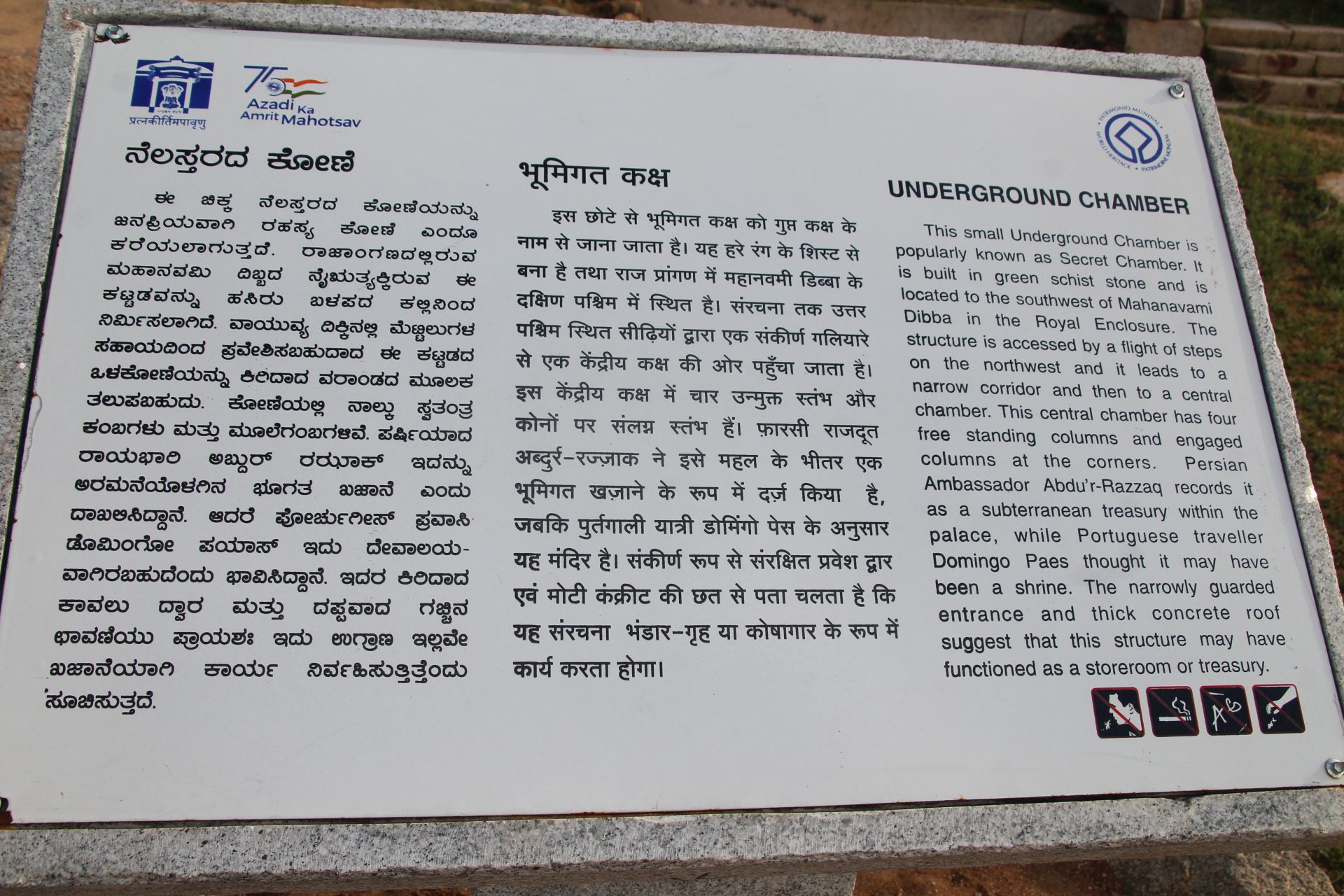
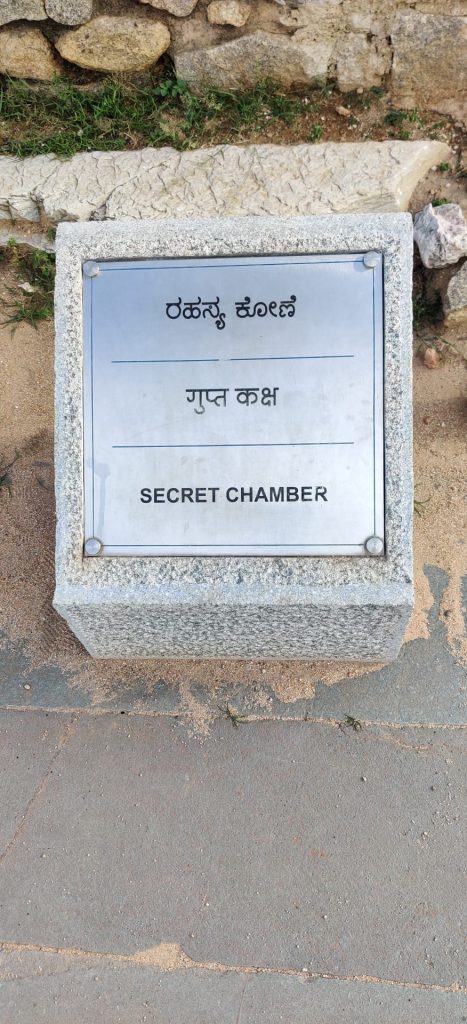
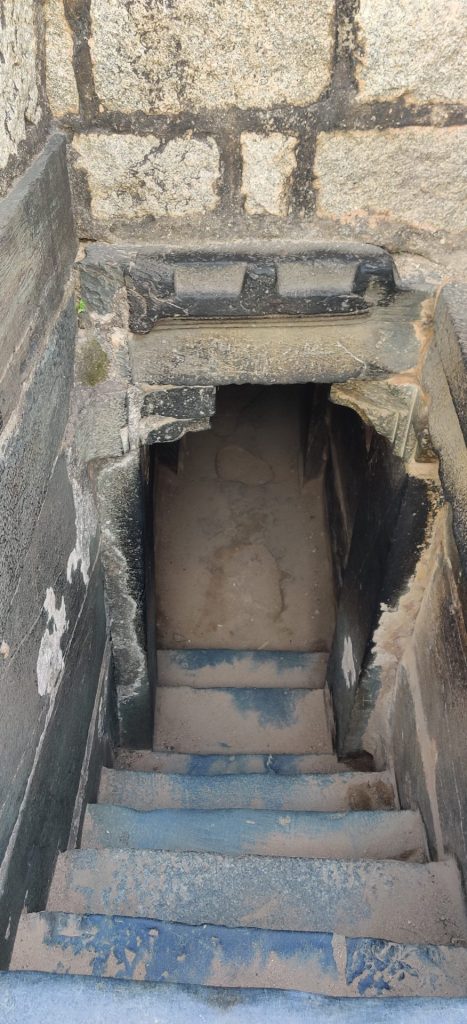
South West of the Mahanavami Dibba, one can see an Underground or Secret Chamber where it is believed that the King used to hold closed door conversations with his trusted aides. One can walk down the steps into the chamber and have a look around.
A mud road ending near the Hazara Ramachandra temple led me to an interesting excavation of the Palace remains of the Vijayanagara Kings. Known as the Palace of Vira Harihara, this is believed to have been identified basis the inscription found on the Silamandapa.
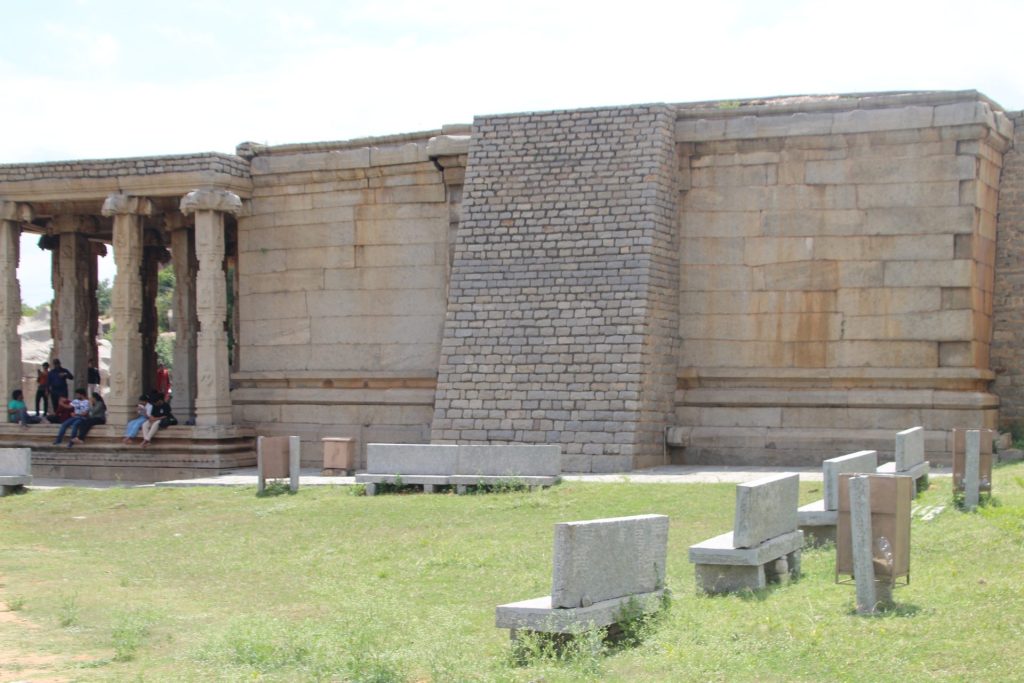
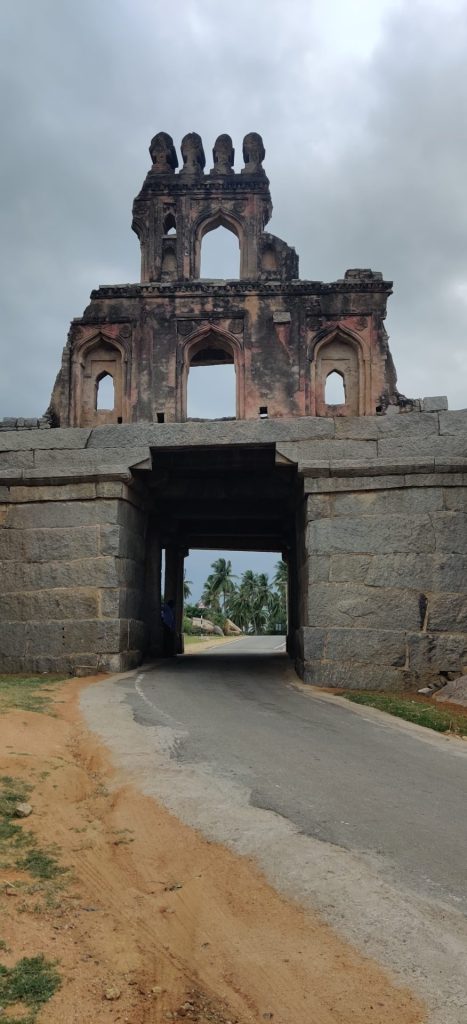
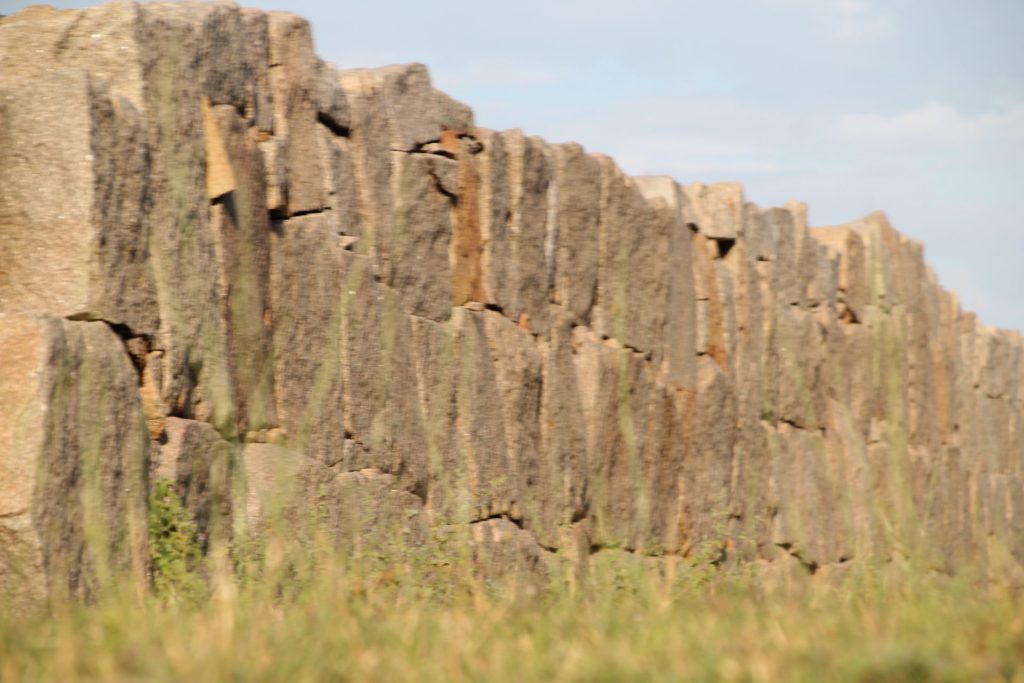
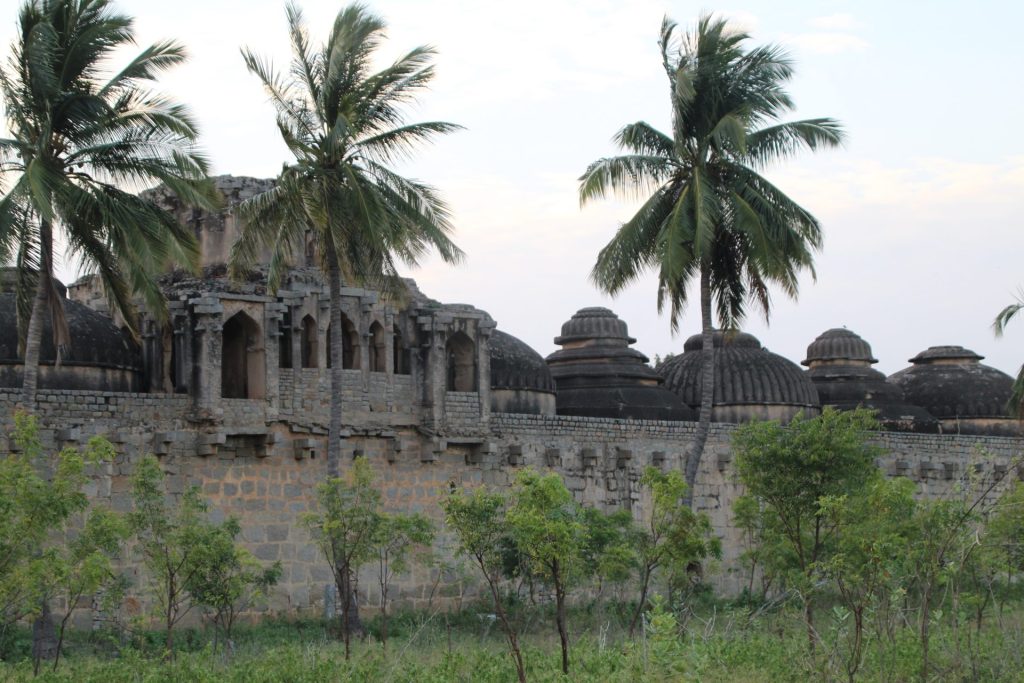
The Fort Wall
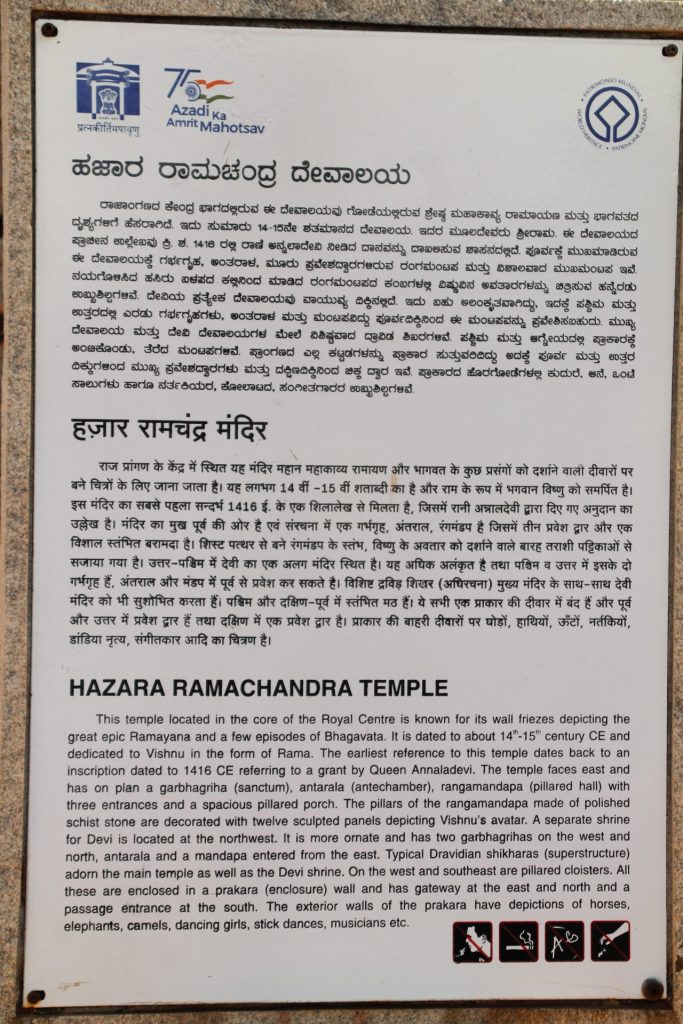
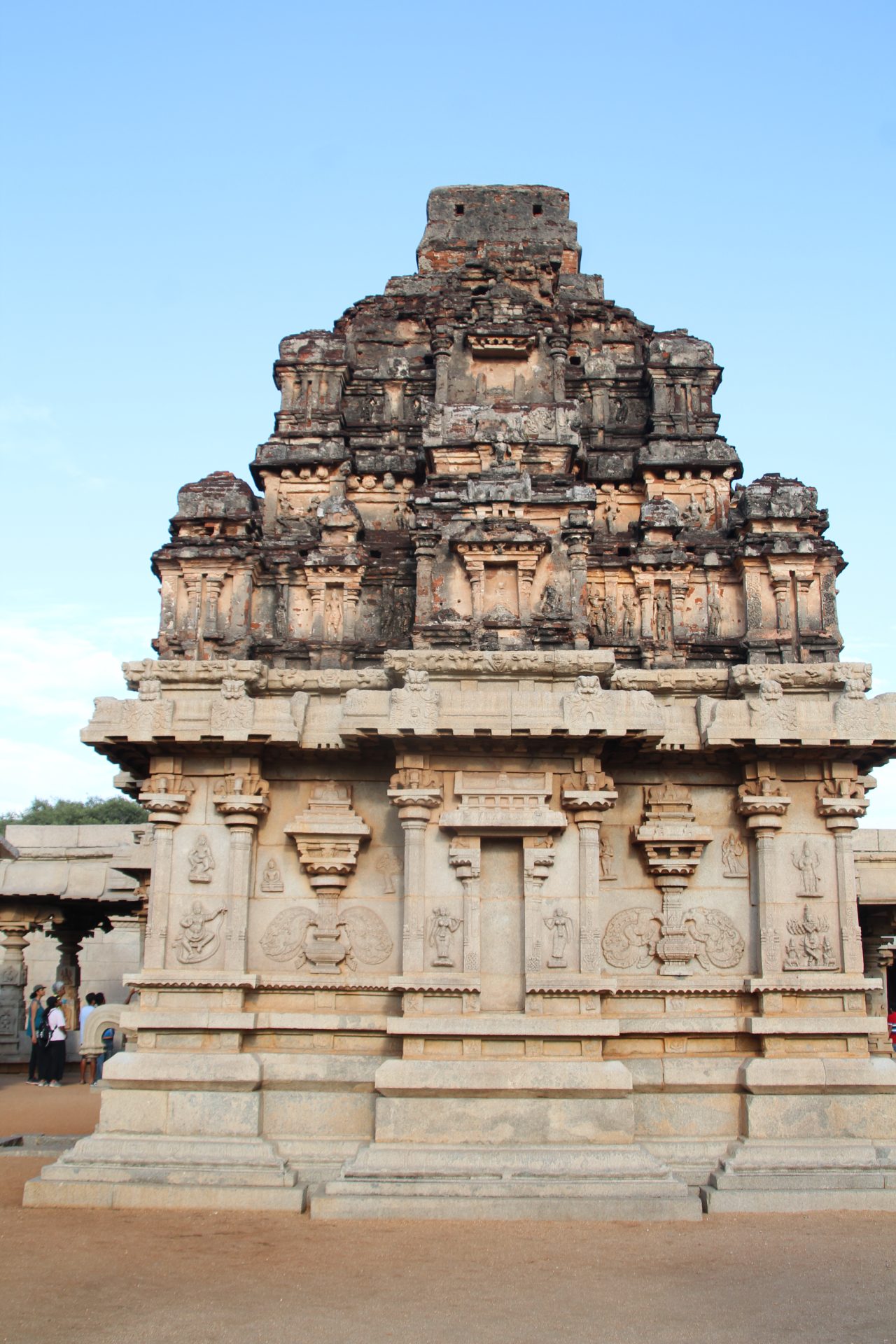
The Hazara Ramachandra Temple
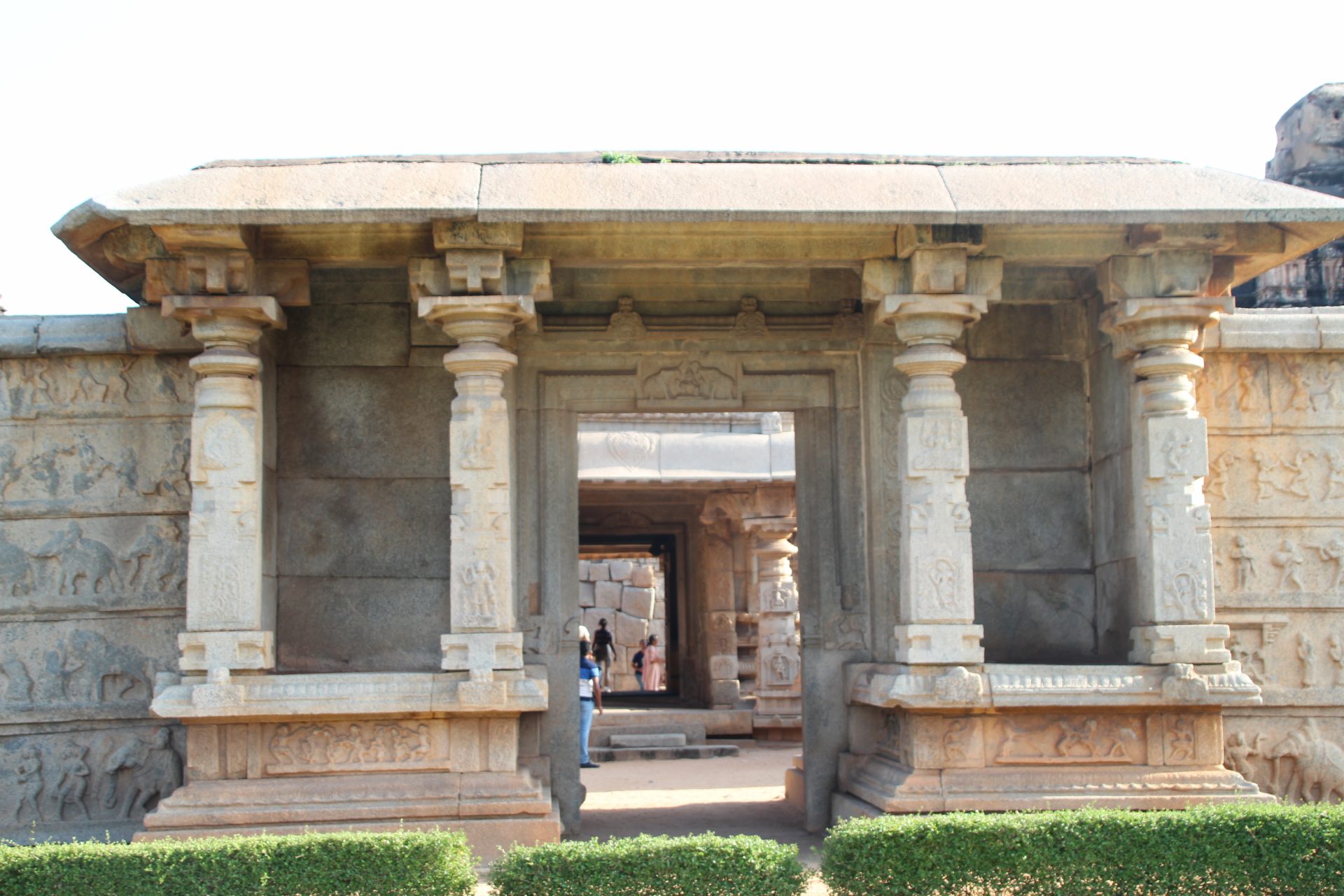
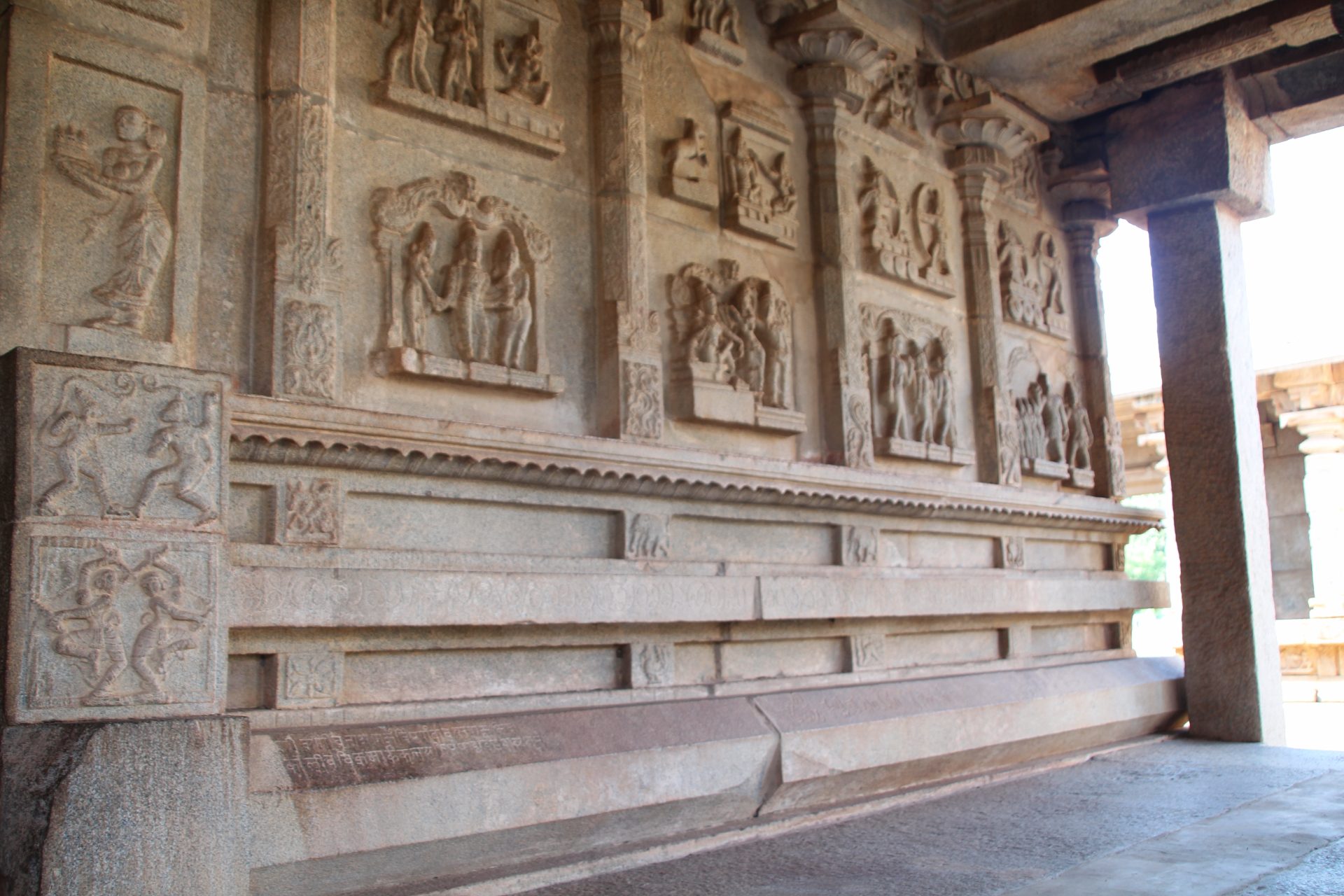
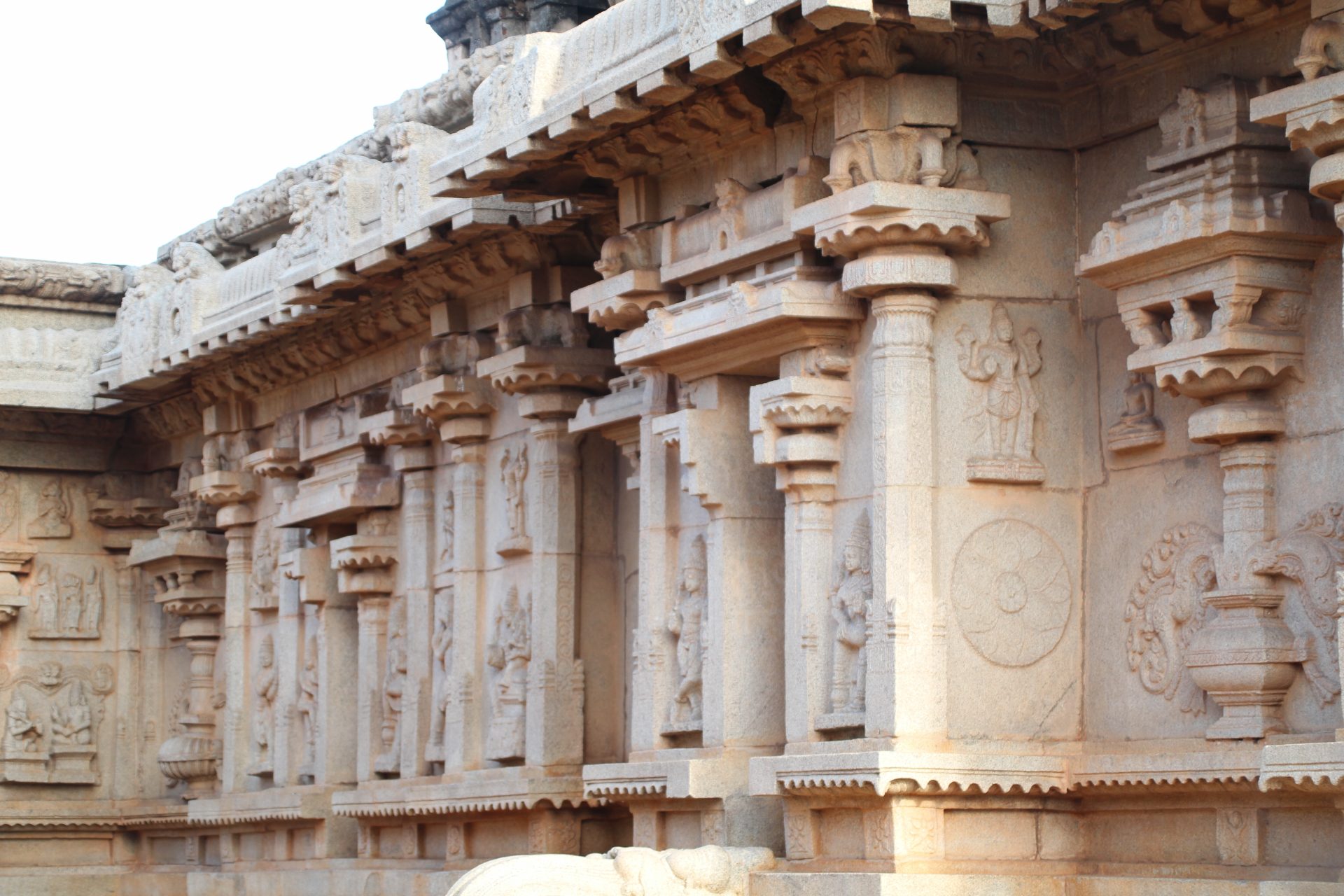
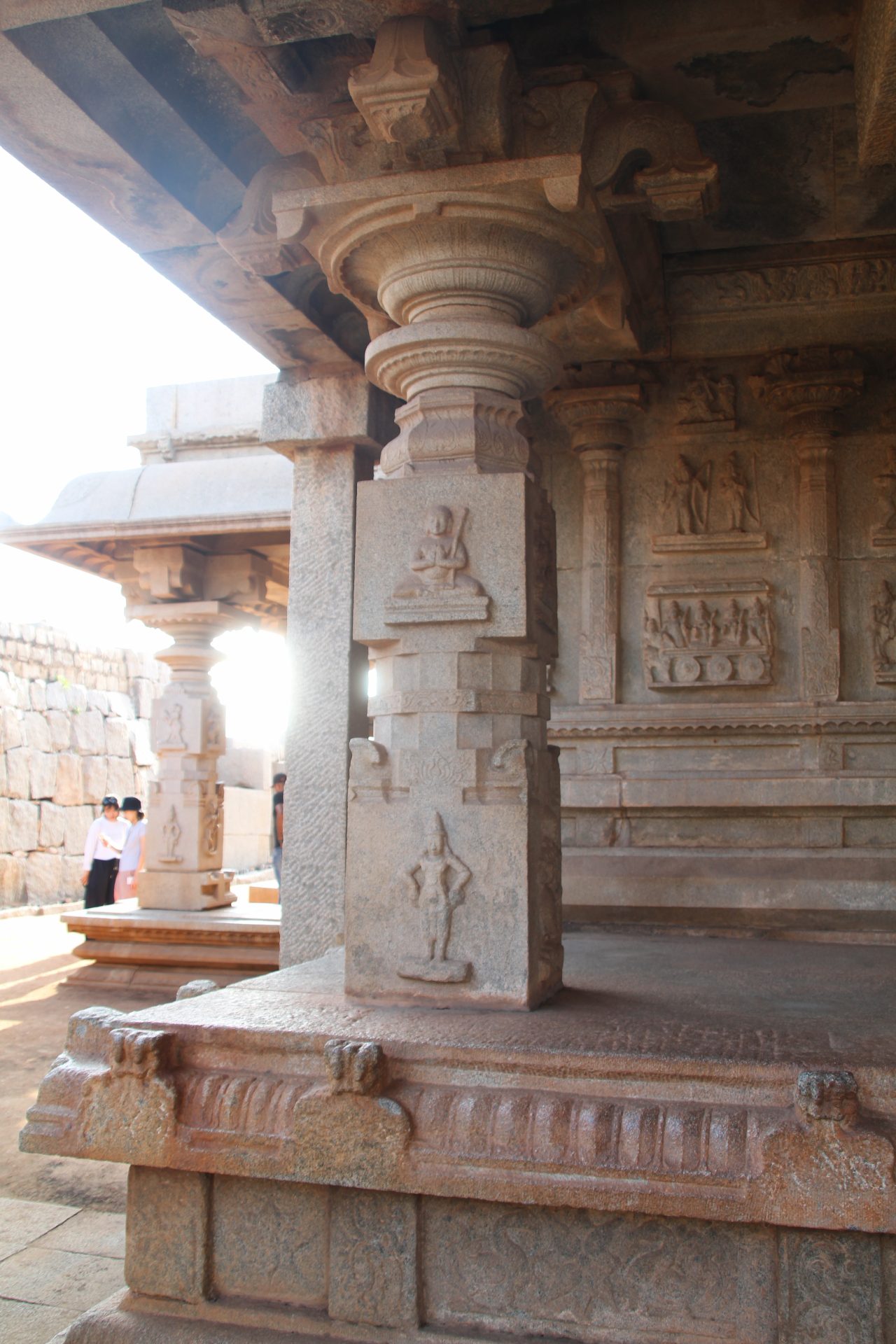
The Hazara Ramachandra temple was the next halt after an arduous walk around the Royal Enclosure complex. The multitude of relics of the reigning deity Lord Rama has probably earned the temple its sobriquet Hazara (meaning 1000 in Hindi).
Believed to a private temple of the Kings of Vijayanagara, this temple was built by King Devaraya II and has some lovely carvings and panels detailing the story of the Ramayana. While the initial design of the temple was centred around a simple sanctum, Pillared Hall and an Ardha Mandapa. It later on got revamped and lot more of additional pillars and an open porch came up.
There are bas relics of Lord Rama and Krishna besides processions of Attendants, Soldiers, Elephants, Horses and dancing women taking part in the Dusshera festival. 2 large gateways lead one to the temple compound and towards the Northern side of the complex, a well manicured lawn can be seen.
BUMPING INTO A GOOD OL' FRIEND
The Lotus Mahal
The Zenana (Women) Enclosure was next on the itinerary and it was at a walking distance from the Rama temple. The entrance to this complex was through a ticket purchased for Rs.40/-.
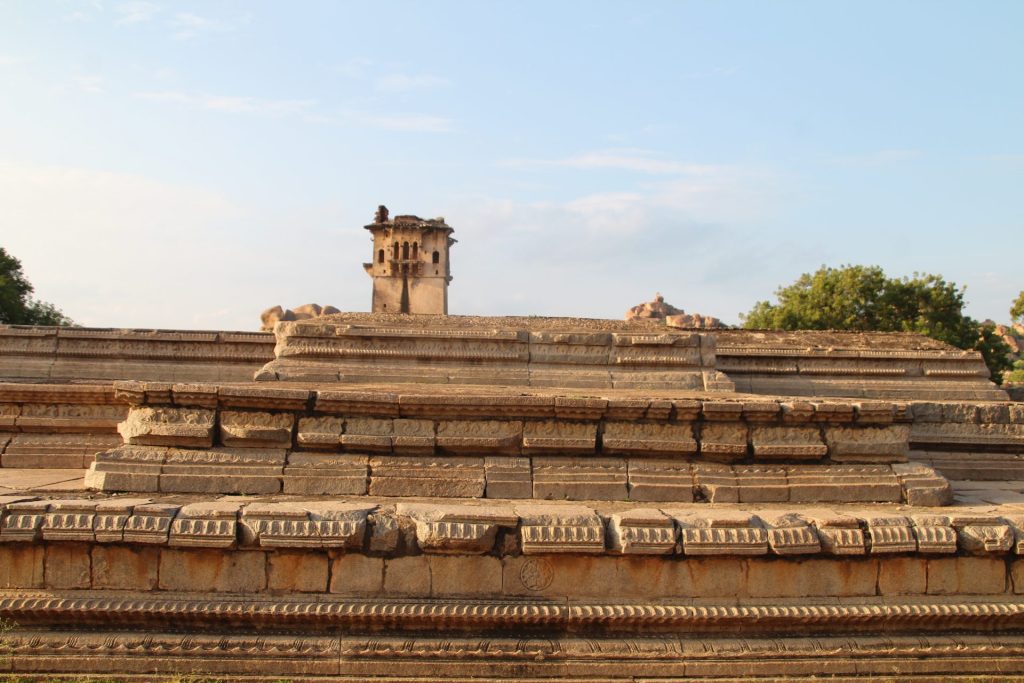
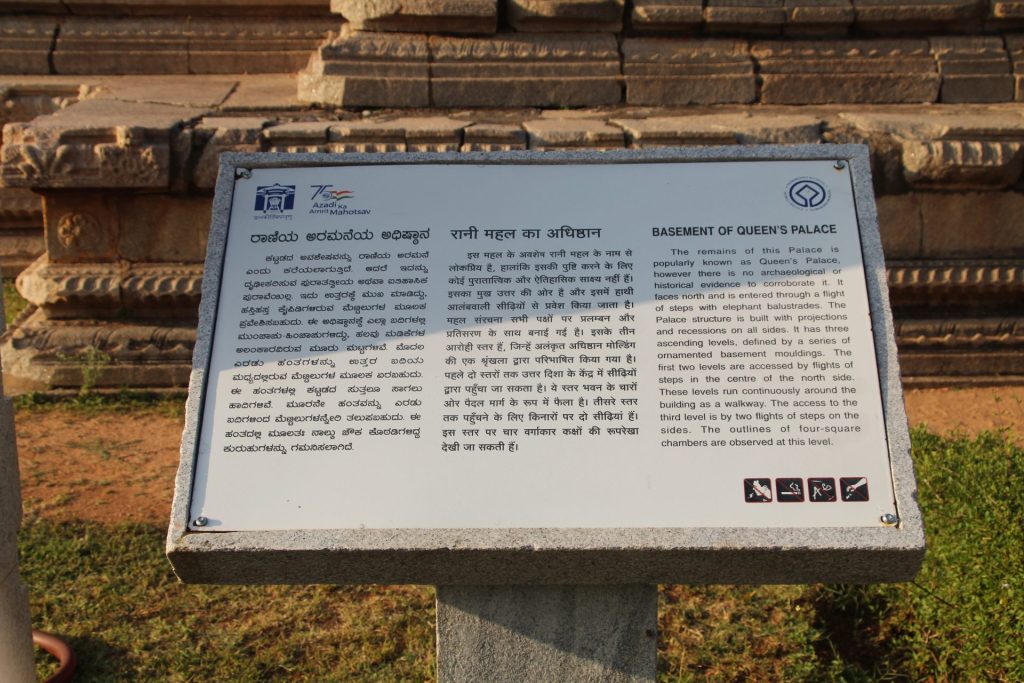
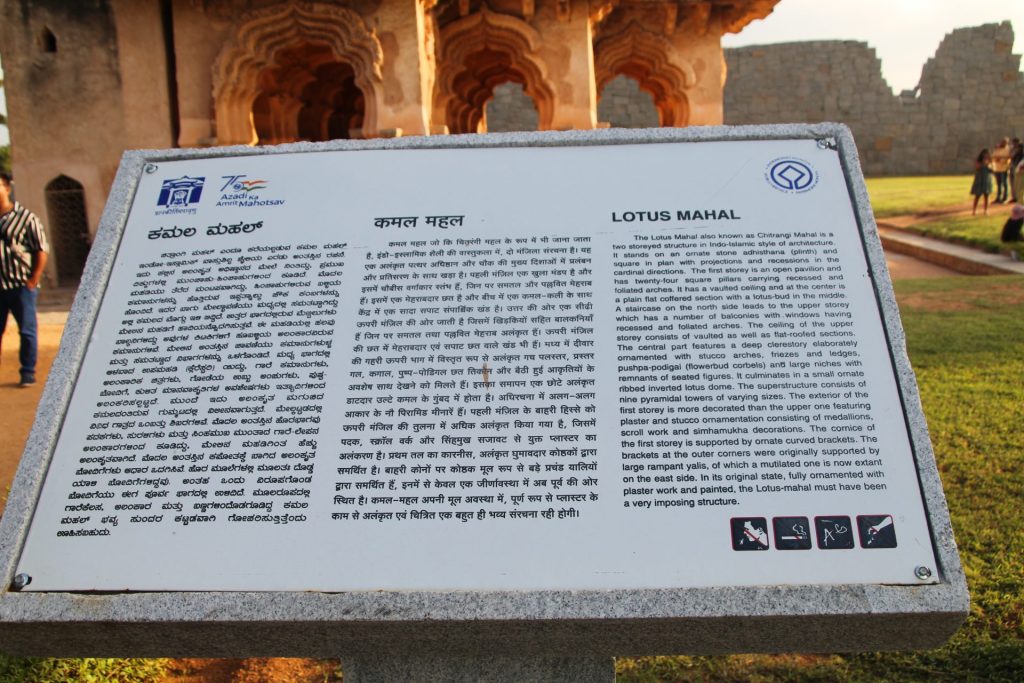
A board detailing the enclosure describes the structural complex being encompassed with tall walls and with access being provided through small openings on the East and West walls and three on the North wall, existence of a Treasury building, the basement of the Queen’s Palace, the Jal Mahal, the Lotus Mahal and 3 watch towers, all built in Indo-Islamic architecture.
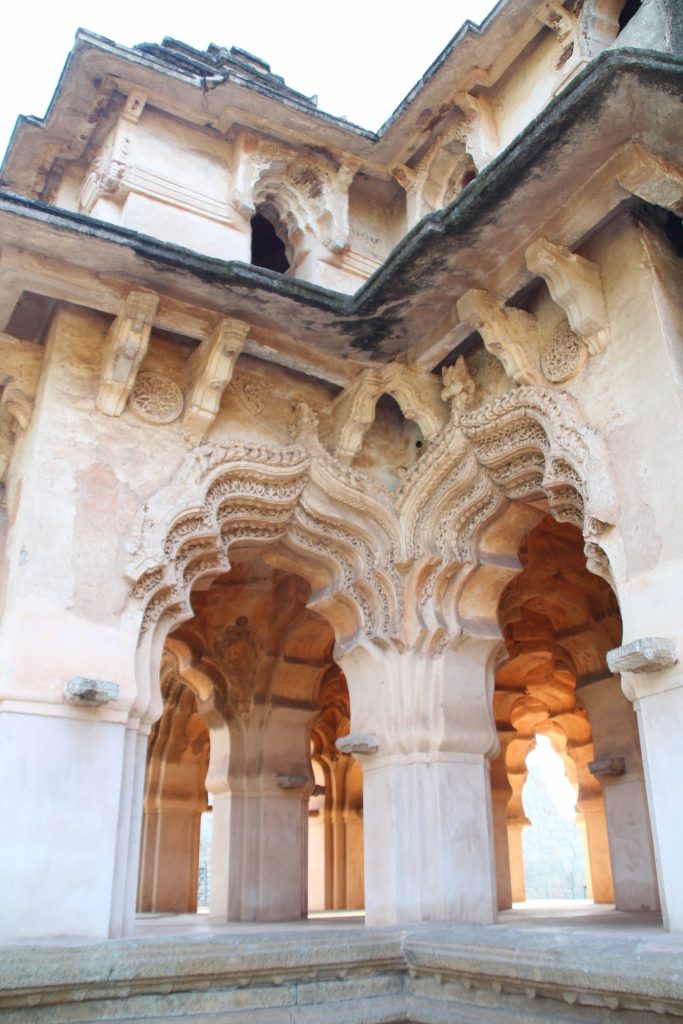
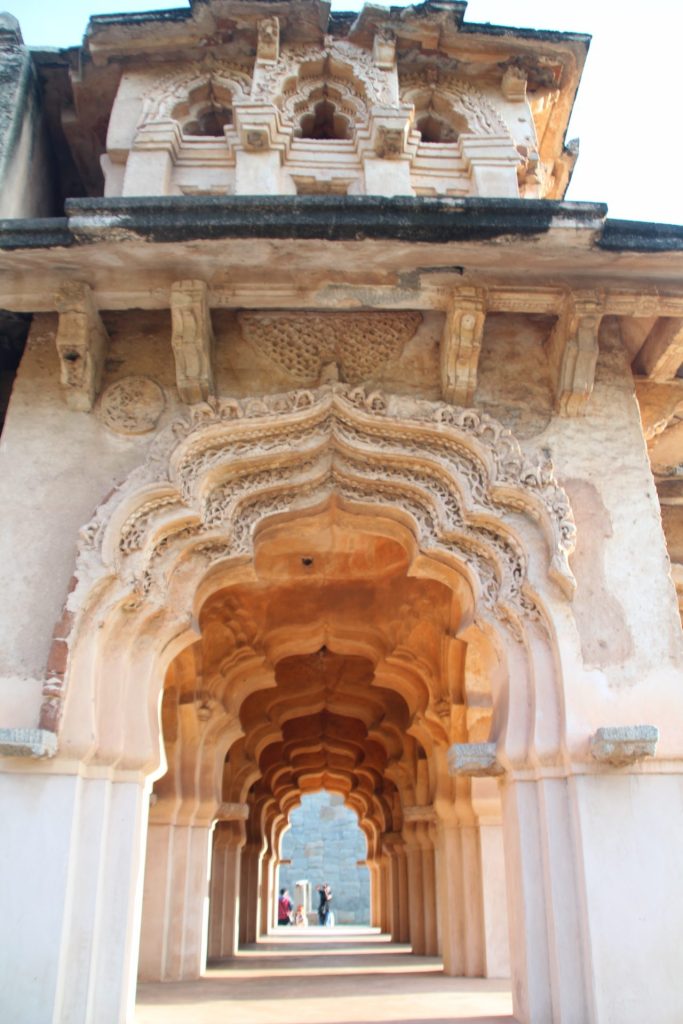
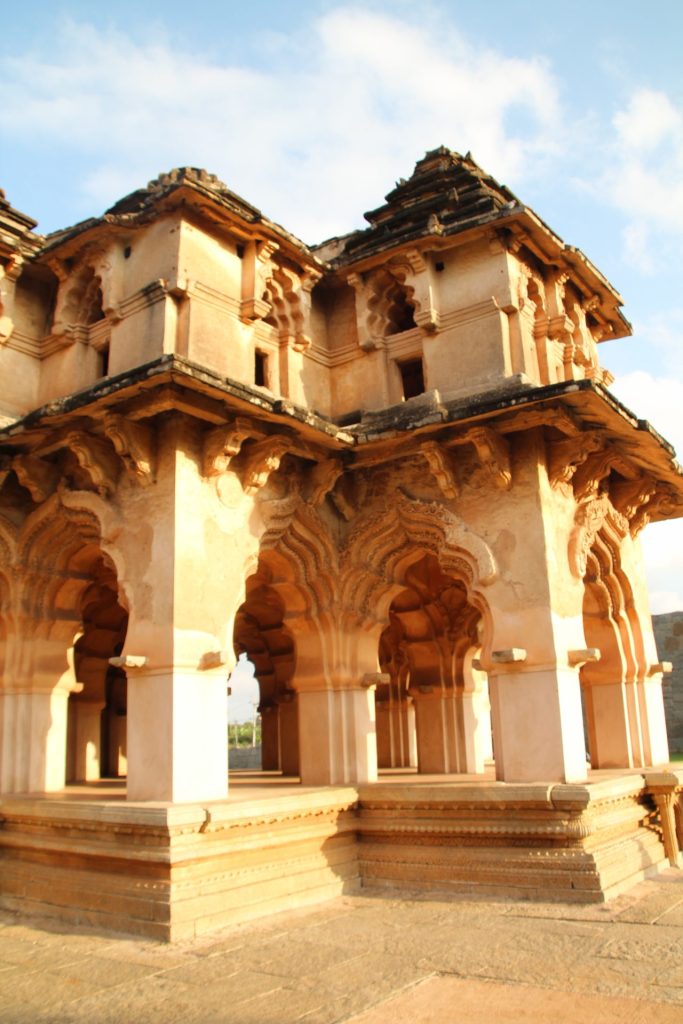
The Lotus Mahal is also known as the Chitragani Mahal or the Kamal Mahal. This building has somehow survived the destruction carried out across Hampi save for a few damages to the stuccos mounted on the top. The Central Dome is shaped like a Lotus Bud and covers the balcony and the passages.
While the building is symmetrical in structure, the 2 storied building has a rectangular wall surrounding it with 4 pyramidal shaped towers and built with a blend of Indo Islamic architecture. The walls and the 24 pillars which support the arched windows and balcony have beautiful carvings of birds and sea creatures. This was built as a residence for one of the two wives of King Krishnadevaraya and also served as a socializing area for the women folks of the Royal family.
Located close to the Lotus Mahal are the Elephant Stables.
Created out of brick and mortar this imposing wide structure amidst the greenery in the front looks beautiful and is the most sought after place for photo shoots.
Had a tough time trying to get a snap of just the stables, sans people. The Royal Elephants of the Vijayanagara Empire were housed here in these 11 chambers, all built with lofted archways and opening into large open spaces.
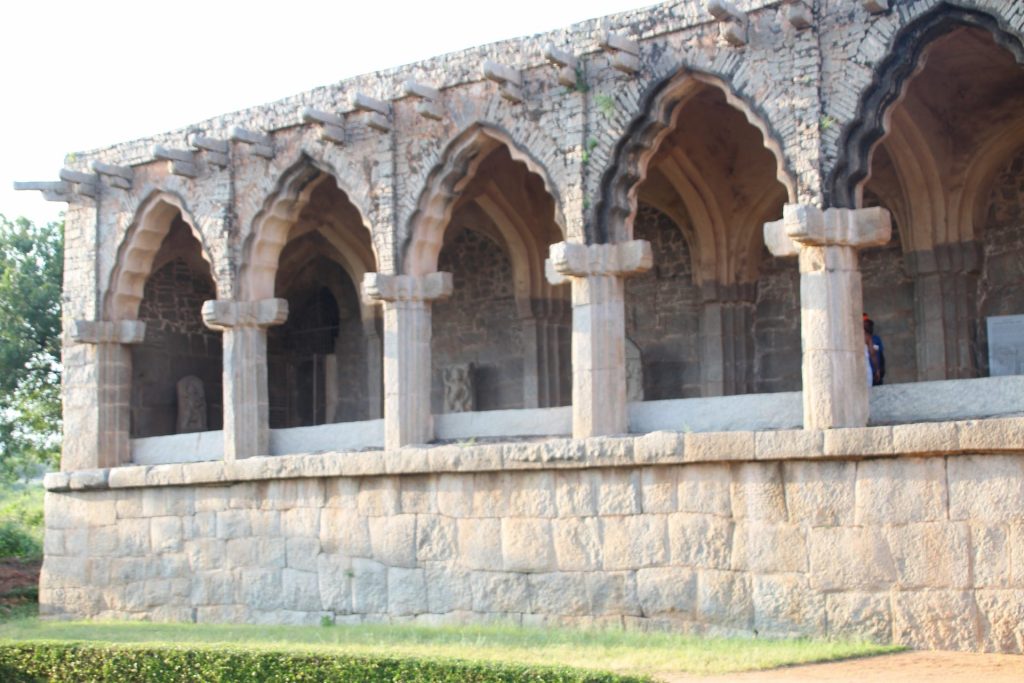
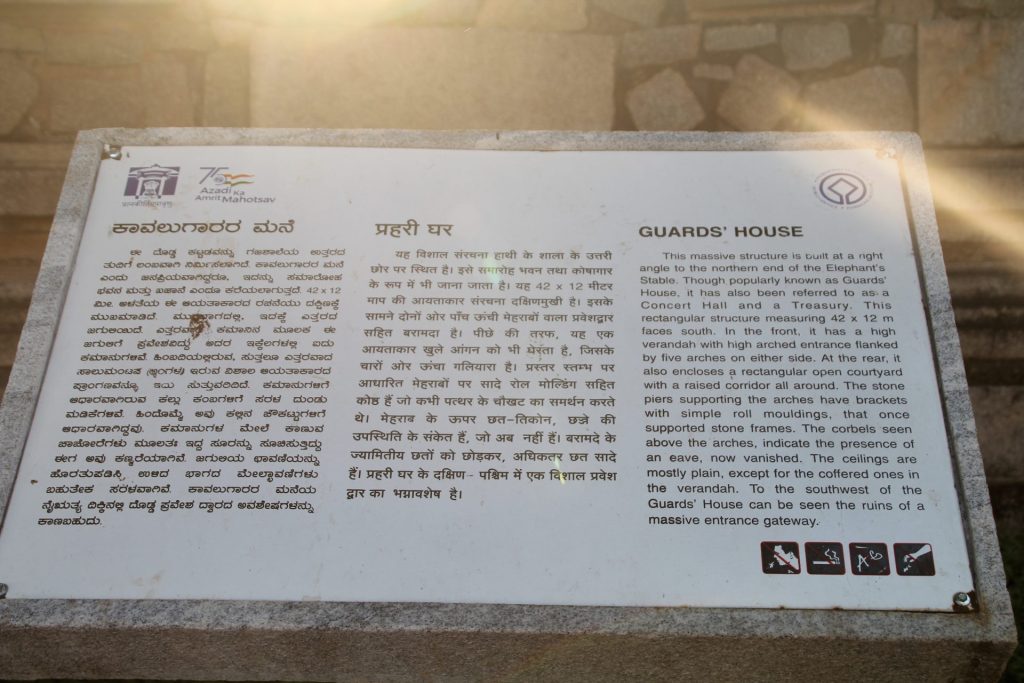
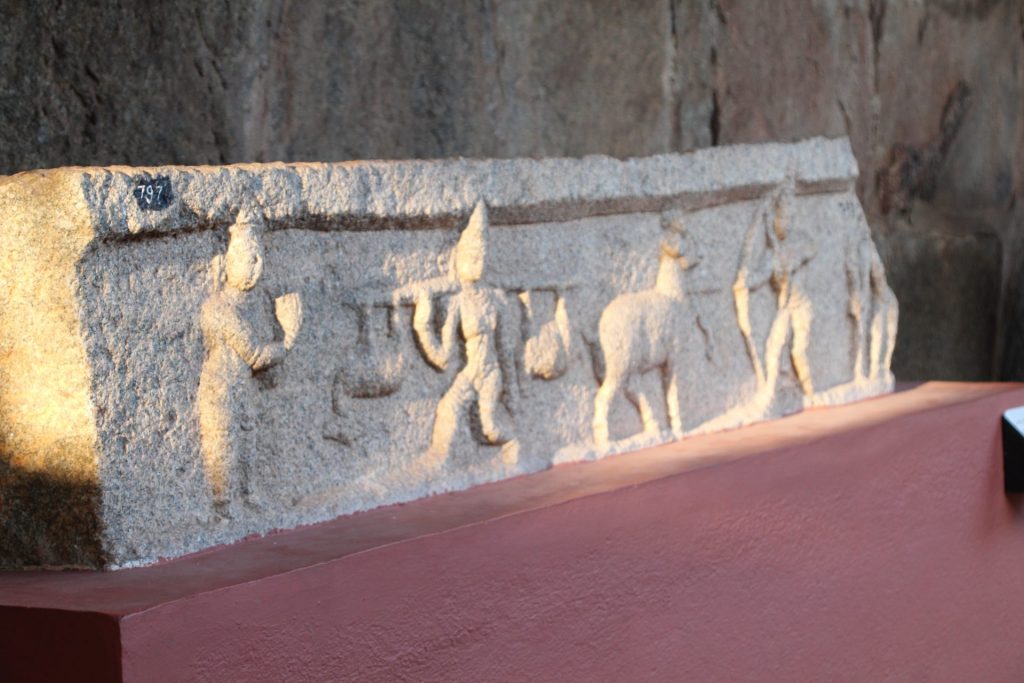
The Guards House on the left side of the complex and next to the Elephants stable has a gallery housing sculptures found in and around Hampi.
The Guard House and the Elephant stable lie perpendicular to each other, built maybe with an intent that the Guards could oversee the treasury building located close by.
A 10 feet high structure with a small flight of stairs leads one to a portico which has a long corridor with a dome shaped archway. Along the pathway, there are sculptures kept on display for the public.
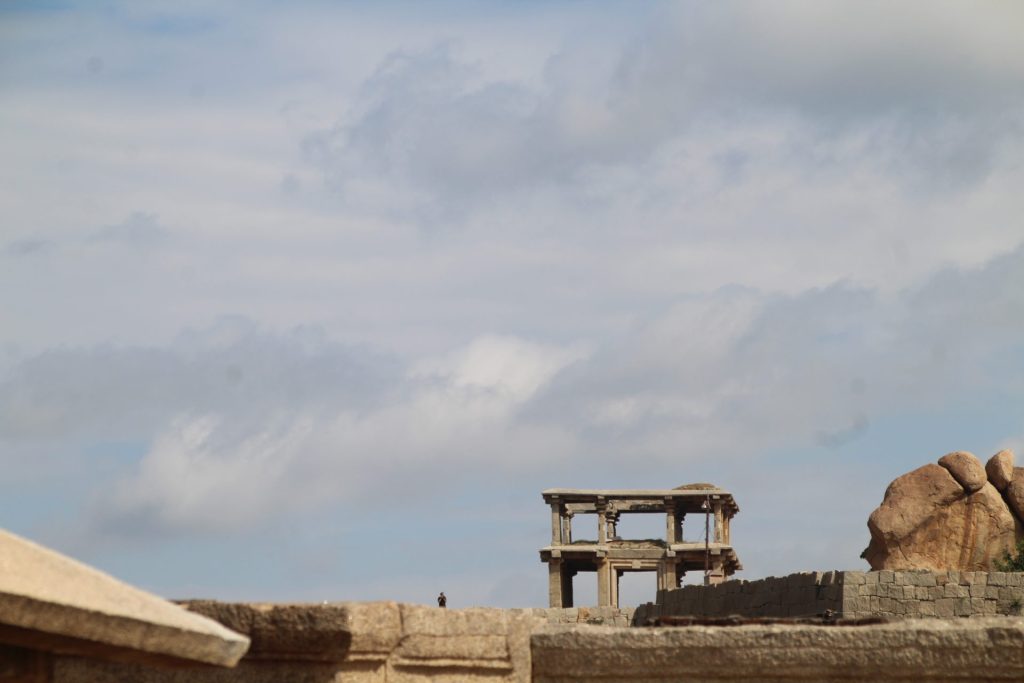
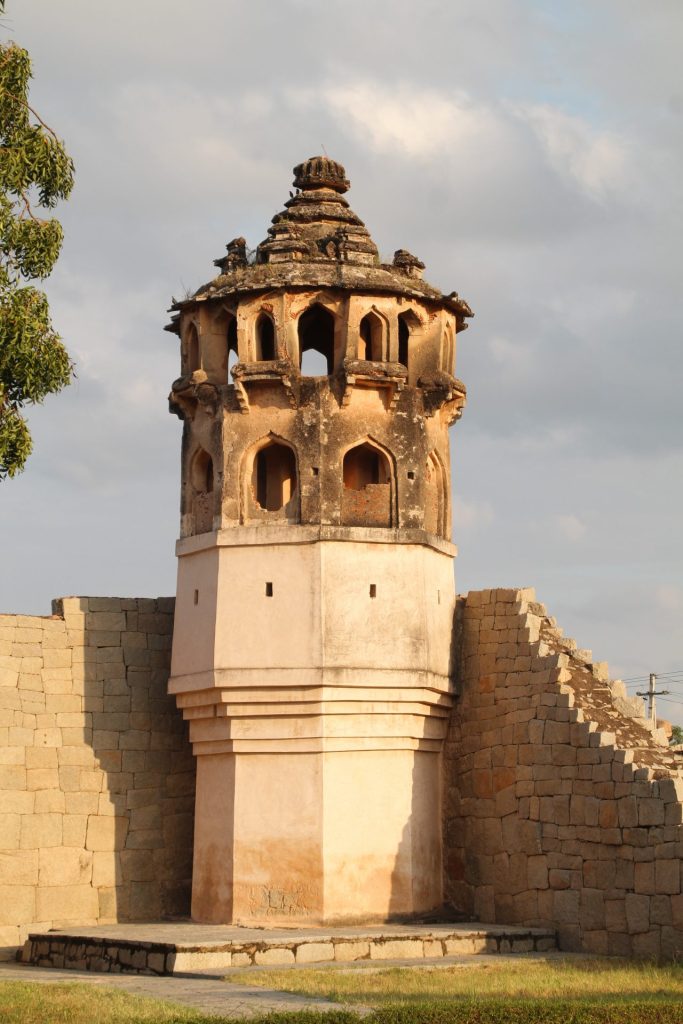
Eastwards of the Elephant stables and a little towards the back side, one gets to see the Watch Towers which were erected to guard the Zenana Enclosure.
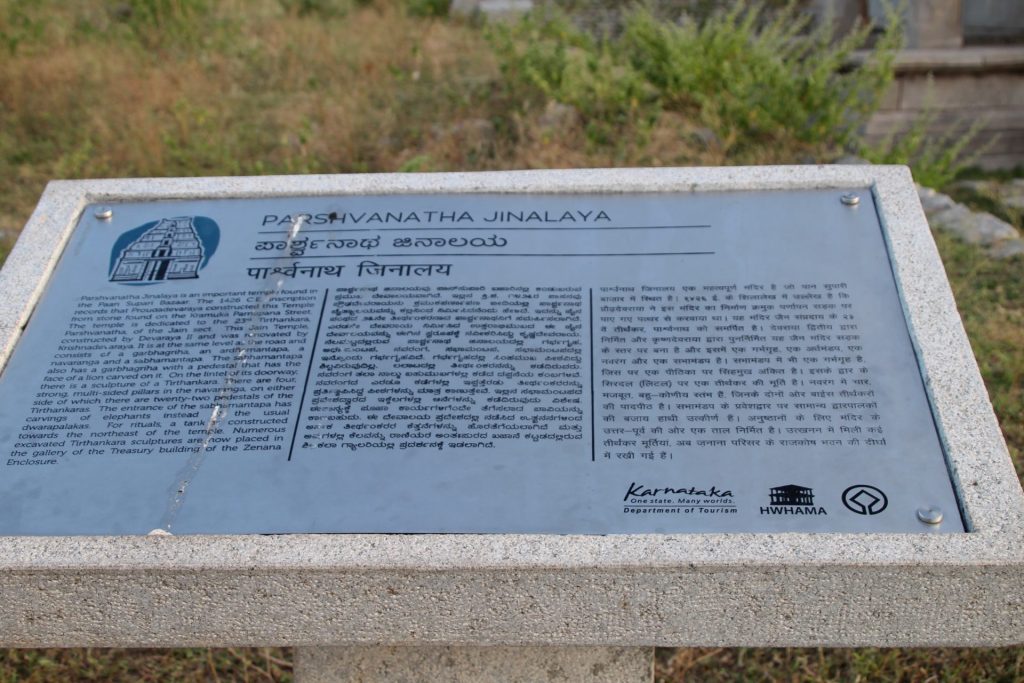
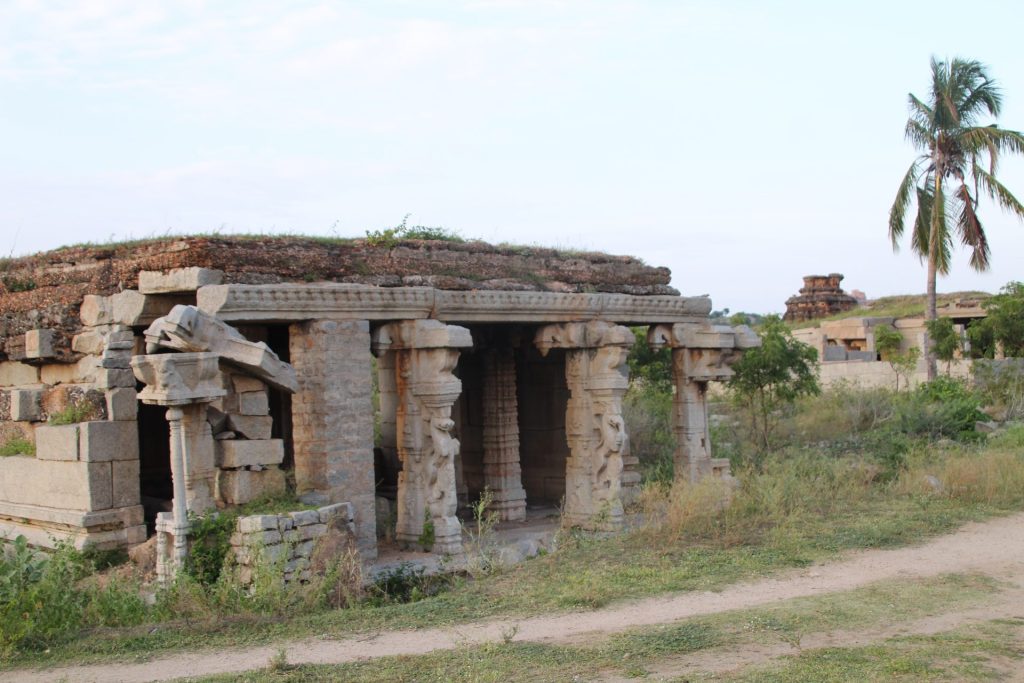
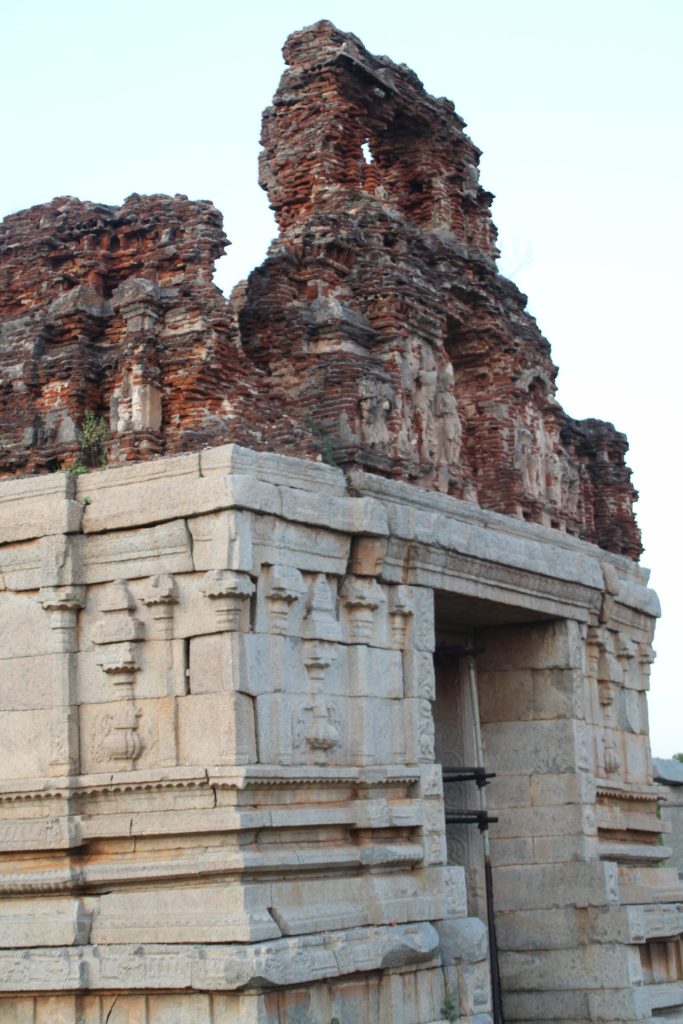
A Paan Supari (Betel leaf and Areca Nut) market was supposed to have existed within the Zenana enclosure which used to be a flourishing trade post during the Vijayanagara empire. The place is in ruins except for a small building with a flag post in front of it. Close to this place lies the Parshavanatha Jinalaya. As the name suggests, this is a Jain temple built in memory of the 23rd Thirthanakara, Parshavantha of the Jain sect. Built by Devaraya II, this temple was later on renovated by King Krishnadevaraya. The frontage of the temple has an image of a Jain monk carved right atop it.
Beyond this Jain temple as one moves further away and crosses one of the watchtowers, a temple of Vishnu appears.
Constructed during the 15th-16th Century CE, this South facing temple has multi-sided pillars which have bas reliefs on them. There are different Mandapas at the four corners.
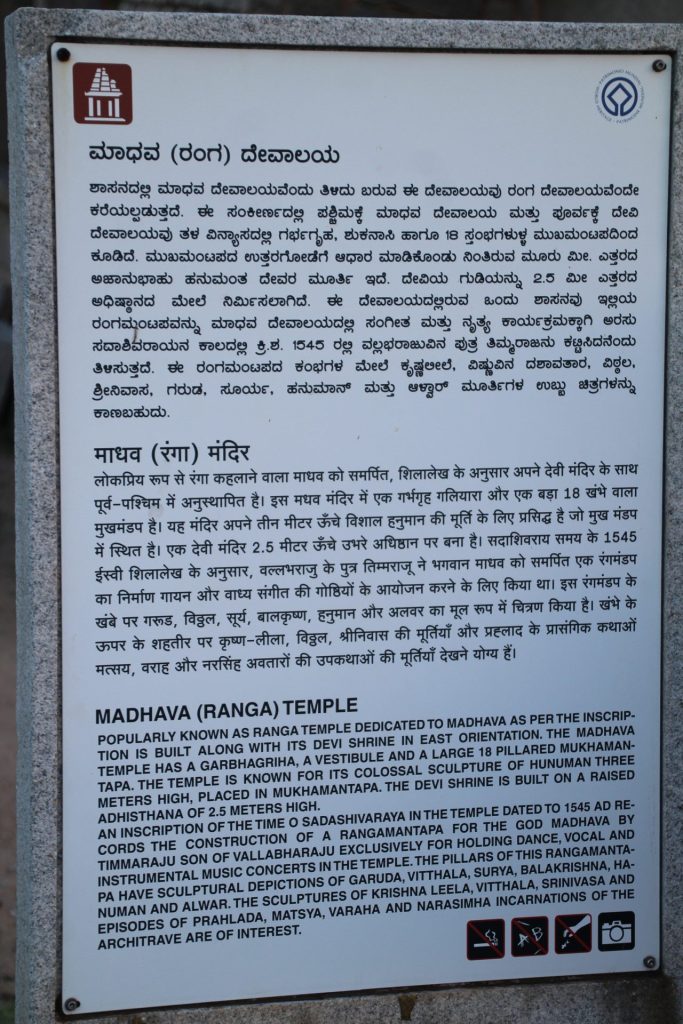
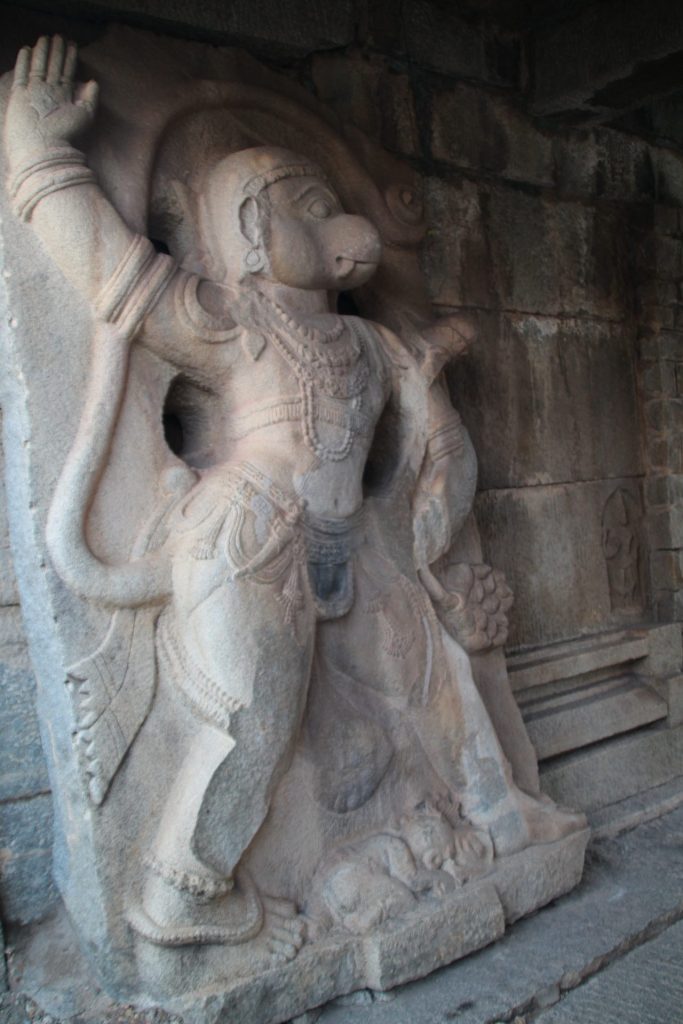
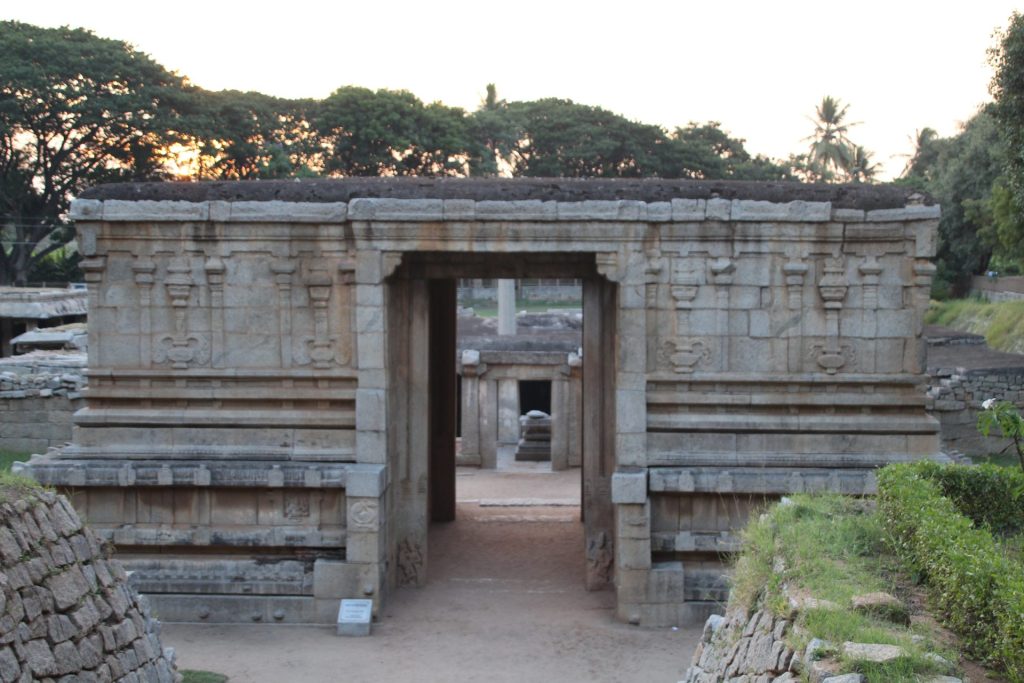
Located very close to this Vaishnav temple is the popularly known Ranga or the Madhava temple.
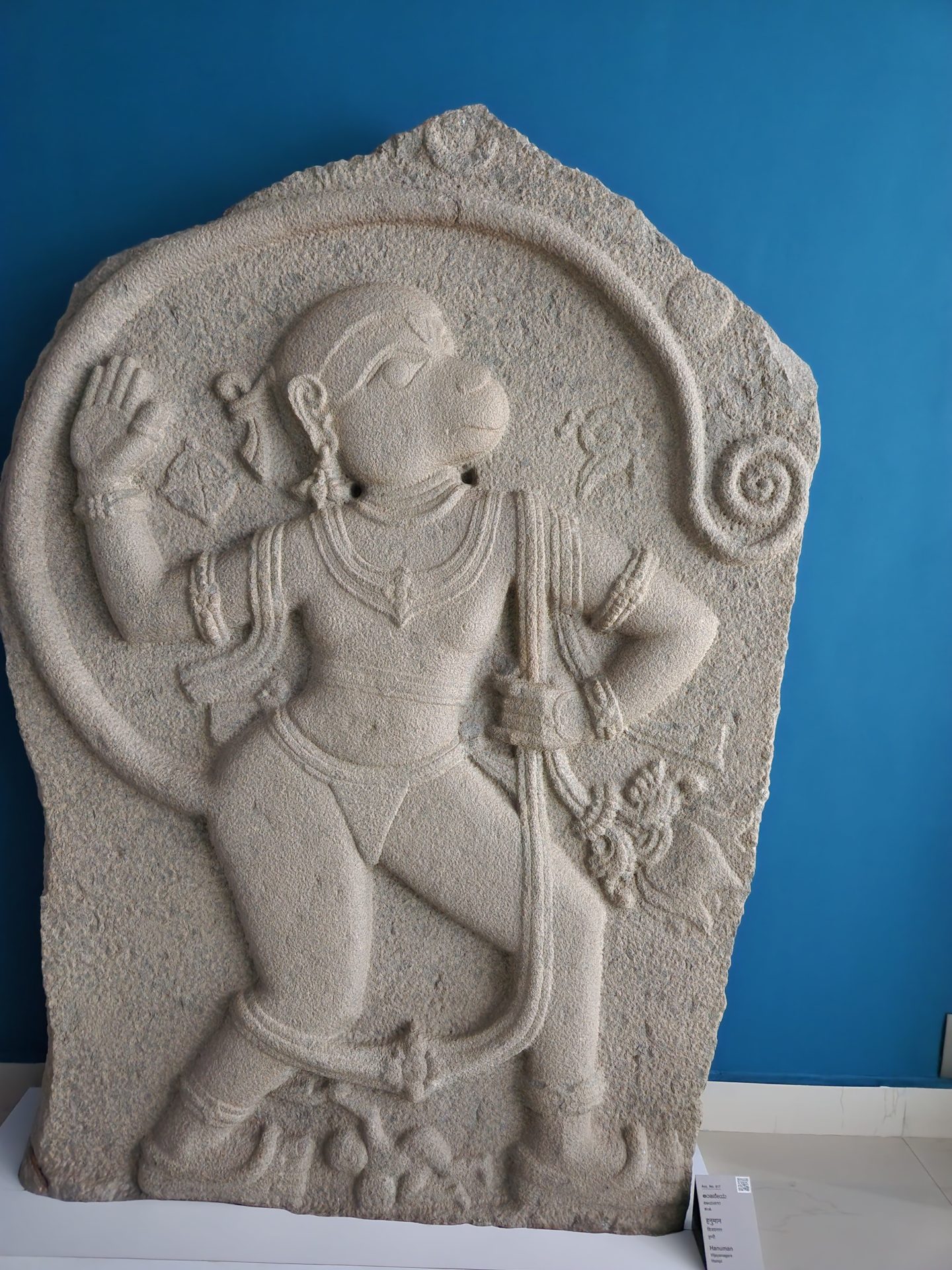
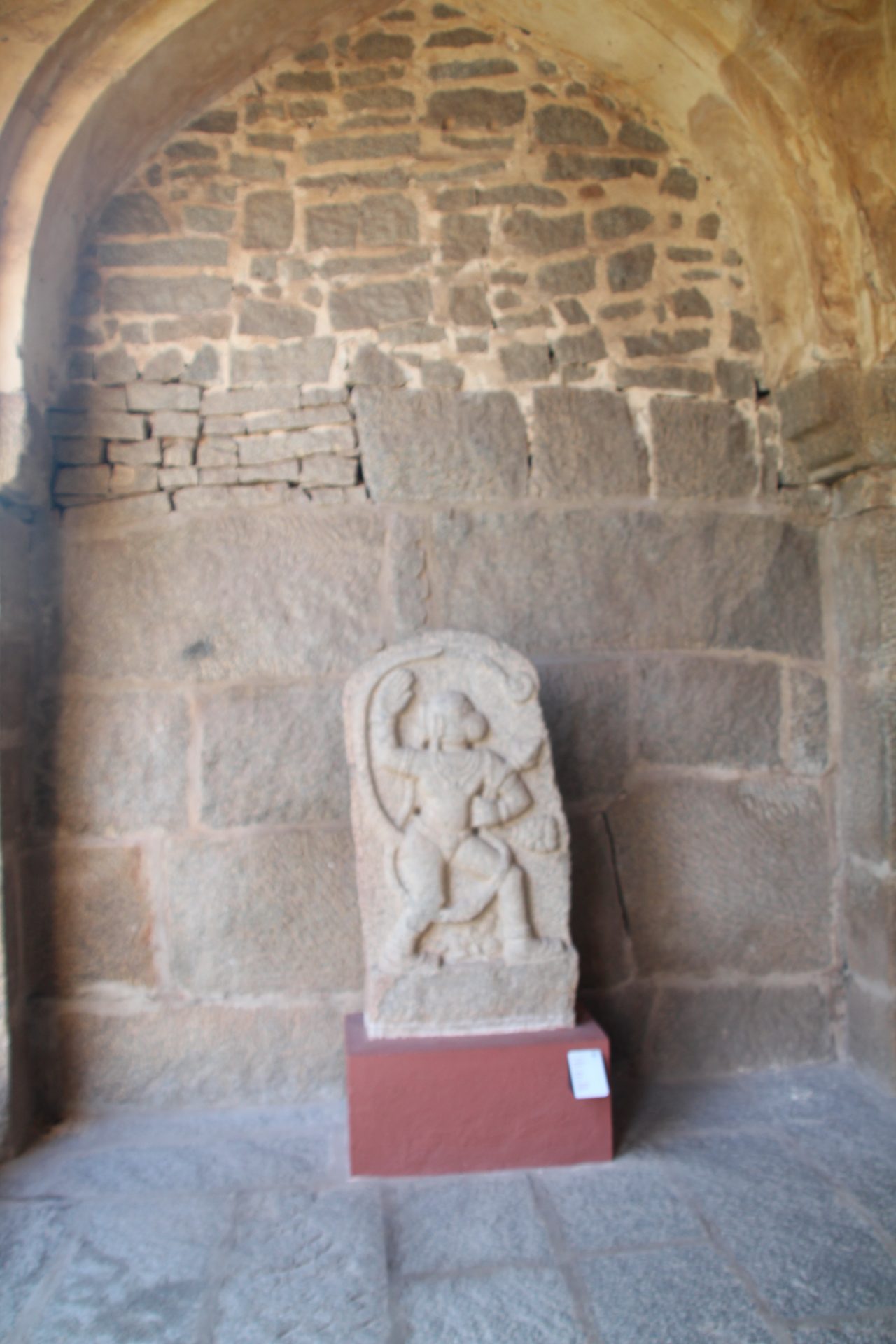
There is a 18 pillared Mandap with a pretty large 3 metre high sculpture of Lord Hanuman. One cannot miss the inscription of the O Sadashivaraya dated 1545 AD which records the construction of a Rangamandapa for the God Madhava and exclusively for holding dance and musical concerts.
The Shiva Temple
It was getting dark and there was this underground Shiva temple to be seen. Located not very far away from the Lotus Mahal, this is also known as the Prasanna Virupaksha temple. Located under water and for reasons unknown, core parts of the temple and the sanctum have always been under water thus restricting entry to the inner areas. There is a statue of Nandi which can be seen inside the temple complex, entry to which is through a nice wide flight of stairs. The outer walls have some nice carvings on display which have stood the test of time.
We left the temple by around 6.45 PM back on our drive back to Hospet. The legs were generally aching after quite a bit of walking but thanks to the weather gods being good, the tiredness was manageable and we reached our hotel back at 7.15 in the evening.
Dinner was at a restaurant next door and tucked in early as I had an early morning drive to the famed temples and caves of Aihole, Badami and Pattadakkal the next day. More of these places in a different section on my website. Had booked a cab for this visit and started for Aihole by around 7 am in the morning.
After soaking in the lovely sights of these 3 places, reached Hospet back at around 7.30 PM and after a light dinner got ready for the trekking expedition the next day which was to be my last day of stay at Hampi/Hospet.
October 2nd, 2023
DAY 3 @ HAMPI
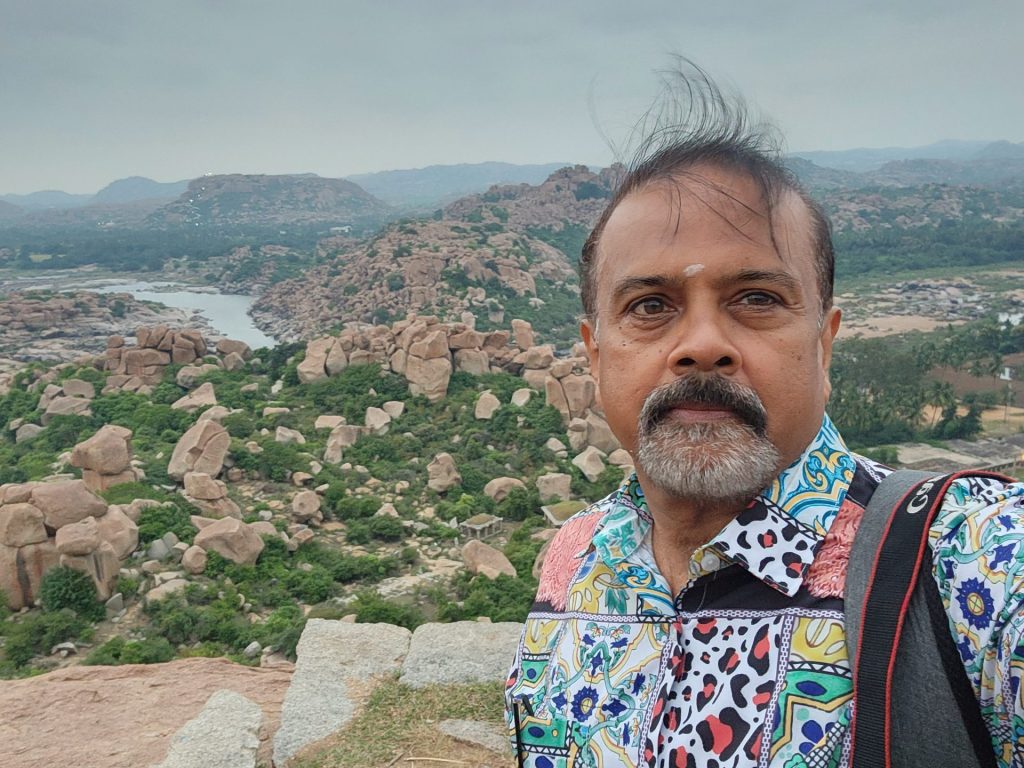
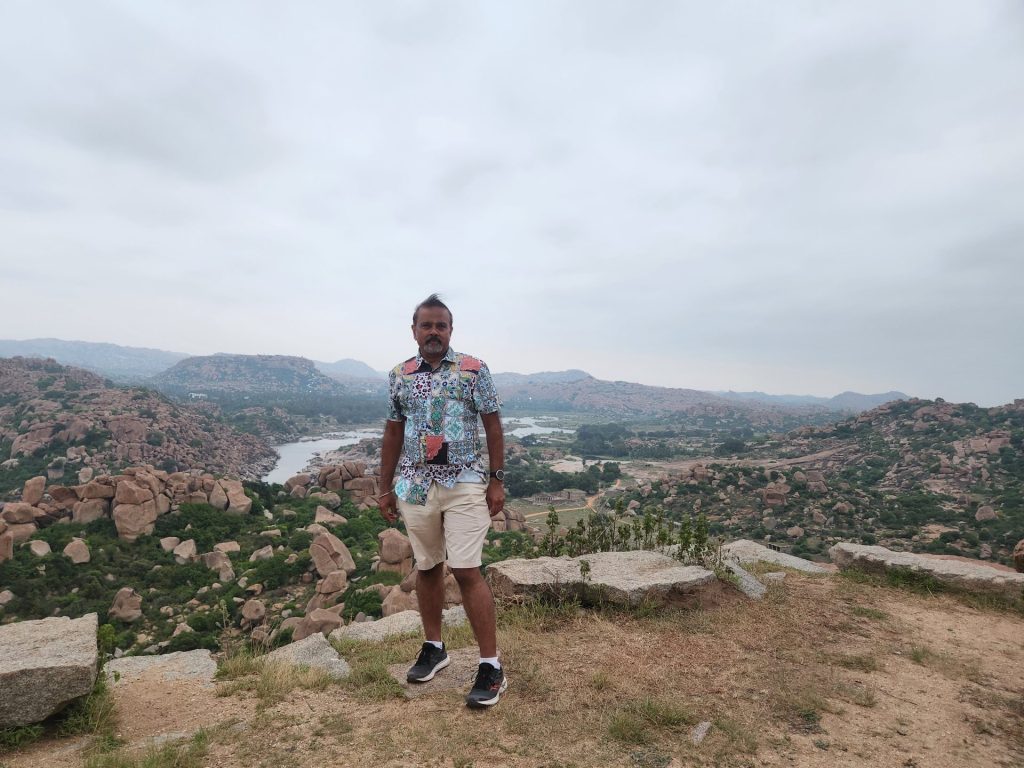
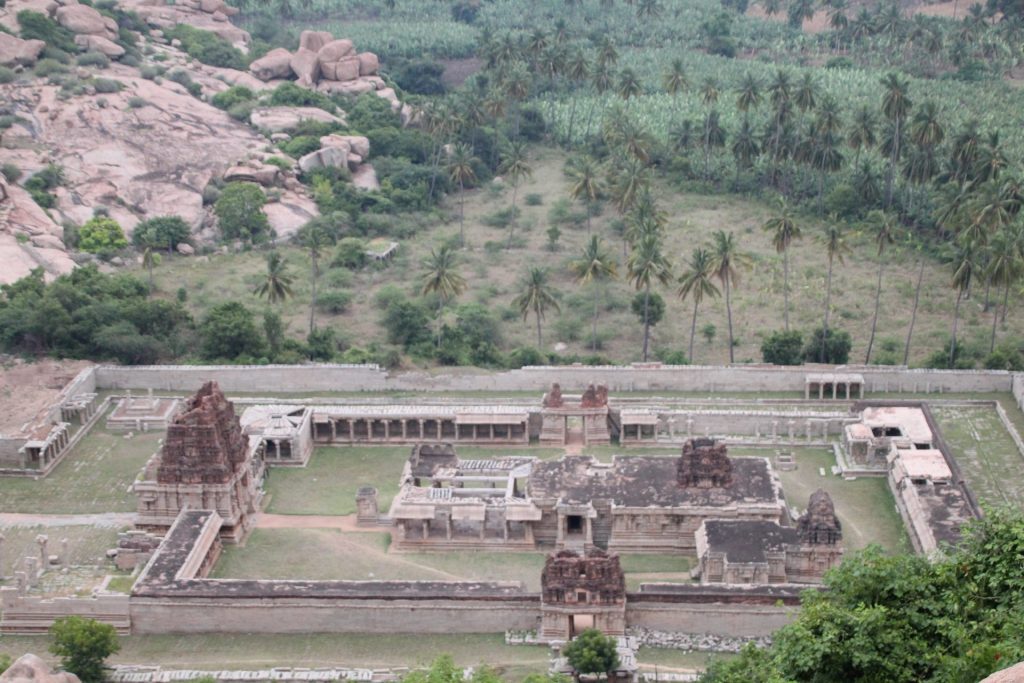
Uday, my auto driver came in sharp at 5.30 AM. I was up and ready in an endeavour to carry out the Matanga Hill Trek and catch the sight of the first rays of the sun. The best way to approach the place is via the Hampi Bazaar and once you are at the summit, you get mesmerizing views of the Virupaksha temple on one side and the Achyutaraya Temple on the other side.
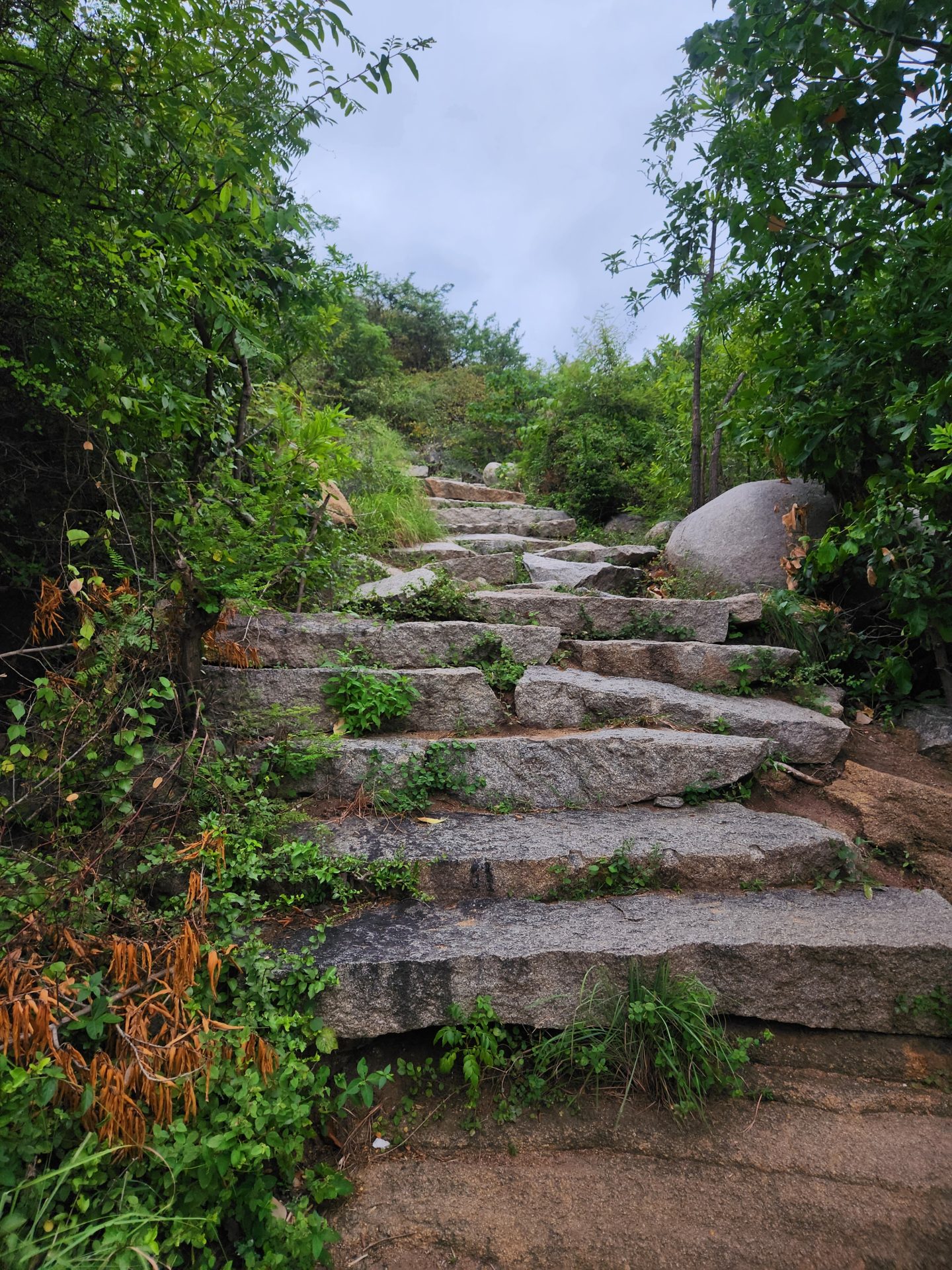
We reached the base of the hill by around 5.50 AM but looking at the cloudy skies above, decided that it would be a futile attempt to rush in to see the sunrise and hence took the climb easy. There are around 600 steps (said to be in existence since the Vijayanagara era) and a height of around 1726 feet to be covered to reach the top and the trek can be classified as a Moderate Trek.
Balancing between a back-pack, a DSLR and 2 mobiles, managed to reach the summit in 30 minutes time, thanks to the fitness levels being good with all the Full and Half Marathons run in the last 10 years.
The Matanga Hill Trek
Certain sections of the trek are moderately risky and one would be advised to stay close to the main boulders leading to the top as its slippery at a few places also.
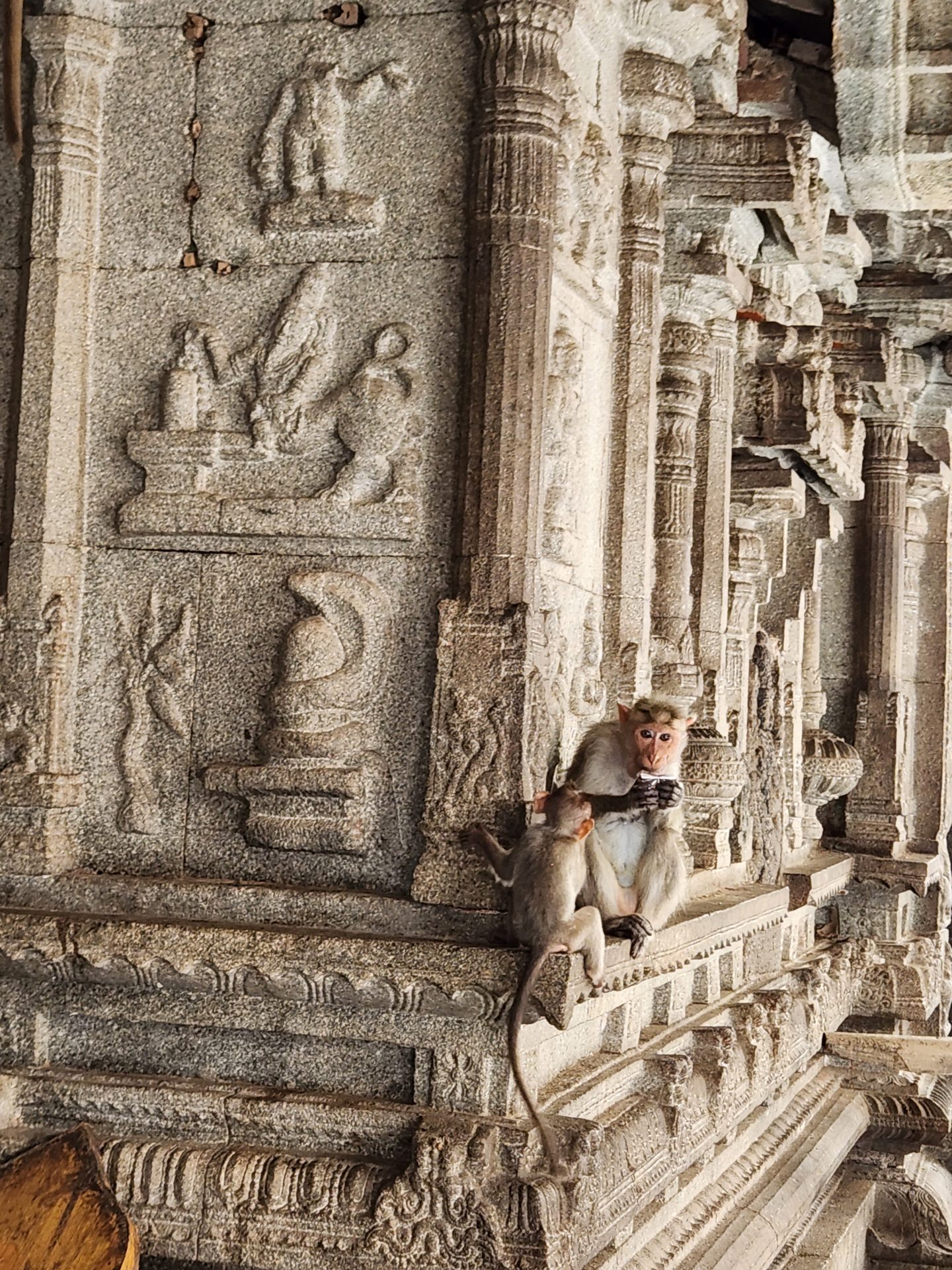
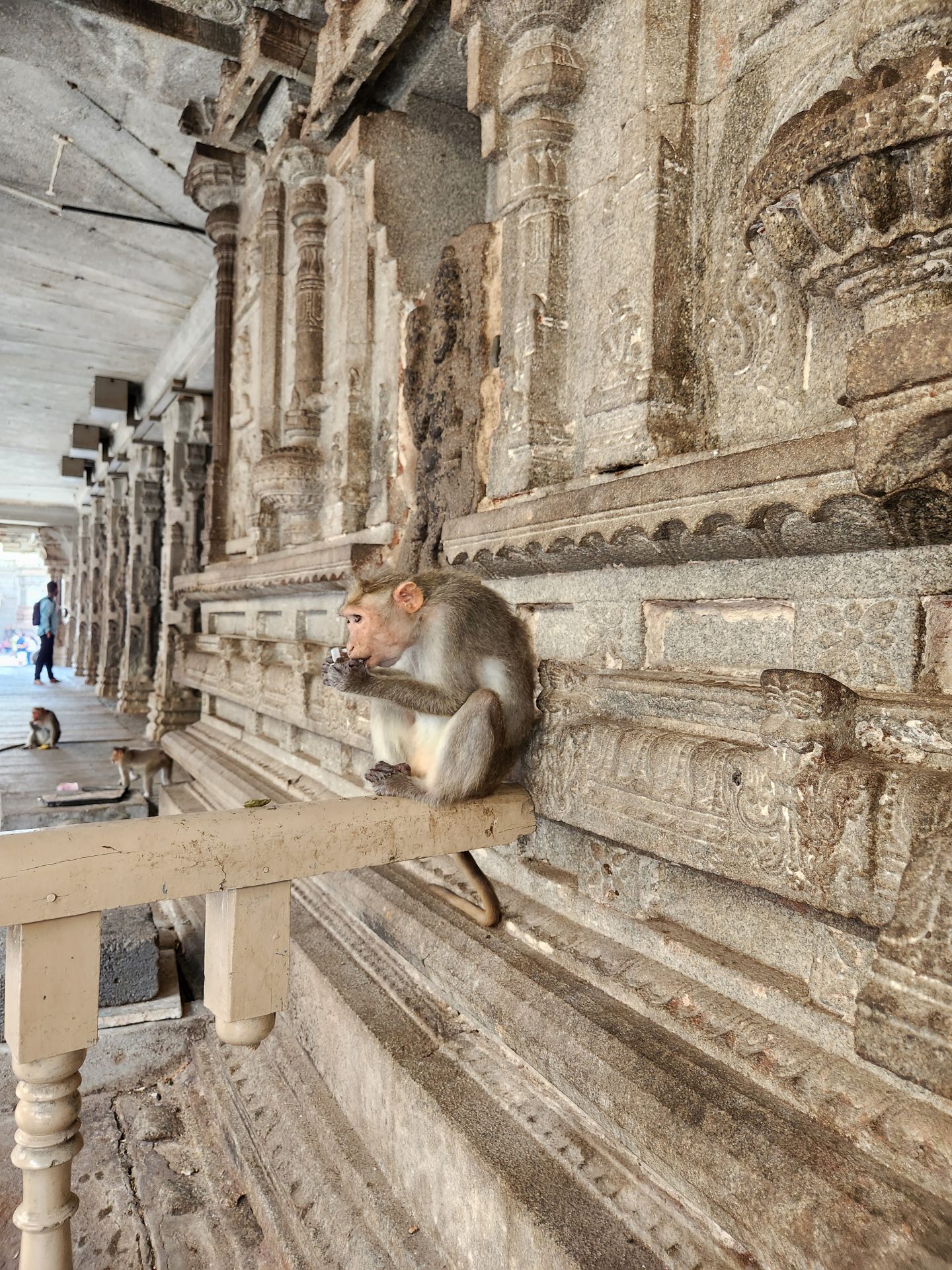
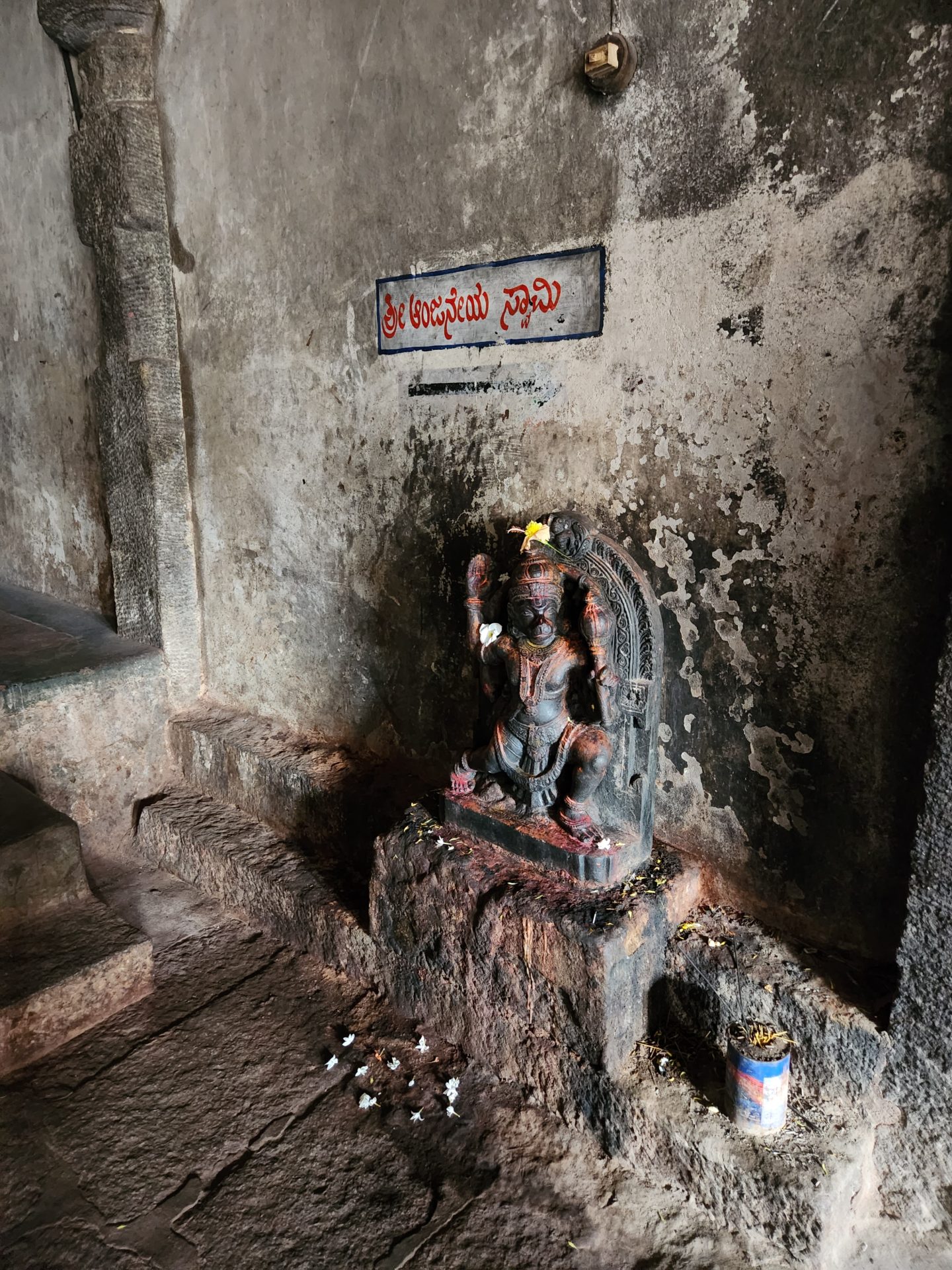
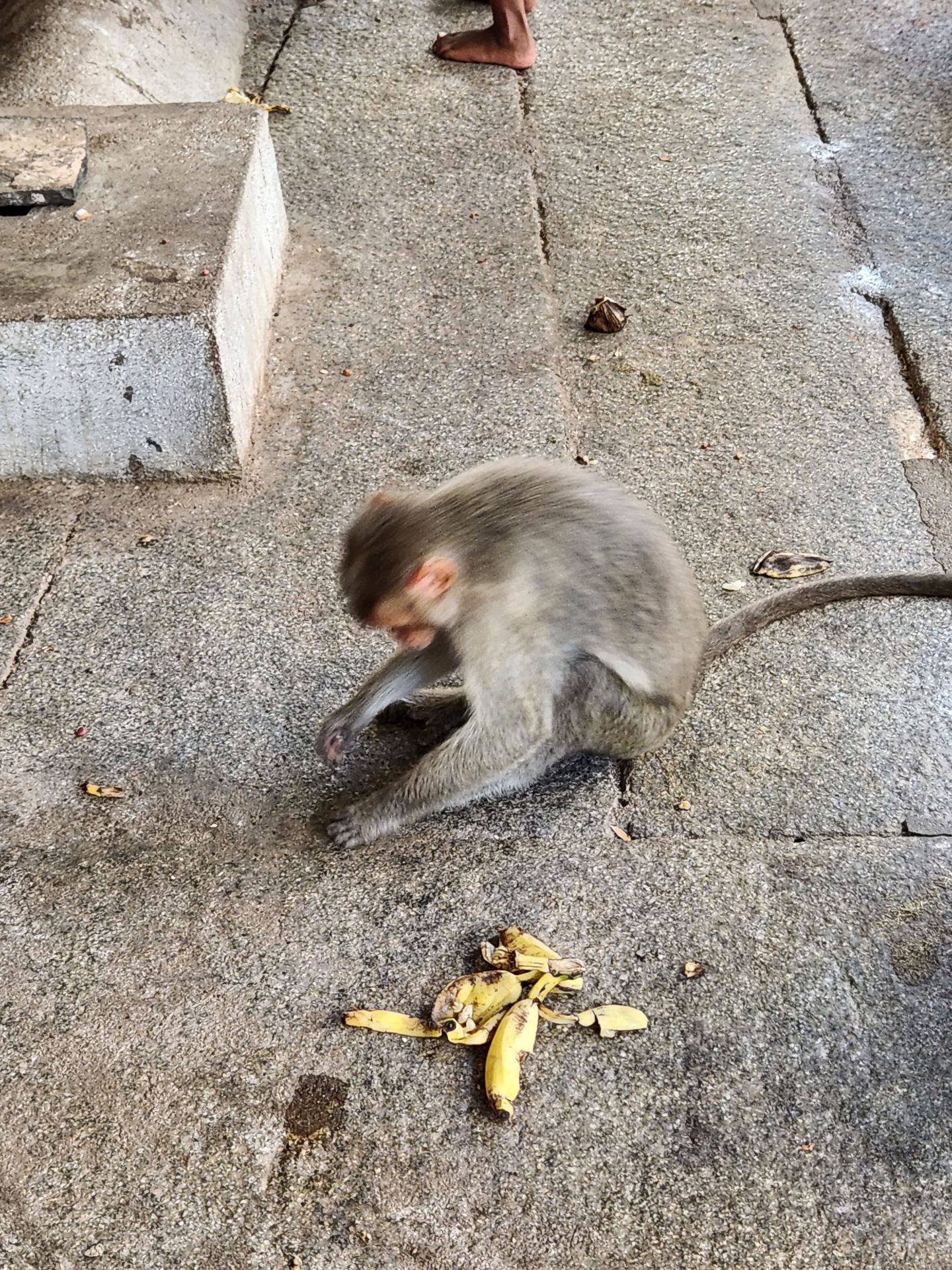
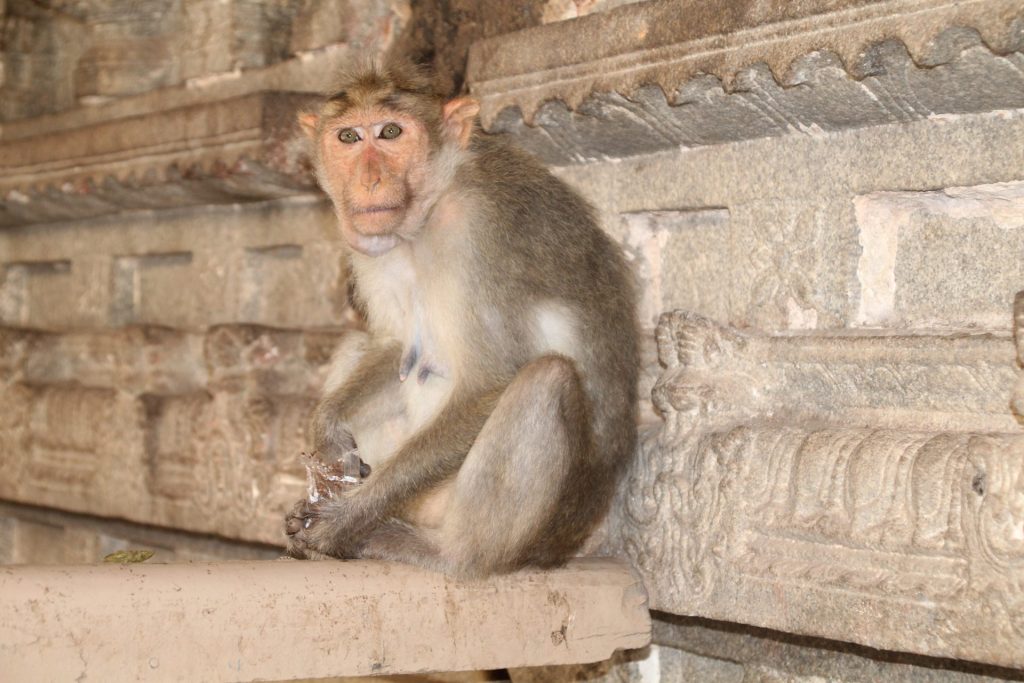
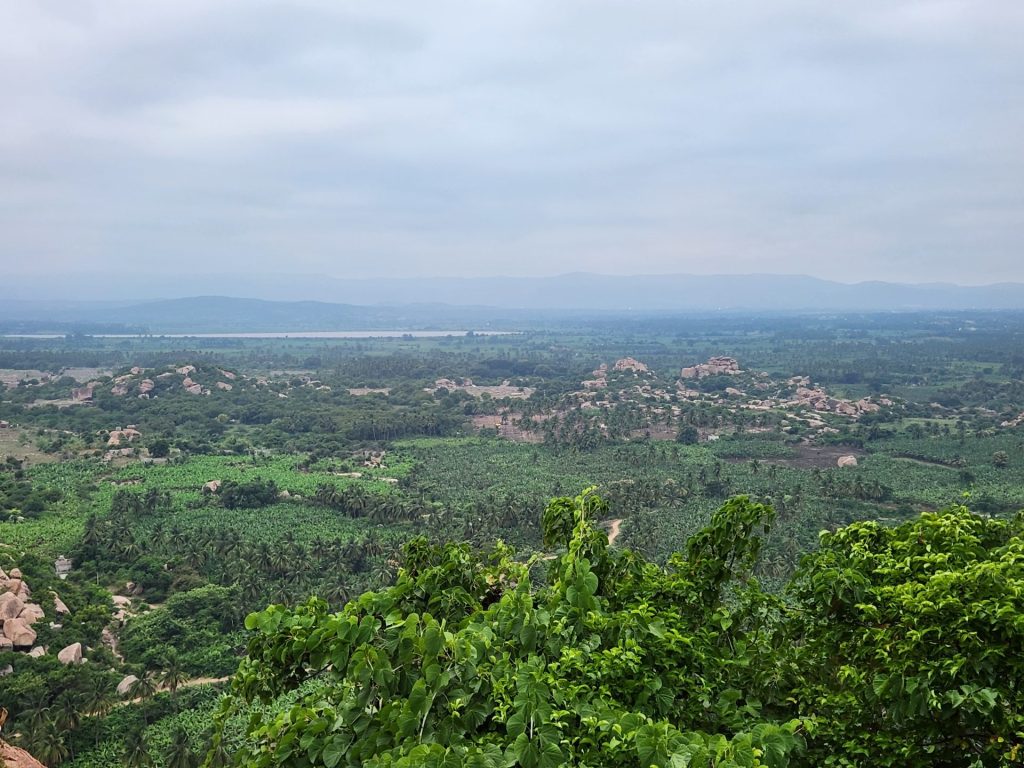
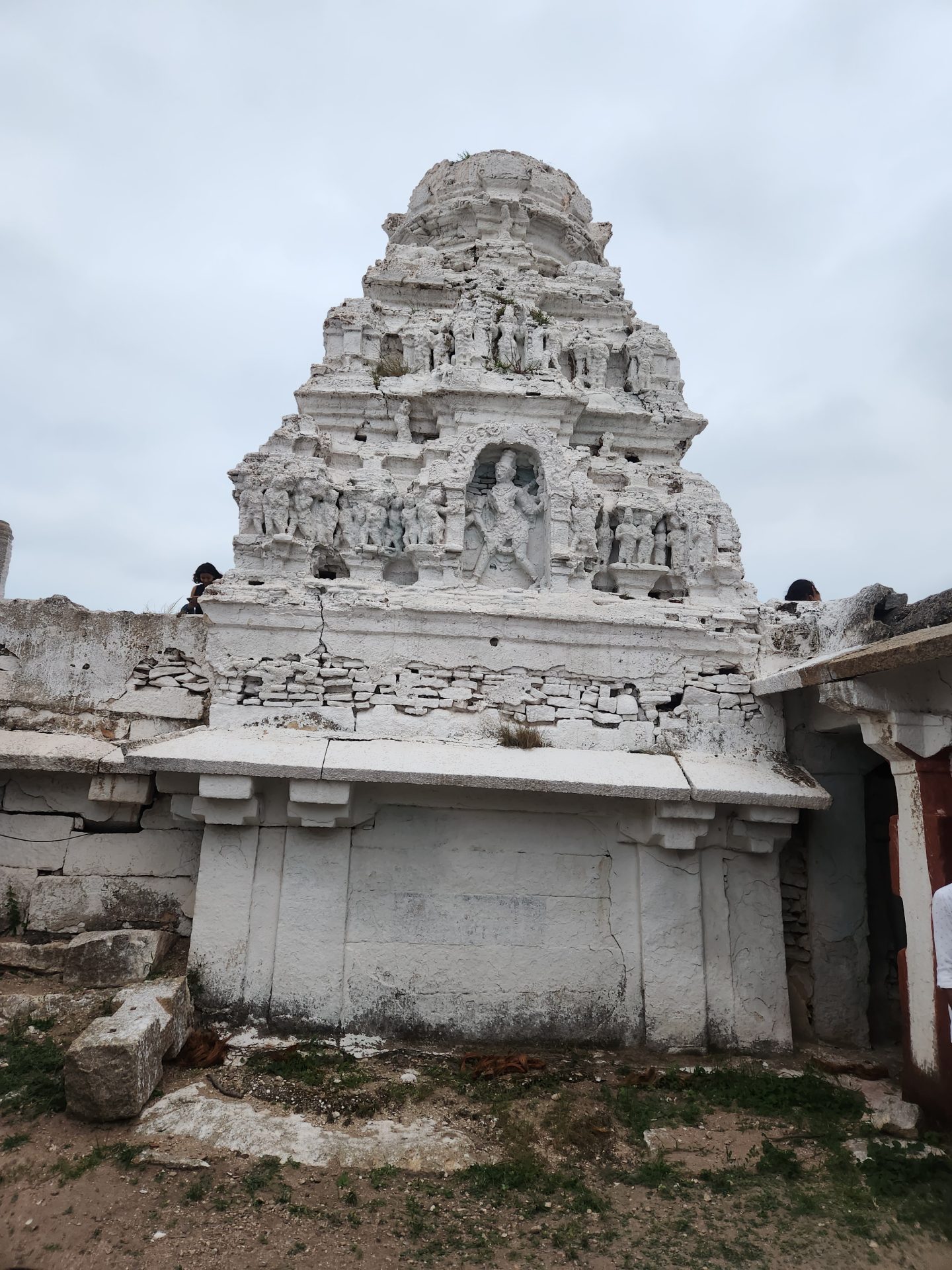
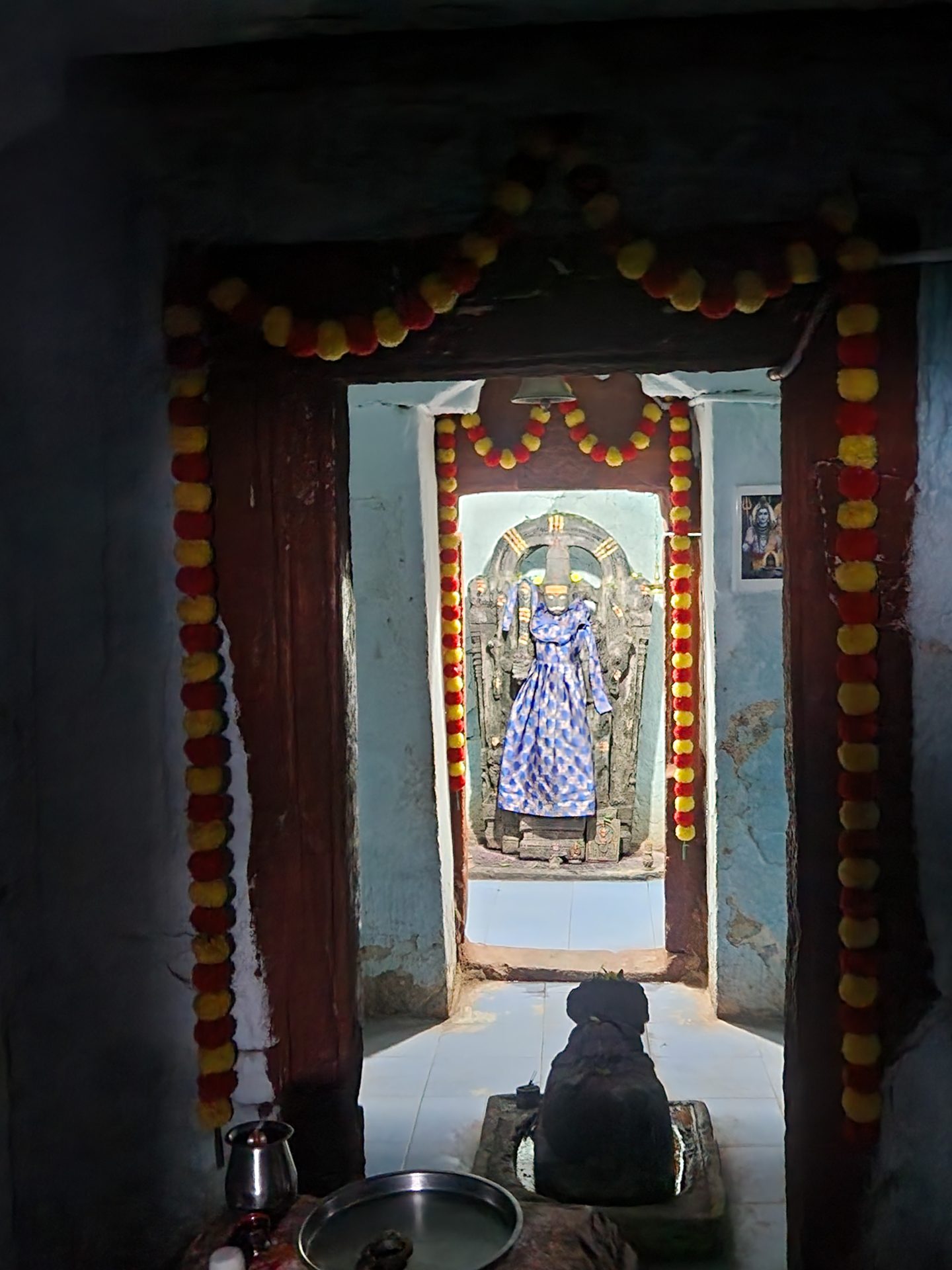
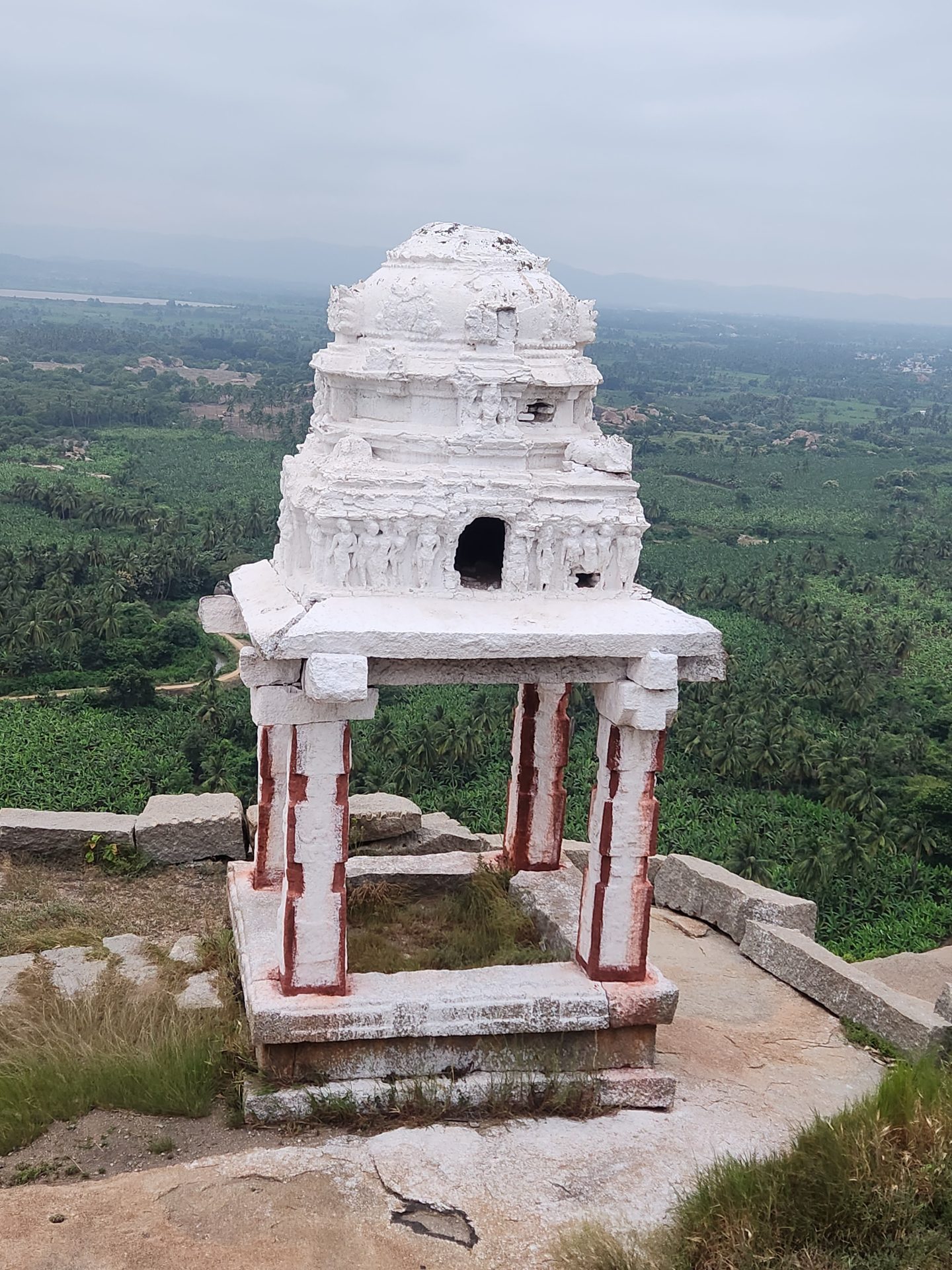
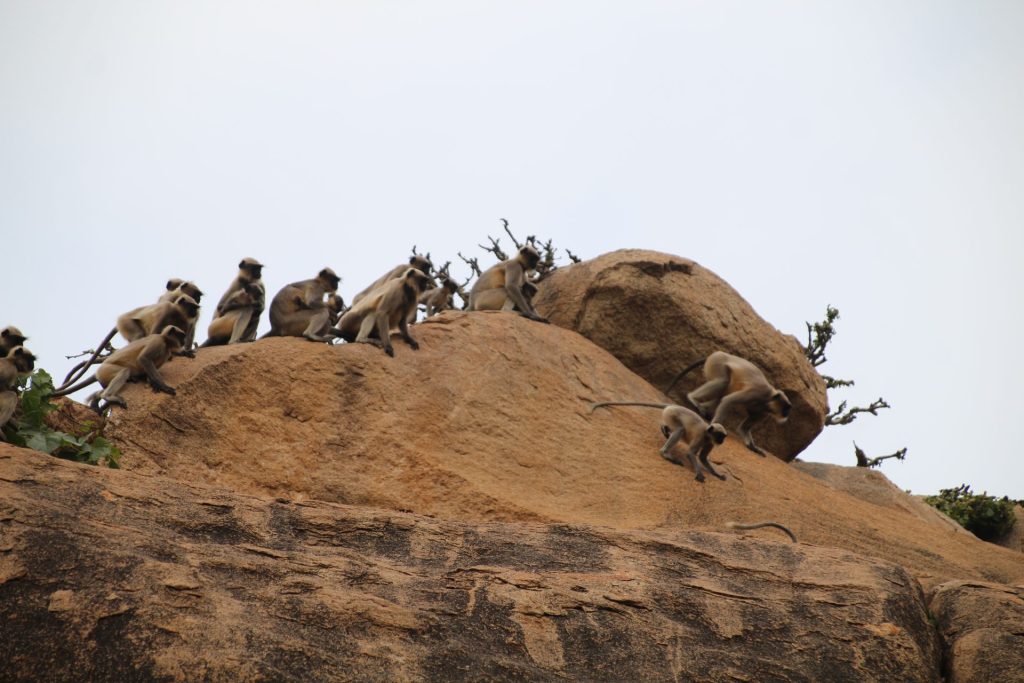
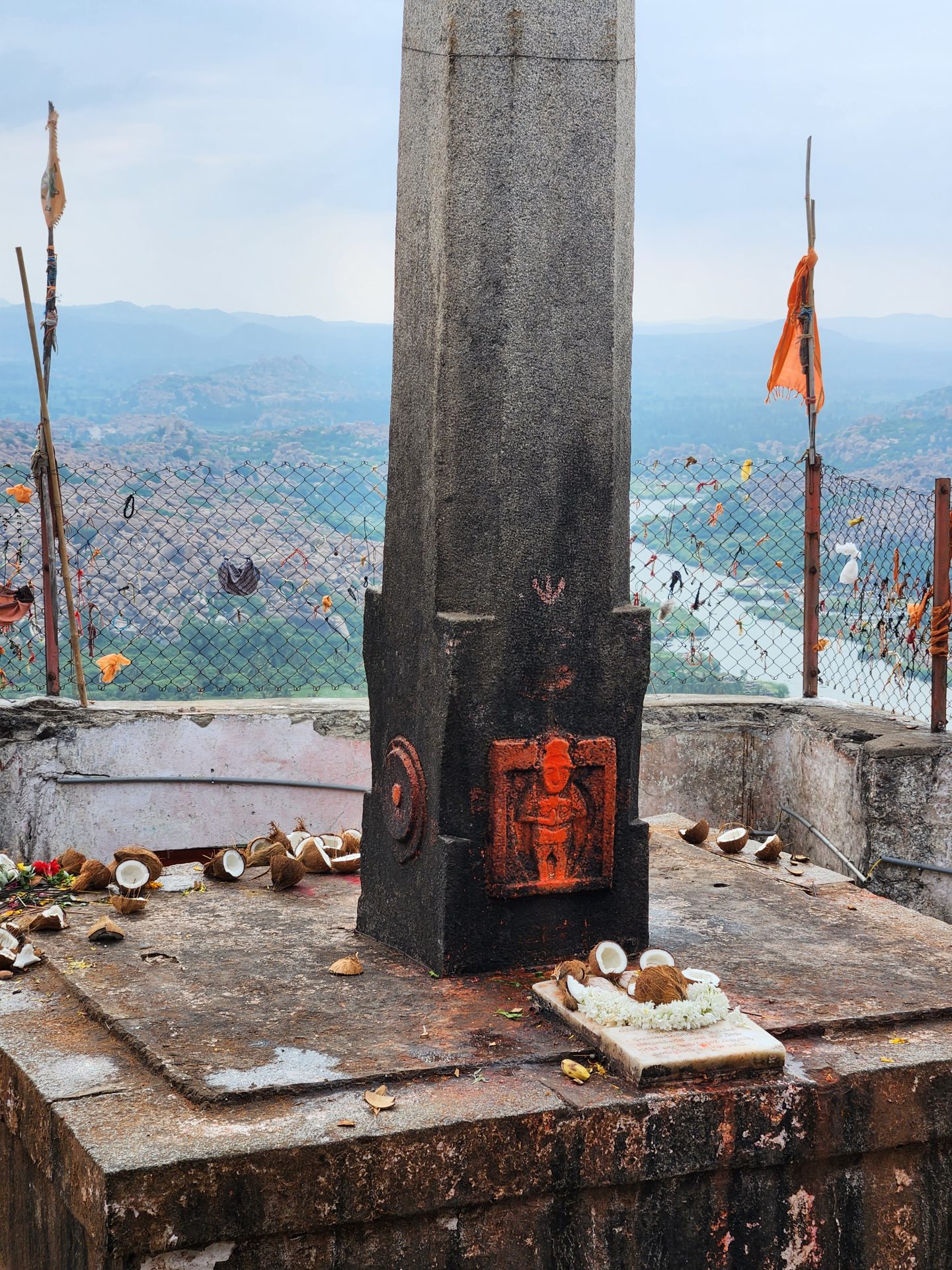
A lovely view of the Tungabhadra river can also be seen from atop the hill. A nice Veerabhadra temple opens upto visitors right at the very top and one would need to exercise caution with all the mischievous monkeys around.
The Matanga hill is supposed to have been the place where the Monkey King Sugriva had hidden with Lord Hanuman to save himself from the wrath of his brother Bali and finds mention in the epic The Ramayana.
One must remember to carry good trekking shoes for the climb.
The Anjanadri Hill
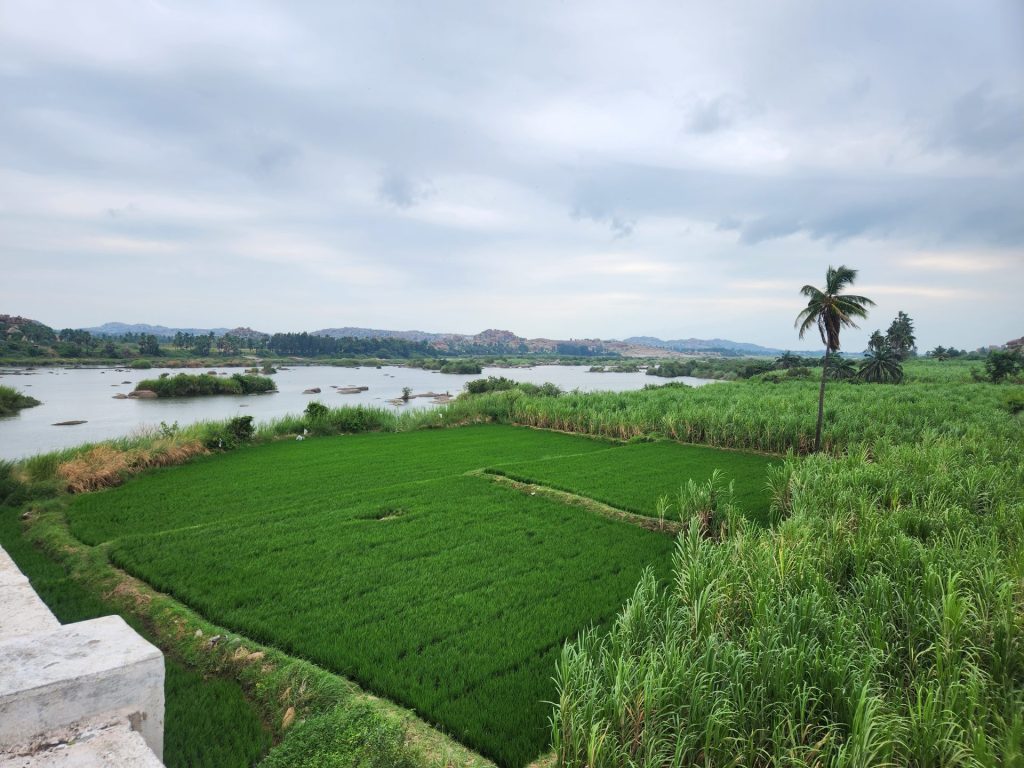
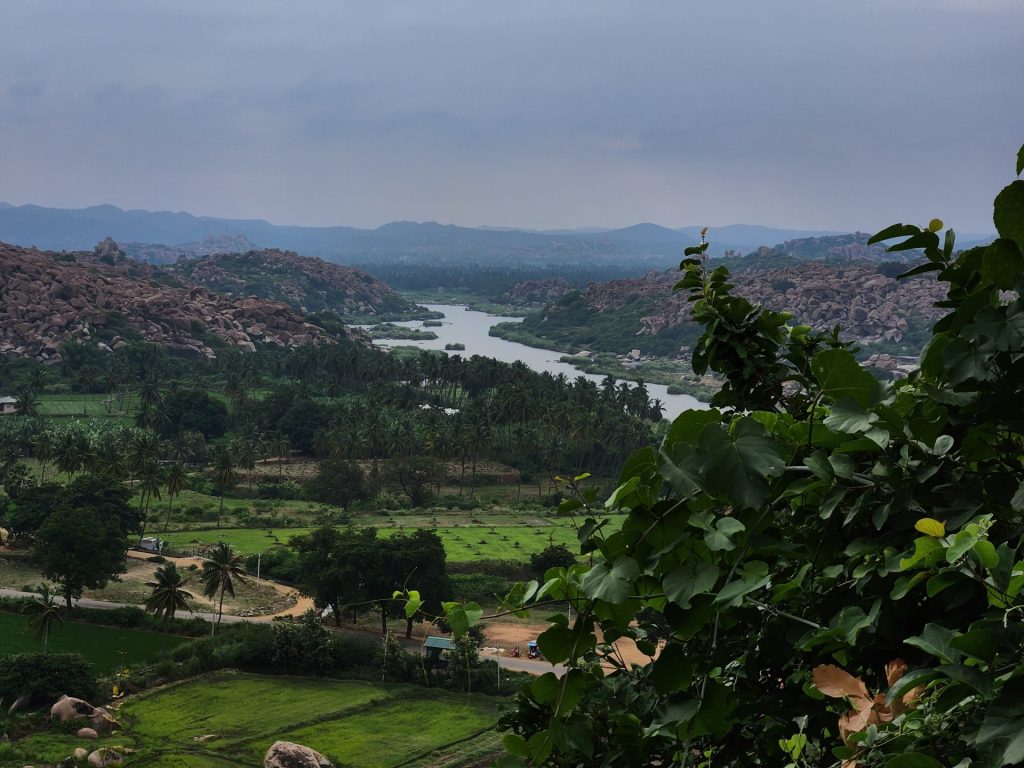
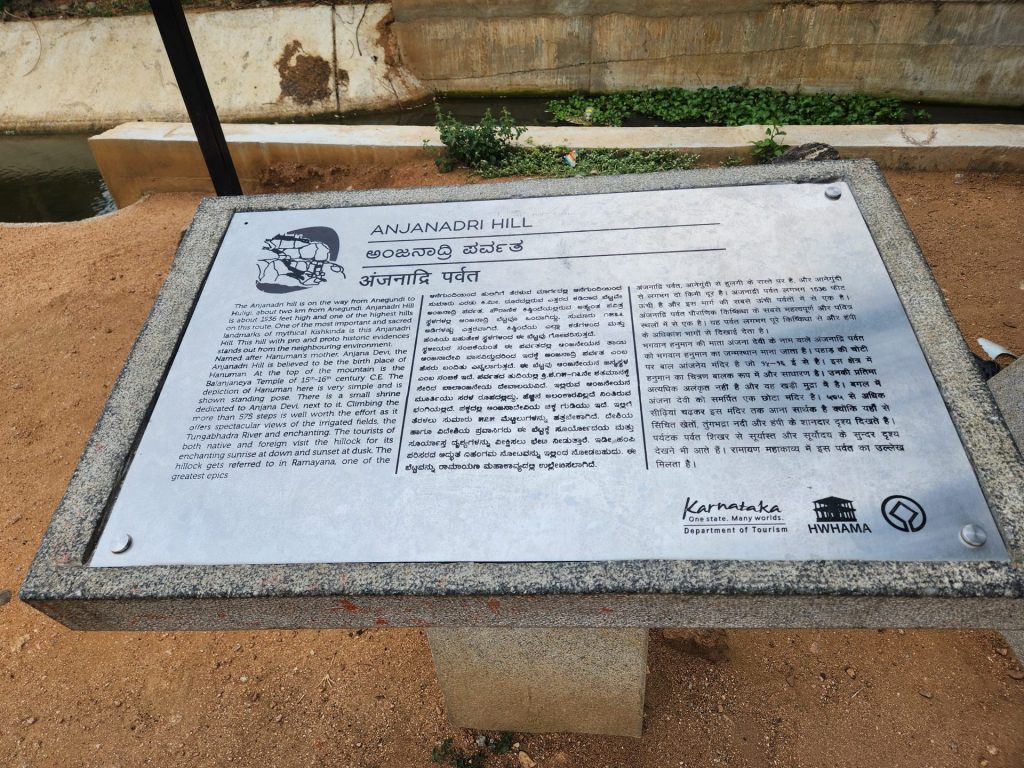
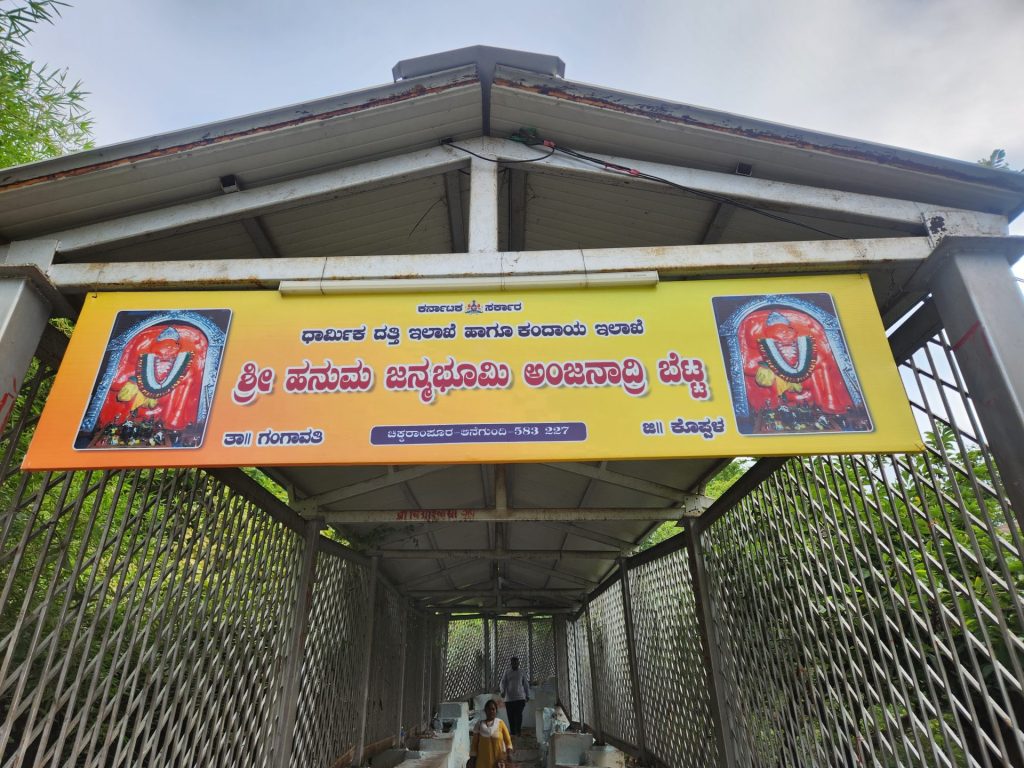
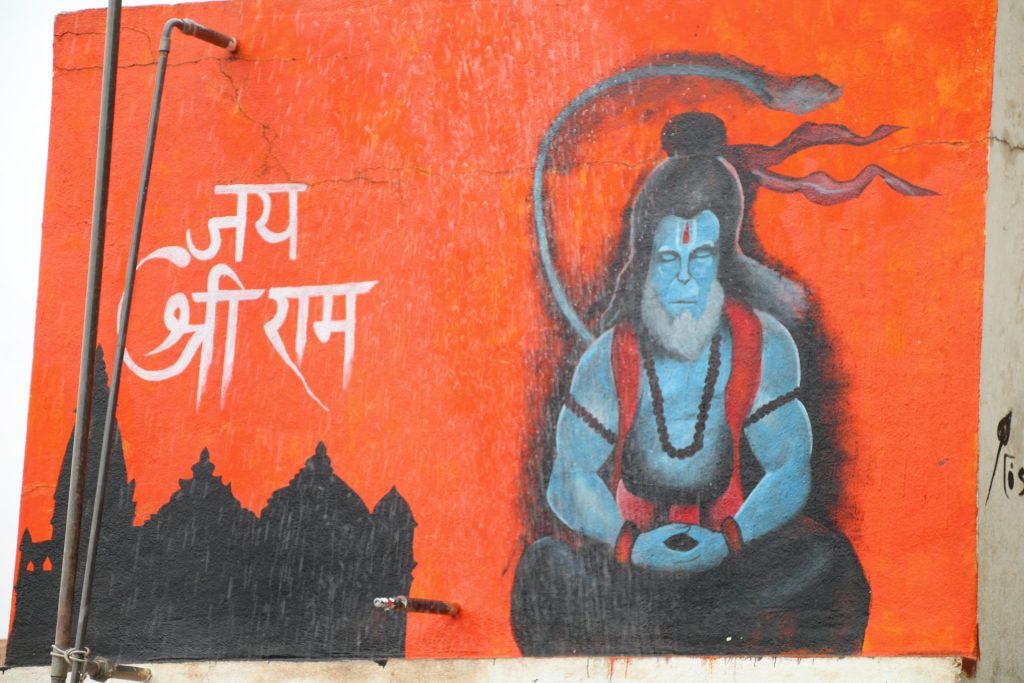
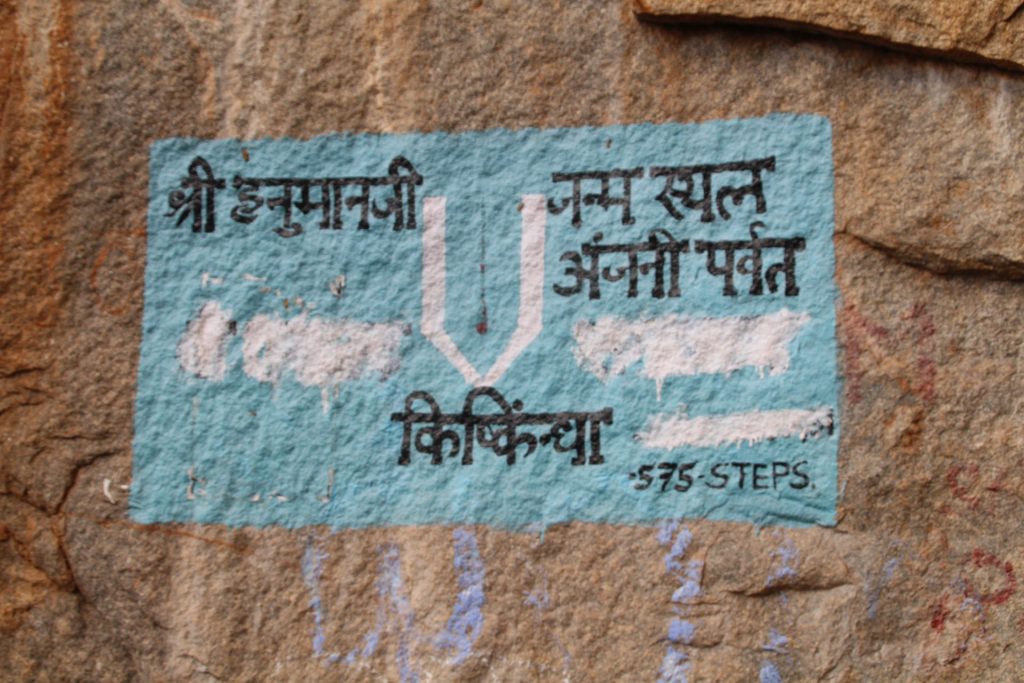
Located around 15 kms away from the Matanga Hill, we drove through water bodies, nice roads surrounded by paddy fields to reach Anegondi, believed to be the birth place of Lord Hanuman or Anjaneyar.
It took us around 30 minutes to reach the foothills of this temple and it was around 8 AM when I started my climb of around 575 steps to take me to the top.
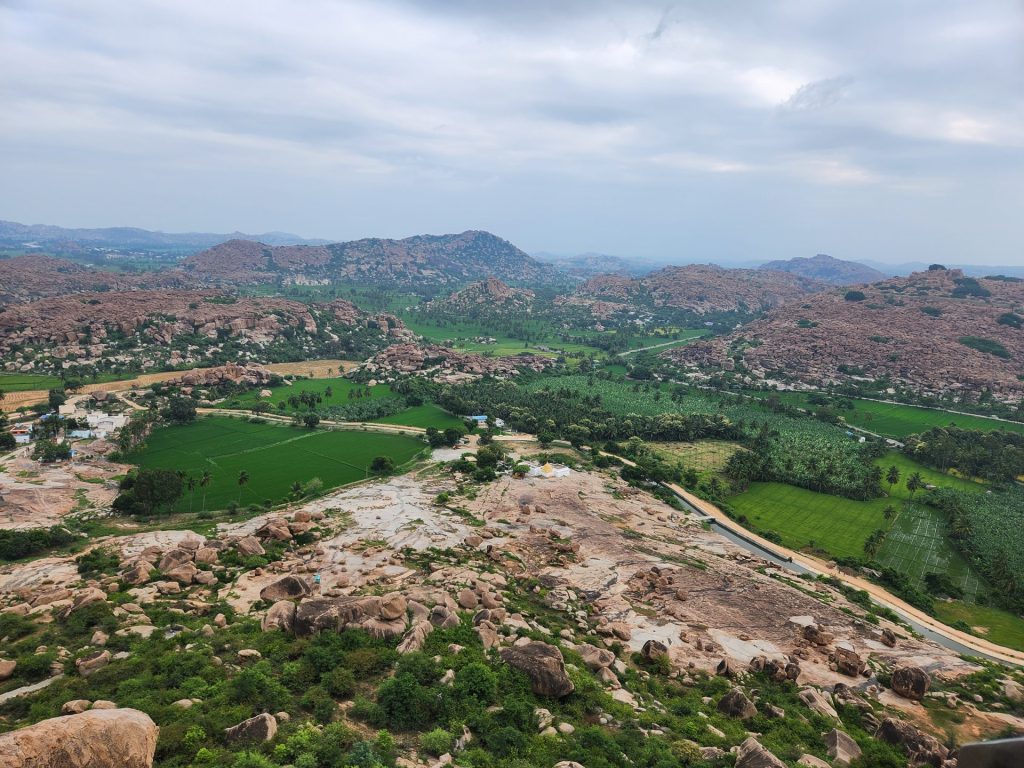
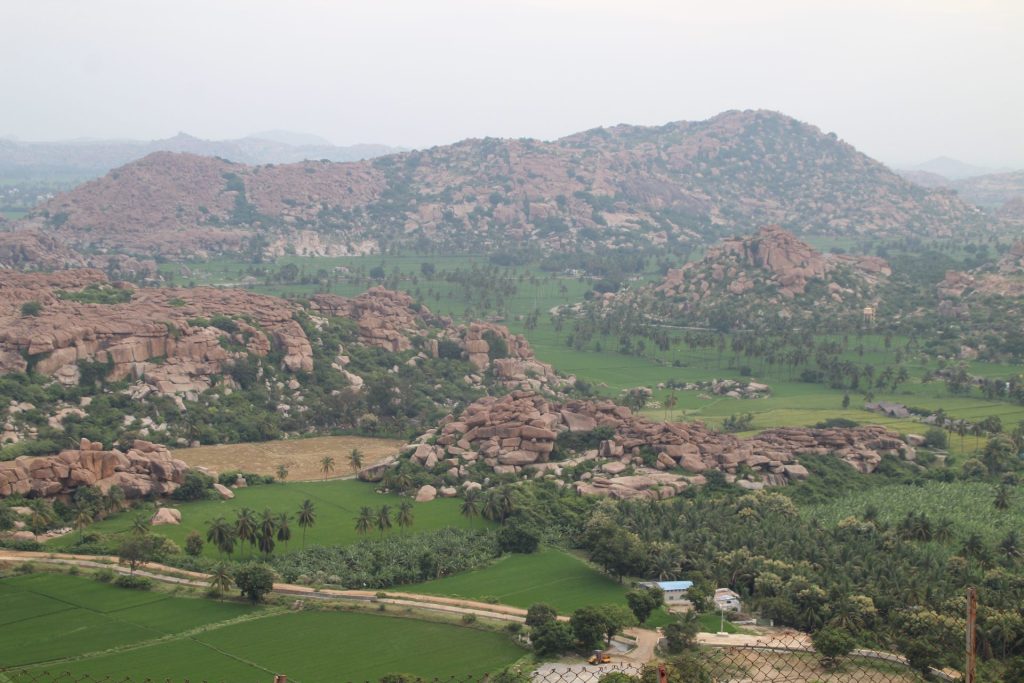
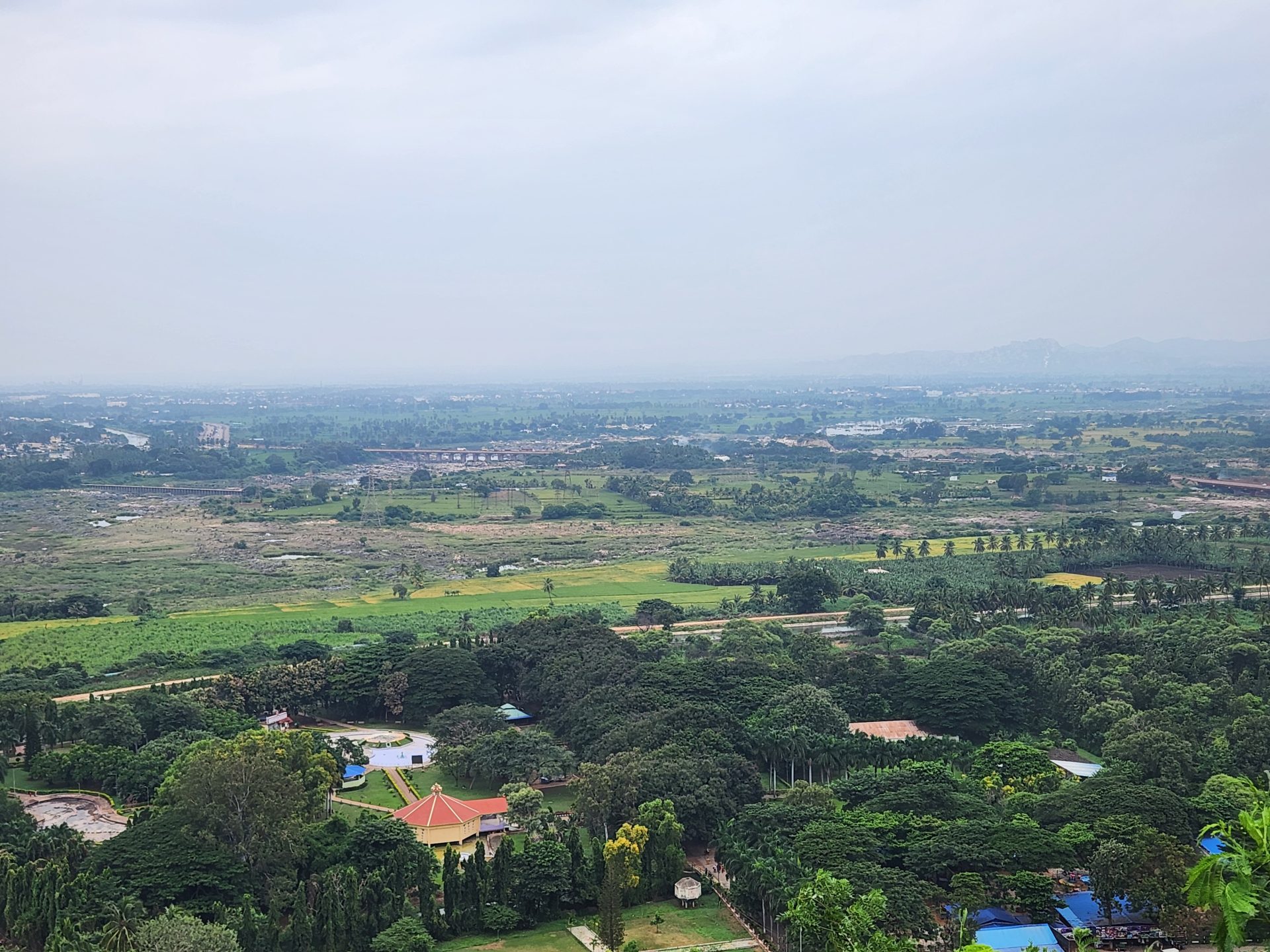
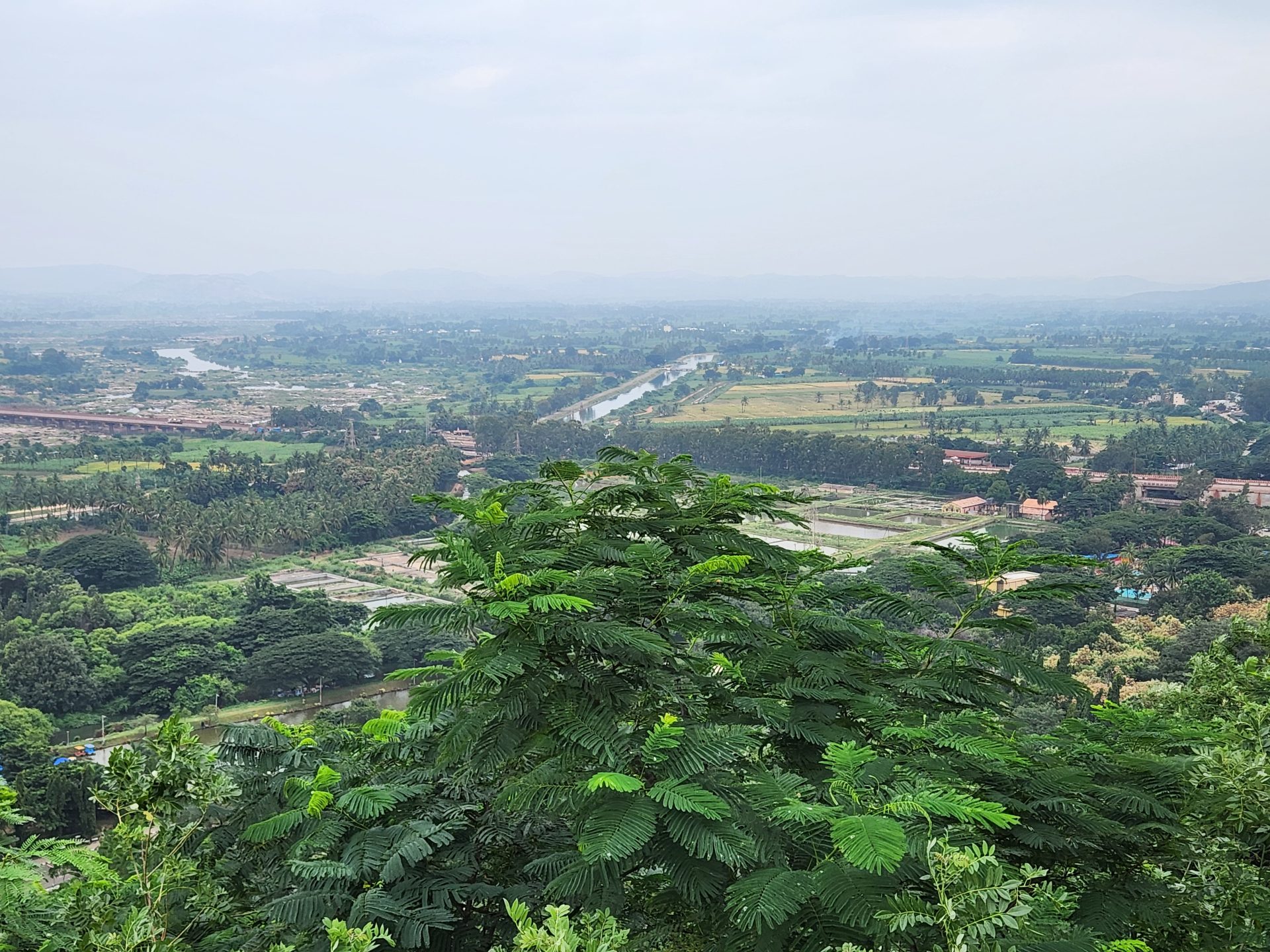
A nice temple with some stunning views of the countryside including the Tungabhadra river can be seen right from the summit. A couple of rounds of prayers said, I reached downhill and indulged in a little bit of street shopping before hopping onto the auto to go to Sanapur for the Coracle Ride.
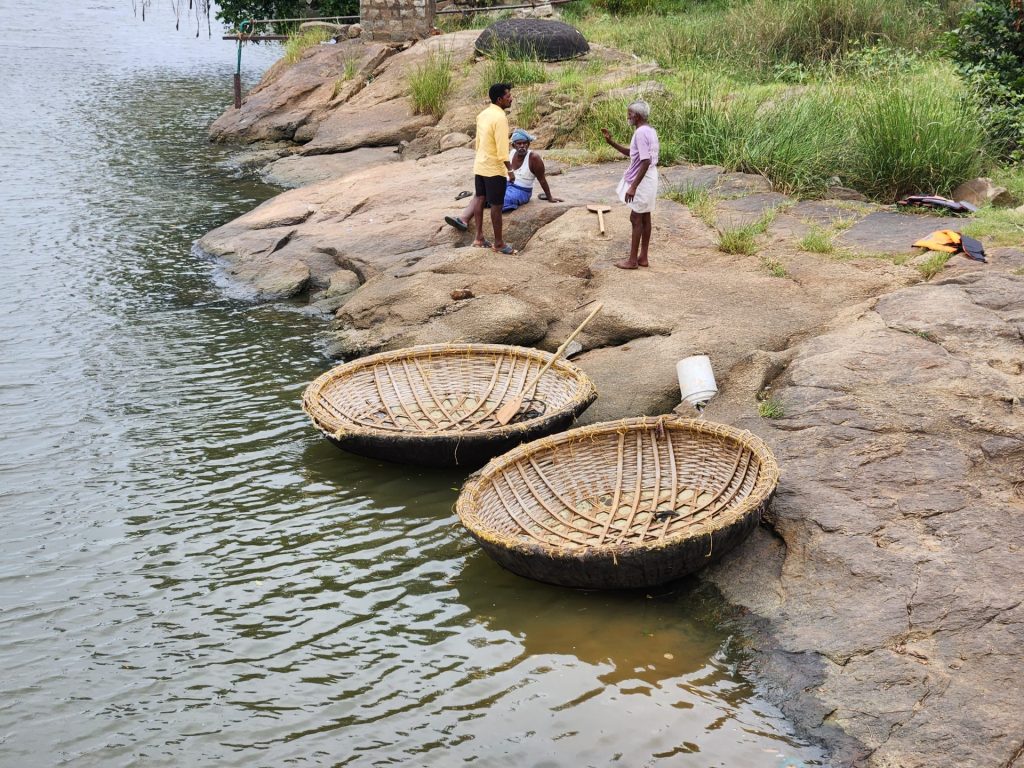
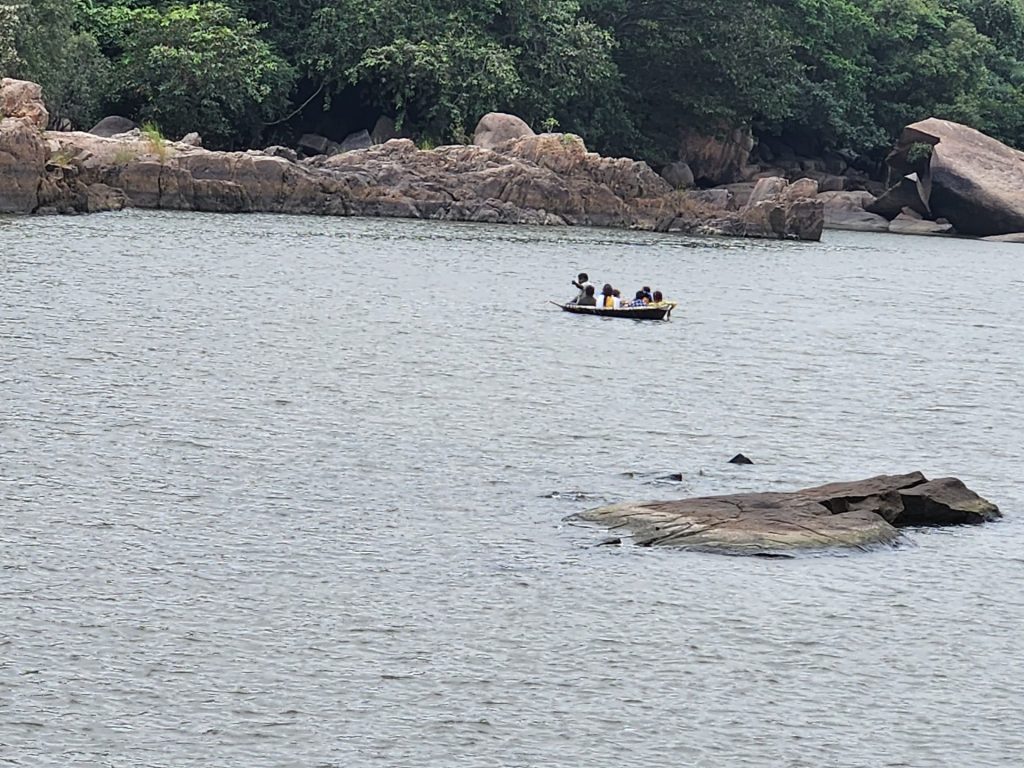
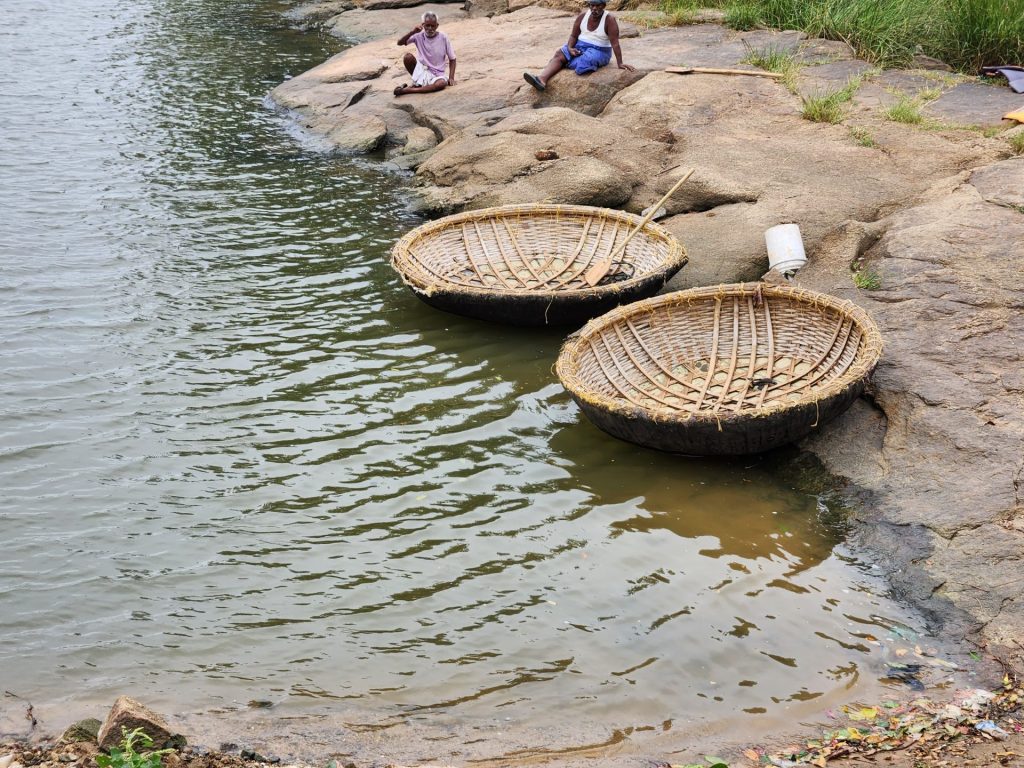
Located at a distance of around 4 Kms from Anegondi lies Sanapur where the Tungabhadra river can be seen in full flow. A popular place for boating amongst tourists, one gets to see lot of Coracle boats to be found here. Strike a hard bargain with these middlemen and boatmen as there are different slabs depending on duration of ride and no. of persons. Typically these boats can seat around 6 to 8 people on an average. Was running short of time and squeezed in a quick 20 minute ride for Rs.400/- with these folks.
Don't miss the Coracle Ride
It took us around 30 minutes to reach the foothills of this temple and it was around 8 AM when I started my climb of around 575 steps to take me to the top.
A nice temple with some stunning views of the countryside including the Tungabhadra river can be seen right from the summit. A couple of rounds of prayers said, I reached downhill and indulged in a little bit of street shopping before hopping onto the auto to go to Sanapur for the Coracle Ride.
The Tungabhadra Dam
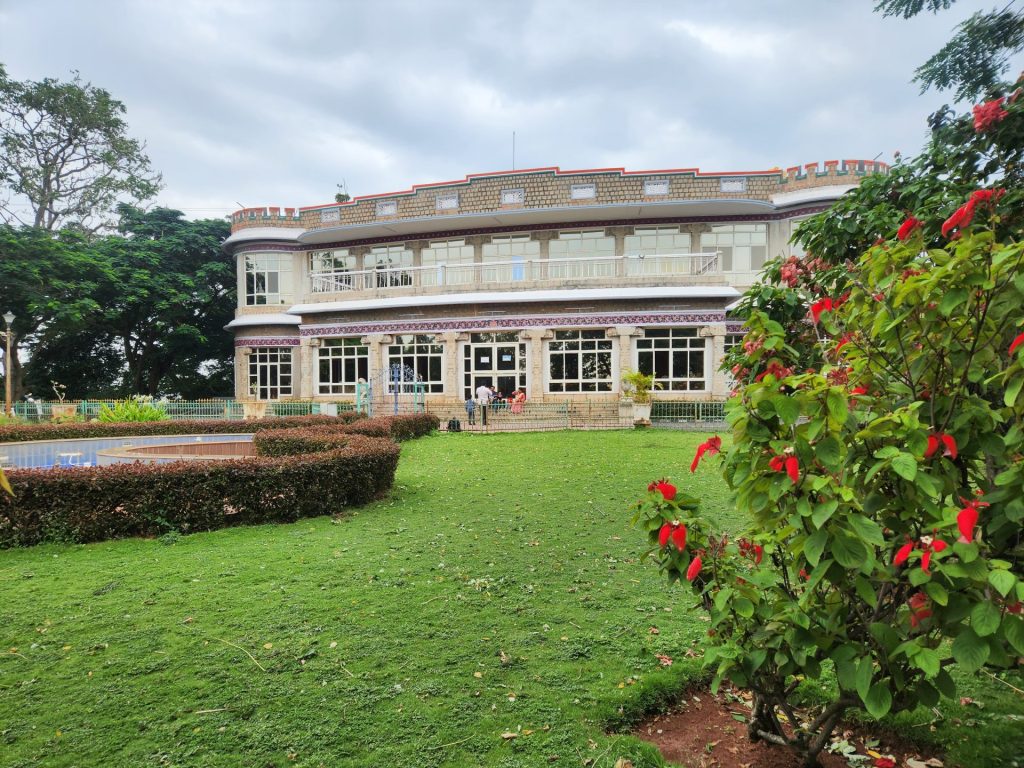
After having carried out the check out formalities, realized that I had around 4 hours on hand since my bus back to Bangalore was only at 4.15 PM. Negotiated with the Hotel folks for a cab for 3 hours and struck a deal with them for Rs.600/-. The cab guy reached almost immediately and we drove on towards the Tungabhadra Dam which was the only pending place on my itinerary.
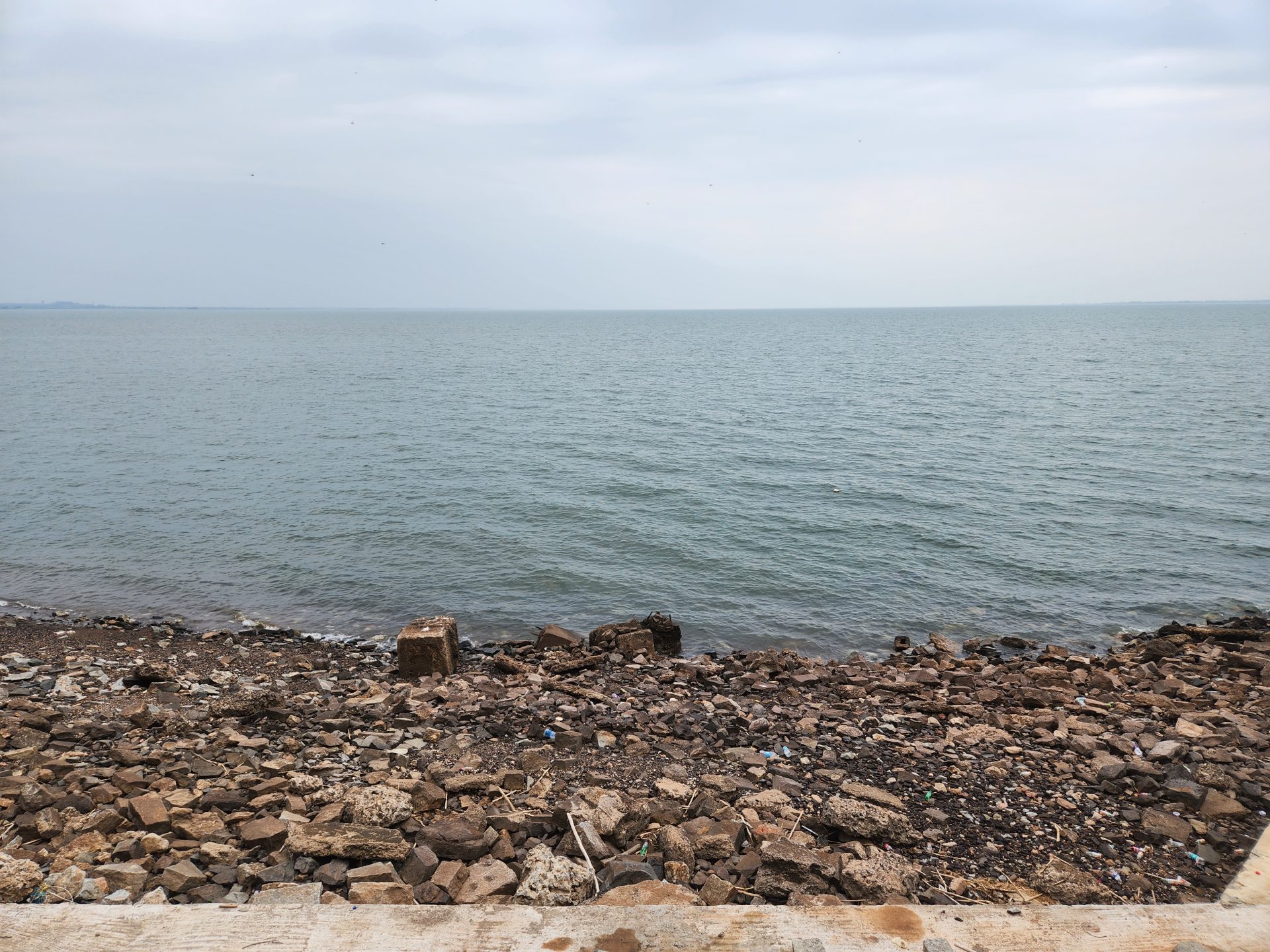
The cabbie first took me to Munirabad View point where the Tungabhadra river could be seen in full flow. Nothing much to see except for a rocky beach and after spending around 15 to 20 minutes, headed for the Tungabhadra Dam.
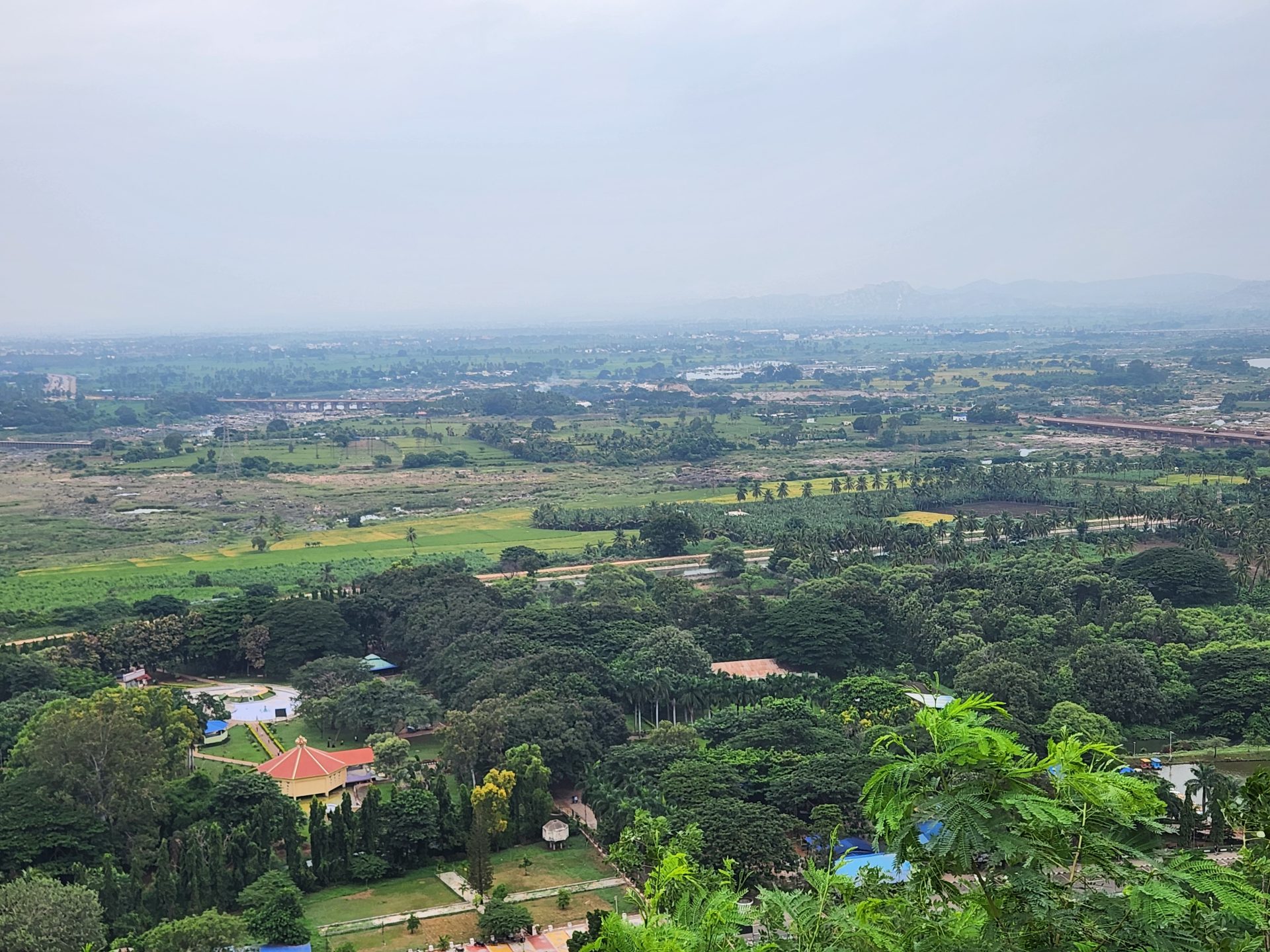
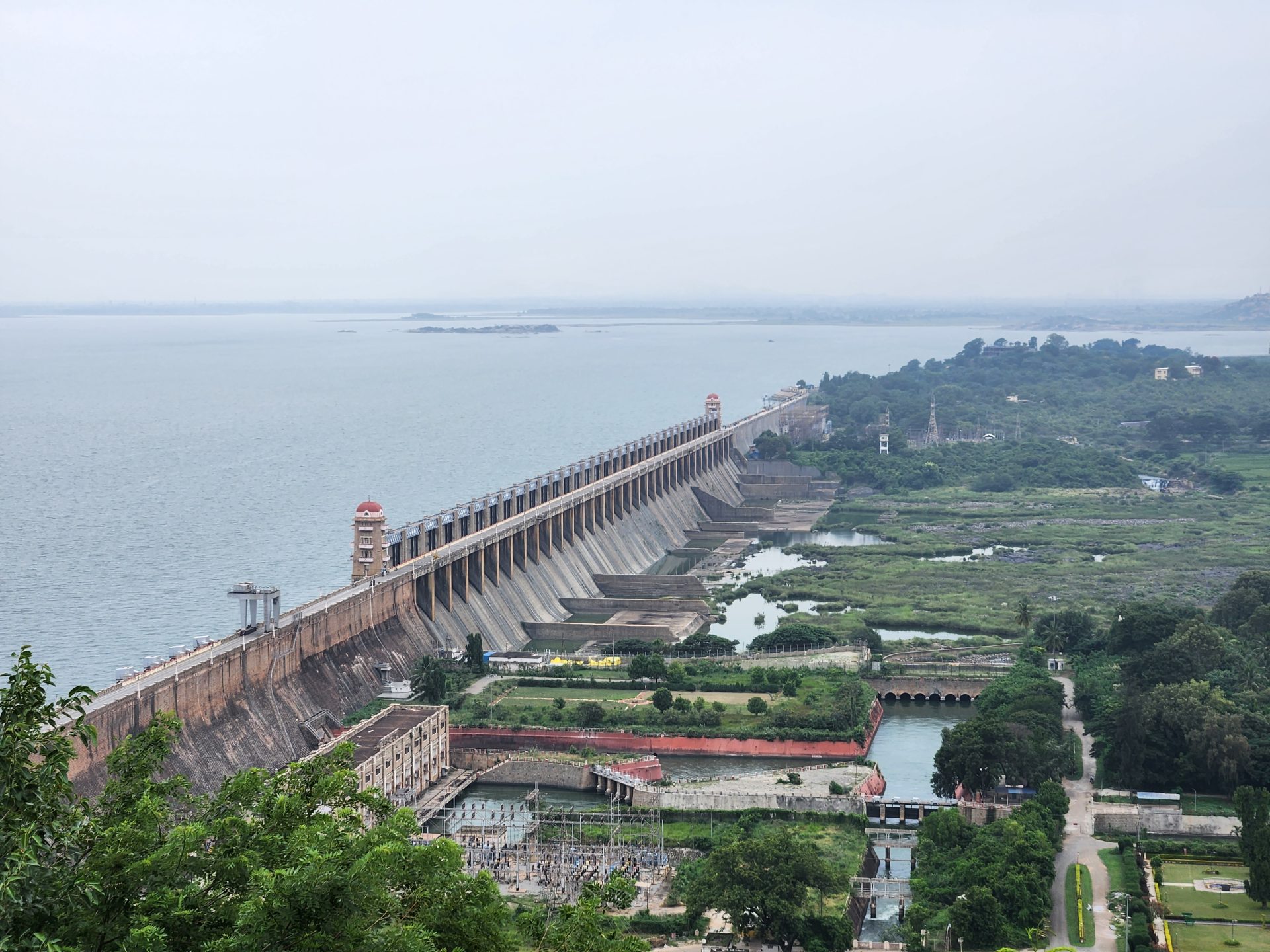
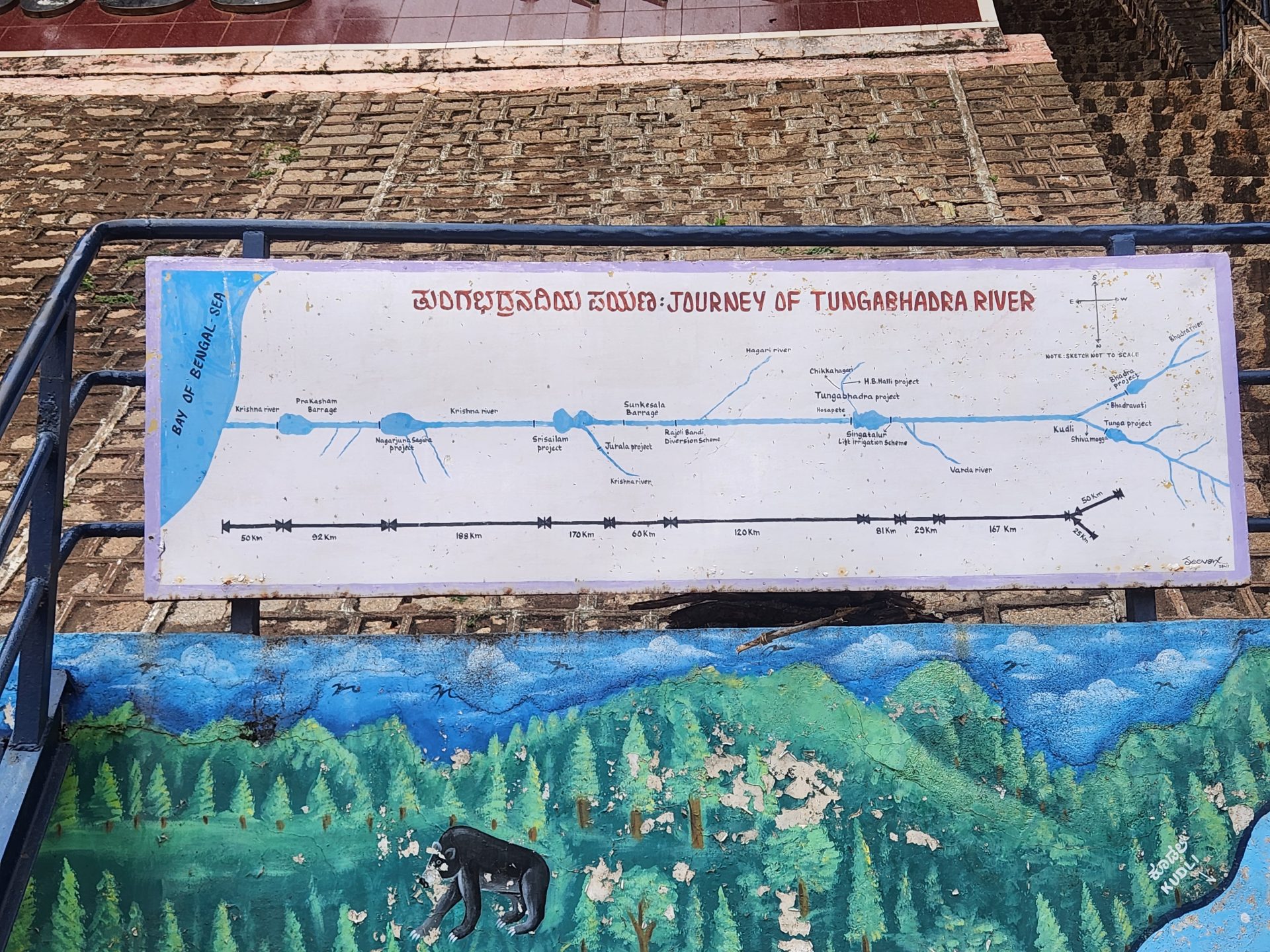
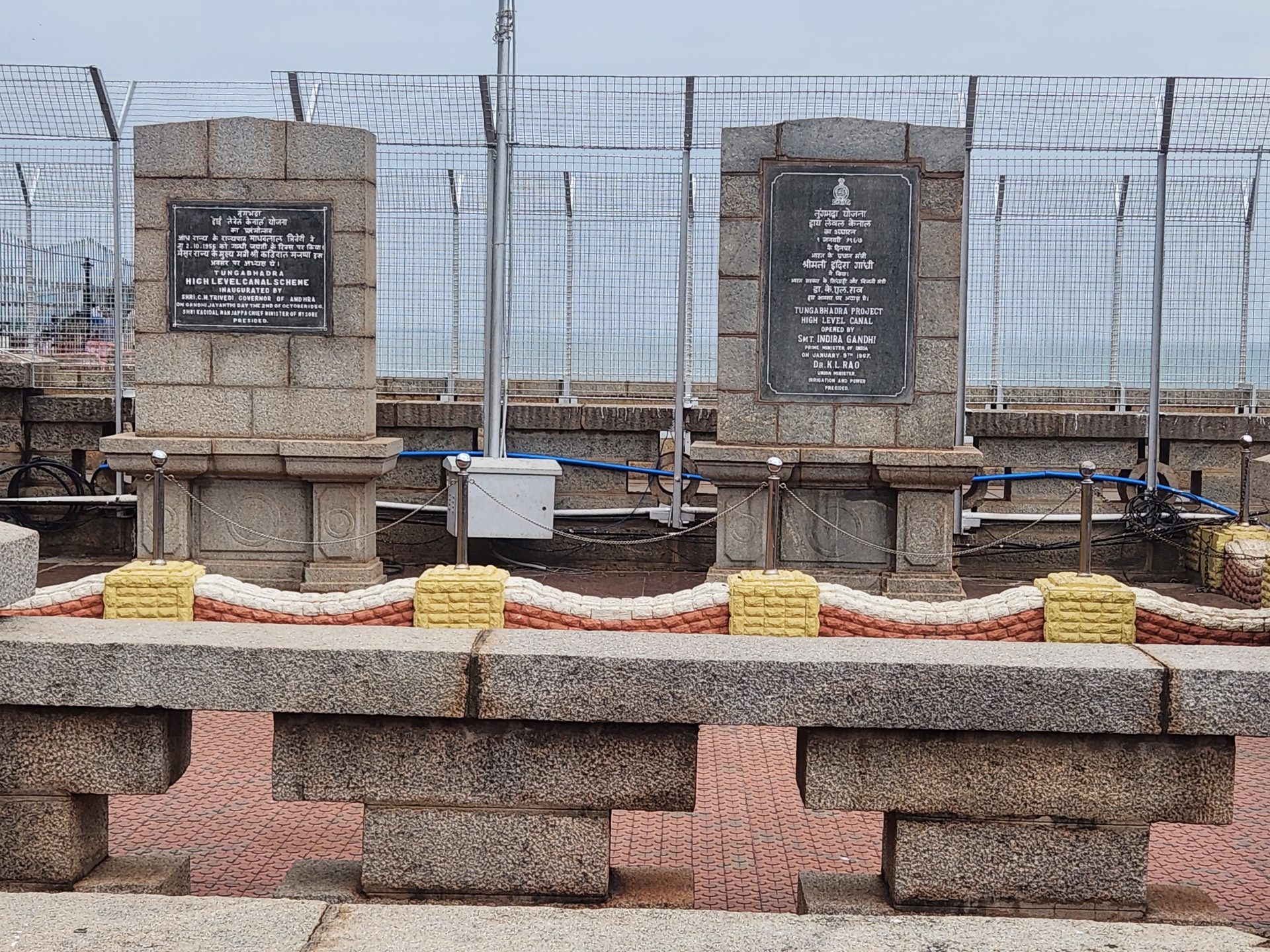
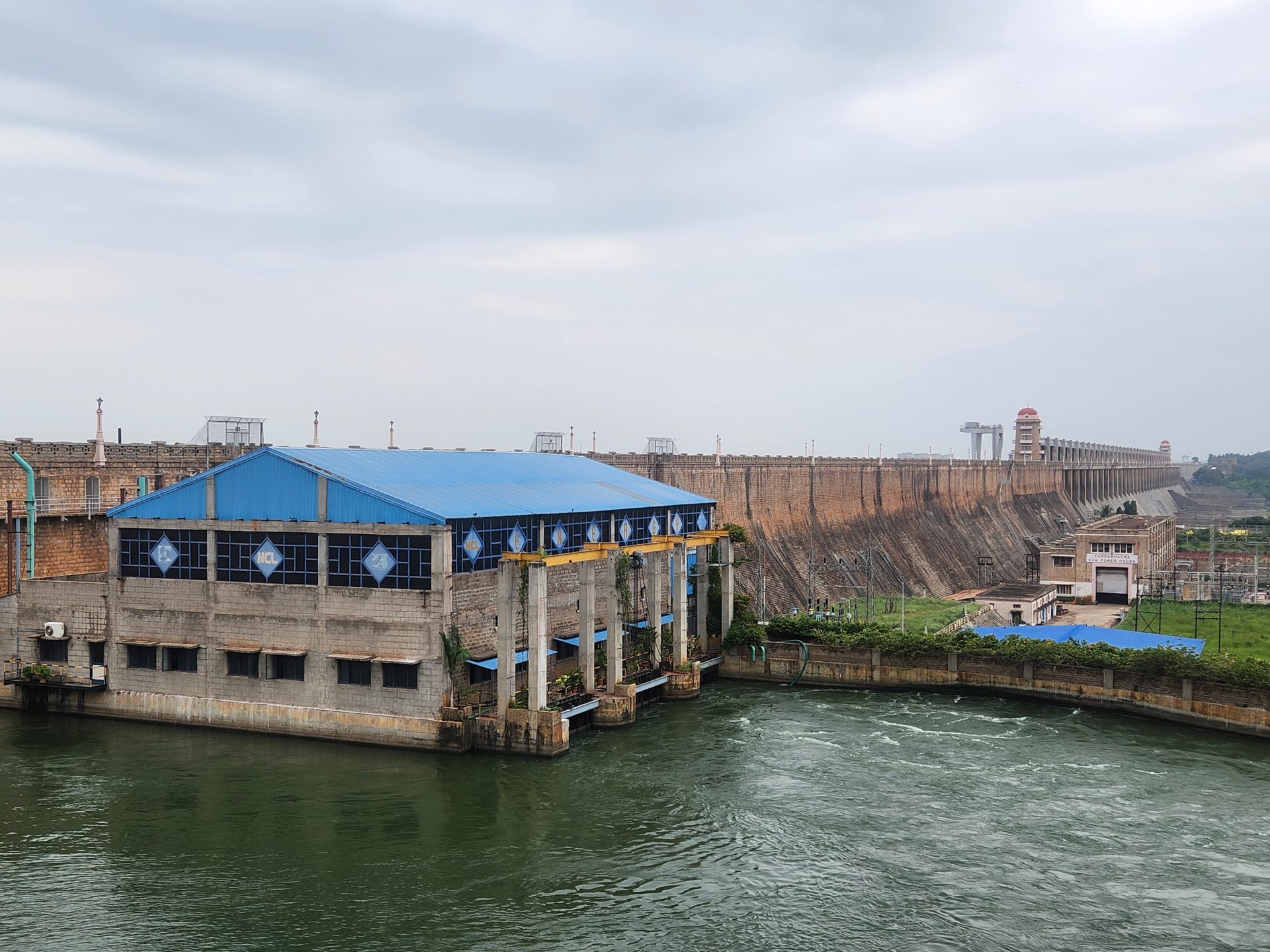
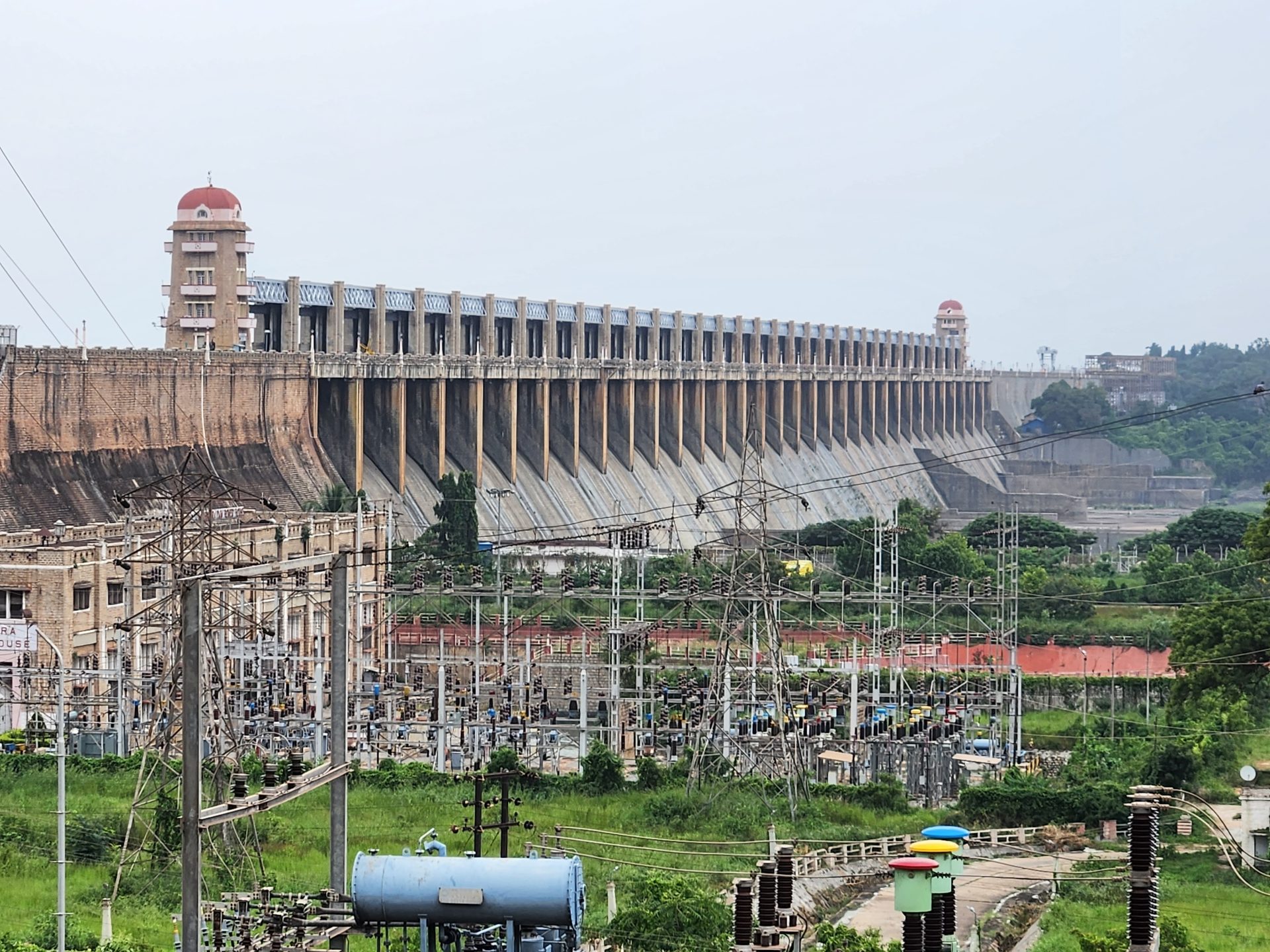
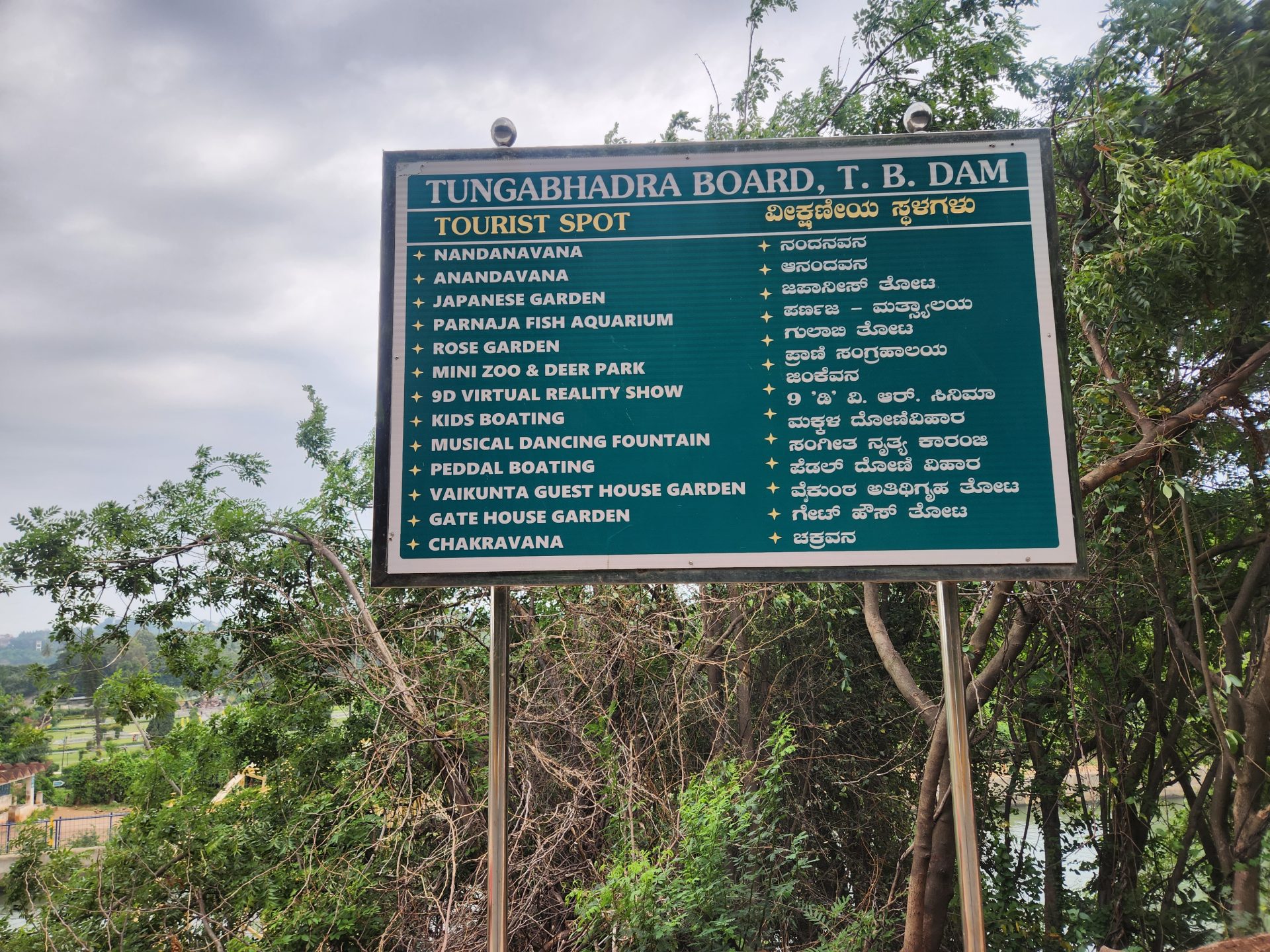
Also known as Pampa Sagar, this dam is a water reservoir constructed across the Tungabhadra river in Hospet. Opened in the year 1953, this multi-purpose dam serves the purpose of electricity generation, irrigation, flood control for the state of Karnataka.
Built at a height of around 50 metres from the deepest foundation, this dam has been constructed using a combo of mud and limestone and has 2 levels.
There is a bus which ferries tourists for a round trip from the entrance of the dam for Rs.20/- per head. Lovely views of the dam and the waters can be seen from both the levels.
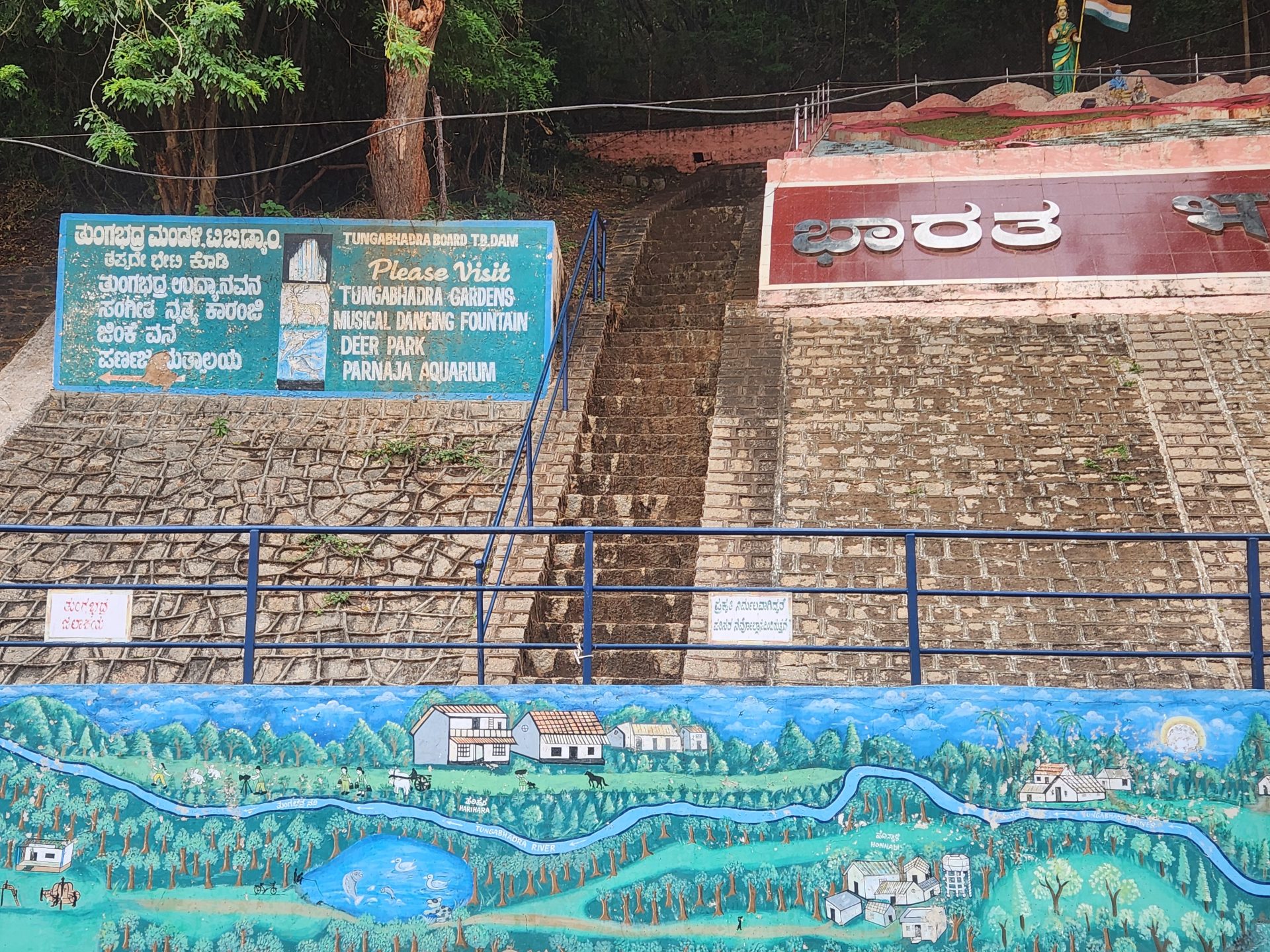
A PWD guest is there at the upper level while at the entrance to the Dam, there is a theme park and a play area for children.
THE PWD GUEST HOUSE
I was back at the hotel by around 2 PM and headed for lunch to the restaurant next door Abhiruchi. A sumptuous lunch done, lazed around the lobby at Ananya Comforts till around 3.45 PM after which I hailed an auto to drop me at the KSRTC Bus stand from where I was supposed to commence my return journey to Bengaluru.
An uneventful journey ensued and managed to catch up with a few winks of sleep before landing at Bengaluru near the Majestic Metro station from where I took a cab to my hotel at Bangalore.
Lovely memories of this short trip but would love to do it all over again. So much more to see as what I realized when I flipped the pages of a book on Hampi which I bought near the Virupakhsa temple along with lot of fridge magnets which they were selling on the road.
Your content can be published as a Coffee Table Book.
Keep writing.
Balaji Prasad Nandagopal
2 years ago
Lovely post with lots of pictures Mohan. Could enjoy the post more as I had been to this place as part of Yatra last month. Felt like the trip was brought alive once more through this. Enjoyed your detailed information of the places and temple.
Balaji Prasad
Atul Mathur
2 years ago
One thing I love about your travelogues is, it’s never short of pictures and exhaustive details about the places you visit. This trip of yours to Hampi has spectacular pictures and wonderful account that I have not seen in many other blogs written by others.
Keep traveling, that’s the best way to learn. Thank you so much for sharing this with rest of us.
Nalini B
2 years ago
What a great write-up! So much details packed into this blog and very informative… Thank you so much Mohan for this..














































































































































Wow, Mohan. amazing write up.
Your content can be published as a Coffee Table Book.
Keep writing.
Lovely post with lots of pictures Mohan. Could enjoy the post more as I had been to this place as part of Yatra last month. Felt like the trip was brought alive once more through this. Enjoyed your detailed information of the places and temple.
Balaji Prasad
One thing I love about your travelogues is, it’s never short of pictures and exhaustive details about the places you visit. This trip of yours to Hampi has spectacular pictures and wonderful account that I have not seen in many other blogs written by others.
Keep traveling, that’s the best way to learn. Thank you so much for sharing this with rest of us.
What a great write-up! So much details packed into this blog and very informative… Thank you so much Mohan for this..