A ride along the South Eastern Coromandel Coast stretch from Chennai on the East Coast Road for around 60 kms brings one to the small town of Mahabalipuram where one gets to see some exquisite stone sculptures and rock cut caves, dating back to the 7th and 8th Century and built by the Pallava Kings. Intricate carvings on rock, built by artisans lend a very distinctive style to these majestic edifices.
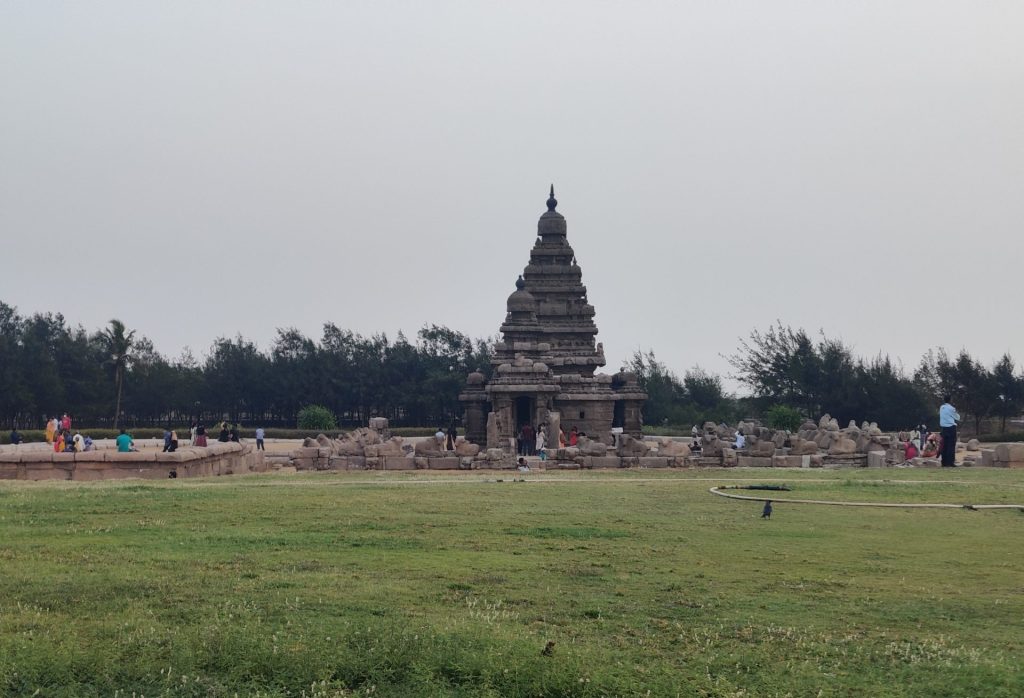
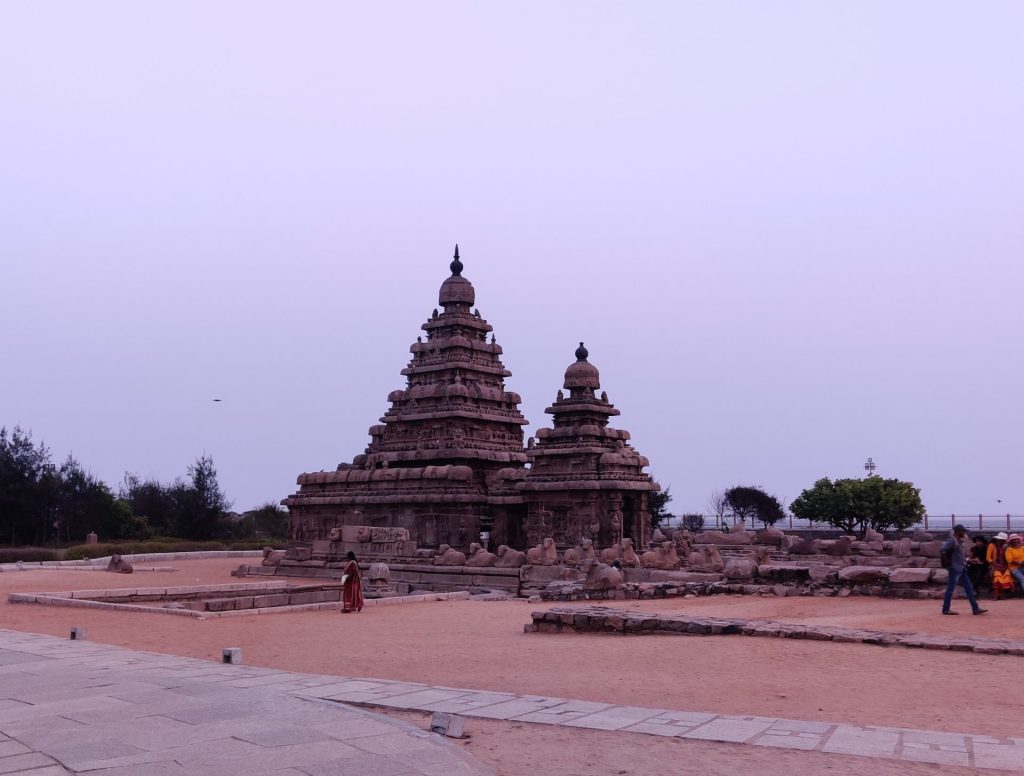
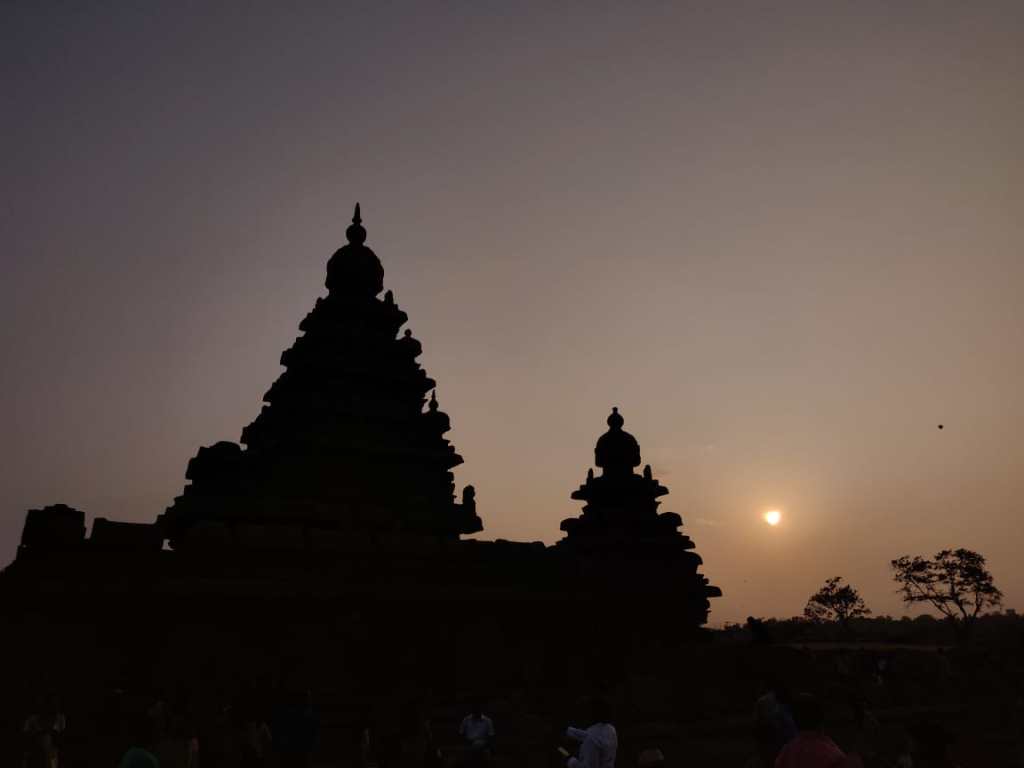
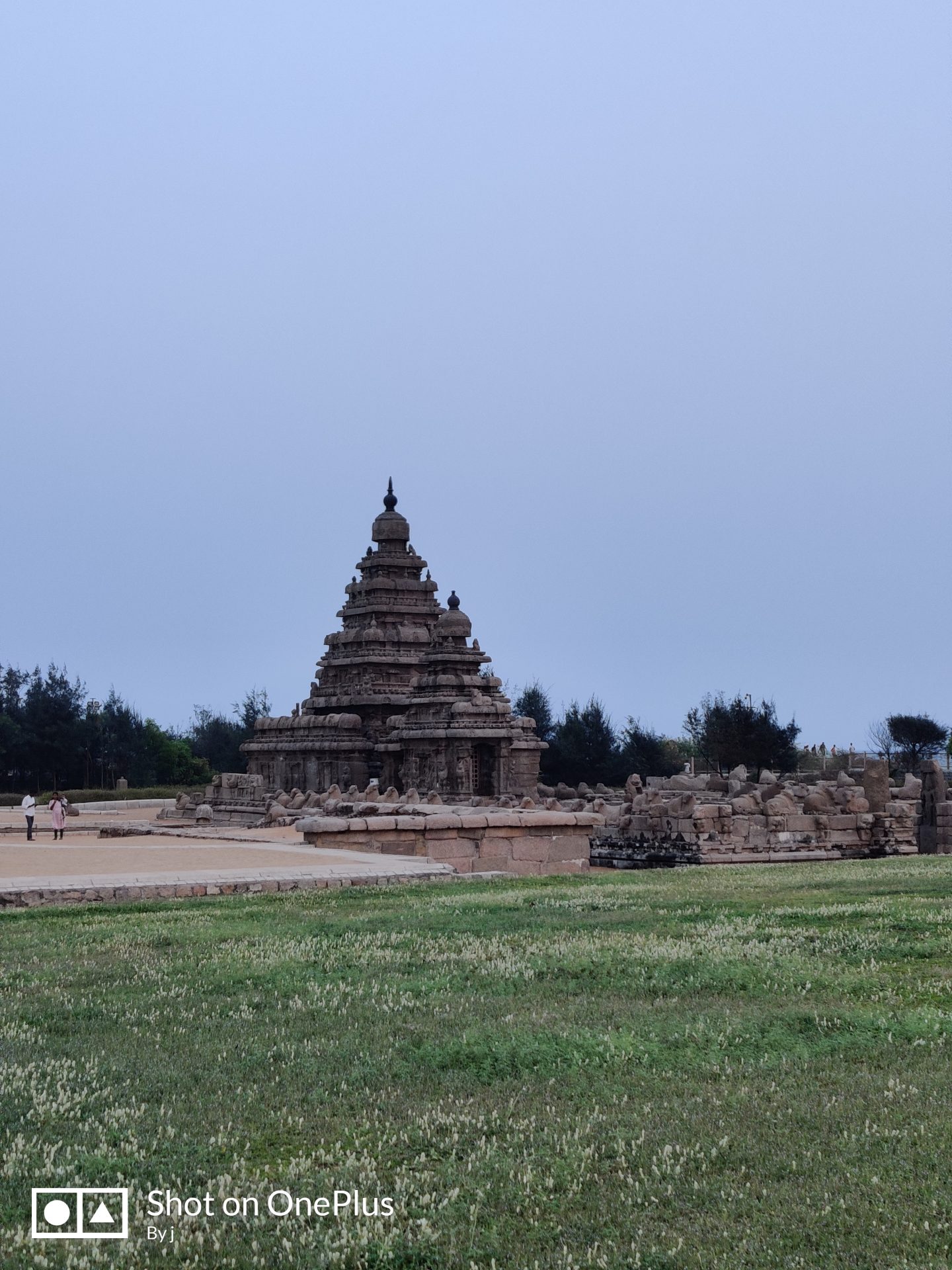
SUNSET OVER THE SHORE TEMPLE
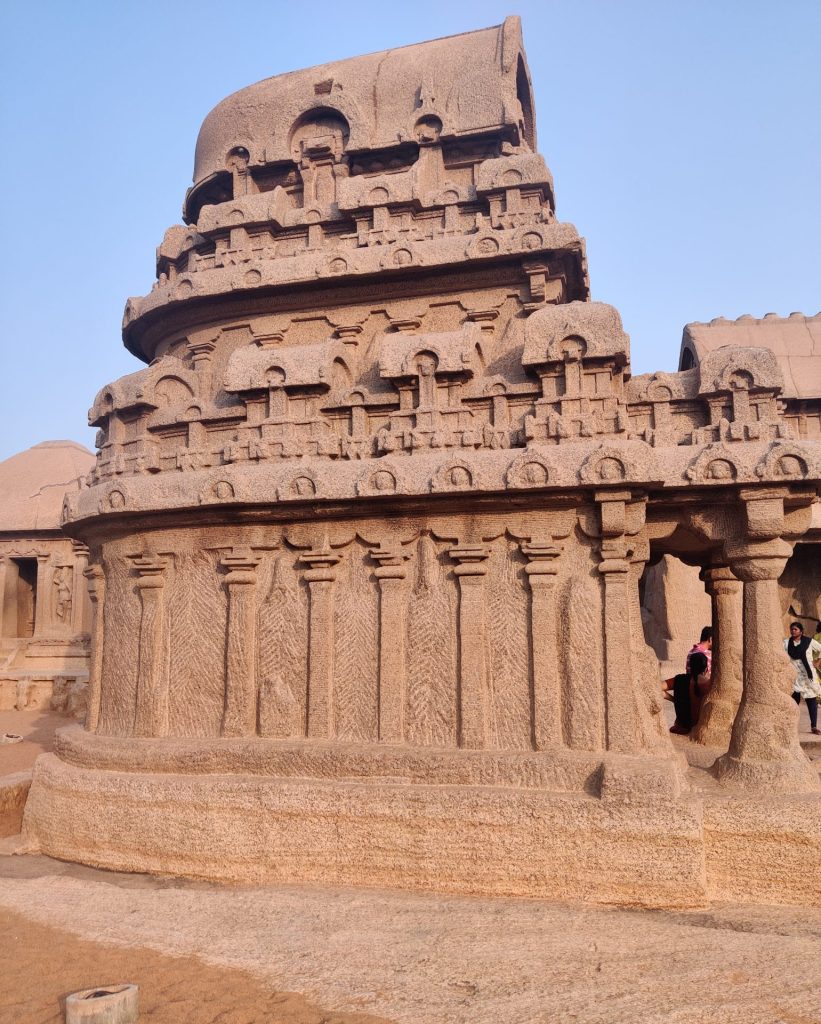
THE PANCHA PANDAVA TEMPLE
Table of Contents
Reaching Mahabalipuram
The temple town of Mahabalipuram can be accessed from Chennai both via the ECR or the OMR roads and lies around 60 kms away from Chennai and on the same stretch which leads to Pondicherry. Chennai is well connected to all metros across India both by Air and Rail. People could look at flying into Chennai’s International Airport at Meenambakkam or doing the short or long haul by Train/Bus depending on where you are planning your travel from.
A little bit on this small town
While the ancient name of the town is Thirukadamallai, Mahabalipuram is also known as Mamallapuram and was part of the Pallava Dynasty. The events of the Mahabharata are also built into these temples and through successive kings, the architecture shifted from rock cut reliefs to structural buildings.
Folklore has it that the city got mysteriously destroyed. While some believed that the city was swept underwater by a Tsunami or flood, local myth says that Indra, the God of Thunder and War, got jealous of the elegance of Mahabalipuram, and tried to submerge the whole city through a flood.
The town derived its name from Mahabali which was also how the Pallava King Narasimhavarman I was known as. Home to around 40 monuments and temples, this 7th century Port City declared as a UNESCO Heritage Site is famous for its Rock Cut Shore temples in the year 1984.
Carved out of living rock, there are some amazing sculptures on view here either in the form of large open air rock carvings or chariots or rathas, cave sanctuaries and of course the famed Shore Temple.
Ideal months to visit Mahabalipuram
Mahabalipuram is as blessed as Chennai with respect to the weather conditions. One could look at keeping a day aside for visiting Mahabalipuram as part of a Chennai visit or look at combining it with a visit to Pondicherry. In any case, given the travel time it would entail, set aside a complete day for visiting the Shore temple and other relics here. The months of October to March would be ideal for a visit here. Try reaching early to catch the sunrise or late evening for the sunset over the shore temple. Makes for some compelling views.
Stay at Mahabalipuram
In the event of your wanting to chill around at a beach resort while at Chennai, chose the ones closer to Mahabalipuram. Over the last few years multiple resorts have come up on this stretch as most Chennaites prefer a drive over the weekend to Mahabalipuram, stay overnight and then return the next day. One could look at Radisson Blue Beach Resort/ The Chariot Beach Hotel/Mamallaa Heritage/Kences Palm Beach/ Intercontinental Chennai (an IHG Hotel)/Kaldan Samudhra Place/Coral Beach Resort/Bodhi Beach Resort and many more.
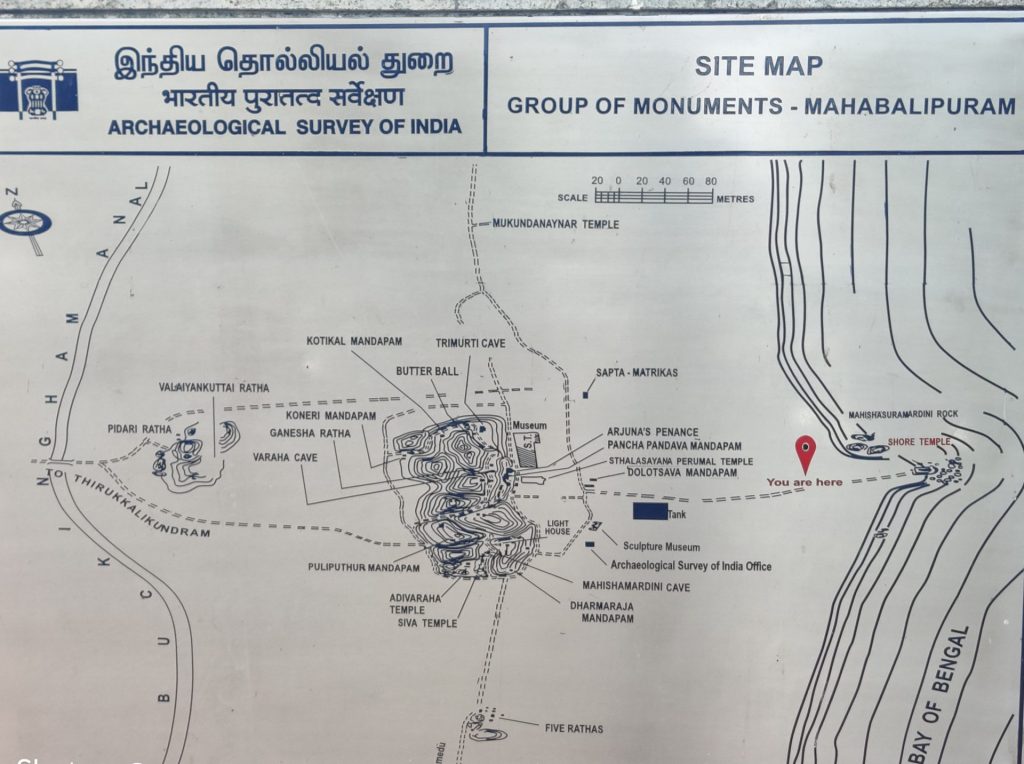
The Monuments around the town
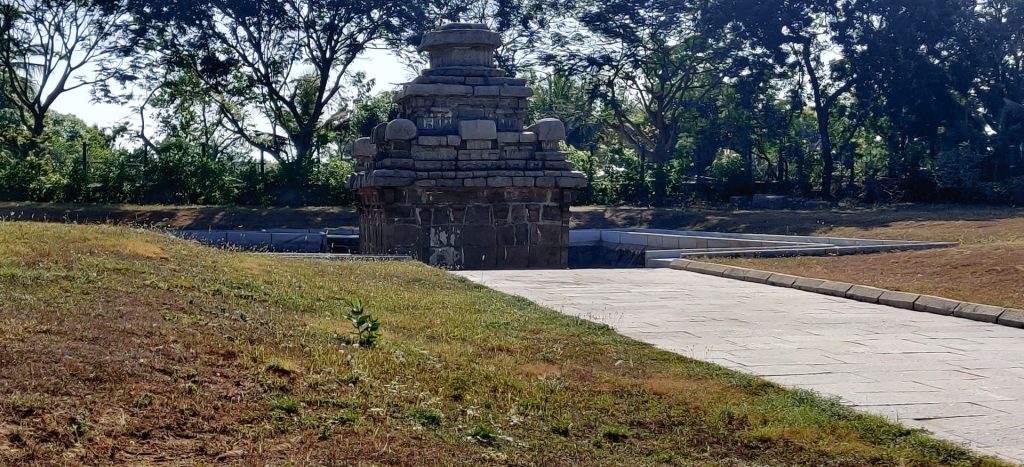
The Mukunda Nayanar temple
Said to have been excavated from 12 feet of sandy soil, the Mukunda Nayanar temple lies at the Northern end of the archaeological monuments in Mahabalipuram. A small structural temple built by King Rajasimha Pallava, the inner shrine is supposed to have a sculptural panel of Somaskanda – Shiva, Parvati and baby Skanda with Vishnu and Brahma behind them
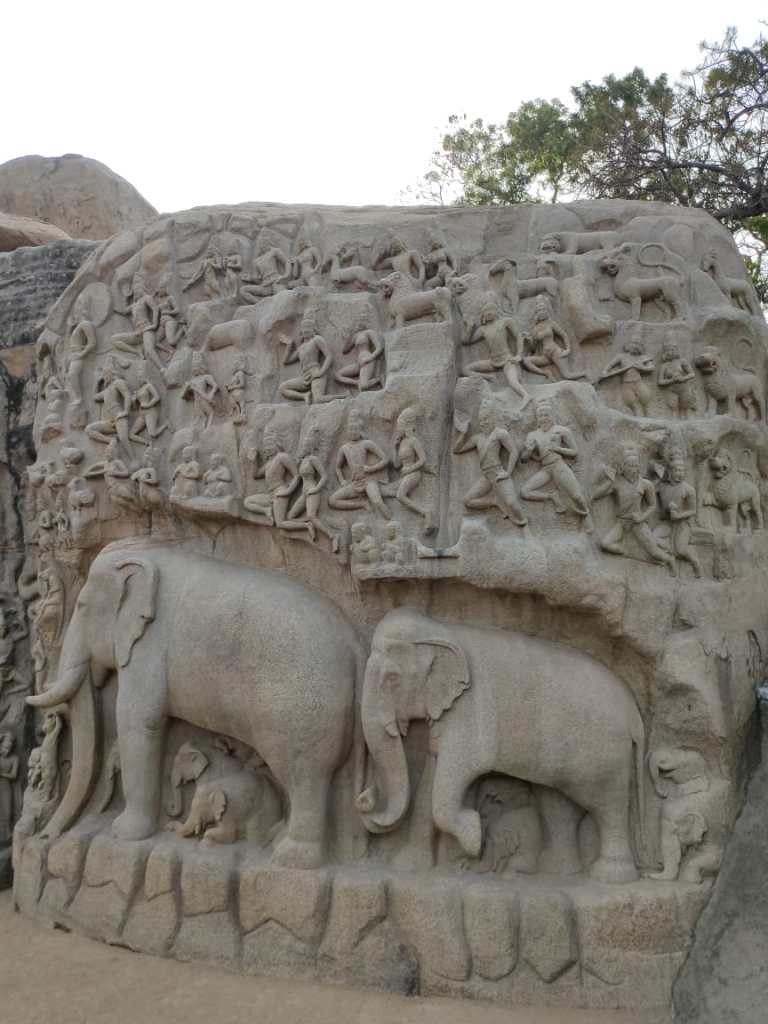
Arjuna's Penance
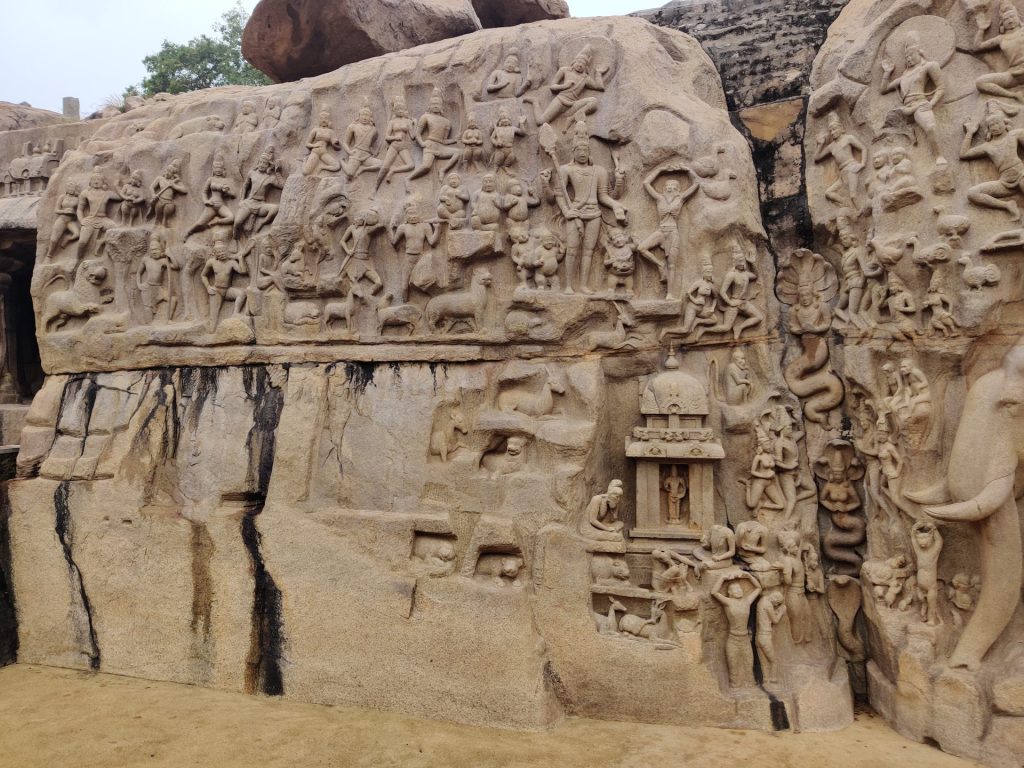
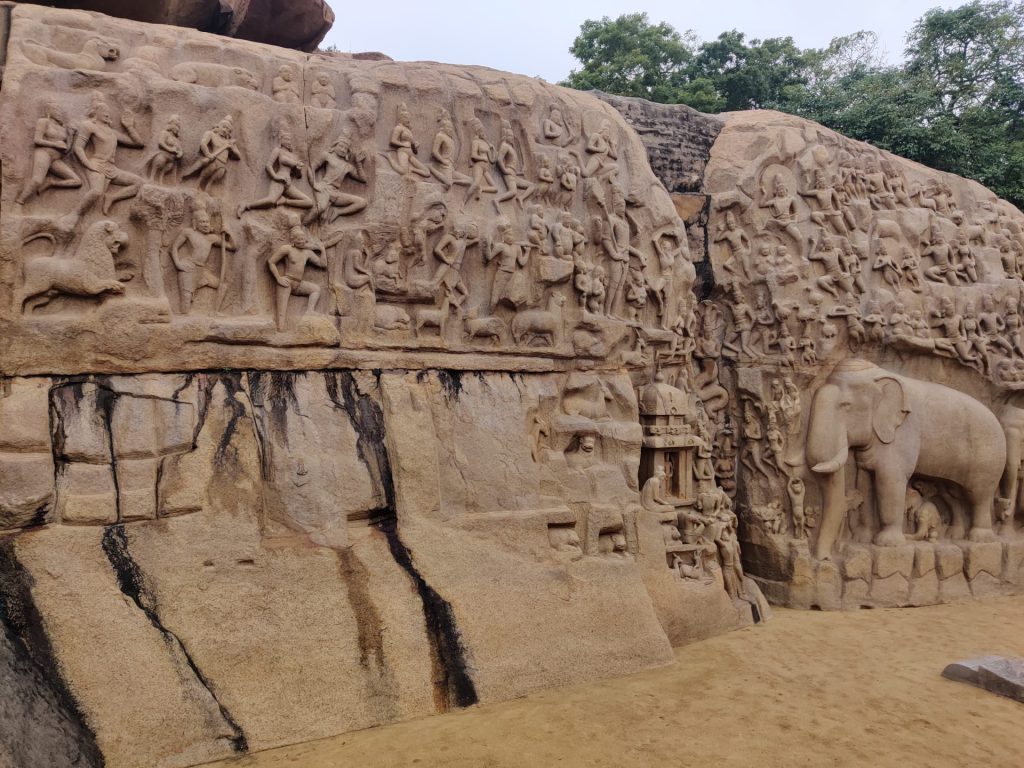
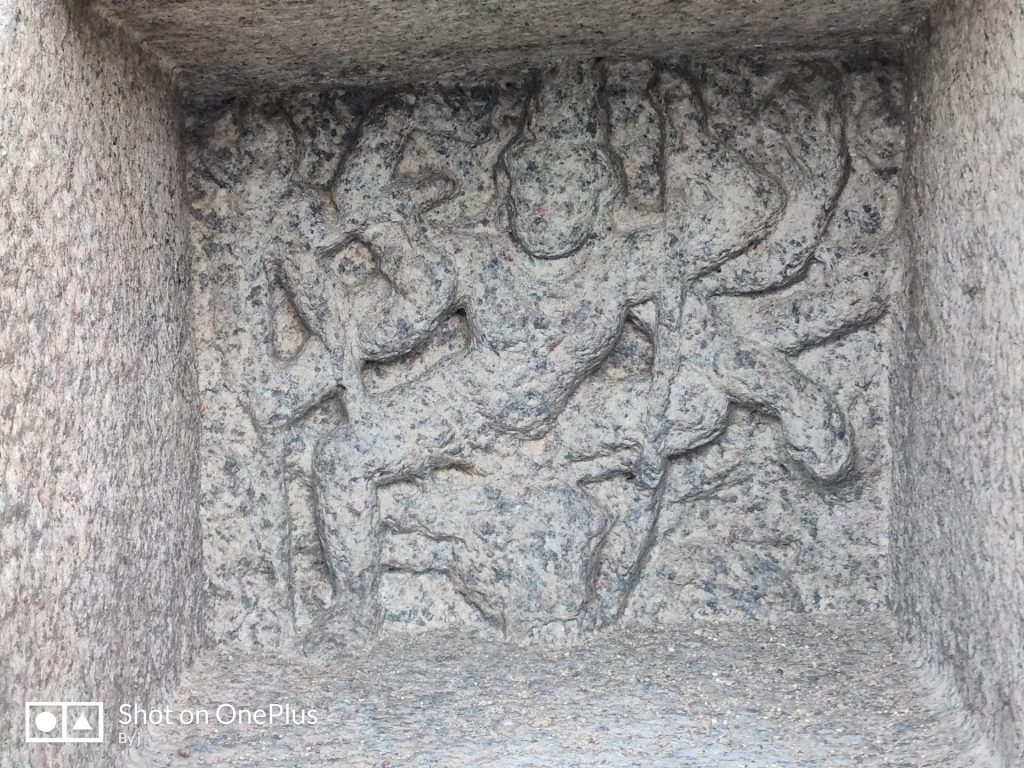
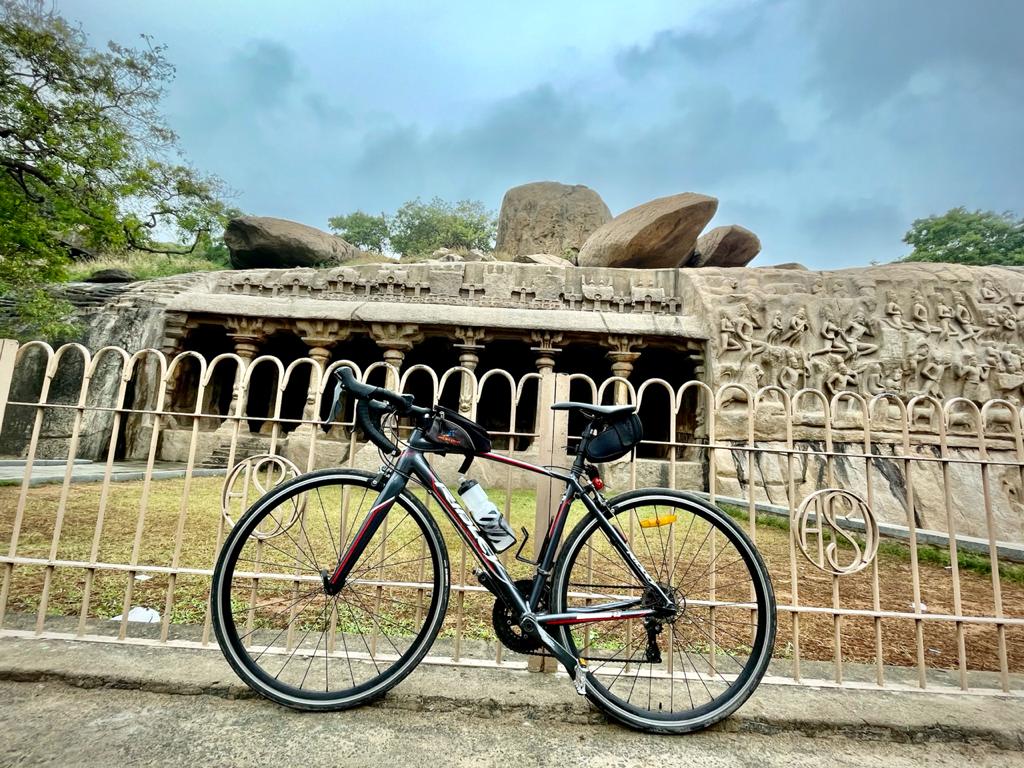
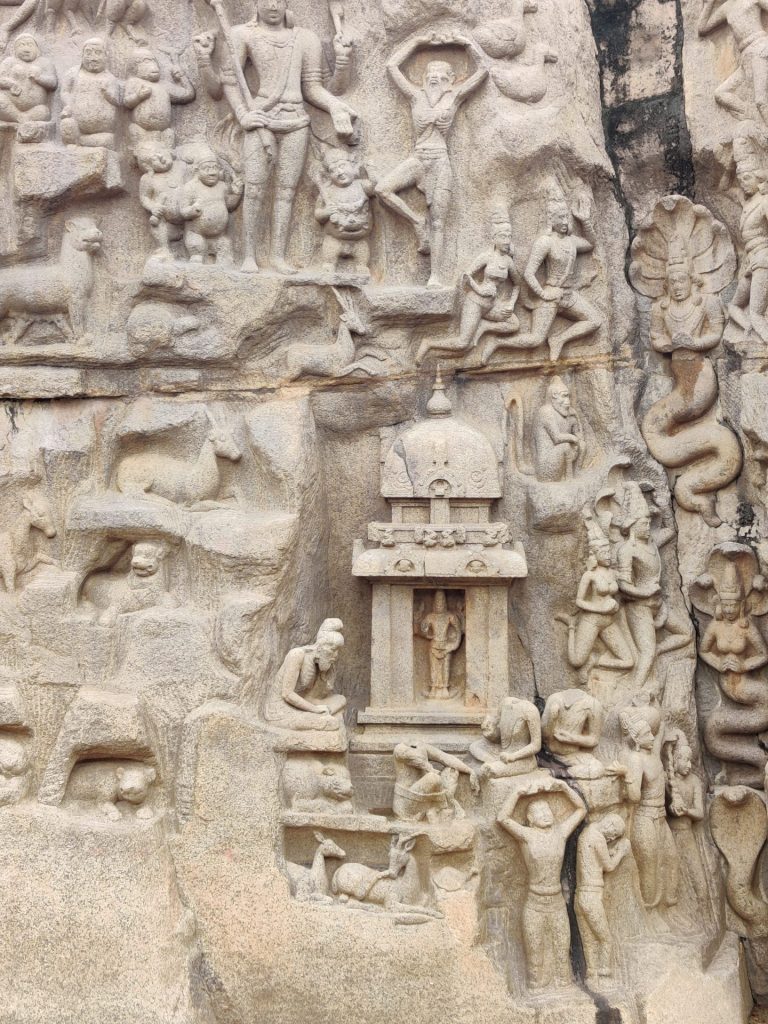
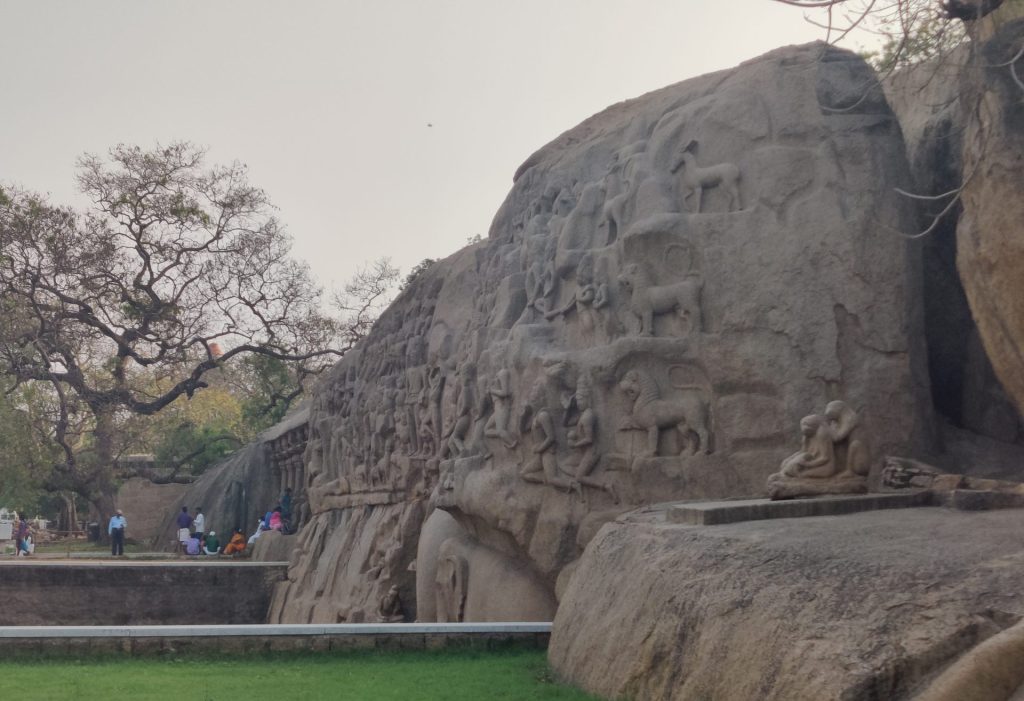
This is a giant open-air rock relief measuring 27 metres by 9 metres and has over 100 sculptures of gods, birds, beasts and saints.
This is carved on 2 monolithic rock boulders.
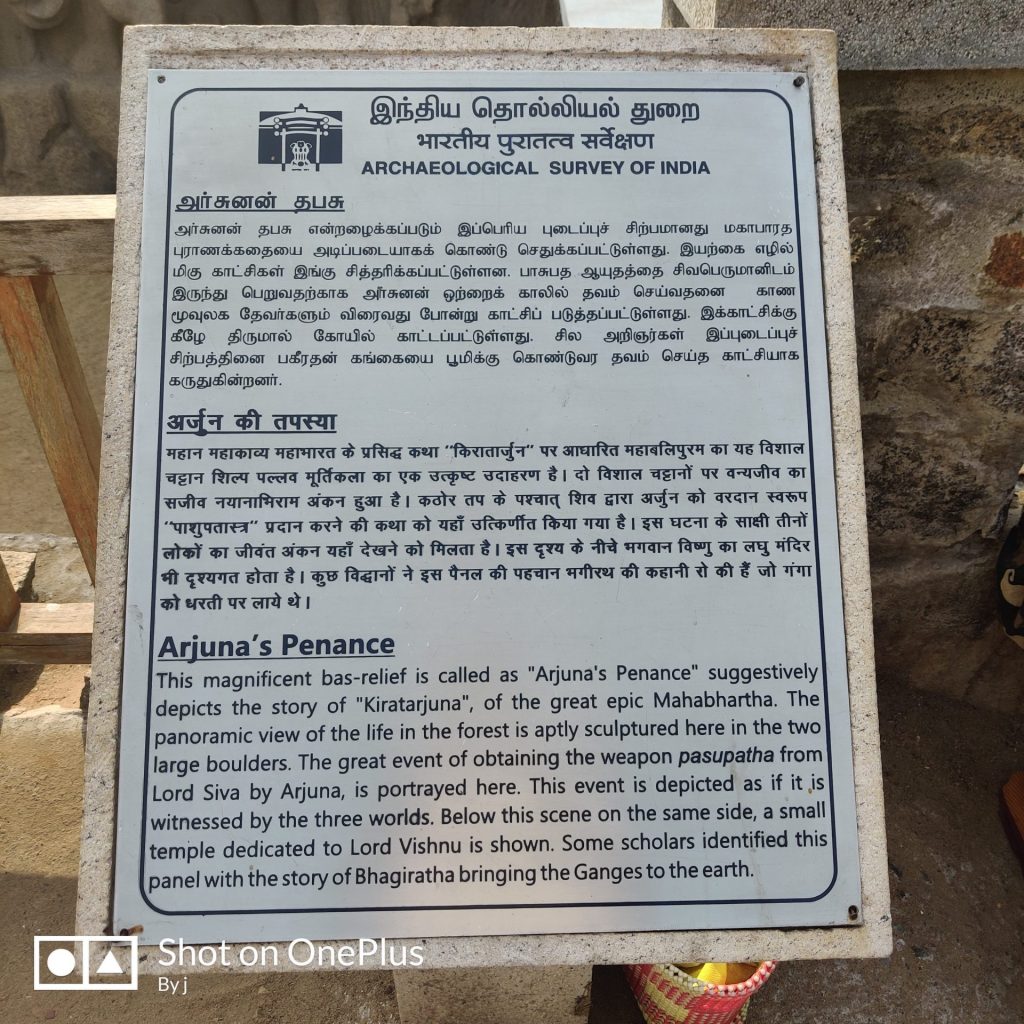
The bas relief carved out is believed to depict an instance from the Mahabharata when one of the Pandavas, Arjuna performed religious penance with a prayer to Lord Shiva to obtain the powerful and divine bow.
This bas relief is also referred to as the Descent of the Ganges to depict the penance performed by King Bhagirath and prayers offered to Lord Shiva to bring the river Ganges to the earth and thereby gaining salvation for his ancestors.
The relief was created to celebrate the victory of King Narasimhavarman I over the Chalukya King Pulakesin II.
DESCENT OF THE GANGES CARVING
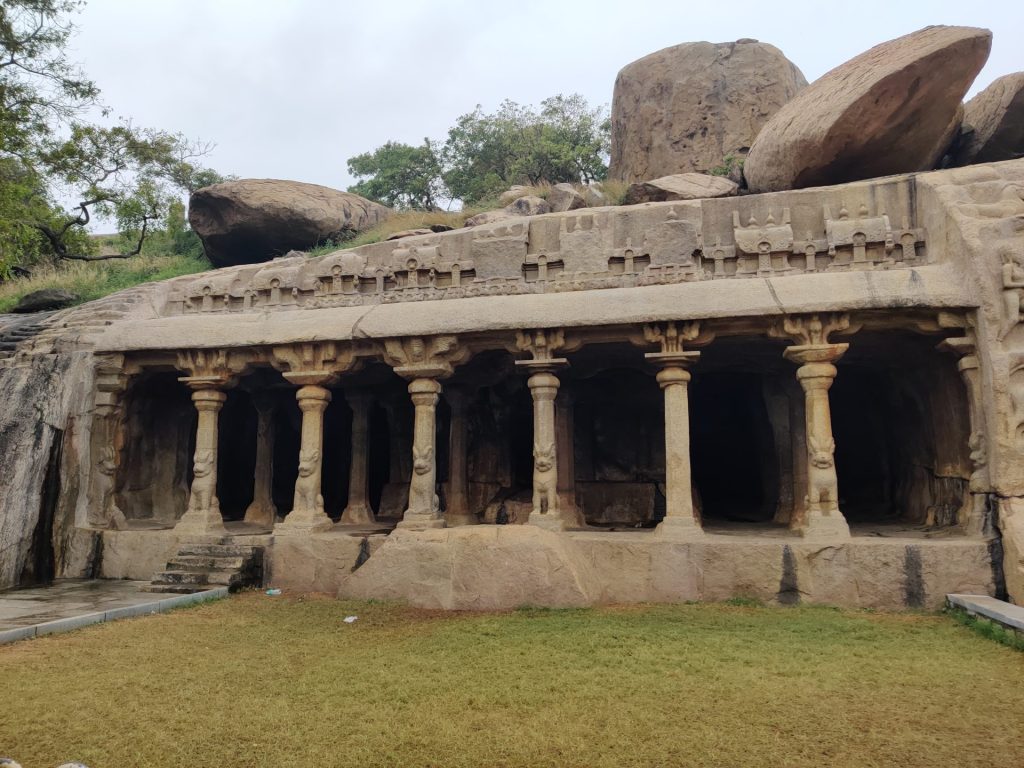
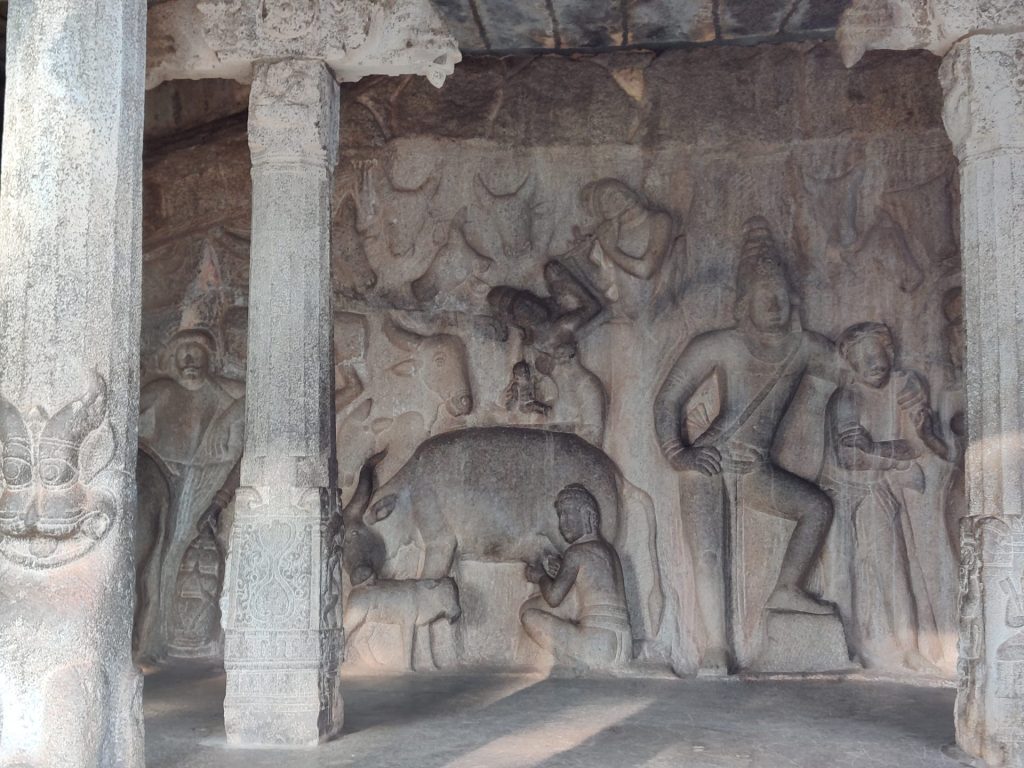
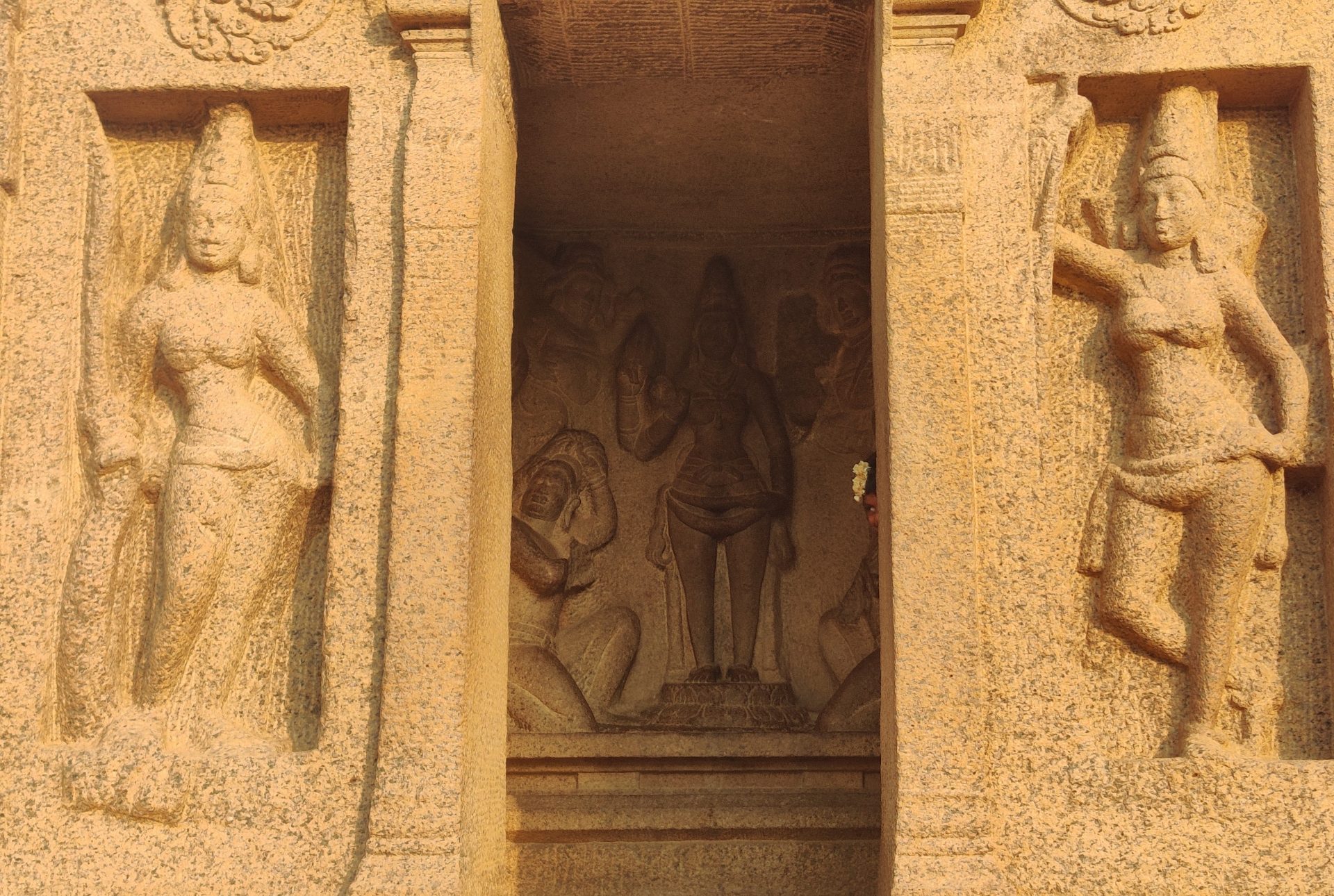
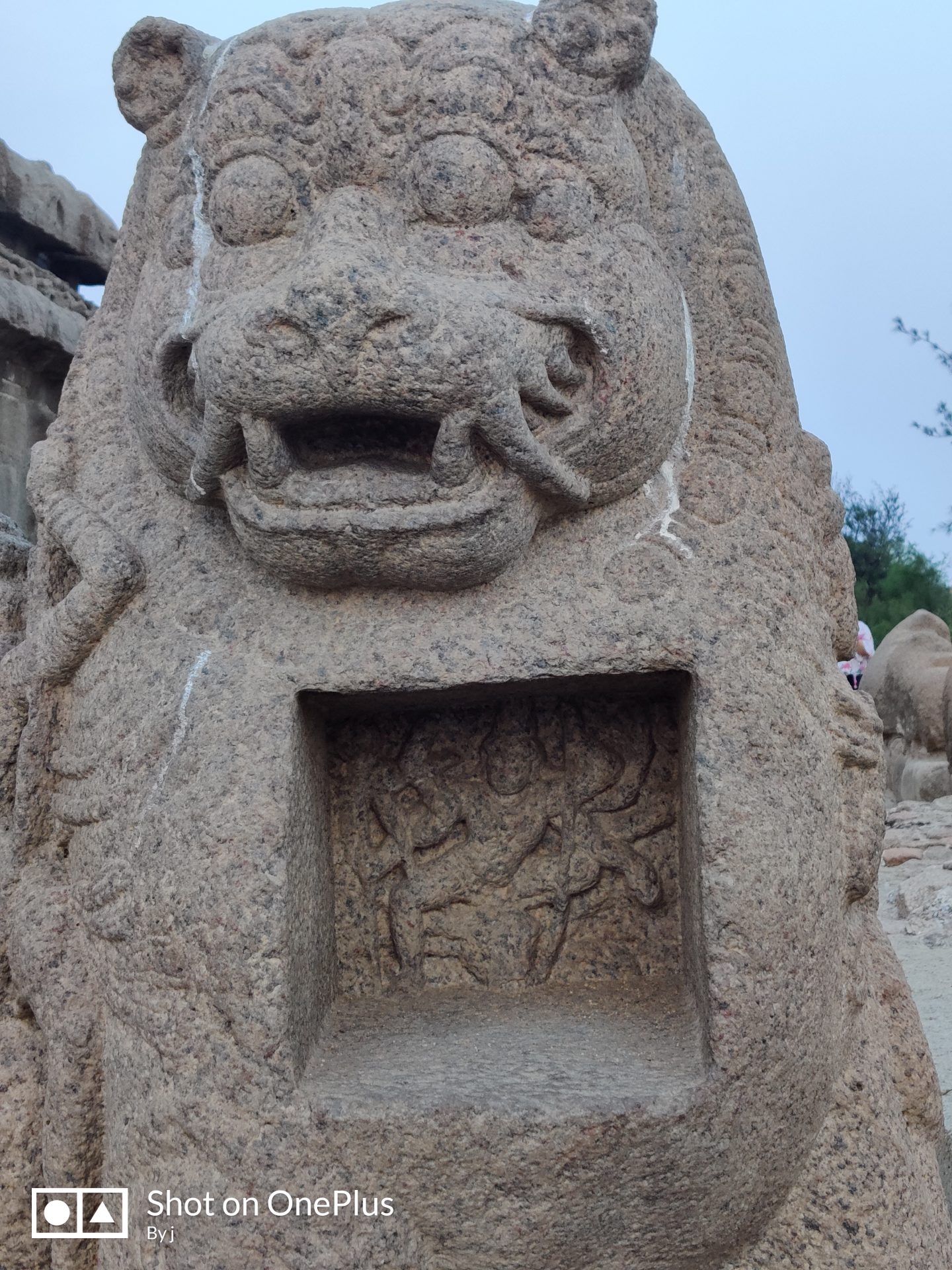
Adjacent to Arjuna’s Penance lies the Pancha Pandava Cave temple. The columns of the verandah have lion bases which reflect the Pallava architecture.
THE CAVE TEMPLE
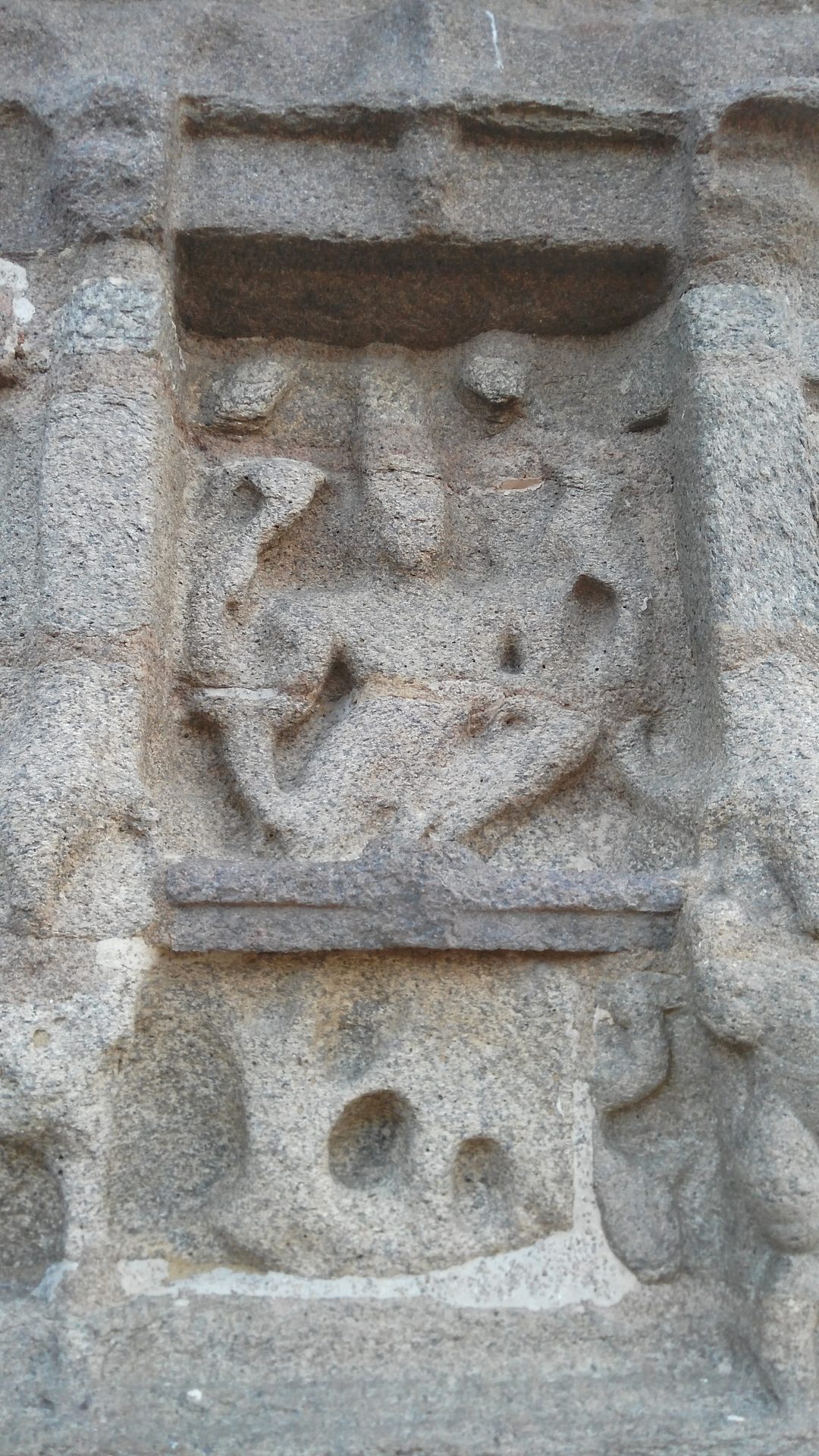
A few random carvings
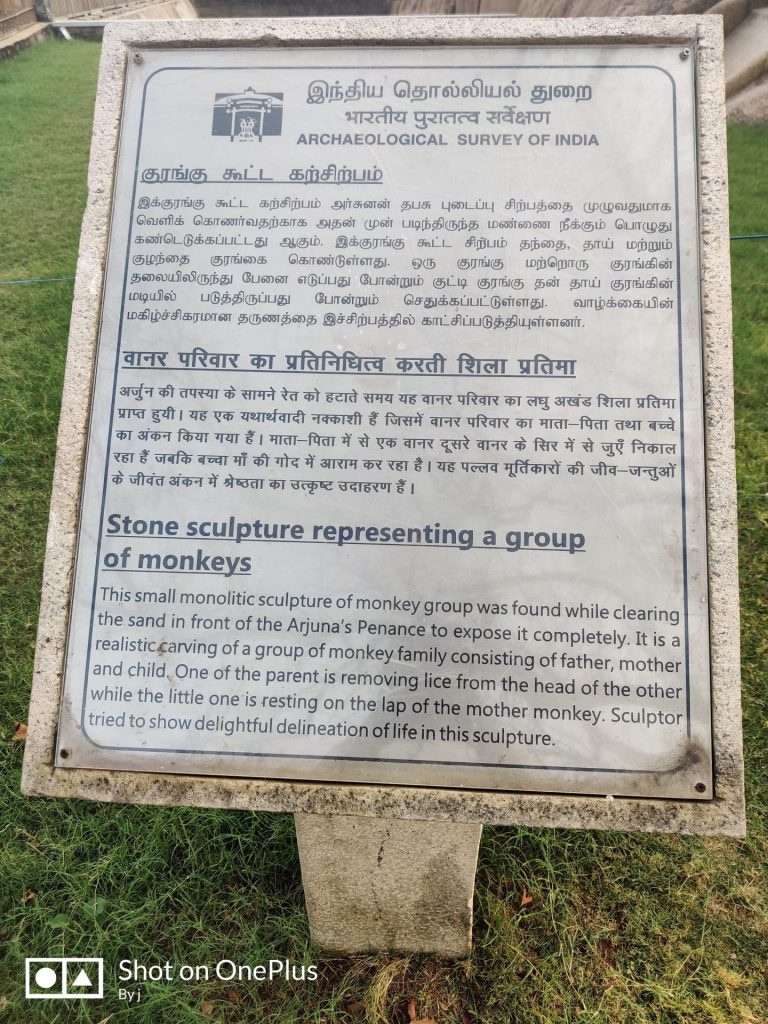
THE MONKEY SCULPTURE
The Lighthouse
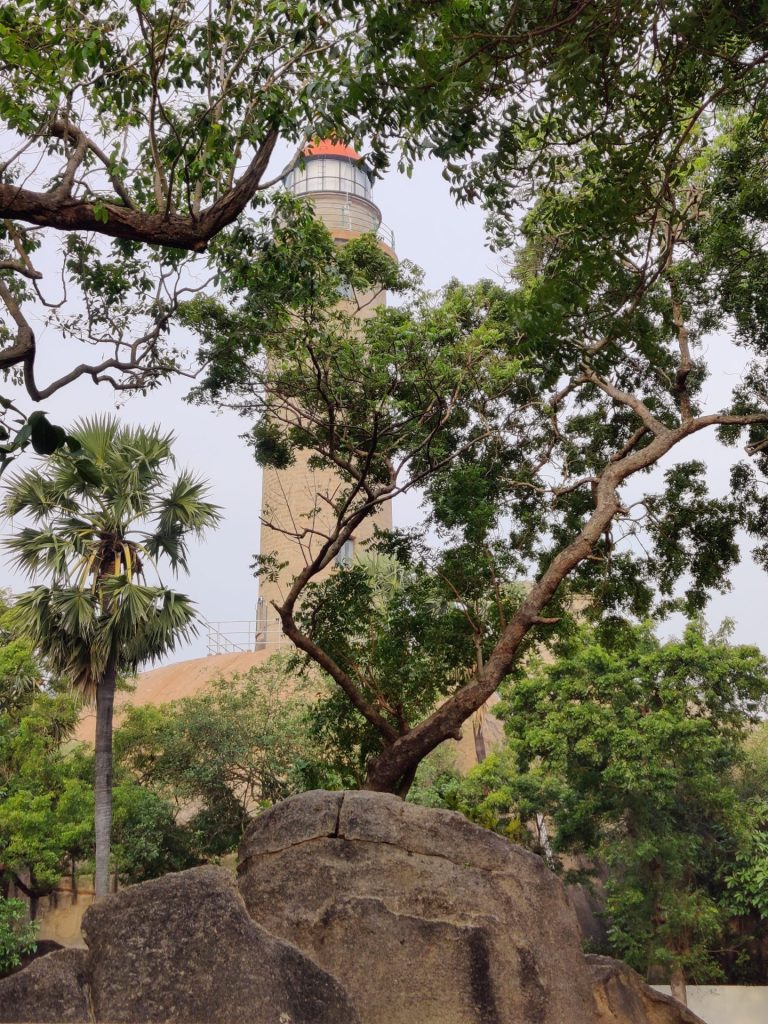
The Lighthouse was open to tourists since 2011. Following a perceived threat from the Liberation Tigers of Tamil Eelam, the Lighthouse was closed in 2001. The first light was commissioned here in 1887 on the roof of the Olakkannesyara temple. The lighthouse with a circular masonry tower made of natural stone become fully functional in 1904. Next to this Tower stands India’s oldest Lighthouse, built around 640CE by Pallava King Mahedravarmam I.
The Ganesh Ratha
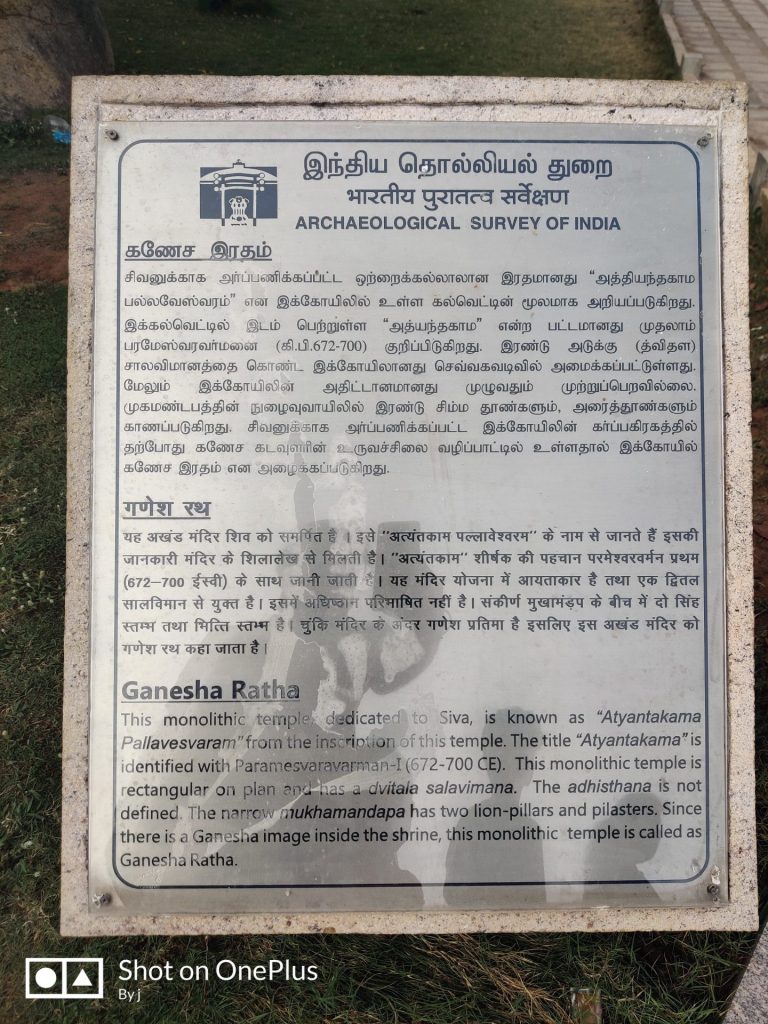
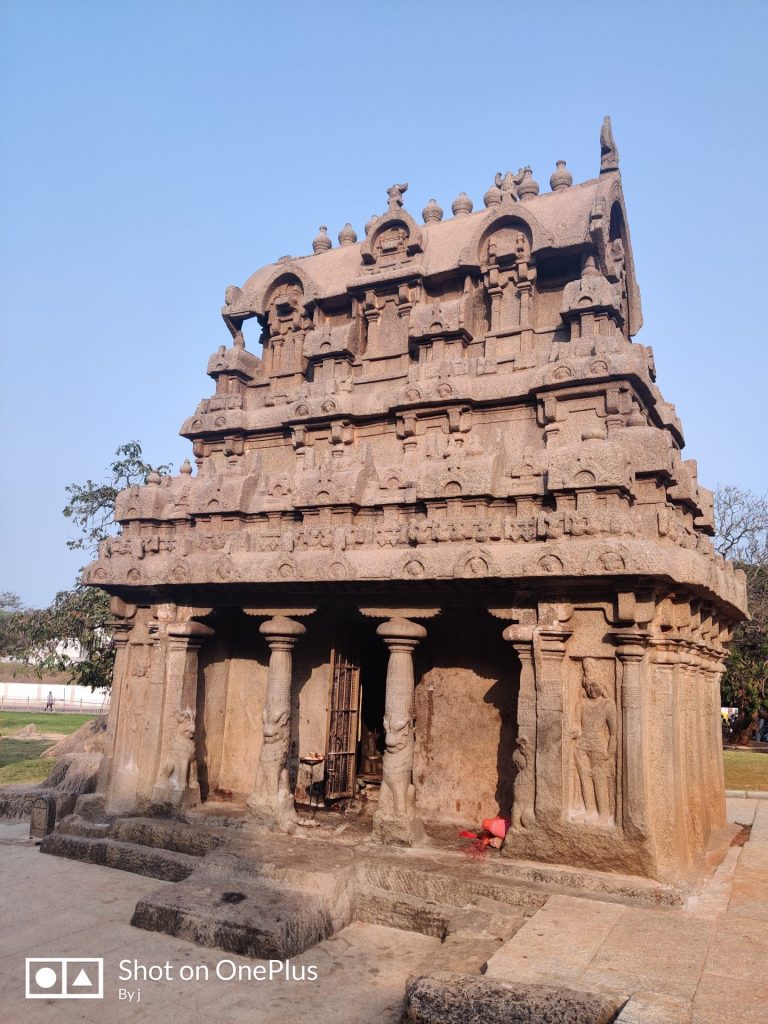
Located close to the Butter ball lies a monolithic temple carved in pink granite and with a shrine of Lord Ganesha in the middle though originally built for Lord Shiva. The narrow entrance to the temple has 2 lion pillars and has some amazing and intricate exterior and interior carvings.
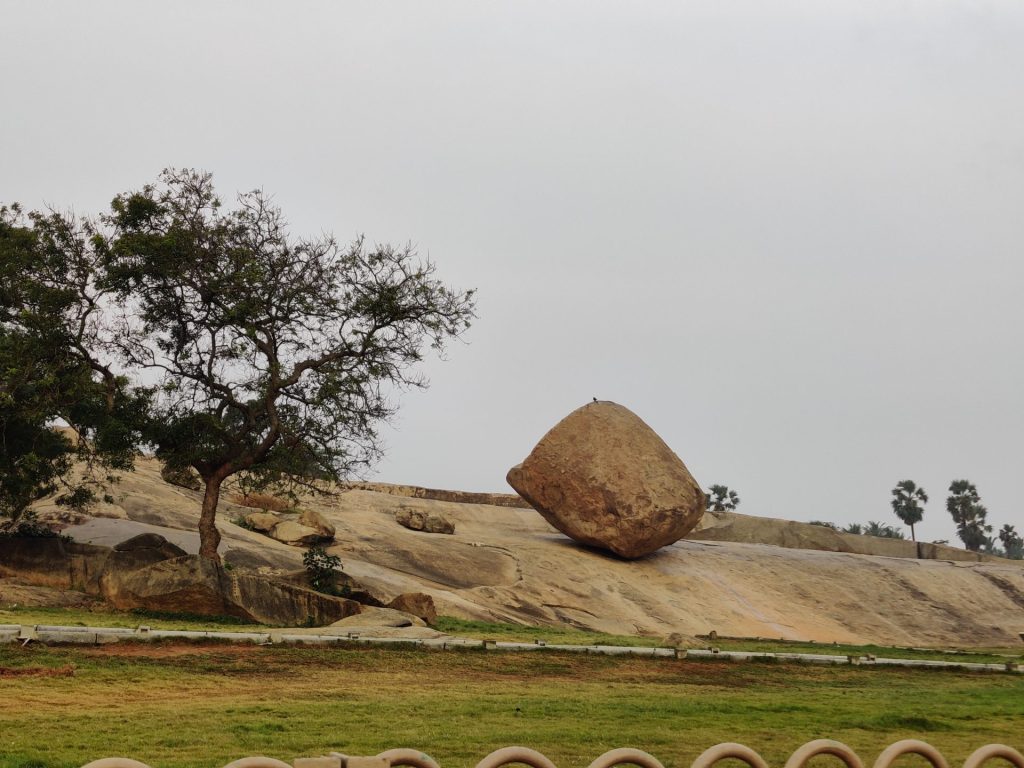
Krishna's Butter Ball
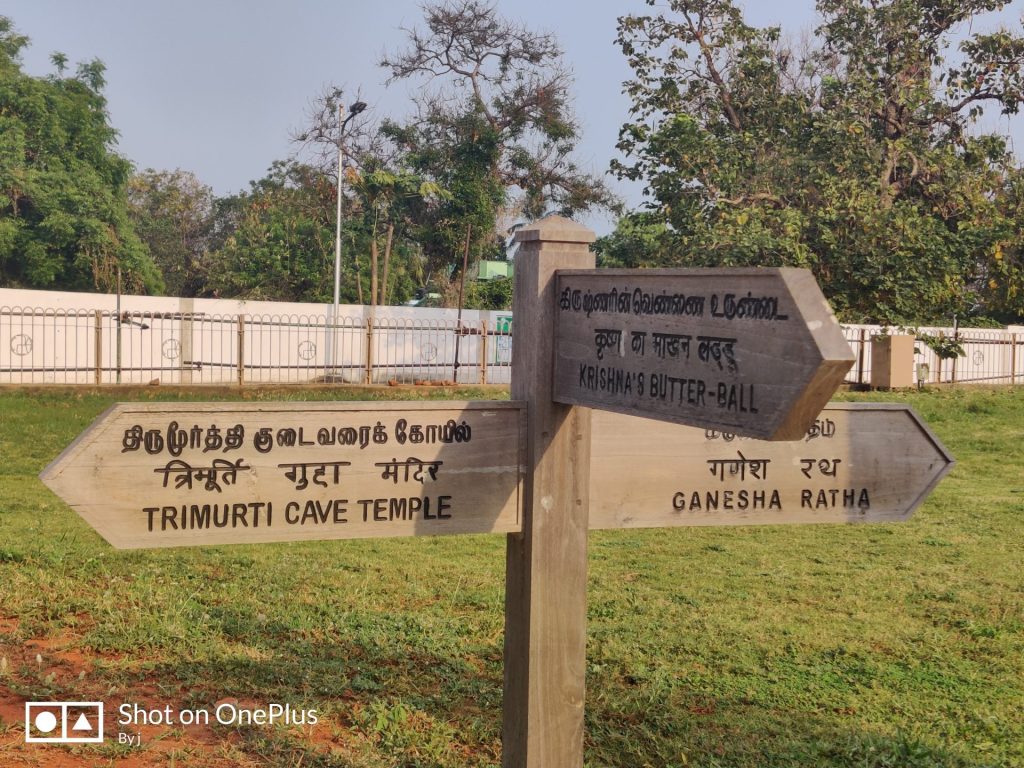
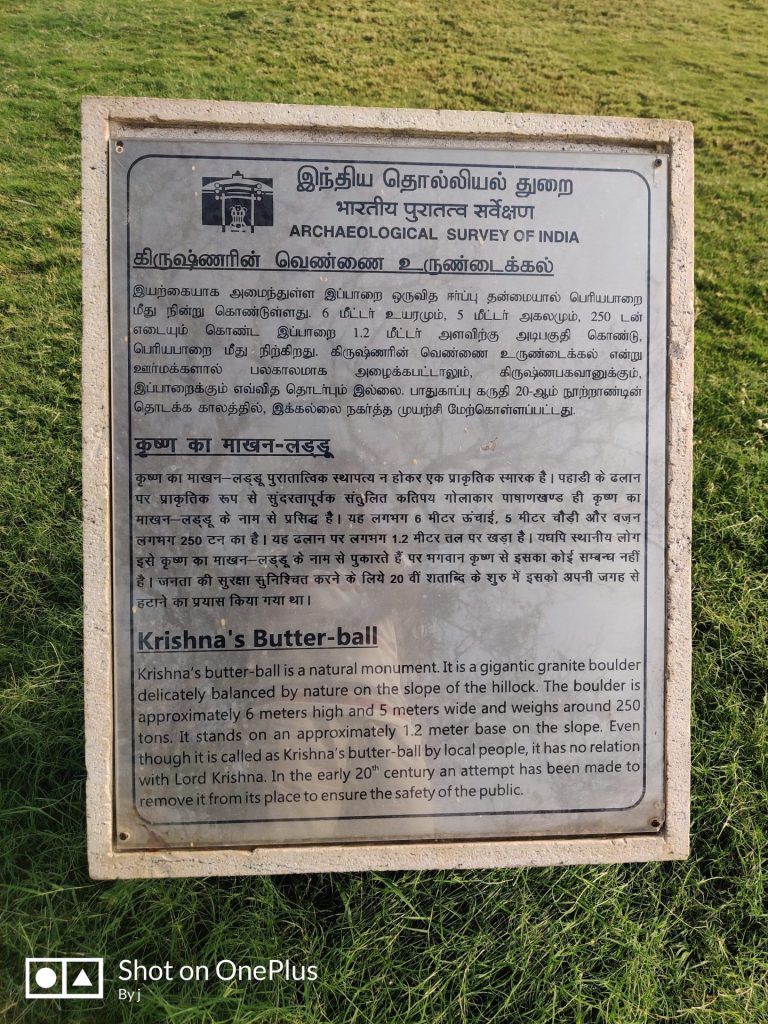
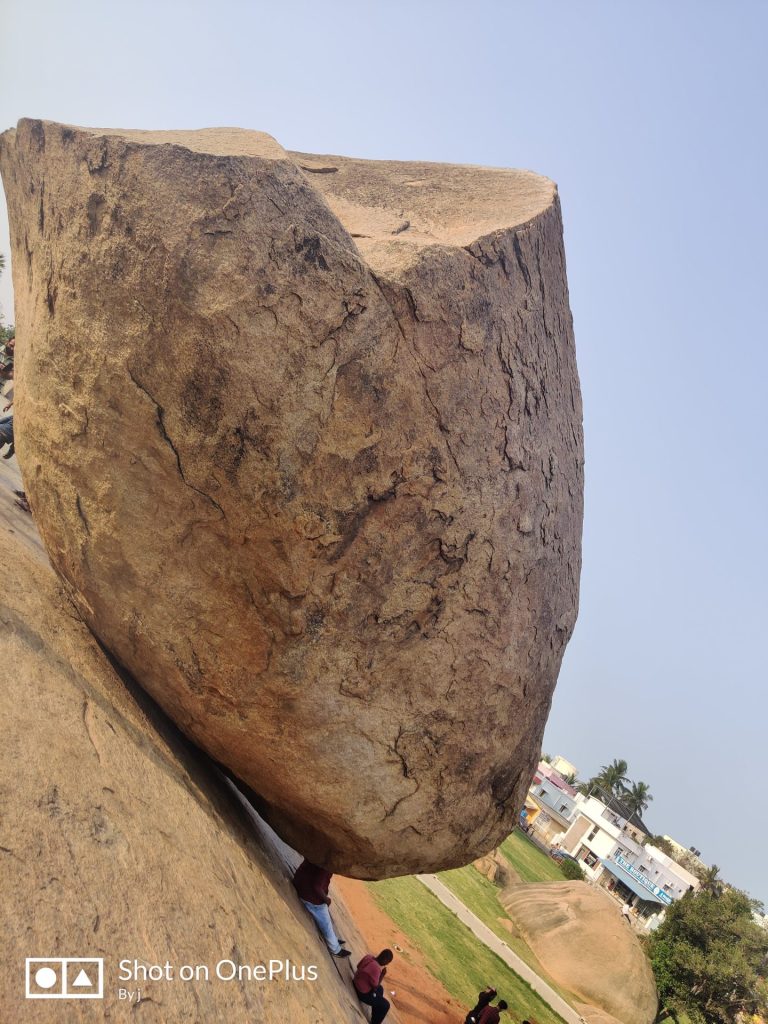
A little away from Arjuna’s penance, lies this huge boulder, resting precariously on a narrow rock. A definite debate on how gravity is defied but legend has it that the Pallava kings tried their best using elephants to move the boulder but failed. While the boulder attributes to a massive amount of butter which Lord Krishna used to steal as a child, its said that this had no co-relation to the Mahabharata.
THE DELICATELY BALANCED BUTTER BALL
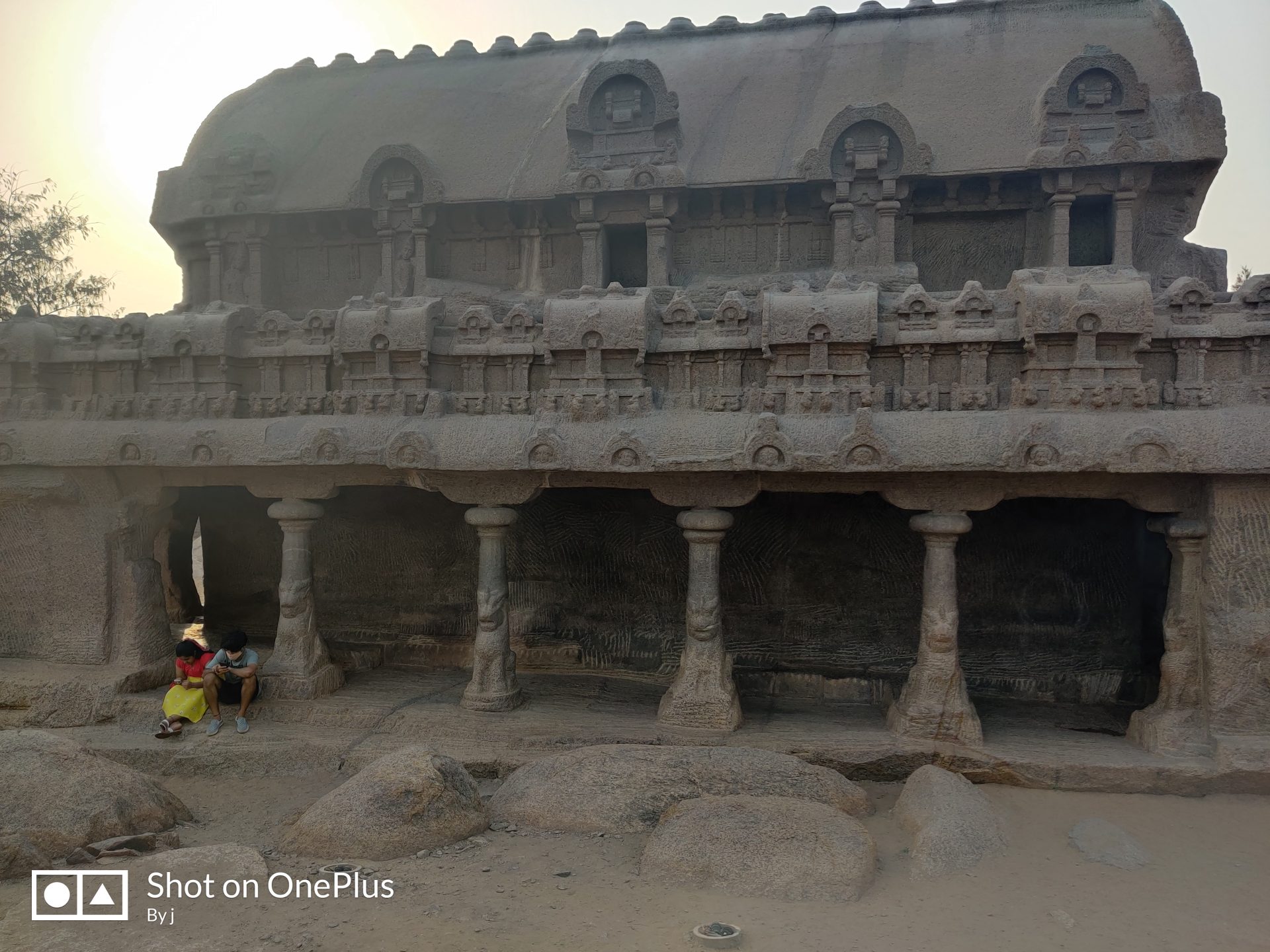
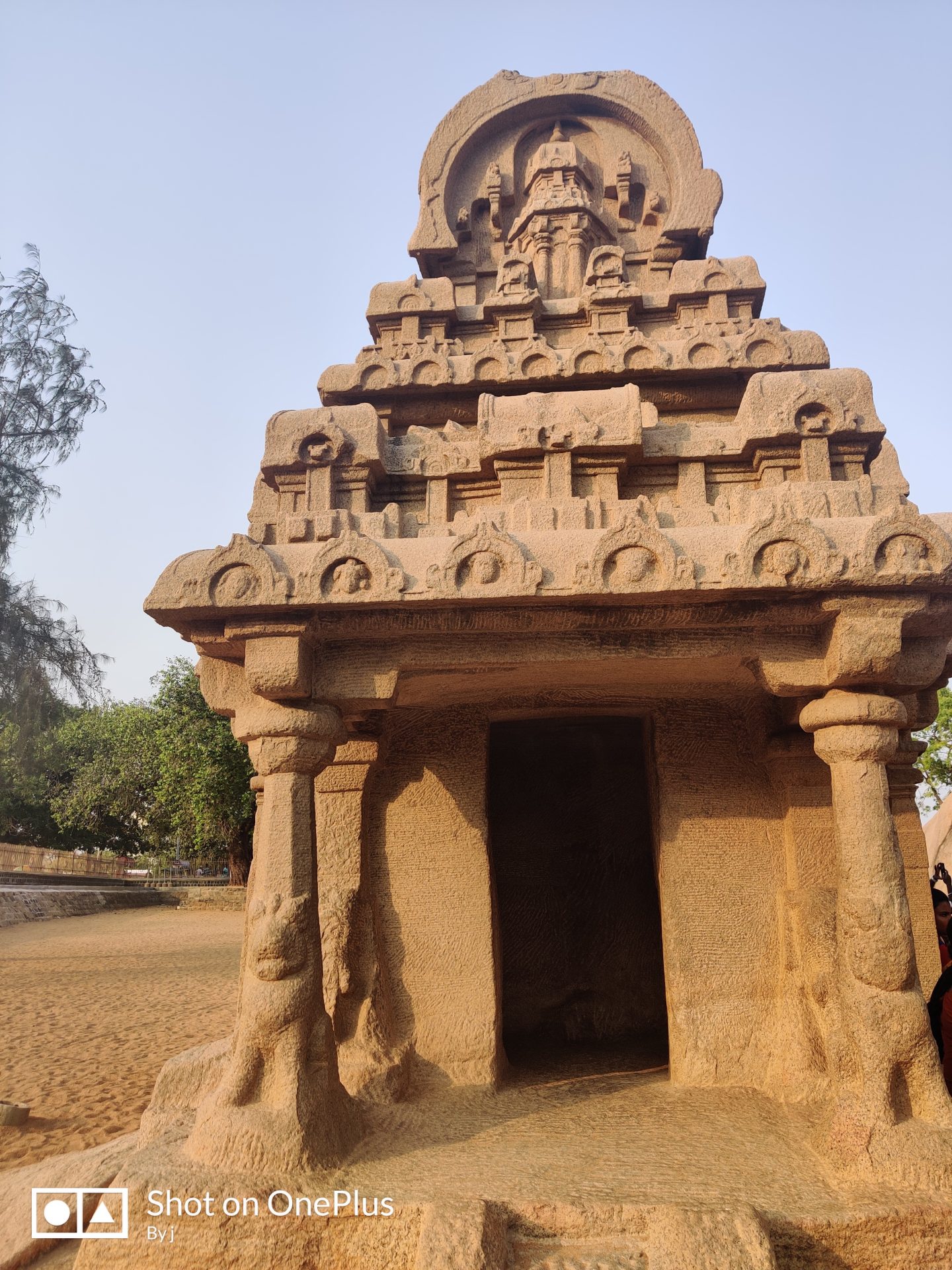
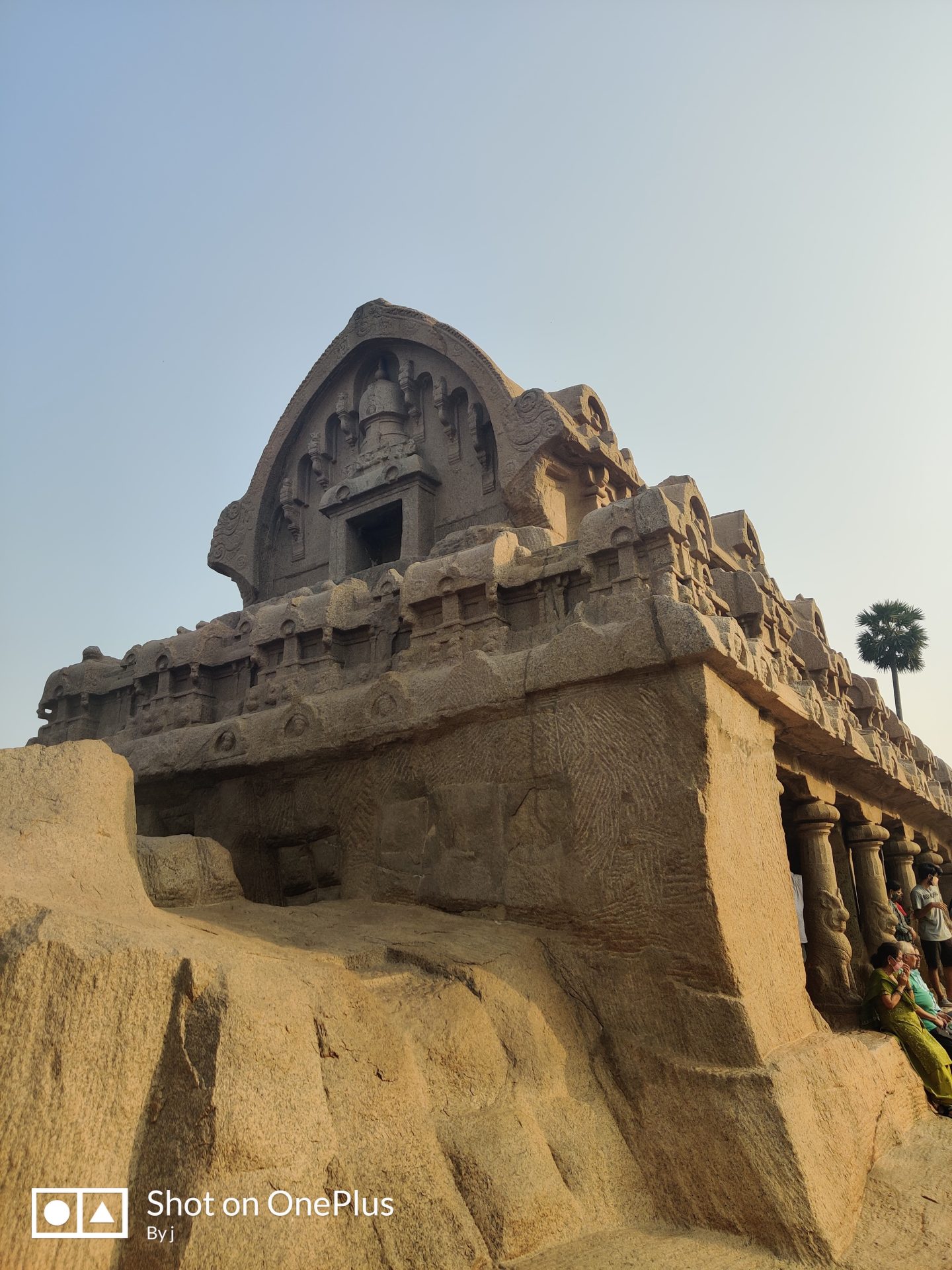
The 5 Rathas
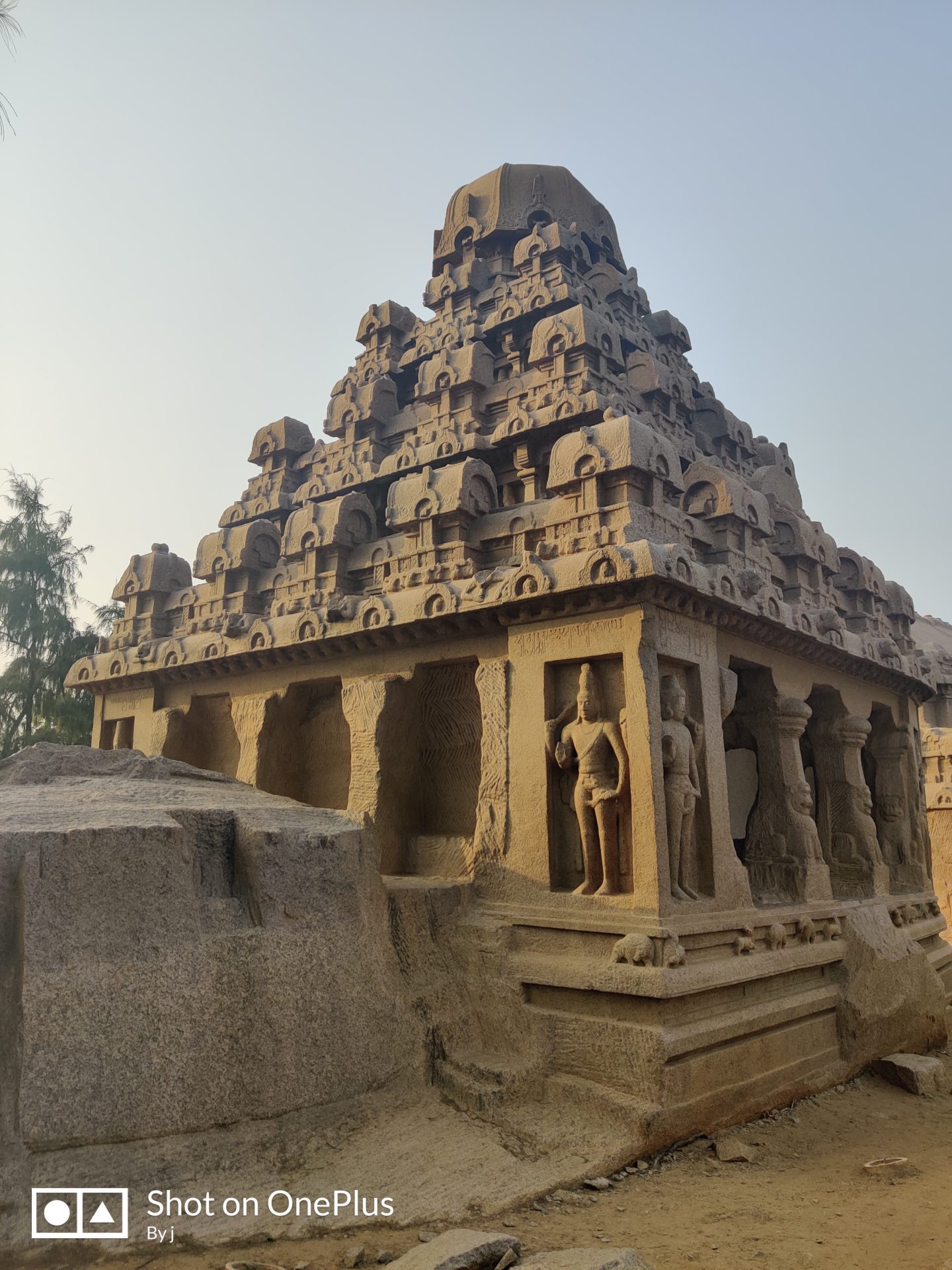
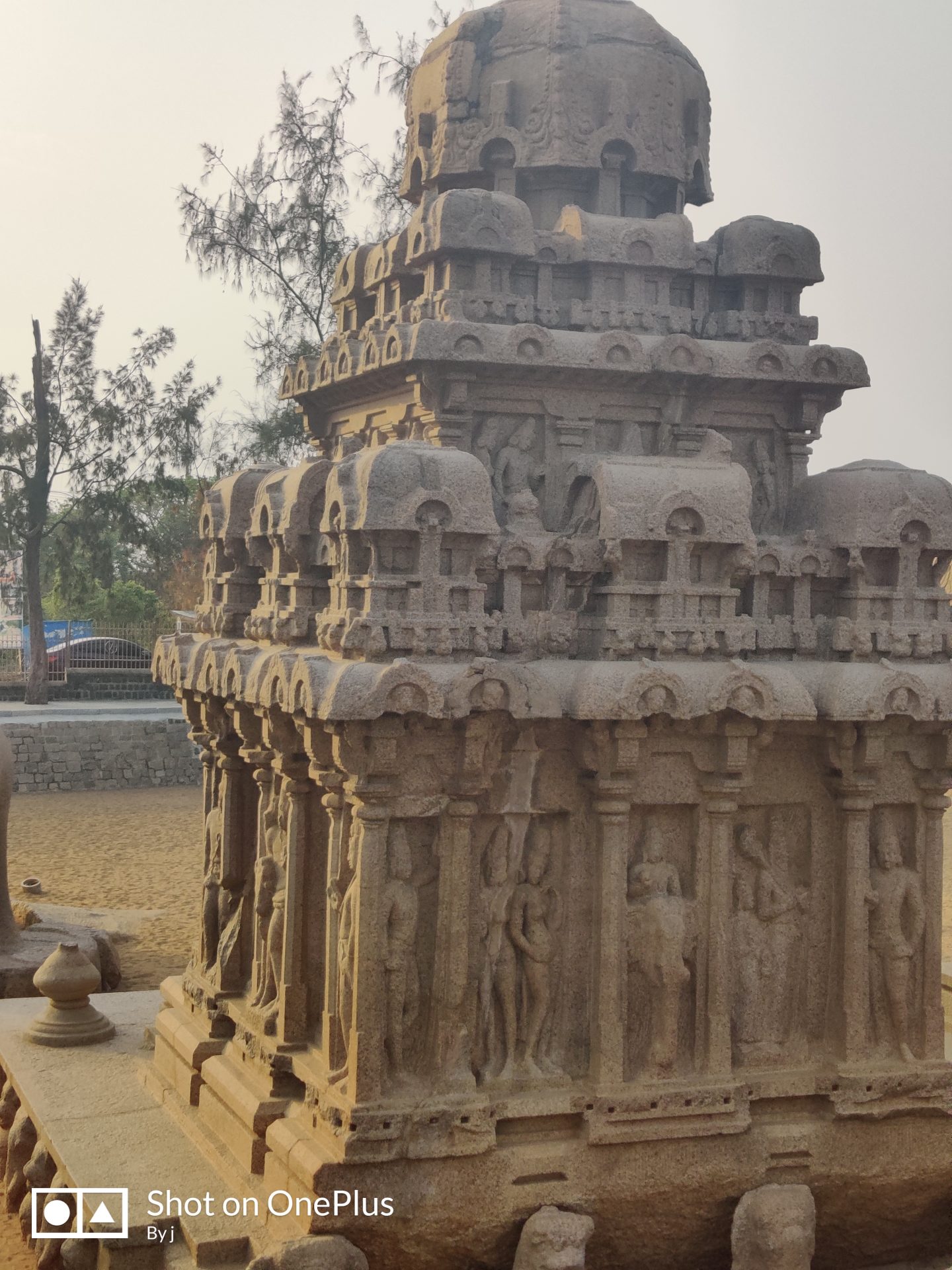
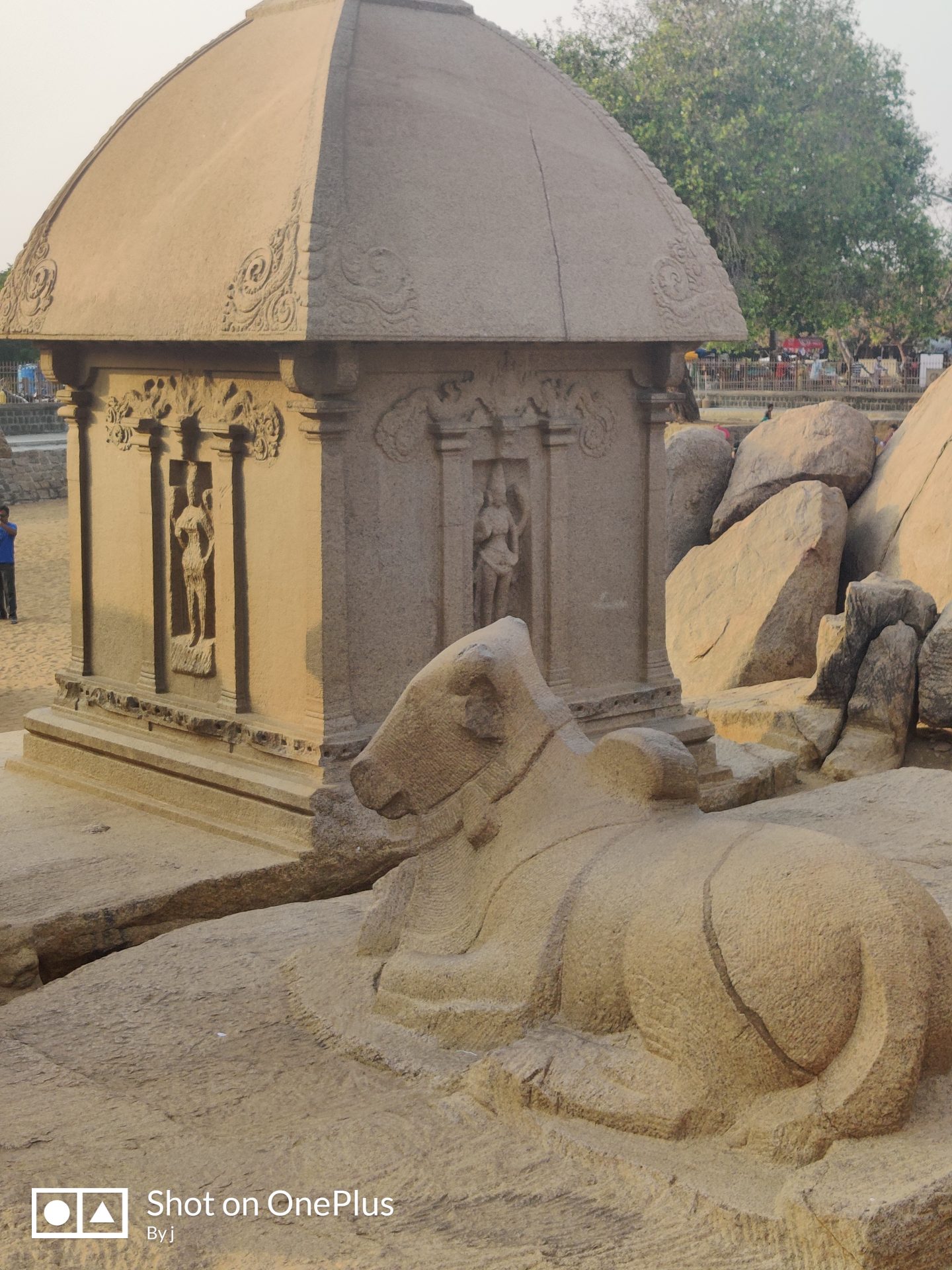
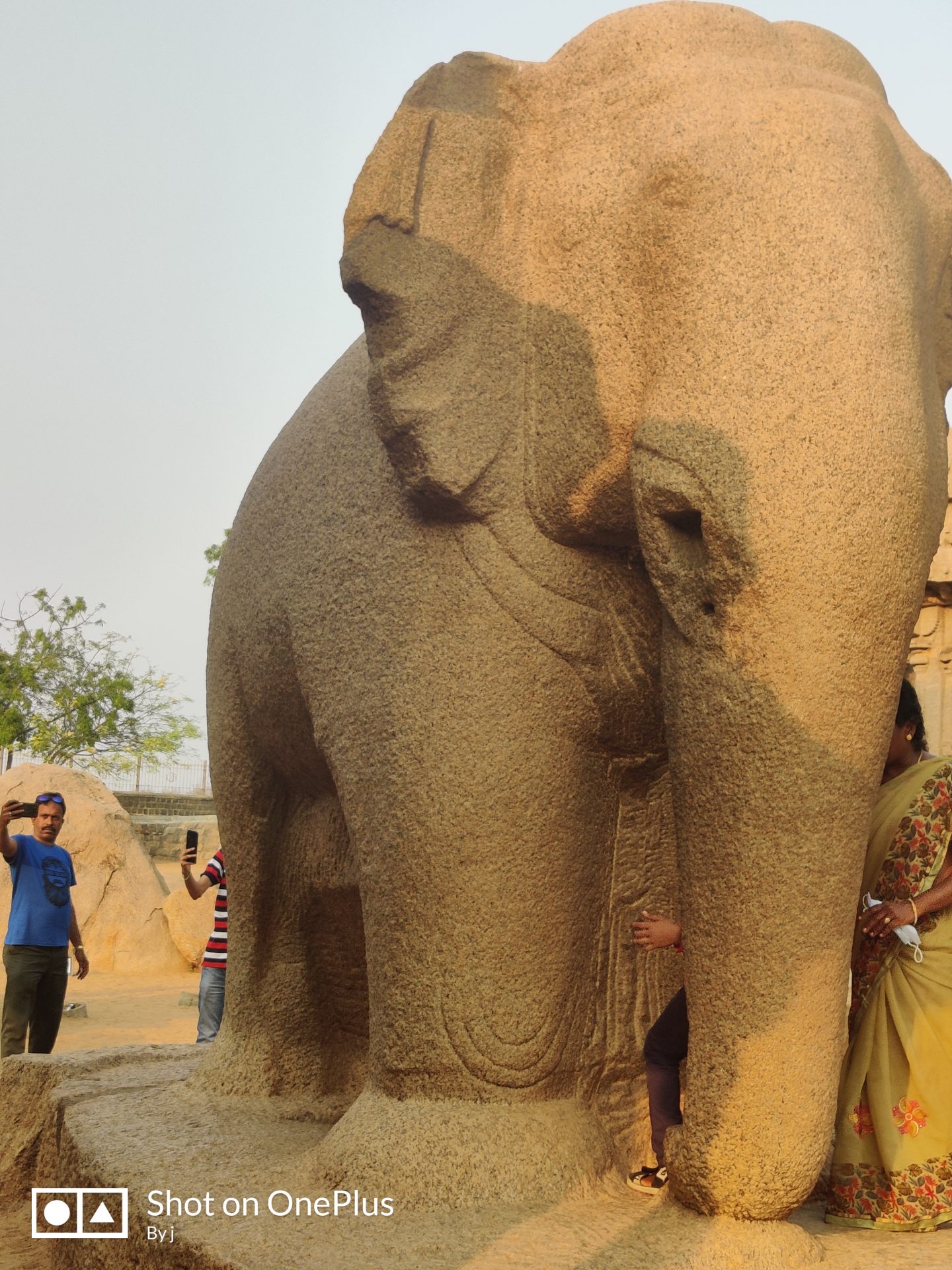
On display here are 5 monolithic pyramidical structures named after the 5 Pandavas – Arjuna, Bhima, Yudhistra, Nakula, Sahadeva and Draupadi. The uniqueness of these chariots is that each of them are carved out of one single piece of stone.
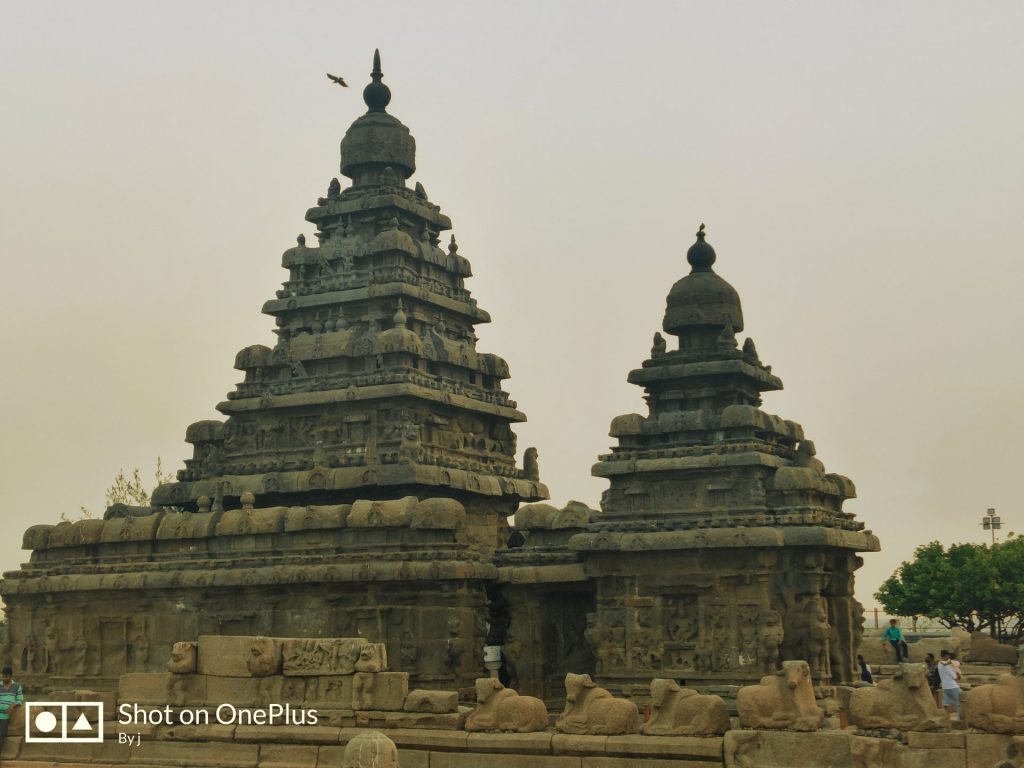
The Shore Temple
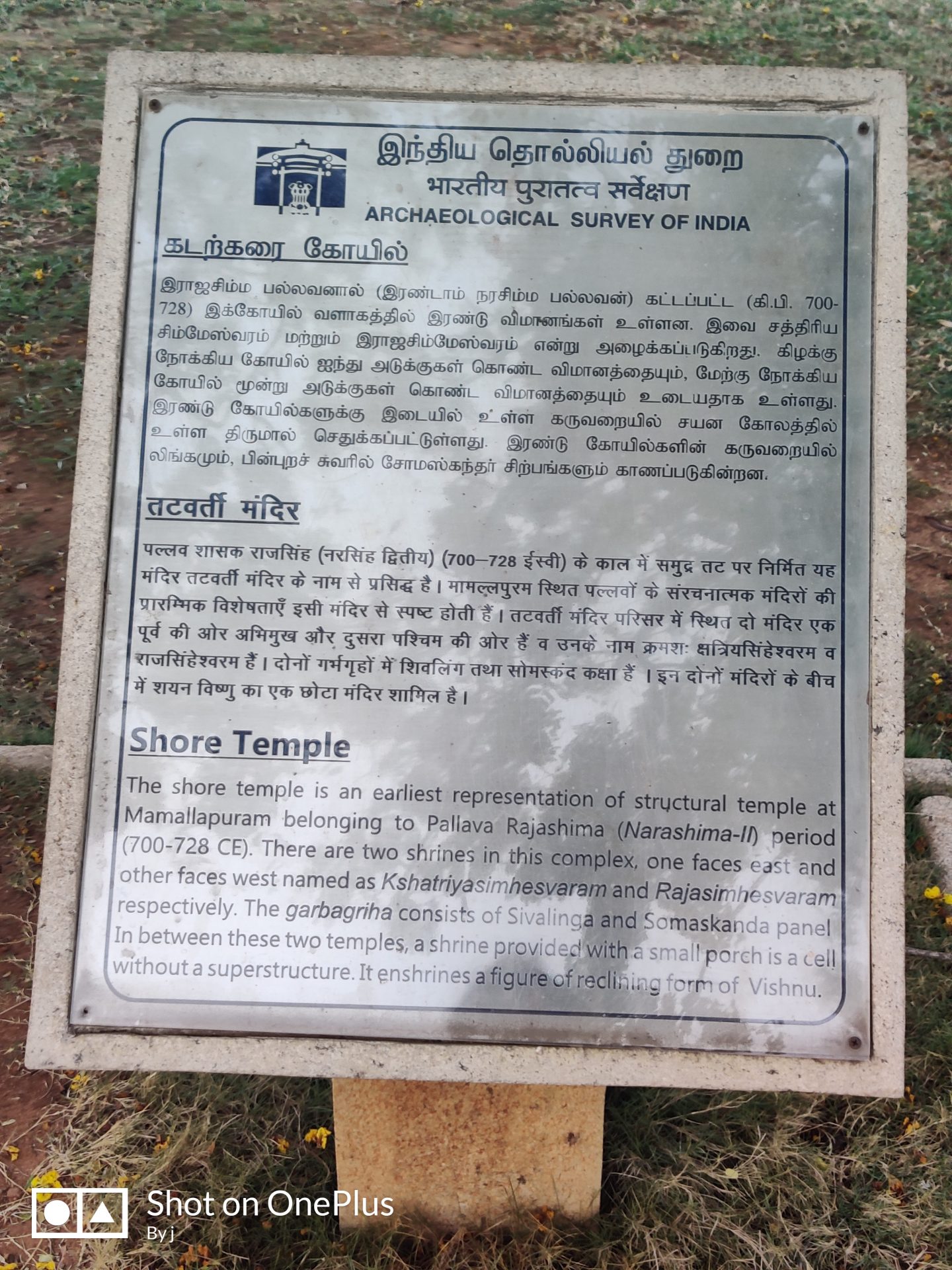
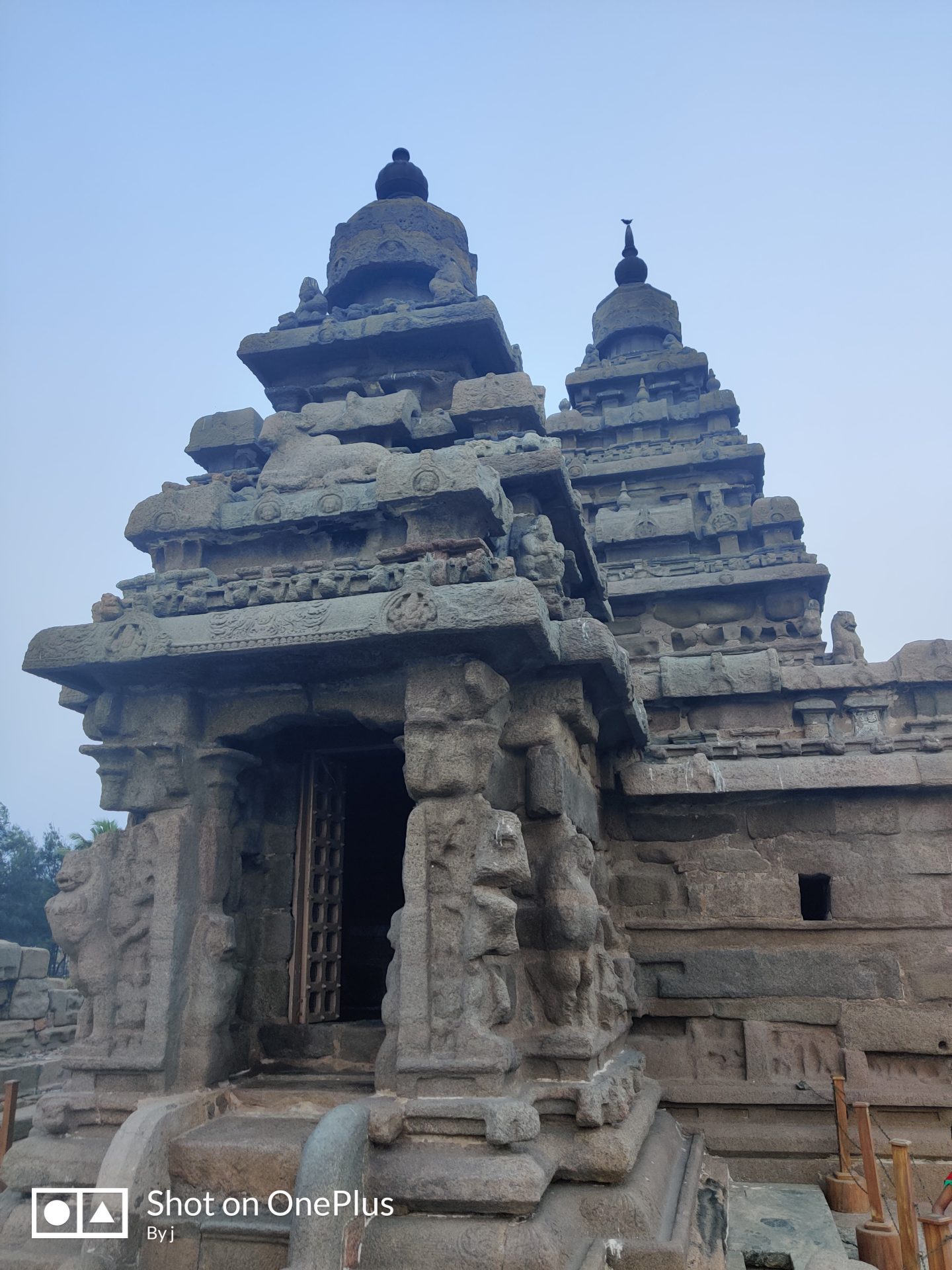
The Shore Temple, overlooking the Bay of Bengal is one of the oldest temples of India and belongs to the later half of the 7th Century AD. To serve as a landmark for seafarers and on account of its shape, the Shore Temple used to be referred to as a Pagoda by Marco Polo and the European Merchants who came to Asia after him.
Built out of blocks of granite, the structure stood the test against the Tsunami which hit the Chennai coastline in 2004 with minimal damage to the shrines. The temple has 3 shrines with a couple of them dedicated to Lord Shiva overlooking the West and one dedicated to Lord Vishnu overlooking the East. This temple is believed to have been constructed by King Rajasimha (also known as King Narasimhavarman II) in the Dravidian style of architecture.
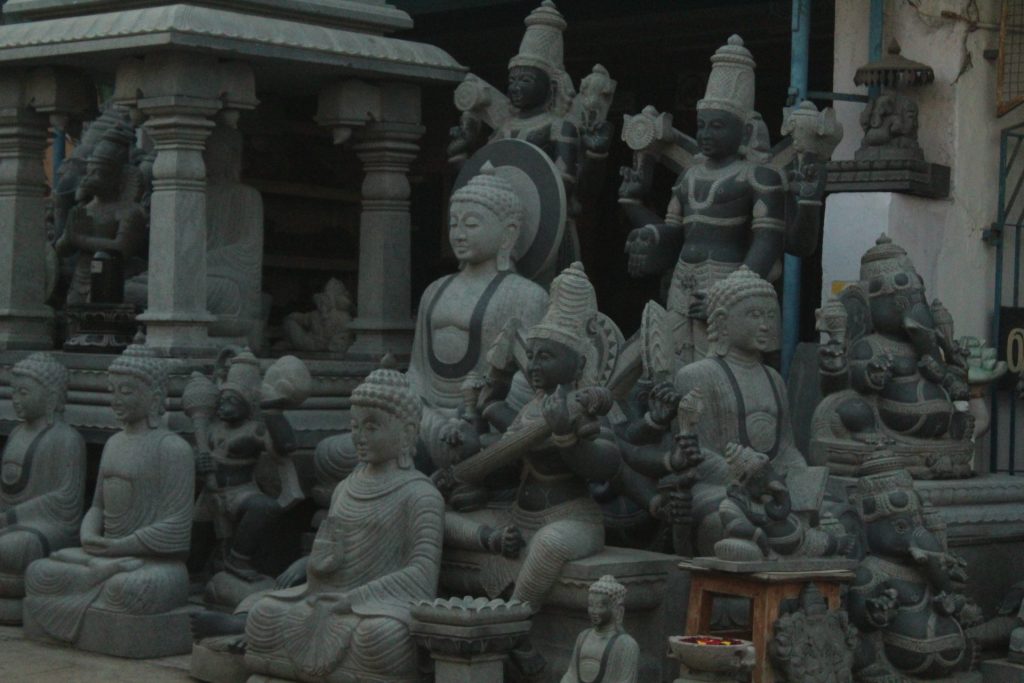
The Artisans living in and around Mahabalipuram are exceptionally talented in their work as can be seen in the picture below. Many of these statues are lined up in different shops for sale. No wonder around 20 of them have been part of the team which is helping out complete the carvings of around 44 doors besides a 650 kg heavy metal bell and multiple small bells at the Ram Mandir @ Ayodhya.
The Sadras Dutch Fort
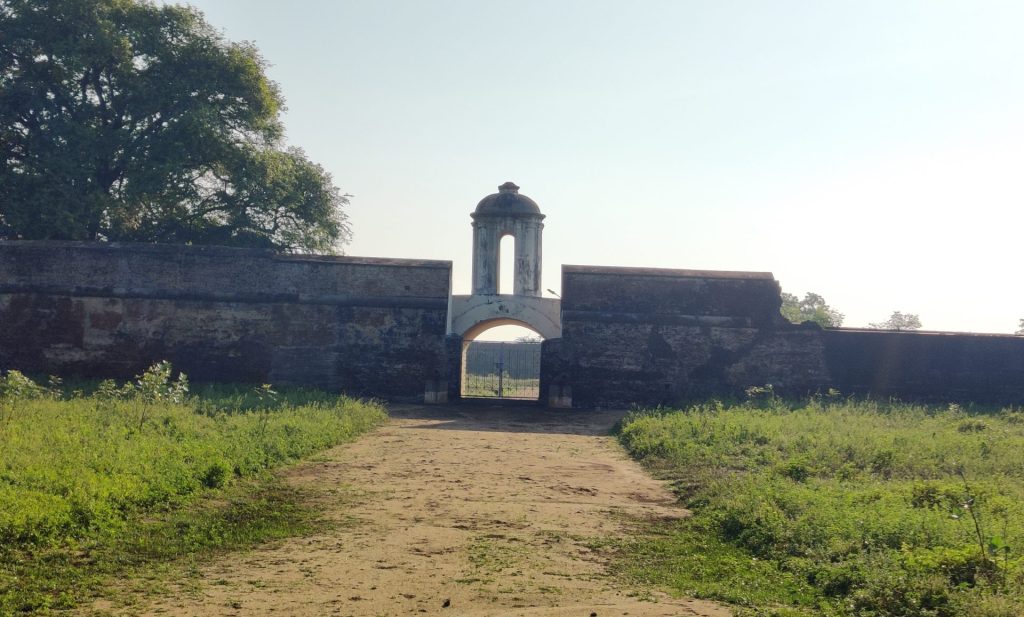
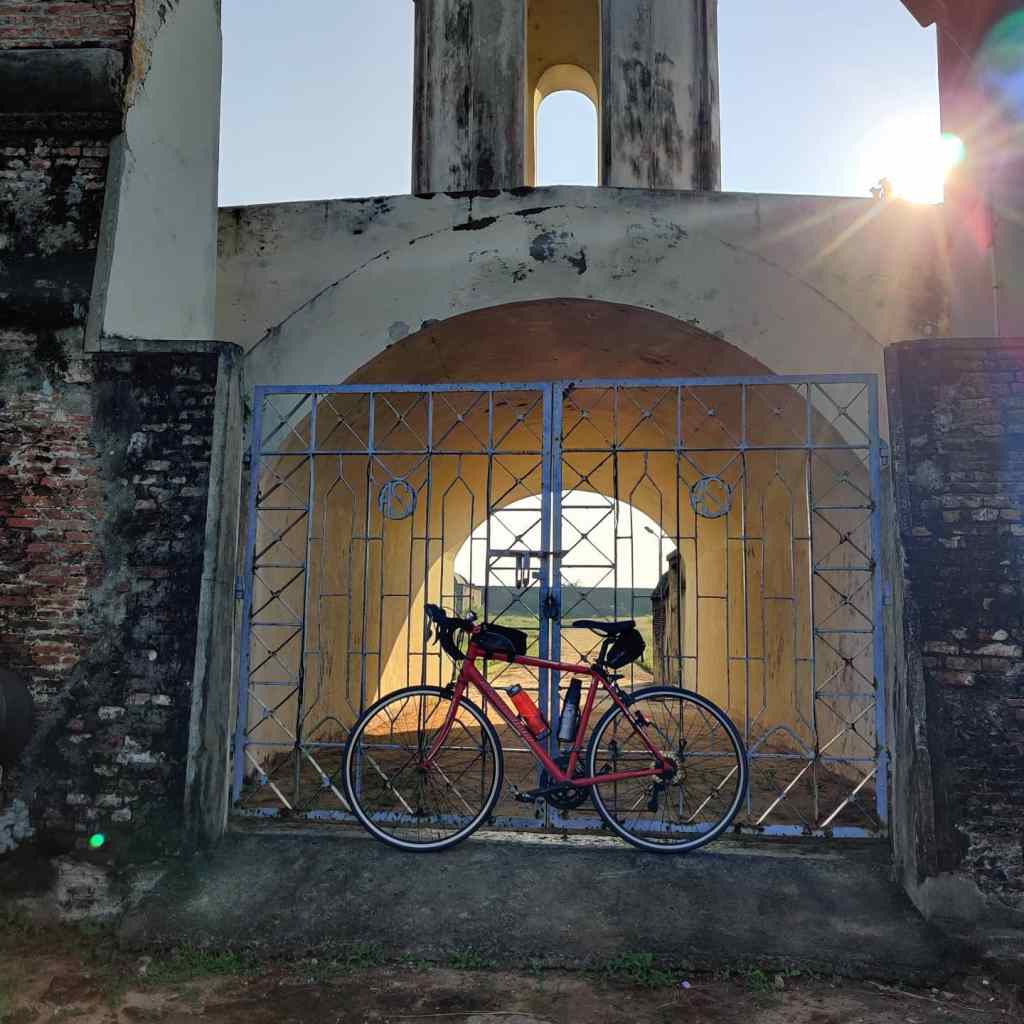
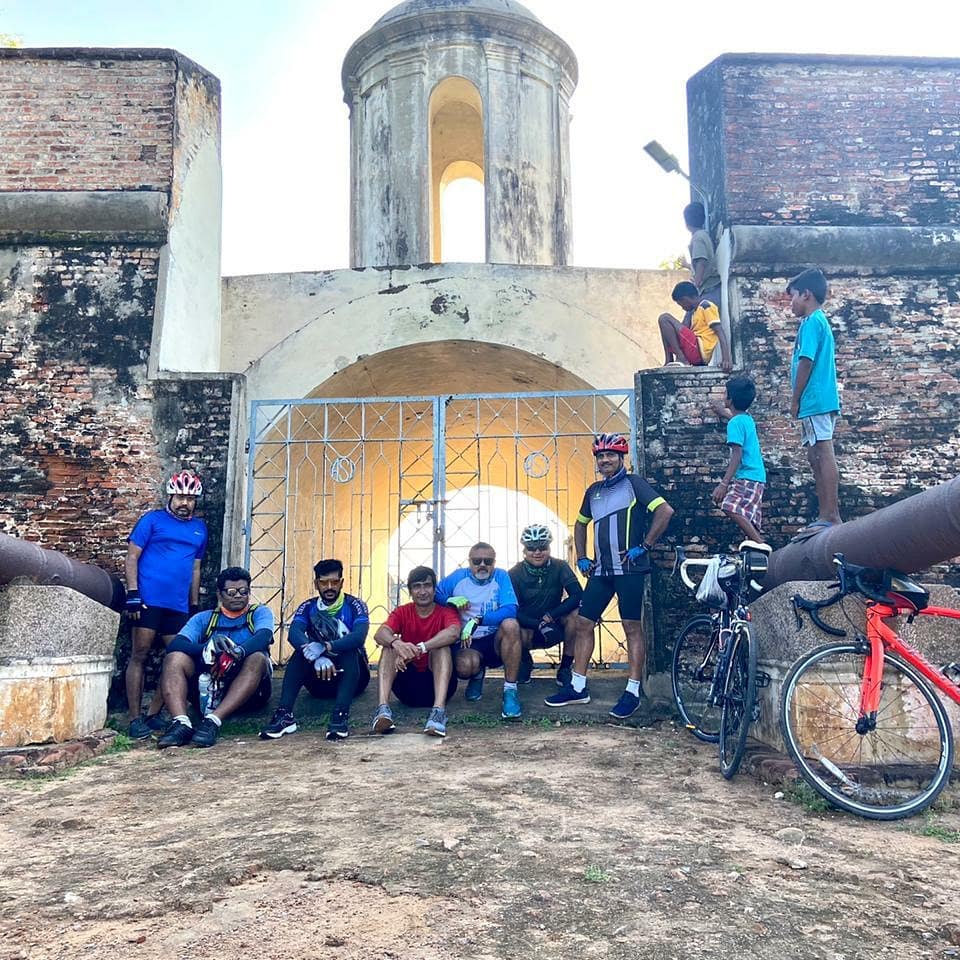
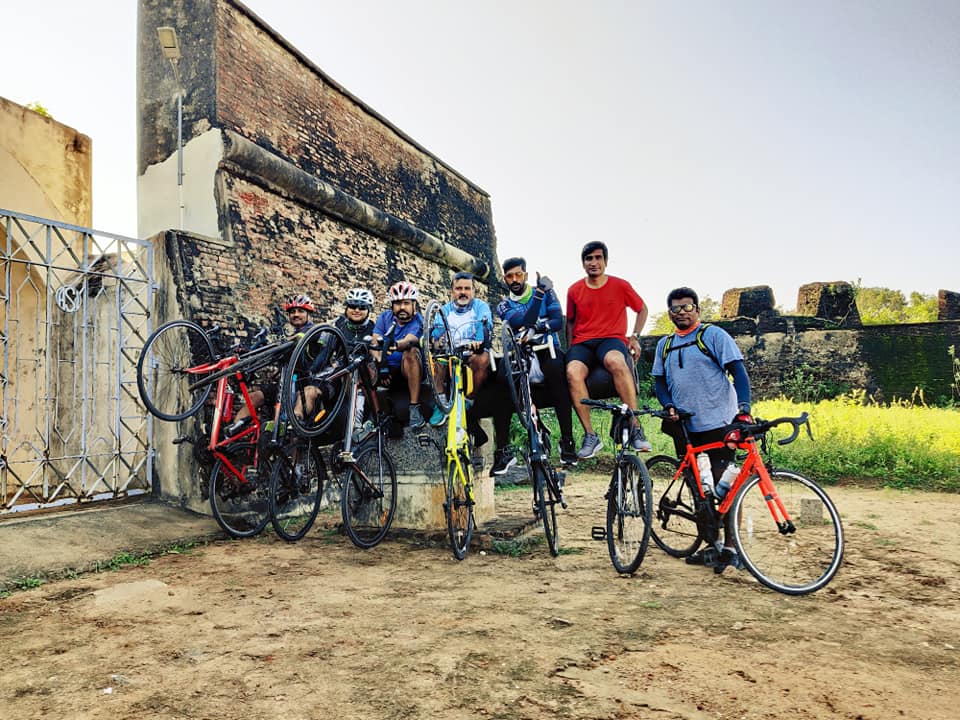
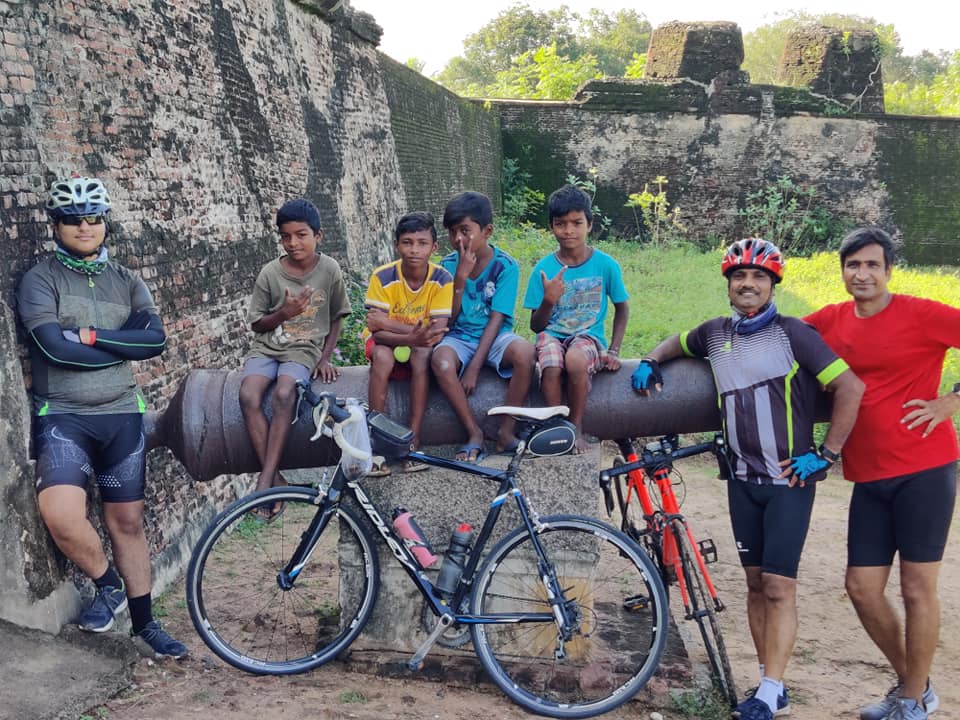
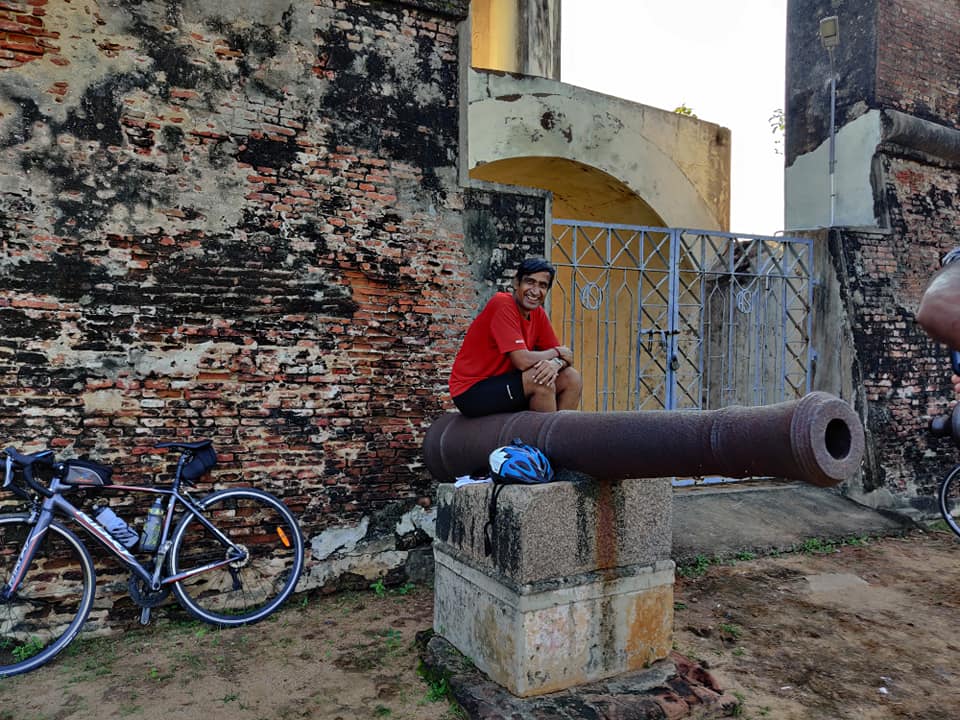
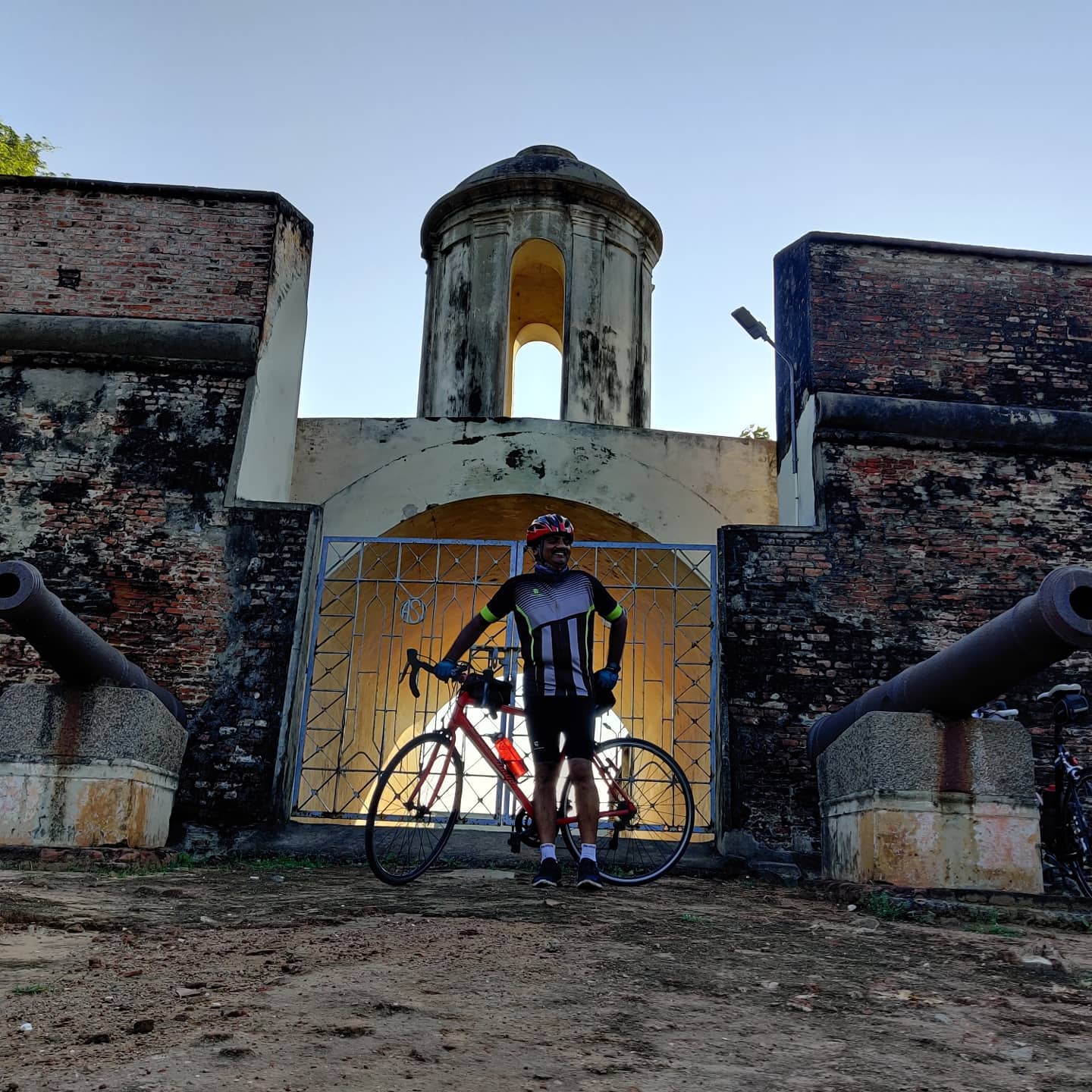
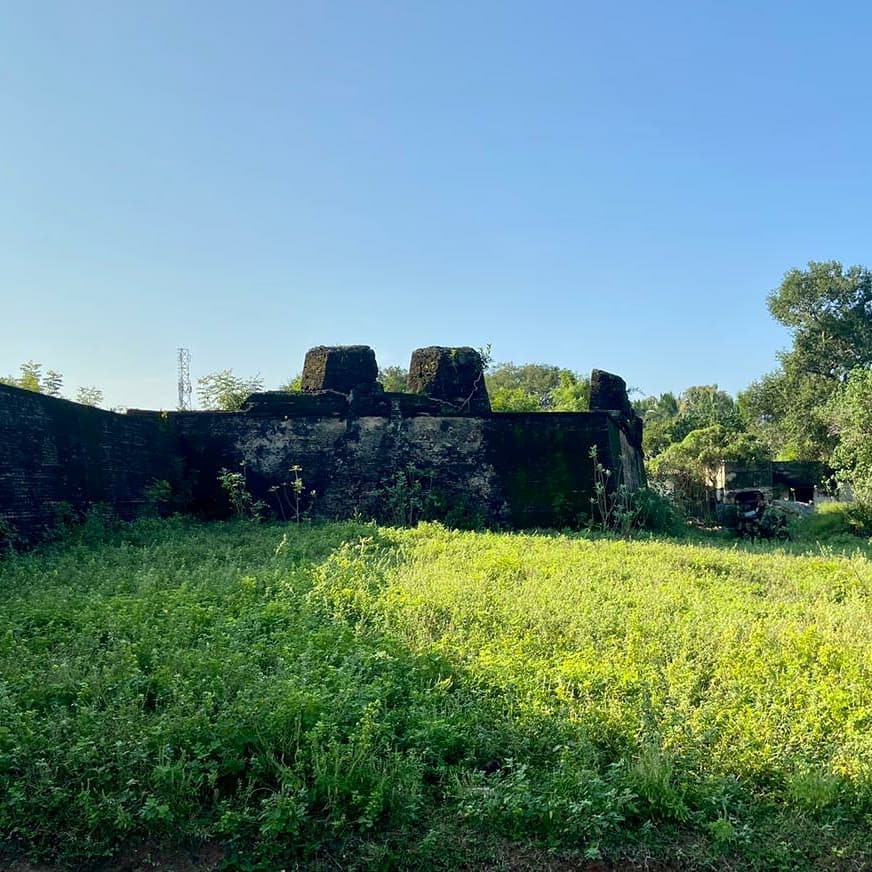
From Mahabalipuram, a drive towards the town of Kalpakkam brings one to the fortress town of Sadras. Located around 15 kms from Mahabs, the anglicized name of Sadras derives its origins from Saduranga Pattinam. Sadras was established as part of Dutch Coromandel in the 17th century and the first battle between the British East India company and the Dutch started here as the Battle of Sadras.
This fort was built for commercial purposes by the Dutch and had a vast granary, stable and structures used for mounting elephants.The fort and the surroundings are not in good shape and it would be good to see some work of restoration done here, considering the history and lineage of this place.
































Amazing pictures and inspiring story! Going through this website makes me nostalgic about India! Thank you