Circa 1993, it was when I was just about 2 kms away from this famed town of Tharangambadi, visiting Tranquebar Bishop Manikam Lutheran College (TBLMC) on some official work after undertaking a tiring journey from Trichy to Mayavaram by an inter-city bus and then hopping onto a local bus to bring me closer to the college.
Those were the days when the Internet, Wikipedia et al were distant dreams for the general public and it went without saying that I never understood the significance of the name associated with the college.
It was the year 2004 when this non descript town made headlines, reeling under the effects of the devastating Tsunami.
Sea water had entered almost 2 kms into the town and killed over 600 people and destroyed lot of houses.
Fishing hamlets disappeared overnight, people lost their near and dear ones, trees got uprooted under the impact of the giant waves, some monuments got destroyed while some stood the onslaught.
It was only then that I read up about Tranquebar (later renamed as Tharangambadi) and realized about their being so much of history swathed over this town that I added it to my bucket list.
A trip to Tranquebar and Poompuhar can be combined with a visit to the temples around Mayavaram, Kumbakonam and Swamimalai where is there is so much of ancient temples to visit.
Table of Contents
These 2 day trips don't need much planning
The month of September was not too distant and promised a couple of long weekends out of which while I had exclusively reserved one for a solo backpackers trip to Hampi (given that it would have been Ruin-ous tagging them along), the family prevailed on me for a quick dash to Kerala for 3 days on one of the longer weekends while the lady of the house had a separate wish-list for visiting a few temples around Mayavaram which we squeezed in between the other two long weekends.
Getting there
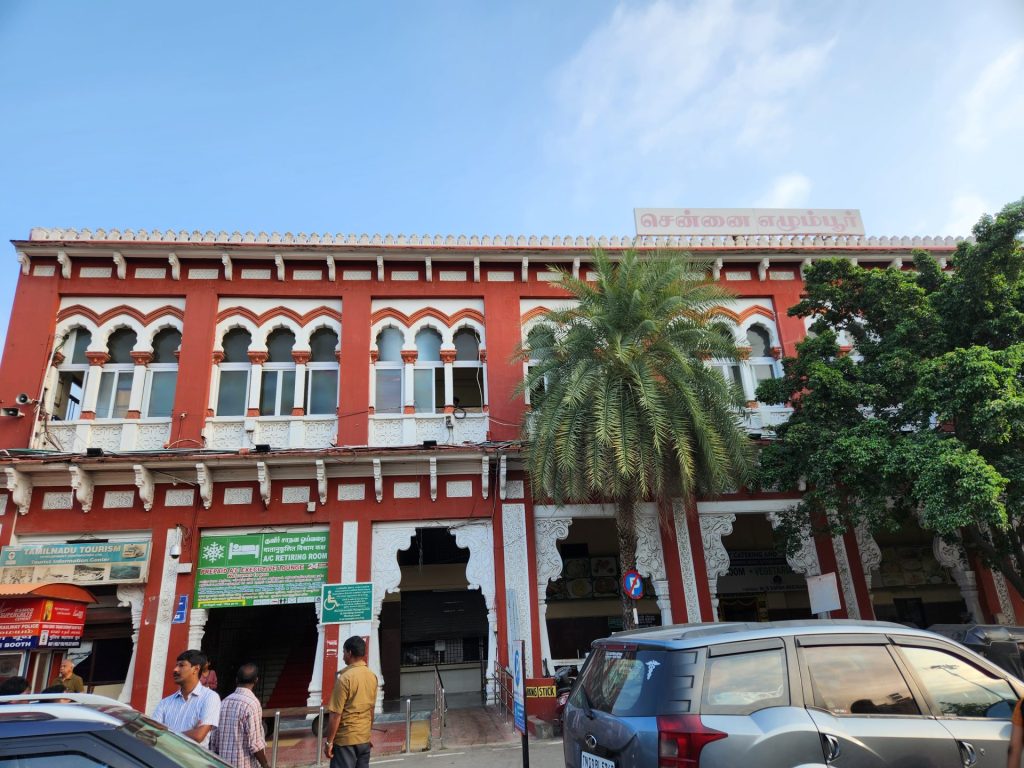
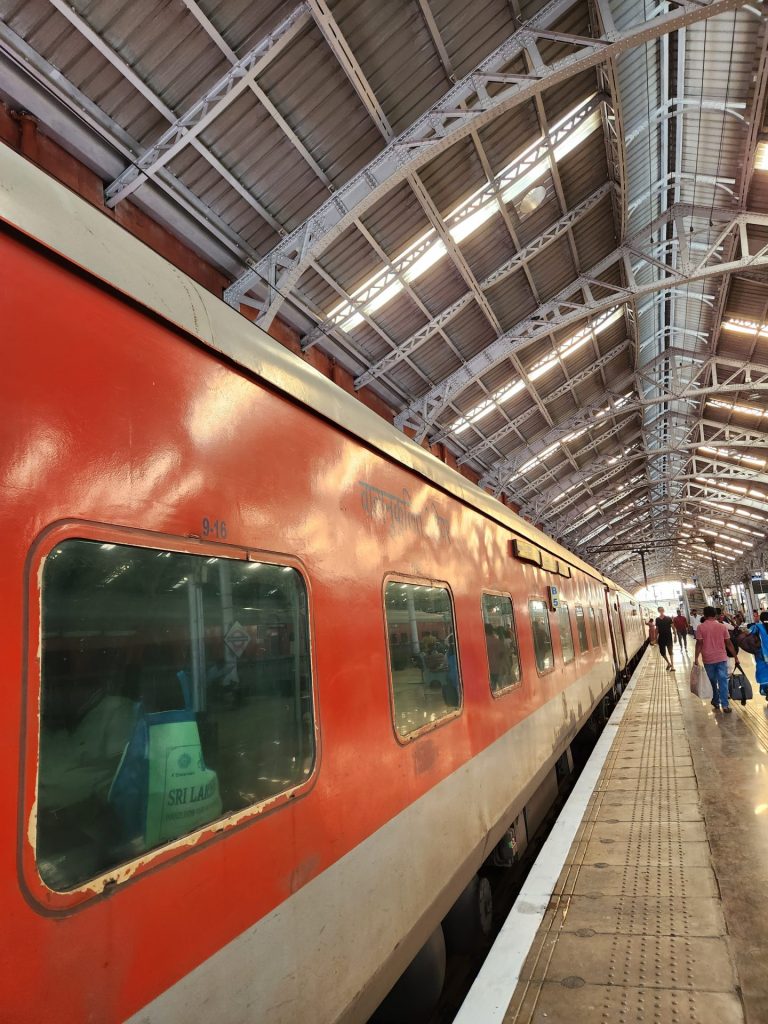
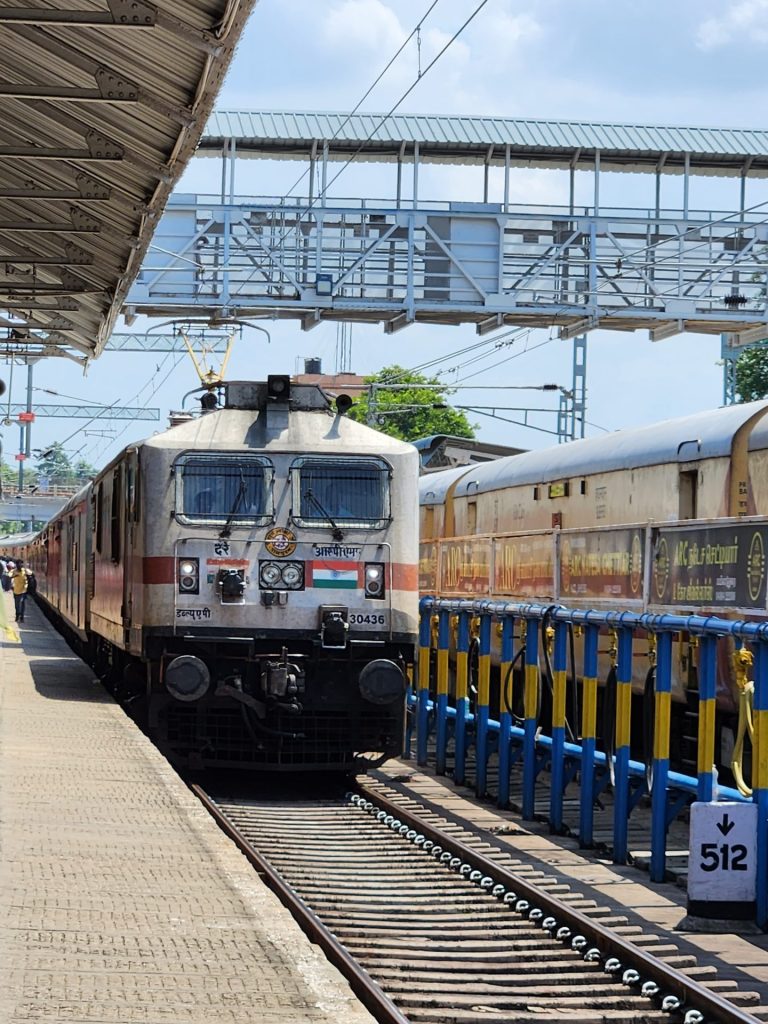
While driving down to Mayavaram was definitely an option, we chose an easier and less tiring way of taking a train to reach this place. We left Chennai by Cholan Express at around 7.45 AM from Egmore station which is the hub for connecting cities and towns located towards the Southern parts of Tamil Nadu.
The train had its fair share of stoppages as it chugged along and it also gave us an opportunity to enroute savour the cashews and fresh guavas grown around the Panruti (Cuddalore) side, thanks to the stream of hawkers. We reached Mayavaram station at around 12.30 noon.
A little bit on Mayavaram
Mayavaram is a sleepy little town located in Nagapattinam district, around 286 kms away from Chennai. Earlier known as Mayuram, this town is popularly known as Mayiladuthurai derived from the word Mayil meaning Peacock. Legend has it that Goddess Parvati manifested herself as a peacock to charm Lord Shiva through a mesmerising dance.
There are notably around 69 Temples in and around Mayavaram, the most famous being the Mayurnathaswamy temple where Lord Shiva is worshipped. This district happened to be ruled by the Medieval Cholas and later on by various dynasties including the Vijayanagar Empire, the Nayaks of Tanjore , the Tanjore Marathas and the British Empire. Agriculture and Weaving contribute to most of the district’s revenues apart from fishing, given its proximity to the Eastern Coastline.
The right months to be in Mayavaram
Mayavaram and the twin towns of Tranquebar and Poompuhar being closer to the coast, can be best visited during the post monsoon months of September to the winter months from December to February when the average maximum temperature is around 18-32 degrees. The average temperatures hover above 35 degrees with mild rainfall during summers and hence this isn’t a great time to explore these places town.
Options of stay at Mayavaram
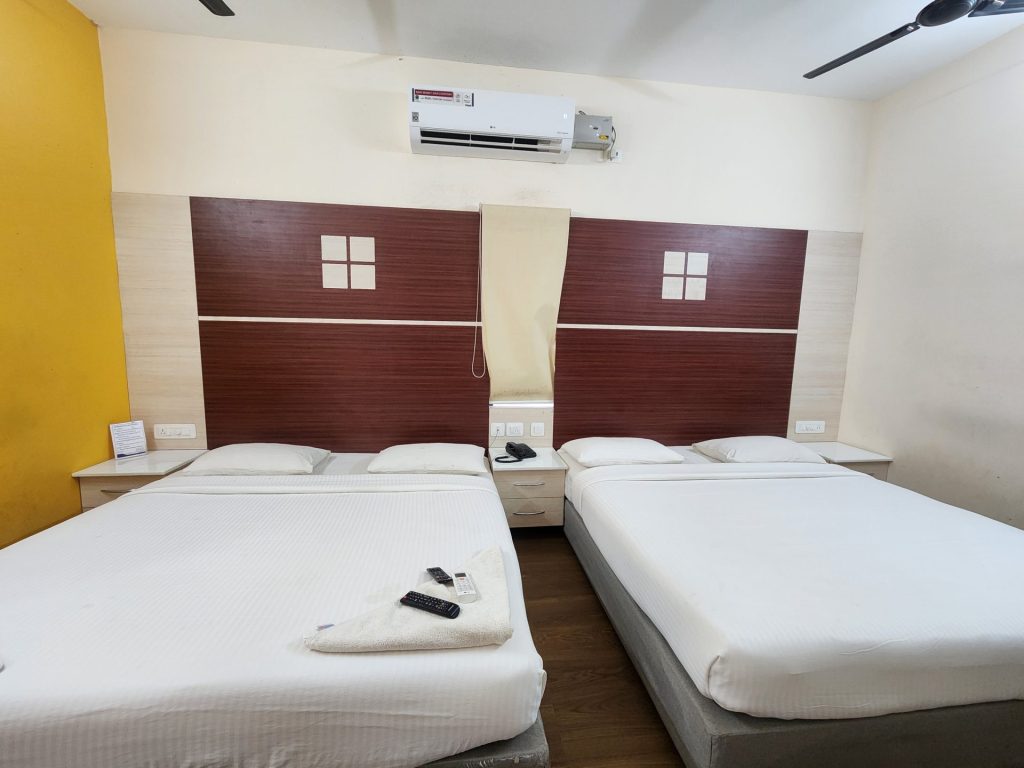
We hired a 3 wheeler to reach Murali’s Kudil, a decent and well maintained hotel, located around 3.5 kms from the station and adjacent to the famed Parimala Ranganathar temple. We had relied on Booking.com and Agoda.com to search and do the reservations and narrowed down on this hotel after reading reviews of multiple places in and around Mayavaram and the place frankly did not disappoint us. No fancy stuff but given that we would be away for most part of both days travelling, it did not really irk us. Other hotels which one could explore could be Laya Regency, Million Day Inn, Hotel Aadhi and Krishna Residency but as always, please check the reviews on the net before narrowing down on any hotel.
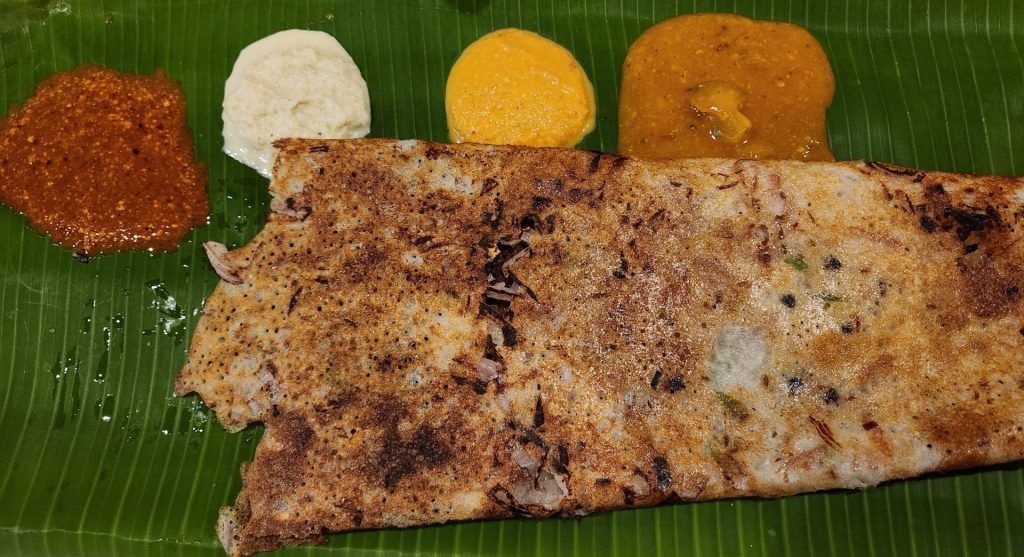
The place does not have a restaurant but the staff organize for food from a nearby Vegetarian Mess and we had some excellent banana leaf meals soon coming our way.
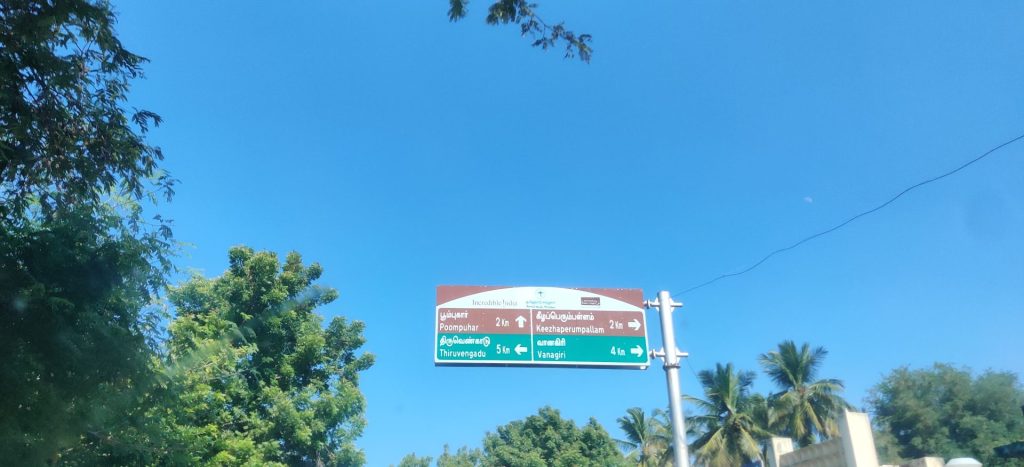
While the visits to a few temples around was part of the main agenda, I had reserved the second half of Saturday for visiting the beaches of Tranquebar and Poompuhar. With the help of the hotel staff, we hired a cab to take us around these 2 places and we started our drive towards the seaside town of Poompuhar at 2.45 PM. A 25 km drive brought us to the vicinity of the beach by 3.30 PM.
The Port City of Poompuhar
Poompuhar also known as Kaveripoompattinam was a once upon a time flourishing port city and also served as the second capital for the Chola Kings. While this port was believed to 2,500 years old as part of medieval history, actual research findings from geologists after studies of the sea bed state that this ancient port could have existed more than 15,000 years back.
While researches and explorations continue, it is believed that Poompuhar was a city spread over 250 square kms.
The city had a huge harbour which was 11 kms in length and 3 kms in breadth, a lighthouse, dockyards capable of handling 70 to ships besides Canals and Breakwaters to handle merchandise storage.
It was also home to lot of settlements. Earlier studies established the fact that this city had maritime trade links with Egypt and South East Asia before it disappeared from the contours of the Maritime Map over 1000 years ago.
Poompuhar is said to have relocated at least 6 times on account of floods, tsunamis and cyclone induced storms.
Its said that before being where it is currently, 50 metres below the sea, remnants of an ancient lighthouse built on the same patterns of the Cleopatra Lighthouse in Egypt with causeway pillars and spiral staircases have also been found.
These point evidence to what scientists corroborate about the 15,000 years legend associated with this place.
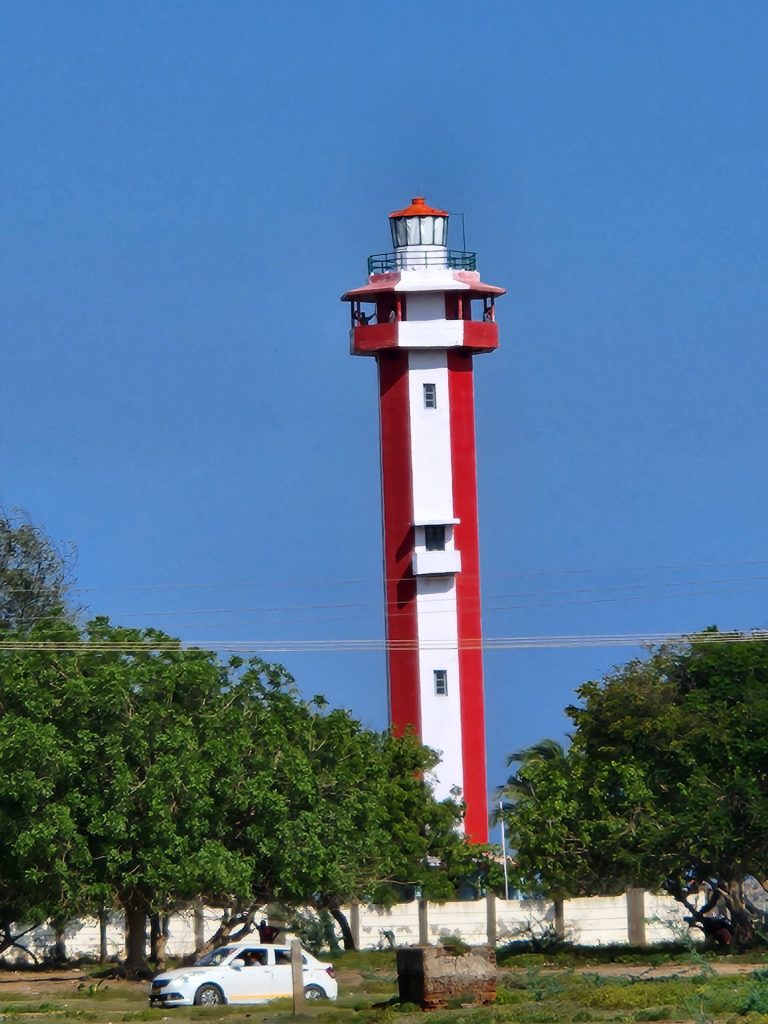
We reached the town of Poompuhar by around 3.30 PM. The current day Poompuhar however has nothing much on offer to see except for a imposing lighthouse and a few memorials.
The Silapddikaram Art Gallery dedicated to the famous Tamil epic of the same name was unfortunately closed for renovation and hence we headed for the beach.
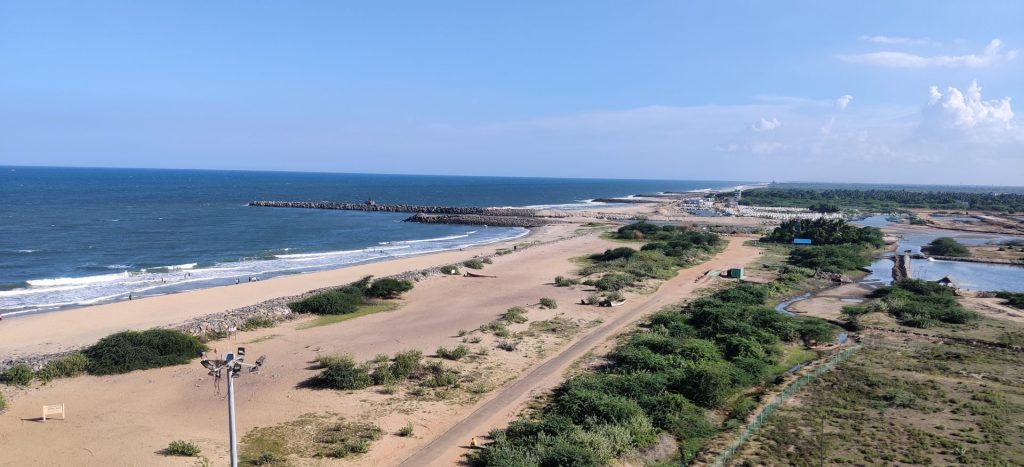
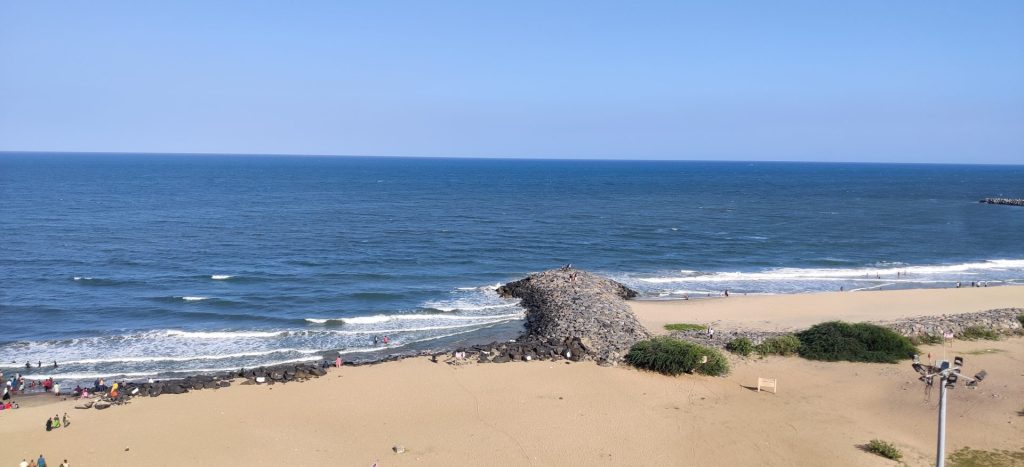
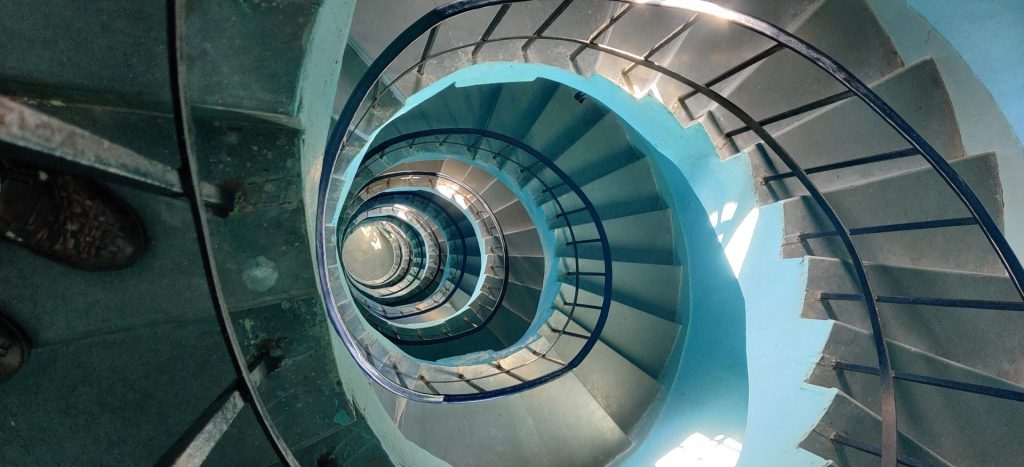
The place where we got dropped off looked pretty tranquil and clean maybe because it was less inhabited. We first decided to visit the Lighthouse and as we climbed our way up, fascinating views of the beach and its surroundings unfolded before our eyes.
One needs to keep in mind that the Lighthouse is open for public only between 3 to 5 pm and a visit to this town would be deemed incomplete if one did not walk up the Lighthouse right upto the top.
A small fee of Rs.5/- is levied for the general public and in case one is carrying a camera, they charge you Rs.20/-.
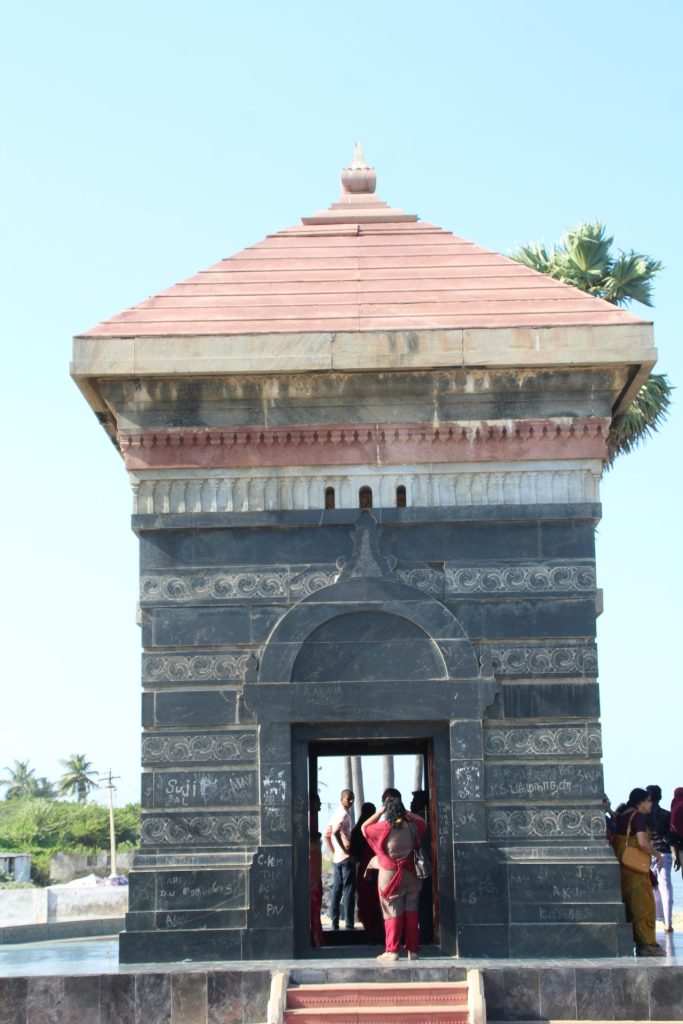
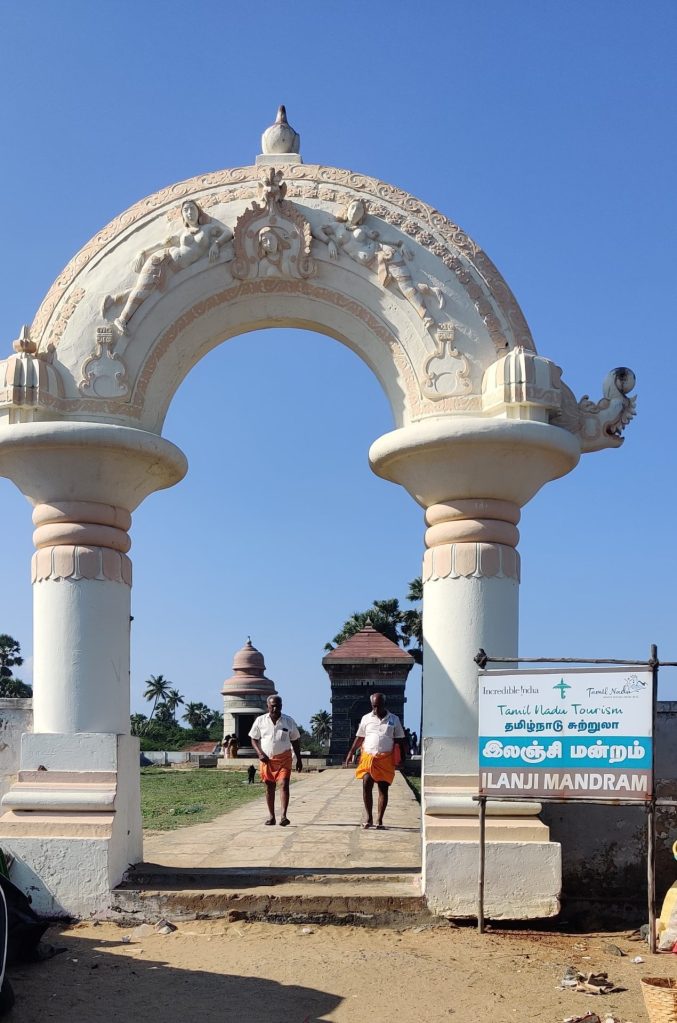
The Western side of the beach leads one to the Elanji Mandram which finds mention in the renowned Epic Silapddikaram as a place housing a tank whose waters were supposed to have miraculous powers to heal diseases. As we walked towards theElanji Mandram, there was a tall well ornated structure built on the beach and as seen in the above picture which appeared to be more of a photo shoot area.
The Pallaneswara Buddhist Vihara
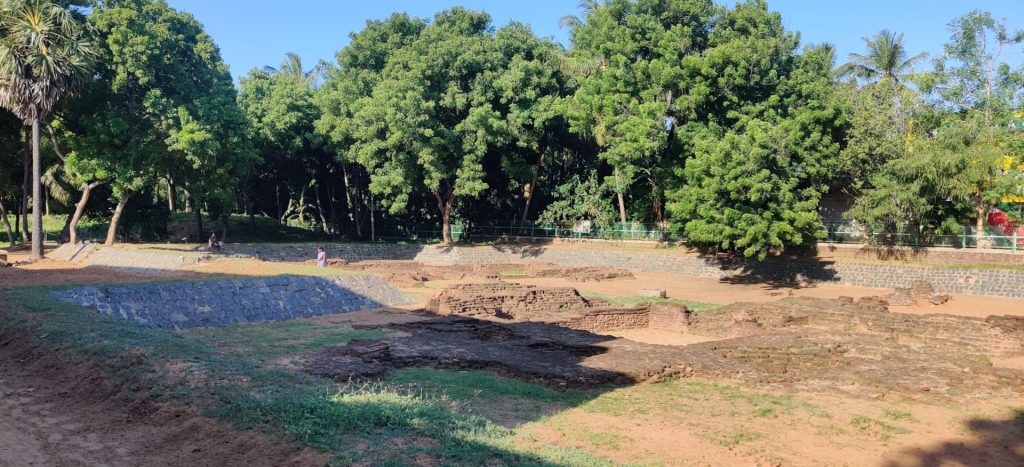
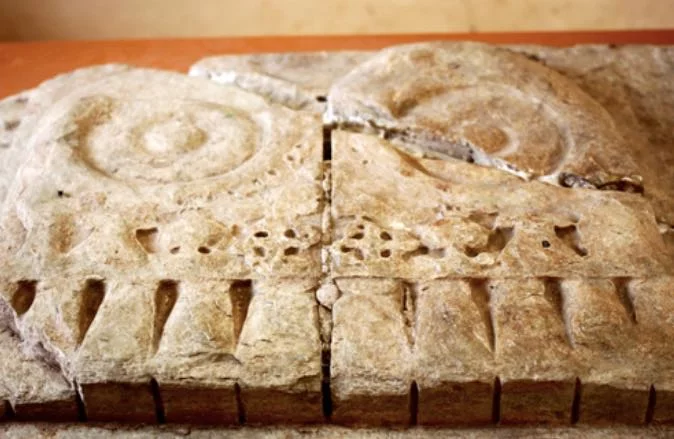
We left Poompuhar by around 4.15 PM and enroute, stopped by at a small site in Pallavaneswaram where there was an excavation of a Buddhist Vihara and temple on display. It is believed that the relics of a sixty feet long Buddha Vihar with rectangular rooms were discovered here. The Buddhapada or the feet of Lord Buddha in limestone was unearthed here and is believed to resemble the marble feet that was dug up from Amaravathi and Nagarjunakonda, Buddhist sites in Andhra Pradesh.
Tharangamadi also known as Tranquebar
Tharangam meaning Waves and Badi denoting Singing was where our next pit stop was.
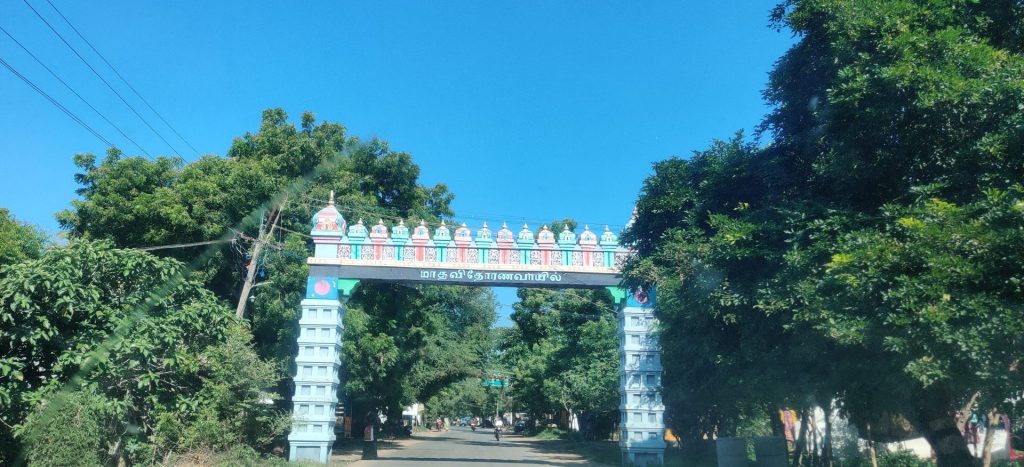
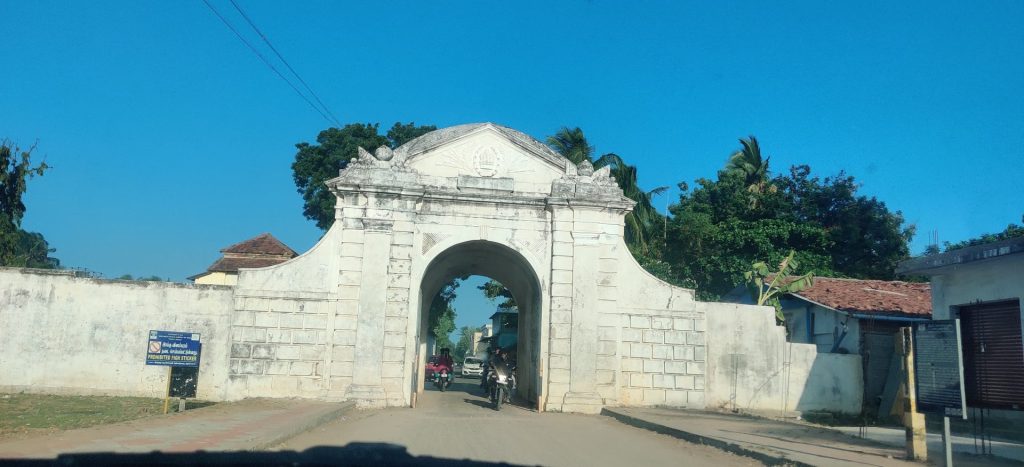
A treasure trove of history, the town of Tharangambadi (earlier known as Trankebar in Dansk or Tranquebar) was around 17 kms away from Poompuhar and we reached here at around 4.45 PM, entering through the Town Gate or the Landporten as its known in Danish.
Originally built in the 1660s as part of the fortifications to the town and demolished and rebuilt in 1791 by the then Governor Peter Anker, this gate still stands tall thanks to some restoration work.
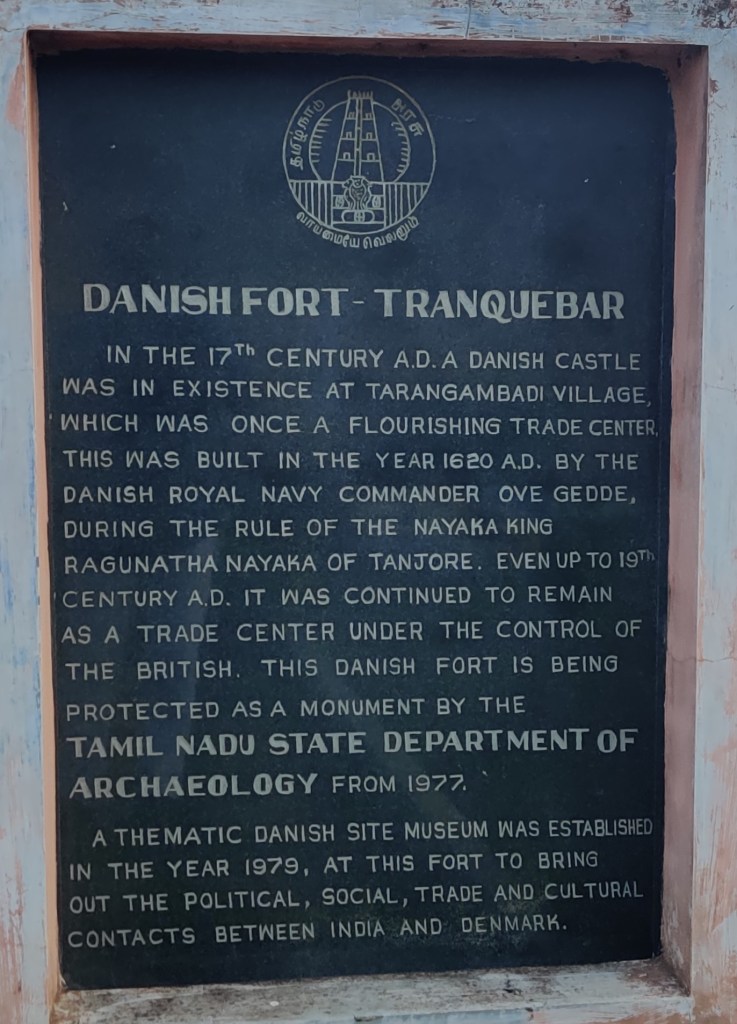
During the medieval period, Tranquebar was part of the famed Chola dynasty and this coastal village became part of a large regional and international trade network, attracting traders from the Arab Countries and Portugal. Fishing and agriculture continued as the mainstay of business until the Danes set afoot in 1616 into this coastal village after a settlement with King Raghunatha Nayak Tanjore who was controlling this town.
A small temple dedicated to Lord Shiva stood here when they set up shop here. The Danish East India Company, established in 1616 arrived on these shores in 1620 and set up shop to export spices back to Europe and Tranquebar remained as the capital of this modest Danish Colonial Empire for more than 200 years.
The Danish Fort
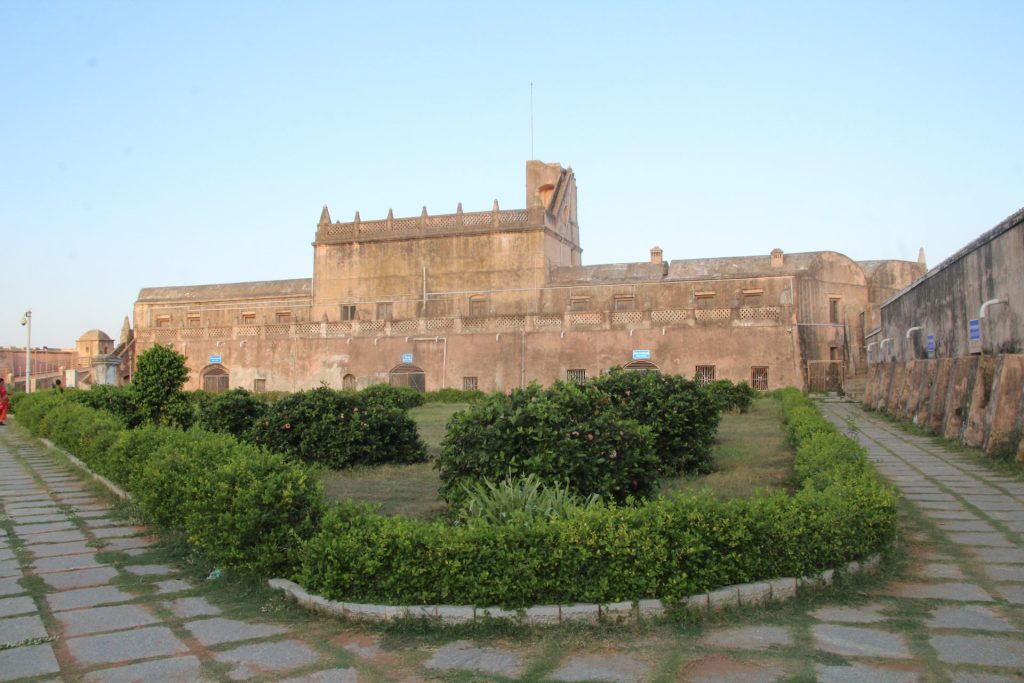
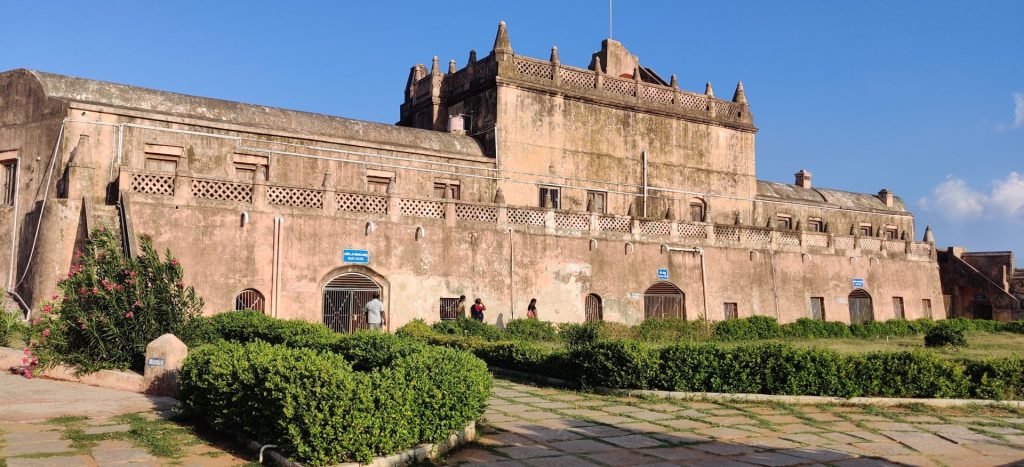
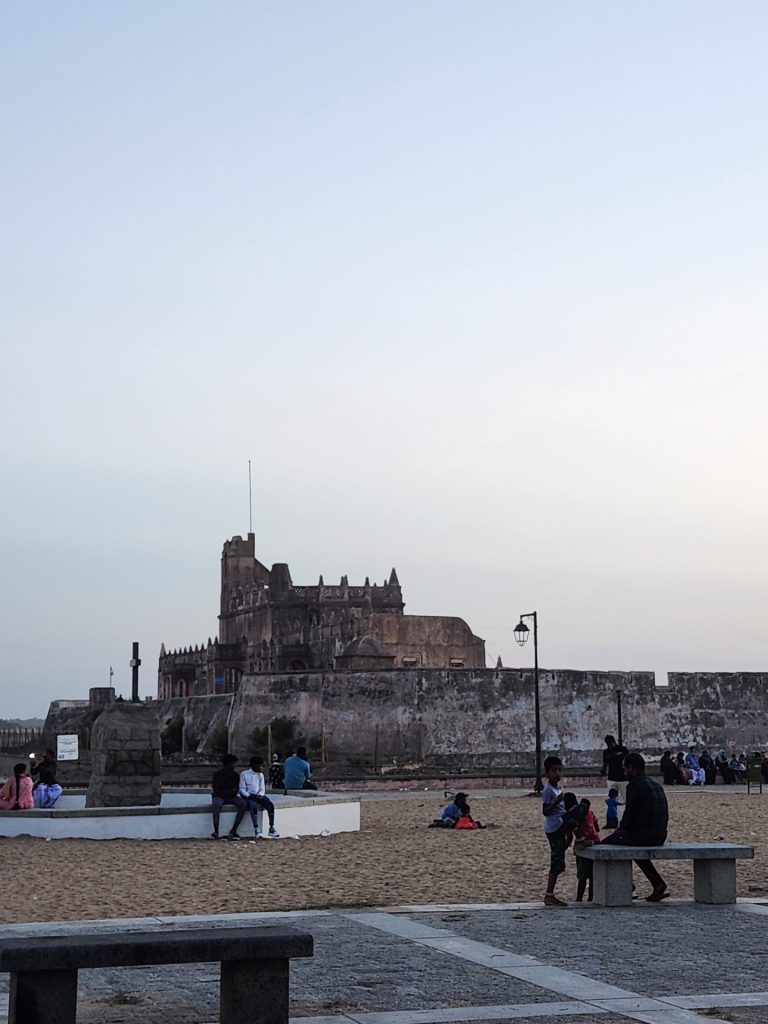
As one entered the Town Gate on King’s Street (Kongensgade) and drove in towards the holding area, the imposing structure of the world’s second largest Danish Fort unfolded before our eyes.
Led by Admiral Over Gjedde whose name is still commemorated in this town, the construction of Fort Dansborg started in 1620 and was completed in 1621.
This medieval fort and castle remains to be the second largest fort and castle in the world after the Kronborg castle in Helsinger which was also the basis for Elsinore in Shakespeare’s tragic play Hamlet.
A walled Danish town with European styled houses and orderly gridlines soon formed part of this Danish township.
The Tsunami played havoc with this town in 2004 and while the fort stood the test of time and battering of the waves, the whole area resembled a ghost town until enough funds were poured in support including the Governments of Denmark and India to restore the glory of this town.
The trapezoidal shaped fort built out of bricks has a lovely view of the sea from the front façade and has a couple of gates at the Northern and Eastern ends.
Cobbled shaped pathways lead to the front of the fort where one gets to see the large fortified walls extending to a length of 200 feet and width of 36 feet.
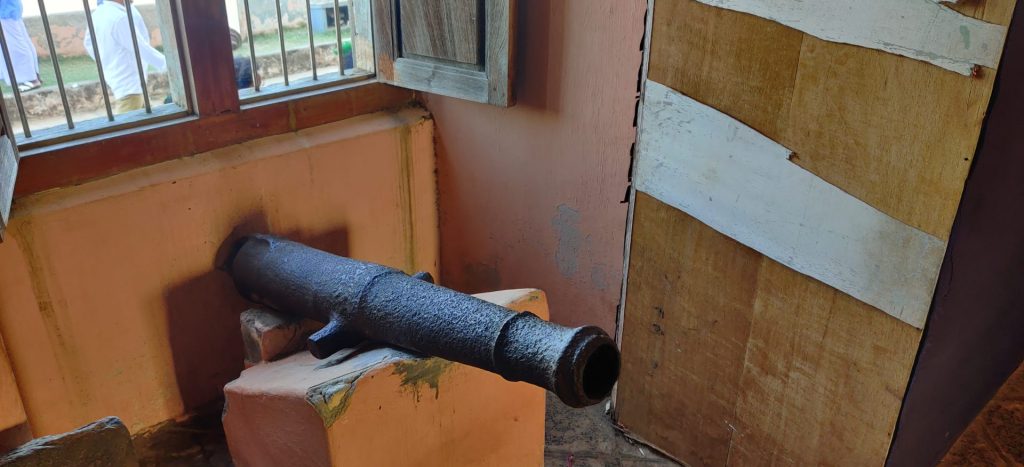
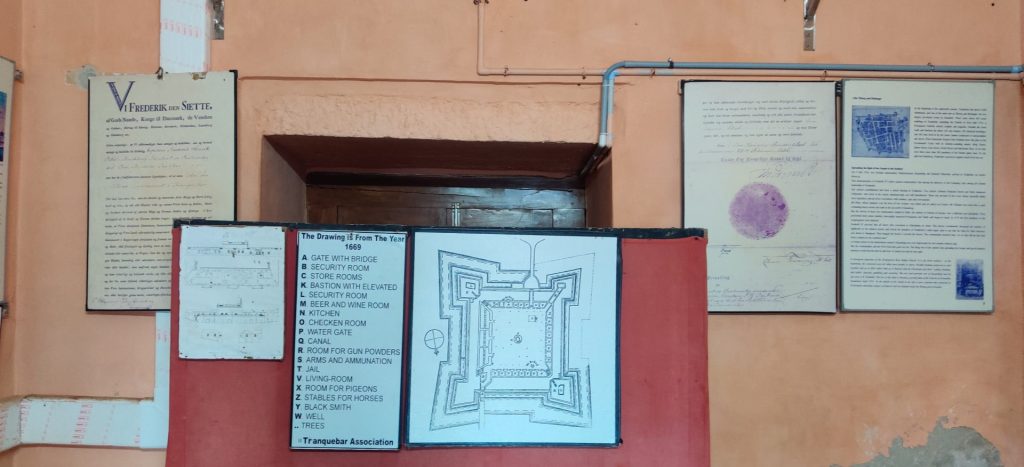
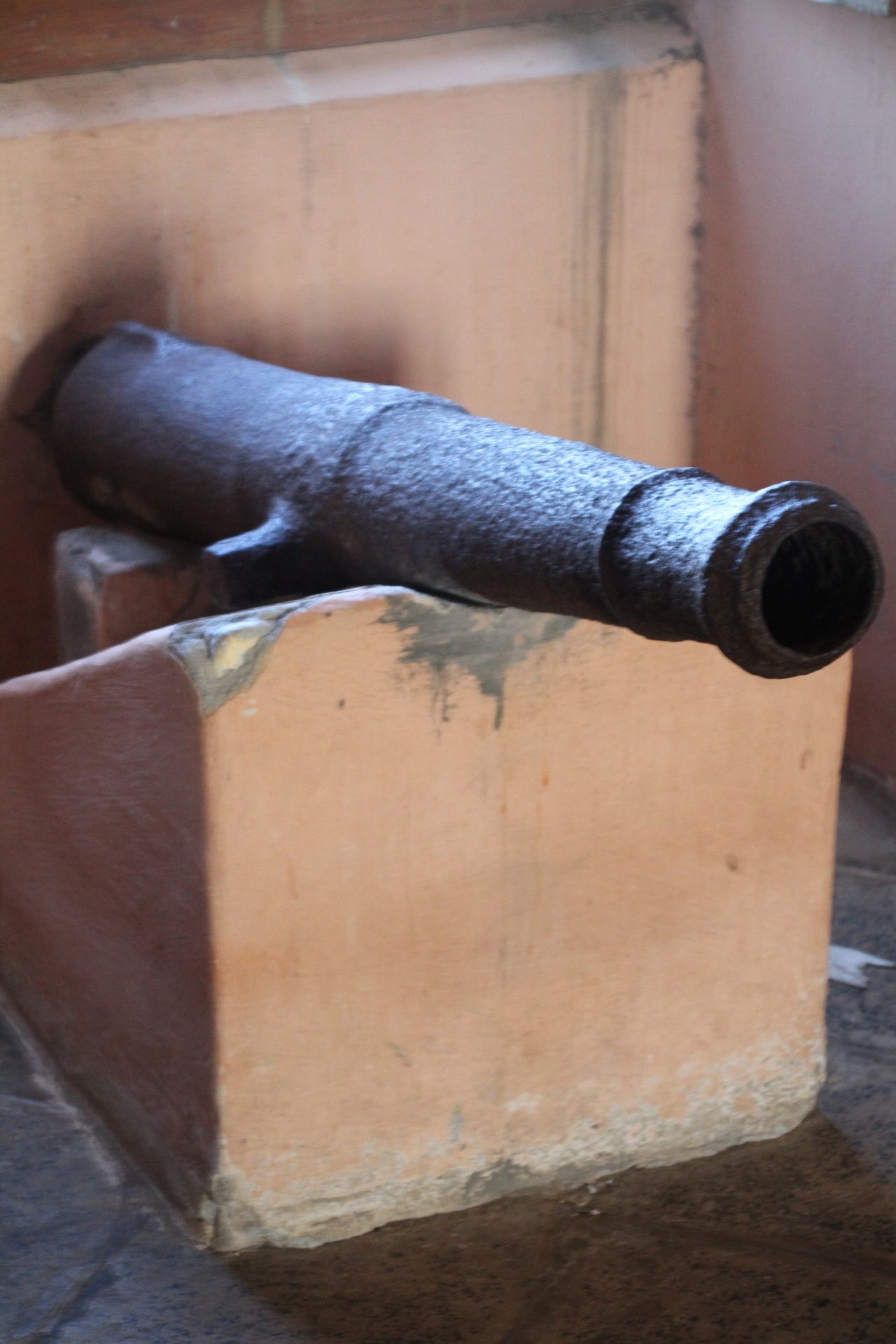
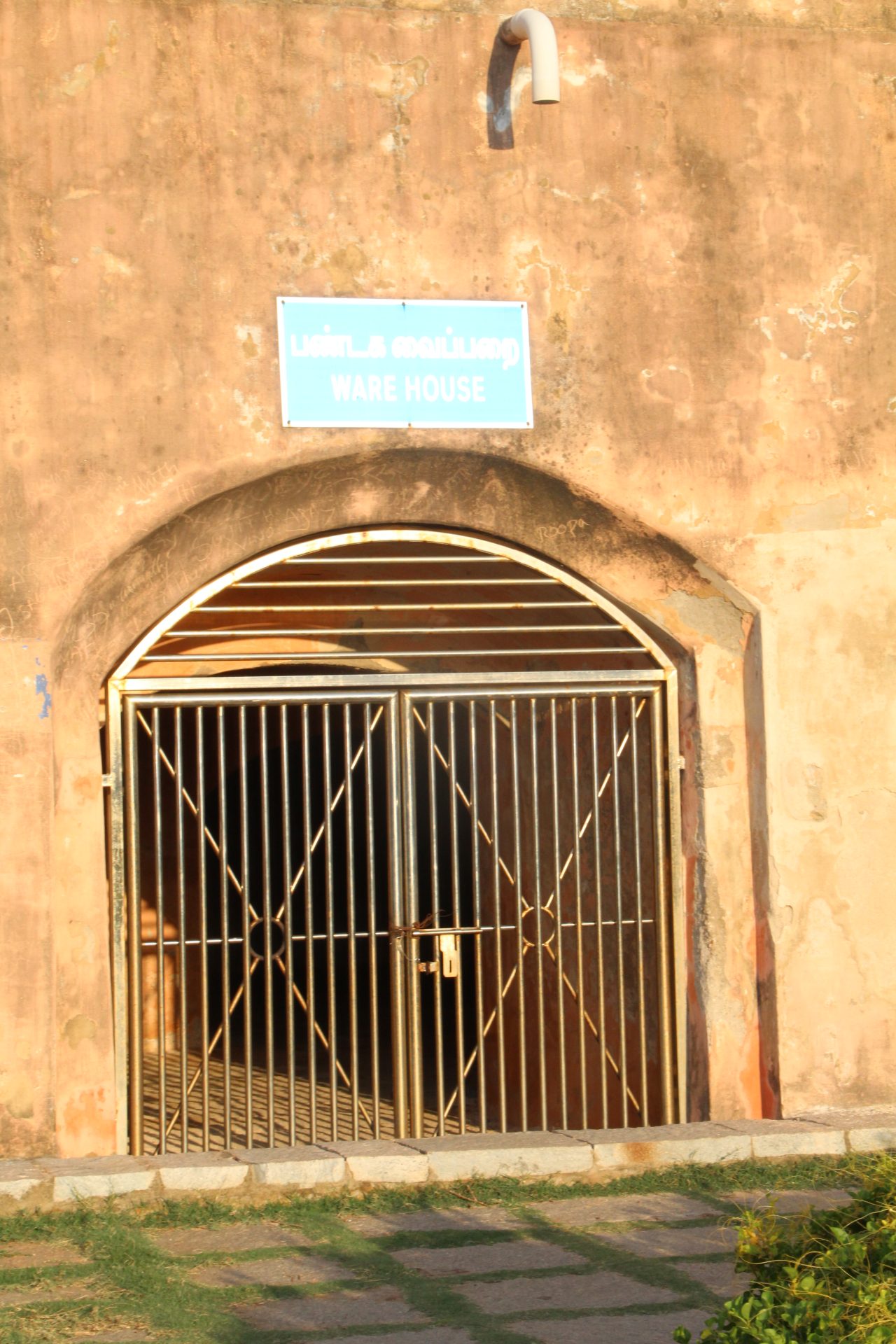
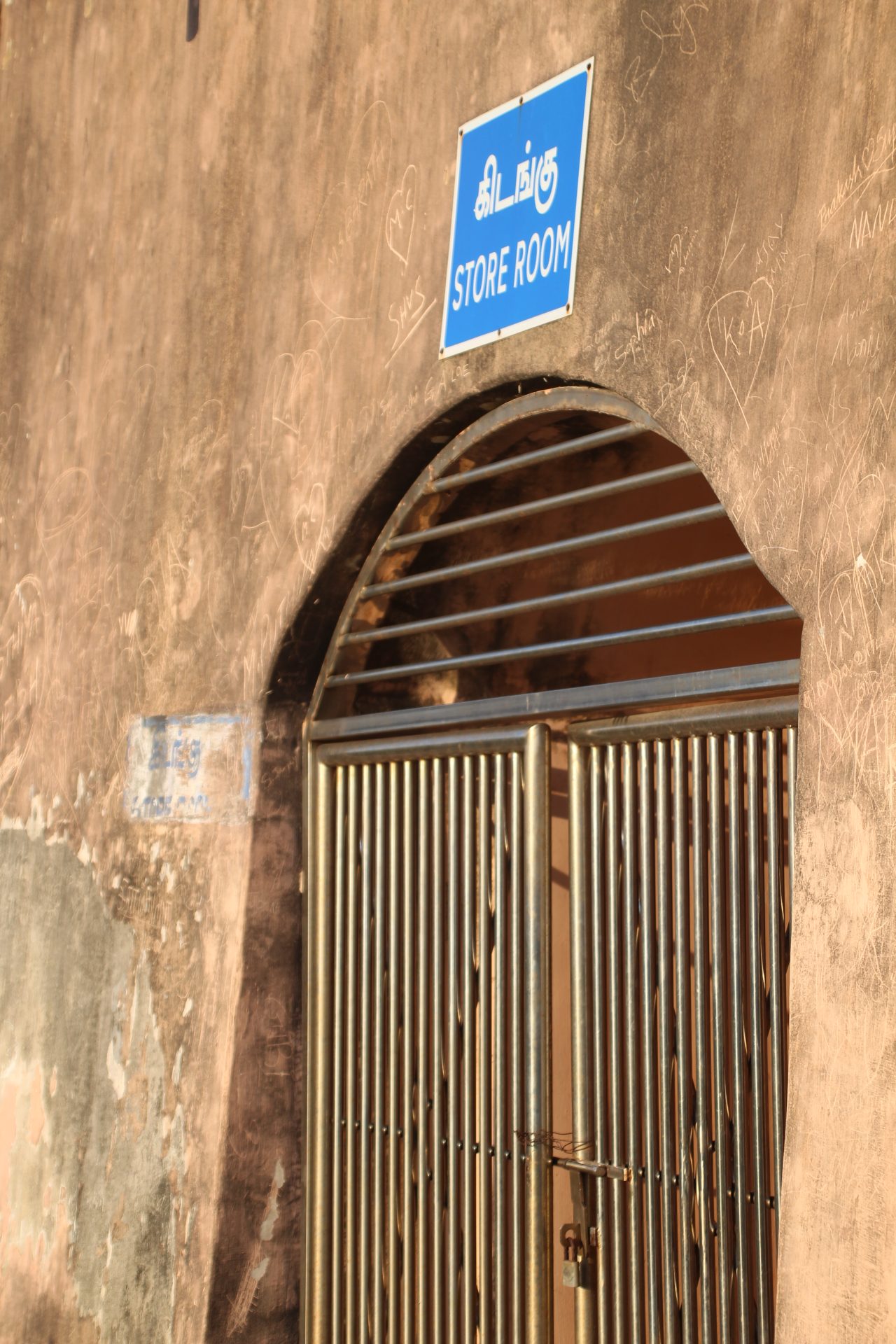
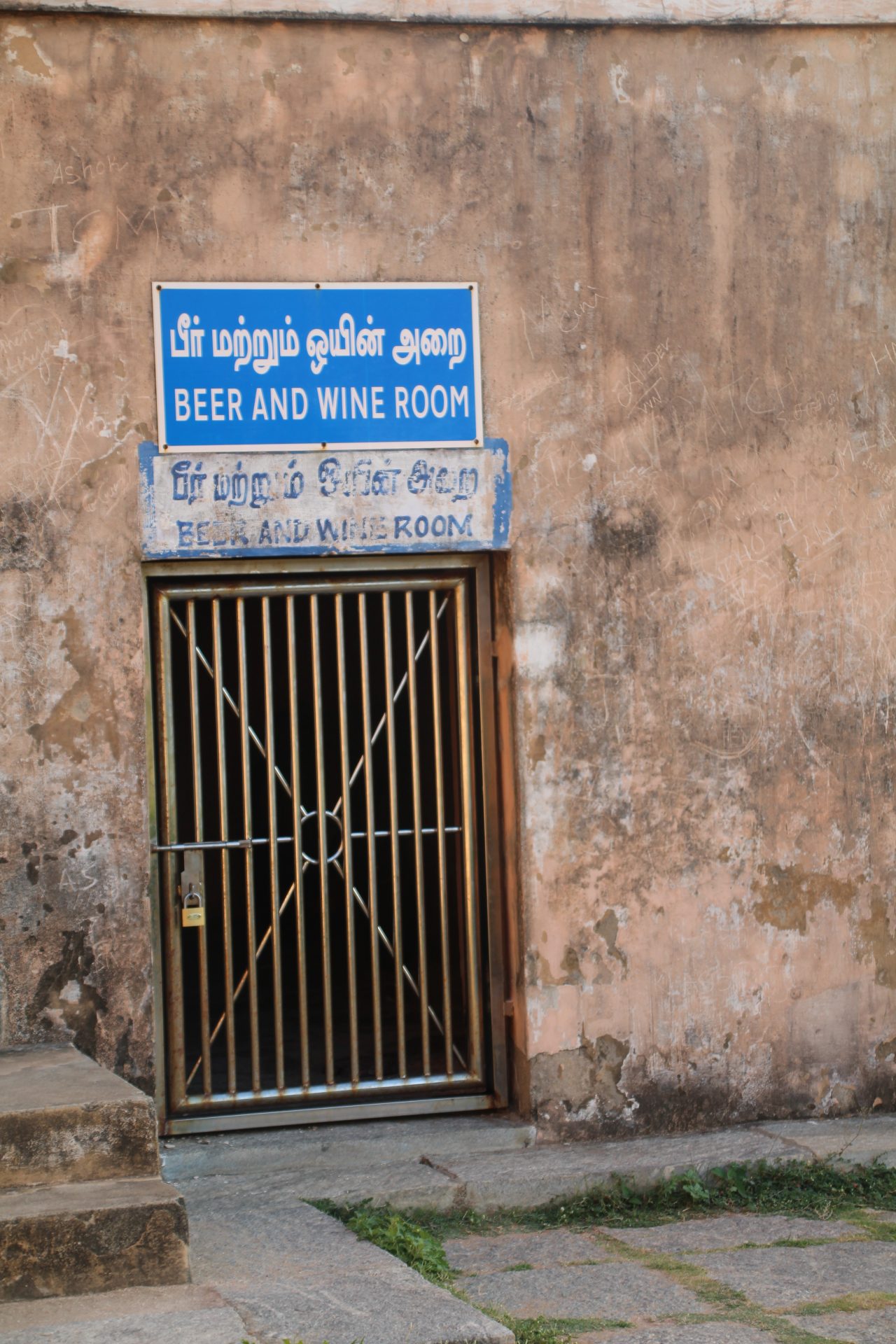
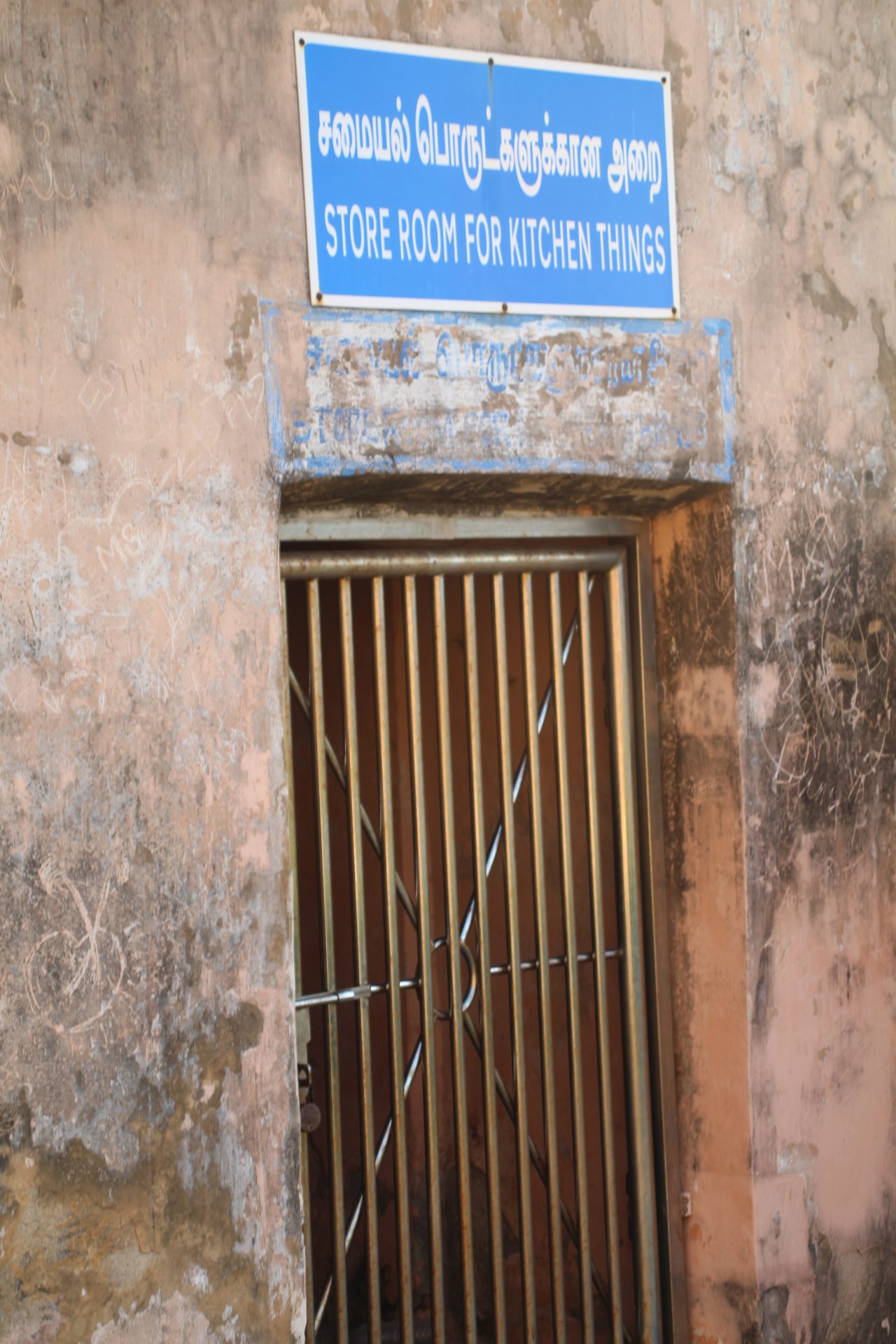
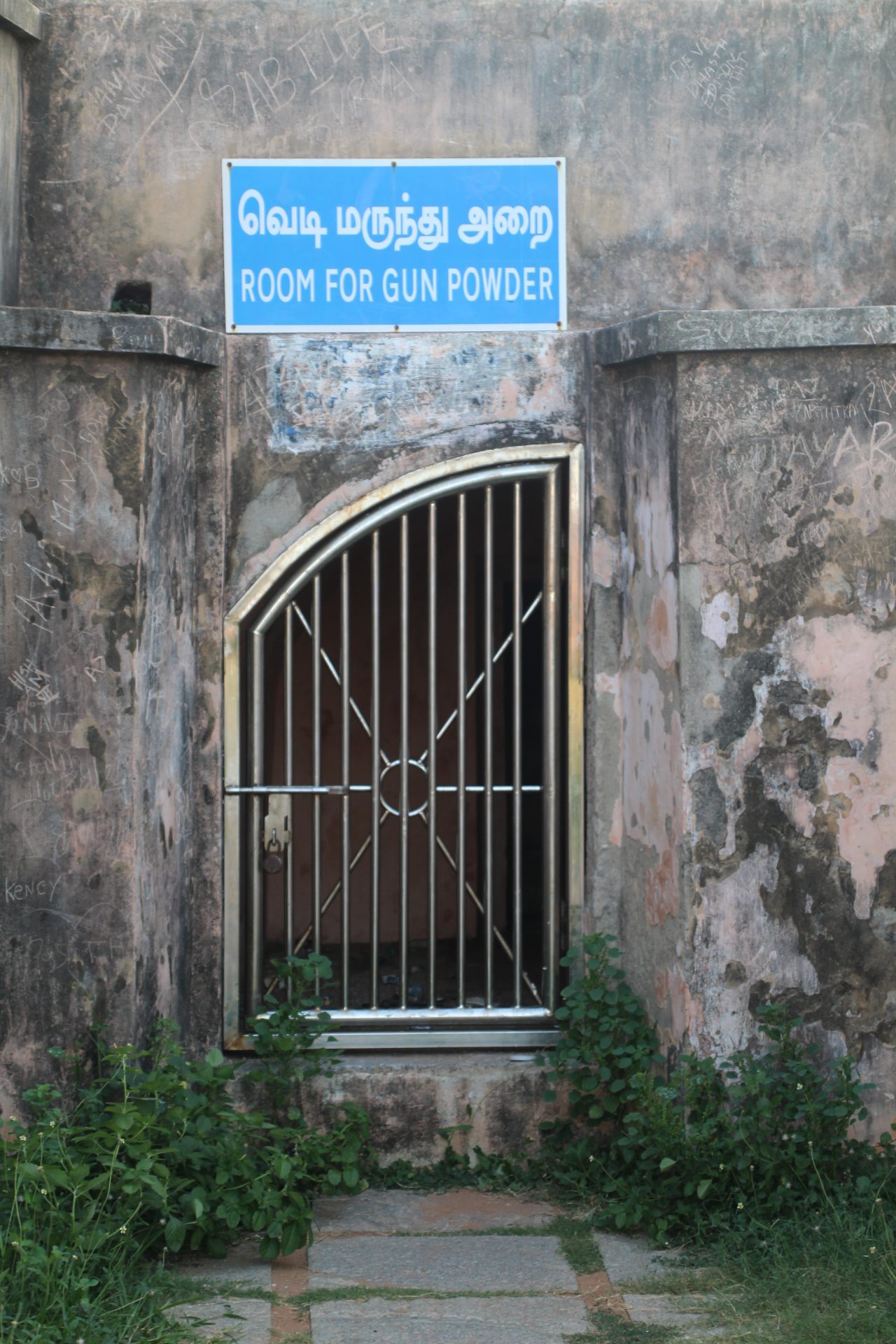
Canons can be seen mounted at vantage points at the front while the lower compartment at the rear side of the fort has an assortment of store rooms including one for wine and beer, rest rooms for soldiers, prison rooms, warehouses for food, artillery etc.
Canons can be seen mounted at vantage points at the front.
While the lower compartment at the rear side of the fort has an assortment of store rooms, rest rooms for soldiers, prison rooms, a bar, warehouses for food, artillery etc. The upper level had rooms for priests and governors.
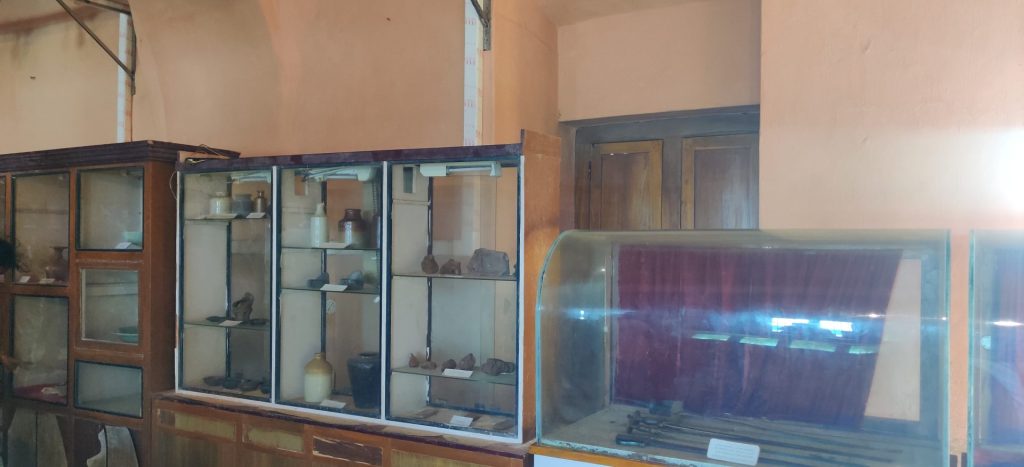
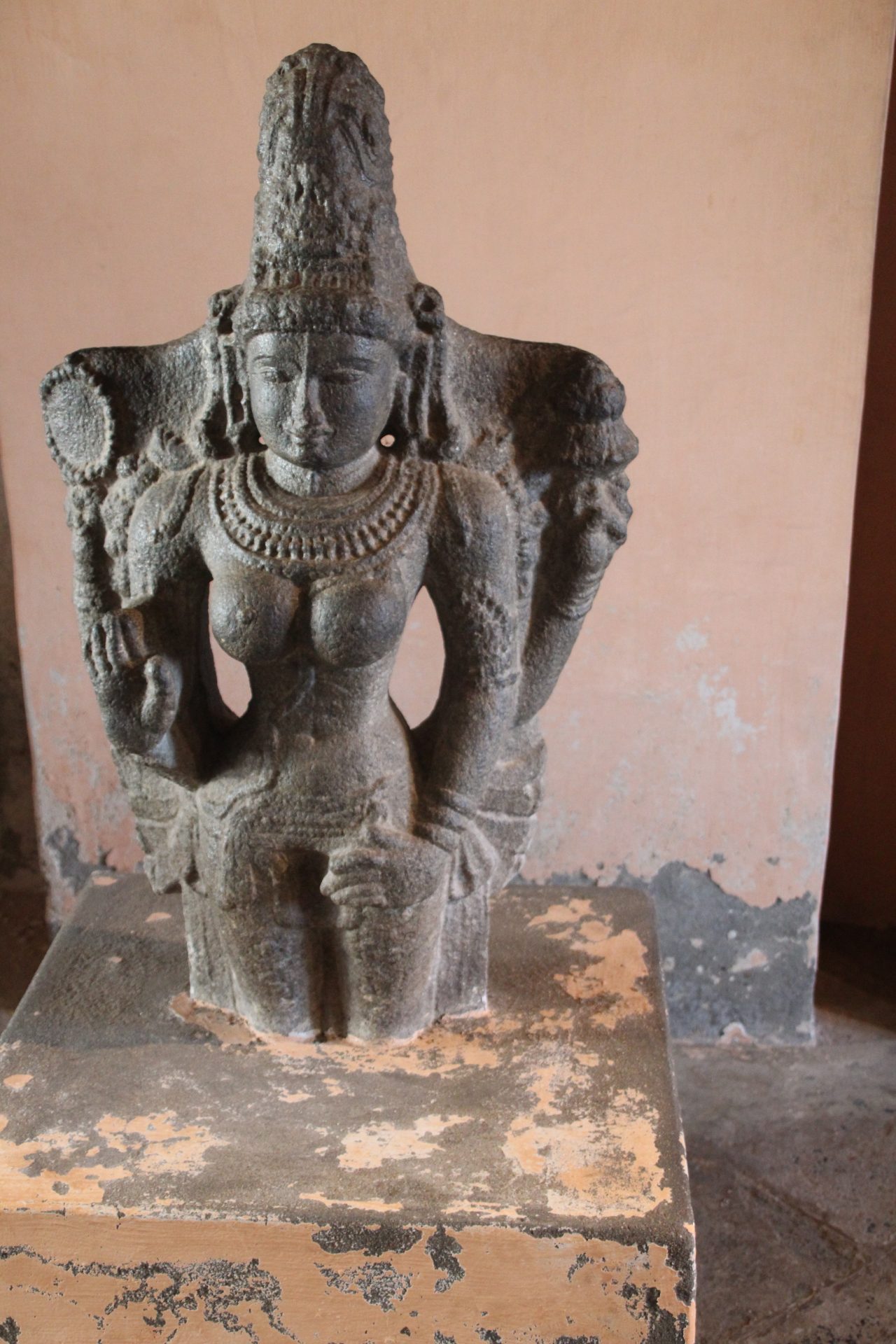
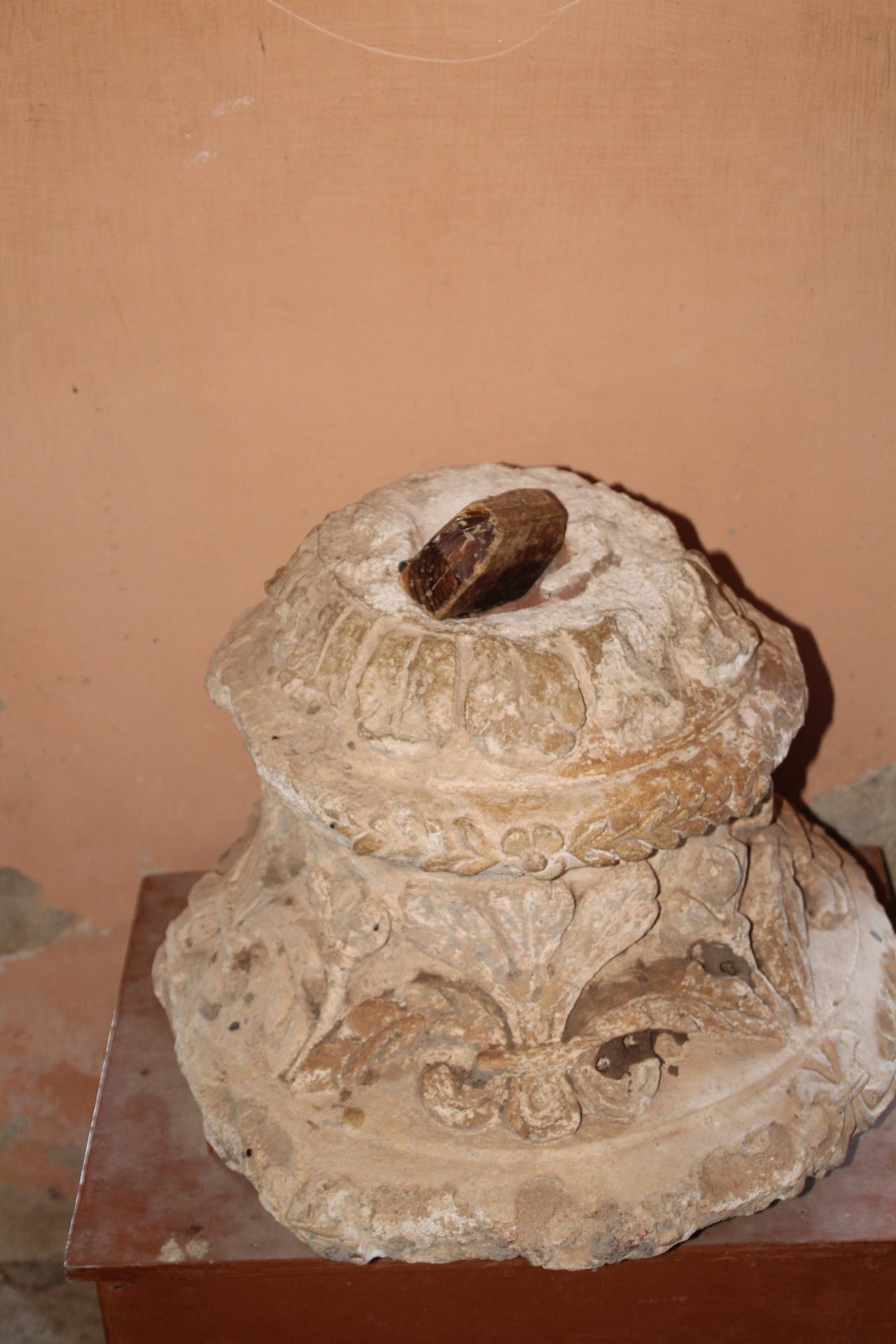
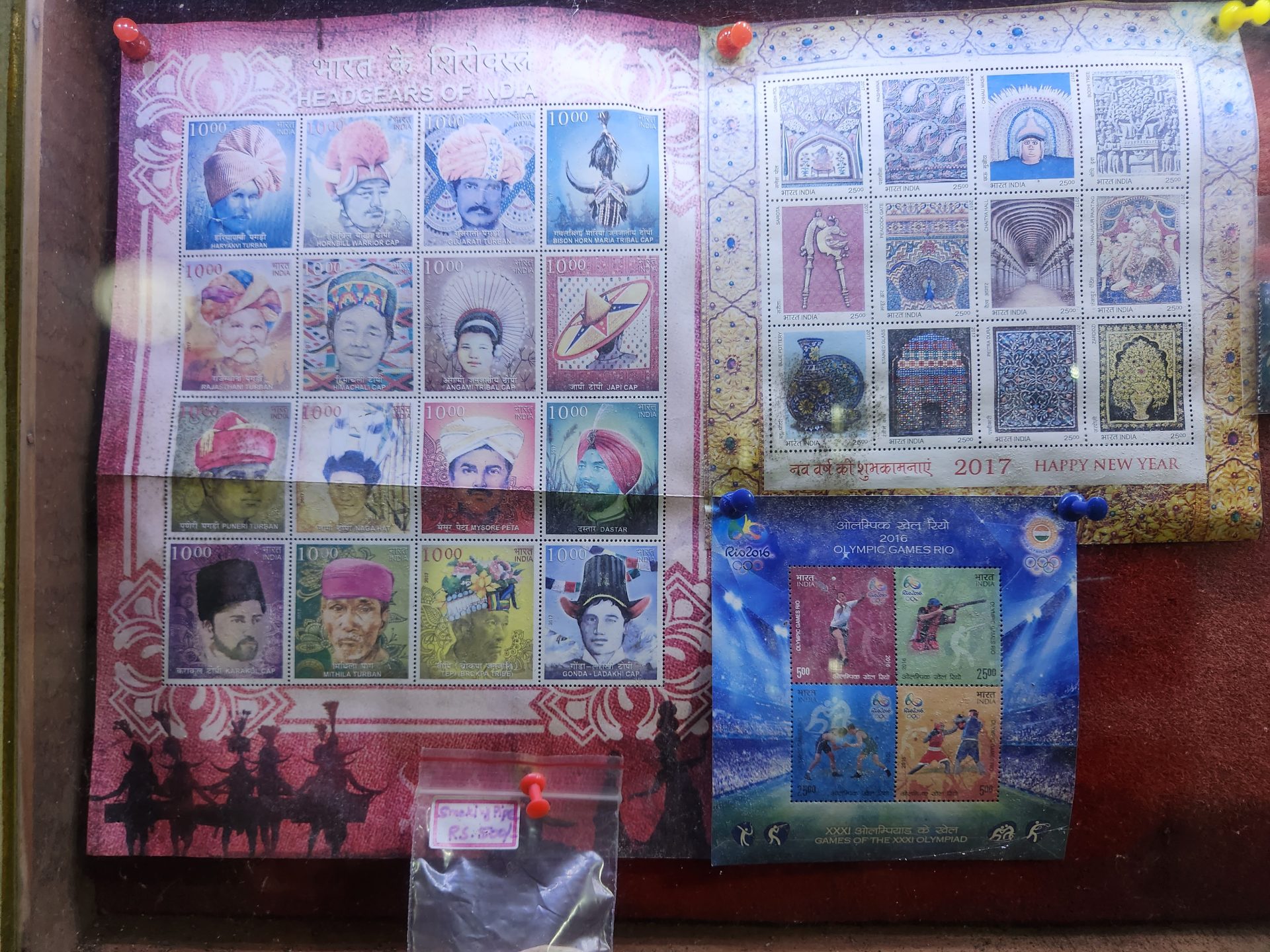
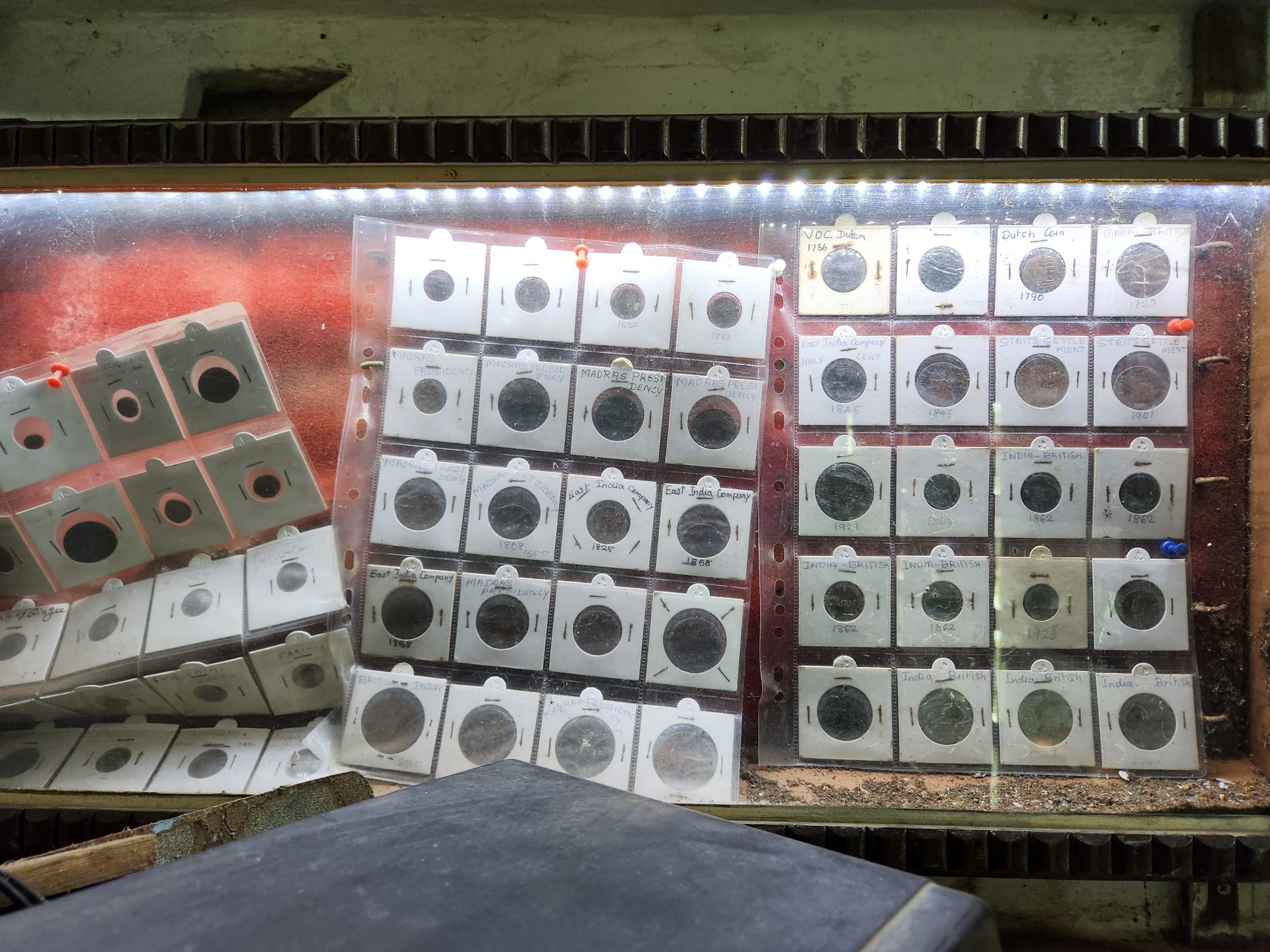
There is a Museum inside the fort which has the original documentation of treaties made during the Danish regime, coins, artefacts, portraits of the King of Tanjore, pottery etc. The fort has undergone renovations twice in the recent past. While an entry to the fort costs Rs.5/- per head, the museum remains closed every Friday.
The Danes had to pay a princely sum of INR 3,111/- annually to the Tanjore king as rent for erecting the fortress and were finding it unaffordable and finally sold it off to the Britishers in 1845 for INR 12,45,000/-.
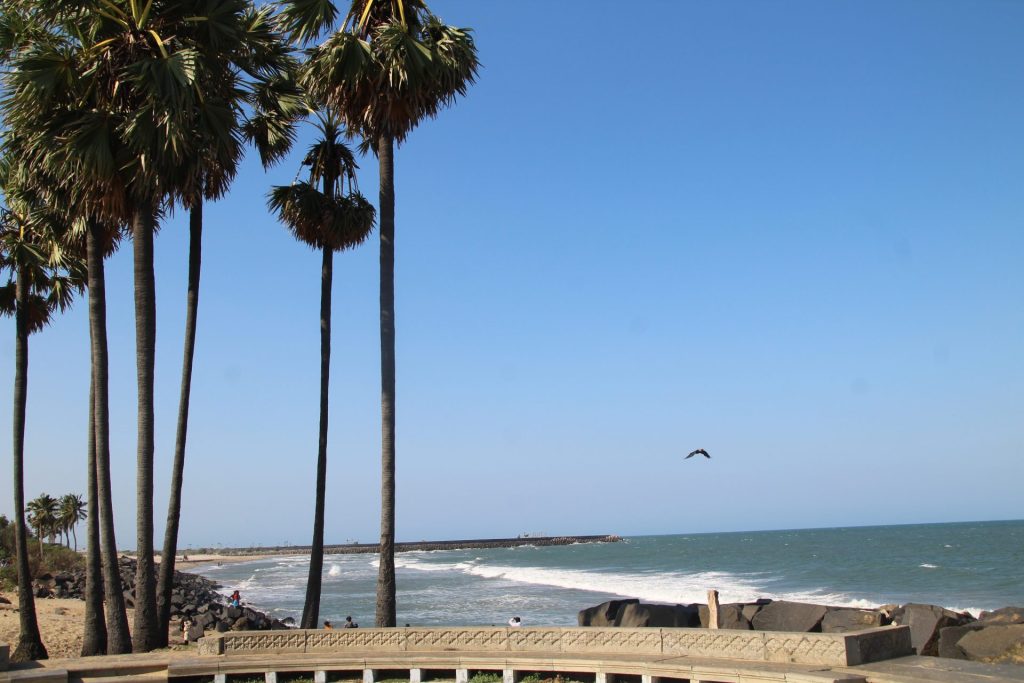
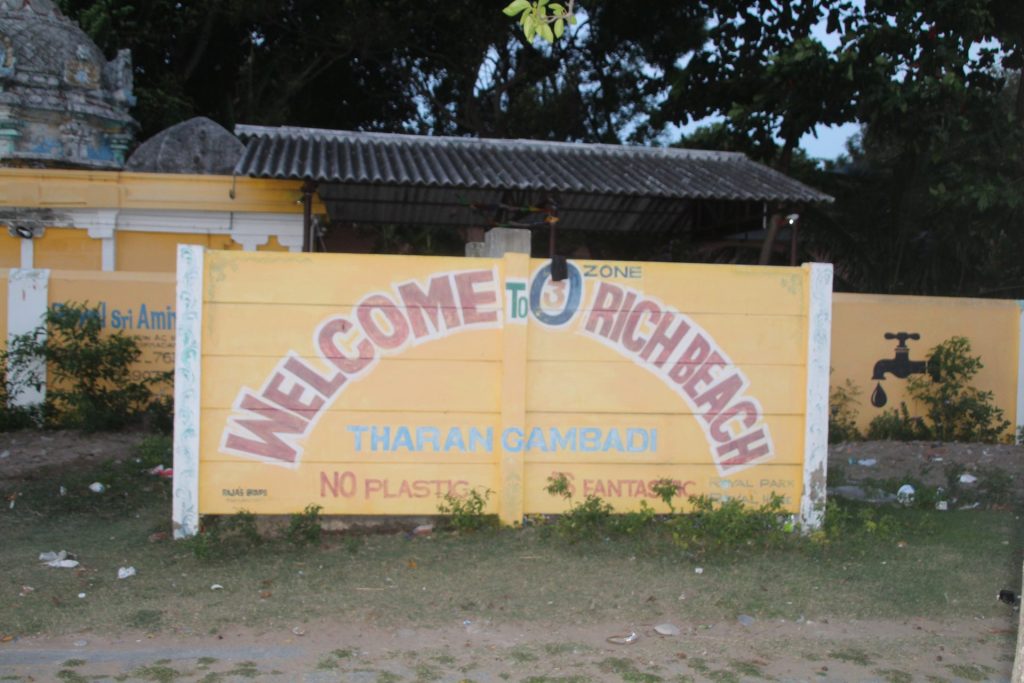
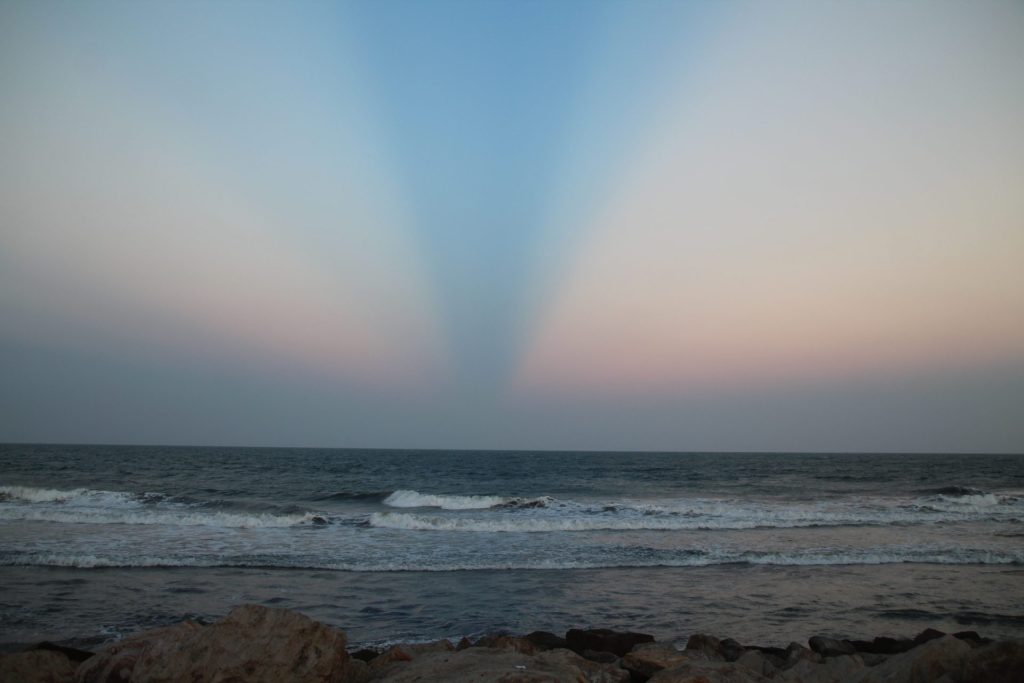
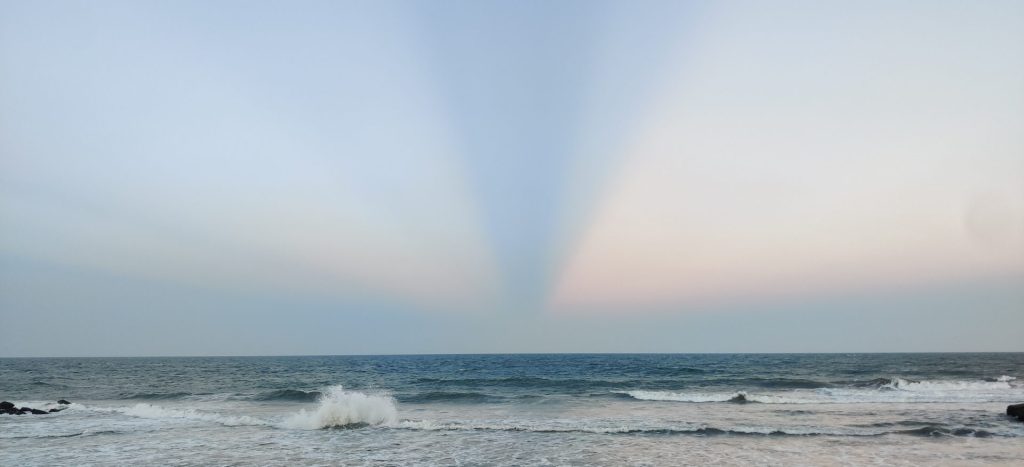
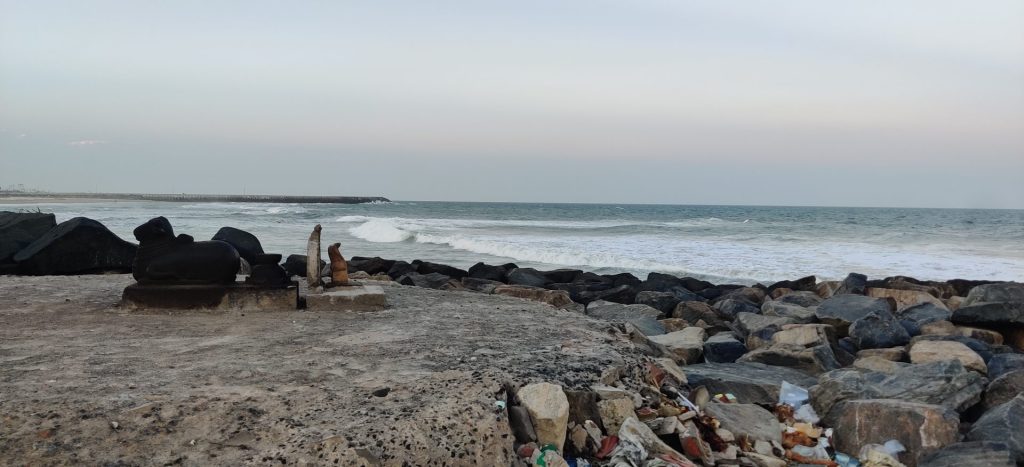
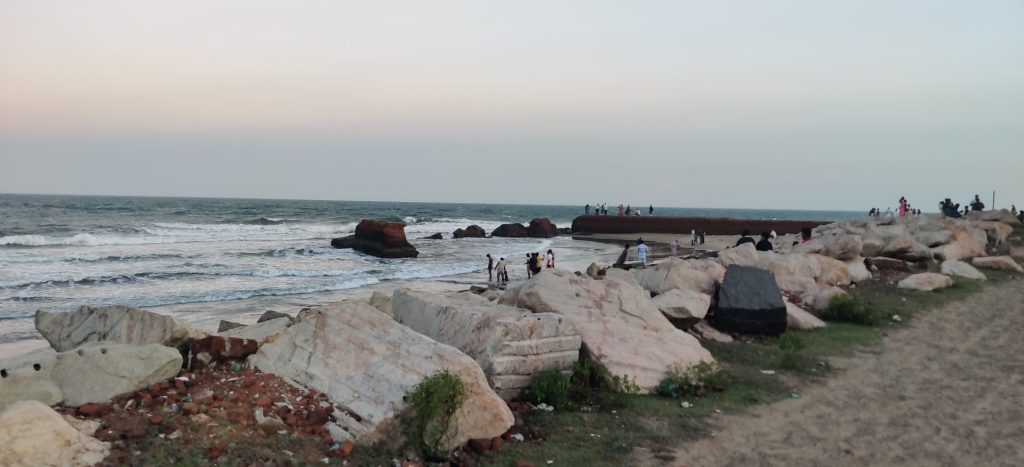
The promenade adjacent to the Fort leads to the rocky beach. Lot of granite boulders have been placed across the coastline to prevent sea erosion. The otherwise turbulent waters of the Bay of Bengal flow serenely over the sands and the quietude of the place lends a sense of calmness to the mind as one sits over the rocks to view the beautiful sunset. A unique feature of the Tranquebar beach is its richness in Ozone and its rated to be among the top ozone rich beaches in the world as per a Danish study.
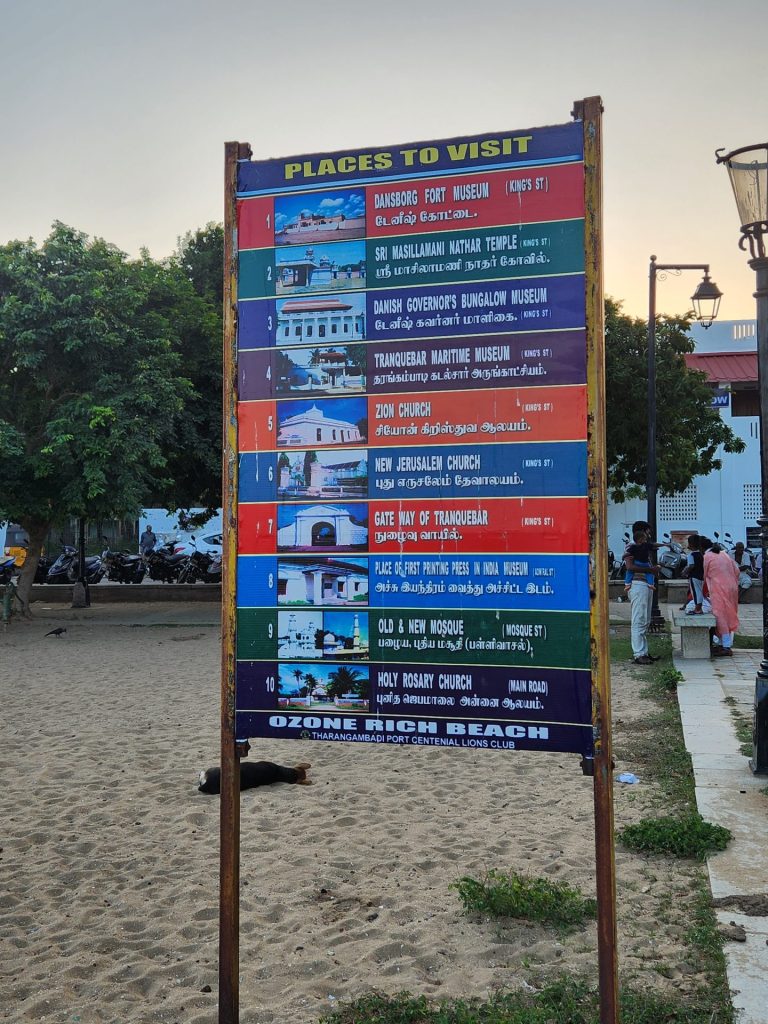
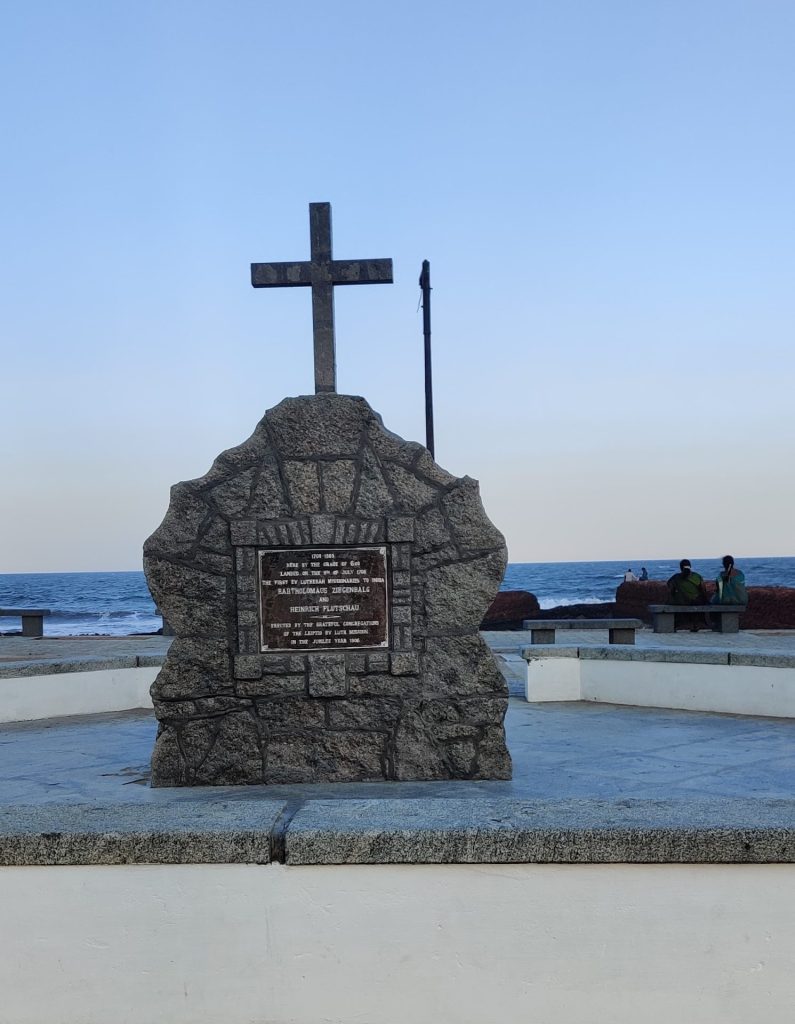
There is a plaque built right at the centre of the Promenade to commemorate the landing of a couple of Lutherans – Bartholomaus Ziegenbalg and Heinrich Pluetschau in 1705. These Protestant missionaries helped translate the Old and the New Testament in Tamil and also set up India’s first imported printing press in this town to print the New Testament in 1714. A small memorial adjacent to the Maritime Museum has also been erected by the locals for Ziegenbalg.
The Masilamani Nathar Temple
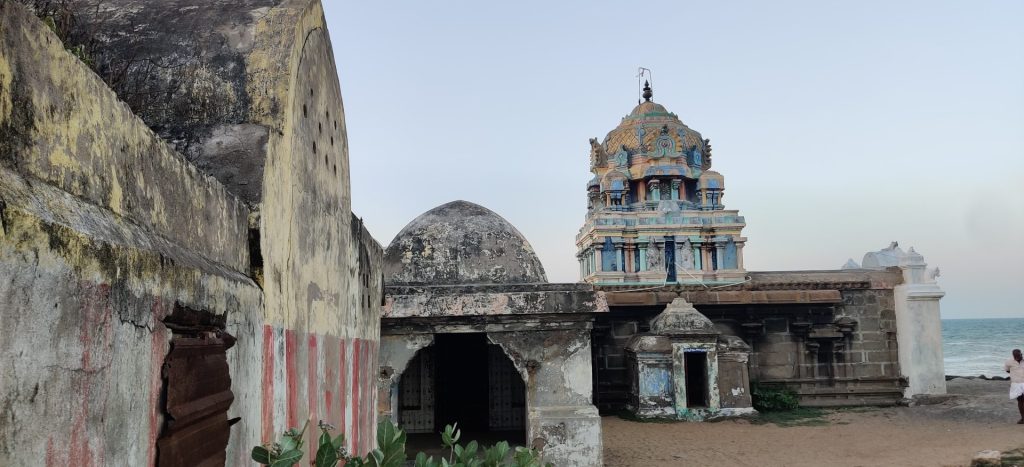
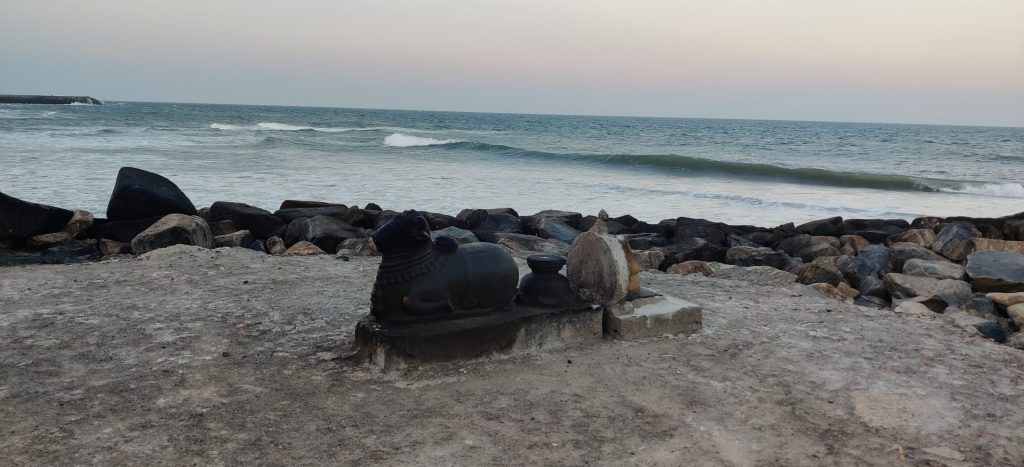
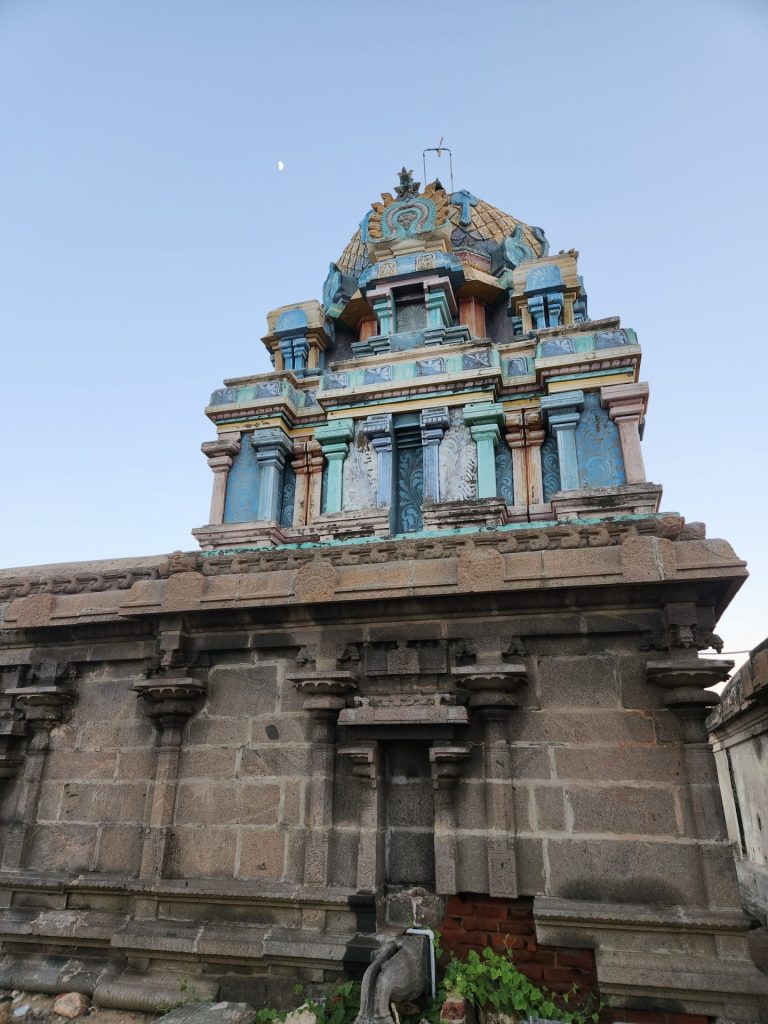
As one walks westwards from the beach across a small cobbled pathway for around 300 metres, a 700 year old temple appears in the near horizon. The Masilamani Nathar Temple dedicated to Lord Shiva infuses a mix of Indian and Chinese architecture maybe with an intent to attract Chinese traders and stands right next to the shore.
Built by the Pandya King Maravarman Kulasekara Pandya, this temple survived the Tsunami onslaught of 2004 and post that some bit of restoration was carried out.
After spending some time at the beach we walked across King’s street towards the Maritime Museum. We passed by the Bungalow on the Beach (a property owned by the Neemrana group who have remodelled the British Collector’s Bungalow. This and the Neemrana Coconut Alley are 2 upmarket properties around Tranquebar. One would need to dish out a princely sum to experience Tranquility.
Adjacent to the Bungalow lay the Governor’s Bungalow which was undergoing restoration work. While It was open, the smelly interiors and all the raw materials strewn about did not make for a very appealing sight.
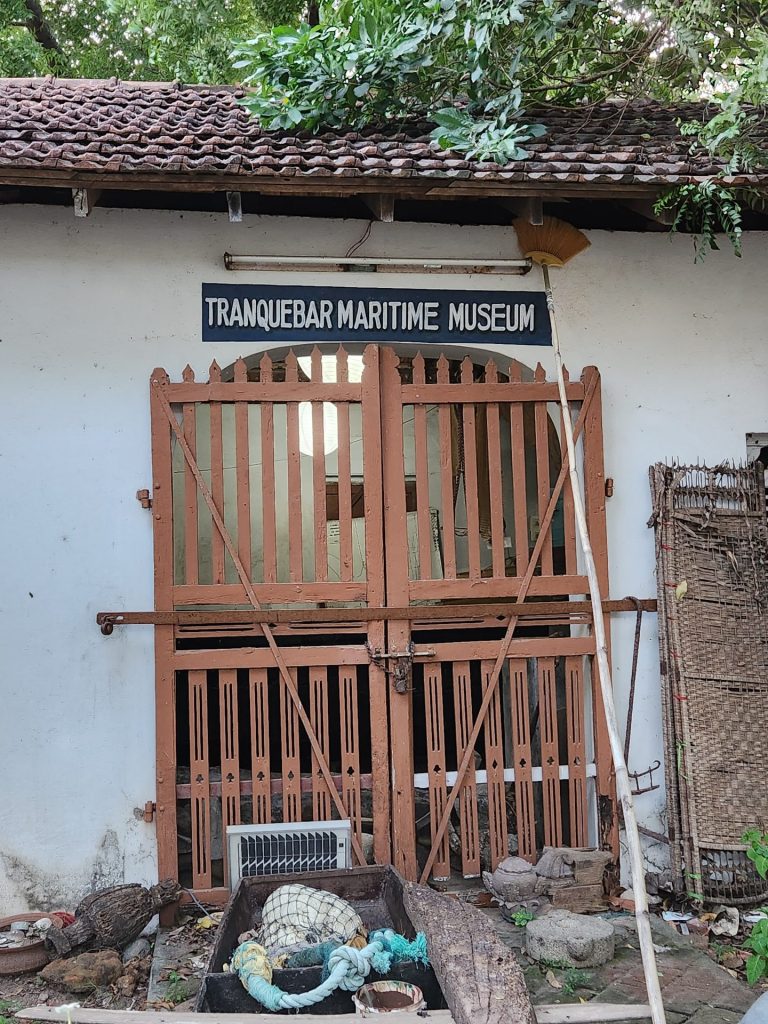
The Maritime Museum
We quickly made our way to the Maritime Museum which was just behind the Ziegenbalg Memorial since the closing hours were around 6 PM.
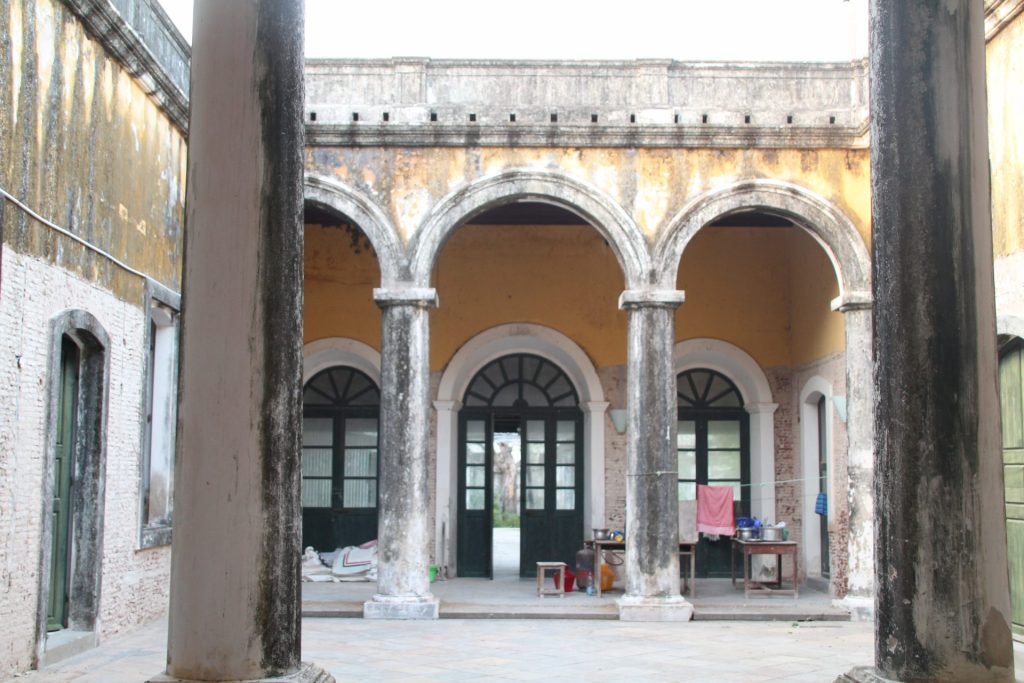
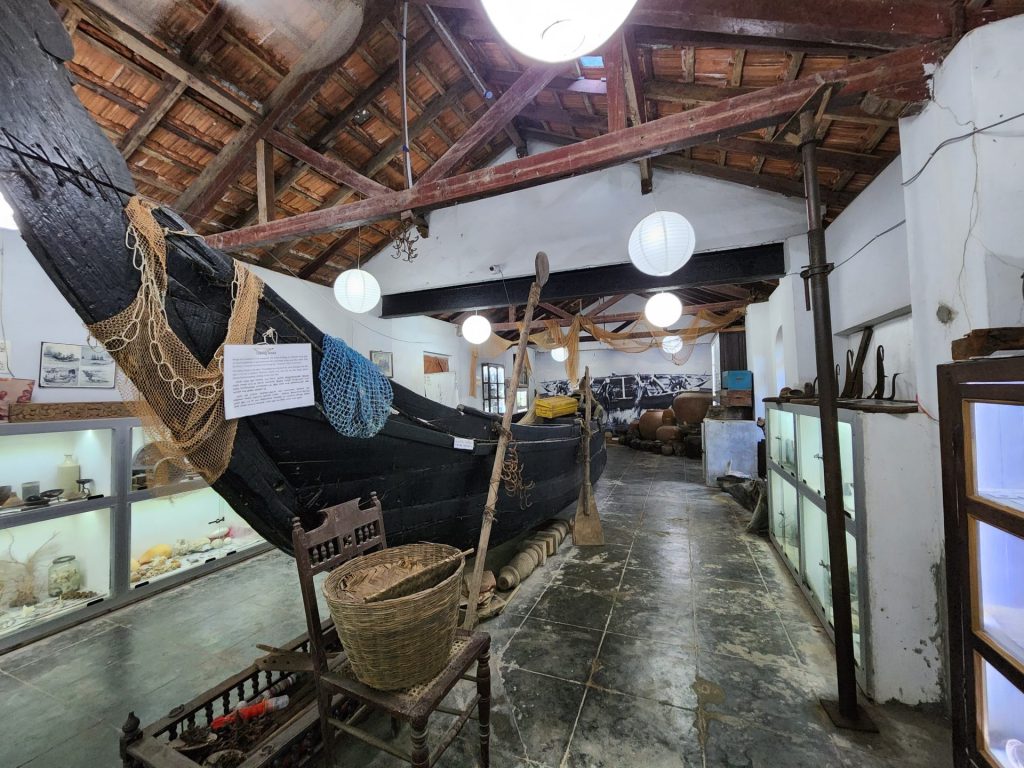
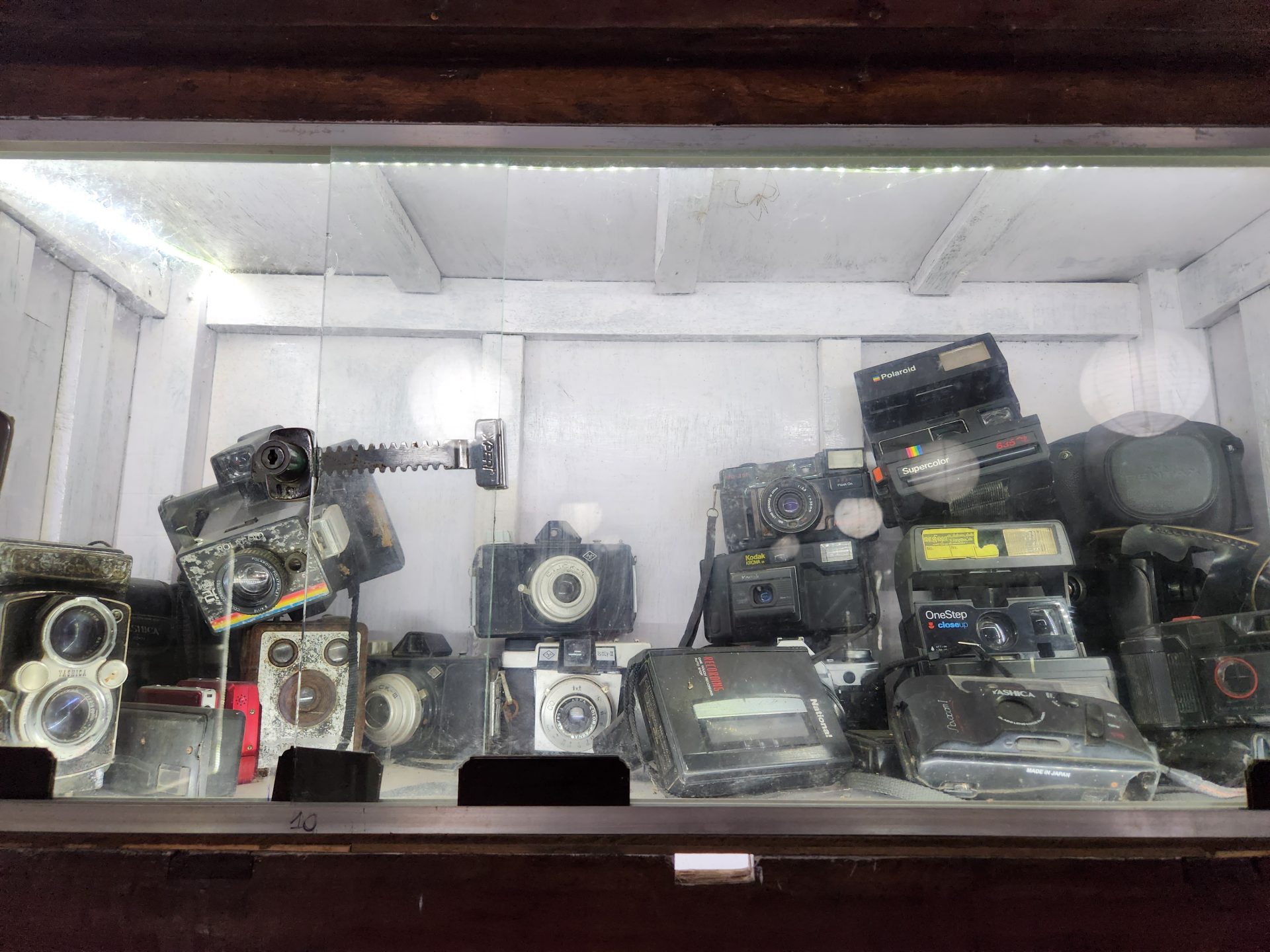
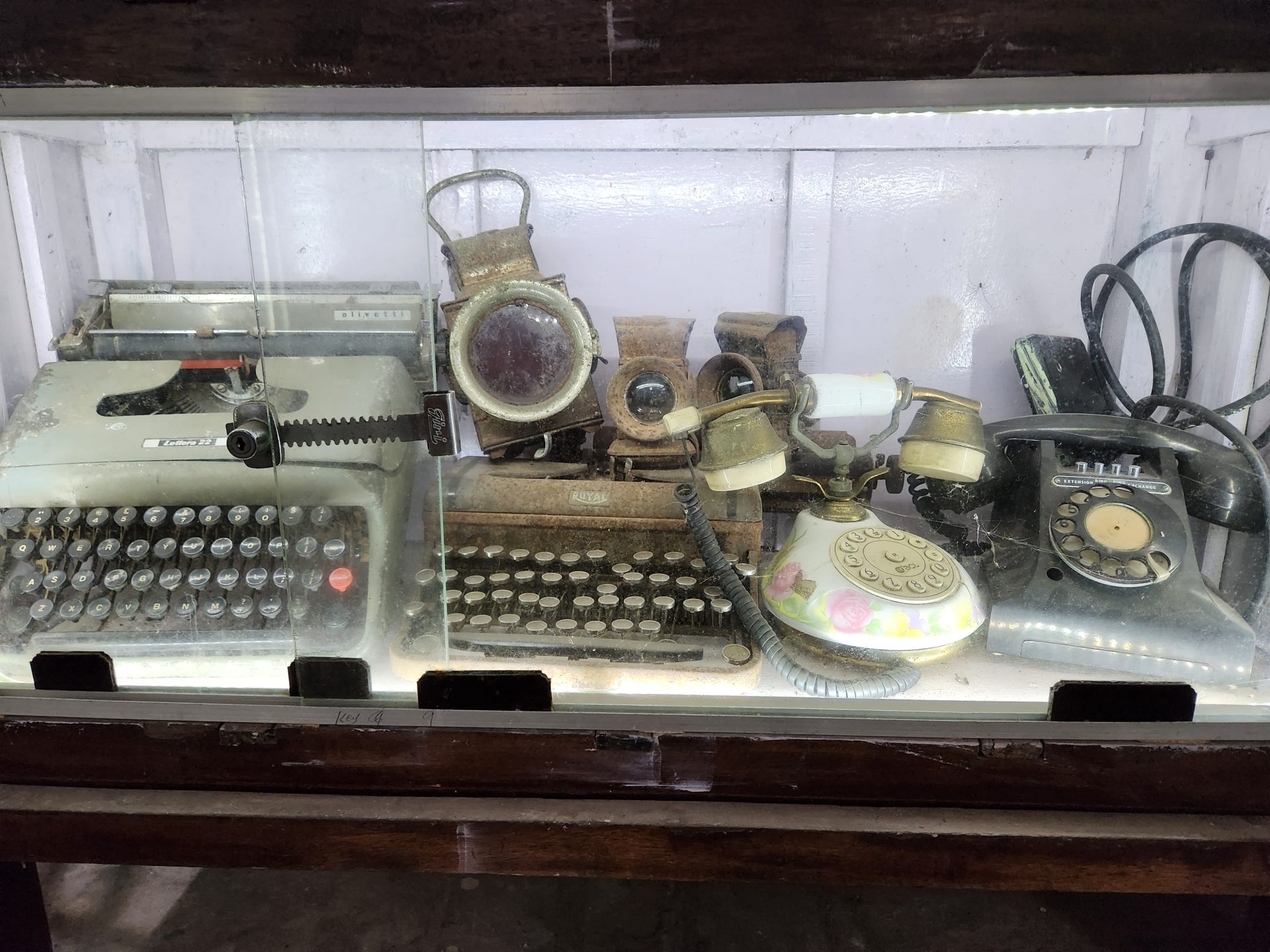
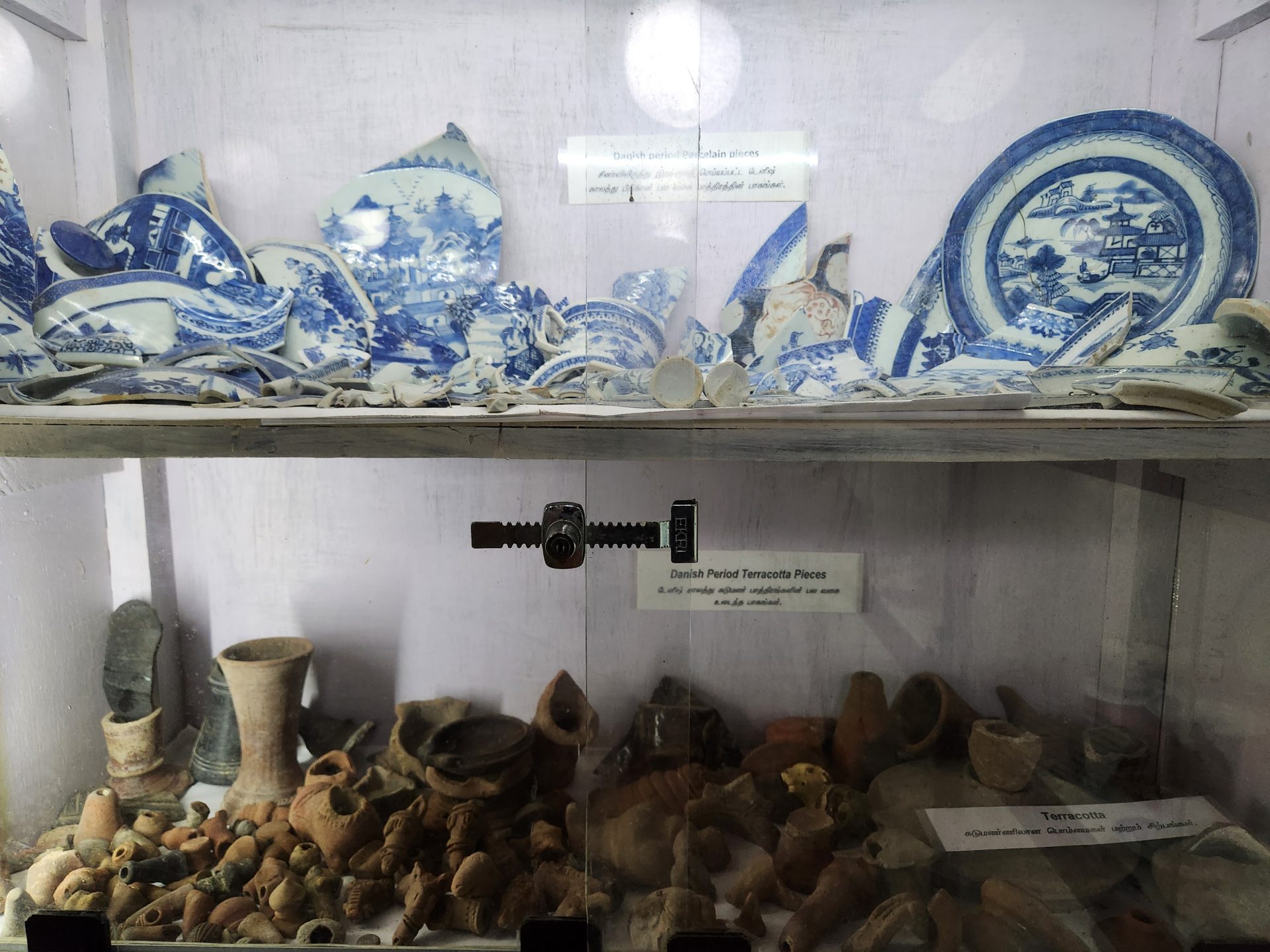
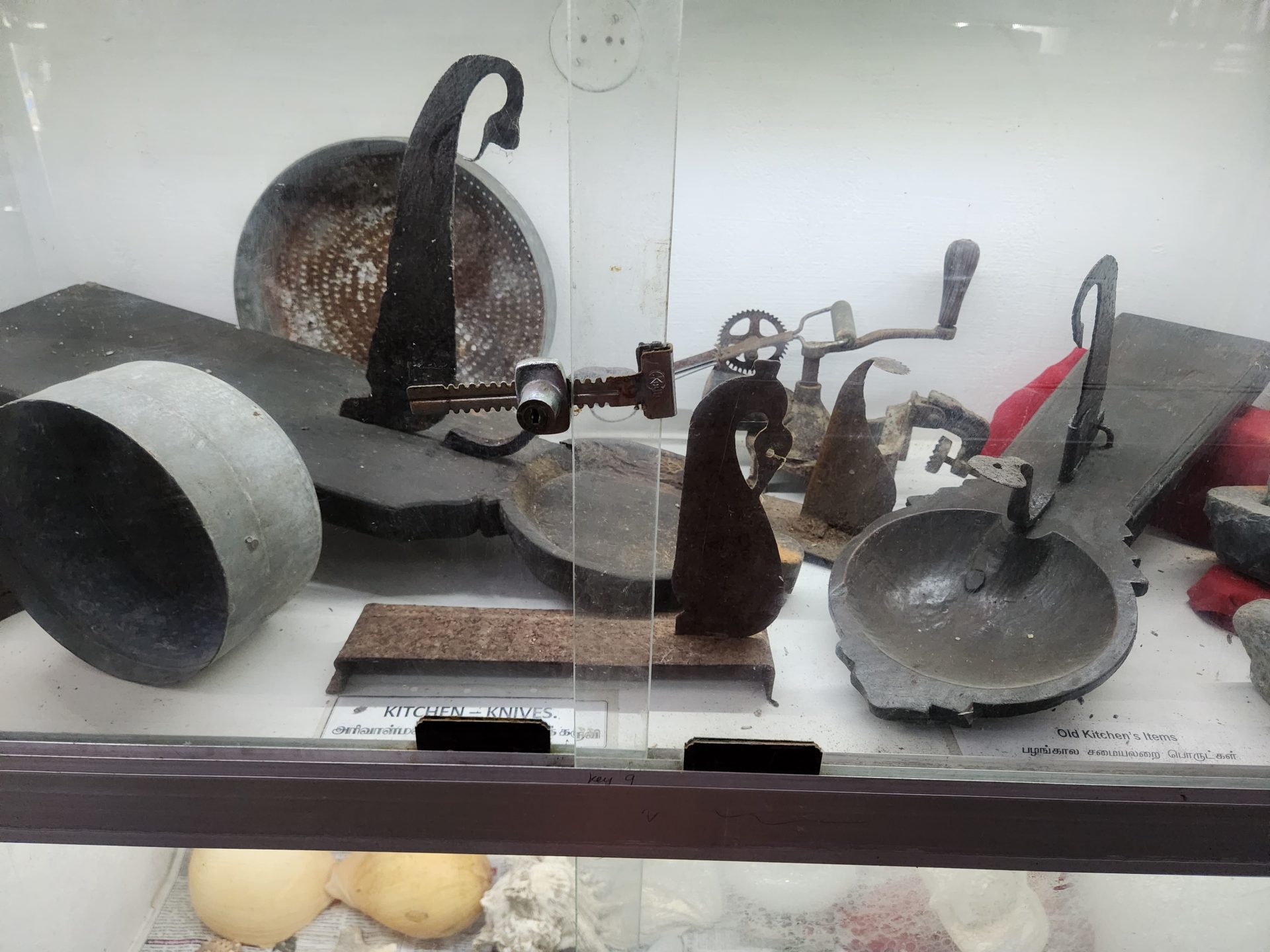
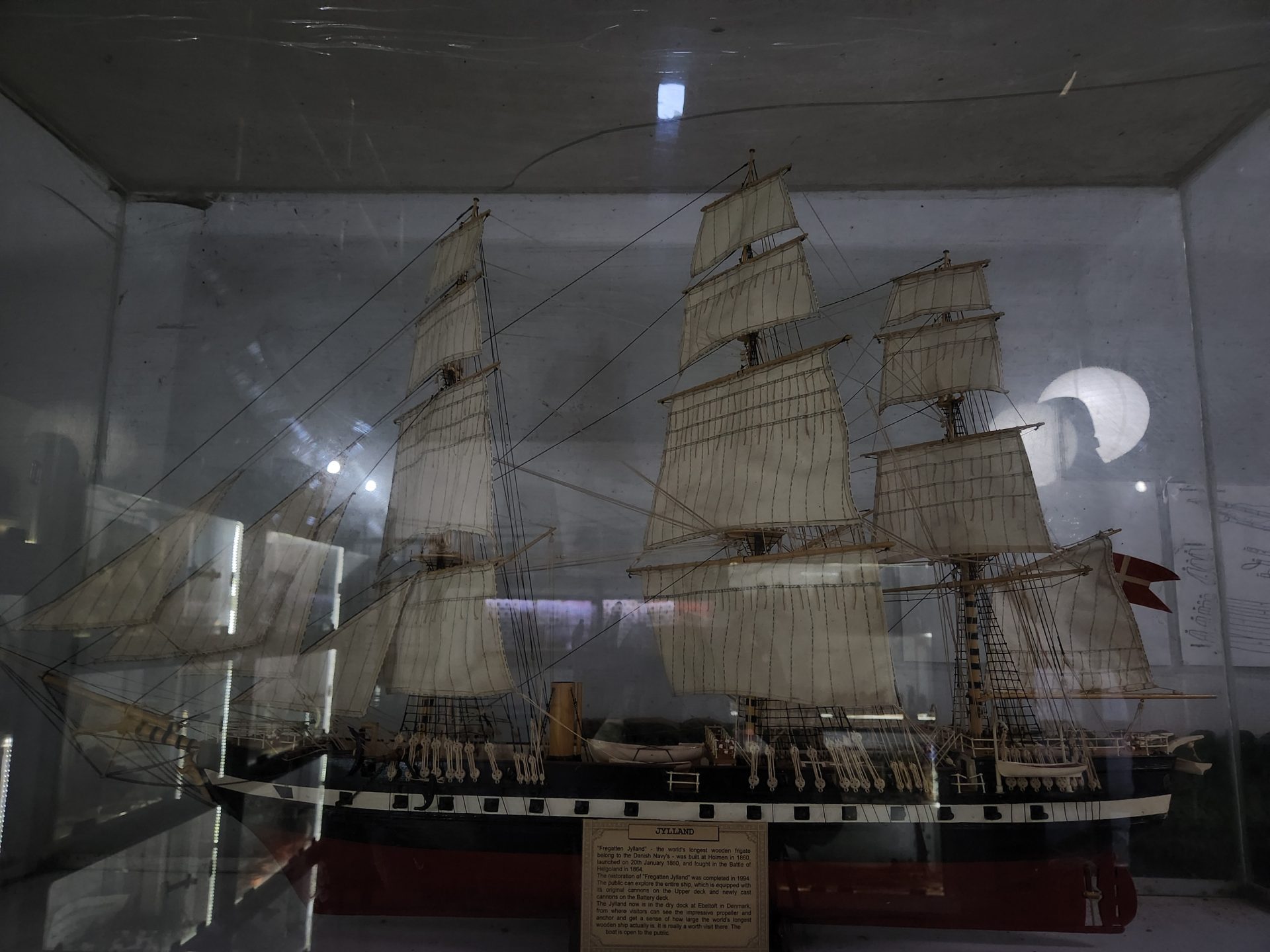
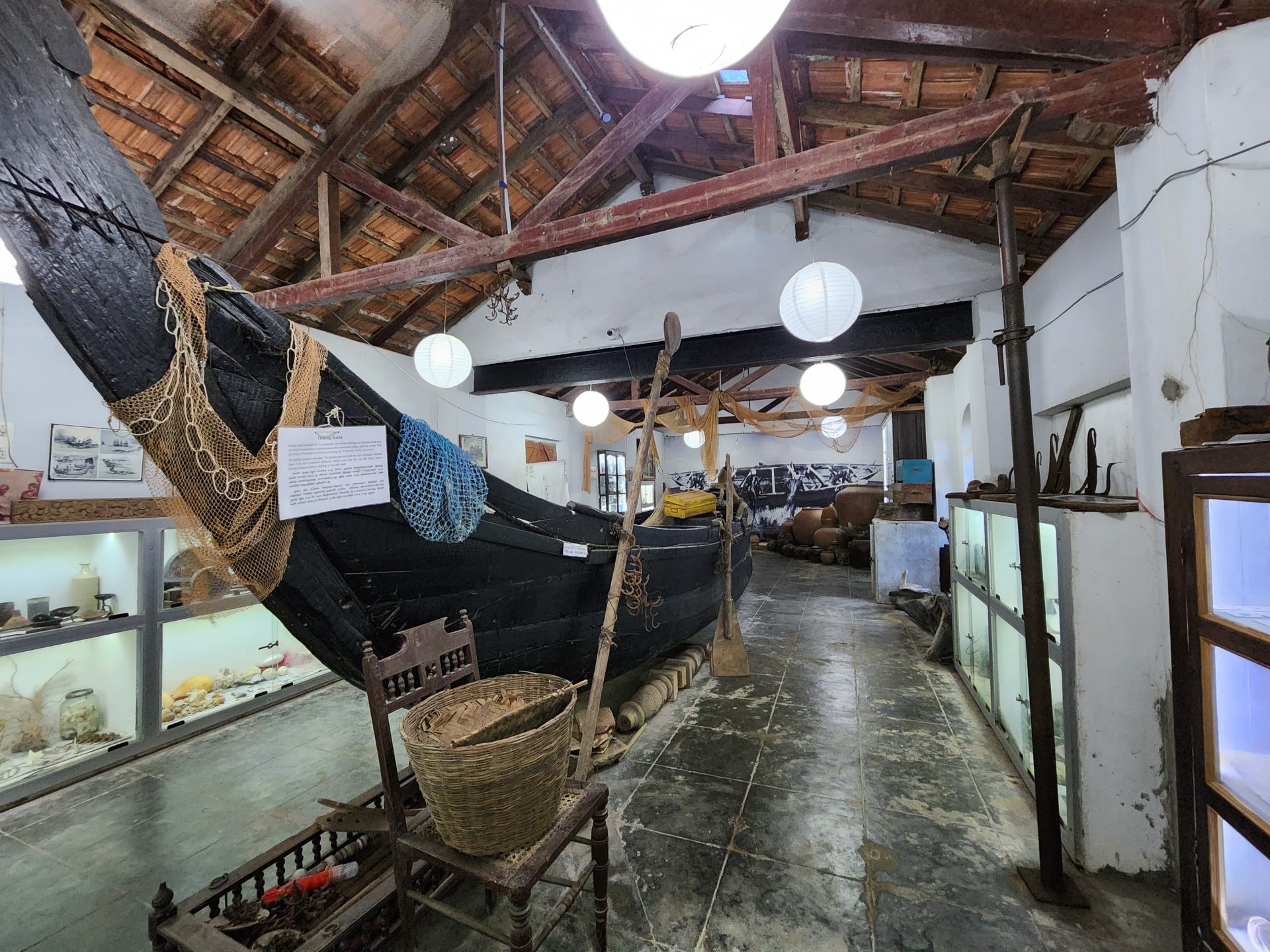
Housed in the 18th century residence of the former Danish Commander, this small museum has a very interesting collection of artefacts besides a Wooden Boat, Danish Costumes and Manuscripts, sea shells, old coins and maps, glass objects, daggers, spears, porcelain ware, photos and lot of snippets on the region’s marine ecology and maritime history.
There were lot of old coins for sale and the lady at the counter said that these old era coins periodically get washed ashore and its from there that they find their way into the museum.
A few photographs on display on the first floor of the building.
The entry tickets for the museum was Rs.20/- per head.
The Churches of Tranquebar
The last halt at Tranquebar was to see the 2 churches located on King’s street.
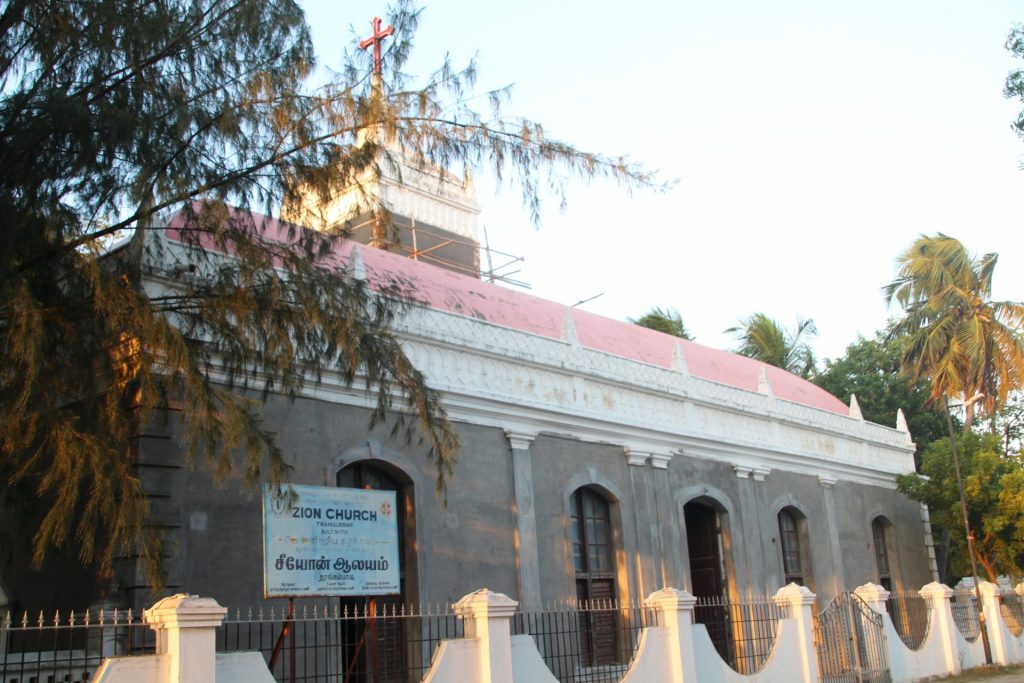
Consecrated in 1701, the Zion Church happens to be the oldest Protestant Church in India. A fusion of Indian and Colonial architecture with which the church was built has been retained in its overall entirety while the church has undergone many reconstructions.
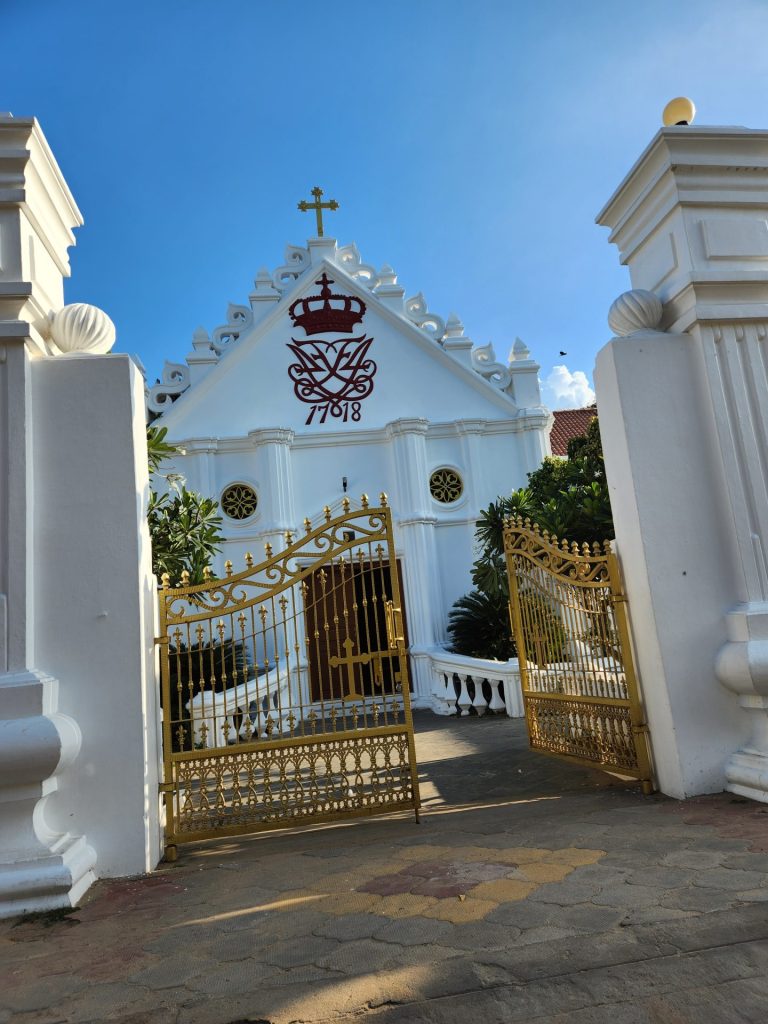
The New Jerusalem Church came up close to the Zion Church in 1718. Built by Ziegenbalg, this replaced the Old Jerusalem Church which was proving to be small for the growing populace of the local Christians. Right atop the gateway to the church, one can see the inscription of The Danish Coat of Arms. The interiors are supposed to contain several memorial plaques and graves including that of Ziegenbalg.
Paucity of time rendered these 2 churches to be only photo shoots for us.
The Abhirami temple
Darkness had set in when we left Tharangambadi on our way to the temple town of Thirukadaiyur which was to be our last halt for the day. We traversed the distance of 9 kms in around half an hour and reached the Amrithaghateswarar Abhirami Temple (more popularly known as the Abhirami Temple) by around 6.30 PM.
An impressive well lit 7 tiered Raja Gopuram (Main Temple Tower) greeted us as we entered the precincts of the temple. Believed to have been in existence since the 10th or 11th century, given the inscriptions which have been found in the temple, the brick walls were replaced with stone walls and a pillared hall was added to the temple during the reign of King Kulothunga Chola between 1075 to 1120.
Spread over a vast area of 11 acres, the temple has several imposing towers and five courtyards.
The central shrine houses the image of Amrithaghateswarar in the form of a Linga and is dedicated to Lord Shive in his manifestation as Kalantaka and his wife Parvati as Abhirami.
There is a shrine for Maha Vishnu as Amirithanarayana and his consort Mahalakshmi as Amirthavalli. This temple is associated with This temple is associated with the legend of Shiva saving his young devotee, Markendeya from death, and the tale of a saint, Abirami Pattar, a devotee of the presiding goddess.
After offering our prayers we left for Mayavaram by around 7.30 PM and reached our hotel located 20 kms away by around 8 PM. An early dinner with the hotel staff helping us to get food from outside, we retired for the night since we had an early morning start the next day. We had hired the cab through the hotel but one could otherwise also reach the Cab driver Senthil on +91 9952810897. His charges for a 6 hour round trip was around Rs.2,000/-.
Day 2 @ Mayavaram
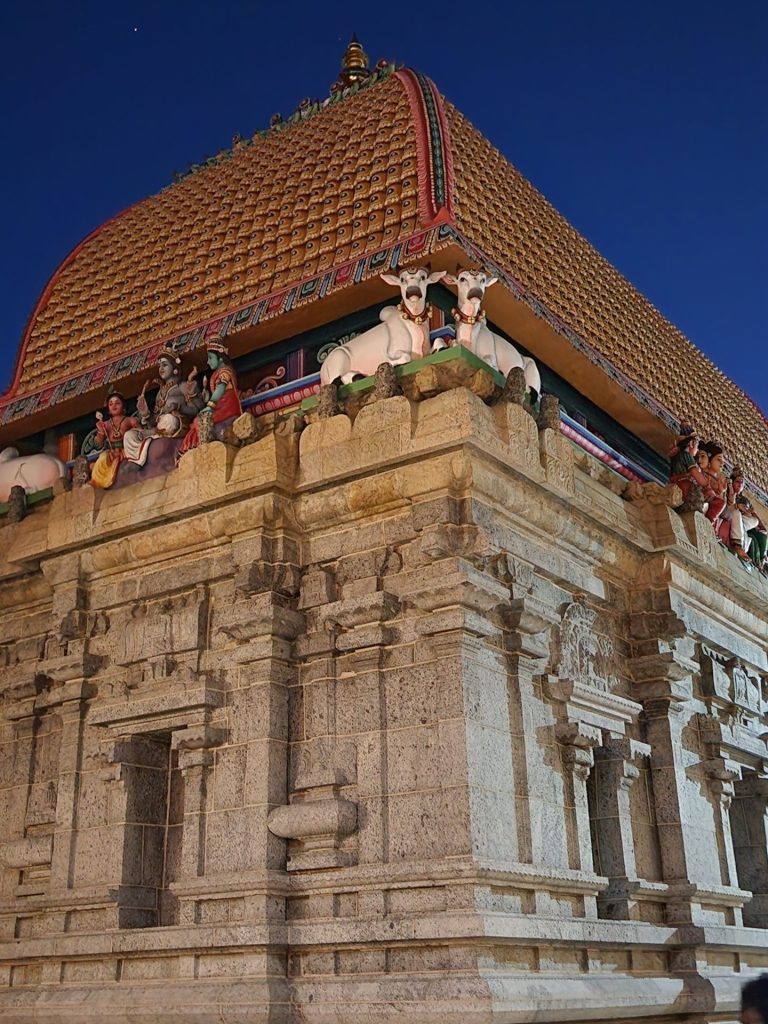
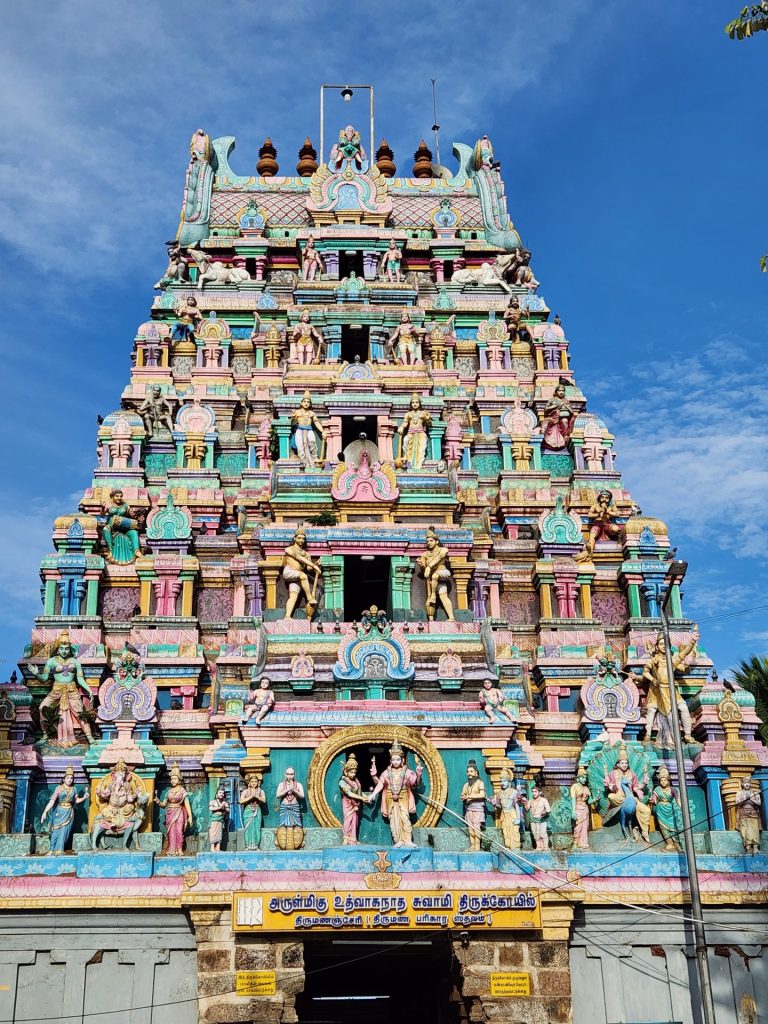
We again used the services of the reception at the hotel to hire an Auto to take us to a few temples around Mayavaram. The Auto arrived at around 7.00 AM and we set off for the Kalyana Sundareswarar Temple in Thirumanancheri, the first of the temples in our to-visit list. Located at a distance of 15 kms from Mayavaram, we reached the temple by around 7.30 AM. This temple dedicated to Lord Shiva is believed to be one of the shrines that is especially blessed with divinity.
The Kalyana Sundareswarar Temple in Thirumanancheri
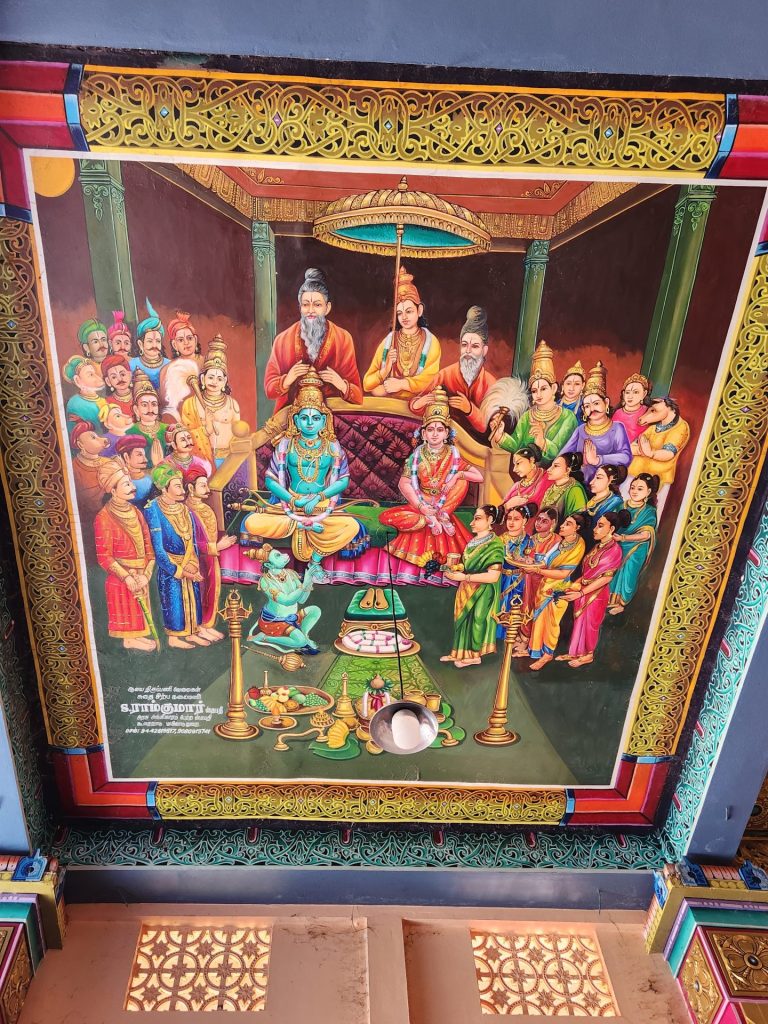
This temple dedicated to Lord Shiva is believed to be one of the shrines that is especially blessed with divinity.
On our return towards Mayavaram, the auto driver took a small detour and took us to a place called Kozhikuthi where the Sri Vanamutti Perumal temple is located. Worshipping in this temple renders the blessings of Lord Srinivasa of Tirupati, Lord Athi Varadaraja of Kancheepuram and Lord Yoga Narasimhar of Sholingar.
This temple dates back to over 800 years and the idol of Lord Srinivasa which is made out of Fig (Athi) Wood stands 15 feet tall. The Anjaneya idol in this temple complex is also known as the Saptaswara Anjaneya as its believed to render 7 different musical tones when touching the idol.
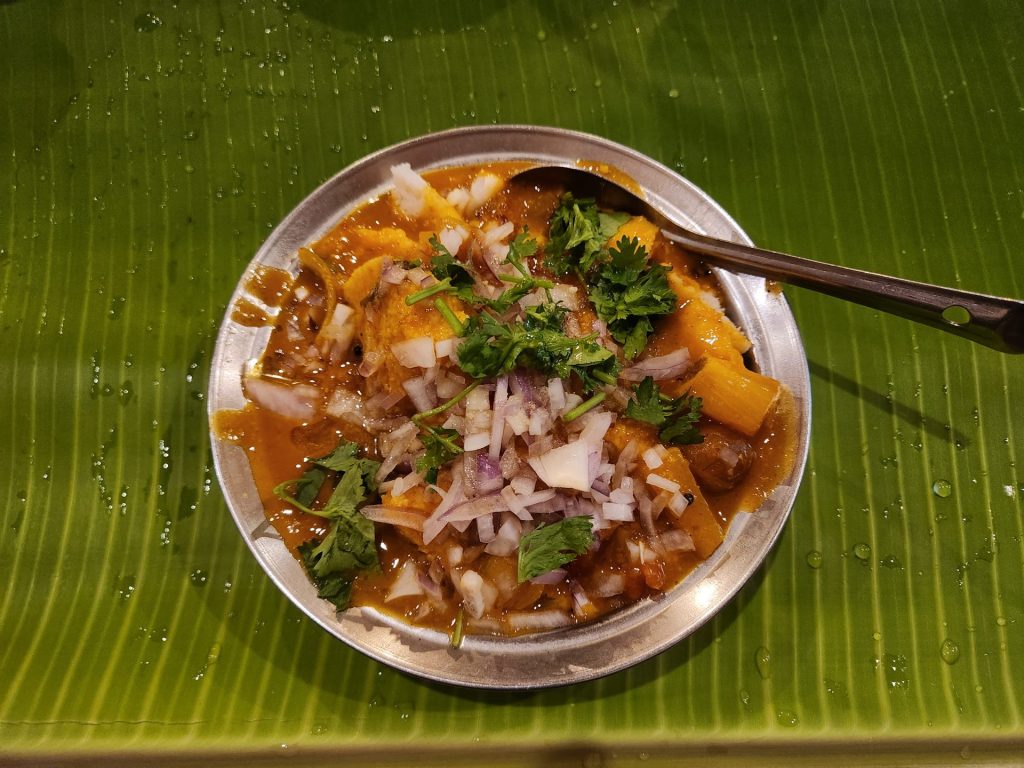
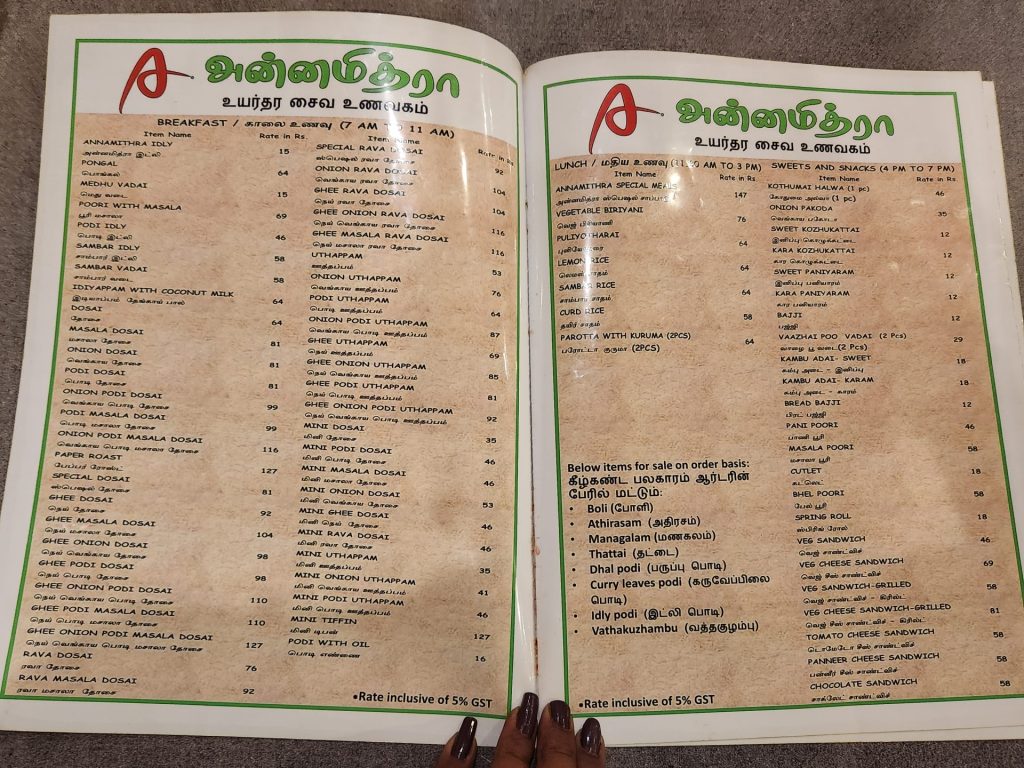
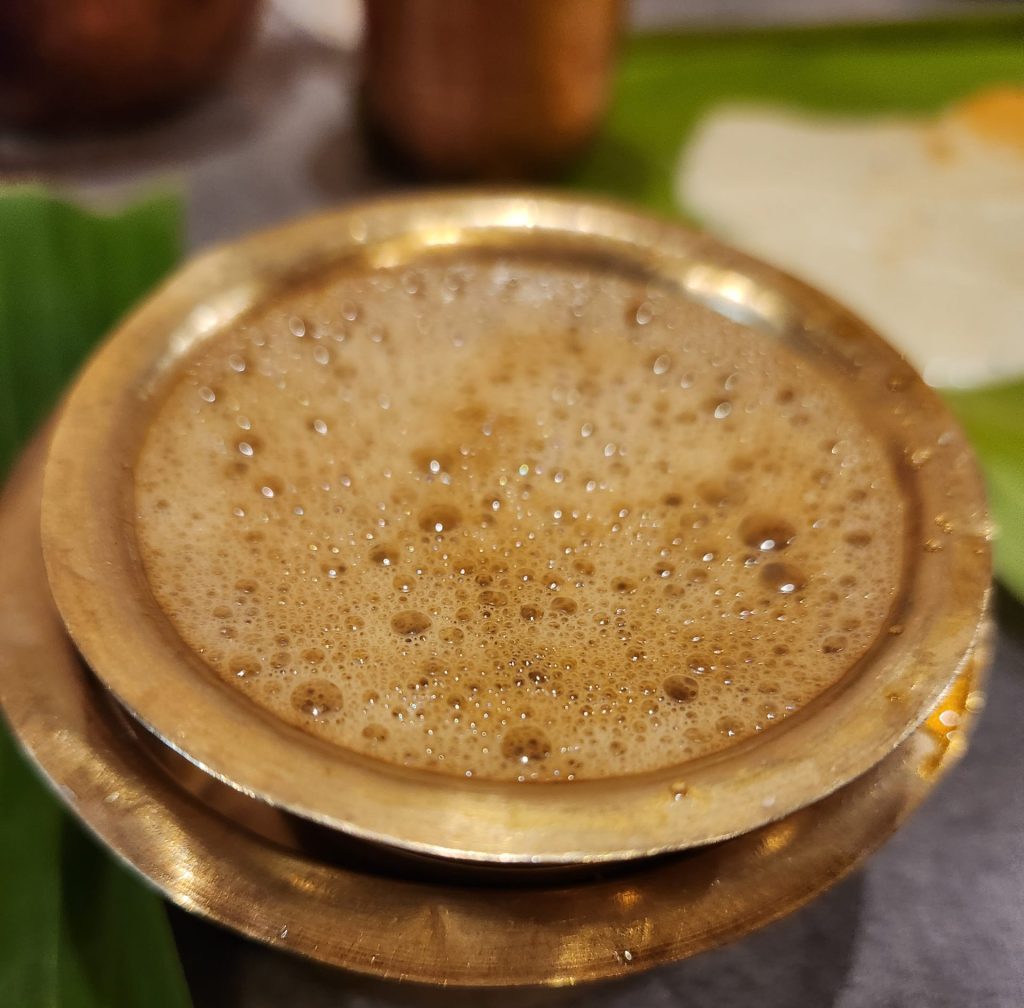
After offering our prayers here, we headed back to Mayavaram, all starved. Our auto driver suggested a nice restaurant Annamithra, not very far off from the hotel where we were put up. After a quick breakfast and some nice filter coffee we made our way to the Parimala Ranganathar temple, located adjacent to our hotel
The Parimala Ranganathar temple
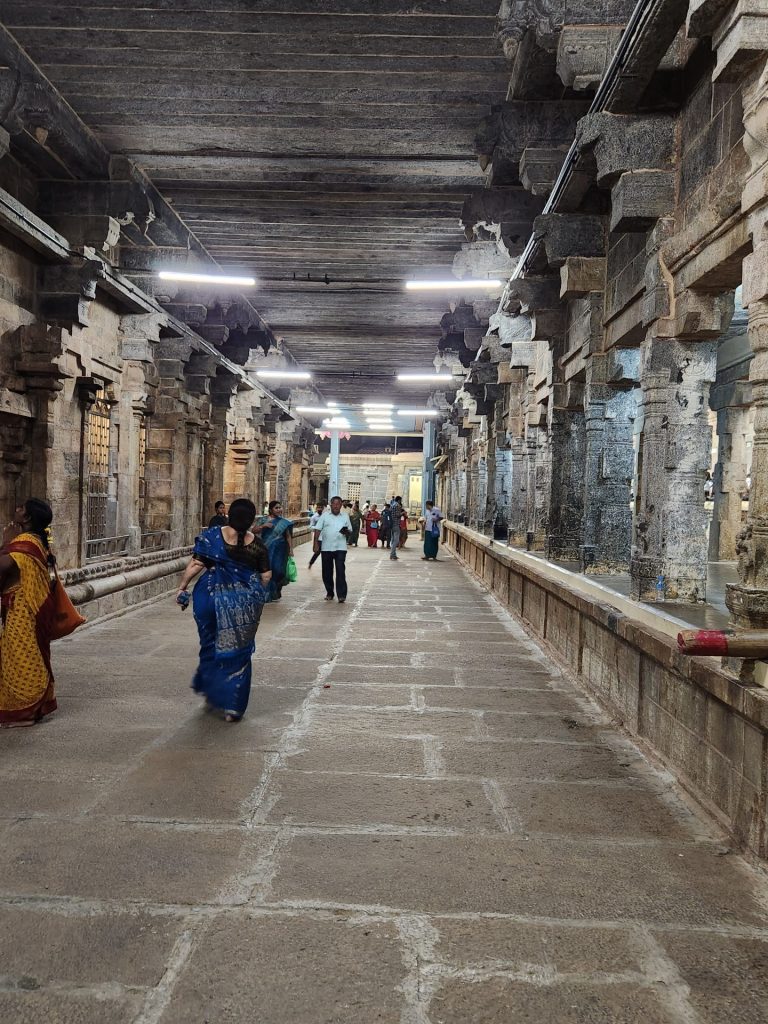
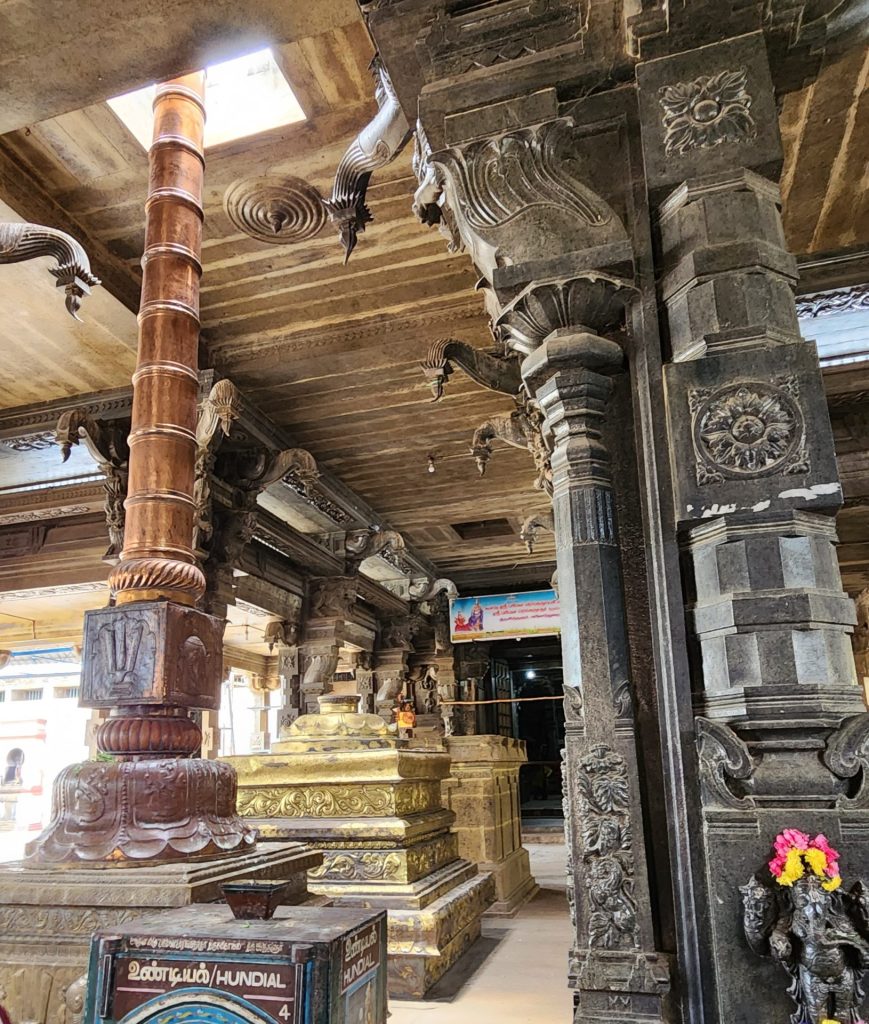
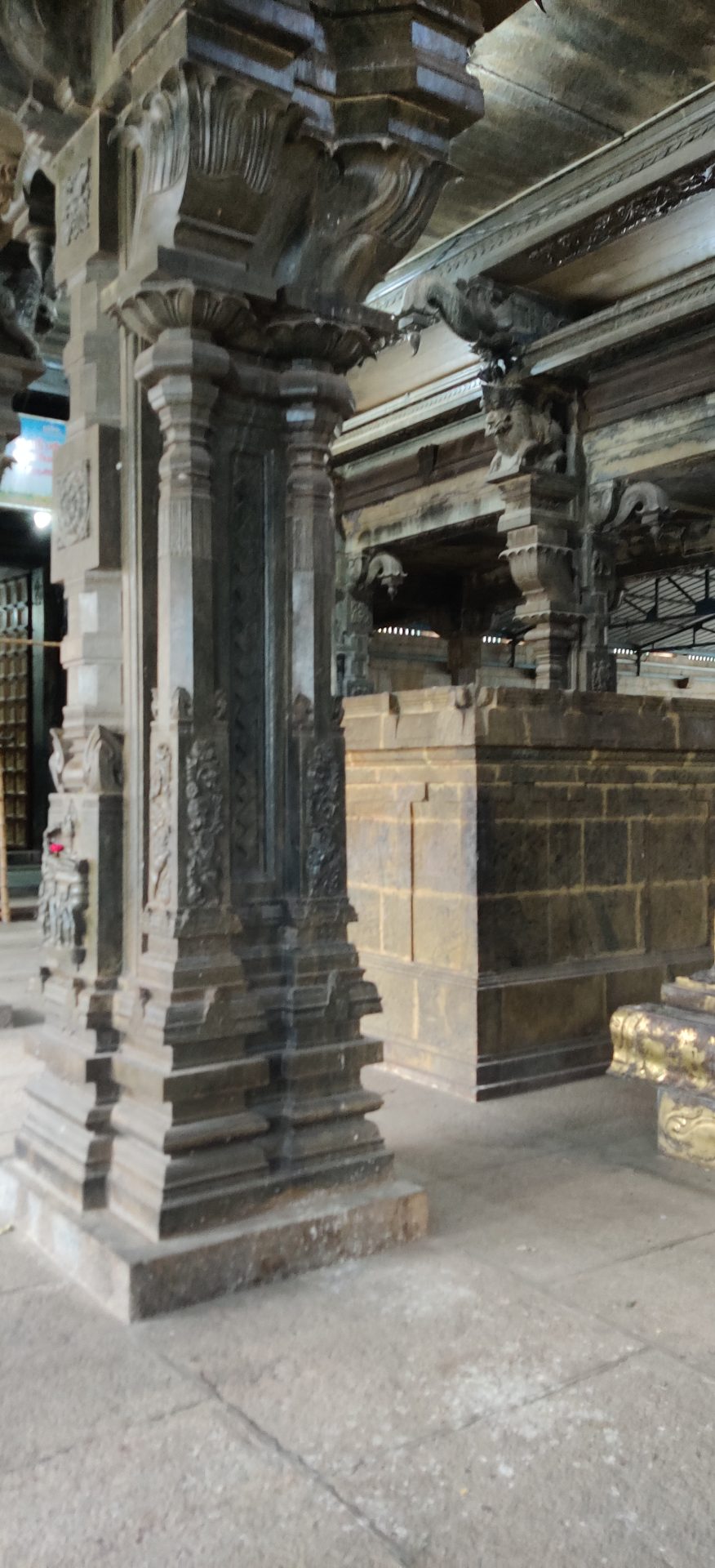
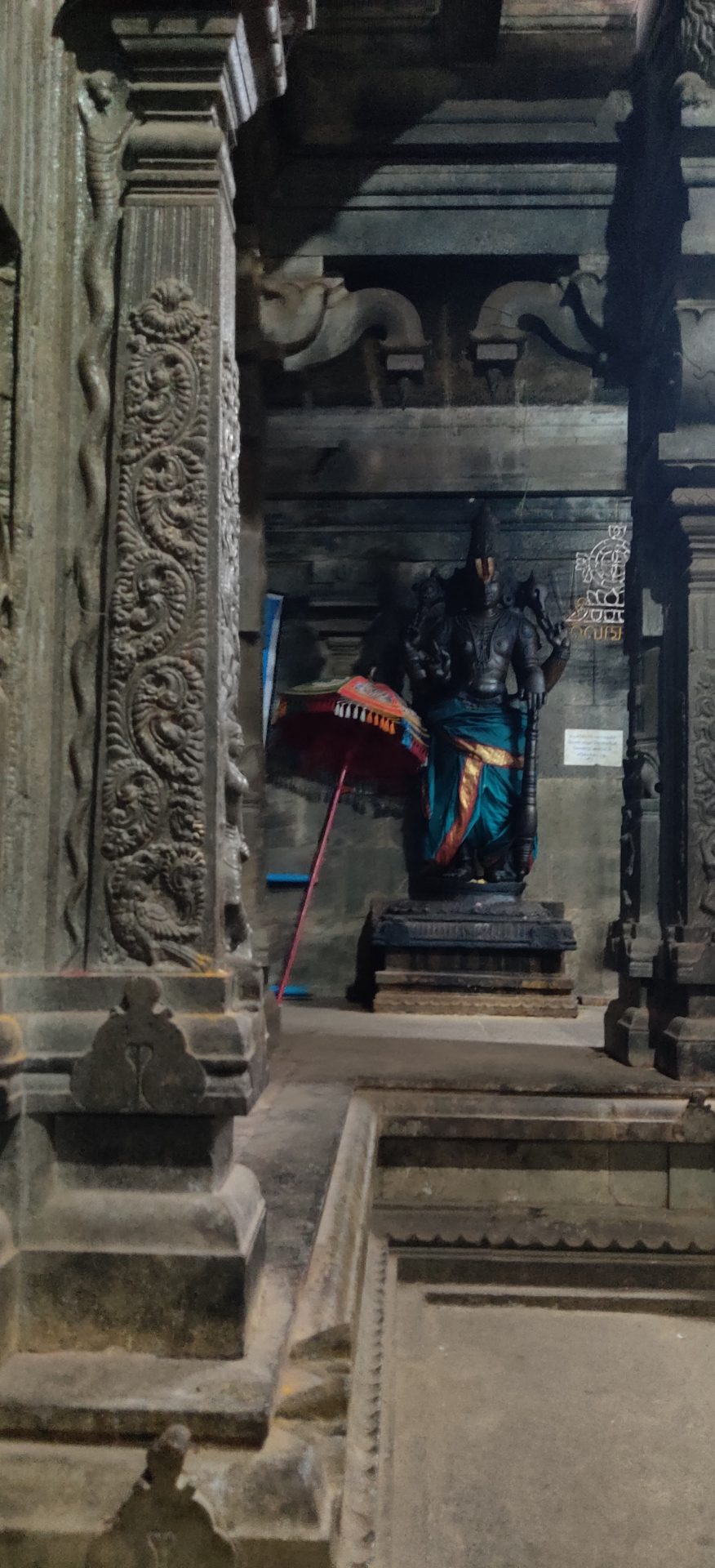
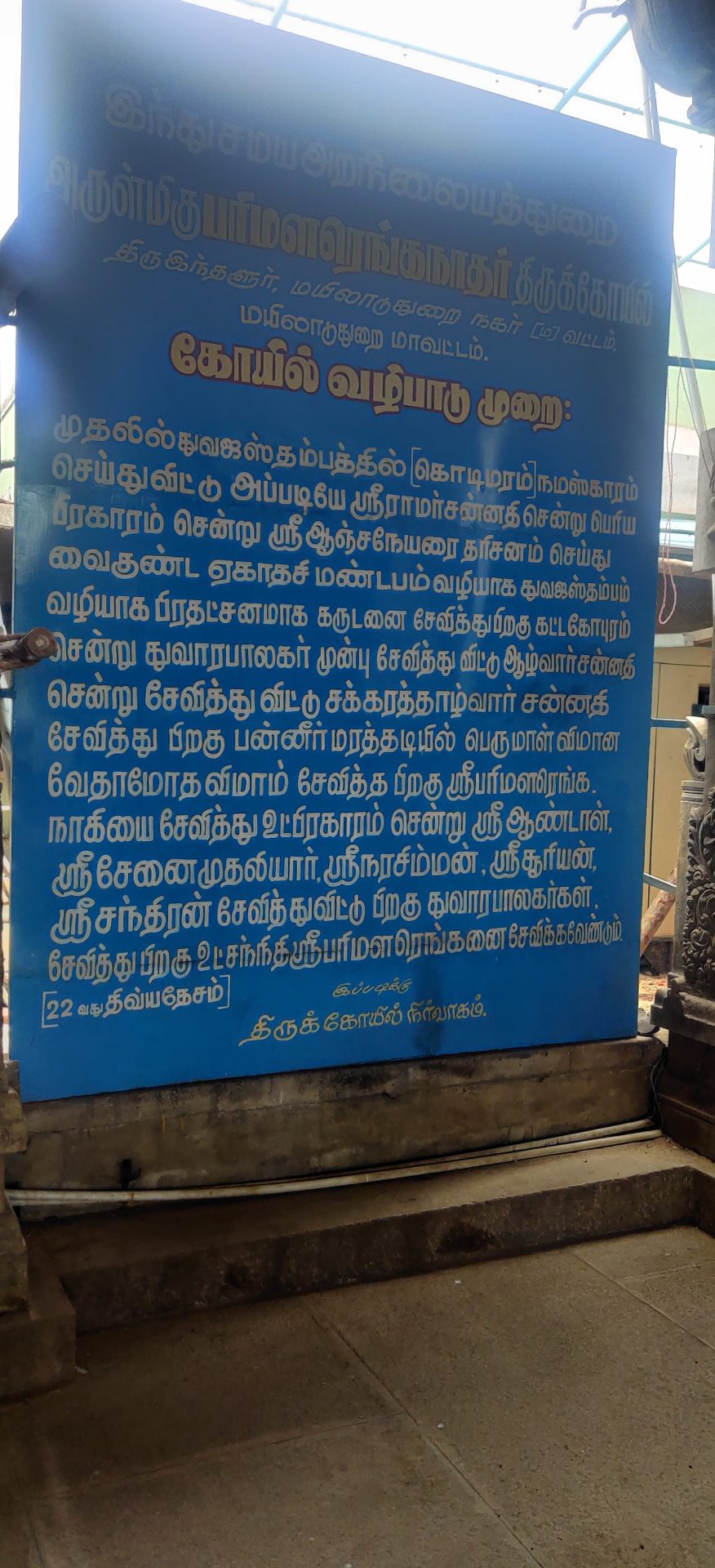
Located in Thiruindaloor, this temple is dedicated to Lord Vishnu and is one of the 108 temples (Divya Desams) of the Lord. Located on the banks of river Cauvery, this temple is believed to be of significant antiquity with contributions coming in at different times from the Medieval Cholas, the Vijayanagara empire and the Nayaks of Madurai.
The main temple tower is 5 tiered in architecture. The central shrine, of the presiding deity Parimala Ranganathar, is made of a 12 feet green stone. The deity is seen in a reclining posture, facing east. The consort of Parimala Ranganathar is Parimala Ranganayaki can also be seen at the temple
We had planned our return to Chennai by Cholan express on Sunday and the train in the return direction from Trichy arrives at Mayavaram at around 1.10 PM and reaches Chennai Egmore by around 6.15 PM. We reached the hotel by around 12 noon and after finishing off our packing, headed to Mayavaram station.
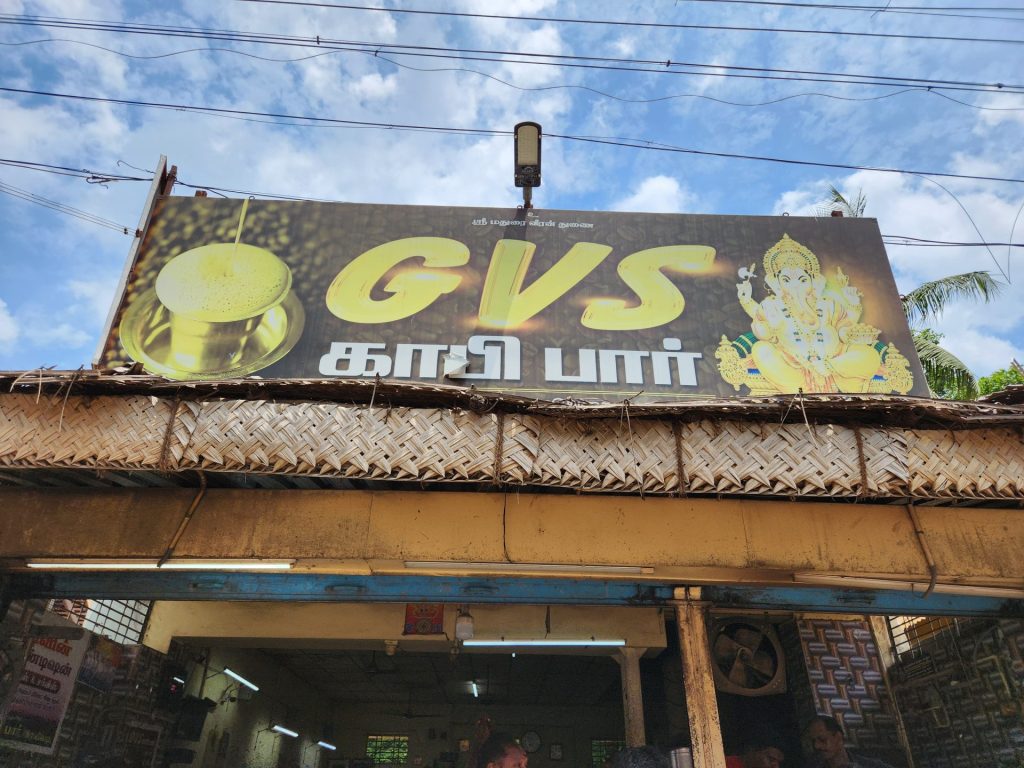
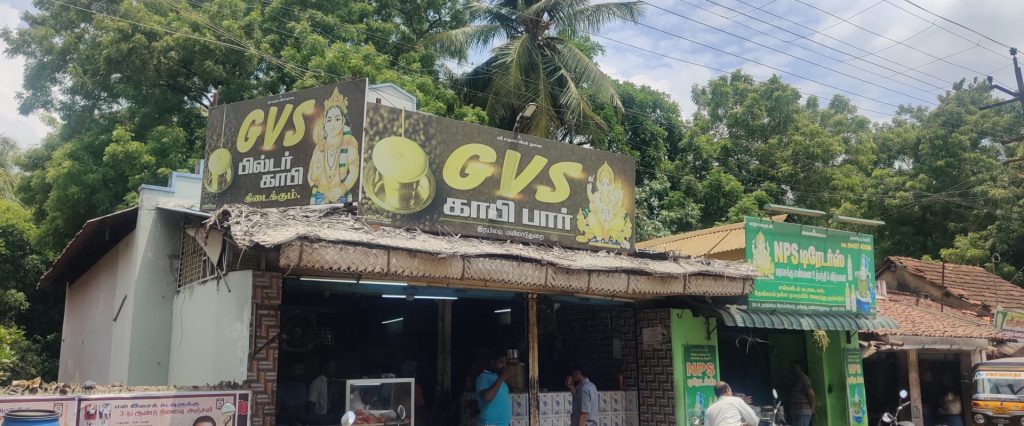
We were introduced to some authentic filter coffee in a lane adjacent to the station by our Auto driver.
An uneventful journey followed, the same hawkers met us again with their wares of guavas, cashews, peanuts etc and after around 5 hours of travel and a little bit bit of sleep to catch with the weary eyes, we were back home by around 7.30 PM..

















































Very informative, written with your usual flair. Excellent pictures.
Lovely pictures and beautiful narration. Close to the place where I studied my engineering. I still remember the tsunami.