A symbol of the country’s rich past and thriving present, Delhi is a city where the ancient and modern blend seamlessly. With a history which dates back to many centuries and also being a seat of many powerful empires in the past, this cosmopolitan Metro completes over 100 years as being the capital of our country.
Our visit to Delhi was planned in 2 phases. One, as part of a pit stop to go to Amritsar the following morning after spending a little over 3/4ths of the day and indulging in more of exploring the dusty lanes of Chandni Chowk and the second, after our visit from Srinagar, spent more in exploring a few heritage sites and monuments which we had missed during our earlier visits to Delhi before leaving for Agra.
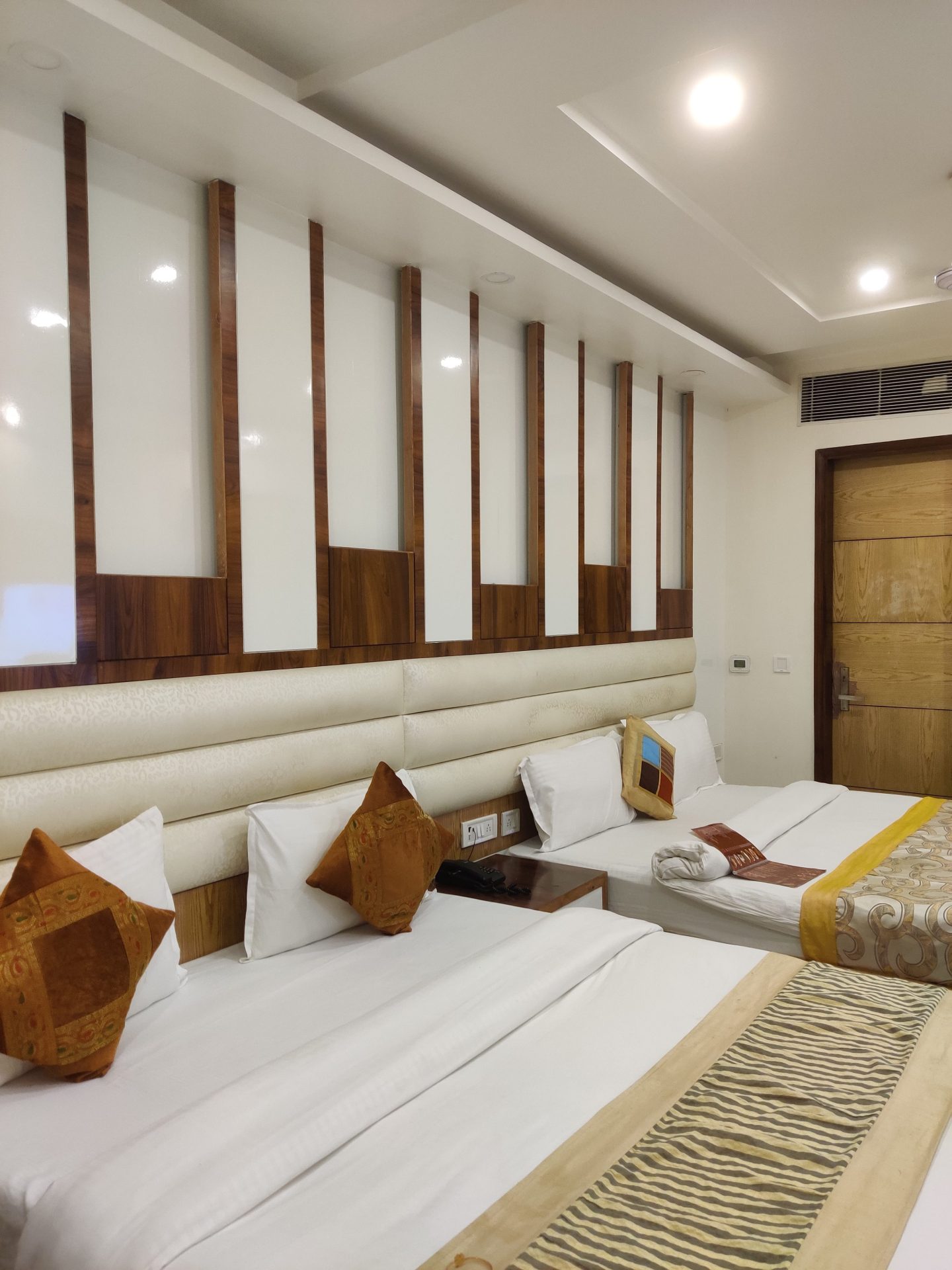
An early morning flight from Chennai touched down after a little over two and a half hours at the T3 International Airport at Delhi. We had booked ourselves close to the New Delhi Railway Station as we had an early morning train to catch for Amritsar the next day and after an uneventful 45 minute ride into the city, we reached our hotel.
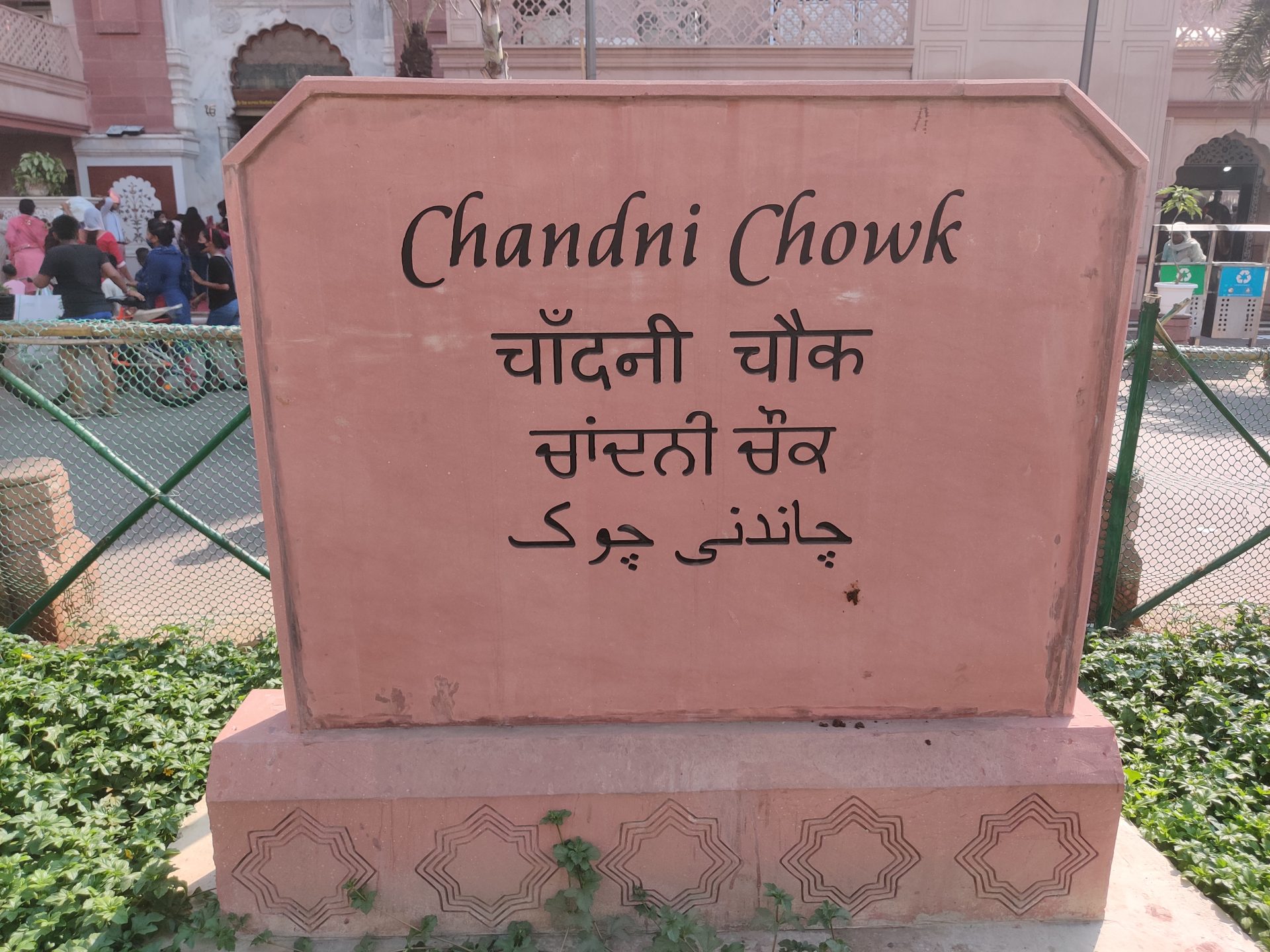
Chandni Chowk
The check-in formalities done and post freshening up, we headed for the old Delhi area of Chandni Chowk for our lunch. Compared to a decade back when we last visited Delhi, while the labyrinth of narrow lanes remained and the place was as dusty as ever, the road leading to the inner parts of Chandni Chowk seemed to have undergone a complete transformation. There was a road divider and traffic was regulated through the entire stretch making it a lot easier to walk around.
Chandni Chowk is a favorite go to place for Delhites and people from nearby cities and towns whenever there are marriages planned in the family. A number of shops abound selling designer bridal wear, jewellery, colourful bangles and many more. Opposite the Red Fort as one makes his way to the Chandni Chowk area, on the left side is the Capital’s oldest Jain temple, the Digambar Lal Jain temple, believed to have been founded in the year 1656.
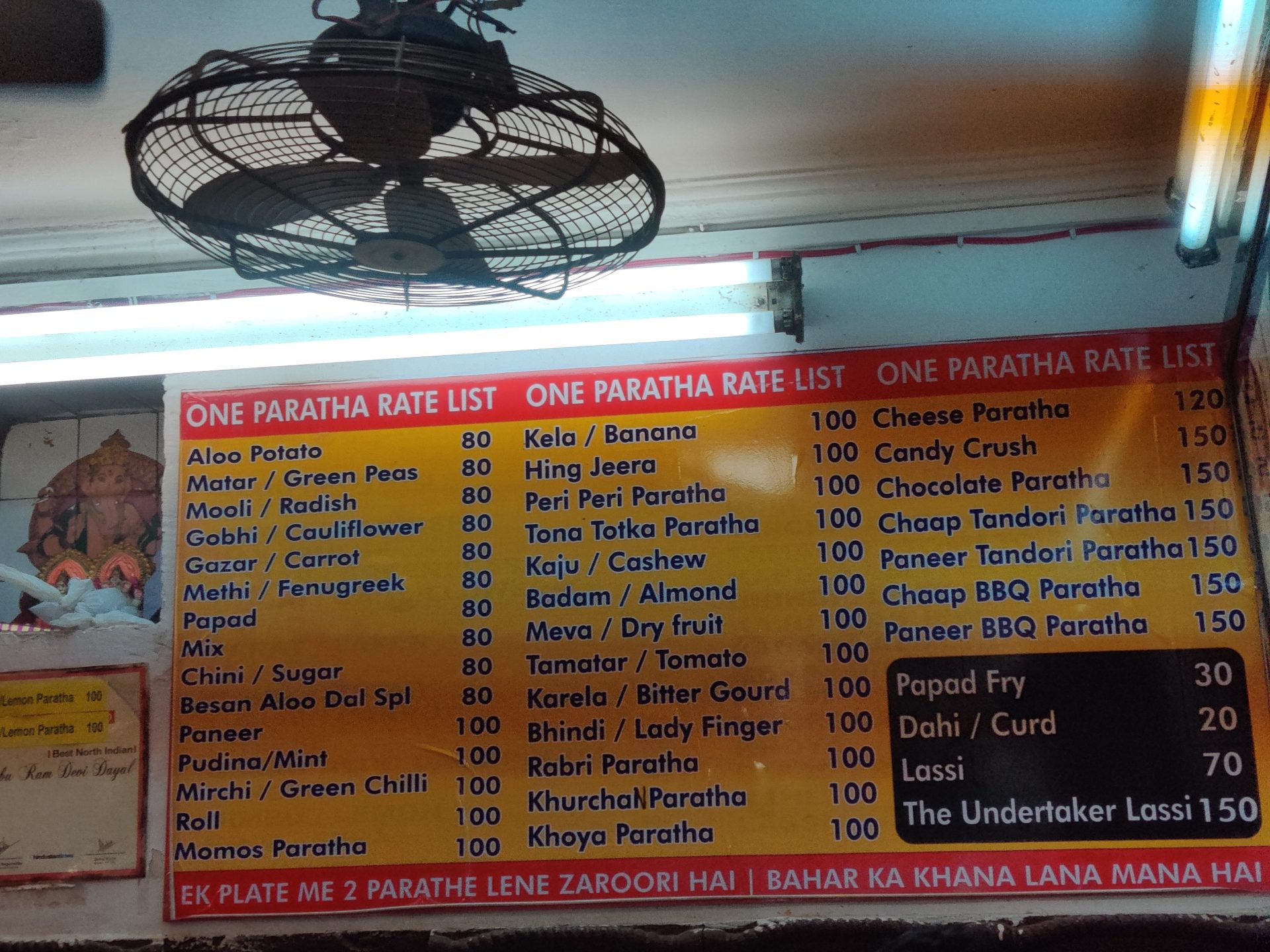
Parathe Wali Gali (The Flat Bread Street)
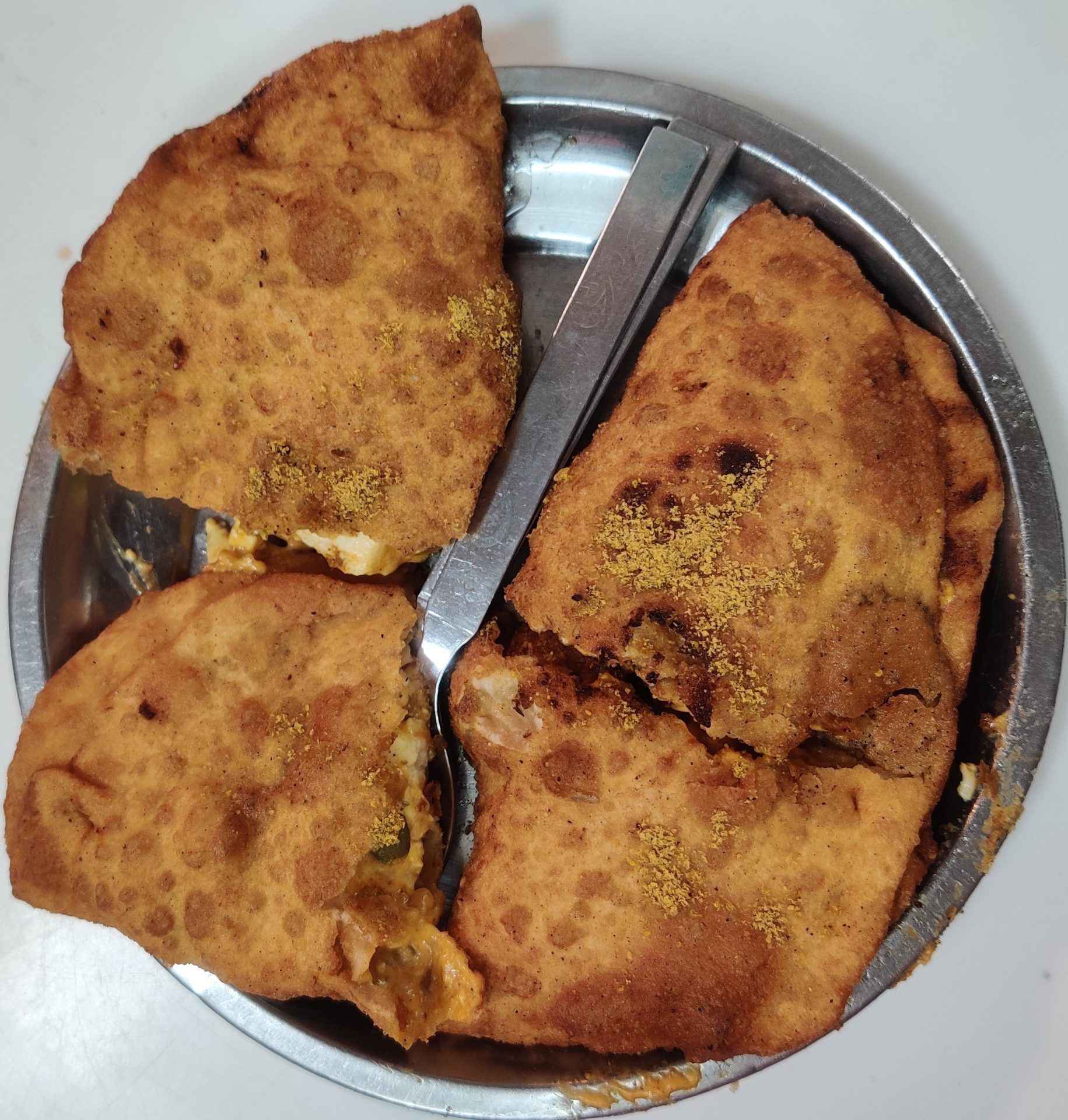
The famous Parathe Wali Gali is where we had planned our afternoon lunch and a 10 minute walk through a congested lane brought us to the string of outlets, serving piping hot varieties of parathas (flat breads) with an assortment of accompaniments.
The Red Fort
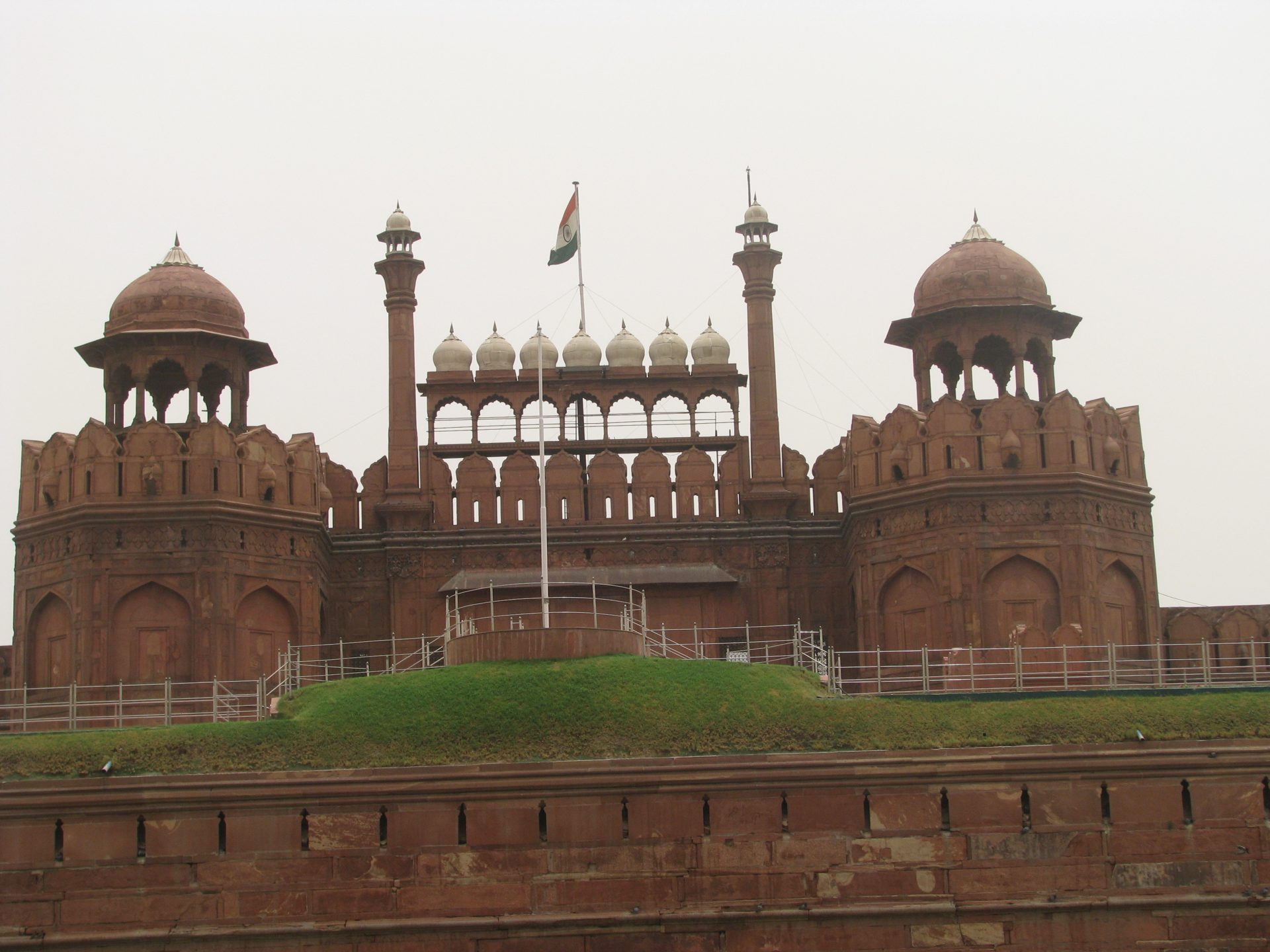
Having spent some time post lunch exploring the colourful bazaars of old Delhi, we walked across to the opposite side of the road where the Red Fort, a magnificent piece of red sandstone architecture unfolded before us.
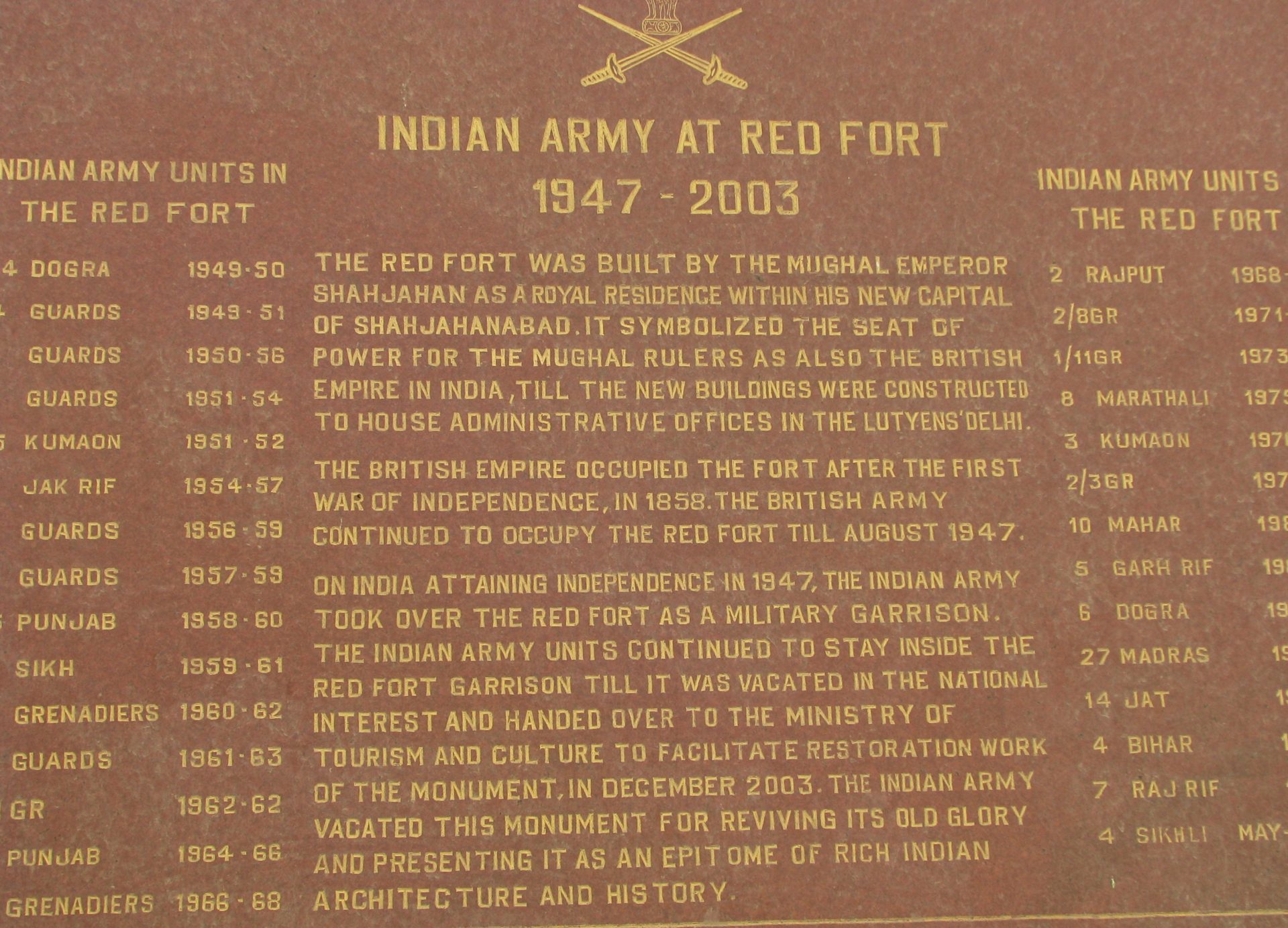
Built between the year 1639 to 1648, this fort was built during the reign of the Mughal emperor Shahjahan when he moved his capital from Agra to Delhi and is spread over 250 acres.
Its believed to be octagonal in shape when seen aerially and attained UNESCO’s World Heritage status in 2007.
Ascribed to be the Zenith of Mughal creativity as per World Heritage conventions, the Red Fort or the Lal Quila as its better known as, is a perfect confluence of Mughal and Persian palace architecture.
While the main entrance to the fort is through the Lahori Gate, on the Southern side of the Fort lies the Delhi Gate.
The Lahori Gate leads one through a domed shopping area which is otherwise known as the Chatta Chowk or the Meena Bazaar where the imperial household used to shop for silks and jewellery.
What exists of this place is a number of shops selling artefacts, jewellery, footwear, bags, silk items, purses and many more.
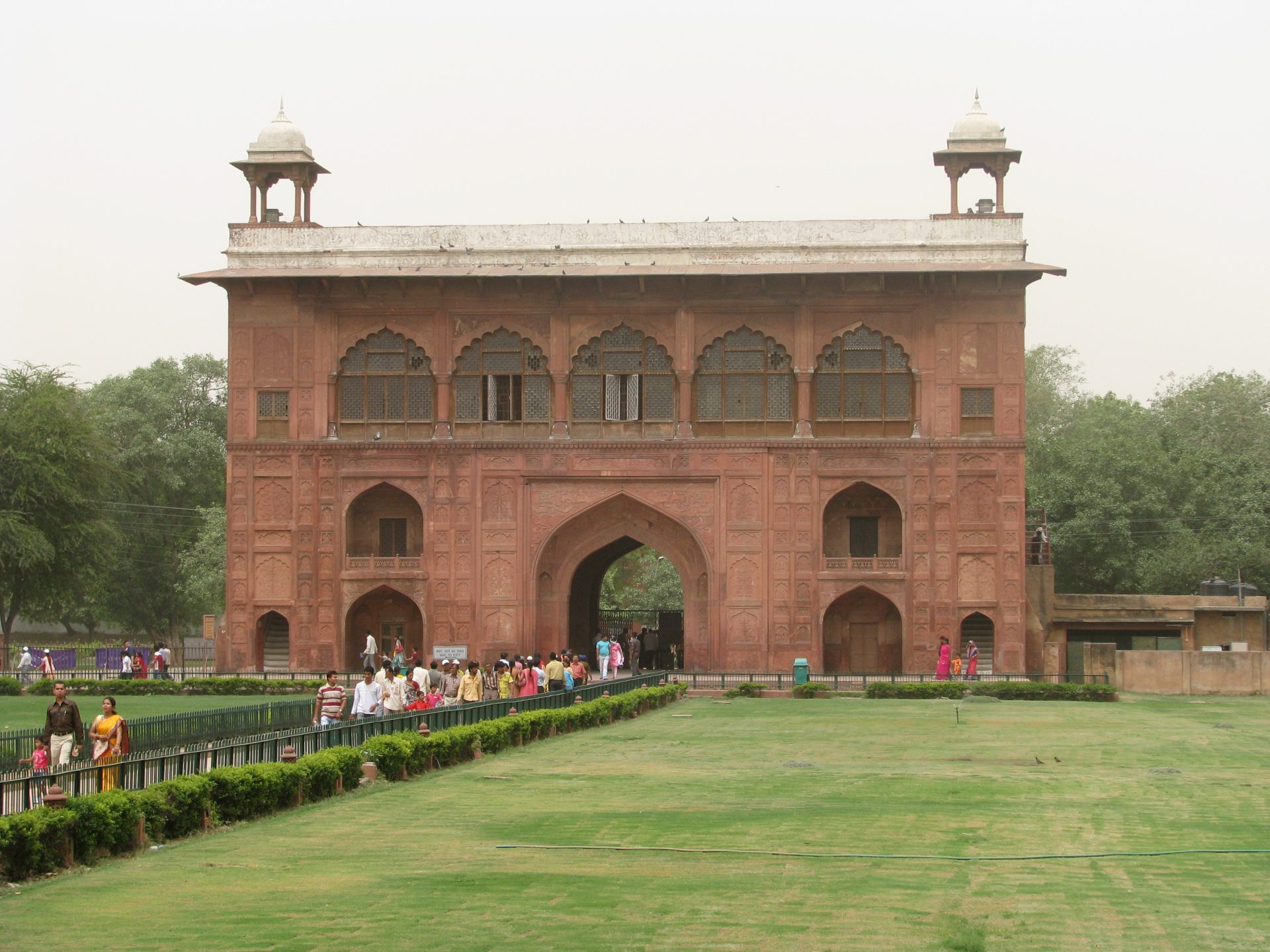
As we walked around the Fort, we got to see many structures of the Mughal period which still exist. The Naubat Khana, translating to the waiting Hall has the Indian War Memorial Museum housed in the 2nd floor. This hall required everyone save the royalty to dismount during the Mughal era and while music used to be played at scheduled times.
NAUBAT KHANA
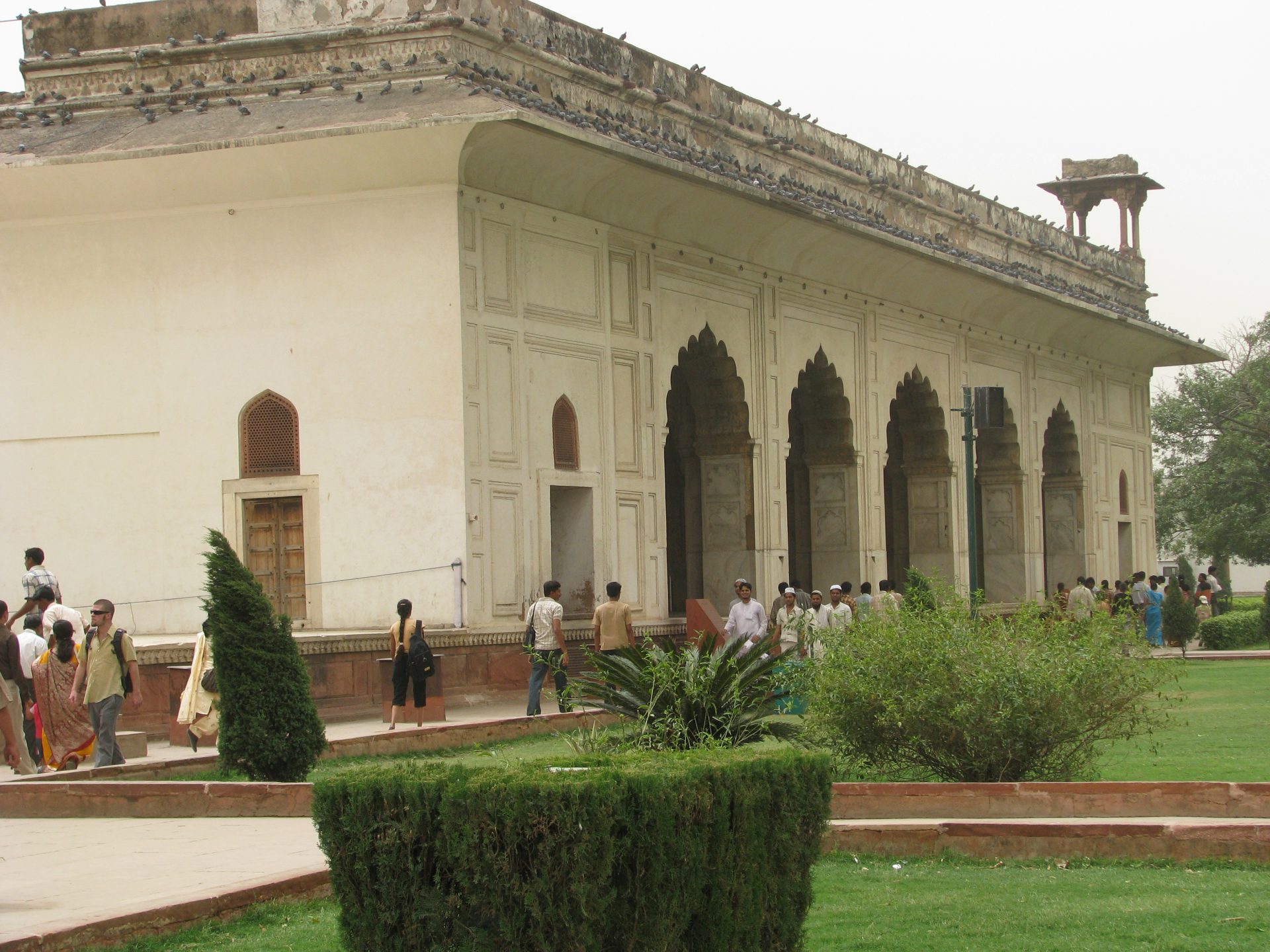
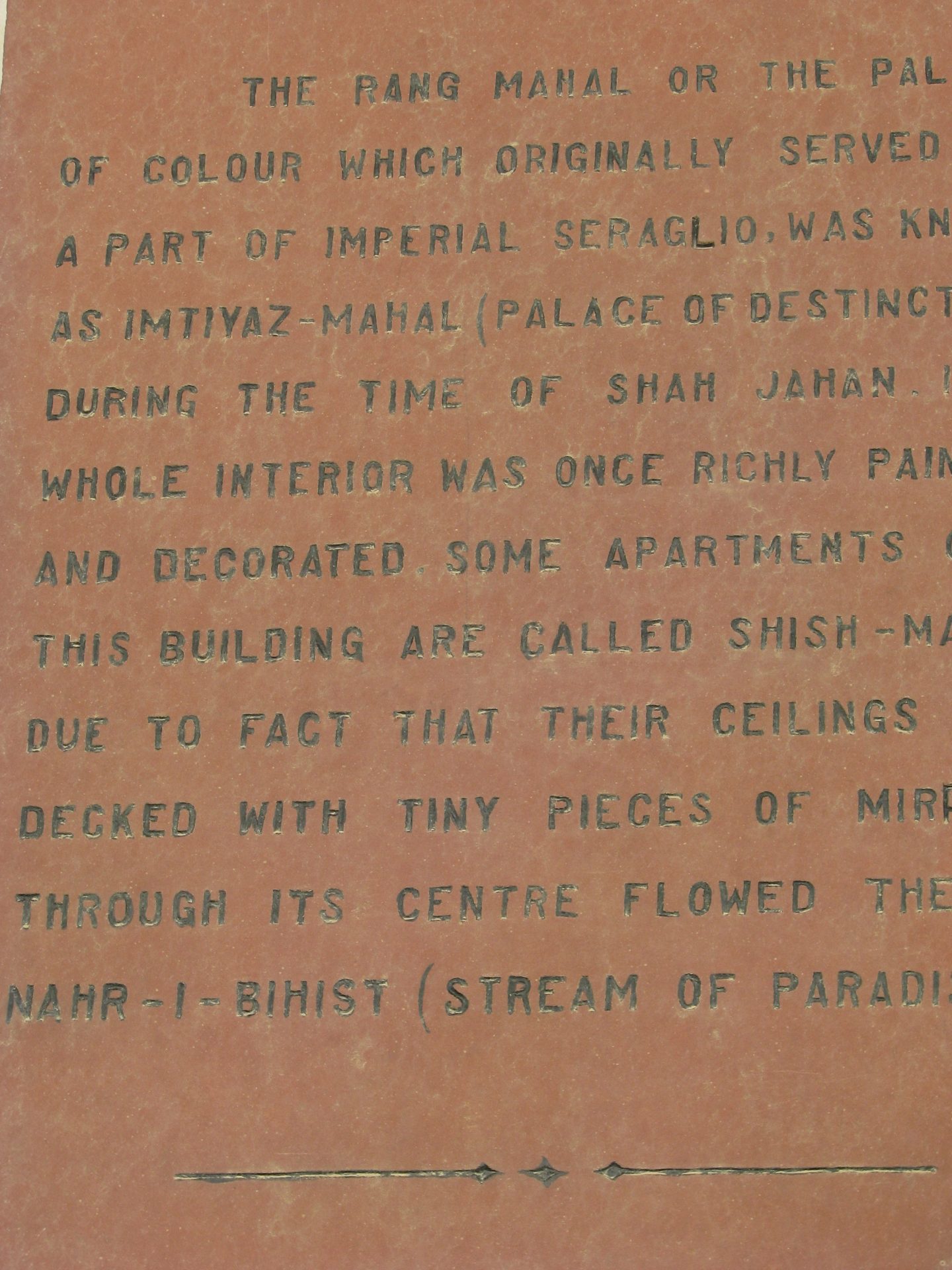
RANG MAHAL
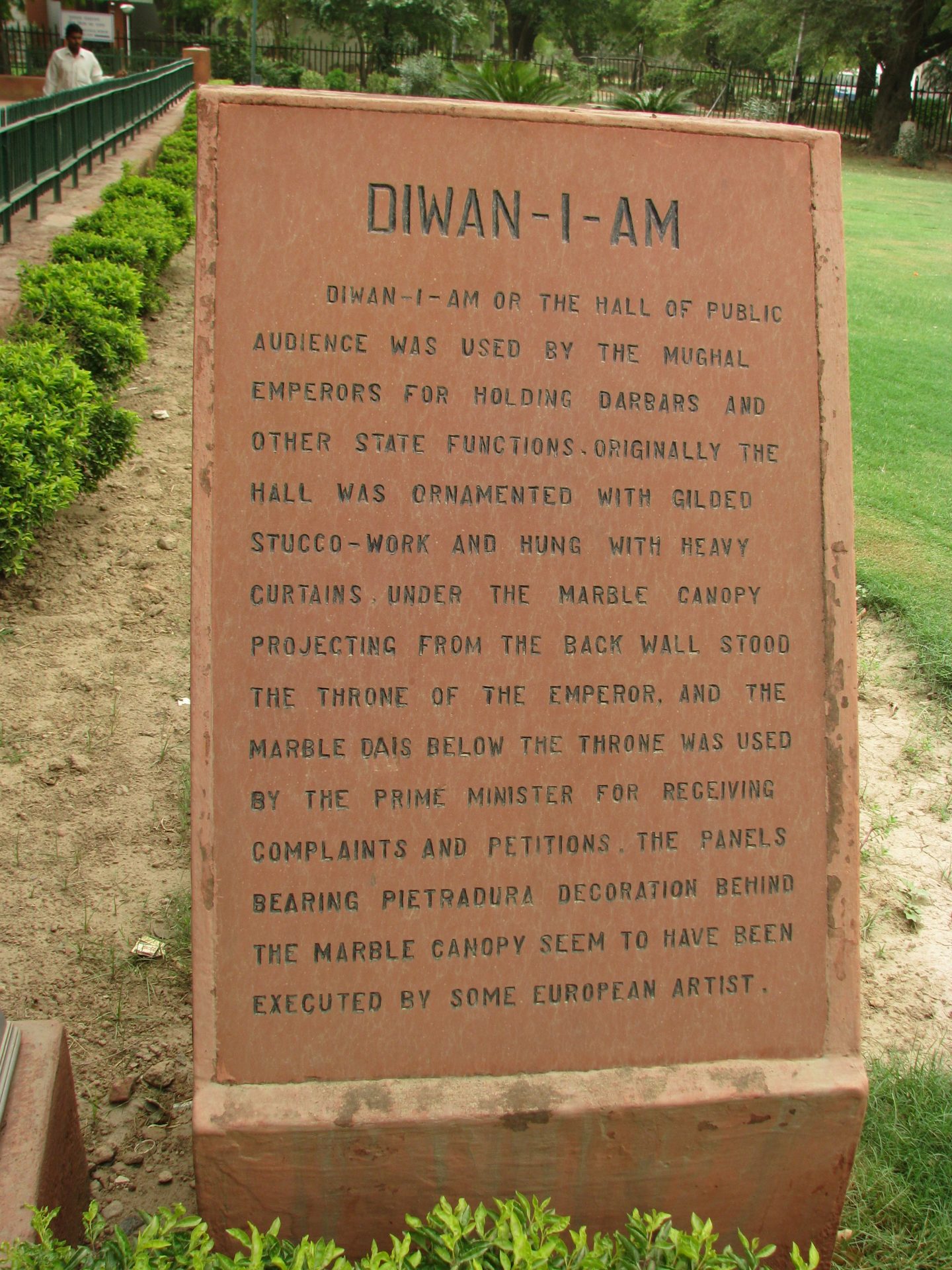
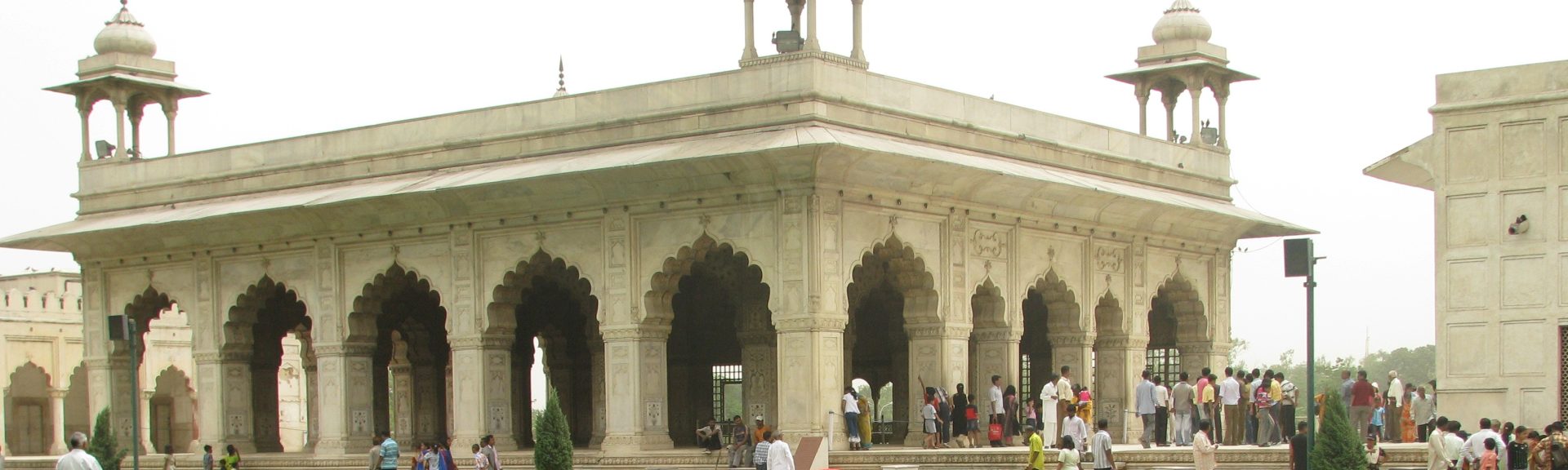
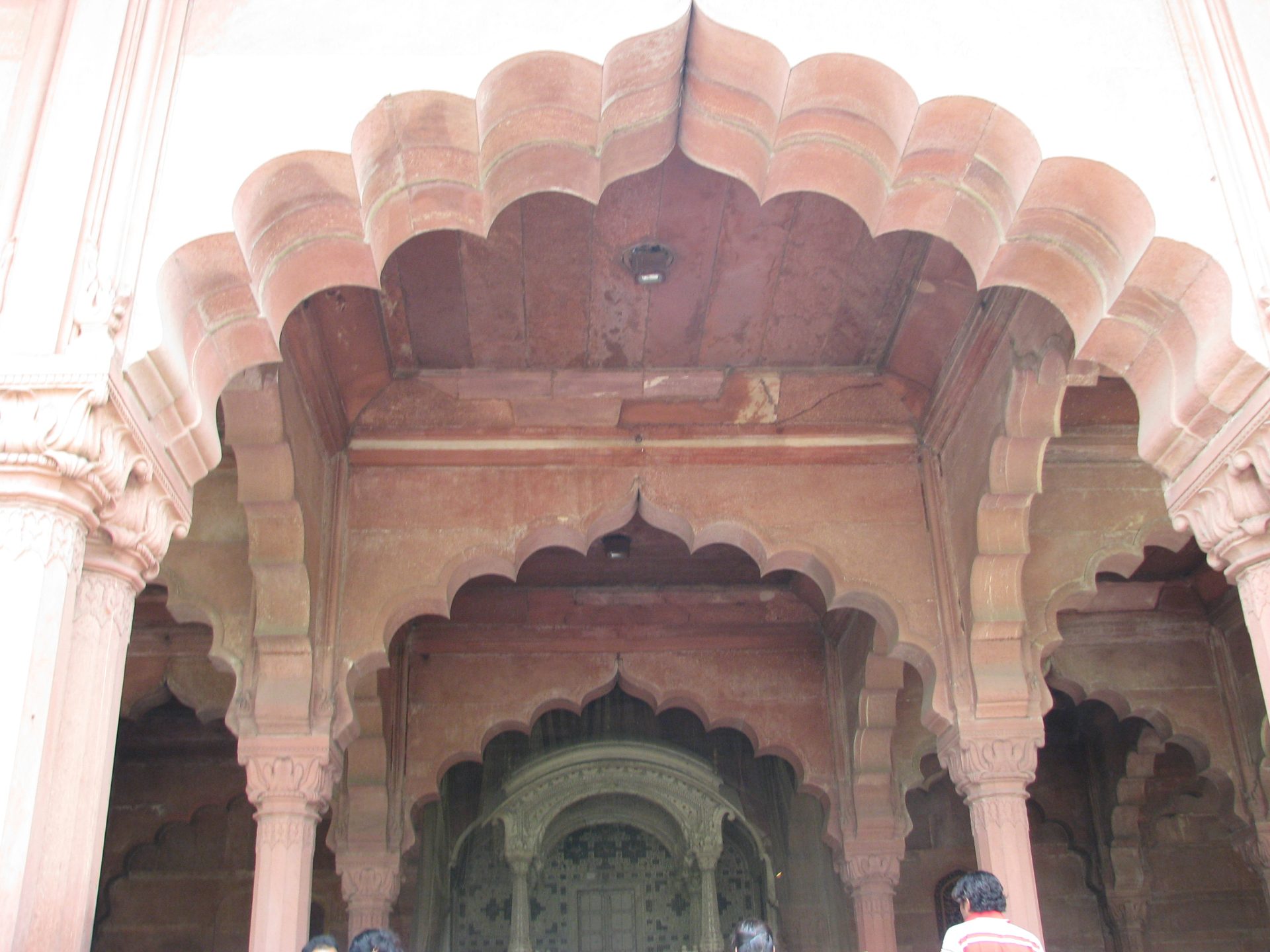
The Diwan-i-Aam or the public audience hall has 60 pillars with a throne canopy atop a platform where the emperor would be seated while a lower marble bench would be occupied by the Chief Minister. Close to this hall, is located the Rang Mahal which used to house the Emperor’s wives and mistresses. Brightly coloured and true to its name, the hall is decorated with a mosaic of mirrors and has an inlaid marble fountain.
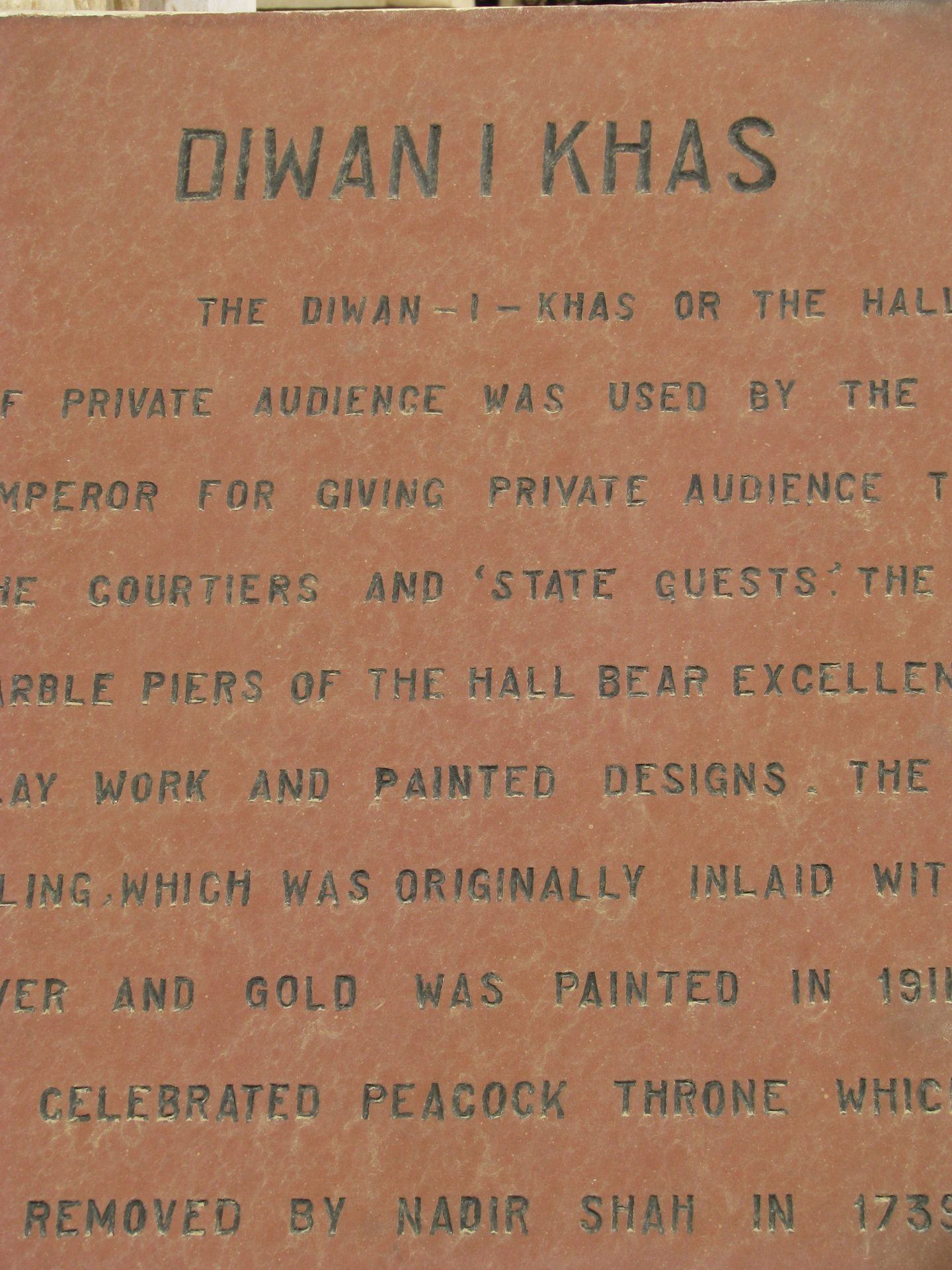
The Diwan-i-Khas or the Hall of Private audience is where Emperor Shah Jahan’s legendary peacock throne was housed at one time. This throne is believed to have been removed by Nadir Shah in 1735. Believed to be the hall where the emperor met his most trusted nobles and state guests, this hall used to be adorned with gems with its silver inlaid ceiling decorated with precious stones.
DIWAN-I-KHAS
THE DIWAN-I-AAM
The India Gate Memorial
We drove along Rajpath to The India Gate, formerly known as The All India war Memorial. Built in the memory of 90,000 soldiers of the British Indian army who died between 1914 to 1921 in the First World War. Designed by Sir Edward Lutyens, this monument bears a close resemblance to the Arc de Triomphe in Paris and the Gateway of India in Mumbai.
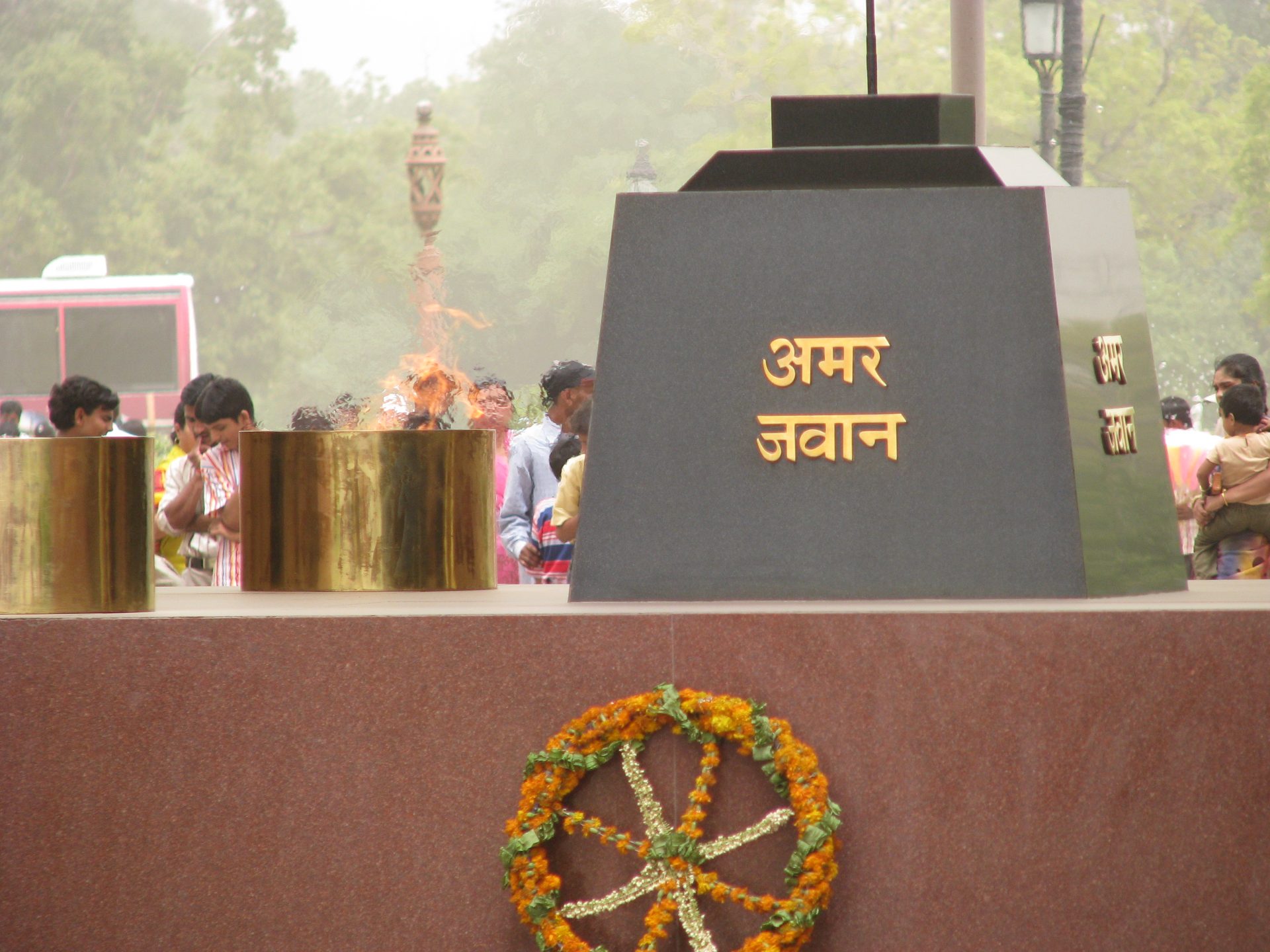
Following the Bangladesh Liberation war in 1972, the Amar Jawan Jyoti, a structure consisting of a black marble plinth with a reversed rifle, capped by a war helmet and bounded by four eternal flames, was built beneath the archway. India’s tomb for the unknown soldier is the largest War Memorial of its kind in India and on every Republic Day, the Prime minister of our country pays a visit to the India Gate to pay his tributes.
Akshardham Temple Complex
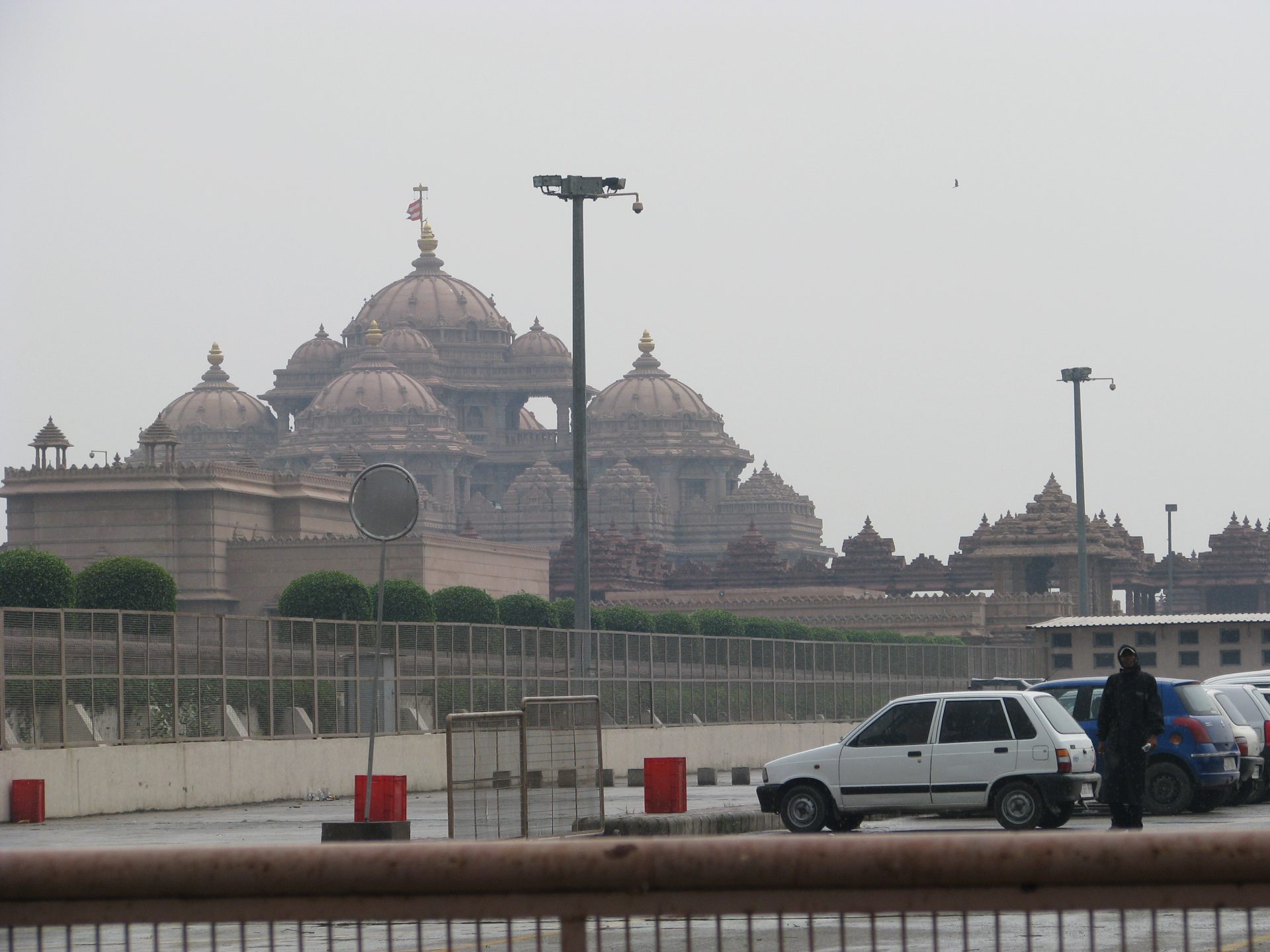
Built out of pink sandstone and Italian marble, this intricately carved temple spans a width of over 90 metres and is a little over 40 metres in height.
This temple is designed on similar lines as its predecessor in Gandhinagar in Gujarat.
The complex has 234 Ornate Pillars supporting the 9 domes beside a thematic garden, a water show and a cultural boat ride for around 12 minutes.
Besides this, there are 3 exhibition halls with different themes being presented and centred around Hinduism.
Photography is an absolute NO here.
We went around the entire complex in around 2 and a half hours and made our way back to our hotel in New Delhi.
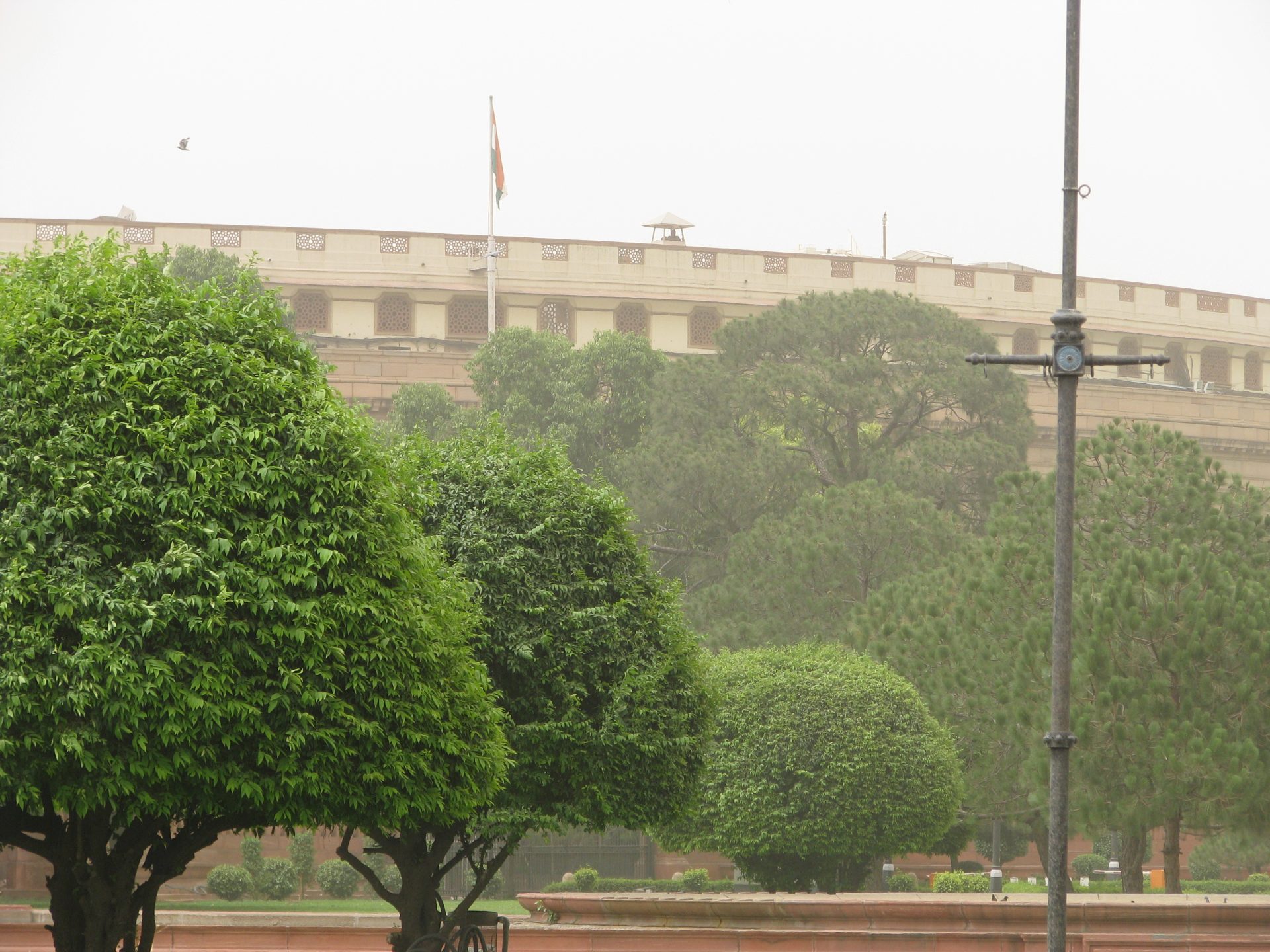
On our way back, a quick photo stop at 2 monumental buildings which we had already seen in our earlier trips, the Rashtrapati Bhawan and the Parliament House.
A tiring day walking around and since the next day was to be our travel by train to Amritsar post which we were to fly out to Srinagar, we retired pretty early.
The Rashtrapati Bhavan (President's House) & Parliament House
We set foot back in Delhi after a packed but very enjoyable trip to Amritsar and Kashmir after about a week on a late evening. 2 tourist attractions very divergent in terms of their offerings; one endowed with its natural and pristine beauty and the other, equally absorbing in terms of the history, patriotism and religion on offer.
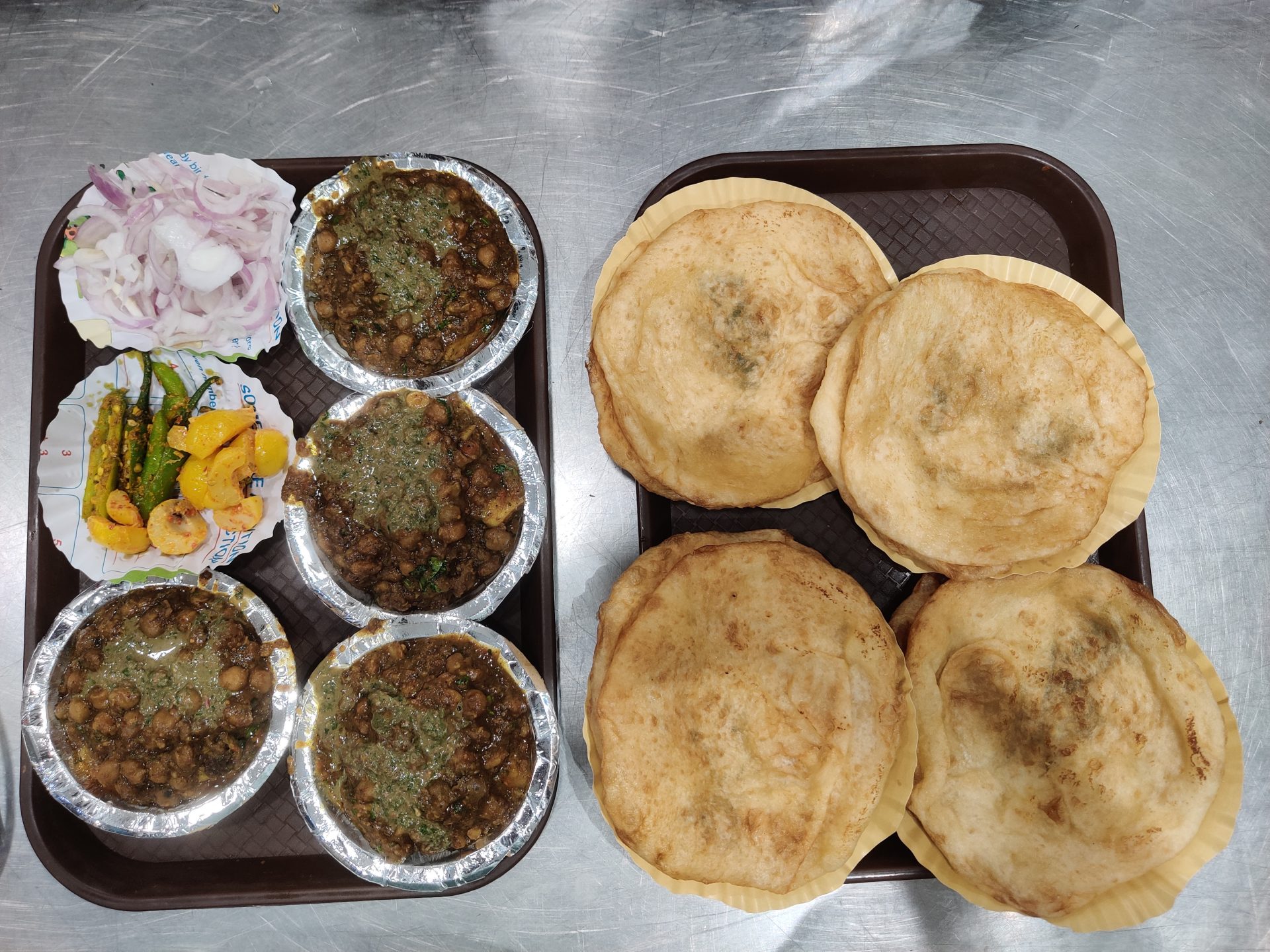
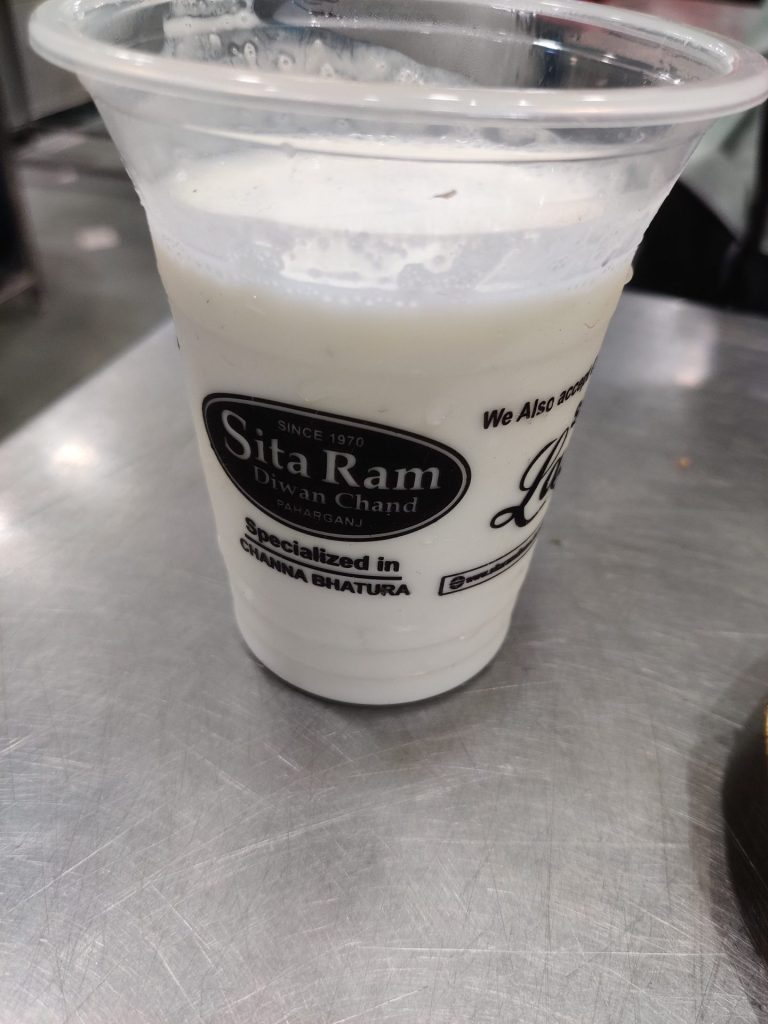
Since we had seen most of Delhi during our earlier visits, we decided to go around a few select monuments and spent the rest of the day shopping. We headed for breakfast to Sitaram Diwanchand in Paharganj area, probably one of Delhi’s best Chole Bature (Spicy Chickpea curry with fried flatbreads) joints. This shop traces its roots to very humble beginnings over a 50 years back when astride a cycle, they used to go around selling this to bystanders and thanks to the consistency in taste, grew manifold in popularity.
The Jantar Mantar
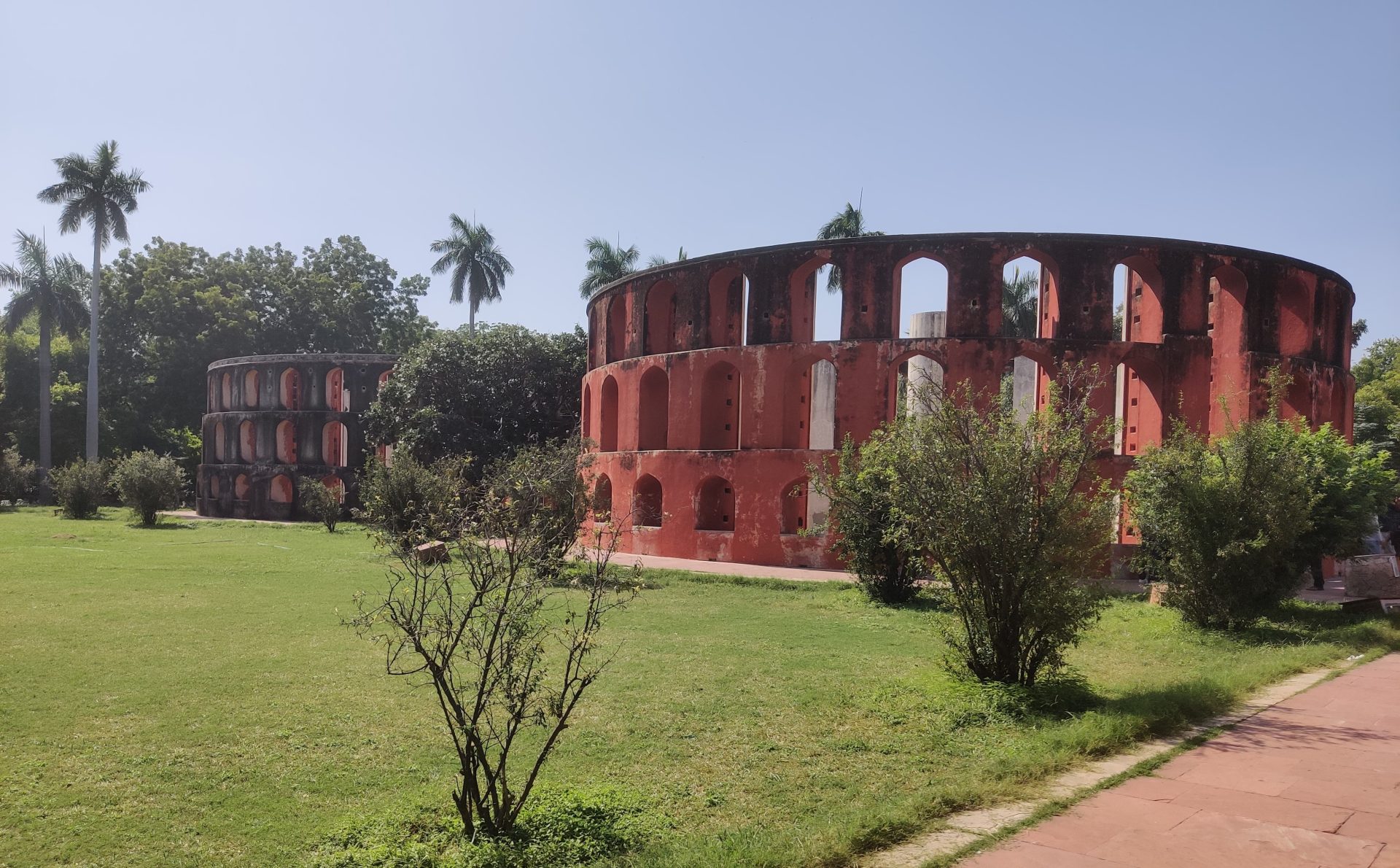
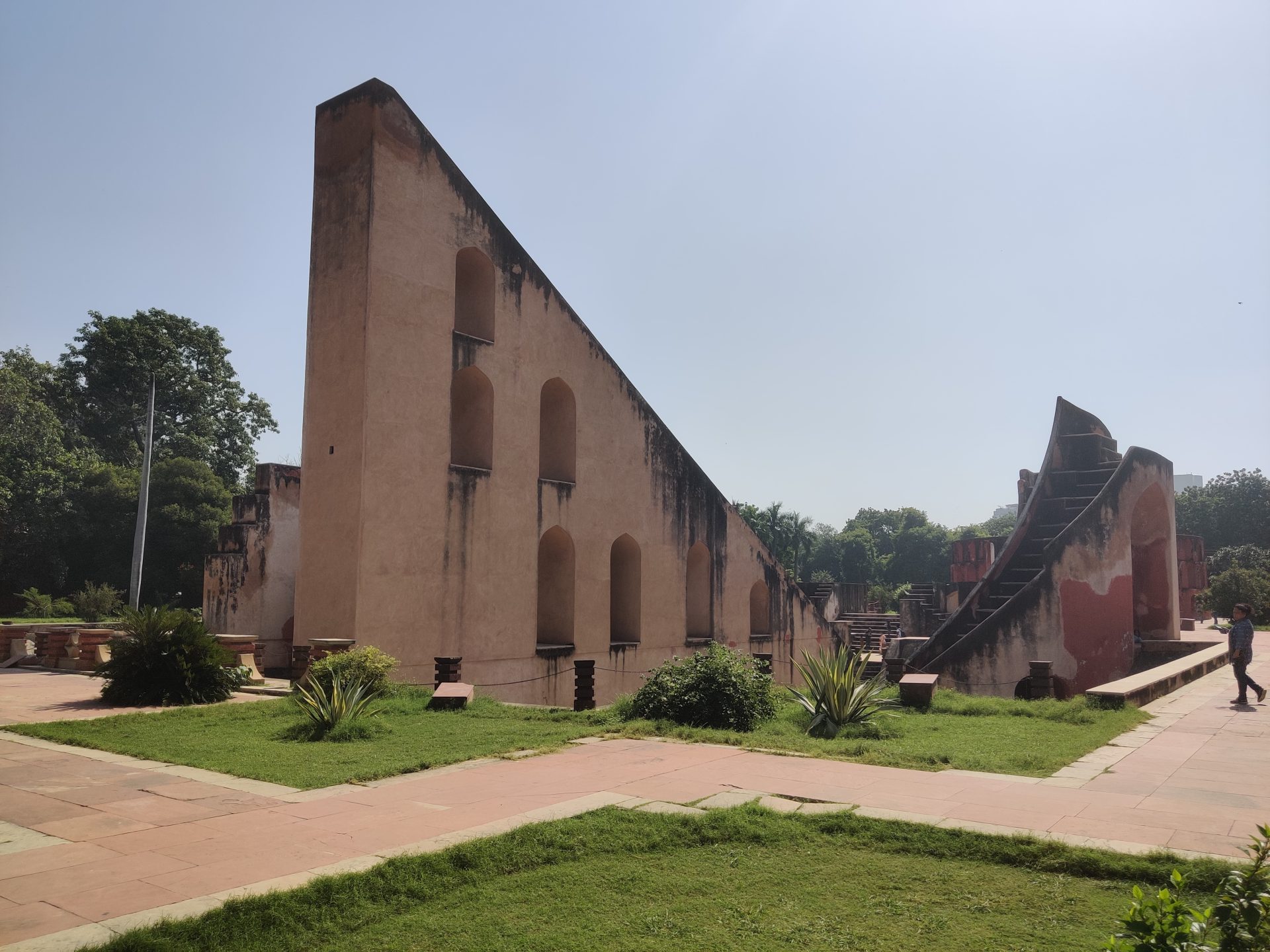
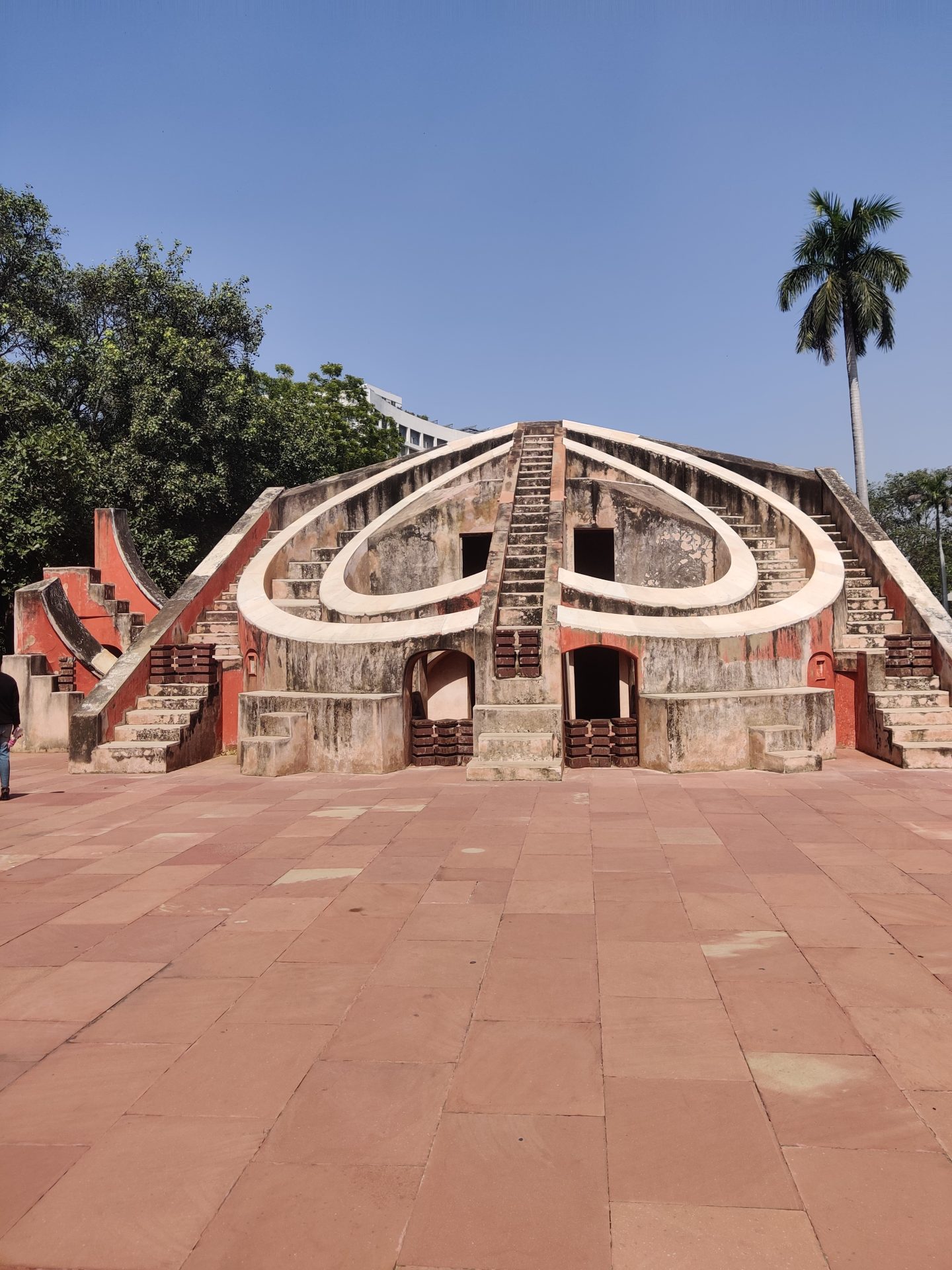
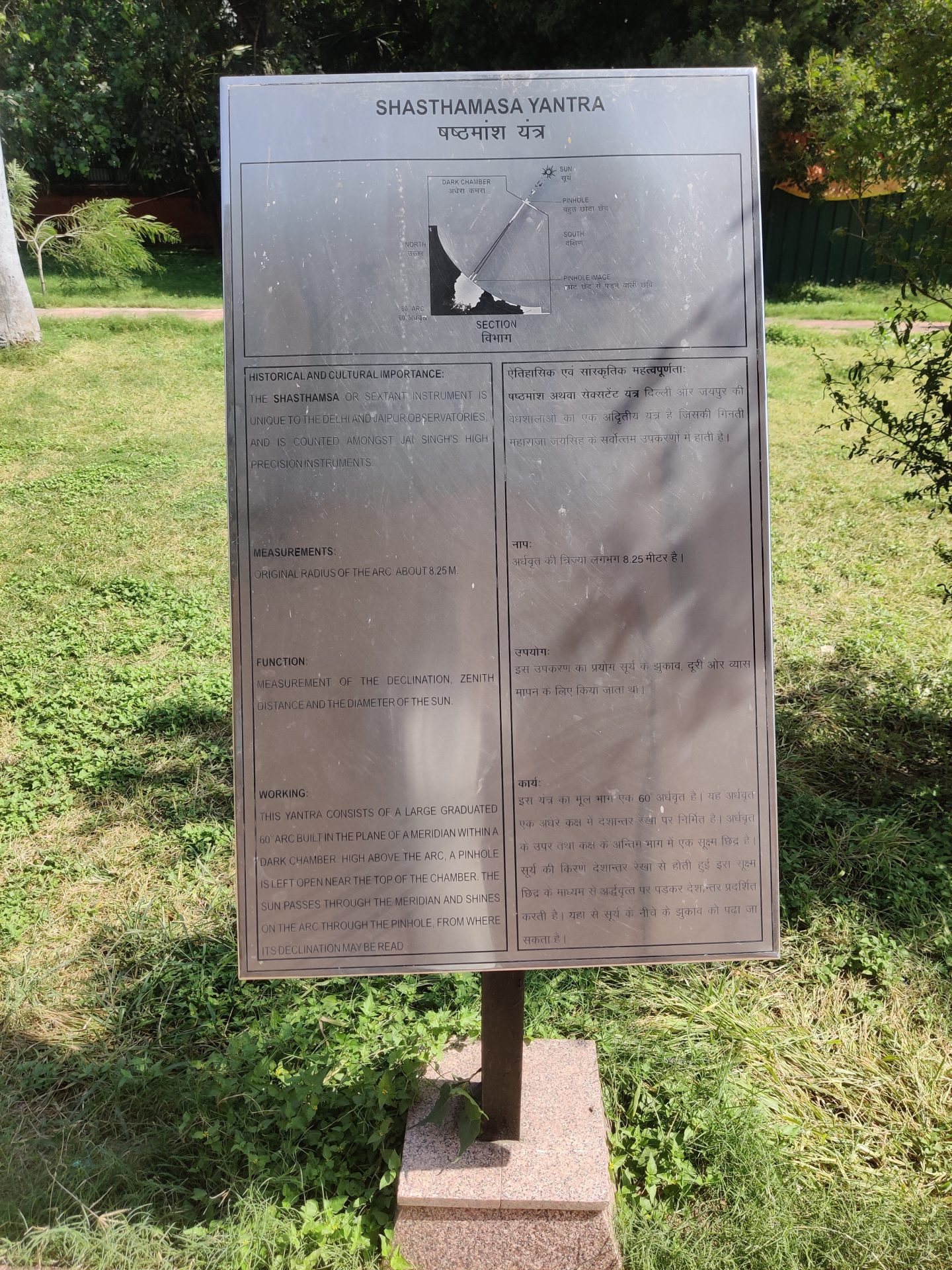
We moved on to Connaught Place post breakfast to visit the Jantar Mantar. One amongst the 5 observatories built by Maharajah Jai Singh II of Jaipur, apart from 4 others at Jaipur, Mathura, Ujjain and Varanasi, these architectural structures are instrumental wonders of astronomy.
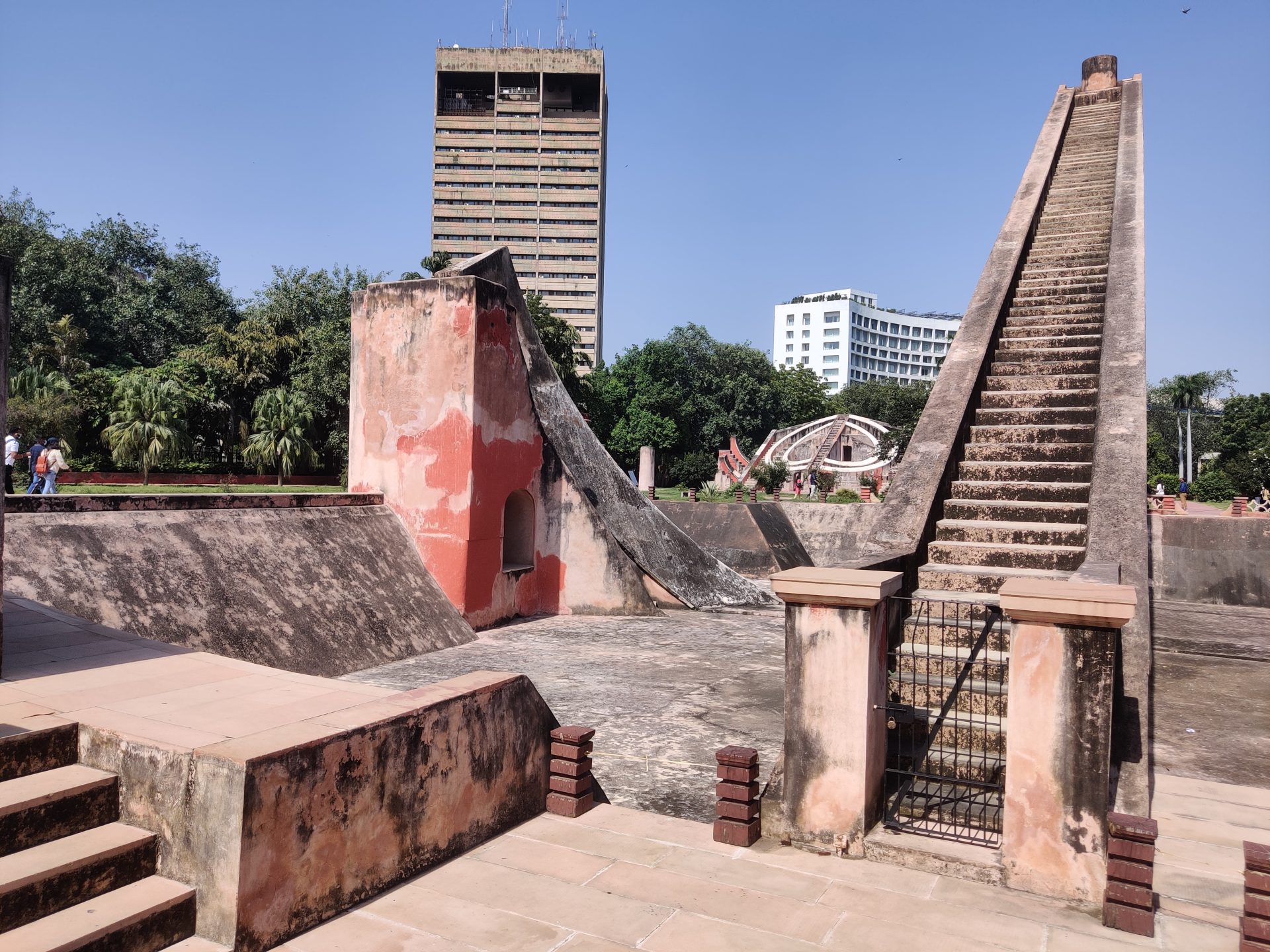
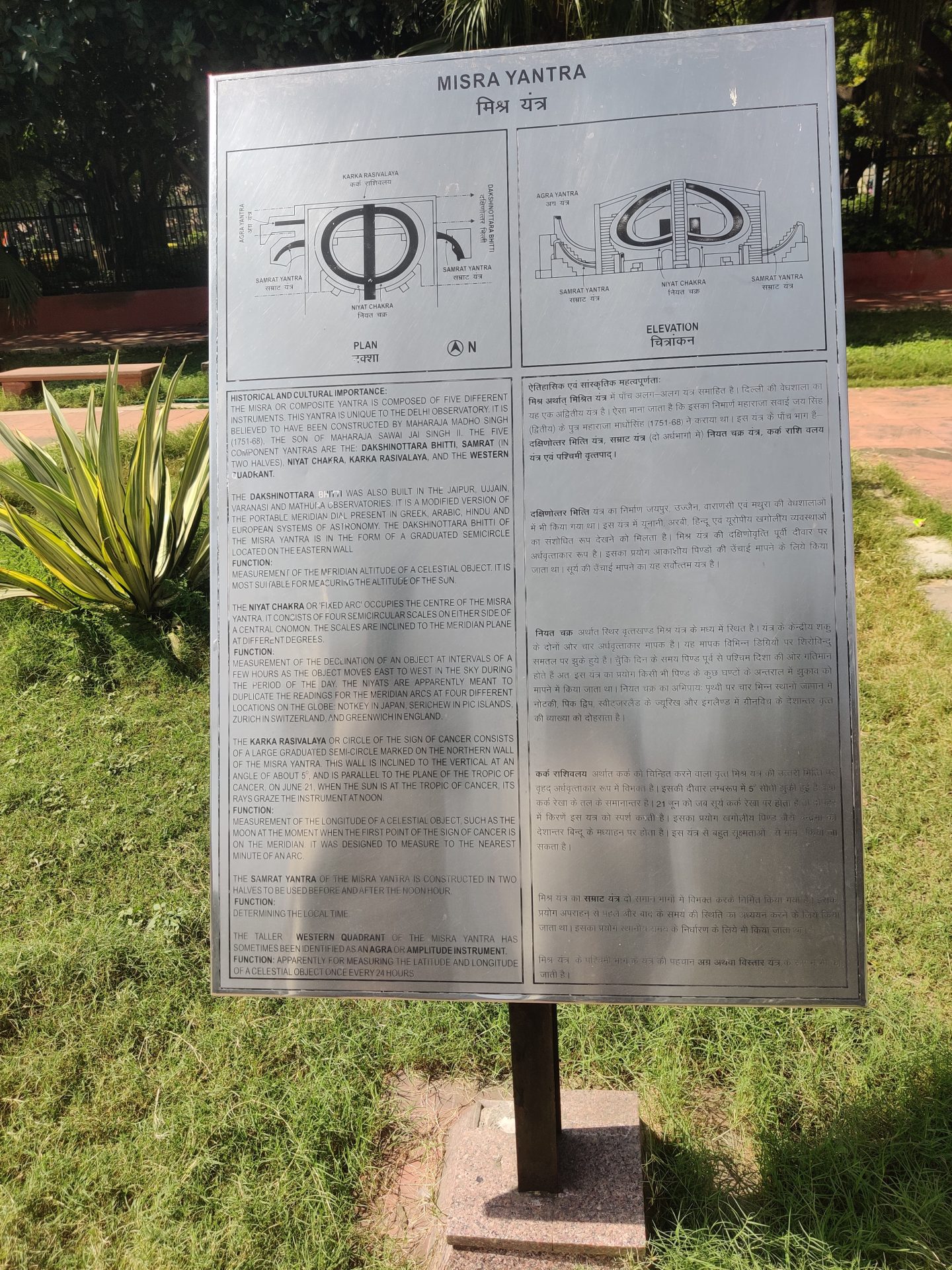
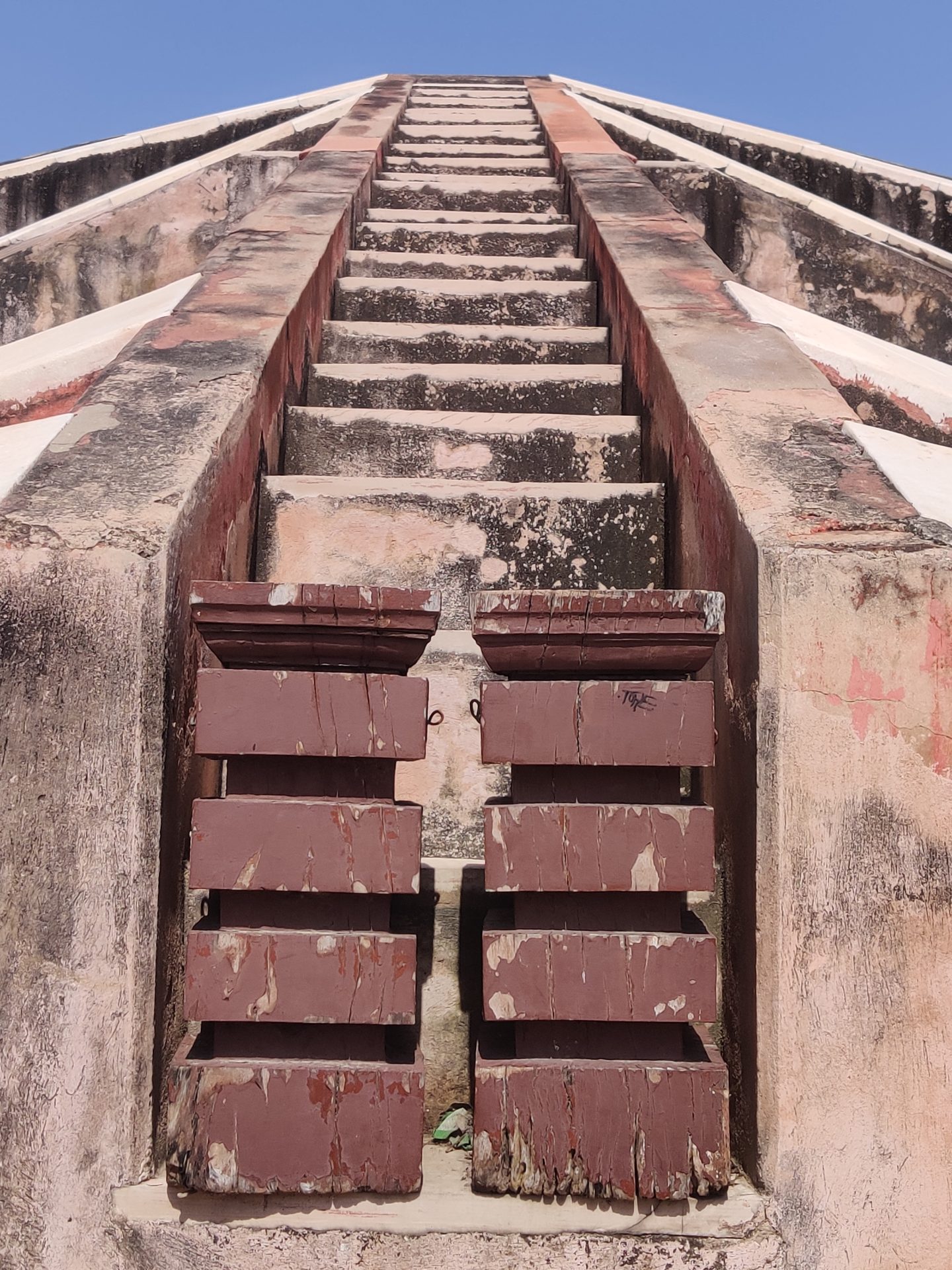
They have helped compile tables in astronomy, predict the time and movement of the planets, the sun and the moon. Built around 300 years back, this observatory had 13 distinct instruments but over the years and after taking a pounding in the 1857 uprising, there are only 4 distinct ones left – The Samrat, The Jayaprakash, The Rama and The Misra Yantra. There is a small fee of Rs.15/- apiece levied for entering this monument complex.
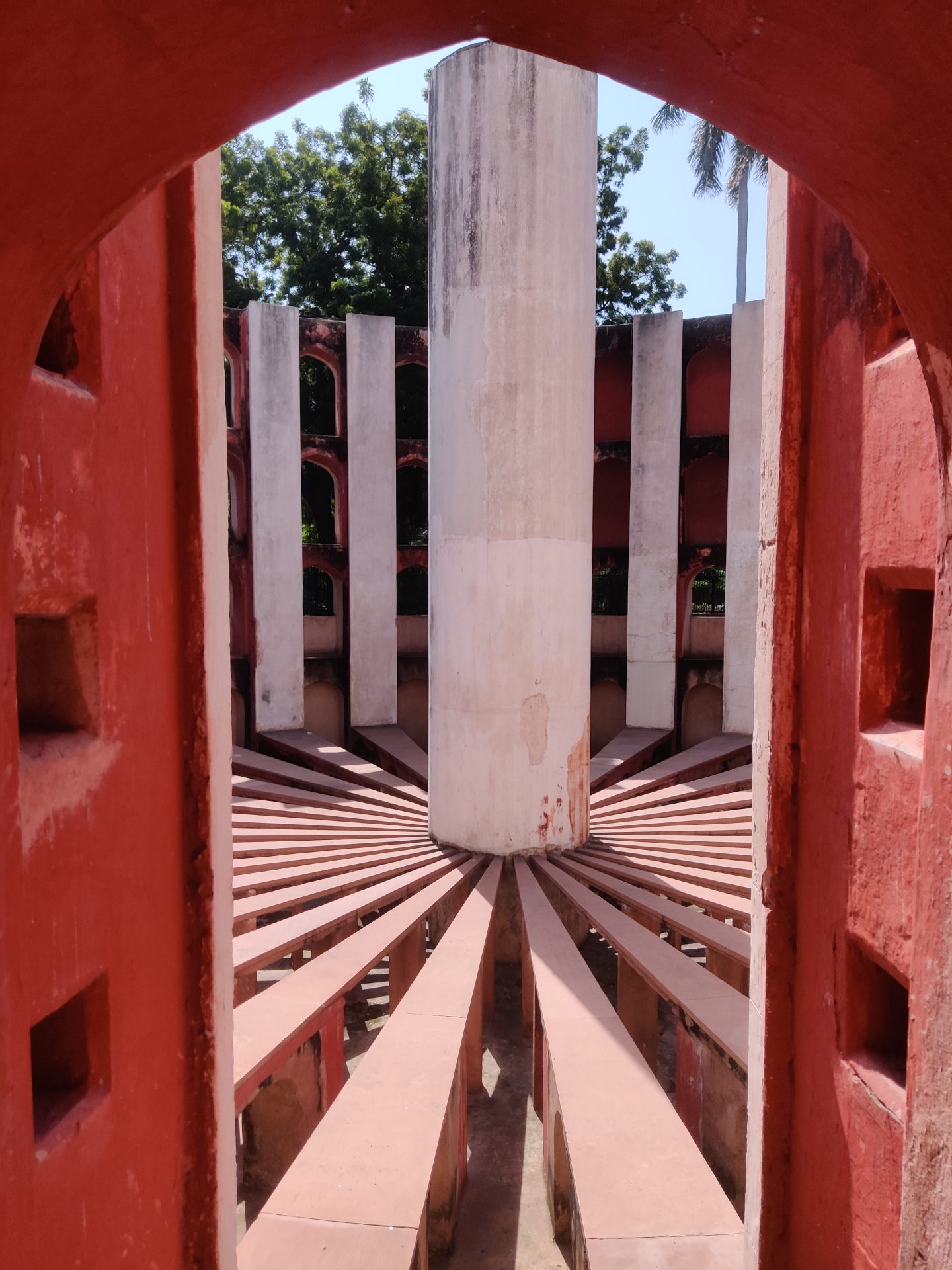
RAMA YANTRA
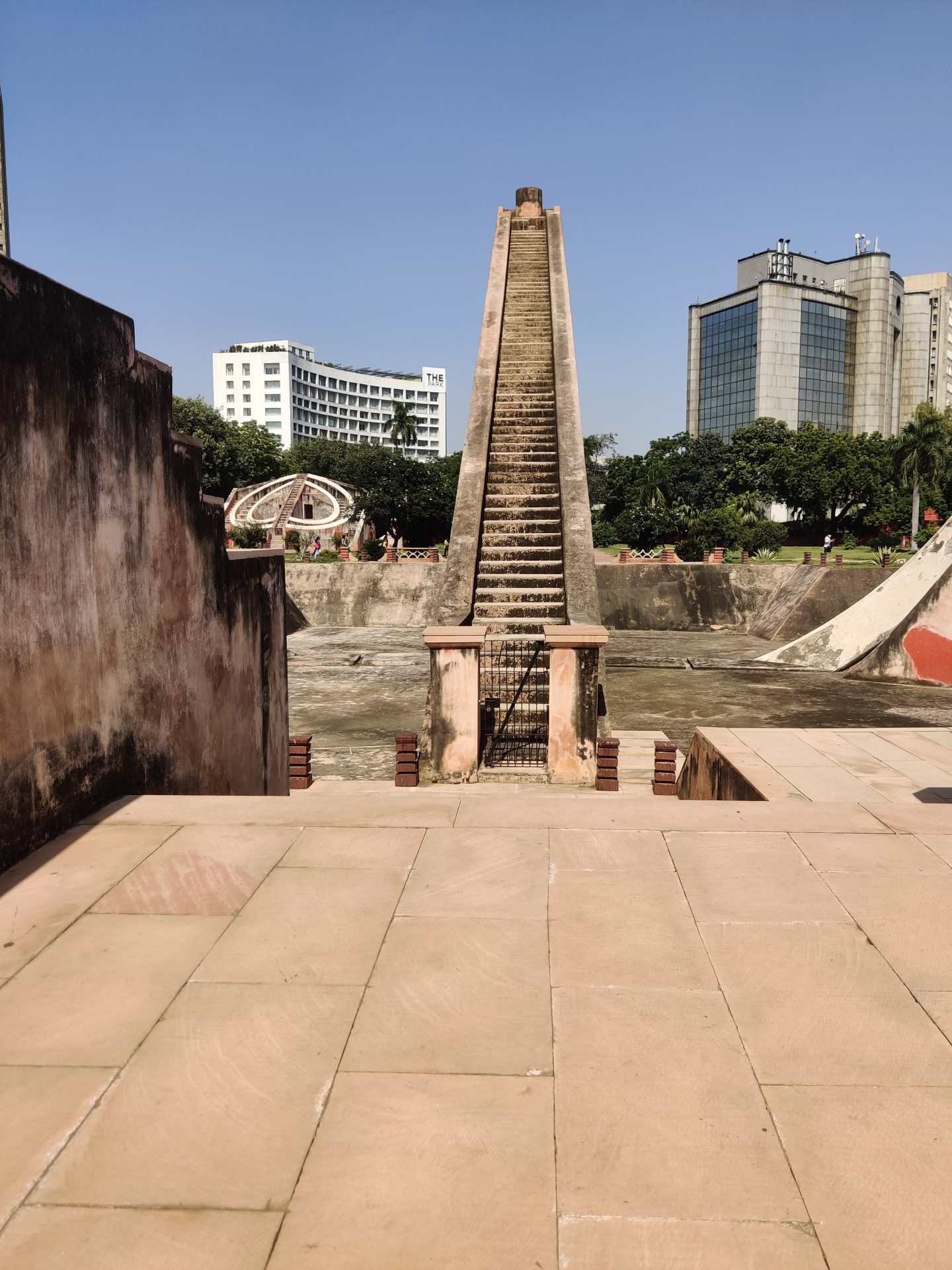
SAMRAT YANTRA
INSIDE VIEW OF THE RAMA YANTRA
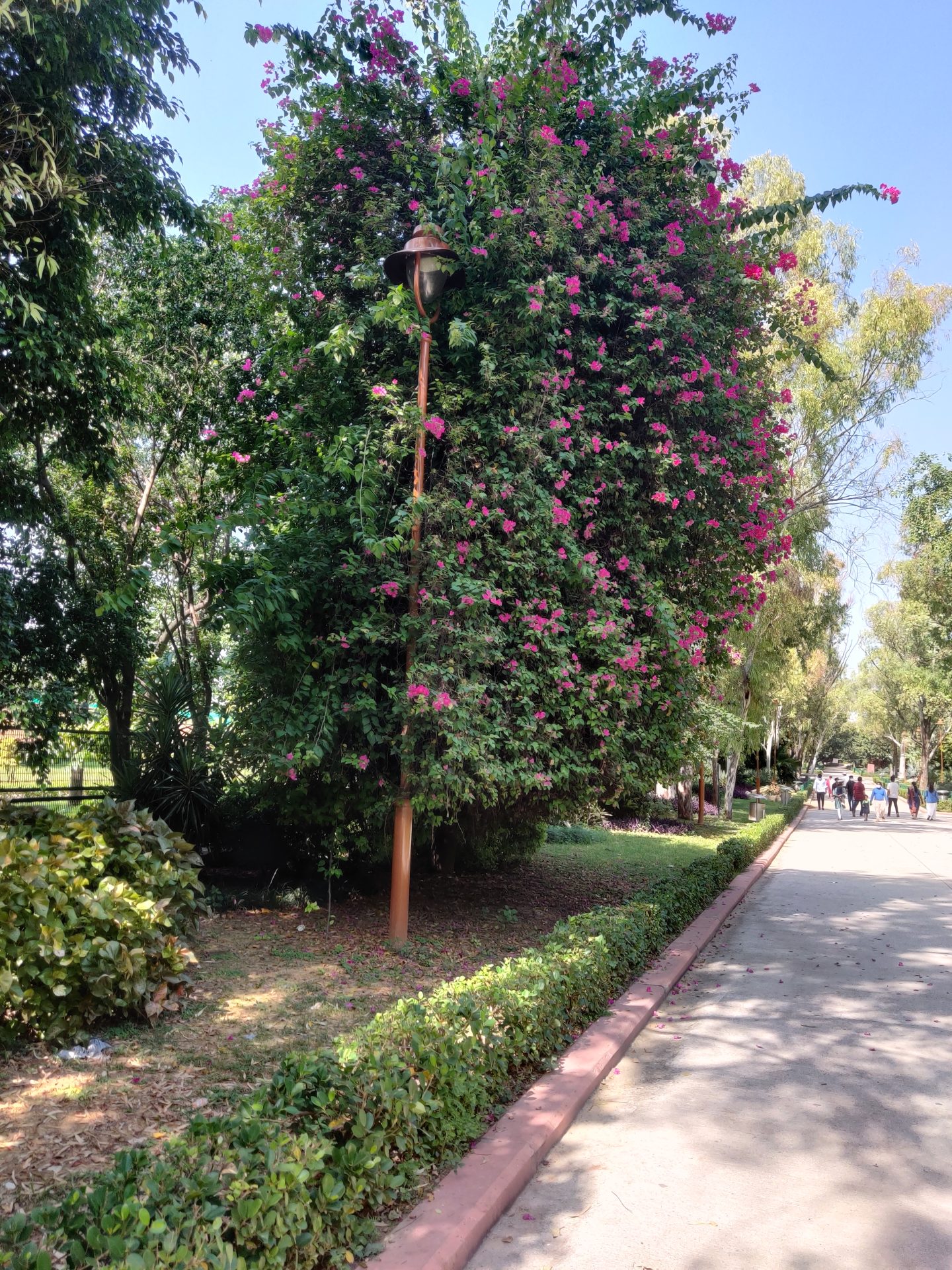
A few more pictures from around the Jantar Mantar area.
Rajghat
We finished off an early lunch at the Connaught Place area and moved on towards Rajghat which was to be our next stop.
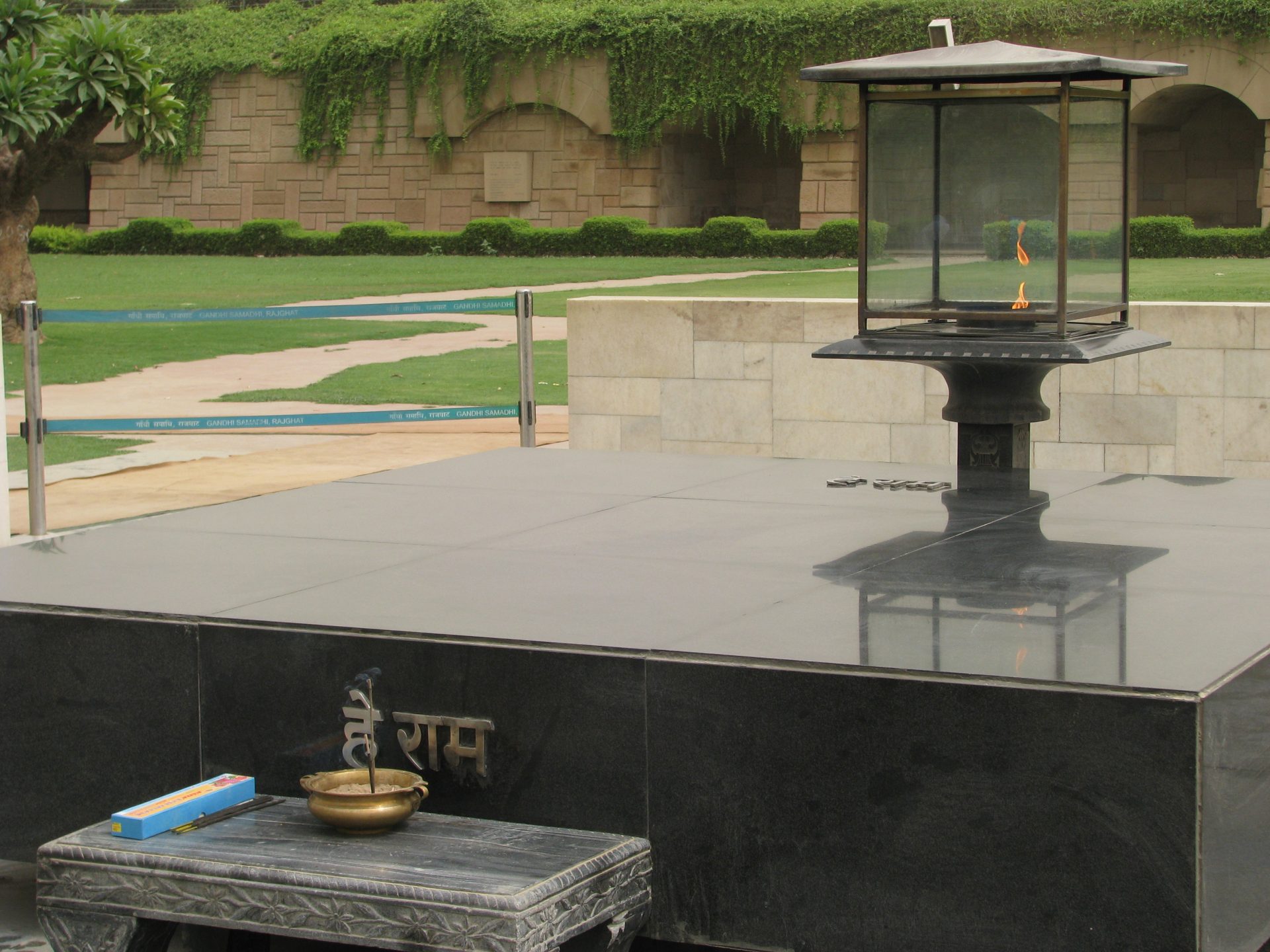
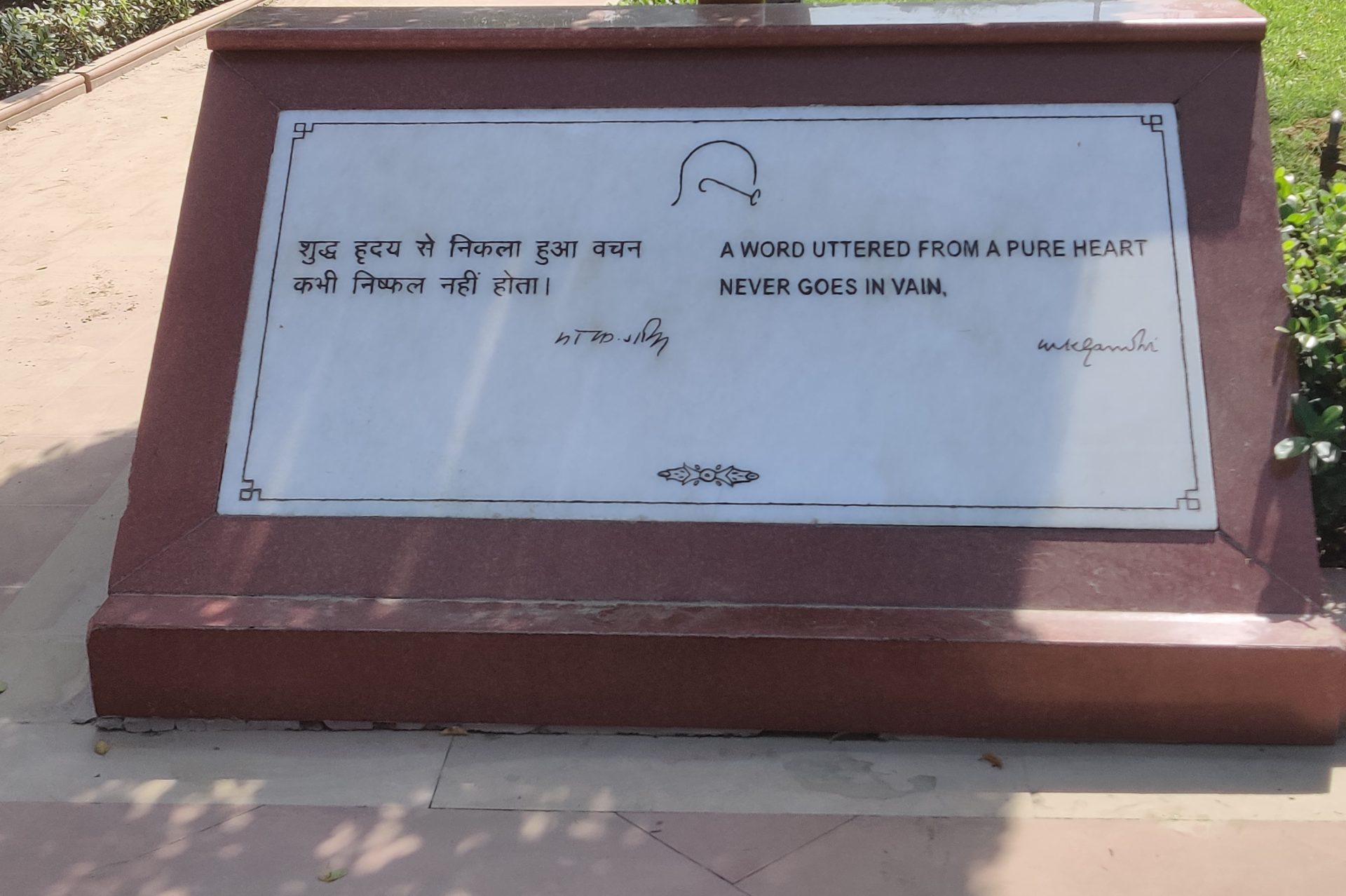
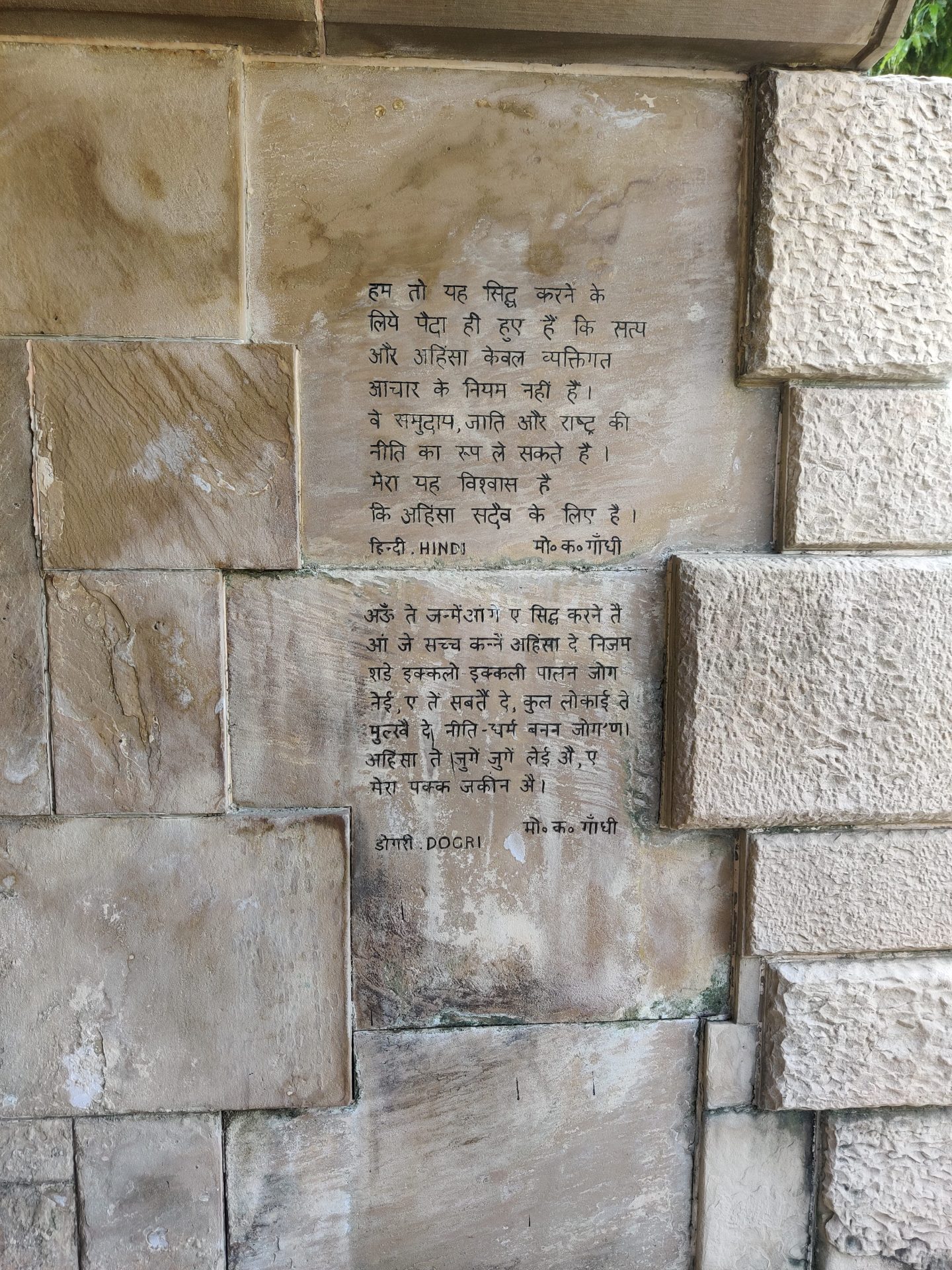
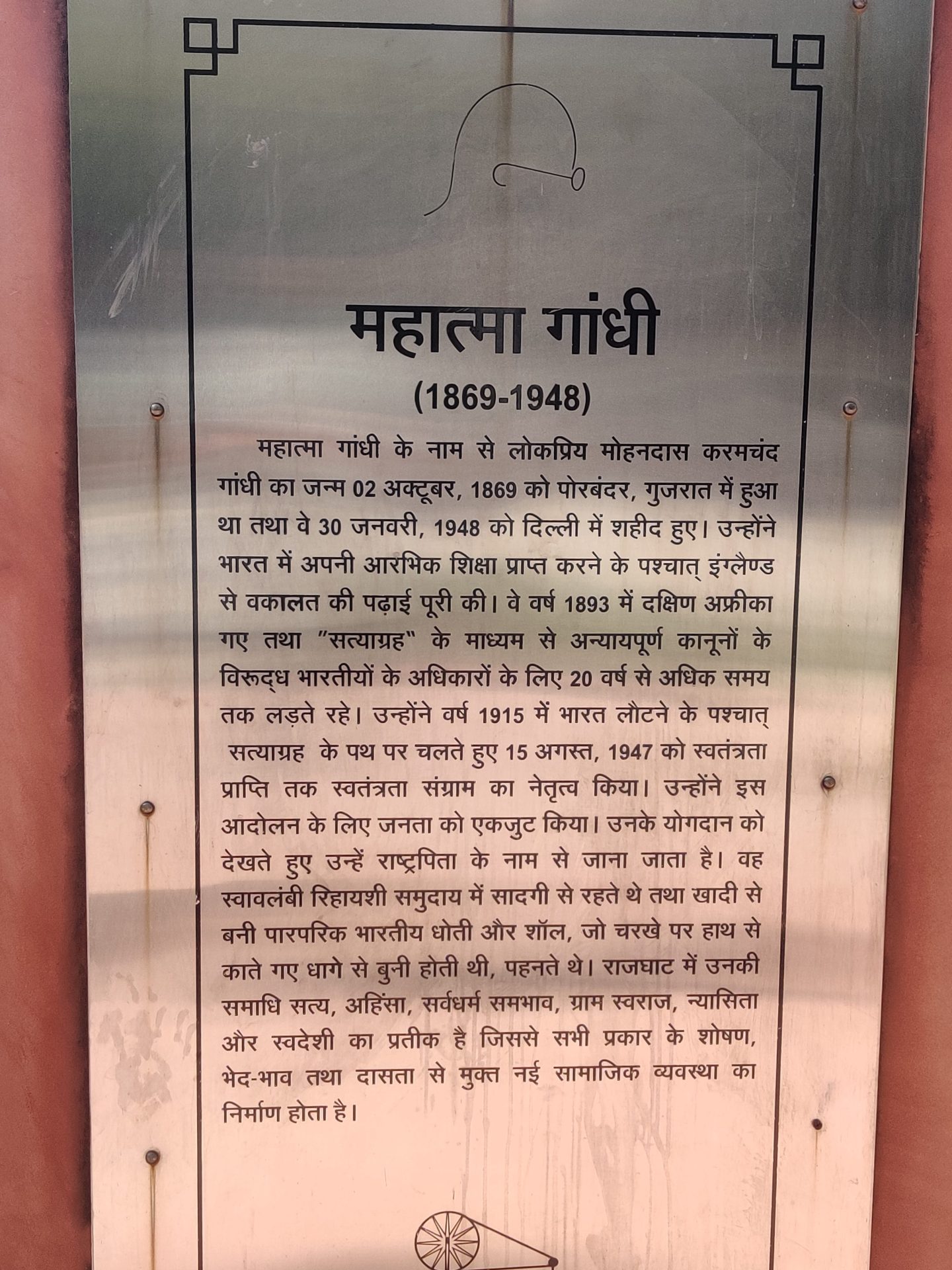
A memorial dedicated to the Father of the Nation, Mahatma Gandhi and set amidst lush green parkland, Rajghat has a black stone platform set in an open air complex which marks the spot where the Mahatma was cremated.
An eternal flame keeps burning here. While the entrance to the Raj Ghat and the India Gate are free, around the vicinity of the Raj Ghat, there are a few more memorials erected in the memory of a few famous political leaders.
After spending a serene 20 minutes, going around the complex, we moved on towards The Humayun’s Tomb.
.
Humayun's Tomb
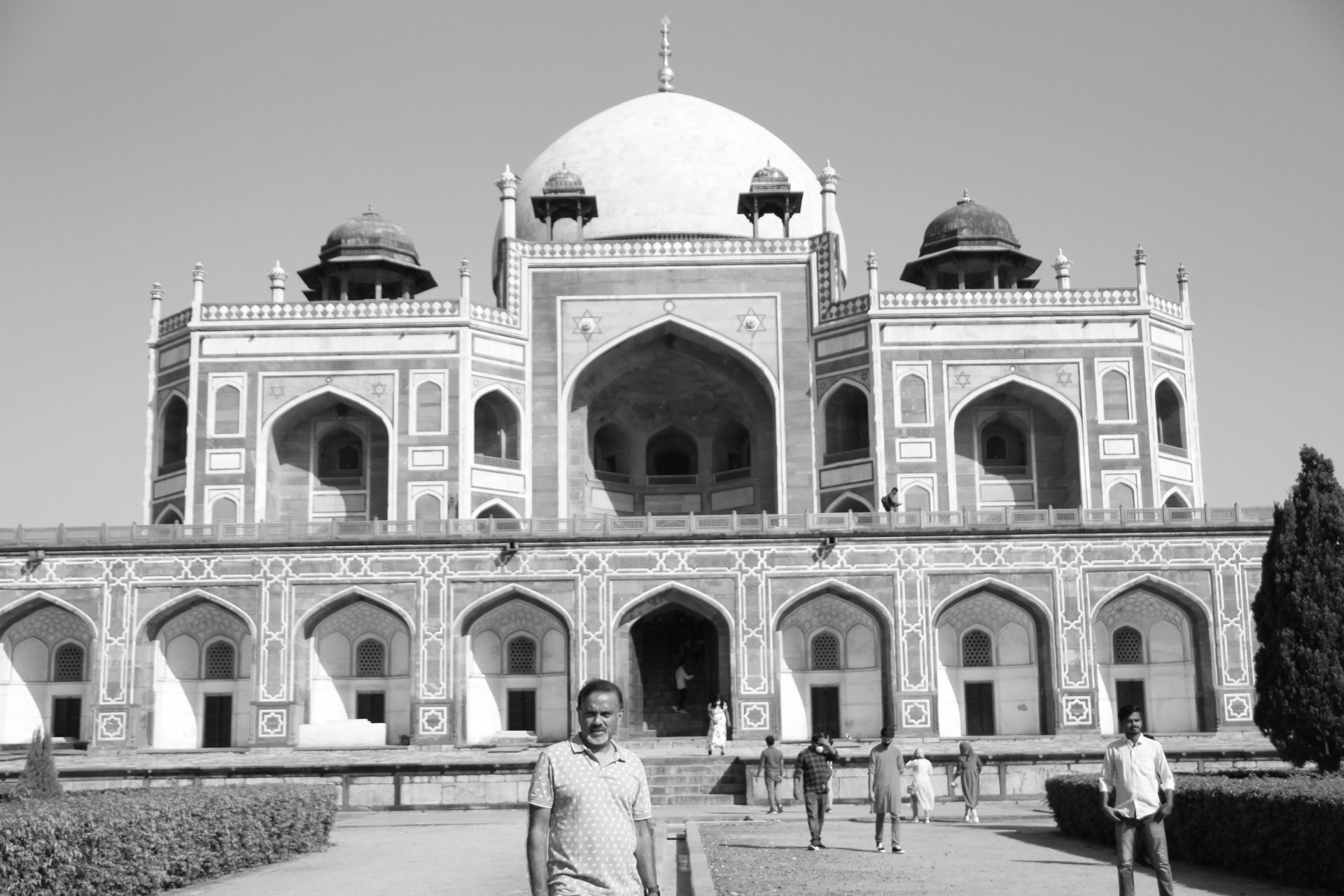
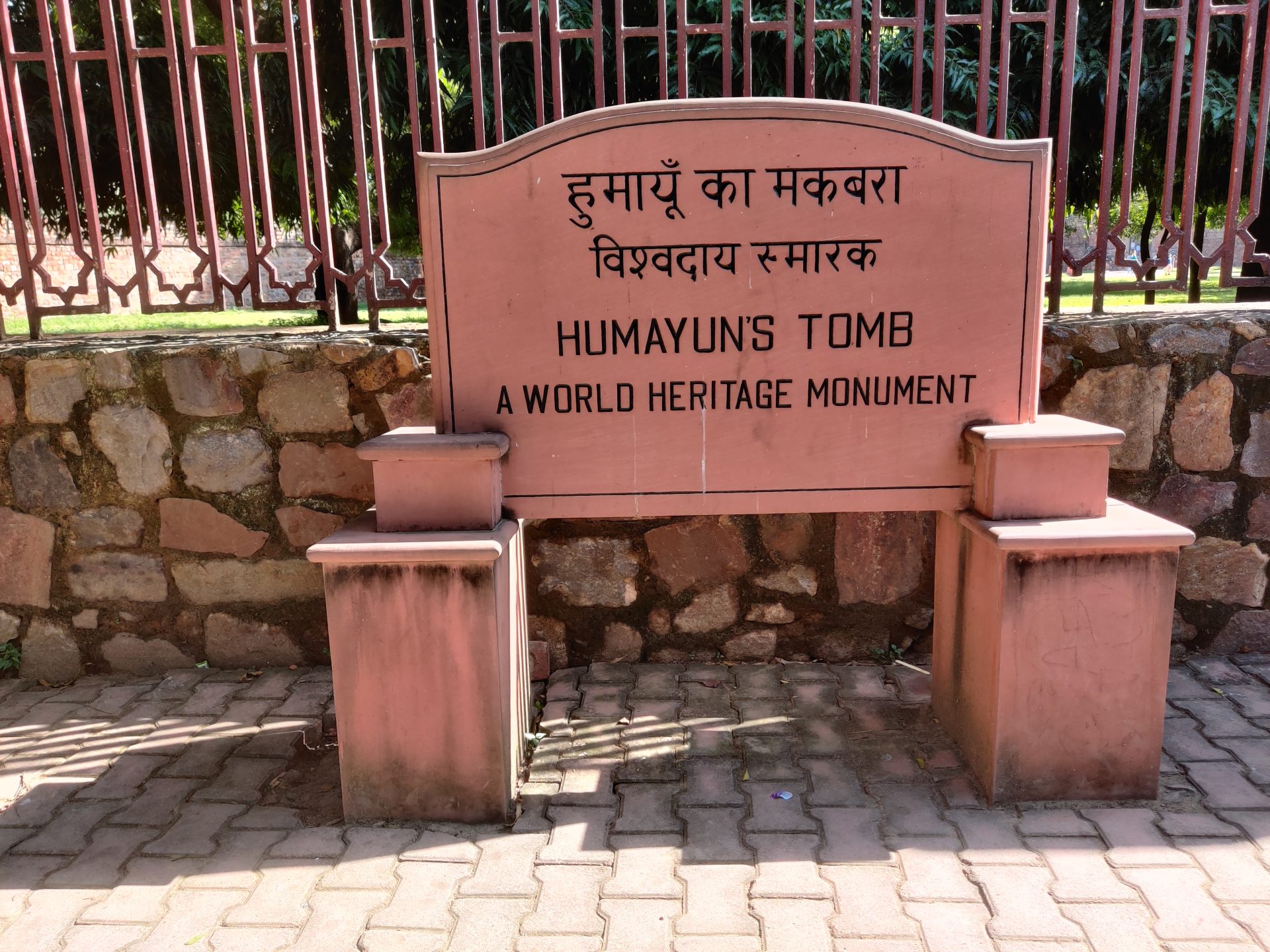
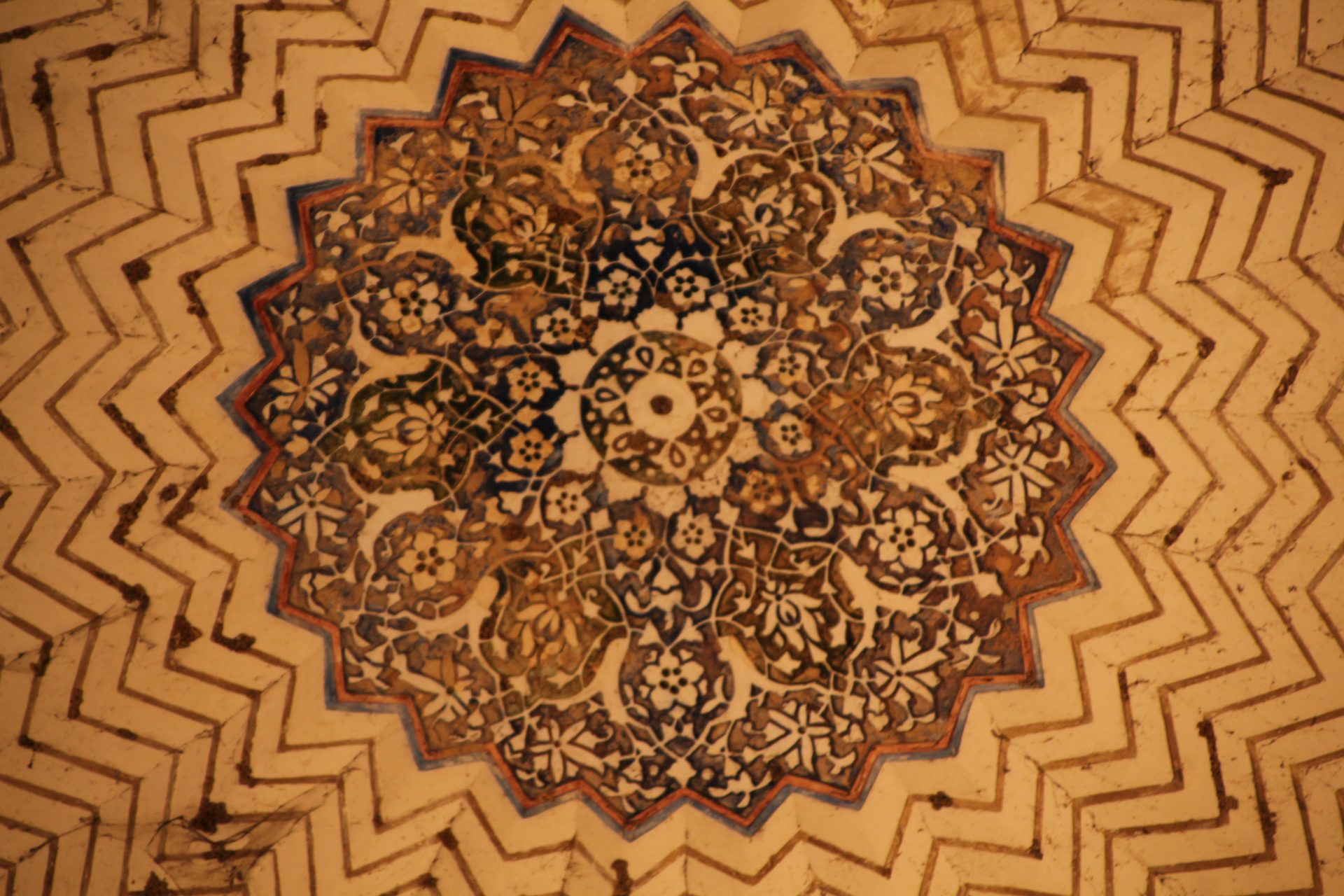
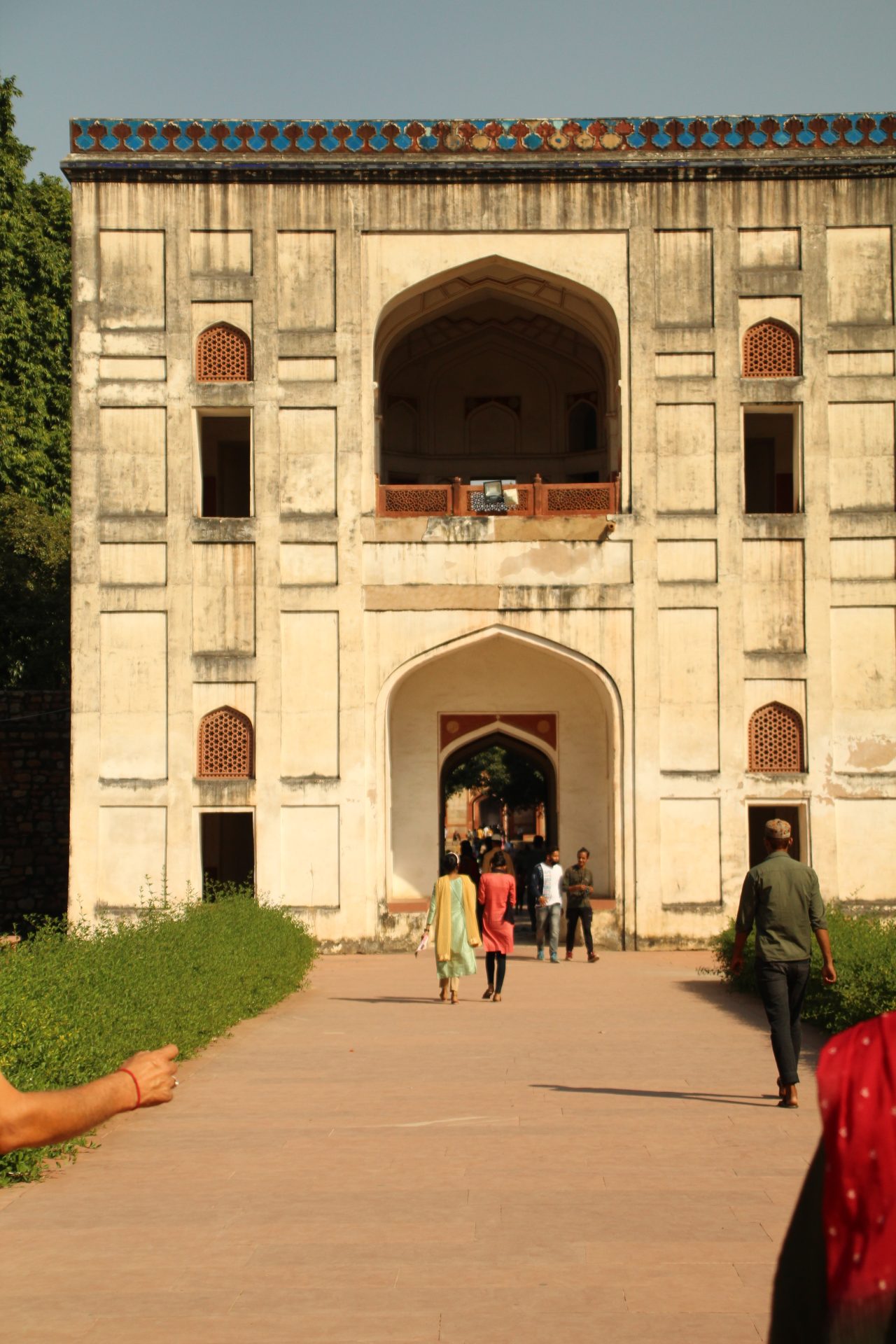
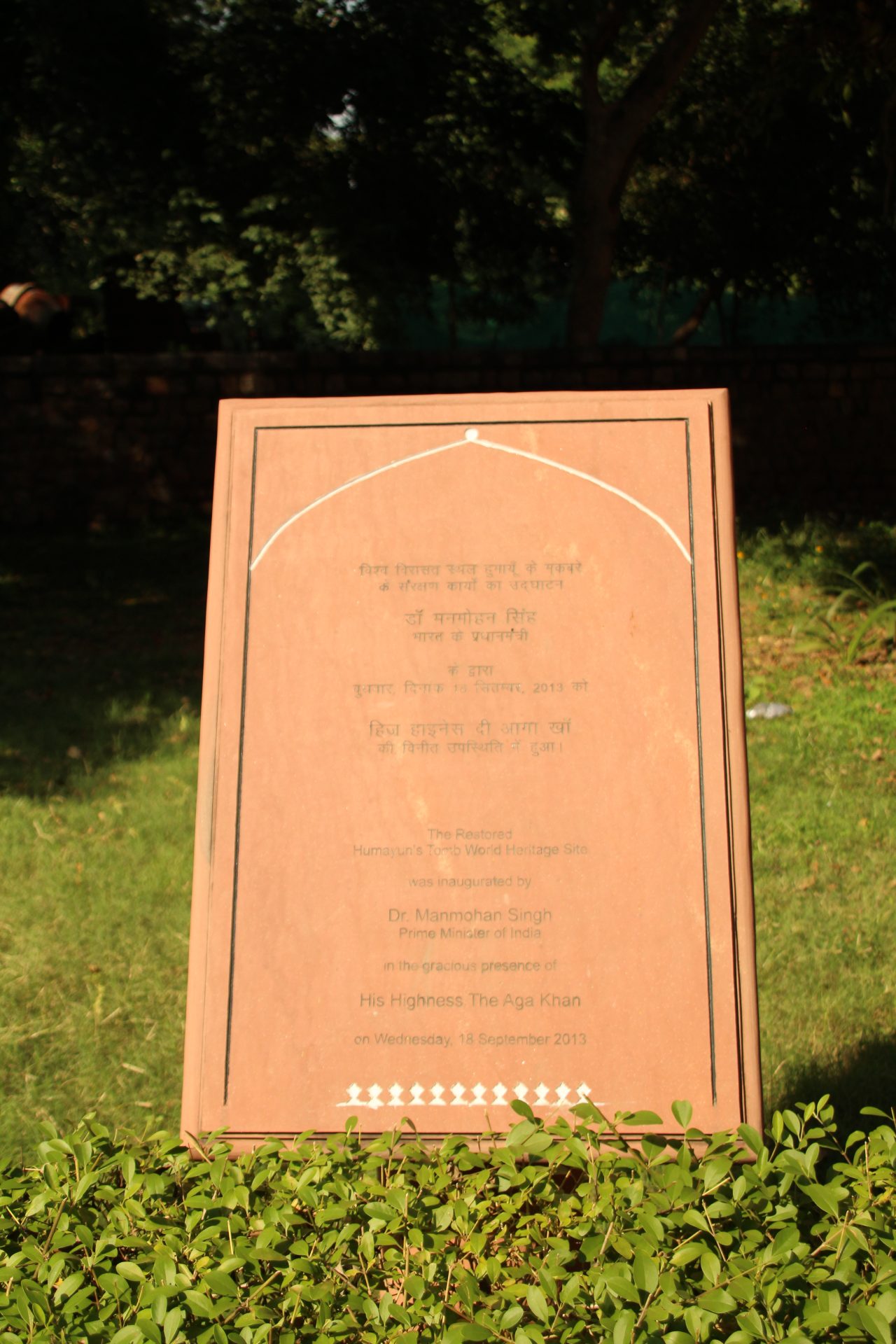
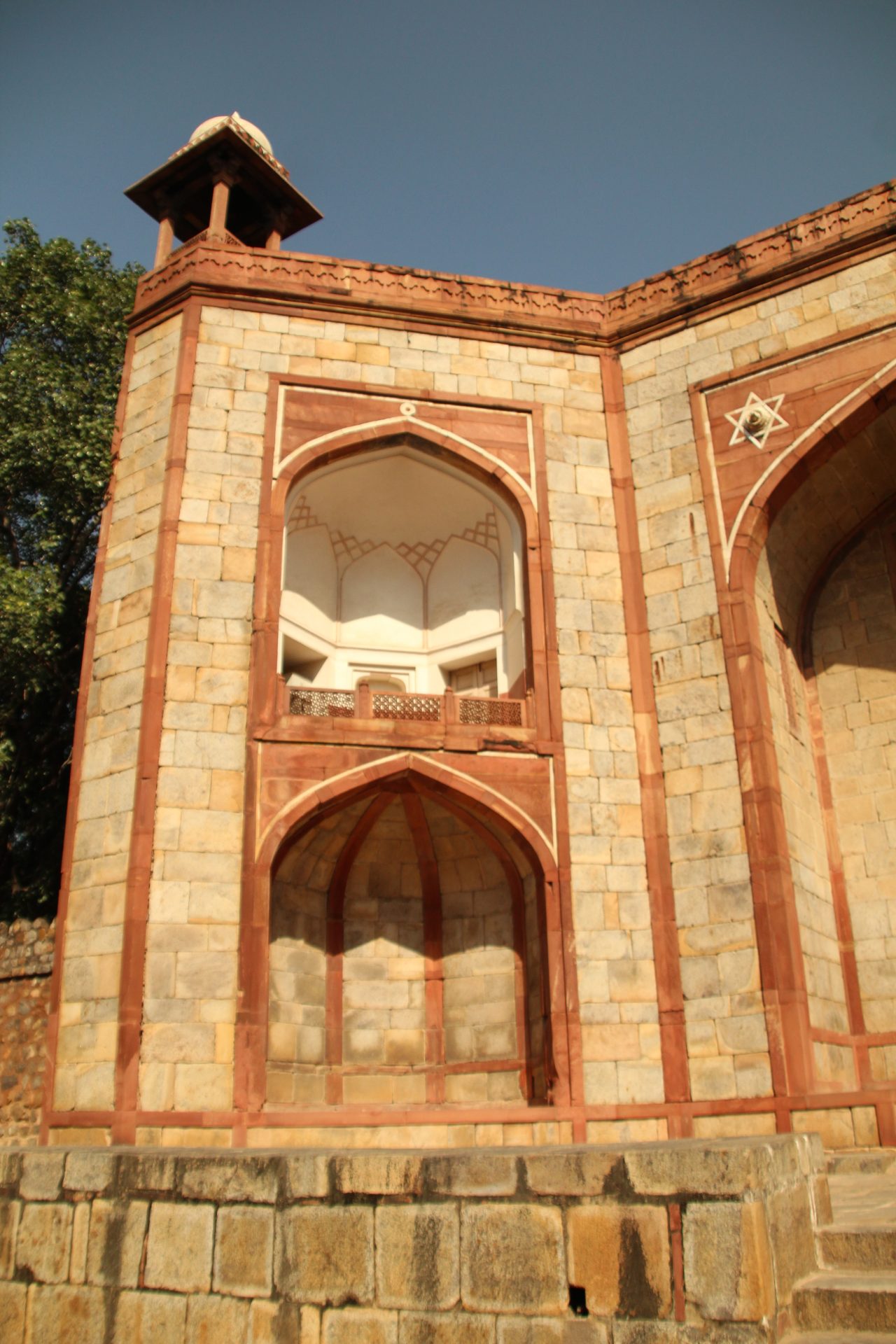
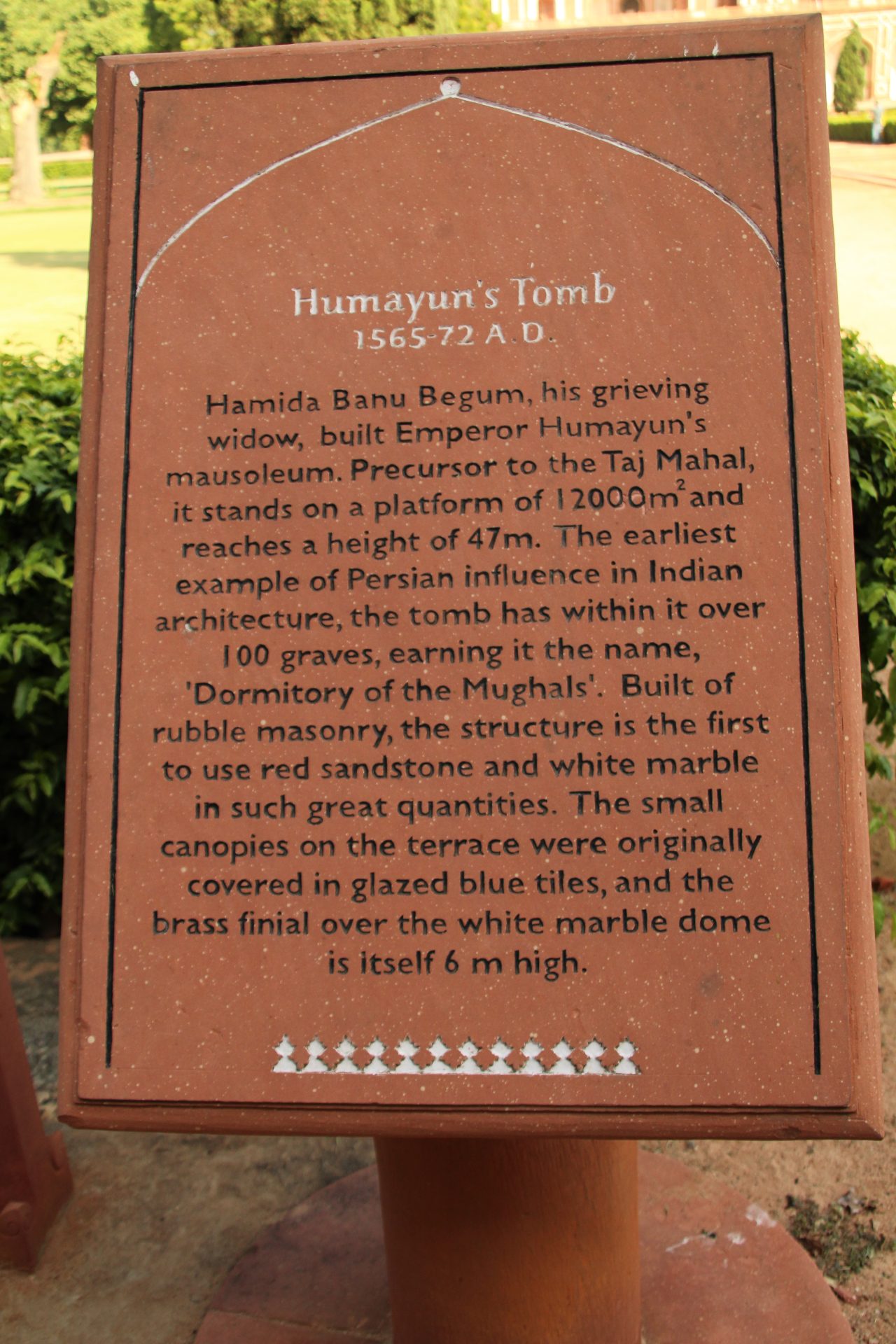
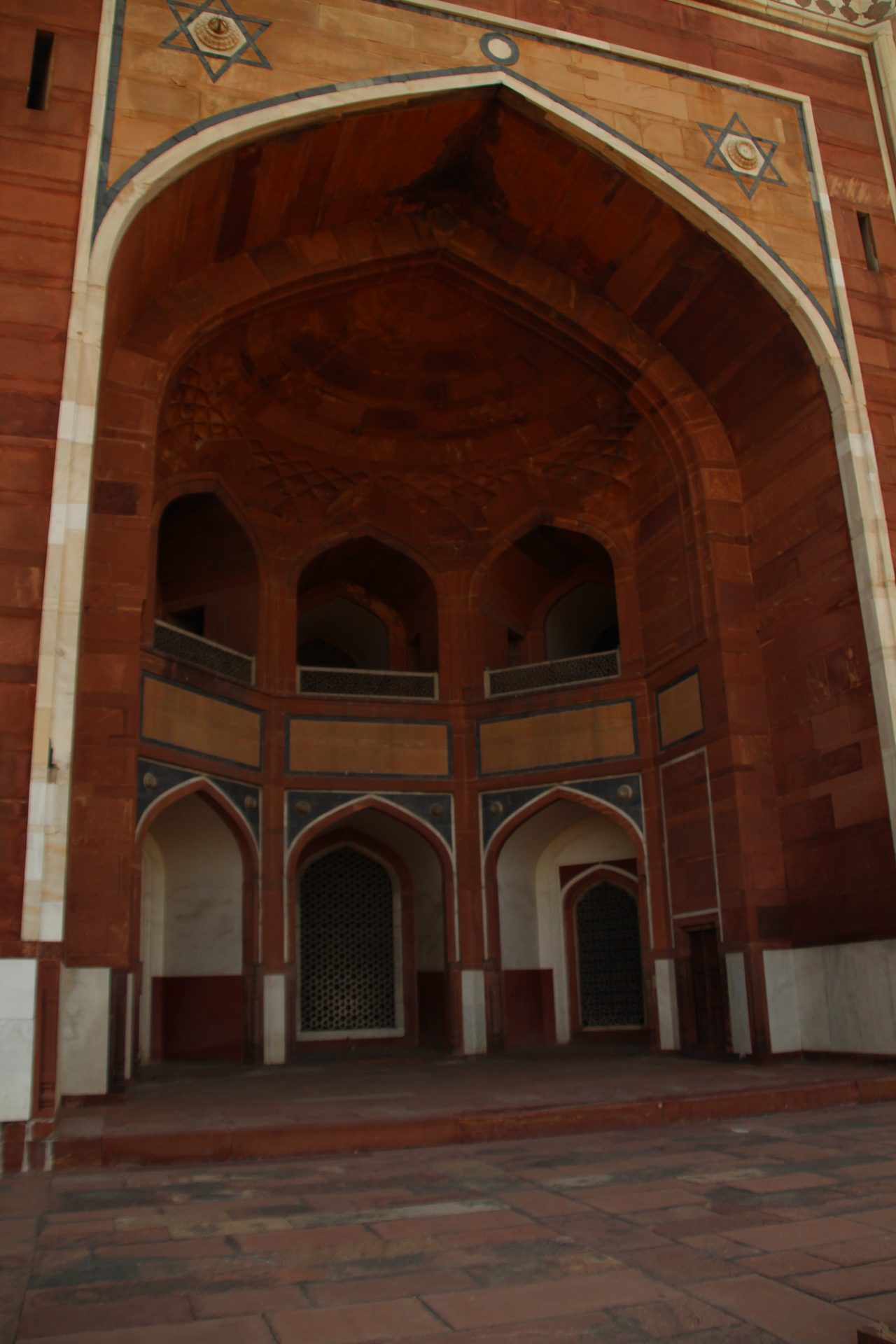
The Humayun’s Tomb, 47 metres in height and 91 metres wide is a grand dynastic Mausoleum built out of red sandstone and black and white Marble. This is a lovely piece of Mughal architecture built around 1570 in memory of Emperor Humayun. Commissioned by his chief consort Empress Bega Begum in 1558 and designed by Persian architects, the construction was patronized by his son Emperor Akbar.
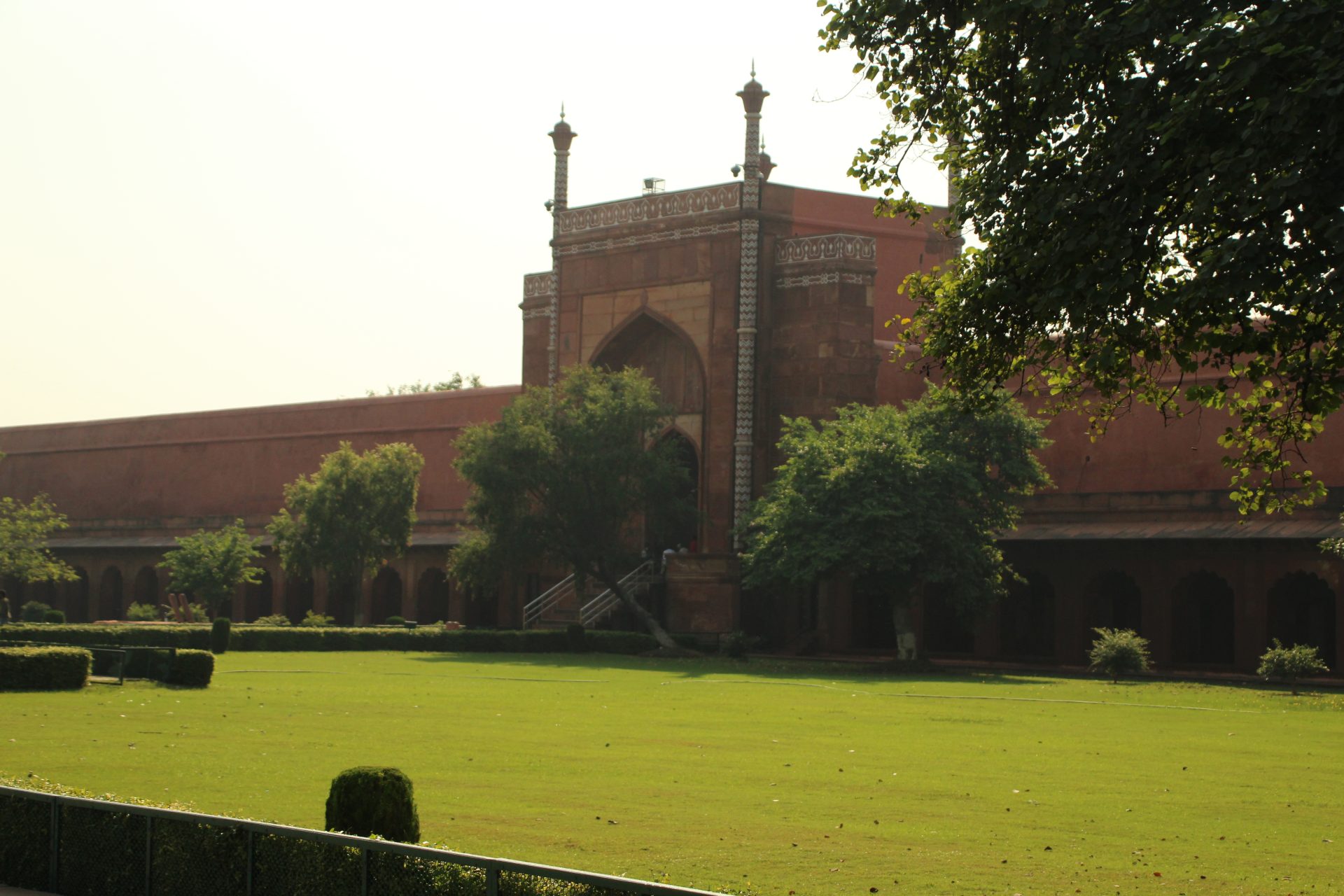
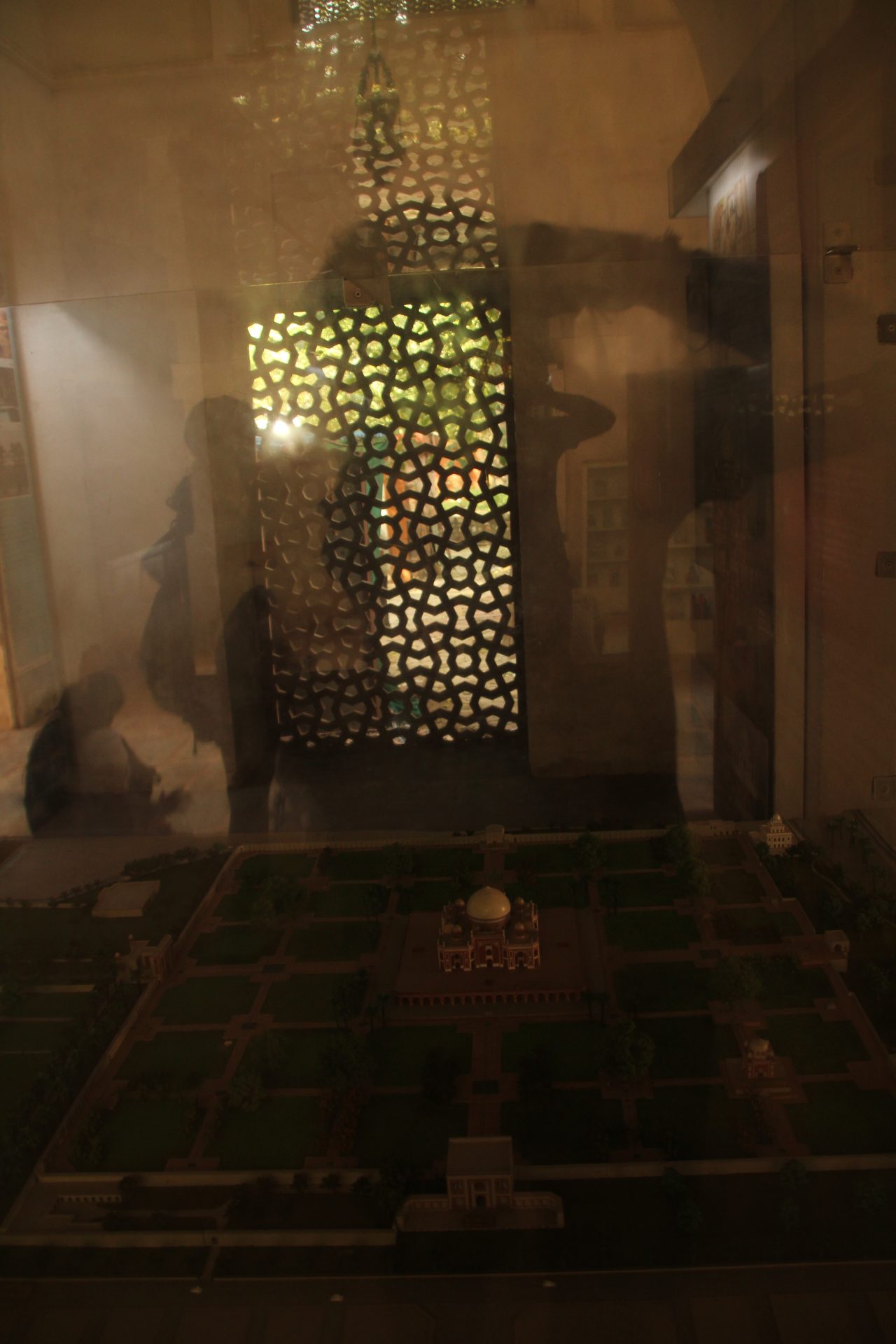
The Tomb stands on a 7 metre high and wide terraced platform, set amidst a large garden which is divided in 4 parts by walkways. The garden has huge gateways on the Southern and Western side with pavilions locate in the midst of the Northern and Eastern walls. The Platform has a 42 odd metre high double dome done in marble and flanked by pillared kiosks. The domes are beautifully adorned with glazed ceramic tiles.
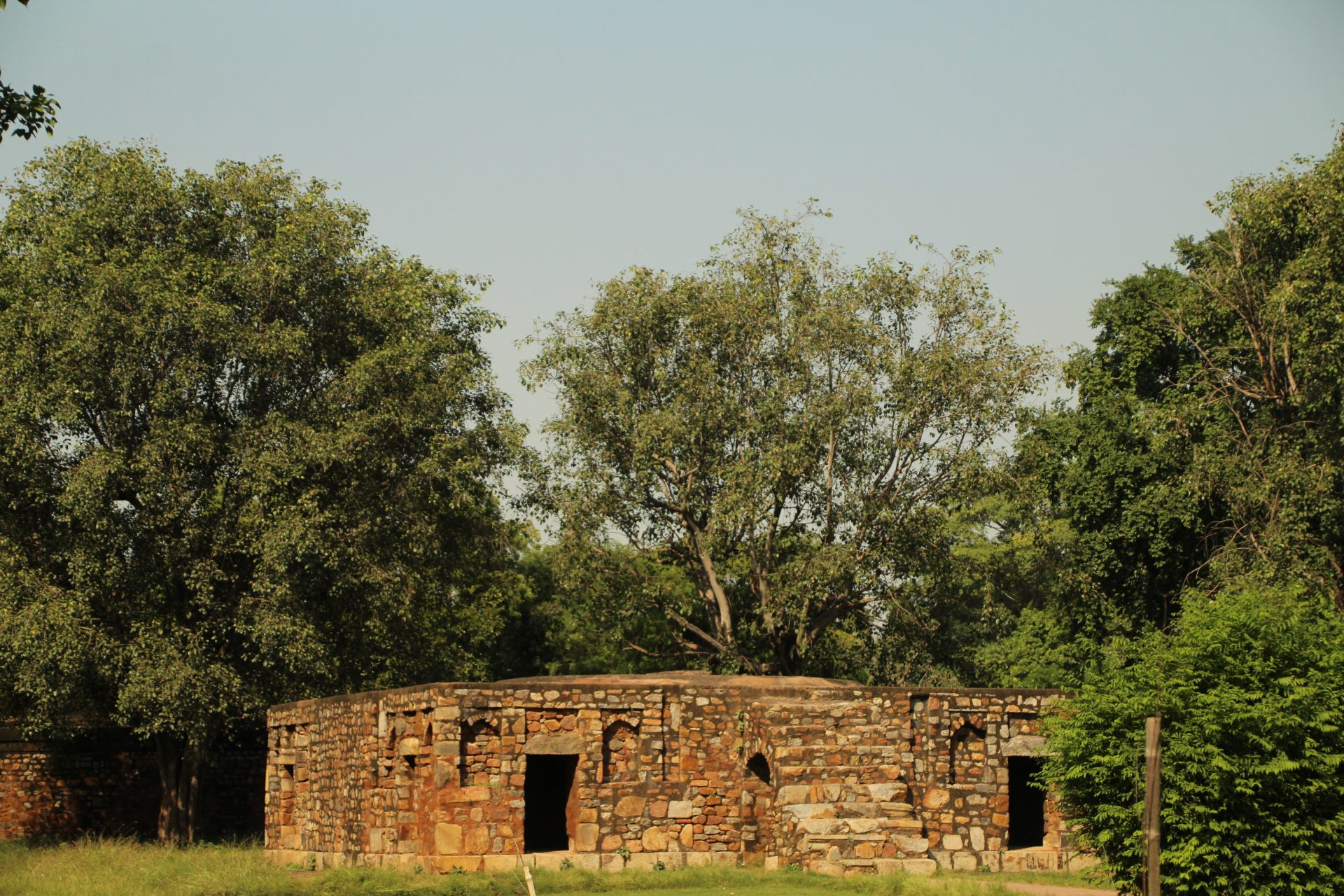
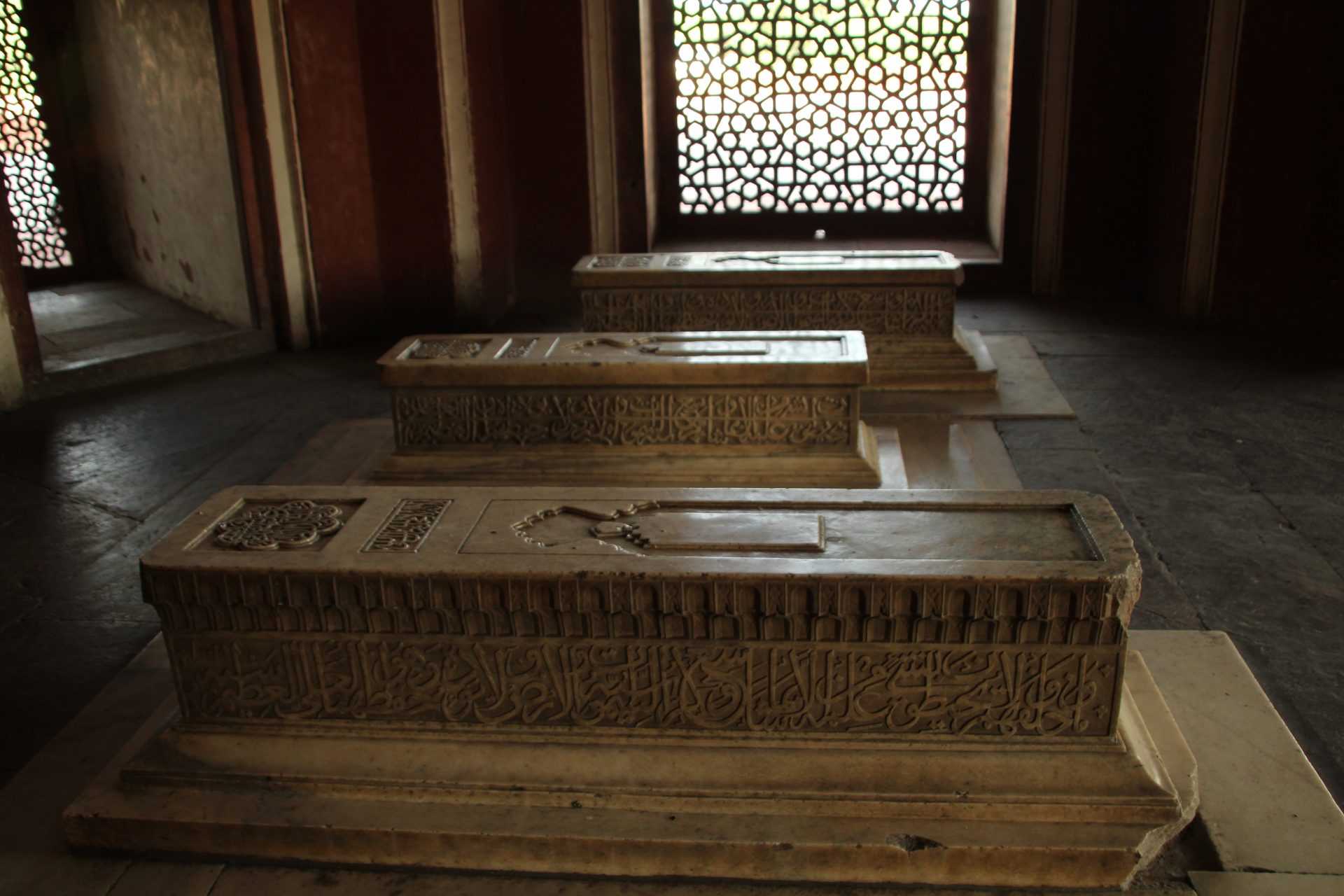
This Necropolis, is known to be a dormitory of the Mughals since the garden gradually got filled with the tombs of Humayun’s descendants and his entourage. UNESCO’S World Heritage Status was accorded to this tomb in 1993 and it remains as one of the well maintained memorials in Delhi.
The Lotus Bahai Temple
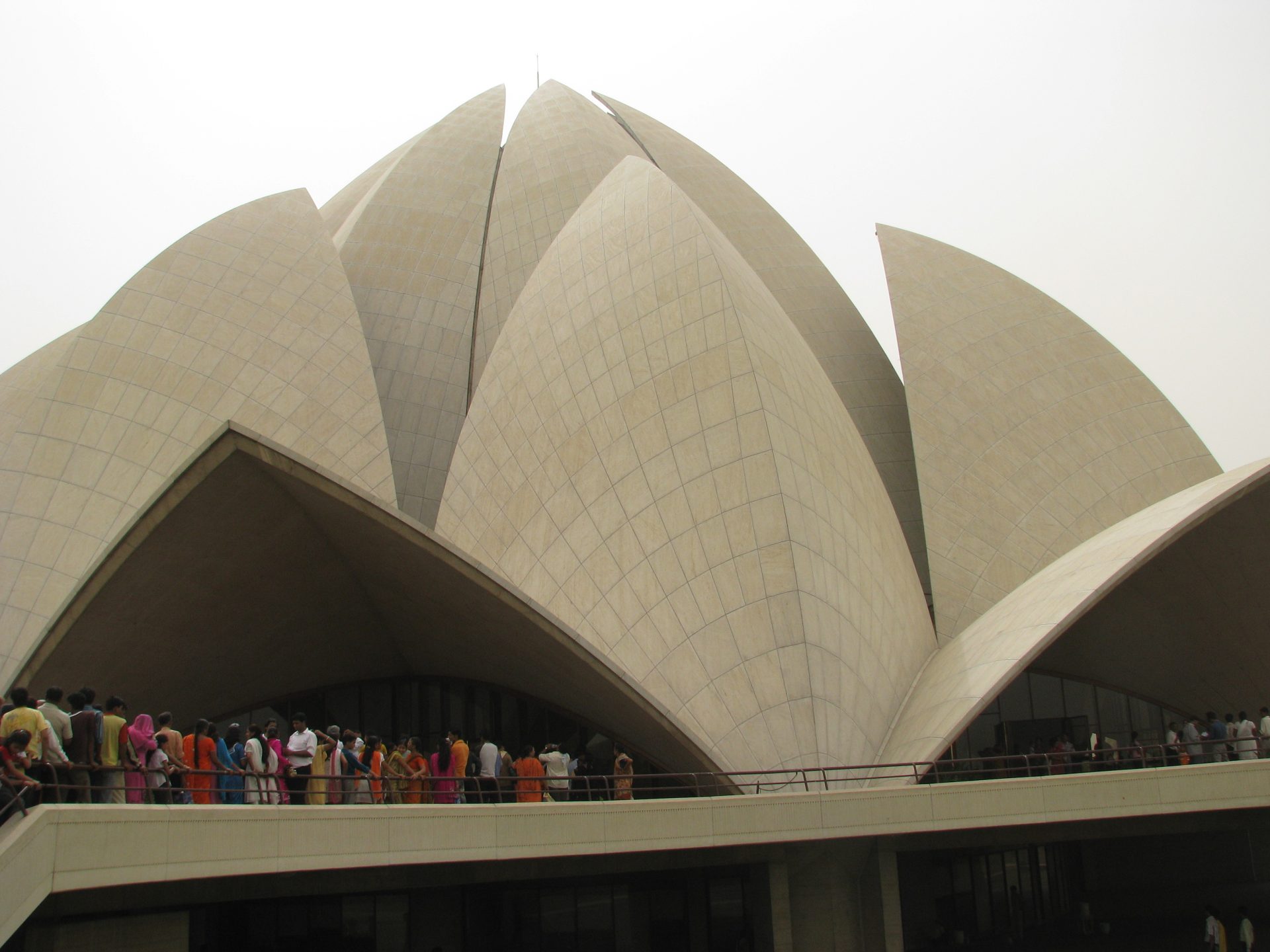
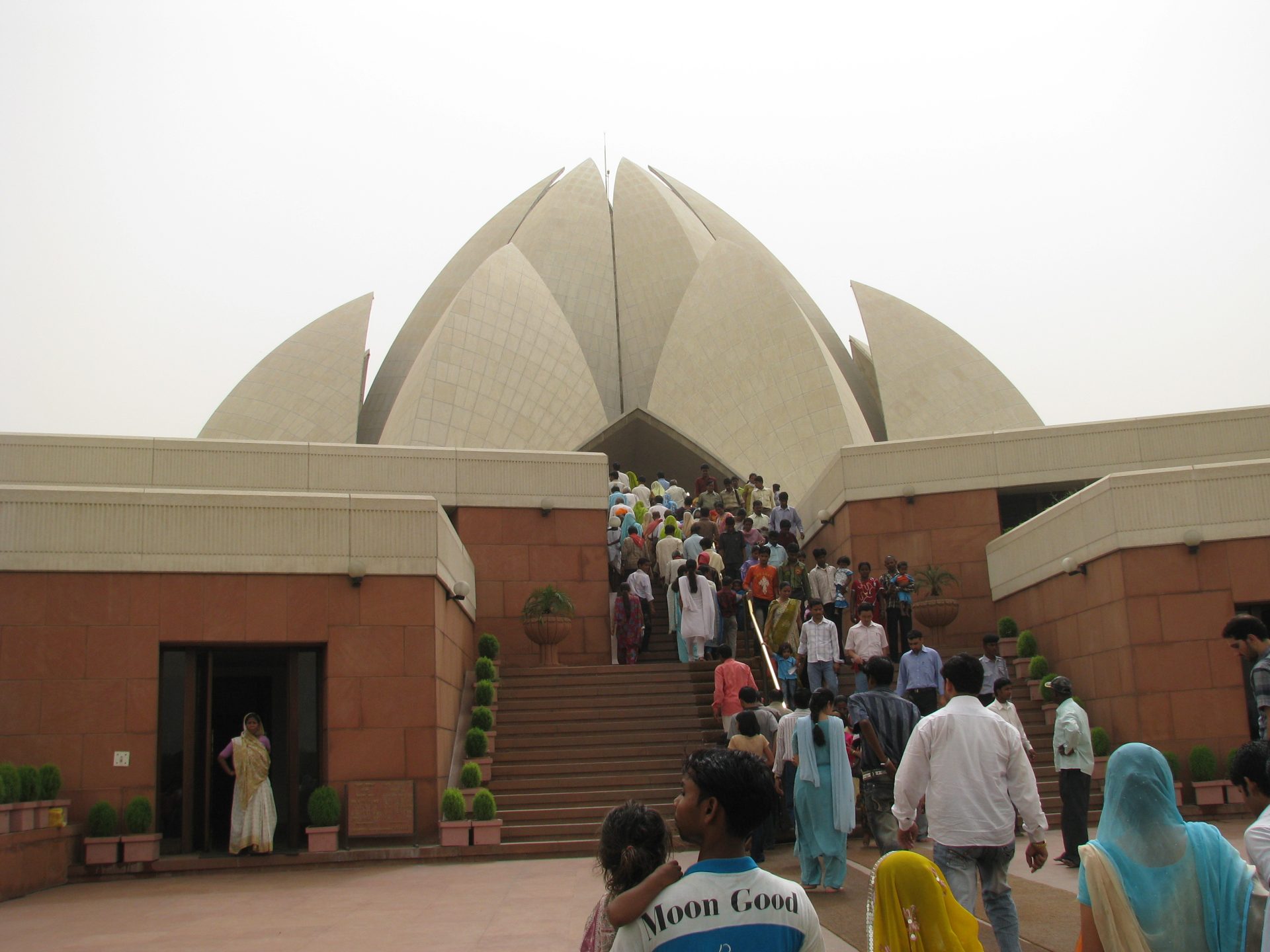
We then headed for the Lotus Bahai Temple in Kalkaji. A beautiful piece of flower like design, this Solar Powered temple, built in 1986 is a Bahai house of worship. It has 27 marble clad petals which are free standing and they are arranged in clusters of 3 to form a total of 9 sides.
Each of these sides have doors which open into a huge 34 metre high hall which can house in 1300 people at a time. People of all faiths and religions are free to congregate here to reflect and worship and with no set patterns.
The Qutub Minar
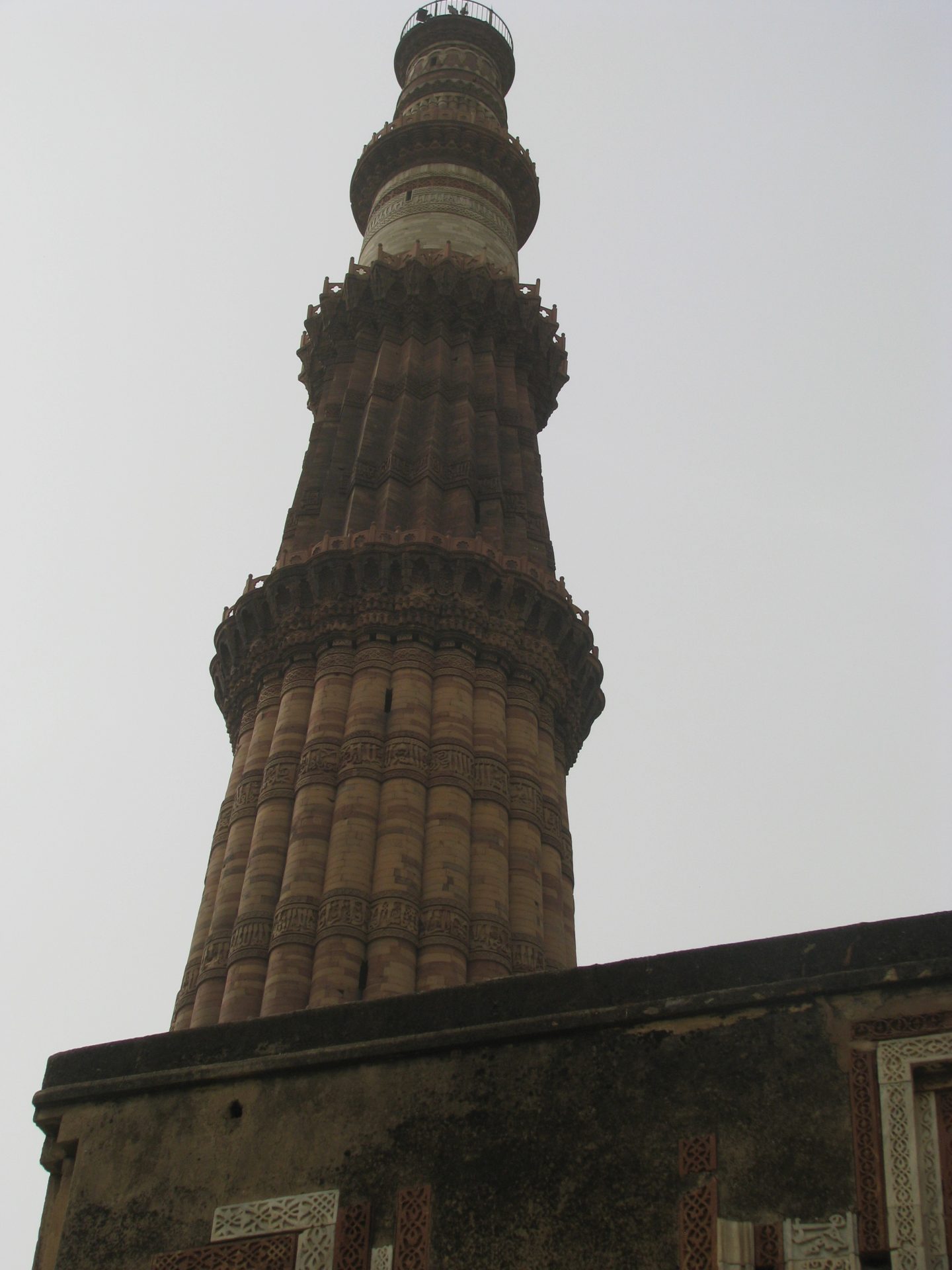
Between 1200 to 1368 when it finally got completed by Firoz Shah Tughlak, the Minaret witnessed addition of storeys to the base tower which was commenced by Qutab-ud-din Aibak, the first Muslim ruler of Delhi.
His successor, Iltutmush, added three more storeys, and in 1368, the fifth and the last storeys were added. In that same year, this 72 metre tower witnessed a lightning strike which ripped through the top and 400 plus years later, an earthquake destroyed a harp shaped cupola built around the 5th storey.
While people have been lucky to walk the 397 steps across the 5 storeys to reach the top, this monument stands closed for over 40 years since a power cut induced stampede led to lots of people dying.
The tomb of Alaudin Khilji is also located within the Qutb complex. The last of the monuments which was in our itinerary was the Qutub Minar. This Victory Tower or Minaret was built in Indo-Islamic architecture almost 750 years back.
Shopping at Dilli Haat & Sarojini Market
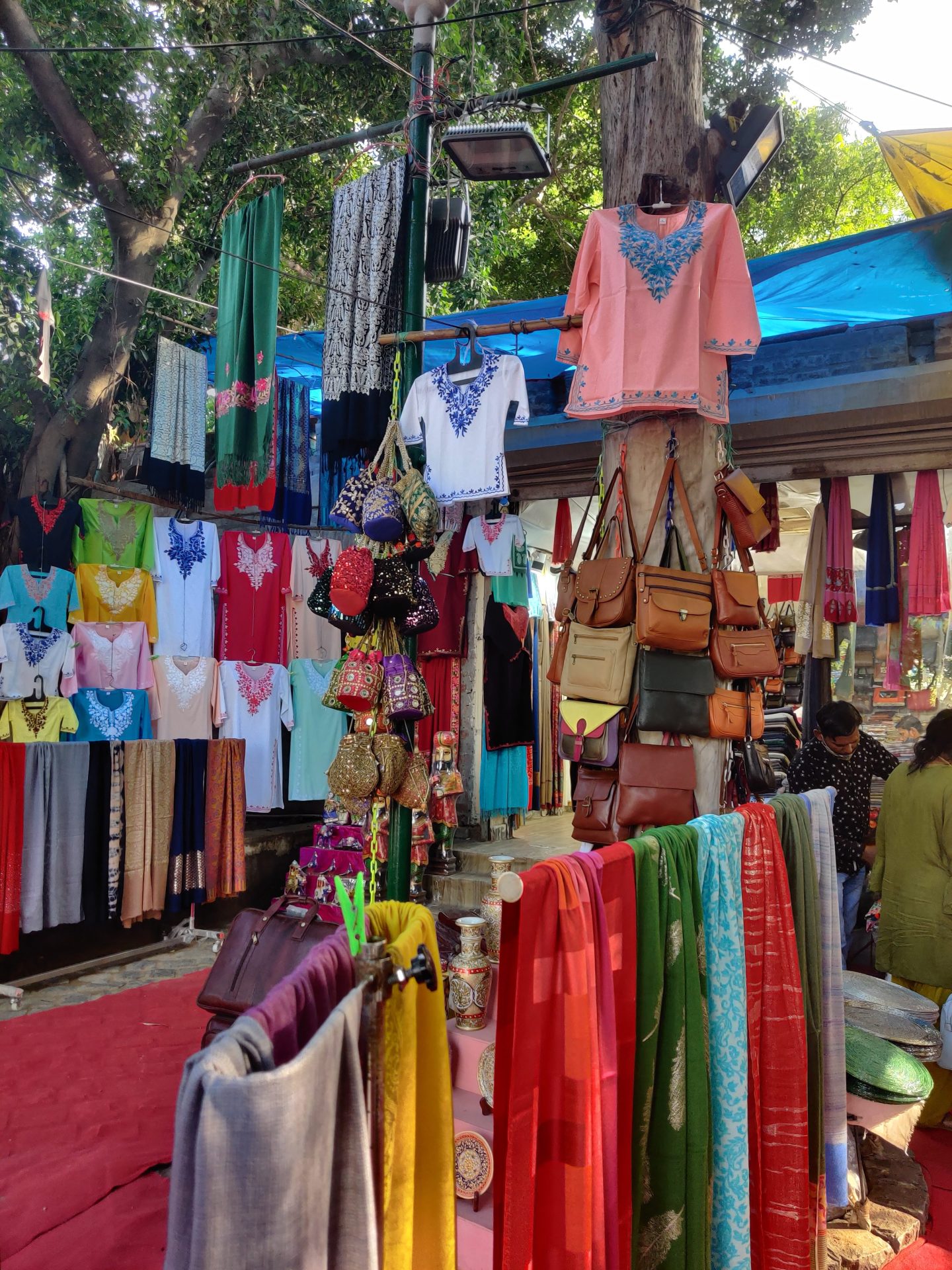
We then headed to the Dilli Haat in INA, a paid open air market and home to artisans from different parts of the country who are leased out shops to sell beautiful pieces of native and ethnic artefacts and handicrafts, carpets, paintings, Bags and purses, dresses etc. A perfect forum for rural and folks art in an urban setting, one can spend hours going around and admiring the amazing work done by the craftsmen. Tickets to enter this market are sold at Rs.20/- apiece.
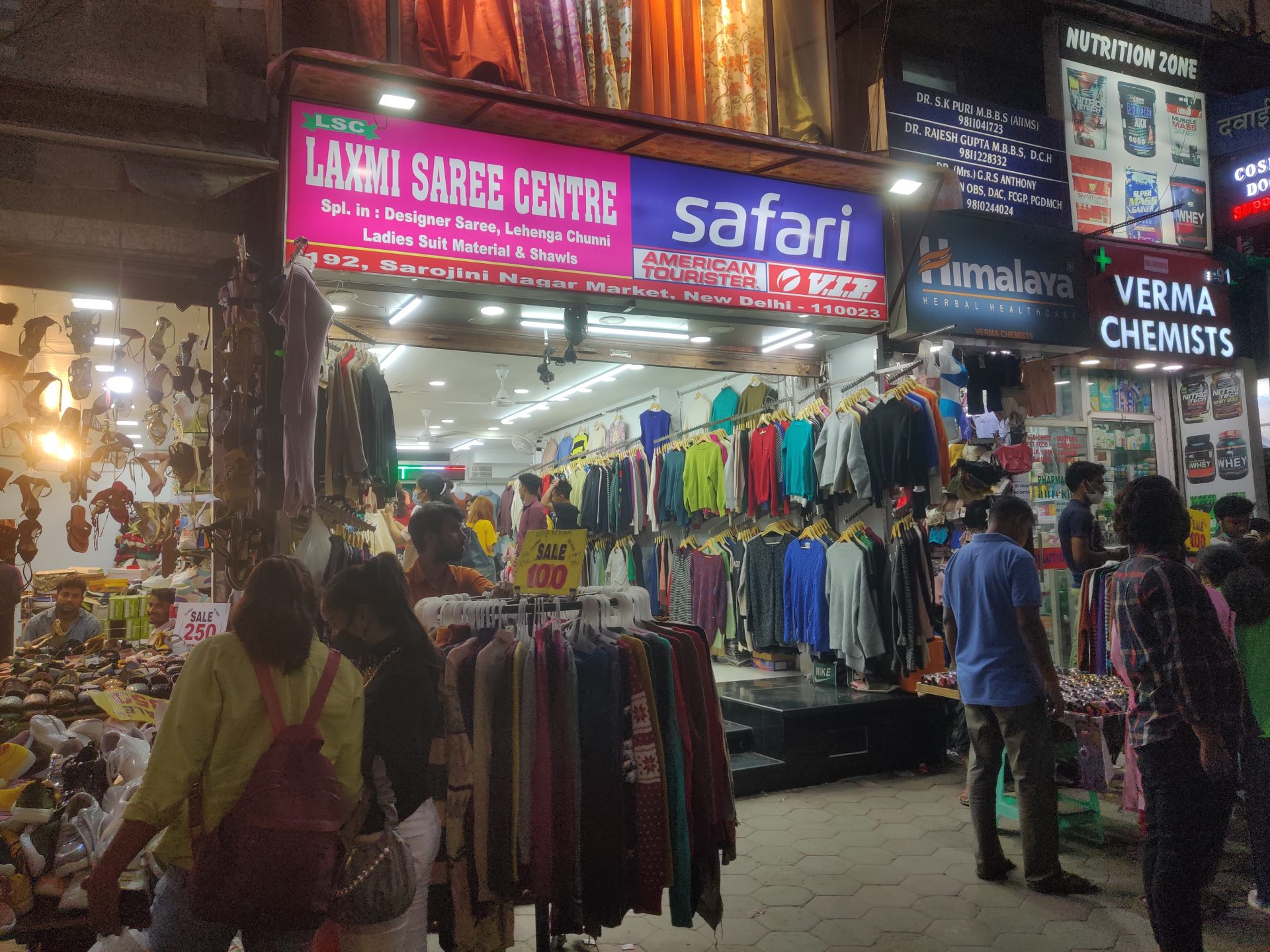
Our last stop was at the Sarojini Market, a flea market with hundreds of shops and street smart sellers on the pavement, trying to peddle their wares. A good place to pick up reasonably good stuff at very attractive prices, this market is pretty big and can take anywhere between an hour to a few hours before you drop dead shopping. An amazing place to shop around, this has been one of my favourite go to markets for all seasons and all occasions.
A pretty tiring day for us walking and we finally chose to leave for the confines of our hotel by around 8 in the night. Having gorged on some mouth watering street food in the lanes of Sarojini Market, we chose to have a light and early dinner with loads of memories to carry on while plans were drawn for the next pit stop, Agra.